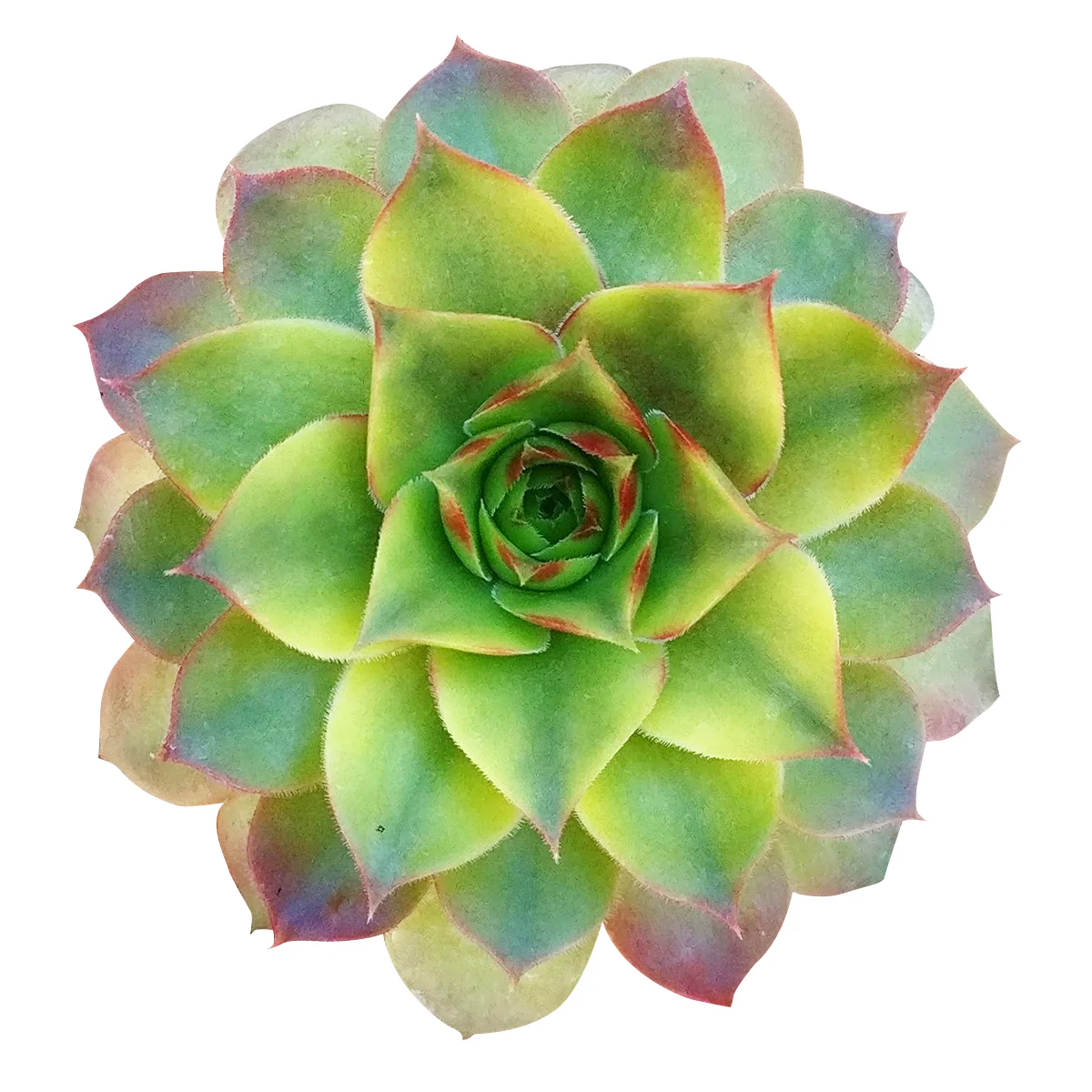
Variegated Sempervivum
- Description
- Variegated Sempervivum Care Guide
- FAQ/Common Issues
-
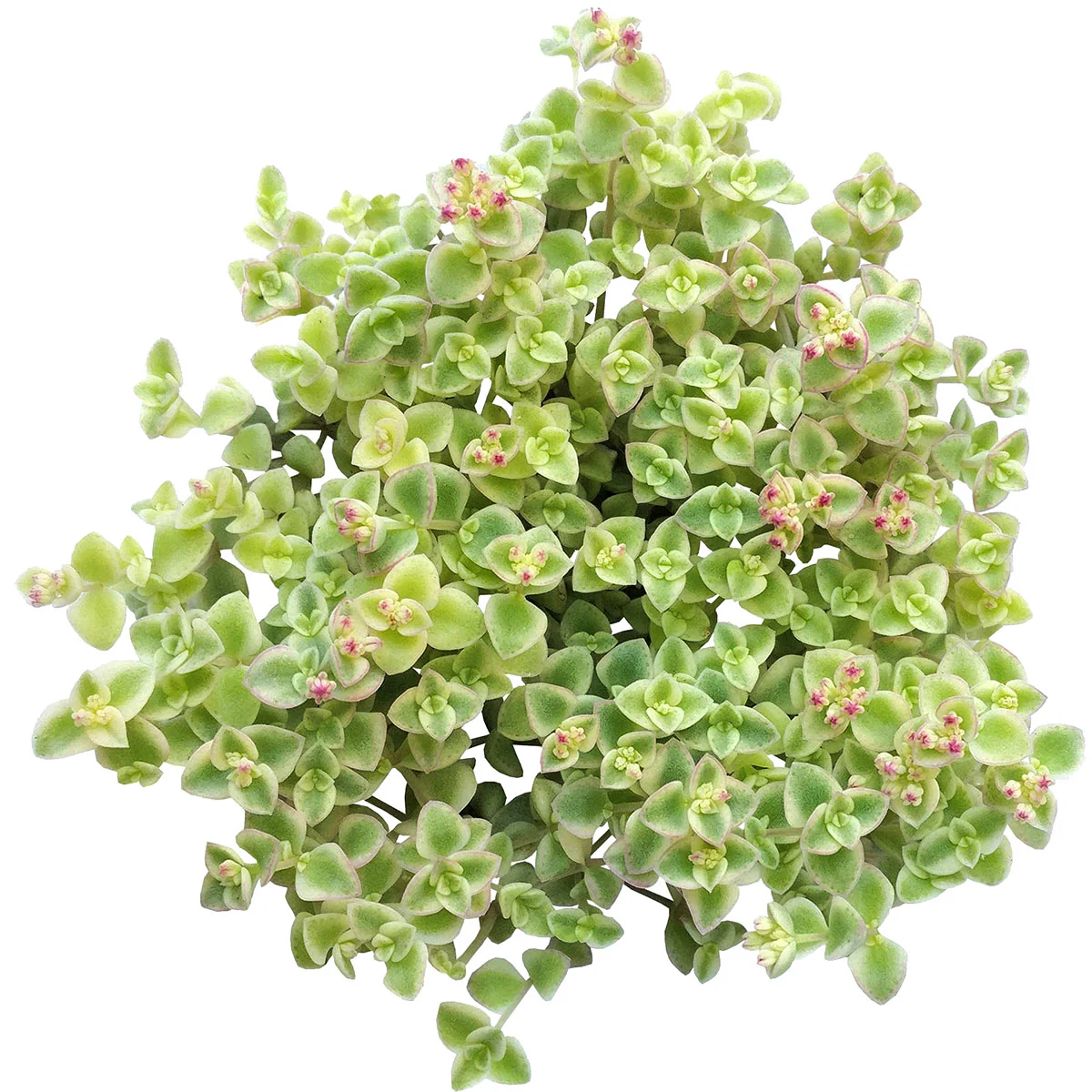
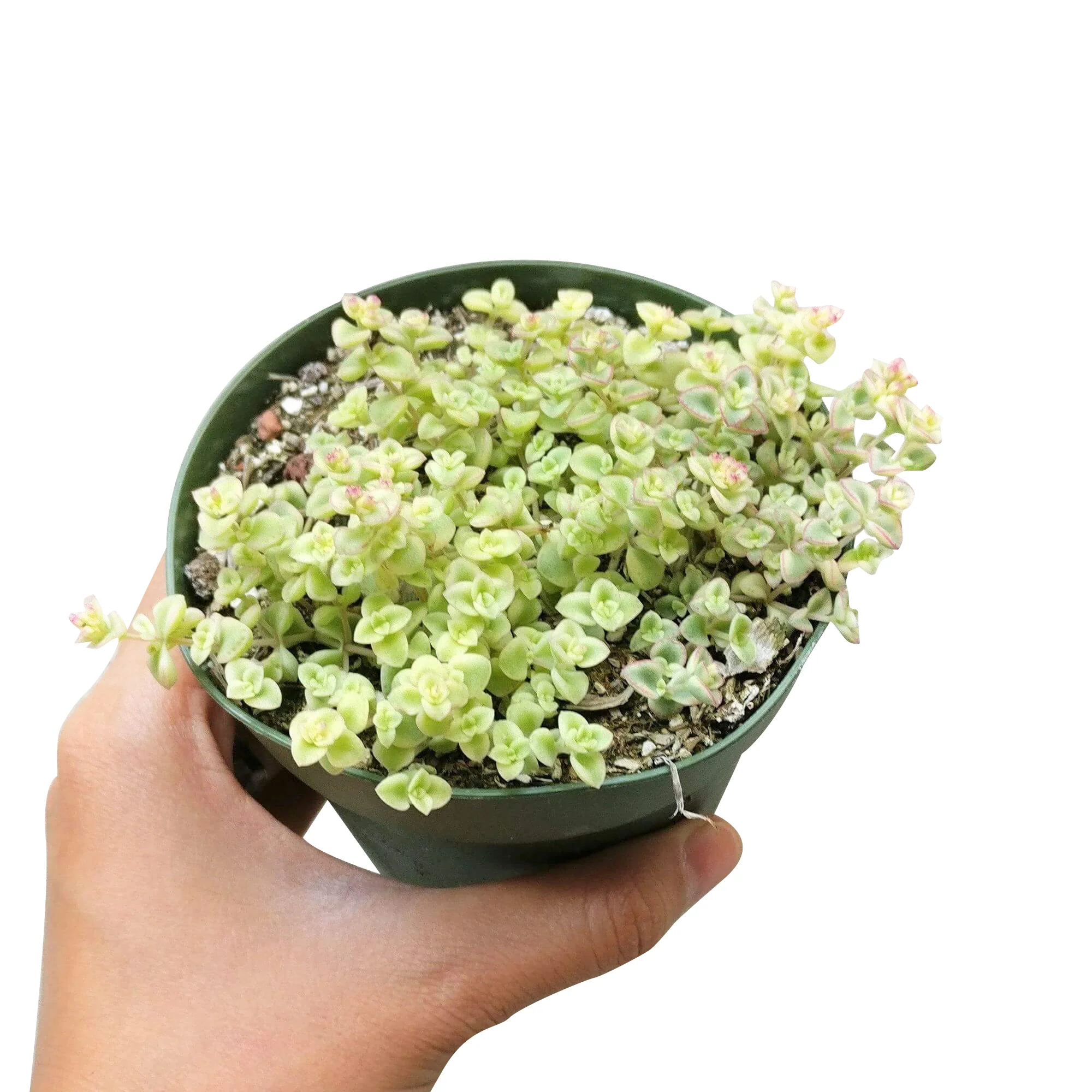
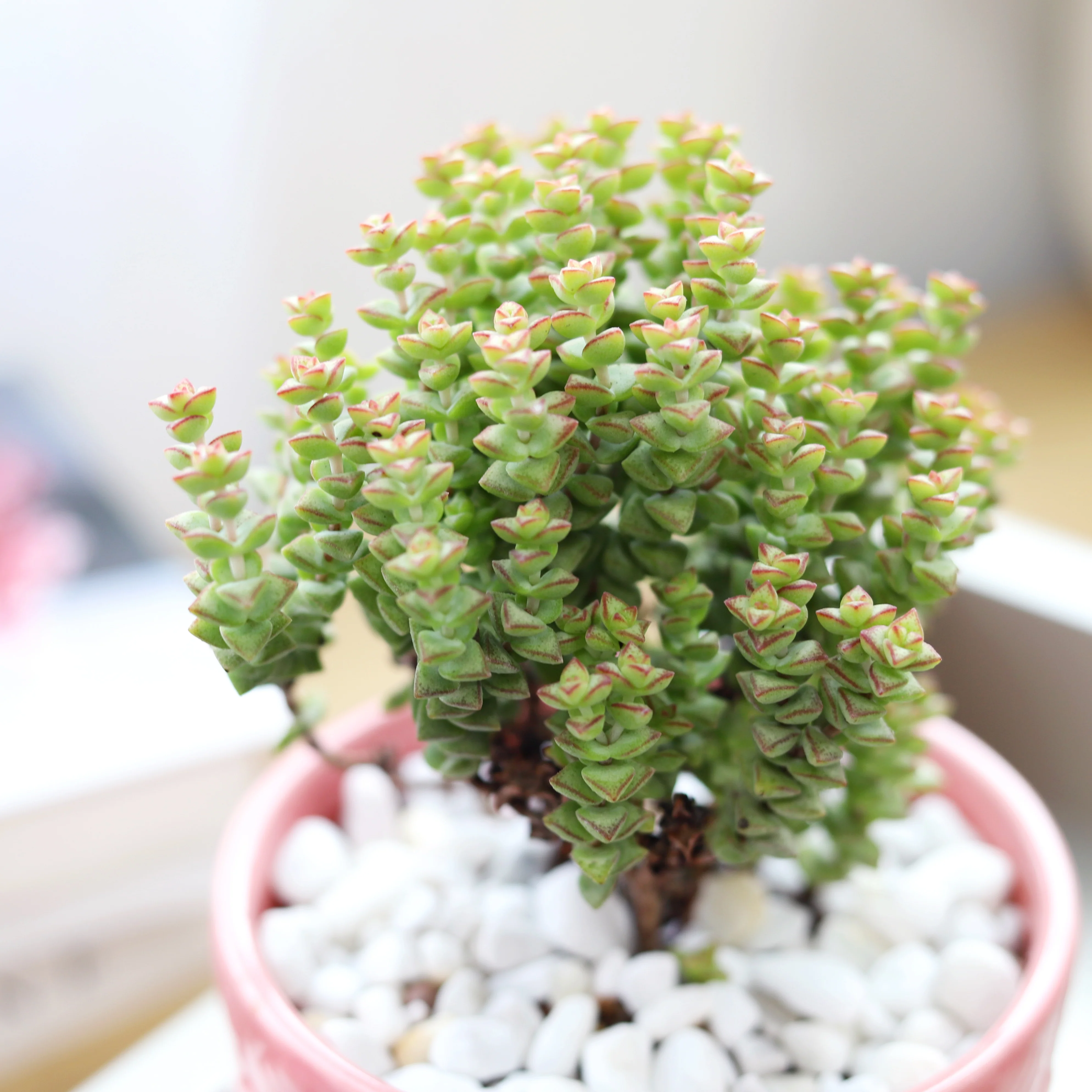
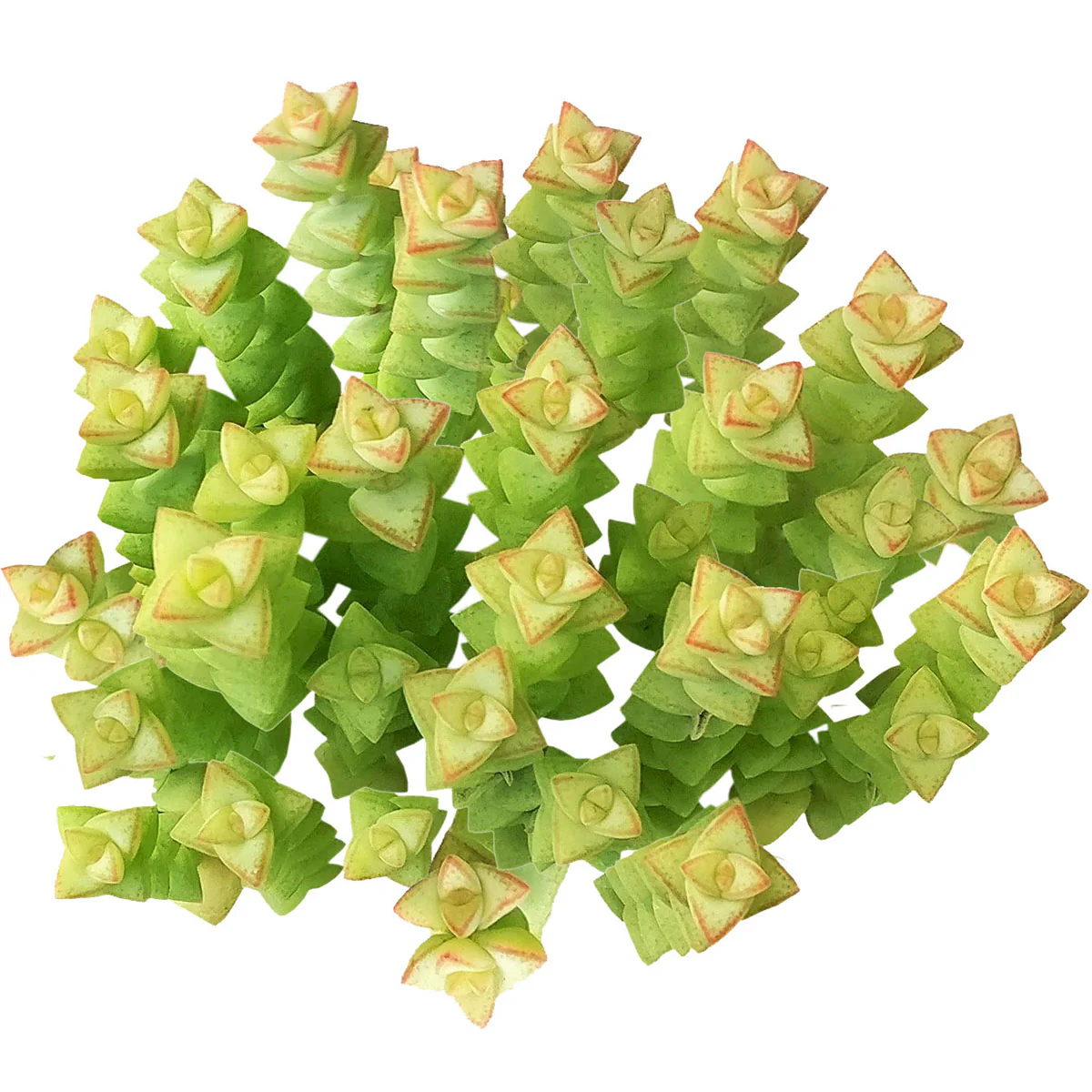
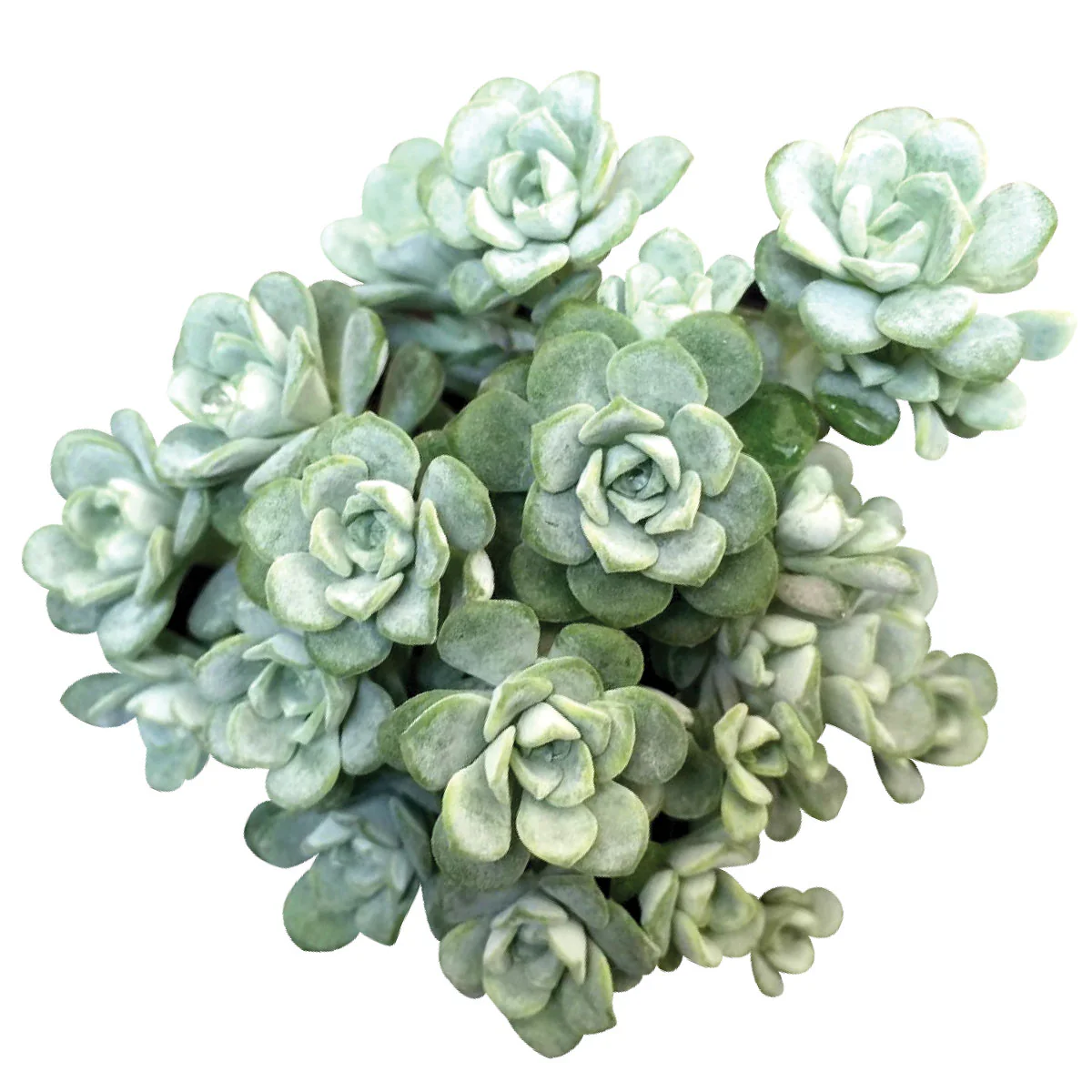
![]() Variegated Sempervivum is a rare variegated succulent in the Crassulaceae family, prized by collectors for its striking, color-splashed rosettes. Native to the mountain regions of Europe and western Asia, it thrives naturally in rocky, well-drained soils under open skies. This frost hardy hen and chicks succulent has earned a loyal following among growers who love plants that are both beautiful and tough.
Variegated Sempervivum is a rare variegated succulent in the Crassulaceae family, prized by collectors for its striking, color-splashed rosettes. Native to the mountain regions of Europe and western Asia, it thrives naturally in rocky, well-drained soils under open skies. This frost hardy hen and chicks succulent has earned a loyal following among growers who love plants that are both beautiful and tough.
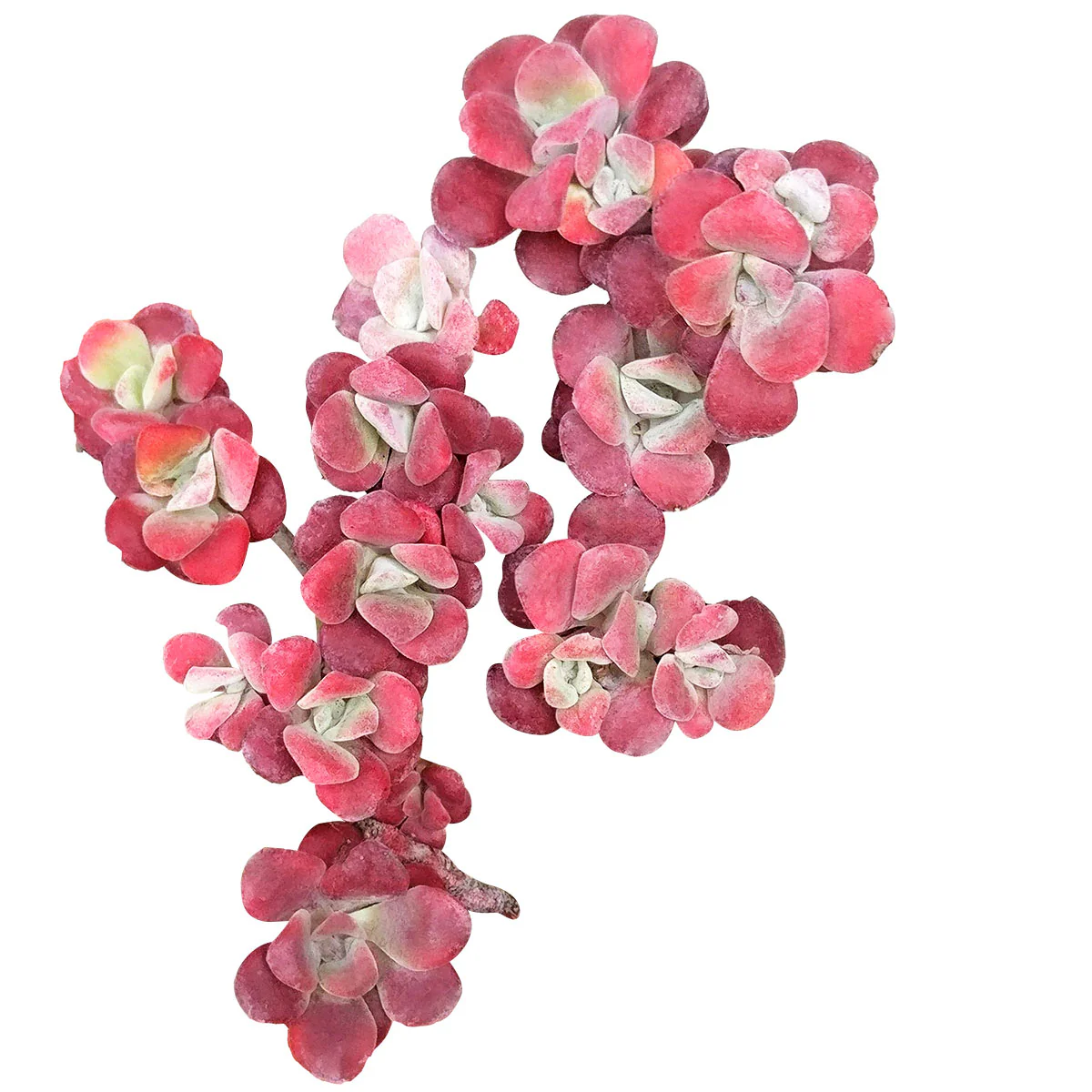
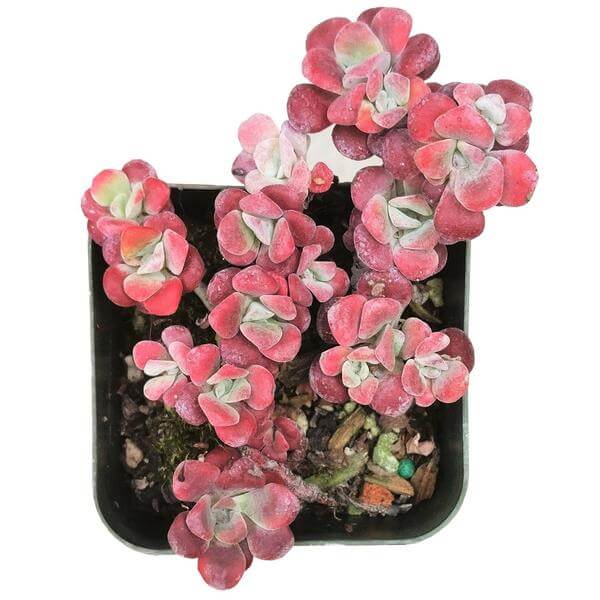
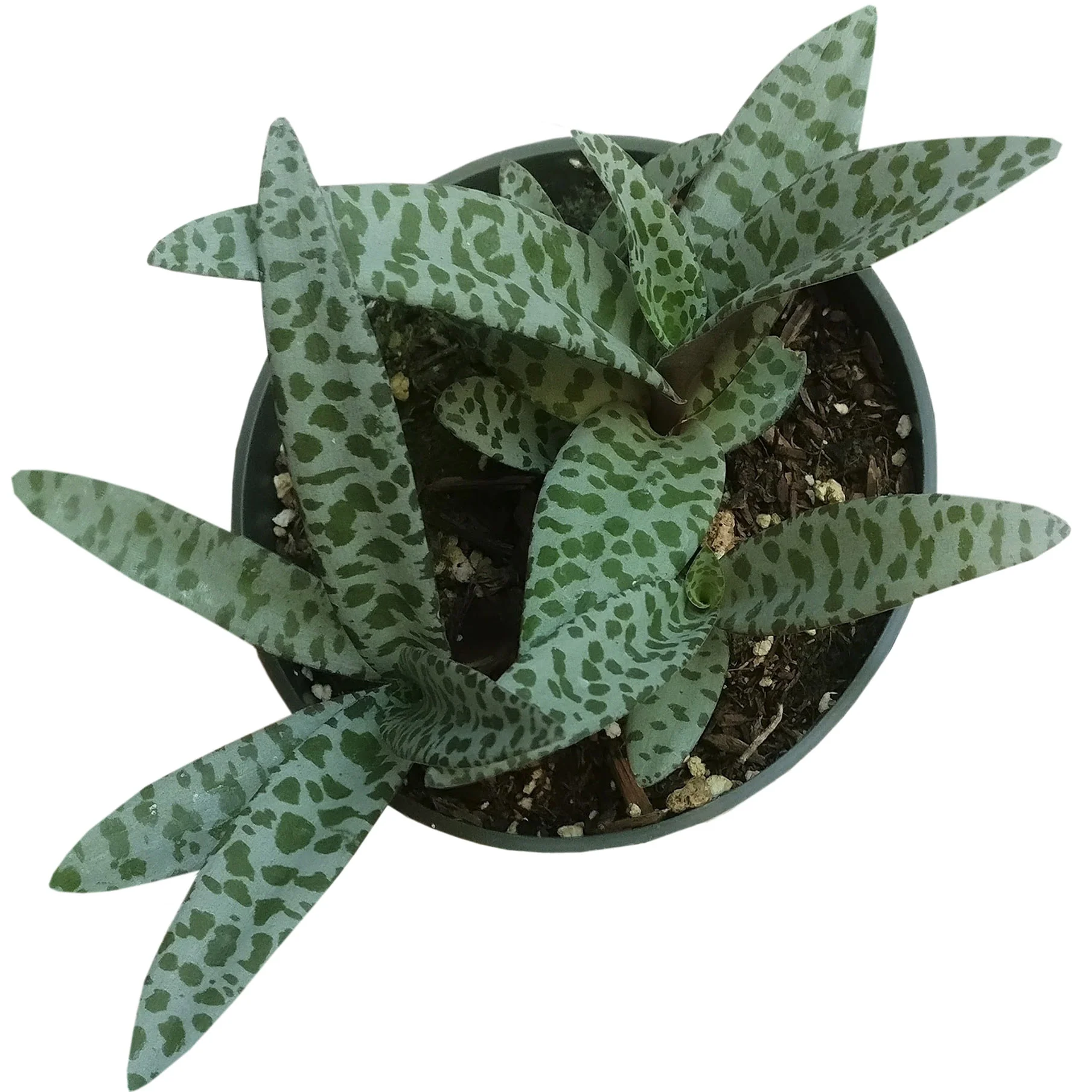
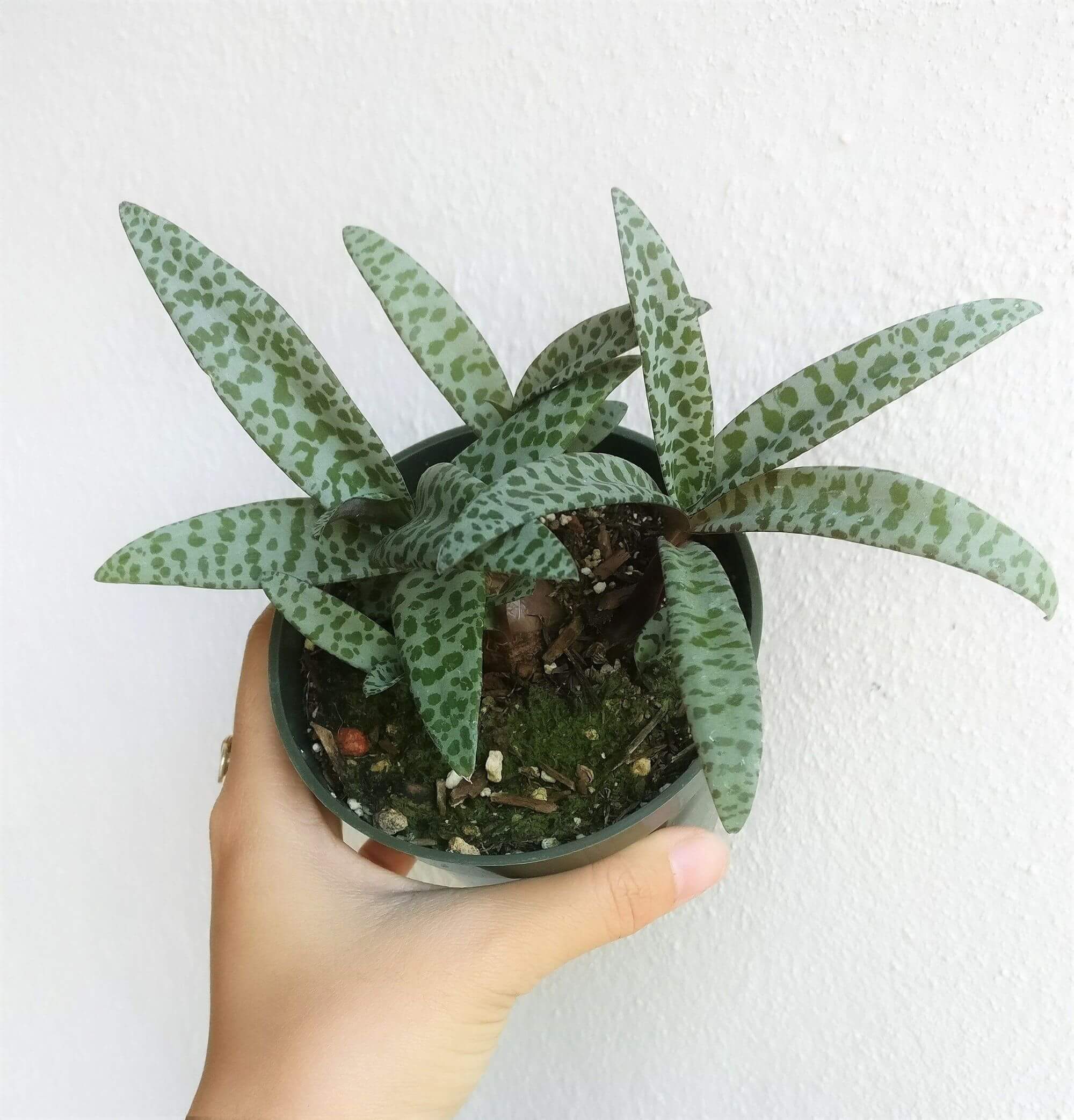
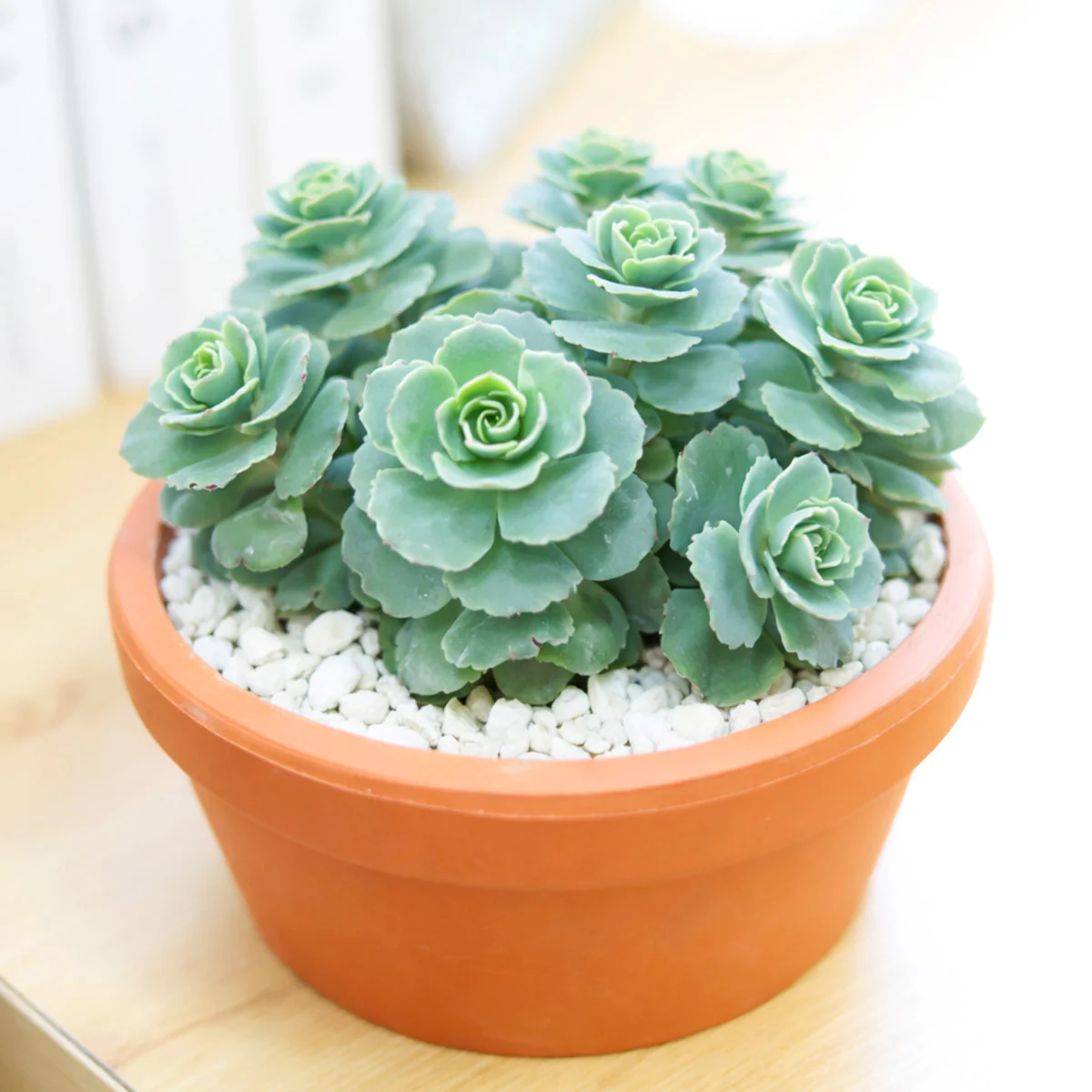
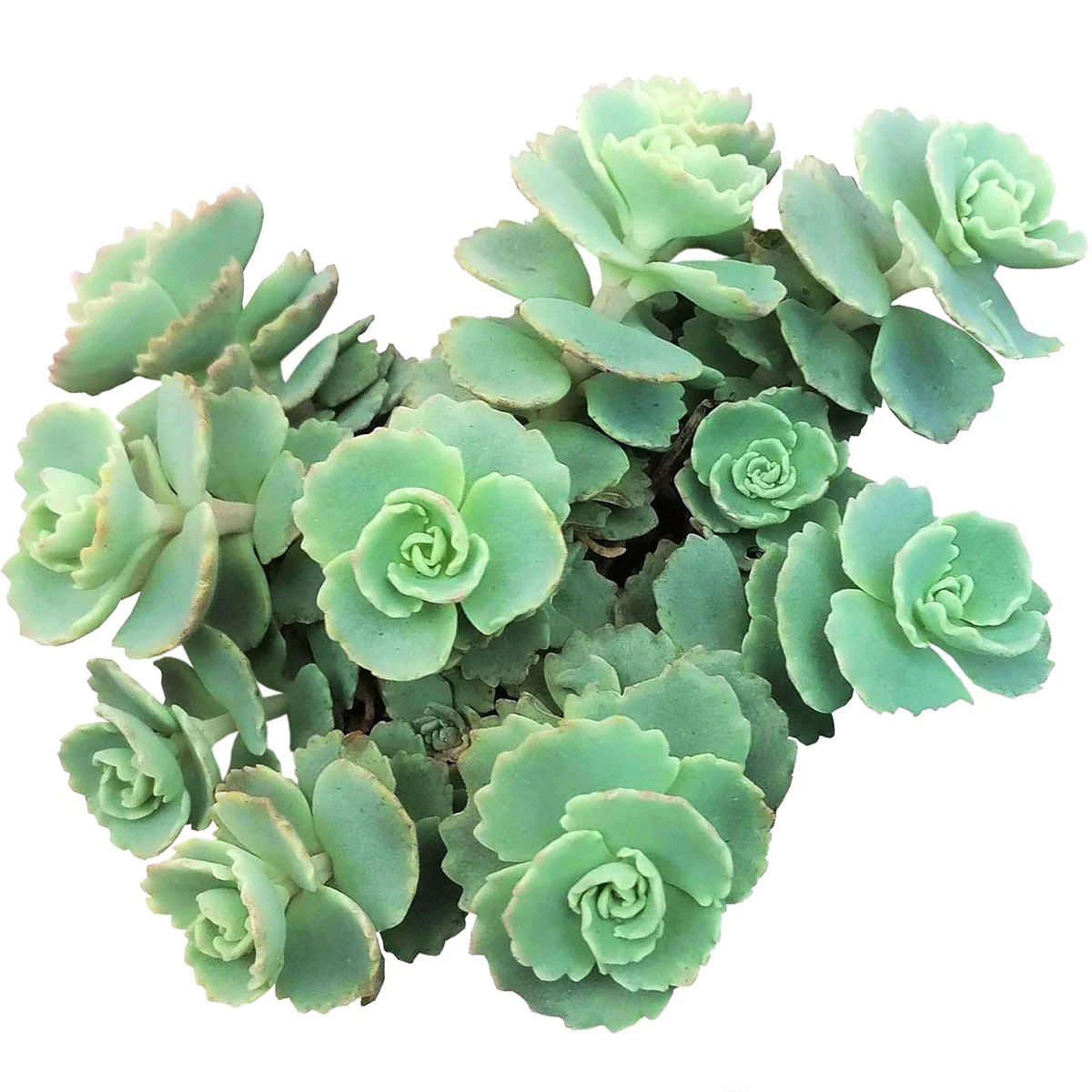
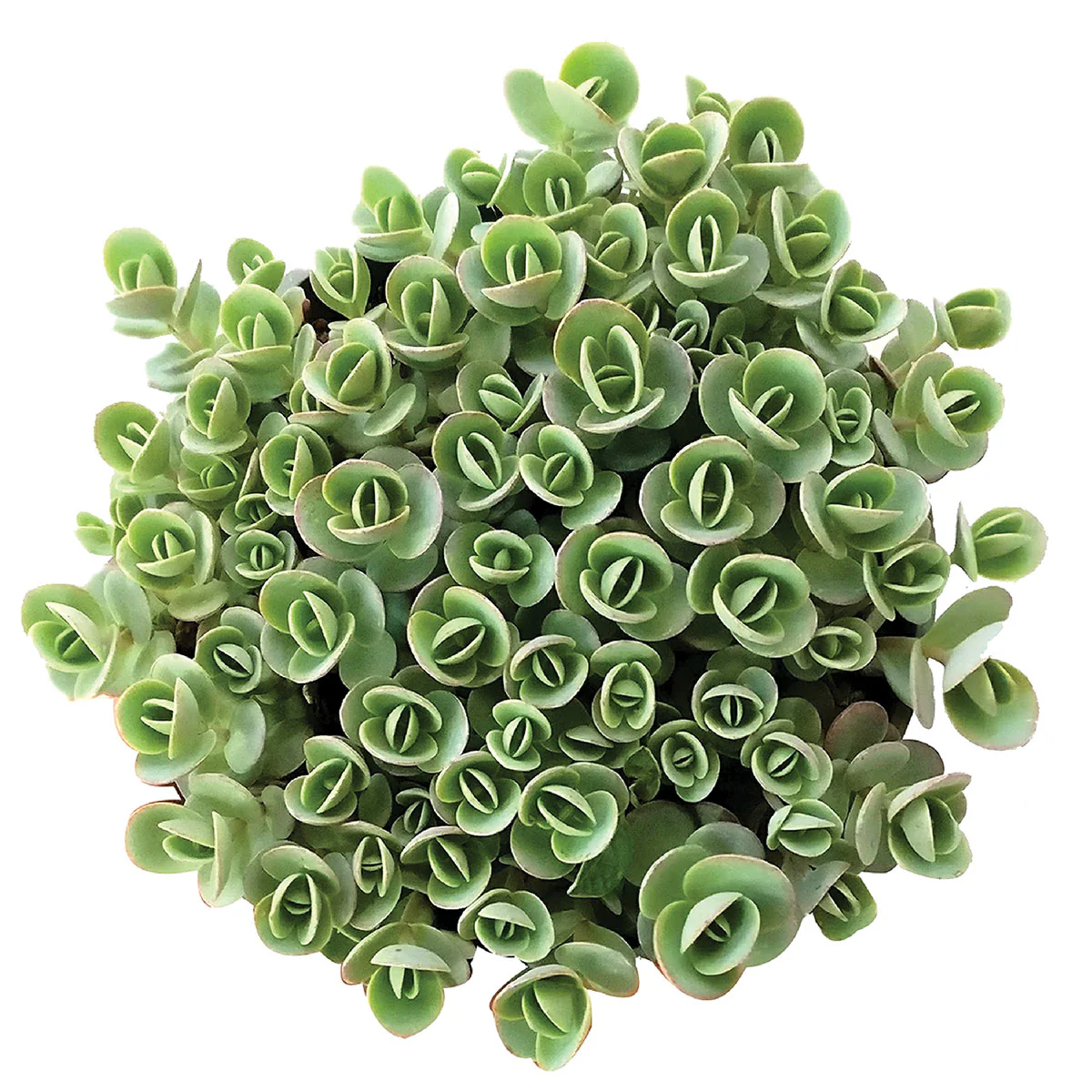
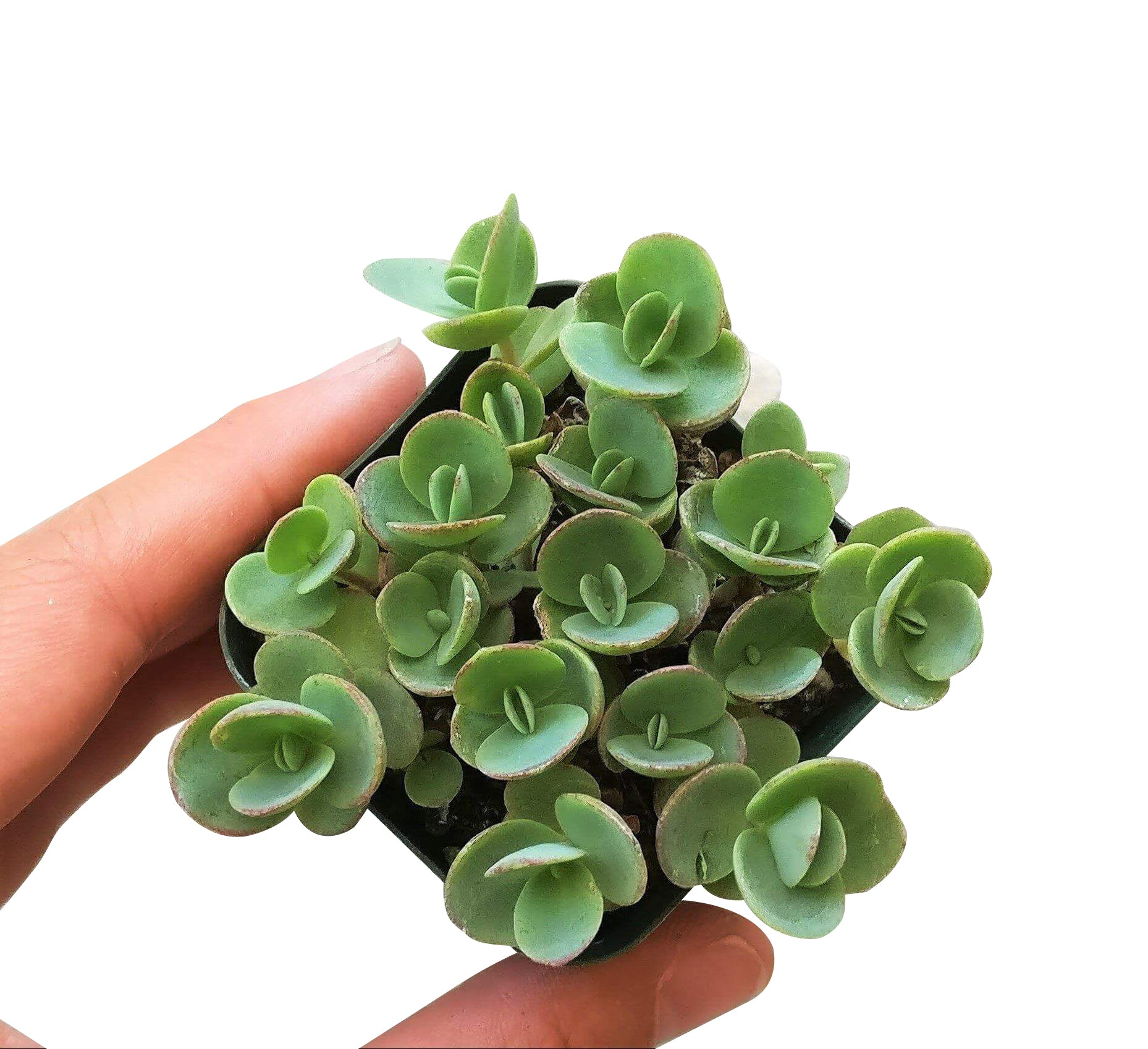
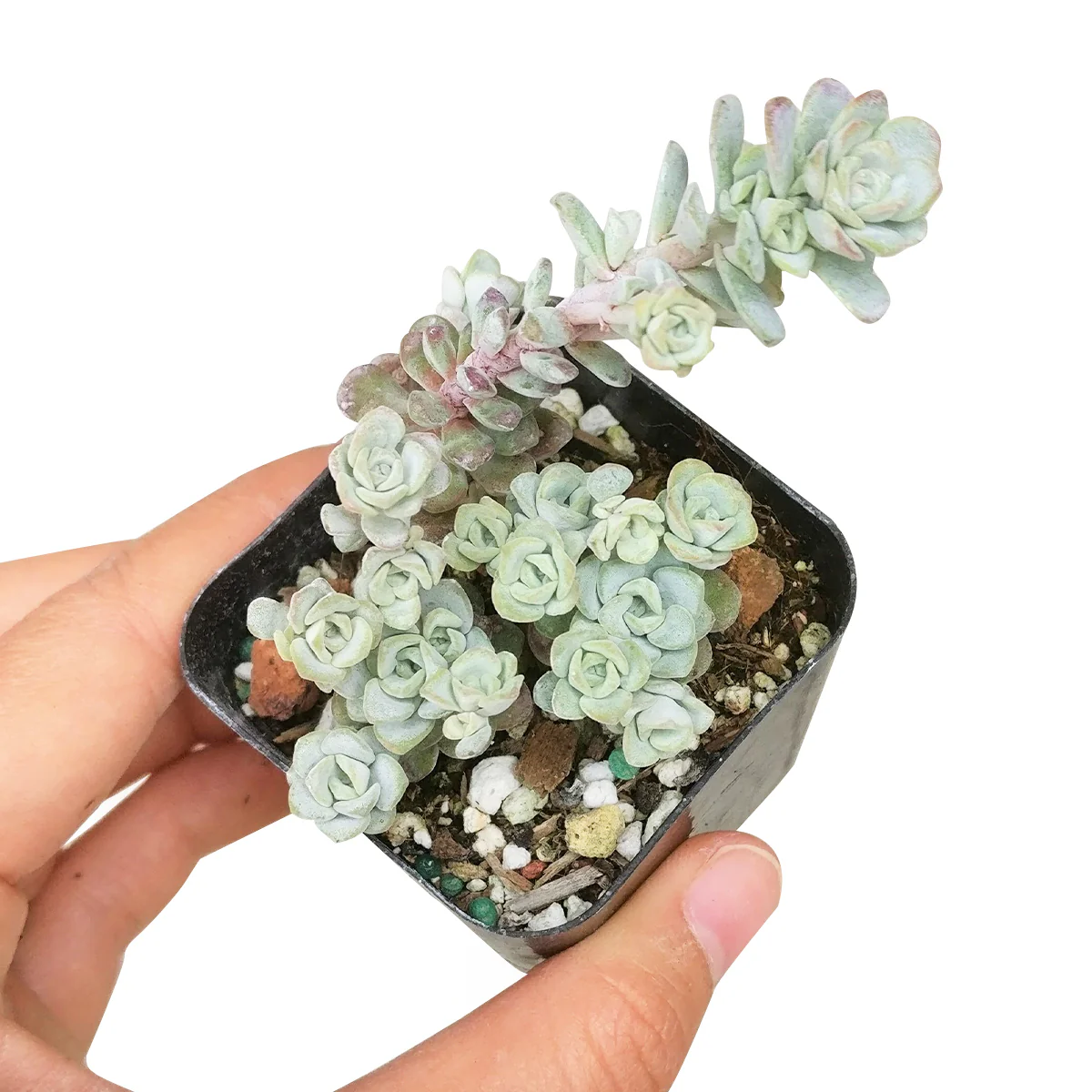
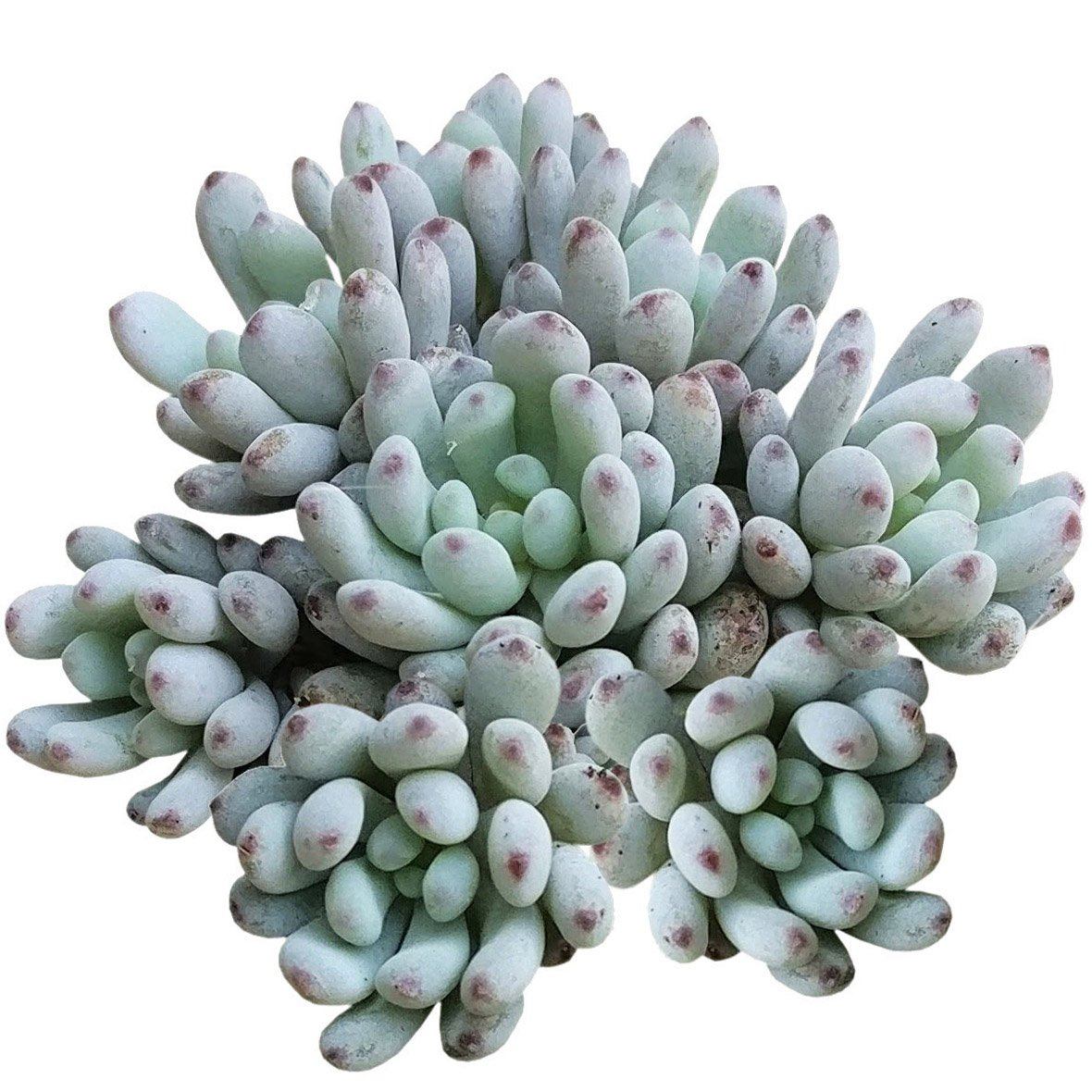
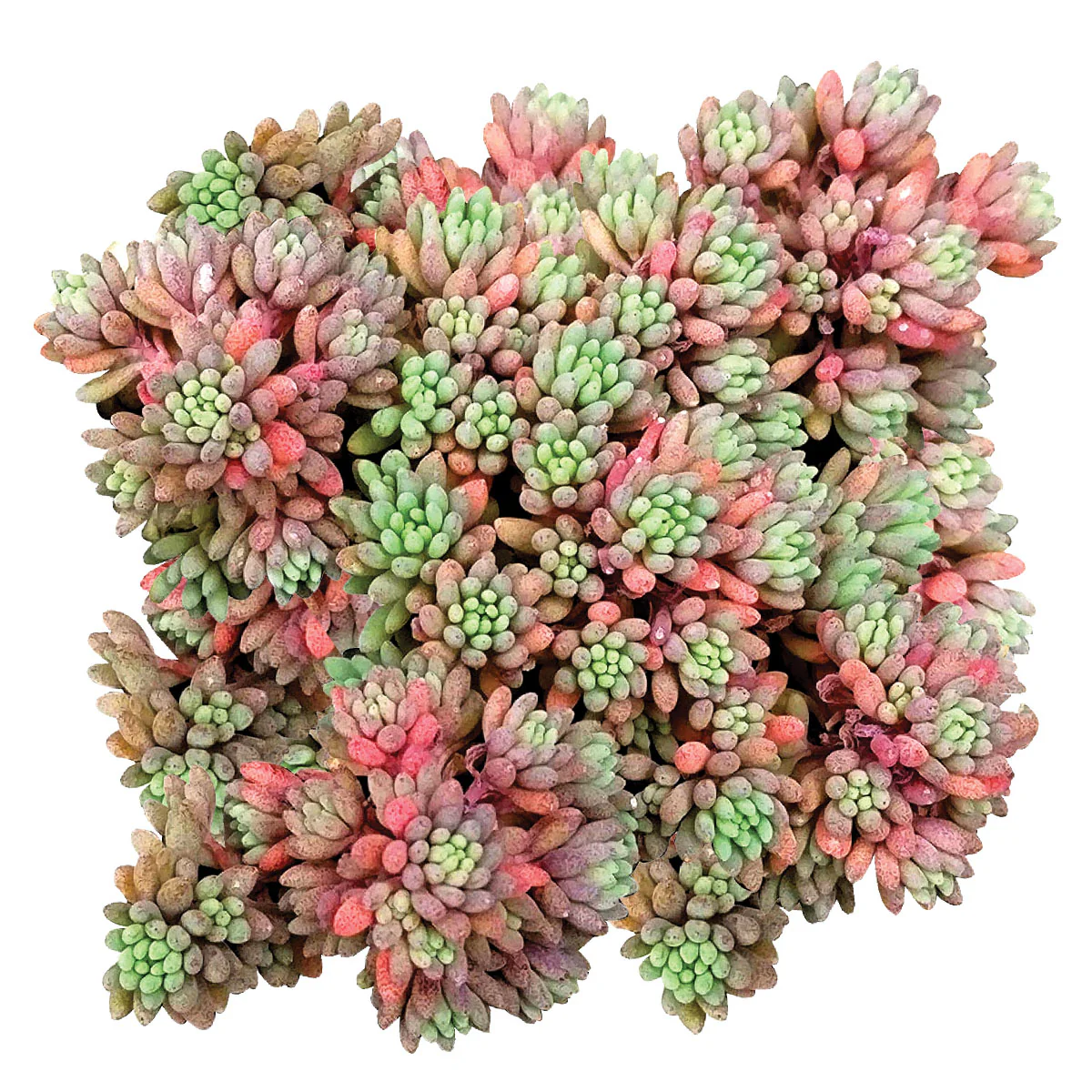
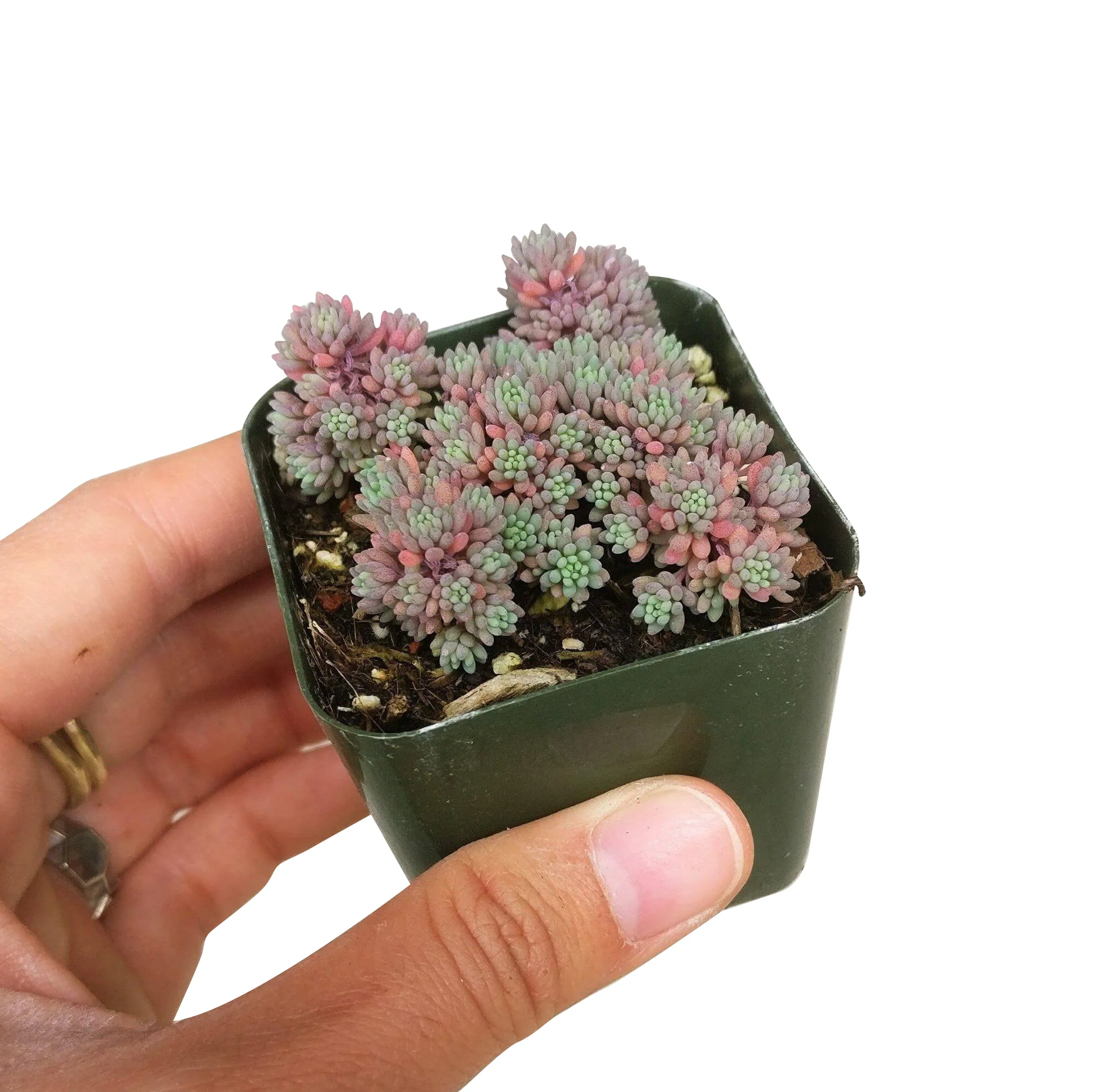
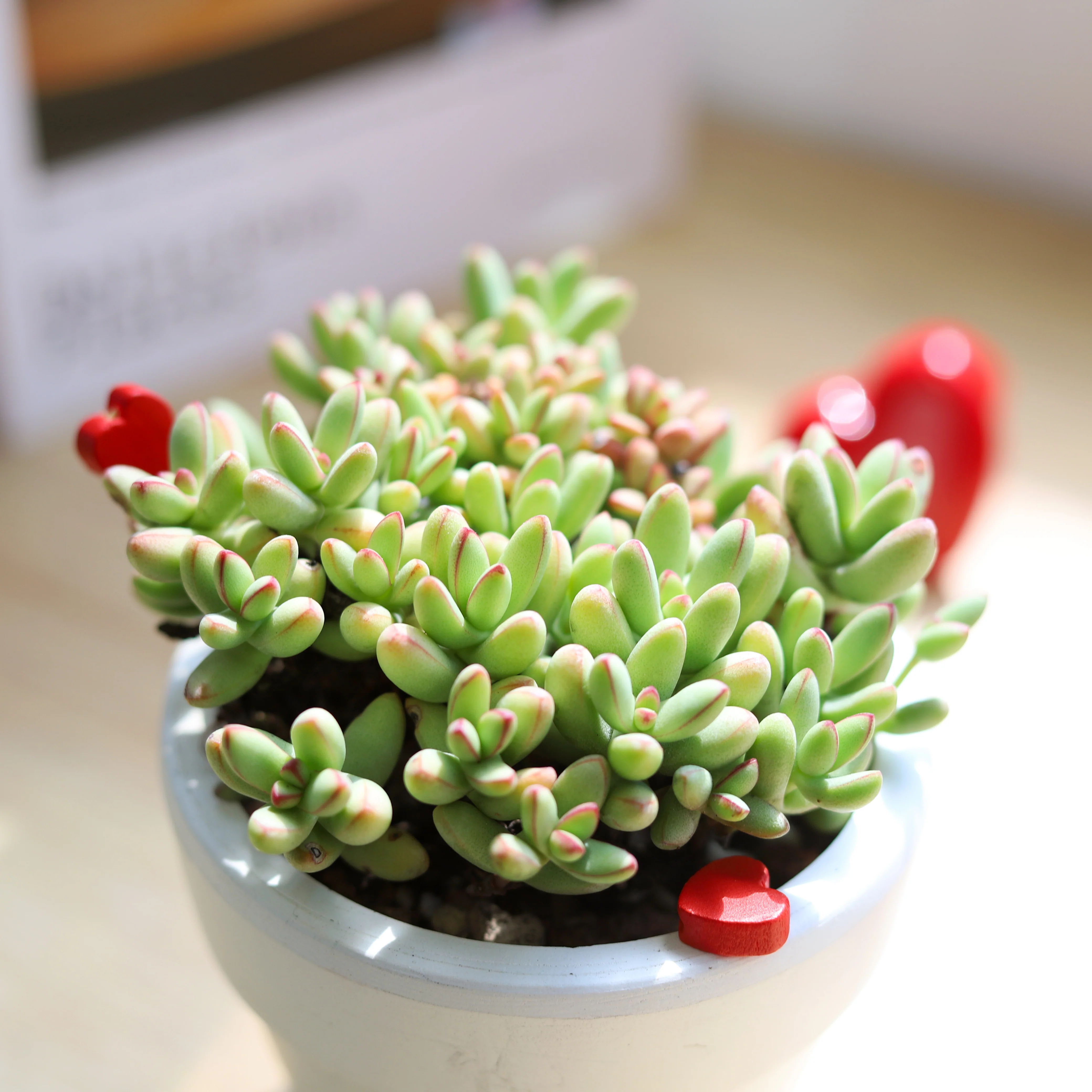
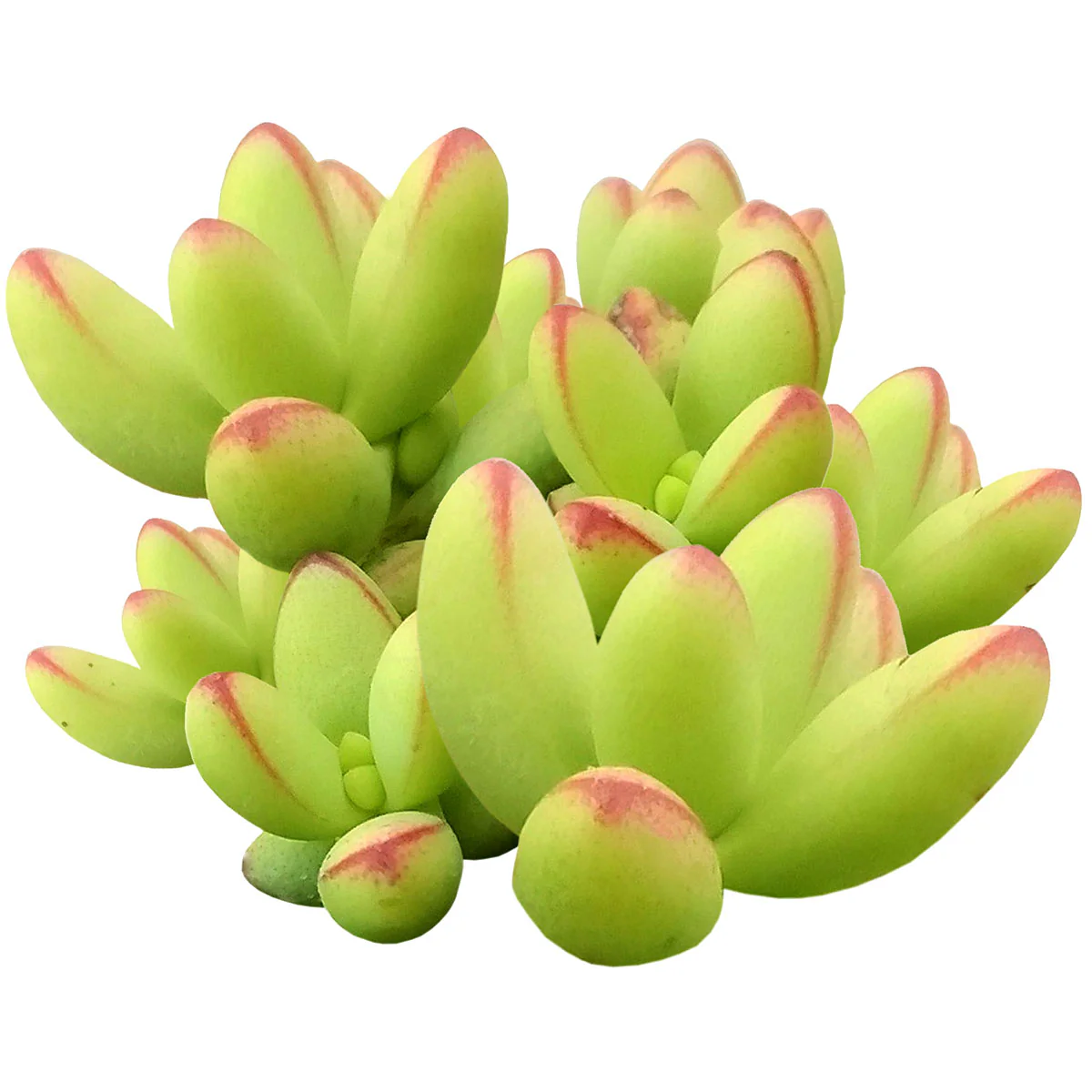
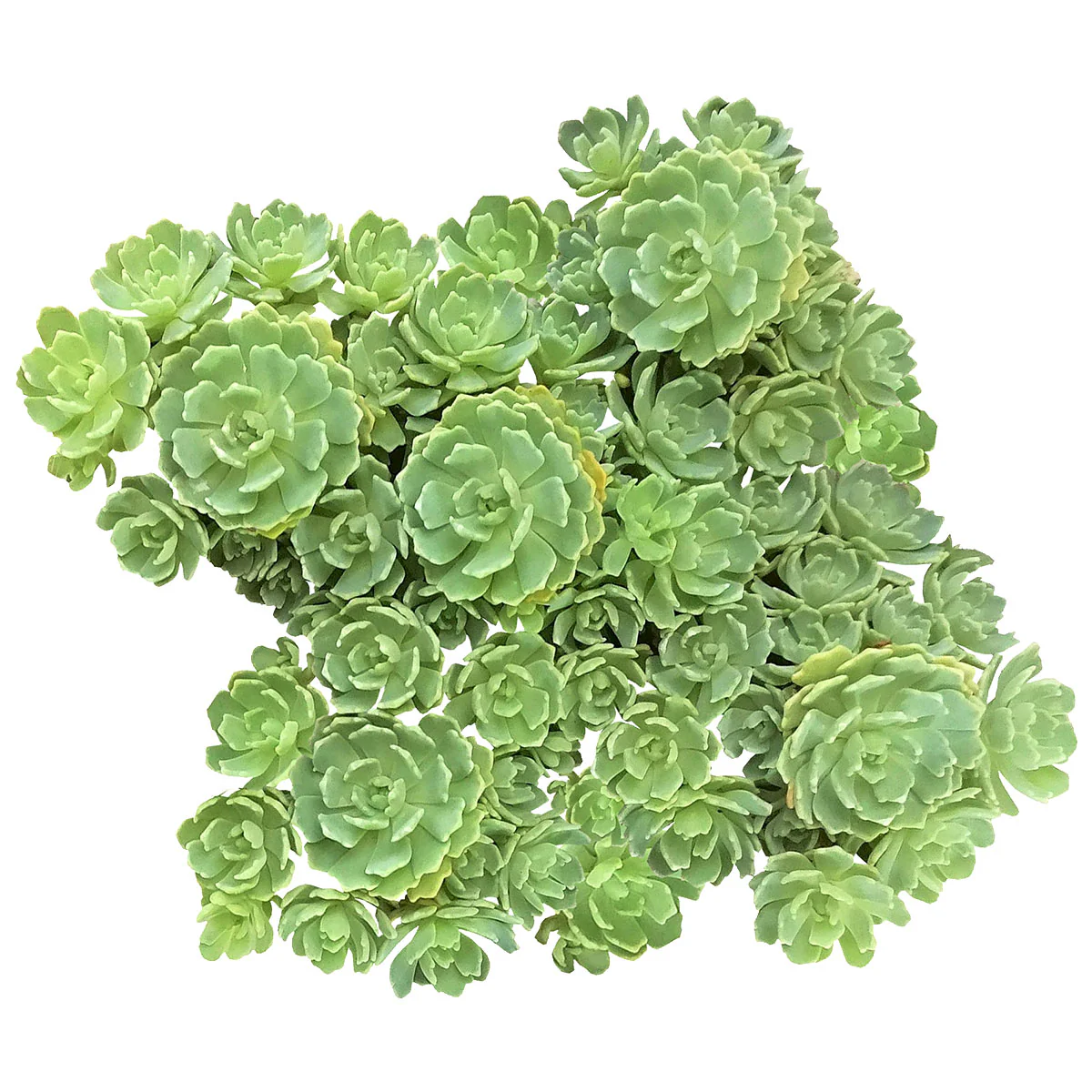
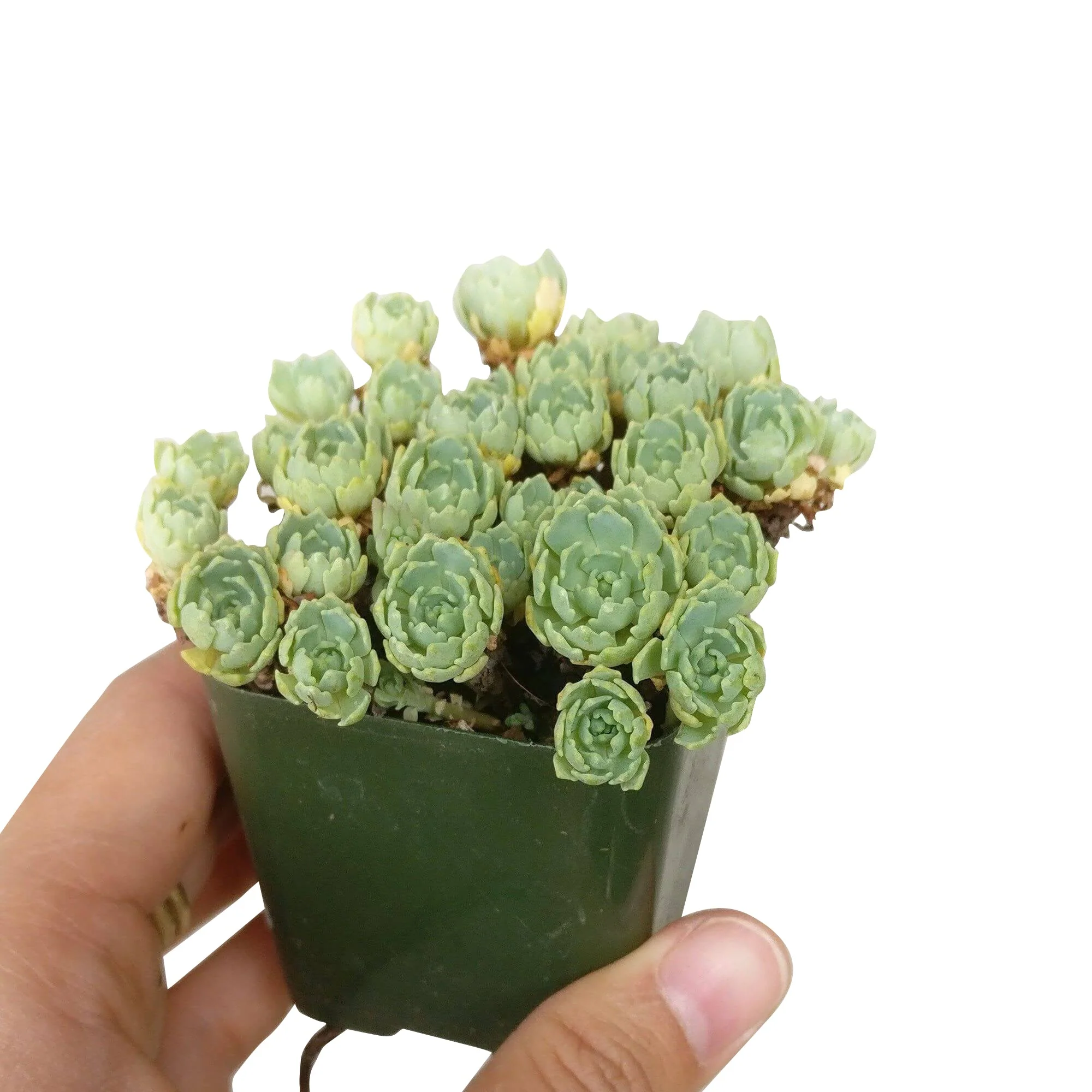
 What sets Variegated Sempervivum apart is its stunning foliage, where cream, yellow, green, and pink tones swirl together in tightly packed rosettes that cluster and clump over time. Leaves are fleshy, pointed, and often edged with fine cilia, creating a layered, sculptural look that looks just as good in a 2'' pot as it does in a 4'' arrangement. This rare variegated hen and chicks produces offsets freely, building into satisfying, dense colonies that photograph beautifully.
 Like all hens and chicks succulents, Variegated Sempervivum is monocarpic, meaning each individual rosette blooms once, sending up a tall flower stalk before it finishes its life cycle, while the surrounding chicks carry on. Blooms are typically star-shaped and appear in summer, adding another layer of interest to an already eye-catching plant. The mother rosette dies after flowering, but the offsets it leaves behind make sure the colony keeps growing strong.
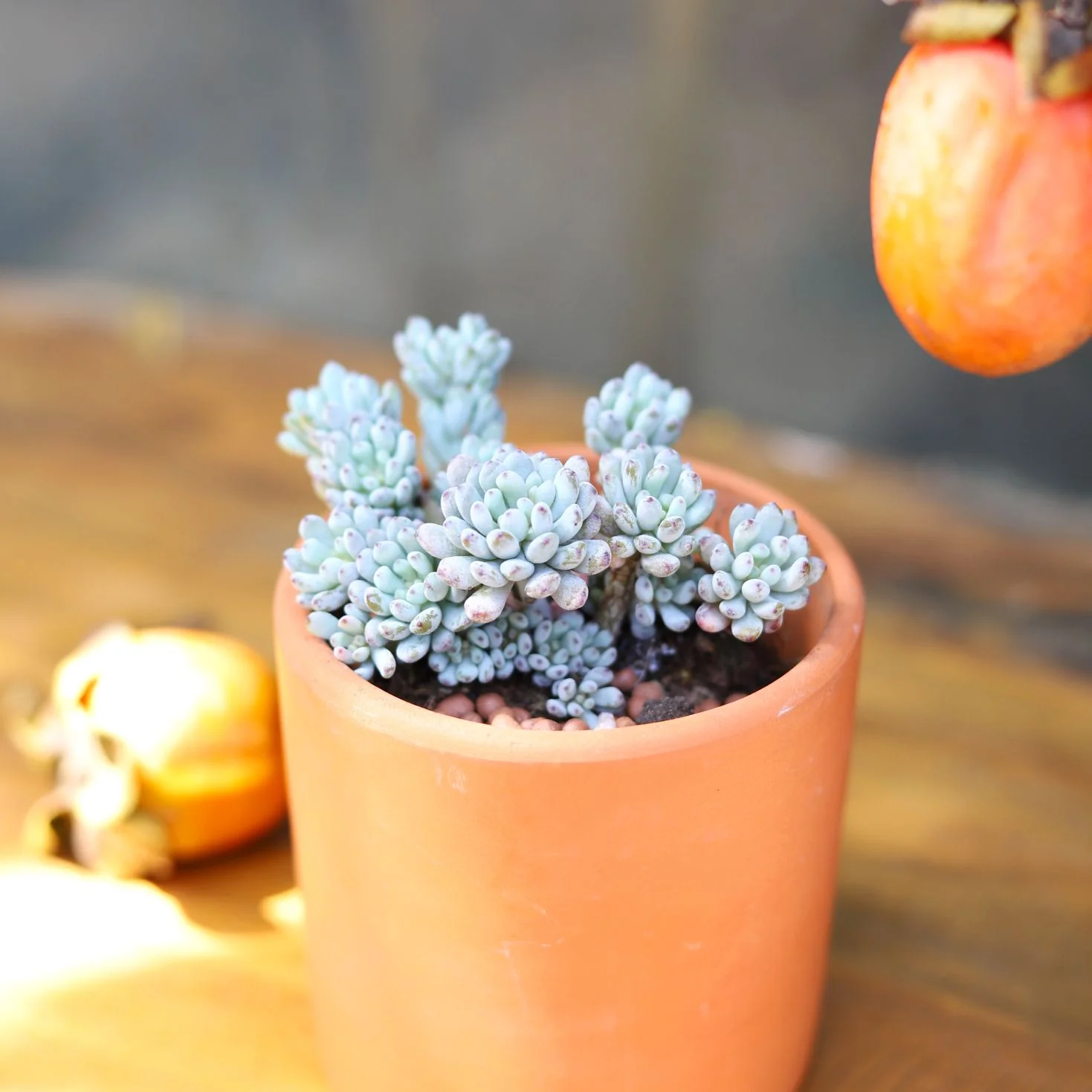
 Variegated Sempervivum is a fantastic choice for rock gardens, container arrangements, balcony displays, and windowsill collections, handling balcony wind and rain with ease. It can move outside for summer and stay outdoors well into autumn, tolerating dry heated indoor air just as readily when it comes back inside. This plant is pet friendly, making it a worry-free pick for households with cats or dogs. Its edible and medicinal history, combined with genuine rarity, makes Variegated Sempervivum a rewarding find for any serious collector.
-
 Variegated Sempervivum thrives in bright indirect light, partial sun, or full sun, though it may scorch in intense south-facing windows without some shade.
 Water Variegated Sempervivum deeply every 10 to 14 days in summer, and reduce to once a month or less in winter.
 Variegated Sempervivum performs best in a gritty, fast-draining succulent or cactus mix blended with extra perlite or coarse sand.
 Variegated Sempervivum handles a wide temperature range, staying comfortable between 65-80°F (18-27°C) indoors and tolerating frost well below freezing.
![]() Variegated Sempervivum is a slow to moderate grower that needs little fertilizer, benefiting from a diluted balanced feed once in spring.
Variegated Sempervivum is a slow to moderate grower that needs little fertilizer, benefiting from a diluted balanced feed once in spring.
 Variegated Sempervivum is hardy in USDA Zones 3 through 8, tolerating temperatures as low as -40°F (-40°C) in the coldest zones. This remarkable frost tolerance means gardeners across a huge swath of the country can grow Variegated Sempervivum outdoors year-round, including Minnesota, Wisconsin, Michigan, North Dakota, South Dakota, Montana, Wyoming, Colorado, Iowa, Illinois, Indiana, Ohio, Pennsylvania, New York, Vermont, New Hampshire, Maine, Massachusetts, Connecticut, Rhode Island, New Jersey, Maryland, Delaware, Virginia, West Virginia, Kentucky, Missouri, Kansas, Nebraska, Oklahoma, Arkansas, Tennessee, and North Carolina. Milder Zone 7 and 8 areas, including parts of Washington, Oregon, Idaho, Utah, Nevada, New Mexico, Texas, Georgia, South Carolina, and Alabama, are equally well-suited to Variegated Sempervivum growing happily in the ground through winter.
-
Q: How often should I water Variegated Sempervivum?
A: Water deeply every 10 to 14 days during the growing season and cut back to once a month or less in winter. Always let the soil dry out completely between waterings to prevent root rot.
Q: Is Variegated Sempervivum pet friendly?
A: Yes, this plant is pet friendly and is considered non-toxic to cats and dogs. You can display Variegated Sempervivum freely without worrying about curious pets.
Q: How much light does Variegated Sempervivum need?
A: Variegated Sempervivum grows best in bright indirect light to full sun, making a sunny windowsill or outdoor spot ideal. Rotate the pot regularly to keep growth even, and avoid intense south-facing window exposure that can scorch the leaves.
Q: Is Variegated Sempervivum frost hardy?
A: Yes, Variegated Sempervivum is genuinely frost hardy and rated for USDA Zones 3 through 8, surviving temperatures as low as -40°F (-40°C). It is one of the toughest hens and chicks succulents available for cold-climate gardeners.
Q: How does Variegated Sempervivum spread or propagate?
A: Variegated Sempervivum spreads naturally by producing offsets, called chicks, around the base of the mother rosette. Simply detach a chick once it has developed its own roots and pot it up in fresh, gritty succulent mix.
Q: How rare is Variegated Sempervivum compared to standard hens and chicks?
A: Variegated Sempervivum is genuinely rare, making it a sought-after find for succulent collectors and plant enthusiasts. Its unique color-splashed foliage sets it apart from common green hens and chicks varieties and makes it a standout in any collection.


Original: $8.05
-70%$8.05
$2.42Product Information
Product Information
Shipping & Returns
Shipping & Returns
Description
- Description
- Variegated Sempervivum Care Guide
- FAQ/Common Issues
-
![]() Variegated Sempervivum is a rare variegated succulent in the Crassulaceae family, prized by collectors for its striking, color-splashed rosettes. Native to the mountain regions of Europe and western Asia, it thrives naturally in rocky, well-drained soils under open skies. This frost hardy hen and chicks succulent has earned a loyal following among growers who love plants that are both beautiful and tough.
Variegated Sempervivum is a rare variegated succulent in the Crassulaceae family, prized by collectors for its striking, color-splashed rosettes. Native to the mountain regions of Europe and western Asia, it thrives naturally in rocky, well-drained soils under open skies. This frost hardy hen and chicks succulent has earned a loyal following among growers who love plants that are both beautiful and tough.
What sets Variegated Sempervivum apart is its stunning foliage, where cream, yellow, green, and pink tones swirl together in tightly packed rosettes that cluster and clump over time. Leaves are fleshy, pointed, and often edged with fine cilia, creating a layered, sculptural look that looks just as good in a 2'' pot as it does in a 4'' arrangement. This rare variegated hen and chicks produces offsets freely, building into satisfying, dense colonies that photograph beautifully.
Like all hens and chicks succulents, Variegated Sempervivum is monocarpic, meaning each individual rosette blooms once, sending up a tall flower stalk before it finishes its life cycle, while the surrounding chicks carry on. Blooms are typically star-shaped and appear in summer, adding another layer of interest to an already eye-catching plant. The mother rosette dies after flowering, but the offsets it leaves behind make sure the colony keeps growing strong.
Variegated Sempervivum is a fantastic choice for rock gardens, container arrangements, balcony displays, and windowsill collections, handling balcony wind and rain with ease. It can move outside for summer and stay outdoors well into autumn, tolerating dry heated indoor air just as readily when it comes back inside. This plant is pet friendly, making it a worry-free pick for households with cats or dogs. Its edible and medicinal history, combined with genuine rarity, makes Variegated Sempervivum a rewarding find for any serious collector.
-
Variegated Sempervivum thrives in bright indirect light, partial sun, or full sun, though it may scorch in intense south-facing windows without some shade.
Water Variegated Sempervivum deeply every 10 to 14 days in summer, and reduce to once a month or less in winter.
Variegated Sempervivum performs best in a gritty, fast-draining succulent or cactus mix blended with extra perlite or coarse sand.
Variegated Sempervivum handles a wide temperature range, staying comfortable between 65-80°F (18-27°C) indoors and tolerating frost well below freezing.
![]() Variegated Sempervivum is a slow to moderate grower that needs little fertilizer, benefiting from a diluted balanced feed once in spring.
Variegated Sempervivum is a slow to moderate grower that needs little fertilizer, benefiting from a diluted balanced feed once in spring.
Variegated Sempervivum is hardy in USDA Zones 3 through 8, tolerating temperatures as low as -40°F (-40°C) in the coldest zones. This remarkable frost tolerance means gardeners across a huge swath of the country can grow Variegated Sempervivum outdoors year-round, including Minnesota, Wisconsin, Michigan, North Dakota, South Dakota, Montana, Wyoming, Colorado, Iowa, Illinois, Indiana, Ohio, Pennsylvania, New York, Vermont, New Hampshire, Maine, Massachusetts, Connecticut, Rhode Island, New Jersey, Maryland, Delaware, Virginia, West Virginia, Kentucky, Missouri, Kansas, Nebraska, Oklahoma, Arkansas, Tennessee, and North Carolina. Milder Zone 7 and 8 areas, including parts of Washington, Oregon, Idaho, Utah, Nevada, New Mexico, Texas, Georgia, South Carolina, and Alabama, are equally well-suited to Variegated Sempervivum growing happily in the ground through winter.
-
Q: How often should I water Variegated Sempervivum?
A: Water deeply every 10 to 14 days during the growing season and cut back to once a month or less in winter. Always let the soil dry out completely between waterings to prevent root rot.
Q: Is Variegated Sempervivum pet friendly?
A: Yes, this plant is pet friendly and is considered non-toxic to cats and dogs. You can display Variegated Sempervivum freely without worrying about curious pets.
Q: How much light does Variegated Sempervivum need?
A: Variegated Sempervivum grows best in bright indirect light to full sun, making a sunny windowsill or outdoor spot ideal. Rotate the pot regularly to keep growth even, and avoid intense south-facing window exposure that can scorch the leaves.
Q: Is Variegated Sempervivum frost hardy?
A: Yes, Variegated Sempervivum is genuinely frost hardy and rated for USDA Zones 3 through 8, surviving temperatures as low as -40°F (-40°C). It is one of the toughest hens and chicks succulents available for cold-climate gardeners.
Q: How does Variegated Sempervivum spread or propagate?
A: Variegated Sempervivum spreads naturally by producing offsets, called chicks, around the base of the mother rosette. Simply detach a chick once it has developed its own roots and pot it up in fresh, gritty succulent mix.
Q: How rare is Variegated Sempervivum compared to standard hens and chicks?
A: Variegated Sempervivum is genuinely rare, making it a sought-after find for succulent collectors and plant enthusiasts. Its unique color-splashed foliage sets it apart from common green hens and chicks varieties and makes it a standout in any collection.