Graptopetalum Pachyphyllum
- Description
- Graptopetalum Pachyphyllum 'Blue Bean' Care Guide
- FAQ/Common Issues
-
![]() Graptopetalum Pachyphyllum is a rare, drought tolerant succulent in the Crassulaceae family, native to the rocky highlands of Mexico. This compact gem is a true collector's find, bringing blue-gray beauty and effortless charm to any indoor or outdoor space.
Graptopetalum Pachyphyllum is a rare, drought tolerant succulent in the Crassulaceae family, native to the rocky highlands of Mexico. This compact gem is a true collector's find, bringing blue-gray beauty and effortless charm to any indoor or outdoor space.
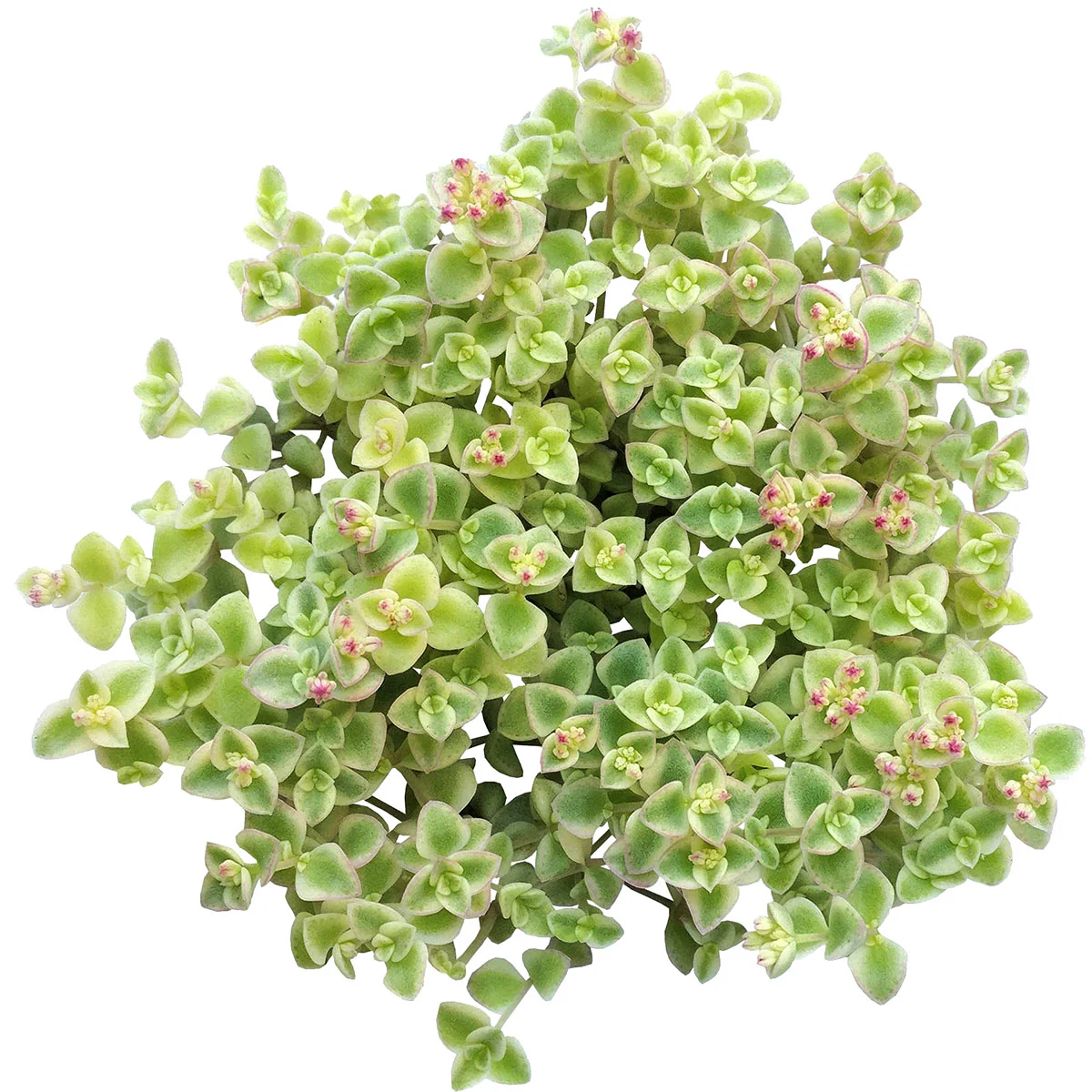
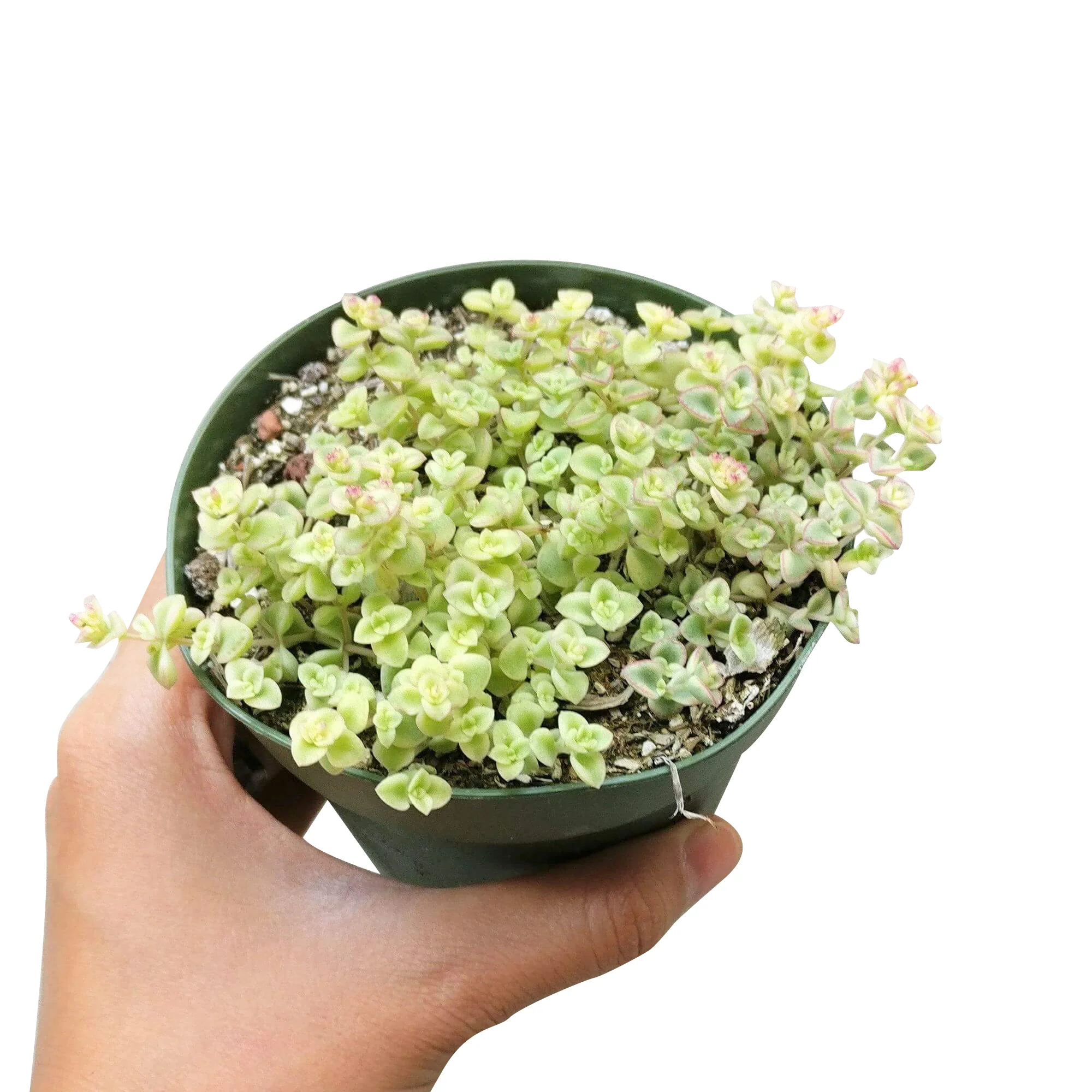
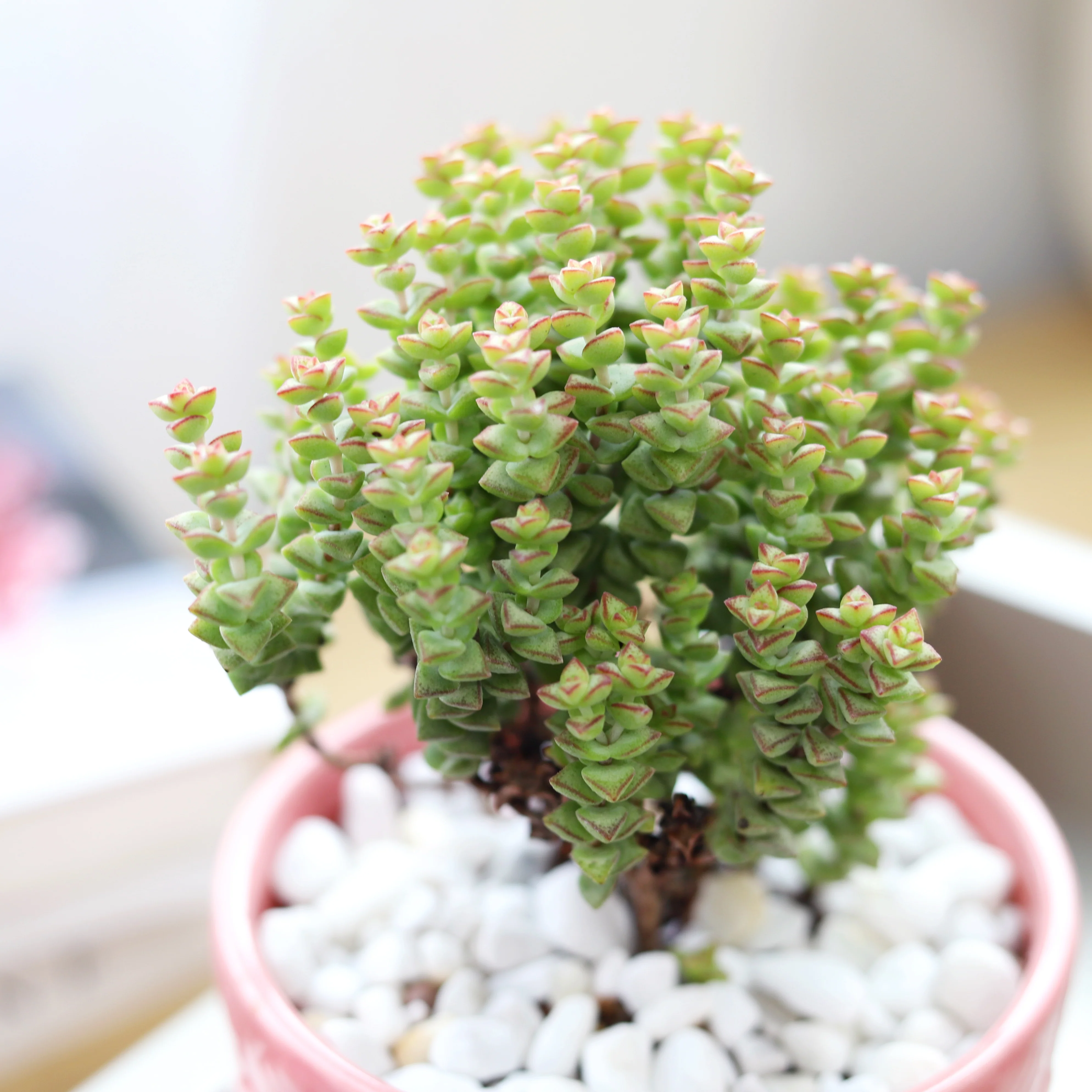
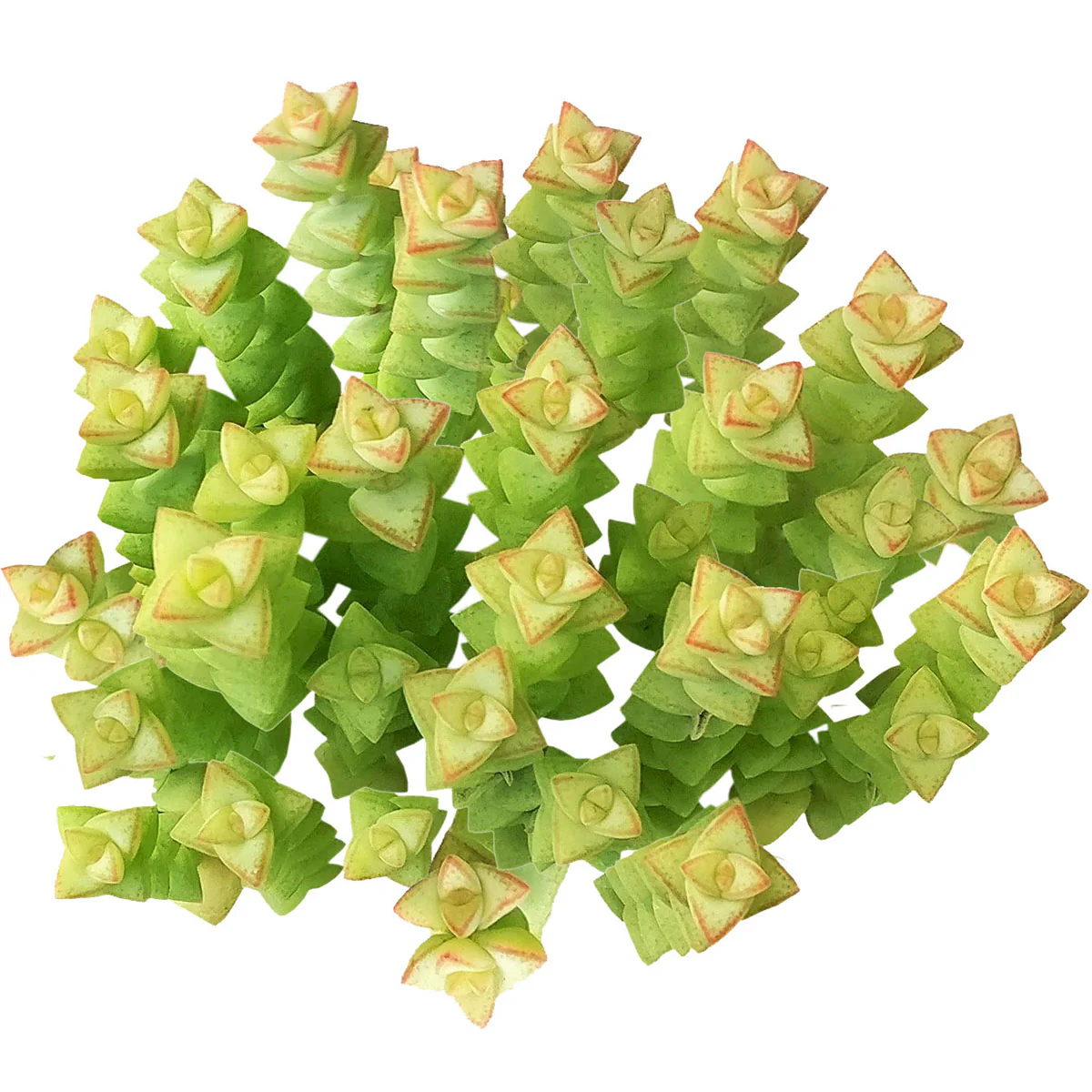
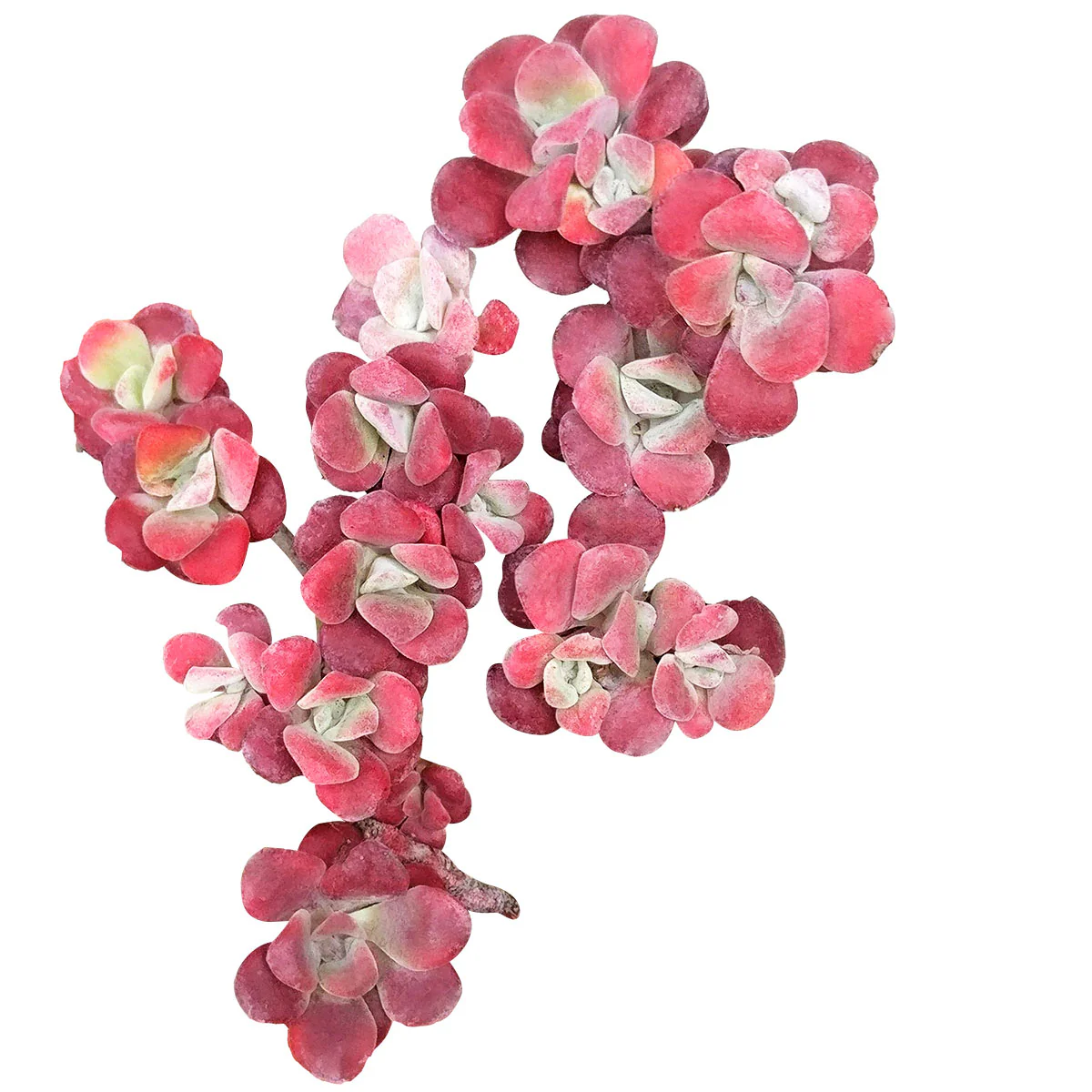
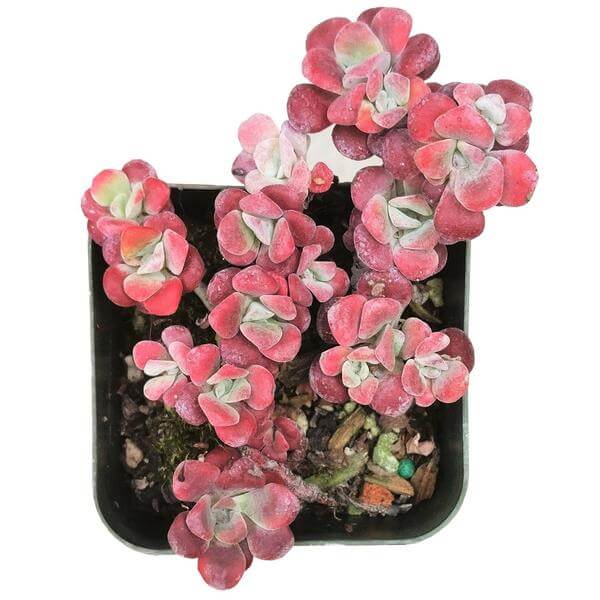
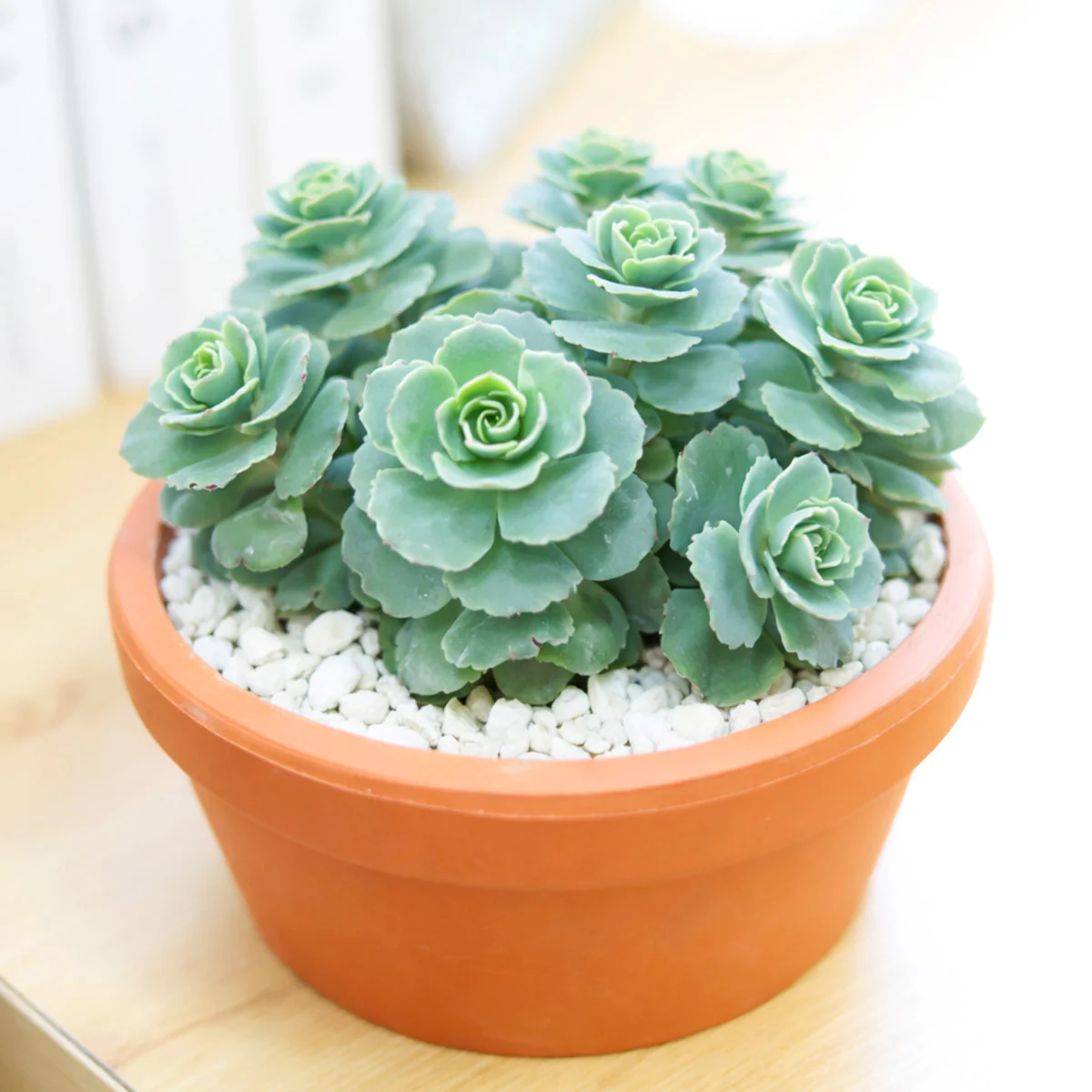
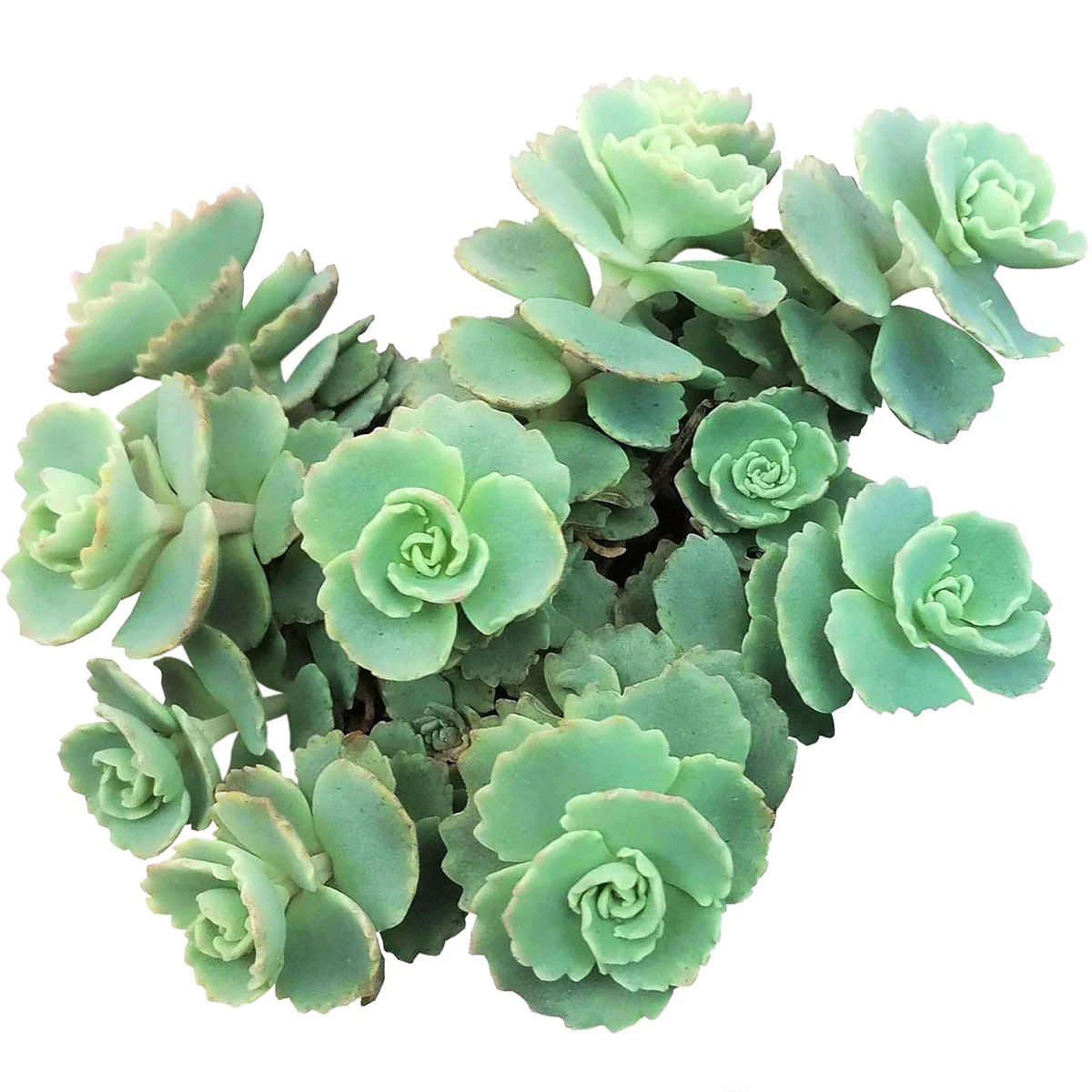
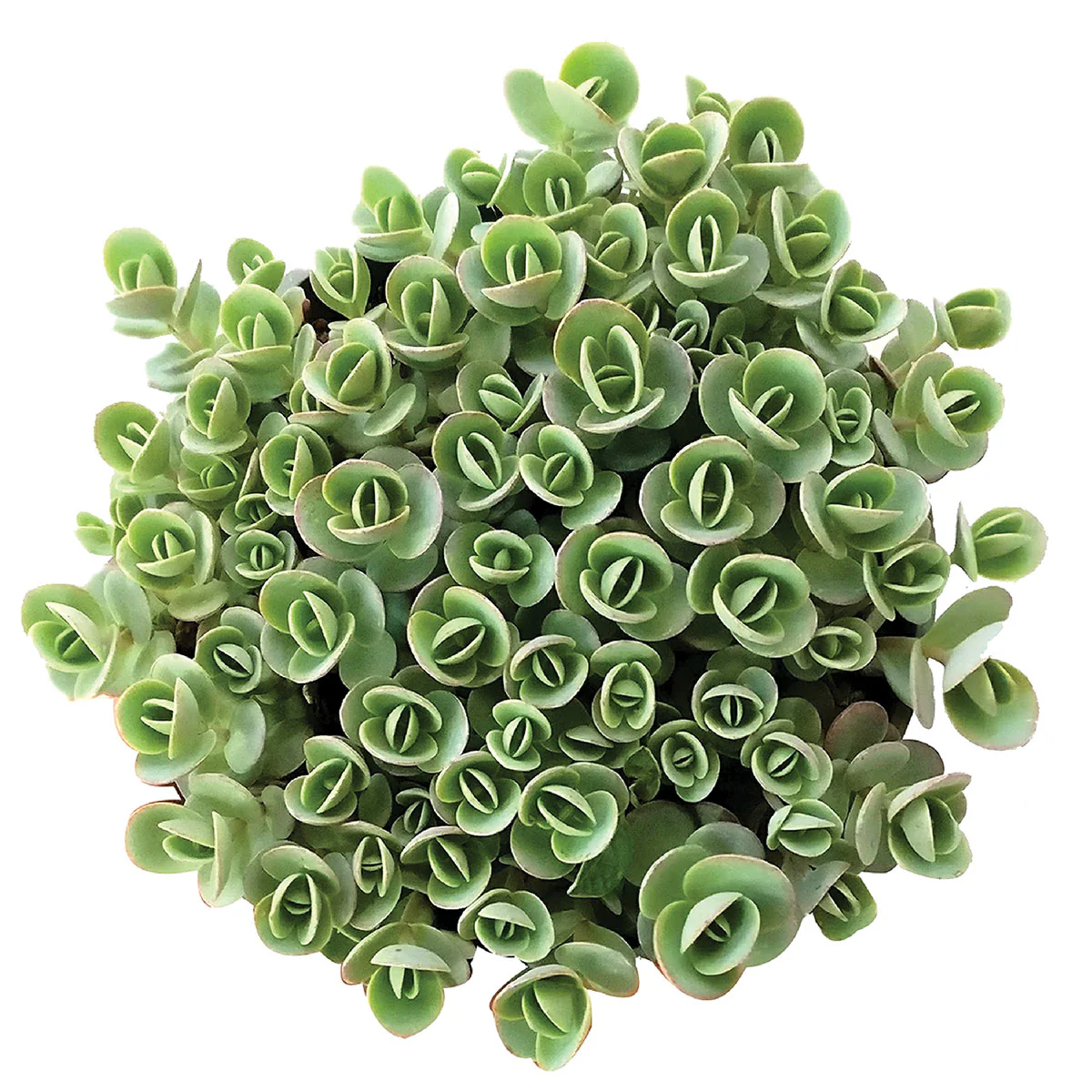
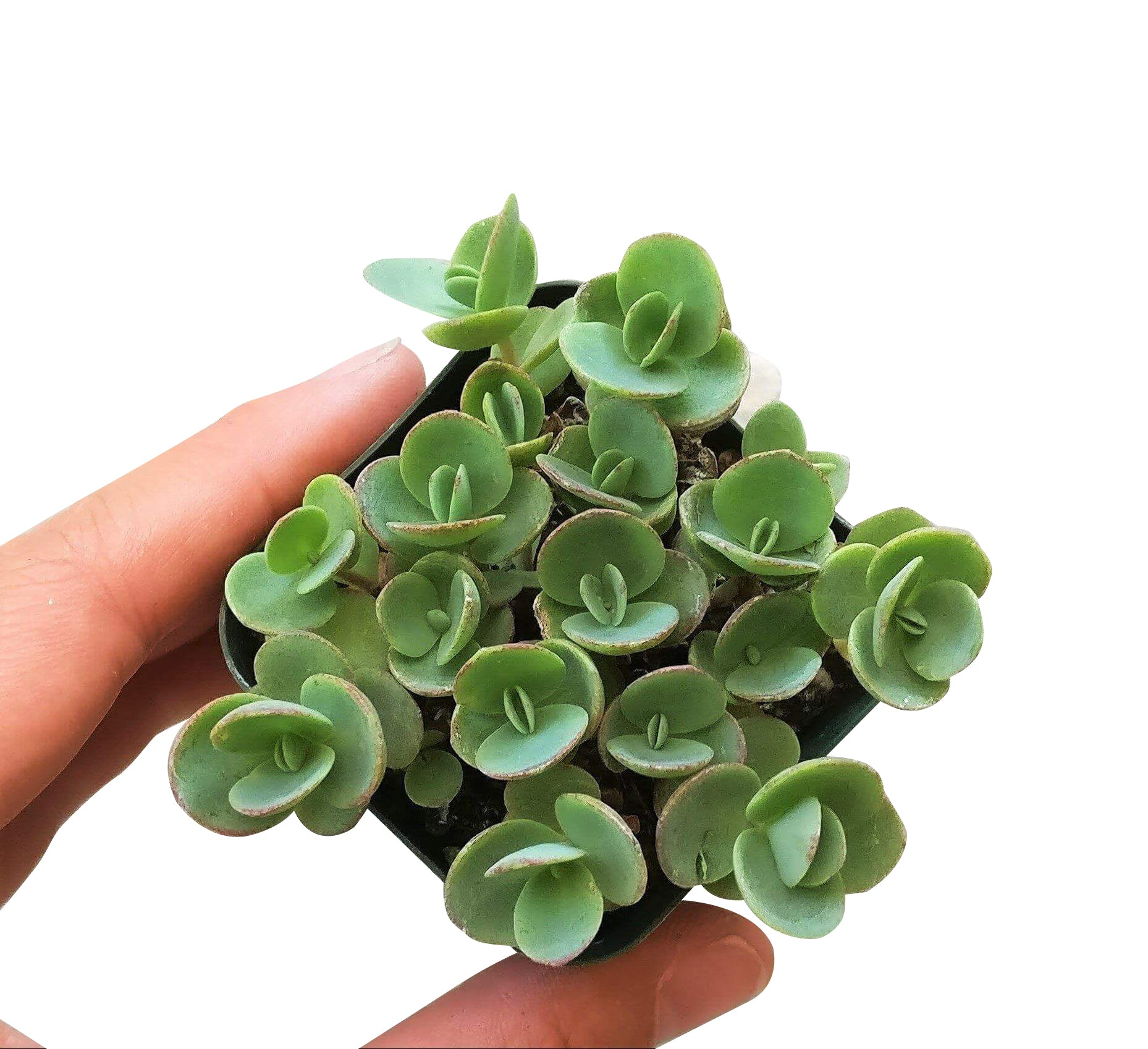
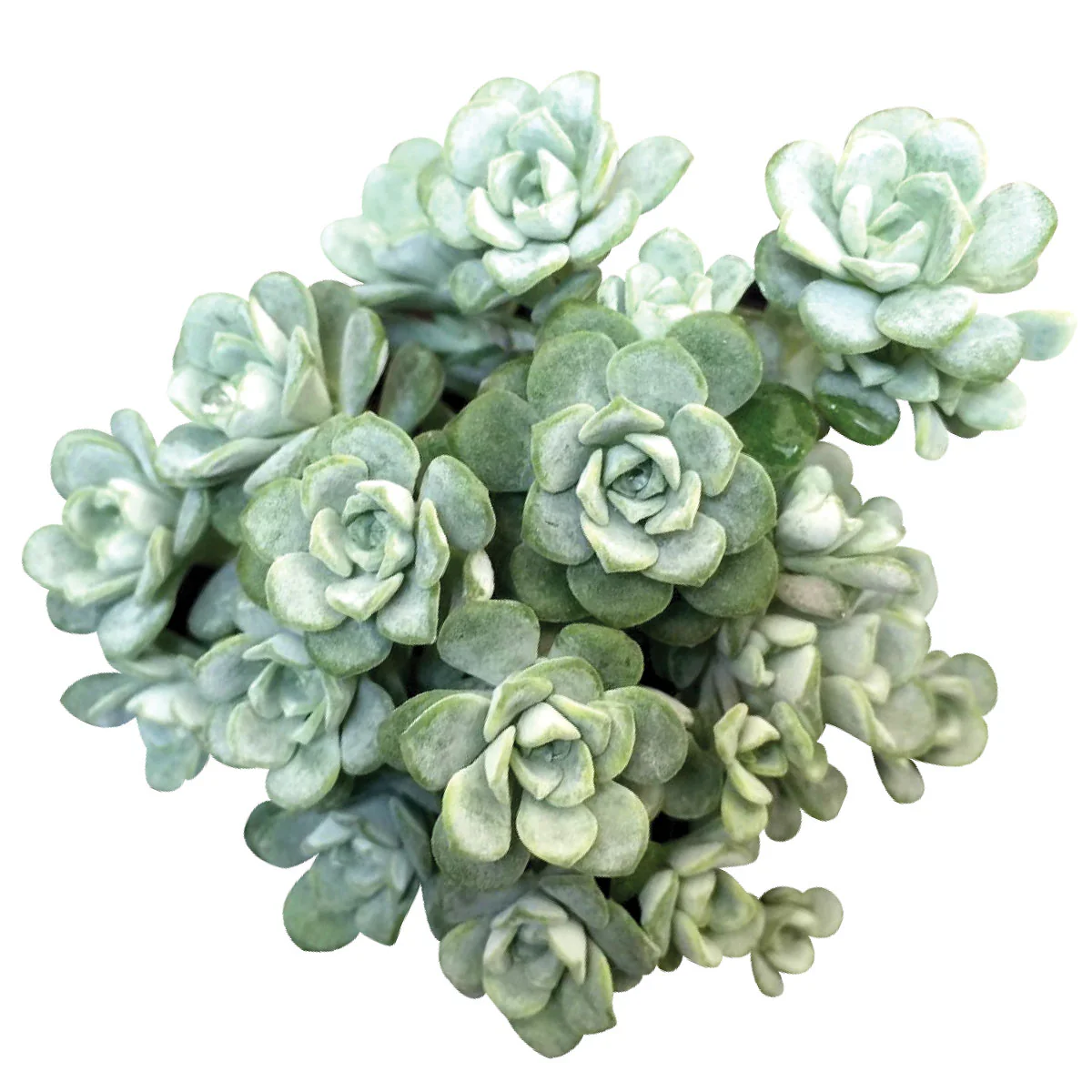
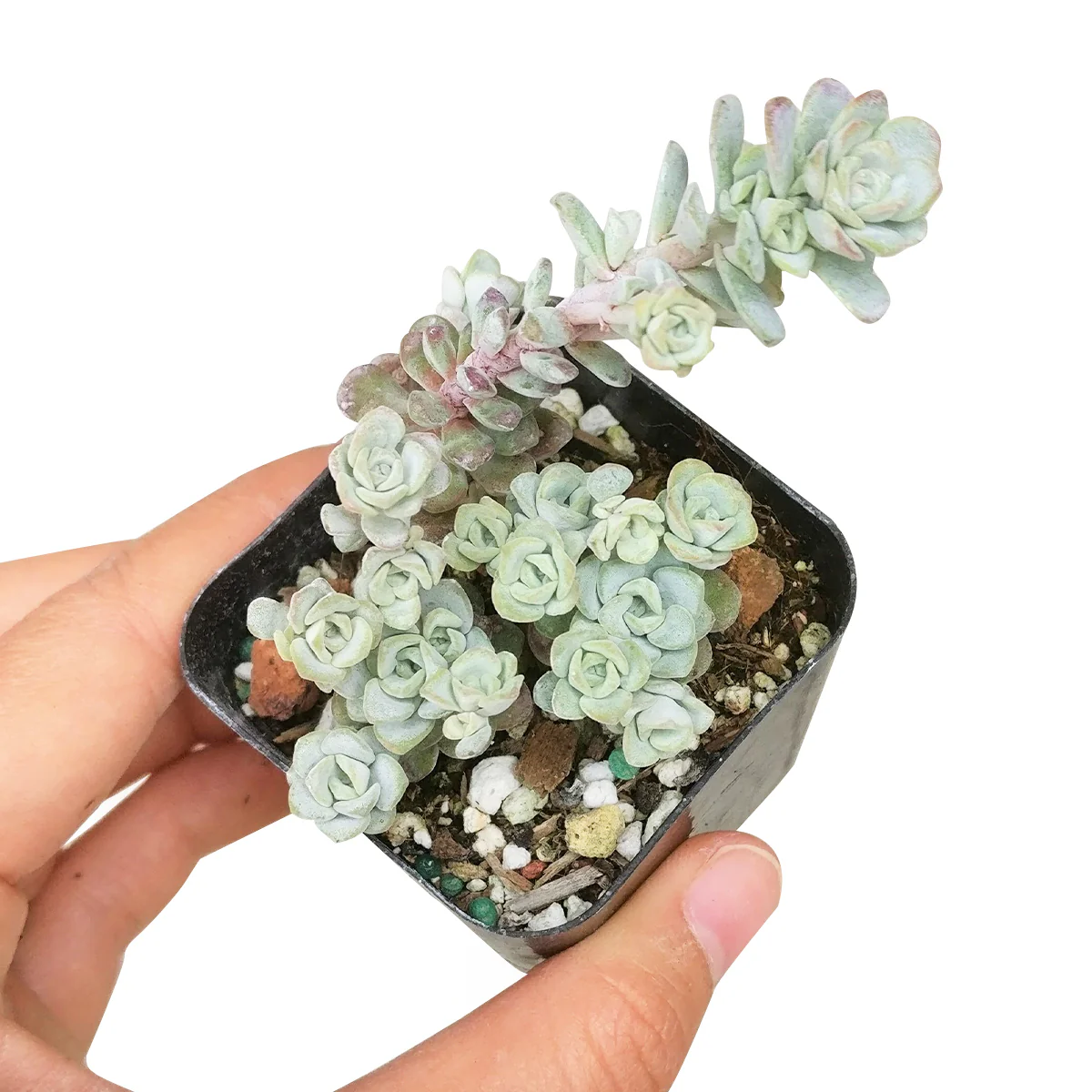
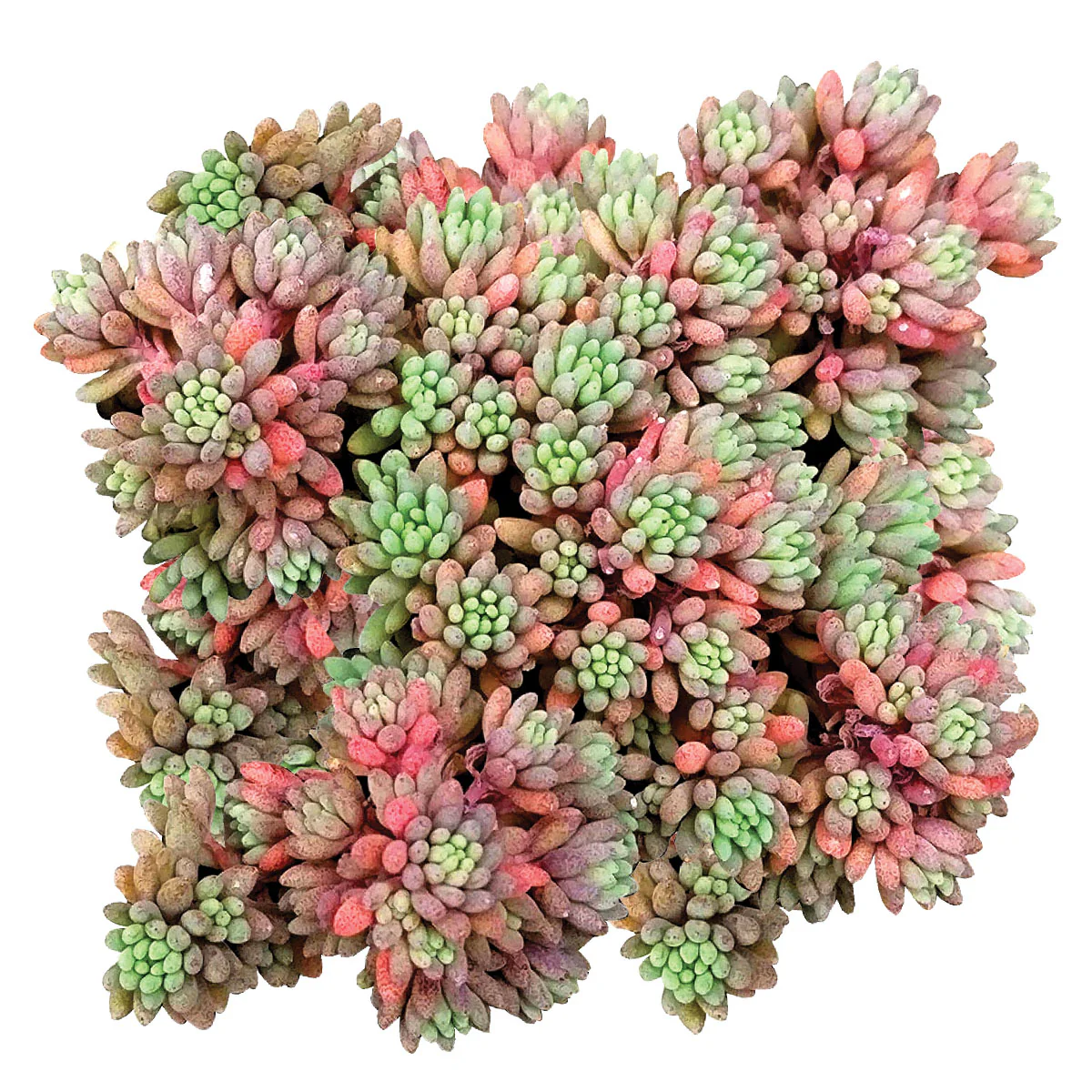
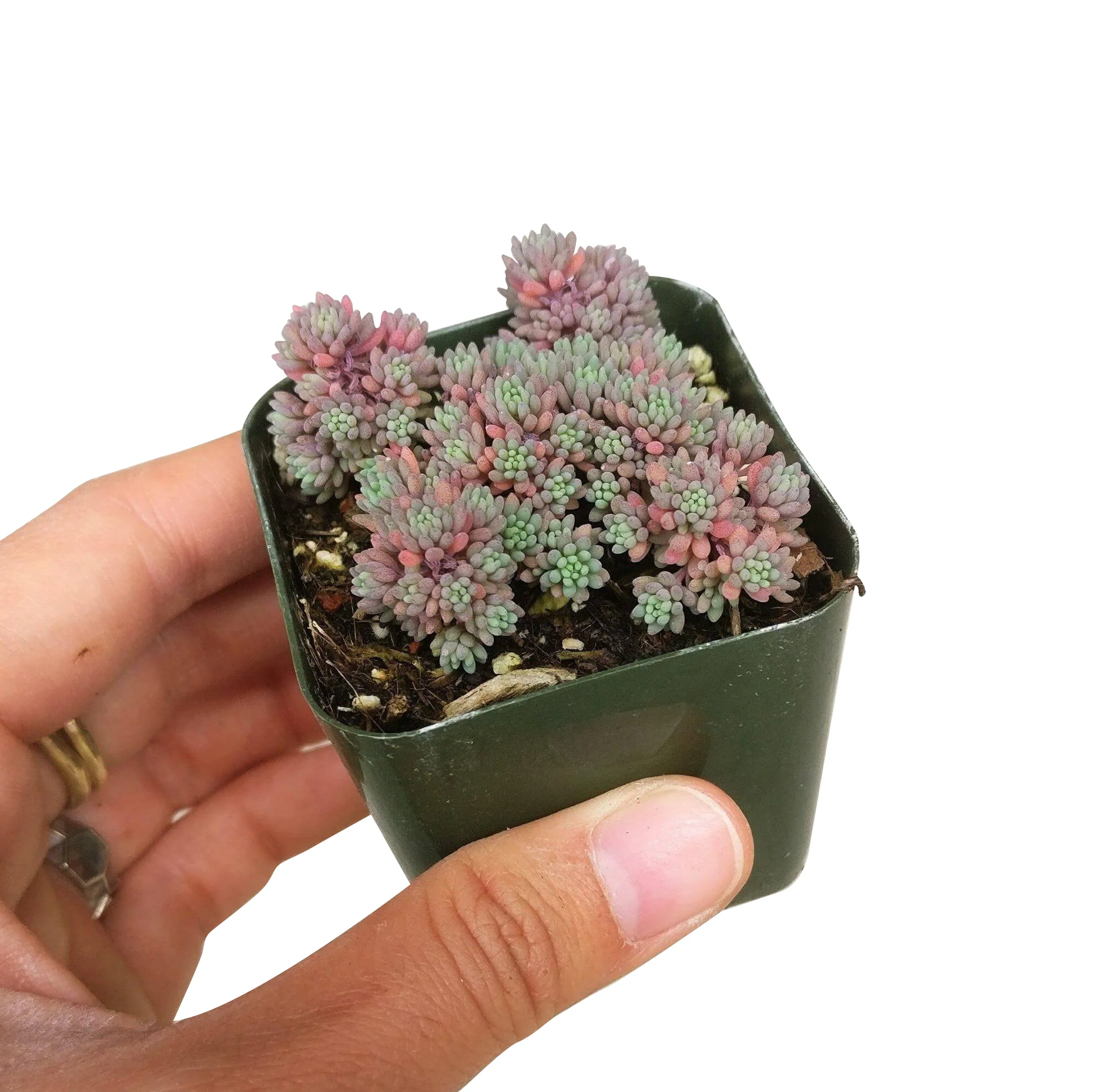
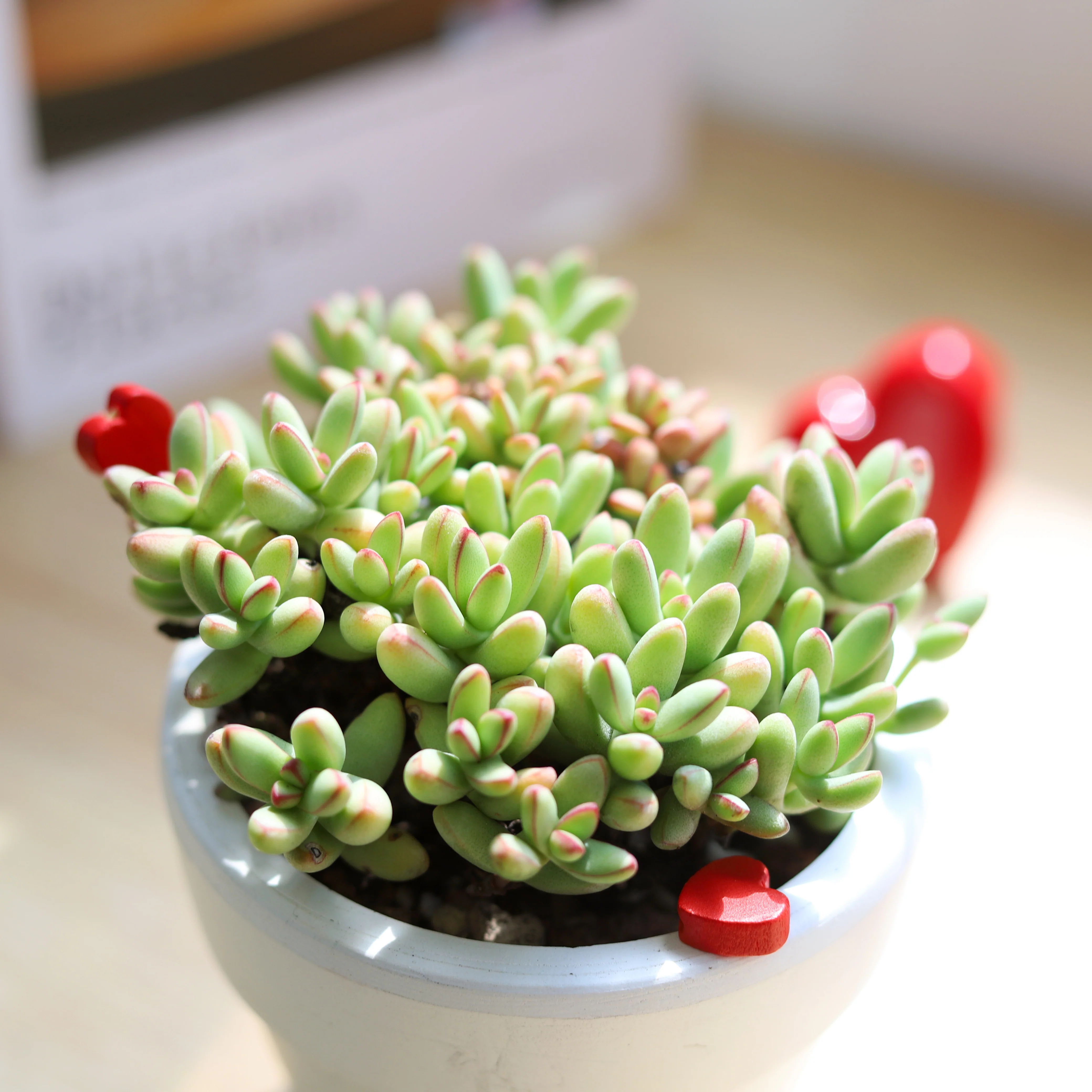
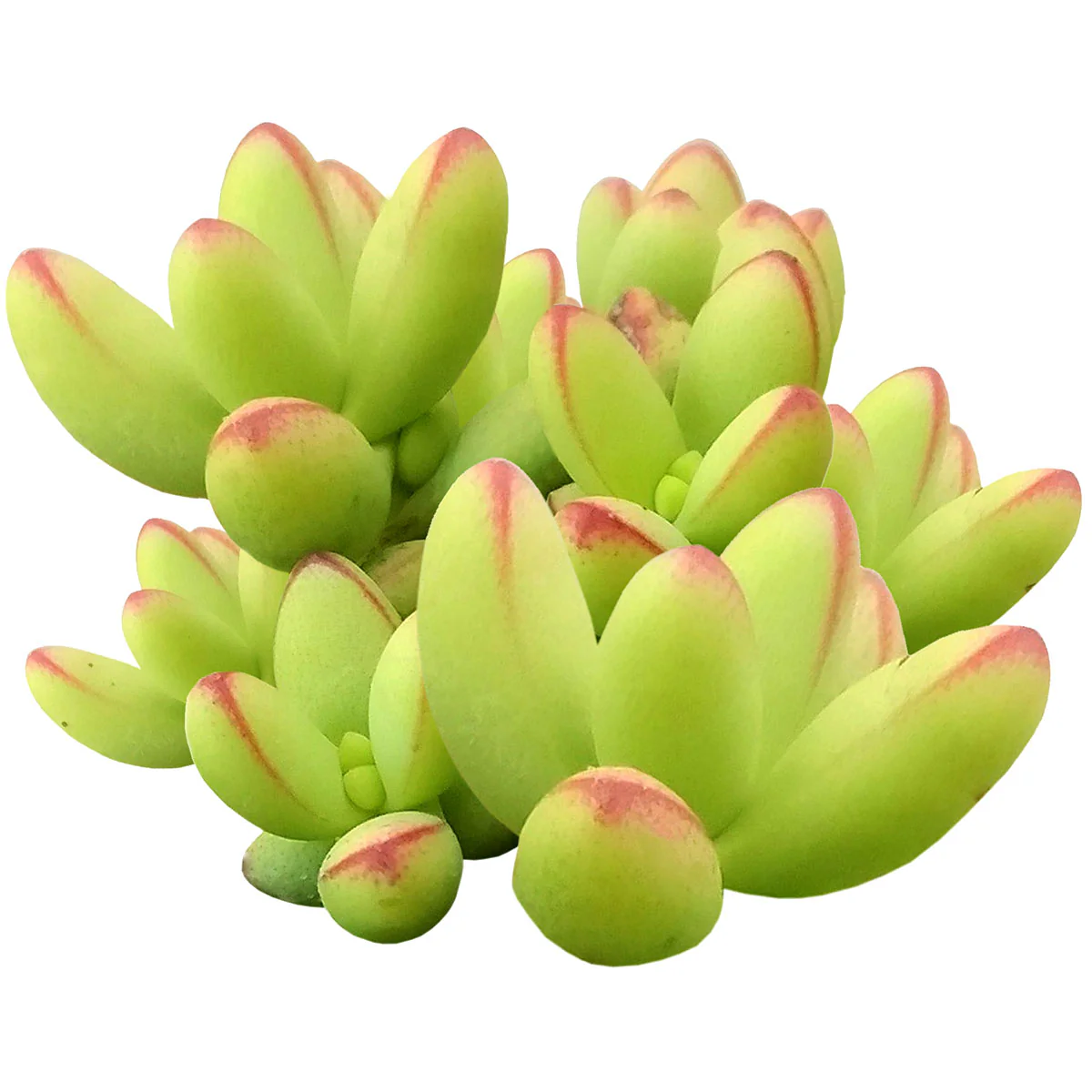
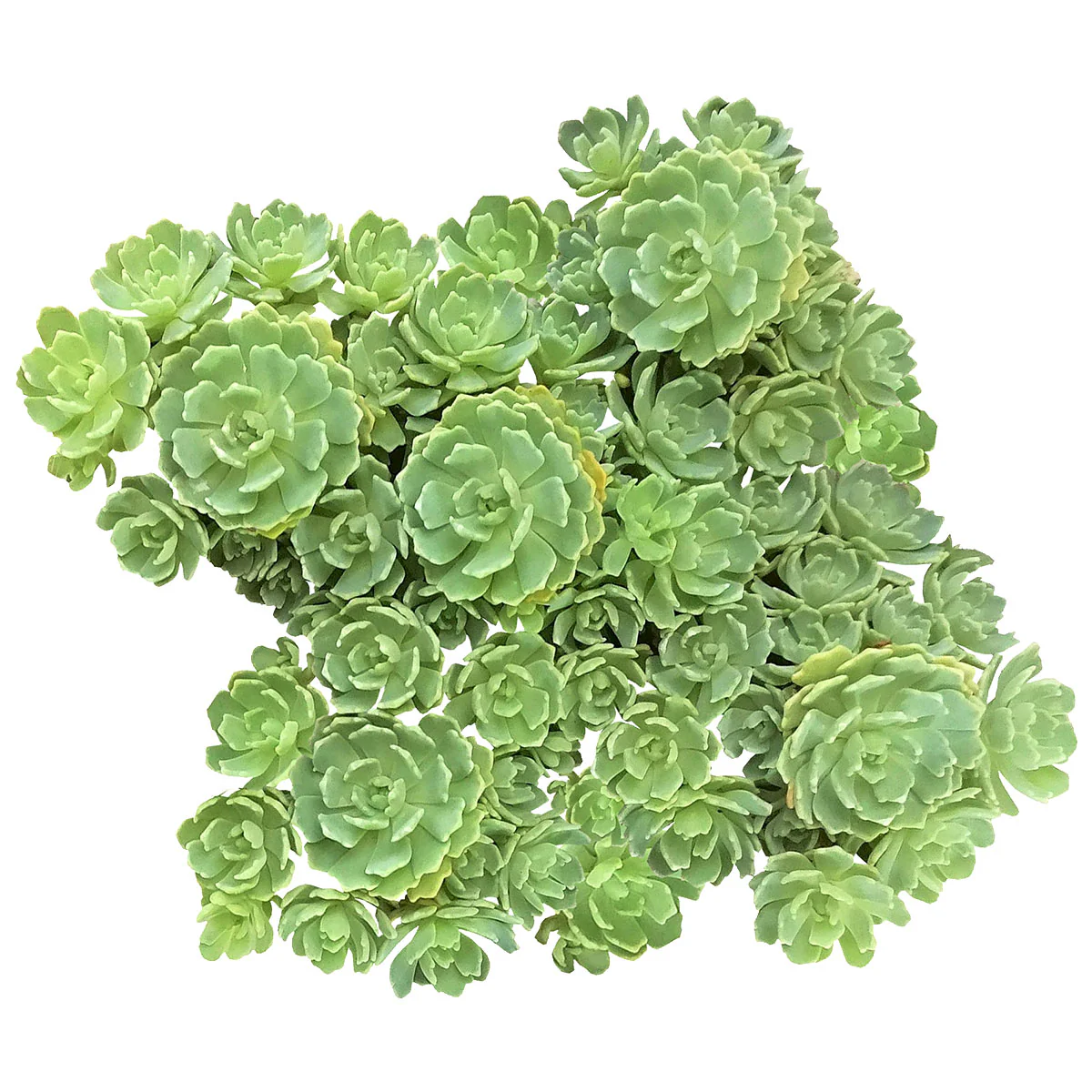
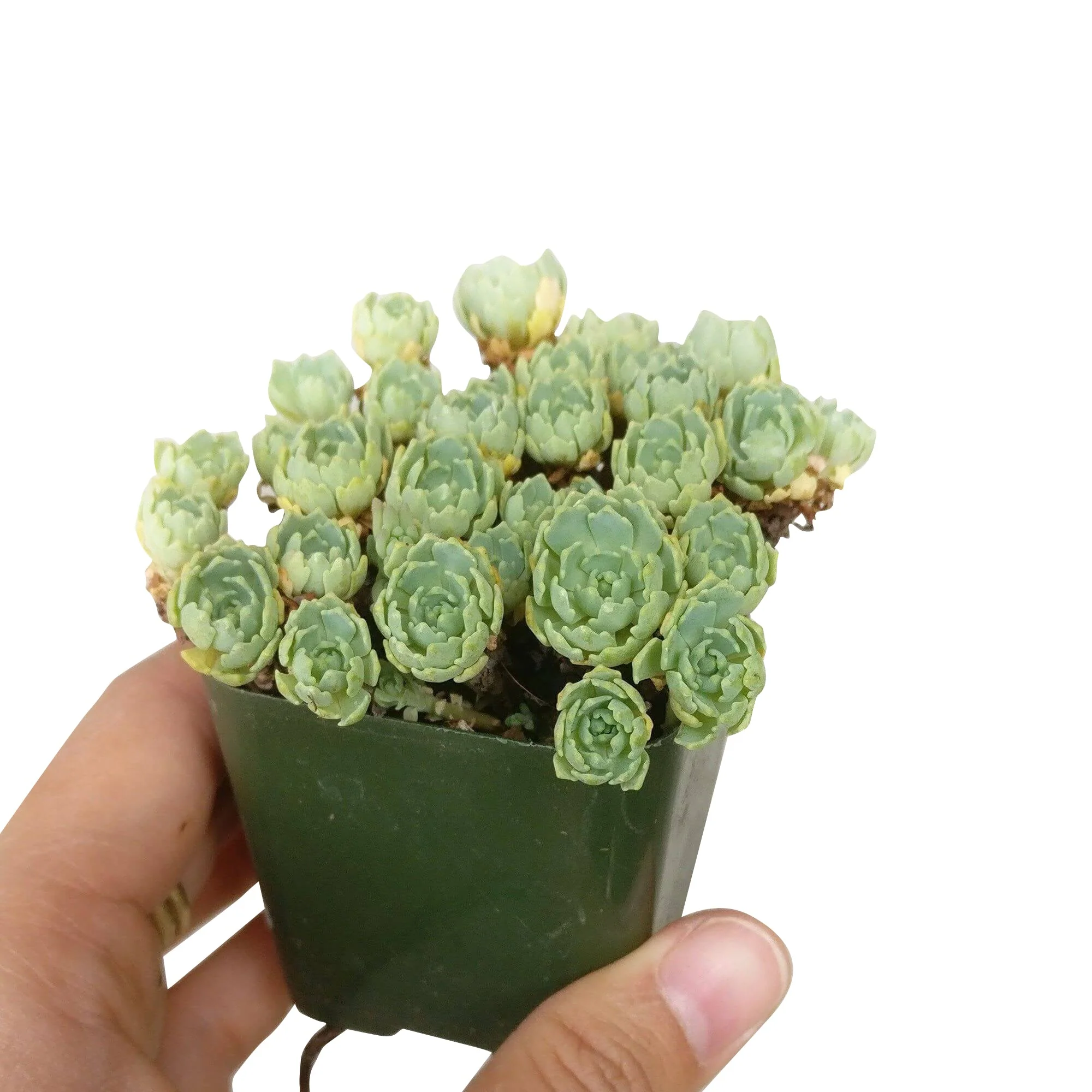
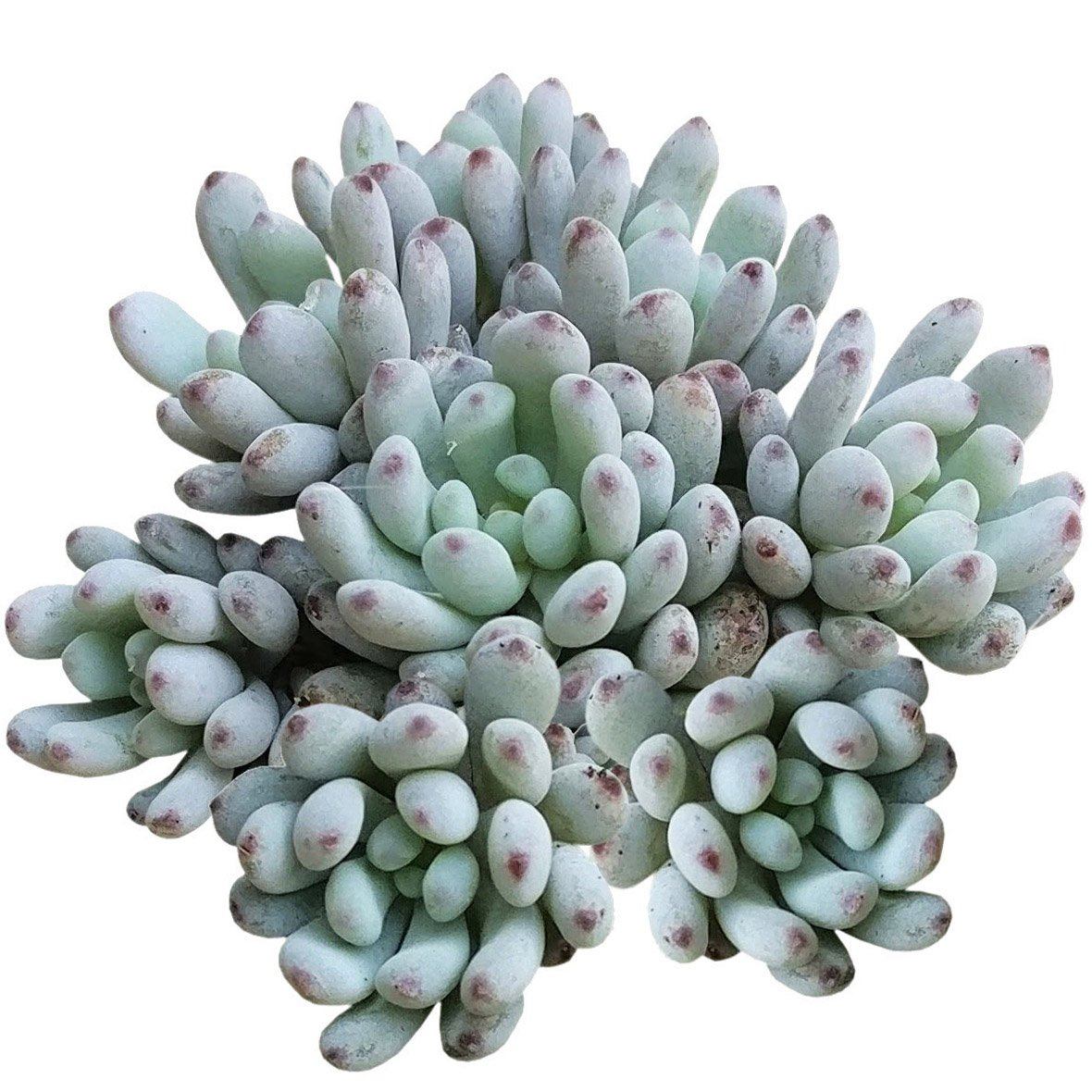
 Graptopetalum Pachyphyllum forms tight, chubby rosettes packed with plump, bean-shaped leaves in a striking blue-gray to purple-pink hue, which is exactly why collectors call it the Blue Bean succulent. The leaves have a powdery farina coating that gives them that cool gray finish, and the plant grows in a clustering, clumping habit that slowly spreads into a gorgeous, dense mat. It is a wide spreader by nature, making it a standout in shallow dish gardens, rock gardens, and succulent arrangements.
 Graptopetalum Pachyphyllum produces small, star-shaped flowers that appear in spring, typically in shades of white to pale yellow with subtle spotted markings. Blooms emerge on short stalks rising above the rosettes and require a night temperature drop to trigger flowering, so placing this plant near a cool window in winter really pays off come spring. No notable fragrance has been confirmed, but the delicate blooms are a sweet seasonal bonus.
 Graptopetalum Pachyphyllum is a beginner-friendly succulent that earns its keep year-round indoors and can move outside for summer to soak up natural light. It tolerates dry heated air from home HVAC systems but appreciates some distance from direct AC or heater vents. Rain can waterlog the roots, so give it cover during wet seasons if it is living outdoors. Best of all, this plant is pet friendly, survives a 10-day trip without a sitter, and lets you know when it is thirsty by showing slight leaf wrinkling or wilting.
-
 Graptopetalum Pachyphyllum thrives in bright indirect light to partial or full sun, needing rotation for even rosette growth.
 Water Graptopetalum Pachyphyllum deeply every 10 to 14 days in summer and every 3 to 4 weeks in winter, allowing soil to dry completely between waterings.
 Graptopetalum Pachyphyllum performs best in a gritty, fast-draining mix of cactus soil blended with coarse perlite or pumice at roughly 50/50.
 Graptopetalum Pachyphyllum prefers temperatures between 65 and 85 degrees F (18 to 29 degrees C) and should be protected from frost below 25 degrees F (-4 degrees C).
![]() Graptopetalum Pachyphyllum is a slow to moderate grower that benefits from a diluted balanced fertilizer once in spring and once in early summer.
Graptopetalum Pachyphyllum is a slow to moderate grower that benefits from a diluted balanced fertilizer once in spring and once in early summer.
 Graptopetalum Pachyphyllum is hardy in USDA Zones 9 through 11, tolerating brief dips to around 25 degrees F (-4 degrees C) before needing frost protection. Gardeners growing Graptopetalum Pachyphyllum outdoors year-round will find it well-suited to California, Arizona, Texas, Florida, Hawaii, Nevada, Louisiana, Georgia, South Carolina, Alabama, Mississippi, and the mild coastal stretches of Oregon and Washington. Parts of New Mexico, Arkansas, and North Carolina that fall within Zone 9 can also support this plant through winter with minimal shelter.
-
Q: How often should I water Graptopetalum Pachyphyllum?
A: Water Graptopetalum Pachyphyllum every 10 to 14 days in warm months and pull back to every 3 to 4 weeks in winter, always letting the soil dry out fully first.
Q: Is Graptopetalum Pachyphyllum safe for cats and dogs?
A: Yes, Graptopetalum Pachyphyllum is pet friendly and is not considered toxic to cats or dogs.
Q: How much light does Graptopetalum Pachyphyllum need indoors?
A: Graptopetalum Pachyphyllum does best in a bright spot with several hours of indirect or direct sun daily, and rotating the pot keeps the rosette growing evenly. It can also get by under strong office LEDs if natural light is limited.
Q: How big does Graptopetalum Pachyphyllum get?
A: Graptopetalum Pachyphyllum stays compact in height but spreads outward in a clustering, clumping mat, making it a natural wide spreader ideal for shallow pots and dish gardens.
Q: How do I propagate Graptopetalum Pachyphyllum?
A: Graptopetalum Pachyphyllum propagates easily from offsets or individual leaves placed on dry, well-draining soil. Leaf propagation is beginner-friendly and one of the most rewarding ways to multiply your collection.
Q: Is Graptopetalum Pachyphyllum rare?
A: Graptopetalum Pachyphyllum is considered a rare find compared to common nursery succulents, which makes it a popular pick among collectors and succulent enthusiasts. Its distinctive blue-gray leaves and clumping growth habit set it apart from more widely available Echeveria types.


Original: $8.00
-70%$8.00
$2.40Product Information
Product Information
Shipping & Returns
Shipping & Returns
Description
- Description
- Graptopetalum Pachyphyllum 'Blue Bean' Care Guide
- FAQ/Common Issues
-
![]() Graptopetalum Pachyphyllum is a rare, drought tolerant succulent in the Crassulaceae family, native to the rocky highlands of Mexico. This compact gem is a true collector's find, bringing blue-gray beauty and effortless charm to any indoor or outdoor space.
Graptopetalum Pachyphyllum is a rare, drought tolerant succulent in the Crassulaceae family, native to the rocky highlands of Mexico. This compact gem is a true collector's find, bringing blue-gray beauty and effortless charm to any indoor or outdoor space.
Graptopetalum Pachyphyllum forms tight, chubby rosettes packed with plump, bean-shaped leaves in a striking blue-gray to purple-pink hue, which is exactly why collectors call it the Blue Bean succulent. The leaves have a powdery farina coating that gives them that cool gray finish, and the plant grows in a clustering, clumping habit that slowly spreads into a gorgeous, dense mat. It is a wide spreader by nature, making it a standout in shallow dish gardens, rock gardens, and succulent arrangements.
Graptopetalum Pachyphyllum produces small, star-shaped flowers that appear in spring, typically in shades of white to pale yellow with subtle spotted markings. Blooms emerge on short stalks rising above the rosettes and require a night temperature drop to trigger flowering, so placing this plant near a cool window in winter really pays off come spring. No notable fragrance has been confirmed, but the delicate blooms are a sweet seasonal bonus.
Graptopetalum Pachyphyllum is a beginner-friendly succulent that earns its keep year-round indoors and can move outside for summer to soak up natural light. It tolerates dry heated air from home HVAC systems but appreciates some distance from direct AC or heater vents. Rain can waterlog the roots, so give it cover during wet seasons if it is living outdoors. Best of all, this plant is pet friendly, survives a 10-day trip without a sitter, and lets you know when it is thirsty by showing slight leaf wrinkling or wilting.
-
Graptopetalum Pachyphyllum thrives in bright indirect light to partial or full sun, needing rotation for even rosette growth.
Water Graptopetalum Pachyphyllum deeply every 10 to 14 days in summer and every 3 to 4 weeks in winter, allowing soil to dry completely between waterings.
Graptopetalum Pachyphyllum performs best in a gritty, fast-draining mix of cactus soil blended with coarse perlite or pumice at roughly 50/50.
Graptopetalum Pachyphyllum prefers temperatures between 65 and 85 degrees F (18 to 29 degrees C) and should be protected from frost below 25 degrees F (-4 degrees C).
![]() Graptopetalum Pachyphyllum is a slow to moderate grower that benefits from a diluted balanced fertilizer once in spring and once in early summer.
Graptopetalum Pachyphyllum is a slow to moderate grower that benefits from a diluted balanced fertilizer once in spring and once in early summer.
Graptopetalum Pachyphyllum is hardy in USDA Zones 9 through 11, tolerating brief dips to around 25 degrees F (-4 degrees C) before needing frost protection. Gardeners growing Graptopetalum Pachyphyllum outdoors year-round will find it well-suited to California, Arizona, Texas, Florida, Hawaii, Nevada, Louisiana, Georgia, South Carolina, Alabama, Mississippi, and the mild coastal stretches of Oregon and Washington. Parts of New Mexico, Arkansas, and North Carolina that fall within Zone 9 can also support this plant through winter with minimal shelter.
-
Q: How often should I water Graptopetalum Pachyphyllum?
A: Water Graptopetalum Pachyphyllum every 10 to 14 days in warm months and pull back to every 3 to 4 weeks in winter, always letting the soil dry out fully first.
Q: Is Graptopetalum Pachyphyllum safe for cats and dogs?
A: Yes, Graptopetalum Pachyphyllum is pet friendly and is not considered toxic to cats or dogs.
Q: How much light does Graptopetalum Pachyphyllum need indoors?
A: Graptopetalum Pachyphyllum does best in a bright spot with several hours of indirect or direct sun daily, and rotating the pot keeps the rosette growing evenly. It can also get by under strong office LEDs if natural light is limited.
Q: How big does Graptopetalum Pachyphyllum get?
A: Graptopetalum Pachyphyllum stays compact in height but spreads outward in a clustering, clumping mat, making it a natural wide spreader ideal for shallow pots and dish gardens.
Q: How do I propagate Graptopetalum Pachyphyllum?
A: Graptopetalum Pachyphyllum propagates easily from offsets or individual leaves placed on dry, well-draining soil. Leaf propagation is beginner-friendly and one of the most rewarding ways to multiply your collection.
Q: Is Graptopetalum Pachyphyllum rare?
A: Graptopetalum Pachyphyllum is considered a rare find compared to common nursery succulents, which makes it a popular pick among collectors and succulent enthusiasts. Its distinctive blue-gray leaves and clumping growth habit set it apart from more widely available Echeveria types.