Sedum Spathulifolium
- Description
- Sedum Spathulifolium Care Guide
- FAQ/Common Issues
-
![]() Sedum Spathulifolium is a hardy drought tolerant stonecrop succulent native to the rocky coastal cliffs and mountain slopes of western North America, from British Columbia down through California. It belongs to the Crassulaceae family and thrives naturally in gritty, lean soils where most plants struggle. Easy care and incredibly resilient, Sedum Spathulifolium is a favorite among succulent collectors and rock garden enthusiasts alike.
Sedum Spathulifolium is a hardy drought tolerant stonecrop succulent native to the rocky coastal cliffs and mountain slopes of western North America, from British Columbia down through California. It belongs to the Crassulaceae family and thrives naturally in gritty, lean soils where most plants struggle. Easy care and incredibly resilient, Sedum Spathulifolium is a favorite among succulent collectors and rock garden enthusiasts alike.
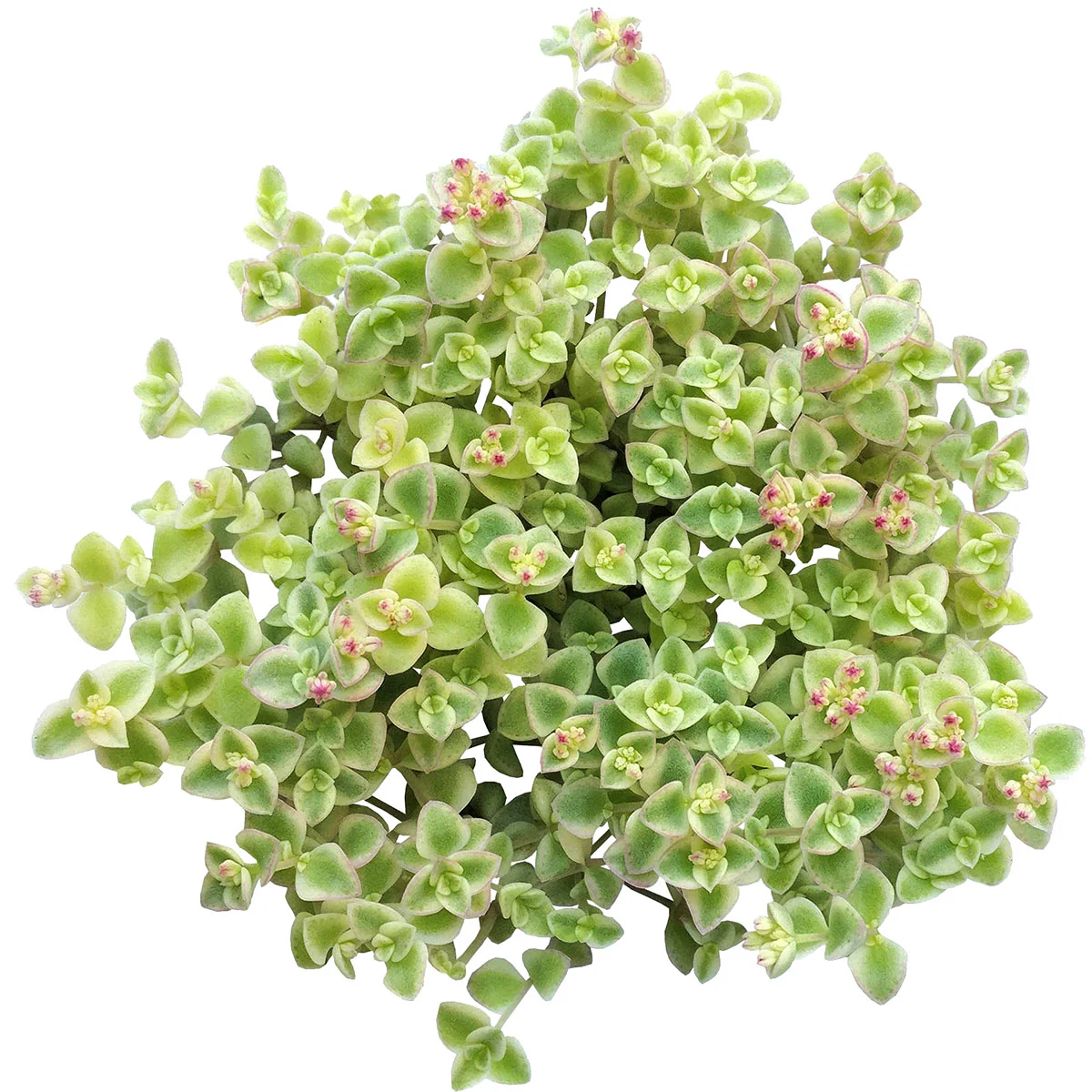
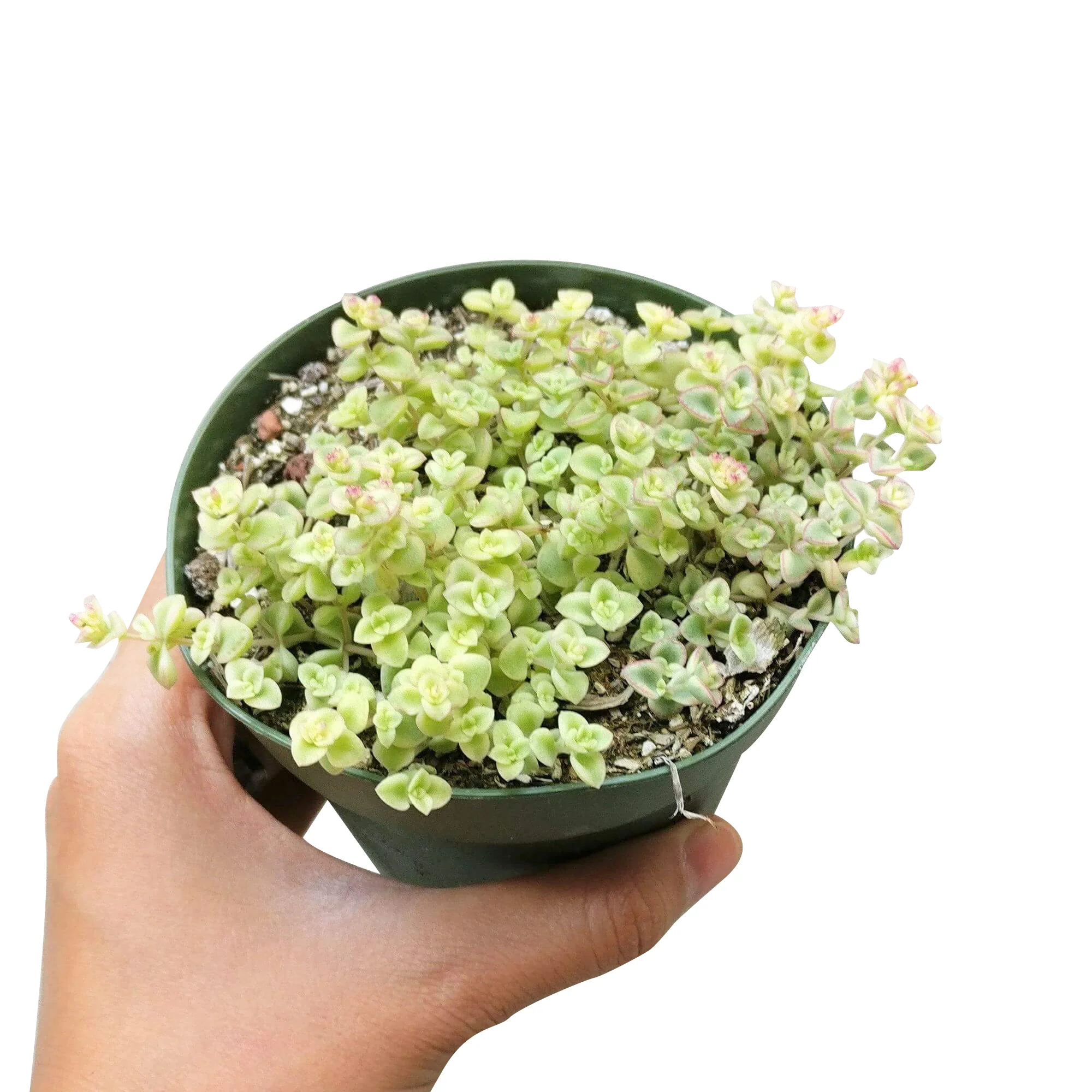
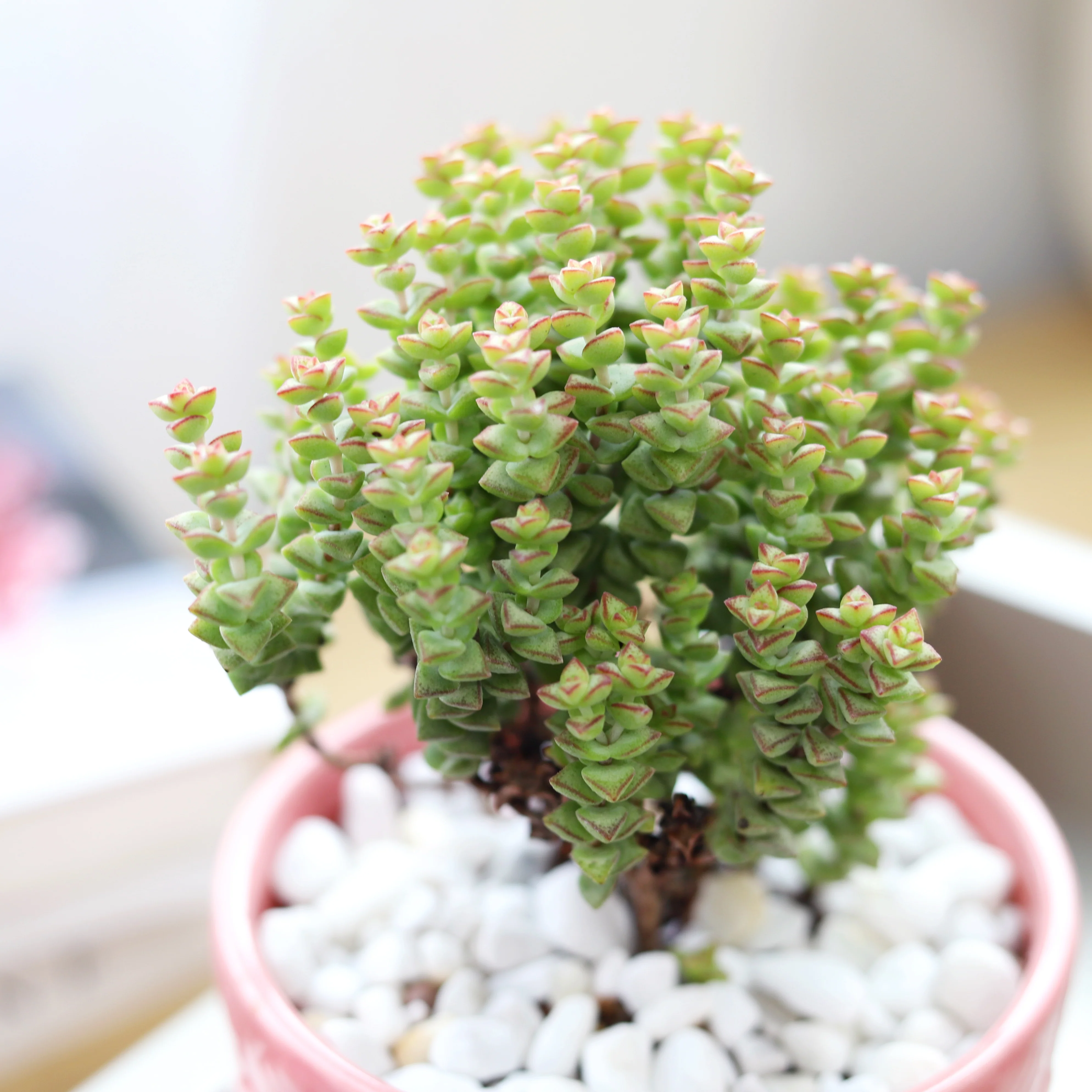
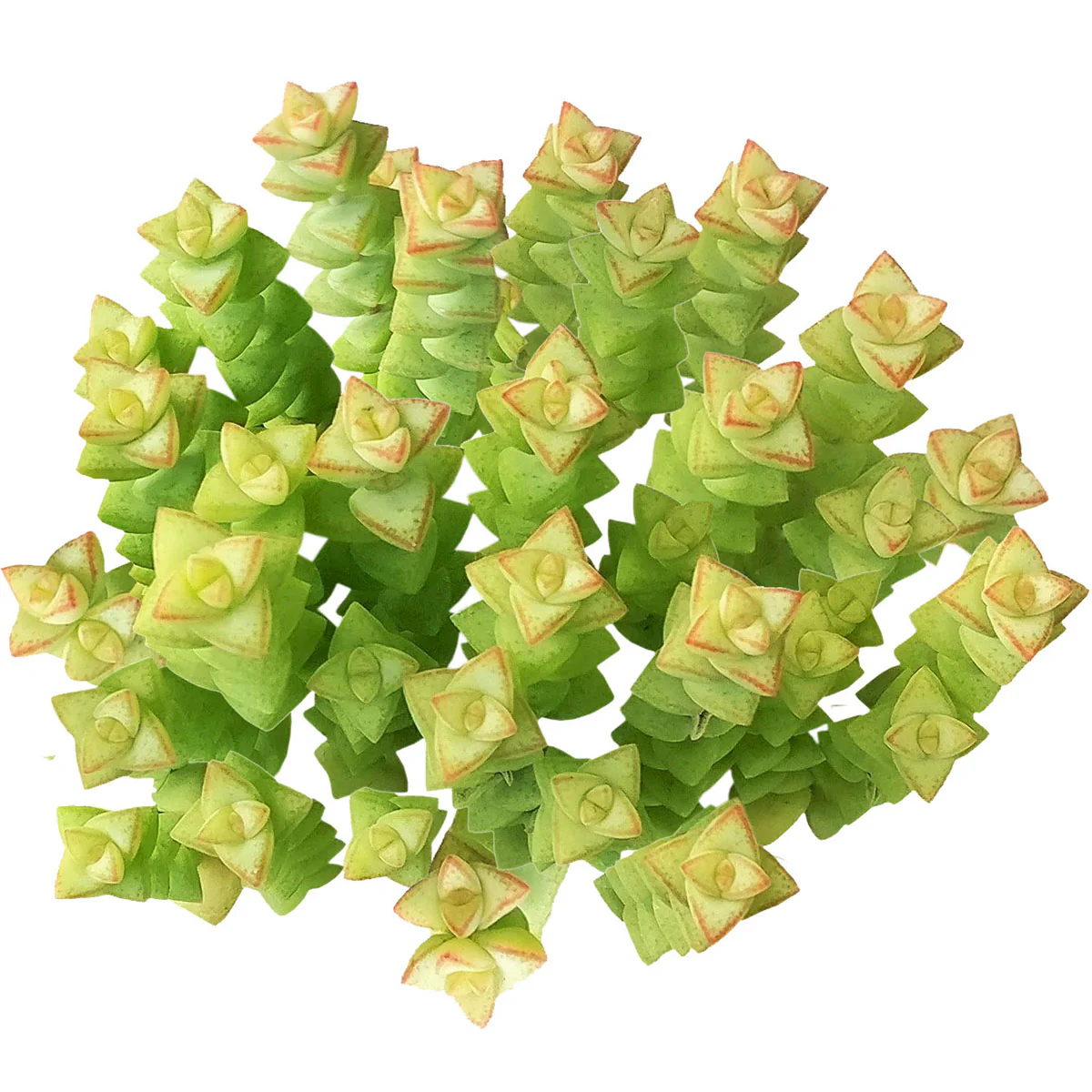
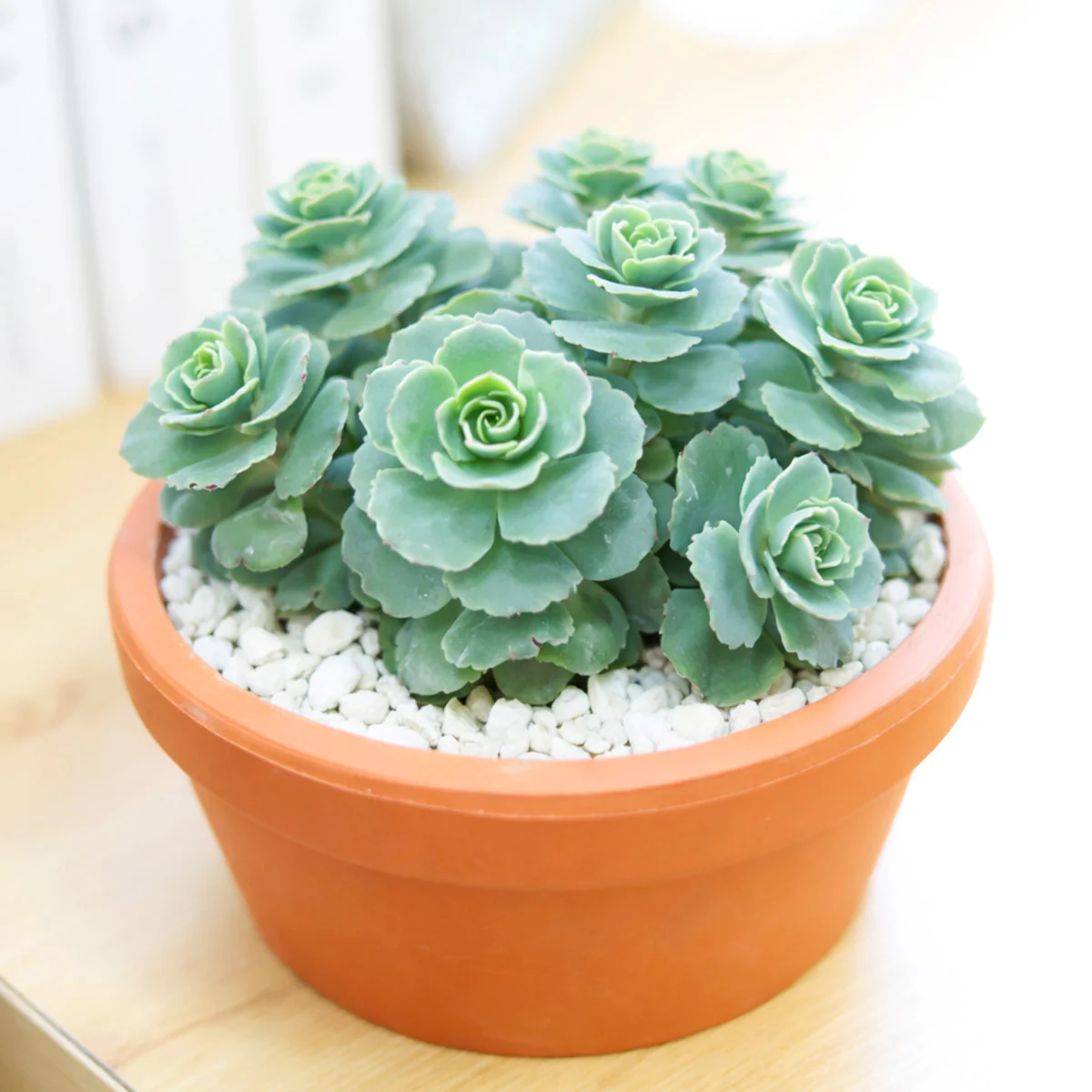
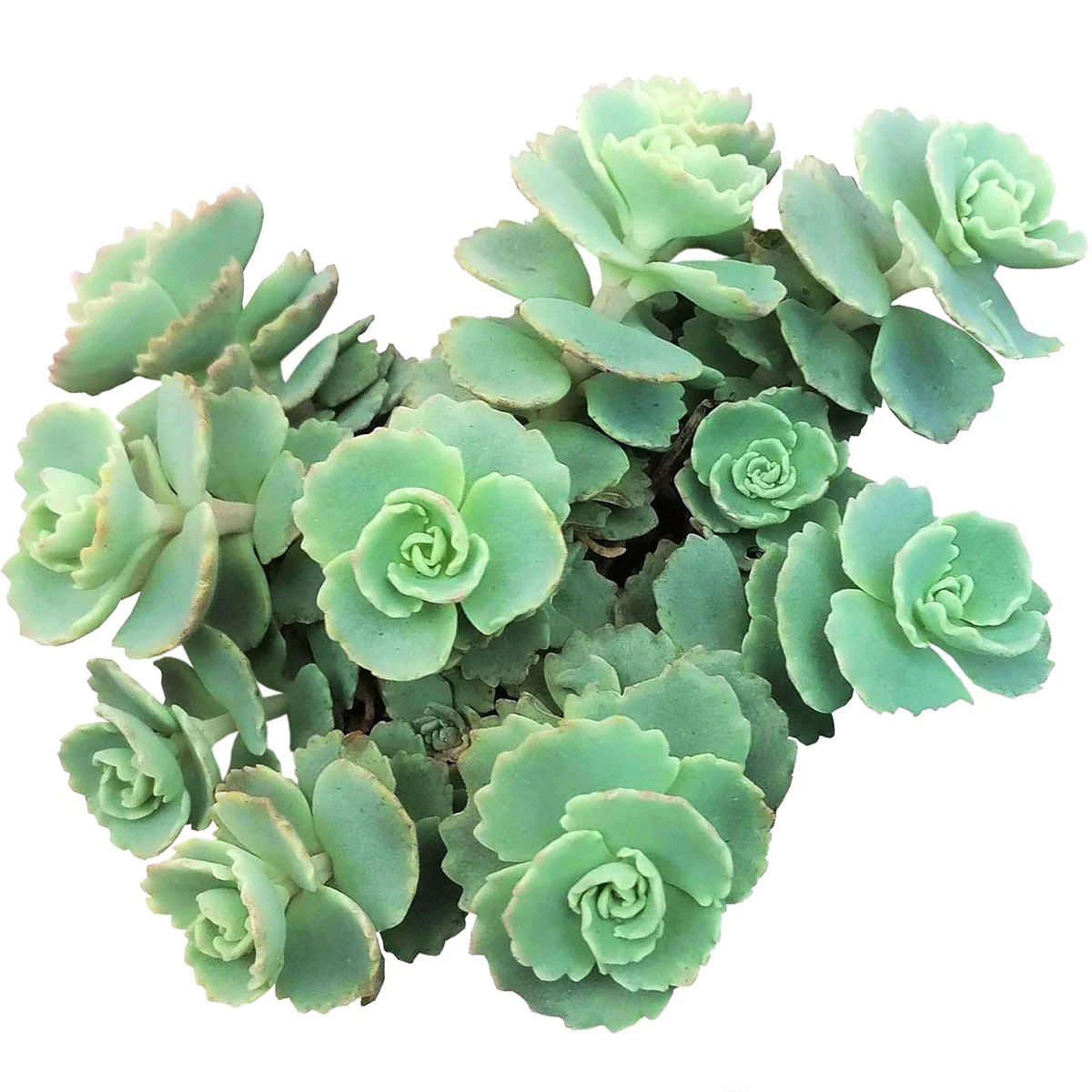
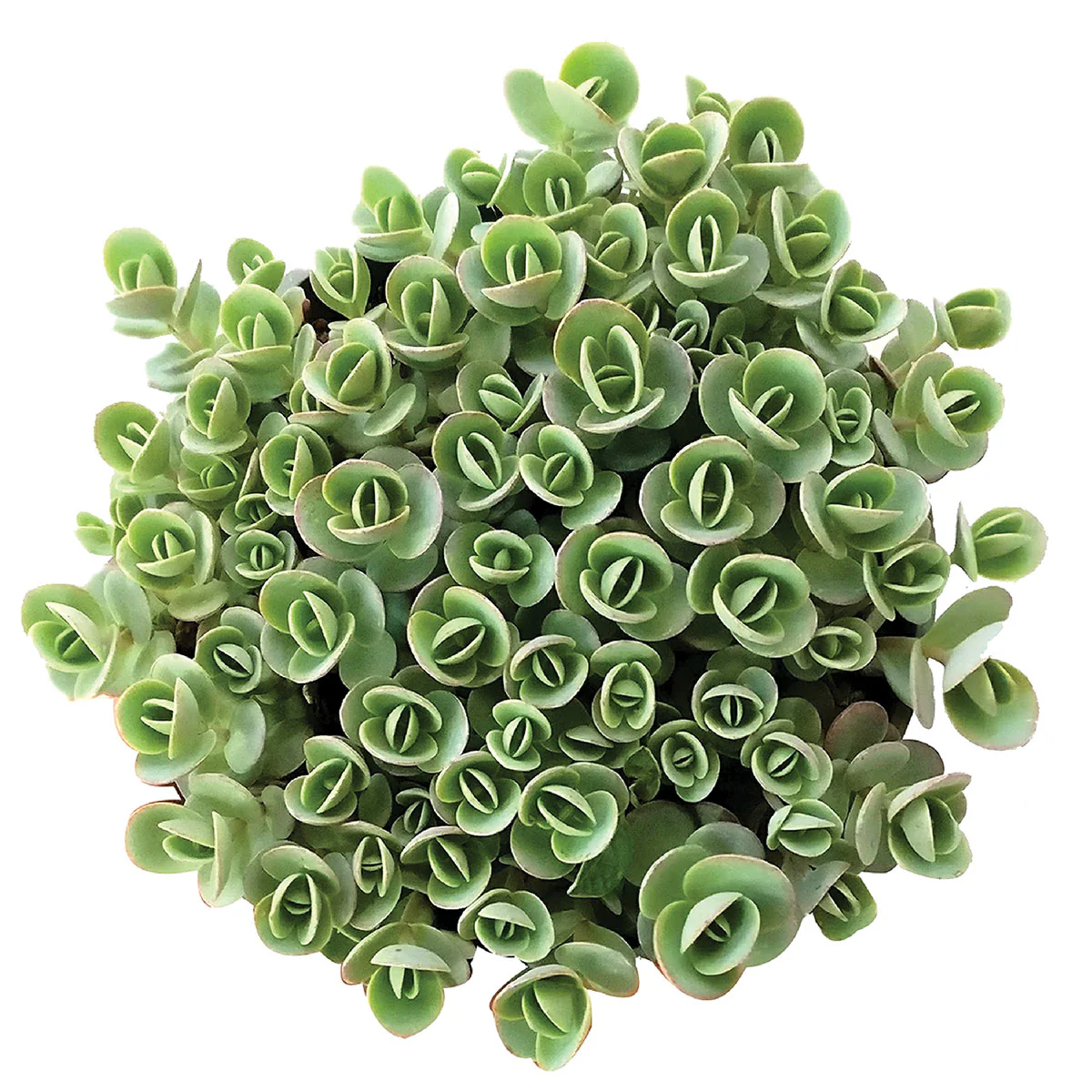
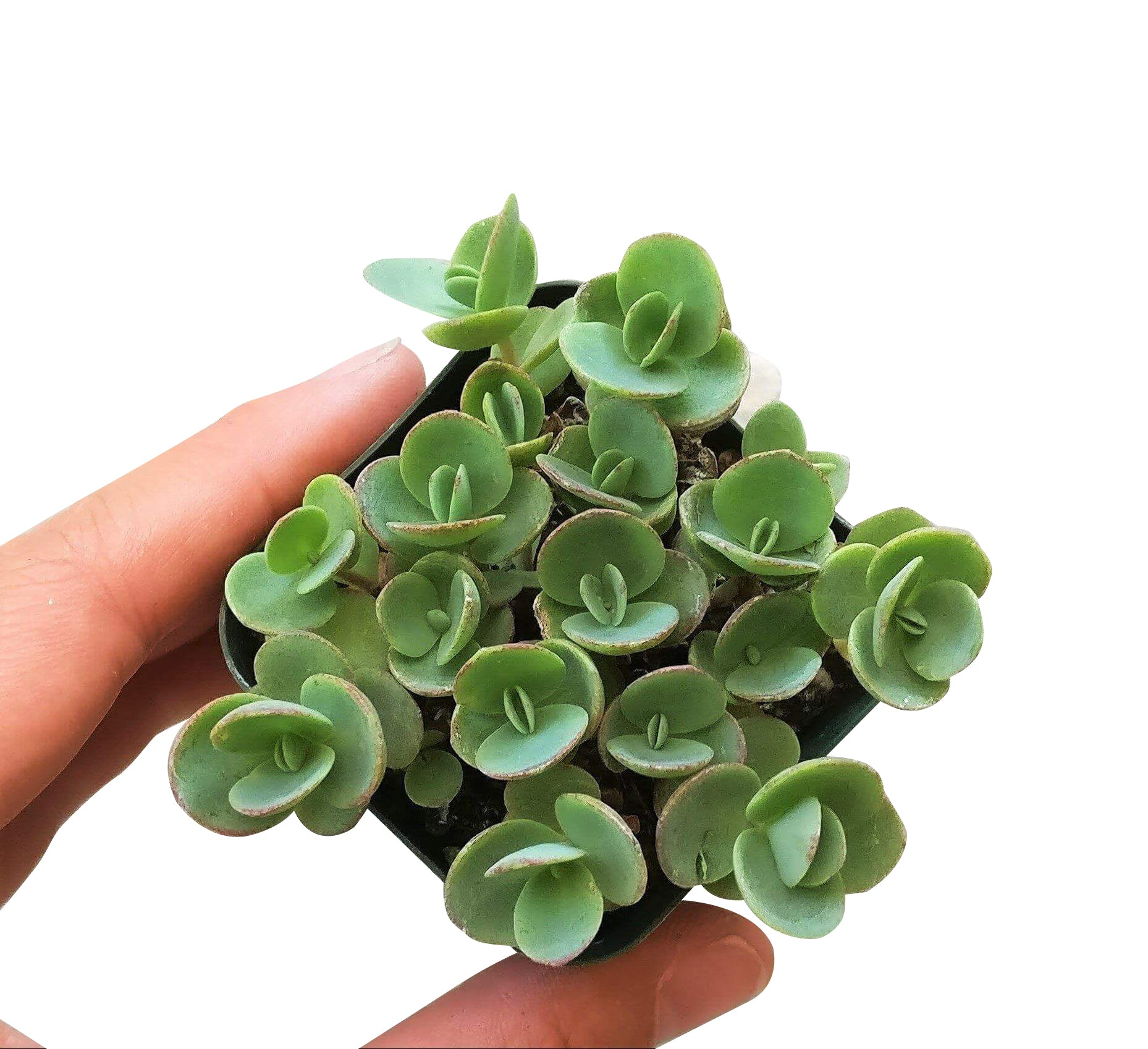
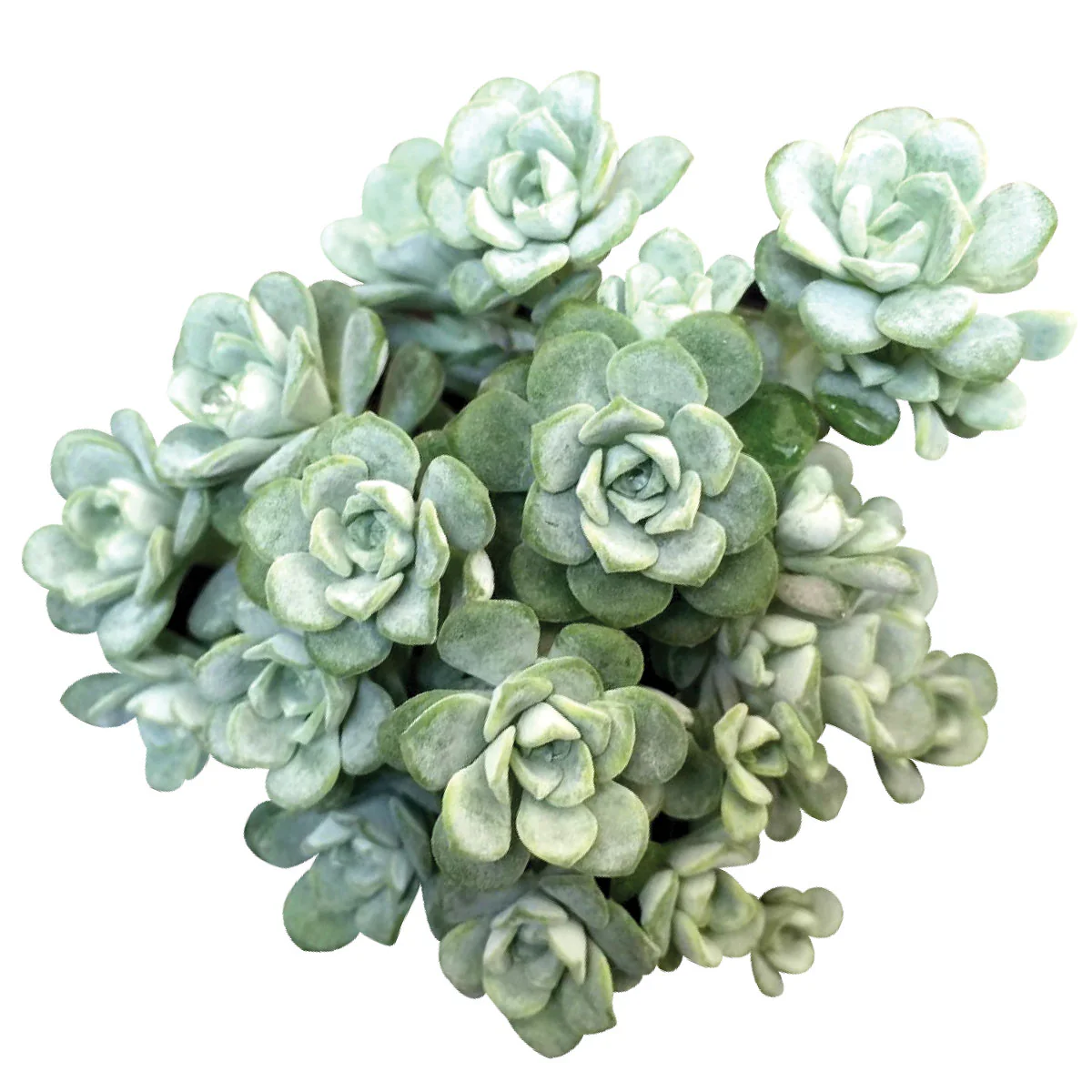
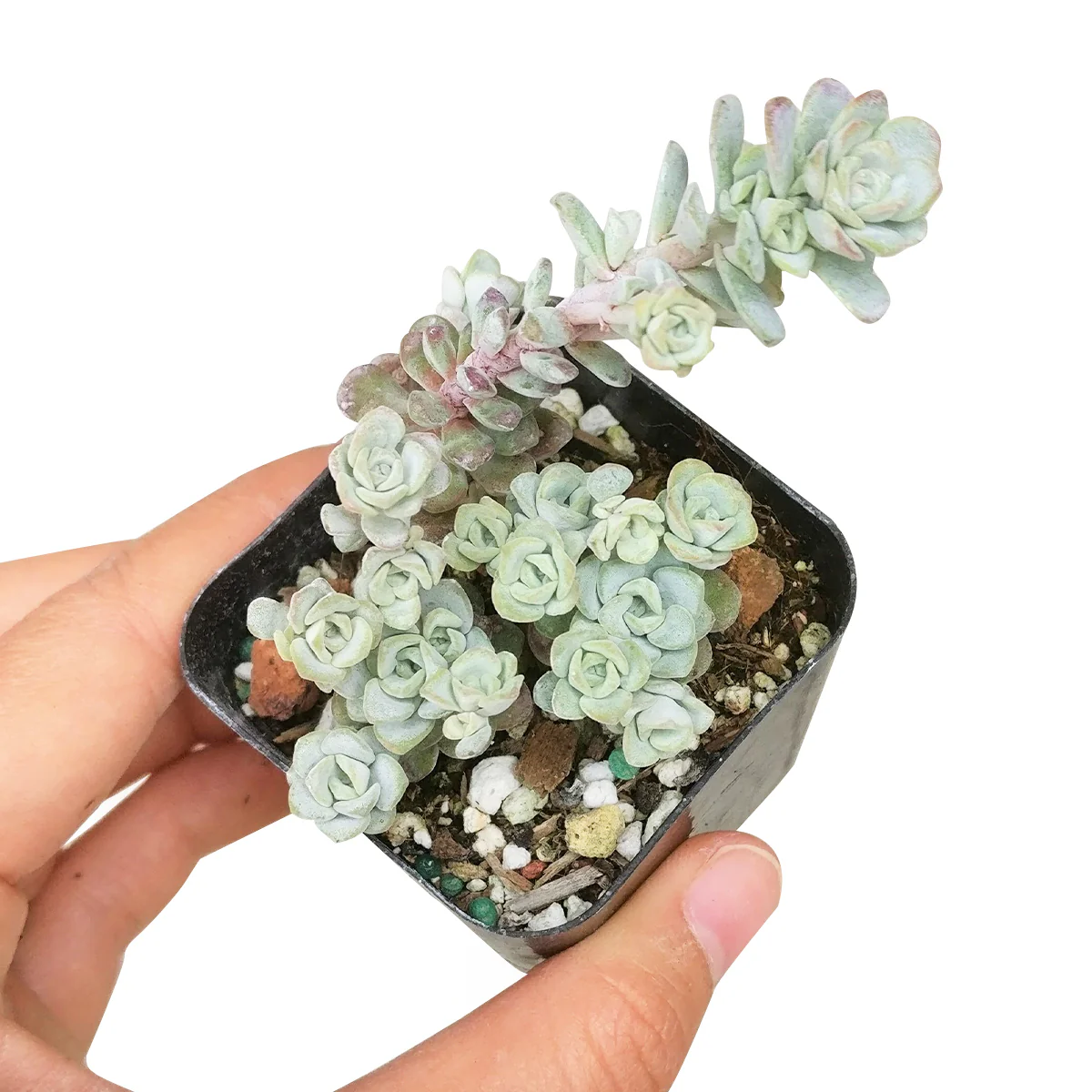
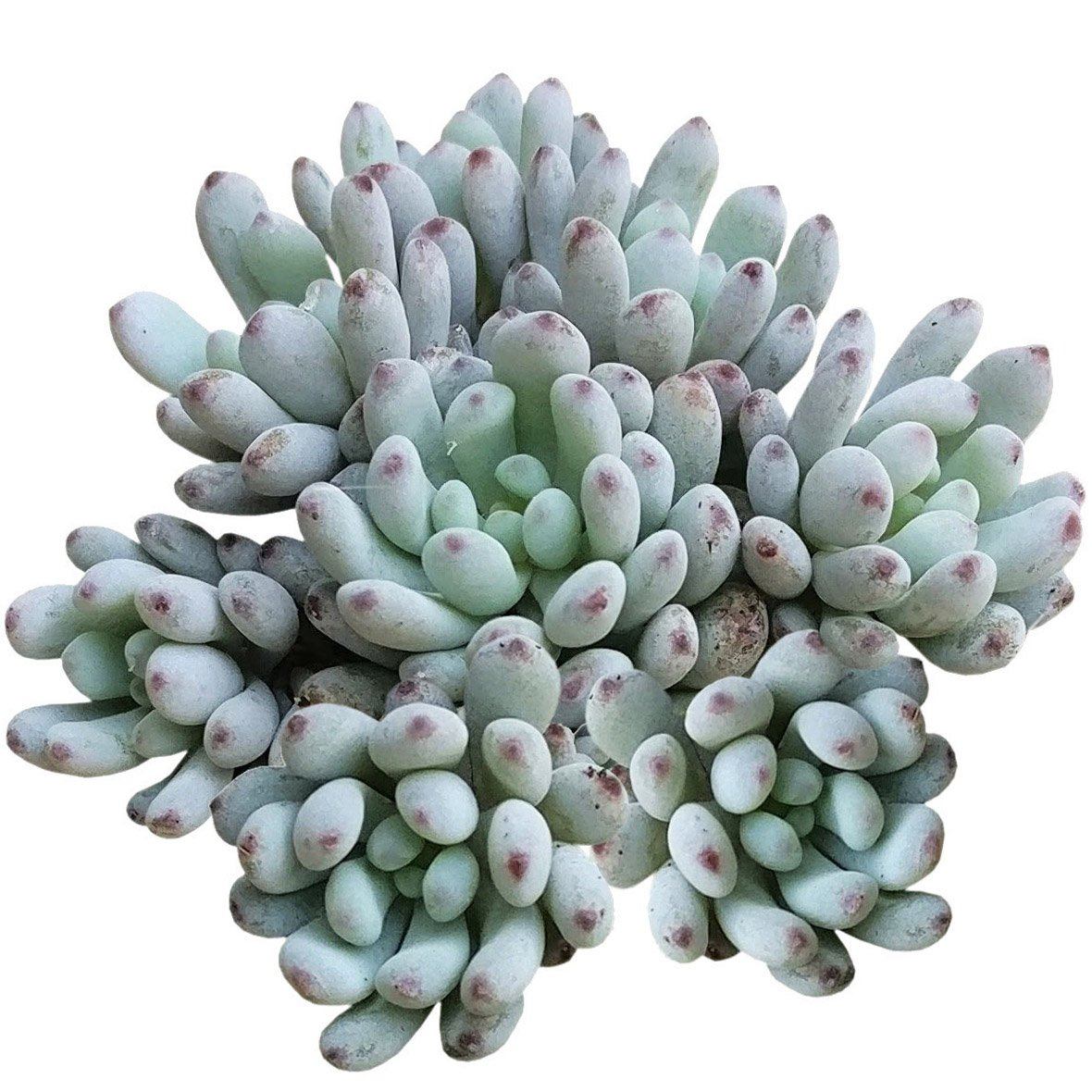
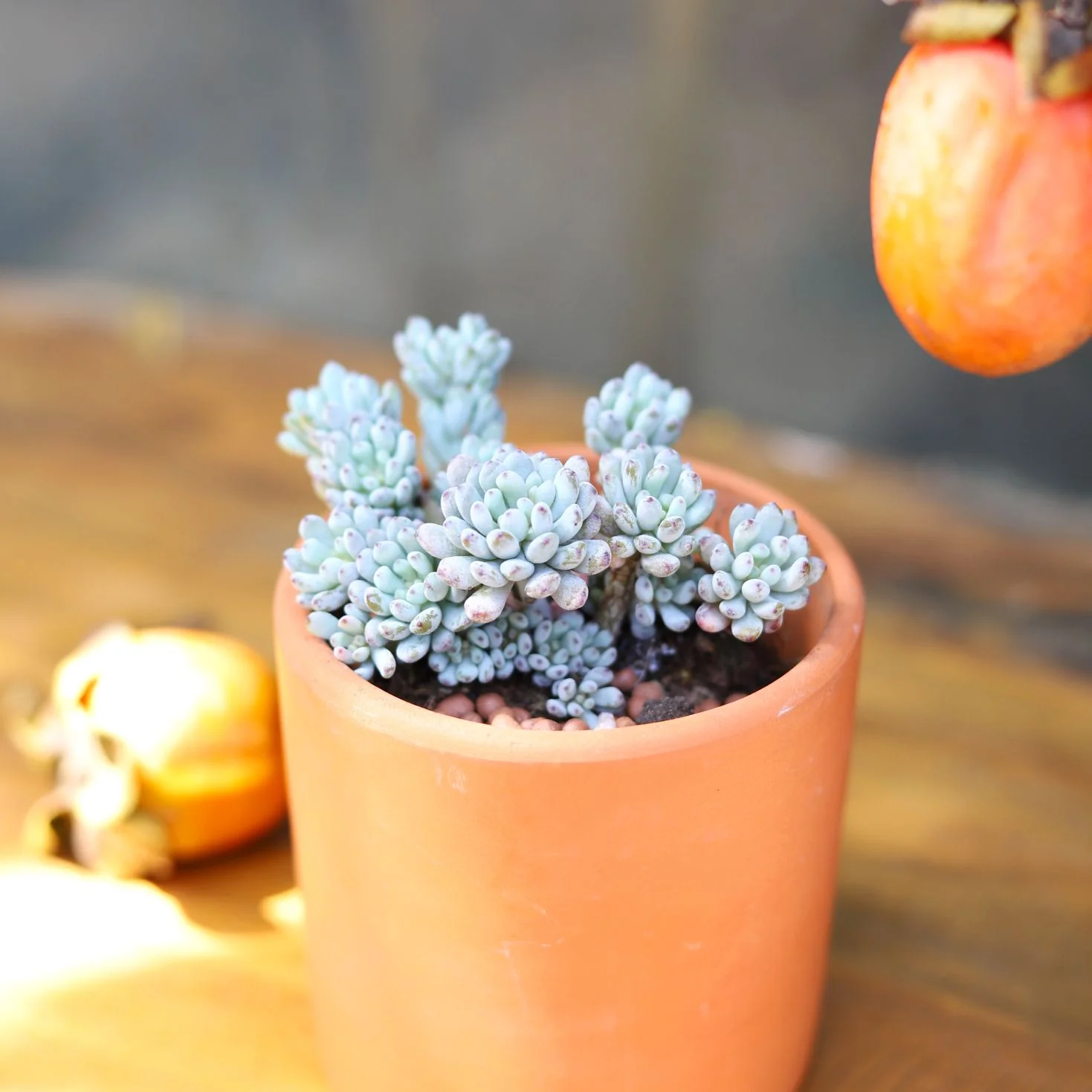
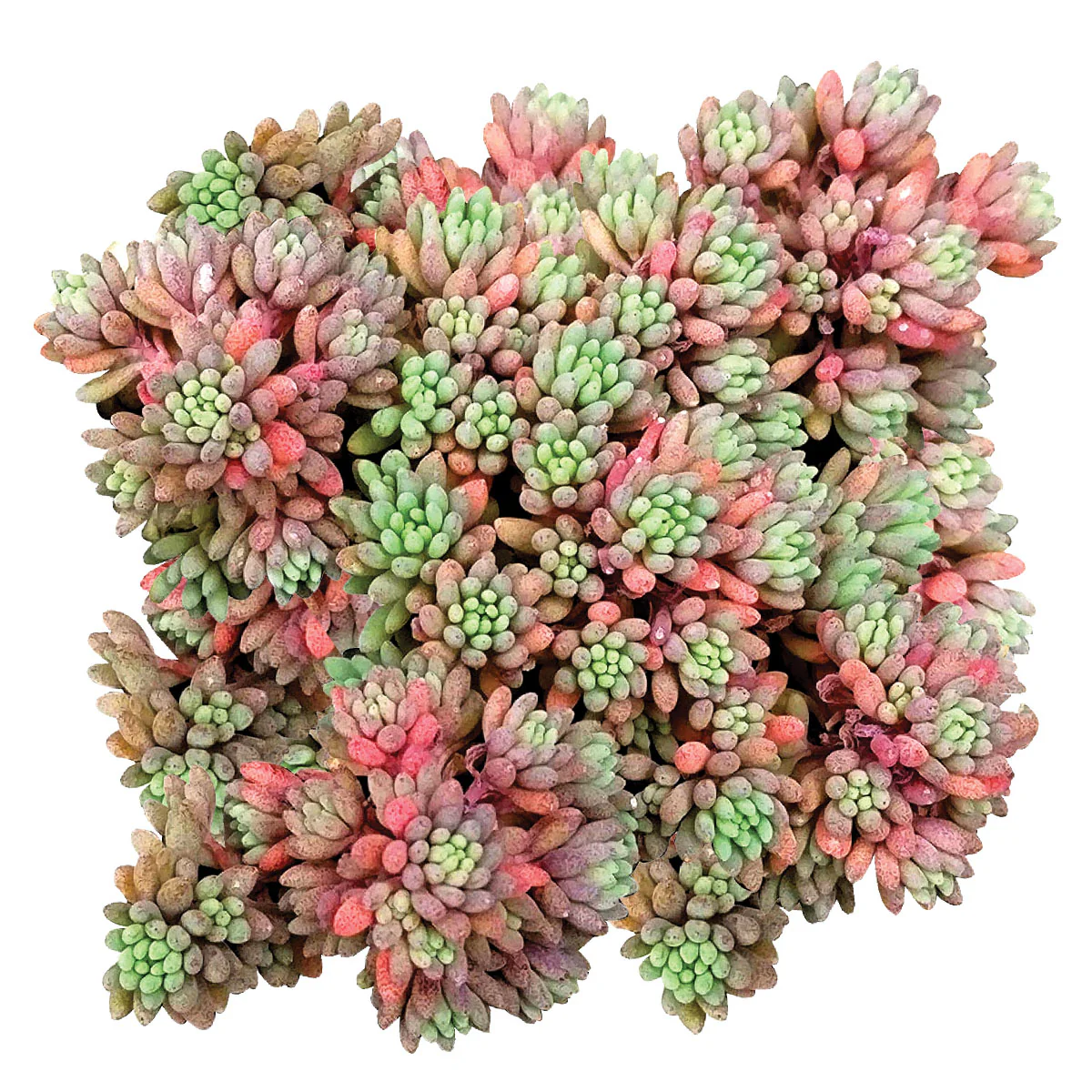
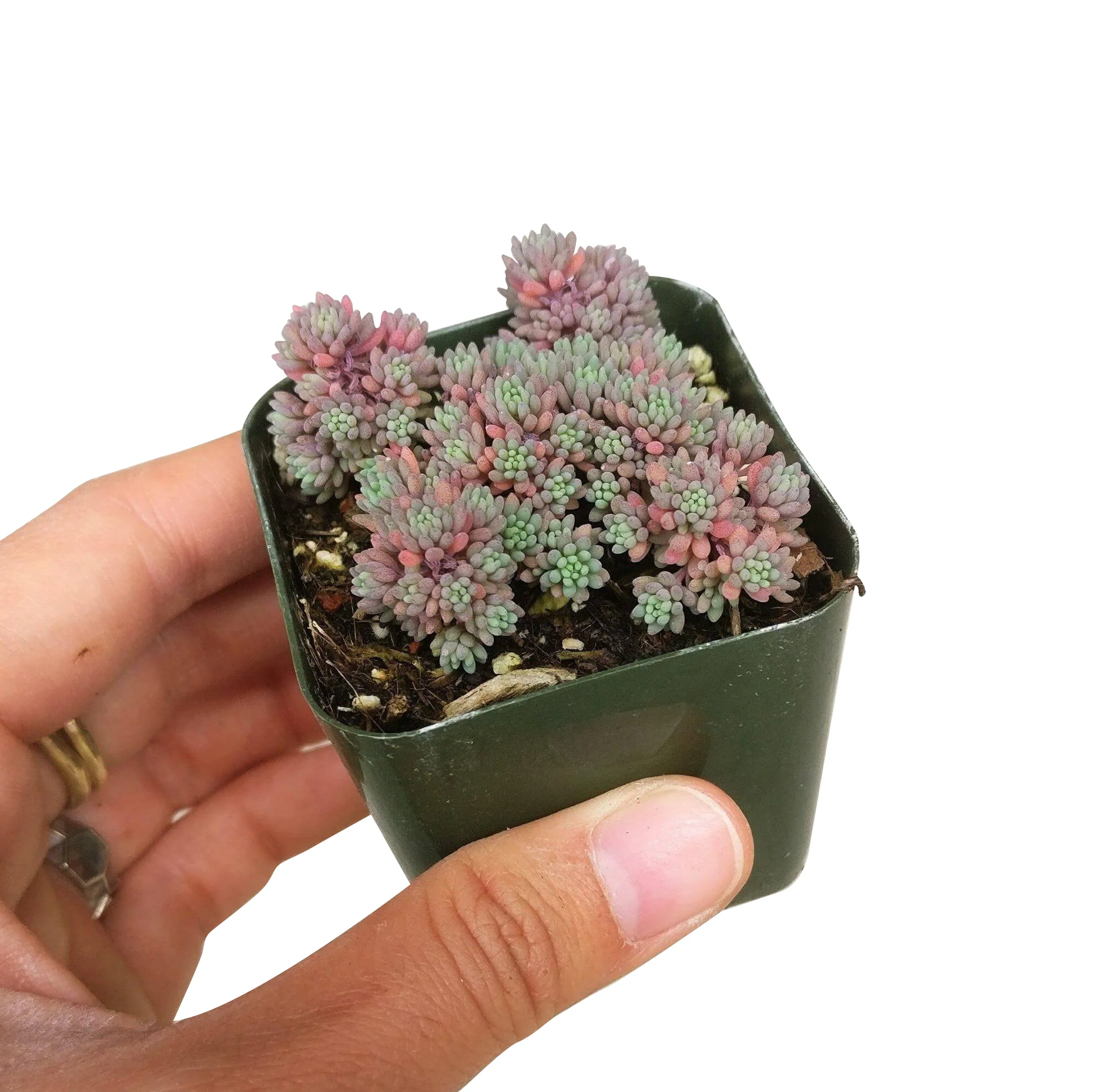
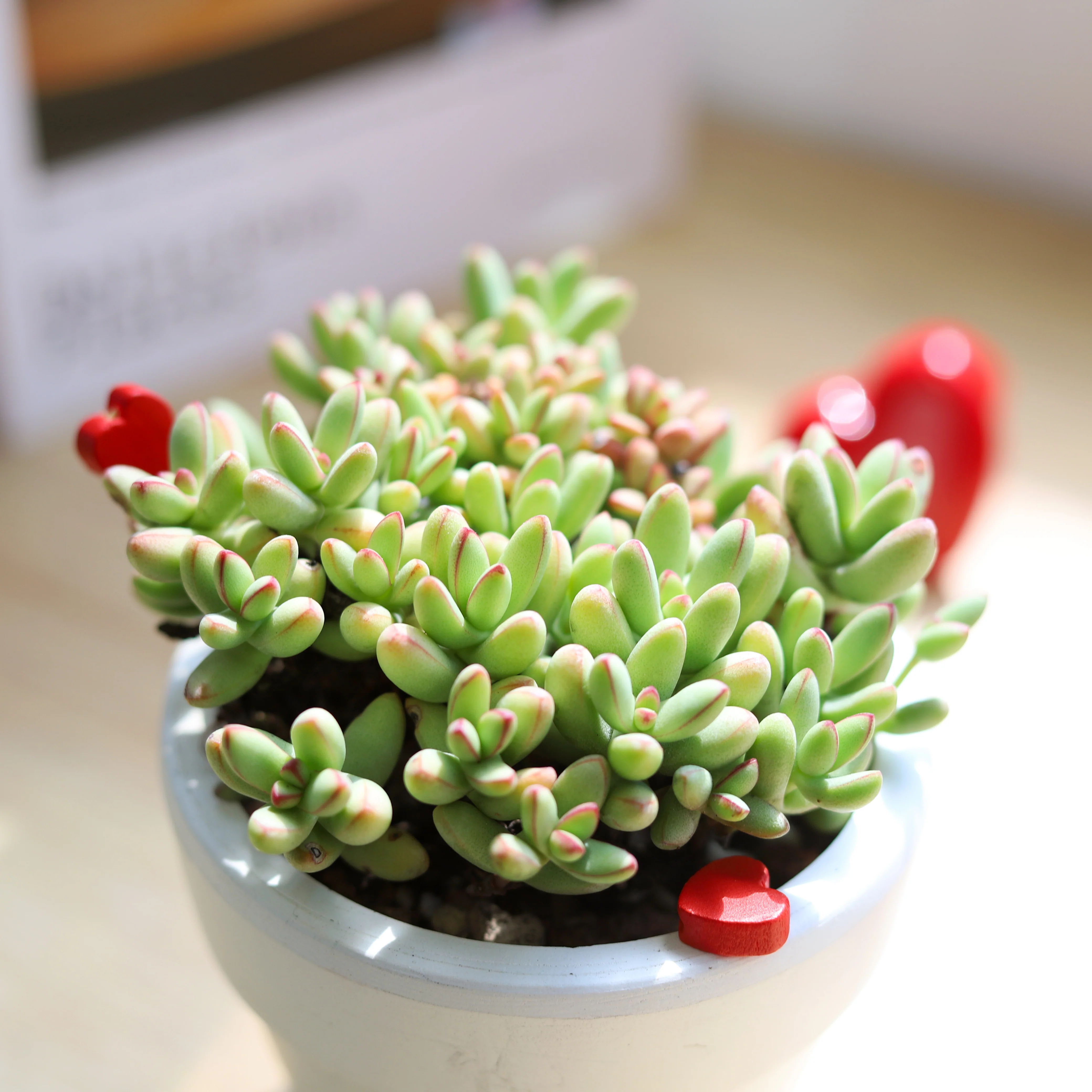
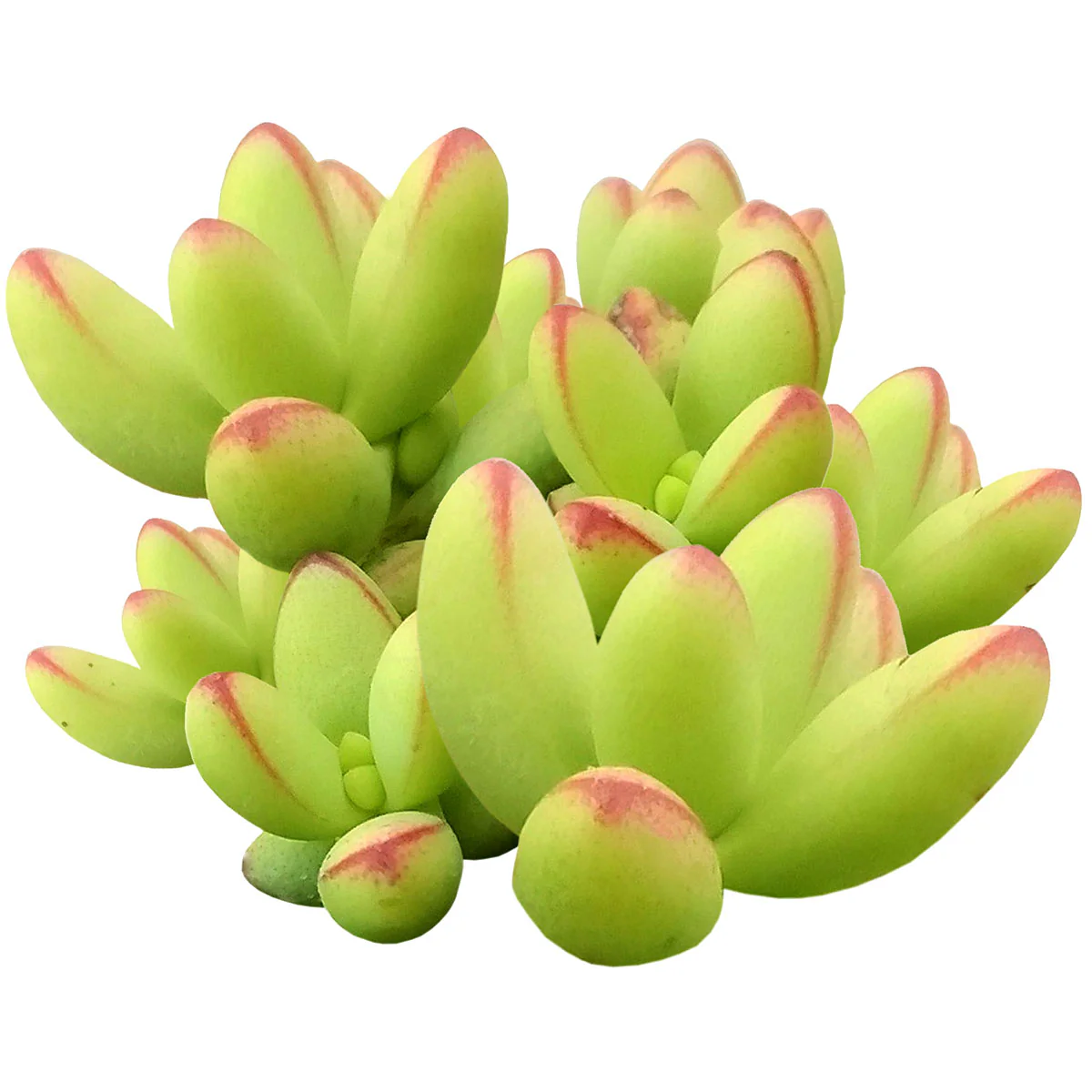
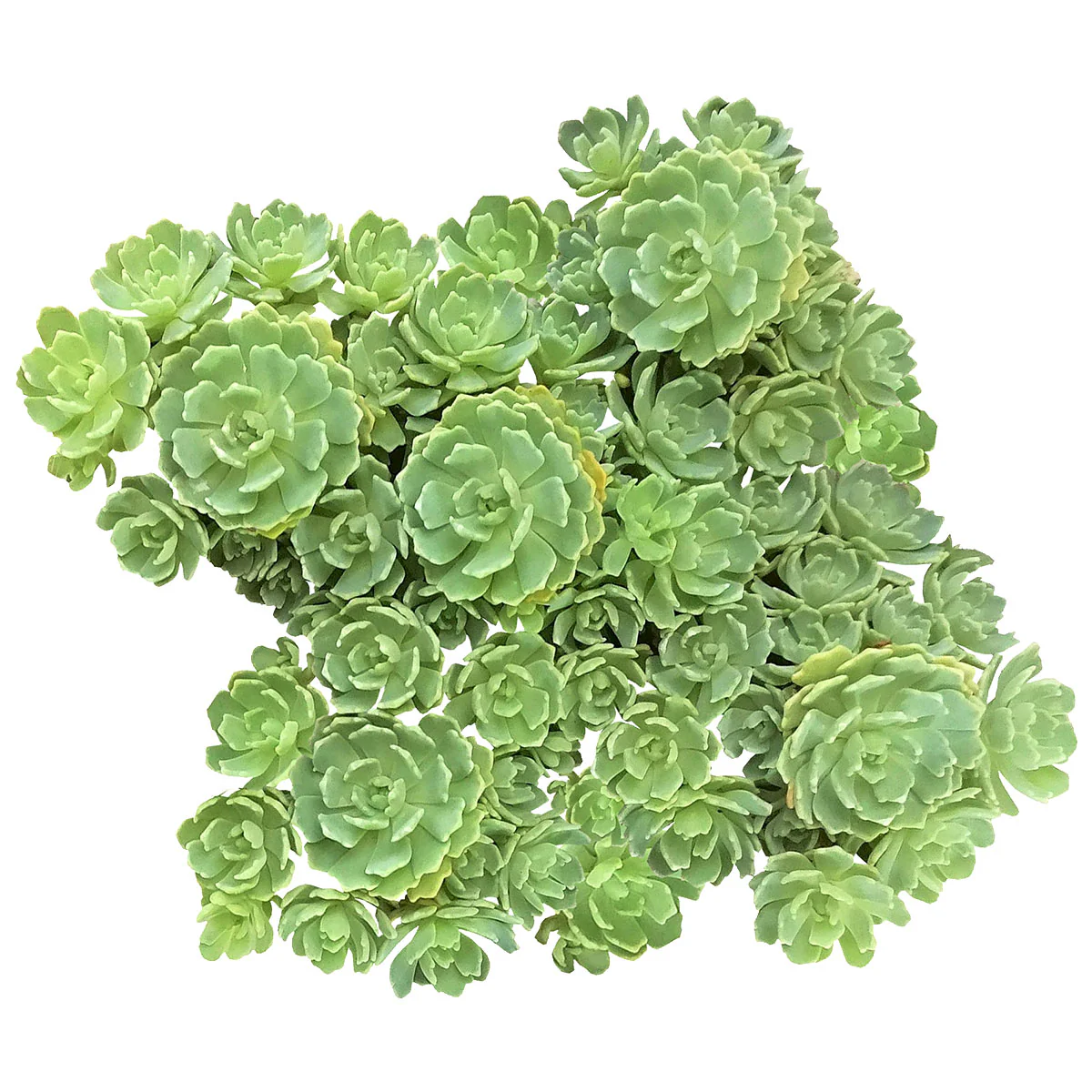
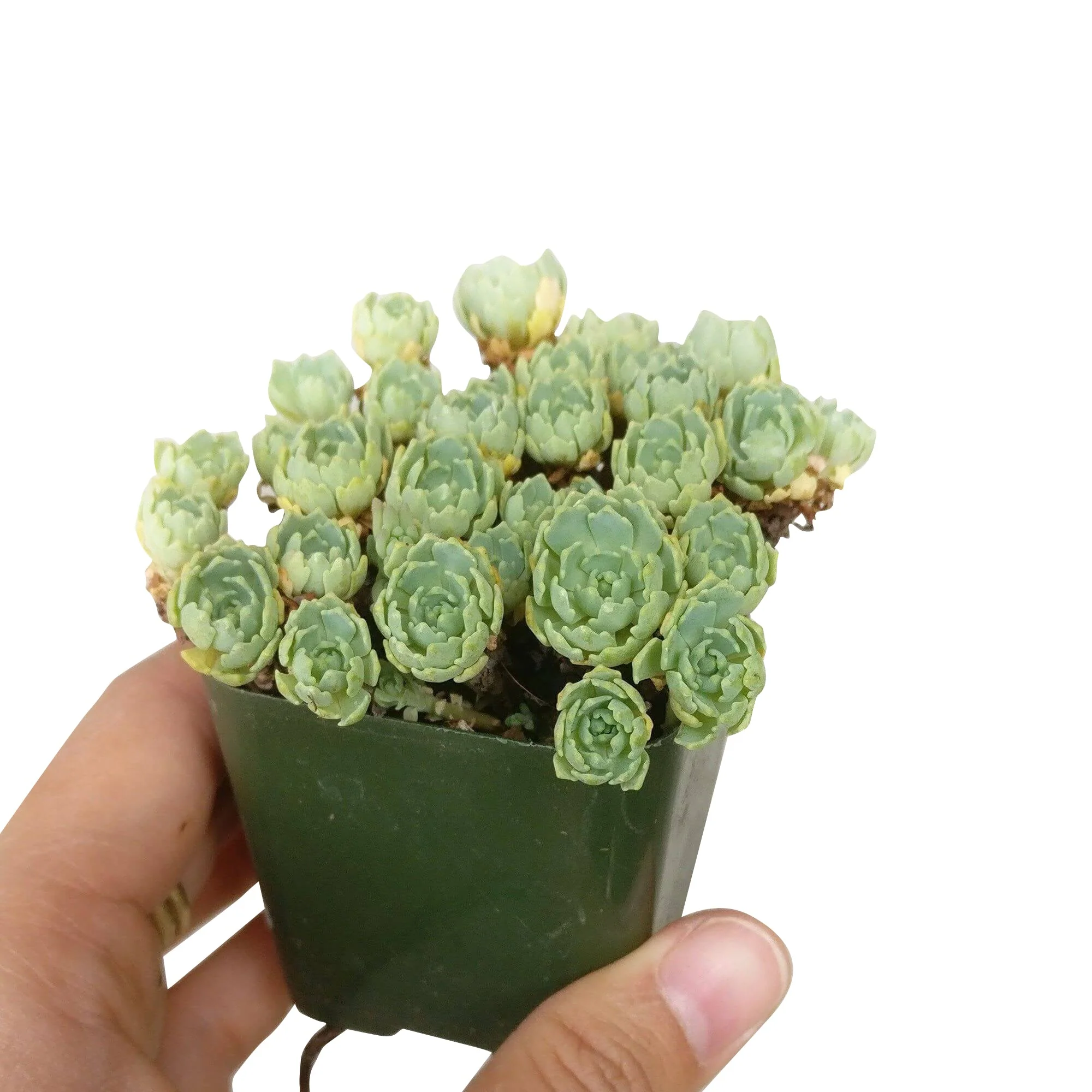
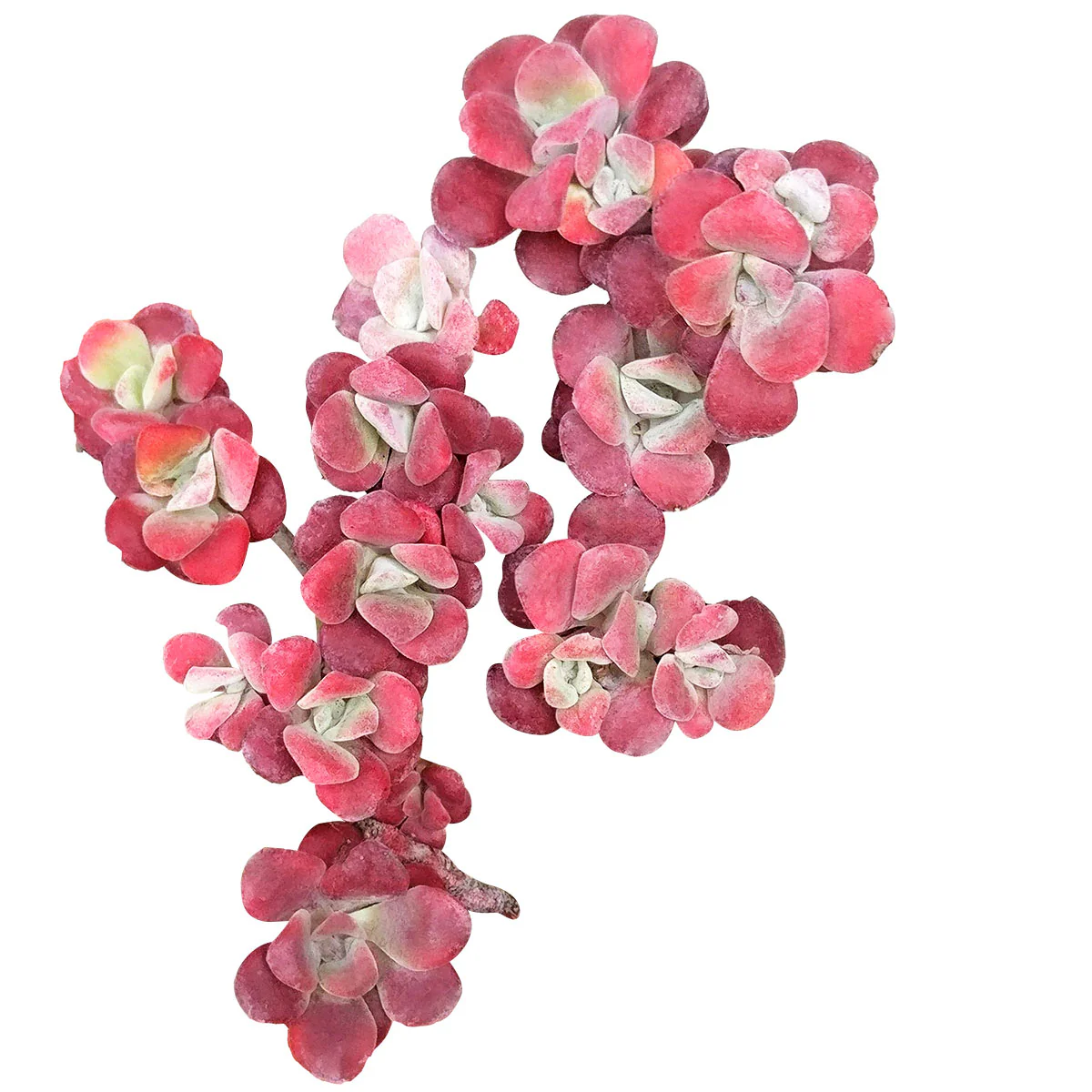
 Sedum Spathulifolium forms tight, low-growing rosettes that clump together into a beautiful mat of fleshy, spoon-shaped leaves. The foliage can display stunning silvery-green, blue-gray, purple, or pink tones depending on sun exposure, and the leaves are often dusted with a chalky white powdery coating called farina. This compact rosette habit makes Sedum Spathulifolium instantly recognizable and endlessly appealing, especially when its colors intensify under bright light and cooler temperatures.
 Sedum Spathulifolium produces cheerful clusters of small, star-shaped yellow flowers on short upright stems, typically blooming in late spring to early summer. A night temperature drop in spring helps trigger blooming, so moving it outdoors or placing it near a cooler window pays off beautifully. Note that Sedum Spathulifolium produces pollen and may be a consideration for allergy-sensitive households, though it is confirmed pet friendly and safe to have around curious animals.
 Sedum Spathulifolium is an outstanding choice for rock gardens, container arrangements, green roofs, and sunny windowsills. It tolerates dry heated indoor air and can handle drafty spots better than most succulents, making it genuinely versatile. Move it outside for summer, let it stay out through autumn, and just give it cover from heavy rain to keep the rosettes looking their best. An added bonus: Sedum Spathulifolium has a history of edible and medicinal use among indigenous peoples of its native range, adding even more depth to its collector appeal.
-
 Sedum Spathulifolium thrives in partial sun to full sun, ideally 4 to 6 or more hours of bright direct light daily.
 Water Sedum Spathulifolium deeply every 10 to 14 days in summer, cutting back to once a month or less in winter.
 Sedum Spathulifolium performs best in fast-draining, gritty cactus and succulent mix amended with extra perlite or coarse sand.
 Sedum Spathulifolium handles temperatures from around 20°F (-7°C) up to 90°F (32°C) and shows strong frost tolerance in mild winters.
![]() Sedum Spathulifolium is a slow to moderate grower needing only a light balanced fertilizer once in early spring.
Sedum Spathulifolium is a slow to moderate grower needing only a light balanced fertilizer once in early spring.
 Sedum Spathulifolium is hardy in USDA Zones 5 through 9, tolerating frosts down to around -20°F (-29°C) at the lower end, making it one of the toughest little succulents available. Gardeners across a wide stretch of the country can grow it outdoors year-round, including those in Colorado, Kansas, Missouri, Illinois, Indiana, Ohio, Pennsylvania, New York, Connecticut, Massachusetts, New Jersey, Maryland, Virginia, North Carolina, Tennessee, Arkansas, Oklahoma, Texas, New Mexico, Arizona, Nevada, Utah, and much of the Pacific Northwest including Oregon and Washington. Sedum Spathulifolium also thrives in warmer Zone 8 and Zone 9 regions like Georgia, South Carolina, Alabama, Mississippi, Louisiana, Florida panhandle, and coastal California, giving it truly nationwide appeal.
-
Q: Is Sedum Spathulifolium pet friendly?
A: Yes, Sedum Spathulifolium is pet friendly and considered non-toxic to cats and dogs.
Q: How much light does Sedum Spathulifolium need indoors?
A: Sedum Spathulifolium does best in a bright south or east-facing window with several hours of direct sun. It may scorch in intense south-facing glass during peak summer, so rotating it occasionally ensures even growth.
Q: How often should I water Sedum Spathulifolium?
A: Water Sedum Spathulifolium thoroughly every 10 to 14 days in the growing season, letting the soil dry out completely between waterings. In winter, reduce watering to once a month or less.
Q: Can Sedum Spathulifolium survive outdoors in cold climates?
A: Sedum Spathulifolium is frost tolerant and hardy in Zones 5 through 9, surviving temperatures as low as -20°F (-29°C). It can stay outdoors through autumn and winter in most of those zones without protection.
Q: How do I propagate Sedum Spathulifolium?
A: Sedum Spathulifolium is easy to propagate by gently separating offsets from the clump or by rooting individual rosette cuttings in dry, gritty soil. Let cut ends callous for a day or two before planting for best results.
Q: Will Sedum Spathulifolium survive if I go away for 10 days?
A: Absolutely. Sedum Spathulifolium is drought tolerant enough to go 10 days or more without water, making it ideal for travelers or anyone who tends to forget watering days.


Original: $8.00
-70%$8.00
$2.40Product Information
Product Information
Shipping & Returns
Shipping & Returns
Description
- Description
- Sedum Spathulifolium Care Guide
- FAQ/Common Issues
-
![]() Sedum Spathulifolium is a hardy drought tolerant stonecrop succulent native to the rocky coastal cliffs and mountain slopes of western North America, from British Columbia down through California. It belongs to the Crassulaceae family and thrives naturally in gritty, lean soils where most plants struggle. Easy care and incredibly resilient, Sedum Spathulifolium is a favorite among succulent collectors and rock garden enthusiasts alike.
Sedum Spathulifolium is a hardy drought tolerant stonecrop succulent native to the rocky coastal cliffs and mountain slopes of western North America, from British Columbia down through California. It belongs to the Crassulaceae family and thrives naturally in gritty, lean soils where most plants struggle. Easy care and incredibly resilient, Sedum Spathulifolium is a favorite among succulent collectors and rock garden enthusiasts alike.
Sedum Spathulifolium forms tight, low-growing rosettes that clump together into a beautiful mat of fleshy, spoon-shaped leaves. The foliage can display stunning silvery-green, blue-gray, purple, or pink tones depending on sun exposure, and the leaves are often dusted with a chalky white powdery coating called farina. This compact rosette habit makes Sedum Spathulifolium instantly recognizable and endlessly appealing, especially when its colors intensify under bright light and cooler temperatures.
Sedum Spathulifolium produces cheerful clusters of small, star-shaped yellow flowers on short upright stems, typically blooming in late spring to early summer. A night temperature drop in spring helps trigger blooming, so moving it outdoors or placing it near a cooler window pays off beautifully. Note that Sedum Spathulifolium produces pollen and may be a consideration for allergy-sensitive households, though it is confirmed pet friendly and safe to have around curious animals.
Sedum Spathulifolium is an outstanding choice for rock gardens, container arrangements, green roofs, and sunny windowsills. It tolerates dry heated indoor air and can handle drafty spots better than most succulents, making it genuinely versatile. Move it outside for summer, let it stay out through autumn, and just give it cover from heavy rain to keep the rosettes looking their best. An added bonus: Sedum Spathulifolium has a history of edible and medicinal use among indigenous peoples of its native range, adding even more depth to its collector appeal.
-
Sedum Spathulifolium thrives in partial sun to full sun, ideally 4 to 6 or more hours of bright direct light daily.
Water Sedum Spathulifolium deeply every 10 to 14 days in summer, cutting back to once a month or less in winter.
Sedum Spathulifolium performs best in fast-draining, gritty cactus and succulent mix amended with extra perlite or coarse sand.
Sedum Spathulifolium handles temperatures from around 20°F (-7°C) up to 90°F (32°C) and shows strong frost tolerance in mild winters.
![]() Sedum Spathulifolium is a slow to moderate grower needing only a light balanced fertilizer once in early spring.
Sedum Spathulifolium is a slow to moderate grower needing only a light balanced fertilizer once in early spring.
Sedum Spathulifolium is hardy in USDA Zones 5 through 9, tolerating frosts down to around -20°F (-29°C) at the lower end, making it one of the toughest little succulents available. Gardeners across a wide stretch of the country can grow it outdoors year-round, including those in Colorado, Kansas, Missouri, Illinois, Indiana, Ohio, Pennsylvania, New York, Connecticut, Massachusetts, New Jersey, Maryland, Virginia, North Carolina, Tennessee, Arkansas, Oklahoma, Texas, New Mexico, Arizona, Nevada, Utah, and much of the Pacific Northwest including Oregon and Washington. Sedum Spathulifolium also thrives in warmer Zone 8 and Zone 9 regions like Georgia, South Carolina, Alabama, Mississippi, Louisiana, Florida panhandle, and coastal California, giving it truly nationwide appeal.
-
Q: Is Sedum Spathulifolium pet friendly?
A: Yes, Sedum Spathulifolium is pet friendly and considered non-toxic to cats and dogs.
Q: How much light does Sedum Spathulifolium need indoors?
A: Sedum Spathulifolium does best in a bright south or east-facing window with several hours of direct sun. It may scorch in intense south-facing glass during peak summer, so rotating it occasionally ensures even growth.
Q: How often should I water Sedum Spathulifolium?
A: Water Sedum Spathulifolium thoroughly every 10 to 14 days in the growing season, letting the soil dry out completely between waterings. In winter, reduce watering to once a month or less.
Q: Can Sedum Spathulifolium survive outdoors in cold climates?
A: Sedum Spathulifolium is frost tolerant and hardy in Zones 5 through 9, surviving temperatures as low as -20°F (-29°C). It can stay outdoors through autumn and winter in most of those zones without protection.
Q: How do I propagate Sedum Spathulifolium?
A: Sedum Spathulifolium is easy to propagate by gently separating offsets from the clump or by rooting individual rosette cuttings in dry, gritty soil. Let cut ends callous for a day or two before planting for best results.
Q: Will Sedum Spathulifolium survive if I go away for 10 days?
A: Absolutely. Sedum Spathulifolium is drought tolerant enough to go 10 days or more without water, making it ideal for travelers or anyone who tends to forget watering days.