Cape Blanco Sedum Spathulifolium
- Description
- Cape Blanco Sedum Care Guide
- FAQ/Common Issues
-
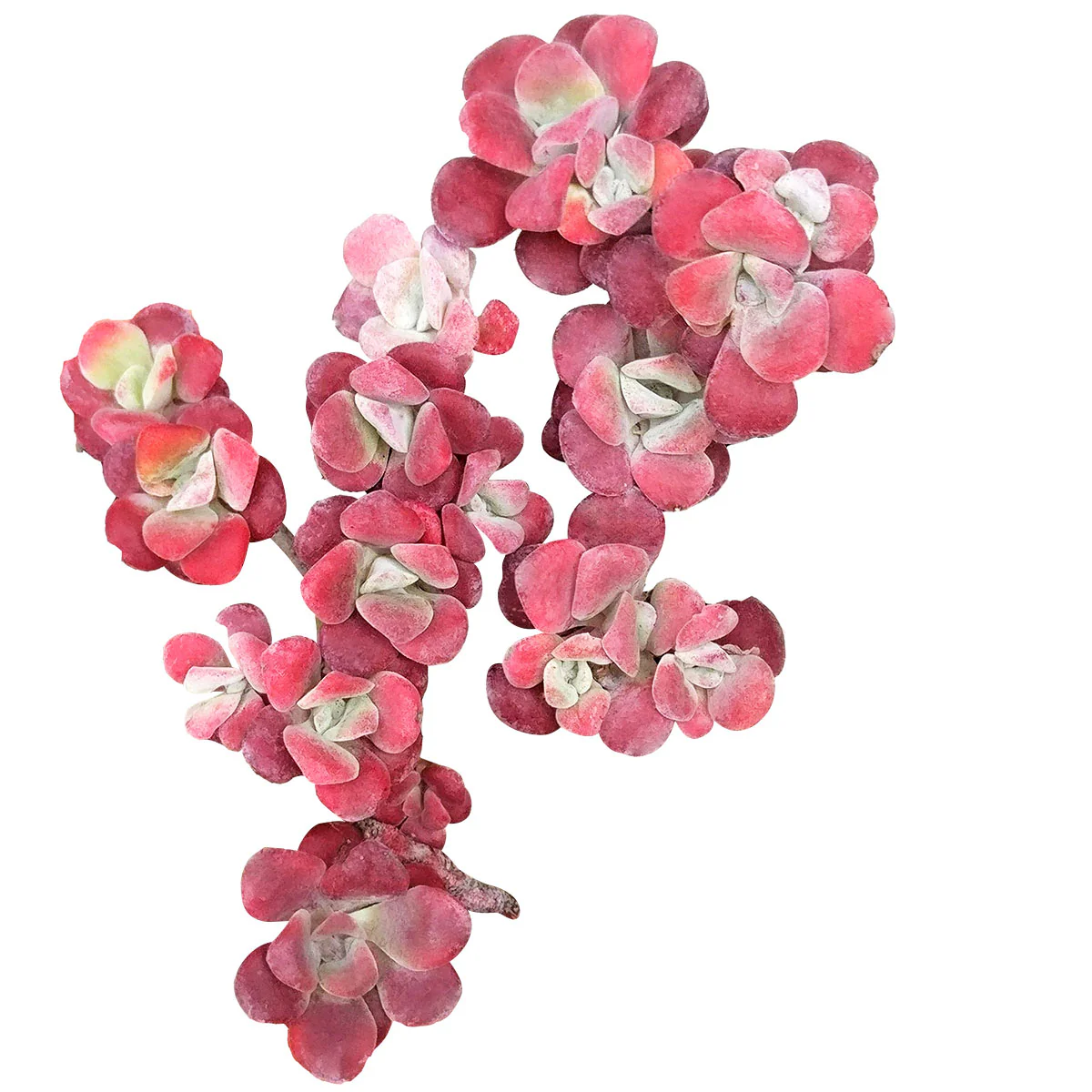
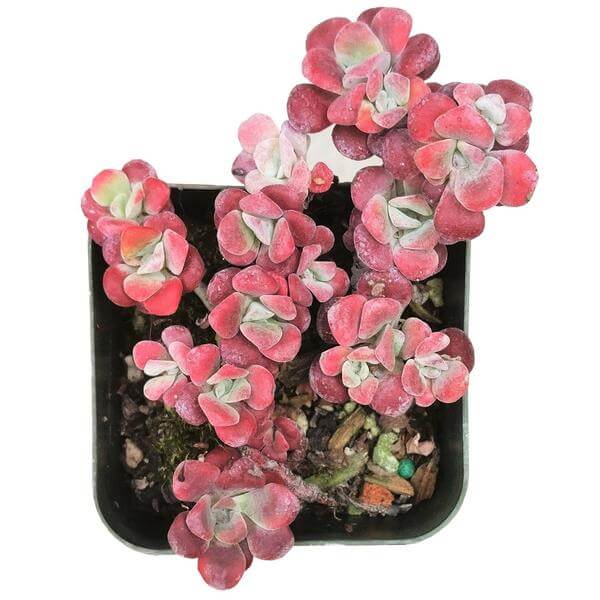
![]() Cape Blanco Sedum Spathulifolium is a cold hardy, drought tolerant broadleaf stonecrop succulent native to the rocky coastal cliffs and outcrops of the Pacific Northwest, from northern California up through Oregon and Washington. It belongs to the Crassulaceae family and thrives naturally in lean, fast-draining soils where most plants simply give up. This tough little gem has earned a loyal following among succulent collectors and rock garden enthusiasts alike.
Cape Blanco Sedum Spathulifolium is a cold hardy, drought tolerant broadleaf stonecrop succulent native to the rocky coastal cliffs and outcrops of the Pacific Northwest, from northern California up through Oregon and Washington. It belongs to the Crassulaceae family and thrives naturally in lean, fast-draining soils where most plants simply give up. This tough little gem has earned a loyal following among succulent collectors and rock garden enthusiasts alike.
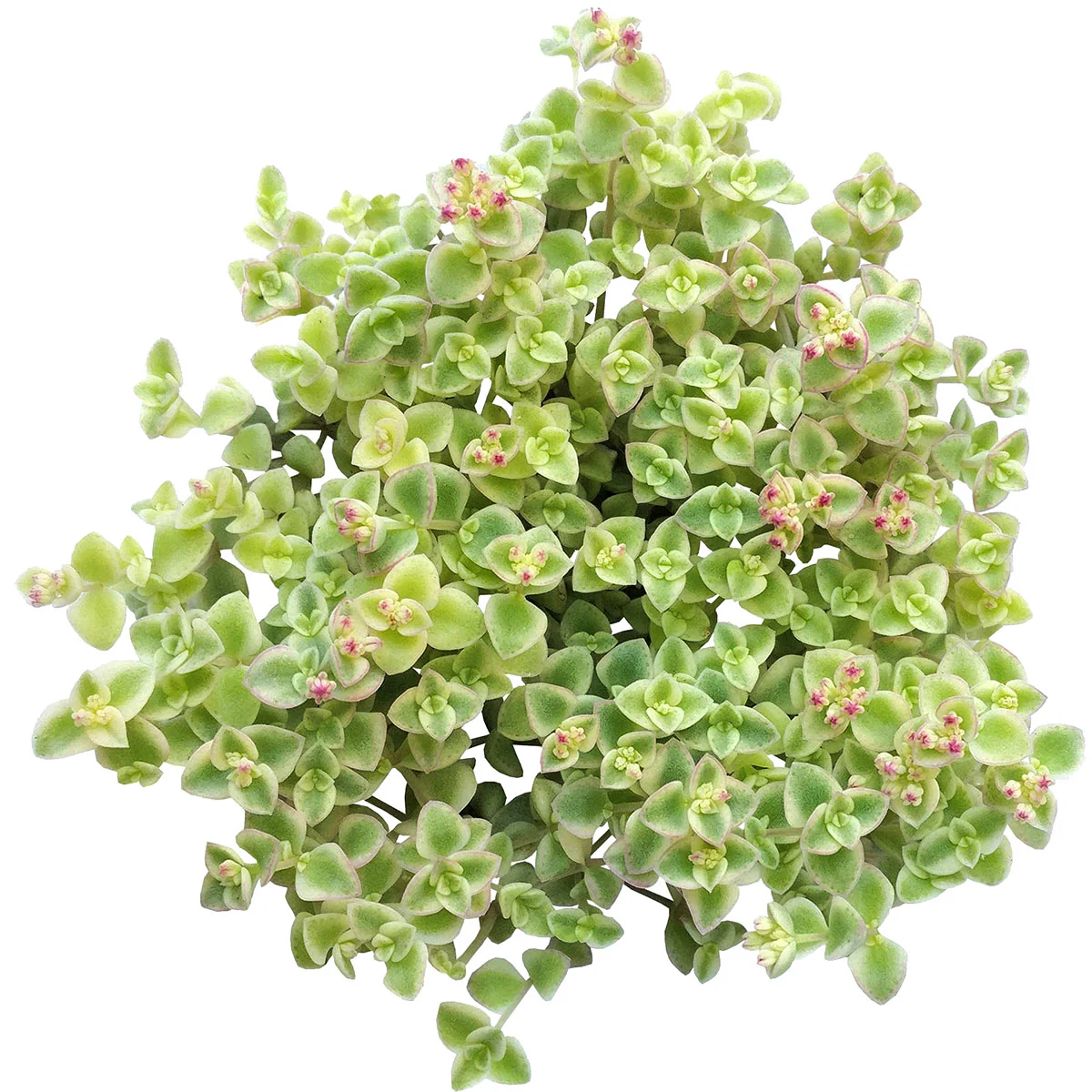
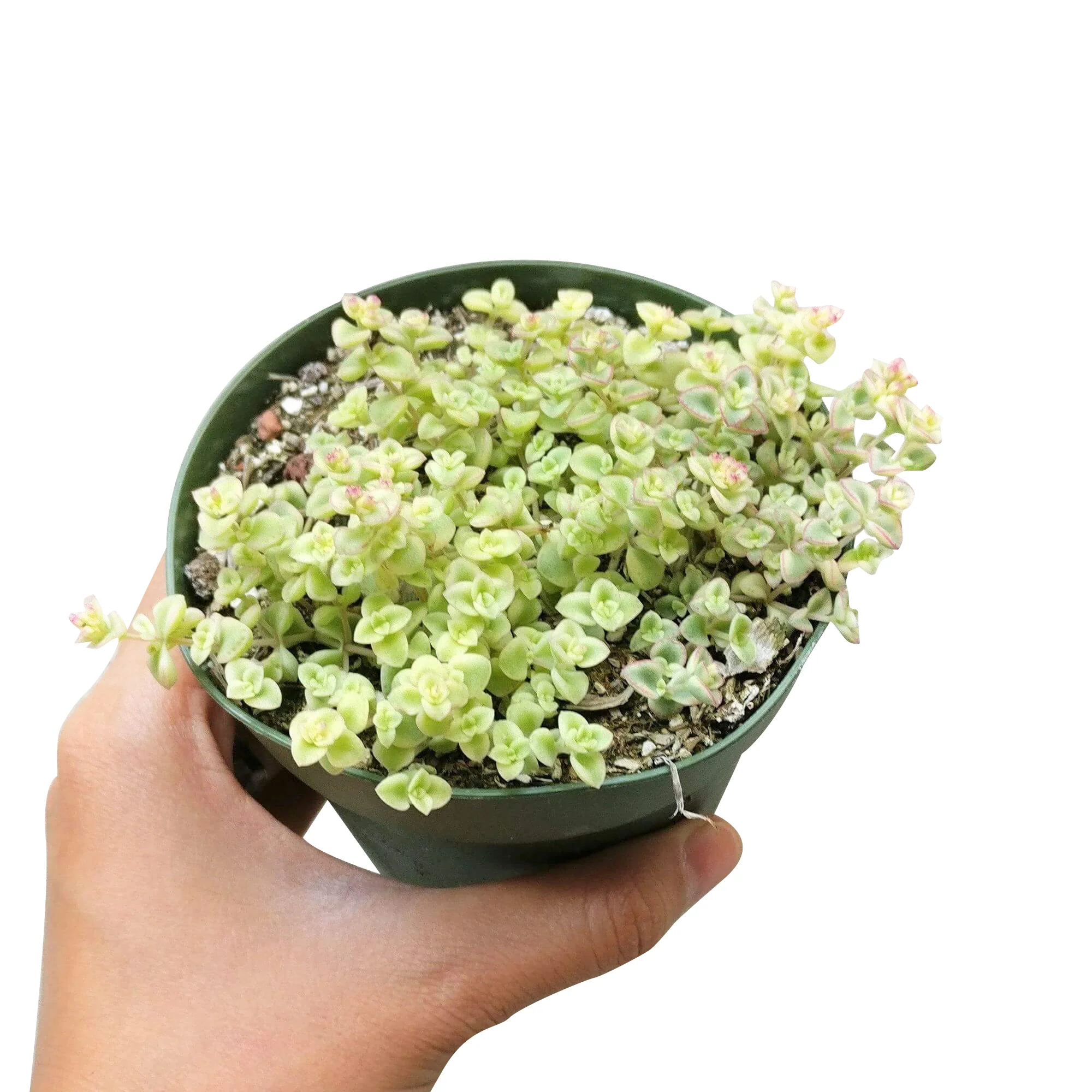
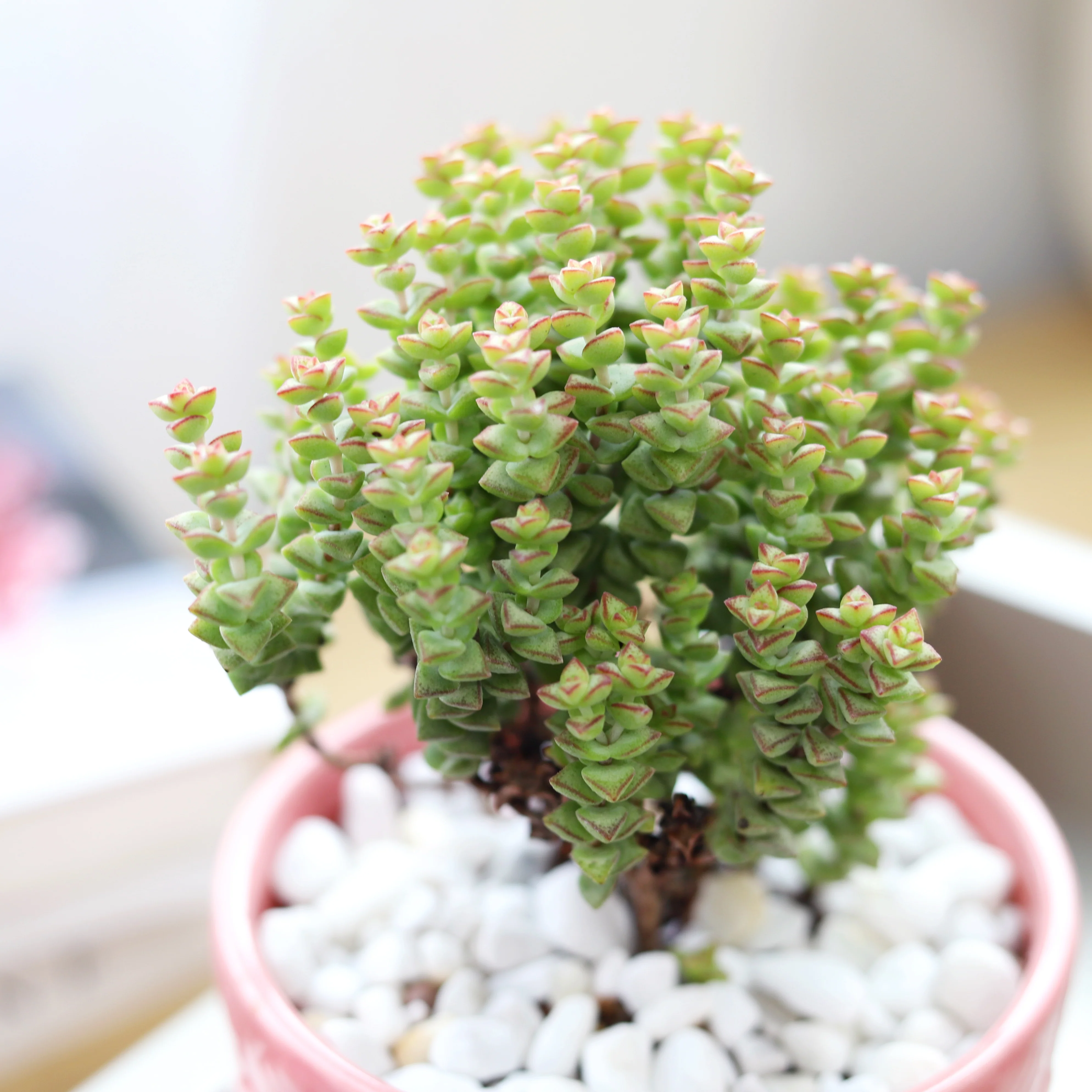
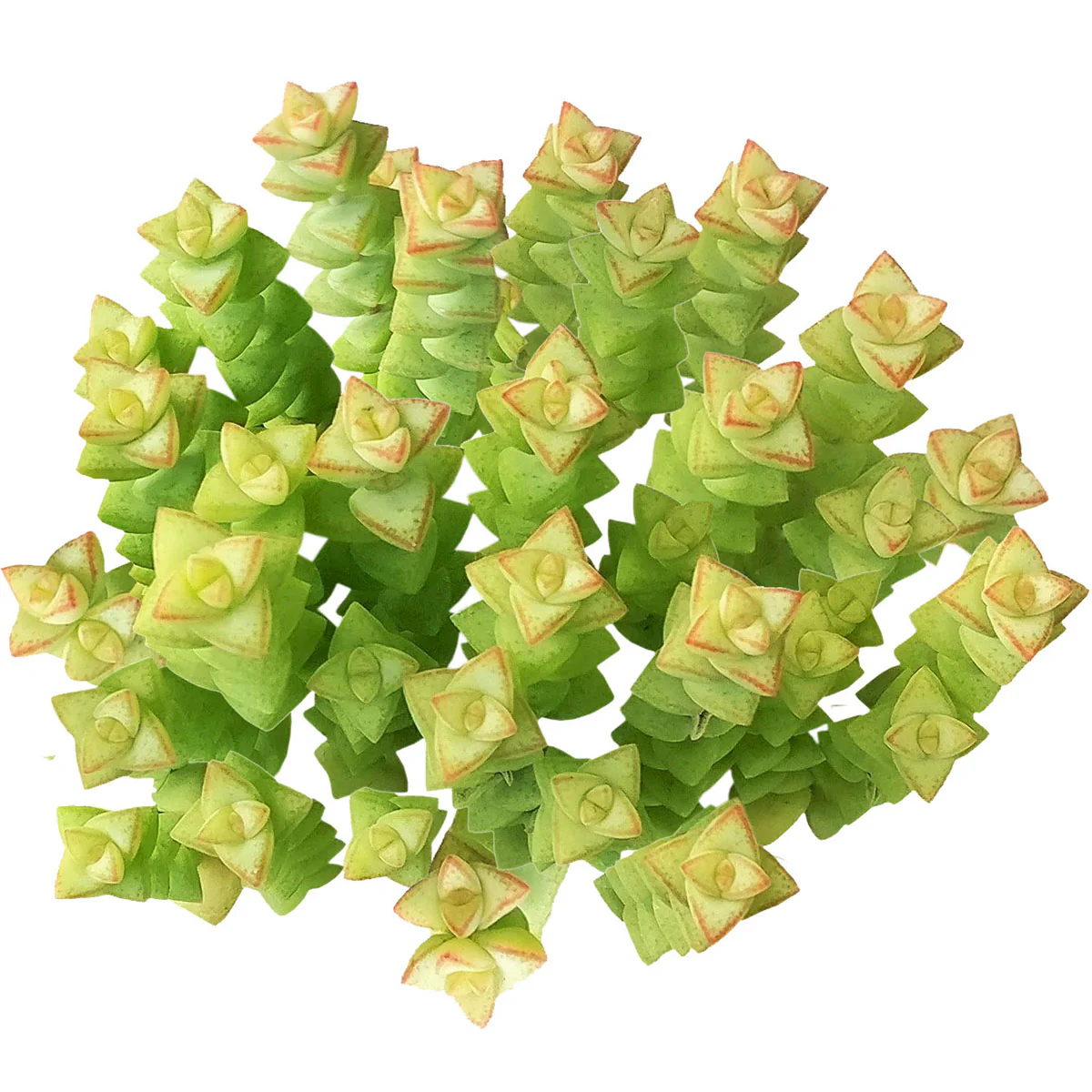
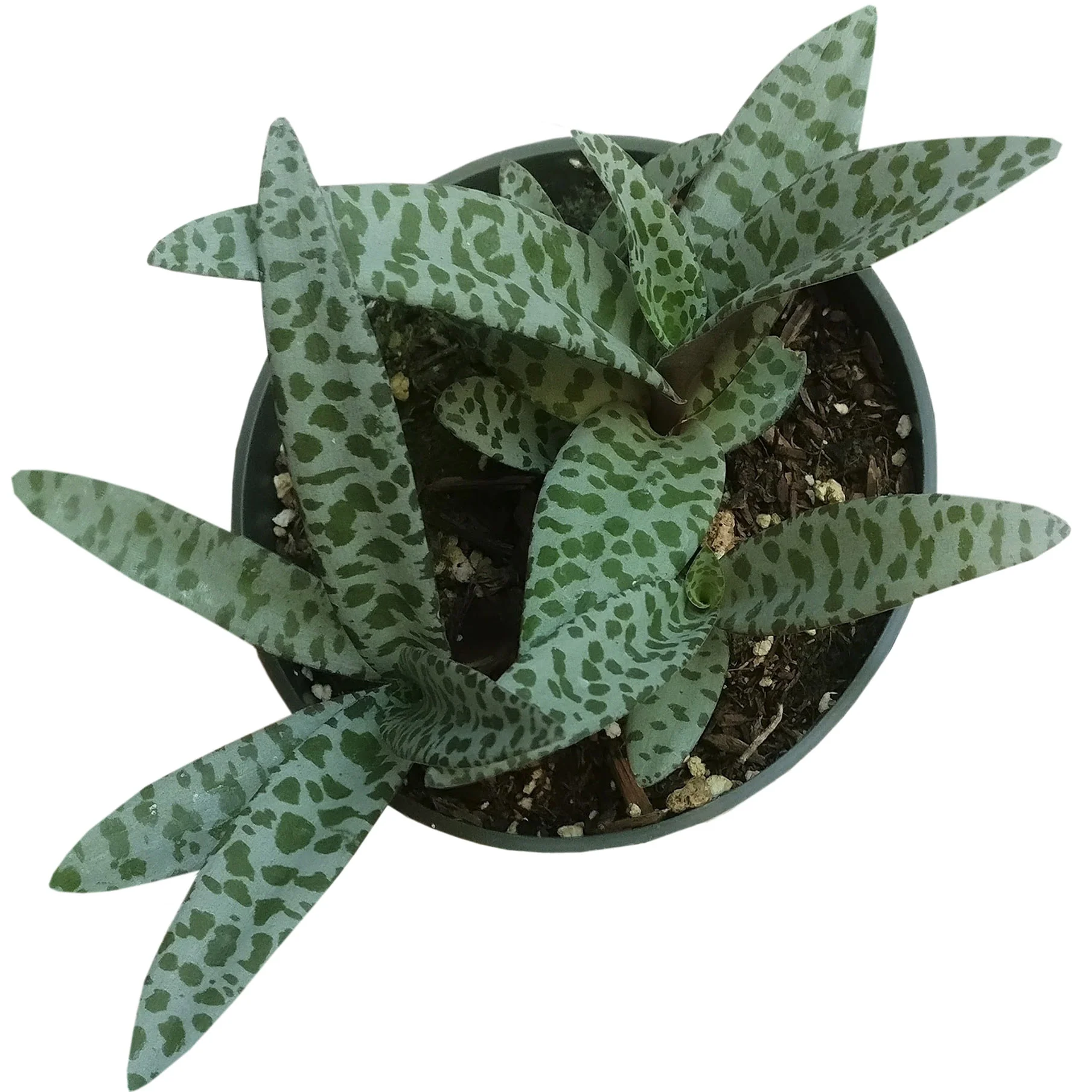
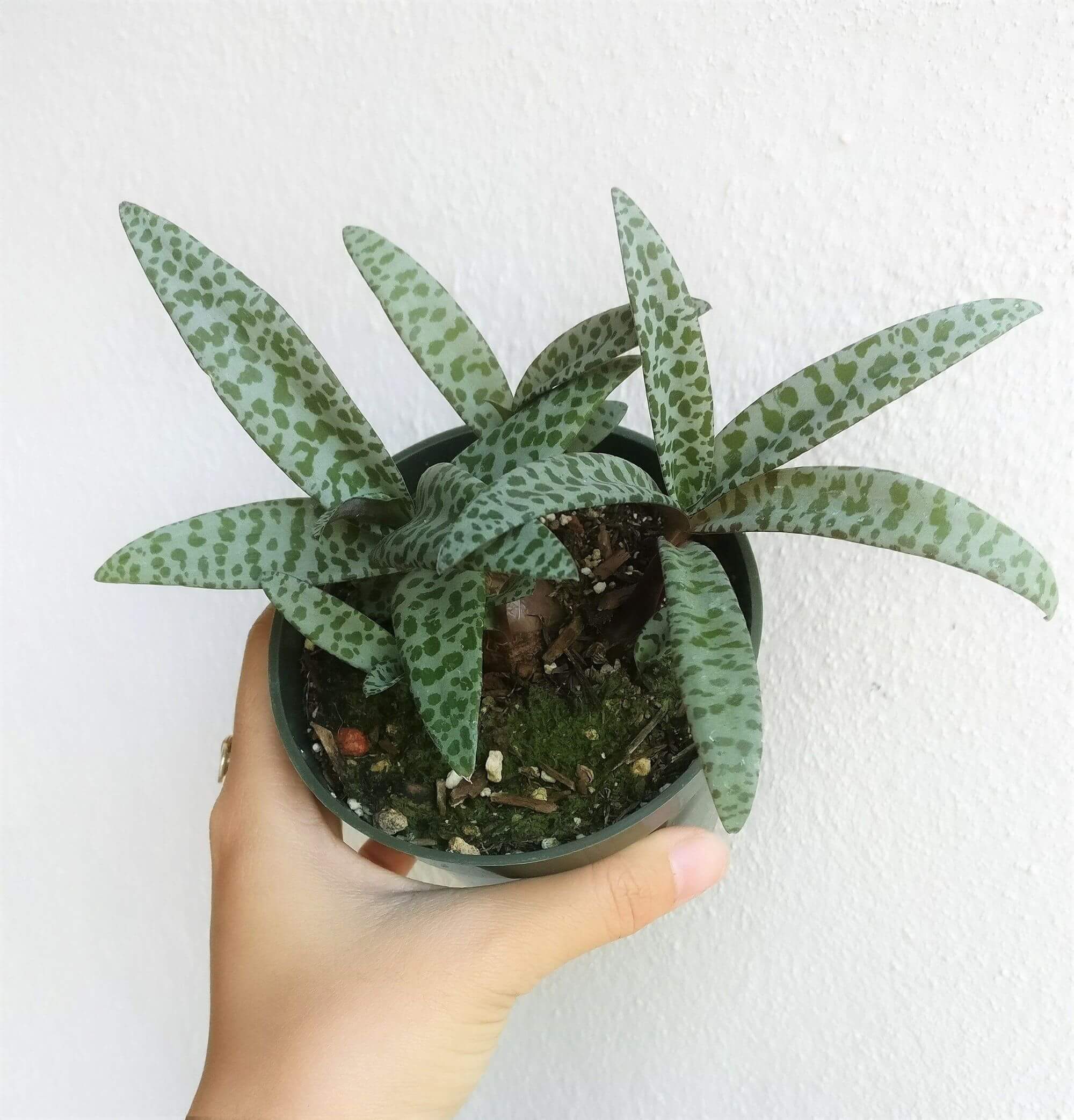
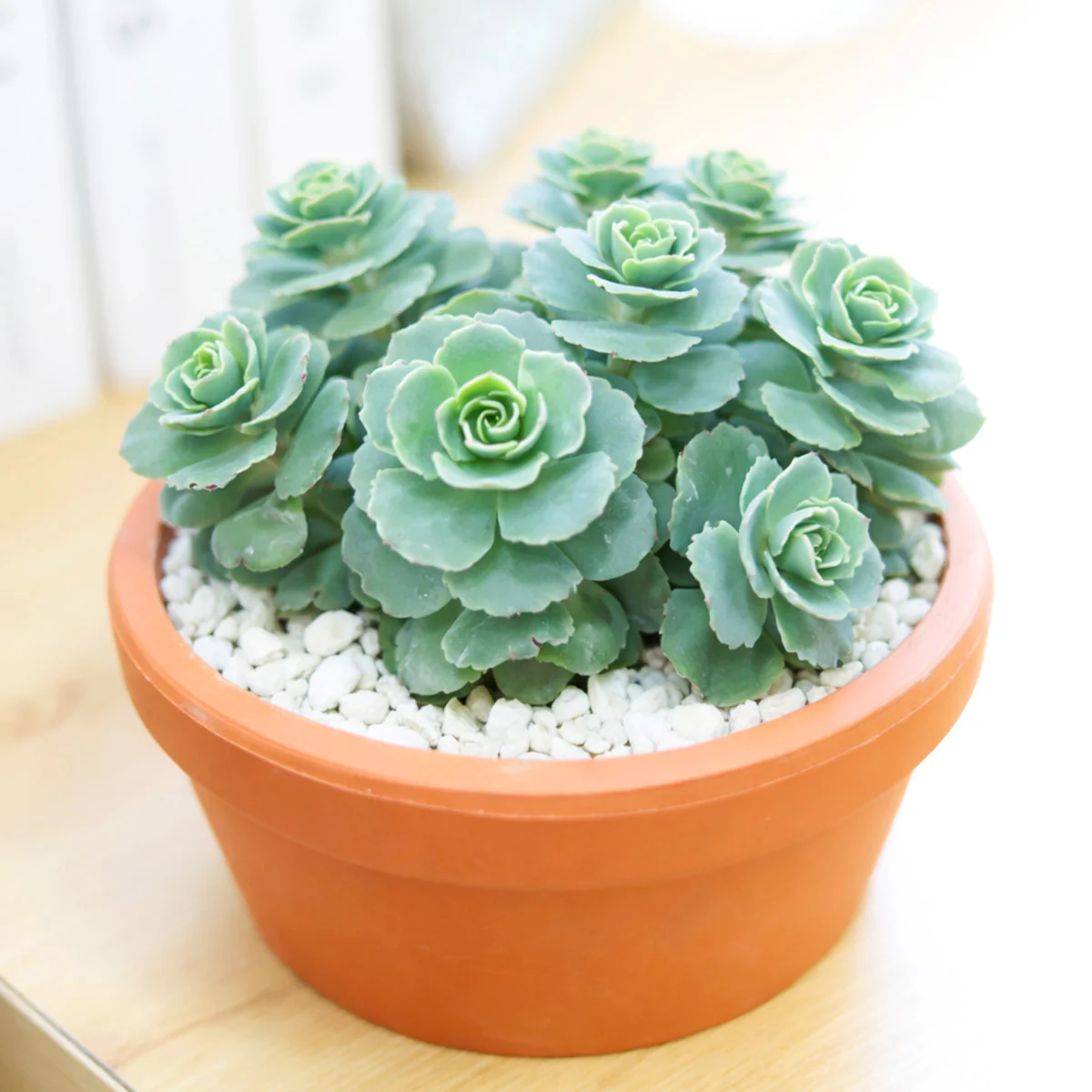
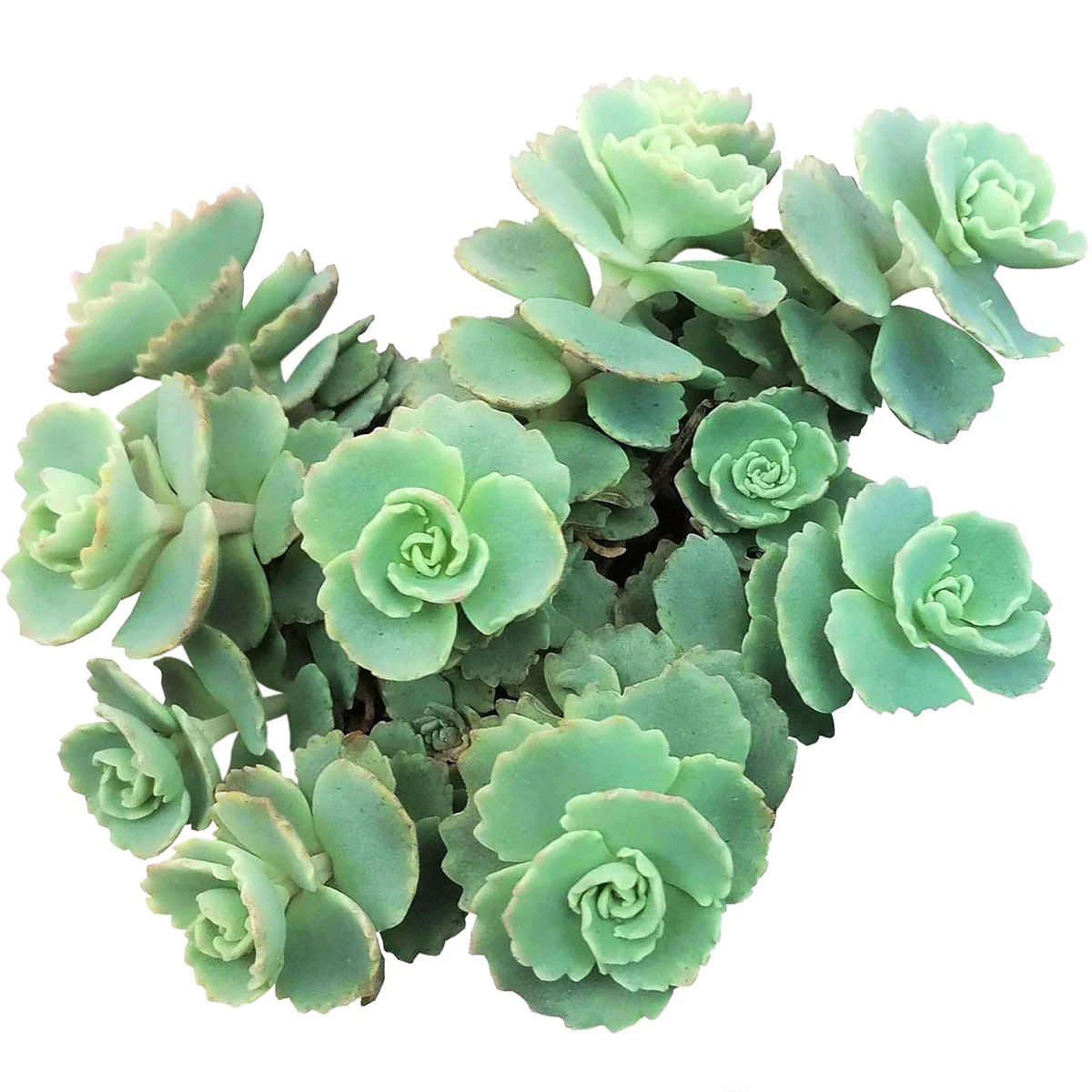
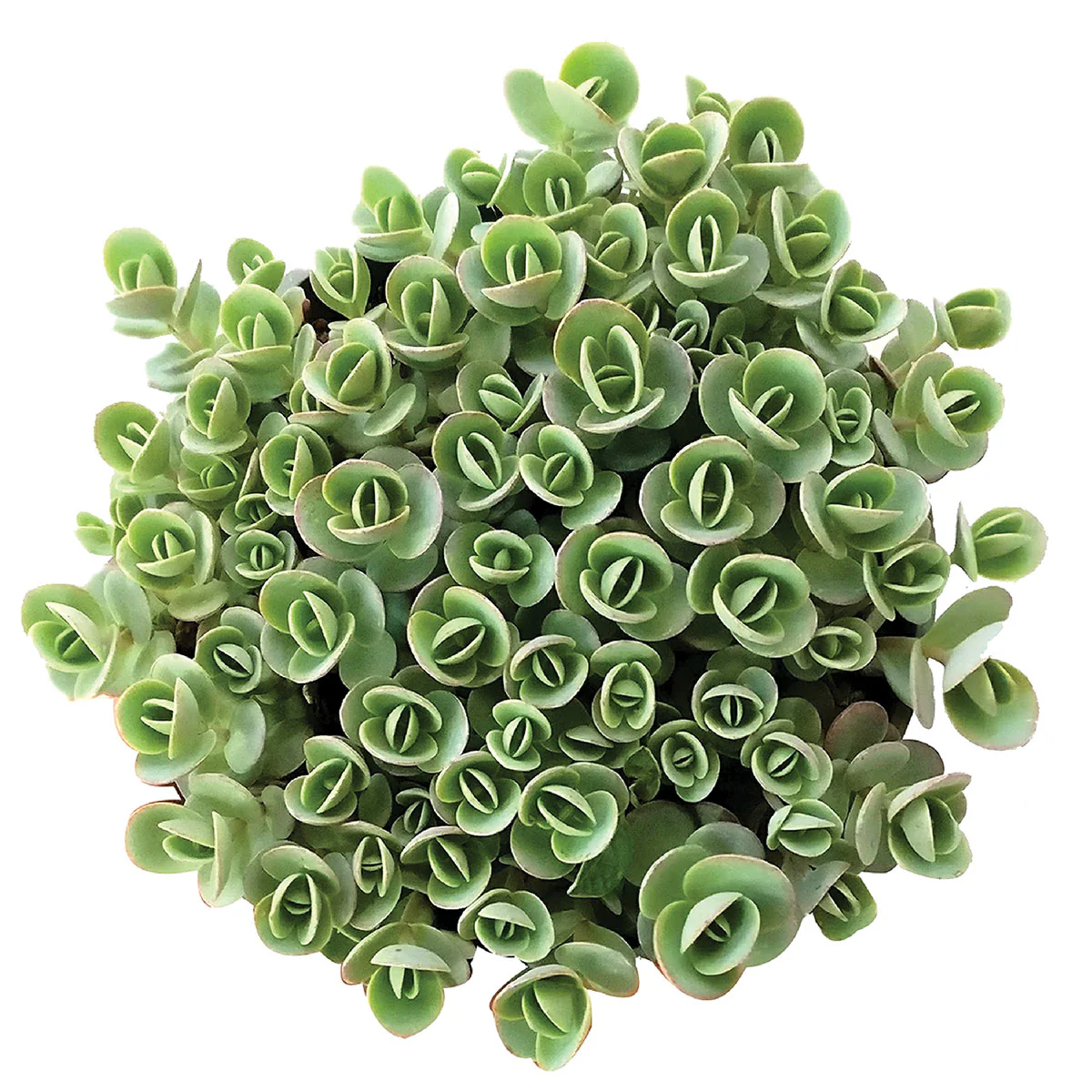
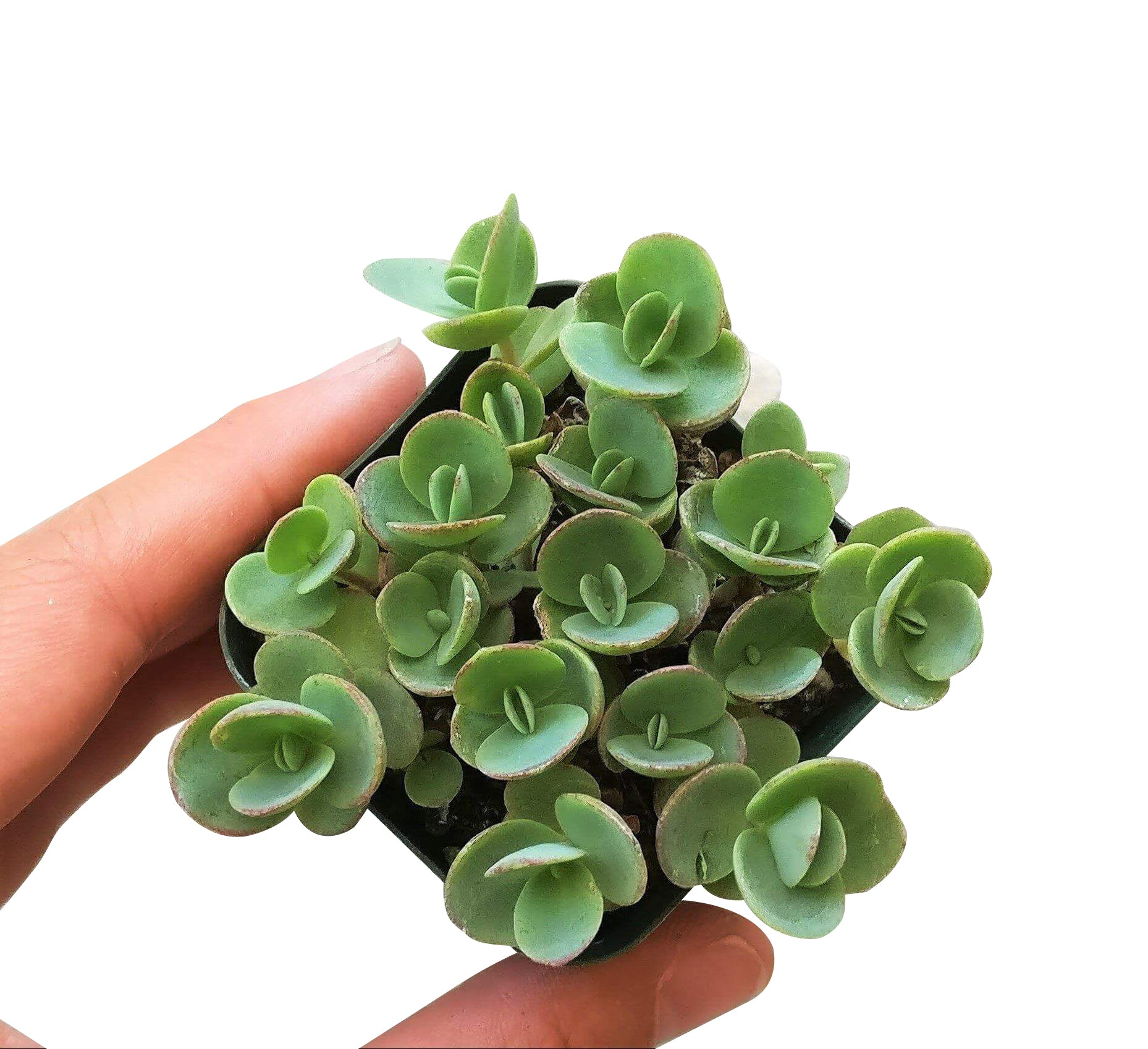
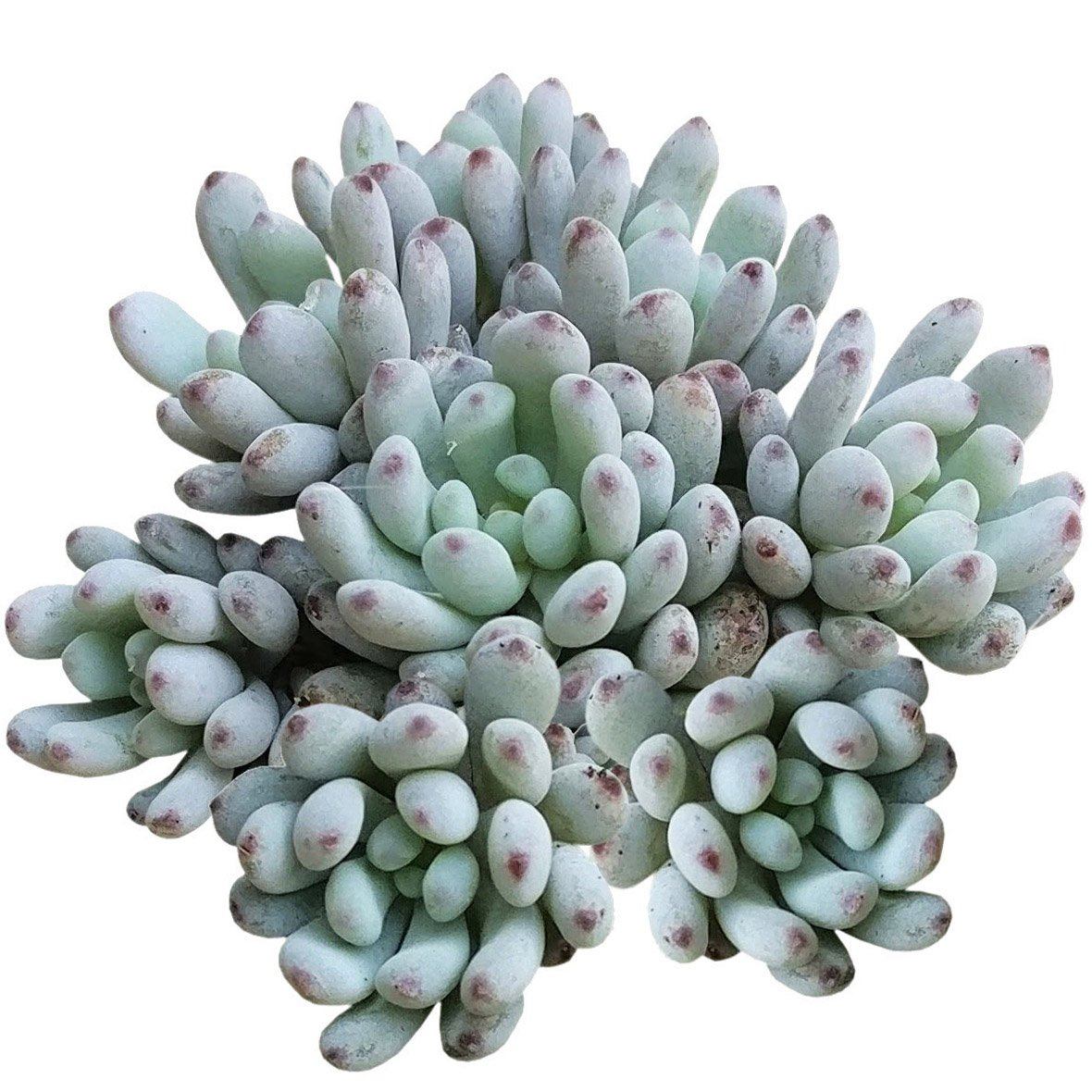
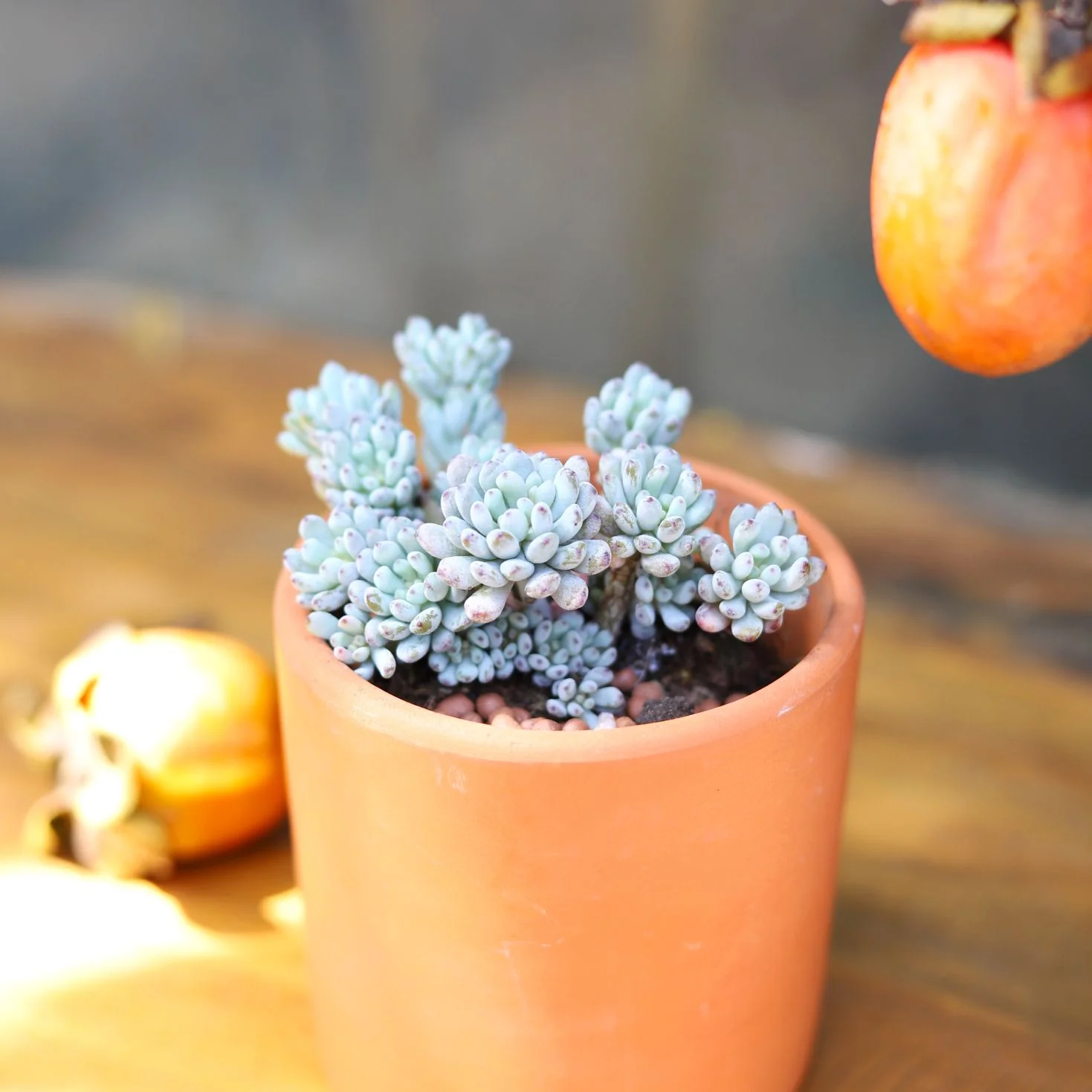
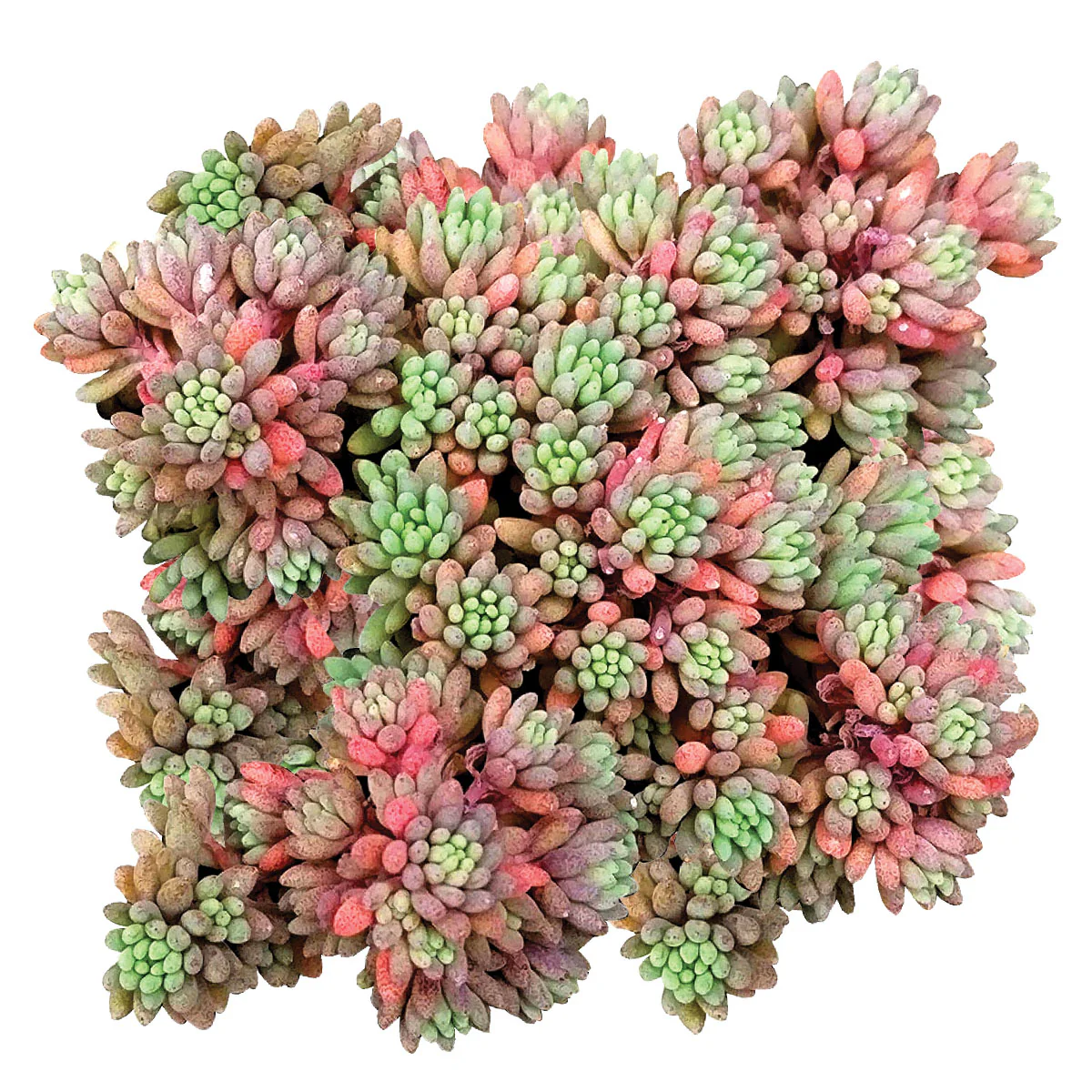
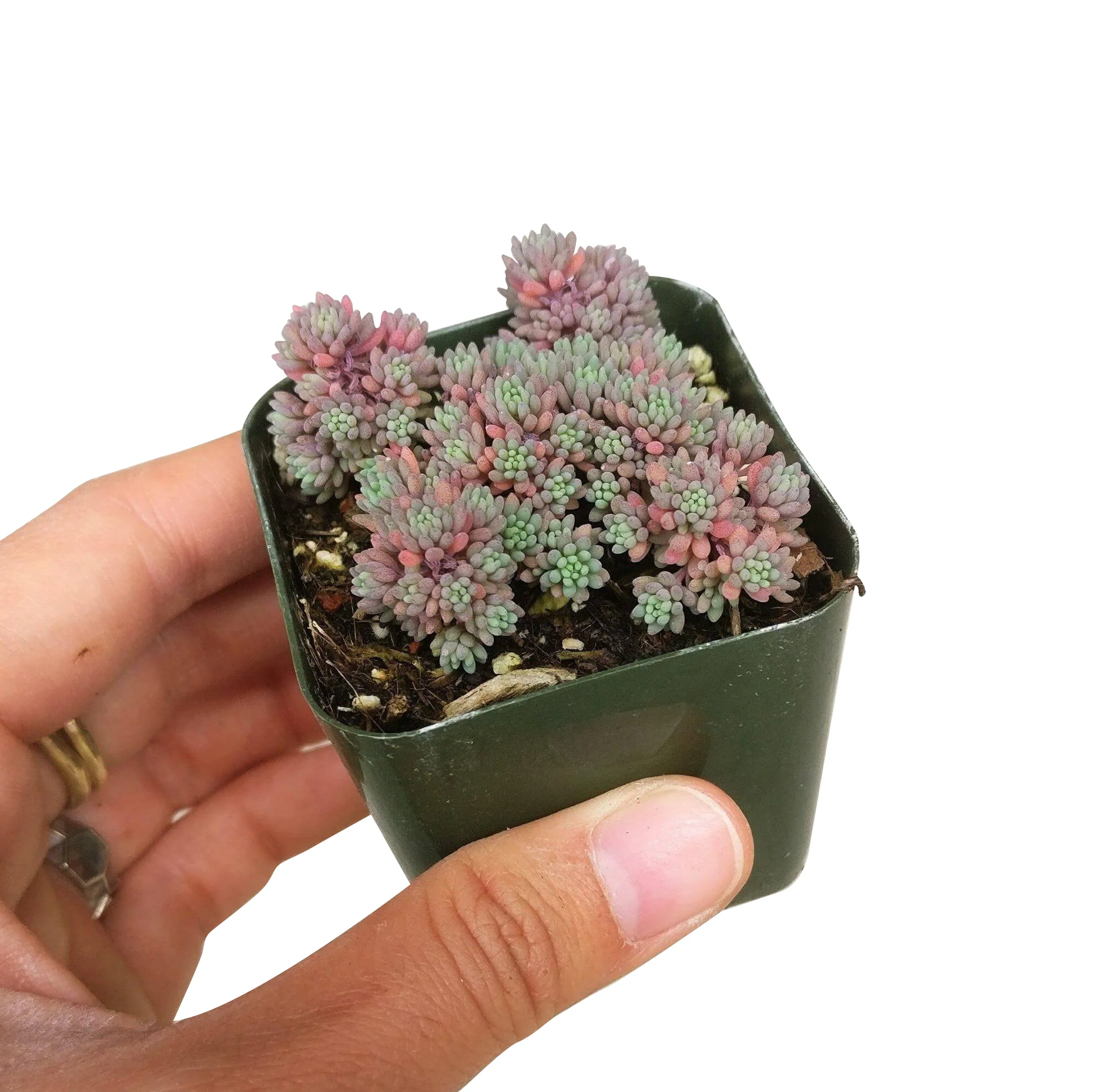
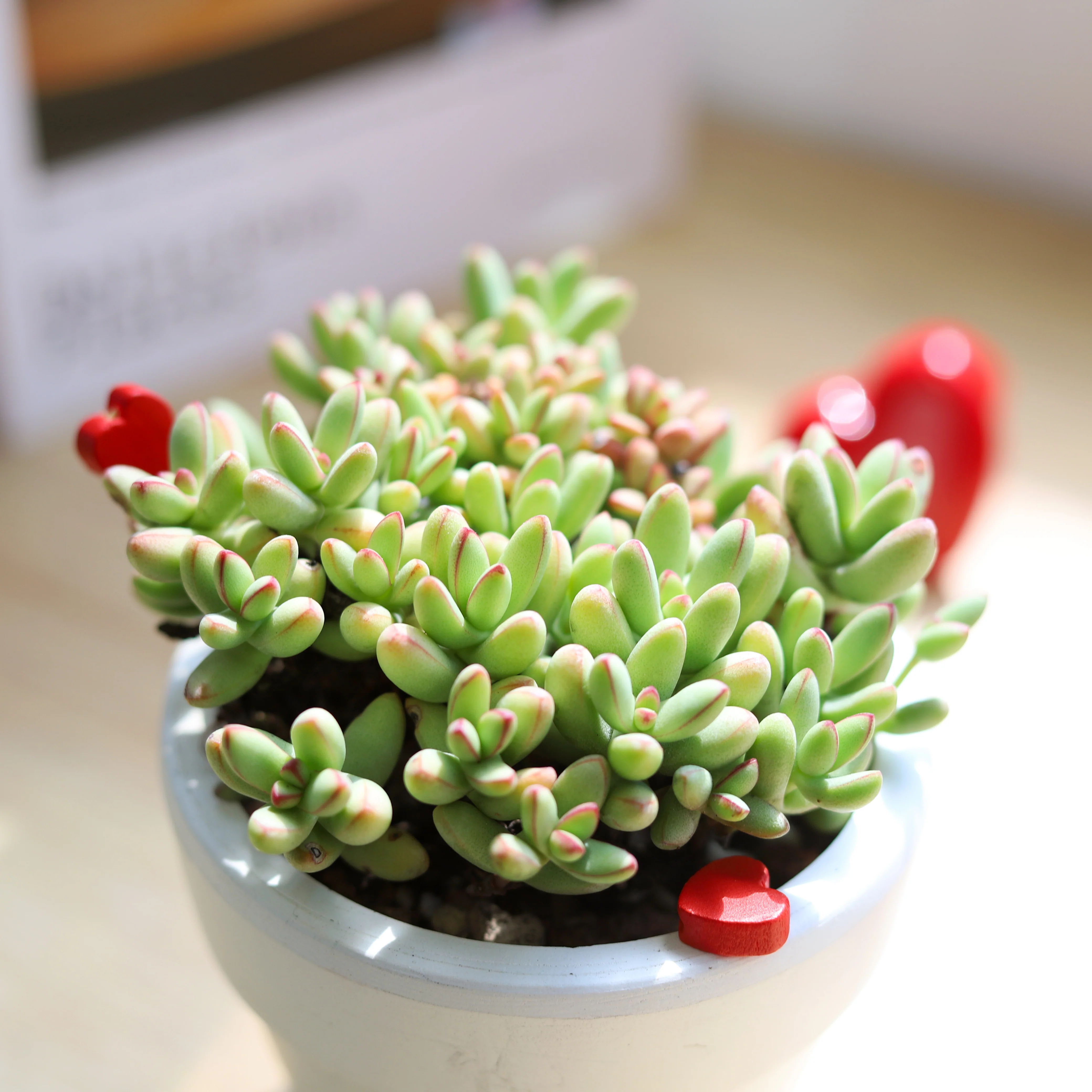
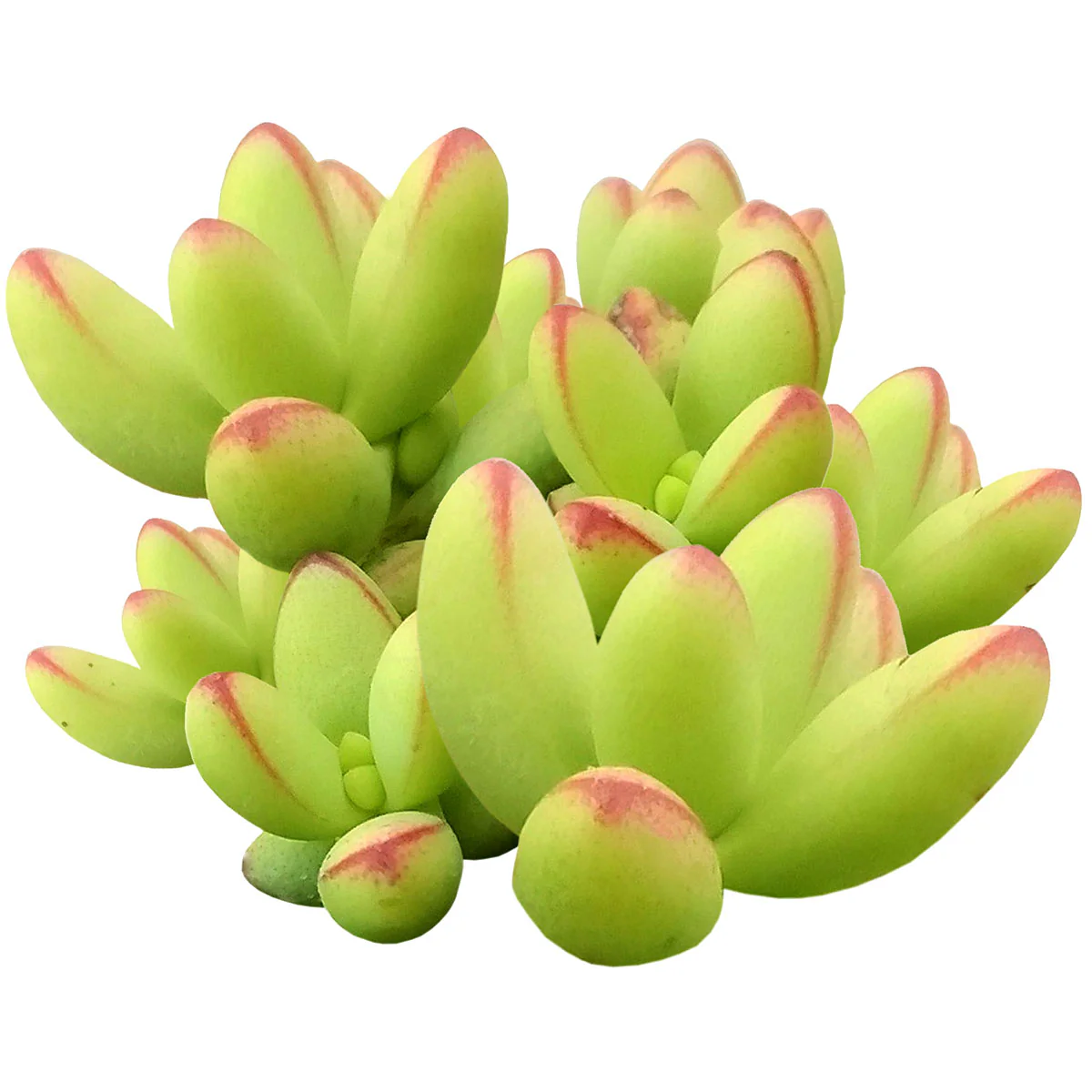
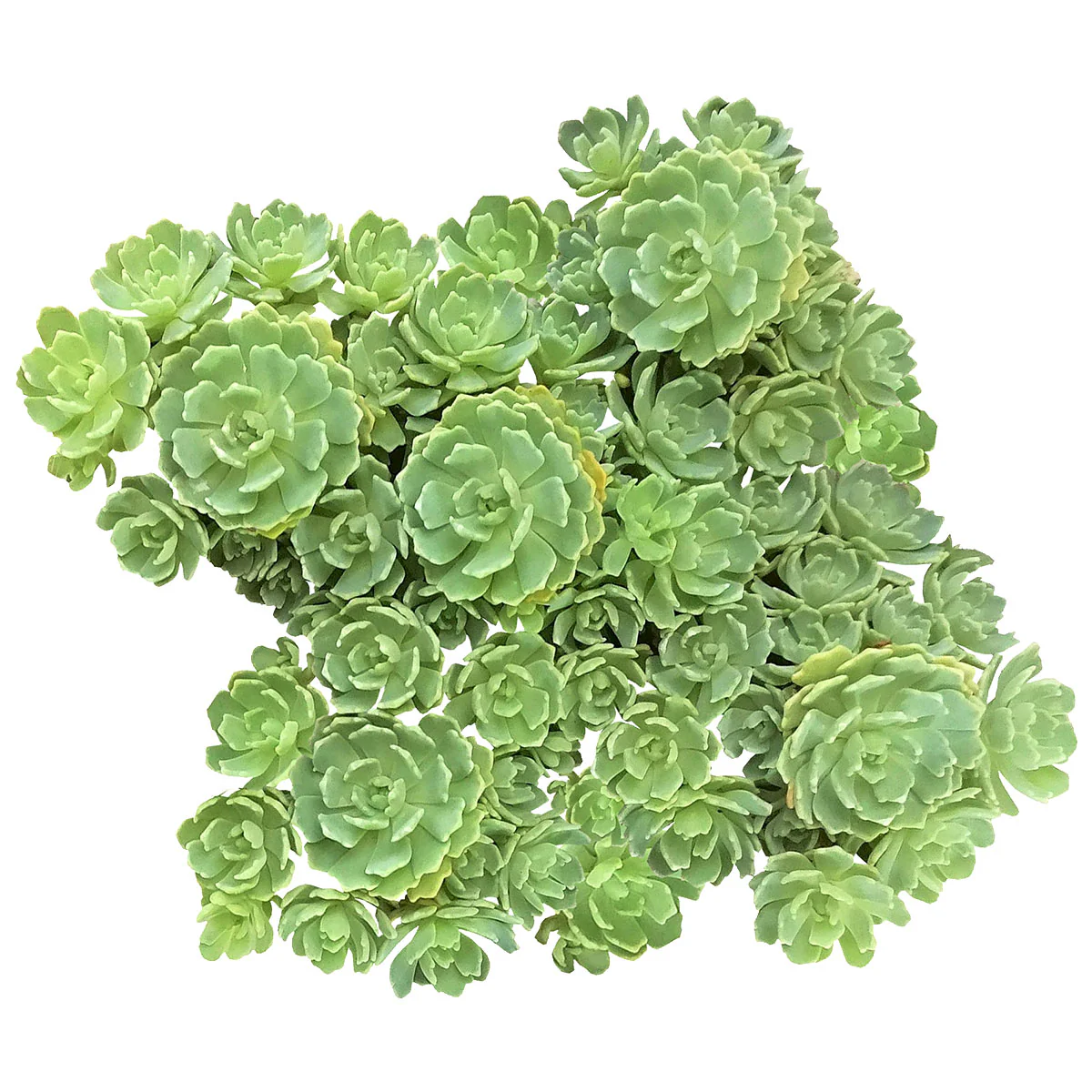
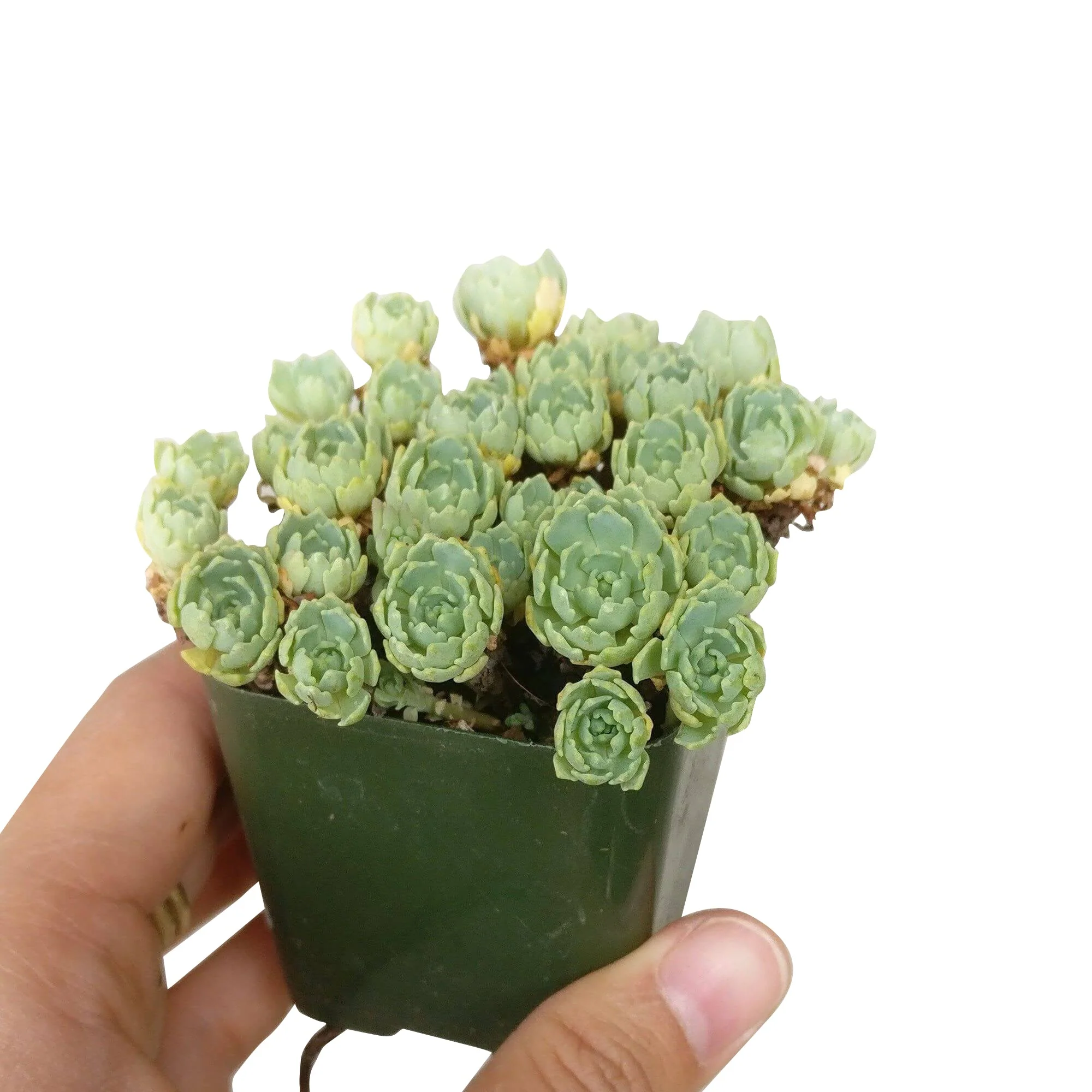
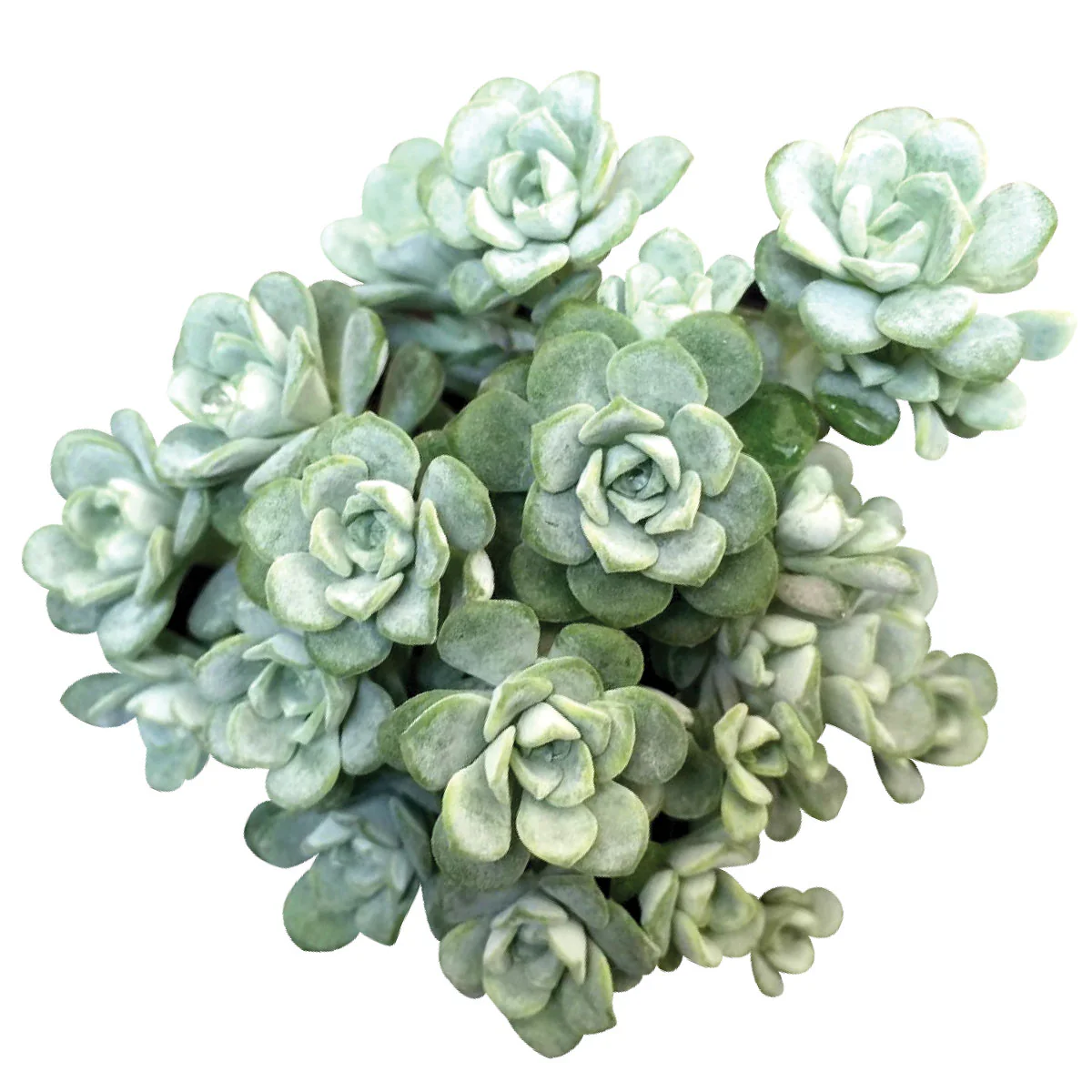
 Cape Blanco Sedum Spathulifolium forms tight, elegant rosettes of powdery, silver-white to blue-green spoon-shaped leaves dusted with a chalky farina coating that gives the plant its signature frosted look. The leaves are thick, fleshy, and packed with moisture-storing tissue, which is exactly how this broadleaf stonecrop succulent handles drought with ease. Rosettes spread outward in a low, wide mat that hugs the ground beautifully, making Cape Blanco Sedum Spathulifolium a standout in containers, rock gardens, and border edging.
 Cape Blanco Sedum Spathulifolium produces cheerful clusters of bright yellow star-shaped flowers on short upright stems typically in late spring to early summer, adding a warm pop of color against its cool silver foliage. Blooms are small but eye-catching and attract pollinators without producing heavy pollen that would concern allergy-sensitive households. This is one of those rare plants that looks stunning even when it is not in bloom, thanks to its year-round architectural rosette form.
 Cape Blanco Sedum Spathulifolium is an easy care plant that thrives outdoors through autumn and tolerates frost, making it a practical and beautiful choice for Zones 5 through 9. It spreads steadily as a wide ground cover but stays tidy enough for containers, troughs, and rock garden pockets. If you head out of town, no worries: Cape Blanco Sedum Spathulifolium handles a 10-day stretch alone without complaint, and because it is pet friendly, you can display it anywhere in your home or garden without concern.
-
 Cape Blanco Sedum Spathulifolium thrives in bright indirect light and handles direct sun outdoors or lower light indoors without losing its charm.
 Water Cape Blanco Sedum Spathulifolium deeply but infrequently, roughly every 10 to 14 days in summer and once a month or less in winter.
 Cape Blanco Sedum Spathulifolium performs best in a gritty, fast-draining succulent or cactus mix blended with perlite or coarse sand.
 Cape Blanco Sedum Spathulifolium is frost tolerant down to about -20°F (-29°C), making it reliably hardy across a wide range of climates.
![]() Cape Blanco Sedum Spathulifolium is a slow to moderate grower that rarely needs pruning and benefits from a light balanced fertilizer once in spring.
Cape Blanco Sedum Spathulifolium is a slow to moderate grower that rarely needs pruning and benefits from a light balanced fertilizer once in spring.
 Cape Blanco Sedum Spathulifolium is hardy in USDA Zones 5 through 9, tolerating frost down to approximately -20°F (-29°C), which means it grows outdoors year-round across an enormous stretch of the United States. Zone 5 through 6 gardeners in states like Minnesota, Wisconsin, Michigan, Illinois, Indiana, Ohio, Pennsylvania, New York, Connecticut, Rhode Island, Massachusetts, Vermont, New Hampshire, Maine, Iowa, Nebraska, South Dakota, North Dakota, Montana, Wyoming, and Colorado can count on it to survive harsh winters without protection. Moving into the warmer Zones 7 through 9, Cape Blanco Sedum Spathulifolium thrives in Virginia, North Carolina, Tennessee, Kentucky, Arkansas, Missouri, Kansas, Oklahoma, Texas, Georgia, South Carolina, Alabama, Mississippi, Louisiana, Florida, Arizona, Nevada, New Mexico, Utah, California, Oregon, Washington, and Idaho, covering nearly every corner of the country.
-
Q: Is Cape Blanco Sedum Spathulifolium pet friendly?
A: Yes, Cape Blanco Sedum Spathulifolium is pet friendly and safe to keep around cats and dogs. You can display it freely on low shelves, windowsills, or in the garden without worry.
Q: How often should I water Cape Blanco Sedum Spathulifolium?
A: Water Cape Blanco Sedum Spathulifolium deeply every 10 to 14 days during the growing season, pulling back to once a month or less in winter. Always let the soil dry out completely between waterings to prevent root rot.
Q: What USDA hardiness zones does Cape Blanco Sedum Spathulifolium grow in?
A: Cape Blanco Sedum Spathulifolium is hardy in USDA Zones 5 through 9, tolerating temperatures as low as -20°F (-29°C). It is one of the most cold hardy broadleaf stonecrop succulents available.
Q: How fast does Cape Blanco Sedum Spathulifolium grow?
A: Cape Blanco Sedum Spathulifolium is a slow to moderate grower that spreads outward over time without becoming invasive or unruly. Its manageable pace makes it ideal for containers, troughs, and rock gardens where you want lasting coverage without constant maintenance.
Q: Can Cape Blanco Sedum Spathulifolium go outside for summer or stay out in autumn?
A: Absolutely, Cape Blanco Sedum Spathulifolium loves spending summer outdoors and can stay outside well into autumn thanks to its frost tolerance. Just be sure to provide some cover from heavy rain to protect the foliage and roots from oversaturation.
Q: How do I propagate Cape Blanco Sedum Spathulifolium?
A: Cape Blanco Sedum Spathulifolium propagates easily from individual rosette offsets or leaf cuttings placed on well-draining soil and left in bright indirect light. Allow cut ends to callous for a day or two before planting for the best results.


Product Information
Product Information
Shipping & Returns
Shipping & Returns
Description
- Description
- Cape Blanco Sedum Care Guide
- FAQ/Common Issues
-
![]() Cape Blanco Sedum Spathulifolium is a cold hardy, drought tolerant broadleaf stonecrop succulent native to the rocky coastal cliffs and outcrops of the Pacific Northwest, from northern California up through Oregon and Washington. It belongs to the Crassulaceae family and thrives naturally in lean, fast-draining soils where most plants simply give up. This tough little gem has earned a loyal following among succulent collectors and rock garden enthusiasts alike.
Cape Blanco Sedum Spathulifolium is a cold hardy, drought tolerant broadleaf stonecrop succulent native to the rocky coastal cliffs and outcrops of the Pacific Northwest, from northern California up through Oregon and Washington. It belongs to the Crassulaceae family and thrives naturally in lean, fast-draining soils where most plants simply give up. This tough little gem has earned a loyal following among succulent collectors and rock garden enthusiasts alike.
Cape Blanco Sedum Spathulifolium forms tight, elegant rosettes of powdery, silver-white to blue-green spoon-shaped leaves dusted with a chalky farina coating that gives the plant its signature frosted look. The leaves are thick, fleshy, and packed with moisture-storing tissue, which is exactly how this broadleaf stonecrop succulent handles drought with ease. Rosettes spread outward in a low, wide mat that hugs the ground beautifully, making Cape Blanco Sedum Spathulifolium a standout in containers, rock gardens, and border edging.
Cape Blanco Sedum Spathulifolium produces cheerful clusters of bright yellow star-shaped flowers on short upright stems typically in late spring to early summer, adding a warm pop of color against its cool silver foliage. Blooms are small but eye-catching and attract pollinators without producing heavy pollen that would concern allergy-sensitive households. This is one of those rare plants that looks stunning even when it is not in bloom, thanks to its year-round architectural rosette form.
Cape Blanco Sedum Spathulifolium is an easy care plant that thrives outdoors through autumn and tolerates frost, making it a practical and beautiful choice for Zones 5 through 9. It spreads steadily as a wide ground cover but stays tidy enough for containers, troughs, and rock garden pockets. If you head out of town, no worries: Cape Blanco Sedum Spathulifolium handles a 10-day stretch alone without complaint, and because it is pet friendly, you can display it anywhere in your home or garden without concern.
-
Cape Blanco Sedum Spathulifolium thrives in bright indirect light and handles direct sun outdoors or lower light indoors without losing its charm.
Water Cape Blanco Sedum Spathulifolium deeply but infrequently, roughly every 10 to 14 days in summer and once a month or less in winter.
Cape Blanco Sedum Spathulifolium performs best in a gritty, fast-draining succulent or cactus mix blended with perlite or coarse sand.
Cape Blanco Sedum Spathulifolium is frost tolerant down to about -20°F (-29°C), making it reliably hardy across a wide range of climates.
![]() Cape Blanco Sedum Spathulifolium is a slow to moderate grower that rarely needs pruning and benefits from a light balanced fertilizer once in spring.
Cape Blanco Sedum Spathulifolium is a slow to moderate grower that rarely needs pruning and benefits from a light balanced fertilizer once in spring.
Cape Blanco Sedum Spathulifolium is hardy in USDA Zones 5 through 9, tolerating frost down to approximately -20°F (-29°C), which means it grows outdoors year-round across an enormous stretch of the United States. Zone 5 through 6 gardeners in states like Minnesota, Wisconsin, Michigan, Illinois, Indiana, Ohio, Pennsylvania, New York, Connecticut, Rhode Island, Massachusetts, Vermont, New Hampshire, Maine, Iowa, Nebraska, South Dakota, North Dakota, Montana, Wyoming, and Colorado can count on it to survive harsh winters without protection. Moving into the warmer Zones 7 through 9, Cape Blanco Sedum Spathulifolium thrives in Virginia, North Carolina, Tennessee, Kentucky, Arkansas, Missouri, Kansas, Oklahoma, Texas, Georgia, South Carolina, Alabama, Mississippi, Louisiana, Florida, Arizona, Nevada, New Mexico, Utah, California, Oregon, Washington, and Idaho, covering nearly every corner of the country.
-
Q: Is Cape Blanco Sedum Spathulifolium pet friendly?
A: Yes, Cape Blanco Sedum Spathulifolium is pet friendly and safe to keep around cats and dogs. You can display it freely on low shelves, windowsills, or in the garden without worry.
Q: How often should I water Cape Blanco Sedum Spathulifolium?
A: Water Cape Blanco Sedum Spathulifolium deeply every 10 to 14 days during the growing season, pulling back to once a month or less in winter. Always let the soil dry out completely between waterings to prevent root rot.
Q: What USDA hardiness zones does Cape Blanco Sedum Spathulifolium grow in?
A: Cape Blanco Sedum Spathulifolium is hardy in USDA Zones 5 through 9, tolerating temperatures as low as -20°F (-29°C). It is one of the most cold hardy broadleaf stonecrop succulents available.
Q: How fast does Cape Blanco Sedum Spathulifolium grow?
A: Cape Blanco Sedum Spathulifolium is a slow to moderate grower that spreads outward over time without becoming invasive or unruly. Its manageable pace makes it ideal for containers, troughs, and rock gardens where you want lasting coverage without constant maintenance.
Q: Can Cape Blanco Sedum Spathulifolium go outside for summer or stay out in autumn?
A: Absolutely, Cape Blanco Sedum Spathulifolium loves spending summer outdoors and can stay outside well into autumn thanks to its frost tolerance. Just be sure to provide some cover from heavy rain to protect the foliage and roots from oversaturation.
Q: How do I propagate Cape Blanco Sedum Spathulifolium?
A: Cape Blanco Sedum Spathulifolium propagates easily from individual rosette offsets or leaf cuttings placed on well-draining soil and left in bright indirect light. Allow cut ends to callous for a day or two before planting for the best results.