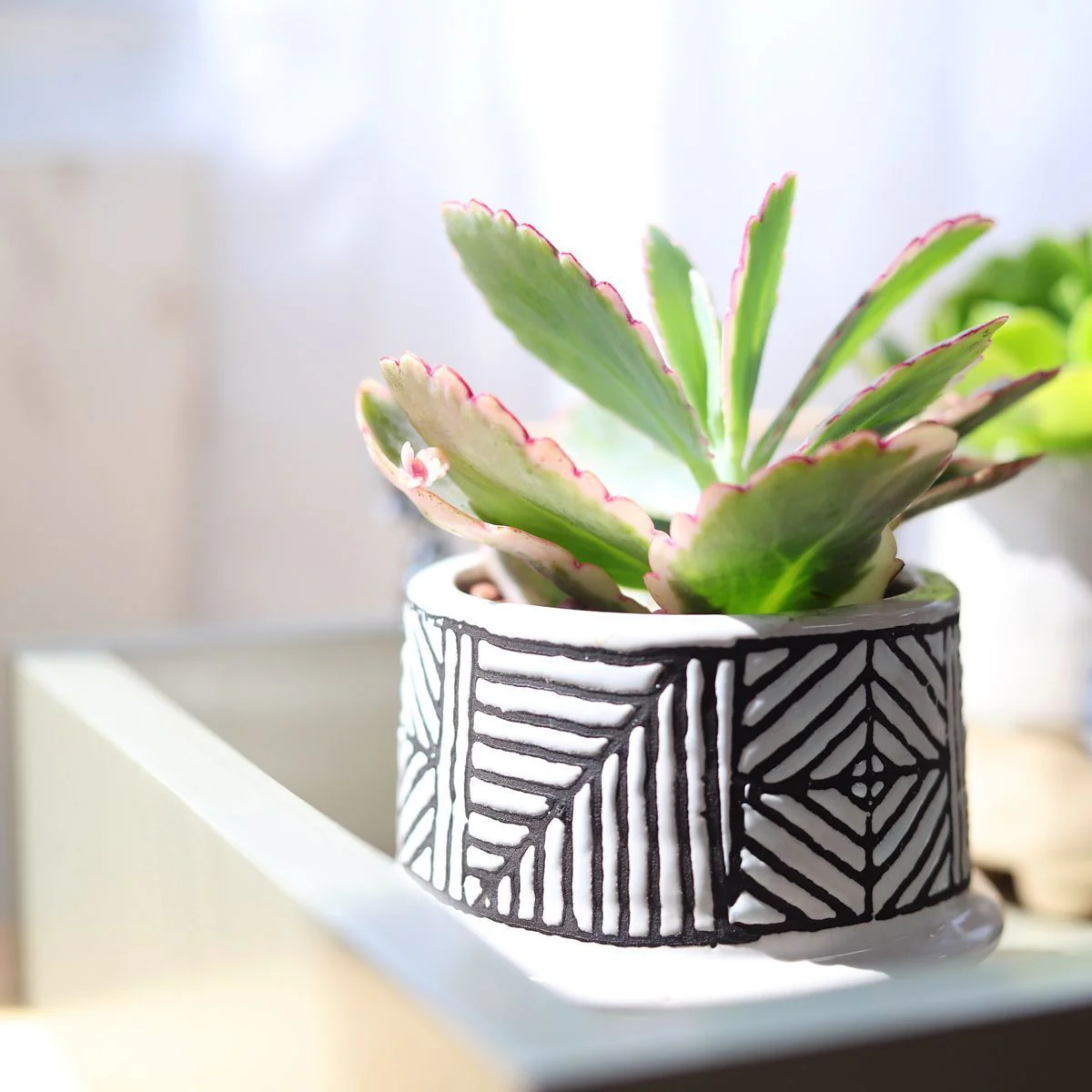
Lavender Scallops Kalanchoe
- Description
- Lavender Scallops Kalanchoe Care Guide
- FAQ/Common Issues
-
![]() Lavender Scallops Kalanchoe is a charming drought tolerant succulent in the Kalanchoe genus, native to Madagascar and parts of East Africa where it grows in rocky, sun-drenched terrain. It belongs to the Crassulaceae family and thrives naturally in warm, dry climates, making it wonderfully adapted to life as an easy care houseplant.
Lavender Scallops Kalanchoe is a charming drought tolerant succulent in the Kalanchoe genus, native to Madagascar and parts of East Africa where it grows in rocky, sun-drenched terrain. It belongs to the Crassulaceae family and thrives naturally in warm, dry climates, making it wonderfully adapted to life as an easy care houseplant.
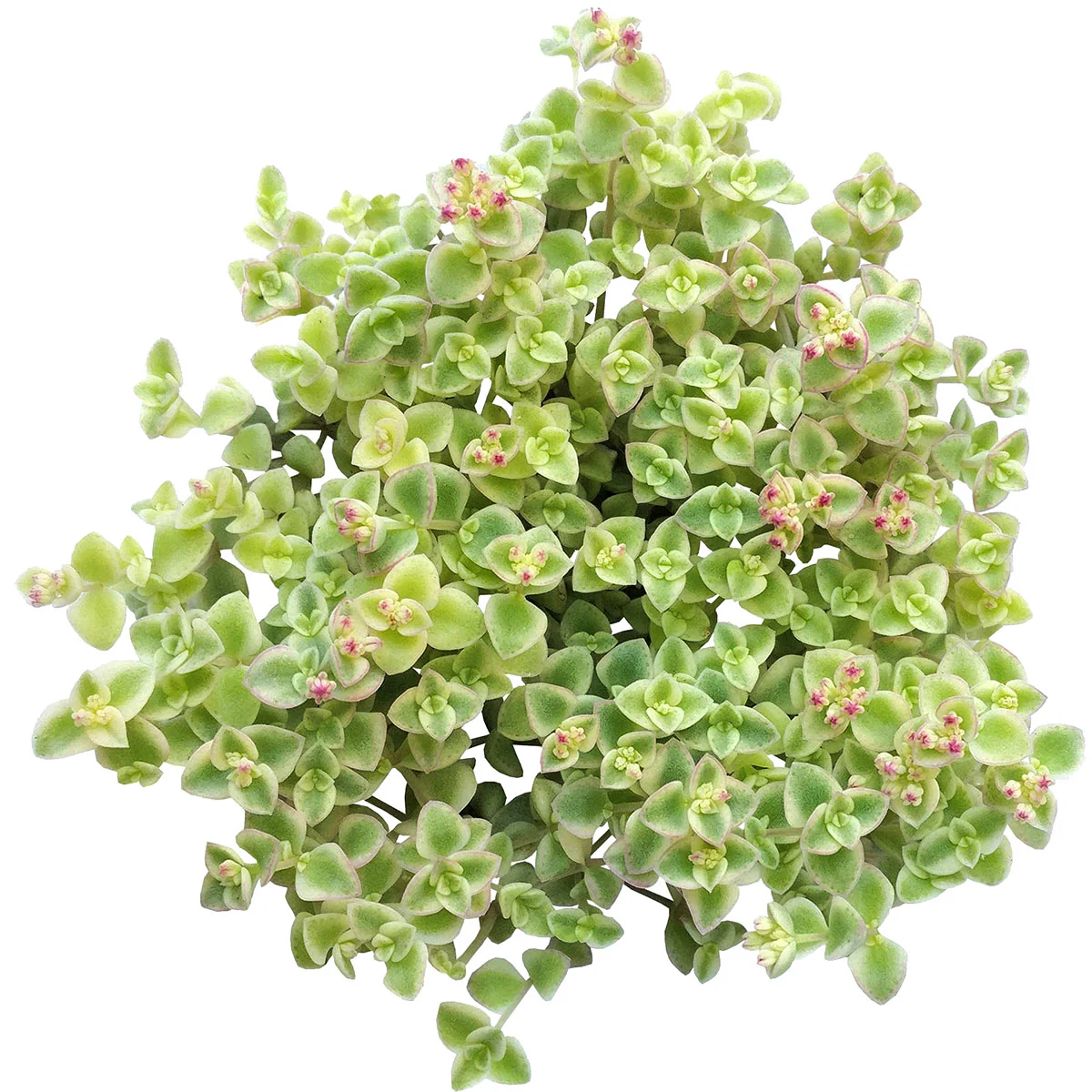
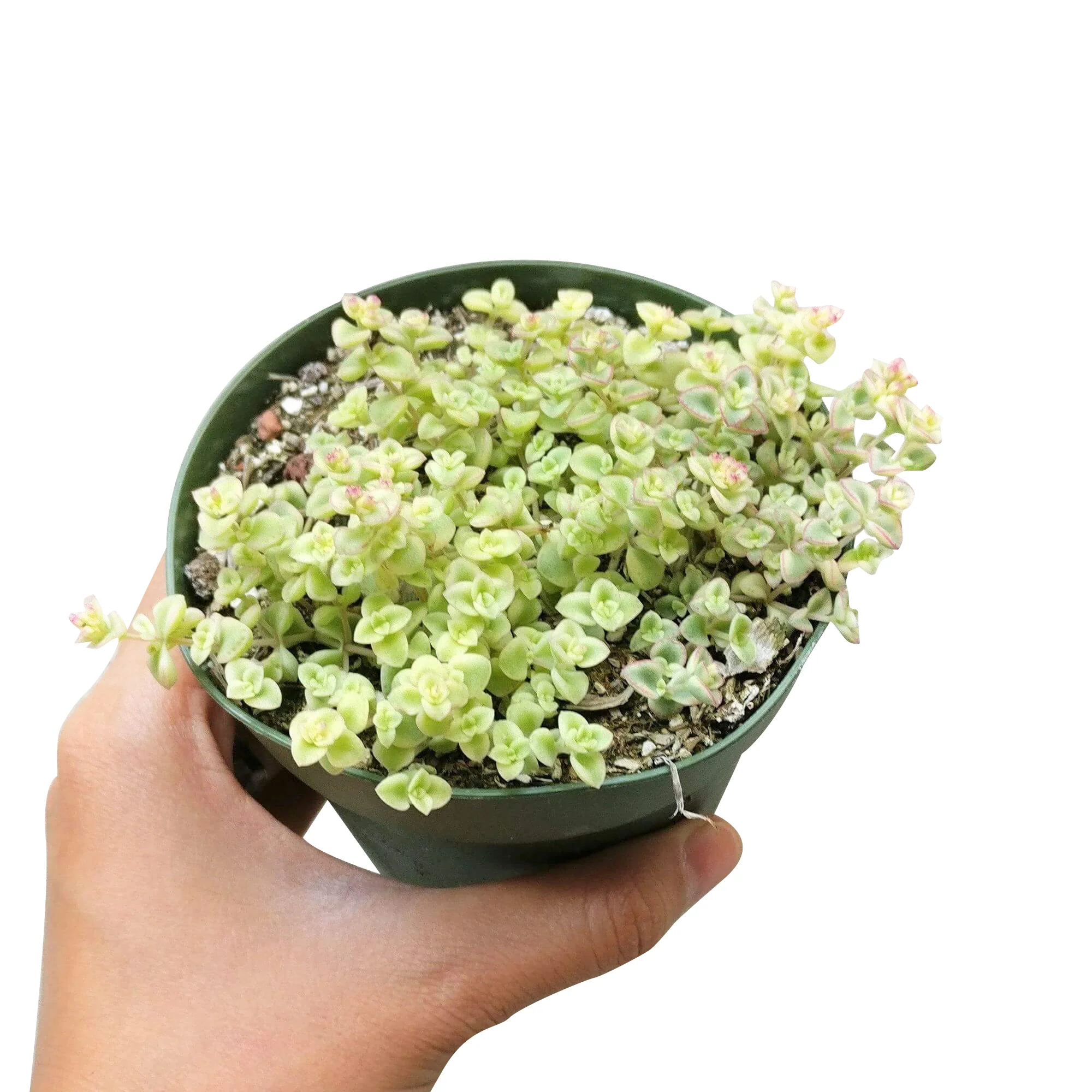
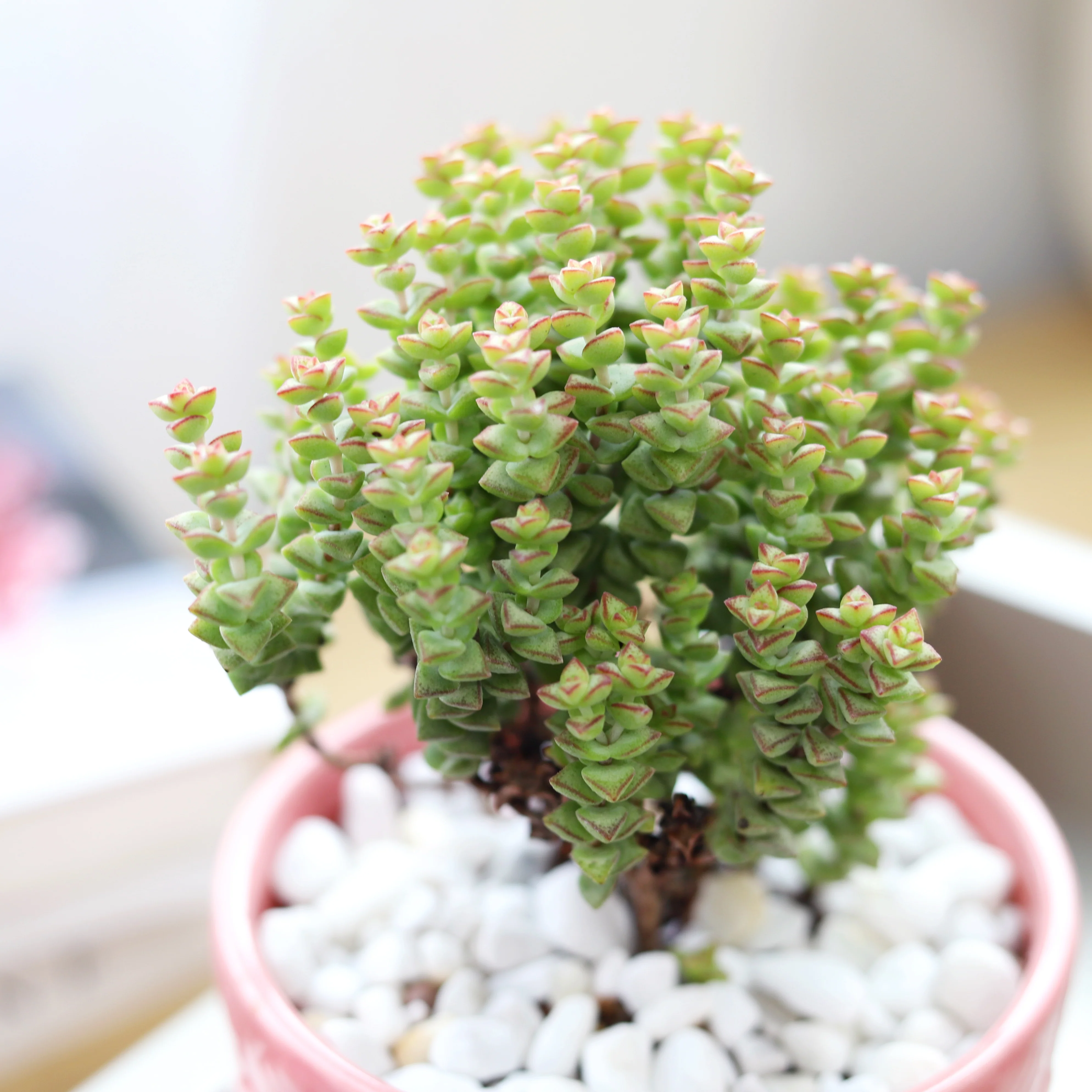
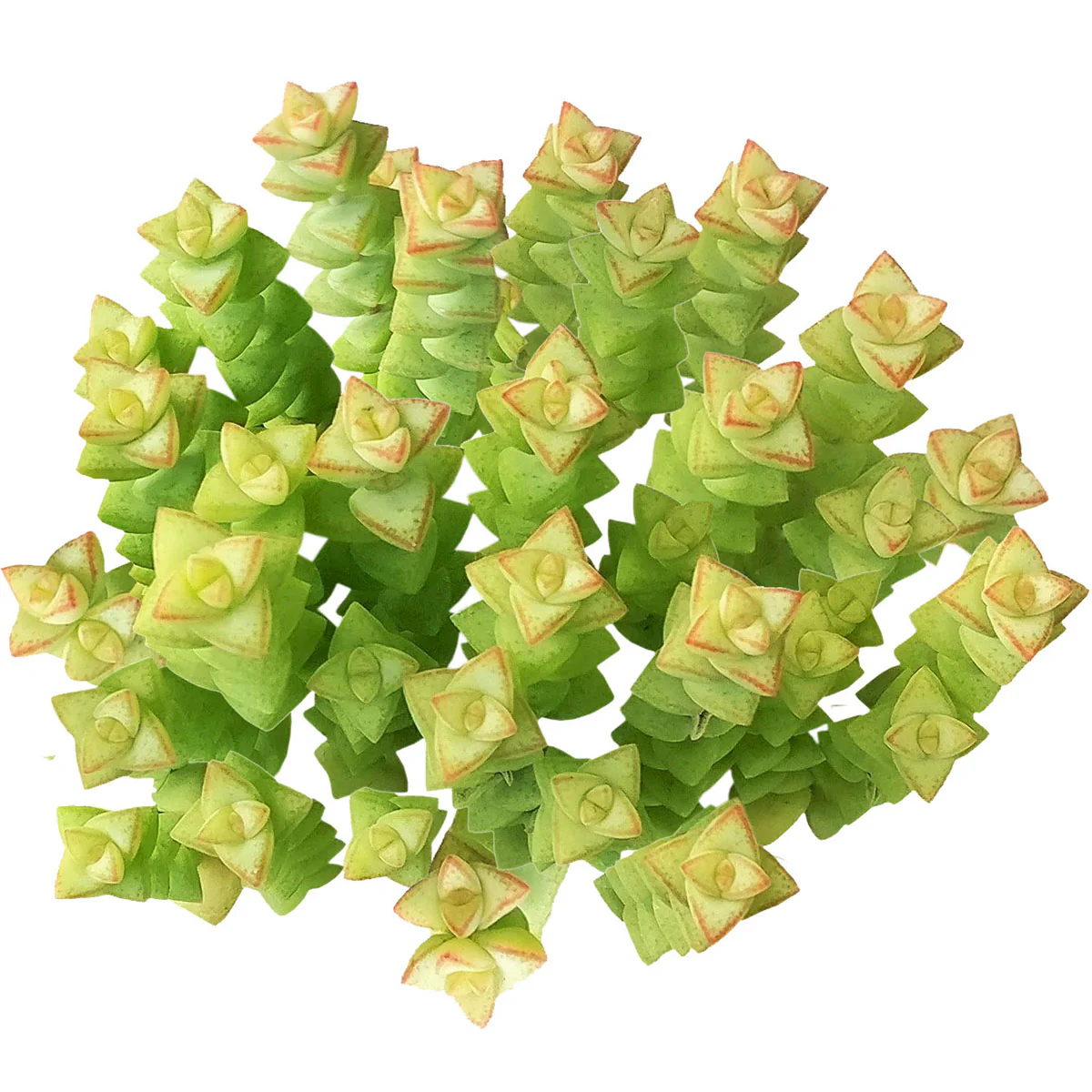
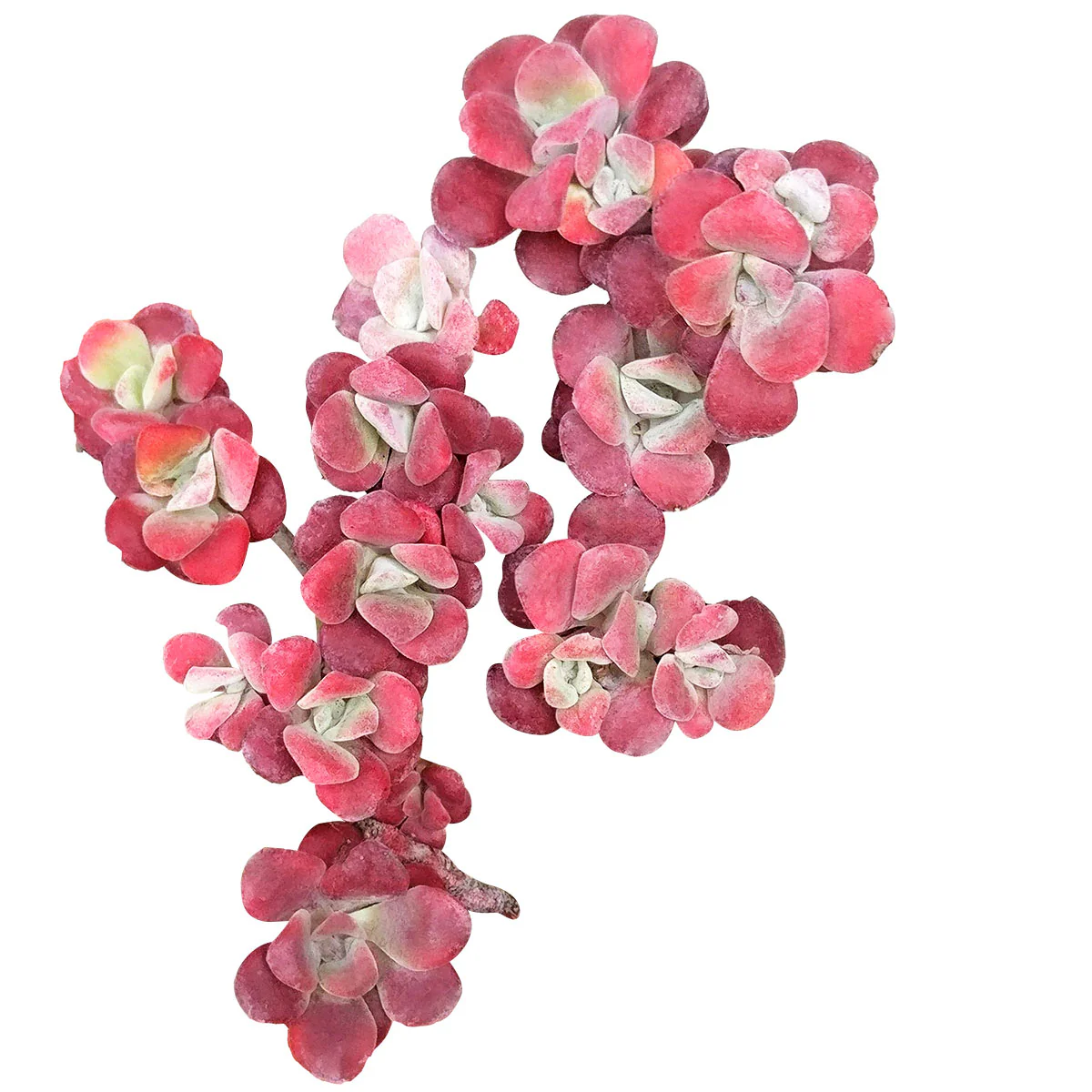
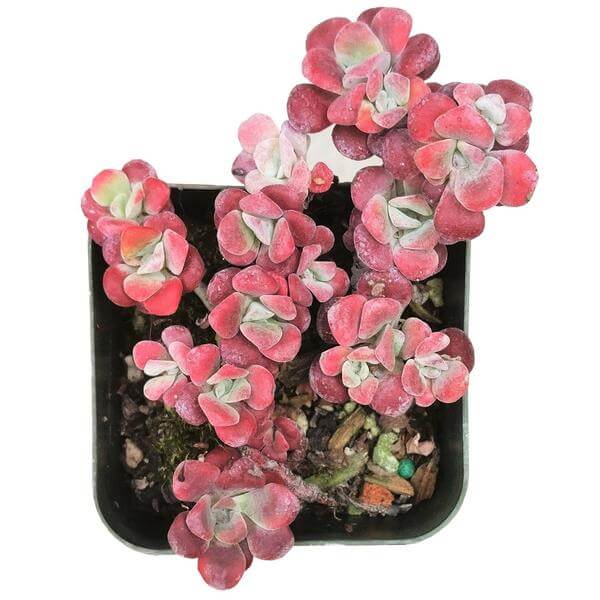
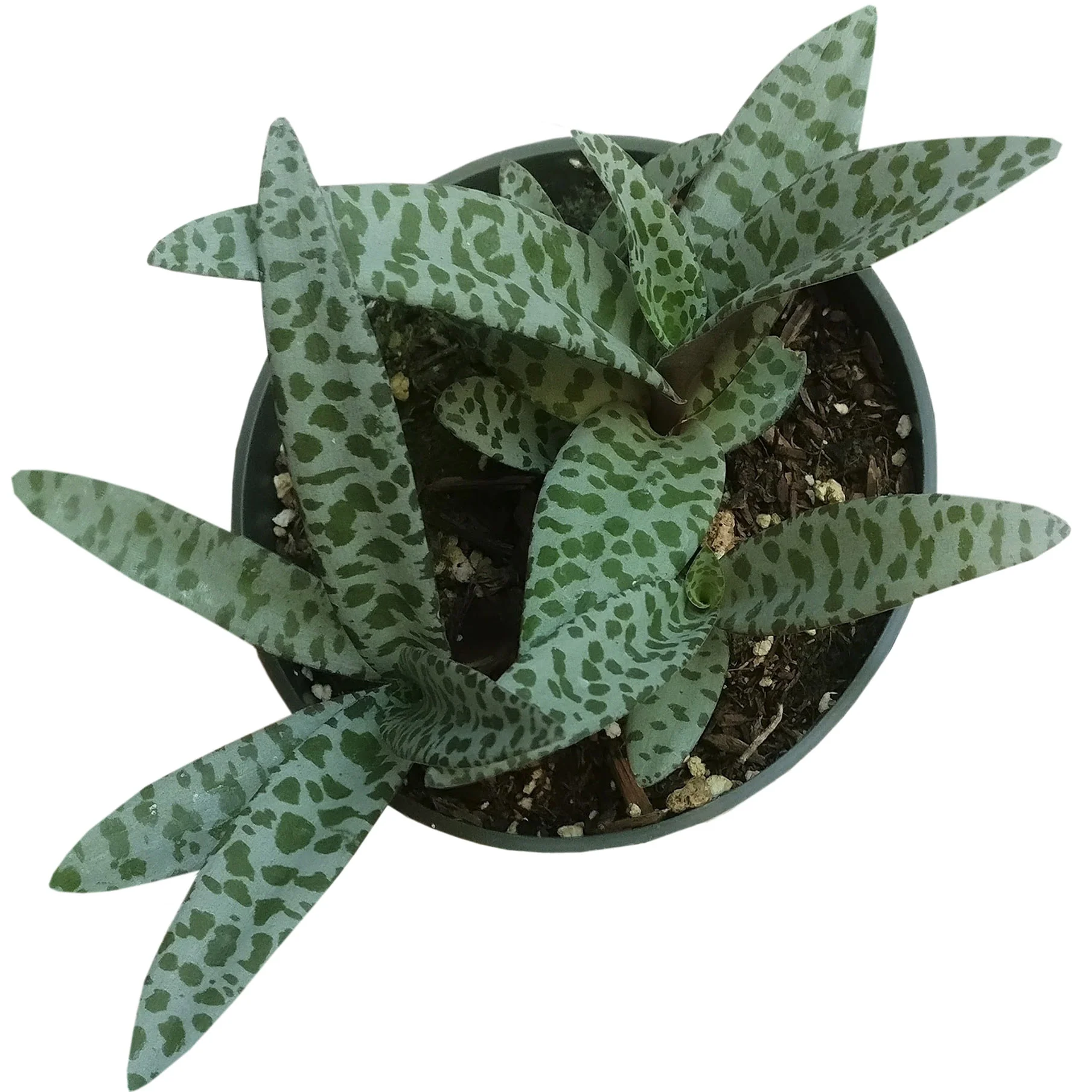
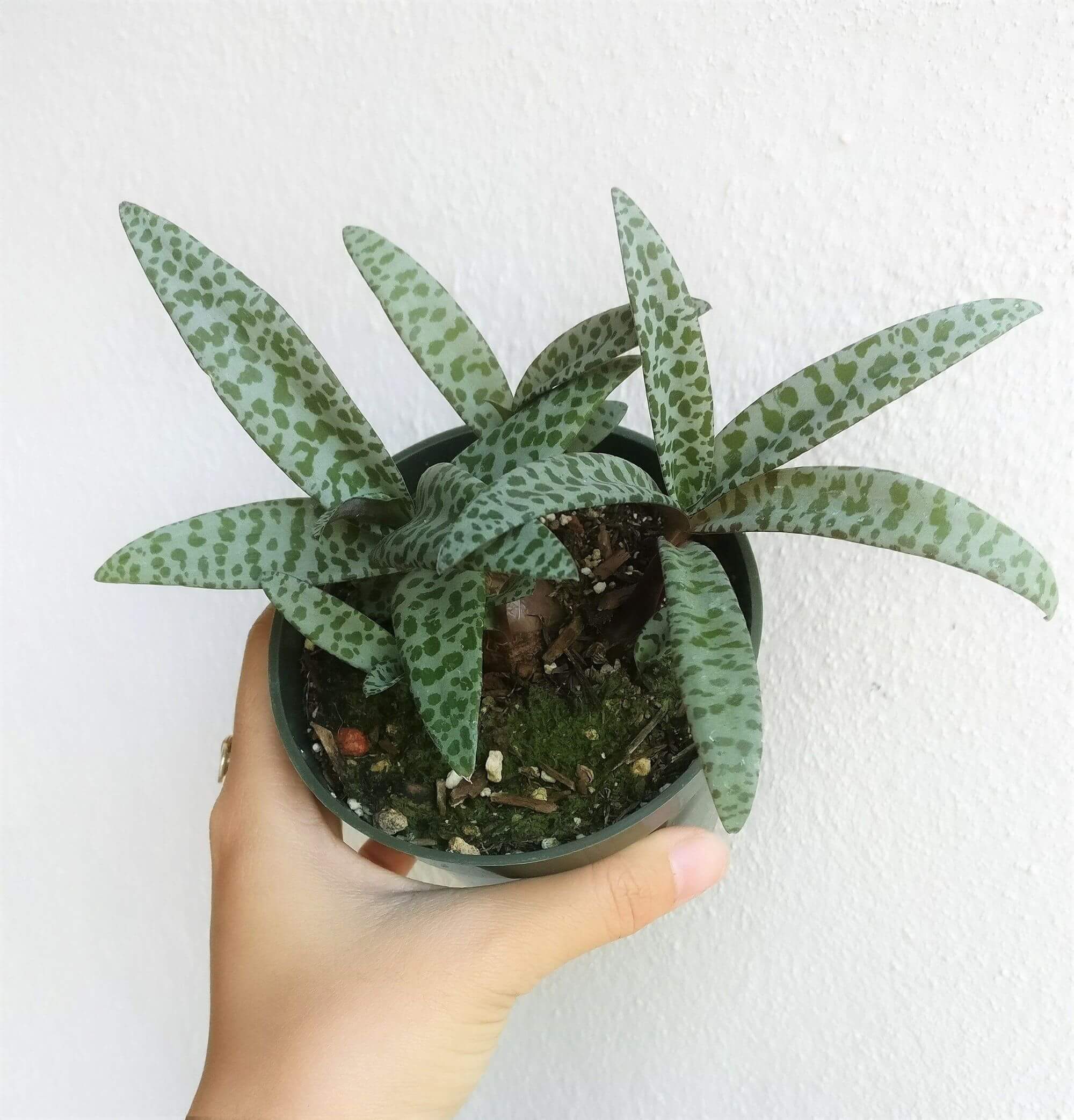
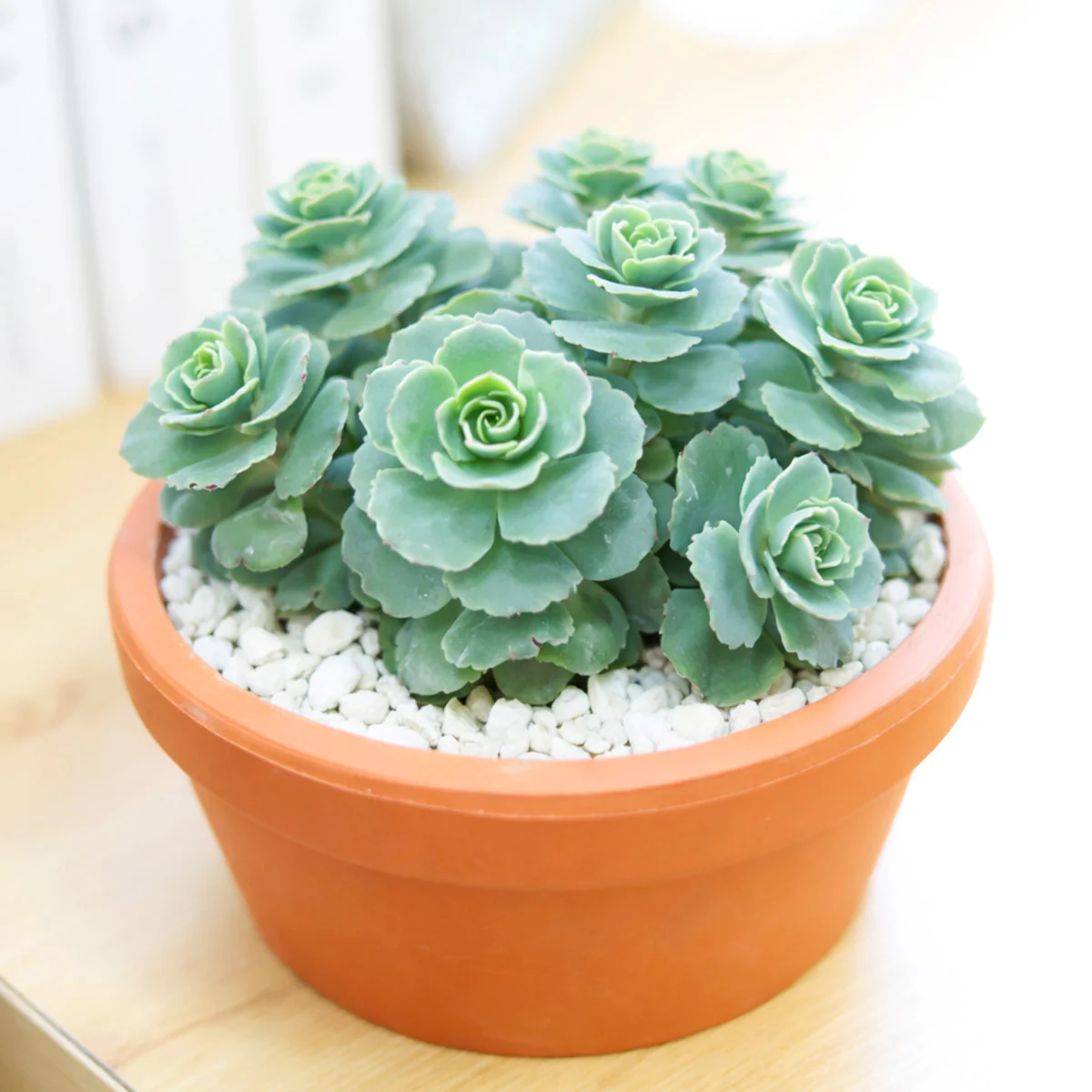
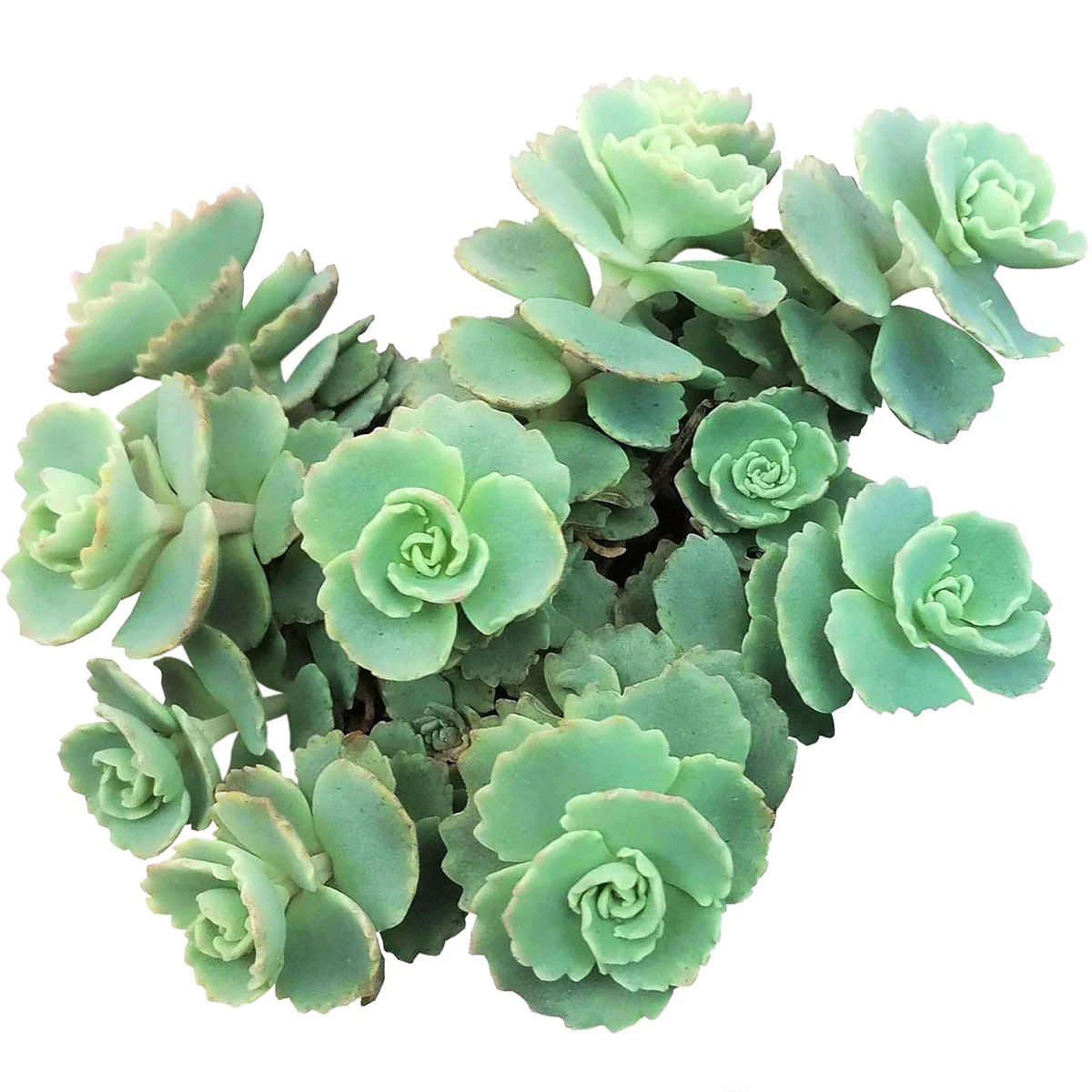
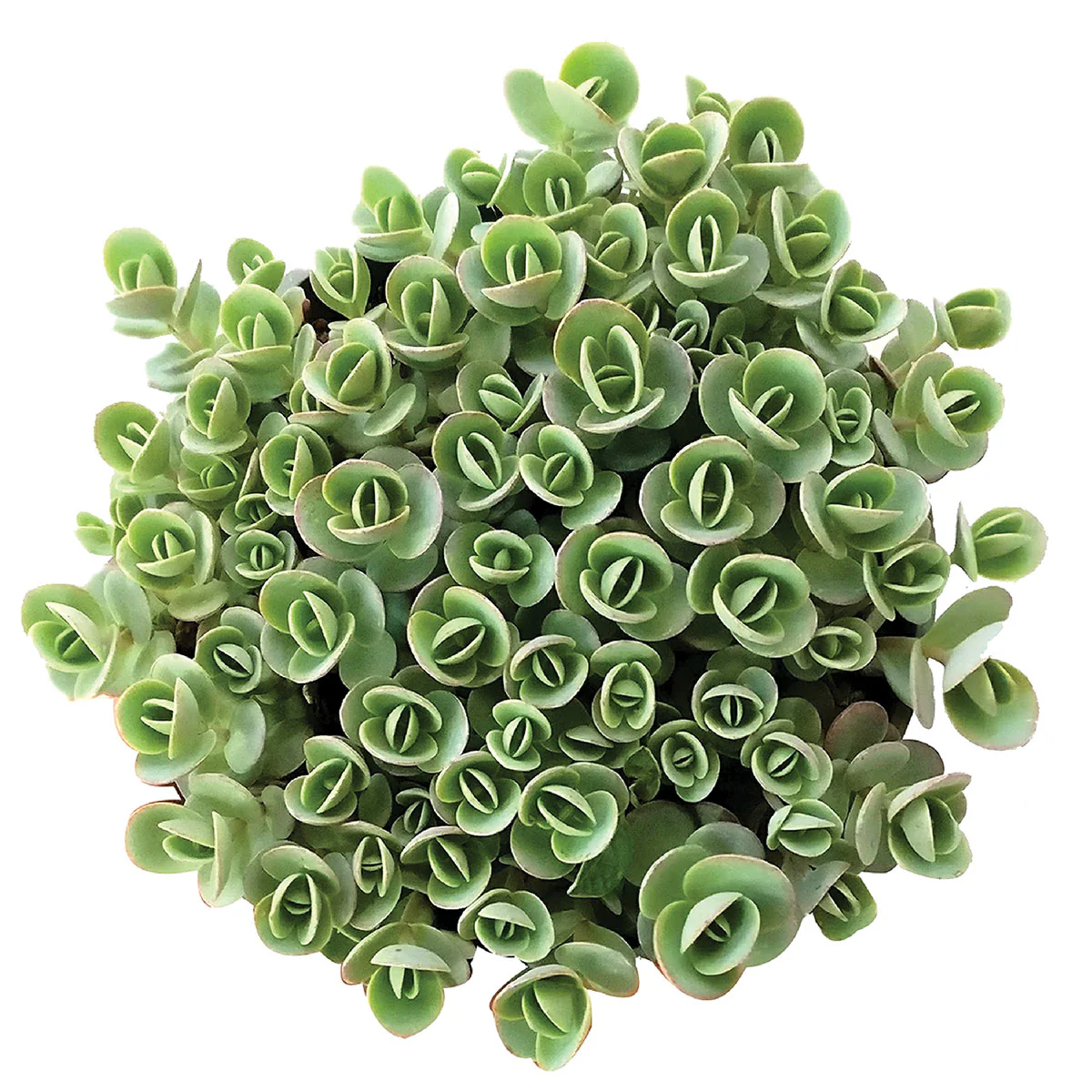
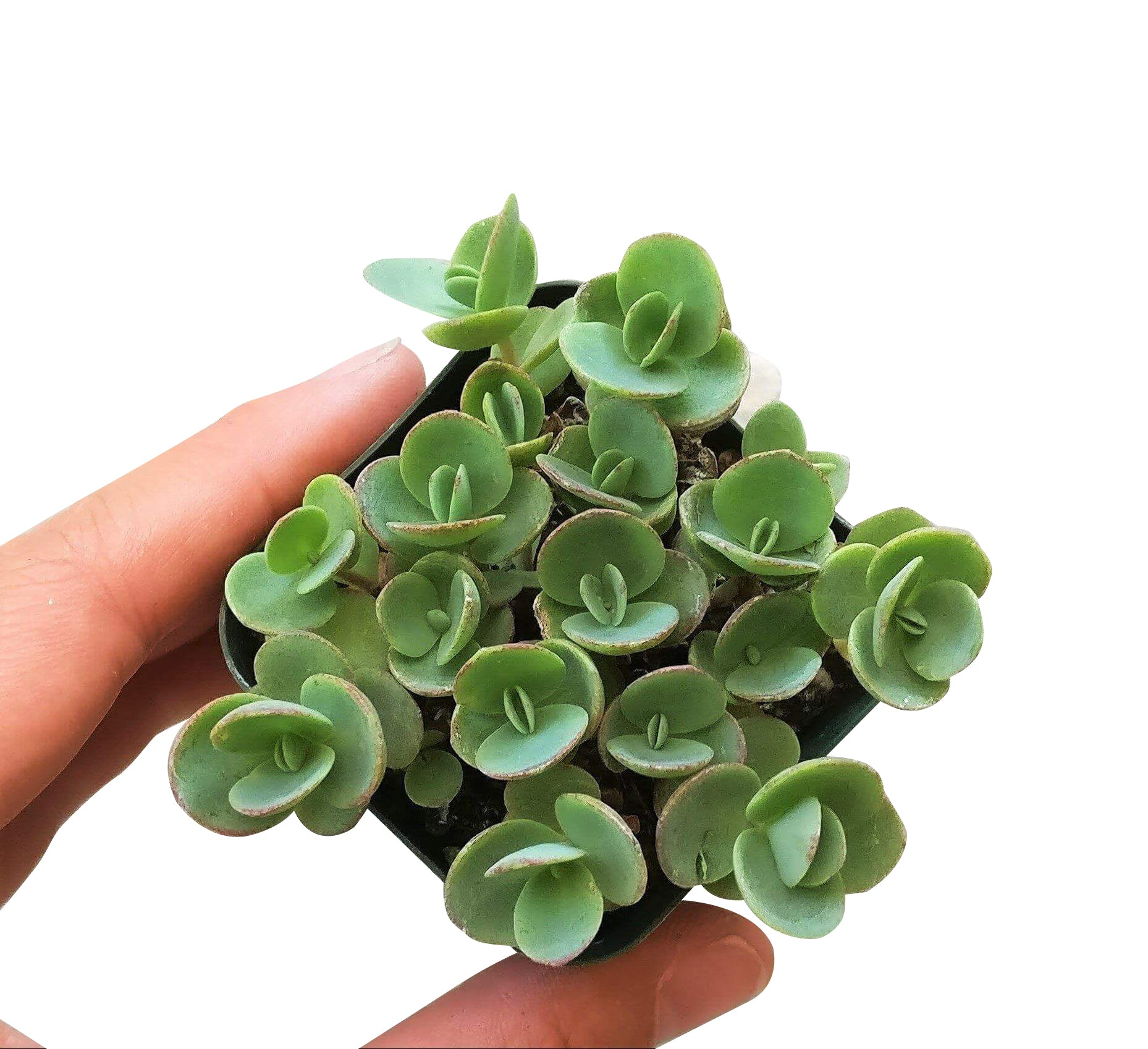
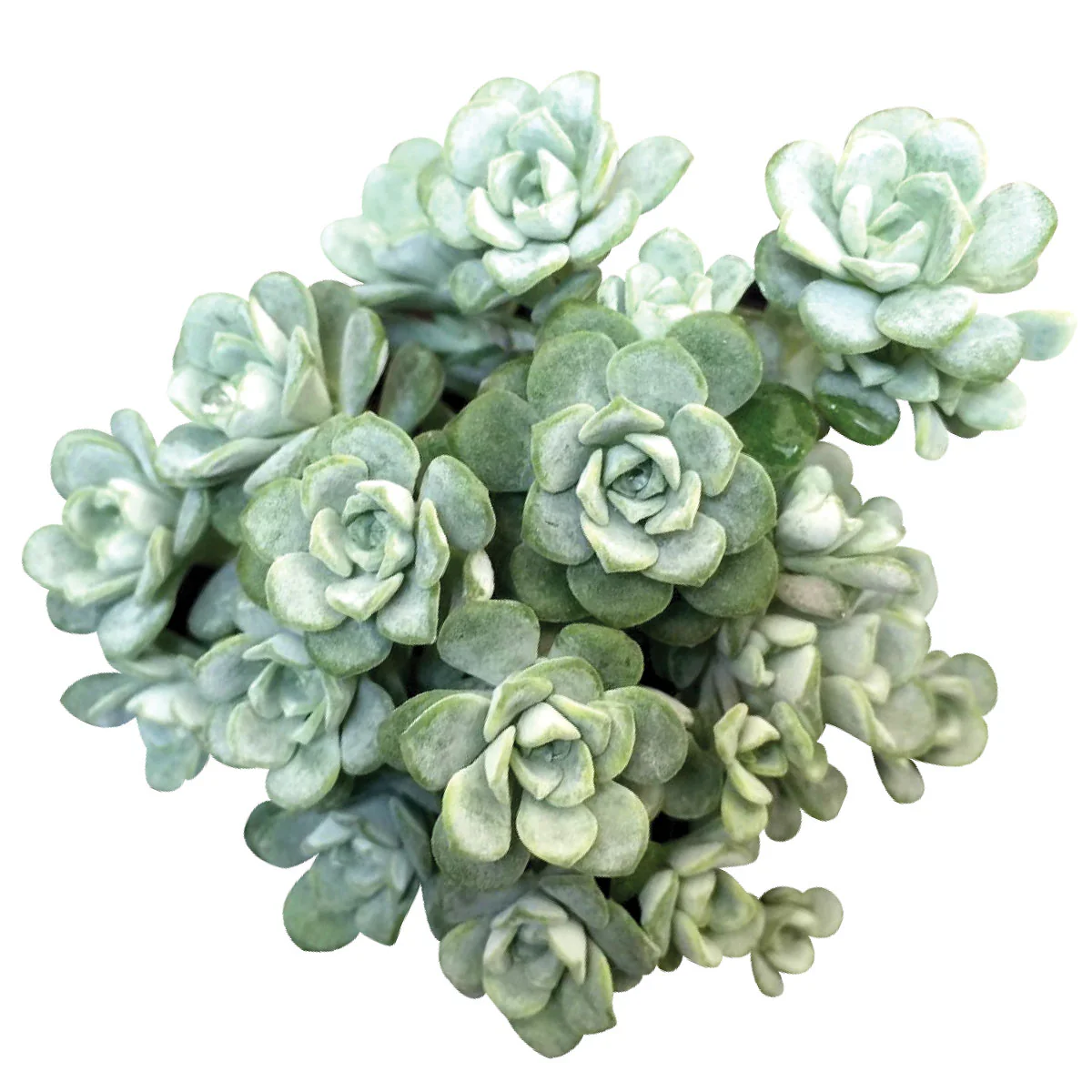
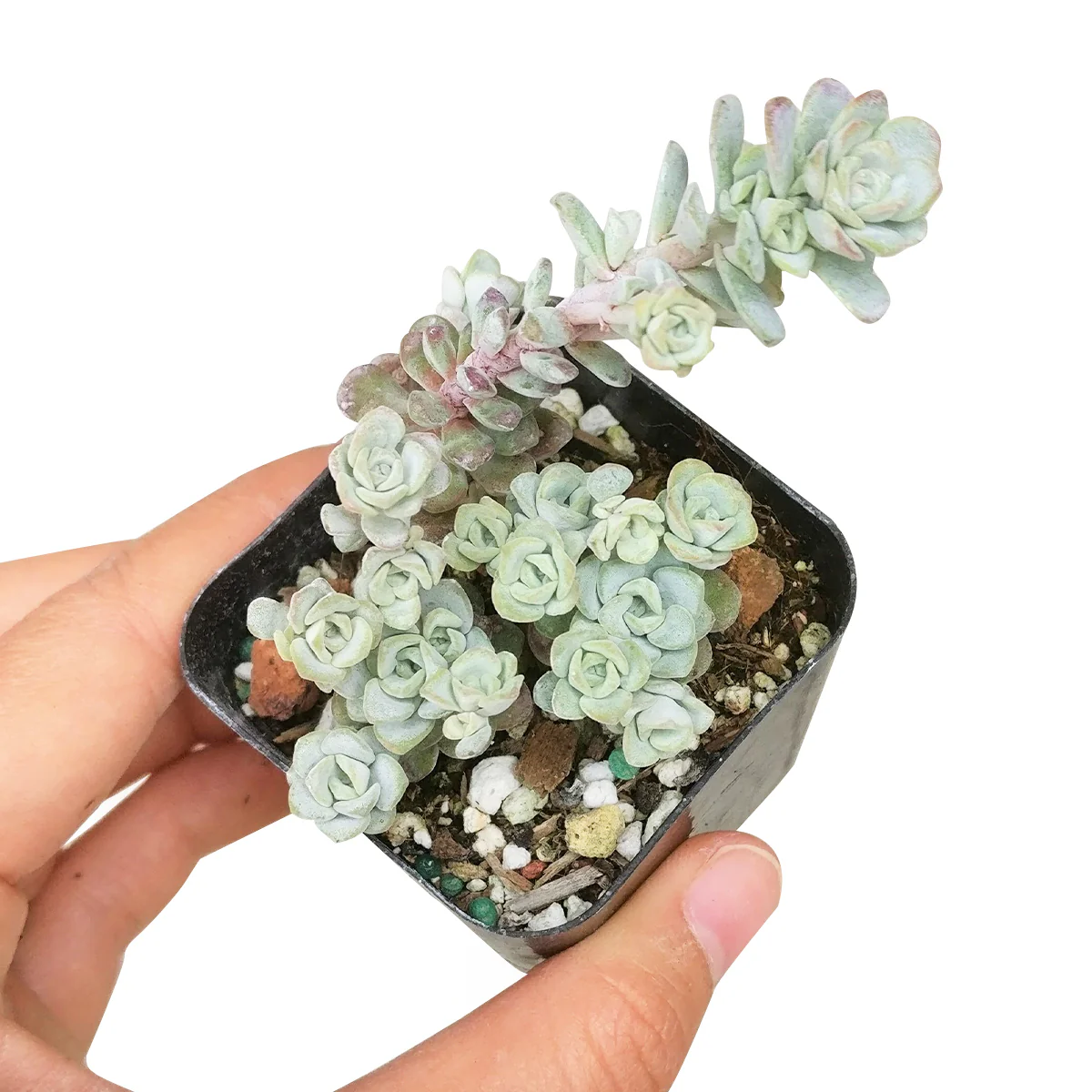
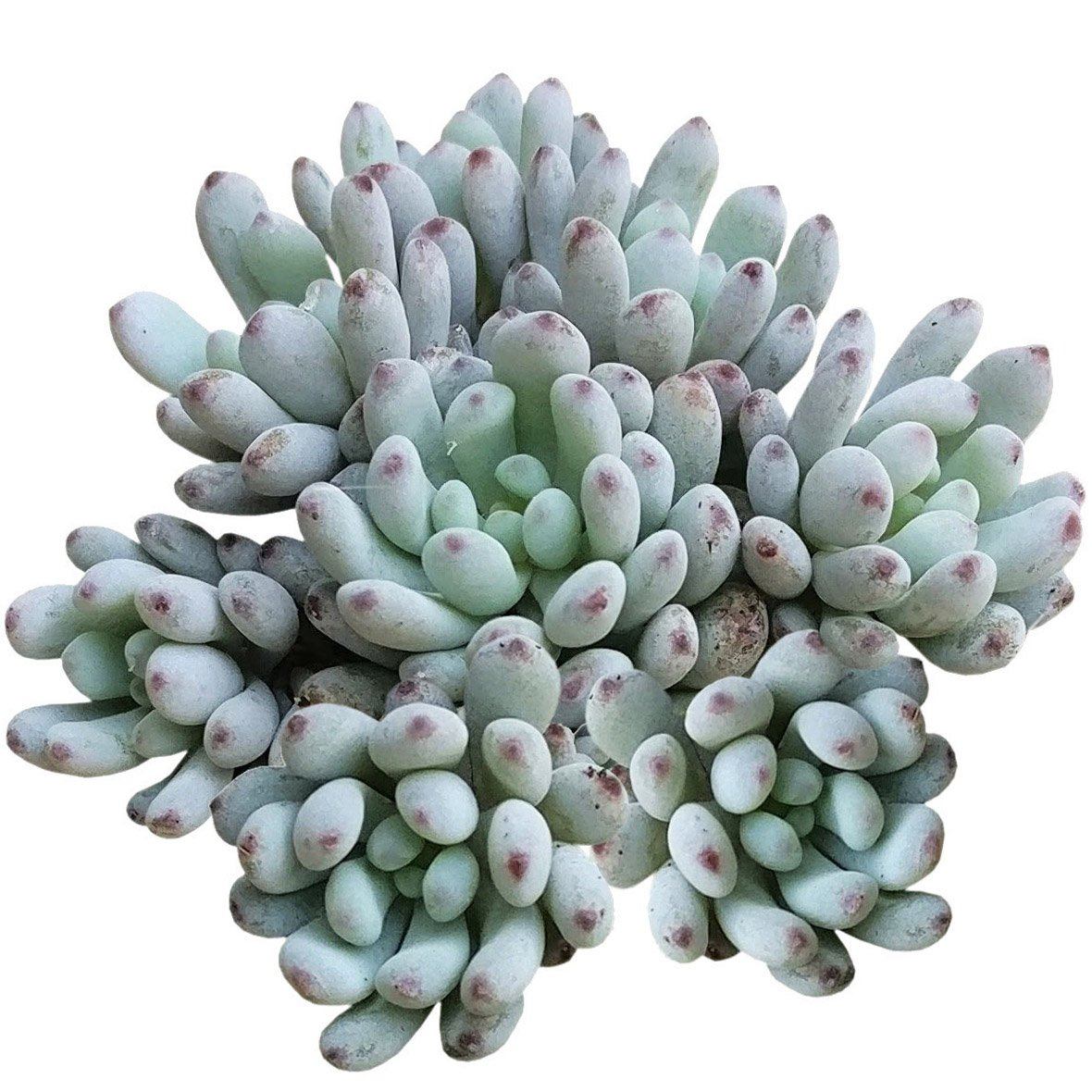
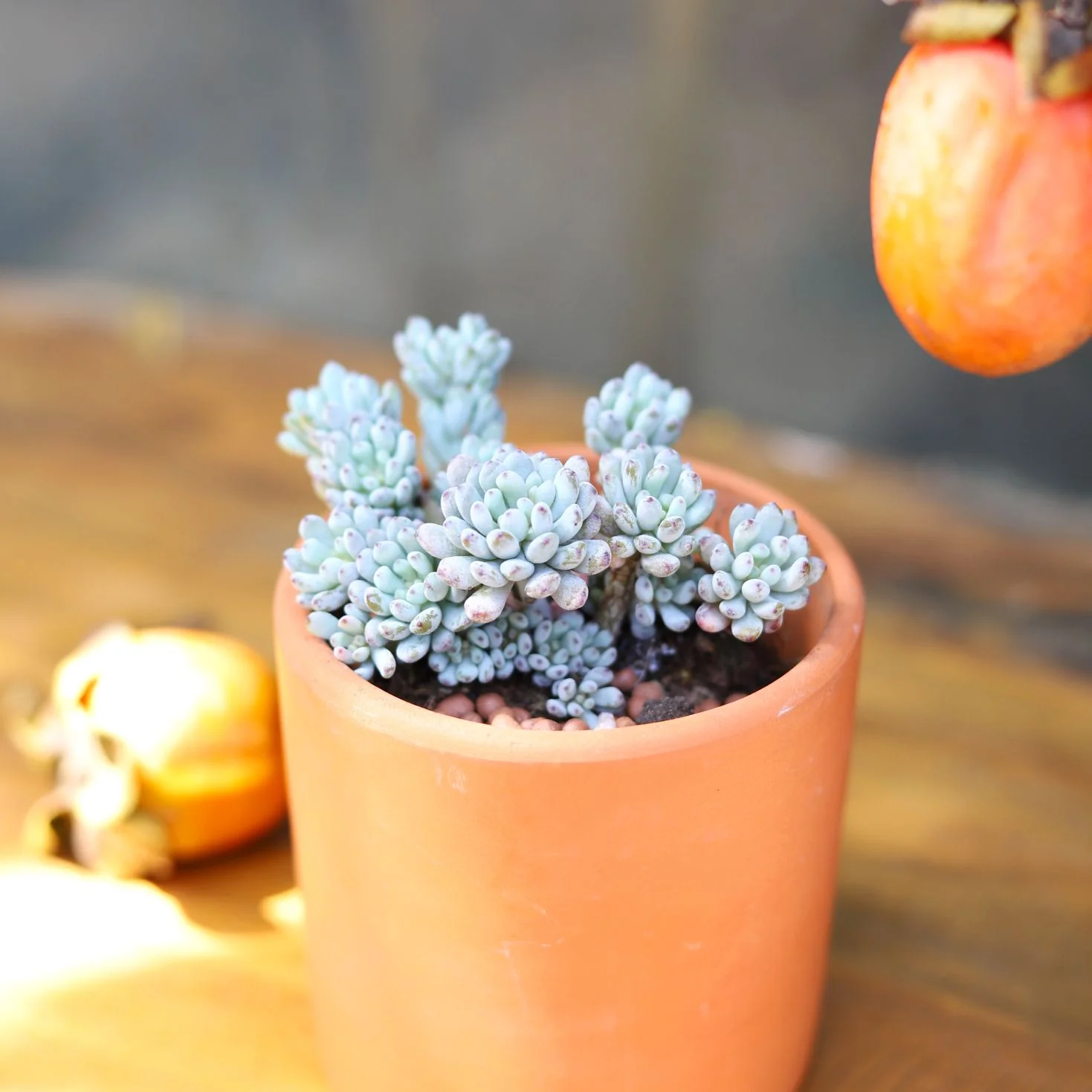
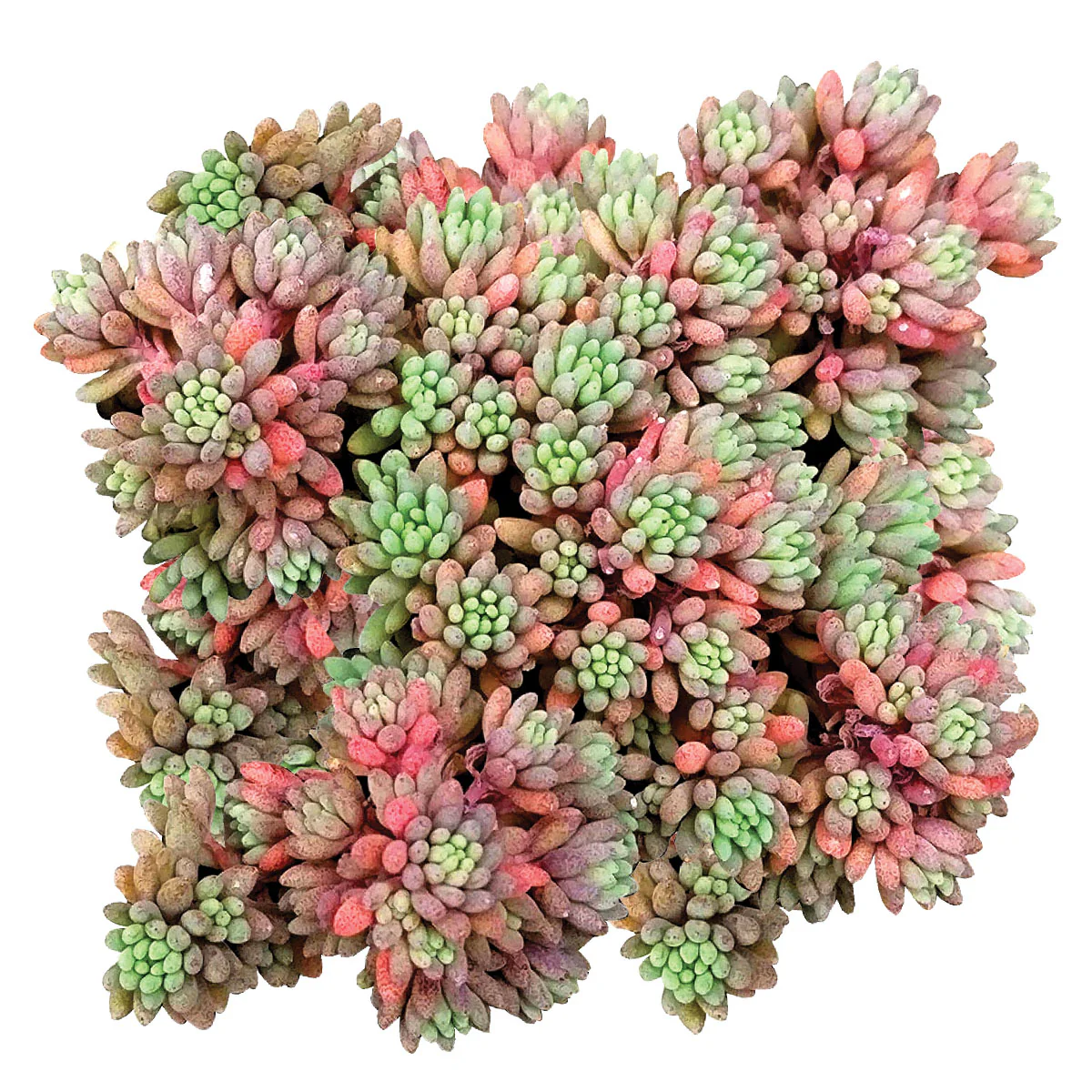
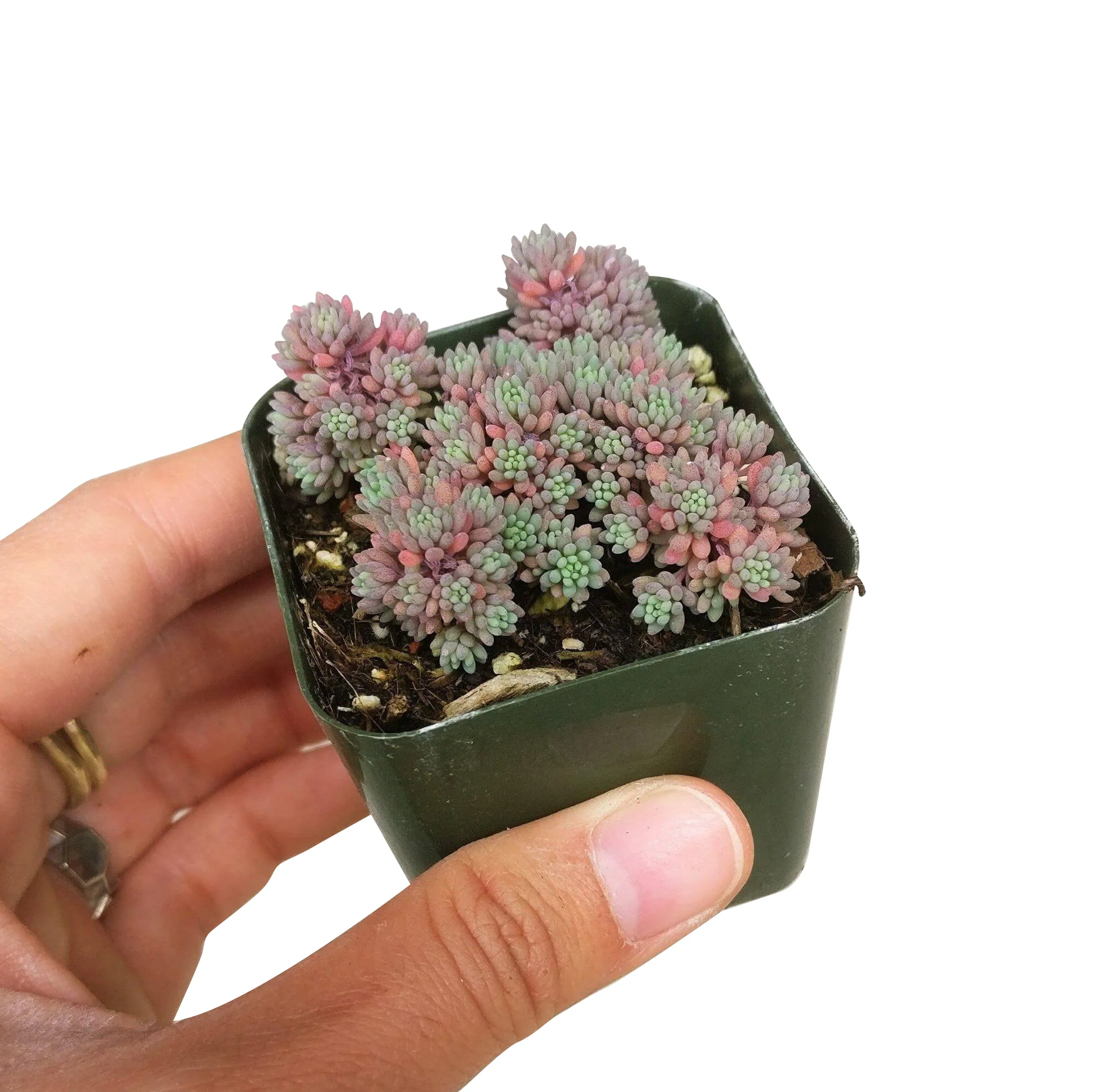
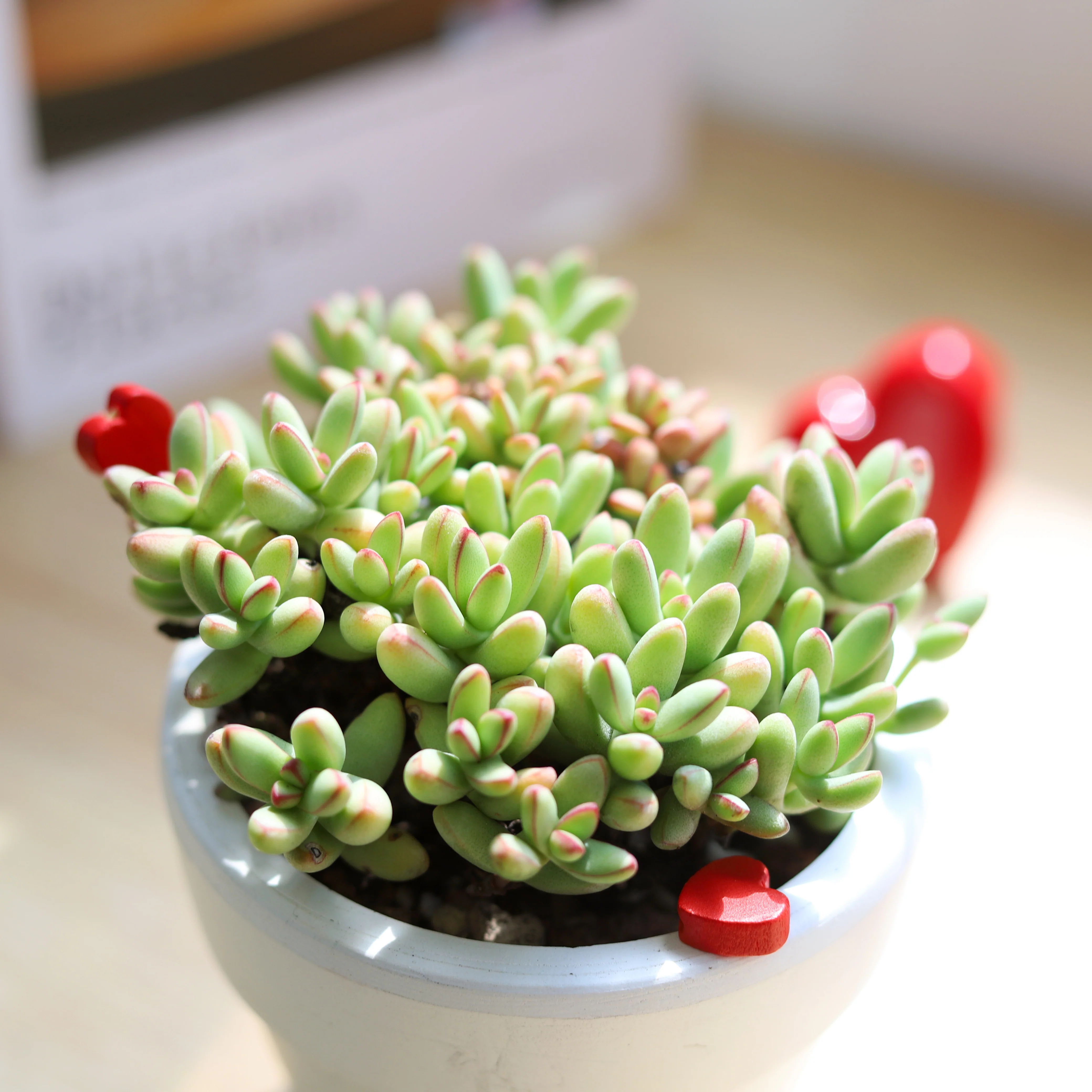
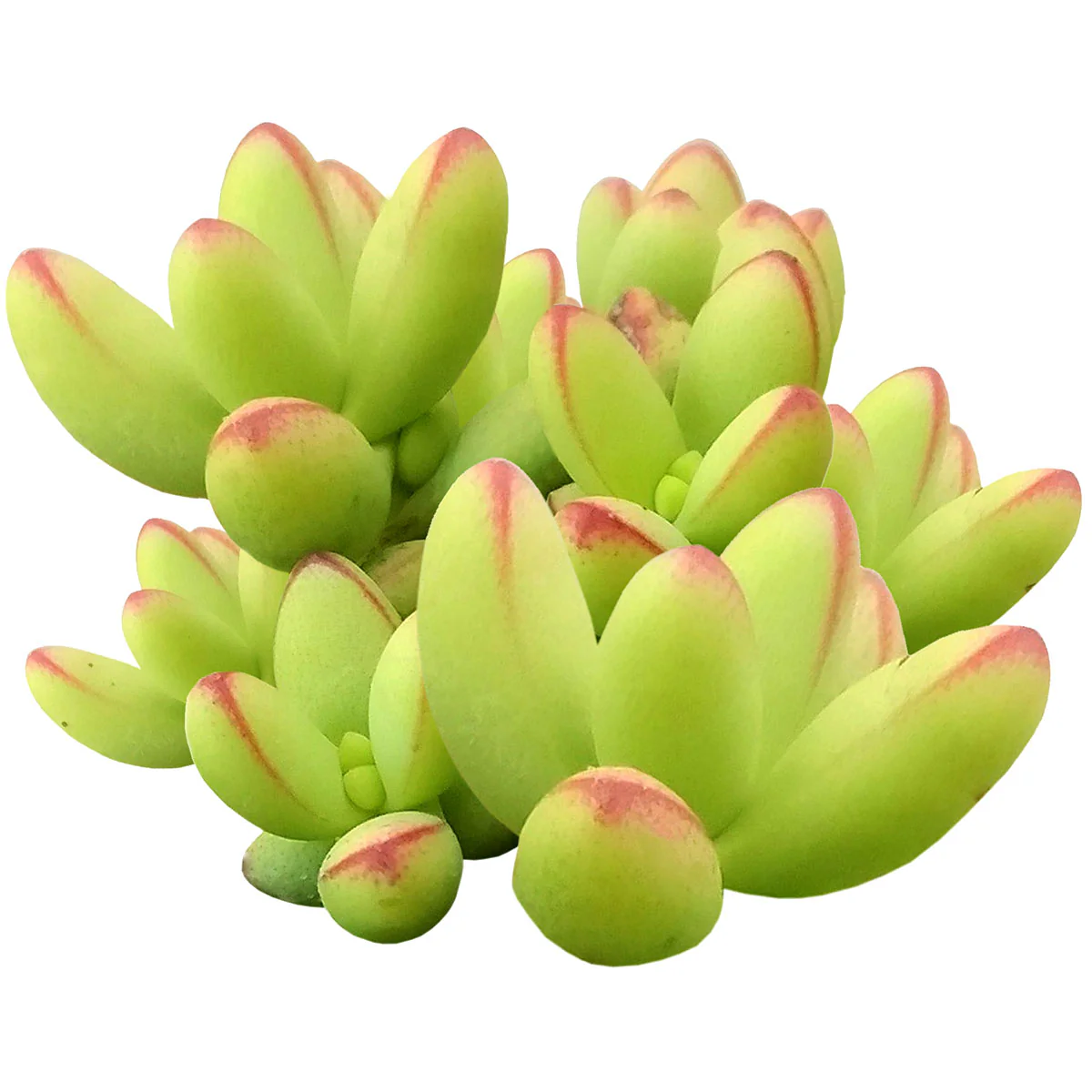
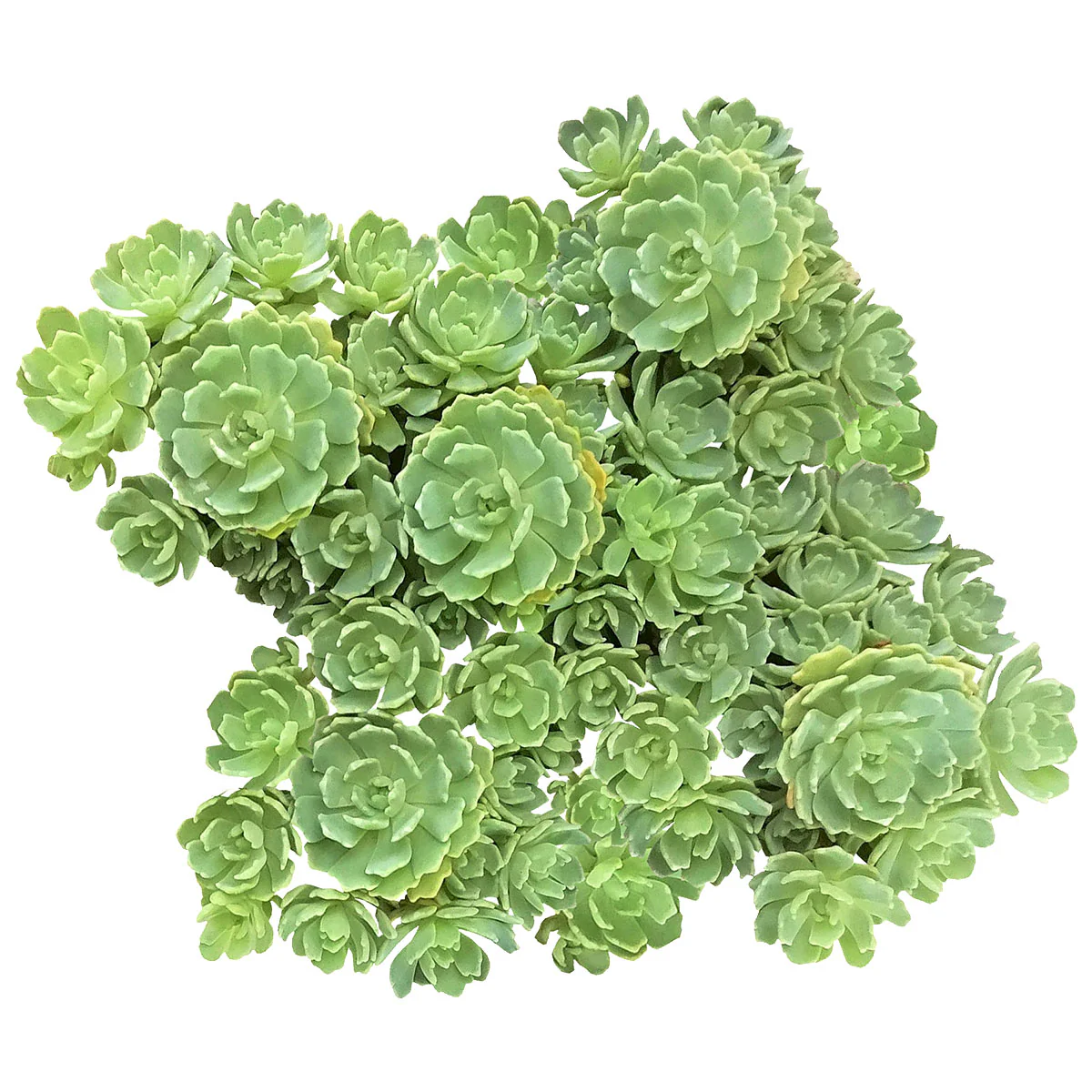
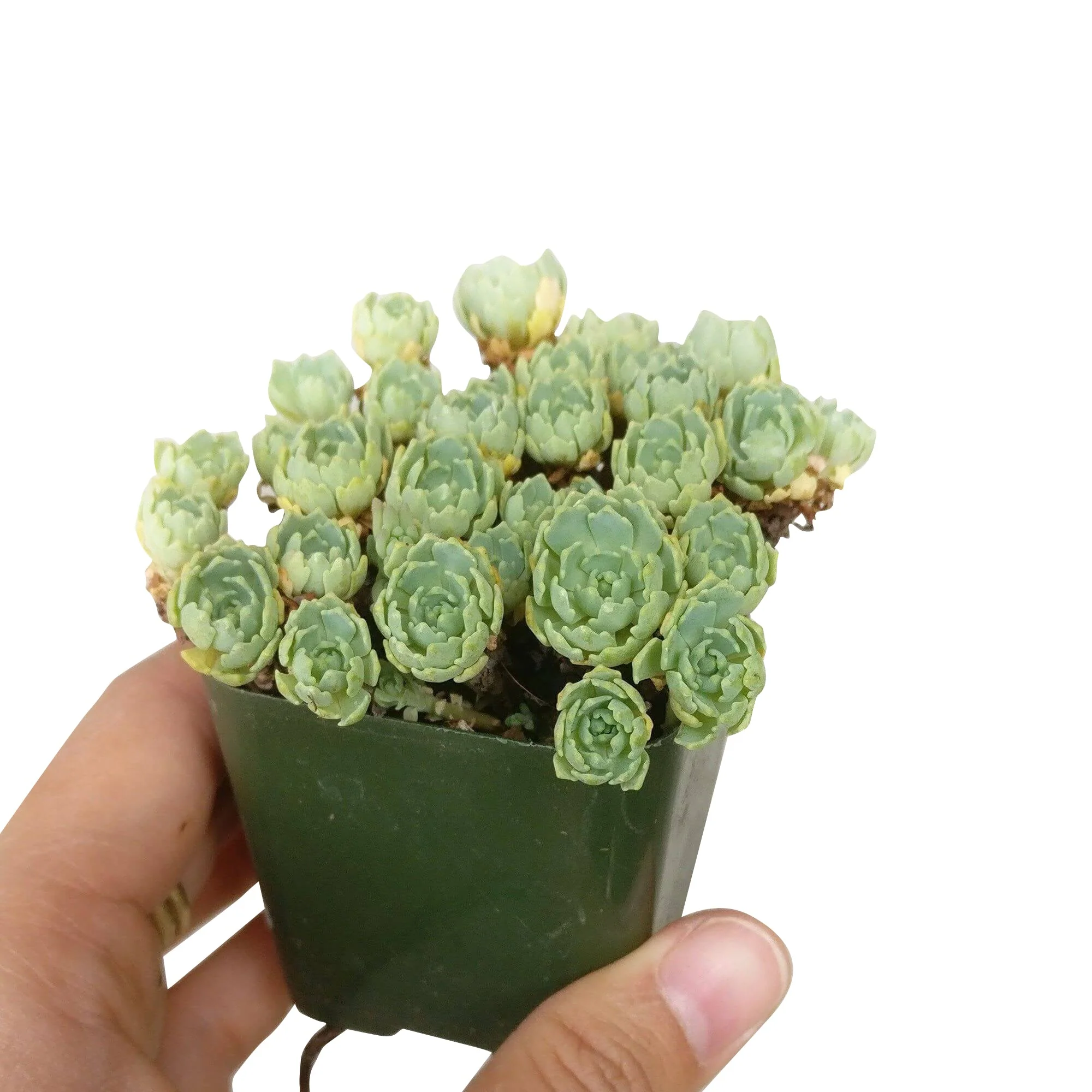
 What makes Lavender Scallops Kalanchoe instantly recognizable are its fleshy, scallop-edged leaves rimmed in soft lavender-pink, giving the plant its beloved name. The foliage carries a dusty, powdery coating in blue-gray tones that shimmer in bright light, and the plant grows in an upright, clumping habit that gradually spreads into a full, clustered mound. Each leaf edge develops deeper purple-pink tones when the plant receives more sun, making it a truly eye-catching display.
 Lavender Scallops Kalanchoe produces delicate, tubular flowers in coral, orange, or reddish-pink tones, typically appearing in late winter to spring. Blooming is triggered by cooler night temperatures and shorter daylight hours, so a seasonal temp drop is your best tool for encouraging a flower show. While the blooms are not fragrant, they rise on tall stems above the foliage and add a lovely pop of warm color against the cool blue-gray leaves.
 Lavender Scallops Kalanchoe is a fantastic choice for sunny windowsills, patio containers, and summer outdoor displays, though it needs cover from rain to prevent root issues. Move it outside once warm weather arrives and bring it back in before nights turn cold. This plant releases oxygen at night, making it a popular bedroom pick, and it can survive a 10-day trip without a sitter as long as it is watered well before you leave. Cats and dogs should not be left to nibble or eat the plant, and it is best placed on a high shelf away from small children.
-
 Lavender Scallops Kalanchoe thrives in bright indirect light to partial or full sun, ideally near an east or west-facing window.
 Lavender Scallops Kalanchoe prefers watering every 10-14 days, allowing the soil to dry completely between waterings.
 Lavender Scallops Kalanchoe does best in a fast-draining cactus and succulent mix, ideally amended with perlite for extra drainage.
 Lavender Scallops Kalanchoe prefers temperatures between 60-85°F (15-29°C) and should be protected from frost below 50°F (10°C).
![]() Lavender Scallops Kalanchoe is a moderate grower that benefits from a balanced liquid fertilizer applied once monthly during spring and summer.
Lavender Scallops Kalanchoe is a moderate grower that benefits from a balanced liquid fertilizer applied once monthly during spring and summer.
 Lavender Scallops Kalanchoe is hardy in USDA Zones 9-11, where frost dips below 25-30°F (-3 to -1°C) are uncommon enough for outdoor growing year-round. Gardeners in Florida, Texas, California, Arizona, Hawaii, Louisiana, Georgia, South Carolina, Alabama, Mississippi, and Nevada will find it thrives outdoors with ease. It also suits sheltered spots along the Oregon coast and in warmer pockets of New Mexico, making Lavender Scallops Kalanchoe a rewarding outdoor succulent across the Sun Belt and beyond.
-
Q: How often should I water Lavender Scallops Kalanchoe?
A: Water Lavender Scallops Kalanchoe every 10-14 days, letting the soil dry out completely between waterings to prevent root rot.
Q: What light does Lavender Scallops Kalanchoe need indoors?
A: Lavender Scallops Kalanchoe does best in bright indirect light or partial sun, though it appreciates a few hours of direct morning sun and may scorch in intense south-facing windows.
Q: Is Lavender Scallops Kalanchoe safe for pets?
A: Cats and dogs should not be left to nibble or eat Lavender Scallops Kalanchoe, so keep it on a high shelf well out of their reach.
Q: How do I get Lavender Scallops Kalanchoe to bloom?
A: Lavender Scallops Kalanchoe needs a drop in nighttime temperatures and shorter days to trigger blooming, so a cool autumn or winter spot near a window helps encourage flowers.
Q: How do I propagate Lavender Scallops Kalanchoe?
A: Lavender Scallops Kalanchoe propagates easily from stem or leaf cuttings, which should be allowed to callous for a day or two before being placed in dry succulent mix.
Q: Can Lavender Scallops Kalanchoe go outside in summer?
A: Yes, Lavender Scallops Kalanchoe loves spending summer outdoors in a bright, sheltered spot, but always provide cover from heavy rain and bring it back inside before temperatures drop in autumn.


Original: $8.00
-70%$8.00
$2.40Product Information
Product Information
Shipping & Returns
Shipping & Returns
Description
- Description
- Lavender Scallops Kalanchoe Care Guide
- FAQ/Common Issues
-
![]() Lavender Scallops Kalanchoe is a charming drought tolerant succulent in the Kalanchoe genus, native to Madagascar and parts of East Africa where it grows in rocky, sun-drenched terrain. It belongs to the Crassulaceae family and thrives naturally in warm, dry climates, making it wonderfully adapted to life as an easy care houseplant.
Lavender Scallops Kalanchoe is a charming drought tolerant succulent in the Kalanchoe genus, native to Madagascar and parts of East Africa where it grows in rocky, sun-drenched terrain. It belongs to the Crassulaceae family and thrives naturally in warm, dry climates, making it wonderfully adapted to life as an easy care houseplant.
What makes Lavender Scallops Kalanchoe instantly recognizable are its fleshy, scallop-edged leaves rimmed in soft lavender-pink, giving the plant its beloved name. The foliage carries a dusty, powdery coating in blue-gray tones that shimmer in bright light, and the plant grows in an upright, clumping habit that gradually spreads into a full, clustered mound. Each leaf edge develops deeper purple-pink tones when the plant receives more sun, making it a truly eye-catching display.
Lavender Scallops Kalanchoe produces delicate, tubular flowers in coral, orange, or reddish-pink tones, typically appearing in late winter to spring. Blooming is triggered by cooler night temperatures and shorter daylight hours, so a seasonal temp drop is your best tool for encouraging a flower show. While the blooms are not fragrant, they rise on tall stems above the foliage and add a lovely pop of warm color against the cool blue-gray leaves.
Lavender Scallops Kalanchoe is a fantastic choice for sunny windowsills, patio containers, and summer outdoor displays, though it needs cover from rain to prevent root issues. Move it outside once warm weather arrives and bring it back in before nights turn cold. This plant releases oxygen at night, making it a popular bedroom pick, and it can survive a 10-day trip without a sitter as long as it is watered well before you leave. Cats and dogs should not be left to nibble or eat the plant, and it is best placed on a high shelf away from small children.
-
Lavender Scallops Kalanchoe thrives in bright indirect light to partial or full sun, ideally near an east or west-facing window.
Lavender Scallops Kalanchoe prefers watering every 10-14 days, allowing the soil to dry completely between waterings.
Lavender Scallops Kalanchoe does best in a fast-draining cactus and succulent mix, ideally amended with perlite for extra drainage.
Lavender Scallops Kalanchoe prefers temperatures between 60-85°F (15-29°C) and should be protected from frost below 50°F (10°C).
![]() Lavender Scallops Kalanchoe is a moderate grower that benefits from a balanced liquid fertilizer applied once monthly during spring and summer.
Lavender Scallops Kalanchoe is a moderate grower that benefits from a balanced liquid fertilizer applied once monthly during spring and summer.
Lavender Scallops Kalanchoe is hardy in USDA Zones 9-11, where frost dips below 25-30°F (-3 to -1°C) are uncommon enough for outdoor growing year-round. Gardeners in Florida, Texas, California, Arizona, Hawaii, Louisiana, Georgia, South Carolina, Alabama, Mississippi, and Nevada will find it thrives outdoors with ease. It also suits sheltered spots along the Oregon coast and in warmer pockets of New Mexico, making Lavender Scallops Kalanchoe a rewarding outdoor succulent across the Sun Belt and beyond.
-
Q: How often should I water Lavender Scallops Kalanchoe?
A: Water Lavender Scallops Kalanchoe every 10-14 days, letting the soil dry out completely between waterings to prevent root rot.
Q: What light does Lavender Scallops Kalanchoe need indoors?
A: Lavender Scallops Kalanchoe does best in bright indirect light or partial sun, though it appreciates a few hours of direct morning sun and may scorch in intense south-facing windows.
Q: Is Lavender Scallops Kalanchoe safe for pets?
A: Cats and dogs should not be left to nibble or eat Lavender Scallops Kalanchoe, so keep it on a high shelf well out of their reach.
Q: How do I get Lavender Scallops Kalanchoe to bloom?
A: Lavender Scallops Kalanchoe needs a drop in nighttime temperatures and shorter days to trigger blooming, so a cool autumn or winter spot near a window helps encourage flowers.
Q: How do I propagate Lavender Scallops Kalanchoe?
A: Lavender Scallops Kalanchoe propagates easily from stem or leaf cuttings, which should be allowed to callous for a day or two before being placed in dry succulent mix.
Q: Can Lavender Scallops Kalanchoe go outside in summer?
A: Yes, Lavender Scallops Kalanchoe loves spending summer outdoors in a bright, sheltered spot, but always provide cover from heavy rain and bring it back inside before temperatures drop in autumn.