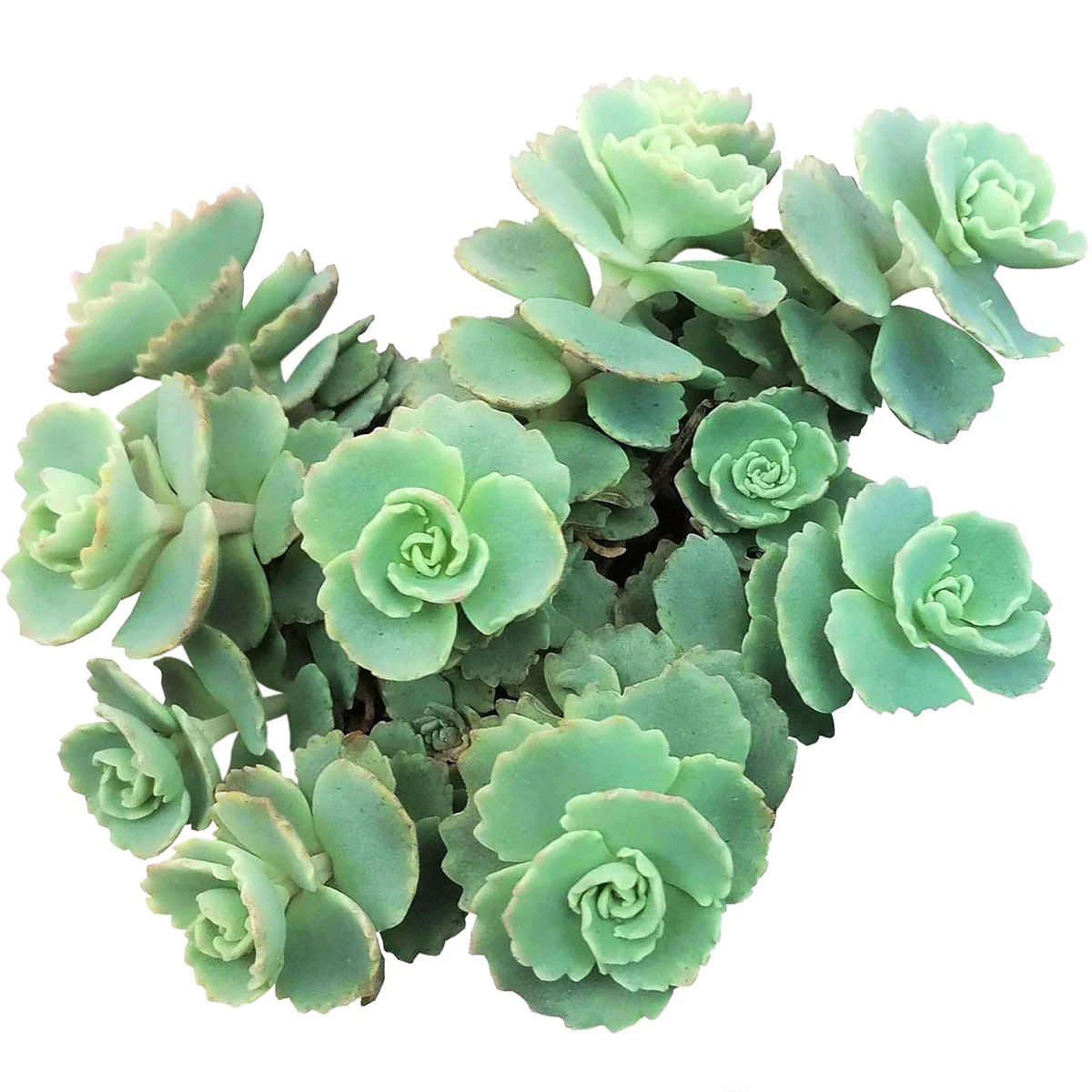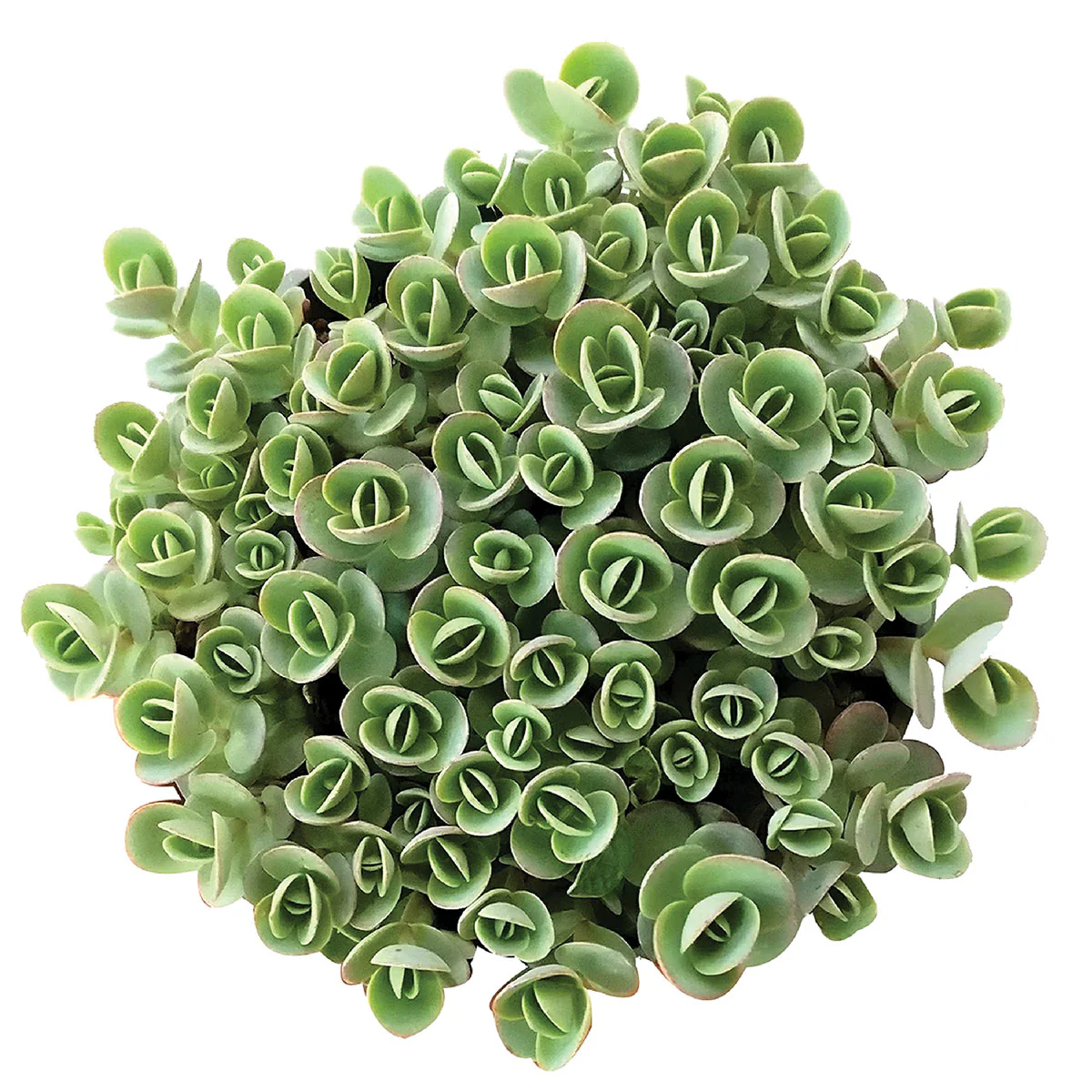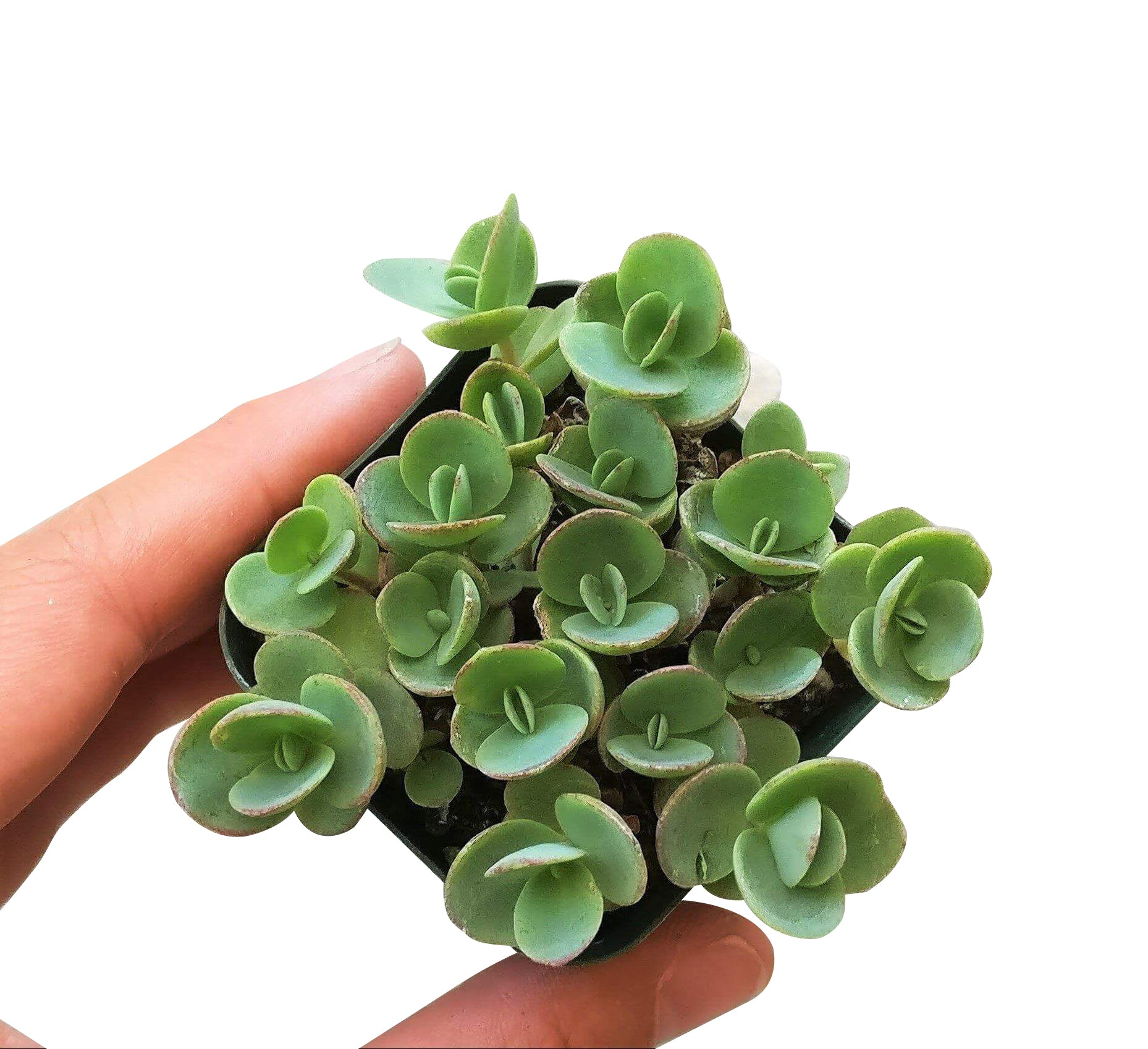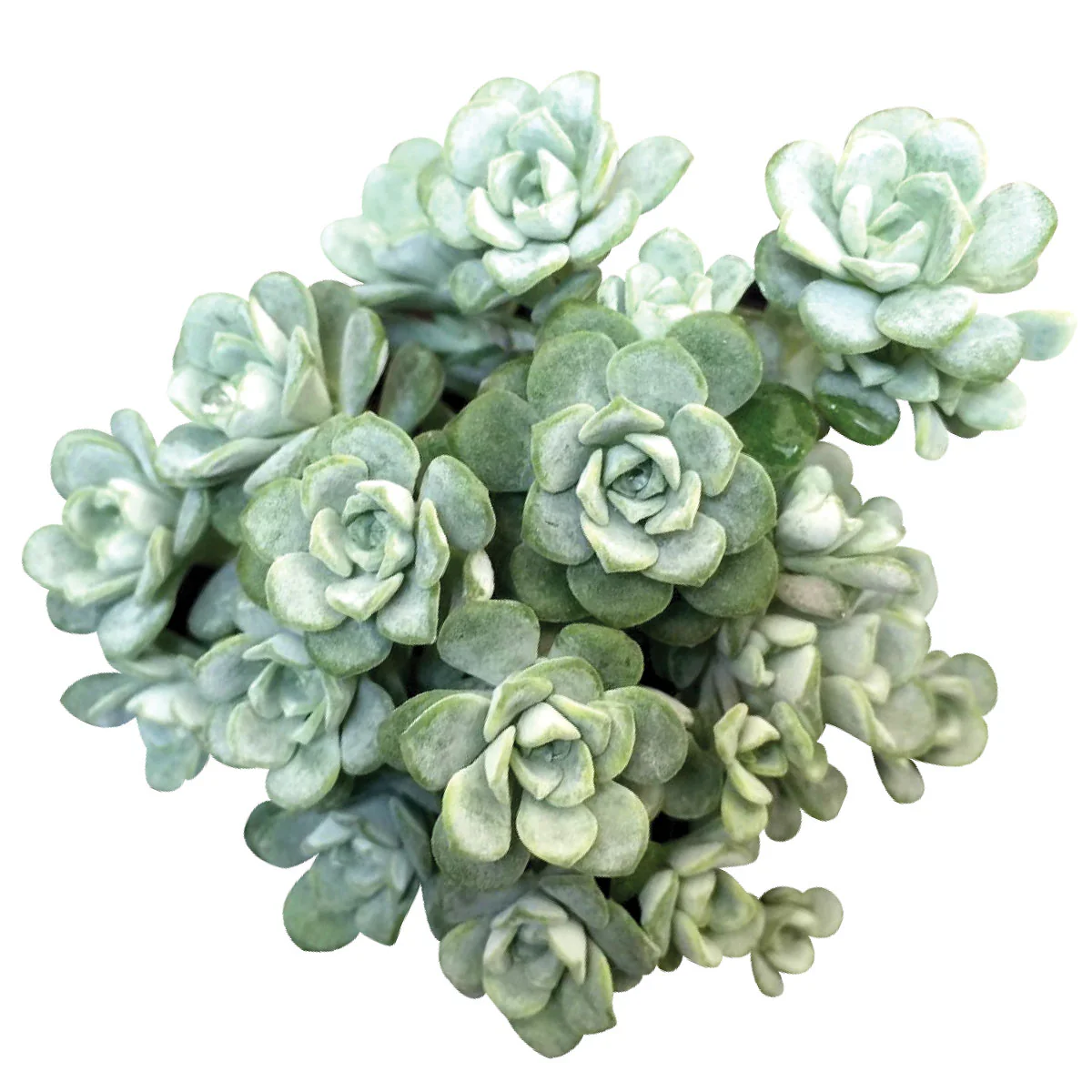
Thelocactus Bicolor Cactus
- Description
- Thelocactus Bicolor Cactus Care Guide
- FAQ/Common Issues
-
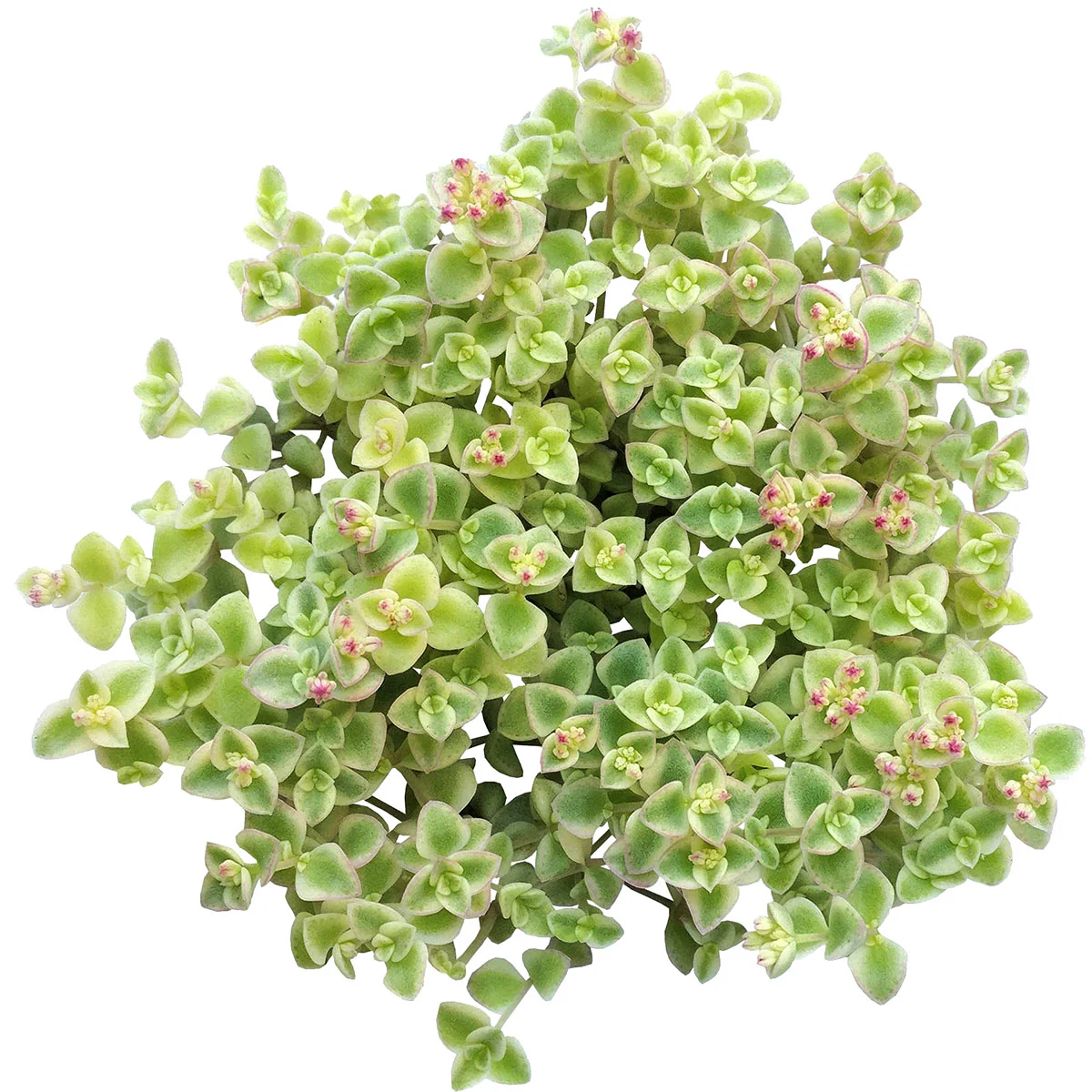
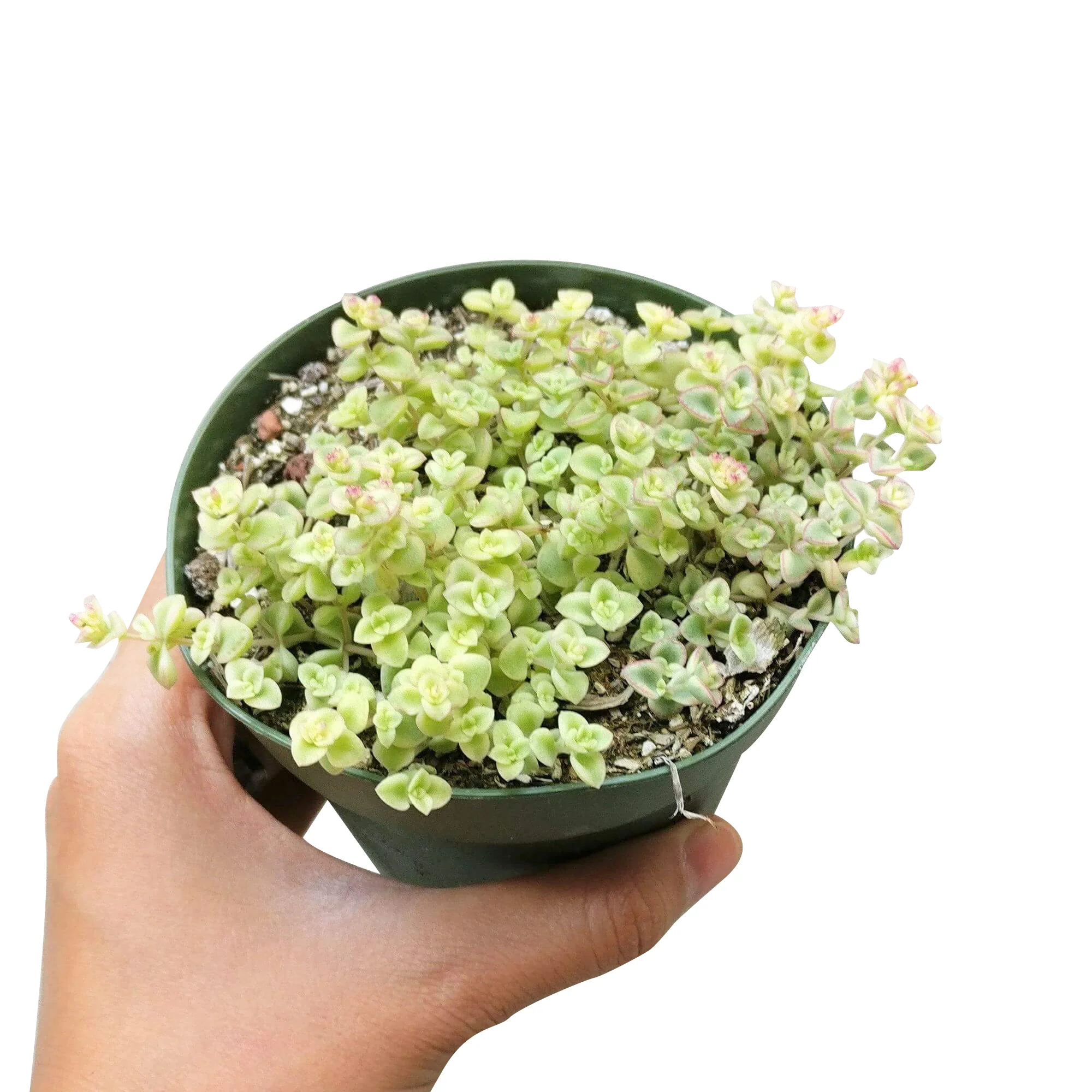
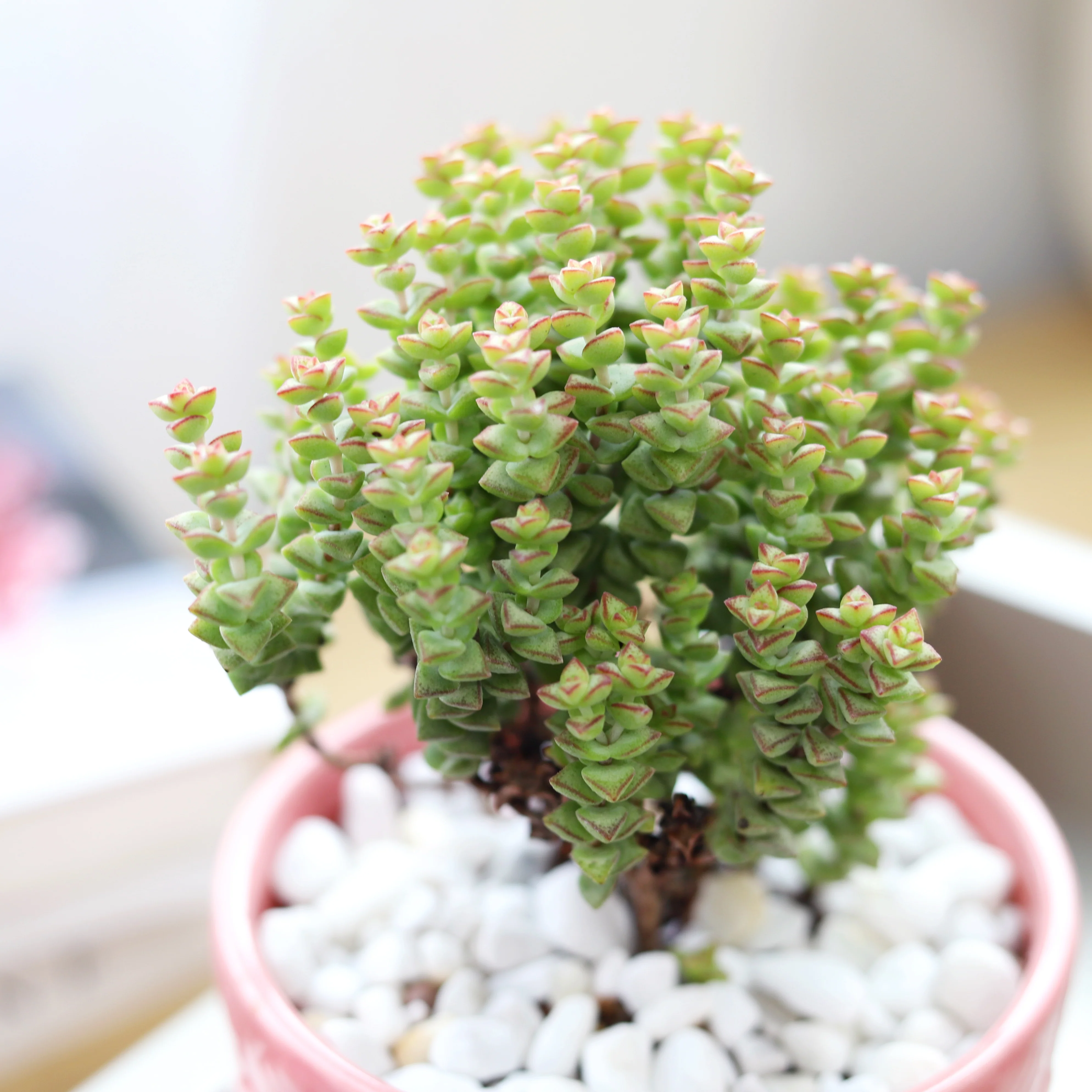
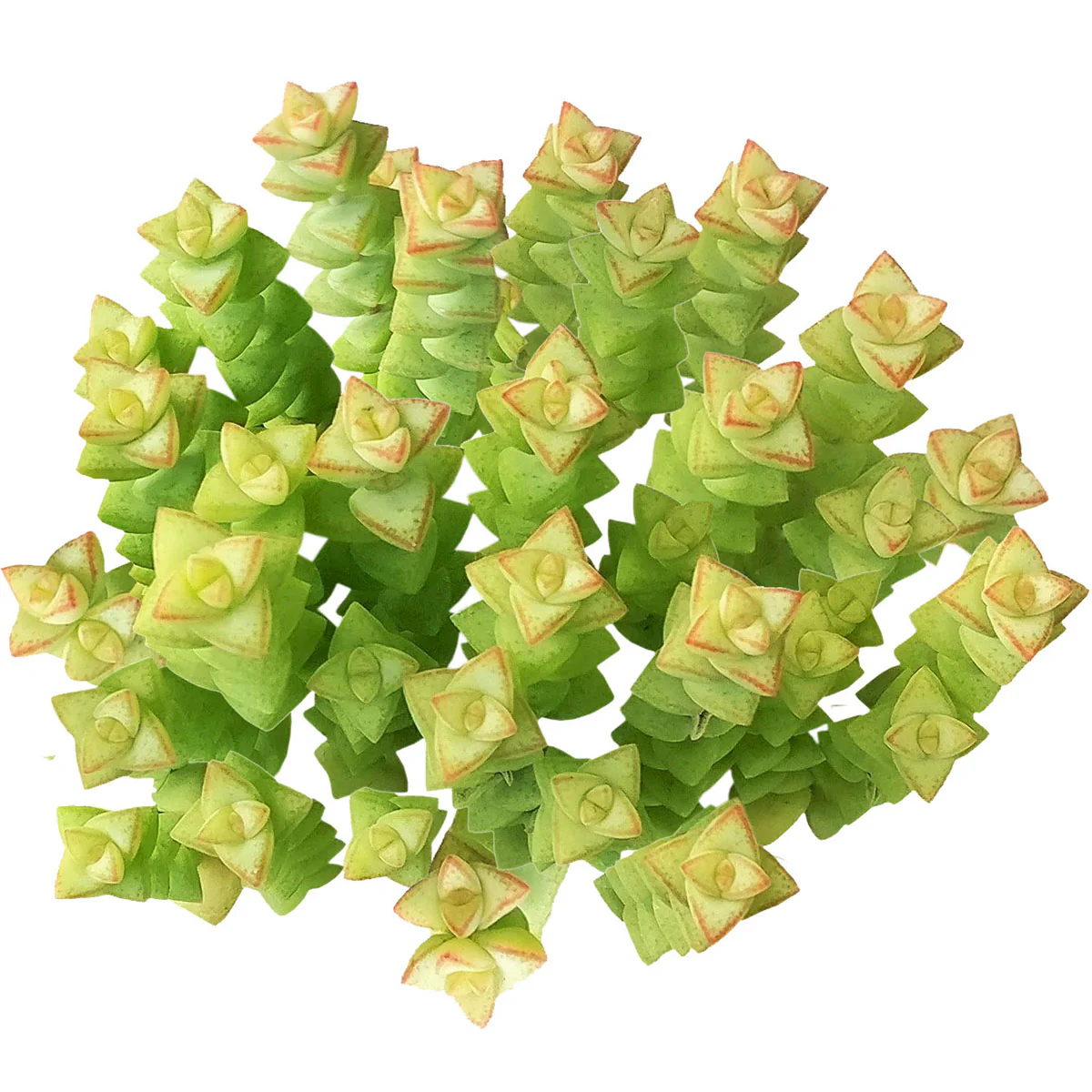
![]() The Thelocactus Bicolor Cactus is a rare collector cactus native to the Chihuahuan Desert regions of Texas and northern Mexico, where it thrives in rocky, sun-baked limestone soils. A true glory of Texas cactus, it belongs to the Thelocactus genus within the Cactaceae family and is prized for its drought-tolerant resilience and compact upright form.
The Thelocactus Bicolor Cactus is a rare collector cactus native to the Chihuahuan Desert regions of Texas and northern Mexico, where it thrives in rocky, sun-baked limestone soils. A true glory of Texas cactus, it belongs to the Thelocactus genus within the Cactaceae family and is prized for its drought-tolerant resilience and compact upright form.
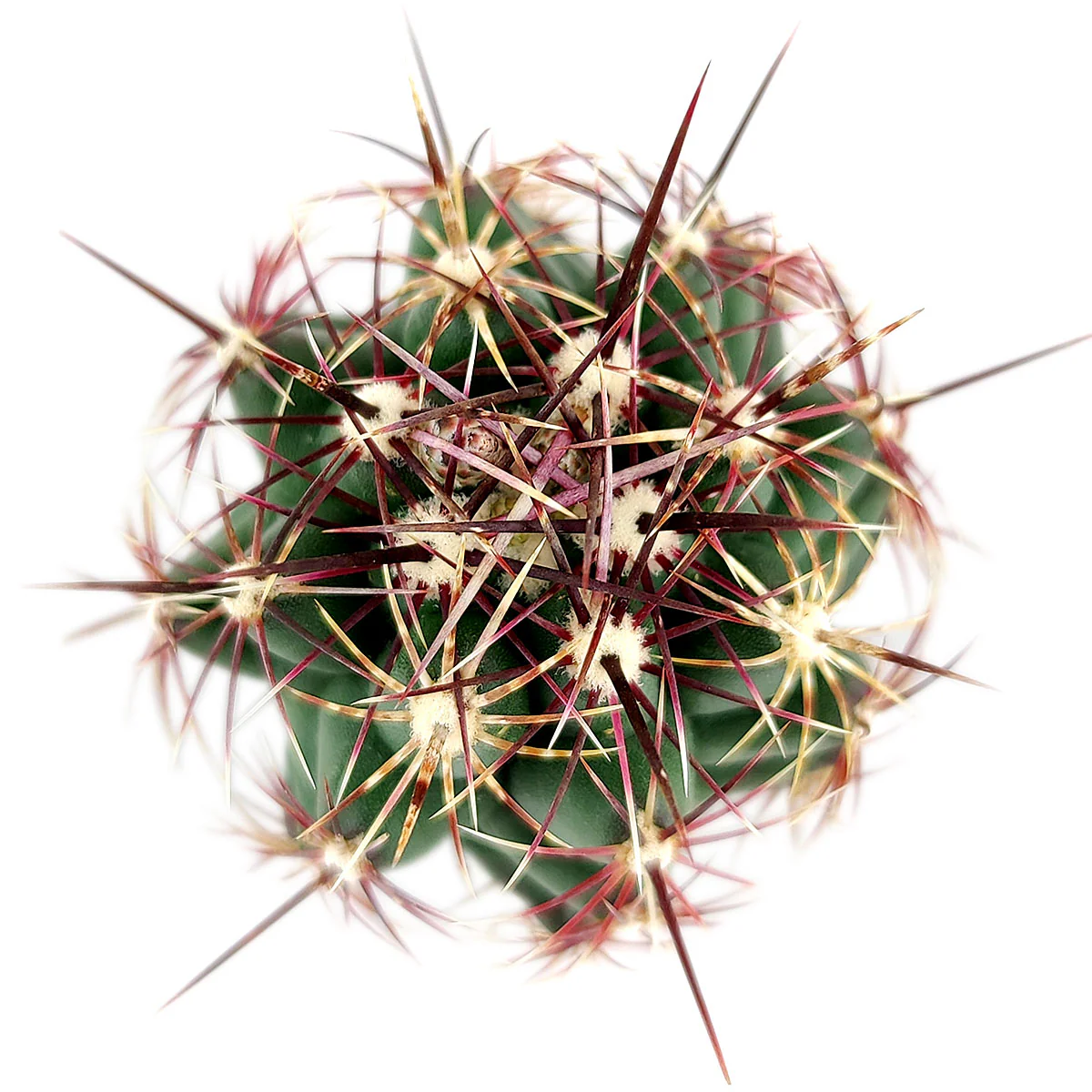
 The Thelocactus Bicolor Cactus features a ribbed, globe-to-cylindrical green body densely armed with striking bicolored spines in shades of red, white, and yellow, creating a bold, eye-catching display even without a single bloom. It grows in an upright, clustering habit, producing offsets over time that make each plant a fuller, more impressive specimen as it matures.
 The Thelocactus Bicolor Cactus produces vivid magenta-pink to purple funnel-shaped flowers at the crown, typically blooming in spring and summer when conditions are right. A night temperature drop is key to triggering blooms, so placing it near a cool window in late winter gives this straw spine cactus the seasonal cue it needs to perform.
 As a rare collector cactus, the Thelocactus Bicolor Cactus is a standout on sunny windowsills, outdoor rock gardens, and summer patios in warm climates, and its basic care requirements make it genuinely beginner-friendly. It can move outside for summer but needs cover from rain to avoid rot, and it survives a 10-day trip alone without any fuss. This plant is pet friendly, though its sharp spines make it best placed away from small children and on a high shelf out of curious reach.
-
 Thelocactus Bicolor Cactus thrives in direct, full sun for at least 6 hours daily and can scorch in intense south-facing windows without gradual acclimation.
 Water Thelocactus Bicolor Cactus deeply every 2-3 weeks in summer, reducing to once a month or less in winter when the plant is dormant.
 Thelocactus Bicolor Cactus needs a fast-draining cactus mix blended with 30-50% perlite or coarse sand to prevent root rot.
 Thelocactus Bicolor Cactus prefers temperatures between 50-95°F (10-35°C) and should be brought indoors before nights drop below 40°F (4°C).
![]() Thelocactus Bicolor Cactus is a slow to moderate grower that benefits from a diluted cactus fertilizer applied once or twice during the active growing season.
Thelocactus Bicolor Cactus is a slow to moderate grower that benefits from a diluted cactus fertilizer applied once or twice during the active growing season.
 Thelocactus Bicolor Cactus is hardy in USDA Zones 8-11, tolerating brief dips down to around 20°F (-6°C) in dry conditions but performing best with frost protection. Gardeners growing Thelocactus Bicolor Cactus outdoors year-round will find ideal conditions across Texas, Arizona, California, Florida, Hawaii, Nevada, New Mexico, Louisiana, Georgia, South Carolina, Alabama, Mississippi, and coastal Oregon. It can also overwinter successfully in sheltered spots in Zone 8 states like North Carolina, Arkansas, and parts of Tennessee and Virginia.
-
Q: How often should I water Thelocactus Bicolor Cactus?
A: Water Thelocactus Bicolor Cactus every 2-3 weeks in the growing season and cut back to monthly or less in winter. Always let the soil dry completely between waterings.
Q: Is Thelocactus Bicolor Cactus pet friendly?
A: Yes, this plant is pet friendly and non-toxic to cats and dogs. That said, keep it on a high shelf since the sharp spines can cause physical injury.
Q: How do I propagate Thelocactus Bicolor Cactus?
A: Thelocactus Bicolor Cactus is propagated by carefully removing offsets (pups) from the base of a mature clustering plant and allowing them to callous for a few days before potting in dry cactus mix.
Q: Why are my Thelocactus Bicolor Cactus turning yellow?
A: Yellowing on Thelocactus Bicolor Cactus usually signals overwatering, poor drainage, or too little light. Check that the soil dries out fully between waterings and that the plant gets adequate direct sun.
Q: How do I get my Thelocactus Bicolor Cactus to bloom?
A: Thelocactus Bicolor Cactus needs a cool night temperature drop in late winter, ideally around 50-55°F (10-13°C), to trigger spring blooming. Reducing watering through winter and providing bright light also encourages flowers.
Q: Can Thelocactus Bicolor Cactus grow under office LEDs?
A: Thelocactus Bicolor Cactus can survive under strong office LEDs but grows best and blooms most reliably with natural direct sunlight. Rotate the plant regularly under artificial light to encourage even, upright growth.


Original: $12.70
-70%$12.70
$3.81Product Information
Product Information
Shipping & Returns
Shipping & Returns
Description
- Description
- Thelocactus Bicolor Cactus Care Guide
- FAQ/Common Issues
-
![]() The Thelocactus Bicolor Cactus is a rare collector cactus native to the Chihuahuan Desert regions of Texas and northern Mexico, where it thrives in rocky, sun-baked limestone soils. A true glory of Texas cactus, it belongs to the Thelocactus genus within the Cactaceae family and is prized for its drought-tolerant resilience and compact upright form.
The Thelocactus Bicolor Cactus is a rare collector cactus native to the Chihuahuan Desert regions of Texas and northern Mexico, where it thrives in rocky, sun-baked limestone soils. A true glory of Texas cactus, it belongs to the Thelocactus genus within the Cactaceae family and is prized for its drought-tolerant resilience and compact upright form.
The Thelocactus Bicolor Cactus features a ribbed, globe-to-cylindrical green body densely armed with striking bicolored spines in shades of red, white, and yellow, creating a bold, eye-catching display even without a single bloom. It grows in an upright, clustering habit, producing offsets over time that make each plant a fuller, more impressive specimen as it matures.
The Thelocactus Bicolor Cactus produces vivid magenta-pink to purple funnel-shaped flowers at the crown, typically blooming in spring and summer when conditions are right. A night temperature drop is key to triggering blooms, so placing it near a cool window in late winter gives this straw spine cactus the seasonal cue it needs to perform.
As a rare collector cactus, the Thelocactus Bicolor Cactus is a standout on sunny windowsills, outdoor rock gardens, and summer patios in warm climates, and its basic care requirements make it genuinely beginner-friendly. It can move outside for summer but needs cover from rain to avoid rot, and it survives a 10-day trip alone without any fuss. This plant is pet friendly, though its sharp spines make it best placed away from small children and on a high shelf out of curious reach.
-
Thelocactus Bicolor Cactus thrives in direct, full sun for at least 6 hours daily and can scorch in intense south-facing windows without gradual acclimation.
Water Thelocactus Bicolor Cactus deeply every 2-3 weeks in summer, reducing to once a month or less in winter when the plant is dormant.
Thelocactus Bicolor Cactus needs a fast-draining cactus mix blended with 30-50% perlite or coarse sand to prevent root rot.
Thelocactus Bicolor Cactus prefers temperatures between 50-95°F (10-35°C) and should be brought indoors before nights drop below 40°F (4°C).
![]() Thelocactus Bicolor Cactus is a slow to moderate grower that benefits from a diluted cactus fertilizer applied once or twice during the active growing season.
Thelocactus Bicolor Cactus is a slow to moderate grower that benefits from a diluted cactus fertilizer applied once or twice during the active growing season.
Thelocactus Bicolor Cactus is hardy in USDA Zones 8-11, tolerating brief dips down to around 20°F (-6°C) in dry conditions but performing best with frost protection. Gardeners growing Thelocactus Bicolor Cactus outdoors year-round will find ideal conditions across Texas, Arizona, California, Florida, Hawaii, Nevada, New Mexico, Louisiana, Georgia, South Carolina, Alabama, Mississippi, and coastal Oregon. It can also overwinter successfully in sheltered spots in Zone 8 states like North Carolina, Arkansas, and parts of Tennessee and Virginia.
-
Q: How often should I water Thelocactus Bicolor Cactus?
A: Water Thelocactus Bicolor Cactus every 2-3 weeks in the growing season and cut back to monthly or less in winter. Always let the soil dry completely between waterings.
Q: Is Thelocactus Bicolor Cactus pet friendly?
A: Yes, this plant is pet friendly and non-toxic to cats and dogs. That said, keep it on a high shelf since the sharp spines can cause physical injury.
Q: How do I propagate Thelocactus Bicolor Cactus?
A: Thelocactus Bicolor Cactus is propagated by carefully removing offsets (pups) from the base of a mature clustering plant and allowing them to callous for a few days before potting in dry cactus mix.
Q: Why are my Thelocactus Bicolor Cactus turning yellow?
A: Yellowing on Thelocactus Bicolor Cactus usually signals overwatering, poor drainage, or too little light. Check that the soil dries out fully between waterings and that the plant gets adequate direct sun.
Q: How do I get my Thelocactus Bicolor Cactus to bloom?
A: Thelocactus Bicolor Cactus needs a cool night temperature drop in late winter, ideally around 50-55°F (10-13°C), to trigger spring blooming. Reducing watering through winter and providing bright light also encourages flowers.
Q: Can Thelocactus Bicolor Cactus grow under office LEDs?
A: Thelocactus Bicolor Cactus can survive under strong office LEDs but grows best and blooms most reliably with natural direct sunlight. Rotate the plant regularly under artificial light to encourage even, upright growth.