Cosmic Comet Sedum Sunsparkler
- Description
- Cosmic Comet Sedum Sunsparkler Care Guide
- FAQ/Common Issues
-
![]() Cosmic Comet Sedum Sunsparkler is a hardy succulent in the Crassulaceae family, bred from sedum species native to rocky, well-drained habitats across the Northern Hemisphere. It belongs to the Sunsparkler series, a group selected for exceptional cold hardiness, compact habit, and ornamental color that performs beautifully from Zone 4 through Zone 9.
Cosmic Comet Sedum Sunsparkler is a hardy succulent in the Crassulaceae family, bred from sedum species native to rocky, well-drained habitats across the Northern Hemisphere. It belongs to the Sunsparkler series, a group selected for exceptional cold hardiness, compact habit, and ornamental color that performs beautifully from Zone 4 through Zone 9.
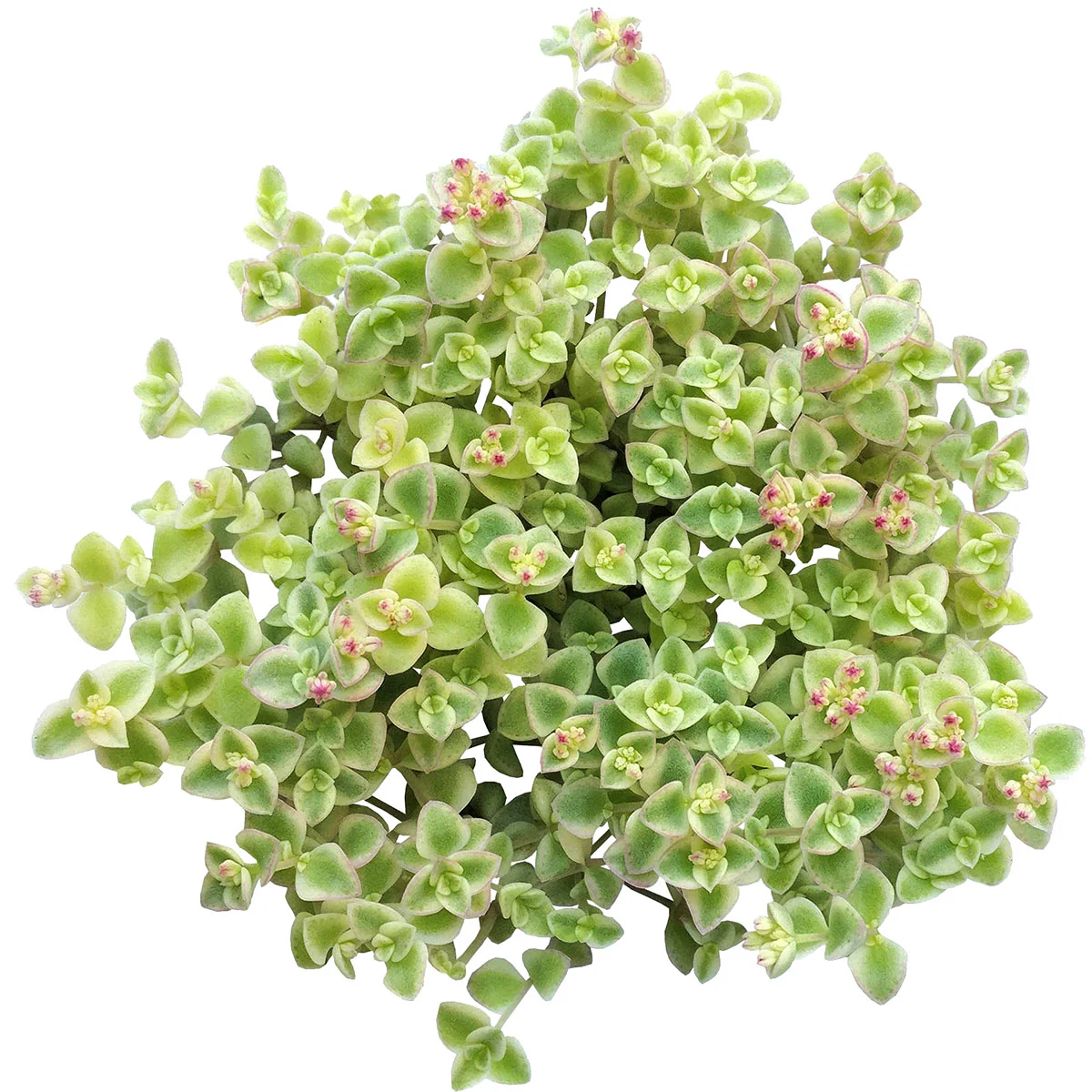
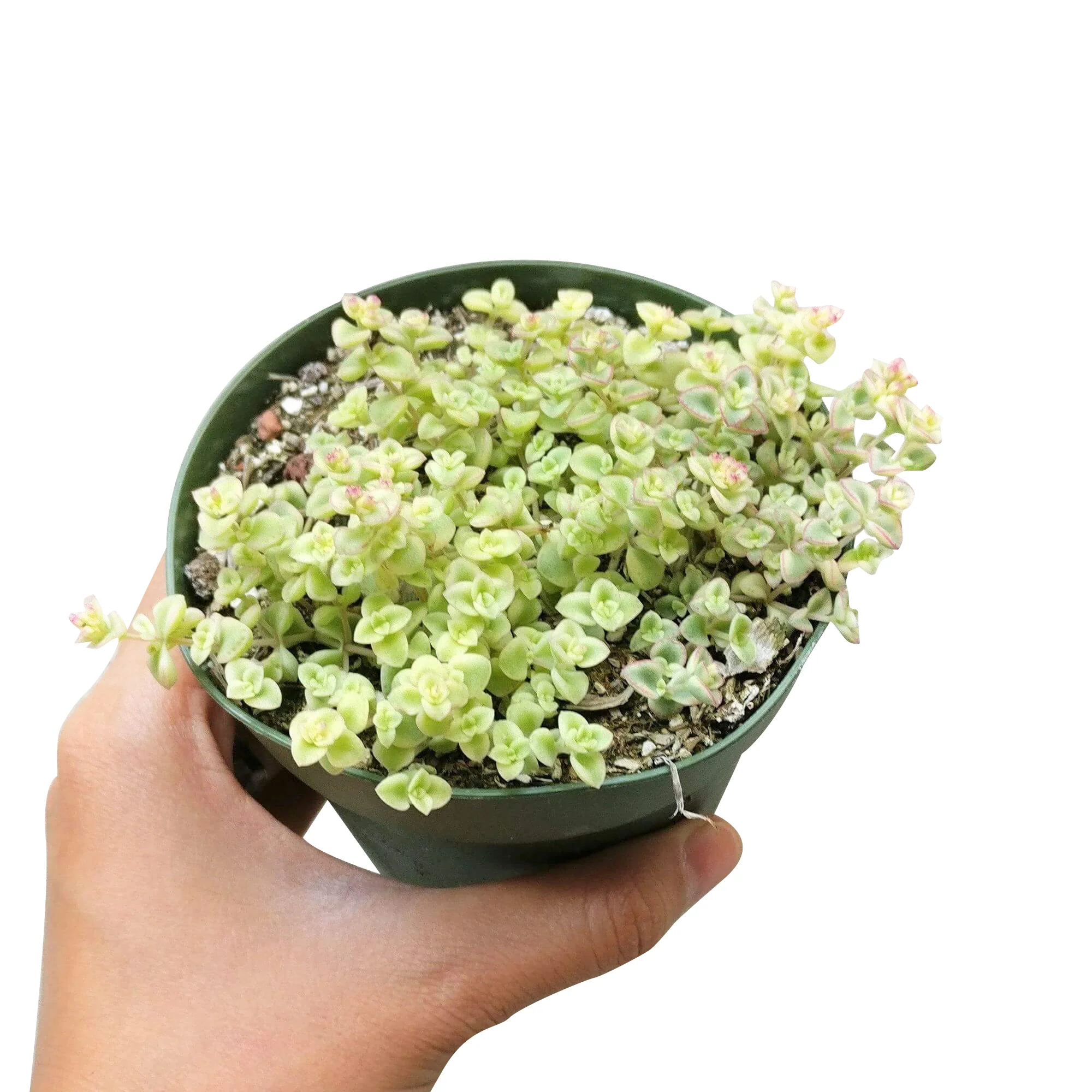
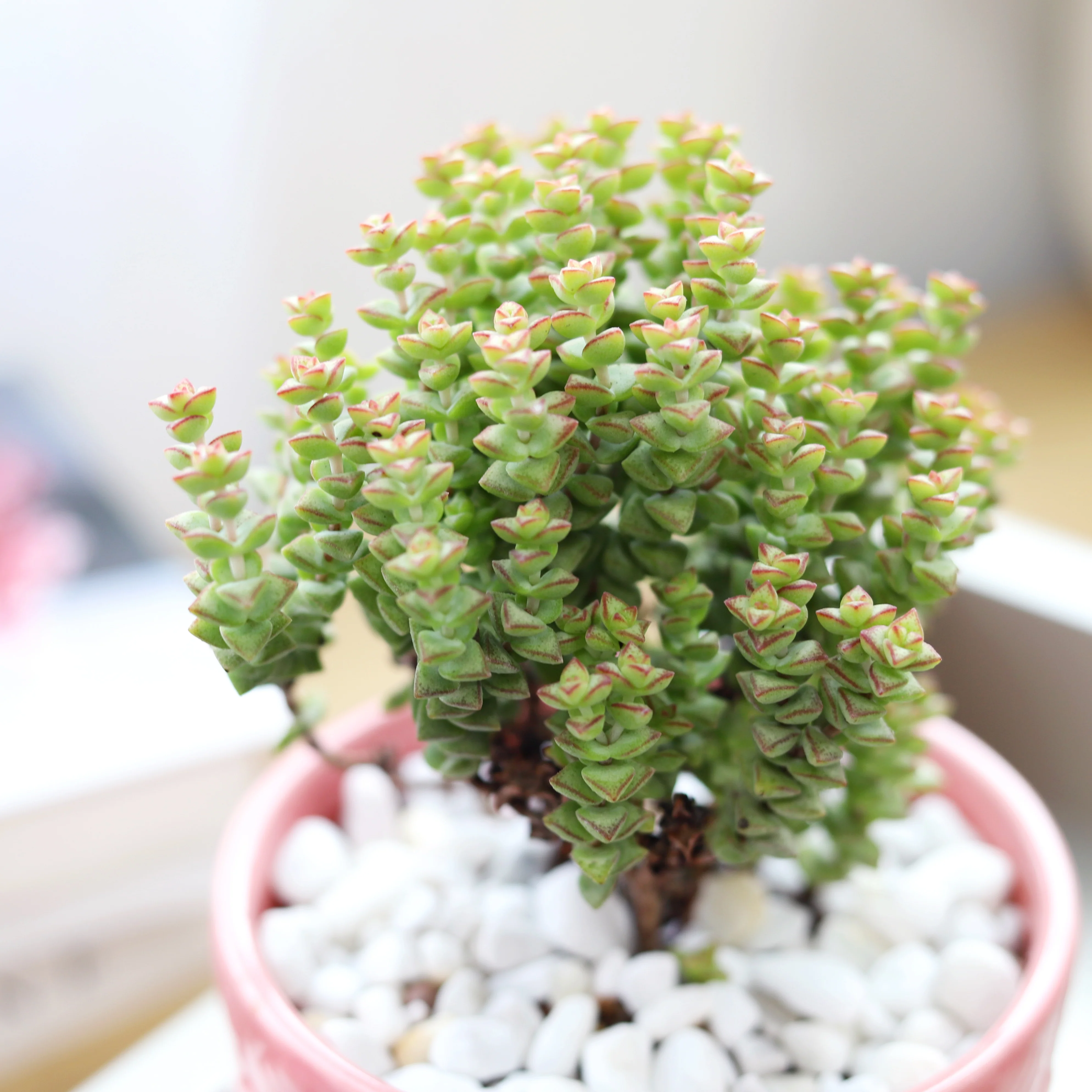
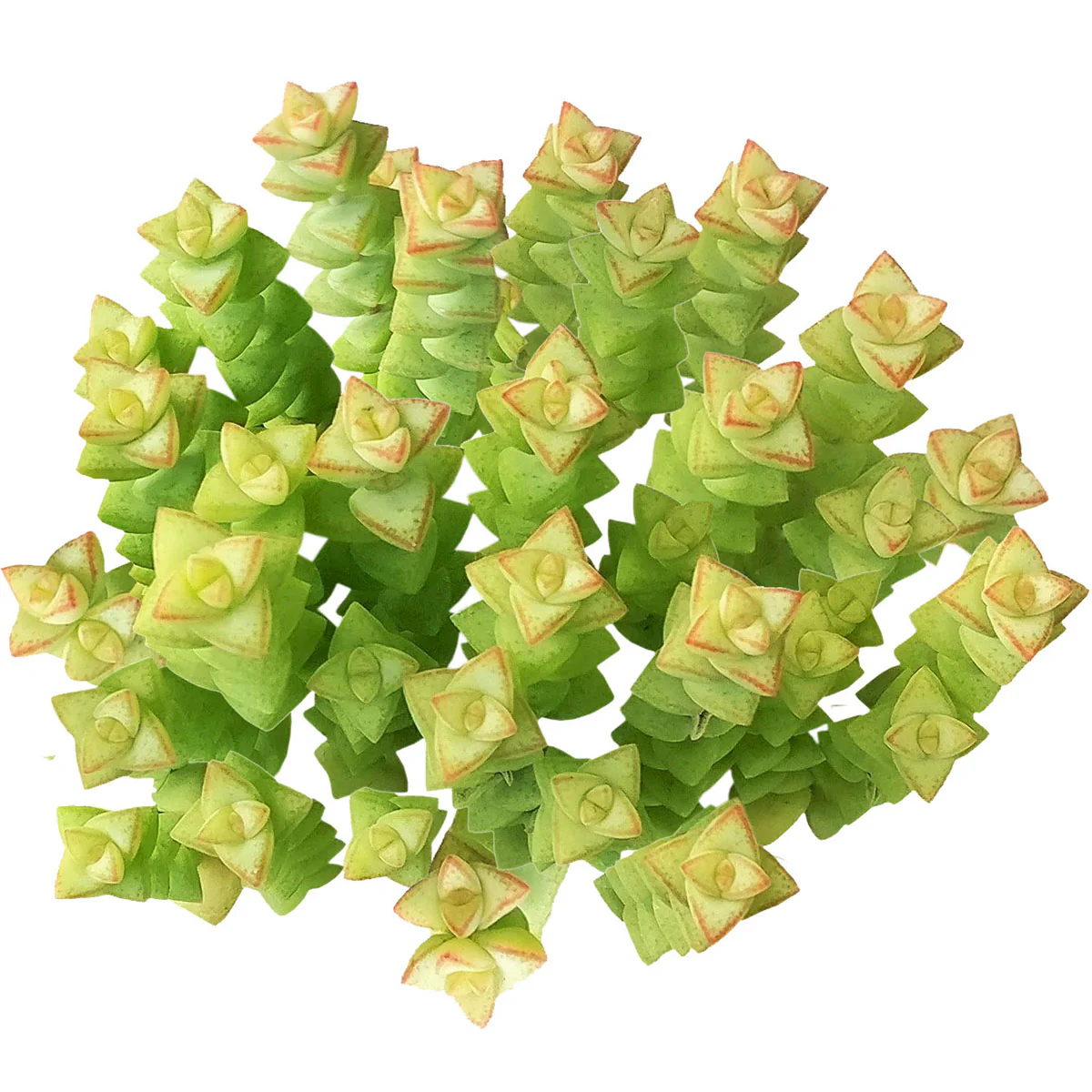
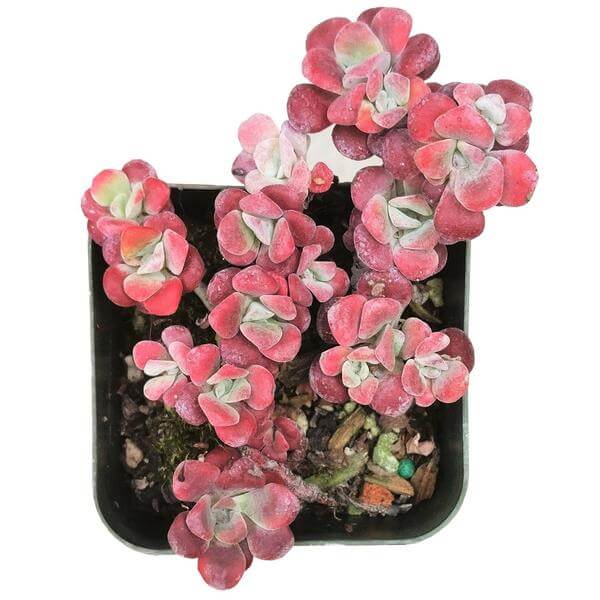
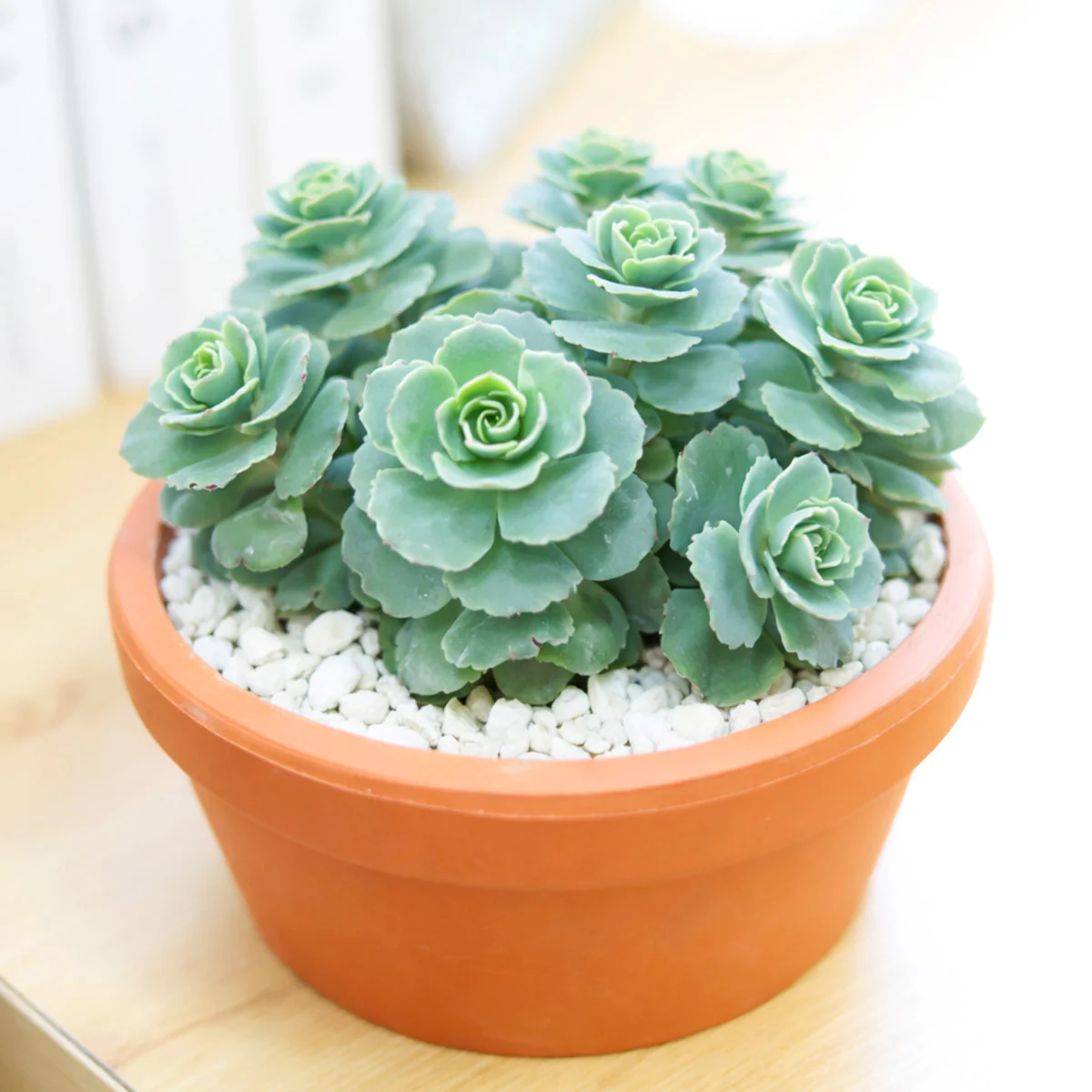
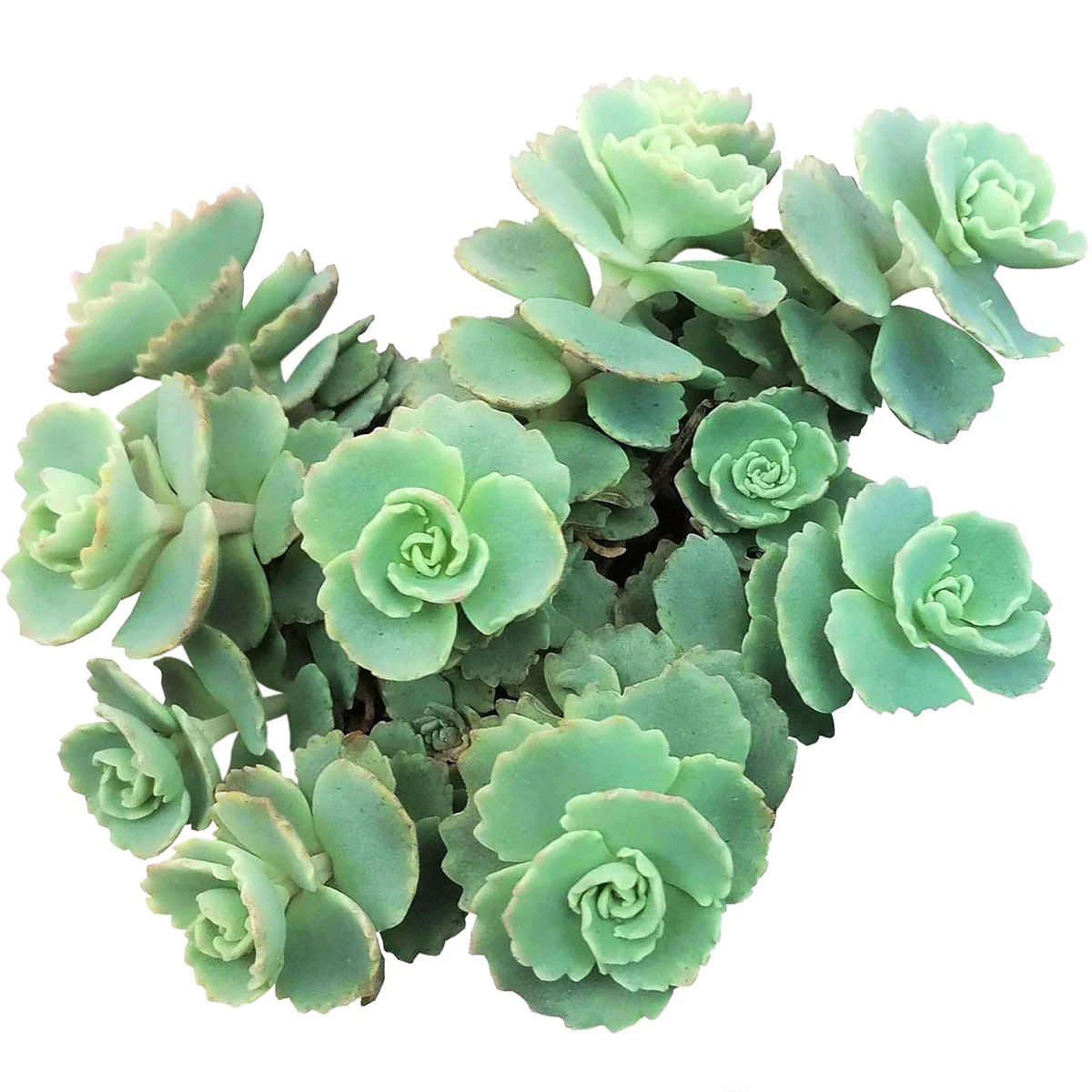
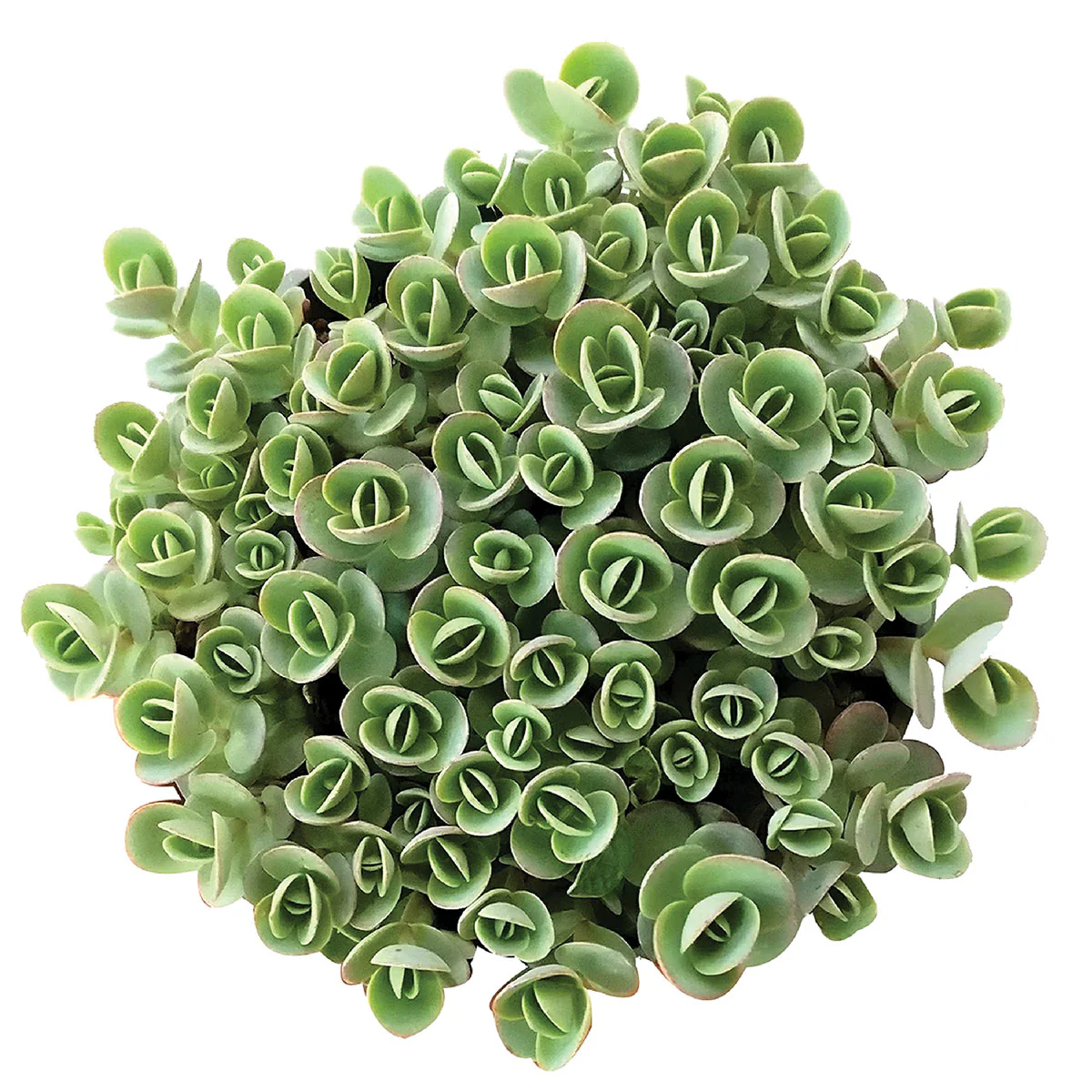
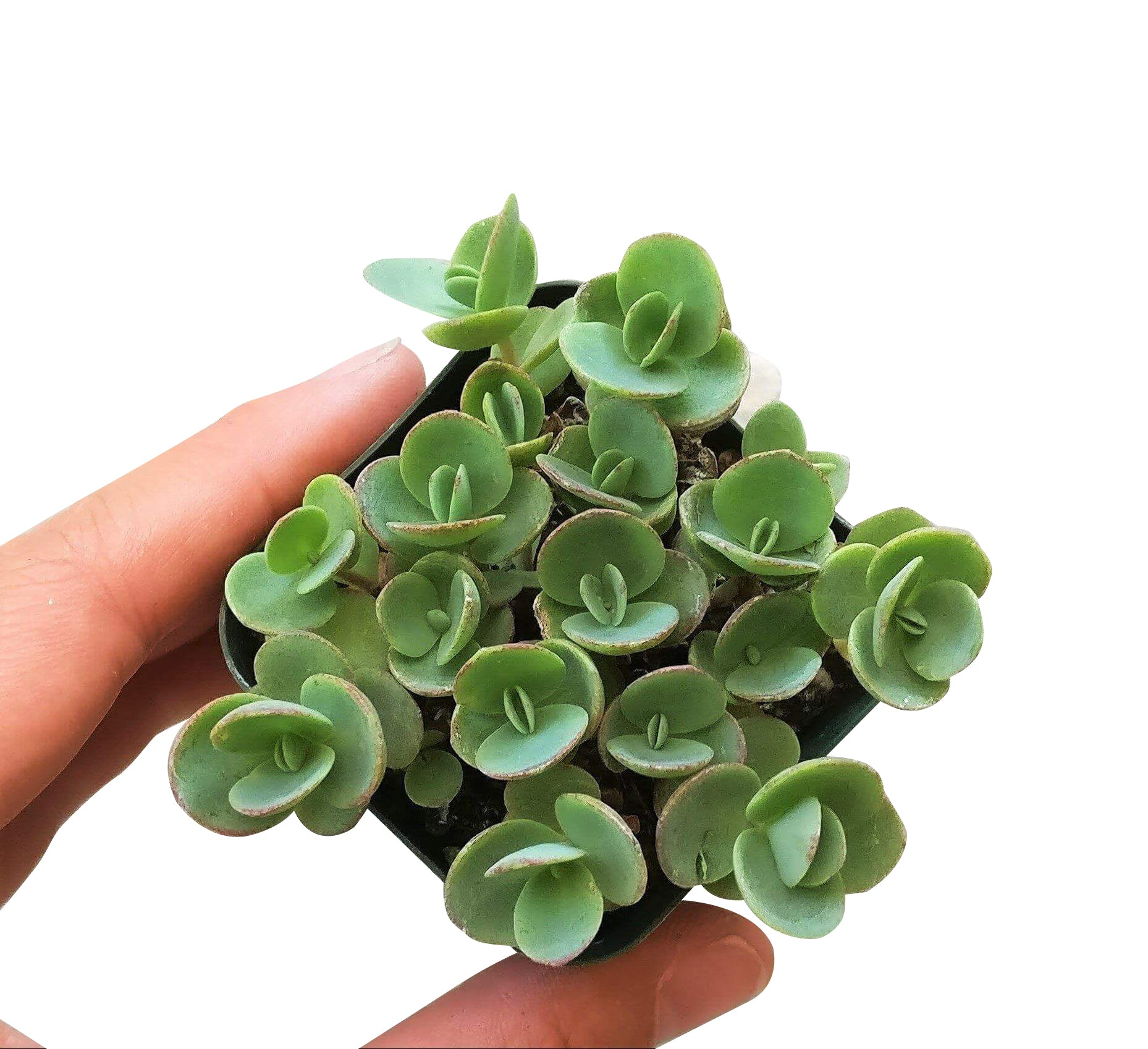
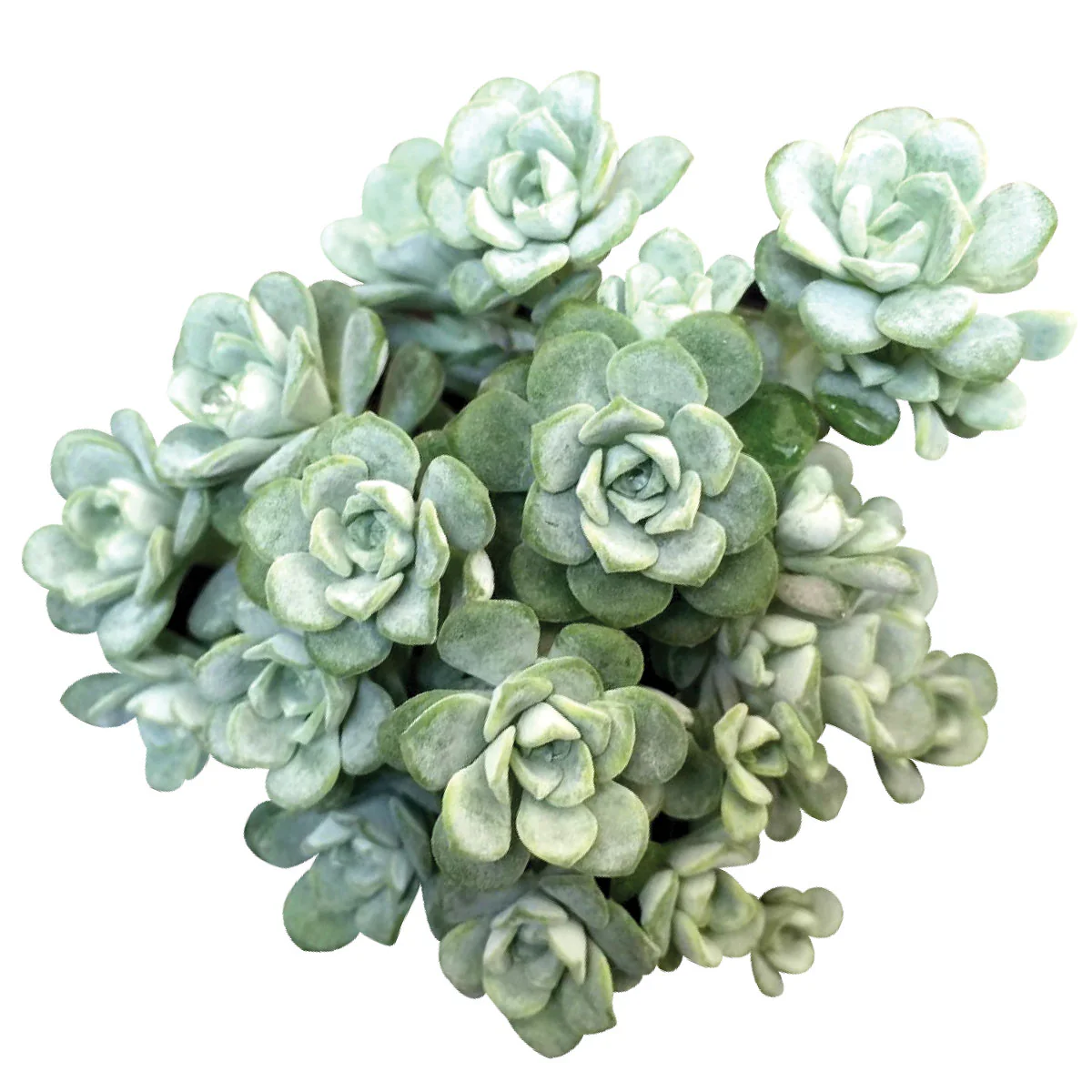
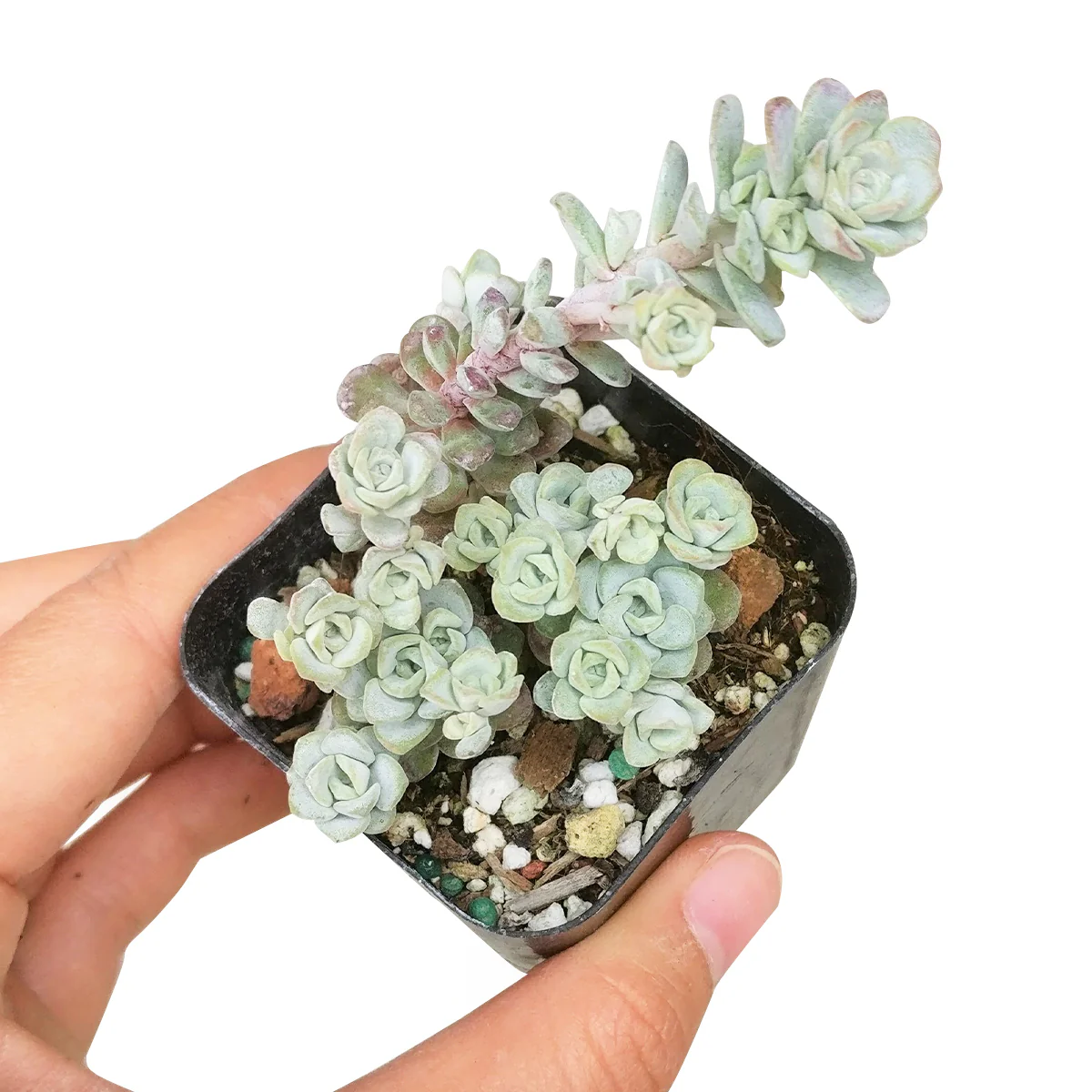
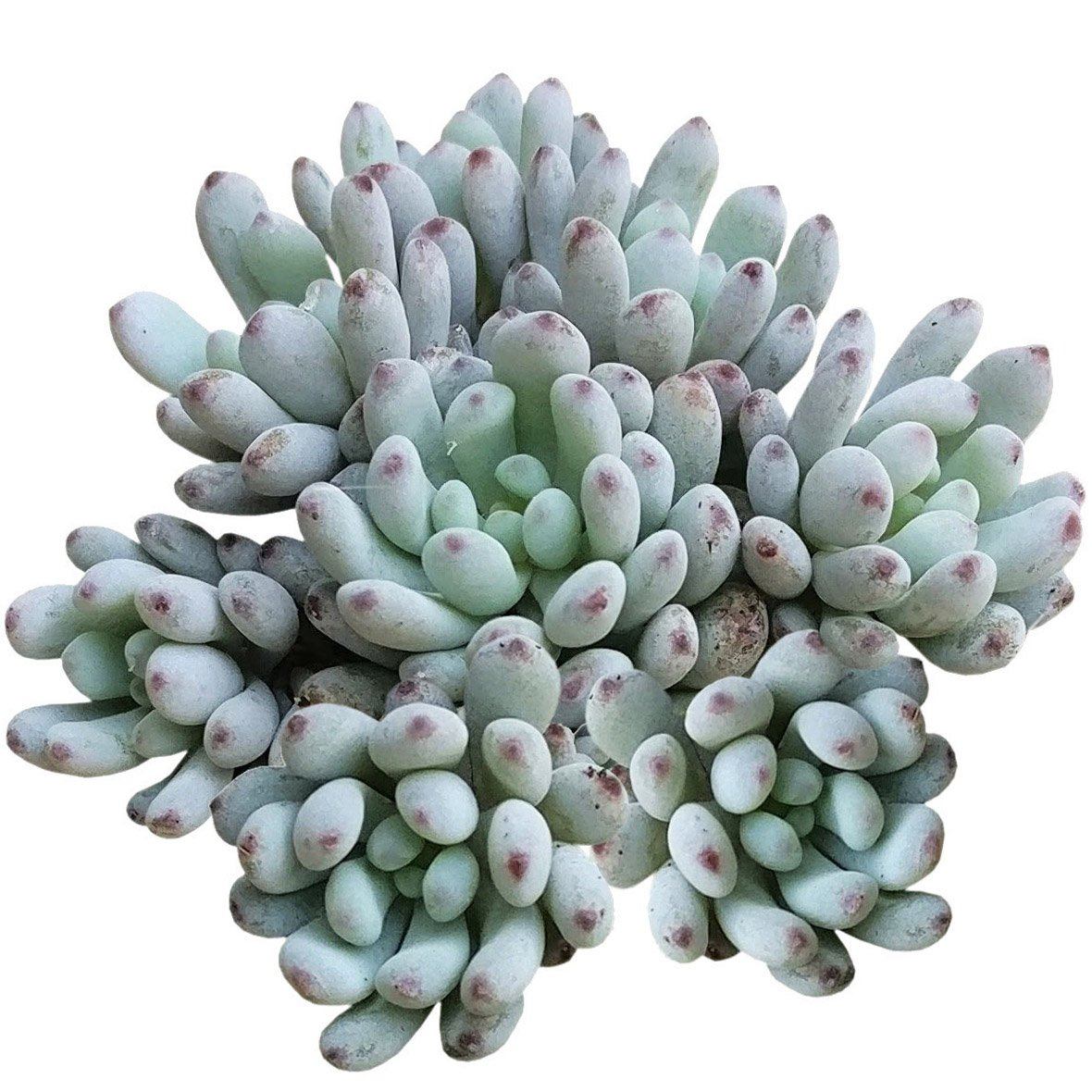
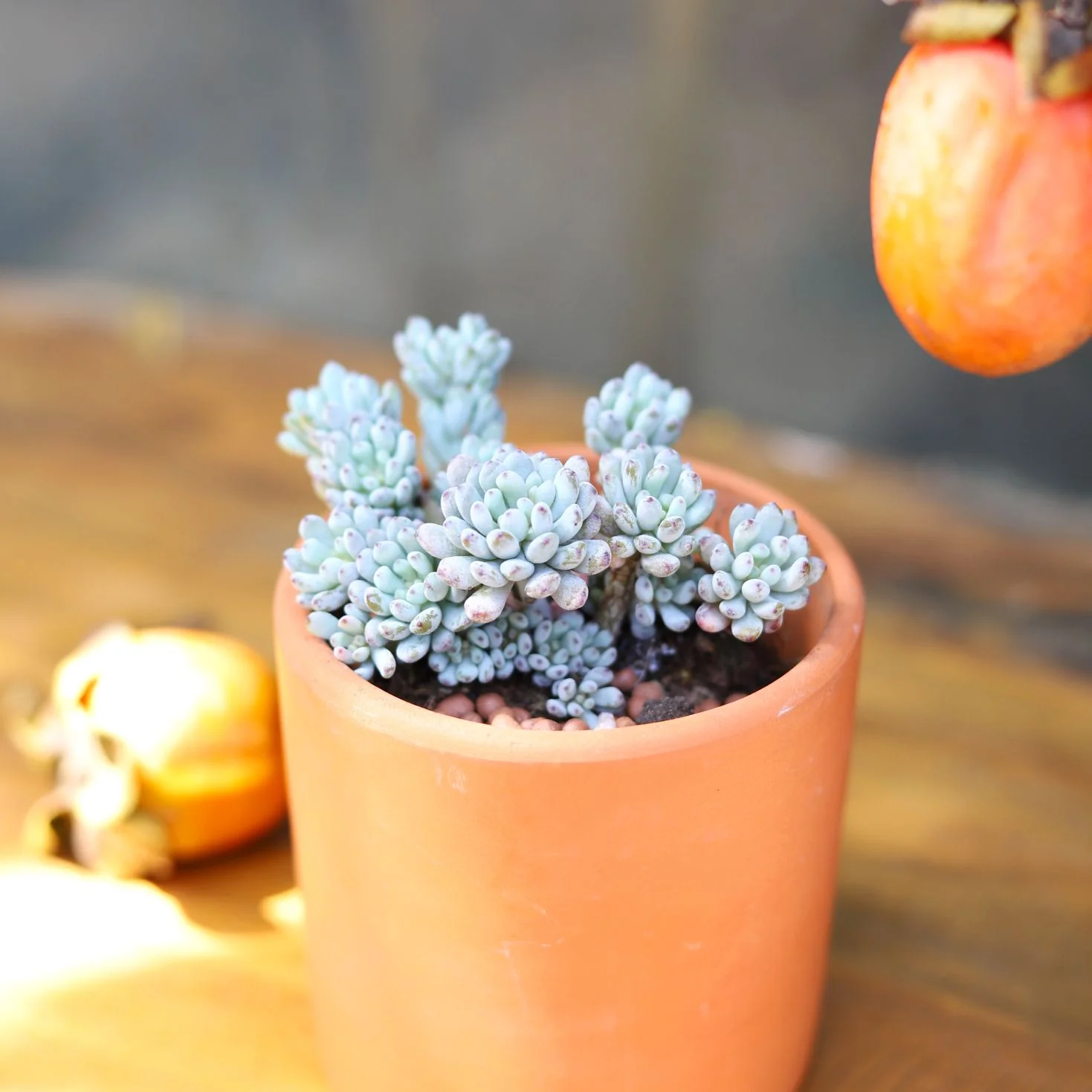
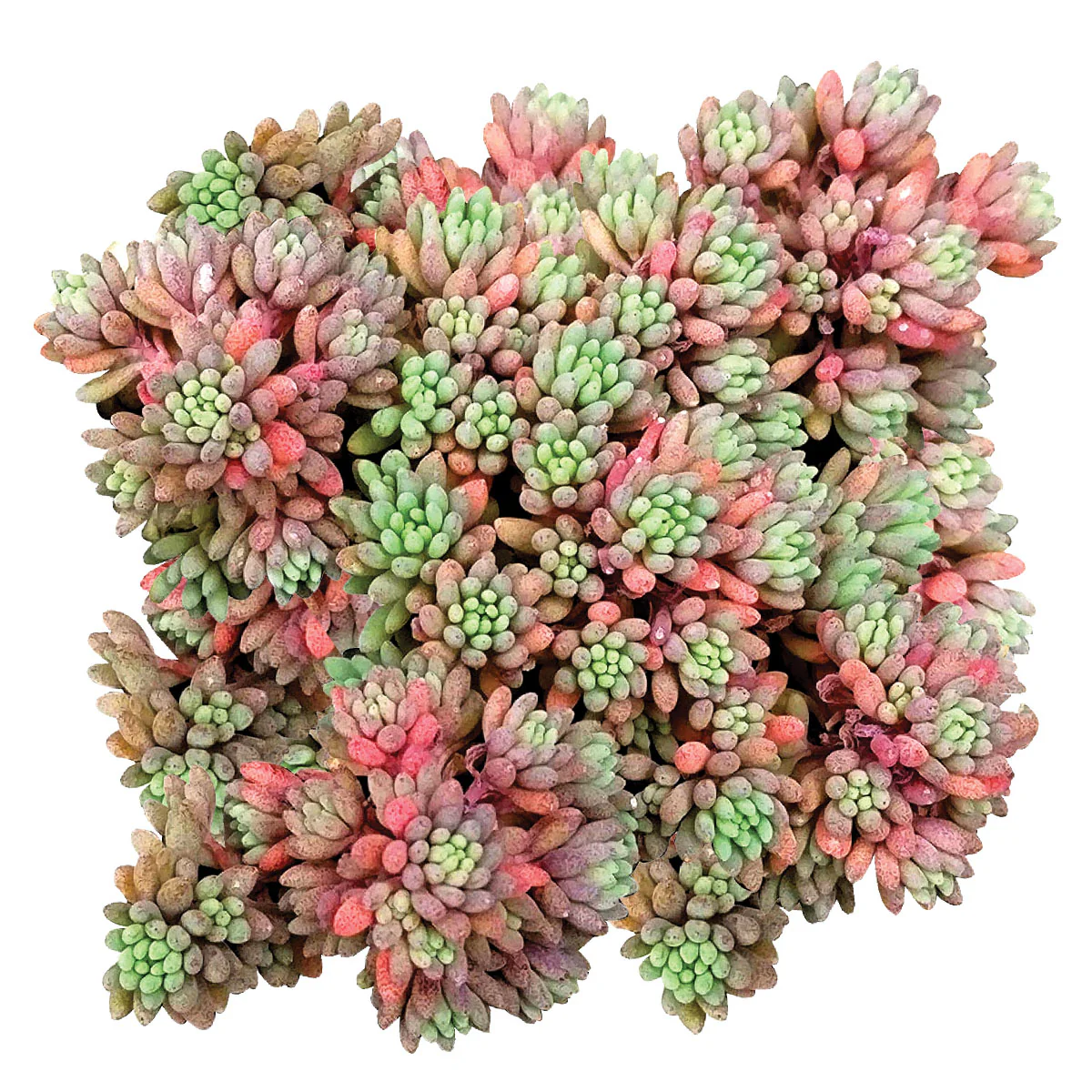
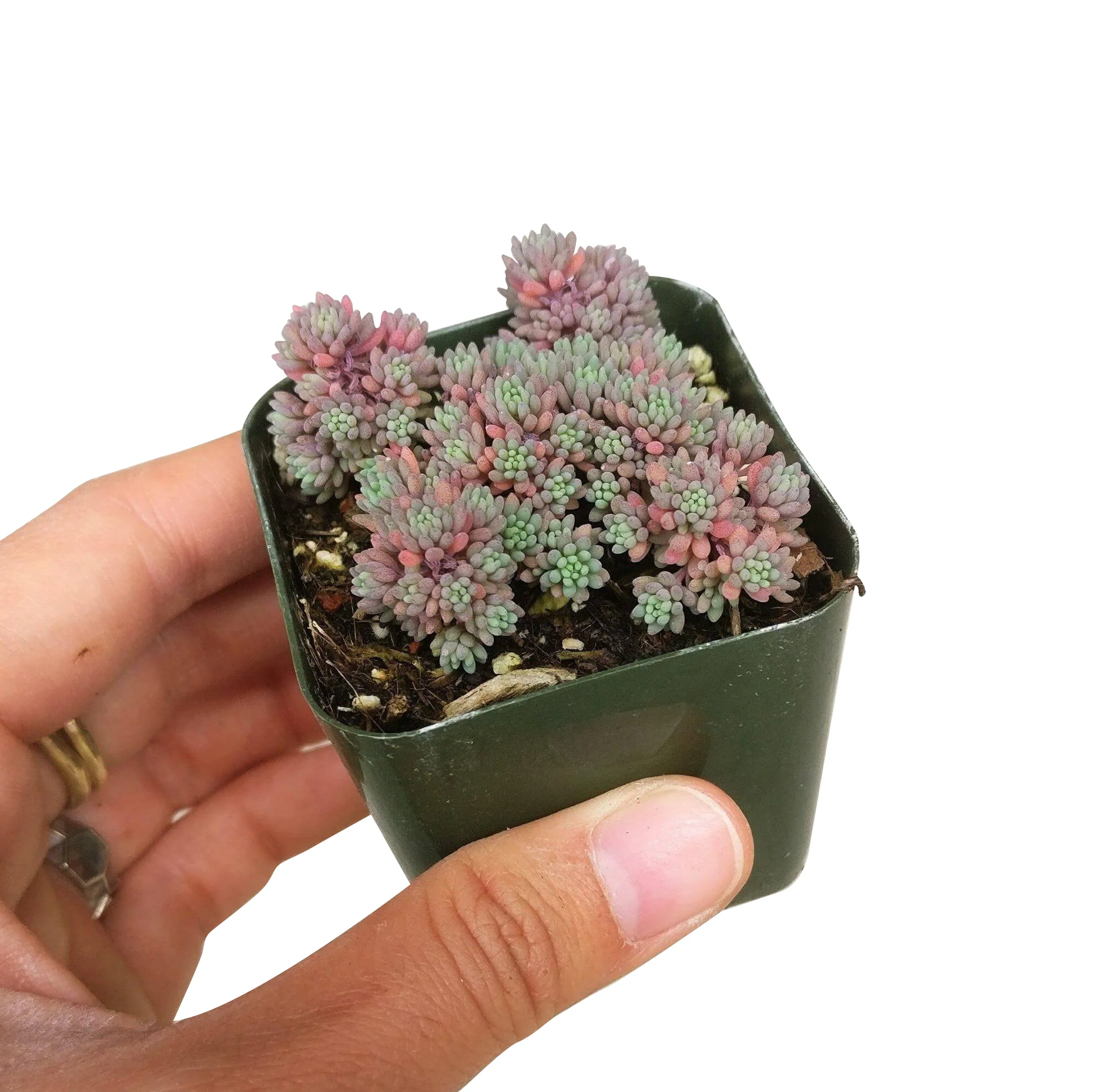
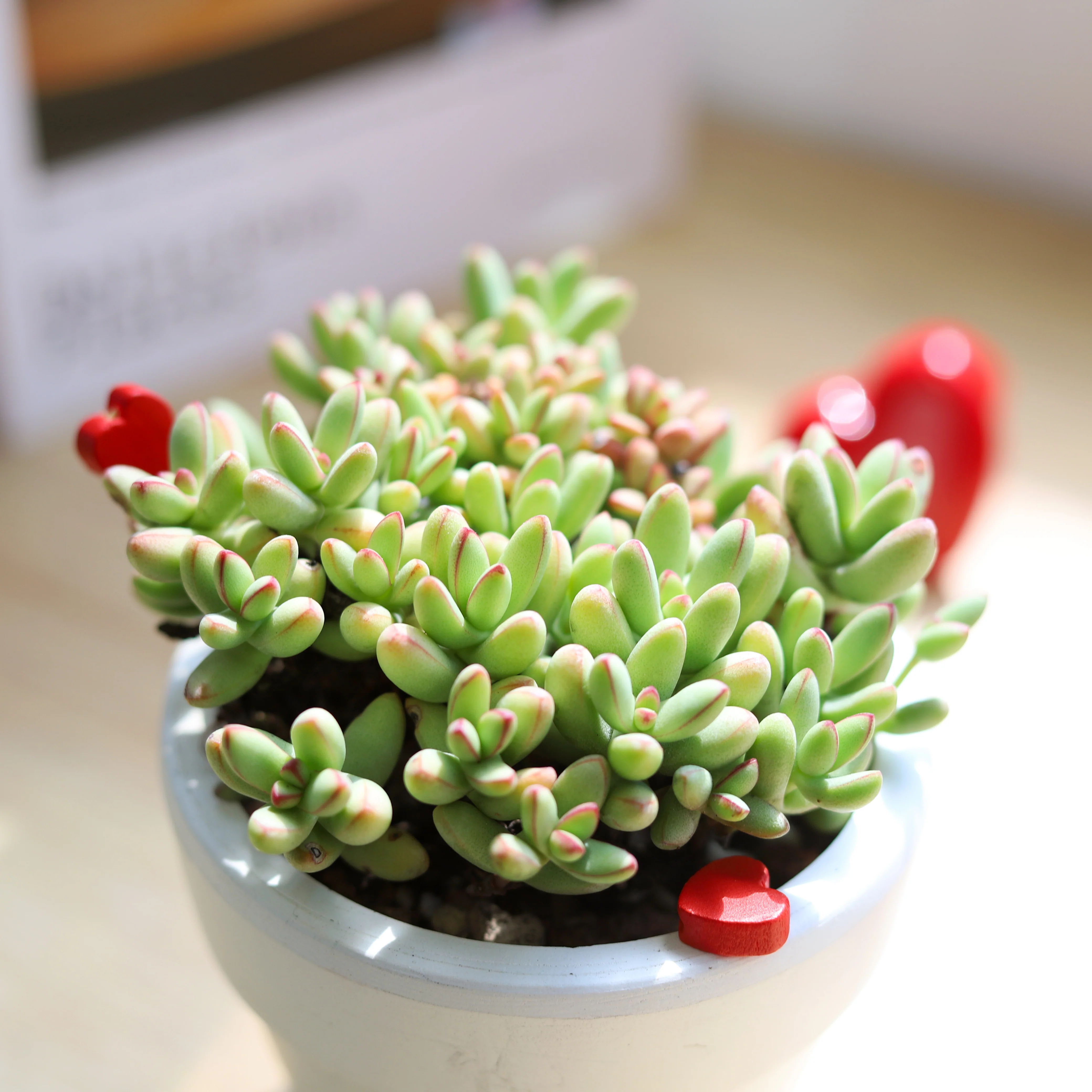
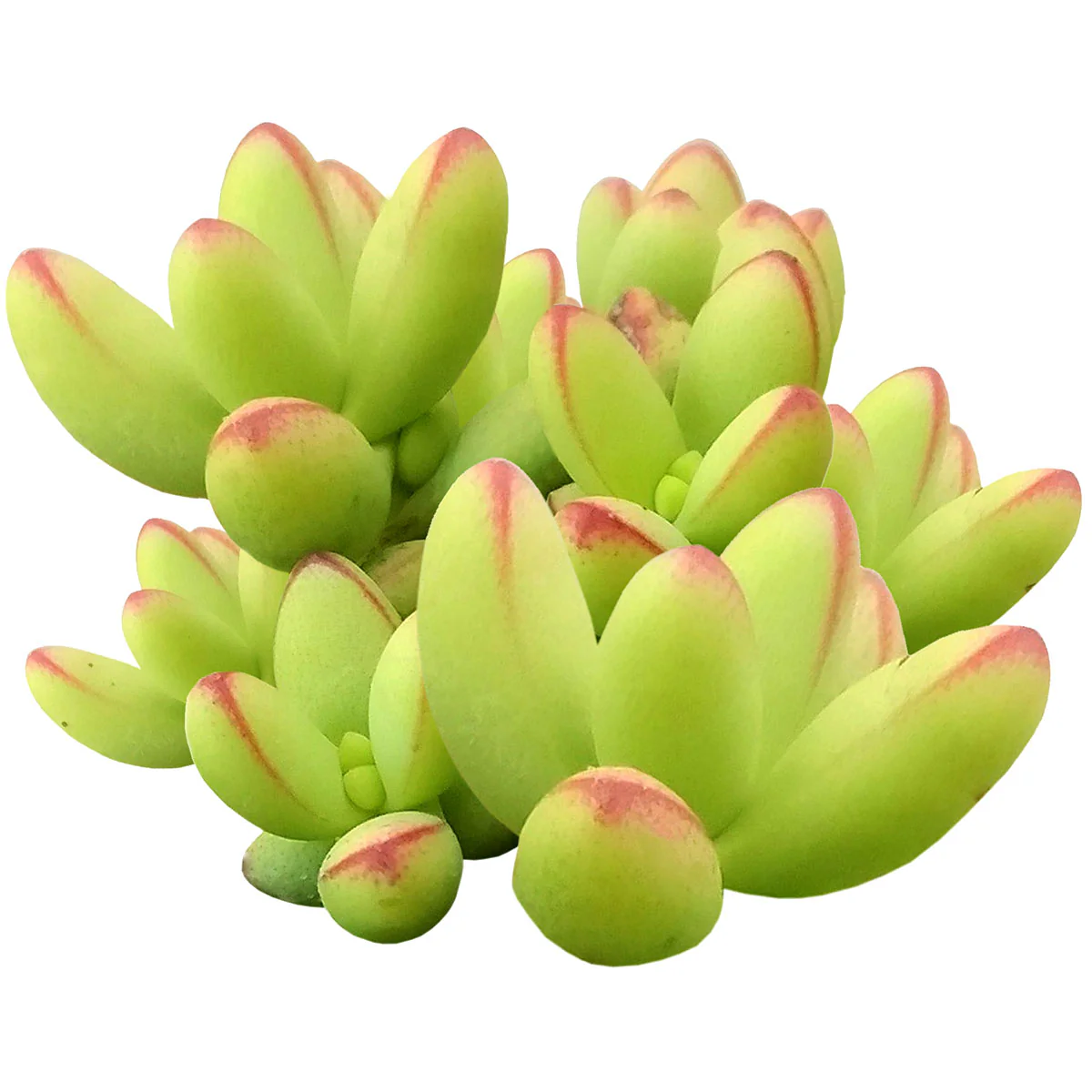
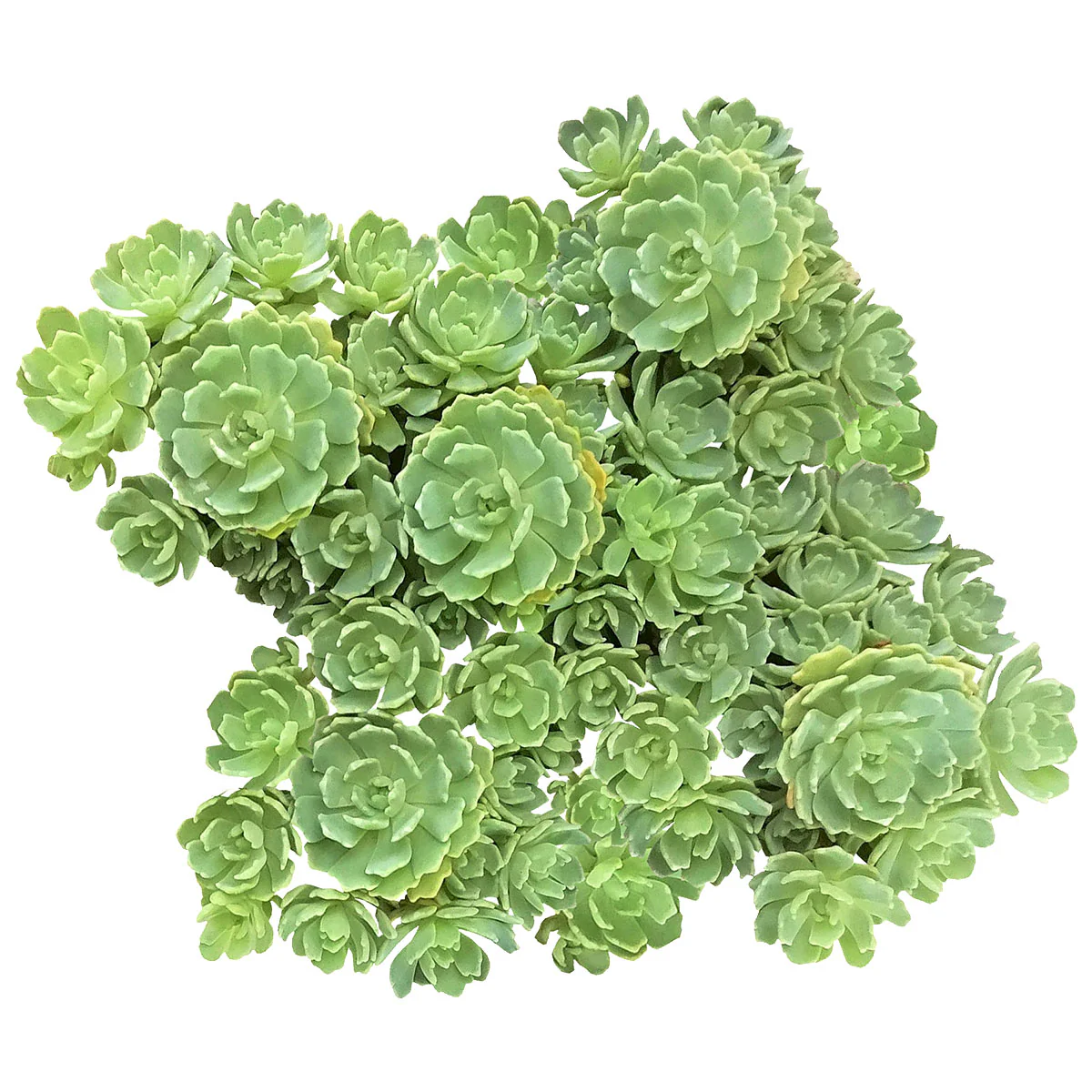
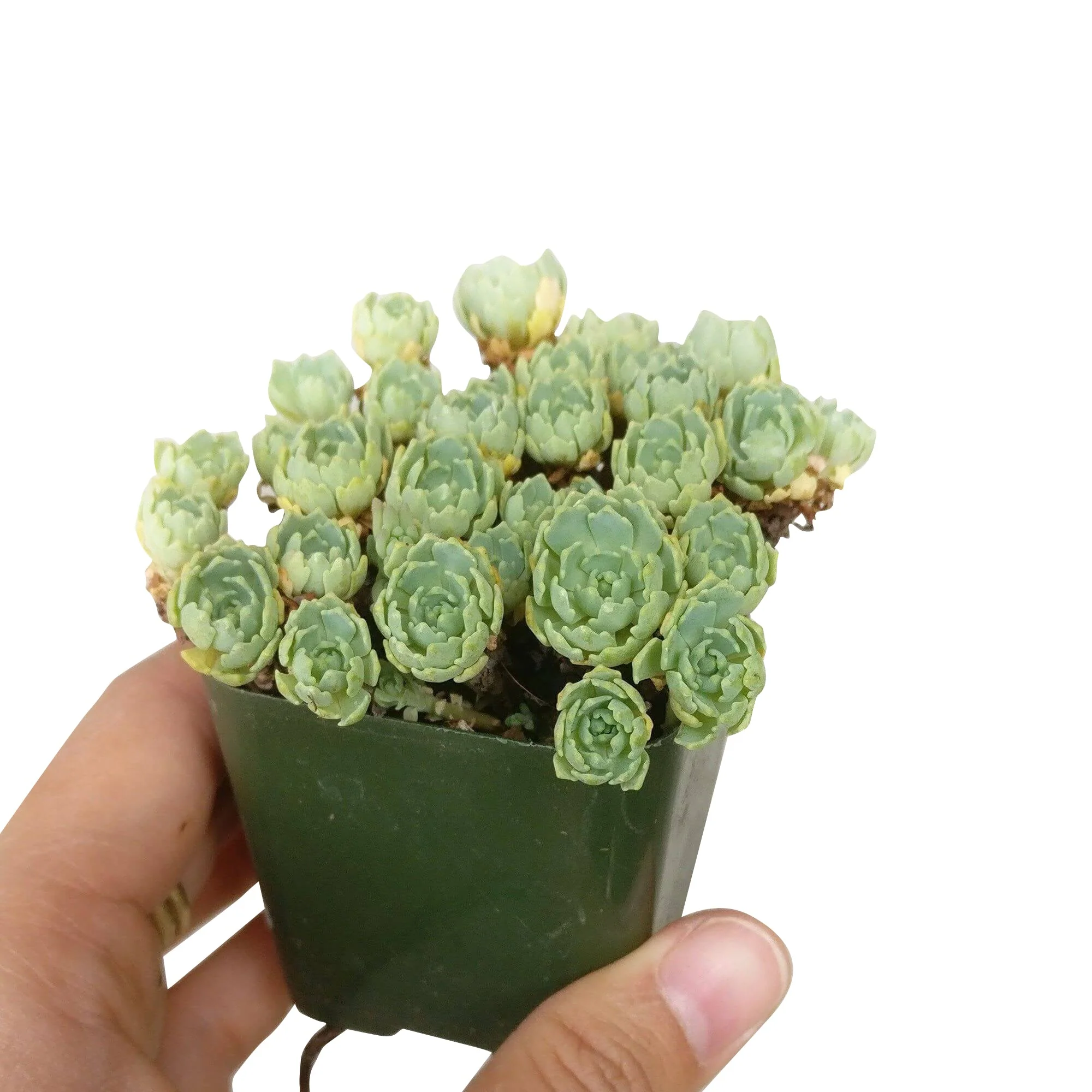
 Cosmic Comet Sedum Sunsparkler forms tight, low-growing clumps and clusters of small, fleshy leaves in a striking blue-green tone with rosy-pink edging that deepens in cooler temperatures and bright sun. The foliage is smooth, plump, and tightly packed into a neat rosette-like mounding habit that stays tidy without any pruning, making it one of the most visually distinctive drought tolerant sedums available in a 4" pot or larger.
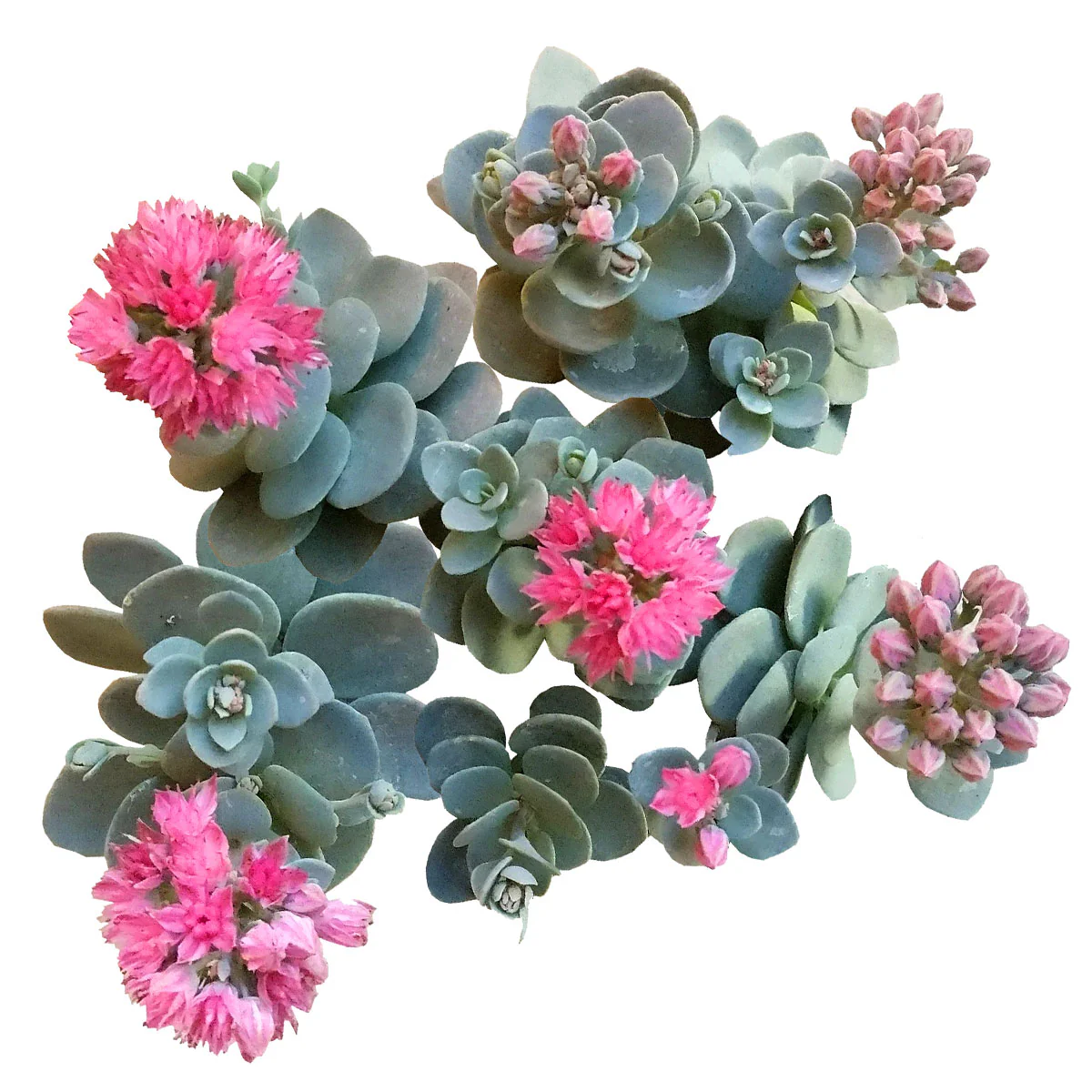
 Cosmic Comet Sedum Sunsparkler produces cheerful pink flower clusters on upright stems in late summer to early autumn, drawing pollinators and adding a warm seasonal accent just as many other plants are winding down. The blooms naturally attract bees and butterflies, and because this plant produces pollen, it is worth noting for allergy-sensitive households. A cooler night temperature drop in late summer can encourage more reliable and abundant flowering.
 Cosmic Comet Sedum Sunsparkler is an easy-care, drought tolerant succulent that thrives on a sunny balcony, in a rock garden, or along a dry border where wind, rain, and fluctuating autumn temperatures are no concern. It handles dry heated indoor air well, can move outside for summer, and survives a 10-day trip without a caretaker, making it ideal for travelers and busy plant lovers. This plant is pet friendly, which makes it a confident choice for households with curious cats or dogs. Collectors prize Cosmic Comet Sedum Sunsparkler for its year-round color, cold hardiness, and the way it multiplies into satisfying clumps over time.
-
 Cosmic Comet Sedum Sunsparkler thrives in full sun to partial sun, with at least four to six hours of direct sun daily for the best color.
 Water Cosmic Comet Sedum Sunsparkler deeply every 10 to 14 days in summer, reducing to once a month or less in winter when growth slows.
 Cosmic Comet Sedum Sunsparkler performs best in fast-draining sandy or gritty soil, or a cactus and succulent mix blended with perlite.
 Cosmic Comet Sedum Sunsparkler tolerates temperatures from around -30°F (-34°C) at its hardiest, handling frost and cold snaps with ease across a wide range.
![]() Cosmic Comet Sedum Sunsparkler is a moderate, steady clumping grower that needs only a light balanced fertilizer once in spring to support seasonal growth.
Cosmic Comet Sedum Sunsparkler is a moderate, steady clumping grower that needs only a light balanced fertilizer once in spring to support seasonal growth.
 Cosmic Comet Sedum Sunsparkler is rated for USDA Hardiness Zones 4 through 9, tolerating winter lows down to approximately -30°F (-34°C) in its coldest range, making it one of the more frost tolerant sedums available. This covers a sweeping range of states including Minnesota, Wisconsin, Michigan, Iowa, Illinois, Indiana, Ohio, Pennsylvania, New York, Vermont, New Hampshire, Maine, Massachusetts, Connecticut, Rhode Island, New Jersey, Delaware, Maryland, Virginia, West Virginia, North Carolina, Tennessee, Kentucky, Missouri, Kansas, Nebraska, South Dakota, North Dakota, Montana, Wyoming, Colorado, Utah, Nevada, Oregon, Washington, Idaho, and more. Cosmic Comet Sedum Sunsparkler also grows well in warmer Zone 8 and Zone 9 regions such as Texas, Oklahoma, Arkansas, Georgia, South Carolina, Alabama, Mississippi, Louisiana, Florida's northern areas, Arizona, and California, provided it has excellent drainage and some afternoon shade in the hottest climates.
-
Q: How often should I water Cosmic Comet Sedum Sunsparkler?
A: Water Cosmic Comet Sedum Sunsparkler deeply every 10 to 14 days during the growing season, allowing the soil to dry out fully between waterings. In winter, reduce watering to once a month or less.
Q: Is Cosmic Comet Sedum Sunsparkler safe for pets?
A: Yes, this plant is pet friendly. Cosmic Comet Sedum Sunsparkler is considered non-toxic to cats and dogs, making it a worry-free choice for pet households.
Q: What USDA zones is Cosmic Comet Sedum Sunsparkler hardy in?
A: Cosmic Comet Sedum Sunsparkler is hardy in USDA Zones 4 through 9, tolerating frost and freezing winters with ease. It is one of the most cold-hardy sedums available for outdoor year-round planting.
Q: How much sun does Cosmic Comet Sedum Sunsparkler need?
A: Cosmic Comet Sedum Sunsparkler grows best in full sun to partial sun, ideally receiving at least four to six hours of direct sunlight daily. More sun brings out the most vivid leaf color.
Q: Can Cosmic Comet Sedum Sunsparkler be grown outdoors on a balcony?
A: Absolutely. Cosmic Comet Sedum Sunsparkler handles balcony wind, rain, and dry air without stress, and it can stay outdoors through autumn in most climates. Just make sure the container has drainage holes to prevent waterlogging.
Q: How do I propagate Cosmic Comet Sedum Sunsparkler?
A: Cosmic Comet Sedum Sunsparkler propagates easily from stem cuttings or by dividing its clumping clusters in spring or early summer. Let cut ends callous for a day before planting in well-draining soil for best results.


Original: $18.06
-70%$18.06
$5.42Product Information
Product Information
Shipping & Returns
Shipping & Returns
Description
- Description
- Cosmic Comet Sedum Sunsparkler Care Guide
- FAQ/Common Issues
-
![]() Cosmic Comet Sedum Sunsparkler is a hardy succulent in the Crassulaceae family, bred from sedum species native to rocky, well-drained habitats across the Northern Hemisphere. It belongs to the Sunsparkler series, a group selected for exceptional cold hardiness, compact habit, and ornamental color that performs beautifully from Zone 4 through Zone 9.
Cosmic Comet Sedum Sunsparkler is a hardy succulent in the Crassulaceae family, bred from sedum species native to rocky, well-drained habitats across the Northern Hemisphere. It belongs to the Sunsparkler series, a group selected for exceptional cold hardiness, compact habit, and ornamental color that performs beautifully from Zone 4 through Zone 9.
Cosmic Comet Sedum Sunsparkler forms tight, low-growing clumps and clusters of small, fleshy leaves in a striking blue-green tone with rosy-pink edging that deepens in cooler temperatures and bright sun. The foliage is smooth, plump, and tightly packed into a neat rosette-like mounding habit that stays tidy without any pruning, making it one of the most visually distinctive drought tolerant sedums available in a 4" pot or larger.
Cosmic Comet Sedum Sunsparkler produces cheerful pink flower clusters on upright stems in late summer to early autumn, drawing pollinators and adding a warm seasonal accent just as many other plants are winding down. The blooms naturally attract bees and butterflies, and because this plant produces pollen, it is worth noting for allergy-sensitive households. A cooler night temperature drop in late summer can encourage more reliable and abundant flowering.
Cosmic Comet Sedum Sunsparkler is an easy-care, drought tolerant succulent that thrives on a sunny balcony, in a rock garden, or along a dry border where wind, rain, and fluctuating autumn temperatures are no concern. It handles dry heated indoor air well, can move outside for summer, and survives a 10-day trip without a caretaker, making it ideal for travelers and busy plant lovers. This plant is pet friendly, which makes it a confident choice for households with curious cats or dogs. Collectors prize Cosmic Comet Sedum Sunsparkler for its year-round color, cold hardiness, and the way it multiplies into satisfying clumps over time.
-
Cosmic Comet Sedum Sunsparkler thrives in full sun to partial sun, with at least four to six hours of direct sun daily for the best color.
Water Cosmic Comet Sedum Sunsparkler deeply every 10 to 14 days in summer, reducing to once a month or less in winter when growth slows.
Cosmic Comet Sedum Sunsparkler performs best in fast-draining sandy or gritty soil, or a cactus and succulent mix blended with perlite.
Cosmic Comet Sedum Sunsparkler tolerates temperatures from around -30°F (-34°C) at its hardiest, handling frost and cold snaps with ease across a wide range.
![]() Cosmic Comet Sedum Sunsparkler is a moderate, steady clumping grower that needs only a light balanced fertilizer once in spring to support seasonal growth.
Cosmic Comet Sedum Sunsparkler is a moderate, steady clumping grower that needs only a light balanced fertilizer once in spring to support seasonal growth.
Cosmic Comet Sedum Sunsparkler is rated for USDA Hardiness Zones 4 through 9, tolerating winter lows down to approximately -30°F (-34°C) in its coldest range, making it one of the more frost tolerant sedums available. This covers a sweeping range of states including Minnesota, Wisconsin, Michigan, Iowa, Illinois, Indiana, Ohio, Pennsylvania, New York, Vermont, New Hampshire, Maine, Massachusetts, Connecticut, Rhode Island, New Jersey, Delaware, Maryland, Virginia, West Virginia, North Carolina, Tennessee, Kentucky, Missouri, Kansas, Nebraska, South Dakota, North Dakota, Montana, Wyoming, Colorado, Utah, Nevada, Oregon, Washington, Idaho, and more. Cosmic Comet Sedum Sunsparkler also grows well in warmer Zone 8 and Zone 9 regions such as Texas, Oklahoma, Arkansas, Georgia, South Carolina, Alabama, Mississippi, Louisiana, Florida's northern areas, Arizona, and California, provided it has excellent drainage and some afternoon shade in the hottest climates.
-
Q: How often should I water Cosmic Comet Sedum Sunsparkler?
A: Water Cosmic Comet Sedum Sunsparkler deeply every 10 to 14 days during the growing season, allowing the soil to dry out fully between waterings. In winter, reduce watering to once a month or less.
Q: Is Cosmic Comet Sedum Sunsparkler safe for pets?
A: Yes, this plant is pet friendly. Cosmic Comet Sedum Sunsparkler is considered non-toxic to cats and dogs, making it a worry-free choice for pet households.
Q: What USDA zones is Cosmic Comet Sedum Sunsparkler hardy in?
A: Cosmic Comet Sedum Sunsparkler is hardy in USDA Zones 4 through 9, tolerating frost and freezing winters with ease. It is one of the most cold-hardy sedums available for outdoor year-round planting.
Q: How much sun does Cosmic Comet Sedum Sunsparkler need?
A: Cosmic Comet Sedum Sunsparkler grows best in full sun to partial sun, ideally receiving at least four to six hours of direct sunlight daily. More sun brings out the most vivid leaf color.
Q: Can Cosmic Comet Sedum Sunsparkler be grown outdoors on a balcony?
A: Absolutely. Cosmic Comet Sedum Sunsparkler handles balcony wind, rain, and dry air without stress, and it can stay outdoors through autumn in most climates. Just make sure the container has drainage holes to prevent waterlogging.
Q: How do I propagate Cosmic Comet Sedum Sunsparkler?
A: Cosmic Comet Sedum Sunsparkler propagates easily from stem cuttings or by dividing its clumping clusters in spring or early summer. Let cut ends callous for a day before planting in well-draining soil for best results.