Mistletoe Cactus
- Description
- Mistletoe Cactus Care Guide
- FAQ/Common Issues
-
![]() Mistletoe Cactus is a trailing epiphytic cactus in the Rhipsalis genus, making it a true jungle cactus rather than a desert dweller. Native to tropical rainforests of Central and South America, it grows anchored to tree branches in warm, humid canopy shade. This easy care beginner houseplant has earned a devoted following among collectors who love low-maintenance, pet-friendly plants with serious visual impact.
Mistletoe Cactus is a trailing epiphytic cactus in the Rhipsalis genus, making it a true jungle cactus rather than a desert dweller. Native to tropical rainforests of Central and South America, it grows anchored to tree branches in warm, humid canopy shade. This easy care beginner houseplant has earned a devoted following among collectors who love low-maintenance, pet-friendly plants with serious visual impact.
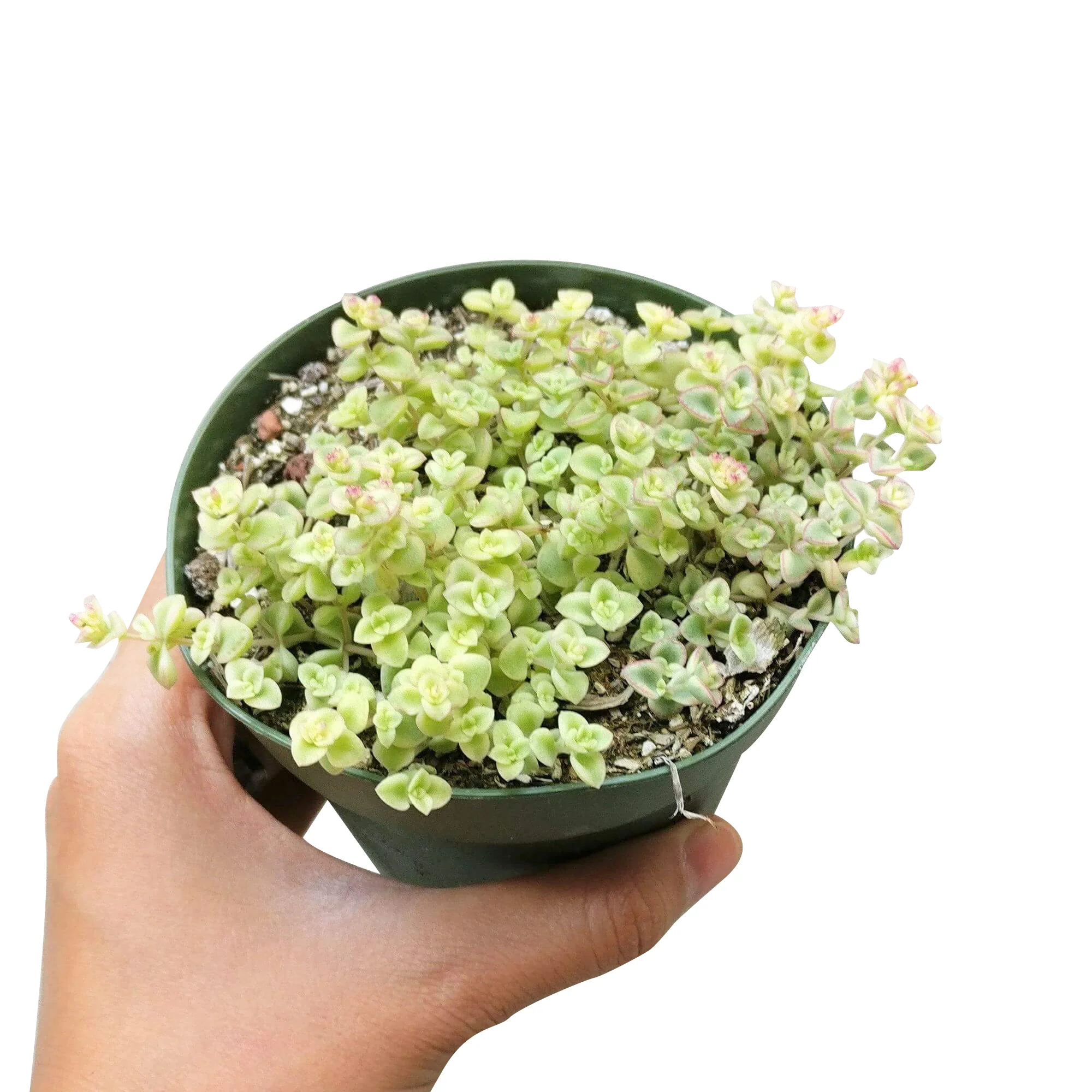
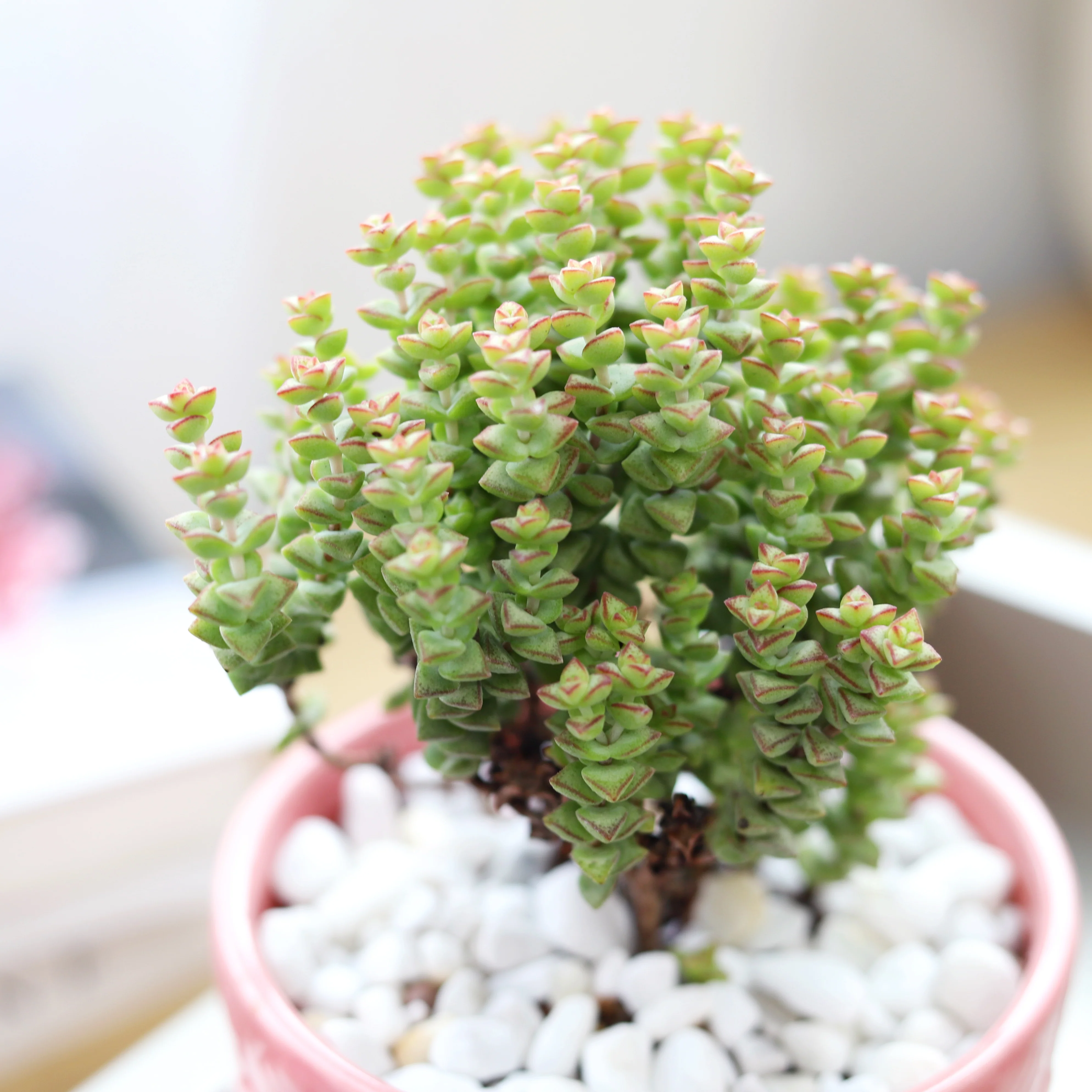
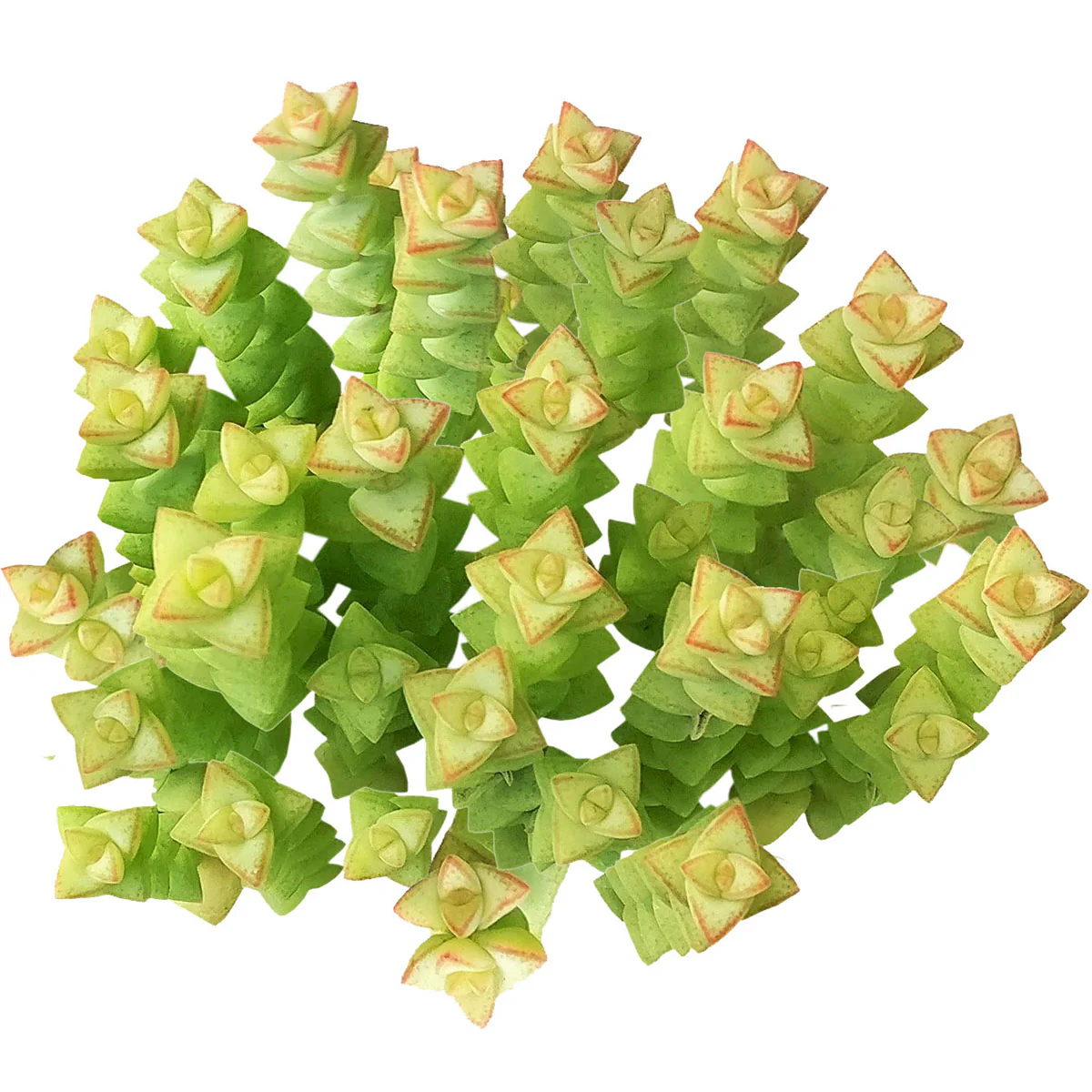
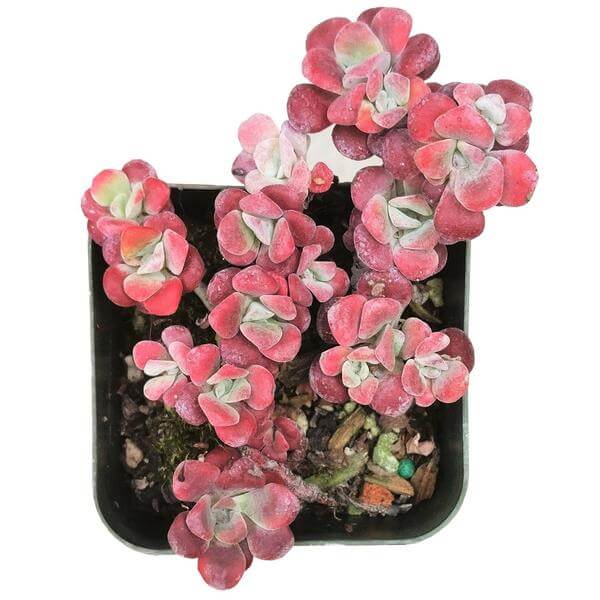
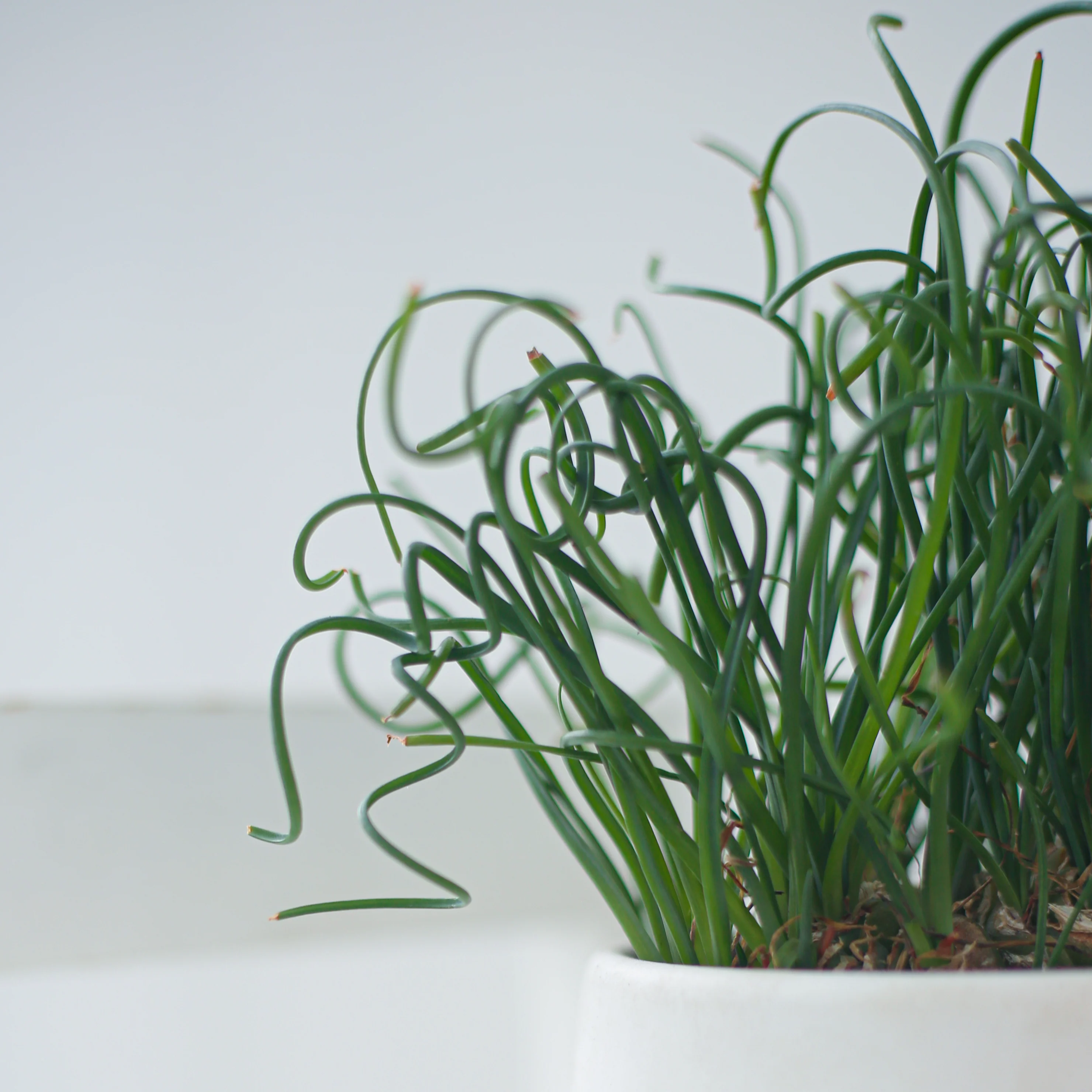
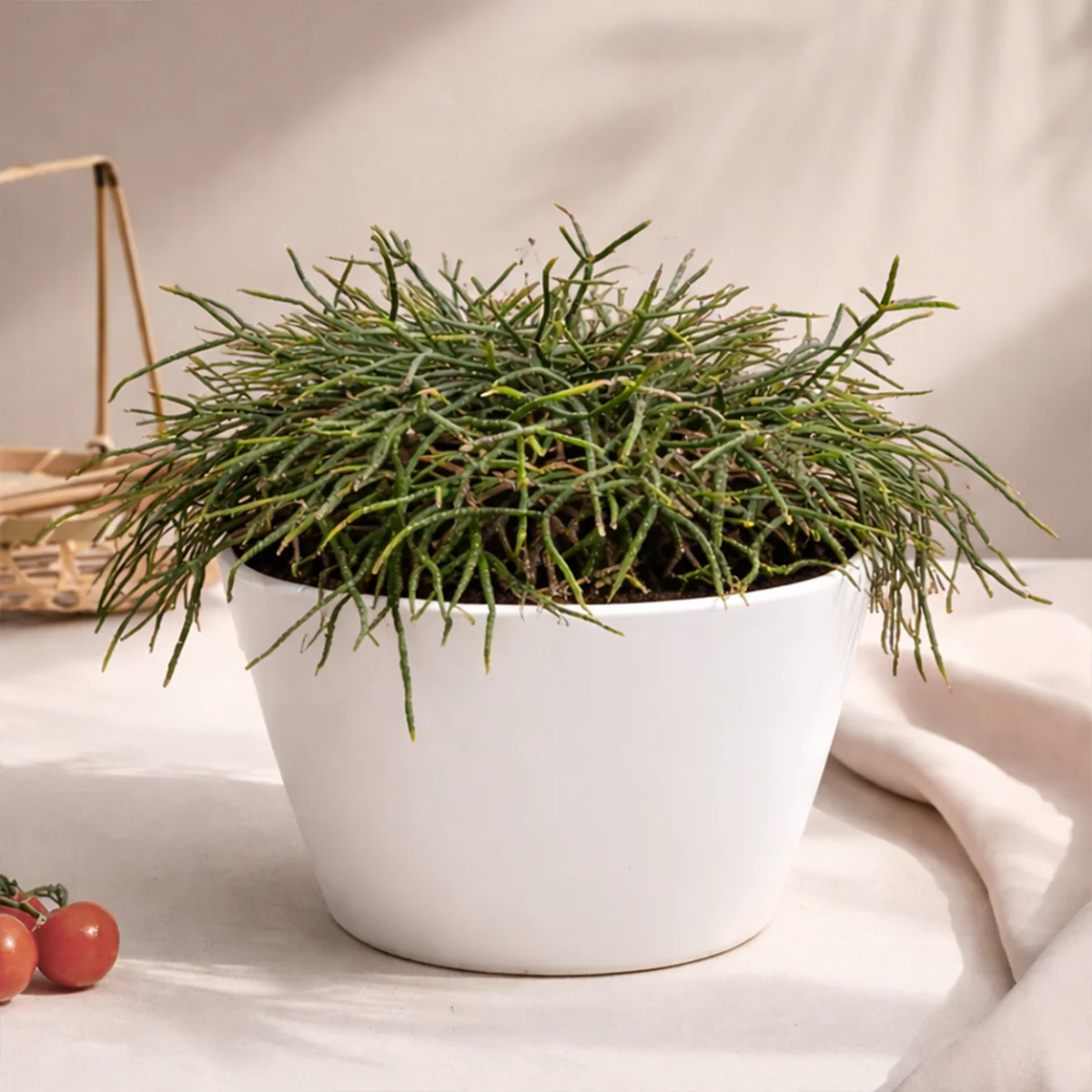
 Mistletoe Cactus produces long, slender, cylindrical stems that cascade in dense, spaghetti-like curtains, which is exactly why it's sometimes called spaghetti cactus or chain cactus. The stems are bright to deep green, smooth, and segmented, with a soft, almost succulent feel that sets this trailing cactus apart from spiny desert varieties. As a clustering plant, it fills out beautifully over time, creating a lush, waterfall effect that looks stunning in a hanging basket.
 Mistletoe Cactus produces small, pale cream to white flowers along its stems, typically appearing in winter or early spring after a night temperature drop triggers blooming. The flowers are subtle and delicate rather than showy, but they give way to tiny, translucent white berries that resemble mistletoe berries, which is the inspiration behind the name. To encourage flowering, give Mistletoe Cactus cooler nights and back off watering slightly in late autumn.
 Mistletoe Cactus thrives near kitchen moisture, making it a natural fit for a hanging hook above a sink or beside a steamy window. It is a fantastic choice for a terrarium where humidity stays consistently high, and it can move outside for summer in a sheltered, shaded spot. This plant is pet friendly, purifies indoor air by filtering toxins including formaldehyde, and its easygoing nature makes it a go-to for anyone building their first plant collection.
-
 Mistletoe Cactus thrives in medium light or bright indirect light and grows happily under office LEDs, but scorches in south-facing windows.
 Water Mistletoe Cactus every 10 to 14 days in the growing season, reducing to once every three to four weeks in winter.
 Mistletoe Cactus prefers a well-draining mix of cactus soil blended with orchid bark or perlite to mimic its epiphytic roots.
 Mistletoe Cactus prefers 60 to 80°F (15 to 27°C) and should be kept away from AC vents and heating units that blast dry air.
![]() Mistletoe Cactus is a moderate grower; feed with a balanced liquid fertilizer diluted to half strength once a month during spring and summer.
Mistletoe Cactus is a moderate grower; feed with a balanced liquid fertilizer diluted to half strength once a month during spring and summer.
 Mistletoe Cactus is hardy in USDA Zones 10 to 12, tolerating brief dips no lower than around 35°F (2°C) before cold damage occurs. Gardeners growing Mistletoe Cactus outdoors year-round will find it suitable in Hawaii, southern Florida, and frost-rare pockets of southern California, southern Texas, and southern Arizona. Warmer microclimates along the Gulf Coast in Louisiana, Mississippi, Alabama, and coastal Georgia and South Carolina can also support it, though growers in cooler zones across the rest of the country will want to bring it indoors before temperatures drop in autumn.
-
Q: Is Mistletoe Cactus pet friendly?
A: Yes, Mistletoe Cactus is pet friendly and considered non-toxic to cats and dogs. It is a safe choice for households with curious pets.
Q: How much light does Mistletoe Cactus need?
A: Mistletoe Cactus does best in medium to bright indirect light and adapts well to office LED lighting. Keep it away from direct south-facing sun, which can scorch the stems.
Q: How do you water Mistletoe Cactus?
A: Water Mistletoe Cactus every 10 to 14 days during spring and summer, and cut back to every three to four weeks in winter. It will show it is thirsty by looking slightly shriveled or wilted.
Q: How fast does Mistletoe Cactus grow?
A: Mistletoe Cactus is a moderate grower that gradually produces long trailing stems over several months. Rotating the pot regularly encourages even, full growth in all directions.
Q: Can Mistletoe Cactus be propagated easily?
A: Yes, Mistletoe Cactus propagates readily from stem cuttings. Allow a cutting to callous for a day or two, then place it in moist cactus mix and keep it in bright indirect light until roots develop.
Q: Can Mistletoe Cactus go outside in summer?
A: Mistletoe Cactus can move outdoors for summer in a sheltered, shaded spot with no direct sun or strong wind. Bring it back inside before night temperatures drop in early autumn.


Product Information
Product Information
Shipping & Returns
Shipping & Returns
Description
- Description
- Mistletoe Cactus Care Guide
- FAQ/Common Issues
-
![]() Mistletoe Cactus is a trailing epiphytic cactus in the Rhipsalis genus, making it a true jungle cactus rather than a desert dweller. Native to tropical rainforests of Central and South America, it grows anchored to tree branches in warm, humid canopy shade. This easy care beginner houseplant has earned a devoted following among collectors who love low-maintenance, pet-friendly plants with serious visual impact.
Mistletoe Cactus is a trailing epiphytic cactus in the Rhipsalis genus, making it a true jungle cactus rather than a desert dweller. Native to tropical rainforests of Central and South America, it grows anchored to tree branches in warm, humid canopy shade. This easy care beginner houseplant has earned a devoted following among collectors who love low-maintenance, pet-friendly plants with serious visual impact.
Mistletoe Cactus produces long, slender, cylindrical stems that cascade in dense, spaghetti-like curtains, which is exactly why it's sometimes called spaghetti cactus or chain cactus. The stems are bright to deep green, smooth, and segmented, with a soft, almost succulent feel that sets this trailing cactus apart from spiny desert varieties. As a clustering plant, it fills out beautifully over time, creating a lush, waterfall effect that looks stunning in a hanging basket.
Mistletoe Cactus produces small, pale cream to white flowers along its stems, typically appearing in winter or early spring after a night temperature drop triggers blooming. The flowers are subtle and delicate rather than showy, but they give way to tiny, translucent white berries that resemble mistletoe berries, which is the inspiration behind the name. To encourage flowering, give Mistletoe Cactus cooler nights and back off watering slightly in late autumn.
Mistletoe Cactus thrives near kitchen moisture, making it a natural fit for a hanging hook above a sink or beside a steamy window. It is a fantastic choice for a terrarium where humidity stays consistently high, and it can move outside for summer in a sheltered, shaded spot. This plant is pet friendly, purifies indoor air by filtering toxins including formaldehyde, and its easygoing nature makes it a go-to for anyone building their first plant collection.
-
Mistletoe Cactus thrives in medium light or bright indirect light and grows happily under office LEDs, but scorches in south-facing windows.
Water Mistletoe Cactus every 10 to 14 days in the growing season, reducing to once every three to four weeks in winter.
Mistletoe Cactus prefers a well-draining mix of cactus soil blended with orchid bark or perlite to mimic its epiphytic roots.
Mistletoe Cactus prefers 60 to 80°F (15 to 27°C) and should be kept away from AC vents and heating units that blast dry air.
![]() Mistletoe Cactus is a moderate grower; feed with a balanced liquid fertilizer diluted to half strength once a month during spring and summer.
Mistletoe Cactus is a moderate grower; feed with a balanced liquid fertilizer diluted to half strength once a month during spring and summer.
Mistletoe Cactus is hardy in USDA Zones 10 to 12, tolerating brief dips no lower than around 35°F (2°C) before cold damage occurs. Gardeners growing Mistletoe Cactus outdoors year-round will find it suitable in Hawaii, southern Florida, and frost-rare pockets of southern California, southern Texas, and southern Arizona. Warmer microclimates along the Gulf Coast in Louisiana, Mississippi, Alabama, and coastal Georgia and South Carolina can also support it, though growers in cooler zones across the rest of the country will want to bring it indoors before temperatures drop in autumn.
-
Q: Is Mistletoe Cactus pet friendly?
A: Yes, Mistletoe Cactus is pet friendly and considered non-toxic to cats and dogs. It is a safe choice for households with curious pets.
Q: How much light does Mistletoe Cactus need?
A: Mistletoe Cactus does best in medium to bright indirect light and adapts well to office LED lighting. Keep it away from direct south-facing sun, which can scorch the stems.
Q: How do you water Mistletoe Cactus?
A: Water Mistletoe Cactus every 10 to 14 days during spring and summer, and cut back to every three to four weeks in winter. It will show it is thirsty by looking slightly shriveled or wilted.
Q: How fast does Mistletoe Cactus grow?
A: Mistletoe Cactus is a moderate grower that gradually produces long trailing stems over several months. Rotating the pot regularly encourages even, full growth in all directions.
Q: Can Mistletoe Cactus be propagated easily?
A: Yes, Mistletoe Cactus propagates readily from stem cuttings. Allow a cutting to callous for a day or two, then place it in moist cactus mix and keep it in bright indirect light until roots develop.
Q: Can Mistletoe Cactus go outside in summer?
A: Mistletoe Cactus can move outdoors for summer in a sheltered, shaded spot with no direct sun or strong wind. Bring it back inside before night temperatures drop in early autumn.