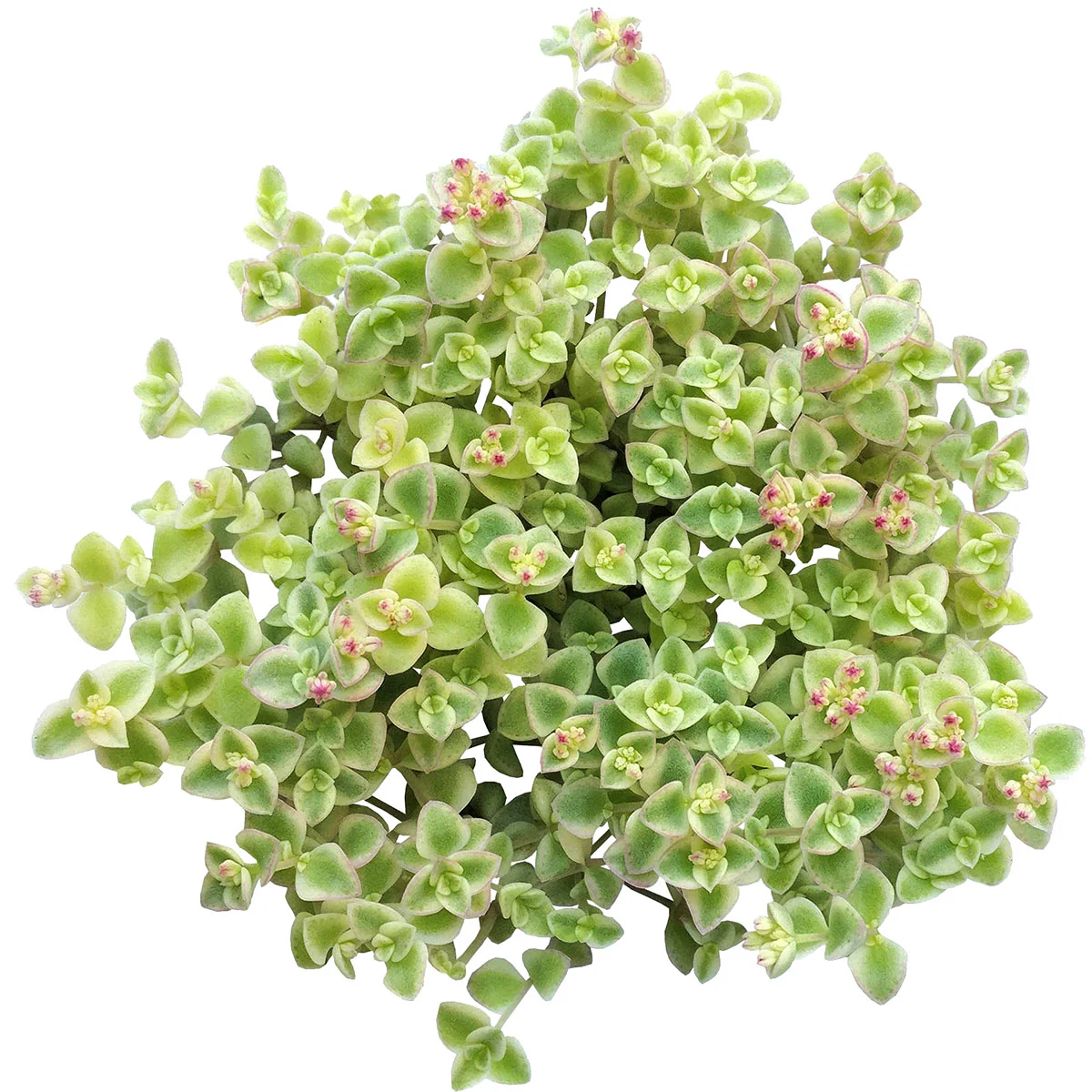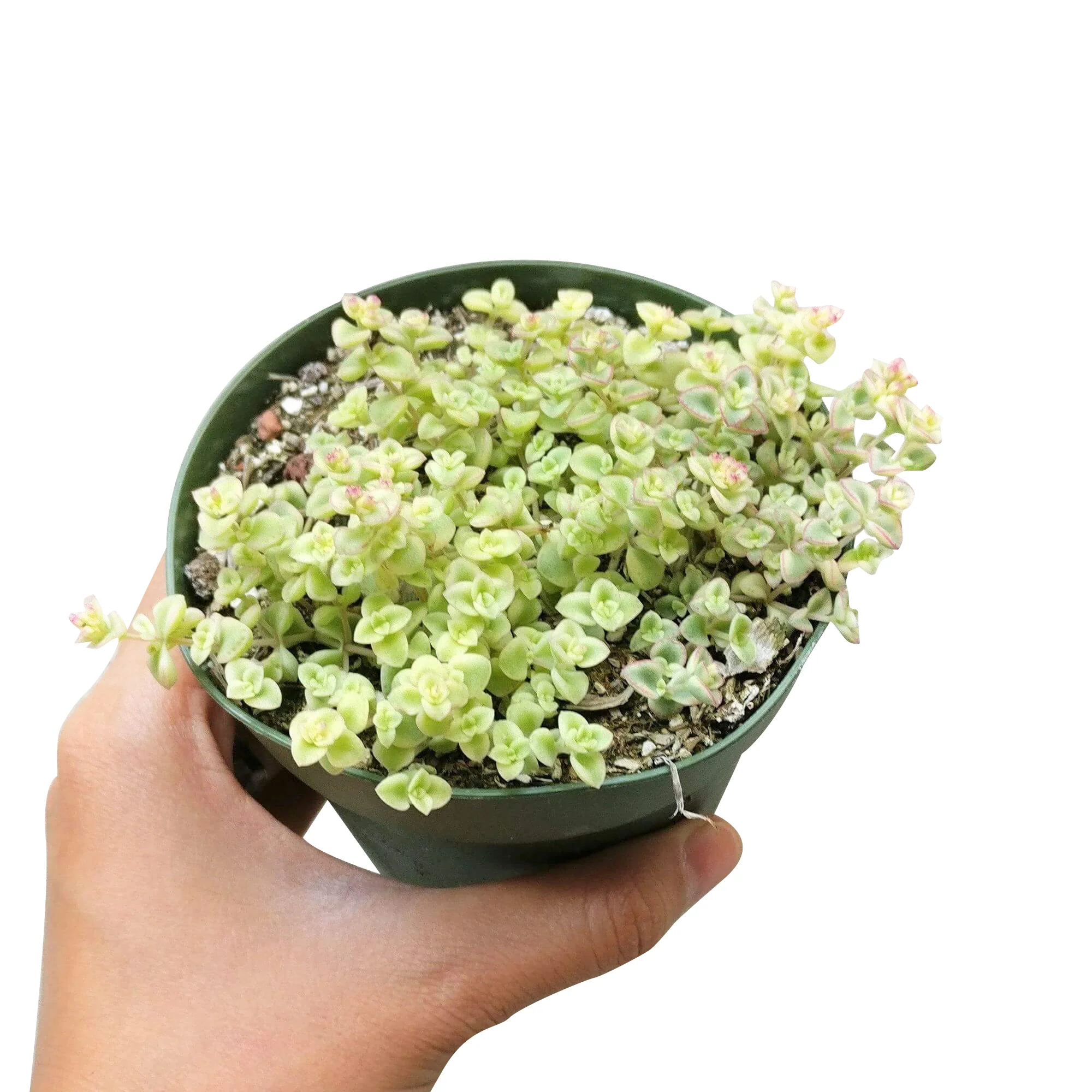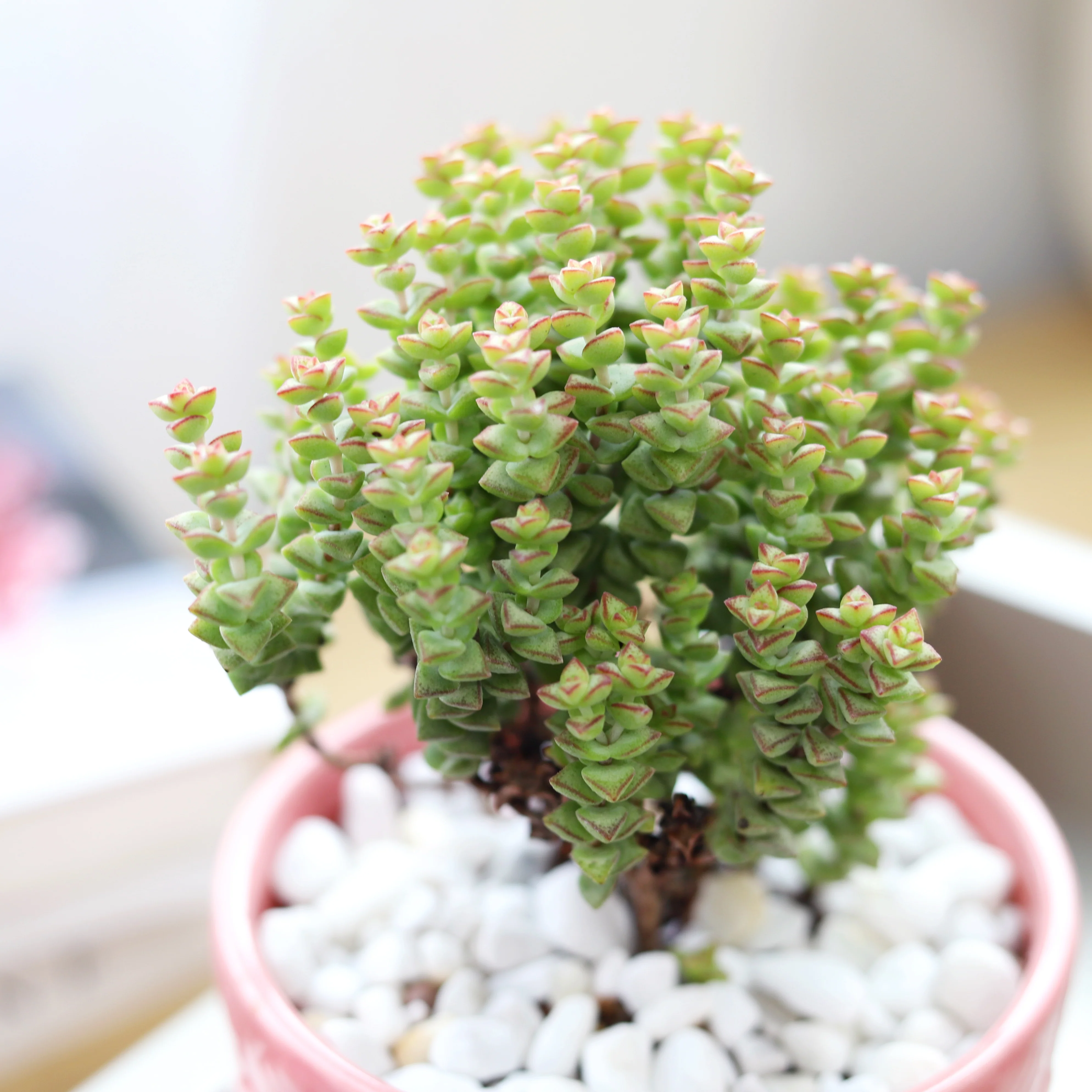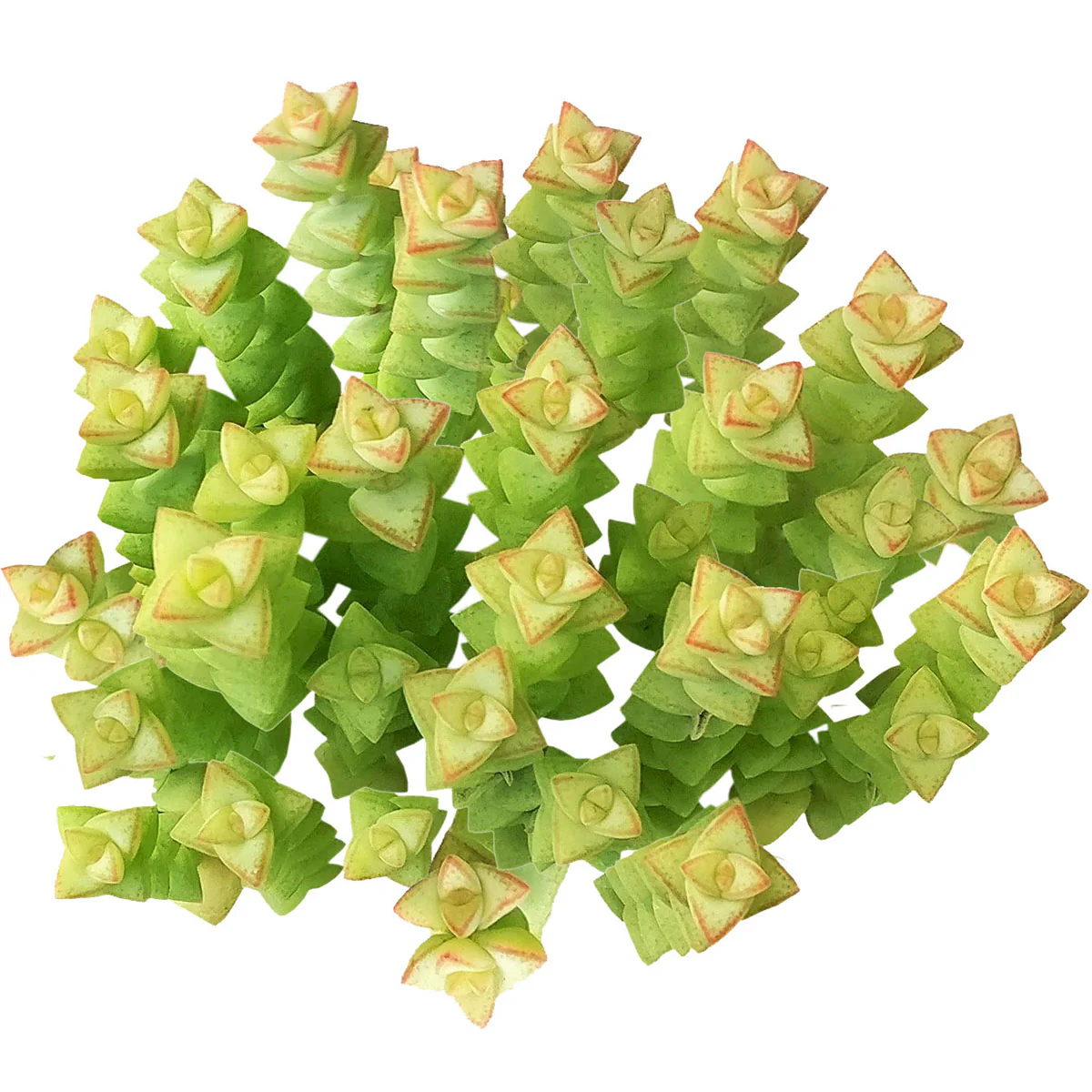
Stenocactus multicostatus Brain Cactus
- Description
- Stenocactus multicostatus Brain Cactus Care Guide
- FAQ/Common Issues
-
![]() Stenocactus multicostatus Brain Cactus is a rare, drought tolerant cactus native to the rocky hillsides and desert grasslands of central and northern Mexico. It belongs to the Stenocactus genus within the Cactaceae family, thriving naturally in thin soils with intense sun and very little rainfall. This easy care species has earned a devoted following among collectors, and finding a genuine Stenocactus multicostatus Brain Cactus for sale is always a treat.
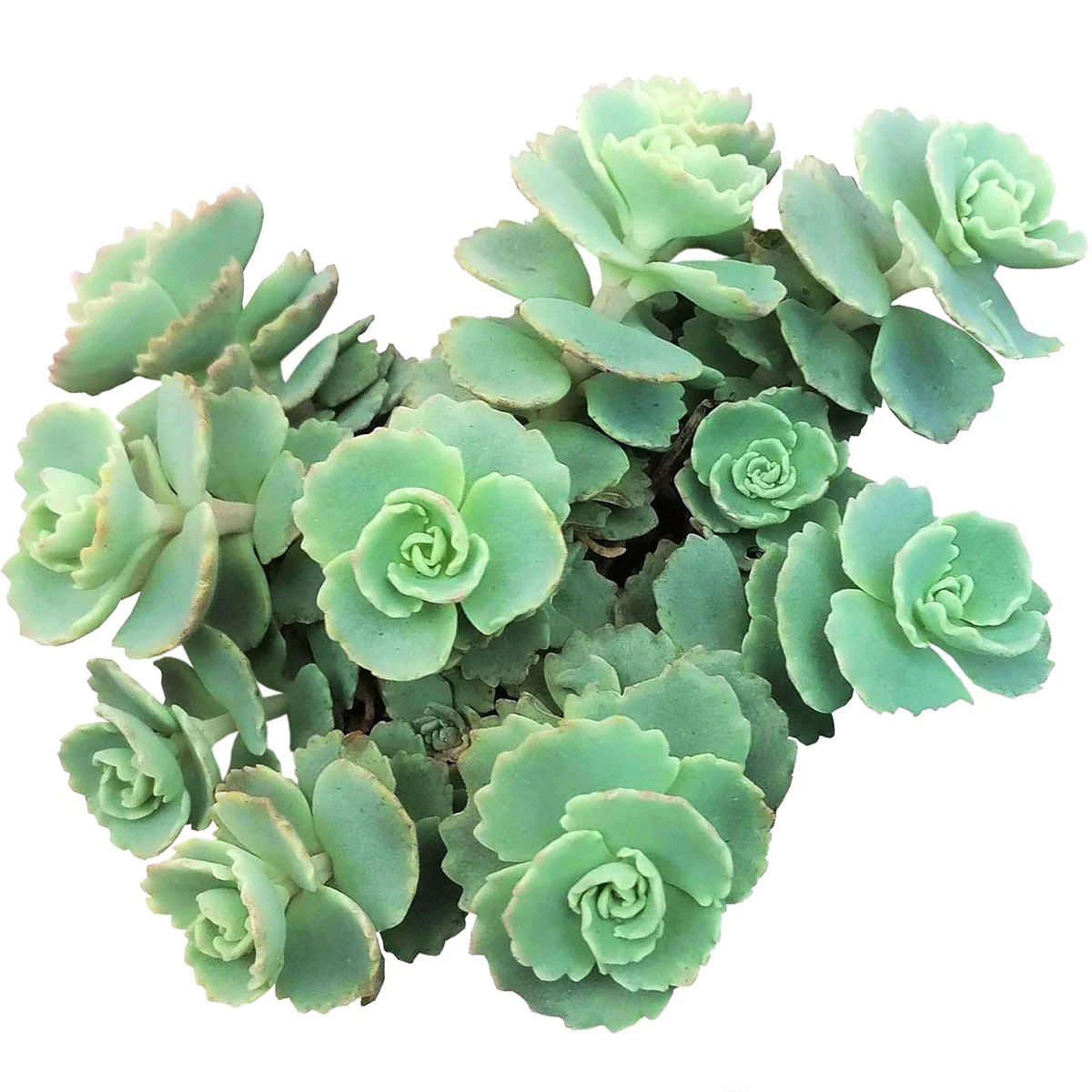
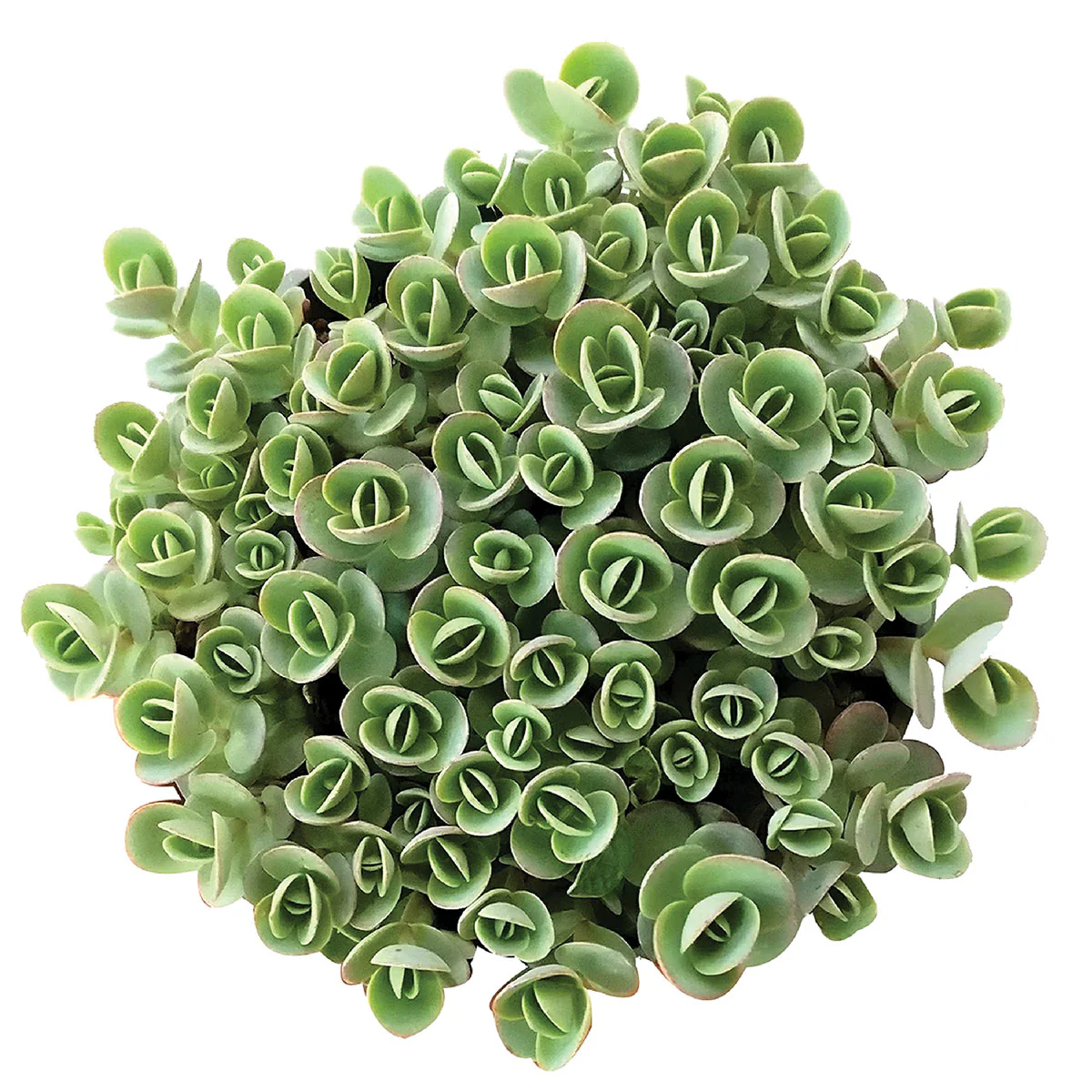
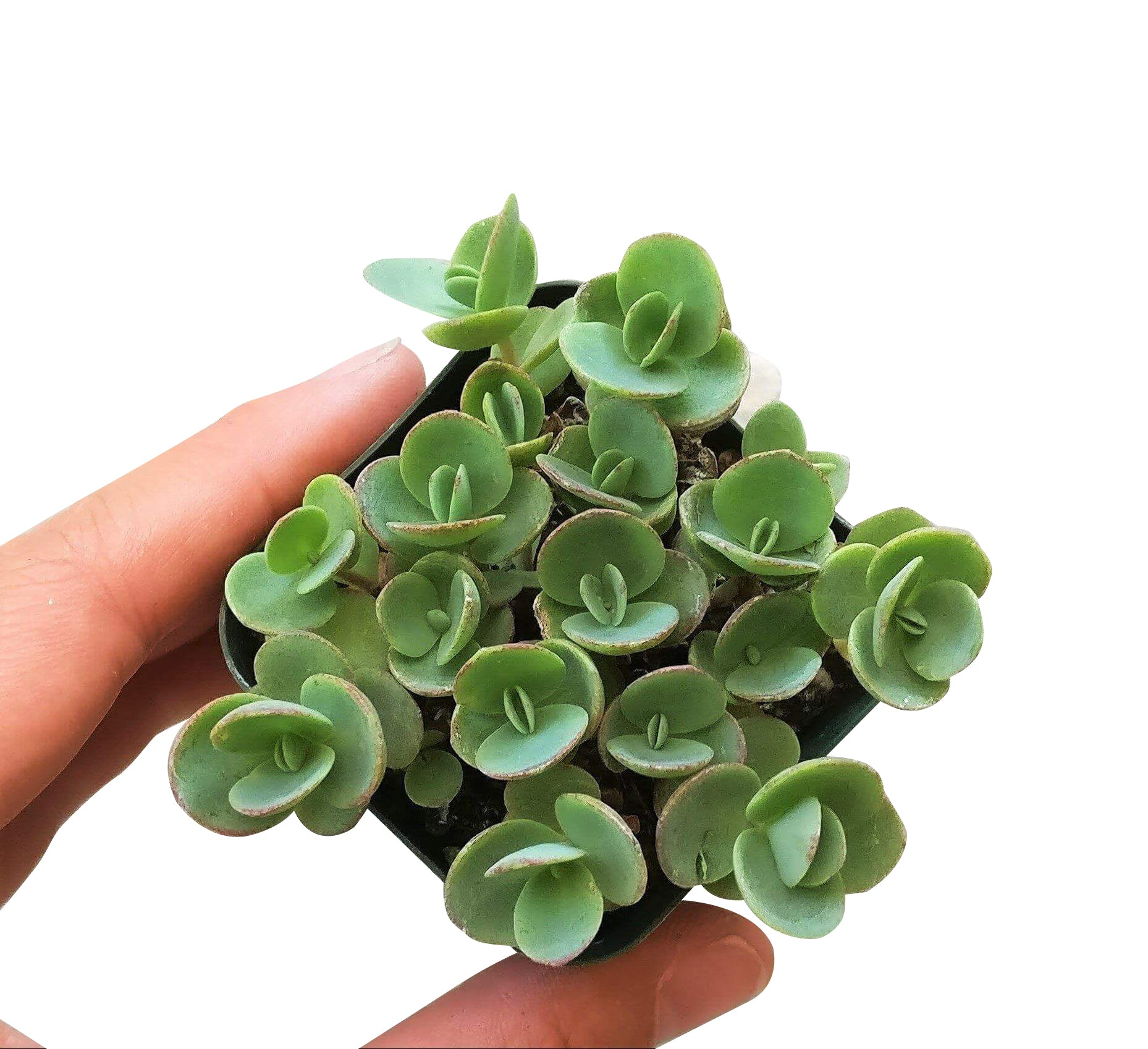
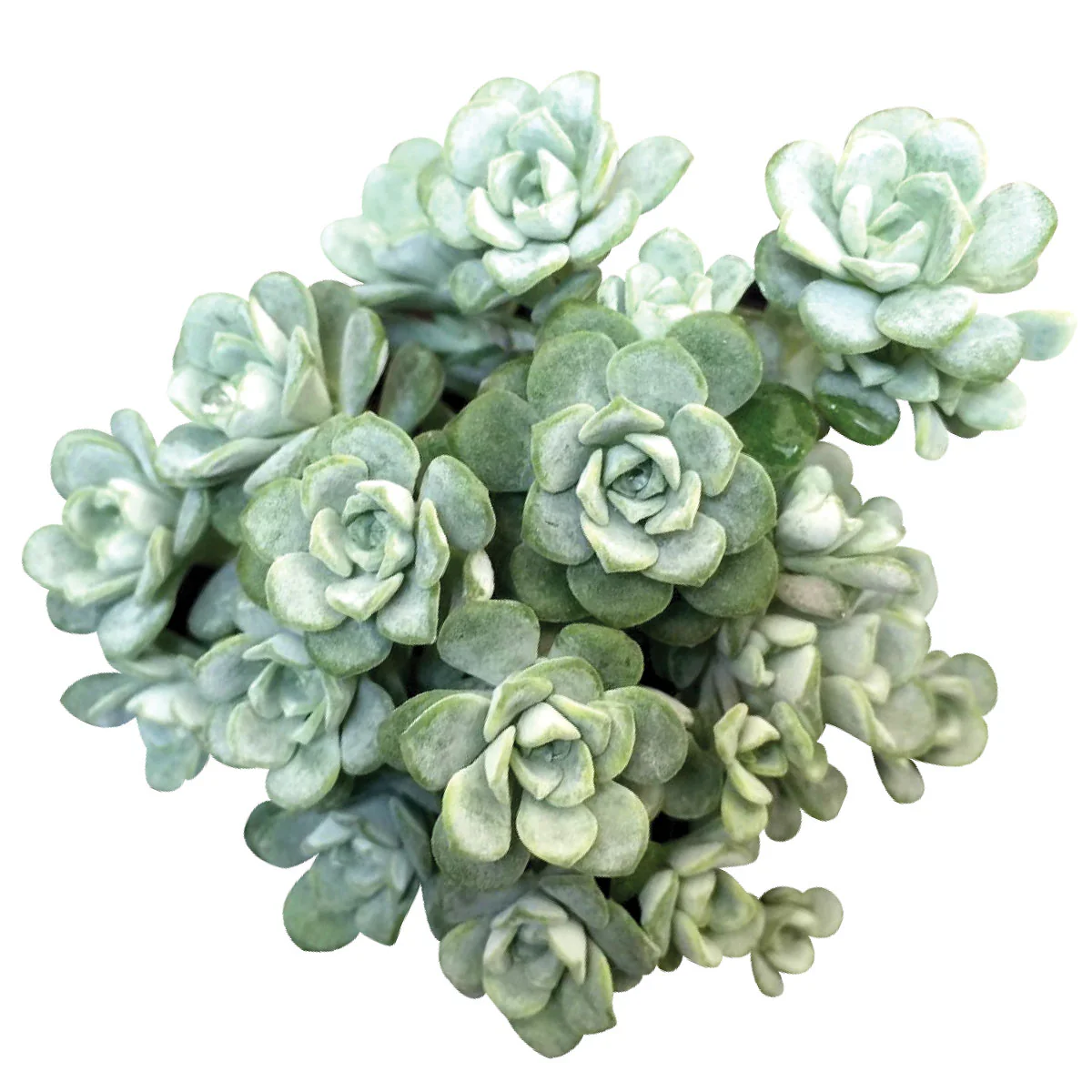
Stenocactus multicostatus Brain Cactus is a rare, drought tolerant cactus native to the rocky hillsides and desert grasslands of central and northern Mexico. It belongs to the Stenocactus genus within the Cactaceae family, thriving naturally in thin soils with intense sun and very little rainfall. This easy care species has earned a devoted following among collectors, and finding a genuine Stenocactus multicostatus Brain Cactus for sale is always a treat.
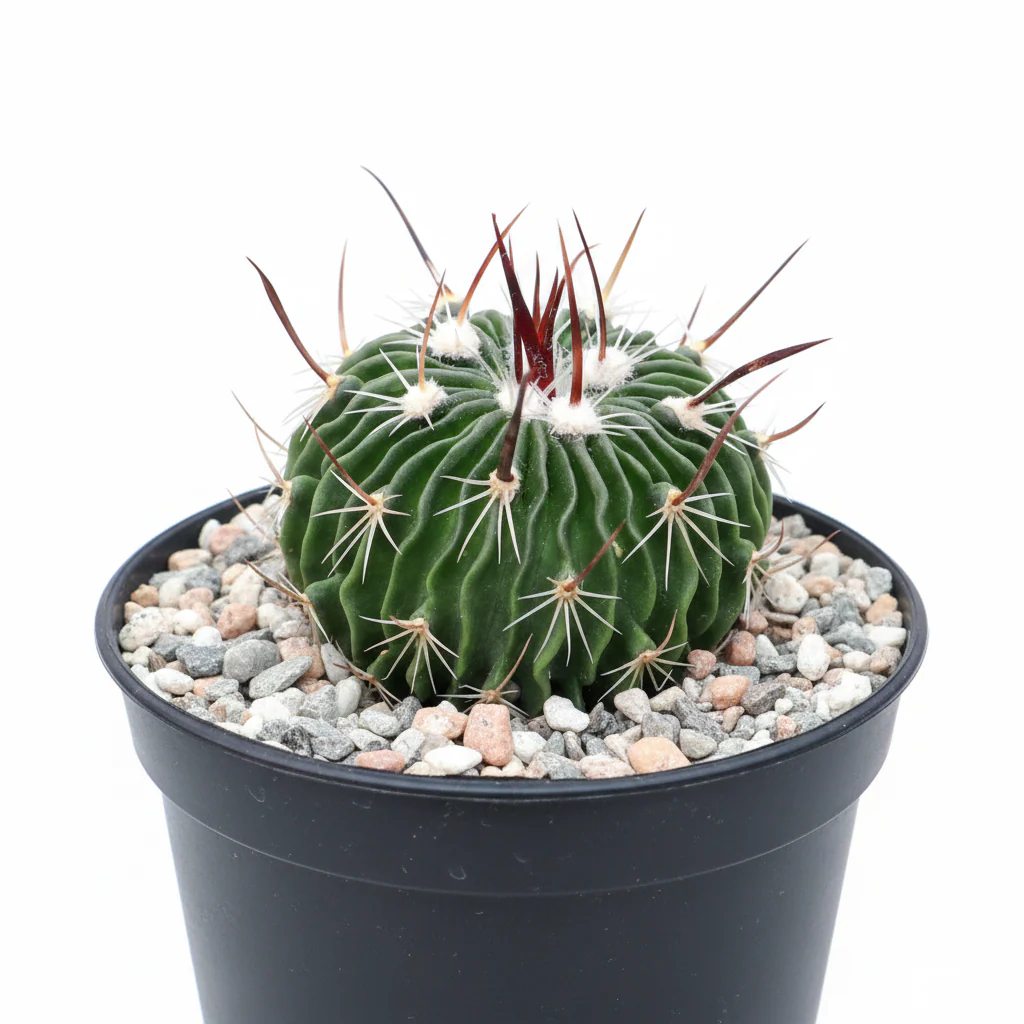
 The most striking feature of Stenocactus multicostatus Brain Cactus is its densely packed, wavy ribs that ripple across the globe-shaped body like the folds of a brain, giving it that unforgettable common name. A single plant typically stays compact, while mature specimens develop a clustering habit, producing offsets that create a full, textured display. The green body is studded with clusters of slender, often flattened spines that add to its sculptural appeal and make it a true standout among rare cactus collections.
 Stenocactus multicostatus Brain Cactus produces delicate funnel-shaped flowers that emerge from near the crown, typically in shades of white to pale lavender with a violet midstripe, appearing in late winter to early spring. Blooms are triggered by the natural drop in nighttime temperatures, so allowing your plant to experience cooler nights during the dormant season is key to encouraging flowering. This is one of the earlier-blooming cacti in the Stenocactus genus, which adds to the charm of adding this rare brain cactus to your collection.
 Stenocactus multicostatus Brain Cactus is wonderfully beginner-friendly and survives benign neglect like a champ, even handling a 10-day trip without a caretaker. It can move outside for summer to soak up full sun, but keep it covered from rain to prevent rot. Because of its spines, best placed away from small children and on a high shelf out of reach, though it is completely pet friendly. Rotate it regularly for even, symmetrical growth and keep it away from air conditioning or heater vents that blast drying drafts directly onto the plant.
-
 Stenocactus multicostatus Brain Cactus thrives in partial to full sun, ideally a bright south- or west-facing window with several hours of direct light daily.
 Water Stenocactus multicostatus Brain Cactus deeply every 2-3 weeks in summer, reducing to once a month or less in fall and winter.
 Stenocactus multicostatus Brain Cactus performs best in a fast-draining cactus and succulent mix blended with extra perlite or coarse grit for sharp drainage.
 Stenocactus multicostatus Brain Cactus prefers temperatures between 50-90°F (10-32°C) and should be brought indoors before temperatures drop near freezing.
![]() Stenocactus multicostatus Brain Cactus is a slow to moderate grower that benefits from a balanced, low-nitrogen cactus fertilizer applied once or twice during the active growing season.
Stenocactus multicostatus Brain Cactus is a slow to moderate grower that benefits from a balanced, low-nitrogen cactus fertilizer applied once or twice during the active growing season.
 Stenocactus multicostatus Brain Cactus is rated for USDA hardiness zones 9-11, tolerating brief dips no lower than around 25-28°F (-4 to -2°C) with dry conditions. Outdoor growing is well suited to warm, dry regions including California, Arizona, Texas, Nevada, New Mexico, Florida, Hawaii, and Louisiana, as well as parts of Georgia, South Carolina, Alabama, and Mississippi. Gardeners along the Oregon coast and in sheltered microclimates of zone 9 can also grow Stenocactus multicostatus Brain Cactus outdoors with proper rain cover and frost protection during cold snaps.
-
Q: How often should I water Stenocactus multicostatus Brain Cactus?
A: Water every 2-3 weeks in spring and summer, then cut back to once a month or less in fall and winter to mimic its natural dry dormancy.
Q: Is Stenocactus multicostatus Brain Cactus pet friendly?
A: Yes, this plant is pet friendly, though its spines make it smart to keep it on a high shelf out of reach of curious pets and small children.
Q: How much light does Stenocactus multicostatus Brain Cactus need?
A: It thrives in partial to full sun and does best with several hours of direct sunlight daily, making a bright south- or west-facing windowsill ideal.
Q: How big does Stenocactus multicostatus Brain Cactus get?
A: It stays compact, typically reaching 3-5 inches tall and wide as a single globe, though clustering specimens spread wider over time.
Q: Is Stenocactus multicostatus Brain Cactus rare?
A: Yes, it is considered a rare brain cactus and is a prized find for collectors who appreciate unusual, sculptural desert plants.
Q: Can Stenocactus multicostatus Brain Cactus be grown outdoors?
A: Absolutely, it thrives outdoors in USDA zones 9-11 and loves spending summer outside, just be sure to shelter it from heavy rain to prevent root rot.


Original: $17.50
-70%$17.50
$5.25Product Information
Product Information
Shipping & Returns
Shipping & Returns
Description
- Description
- Stenocactus multicostatus Brain Cactus Care Guide
- FAQ/Common Issues
-
![]() Stenocactus multicostatus Brain Cactus is a rare, drought tolerant cactus native to the rocky hillsides and desert grasslands of central and northern Mexico. It belongs to the Stenocactus genus within the Cactaceae family, thriving naturally in thin soils with intense sun and very little rainfall. This easy care species has earned a devoted following among collectors, and finding a genuine Stenocactus multicostatus Brain Cactus for sale is always a treat.
Stenocactus multicostatus Brain Cactus is a rare, drought tolerant cactus native to the rocky hillsides and desert grasslands of central and northern Mexico. It belongs to the Stenocactus genus within the Cactaceae family, thriving naturally in thin soils with intense sun and very little rainfall. This easy care species has earned a devoted following among collectors, and finding a genuine Stenocactus multicostatus Brain Cactus for sale is always a treat.
The most striking feature of Stenocactus multicostatus Brain Cactus is its densely packed, wavy ribs that ripple across the globe-shaped body like the folds of a brain, giving it that unforgettable common name. A single plant typically stays compact, while mature specimens develop a clustering habit, producing offsets that create a full, textured display. The green body is studded with clusters of slender, often flattened spines that add to its sculptural appeal and make it a true standout among rare cactus collections.
Stenocactus multicostatus Brain Cactus produces delicate funnel-shaped flowers that emerge from near the crown, typically in shades of white to pale lavender with a violet midstripe, appearing in late winter to early spring. Blooms are triggered by the natural drop in nighttime temperatures, so allowing your plant to experience cooler nights during the dormant season is key to encouraging flowering. This is one of the earlier-blooming cacti in the Stenocactus genus, which adds to the charm of adding this rare brain cactus to your collection.
Stenocactus multicostatus Brain Cactus is wonderfully beginner-friendly and survives benign neglect like a champ, even handling a 10-day trip without a caretaker. It can move outside for summer to soak up full sun, but keep it covered from rain to prevent rot. Because of its spines, best placed away from small children and on a high shelf out of reach, though it is completely pet friendly. Rotate it regularly for even, symmetrical growth and keep it away from air conditioning or heater vents that blast drying drafts directly onto the plant.
-
Stenocactus multicostatus Brain Cactus thrives in partial to full sun, ideally a bright south- or west-facing window with several hours of direct light daily.
Water Stenocactus multicostatus Brain Cactus deeply every 2-3 weeks in summer, reducing to once a month or less in fall and winter.
Stenocactus multicostatus Brain Cactus performs best in a fast-draining cactus and succulent mix blended with extra perlite or coarse grit for sharp drainage.
Stenocactus multicostatus Brain Cactus prefers temperatures between 50-90°F (10-32°C) and should be brought indoors before temperatures drop near freezing.
![]() Stenocactus multicostatus Brain Cactus is a slow to moderate grower that benefits from a balanced, low-nitrogen cactus fertilizer applied once or twice during the active growing season.
Stenocactus multicostatus Brain Cactus is a slow to moderate grower that benefits from a balanced, low-nitrogen cactus fertilizer applied once or twice during the active growing season.
Stenocactus multicostatus Brain Cactus is rated for USDA hardiness zones 9-11, tolerating brief dips no lower than around 25-28°F (-4 to -2°C) with dry conditions. Outdoor growing is well suited to warm, dry regions including California, Arizona, Texas, Nevada, New Mexico, Florida, Hawaii, and Louisiana, as well as parts of Georgia, South Carolina, Alabama, and Mississippi. Gardeners along the Oregon coast and in sheltered microclimates of zone 9 can also grow Stenocactus multicostatus Brain Cactus outdoors with proper rain cover and frost protection during cold snaps.
-
Q: How often should I water Stenocactus multicostatus Brain Cactus?
A: Water every 2-3 weeks in spring and summer, then cut back to once a month or less in fall and winter to mimic its natural dry dormancy.
Q: Is Stenocactus multicostatus Brain Cactus pet friendly?
A: Yes, this plant is pet friendly, though its spines make it smart to keep it on a high shelf out of reach of curious pets and small children.
Q: How much light does Stenocactus multicostatus Brain Cactus need?
A: It thrives in partial to full sun and does best with several hours of direct sunlight daily, making a bright south- or west-facing windowsill ideal.
Q: How big does Stenocactus multicostatus Brain Cactus get?
A: It stays compact, typically reaching 3-5 inches tall and wide as a single globe, though clustering specimens spread wider over time.
Q: Is Stenocactus multicostatus Brain Cactus rare?
A: Yes, it is considered a rare brain cactus and is a prized find for collectors who appreciate unusual, sculptural desert plants.
Q: Can Stenocactus multicostatus Brain Cactus be grown outdoors?
A: Absolutely, it thrives outdoors in USDA zones 9-11 and loves spending summer outside, just be sure to shelter it from heavy rain to prevent root rot.