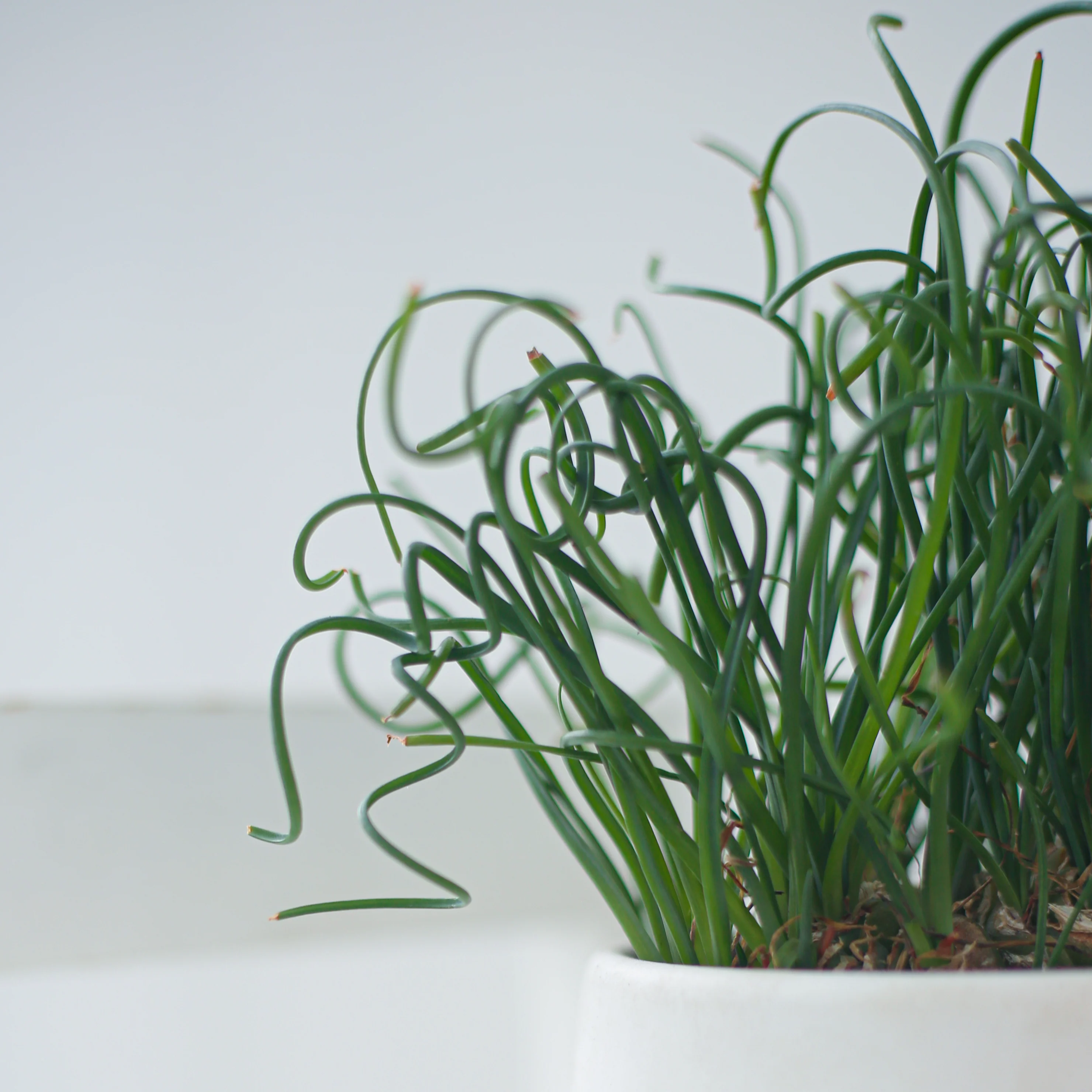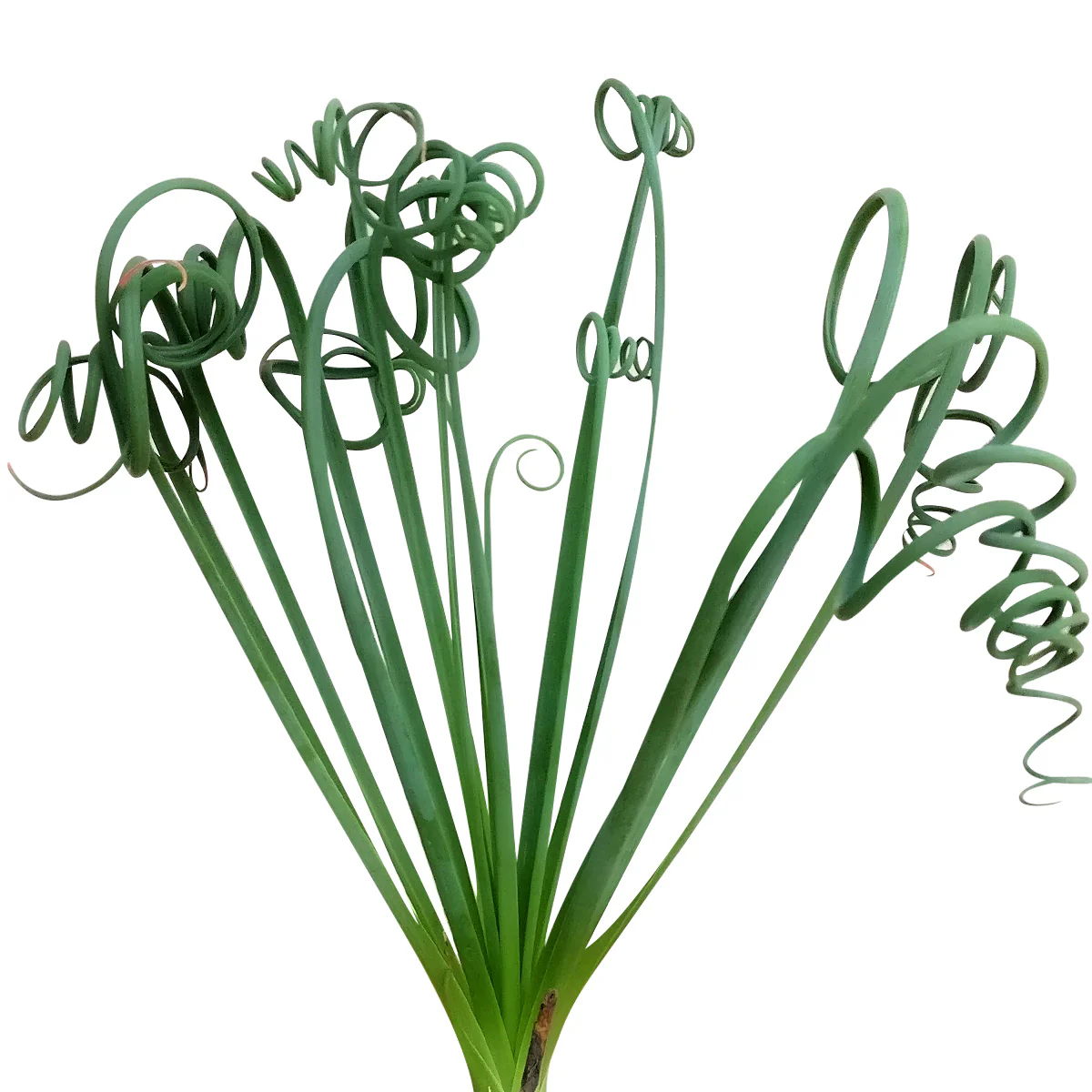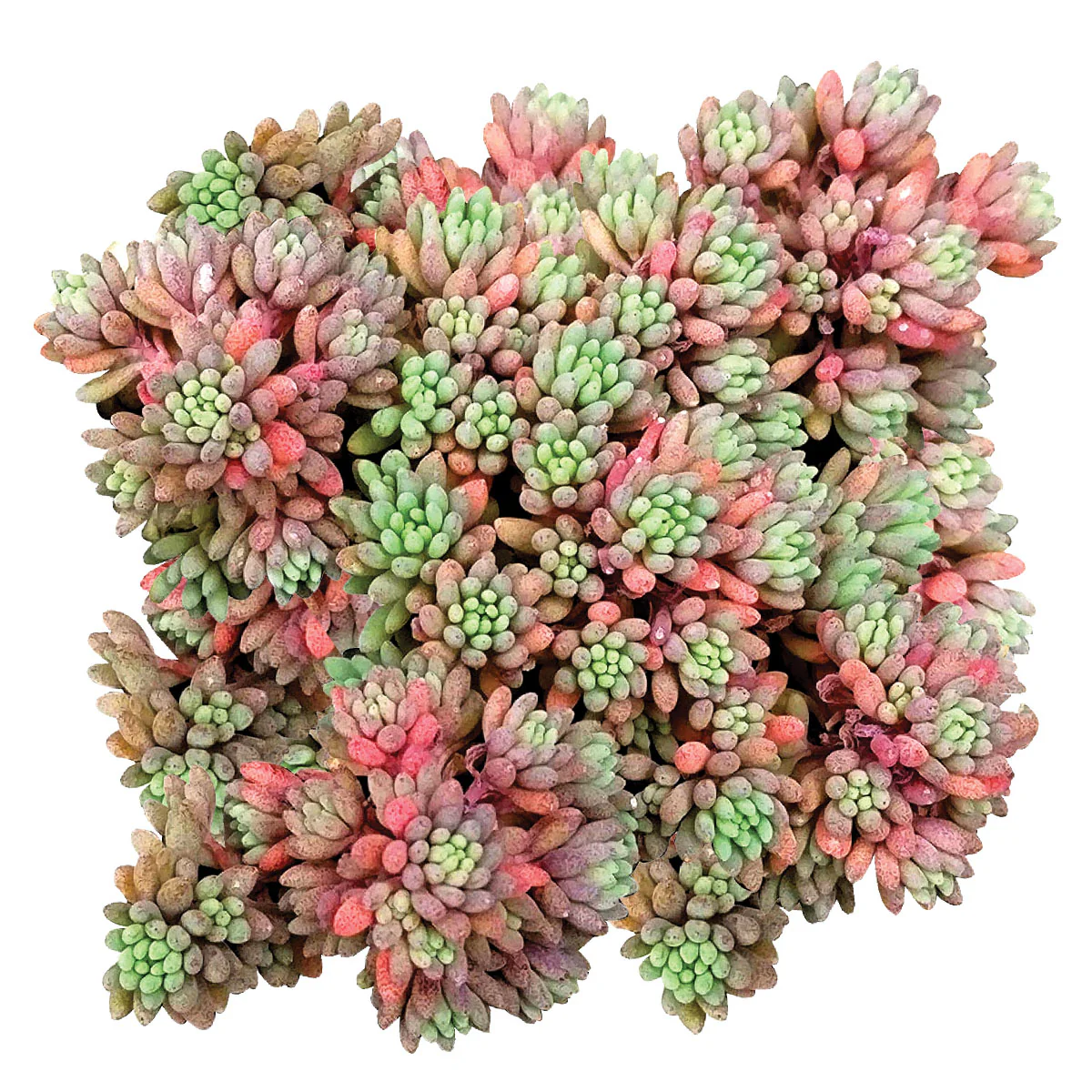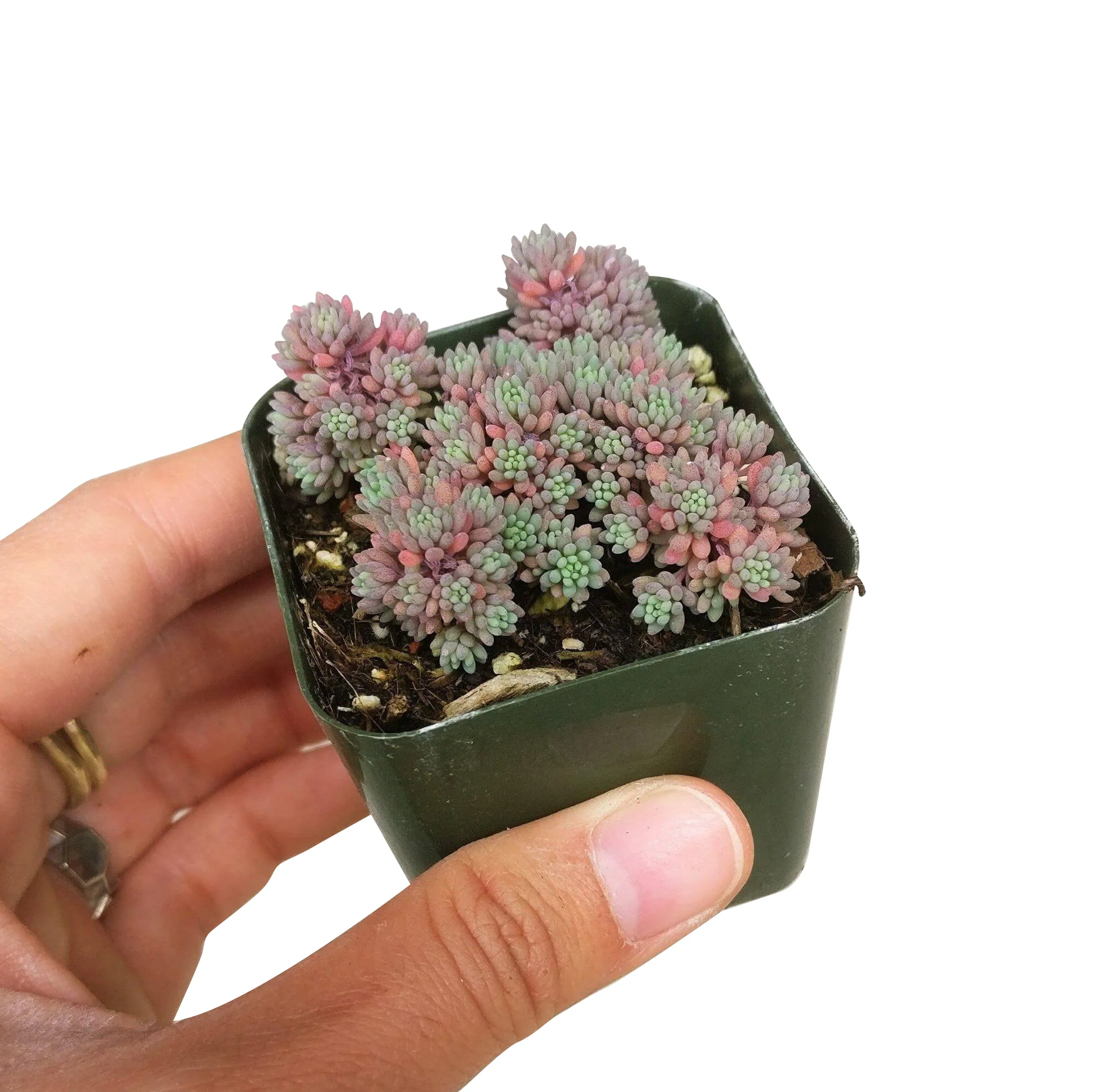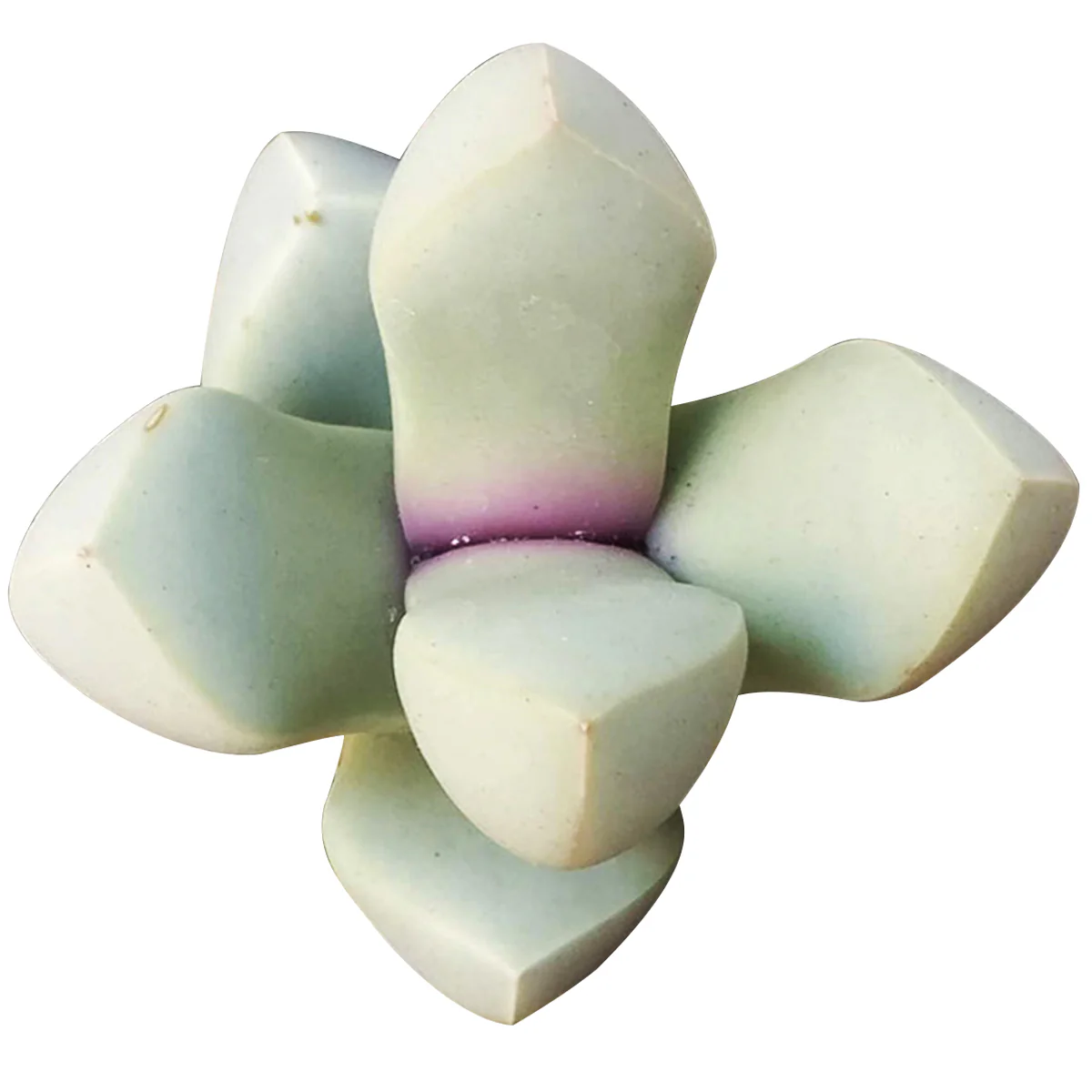
Karoo Rose Lapidaria margaretae Cactus
- Description
- Karoo Rose Lapidaria margaretae Care Guide
- FAQ/Common Issues
-
![]() The Karoo Rose Lapidaria margaretae Cactus is a rare succulent native to the arid Namaqualand and Bushmanland regions of South Africa and Namibia, where it grows among quartz rocks in the Karoo desert. It belongs to the Aizoaceae family and the monotypic genus Lapidaria, meaning it stands alone as the single species in its genus. Collectors worldwide prize this rare collector succulent for its extraordinary resemblance to polished stone, making it one of the most sought-after living stone succulents available.
The Karoo Rose Lapidaria margaretae Cactus is a rare succulent native to the arid Namaqualand and Bushmanland regions of South Africa and Namibia, where it grows among quartz rocks in the Karoo desert. It belongs to the Aizoaceae family and the monotypic genus Lapidaria, meaning it stands alone as the single species in its genus. Collectors worldwide prize this rare collector succulent for its extraordinary resemblance to polished stone, making it one of the most sought-after living stone succulents available.
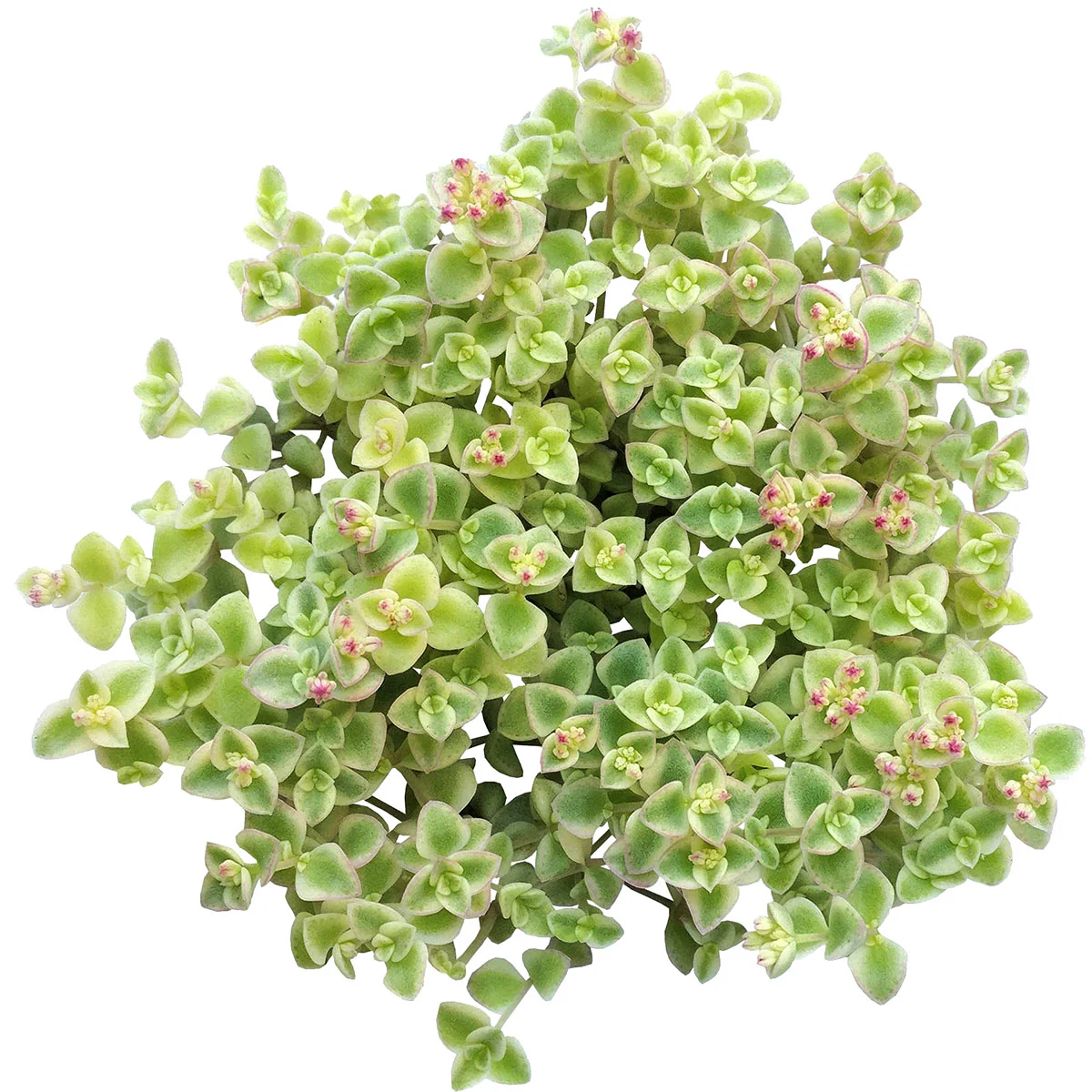
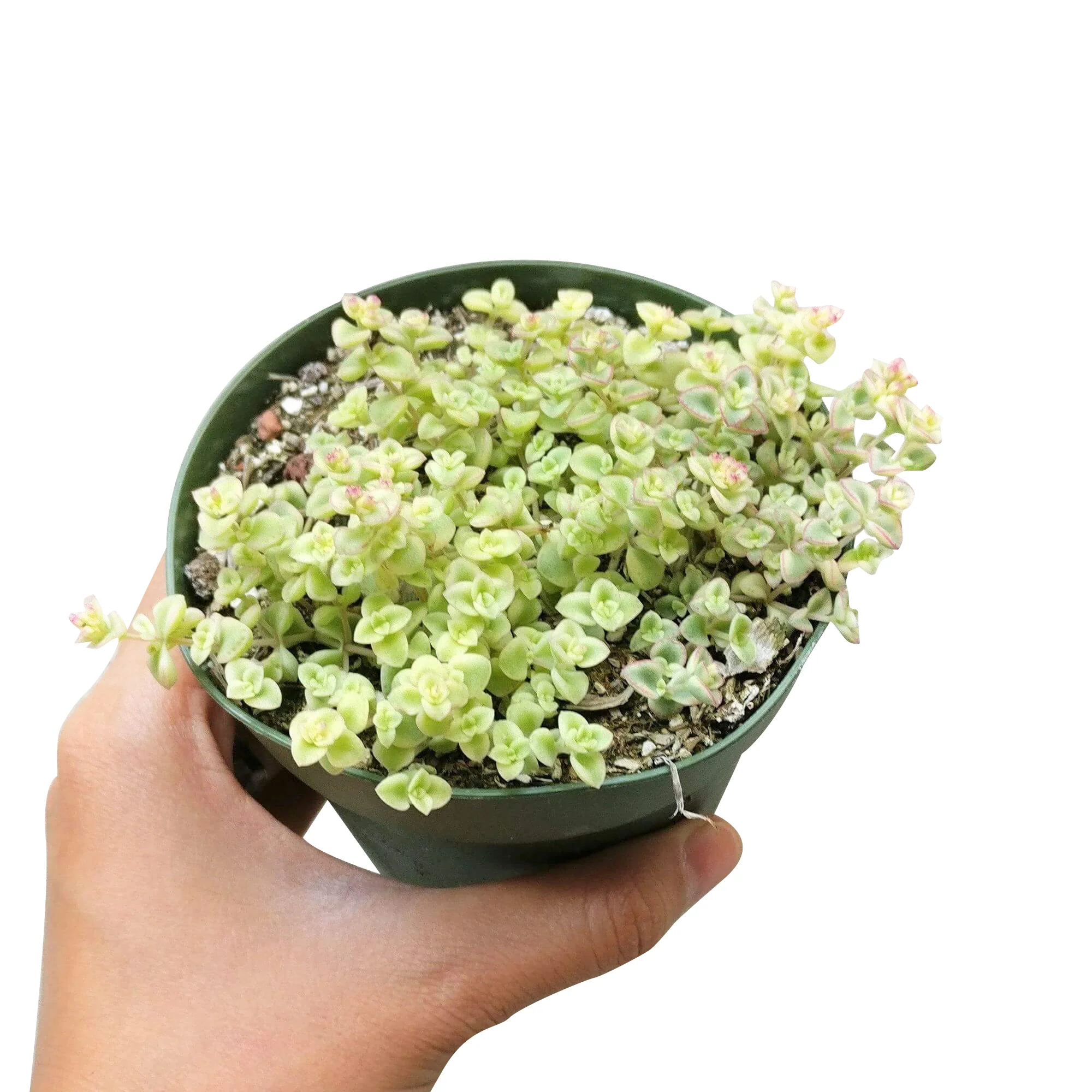
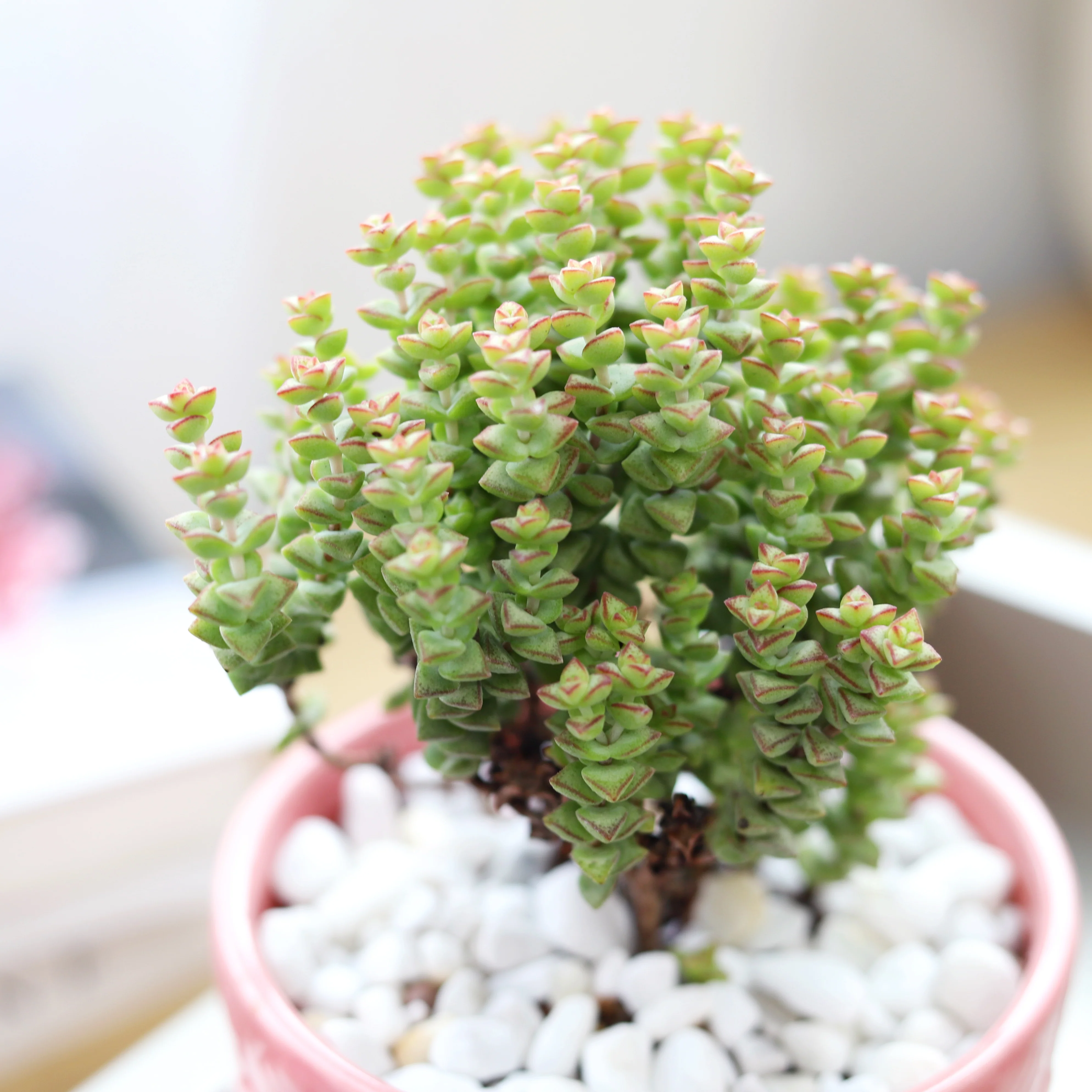
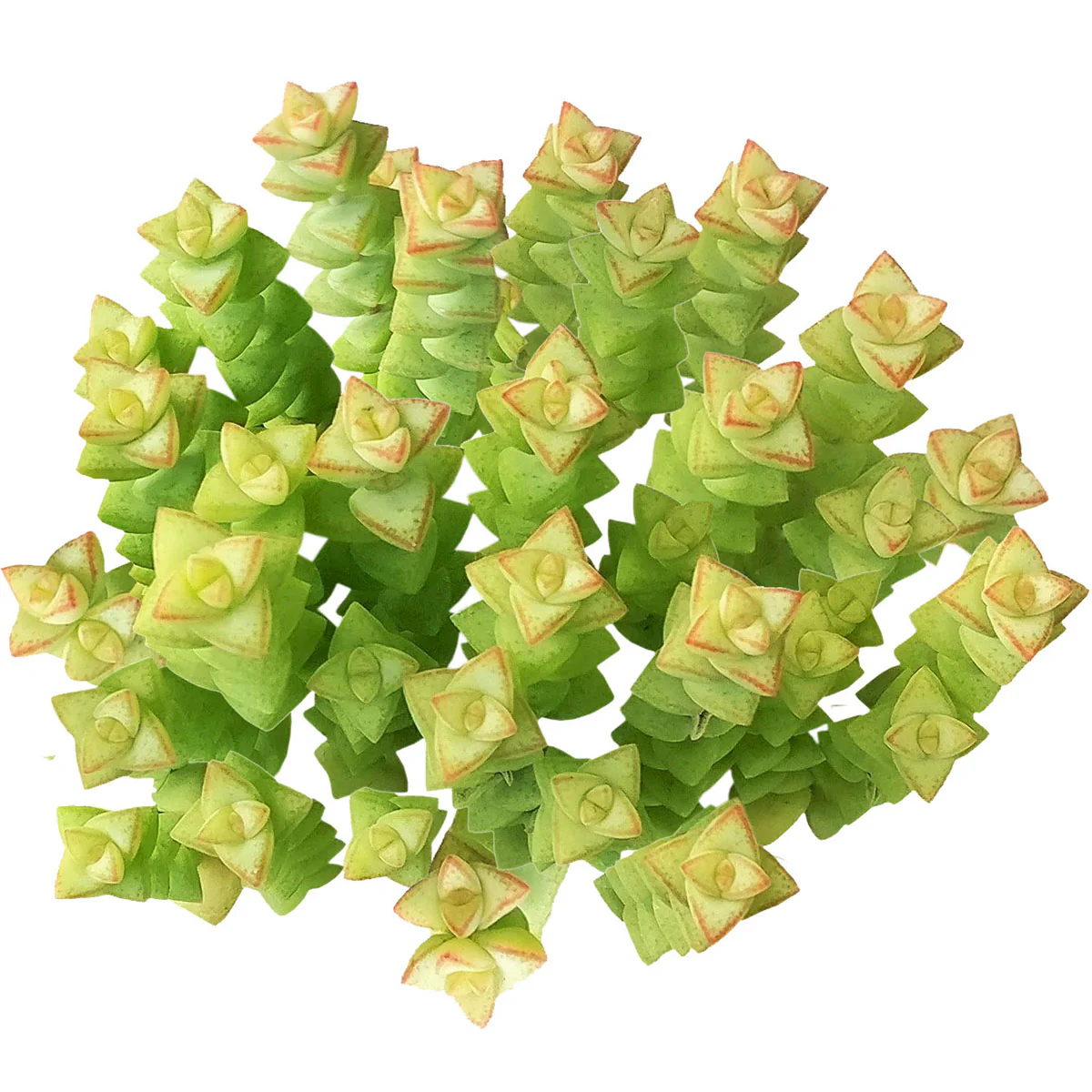
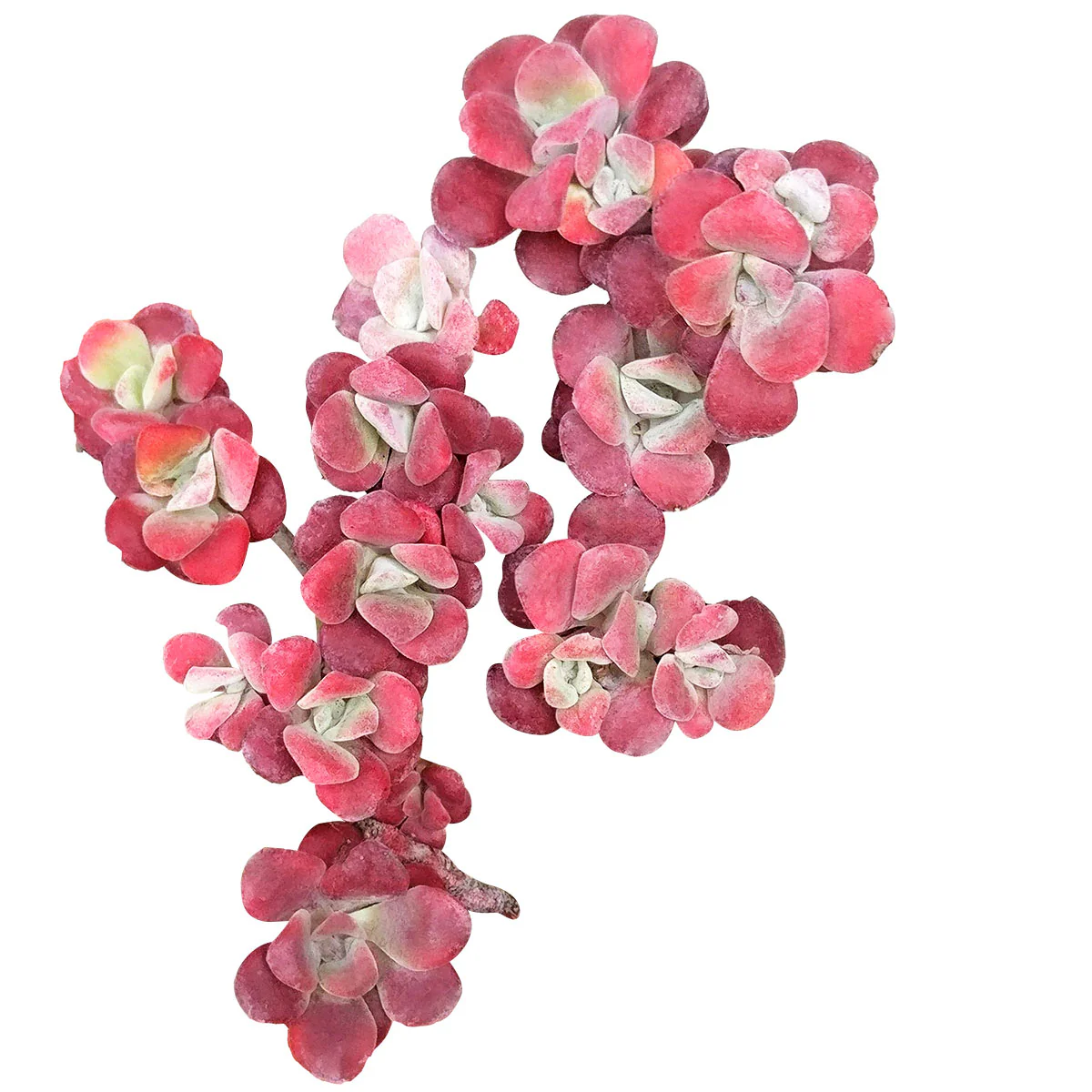
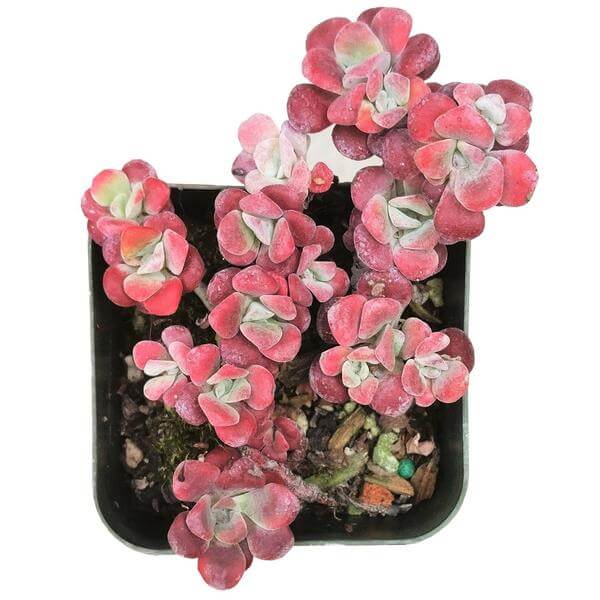
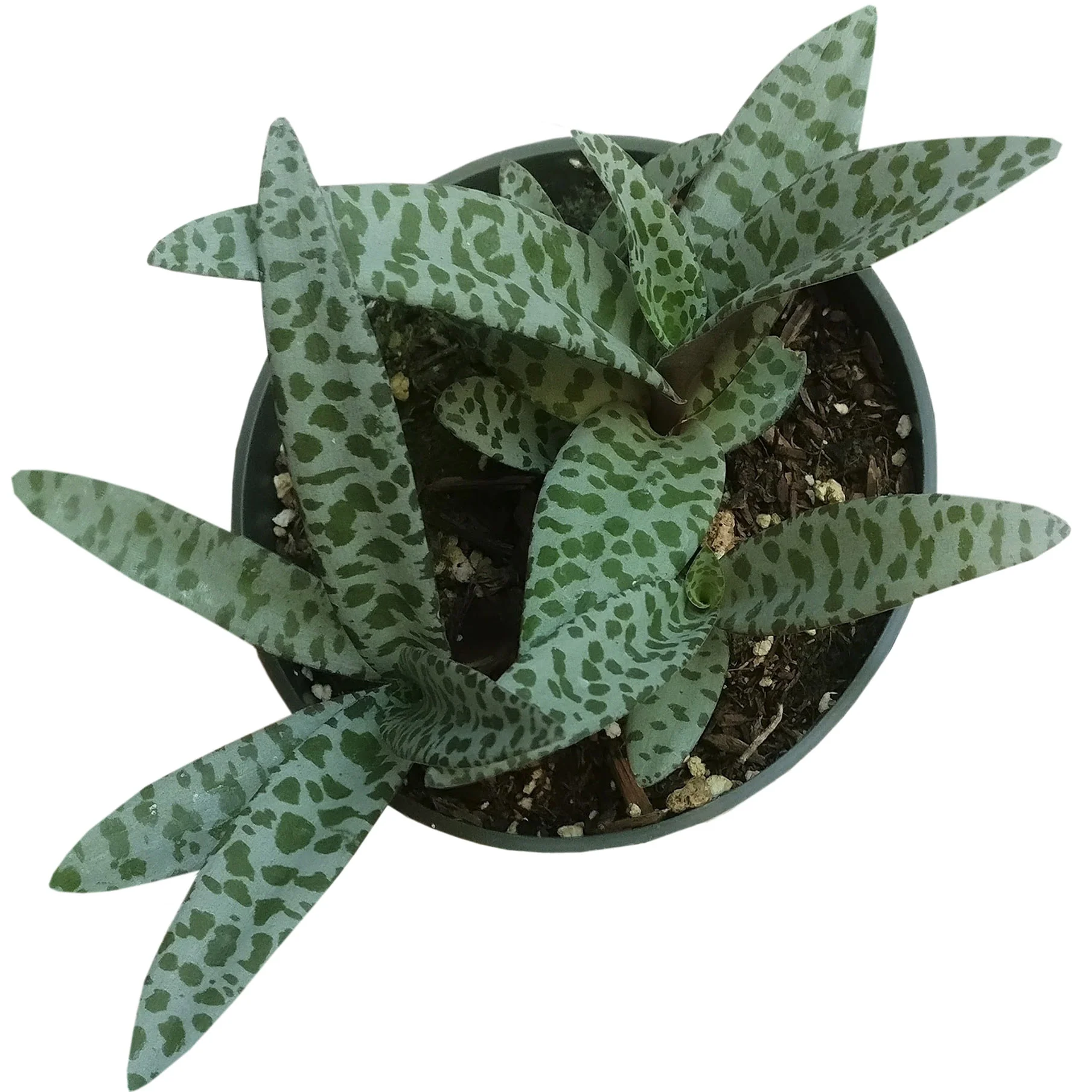
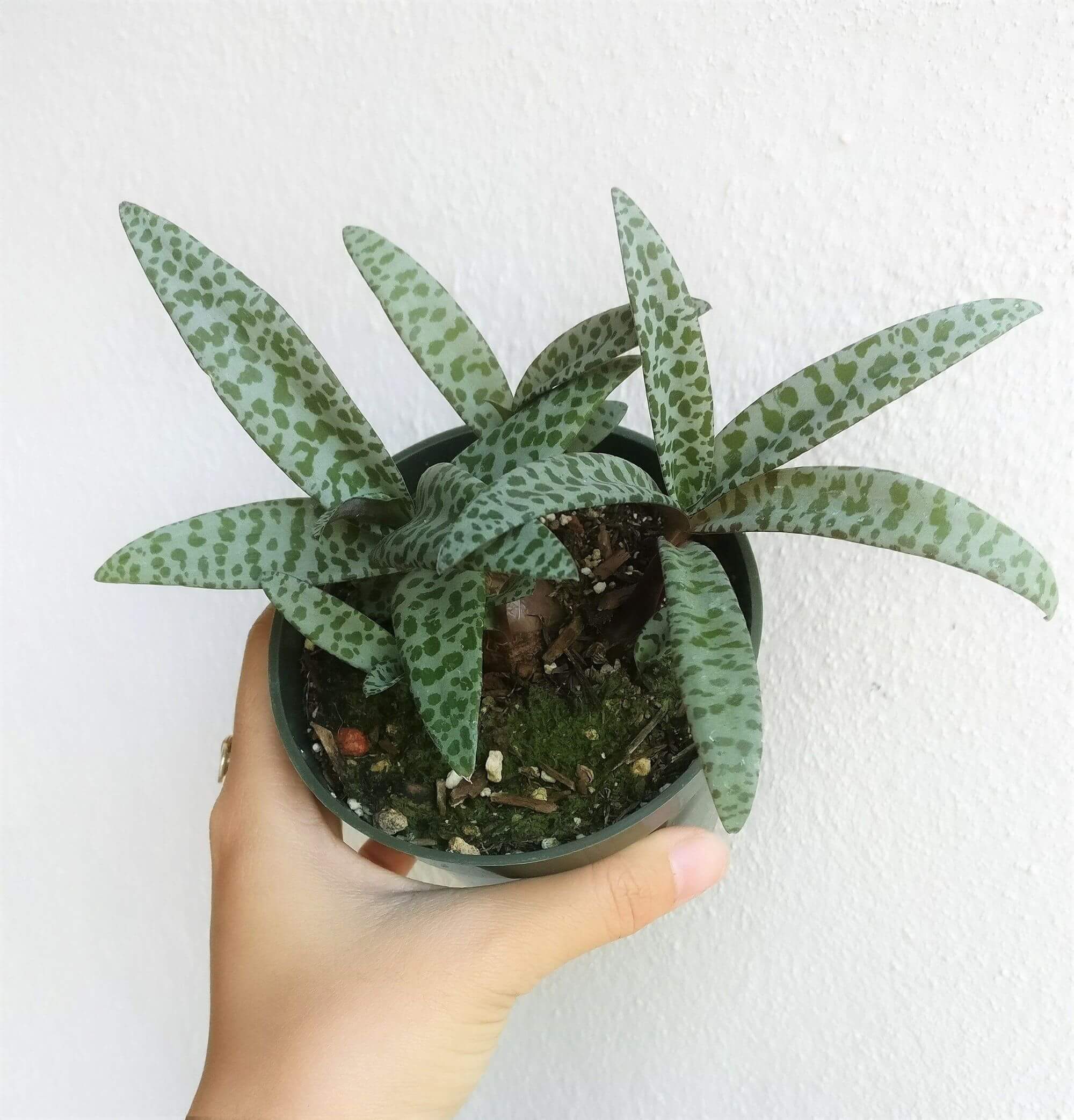
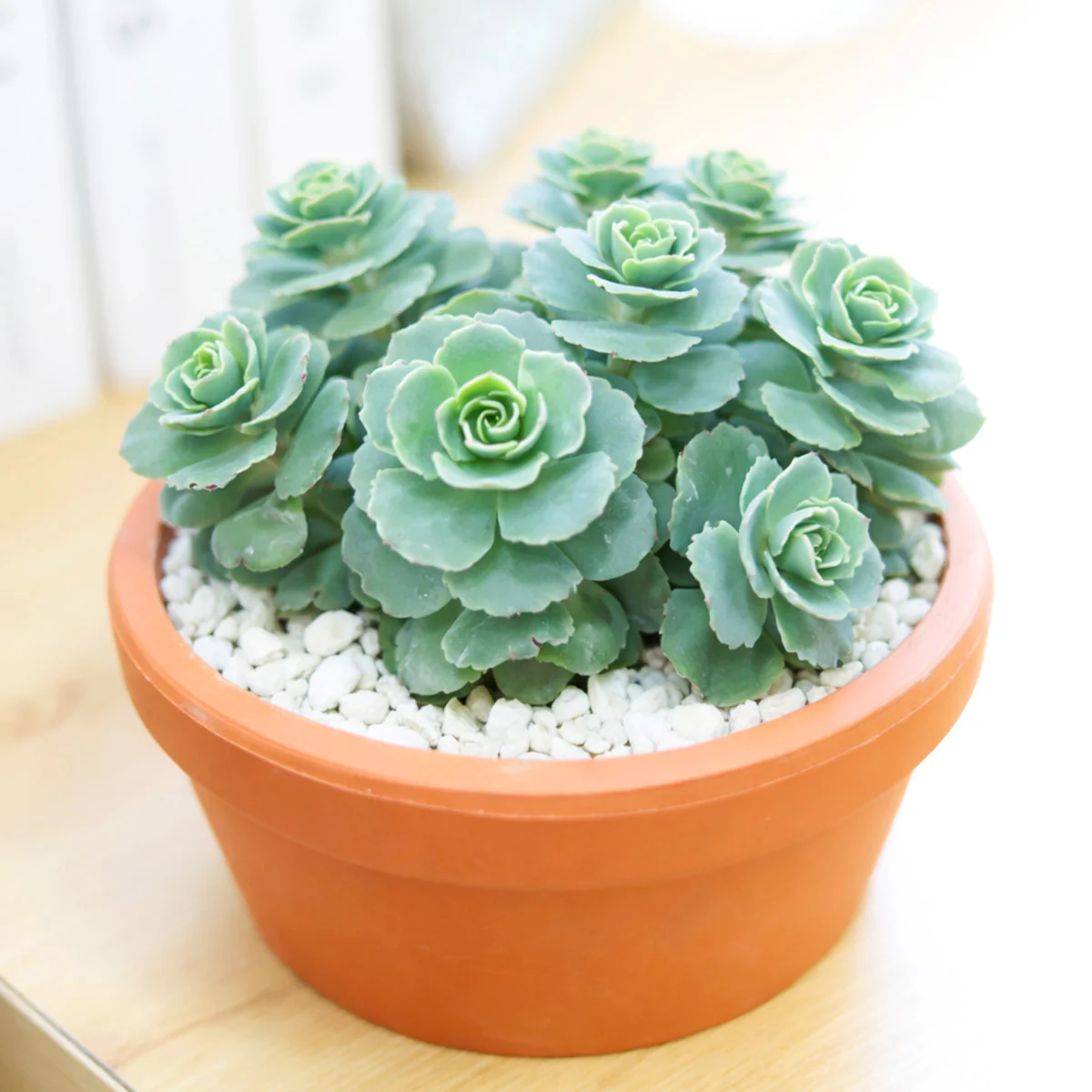
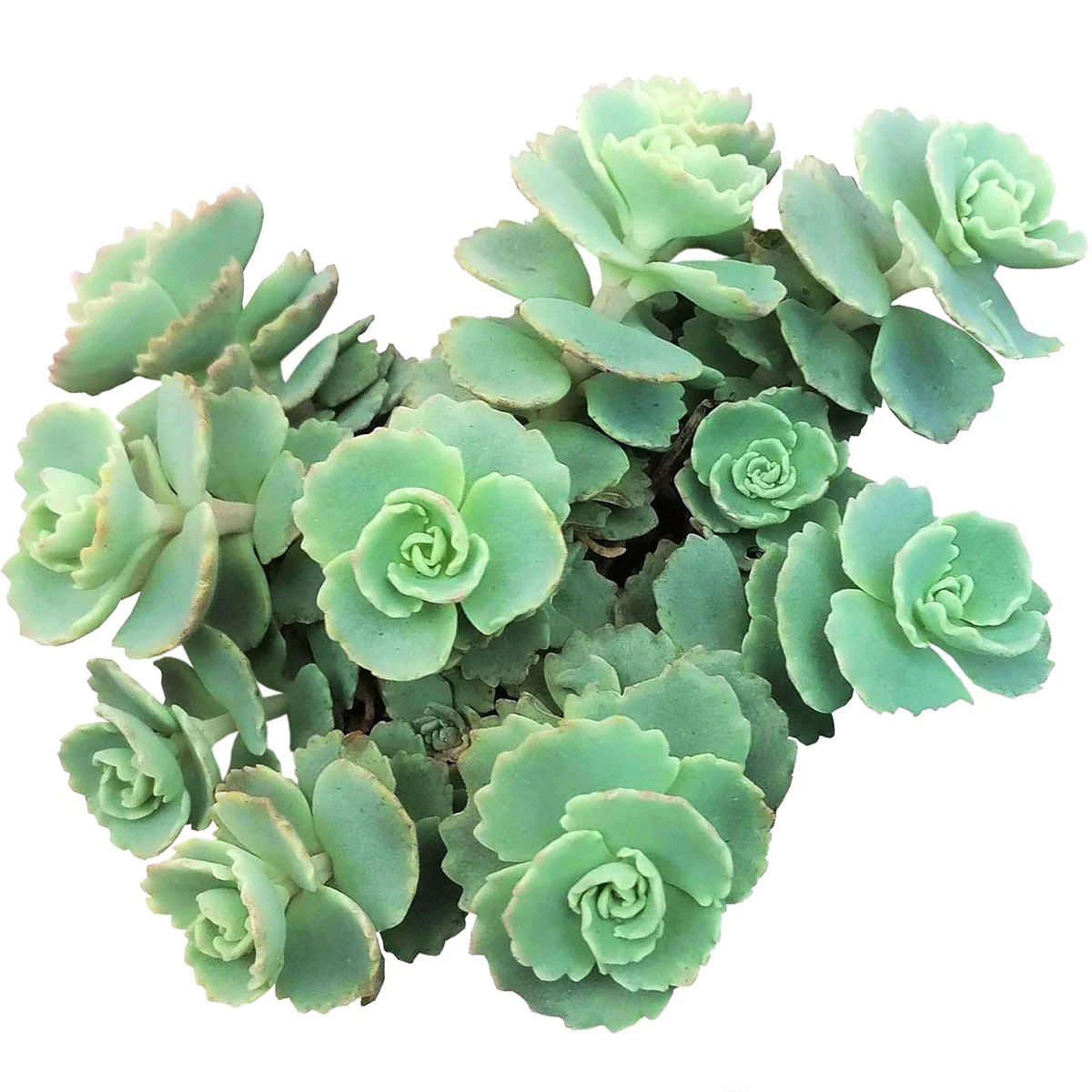
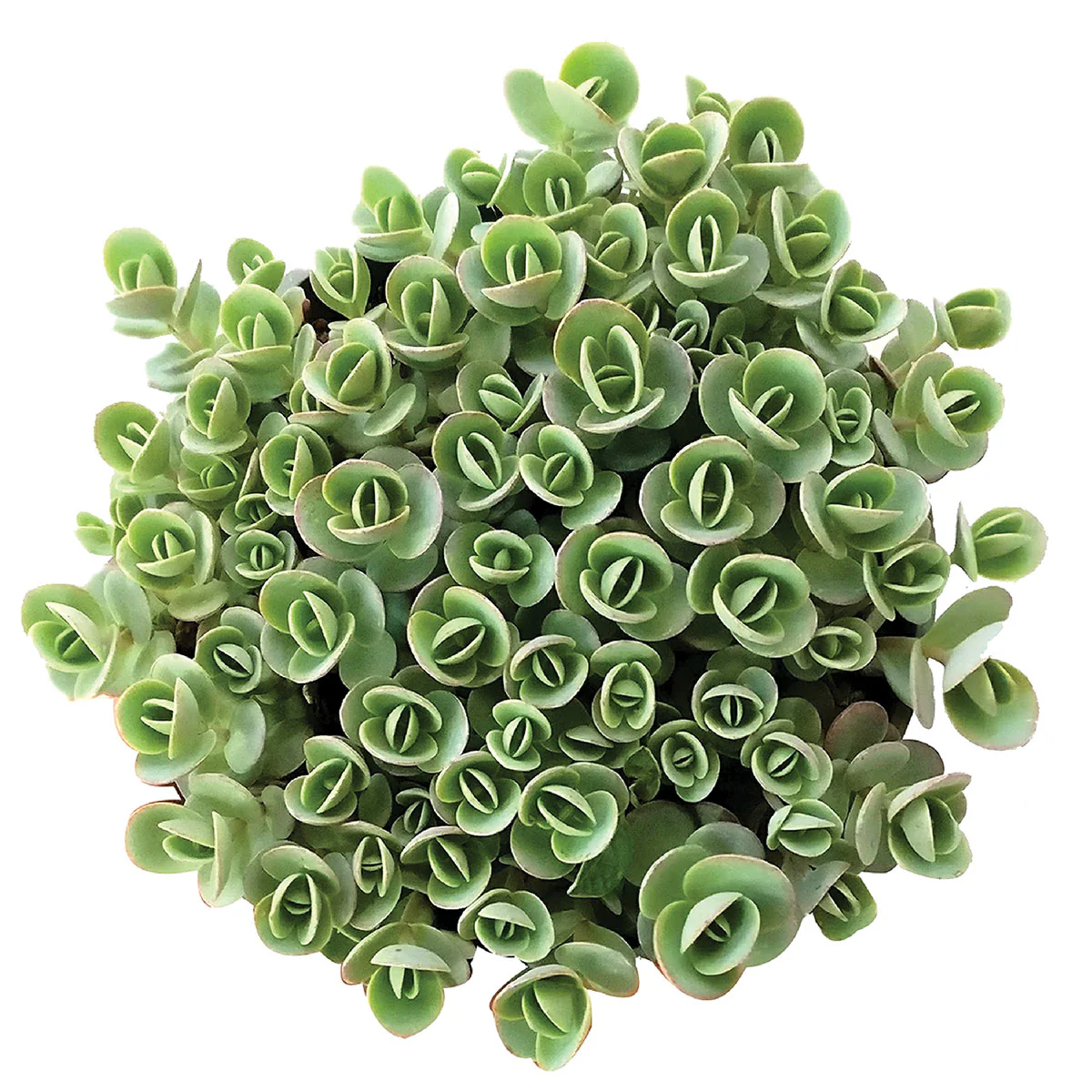
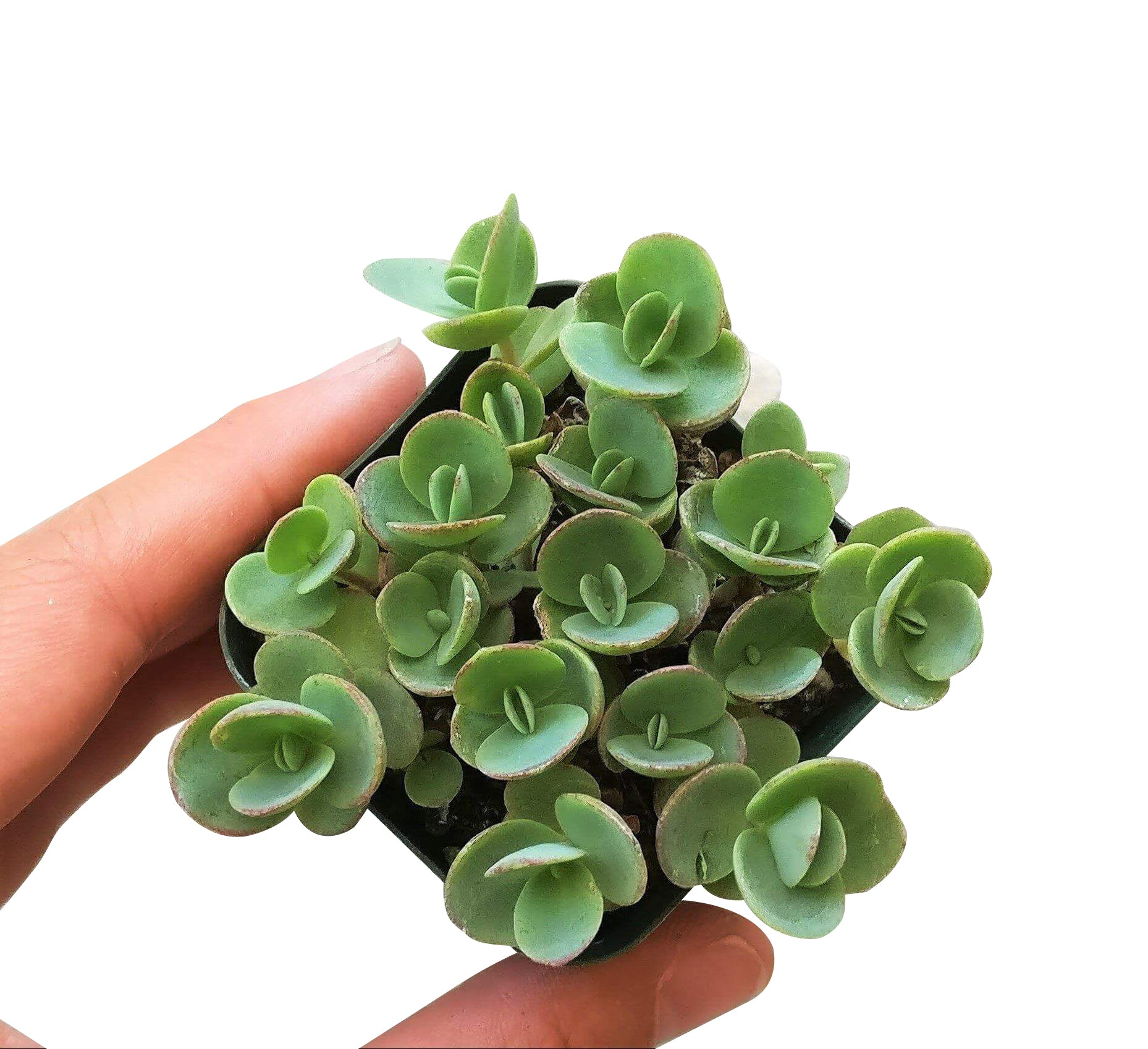
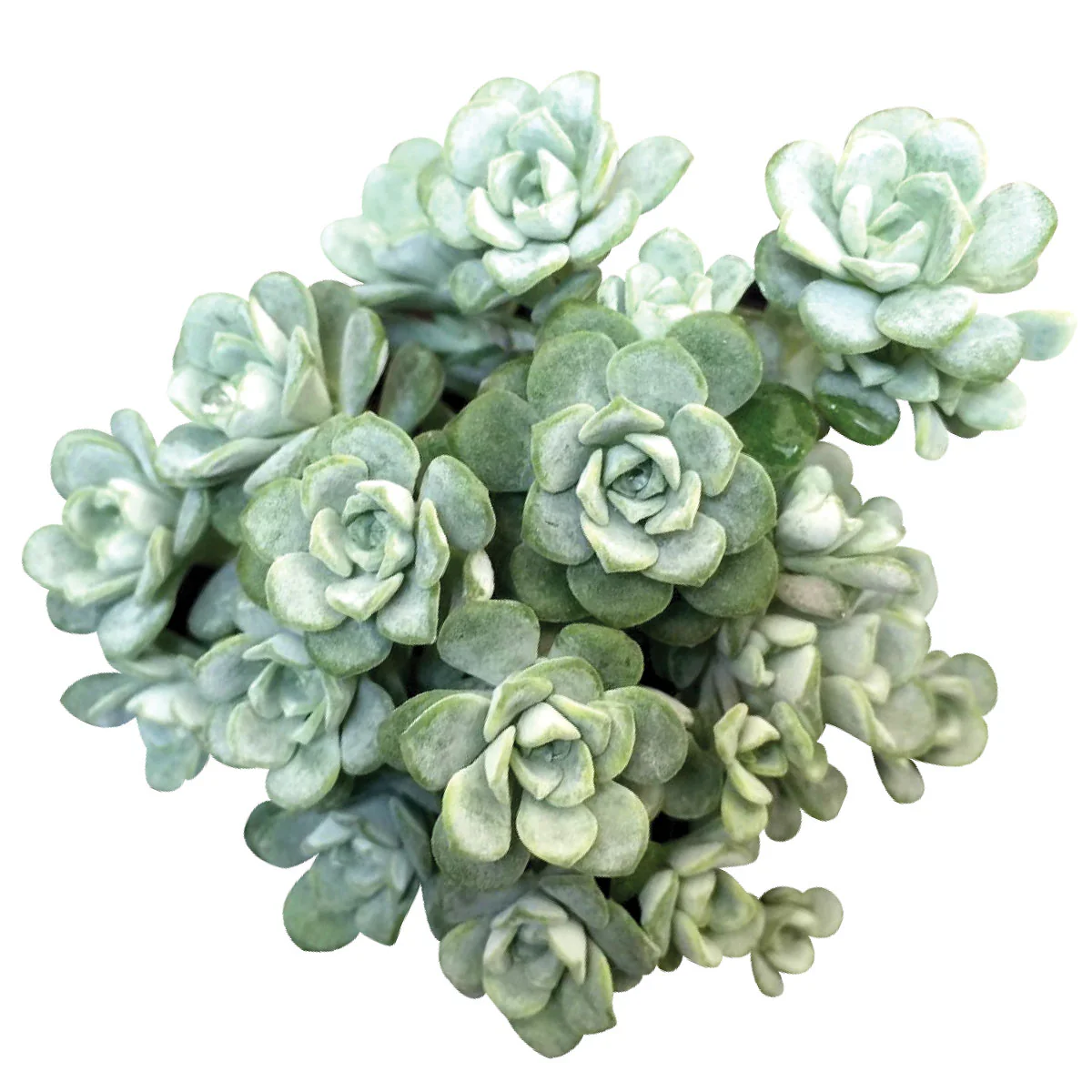
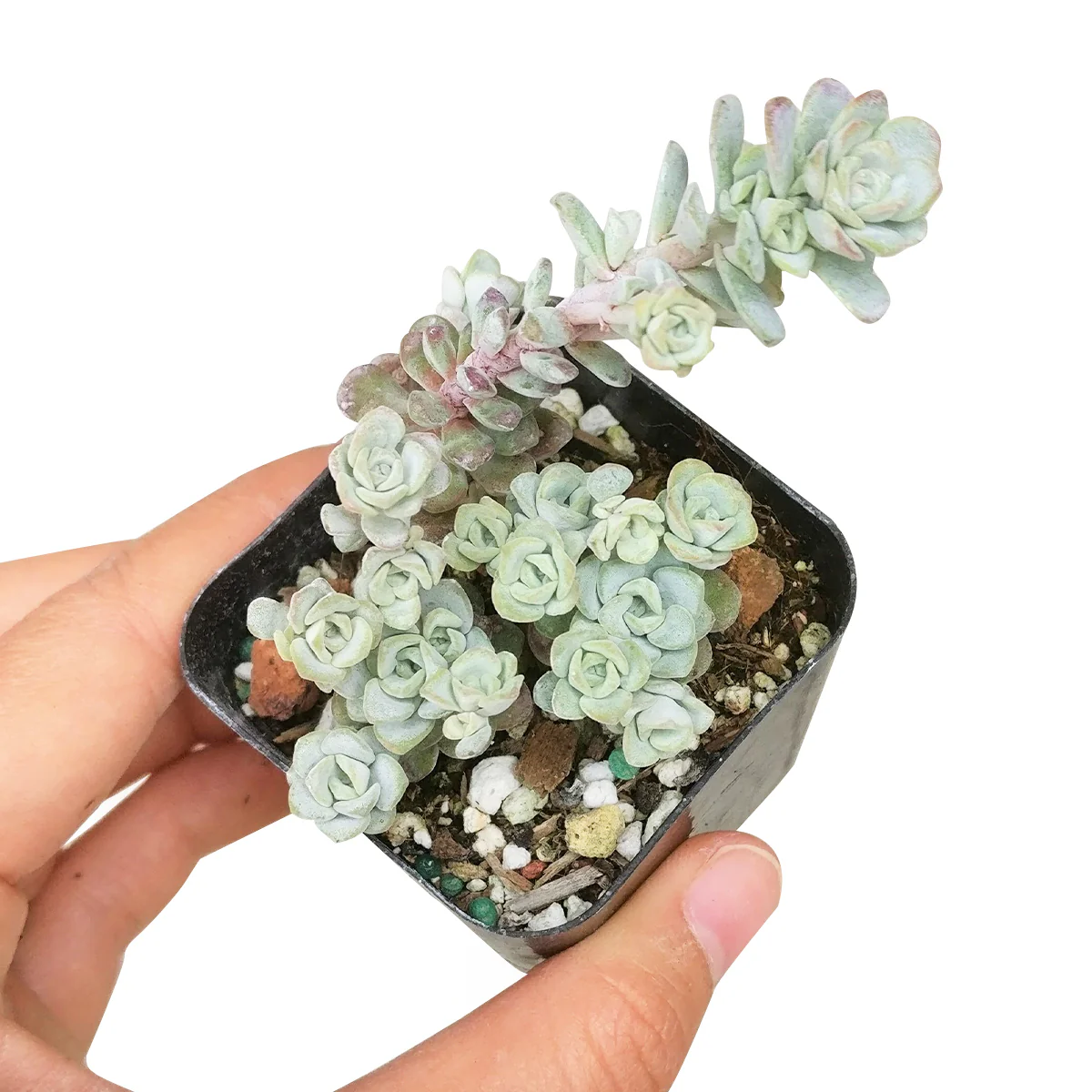
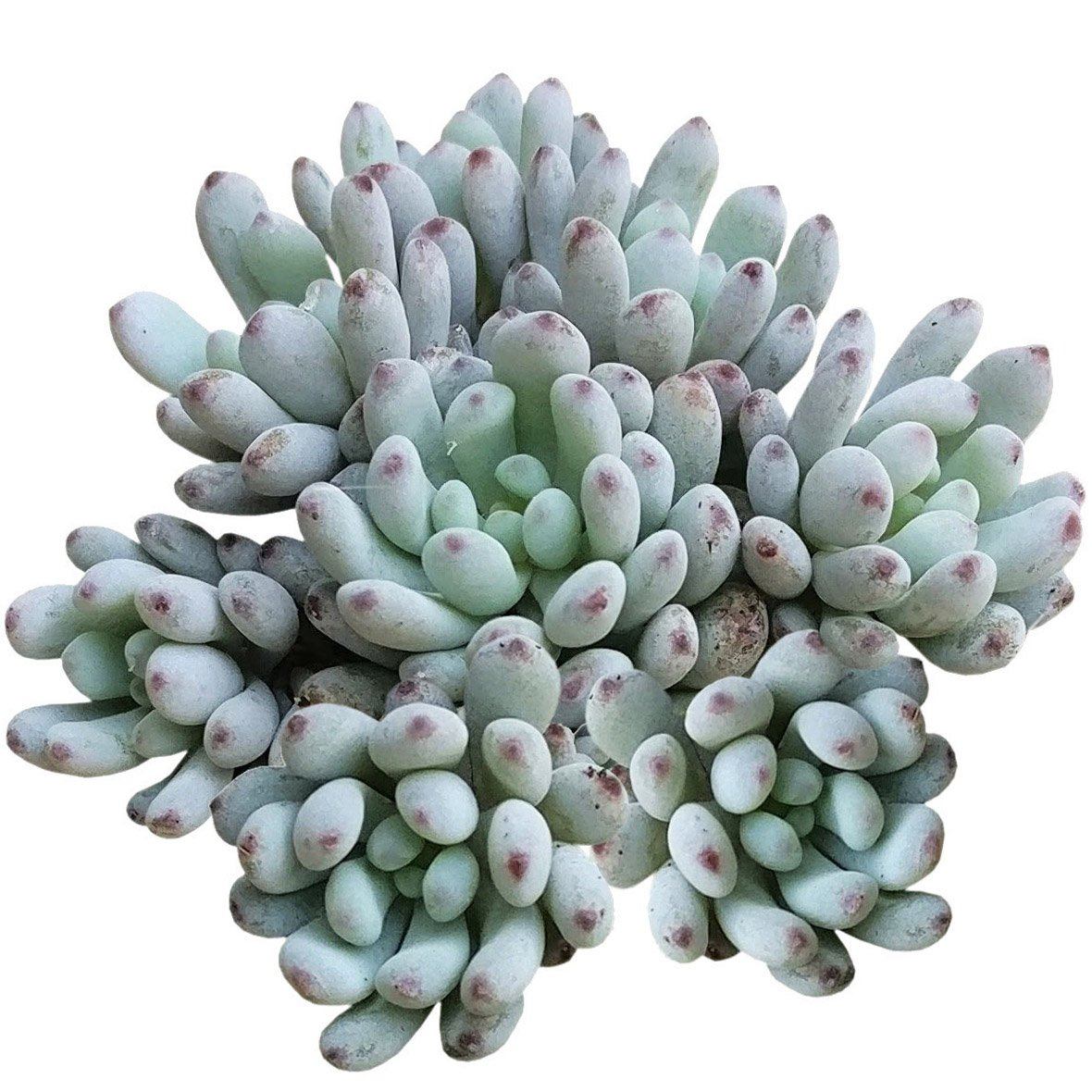
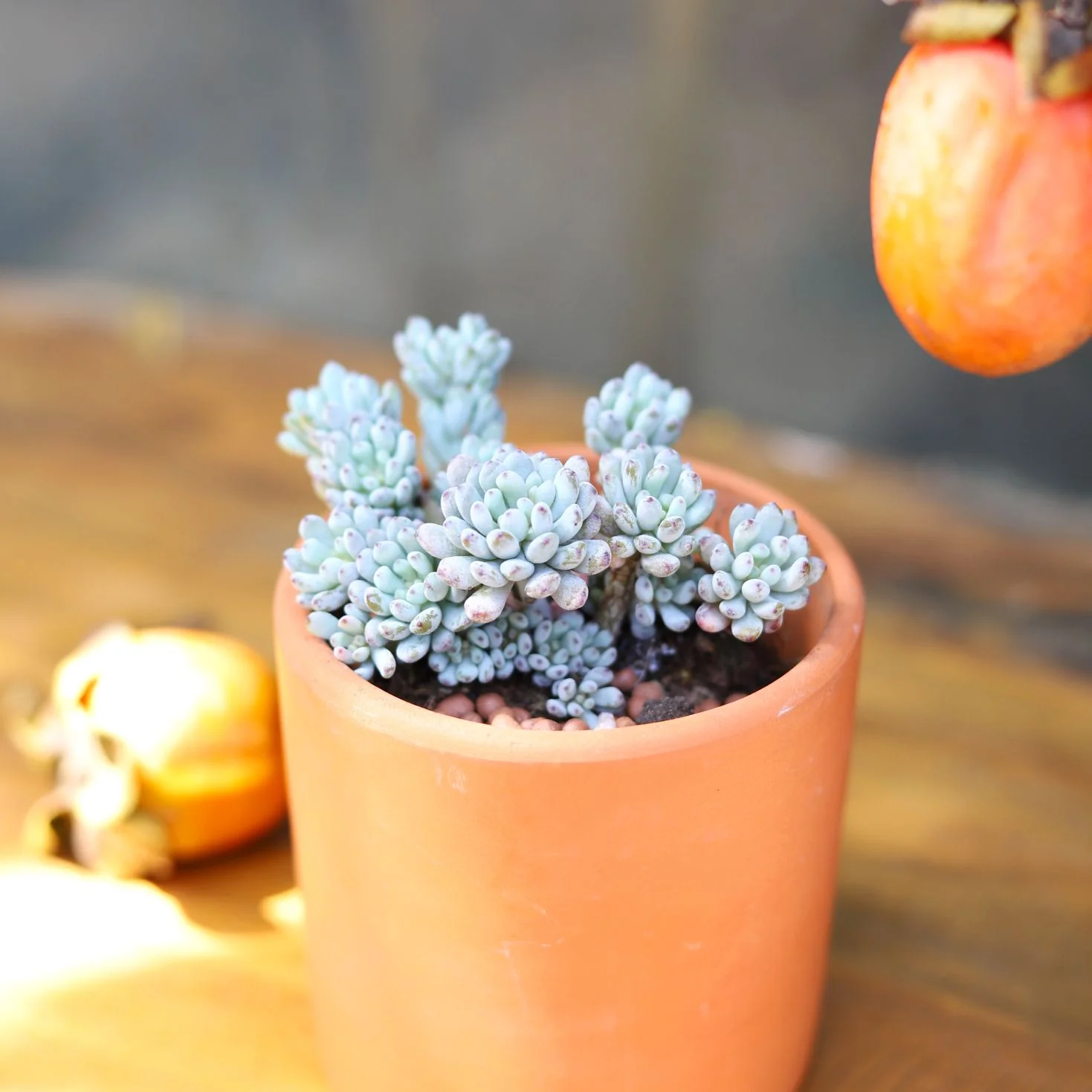
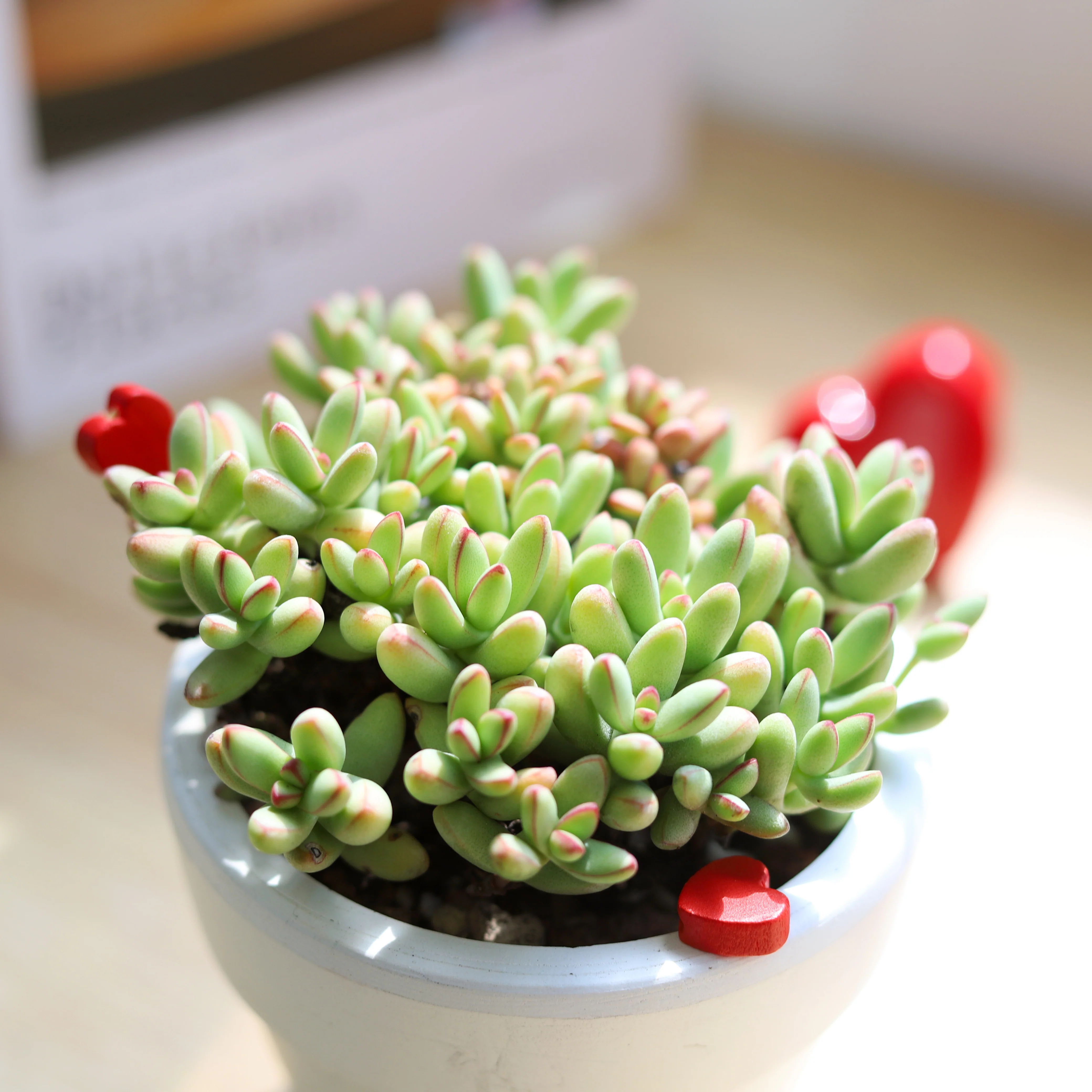
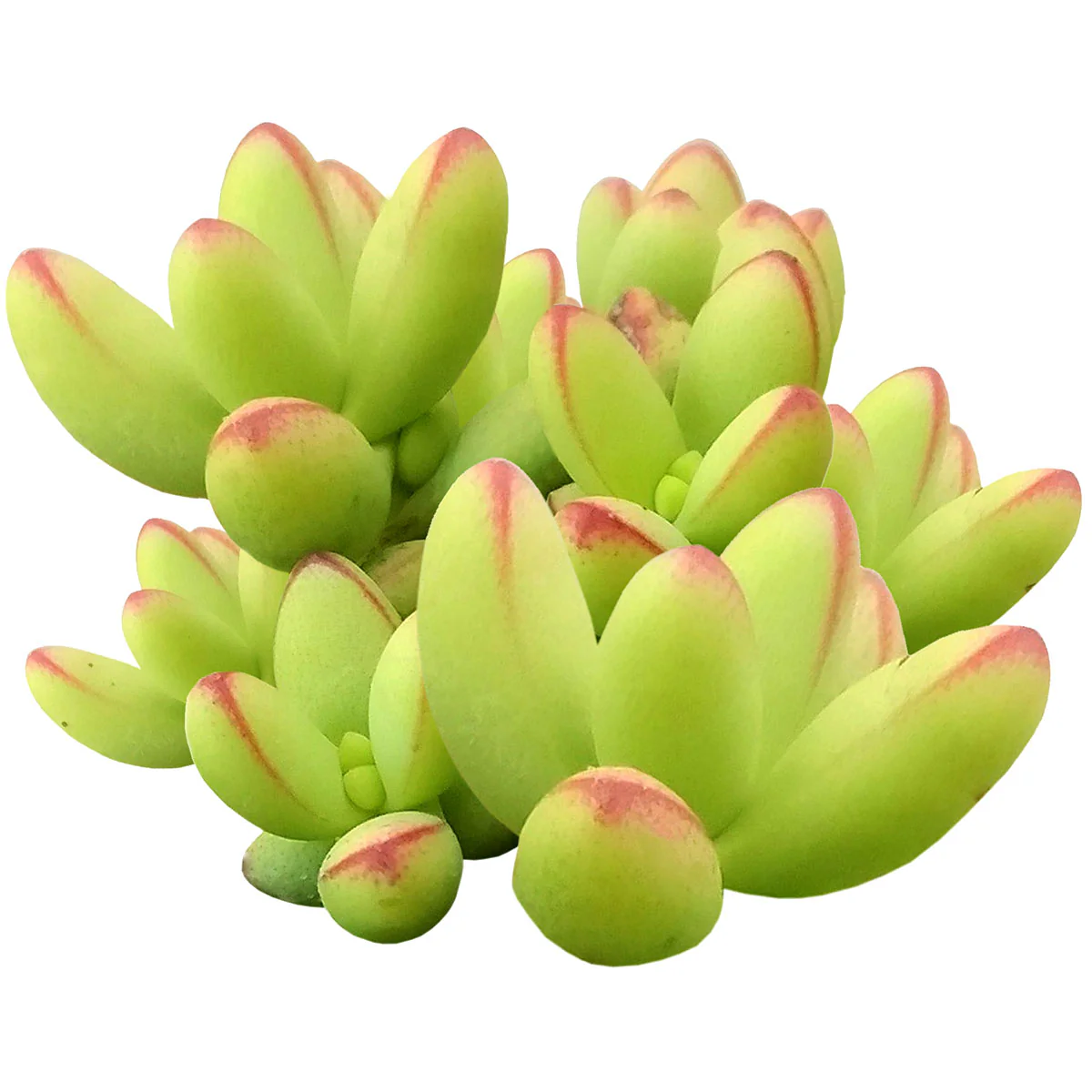
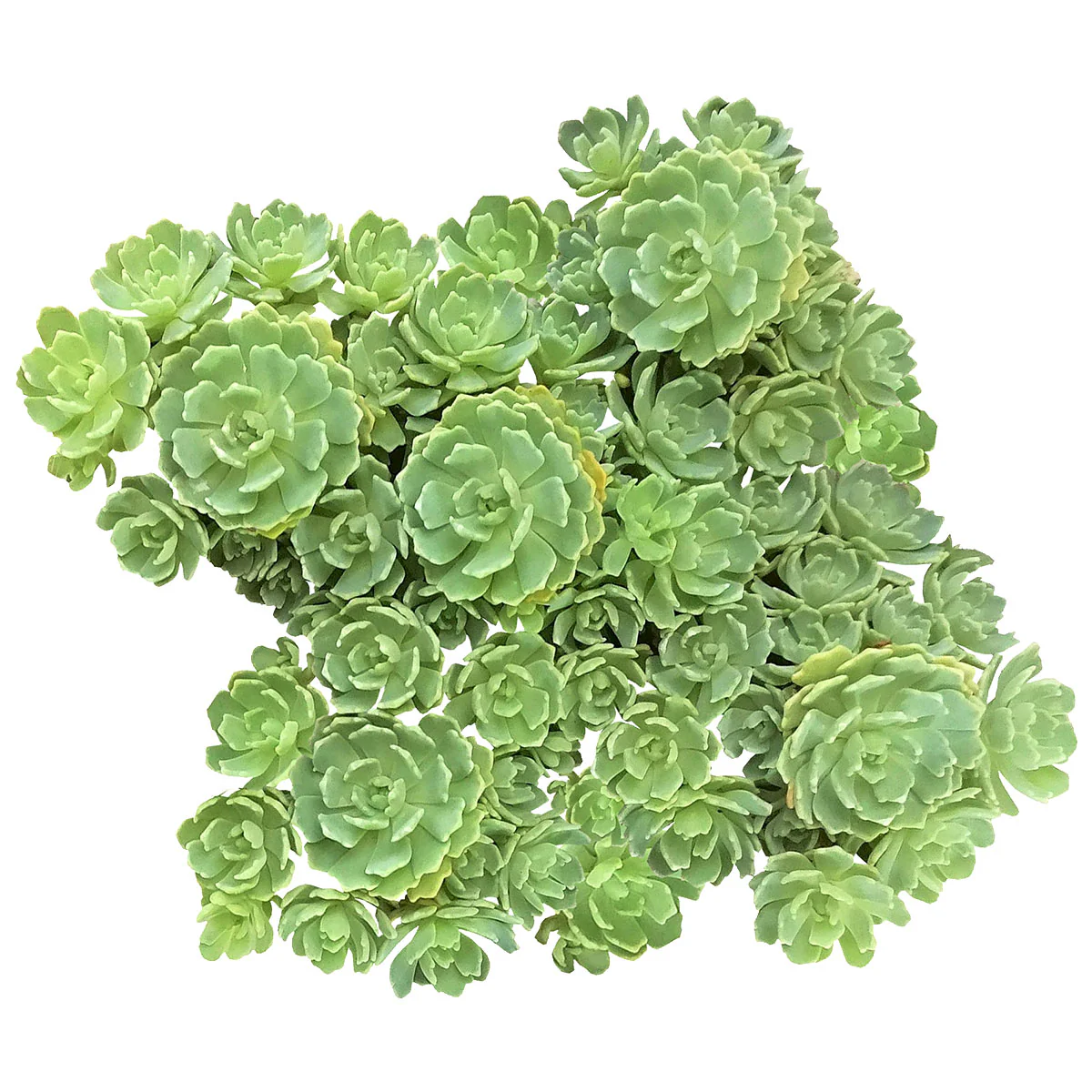
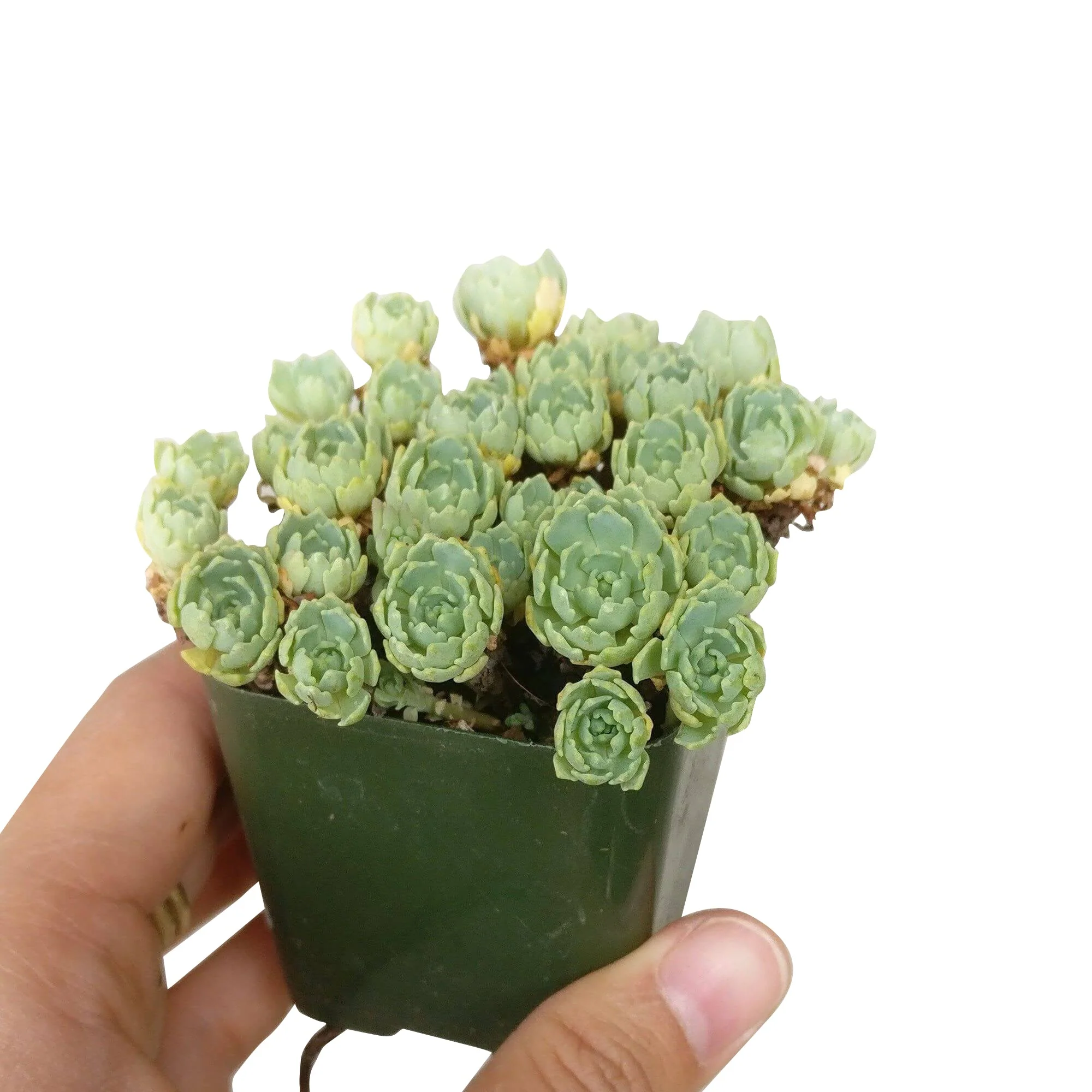
 The Karoo Rose Lapidaria margaretae Cactus forms tight, clumping rosettes of chunky, triangular leaves that are pale grey-green to silvery-white with a smooth, almost chalky surface and subtly keeled edges. Each leaf pair is thick and firm, giving the plant a sculptural, architectural look that feels more like a natural mineral formation than a living plant. Over time, the clumping growth style produces a low, dense mound of rosettes, making even a small 2" or 4" specimen a striking display piece.
 The Karoo Rose Lapidaria margaretae Cactus blooms in autumn, producing bright golden-yellow daisy-like flowers that emerge from the center of the rosette and can reach up to 4 cm across. Blooms typically appear once a year and require a nighttime temperature drop to trigger flowering, so placing your plant near a cool window in fall makes a real difference. The flowers are cheerful and unexpectedly bold against the plant's pale, stone-like body, and they do produce pollen, so keep that in mind if you have seasonal allergies.
 As a rare collector find, the Karoo Rose Lapidaria margaretae Cactus rewards patient growers with a slow-growing, long-lived specimen that can become a true heirloom over decades. It is best displayed on a high shelf or bright windowsill, well away from small children and pets, as its sap can cause skin and paw irritation on contact. This drought tolerant succulent needs protection from rain and is sensitive to being moved frequently, so choose its spot thoughtfully. It tolerates dry heated indoor air well but dislikes being positioned directly in AC or heater airflow, and it handles a 10-day trip without watering, making it a low-stress travel companion.
-
 Karoo Rose Lapidaria margaretae Cactus thrives in bright indirect light, partial sun, or full sun with at least 4-6 hours of direct light daily.
 Water Karoo Rose Lapidaria margaretae Cactus sparingly, roughly every 2-3 weeks in summer and only once a month or less in winter.
 Karoo Rose Lapidaria margaretae Cactus needs a gritty, fast-draining mix of 50% coarse sand or perlite combined with 50% cactus or succulent soil.
 Karoo Rose Lapidaria margaretae Cactus prefers temperatures between 50-85°F (10-29°C) and is not frost tolerant below 25°F (-4°C).
![]() Karoo Rose Lapidaria margaretae Cactus is a slow grower and needs no regular fertilizing, though a diluted succulent feed once in spring can support healthy growth.
Karoo Rose Lapidaria margaretae Cactus is a slow grower and needs no regular fertilizing, though a diluted succulent feed once in spring can support healthy growth.
 Karoo Rose Lapidaria margaretae Cactus is hardy in USDA Zones 9-11, tolerating brief dips to around 25°F (-4°C) but performing best with frost protection. Outdoor growing suits warm, dry climates across California, Arizona, Nevada, Texas, Florida, Hawaii, Louisiana, Mississippi, Alabama, Georgia, and South Carolina. The Karoo Rose Lapidaria margaretae Cactus can also spend summers outside in Oregon's coastal regions and sheltered spots in New Mexico and parts of Arkansas, though it should be brought indoors before any frost arrives.
-
Q: How often should I water my Karoo Rose Lapidaria margaretae Cactus?
A: Water every 2-3 weeks during the growing season and cut back to once a month or less in winter. This drought tolerant succulent is far more forgiving of underwatering than overwatering.
Q: Is the Karoo Rose Lapidaria margaretae Cactus safe for pets?
A: The sap of the Karoo Rose Lapidaria margaretae Cactus can cause skin and paw irritation, so it is best kept on a high shelf away from curious cats, dogs, and small children. If ingestion is suspected, contact your vet promptly.
Q: How fast does the Karoo Rose Lapidaria margaretae Cactus grow?
A: The Karoo Rose Lapidaria margaretae Cactus is a slow grower, adding new rosettes gradually over years. Its unhurried pace is part of its charm as a rare collector succulent built to last decades.
Q: How do I propagate my Karoo Rose Lapidaria margaretae Cactus?
A: Propagate the Karoo Rose Lapidaria margaretae Cactus by gently separating offsets from the clumping base during the growing season. Allow the offset to callous for a day or two before placing it in dry, gritty succulent mix.
Q: Why are the leaves on my Karoo Rose Lapidaria margaretae Cactus turning yellow?
A: Yellowing on a Karoo Rose Lapidaria margaretae Cactus usually signals overwatering or poor drainage, both of which cause root stress. Reduce watering, improve soil drainage, and ensure the pot has adequate drainage holes.
Q: Does the Karoo Rose Lapidaria margaretae Cactus need to be moved outdoors in summer?
A: The Karoo Rose Lapidaria margaretae Cactus can move outside for summer in warm, dry climates, but needs cover from rain and shelter from heavy afternoon sun. Note that it is sensitive to being moved frequently, so limit transitions and keep conditions consistent.


Original: $15.00
-70%$15.00
$4.50Product Information
Product Information
Shipping & Returns
Shipping & Returns
Description
- Description
- Karoo Rose Lapidaria margaretae Care Guide
- FAQ/Common Issues
-
![]() The Karoo Rose Lapidaria margaretae Cactus is a rare succulent native to the arid Namaqualand and Bushmanland regions of South Africa and Namibia, where it grows among quartz rocks in the Karoo desert. It belongs to the Aizoaceae family and the monotypic genus Lapidaria, meaning it stands alone as the single species in its genus. Collectors worldwide prize this rare collector succulent for its extraordinary resemblance to polished stone, making it one of the most sought-after living stone succulents available.
The Karoo Rose Lapidaria margaretae Cactus is a rare succulent native to the arid Namaqualand and Bushmanland regions of South Africa and Namibia, where it grows among quartz rocks in the Karoo desert. It belongs to the Aizoaceae family and the monotypic genus Lapidaria, meaning it stands alone as the single species in its genus. Collectors worldwide prize this rare collector succulent for its extraordinary resemblance to polished stone, making it one of the most sought-after living stone succulents available.
The Karoo Rose Lapidaria margaretae Cactus forms tight, clumping rosettes of chunky, triangular leaves that are pale grey-green to silvery-white with a smooth, almost chalky surface and subtly keeled edges. Each leaf pair is thick and firm, giving the plant a sculptural, architectural look that feels more like a natural mineral formation than a living plant. Over time, the clumping growth style produces a low, dense mound of rosettes, making even a small 2" or 4" specimen a striking display piece.
The Karoo Rose Lapidaria margaretae Cactus blooms in autumn, producing bright golden-yellow daisy-like flowers that emerge from the center of the rosette and can reach up to 4 cm across. Blooms typically appear once a year and require a nighttime temperature drop to trigger flowering, so placing your plant near a cool window in fall makes a real difference. The flowers are cheerful and unexpectedly bold against the plant's pale, stone-like body, and they do produce pollen, so keep that in mind if you have seasonal allergies.
As a rare collector find, the Karoo Rose Lapidaria margaretae Cactus rewards patient growers with a slow-growing, long-lived specimen that can become a true heirloom over decades. It is best displayed on a high shelf or bright windowsill, well away from small children and pets, as its sap can cause skin and paw irritation on contact. This drought tolerant succulent needs protection from rain and is sensitive to being moved frequently, so choose its spot thoughtfully. It tolerates dry heated indoor air well but dislikes being positioned directly in AC or heater airflow, and it handles a 10-day trip without watering, making it a low-stress travel companion.
-
Karoo Rose Lapidaria margaretae Cactus thrives in bright indirect light, partial sun, or full sun with at least 4-6 hours of direct light daily.
Water Karoo Rose Lapidaria margaretae Cactus sparingly, roughly every 2-3 weeks in summer and only once a month or less in winter.
Karoo Rose Lapidaria margaretae Cactus needs a gritty, fast-draining mix of 50% coarse sand or perlite combined with 50% cactus or succulent soil.
Karoo Rose Lapidaria margaretae Cactus prefers temperatures between 50-85°F (10-29°C) and is not frost tolerant below 25°F (-4°C).
![]() Karoo Rose Lapidaria margaretae Cactus is a slow grower and needs no regular fertilizing, though a diluted succulent feed once in spring can support healthy growth.
Karoo Rose Lapidaria margaretae Cactus is a slow grower and needs no regular fertilizing, though a diluted succulent feed once in spring can support healthy growth.
Karoo Rose Lapidaria margaretae Cactus is hardy in USDA Zones 9-11, tolerating brief dips to around 25°F (-4°C) but performing best with frost protection. Outdoor growing suits warm, dry climates across California, Arizona, Nevada, Texas, Florida, Hawaii, Louisiana, Mississippi, Alabama, Georgia, and South Carolina. The Karoo Rose Lapidaria margaretae Cactus can also spend summers outside in Oregon's coastal regions and sheltered spots in New Mexico and parts of Arkansas, though it should be brought indoors before any frost arrives.
-
Q: How often should I water my Karoo Rose Lapidaria margaretae Cactus?
A: Water every 2-3 weeks during the growing season and cut back to once a month or less in winter. This drought tolerant succulent is far more forgiving of underwatering than overwatering.
Q: Is the Karoo Rose Lapidaria margaretae Cactus safe for pets?
A: The sap of the Karoo Rose Lapidaria margaretae Cactus can cause skin and paw irritation, so it is best kept on a high shelf away from curious cats, dogs, and small children. If ingestion is suspected, contact your vet promptly.
Q: How fast does the Karoo Rose Lapidaria margaretae Cactus grow?
A: The Karoo Rose Lapidaria margaretae Cactus is a slow grower, adding new rosettes gradually over years. Its unhurried pace is part of its charm as a rare collector succulent built to last decades.
Q: How do I propagate my Karoo Rose Lapidaria margaretae Cactus?
A: Propagate the Karoo Rose Lapidaria margaretae Cactus by gently separating offsets from the clumping base during the growing season. Allow the offset to callous for a day or two before placing it in dry, gritty succulent mix.
Q: Why are the leaves on my Karoo Rose Lapidaria margaretae Cactus turning yellow?
A: Yellowing on a Karoo Rose Lapidaria margaretae Cactus usually signals overwatering or poor drainage, both of which cause root stress. Reduce watering, improve soil drainage, and ensure the pot has adequate drainage holes.
Q: Does the Karoo Rose Lapidaria margaretae Cactus need to be moved outdoors in summer?
A: The Karoo Rose Lapidaria margaretae Cactus can move outside for summer in warm, dry climates, but needs cover from rain and shelter from heavy afternoon sun. Note that it is sensitive to being moved frequently, so limit transitions and keep conditions consistent.