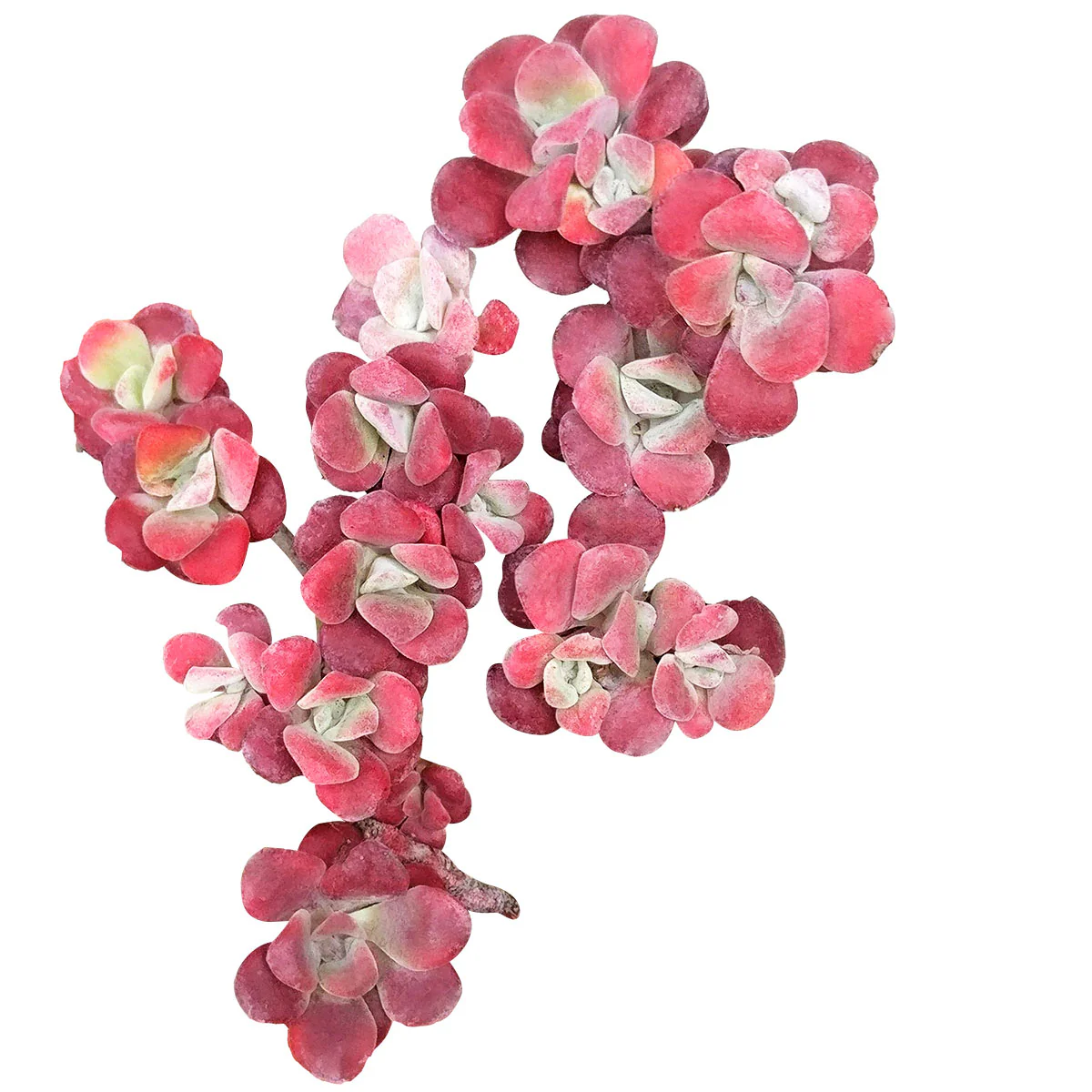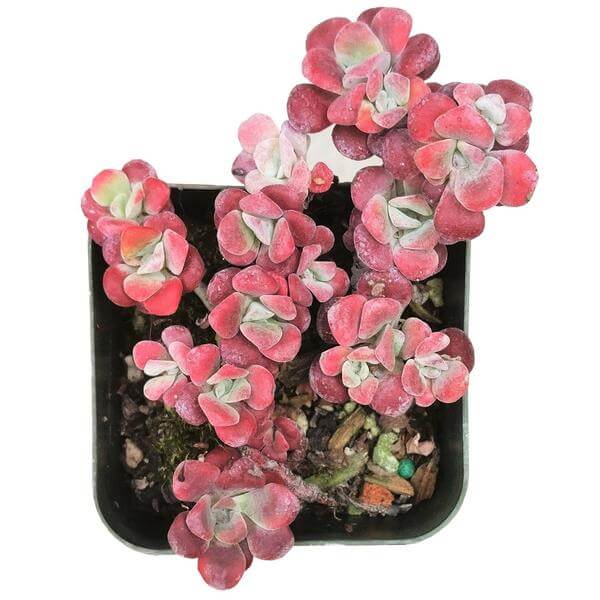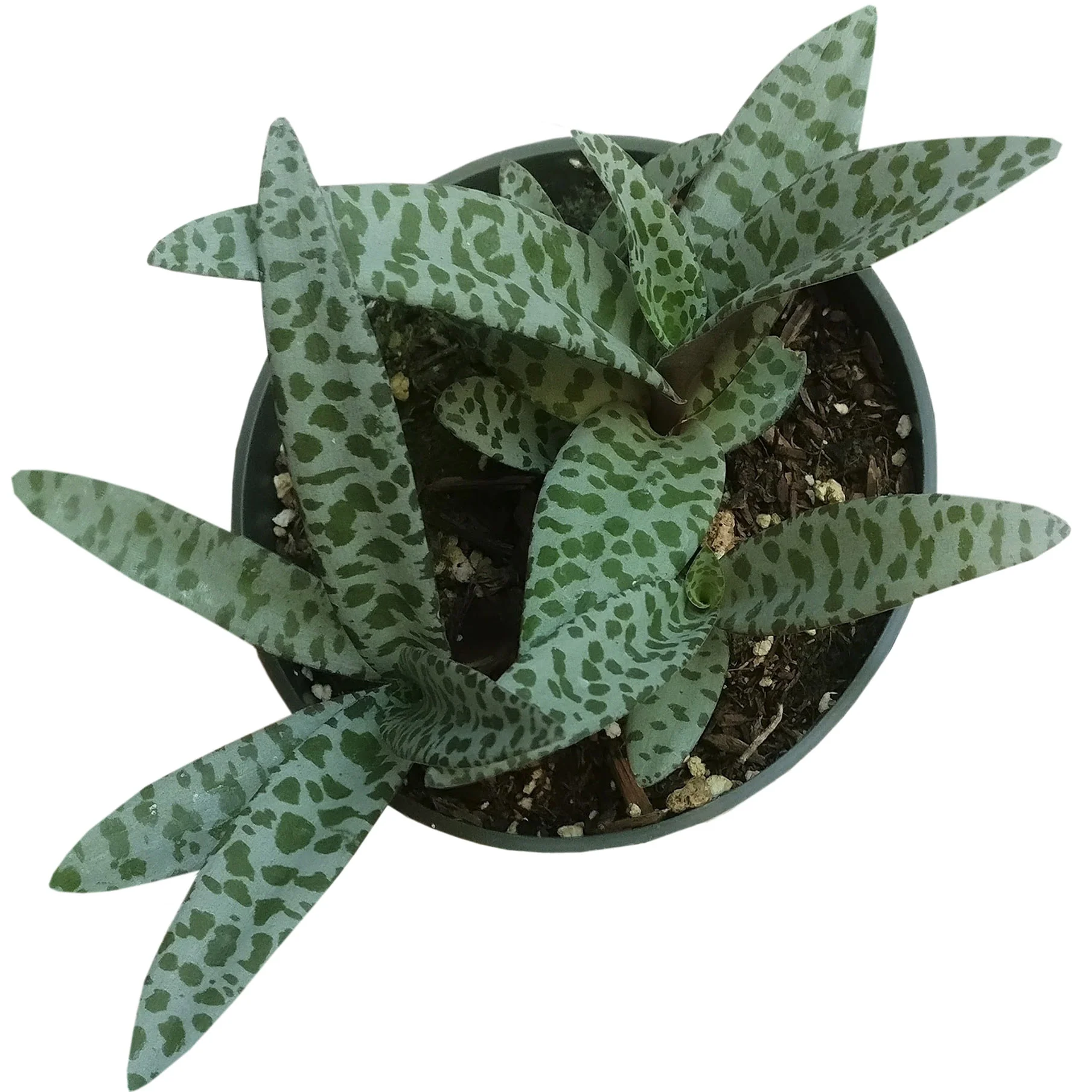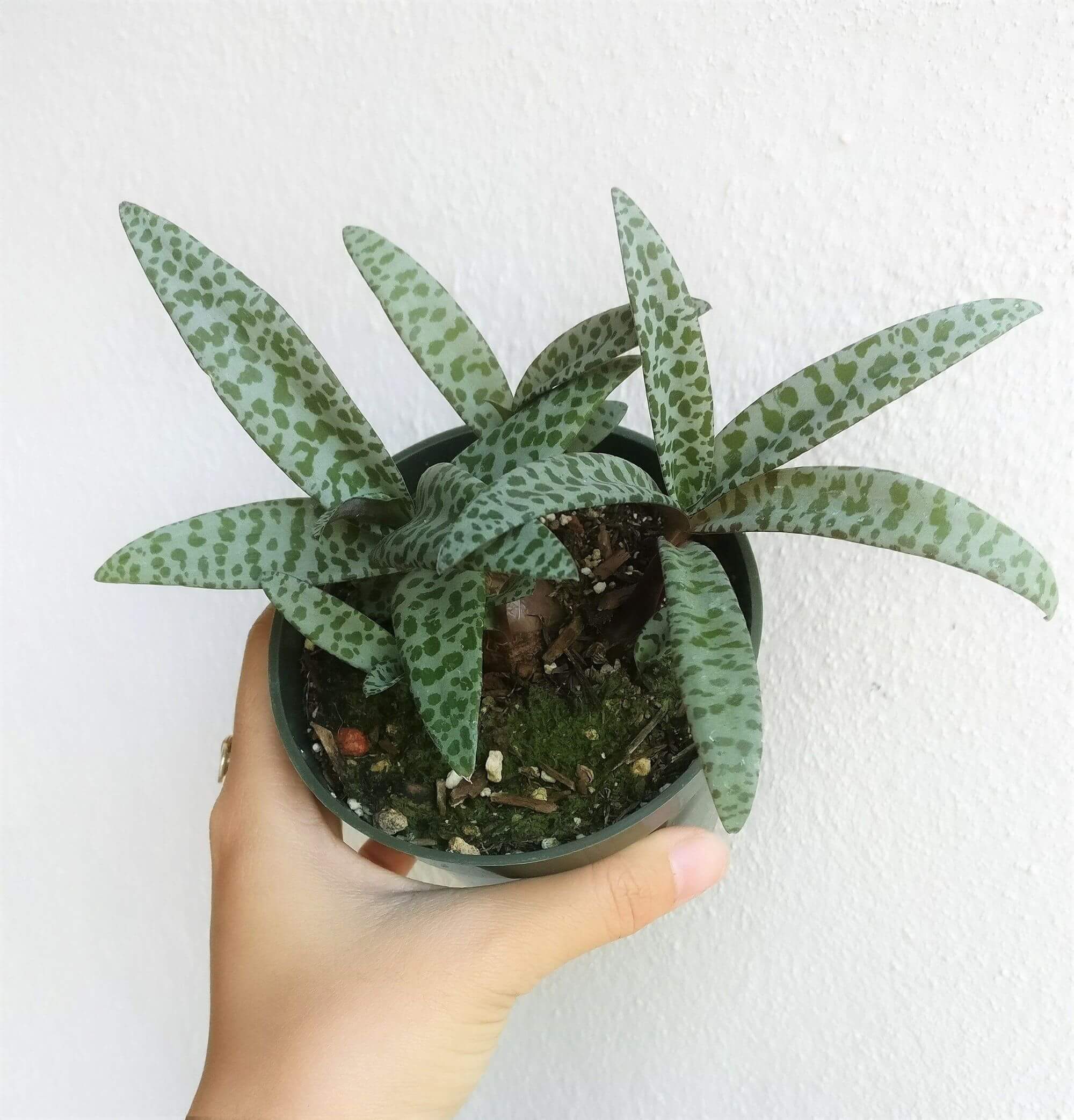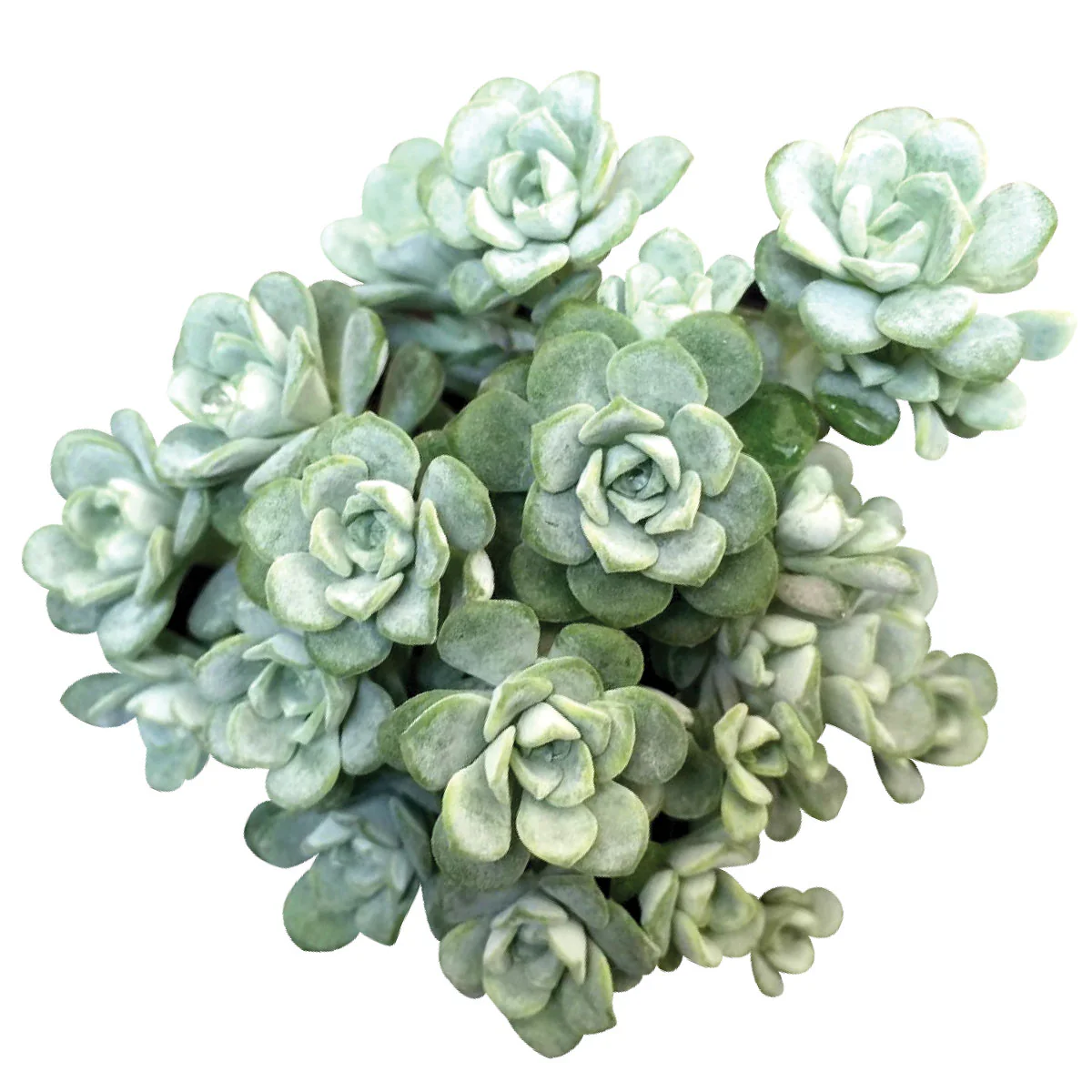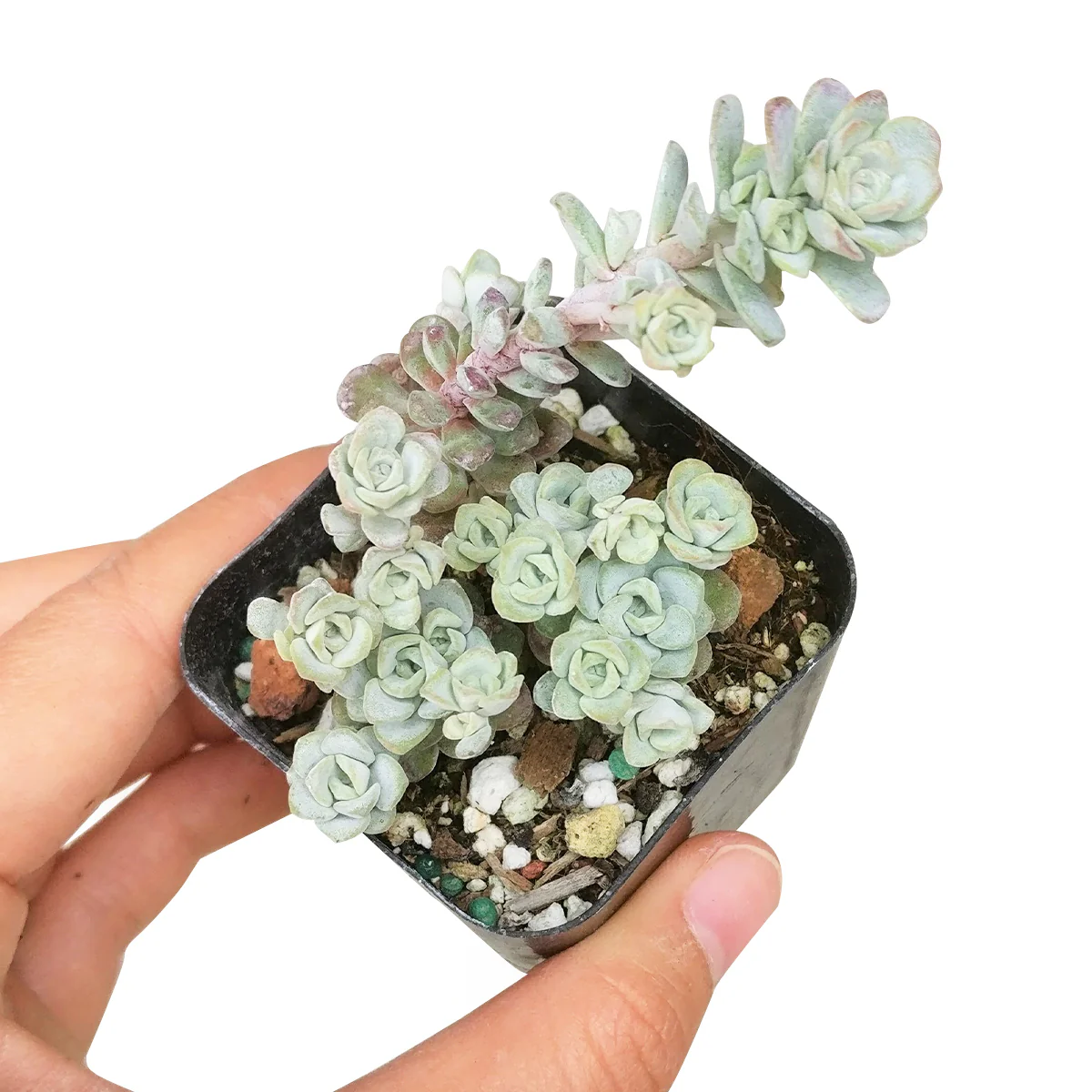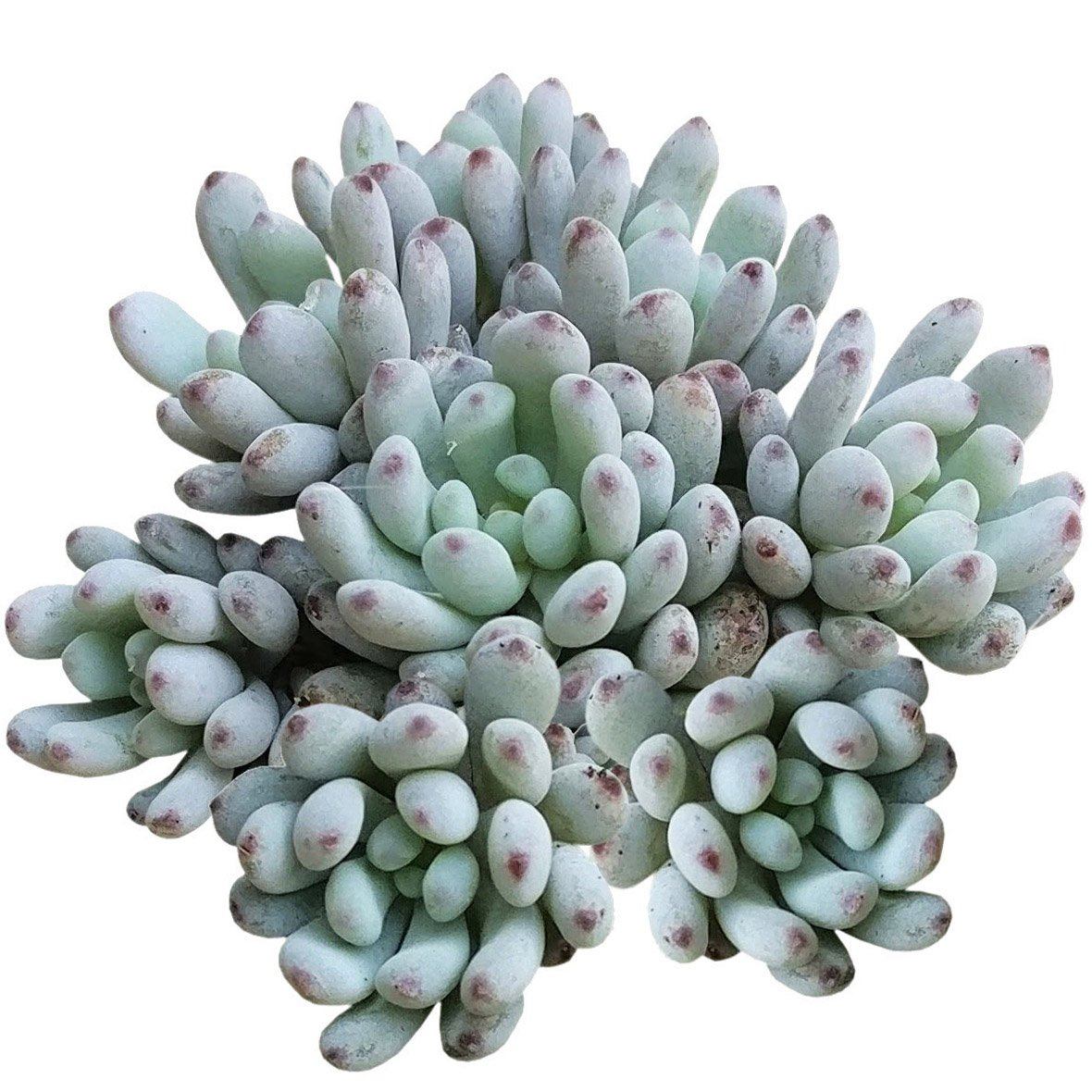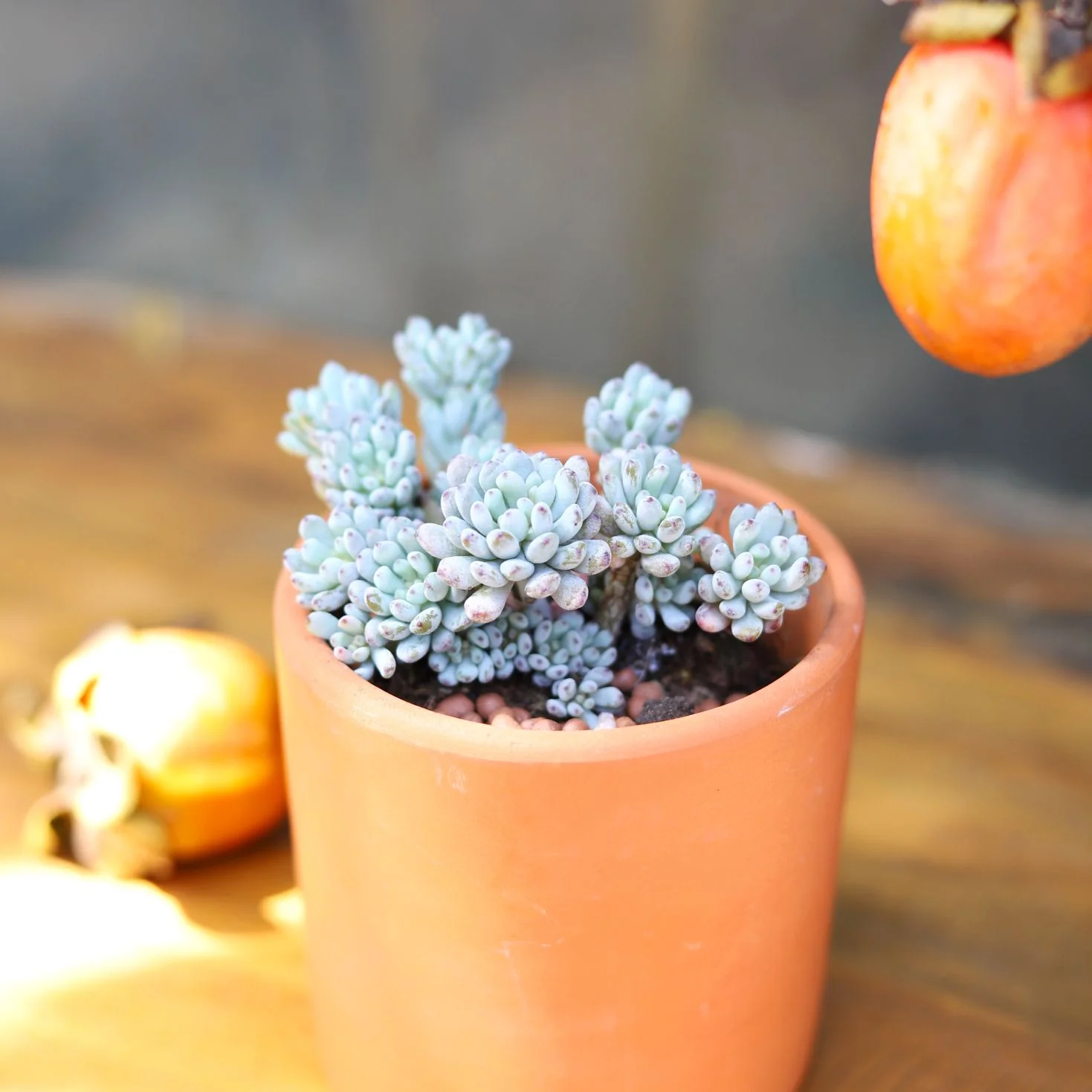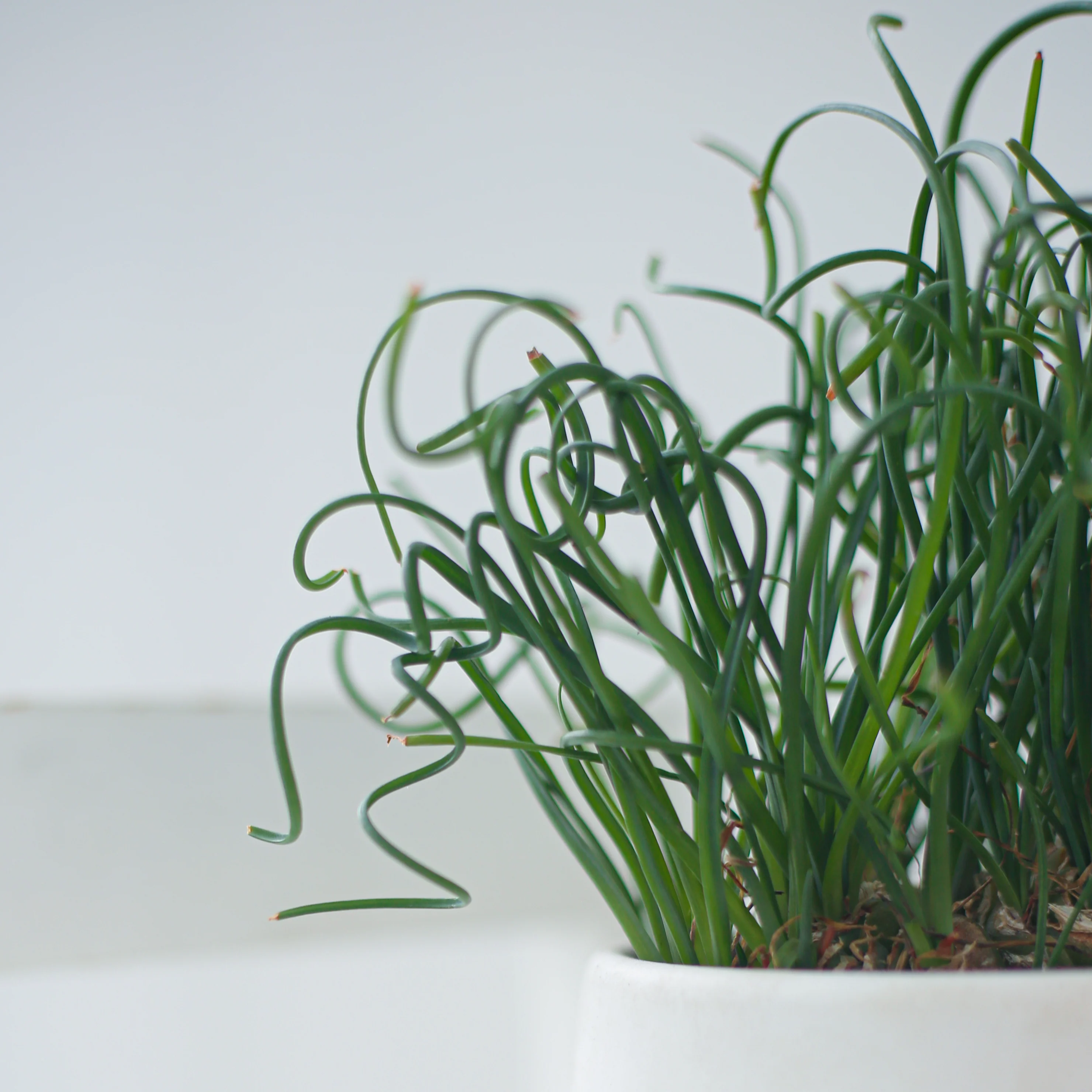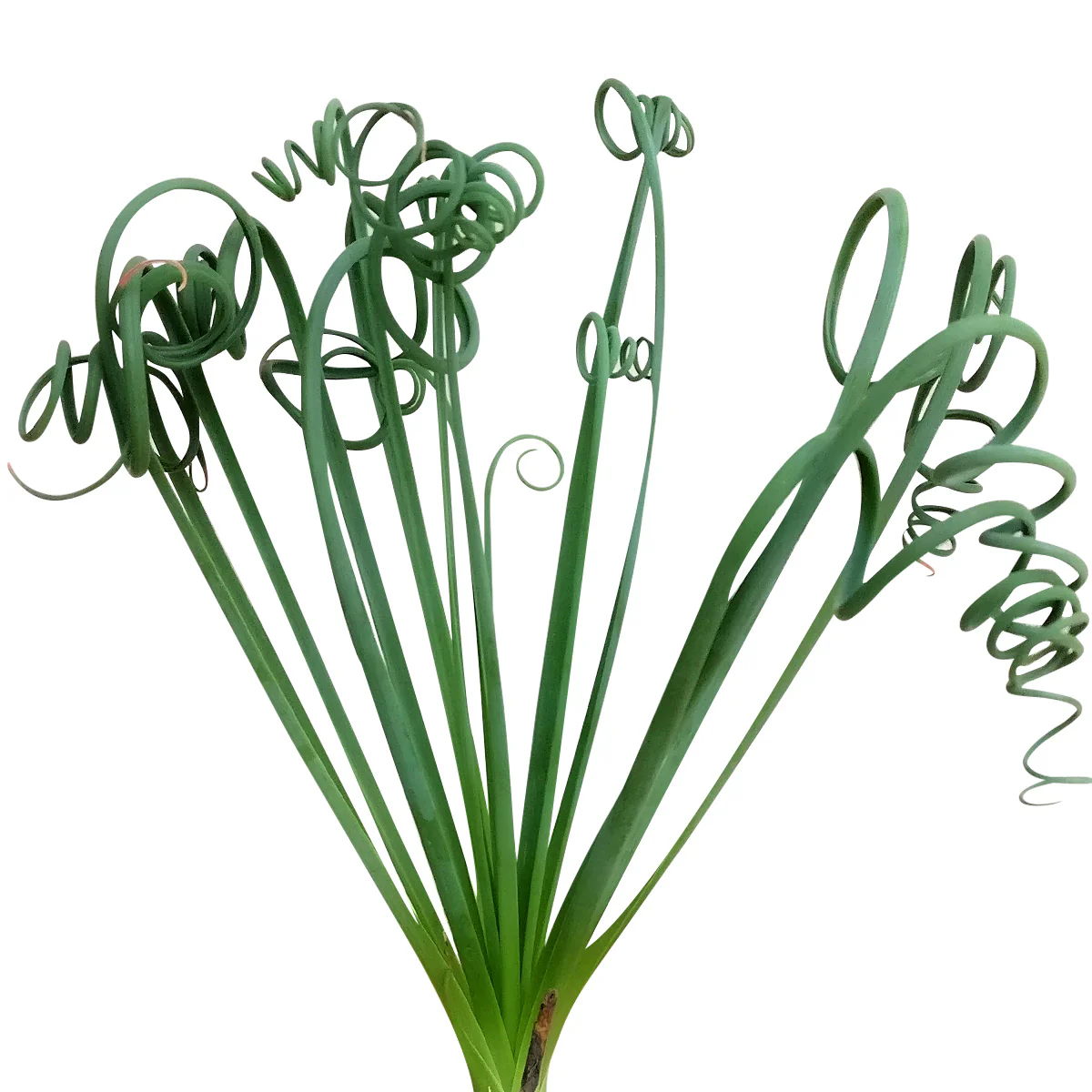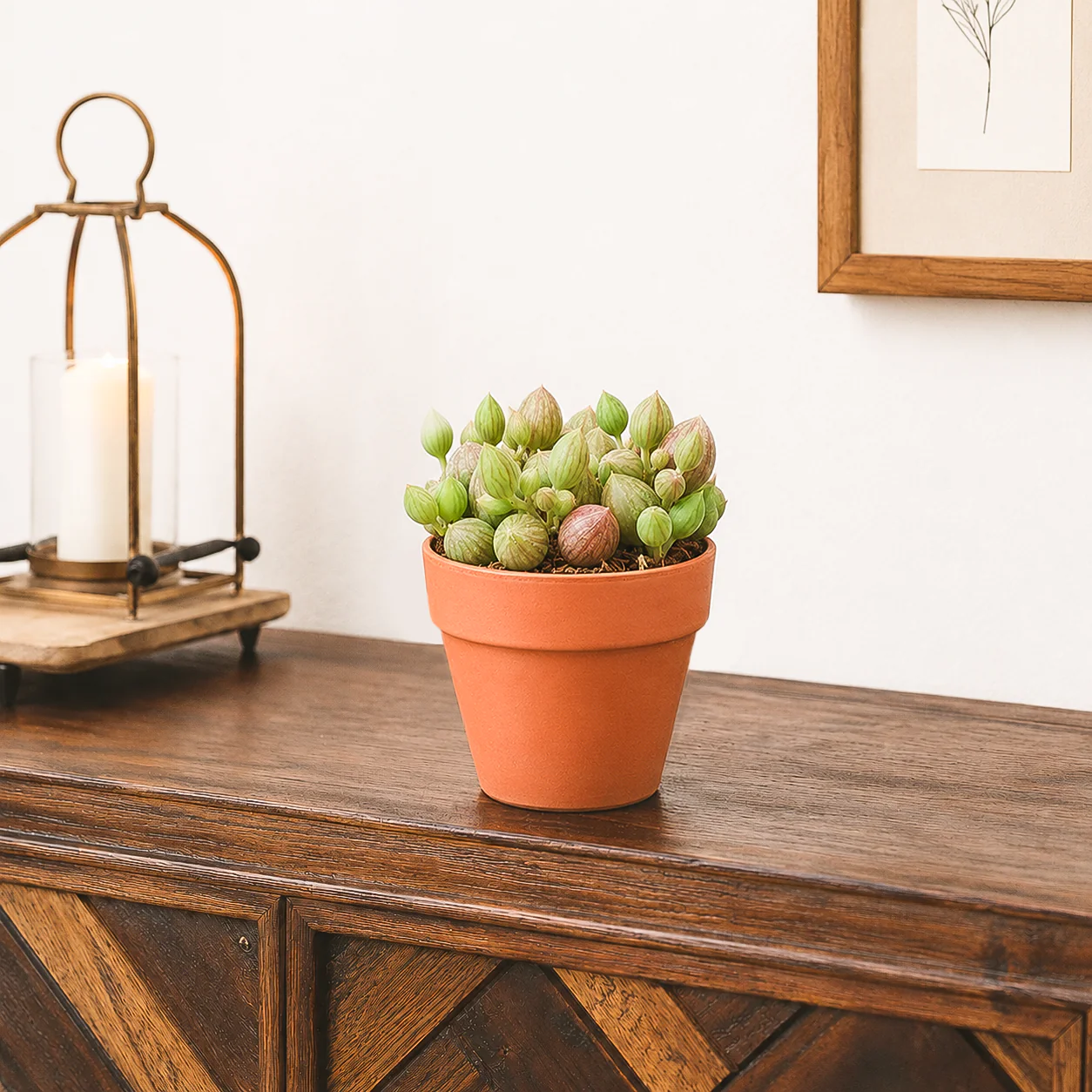
Senecio herreanus String of Watermelons
- Description
- Senecio herreanus String of Watermelons Care Guide
- FAQ/Common Issues
-
![]() Senecio herreanus String of Watermelons is a charming trailing succulent in the Asteraceae family, native to the semi-arid regions of Namibia and southern Africa. It thrives naturally in dry, rocky hillsides where it sprawls across the ground or cascades over ledges, storing water in its plump, patterned leaves to survive long dry spells.
Senecio herreanus String of Watermelons is a charming trailing succulent in the Asteraceae family, native to the semi-arid regions of Namibia and southern Africa. It thrives naturally in dry, rocky hillsides where it sprawls across the ground or cascades over ledges, storing water in its plump, patterned leaves to survive long dry spells.
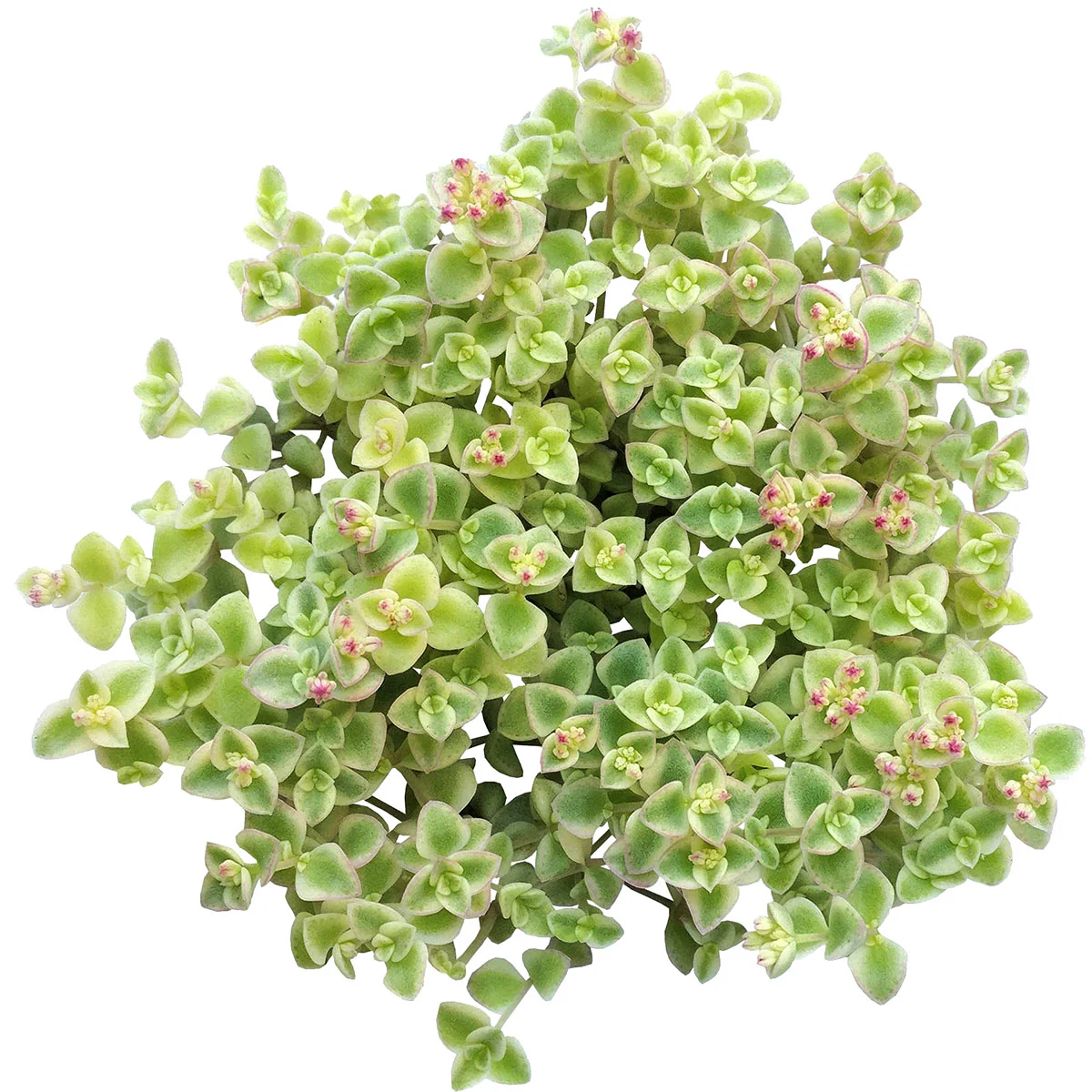
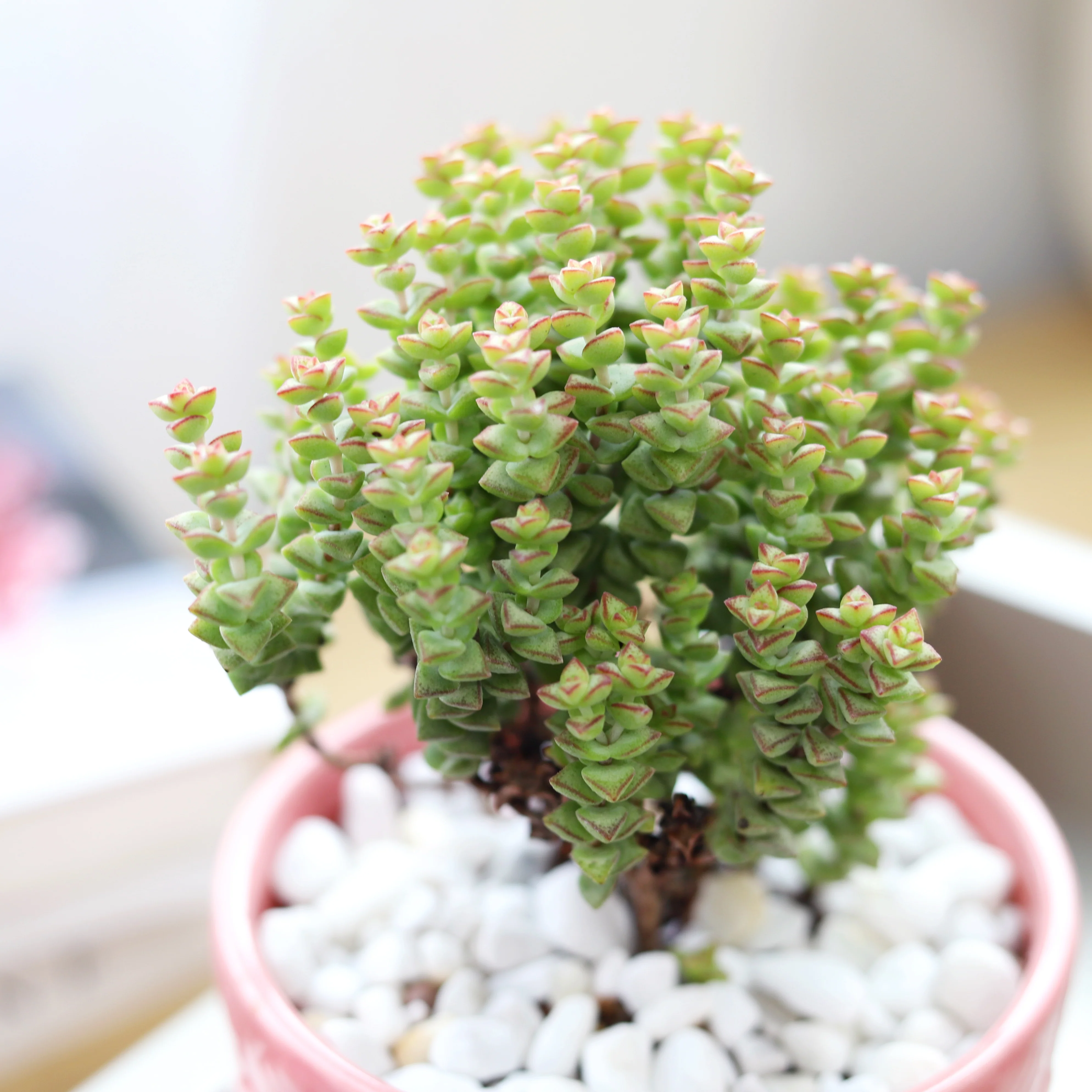
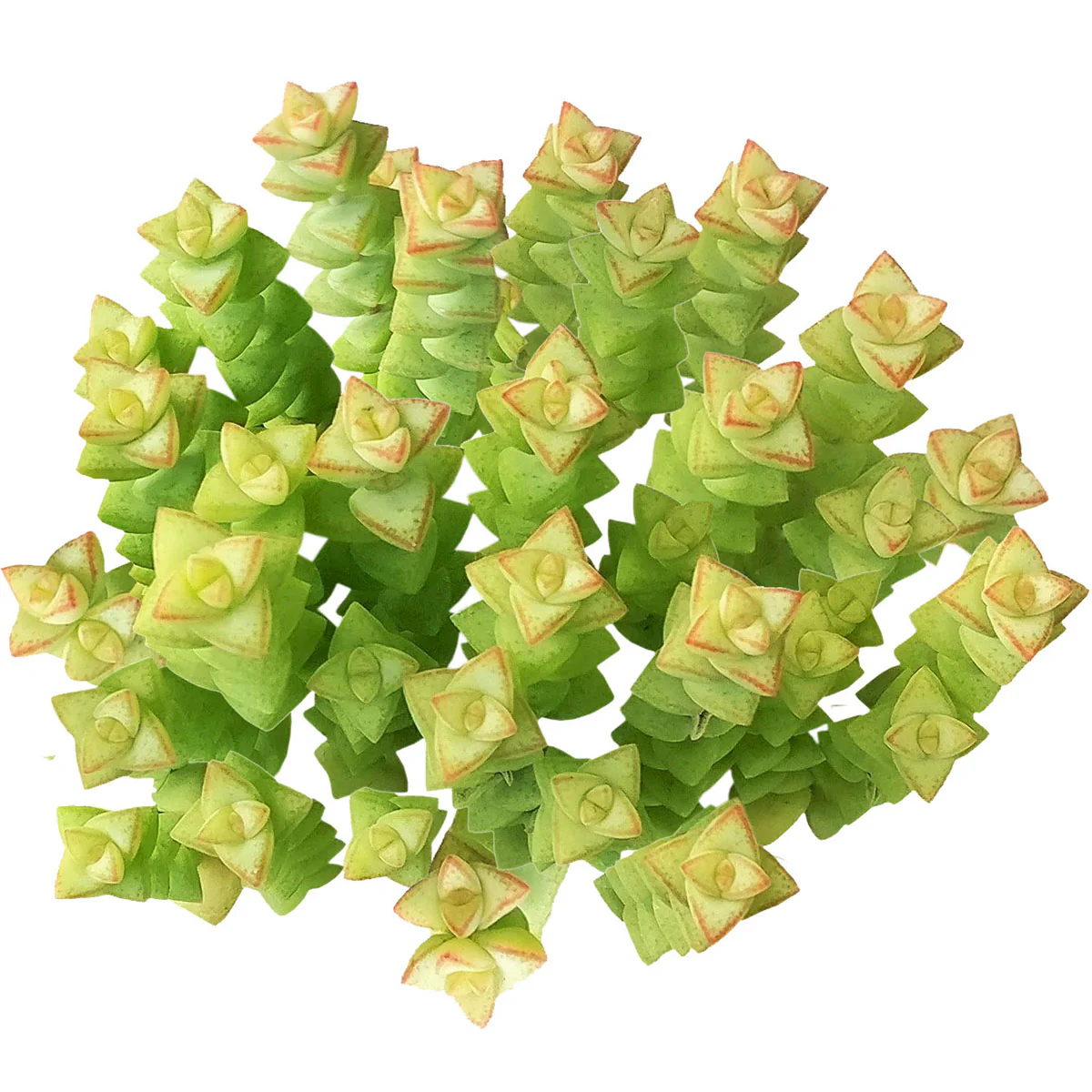
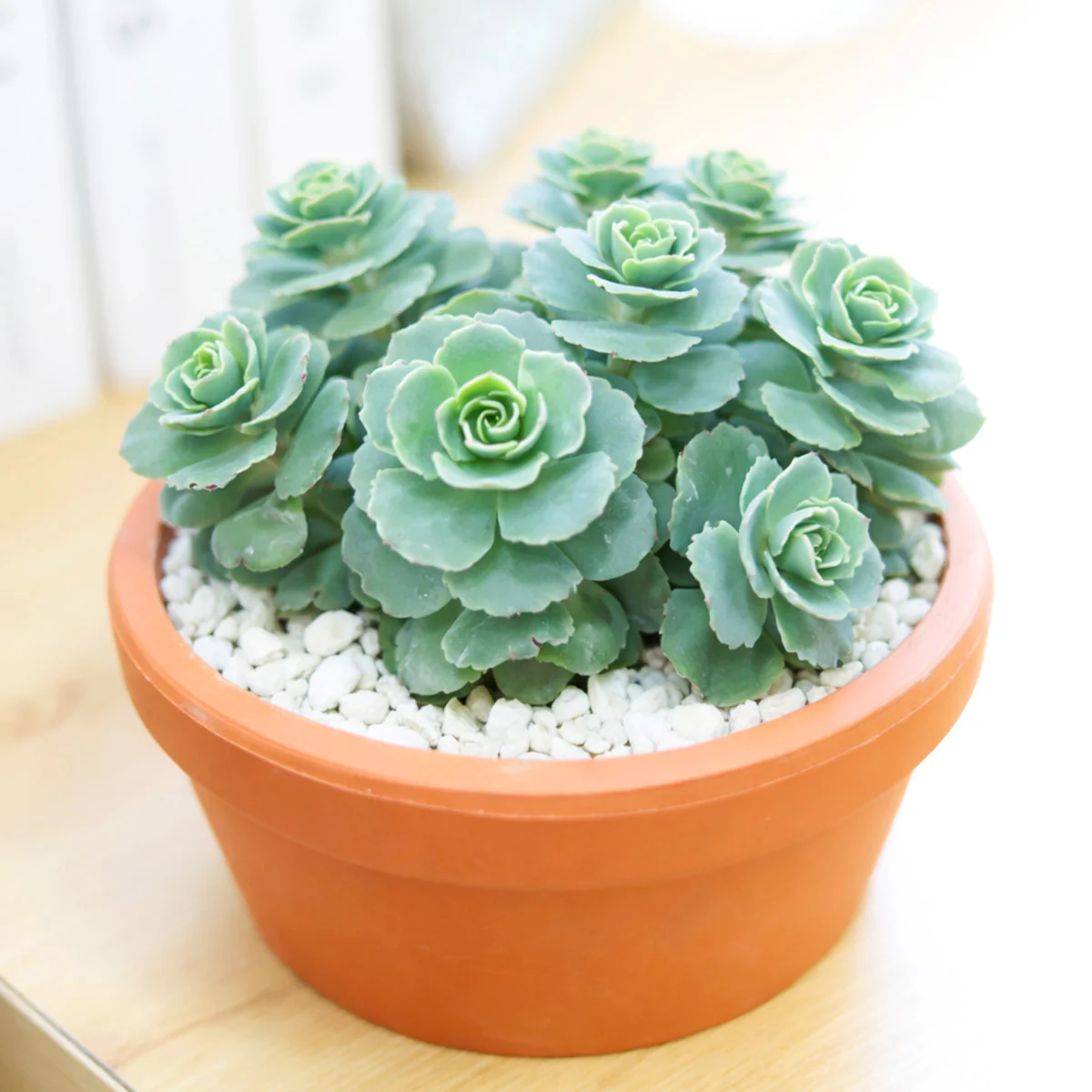
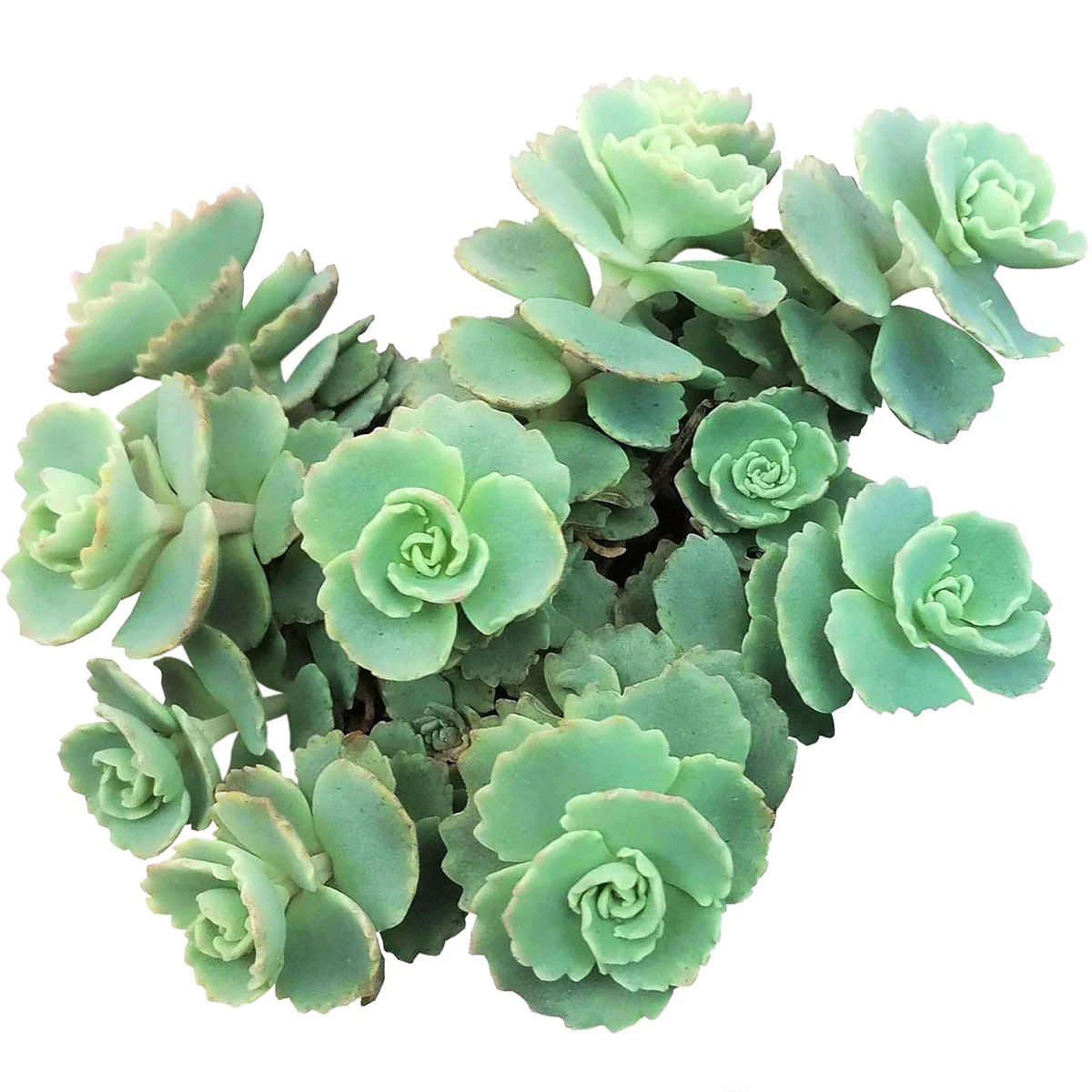
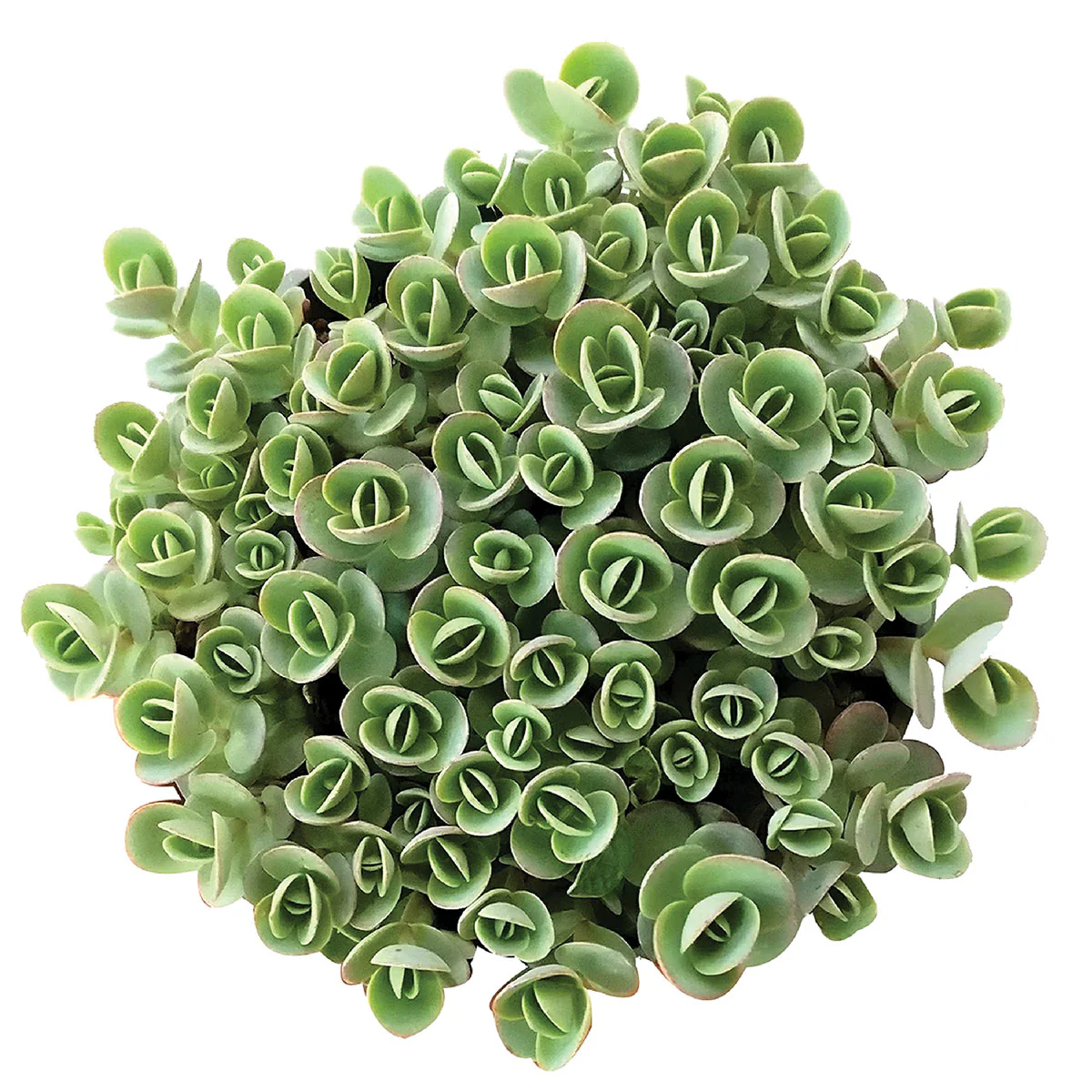
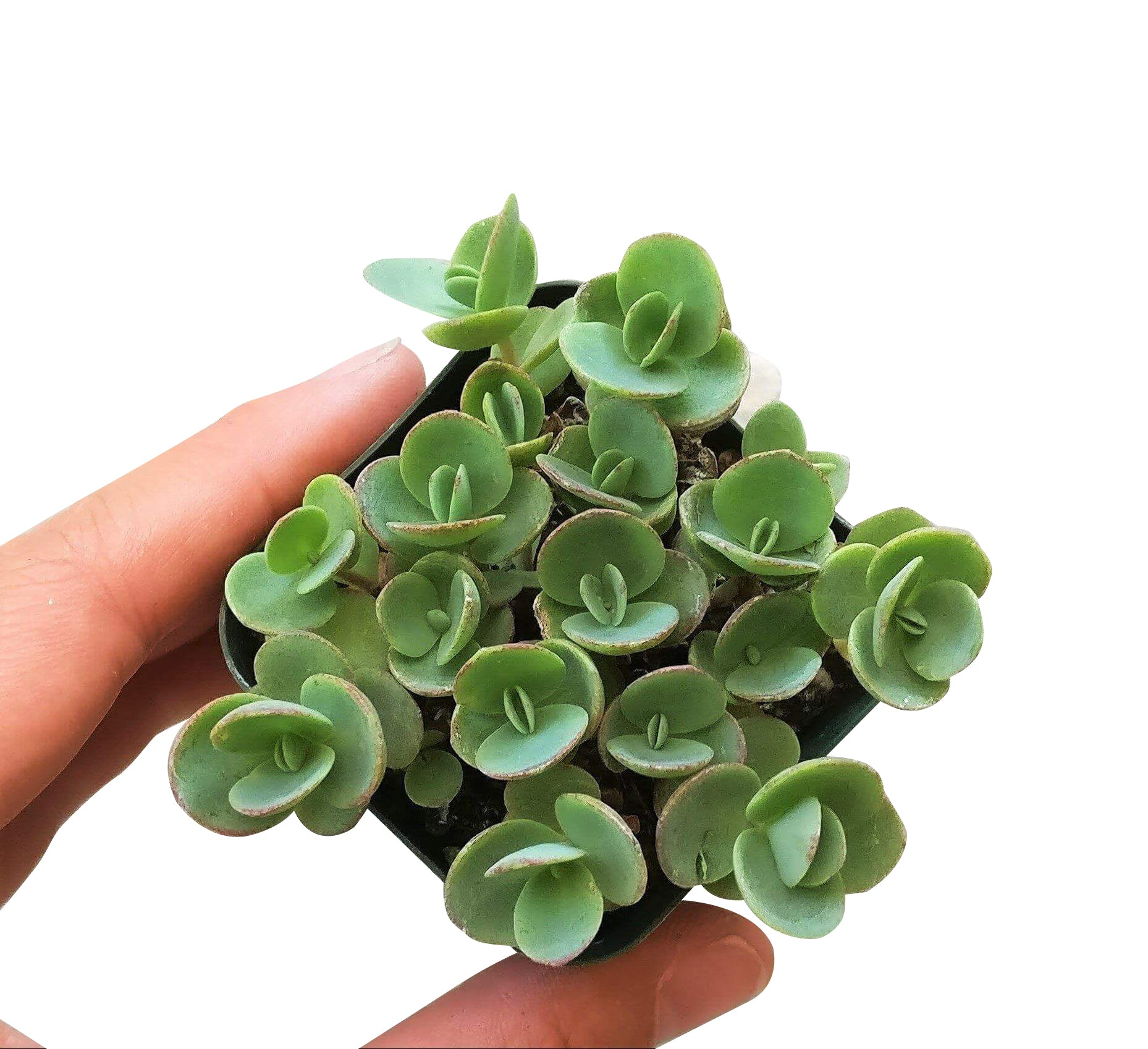
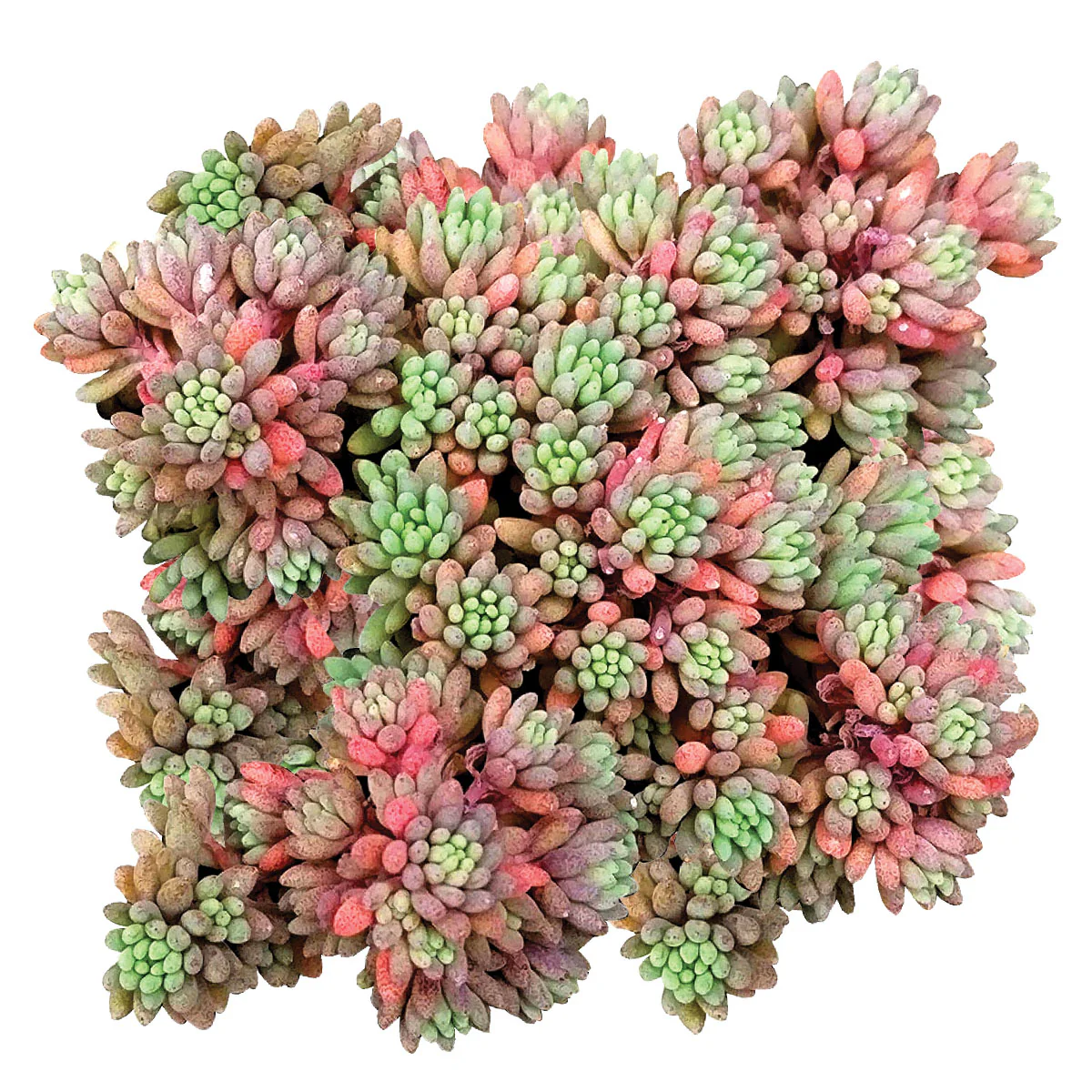
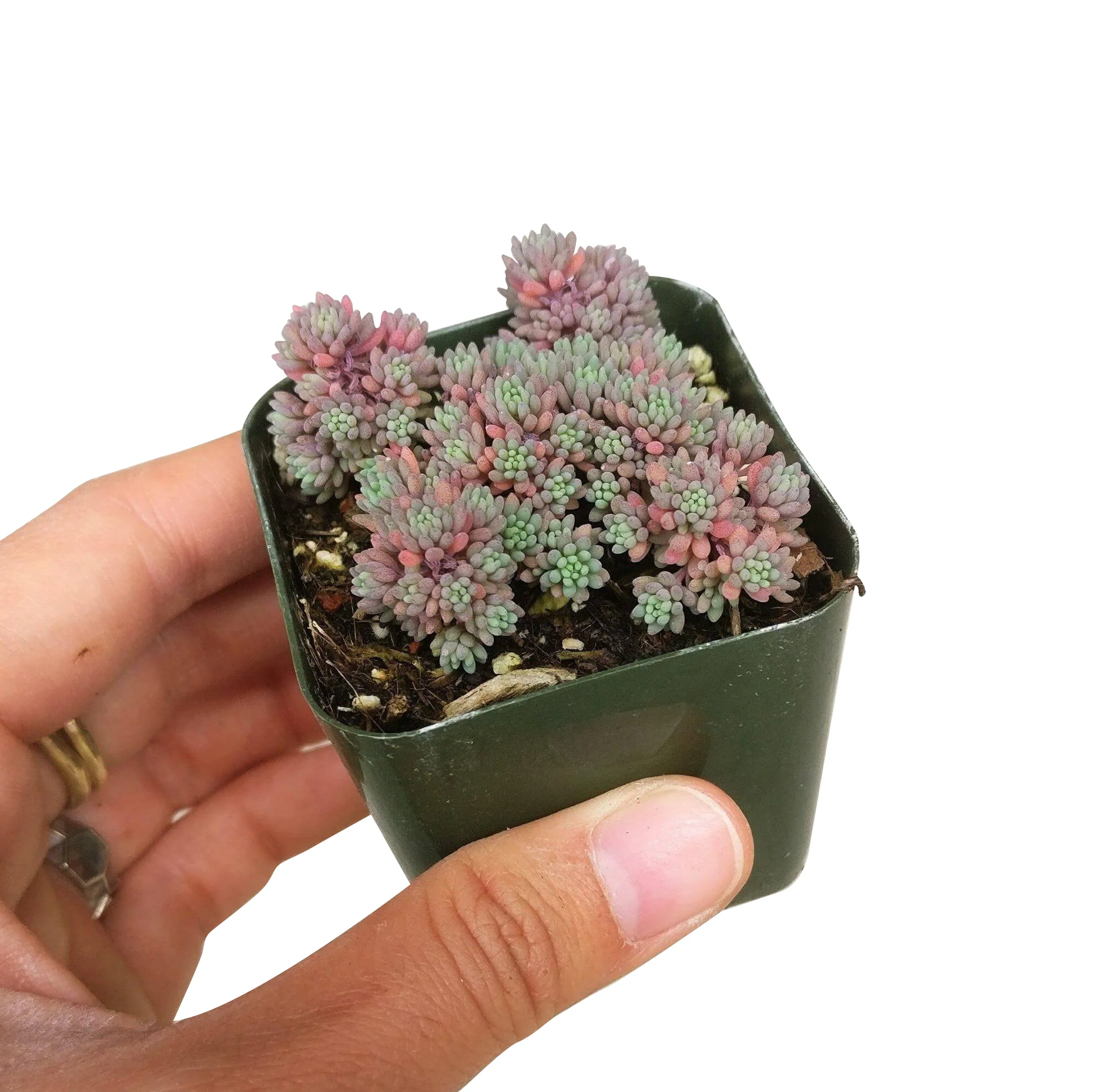
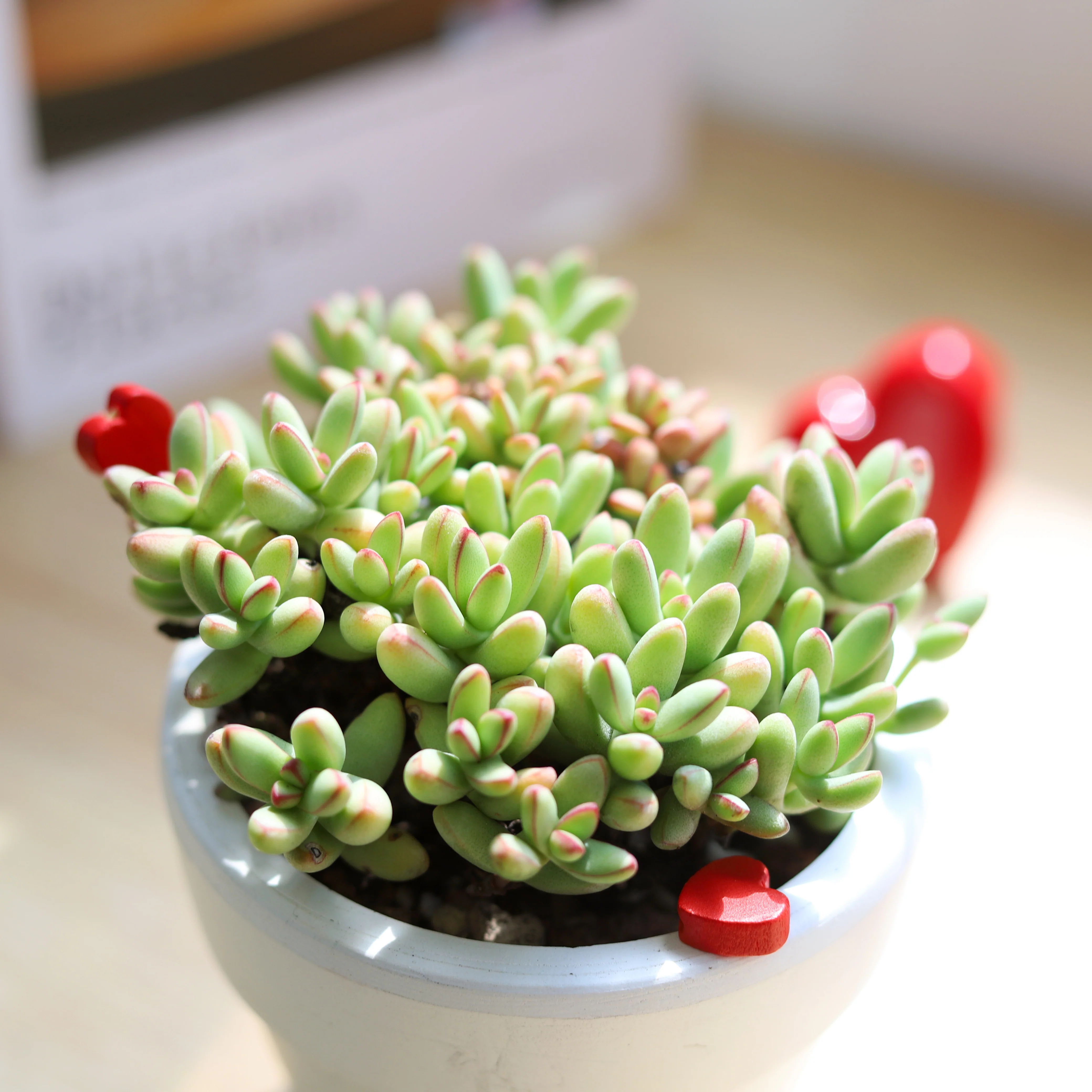
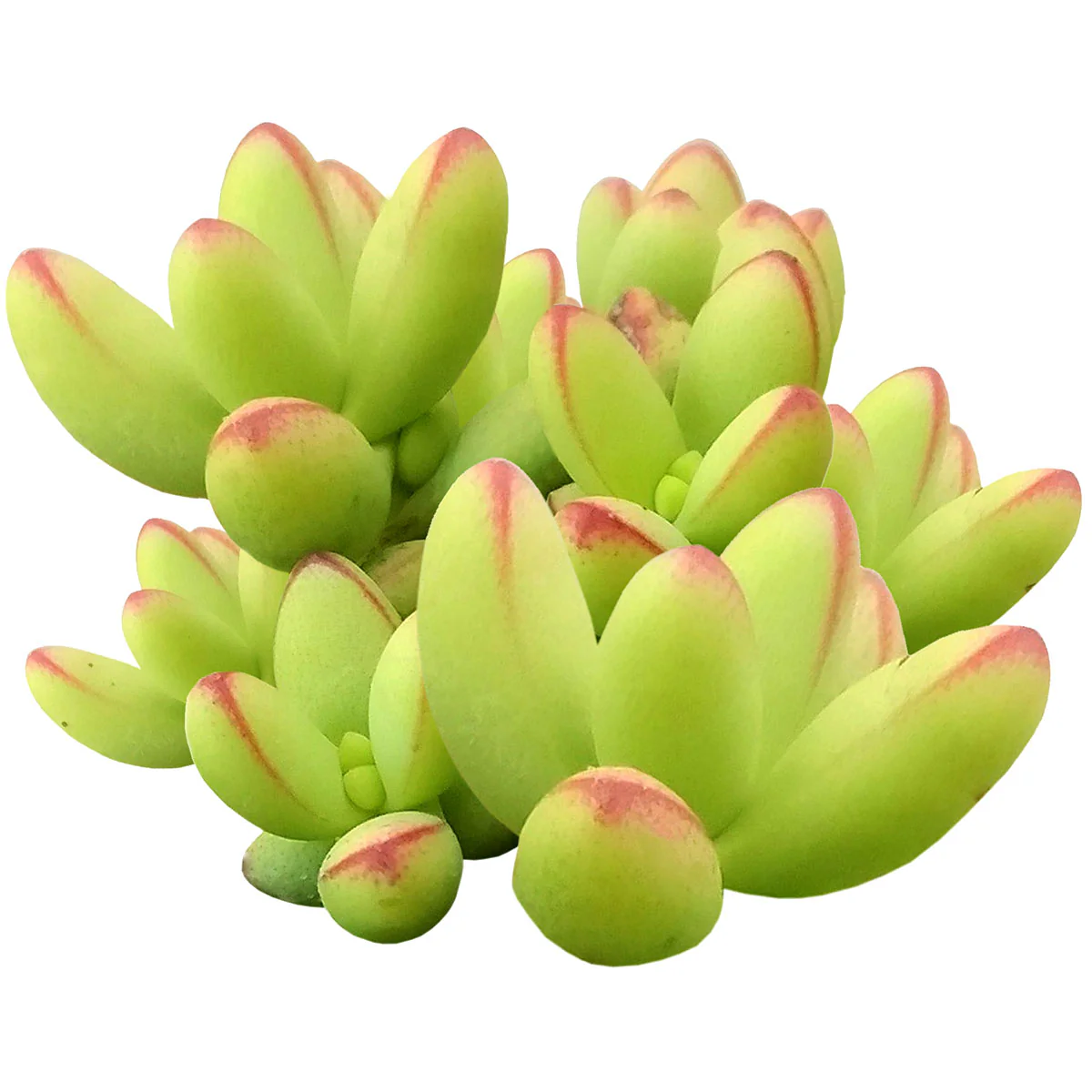
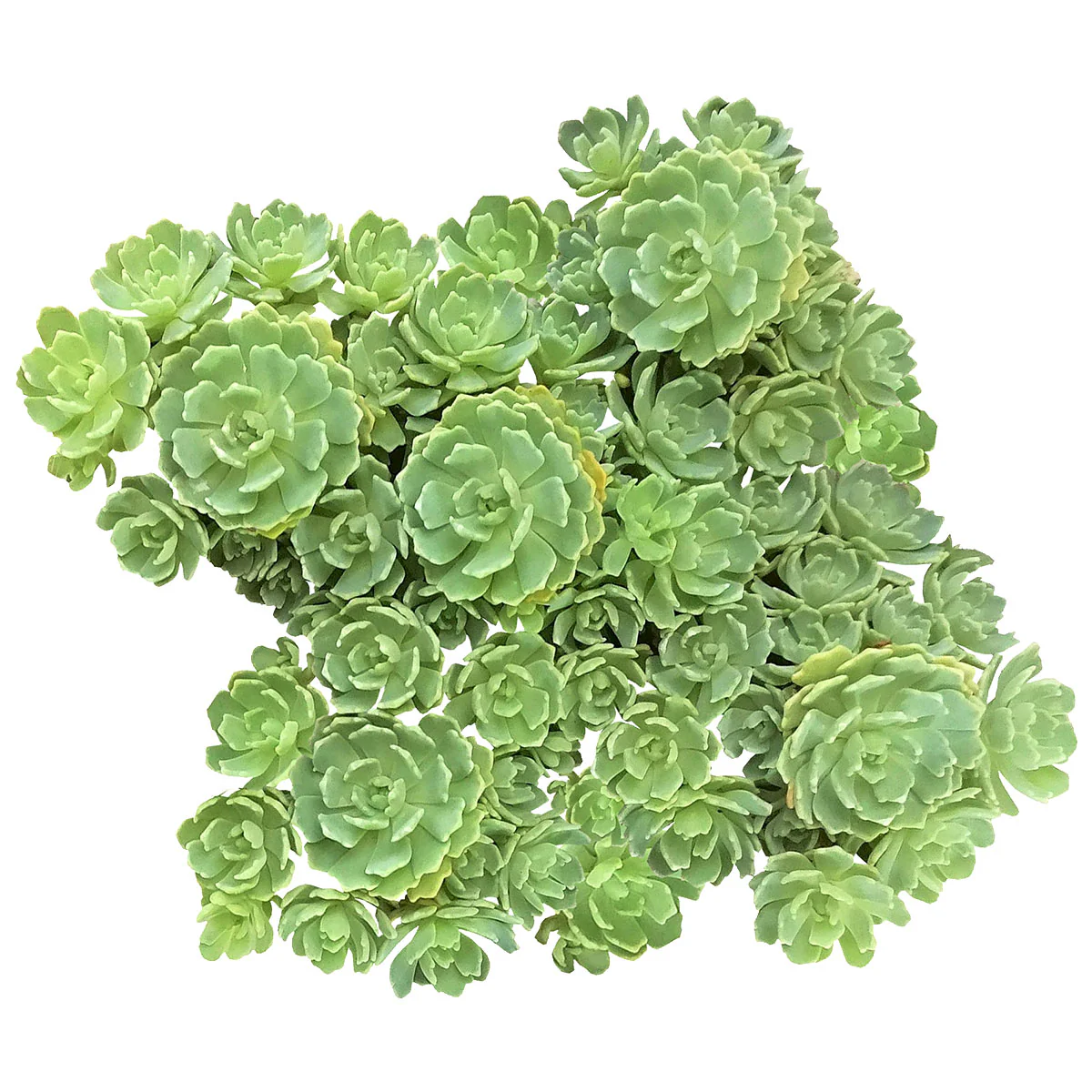
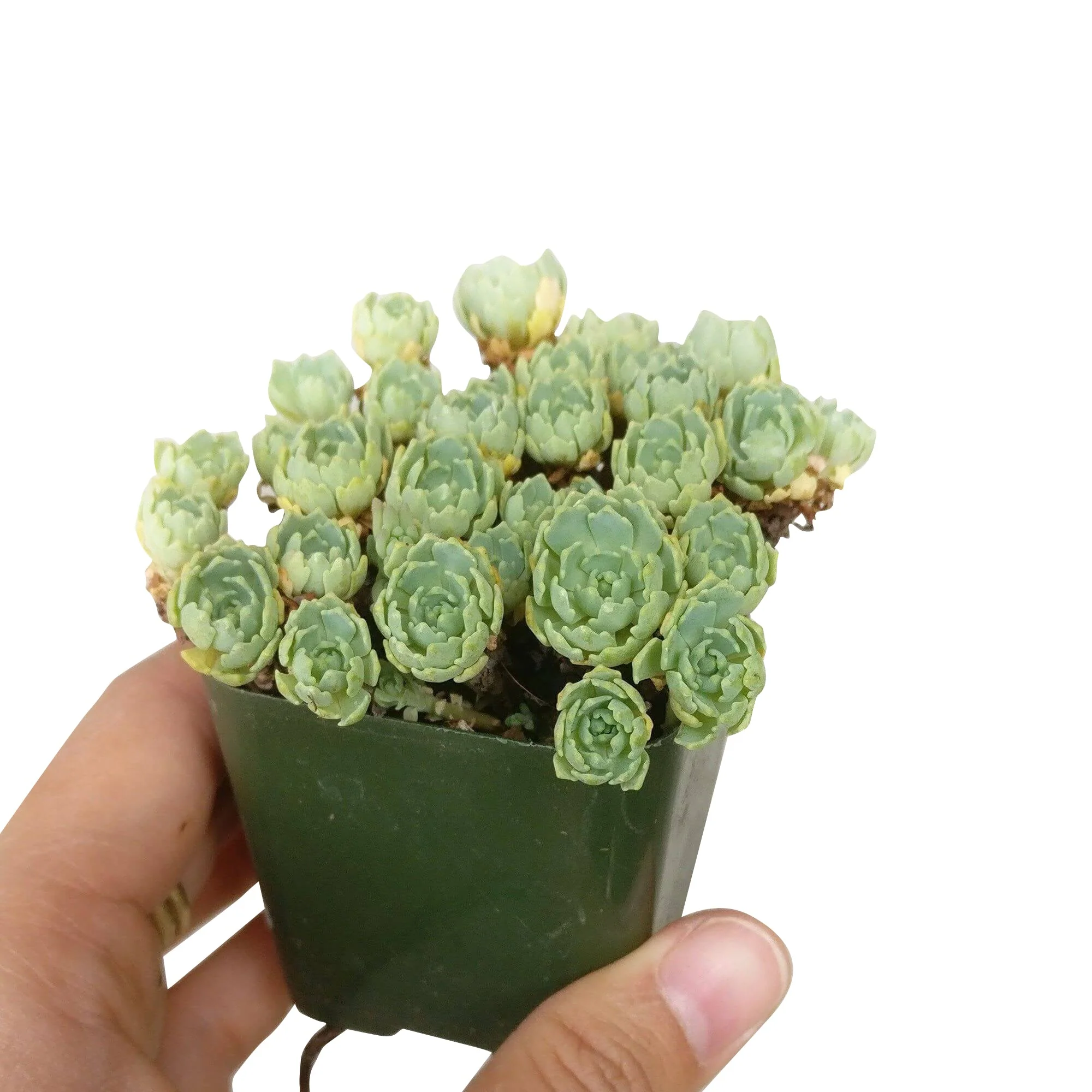
 The real showstopper of Senecio herreanus String of Watermelons is its bead-like green leaves, each one oval and striped with translucent lines that mimic a tiny watermelon rind. The vines trail elegantly and can reach several feet long, making this string of watermelons succulent one of the most visually distinctive plants you can grow indoors or out.
 Senecio herreanus String of Watermelons produces small, brush-like white to pale yellow flowers, typically appearing in spring or summer when the plant receives a slight drop in nighttime temperatures. The blooms are modest but carry a faint, lightly sweet scent that is a lovely bonus for a plant already packed with personality.
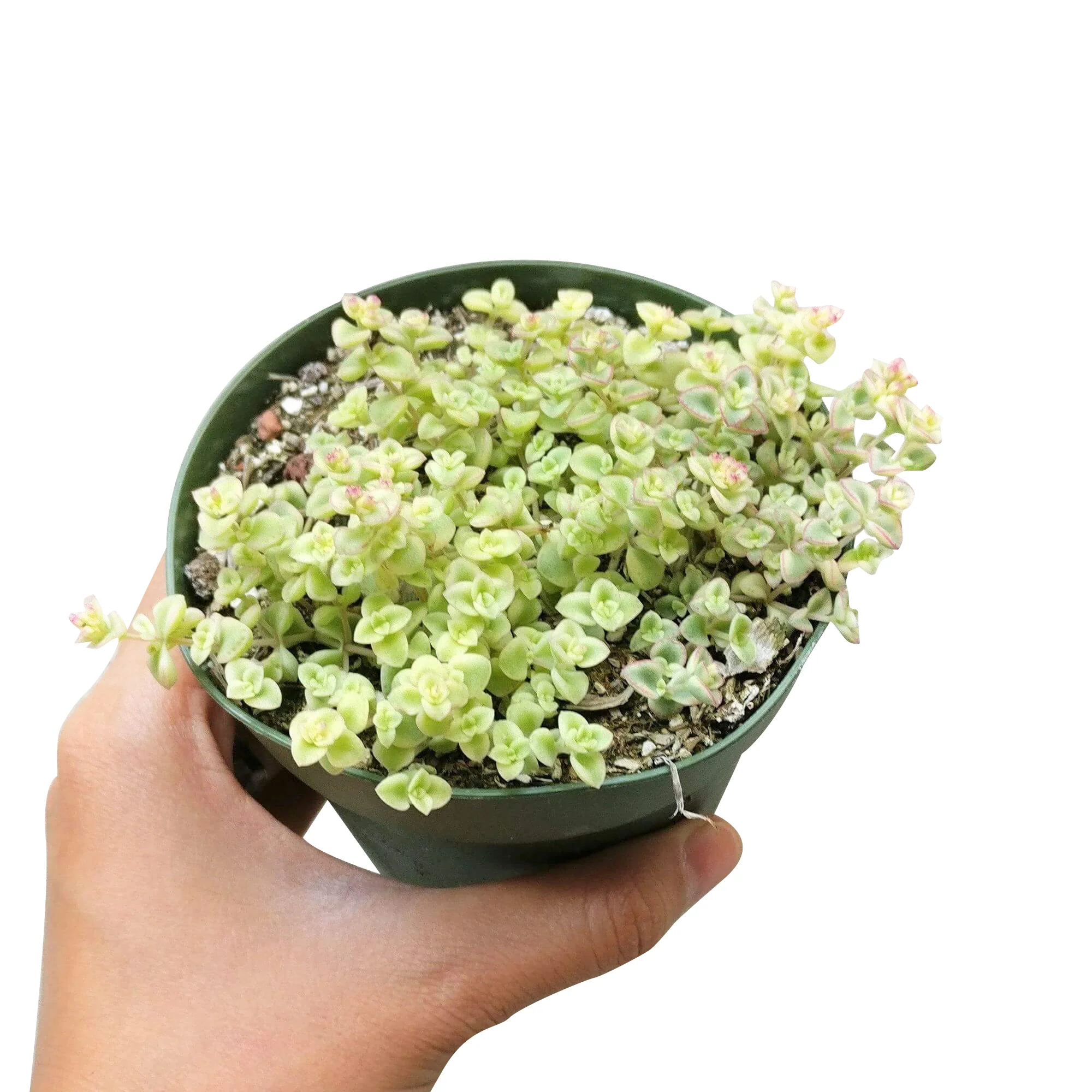
 Senecio herreanus String of Watermelons is a dream for collectors and casual plant lovers alike. It is an easy-care, drought tolerant trailer that looks stunning in a hanging basket with a good hook, on a high shelf, or displayed in a bright window where its vines can spill freely. Rotate the pot regularly so every side gets even light, and keep it away from AC vents and heater drafts since the string of watermelons plant is sensitive to blowing air, though it handles dry heated indoor air just fine. Come summer, you can move it outside to a sheltered spot, just be sure to cover it from heavy rain.
-
 Senecio herreanus String of Watermelons thrives in bright indirect light or partial sun, and scorches easily if placed directly in a hot south-facing window.
 Water Senecio herreanus String of Watermelons deeply every 10 to 14 days in summer, reducing to once every 3 to 4 weeks in winter; wilting leaves signal it is thirsty.
 Senecio herreanus String of Watermelons needs a fast-draining succulent or cactus mix blended with perlite to prevent root rot.
 Senecio herreanus String of Watermelons prefers temperatures between 65 and 80°F (18 to 27°C) and should be protected from frost below 25°F (-4°C).
![]() Senecio herreanus String of Watermelons grows at a moderate pace and benefits from a diluted balanced fertilizer applied once a month during the active growing season.
Senecio herreanus String of Watermelons grows at a moderate pace and benefits from a diluted balanced fertilizer applied once a month during the active growing season.
 Senecio herreanus String of Watermelons is rated for USDA Hardiness Zones 9 through 11, where temperatures rarely drop below 25°F (-4°C). Outdoors year-round growers in Zone 9 include California, Texas, Arizona, Nevada, Louisiana, Georgia, South Carolina, Alabama, Mississippi, and the Oregon coast, while Zone 10 and 11 gardeners in Florida, Hawaii, and the warmest pockets of Southern California and South Texas can treat Senecio herreanus String of Watermelons as a long-term outdoor trailing display plant.
-
Q: How often should I water Senecio herreanus String of Watermelons?
A: Water every 10 to 14 days in the growing season and cut back to every 3 to 4 weeks in winter. If the leaves look slightly shriveled, that is the plant's way of telling you it is ready for a drink.
Q: Is Senecio herreanus String of Watermelons safe around pets and children?
A: Cats and dogs should not be left to nibble or eat the string of watermelons plant, and the sap can cause skin or paw irritation on contact. Keep it on a high shelf well out of reach of pets and small children.
Q: What kind of light does Senecio herreanus String of Watermelons need?
A: It does best in bright indirect light or partial sun and can even grow under strong office LEDs. Avoid direct afternoon sun in a south-facing window, which can scorch the delicate striped leaves.
Q: How do I propagate Senecio herreanus String of Watermelons?
A: Stem cuttings are the easiest method: snip a healthy vine, let the cut end callous for a day or two, then lay it on top of a well-draining succulent mix. Roots develop within a few weeks with warmth and bright indirect light.
Q: Can Senecio herreanus String of Watermelons go outside in summer?
A: Yes, it loves a warm, sheltered outdoor spot in summer, but always cover it from heavy rainfall since excess moisture leads to rot. Bring it back indoors once nighttime temperatures start dropping in early autumn.
Q: How big does Senecio herreanus String of Watermelons get?
A: The trailing vines of Senecio herreanus String of Watermelons can grow several feet long over time, making it a fantastic choice for hanging baskets or high shelves where the strands can cascade freely. Regular rotation helps all sides develop evenly for a full, lush look.


Original: $8.00
-70%$8.00
$2.40Product Information
Product Information
Shipping & Returns
Shipping & Returns
Description
- Description
- Senecio herreanus String of Watermelons Care Guide
- FAQ/Common Issues
-
![]() Senecio herreanus String of Watermelons is a charming trailing succulent in the Asteraceae family, native to the semi-arid regions of Namibia and southern Africa. It thrives naturally in dry, rocky hillsides where it sprawls across the ground or cascades over ledges, storing water in its plump, patterned leaves to survive long dry spells.
Senecio herreanus String of Watermelons is a charming trailing succulent in the Asteraceae family, native to the semi-arid regions of Namibia and southern Africa. It thrives naturally in dry, rocky hillsides where it sprawls across the ground or cascades over ledges, storing water in its plump, patterned leaves to survive long dry spells.
The real showstopper of Senecio herreanus String of Watermelons is its bead-like green leaves, each one oval and striped with translucent lines that mimic a tiny watermelon rind. The vines trail elegantly and can reach several feet long, making this string of watermelons succulent one of the most visually distinctive plants you can grow indoors or out.
Senecio herreanus String of Watermelons produces small, brush-like white to pale yellow flowers, typically appearing in spring or summer when the plant receives a slight drop in nighttime temperatures. The blooms are modest but carry a faint, lightly sweet scent that is a lovely bonus for a plant already packed with personality.
Senecio herreanus String of Watermelons is a dream for collectors and casual plant lovers alike. It is an easy-care, drought tolerant trailer that looks stunning in a hanging basket with a good hook, on a high shelf, or displayed in a bright window where its vines can spill freely. Rotate the pot regularly so every side gets even light, and keep it away from AC vents and heater drafts since the string of watermelons plant is sensitive to blowing air, though it handles dry heated indoor air just fine. Come summer, you can move it outside to a sheltered spot, just be sure to cover it from heavy rain.
-
Senecio herreanus String of Watermelons thrives in bright indirect light or partial sun, and scorches easily if placed directly in a hot south-facing window.
Water Senecio herreanus String of Watermelons deeply every 10 to 14 days in summer, reducing to once every 3 to 4 weeks in winter; wilting leaves signal it is thirsty.
Senecio herreanus String of Watermelons needs a fast-draining succulent or cactus mix blended with perlite to prevent root rot.
Senecio herreanus String of Watermelons prefers temperatures between 65 and 80°F (18 to 27°C) and should be protected from frost below 25°F (-4°C).
![]() Senecio herreanus String of Watermelons grows at a moderate pace and benefits from a diluted balanced fertilizer applied once a month during the active growing season.
Senecio herreanus String of Watermelons grows at a moderate pace and benefits from a diluted balanced fertilizer applied once a month during the active growing season.
Senecio herreanus String of Watermelons is rated for USDA Hardiness Zones 9 through 11, where temperatures rarely drop below 25°F (-4°C). Outdoors year-round growers in Zone 9 include California, Texas, Arizona, Nevada, Louisiana, Georgia, South Carolina, Alabama, Mississippi, and the Oregon coast, while Zone 10 and 11 gardeners in Florida, Hawaii, and the warmest pockets of Southern California and South Texas can treat Senecio herreanus String of Watermelons as a long-term outdoor trailing display plant.
-
Q: How often should I water Senecio herreanus String of Watermelons?
A: Water every 10 to 14 days in the growing season and cut back to every 3 to 4 weeks in winter. If the leaves look slightly shriveled, that is the plant's way of telling you it is ready for a drink.
Q: Is Senecio herreanus String of Watermelons safe around pets and children?
A: Cats and dogs should not be left to nibble or eat the string of watermelons plant, and the sap can cause skin or paw irritation on contact. Keep it on a high shelf well out of reach of pets and small children.
Q: What kind of light does Senecio herreanus String of Watermelons need?
A: It does best in bright indirect light or partial sun and can even grow under strong office LEDs. Avoid direct afternoon sun in a south-facing window, which can scorch the delicate striped leaves.
Q: How do I propagate Senecio herreanus String of Watermelons?
A: Stem cuttings are the easiest method: snip a healthy vine, let the cut end callous for a day or two, then lay it on top of a well-draining succulent mix. Roots develop within a few weeks with warmth and bright indirect light.
Q: Can Senecio herreanus String of Watermelons go outside in summer?
A: Yes, it loves a warm, sheltered outdoor spot in summer, but always cover it from heavy rainfall since excess moisture leads to rot. Bring it back indoors once nighttime temperatures start dropping in early autumn.
Q: How big does Senecio herreanus String of Watermelons get?
A: The trailing vines of Senecio herreanus String of Watermelons can grow several feet long over time, making it a fantastic choice for hanging baskets or high shelves where the strands can cascade freely. Regular rotation helps all sides develop evenly for a full, lush look.