Sempervivum tectorum (triste)
- Description
- Sempervivum tectorum (triste) Care Guide
- FAQ/Common Issues
-
![]() Sempervivum tectorum (triste) is a frost hardy succulent in the Crassulaceae family, native to the mountainous regions of Europe, from the Alps and Pyrenees to the Carpathians. This cold hardy rosette plant has been cultivated for centuries, earning it the beloved common name "hens and chicks" and the old-world title "common houseleek." It is a true heirloom plant, grown on rooftops and stone walls for generations, making it as much a piece of living history as it is a low maintenance succulent.
Sempervivum tectorum (triste) is a frost hardy succulent in the Crassulaceae family, native to the mountainous regions of Europe, from the Alps and Pyrenees to the Carpathians. This cold hardy rosette plant has been cultivated for centuries, earning it the beloved common name "hens and chicks" and the old-world title "common houseleek." It is a true heirloom plant, grown on rooftops and stone walls for generations, making it as much a piece of living history as it is a low maintenance succulent.
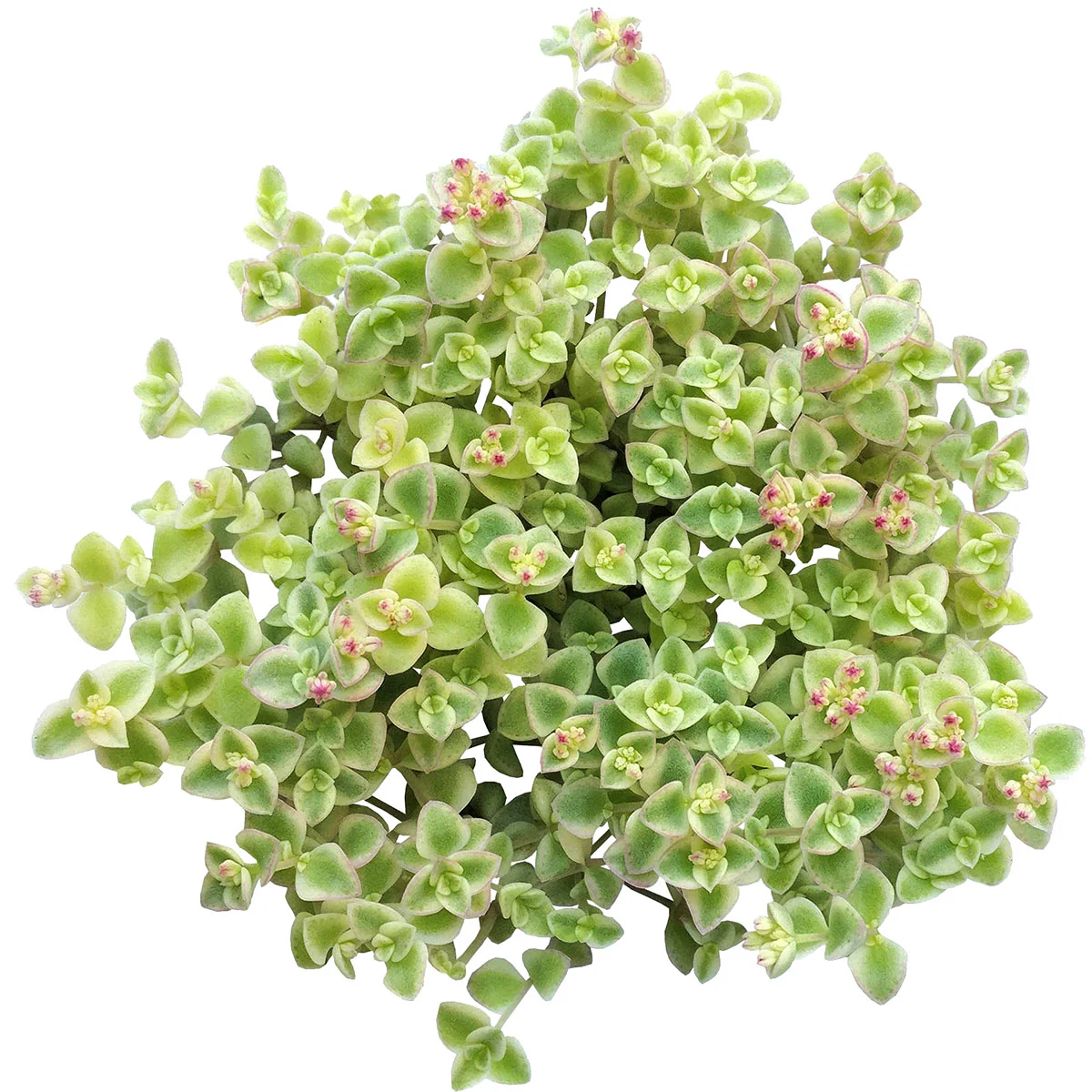
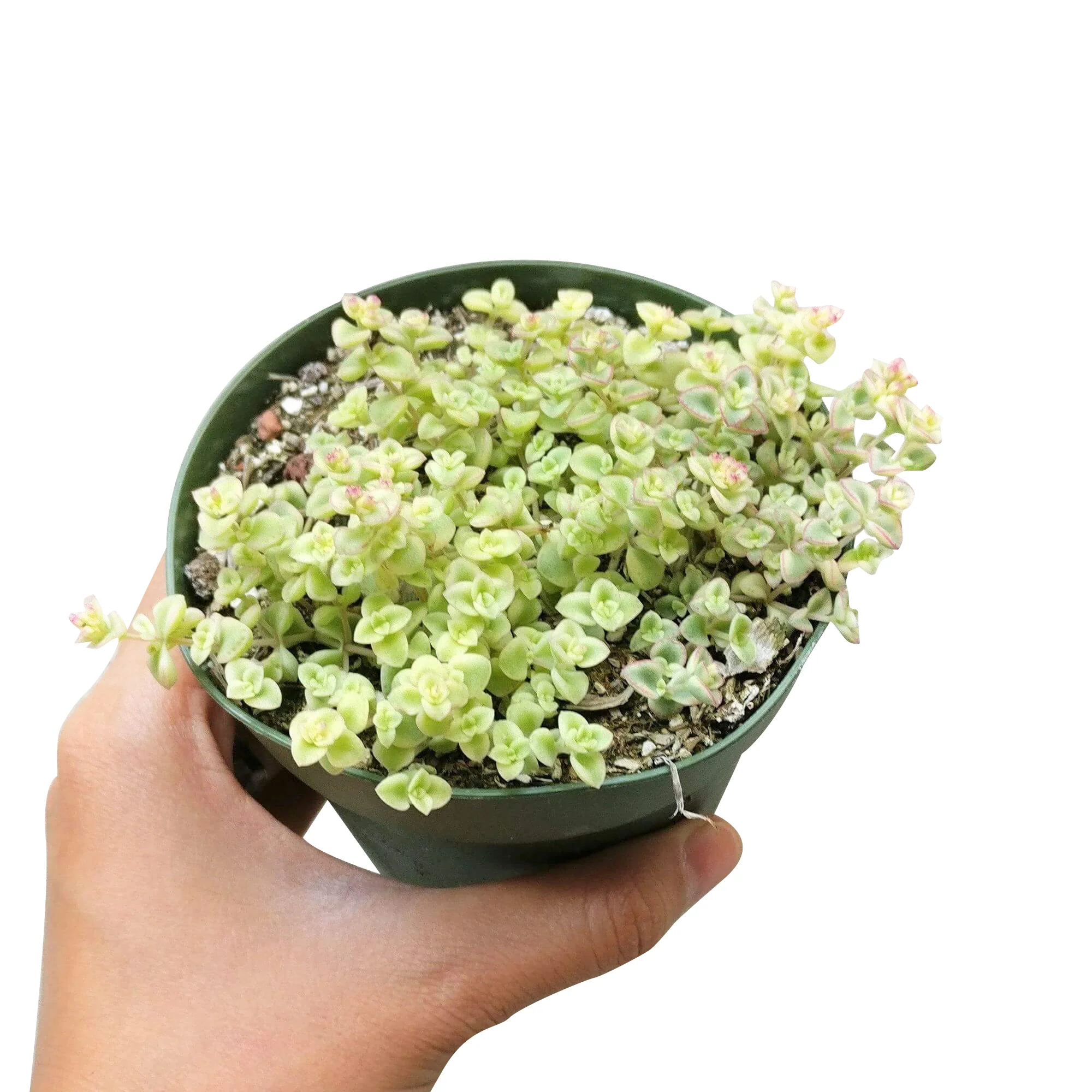
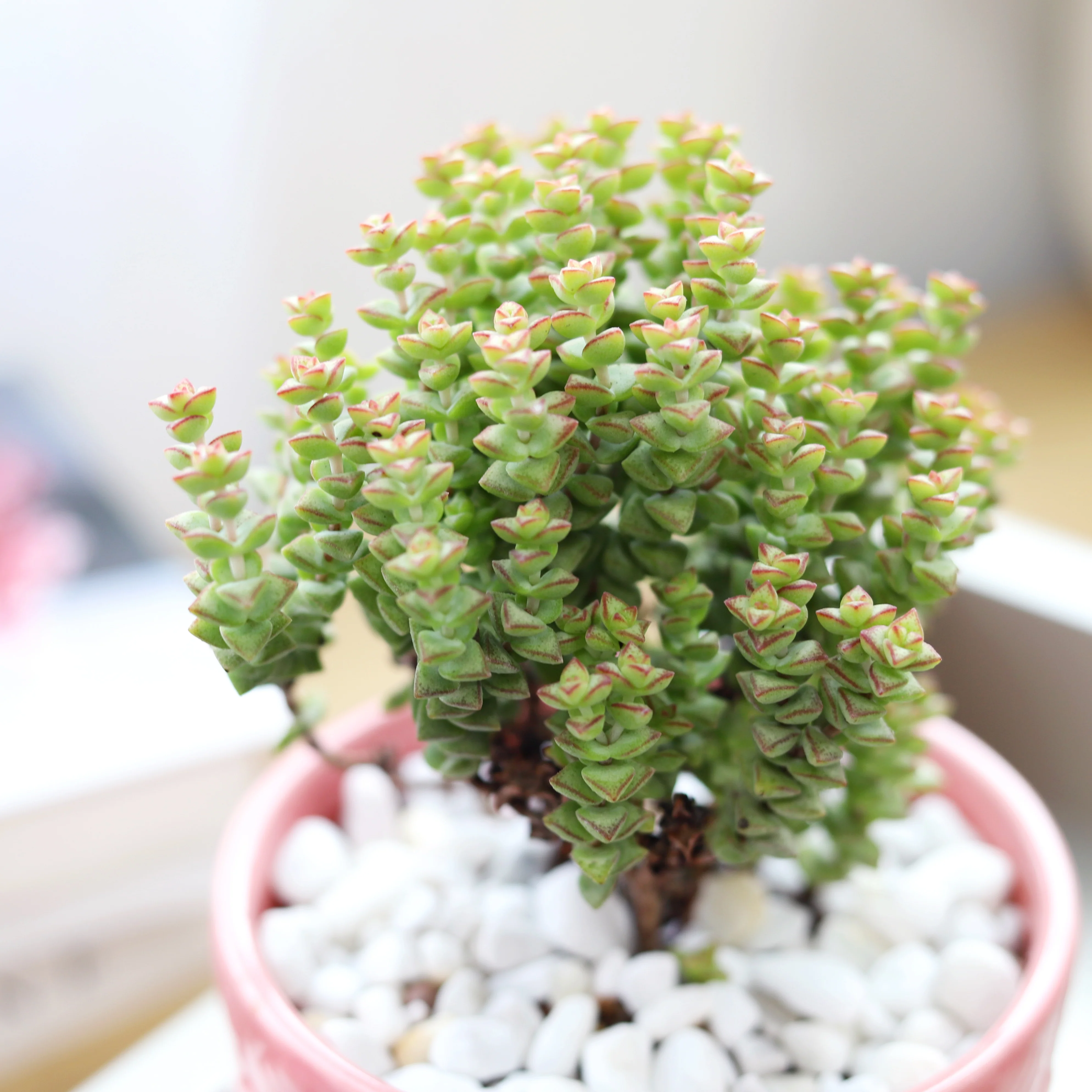
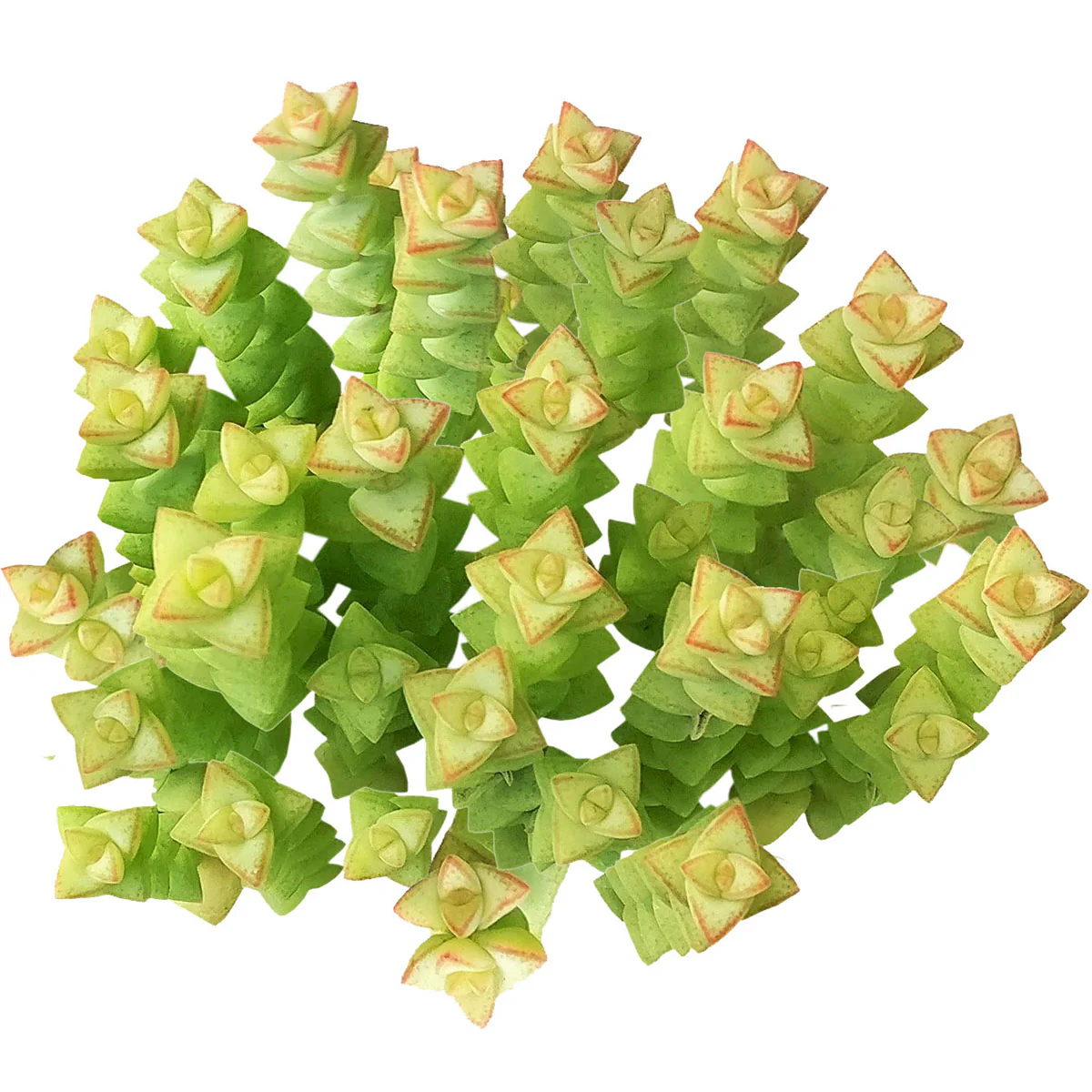
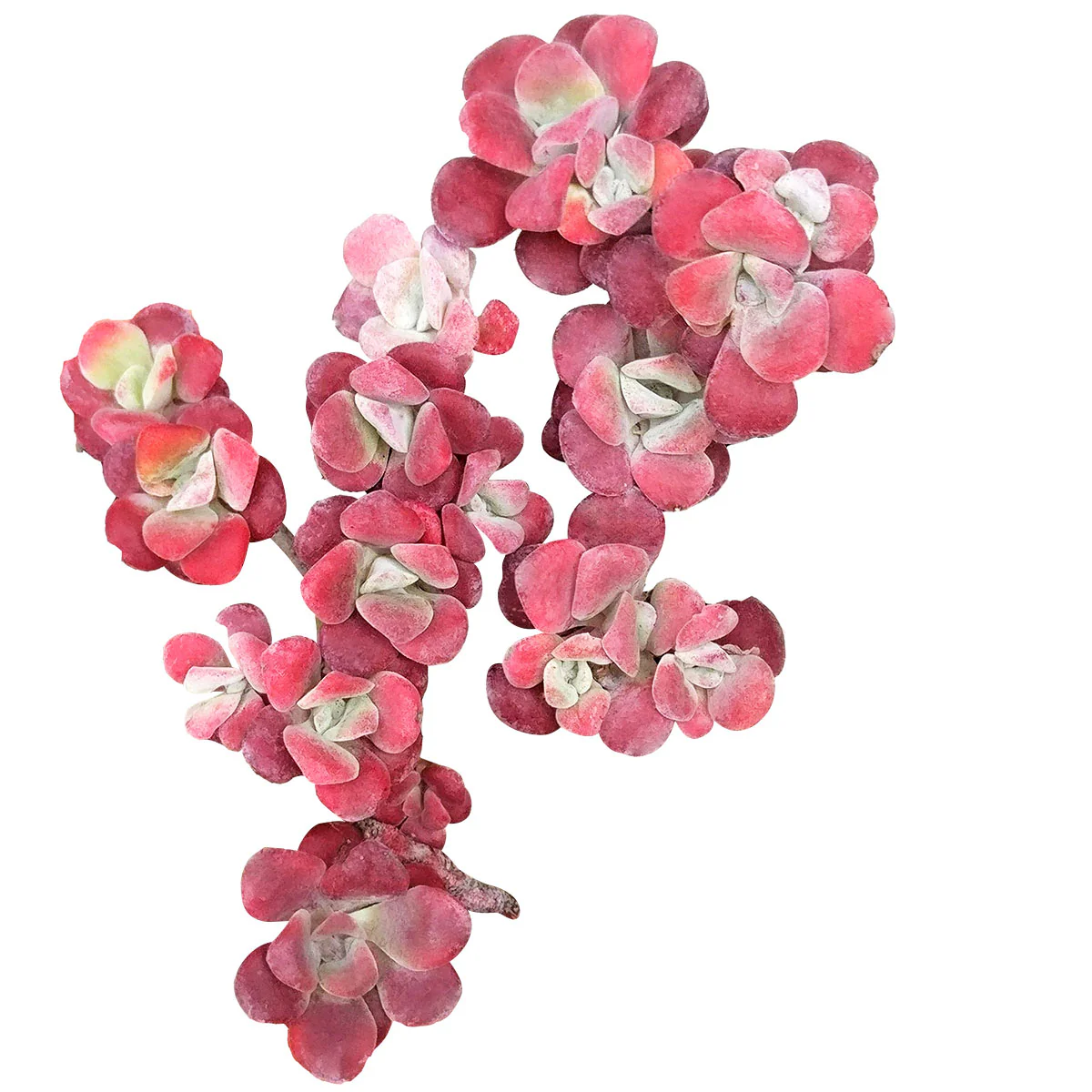
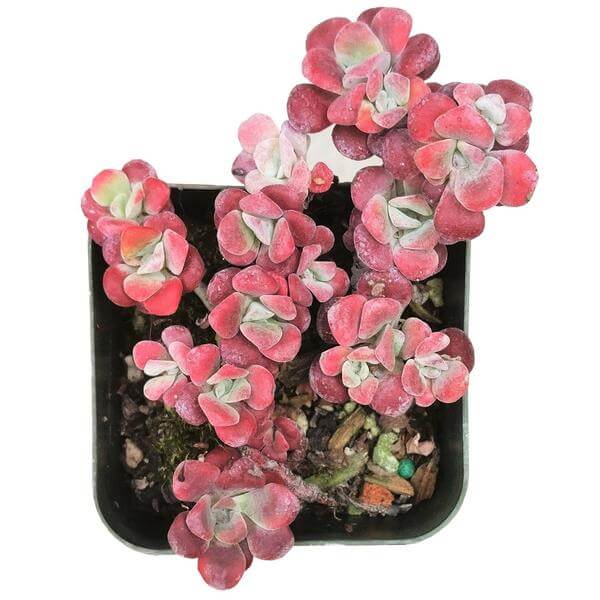
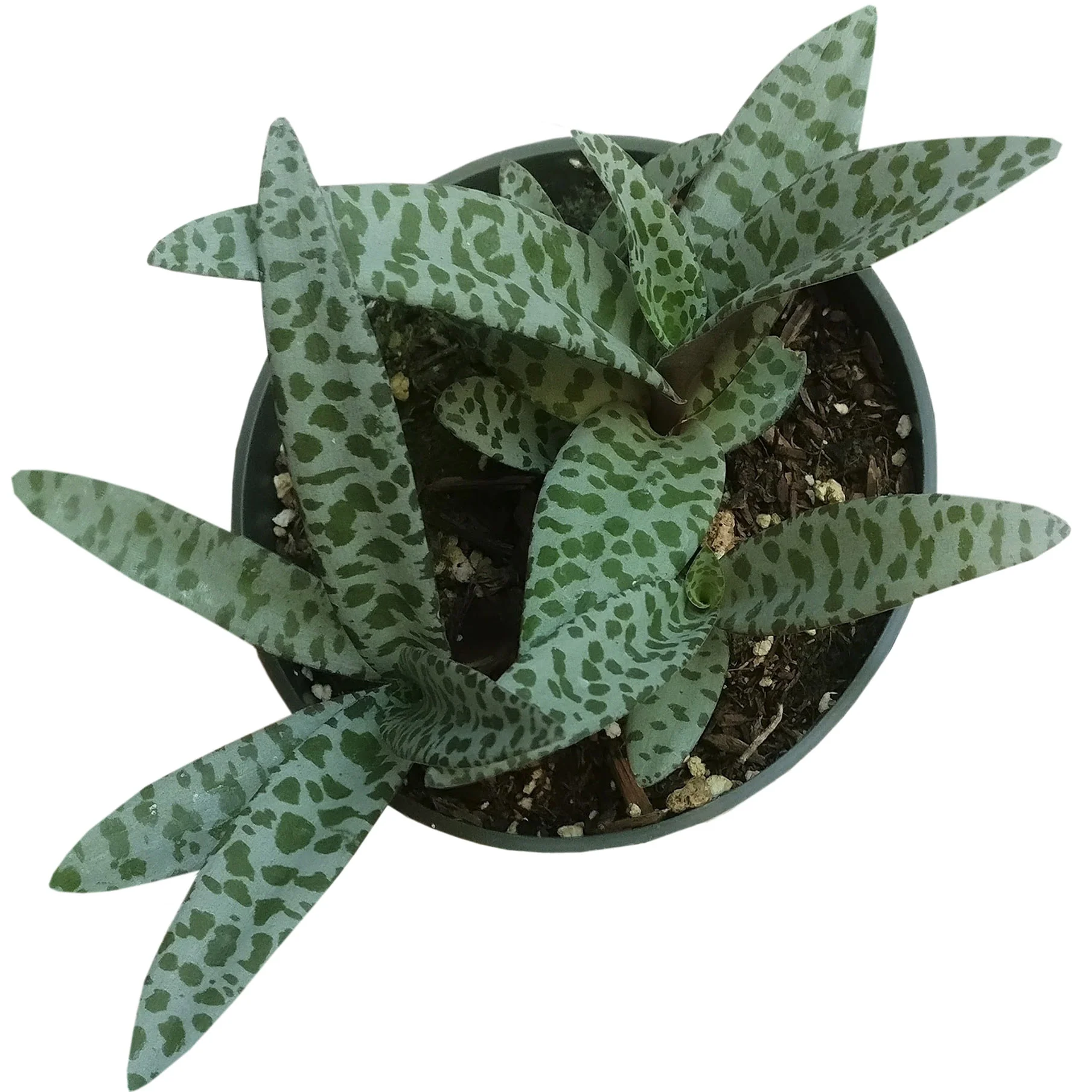
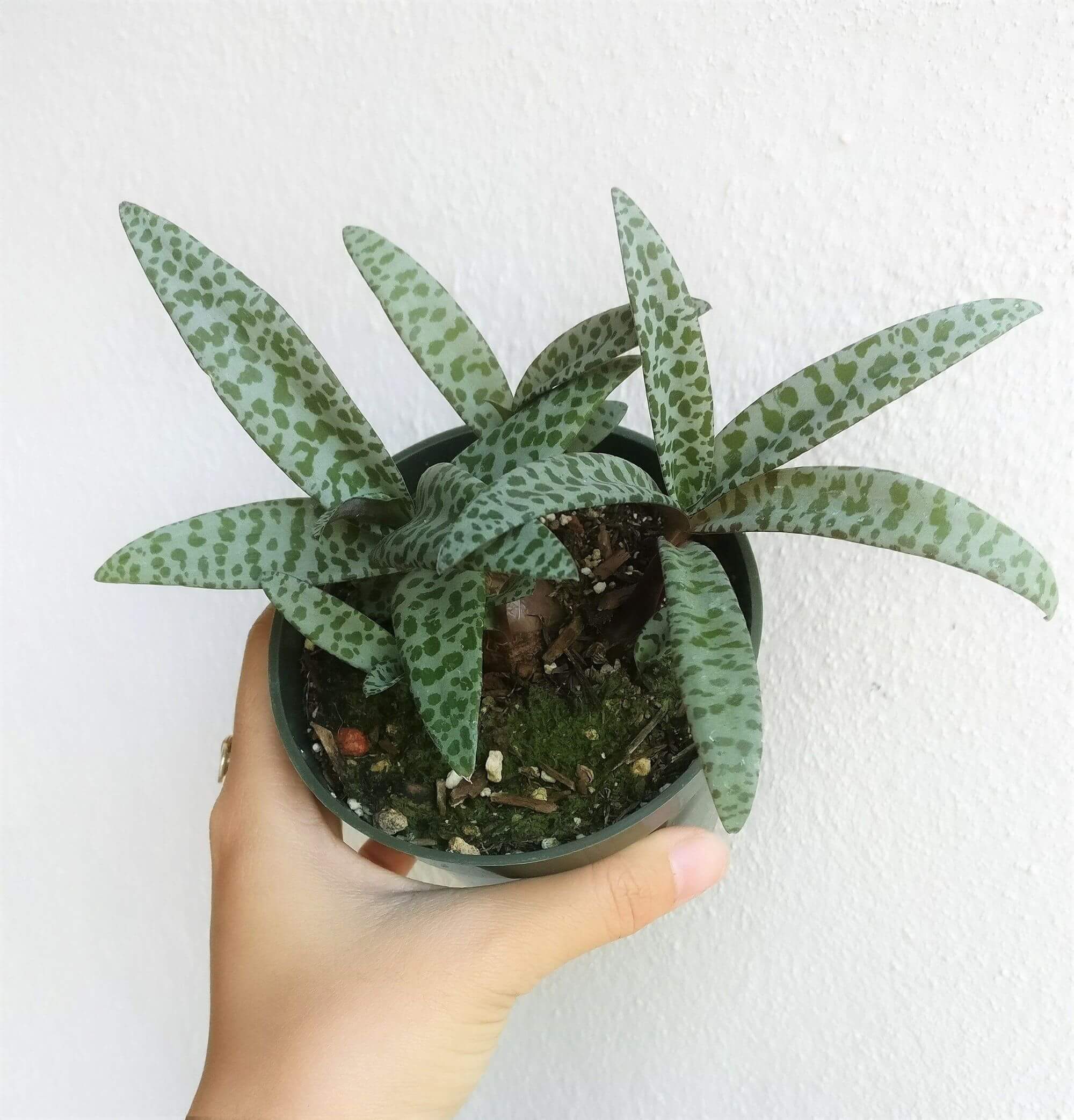
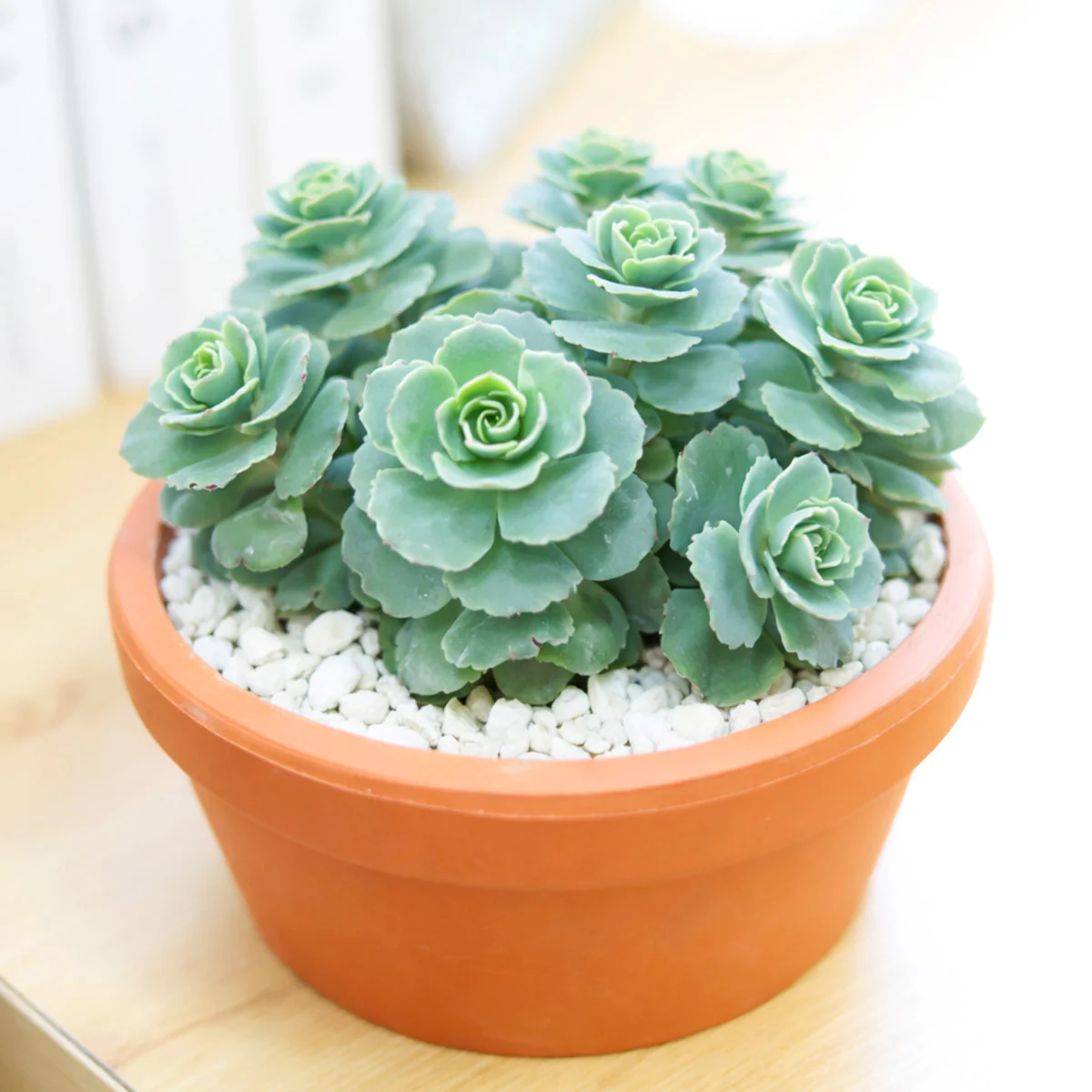
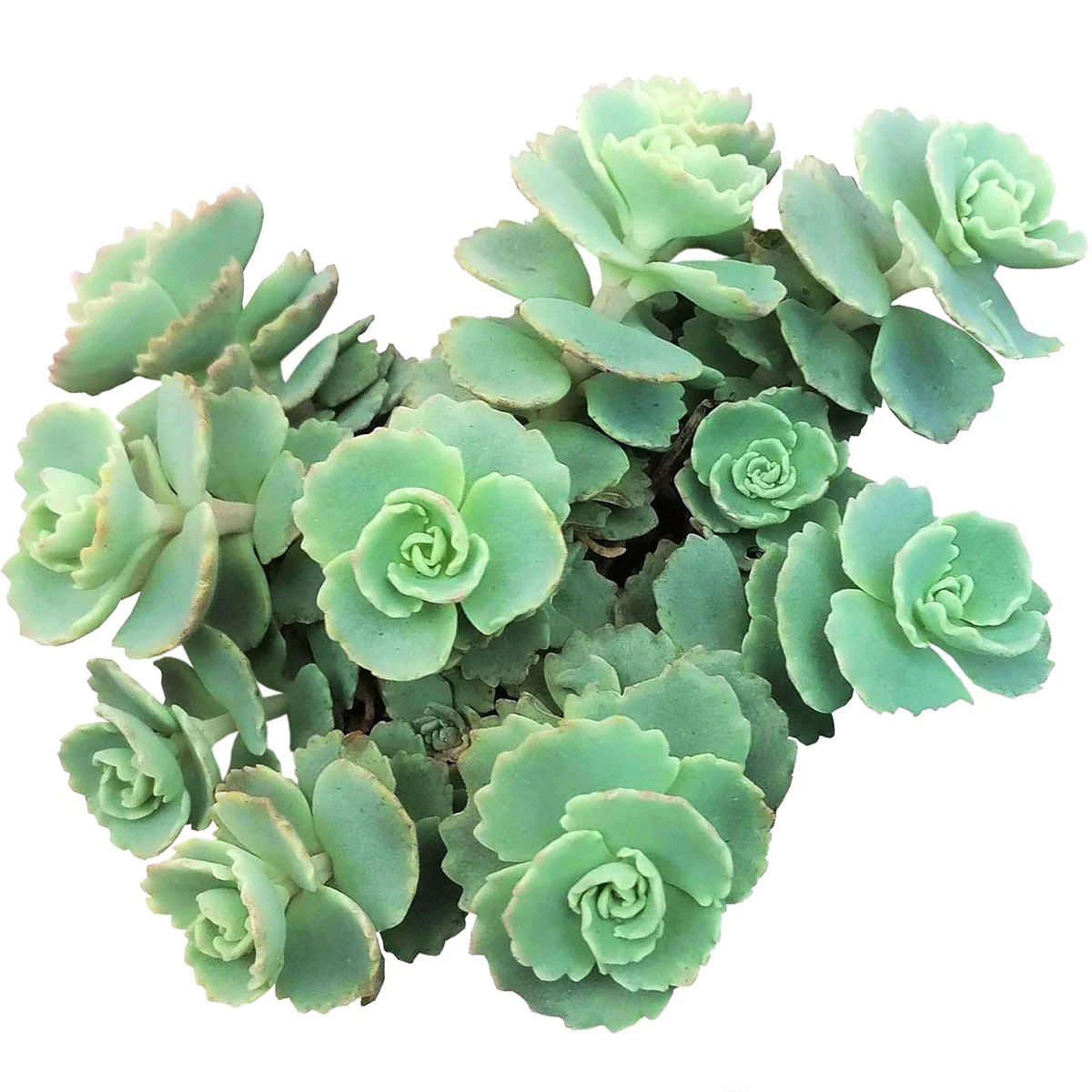
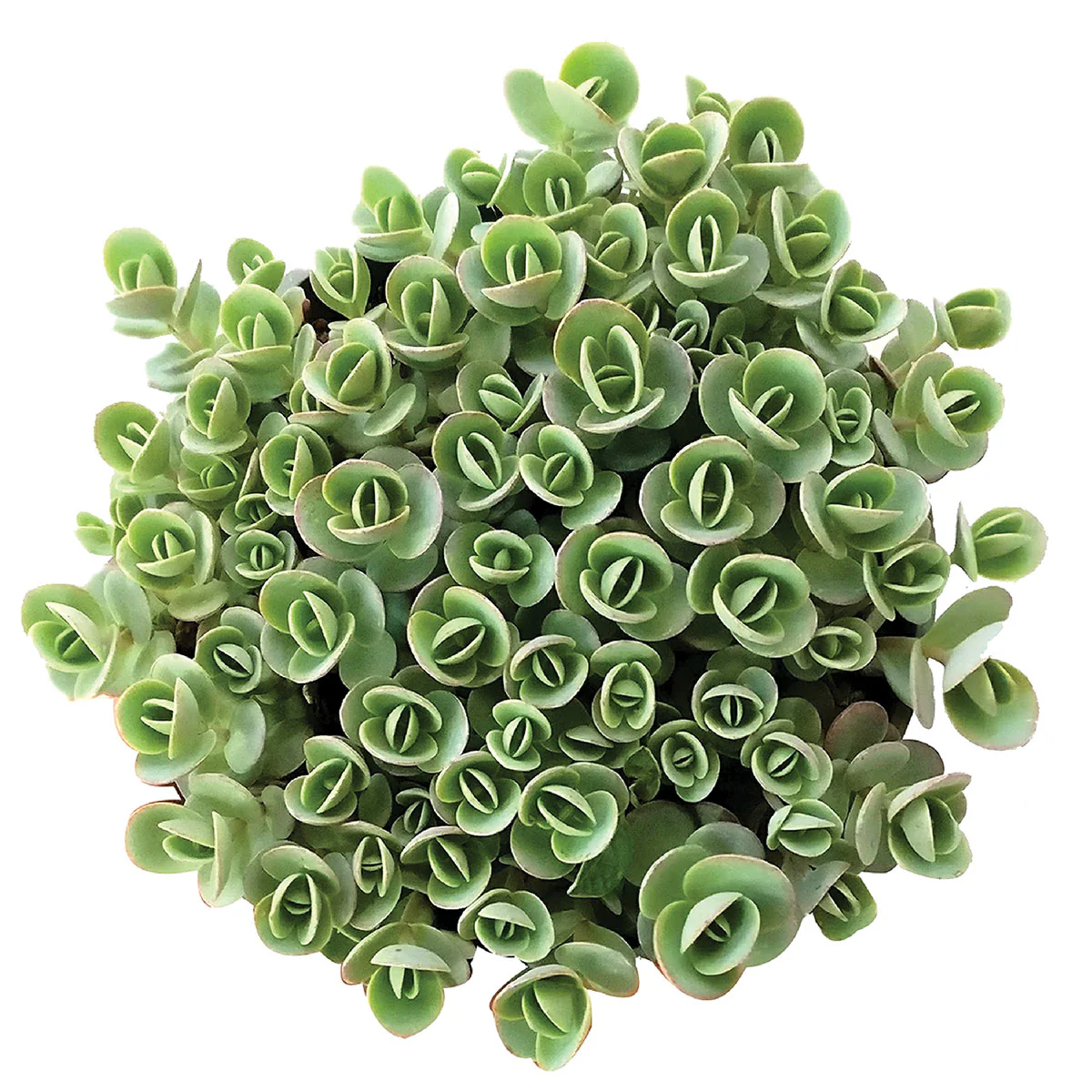
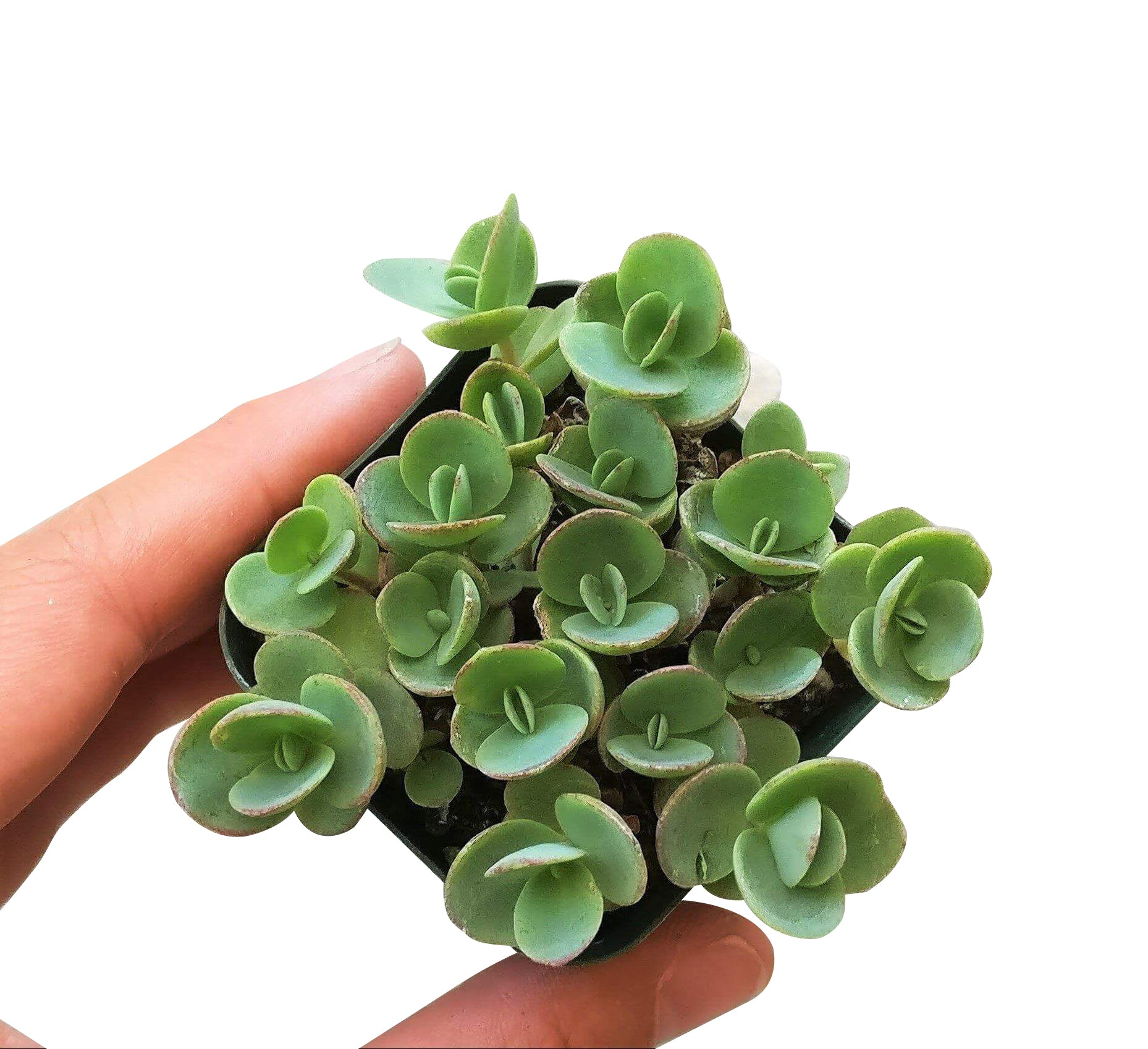
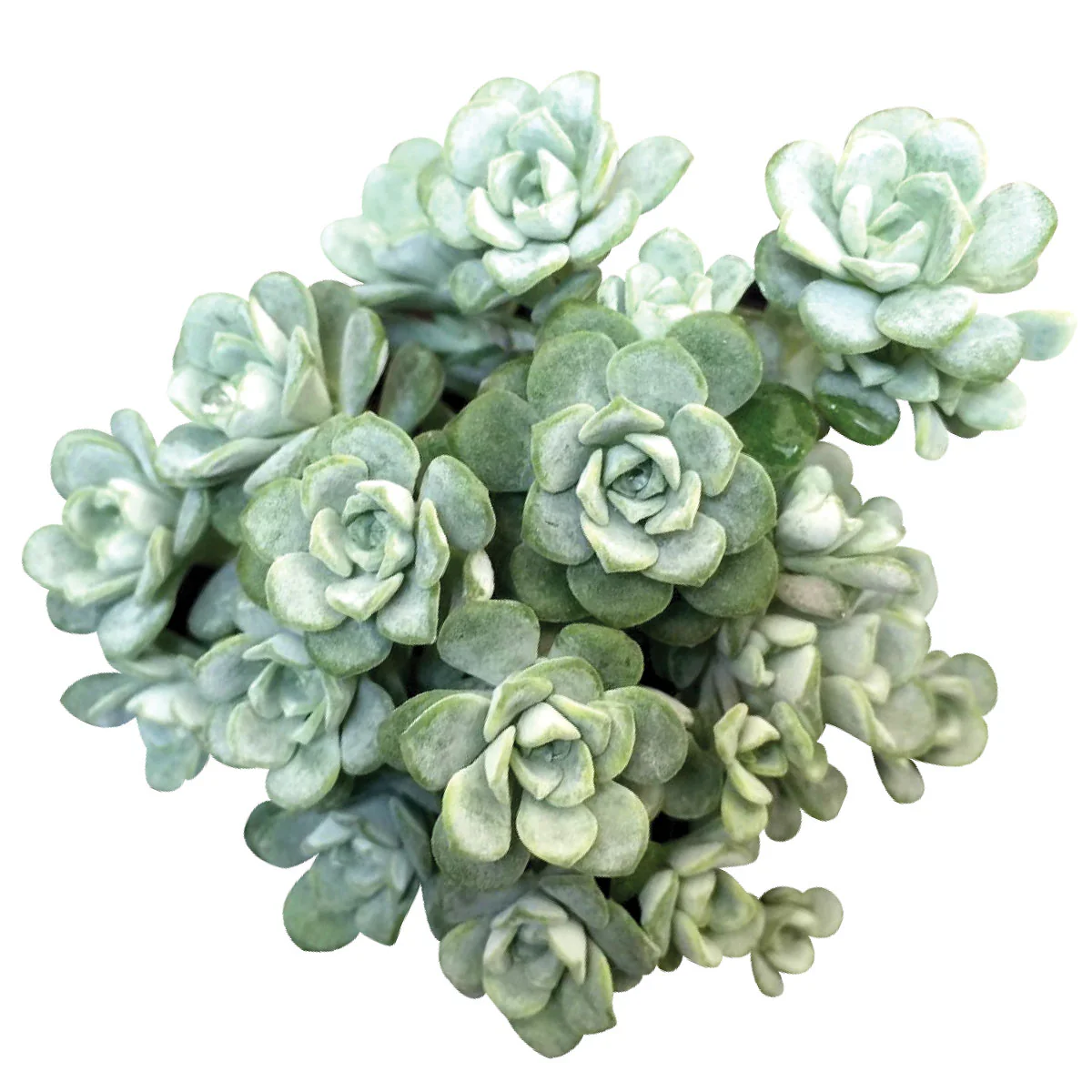
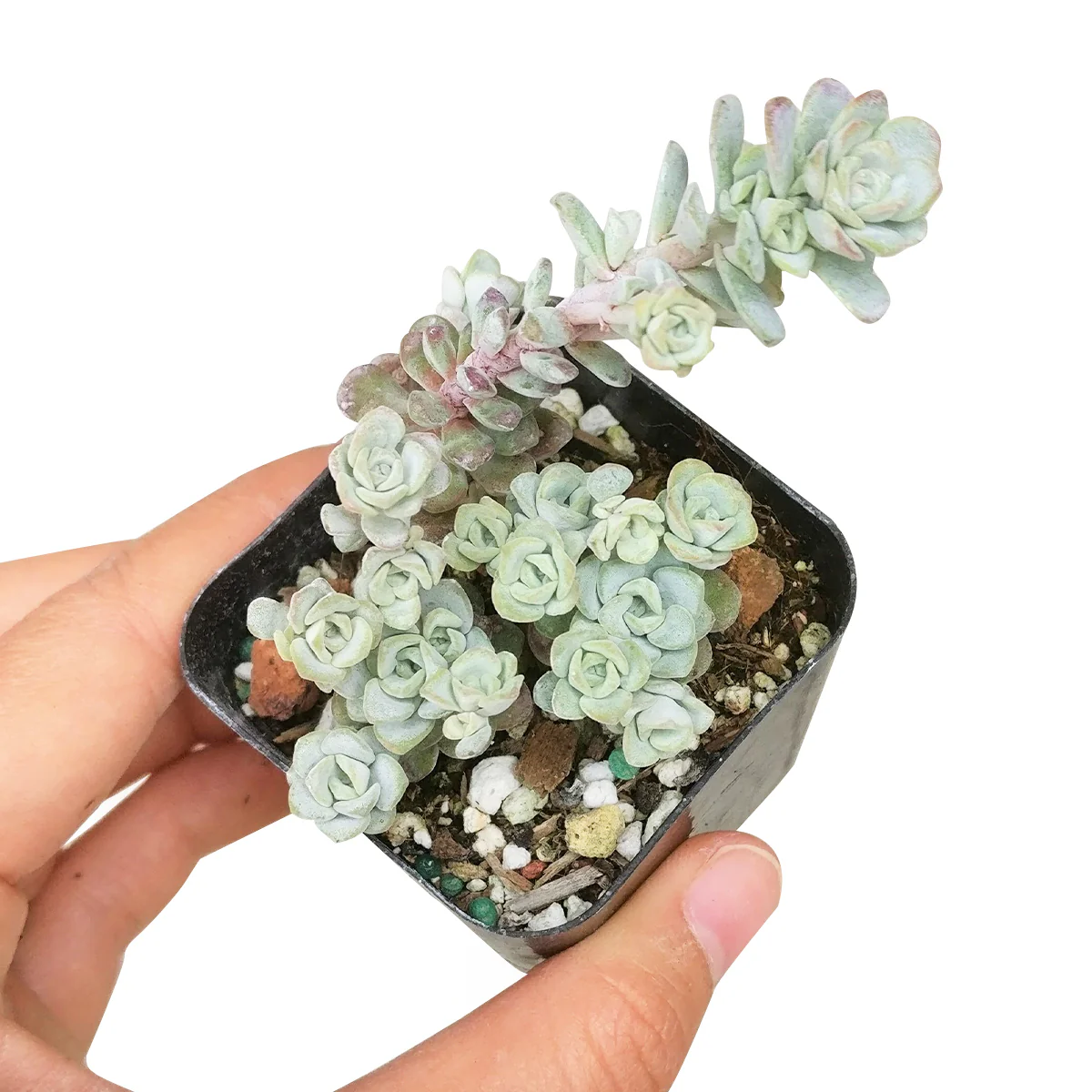
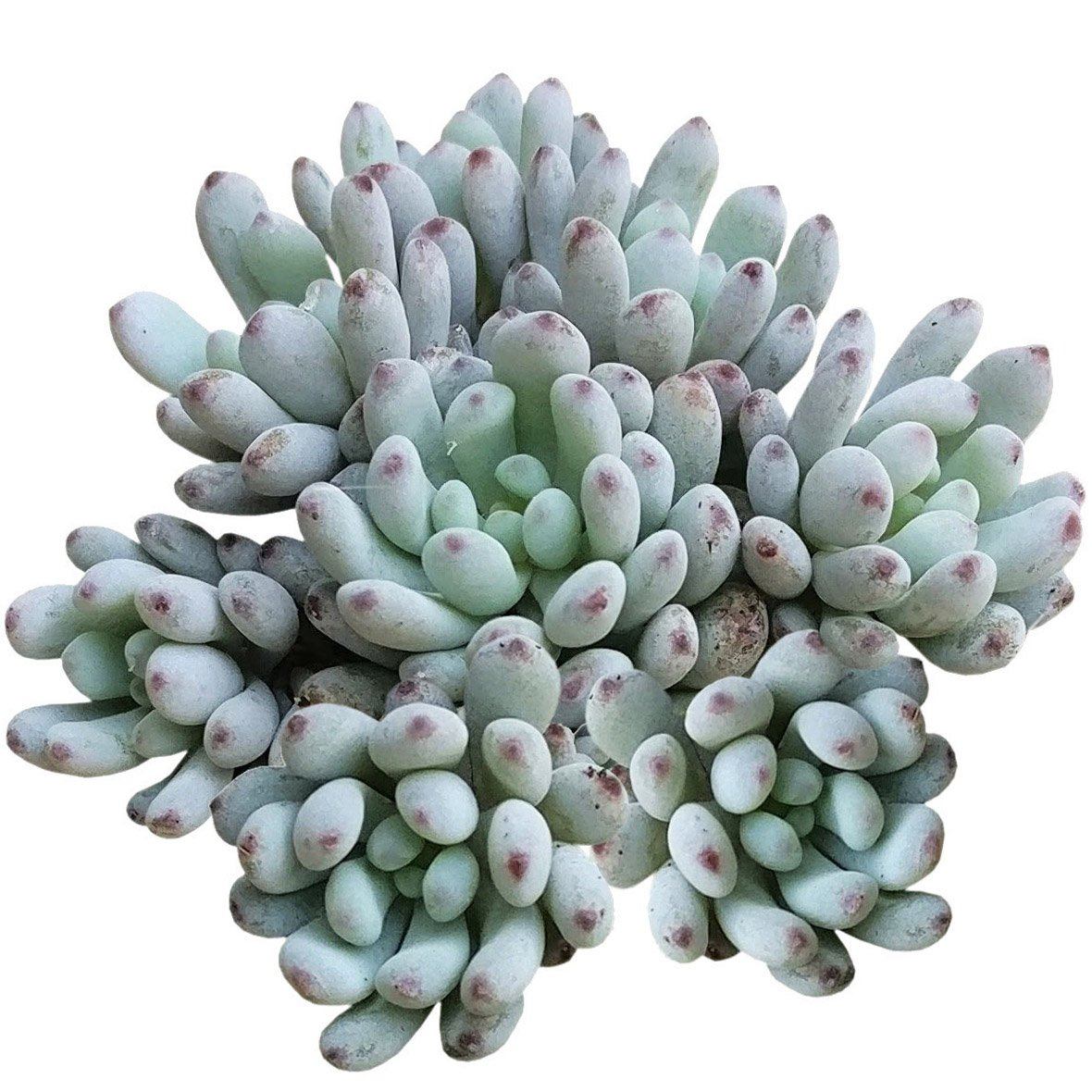
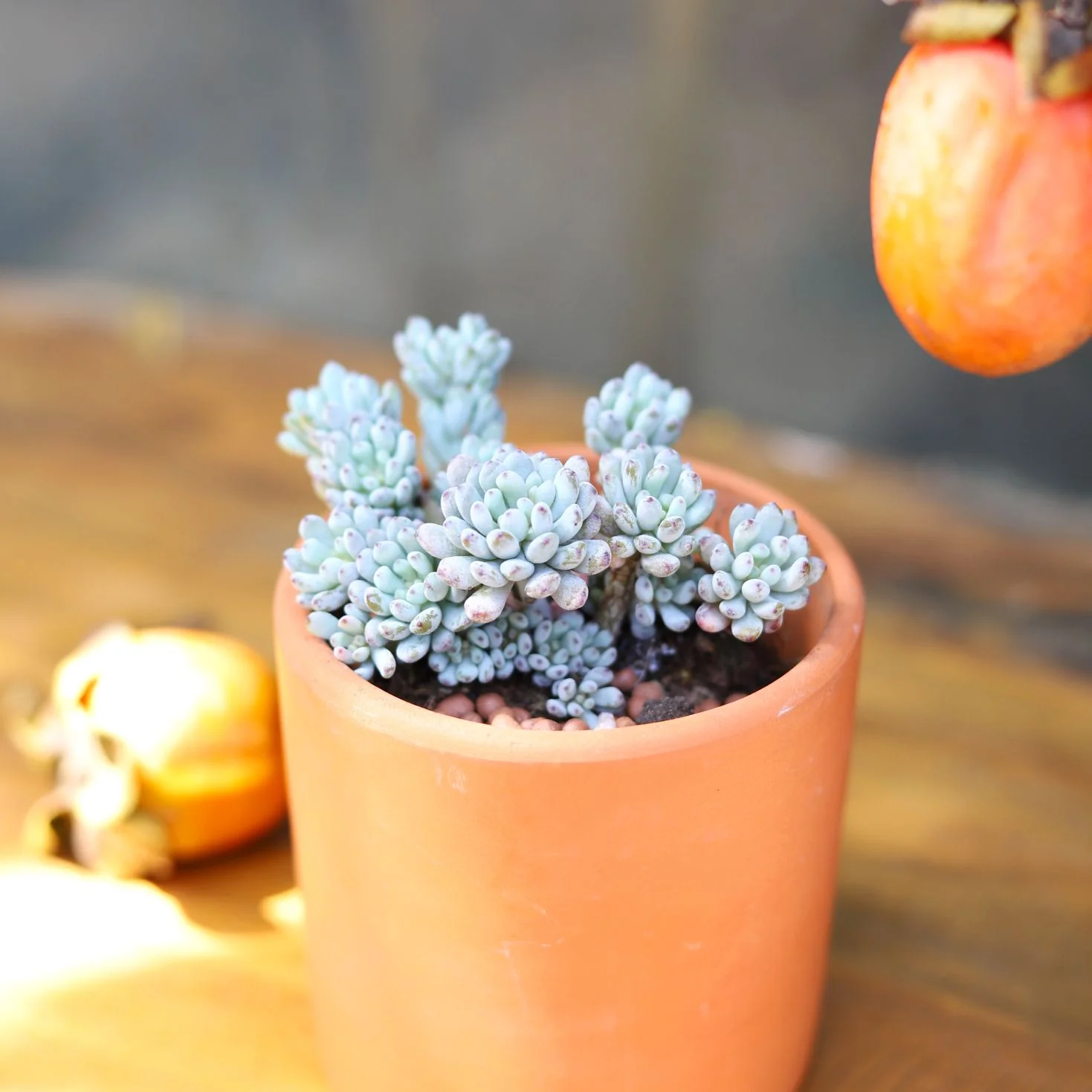
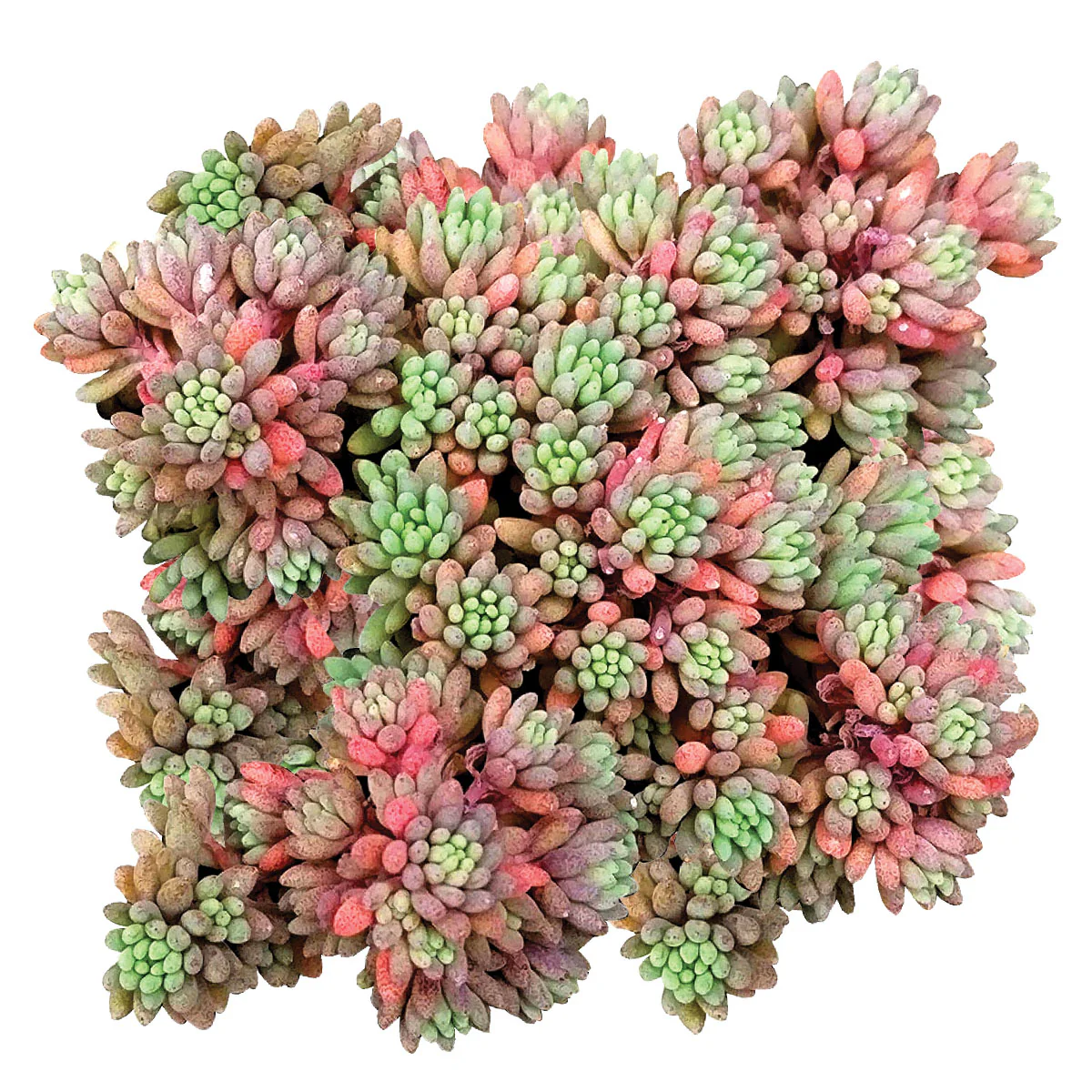
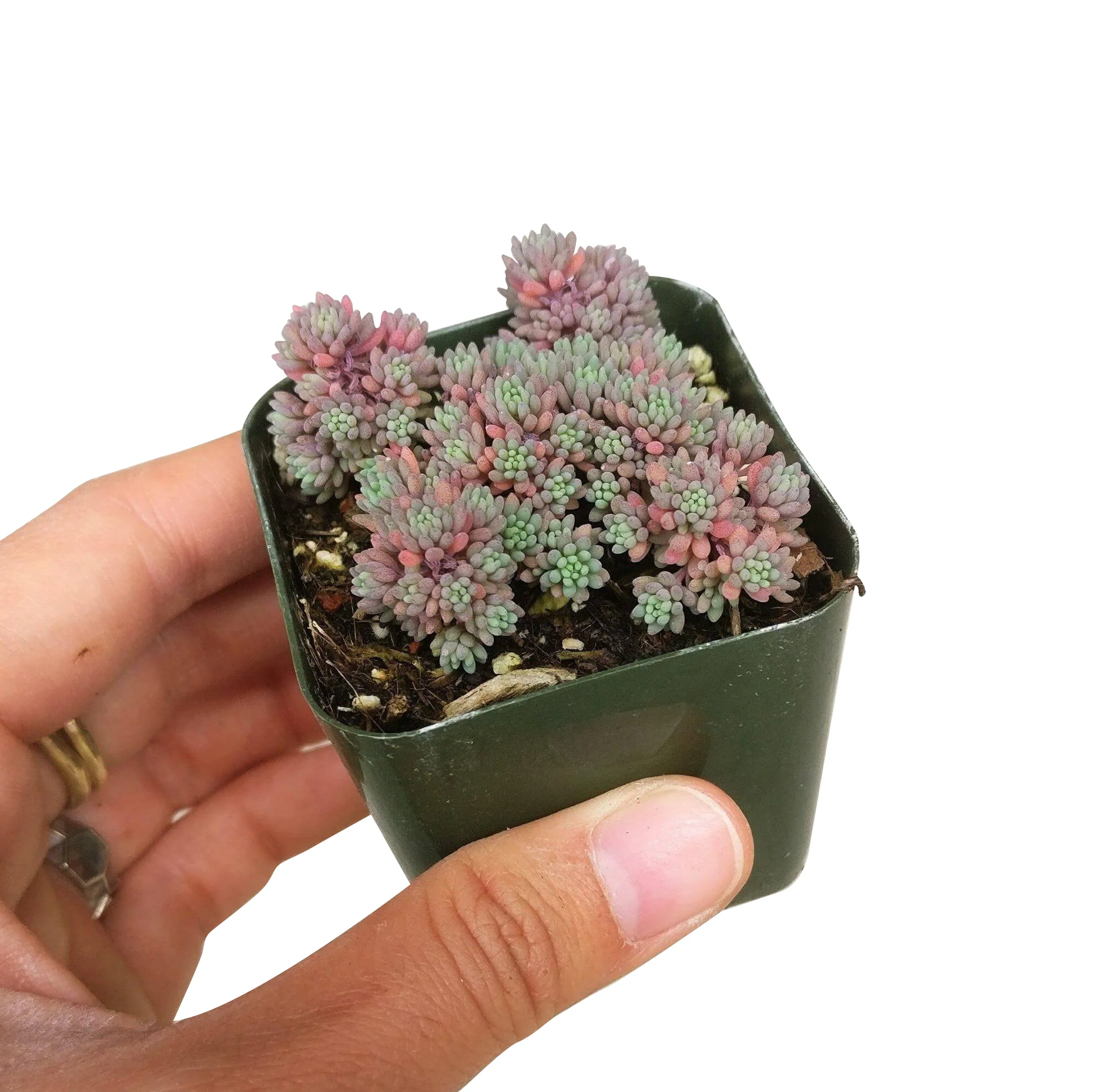
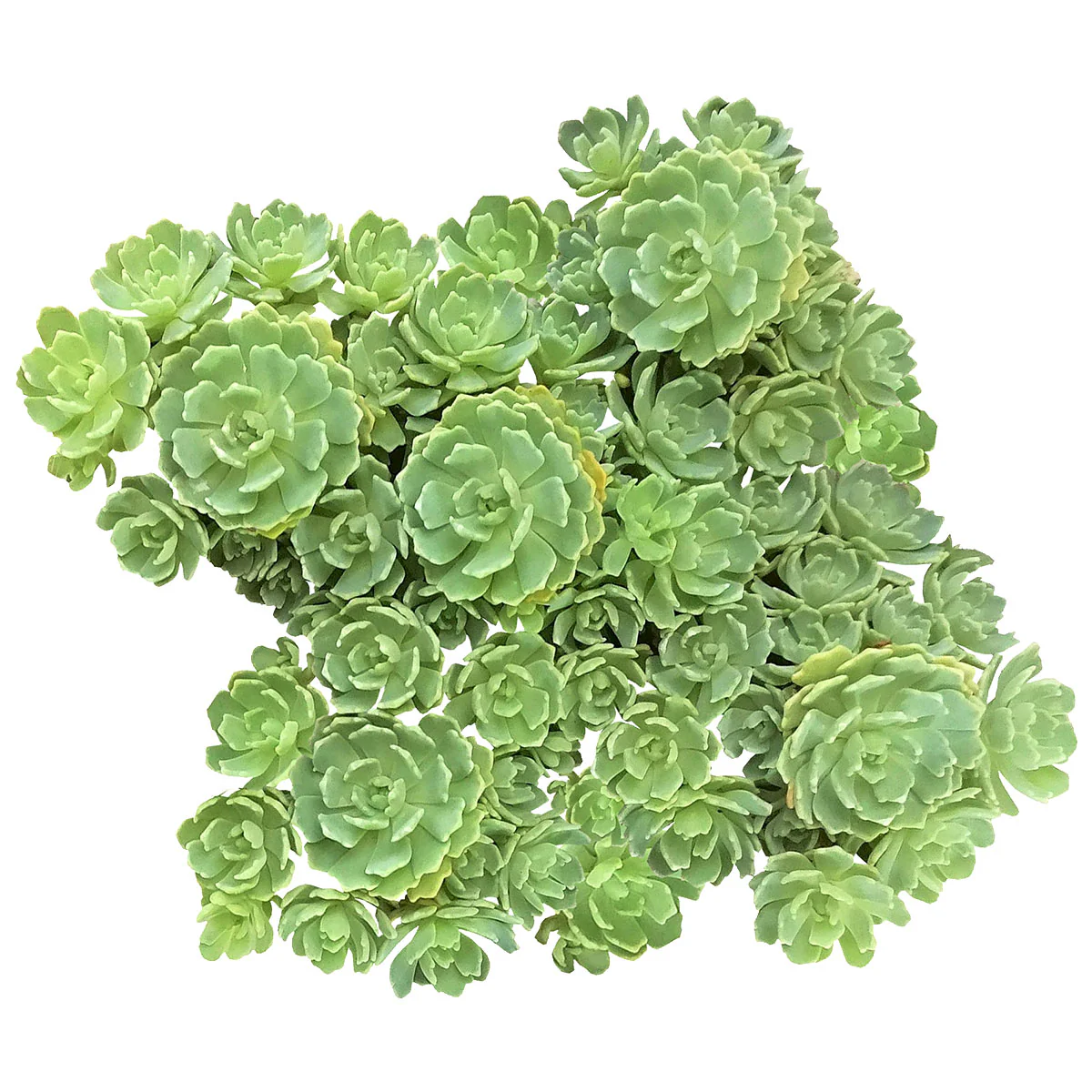
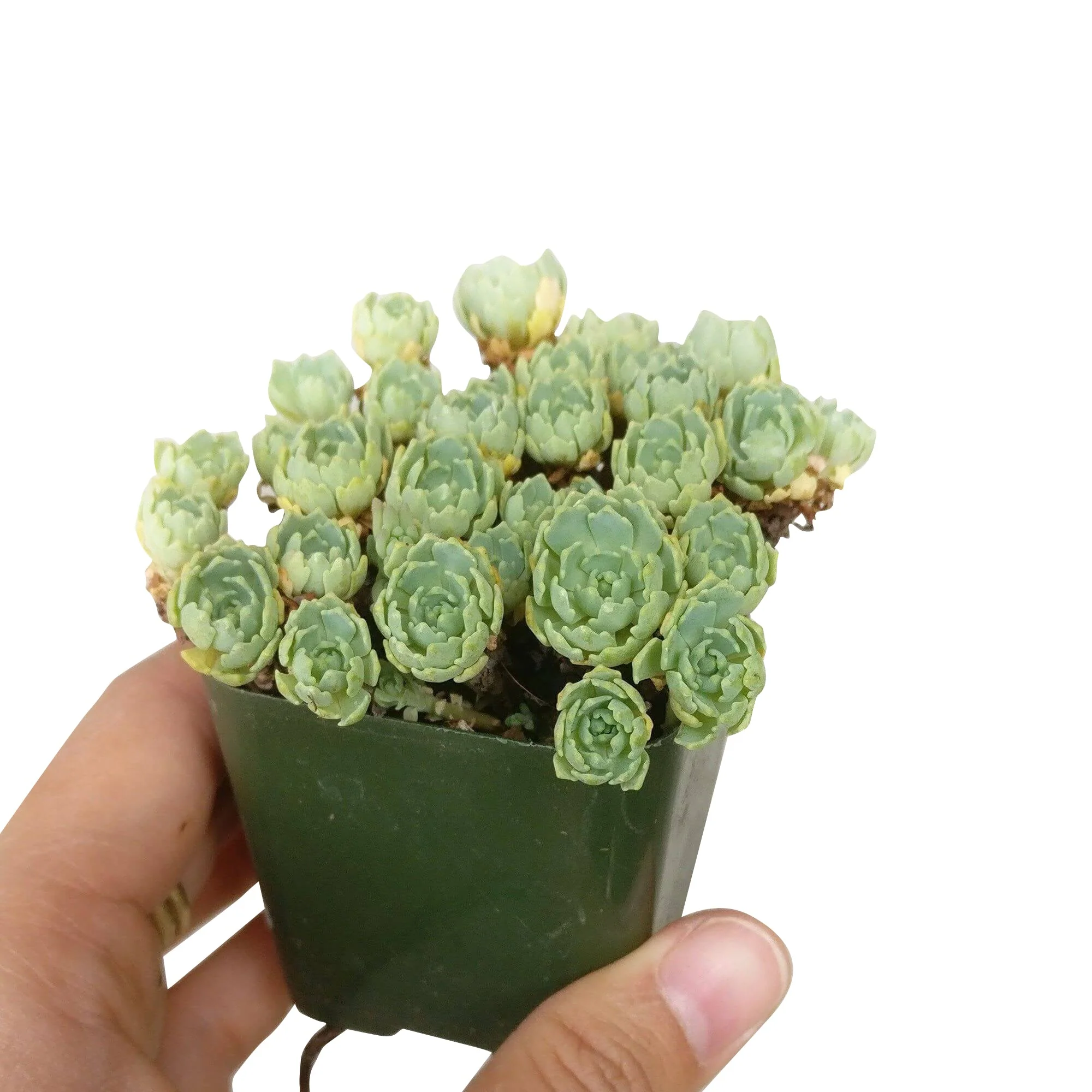
 Sempervivum tectorum (triste) forms tight, symmetrical rosettes with fleshy, pointed leaves that display a striking grey-green to bronze coloration, often deepening in cool weather or bright light. The leaf tips are distinctly darker, giving each rosette a moodily beautiful, architectural look that collectors and garden designers both adore. It grows in an upright, clustering, rosette-forming habit, spreading steadily outward as the mother hen produces offsets, making it a natural wide spreader perfect for rock gardens and container arrangements.
 Sempervivum tectorum (triste) produces tall flower stalks topped with star-shaped blooms, typically in shades of pink to reddish-pink, appearing in summer once the plant has matured. Flowering is triggered in part by a night temperature drop, which encourages the plant to bolt and bloom. After the mother rosette flowers, it completes its life cycle and dies back, but the surrounding chicks carry on effortlessly, keeping the clump full and thriving.
 Sempervivum tectorum (triste) is a top pick for rock gardens, alpine troughs, green roofs, and outdoor containers where a drought tolerant succulent with real cold hardiness is needed. It moves outside happily for summer, handles balcony wind with ease, and can stay outdoors well into autumn. Give it cover from heavy rain to prevent rot, and rotate potted plants occasionally for even, balanced growth. This is a pet friendly succulent, a slow but steady grower, virtually pest-free, and a genuine collector favorite that rewards patience with a spreading, architectural display that improves year after year.
-
 Sempervivum tectorum (triste) thrives in bright indirect light but tolerates direct sun, avoiding only intense south-facing glass that scorches leaves.
 Water Sempervivum tectorum (triste) every 10-14 days in the growing season, allowing soil to dry out completely between waterings.
 Sempervivum tectorum (triste) grows best in a fast-draining gritty mix, such as cactus soil blended with perlite or coarse sand.
 Sempervivum tectorum (triste) tolerates temperatures from -30°F (-34°C) at its hardiest to warm summer highs, making it exceptionally frost tolerant.
![]() Sempervivum tectorum (triste) is a slow to moderate grower that needs no regular fertilizing, thriving on lean soil and neglect.
Sempervivum tectorum (triste) is a slow to moderate grower that needs no regular fertilizing, thriving on lean soil and neglect.
 Sempervivum tectorum (triste) is hardy in USDA Zones 3-8, tolerating frost down to around -40°F (-40°C) in the right conditions. This covers a vast range of the United States, including Montana, North Dakota, South Dakota, Minnesota, Wisconsin, Michigan, Wyoming, Idaho, Colorado, Utah, Nebraska, Iowa, Illinois, Indiana, Ohio, Pennsylvania, New York, Vermont, New Hampshire, Maine, Massachusetts, Connecticut, Rhode Island, New Jersey, Delaware, Maryland, Virginia, West Virginia, Kentucky, Missouri, Kansas, Oklahoma, Arkansas, Tennessee, North Carolina, and Oregon. Gardeners in Washington, northern California, Nevada, New Mexico, Texas, Georgia, South Carolina, and Alabama can also grow Sempervivum tectorum (triste) successfully in the cooler zones of those states.
-
Q: Is Sempervivum tectorum (triste) pet friendly?
A: Yes, Sempervivum tectorum (triste) is pet friendly and is not considered toxic to cats, dogs, or other household pets.
Q: How often should I water Sempervivum tectorum (triste)?
A: Water Sempervivum tectorum (triste) every 10-14 days during the growing season, letting the soil dry out fully between waterings to prevent root rot.
Q: How do I propagate Sempervivum tectorum (triste)?
A: Sempervivum tectorum (triste) propagates easily by separating the offset "chicks" from the mother rosette and replanting them in well-draining soil.
Q: Is Sempervivum tectorum (triste) frost tolerant?
A: Absolutely, Sempervivum tectorum (triste) is one of the most frost hardy succulents available, surviving temperatures as low as -40°F (-40°C) in USDA Zones 3-8.
Q: How fast does Sempervivum tectorum (triste) grow?
A: Sempervivum tectorum (triste) is a slow to moderate grower that gradually spreads by producing offsets, rewarding patience with a full, attractive clump over time.
Q: Can Sempervivum tectorum (triste) be grown outdoors year-round?
A: Yes, Sempervivum tectorum (triste) can stay outdoors through autumn and winter in its hardiness zones, though it benefits from shelter from prolonged heavy rain to avoid rot.


Original: $8.00
-70%$8.00
$2.40Product Information
Product Information
Shipping & Returns
Shipping & Returns
Description
- Description
- Sempervivum tectorum (triste) Care Guide
- FAQ/Common Issues
-
![]() Sempervivum tectorum (triste) is a frost hardy succulent in the Crassulaceae family, native to the mountainous regions of Europe, from the Alps and Pyrenees to the Carpathians. This cold hardy rosette plant has been cultivated for centuries, earning it the beloved common name "hens and chicks" and the old-world title "common houseleek." It is a true heirloom plant, grown on rooftops and stone walls for generations, making it as much a piece of living history as it is a low maintenance succulent.
Sempervivum tectorum (triste) is a frost hardy succulent in the Crassulaceae family, native to the mountainous regions of Europe, from the Alps and Pyrenees to the Carpathians. This cold hardy rosette plant has been cultivated for centuries, earning it the beloved common name "hens and chicks" and the old-world title "common houseleek." It is a true heirloom plant, grown on rooftops and stone walls for generations, making it as much a piece of living history as it is a low maintenance succulent.
Sempervivum tectorum (triste) forms tight, symmetrical rosettes with fleshy, pointed leaves that display a striking grey-green to bronze coloration, often deepening in cool weather or bright light. The leaf tips are distinctly darker, giving each rosette a moodily beautiful, architectural look that collectors and garden designers both adore. It grows in an upright, clustering, rosette-forming habit, spreading steadily outward as the mother hen produces offsets, making it a natural wide spreader perfect for rock gardens and container arrangements.
Sempervivum tectorum (triste) produces tall flower stalks topped with star-shaped blooms, typically in shades of pink to reddish-pink, appearing in summer once the plant has matured. Flowering is triggered in part by a night temperature drop, which encourages the plant to bolt and bloom. After the mother rosette flowers, it completes its life cycle and dies back, but the surrounding chicks carry on effortlessly, keeping the clump full and thriving.
Sempervivum tectorum (triste) is a top pick for rock gardens, alpine troughs, green roofs, and outdoor containers where a drought tolerant succulent with real cold hardiness is needed. It moves outside happily for summer, handles balcony wind with ease, and can stay outdoors well into autumn. Give it cover from heavy rain to prevent rot, and rotate potted plants occasionally for even, balanced growth. This is a pet friendly succulent, a slow but steady grower, virtually pest-free, and a genuine collector favorite that rewards patience with a spreading, architectural display that improves year after year.
-
Sempervivum tectorum (triste) thrives in bright indirect light but tolerates direct sun, avoiding only intense south-facing glass that scorches leaves.
Water Sempervivum tectorum (triste) every 10-14 days in the growing season, allowing soil to dry out completely between waterings.
Sempervivum tectorum (triste) grows best in a fast-draining gritty mix, such as cactus soil blended with perlite or coarse sand.
Sempervivum tectorum (triste) tolerates temperatures from -30°F (-34°C) at its hardiest to warm summer highs, making it exceptionally frost tolerant.
![]() Sempervivum tectorum (triste) is a slow to moderate grower that needs no regular fertilizing, thriving on lean soil and neglect.
Sempervivum tectorum (triste) is a slow to moderate grower that needs no regular fertilizing, thriving on lean soil and neglect.
Sempervivum tectorum (triste) is hardy in USDA Zones 3-8, tolerating frost down to around -40°F (-40°C) in the right conditions. This covers a vast range of the United States, including Montana, North Dakota, South Dakota, Minnesota, Wisconsin, Michigan, Wyoming, Idaho, Colorado, Utah, Nebraska, Iowa, Illinois, Indiana, Ohio, Pennsylvania, New York, Vermont, New Hampshire, Maine, Massachusetts, Connecticut, Rhode Island, New Jersey, Delaware, Maryland, Virginia, West Virginia, Kentucky, Missouri, Kansas, Oklahoma, Arkansas, Tennessee, North Carolina, and Oregon. Gardeners in Washington, northern California, Nevada, New Mexico, Texas, Georgia, South Carolina, and Alabama can also grow Sempervivum tectorum (triste) successfully in the cooler zones of those states.
-
Q: Is Sempervivum tectorum (triste) pet friendly?
A: Yes, Sempervivum tectorum (triste) is pet friendly and is not considered toxic to cats, dogs, or other household pets.
Q: How often should I water Sempervivum tectorum (triste)?
A: Water Sempervivum tectorum (triste) every 10-14 days during the growing season, letting the soil dry out fully between waterings to prevent root rot.
Q: How do I propagate Sempervivum tectorum (triste)?
A: Sempervivum tectorum (triste) propagates easily by separating the offset "chicks" from the mother rosette and replanting them in well-draining soil.
Q: Is Sempervivum tectorum (triste) frost tolerant?
A: Absolutely, Sempervivum tectorum (triste) is one of the most frost hardy succulents available, surviving temperatures as low as -40°F (-40°C) in USDA Zones 3-8.
Q: How fast does Sempervivum tectorum (triste) grow?
A: Sempervivum tectorum (triste) is a slow to moderate grower that gradually spreads by producing offsets, rewarding patience with a full, attractive clump over time.
Q: Can Sempervivum tectorum (triste) be grown outdoors year-round?
A: Yes, Sempervivum tectorum (triste) can stay outdoors through autumn and winter in its hardiness zones, though it benefits from shelter from prolonged heavy rain to avoid rot.