Sempervivum Spring Beauty
- Description
- Sempervivum Spring Beauty Care Guide
- FAQ/Common Issues
-
![]() Sempervivum Spring Beauty is a hardy, drought tolerant hen and chicks succulent belonging to the Crassulaceae family. Native to the mountains of Europe and western Asia, this spring beauty houseleek evolved to thrive in rocky, well-drained soils and harsh alpine conditions. It has been cultivated as a tough, easy-care garden and container plant for centuries.
Sempervivum Spring Beauty is a hardy, drought tolerant hen and chicks succulent belonging to the Crassulaceae family. Native to the mountains of Europe and western Asia, this spring beauty houseleek evolved to thrive in rocky, well-drained soils and harsh alpine conditions. It has been cultivated as a tough, easy-care garden and container plant for centuries.
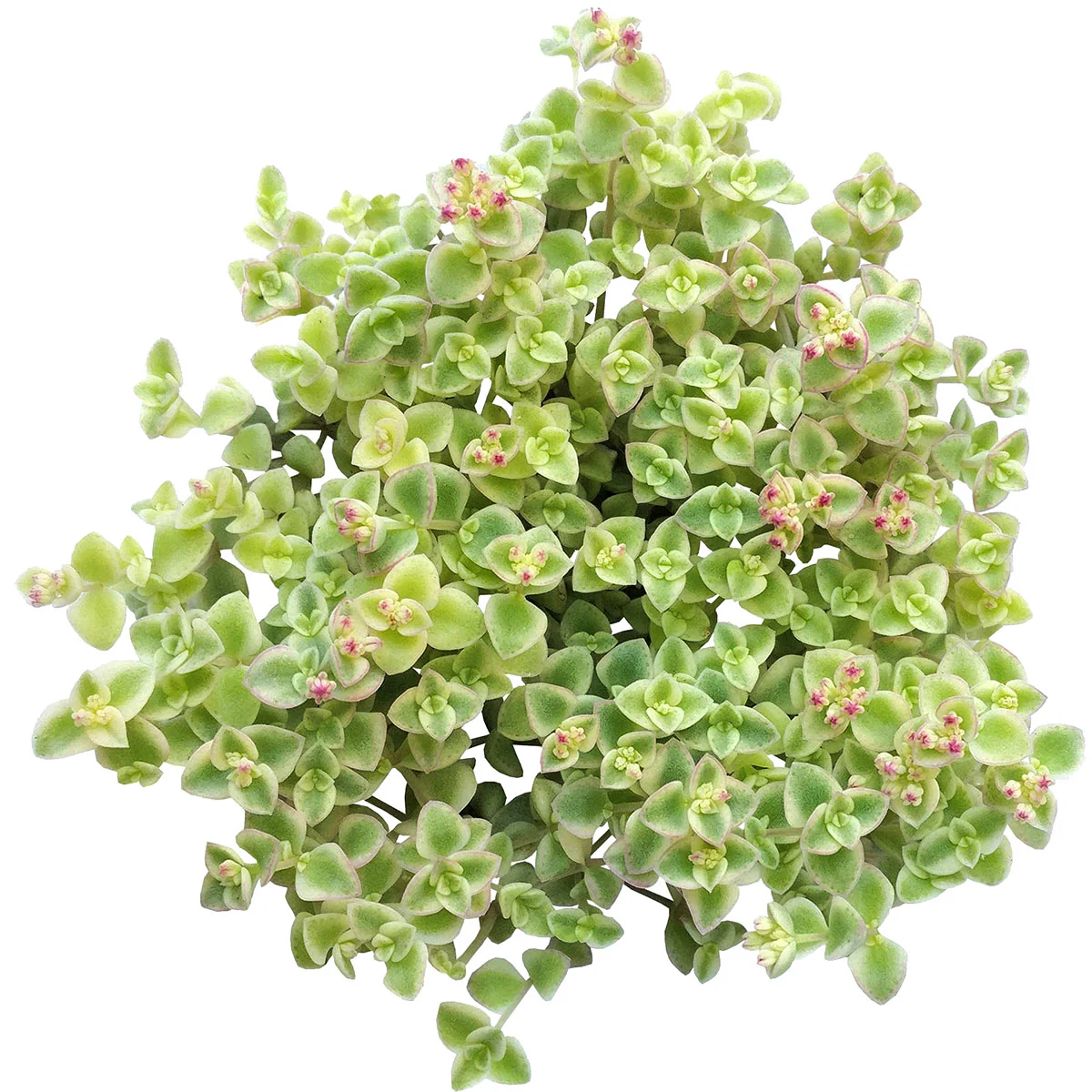
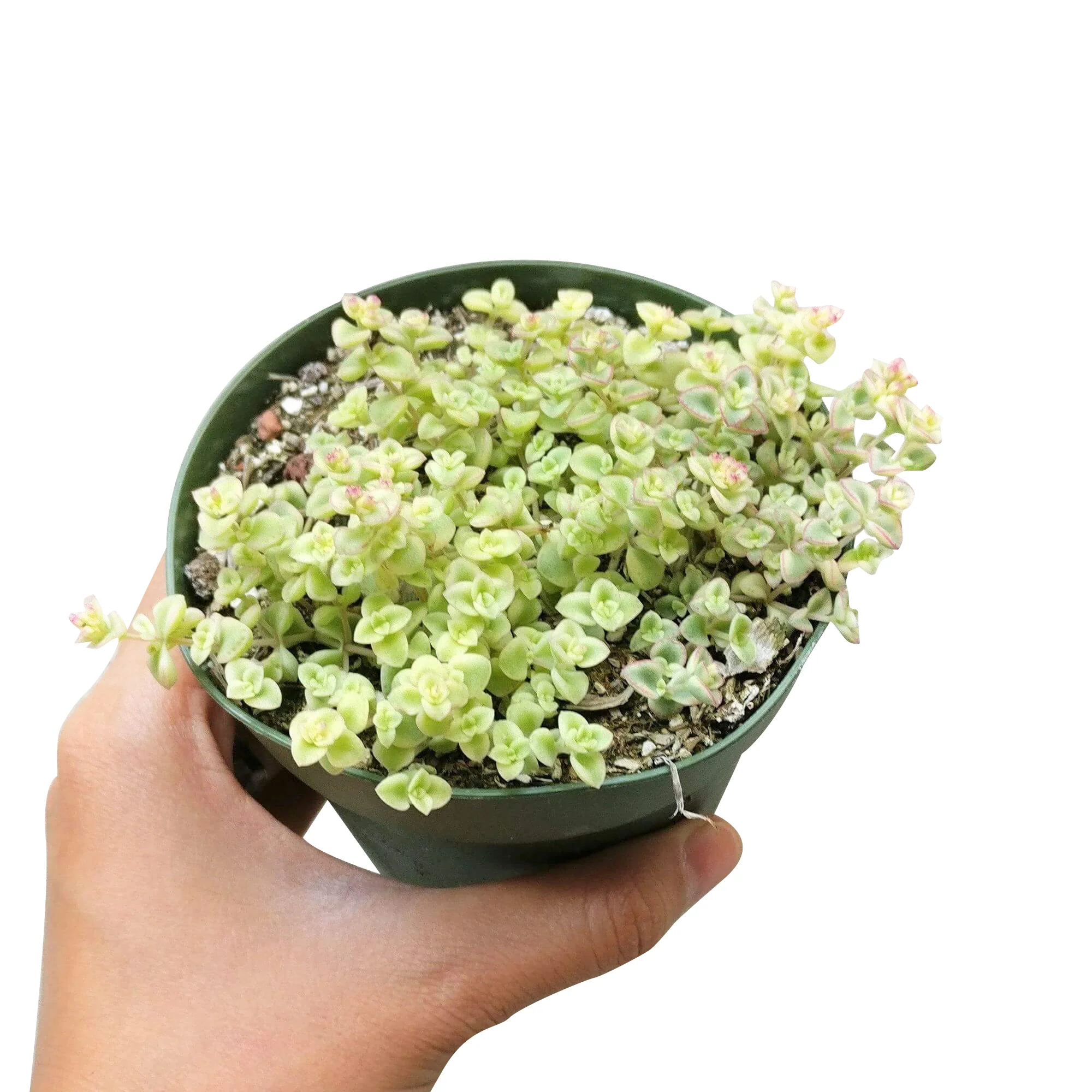
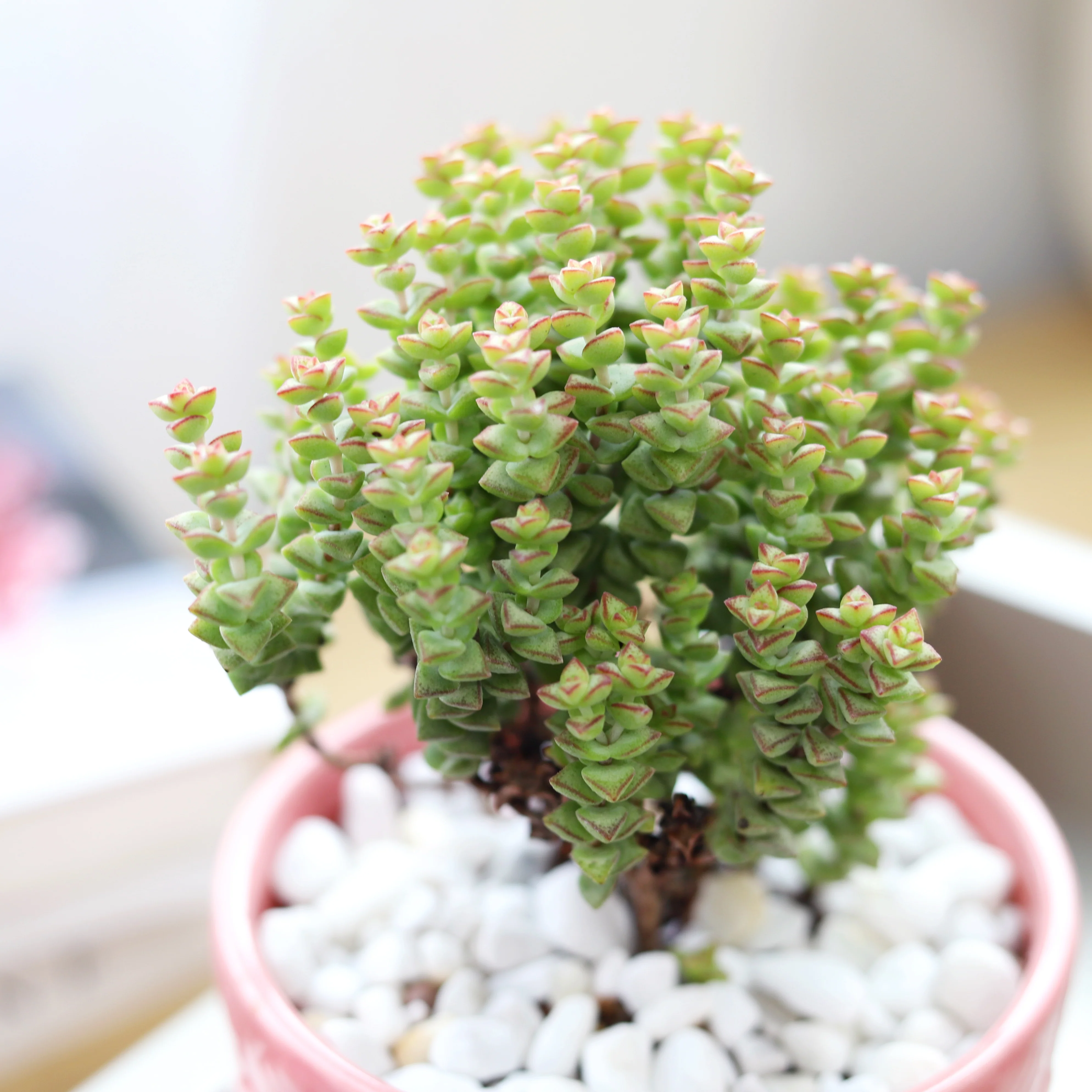
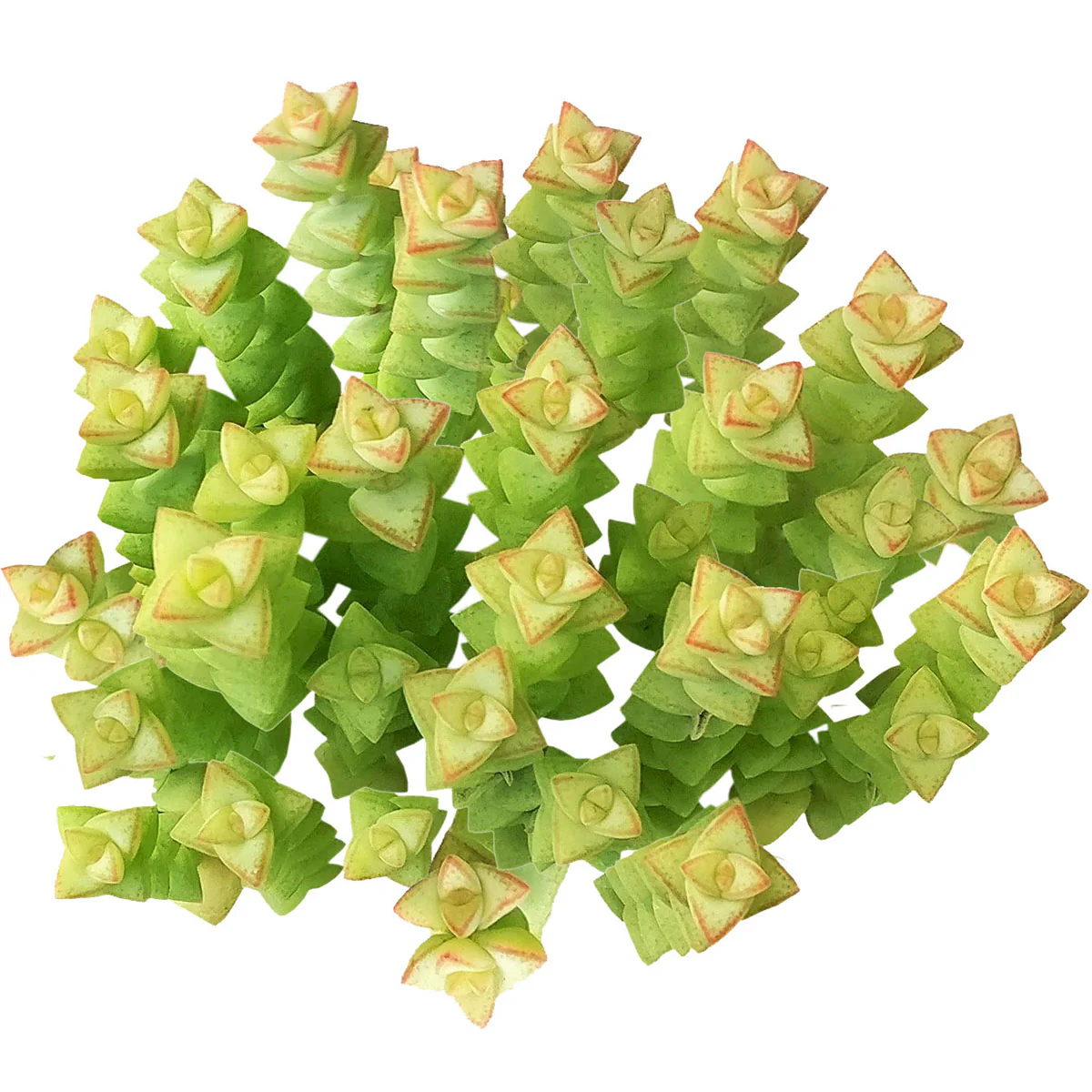
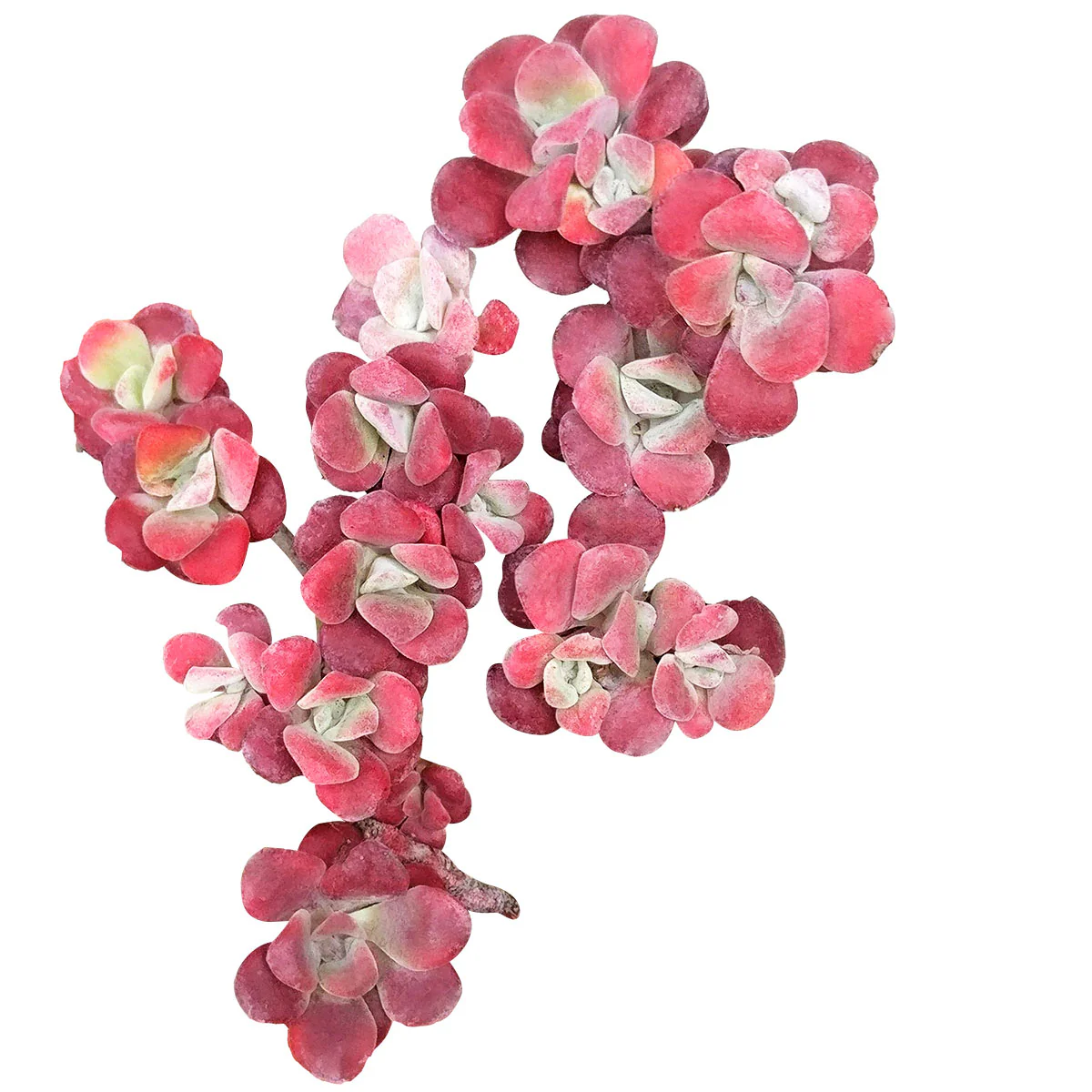
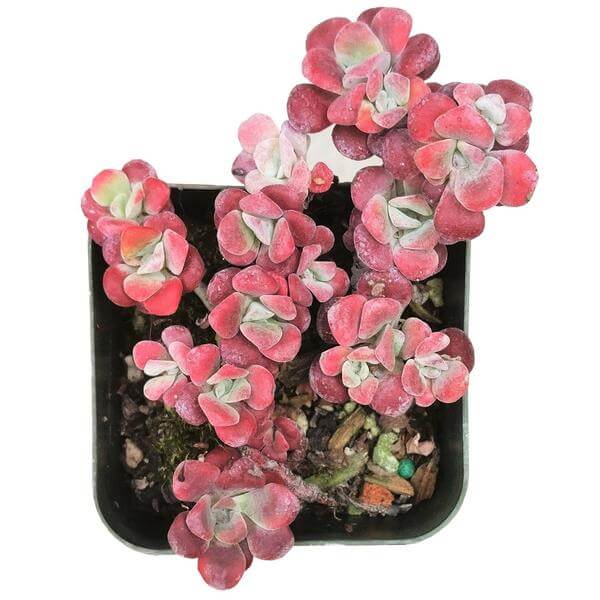
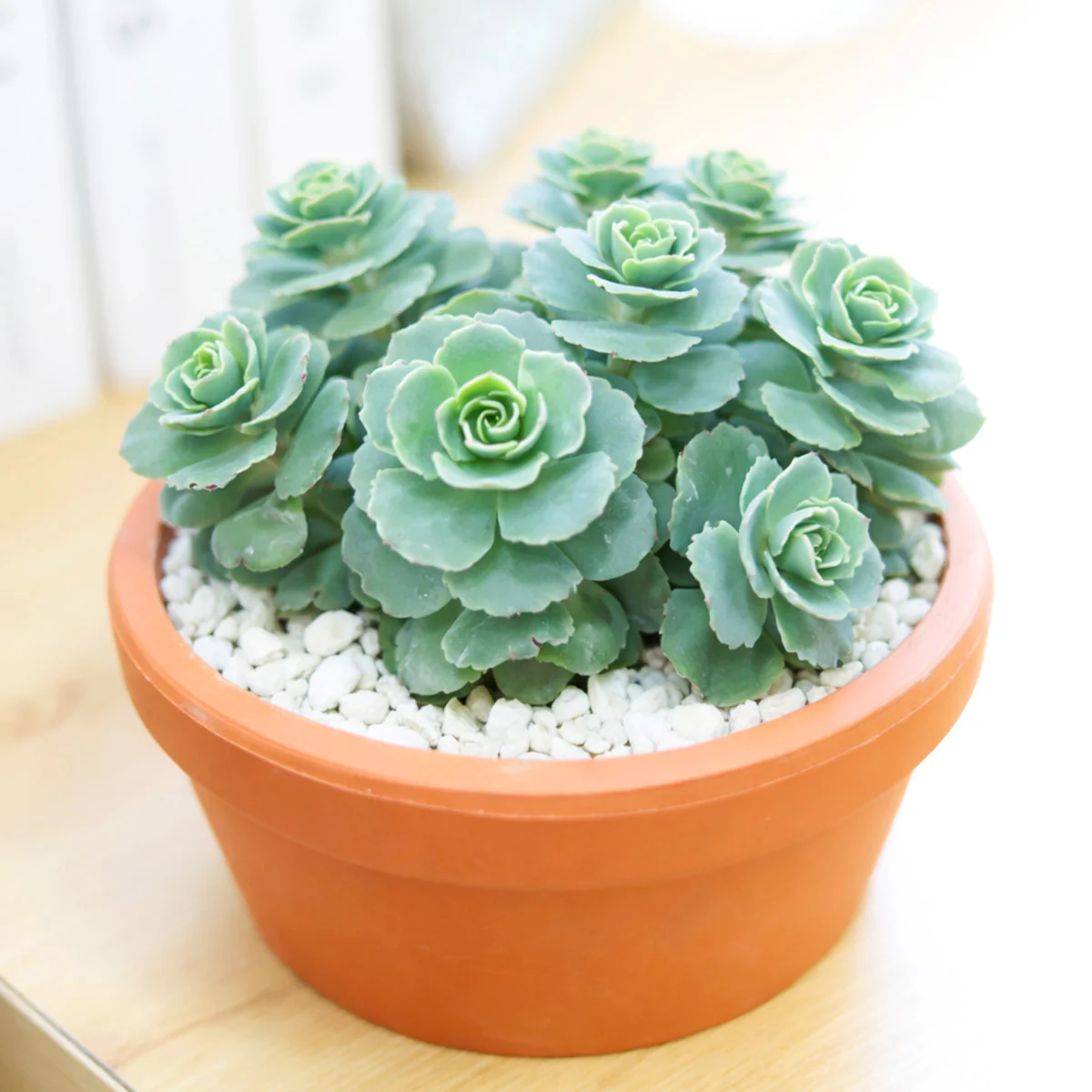
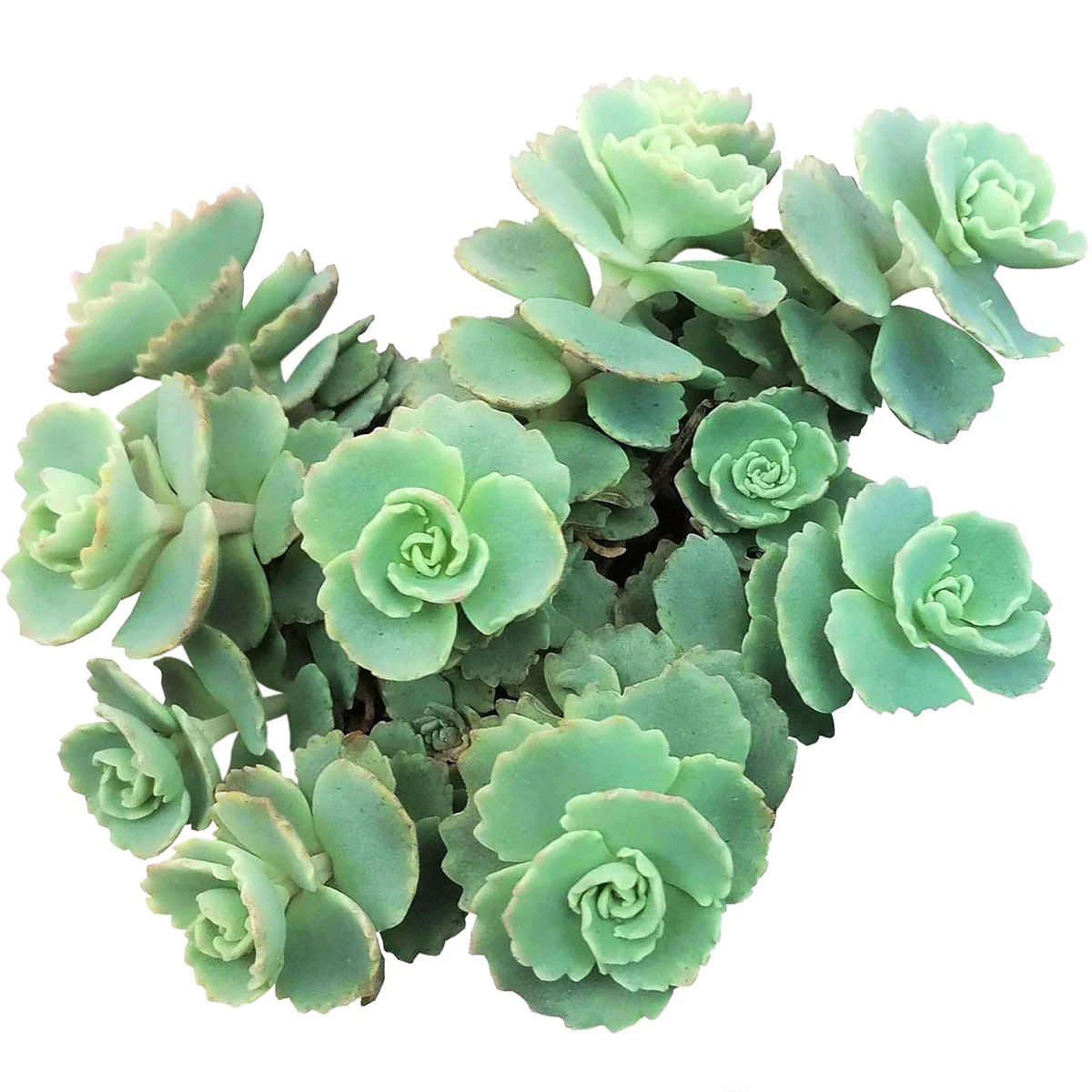
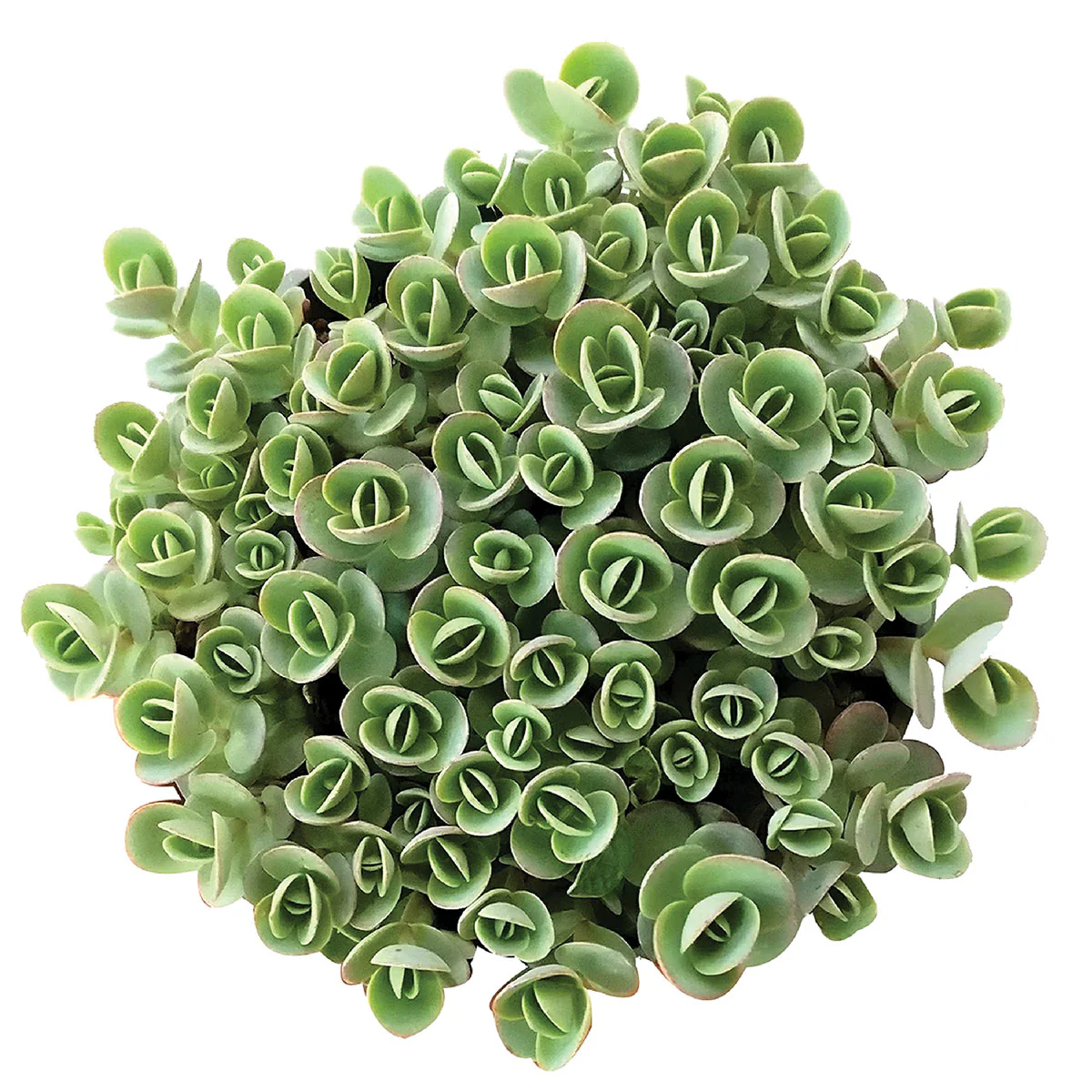
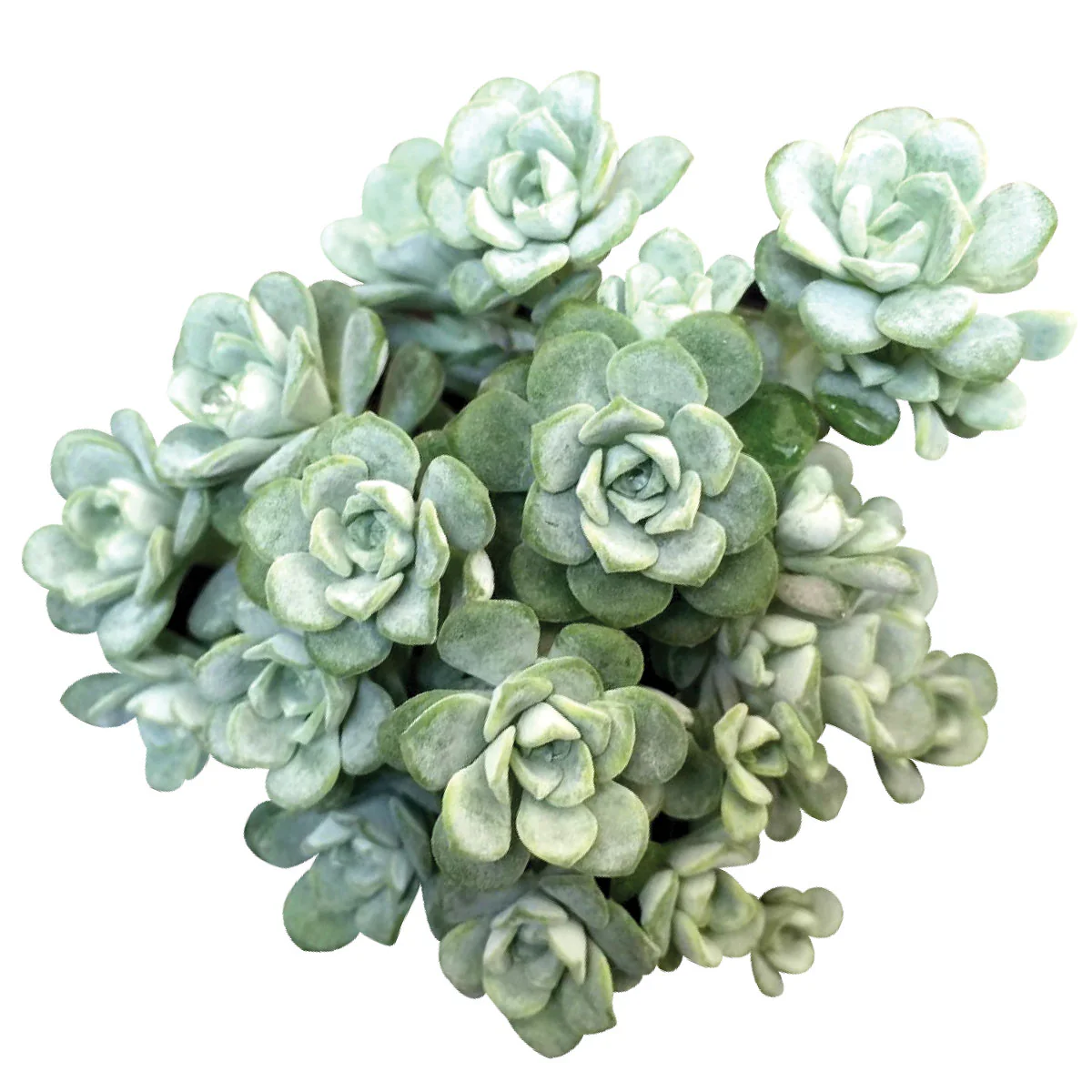
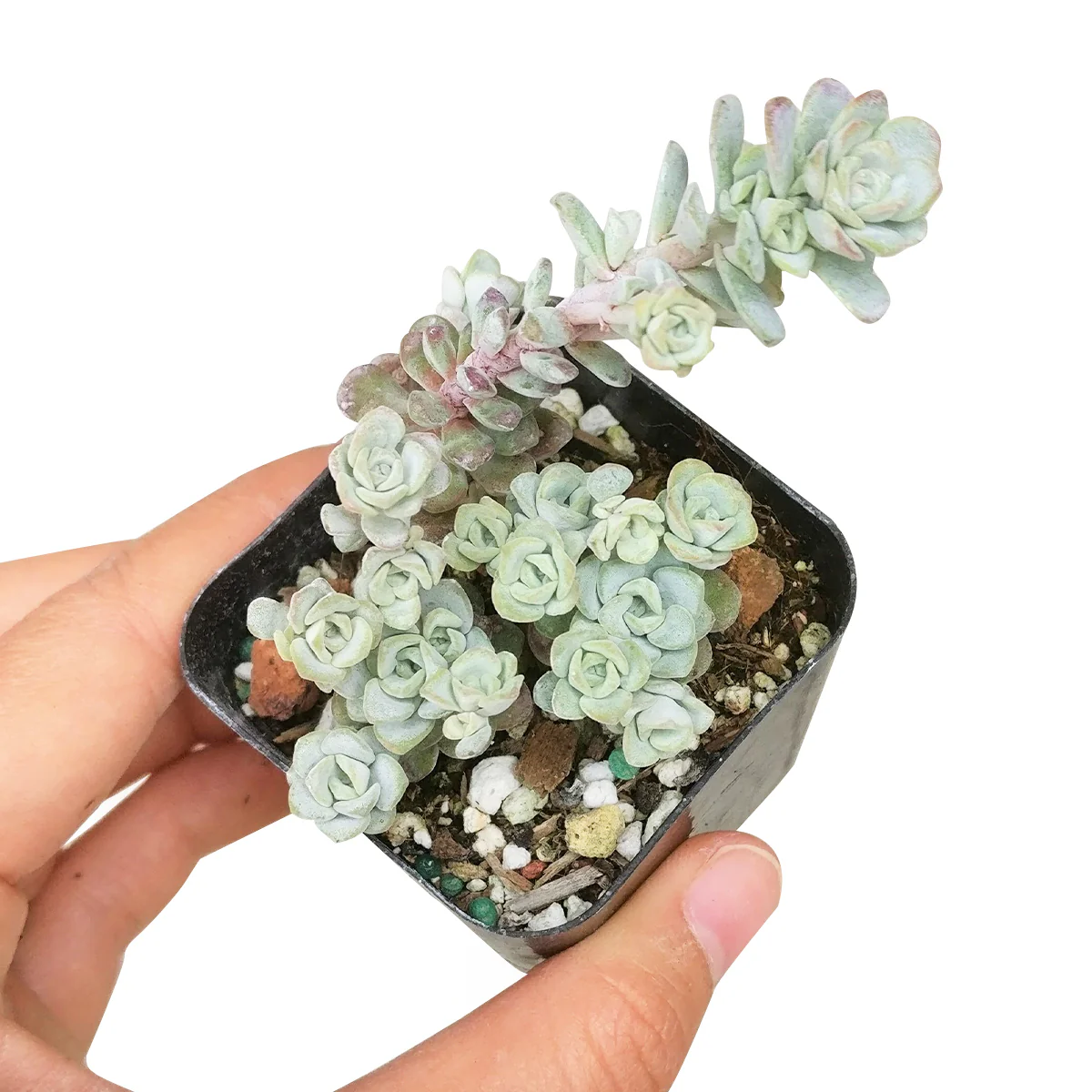
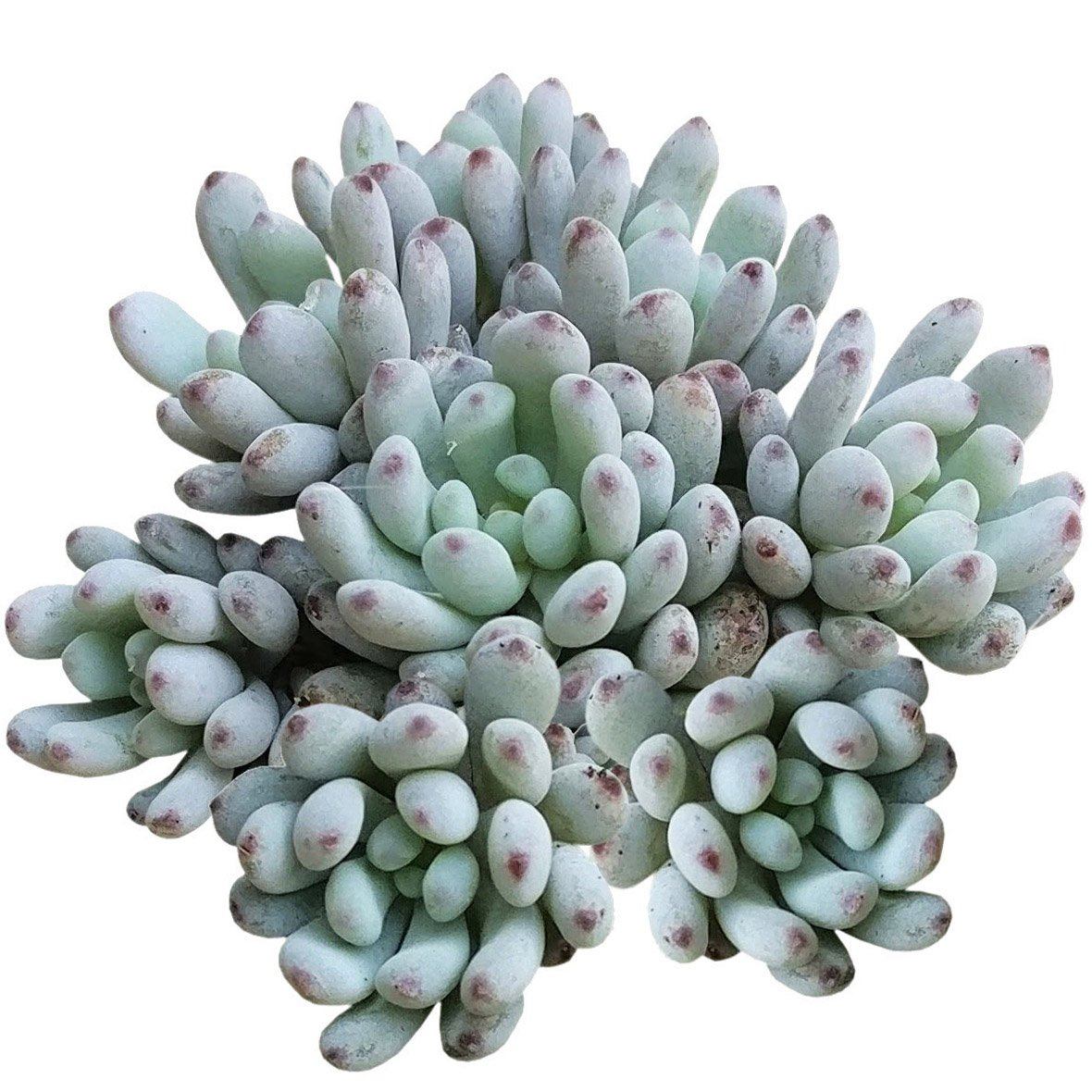
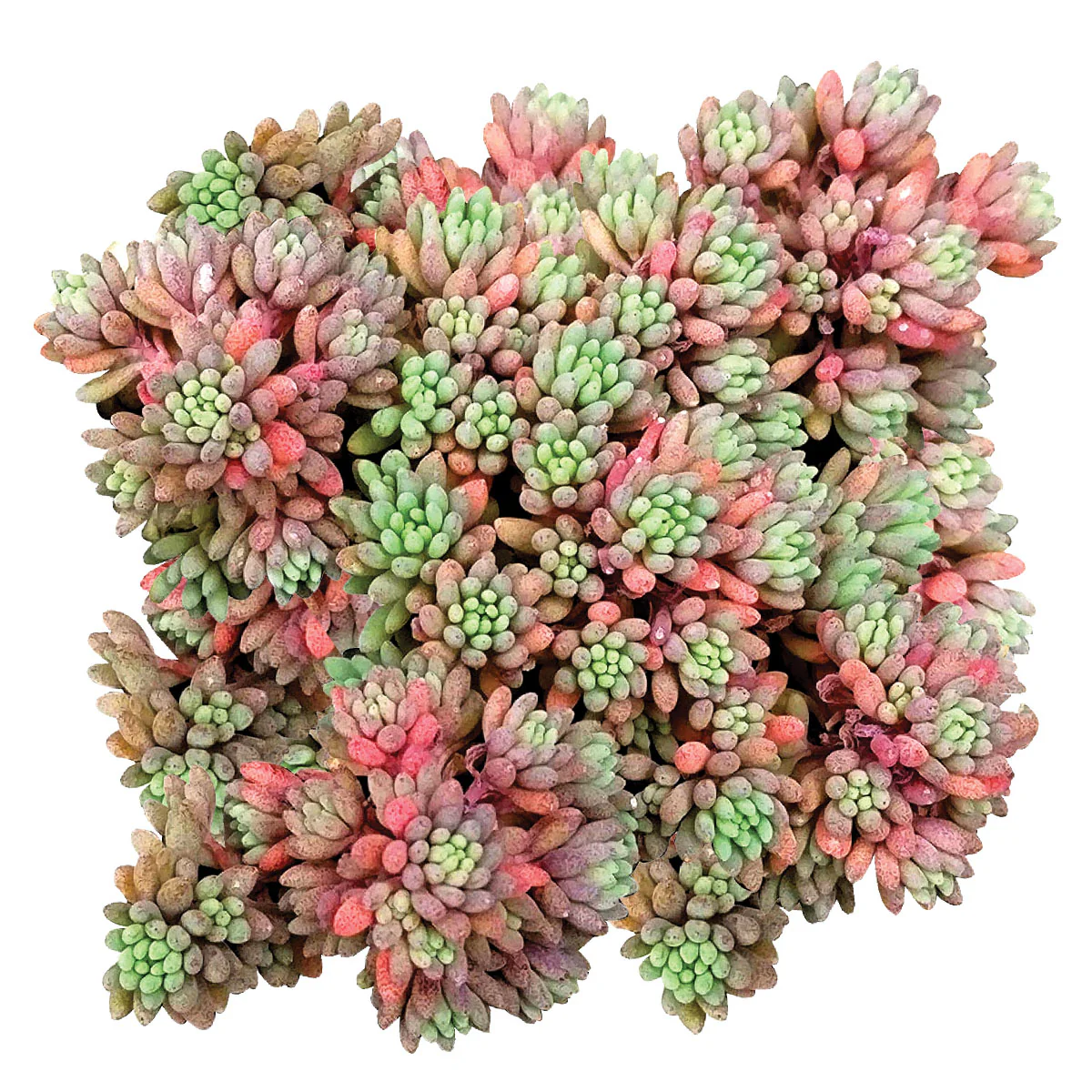
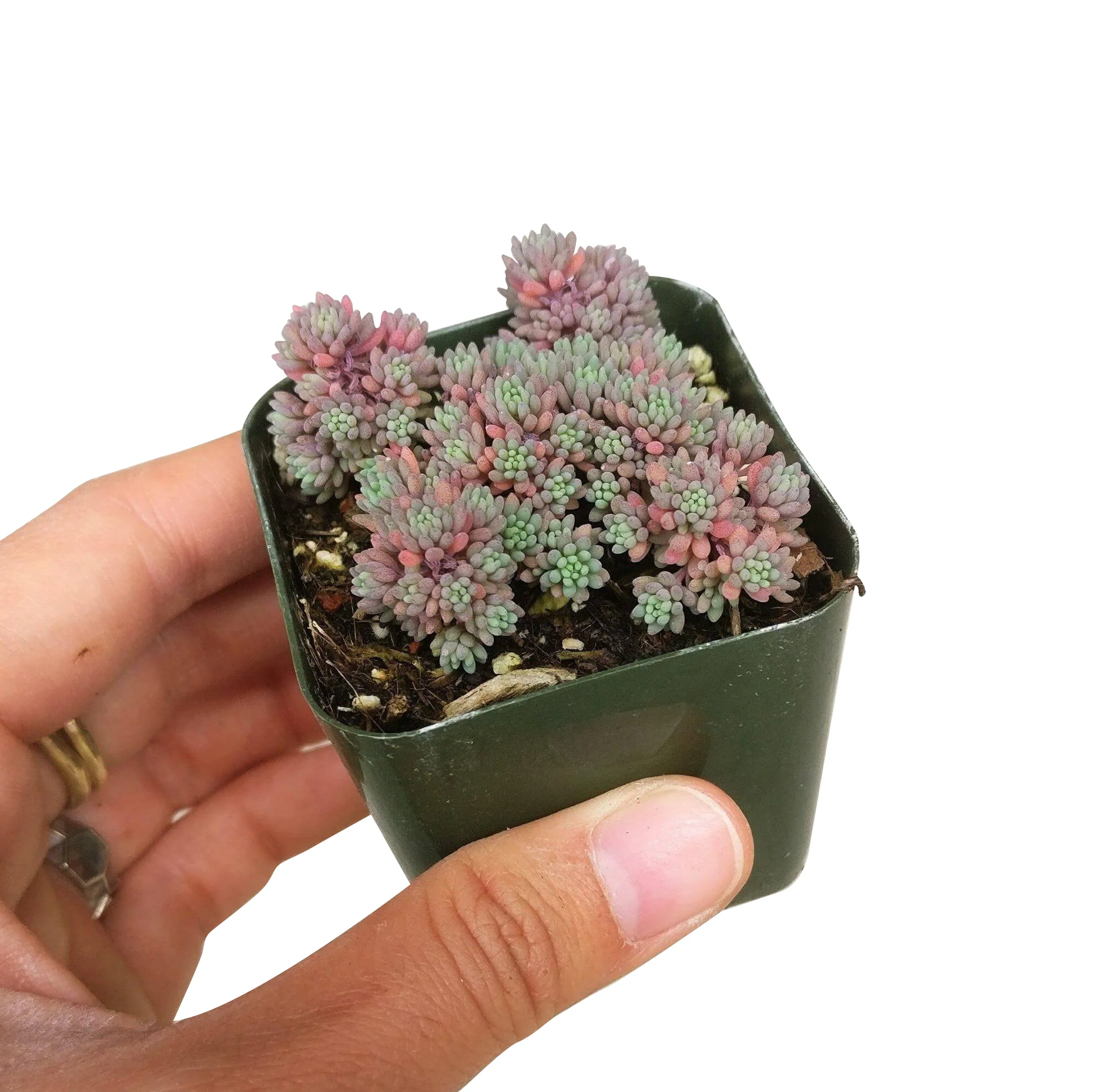
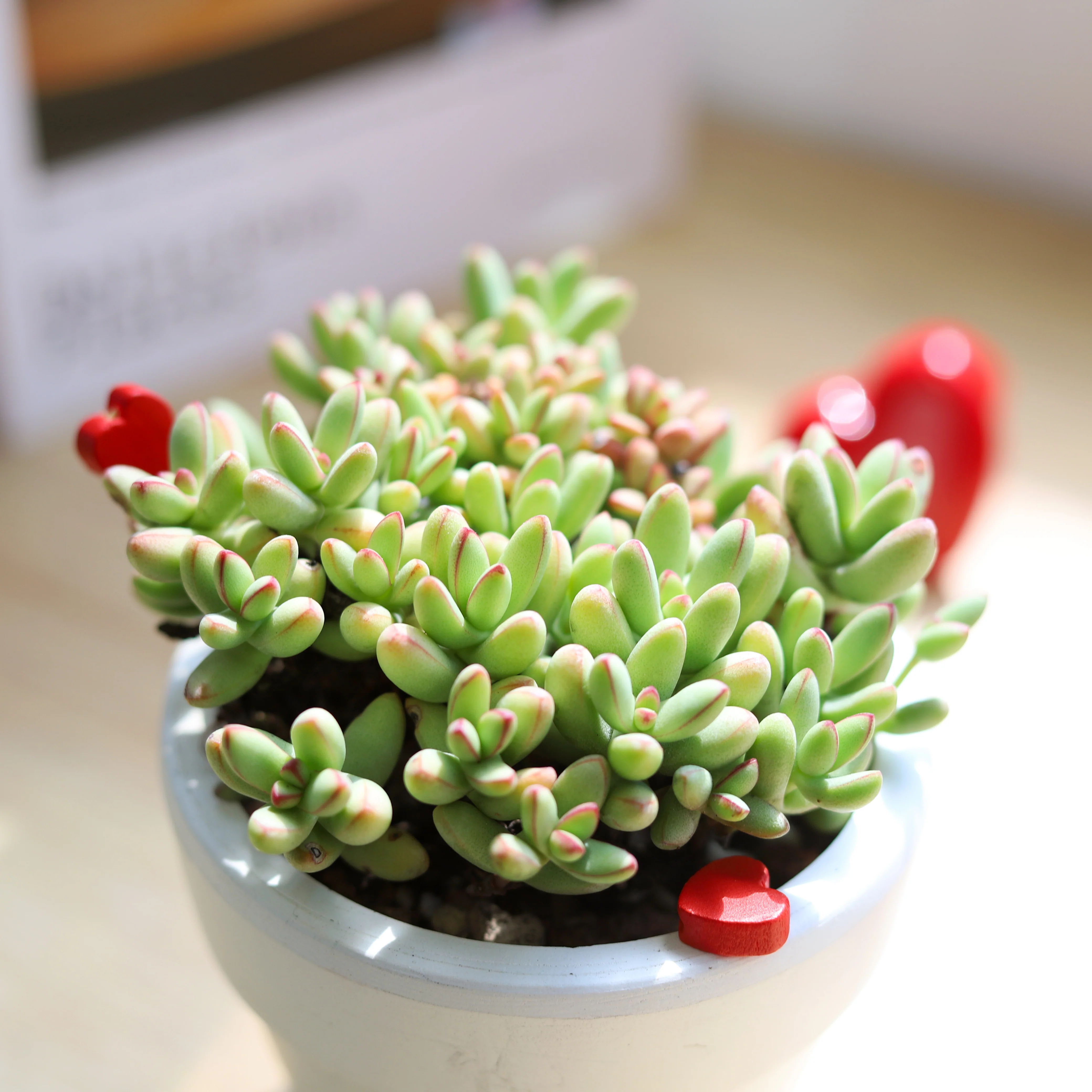
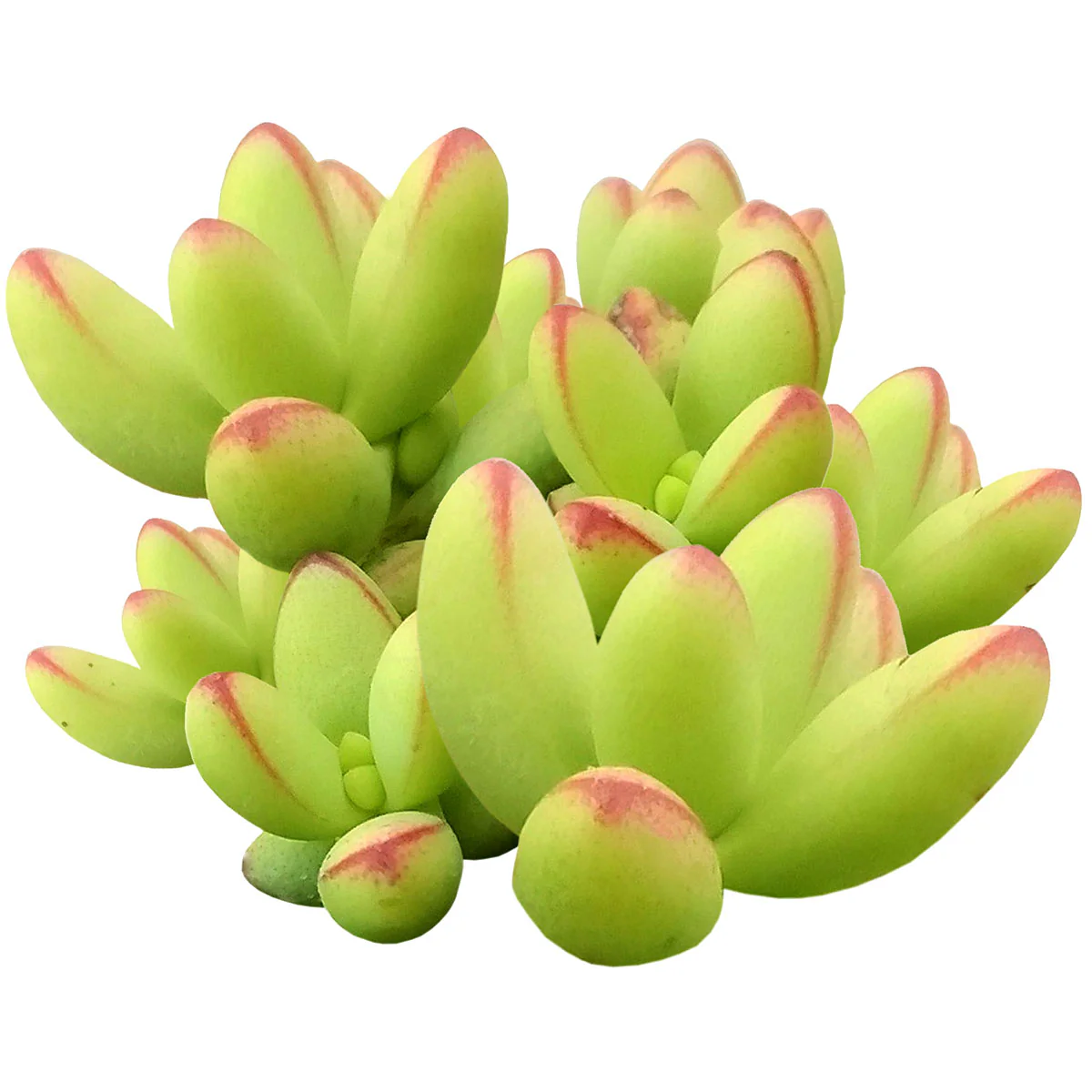
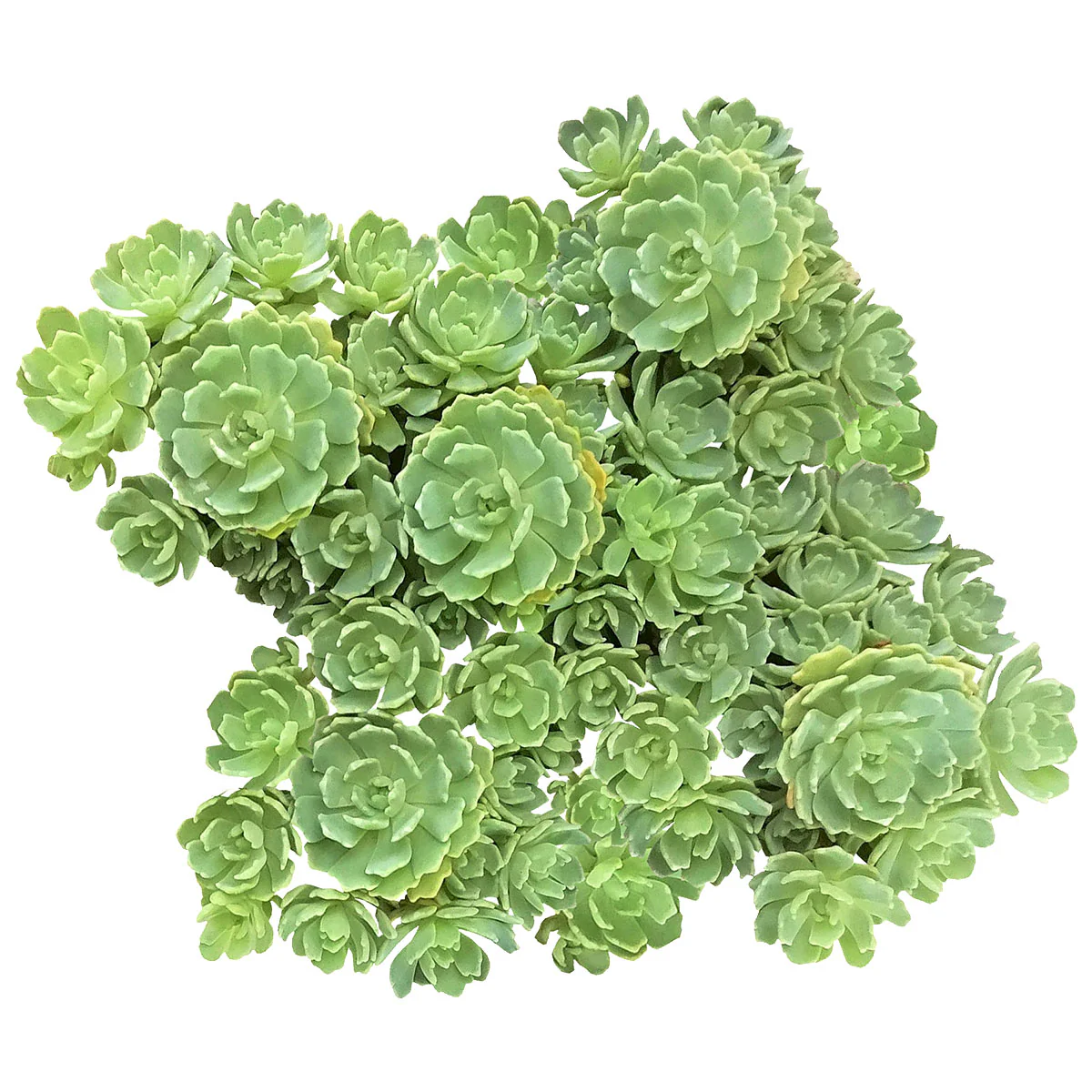
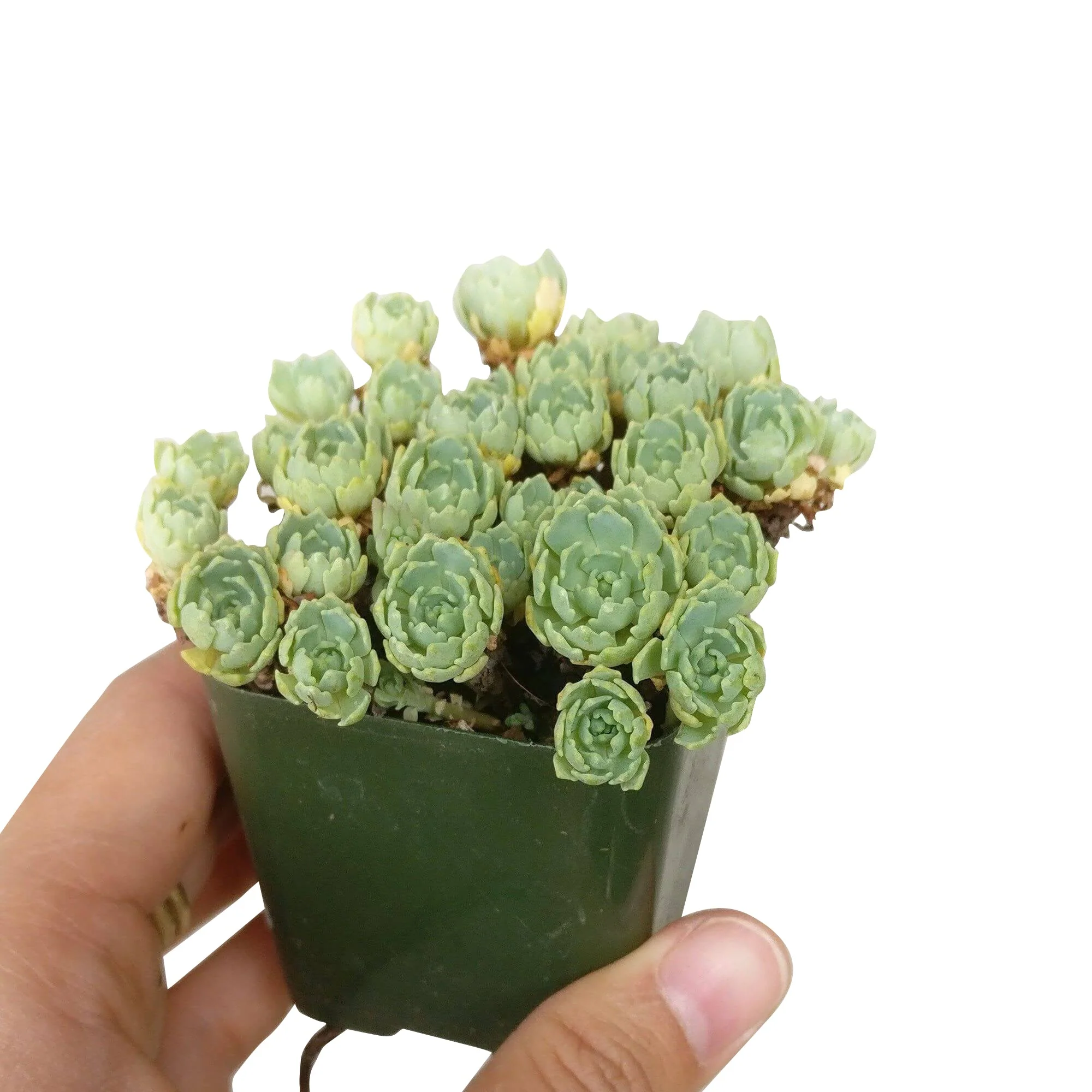
 Sempervivum Spring Beauty forms tight, symmetrical rosettes with fleshy, pointed leaves that display rich color variation depending on sunlight exposure. The foliage often shifts between soft greens and warm rosy-pink tones, with a satisfying geometric structure that makes it instantly eye-catching. As a clustering grower, Sempervivum Spring Beauty steadily produces offsets, or "chicks," that fill in around the mother rosette for a lush, spreading display.
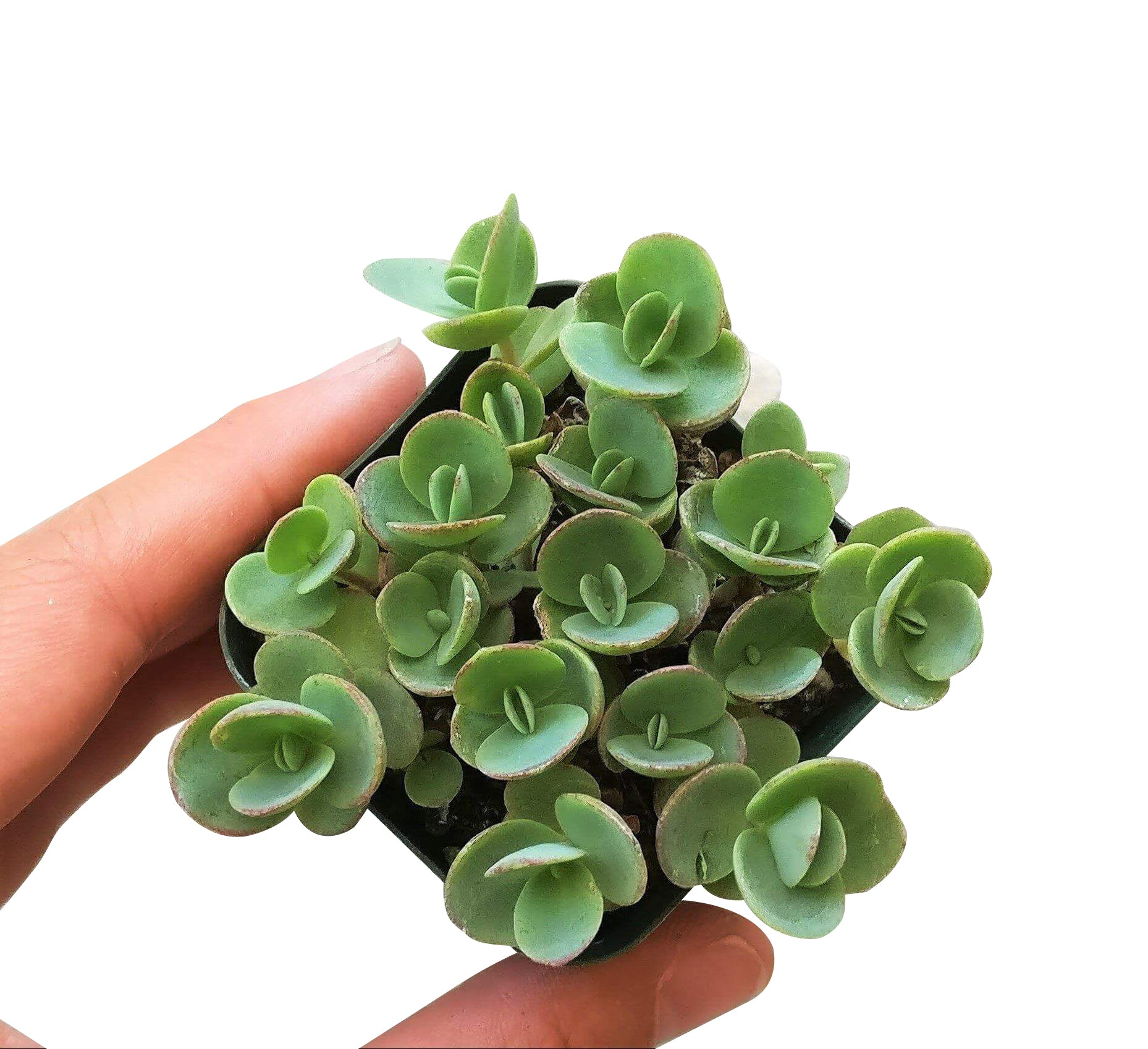
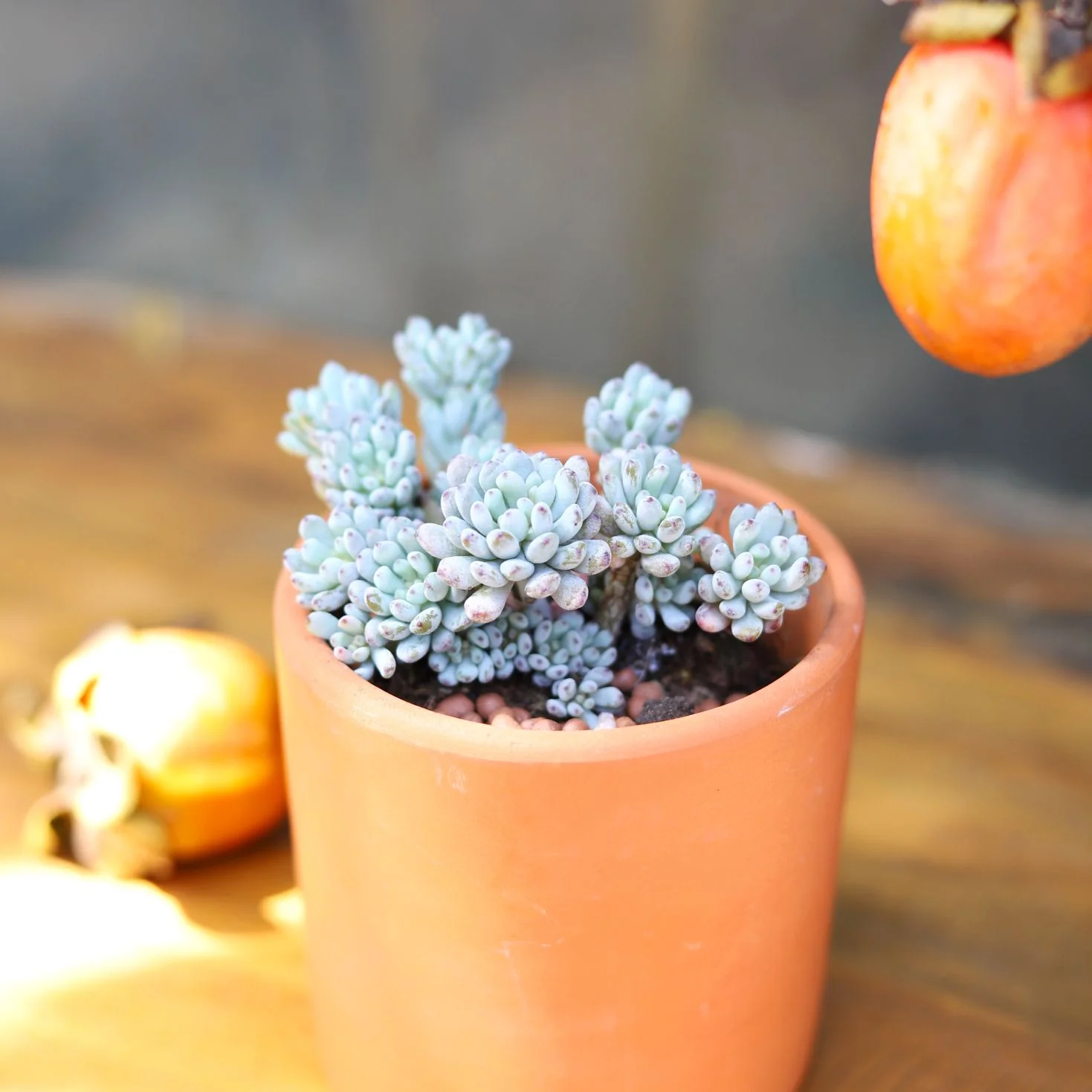
 Sempervivum Spring Beauty is a reliable clustering spreader that naturalizes beautifully in rock gardens, containers, and alpine troughs. As a wide spreader, it fills gaps in garden beds over time without becoming invasive. The rosette habit and vivid coloring make Sempervivum Spring Beauty a standout collector plant whether grown in a 2'' pot on a windowsill or a 4'' container on a sunny patio.
 Sempervivum Spring Beauty handles balcony wind and even tolerates dry heated indoor air, making it a flexible choice for both outdoor and indoor settings. It can move outside for summer and stay outdoors into autumn without issue, and this frost tolerant hens and chicks variety is genuinely low-maintenance. Best of all, Sempervivum Spring Beauty is pet friendly, so you can place it anywhere in your home without worry.
-
 Sempervivum Spring Beauty thrives in partial sun to full sun, ideally at least four to six hours of direct light daily.
 Water Sempervivum Spring Beauty deeply but infrequently, allowing soil to dry out completely between waterings, roughly every 10 to 14 days indoors.
 Plant Sempervivum Spring Beauty in a gritty, fast-draining cactus or succulent mix amended with extra perlite for best results.
 Sempervivum Spring Beauty tolerates temperatures from around -30°F (-34°C) up to 80°F (27°C), and is genuinely frost tolerant through hard winters.
![]() Sempervivum Spring Beauty is a slow to moderate grower that rarely needs fertilizer, but a light balanced feed in spring can boost offset production.
Sempervivum Spring Beauty is a slow to moderate grower that rarely needs fertilizer, but a light balanced feed in spring can boost offset production.
 Sempervivum Spring Beauty is hardy in USDA Zones 3 through 8, tolerating frost well below 0°F (-18°C). This makes it a great fit for gardeners across a wide stretch of the country, including Montana, Wyoming, Colorado, Utah, Idaho, Oregon, Washington, Minnesota, Wisconsin, Michigan, New York, Vermont, New Hampshire, Maine, Massachusetts, Connecticut, Rhode Island, Pennsylvania, New Jersey, Maryland, Delaware, Virginia, West Virginia, Ohio, Indiana, Illinois, Iowa, Missouri, Kansas, Nebraska, South Dakota, North Dakota, Kentucky, Tennessee, North Carolina, Arkansas, Oklahoma, and northern parts of Texas, Georgia, and Alabama. Whether you are growing Sempervivum Spring Beauty in the cold winters of the upper Midwest or the mild transitional climates of the mid-Atlantic, this hen and chicks succulent delivers reliable, season-after-season performance.
-
Q: How often should I water Sempervivum Spring Beauty?
A: Water Sempervivum Spring Beauty every 10 to 14 days indoors, always letting the soil dry out completely between waterings. Overwatering is the most common mistake with this drought tolerant succulent.
Q: Is Sempervivum Spring Beauty pet friendly?
A: Yes, Sempervivum Spring Beauty is pet friendly and safe to keep around cats and dogs. You can display it freely anywhere in your home without concern.
Q: What light does Sempervivum Spring Beauty need indoors?
A: Sempervivum Spring Beauty does best in a bright window with direct sun for at least four hours a day. Rotate the pot regularly so all sides of the rosette receive even light and grow symmetrically.
Q: How cold hardy is Sempervivum Spring Beauty?
A: Sempervivum Spring Beauty is a frost tolerant hen and chicks variety hardy to USDA Zones 3 through 8, surviving temperatures well below 0°F (-18°C). It can stay outdoors through autumn and winter in most of its hardiness range without any protection.
Q: How does Sempervivum Spring Beauty spread and propagate?
A: Sempervivum Spring Beauty is a clustering grower that naturally produces offsets, called chicks, around the mother rosette. Simply detach a chick once it has developed its own roots and pot it up in well-draining succulent mix.
Q: Can Sempervivum Spring Beauty survive if I go on a long trip?
A: Sempervivum Spring Beauty can easily survive a 10-day trip without watering, making it ideal for frequent travelers. Its drought tolerant nature means it handles neglect far better than most houseplants.


Original: $8.00
-70%$8.00
$2.40Product Information
Product Information
Shipping & Returns
Shipping & Returns
Description
- Description
- Sempervivum Spring Beauty Care Guide
- FAQ/Common Issues
-
![]() Sempervivum Spring Beauty is a hardy, drought tolerant hen and chicks succulent belonging to the Crassulaceae family. Native to the mountains of Europe and western Asia, this spring beauty houseleek evolved to thrive in rocky, well-drained soils and harsh alpine conditions. It has been cultivated as a tough, easy-care garden and container plant for centuries.
Sempervivum Spring Beauty is a hardy, drought tolerant hen and chicks succulent belonging to the Crassulaceae family. Native to the mountains of Europe and western Asia, this spring beauty houseleek evolved to thrive in rocky, well-drained soils and harsh alpine conditions. It has been cultivated as a tough, easy-care garden and container plant for centuries.
Sempervivum Spring Beauty forms tight, symmetrical rosettes with fleshy, pointed leaves that display rich color variation depending on sunlight exposure. The foliage often shifts between soft greens and warm rosy-pink tones, with a satisfying geometric structure that makes it instantly eye-catching. As a clustering grower, Sempervivum Spring Beauty steadily produces offsets, or "chicks," that fill in around the mother rosette for a lush, spreading display.
Sempervivum Spring Beauty is a reliable clustering spreader that naturalizes beautifully in rock gardens, containers, and alpine troughs. As a wide spreader, it fills gaps in garden beds over time without becoming invasive. The rosette habit and vivid coloring make Sempervivum Spring Beauty a standout collector plant whether grown in a 2'' pot on a windowsill or a 4'' container on a sunny patio.
Sempervivum Spring Beauty handles balcony wind and even tolerates dry heated indoor air, making it a flexible choice for both outdoor and indoor settings. It can move outside for summer and stay outdoors into autumn without issue, and this frost tolerant hens and chicks variety is genuinely low-maintenance. Best of all, Sempervivum Spring Beauty is pet friendly, so you can place it anywhere in your home without worry.
-
Sempervivum Spring Beauty thrives in partial sun to full sun, ideally at least four to six hours of direct light daily.
Water Sempervivum Spring Beauty deeply but infrequently, allowing soil to dry out completely between waterings, roughly every 10 to 14 days indoors.
Plant Sempervivum Spring Beauty in a gritty, fast-draining cactus or succulent mix amended with extra perlite for best results.
Sempervivum Spring Beauty tolerates temperatures from around -30°F (-34°C) up to 80°F (27°C), and is genuinely frost tolerant through hard winters.
![]() Sempervivum Spring Beauty is a slow to moderate grower that rarely needs fertilizer, but a light balanced feed in spring can boost offset production.
Sempervivum Spring Beauty is a slow to moderate grower that rarely needs fertilizer, but a light balanced feed in spring can boost offset production.
Sempervivum Spring Beauty is hardy in USDA Zones 3 through 8, tolerating frost well below 0°F (-18°C). This makes it a great fit for gardeners across a wide stretch of the country, including Montana, Wyoming, Colorado, Utah, Idaho, Oregon, Washington, Minnesota, Wisconsin, Michigan, New York, Vermont, New Hampshire, Maine, Massachusetts, Connecticut, Rhode Island, Pennsylvania, New Jersey, Maryland, Delaware, Virginia, West Virginia, Ohio, Indiana, Illinois, Iowa, Missouri, Kansas, Nebraska, South Dakota, North Dakota, Kentucky, Tennessee, North Carolina, Arkansas, Oklahoma, and northern parts of Texas, Georgia, and Alabama. Whether you are growing Sempervivum Spring Beauty in the cold winters of the upper Midwest or the mild transitional climates of the mid-Atlantic, this hen and chicks succulent delivers reliable, season-after-season performance.
-
Q: How often should I water Sempervivum Spring Beauty?
A: Water Sempervivum Spring Beauty every 10 to 14 days indoors, always letting the soil dry out completely between waterings. Overwatering is the most common mistake with this drought tolerant succulent.
Q: Is Sempervivum Spring Beauty pet friendly?
A: Yes, Sempervivum Spring Beauty is pet friendly and safe to keep around cats and dogs. You can display it freely anywhere in your home without concern.
Q: What light does Sempervivum Spring Beauty need indoors?
A: Sempervivum Spring Beauty does best in a bright window with direct sun for at least four hours a day. Rotate the pot regularly so all sides of the rosette receive even light and grow symmetrically.
Q: How cold hardy is Sempervivum Spring Beauty?
A: Sempervivum Spring Beauty is a frost tolerant hen and chicks variety hardy to USDA Zones 3 through 8, surviving temperatures well below 0°F (-18°C). It can stay outdoors through autumn and winter in most of its hardiness range without any protection.
Q: How does Sempervivum Spring Beauty spread and propagate?
A: Sempervivum Spring Beauty is a clustering grower that naturally produces offsets, called chicks, around the mother rosette. Simply detach a chick once it has developed its own roots and pot it up in well-draining succulent mix.
Q: Can Sempervivum Spring Beauty survive if I go on a long trip?
A: Sempervivum Spring Beauty can easily survive a 10-day trip without watering, making it ideal for frequent travelers. Its drought tolerant nature means it handles neglect far better than most houseplants.