Sempervivum 'Sea Foam'
- Description
- Sempervivum 'Sea Foam' Care Guide
- FAQ/Common Issues
-
![]() Sempervivum 'Sea Foam' is a frost hardy hens and chicks succulent belonging to the Crassulaceae family, beloved by growers for its easy care and rugged constitution. Native to the mountainous regions of Europe and western Asia, sempervivums evolved to thrive in rocky, alpine terrain with little water and harsh winters. This cold hardy succulent has been cultivated for centuries, and Sempervivum 'Sea Foam' carries on that legendary toughness beautifully.
Sempervivum 'Sea Foam' is a frost hardy hens and chicks succulent belonging to the Crassulaceae family, beloved by growers for its easy care and rugged constitution. Native to the mountainous regions of Europe and western Asia, sempervivums evolved to thrive in rocky, alpine terrain with little water and harsh winters. This cold hardy succulent has been cultivated for centuries, and Sempervivum 'Sea Foam' carries on that legendary toughness beautifully.
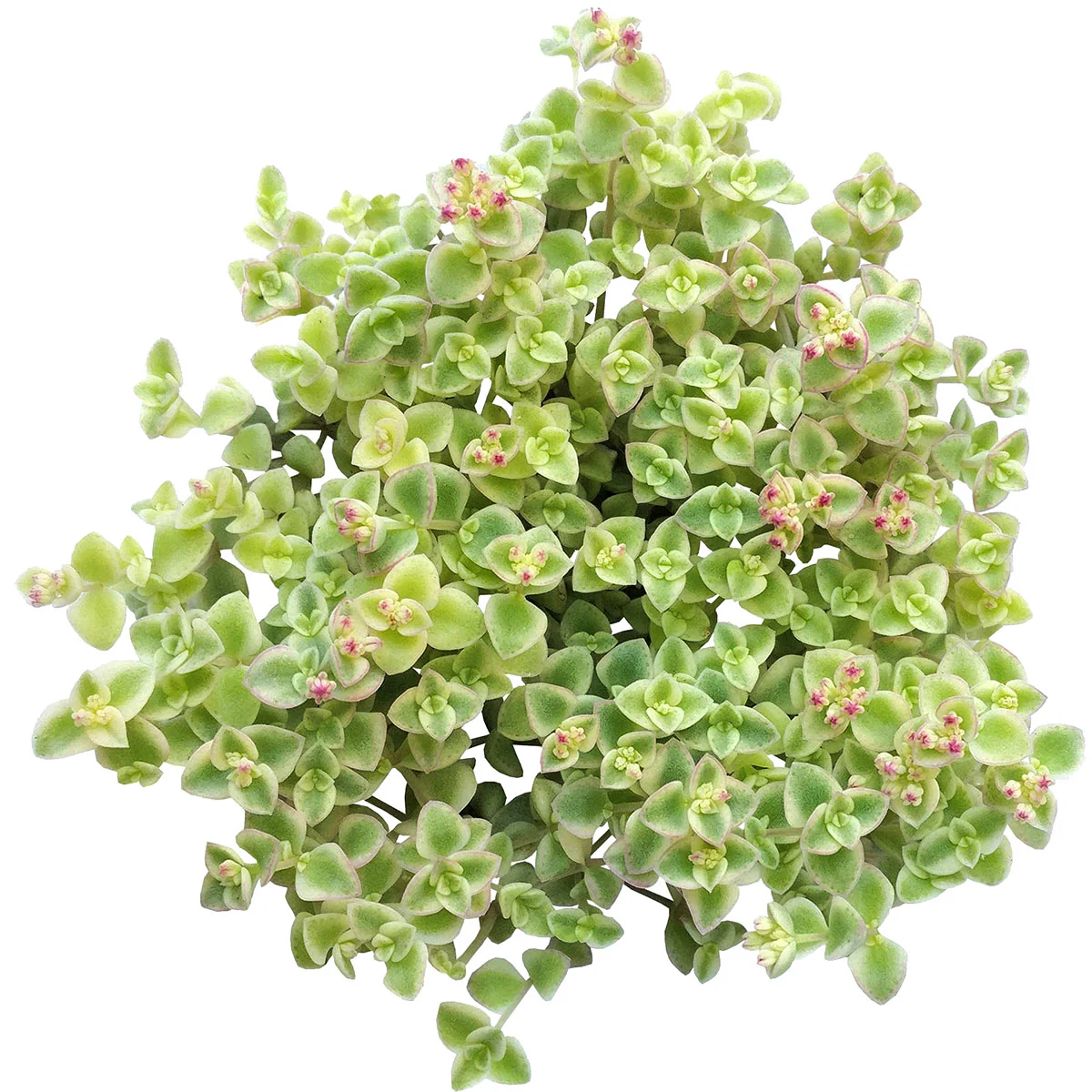
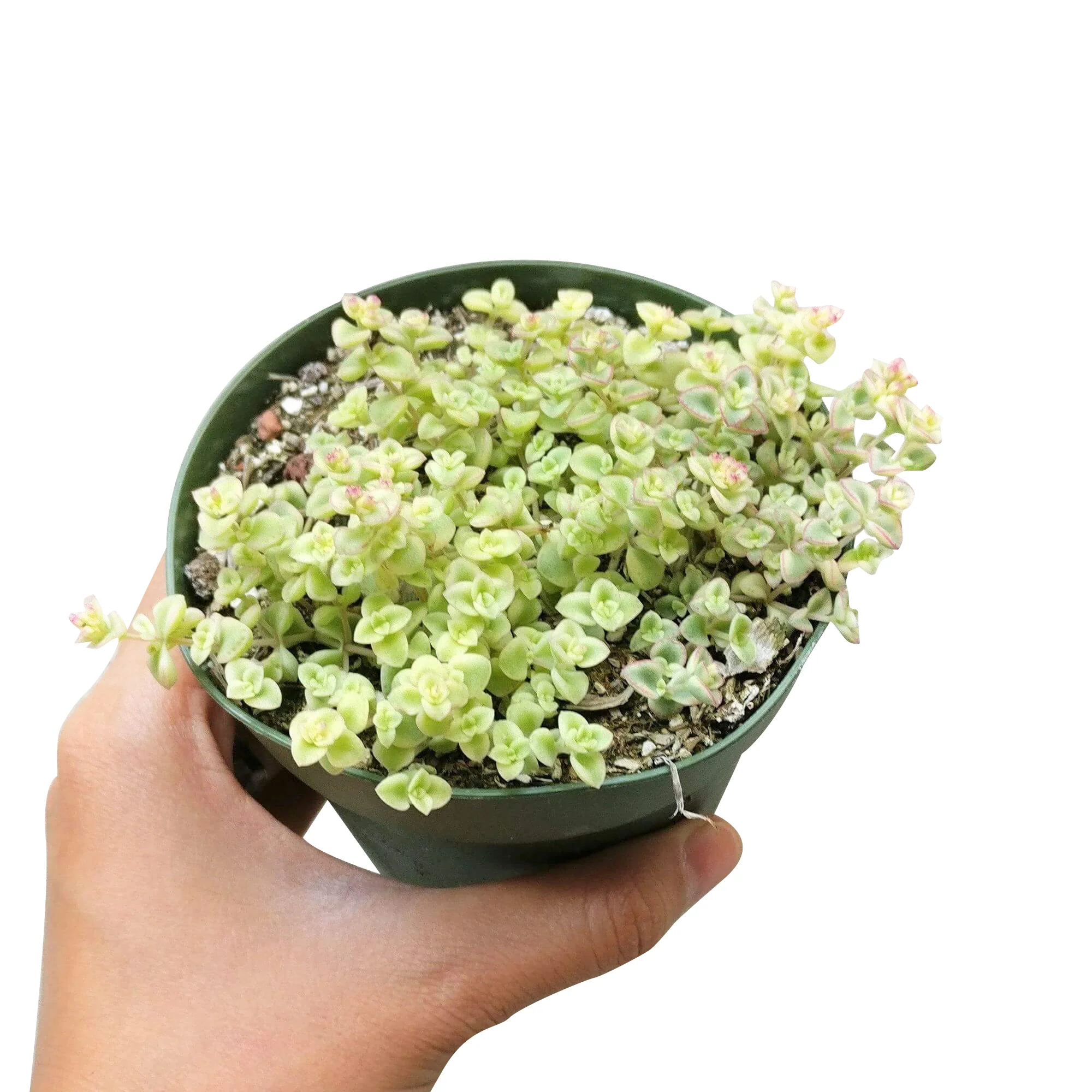
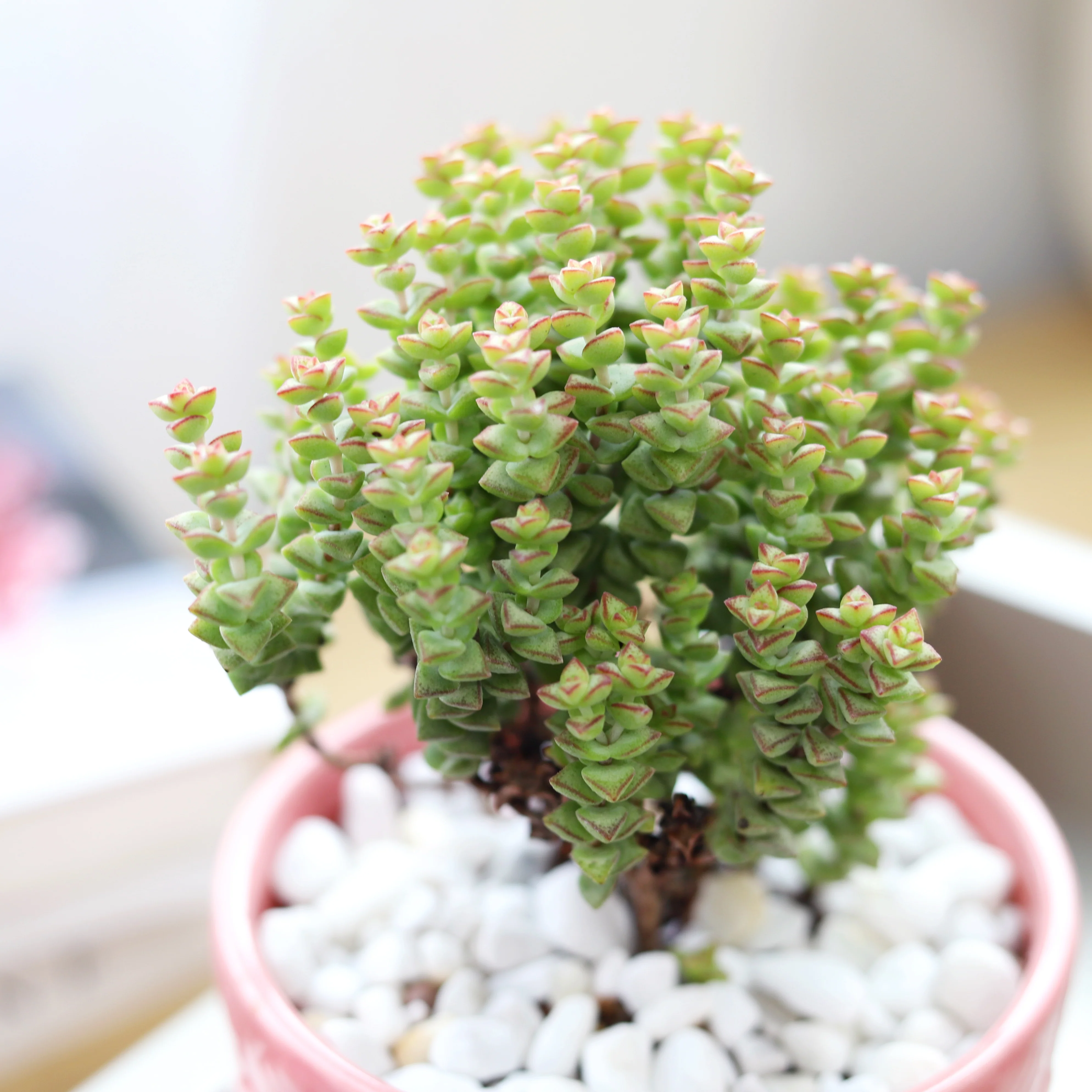
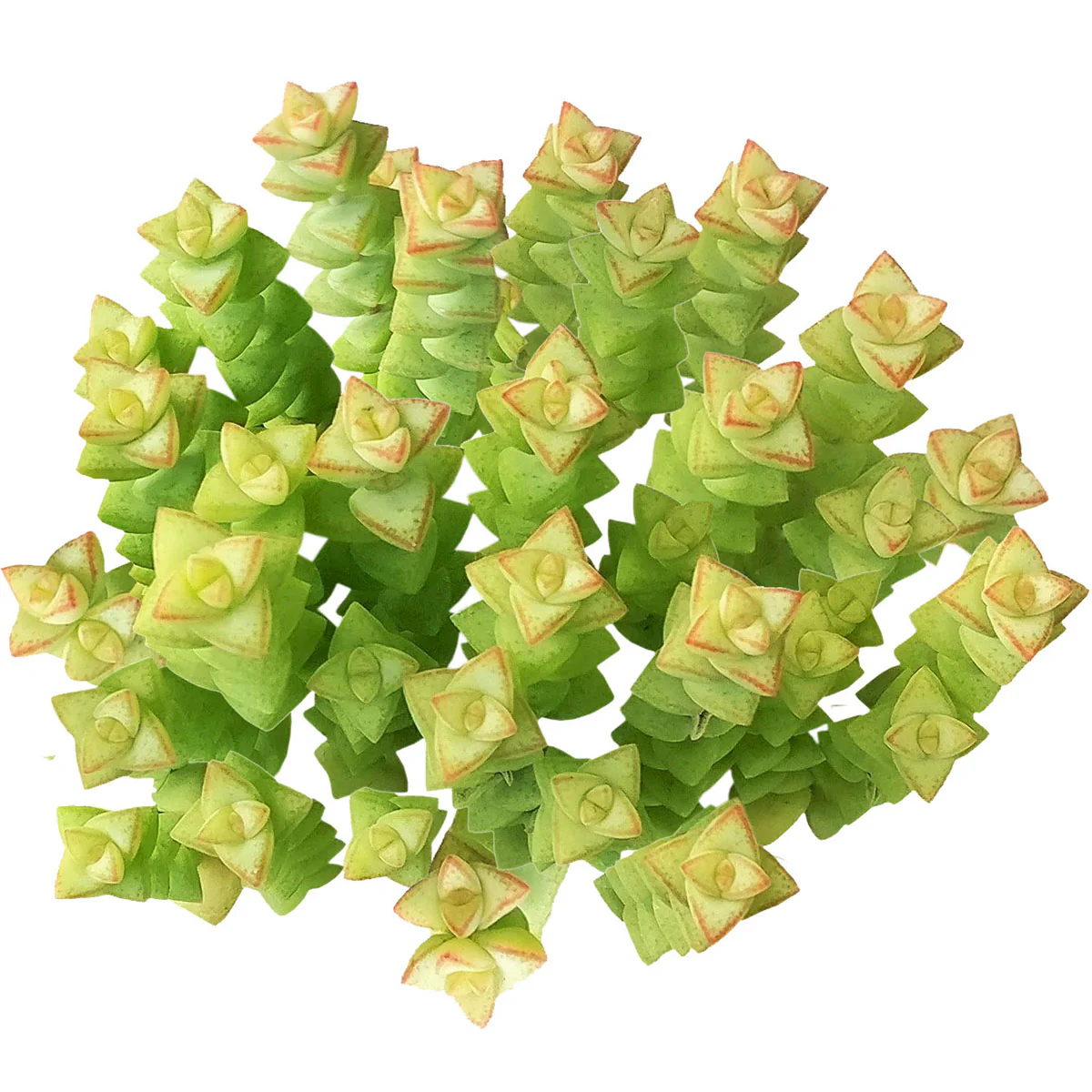
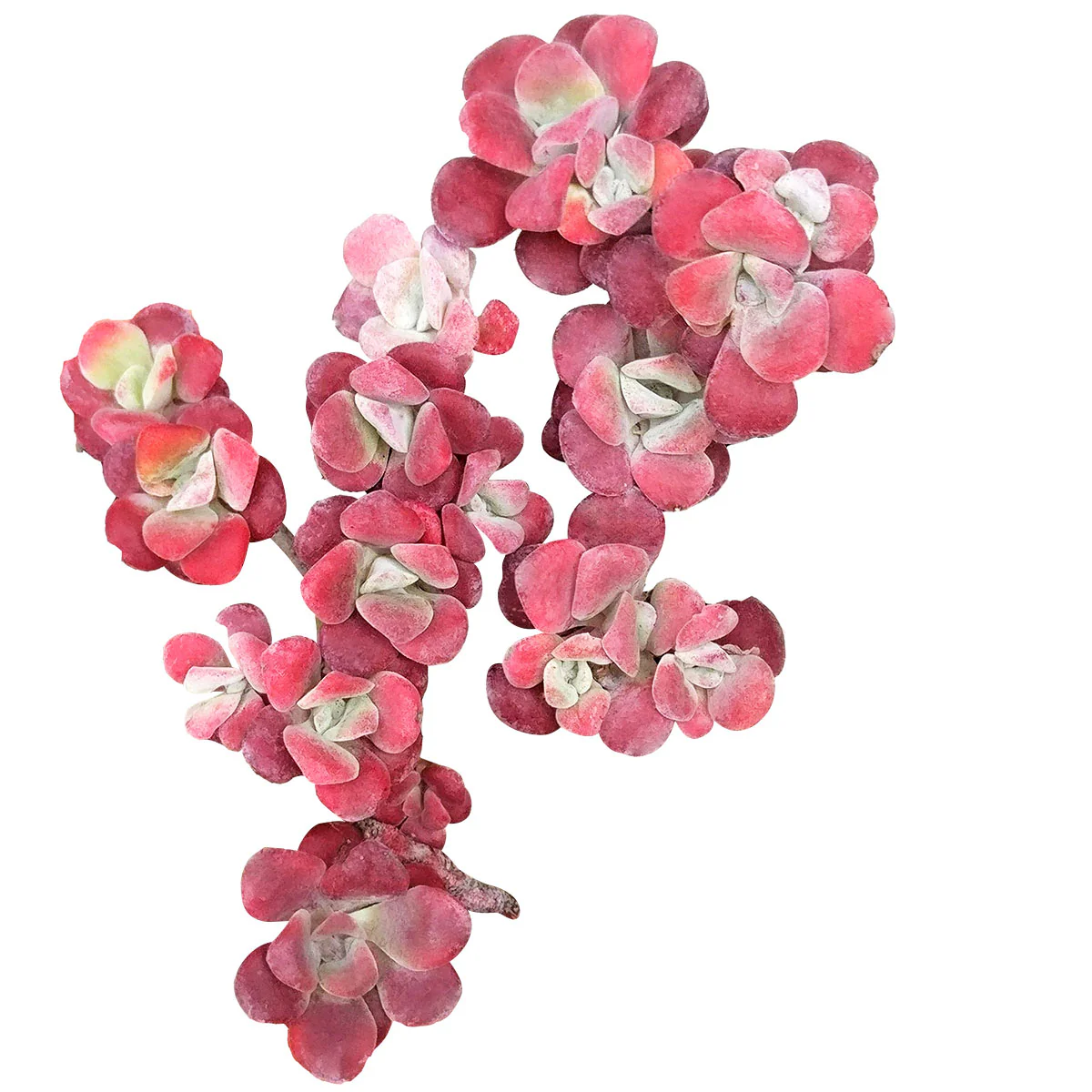
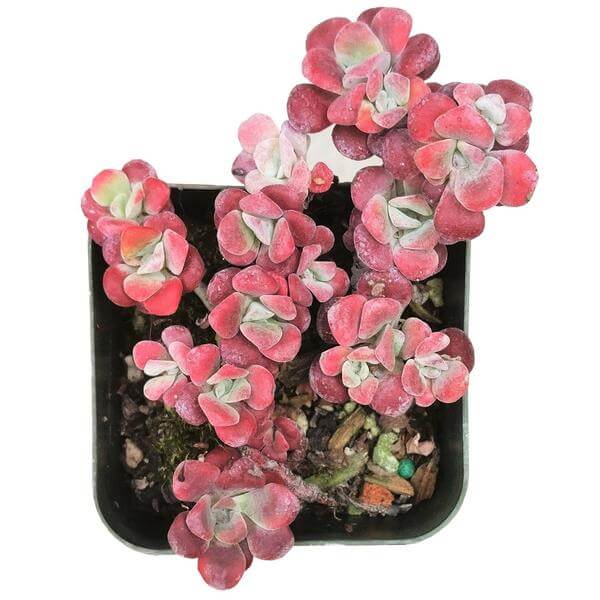
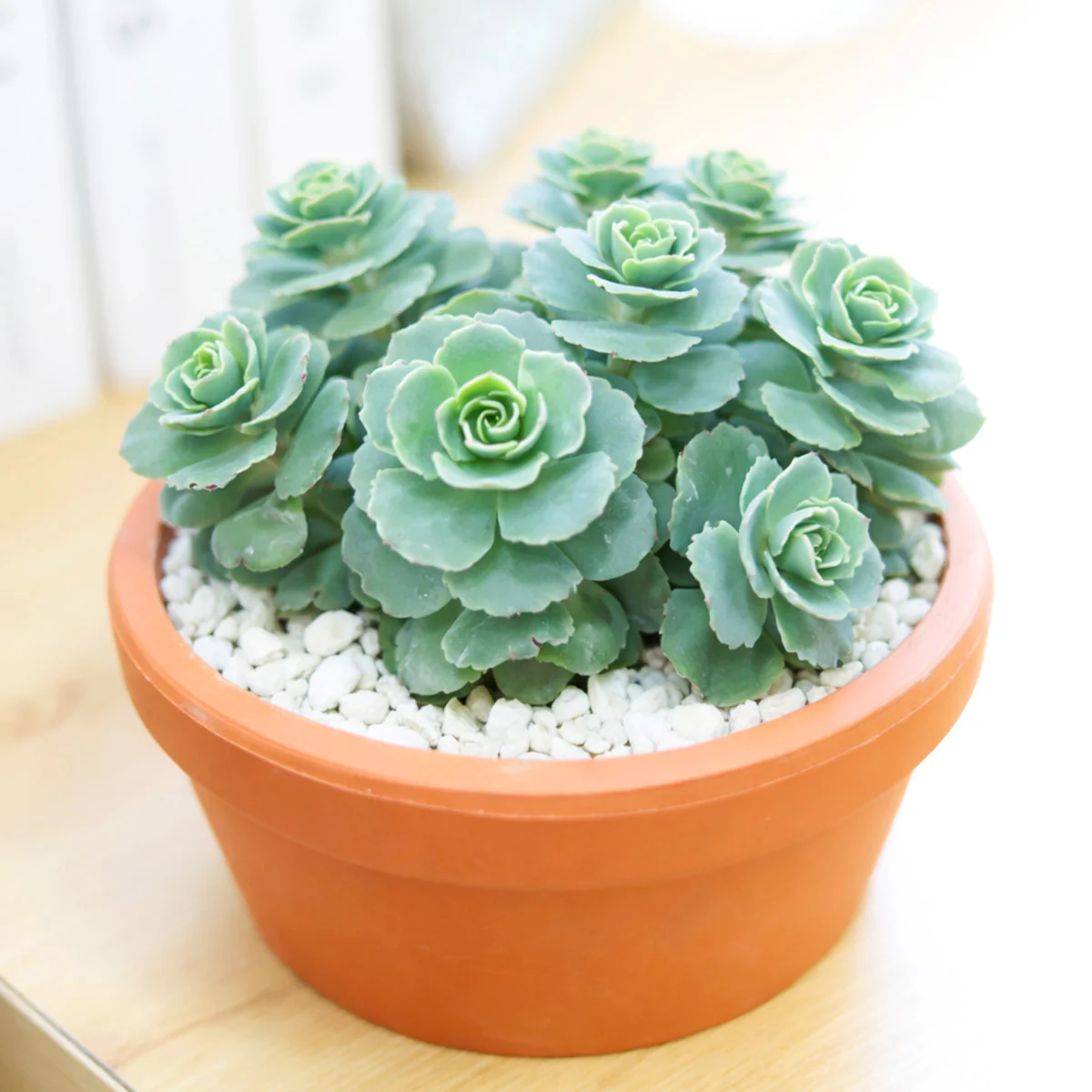
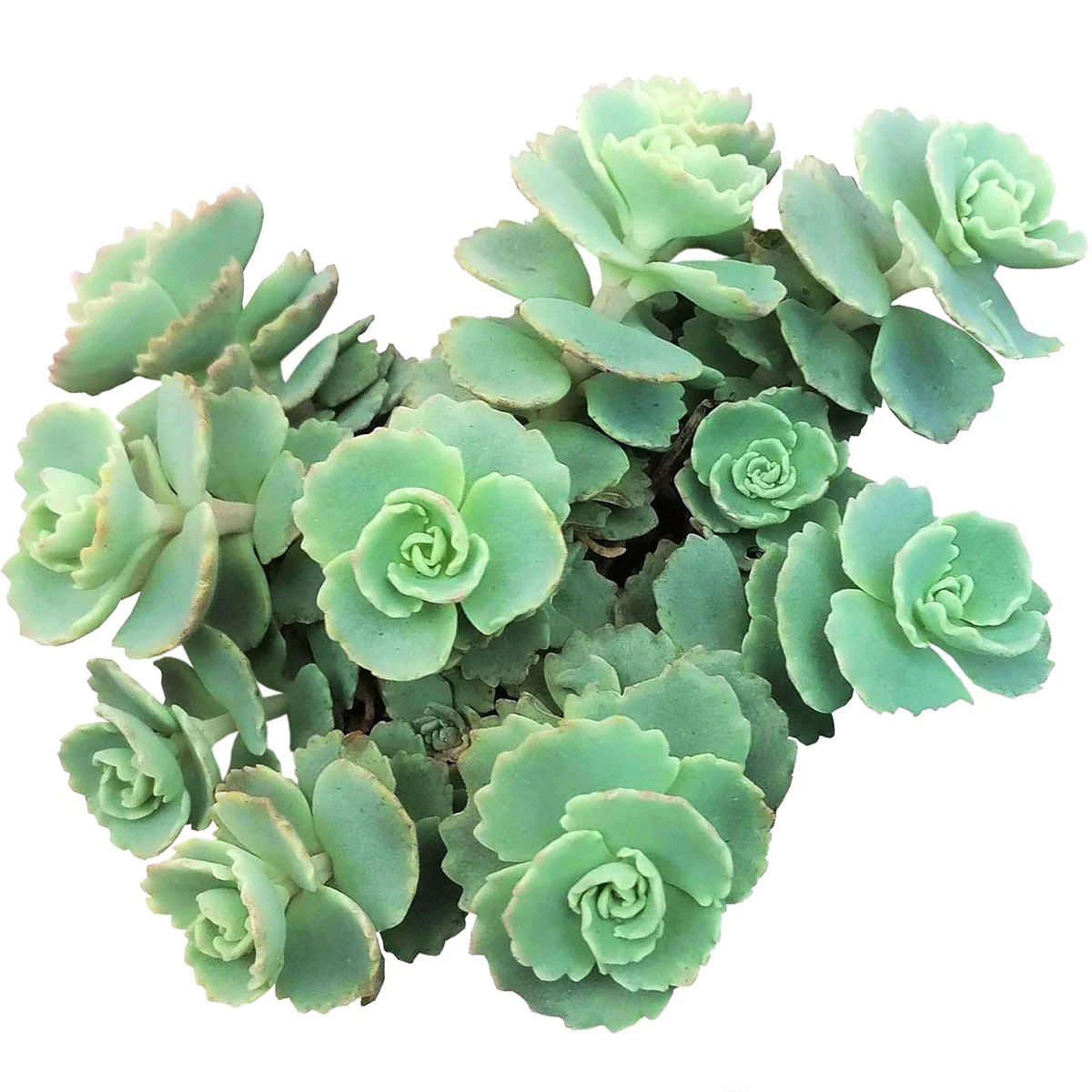
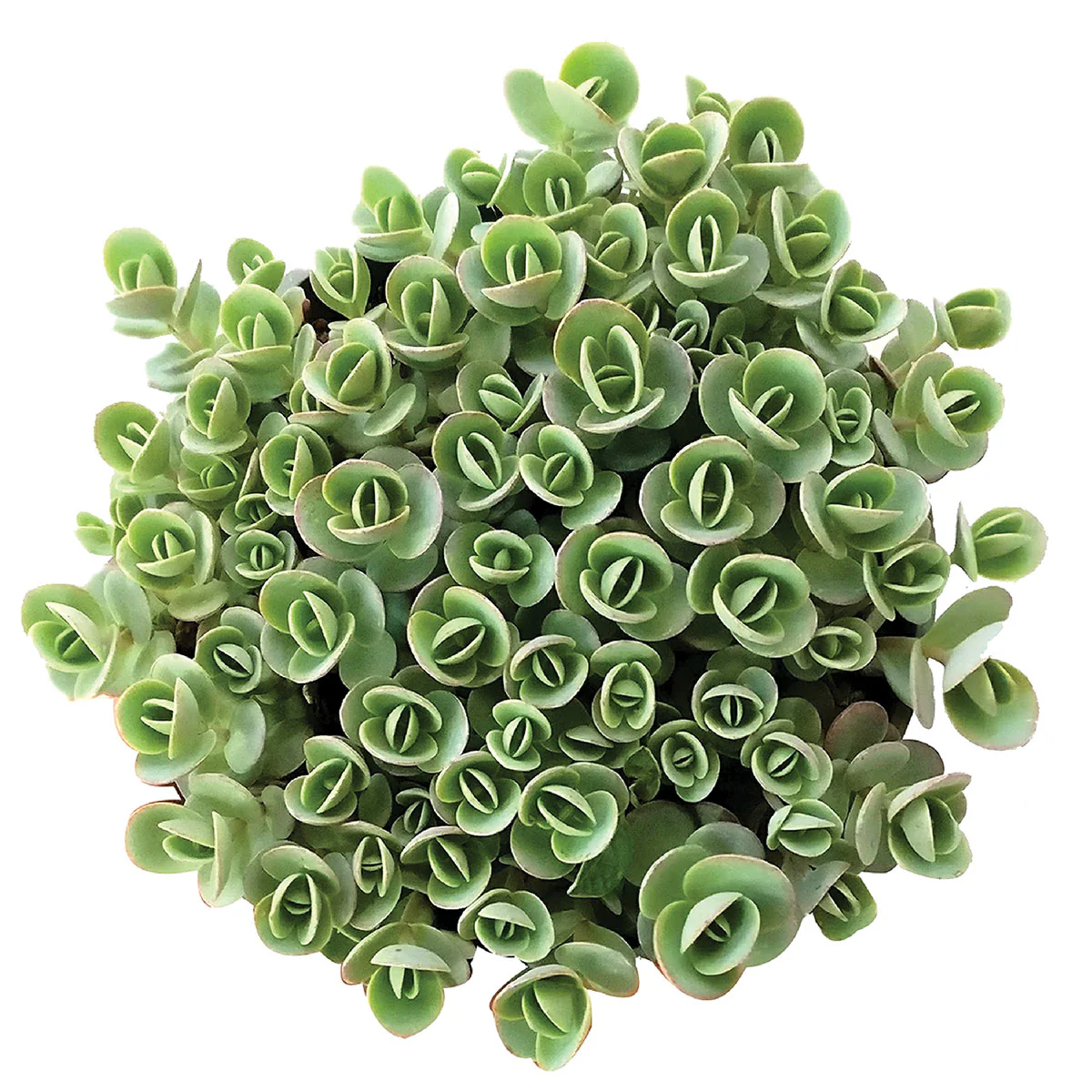
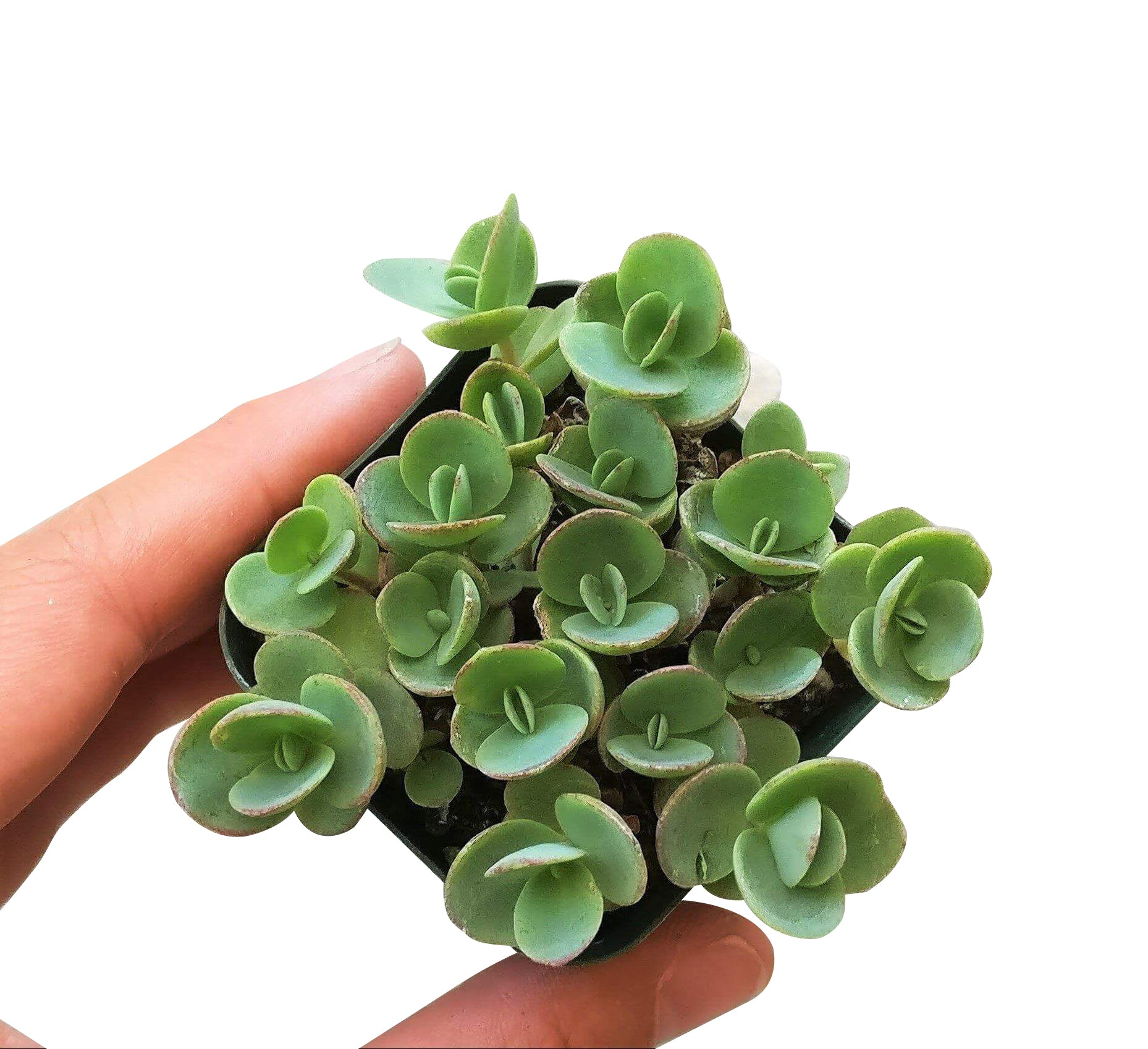
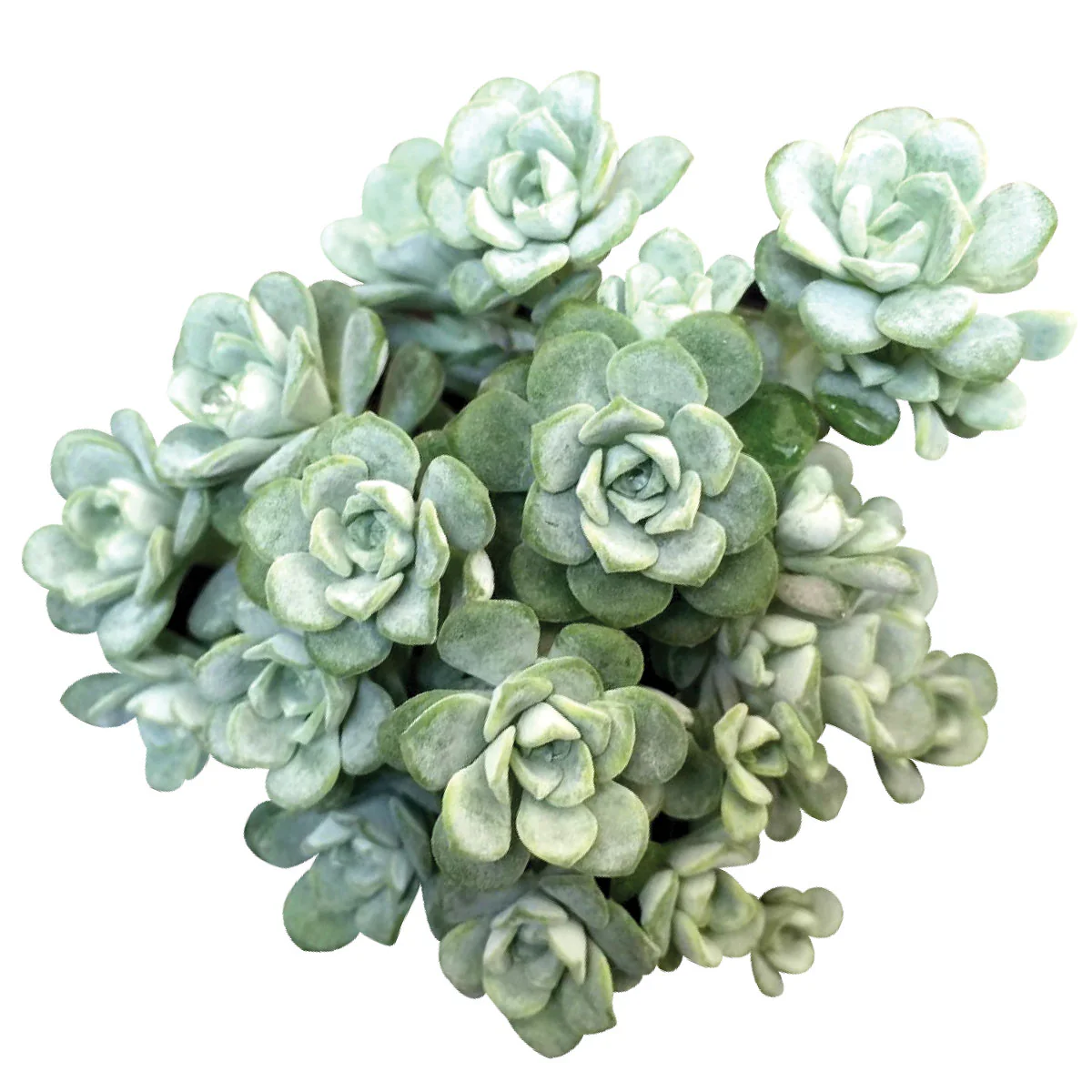
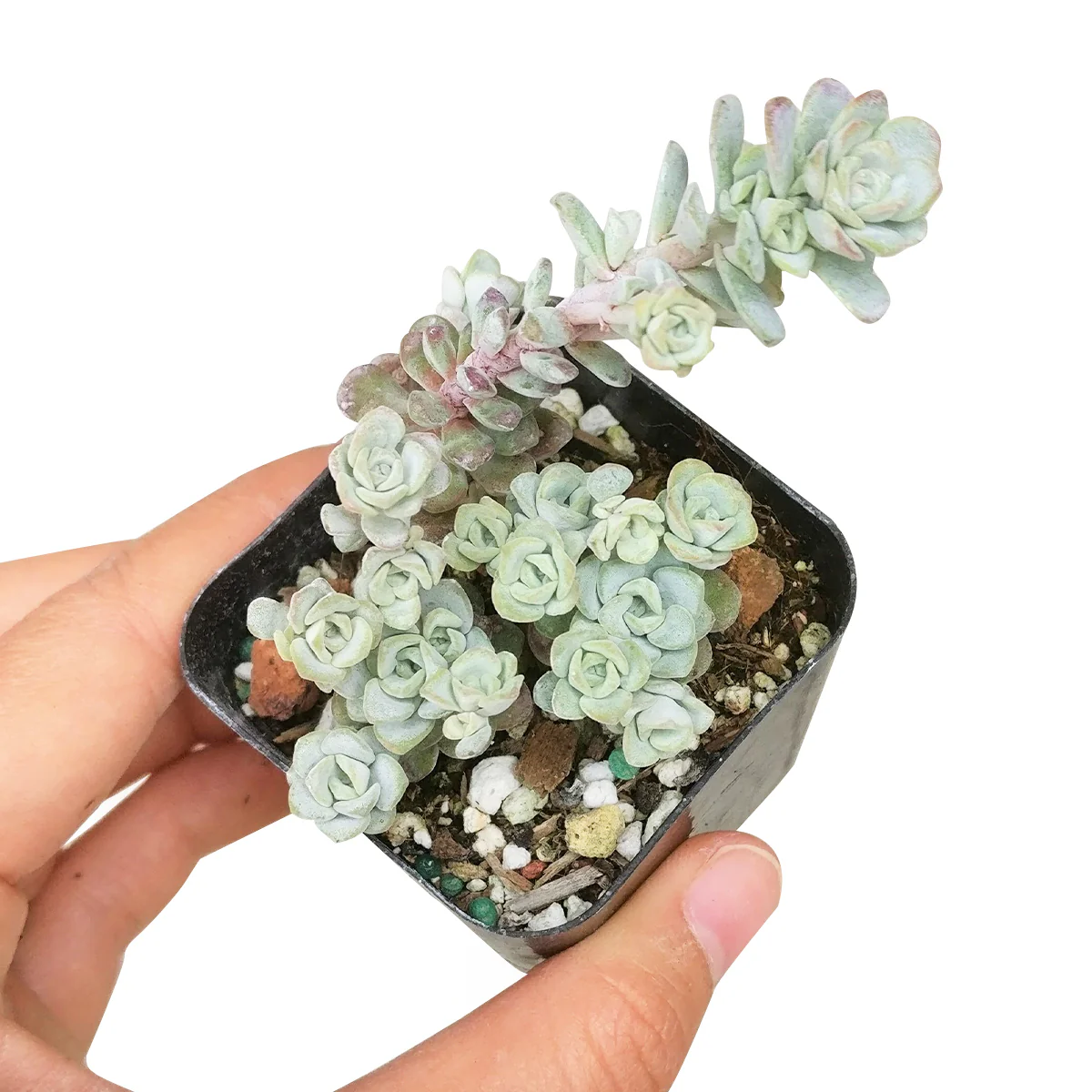
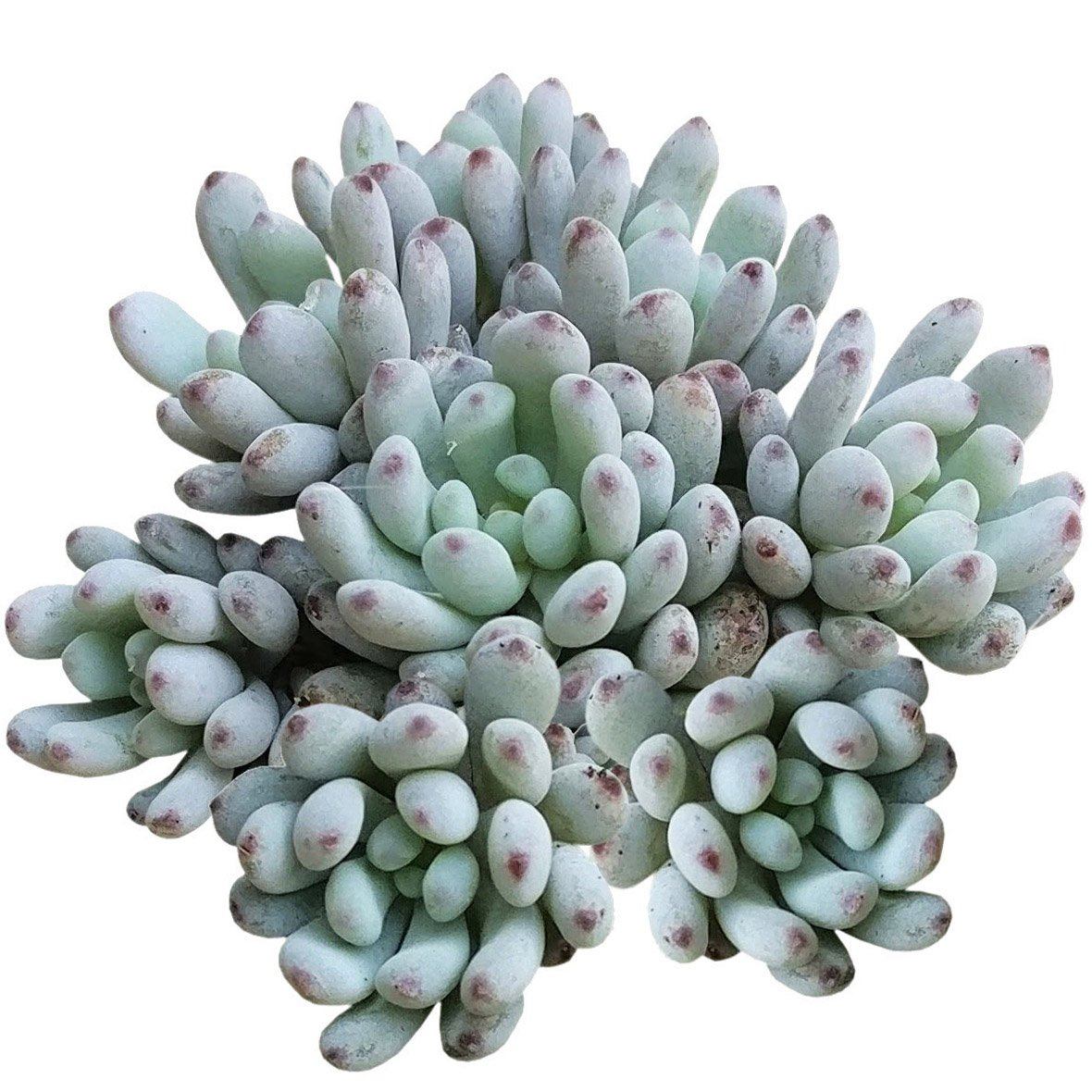
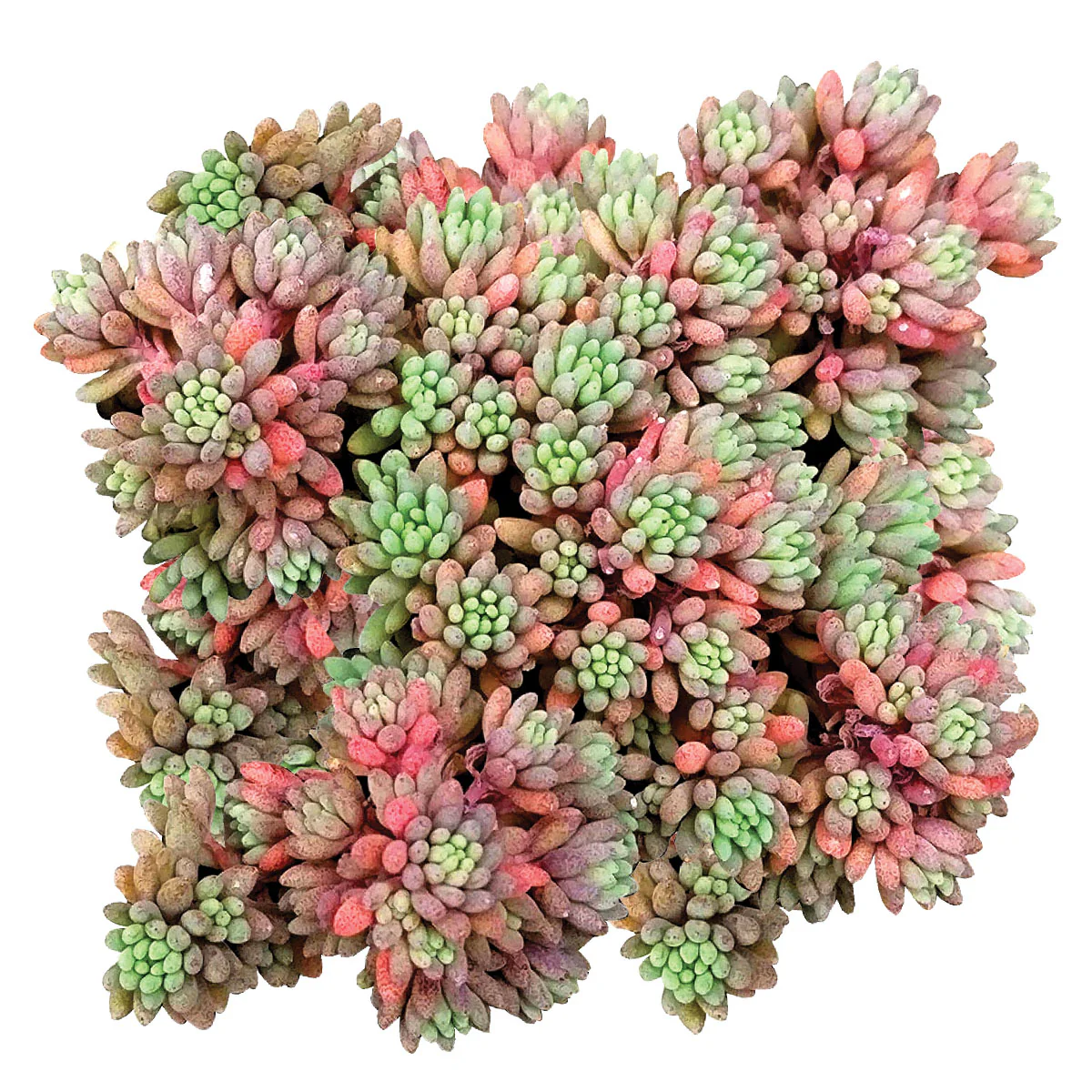
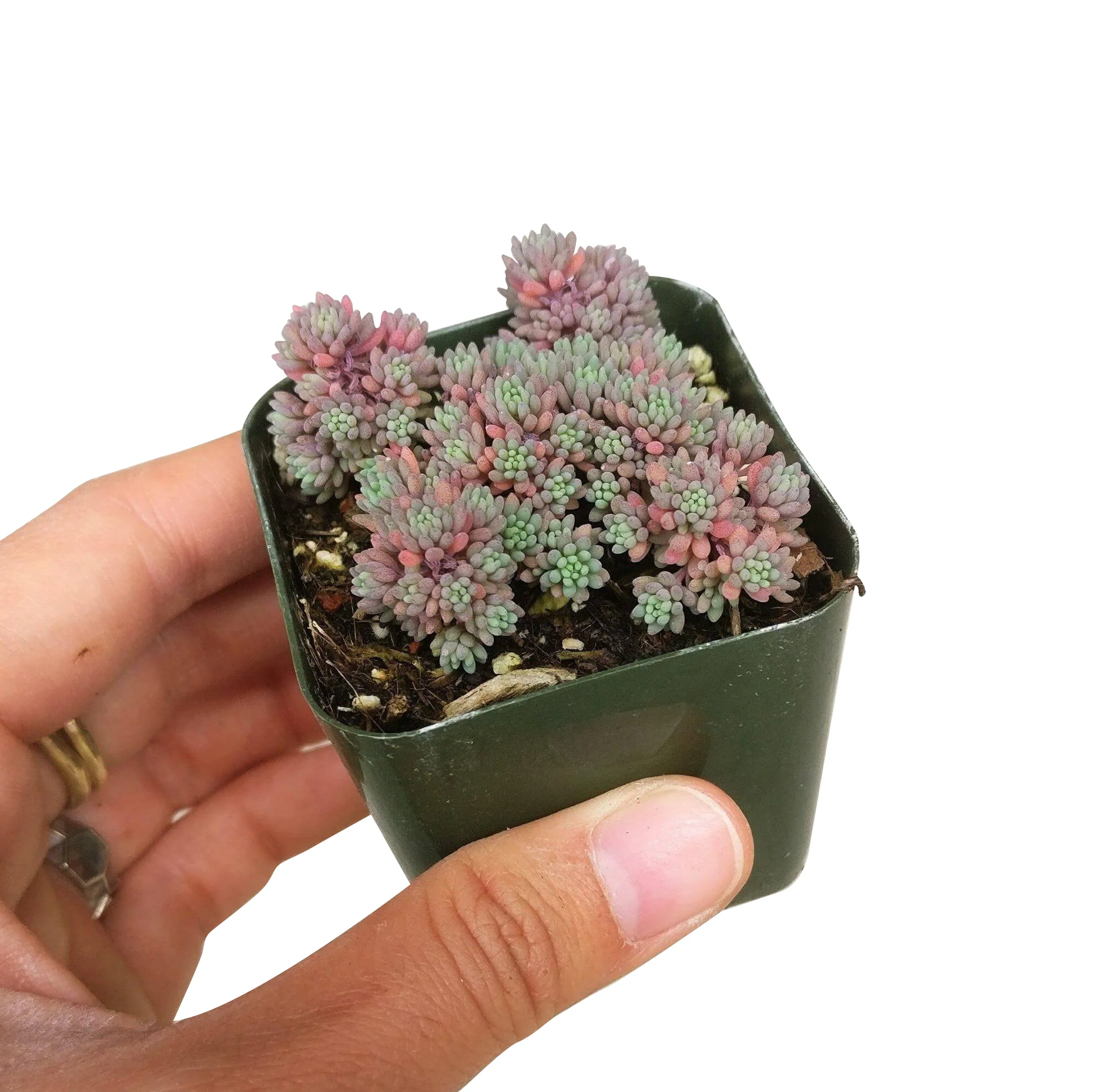
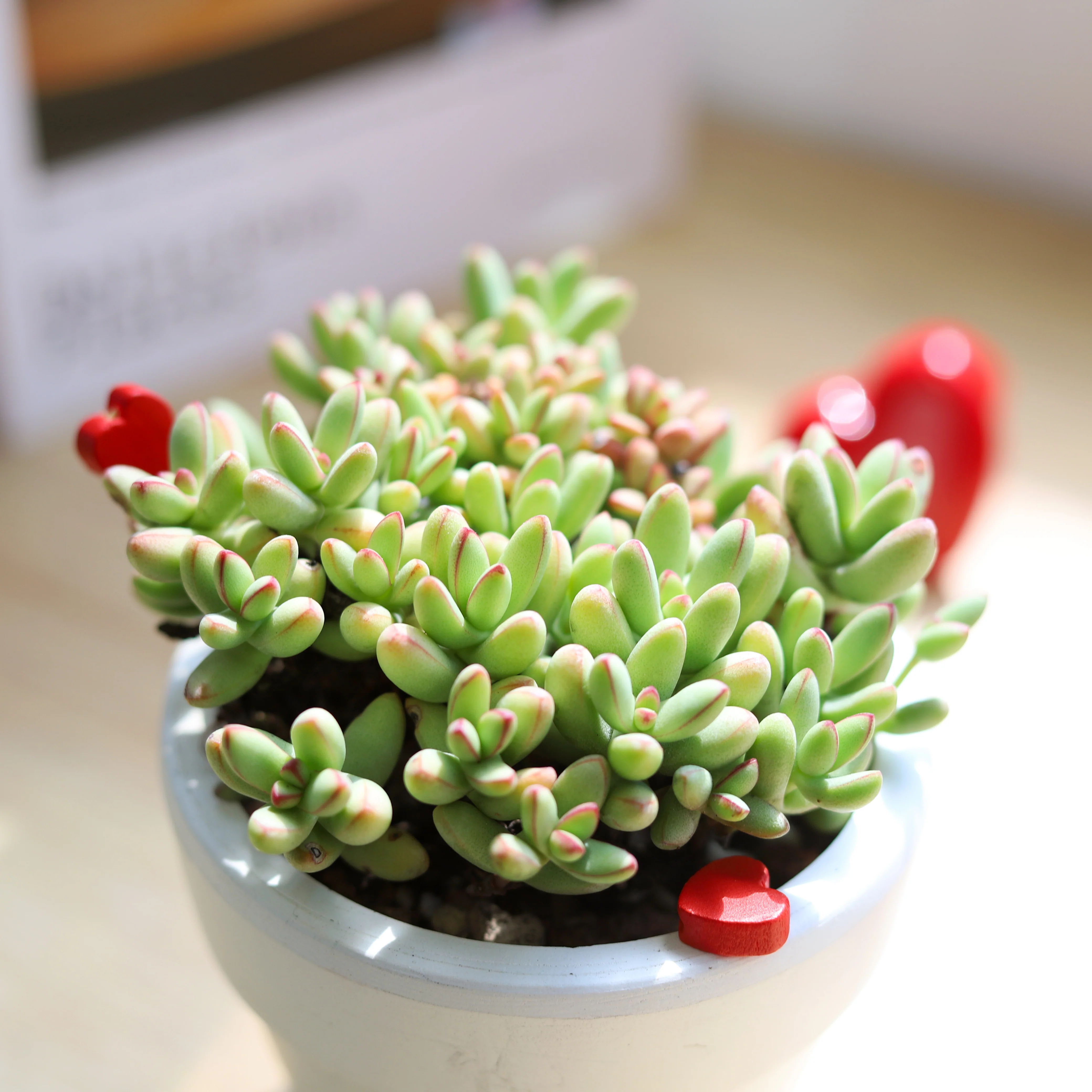
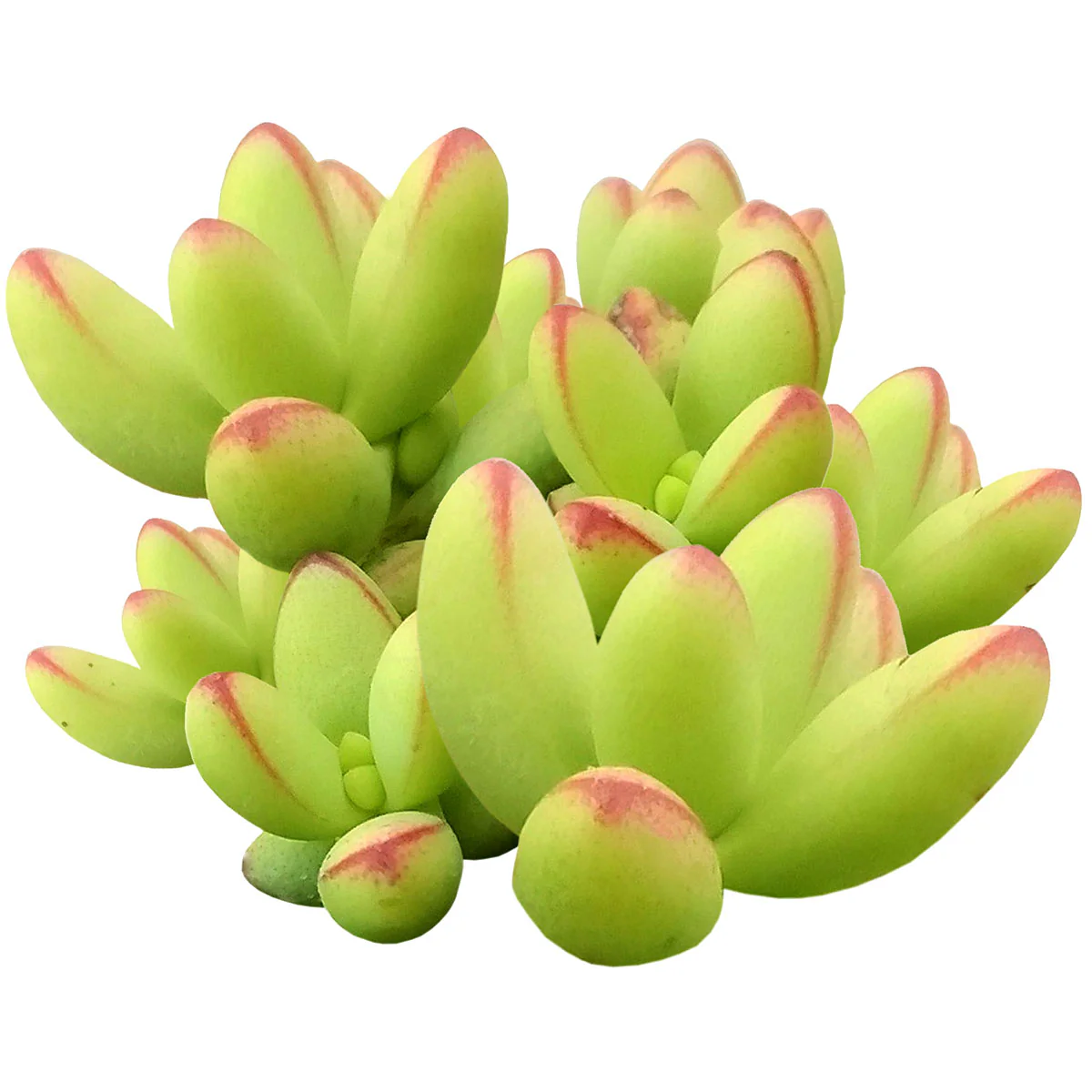
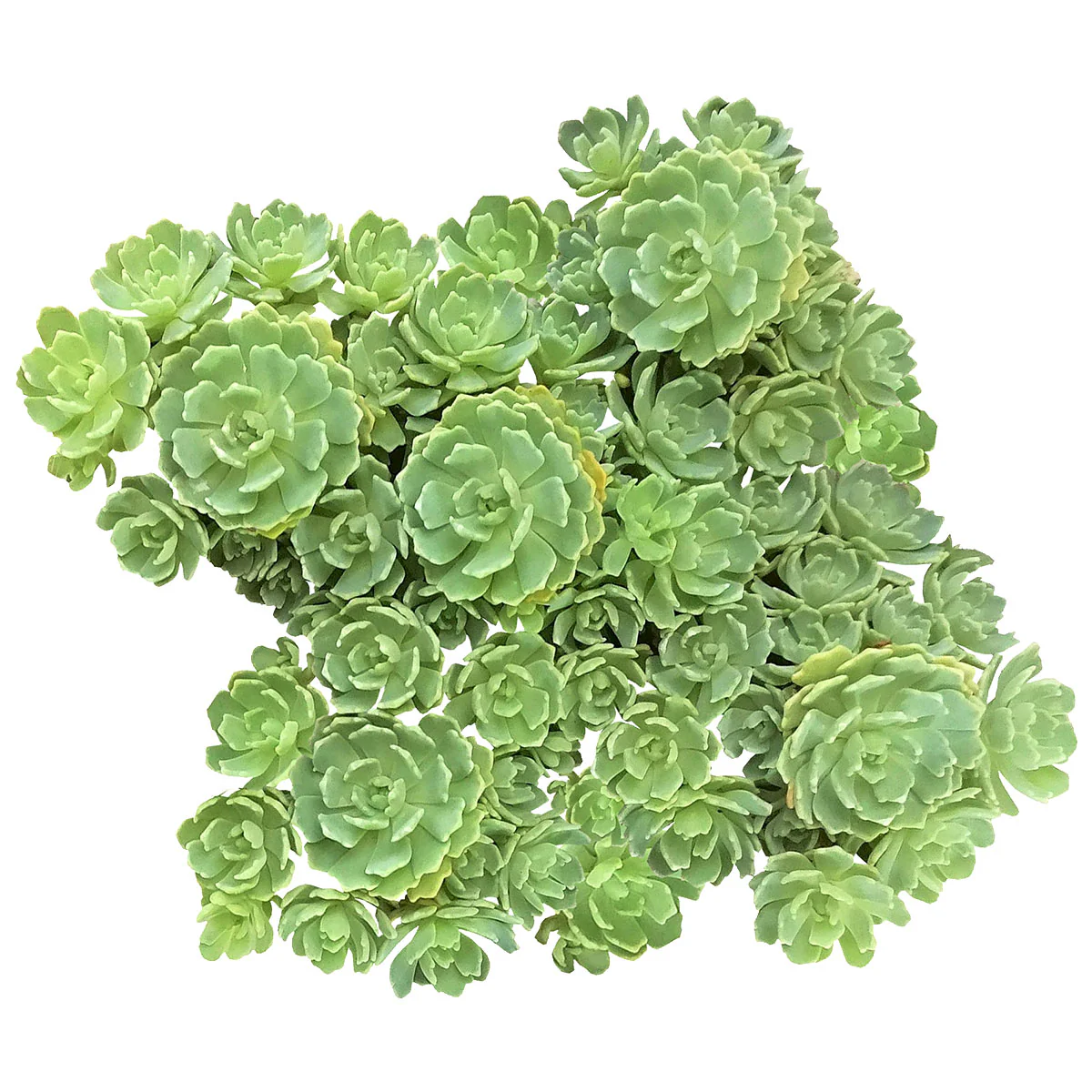
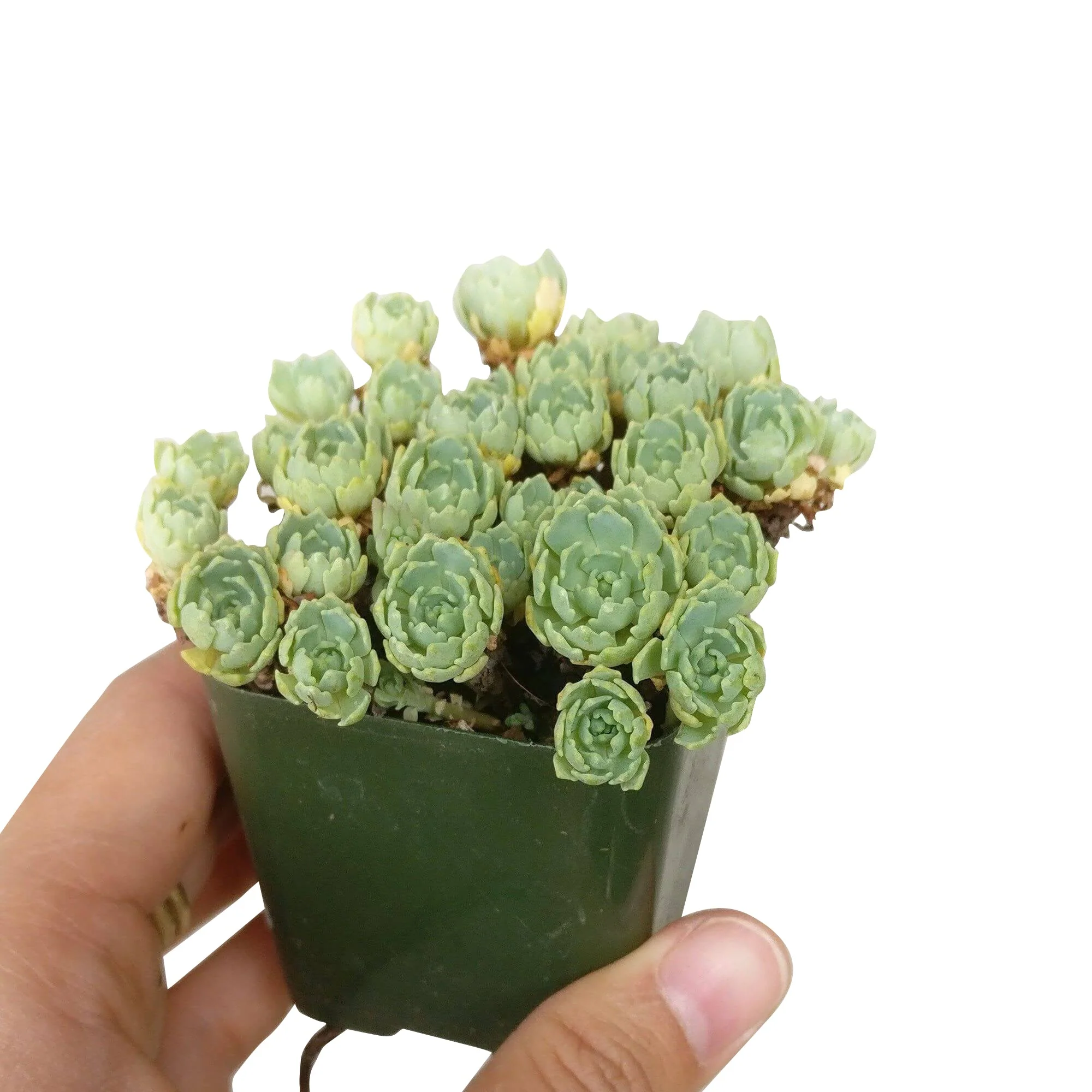
 Sempervivum 'Sea Foam' forms tight, symmetrical rosettes in soft lime green tones that give it that signature sea-foam quality plant lovers find irresistible. The fleshy, pointed leaves are smooth-edged and pack closely together, creating a dense, geometric shape that looks almost sculptural. As a clumping rosette succulent, it spreads steadily by producing offsets, or "chicks," that cluster around the mother plant for a lush, full display over time.
 Like all hens and chicks succulents, Sempervivum 'Sea Foam' needs a distinct drop in nighttime temperature to trigger blooming, so gardeners growing it outdoors will be rewarded with flower stalks from mature rosettes in summer. Blooms rise on tall, leafy stems and typically appear in soft pink or rosy hues, adding a delicate contrast to the cool green foliage. Note that Sempervivum 'Sea Foam' produces pollen, so allergy-sensitive gardeners may want to keep that in mind during bloom season.
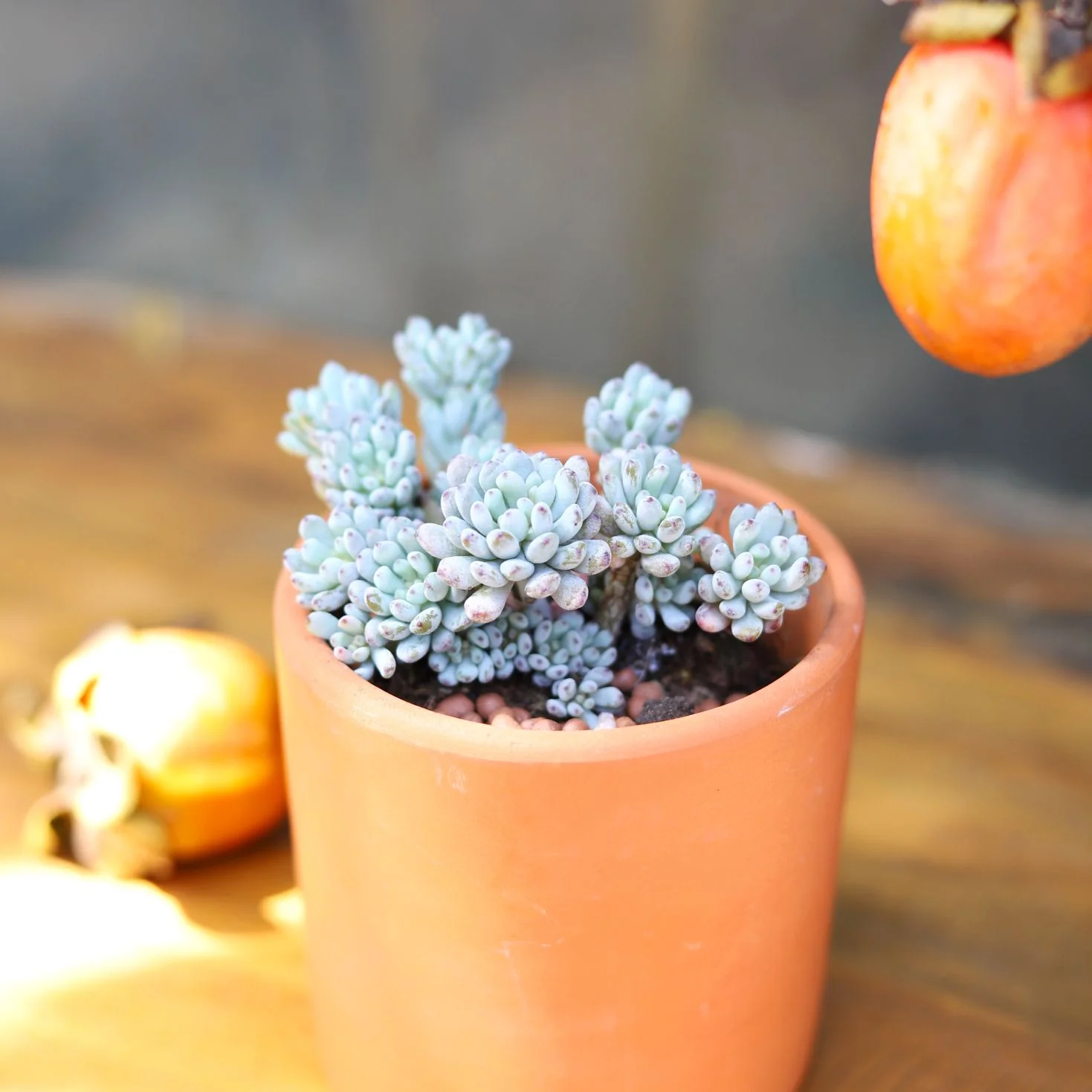
 Sempervivum 'Sea Foam' is a dream for balconies, rock gardens, container arrangements, and outdoor borders, handling wind, rain, and drafty spots with ease. It can move outside for summer and stay outdoors well into autumn, making it one of the most versatile low maintenance succulents available. This pet friendly succulent is safe for households with curious cats and dogs, and its ability to survive a 10-day trip alone makes it perfect for travelers. Collectors prize Sempervivum 'Sea Foam' for its cool coloring and the satisfying way it multiplies into gorgeous clumping colonies.
-
 Sempervivum 'Sea Foam' thrives in partial to full sun, ideally receiving at least four to six hours of direct light daily.
 Water Sempervivum 'Sea Foam' deeply but infrequently, allowing the soil to dry out completely between waterings, roughly every 10-14 days.
 Plant Sempervivum 'Sea Foam' in a gritty, fast-draining mix such as cactus and succulent soil blended with perlite or coarse sand.
 Sempervivum 'Sea Foam' handles temperatures from around 0°F (-18°C) up to 90°F (32°C), showing impressive frost tolerance through cold winters.
![]() Sempervivum 'Sea Foam' is a moderate grower that needs very little fertilizer, perhaps one light feeding with a diluted balanced fertilizer in spring.
Sempervivum 'Sea Foam' is a moderate grower that needs very little fertilizer, perhaps one light feeding with a diluted balanced fertilizer in spring.
 Sempervivum 'Sea Foam' is hardy in USDA Zones 3-8, tolerating winter temperatures as low as -40°F (-40°C), which makes it one of the most frost tolerant succulents available. Gardeners across a wide stretch of the country can grow Sempervivum 'Sea Foam' outdoors year-round, including those in Montana, Wyoming, Colorado, North Dakota, South Dakota, Minnesota, Wisconsin, Michigan, Iowa, Illinois, Indiana, Ohio, Pennsylvania, New York, Vermont, New Hampshire, Maine, Massachusetts, Connecticut, Rhode Island, New Jersey, Maryland, Delaware, Virginia, West Virginia, Kentucky, Missouri, Kansas, Nebraska, Oklahoma, Arkansas, Tennessee, North Carolina, and beyond. It also performs beautifully in the cooler inland areas of Washington, Oregon, Idaho, and Utah, giving growers across much of the United States a truly reliable outdoor succulent.
-
Q: Is Sempervivum 'Sea Foam' pet friendly?
A: Yes, Sempervivum 'Sea Foam' is pet friendly and is considered non-toxic to cats and dogs, making it a worry-free choice for pet households.
Q: How much sun does Sempervivum 'Sea Foam' need?
A: Sempervivum 'Sea Foam' does best in partial to full sun with at least four to six hours of direct sunlight daily. Rotate the pot occasionally indoors to encourage even, symmetrical rosette growth.
Q: How often should I water Sempervivum 'Sea Foam'?
A: Water Sempervivum 'Sea Foam' every 10-14 days, letting the soil dry out completely between waterings. This drought tolerant succulent handles dry spells well but dislikes sitting in soggy soil.
Q: Is Sempervivum 'Sea Foam' frost hardy?
A: Sempervivum 'Sea Foam' is exceptionally frost tolerant, surviving temperatures as low as -40°F (-40°C) in USDA Zones 3-8. It can stay outdoors through autumn and harsh winters without protection in most climates.
Q: How does Sempervivum 'Sea Foam' spread and propagate?
A: Sempervivum 'Sea Foam' naturally produces small offsets, called chicks, that cluster around the mother rosette and can be gently separated and replanted. This makes propagation simple and rewarding, especially as the clump fills out over a season.
Q: Can Sempervivum 'Sea Foam' be grown on a balcony?
A: Absolutely, Sempervivum 'Sea Foam' handles balcony conditions like wind, rain, and temperature swings without complaint. Just ensure the container has excellent drainage, and consider providing cover during prolonged heavy rain to prevent waterlogging.


Original: $8.00
-70%$8.00
$2.40Product Information
Product Information
Shipping & Returns
Shipping & Returns
Description
- Description
- Sempervivum 'Sea Foam' Care Guide
- FAQ/Common Issues
-
![]() Sempervivum 'Sea Foam' is a frost hardy hens and chicks succulent belonging to the Crassulaceae family, beloved by growers for its easy care and rugged constitution. Native to the mountainous regions of Europe and western Asia, sempervivums evolved to thrive in rocky, alpine terrain with little water and harsh winters. This cold hardy succulent has been cultivated for centuries, and Sempervivum 'Sea Foam' carries on that legendary toughness beautifully.
Sempervivum 'Sea Foam' is a frost hardy hens and chicks succulent belonging to the Crassulaceae family, beloved by growers for its easy care and rugged constitution. Native to the mountainous regions of Europe and western Asia, sempervivums evolved to thrive in rocky, alpine terrain with little water and harsh winters. This cold hardy succulent has been cultivated for centuries, and Sempervivum 'Sea Foam' carries on that legendary toughness beautifully.
Sempervivum 'Sea Foam' forms tight, symmetrical rosettes in soft lime green tones that give it that signature sea-foam quality plant lovers find irresistible. The fleshy, pointed leaves are smooth-edged and pack closely together, creating a dense, geometric shape that looks almost sculptural. As a clumping rosette succulent, it spreads steadily by producing offsets, or "chicks," that cluster around the mother plant for a lush, full display over time.
Like all hens and chicks succulents, Sempervivum 'Sea Foam' needs a distinct drop in nighttime temperature to trigger blooming, so gardeners growing it outdoors will be rewarded with flower stalks from mature rosettes in summer. Blooms rise on tall, leafy stems and typically appear in soft pink or rosy hues, adding a delicate contrast to the cool green foliage. Note that Sempervivum 'Sea Foam' produces pollen, so allergy-sensitive gardeners may want to keep that in mind during bloom season.
Sempervivum 'Sea Foam' is a dream for balconies, rock gardens, container arrangements, and outdoor borders, handling wind, rain, and drafty spots with ease. It can move outside for summer and stay outdoors well into autumn, making it one of the most versatile low maintenance succulents available. This pet friendly succulent is safe for households with curious cats and dogs, and its ability to survive a 10-day trip alone makes it perfect for travelers. Collectors prize Sempervivum 'Sea Foam' for its cool coloring and the satisfying way it multiplies into gorgeous clumping colonies.
-
Sempervivum 'Sea Foam' thrives in partial to full sun, ideally receiving at least four to six hours of direct light daily.
Water Sempervivum 'Sea Foam' deeply but infrequently, allowing the soil to dry out completely between waterings, roughly every 10-14 days.
Plant Sempervivum 'Sea Foam' in a gritty, fast-draining mix such as cactus and succulent soil blended with perlite or coarse sand.
Sempervivum 'Sea Foam' handles temperatures from around 0°F (-18°C) up to 90°F (32°C), showing impressive frost tolerance through cold winters.
![]() Sempervivum 'Sea Foam' is a moderate grower that needs very little fertilizer, perhaps one light feeding with a diluted balanced fertilizer in spring.
Sempervivum 'Sea Foam' is a moderate grower that needs very little fertilizer, perhaps one light feeding with a diluted balanced fertilizer in spring.
Sempervivum 'Sea Foam' is hardy in USDA Zones 3-8, tolerating winter temperatures as low as -40°F (-40°C), which makes it one of the most frost tolerant succulents available. Gardeners across a wide stretch of the country can grow Sempervivum 'Sea Foam' outdoors year-round, including those in Montana, Wyoming, Colorado, North Dakota, South Dakota, Minnesota, Wisconsin, Michigan, Iowa, Illinois, Indiana, Ohio, Pennsylvania, New York, Vermont, New Hampshire, Maine, Massachusetts, Connecticut, Rhode Island, New Jersey, Maryland, Delaware, Virginia, West Virginia, Kentucky, Missouri, Kansas, Nebraska, Oklahoma, Arkansas, Tennessee, North Carolina, and beyond. It also performs beautifully in the cooler inland areas of Washington, Oregon, Idaho, and Utah, giving growers across much of the United States a truly reliable outdoor succulent.
-
Q: Is Sempervivum 'Sea Foam' pet friendly?
A: Yes, Sempervivum 'Sea Foam' is pet friendly and is considered non-toxic to cats and dogs, making it a worry-free choice for pet households.
Q: How much sun does Sempervivum 'Sea Foam' need?
A: Sempervivum 'Sea Foam' does best in partial to full sun with at least four to six hours of direct sunlight daily. Rotate the pot occasionally indoors to encourage even, symmetrical rosette growth.
Q: How often should I water Sempervivum 'Sea Foam'?
A: Water Sempervivum 'Sea Foam' every 10-14 days, letting the soil dry out completely between waterings. This drought tolerant succulent handles dry spells well but dislikes sitting in soggy soil.
Q: Is Sempervivum 'Sea Foam' frost hardy?
A: Sempervivum 'Sea Foam' is exceptionally frost tolerant, surviving temperatures as low as -40°F (-40°C) in USDA Zones 3-8. It can stay outdoors through autumn and harsh winters without protection in most climates.
Q: How does Sempervivum 'Sea Foam' spread and propagate?
A: Sempervivum 'Sea Foam' naturally produces small offsets, called chicks, that cluster around the mother rosette and can be gently separated and replanted. This makes propagation simple and rewarding, especially as the clump fills out over a season.
Q: Can Sempervivum 'Sea Foam' be grown on a balcony?
A: Absolutely, Sempervivum 'Sea Foam' handles balcony conditions like wind, rain, and temperature swings without complaint. Just ensure the container has excellent drainage, and consider providing cover during prolonged heavy rain to prevent waterlogging.