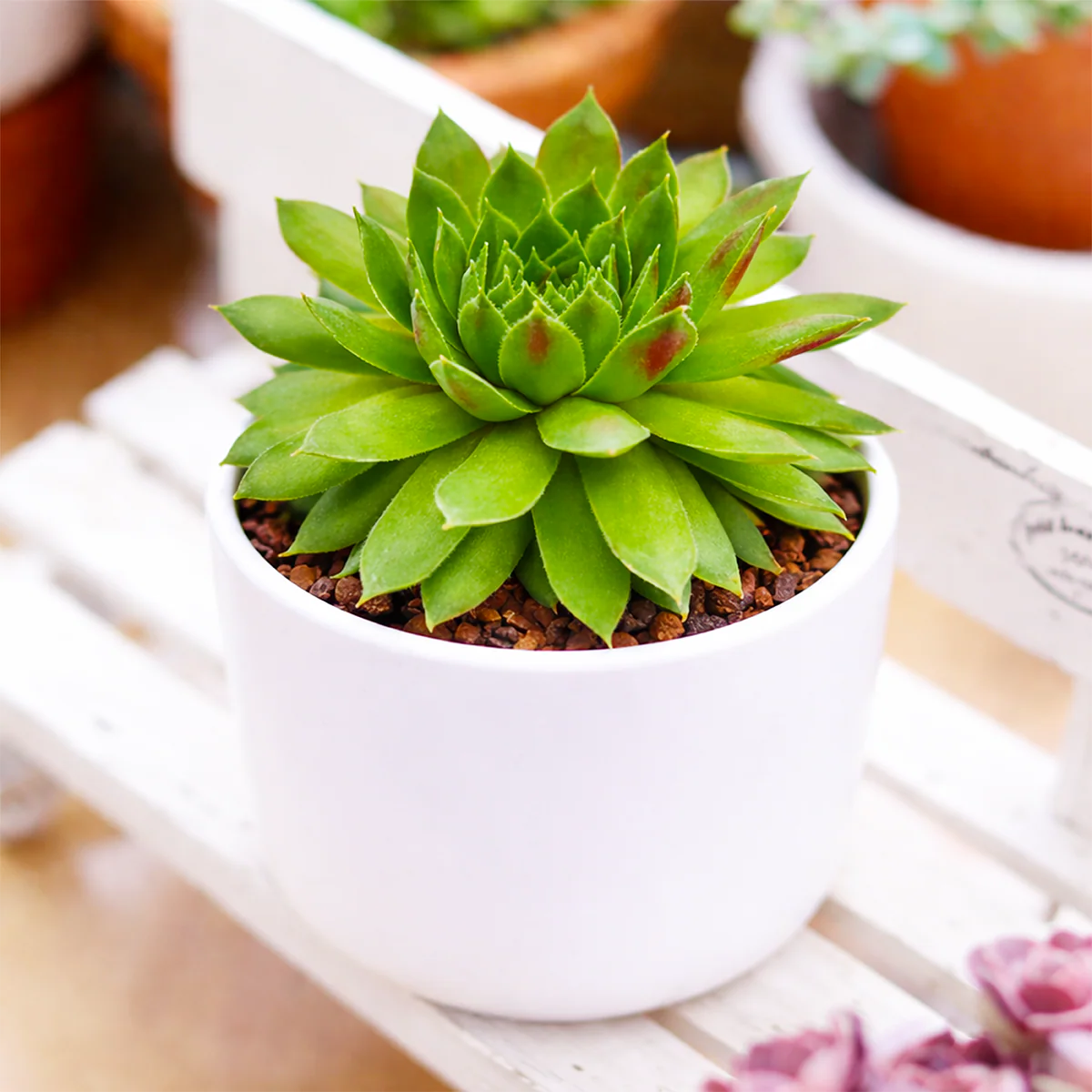
Sempervivum 'Red Wings'
- Description
- Sempervivum 'Red Wings' Care Guide
- FAQ/Common Issues
-
![]() Sempervivum 'Red Wings' is a hardy succulent belonging to the Crassulaceae family, beloved by collectors and beginners alike as a classic hens and chicks succulent. Native to the mountain regions of Europe and parts of Asia, this cold hardy hens and chicks evolved to thrive in rocky, alpine terrain with little water and harsh conditions. Its toughness and charm have made Sempervivum 'Red Wings' a favorite low maintenance succulent for gardens and containers worldwide.
Sempervivum 'Red Wings' is a hardy succulent belonging to the Crassulaceae family, beloved by collectors and beginners alike as a classic hens and chicks succulent. Native to the mountain regions of Europe and parts of Asia, this cold hardy hens and chicks evolved to thrive in rocky, alpine terrain with little water and harsh conditions. Its toughness and charm have made Sempervivum 'Red Wings' a favorite low maintenance succulent for gardens and containers worldwide.
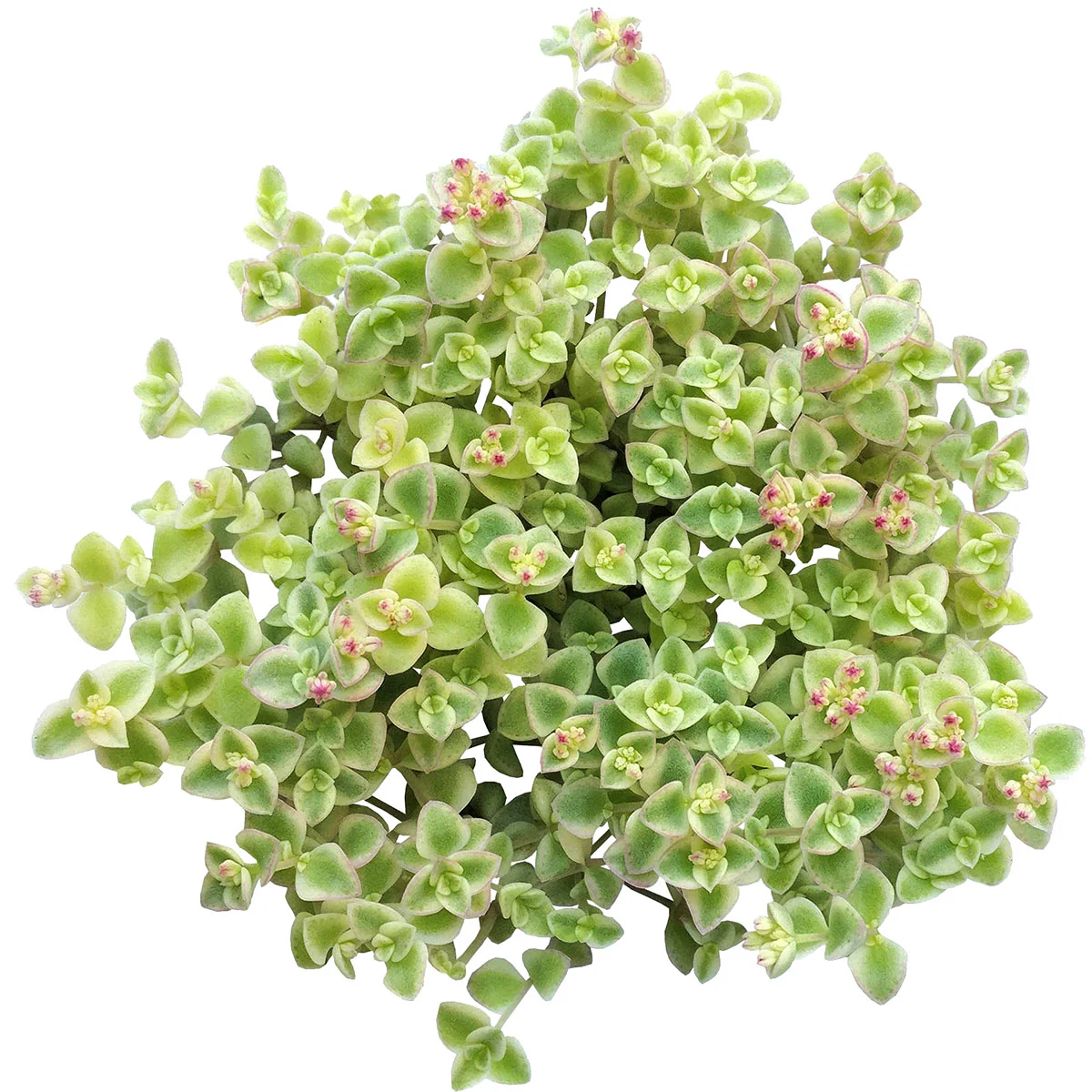
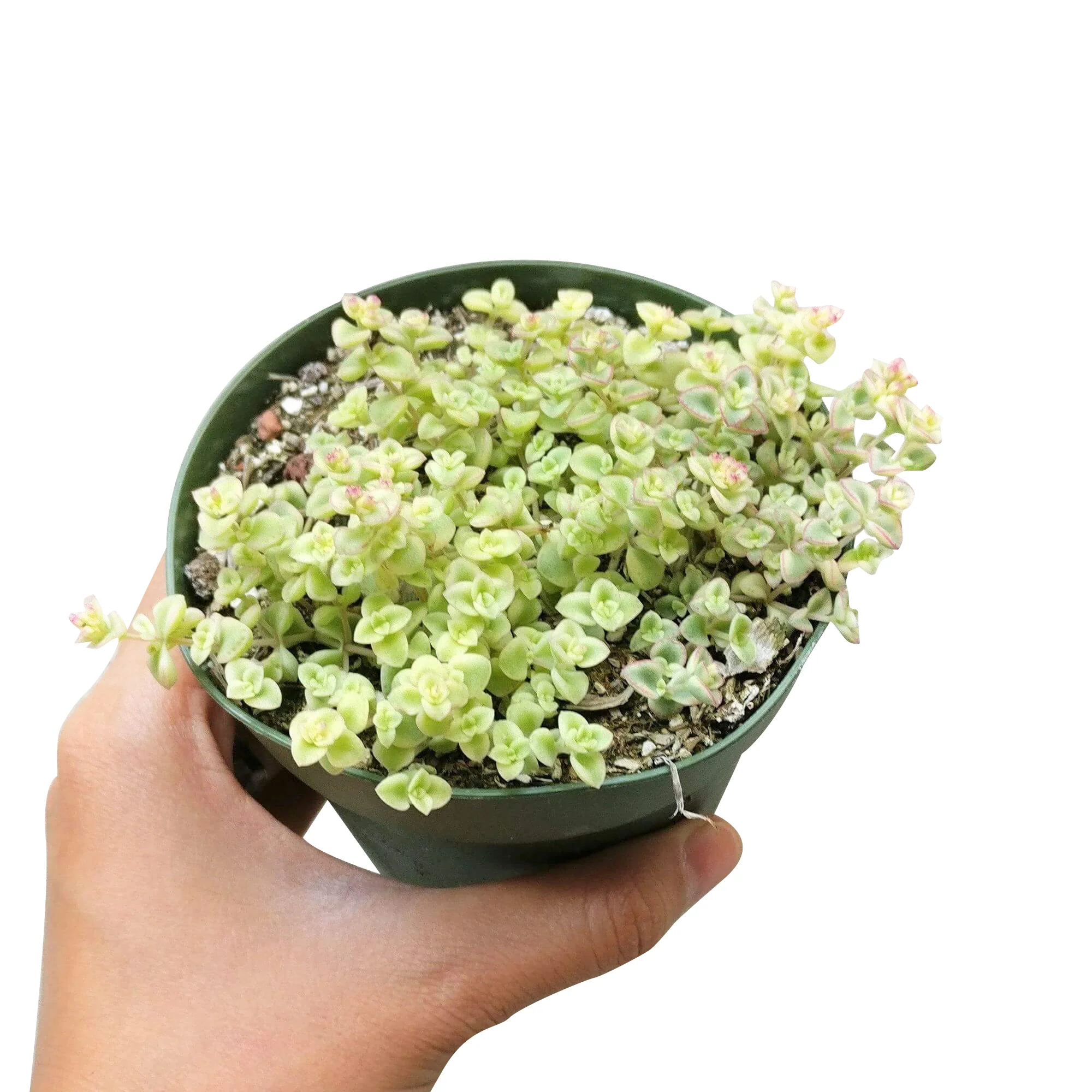
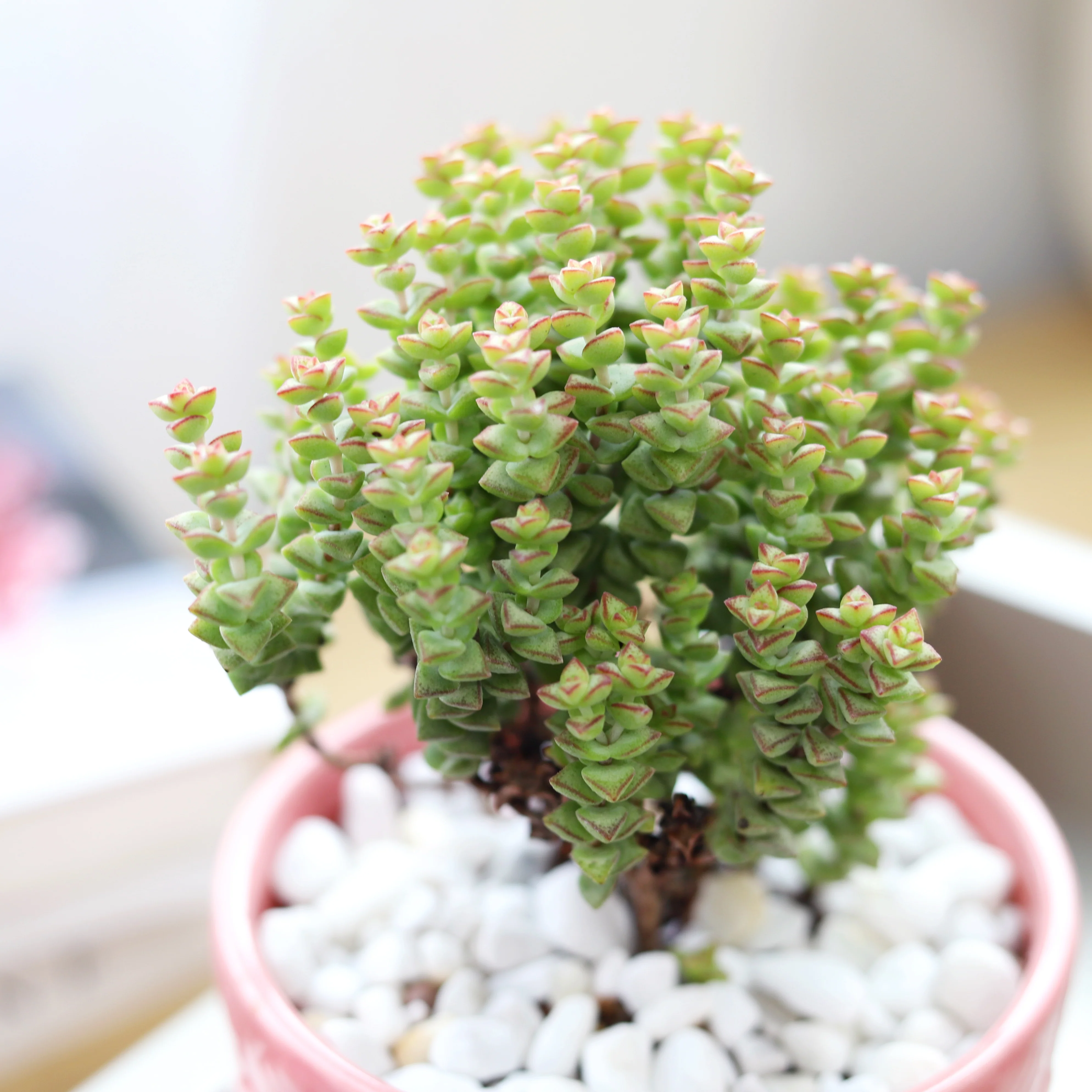
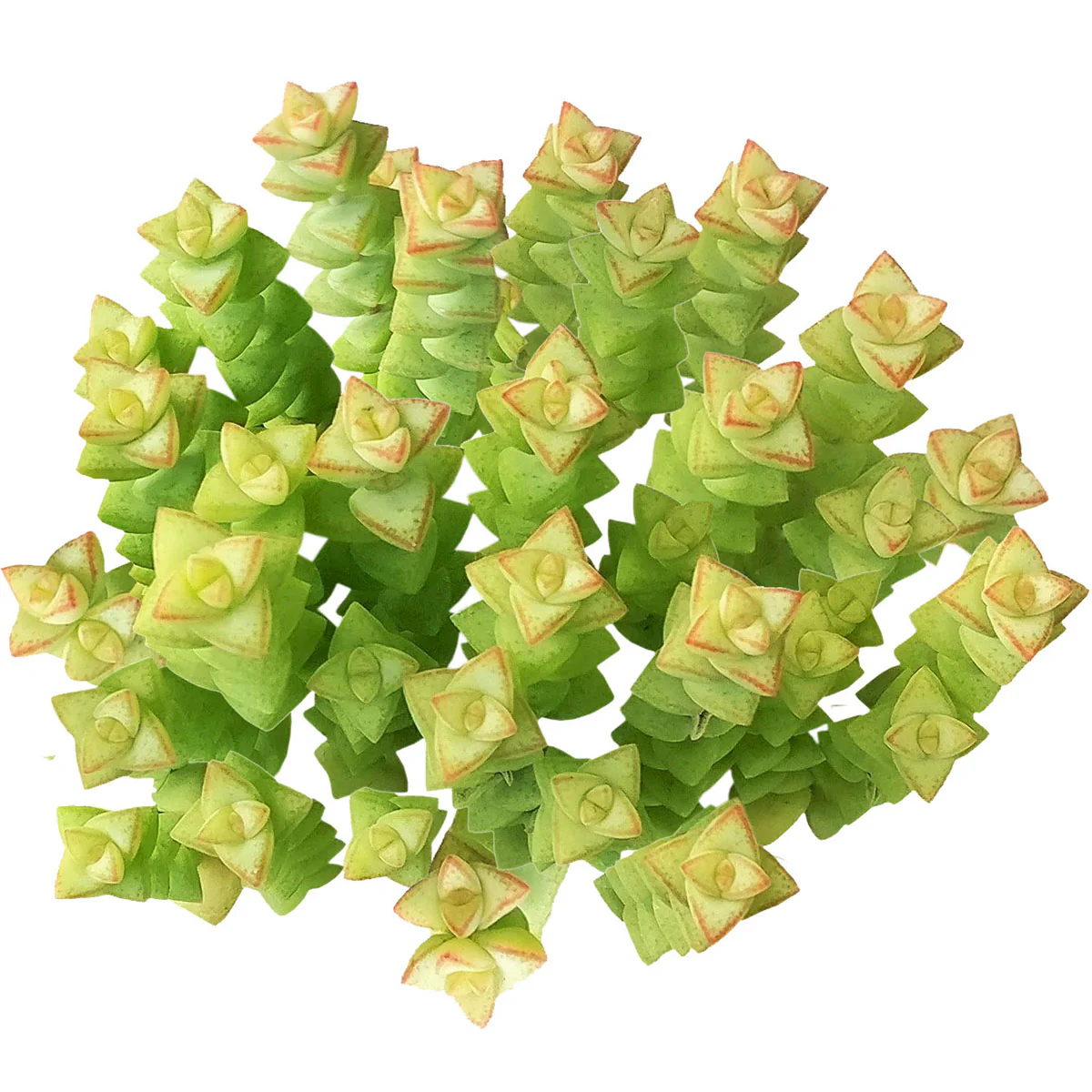
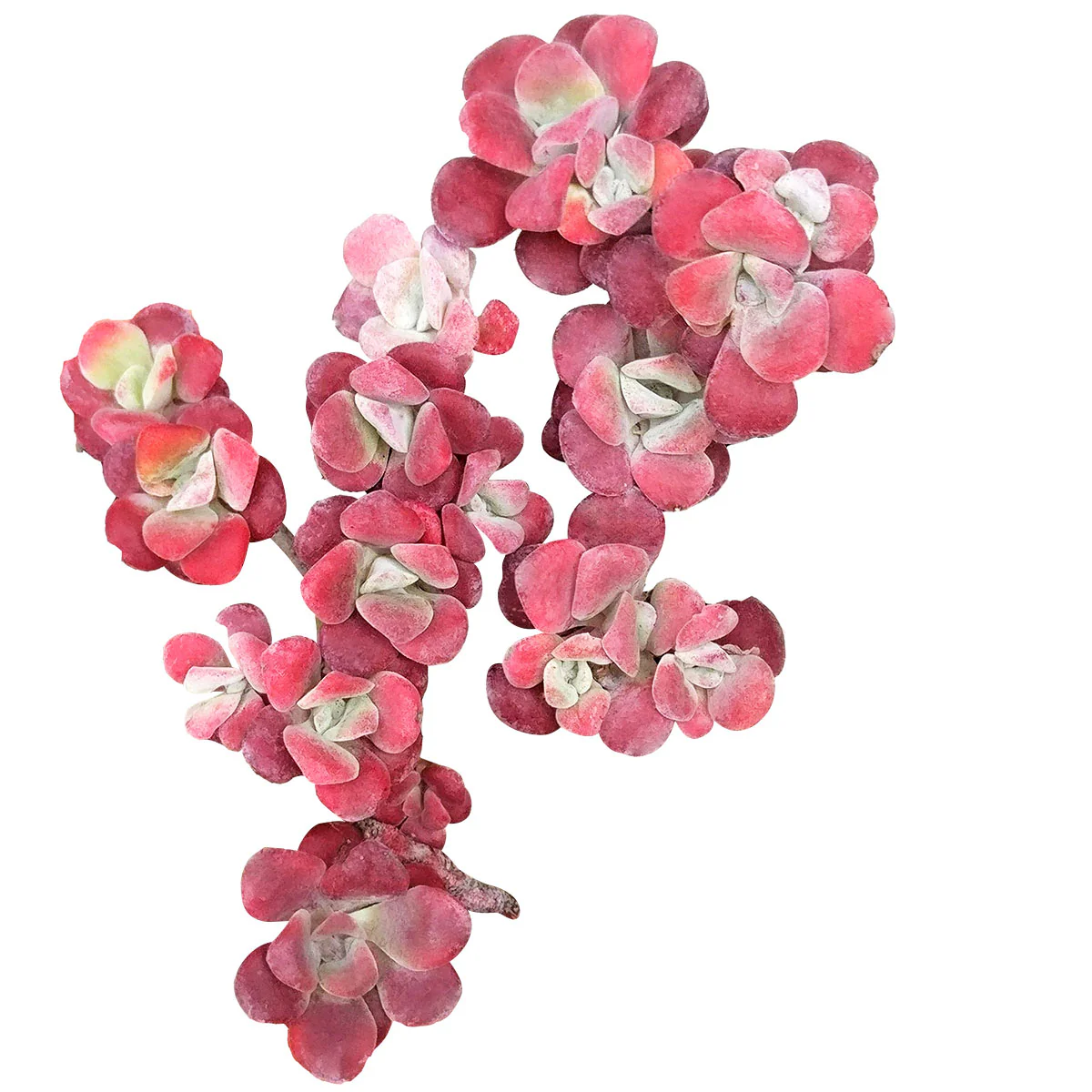
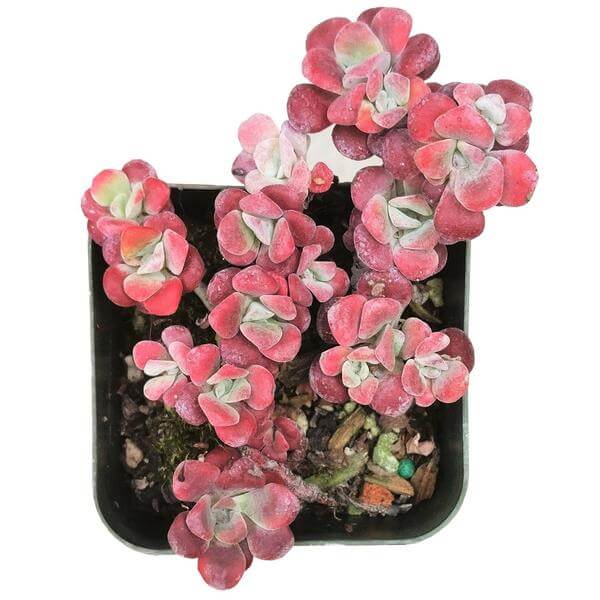
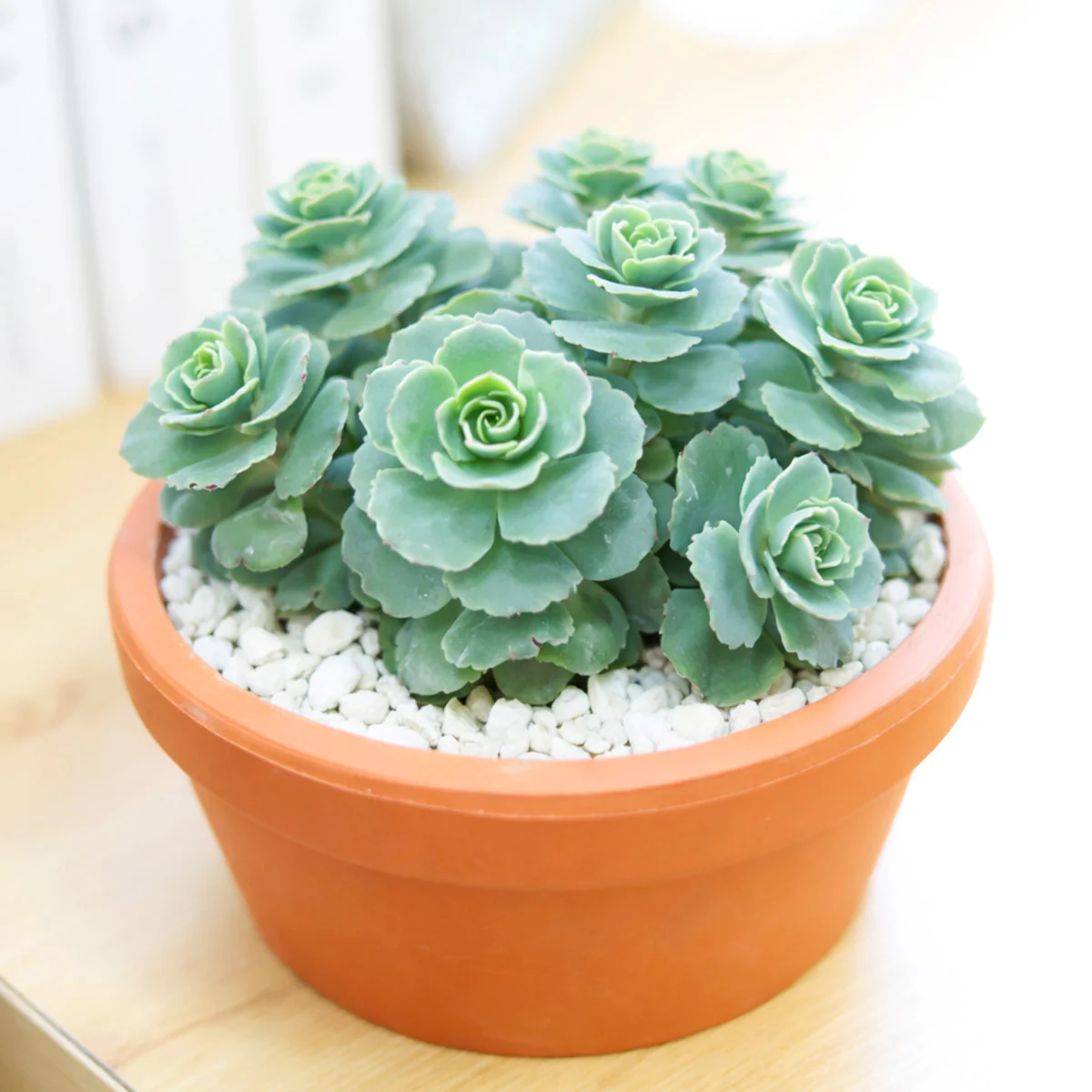
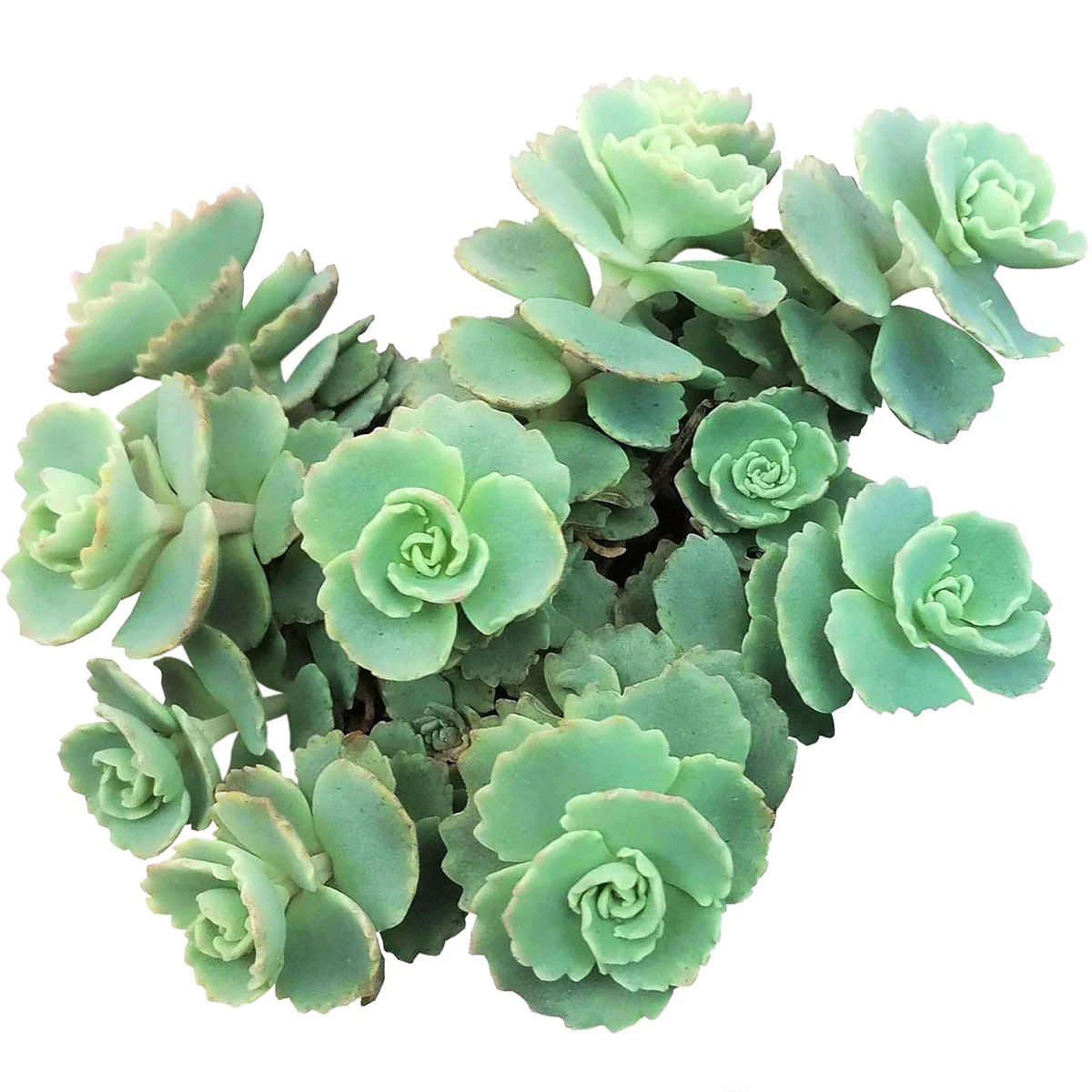
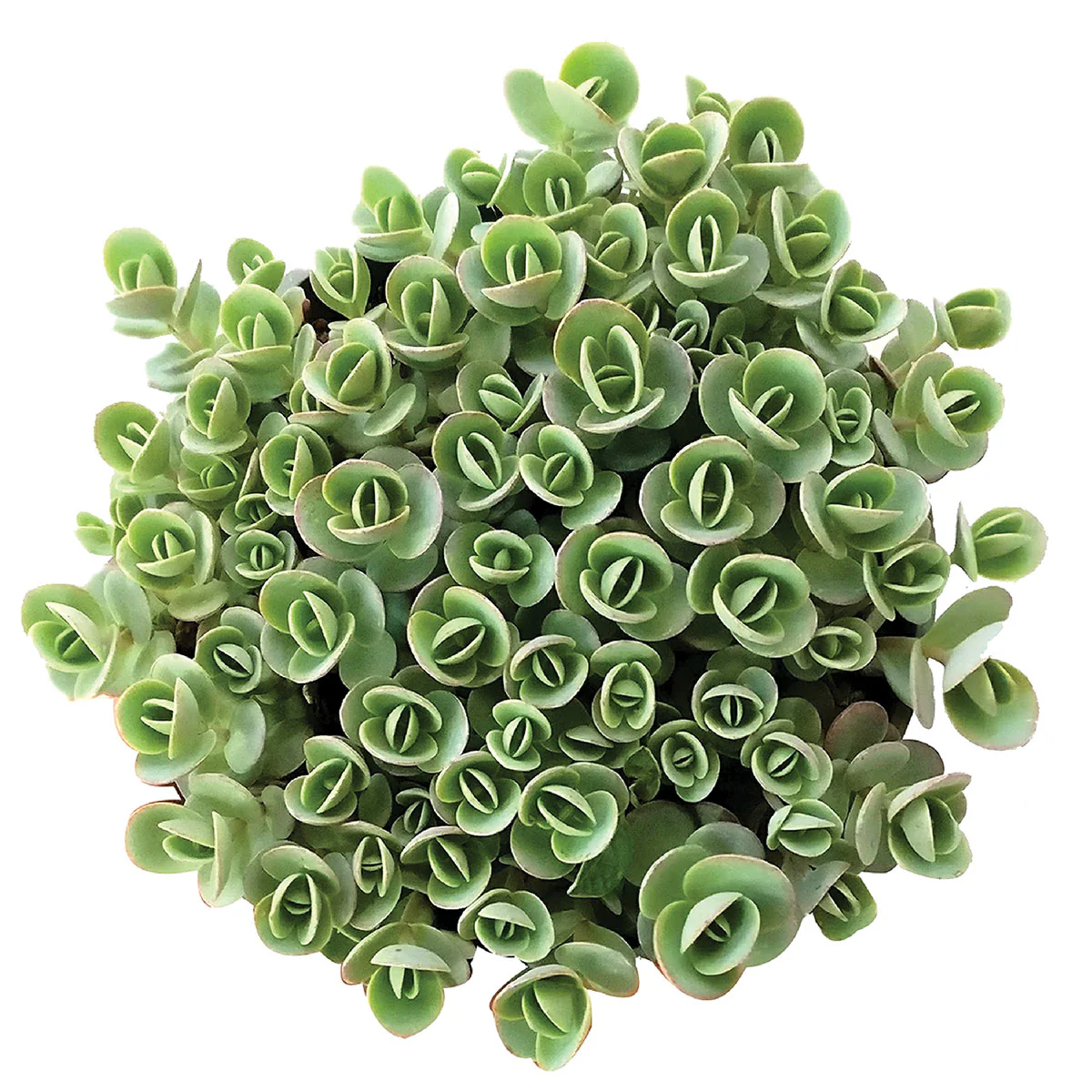
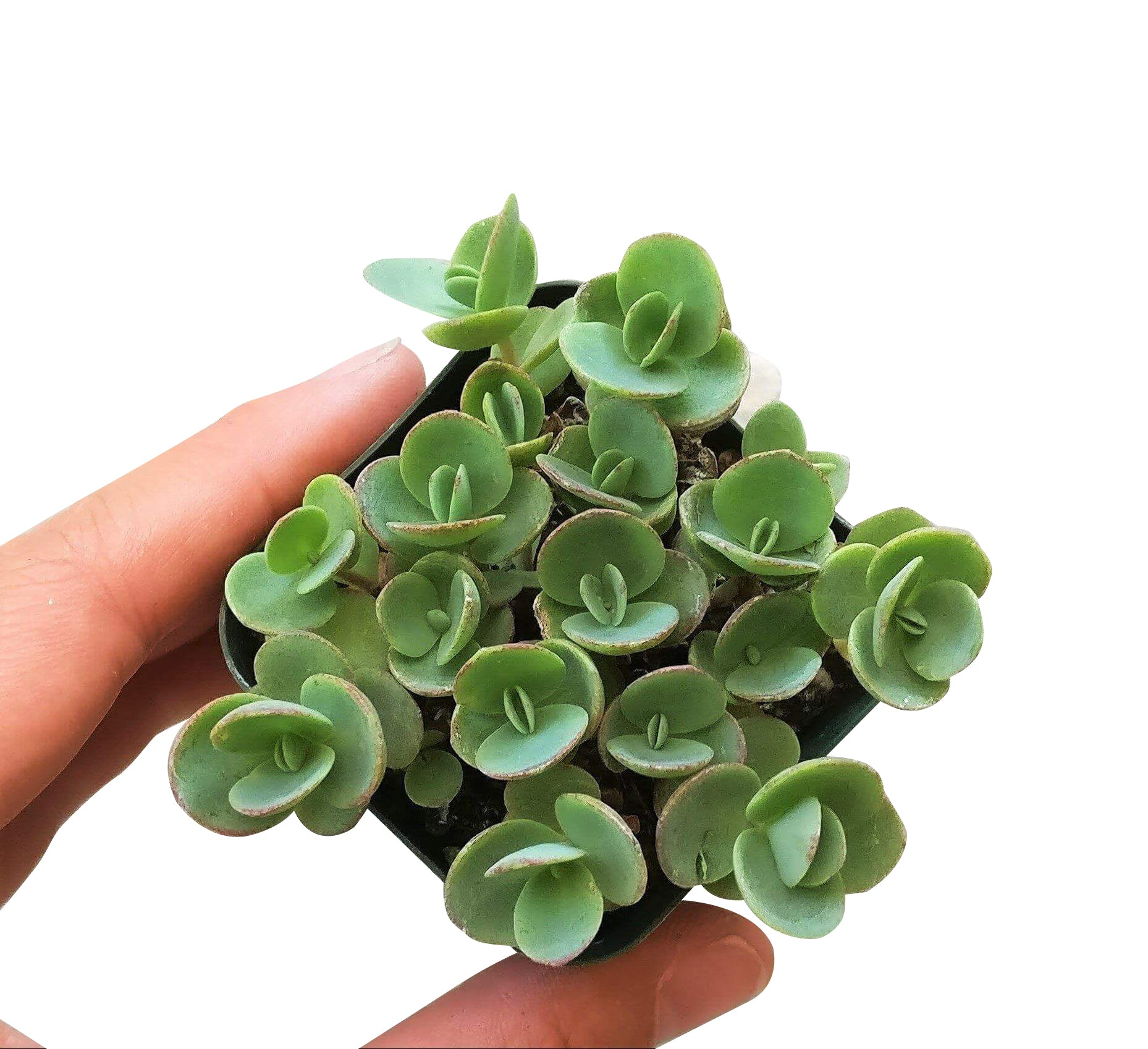
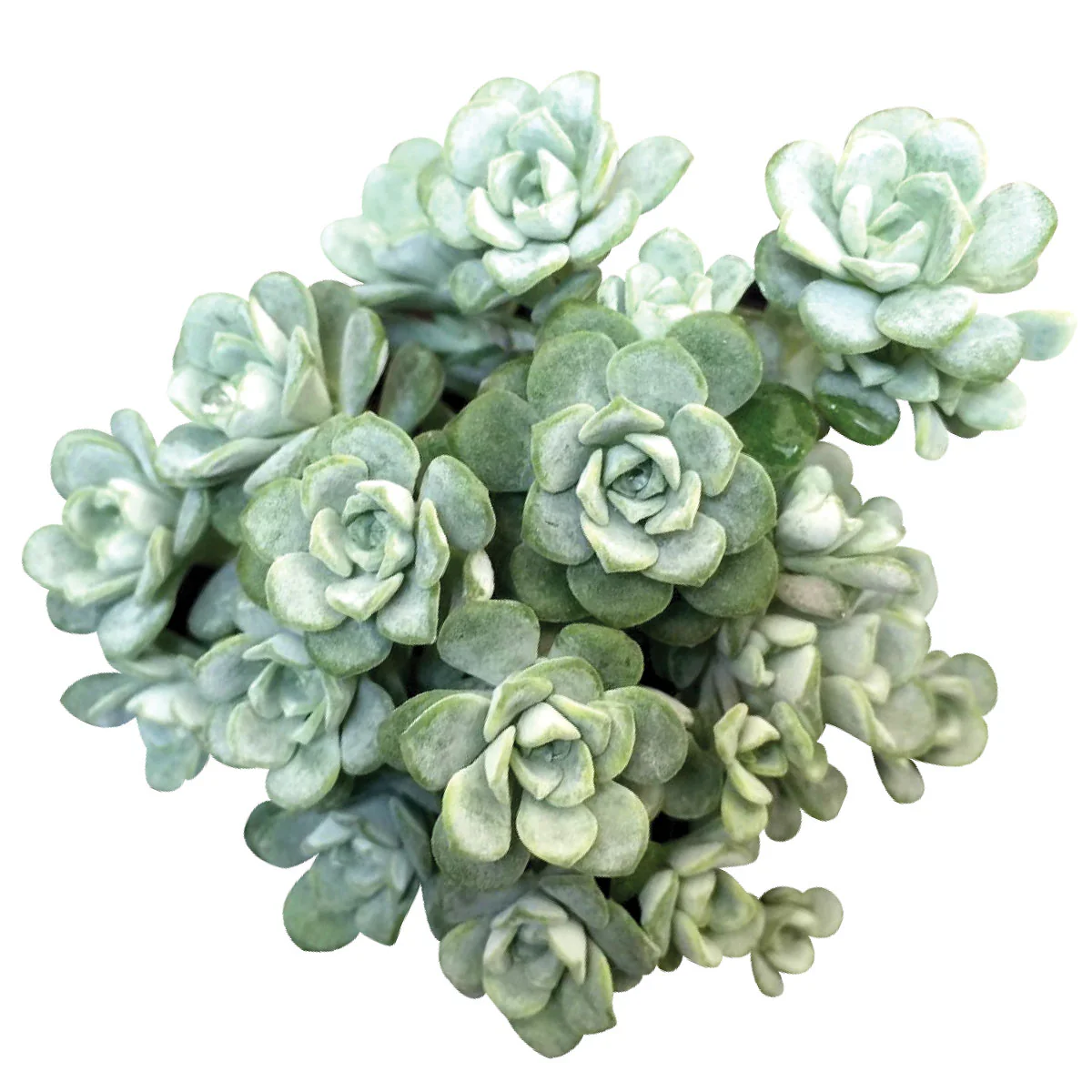
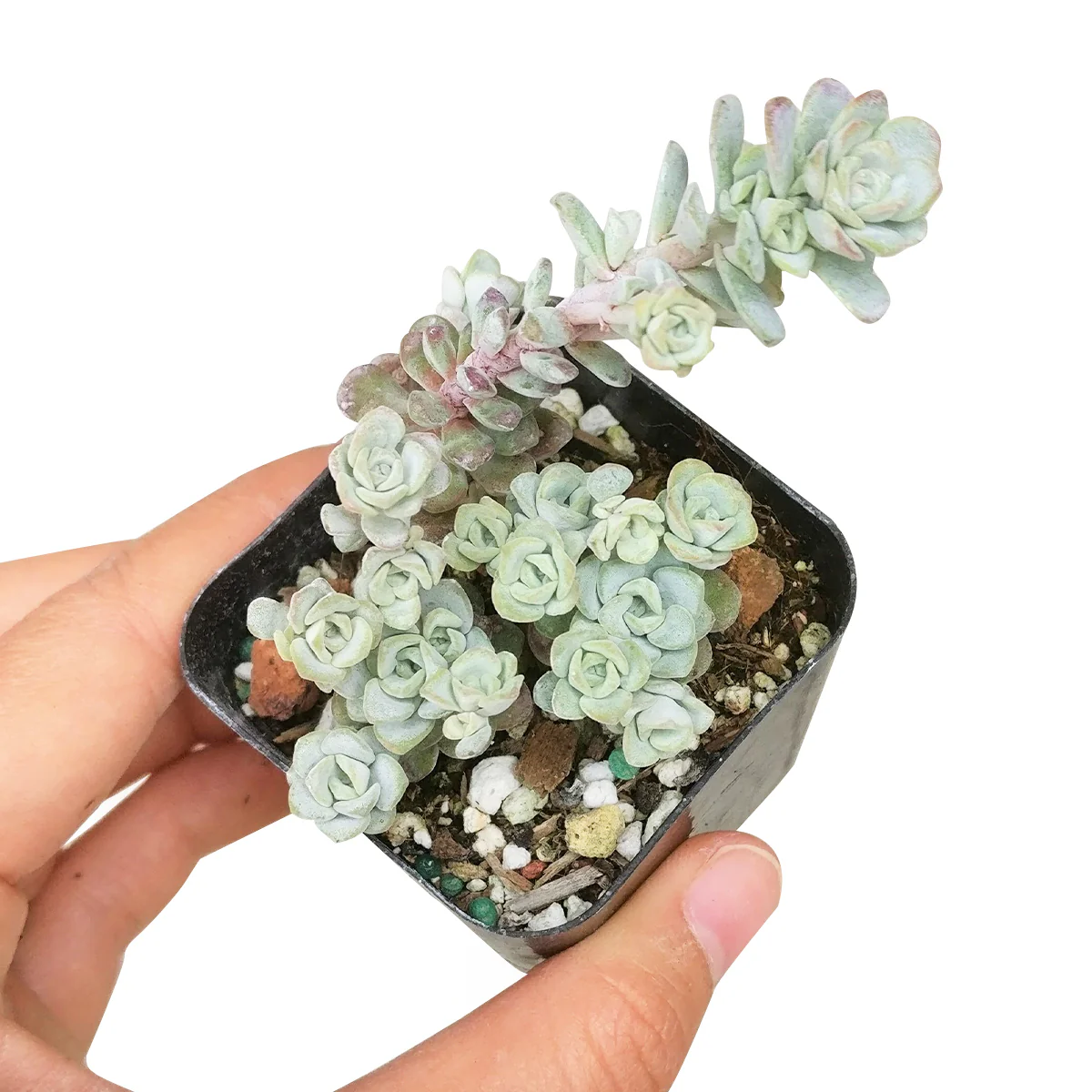
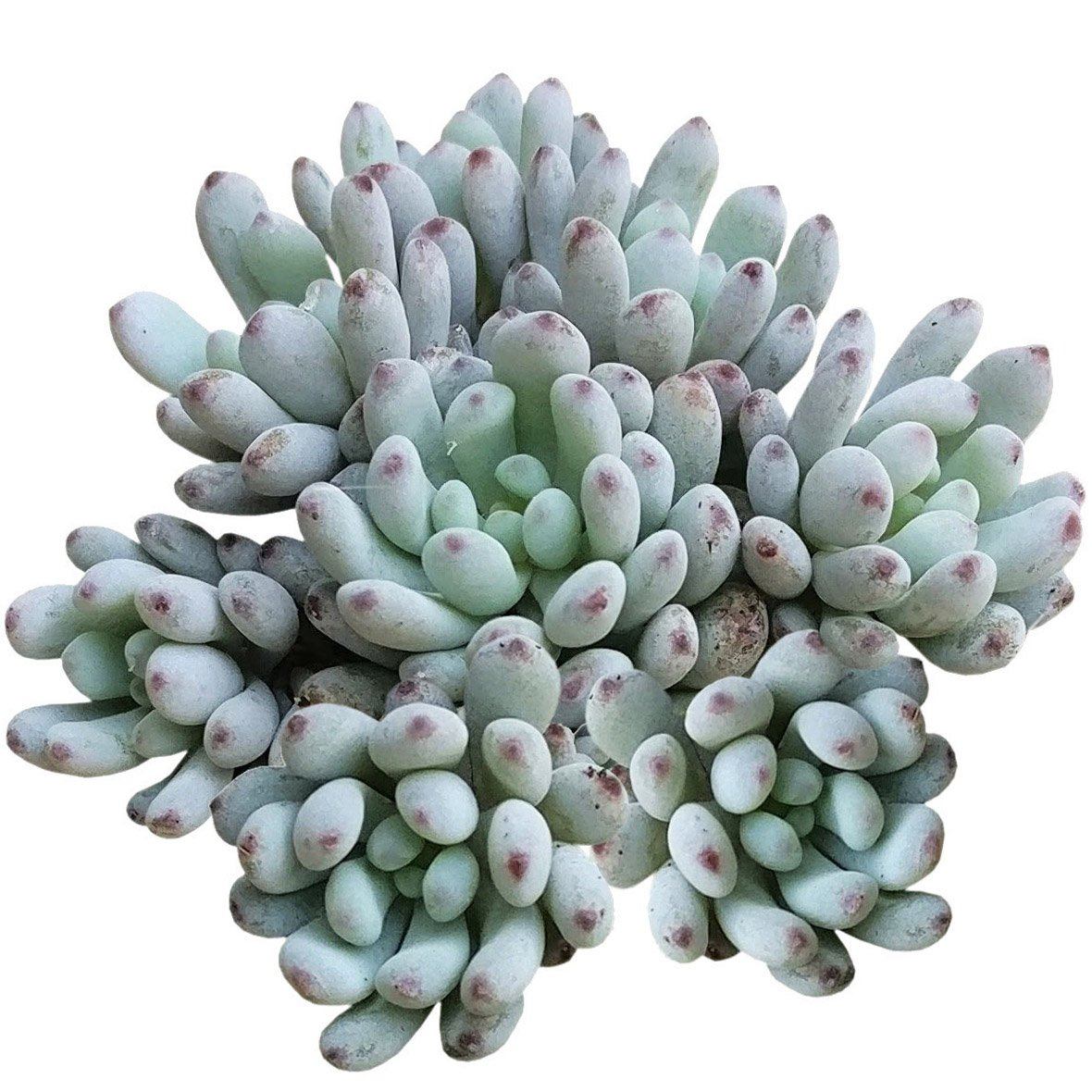
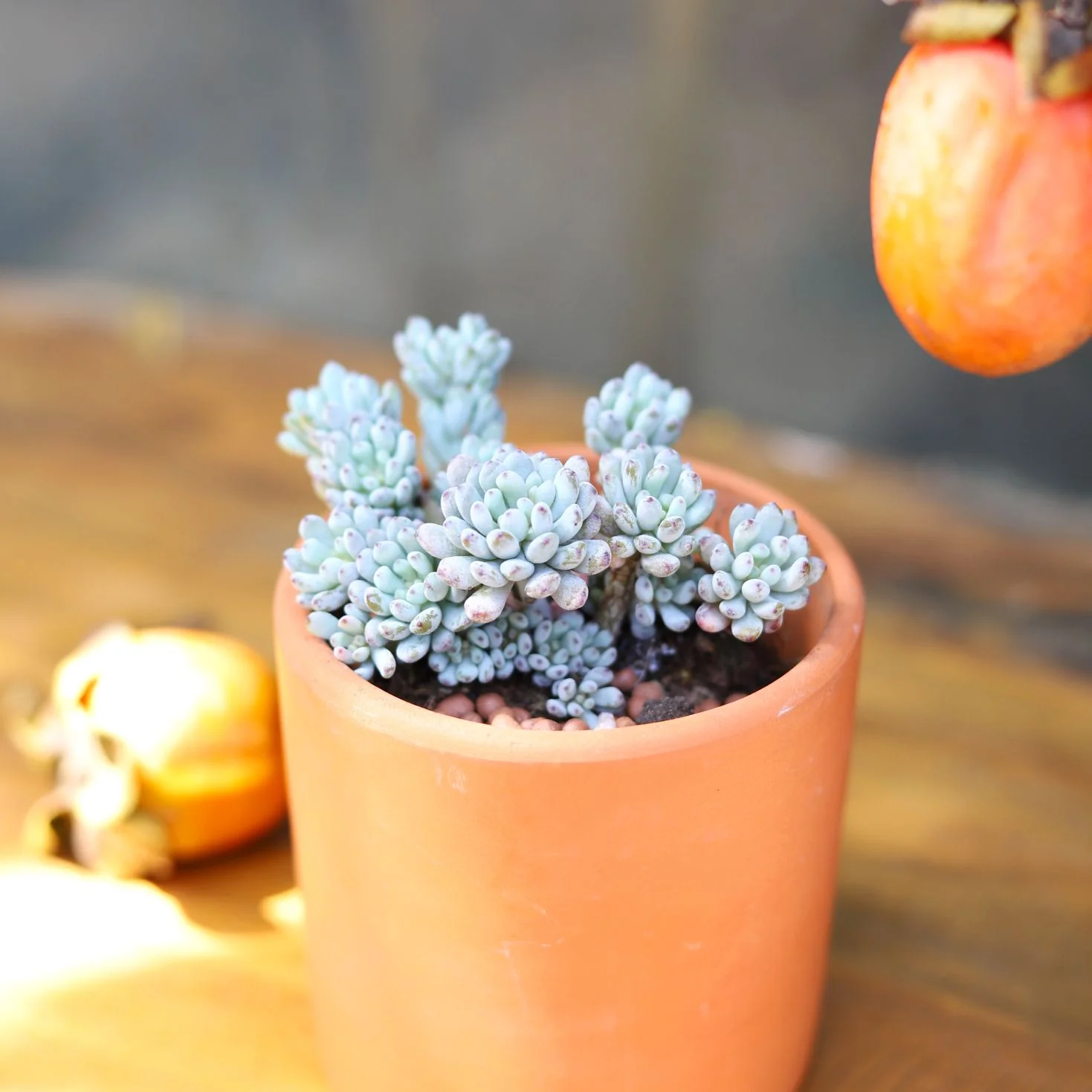
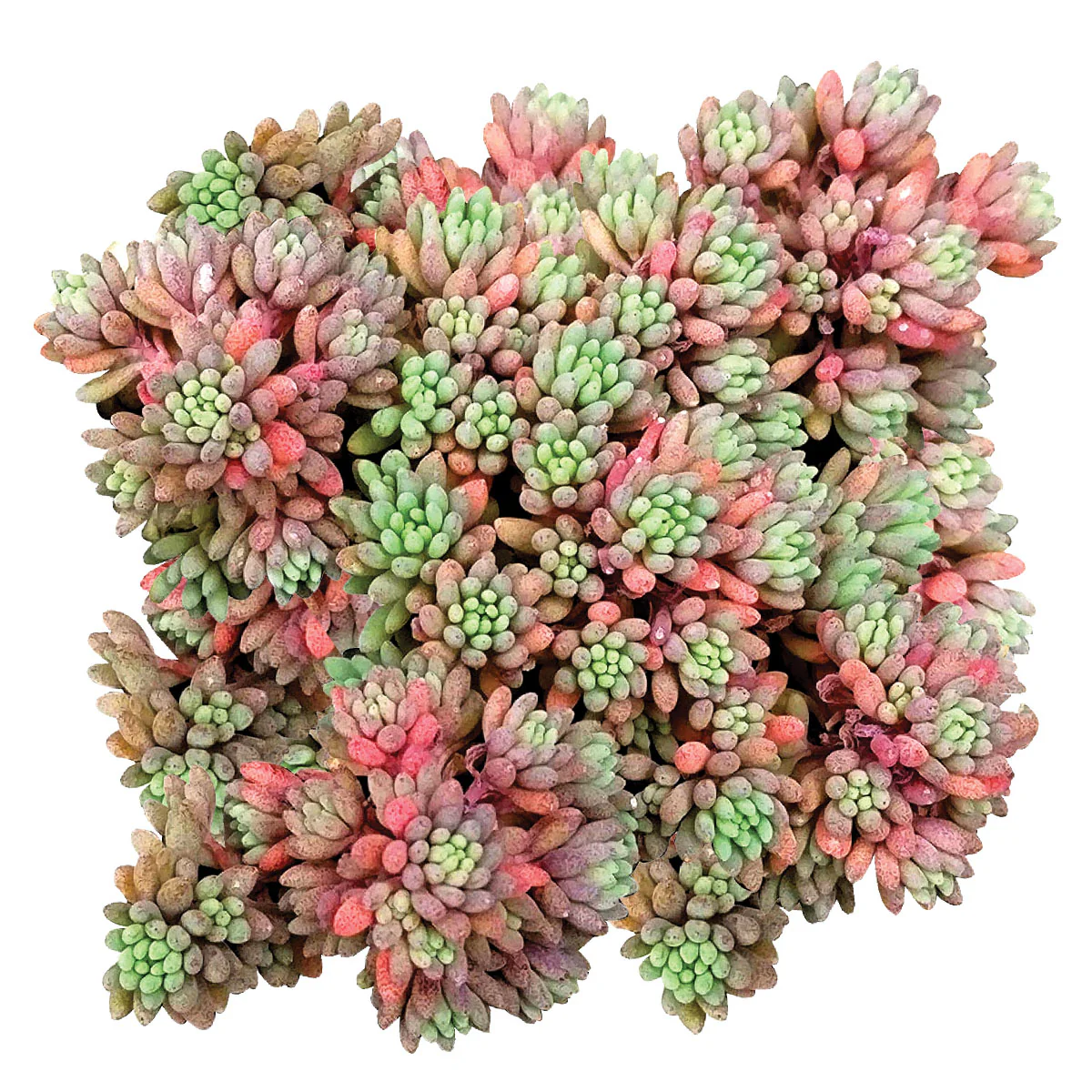
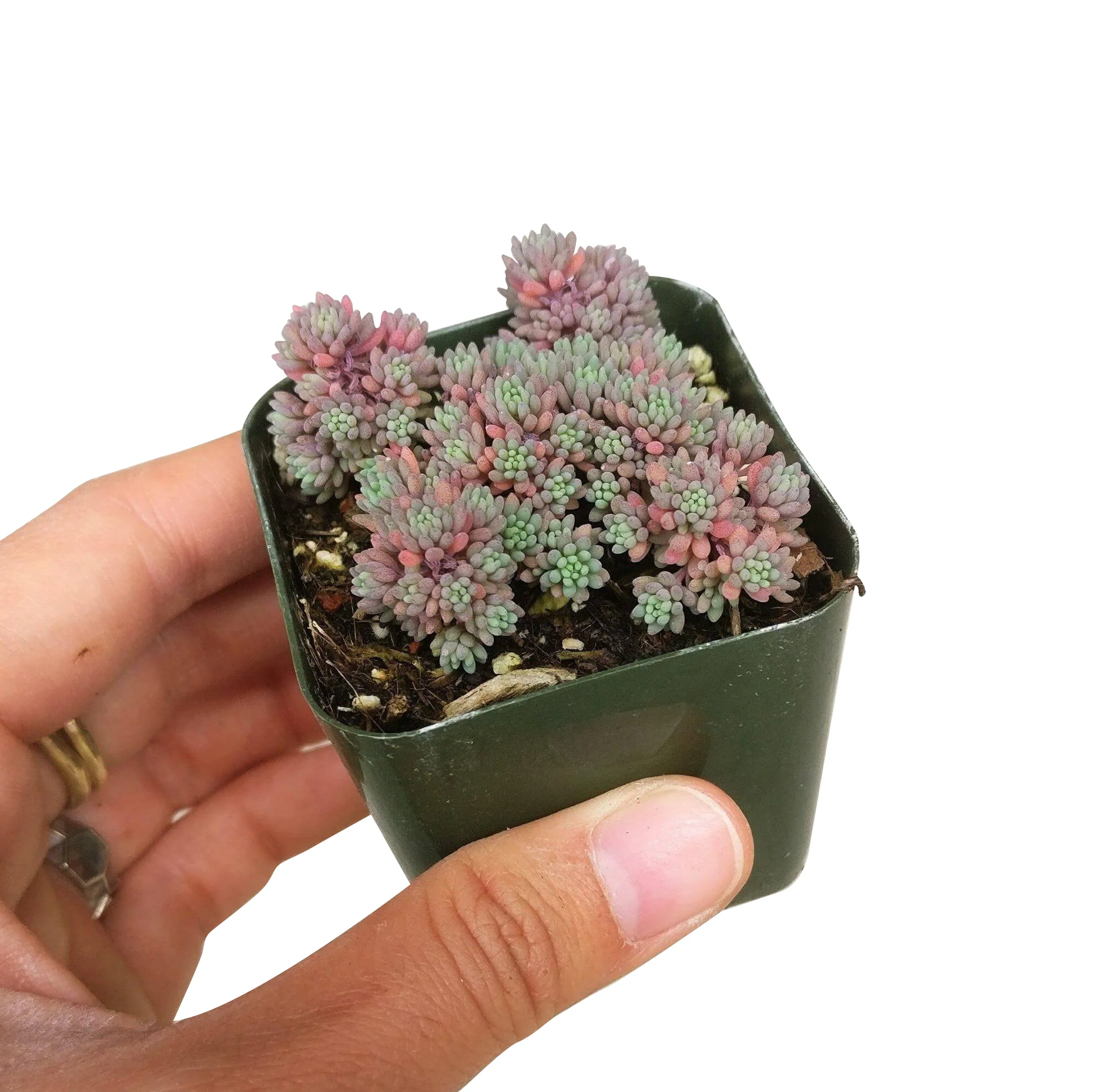
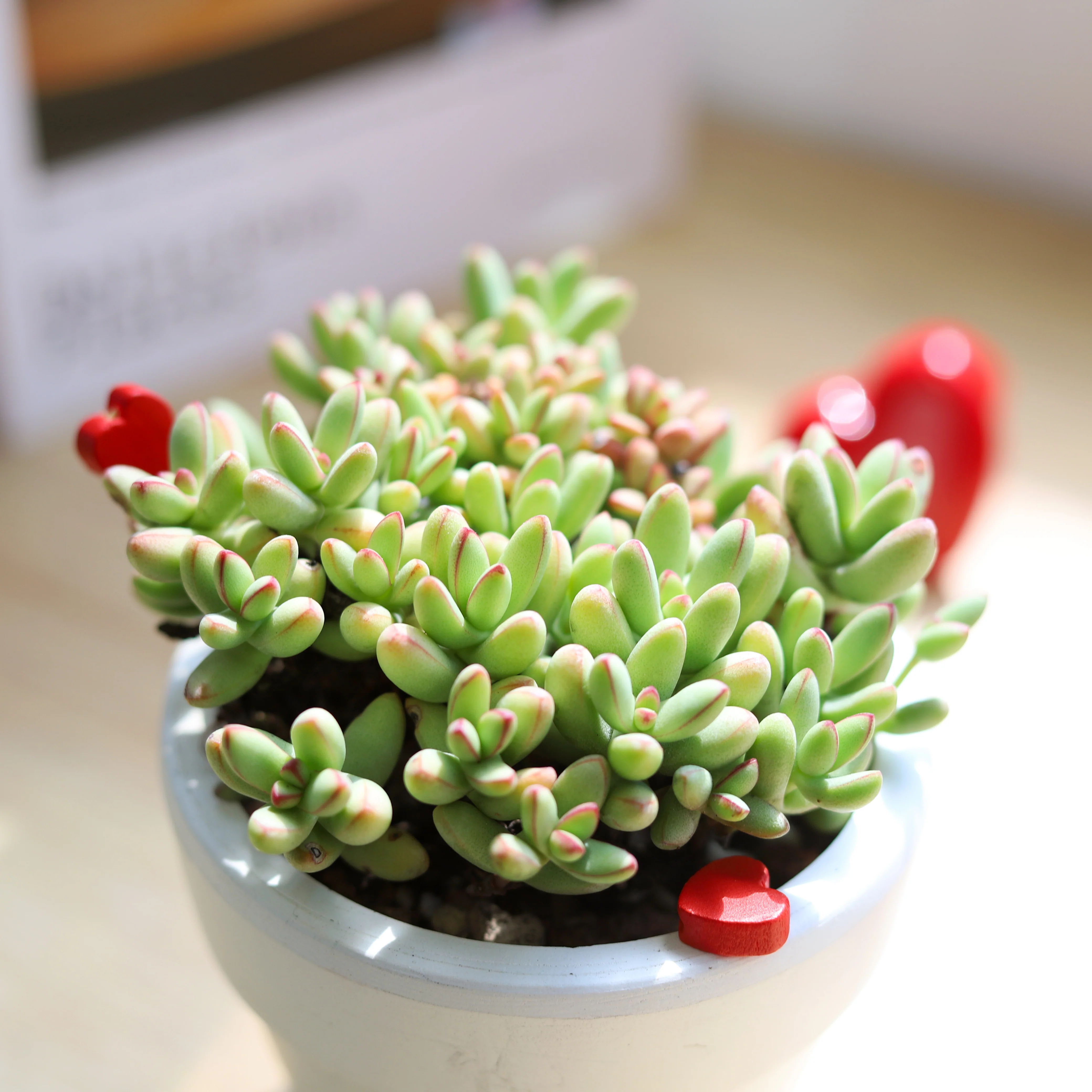
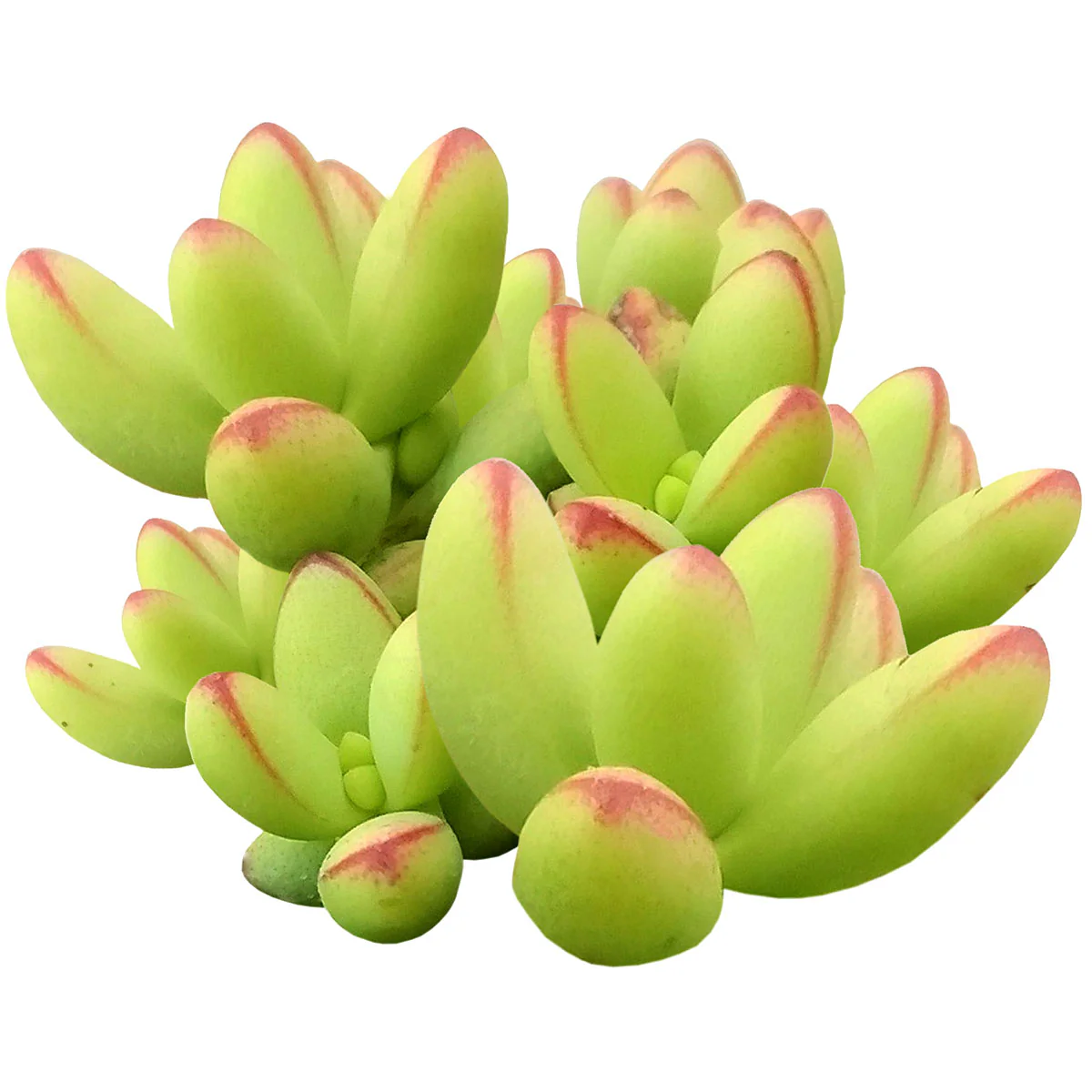
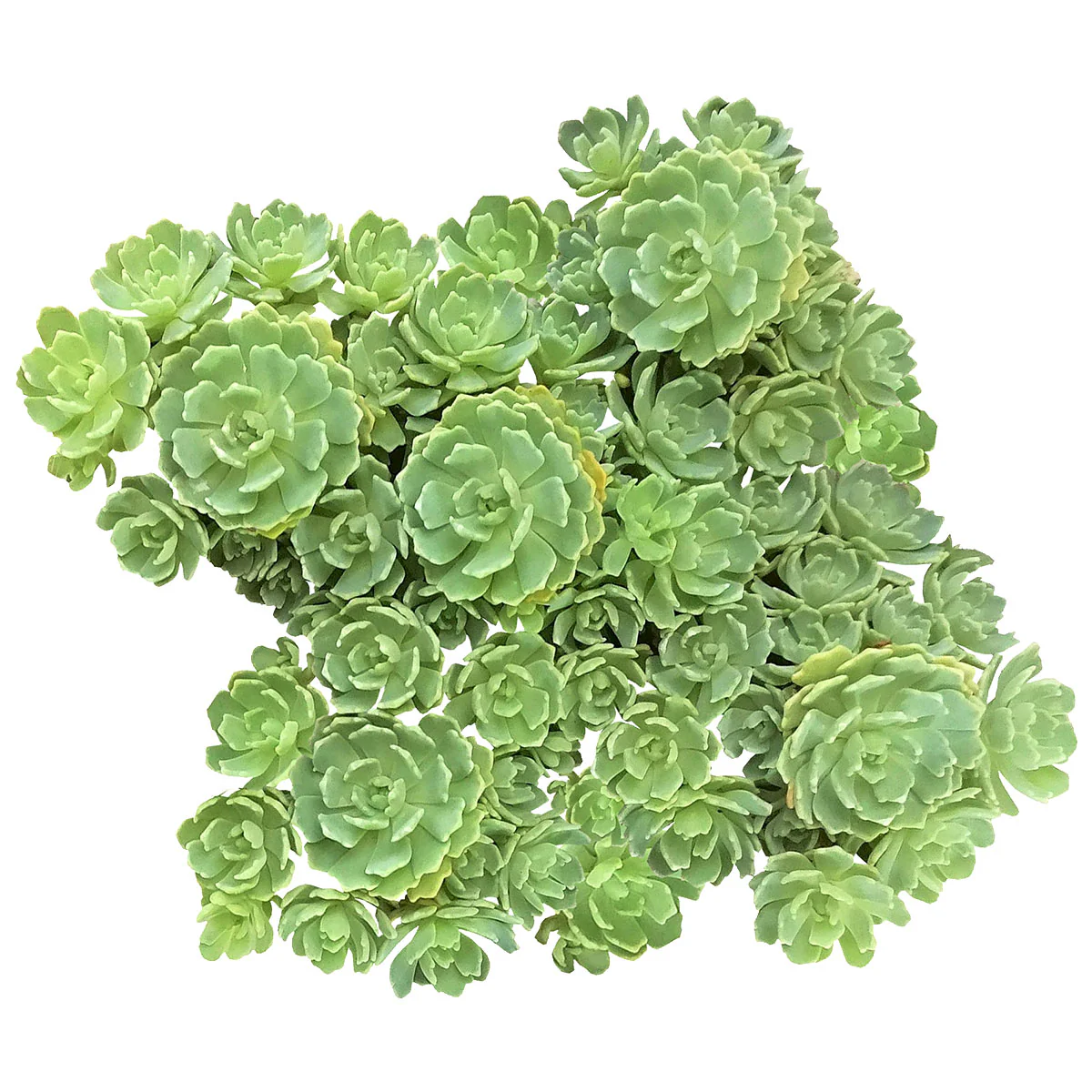
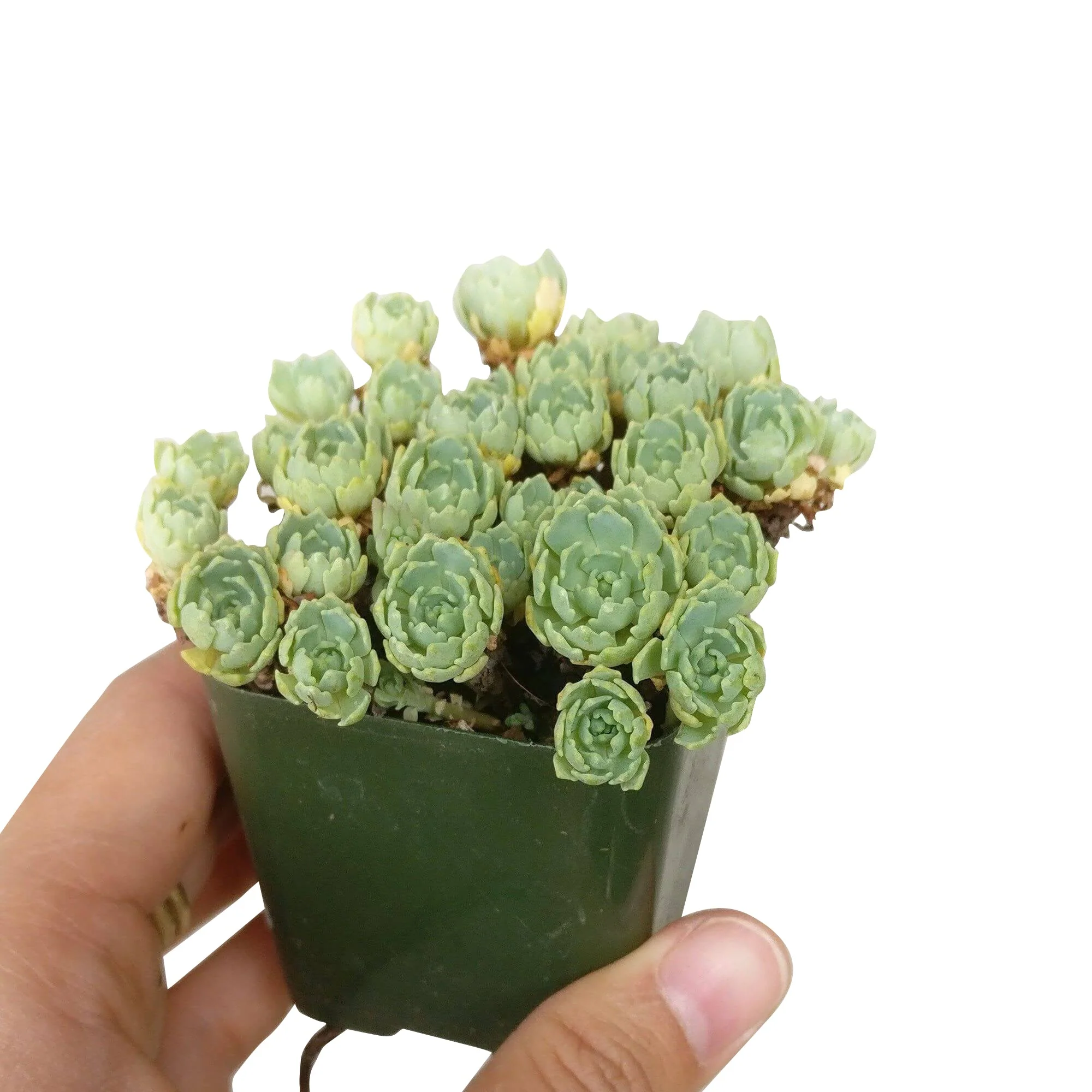
 Sempervivum 'Red Wings' forms tight, symmetrical rosettes with pointed, fleshy leaves that display a striking combination of rich red and green tones, making it one of the most visually arresting red green rosette succulents available. The leaf edges are lined with fine cilia, giving this red wings houseleek a delicate, almost feathery fringe that catches the light beautifully. As a clustering grower, Sempervivum 'Red Wings' spreads by producing offsets around the mother rosette, creating a full, tapestry-like display over time.
 Sempervivum 'Red Wings' is monocarpic in flower, meaning individual rosettes bloom once before giving way to their surrounding offsets, keeping the clump looking full and healthy. Like most houseleeks, it typically produces star-shaped flowers on tall stalks in summer, and a night temperature drop can encourage blooming. This natural cycle is part of what makes Sempervivum 'Red Wings' so fascinating to watch season after season.
 As a drought tolerant succulent and frost hardy succulent, Sempervivum 'Red Wings' handles outdoor life with ease, tolerating balcony wind and rain, dry heated indoor air, and even drafty spots without complaint. It can stay outdoors through autumn and is well suited to moving outside for summer to soak up full sun. This plant is pet friendly, making it a fantastic succulent gift idea for households with curious cats or dogs. A light rotate now and then encourages even, symmetrical growth across the rosette.
-
 Sempervivum 'Red Wings' thrives in full sun to partial sun, needing at least four to six hours of bright direct light daily.
 Water Sempervivum 'Red Wings' deeply but infrequently, allowing the soil to dry out completely between waterings, roughly every ten to fourteen days.
 Sempervivum 'Red Wings' does best in a gritty, fast-draining mix such as cactus soil blended with perlite or coarse sand.
 Sempervivum 'Red Wings' tolerates temperatures from around -30°F (-34°C) at its hardiest to warm summer highs without issue.
![]() Sempervivum 'Red Wings' is a slow to moderate grower that rarely needs fertilizer, though a diluted feed once in spring can support healthy offsets.
Sempervivum 'Red Wings' is a slow to moderate grower that rarely needs fertilizer, though a diluted feed once in spring can support healthy offsets.
 Sempervivum 'Red Wings' is hardy in USDA Zones 3 through 8, tolerating frost well below 0°F (-18°C), which makes it one of the most reliably cold hardy succulents for outdoor planting. Gardeners across a wide range of states can grow Sempervivum 'Red Wings' outdoors year-round, including Montana, North Dakota, South Dakota, Minnesota, Wisconsin, Michigan, Maine, Vermont, New Hampshire, New York, Pennsylvania, Ohio, Indiana, Illinois, Iowa, Nebraska, Kansas, Missouri, Colorado, Wyoming, Idaho, Oregon, Washington, Utah, Nevada, New Mexico, Virginia, West Virginia, Kentucky, Tennessee, North Carolina, Arkansas, and Oklahoma. Coastal and transitional areas of California, Georgia, South Carolina, and Alabama often fall within range as well, giving this frost hardy succulent remarkably broad appeal across the United States.
-
Q: How much light does Sempervivum 'Red Wings' need?
A: Sempervivum 'Red Wings' performs best in full sun to partial sun, ideally receiving four to six or more hours of direct light each day. Brighter light intensifies the red coloration in the rosette.
Q: How often should I water Sempervivum 'Red Wings'?
A: Water Sempervivum 'Red Wings' thoroughly and then allow the soil to dry out completely before watering again, typically every ten to fourteen days. It easily survives a ten-day period without water, making it ideal for travelers.
Q: Is Sempervivum 'Red Wings' pet friendly?
A: Yes, Sempervivum 'Red Wings' is pet friendly and considered non-toxic to cats and dogs. It is a safe choice for households with curious pets.
Q: How cold hardy is Sempervivum 'Red Wings'?
A: Sempervivum 'Red Wings' is an exceptionally frost tolerant succulent, hardy down to around -30°F (-34°C) in USDA Zones 3 through 8. It can remain outdoors through autumn and winter in most parts of the United States.
Q: How does Sempervivum 'Red Wings' spread and propagate?
A: Sempervivum 'Red Wings' naturally produces small offsets, called chicks, around the base of the mother rosette. Simply separate these offsets and replant them to expand your collection or share with friends.
Q: Can Sempervivum 'Red Wings' be grown outdoors on a balcony?
A: Absolutely, Sempervivum 'Red Wings' handles balcony wind and rain well and thrives in outdoor containers. Just ensure the pot has excellent drainage, and consider moving it under cover during prolonged heavy rain to prevent waterlogging.


Original: $8.00
-70%$8.00
$2.40Product Information
Product Information
Shipping & Returns
Shipping & Returns
Description
- Description
- Sempervivum 'Red Wings' Care Guide
- FAQ/Common Issues
-
![]() Sempervivum 'Red Wings' is a hardy succulent belonging to the Crassulaceae family, beloved by collectors and beginners alike as a classic hens and chicks succulent. Native to the mountain regions of Europe and parts of Asia, this cold hardy hens and chicks evolved to thrive in rocky, alpine terrain with little water and harsh conditions. Its toughness and charm have made Sempervivum 'Red Wings' a favorite low maintenance succulent for gardens and containers worldwide.
Sempervivum 'Red Wings' is a hardy succulent belonging to the Crassulaceae family, beloved by collectors and beginners alike as a classic hens and chicks succulent. Native to the mountain regions of Europe and parts of Asia, this cold hardy hens and chicks evolved to thrive in rocky, alpine terrain with little water and harsh conditions. Its toughness and charm have made Sempervivum 'Red Wings' a favorite low maintenance succulent for gardens and containers worldwide.
Sempervivum 'Red Wings' forms tight, symmetrical rosettes with pointed, fleshy leaves that display a striking combination of rich red and green tones, making it one of the most visually arresting red green rosette succulents available. The leaf edges are lined with fine cilia, giving this red wings houseleek a delicate, almost feathery fringe that catches the light beautifully. As a clustering grower, Sempervivum 'Red Wings' spreads by producing offsets around the mother rosette, creating a full, tapestry-like display over time.
Sempervivum 'Red Wings' is monocarpic in flower, meaning individual rosettes bloom once before giving way to their surrounding offsets, keeping the clump looking full and healthy. Like most houseleeks, it typically produces star-shaped flowers on tall stalks in summer, and a night temperature drop can encourage blooming. This natural cycle is part of what makes Sempervivum 'Red Wings' so fascinating to watch season after season.
As a drought tolerant succulent and frost hardy succulent, Sempervivum 'Red Wings' handles outdoor life with ease, tolerating balcony wind and rain, dry heated indoor air, and even drafty spots without complaint. It can stay outdoors through autumn and is well suited to moving outside for summer to soak up full sun. This plant is pet friendly, making it a fantastic succulent gift idea for households with curious cats or dogs. A light rotate now and then encourages even, symmetrical growth across the rosette.
-
Sempervivum 'Red Wings' thrives in full sun to partial sun, needing at least four to six hours of bright direct light daily.
Water Sempervivum 'Red Wings' deeply but infrequently, allowing the soil to dry out completely between waterings, roughly every ten to fourteen days.
Sempervivum 'Red Wings' does best in a gritty, fast-draining mix such as cactus soil blended with perlite or coarse sand.
Sempervivum 'Red Wings' tolerates temperatures from around -30°F (-34°C) at its hardiest to warm summer highs without issue.
![]() Sempervivum 'Red Wings' is a slow to moderate grower that rarely needs fertilizer, though a diluted feed once in spring can support healthy offsets.
Sempervivum 'Red Wings' is a slow to moderate grower that rarely needs fertilizer, though a diluted feed once in spring can support healthy offsets.
Sempervivum 'Red Wings' is hardy in USDA Zones 3 through 8, tolerating frost well below 0°F (-18°C), which makes it one of the most reliably cold hardy succulents for outdoor planting. Gardeners across a wide range of states can grow Sempervivum 'Red Wings' outdoors year-round, including Montana, North Dakota, South Dakota, Minnesota, Wisconsin, Michigan, Maine, Vermont, New Hampshire, New York, Pennsylvania, Ohio, Indiana, Illinois, Iowa, Nebraska, Kansas, Missouri, Colorado, Wyoming, Idaho, Oregon, Washington, Utah, Nevada, New Mexico, Virginia, West Virginia, Kentucky, Tennessee, North Carolina, Arkansas, and Oklahoma. Coastal and transitional areas of California, Georgia, South Carolina, and Alabama often fall within range as well, giving this frost hardy succulent remarkably broad appeal across the United States.
-
Q: How much light does Sempervivum 'Red Wings' need?
A: Sempervivum 'Red Wings' performs best in full sun to partial sun, ideally receiving four to six or more hours of direct light each day. Brighter light intensifies the red coloration in the rosette.
Q: How often should I water Sempervivum 'Red Wings'?
A: Water Sempervivum 'Red Wings' thoroughly and then allow the soil to dry out completely before watering again, typically every ten to fourteen days. It easily survives a ten-day period without water, making it ideal for travelers.
Q: Is Sempervivum 'Red Wings' pet friendly?
A: Yes, Sempervivum 'Red Wings' is pet friendly and considered non-toxic to cats and dogs. It is a safe choice for households with curious pets.
Q: How cold hardy is Sempervivum 'Red Wings'?
A: Sempervivum 'Red Wings' is an exceptionally frost tolerant succulent, hardy down to around -30°F (-34°C) in USDA Zones 3 through 8. It can remain outdoors through autumn and winter in most parts of the United States.
Q: How does Sempervivum 'Red Wings' spread and propagate?
A: Sempervivum 'Red Wings' naturally produces small offsets, called chicks, around the base of the mother rosette. Simply separate these offsets and replant them to expand your collection or share with friends.
Q: Can Sempervivum 'Red Wings' be grown outdoors on a balcony?
A: Absolutely, Sempervivum 'Red Wings' handles balcony wind and rain well and thrives in outdoor containers. Just ensure the pot has excellent drainage, and consider moving it under cover during prolonged heavy rain to prevent waterlogging.