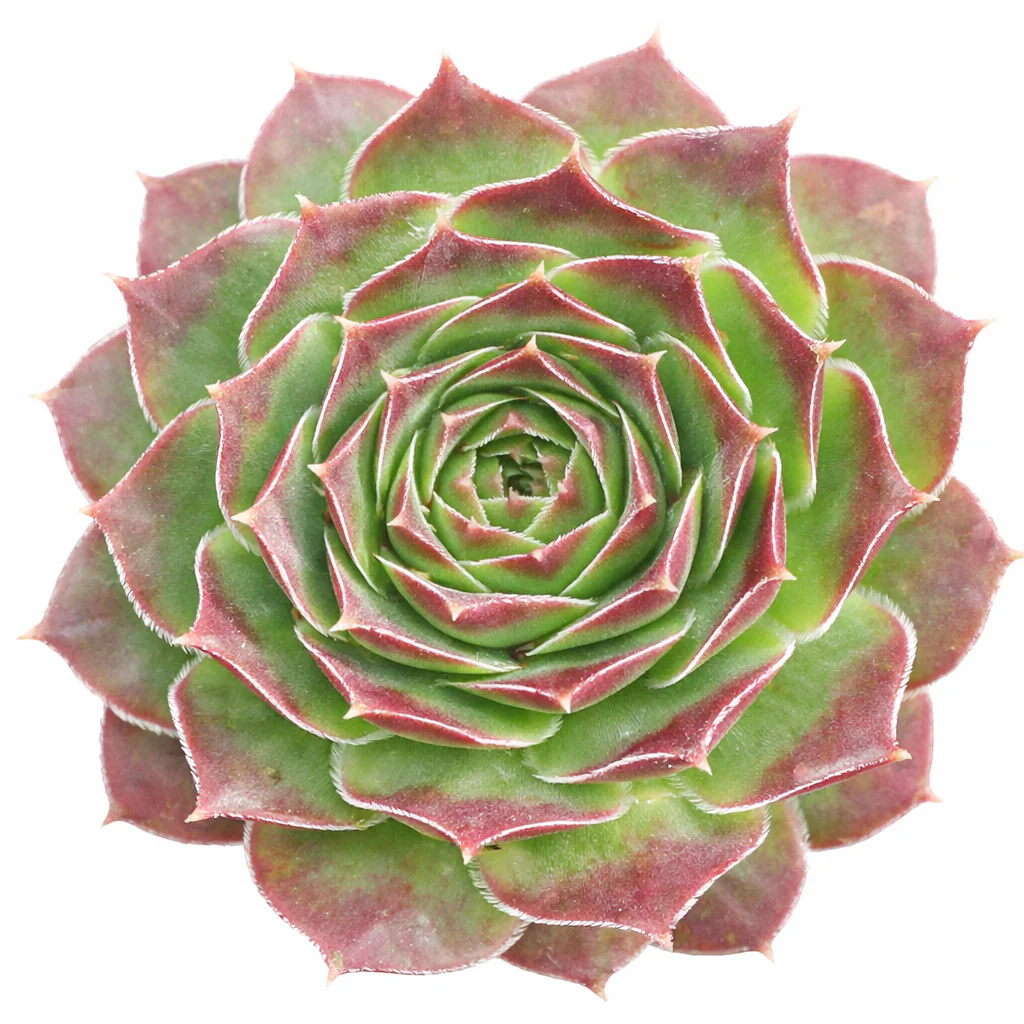
Sempervivum heuffelii 'Wotan'
- Description
- Sempervivum heuffelii 'Wotan' Care Guide
- FAQ/Common Issues
-
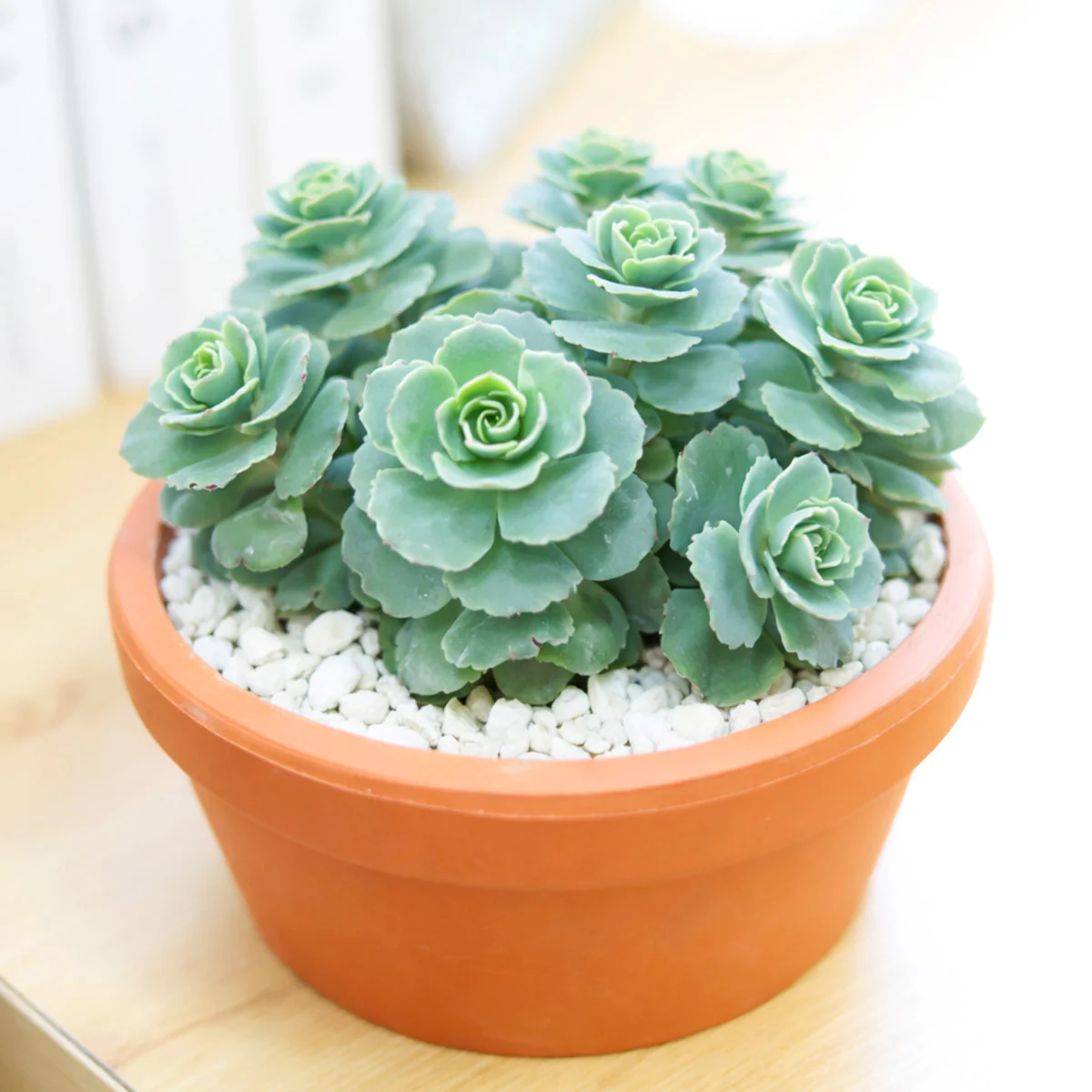
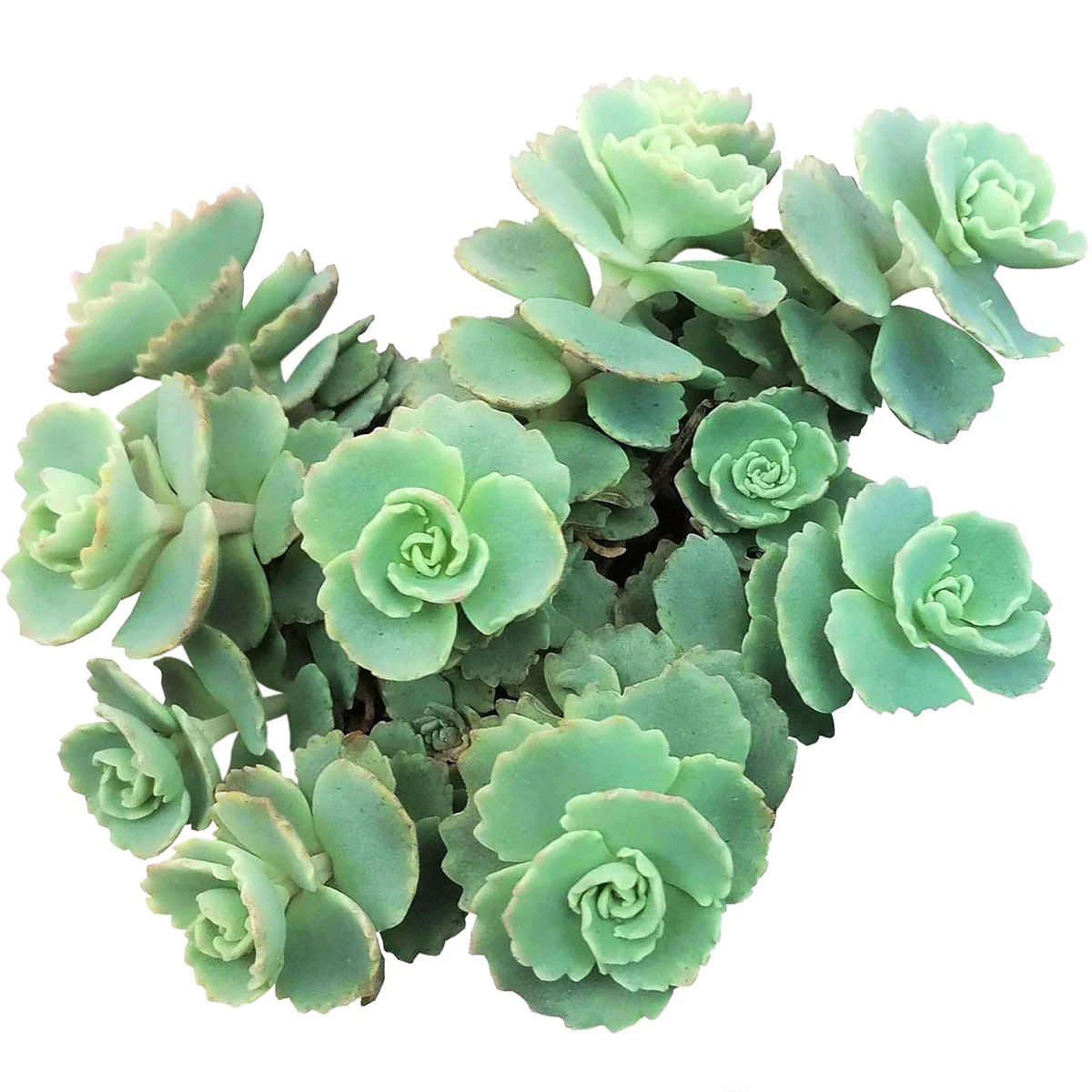
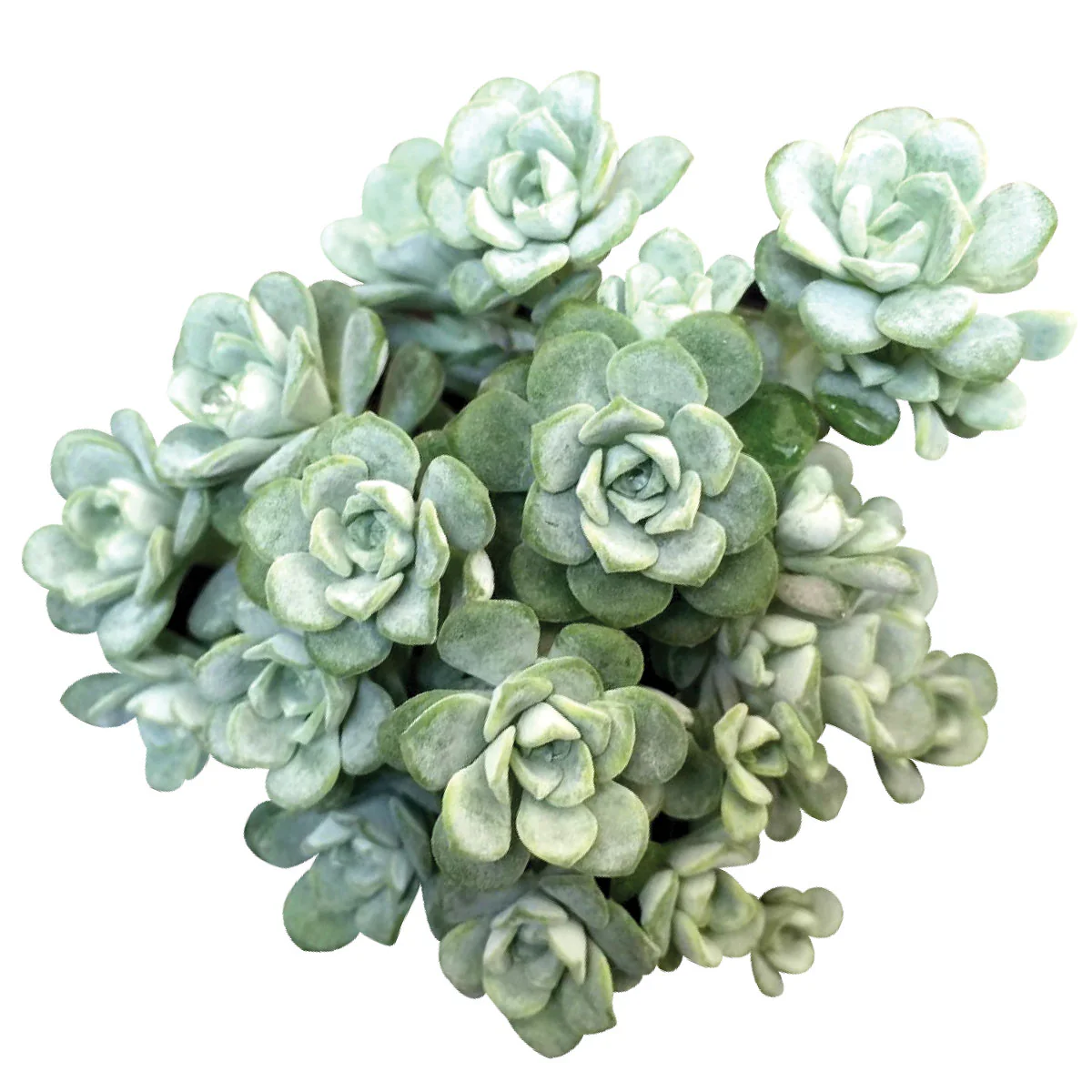
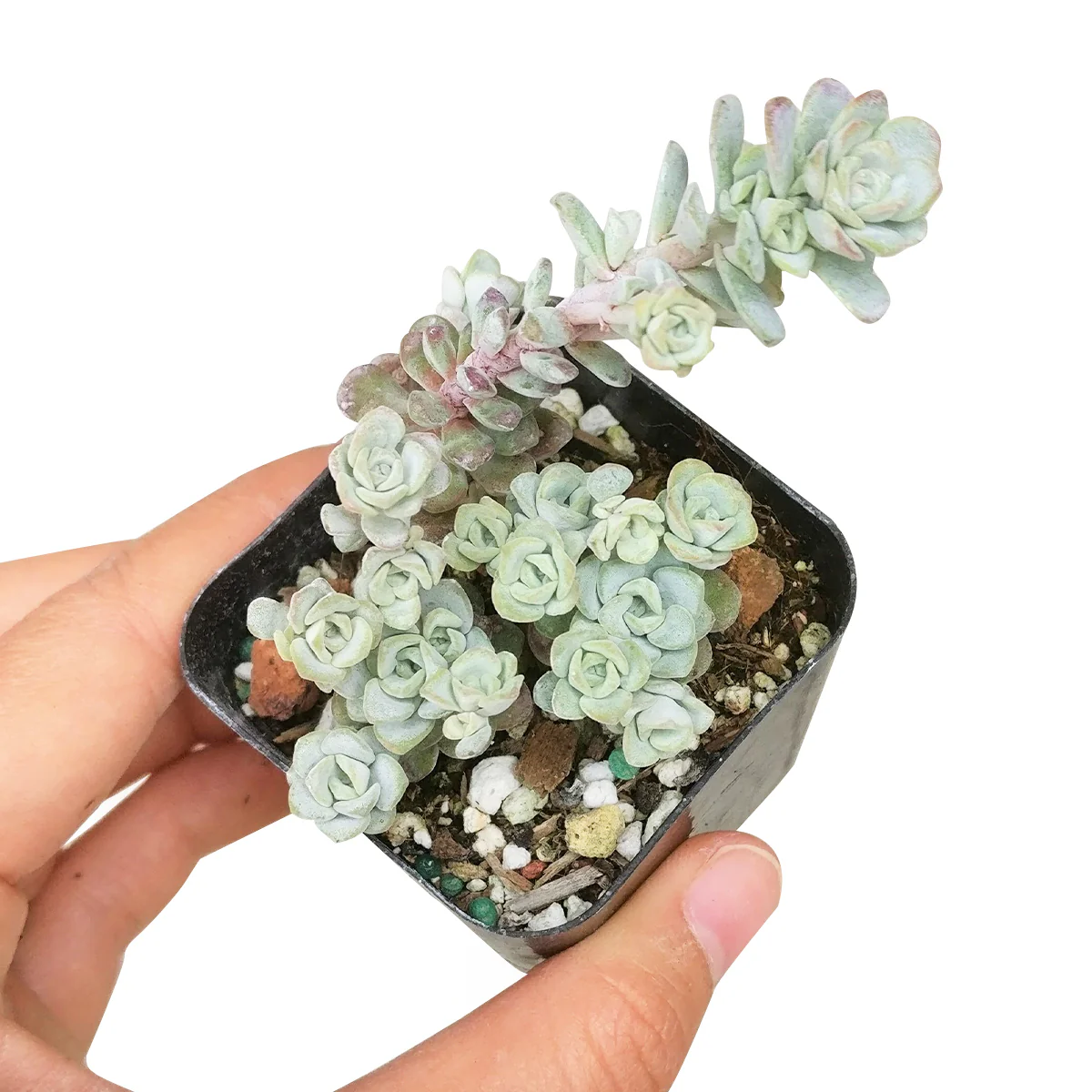
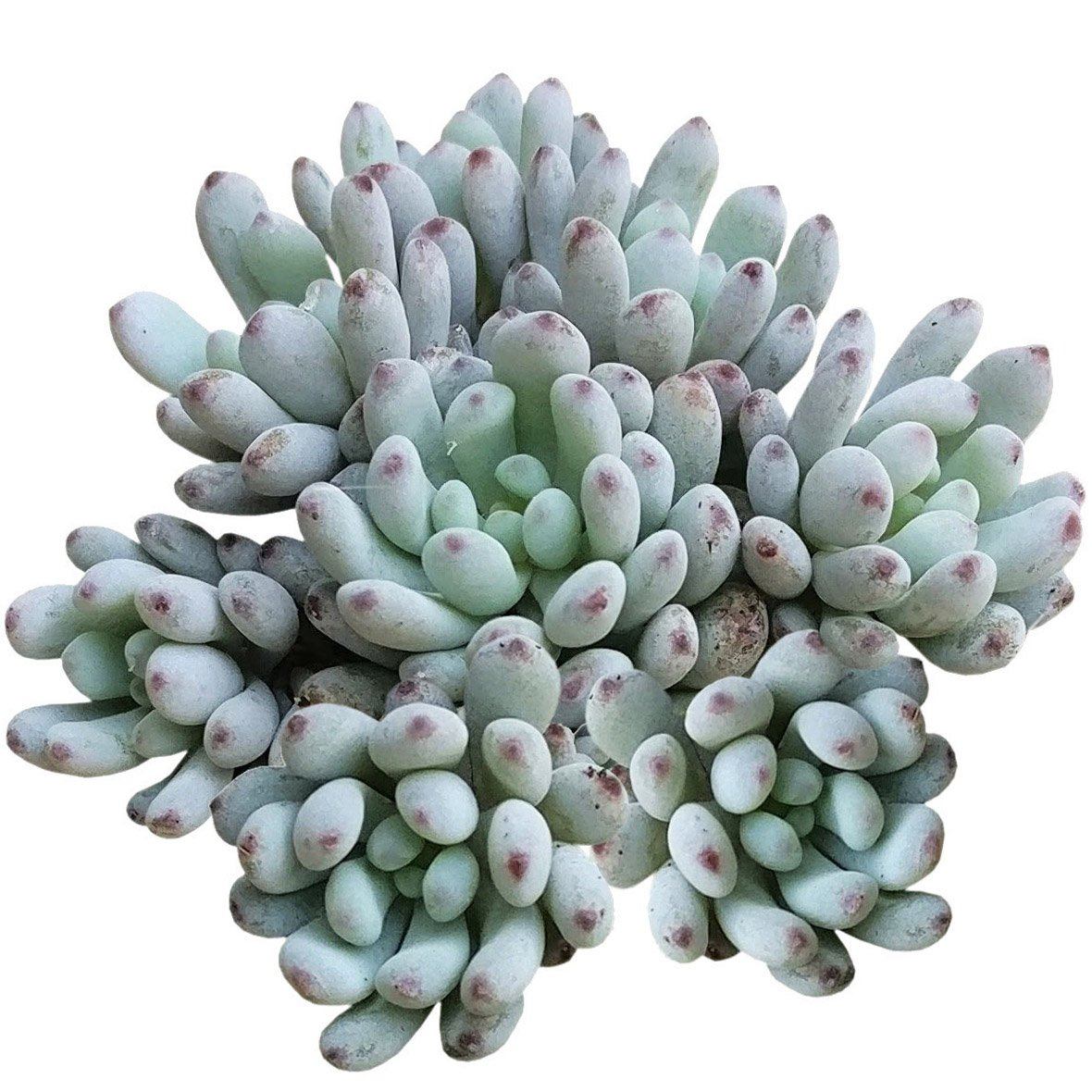
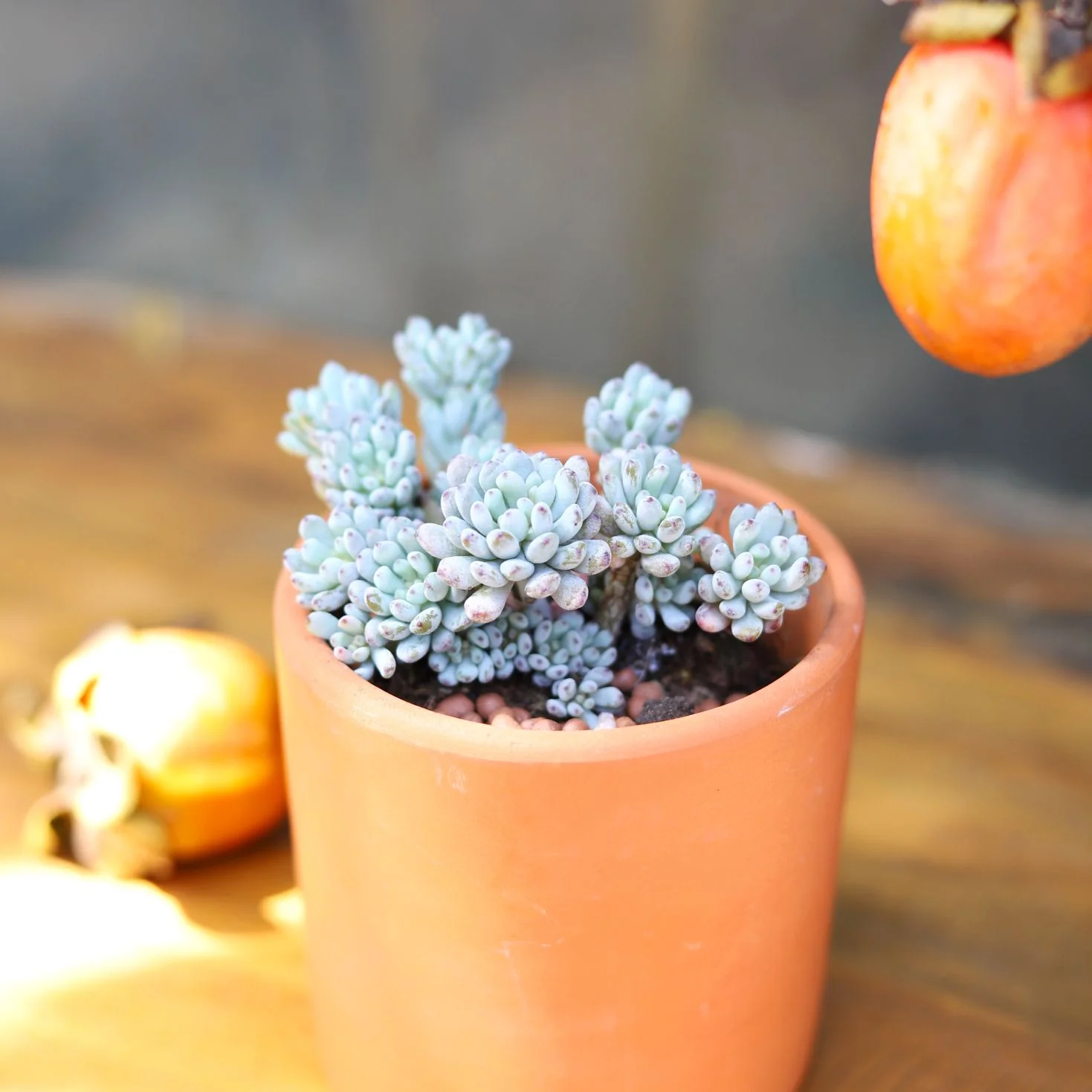
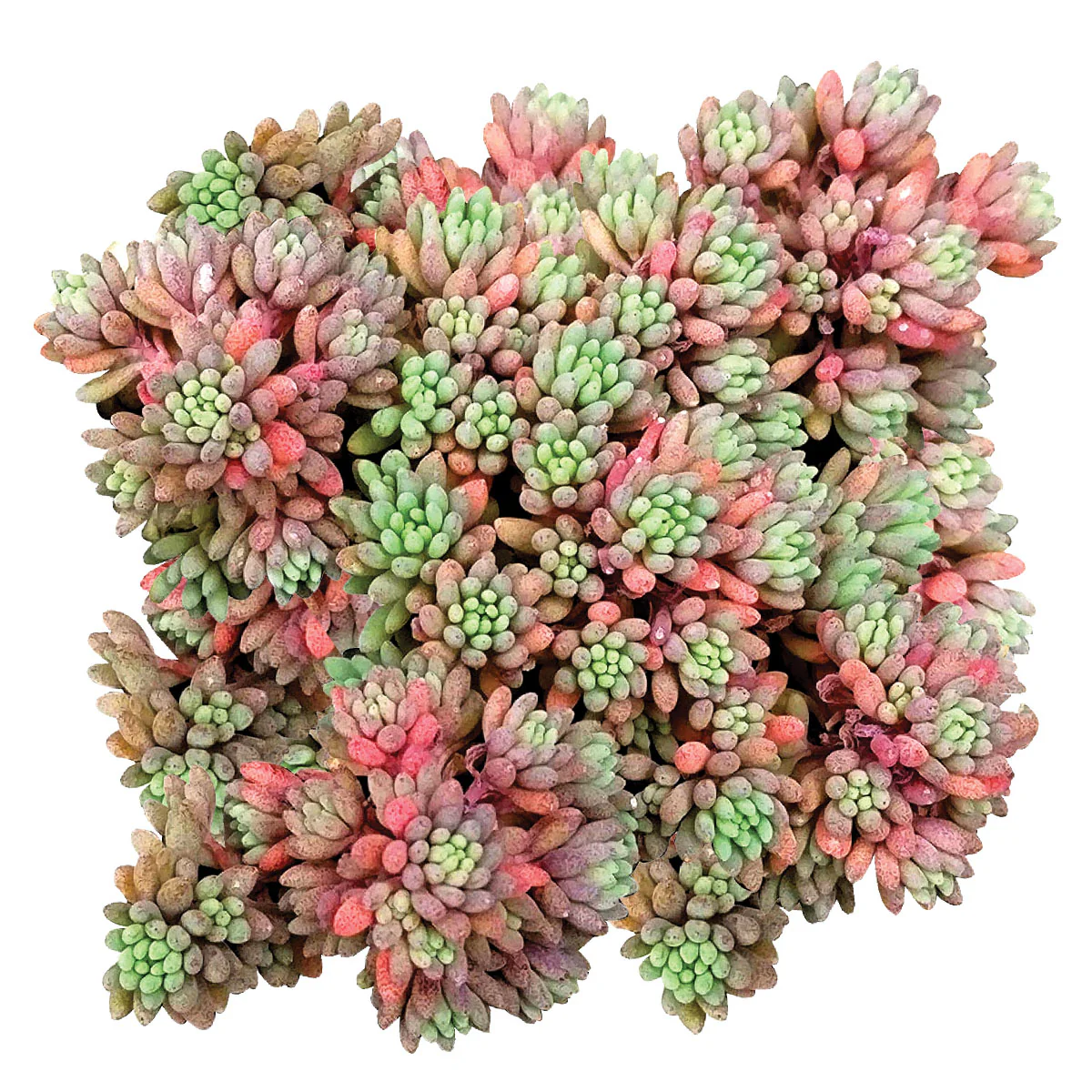
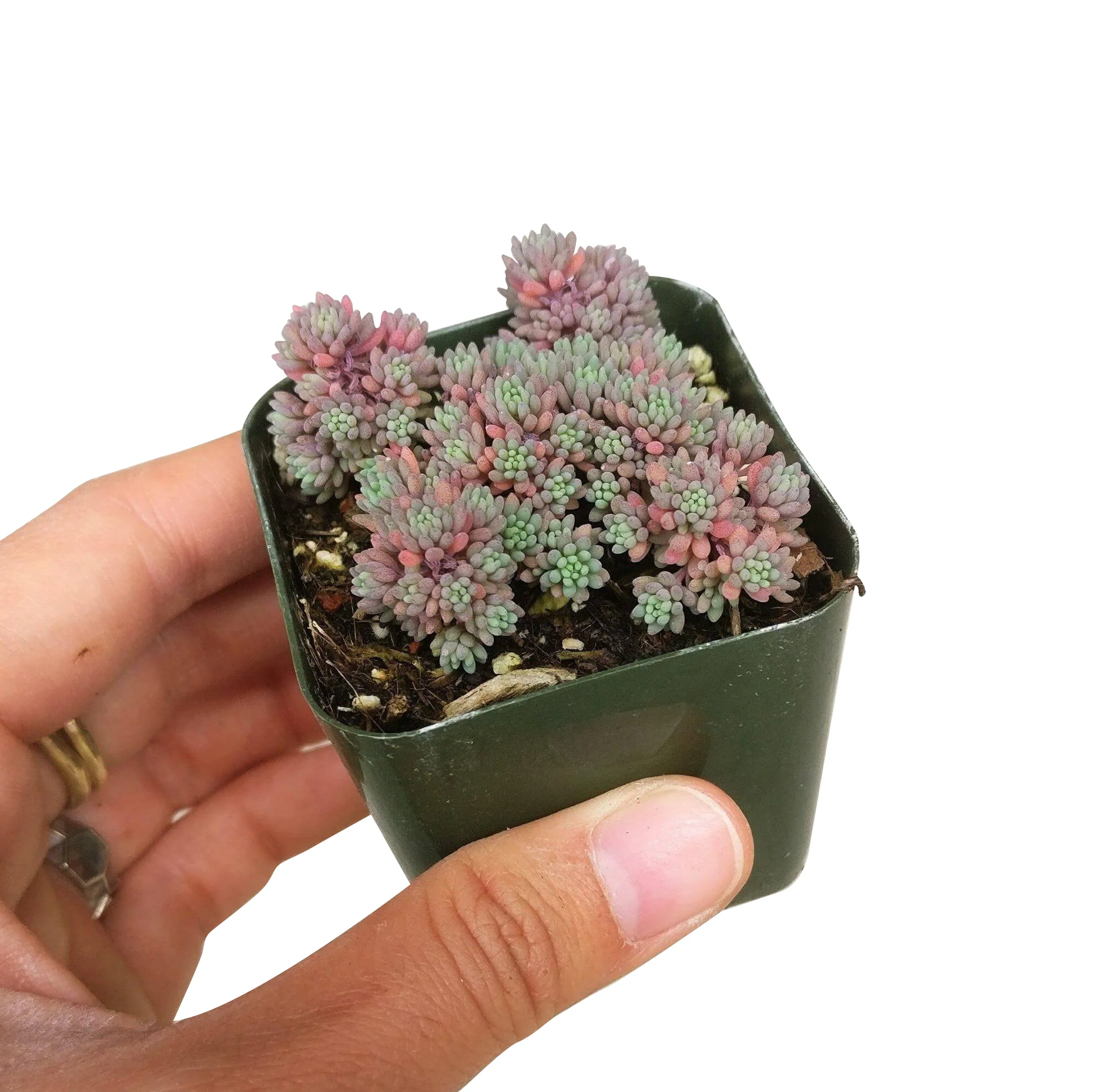
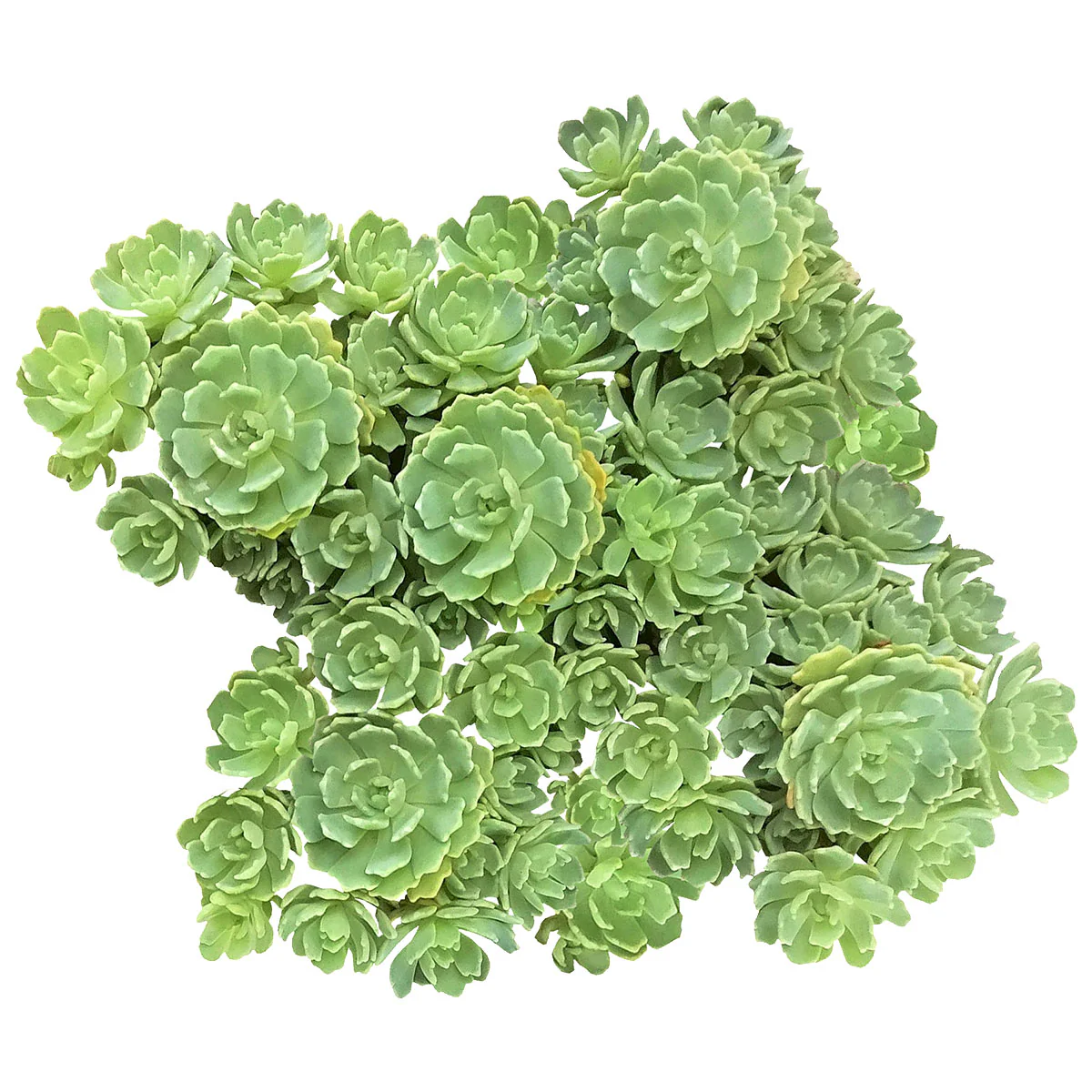
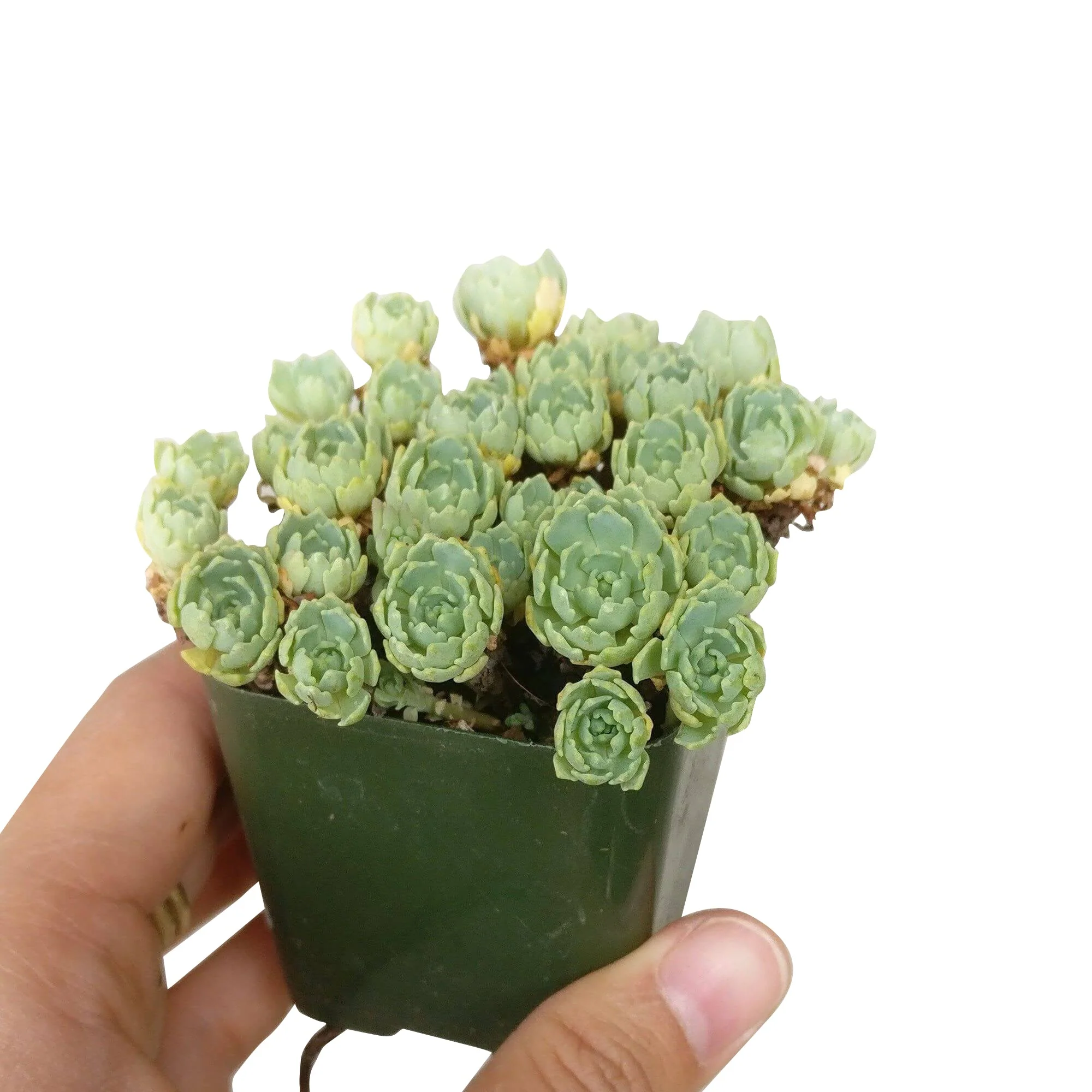
![]() Sempervivum heuffelii 'Wotan' is a rare collector succulent in the Crassulaceae family, belonging to a distinct species within the Sempervivum genus native to the mountain ranges of southeastern Europe. Unlike the common hens and chicks succulent, Sempervivum heuffelii 'Wotan' forms tight, non-offsetting rosettes that divide from the base rather than producing runners, making it a genuinely unique find for serious growers.
Sempervivum heuffelii 'Wotan' is a rare collector succulent in the Crassulaceae family, belonging to a distinct species within the Sempervivum genus native to the mountain ranges of southeastern Europe. Unlike the common hens and chicks succulent, Sempervivum heuffelii 'Wotan' forms tight, non-offsetting rosettes that divide from the base rather than producing runners, making it a genuinely unique find for serious growers.
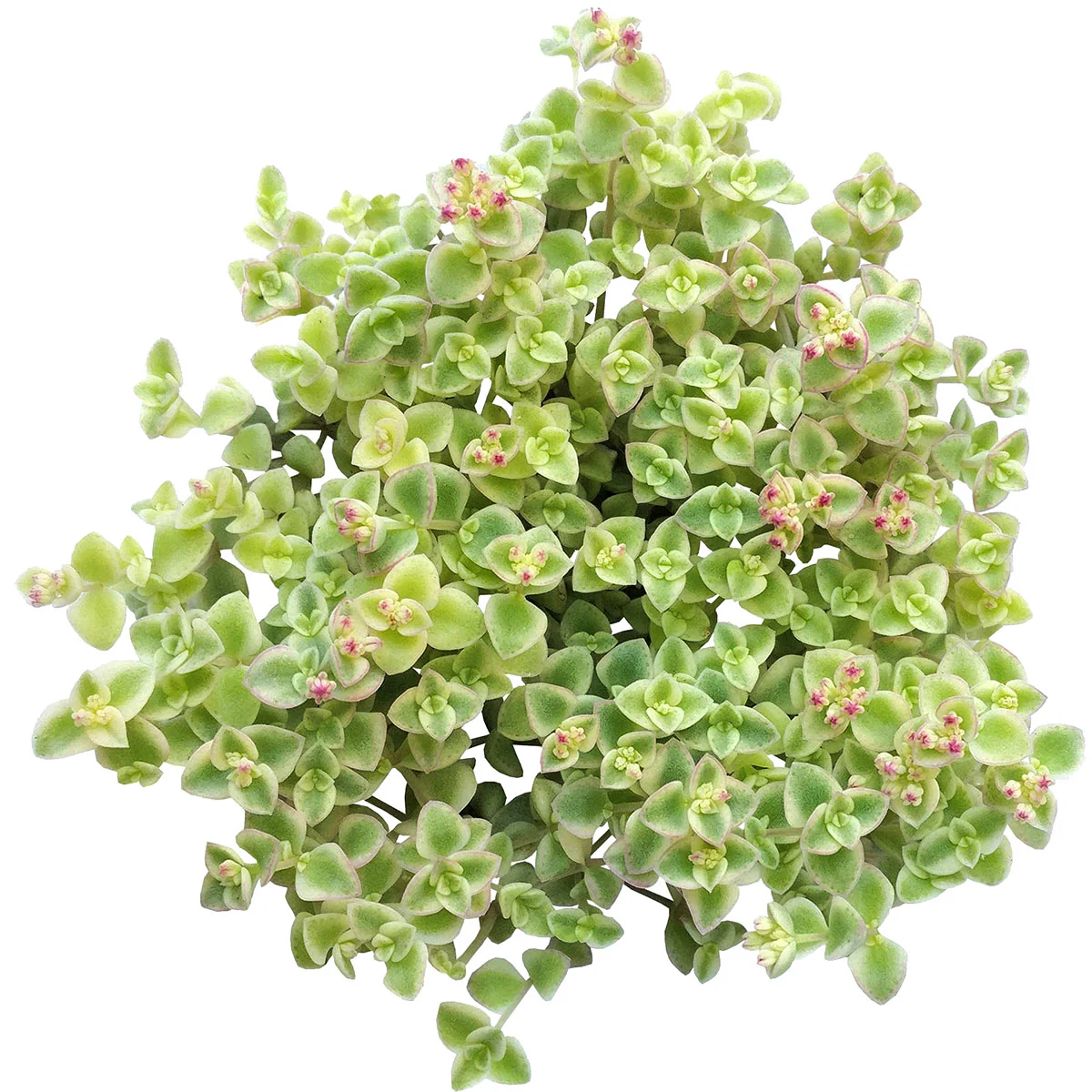
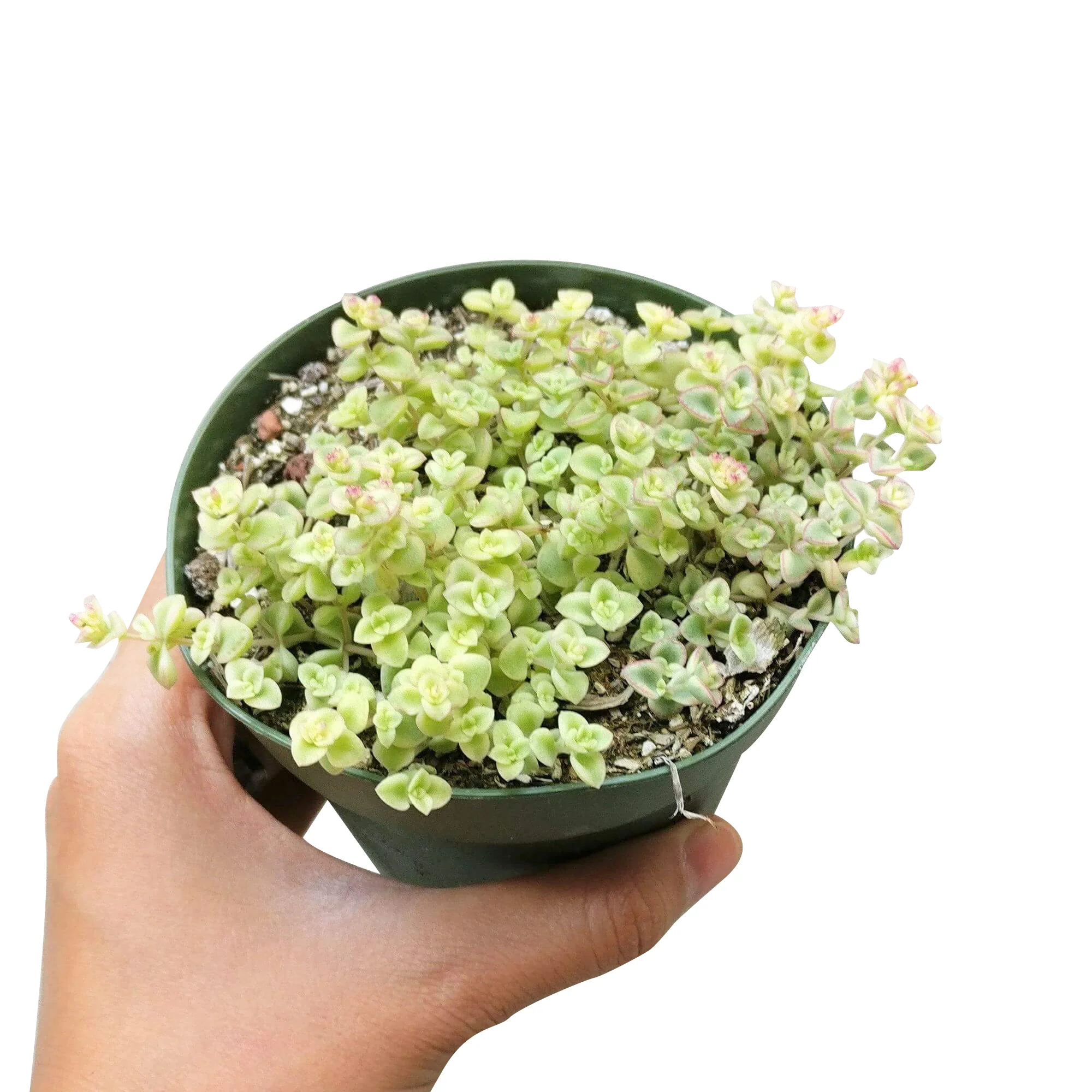
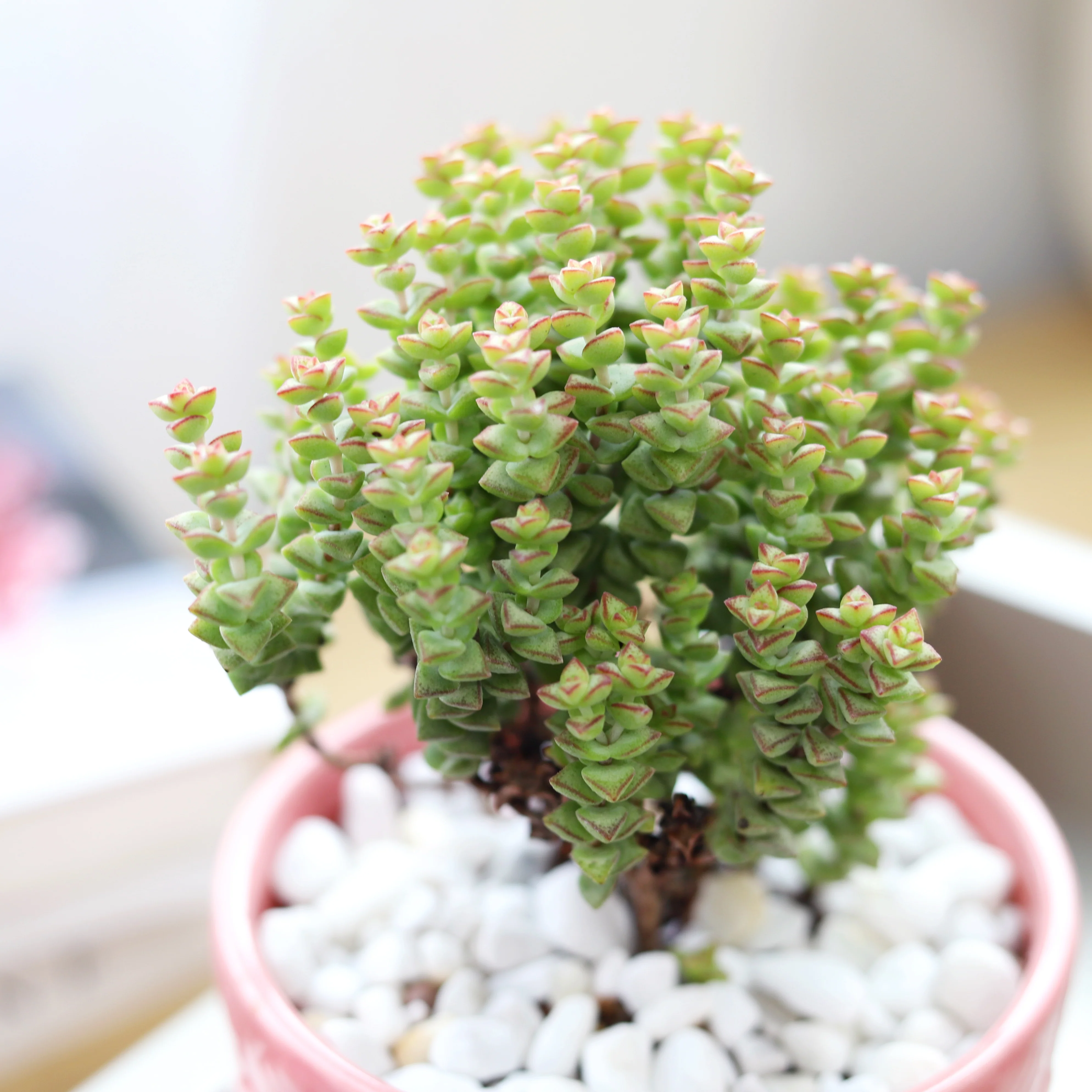
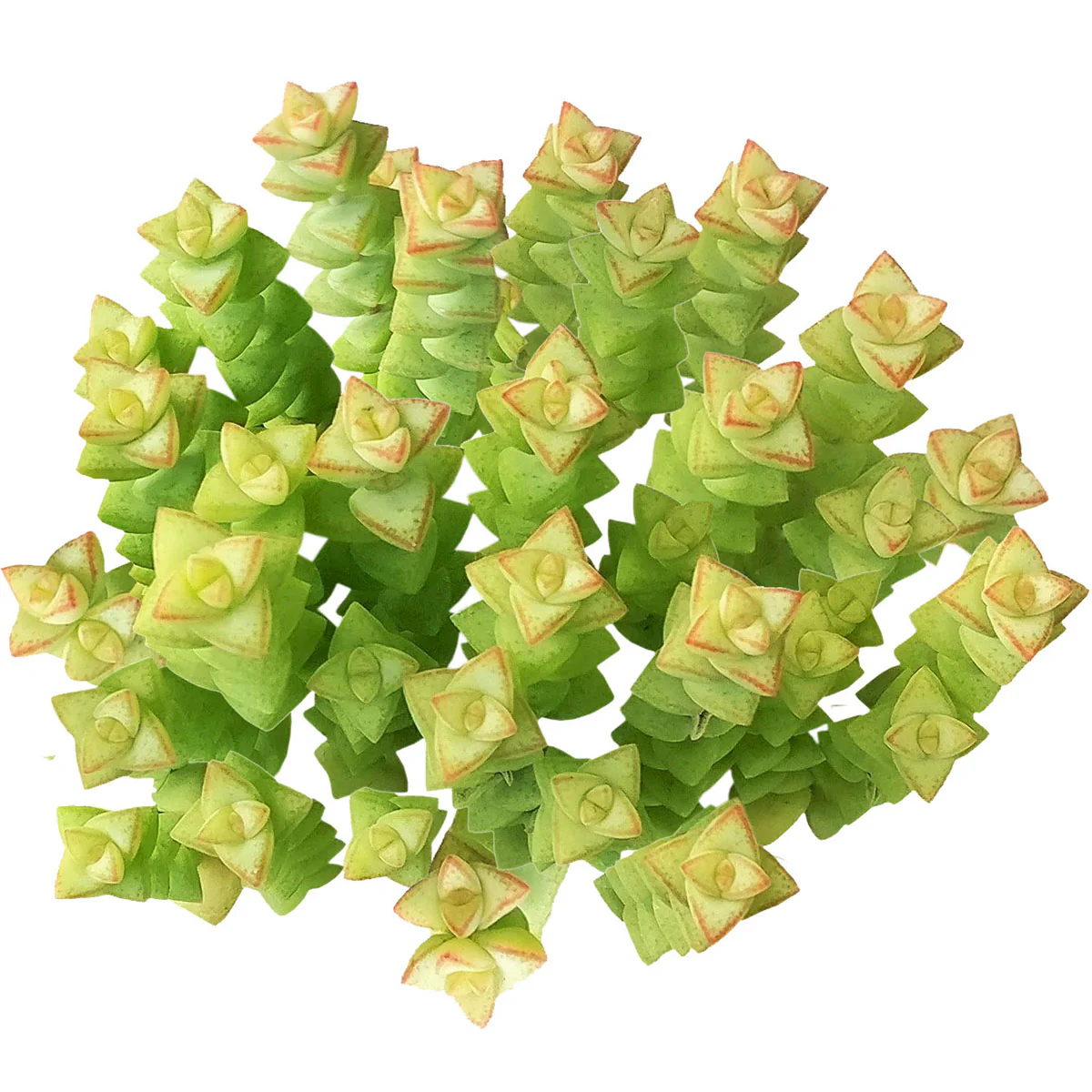
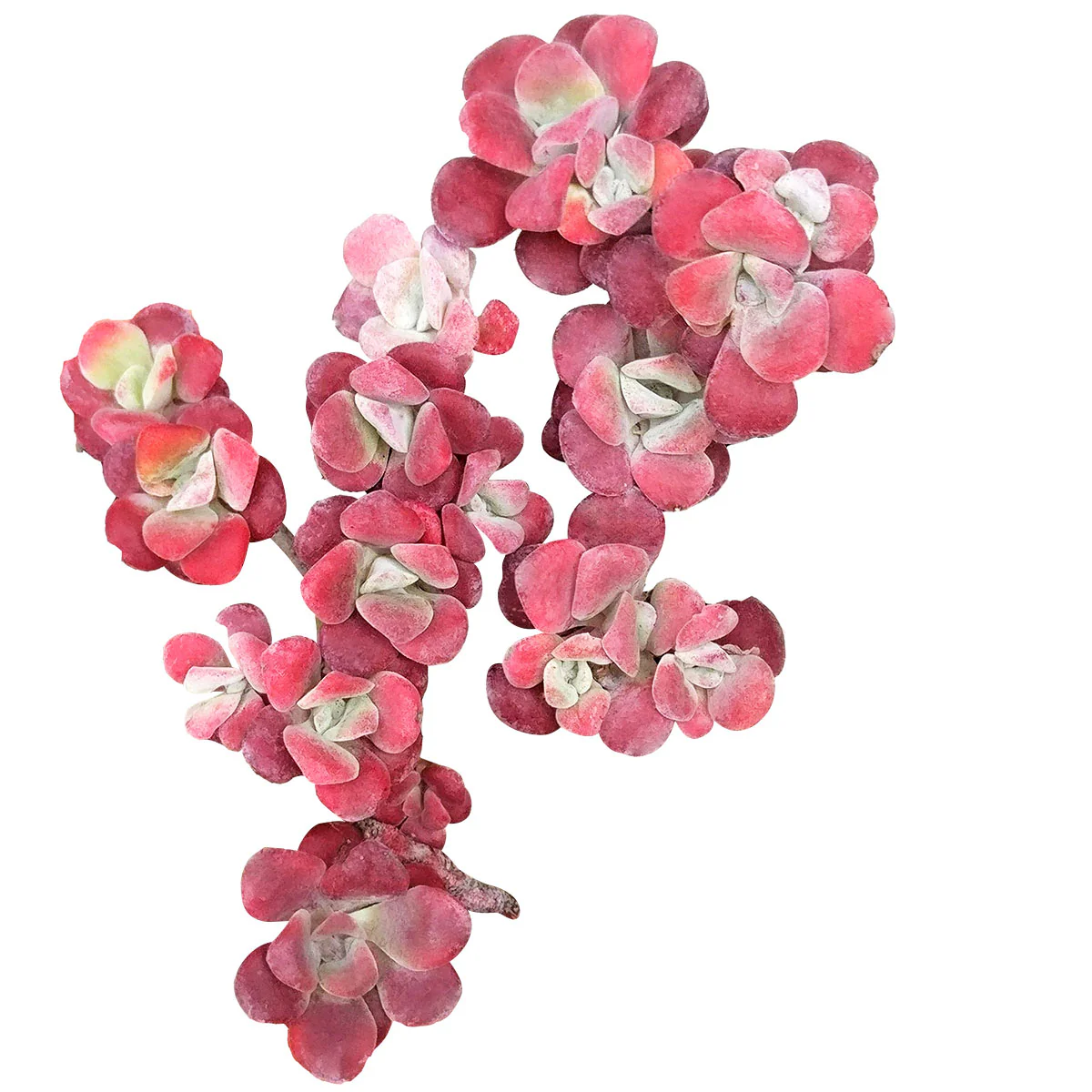
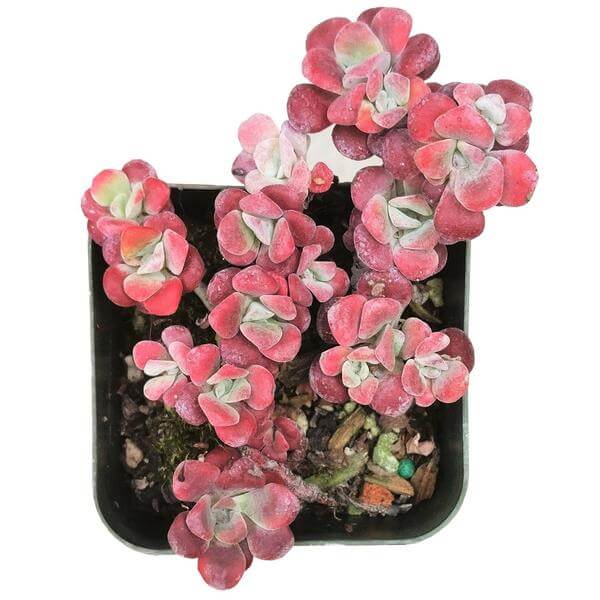
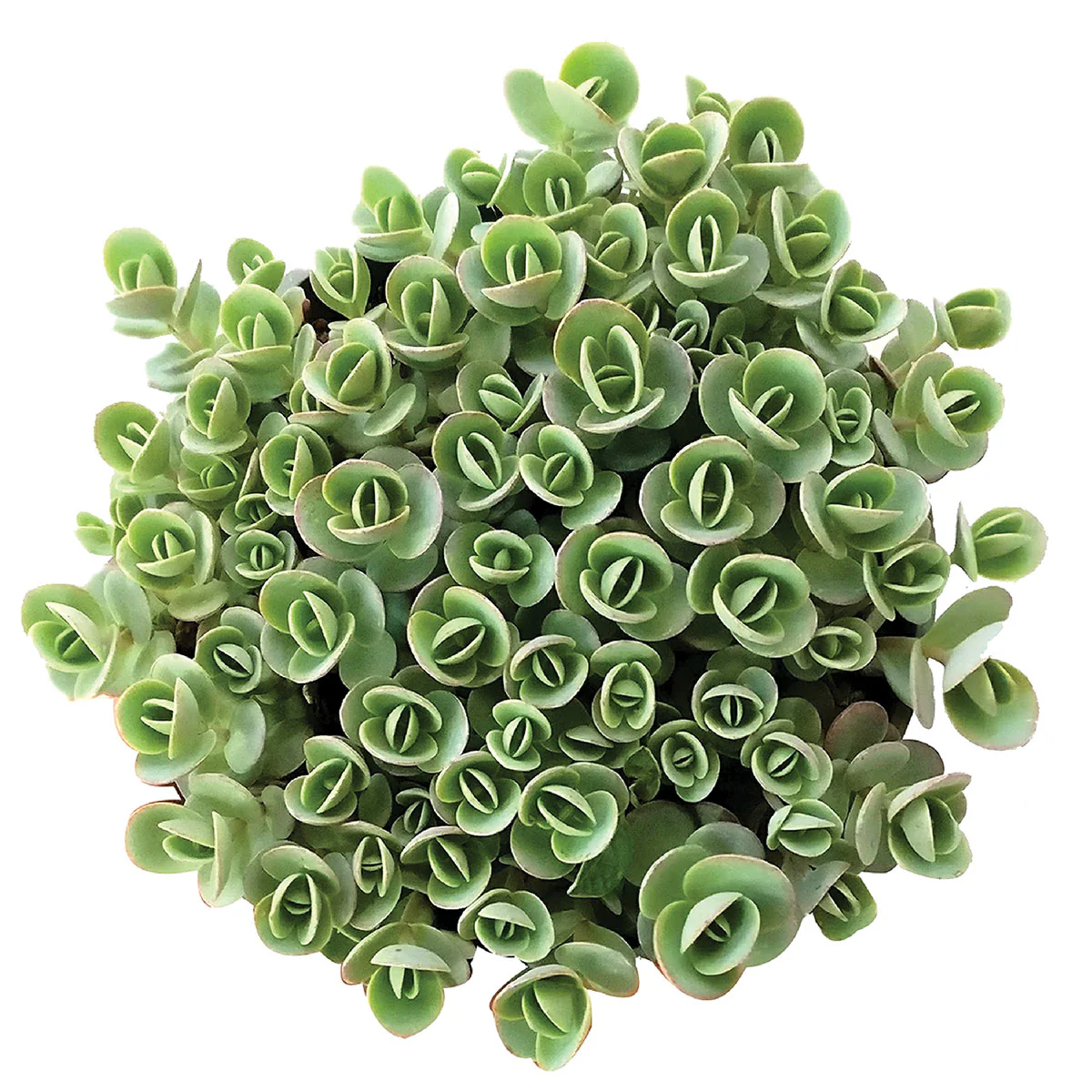
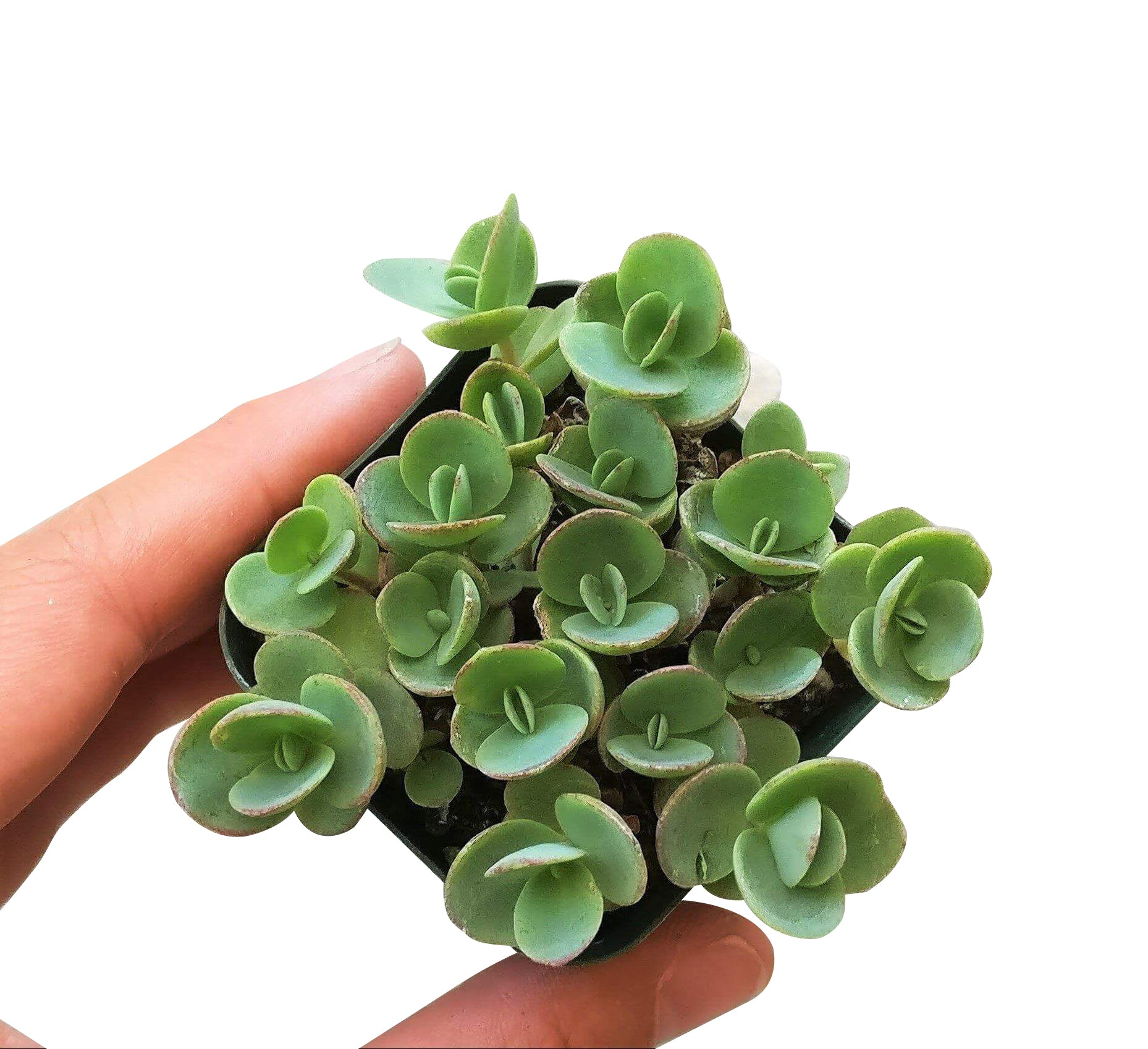
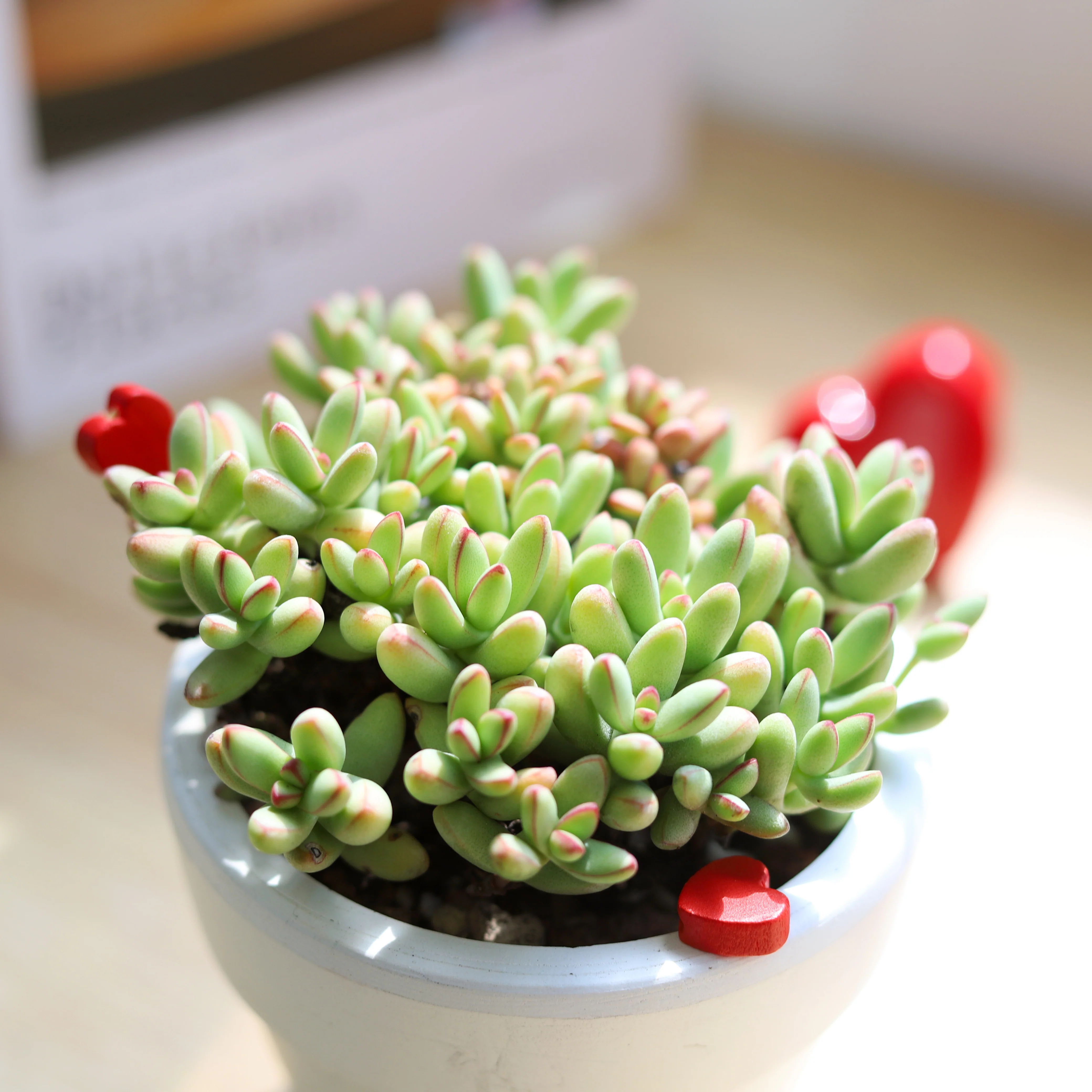
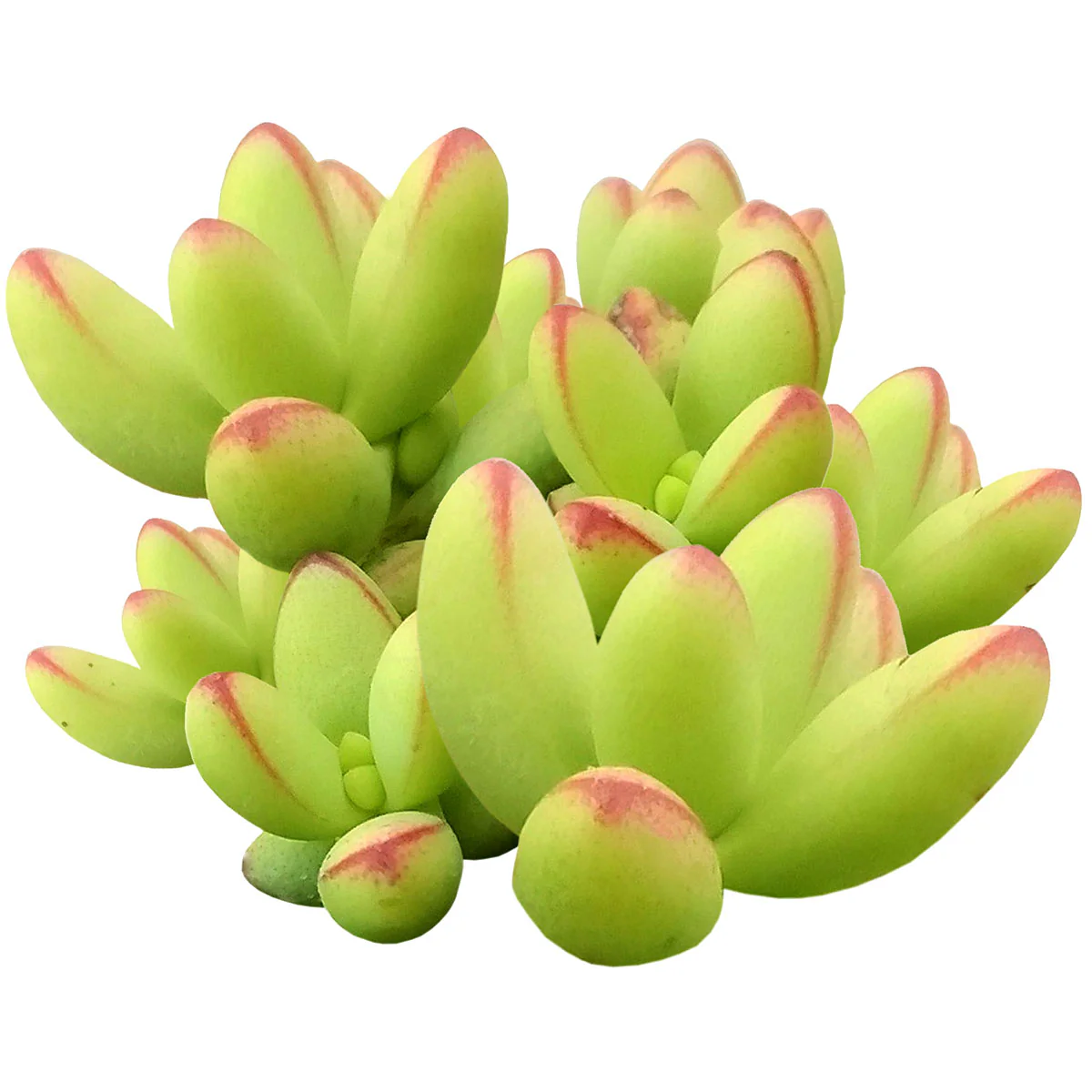
 Sempervivum heuffelii 'Wotan' is a showstopper with deep burgundy to near-black purple rosettes that intensify in color under full sun, giving it serious dramatic appeal in any rock garden or container. The thick, pointed leaves have a smooth, waxy texture with finely fringed margins, and the compact rosette clusters spread steadily into a satisfying, low-growing mat over time.
 Sempervivum heuffelii 'Wotan' blooms in summer, producing upright flowering stems with small star-shaped flowers typical of the Sempervivum genus. Like all Sempervivum, individual rosettes are monocarpic and die after flowering, but the surrounding offsets carry on beautifully. Notably, Sempervivum heuffelii 'Wotan' needs a distinct nighttime temperature drop to trigger its bloom cycle, so outdoor placement is ideal for encouraging flowers.
 Sempervivum heuffelii 'Wotan' is a dream for outdoor growers, thriving on balconies, in rock gardens, alpine troughs, or containers where it handles wind, rain, and drought without complaint. It is frost tolerant and can stay outdoors in autumn, surviving hard freezes that would finish off less rugged plants. This plant is pet friendly, rarely needs attention during a 10-day trip, and tolerates dry heated indoor air when kept as a houseplant. As a rare collector succulent, Sempervivum heuffelii 'Wotan' is a genuine conversation piece that experienced and beginner growers alike will love.
-
 Sempervivum heuffelii 'Wotan' thrives in partial to full sun, needing at least four to six hours of direct sun daily for the richest color.
 Water Sempervivum heuffelii 'Wotan' deeply but infrequently, allowing soil to dry out completely between waterings, roughly every 10 to 14 days.
 Plant Sempervivum heuffelii 'Wotan' in fast-draining gritty mix, such as cactus soil blended with coarse perlite or pumice at a 1:1 ratio.
 Sempervivum heuffelii 'Wotan' tolerates temperatures from -30°F (-34°C) in winter and performs best between 65°F and 85°F (18°C to 29°C) during the growing season.
![]() Sempervivum heuffelii 'Wotan' is a moderate, slow-spreading grower that needs no regular fertilizer, though a light diluted feed in spring can support healthy rosette development.
Sempervivum heuffelii 'Wotan' is a moderate, slow-spreading grower that needs no regular fertilizer, though a light diluted feed in spring can support healthy rosette development.
 Sempervivum heuffelii 'Wotan' is an exceptionally frost hardy perennial rated for USDA Zones 4 to 9, tolerating cold down to -30°F (-34°C) with ease. This means growers across a huge stretch of the country can enjoy it outdoors year-round, including Minnesota, Wisconsin, Michigan, North Dakota, South Dakota, Nebraska, Iowa, Illinois, Indiana, Ohio, Pennsylvania, New York, Vermont, New Hampshire, Maine, Massachusetts, Connecticut, Rhode Island, New Jersey, Maryland, Delaware, Virginia, West Virginia, Kentucky, Tennessee, Missouri, Kansas, Colorado, Wyoming, Montana, Idaho, Oregon, Washington, Utah, Nevada, North Carolina, South Carolina, Georgia, Alabama, Arkansas, Oklahoma, Texas, and New Mexico. Gardeners in Louisiana, Mississippi, and Florida's northern regions can also grow Sempervivum heuffelii 'Wotan' successfully with good drainage and afternoon shade during the hottest months.
-
Q: Is Sempervivum heuffelii 'Wotan' pet friendly?
A: Yes, Sempervivum heuffelii 'Wotan' is pet friendly and is not considered toxic to cats or dogs.
Q: How do I propagate Sempervivum heuffelii 'Wotan'?
A: Sempervivum heuffelii 'Wotan' propagates by division, as the rosettes split from the base rather than producing runners like common hens and chicks. Simply separate the offsets in spring and replant them in well-draining gritty soil.
Q: Is Sempervivum heuffelii 'Wotan' frost tolerant?
A: Absolutely, Sempervivum heuffelii 'Wotan' is one of the most cold-hardy succulents available, surviving temperatures as low as -30°F (-34°C) and thriving in USDA Zones 4 to 9.
Q: Why are the leaves on my Sempervivum heuffelii 'Wotan' turning yellow?
A: Yellow leaves on Sempervivum heuffelii 'Wotan' are usually a sign of overwatering or poorly draining soil, so let the mix dry out fully before watering again. Lower leaves naturally yellow and drop with age, which is completely normal.
Q: Can Sempervivum heuffelii 'Wotan' stay outside in autumn and winter?
A: Yes, Sempervivum heuffelii 'Wotan' can stay outdoors through autumn and winter in most climates, though it benefits from cover or shelter from prolonged heavy rain to prevent rot.
Q: How big does Sempervivum heuffelii 'Wotan' get?
A: Sempervivum heuffelii 'Wotan' forms individual rosettes roughly 3 to 5 inches across and spreads gradually into a wider clustering mat over several seasons. It is a relatively compact but wide-spreading grower, ideal for rock gardens and containers.


Original: $8.00
-70%$8.00
$2.40Product Information
Product Information
Shipping & Returns
Shipping & Returns
Description
- Description
- Sempervivum heuffelii 'Wotan' Care Guide
- FAQ/Common Issues
-
![]() Sempervivum heuffelii 'Wotan' is a rare collector succulent in the Crassulaceae family, belonging to a distinct species within the Sempervivum genus native to the mountain ranges of southeastern Europe. Unlike the common hens and chicks succulent, Sempervivum heuffelii 'Wotan' forms tight, non-offsetting rosettes that divide from the base rather than producing runners, making it a genuinely unique find for serious growers.
Sempervivum heuffelii 'Wotan' is a rare collector succulent in the Crassulaceae family, belonging to a distinct species within the Sempervivum genus native to the mountain ranges of southeastern Europe. Unlike the common hens and chicks succulent, Sempervivum heuffelii 'Wotan' forms tight, non-offsetting rosettes that divide from the base rather than producing runners, making it a genuinely unique find for serious growers.
Sempervivum heuffelii 'Wotan' is a showstopper with deep burgundy to near-black purple rosettes that intensify in color under full sun, giving it serious dramatic appeal in any rock garden or container. The thick, pointed leaves have a smooth, waxy texture with finely fringed margins, and the compact rosette clusters spread steadily into a satisfying, low-growing mat over time.
Sempervivum heuffelii 'Wotan' blooms in summer, producing upright flowering stems with small star-shaped flowers typical of the Sempervivum genus. Like all Sempervivum, individual rosettes are monocarpic and die after flowering, but the surrounding offsets carry on beautifully. Notably, Sempervivum heuffelii 'Wotan' needs a distinct nighttime temperature drop to trigger its bloom cycle, so outdoor placement is ideal for encouraging flowers.
Sempervivum heuffelii 'Wotan' is a dream for outdoor growers, thriving on balconies, in rock gardens, alpine troughs, or containers where it handles wind, rain, and drought without complaint. It is frost tolerant and can stay outdoors in autumn, surviving hard freezes that would finish off less rugged plants. This plant is pet friendly, rarely needs attention during a 10-day trip, and tolerates dry heated indoor air when kept as a houseplant. As a rare collector succulent, Sempervivum heuffelii 'Wotan' is a genuine conversation piece that experienced and beginner growers alike will love.
-
Sempervivum heuffelii 'Wotan' thrives in partial to full sun, needing at least four to six hours of direct sun daily for the richest color.
Water Sempervivum heuffelii 'Wotan' deeply but infrequently, allowing soil to dry out completely between waterings, roughly every 10 to 14 days.
Plant Sempervivum heuffelii 'Wotan' in fast-draining gritty mix, such as cactus soil blended with coarse perlite or pumice at a 1:1 ratio.
Sempervivum heuffelii 'Wotan' tolerates temperatures from -30°F (-34°C) in winter and performs best between 65°F and 85°F (18°C to 29°C) during the growing season.
![]() Sempervivum heuffelii 'Wotan' is a moderate, slow-spreading grower that needs no regular fertilizer, though a light diluted feed in spring can support healthy rosette development.
Sempervivum heuffelii 'Wotan' is a moderate, slow-spreading grower that needs no regular fertilizer, though a light diluted feed in spring can support healthy rosette development.
Sempervivum heuffelii 'Wotan' is an exceptionally frost hardy perennial rated for USDA Zones 4 to 9, tolerating cold down to -30°F (-34°C) with ease. This means growers across a huge stretch of the country can enjoy it outdoors year-round, including Minnesota, Wisconsin, Michigan, North Dakota, South Dakota, Nebraska, Iowa, Illinois, Indiana, Ohio, Pennsylvania, New York, Vermont, New Hampshire, Maine, Massachusetts, Connecticut, Rhode Island, New Jersey, Maryland, Delaware, Virginia, West Virginia, Kentucky, Tennessee, Missouri, Kansas, Colorado, Wyoming, Montana, Idaho, Oregon, Washington, Utah, Nevada, North Carolina, South Carolina, Georgia, Alabama, Arkansas, Oklahoma, Texas, and New Mexico. Gardeners in Louisiana, Mississippi, and Florida's northern regions can also grow Sempervivum heuffelii 'Wotan' successfully with good drainage and afternoon shade during the hottest months.
-
Q: Is Sempervivum heuffelii 'Wotan' pet friendly?
A: Yes, Sempervivum heuffelii 'Wotan' is pet friendly and is not considered toxic to cats or dogs.
Q: How do I propagate Sempervivum heuffelii 'Wotan'?
A: Sempervivum heuffelii 'Wotan' propagates by division, as the rosettes split from the base rather than producing runners like common hens and chicks. Simply separate the offsets in spring and replant them in well-draining gritty soil.
Q: Is Sempervivum heuffelii 'Wotan' frost tolerant?
A: Absolutely, Sempervivum heuffelii 'Wotan' is one of the most cold-hardy succulents available, surviving temperatures as low as -30°F (-34°C) and thriving in USDA Zones 4 to 9.
Q: Why are the leaves on my Sempervivum heuffelii 'Wotan' turning yellow?
A: Yellow leaves on Sempervivum heuffelii 'Wotan' are usually a sign of overwatering or poorly draining soil, so let the mix dry out fully before watering again. Lower leaves naturally yellow and drop with age, which is completely normal.
Q: Can Sempervivum heuffelii 'Wotan' stay outside in autumn and winter?
A: Yes, Sempervivum heuffelii 'Wotan' can stay outdoors through autumn and winter in most climates, though it benefits from cover or shelter from prolonged heavy rain to prevent rot.
Q: How big does Sempervivum heuffelii 'Wotan' get?
A: Sempervivum heuffelii 'Wotan' forms individual rosettes roughly 3 to 5 inches across and spreads gradually into a wider clustering mat over several seasons. It is a relatively compact but wide-spreading grower, ideal for rock gardens and containers.