Sempervivum heuffelii 'Gold Bug'
- Description
- Sempervivum heuffelii 'Gold Bug' Care Guide
- FAQ/Common Issues
-
![]() Sempervivum heuffelii 'Gold Bug' is a cold hardy succulent belonging to the Crassulaceae family, grown and celebrated by collectors worldwide. Native to mountain ranges of southeastern Europe, it thrives naturally in rocky, exposed terrain where harsh conditions are the norm. This rare collector succulent has earned a devoted following for its extraordinary resilience and striking year-round color.
Sempervivum heuffelii 'Gold Bug' is a cold hardy succulent belonging to the Crassulaceae family, grown and celebrated by collectors worldwide. Native to mountain ranges of southeastern Europe, it thrives naturally in rocky, exposed terrain where harsh conditions are the norm. This rare collector succulent has earned a devoted following for its extraordinary resilience and striking year-round color.
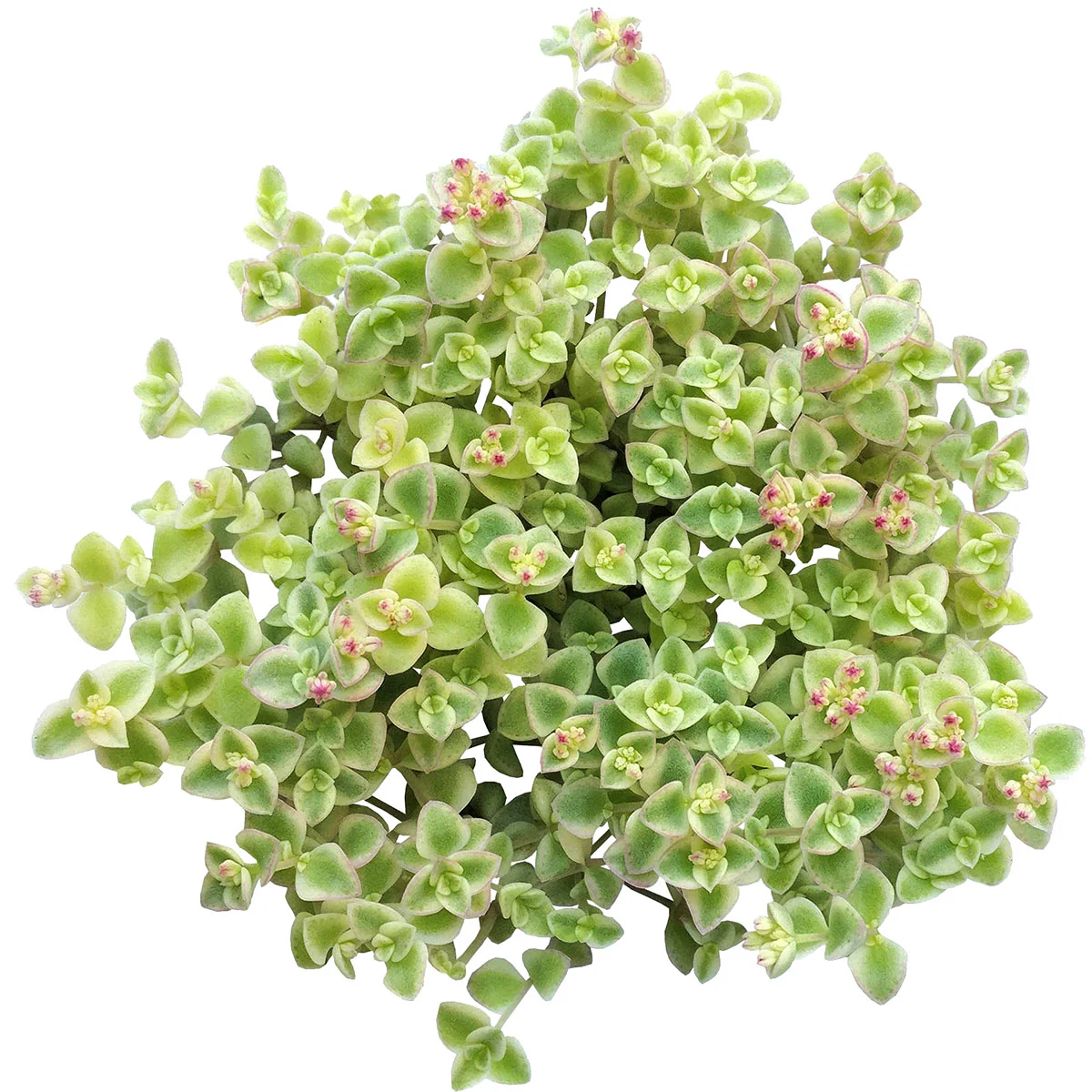
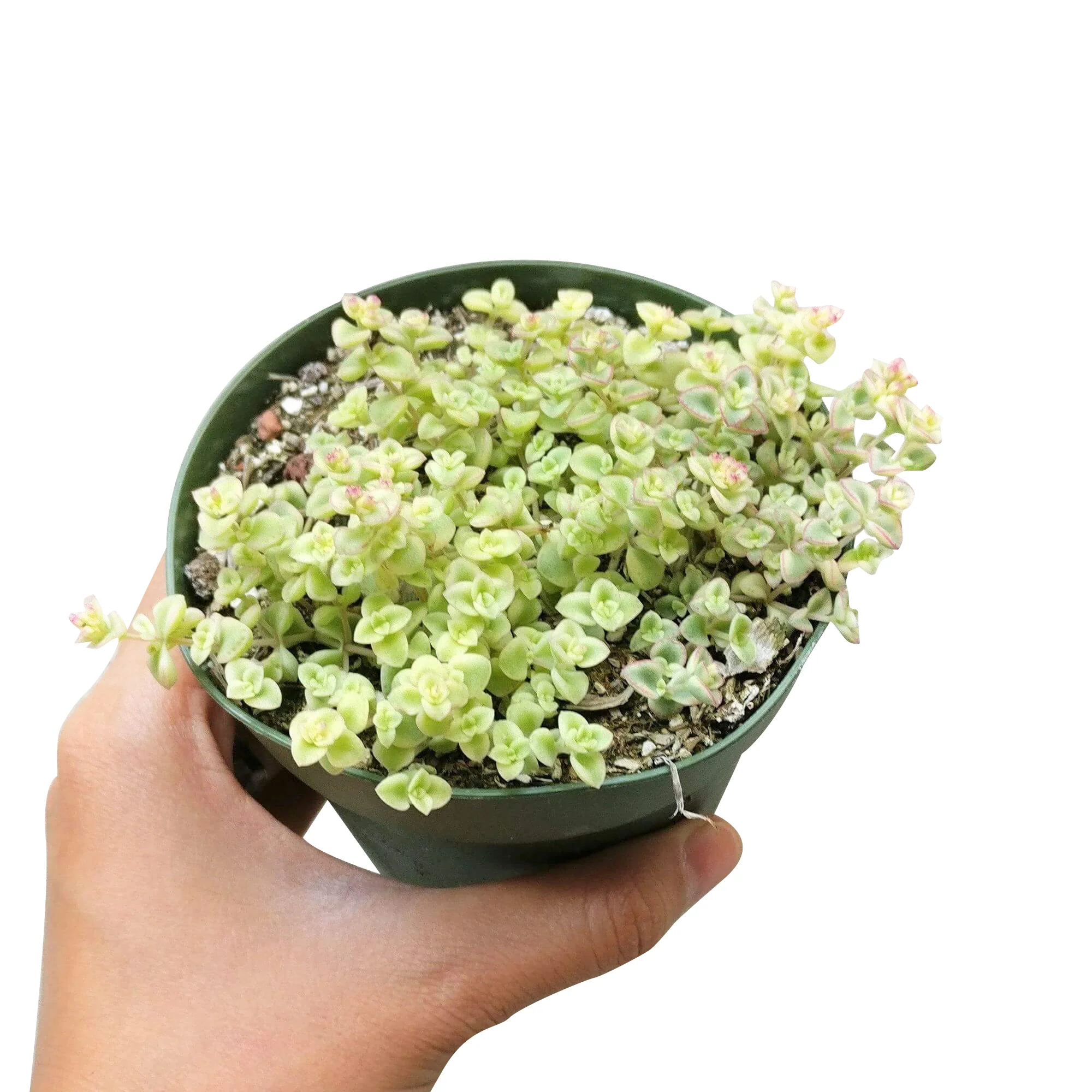
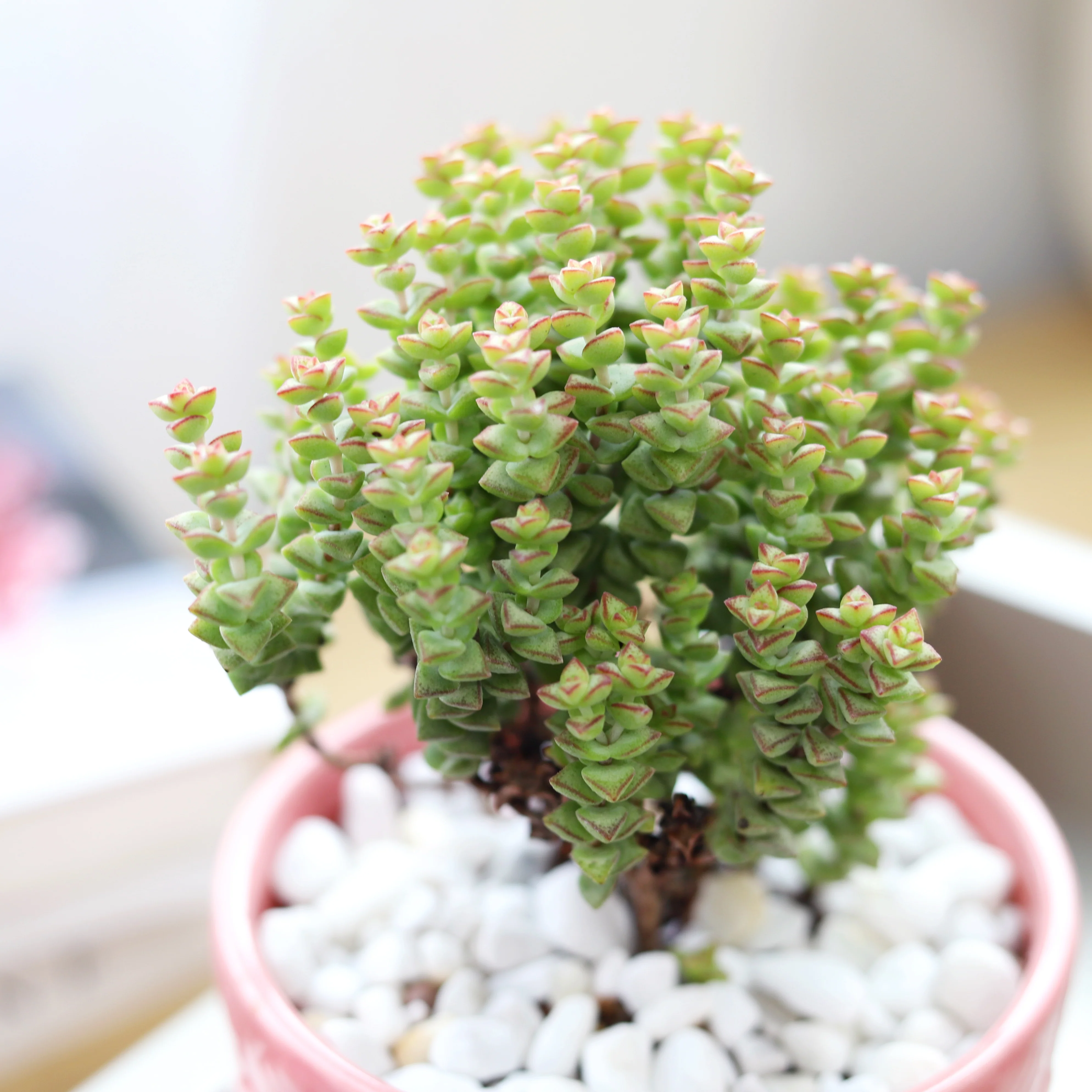
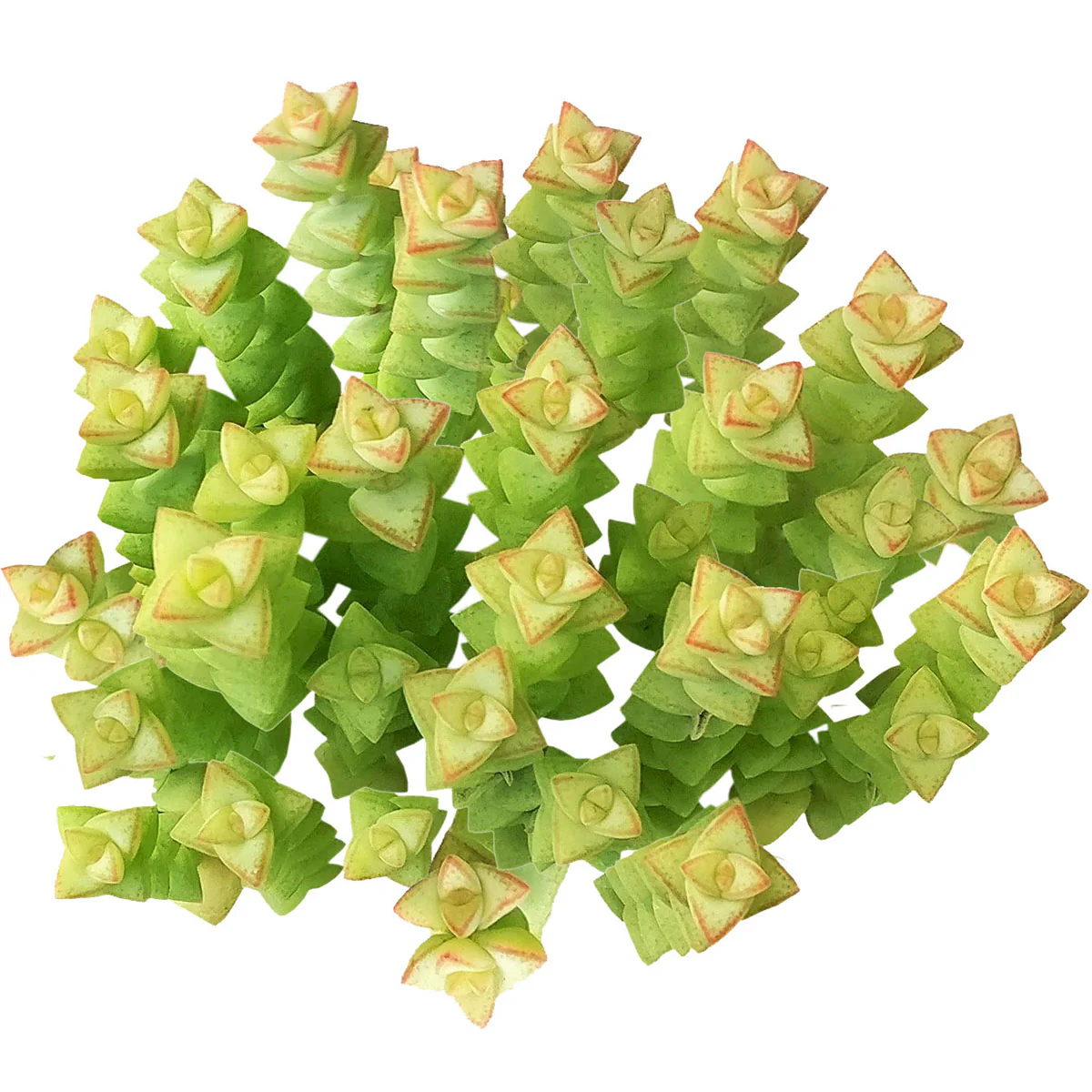
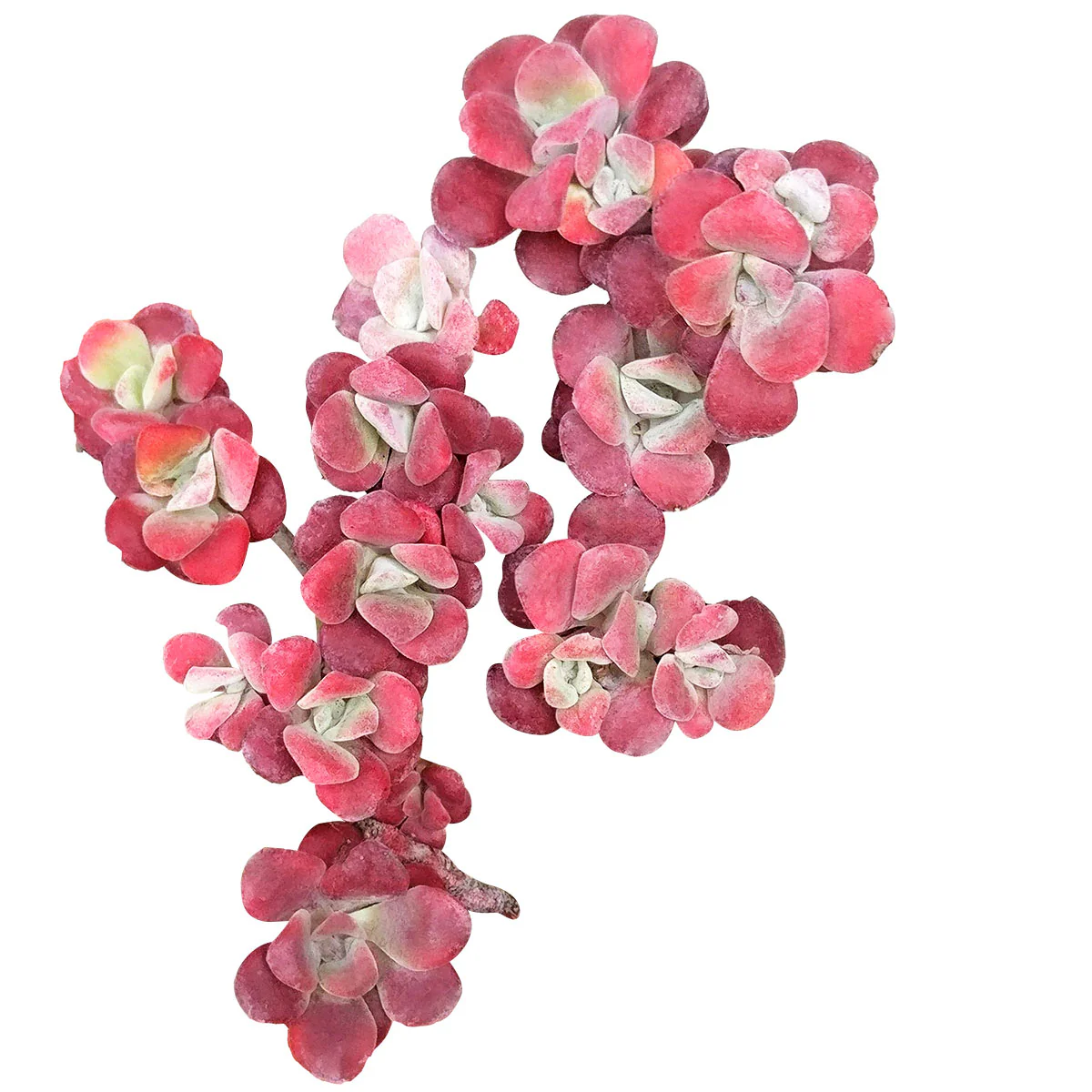
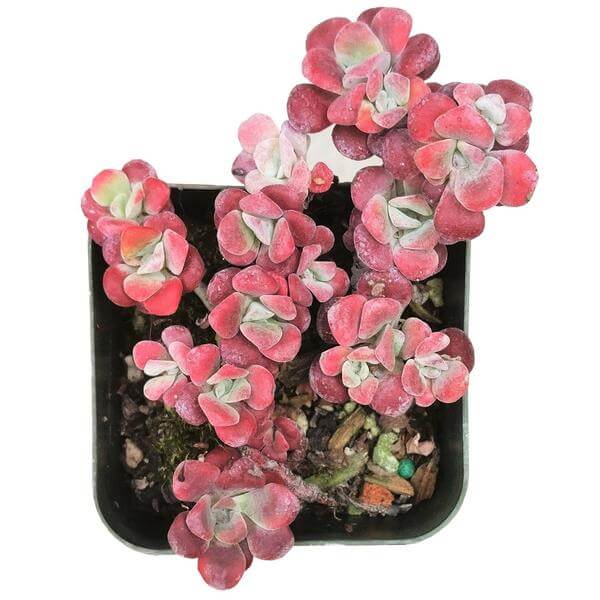
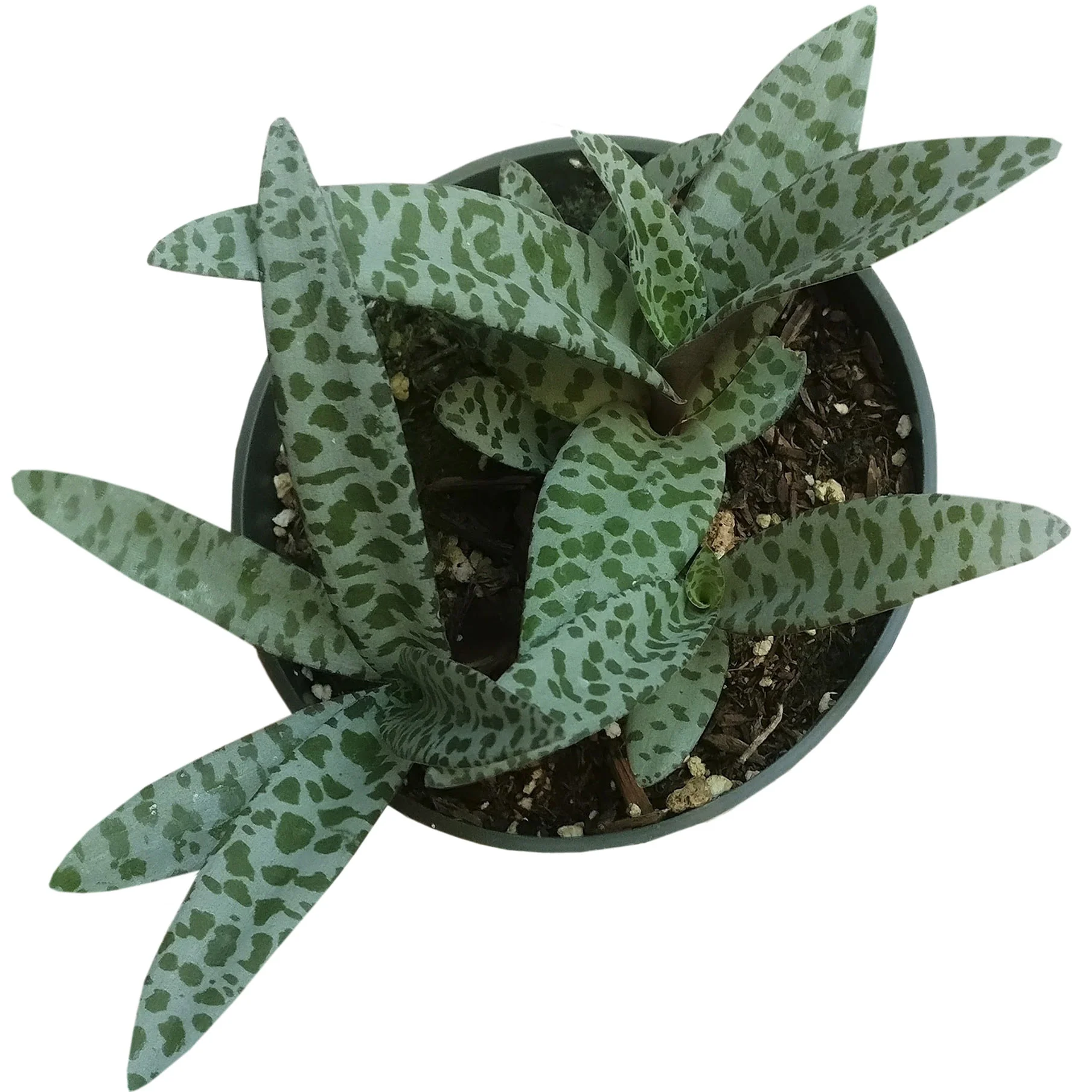
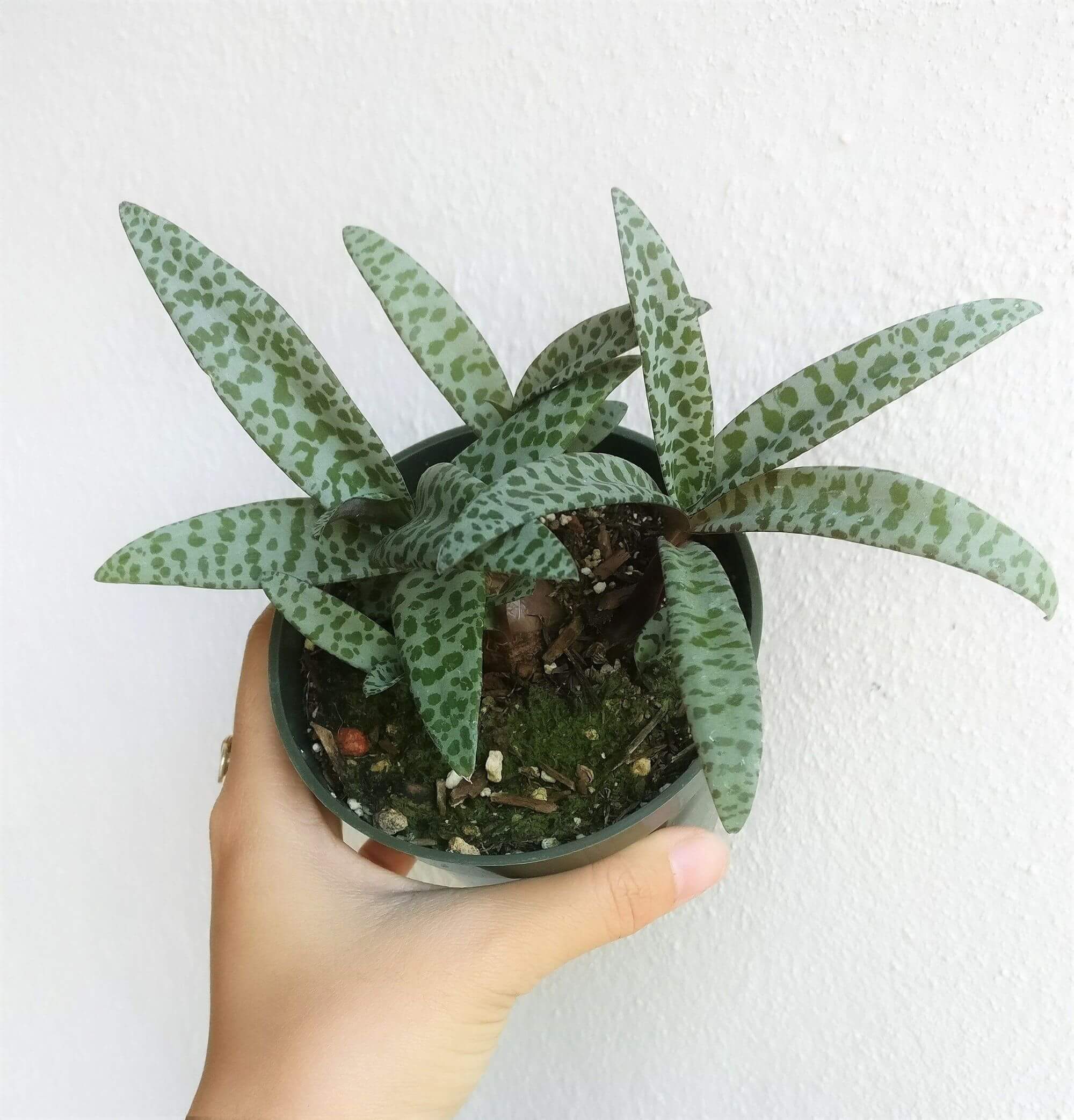
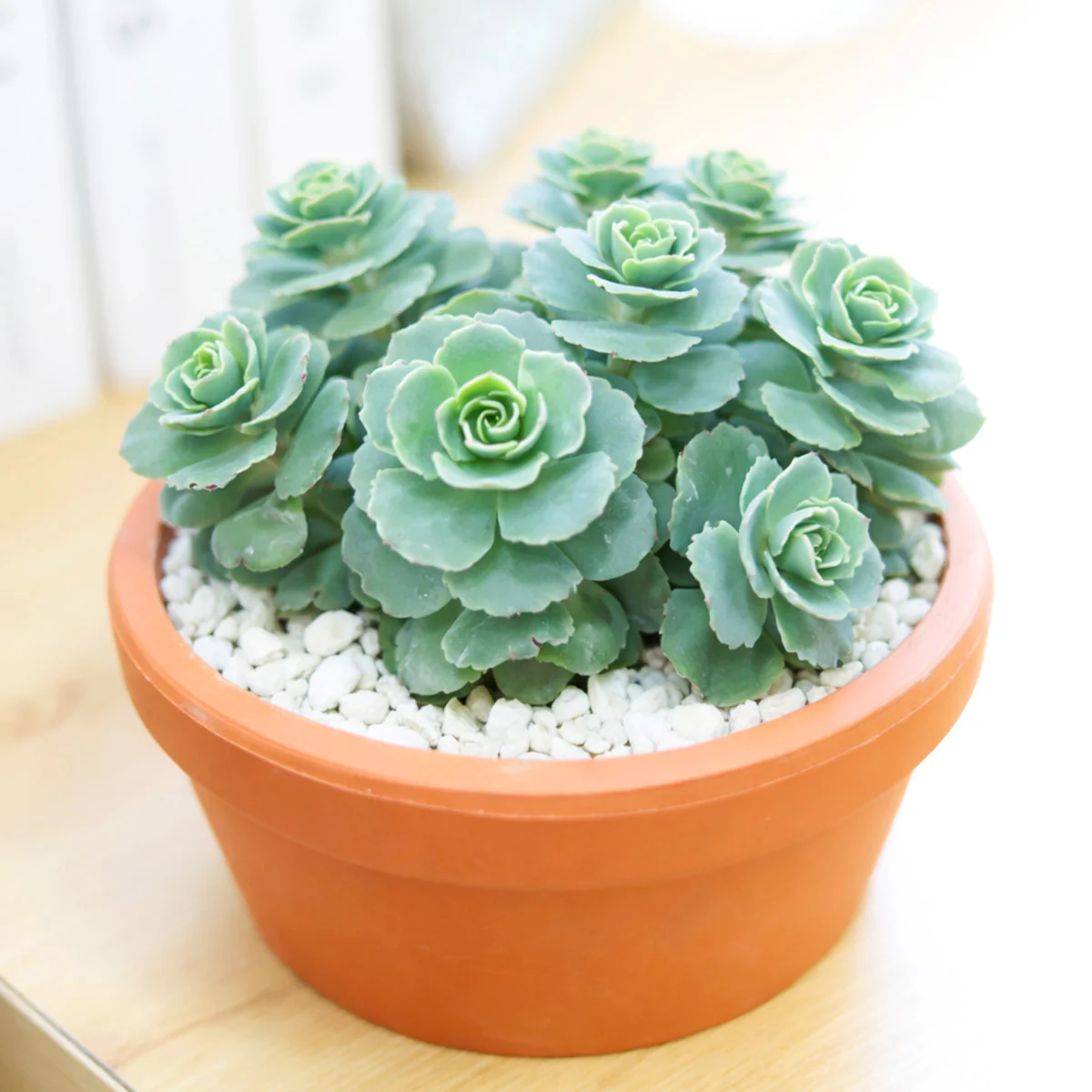
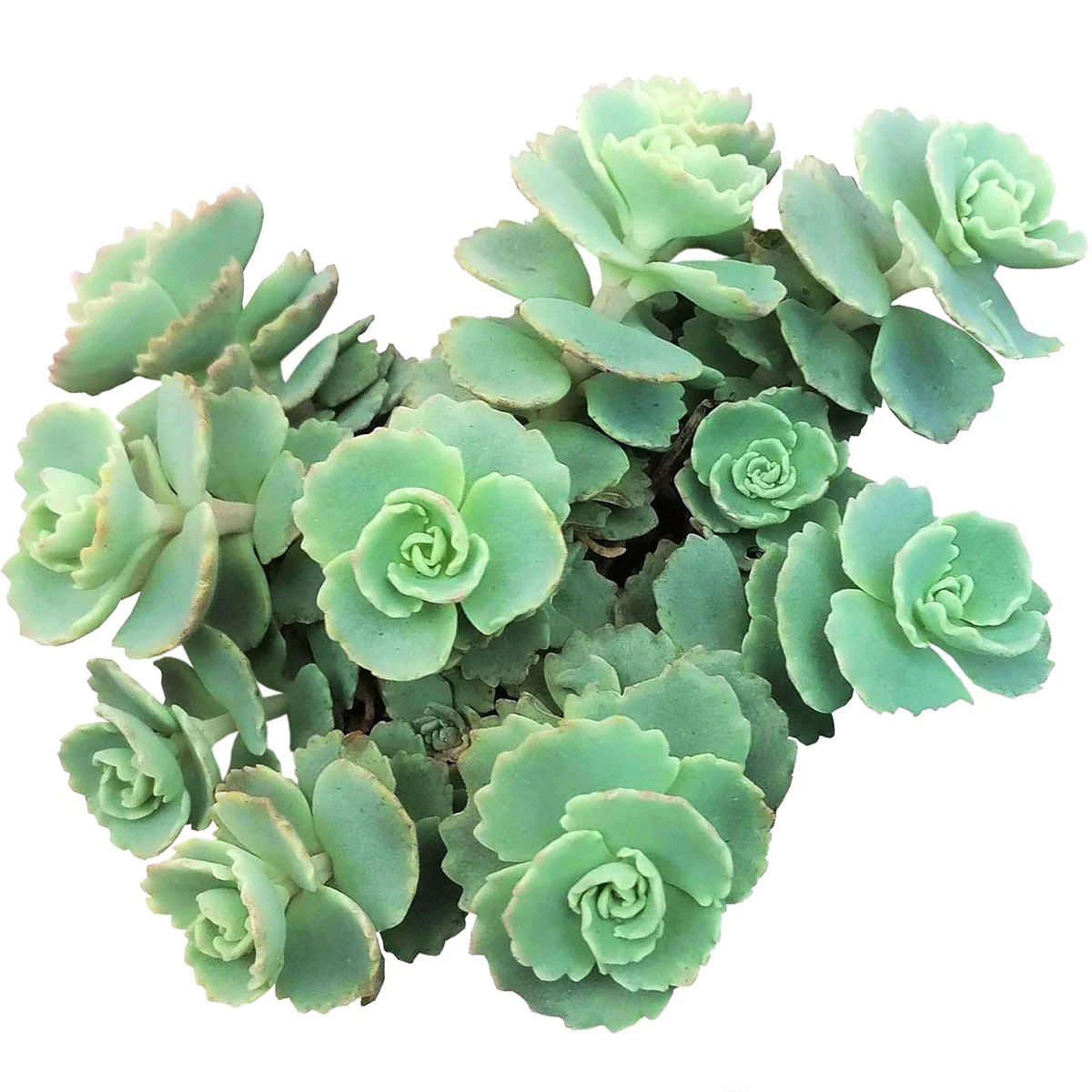
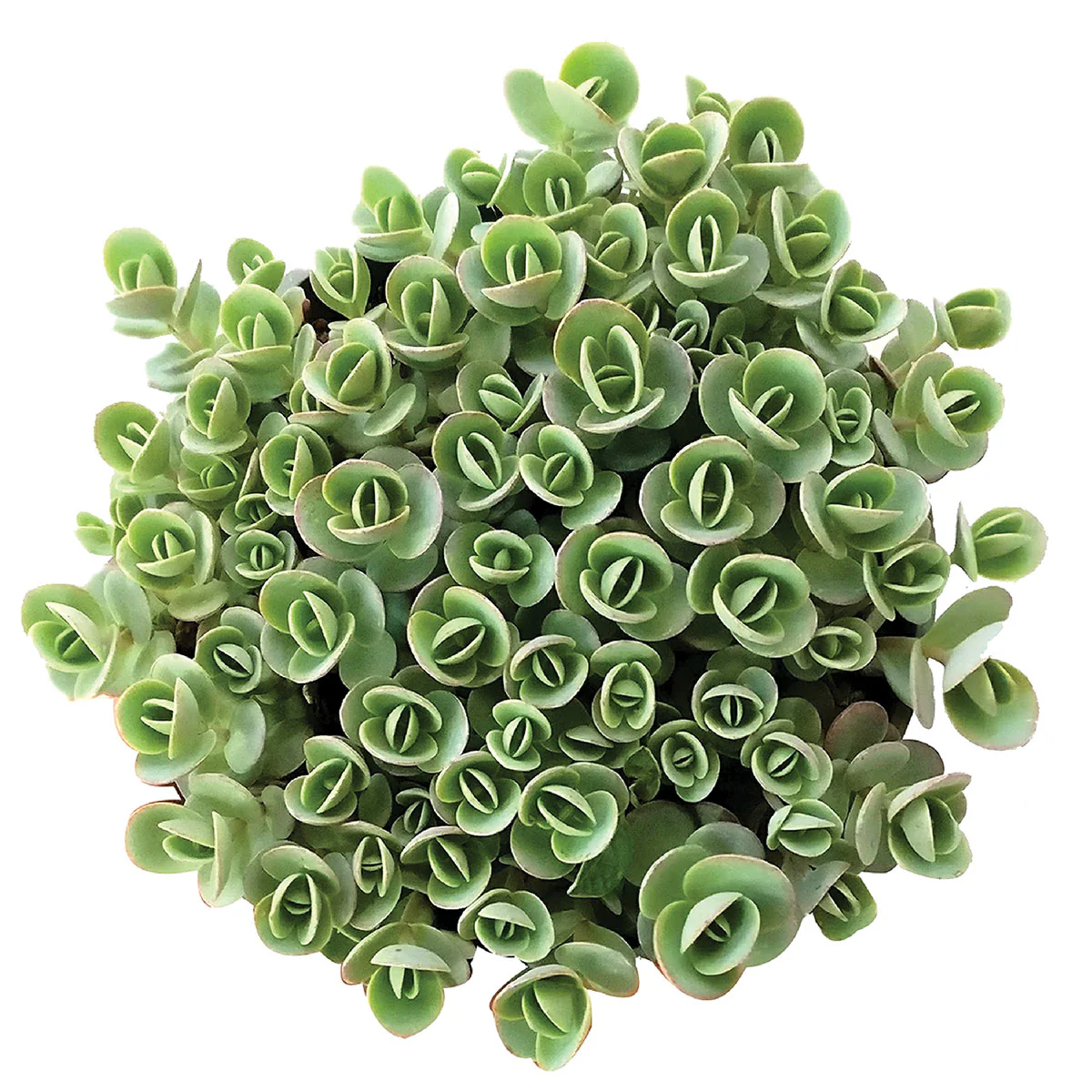
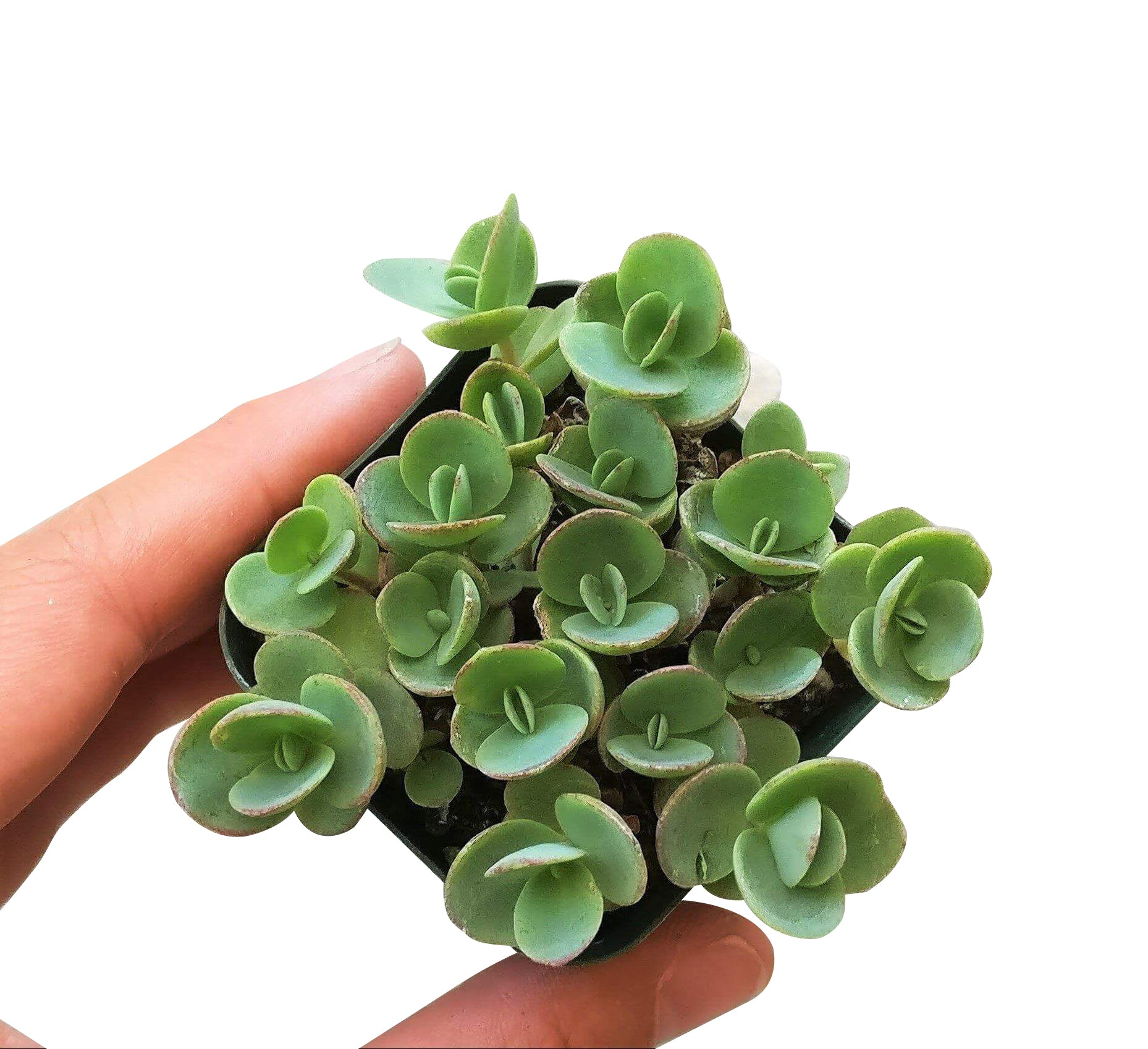
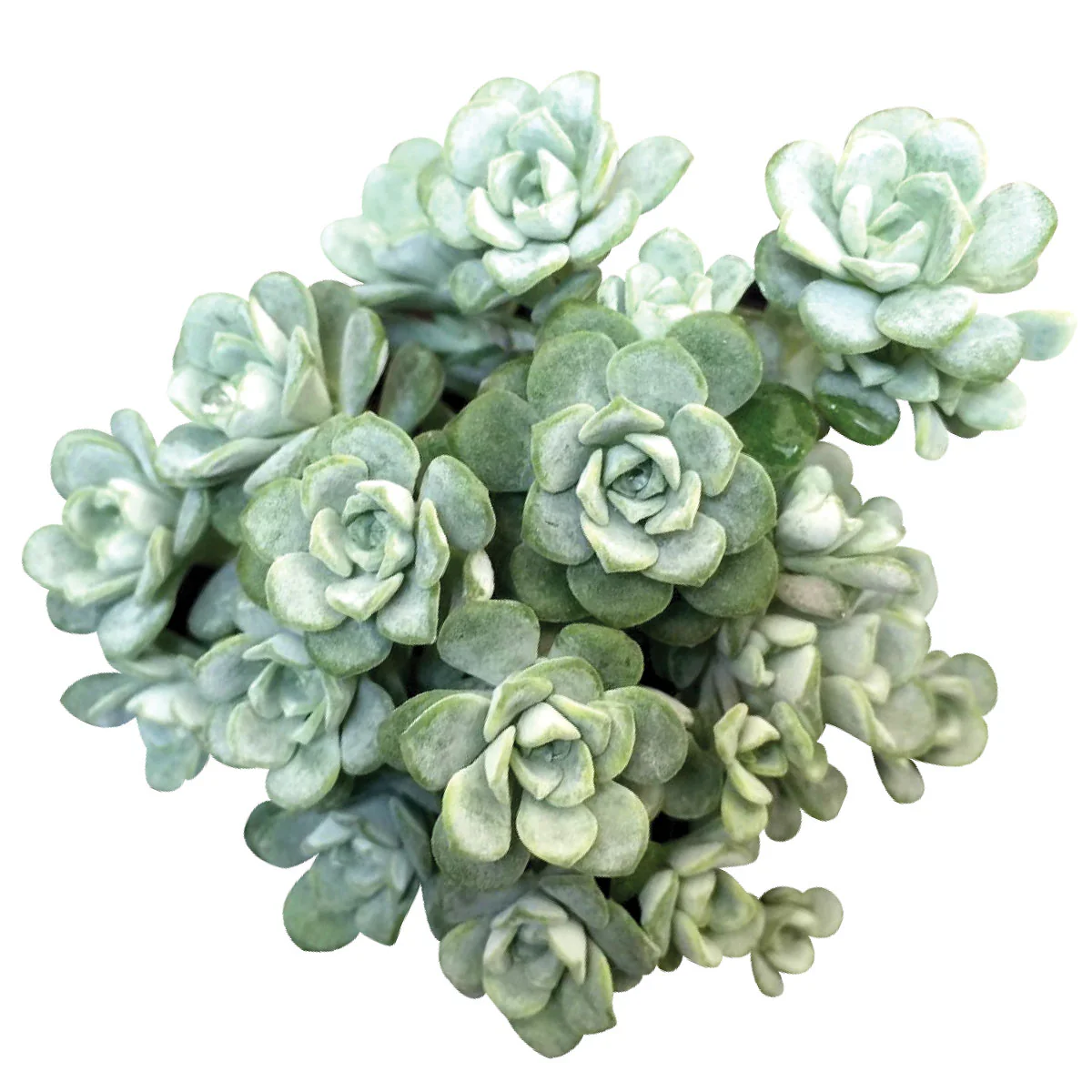
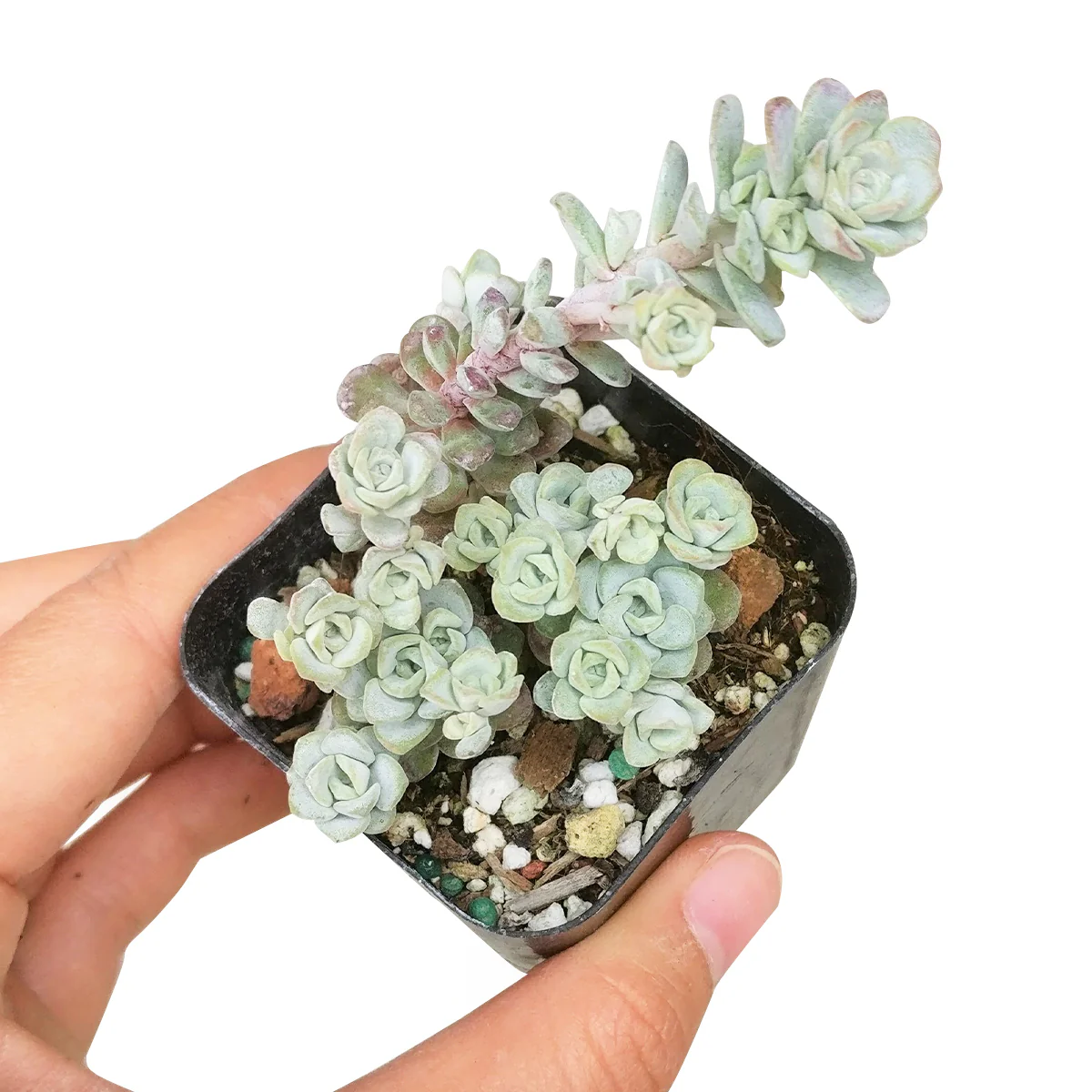
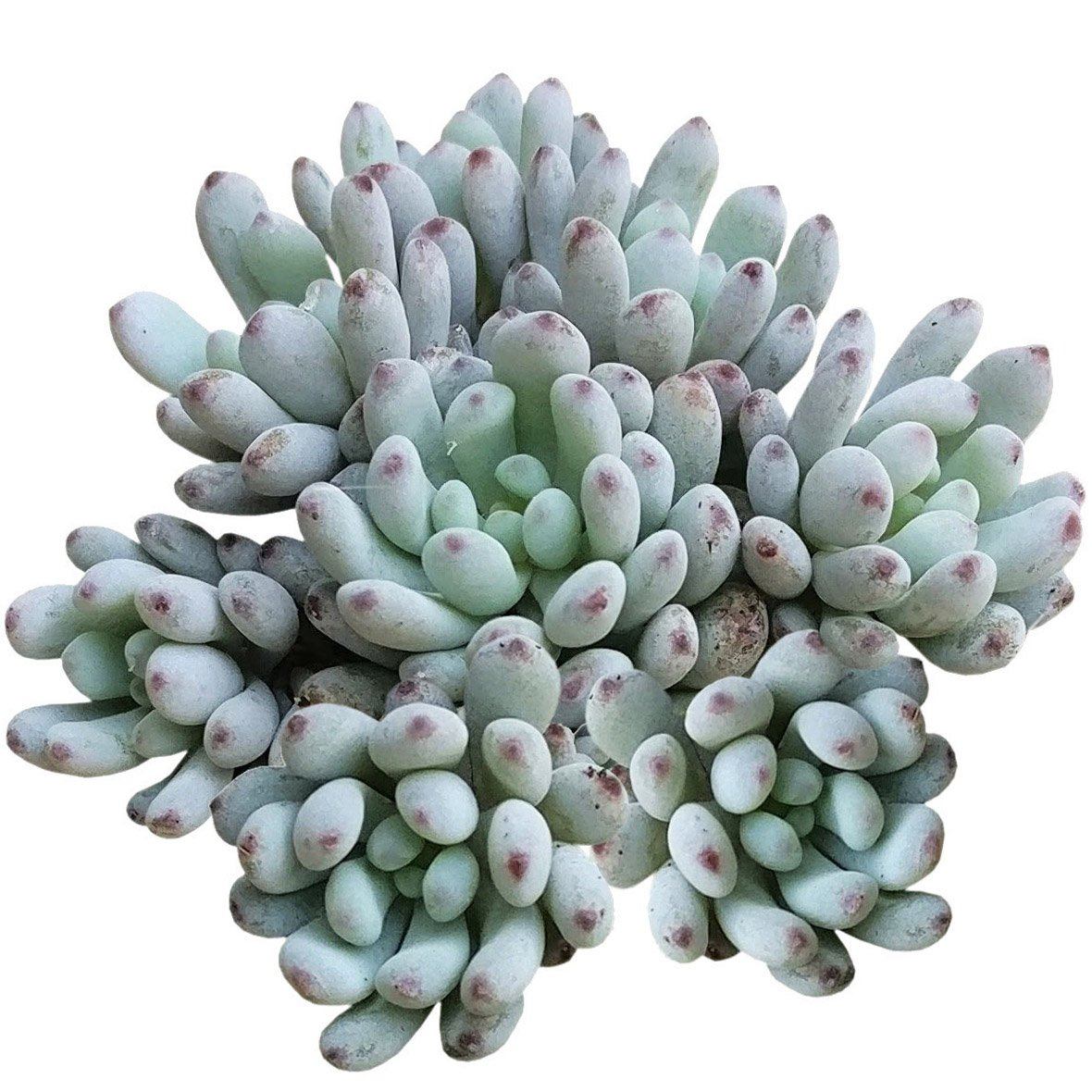
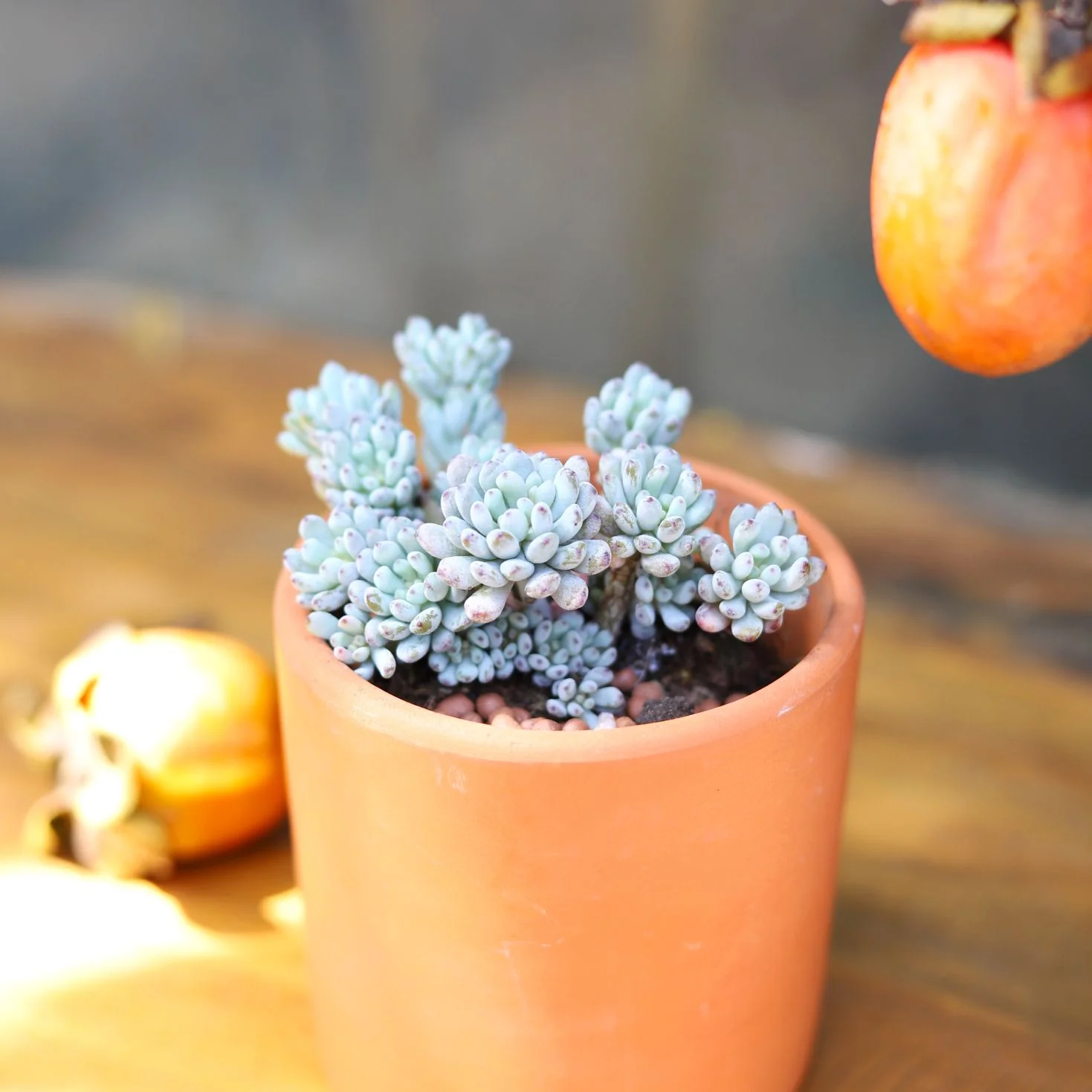
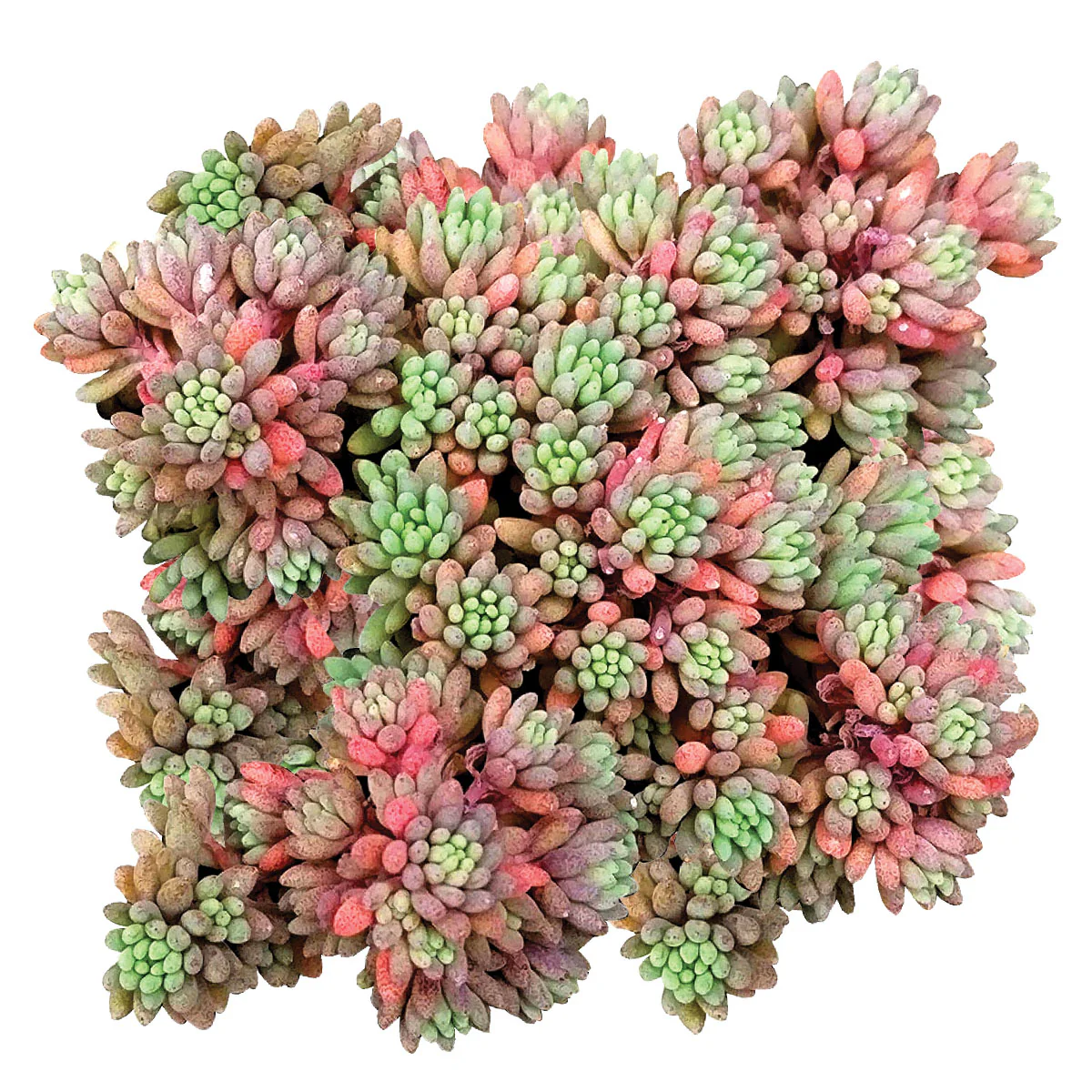
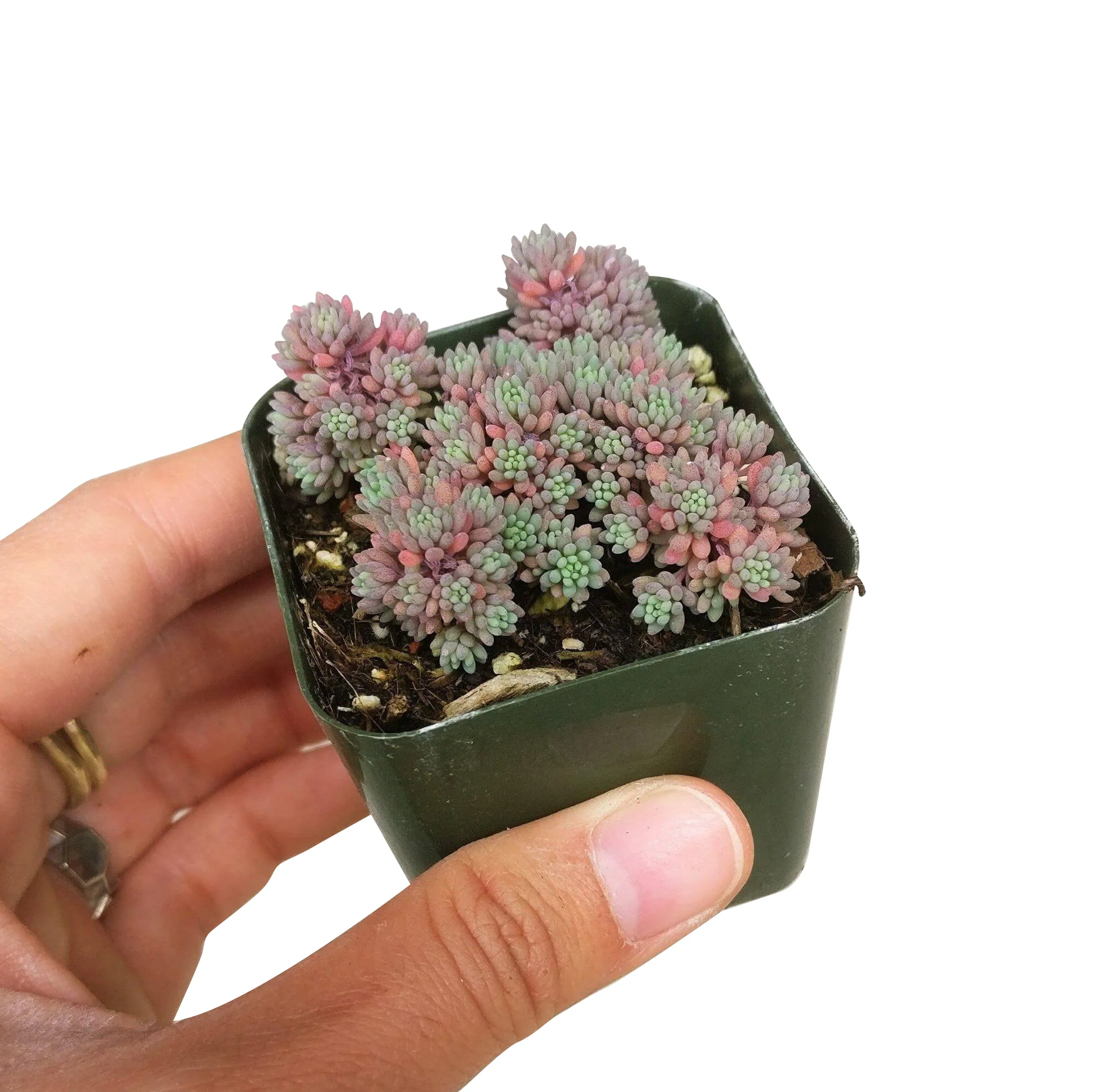
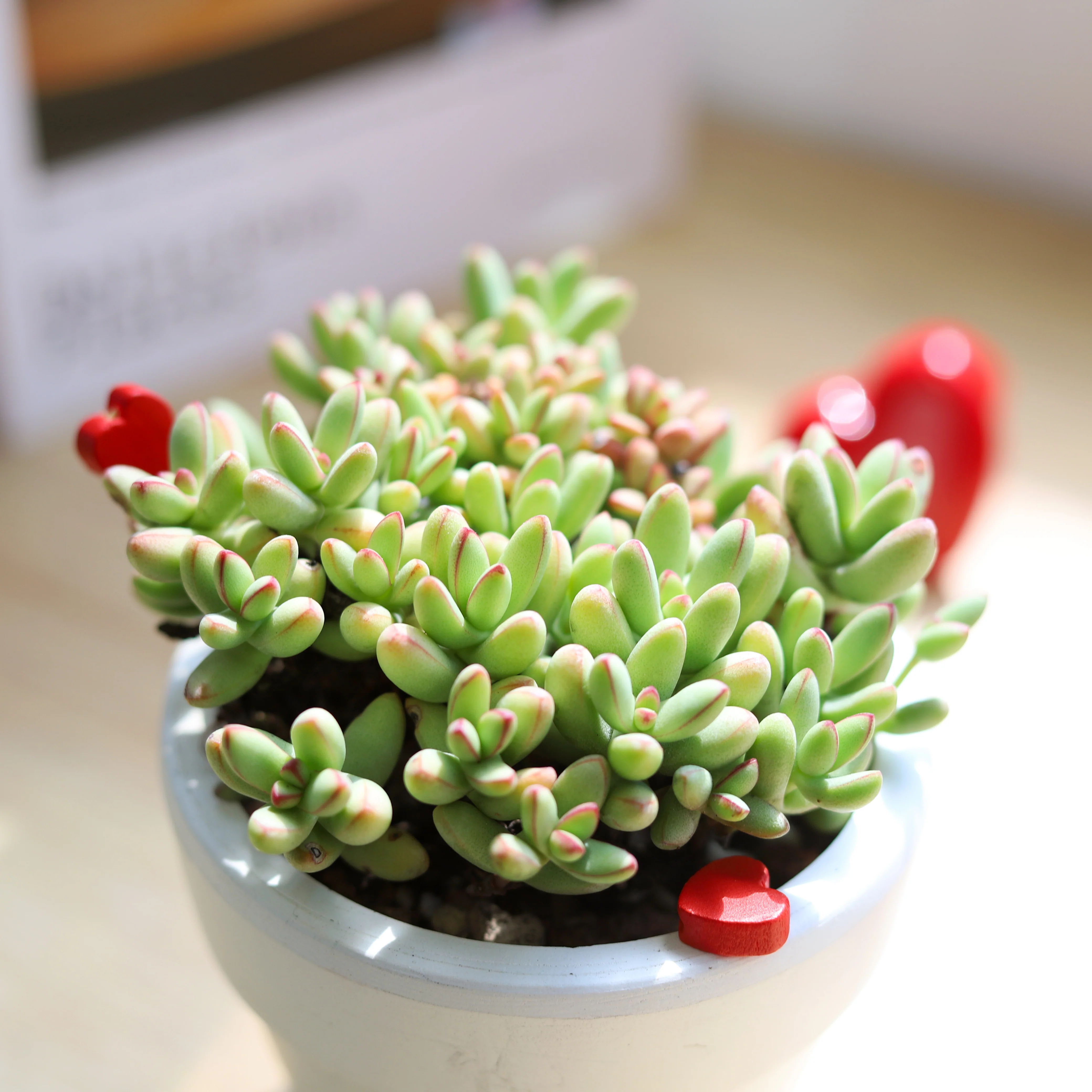
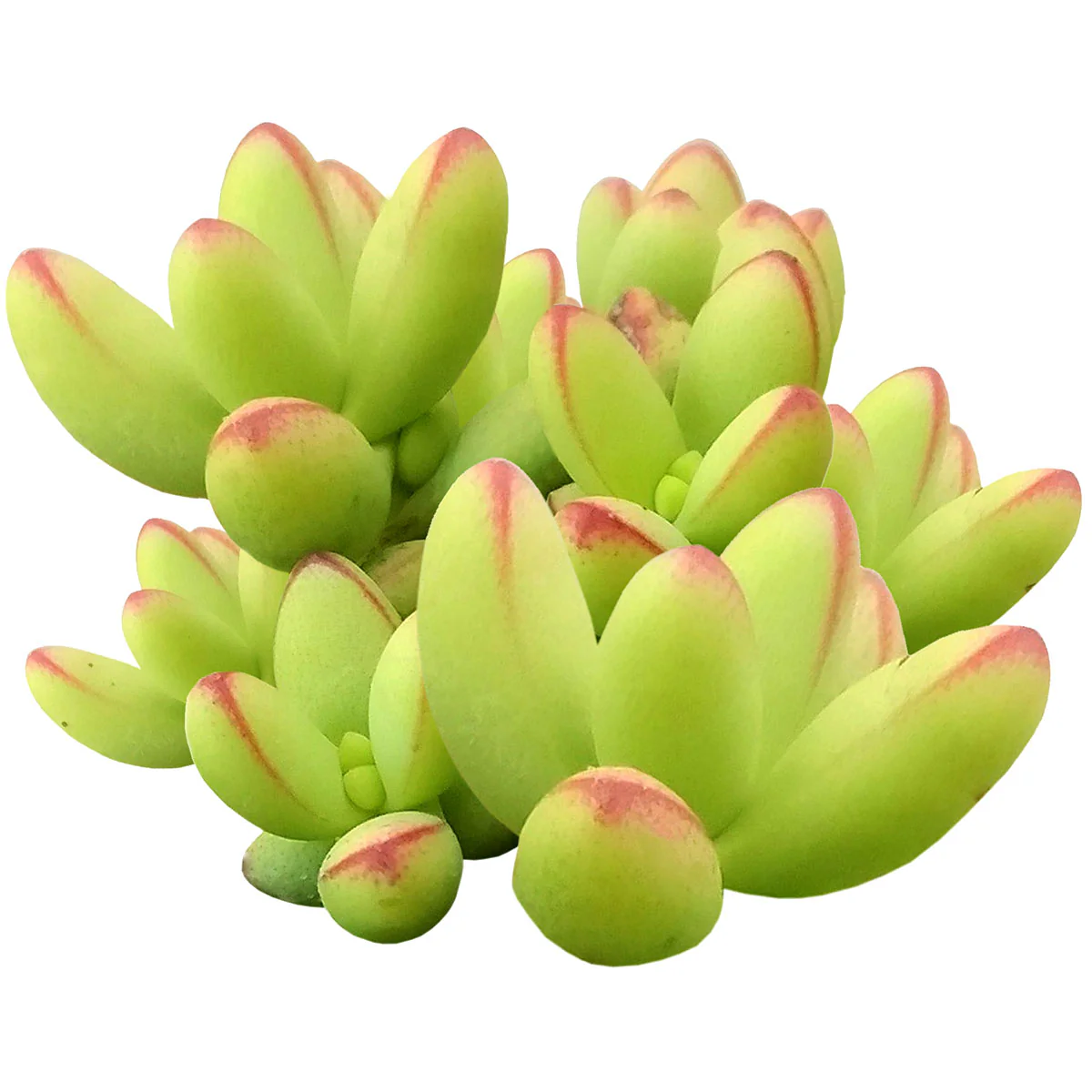
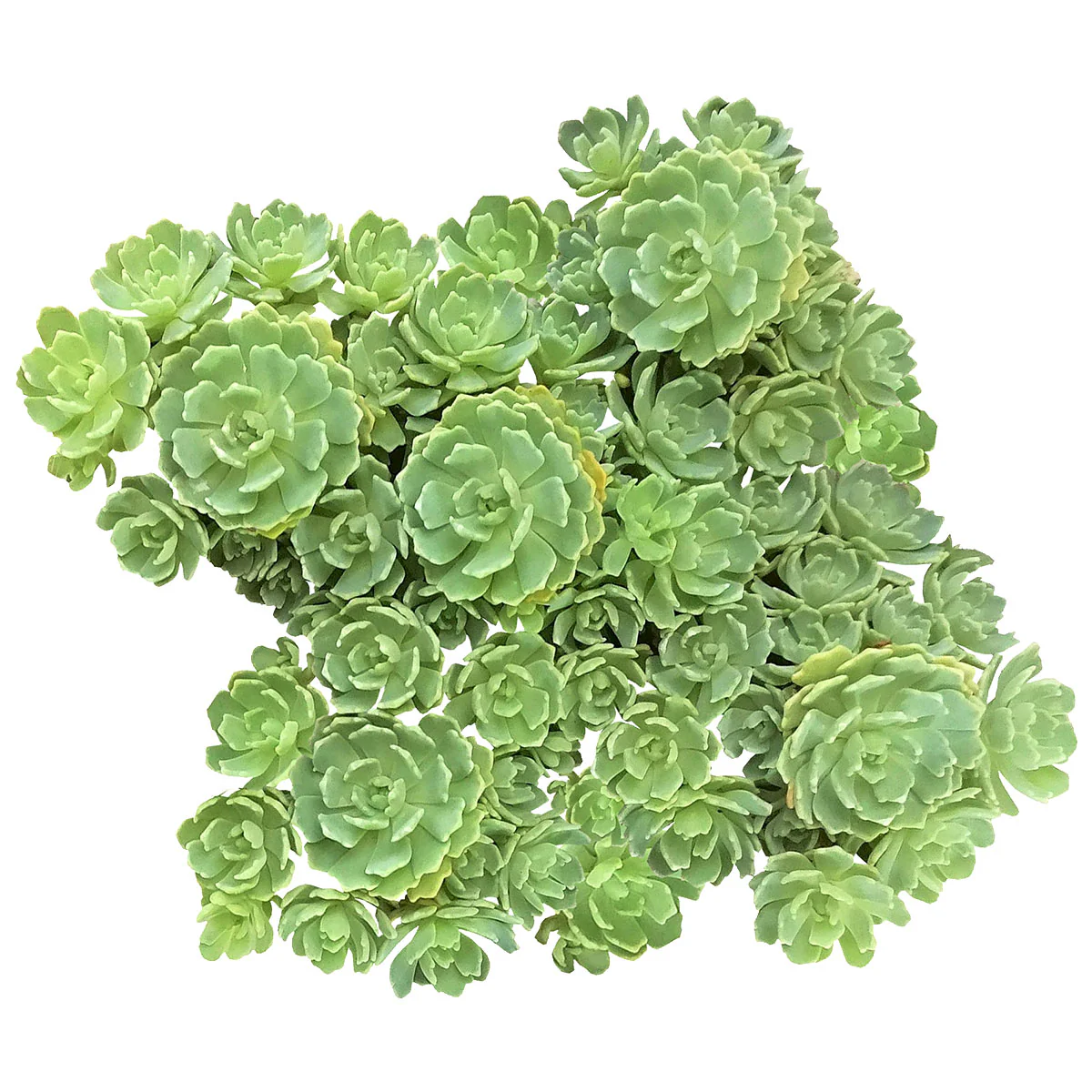
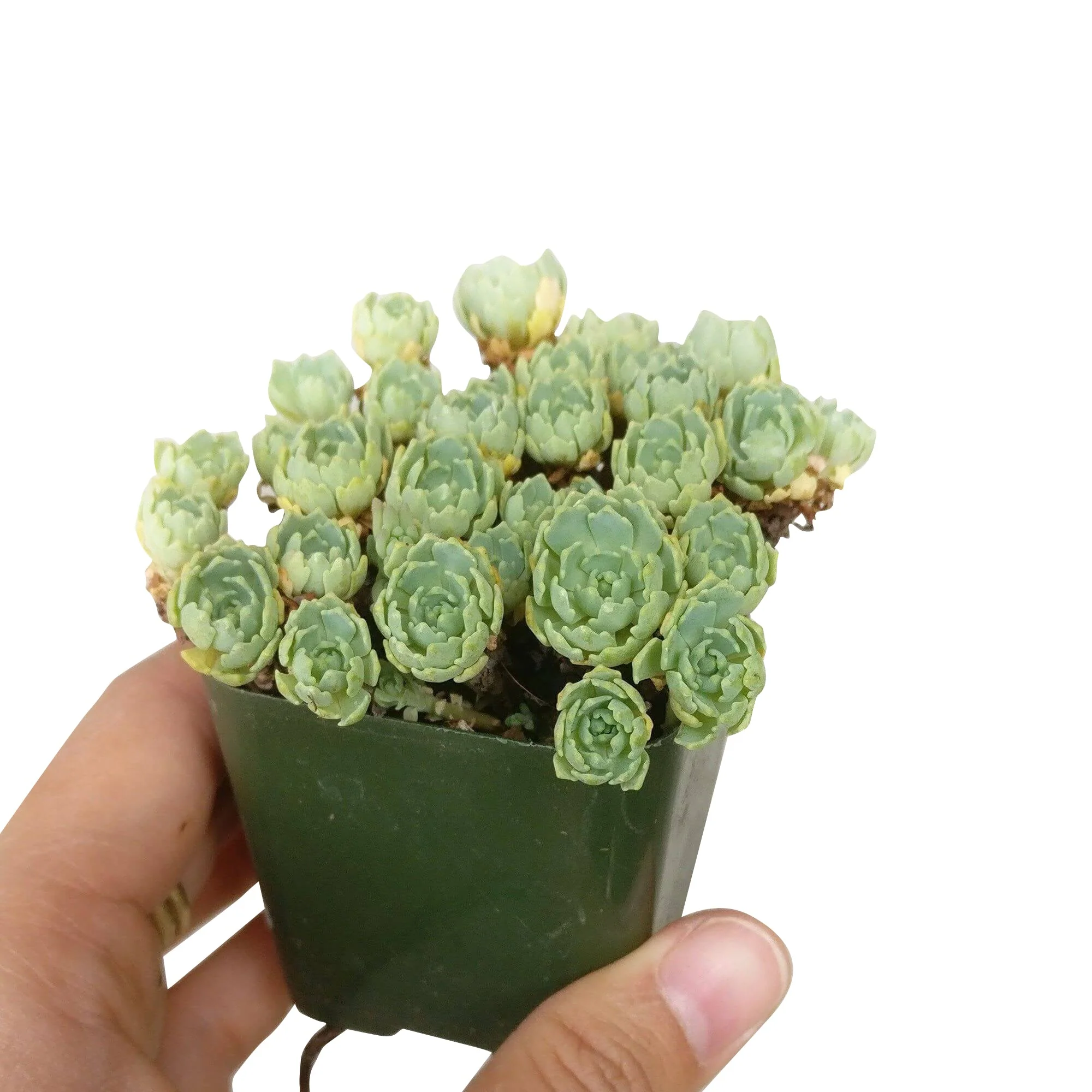
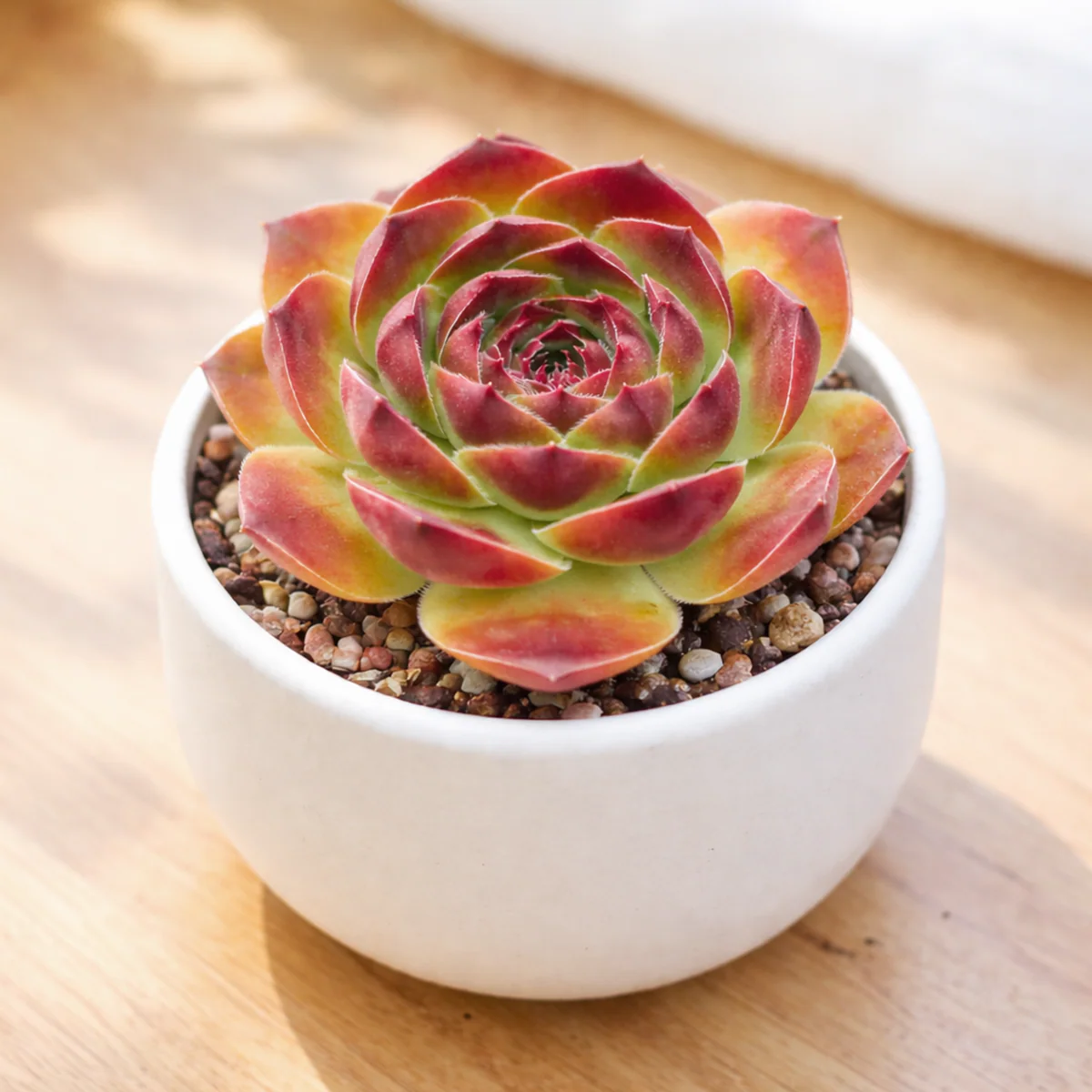
 Sempervivum heuffelii 'Gold Bug' forms tight, geometric rosettes with fleshy leaves in warm golden-green to amber tones, often deepening to rich copper or bronze under full sun stress. The rosettes cluster gradually outward in a low, ground-hugging mat, each one crisp and symmetrical. Unlike many hens and chicks types, it offsets more slowly, which makes each clump feel genuinely special and well-structured.
 Sempervivum heuffelii 'Gold Bug' produces star-shaped flowers in summer, typically in shades of soft yellow to pale gold, rising on short stems from mature rosettes. Like all Sempervivum, individual rosettes are monocarpic and die after blooming, but the surrounding offsets carry the colony forward. This flowering cycle is a natural and rewarding part of owning this drought tolerant succulent.
 As a low maintenance succulent, Sempervivum heuffelii 'Gold Bug' is a natural fit for rock gardens, alpine troughs, container arrangements, and exposed balcony spots where wind and rain are facts of life. It can move outside for summer and stay out through autumn without skipping a beat. This plant is pet friendly, survives a 10-day trip alone without watering, and handles drafty spots and dry heated indoor air with ease, making it as practical as it is beautiful for rare succulent collectors.
-
 Sempervivum heuffelii 'Gold Bug' thrives in partial to full sun, with at least four to six hours of direct sun daily for best color.
 Sempervivum heuffelii 'Gold Bug' needs watering only every 10 to 14 days in summer and once a month or less in winter.
 Sempervivum heuffelii 'Gold Bug' performs best in a gritty, fast-draining mix such as cactus soil blended with 50% perlite or coarse grit.
 Sempervivum heuffelii 'Gold Bug' tolerates a wide range from around 25°F (-4°C) up to 90°F (32°C), with strong frost tolerance in established plantings.
![]() Sempervivum heuffelii 'Gold Bug' grows at a slow to moderate pace and rarely needs fertilizer, though a diluted balanced feed once in spring can help.
Sempervivum heuffelii 'Gold Bug' grows at a slow to moderate pace and rarely needs fertilizer, though a diluted balanced feed once in spring can help.
 Sempervivum heuffelii 'Gold Bug' is generally hardy in USDA Zones 5 through 9, tolerating winter lows near -20°F (-29°C) with good drainage. That range covers a vast stretch of the United States, including Oregon, Washington, Idaho, Montana, Wyoming, Colorado, Utah, Nevada, California, Arizona, New Mexico, Texas, Kansas, Nebraska, South Dakota, North Dakota, Minnesota, Iowa, Missouri, Wisconsin, Michigan, Illinois, Indiana, Ohio, Kentucky, Tennessee, Arkansas, Louisiana, Mississippi, Alabama, Georgia, South Carolina, North Carolina, Virginia, West Virginia, Maryland, Delaware, Pennsylvania, New Jersey, New York, Connecticut, Rhode Island, Massachusetts, Vermont, New Hampshire, and Maine. Whether you are growing Sempervivum heuffelii 'Gold Bug' in the Pacific Northwest or across the mid-Atlantic and Southeast, this frost tolerant succulent is built to handle real winters with ease.
-
Q: Is Sempervivum heuffelii 'Gold Bug' frost tolerant?
A: Yes, Sempervivum heuffelii 'Gold Bug' is highly frost tolerant and hardy down to around -20°F (-29°C) in USDA Zones 5 through 9. Good drainage is the key to keeping it happy through cold winters.
Q: How often should I water Sempervivum heuffelii 'Gold Bug'?
A: Water Sempervivum heuffelii 'Gold Bug' every 10 to 14 days in the growing season and cut back to once a month or less in winter. It stores water in its leaves, so less is always more.
Q: Is Sempervivum heuffelii 'Gold Bug' pet friendly?
A: Yes, Sempervivum heuffelii 'Gold Bug' is pet friendly and considered non-toxic to cats and dogs. You can display it freely without worrying about curious pets.
Q: How much light does Sempervivum heuffelii 'Gold Bug' need?
A: Sempervivum heuffelii 'Gold Bug' does best in partial to full sun with at least four to six hours of direct light daily. More sun brings out its richest golden and copper tones.
Q: How does Sempervivum heuffelii 'Gold Bug' propagate?
A: Sempervivum heuffelii 'Gold Bug' propagates by producing offsets that cluster around the parent rosette over time. Simply separate a healthy offset with some roots attached and pot it up in gritty, well-draining soil.
Q: Is Sempervivum heuffelii 'Gold Bug' a rare plant?
A: Yes, Sempervivum heuffelii 'Gold Bug' is considered a rare collector succulent that is not commonly found in mainstream garden centers. Its slow-offsetting habit and distinctive coloring make it a prized addition to any succulent collection.


Original: $8.00
-70%$8.00
$2.40Product Information
Product Information
Shipping & Returns
Shipping & Returns
Description
- Description
- Sempervivum heuffelii 'Gold Bug' Care Guide
- FAQ/Common Issues
-
![]() Sempervivum heuffelii 'Gold Bug' is a cold hardy succulent belonging to the Crassulaceae family, grown and celebrated by collectors worldwide. Native to mountain ranges of southeastern Europe, it thrives naturally in rocky, exposed terrain where harsh conditions are the norm. This rare collector succulent has earned a devoted following for its extraordinary resilience and striking year-round color.
Sempervivum heuffelii 'Gold Bug' is a cold hardy succulent belonging to the Crassulaceae family, grown and celebrated by collectors worldwide. Native to mountain ranges of southeastern Europe, it thrives naturally in rocky, exposed terrain where harsh conditions are the norm. This rare collector succulent has earned a devoted following for its extraordinary resilience and striking year-round color.
Sempervivum heuffelii 'Gold Bug' forms tight, geometric rosettes with fleshy leaves in warm golden-green to amber tones, often deepening to rich copper or bronze under full sun stress. The rosettes cluster gradually outward in a low, ground-hugging mat, each one crisp and symmetrical. Unlike many hens and chicks types, it offsets more slowly, which makes each clump feel genuinely special and well-structured.
Sempervivum heuffelii 'Gold Bug' produces star-shaped flowers in summer, typically in shades of soft yellow to pale gold, rising on short stems from mature rosettes. Like all Sempervivum, individual rosettes are monocarpic and die after blooming, but the surrounding offsets carry the colony forward. This flowering cycle is a natural and rewarding part of owning this drought tolerant succulent.
As a low maintenance succulent, Sempervivum heuffelii 'Gold Bug' is a natural fit for rock gardens, alpine troughs, container arrangements, and exposed balcony spots where wind and rain are facts of life. It can move outside for summer and stay out through autumn without skipping a beat. This plant is pet friendly, survives a 10-day trip alone without watering, and handles drafty spots and dry heated indoor air with ease, making it as practical as it is beautiful for rare succulent collectors.
-
Sempervivum heuffelii 'Gold Bug' thrives in partial to full sun, with at least four to six hours of direct sun daily for best color.
Sempervivum heuffelii 'Gold Bug' needs watering only every 10 to 14 days in summer and once a month or less in winter.
Sempervivum heuffelii 'Gold Bug' performs best in a gritty, fast-draining mix such as cactus soil blended with 50% perlite or coarse grit.
Sempervivum heuffelii 'Gold Bug' tolerates a wide range from around 25°F (-4°C) up to 90°F (32°C), with strong frost tolerance in established plantings.
![]() Sempervivum heuffelii 'Gold Bug' grows at a slow to moderate pace and rarely needs fertilizer, though a diluted balanced feed once in spring can help.
Sempervivum heuffelii 'Gold Bug' grows at a slow to moderate pace and rarely needs fertilizer, though a diluted balanced feed once in spring can help.
Sempervivum heuffelii 'Gold Bug' is generally hardy in USDA Zones 5 through 9, tolerating winter lows near -20°F (-29°C) with good drainage. That range covers a vast stretch of the United States, including Oregon, Washington, Idaho, Montana, Wyoming, Colorado, Utah, Nevada, California, Arizona, New Mexico, Texas, Kansas, Nebraska, South Dakota, North Dakota, Minnesota, Iowa, Missouri, Wisconsin, Michigan, Illinois, Indiana, Ohio, Kentucky, Tennessee, Arkansas, Louisiana, Mississippi, Alabama, Georgia, South Carolina, North Carolina, Virginia, West Virginia, Maryland, Delaware, Pennsylvania, New Jersey, New York, Connecticut, Rhode Island, Massachusetts, Vermont, New Hampshire, and Maine. Whether you are growing Sempervivum heuffelii 'Gold Bug' in the Pacific Northwest or across the mid-Atlantic and Southeast, this frost tolerant succulent is built to handle real winters with ease.
-
Q: Is Sempervivum heuffelii 'Gold Bug' frost tolerant?
A: Yes, Sempervivum heuffelii 'Gold Bug' is highly frost tolerant and hardy down to around -20°F (-29°C) in USDA Zones 5 through 9. Good drainage is the key to keeping it happy through cold winters.
Q: How often should I water Sempervivum heuffelii 'Gold Bug'?
A: Water Sempervivum heuffelii 'Gold Bug' every 10 to 14 days in the growing season and cut back to once a month or less in winter. It stores water in its leaves, so less is always more.
Q: Is Sempervivum heuffelii 'Gold Bug' pet friendly?
A: Yes, Sempervivum heuffelii 'Gold Bug' is pet friendly and considered non-toxic to cats and dogs. You can display it freely without worrying about curious pets.
Q: How much light does Sempervivum heuffelii 'Gold Bug' need?
A: Sempervivum heuffelii 'Gold Bug' does best in partial to full sun with at least four to six hours of direct light daily. More sun brings out its richest golden and copper tones.
Q: How does Sempervivum heuffelii 'Gold Bug' propagate?
A: Sempervivum heuffelii 'Gold Bug' propagates by producing offsets that cluster around the parent rosette over time. Simply separate a healthy offset with some roots attached and pot it up in gritty, well-draining soil.
Q: Is Sempervivum heuffelii 'Gold Bug' a rare plant?
A: Yes, Sempervivum heuffelii 'Gold Bug' is considered a rare collector succulent that is not commonly found in mainstream garden centers. Its slow-offsetting habit and distinctive coloring make it a prized addition to any succulent collection.