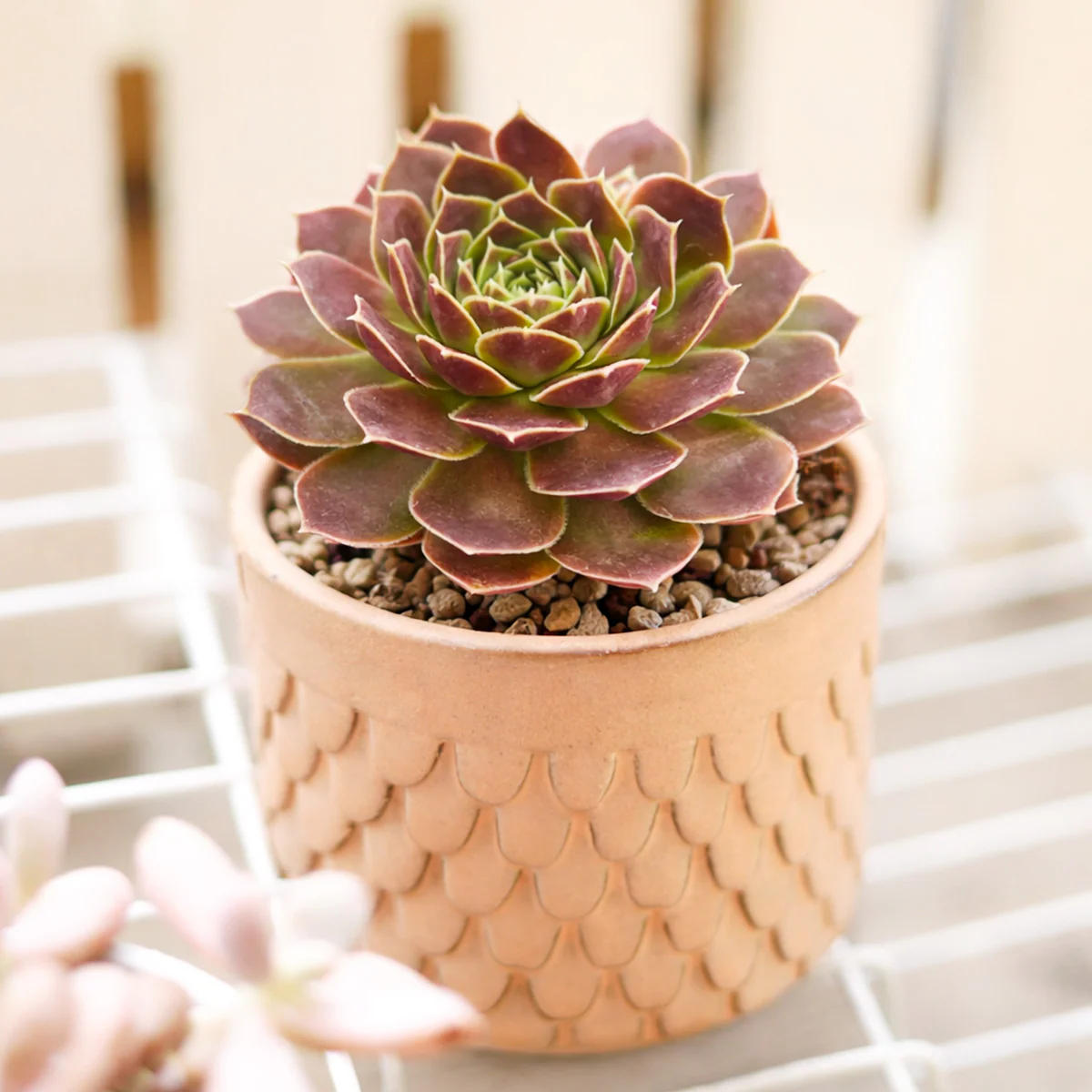
Sempervivum Heuffelii Beacon Hill
- Description
- Sempervivum Heuffelii 'Beacon Hill' Care Guide
- FAQ/Common Issues
-
![]() Sempervivum Heuffelii Beacon Hill is a rare cold hardy succulent belonging to the Crassulaceae family, prized by collectors and gardeners alike. Native to mountainous regions of southeastern Europe, this hens and chicks succulent has adapted to rocky, well-drained soils and harsh climates. Its toughness and striking appearance make Sempervivum Heuffelii Beacon Hill a standout choice for anyone seeking a low maintenance succulent with genuine character.
Sempervivum Heuffelii Beacon Hill is a rare cold hardy succulent belonging to the Crassulaceae family, prized by collectors and gardeners alike. Native to mountainous regions of southeastern Europe, this hens and chicks succulent has adapted to rocky, well-drained soils and harsh climates. Its toughness and striking appearance make Sempervivum Heuffelii Beacon Hill a standout choice for anyone seeking a low maintenance succulent with genuine character.
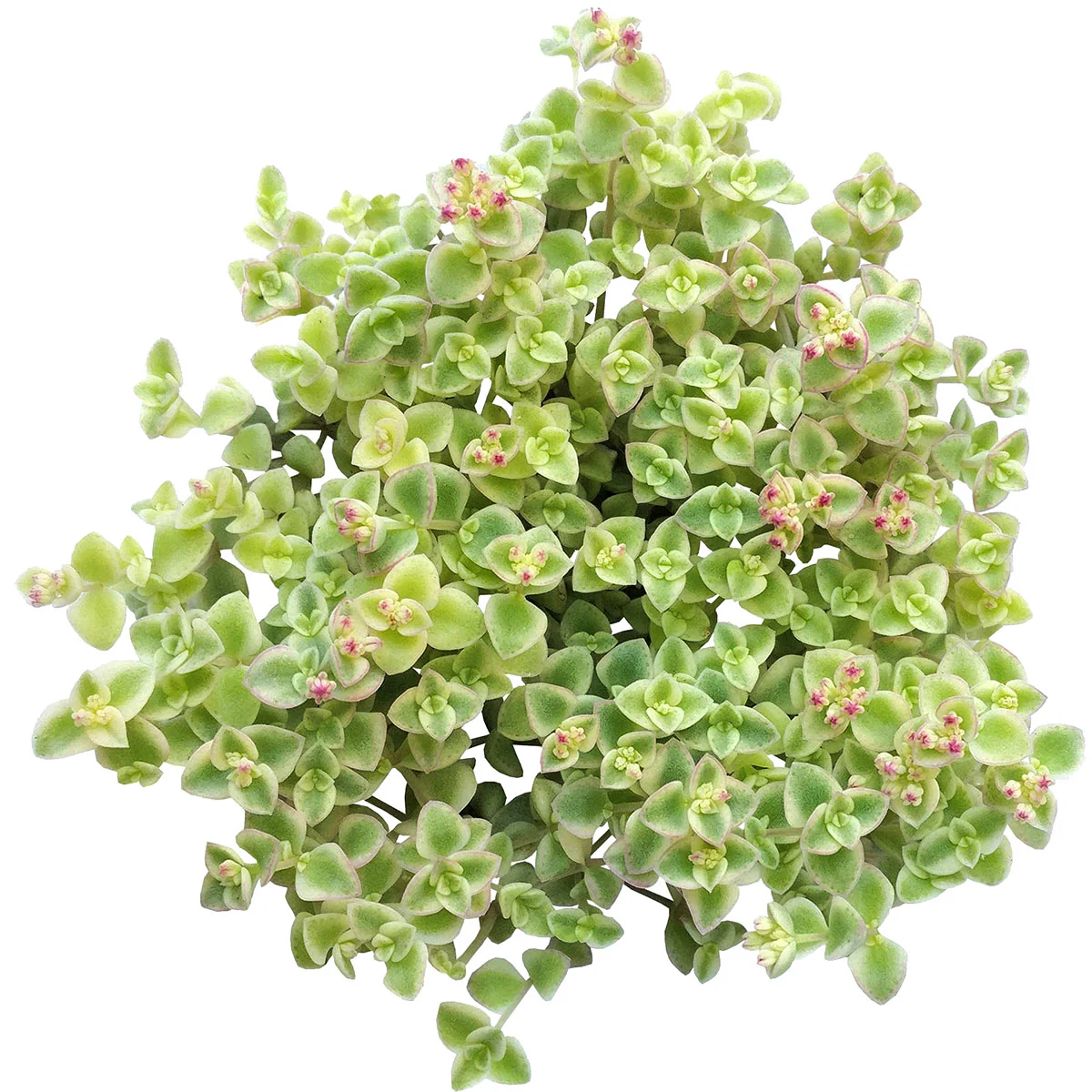
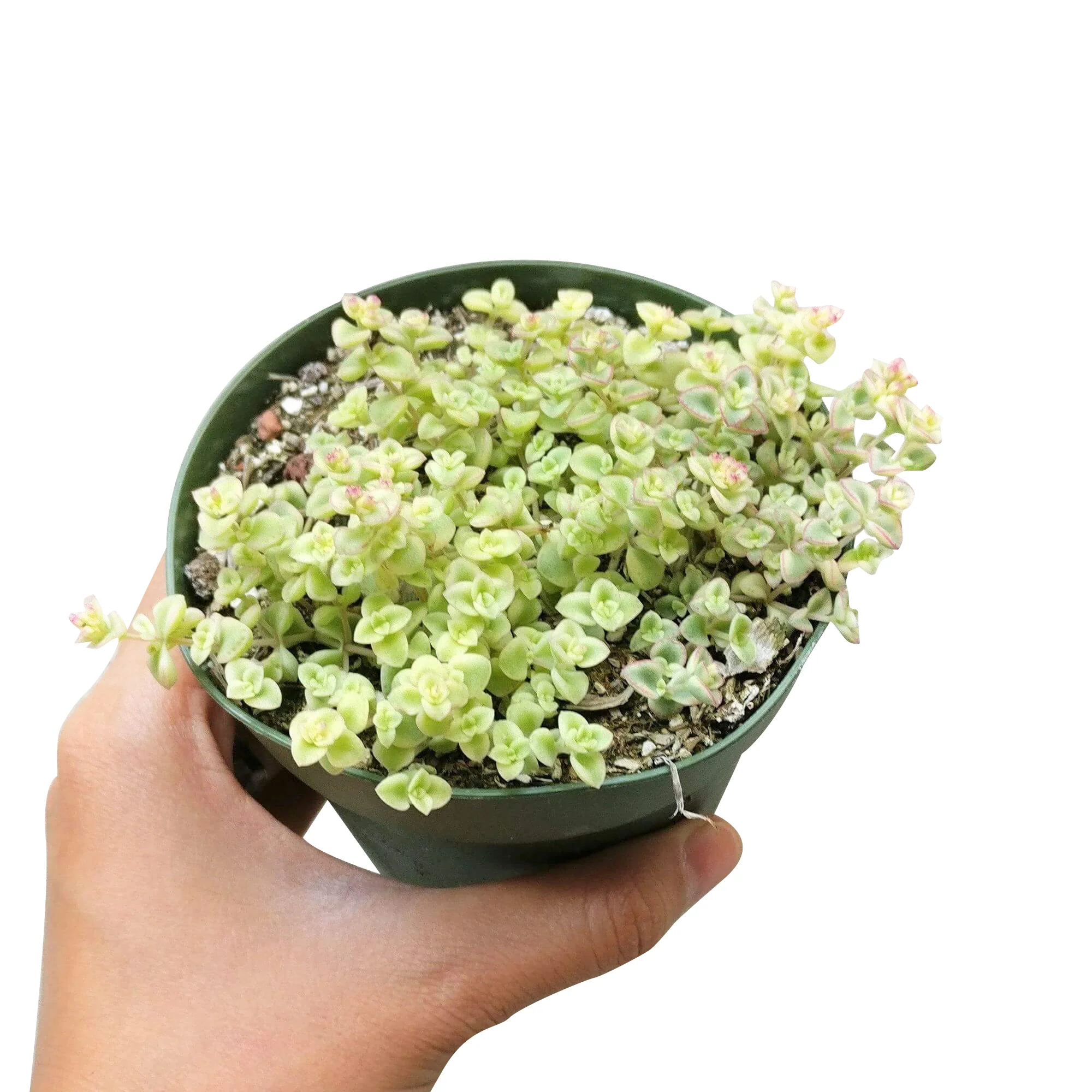
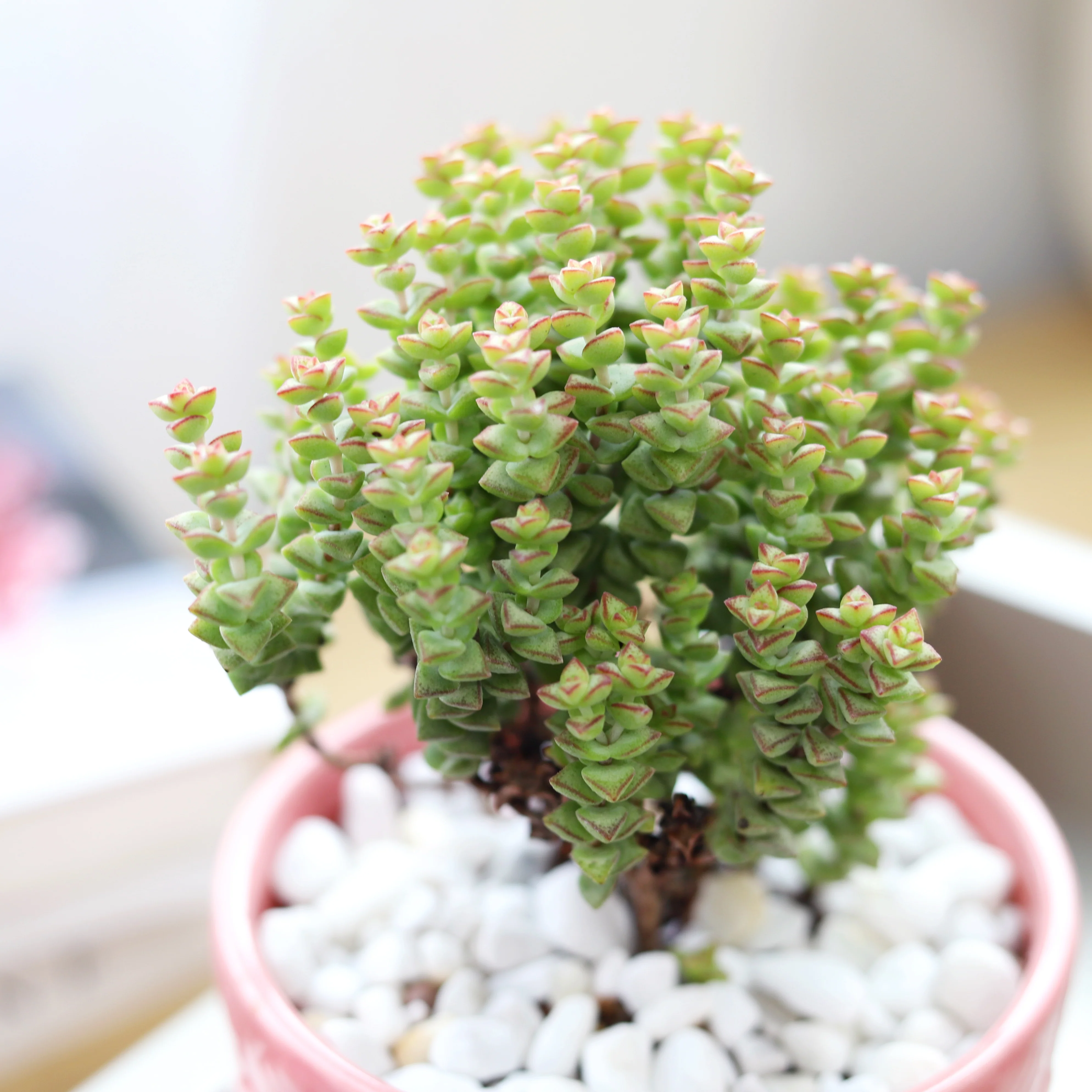
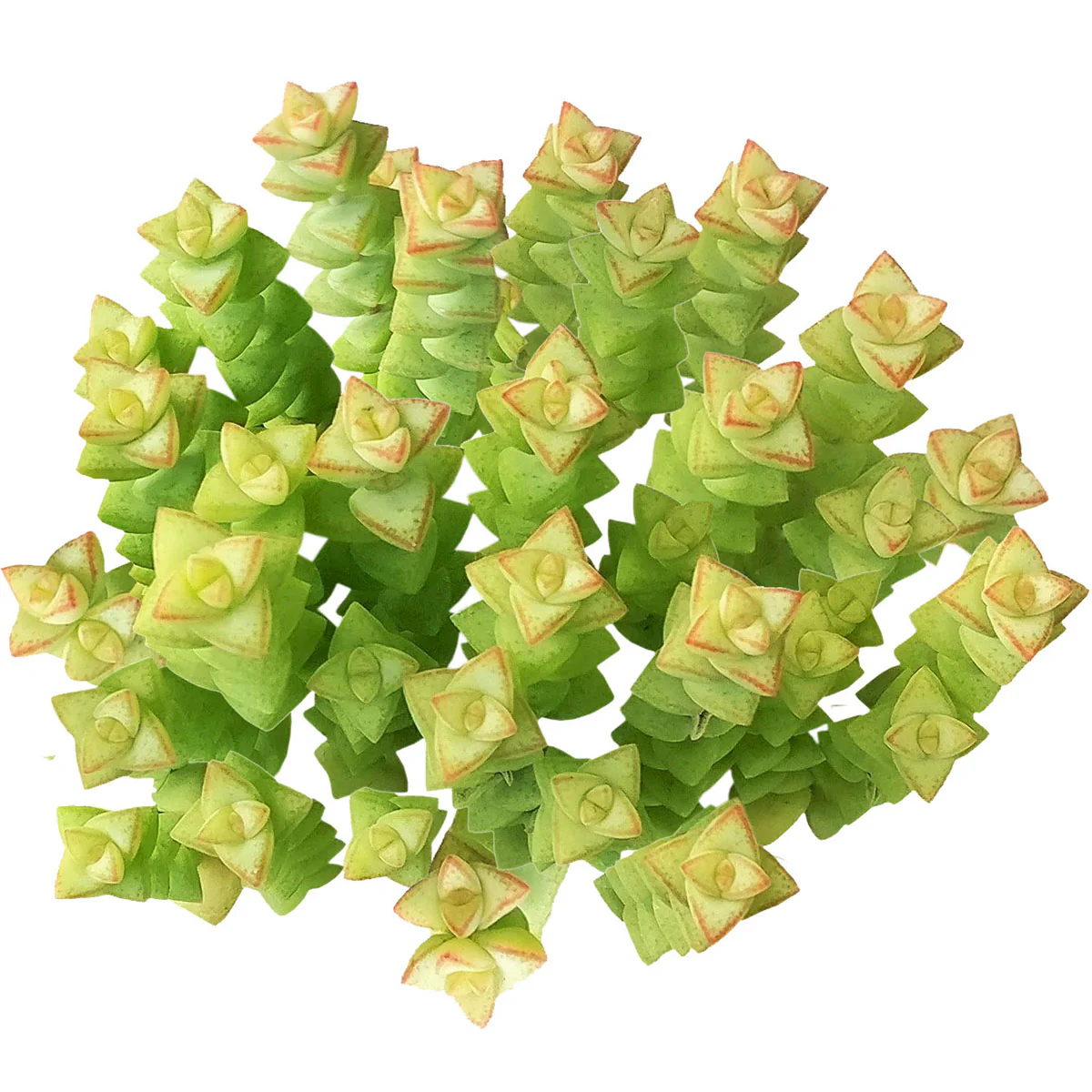
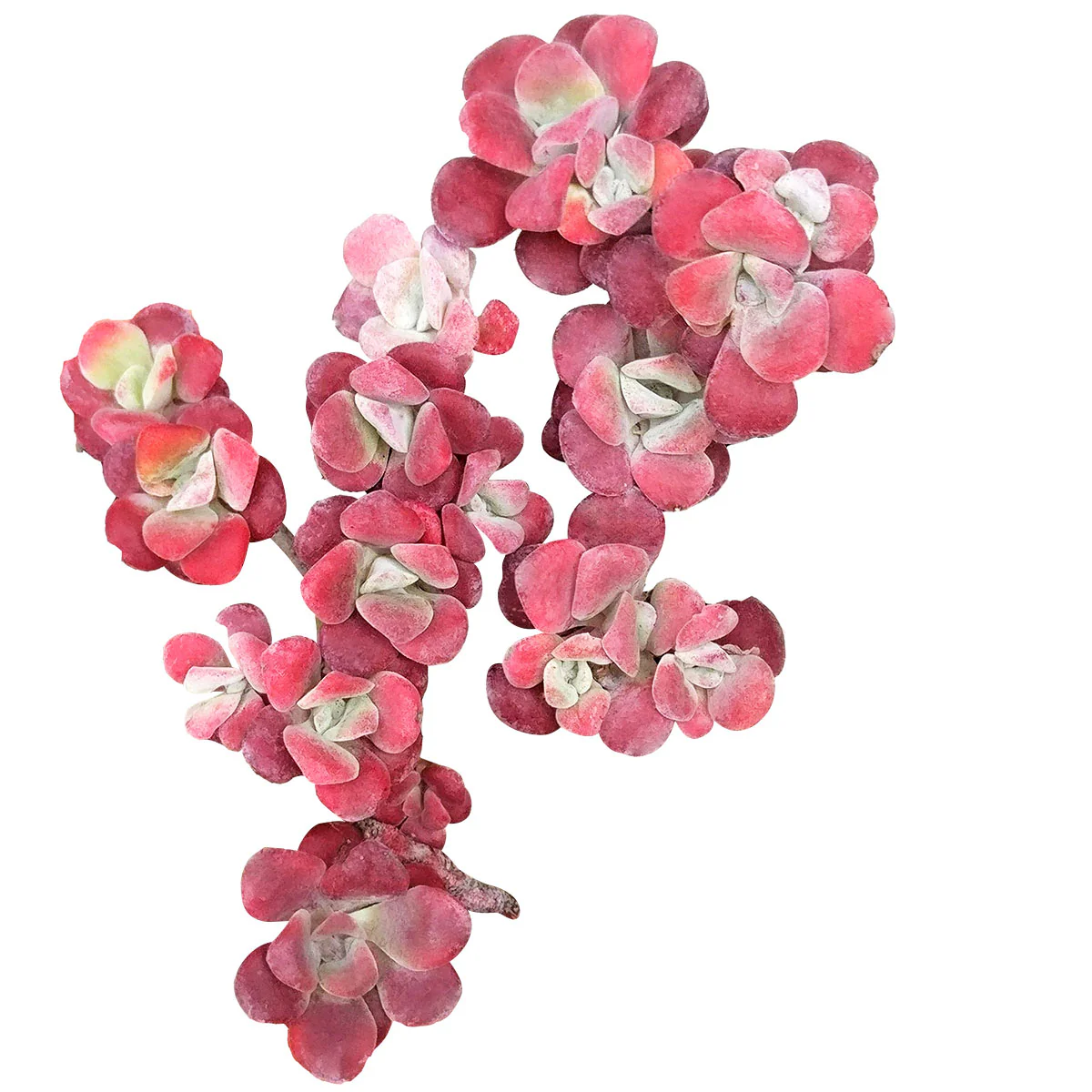
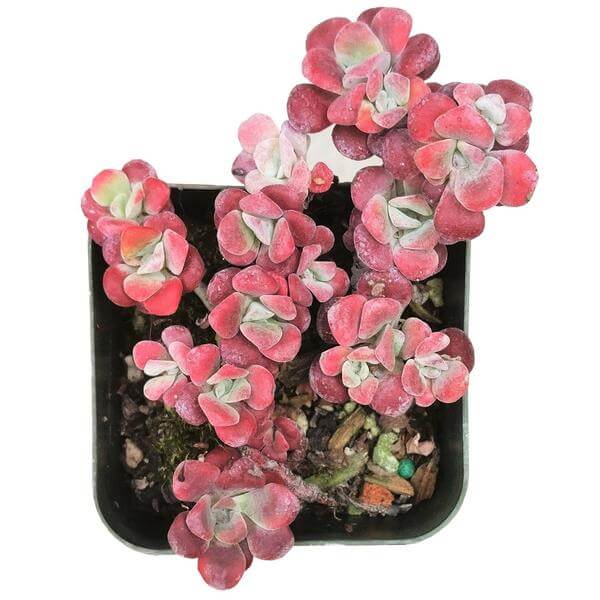
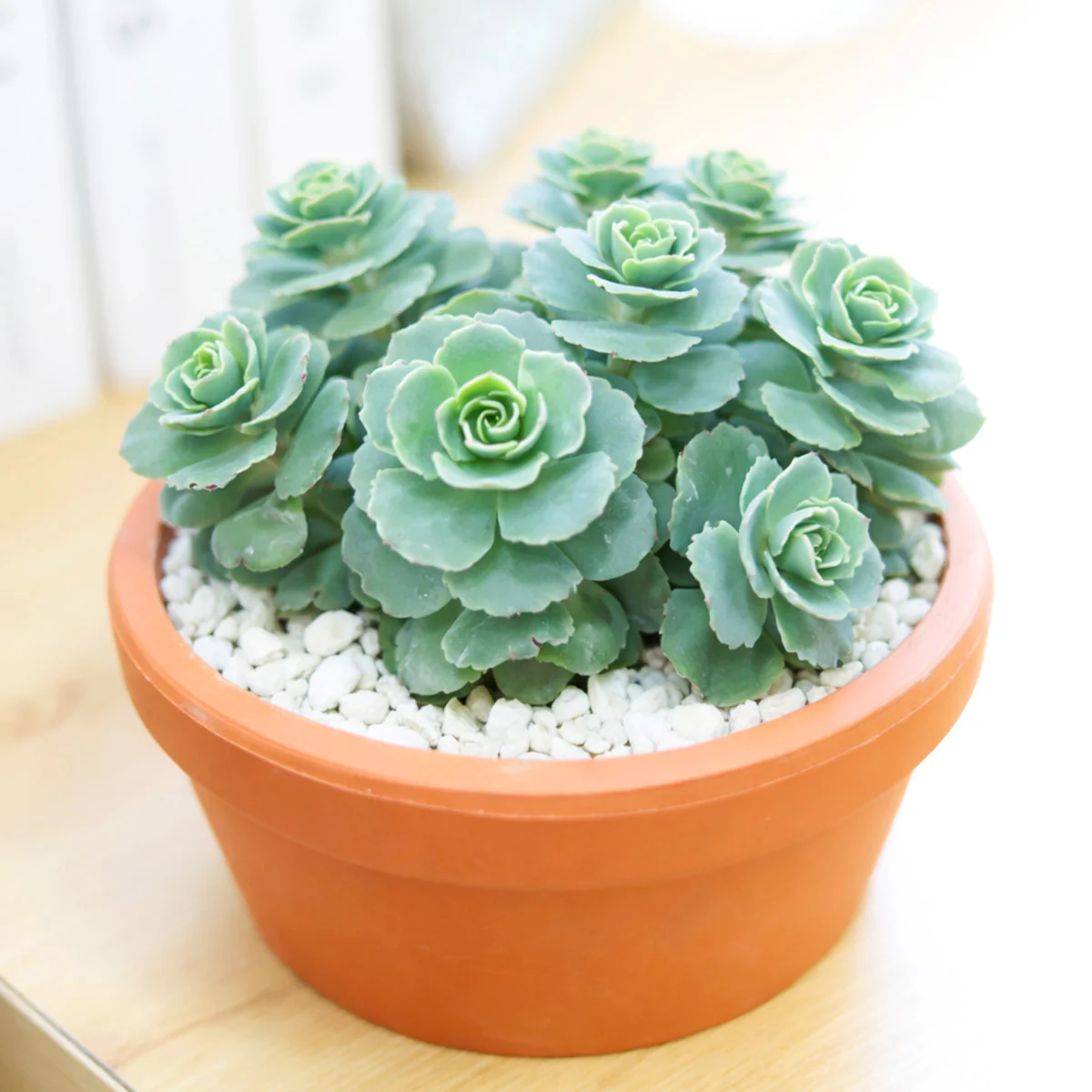
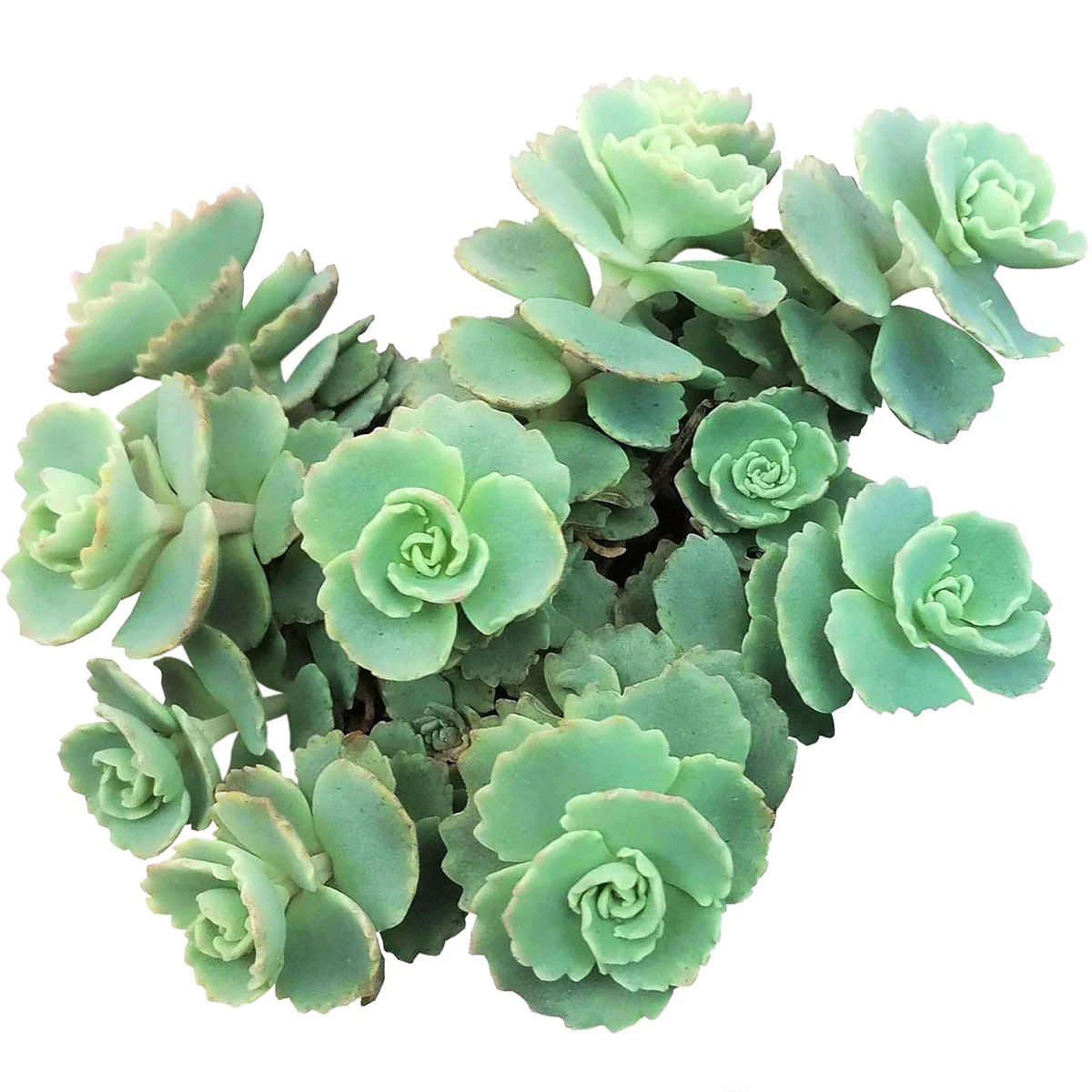
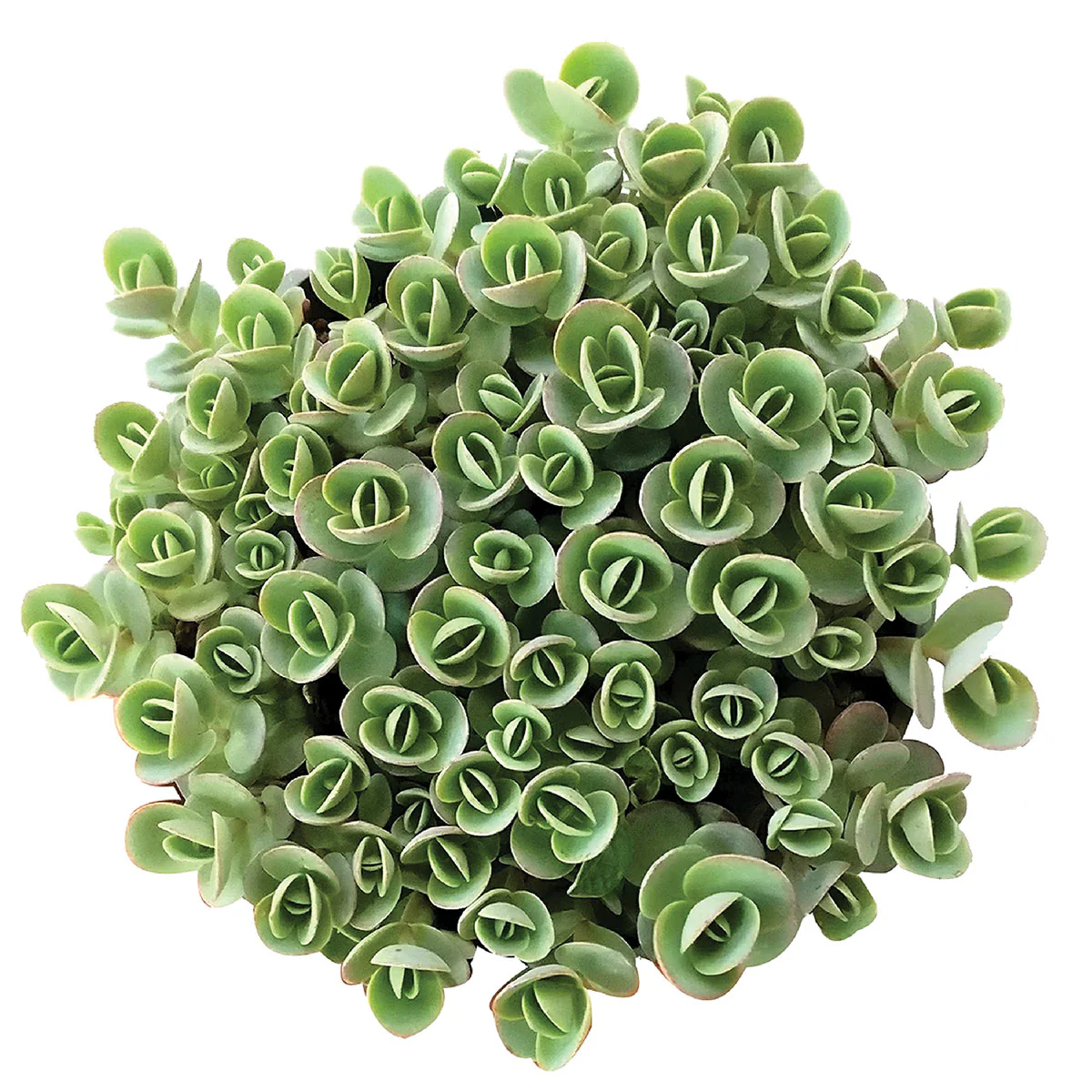
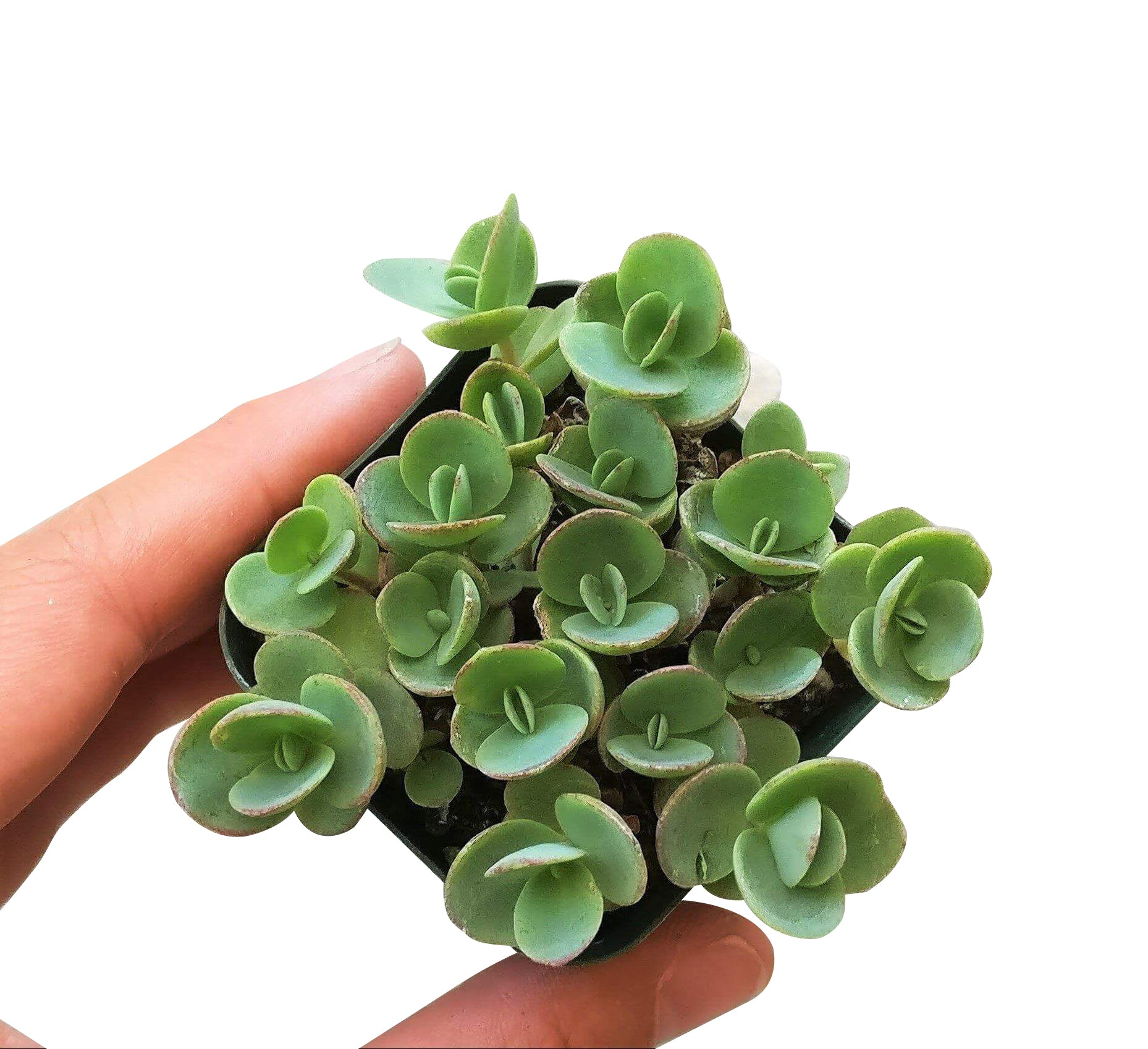
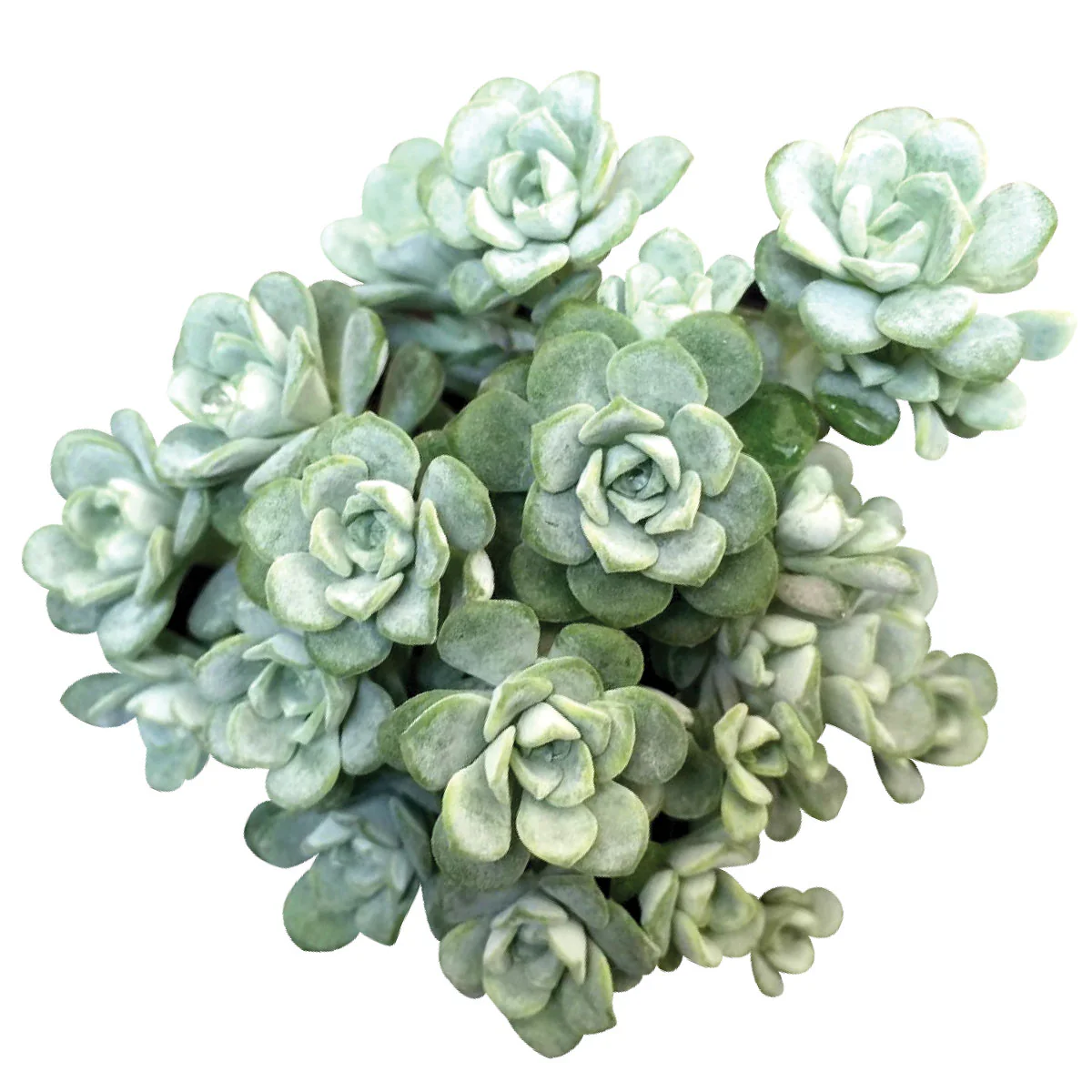
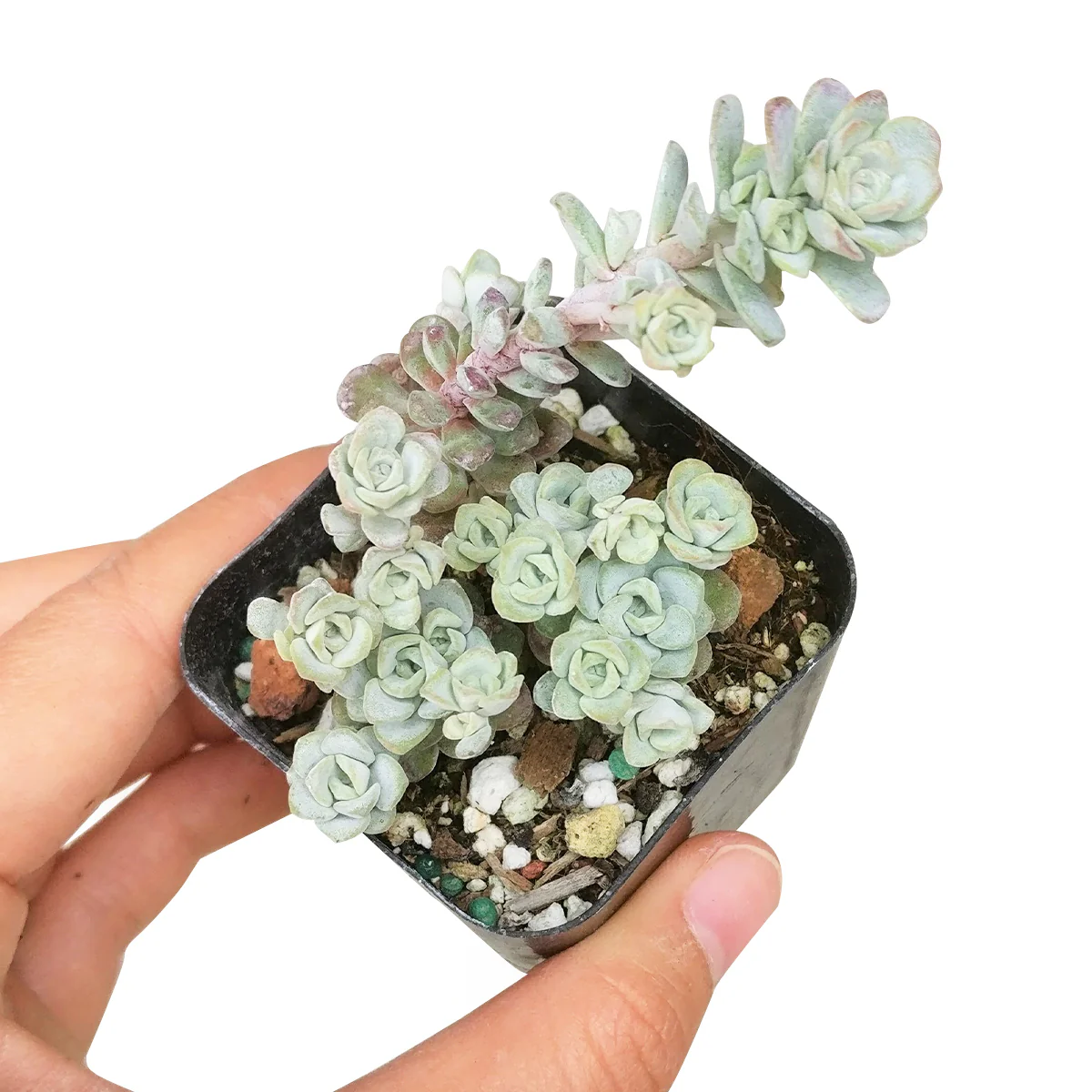
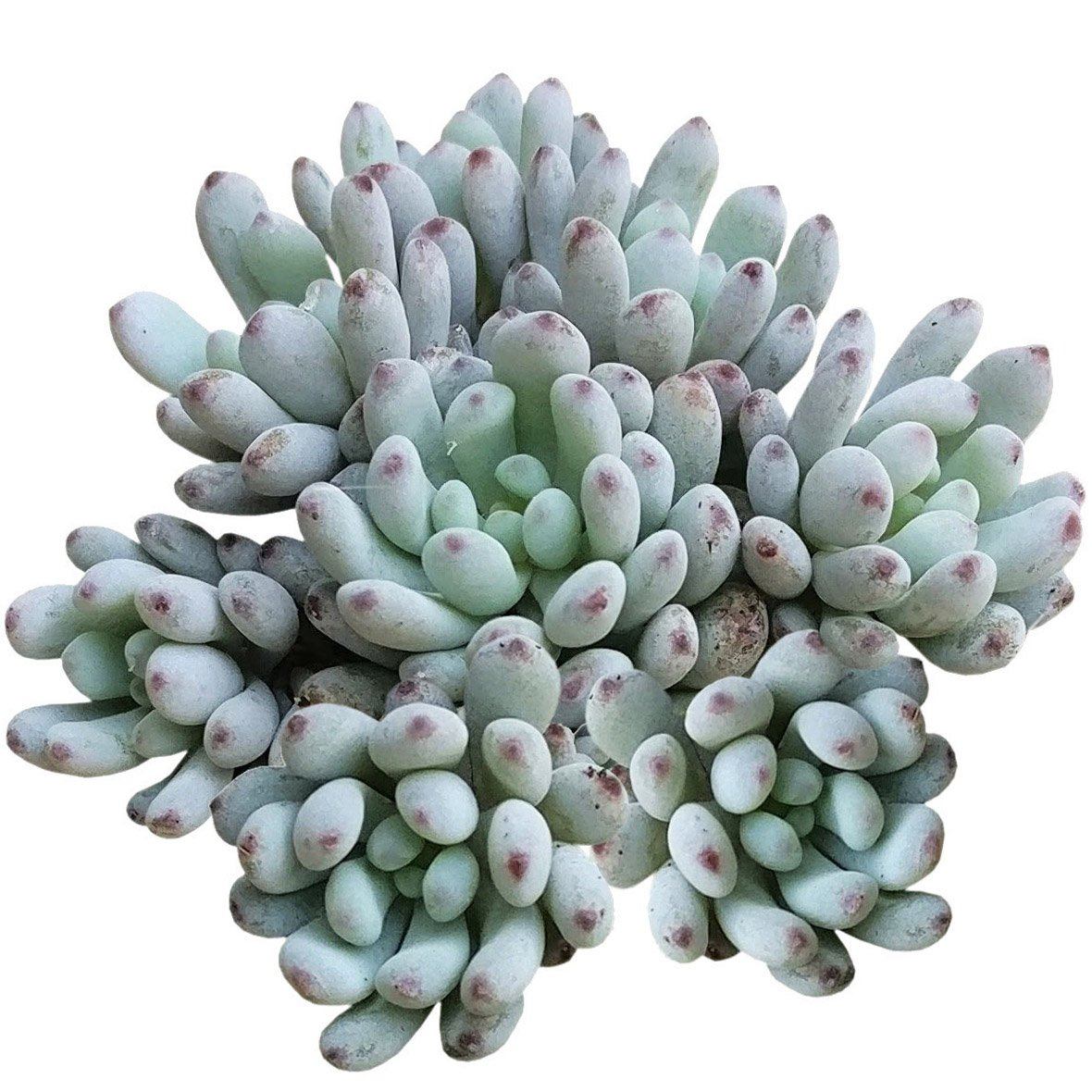
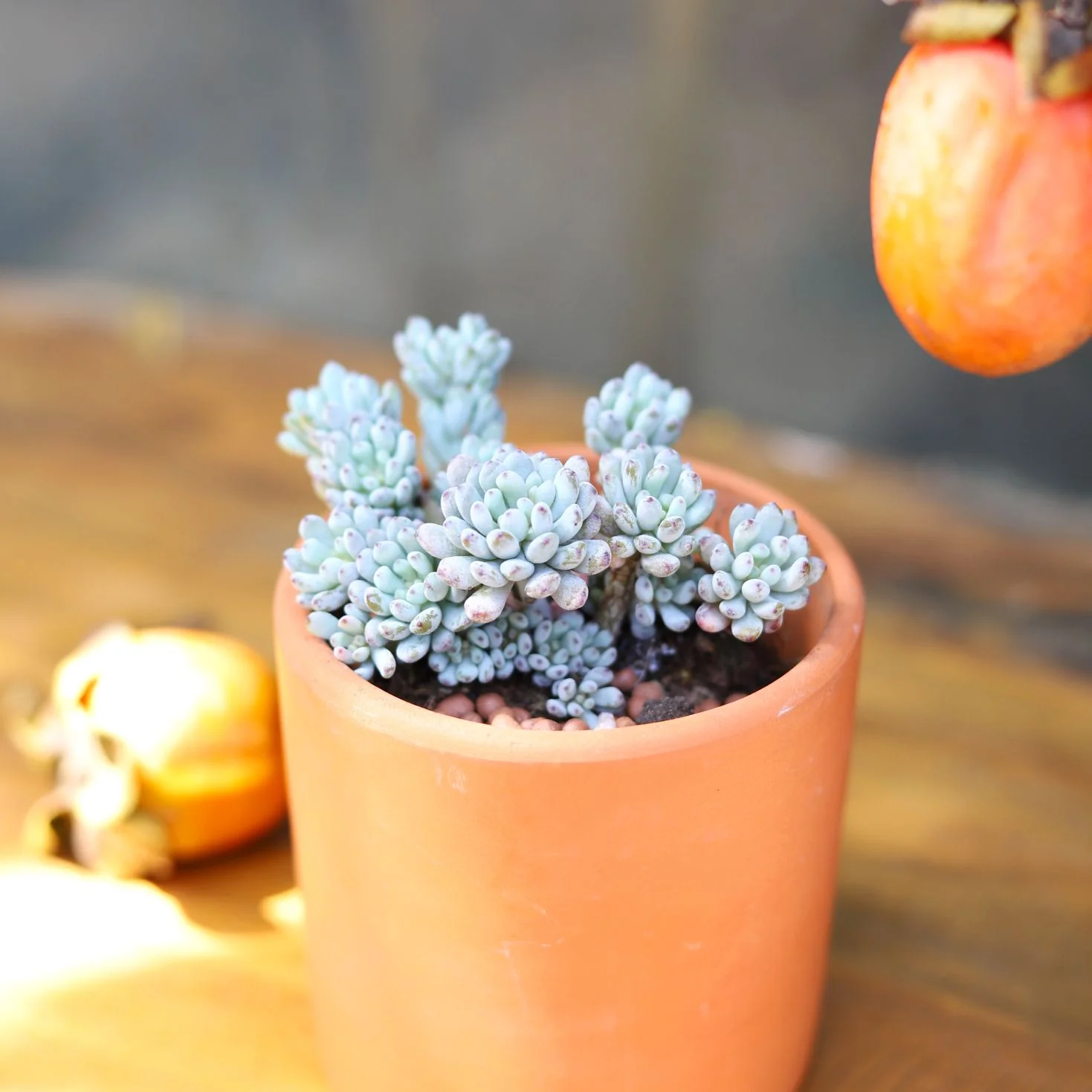
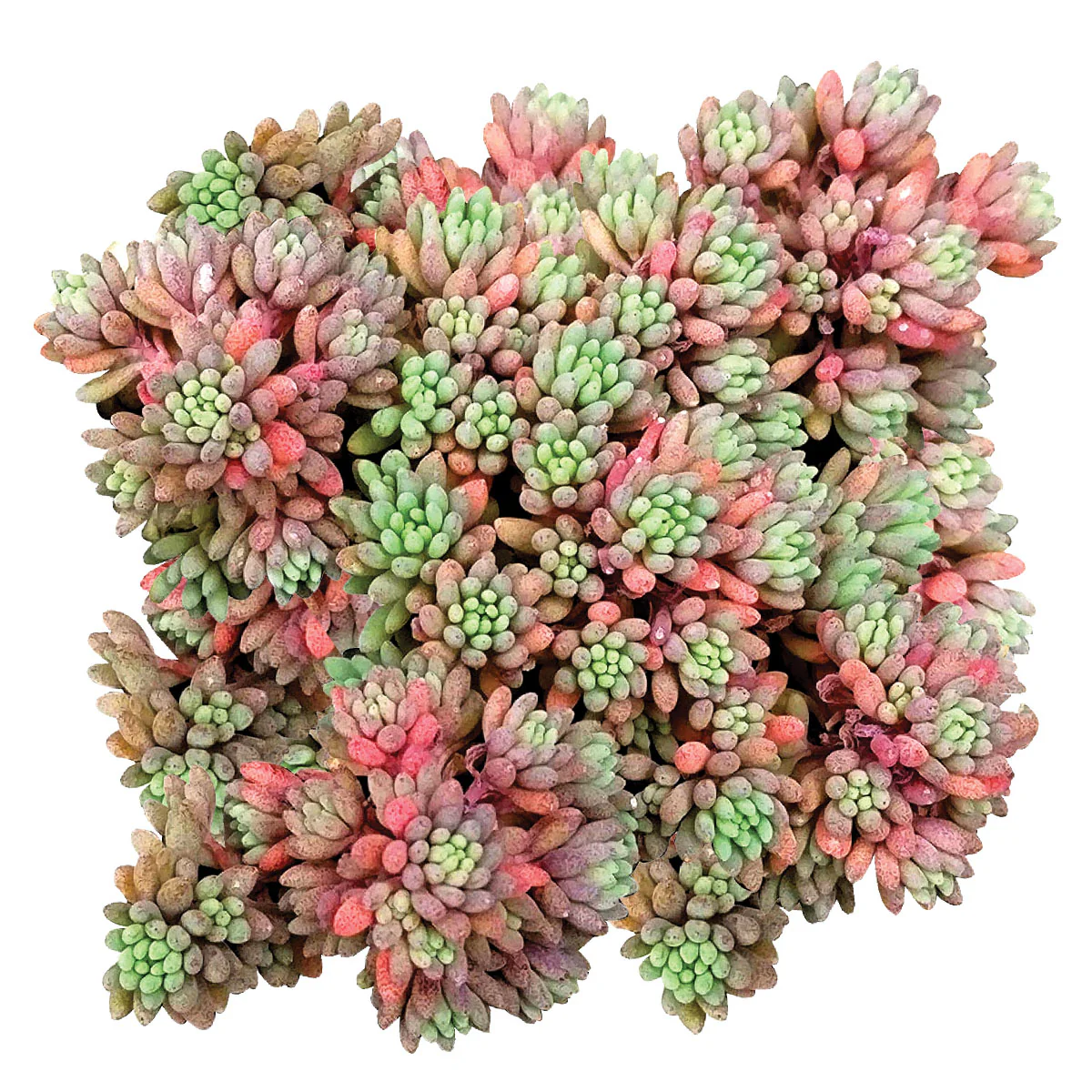
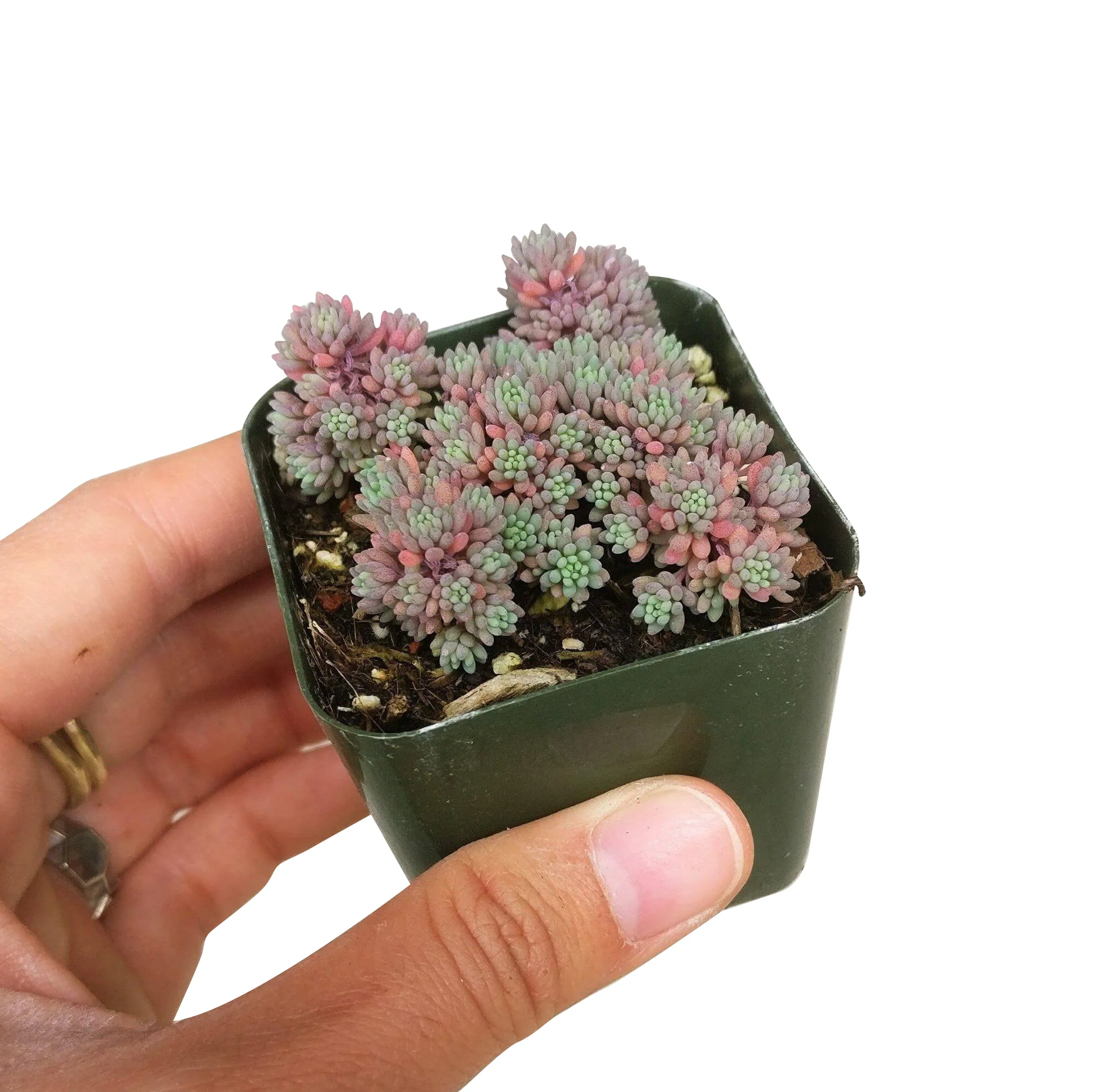
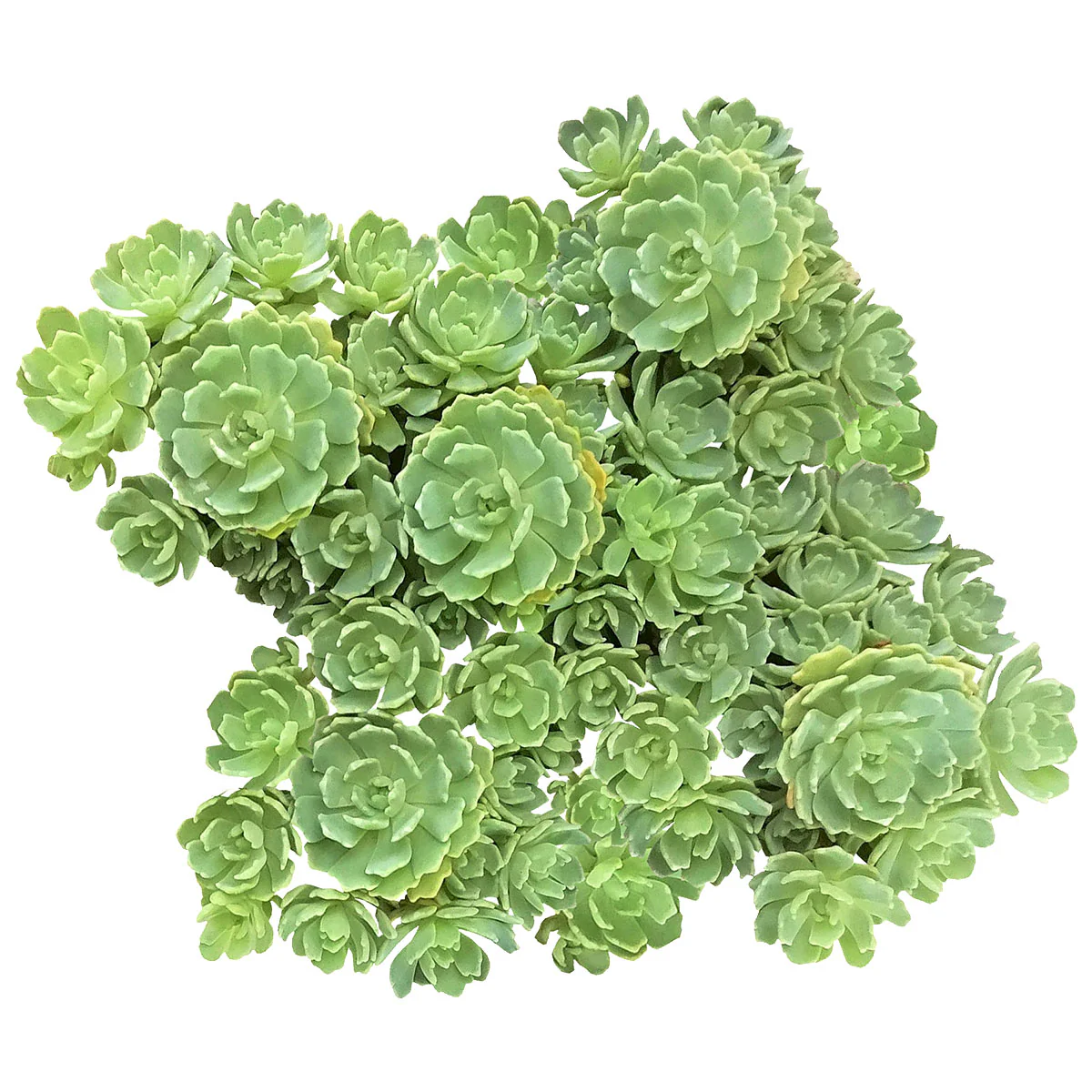
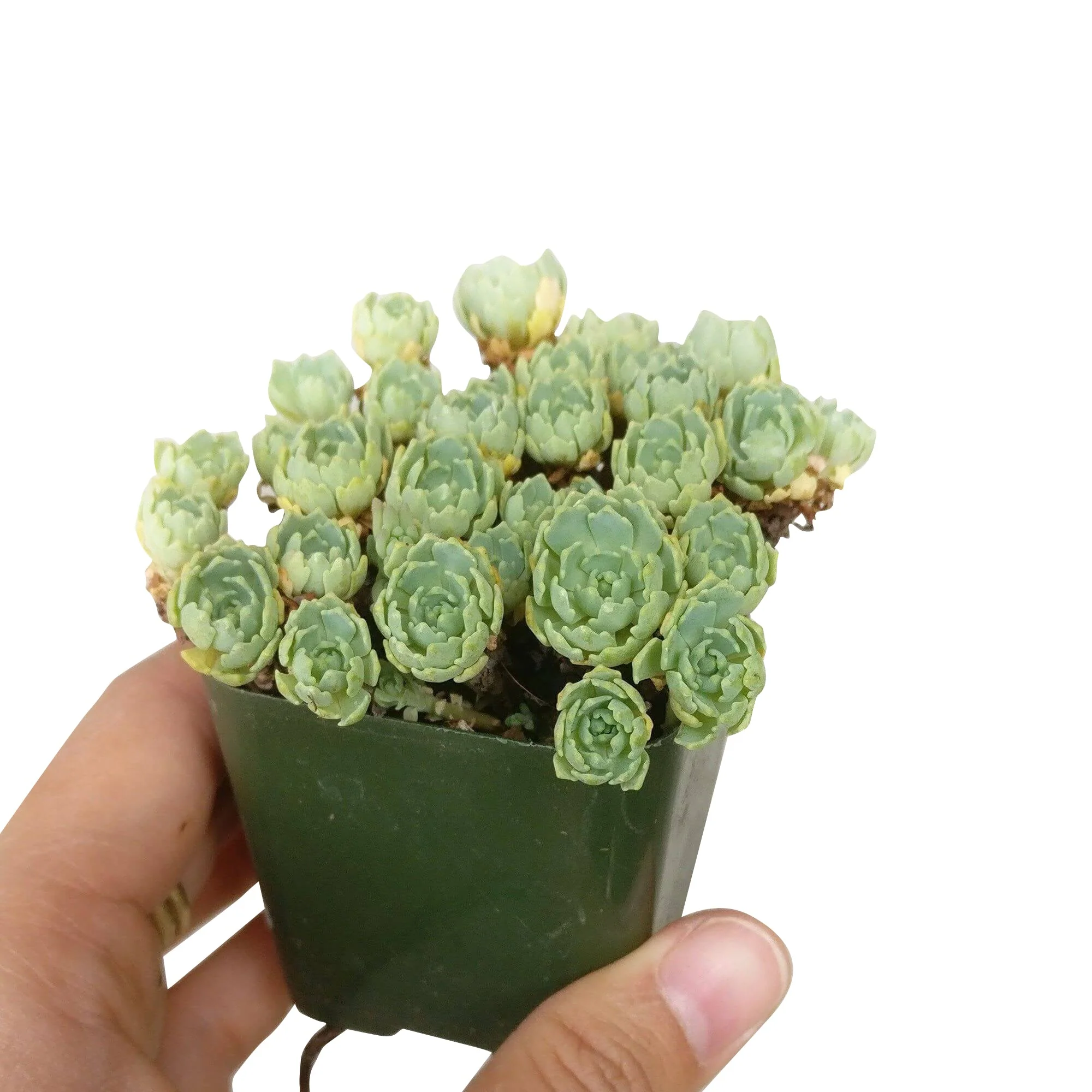
 Sempervivum Heuffelii Beacon Hill forms dense, symmetrical rosettes with thick, pointed leaves that display rich burgundy and deep red tones, often edged with subtle green. As a clumping grower, it spreads steadily by producing offsets tightly around the mother rosette, creating a lush, carpet-like effect over time. The firm, textured foliage and jewel-toned coloring make this beacon hill succulent instantly recognizable and visually striking in any planting arrangement.
 Sempervivum Heuffelii Beacon Hill shares the genus trait of producing a central bloom stalk once a rosette matures, typically in summer, after which that rosette completes its life cycle while the surrounding offsets carry on. Beyond flowering, this evergreen perennial succulent holds its color and structure through autumn and winter, staying ornamental year-round. It also produces pollen, so those with plant allergies may want to take note during bloom season.
 Sempervivum Heuffelii Beacon Hill is a genuine rare collector succulent that thrives on a sunny balcony, in a rock garden, or in a container that can move outside for summer and stay outdoors well into autumn. It handles balcony wind and rain with ease, though covering it during prolonged heavy rain helps prevent waterlogged soil. This plant is pet friendly, survives without care for up to ten days, and tolerates dry heated indoor air, making Sempervivum Heuffelii Beacon Hill as practical as it is beautiful.
-
 Sempervivum Heuffelii Beacon Hill thrives in partial sun to full sun, needing at least four to six hours of direct light daily.
 Water Sempervivum Heuffelii Beacon Hill deeply but infrequently, allowing soil to dry out completely between waterings, roughly every ten to fourteen days indoors.
 Sempervivum Heuffelii Beacon Hill performs best in a gritty, fast-draining mix such as cactus soil blended with perlite or coarse sand at a 1:1 ratio.
 Sempervivum Heuffelii Beacon Hill tolerates a wide range from around 25°F (-4°C) up to 90°F (32°C), showing strong frost tolerance in most temperate climates.
![]() Sempervivum Heuffelii Beacon Hill is a slow to moderate grower that needs little to no fertilizer, at most a light diluted feed once in spring.
Sempervivum Heuffelii Beacon Hill is a slow to moderate grower that needs little to no fertilizer, at most a light diluted feed once in spring.
 Sempervivum Heuffelii Beacon Hill is generally hardy in USDA Zones 4 through 9, tolerating frost down to around -30°F (-34°C) at the colder end of that range. This covers a sweeping portion of the United States, including Oregon, Washington, Idaho, Montana, Wyoming, Colorado, Utah, Nevada, California, Arizona, New Mexico, Texas, Kansas, Nebraska, South Dakota, North Dakota, Minnesota, Iowa, Missouri, Wisconsin, Michigan, Illinois, Indiana, Ohio, Kentucky, Tennessee, Arkansas, Oklahoma, Louisiana, Mississippi, Alabama, Georgia, South Carolina, North Carolina, Virginia, West Virginia, Maryland, Delaware, Pennsylvania, New Jersey, New York, Connecticut, Rhode Island, Massachusetts, Vermont, New Hampshire, and Maine. Whether you are growing Sempervivum Heuffelii Beacon Hill in the Pacific Northwest, the Midwest, the South, or along the East Coast, this cold hardy succulent is well suited to outdoor life across most of the continental US.
-
Q: Is Sempervivum Heuffelii Beacon Hill pet friendly?
A: Yes, Sempervivum Heuffelii Beacon Hill is pet friendly and is not toxic to cats or dogs.
Q: How often should I water Sempervivum Heuffelii Beacon Hill?
A: Water Sempervivum Heuffelii Beacon Hill every ten to fourteen days indoors, always letting the soil dry out fully between waterings to prevent root rot.
Q: Can Sempervivum Heuffelii Beacon Hill survive frost outdoors?
A: Sempervivum Heuffelii Beacon Hill is a frost tolerant succulent that handles temperatures well below freezing, making it one of the hardiest options for outdoor year-round planting in Zones 4 to 9.
Q: How much light does Sempervivum Heuffelii Beacon Hill need?
A: Sempervivum Heuffelii Beacon Hill does best in partial to full sun, ideally four to six or more hours of direct light per day. Rotate the pot occasionally for even, balanced rosette growth.
Q: How does Sempervivum Heuffelii Beacon Hill propagate?
A: Sempervivum Heuffelii Beacon Hill naturally produces offsets, or chicks, around the base of the mother rosette that can be gently separated and repotted once they are large enough to handle.
Q: Is Sempervivum Heuffelii Beacon Hill considered rare?
A: Yes, Sempervivum Heuffelii Beacon Hill is considered a rare collector succulent, making it a highly sought-after find for enthusiasts who appreciate unusual and distinctive cold hardy varieties.


Original: $8.00
-70%$8.00
$2.40Product Information
Product Information
Shipping & Returns
Shipping & Returns
Description
- Description
- Sempervivum Heuffelii 'Beacon Hill' Care Guide
- FAQ/Common Issues
-
![]() Sempervivum Heuffelii Beacon Hill is a rare cold hardy succulent belonging to the Crassulaceae family, prized by collectors and gardeners alike. Native to mountainous regions of southeastern Europe, this hens and chicks succulent has adapted to rocky, well-drained soils and harsh climates. Its toughness and striking appearance make Sempervivum Heuffelii Beacon Hill a standout choice for anyone seeking a low maintenance succulent with genuine character.
Sempervivum Heuffelii Beacon Hill is a rare cold hardy succulent belonging to the Crassulaceae family, prized by collectors and gardeners alike. Native to mountainous regions of southeastern Europe, this hens and chicks succulent has adapted to rocky, well-drained soils and harsh climates. Its toughness and striking appearance make Sempervivum Heuffelii Beacon Hill a standout choice for anyone seeking a low maintenance succulent with genuine character.
Sempervivum Heuffelii Beacon Hill forms dense, symmetrical rosettes with thick, pointed leaves that display rich burgundy and deep red tones, often edged with subtle green. As a clumping grower, it spreads steadily by producing offsets tightly around the mother rosette, creating a lush, carpet-like effect over time. The firm, textured foliage and jewel-toned coloring make this beacon hill succulent instantly recognizable and visually striking in any planting arrangement.
Sempervivum Heuffelii Beacon Hill shares the genus trait of producing a central bloom stalk once a rosette matures, typically in summer, after which that rosette completes its life cycle while the surrounding offsets carry on. Beyond flowering, this evergreen perennial succulent holds its color and structure through autumn and winter, staying ornamental year-round. It also produces pollen, so those with plant allergies may want to take note during bloom season.
Sempervivum Heuffelii Beacon Hill is a genuine rare collector succulent that thrives on a sunny balcony, in a rock garden, or in a container that can move outside for summer and stay outdoors well into autumn. It handles balcony wind and rain with ease, though covering it during prolonged heavy rain helps prevent waterlogged soil. This plant is pet friendly, survives without care for up to ten days, and tolerates dry heated indoor air, making Sempervivum Heuffelii Beacon Hill as practical as it is beautiful.
-
Sempervivum Heuffelii Beacon Hill thrives in partial sun to full sun, needing at least four to six hours of direct light daily.
Water Sempervivum Heuffelii Beacon Hill deeply but infrequently, allowing soil to dry out completely between waterings, roughly every ten to fourteen days indoors.
Sempervivum Heuffelii Beacon Hill performs best in a gritty, fast-draining mix such as cactus soil blended with perlite or coarse sand at a 1:1 ratio.
Sempervivum Heuffelii Beacon Hill tolerates a wide range from around 25°F (-4°C) up to 90°F (32°C), showing strong frost tolerance in most temperate climates.
![]() Sempervivum Heuffelii Beacon Hill is a slow to moderate grower that needs little to no fertilizer, at most a light diluted feed once in spring.
Sempervivum Heuffelii Beacon Hill is a slow to moderate grower that needs little to no fertilizer, at most a light diluted feed once in spring.
Sempervivum Heuffelii Beacon Hill is generally hardy in USDA Zones 4 through 9, tolerating frost down to around -30°F (-34°C) at the colder end of that range. This covers a sweeping portion of the United States, including Oregon, Washington, Idaho, Montana, Wyoming, Colorado, Utah, Nevada, California, Arizona, New Mexico, Texas, Kansas, Nebraska, South Dakota, North Dakota, Minnesota, Iowa, Missouri, Wisconsin, Michigan, Illinois, Indiana, Ohio, Kentucky, Tennessee, Arkansas, Oklahoma, Louisiana, Mississippi, Alabama, Georgia, South Carolina, North Carolina, Virginia, West Virginia, Maryland, Delaware, Pennsylvania, New Jersey, New York, Connecticut, Rhode Island, Massachusetts, Vermont, New Hampshire, and Maine. Whether you are growing Sempervivum Heuffelii Beacon Hill in the Pacific Northwest, the Midwest, the South, or along the East Coast, this cold hardy succulent is well suited to outdoor life across most of the continental US.
-
Q: Is Sempervivum Heuffelii Beacon Hill pet friendly?
A: Yes, Sempervivum Heuffelii Beacon Hill is pet friendly and is not toxic to cats or dogs.
Q: How often should I water Sempervivum Heuffelii Beacon Hill?
A: Water Sempervivum Heuffelii Beacon Hill every ten to fourteen days indoors, always letting the soil dry out fully between waterings to prevent root rot.
Q: Can Sempervivum Heuffelii Beacon Hill survive frost outdoors?
A: Sempervivum Heuffelii Beacon Hill is a frost tolerant succulent that handles temperatures well below freezing, making it one of the hardiest options for outdoor year-round planting in Zones 4 to 9.
Q: How much light does Sempervivum Heuffelii Beacon Hill need?
A: Sempervivum Heuffelii Beacon Hill does best in partial to full sun, ideally four to six or more hours of direct light per day. Rotate the pot occasionally for even, balanced rosette growth.
Q: How does Sempervivum Heuffelii Beacon Hill propagate?
A: Sempervivum Heuffelii Beacon Hill naturally produces offsets, or chicks, around the base of the mother rosette that can be gently separated and repotted once they are large enough to handle.
Q: Is Sempervivum Heuffelii Beacon Hill considered rare?
A: Yes, Sempervivum Heuffelii Beacon Hill is considered a rare collector succulent, making it a highly sought-after find for enthusiasts who appreciate unusual and distinctive cold hardy varieties.