Sempervivum Grape Tone
- Description
- Sempervivum Grape Tone Care Guide
- FAQ/Common Issues
-
![]() Sempervivum Grape Tone is a hardy succulent rosette belonging to the Crassulaceae family, a group of tough, drought tolerant succulents native to the mountainous regions of Europe and parts of western Asia. In the wild, these houseleek plants anchor themselves into rocky, gritty soils and shrug off freezing temperatures with ease. That rugged heritage makes Sempervivum Grape Tone one of the most rewarding low maintenance succulents you can grow, indoors or out.
Sempervivum Grape Tone is a hardy succulent rosette belonging to the Crassulaceae family, a group of tough, drought tolerant succulents native to the mountainous regions of Europe and parts of western Asia. In the wild, these houseleek plants anchor themselves into rocky, gritty soils and shrug off freezing temperatures with ease. That rugged heritage makes Sempervivum Grape Tone one of the most rewarding low maintenance succulents you can grow, indoors or out.
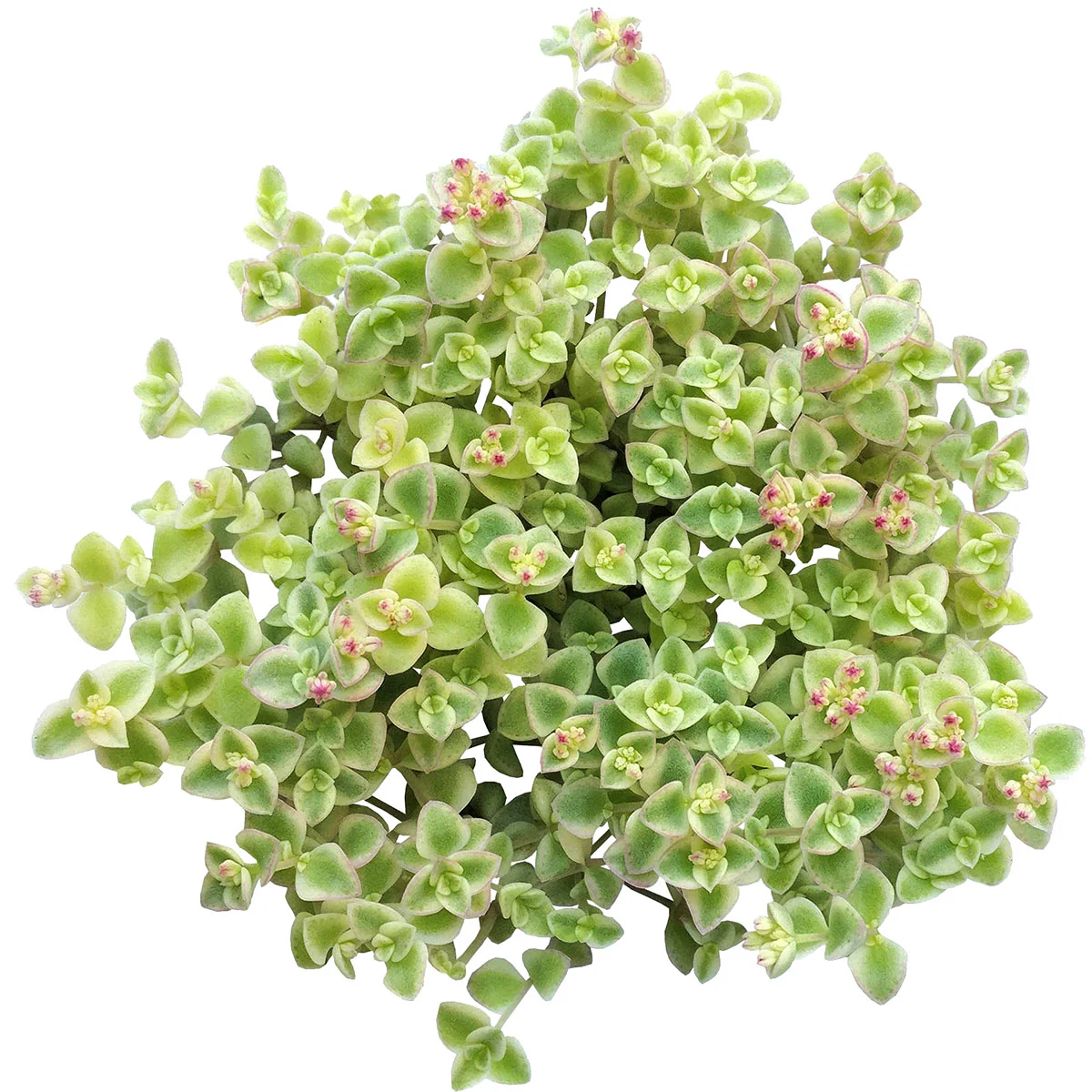
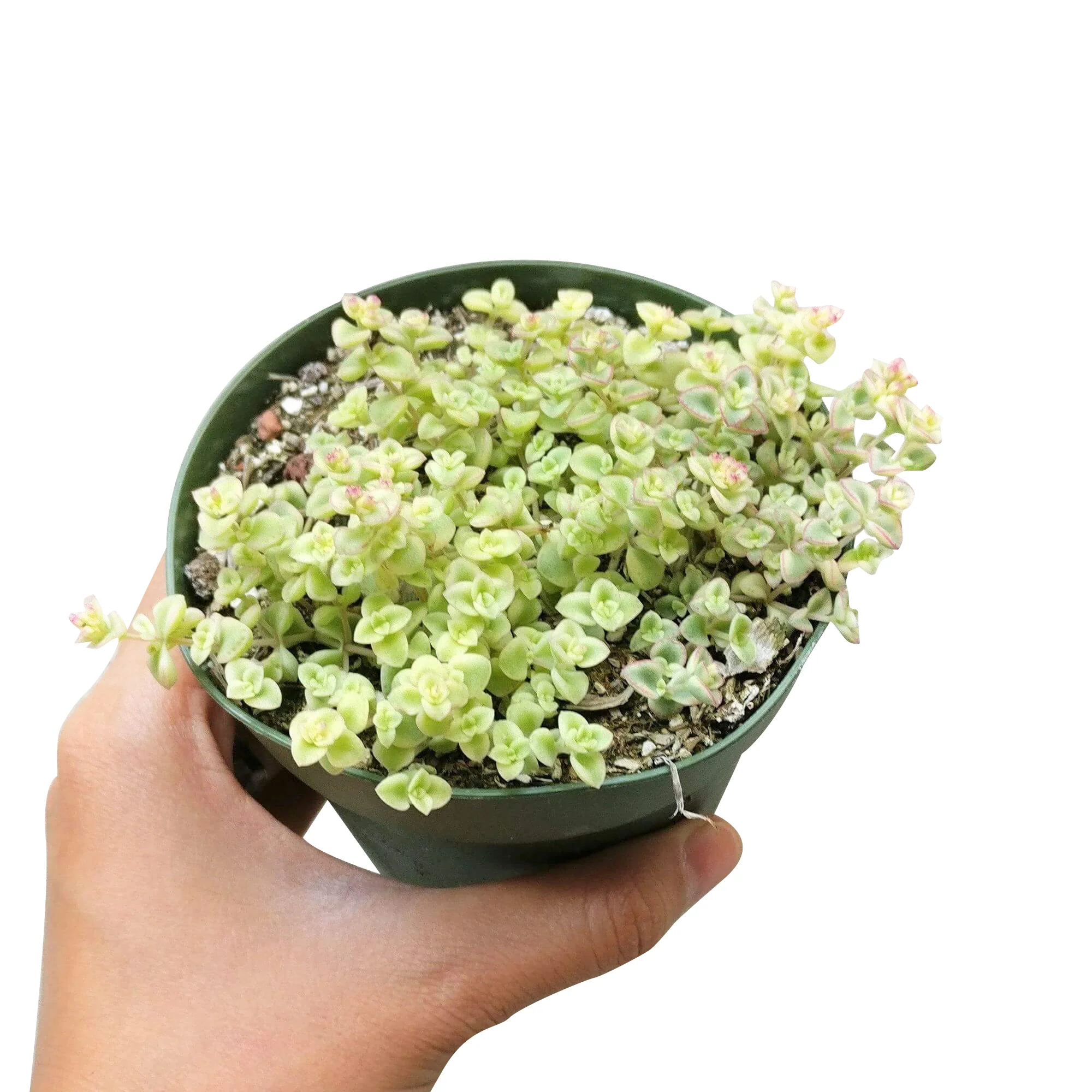
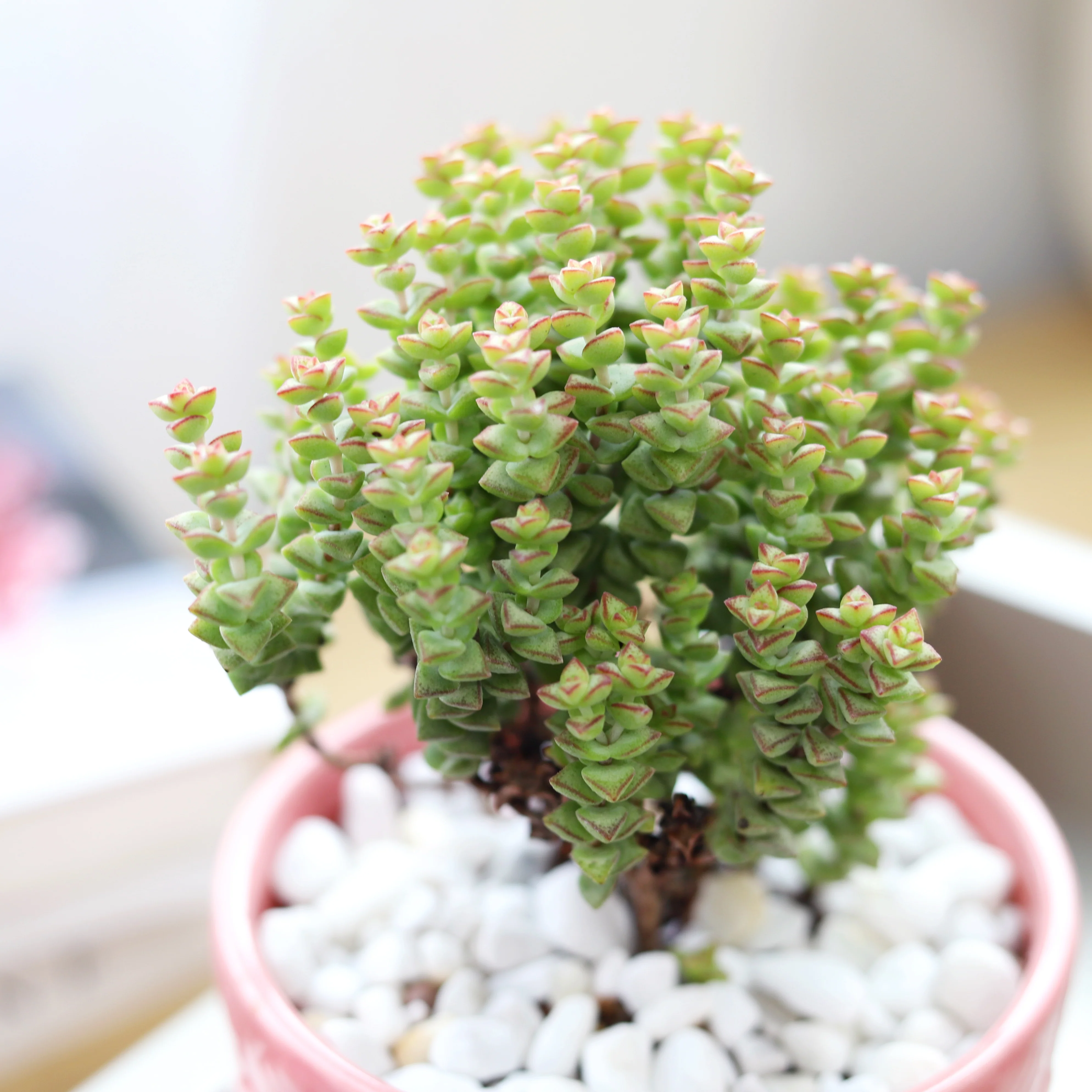
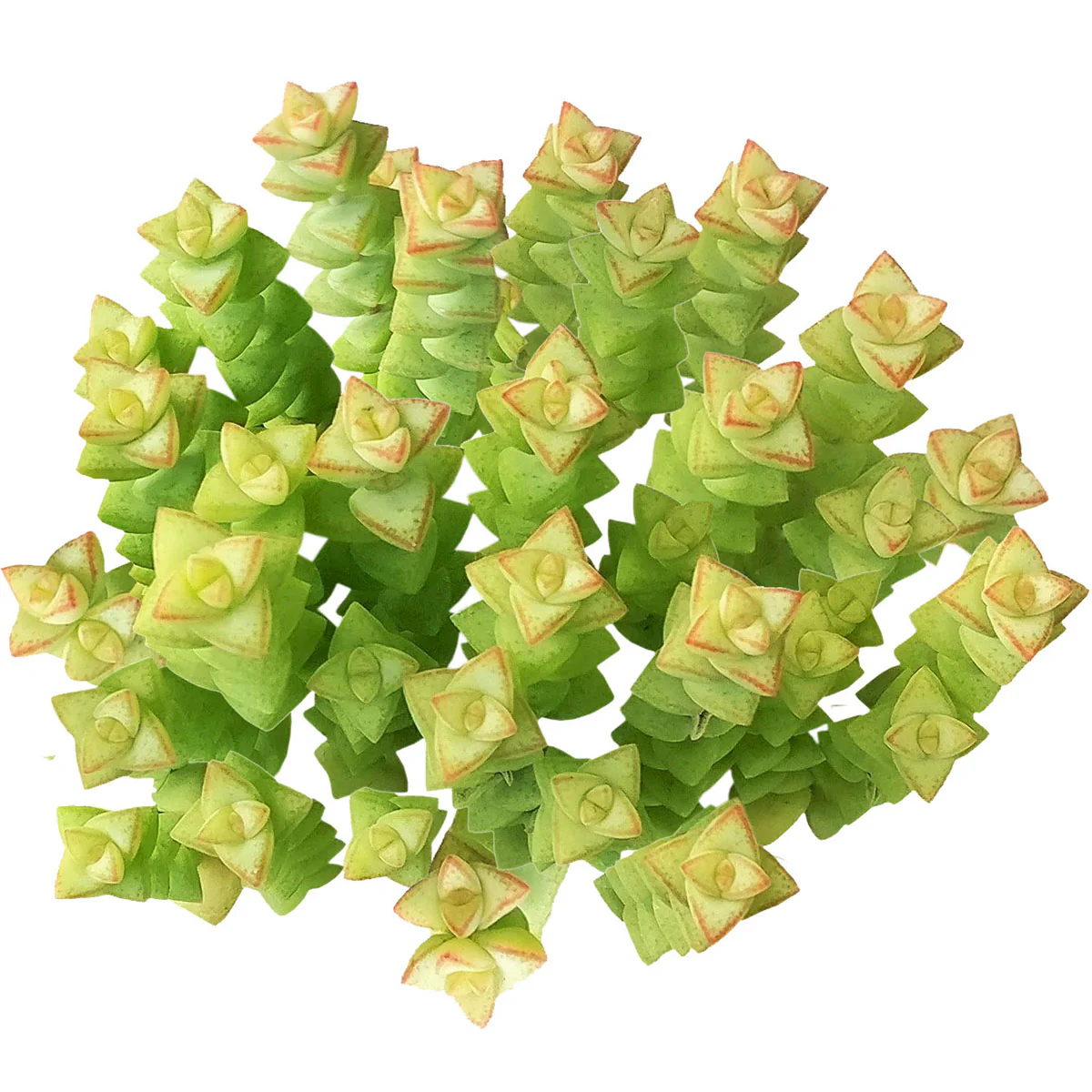
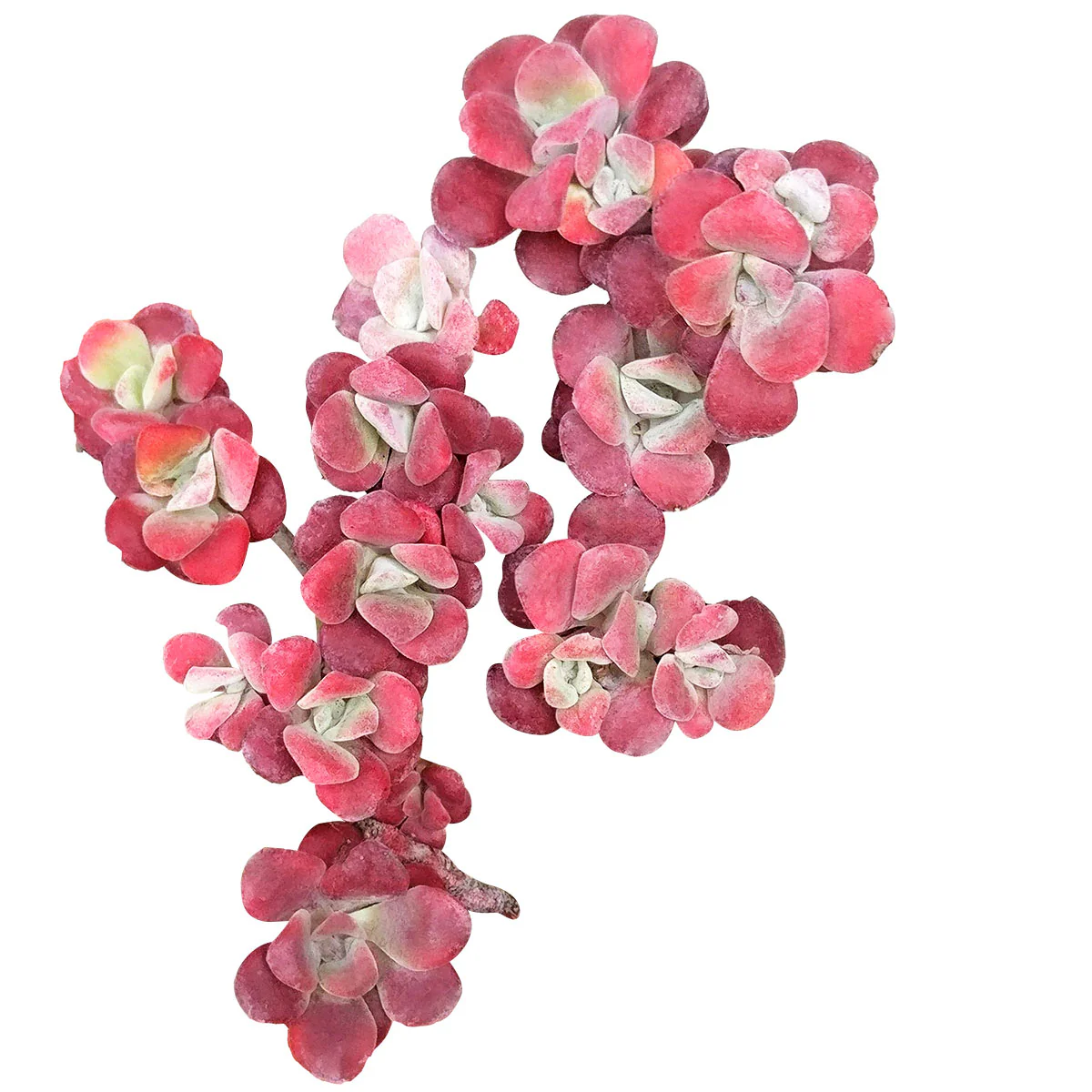
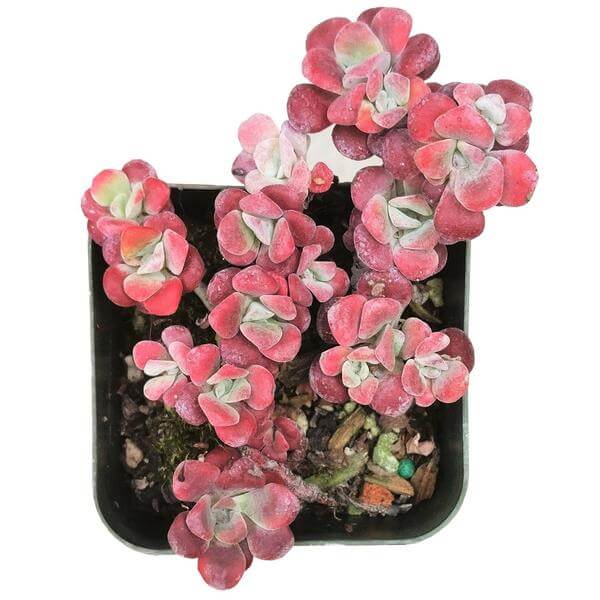
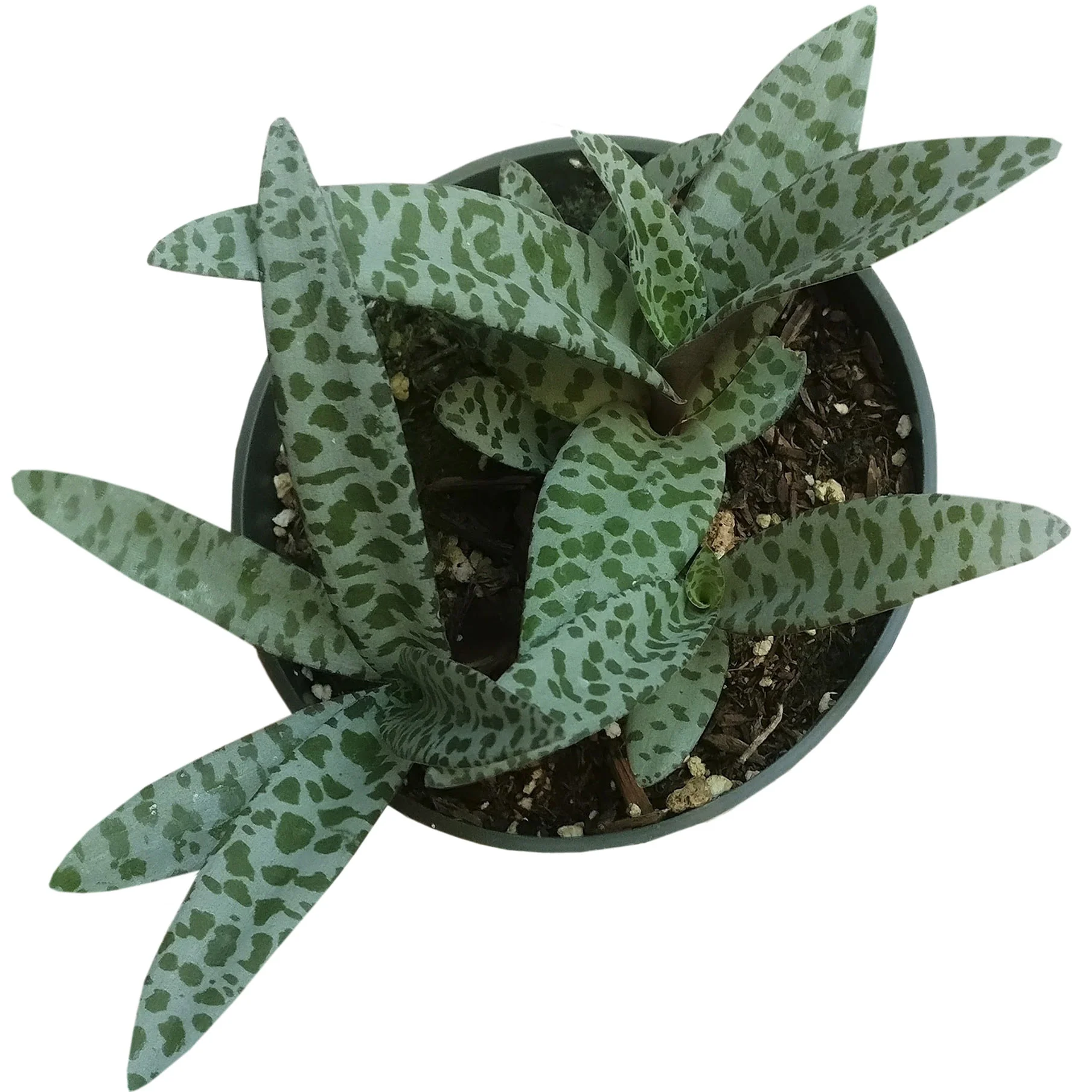
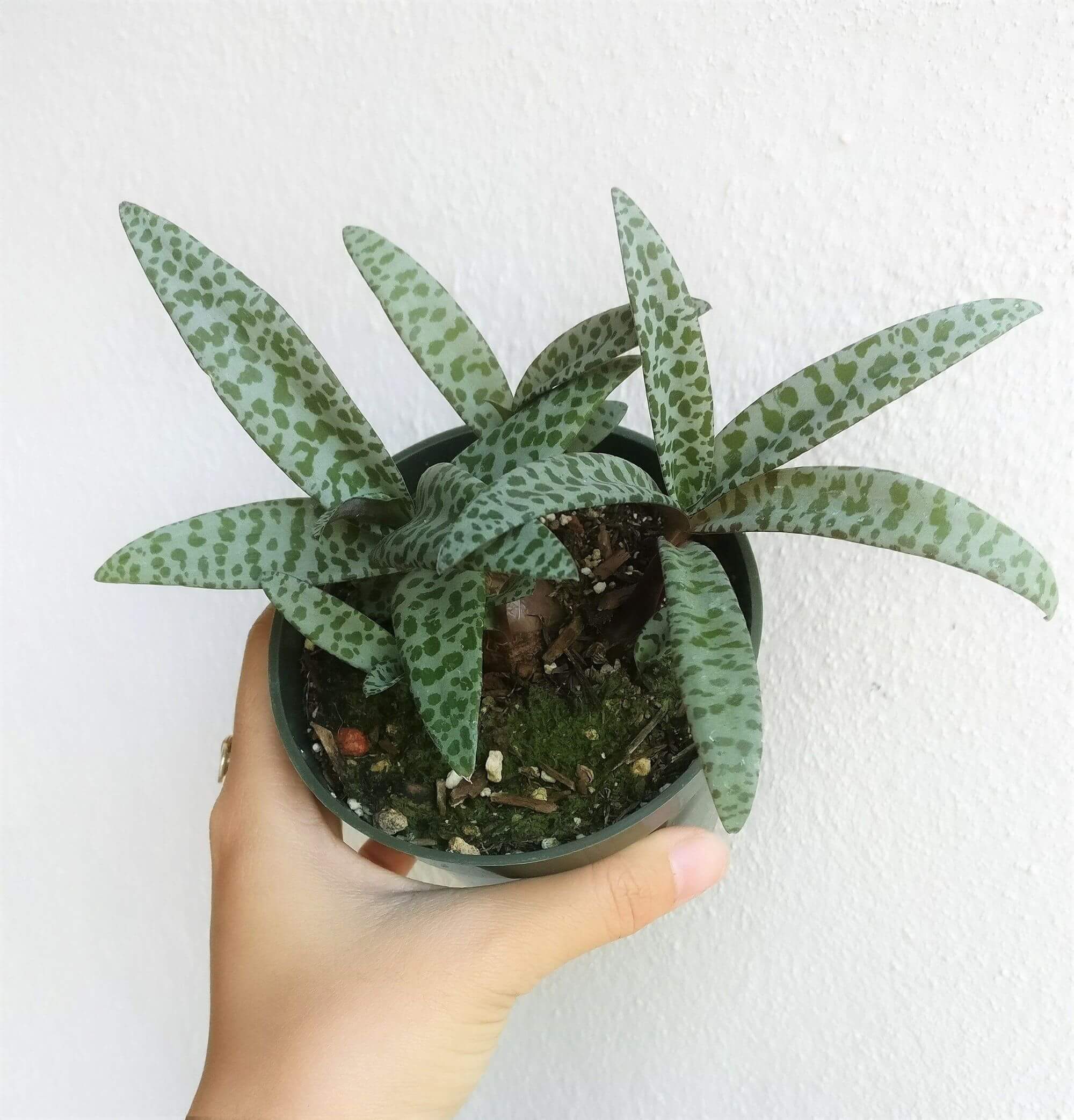
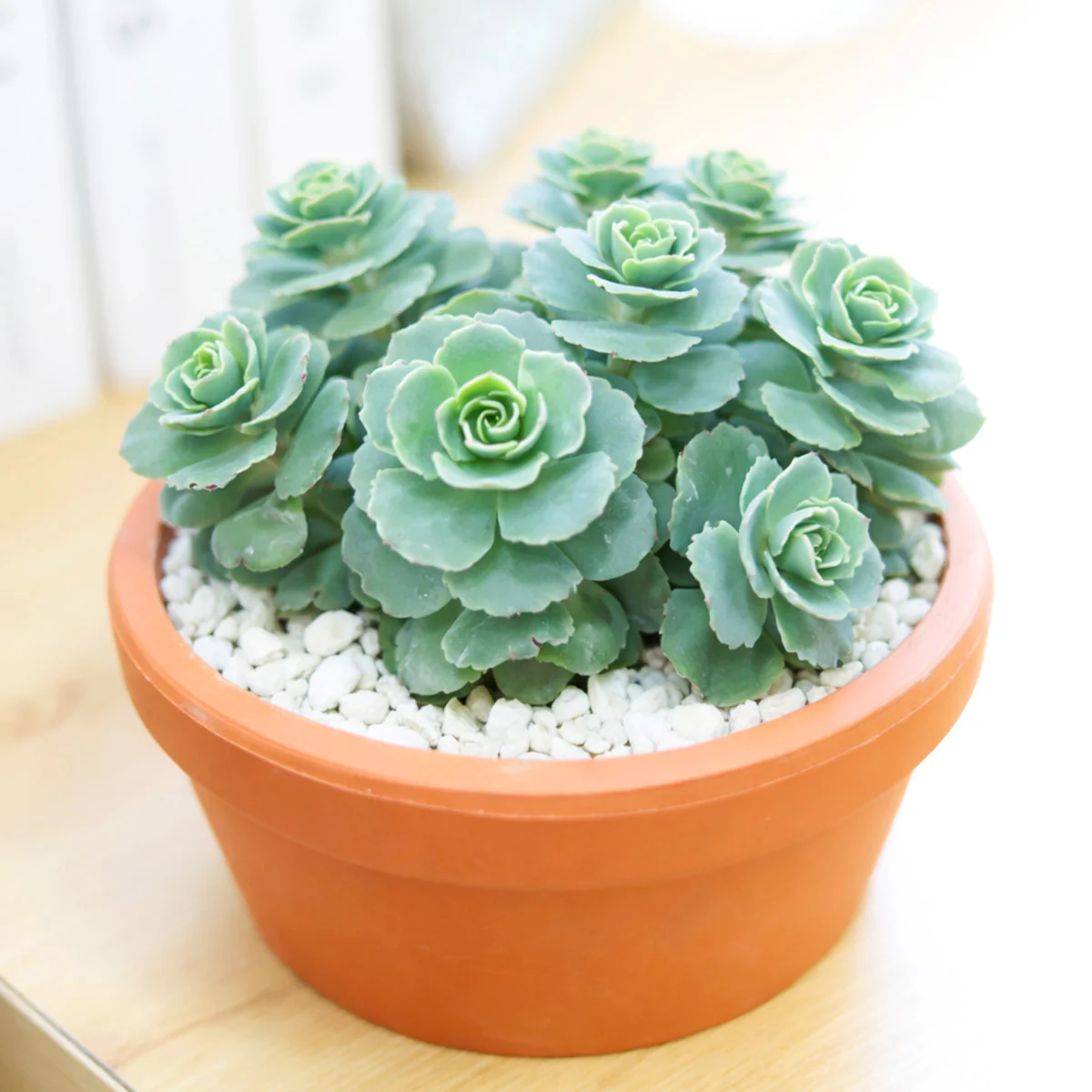
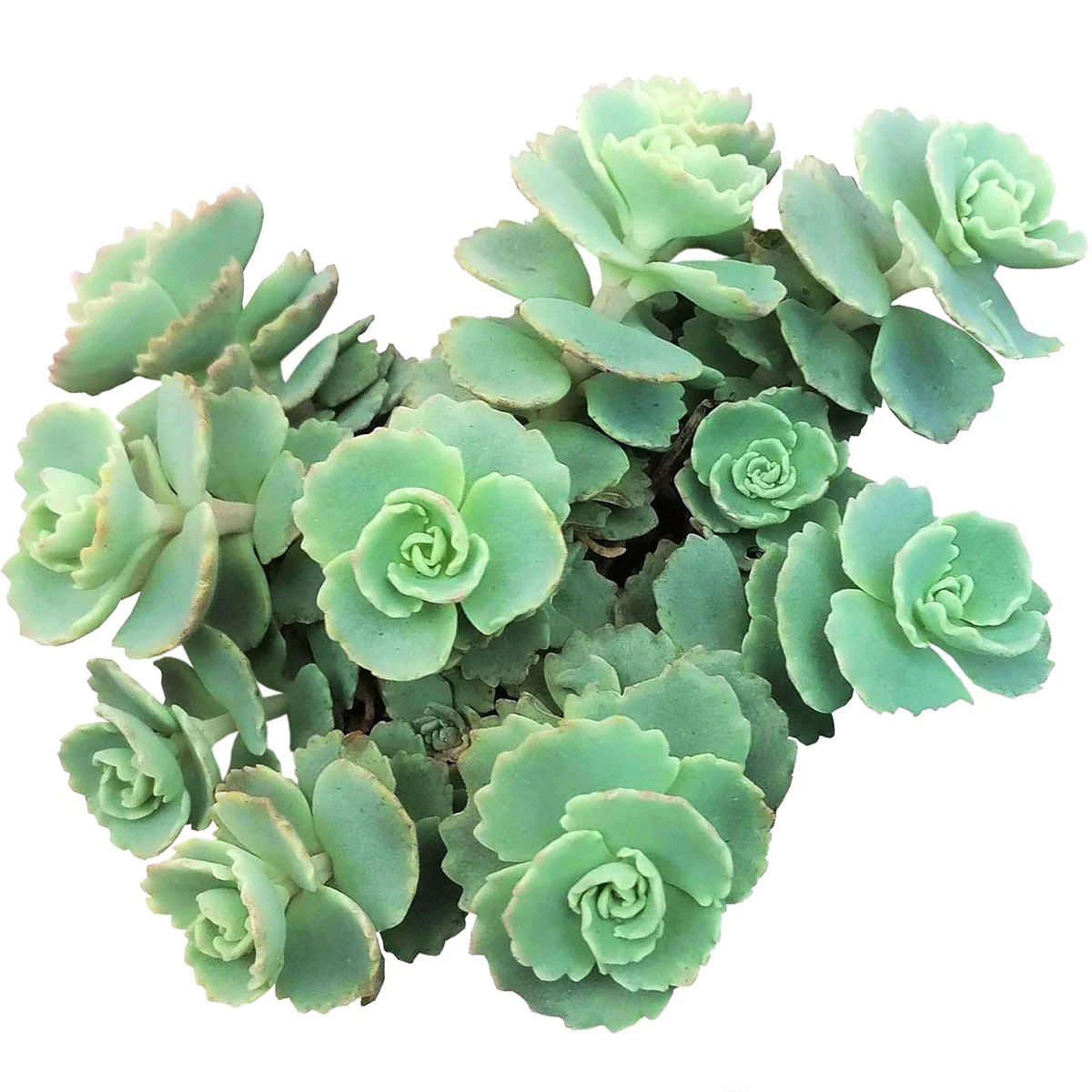
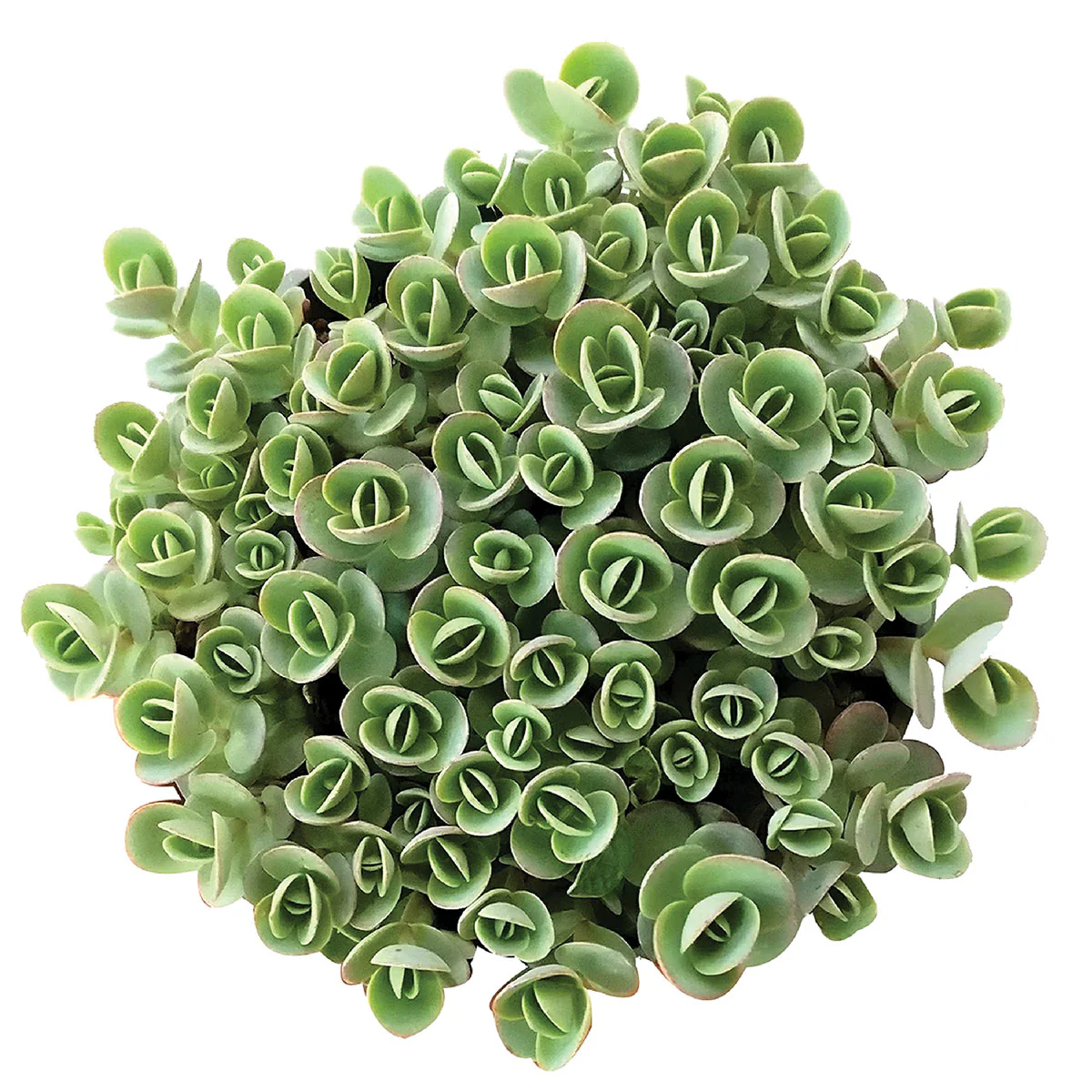
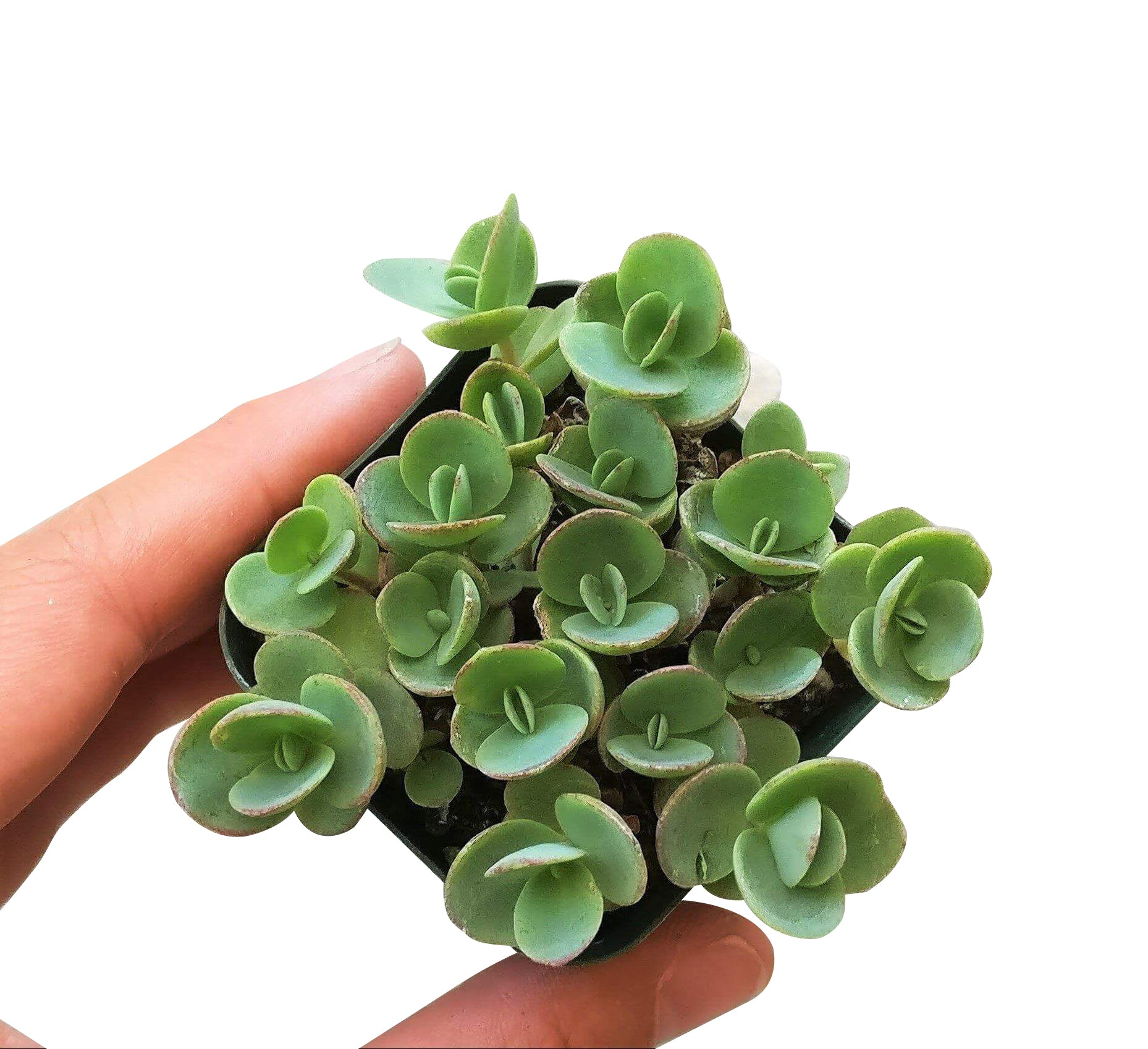
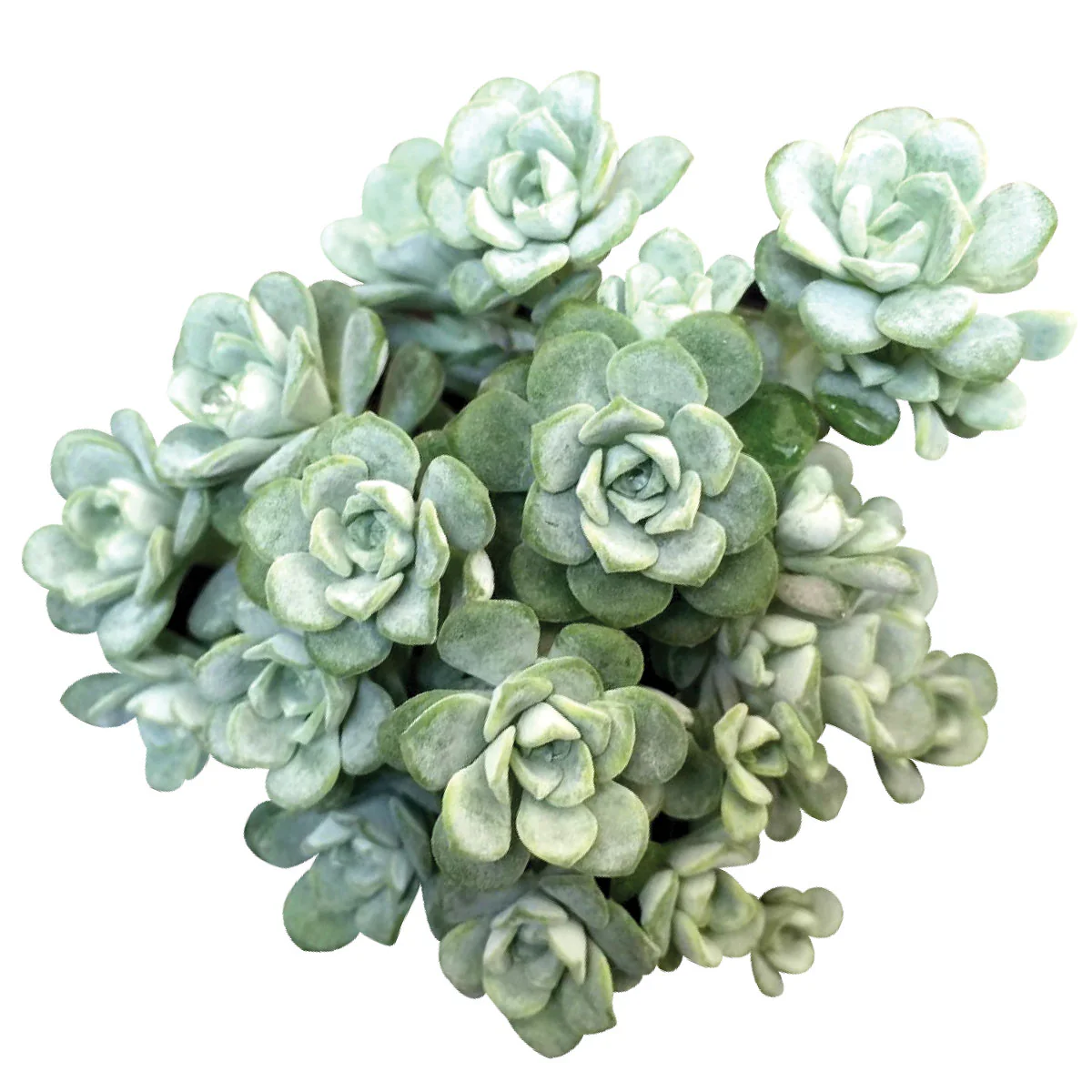
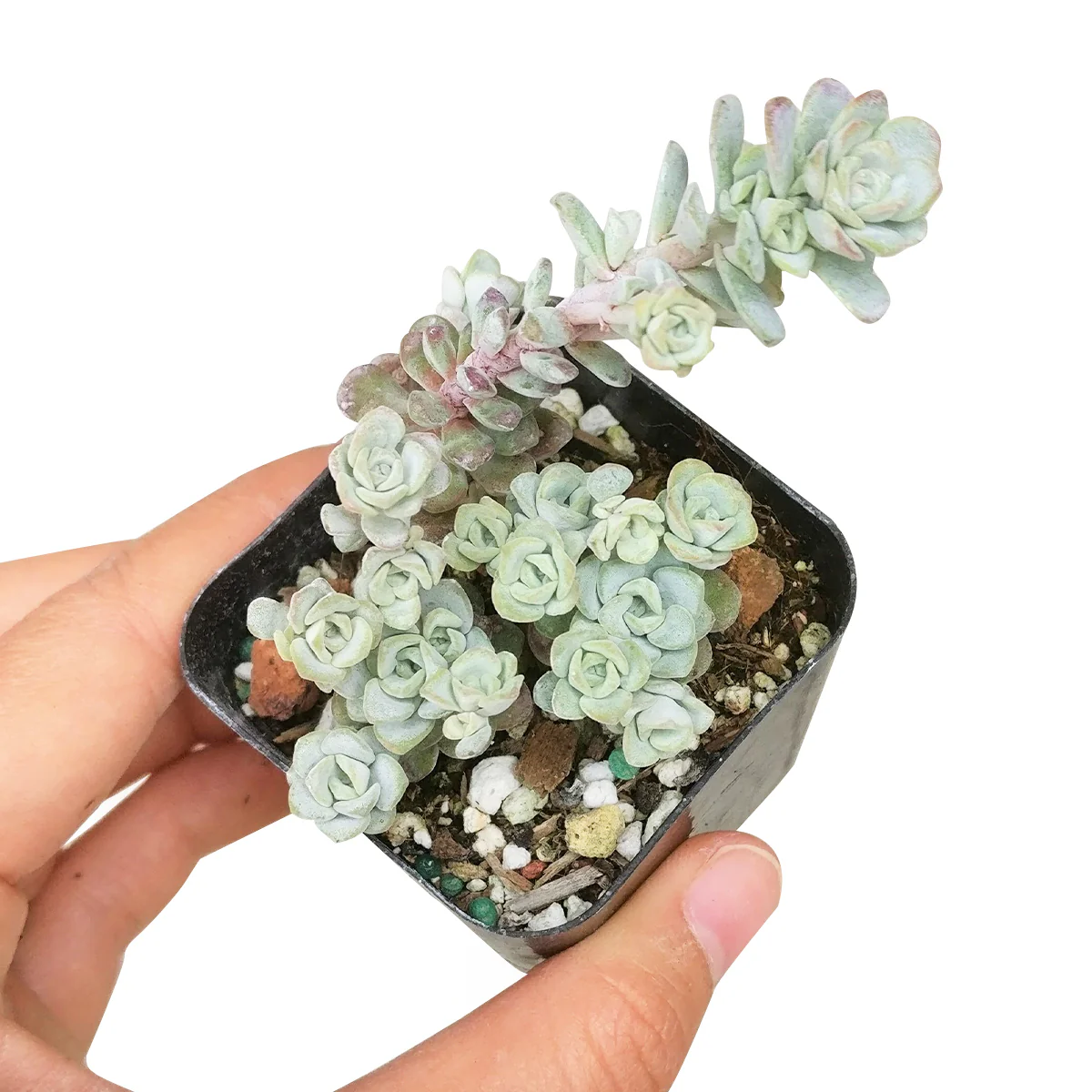
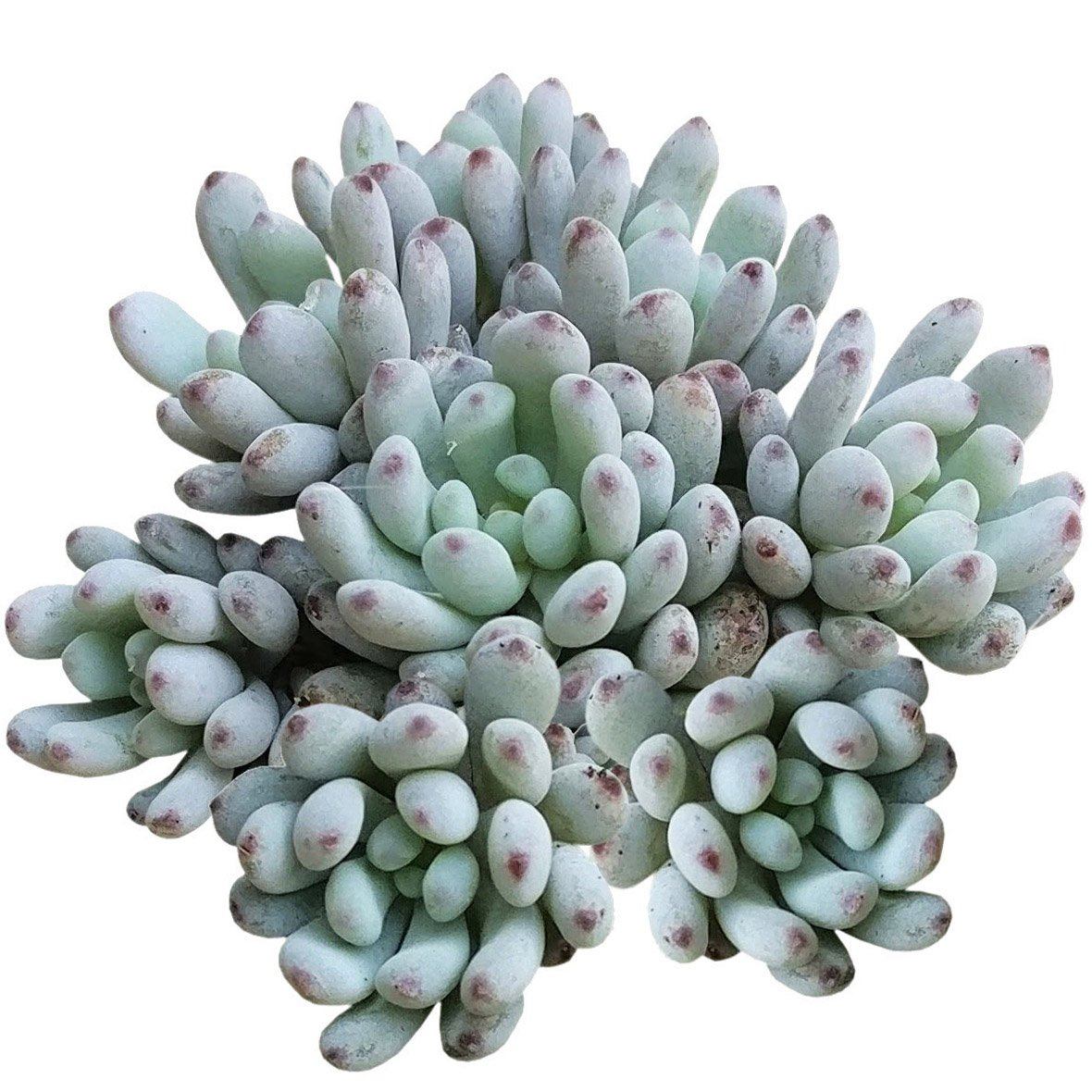
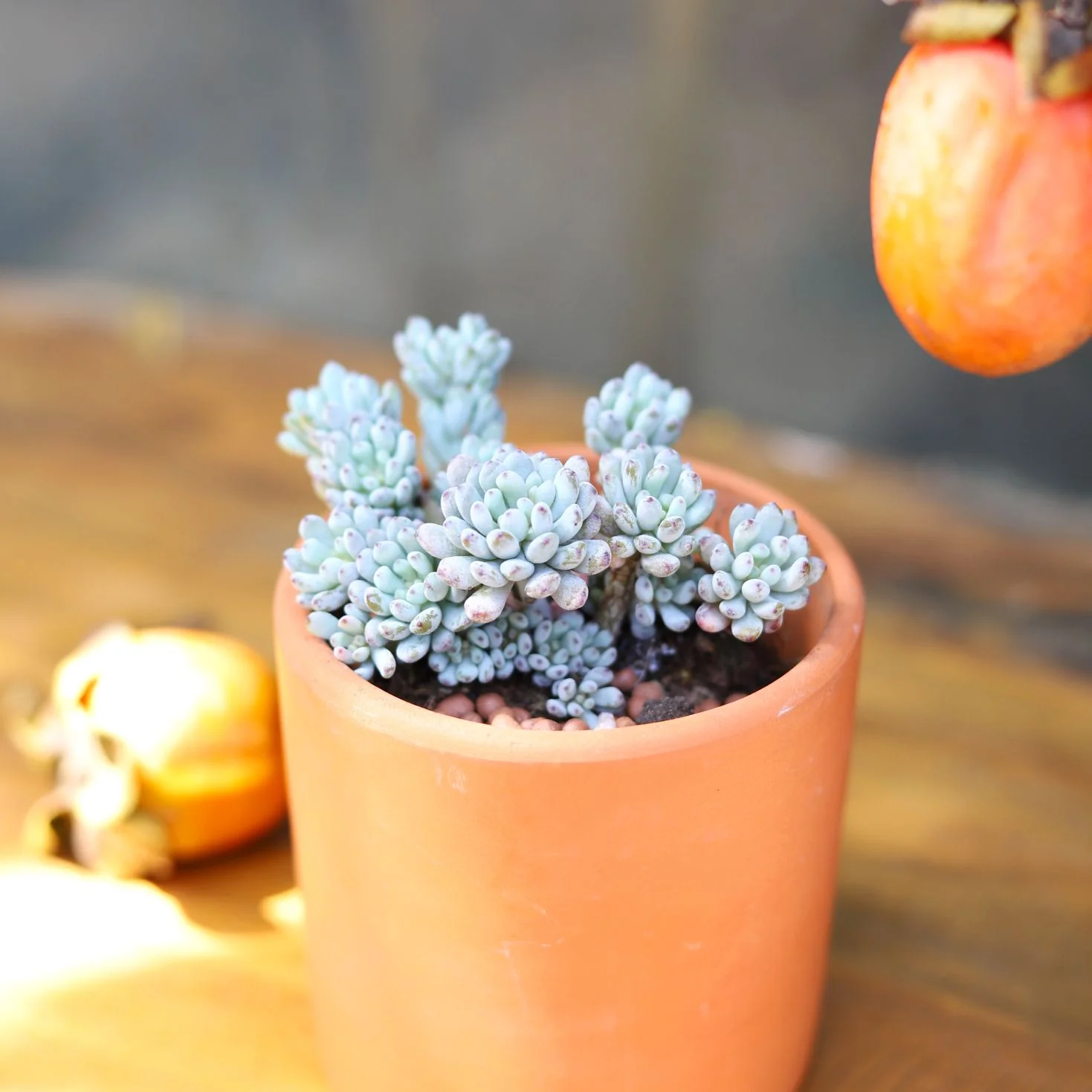
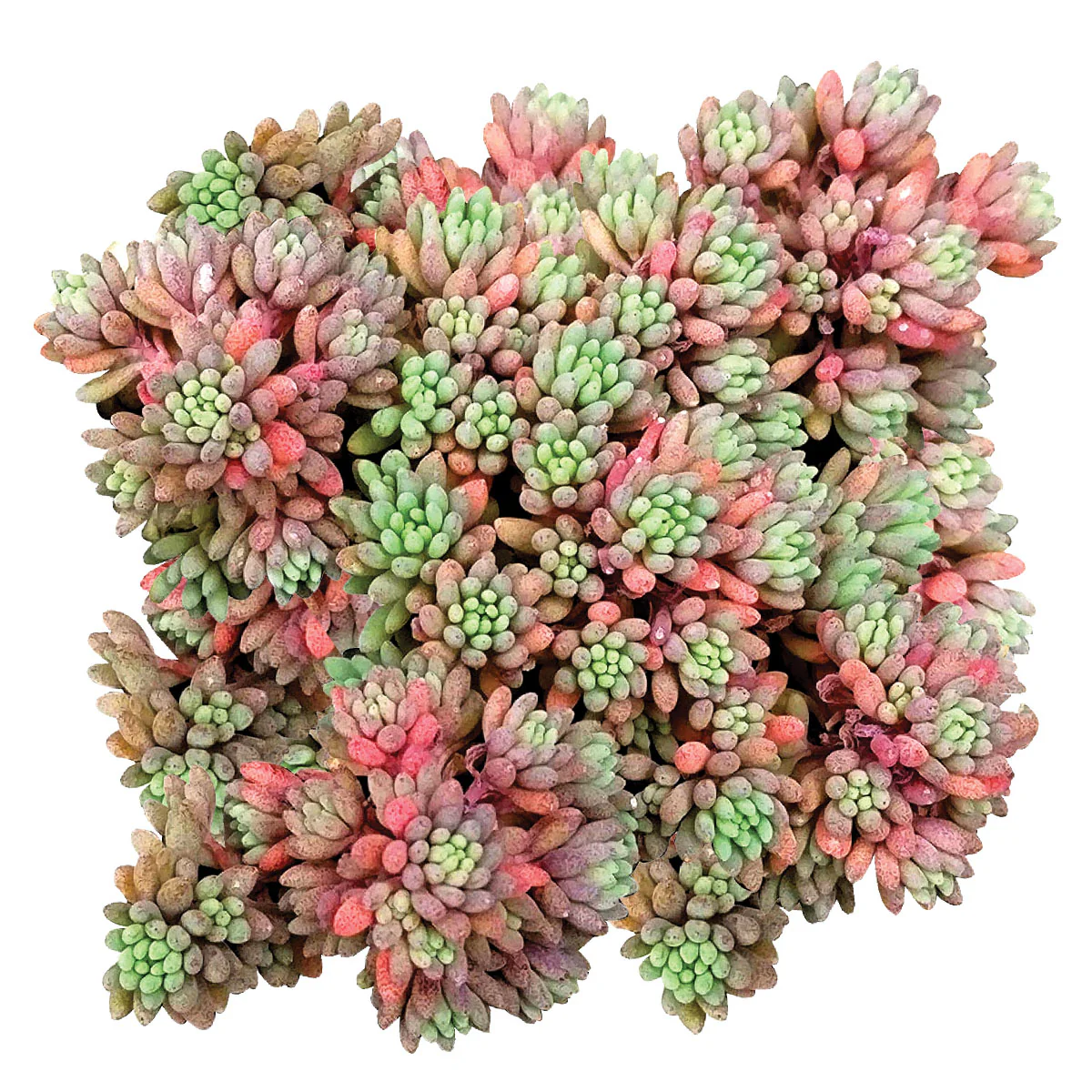
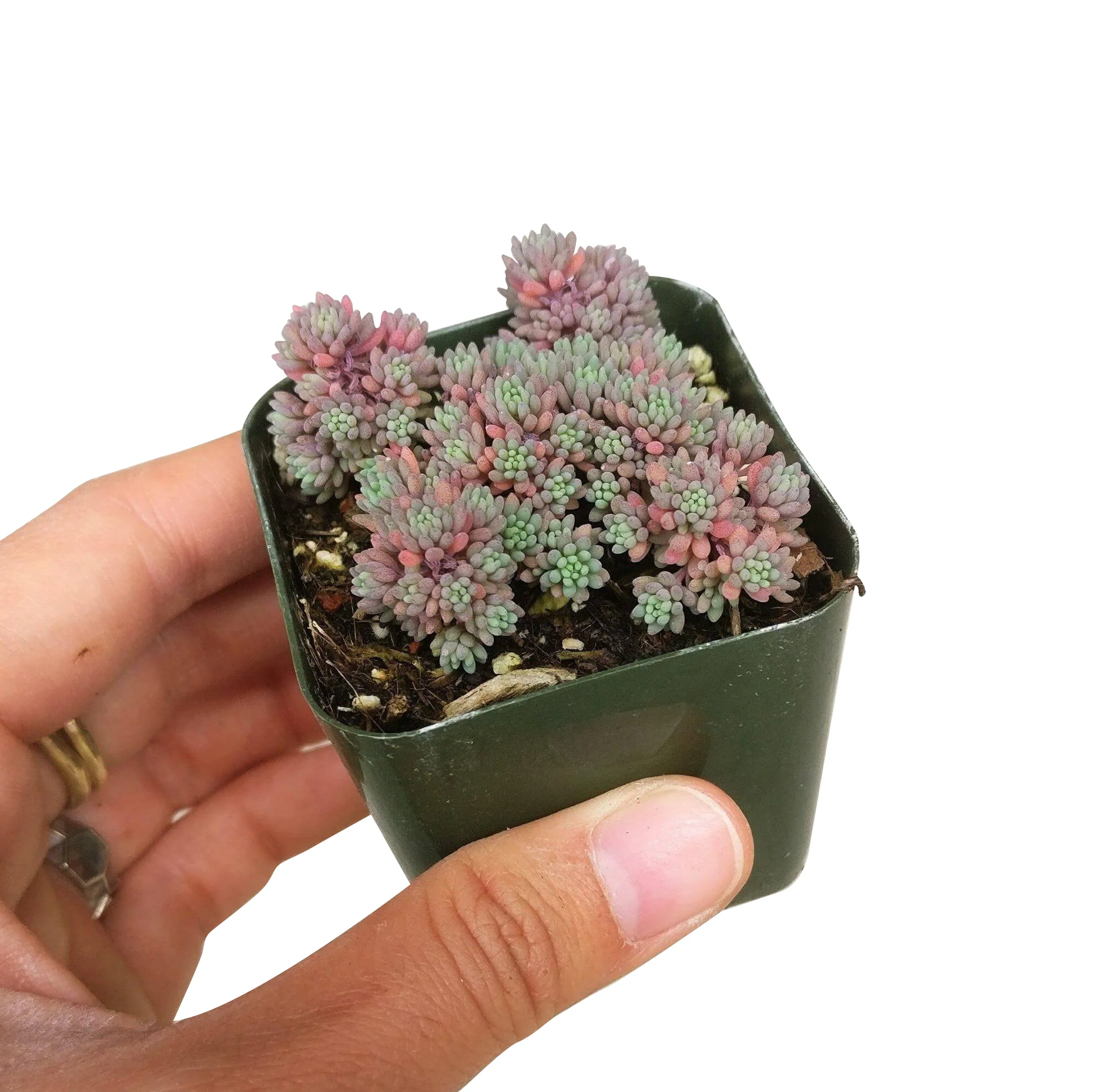
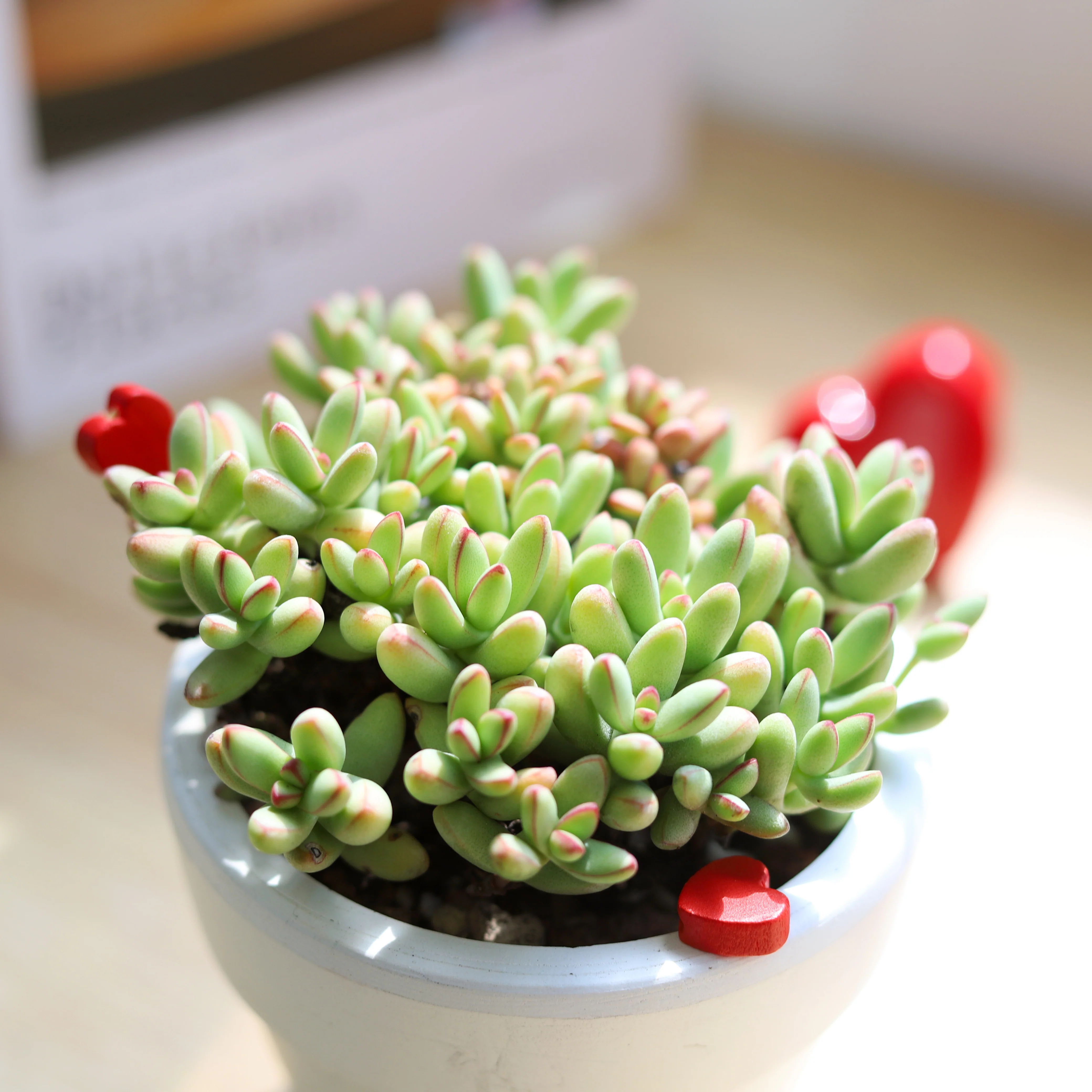
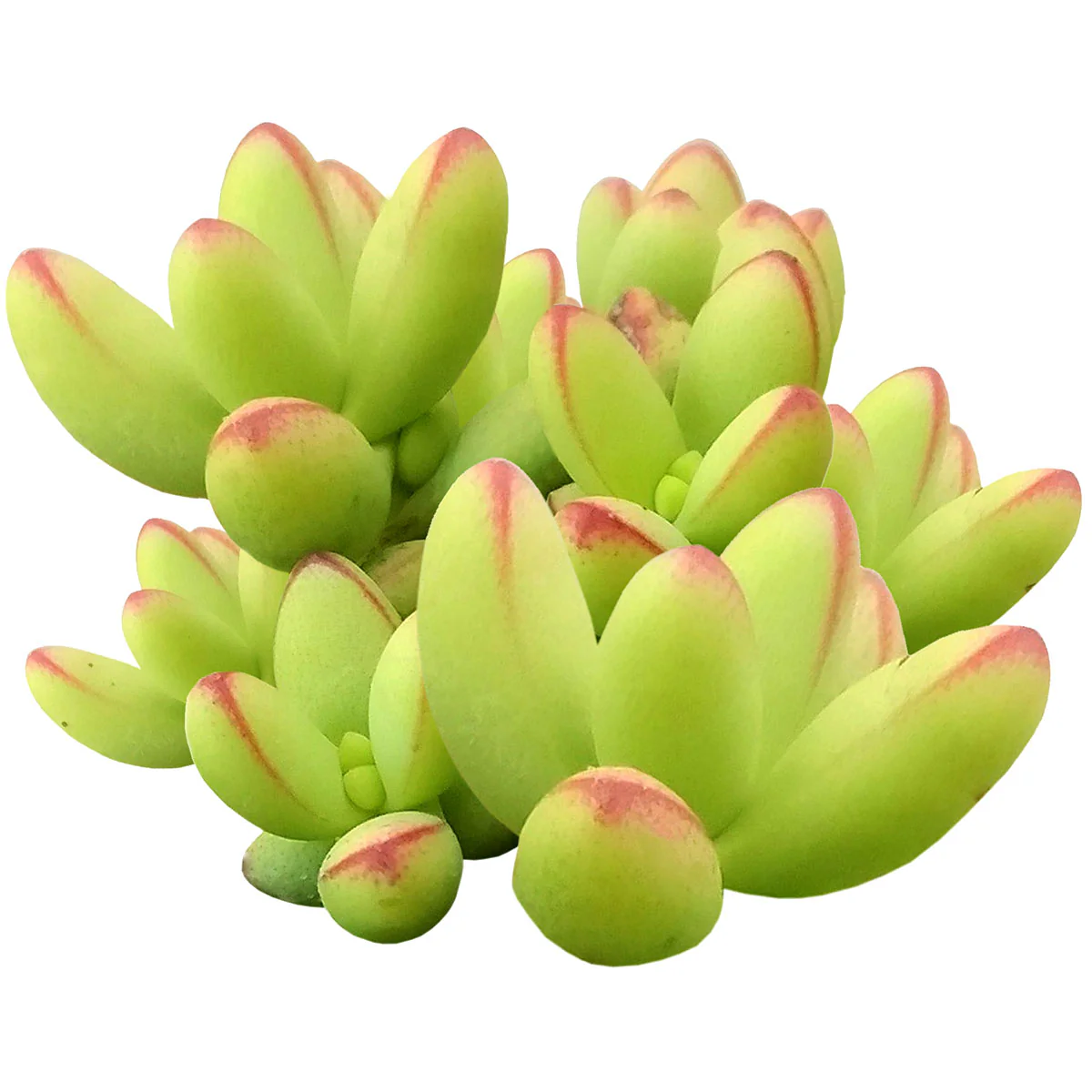
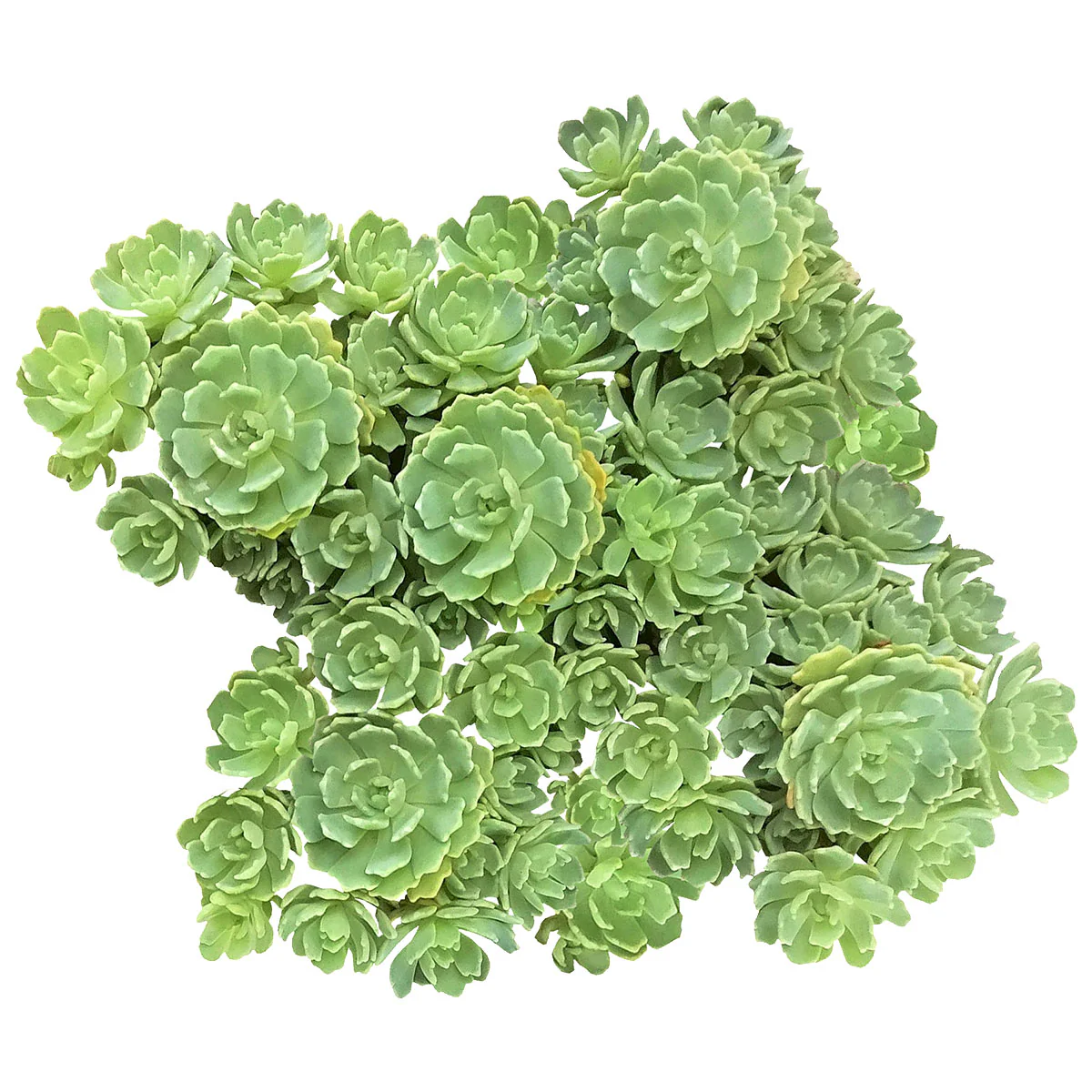
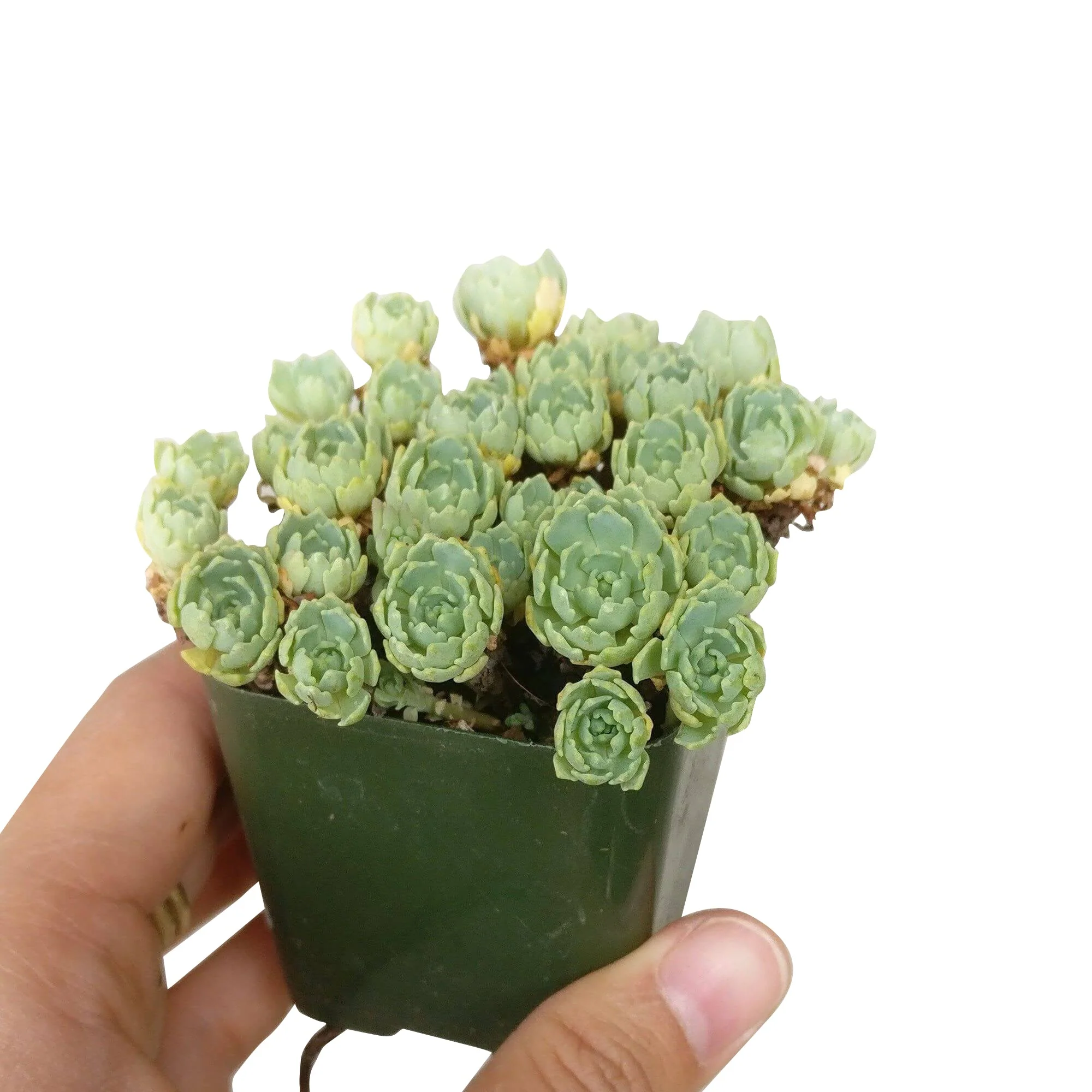
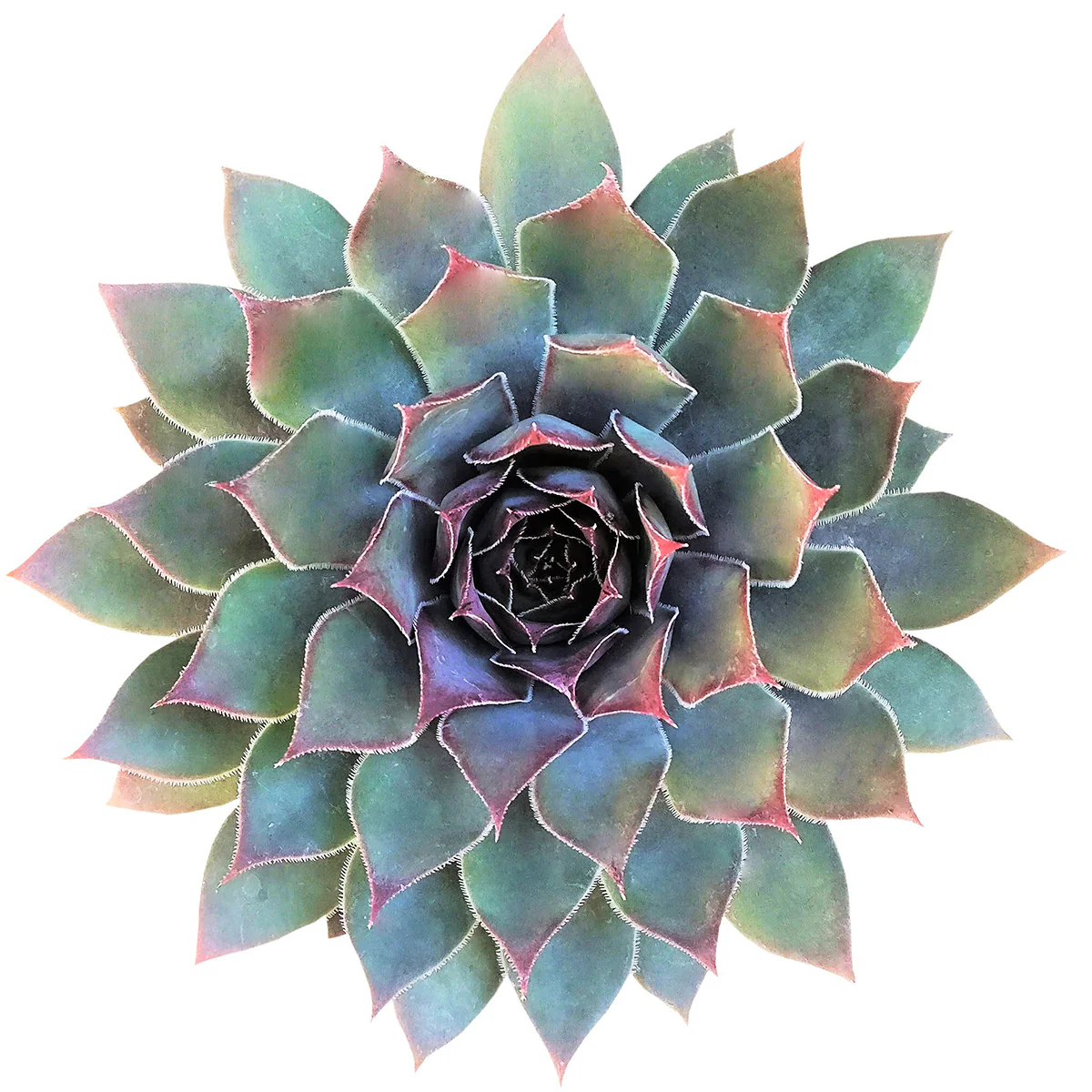
 Sempervivum Grape Tone forms tight, symmetrical rosettes in rich purple and deep burgundy tones, with fleshy, pointed leaves that deepen in color under bright direct sun. It grows in a clustering habit, steadily producing offsets around the mother rosette to spread into a lush, wide-spreading mat over time. The purple succulent rosette is compact and dense, making it instantly eye-catching in containers, troughs, rock gardens, or mixed succulent arrangements.
 Like most hens and chicks succulents, Sempervivum Grape Tone is a monocarpic bloomer, meaning individual rosettes flower once and then give way to the offsets surrounding them. When a mature rosette is ready, it sends up a sturdy stalk topped with star-shaped flowers, typically in summer. The blooming cycle is a natural part of the plant's story, and the clustering growth style means new rosettes are always ready to carry on.
 Sempervivum Grape Tone is as tough as it is beautiful, handling balcony wind and rain, tolerating the dry heated air of indoor spaces, and even surviving a 10-day trip alone without skipping a beat. It is frost tolerant and can stay outdoors through autumn, and it is happy to move outside for summer to soak up full sun and intensify that gorgeous purple color. Rotate it occasionally for even, symmetrical growth, and give it cover from heavy prolonged rain to protect the roots. This plant is pet friendly, making it a worry-free choice for households with curious cats and dogs.
-
 Sempervivum Grape Tone thrives in full sun to partial sun, loving at least four to six hours of direct sun daily.
 Water Sempervivum Grape Tone deeply but infrequently, allowing the soil to dry out completely between waterings, roughly every 10-14 days.
 Sempervivum Grape Tone performs best in a gritty, fast-draining mix such as cactus and succulent soil blended with coarse perlite or pumice.
 Sempervivum Grape Tone tolerates temperatures from -30°F (-34°C) up to about 90°F (32°C), with impressive frost tolerance across cold hardiness zones.
![]() Sempervivum Grape Tone grows at a moderate pace and is a light feeder, needing at most one diluted balanced fertilizer application in early spring.
Sempervivum Grape Tone grows at a moderate pace and is a light feeder, needing at most one diluted balanced fertilizer application in early spring.
 Sempervivum Grape Tone is hardy in USDA Zones 3-8, tolerating frost down to around -40°F (-40°C), making it one of the toughest purple succulents available. That range covers a sweeping stretch of the country, including Alaska, Washington, Oregon, Idaho, Montana, Wyoming, North Dakota, South Dakota, Minnesota, Wisconsin, Michigan, Iowa, Nebraska, Kansas, Missouri, Illinois, Indiana, Ohio, New York, Vermont, New Hampshire, Maine, Massachusetts, Connecticut, Rhode Island, New Jersey, Pennsylvania, Delaware, Maryland, Virginia, West Virginia, Kentucky, Tennessee, North Carolina, Colorado, Utah, Nevada, and more. Gardeners growing Sempervivum Grape Tone in these states can leave it outdoors year-round with no protection needed.
-
Q: How often should I water Sempervivum Grape Tone?
A: Water Sempervivum Grape Tone every 10-14 days, letting the soil dry out fully between waterings. It is highly drought tolerant and far more forgiving of underwatering than overwatering.
Q: Is Sempervivum Grape Tone pet friendly?
A: Yes, this plant is pet friendly and is non-toxic to cats and dogs. You can display Sempervivum Grape Tone freely without worry around household pets.
Q: How much light does Sempervivum Grape Tone need?
A: Sempervivum Grape Tone loves full sun and direct sun for the best color and most compact rosette growth. It tolerates partial sun indoors but deepens to its richest purple tones in bright outdoor light.
Q: How big does Sempervivum Grape Tone get?
A: Individual rosettes of Sempervivum Grape Tone typically reach 2-4 inches in diameter. The clustering habit means it will spread wider over time as it produces offsets.
Q: Can I grow Sempervivum Grape Tone outdoors year-round?
A: Sempervivum Grape Tone is frost tolerant and hardy in USDA Zones 3-8, so it can stay outdoors through autumn and winter in most of the US. It can also move outside for summer if kept as an indoor plant the rest of the year.
Q: How do I propagate Sempervivum Grape Tone?
A: Sempervivum Grape Tone naturally produces offsets, called chicks, around the base of the mother rosette. Simply detach a chick once it has its own roots and pot it up in well-draining soil.


Original: $7.30
-70%$7.30
$2.19Product Information
Product Information
Shipping & Returns
Shipping & Returns
Description
- Description
- Sempervivum Grape Tone Care Guide
- FAQ/Common Issues
-
![]() Sempervivum Grape Tone is a hardy succulent rosette belonging to the Crassulaceae family, a group of tough, drought tolerant succulents native to the mountainous regions of Europe and parts of western Asia. In the wild, these houseleek plants anchor themselves into rocky, gritty soils and shrug off freezing temperatures with ease. That rugged heritage makes Sempervivum Grape Tone one of the most rewarding low maintenance succulents you can grow, indoors or out.
Sempervivum Grape Tone is a hardy succulent rosette belonging to the Crassulaceae family, a group of tough, drought tolerant succulents native to the mountainous regions of Europe and parts of western Asia. In the wild, these houseleek plants anchor themselves into rocky, gritty soils and shrug off freezing temperatures with ease. That rugged heritage makes Sempervivum Grape Tone one of the most rewarding low maintenance succulents you can grow, indoors or out.
Sempervivum Grape Tone forms tight, symmetrical rosettes in rich purple and deep burgundy tones, with fleshy, pointed leaves that deepen in color under bright direct sun. It grows in a clustering habit, steadily producing offsets around the mother rosette to spread into a lush, wide-spreading mat over time. The purple succulent rosette is compact and dense, making it instantly eye-catching in containers, troughs, rock gardens, or mixed succulent arrangements.
Like most hens and chicks succulents, Sempervivum Grape Tone is a monocarpic bloomer, meaning individual rosettes flower once and then give way to the offsets surrounding them. When a mature rosette is ready, it sends up a sturdy stalk topped with star-shaped flowers, typically in summer. The blooming cycle is a natural part of the plant's story, and the clustering growth style means new rosettes are always ready to carry on.
Sempervivum Grape Tone is as tough as it is beautiful, handling balcony wind and rain, tolerating the dry heated air of indoor spaces, and even surviving a 10-day trip alone without skipping a beat. It is frost tolerant and can stay outdoors through autumn, and it is happy to move outside for summer to soak up full sun and intensify that gorgeous purple color. Rotate it occasionally for even, symmetrical growth, and give it cover from heavy prolonged rain to protect the roots. This plant is pet friendly, making it a worry-free choice for households with curious cats and dogs.
-
Sempervivum Grape Tone thrives in full sun to partial sun, loving at least four to six hours of direct sun daily.
Water Sempervivum Grape Tone deeply but infrequently, allowing the soil to dry out completely between waterings, roughly every 10-14 days.
Sempervivum Grape Tone performs best in a gritty, fast-draining mix such as cactus and succulent soil blended with coarse perlite or pumice.
Sempervivum Grape Tone tolerates temperatures from -30°F (-34°C) up to about 90°F (32°C), with impressive frost tolerance across cold hardiness zones.
![]() Sempervivum Grape Tone grows at a moderate pace and is a light feeder, needing at most one diluted balanced fertilizer application in early spring.
Sempervivum Grape Tone grows at a moderate pace and is a light feeder, needing at most one diluted balanced fertilizer application in early spring.
Sempervivum Grape Tone is hardy in USDA Zones 3-8, tolerating frost down to around -40°F (-40°C), making it one of the toughest purple succulents available. That range covers a sweeping stretch of the country, including Alaska, Washington, Oregon, Idaho, Montana, Wyoming, North Dakota, South Dakota, Minnesota, Wisconsin, Michigan, Iowa, Nebraska, Kansas, Missouri, Illinois, Indiana, Ohio, New York, Vermont, New Hampshire, Maine, Massachusetts, Connecticut, Rhode Island, New Jersey, Pennsylvania, Delaware, Maryland, Virginia, West Virginia, Kentucky, Tennessee, North Carolina, Colorado, Utah, Nevada, and more. Gardeners growing Sempervivum Grape Tone in these states can leave it outdoors year-round with no protection needed.
-
Q: How often should I water Sempervivum Grape Tone?
A: Water Sempervivum Grape Tone every 10-14 days, letting the soil dry out fully between waterings. It is highly drought tolerant and far more forgiving of underwatering than overwatering.
Q: Is Sempervivum Grape Tone pet friendly?
A: Yes, this plant is pet friendly and is non-toxic to cats and dogs. You can display Sempervivum Grape Tone freely without worry around household pets.
Q: How much light does Sempervivum Grape Tone need?
A: Sempervivum Grape Tone loves full sun and direct sun for the best color and most compact rosette growth. It tolerates partial sun indoors but deepens to its richest purple tones in bright outdoor light.
Q: How big does Sempervivum Grape Tone get?
A: Individual rosettes of Sempervivum Grape Tone typically reach 2-4 inches in diameter. The clustering habit means it will spread wider over time as it produces offsets.
Q: Can I grow Sempervivum Grape Tone outdoors year-round?
A: Sempervivum Grape Tone is frost tolerant and hardy in USDA Zones 3-8, so it can stay outdoors through autumn and winter in most of the US. It can also move outside for summer if kept as an indoor plant the rest of the year.
Q: How do I propagate Sempervivum Grape Tone?
A: Sempervivum Grape Tone naturally produces offsets, called chicks, around the base of the mother rosette. Simply detach a chick once it has its own roots and pot it up in well-draining soil.