Sempervivum globiferum ssp. allionii
- Description
- Sempervivum globiferum ssp. allionii Care Guide
- FAQ/Common Issues
-
![]() Sempervivum globiferum ssp. allionii is a charming alpine succulent in the Crassulaceae family, beloved by collectors and beginners alike. Native to rocky mountain slopes in the European Alps and Apennines, this tough little houseleek succulent evolved to handle extreme cold, thin soils, and intense sun. It is also known botanically as Jovibarba allionii, and it earns every bit of its reputation as a frost hardy succulent that thrives where others struggle.
Sempervivum globiferum ssp. allionii is a charming alpine succulent in the Crassulaceae family, beloved by collectors and beginners alike. Native to rocky mountain slopes in the European Alps and Apennines, this tough little houseleek succulent evolved to handle extreme cold, thin soils, and intense sun. It is also known botanically as Jovibarba allionii, and it earns every bit of its reputation as a frost hardy succulent that thrives where others struggle.
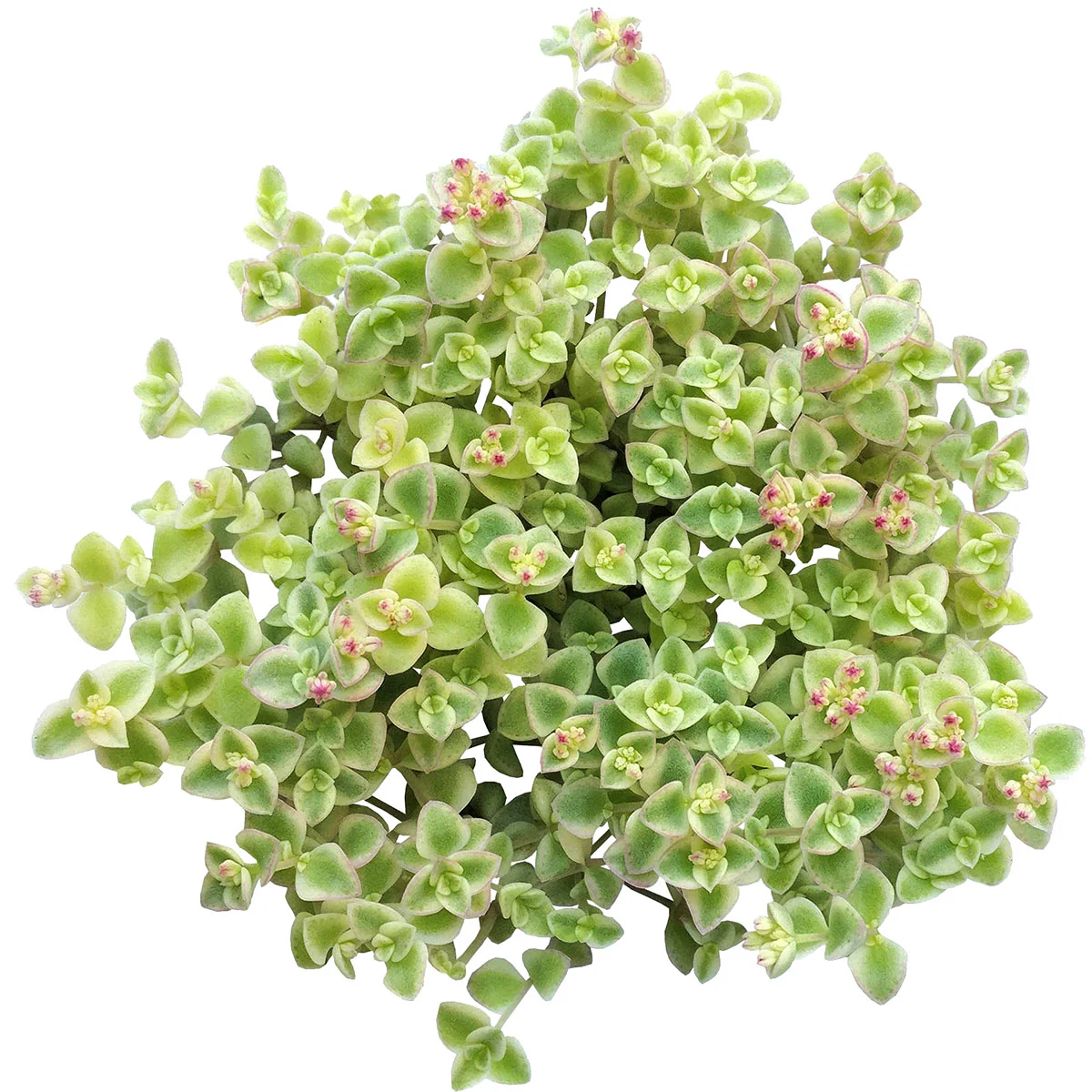
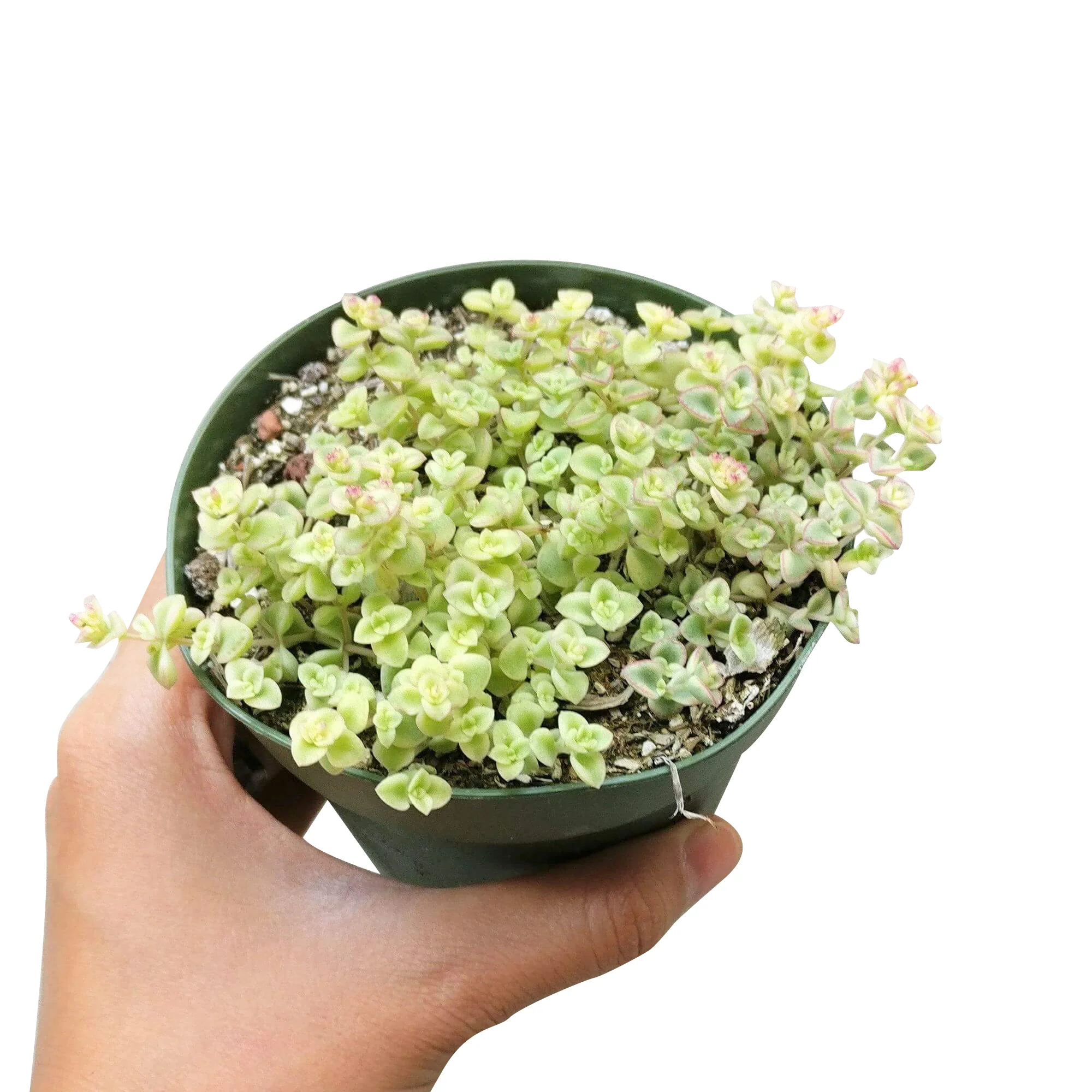
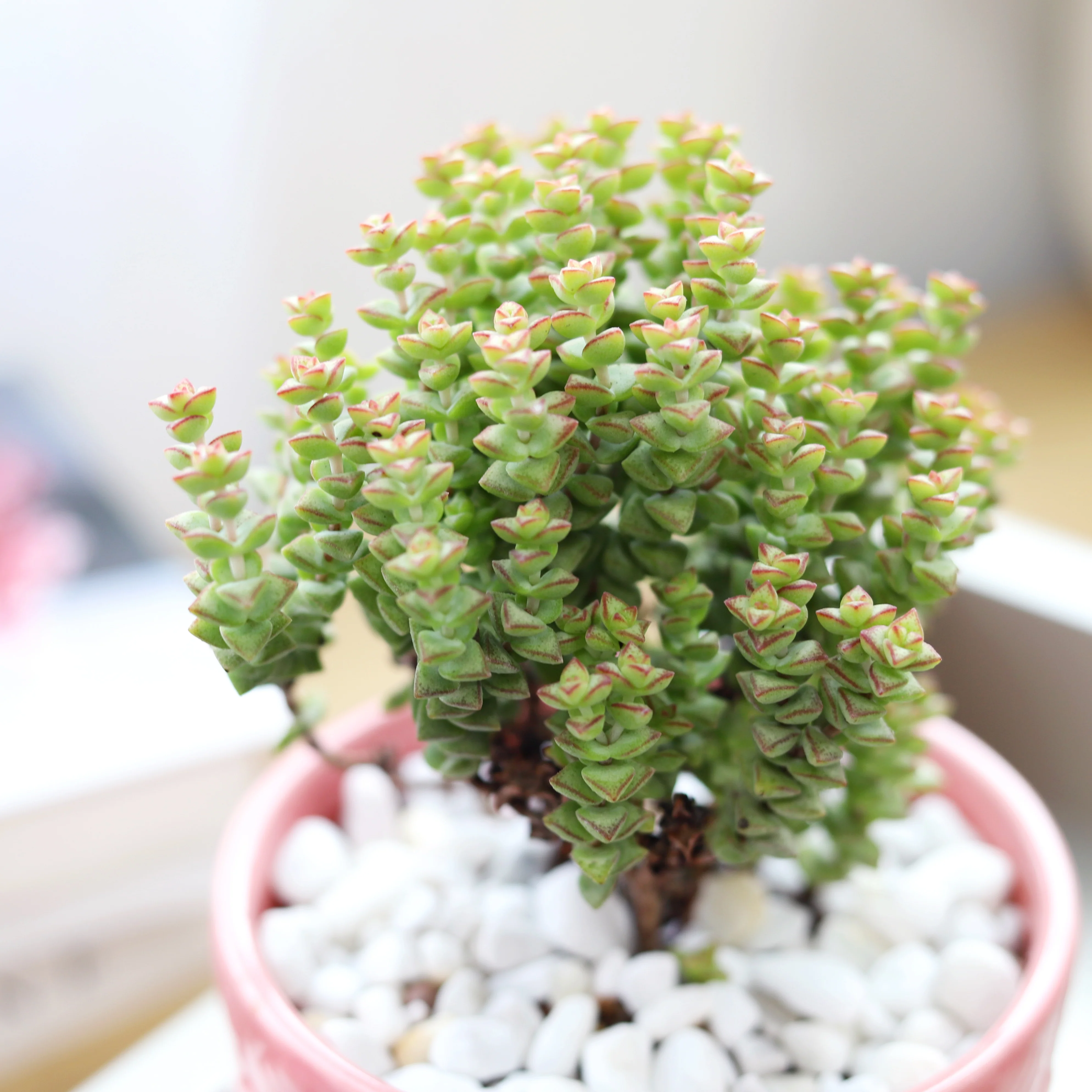
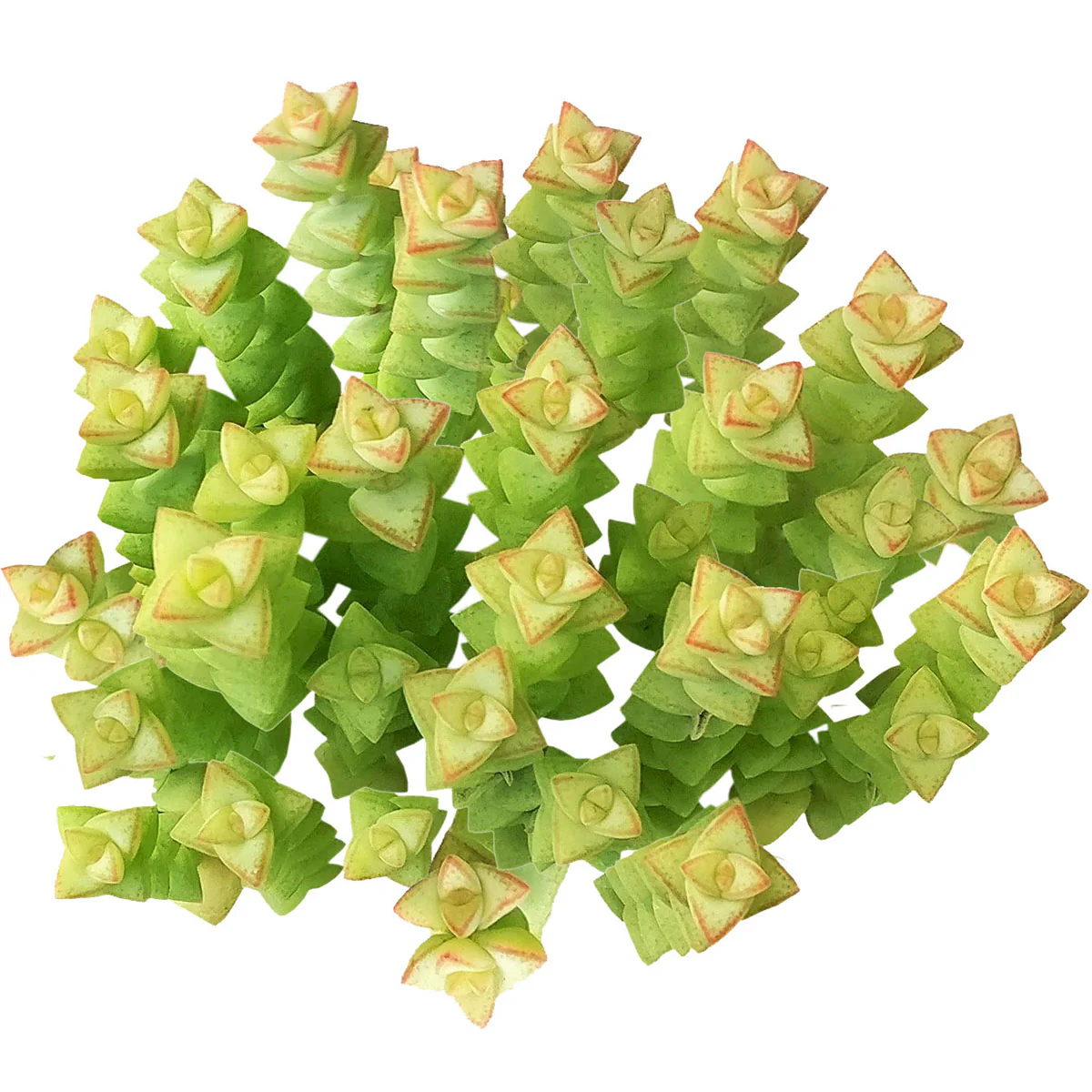
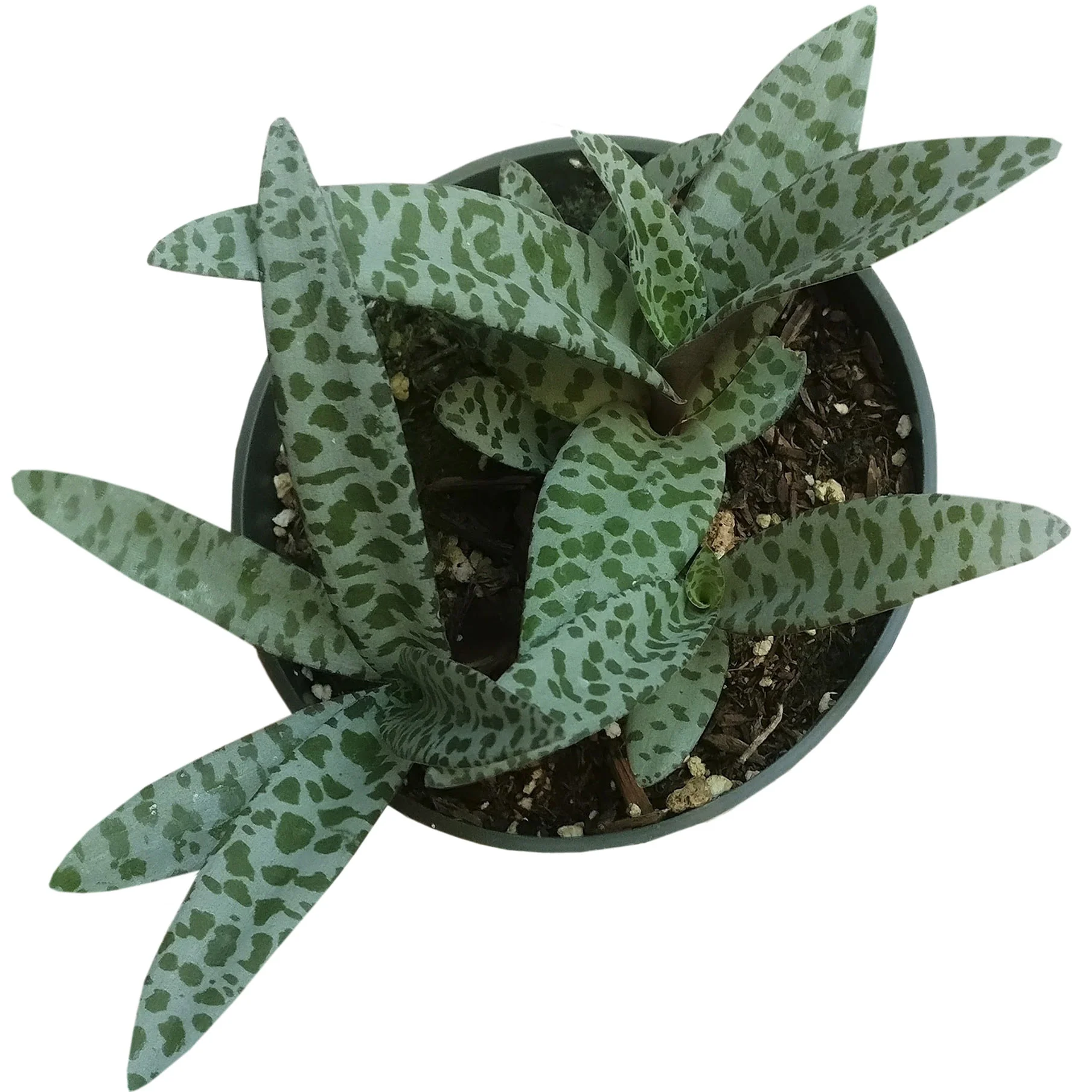
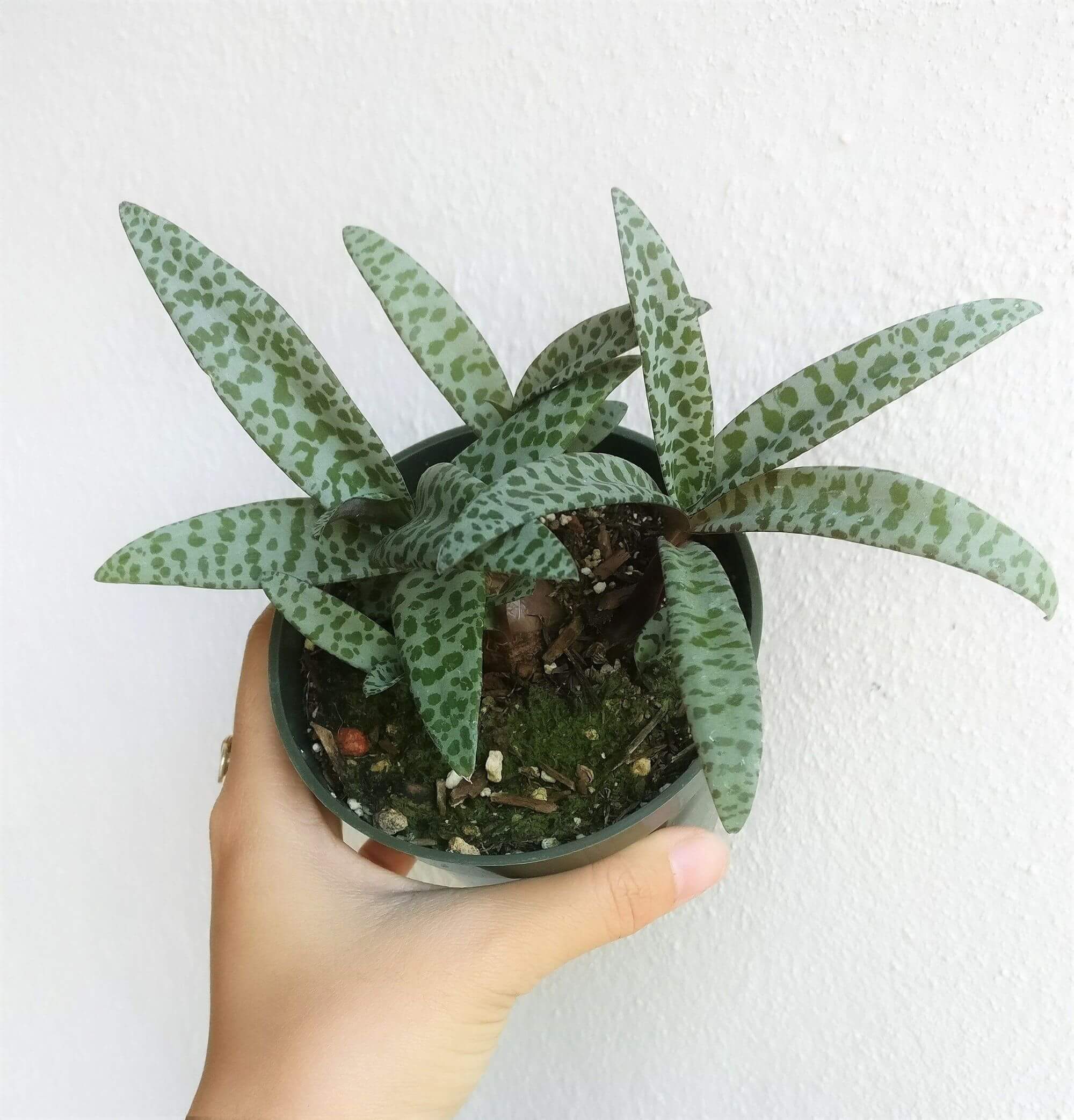
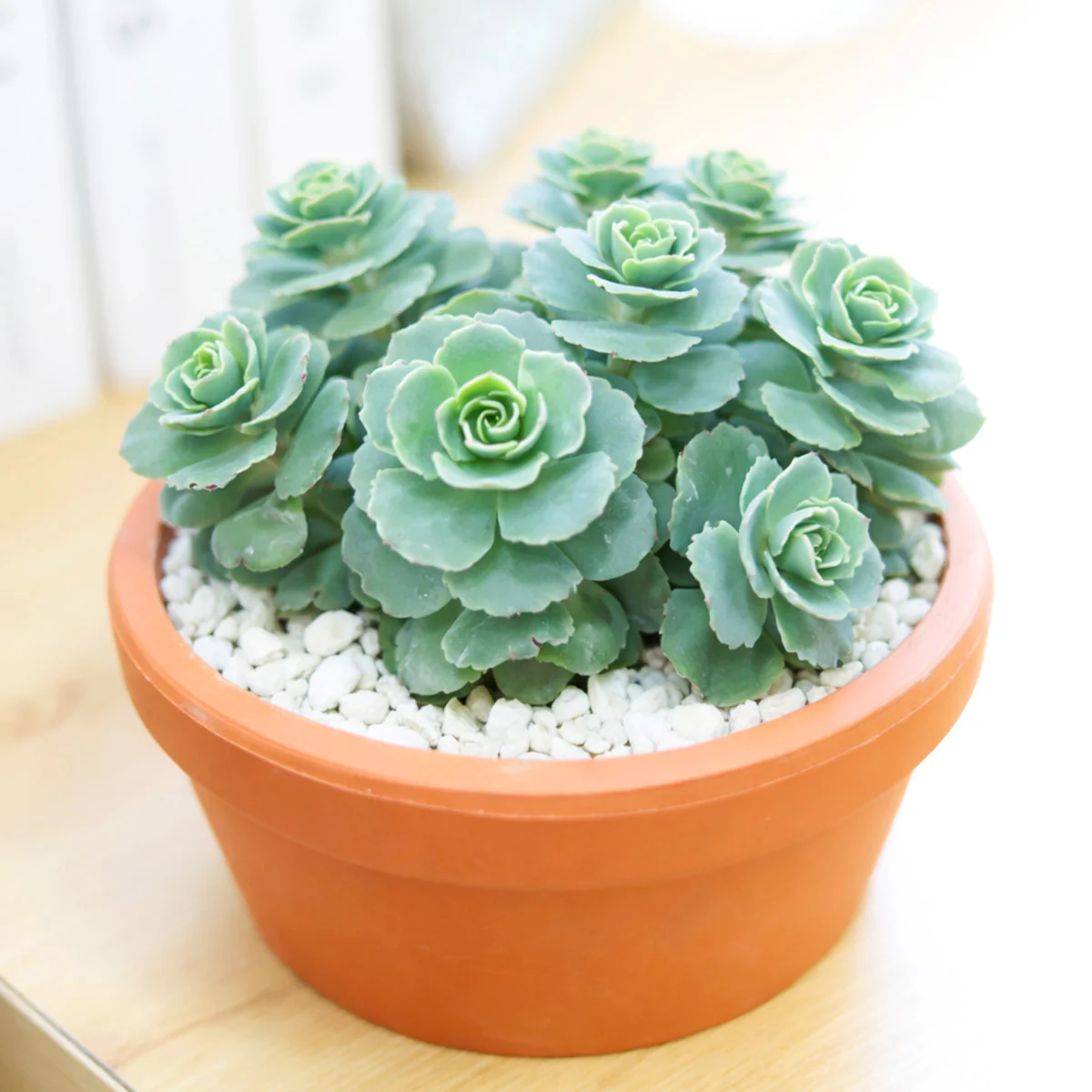
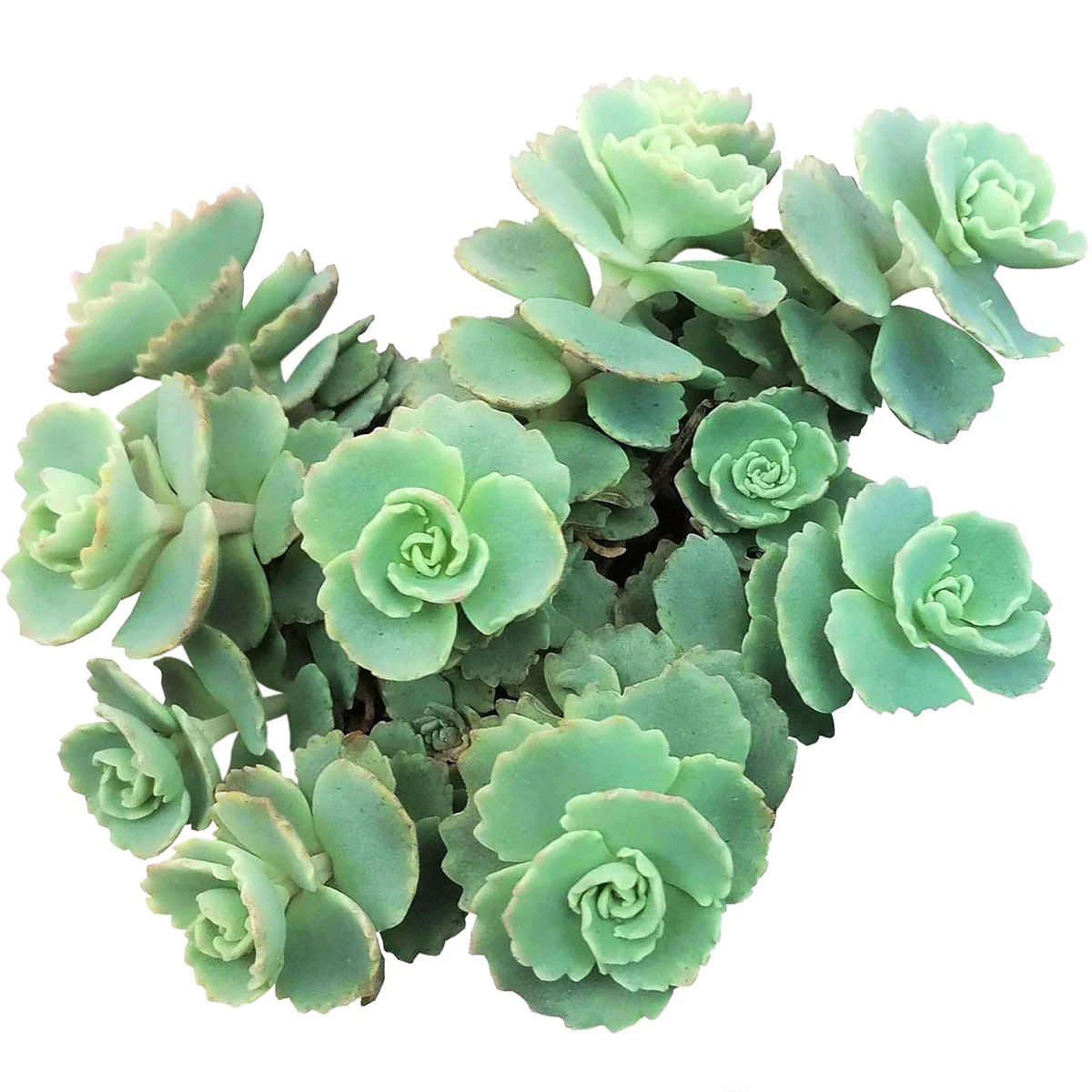
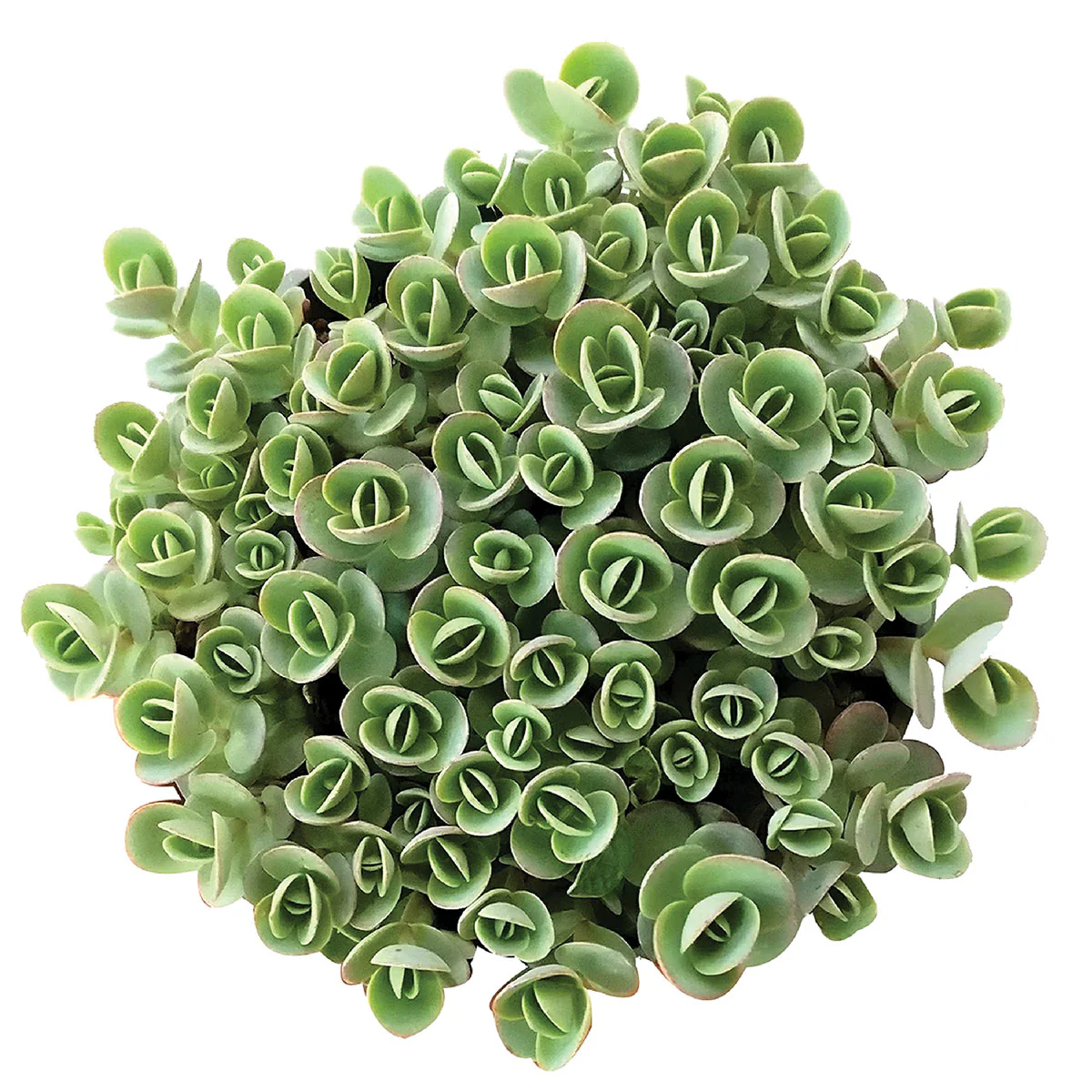
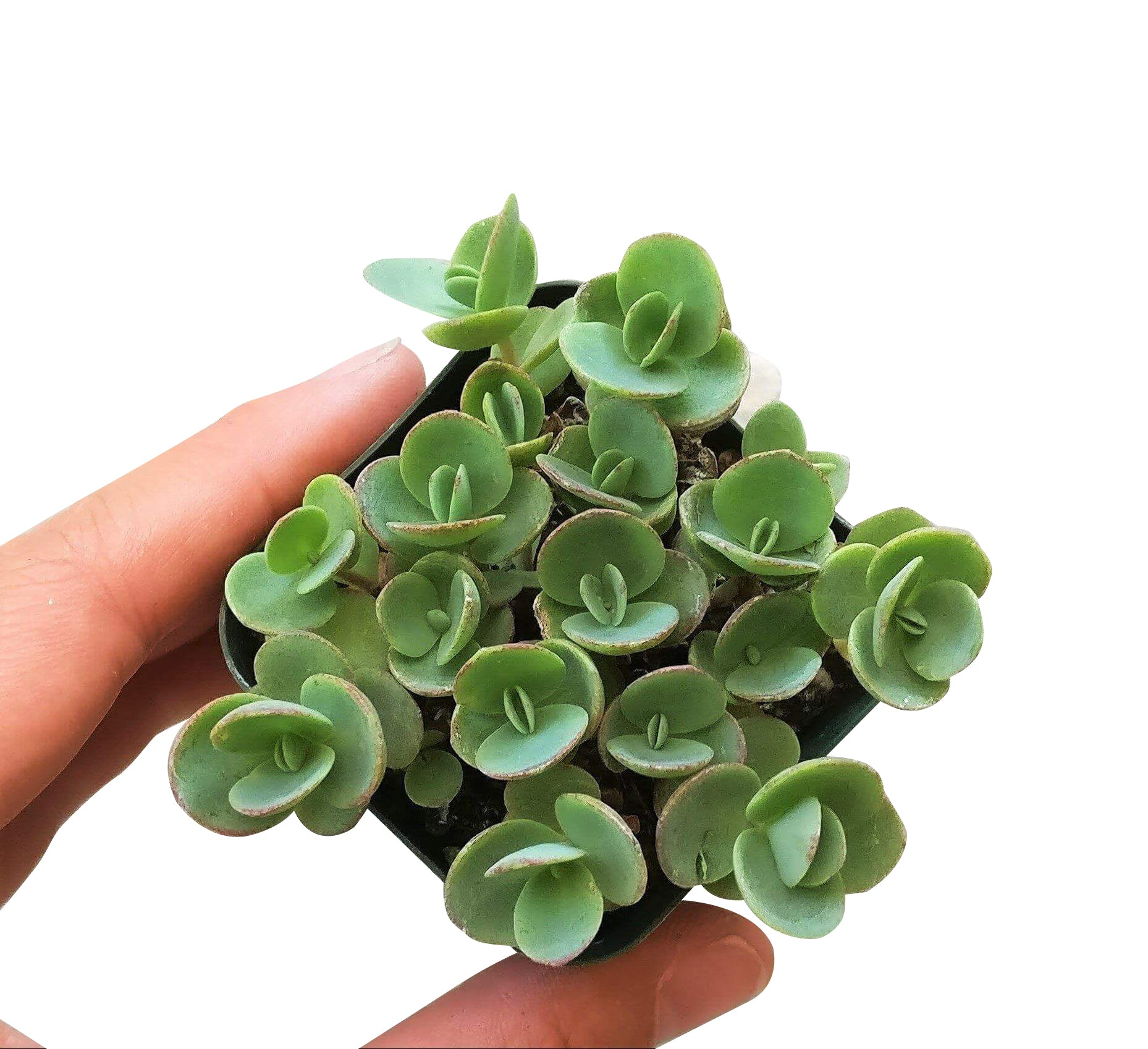
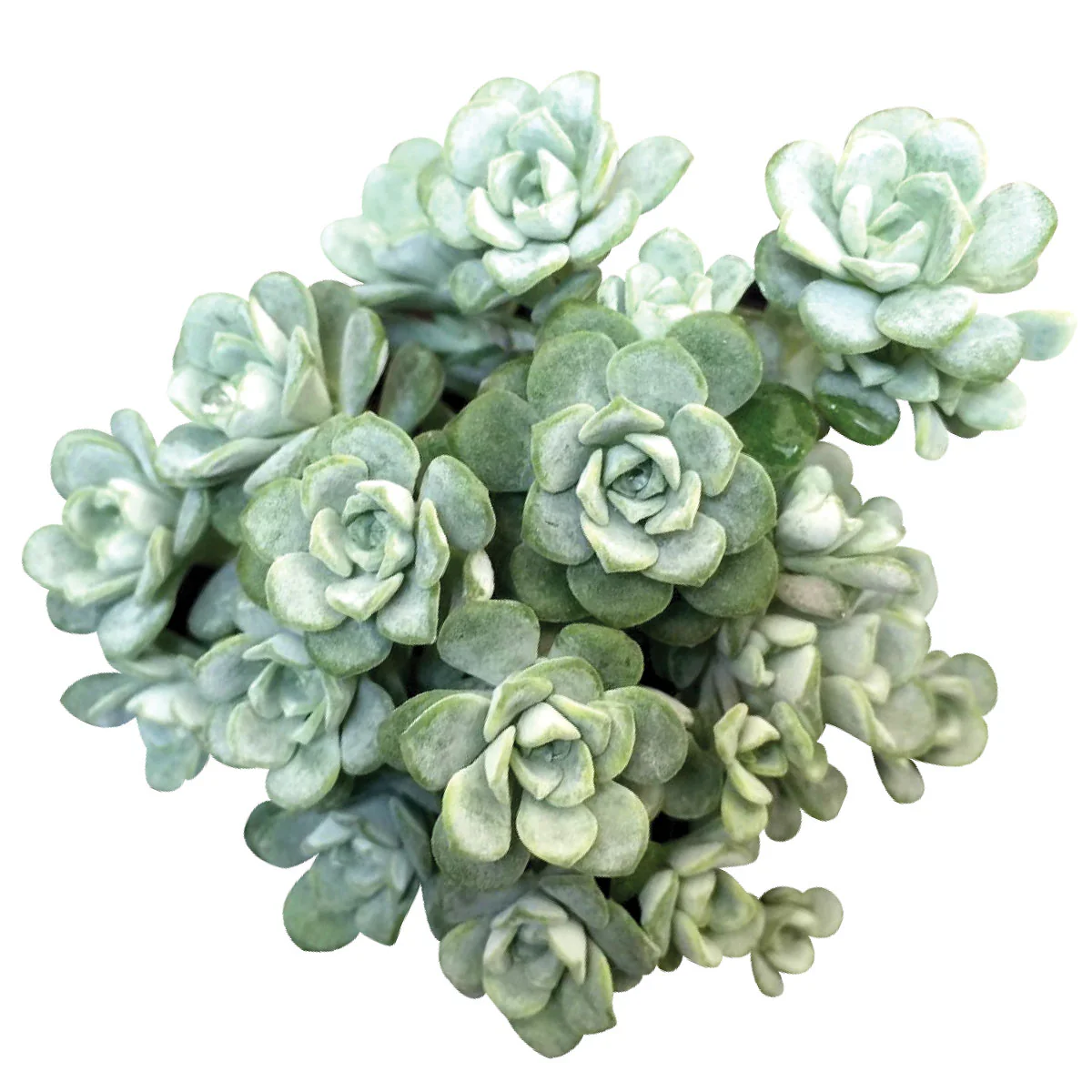
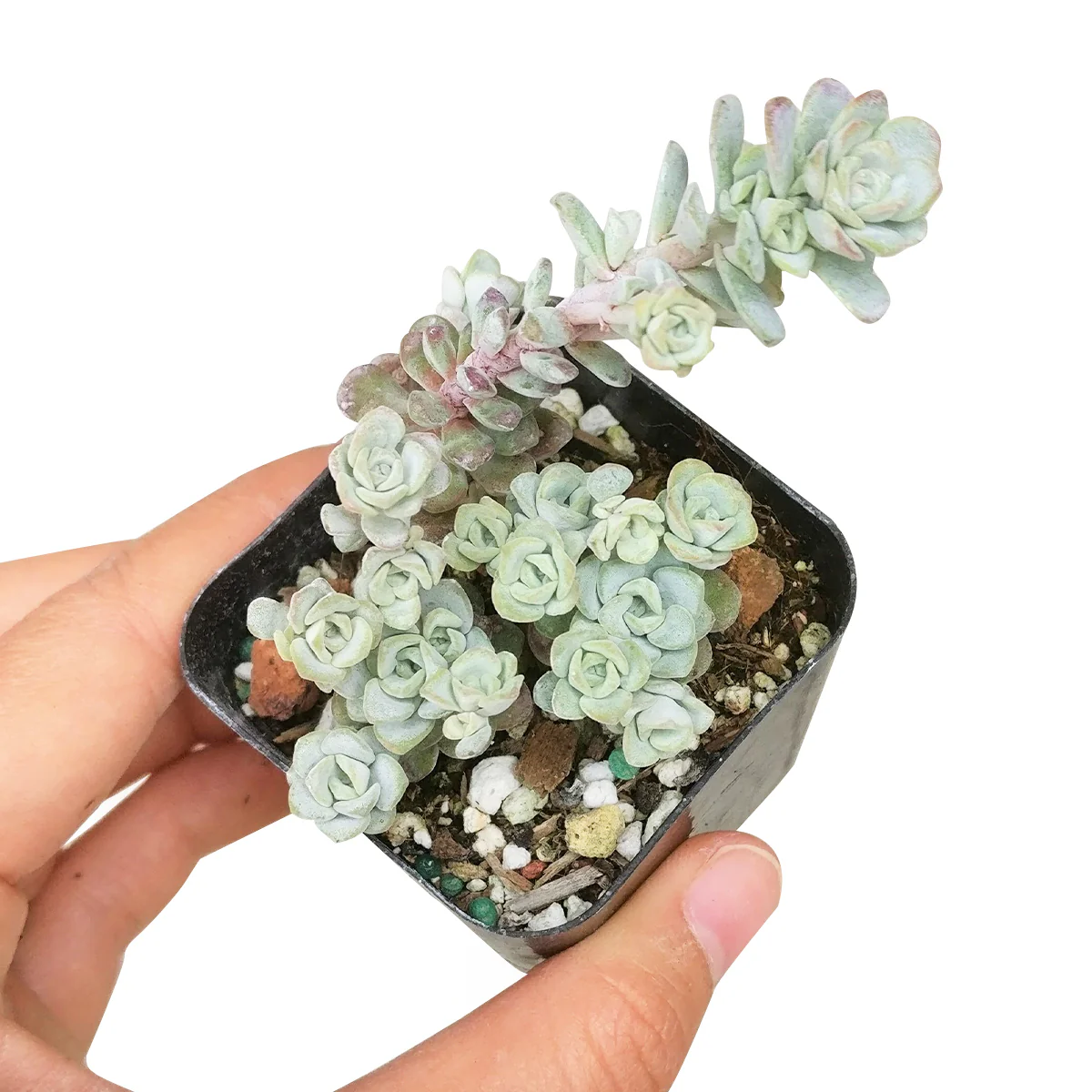
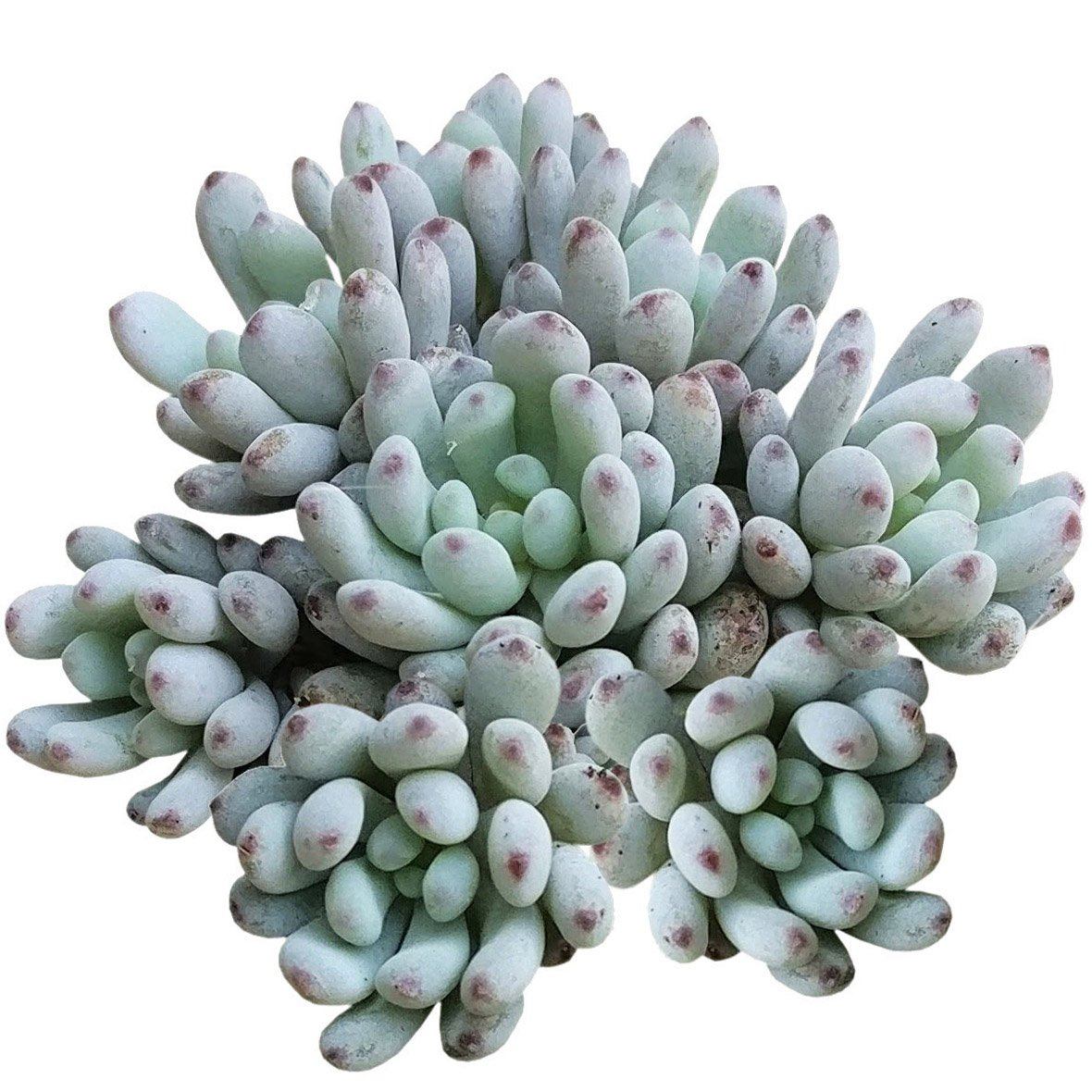
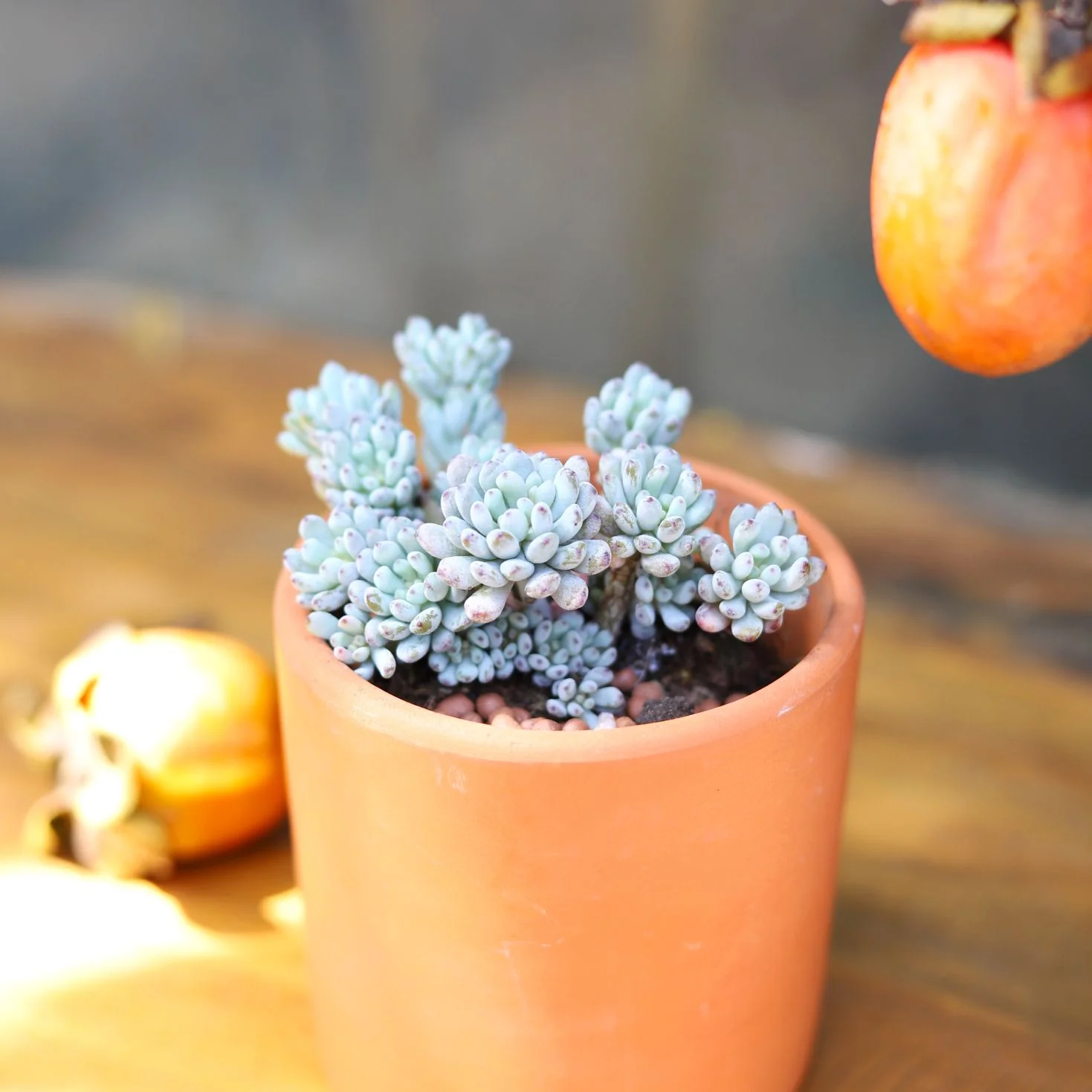
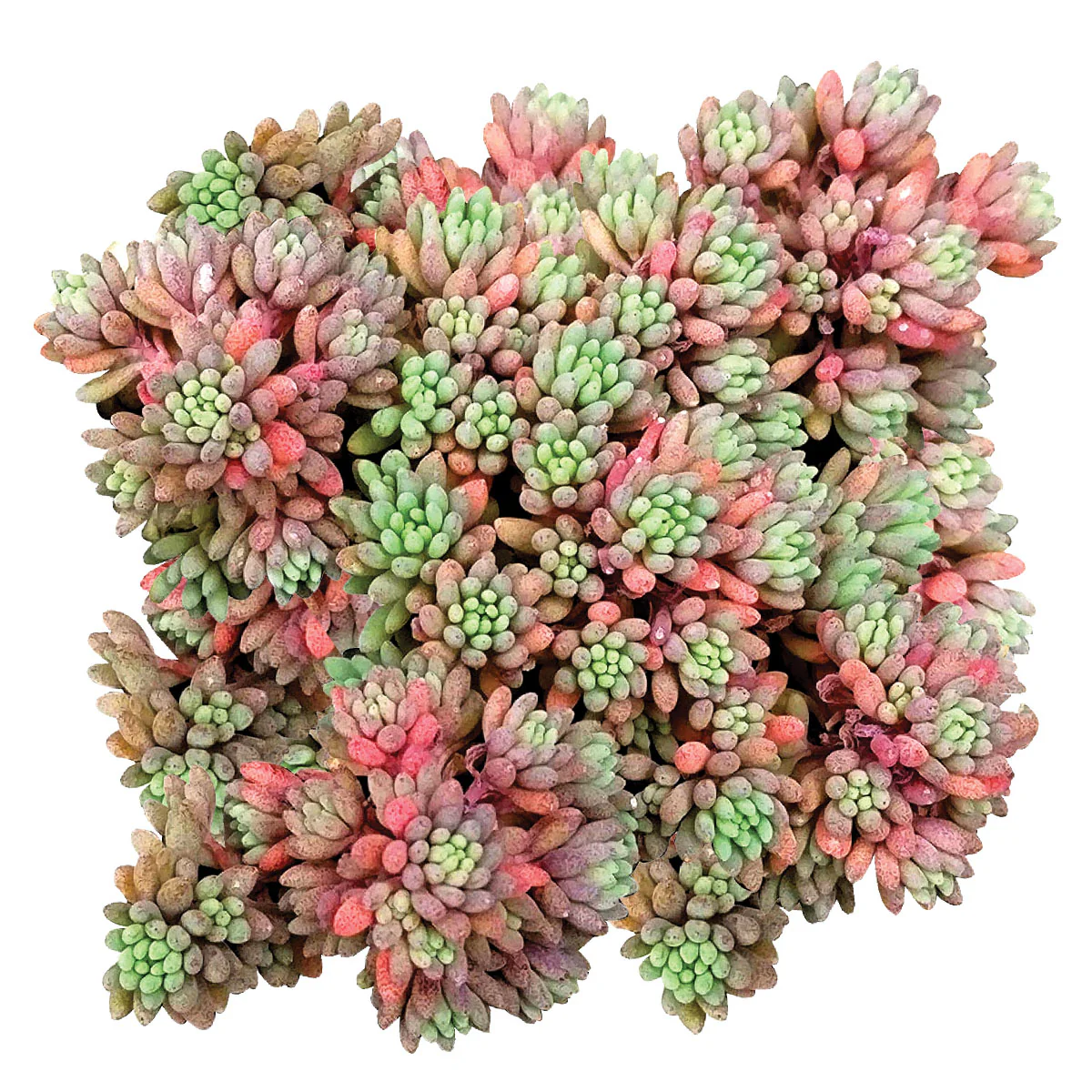
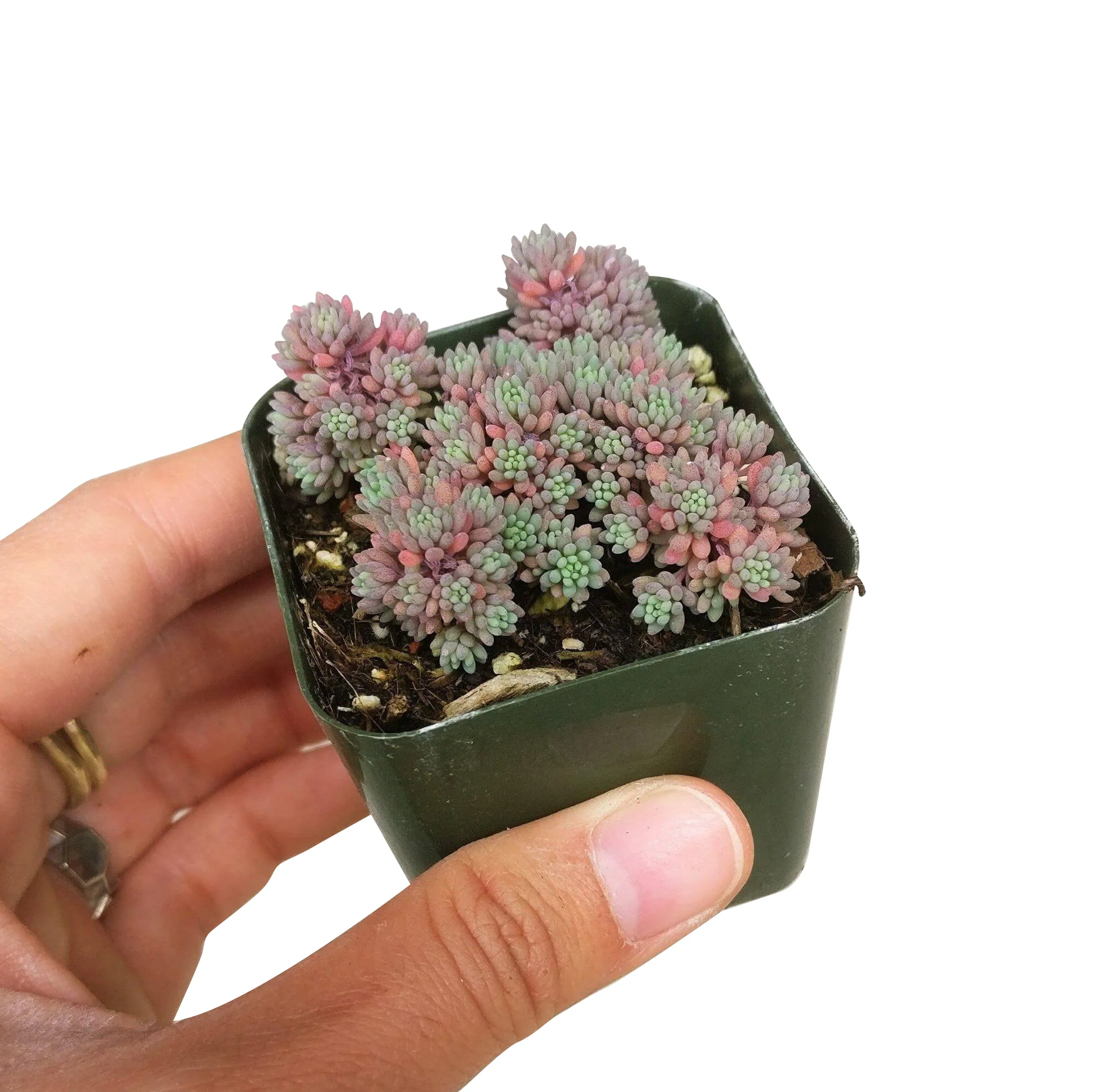
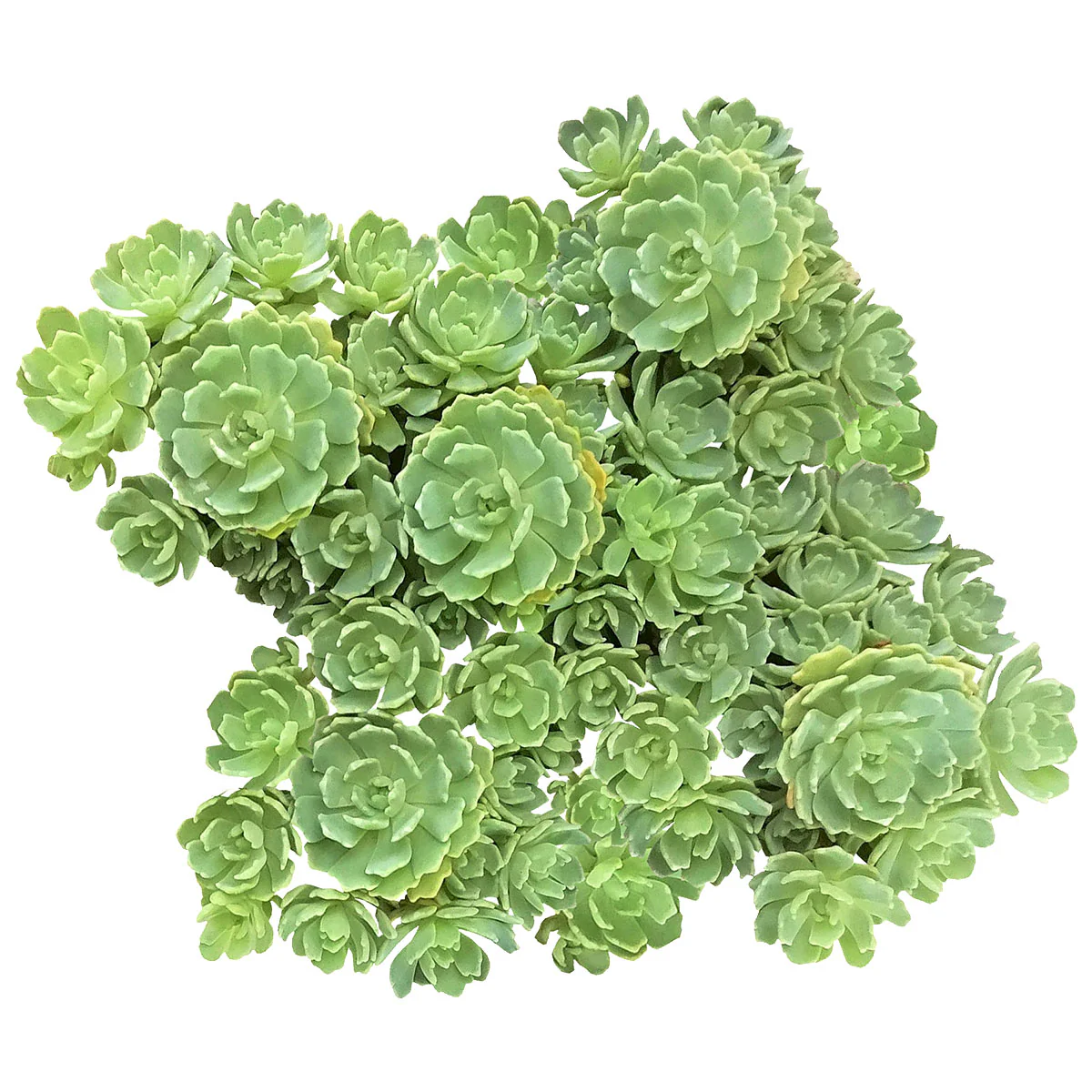
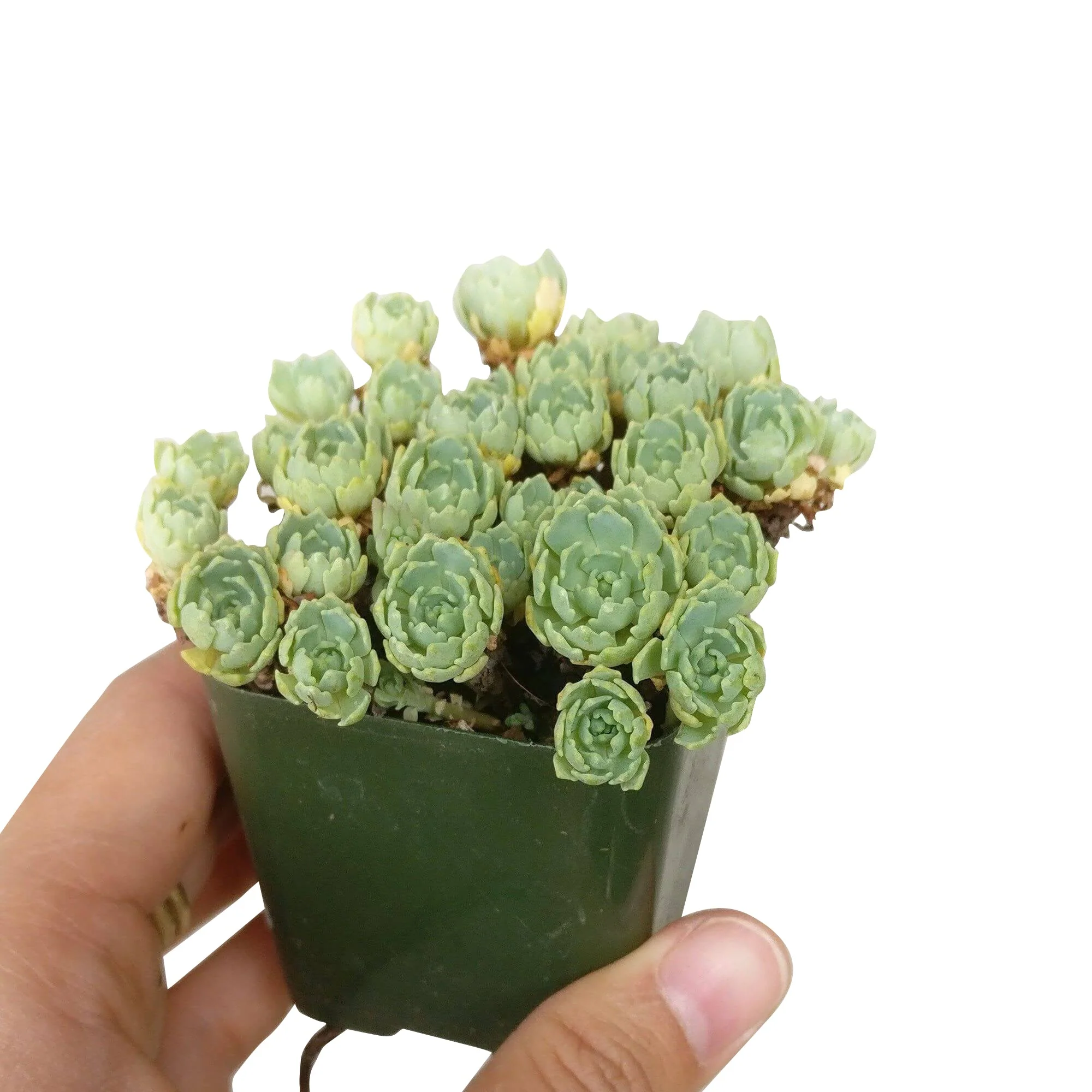
 Sempervivum globiferum ssp. allionii forms tight, symmetrical rosettes in fresh shades of lime green, often blushing with warm rosy or bronze tones at the tips when grown in full sun. The fleshy leaves are plump, slightly cupped, and edged with fine hairs that give each rosette a delicate, almost jewel-like appearance. True to its rolling hens and chicks nickname, this roller succulent produces small, spherical offsets that detach and literally roll away to root nearby, making it one of the most uniquely propagating plants in the Sempervivum world.
 Sempervivum globiferum ssp. allionii is a monocarpic bloomer, meaning the mother rosette flowers once and then gracefully gives way to its many offsets. When it does bloom, it typically sends up a sturdy stem topped with pale yellow to cream-colored star-shaped flowers in summer, adding a lovely seasonal show. Meanwhile, the surrounding chicks carry on the colony without missing a beat, ensuring the planting stays full and lush year after year.
 Sempervivum globiferum ssp. allionii is a dream plant for rock gardens, alpine troughs, green roofs, and container displays on sunny patios or balconies. It handles dry heated indoor air well, tolerates drafty spots without complaint, and can move outside for summer before coming back indoors in autumn. This pet friendly succulent is also noted for traditional edible and medicinal uses in its native range, and its ability to survive a 10-day stretch without watering makes it a top pick for busy plant lovers and frequent travelers. Collectors prize Sempervivum globiferum ssp. allionii for its rare rolling propagation habit, making it a genuinely special addition to any low maintenance succulent collection.
-
 Sempervivum globiferum ssp. allionii thrives in full sun to partial sun, needing at least four to six hours of direct light daily.
 Sempervivum globiferum ssp. allionii needs watering only every 10 to 14 days in summer and even less in winter, allowing soil to dry fully between waterings.
 Sempervivum globiferum ssp. allionii performs best in a gritty, fast-draining mix such as cactus soil blended with 30 to 50 percent perlite or coarse grit.
 Sempervivum globiferum ssp. allionii tolerates a wide range from around 10°F (-12°C) in winter to 90°F (32°C) in summer, making it a genuinely frost tolerant succulent.
![]() Sempervivum globiferum ssp. allionii is a slow to moderate grower that needs fertilizer only once in spring, using a diluted balanced or low-nitrogen feed.
Sempervivum globiferum ssp. allionii is a slow to moderate grower that needs fertilizer only once in spring, using a diluted balanced or low-nitrogen feed.
 Sempervivum globiferum ssp. allionii is hardy in USDA Zones 5 through 9, tolerating frost down to around 10°F (-12°C), which makes it a remarkably cold-tough outdoor succulent across a huge swath of the country. In the colder end of that range, gardeners growing Sempervivum globiferum ssp. allionii will find it right at home in states like Montana, Wyoming, Colorado, Utah, New Mexico, Kansas, Nebraska, South Dakota, North Dakota, Minnesota, Wisconsin, Michigan, Iowa, Illinois, Indiana, Ohio, Pennsylvania, New York, Vermont, New Hampshire, Maine, Massachusetts, Rhode Island, Connecticut, New Jersey, Delaware, Maryland, Virginia, West Virginia, Kentucky, Tennessee, Missouri, Arkansas, and Oklahoma. At the warmer end of Zones 8 and 9, it also thrives beautifully in North Carolina, South Carolina, Georgia, Alabama, Mississippi, Louisiana, Texas, Arizona, Nevada, Oregon, Washington, Idaho, and California, giving this outstanding alpine succulent truly nationwide appeal.
-
Q: Is Sempervivum globiferum ssp. allionii pet friendly?
A: Yes, Sempervivum globiferum ssp. allionii is pet friendly and is not toxic to cats or dogs. You can display it safely in a home with curious pets.
Q: How often should I water Sempervivum globiferum ssp. allionii?
A: Water Sempervivum globiferum ssp. allionii every 10 to 14 days during the growing season, and cut back to once a month or less in winter. Always let the soil dry out completely between waterings to prevent root rot.
Q: How does Sempervivum globiferum ssp. allionii propagate?
A: Sempervivum globiferum ssp. allionii produces small globe-shaped offsets that naturally detach and roll away from the mother plant, rooting wherever they land. Simply collect the rollers and set them on fresh gritty soil to start new plants with almost no effort.
Q: Is Sempervivum globiferum ssp. allionii frost hardy?
A: Sempervivum globiferum ssp. allionii is impressively frost hardy, surviving temperatures down to around 10°F (-12°C) in USDA Zones 5 through 9. It can overwinter outdoors in most climates as long as it has excellent drainage and some protection from prolonged heavy rain.
Q: What light does Sempervivum globiferum ssp. allionii need indoors or outdoors?
A: Sempervivum globiferum ssp. allionii does best in full sun to partial sun, ideally with four to six or more hours of direct light per day. Move it outside for summer to keep the rosettes compact and beautifully colored.
Q: How big does Sempervivum globiferum ssp. allionii get?
A: Individual rosettes of Sempervivum globiferum ssp. allionii typically reach 1 to 2 inches (2.5 to 5 cm) across, and the clustering habit means a single plant can spread into a wide, dense mat over time. It stays wonderfully compact, making it ideal for rock gardens, troughs, and small containers.


Original: $8.00
-70%$8.00
$2.40Product Information
Product Information
Shipping & Returns
Shipping & Returns
Description
- Description
- Sempervivum globiferum ssp. allionii Care Guide
- FAQ/Common Issues
-
![]() Sempervivum globiferum ssp. allionii is a charming alpine succulent in the Crassulaceae family, beloved by collectors and beginners alike. Native to rocky mountain slopes in the European Alps and Apennines, this tough little houseleek succulent evolved to handle extreme cold, thin soils, and intense sun. It is also known botanically as Jovibarba allionii, and it earns every bit of its reputation as a frost hardy succulent that thrives where others struggle.
Sempervivum globiferum ssp. allionii is a charming alpine succulent in the Crassulaceae family, beloved by collectors and beginners alike. Native to rocky mountain slopes in the European Alps and Apennines, this tough little houseleek succulent evolved to handle extreme cold, thin soils, and intense sun. It is also known botanically as Jovibarba allionii, and it earns every bit of its reputation as a frost hardy succulent that thrives where others struggle.
Sempervivum globiferum ssp. allionii forms tight, symmetrical rosettes in fresh shades of lime green, often blushing with warm rosy or bronze tones at the tips when grown in full sun. The fleshy leaves are plump, slightly cupped, and edged with fine hairs that give each rosette a delicate, almost jewel-like appearance. True to its rolling hens and chicks nickname, this roller succulent produces small, spherical offsets that detach and literally roll away to root nearby, making it one of the most uniquely propagating plants in the Sempervivum world.
Sempervivum globiferum ssp. allionii is a monocarpic bloomer, meaning the mother rosette flowers once and then gracefully gives way to its many offsets. When it does bloom, it typically sends up a sturdy stem topped with pale yellow to cream-colored star-shaped flowers in summer, adding a lovely seasonal show. Meanwhile, the surrounding chicks carry on the colony without missing a beat, ensuring the planting stays full and lush year after year.
Sempervivum globiferum ssp. allionii is a dream plant for rock gardens, alpine troughs, green roofs, and container displays on sunny patios or balconies. It handles dry heated indoor air well, tolerates drafty spots without complaint, and can move outside for summer before coming back indoors in autumn. This pet friendly succulent is also noted for traditional edible and medicinal uses in its native range, and its ability to survive a 10-day stretch without watering makes it a top pick for busy plant lovers and frequent travelers. Collectors prize Sempervivum globiferum ssp. allionii for its rare rolling propagation habit, making it a genuinely special addition to any low maintenance succulent collection.
-
Sempervivum globiferum ssp. allionii thrives in full sun to partial sun, needing at least four to six hours of direct light daily.
Sempervivum globiferum ssp. allionii needs watering only every 10 to 14 days in summer and even less in winter, allowing soil to dry fully between waterings.
Sempervivum globiferum ssp. allionii performs best in a gritty, fast-draining mix such as cactus soil blended with 30 to 50 percent perlite or coarse grit.
Sempervivum globiferum ssp. allionii tolerates a wide range from around 10°F (-12°C) in winter to 90°F (32°C) in summer, making it a genuinely frost tolerant succulent.
![]() Sempervivum globiferum ssp. allionii is a slow to moderate grower that needs fertilizer only once in spring, using a diluted balanced or low-nitrogen feed.
Sempervivum globiferum ssp. allionii is a slow to moderate grower that needs fertilizer only once in spring, using a diluted balanced or low-nitrogen feed.
Sempervivum globiferum ssp. allionii is hardy in USDA Zones 5 through 9, tolerating frost down to around 10°F (-12°C), which makes it a remarkably cold-tough outdoor succulent across a huge swath of the country. In the colder end of that range, gardeners growing Sempervivum globiferum ssp. allionii will find it right at home in states like Montana, Wyoming, Colorado, Utah, New Mexico, Kansas, Nebraska, South Dakota, North Dakota, Minnesota, Wisconsin, Michigan, Iowa, Illinois, Indiana, Ohio, Pennsylvania, New York, Vermont, New Hampshire, Maine, Massachusetts, Rhode Island, Connecticut, New Jersey, Delaware, Maryland, Virginia, West Virginia, Kentucky, Tennessee, Missouri, Arkansas, and Oklahoma. At the warmer end of Zones 8 and 9, it also thrives beautifully in North Carolina, South Carolina, Georgia, Alabama, Mississippi, Louisiana, Texas, Arizona, Nevada, Oregon, Washington, Idaho, and California, giving this outstanding alpine succulent truly nationwide appeal.
-
Q: Is Sempervivum globiferum ssp. allionii pet friendly?
A: Yes, Sempervivum globiferum ssp. allionii is pet friendly and is not toxic to cats or dogs. You can display it safely in a home with curious pets.
Q: How often should I water Sempervivum globiferum ssp. allionii?
A: Water Sempervivum globiferum ssp. allionii every 10 to 14 days during the growing season, and cut back to once a month or less in winter. Always let the soil dry out completely between waterings to prevent root rot.
Q: How does Sempervivum globiferum ssp. allionii propagate?
A: Sempervivum globiferum ssp. allionii produces small globe-shaped offsets that naturally detach and roll away from the mother plant, rooting wherever they land. Simply collect the rollers and set them on fresh gritty soil to start new plants with almost no effort.
Q: Is Sempervivum globiferum ssp. allionii frost hardy?
A: Sempervivum globiferum ssp. allionii is impressively frost hardy, surviving temperatures down to around 10°F (-12°C) in USDA Zones 5 through 9. It can overwinter outdoors in most climates as long as it has excellent drainage and some protection from prolonged heavy rain.
Q: What light does Sempervivum globiferum ssp. allionii need indoors or outdoors?
A: Sempervivum globiferum ssp. allionii does best in full sun to partial sun, ideally with four to six or more hours of direct light per day. Move it outside for summer to keep the rosettes compact and beautifully colored.
Q: How big does Sempervivum globiferum ssp. allionii get?
A: Individual rosettes of Sempervivum globiferum ssp. allionii typically reach 1 to 2 inches (2.5 to 5 cm) across, and the clustering habit means a single plant can spread into a wide, dense mat over time. It stays wonderfully compact, making it ideal for rock gardens, troughs, and small containers.