Sempervivum 'Duke of Windsor'
- Description
- Sempervivum 'Duke of Windsor' Care Guide
- FAQ/Common Issues
-
![]() Sempervivum 'Duke of Windsor' is a cold hardy drought tolerant succulent belonging to the houseleek family, native to the mountainous regions of Europe. This alpine succulent has adapted to harsh conditions, making it one of the most resilient hens and chicks varieties for outdoor growing.
Sempervivum 'Duke of Windsor' is a cold hardy drought tolerant succulent belonging to the houseleek family, native to the mountainous regions of Europe. This alpine succulent has adapted to harsh conditions, making it one of the most resilient hens and chicks varieties for outdoor growing.
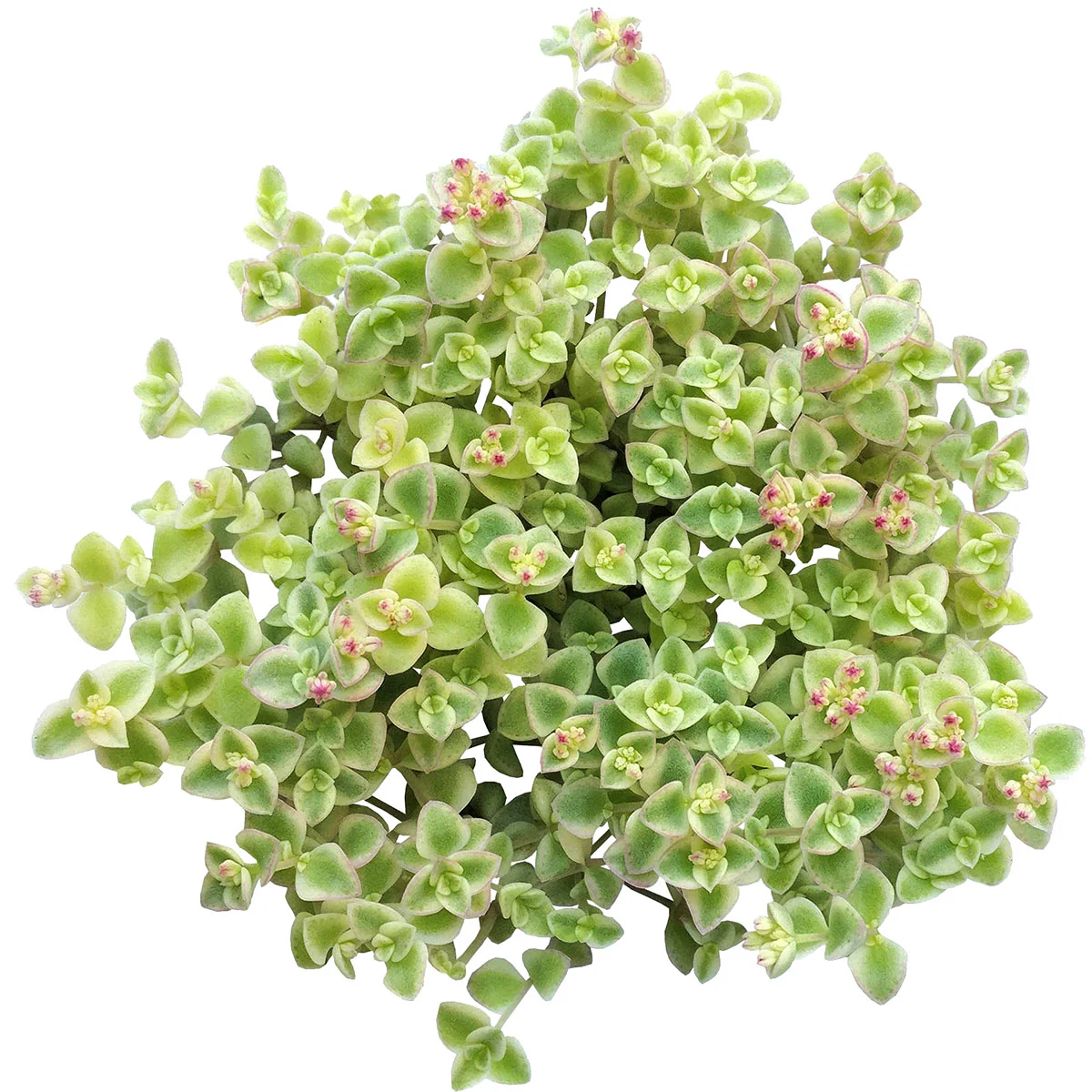
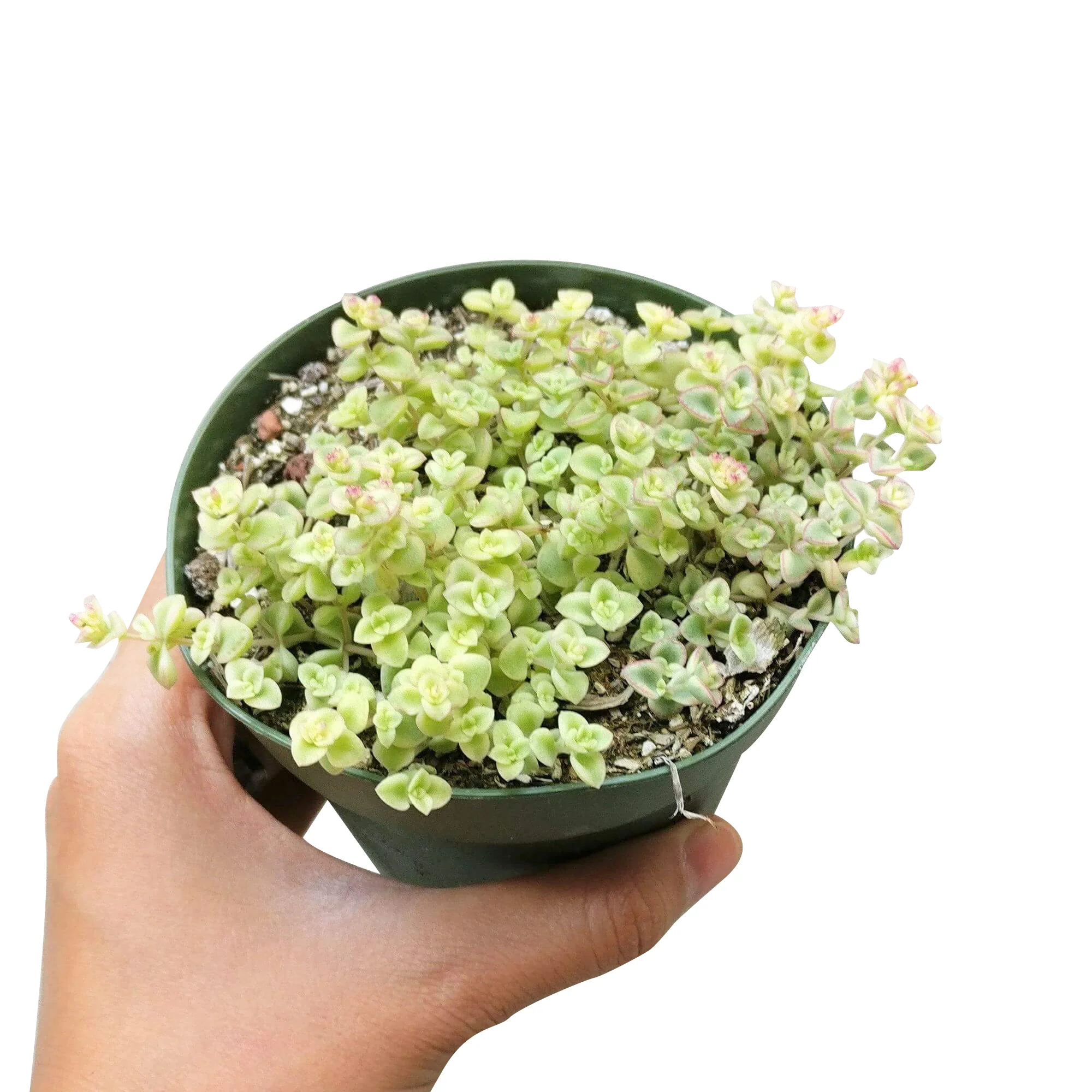
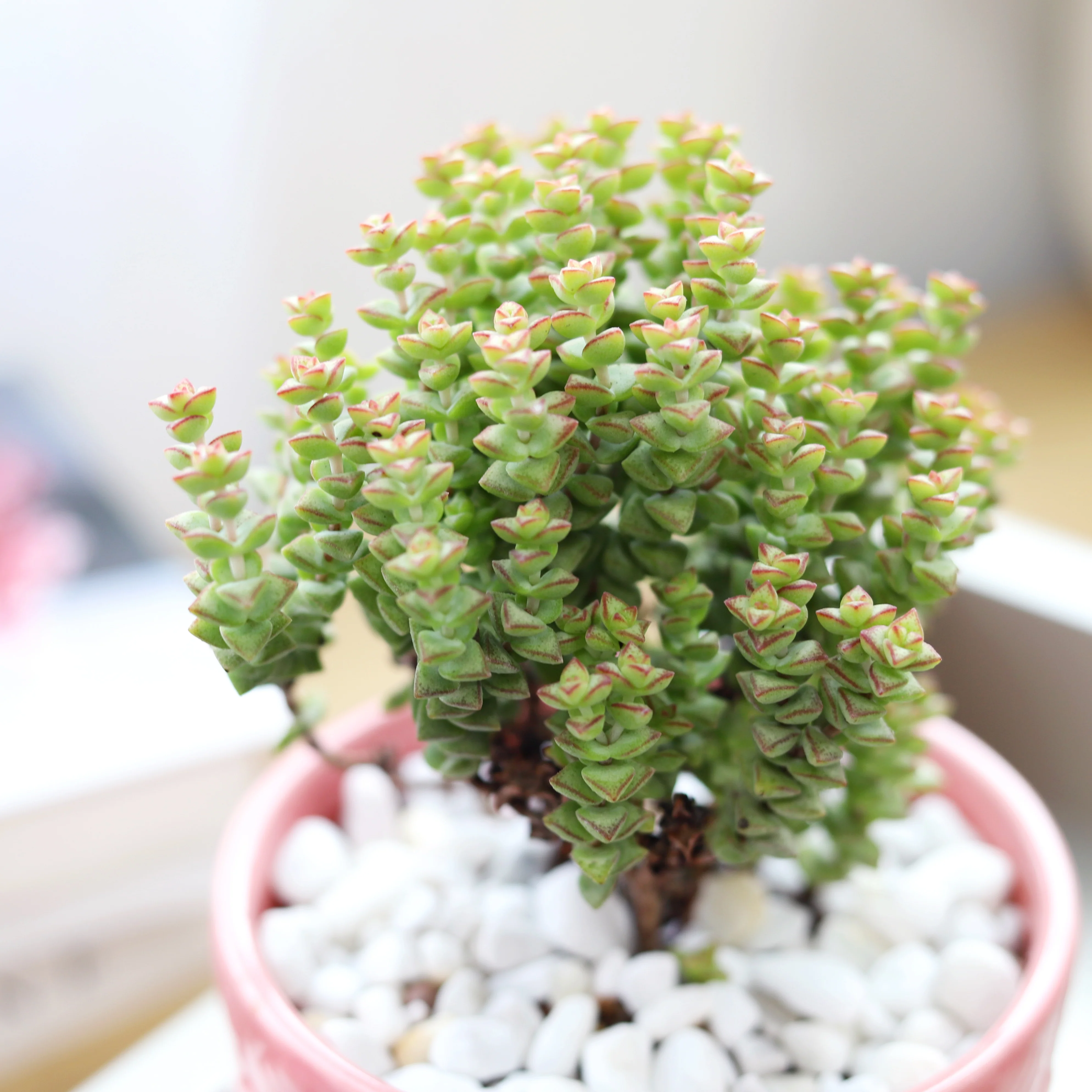
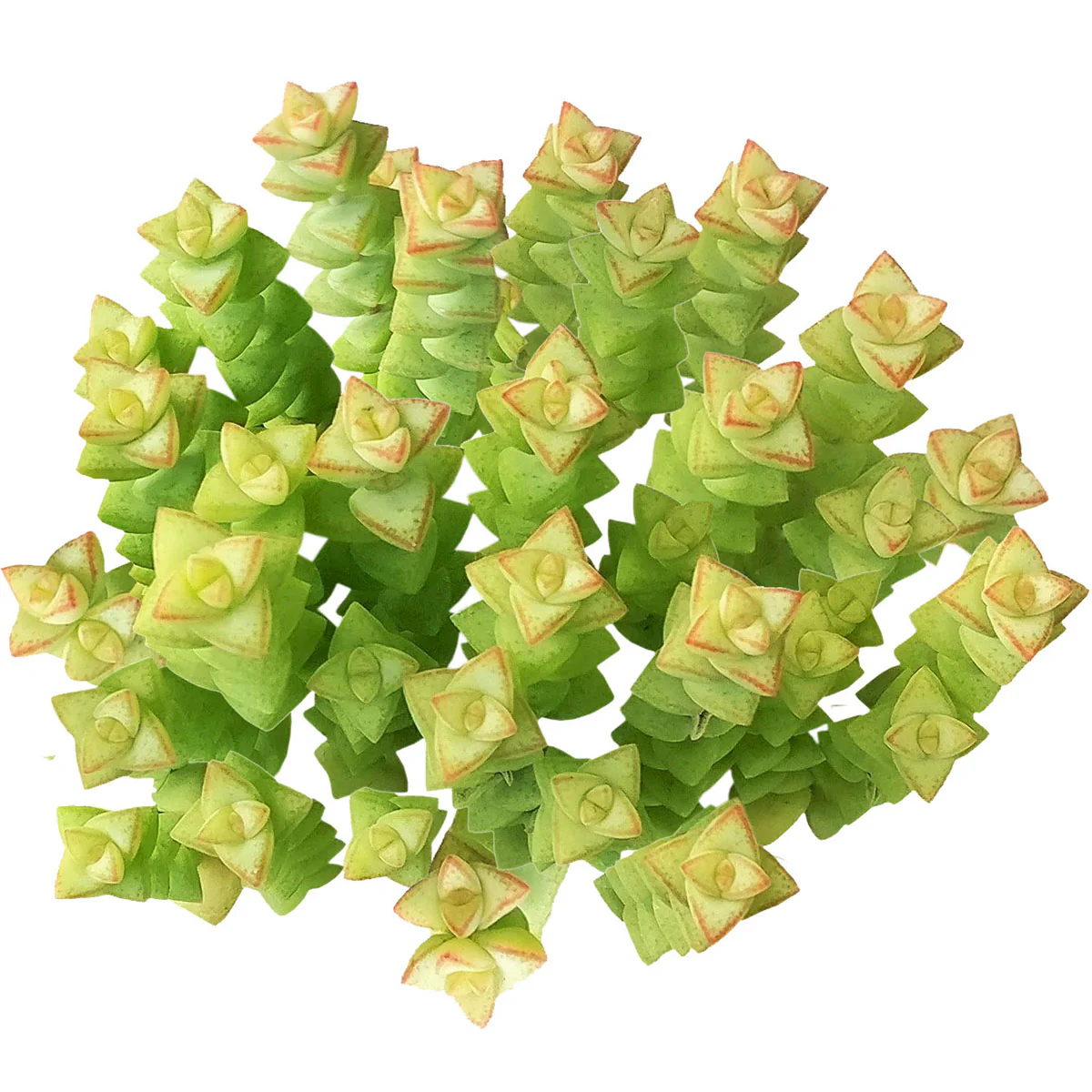
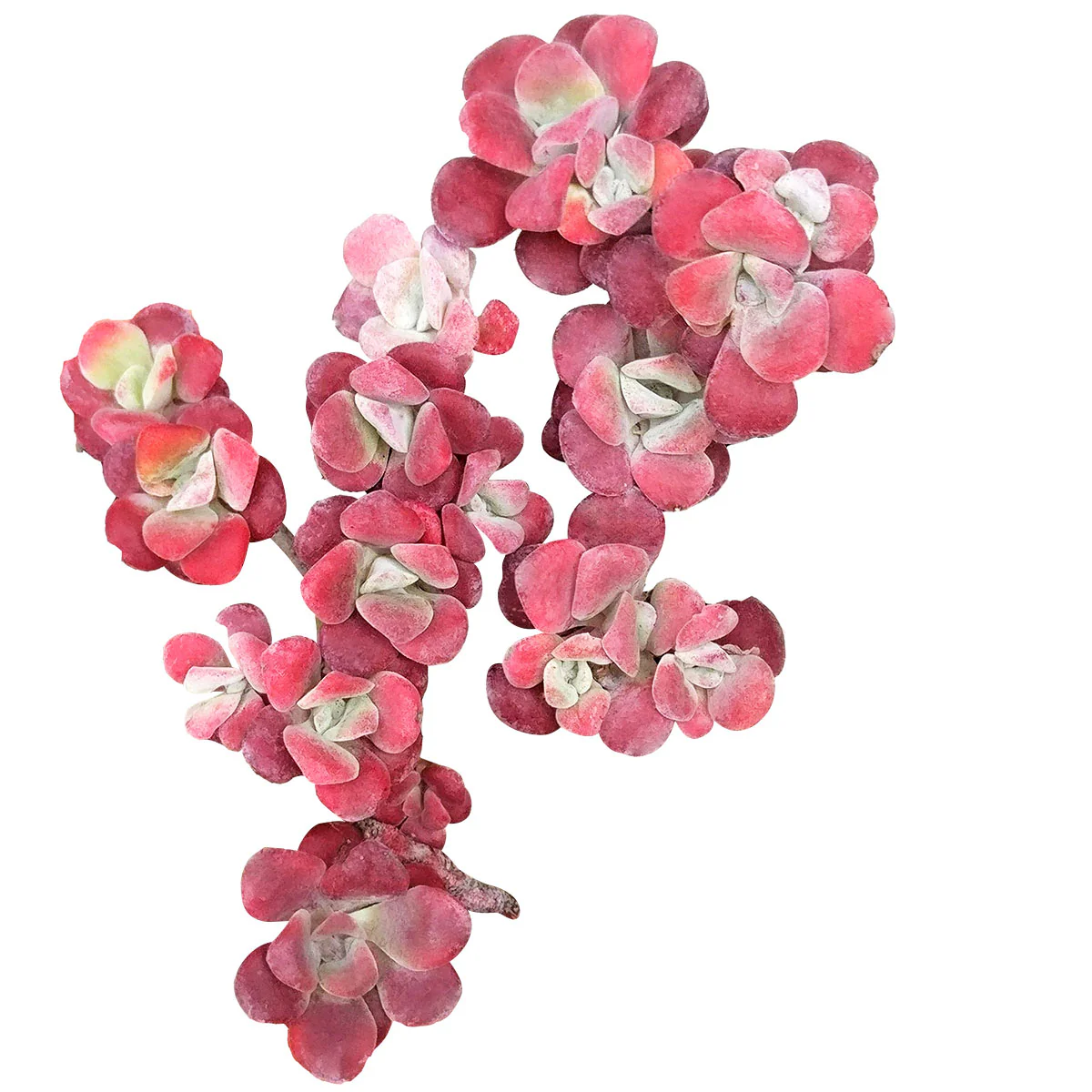
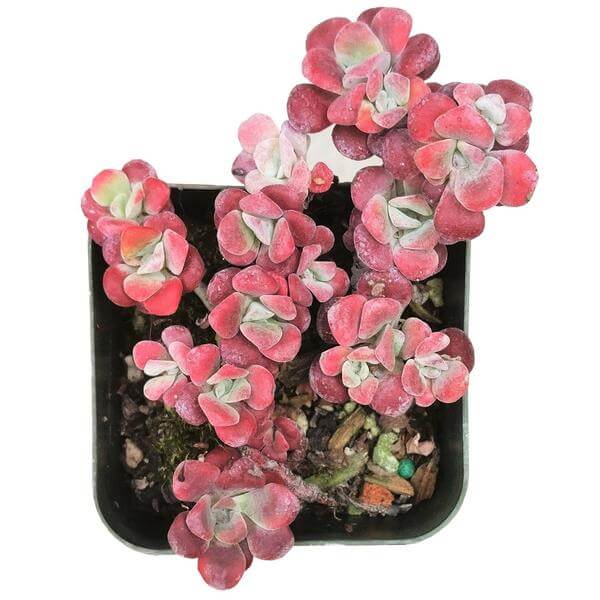
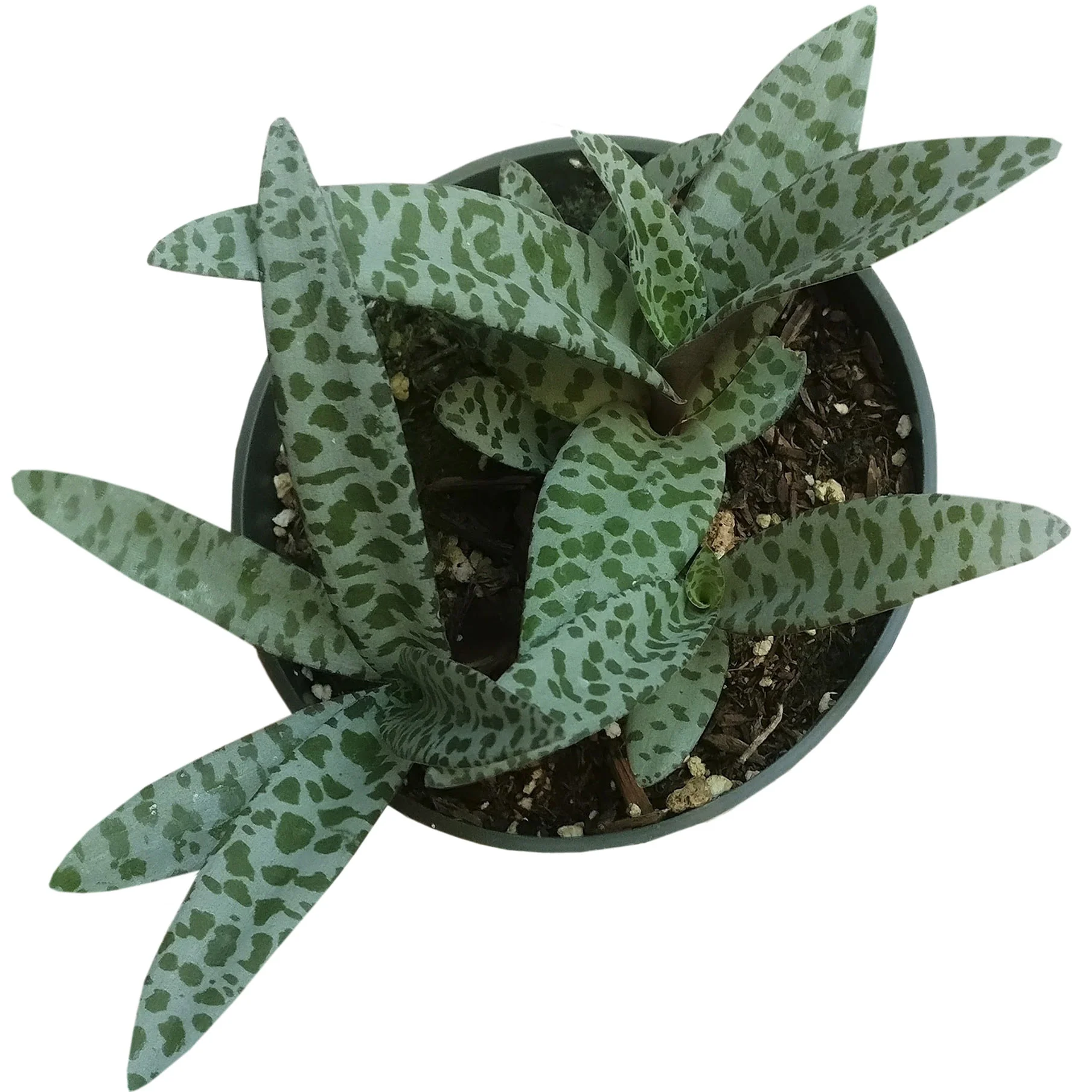
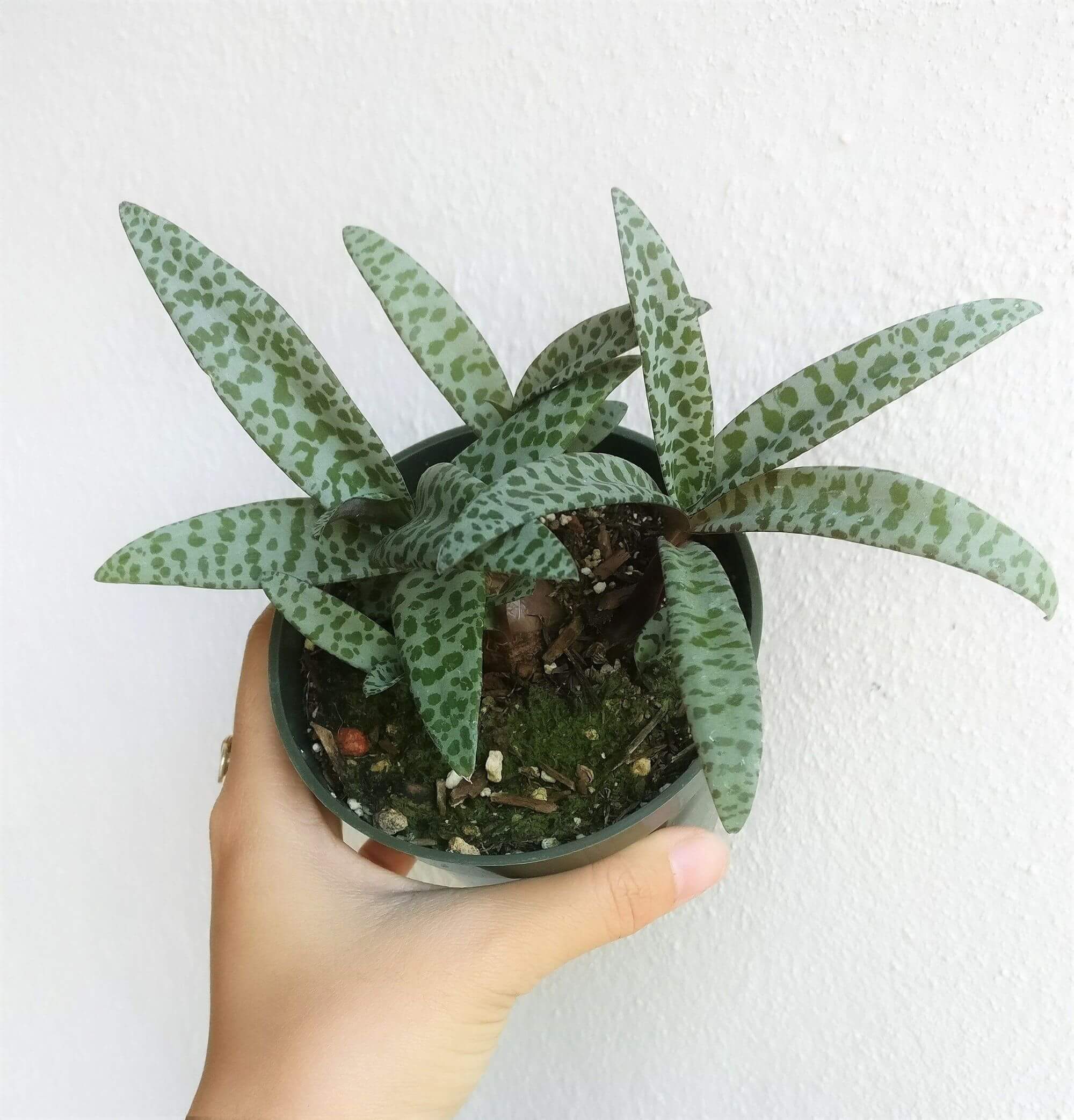
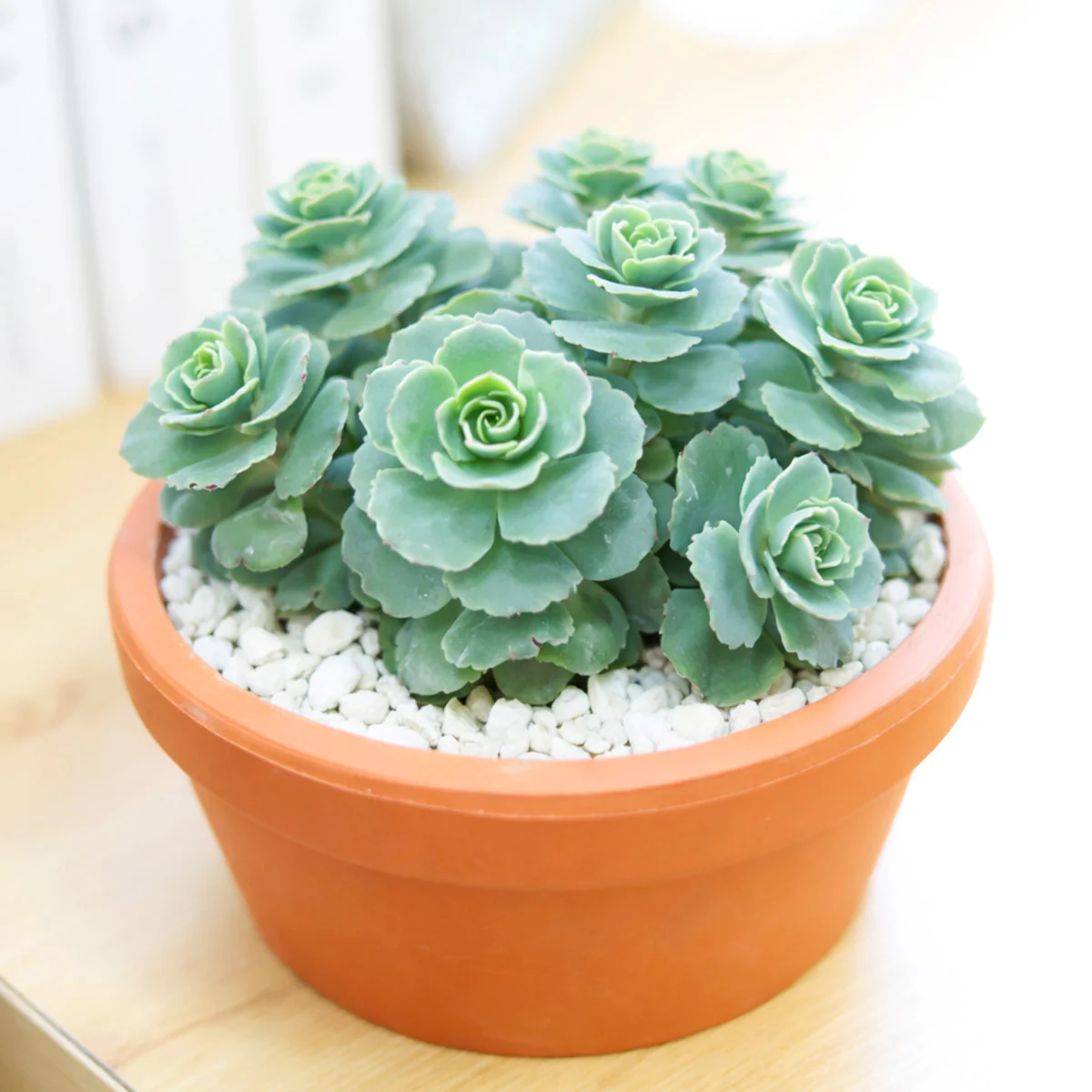
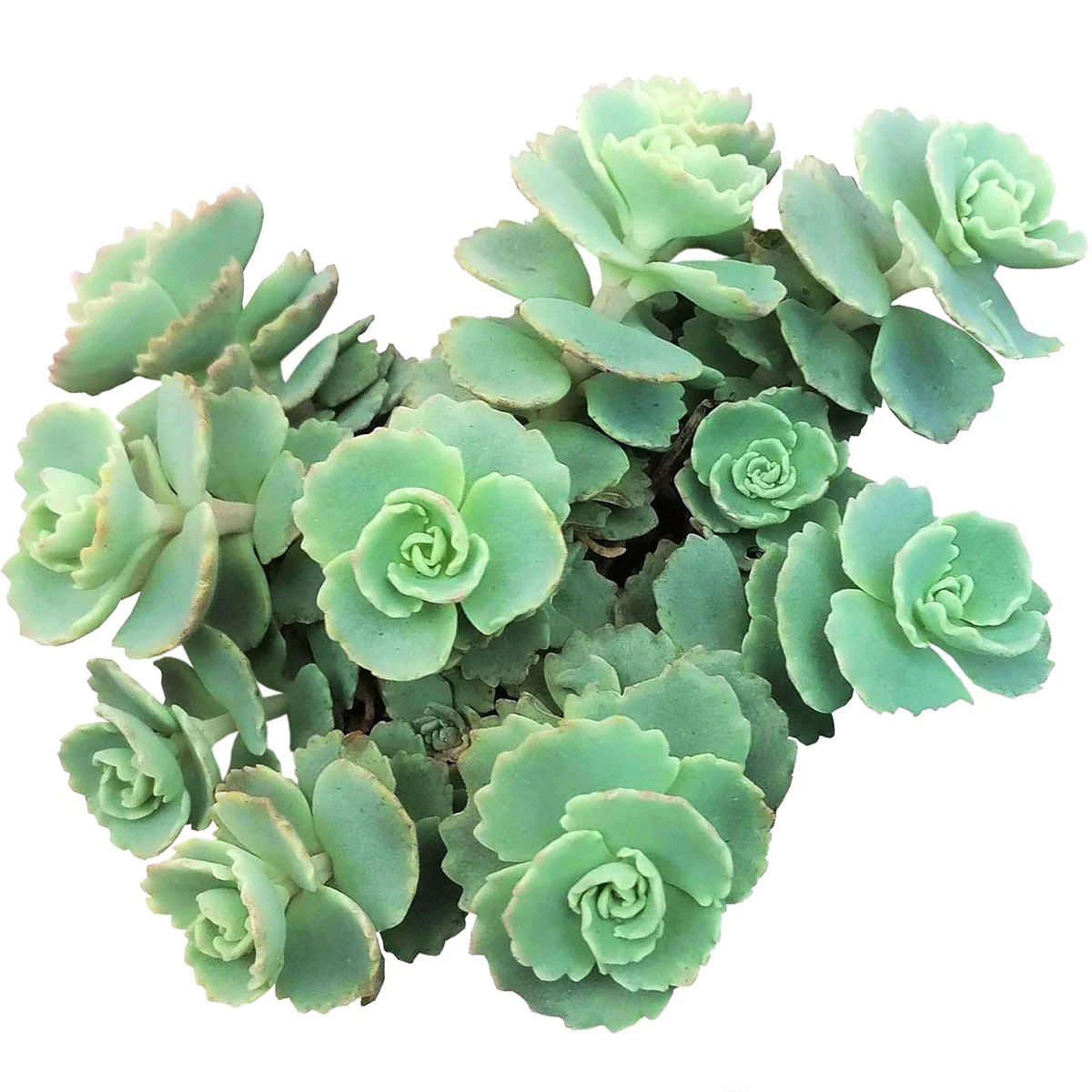
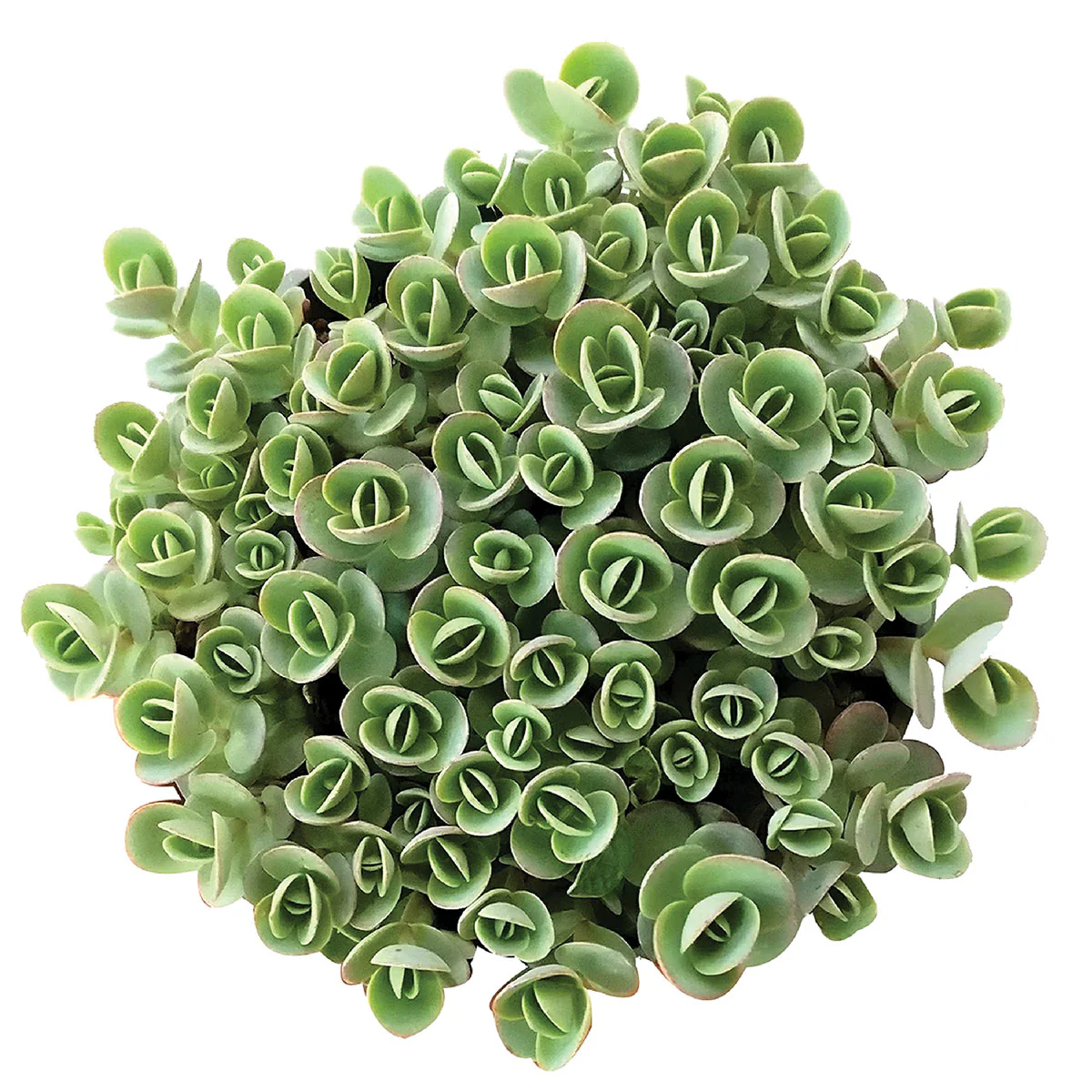
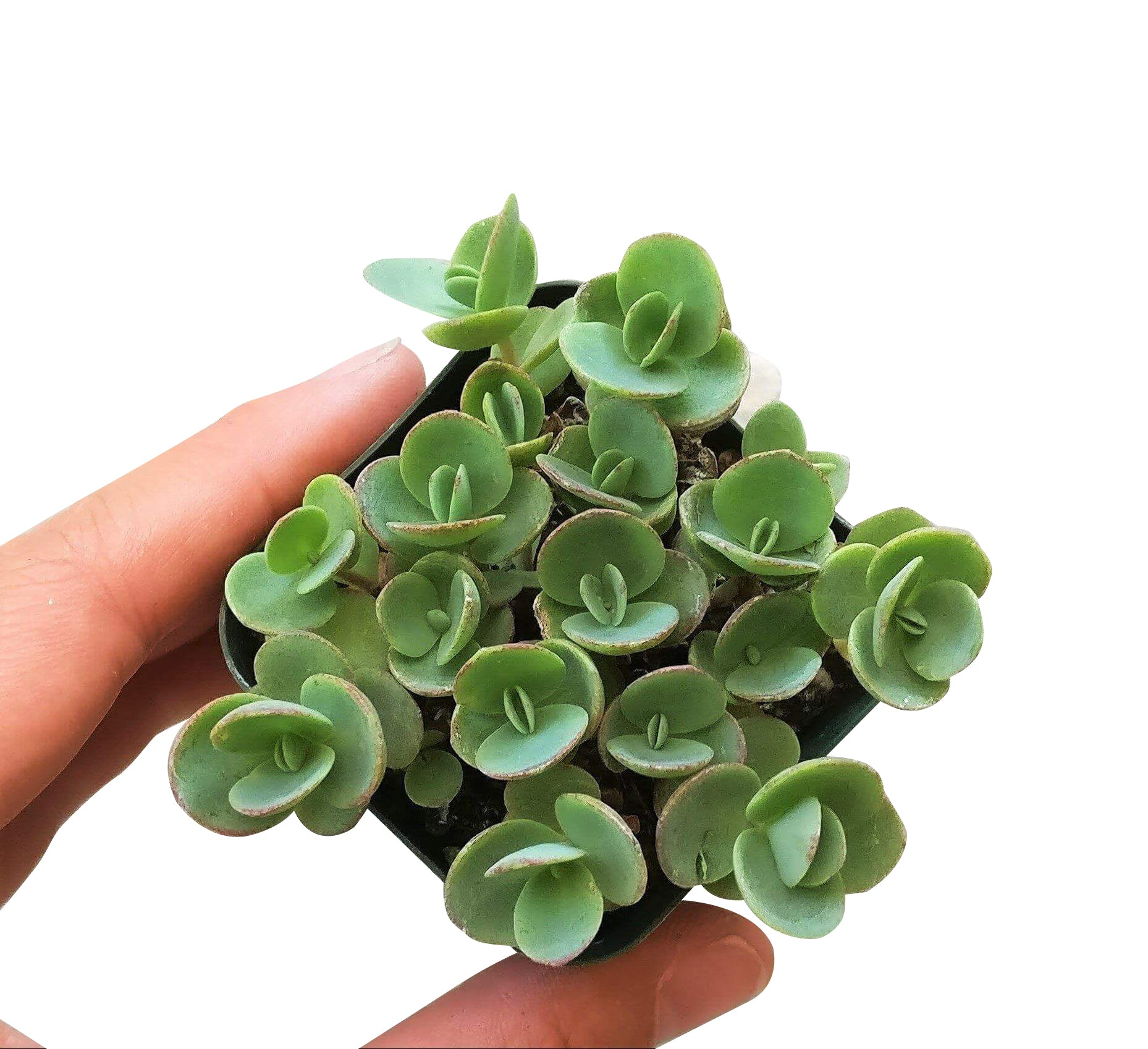
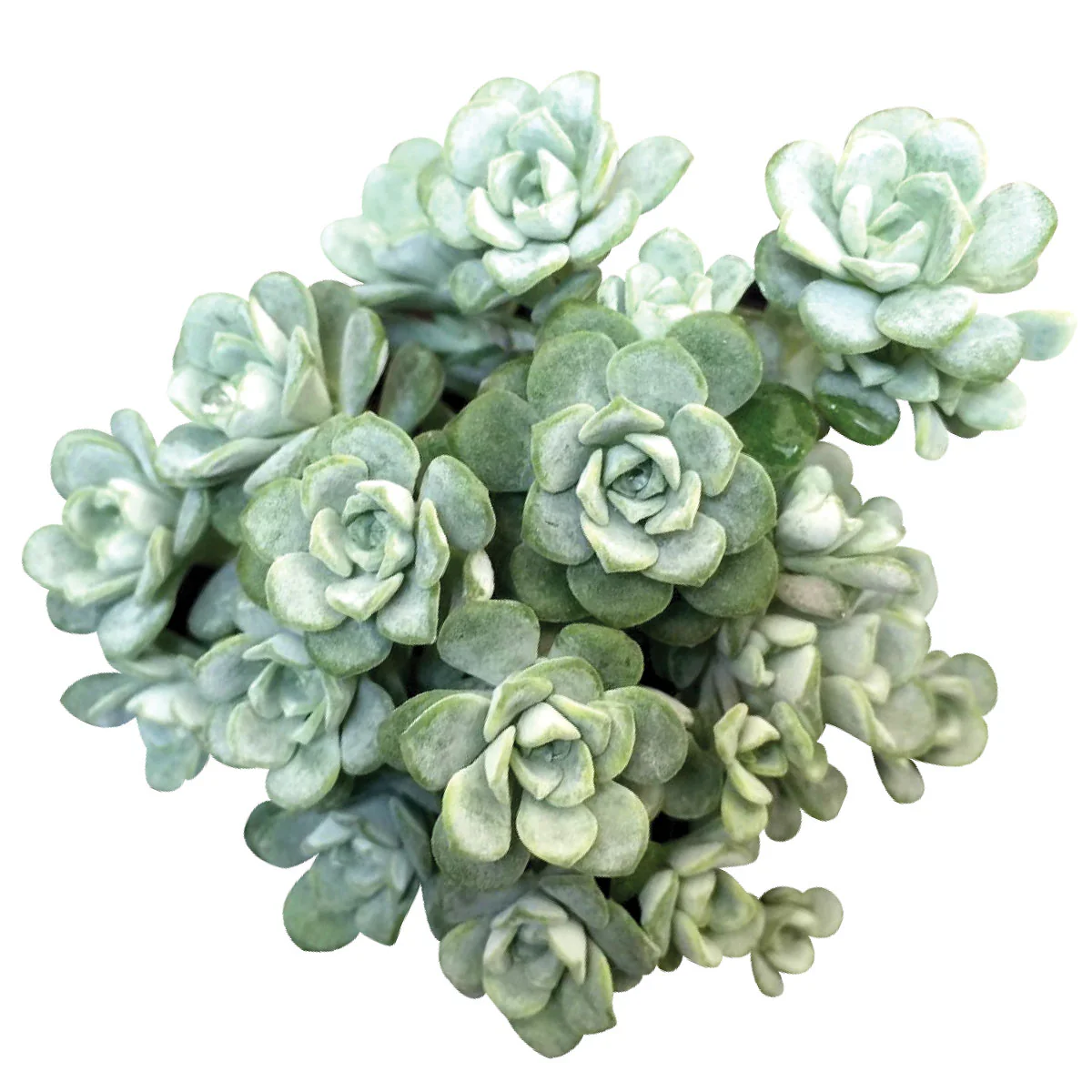
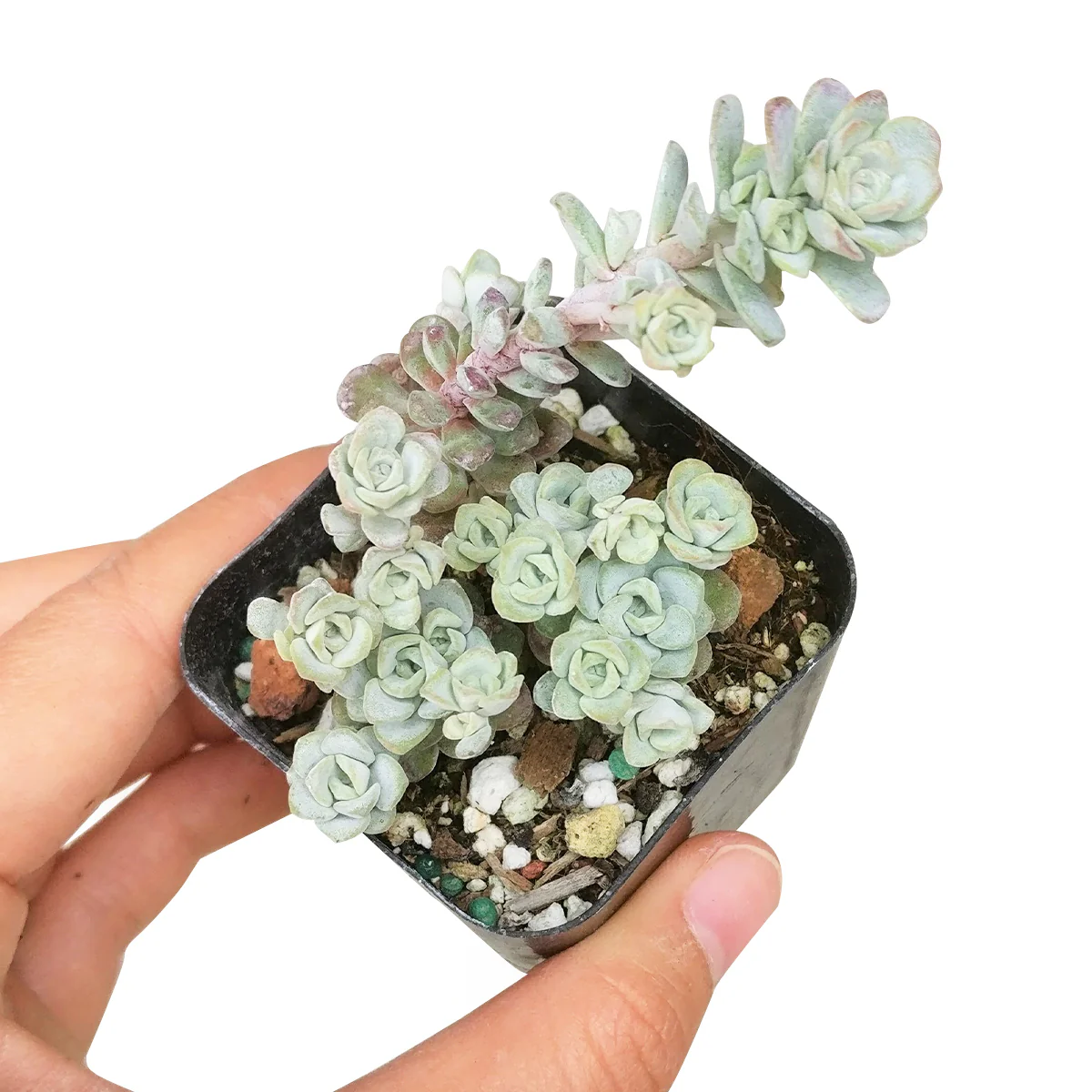
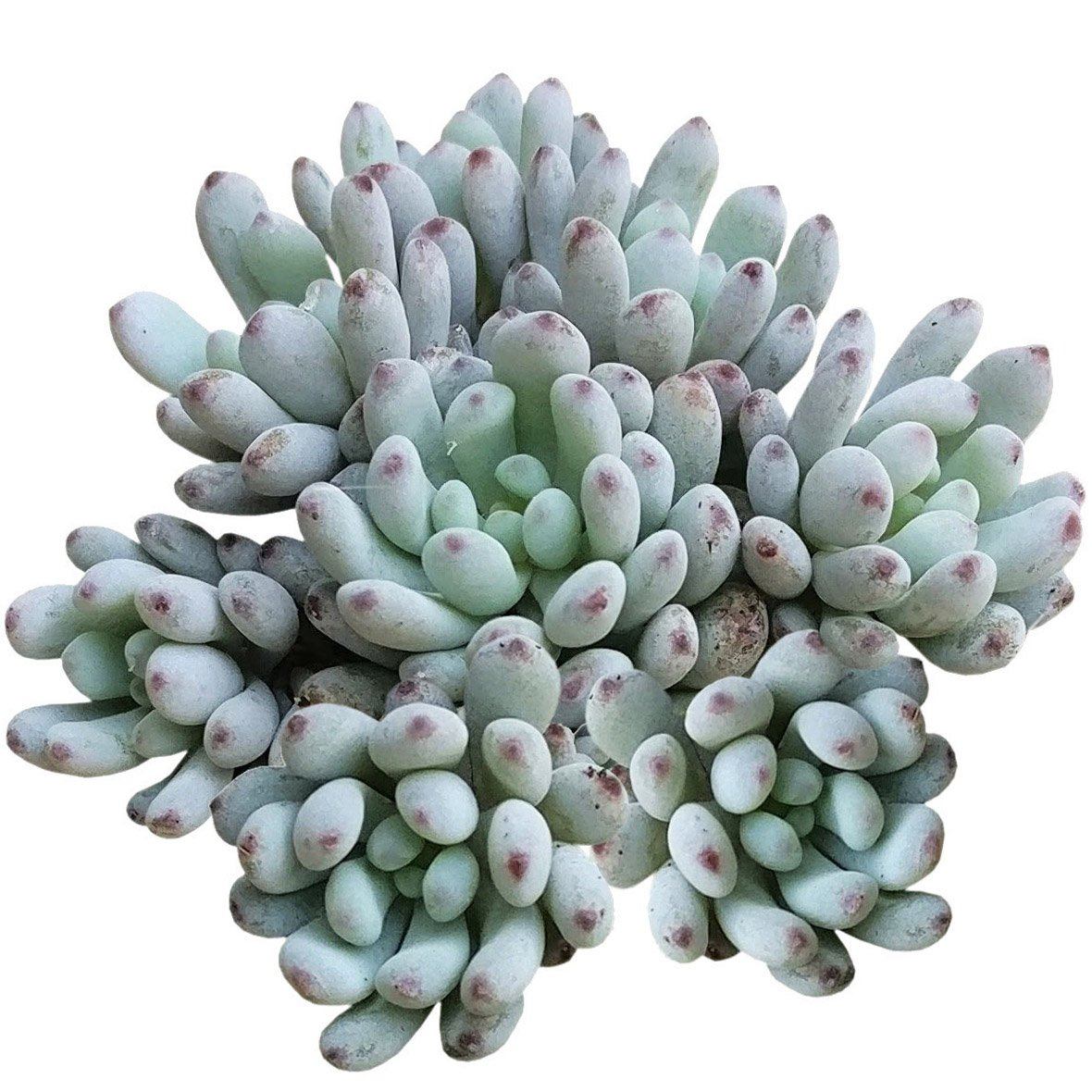
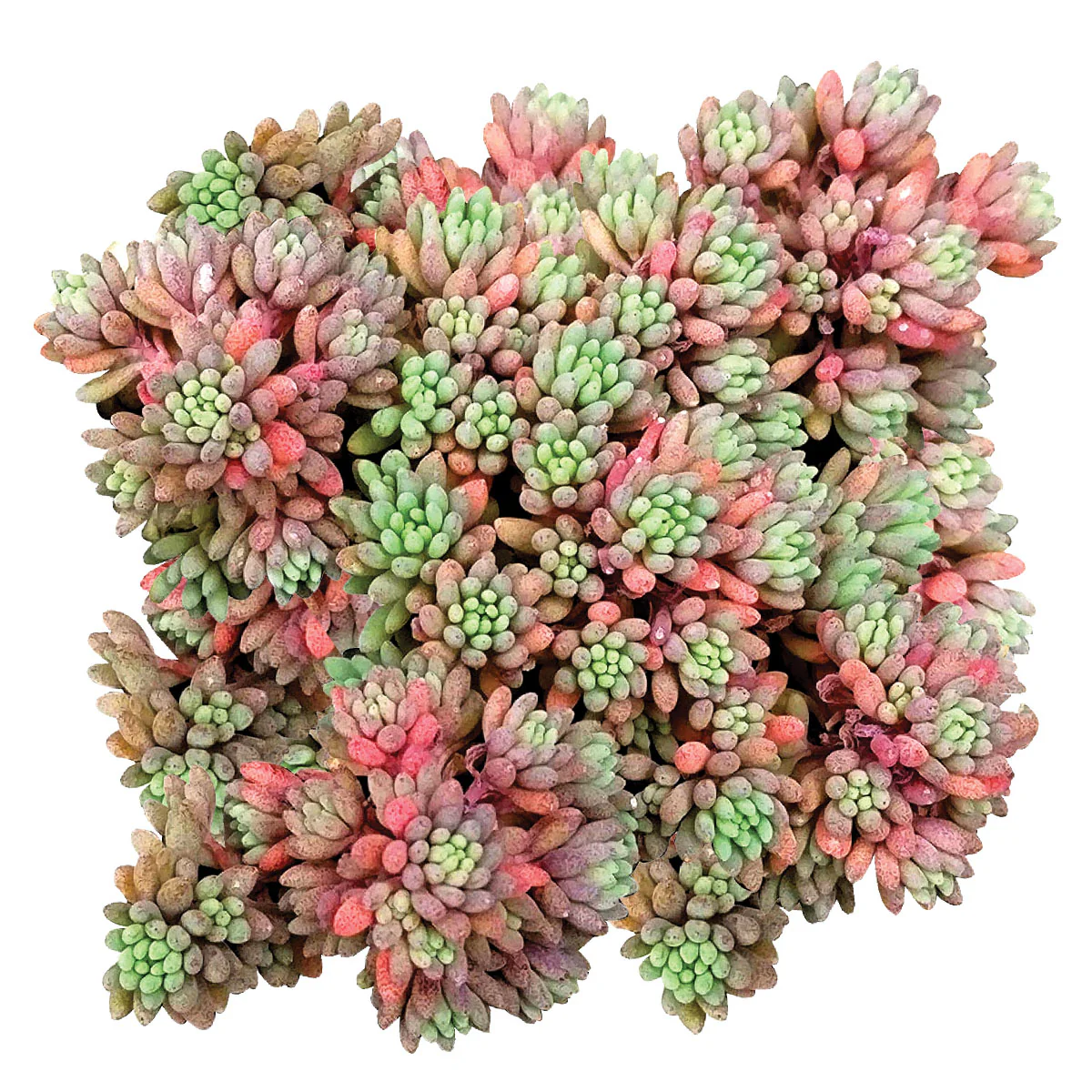
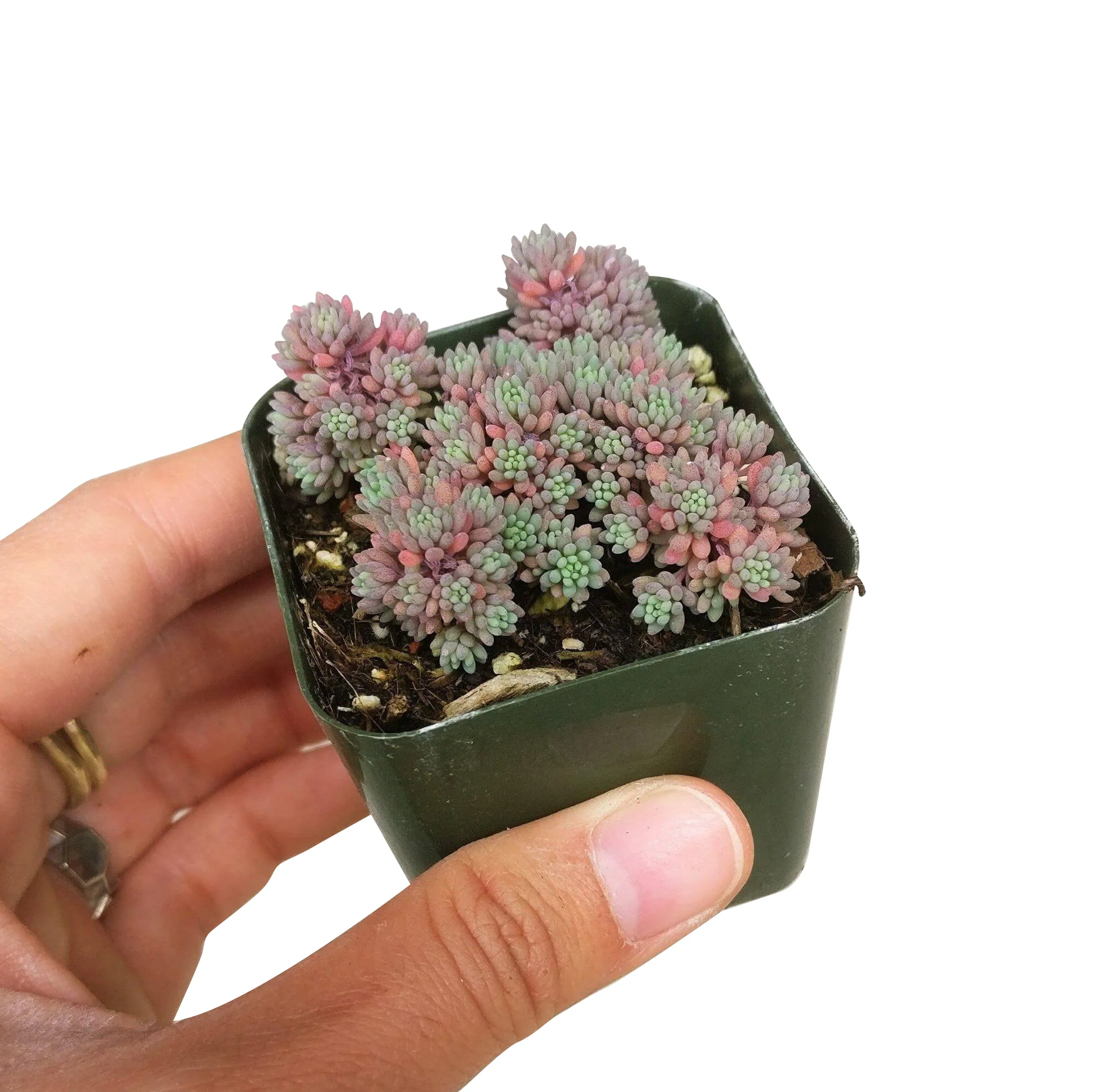
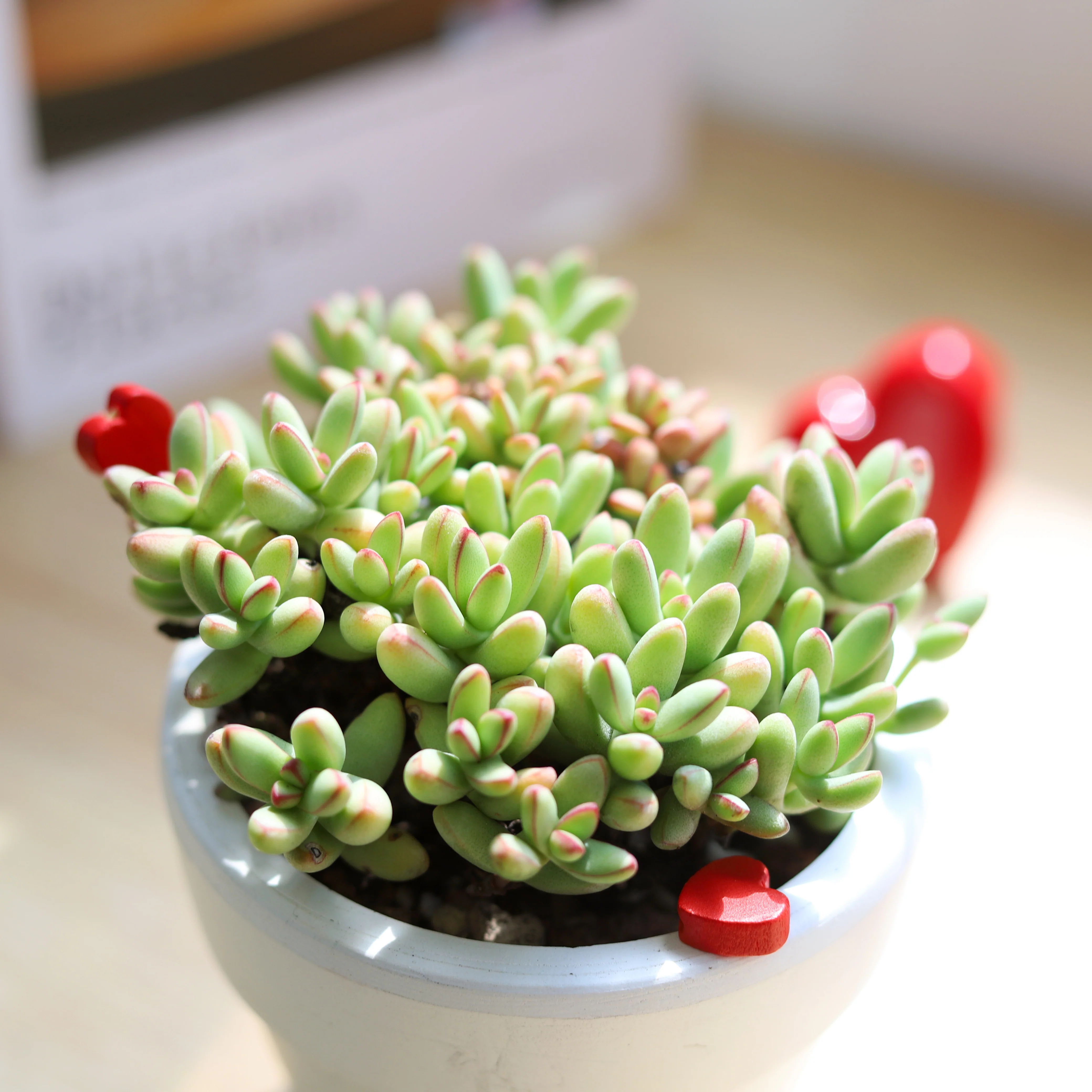
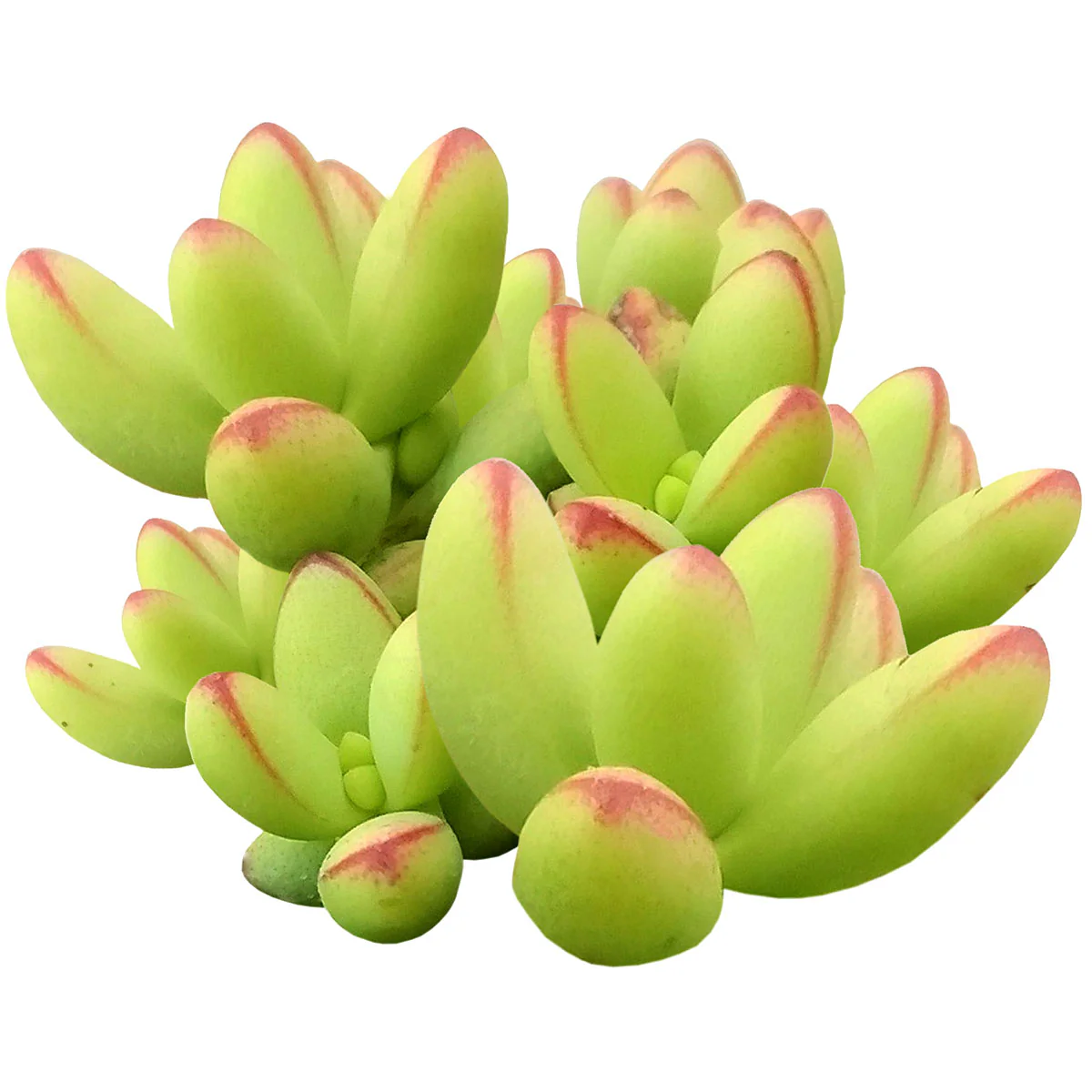
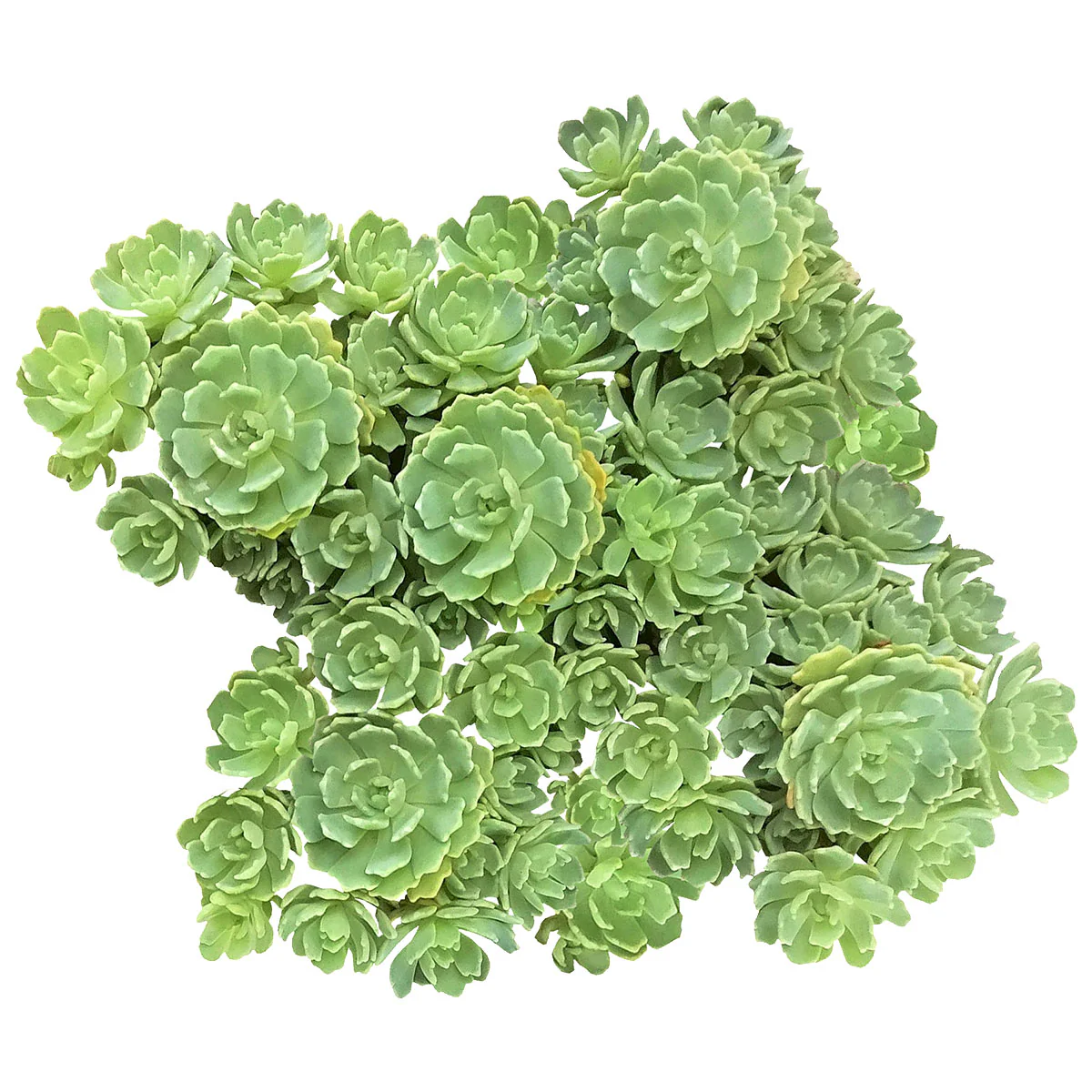
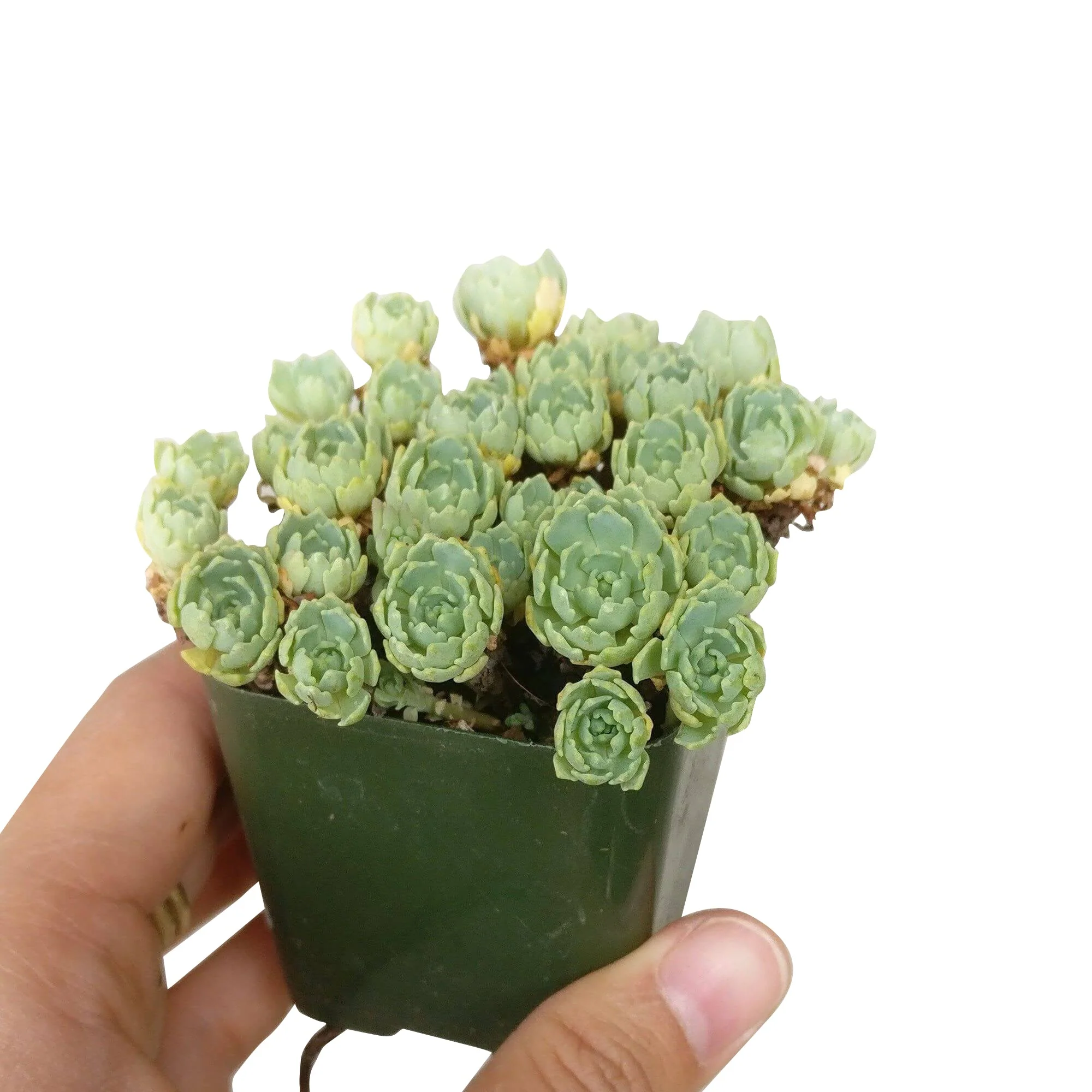
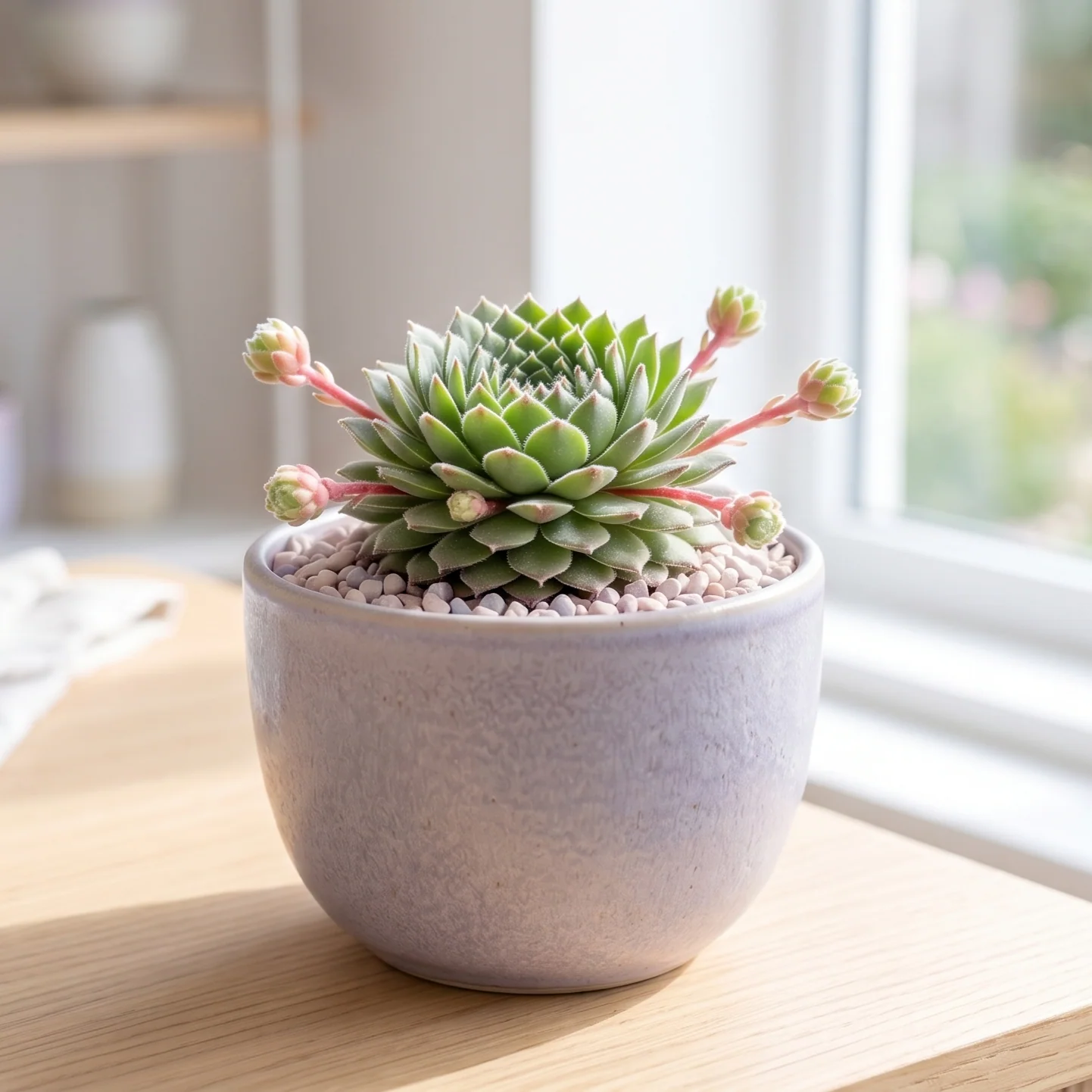
 Sempervivum 'Duke of Windsor' forms distinctive rosettes with apple green leaves that develop striking burgundy tips and edges, especially in cooler weather. The thick, fleshy leaves are pointed and densely packed, creating compact rosettes that typically reach 3-4 inches across. This rosette succulent produces offsets readily, forming attractive clustering colonies that spread naturally over time.
 Sempervivum 'Duke of Windsor' can stay outdoors in autumn and handles balcony wind and rain exceptionally well, though it needs cover from rain during winter dormancy. This low maintenance succulent tolerates dry heated air indoors and can move outside for summer growing. The plant is pet-friendly and survives 10-day trips alone without care, making it perfect for busy households.
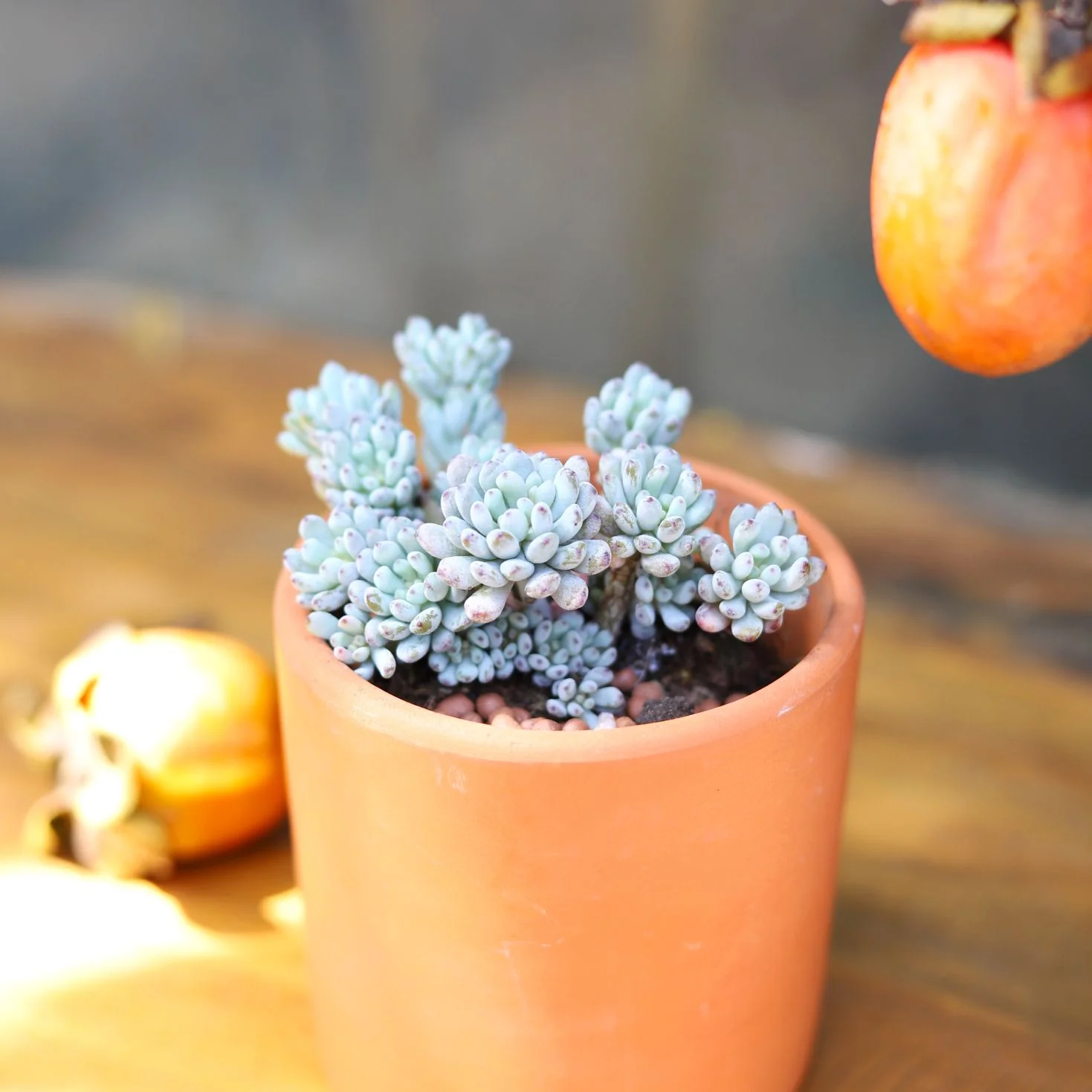
 Sempervivum 'Duke of Windsor' excels as a rock garden plant and thrives in containers, making it ideal for collectors seeking hardy outdoor succulents. This frost hardy variety handles drafty spots and adapts to both direct sun and low-light conditions. The clustering growth habit creates stunning groundcover displays, while individual rosettes work beautifully in alpine gardens and succulent arrangements.
-
 Sempervivum 'Duke of Windsor' thrives in full sun to partial sun conditions and adapts well to direct sunlight.
 Water Sempervivum 'Duke of Windsor' deeply but infrequently, allowing soil to dry completely between waterings every 10-14 days.
 Sempervivum 'Duke of Windsor' requires well-draining soil with a cactus and succulent potting mix or sandy garden soil.
 Sempervivum 'Duke of Windsor' tolerates temperatures from 15°F to 85°F (-9°C to 29°C) and survives frost easily.
![]() Sempervivum 'Duke of Windsor' grows slowly and requires no fertilizer, thriving in poor soils naturally.
Sempervivum 'Duke of Windsor' grows slowly and requires no fertilizer, thriving in poor soils naturally.
 Sempervivum 'Duke of Windsor' grows successfully in USDA hardiness zones 3-9, tolerating frost down to -20°F (-29°C) in many regions. This cold hardy plant thrives across most of the continental United States, including Alaska, Montana, North Dakota, Minnesota, Wisconsin, Michigan, Maine, Vermont, New Hampshire, New York, Pennsylvania, Ohio, Indiana, Illinois, Iowa, Missouri, Nebraska, Colorado, Wyoming, Idaho, Washington, Oregon, and northern California. The variety also flourishes in warmer zones throughout Virginia, West Virginia, Kentucky, Tennessee, North Carolina, South Carolina, northern Georgia, northern Alabama, northern Mississippi, Arkansas, Oklahoma, Kansas, Nevada, Utah, Arizona, New Mexico, Texas, Louisiana, and southern regions where winters provide adequate chill hours.
-
Q: How often should I water Sempervivum 'Duke of Windsor'?
A: Water Sempervivum 'Duke of Windsor' every 10-14 days during growing season, allowing soil to dry completely between waterings. Reduce watering to monthly or less during winter dormancy.
Q: Is Sempervivum 'Duke of Windsor' safe for pets?
A: Yes, Sempervivum 'Duke of Windsor' is pet-friendly and safe around cats and dogs. This houseleek variety poses no toxicity risks to household pets.
Q: What light conditions does Sempervivum 'Duke of Windsor' prefer?
A: Sempervivum 'Duke of Windsor' performs best in full sun to partial sun conditions. It adapts to various light levels but develops the richest burgundy coloring in bright direct sunlight.
Q: How fast does Sempervivum 'Duke of Windsor' grow and spread?
A: Sempervivum 'Duke of Windsor' grows slowly but produces offsets steadily throughout the growing season. Expect small colonies to form within 1-2 years as the mother rosette generates baby plants.
Q: Can Sempervivum 'Duke of Windsor' survive freezing temperatures?
A: Yes, Sempervivum 'Duke of Windsor' is extremely frost hardy and survives temperatures down to -20°F (-29°C). This alpine succulent actually benefits from winter cold exposure for optimal health and coloration.
Q: How do I propagate Sempervivum 'Duke of Windsor'?
A: Propagate Sempervivum 'Duke of Windsor' by separating the small offset rosettes that form around the mother plant. These "chicks" can be planted immediately and will root quickly in well-draining soil.


Original: $8.00
-70%$8.00
$2.40Product Information
Product Information
Shipping & Returns
Shipping & Returns
Description
- Description
- Sempervivum 'Duke of Windsor' Care Guide
- FAQ/Common Issues
-
![]() Sempervivum 'Duke of Windsor' is a cold hardy drought tolerant succulent belonging to the houseleek family, native to the mountainous regions of Europe. This alpine succulent has adapted to harsh conditions, making it one of the most resilient hens and chicks varieties for outdoor growing.
Sempervivum 'Duke of Windsor' is a cold hardy drought tolerant succulent belonging to the houseleek family, native to the mountainous regions of Europe. This alpine succulent has adapted to harsh conditions, making it one of the most resilient hens and chicks varieties for outdoor growing.
Sempervivum 'Duke of Windsor' forms distinctive rosettes with apple green leaves that develop striking burgundy tips and edges, especially in cooler weather. The thick, fleshy leaves are pointed and densely packed, creating compact rosettes that typically reach 3-4 inches across. This rosette succulent produces offsets readily, forming attractive clustering colonies that spread naturally over time.
Sempervivum 'Duke of Windsor' can stay outdoors in autumn and handles balcony wind and rain exceptionally well, though it needs cover from rain during winter dormancy. This low maintenance succulent tolerates dry heated air indoors and can move outside for summer growing. The plant is pet-friendly and survives 10-day trips alone without care, making it perfect for busy households.
Sempervivum 'Duke of Windsor' excels as a rock garden plant and thrives in containers, making it ideal for collectors seeking hardy outdoor succulents. This frost hardy variety handles drafty spots and adapts to both direct sun and low-light conditions. The clustering growth habit creates stunning groundcover displays, while individual rosettes work beautifully in alpine gardens and succulent arrangements.
-
Sempervivum 'Duke of Windsor' thrives in full sun to partial sun conditions and adapts well to direct sunlight.
Water Sempervivum 'Duke of Windsor' deeply but infrequently, allowing soil to dry completely between waterings every 10-14 days.
Sempervivum 'Duke of Windsor' requires well-draining soil with a cactus and succulent potting mix or sandy garden soil.
Sempervivum 'Duke of Windsor' tolerates temperatures from 15°F to 85°F (-9°C to 29°C) and survives frost easily.
![]() Sempervivum 'Duke of Windsor' grows slowly and requires no fertilizer, thriving in poor soils naturally.
Sempervivum 'Duke of Windsor' grows slowly and requires no fertilizer, thriving in poor soils naturally.
Sempervivum 'Duke of Windsor' grows successfully in USDA hardiness zones 3-9, tolerating frost down to -20°F (-29°C) in many regions. This cold hardy plant thrives across most of the continental United States, including Alaska, Montana, North Dakota, Minnesota, Wisconsin, Michigan, Maine, Vermont, New Hampshire, New York, Pennsylvania, Ohio, Indiana, Illinois, Iowa, Missouri, Nebraska, Colorado, Wyoming, Idaho, Washington, Oregon, and northern California. The variety also flourishes in warmer zones throughout Virginia, West Virginia, Kentucky, Tennessee, North Carolina, South Carolina, northern Georgia, northern Alabama, northern Mississippi, Arkansas, Oklahoma, Kansas, Nevada, Utah, Arizona, New Mexico, Texas, Louisiana, and southern regions where winters provide adequate chill hours.
-
Q: How often should I water Sempervivum 'Duke of Windsor'?
A: Water Sempervivum 'Duke of Windsor' every 10-14 days during growing season, allowing soil to dry completely between waterings. Reduce watering to monthly or less during winter dormancy.
Q: Is Sempervivum 'Duke of Windsor' safe for pets?
A: Yes, Sempervivum 'Duke of Windsor' is pet-friendly and safe around cats and dogs. This houseleek variety poses no toxicity risks to household pets.
Q: What light conditions does Sempervivum 'Duke of Windsor' prefer?
A: Sempervivum 'Duke of Windsor' performs best in full sun to partial sun conditions. It adapts to various light levels but develops the richest burgundy coloring in bright direct sunlight.
Q: How fast does Sempervivum 'Duke of Windsor' grow and spread?
A: Sempervivum 'Duke of Windsor' grows slowly but produces offsets steadily throughout the growing season. Expect small colonies to form within 1-2 years as the mother rosette generates baby plants.
Q: Can Sempervivum 'Duke of Windsor' survive freezing temperatures?
A: Yes, Sempervivum 'Duke of Windsor' is extremely frost hardy and survives temperatures down to -20°F (-29°C). This alpine succulent actually benefits from winter cold exposure for optimal health and coloration.
Q: How do I propagate Sempervivum 'Duke of Windsor'?
A: Propagate Sempervivum 'Duke of Windsor' by separating the small offset rosettes that form around the mother plant. These "chicks" can be planted immediately and will root quickly in well-draining soil.