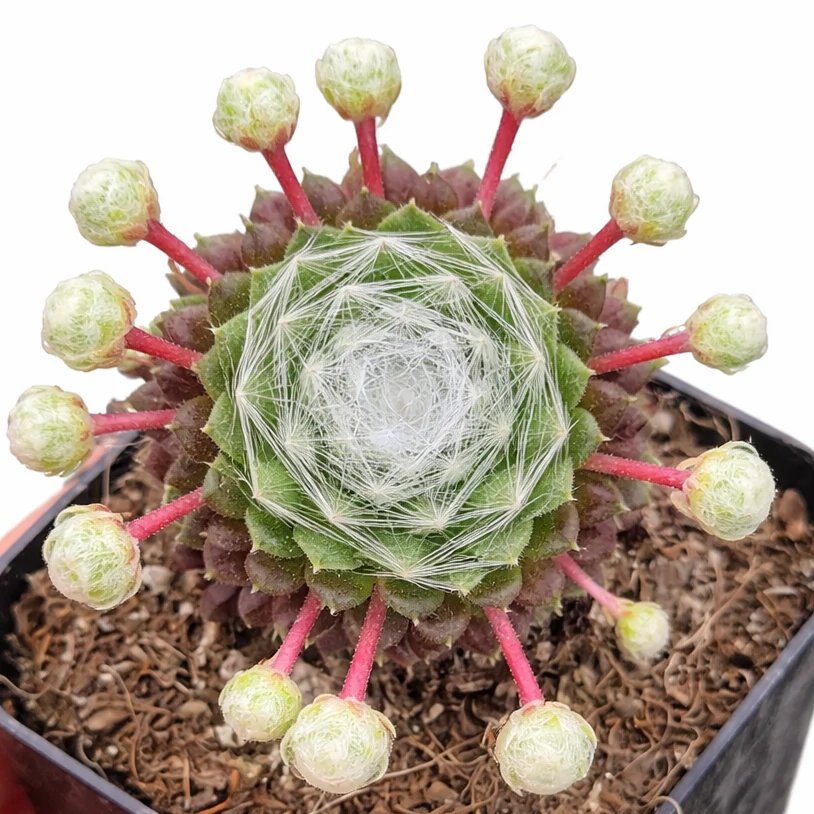
Sempervivum arachnoideum ssp. tomentosum
- Description
- Sempervivum arachnoideum ssp. tomentosum Care Guide
- FAQ/Common Issues
-
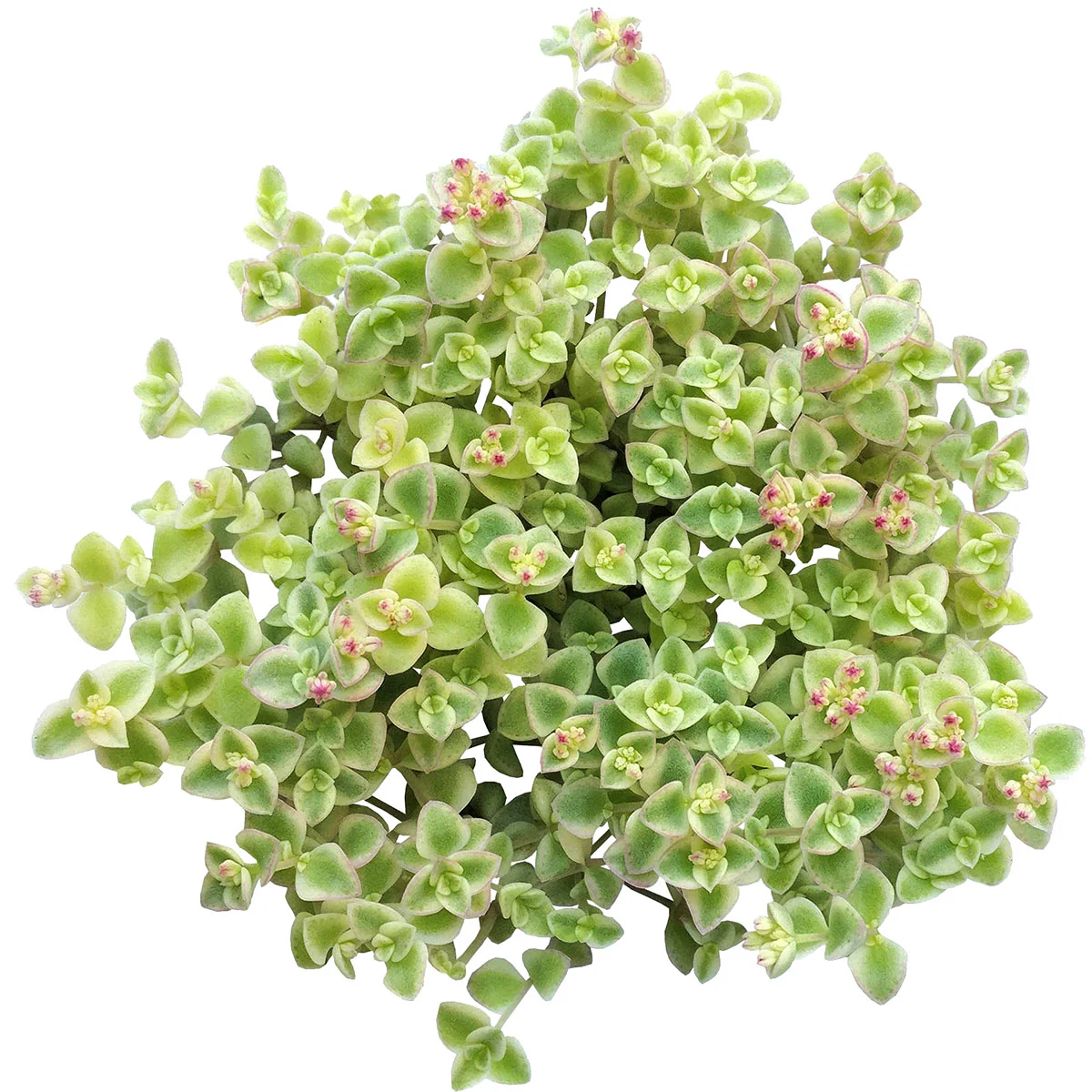
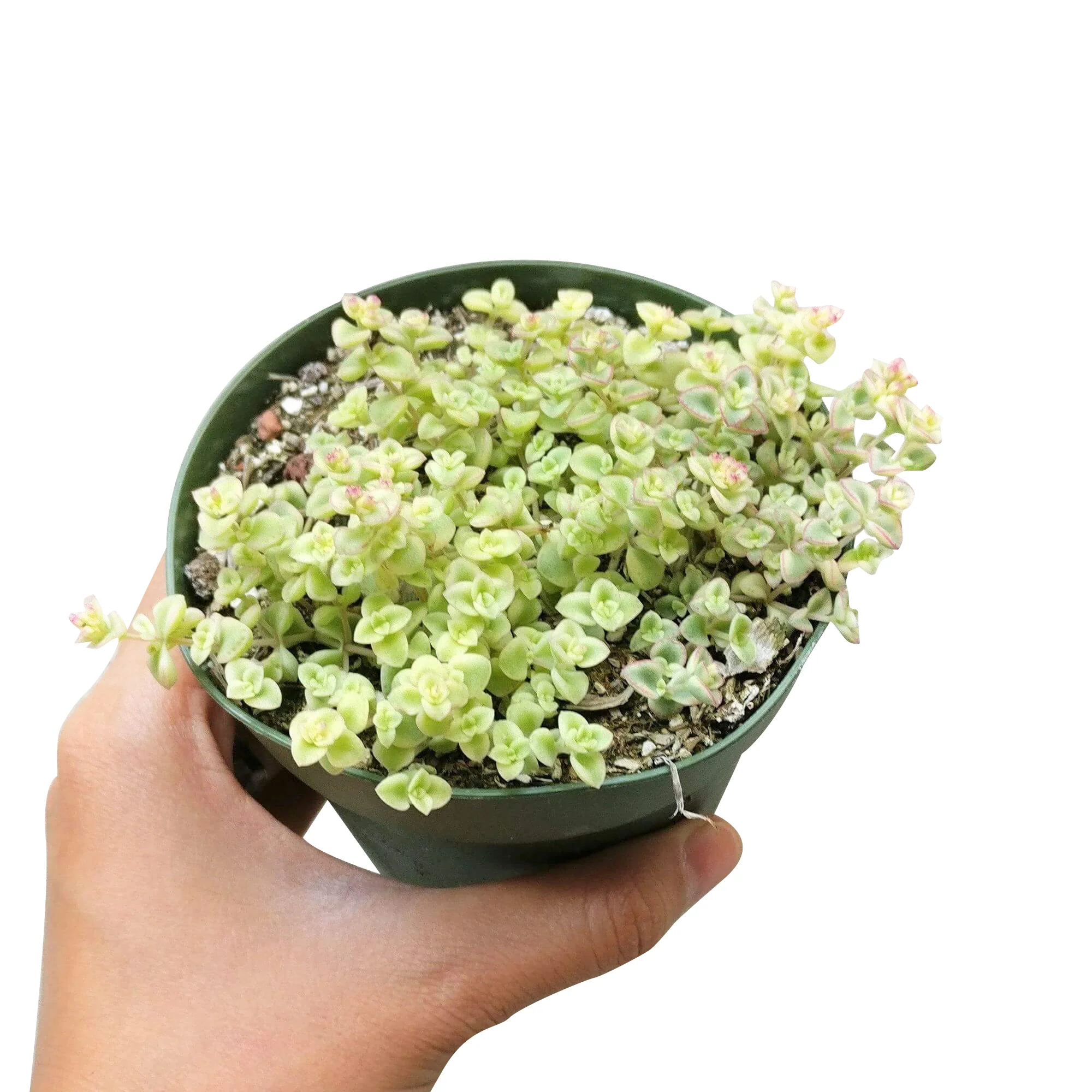
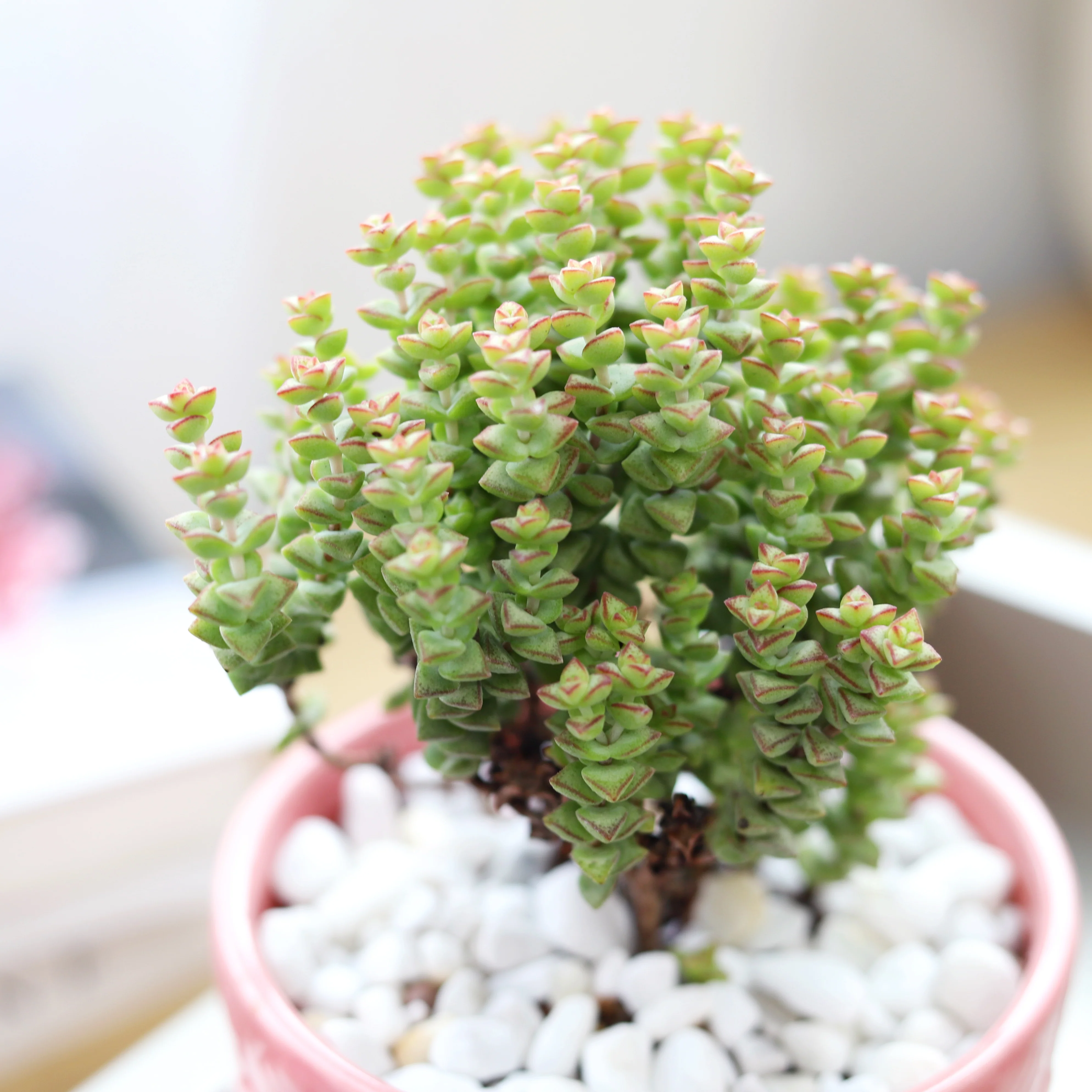
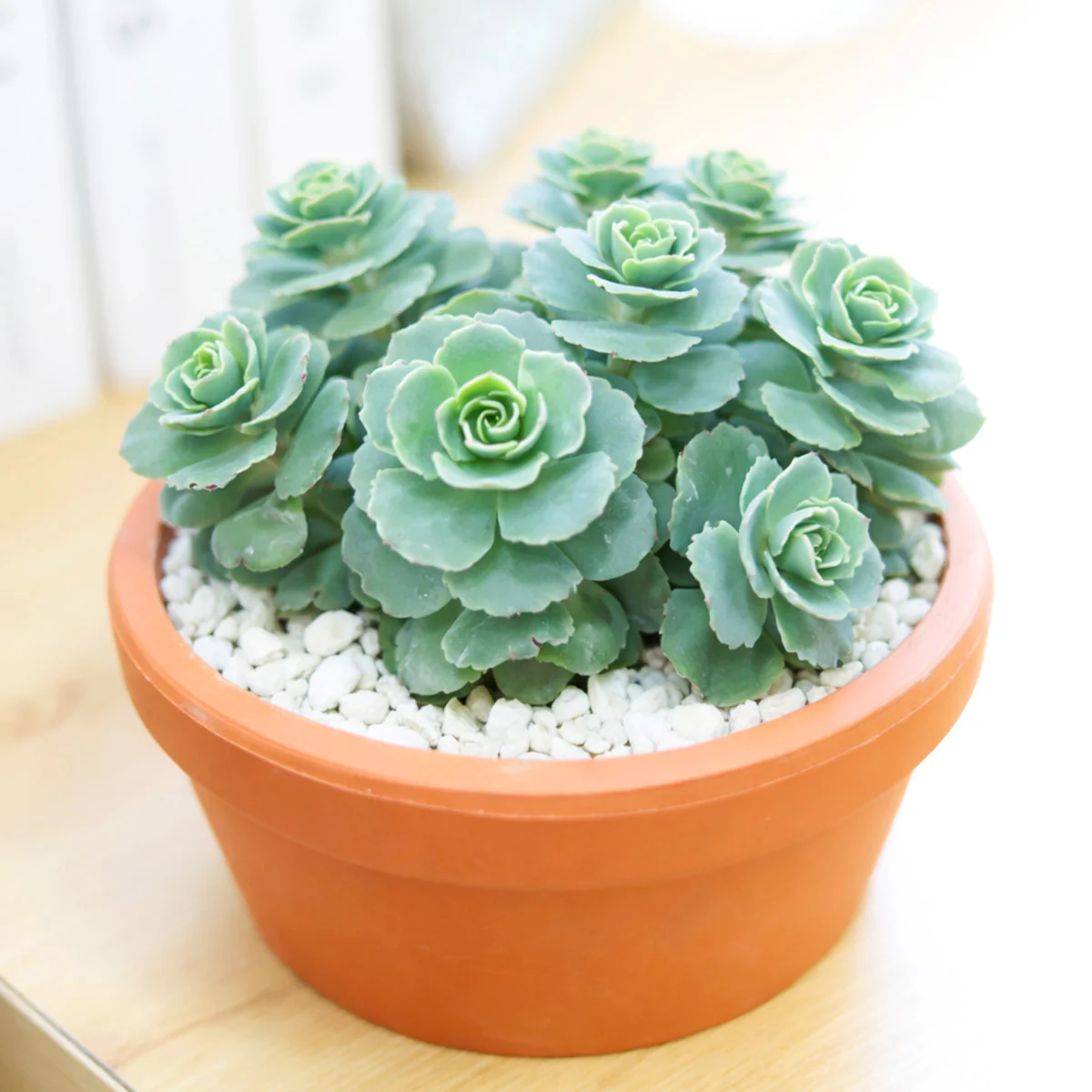
![]() Sempervivum arachnoideum ssp. tomentosum is a hardy succulent in the Crassulaceae family, commonly known as the cobweb houseleek. Native to the mountain ranges of Europe, including the Alps and Apennines, it grows naturally in rocky, well-drained slopes at high elevations. Widely available and not rare, this tough plant has earned a loyal following among succulent collectors and beginners alike.
Sempervivum arachnoideum ssp. tomentosum is a hardy succulent in the Crassulaceae family, commonly known as the cobweb houseleek. Native to the mountain ranges of Europe, including the Alps and Apennines, it grows naturally in rocky, well-drained slopes at high elevations. Widely available and not rare, this tough plant has earned a loyal following among succulent collectors and beginners alike.
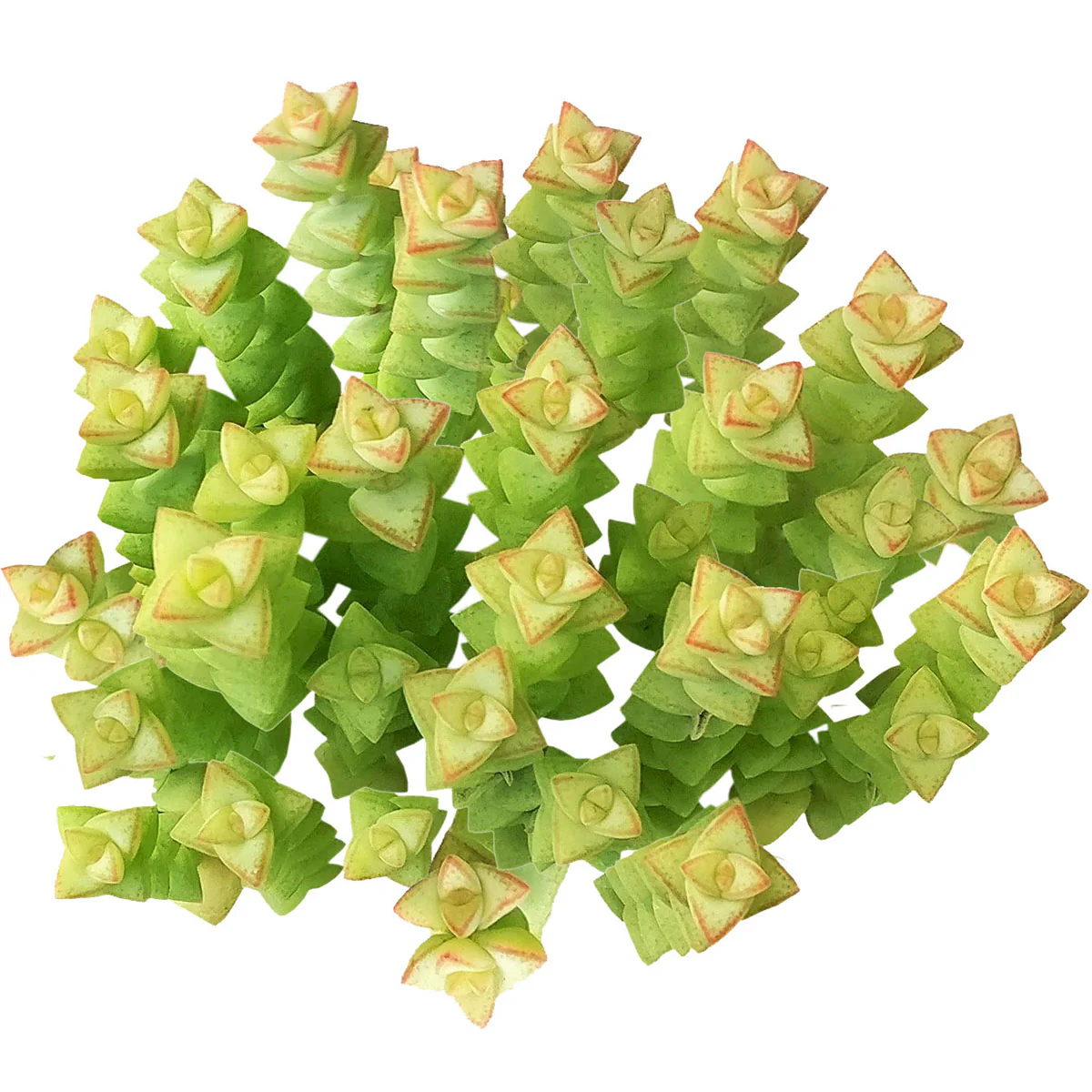
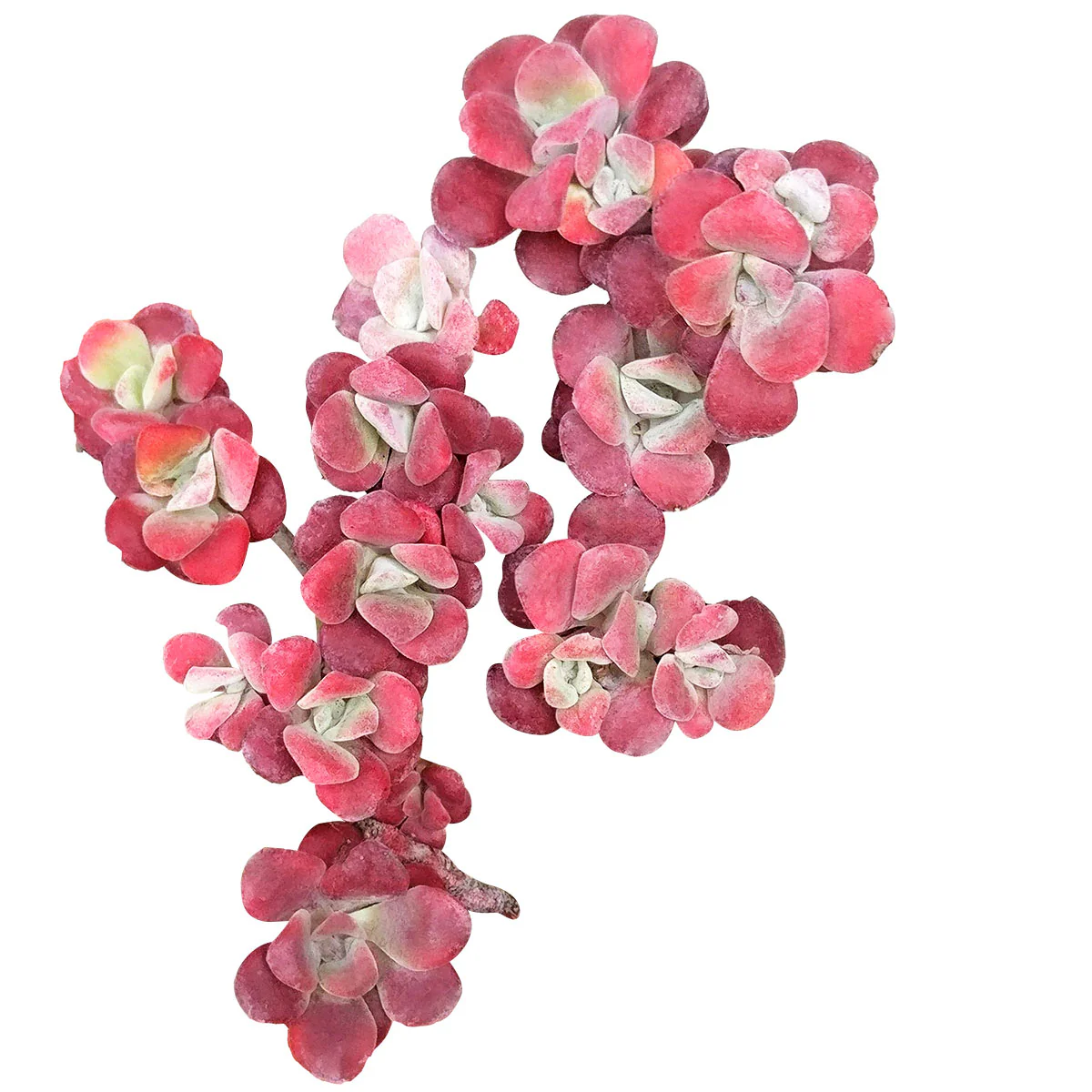
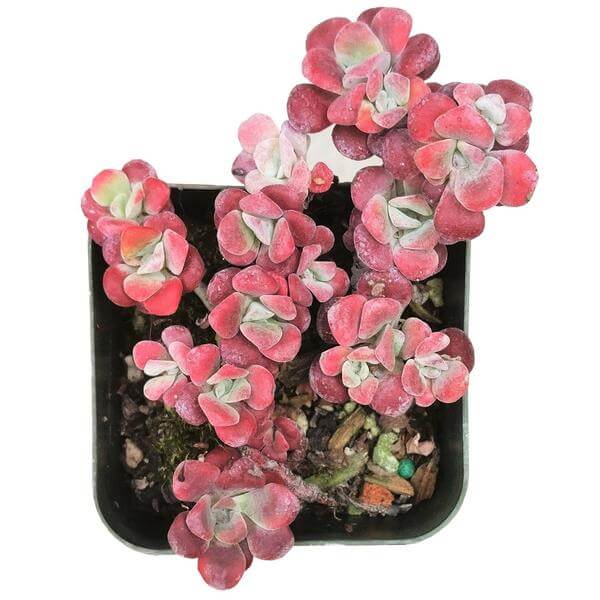
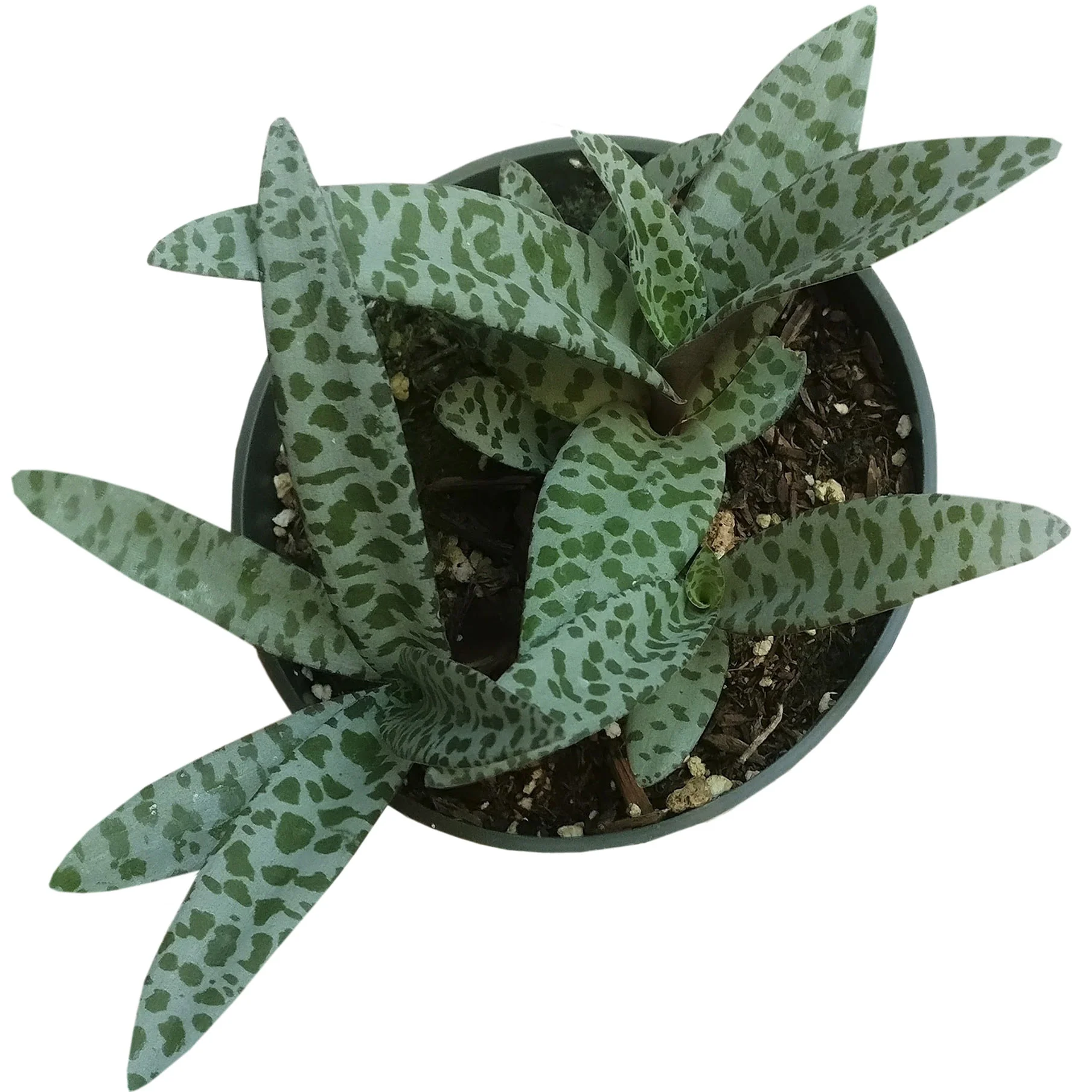
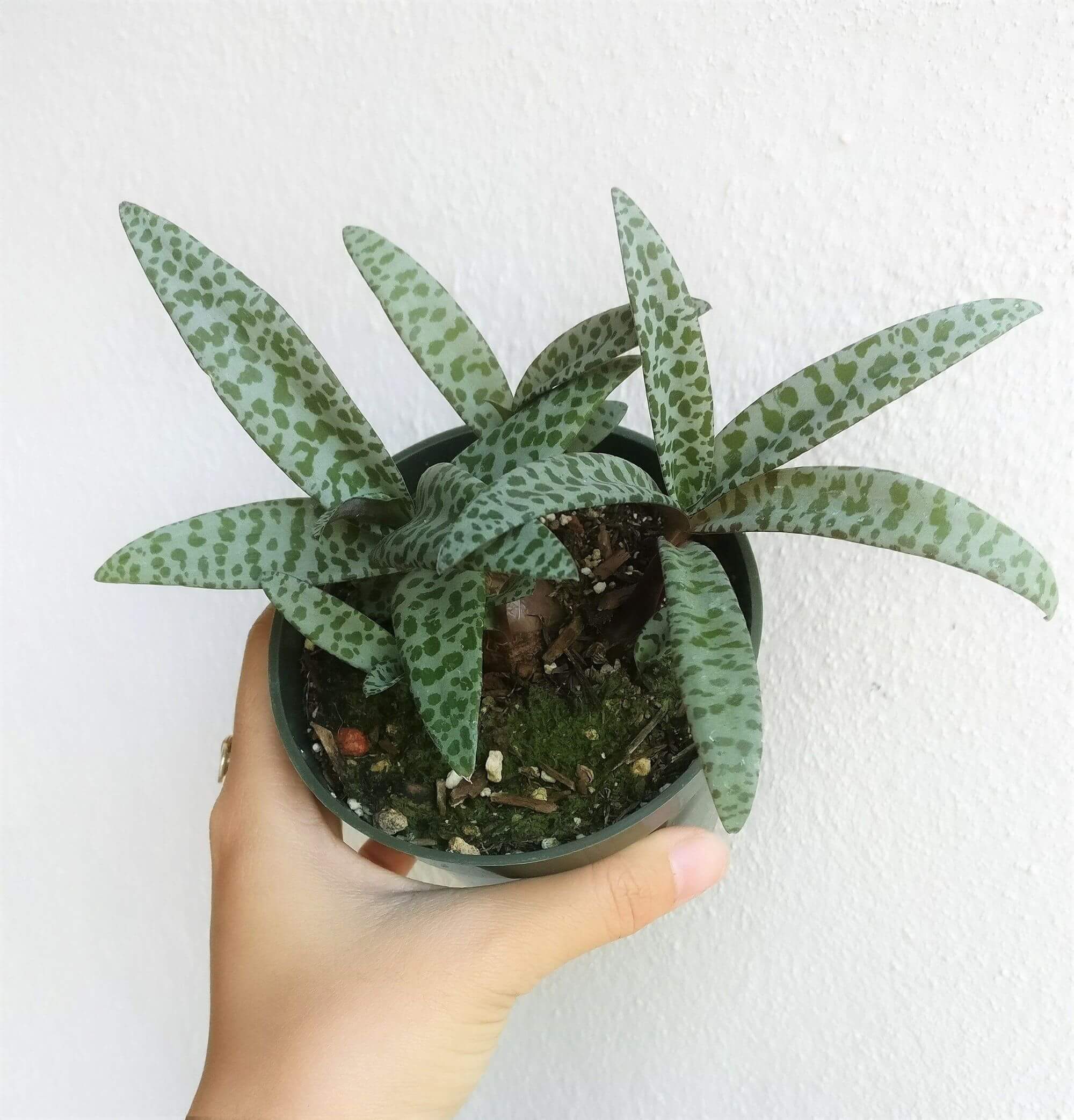
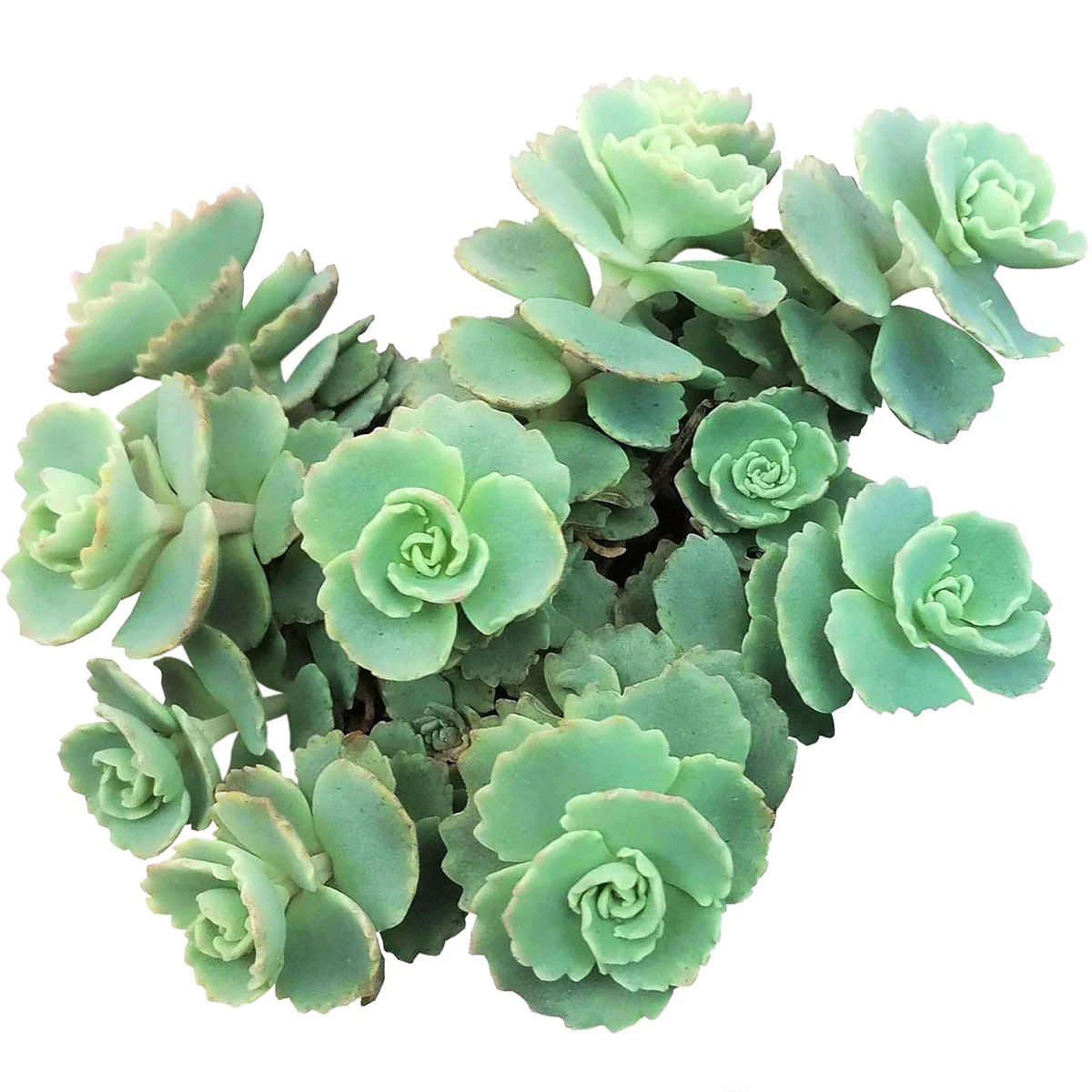
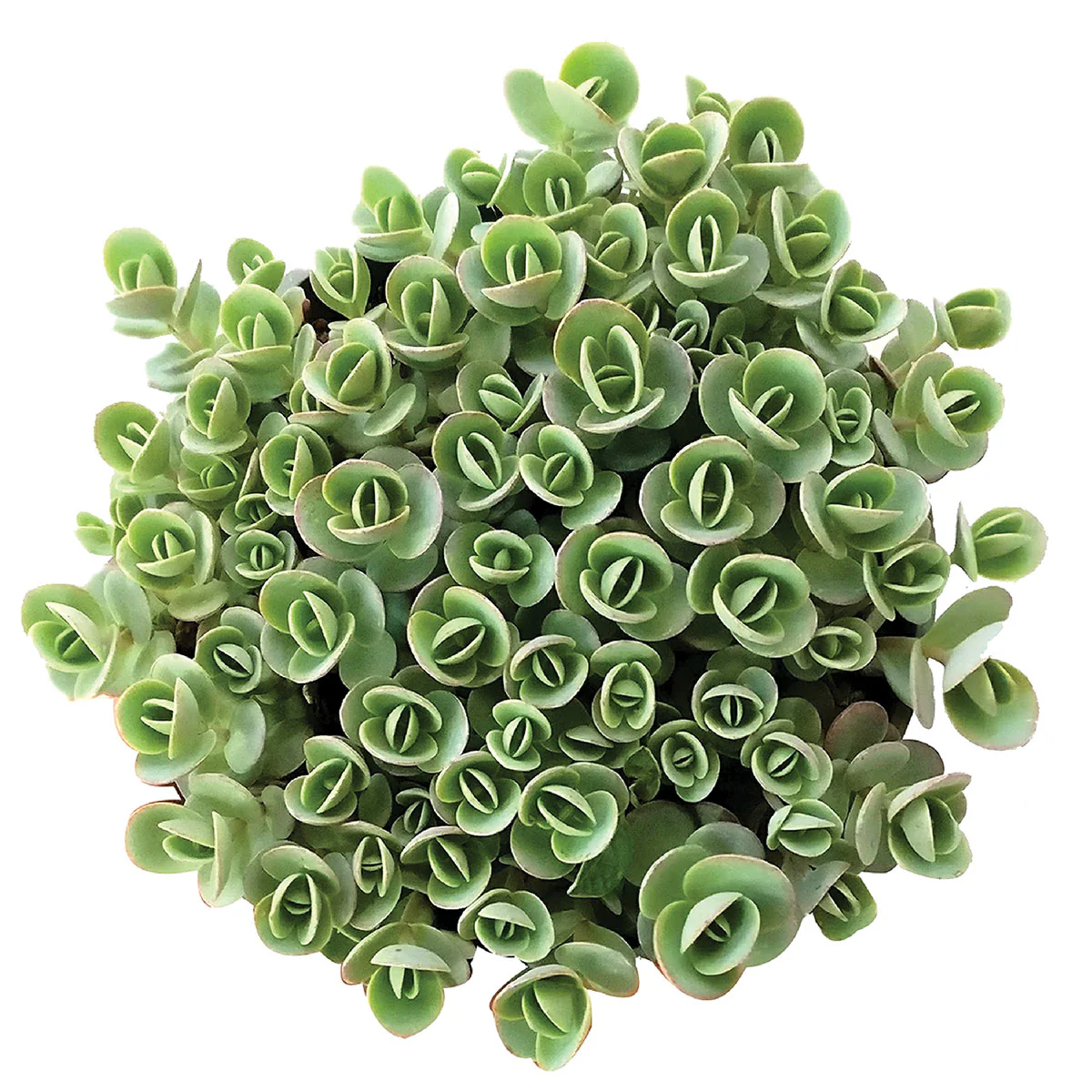
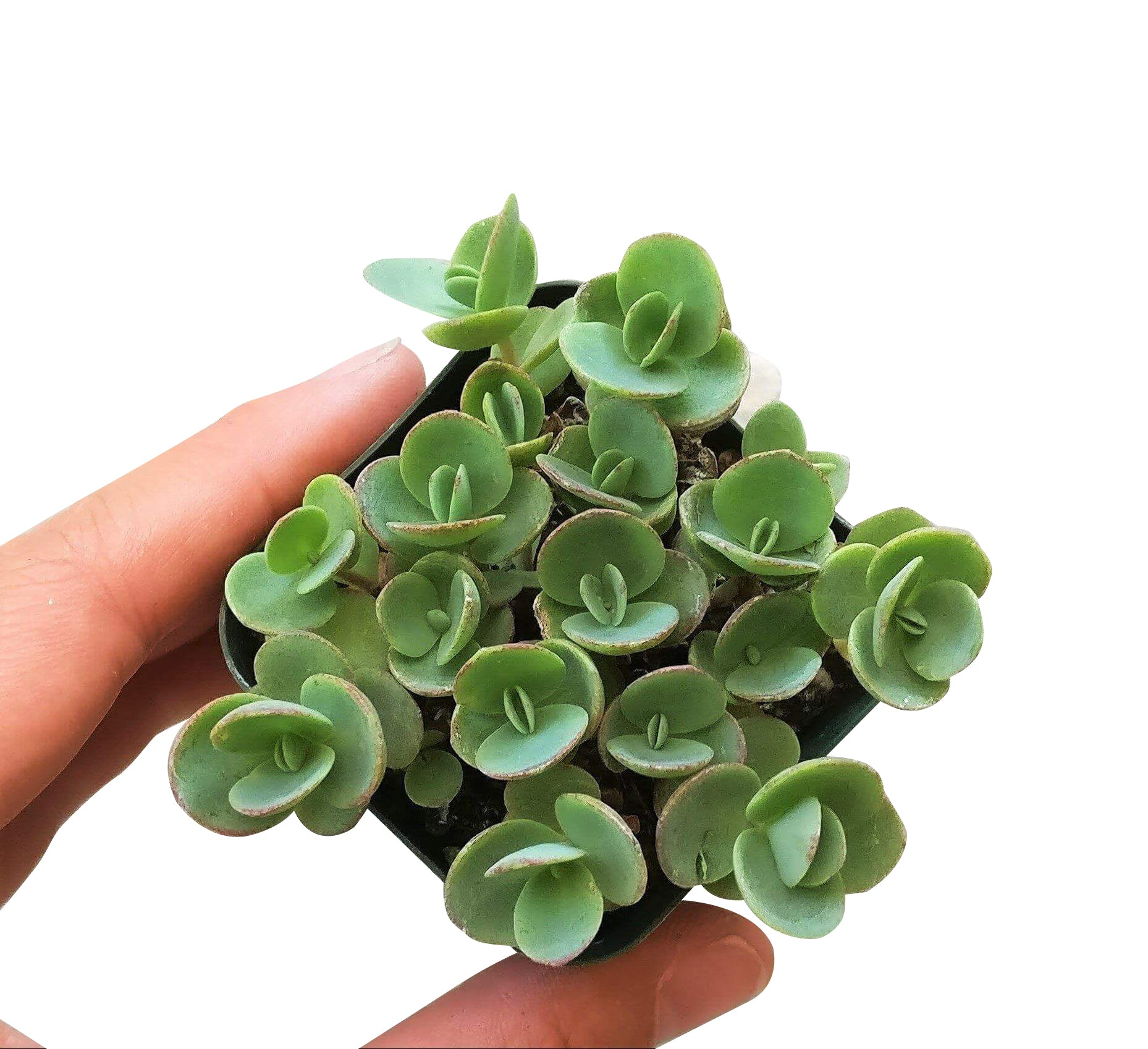
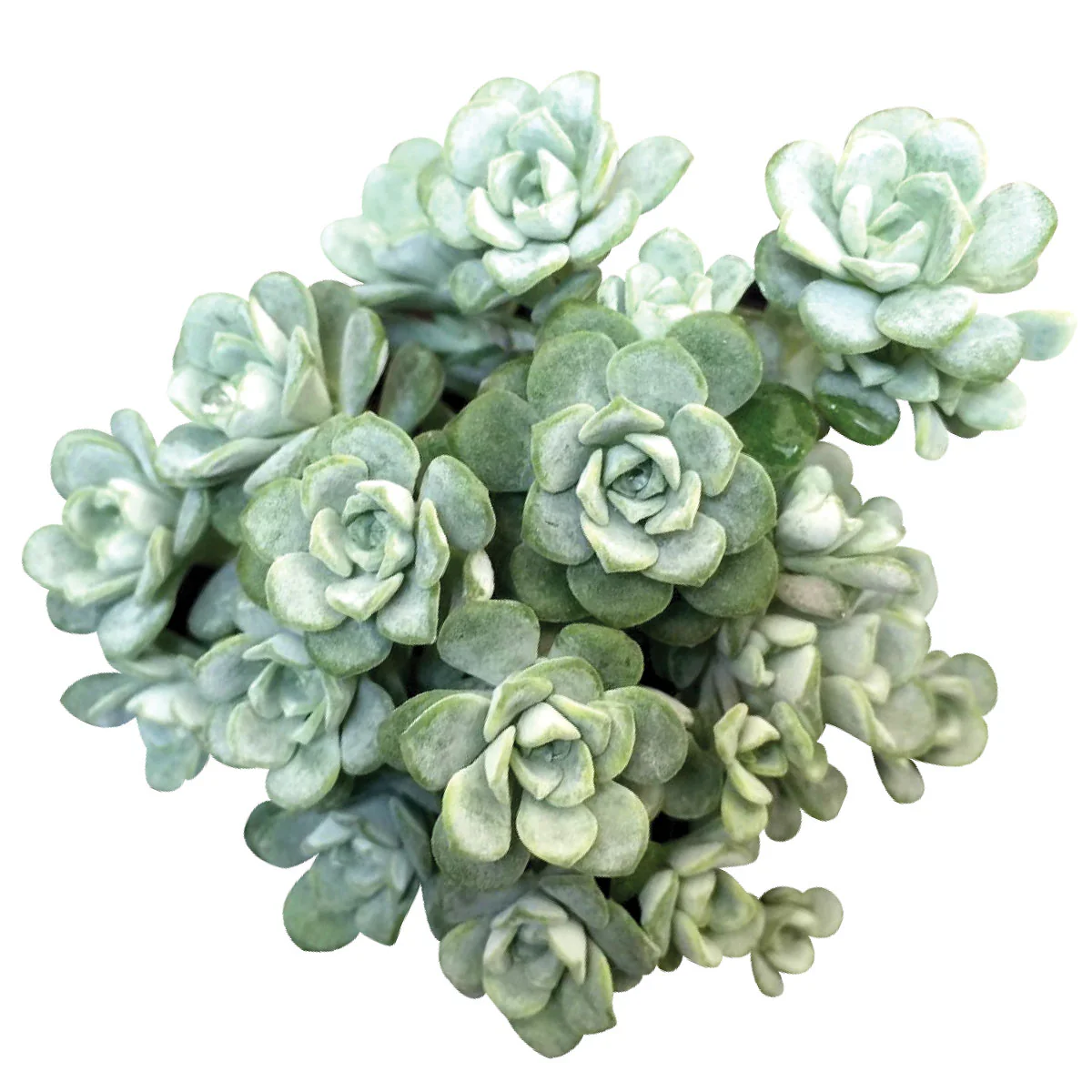
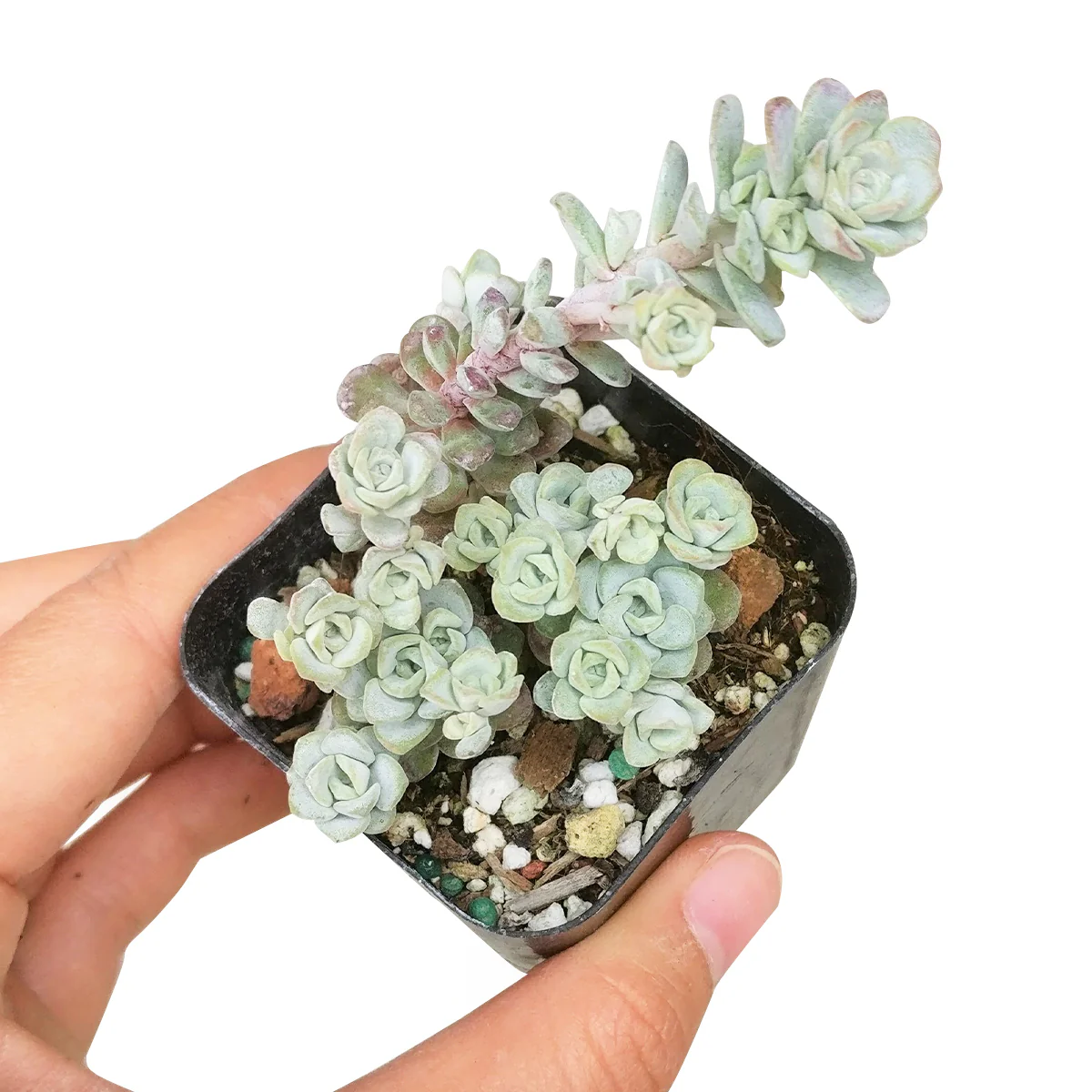
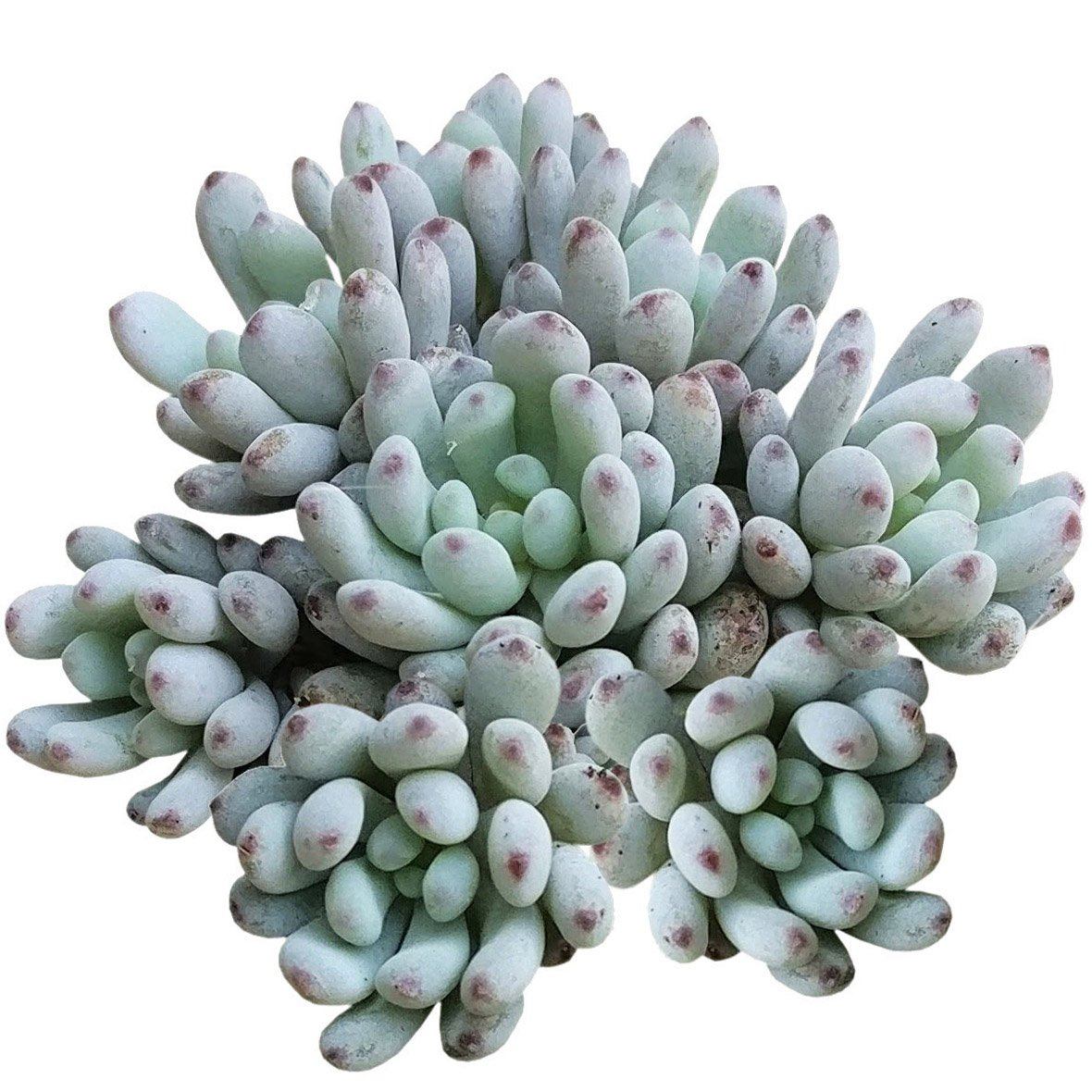
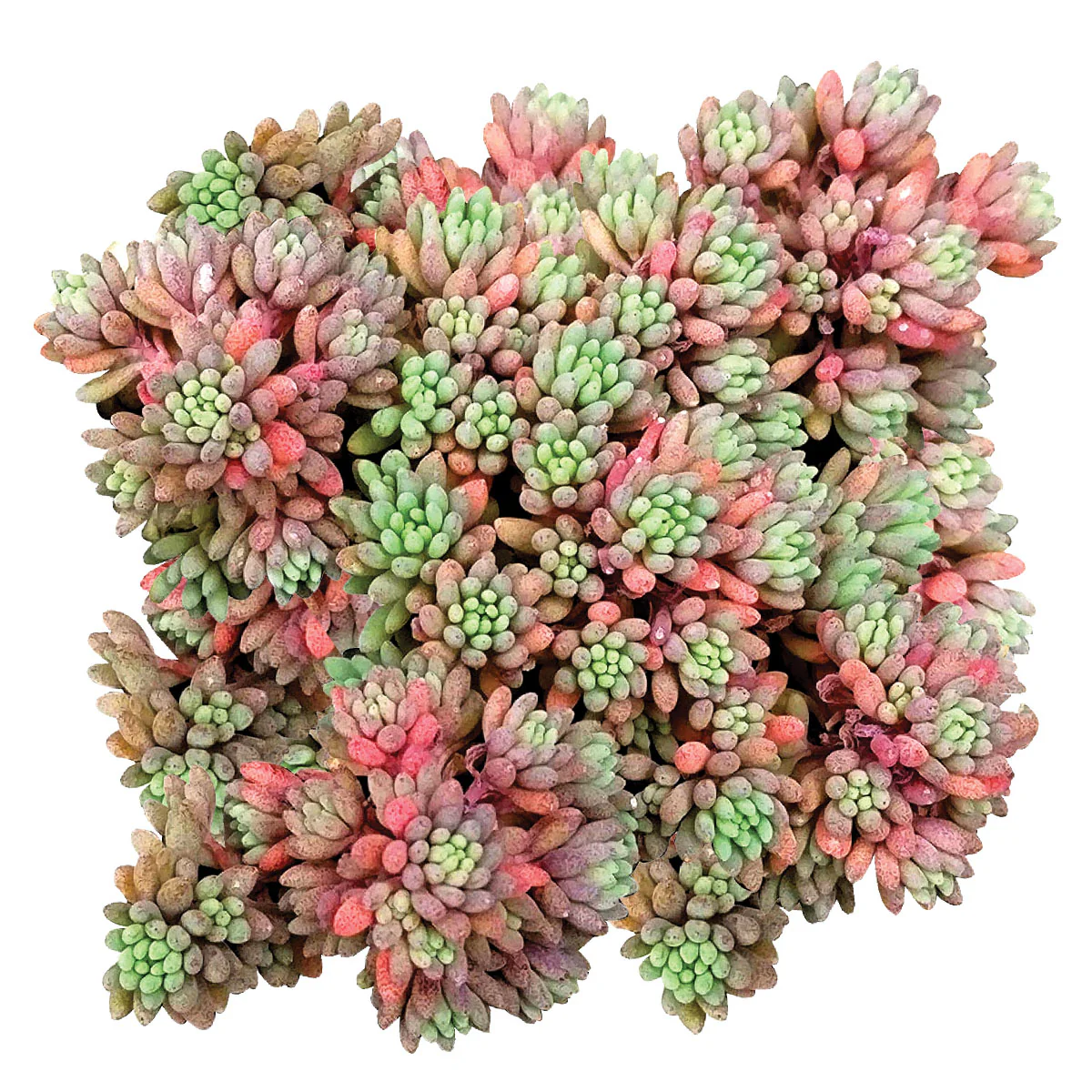
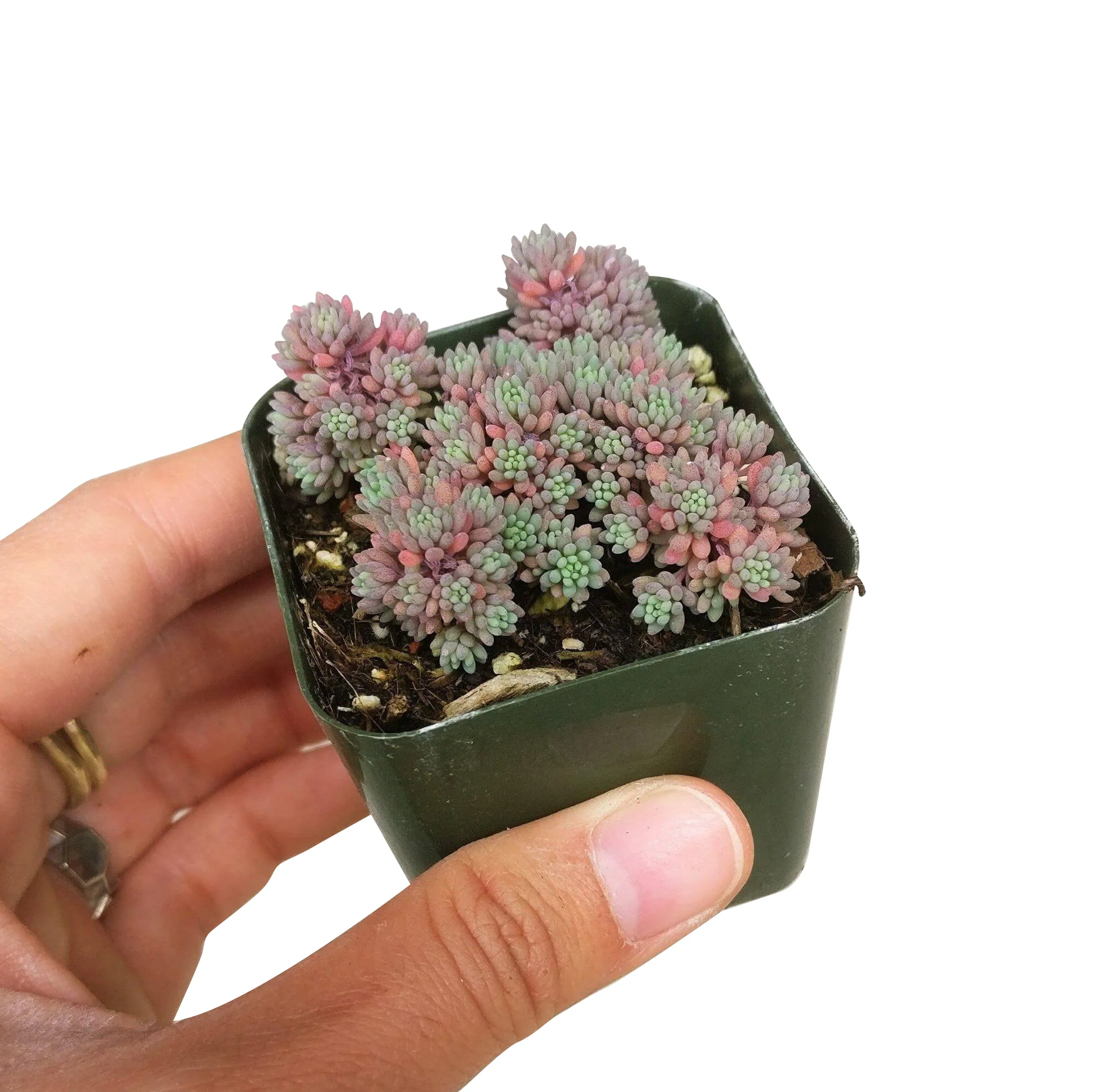
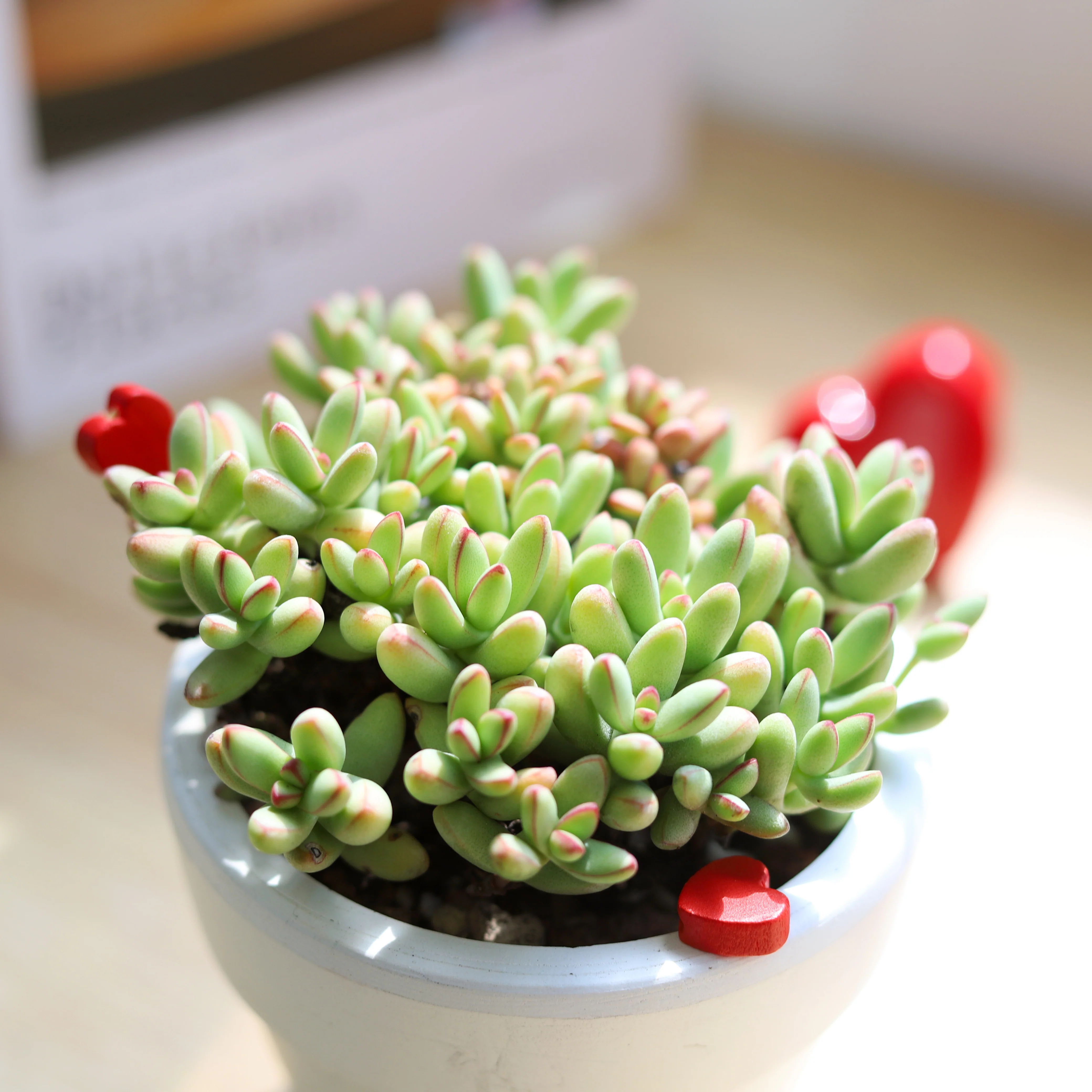
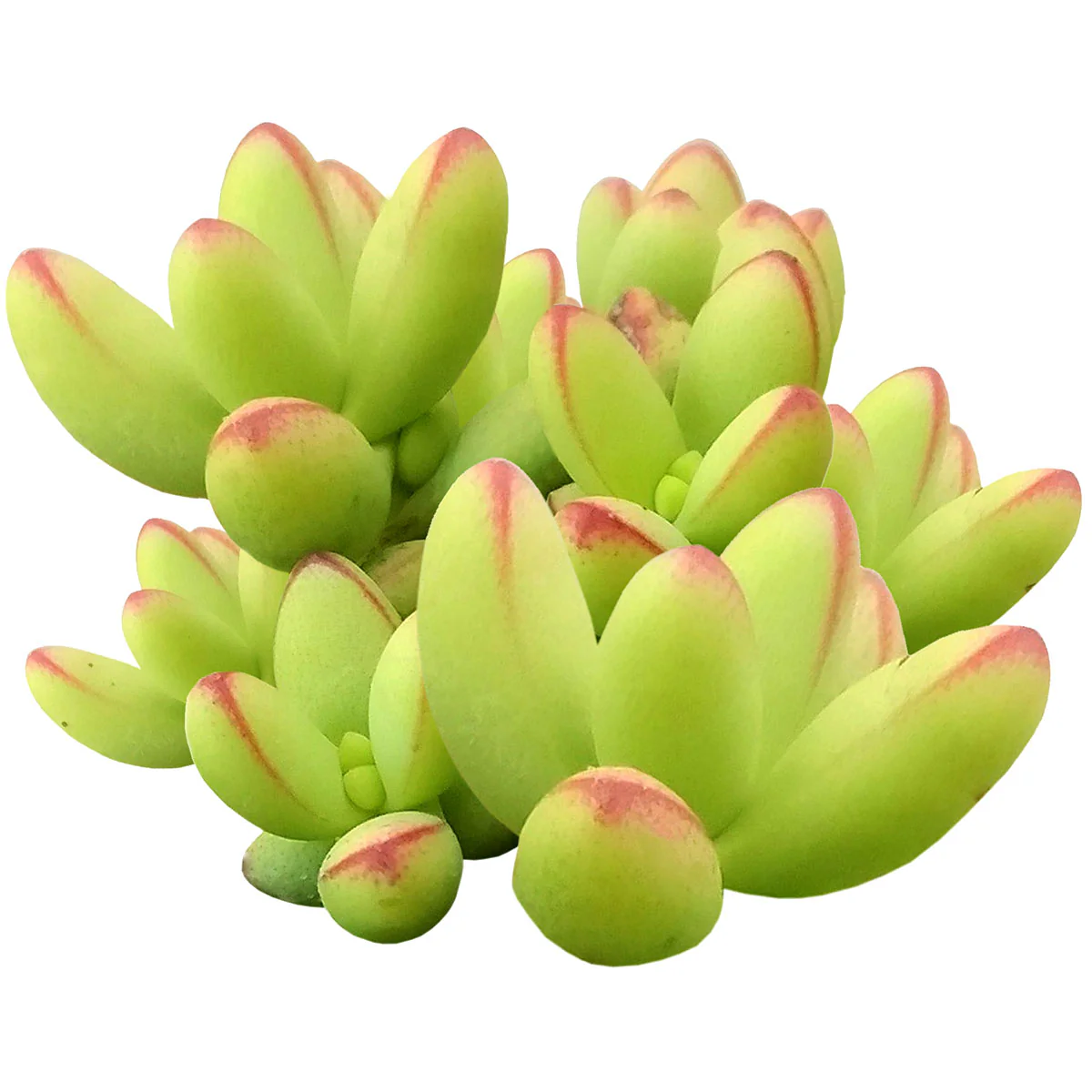
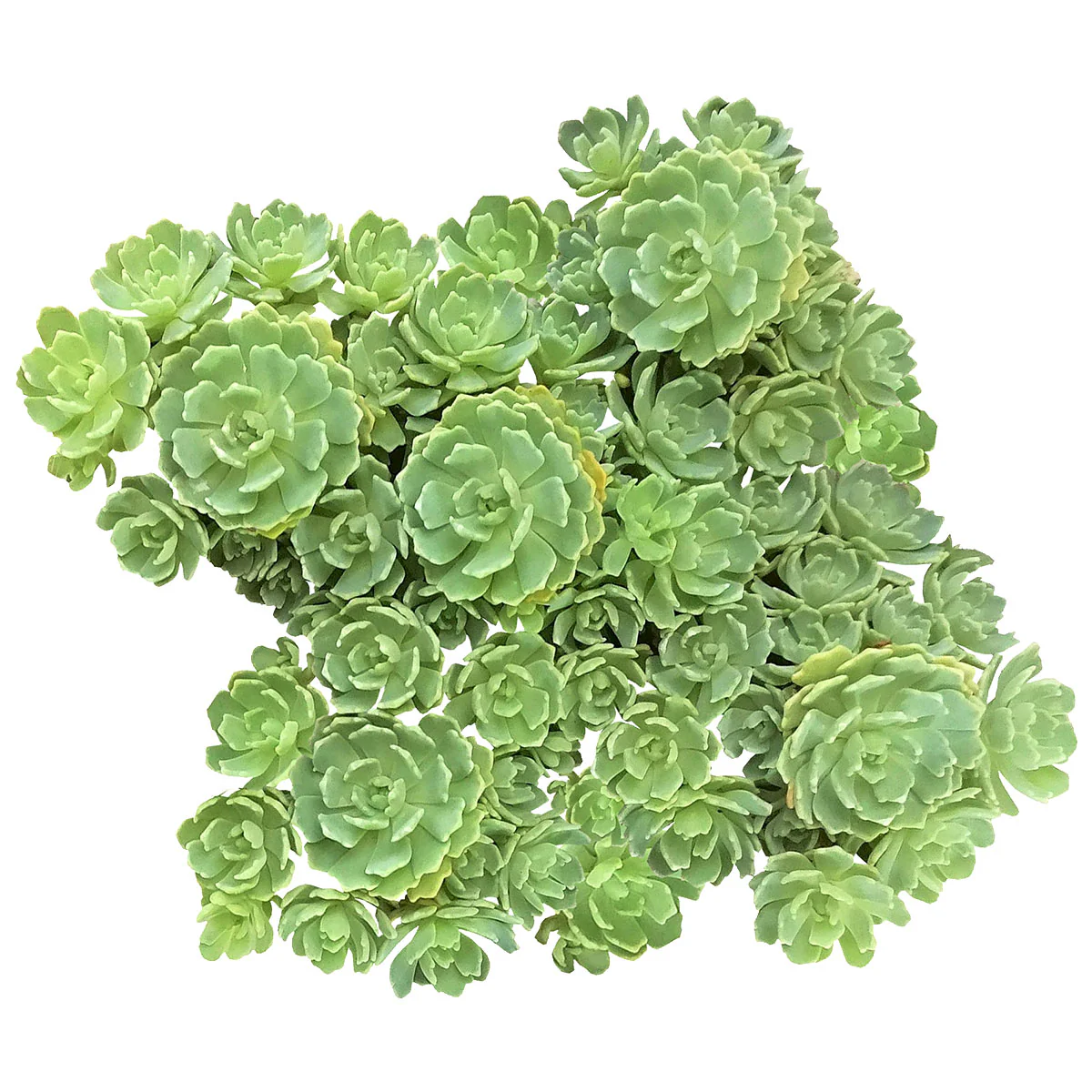
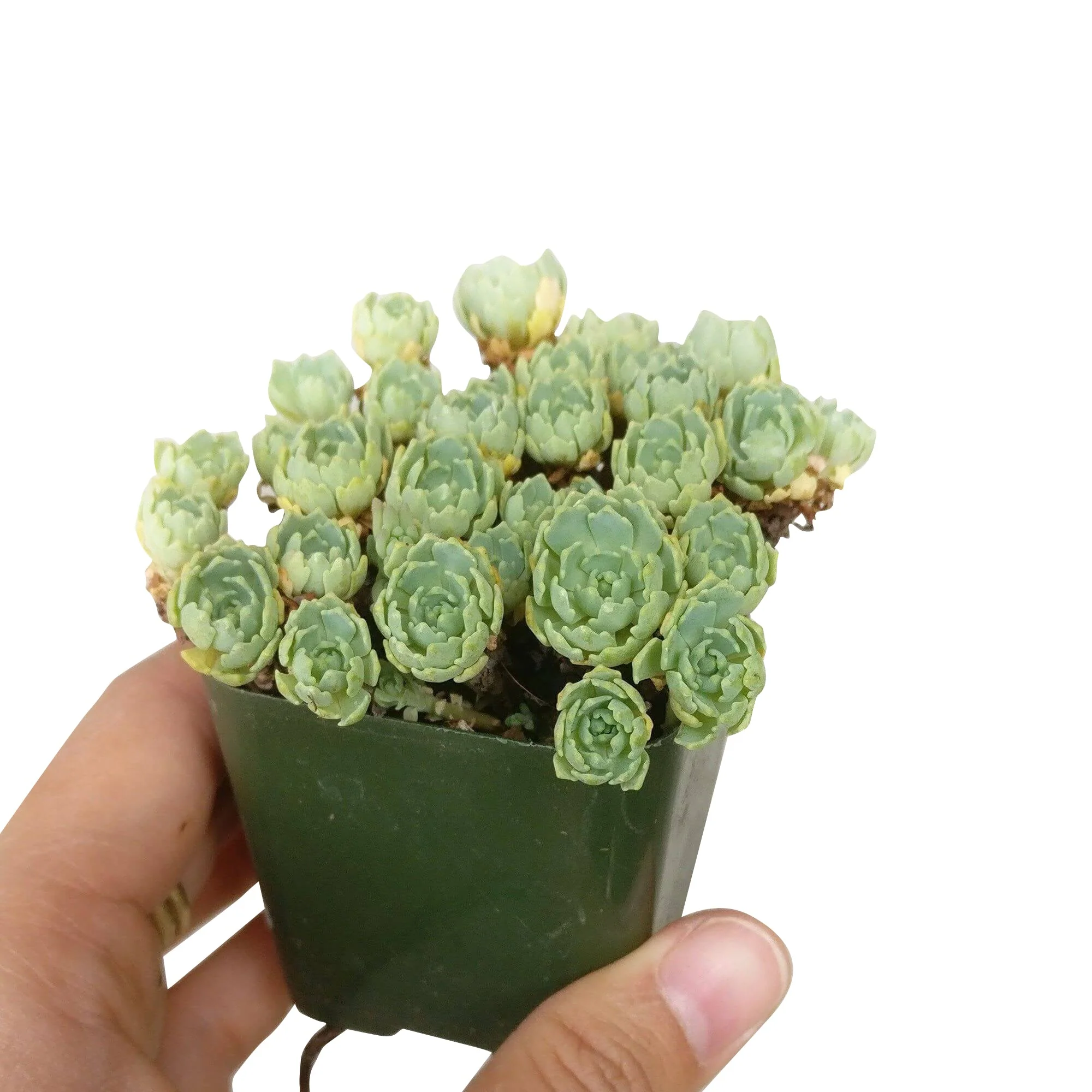
 What makes Sempervivum arachnoideum ssp. tomentosum instantly recognizable is the dense, web-like coating of white hairs stretched across its rosettes, mimicking a spider's web. The fleshy, pointed leaves form tight, upright rosettes in shades of green, often blushing red or bronze at the tips. This cobweb houseleek spreads by producing offsets, creating beautiful clusters that fill containers and rock gardens over time.
 Sempervivum arachnoideum ssp. tomentosum produces star-shaped pink to reddish flowers on tall, upright stalks, typically blooming in summer. Each rosette flowers once, then dies back, but the surrounding offsets carry on, keeping the colony full and thriving. A night temperature drop encourages Sempervivum arachnoideum ssp. tomentosum to set buds, so outdoor placement in cooler months can reward you with a beautiful summer display.
 Sempervivum arachnoideum ssp. tomentosum is a dream for patio and balcony growers. It handles balcony wind and rain with ease, thrives outdoors through autumn, and can move outside for summer without skipping a beat. This drought-tolerant, dry air plant is also pet-friendly, making it a worry-free choice for households with cats and dogs. It even survives a 10-day trip alone, so frequent travelers can keep it without guilt.
-
 Sempervivum arachnoideum ssp. tomentosum thrives in bright indirect light but tolerates lower light and direct sun, though south-facing windows may cause leaf scorch.
 Water Sempervivum arachnoideum ssp. tomentosum deeply every 10-14 days in summer, reducing to once a month or less in winter.
 Sempervivum arachnoideum ssp. tomentosum performs best in a gritty, fast-draining succulent mix blended with perlite or coarse sand.
 Sempervivum arachnoideum ssp. tomentosum tolerates temperatures from -30°F (-34°C) up to around 80°F (27°C), handling hard frost with ease.
![]() Sempervivum arachnoideum ssp. tomentosum is a slow to moderate grower that needs little to no fertilizer, perhaps a light feed once in spring.
Sempervivum arachnoideum ssp. tomentosum is a slow to moderate grower that needs little to no fertilizer, perhaps a light feed once in spring.
 Sempervivum arachnoideum ssp. tomentosum is hardy in USDA Zones 5 through 9, tolerating frost down to around -20°F (-29°C) in the lower end of that range. This means gardeners across a wide stretch of the country can grow it outdoors year-round, including those in Colorado, Utah, Wyoming, Montana, Idaho, Oregon, Washington, Nebraska, Kansas, Missouri, Iowa, Wisconsin, Michigan, Illinois, Indiana, Ohio, Pennsylvania, New York, Vermont, New Hampshire, Maine, Connecticut, Rhode Island, Massachusetts, New Jersey, Delaware, Maryland, Virginia, West Virginia, North Carolina, Tennessee, Arkansas, Oklahoma, and much of Texas and California. Gardeners in Georgia, South Carolina, Alabama, Mississippi, and Nevada will also find Sempervivum arachnoideum ssp. tomentosum a reliable outdoor performer in their cooler microclimates and higher elevations.
-
Q: Is Sempervivum arachnoideum ssp. tomentosum pet-friendly?
A: Yes, this plant is pet friendly and is not toxic to cats or dogs.
Q: How often should I water Sempervivum arachnoideum ssp. tomentosum?
A: Water every 10-14 days during the growing season and cut back to once a month or less in winter. It is highly drought tolerant and prefers to dry out fully between waterings.
Q: Can Sempervivum arachnoideum ssp. tomentosum stay outside in winter?
A: Absolutely. Sempervivum arachnoideum ssp. tomentosum is an exceptionally hardy plant that survives hard frosts down to around -20°F (-29°C) in USDA Zones 5-9.
Q: How does Sempervivum arachnoideum ssp. tomentosum propagate?
A: It naturally produces small offsets around the mother rosette, which you can gently separate and replant. This is the easiest and most reliable way to expand your collection.
Q: What light does Sempervivum arachnoideum ssp. tomentosum need indoors?
A: It does best in bright indirect light but tolerates a range of conditions, including some direct sun. Avoid prolonged exposure in a south-facing window, which can scorch the leaves.
Q: How big does Sempervivum arachnoideum ssp. tomentosum get?
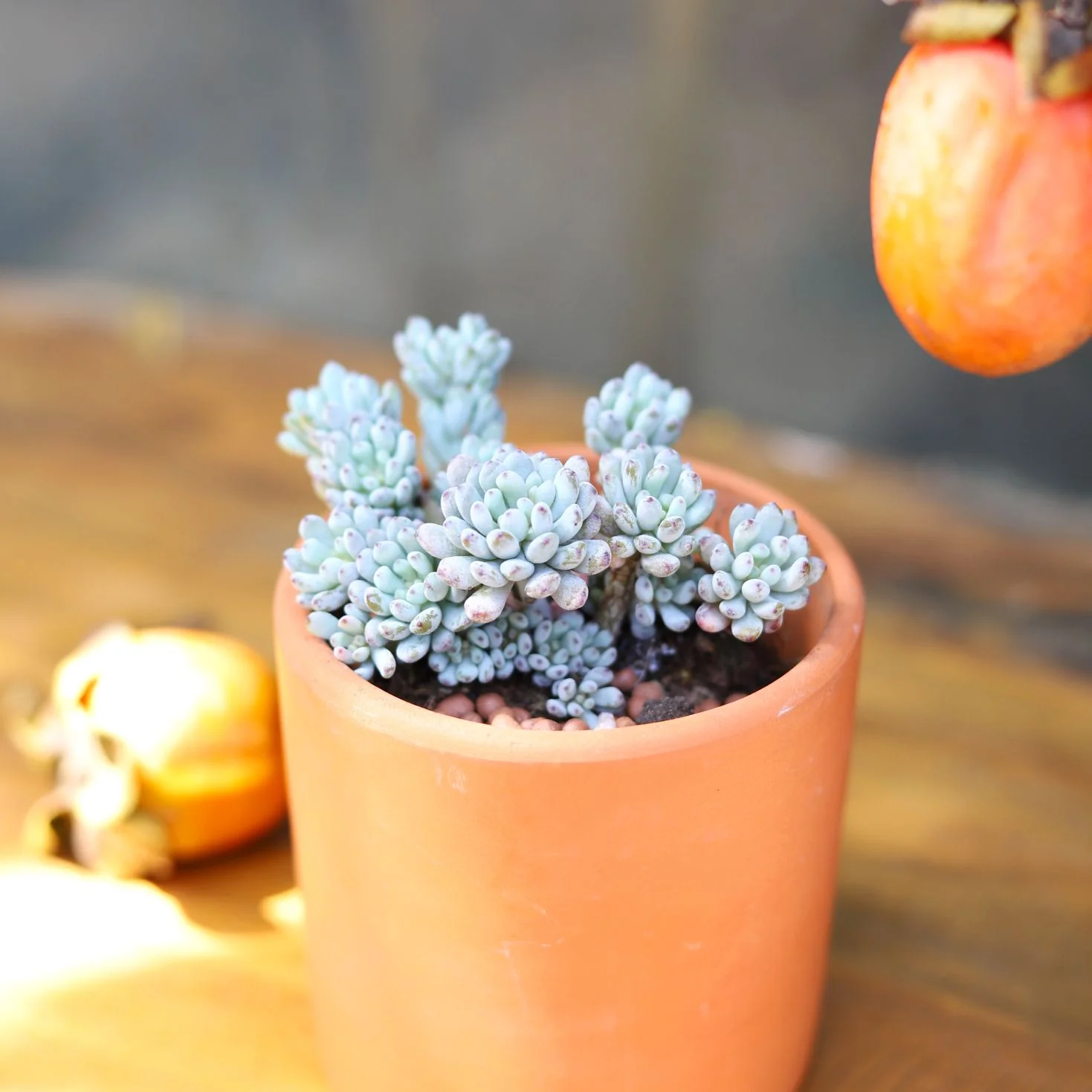
A: Individual rosettes typically reach 1-3 inches (2.5-7.5 cm) in diameter, spreading outward as offsets fill in around them. Over time, a single plant can form a charming, dense cluster.


Original: $8.00
-70%$8.00
$2.40Product Information
Product Information
Shipping & Returns
Shipping & Returns
Description
- Description
- Sempervivum arachnoideum ssp. tomentosum Care Guide
- FAQ/Common Issues
-
![]() Sempervivum arachnoideum ssp. tomentosum is a hardy succulent in the Crassulaceae family, commonly known as the cobweb houseleek. Native to the mountain ranges of Europe, including the Alps and Apennines, it grows naturally in rocky, well-drained slopes at high elevations. Widely available and not rare, this tough plant has earned a loyal following among succulent collectors and beginners alike.
Sempervivum arachnoideum ssp. tomentosum is a hardy succulent in the Crassulaceae family, commonly known as the cobweb houseleek. Native to the mountain ranges of Europe, including the Alps and Apennines, it grows naturally in rocky, well-drained slopes at high elevations. Widely available and not rare, this tough plant has earned a loyal following among succulent collectors and beginners alike.
What makes Sempervivum arachnoideum ssp. tomentosum instantly recognizable is the dense, web-like coating of white hairs stretched across its rosettes, mimicking a spider's web. The fleshy, pointed leaves form tight, upright rosettes in shades of green, often blushing red or bronze at the tips. This cobweb houseleek spreads by producing offsets, creating beautiful clusters that fill containers and rock gardens over time.
Sempervivum arachnoideum ssp. tomentosum produces star-shaped pink to reddish flowers on tall, upright stalks, typically blooming in summer. Each rosette flowers once, then dies back, but the surrounding offsets carry on, keeping the colony full and thriving. A night temperature drop encourages Sempervivum arachnoideum ssp. tomentosum to set buds, so outdoor placement in cooler months can reward you with a beautiful summer display.
Sempervivum arachnoideum ssp. tomentosum is a dream for patio and balcony growers. It handles balcony wind and rain with ease, thrives outdoors through autumn, and can move outside for summer without skipping a beat. This drought-tolerant, dry air plant is also pet-friendly, making it a worry-free choice for households with cats and dogs. It even survives a 10-day trip alone, so frequent travelers can keep it without guilt.
-
Sempervivum arachnoideum ssp. tomentosum thrives in bright indirect light but tolerates lower light and direct sun, though south-facing windows may cause leaf scorch.
Water Sempervivum arachnoideum ssp. tomentosum deeply every 10-14 days in summer, reducing to once a month or less in winter.
Sempervivum arachnoideum ssp. tomentosum performs best in a gritty, fast-draining succulent mix blended with perlite or coarse sand.
Sempervivum arachnoideum ssp. tomentosum tolerates temperatures from -30°F (-34°C) up to around 80°F (27°C), handling hard frost with ease.
![]() Sempervivum arachnoideum ssp. tomentosum is a slow to moderate grower that needs little to no fertilizer, perhaps a light feed once in spring.
Sempervivum arachnoideum ssp. tomentosum is a slow to moderate grower that needs little to no fertilizer, perhaps a light feed once in spring.
Sempervivum arachnoideum ssp. tomentosum is hardy in USDA Zones 5 through 9, tolerating frost down to around -20°F (-29°C) in the lower end of that range. This means gardeners across a wide stretch of the country can grow it outdoors year-round, including those in Colorado, Utah, Wyoming, Montana, Idaho, Oregon, Washington, Nebraska, Kansas, Missouri, Iowa, Wisconsin, Michigan, Illinois, Indiana, Ohio, Pennsylvania, New York, Vermont, New Hampshire, Maine, Connecticut, Rhode Island, Massachusetts, New Jersey, Delaware, Maryland, Virginia, West Virginia, North Carolina, Tennessee, Arkansas, Oklahoma, and much of Texas and California. Gardeners in Georgia, South Carolina, Alabama, Mississippi, and Nevada will also find Sempervivum arachnoideum ssp. tomentosum a reliable outdoor performer in their cooler microclimates and higher elevations.
-
Q: Is Sempervivum arachnoideum ssp. tomentosum pet-friendly?
A: Yes, this plant is pet friendly and is not toxic to cats or dogs.
Q: How often should I water Sempervivum arachnoideum ssp. tomentosum?
A: Water every 10-14 days during the growing season and cut back to once a month or less in winter. It is highly drought tolerant and prefers to dry out fully between waterings.
Q: Can Sempervivum arachnoideum ssp. tomentosum stay outside in winter?
A: Absolutely. Sempervivum arachnoideum ssp. tomentosum is an exceptionally hardy plant that survives hard frosts down to around -20°F (-29°C) in USDA Zones 5-9.
Q: How does Sempervivum arachnoideum ssp. tomentosum propagate?
A: It naturally produces small offsets around the mother rosette, which you can gently separate and replant. This is the easiest and most reliable way to expand your collection.
Q: What light does Sempervivum arachnoideum ssp. tomentosum need indoors?
A: It does best in bright indirect light but tolerates a range of conditions, including some direct sun. Avoid prolonged exposure in a south-facing window, which can scorch the leaves.
Q: How big does Sempervivum arachnoideum ssp. tomentosum get?
A: Individual rosettes typically reach 1-3 inches (2.5-7.5 cm) in diameter, spreading outward as offsets fill in around them. Over time, a single plant can form a charming, dense cluster.