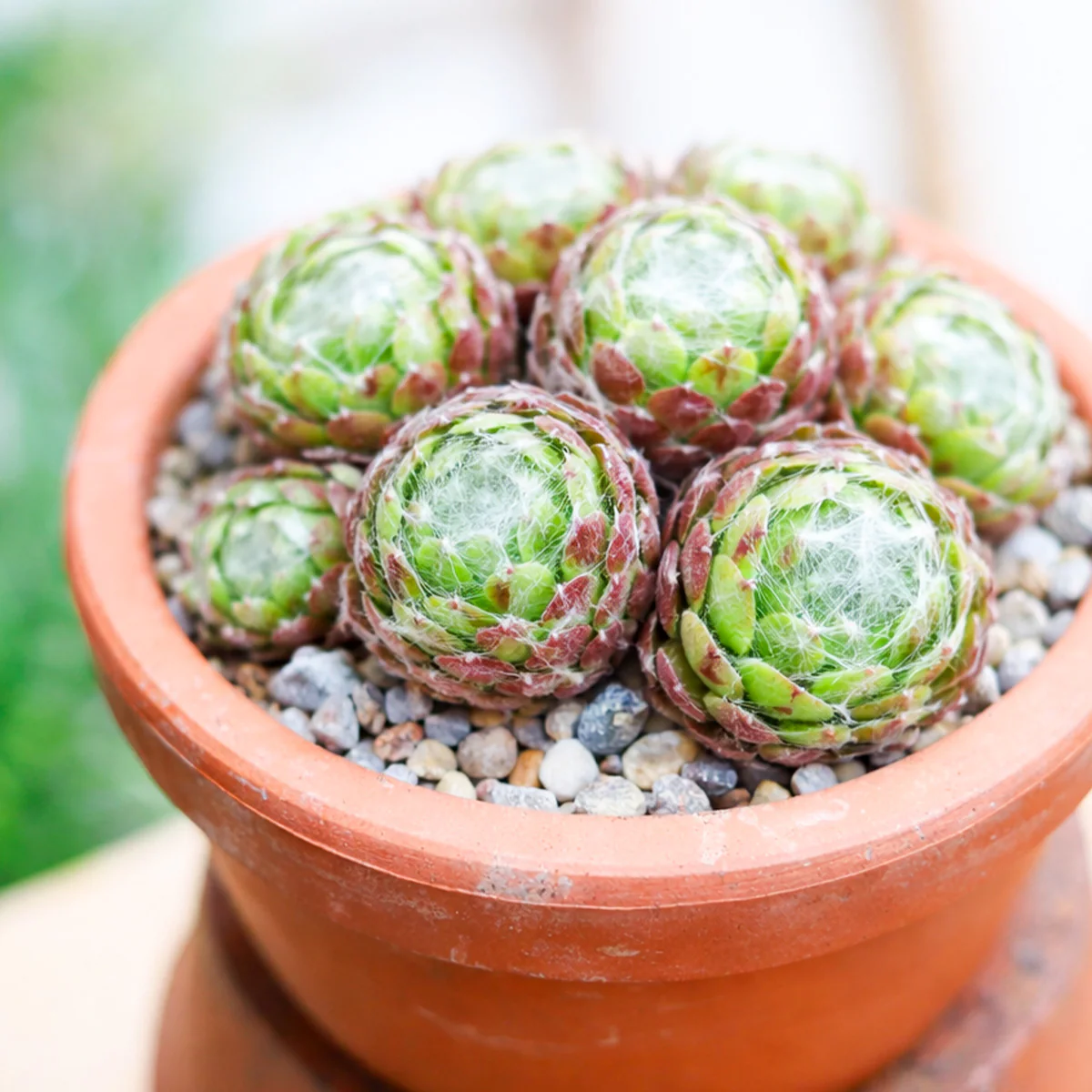
Sempervivum arachnoideum 'Cebenese'
- Description
- Sempervivum arachnoideum 'Cebenese' Care Guide
- FAQ/Common Issues
-
![]() Sempervivum arachnoideum 'Cebenese' is a cold hardy cobweb houseleek belonging to the Crassulaceae family, prized by succulent lovers for its architectural charm and rugged resilience. Native to the mountain regions of Europe, including the Alps and Pyrenees, this hens and chicks succulent evolved to thrive in rocky, nutrient-poor soils at high elevations. It is a true survivor with centuries of growing in some of the harshest climates on the planet.
Sempervivum arachnoideum 'Cebenese' is a cold hardy cobweb houseleek belonging to the Crassulaceae family, prized by succulent lovers for its architectural charm and rugged resilience. Native to the mountain regions of Europe, including the Alps and Pyrenees, this hens and chicks succulent evolved to thrive in rocky, nutrient-poor soils at high elevations. It is a true survivor with centuries of growing in some of the harshest climates on the planet.
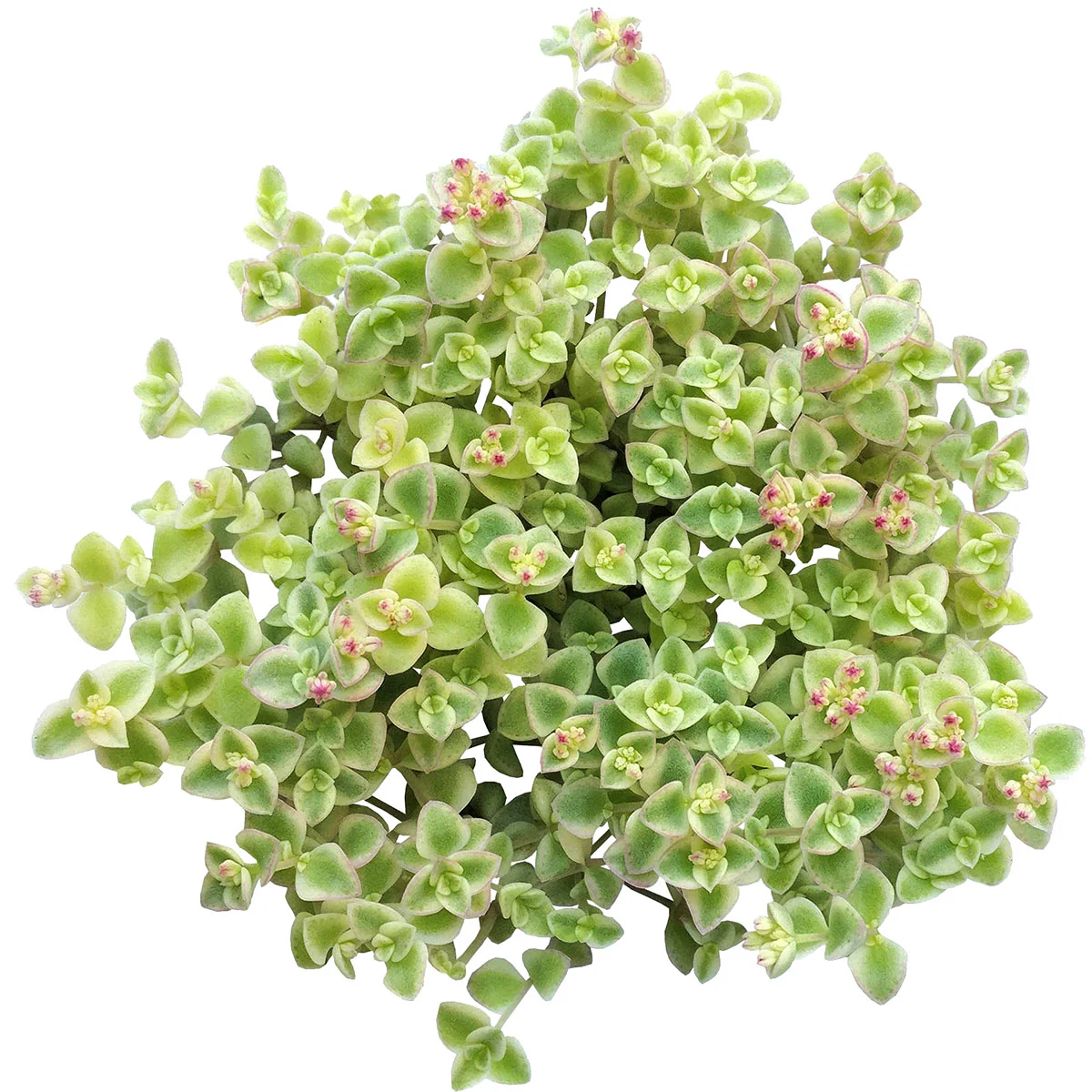
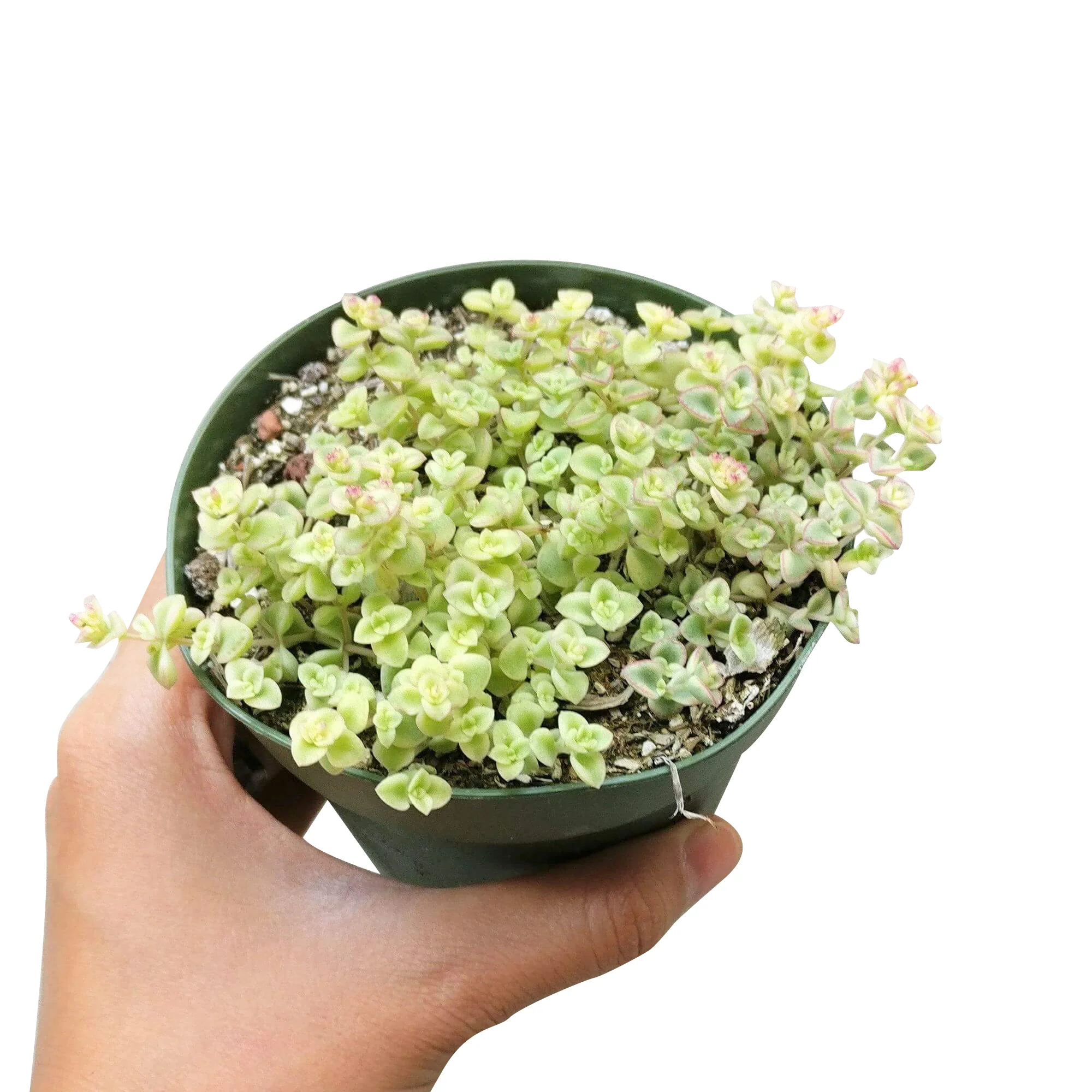
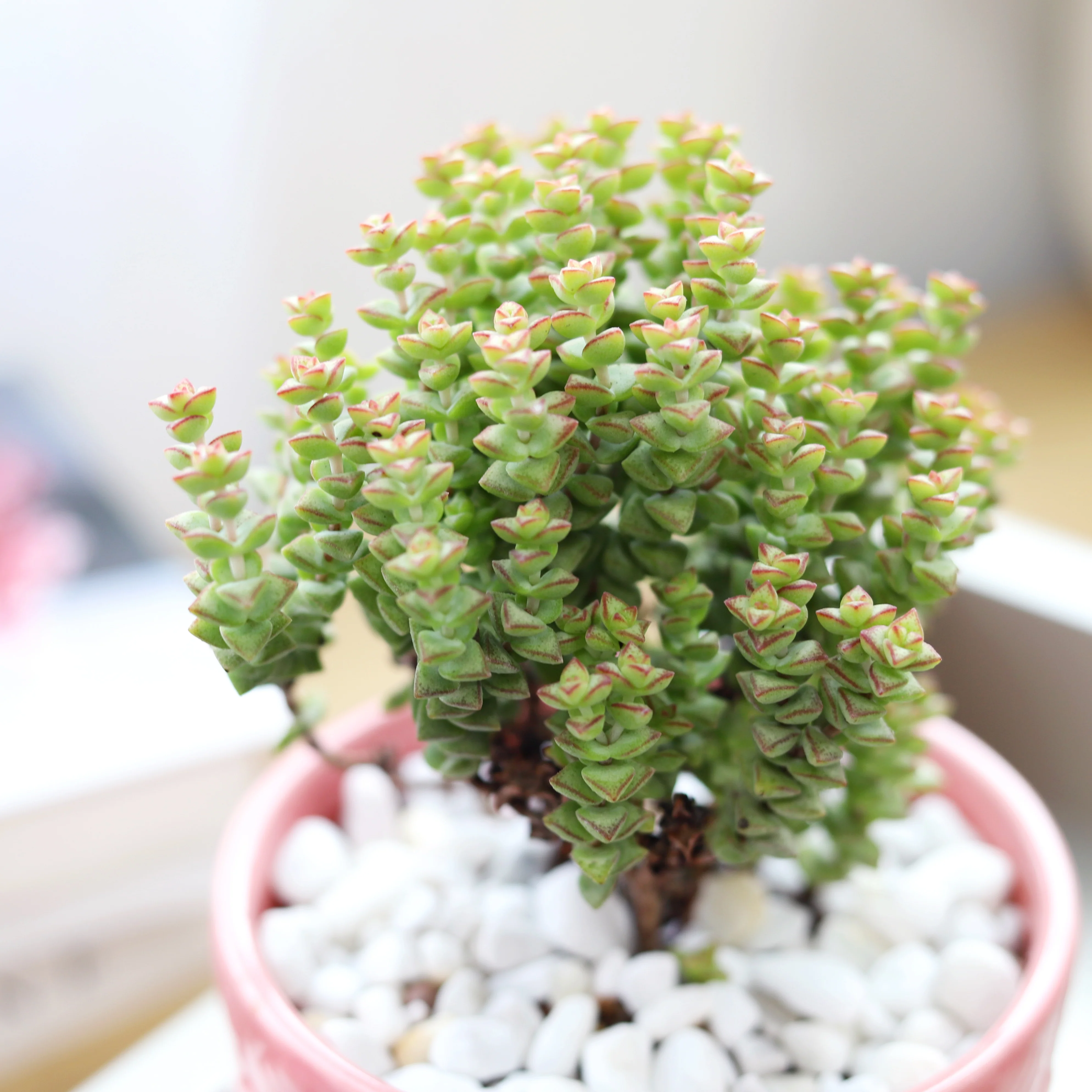
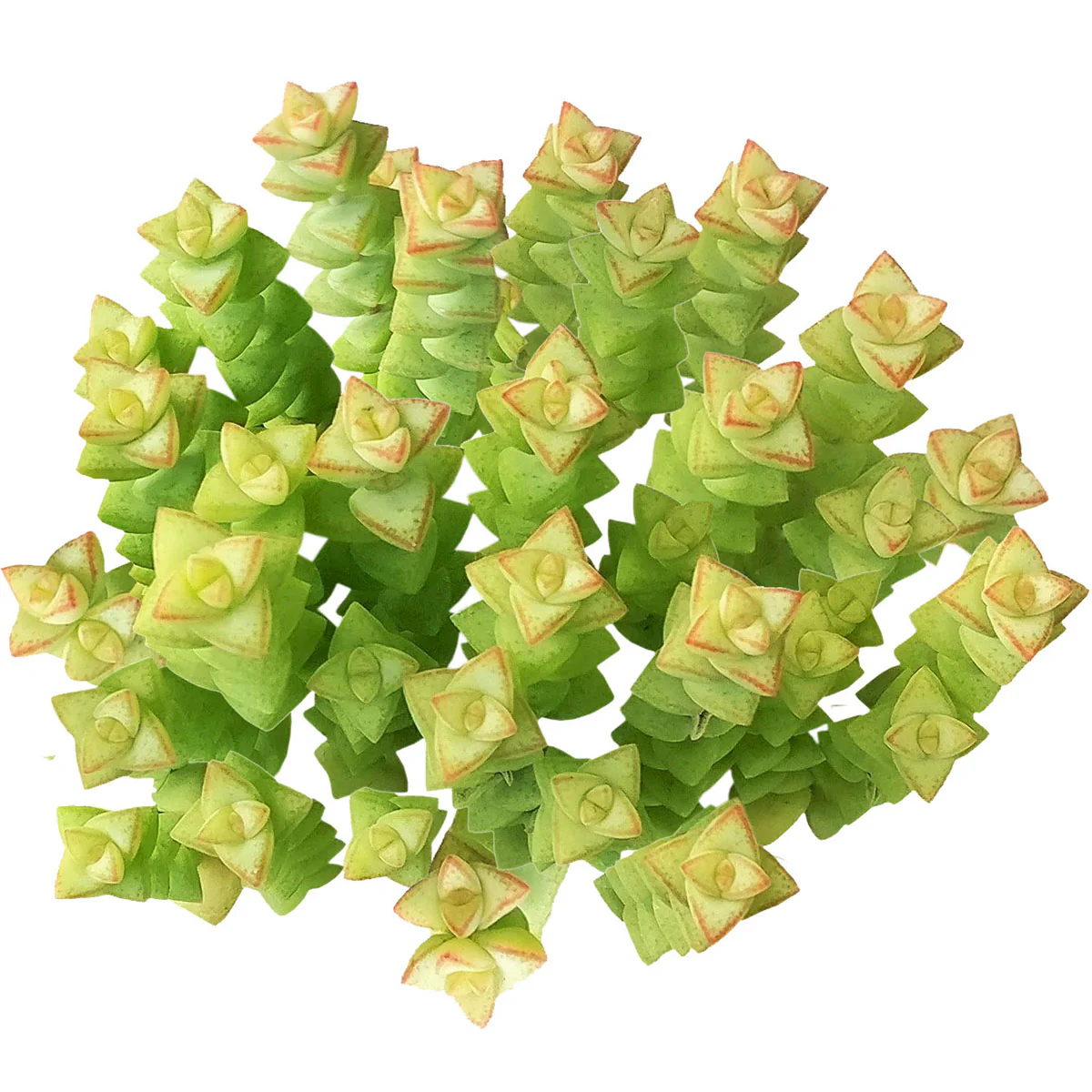
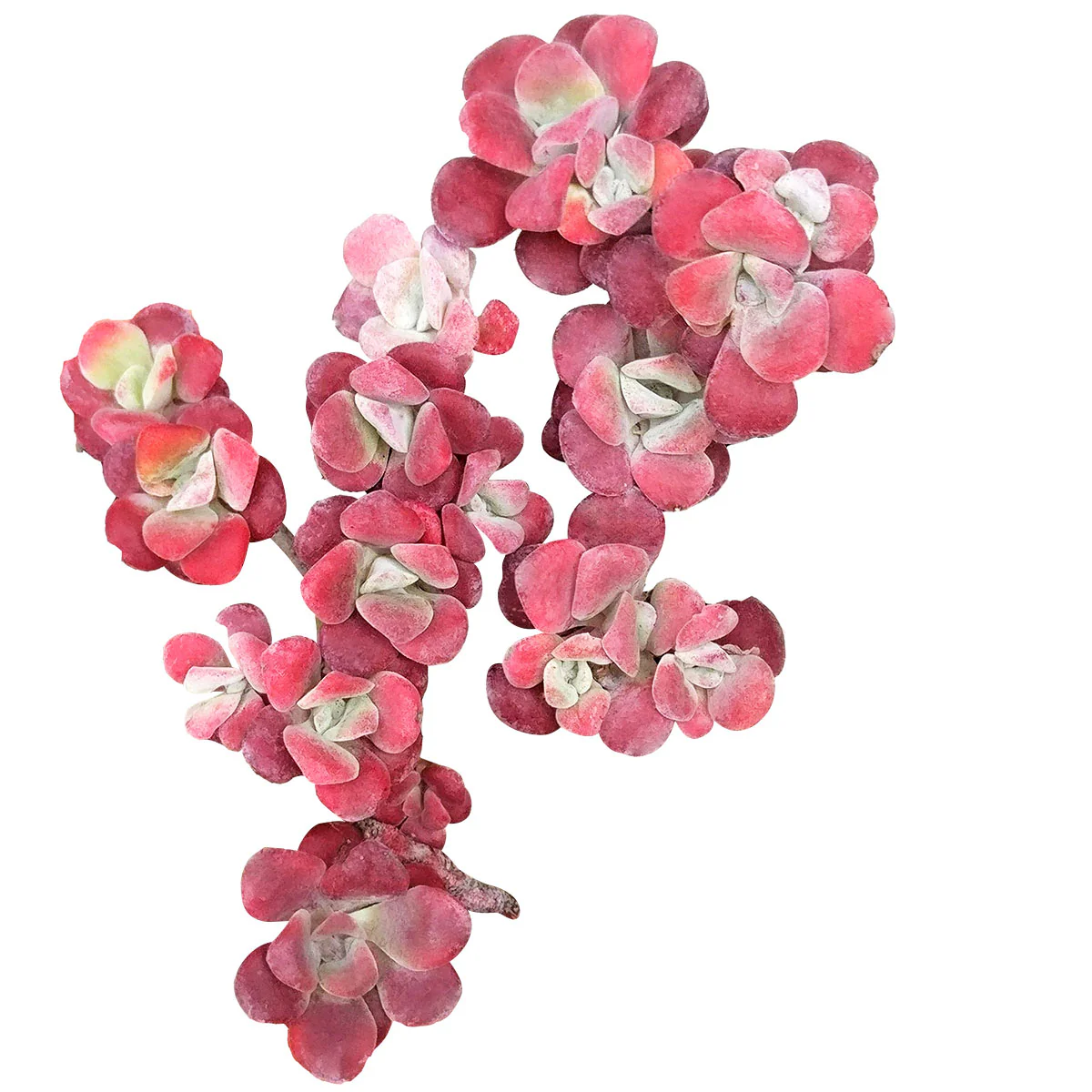
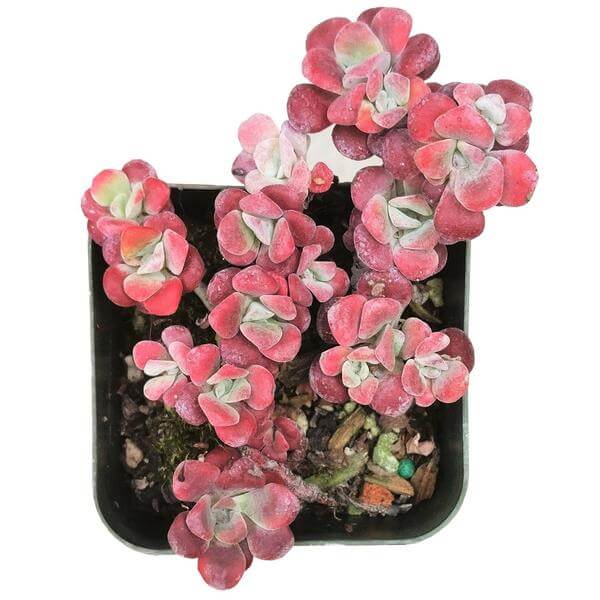
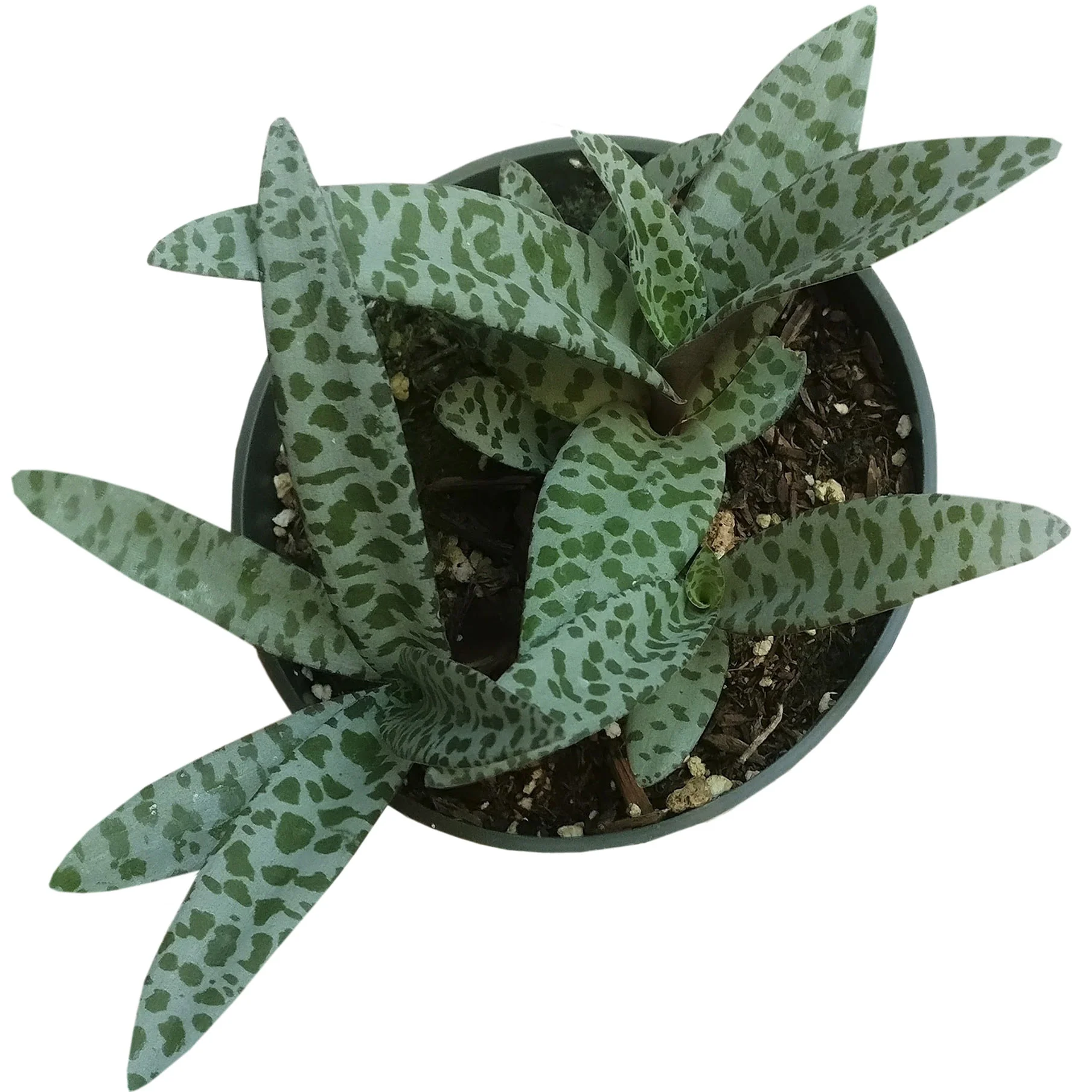
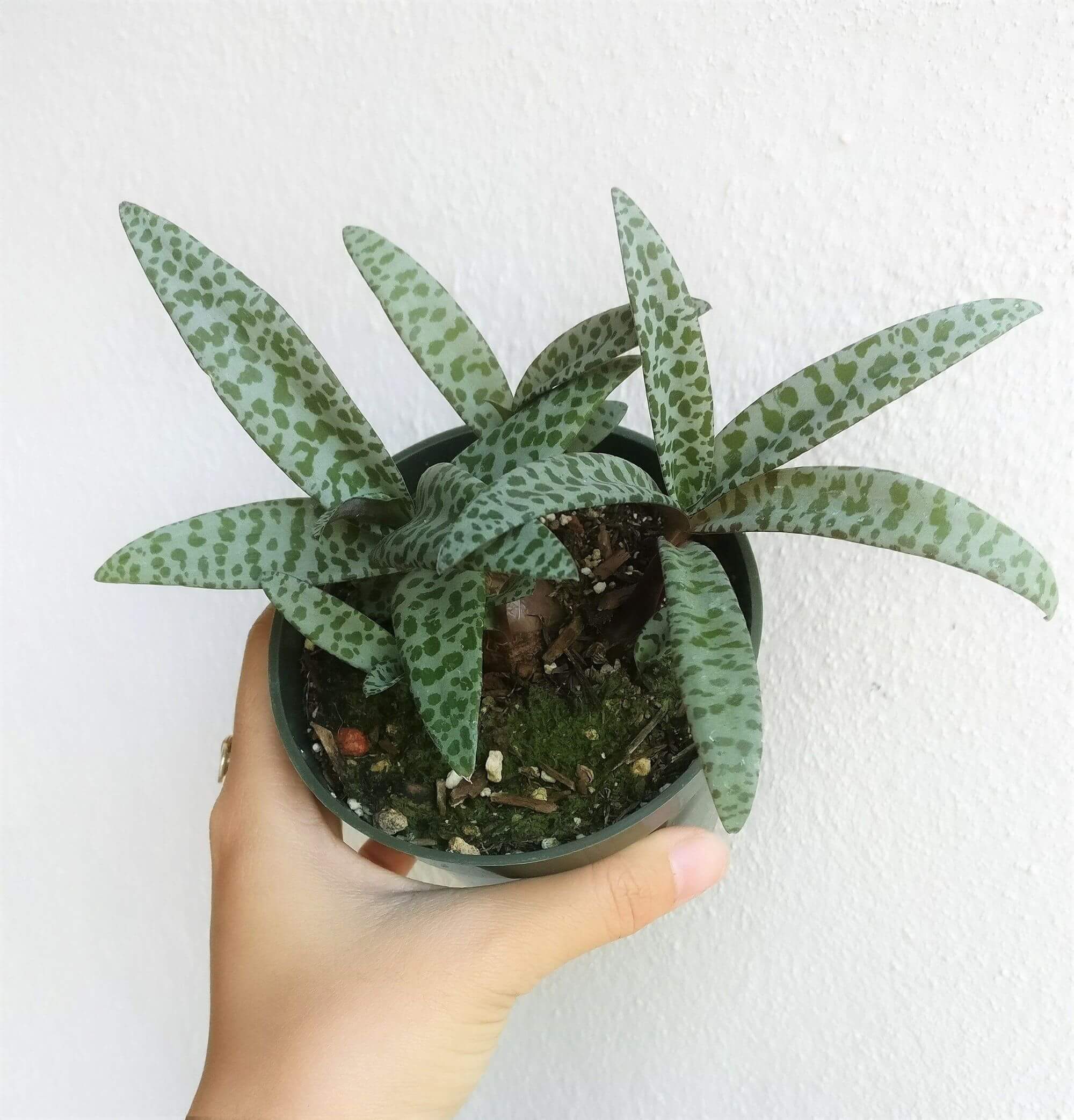
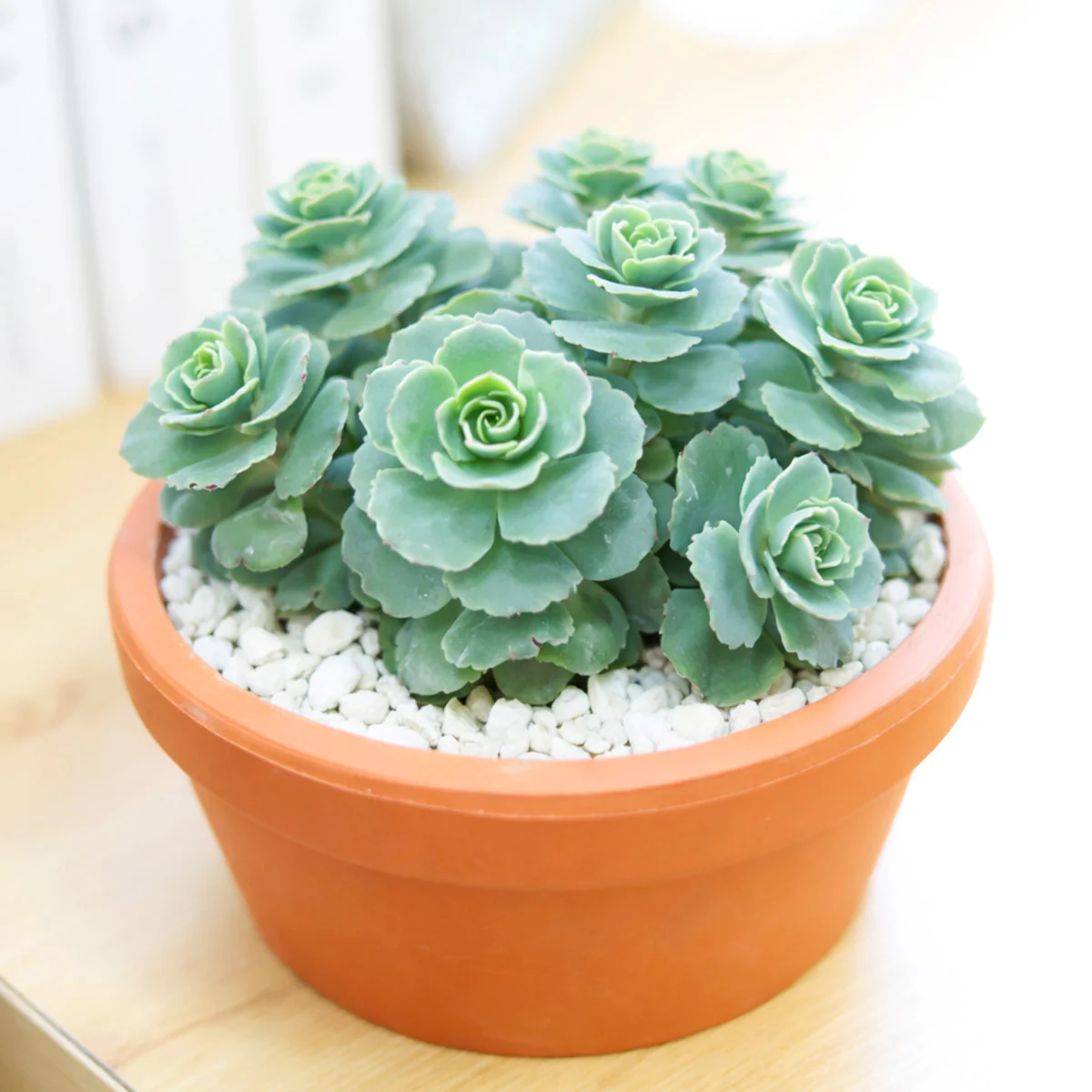
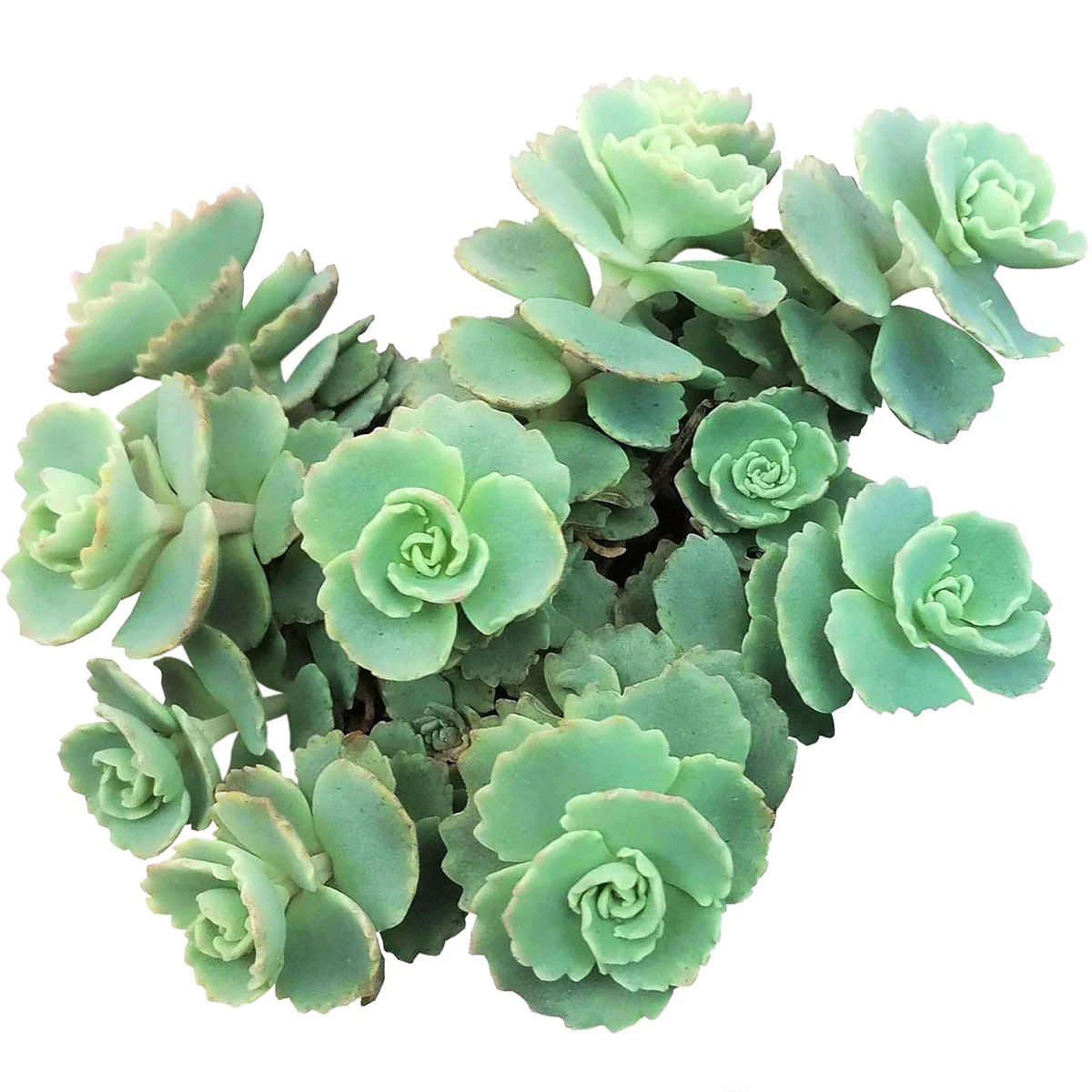
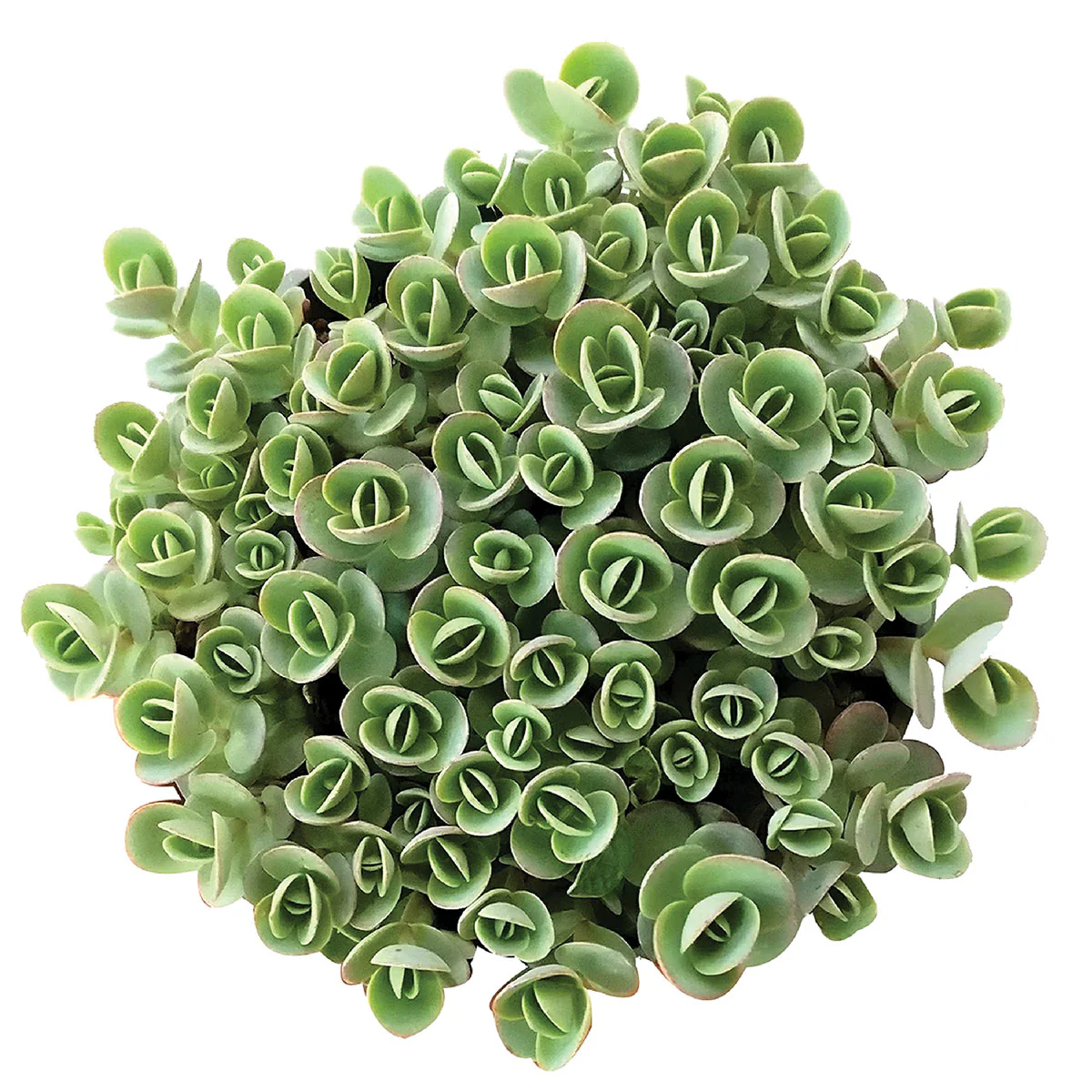
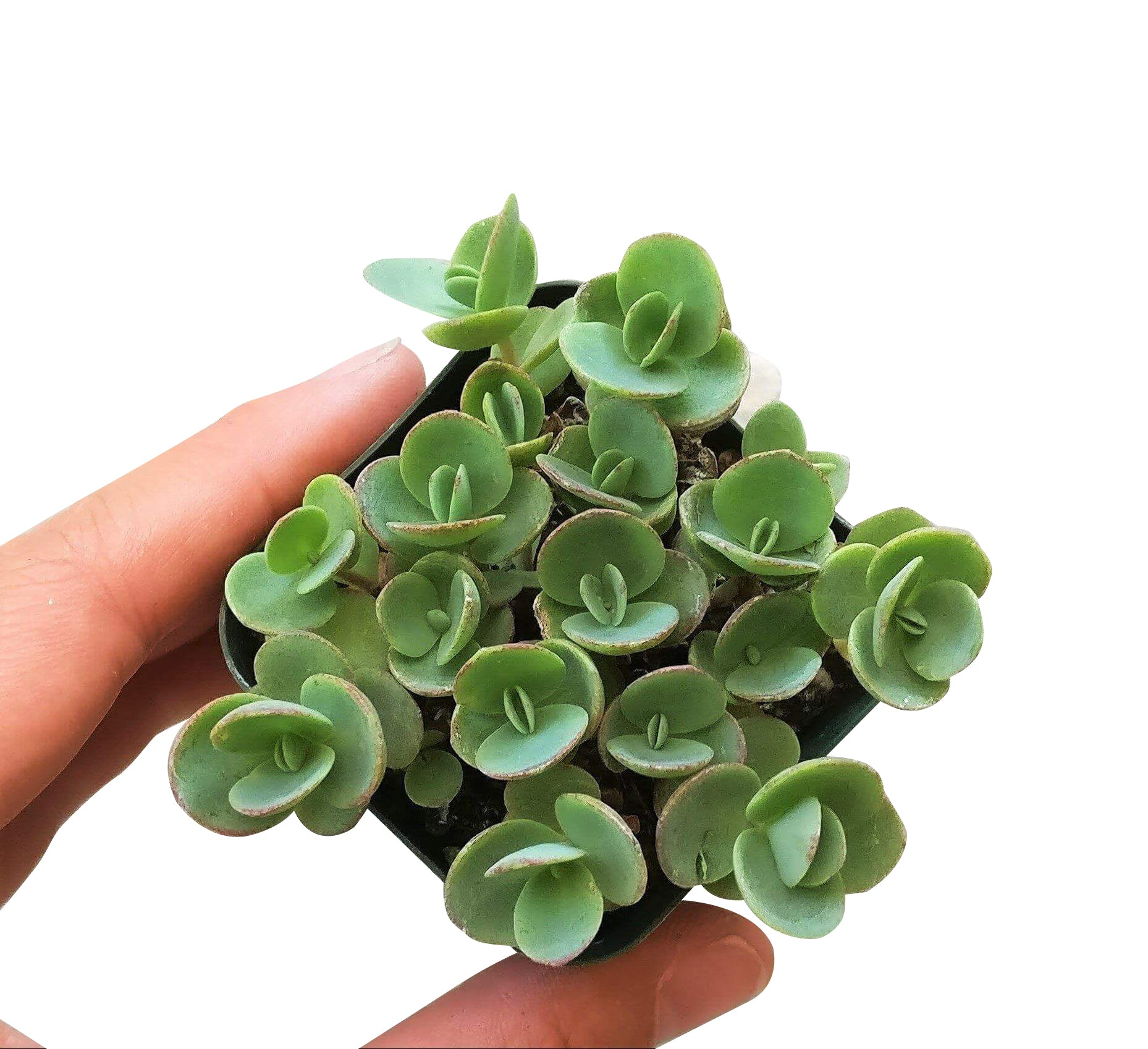
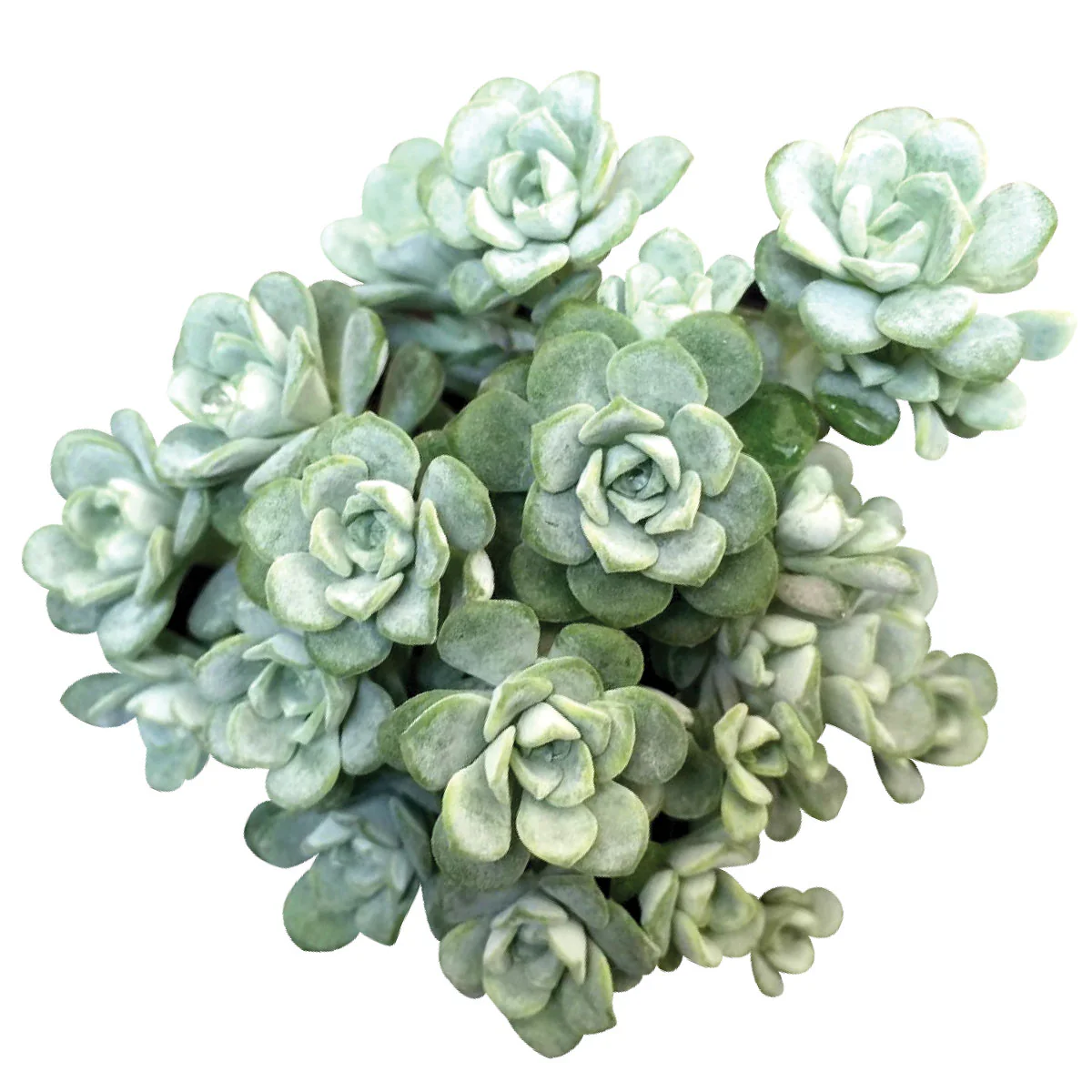
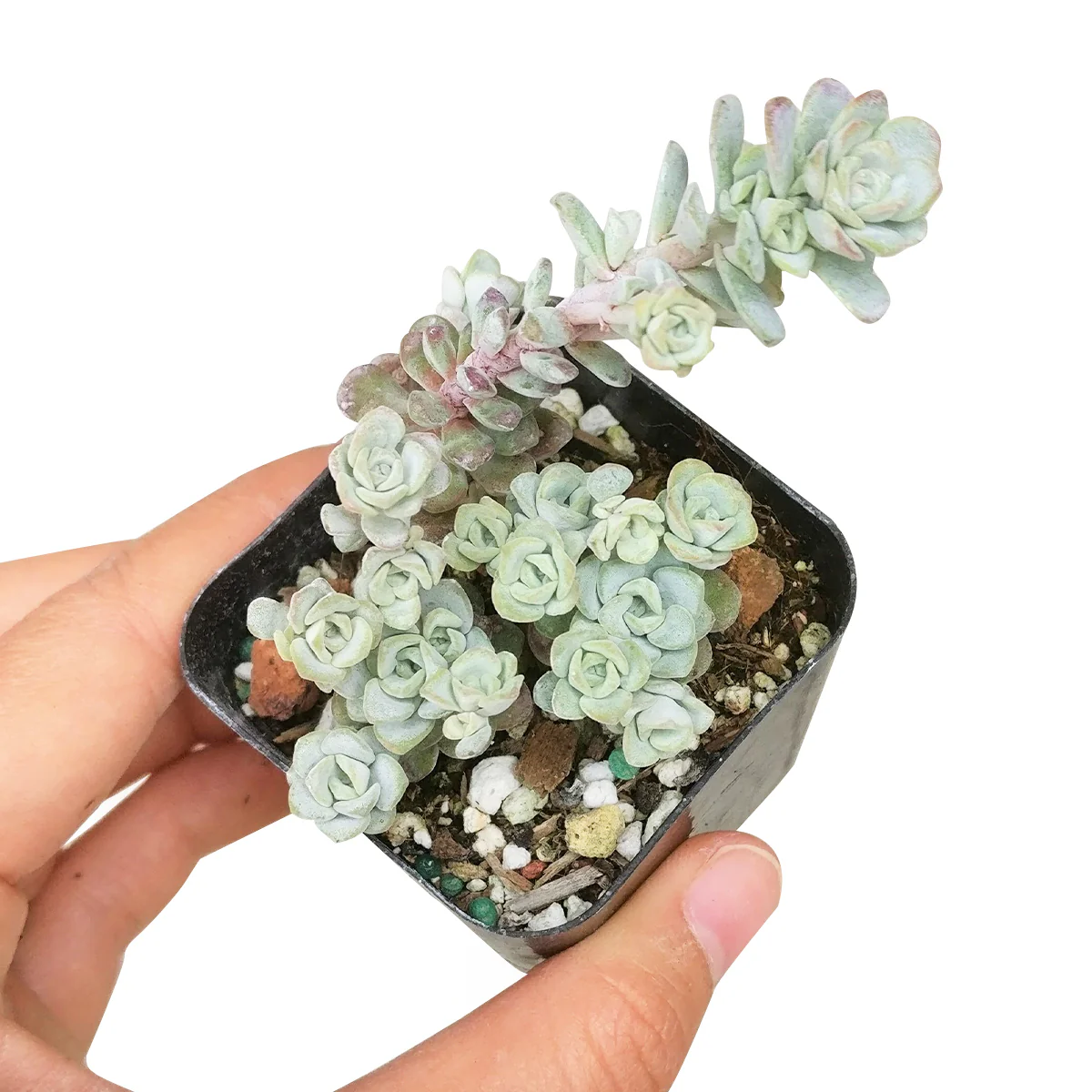
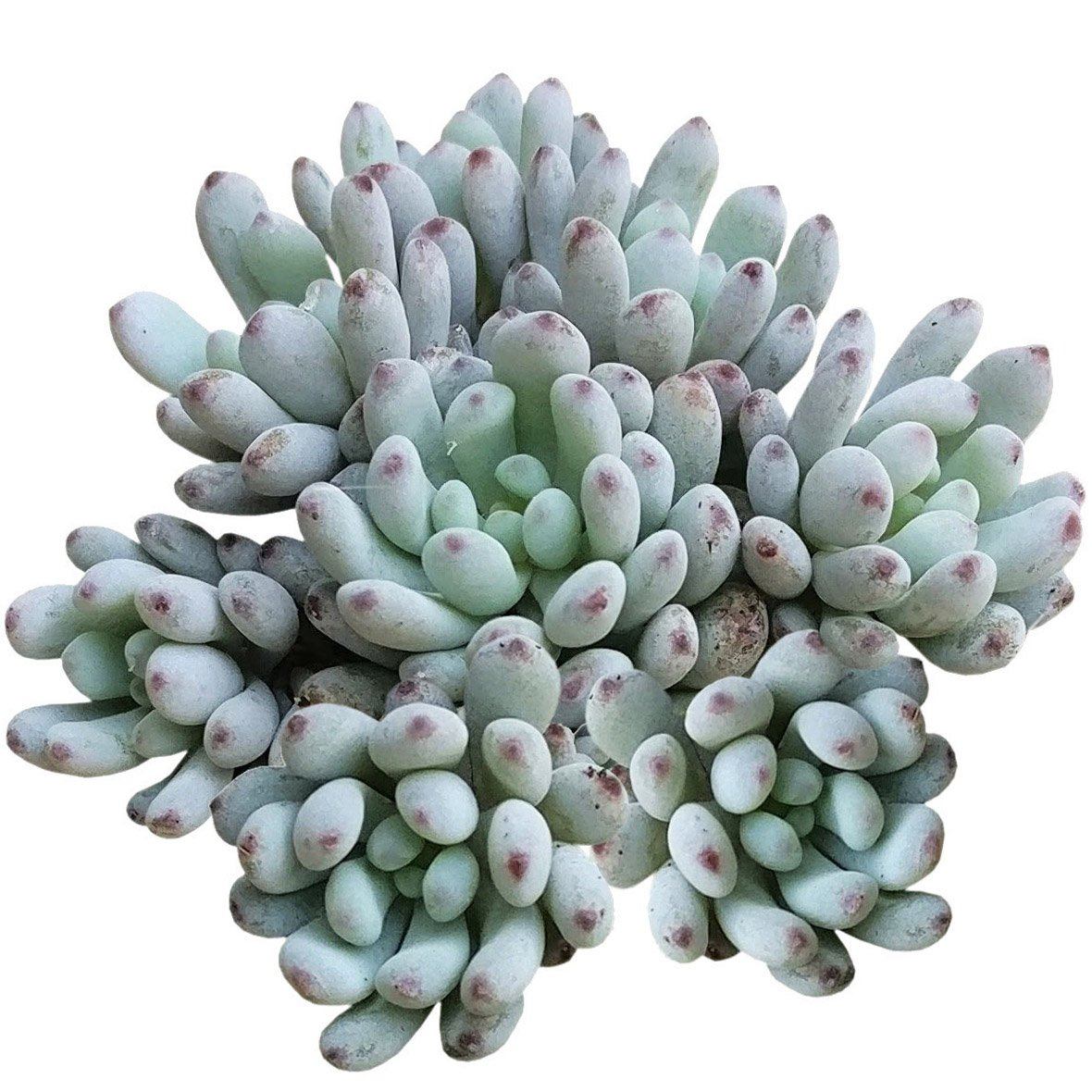
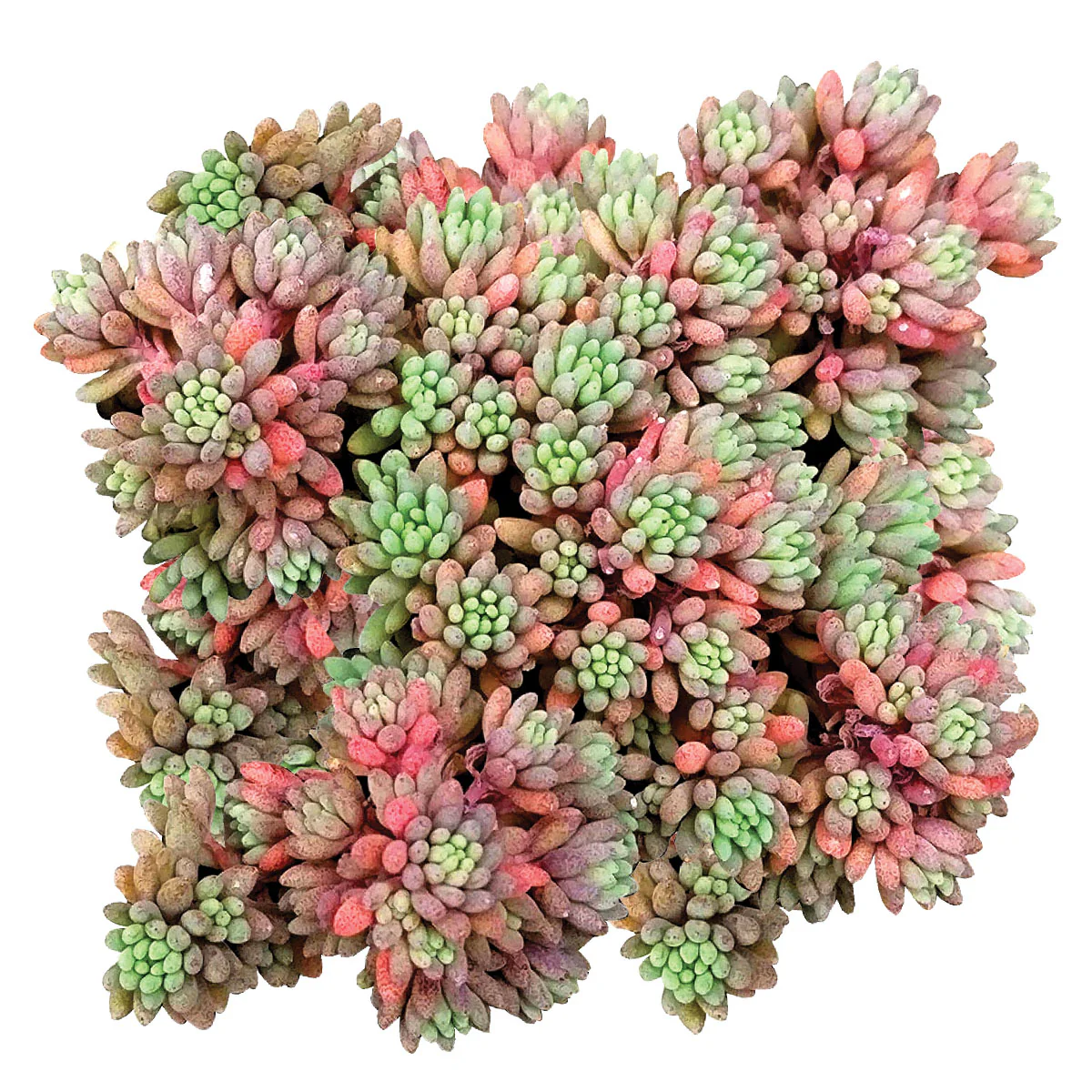
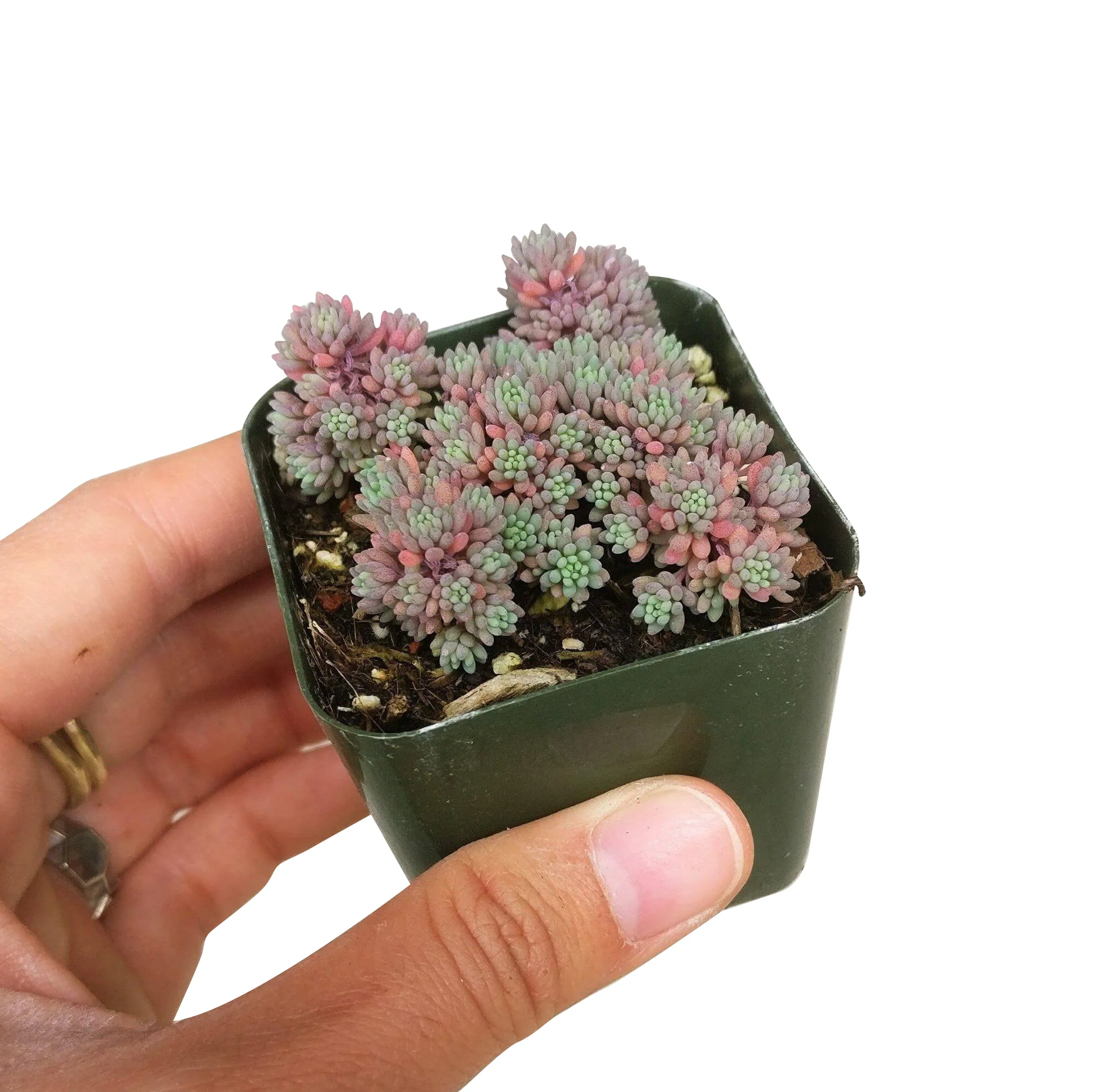
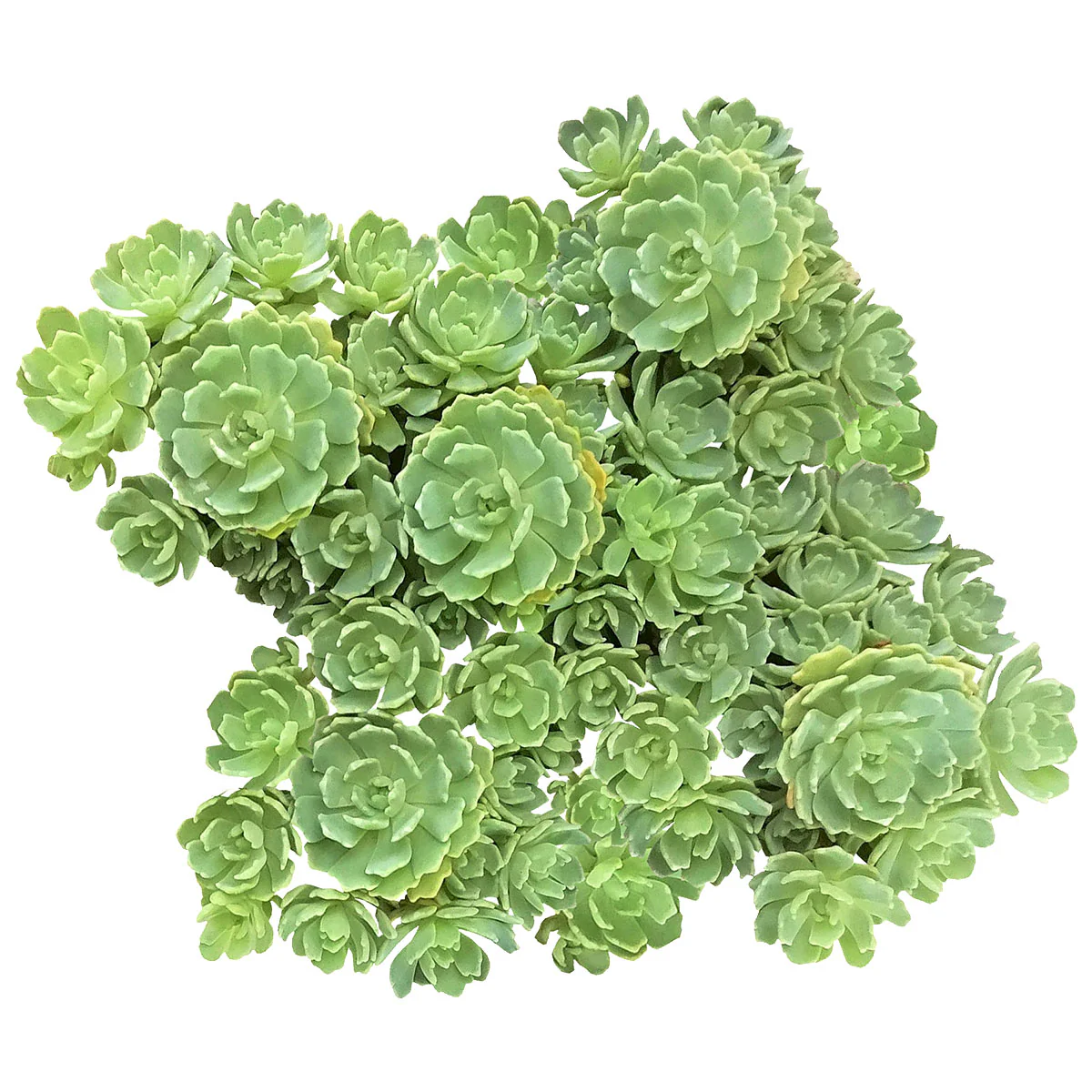
 What makes Sempervivum arachnoideum 'Cebenese' instantly recognizable is the delicate web of white filaments stretched across its tight, upright rosettes, mimicking a spider web succulent in the most enchanting way. The rosette foliage is a rich forest green tipped with fine white threading, creating a vivid and detailed texture that looks almost hand-crafted. Rosettes stay compact and structured, giving this cobweb sedum a distinctly architectural look that stands out in containers, rock gardens, and windowsill displays alike.
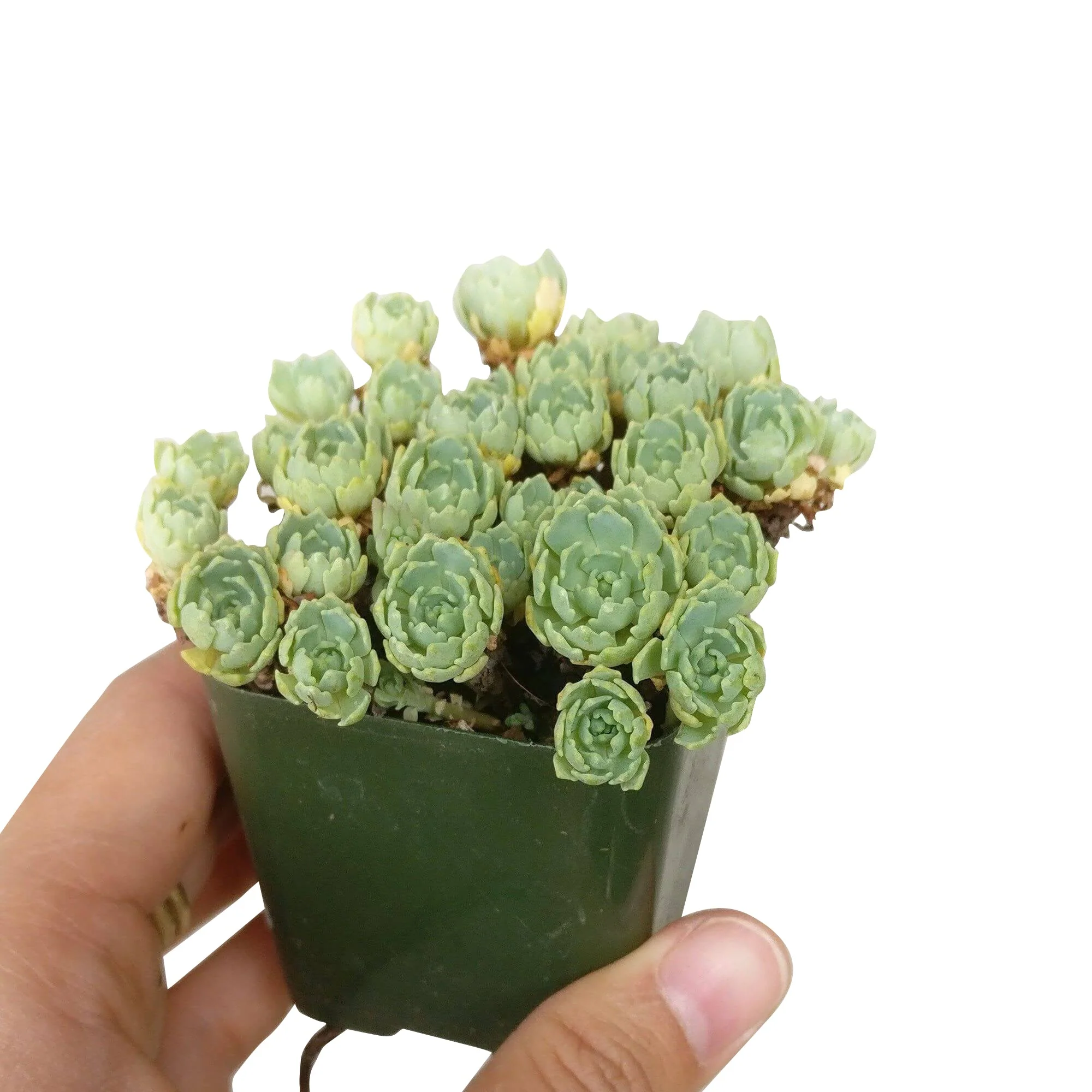
 Sempervivum arachnoideum 'Cebenese' is a slow and steady grower that offsets reliably, spreading outward in a tidy, narrow colony of daughter rosettes rather than sprawling aggressively. Each rosette is monocarpic, meaning it blooms once and then gives way to the surrounding chicks, keeping the clump looking fresh and full over time. This heirloom-quality succulent has the kind of longevity that collectors appreciate, with well-established specimens developing into mature, eye-catching clusters over many seasons.
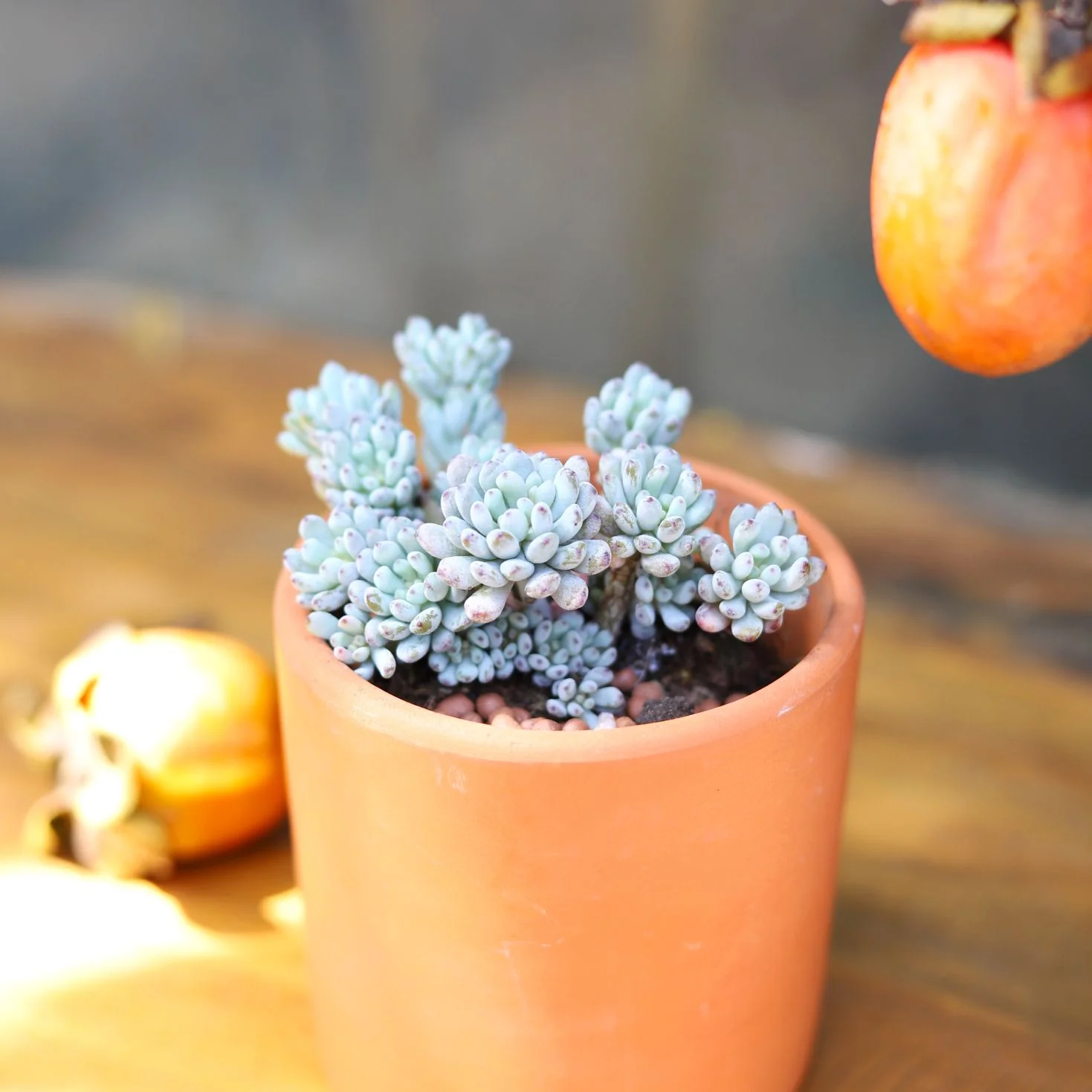
 Sempervivum arachnoideum 'Cebenese' is one of the most low maintenance succulents you can grow, handling balcony wind and rain, surviving a 10-day trip without a caretaker, and thriving outdoors through autumn and summer alike. It is completely pet friendly, making it a worry-free choice for homes with cats or dogs. As a drought tolerant succulent and outdoor rock garden plant, it looks stunning in shallow terracotta dishes, alpine troughs, and sunny borders, and it is a rewarding collector find for anyone building a serious sempervivum collection.
-
 Sempervivum arachnoideum 'Cebenese' thrives in bright indirect light but appreciates direct outdoor sun for the best color and compact rosette form.
 Sempervivum arachnoideum 'Cebenese' needs watering every 10-14 days in summer and just once a month or less in winter.
 Sempervivum arachnoideum 'Cebenese' performs best in a gritty, fast-draining mix such as cactus soil blended with 50% perlite or coarse sand.
 Sempervivum arachnoideum 'Cebenese' tolerates temperatures from -30°F (-34°C) to 80°F (27°C), making it genuinely frost hardy in most climates.
![]() Sempervivum arachnoideum 'Cebenese' is a slow grower that rarely needs pruning and requires fertilizer only once in spring at half strength.
Sempervivum arachnoideum 'Cebenese' is a slow grower that rarely needs pruning and requires fertilizer only once in spring at half strength.
 Sempervivum arachnoideum 'Cebenese' is hardy in USDA Zones 4-9, tolerating frost down to around -30°F (-34°C) with ease. That broad range covers a huge sweep of the country, including Montana, Wyoming, Colorado, Utah, Idaho, Oregon, Washington, Minnesota, Wisconsin, Michigan, New York, Pennsylvania, Ohio, Indiana, Illinois, Iowa, Missouri, Kansas, Nebraska, South Dakota, North Dakota, Virginia, West Virginia, Kentucky, Tennessee, North Carolina, Connecticut, Massachusetts, Vermont, New Hampshire, Maine, New Jersey, Maryland, Delaware, Rhode Island, and Arkansas. Gardeners in warmer Zones 8-9 states such as Texas, Georgia, Alabama, South Carolina, Louisiana, Mississippi, Nevada, and California can also grow Sempervivum arachnoideum 'Cebenese' successfully with good drainage and some afternoon shade in peak summer heat.
-
Q: Is Sempervivum arachnoideum 'Cebenese' pet friendly?
A: Yes, Sempervivum arachnoideum 'Cebenese' is pet friendly and considered non-toxic to cats and dogs.
Q: How often should I water Sempervivum arachnoideum 'Cebenese'?
A: Water Sempervivum arachnoideum 'Cebenese' every 10-14 days during active growth and reduce to once a month in winter. Always let the soil dry out completely between waterings.
Q: How do I propagate Sempervivum arachnoideum 'Cebenese'?
A: Sempervivum arachnoideum 'Cebenese' propagates easily by separating the small offset rosettes, called chicks, from the mother plant and replanting them in gritty, well-draining soil.
Q: Is Sempervivum arachnoideum 'Cebenese' frost tolerant?
A: Sempervivum arachnoideum 'Cebenese' is exceptionally frost tolerant, surviving temperatures as low as -30°F (-34°C) and rated hardy in USDA Zones 4-9.
Q: Why are the leaves on my Sempervivum arachnoideum 'Cebenese' turning yellow?
A: Yellow leaves on Sempervivum arachnoideum 'Cebenese' are most commonly caused by overwatering or waterlogged soil. Improve drainage and reduce watering frequency to restore the plant's health.
Q: How big does Sempervivum arachnoideum 'Cebenese' get?
A: Sempervivum arachnoideum 'Cebenese' is a narrow, compact grower with individual rosettes typically reaching 1-2 inches across, slowly spreading outward as it produces offsets over time.


Original: $8.00
-70%$8.00
$2.40Product Information
Product Information
Shipping & Returns
Shipping & Returns
Description
- Description
- Sempervivum arachnoideum 'Cebenese' Care Guide
- FAQ/Common Issues
-
![]() Sempervivum arachnoideum 'Cebenese' is a cold hardy cobweb houseleek belonging to the Crassulaceae family, prized by succulent lovers for its architectural charm and rugged resilience. Native to the mountain regions of Europe, including the Alps and Pyrenees, this hens and chicks succulent evolved to thrive in rocky, nutrient-poor soils at high elevations. It is a true survivor with centuries of growing in some of the harshest climates on the planet.
Sempervivum arachnoideum 'Cebenese' is a cold hardy cobweb houseleek belonging to the Crassulaceae family, prized by succulent lovers for its architectural charm and rugged resilience. Native to the mountain regions of Europe, including the Alps and Pyrenees, this hens and chicks succulent evolved to thrive in rocky, nutrient-poor soils at high elevations. It is a true survivor with centuries of growing in some of the harshest climates on the planet.
What makes Sempervivum arachnoideum 'Cebenese' instantly recognizable is the delicate web of white filaments stretched across its tight, upright rosettes, mimicking a spider web succulent in the most enchanting way. The rosette foliage is a rich forest green tipped with fine white threading, creating a vivid and detailed texture that looks almost hand-crafted. Rosettes stay compact and structured, giving this cobweb sedum a distinctly architectural look that stands out in containers, rock gardens, and windowsill displays alike.
Sempervivum arachnoideum 'Cebenese' is a slow and steady grower that offsets reliably, spreading outward in a tidy, narrow colony of daughter rosettes rather than sprawling aggressively. Each rosette is monocarpic, meaning it blooms once and then gives way to the surrounding chicks, keeping the clump looking fresh and full over time. This heirloom-quality succulent has the kind of longevity that collectors appreciate, with well-established specimens developing into mature, eye-catching clusters over many seasons.
Sempervivum arachnoideum 'Cebenese' is one of the most low maintenance succulents you can grow, handling balcony wind and rain, surviving a 10-day trip without a caretaker, and thriving outdoors through autumn and summer alike. It is completely pet friendly, making it a worry-free choice for homes with cats or dogs. As a drought tolerant succulent and outdoor rock garden plant, it looks stunning in shallow terracotta dishes, alpine troughs, and sunny borders, and it is a rewarding collector find for anyone building a serious sempervivum collection.
-
Sempervivum arachnoideum 'Cebenese' thrives in bright indirect light but appreciates direct outdoor sun for the best color and compact rosette form.
Sempervivum arachnoideum 'Cebenese' needs watering every 10-14 days in summer and just once a month or less in winter.
Sempervivum arachnoideum 'Cebenese' performs best in a gritty, fast-draining mix such as cactus soil blended with 50% perlite or coarse sand.
Sempervivum arachnoideum 'Cebenese' tolerates temperatures from -30°F (-34°C) to 80°F (27°C), making it genuinely frost hardy in most climates.
![]() Sempervivum arachnoideum 'Cebenese' is a slow grower that rarely needs pruning and requires fertilizer only once in spring at half strength.
Sempervivum arachnoideum 'Cebenese' is a slow grower that rarely needs pruning and requires fertilizer only once in spring at half strength.
Sempervivum arachnoideum 'Cebenese' is hardy in USDA Zones 4-9, tolerating frost down to around -30°F (-34°C) with ease. That broad range covers a huge sweep of the country, including Montana, Wyoming, Colorado, Utah, Idaho, Oregon, Washington, Minnesota, Wisconsin, Michigan, New York, Pennsylvania, Ohio, Indiana, Illinois, Iowa, Missouri, Kansas, Nebraska, South Dakota, North Dakota, Virginia, West Virginia, Kentucky, Tennessee, North Carolina, Connecticut, Massachusetts, Vermont, New Hampshire, Maine, New Jersey, Maryland, Delaware, Rhode Island, and Arkansas. Gardeners in warmer Zones 8-9 states such as Texas, Georgia, Alabama, South Carolina, Louisiana, Mississippi, Nevada, and California can also grow Sempervivum arachnoideum 'Cebenese' successfully with good drainage and some afternoon shade in peak summer heat.
-
Q: Is Sempervivum arachnoideum 'Cebenese' pet friendly?
A: Yes, Sempervivum arachnoideum 'Cebenese' is pet friendly and considered non-toxic to cats and dogs.
Q: How often should I water Sempervivum arachnoideum 'Cebenese'?
A: Water Sempervivum arachnoideum 'Cebenese' every 10-14 days during active growth and reduce to once a month in winter. Always let the soil dry out completely between waterings.
Q: How do I propagate Sempervivum arachnoideum 'Cebenese'?
A: Sempervivum arachnoideum 'Cebenese' propagates easily by separating the small offset rosettes, called chicks, from the mother plant and replanting them in gritty, well-draining soil.
Q: Is Sempervivum arachnoideum 'Cebenese' frost tolerant?
A: Sempervivum arachnoideum 'Cebenese' is exceptionally frost tolerant, surviving temperatures as low as -30°F (-34°C) and rated hardy in USDA Zones 4-9.
Q: Why are the leaves on my Sempervivum arachnoideum 'Cebenese' turning yellow?
A: Yellow leaves on Sempervivum arachnoideum 'Cebenese' are most commonly caused by overwatering or waterlogged soil. Improve drainage and reduce watering frequency to restore the plant's health.
Q: How big does Sempervivum arachnoideum 'Cebenese' get?
A: Sempervivum arachnoideum 'Cebenese' is a narrow, compact grower with individual rosettes typically reaching 1-2 inches across, slowly spreading outward as it produces offsets over time.