Sempervivum 'Aglow'
- Description
- Sempervivum 'Aglow' Care Guide
- FAQ/Common Issues
-
![]() Sempervivum 'Aglow' is a cold hardy succulent belonging to the houseleek family, native to the mountainous regions of Europe where it naturally grows in rocky crevices and alpine conditions. This drought tolerant hens and chicks variety brings stunning color and resilience to gardens and containers worldwide.
Sempervivum 'Aglow' is a cold hardy succulent belonging to the houseleek family, native to the mountainous regions of Europe where it naturally grows in rocky crevices and alpine conditions. This drought tolerant hens and chicks variety brings stunning color and resilience to gardens and containers worldwide.
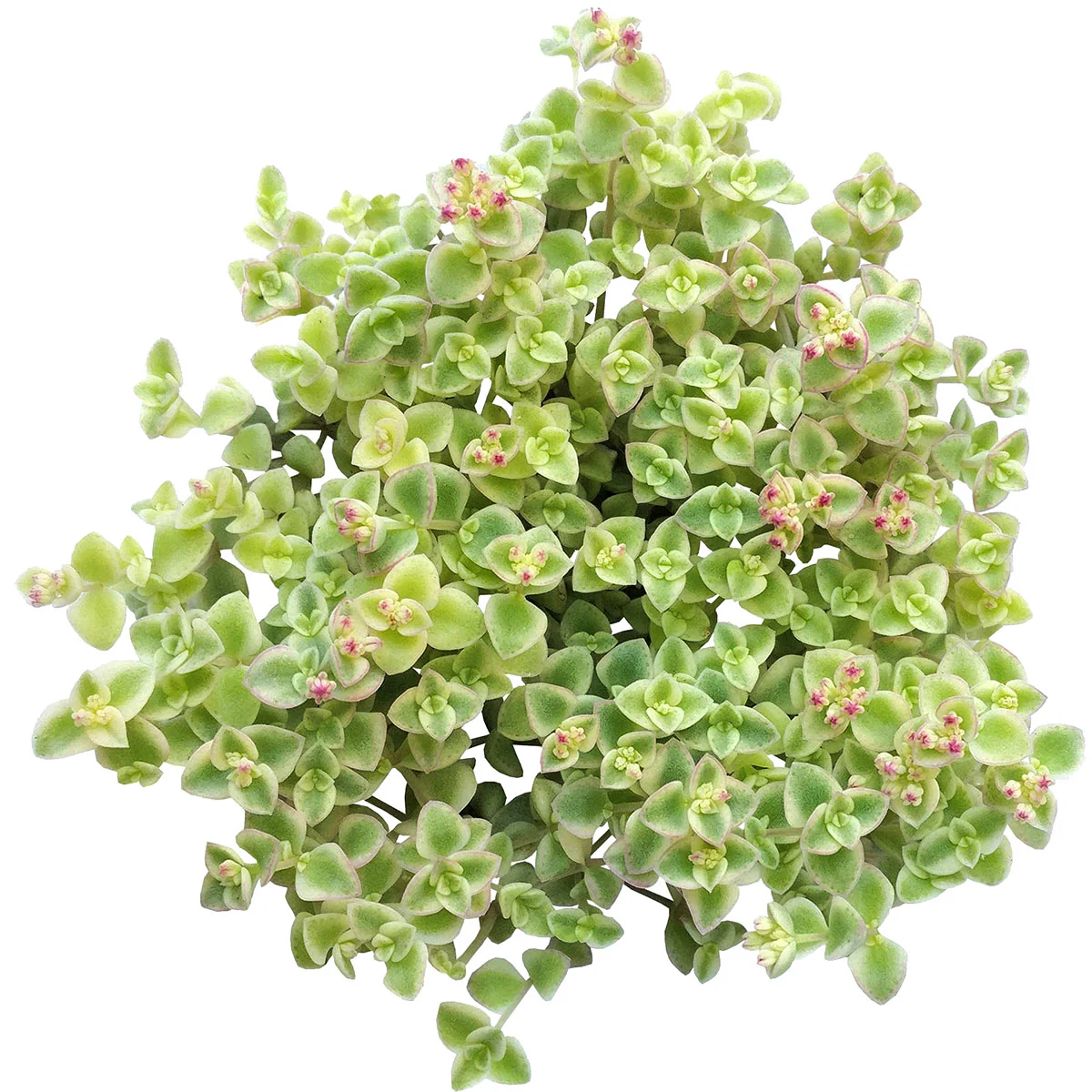
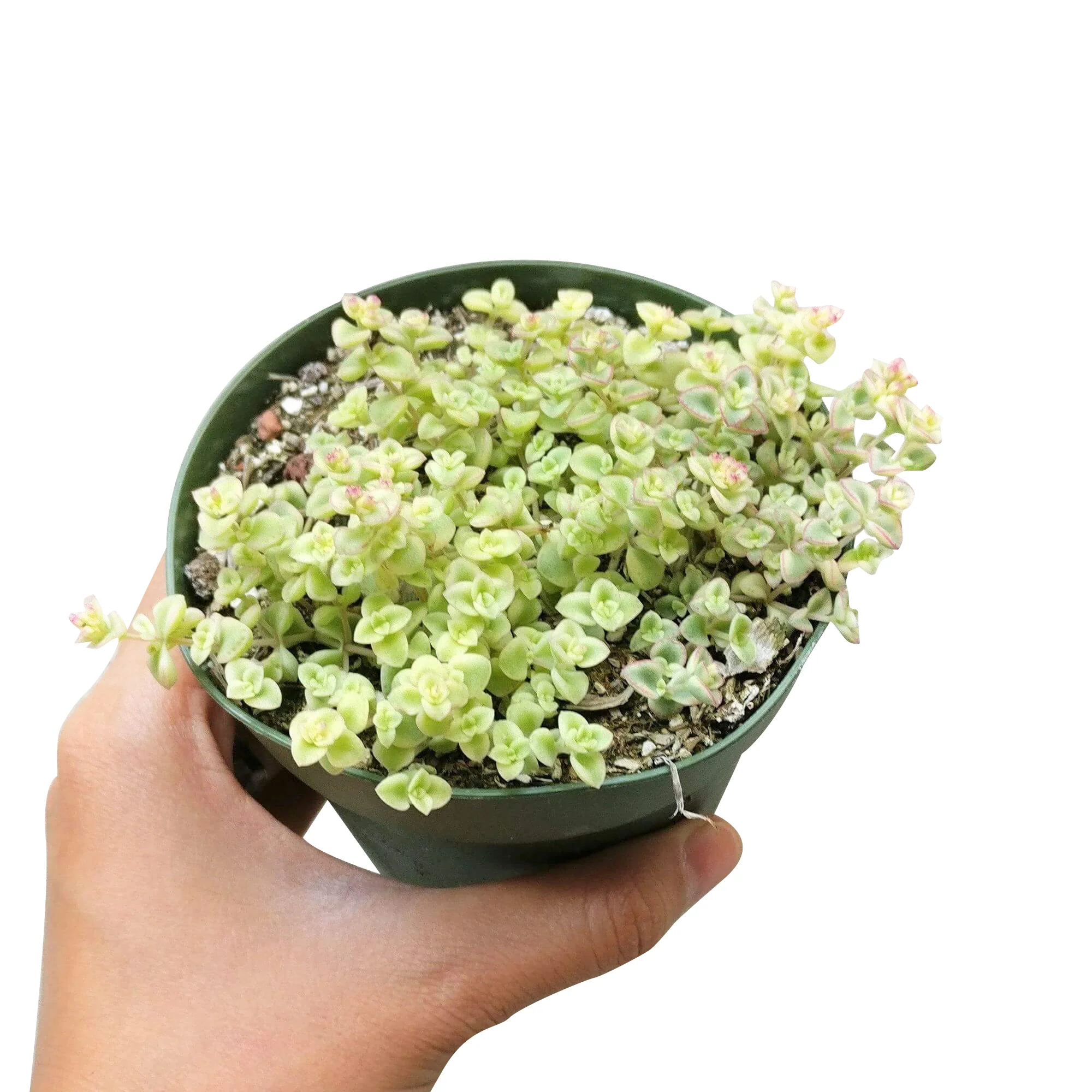
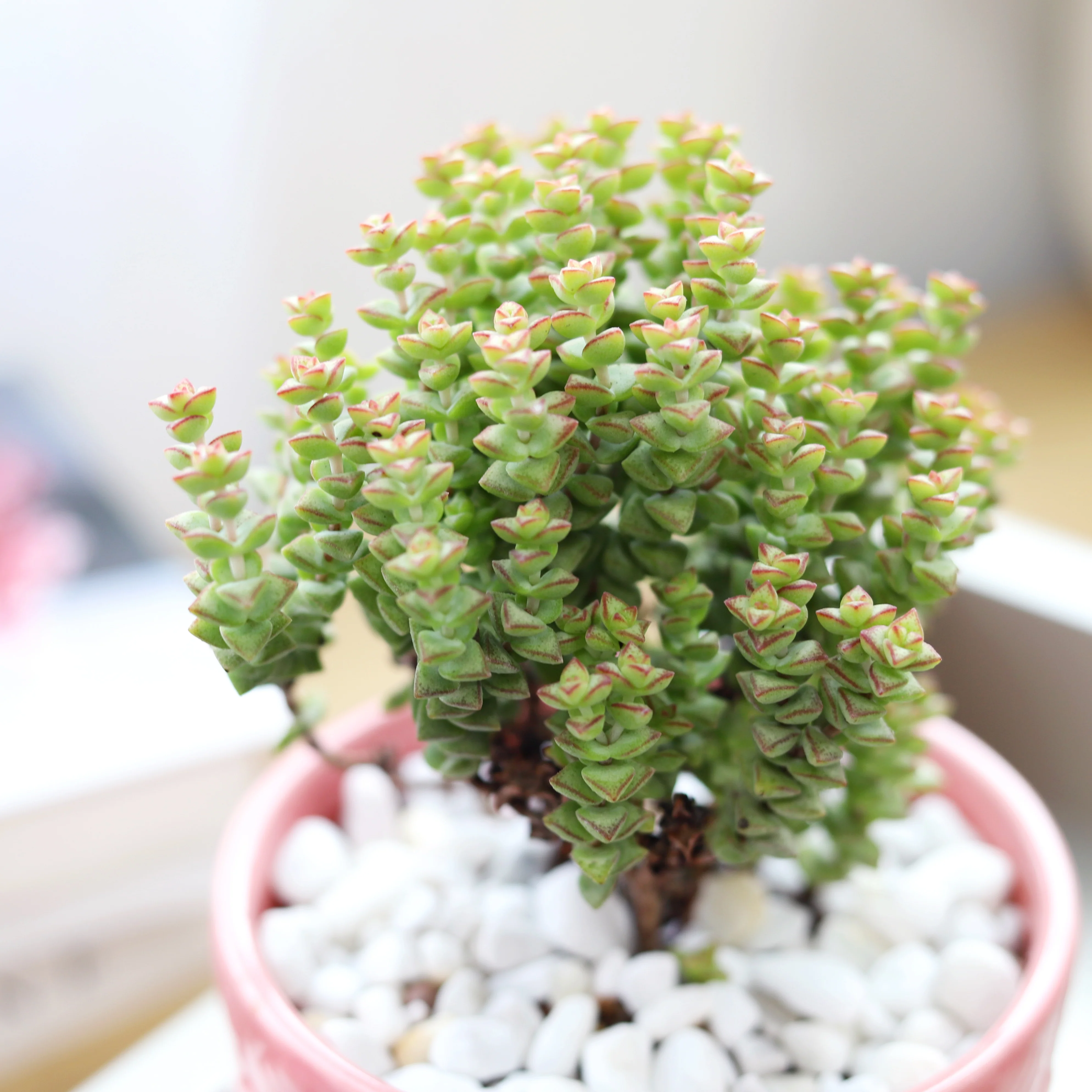
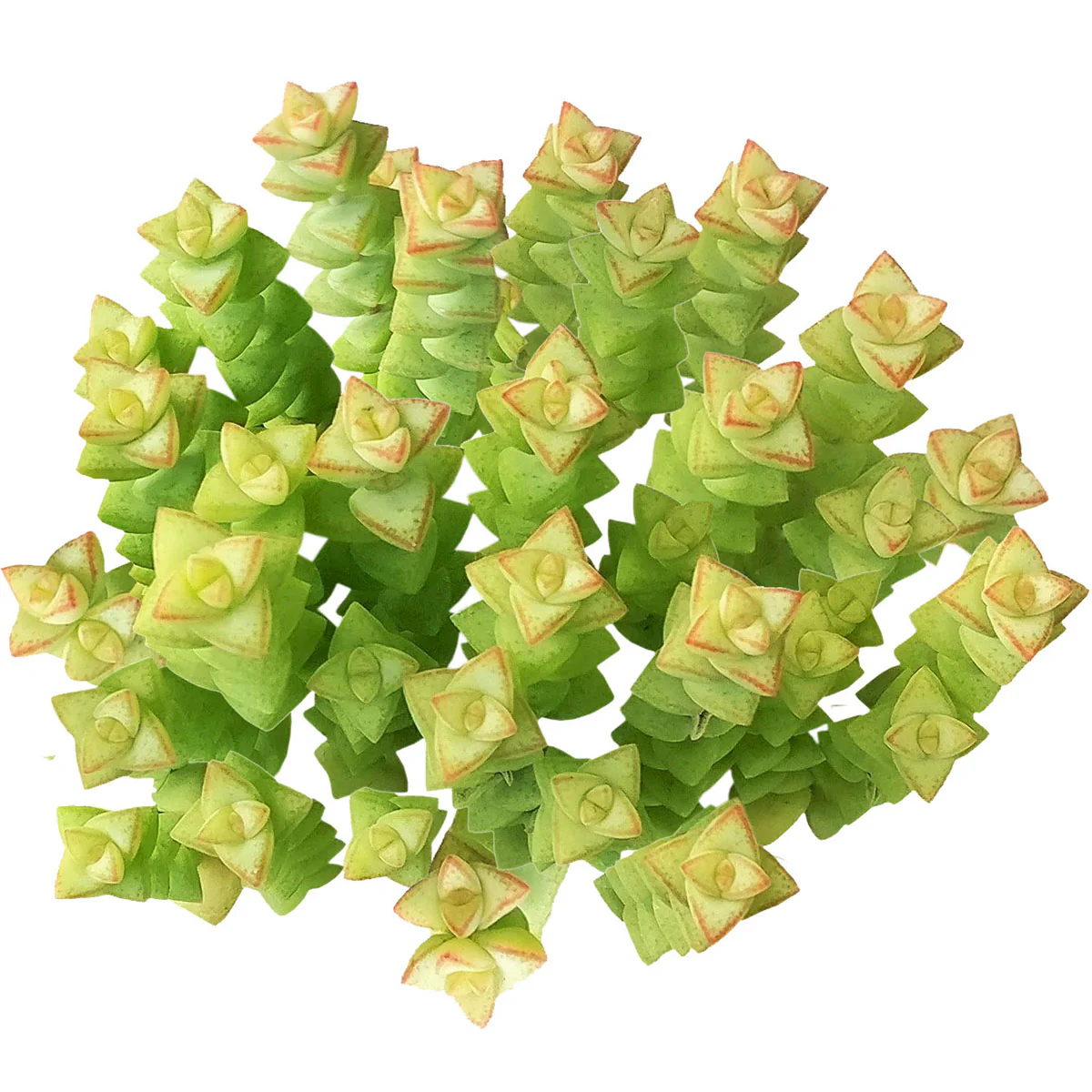
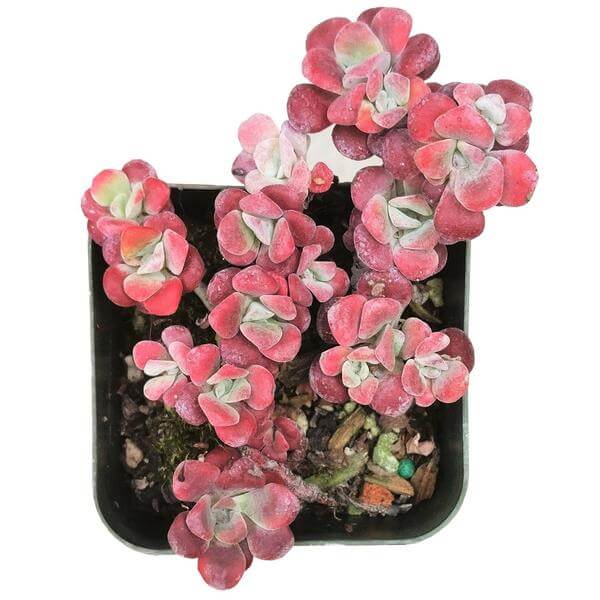
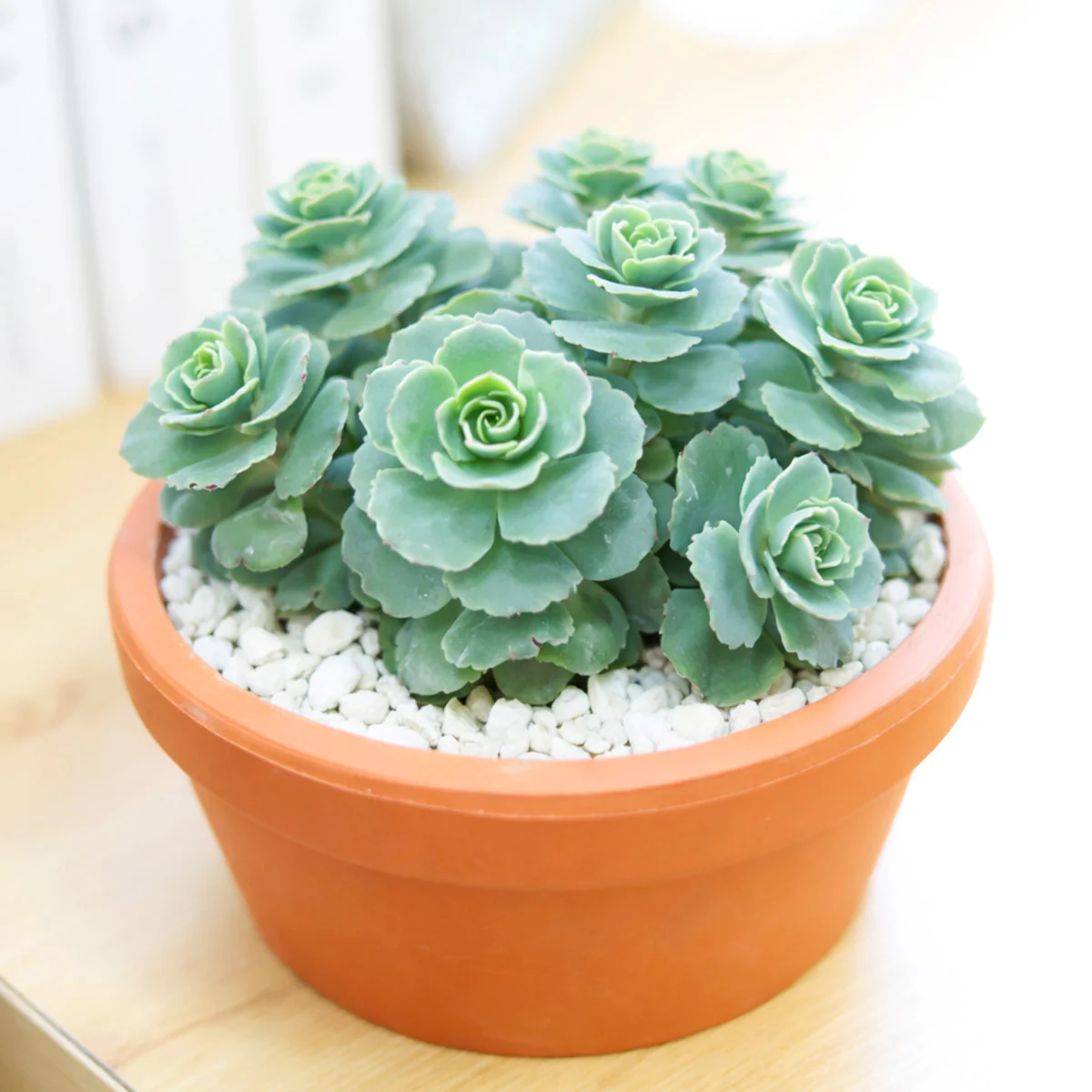
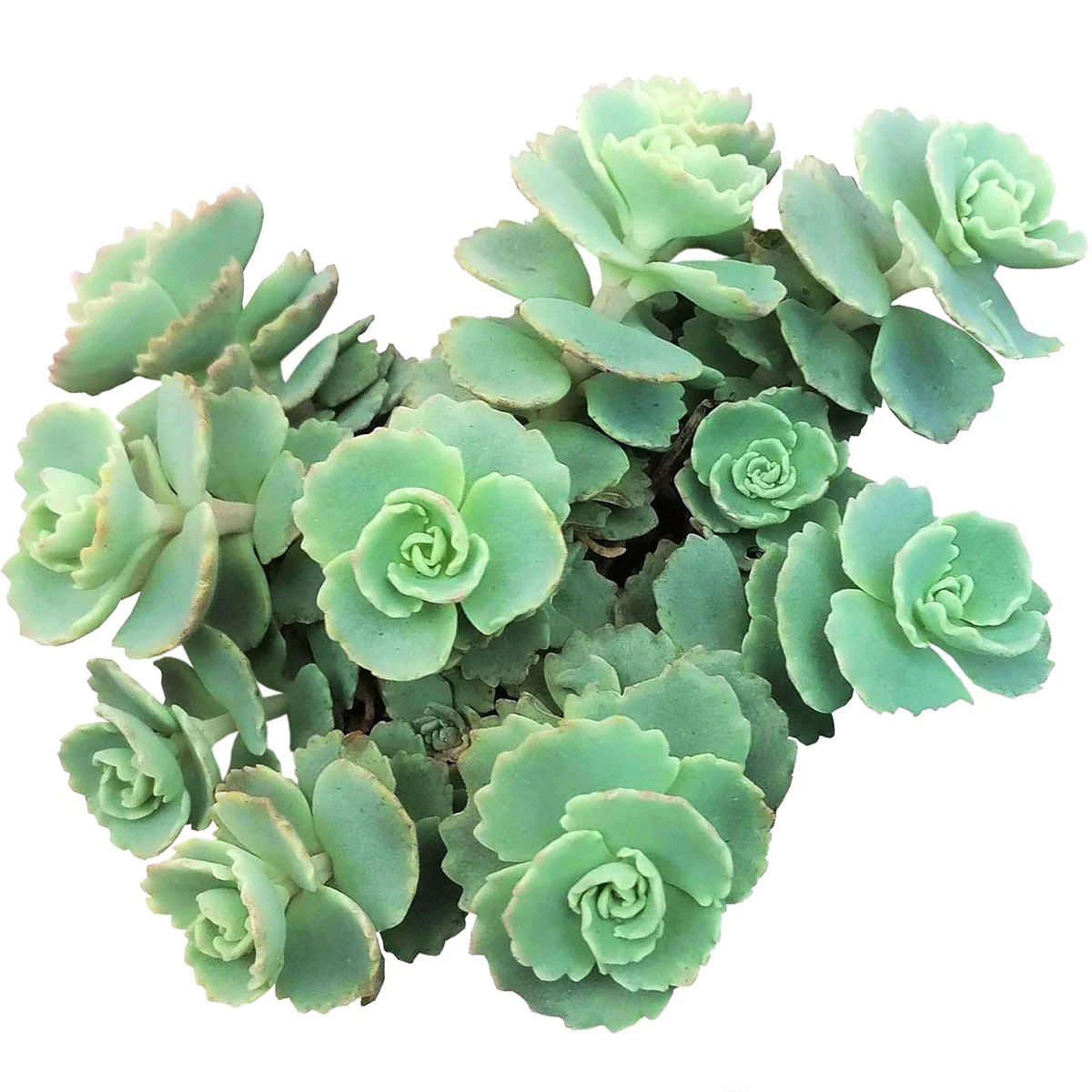
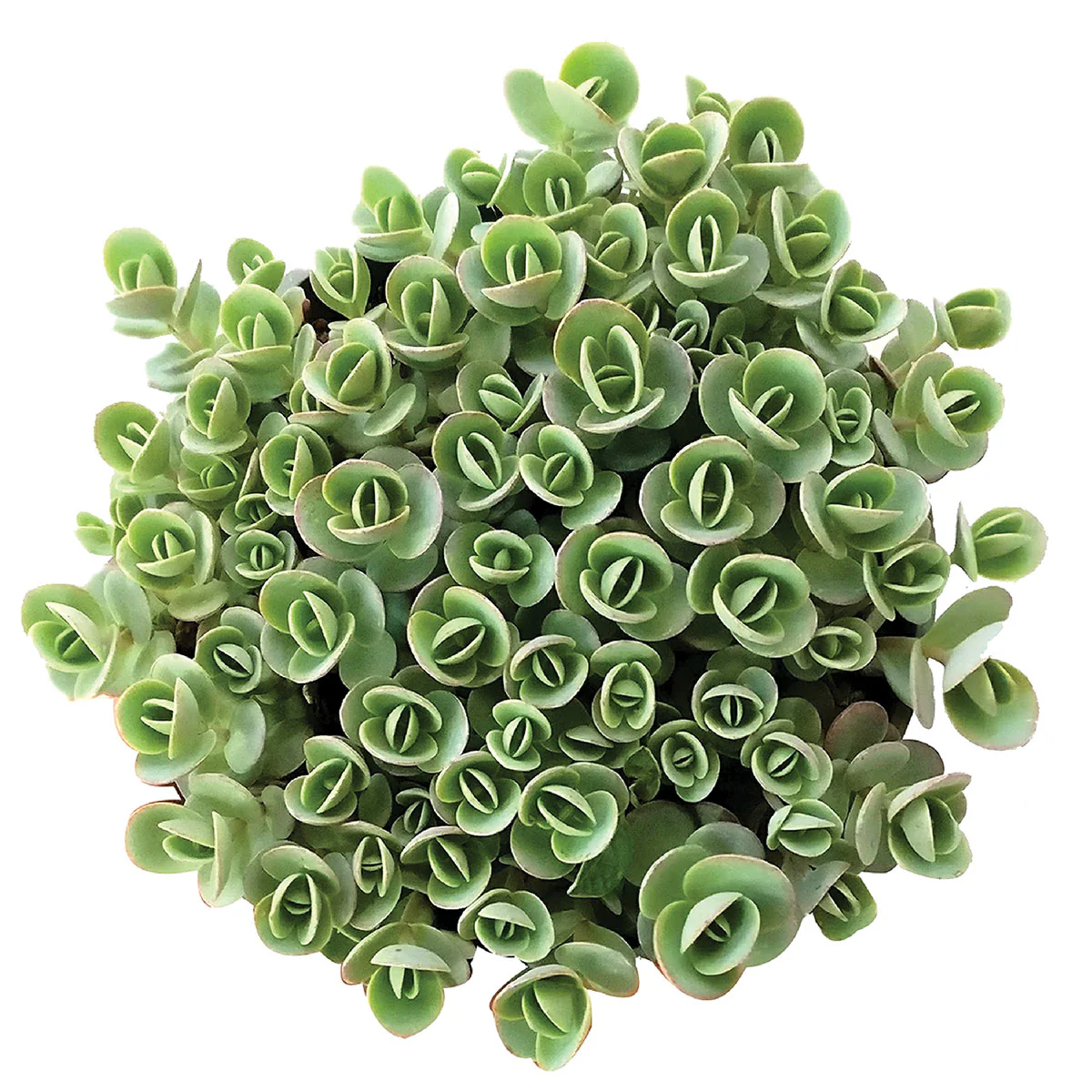
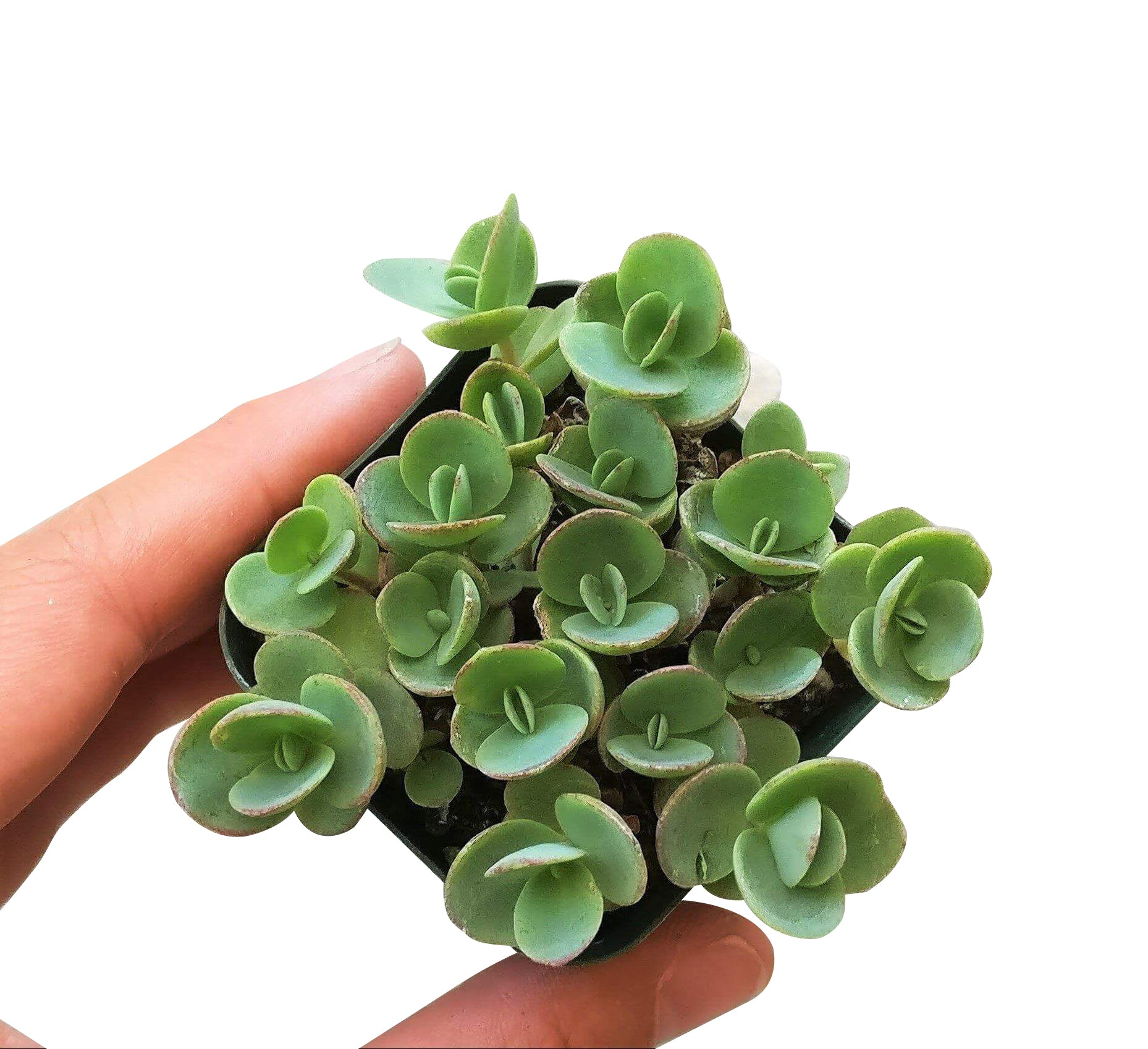
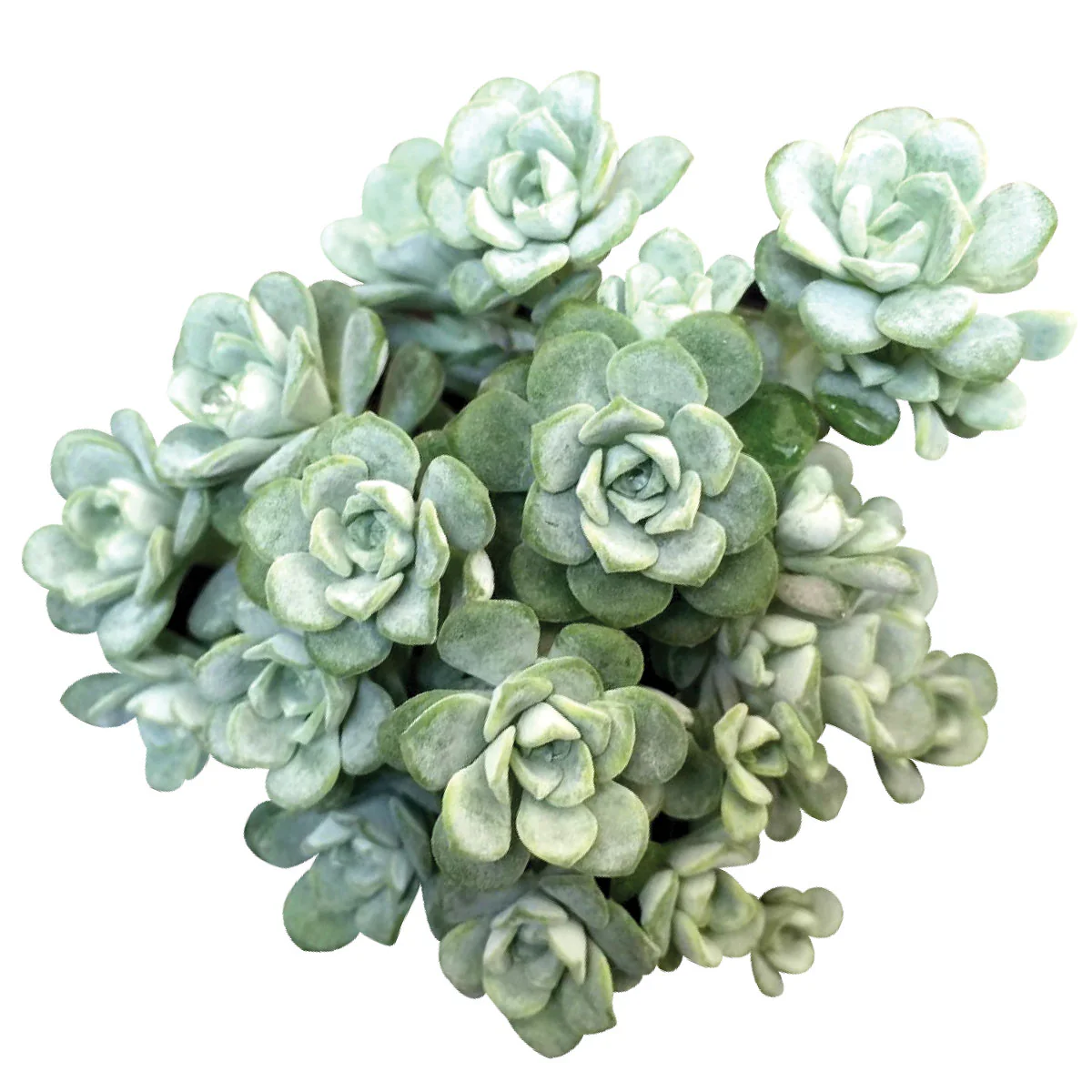
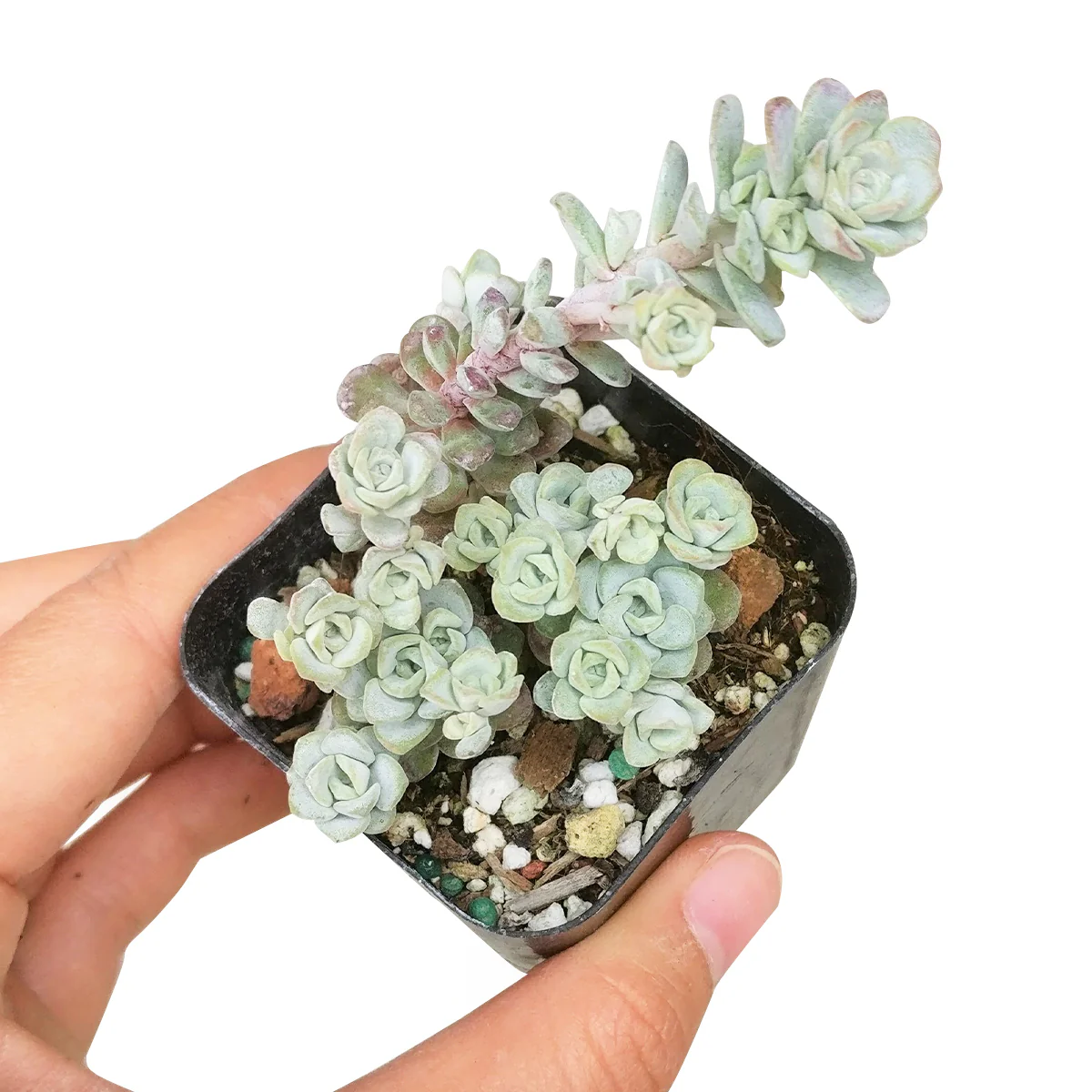
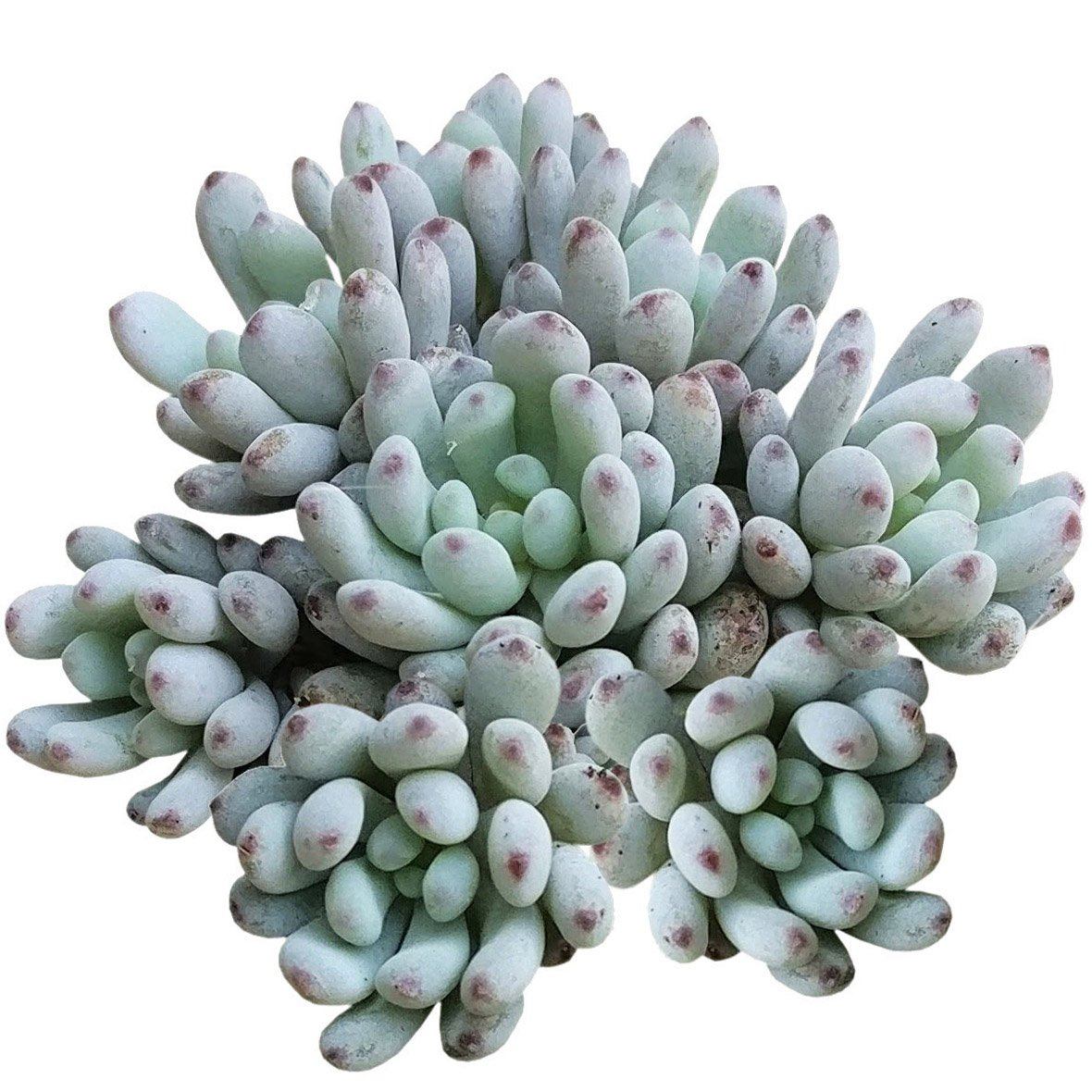
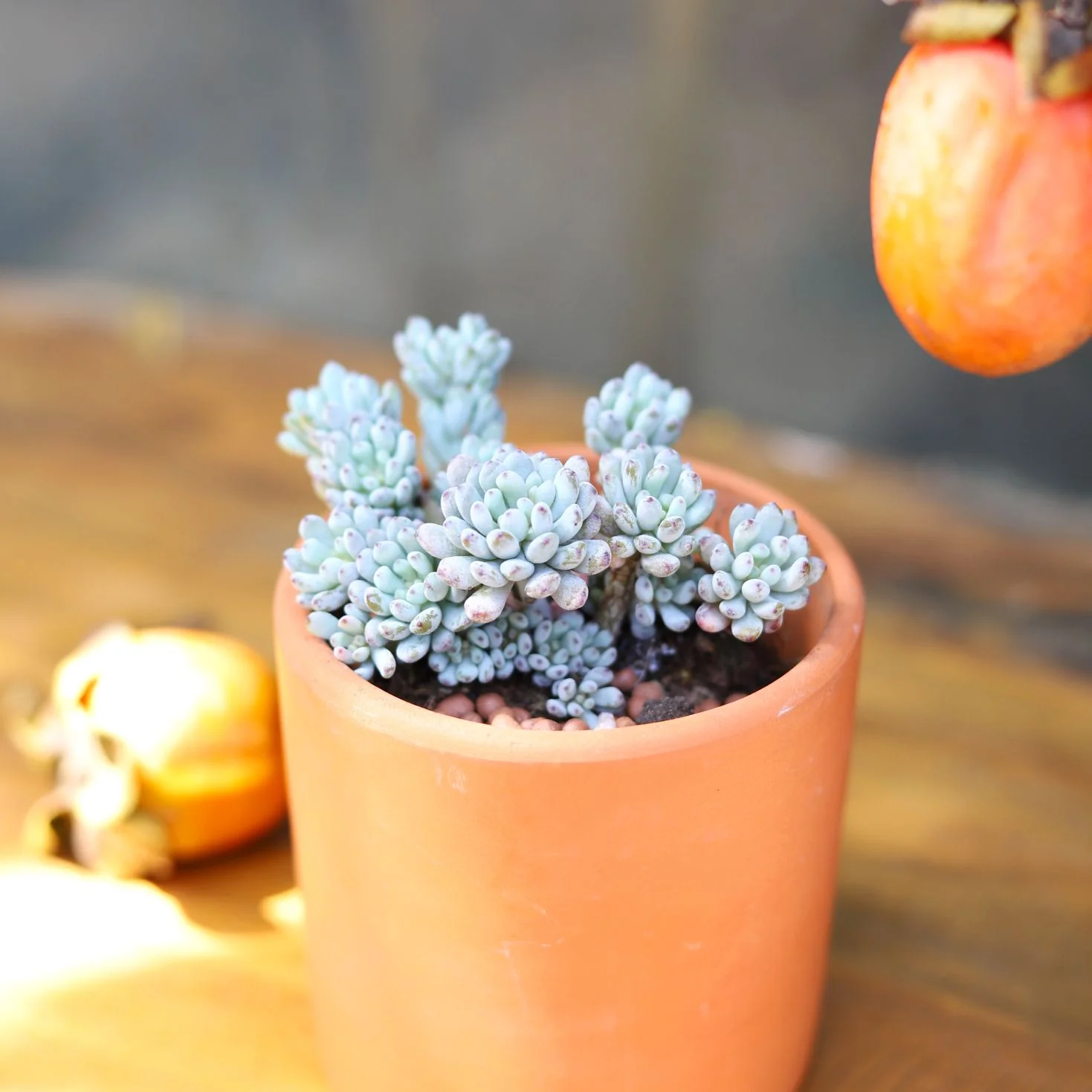
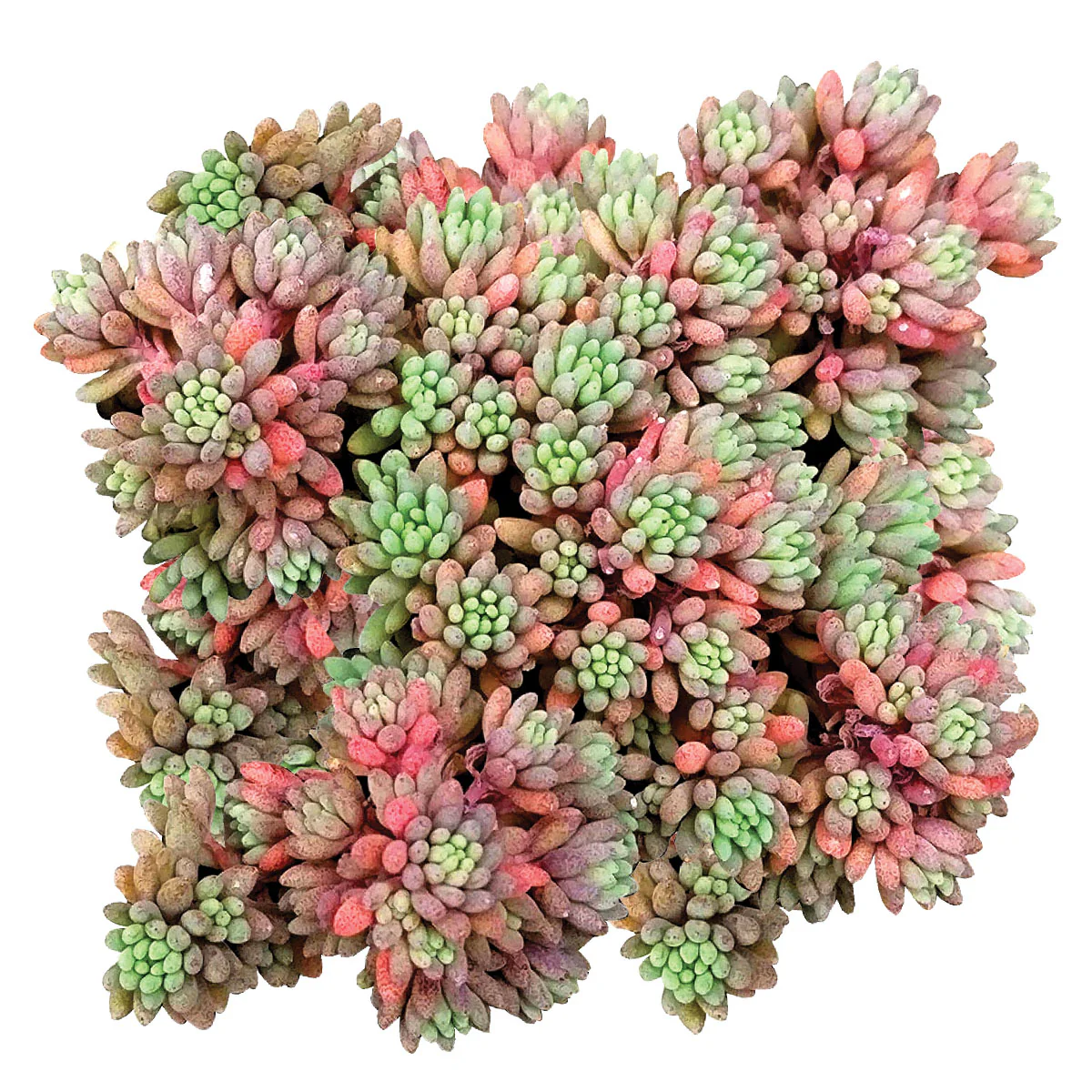
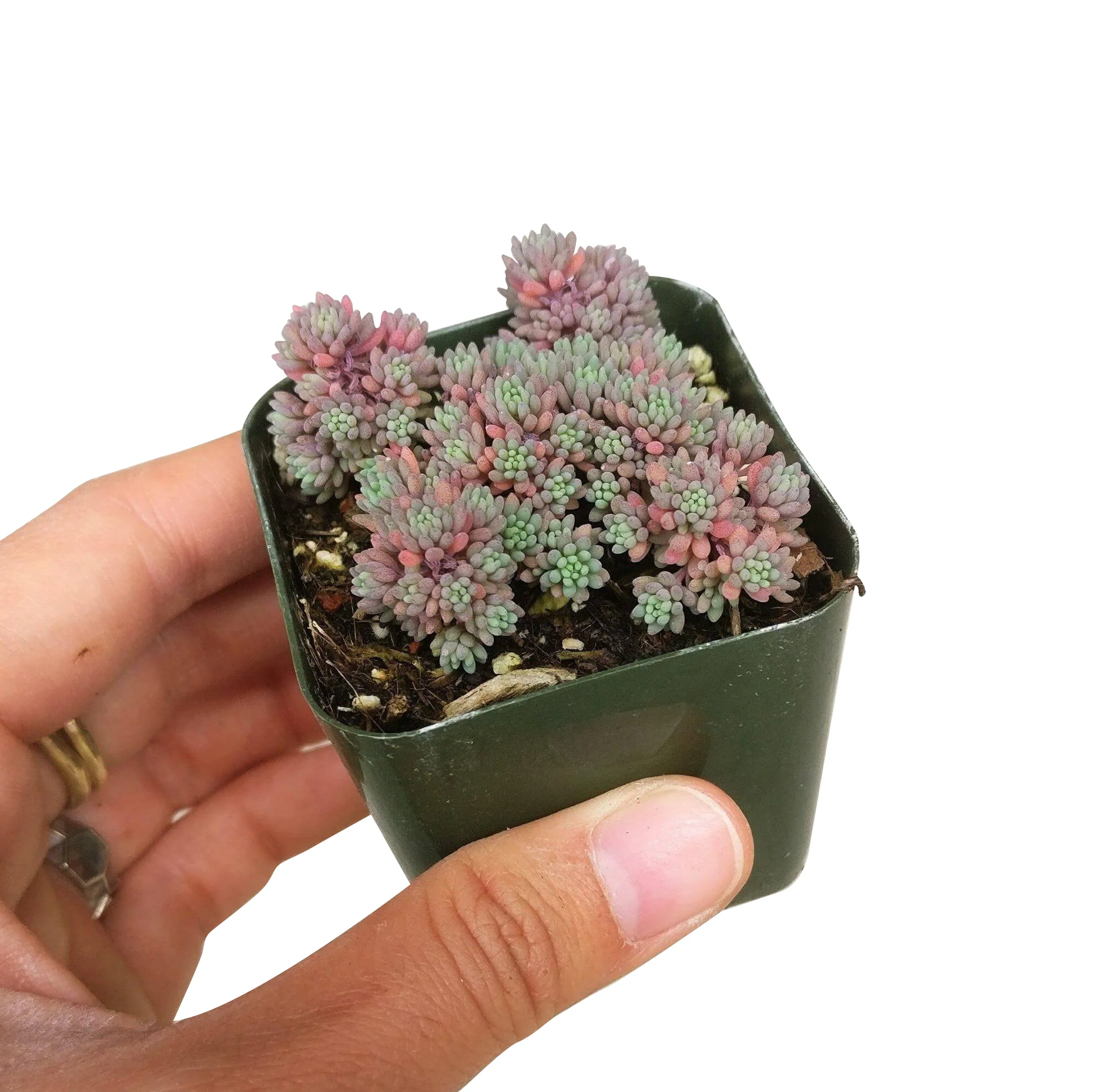
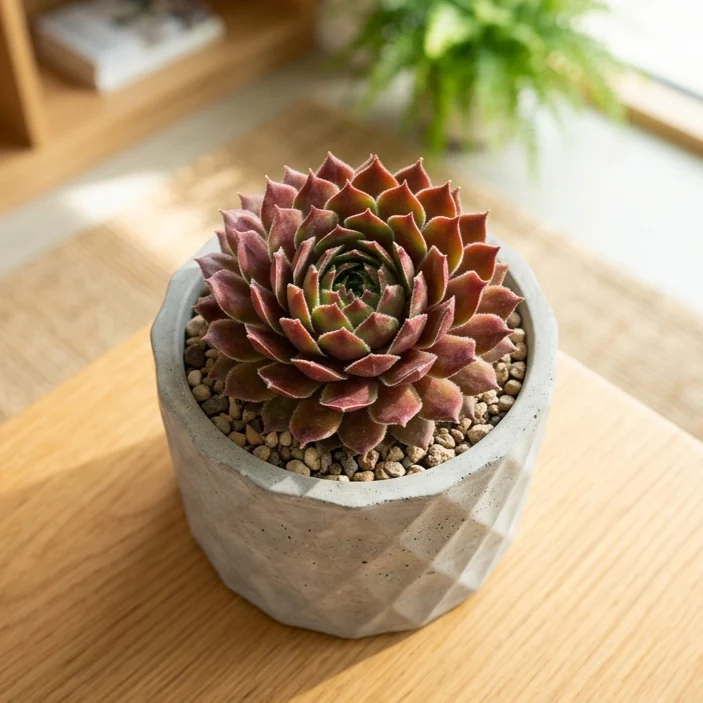
 Sempervivum 'Aglow' forms compact rosettes of thick, fleshy leaves that display brilliant red and burgundy hues, especially during cooler months. The pointed leaves have a waxy texture and create perfect geometric patterns in a clustering growth habit. This red succulent develops its most intense coloration when exposed to temperature changes and bright light conditions.
 Sempervivum 'Aglow' produces small star-shaped flowers on tall stalks during summer months, typically in pink or white tones. The plant is pet friendly, making it safe for households with cats and dogs. This frost tolerant plant handles balcony wind and rain exceptionally well, and survives harsh outdoor conditions that would damage other houseplants.
 Sempervivum 'Aglow' excels in rock gardens, containers, and green roofs where its low maintenance requirements shine. This houseleek can move outside for summer and stay outdoors through autumn, making it perfect for year-round garden interest. Collectors prize its reliable propagation through offsets and its ability to handle drafty spots and dry heated air indoors.
-
 Sempervivum 'Aglow' thrives in partial sun to full sun conditions but scorches in south-facing windows.
 Sempervivum 'Aglow' needs watering every 7-14 days during growing season, less frequently in winter.
 Sempervivum 'Aglow' requires well-draining succulent soil mix with added perlite or pumice for drainage.
 Sempervivum 'Aglow' tolerates temperatures from 20°F to 80°F (-6°C to 27°C) and survives frost.
![]() Sempervivum 'Aglow' grows slowly and needs minimal fertilizer, requiring only basic care requirements throughout the year.
Sempervivum 'Aglow' grows slowly and needs minimal fertilizer, requiring only basic care requirements throughout the year.
 Sempervivum 'Aglow' thrives in USDA hardiness zones 3-9 and tolerates frost down to 20°F (-6°C). This cold hardy succulent grows successfully across most US states including Alaska, Maine, Vermont, New Hampshire, Montana, North Dakota, Minnesota, Wisconsin, Michigan, New York, Pennsylvania, Ohio, Indiana, Illinois, Iowa, Missouri, Nebraska, Kansas, Colorado, Wyoming, Utah, Idaho, Washington, Oregon, California, Nevada, Arizona, New Mexico, Texas, Oklahoma, Arkansas, Louisiana, Mississippi, Alabama, Tennessee, Kentucky, West Virginia, Virginia, North Carolina, South Carolina, Georgia, Florida, Maryland, Delaware, New Jersey, Connecticut, Rhode Island, and Massachusetts. The frost tolerant nature of Sempervivum 'Aglow' makes it adaptable to diverse climates from northern mountain regions to temperate coastal areas.
-
Q: How often should I water Sempervivum 'Aglow'?
A: Water Sempervivum 'Aglow' every 7-14 days during spring and summer, reducing frequency in winter. Allow soil to dry completely between waterings.
Q: Is Sempervivum 'Aglow' pet safe for cats and dogs?
A: Yes, Sempervivum 'Aglow' is pet friendly and safe around cats and dogs. This plant is non-toxic if pets nibble on the leaves.
Q: Can Sempervivum 'Aglow' survive outdoors in winter?
A: Sempervivum 'Aglow' is frost tolerant and survives winter temperatures down to 20°F (-6°C). It can stay outdoors through autumn and winter in most climates.
Q: How do you propagate Sempervivum 'Aglow'?
A: Sempervivum 'Aglow' propagates easily through offsets that develop around the mother plant. Simply separate the baby rosettes and plant them in well-draining soil.
Q: Why are my Sempervivum 'Aglow' leaves turning yellow?
A: Yellow leaves on Sempervivum 'Aglow' typically indicate overwatering or poor drainage. Reduce watering frequency and ensure the soil dries between waterings.
Q: Does Sempervivum 'Aglow' need to be rotated for even growth?
A: Yes, Sempervivum 'Aglow' needs rotating every few weeks for even growth and color development. This prevents the plant from leaning toward the light source.


Original: $8.00
-70%$8.00
$2.40Product Information
Product Information
Shipping & Returns
Shipping & Returns
Description
- Description
- Sempervivum 'Aglow' Care Guide
- FAQ/Common Issues
-
![]() Sempervivum 'Aglow' is a cold hardy succulent belonging to the houseleek family, native to the mountainous regions of Europe where it naturally grows in rocky crevices and alpine conditions. This drought tolerant hens and chicks variety brings stunning color and resilience to gardens and containers worldwide.
Sempervivum 'Aglow' is a cold hardy succulent belonging to the houseleek family, native to the mountainous regions of Europe where it naturally grows in rocky crevices and alpine conditions. This drought tolerant hens and chicks variety brings stunning color and resilience to gardens and containers worldwide.
Sempervivum 'Aglow' forms compact rosettes of thick, fleshy leaves that display brilliant red and burgundy hues, especially during cooler months. The pointed leaves have a waxy texture and create perfect geometric patterns in a clustering growth habit. This red succulent develops its most intense coloration when exposed to temperature changes and bright light conditions.
Sempervivum 'Aglow' produces small star-shaped flowers on tall stalks during summer months, typically in pink or white tones. The plant is pet friendly, making it safe for households with cats and dogs. This frost tolerant plant handles balcony wind and rain exceptionally well, and survives harsh outdoor conditions that would damage other houseplants.
Sempervivum 'Aglow' excels in rock gardens, containers, and green roofs where its low maintenance requirements shine. This houseleek can move outside for summer and stay outdoors through autumn, making it perfect for year-round garden interest. Collectors prize its reliable propagation through offsets and its ability to handle drafty spots and dry heated air indoors.
-
Sempervivum 'Aglow' thrives in partial sun to full sun conditions but scorches in south-facing windows.
Sempervivum 'Aglow' needs watering every 7-14 days during growing season, less frequently in winter.
Sempervivum 'Aglow' requires well-draining succulent soil mix with added perlite or pumice for drainage.
Sempervivum 'Aglow' tolerates temperatures from 20°F to 80°F (-6°C to 27°C) and survives frost.
![]() Sempervivum 'Aglow' grows slowly and needs minimal fertilizer, requiring only basic care requirements throughout the year.
Sempervivum 'Aglow' grows slowly and needs minimal fertilizer, requiring only basic care requirements throughout the year.
Sempervivum 'Aglow' thrives in USDA hardiness zones 3-9 and tolerates frost down to 20°F (-6°C). This cold hardy succulent grows successfully across most US states including Alaska, Maine, Vermont, New Hampshire, Montana, North Dakota, Minnesota, Wisconsin, Michigan, New York, Pennsylvania, Ohio, Indiana, Illinois, Iowa, Missouri, Nebraska, Kansas, Colorado, Wyoming, Utah, Idaho, Washington, Oregon, California, Nevada, Arizona, New Mexico, Texas, Oklahoma, Arkansas, Louisiana, Mississippi, Alabama, Tennessee, Kentucky, West Virginia, Virginia, North Carolina, South Carolina, Georgia, Florida, Maryland, Delaware, New Jersey, Connecticut, Rhode Island, and Massachusetts. The frost tolerant nature of Sempervivum 'Aglow' makes it adaptable to diverse climates from northern mountain regions to temperate coastal areas.
-
Q: How often should I water Sempervivum 'Aglow'?
A: Water Sempervivum 'Aglow' every 7-14 days during spring and summer, reducing frequency in winter. Allow soil to dry completely between waterings.
Q: Is Sempervivum 'Aglow' pet safe for cats and dogs?
A: Yes, Sempervivum 'Aglow' is pet friendly and safe around cats and dogs. This plant is non-toxic if pets nibble on the leaves.
Q: Can Sempervivum 'Aglow' survive outdoors in winter?
A: Sempervivum 'Aglow' is frost tolerant and survives winter temperatures down to 20°F (-6°C). It can stay outdoors through autumn and winter in most climates.
Q: How do you propagate Sempervivum 'Aglow'?
A: Sempervivum 'Aglow' propagates easily through offsets that develop around the mother plant. Simply separate the baby rosettes and plant them in well-draining soil.
Q: Why are my Sempervivum 'Aglow' leaves turning yellow?
A: Yellow leaves on Sempervivum 'Aglow' typically indicate overwatering or poor drainage. Reduce watering frequency and ensure the soil dries between waterings.
Q: Does Sempervivum 'Aglow' need to be rotated for even growth?
A: Yes, Sempervivum 'Aglow' needs rotating every few weeks for even growth and color development. This prevents the plant from leaning toward the light source.