Sedum Sunsparkler 'Firecracker'
- Description
- Sedum Sunsparkler 'Firecracker' Care Guide
- FAQ/Common Issues
-
![]() Sedum Sunsparkler 'Firecracker' is a compact, cold hardy succulent belonging to the Crassulaceae family, bred from Sedum species native to rocky, well-drained habitats across the Northern Hemisphere. This low maintenance perennial has become a favorite among succulent collectors and gardeners looking for a tough, drought tolerant ground cover that earns its keep through every season.
Sedum Sunsparkler 'Firecracker' is a compact, cold hardy succulent belonging to the Crassulaceae family, bred from Sedum species native to rocky, well-drained habitats across the Northern Hemisphere. This low maintenance perennial has become a favorite among succulent collectors and gardeners looking for a tough, drought tolerant ground cover that earns its keep through every season.
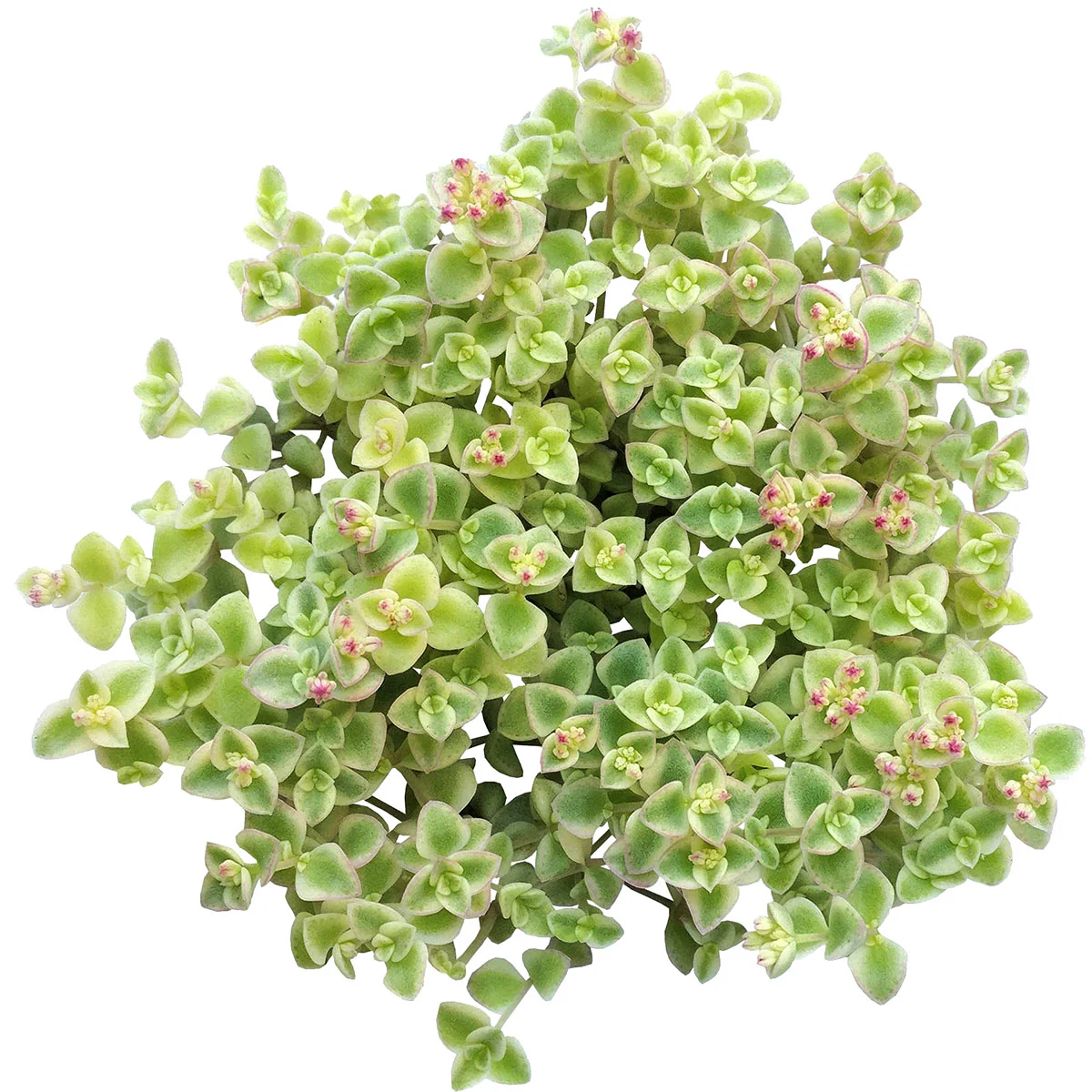
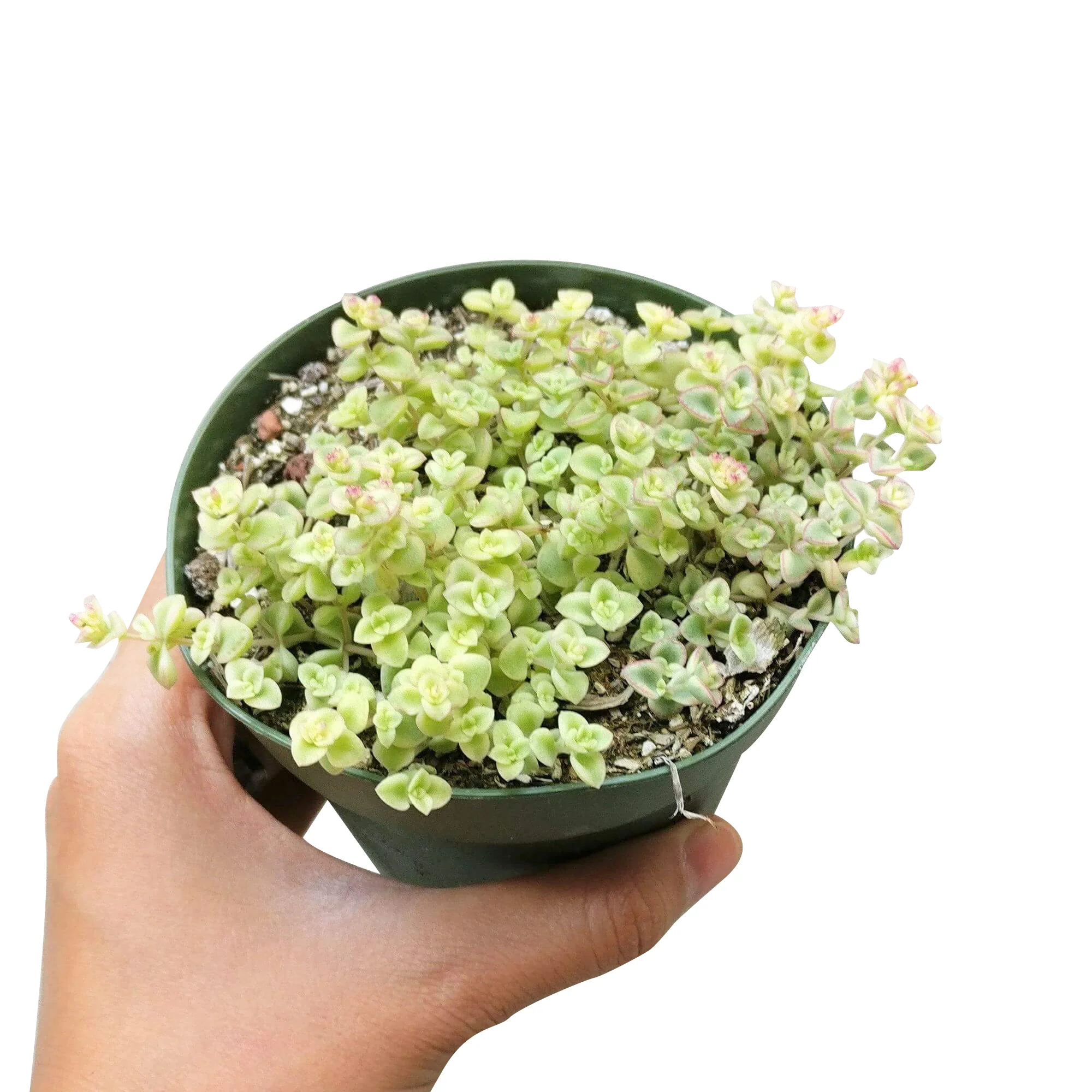
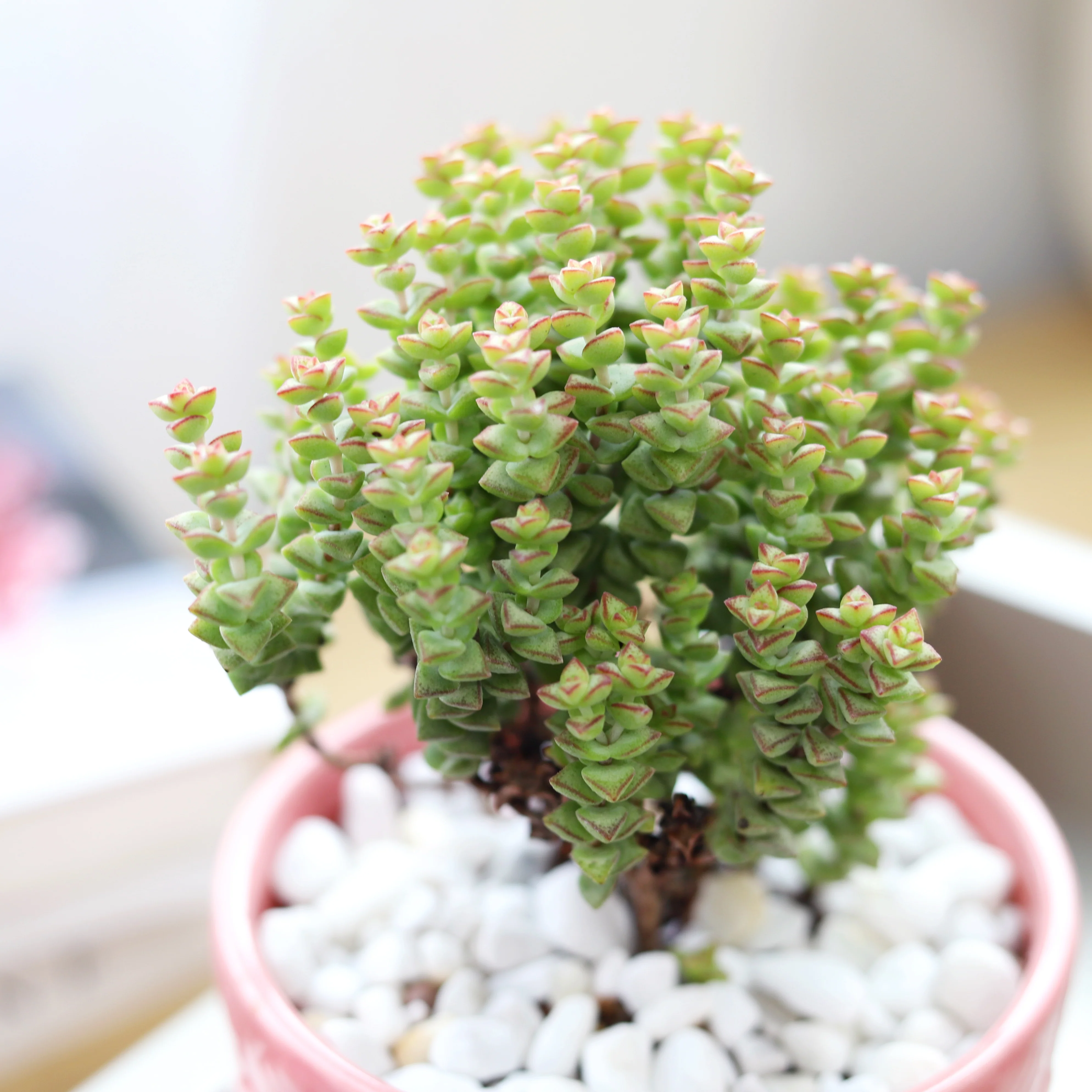
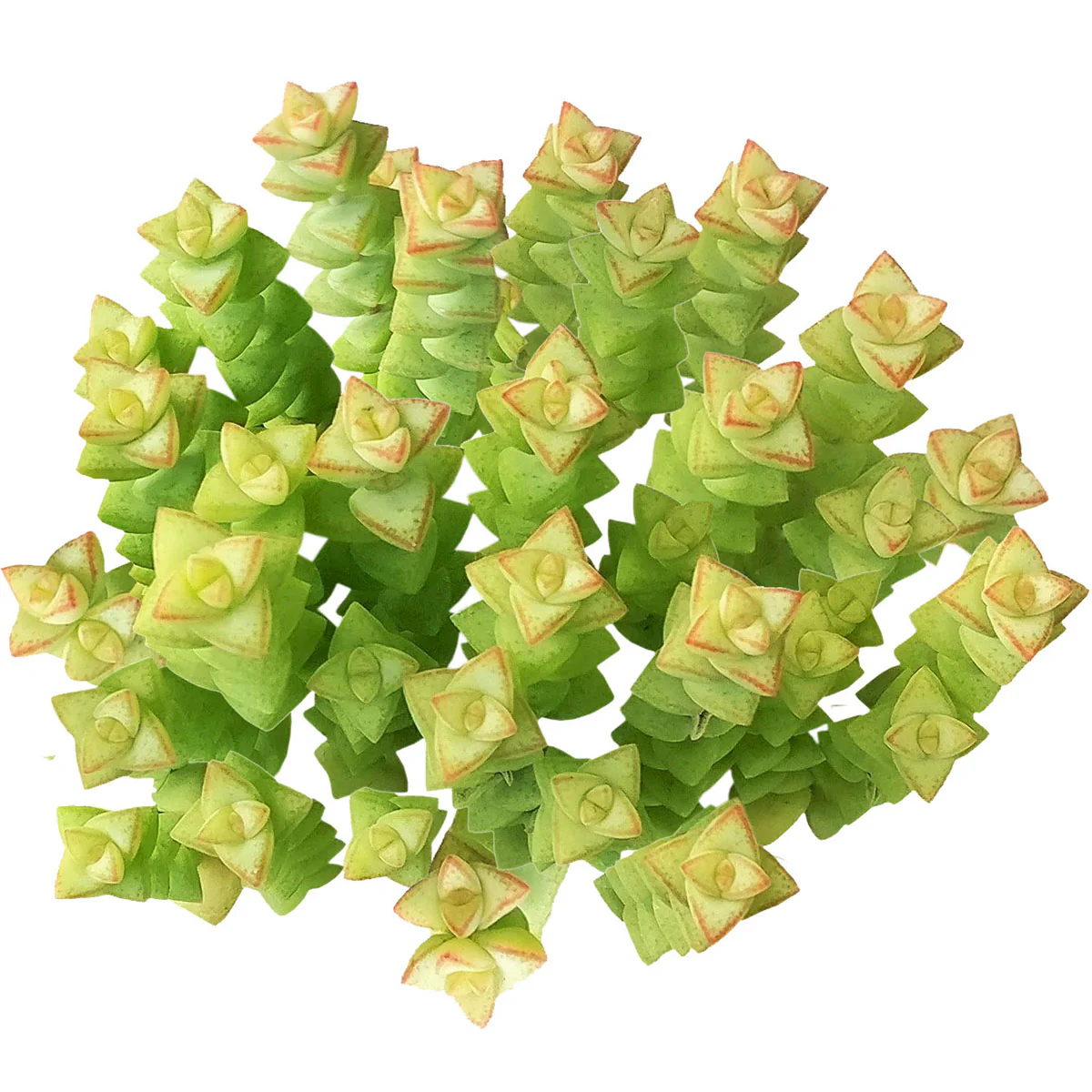
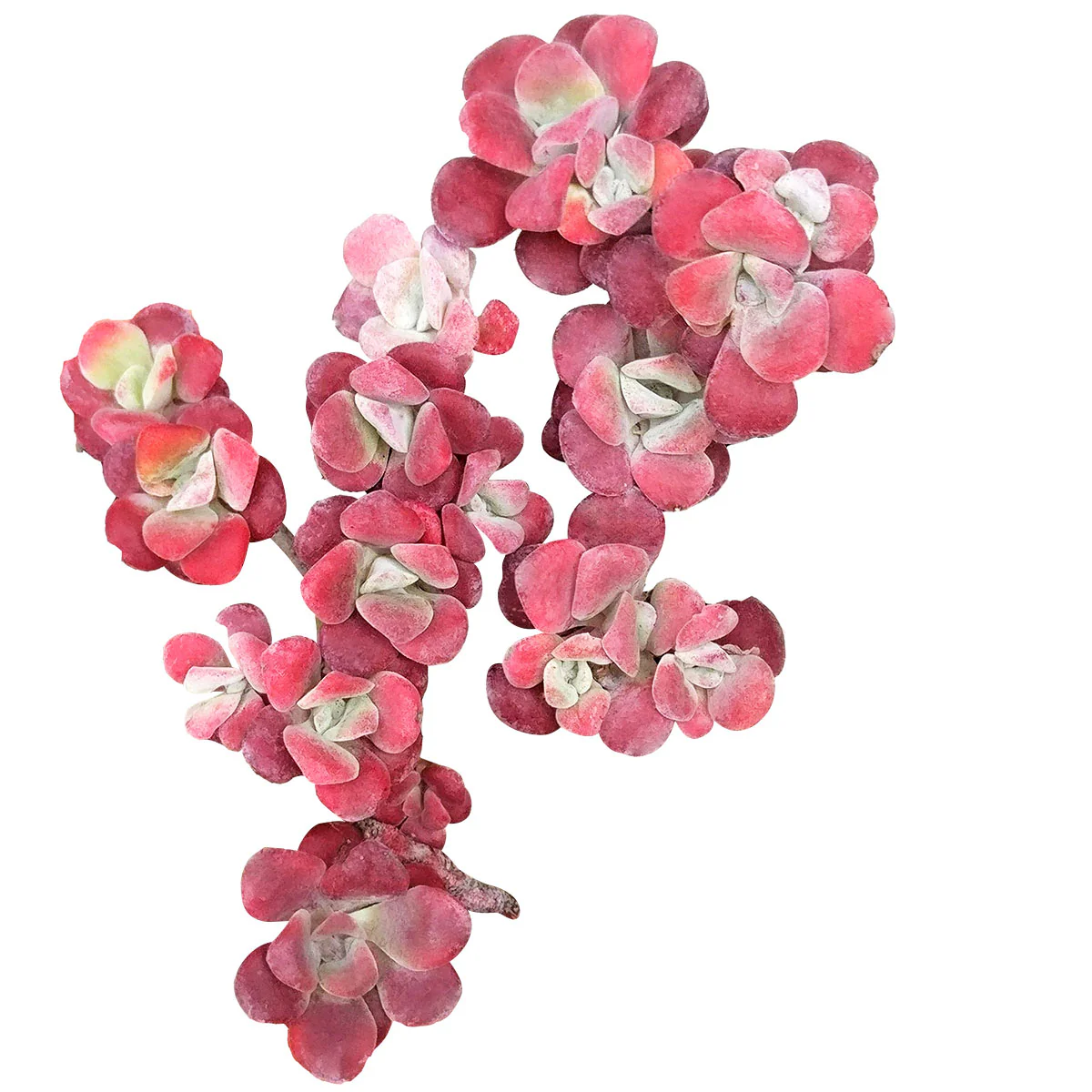
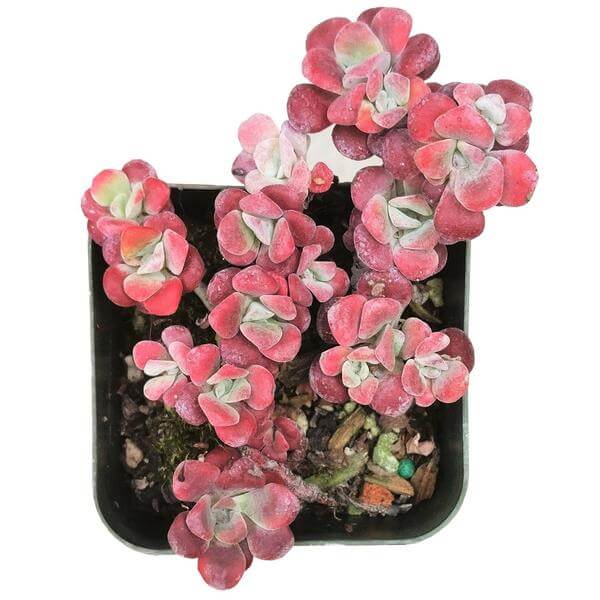
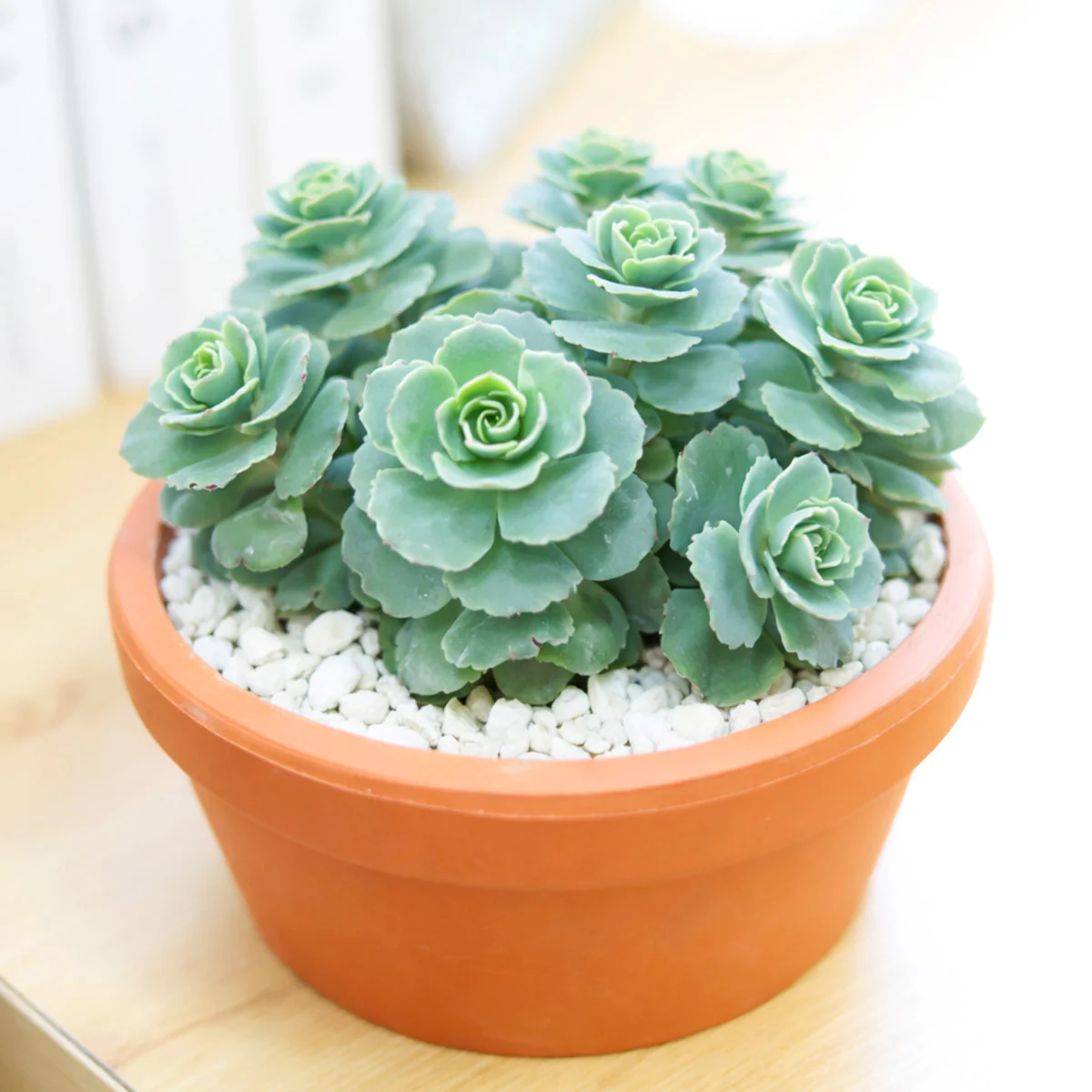
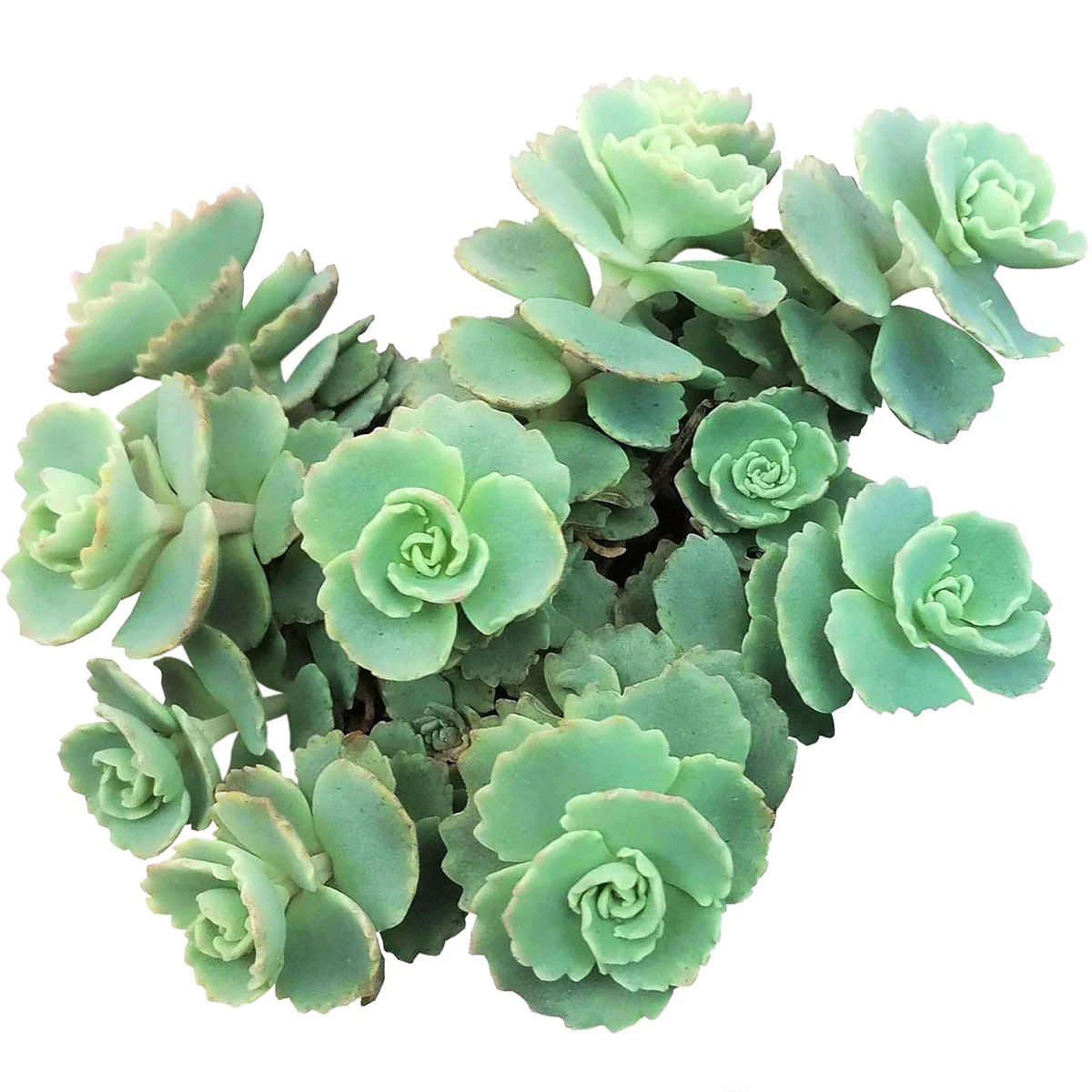
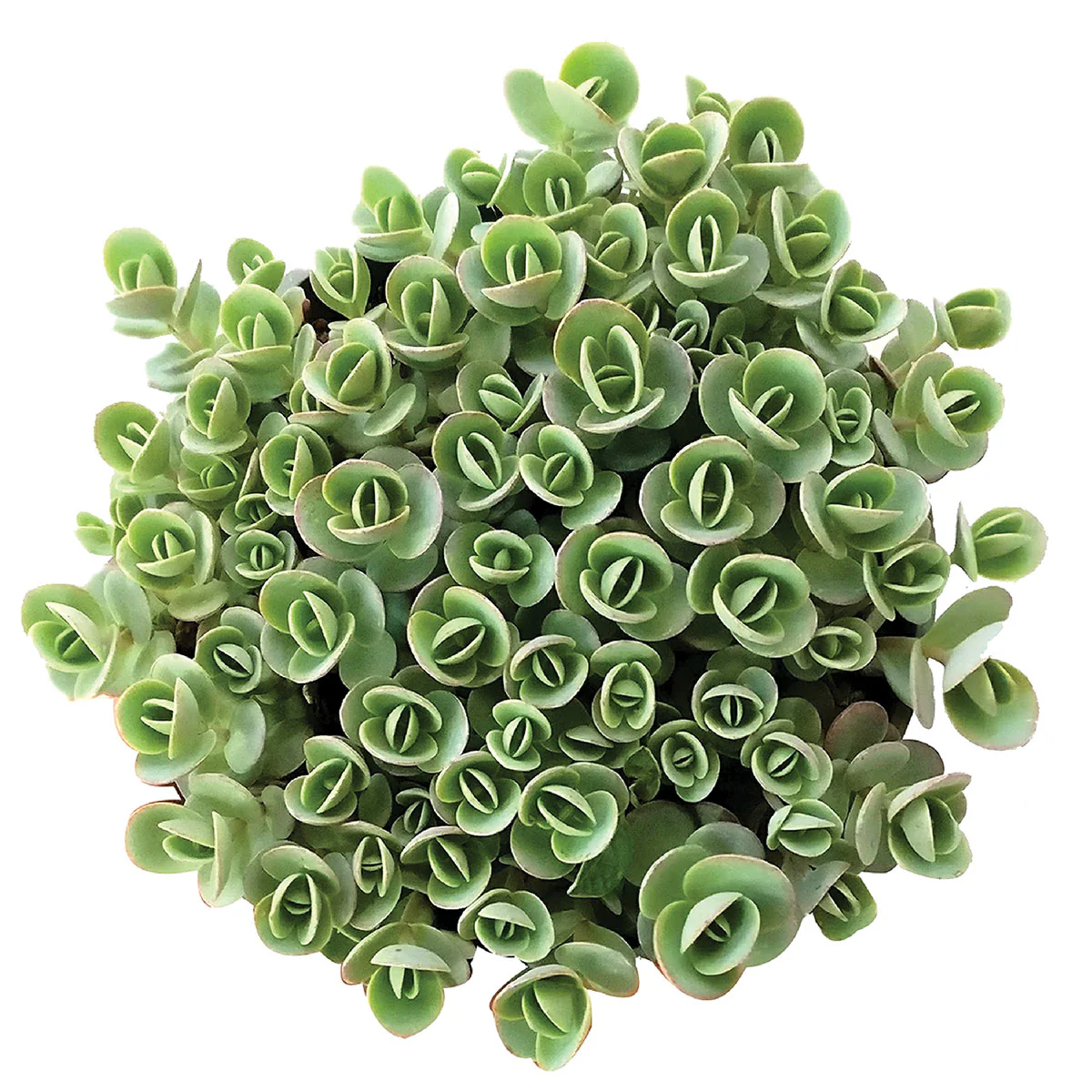
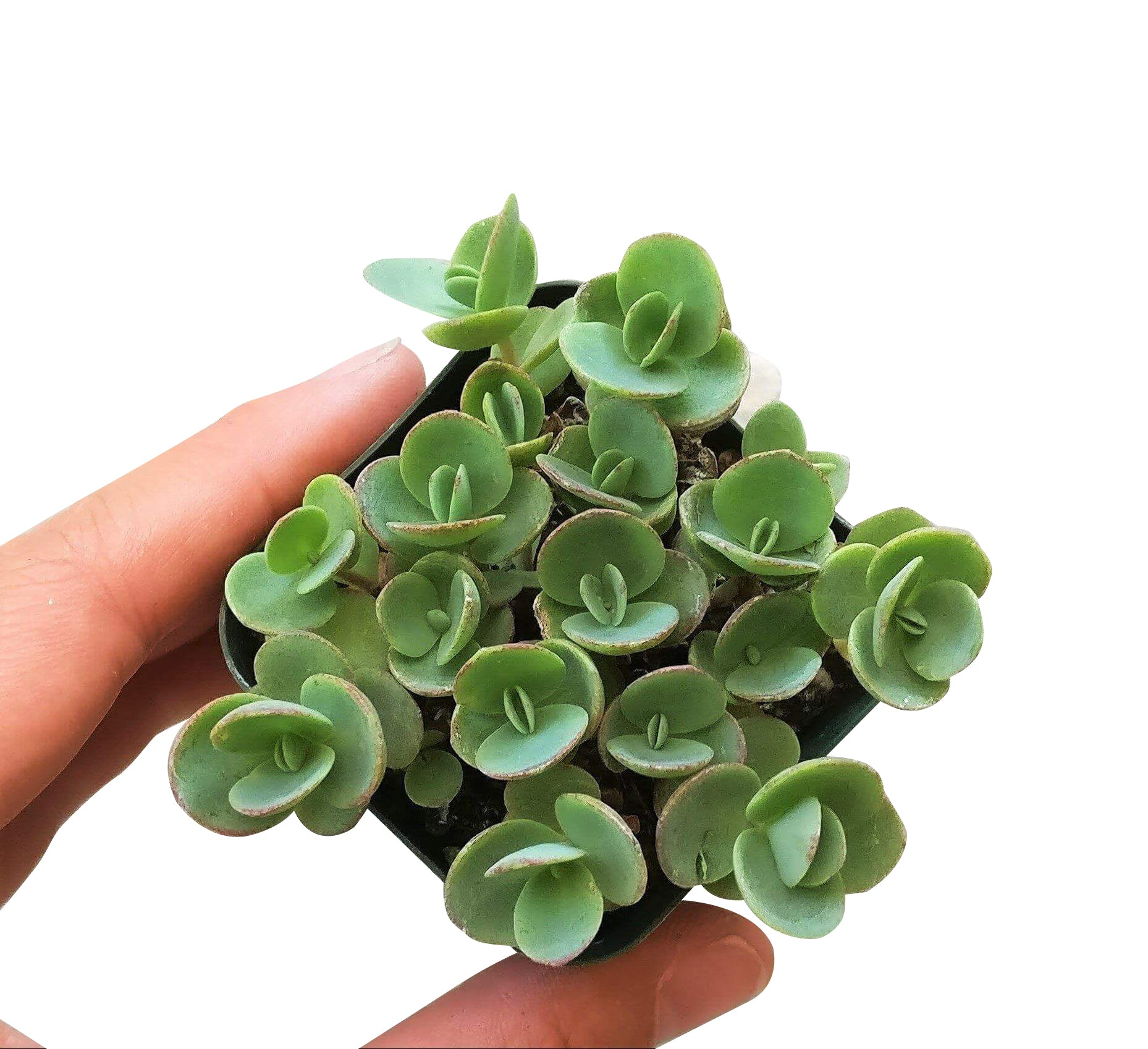
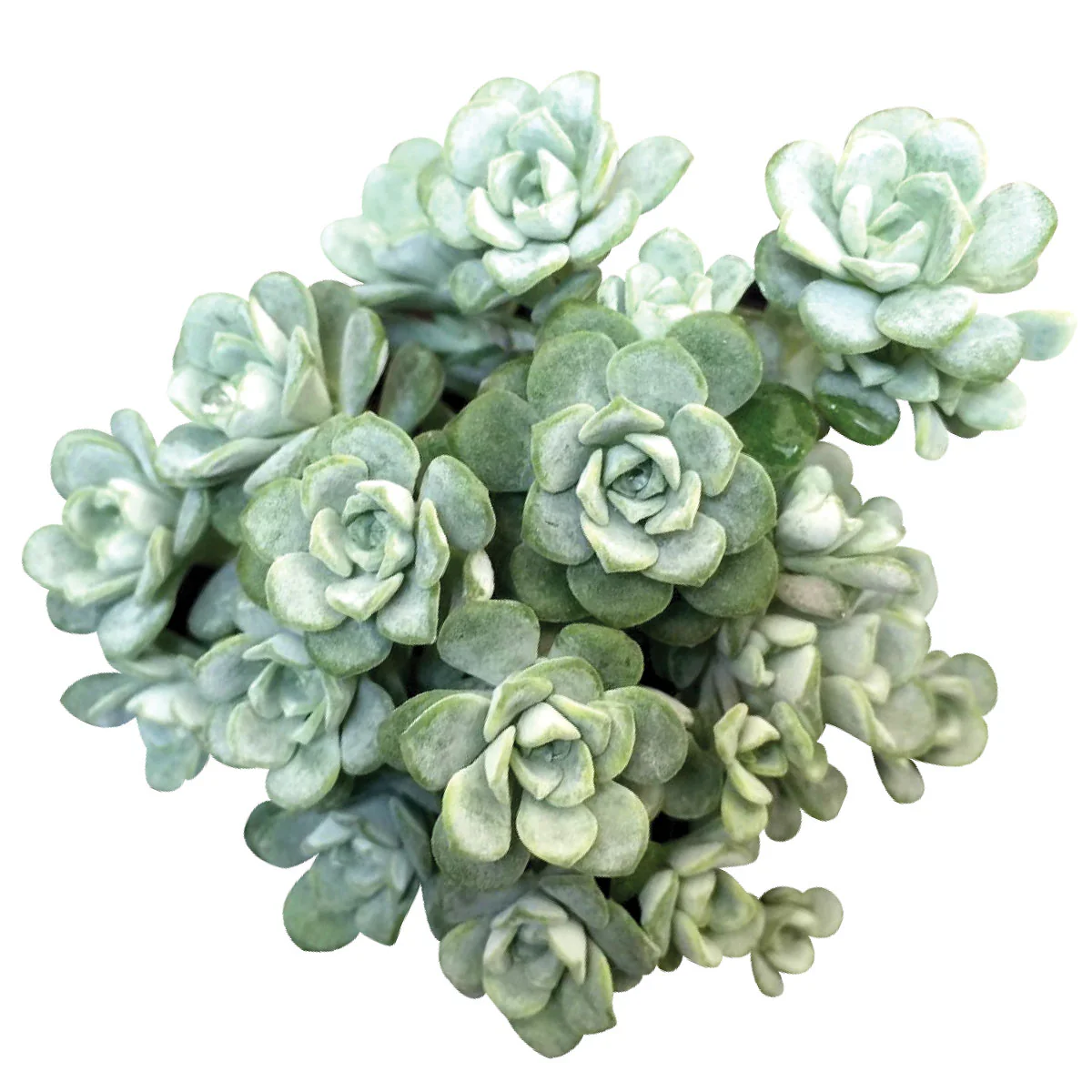
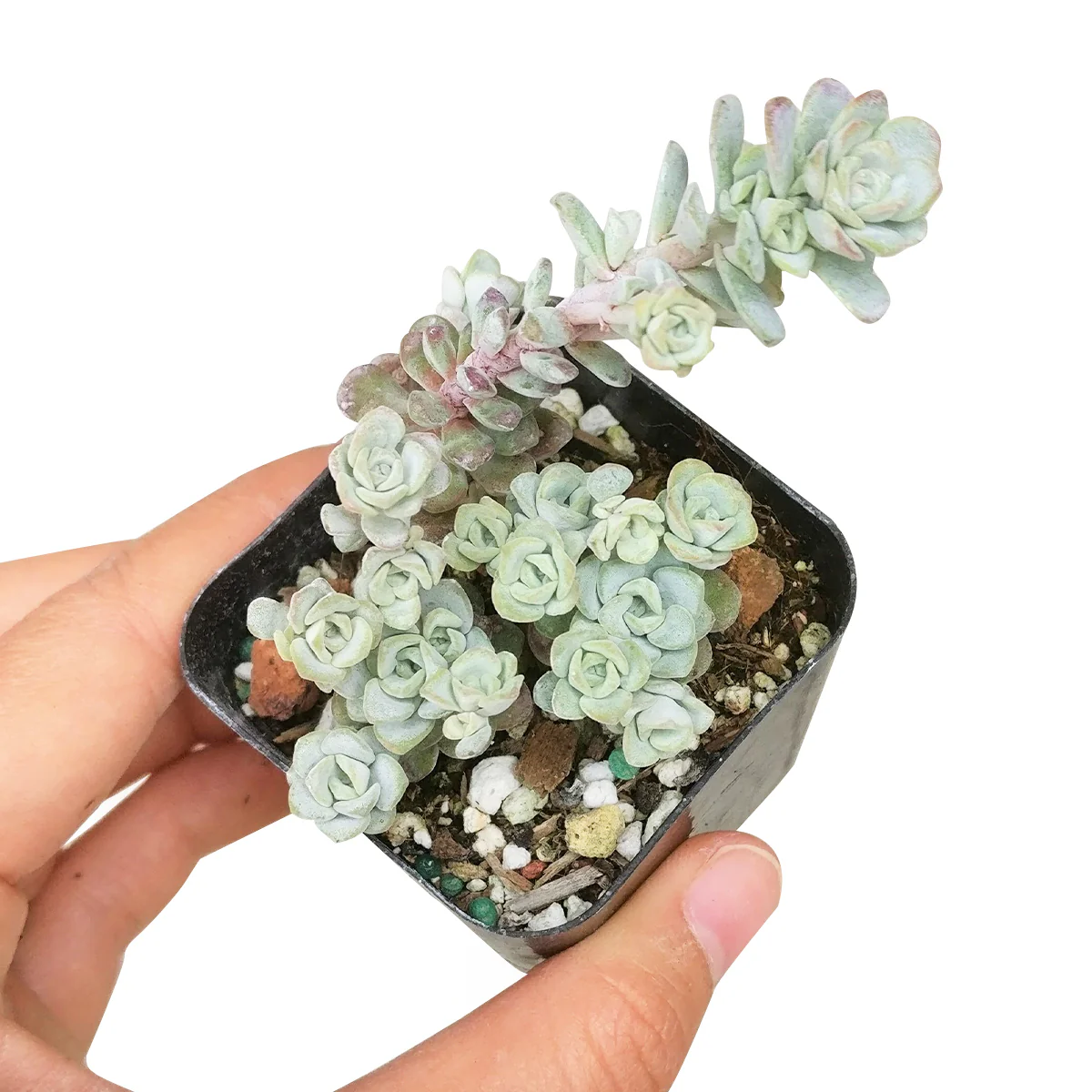
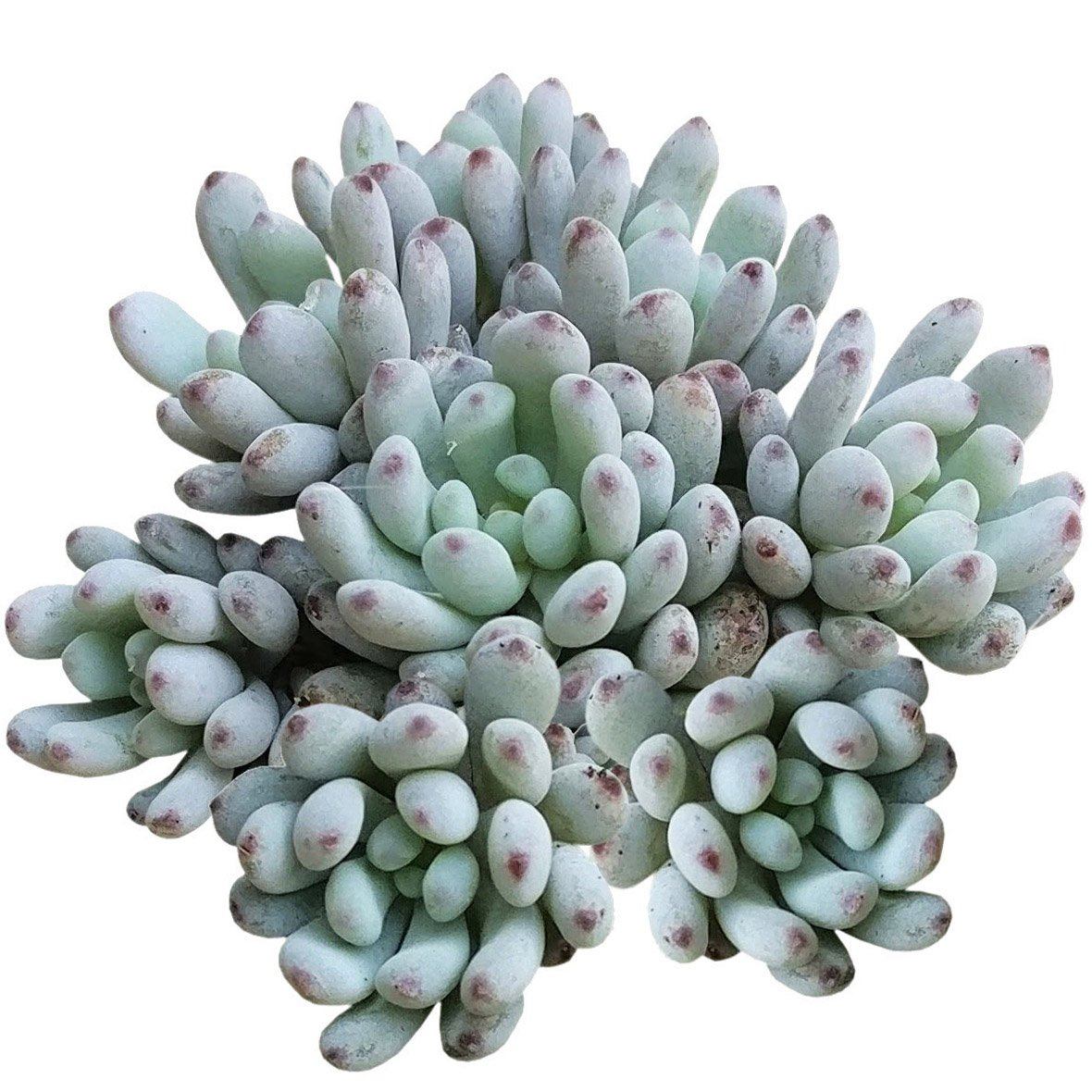
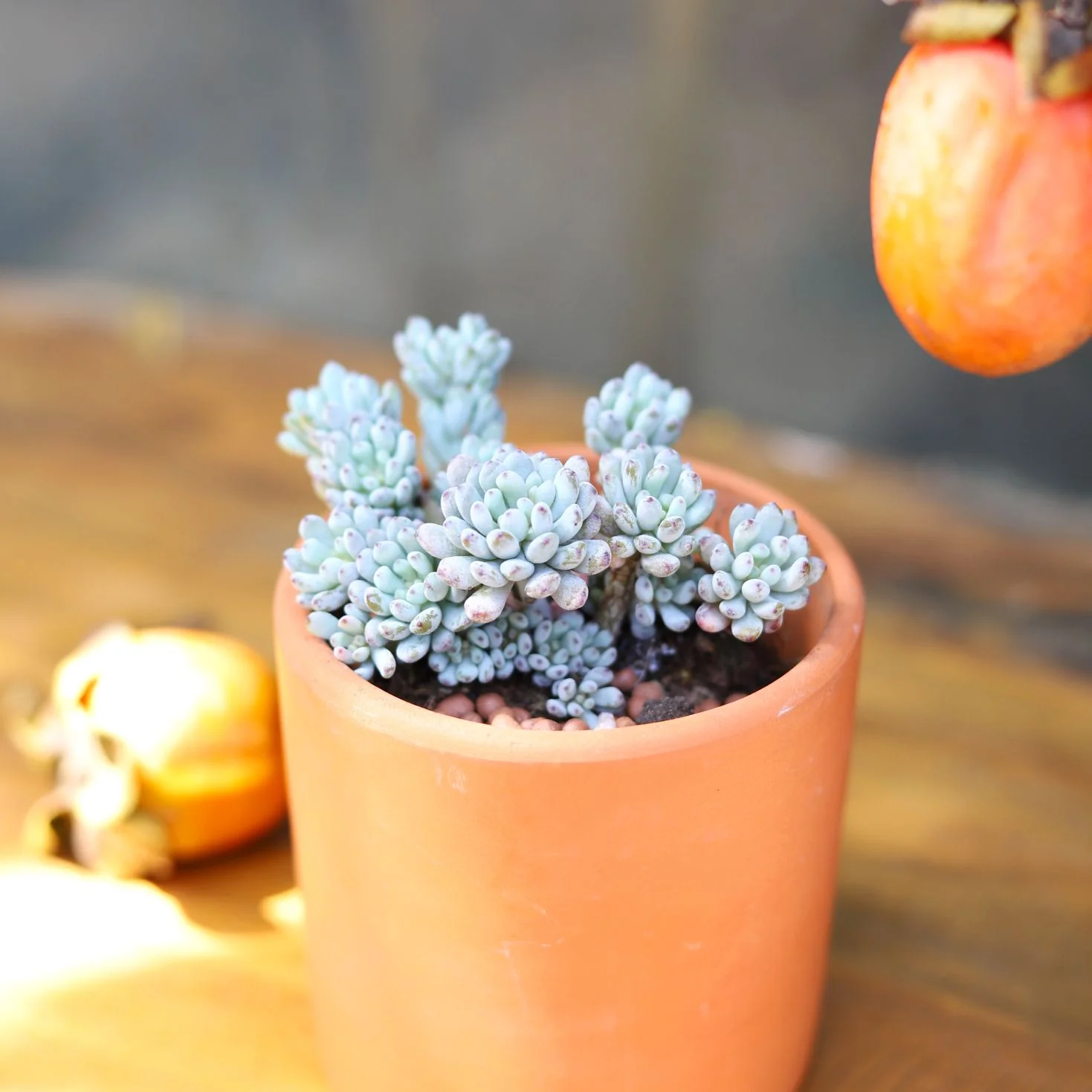
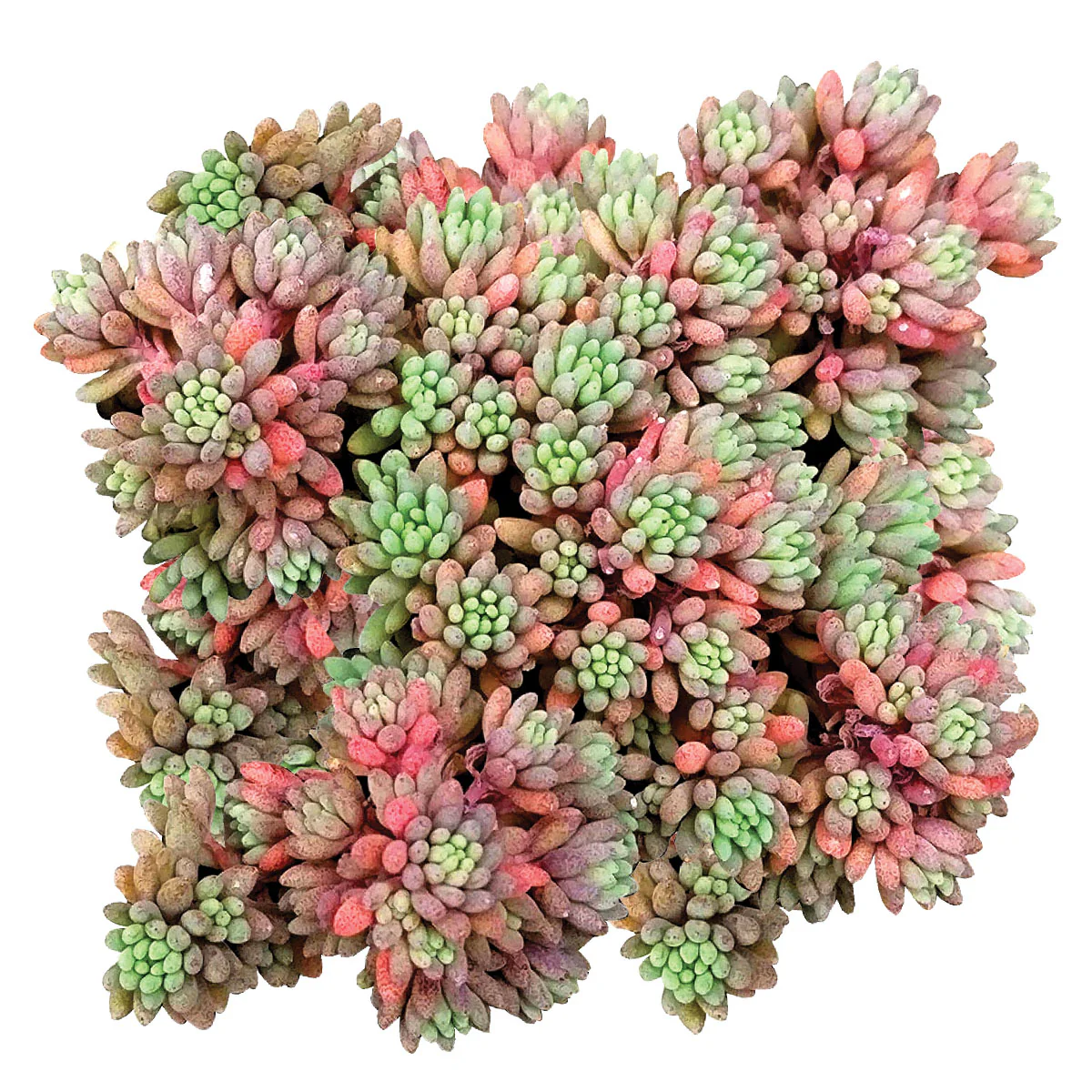
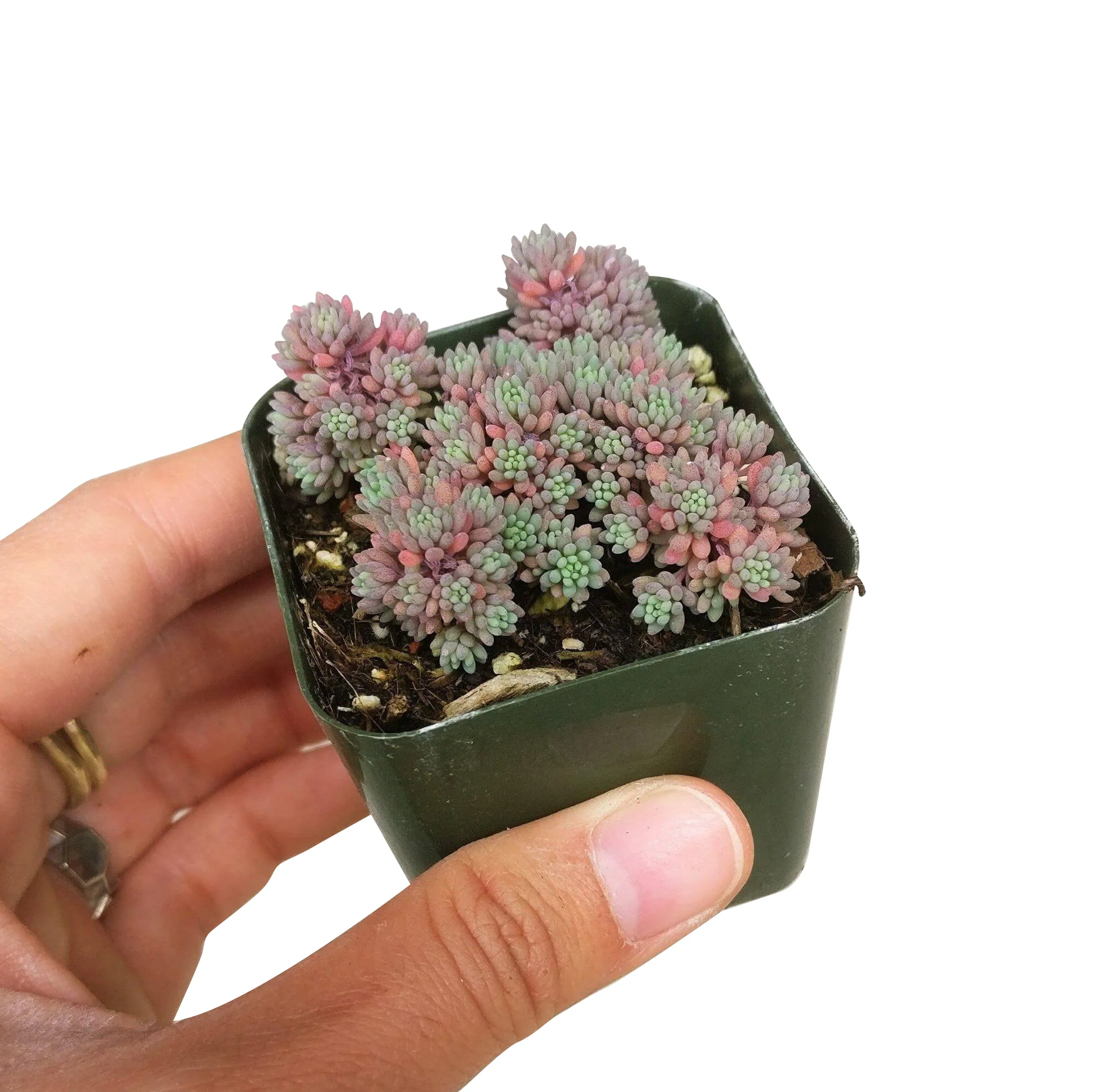
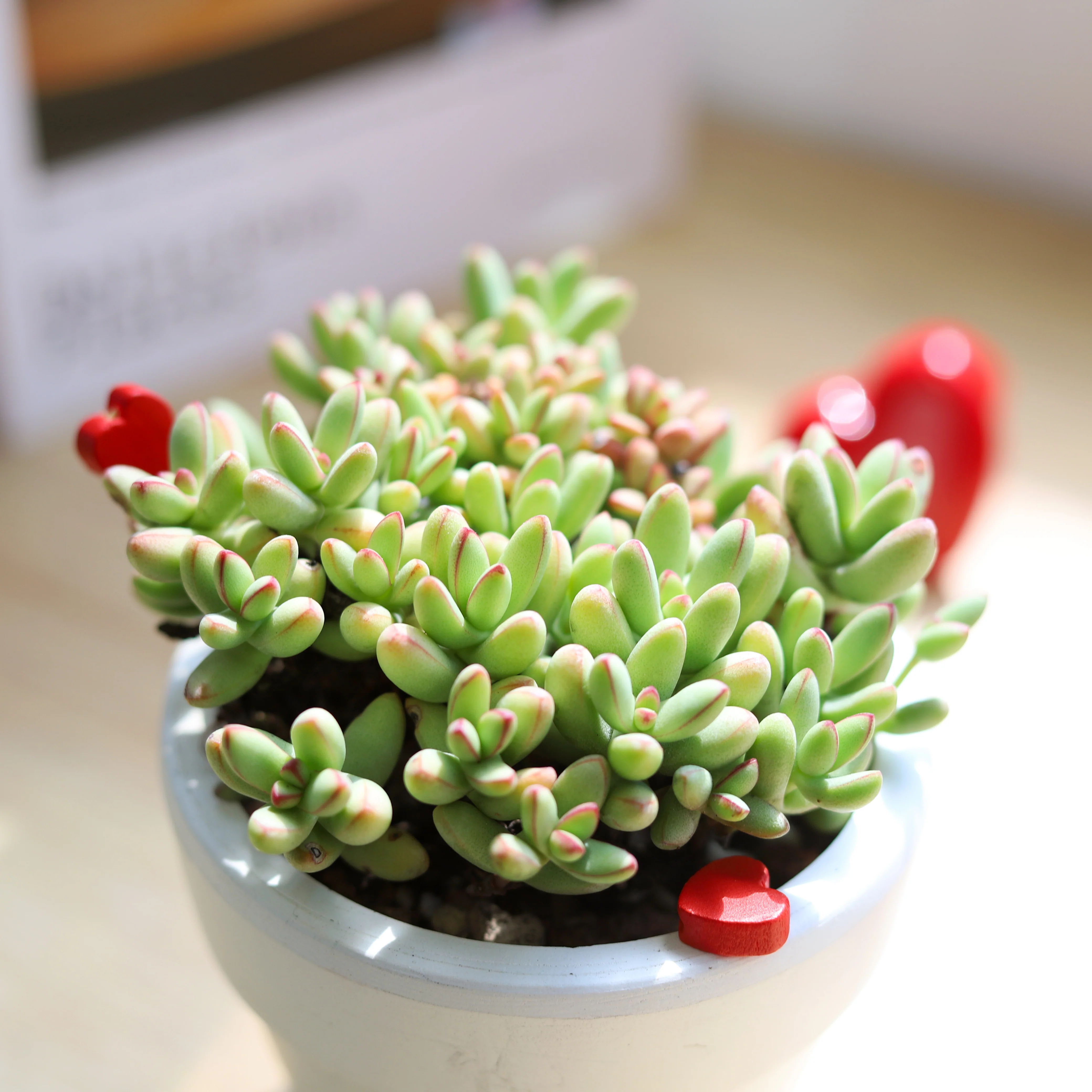
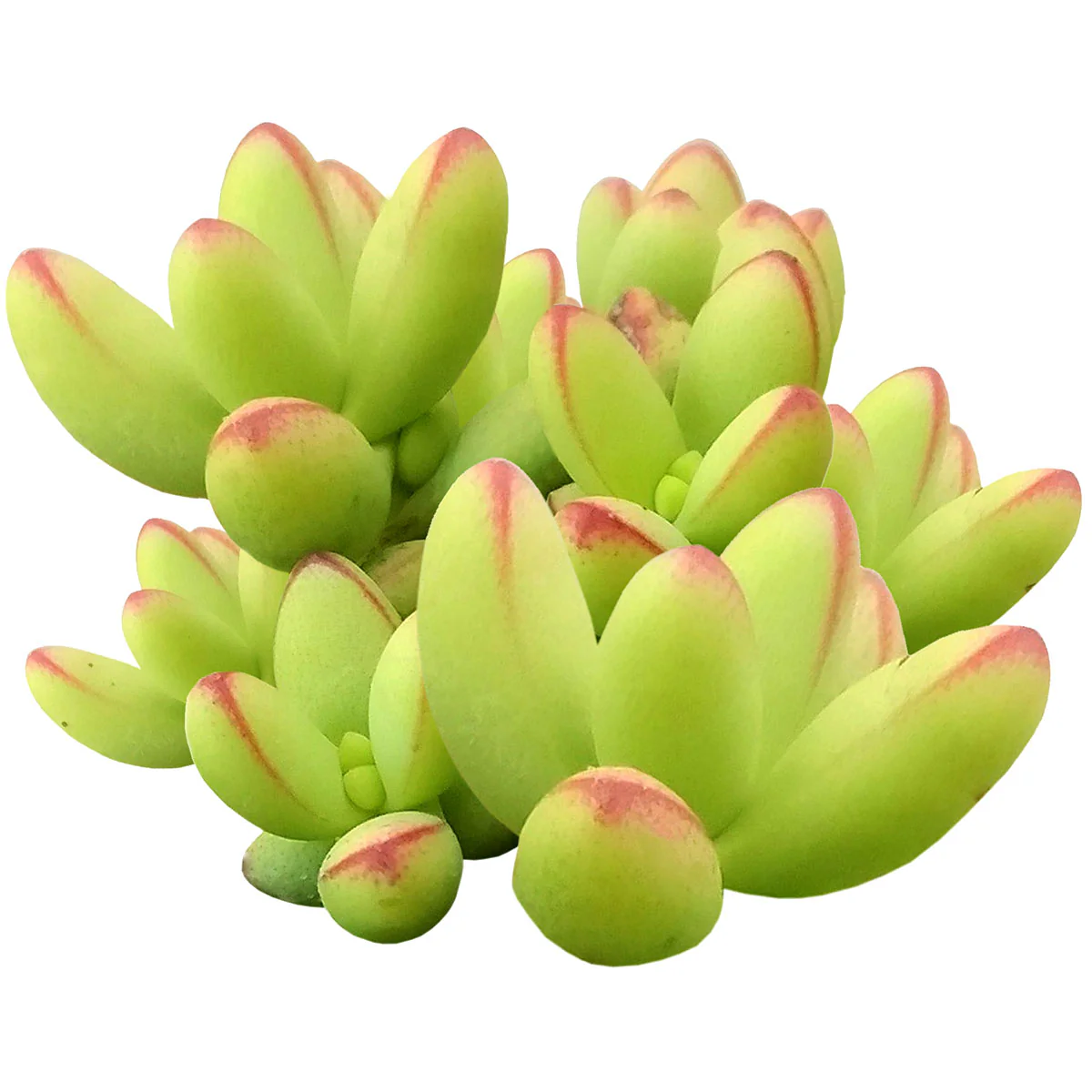
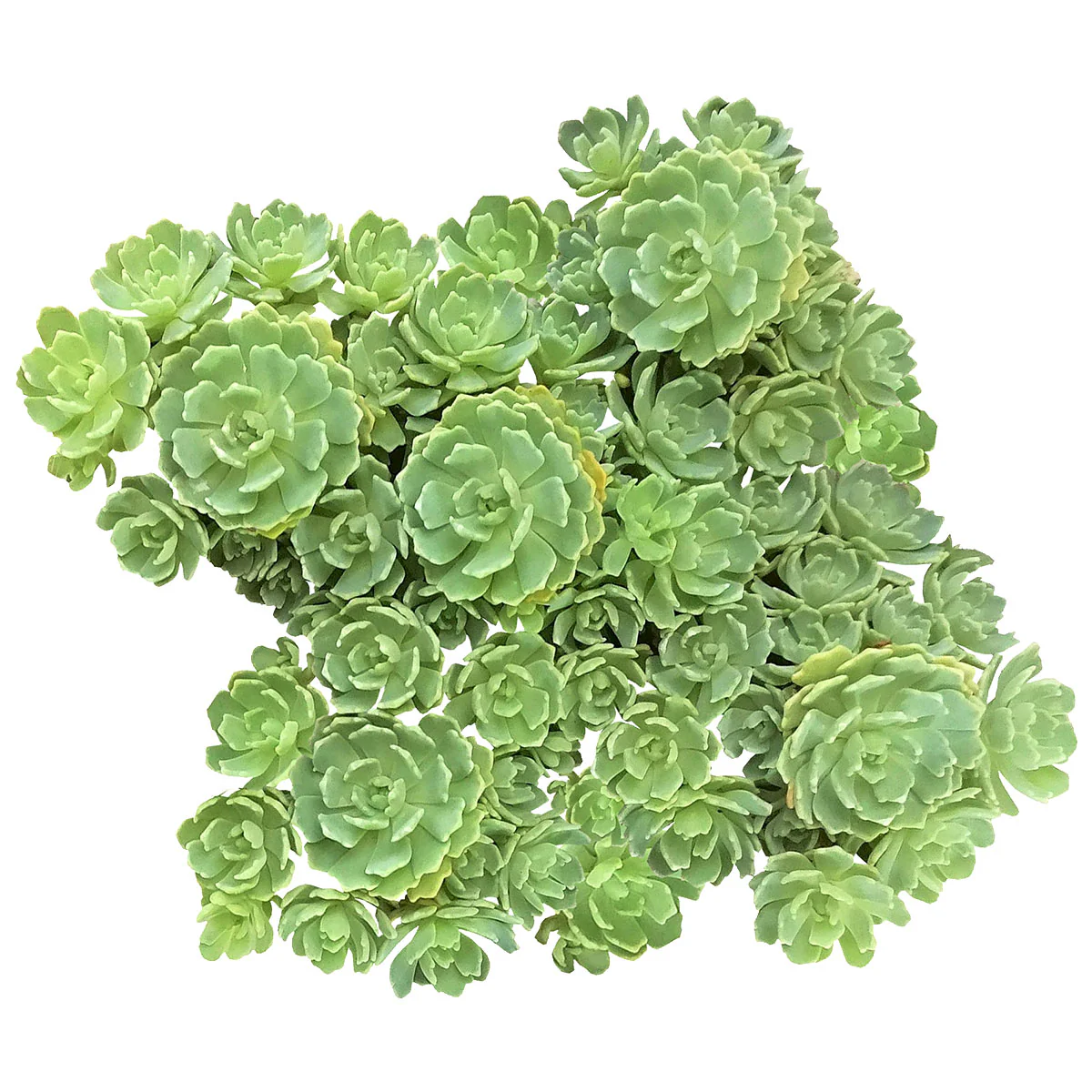
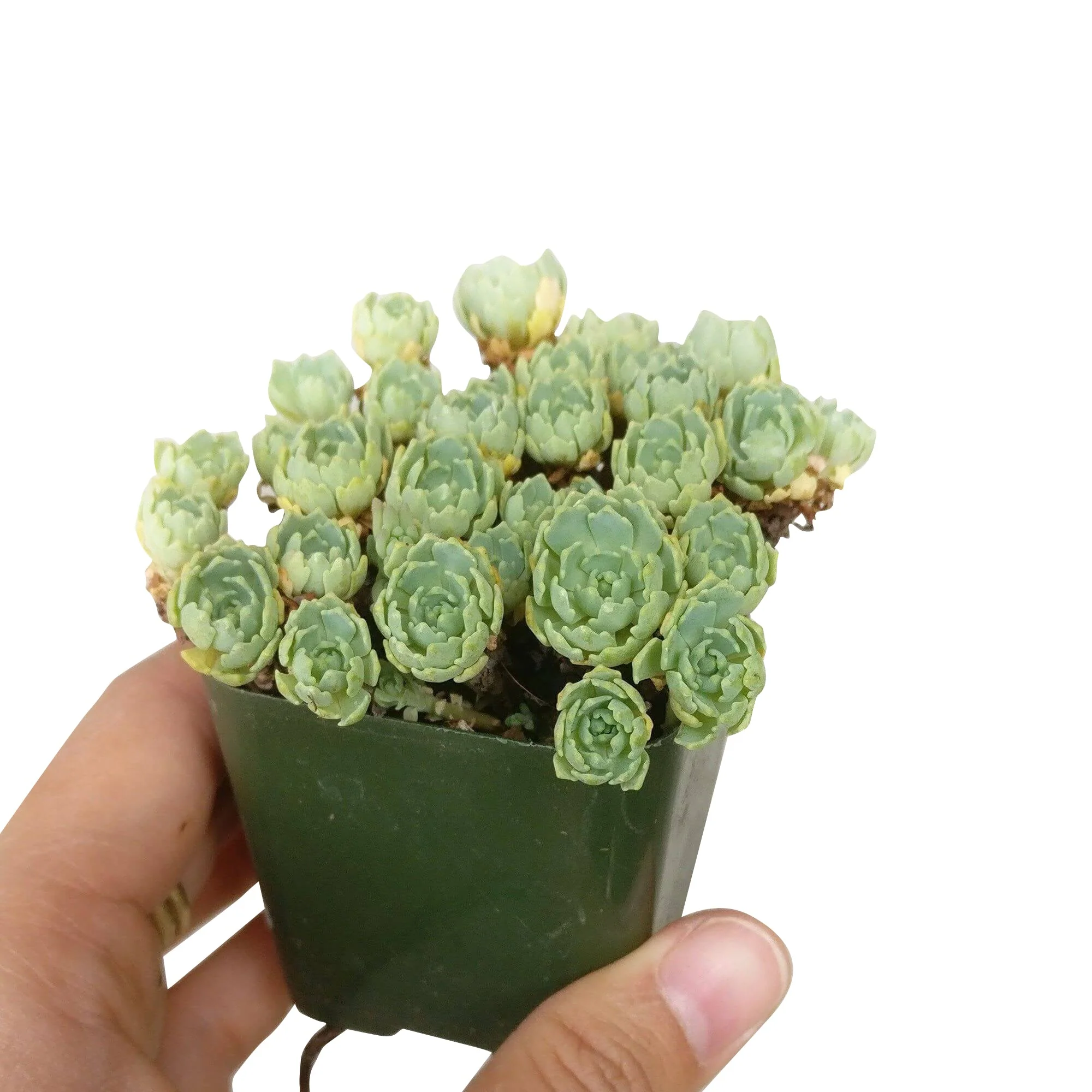
 Sedum Sunsparkler 'Firecracker' forms tight, clumping mounds of small, fleshy leaves in a striking burgundy red that deepens even further in cooler temperatures. The foliage has a plump, bead-like texture and holds its rich color throughout the growing season, making this stonecrop succulent a vivid focal point in any rock garden or container planting.
 Sedum Sunsparkler 'Firecracker' produces clusters of small, star-shaped pink to rose-red flowers in late summer to early autumn, adding a cheerful pop of color just as many other plants begin to fade. The blooms attract pollinators and do produce pollen, so gardeners with seasonal allergies may want to keep that in mind when choosing a planting spot.
 Whether you grow Sedum Sunsparkler 'Firecracker' in a sunny border, a balcony container, or a rock garden, this plant handles wind, rain, and dry heated air without complaint. It moves outside beautifully for summer, stays handsome through autumn, and its clumping, clustering habit keeps it tidy without constant intervention. Best of all, this plant is pet friendly, making it a worry-free choice for households with curious cats or dogs. If the leaves ever look slightly soft or wrinkled, that is the plant's natural signal that it is thirsty, so a good watering will perk it right back up.
-
 Sedum Sunsparkler 'Firecracker' thrives in full sun to partial sun, with at least four to six hours of direct light daily for the richest foliage color.
 Water Sedum Sunsparkler 'Firecracker' deeply but infrequently, roughly every ten to fourteen days in summer and far less in winter, allowing the soil to dry completely between waterings.
 Plant Sedum Sunsparkler 'Firecracker' in a gritty, fast-draining mix such as a cactus and succulent blend combined with coarse perlite or pumice for excellent drainage.
 Sedum Sunsparkler 'Firecracker' tolerates temperatures from around -20°F (-29°C) at its hardiest to well above 90°F (32°C), making it a genuinely frost tolerant succulent for cold climates.
![]() Sedum Sunsparkler 'Firecracker' is a moderate, steady grower that benefits from a light balanced fertilizer once in early spring to support fresh seasonal growth.
Sedum Sunsparkler 'Firecracker' is a moderate, steady grower that benefits from a light balanced fertilizer once in early spring to support fresh seasonal growth.
 Sedum Sunsparkler 'Firecracker' is typically hardy in USDA Zones 4 through 9, tolerating frost down to approximately -30°F (-34°C) in its coldest rated zones. That means gardeners across a huge range of states can grow it successfully outdoors year-round, including Minnesota, Wisconsin, Michigan, New York, Pennsylvania, Ohio, Indiana, Illinois, Iowa, Missouri, Kansas, Nebraska, South Dakota, North Dakota, Montana, Wyoming, Colorado, Utah, Idaho, Oregon, Washington, California, Nevada, Arizona, New Mexico, Texas, Oklahoma, Arkansas, Tennessee, North Carolina, Virginia, West Virginia, Kentucky, Georgia, Alabama, Mississippi, Louisiana, South Carolina, Maryland, Delaware, New Jersey, Connecticut, Rhode Island, Massachusetts, Vermont, New Hampshire, and Maine. Sedum Sunsparkler 'Firecracker' is one of the most versatile cold hardy succulents available to American gardeners, covering the vast majority of the contiguous United States with confidence.
-
Q: Is Sedum Sunsparkler 'Firecracker' pet friendly?
A: Yes, this plant is pet friendly and is not known to be toxic to cats or dogs, making it a safe choice for pet-owning households.
Q: How much sun does Sedum Sunsparkler 'Firecracker' need?
A: Sedum Sunsparkler 'Firecracker' grows best in full sun to partial sun, with at least four to six hours of direct sunlight daily for the deepest burgundy leaf color.
Q: How often should I water Sedum Sunsparkler 'Firecracker'?
A: Water Sedum Sunsparkler 'Firecracker' every ten to fourteen days in the growing season, letting the soil dry out fully between waterings. In winter, reduce watering significantly as the plant's needs drop considerably.
Q: Is Sedum Sunsparkler 'Firecracker' cold hardy?
A: Sedum Sunsparkler 'Firecracker' is exceptionally cold hardy, tolerating frost down to around -20°F to -30°F (-29°C to -34°C) depending on conditions, and is reliably perennial in USDA Zones 4 through 9.
Q: Can I leave Sedum Sunsparkler 'Firecracker' alone when I travel?
A: Sedum Sunsparkler 'Firecracker' is an ideal plant for travelers since it easily survives a ten-day trip without watering, thanks to its natural drought tolerance and water-storing leaves.
Q: How do I propagate Sedum Sunsparkler 'Firecracker'?
A: Sedum Sunsparkler 'Firecracker' propagates easily from stem cuttings or by dividing the clumping clusters in spring or early summer. Allow cuttings to callous for a day or two before placing them in well-draining soil.


Original: $18.06
-70%$18.06
$5.42Product Information
Product Information
Shipping & Returns
Shipping & Returns
Description
- Description
- Sedum Sunsparkler 'Firecracker' Care Guide
- FAQ/Common Issues
-
![]() Sedum Sunsparkler 'Firecracker' is a compact, cold hardy succulent belonging to the Crassulaceae family, bred from Sedum species native to rocky, well-drained habitats across the Northern Hemisphere. This low maintenance perennial has become a favorite among succulent collectors and gardeners looking for a tough, drought tolerant ground cover that earns its keep through every season.
Sedum Sunsparkler 'Firecracker' is a compact, cold hardy succulent belonging to the Crassulaceae family, bred from Sedum species native to rocky, well-drained habitats across the Northern Hemisphere. This low maintenance perennial has become a favorite among succulent collectors and gardeners looking for a tough, drought tolerant ground cover that earns its keep through every season.
Sedum Sunsparkler 'Firecracker' forms tight, clumping mounds of small, fleshy leaves in a striking burgundy red that deepens even further in cooler temperatures. The foliage has a plump, bead-like texture and holds its rich color throughout the growing season, making this stonecrop succulent a vivid focal point in any rock garden or container planting.
Sedum Sunsparkler 'Firecracker' produces clusters of small, star-shaped pink to rose-red flowers in late summer to early autumn, adding a cheerful pop of color just as many other plants begin to fade. The blooms attract pollinators and do produce pollen, so gardeners with seasonal allergies may want to keep that in mind when choosing a planting spot.
Whether you grow Sedum Sunsparkler 'Firecracker' in a sunny border, a balcony container, or a rock garden, this plant handles wind, rain, and dry heated air without complaint. It moves outside beautifully for summer, stays handsome through autumn, and its clumping, clustering habit keeps it tidy without constant intervention. Best of all, this plant is pet friendly, making it a worry-free choice for households with curious cats or dogs. If the leaves ever look slightly soft or wrinkled, that is the plant's natural signal that it is thirsty, so a good watering will perk it right back up.
-
Sedum Sunsparkler 'Firecracker' thrives in full sun to partial sun, with at least four to six hours of direct light daily for the richest foliage color.
Water Sedum Sunsparkler 'Firecracker' deeply but infrequently, roughly every ten to fourteen days in summer and far less in winter, allowing the soil to dry completely between waterings.
Plant Sedum Sunsparkler 'Firecracker' in a gritty, fast-draining mix such as a cactus and succulent blend combined with coarse perlite or pumice for excellent drainage.
Sedum Sunsparkler 'Firecracker' tolerates temperatures from around -20°F (-29°C) at its hardiest to well above 90°F (32°C), making it a genuinely frost tolerant succulent for cold climates.
![]() Sedum Sunsparkler 'Firecracker' is a moderate, steady grower that benefits from a light balanced fertilizer once in early spring to support fresh seasonal growth.
Sedum Sunsparkler 'Firecracker' is a moderate, steady grower that benefits from a light balanced fertilizer once in early spring to support fresh seasonal growth.
Sedum Sunsparkler 'Firecracker' is typically hardy in USDA Zones 4 through 9, tolerating frost down to approximately -30°F (-34°C) in its coldest rated zones. That means gardeners across a huge range of states can grow it successfully outdoors year-round, including Minnesota, Wisconsin, Michigan, New York, Pennsylvania, Ohio, Indiana, Illinois, Iowa, Missouri, Kansas, Nebraska, South Dakota, North Dakota, Montana, Wyoming, Colorado, Utah, Idaho, Oregon, Washington, California, Nevada, Arizona, New Mexico, Texas, Oklahoma, Arkansas, Tennessee, North Carolina, Virginia, West Virginia, Kentucky, Georgia, Alabama, Mississippi, Louisiana, South Carolina, Maryland, Delaware, New Jersey, Connecticut, Rhode Island, Massachusetts, Vermont, New Hampshire, and Maine. Sedum Sunsparkler 'Firecracker' is one of the most versatile cold hardy succulents available to American gardeners, covering the vast majority of the contiguous United States with confidence.
-
Q: Is Sedum Sunsparkler 'Firecracker' pet friendly?
A: Yes, this plant is pet friendly and is not known to be toxic to cats or dogs, making it a safe choice for pet-owning households.
Q: How much sun does Sedum Sunsparkler 'Firecracker' need?
A: Sedum Sunsparkler 'Firecracker' grows best in full sun to partial sun, with at least four to six hours of direct sunlight daily for the deepest burgundy leaf color.
Q: How often should I water Sedum Sunsparkler 'Firecracker'?
A: Water Sedum Sunsparkler 'Firecracker' every ten to fourteen days in the growing season, letting the soil dry out fully between waterings. In winter, reduce watering significantly as the plant's needs drop considerably.
Q: Is Sedum Sunsparkler 'Firecracker' cold hardy?
A: Sedum Sunsparkler 'Firecracker' is exceptionally cold hardy, tolerating frost down to around -20°F to -30°F (-29°C to -34°C) depending on conditions, and is reliably perennial in USDA Zones 4 through 9.
Q: Can I leave Sedum Sunsparkler 'Firecracker' alone when I travel?
A: Sedum Sunsparkler 'Firecracker' is an ideal plant for travelers since it easily survives a ten-day trip without watering, thanks to its natural drought tolerance and water-storing leaves.
Q: How do I propagate Sedum Sunsparkler 'Firecracker'?
A: Sedum Sunsparkler 'Firecracker' propagates easily from stem cuttings or by dividing the clumping clusters in spring or early summer. Allow cuttings to callous for a day or two before placing them in well-draining soil.