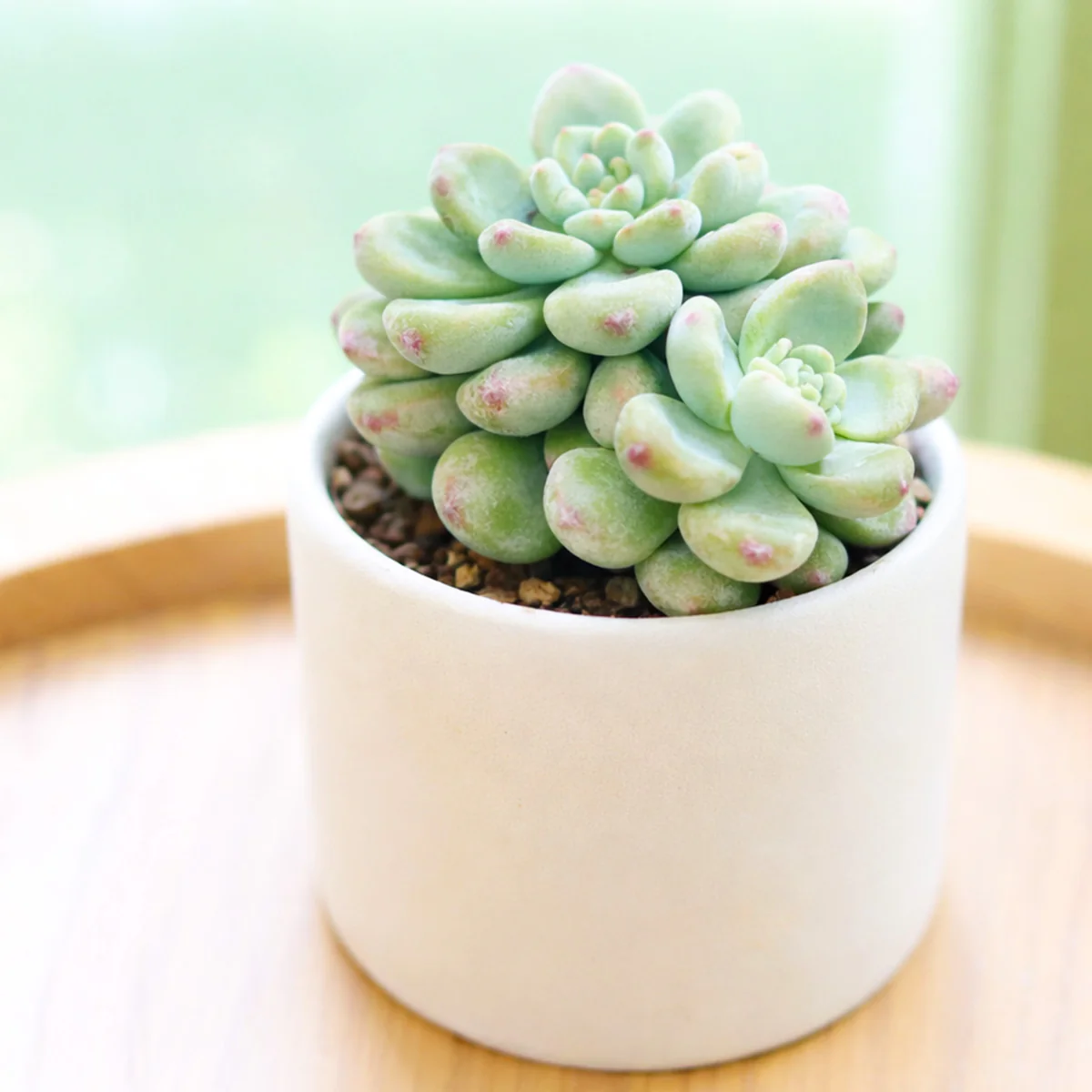
Sedum Clavatum
- Description
- Sedum Clavatum Care Guide
- FAQ/Common Issues
-
![]() Sedum Clavatum is a charming trailing succulent native to the Tiscalatengo Gorge in Mexico, where it grows on rocky cliffs and canyon walls in bright, dry conditions. This easy care succulent belongs to the Sedum genus and has won fans worldwide for its compact rosettes, easygoing nature, and striking good looks. Whether you are a first-time grower or a seasoned collector, Sedum Clavatum earns its place in any succulent lineup.
Sedum Clavatum is a charming trailing succulent native to the Tiscalatengo Gorge in Mexico, where it grows on rocky cliffs and canyon walls in bright, dry conditions. This easy care succulent belongs to the Sedum genus and has won fans worldwide for its compact rosettes, easygoing nature, and striking good looks. Whether you are a first-time grower or a seasoned collector, Sedum Clavatum earns its place in any succulent lineup.
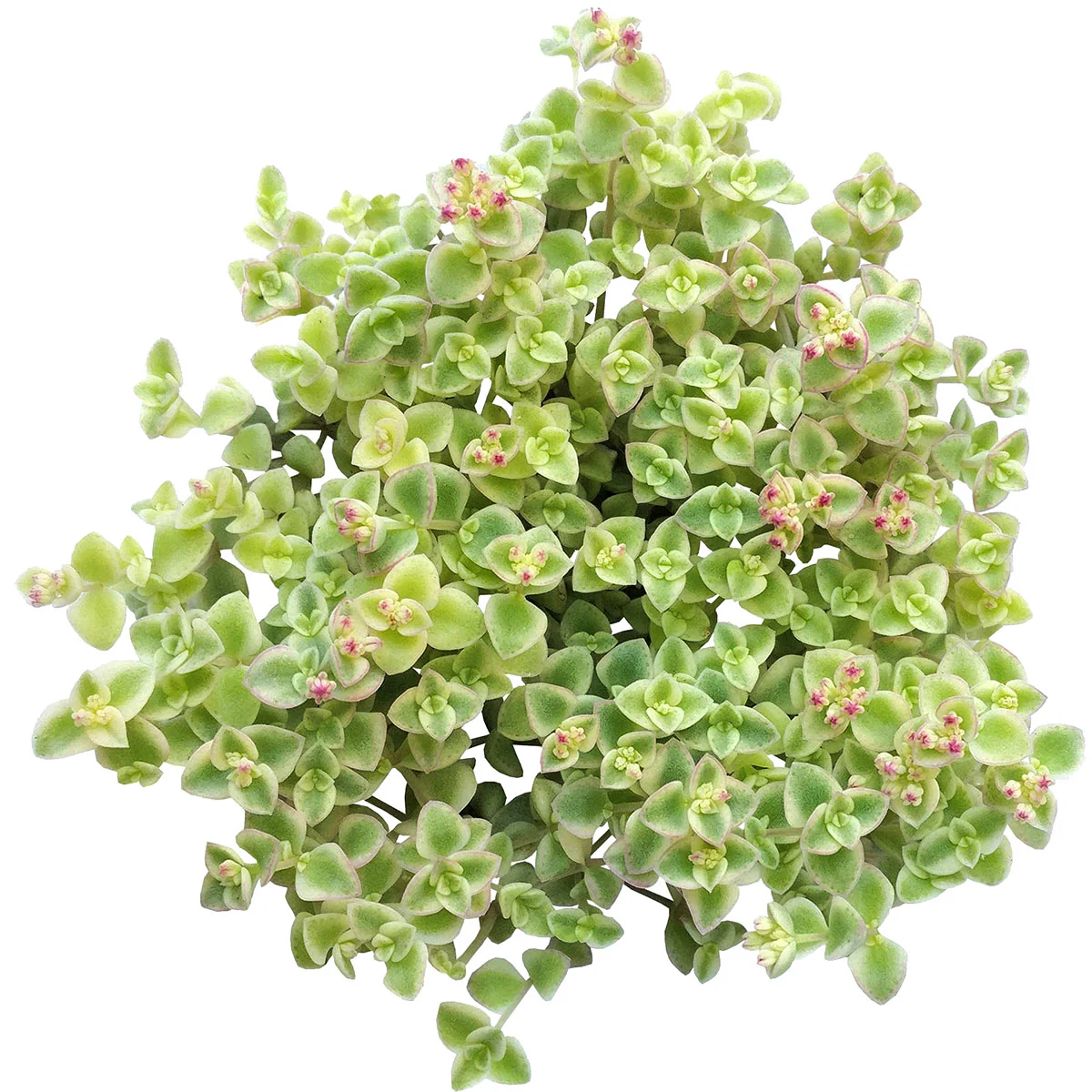
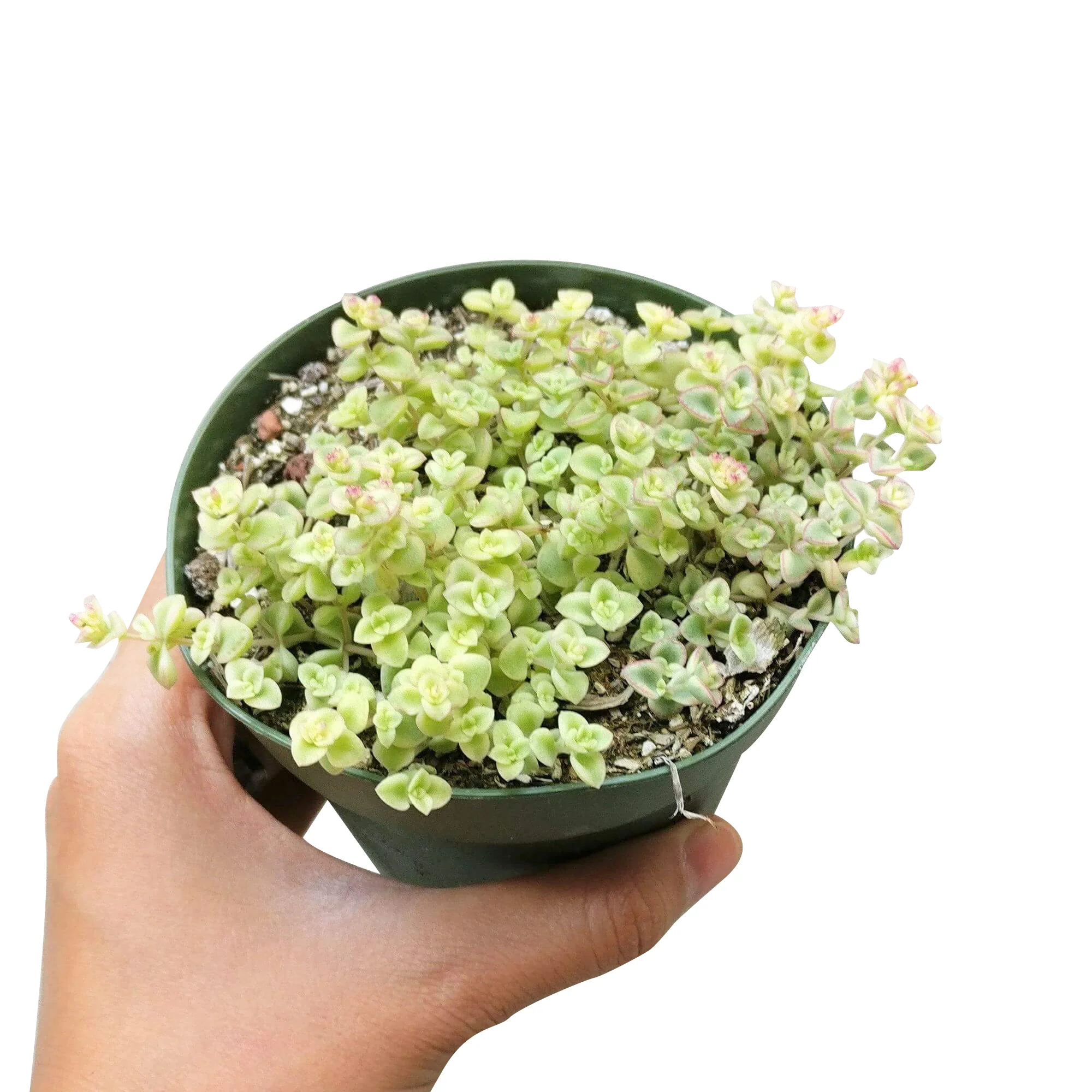
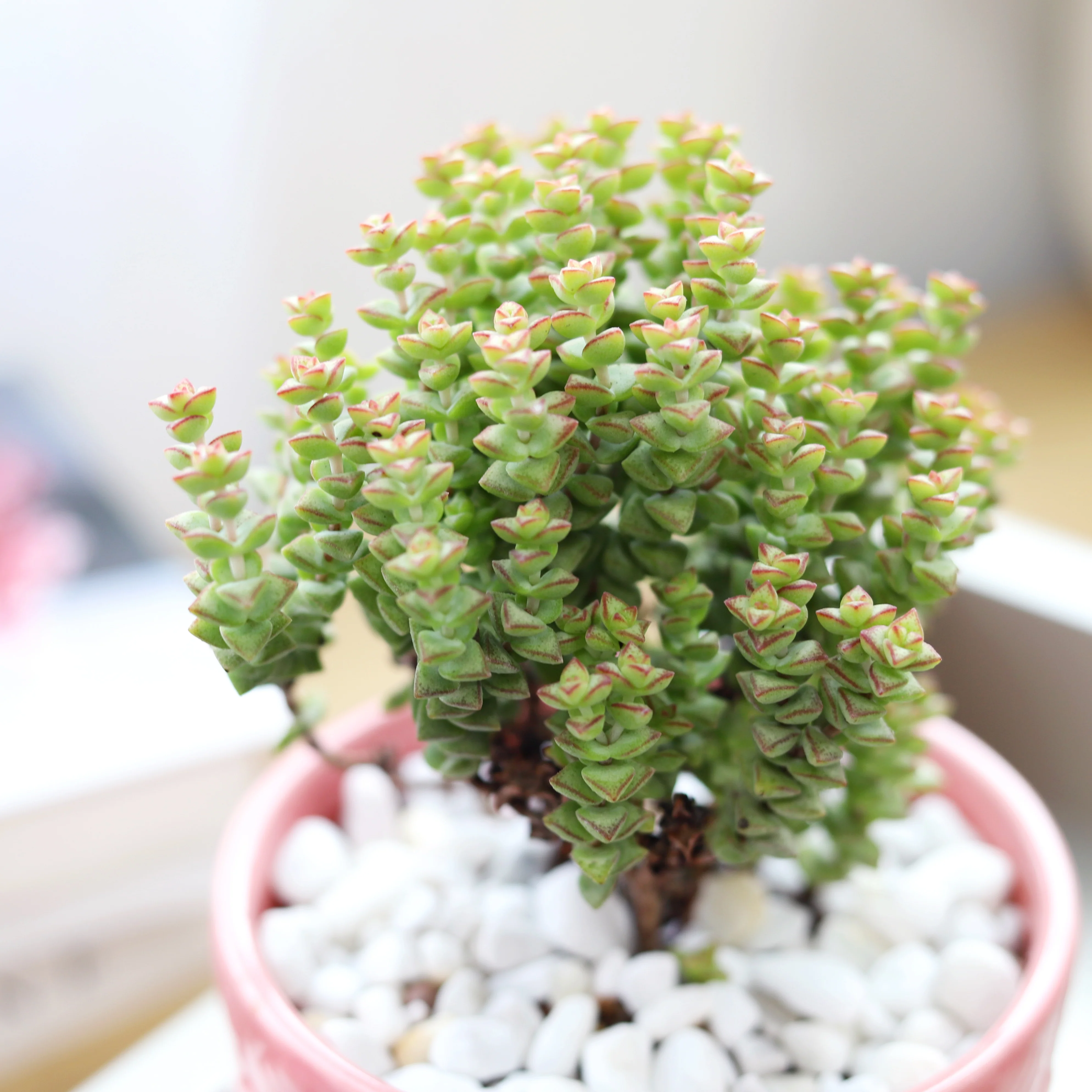
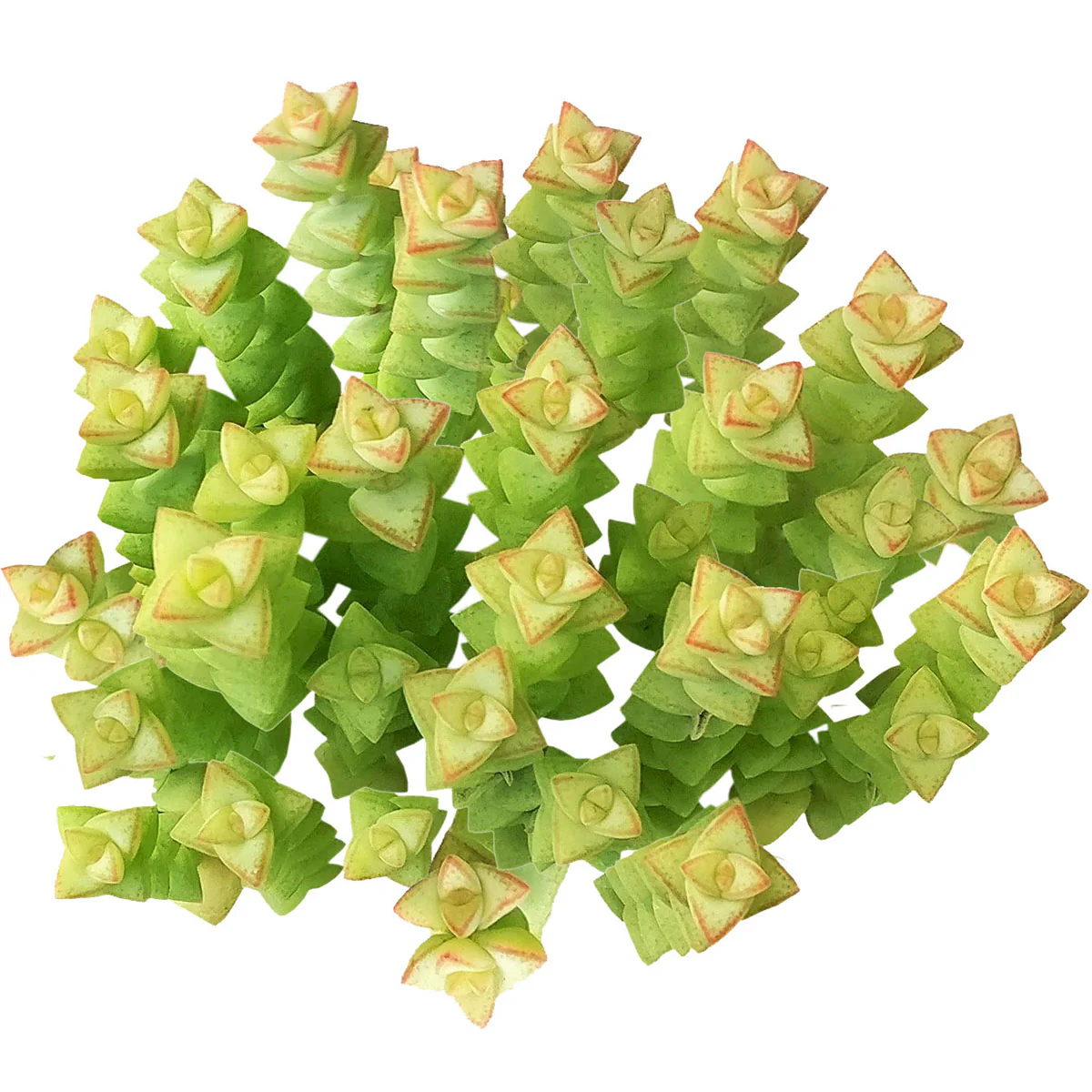
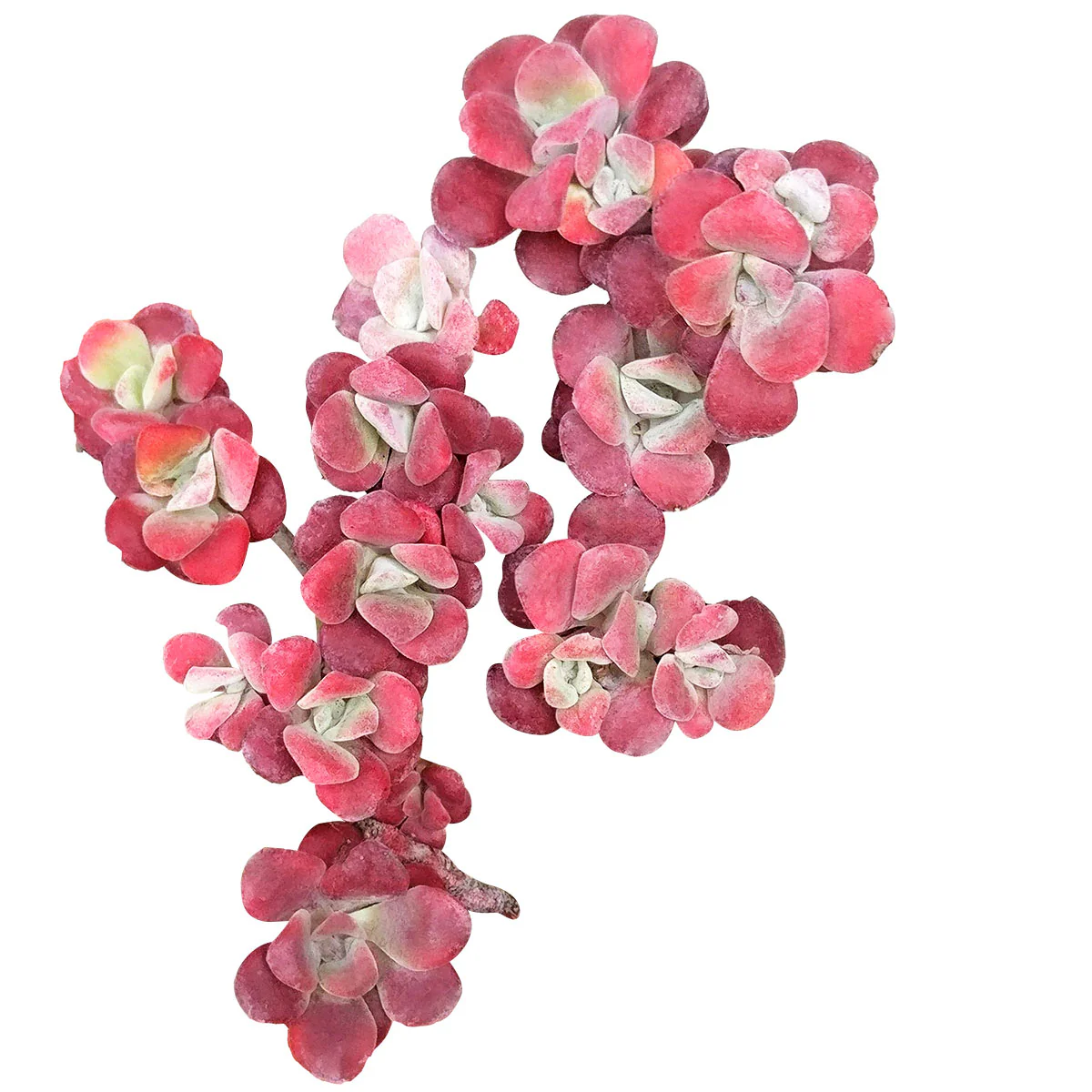
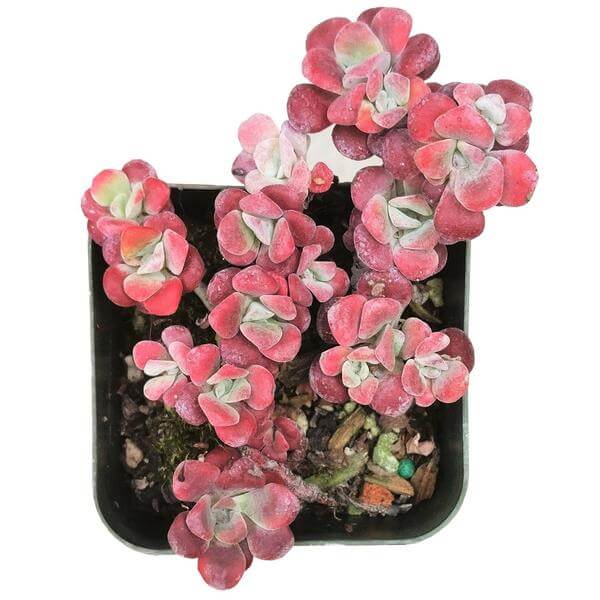
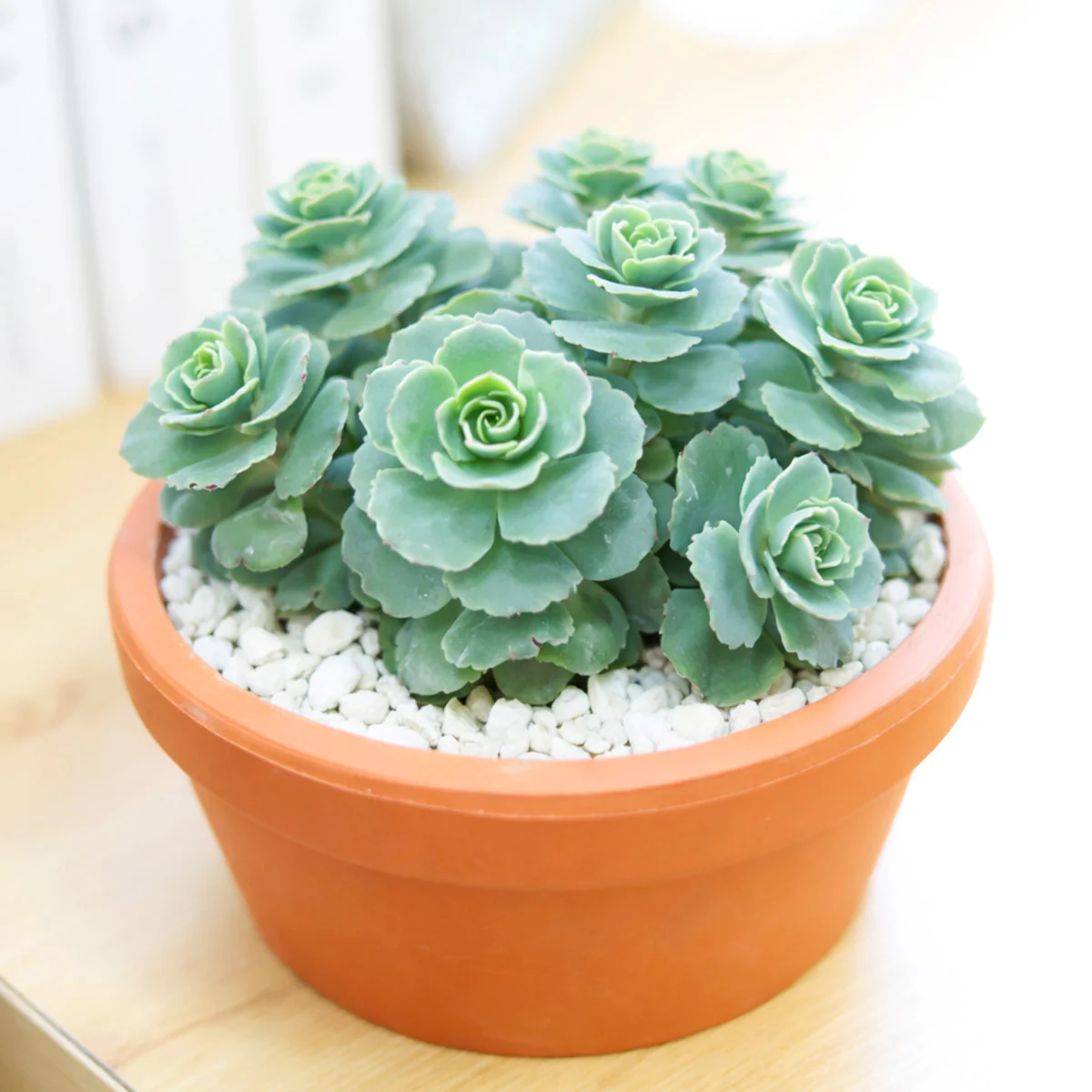
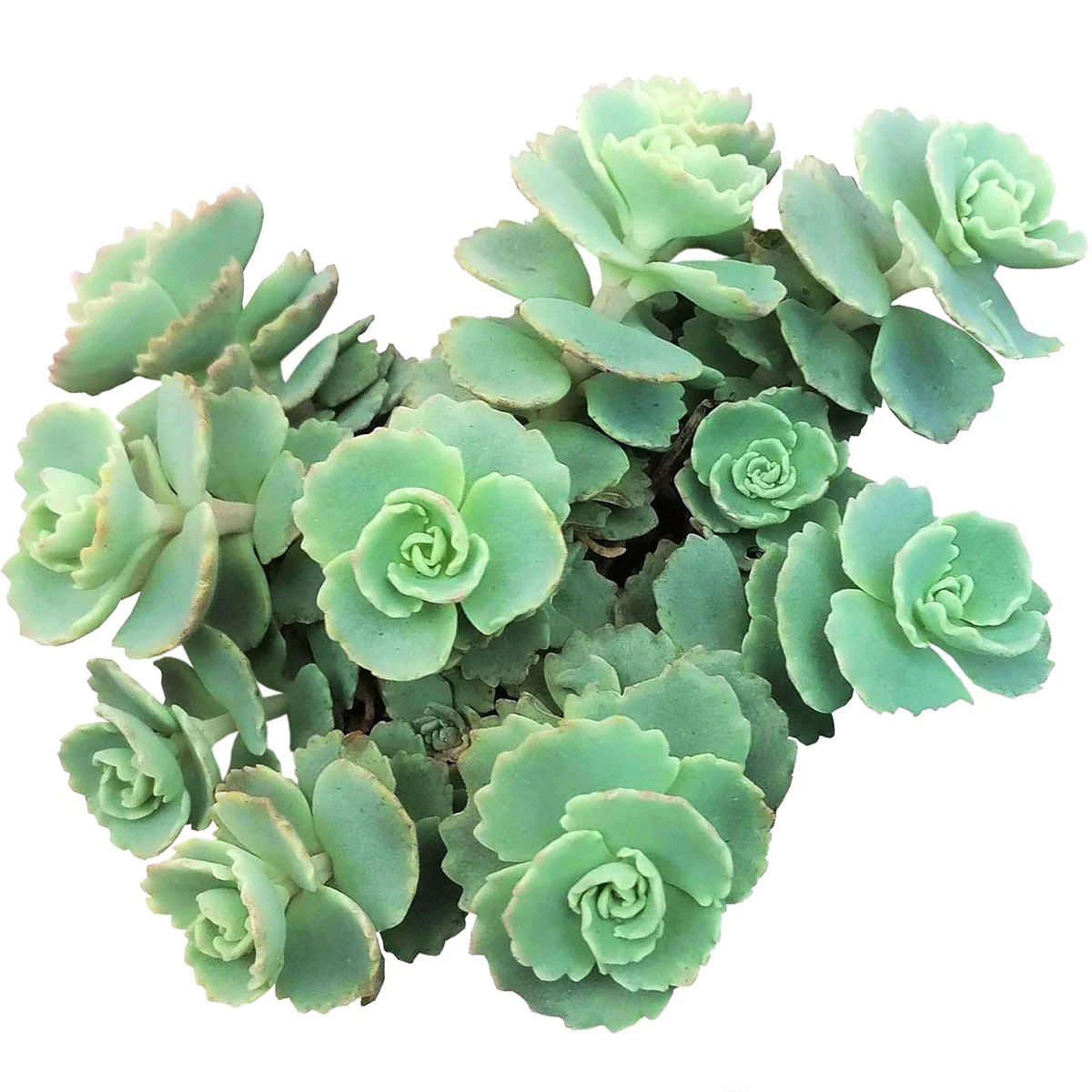
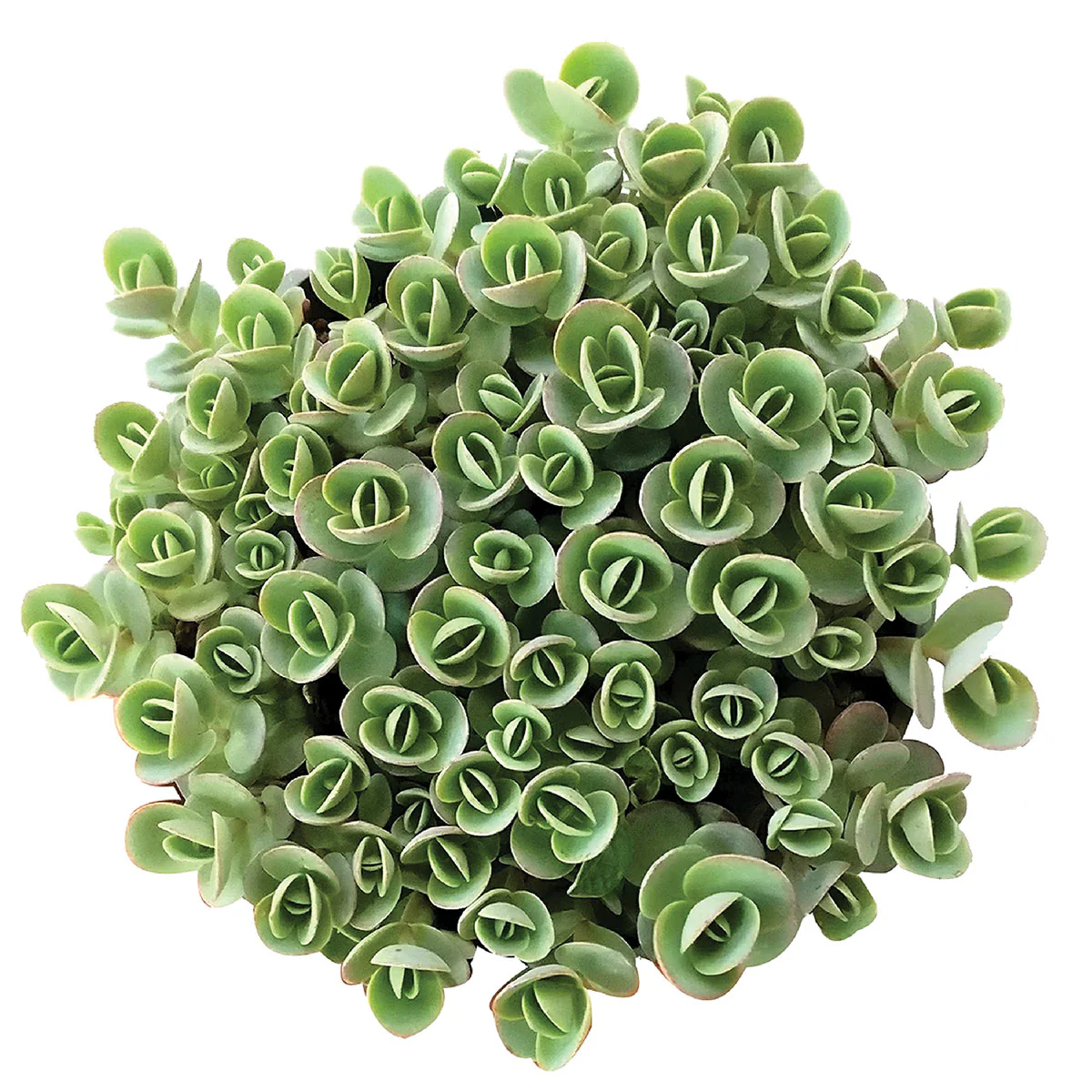
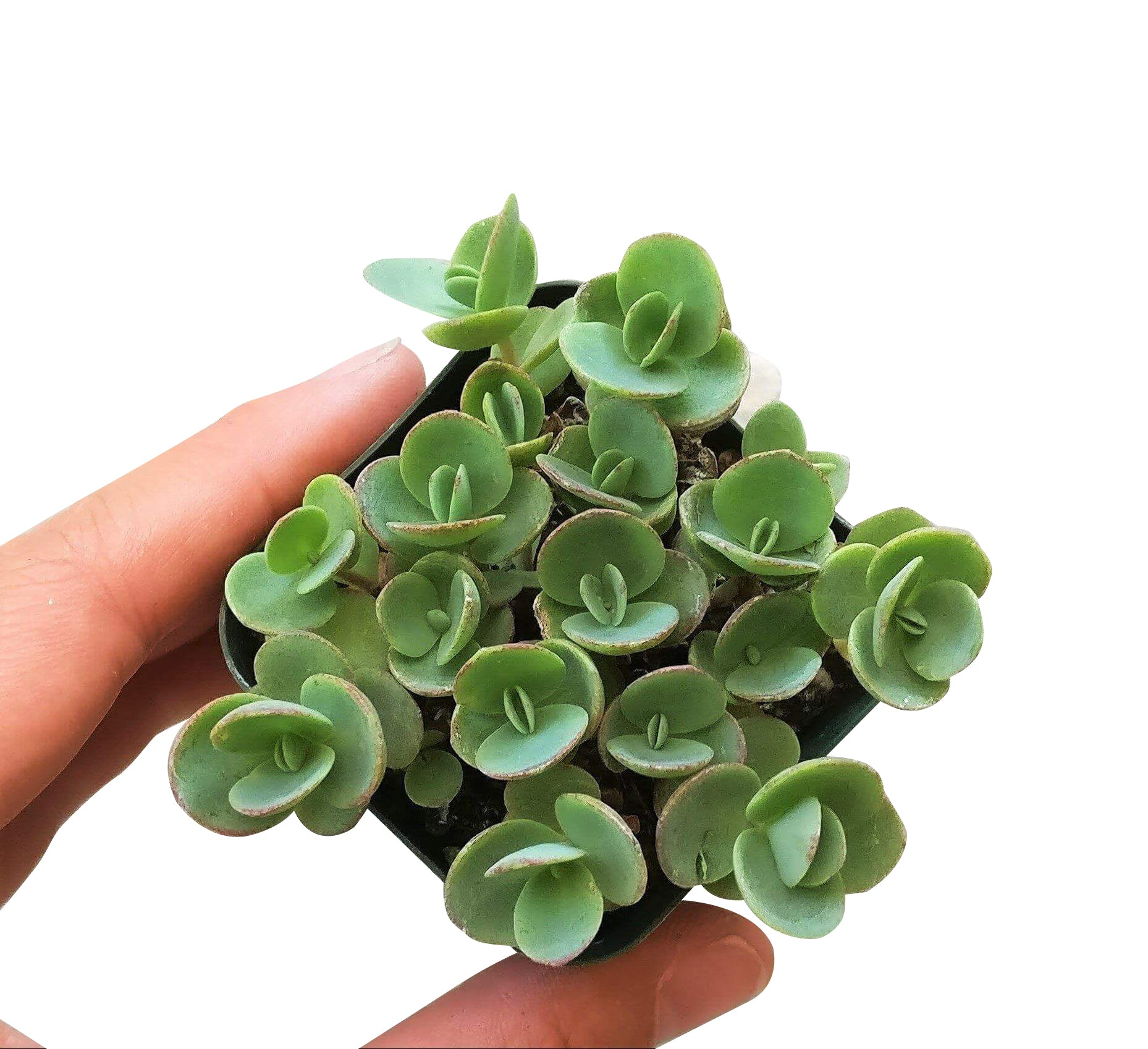
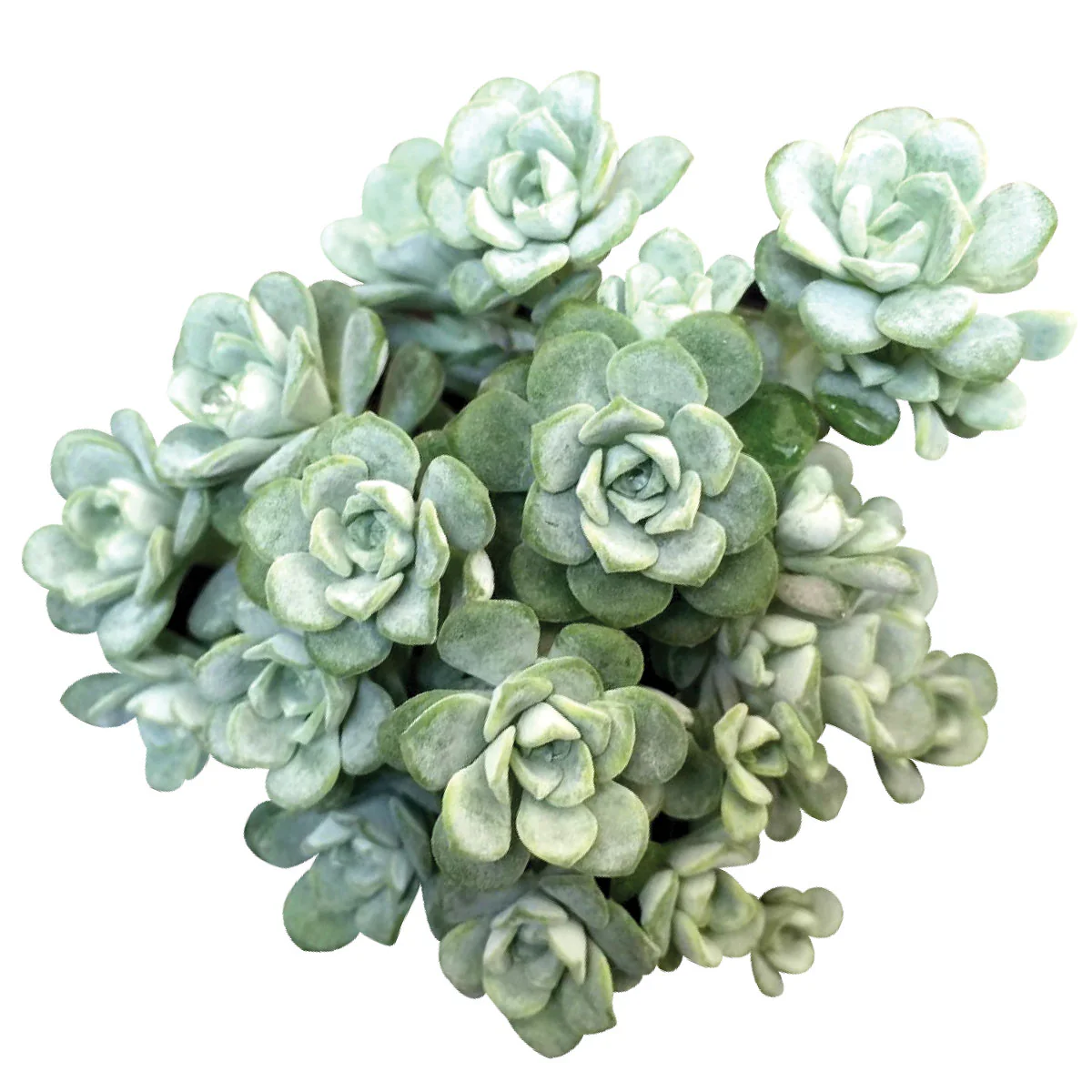
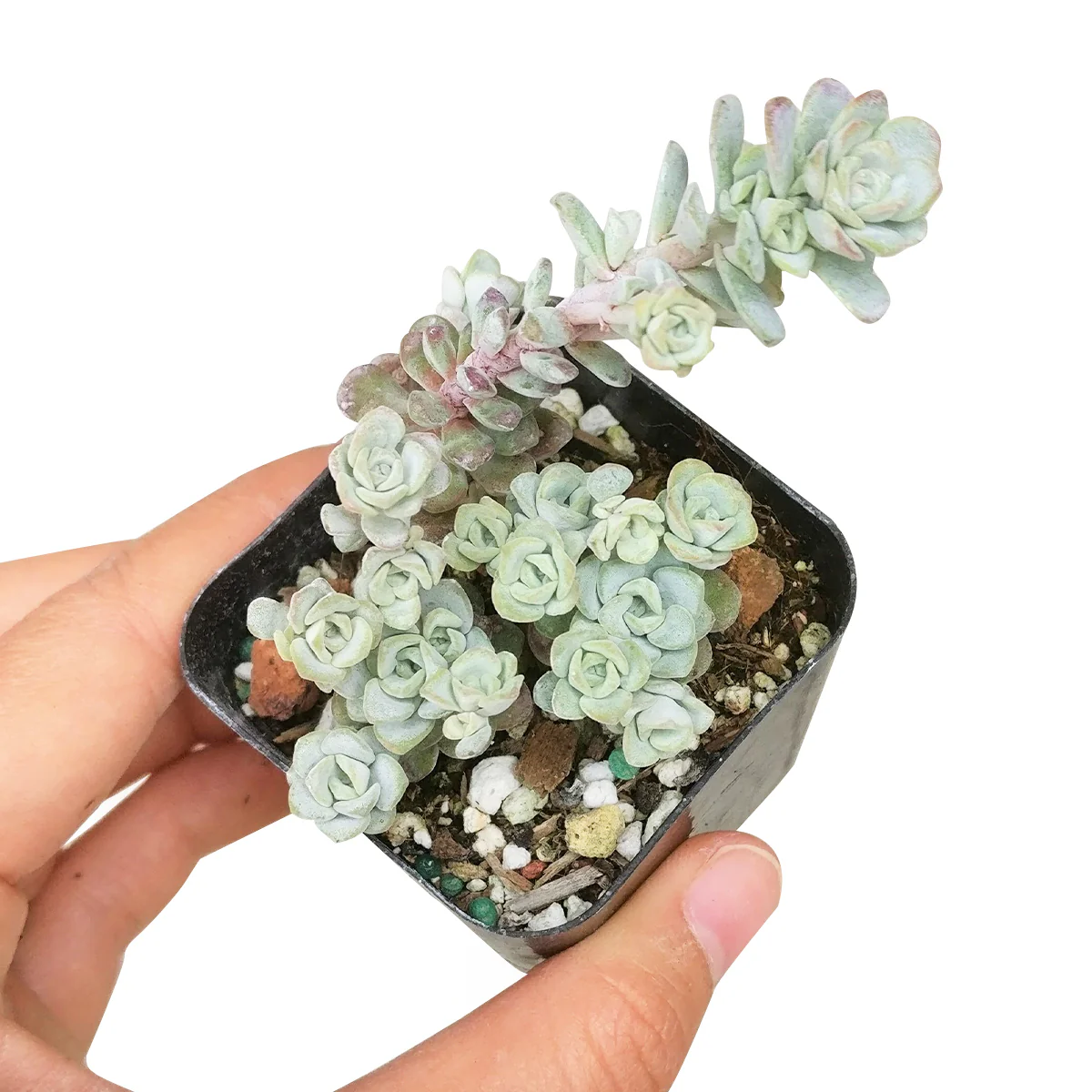
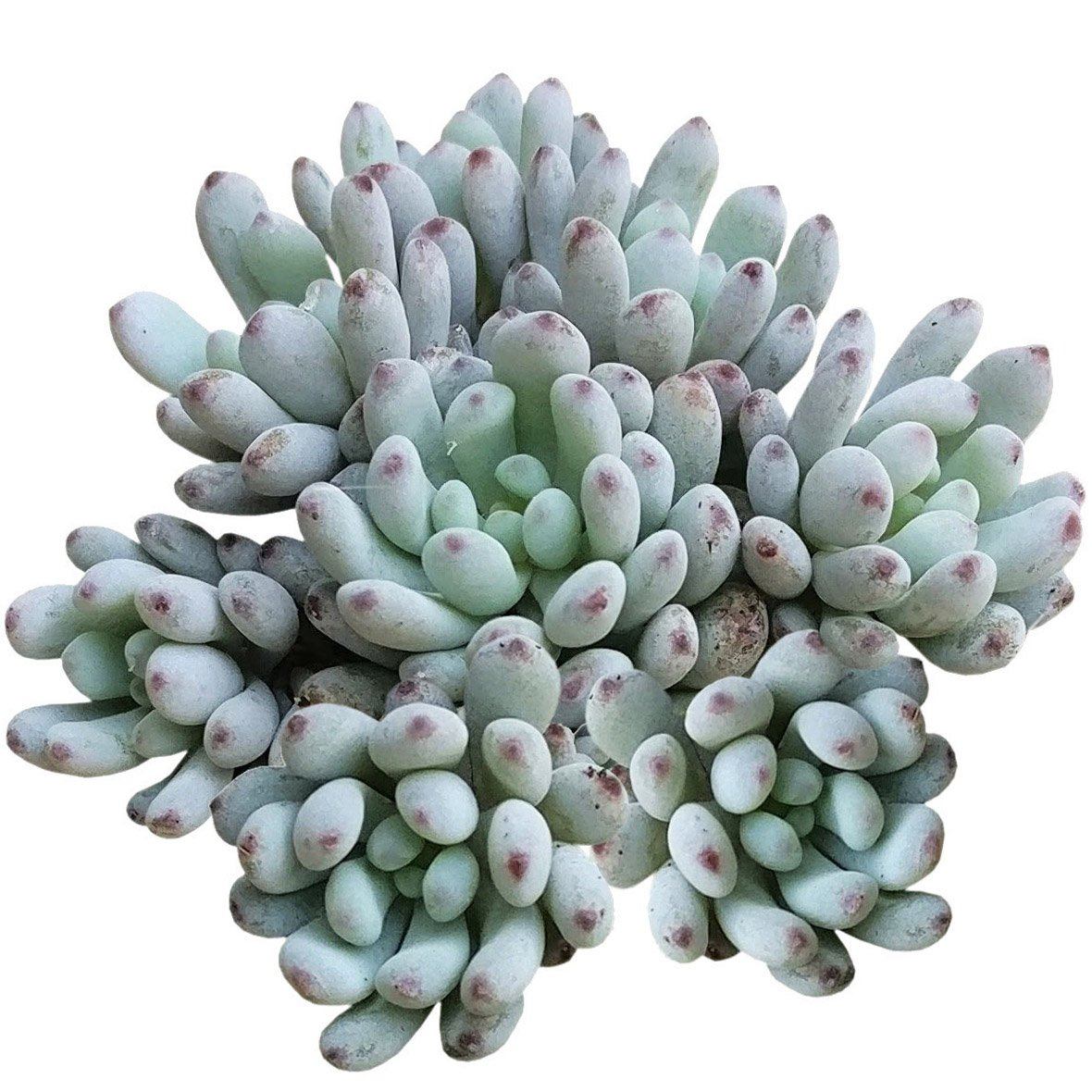
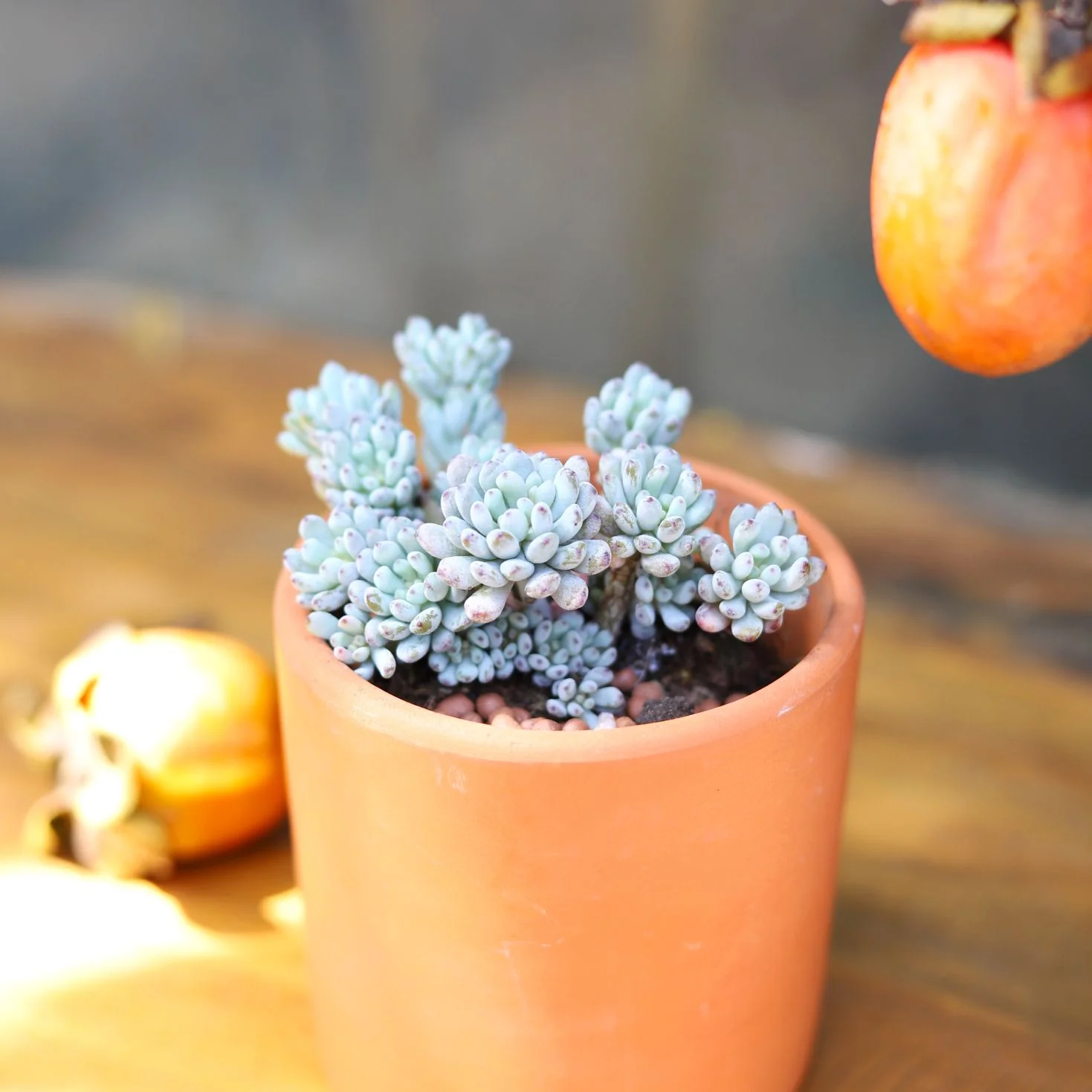
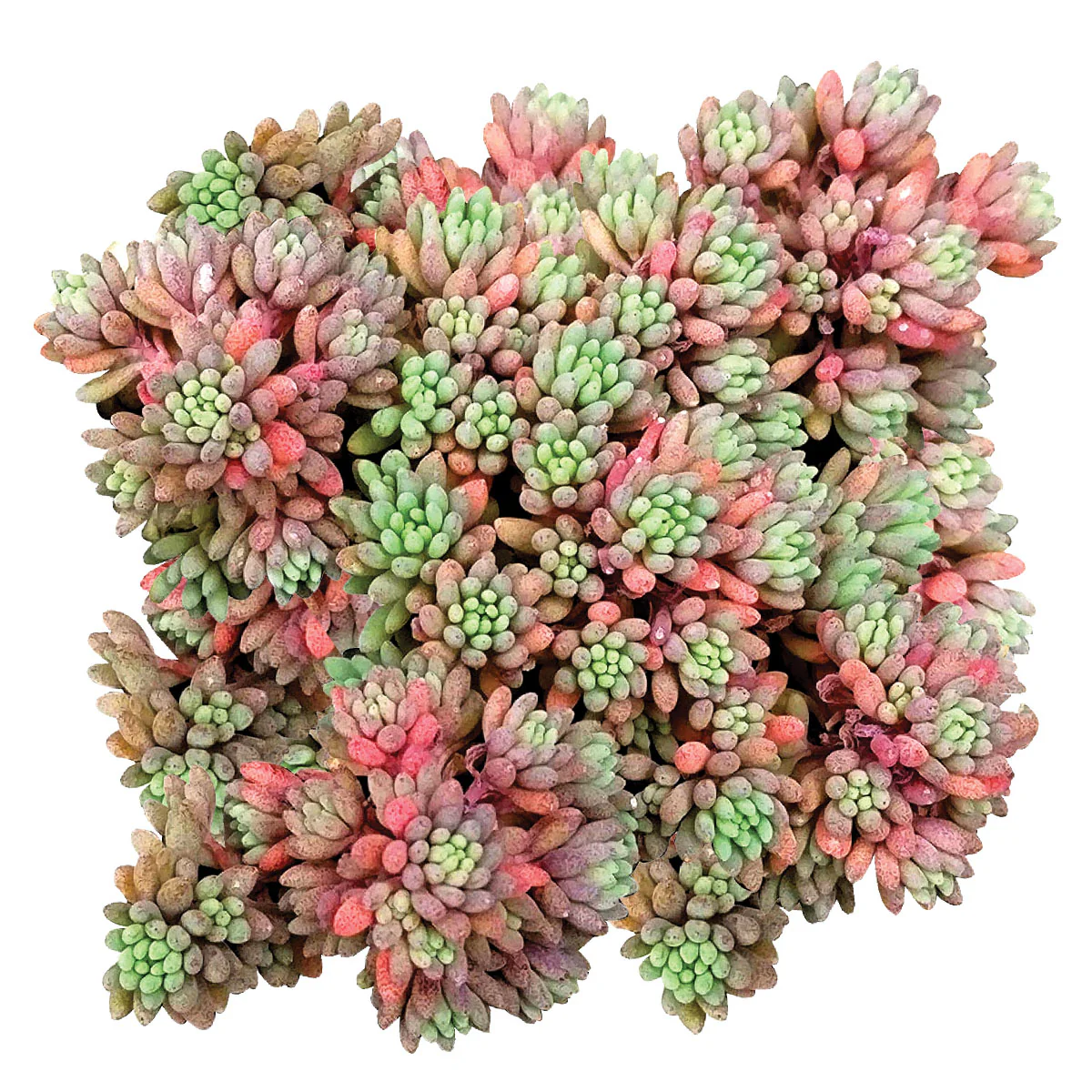
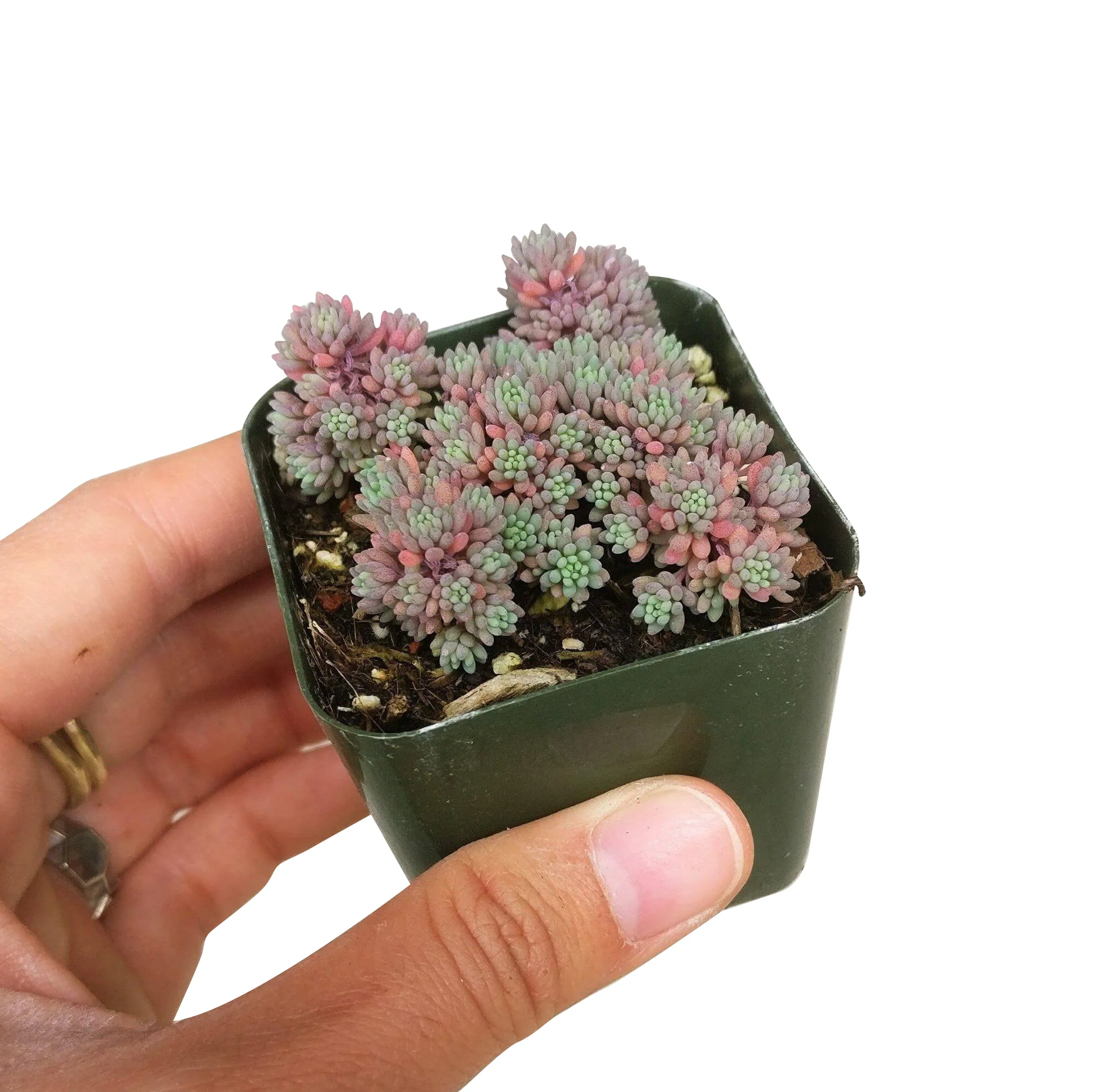
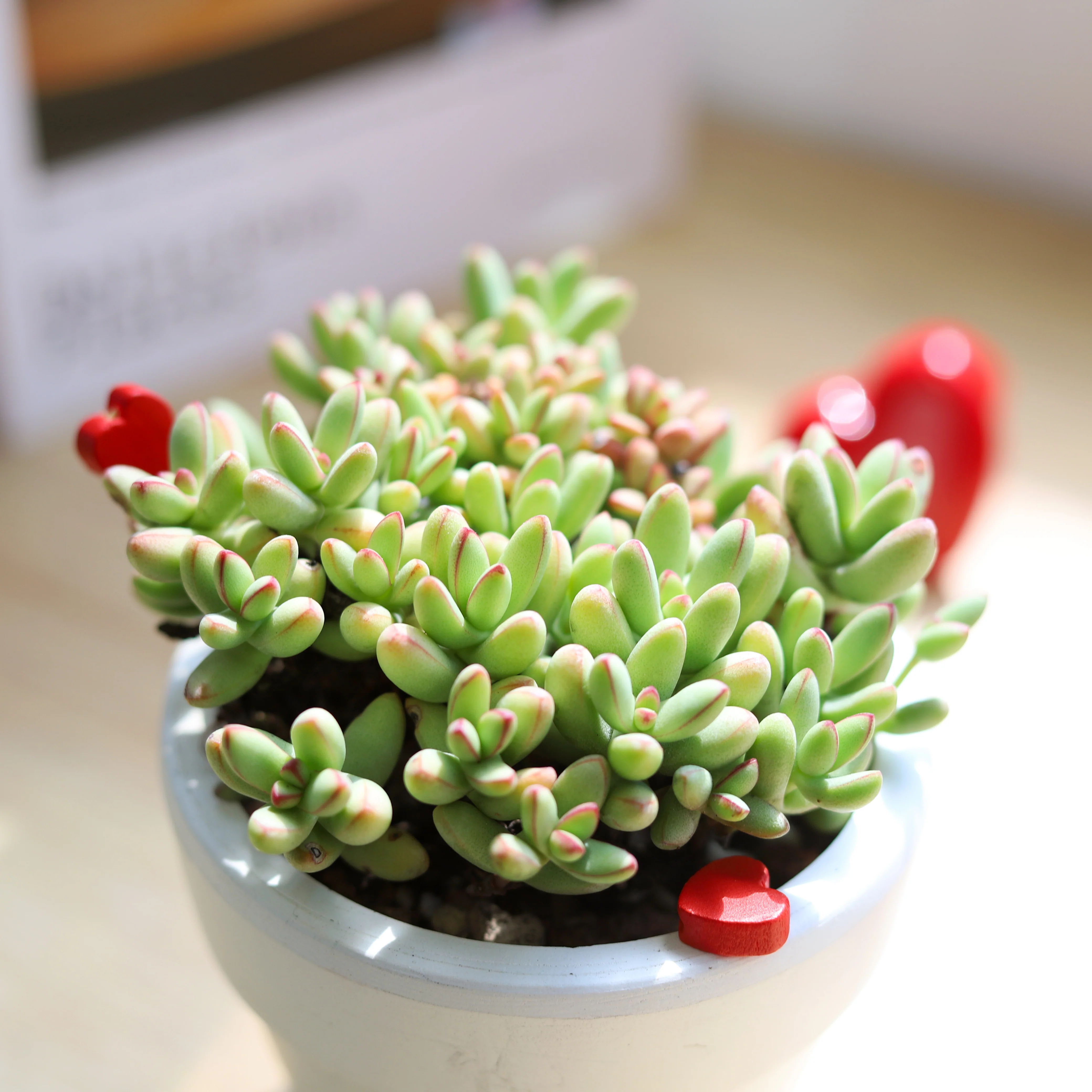
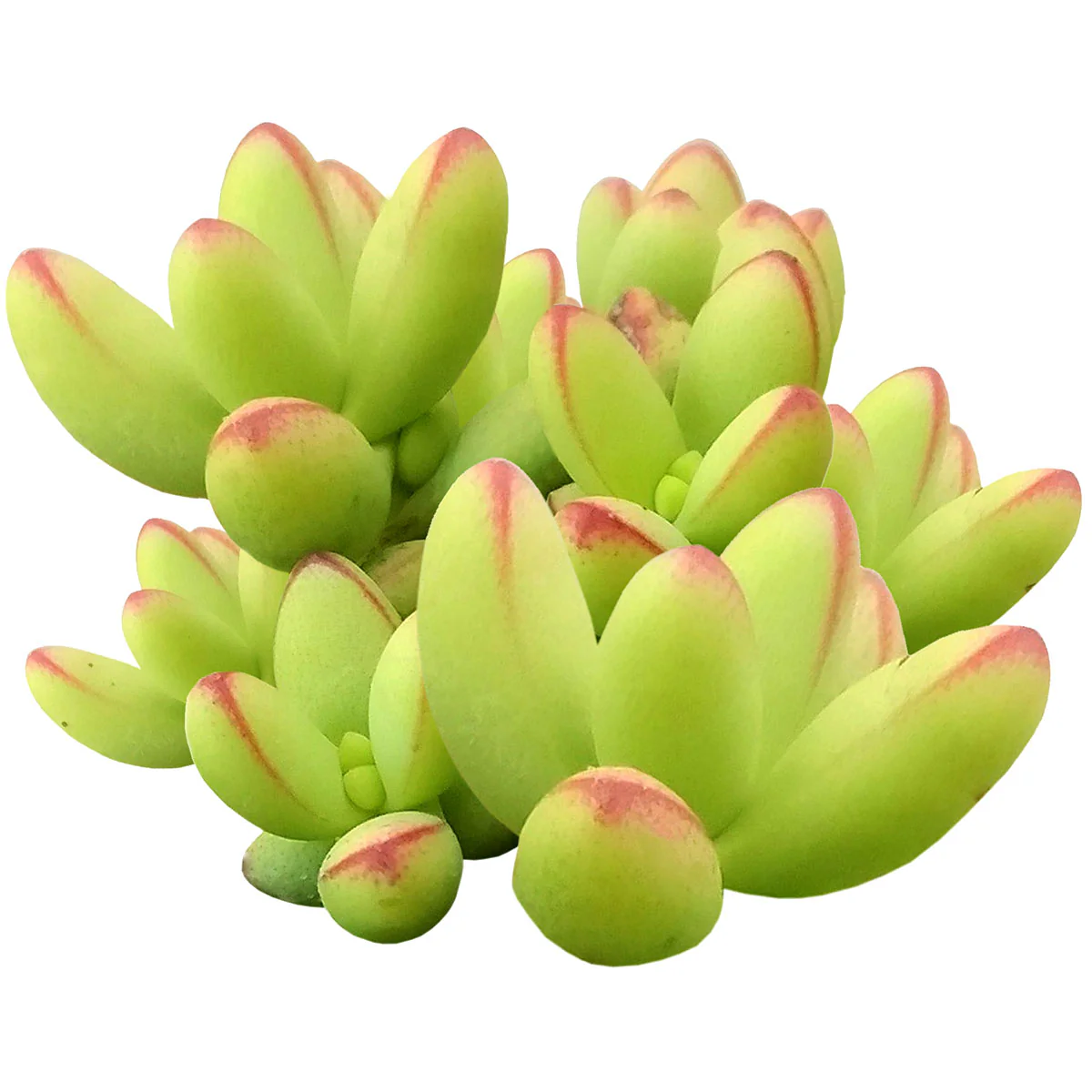
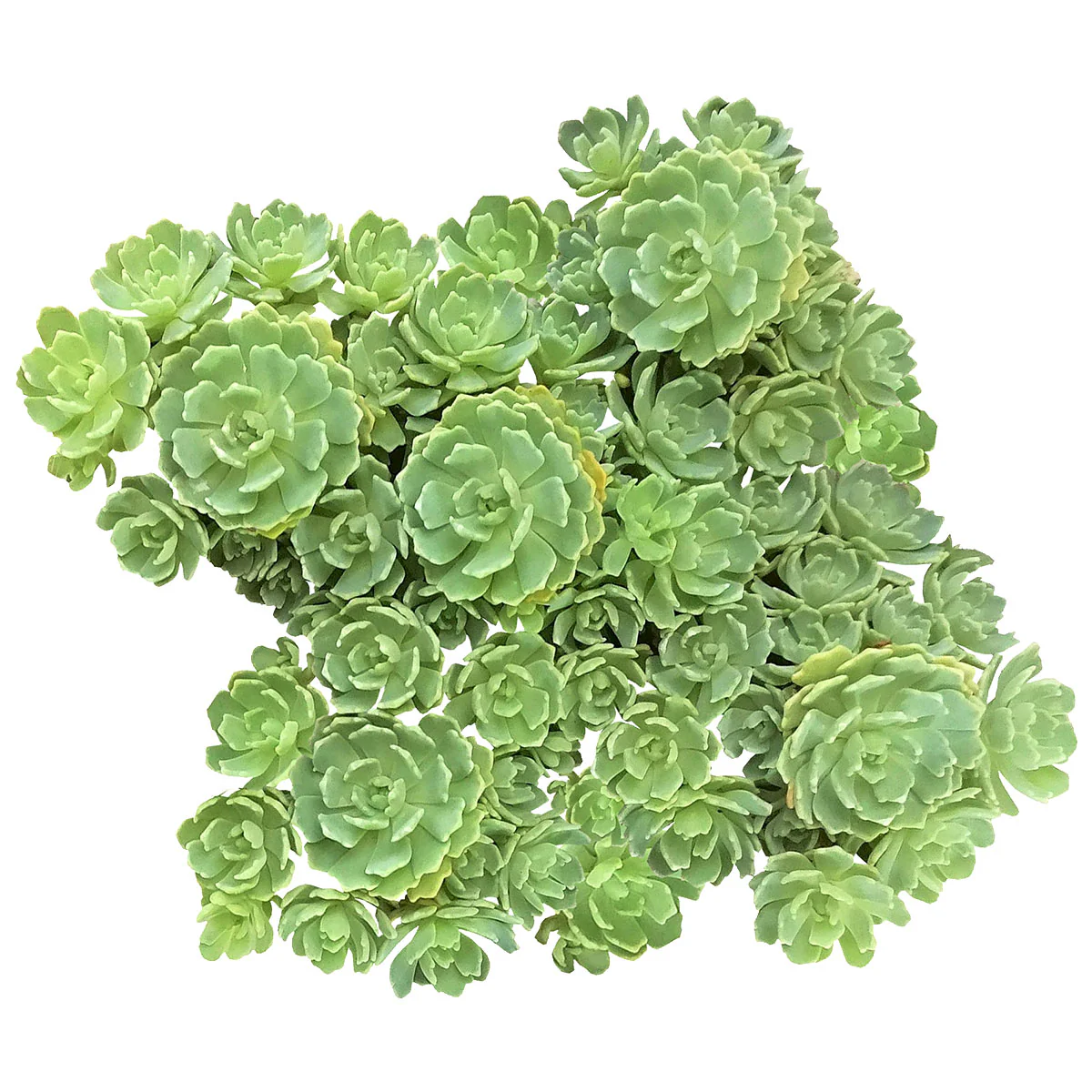
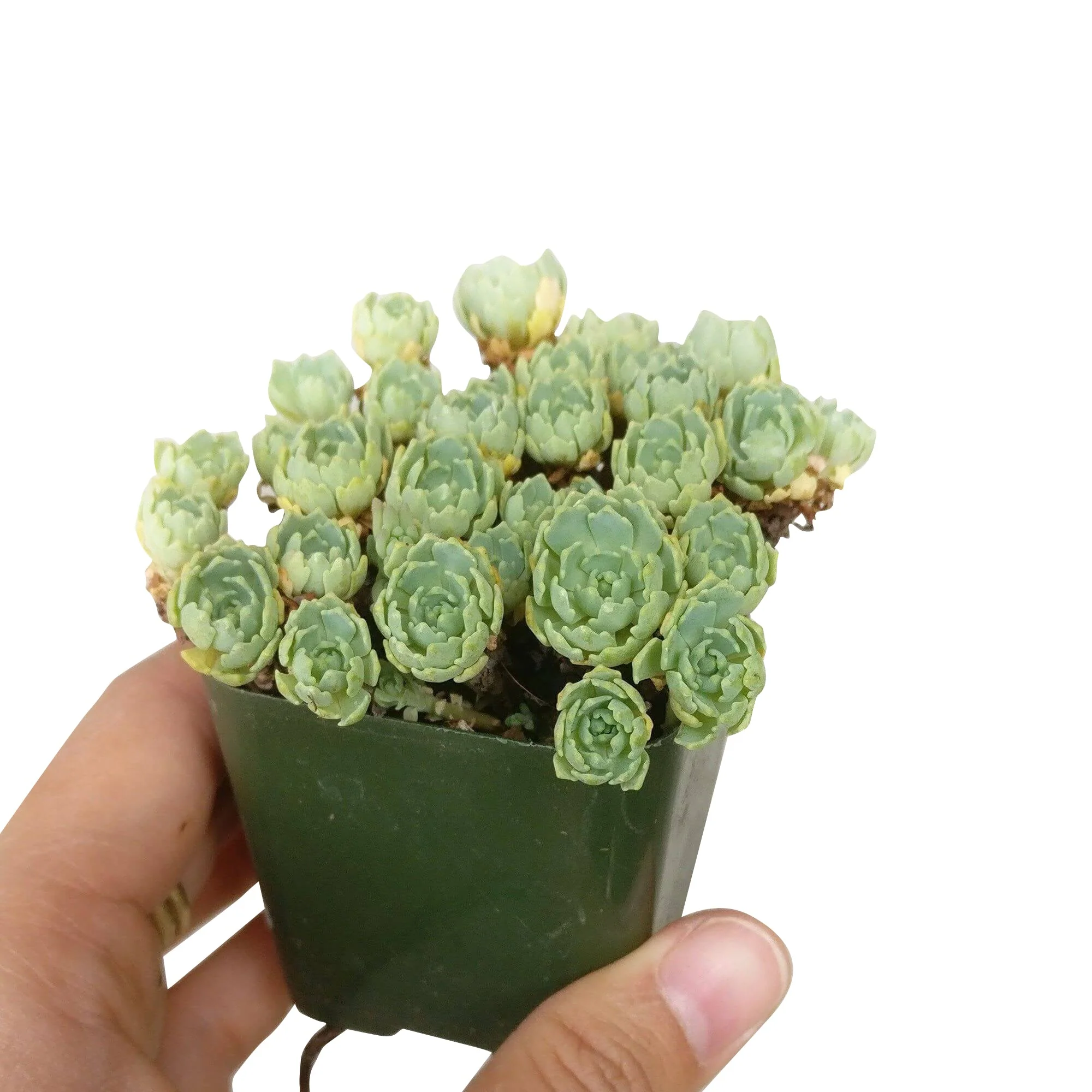
 Sedum Clavatum forms tight, symmetrical blue-green rosettes packed with plump, spoon-shaped leaves that blush pink at the tips, especially with plenty of light. The trailing growth habit means stems cascade naturally over the edges of pots and baskets, giving it that relaxed, bohemian look collectors love. Leaves have a subtle powdery coating that adds a soft, frosted appearance and makes each rosette feel almost sculptural. As a wide spreader, it fills containers beautifully and rewards patience with an ever-expanding display.
 Sedum Clavatum produces clusters of small, white star-shaped flowers on upright stems, typically blooming in spring. The flowers carry a light, delicate appearance that contrasts beautifully against the blue-green and pink-tipped foliage below. One confirmed trick for encouraging blooms is giving Sedum Clavatum a noticeable drop in nighttime temperatures, which signals the plant to set flower buds.
 Sedum Clavatum shines in hanging baskets where its trailing stems can spill freely, and it moves happily outdoors for summer to soak up full sun. Just give it cover from rain to prevent waterlogged soil, and bring it back inside before hard frost. This plant is pet friendly, making it a smart pick for homes with curious cats or dogs. Sedum Clavatum is also an impressively independent traveler, surviving up to a 10-day stretch without watering, so you can holiday without worry.
-
 Sedum Clavatum thrives in bright indirect light to full sun, ideally near a south or east-facing window.
 Water Sedum Clavatum every 10 to 14 days in summer, reducing to once a month in winter.
 Sedum Clavatum does best in a gritty, fast-draining mix of cactus soil blended with perlite or coarse sand.
 Sedum Clavatum prefers temperatures between 60 and 80°F (15 to 27°C) and should be protected from frost below 25°F (-4°C).
![]() Sedum Clavatum is a moderate to fast grower and benefits from a light balanced fertilizer once in spring and once in early summer.
Sedum Clavatum is a moderate to fast grower and benefits from a light balanced fertilizer once in spring and once in early summer.
 Sedum Clavatum is hardy in USDA zones 9 through 11, tolerating brief dips to around 25°F (-4°C) before frost damage becomes a concern. Gardeners growing Sedum Clavatum outdoors year-round will find ideal conditions across California, Arizona, Texas, Florida, Hawaii, Louisiana, Georgia, South Carolina, Alabama, Mississippi, and Nevada. Coastal regions of Oregon and Washington can also work in sheltered spots, while growers in cooler states like New York, Illinois, Colorado, and beyond enjoy Sedum Clavatum as a container plant that comes inside for winter.
-
Q: How often should I water Sedum Clavatum?
A: Water Sedum Clavatum every 10 to 14 days during active growth, and cut back to roughly once a month in winter. Always let the soil dry completely between waterings to prevent root rot.
Q: Is Sedum Clavatum pet friendly?
A: Yes, Sedum Clavatum is pet friendly and considered non-toxic to cats and dogs. It is a great choice for households with curious pets roaming around.
Q: How do I propagate Sedum Clavatum?
A: Sedum Clavatum propagates easily from leaf or stem cuttings. Let cuttings callous for a day or two, then set them on dry, well-draining soil and mist lightly until roots form.
Q: Why are the leaves on my Sedum Clavatum turning yellow?
A: Yellow leaves on Sedum Clavatum are most often a sign of overwatering or poor drainage. Check that the soil dries out fully between waterings and that the pot has adequate drainage holes.
Q: Can Sedum Clavatum grow outdoors?
A: Sedum Clavatum loves spending summer outdoors in bright sun, but move it to a sheltered spot or bring it inside before frost arrives. In USDA zones 9 to 11 it can live outside year-round with protection from heavy rain.
Q: How fast does Sedum Clavatum grow?
A: Sedum Clavatum is a moderate to reasonably fast grower that spreads wider over time, especially in good light. Expect a well-cared-for plant to fill a hanging basket or wide container within one to two growing seasons.


Original: $8.00
-70%$8.00
$2.40Product Information
Product Information
Shipping & Returns
Shipping & Returns
Description
- Description
- Sedum Clavatum Care Guide
- FAQ/Common Issues
-
![]() Sedum Clavatum is a charming trailing succulent native to the Tiscalatengo Gorge in Mexico, where it grows on rocky cliffs and canyon walls in bright, dry conditions. This easy care succulent belongs to the Sedum genus and has won fans worldwide for its compact rosettes, easygoing nature, and striking good looks. Whether you are a first-time grower or a seasoned collector, Sedum Clavatum earns its place in any succulent lineup.
Sedum Clavatum is a charming trailing succulent native to the Tiscalatengo Gorge in Mexico, where it grows on rocky cliffs and canyon walls in bright, dry conditions. This easy care succulent belongs to the Sedum genus and has won fans worldwide for its compact rosettes, easygoing nature, and striking good looks. Whether you are a first-time grower or a seasoned collector, Sedum Clavatum earns its place in any succulent lineup.
Sedum Clavatum forms tight, symmetrical blue-green rosettes packed with plump, spoon-shaped leaves that blush pink at the tips, especially with plenty of light. The trailing growth habit means stems cascade naturally over the edges of pots and baskets, giving it that relaxed, bohemian look collectors love. Leaves have a subtle powdery coating that adds a soft, frosted appearance and makes each rosette feel almost sculptural. As a wide spreader, it fills containers beautifully and rewards patience with an ever-expanding display.
Sedum Clavatum produces clusters of small, white star-shaped flowers on upright stems, typically blooming in spring. The flowers carry a light, delicate appearance that contrasts beautifully against the blue-green and pink-tipped foliage below. One confirmed trick for encouraging blooms is giving Sedum Clavatum a noticeable drop in nighttime temperatures, which signals the plant to set flower buds.
Sedum Clavatum shines in hanging baskets where its trailing stems can spill freely, and it moves happily outdoors for summer to soak up full sun. Just give it cover from rain to prevent waterlogged soil, and bring it back inside before hard frost. This plant is pet friendly, making it a smart pick for homes with curious cats or dogs. Sedum Clavatum is also an impressively independent traveler, surviving up to a 10-day stretch without watering, so you can holiday without worry.
-
Sedum Clavatum thrives in bright indirect light to full sun, ideally near a south or east-facing window.
Water Sedum Clavatum every 10 to 14 days in summer, reducing to once a month in winter.
Sedum Clavatum does best in a gritty, fast-draining mix of cactus soil blended with perlite or coarse sand.
Sedum Clavatum prefers temperatures between 60 and 80°F (15 to 27°C) and should be protected from frost below 25°F (-4°C).
![]() Sedum Clavatum is a moderate to fast grower and benefits from a light balanced fertilizer once in spring and once in early summer.
Sedum Clavatum is a moderate to fast grower and benefits from a light balanced fertilizer once in spring and once in early summer.
Sedum Clavatum is hardy in USDA zones 9 through 11, tolerating brief dips to around 25°F (-4°C) before frost damage becomes a concern. Gardeners growing Sedum Clavatum outdoors year-round will find ideal conditions across California, Arizona, Texas, Florida, Hawaii, Louisiana, Georgia, South Carolina, Alabama, Mississippi, and Nevada. Coastal regions of Oregon and Washington can also work in sheltered spots, while growers in cooler states like New York, Illinois, Colorado, and beyond enjoy Sedum Clavatum as a container plant that comes inside for winter.
-
Q: How often should I water Sedum Clavatum?
A: Water Sedum Clavatum every 10 to 14 days during active growth, and cut back to roughly once a month in winter. Always let the soil dry completely between waterings to prevent root rot.
Q: Is Sedum Clavatum pet friendly?
A: Yes, Sedum Clavatum is pet friendly and considered non-toxic to cats and dogs. It is a great choice for households with curious pets roaming around.
Q: How do I propagate Sedum Clavatum?
A: Sedum Clavatum propagates easily from leaf or stem cuttings. Let cuttings callous for a day or two, then set them on dry, well-draining soil and mist lightly until roots form.
Q: Why are the leaves on my Sedum Clavatum turning yellow?
A: Yellow leaves on Sedum Clavatum are most often a sign of overwatering or poor drainage. Check that the soil dries out fully between waterings and that the pot has adequate drainage holes.
Q: Can Sedum Clavatum grow outdoors?
A: Sedum Clavatum loves spending summer outdoors in bright sun, but move it to a sheltered spot or bring it inside before frost arrives. In USDA zones 9 to 11 it can live outside year-round with protection from heavy rain.
Q: How fast does Sedum Clavatum grow?
A: Sedum Clavatum is a moderate to reasonably fast grower that spreads wider over time, especially in good light. Expect a well-cared-for plant to fill a hanging basket or wide container within one to two growing seasons.