Plover Eggs Plant Adromischus Cooperi
- Description
- Plover Eggs Plant Adromischus Cooperi Care Guide
- FAQ/Common Issues
-
![]() Plover Eggs Plant Adromischus Cooperi is a rare South African succulent belonging to the Crassulaceae family, native to the rocky hillsides and semi-arid regions of the Western and Eastern Cape. This charming dwarf succulent has delighted collectors worldwide with its unmistakable spotted appearance and remarkably easygoing nature.
Plover Eggs Plant Adromischus Cooperi is a rare South African succulent belonging to the Crassulaceae family, native to the rocky hillsides and semi-arid regions of the Western and Eastern Cape. This charming dwarf succulent has delighted collectors worldwide with its unmistakable spotted appearance and remarkably easygoing nature.
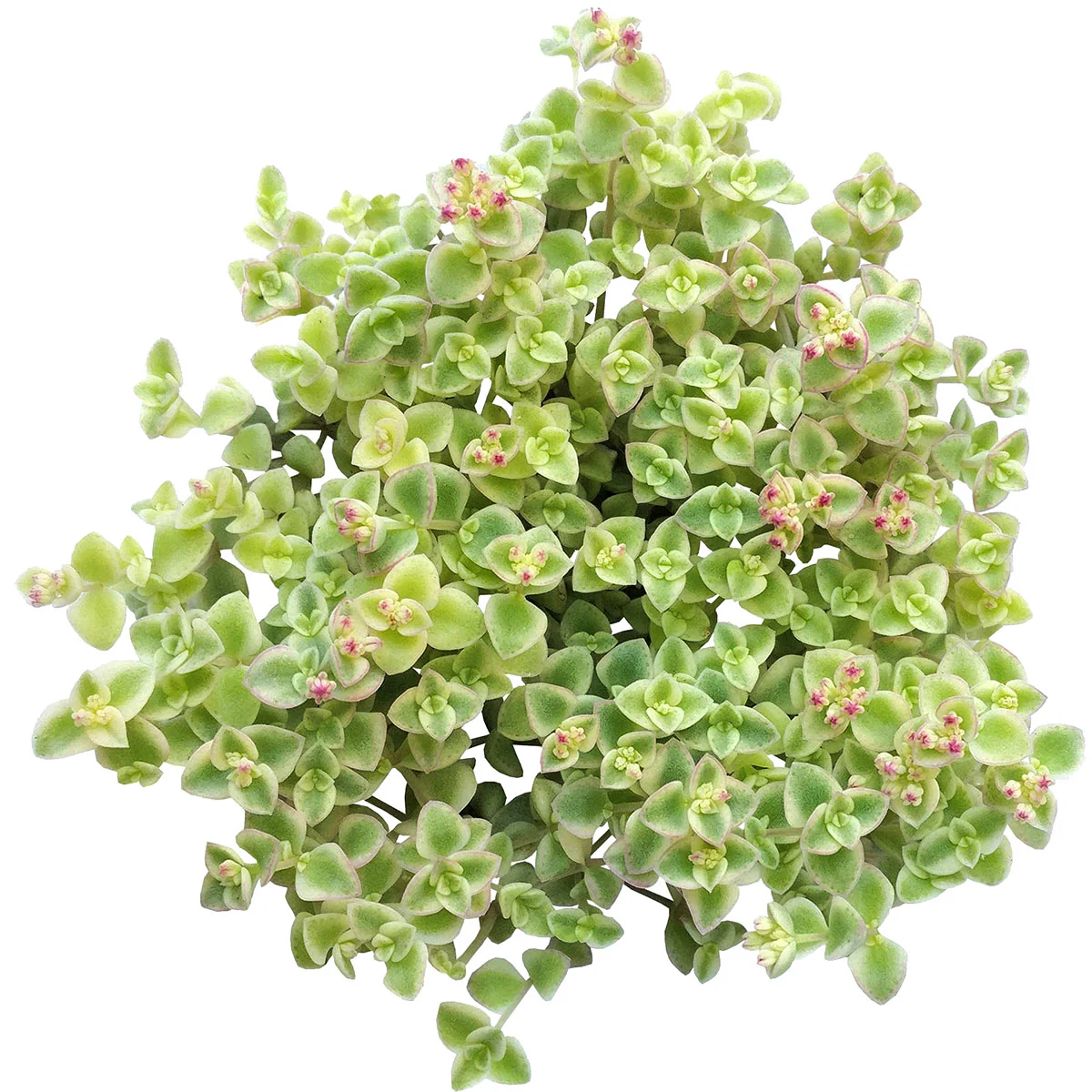
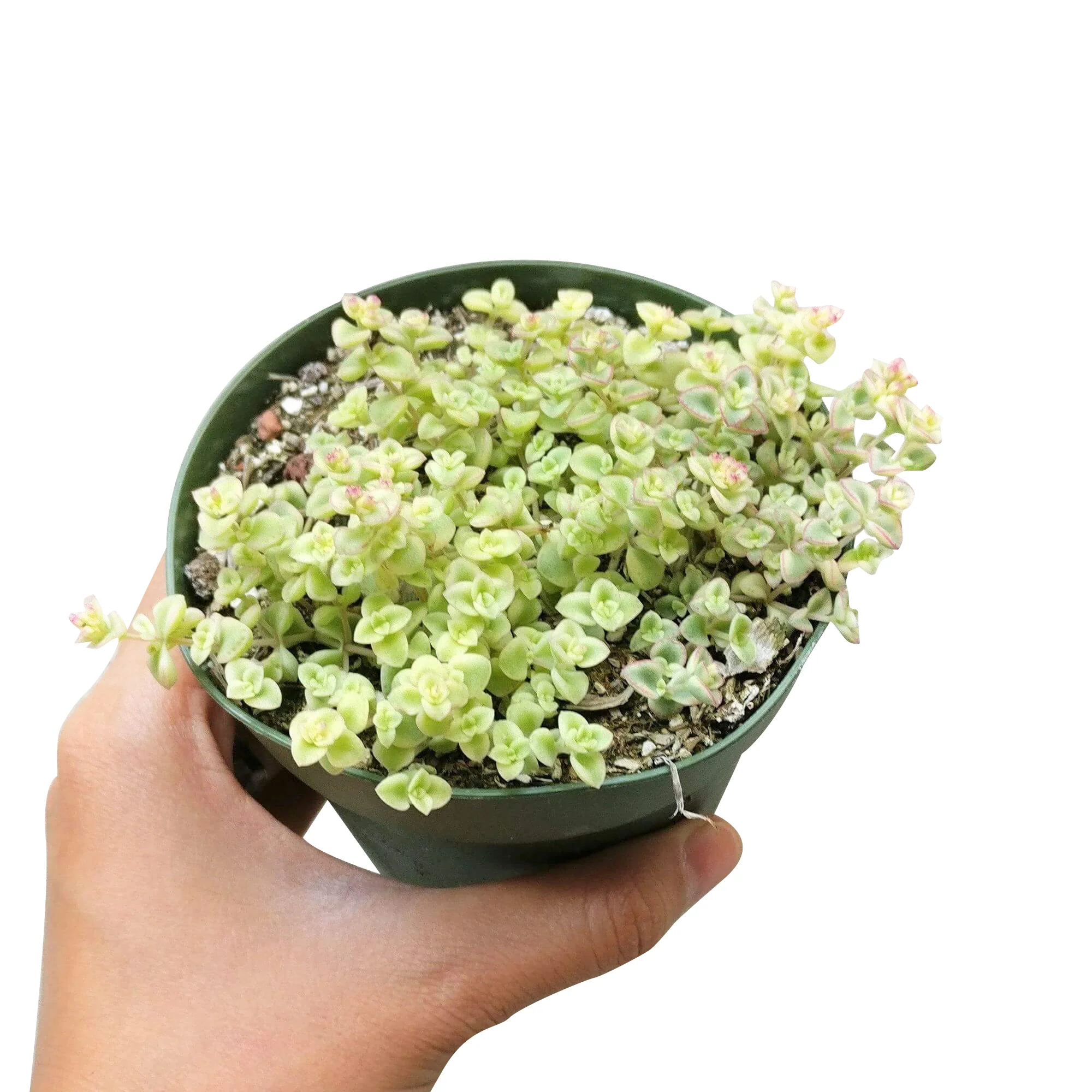
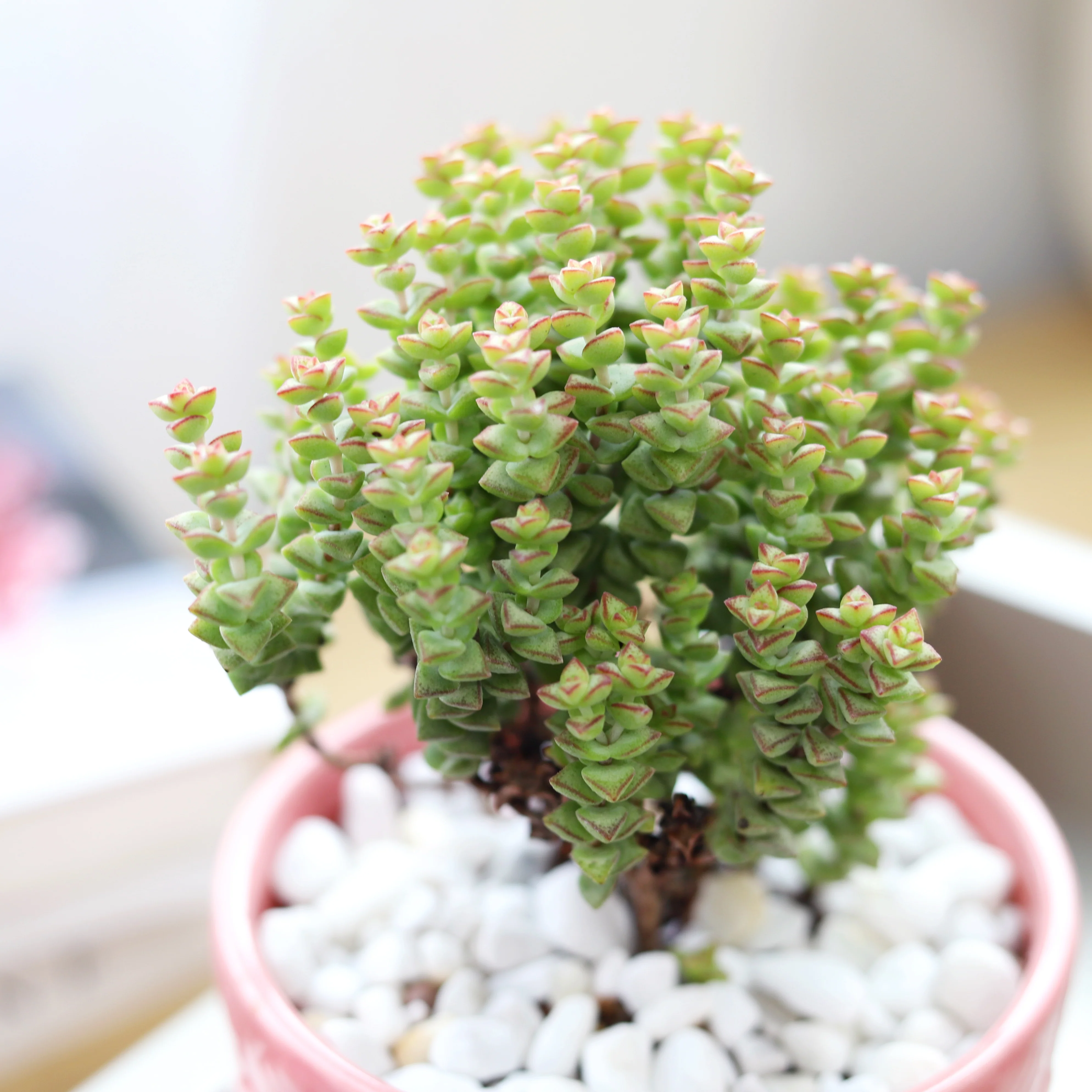
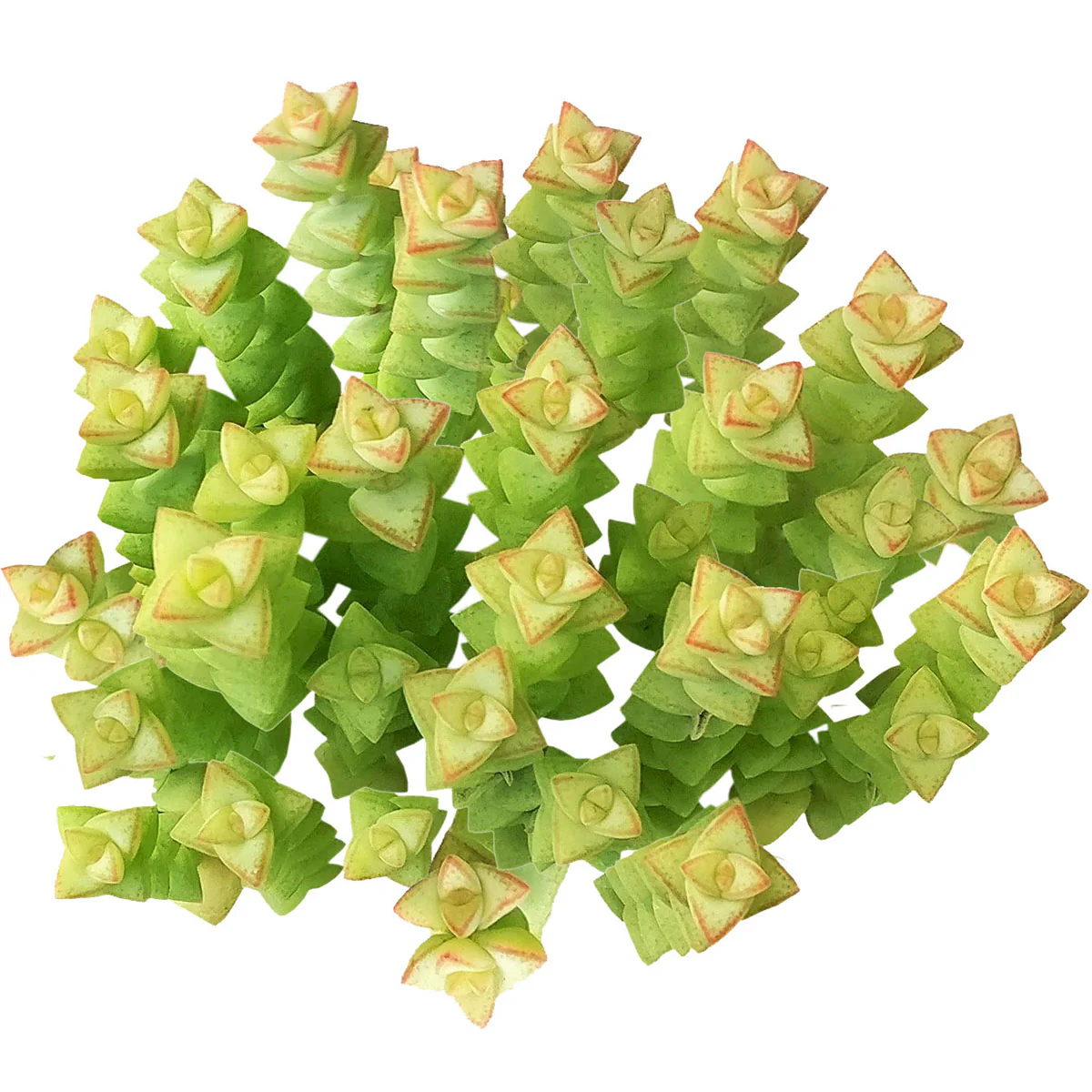
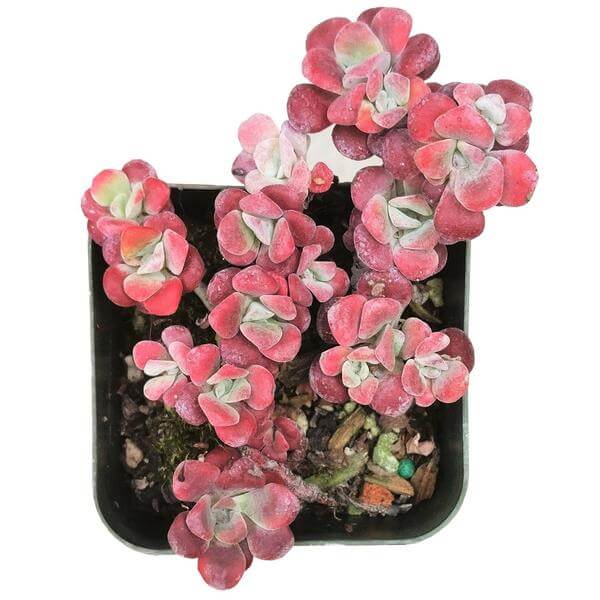
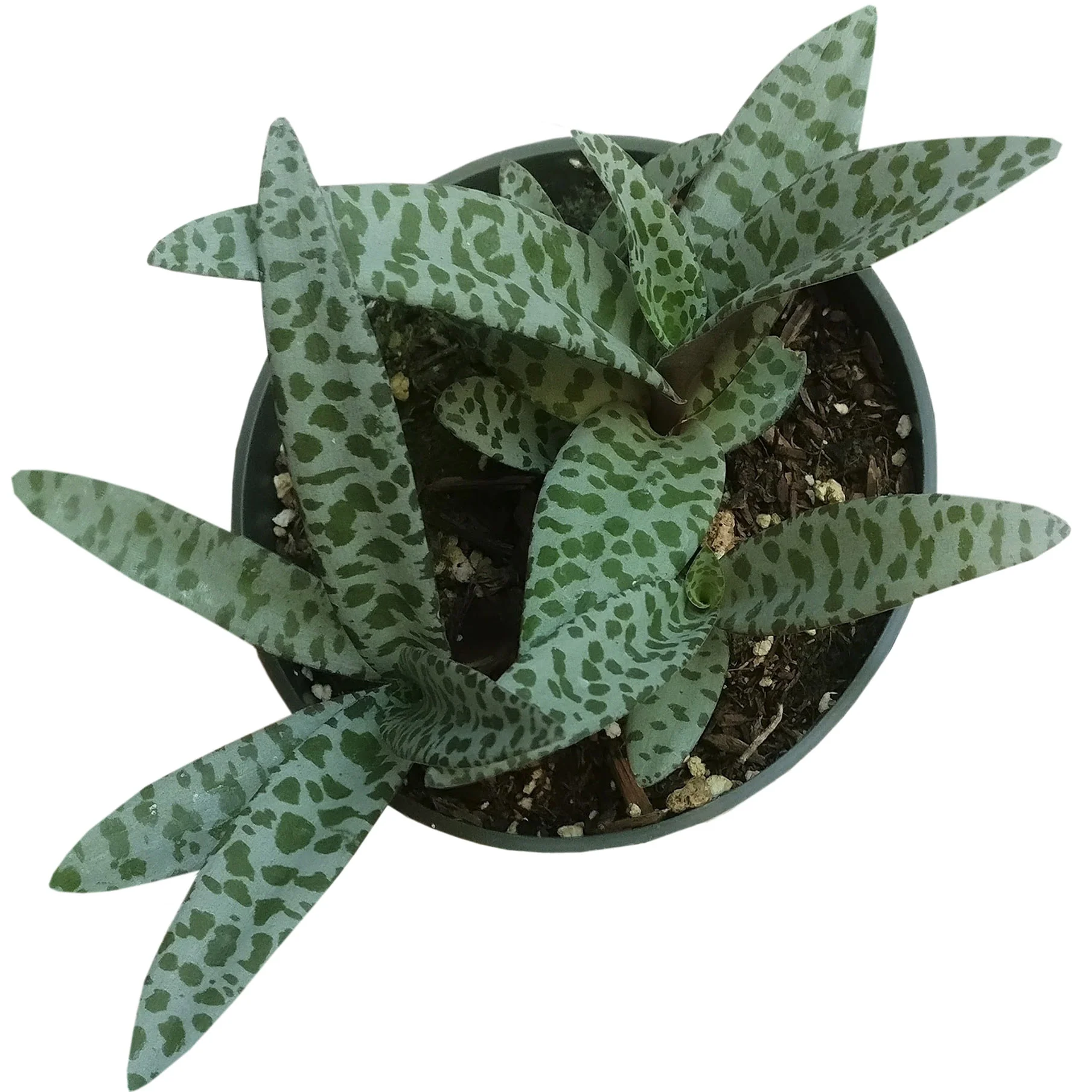
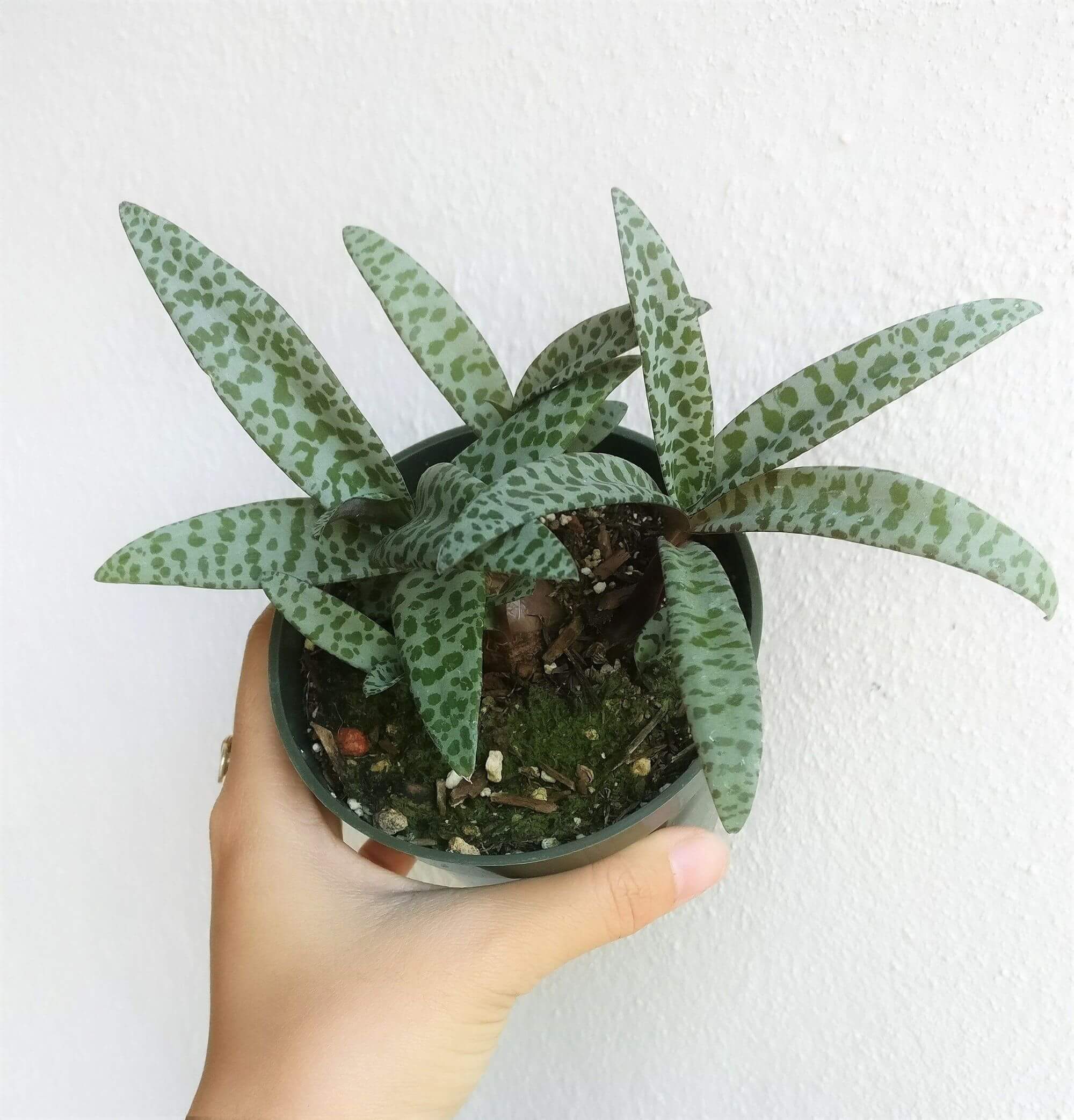
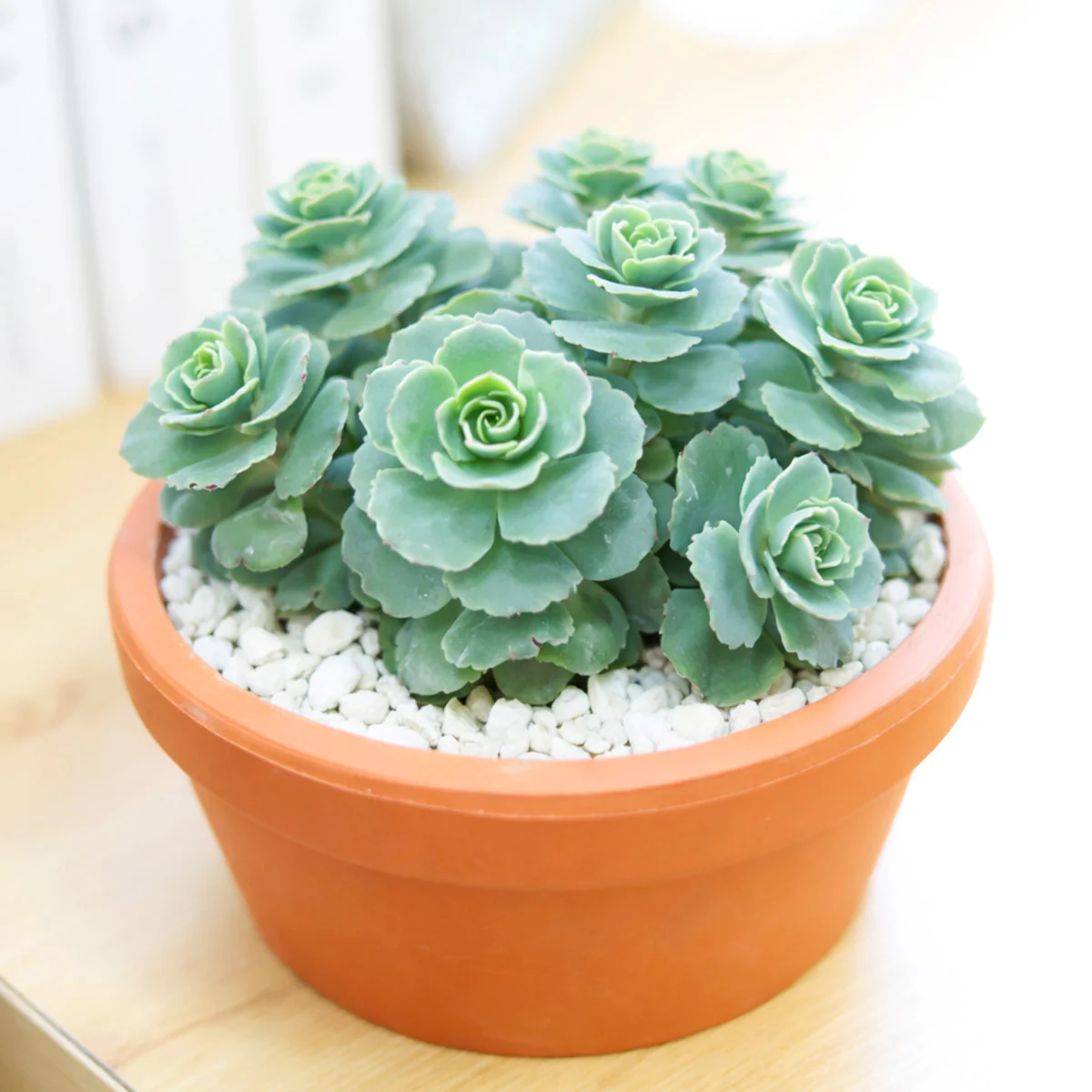
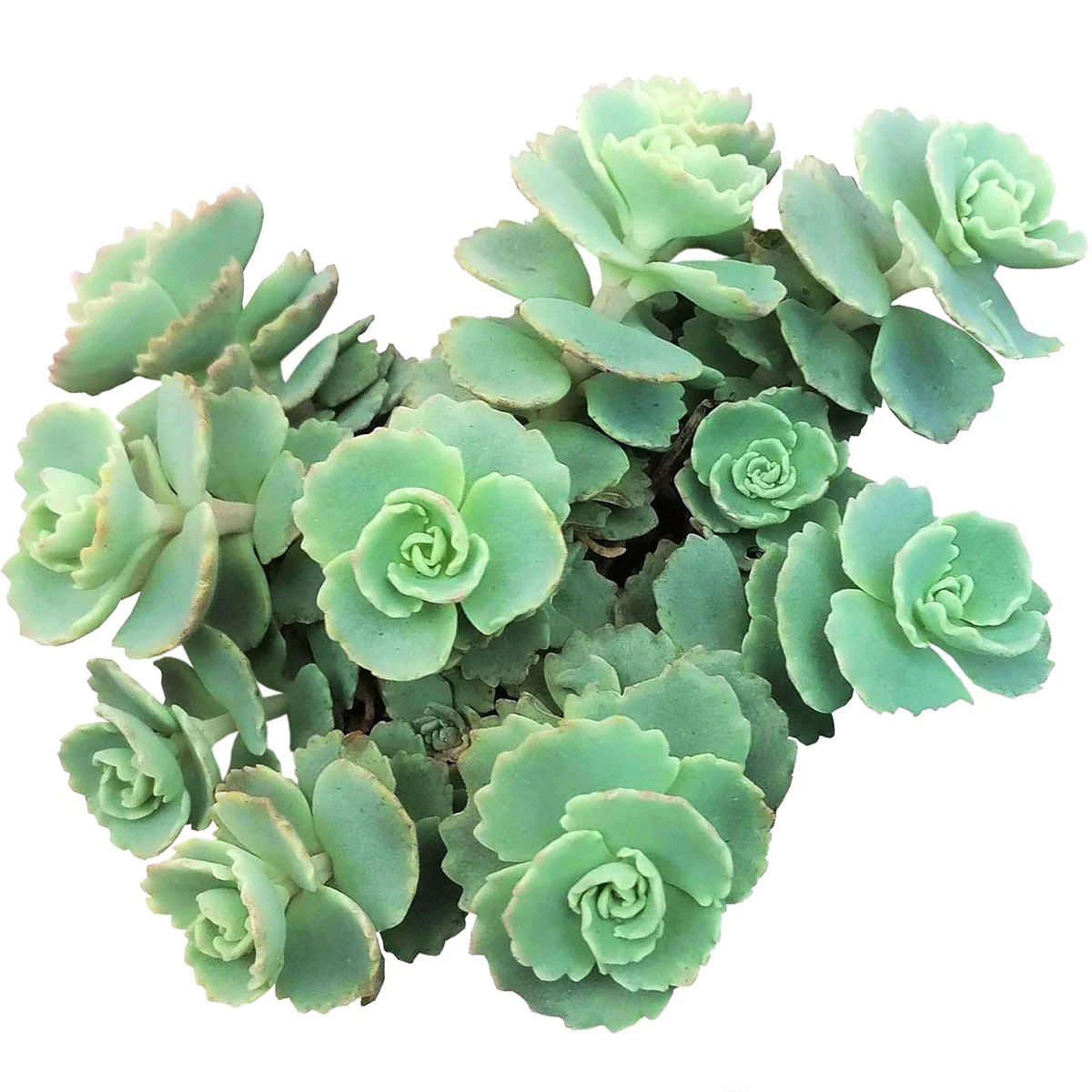
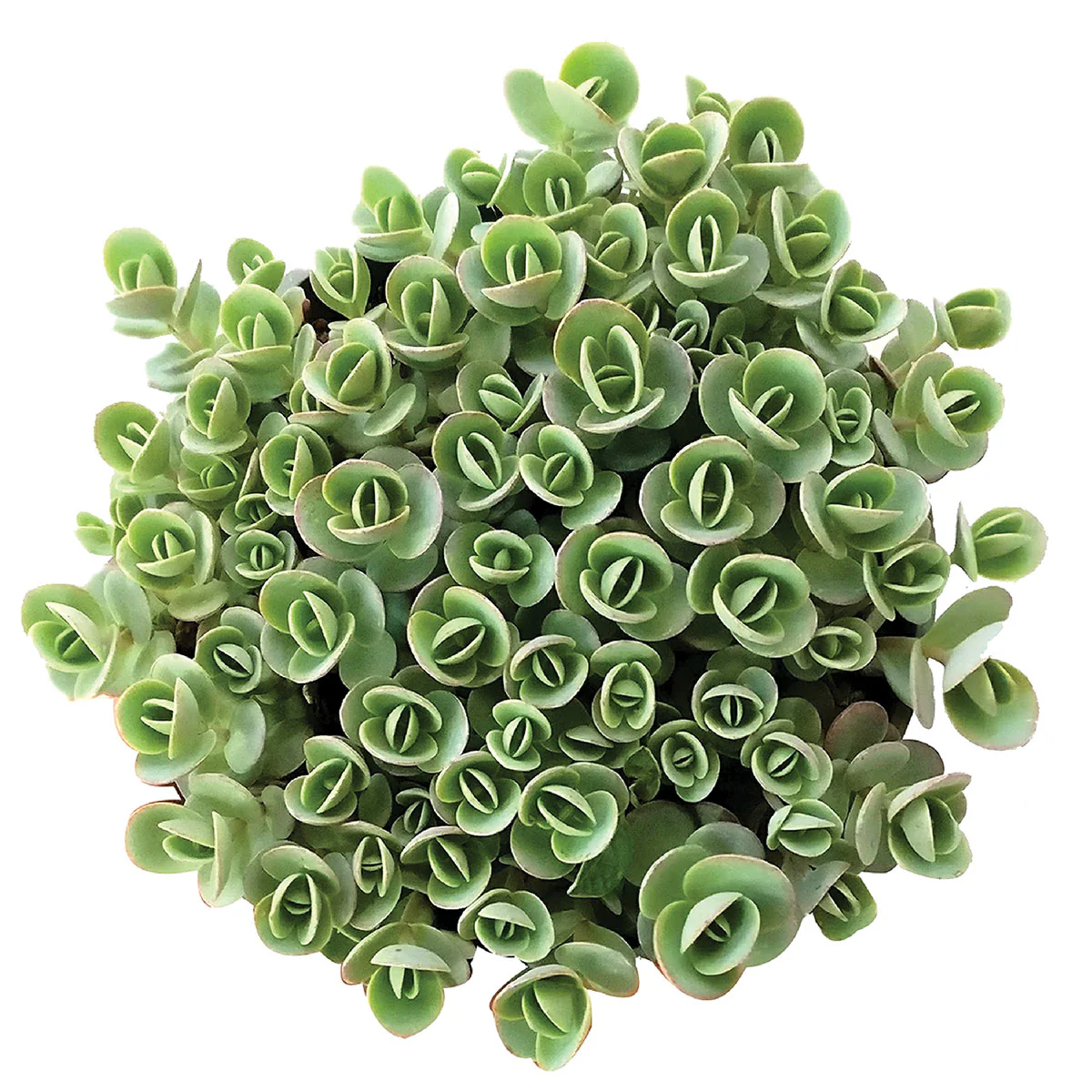
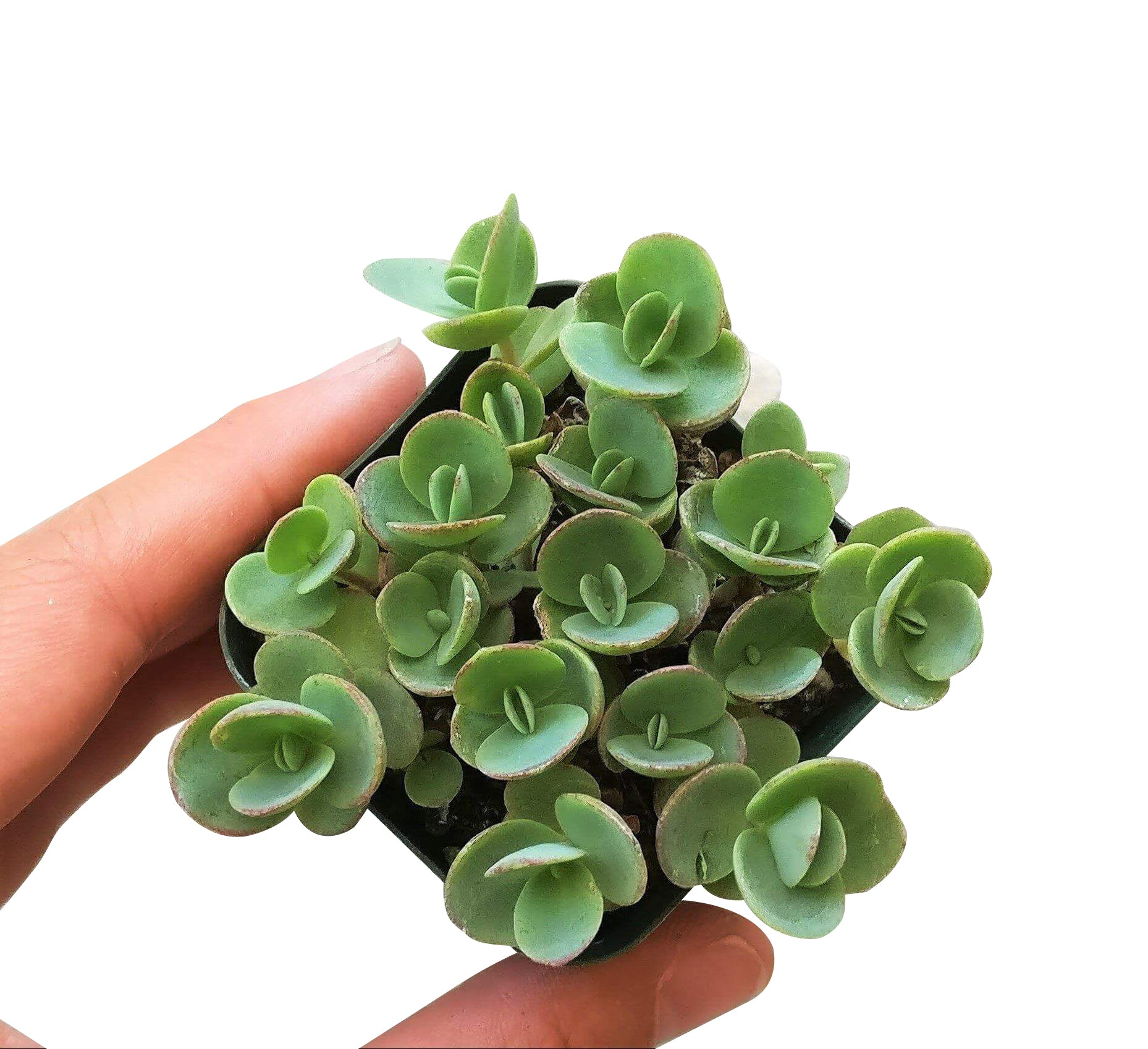
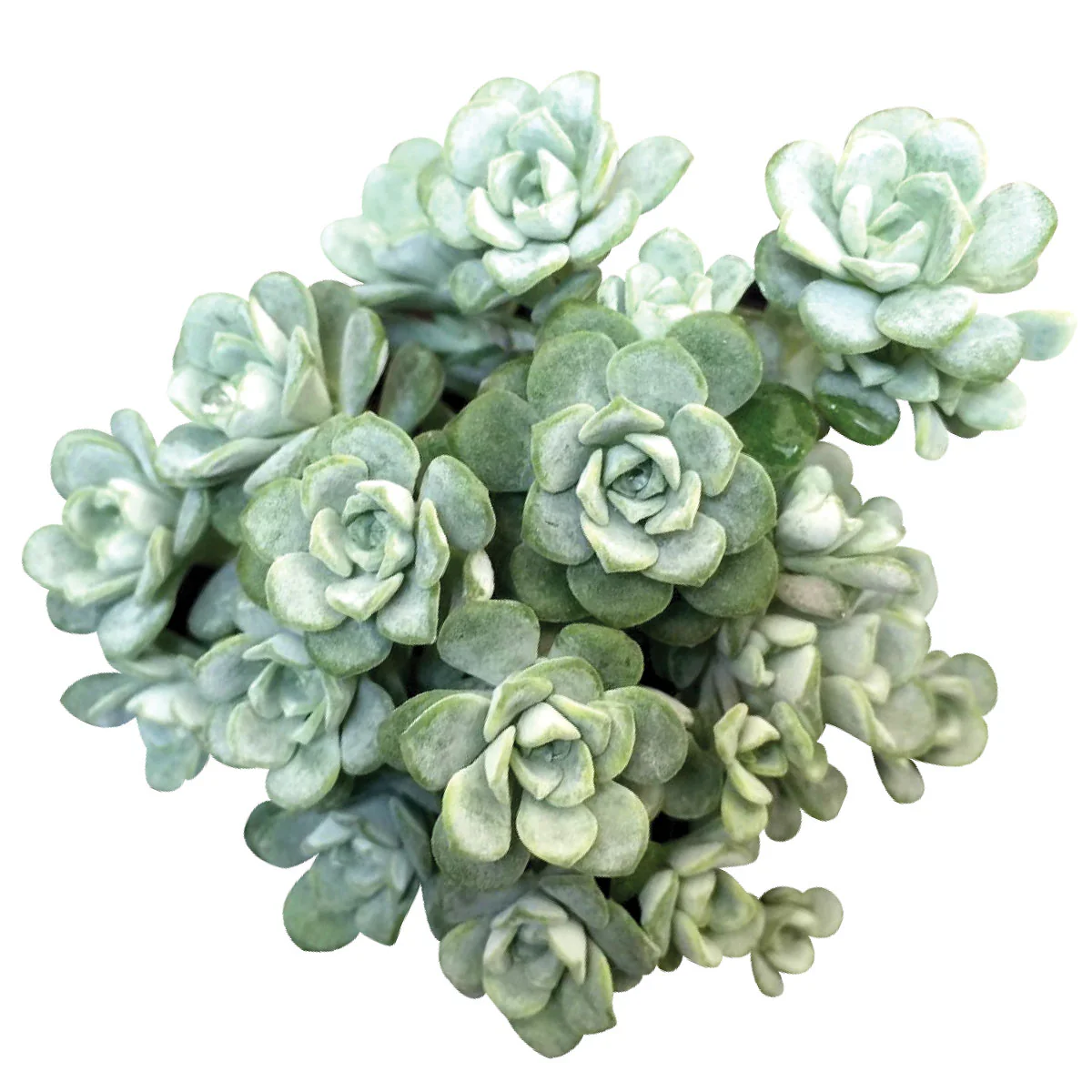
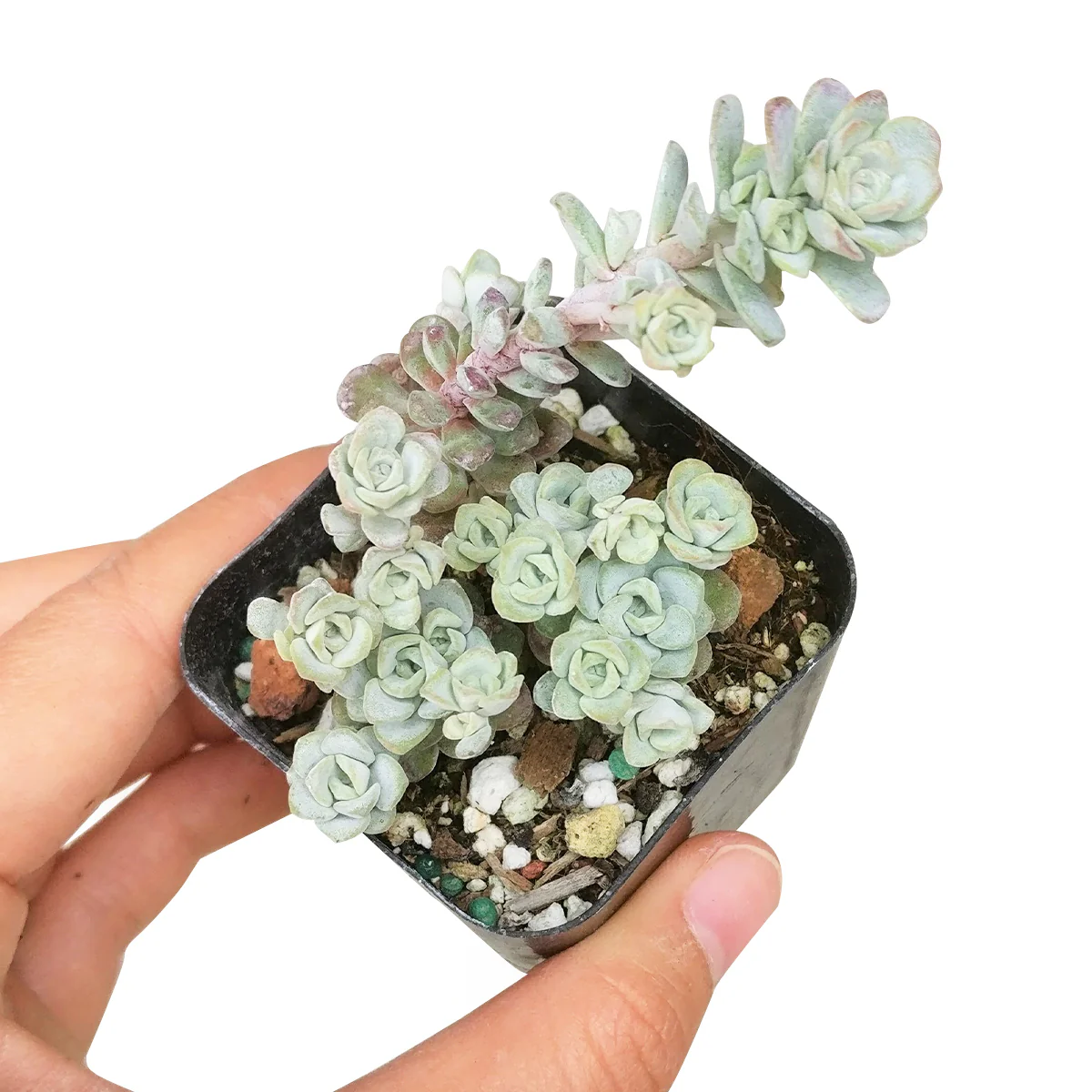
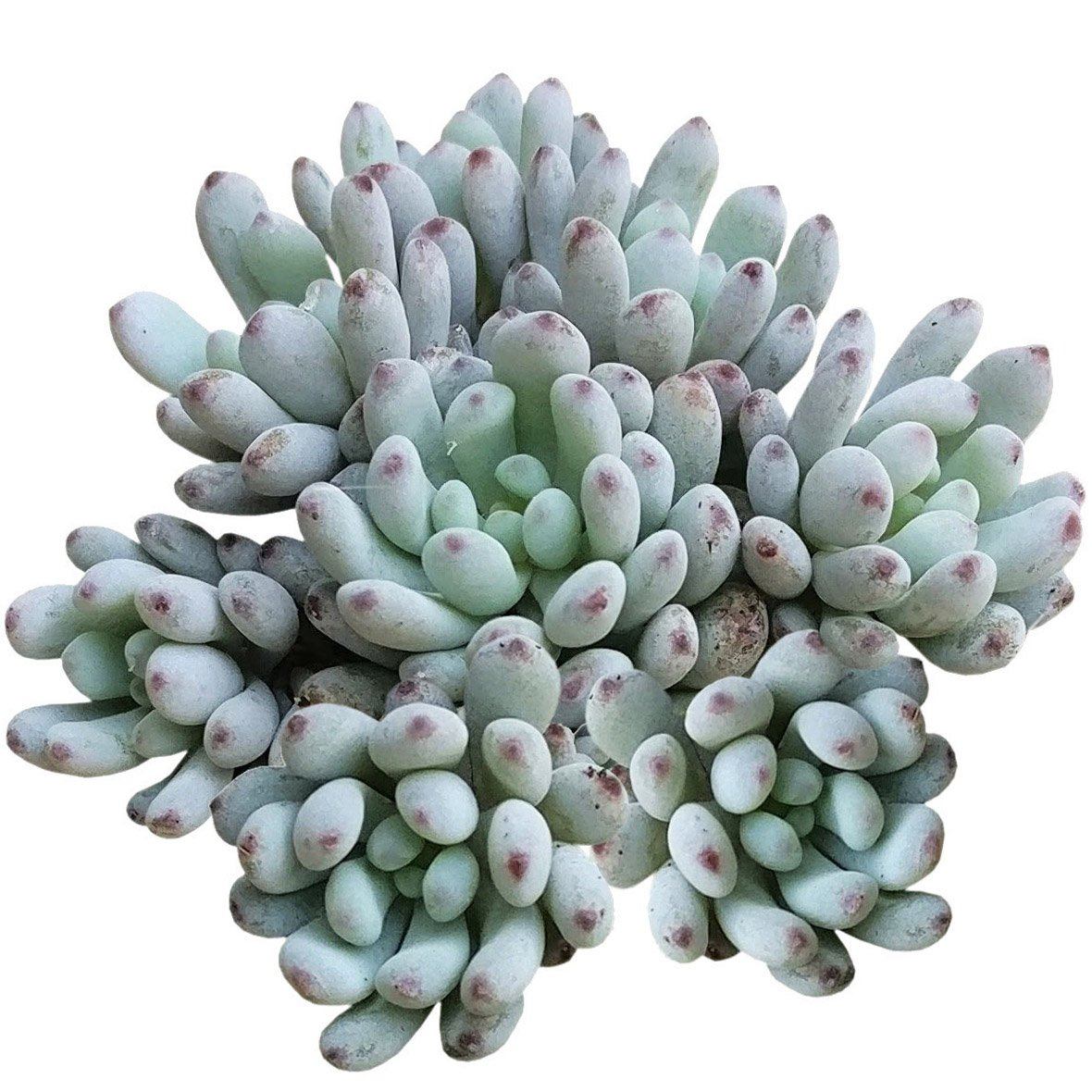
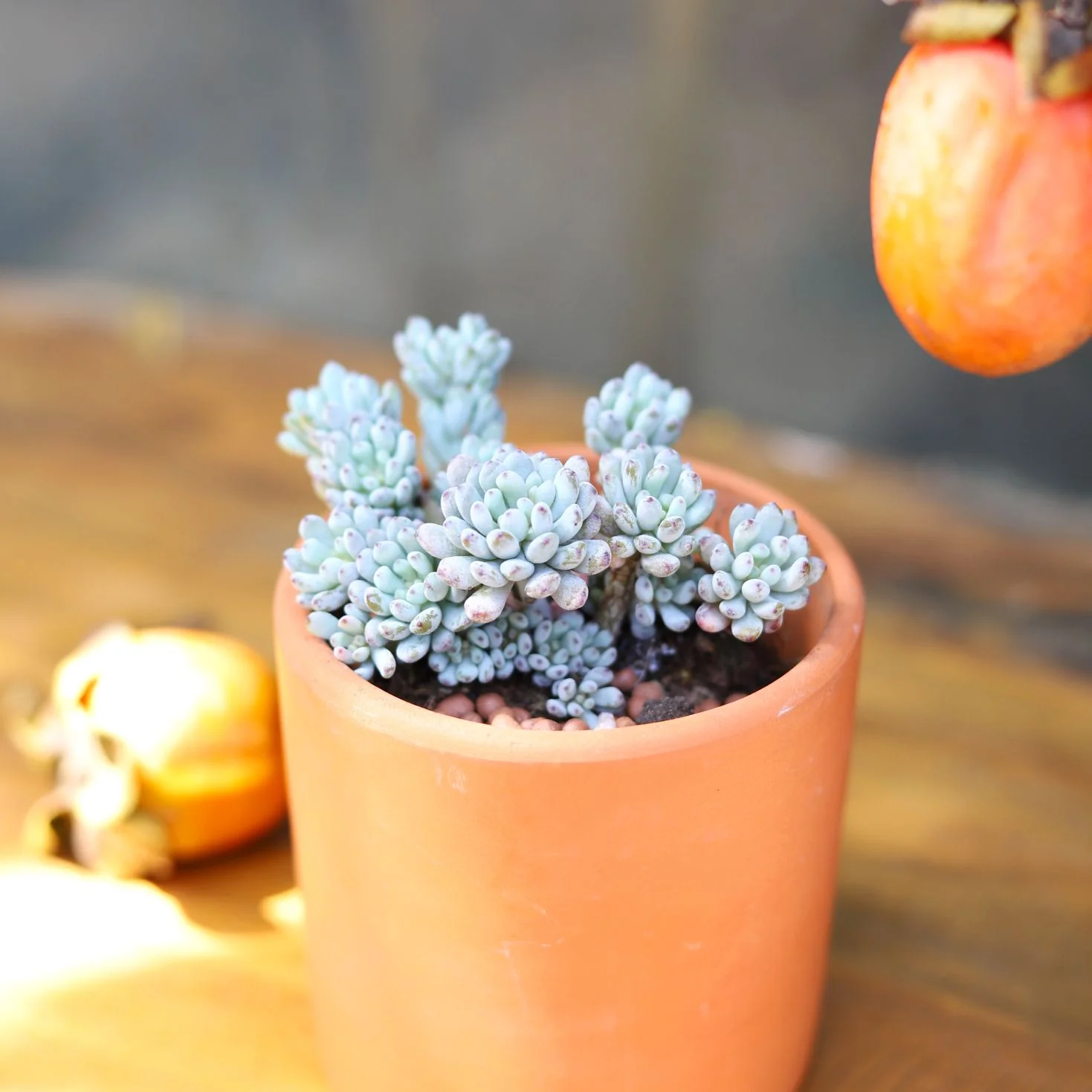
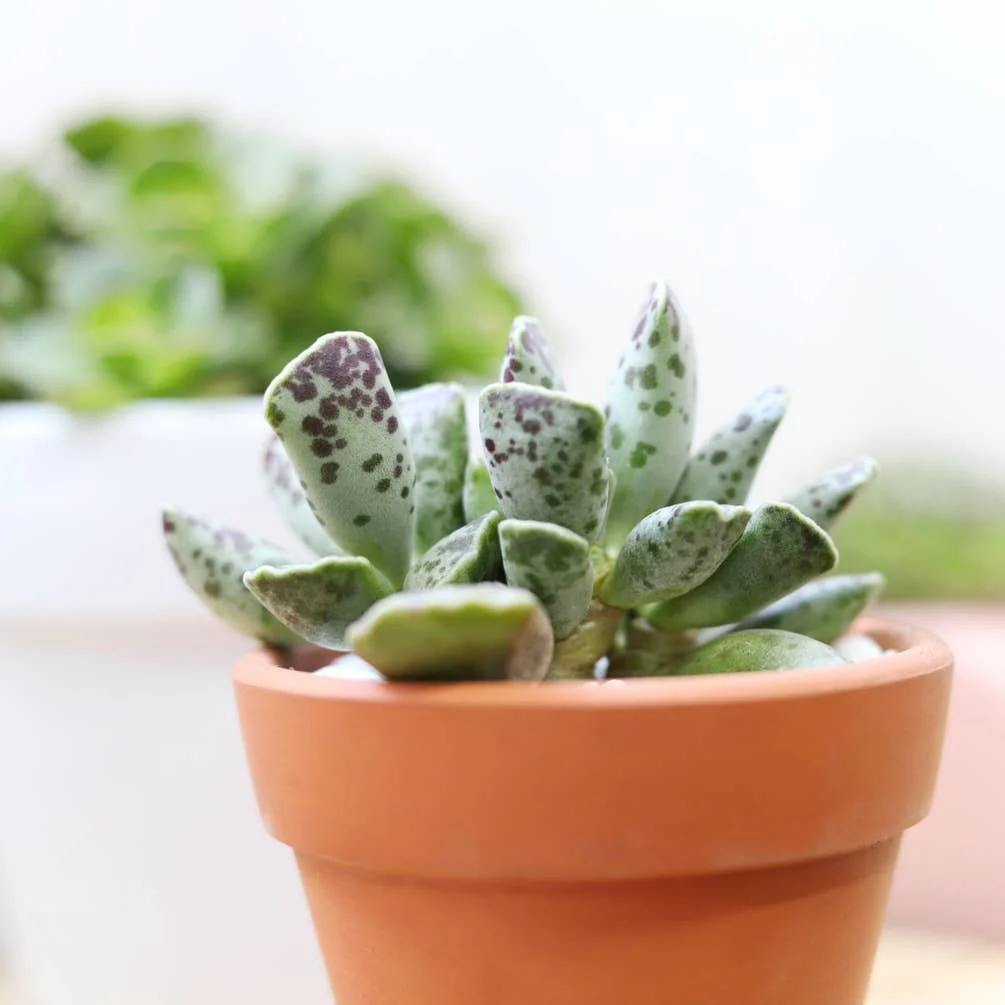
 Plover Eggs Plant Adromischus Cooperi earns its whimsical name from its plump, egg-shaped leaves adorned with irregular purple-brown speckles against a soft grey-green base, closely resembling actual plover bird eggs. The leaves grow in a compact clumping, upright habit, each one thick and waxy with gently undulating edges that catch the light beautifully. This speckled succulent stays wonderfully small, making it a standout specimen on any windowsill or shelf.
 While Plover Eggs Plant Adromischus Cooperi is primarily treasured for its extraordinary foliage, it can produce slender tubular flowers on tall stalks when given a natural drop in nighttime temperatures. This temperature cue is key to coaxing blooms from this collector succulent, rewarding patient growers with a delicate floral surprise.
 Plover Eggs Plant Adromischus Cooperi is a genuinely rare succulent for sale in most markets, making it a prized find for serious collectors and casual plant lovers alike. It performs beautifully on a high shelf safely out of reach of curious pets and toddlers, and can even move outside for summer as long as it is sheltered from direct rain. Sensitive to being moved too frequently, it rewards a consistent, well-chosen spot with steady, healthy growth. This low maintenance succulent also survives a 10-day trip alone without watering, making it ideal for travelers.
-
 Plover Eggs Plant Adromischus Cooperi thrives in bright indirect light to partial sun, tolerating direct sun but risking leaf scorch in intense south-facing windows.
 Plover Eggs Plant Adromischus Cooperi prefers a thorough watering every 10-14 days in summer, reduced to once a month or less in winter.
 Plover Eggs Plant Adromischus Cooperi does best in a well-draining cactus and succulent mix blended with extra perlite for optimal drainage.
 Plover Eggs Plant Adromischus Cooperi prefers temperatures between 50-80°F (10-27°C) and should be protected from frost below 30°F (-1°C).
![]() Plover Eggs Plant Adromischus Cooperi is a slow-growing dwarf succulent that needs only a light diluted succulent fertilizer once in spring and once in summer.
Plover Eggs Plant Adromischus Cooperi is a slow-growing dwarf succulent that needs only a light diluted succulent fertilizer once in spring and once in summer.
 Plover Eggs Plant Adromischus Cooperi is hardy in USDA Zones 9-11, tolerating outdoor temperatures down to around 30°F (-1°C) before frost protection becomes necessary. Gardeners growing Plover Eggs Plant Adromischus Cooperi outdoors year-round will find ideal conditions across California, Arizona, Texas, Florida, Hawaii, Nevada, Louisiana, Georgia, South Carolina, Alabama, Mississippi, and coastal Oregon. Parts of North Carolina, Tennessee, and the warmer pockets of New Mexico and Arkansas can also support this rare succulent through mild winters with minimal shelter.
-
Q: How often should I water Plover Eggs Plant Adromischus Cooperi?
A: Water Plover Eggs Plant Adromischus Cooperi every 10-14 days in the growing season, letting the soil dry out completely between waterings. In winter, reduce watering to once a month or less.
Q: How do I know when Plover Eggs Plant Adromischus Cooperi needs water?
A: Plover Eggs Plant Adromischus Cooperi will show slight leaf wrinkling or wilting when it is ready for a drink. This visible thirst signal makes it easy to avoid overwatering.
Q: Is Plover Eggs Plant Adromischus Cooperi safe for pets and children?
A: Plover Eggs Plant Adromischus Cooperi should be kept on a high shelf out of reach of pets and toddlers, as ingestion may be harmful. Always treat it as a plant to admire from a safe distance.
Q: Can Plover Eggs Plant Adromischus Cooperi grow under office or artificial lighting?
A: Yes, Plover Eggs Plant Adromischus Cooperi can adapt to growing under bright office LED lighting when natural light is limited. Rotate the plant regularly to encourage even, balanced growth.
Q: Can I move Plover Eggs Plant Adromischus Cooperi outside in summer?
A: Plover Eggs Plant Adromischus Cooperi loves spending summer outdoors in a bright, sheltered spot, but must be covered or moved under cover during rain. Bring it back inside before temperatures drop in autumn.
Q: How do I propagate Plover Eggs Plant Adromischus Cooperi?
A: Plover Eggs Plant Adromischus Cooperi is most easily propagated through leaf cuttings, which are allowed to callous for a few days before being placed on well-draining succulent soil. Patience is key, as this slow-growing collector succulent takes time to establish from cuttings.


Original: $8.00
-70%$8.00
$2.40Product Information
Product Information
Shipping & Returns
Shipping & Returns
Description
- Description
- Plover Eggs Plant Adromischus Cooperi Care Guide
- FAQ/Common Issues
-
![]() Plover Eggs Plant Adromischus Cooperi is a rare South African succulent belonging to the Crassulaceae family, native to the rocky hillsides and semi-arid regions of the Western and Eastern Cape. This charming dwarf succulent has delighted collectors worldwide with its unmistakable spotted appearance and remarkably easygoing nature.
Plover Eggs Plant Adromischus Cooperi is a rare South African succulent belonging to the Crassulaceae family, native to the rocky hillsides and semi-arid regions of the Western and Eastern Cape. This charming dwarf succulent has delighted collectors worldwide with its unmistakable spotted appearance and remarkably easygoing nature.
Plover Eggs Plant Adromischus Cooperi earns its whimsical name from its plump, egg-shaped leaves adorned with irregular purple-brown speckles against a soft grey-green base, closely resembling actual plover bird eggs. The leaves grow in a compact clumping, upright habit, each one thick and waxy with gently undulating edges that catch the light beautifully. This speckled succulent stays wonderfully small, making it a standout specimen on any windowsill or shelf.
While Plover Eggs Plant Adromischus Cooperi is primarily treasured for its extraordinary foliage, it can produce slender tubular flowers on tall stalks when given a natural drop in nighttime temperatures. This temperature cue is key to coaxing blooms from this collector succulent, rewarding patient growers with a delicate floral surprise.
Plover Eggs Plant Adromischus Cooperi is a genuinely rare succulent for sale in most markets, making it a prized find for serious collectors and casual plant lovers alike. It performs beautifully on a high shelf safely out of reach of curious pets and toddlers, and can even move outside for summer as long as it is sheltered from direct rain. Sensitive to being moved too frequently, it rewards a consistent, well-chosen spot with steady, healthy growth. This low maintenance succulent also survives a 10-day trip alone without watering, making it ideal for travelers.
-
Plover Eggs Plant Adromischus Cooperi thrives in bright indirect light to partial sun, tolerating direct sun but risking leaf scorch in intense south-facing windows.
Plover Eggs Plant Adromischus Cooperi prefers a thorough watering every 10-14 days in summer, reduced to once a month or less in winter.
Plover Eggs Plant Adromischus Cooperi does best in a well-draining cactus and succulent mix blended with extra perlite for optimal drainage.
Plover Eggs Plant Adromischus Cooperi prefers temperatures between 50-80°F (10-27°C) and should be protected from frost below 30°F (-1°C).
![]() Plover Eggs Plant Adromischus Cooperi is a slow-growing dwarf succulent that needs only a light diluted succulent fertilizer once in spring and once in summer.
Plover Eggs Plant Adromischus Cooperi is a slow-growing dwarf succulent that needs only a light diluted succulent fertilizer once in spring and once in summer.
Plover Eggs Plant Adromischus Cooperi is hardy in USDA Zones 9-11, tolerating outdoor temperatures down to around 30°F (-1°C) before frost protection becomes necessary. Gardeners growing Plover Eggs Plant Adromischus Cooperi outdoors year-round will find ideal conditions across California, Arizona, Texas, Florida, Hawaii, Nevada, Louisiana, Georgia, South Carolina, Alabama, Mississippi, and coastal Oregon. Parts of North Carolina, Tennessee, and the warmer pockets of New Mexico and Arkansas can also support this rare succulent through mild winters with minimal shelter.
-
Q: How often should I water Plover Eggs Plant Adromischus Cooperi?
A: Water Plover Eggs Plant Adromischus Cooperi every 10-14 days in the growing season, letting the soil dry out completely between waterings. In winter, reduce watering to once a month or less.
Q: How do I know when Plover Eggs Plant Adromischus Cooperi needs water?
A: Plover Eggs Plant Adromischus Cooperi will show slight leaf wrinkling or wilting when it is ready for a drink. This visible thirst signal makes it easy to avoid overwatering.
Q: Is Plover Eggs Plant Adromischus Cooperi safe for pets and children?
A: Plover Eggs Plant Adromischus Cooperi should be kept on a high shelf out of reach of pets and toddlers, as ingestion may be harmful. Always treat it as a plant to admire from a safe distance.
Q: Can Plover Eggs Plant Adromischus Cooperi grow under office or artificial lighting?
A: Yes, Plover Eggs Plant Adromischus Cooperi can adapt to growing under bright office LED lighting when natural light is limited. Rotate the plant regularly to encourage even, balanced growth.
Q: Can I move Plover Eggs Plant Adromischus Cooperi outside in summer?
A: Plover Eggs Plant Adromischus Cooperi loves spending summer outdoors in a bright, sheltered spot, but must be covered or moved under cover during rain. Bring it back inside before temperatures drop in autumn.
Q: How do I propagate Plover Eggs Plant Adromischus Cooperi?
A: Plover Eggs Plant Adromischus Cooperi is most easily propagated through leaf cuttings, which are allowed to callous for a few days before being placed on well-draining succulent soil. Patience is key, as this slow-growing collector succulent takes time to establish from cuttings.