Panda Plant - Kalanchoe tomentosa
- Description
- Panda Plant - Kalanchoe tomentosa Care Guide
- FAQ/Common Issues
-
![]() Panda Plant - Kalanchoe tomentosa is a charming, easy care succulent native to the highlands of Madagascar, where it grows in rocky, semi-arid conditions with excellent drainage and plenty of sun. Part of the Kalanchoe genus in the Crassulaceae family, this drought tolerant beauty has earned a devoted following among succulent collectors and casual plant parents alike.
Panda Plant - Kalanchoe tomentosa is a charming, easy care succulent native to the highlands of Madagascar, where it grows in rocky, semi-arid conditions with excellent drainage and plenty of sun. Part of the Kalanchoe genus in the Crassulaceae family, this drought tolerant beauty has earned a devoted following among succulent collectors and casual plant parents alike.
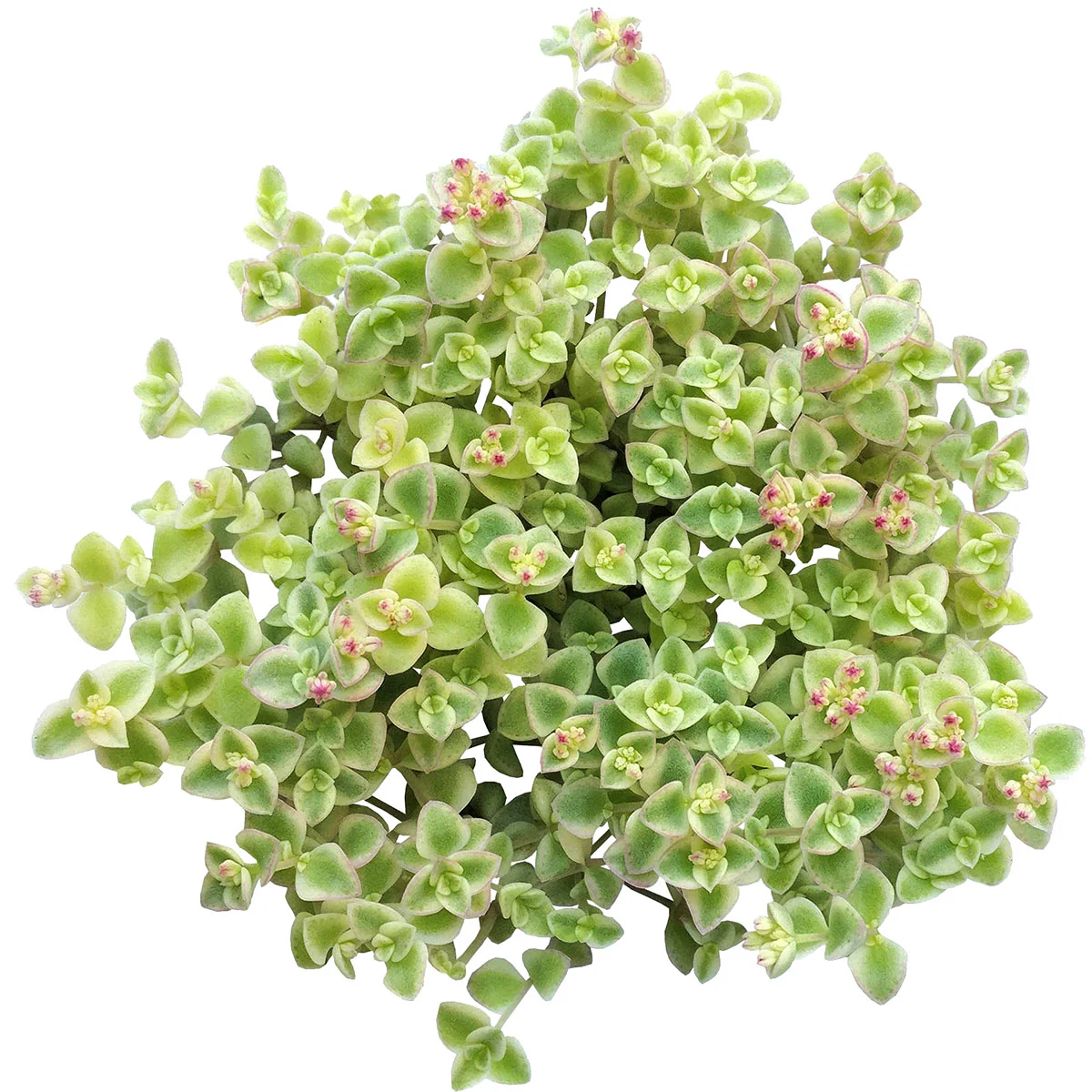
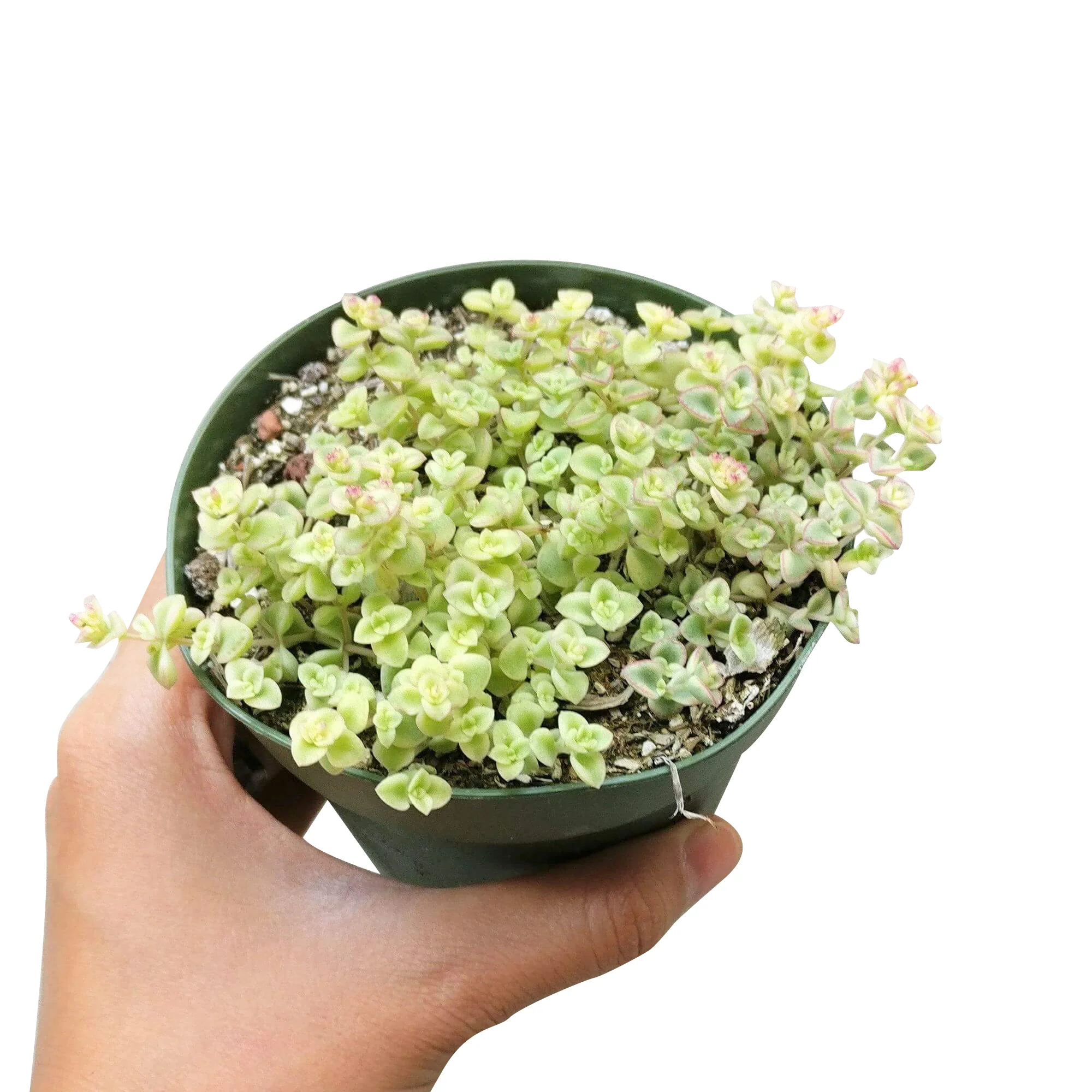
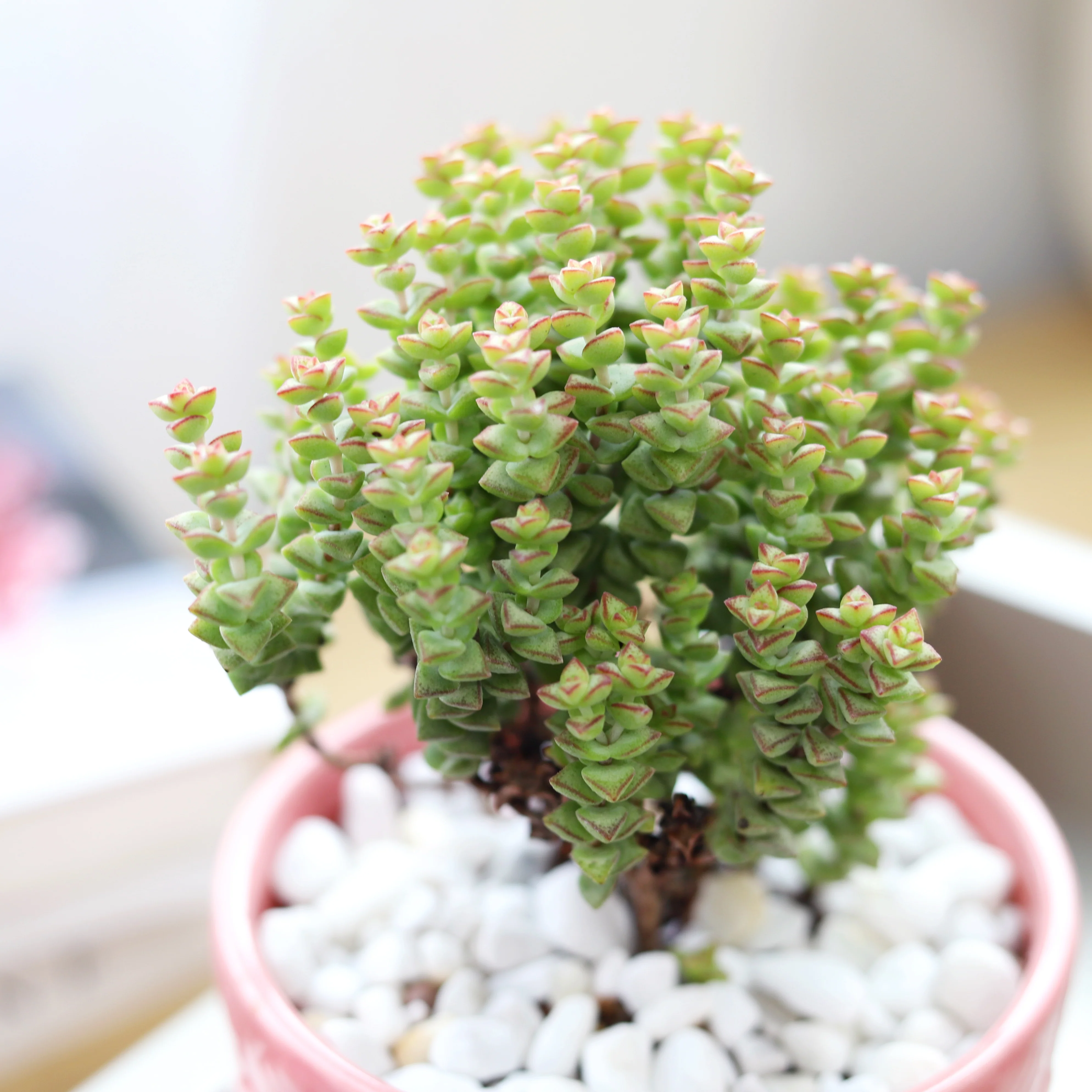
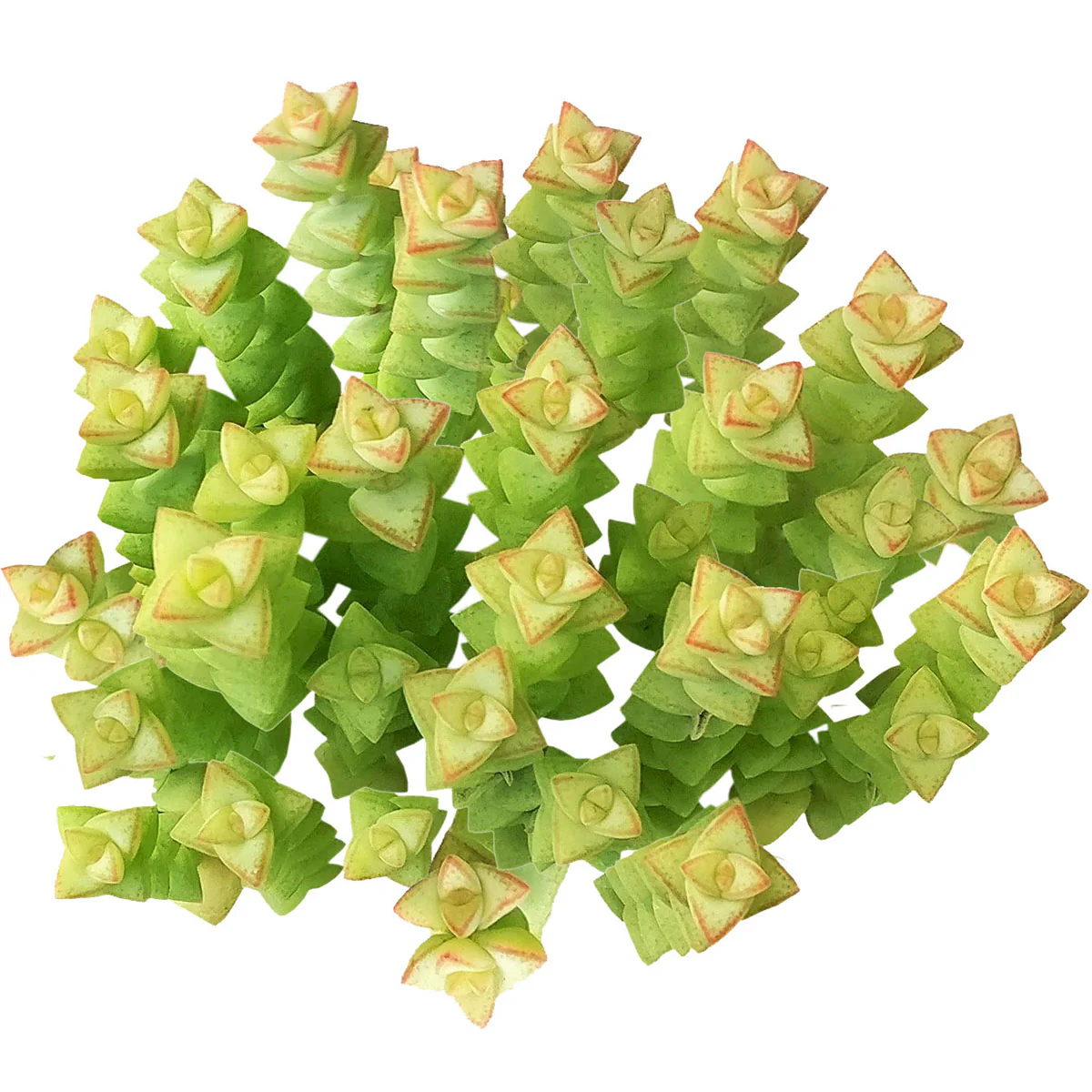
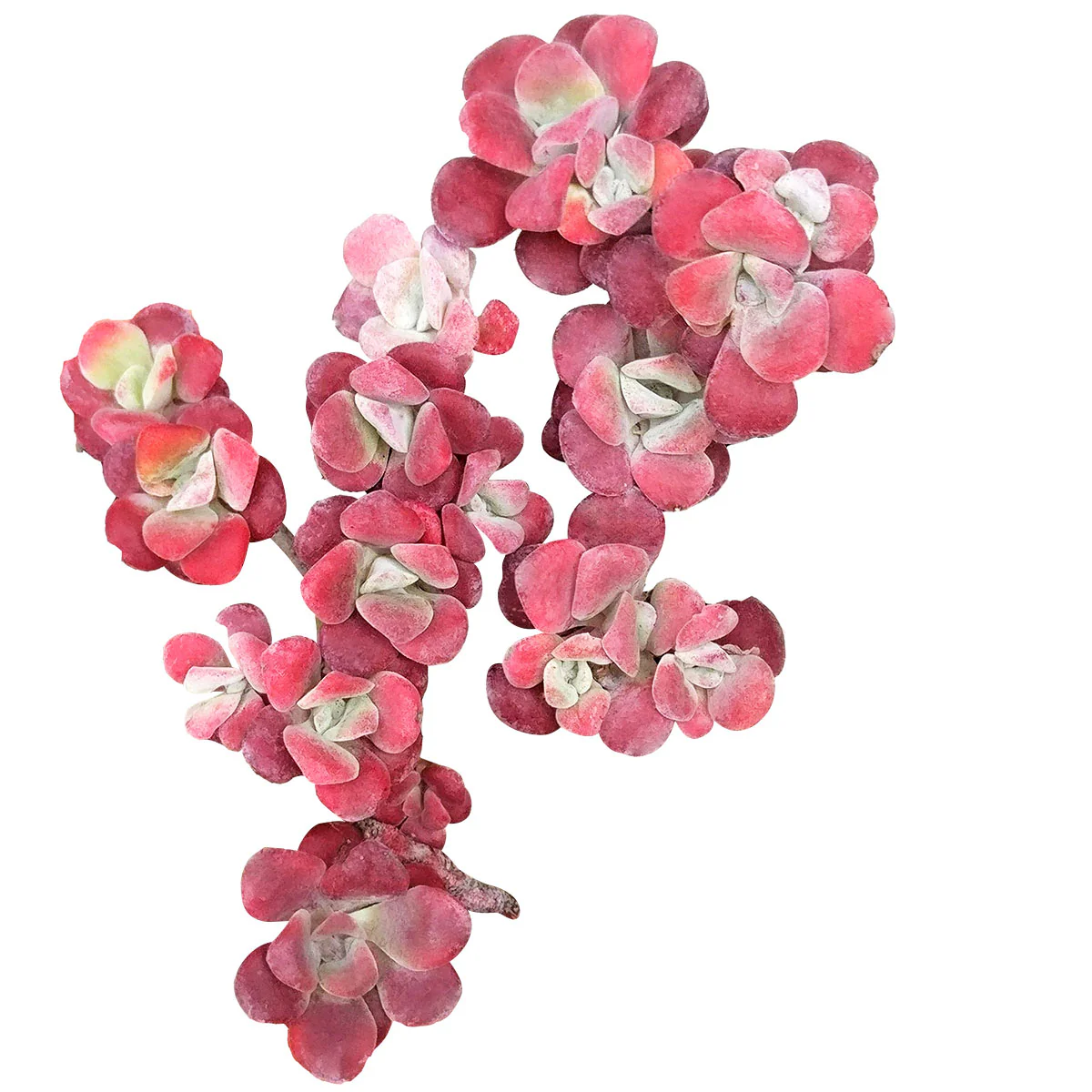
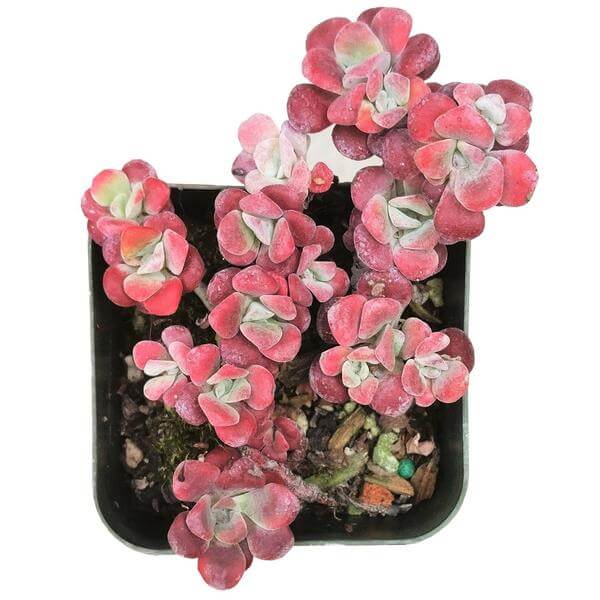
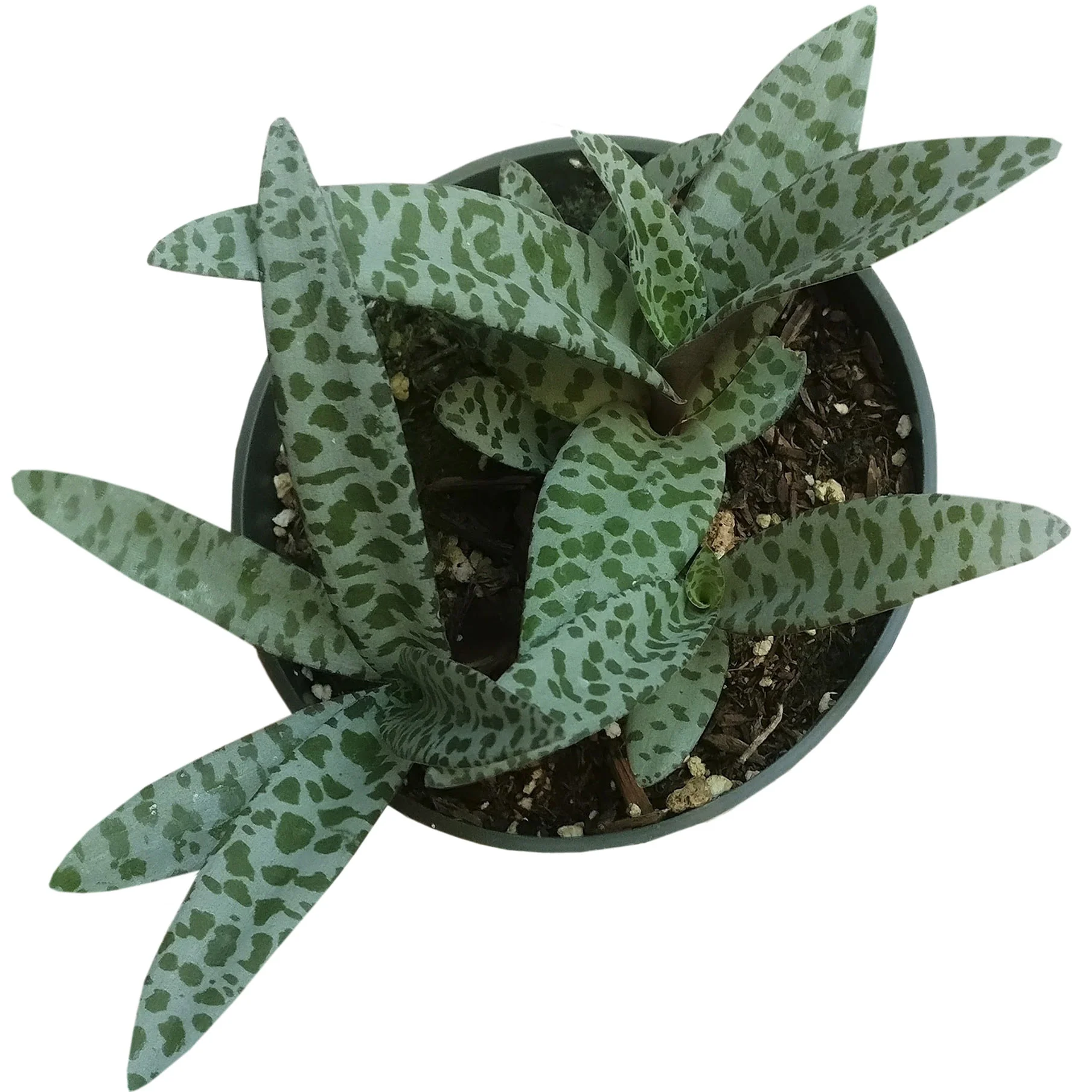
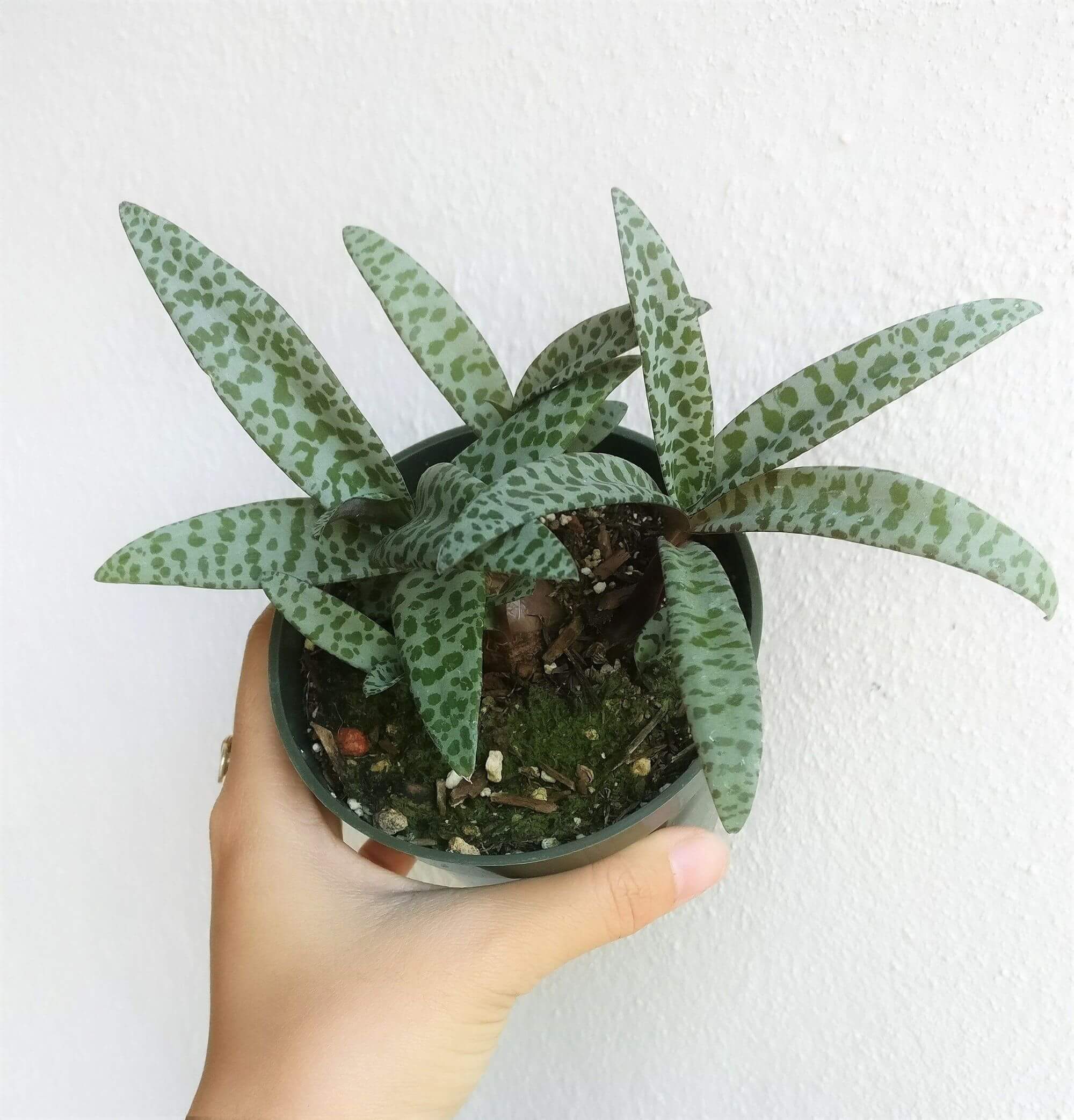
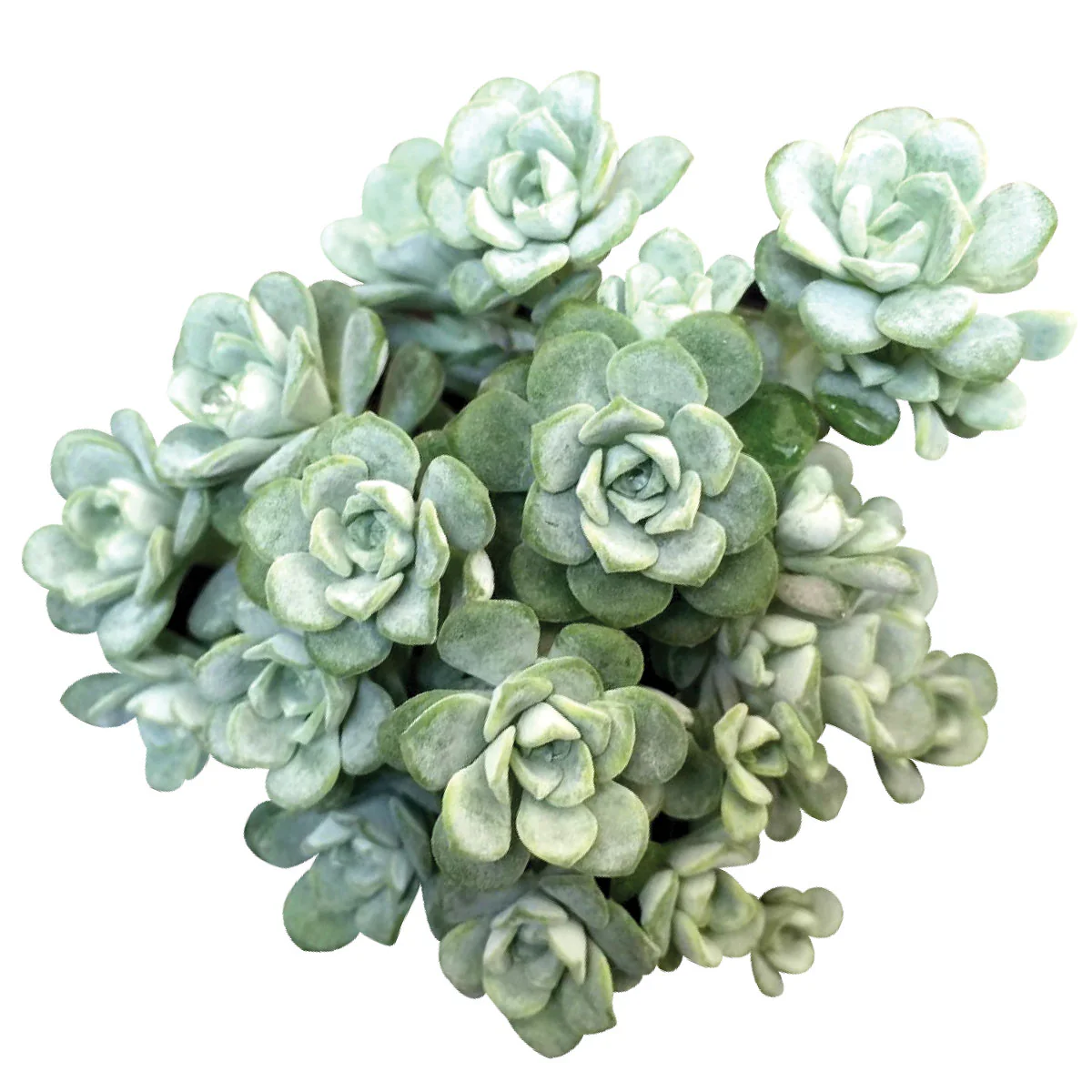
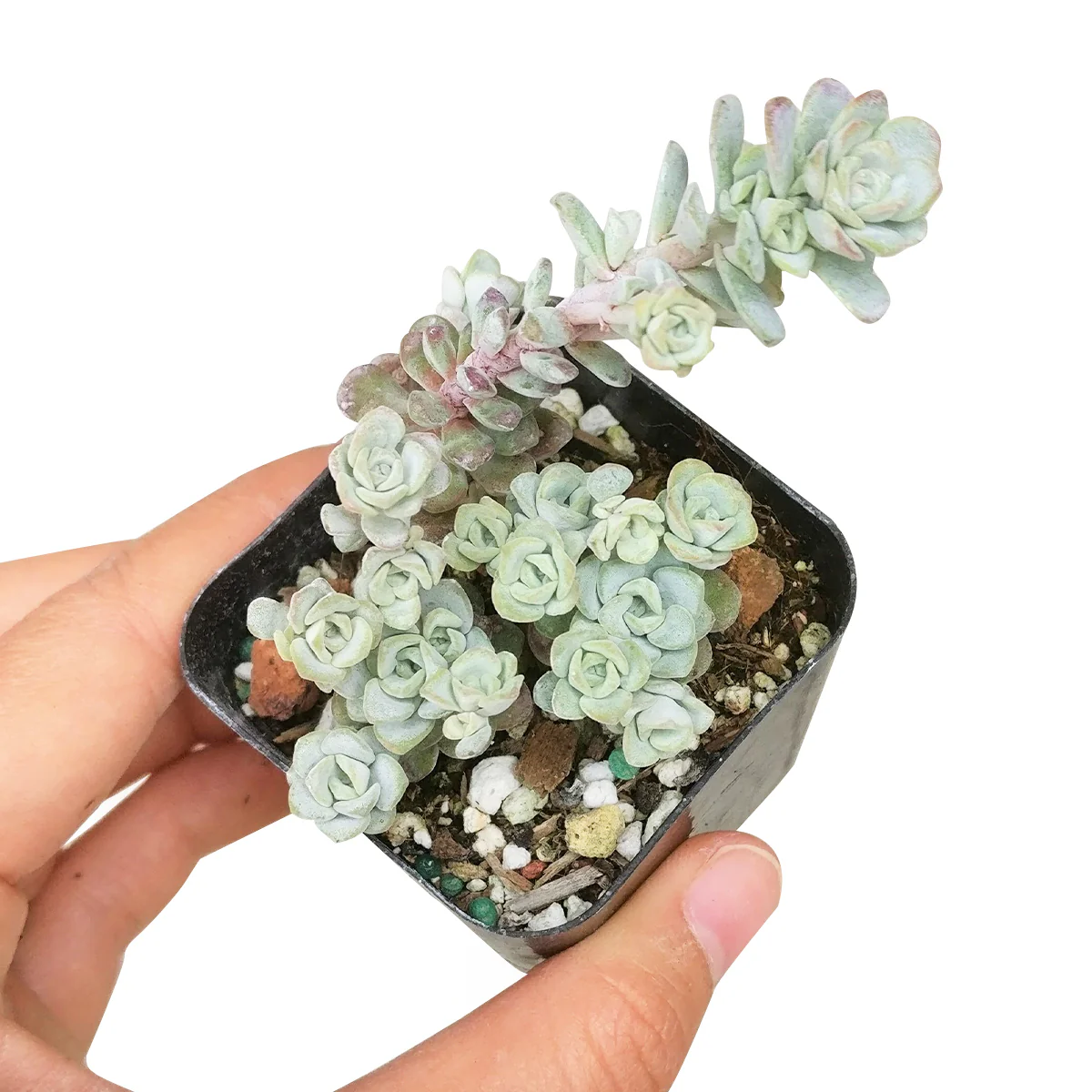
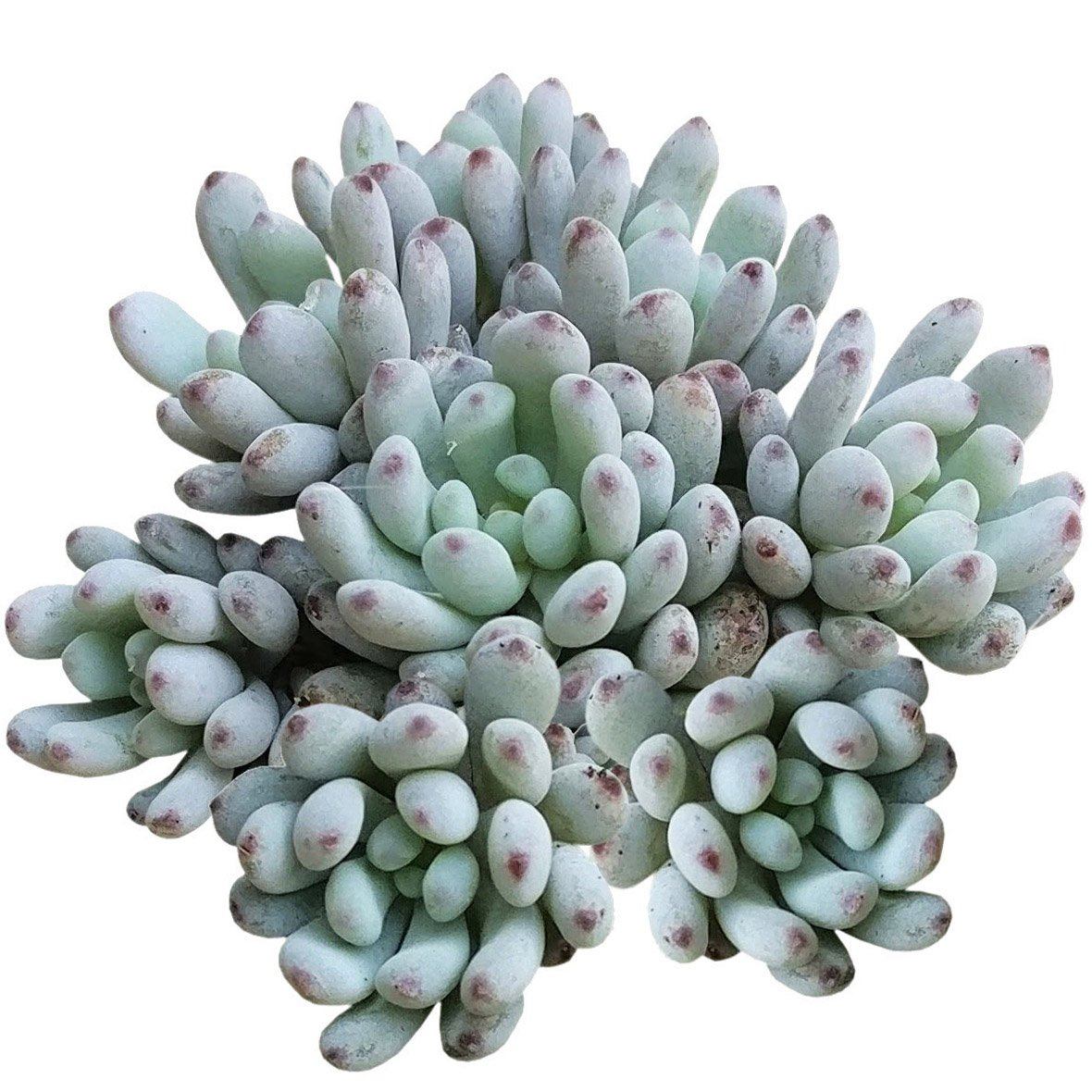
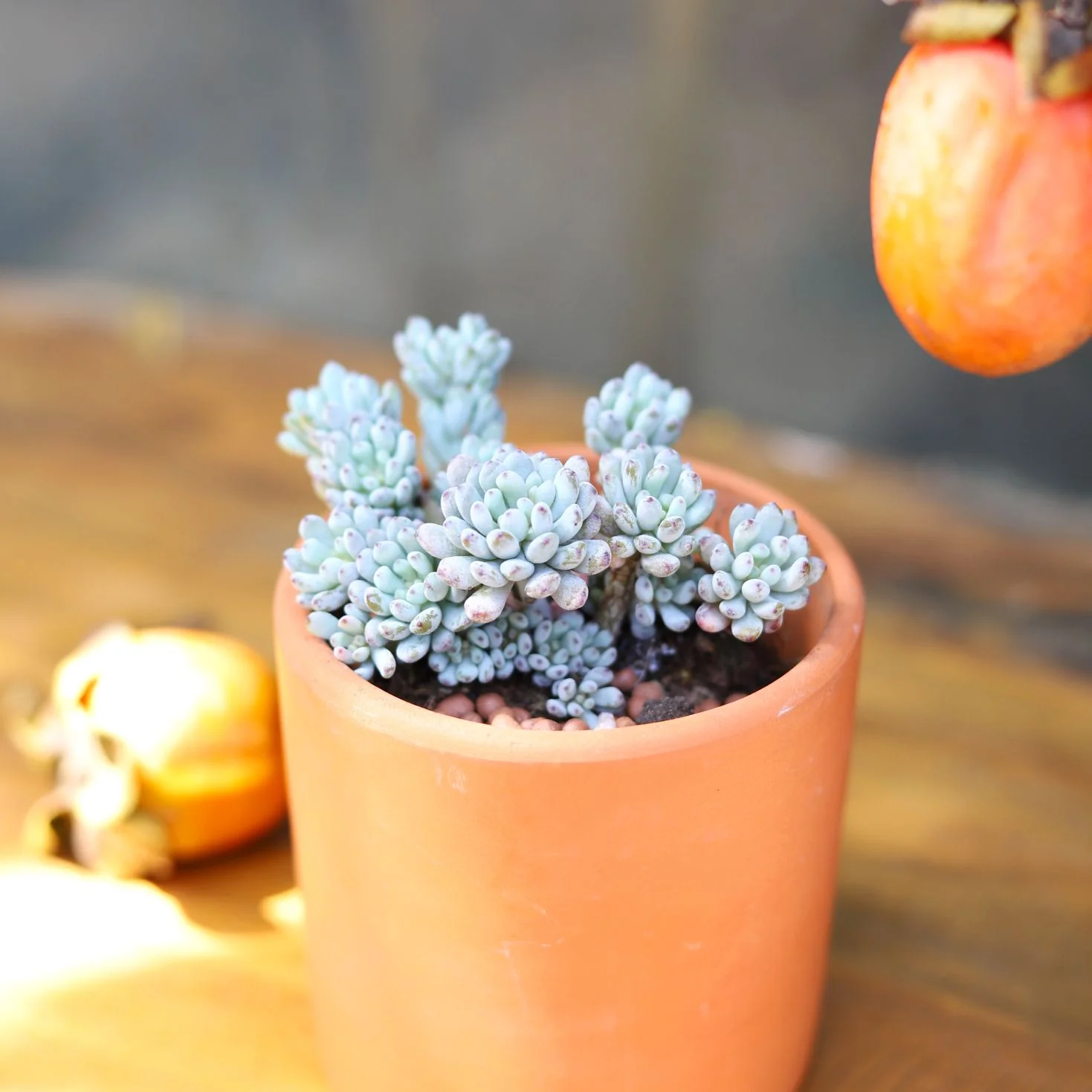
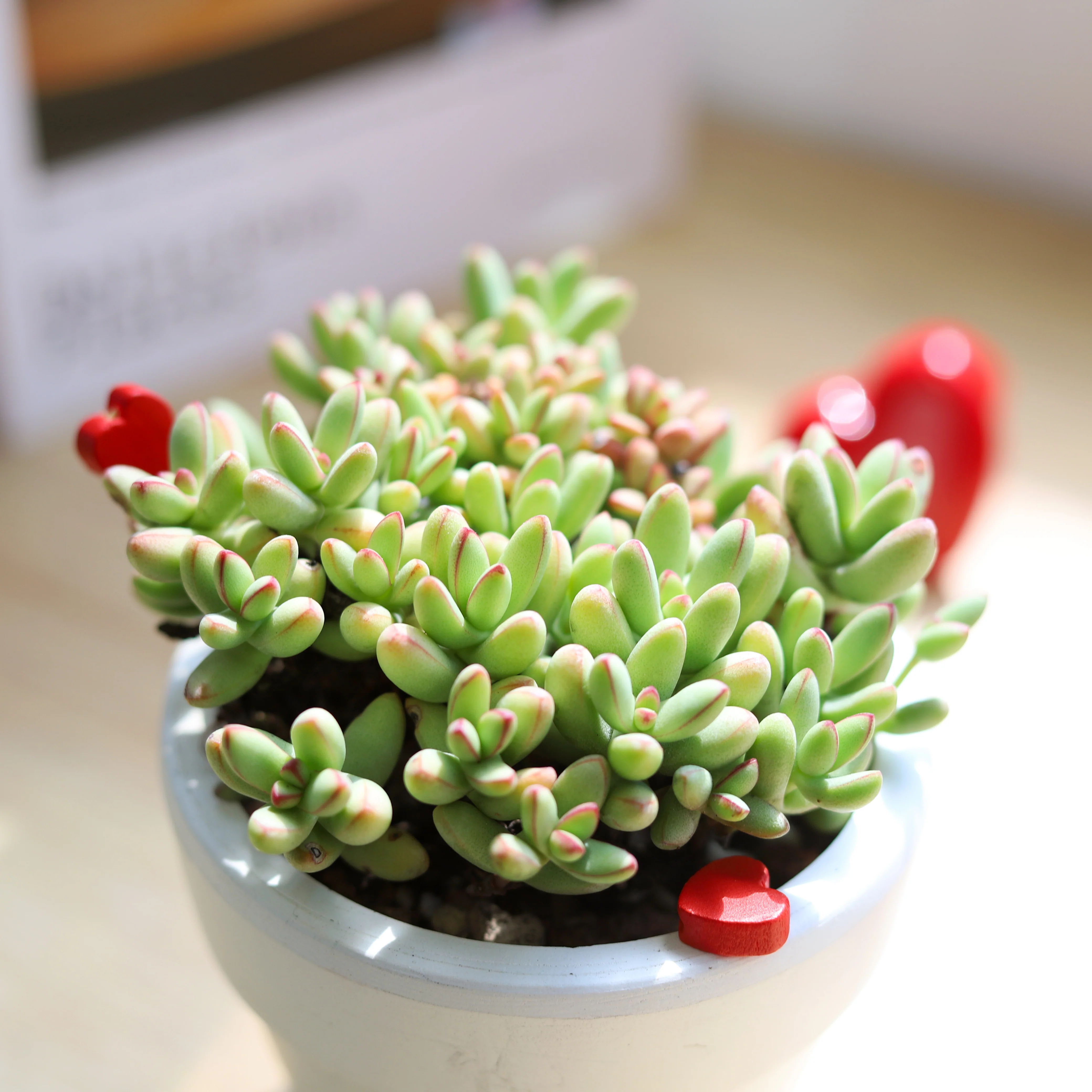
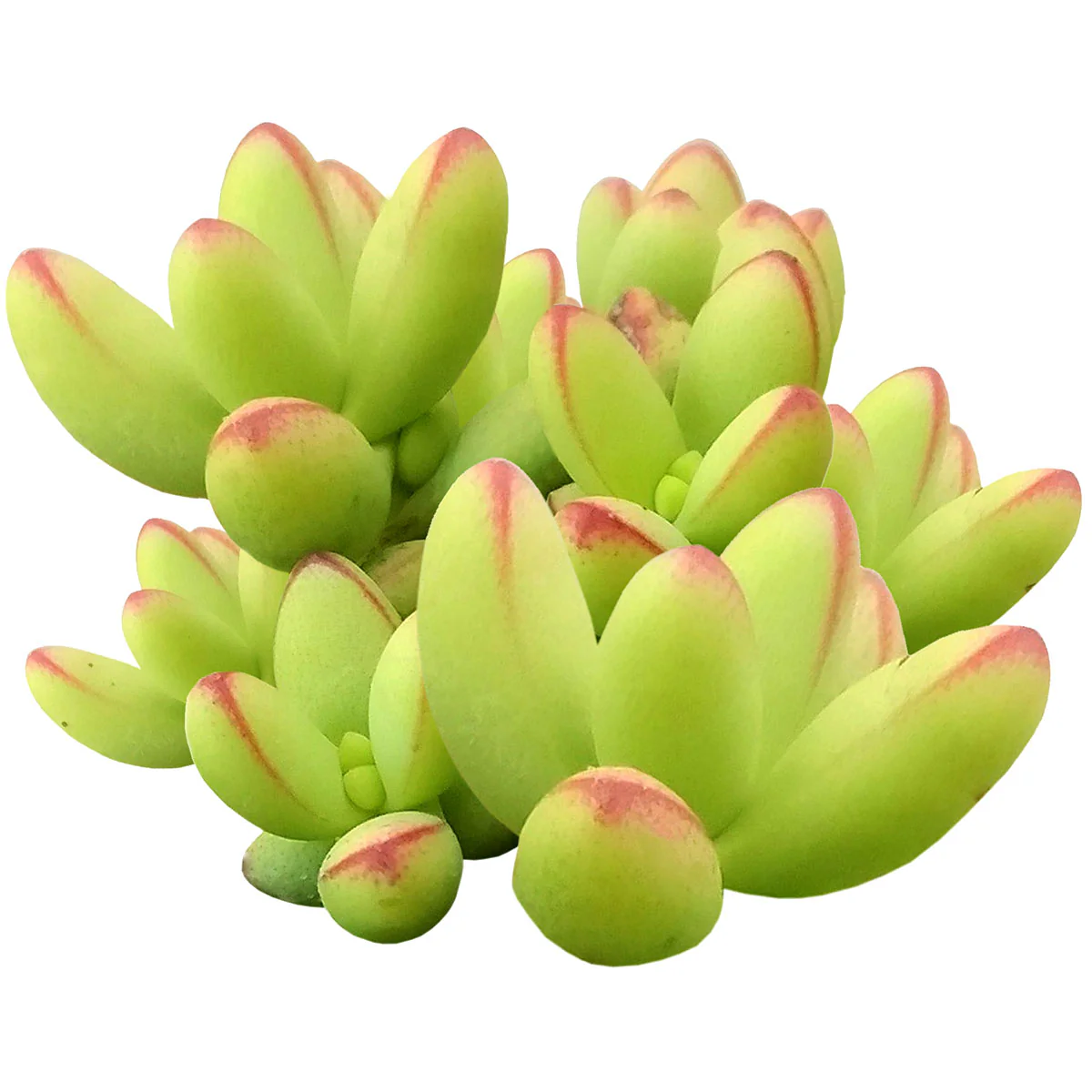
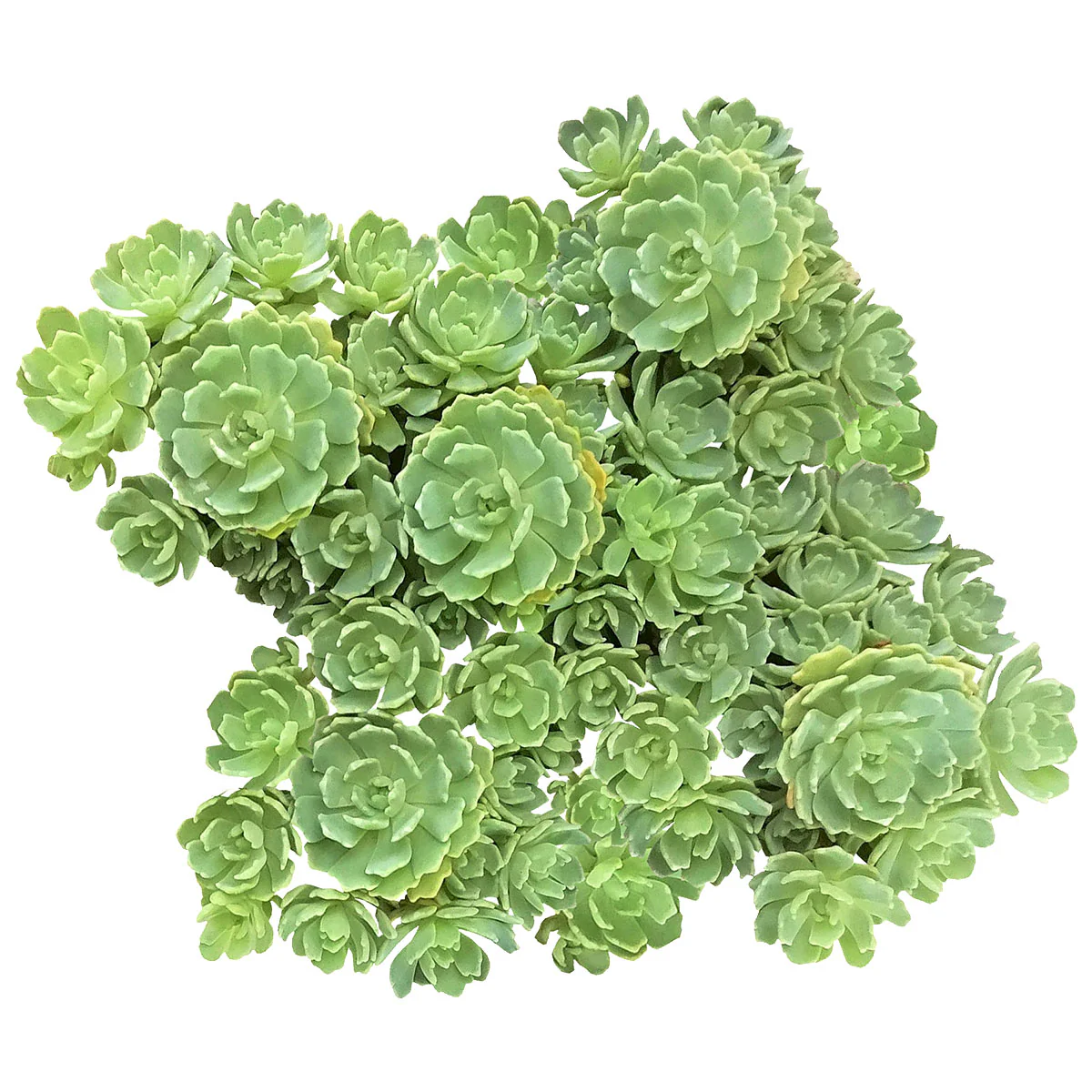
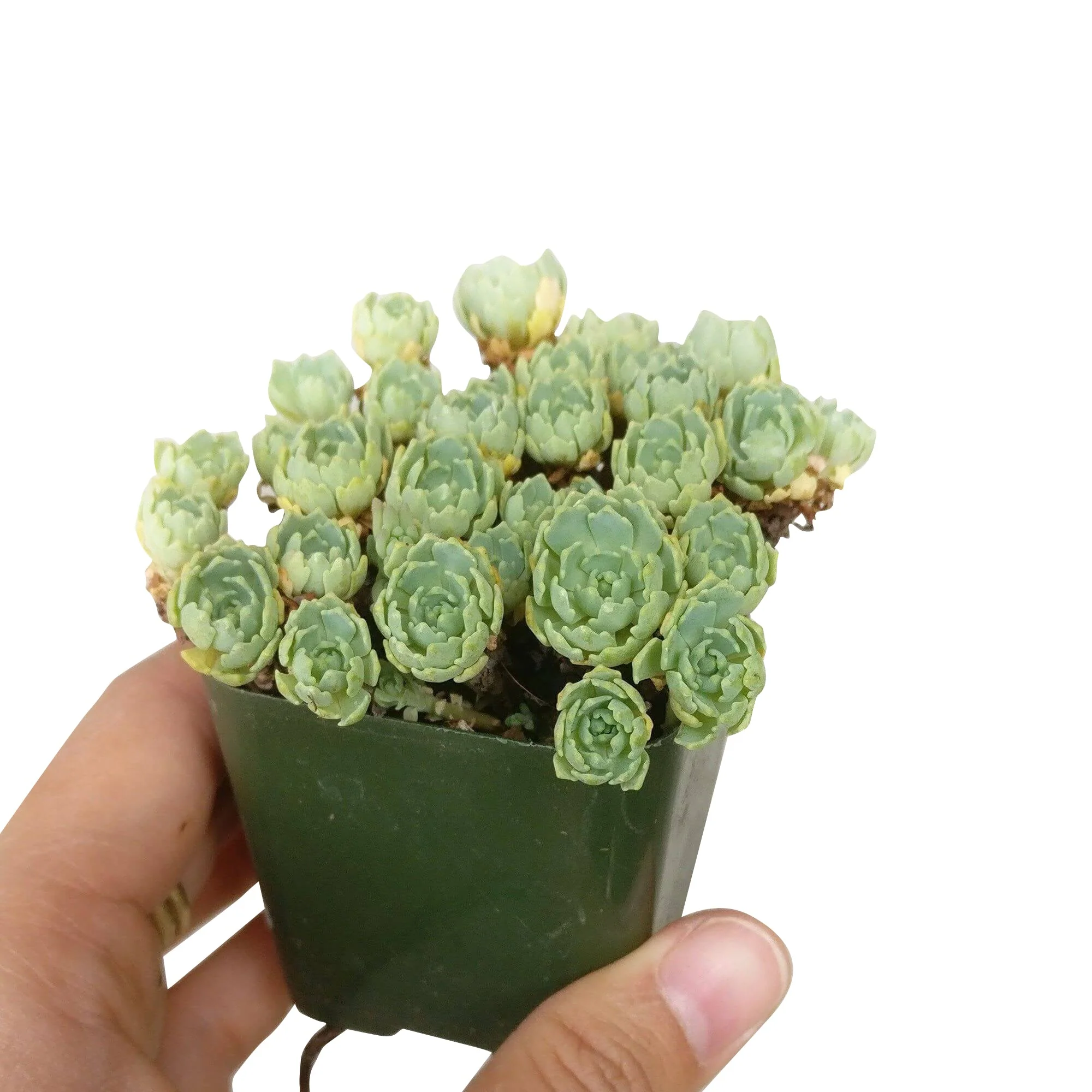
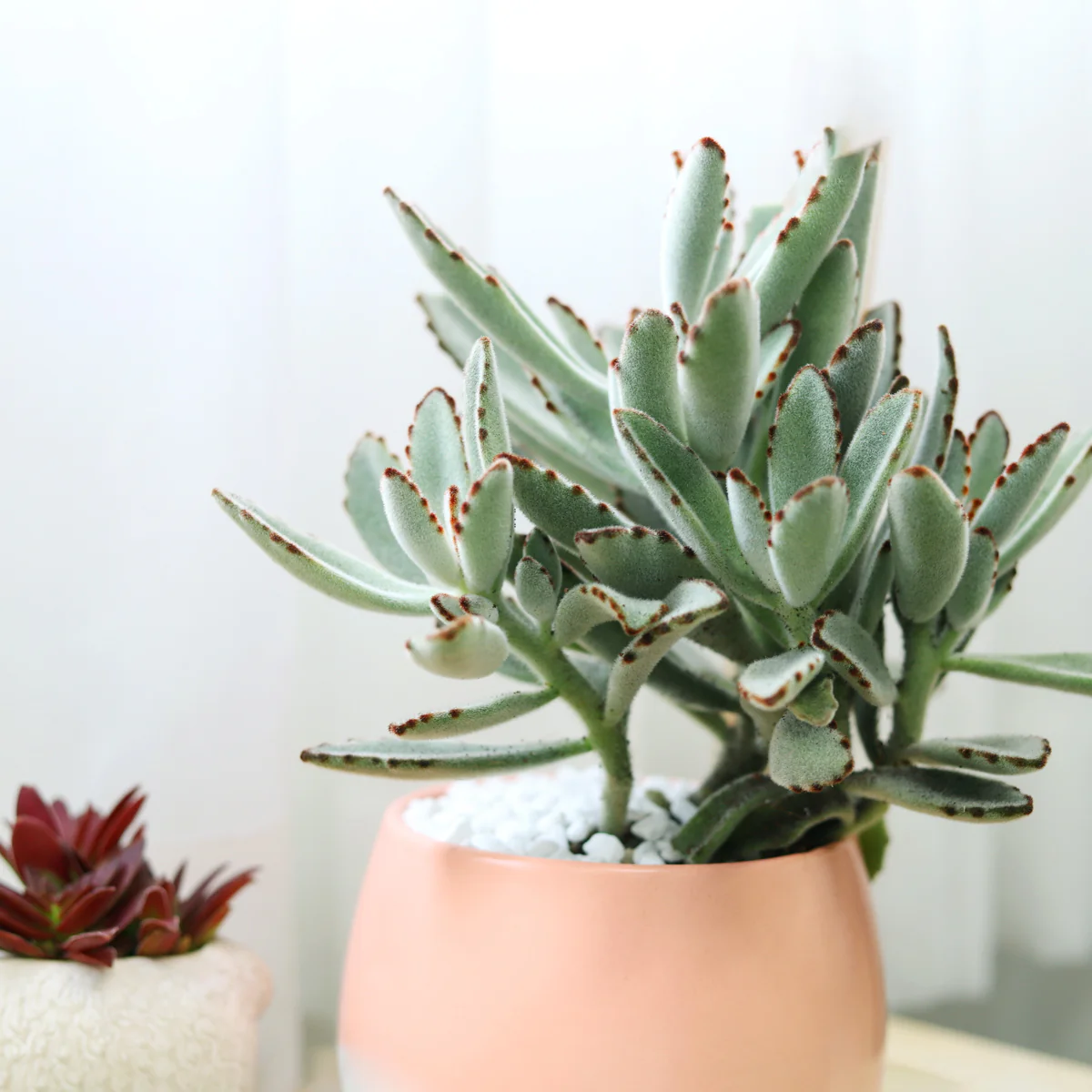
 The panda plant succulent is instantly recognizable by its thick, velvety leaves coated in soft silver-white hairs, tipped with rust-brown or chocolate-brown spots along the edges. That distinctive fuzzy succulent texture gives it an almost touchable quality, and the upright rosette habit makes it look tidy and sculptural whether displayed solo or grouped with other succulents. Leaves are oval to elongated and held on a sturdy, branching stem that adds real presence to any shelf or windowsill.
 Panda Plant - Kalanchoe tomentosa can produce small tubular flowers in mature plants given the right conditions, and a noticeable drop in nighttime temperatures is what typically triggers the bloom cycle. Flowers are not a guaranteed or frequent feature indoors, so most growers celebrate this plant for its year-round foliage rather than its blooms. It is one of those plants where the leaves are genuinely the main event.
 Panda Plant - Kalanchoe tomentosa is wonderfully low-maintenance and can survive a 10-day trip without missing a beat, making it a top pick for busy households or frequent travelers. It thrives in bright spots and can even move outside for the summer, though it needs cover from rain to protect those velvety leaves from spotting. Keep it on a high shelf out of reach since cats and dogs shouldn't be left to nibble or eat the plant, and it is best placed away from small children as well. Because it tolerates dry heated air well, it is a reliable choice for offices and living rooms year-round, though rotating it occasionally ensures even, upright growth on all sides.
-
 Panda Plant - Kalanchoe tomentosa thrives in bright indirect light to partial or direct sun, but may scorch in intense south-facing windows during peak summer.
 Water Panda Plant - Kalanchoe tomentosa deeply every 2-3 weeks in summer and reduce to once a month in winter, always letting the soil dry out completely between waterings.
 Panda Plant - Kalanchoe tomentosa does best in a fast-draining cactus and succulent mix blended with extra perlite for optimal drainage and root health.
 Panda Plant - Kalanchoe tomentosa prefers temperatures between 60-85°F (15-29°C) and should be brought indoors before temperatures drop below 50°F (10°C).
![]() Panda Plant - Kalanchoe tomentosa is a slow to moderate grower that benefits from a light balanced fertilizer once monthly during the active spring and summer growing season.
Panda Plant - Kalanchoe tomentosa is a slow to moderate grower that benefits from a light balanced fertilizer once monthly during the active spring and summer growing season.
 Panda Plant - Kalanchoe tomentosa is rated for USDA Hardiness Zones 9-11, where temperatures stay reliably above 20-25°F (-6 to -4°C) in winter. Growers in California, Texas, Arizona, Florida, Hawaii, Louisiana, Georgia, South Carolina, Alabama, Mississippi, and Nevada will find it well suited as an outdoor or patio plant for much of the year. Coastal areas of Oregon and Washington that fall within Zone 9 can also enjoy Panda Plant - Kalanchoe tomentosa outdoors, with light protection during the coolest nights of the season.
-
Q: How often should I water Panda Plant - Kalanchoe tomentosa?
A: Water every 2-3 weeks in spring and summer, and cut back to roughly once a month in fall and winter. Always let the soil dry out completely before watering again to prevent root rot.
Q: Is Panda Plant - Kalanchoe tomentosa safe for pets?
A: Cats and dogs shouldn't be left to nibble or eat the plant, so it is best kept on a high shelf well out of their reach. The same goes for curious toddlers in the household.
Q: How much light does Panda Plant - Kalanchoe tomentosa need?
A: It loves bright indirect light and can handle partial to direct sun, making it a great windowsill plant. Avoid prolonged intense afternoon sun in south-facing windows, which can scorch the fuzzy leaves.
Q: How do I propagate Panda Plant - Kalanchoe tomentosa?
A: Leaf and stem cuttings both root readily in a well-draining succulent mix during the warmer months. Allow cut ends to callous for a day or two before planting for the best results.
Q: How big does Panda Plant - Kalanchoe tomentosa get?
A: Indoors it typically reaches 12-18 inches tall over several years, growing slowly in an upright, branching form. Rotating the pot regularly helps it grow evenly rather than leaning toward the light source.
Q: Can Panda Plant - Kalanchoe tomentosa grow under office lights?
A: Yes, it can adapt to bright office LED lighting as long as the fixture is close enough to provide consistent intensity. It may grow more slowly than in a sunny window, but it will hold its shape well.


Original: $8.00
-70%$8.00
$2.40Product Information
Product Information
Shipping & Returns
Shipping & Returns
Description
- Description
- Panda Plant - Kalanchoe tomentosa Care Guide
- FAQ/Common Issues
-
![]() Panda Plant - Kalanchoe tomentosa is a charming, easy care succulent native to the highlands of Madagascar, where it grows in rocky, semi-arid conditions with excellent drainage and plenty of sun. Part of the Kalanchoe genus in the Crassulaceae family, this drought tolerant beauty has earned a devoted following among succulent collectors and casual plant parents alike.
Panda Plant - Kalanchoe tomentosa is a charming, easy care succulent native to the highlands of Madagascar, where it grows in rocky, semi-arid conditions with excellent drainage and plenty of sun. Part of the Kalanchoe genus in the Crassulaceae family, this drought tolerant beauty has earned a devoted following among succulent collectors and casual plant parents alike.
The panda plant succulent is instantly recognizable by its thick, velvety leaves coated in soft silver-white hairs, tipped with rust-brown or chocolate-brown spots along the edges. That distinctive fuzzy succulent texture gives it an almost touchable quality, and the upright rosette habit makes it look tidy and sculptural whether displayed solo or grouped with other succulents. Leaves are oval to elongated and held on a sturdy, branching stem that adds real presence to any shelf or windowsill.
Panda Plant - Kalanchoe tomentosa can produce small tubular flowers in mature plants given the right conditions, and a noticeable drop in nighttime temperatures is what typically triggers the bloom cycle. Flowers are not a guaranteed or frequent feature indoors, so most growers celebrate this plant for its year-round foliage rather than its blooms. It is one of those plants where the leaves are genuinely the main event.
Panda Plant - Kalanchoe tomentosa is wonderfully low-maintenance and can survive a 10-day trip without missing a beat, making it a top pick for busy households or frequent travelers. It thrives in bright spots and can even move outside for the summer, though it needs cover from rain to protect those velvety leaves from spotting. Keep it on a high shelf out of reach since cats and dogs shouldn't be left to nibble or eat the plant, and it is best placed away from small children as well. Because it tolerates dry heated air well, it is a reliable choice for offices and living rooms year-round, though rotating it occasionally ensures even, upright growth on all sides.
-
Panda Plant - Kalanchoe tomentosa thrives in bright indirect light to partial or direct sun, but may scorch in intense south-facing windows during peak summer.
Water Panda Plant - Kalanchoe tomentosa deeply every 2-3 weeks in summer and reduce to once a month in winter, always letting the soil dry out completely between waterings.
Panda Plant - Kalanchoe tomentosa does best in a fast-draining cactus and succulent mix blended with extra perlite for optimal drainage and root health.
Panda Plant - Kalanchoe tomentosa prefers temperatures between 60-85°F (15-29°C) and should be brought indoors before temperatures drop below 50°F (10°C).
![]() Panda Plant - Kalanchoe tomentosa is a slow to moderate grower that benefits from a light balanced fertilizer once monthly during the active spring and summer growing season.
Panda Plant - Kalanchoe tomentosa is a slow to moderate grower that benefits from a light balanced fertilizer once monthly during the active spring and summer growing season.
Panda Plant - Kalanchoe tomentosa is rated for USDA Hardiness Zones 9-11, where temperatures stay reliably above 20-25°F (-6 to -4°C) in winter. Growers in California, Texas, Arizona, Florida, Hawaii, Louisiana, Georgia, South Carolina, Alabama, Mississippi, and Nevada will find it well suited as an outdoor or patio plant for much of the year. Coastal areas of Oregon and Washington that fall within Zone 9 can also enjoy Panda Plant - Kalanchoe tomentosa outdoors, with light protection during the coolest nights of the season.
-
Q: How often should I water Panda Plant - Kalanchoe tomentosa?
A: Water every 2-3 weeks in spring and summer, and cut back to roughly once a month in fall and winter. Always let the soil dry out completely before watering again to prevent root rot.
Q: Is Panda Plant - Kalanchoe tomentosa safe for pets?
A: Cats and dogs shouldn't be left to nibble or eat the plant, so it is best kept on a high shelf well out of their reach. The same goes for curious toddlers in the household.
Q: How much light does Panda Plant - Kalanchoe tomentosa need?
A: It loves bright indirect light and can handle partial to direct sun, making it a great windowsill plant. Avoid prolonged intense afternoon sun in south-facing windows, which can scorch the fuzzy leaves.
Q: How do I propagate Panda Plant - Kalanchoe tomentosa?
A: Leaf and stem cuttings both root readily in a well-draining succulent mix during the warmer months. Allow cut ends to callous for a day or two before planting for the best results.
Q: How big does Panda Plant - Kalanchoe tomentosa get?
A: Indoors it typically reaches 12-18 inches tall over several years, growing slowly in an upright, branching form. Rotating the pot regularly helps it grow evenly rather than leaning toward the light source.
Q: Can Panda Plant - Kalanchoe tomentosa grow under office lights?
A: Yes, it can adapt to bright office LED lighting as long as the fixture is close enough to provide consistent intensity. It may grow more slowly than in a sunny window, but it will hold its shape well.