Pachypodium Brevicaule
- Description
- Pachypodium Brevicaule Care Guide
- FAQ/Common Issues
-
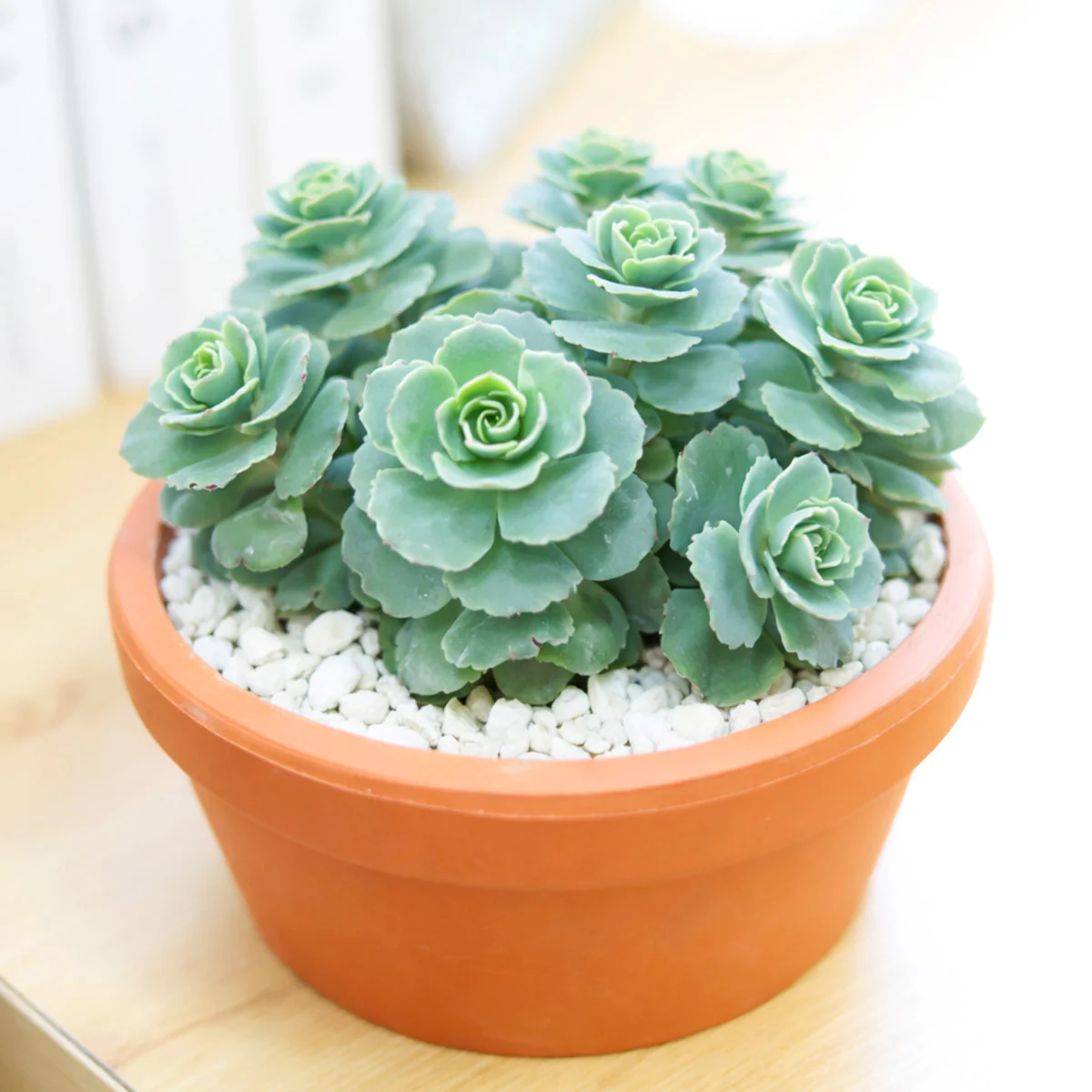
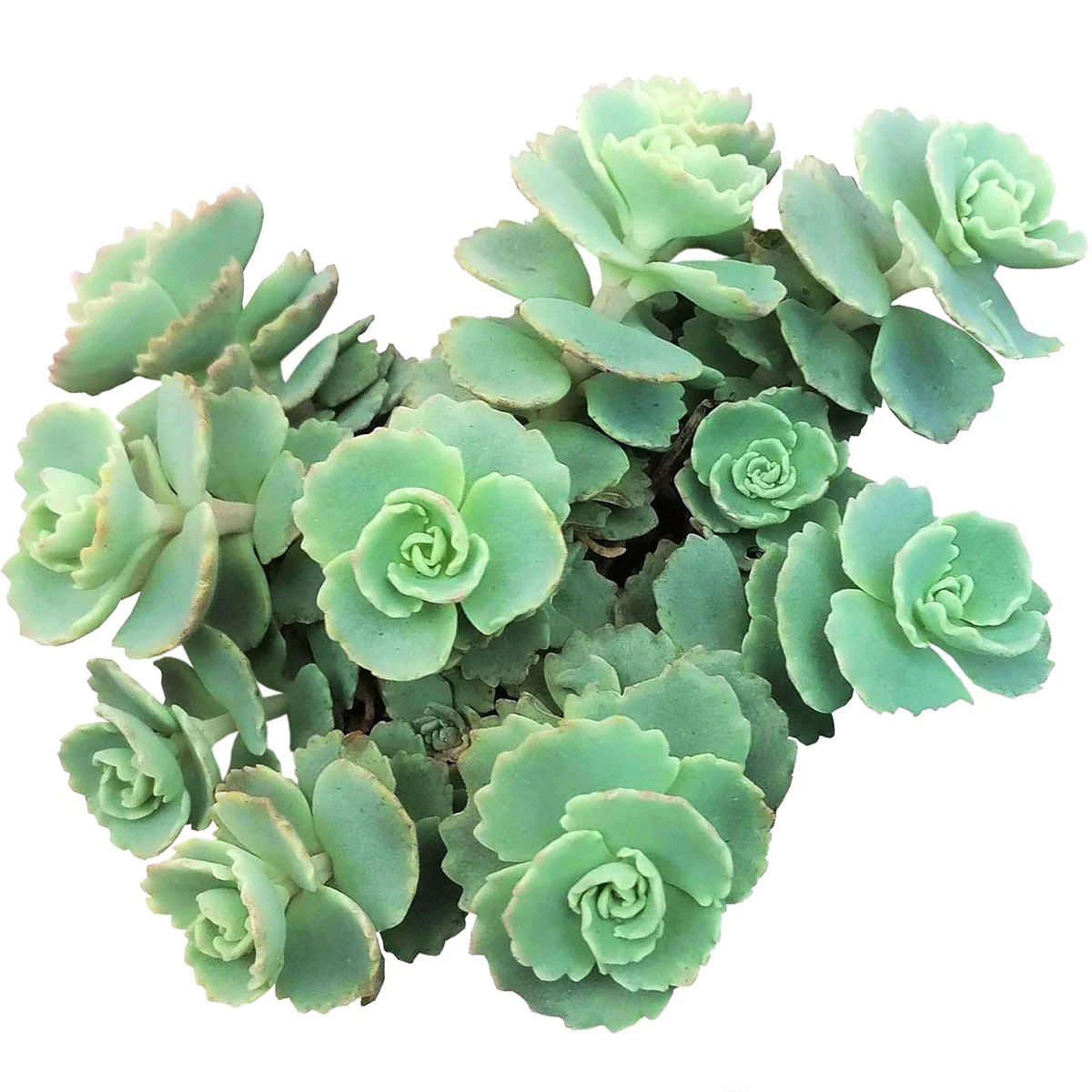
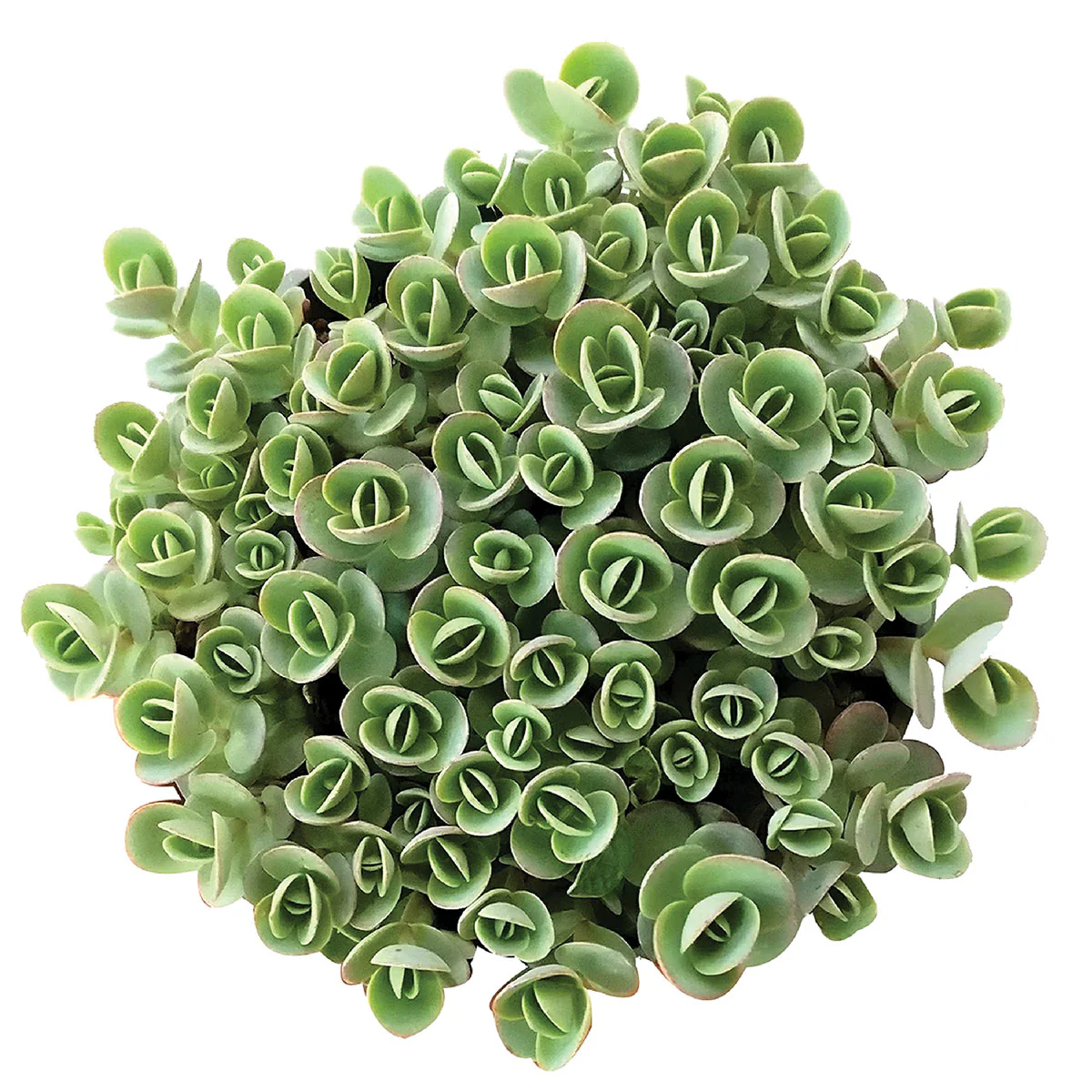
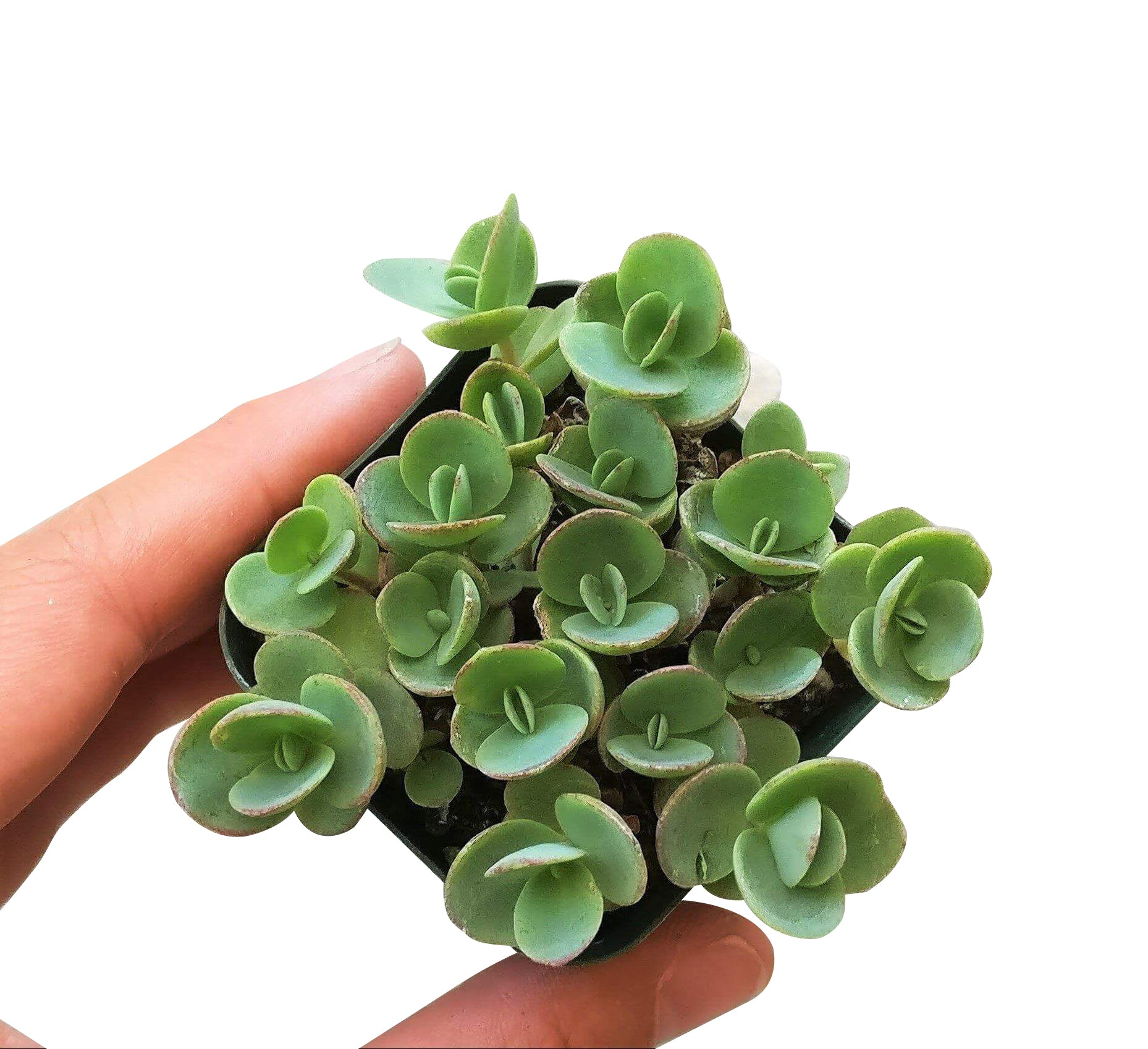
![]() Pachypodium Brevicaule is a rare caudiciform succulent native to the high plateaus of Madagascar, where it grows in rocky, sun-baked terrain at elevations above 4,000 feet. Belonging to the genus Pachypodium, this architectural caudex plant has captured the hearts of serious collectors worldwide and remains one of the most sought-after drought tolerant succulents available today.
Pachypodium Brevicaule is a rare caudiciform succulent native to the high plateaus of Madagascar, where it grows in rocky, sun-baked terrain at elevations above 4,000 feet. Belonging to the genus Pachypodium, this architectural caudex plant has captured the hearts of serious collectors worldwide and remains one of the most sought-after drought tolerant succulents available today.
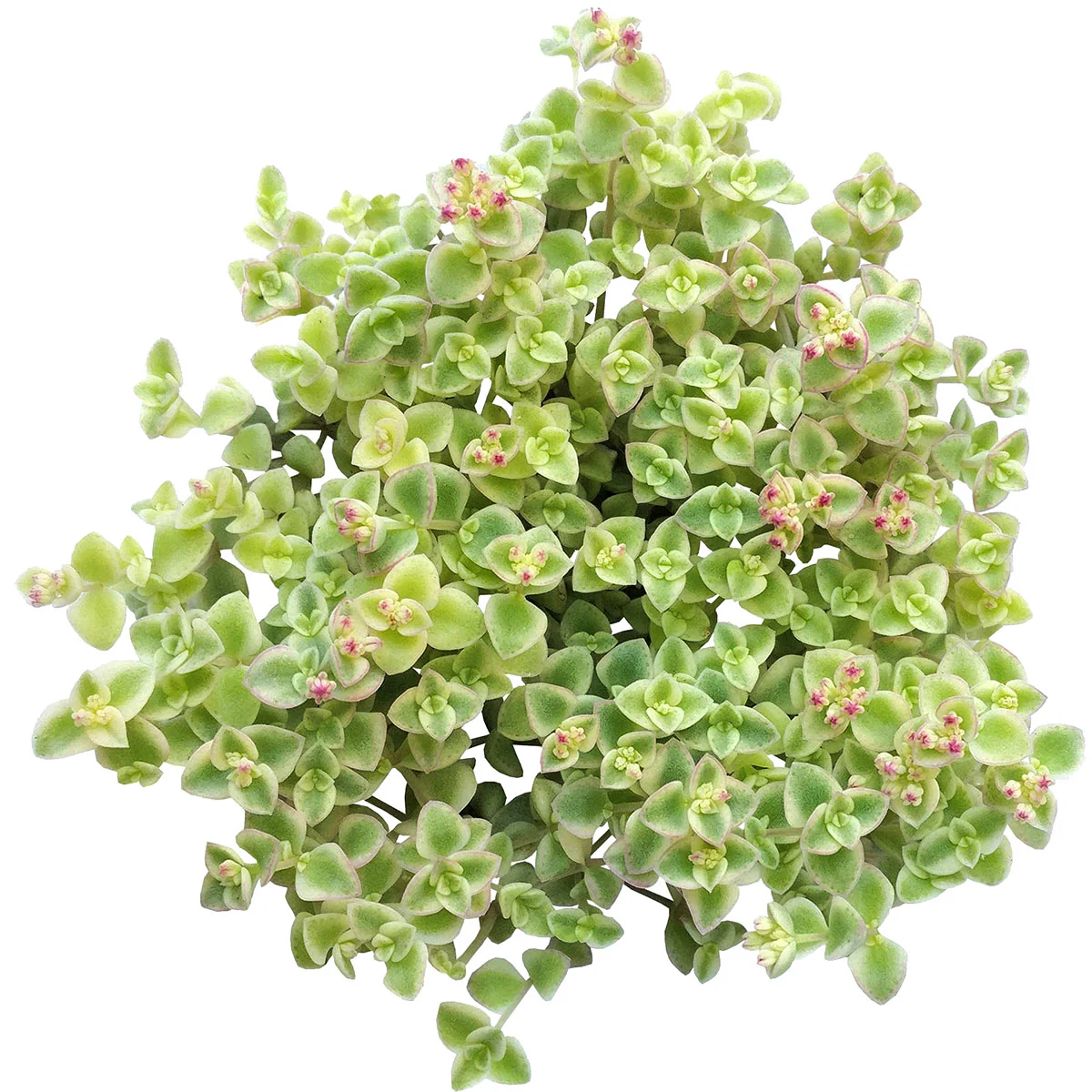
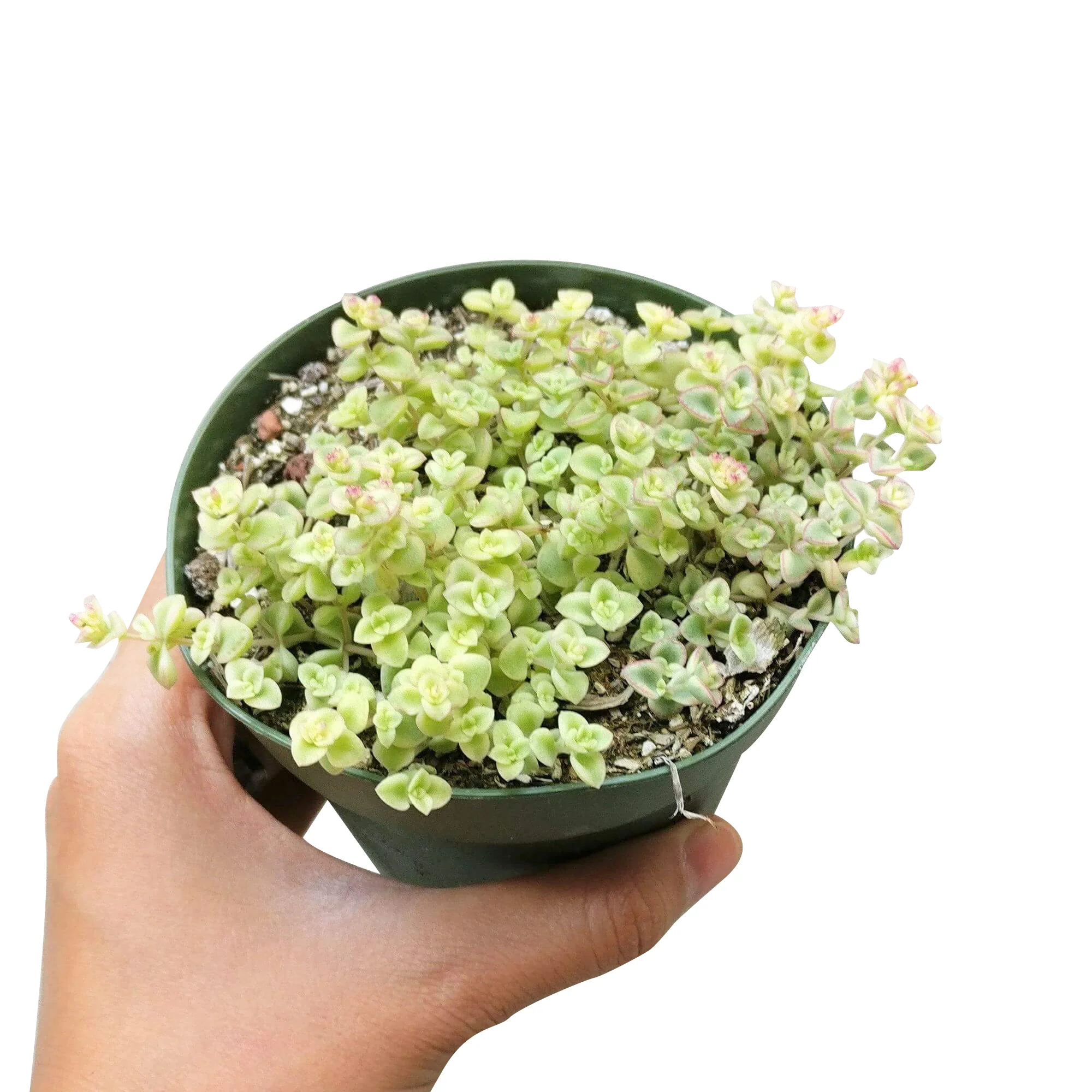
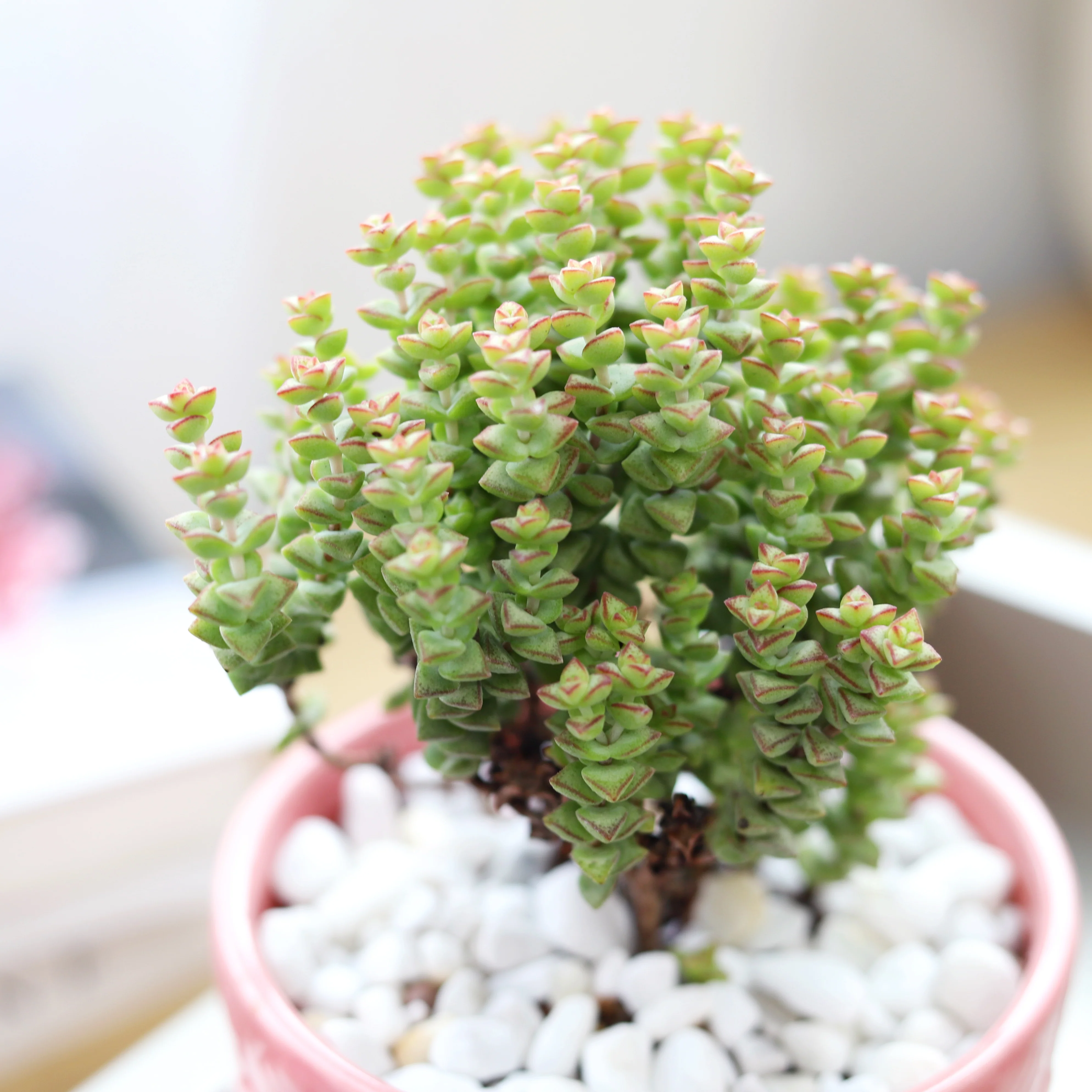
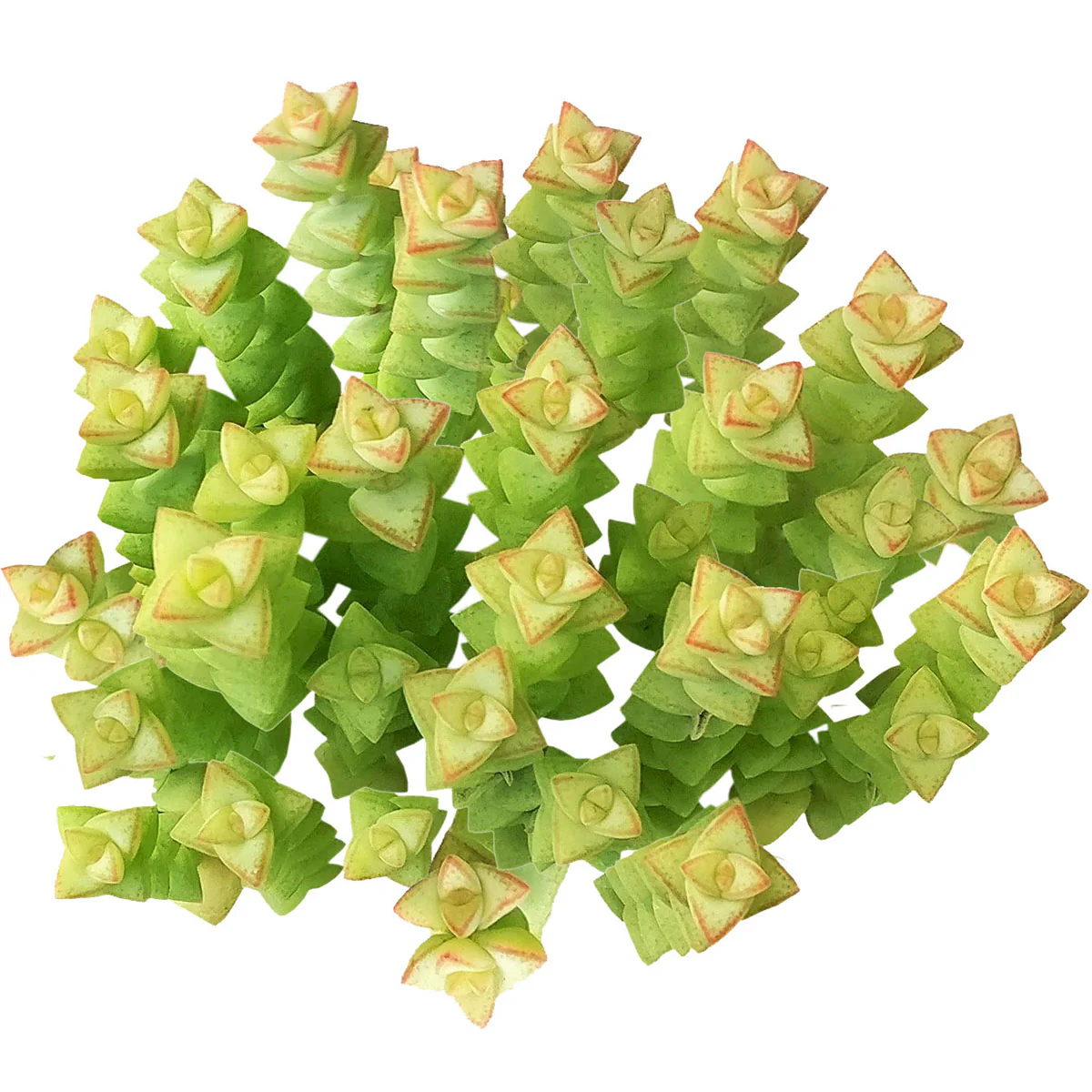
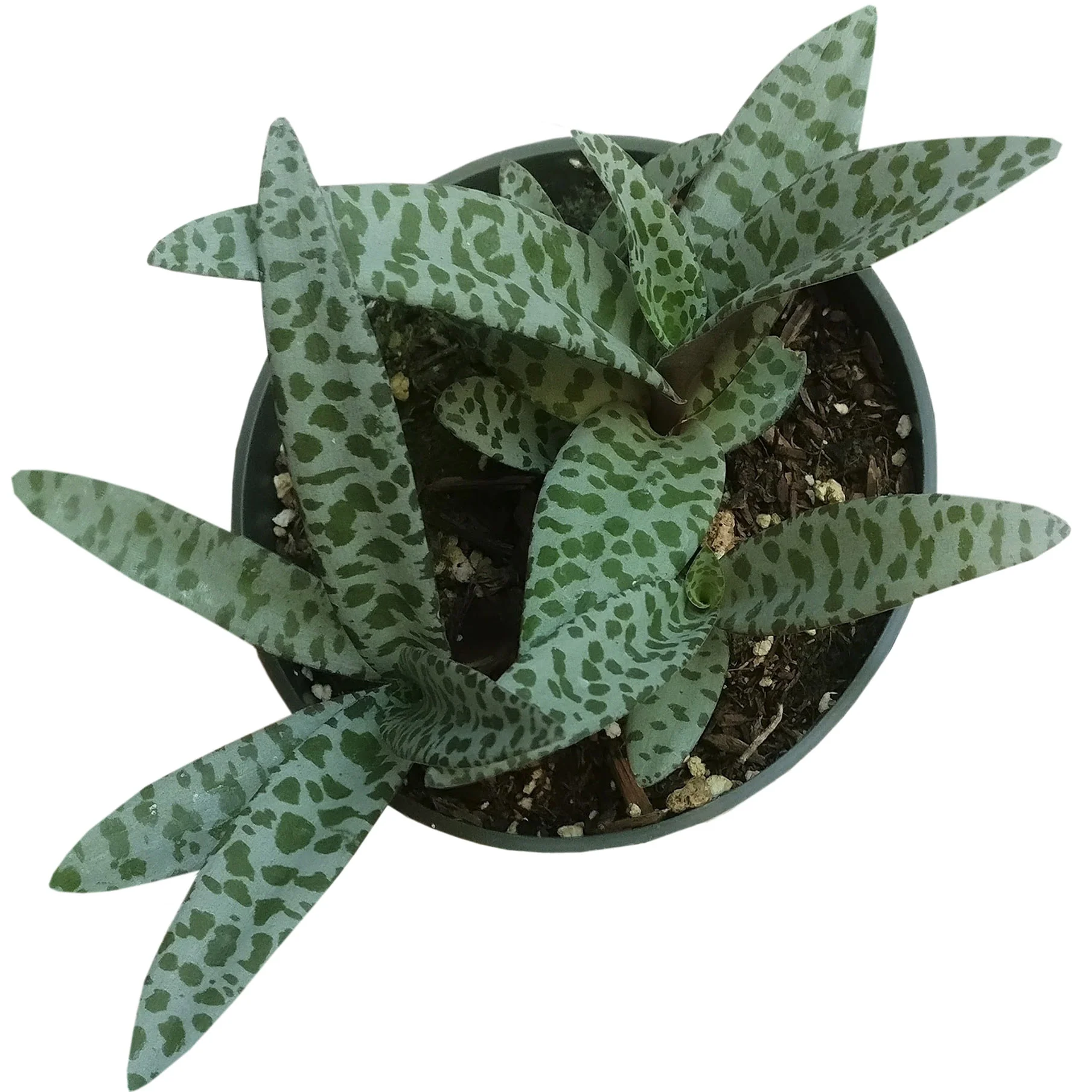
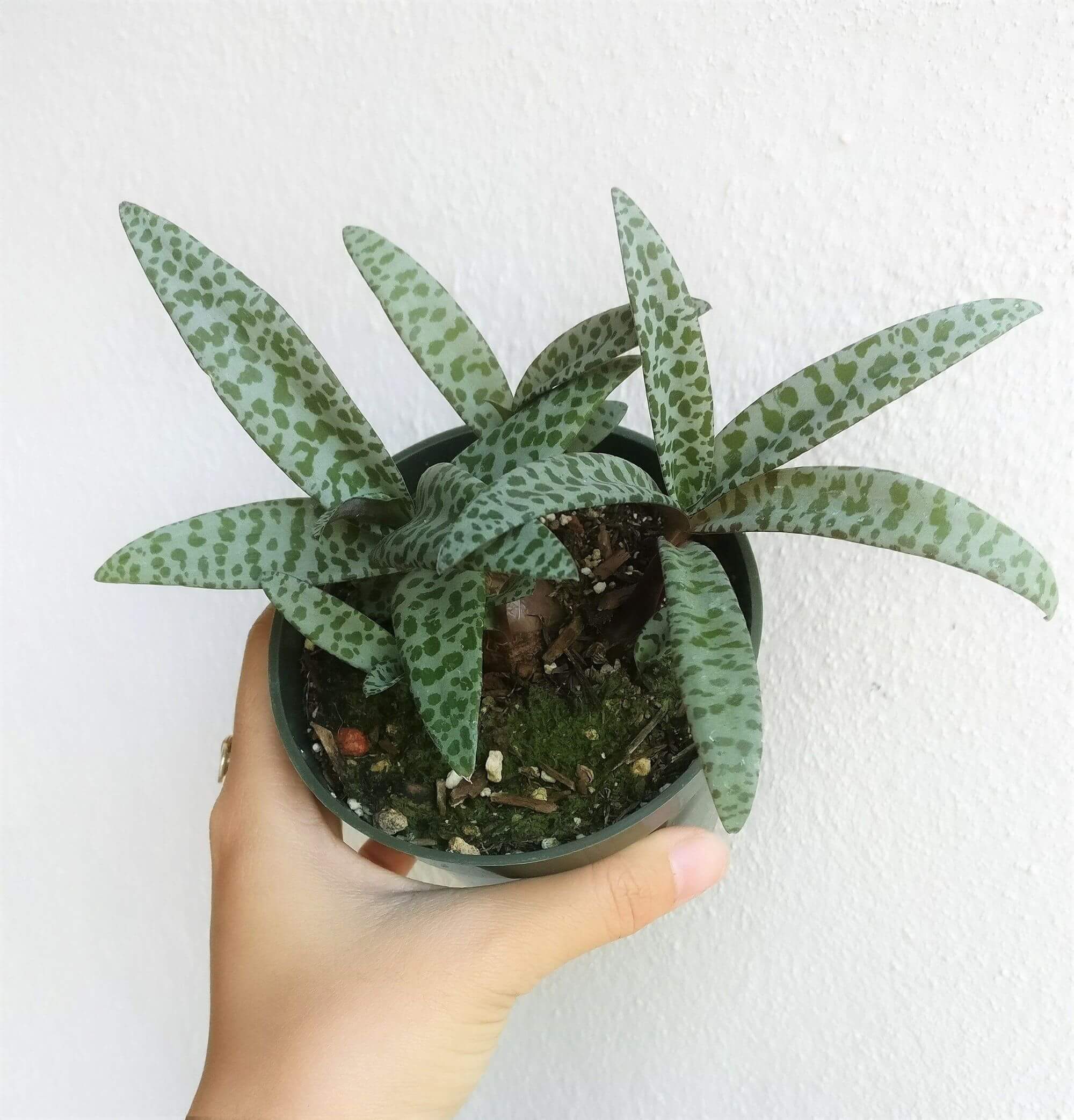
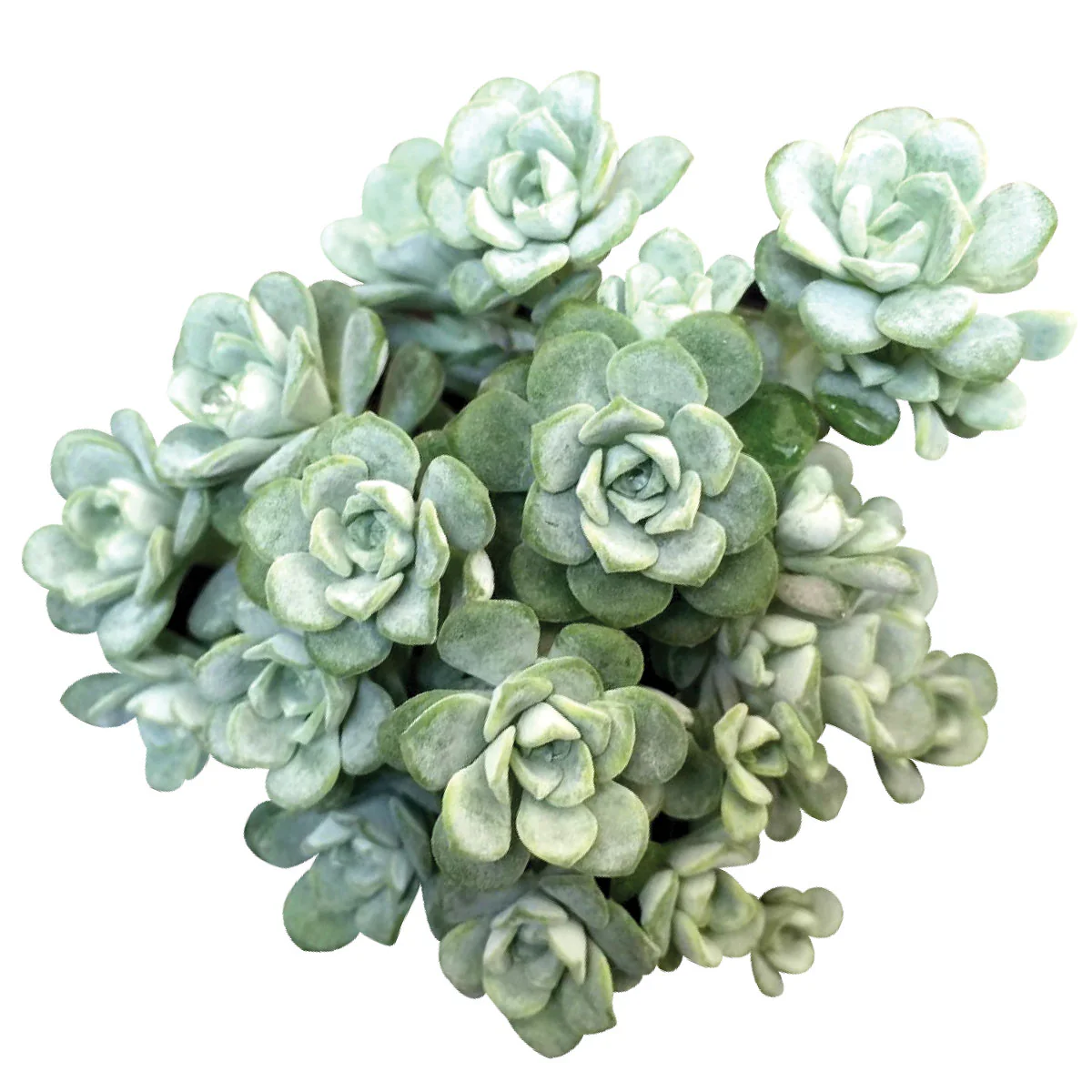
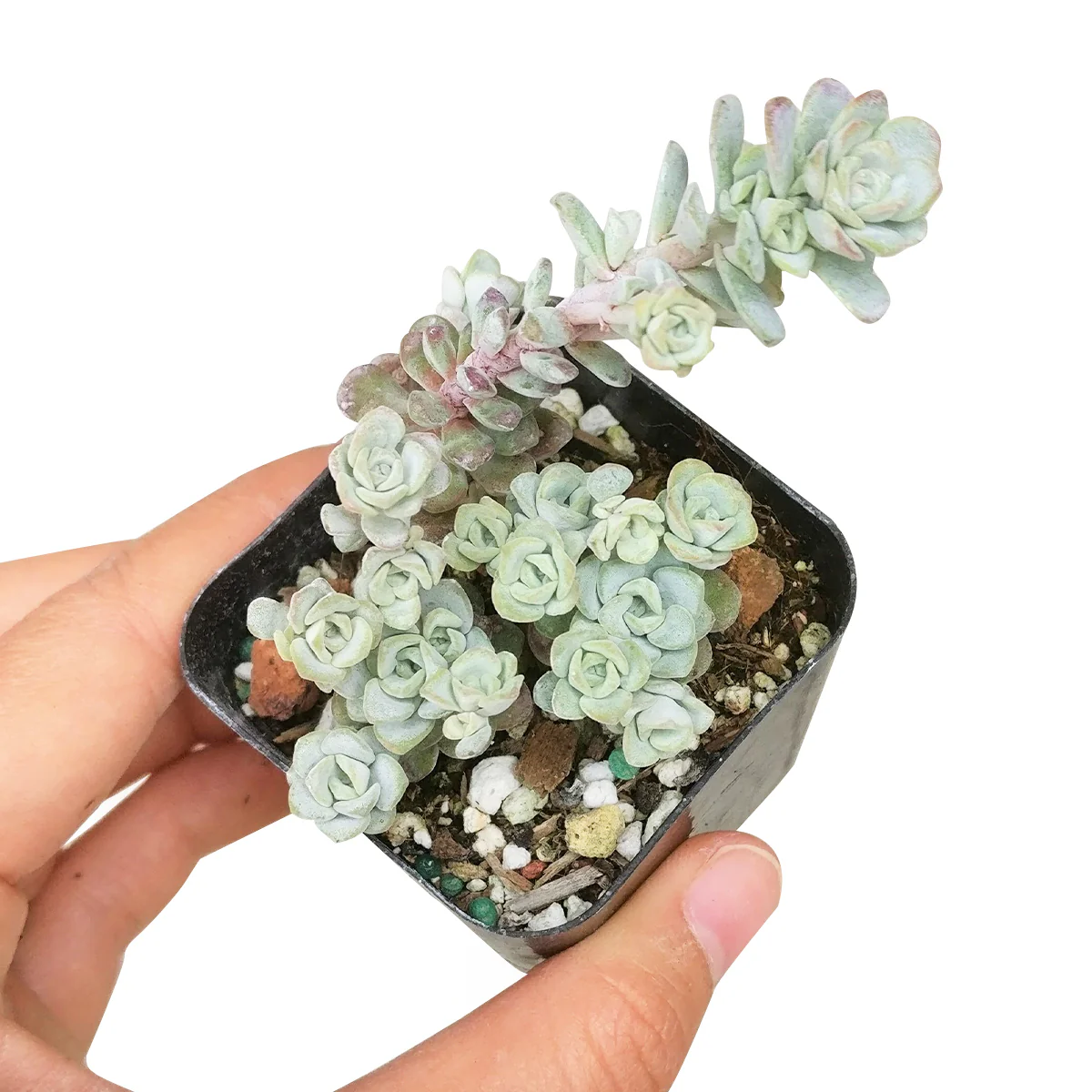
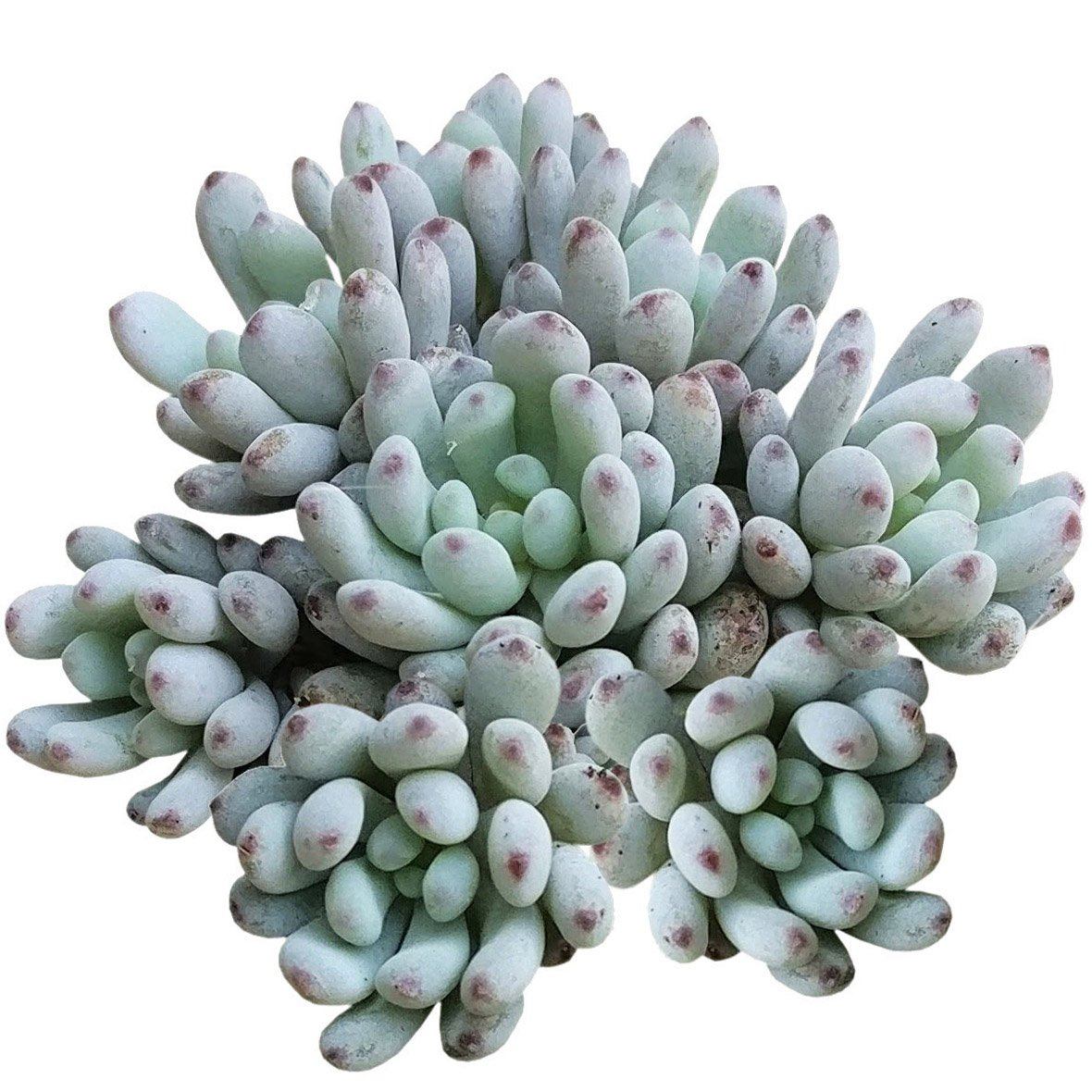
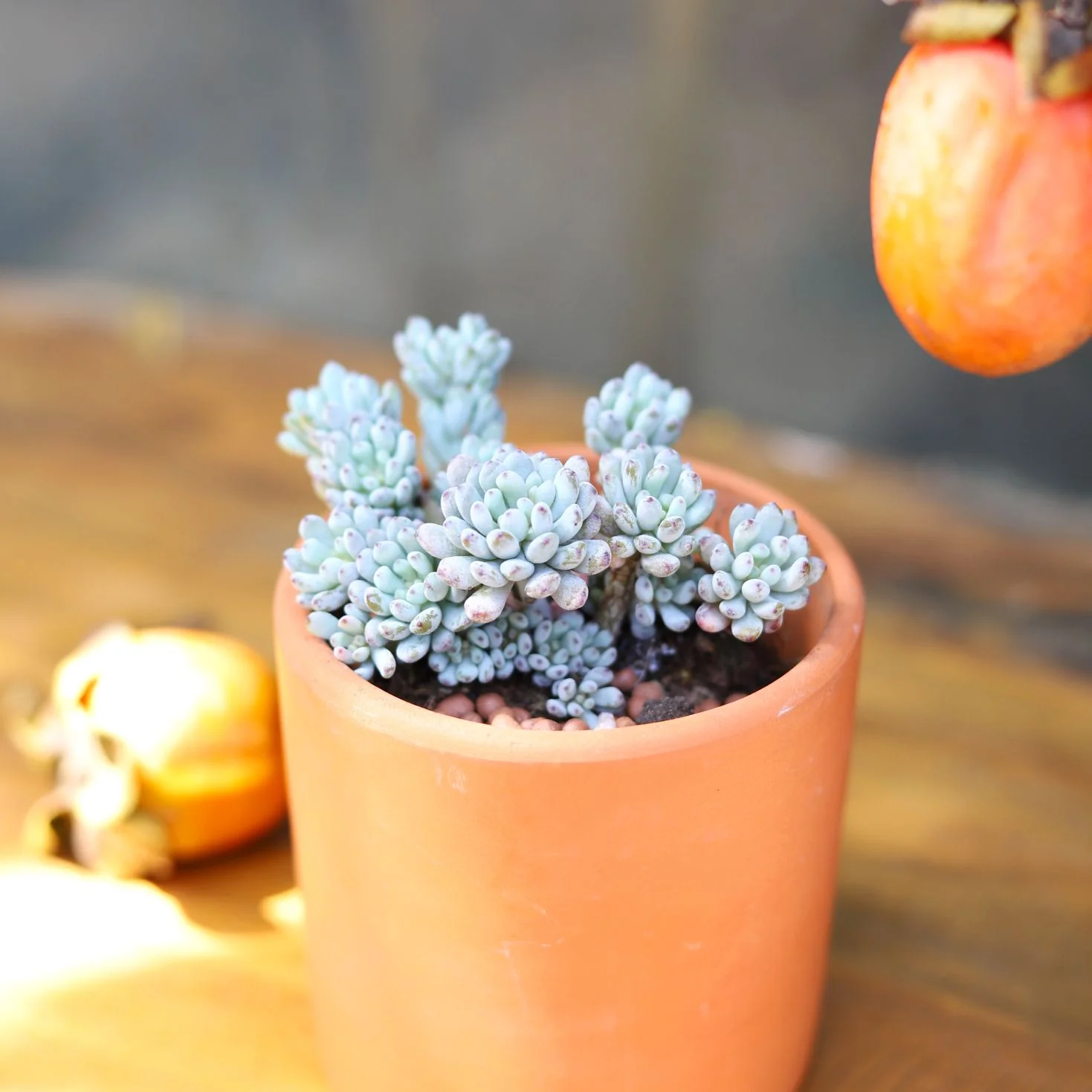
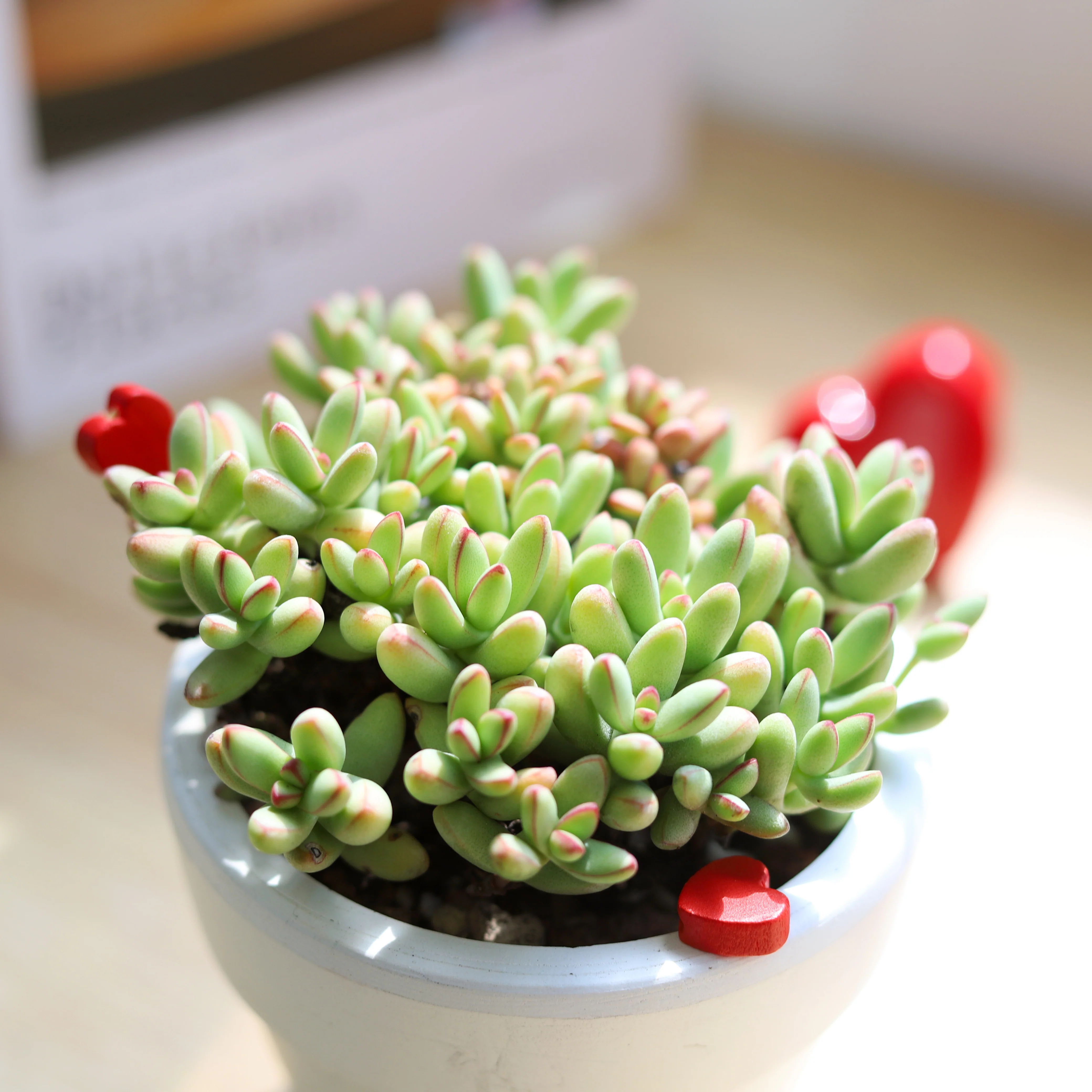
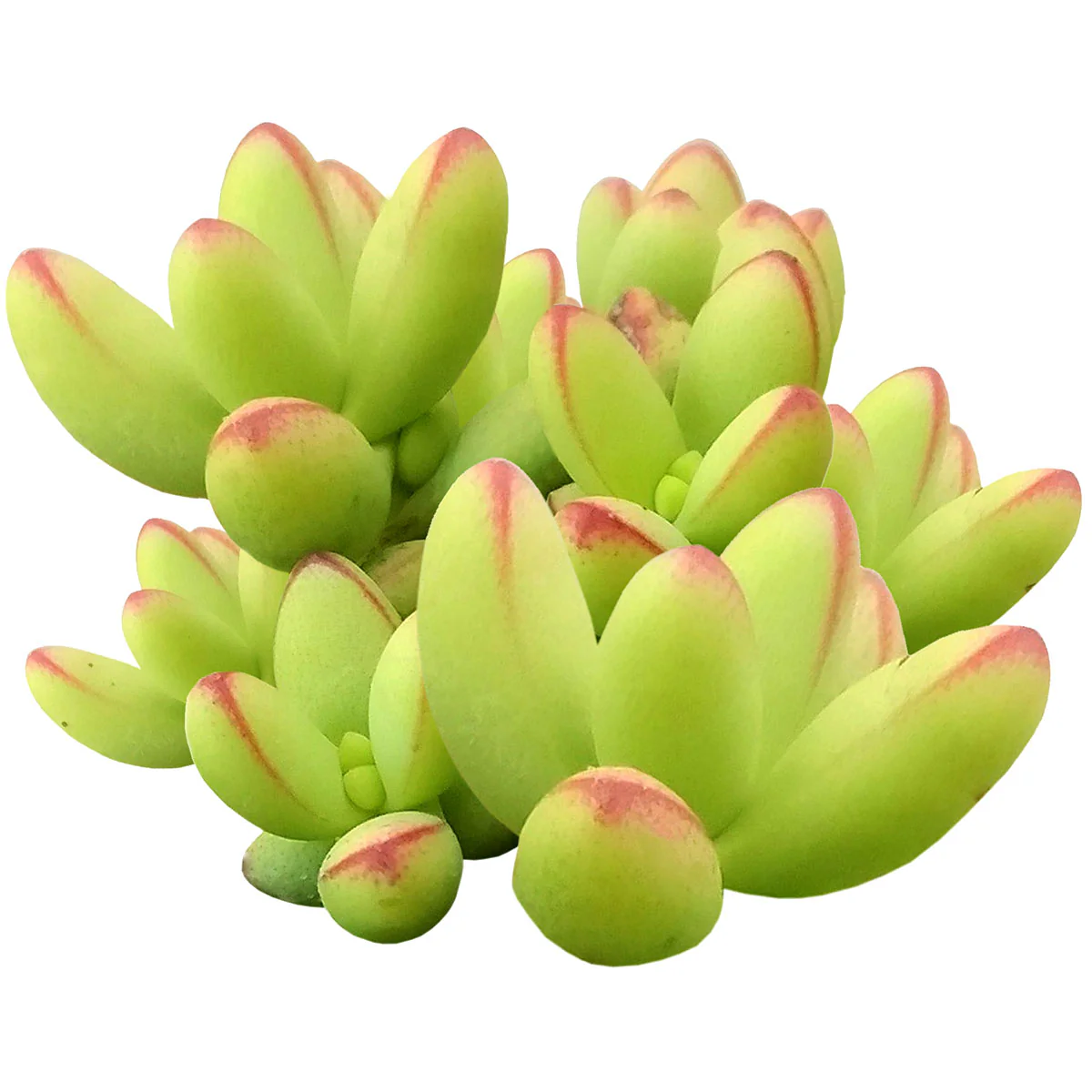
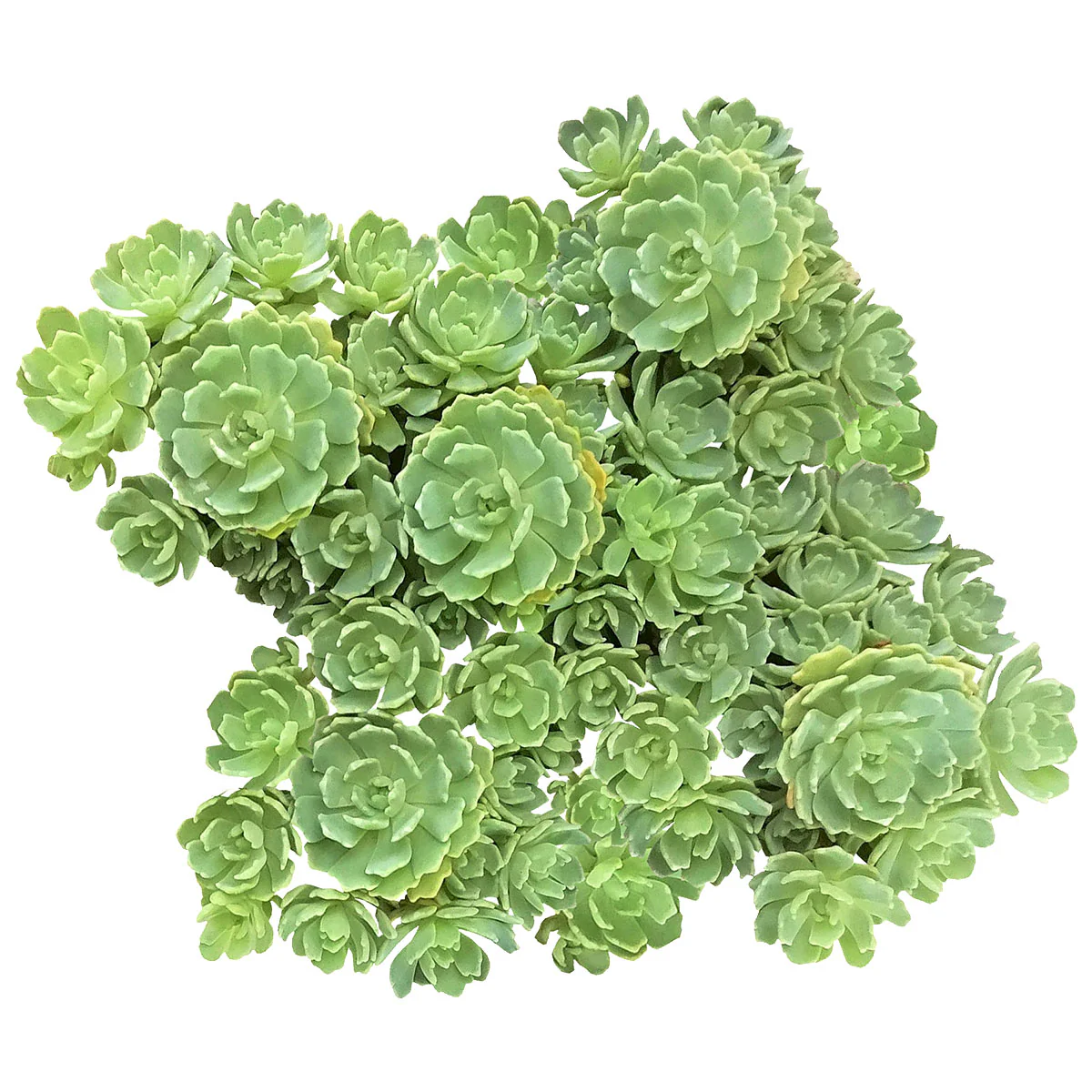
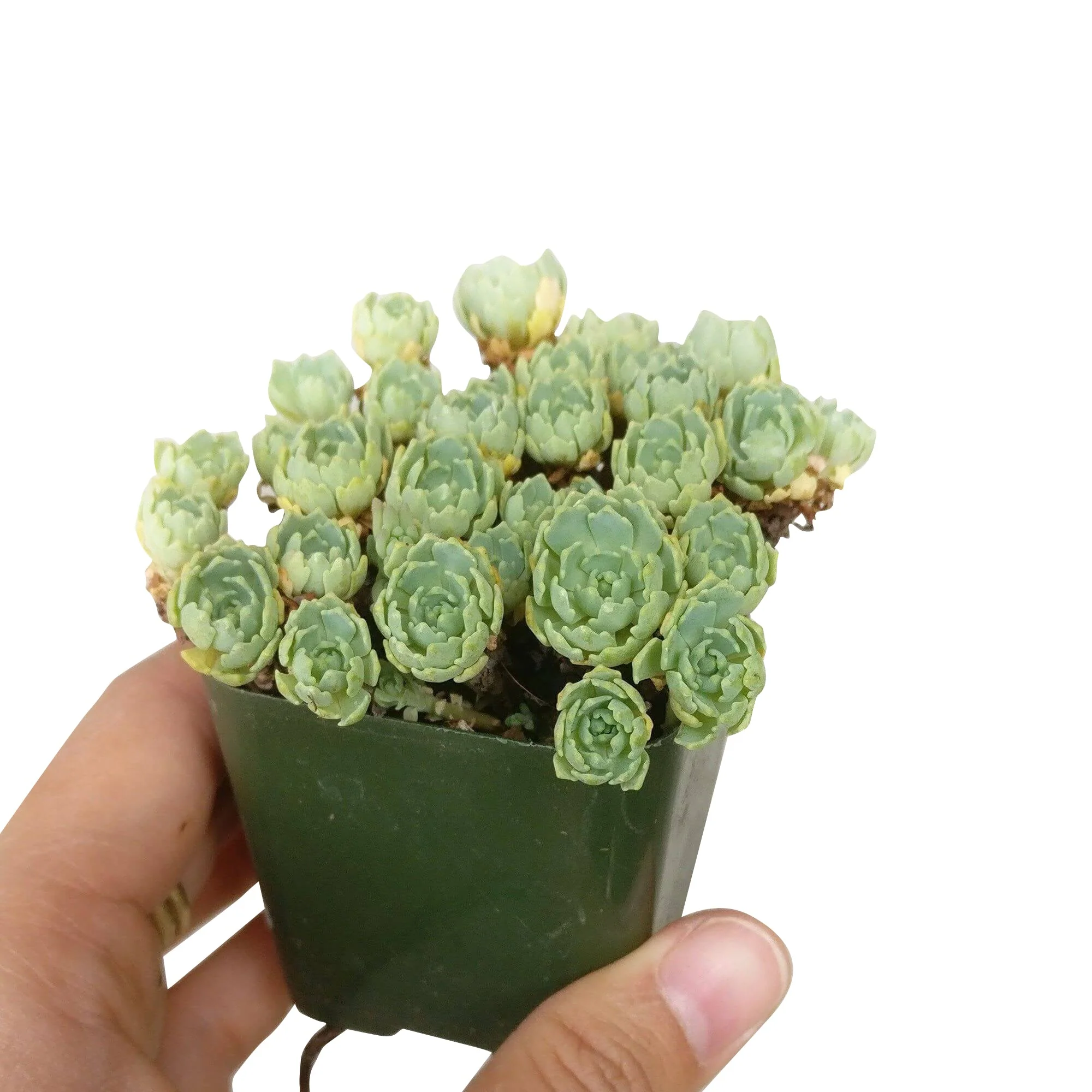
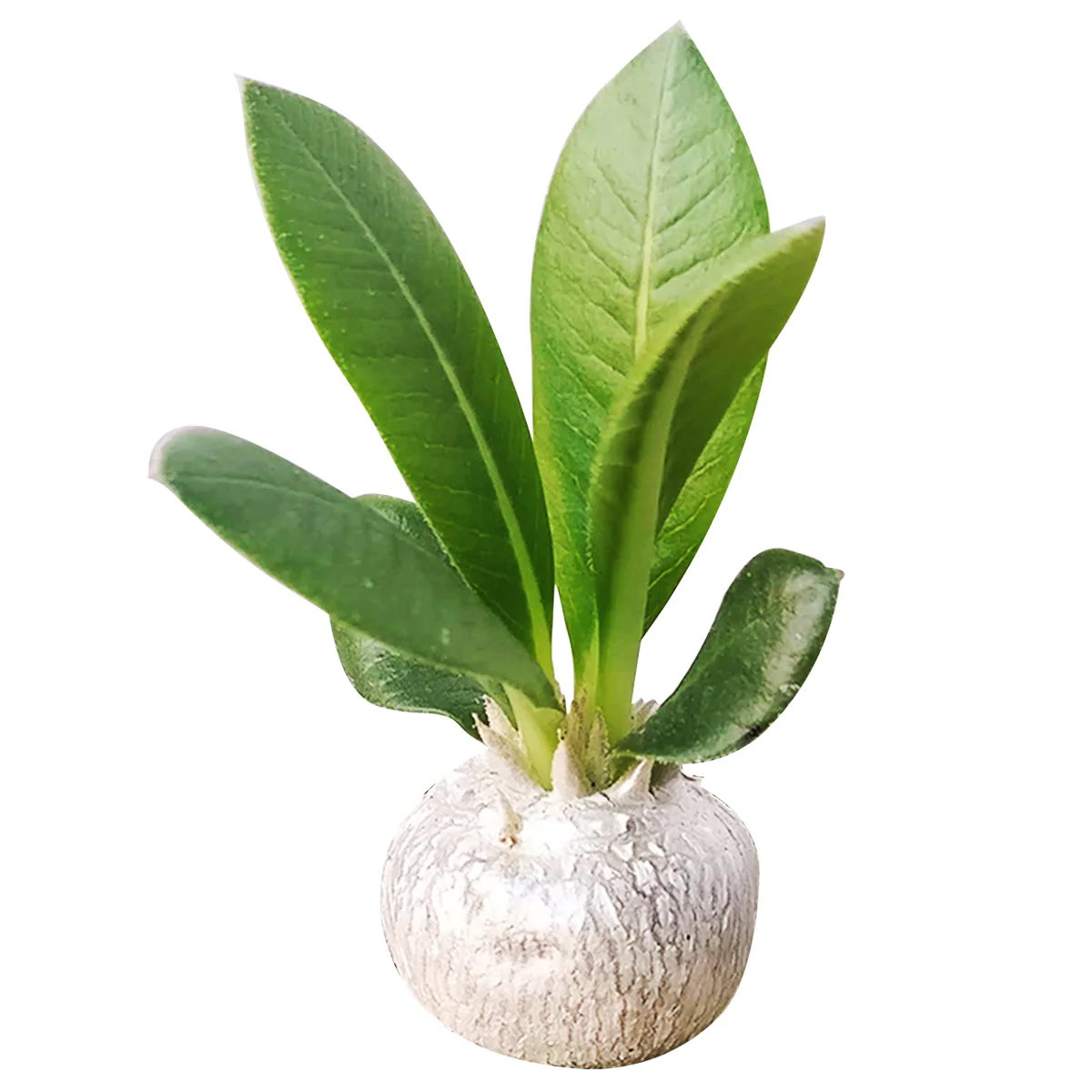
 What makes Pachypodium Brevicaule instantly recognizable is its flattened, disc-shaped caudex that spreads low and wide rather than growing tall, giving it an almost alien, sculptural quality unlike most other succulents. Its silvery-grey body is studded with short spines, and its clumping growth style means it slowly develops into a broader, more impressive mound over time, making every specimen feel like a living piece of art.
 Pachypodium Brevicaule produces cheerful bright yellow flowers that emerge from the center of the caudex, typically in spring, and a night temperature drop is known to encourage blooming. These blooms are a delightful payoff for patient growers, and the sight of sunny yellow flowers rising from that rugged, spiny body is genuinely unforgettable.
 As a slow growing succulent, Pachypodium Brevicaule rewards collectors who appreciate the long game, and its compact footprint makes it ideal on a bright windowsill or sunny outdoor display during summer months. Keep in mind that Pachypodium Brevicaule is sensitive to being moved, so once you find its happy spot, let it settle. It should be placed on a high shelf well out of reach, as the sap can cause skin and paw irritation, and cats, dogs, and small children should not be left to nibble or handle it.
-
 Pachypodium Brevicaule thrives in bright indirect light, full sun, or direct sun, needing at least 6 hours of strong light daily.
 Water Pachypodium Brevicaule deeply every 2-3 weeks in the growing season, reducing to once a month or less in winter dormancy.
 Pachypodium Brevicaule performs best in a fast-draining mix of coarse pumice, perlite, and a small amount of cactus soil.
 Pachypodium Brevicaule prefers temperatures between 60-95°F (15-35°C) and must be protected from anything approaching freezing.
![]() Pachypodium Brevicaule is a slow growing succulent that benefits from a diluted, low-nitrogen fertilizer once or twice during the active growing season.
Pachypodium Brevicaule is a slow growing succulent that benefits from a diluted, low-nitrogen fertilizer once or twice during the active growing season.
 Pachypodium Brevicaule is best suited to USDA Hardiness Zones 10-11, where temperatures rarely dip below 30-35°F (around 0-2°C), and it must be brought indoors anywhere frost is possible. Outdoor year-round growing is most reliable across Hawaii, South Florida, and the warmest coastal pockets of Southern California. Gardeners in Texas, Arizona, Louisiana, Georgia, South Carolina, Alabama, Mississippi, and Nevada can enjoy moving Pachypodium Brevicaule outside for summer while bringing it safely indoors before the first autumn chill.
-
Q: How often should I water Pachypodium Brevicaule?
A: During the growing season, water Pachypodium Brevicaule every 2-3 weeks, allowing the soil to dry out completely between waterings. In winter, reduce watering significantly to once a month or less.
Q: Is Pachypodium Brevicaule safe around pets and children?
A: Pachypodium Brevicaule should be kept well out of reach of cats, dogs, and small children, as its sap can cause skin and paw irritation. A high shelf is the safest placement in any home with curious pets or toddlers.
Q: How fast does Pachypodium Brevicaule grow?
A: Pachypodium Brevicaule is a notably slow growing succulent, expanding its caudex gradually over many years. This slow pace is part of what makes each specimen so collectible and valuable.
Q: Can I move Pachypodium Brevicaule outside in summer?
A: Yes, Pachypodium Brevicaule loves spending summer outdoors in a bright, sunny spot, but be sure to cover it from rain and avoid sudden temperature swings. Bring it back indoors well before autumn temperatures drop toward freezing.
Q: How do I propagate Pachypodium Brevicaule?
A: Pachypodium Brevicaule is most commonly propagated from seed, as it does not readily produce offsets like many other succulents. Seed propagation is slow but very rewarding for patient growers.
Q: Why are the leaves on my Pachypodium Brevicaule turning yellow?
A: Yellow leaves on Pachypodium Brevicaule are usually a sign of overwatering, poor drainage, or low light conditions. Check that your soil is drying out fully between waterings and that the plant is receiving plenty of direct or bright indirect light.


Original: $13.55
-70%$13.55
$4.07Product Information
Product Information
Shipping & Returns
Shipping & Returns
Description
- Description
- Pachypodium Brevicaule Care Guide
- FAQ/Common Issues
-
![]() Pachypodium Brevicaule is a rare caudiciform succulent native to the high plateaus of Madagascar, where it grows in rocky, sun-baked terrain at elevations above 4,000 feet. Belonging to the genus Pachypodium, this architectural caudex plant has captured the hearts of serious collectors worldwide and remains one of the most sought-after drought tolerant succulents available today.
Pachypodium Brevicaule is a rare caudiciform succulent native to the high plateaus of Madagascar, where it grows in rocky, sun-baked terrain at elevations above 4,000 feet. Belonging to the genus Pachypodium, this architectural caudex plant has captured the hearts of serious collectors worldwide and remains one of the most sought-after drought tolerant succulents available today.
What makes Pachypodium Brevicaule instantly recognizable is its flattened, disc-shaped caudex that spreads low and wide rather than growing tall, giving it an almost alien, sculptural quality unlike most other succulents. Its silvery-grey body is studded with short spines, and its clumping growth style means it slowly develops into a broader, more impressive mound over time, making every specimen feel like a living piece of art.
Pachypodium Brevicaule produces cheerful bright yellow flowers that emerge from the center of the caudex, typically in spring, and a night temperature drop is known to encourage blooming. These blooms are a delightful payoff for patient growers, and the sight of sunny yellow flowers rising from that rugged, spiny body is genuinely unforgettable.
As a slow growing succulent, Pachypodium Brevicaule rewards collectors who appreciate the long game, and its compact footprint makes it ideal on a bright windowsill or sunny outdoor display during summer months. Keep in mind that Pachypodium Brevicaule is sensitive to being moved, so once you find its happy spot, let it settle. It should be placed on a high shelf well out of reach, as the sap can cause skin and paw irritation, and cats, dogs, and small children should not be left to nibble or handle it.
-
Pachypodium Brevicaule thrives in bright indirect light, full sun, or direct sun, needing at least 6 hours of strong light daily.
Water Pachypodium Brevicaule deeply every 2-3 weeks in the growing season, reducing to once a month or less in winter dormancy.
Pachypodium Brevicaule performs best in a fast-draining mix of coarse pumice, perlite, and a small amount of cactus soil.
Pachypodium Brevicaule prefers temperatures between 60-95°F (15-35°C) and must be protected from anything approaching freezing.
![]() Pachypodium Brevicaule is a slow growing succulent that benefits from a diluted, low-nitrogen fertilizer once or twice during the active growing season.
Pachypodium Brevicaule is a slow growing succulent that benefits from a diluted, low-nitrogen fertilizer once or twice during the active growing season.
Pachypodium Brevicaule is best suited to USDA Hardiness Zones 10-11, where temperatures rarely dip below 30-35°F (around 0-2°C), and it must be brought indoors anywhere frost is possible. Outdoor year-round growing is most reliable across Hawaii, South Florida, and the warmest coastal pockets of Southern California. Gardeners in Texas, Arizona, Louisiana, Georgia, South Carolina, Alabama, Mississippi, and Nevada can enjoy moving Pachypodium Brevicaule outside for summer while bringing it safely indoors before the first autumn chill.
-
Q: How often should I water Pachypodium Brevicaule?
A: During the growing season, water Pachypodium Brevicaule every 2-3 weeks, allowing the soil to dry out completely between waterings. In winter, reduce watering significantly to once a month or less.
Q: Is Pachypodium Brevicaule safe around pets and children?
A: Pachypodium Brevicaule should be kept well out of reach of cats, dogs, and small children, as its sap can cause skin and paw irritation. A high shelf is the safest placement in any home with curious pets or toddlers.
Q: How fast does Pachypodium Brevicaule grow?
A: Pachypodium Brevicaule is a notably slow growing succulent, expanding its caudex gradually over many years. This slow pace is part of what makes each specimen so collectible and valuable.
Q: Can I move Pachypodium Brevicaule outside in summer?
A: Yes, Pachypodium Brevicaule loves spending summer outdoors in a bright, sunny spot, but be sure to cover it from rain and avoid sudden temperature swings. Bring it back indoors well before autumn temperatures drop toward freezing.
Q: How do I propagate Pachypodium Brevicaule?
A: Pachypodium Brevicaule is most commonly propagated from seed, as it does not readily produce offsets like many other succulents. Seed propagation is slow but very rewarding for patient growers.
Q: Why are the leaves on my Pachypodium Brevicaule turning yellow?
A: Yellow leaves on Pachypodium Brevicaule are usually a sign of overwatering, poor drainage, or low light conditions. Check that your soil is drying out fully between waterings and that the plant is receiving plenty of direct or bright indirect light.