Pachyphytum glutinicaule
- Description
- Pachyphytum glutinicaule Care Guide
- FAQ/Common Issues
-
![]() Pachyphytum glutinicaule is a rare drought tolerant succulent belonging to the stonecrop family, native to the mountainous regions of Mexico. This blue green succulent forms compact rosettes and has earned the common name "sticky moonstones" for its distinctive appearance and texture.
Pachyphytum glutinicaule is a rare drought tolerant succulent belonging to the stonecrop family, native to the mountainous regions of Mexico. This blue green succulent forms compact rosettes and has earned the common name "sticky moonstones" for its distinctive appearance and texture.
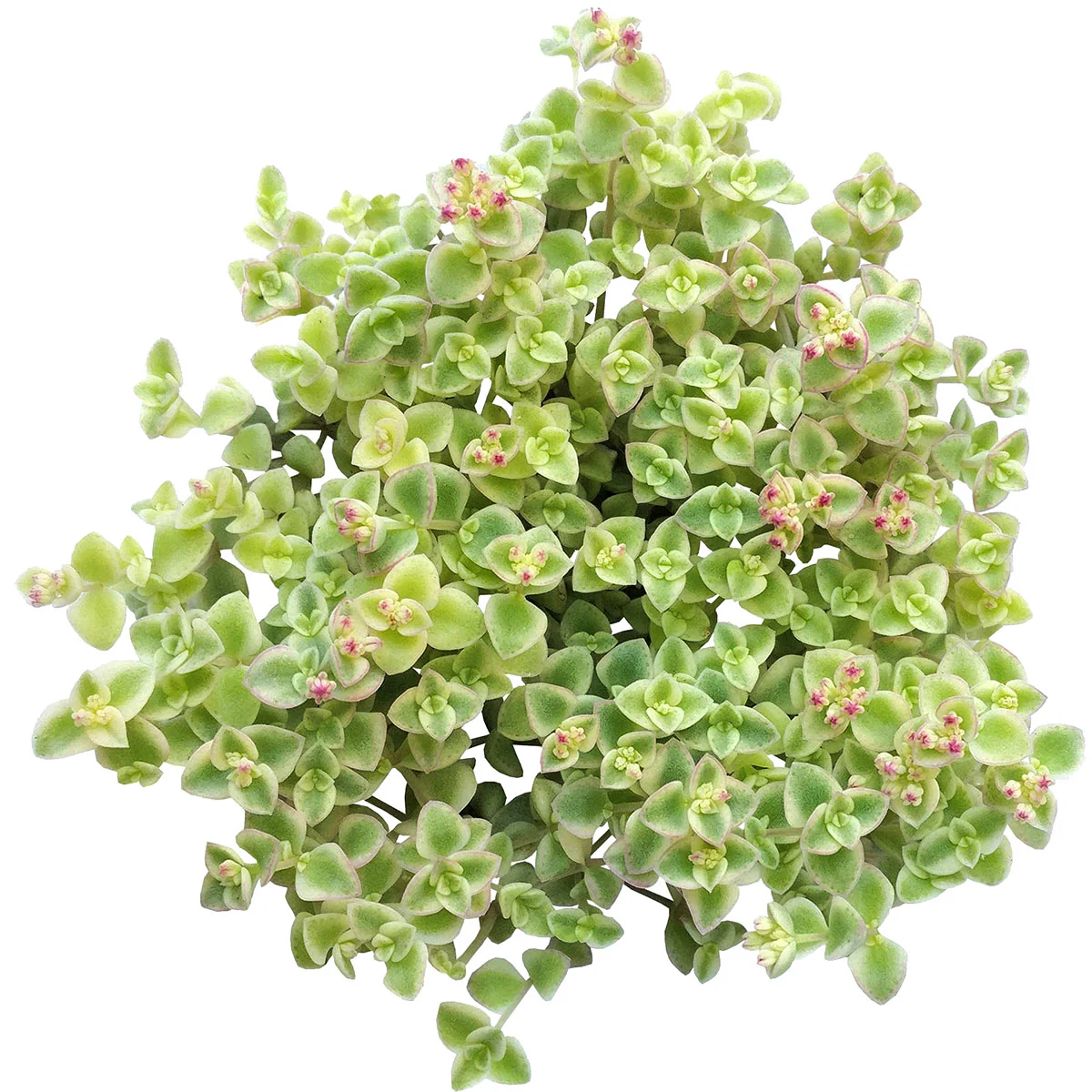
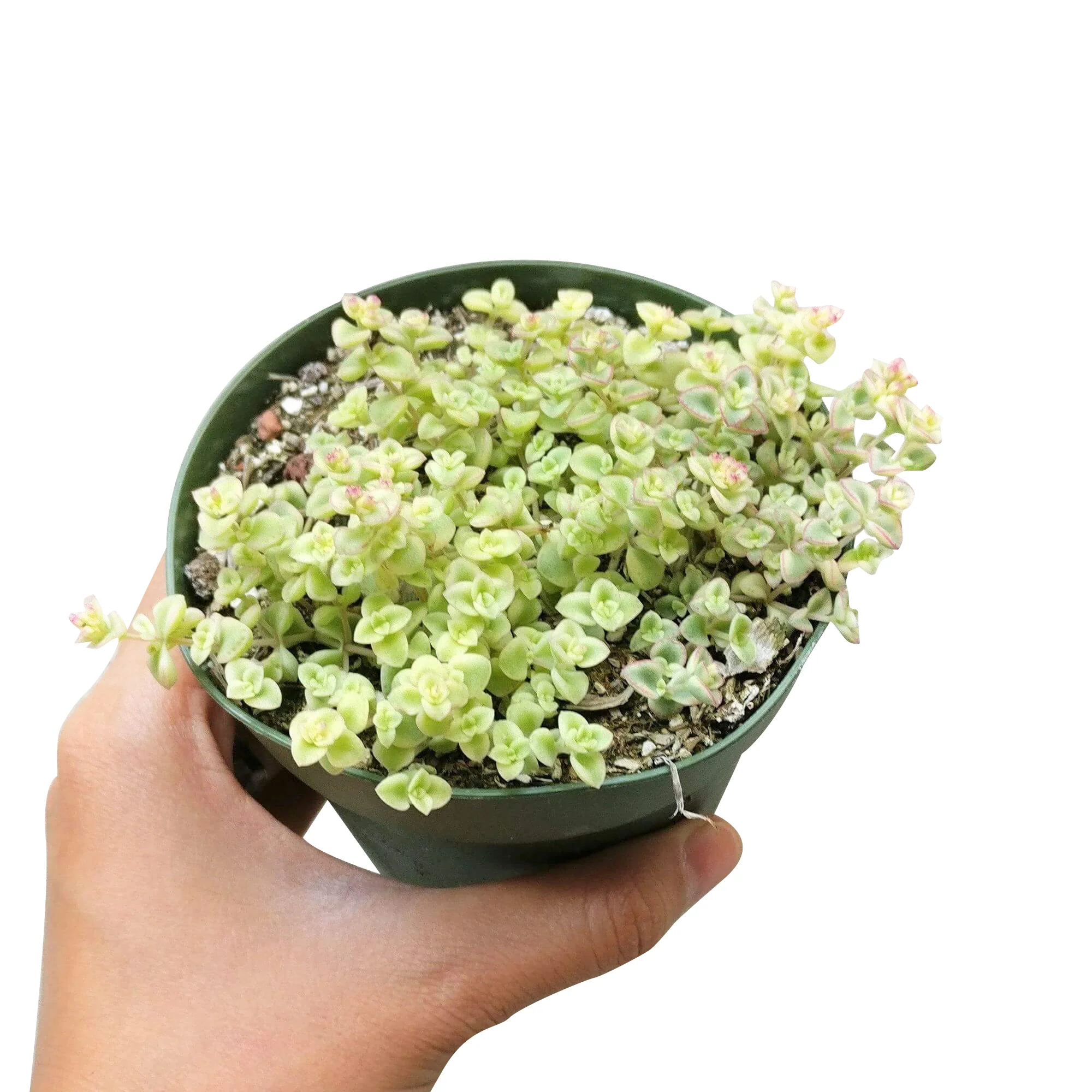
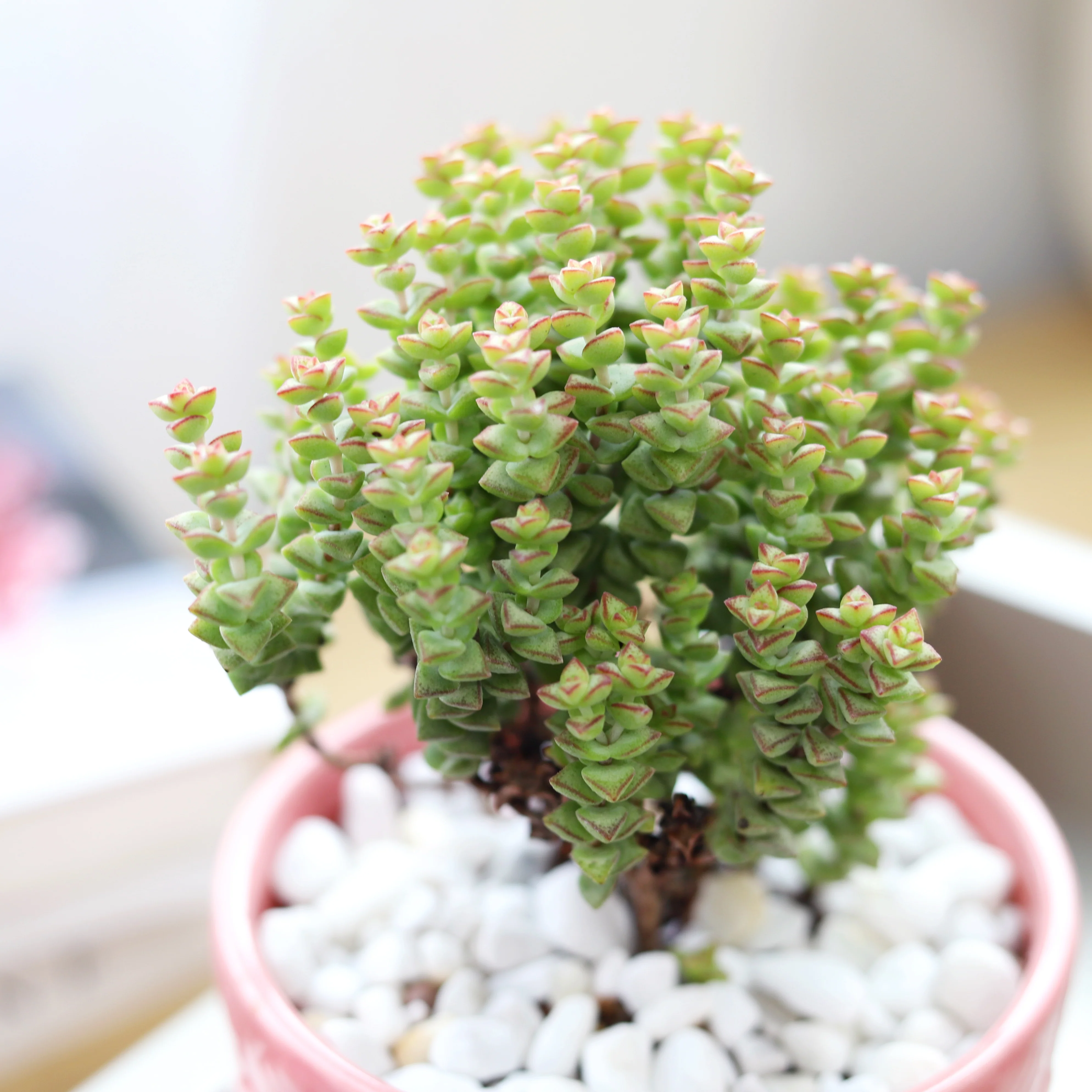
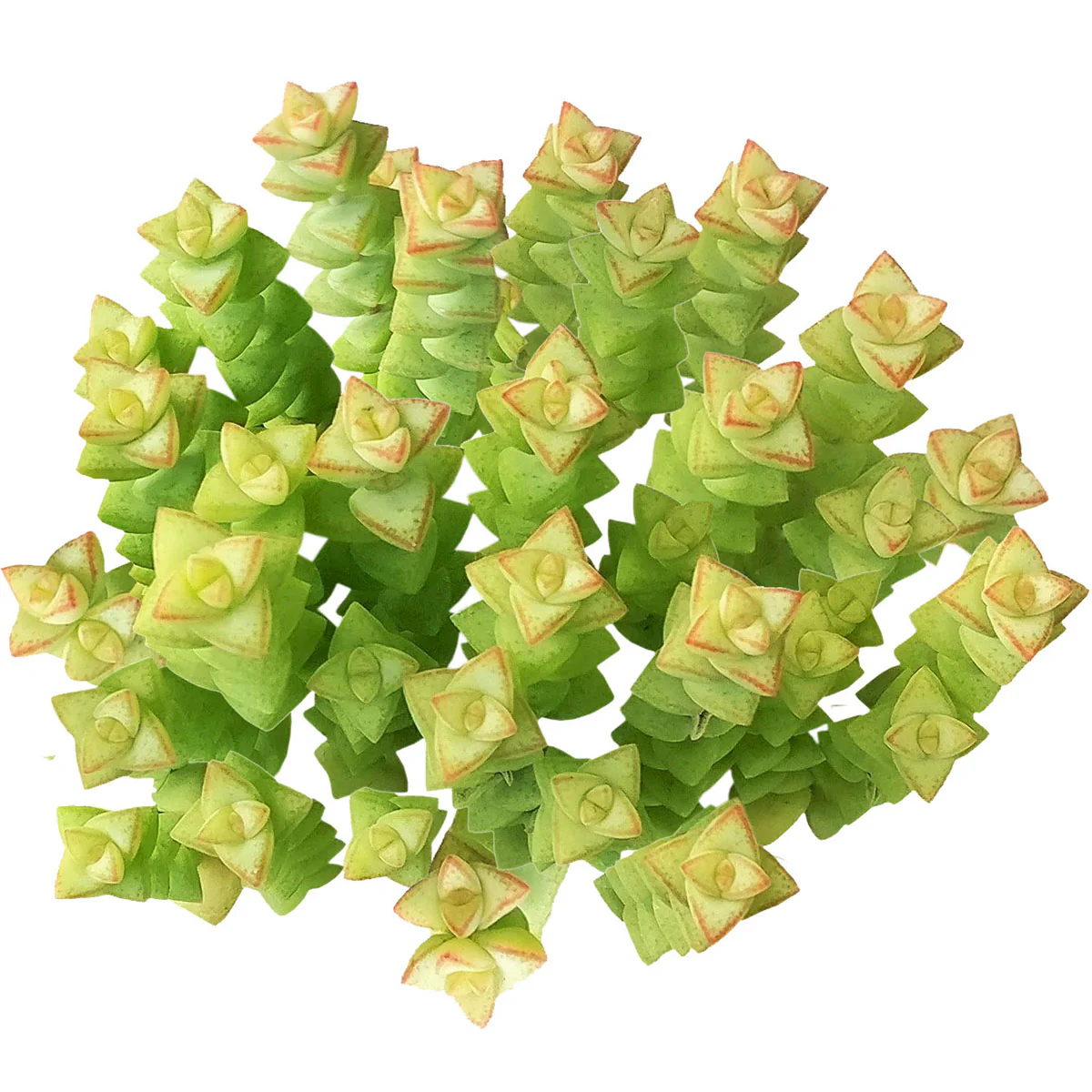
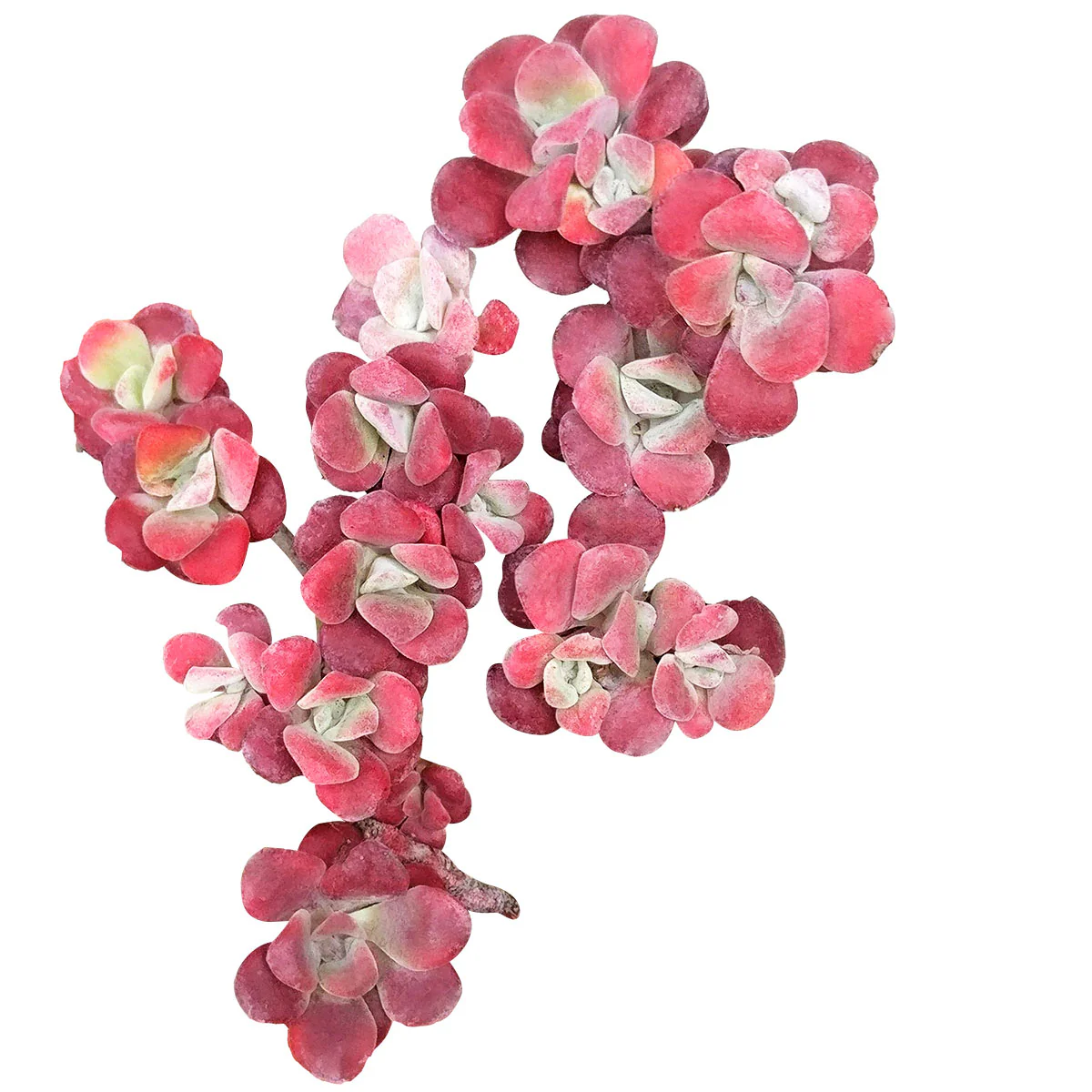
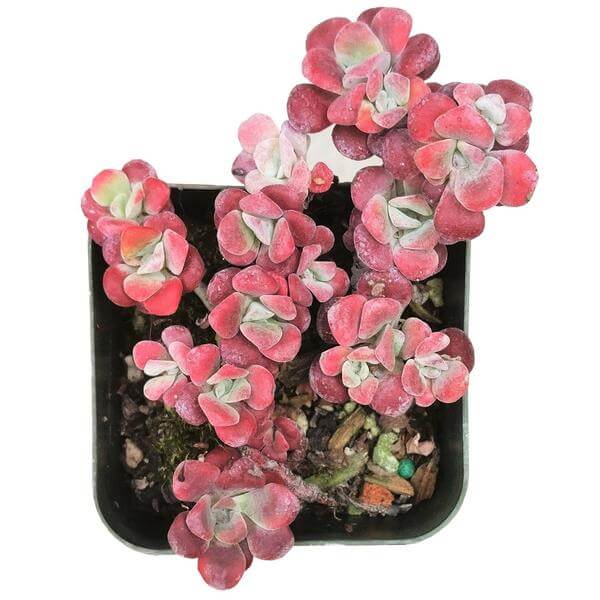
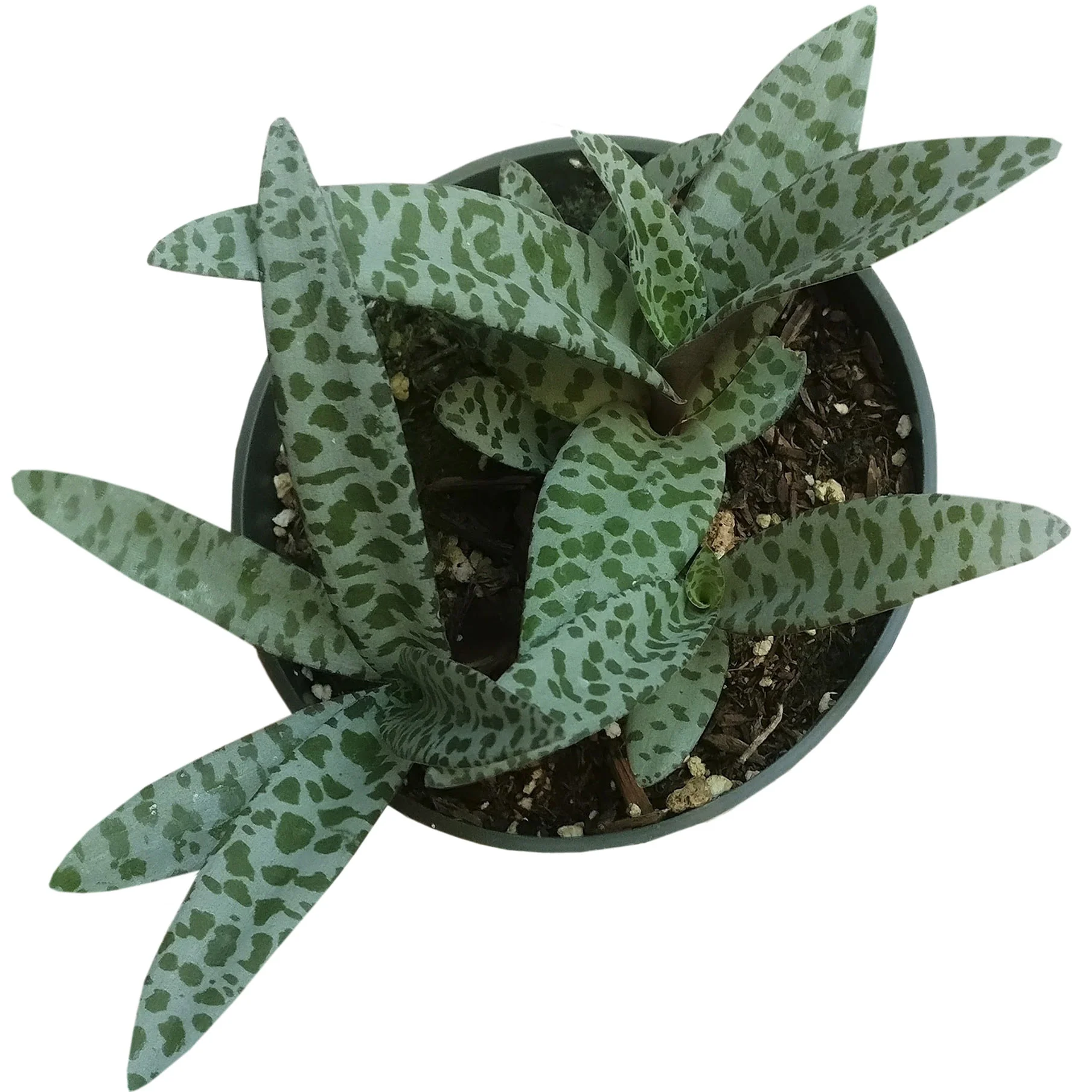
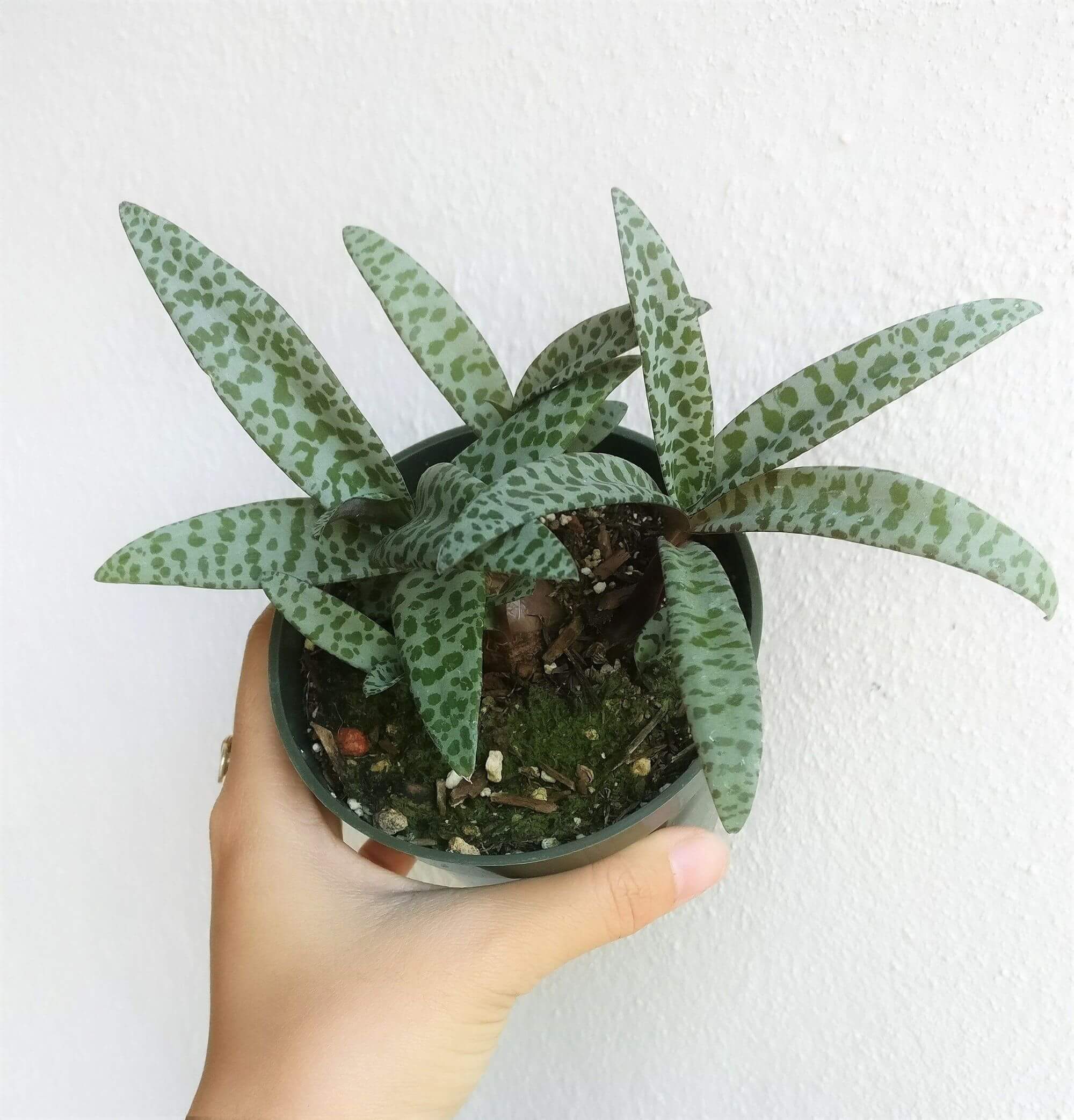
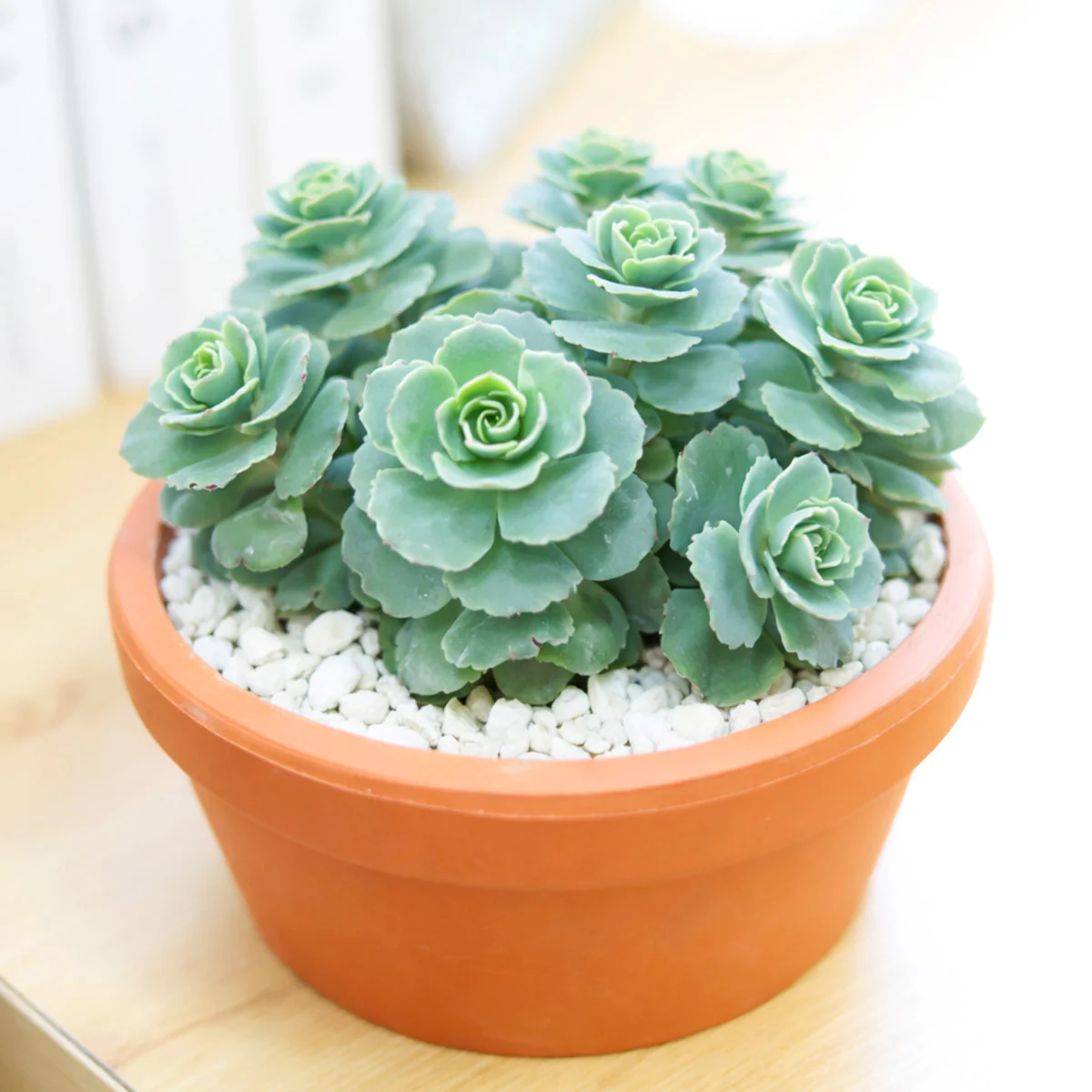
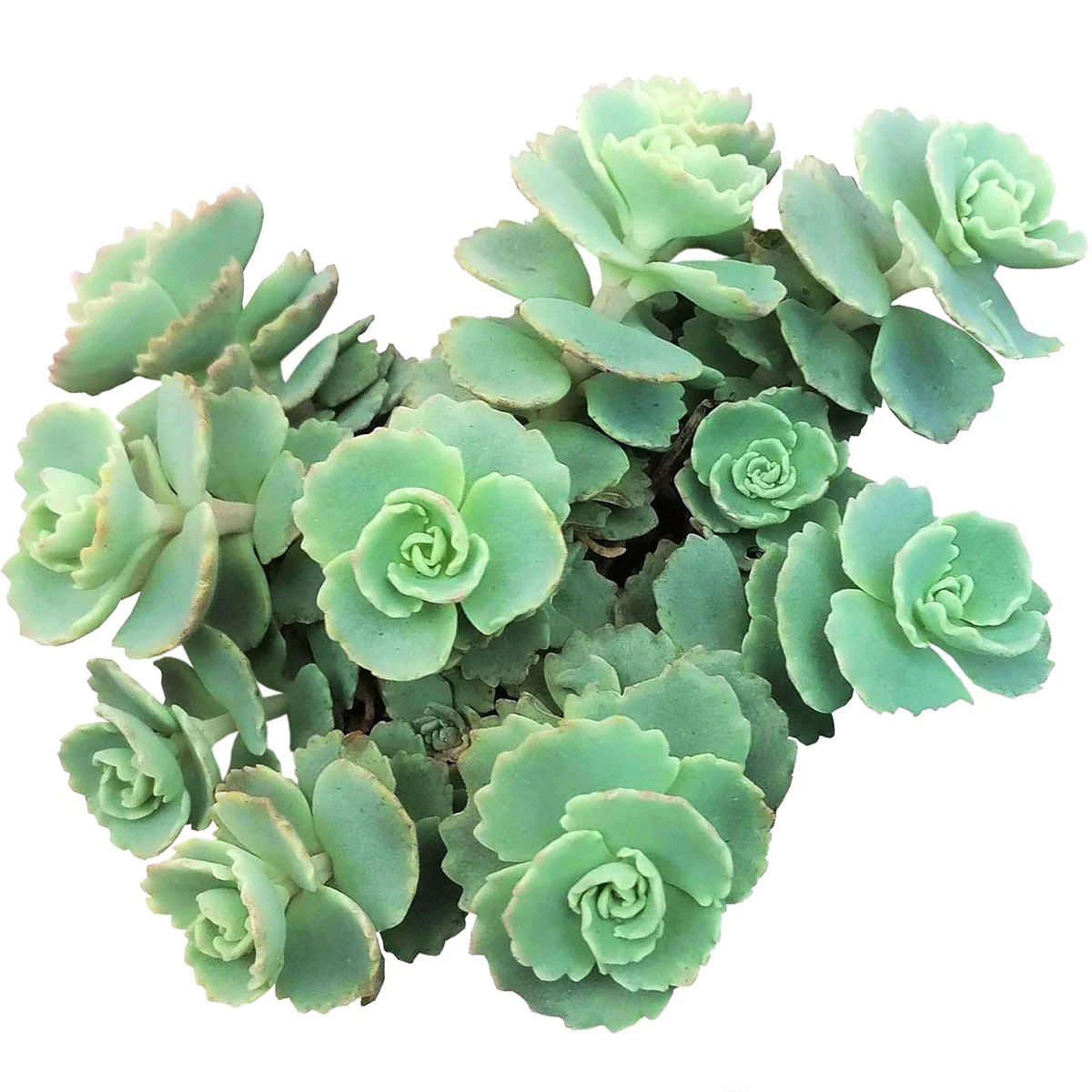
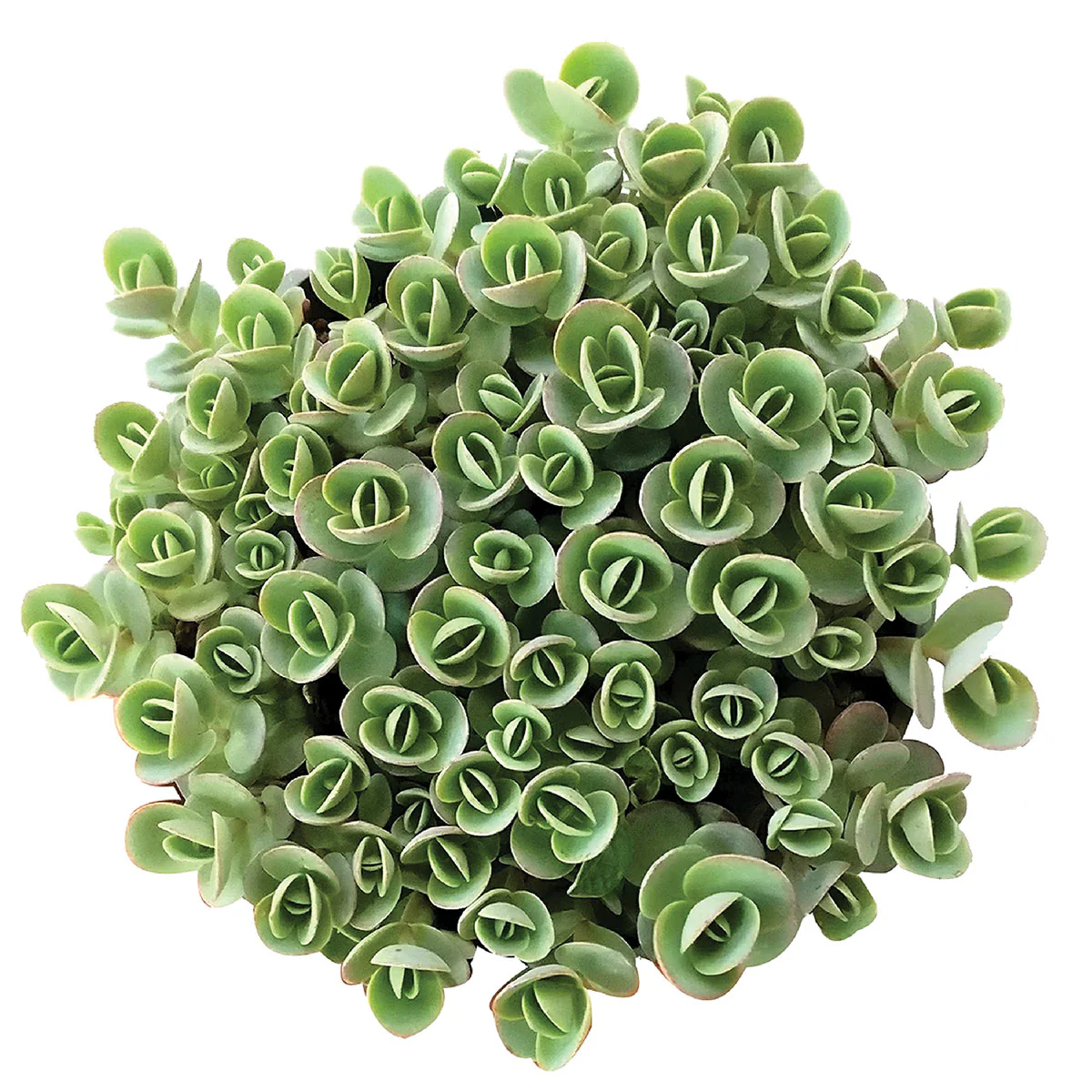
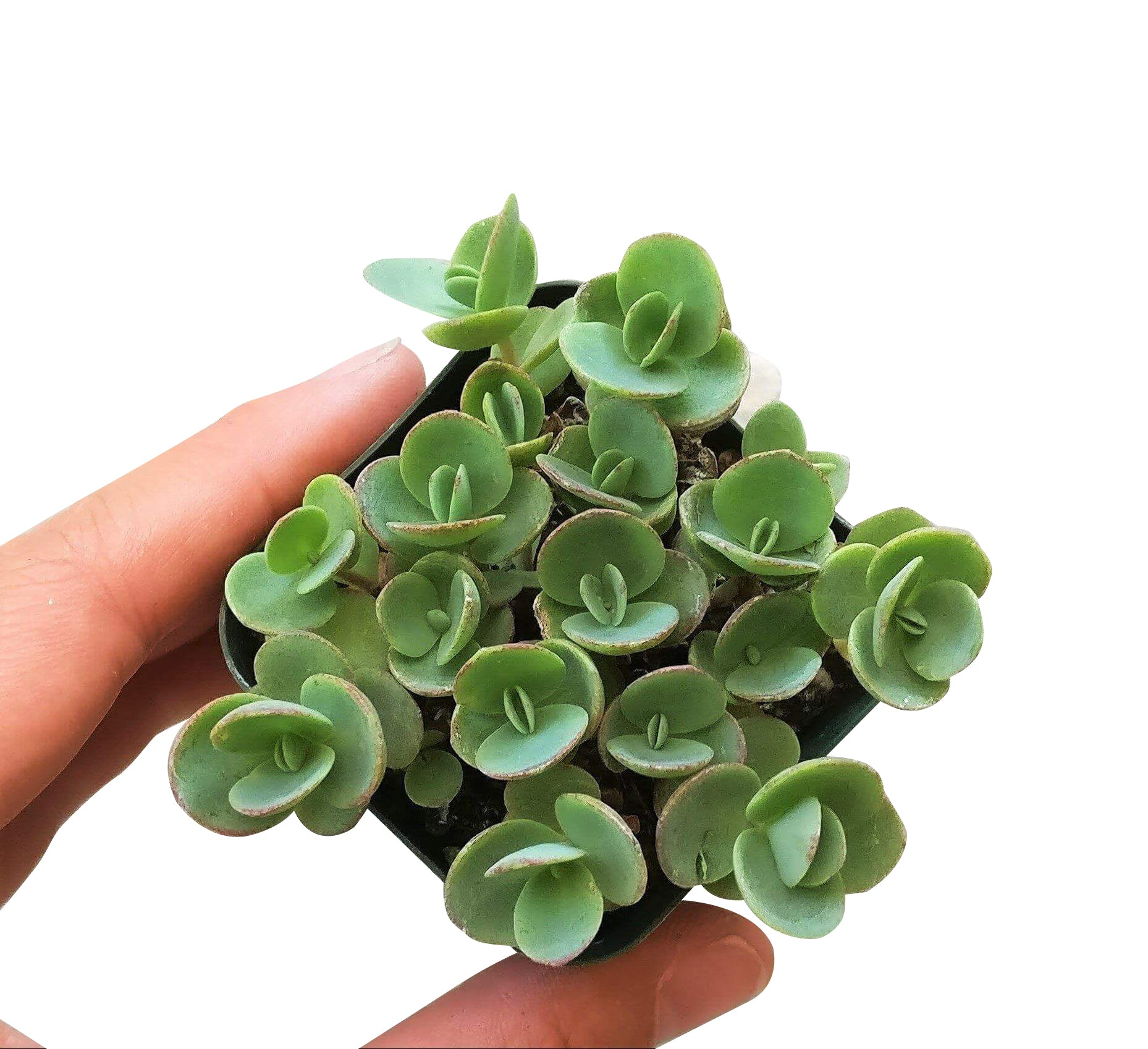
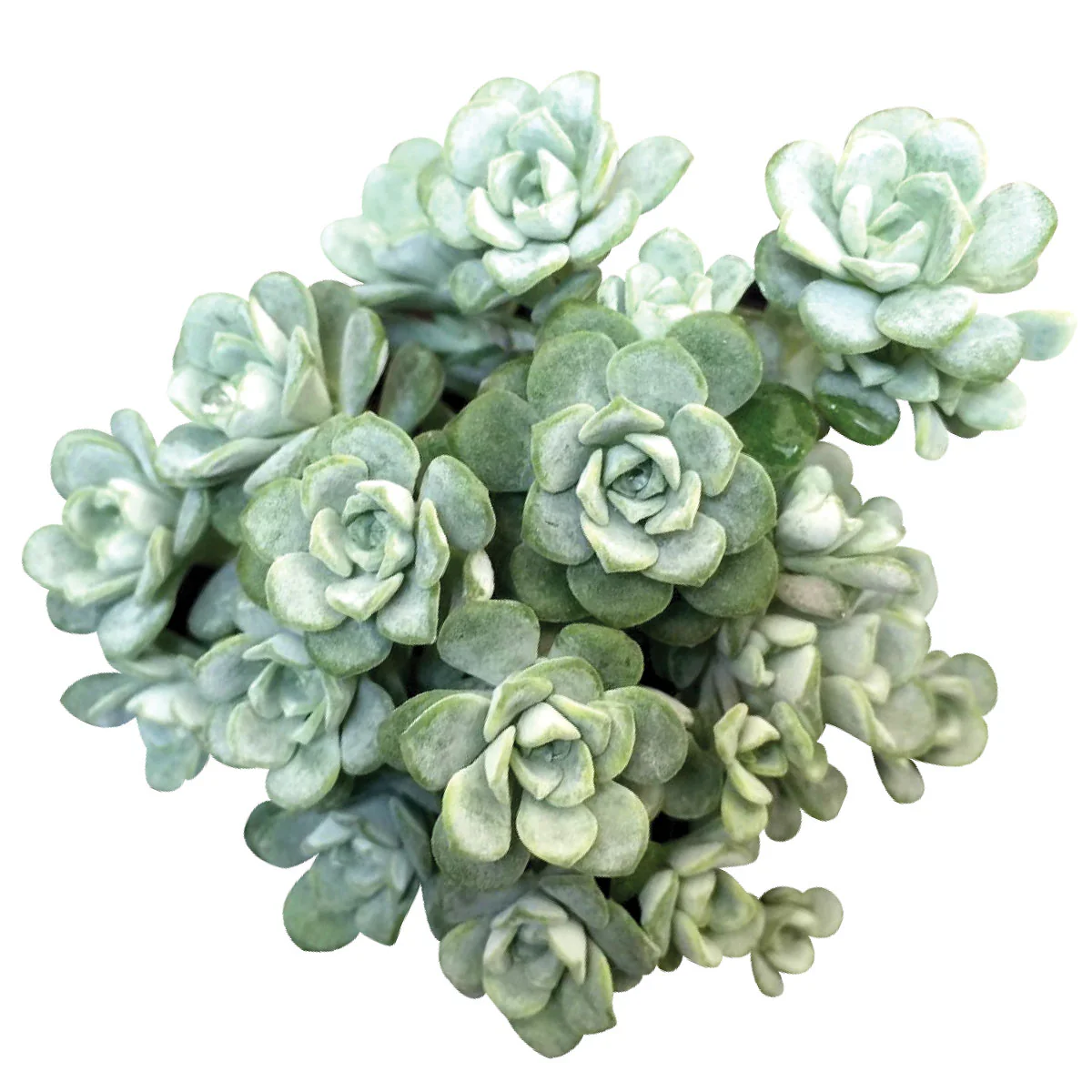
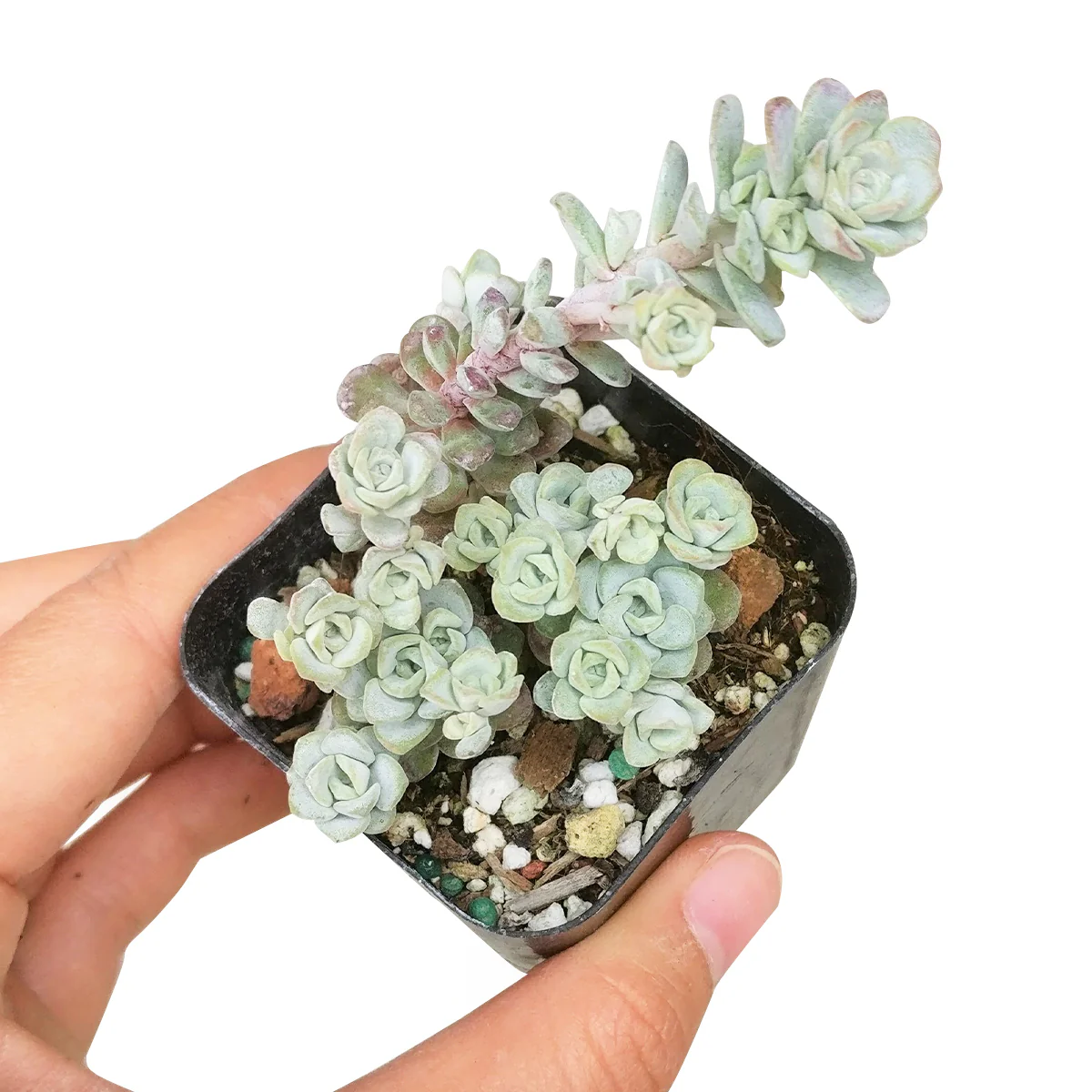
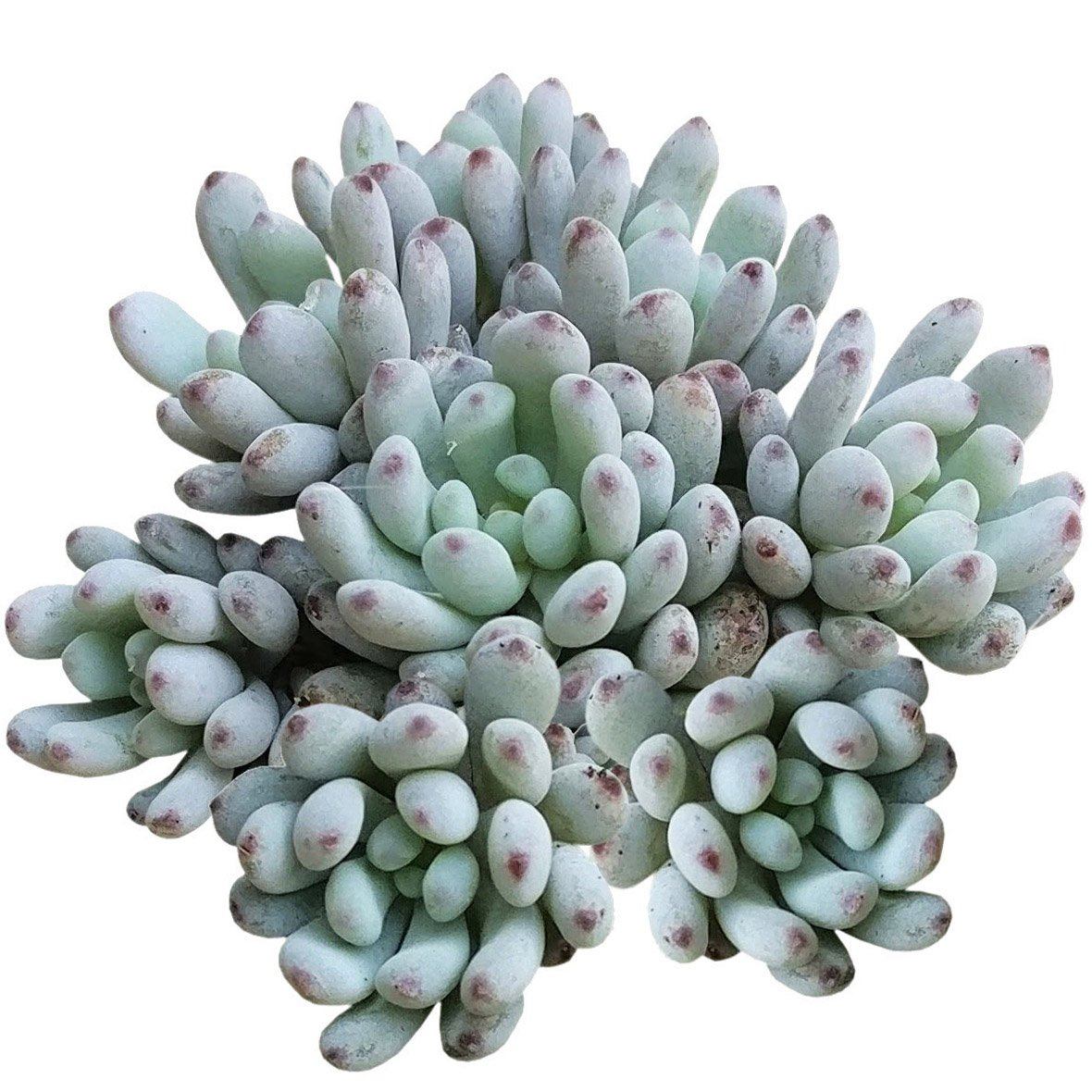
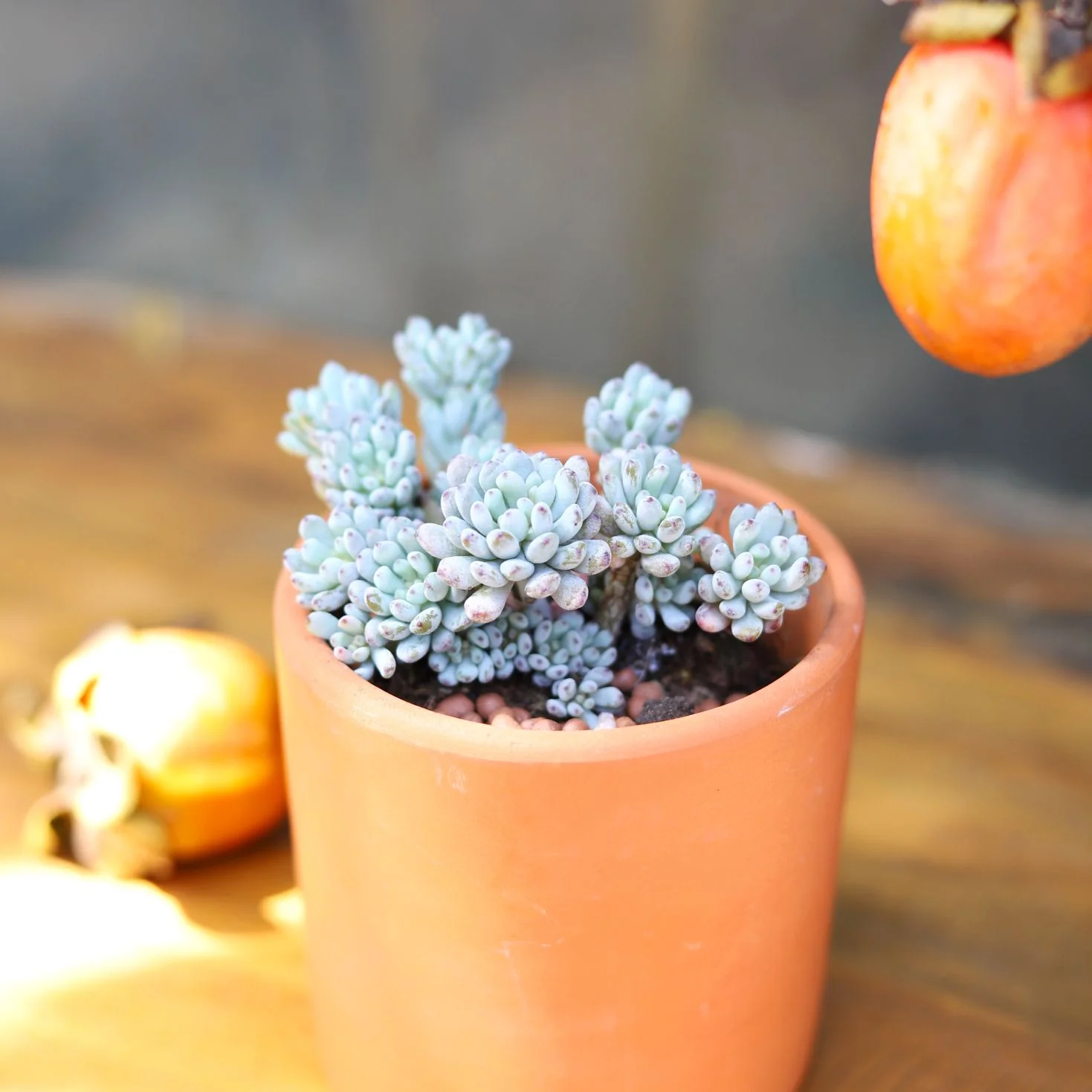
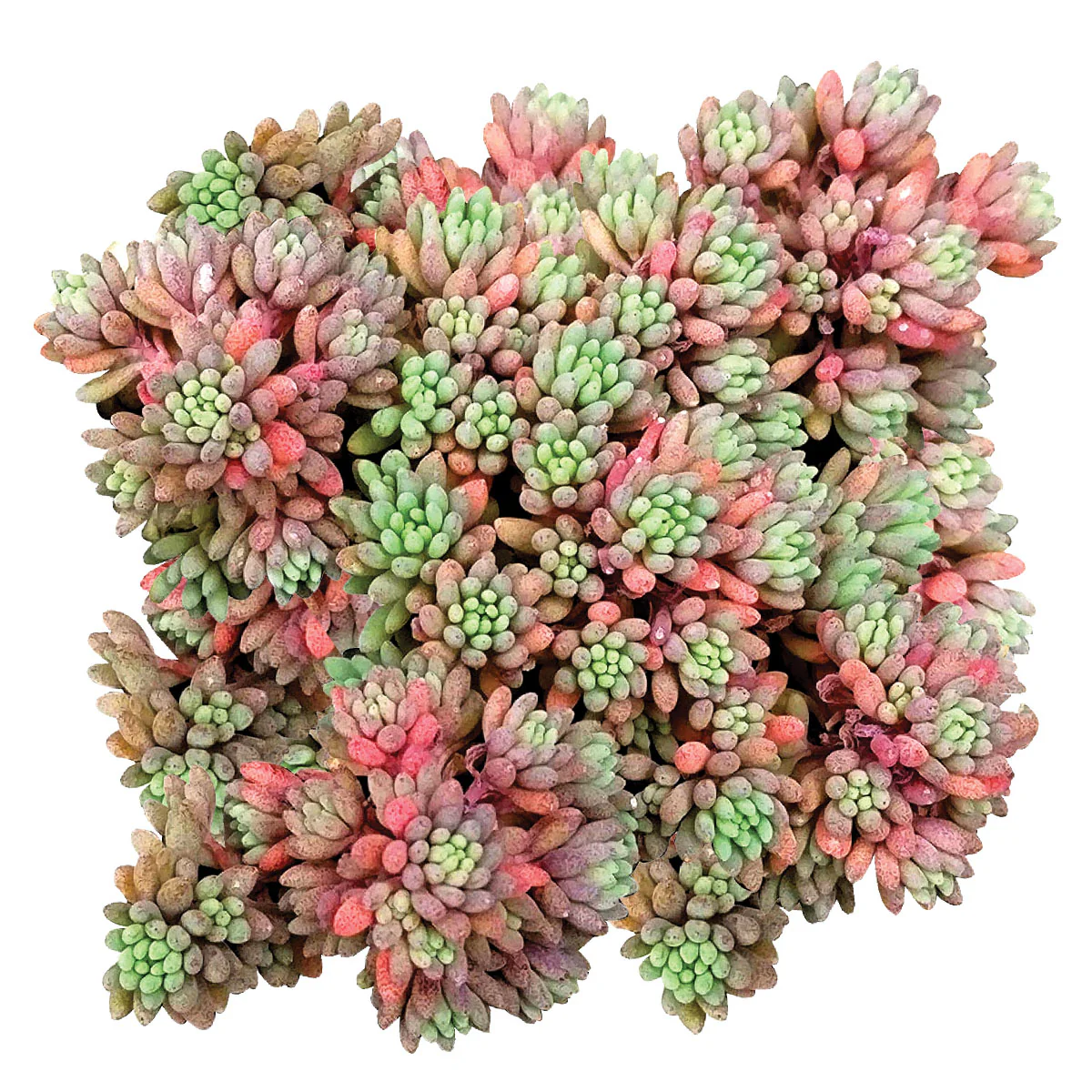
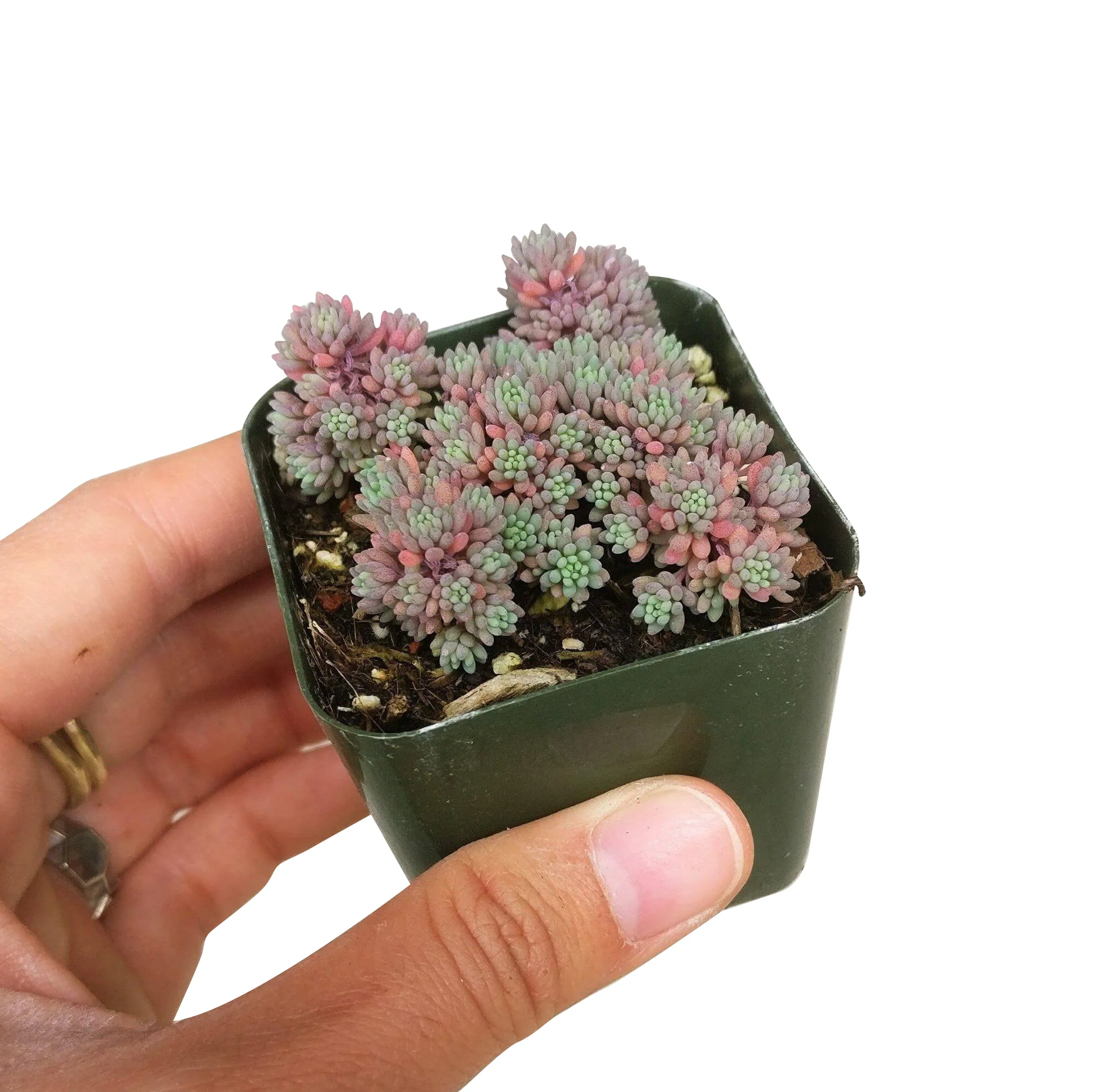
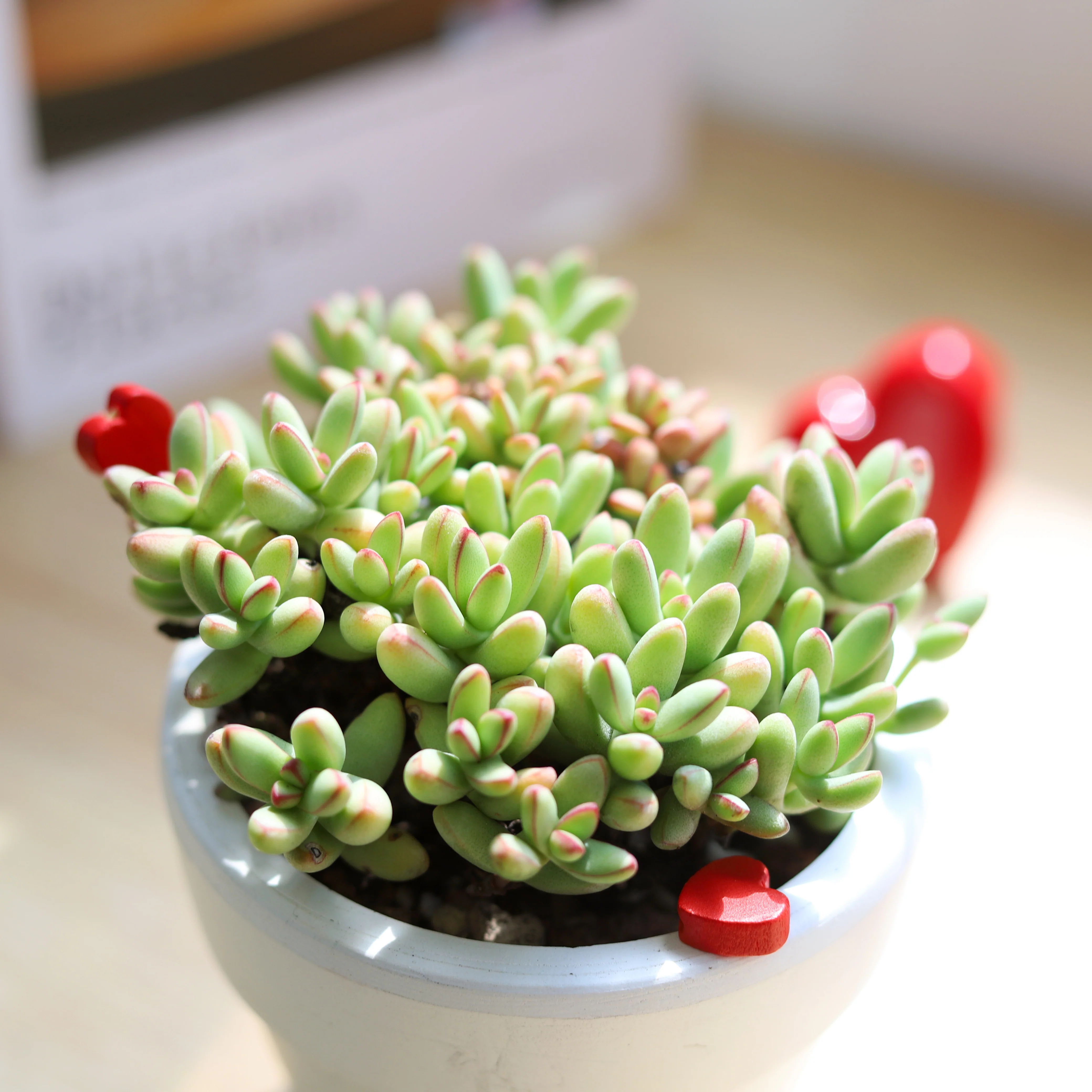
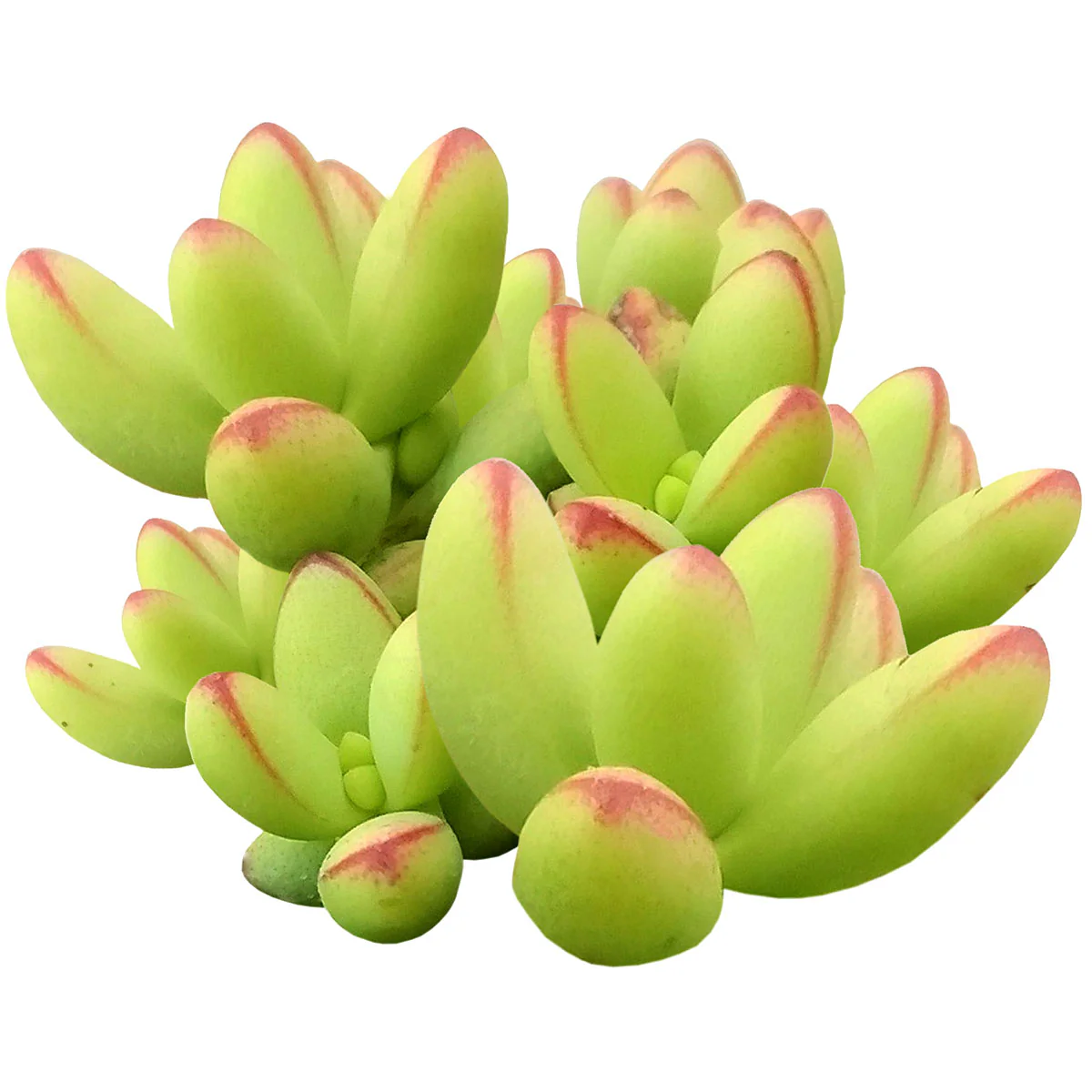
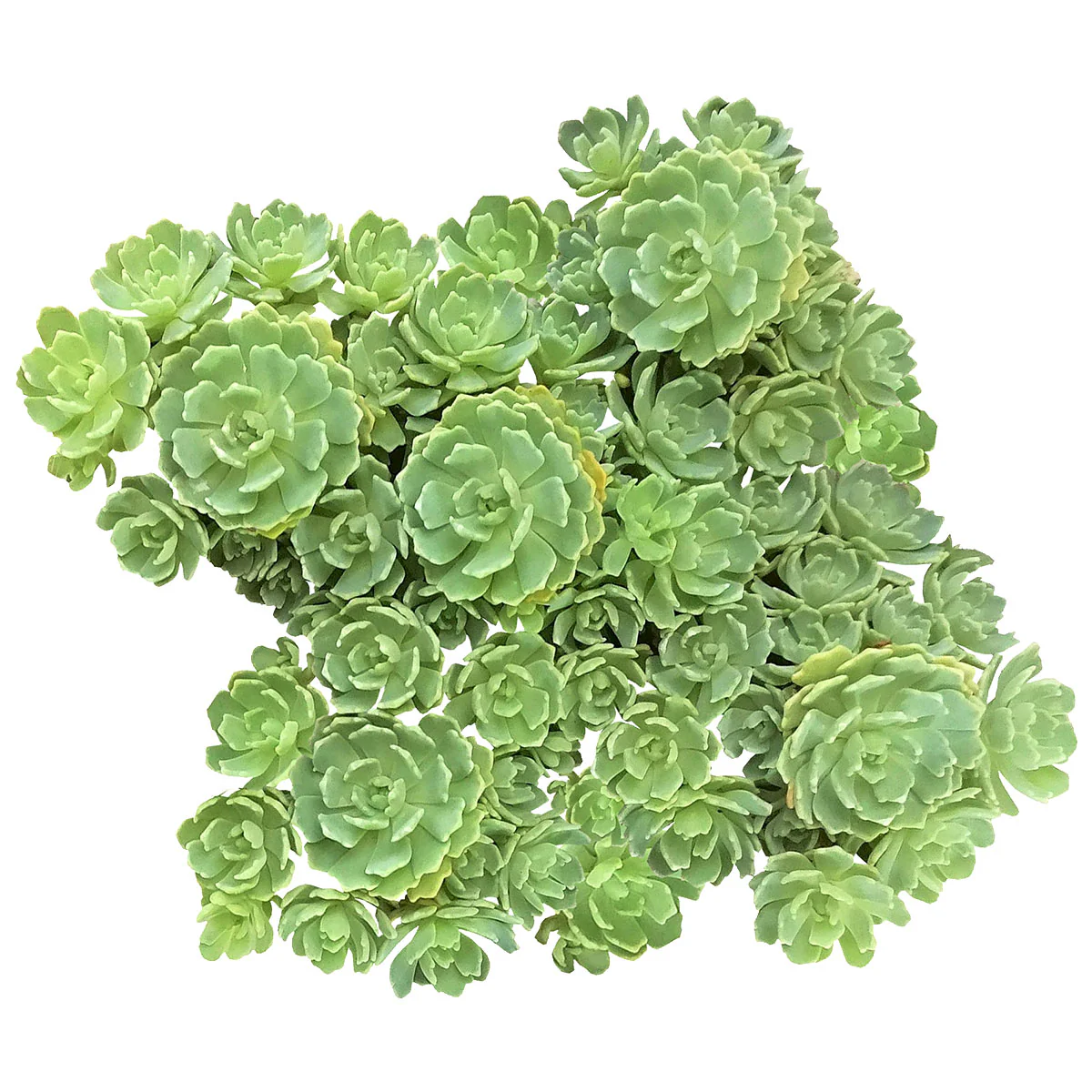
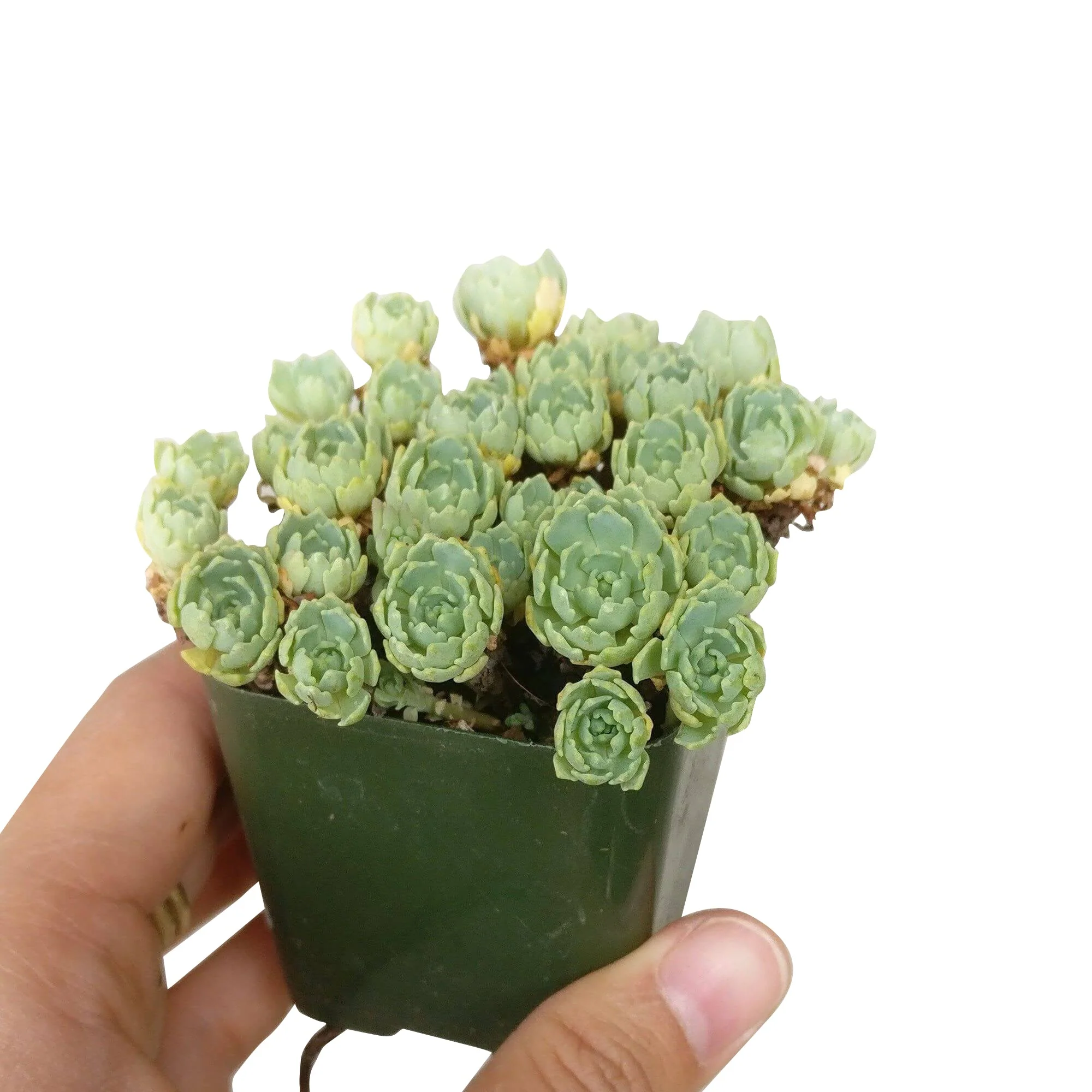
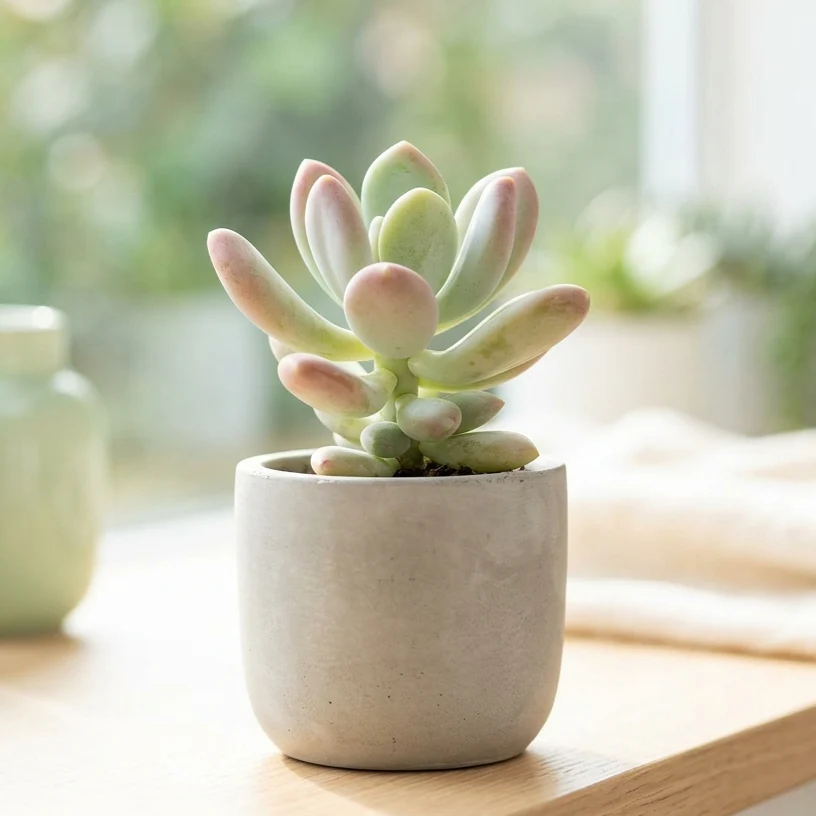
 Pachyphytum glutinicaule displays thick, fleshy leaves with a stunning blue green coloration that can develop pink or purple edges in bright light. The rosette succulent forms tight, symmetrical clusters of plump, oval-shaped leaves that have a slightly sticky surface texture. Each leaf displays a powdery bloom called farina that gives this small succulent its ethereal, moon-like appearance.
 Pachyphytum glutinicaule produces delicate bell-shaped flowers on arching stems during spring and early summer, typically displaying coral-pink to orange-red blooms. This mexican succulent shows clear signs when thirsty through slight wilting of its normally turgid leaves. The plant is sensitive to being moved and benefits from staying in one location once established.
 Pachyphytum glutinicaule makes an exceptional indoor plant for collectors seeking rare succulents with minimal care requirements. This low maintenance beauty can move outside for summer but needs cover from rain to prevent root rot. The plant tolerates dry heated air well but remains sensitive to direct airflow from AC units and heaters, making it perfect for stable indoor environments.
-
 Pachyphytum glutinicaule thrives in bright indirect light or full sun exposure.
 Water Pachyphytum glutinicaule deeply every 10-14 days when soil feels completely dry.
 Pachyphytum glutinicaule requires well-draining cactus and succulent potting mix with added perlite.
 Pachyphytum glutinicaule prefers temperatures between 65-80°F (18-27°C) and is not frost tolerant.
![]() Pachyphytum glutinicaule grows slowly and needs minimal fertilizer during spring growing season.
Pachyphytum glutinicaule grows slowly and needs minimal fertilizer during spring growing season.
 Pachyphytum glutinicaule grows outdoors year-round in USDA hardiness zones 9-11, where temperatures rarely drop below 20°F (-7°C). These zones include warm-climate states like Florida, Hawaii, southern California, southern Texas, Arizona, Louisiana, southern Georgia, coastal South Carolina, southern Nevada, and parts of coastal Oregon. In cooler regions, this drought tolerant succulent thrives as a container plant that can spend summers outdoors in states like North Carolina, Tennessee, Arkansas, Alabama, and Mississippi.
-
Q: How often should I water my Pachyphytum glutinicaule?
A: Water your Pachyphytum glutinicaule every 10-14 days when the soil feels completely dry. This drought tolerant succulent prefers deep, infrequent watering over frequent light watering.
Q: Is Pachyphytum glutinicaule safe for pets?
A: While not highly toxic, Pachyphytum glutinicaule can cause mild digestive upset if ingested by pets. Keep this succulent away from curious cats and dogs as a precaution.
Q: What kind of light does Pachyphytum glutinicaule need indoors?
A: Pachyphytum glutinicaule needs bright indirect light indoors and can handle some direct morning sun. Rotate the plant regularly for even growth and optimal blue green coloration.
Q: How big does Pachyphytum glutinicaule get?
A: Pachyphytum glutinicaule typically reaches 3-4 inches tall and wide at maturity. This small succulent grows slowly and maintains its compact rosette form.
Q: Can I propagate Pachyphytum glutinicaule easily?
A: Yes, Pachyphytum glutinicaule propagates readily from leaf cuttings or offsets. Allow cut surfaces to callus for several days before planting in well-draining soil.
Q: Why are my Pachyphytum glutinicaule leaves losing their blue color?
A: Insufficient light causes Pachyphytum glutinicaule to lose its distinctive blue green coloration and stretch. Move your plant to a brighter location for best color development.


Original: $8.00
-70%$8.00
$2.40Product Information
Product Information
Shipping & Returns
Shipping & Returns
Description
- Description
- Pachyphytum glutinicaule Care Guide
- FAQ/Common Issues
-
![]() Pachyphytum glutinicaule is a rare drought tolerant succulent belonging to the stonecrop family, native to the mountainous regions of Mexico. This blue green succulent forms compact rosettes and has earned the common name "sticky moonstones" for its distinctive appearance and texture.
Pachyphytum glutinicaule is a rare drought tolerant succulent belonging to the stonecrop family, native to the mountainous regions of Mexico. This blue green succulent forms compact rosettes and has earned the common name "sticky moonstones" for its distinctive appearance and texture.
Pachyphytum glutinicaule displays thick, fleshy leaves with a stunning blue green coloration that can develop pink or purple edges in bright light. The rosette succulent forms tight, symmetrical clusters of plump, oval-shaped leaves that have a slightly sticky surface texture. Each leaf displays a powdery bloom called farina that gives this small succulent its ethereal, moon-like appearance.
Pachyphytum glutinicaule produces delicate bell-shaped flowers on arching stems during spring and early summer, typically displaying coral-pink to orange-red blooms. This mexican succulent shows clear signs when thirsty through slight wilting of its normally turgid leaves. The plant is sensitive to being moved and benefits from staying in one location once established.
Pachyphytum glutinicaule makes an exceptional indoor plant for collectors seeking rare succulents with minimal care requirements. This low maintenance beauty can move outside for summer but needs cover from rain to prevent root rot. The plant tolerates dry heated air well but remains sensitive to direct airflow from AC units and heaters, making it perfect for stable indoor environments.
-
Pachyphytum glutinicaule thrives in bright indirect light or full sun exposure.
Water Pachyphytum glutinicaule deeply every 10-14 days when soil feels completely dry.
Pachyphytum glutinicaule requires well-draining cactus and succulent potting mix with added perlite.
Pachyphytum glutinicaule prefers temperatures between 65-80°F (18-27°C) and is not frost tolerant.
![]() Pachyphytum glutinicaule grows slowly and needs minimal fertilizer during spring growing season.
Pachyphytum glutinicaule grows slowly and needs minimal fertilizer during spring growing season.
Pachyphytum glutinicaule grows outdoors year-round in USDA hardiness zones 9-11, where temperatures rarely drop below 20°F (-7°C). These zones include warm-climate states like Florida, Hawaii, southern California, southern Texas, Arizona, Louisiana, southern Georgia, coastal South Carolina, southern Nevada, and parts of coastal Oregon. In cooler regions, this drought tolerant succulent thrives as a container plant that can spend summers outdoors in states like North Carolina, Tennessee, Arkansas, Alabama, and Mississippi.
-
Q: How often should I water my Pachyphytum glutinicaule?
A: Water your Pachyphytum glutinicaule every 10-14 days when the soil feels completely dry. This drought tolerant succulent prefers deep, infrequent watering over frequent light watering.
Q: Is Pachyphytum glutinicaule safe for pets?
A: While not highly toxic, Pachyphytum glutinicaule can cause mild digestive upset if ingested by pets. Keep this succulent away from curious cats and dogs as a precaution.
Q: What kind of light does Pachyphytum glutinicaule need indoors?
A: Pachyphytum glutinicaule needs bright indirect light indoors and can handle some direct morning sun. Rotate the plant regularly for even growth and optimal blue green coloration.
Q: How big does Pachyphytum glutinicaule get?
A: Pachyphytum glutinicaule typically reaches 3-4 inches tall and wide at maturity. This small succulent grows slowly and maintains its compact rosette form.
Q: Can I propagate Pachyphytum glutinicaule easily?
A: Yes, Pachyphytum glutinicaule propagates readily from leaf cuttings or offsets. Allow cut surfaces to callus for several days before planting in well-draining soil.
Q: Why are my Pachyphytum glutinicaule leaves losing their blue color?
A: Insufficient light causes Pachyphytum glutinicaule to lose its distinctive blue green coloration and stretch. Move your plant to a brighter location for best color development.