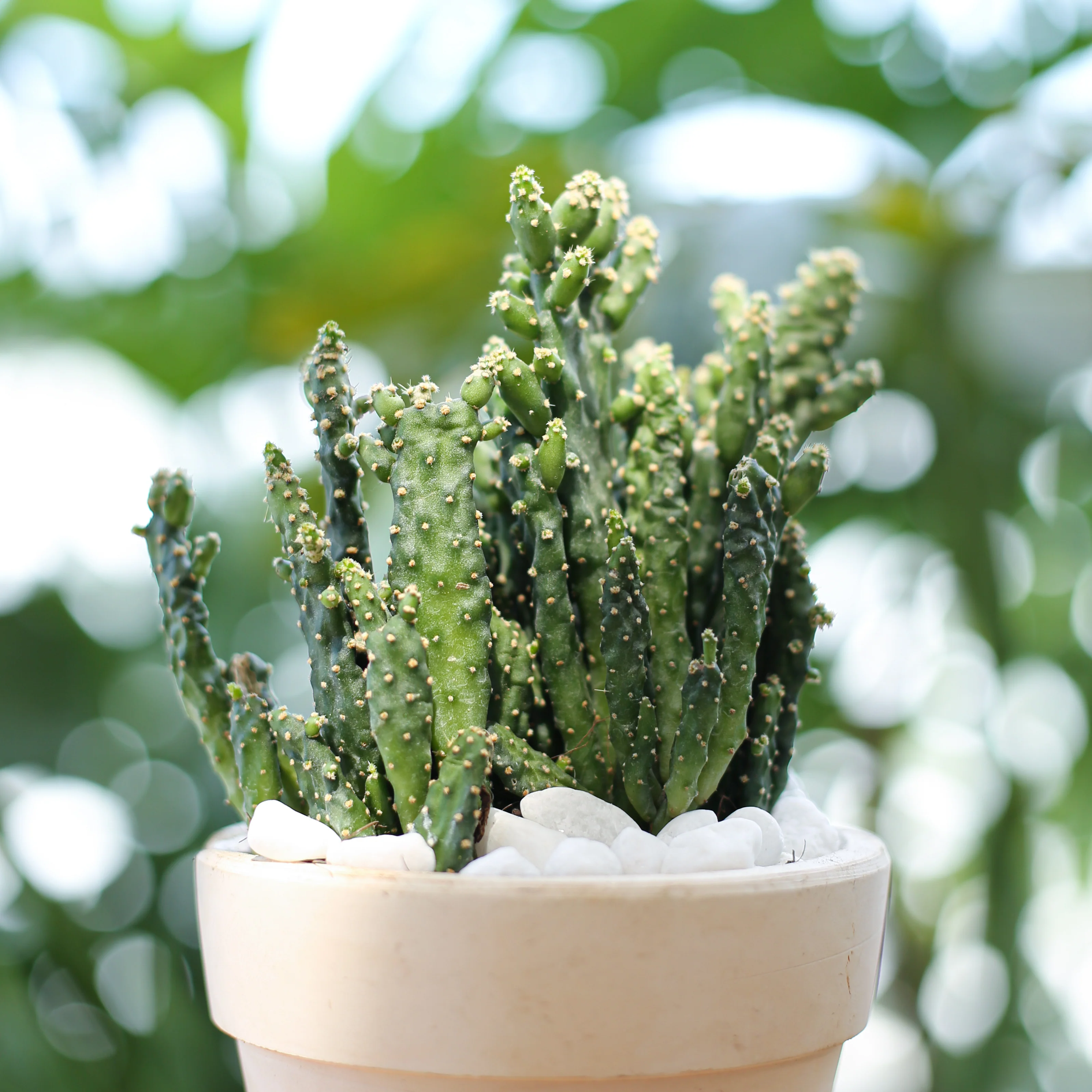
Joseph's Coat Cactus
- Description
- Joseph's Coat Cactus Care Guide
- FAQ/Common Issues
-
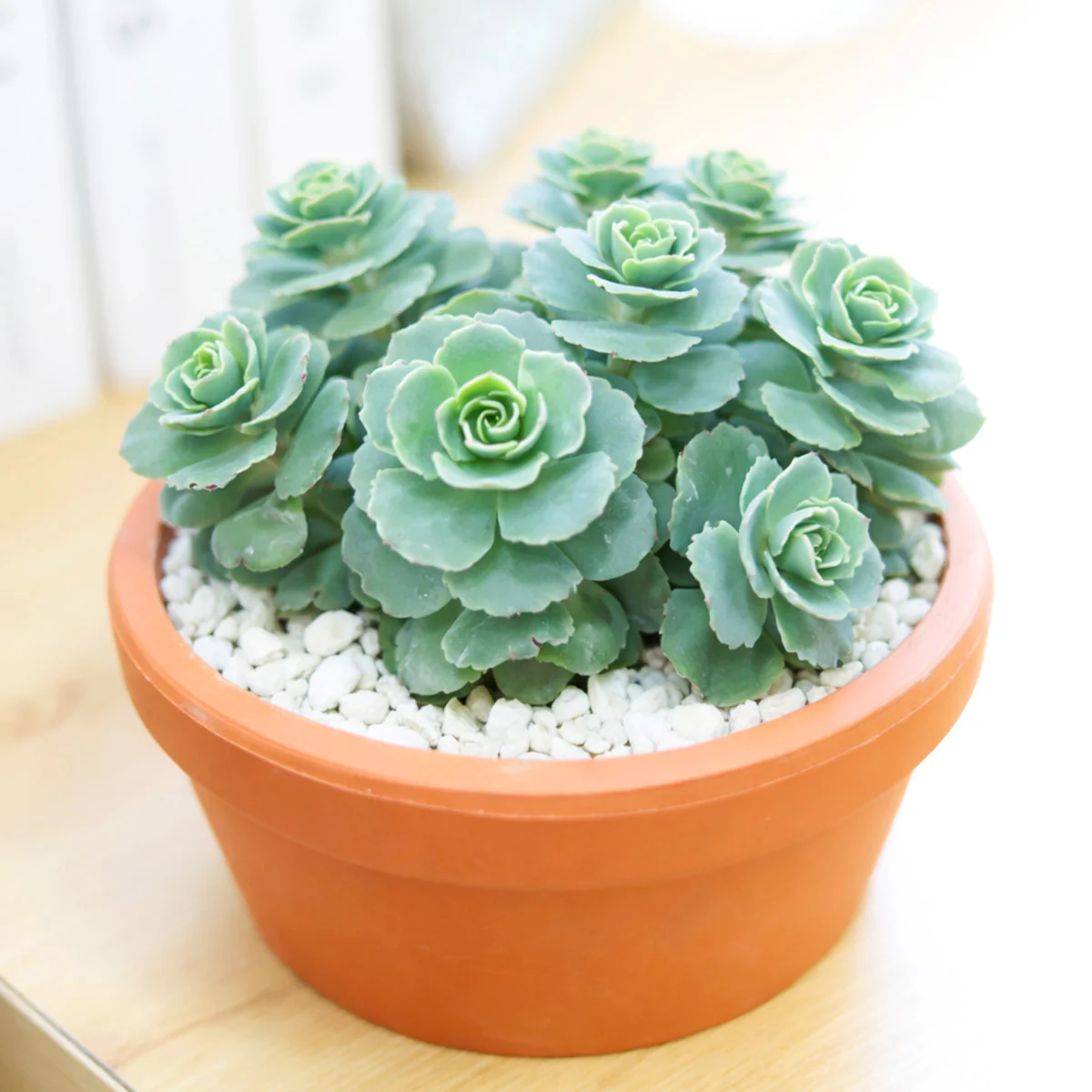
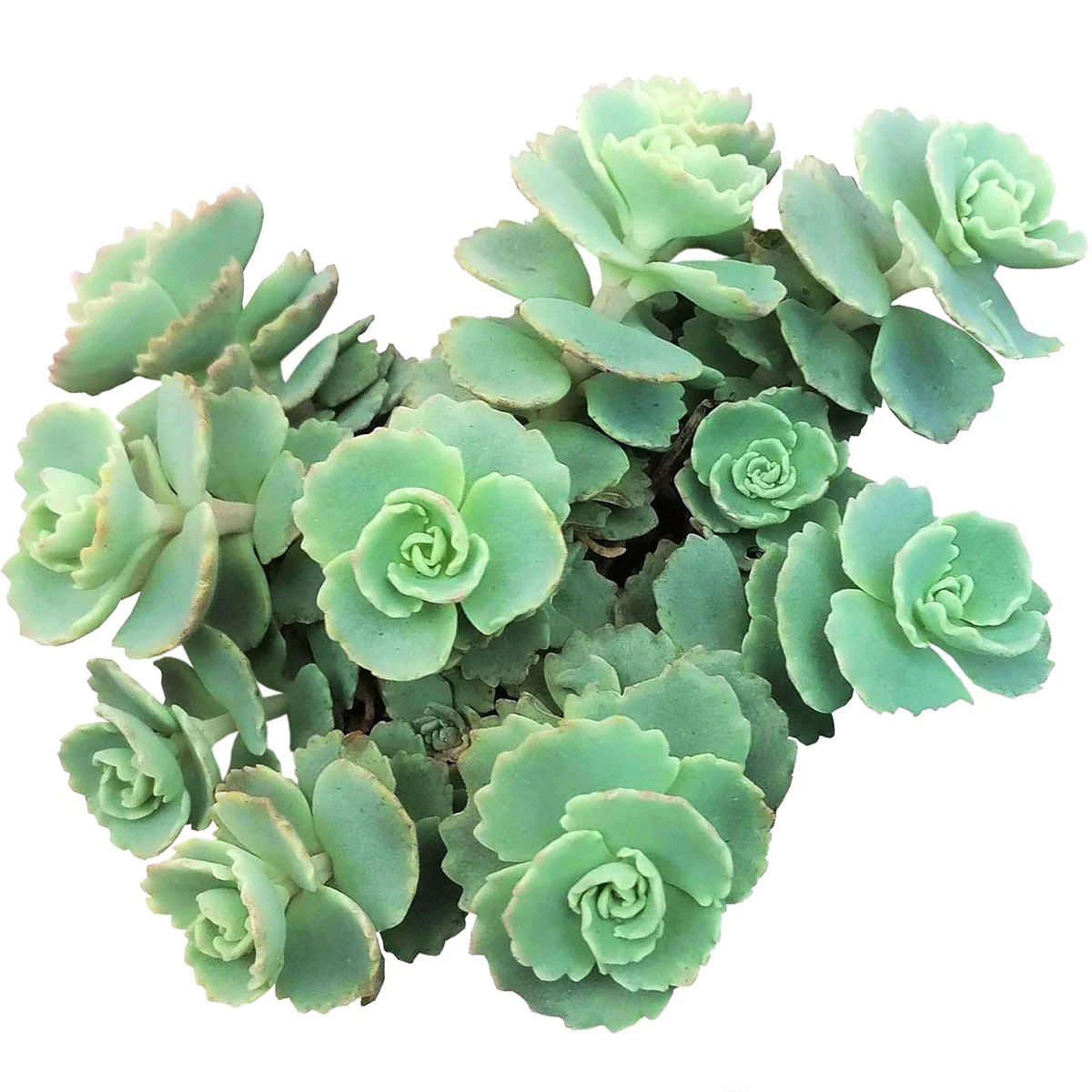
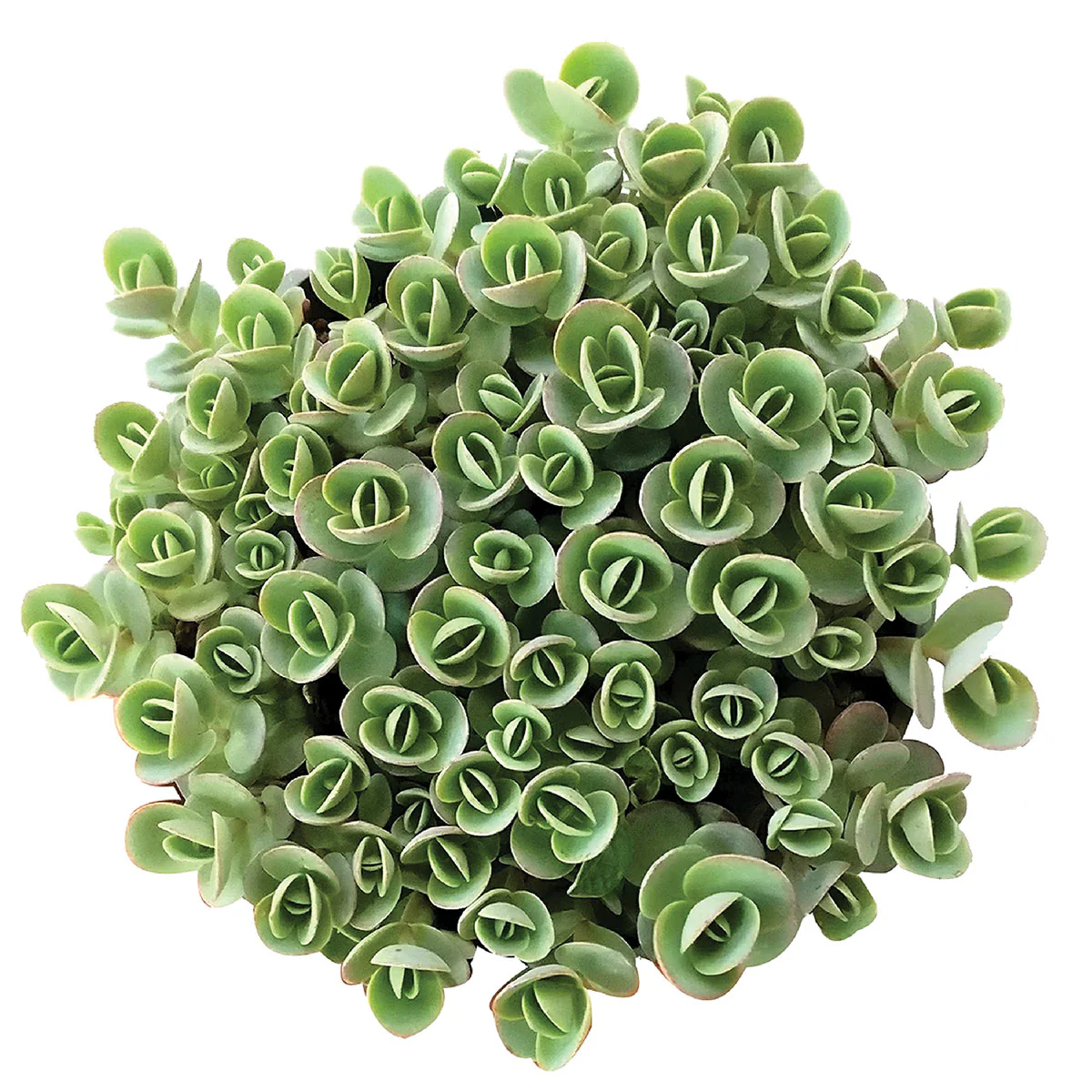
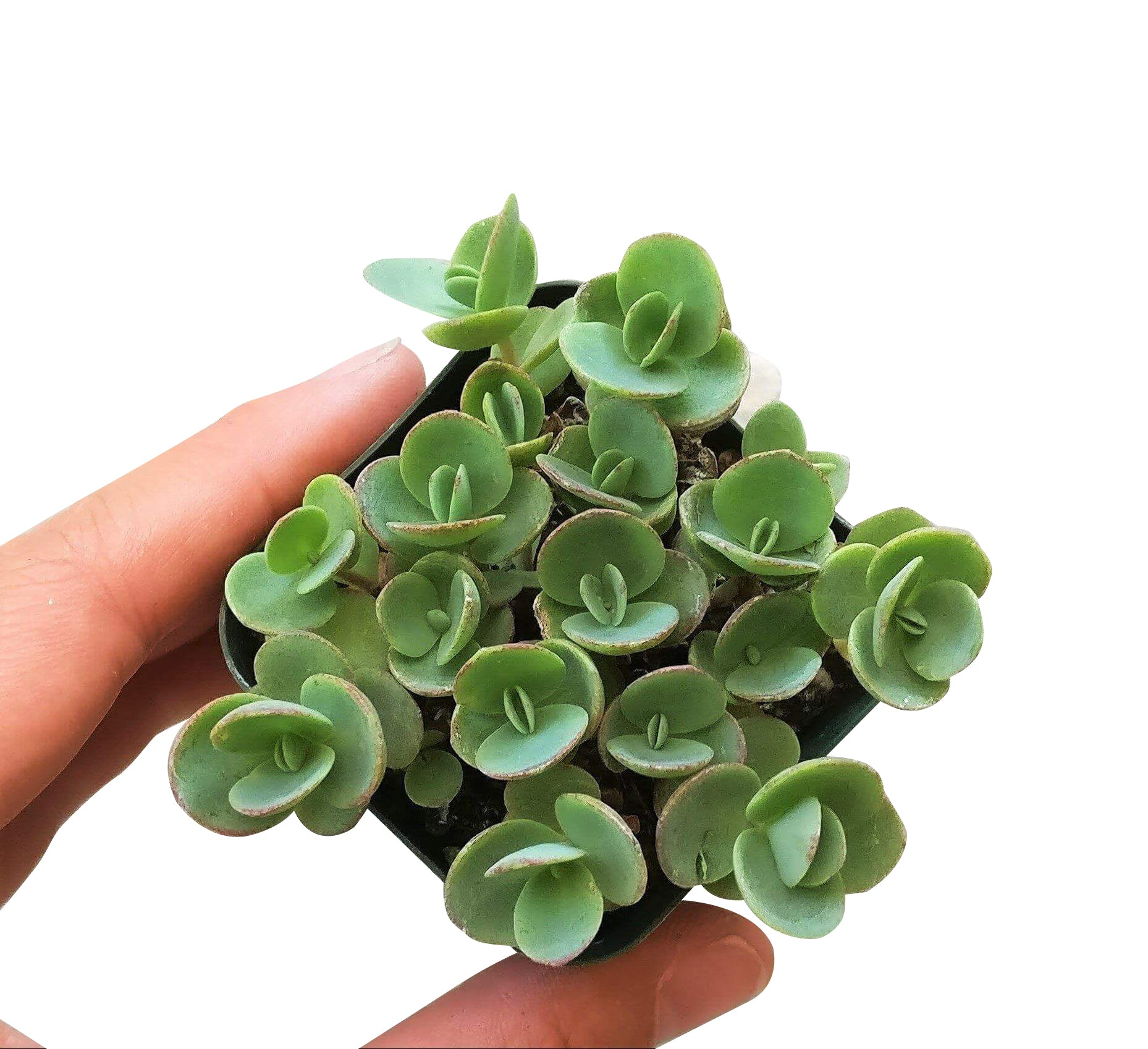
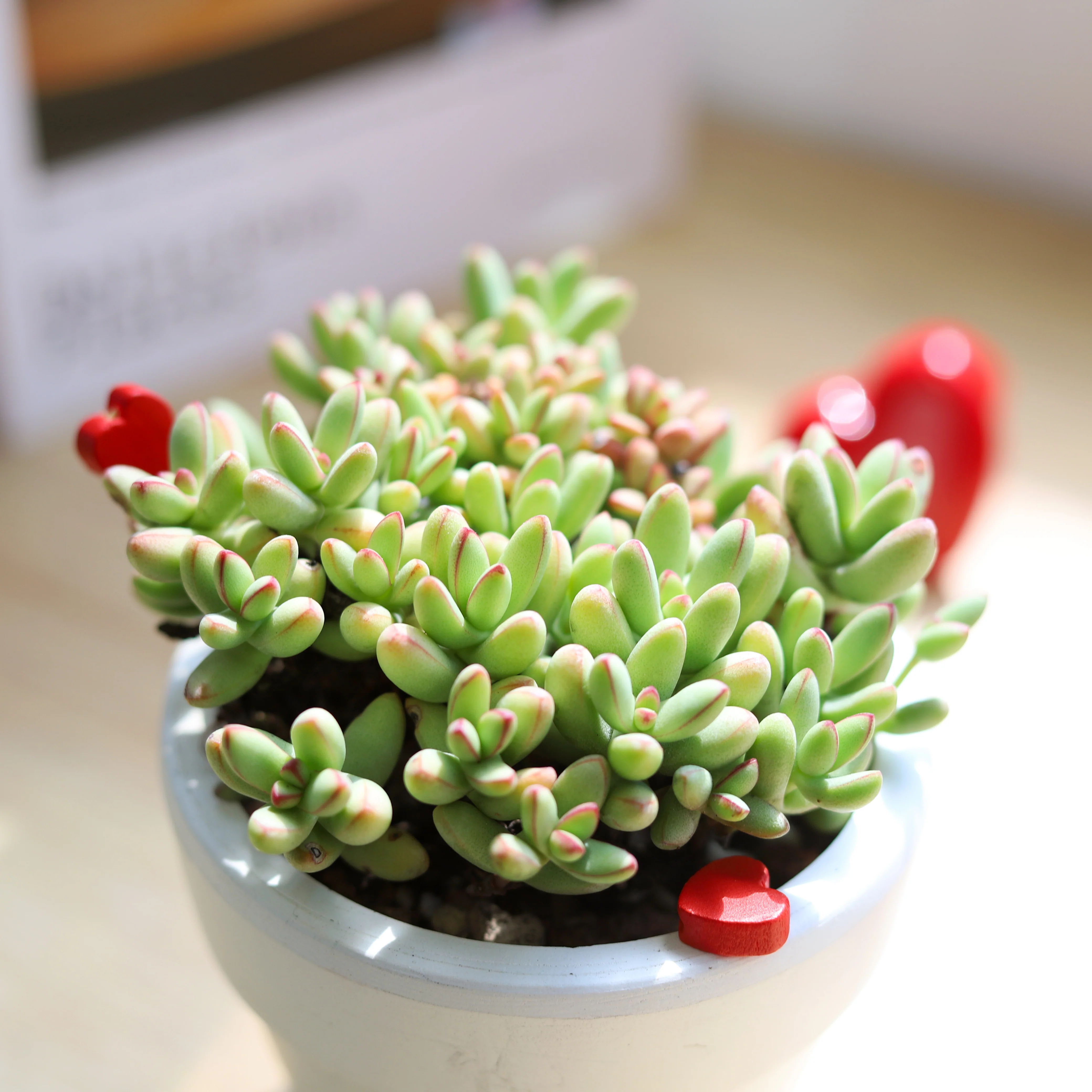
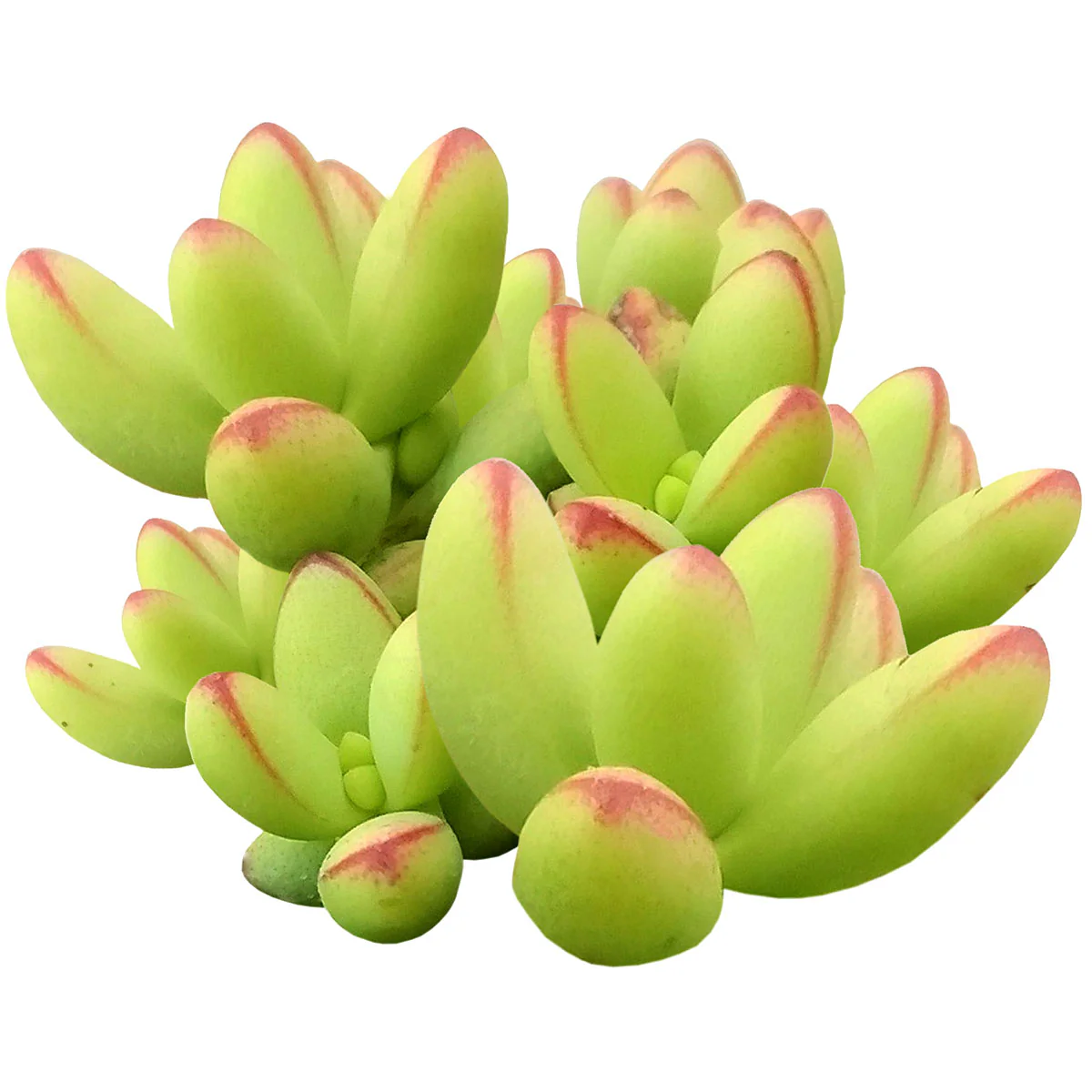
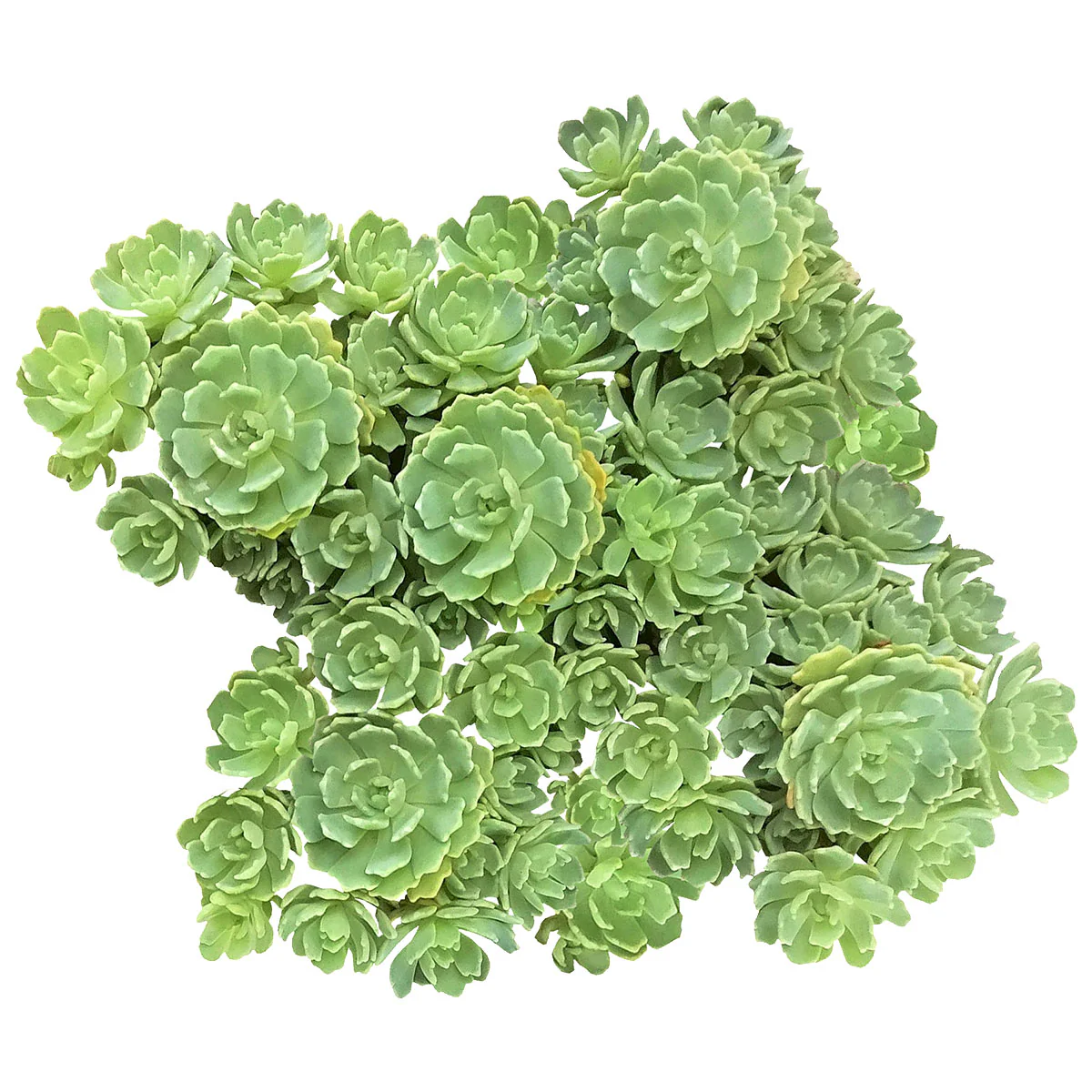
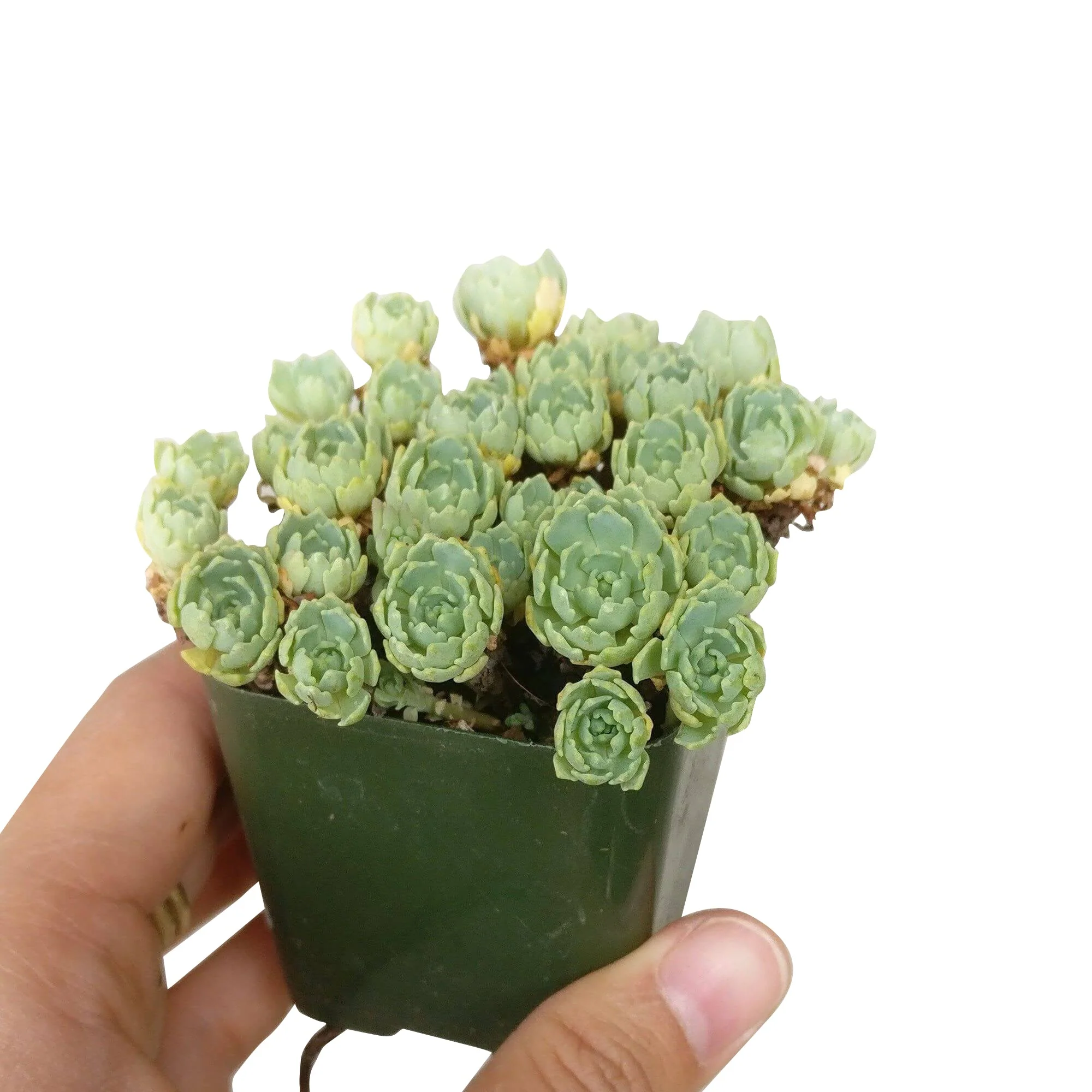
![]() Joseph's Coat Cactus is a rare variegated prickly pear belonging to the genus Opuntia, prized by collectors for its striking multicolored pads. Native to South America, it has naturalized across warm, arid regions where sun is plentiful and rainfall is scarce. As an easy care cactus with genuine visual drama, Joseph's Coat Cactus earns its place in any collection.
Joseph's Coat Cactus is a rare variegated prickly pear belonging to the genus Opuntia, prized by collectors for its striking multicolored pads. Native to South America, it has naturalized across warm, arid regions where sun is plentiful and rainfall is scarce. As an easy care cactus with genuine visual drama, Joseph's Coat Cactus earns its place in any collection.
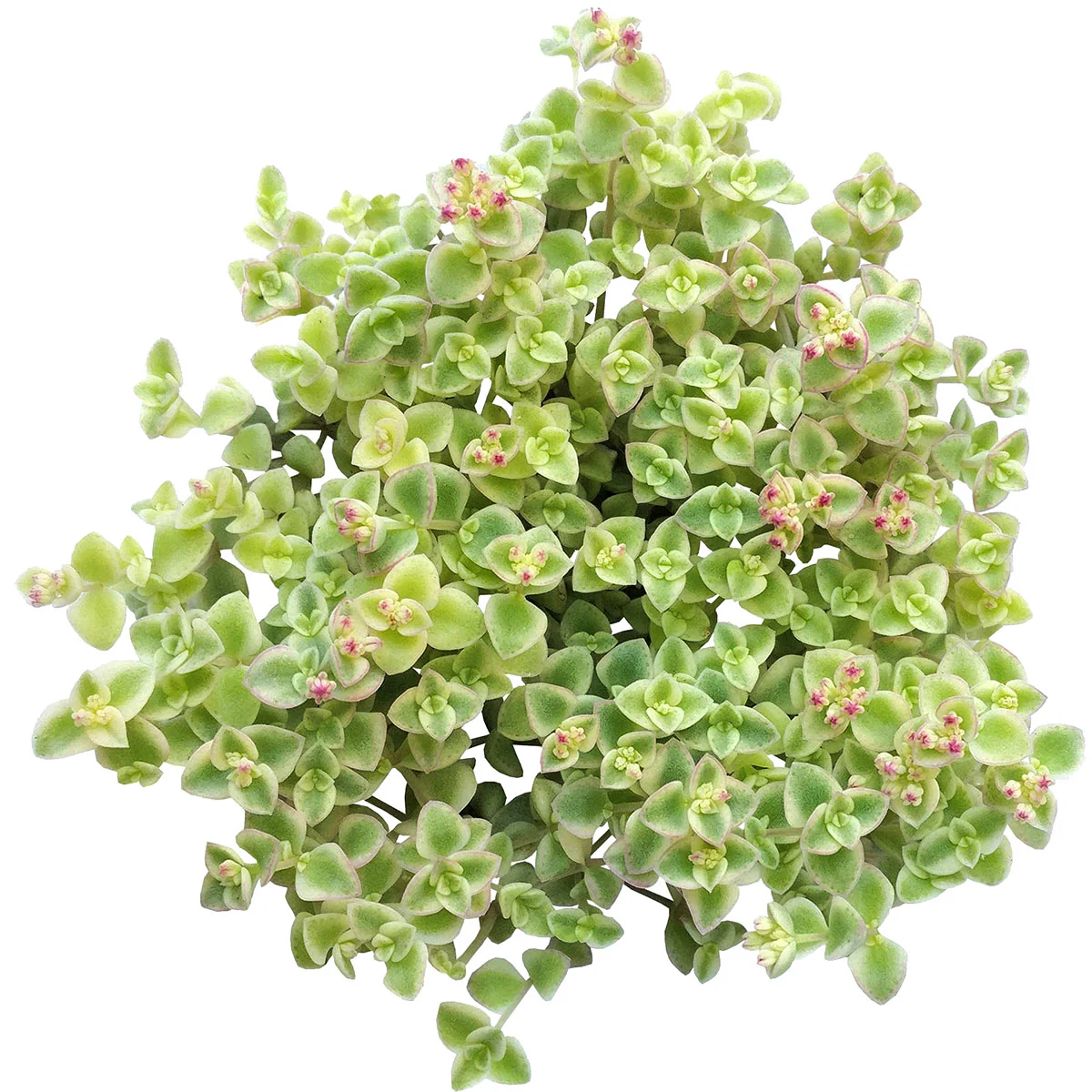
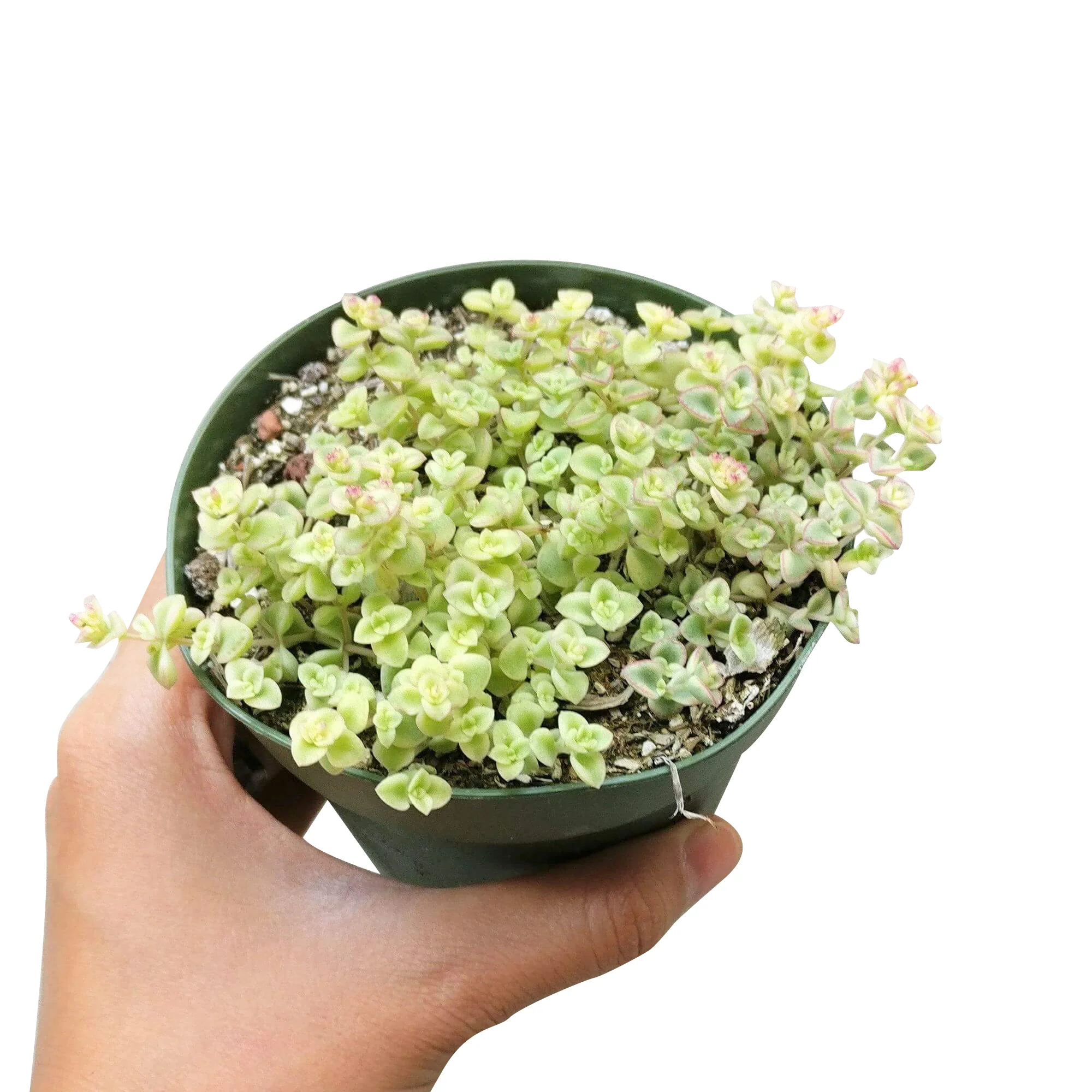
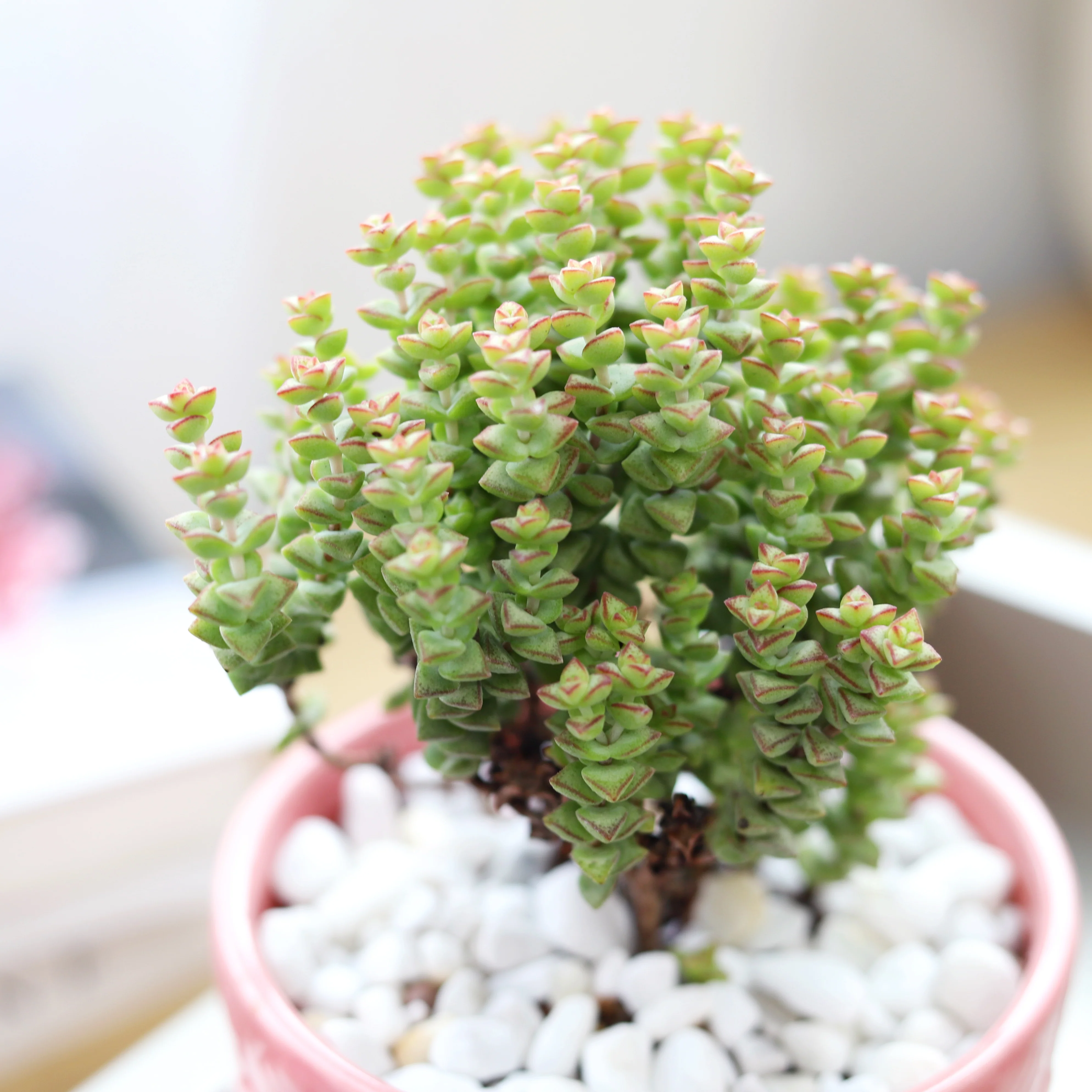
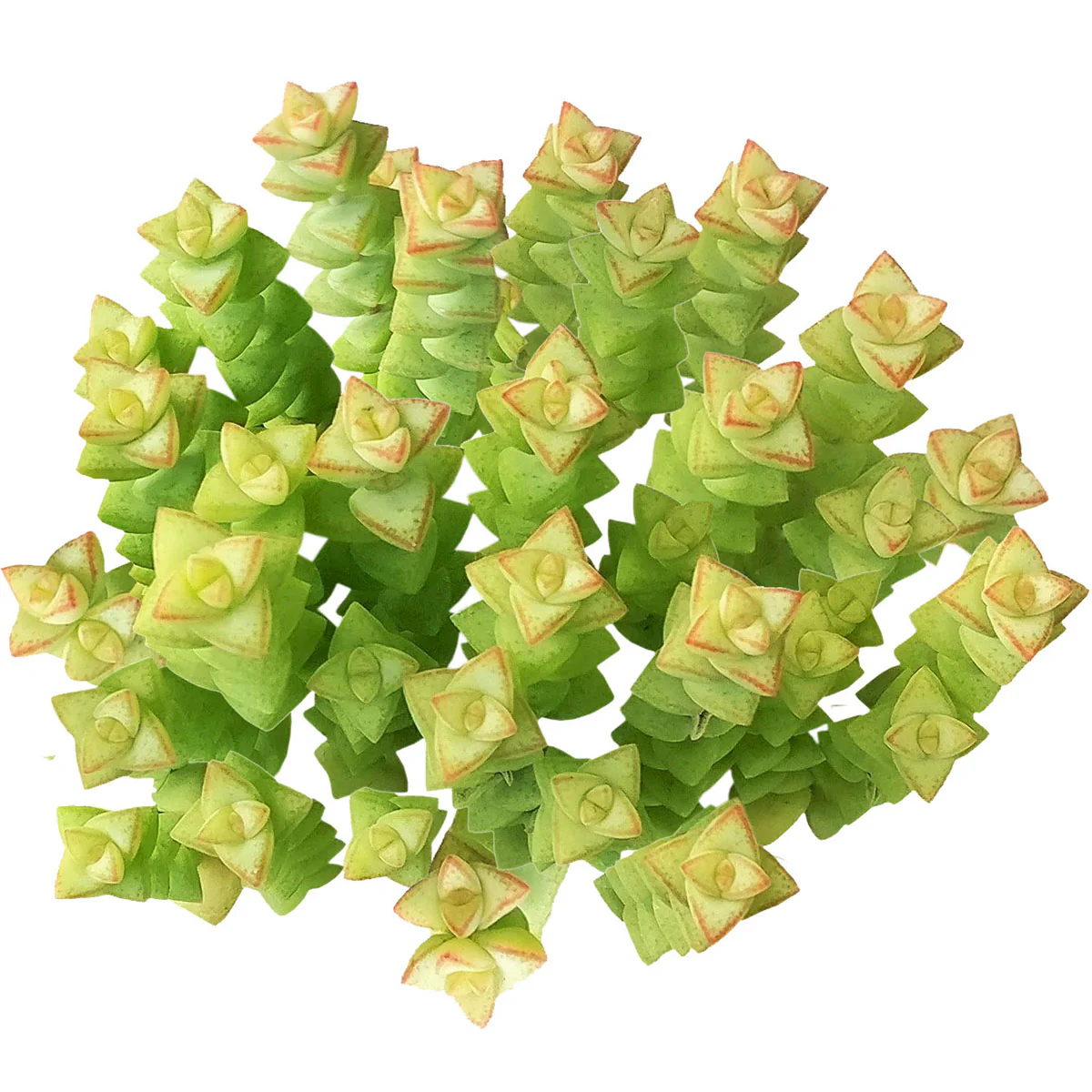
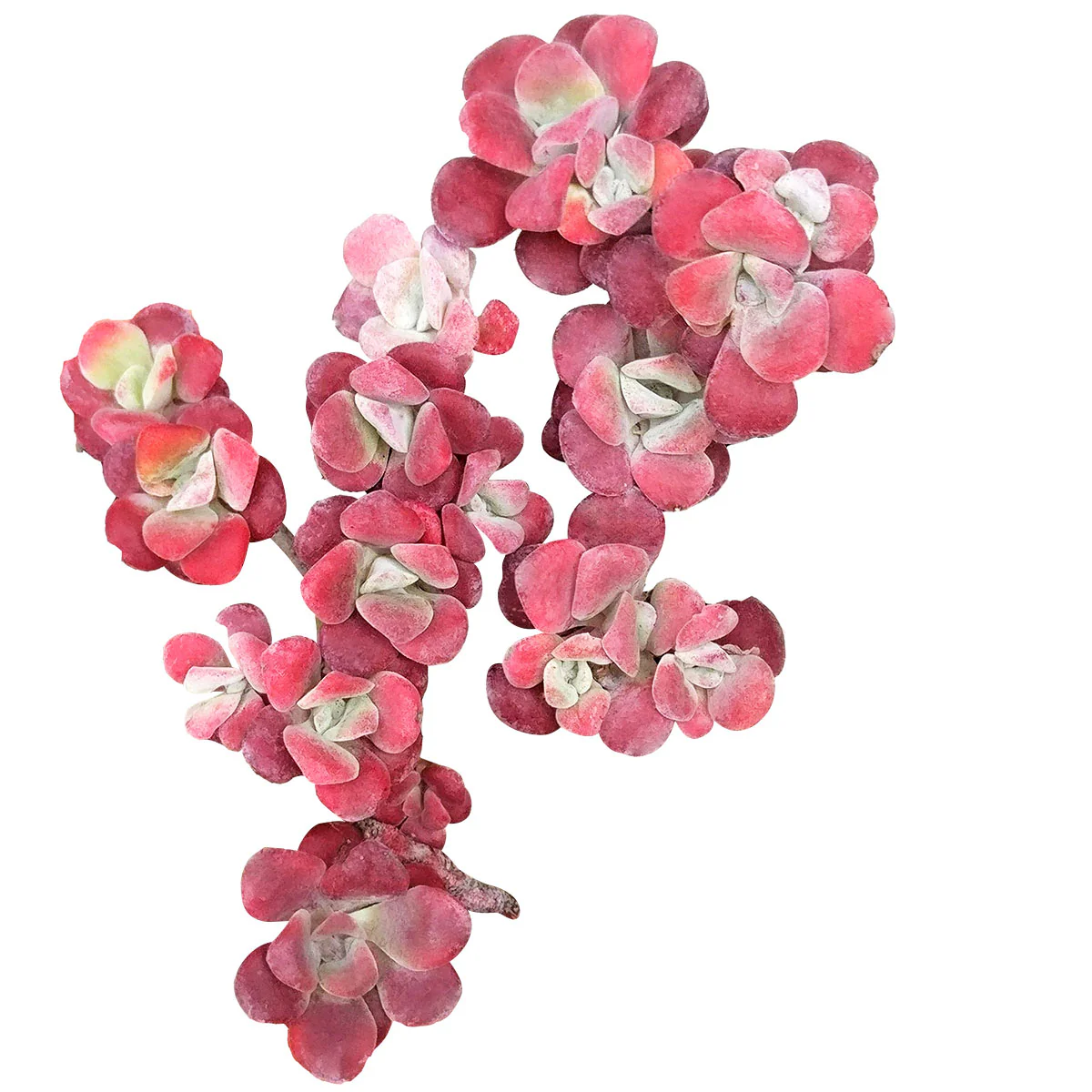
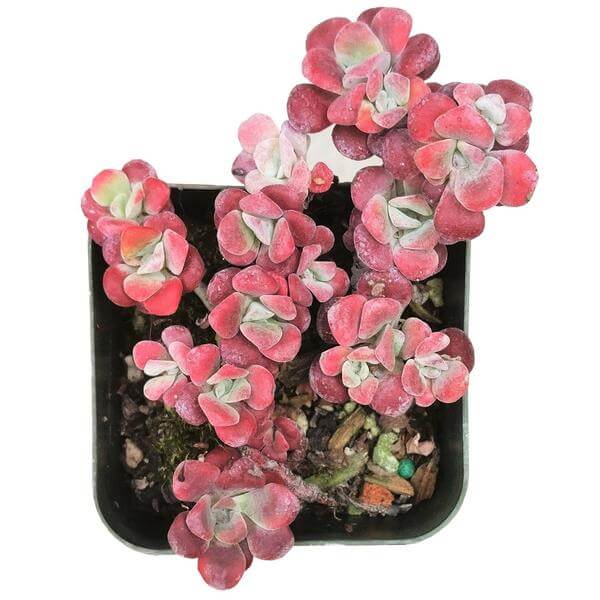
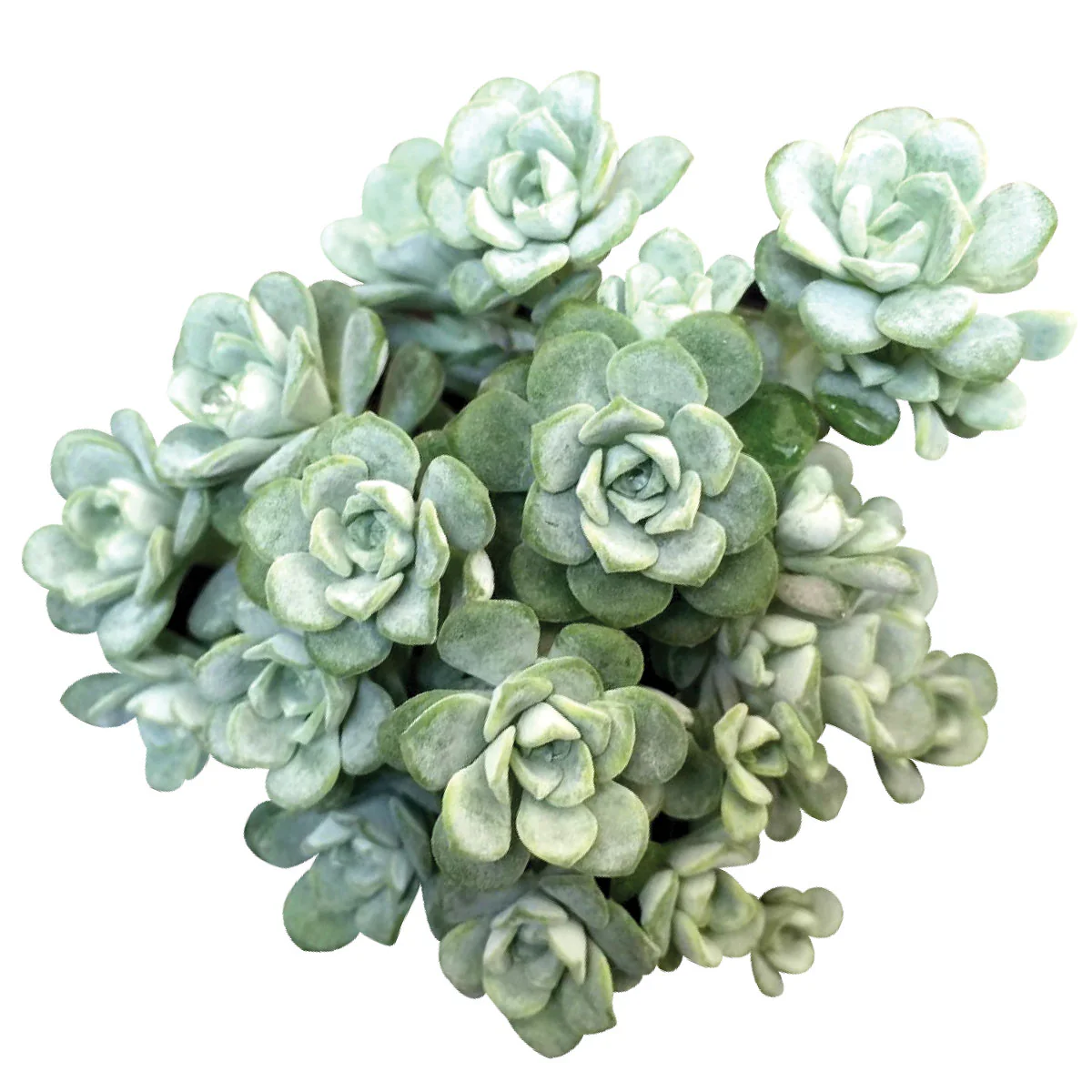
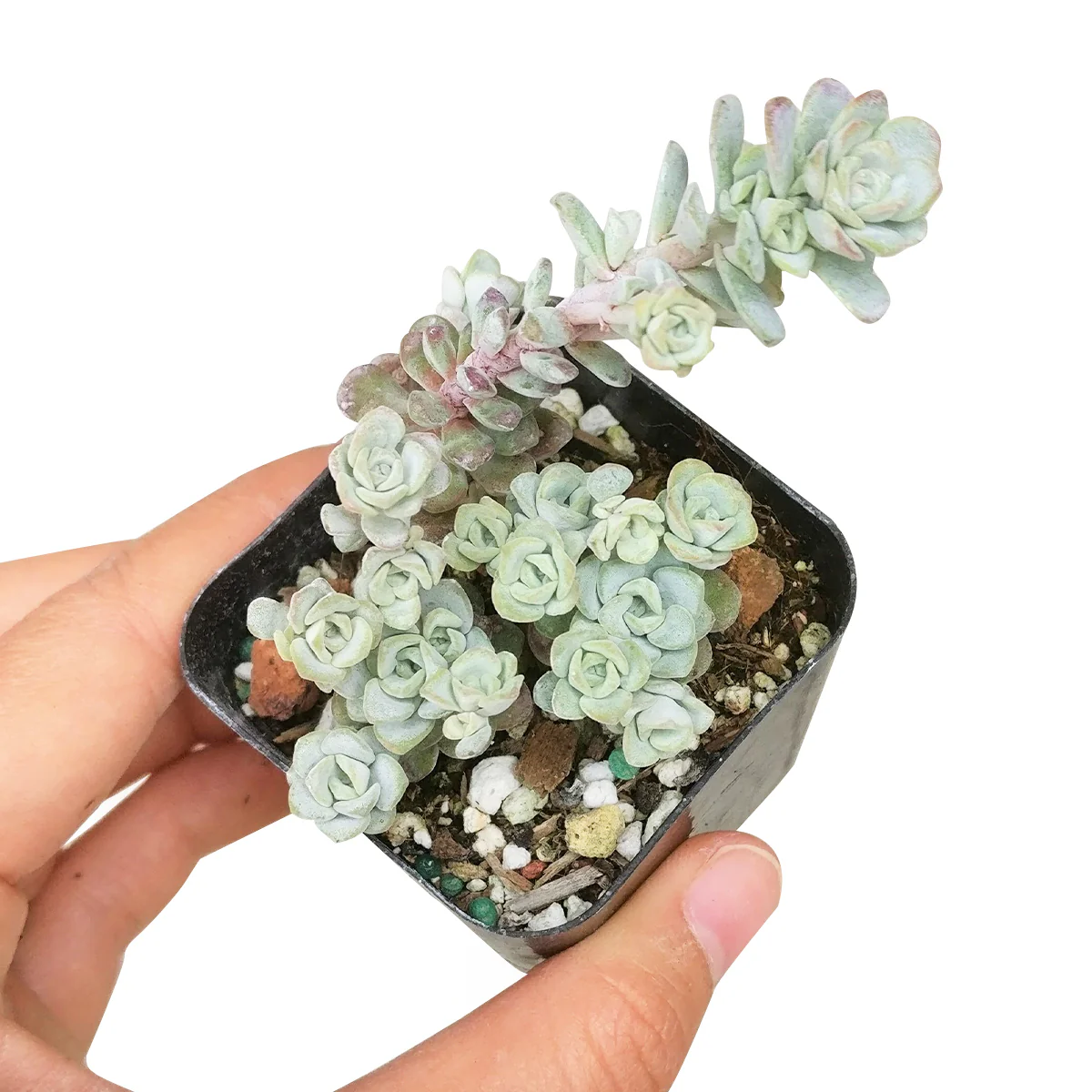
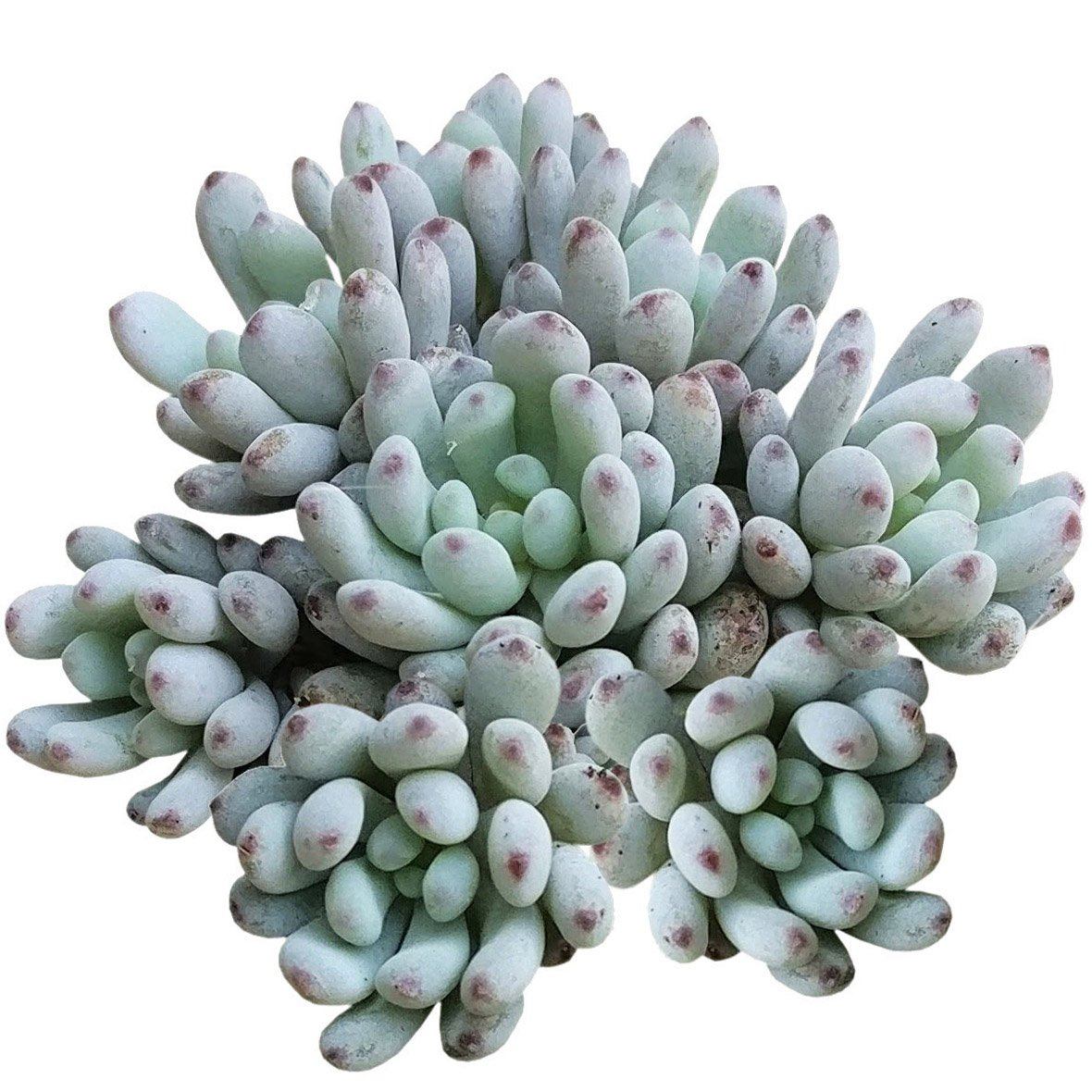
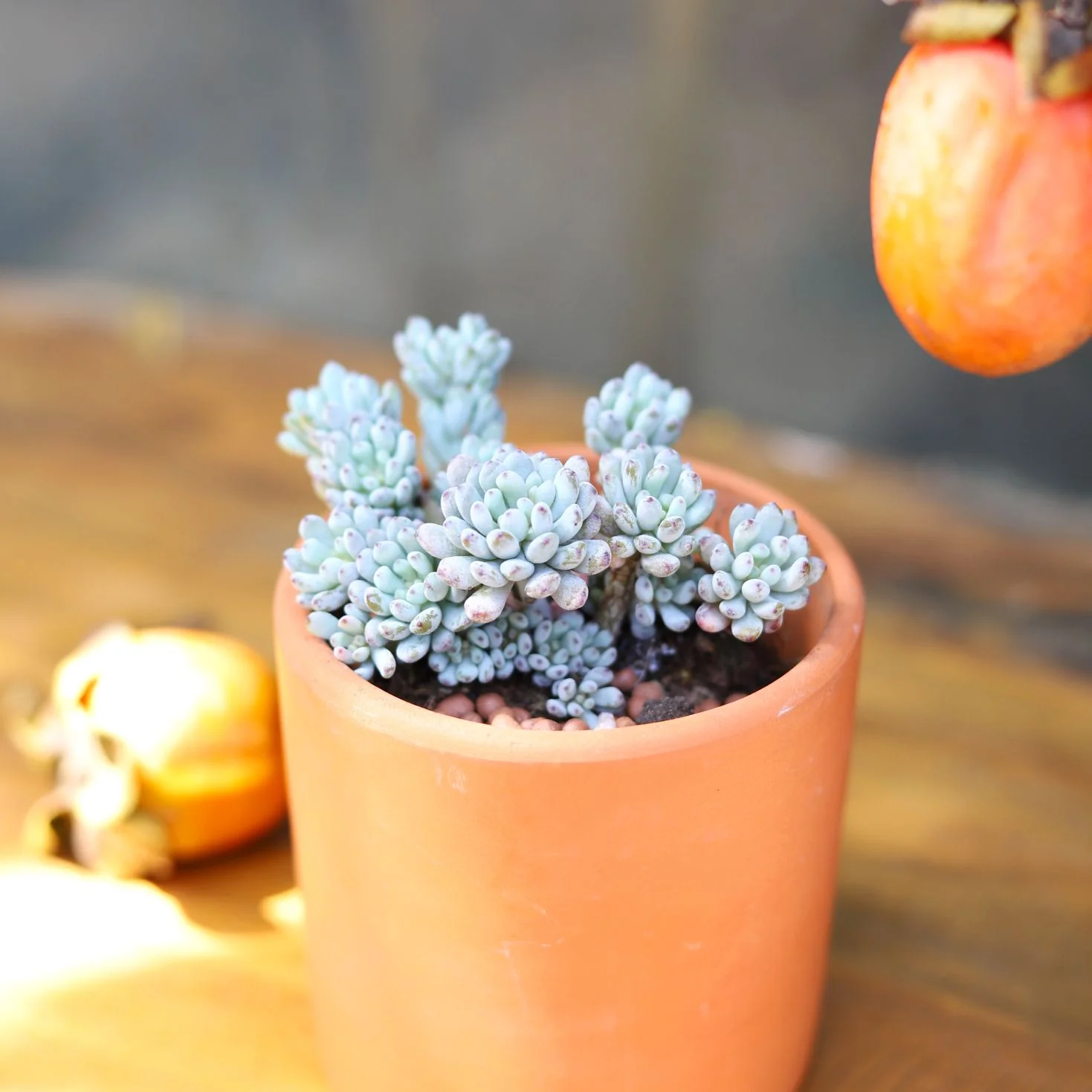
 Joseph's Coat Cactus produces flattened, paddle-shaped pads that display a vivid mosaic of green, yellow, cream, and pink variegation, making it one of the most visually distinctive variegated cacti available. The pads grow in an upright, clustering habit, stacking and branching outward over time to form a bold, sculptural specimen. Spines and fine glochids cover each pad, so the beauty of Joseph's Coat Cactus comes with a healthy reminder to handle it with care.
 When grown in ideal conditions with a cooler nighttime temperature drop, Joseph's Coat Cactus can produce cheerful yellow to orange blooms typical of Opuntia species, usually appearing in late spring to summer. Beyond its blooms, this drought tolerant cactus is also recognized for its edible pads and fruit, which have a long history of culinary and medicinal use across cultures. That combination of rare variegation, edibility, and easy care makes Joseph's Coat Cactus genuinely exceptional.
 Joseph's Coat Cactus thrives as a statement piece on a sunny windowsill, patio, or xeriscape garden, and it moves outdoors beautifully for summer and into autumn in warm climates. It tolerates dry heated indoor air well, survives a 10-day trip without a caretaker, and asks very little in return for its showmanship. Because Joseph's Coat Cactus has spines and glochids that can irritate skin and paws, it is best placed on a high shelf or out of reach of small children and pets. For collectors seeking a rare variegated cactus that is also beginner-friendly, Joseph's Coat Cactus is a genuinely rewarding find.
-
 Joseph's Coat Cactus thrives in full, direct sun and does best in the brightest spot you can offer indoors or out.
 Water Joseph's Coat Cactus deeply every 2-3 weeks in summer, reducing to once a month or less during winter dormancy.
 Joseph's Coat Cactus performs best in a fast-draining cactus mix blended with extra perlite or coarse sand to prevent root rot.
 Joseph's Coat Cactus prefers temperatures between 50-95°F (10-35°C) and should be protected from frost and prolonged cold below 25°F (-4°C).
![]() Joseph's Coat Cactus is a moderate grower that benefits from a diluted, low-nitrogen cactus fertilizer applied once or twice during the active growing season.
Joseph's Coat Cactus is a moderate grower that benefits from a diluted, low-nitrogen cactus fertilizer applied once or twice during the active growing season.
 Joseph's Coat Cactus is best suited to USDA Hardiness Zones 9-11, where temperatures rarely dip below 25°F (-4°C) for extended periods. In the United States, these zones include California, Arizona, Texas, Florida, Hawaii, Nevada, Louisiana, Georgia, South Carolina, Alabama, Mississippi, and coastal areas of Oregon. Gardeners in these states can grow Joseph's Coat Cactus outdoors year-round, while those in cooler zones enjoy it as a container plant brought inside for winter.
-
Q: How often should I water Joseph's Coat Cactus?
A: Water Joseph's Coat Cactus every 2-3 weeks in spring and summer, then scale back to once a month or less in fall and winter. Always let the soil dry out completely between waterings to prevent root rot.
Q: Is Joseph's Coat Cactus safe around pets and small children?
A: The sap of Joseph's Coat Cactus can cause skin and paw irritation, so it is best placed on a high shelf away from pets and small children. The spines and glochids also pose a physical hazard, making an elevated or out-of-reach location the smart choice.
Q: How much light does Joseph's Coat Cactus need?
A: Joseph's Coat Cactus needs full, direct sun for the best color and health, ideally 6 or more hours per day. Rotate the pot regularly so all sides of Joseph's Coat Cactus receive even light exposure and grow symmetrically.
Q: Can I put my Joseph's Coat Cactus outside in summer?
A: Yes, Joseph's Coat Cactus loves moving outdoors for summer and can stay out into autumn in warm climates. Just be sure to shelter it from heavy rain, as excess moisture can lead to rot.
Q: How big does Joseph's Coat Cactus get?
A: Joseph's Coat Cactus grows in an upright, clustering habit and can reach 3-6 feet tall over time in ideal conditions. Growth is moderate, so it remains manageable as a container or patio specimen for many years.
Q: Is Joseph's Coat Cactus rare and hard to find?
A: Joseph's Coat Cactus is considered a rare variegated cactus, meaning it is not commonly stocked at general garden centers. Despite its rarity, it is surprisingly beginner-friendly and easy to care for once you bring one home.


Original: $7.30
-70%$7.30
$2.19Product Information
Product Information
Shipping & Returns
Shipping & Returns
Description
- Description
- Joseph's Coat Cactus Care Guide
- FAQ/Common Issues
-
![]() Joseph's Coat Cactus is a rare variegated prickly pear belonging to the genus Opuntia, prized by collectors for its striking multicolored pads. Native to South America, it has naturalized across warm, arid regions where sun is plentiful and rainfall is scarce. As an easy care cactus with genuine visual drama, Joseph's Coat Cactus earns its place in any collection.
Joseph's Coat Cactus is a rare variegated prickly pear belonging to the genus Opuntia, prized by collectors for its striking multicolored pads. Native to South America, it has naturalized across warm, arid regions where sun is plentiful and rainfall is scarce. As an easy care cactus with genuine visual drama, Joseph's Coat Cactus earns its place in any collection.
Joseph's Coat Cactus produces flattened, paddle-shaped pads that display a vivid mosaic of green, yellow, cream, and pink variegation, making it one of the most visually distinctive variegated cacti available. The pads grow in an upright, clustering habit, stacking and branching outward over time to form a bold, sculptural specimen. Spines and fine glochids cover each pad, so the beauty of Joseph's Coat Cactus comes with a healthy reminder to handle it with care.
When grown in ideal conditions with a cooler nighttime temperature drop, Joseph's Coat Cactus can produce cheerful yellow to orange blooms typical of Opuntia species, usually appearing in late spring to summer. Beyond its blooms, this drought tolerant cactus is also recognized for its edible pads and fruit, which have a long history of culinary and medicinal use across cultures. That combination of rare variegation, edibility, and easy care makes Joseph's Coat Cactus genuinely exceptional.
Joseph's Coat Cactus thrives as a statement piece on a sunny windowsill, patio, or xeriscape garden, and it moves outdoors beautifully for summer and into autumn in warm climates. It tolerates dry heated indoor air well, survives a 10-day trip without a caretaker, and asks very little in return for its showmanship. Because Joseph's Coat Cactus has spines and glochids that can irritate skin and paws, it is best placed on a high shelf or out of reach of small children and pets. For collectors seeking a rare variegated cactus that is also beginner-friendly, Joseph's Coat Cactus is a genuinely rewarding find.
-
Joseph's Coat Cactus thrives in full, direct sun and does best in the brightest spot you can offer indoors or out.
Water Joseph's Coat Cactus deeply every 2-3 weeks in summer, reducing to once a month or less during winter dormancy.
Joseph's Coat Cactus performs best in a fast-draining cactus mix blended with extra perlite or coarse sand to prevent root rot.
Joseph's Coat Cactus prefers temperatures between 50-95°F (10-35°C) and should be protected from frost and prolonged cold below 25°F (-4°C).
![]() Joseph's Coat Cactus is a moderate grower that benefits from a diluted, low-nitrogen cactus fertilizer applied once or twice during the active growing season.
Joseph's Coat Cactus is a moderate grower that benefits from a diluted, low-nitrogen cactus fertilizer applied once or twice during the active growing season.
Joseph's Coat Cactus is best suited to USDA Hardiness Zones 9-11, where temperatures rarely dip below 25°F (-4°C) for extended periods. In the United States, these zones include California, Arizona, Texas, Florida, Hawaii, Nevada, Louisiana, Georgia, South Carolina, Alabama, Mississippi, and coastal areas of Oregon. Gardeners in these states can grow Joseph's Coat Cactus outdoors year-round, while those in cooler zones enjoy it as a container plant brought inside for winter.
-
Q: How often should I water Joseph's Coat Cactus?
A: Water Joseph's Coat Cactus every 2-3 weeks in spring and summer, then scale back to once a month or less in fall and winter. Always let the soil dry out completely between waterings to prevent root rot.
Q: Is Joseph's Coat Cactus safe around pets and small children?
A: The sap of Joseph's Coat Cactus can cause skin and paw irritation, so it is best placed on a high shelf away from pets and small children. The spines and glochids also pose a physical hazard, making an elevated or out-of-reach location the smart choice.
Q: How much light does Joseph's Coat Cactus need?
A: Joseph's Coat Cactus needs full, direct sun for the best color and health, ideally 6 or more hours per day. Rotate the pot regularly so all sides of Joseph's Coat Cactus receive even light exposure and grow symmetrically.
Q: Can I put my Joseph's Coat Cactus outside in summer?
A: Yes, Joseph's Coat Cactus loves moving outdoors for summer and can stay out into autumn in warm climates. Just be sure to shelter it from heavy rain, as excess moisture can lead to rot.
Q: How big does Joseph's Coat Cactus get?
A: Joseph's Coat Cactus grows in an upright, clustering habit and can reach 3-6 feet tall over time in ideal conditions. Growth is moderate, so it remains manageable as a container or patio specimen for many years.
Q: Is Joseph's Coat Cactus rare and hard to find?
A: Joseph's Coat Cactus is considered a rare variegated cactus, meaning it is not commonly stocked at general garden centers. Despite its rarity, it is surprisingly beginner-friendly and easy to care for once you bring one home.