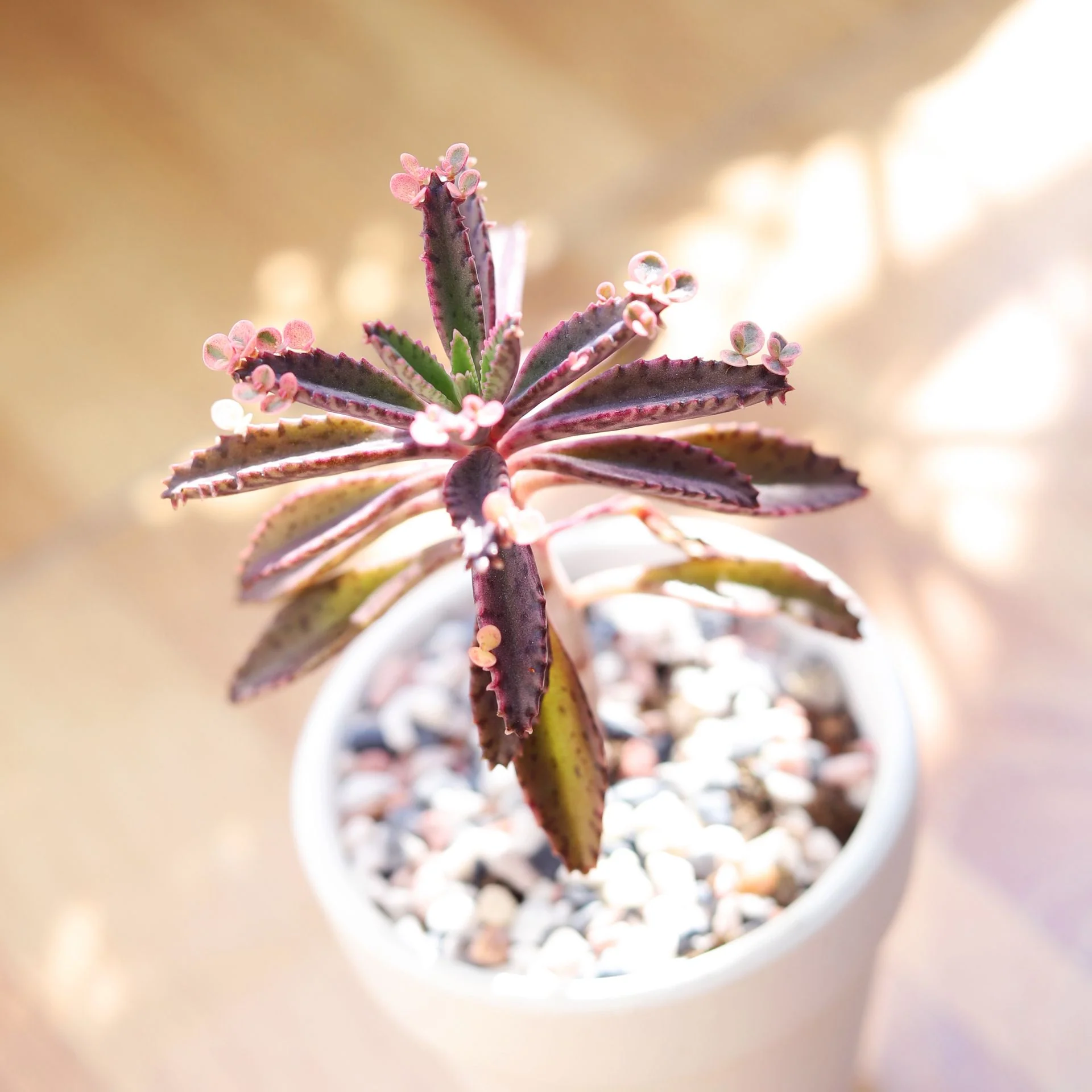
Mother of Millions Kalanchoe delagoensis
- Description
- Mother of Millions Kalanchoe delagoensis Care Guide
- FAQ/Common Issues
-
![]() Mother of Millions Kalanchoe delagoensis is a striking succulent in the Kalanchoe genus, native to the arid regions of Madagascar. It has naturalized across tropical and subtropical zones worldwide, thriving in rocky, well-drained soils with minimal rainfall. Easy care and drought tolerant by nature, this kalanchoe delagoensis succulent is a favorite for collectors and beginners alike.
Mother of Millions Kalanchoe delagoensis is a striking succulent in the Kalanchoe genus, native to the arid regions of Madagascar. It has naturalized across tropical and subtropical zones worldwide, thriving in rocky, well-drained soils with minimal rainfall. Easy care and drought tolerant by nature, this kalanchoe delagoensis succulent is a favorite for collectors and beginners alike.
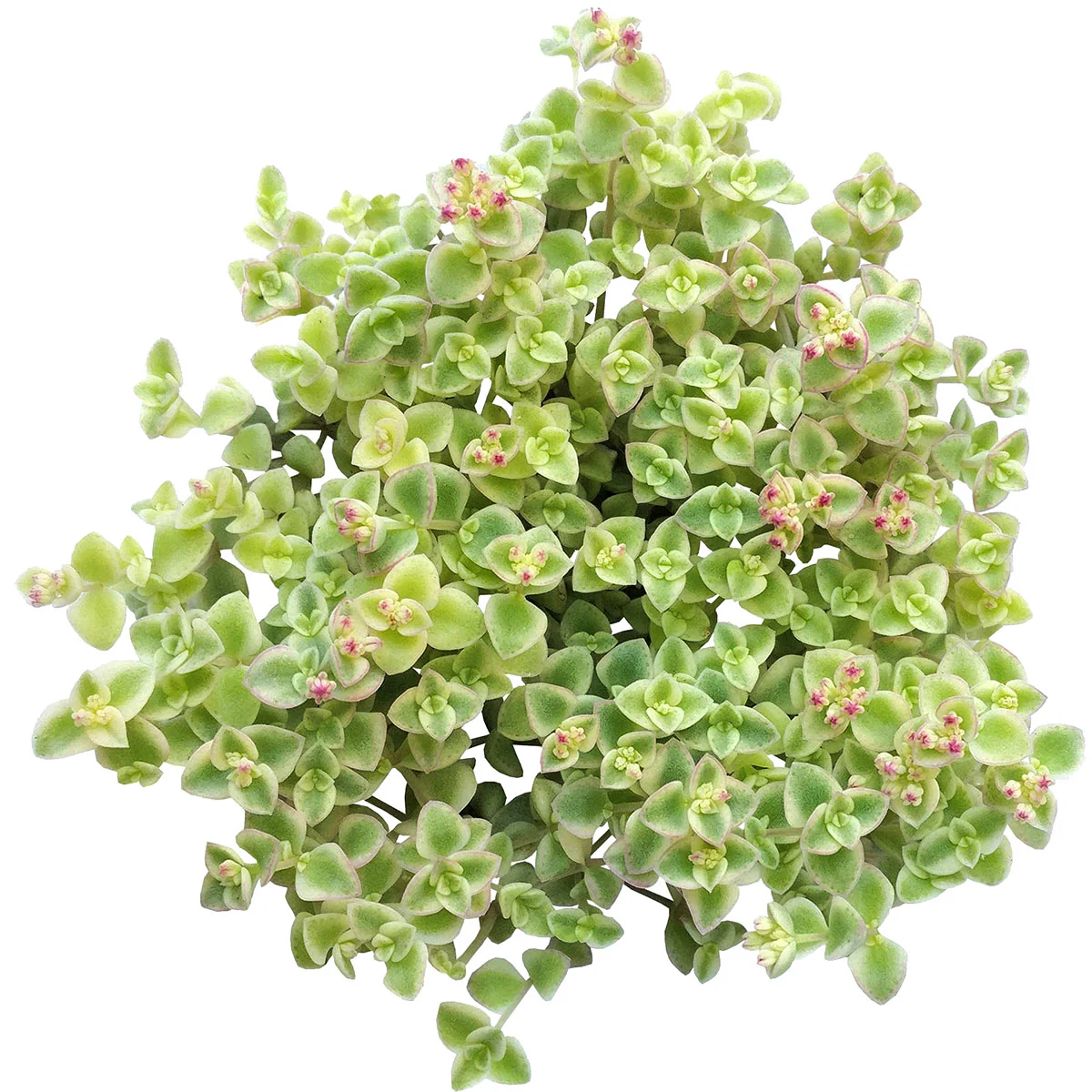
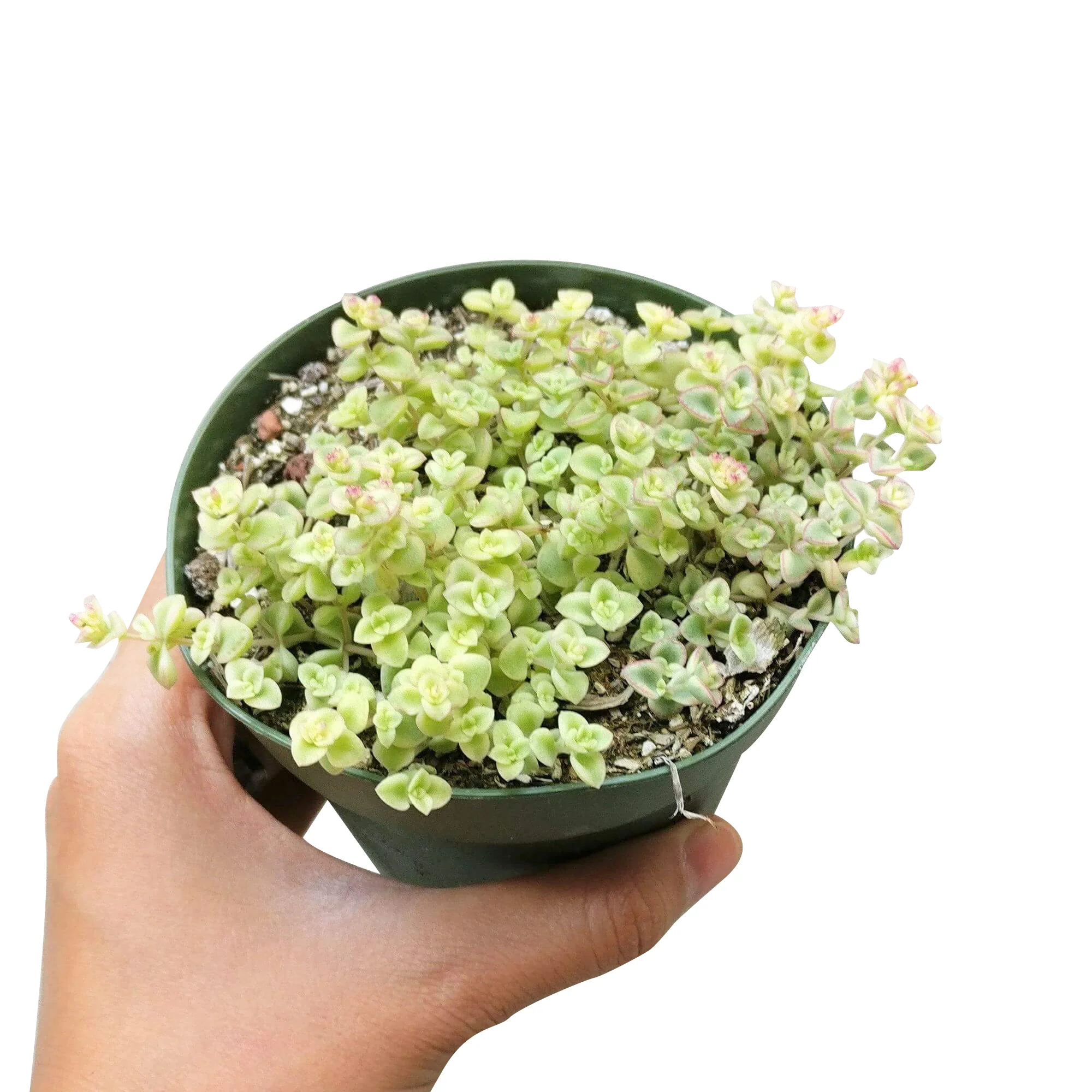
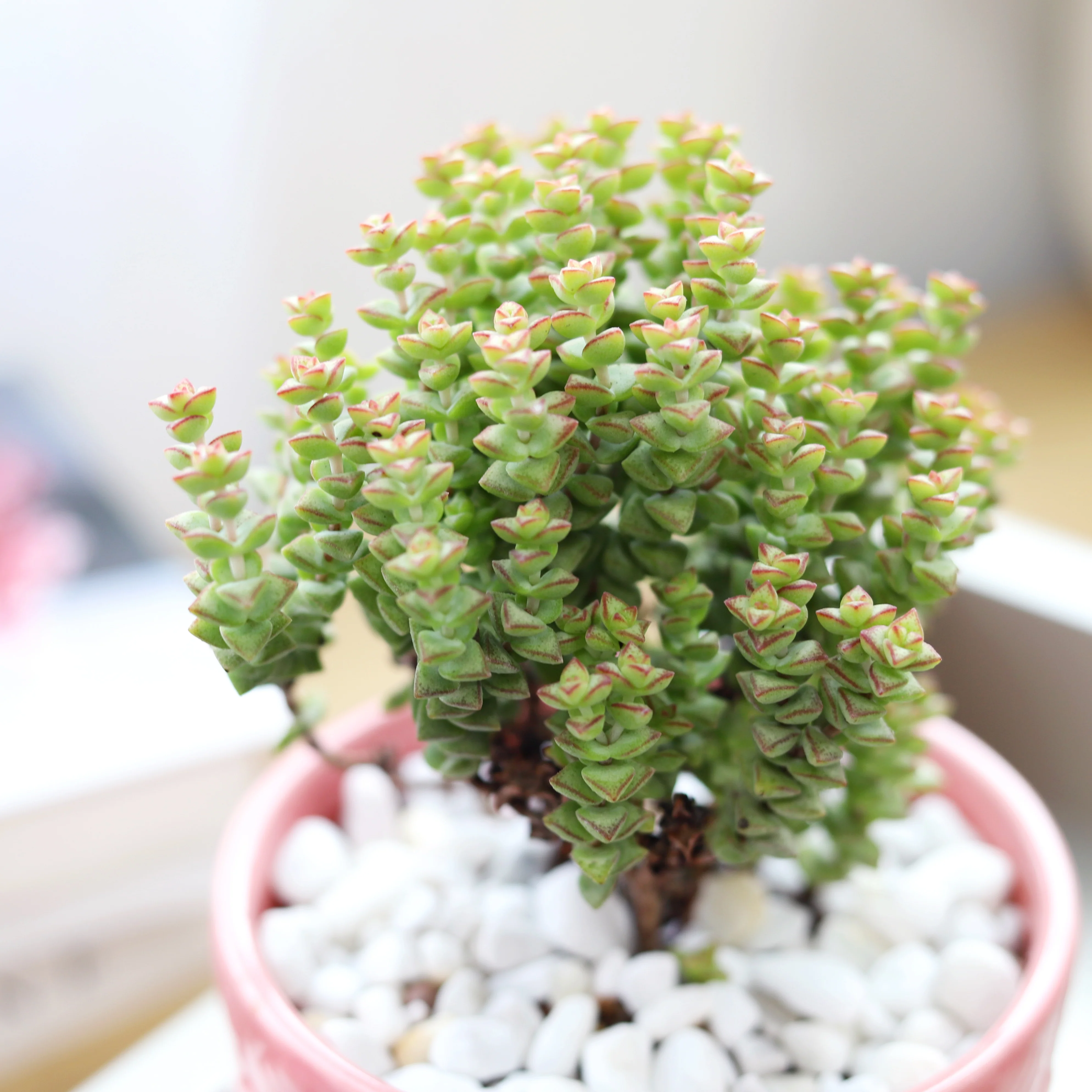
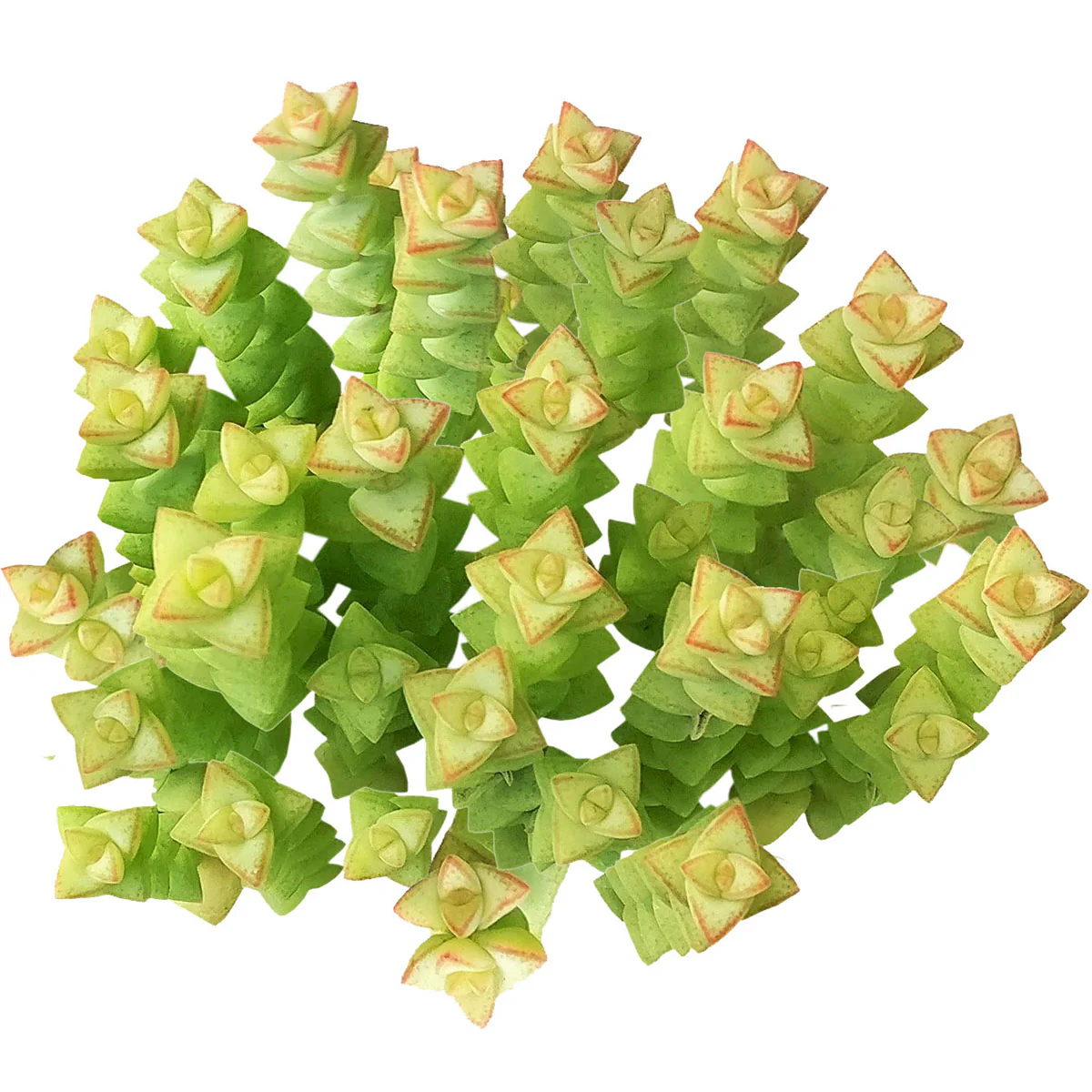
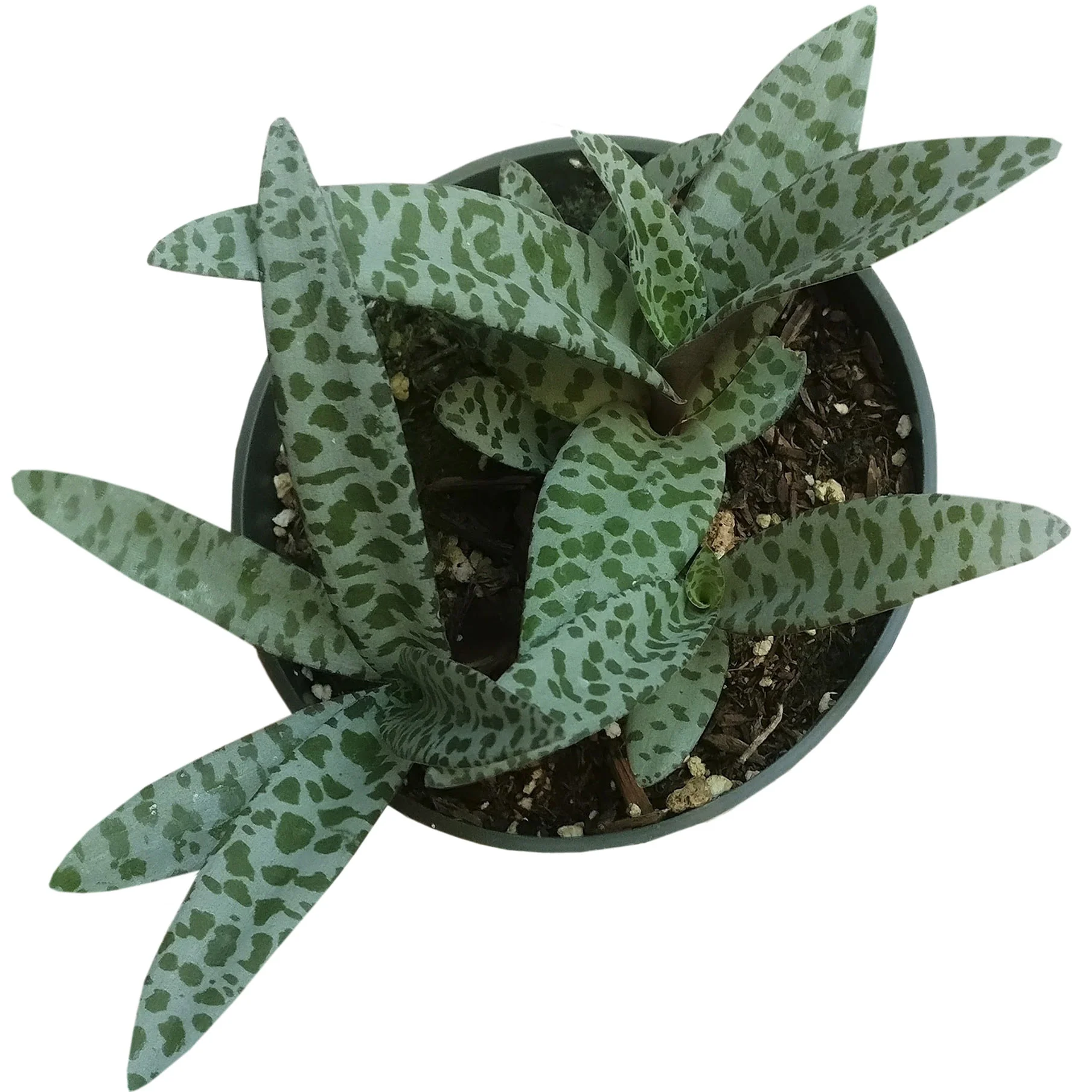
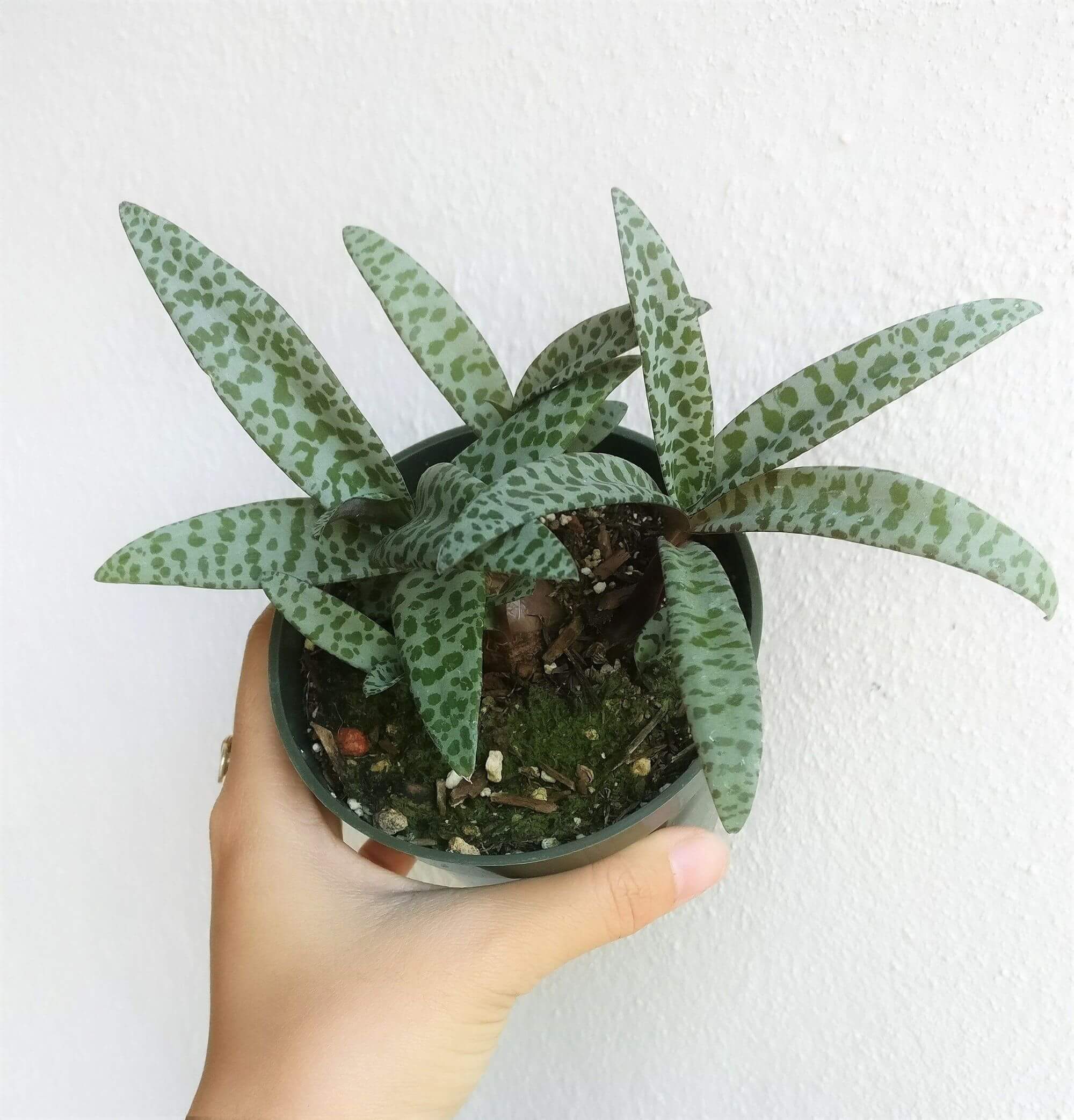
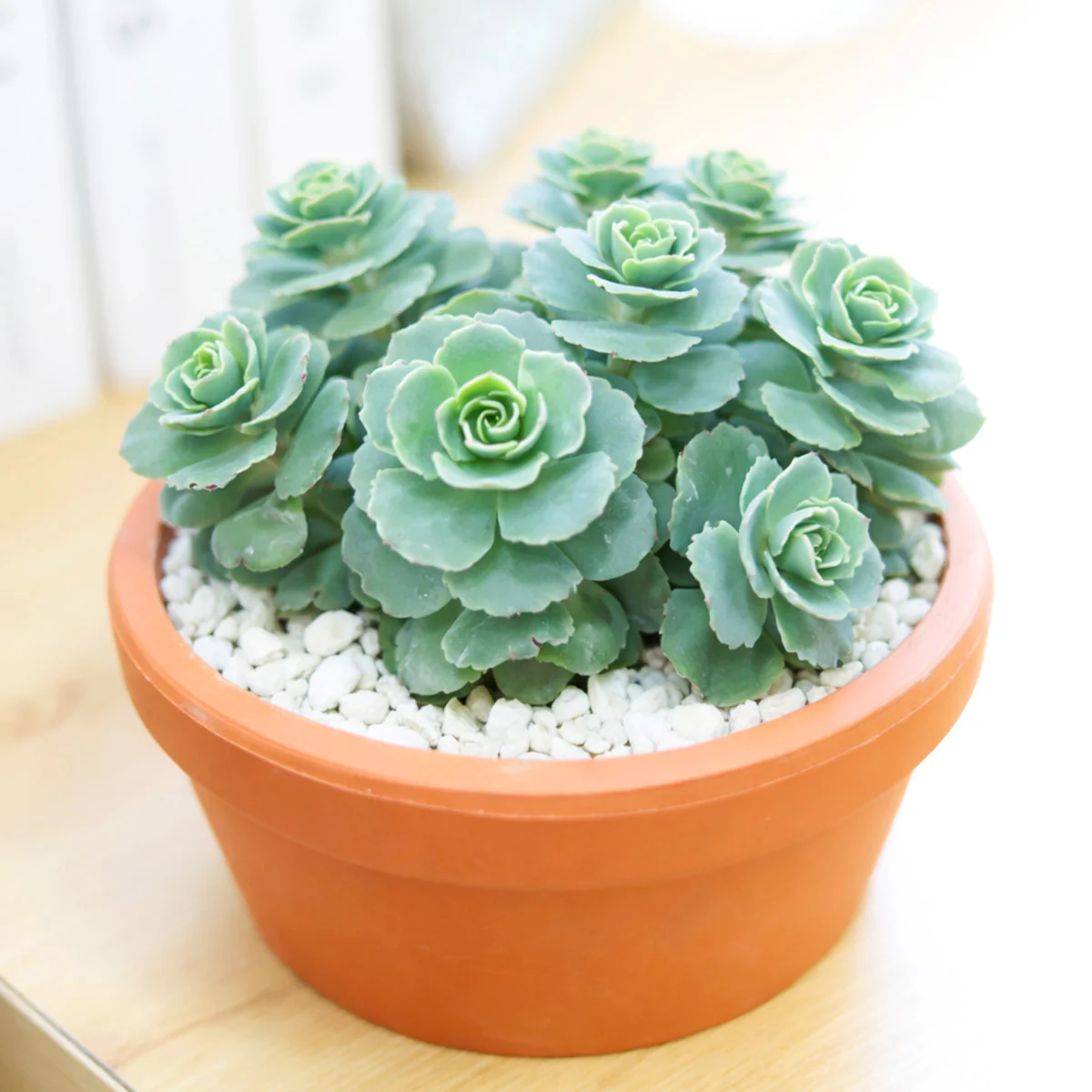
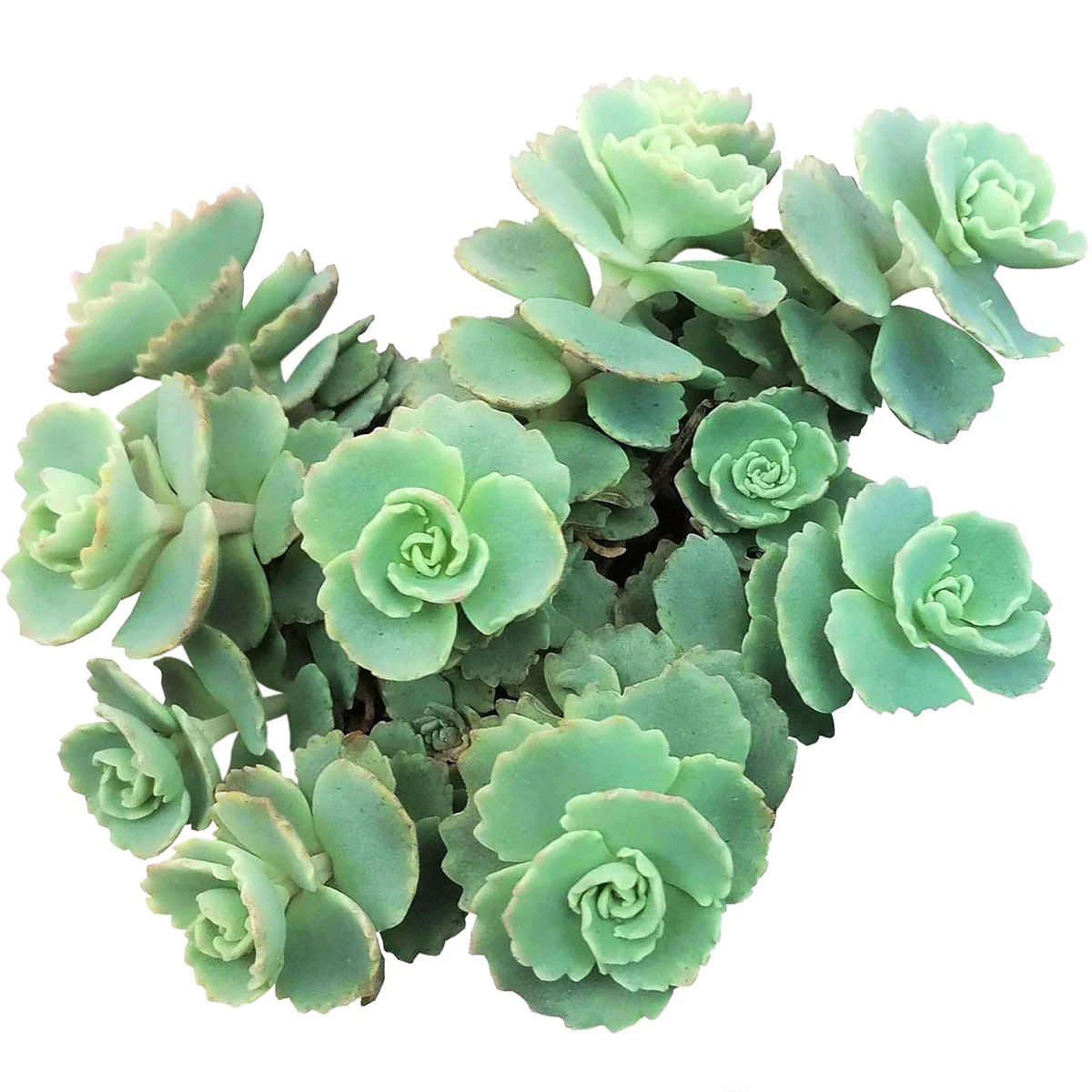
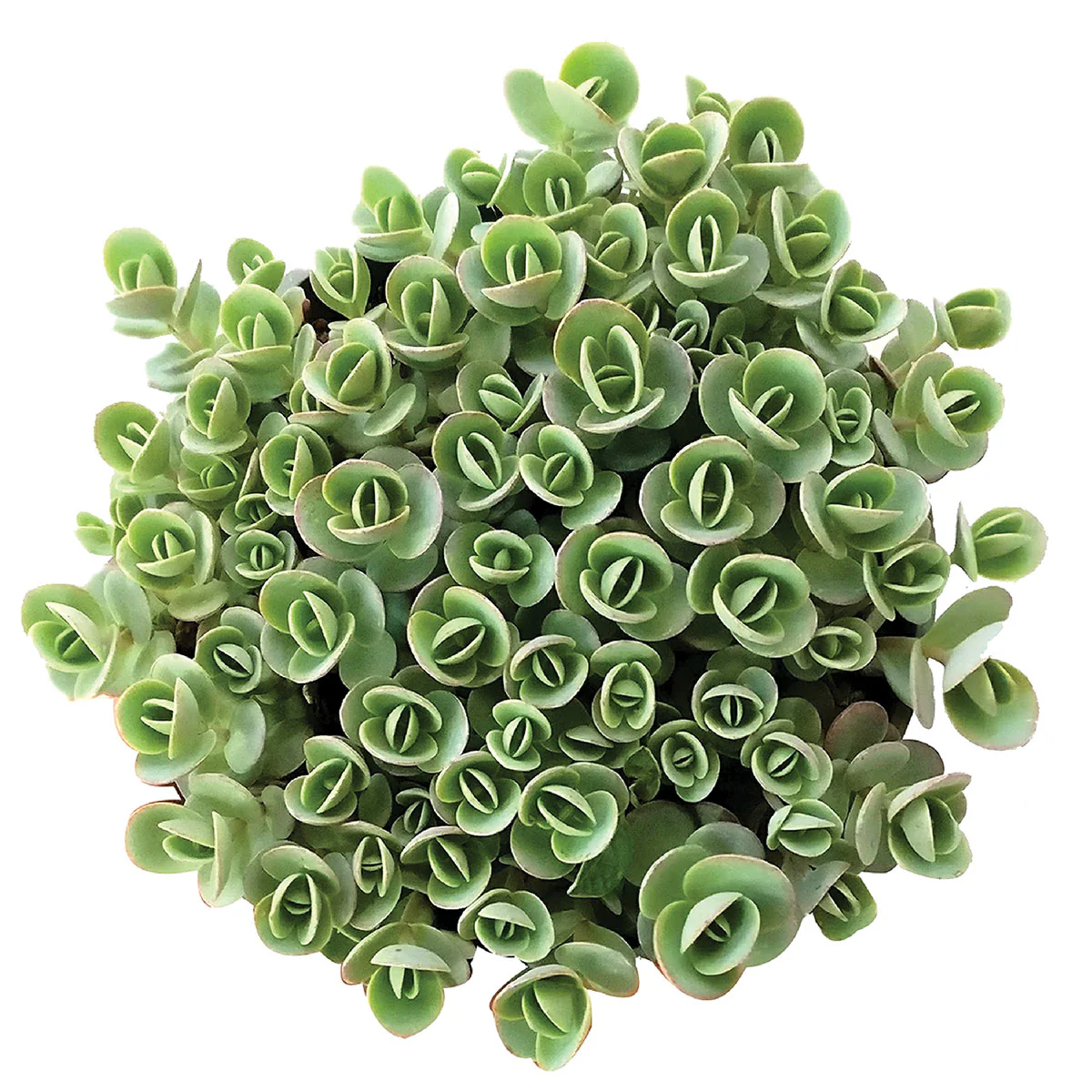
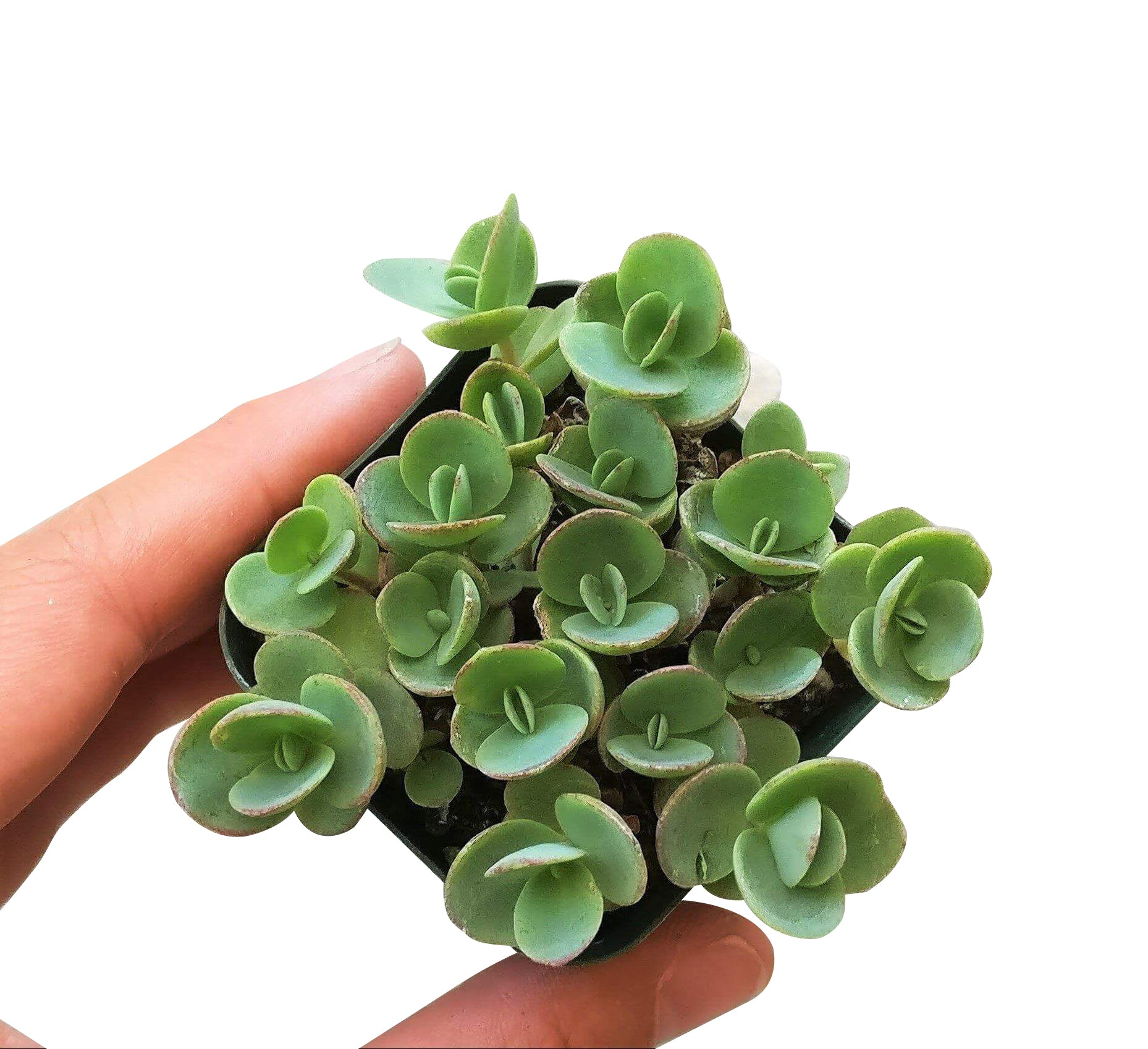
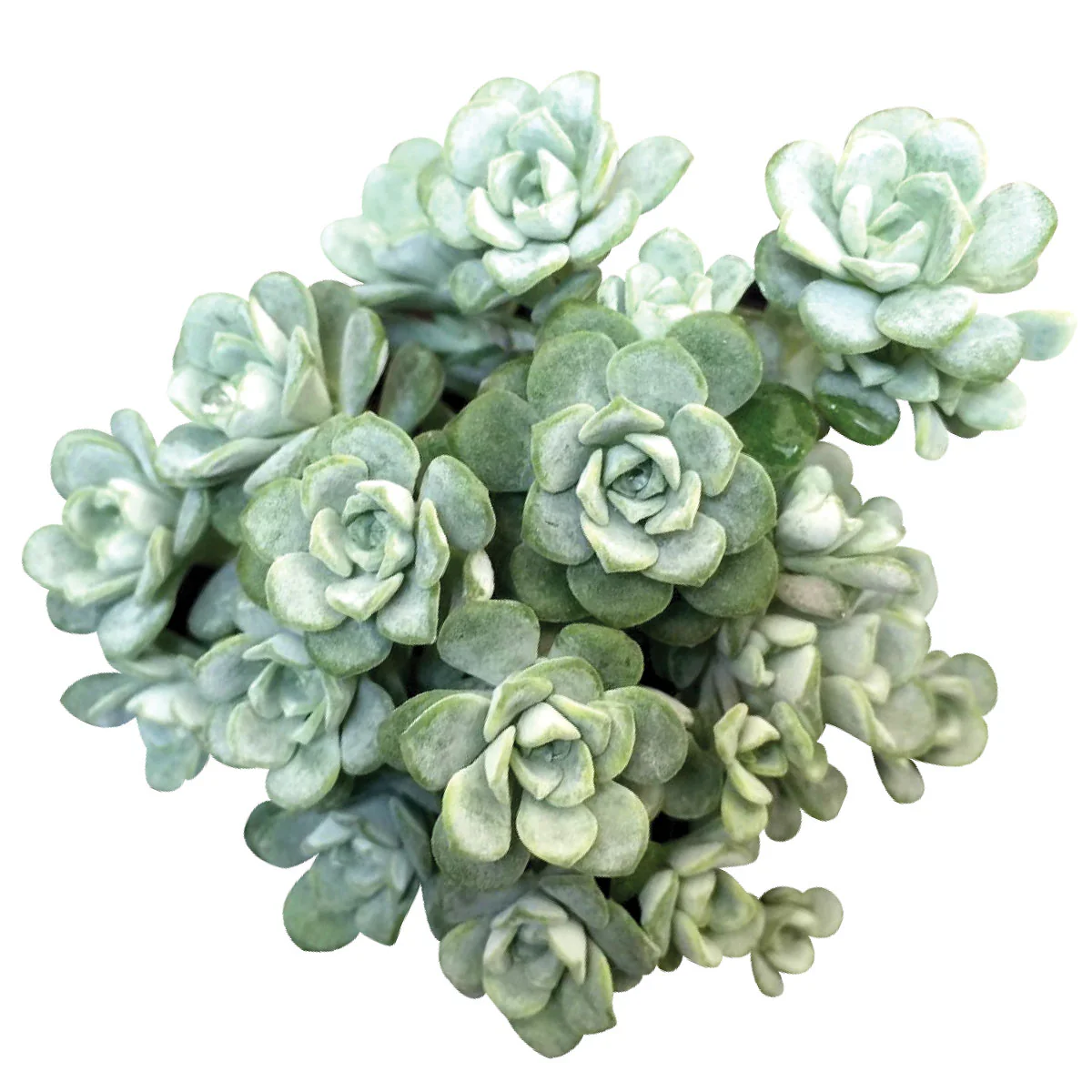
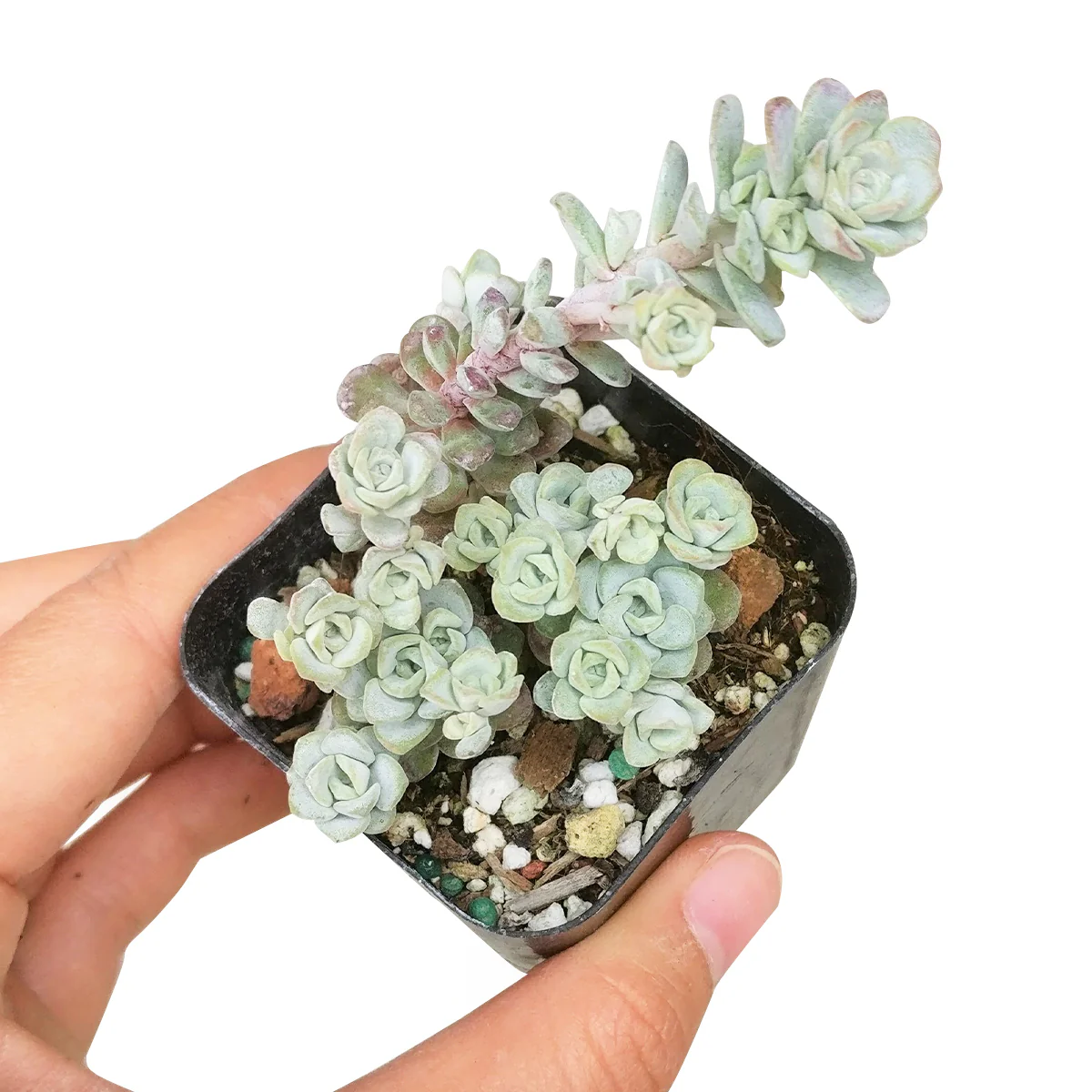
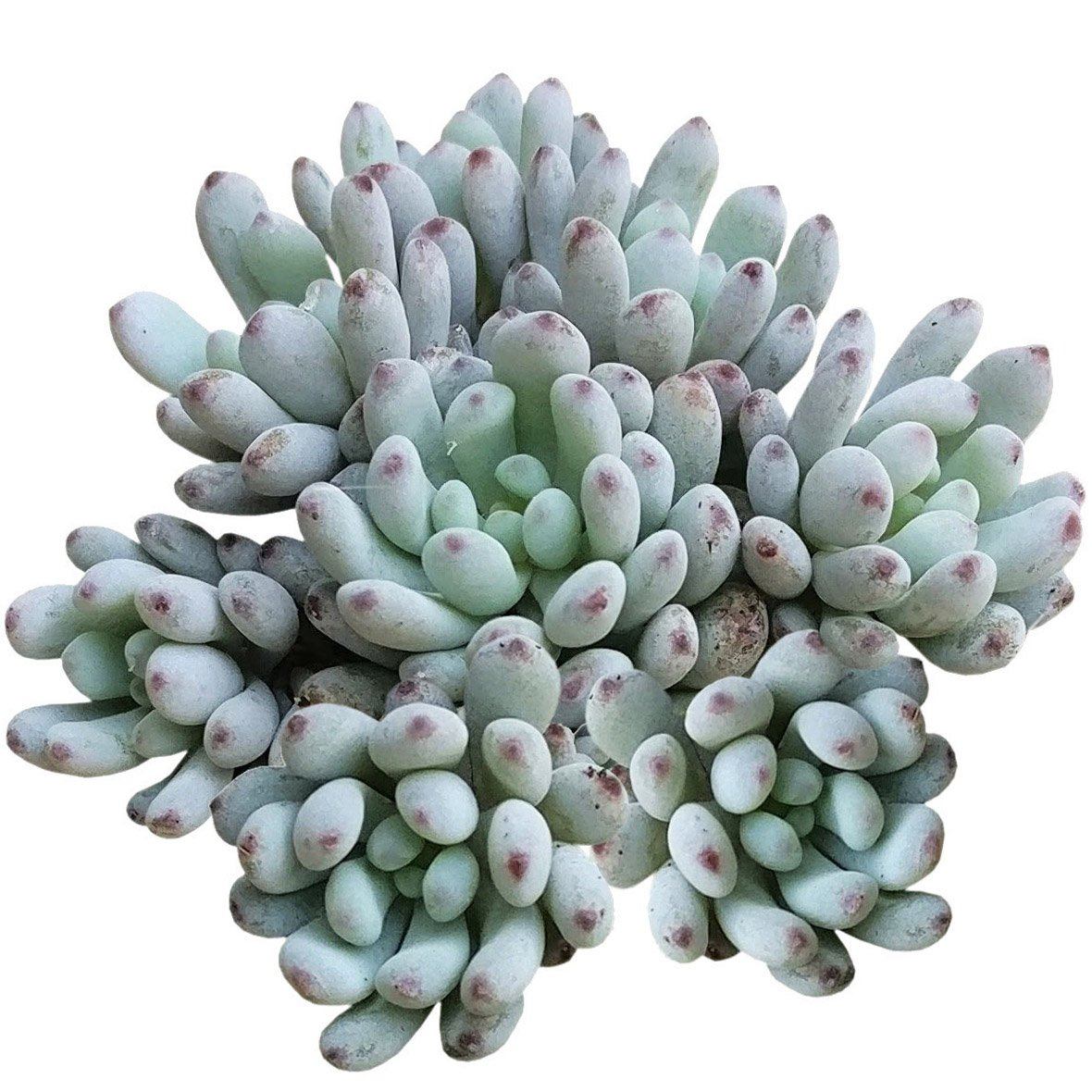
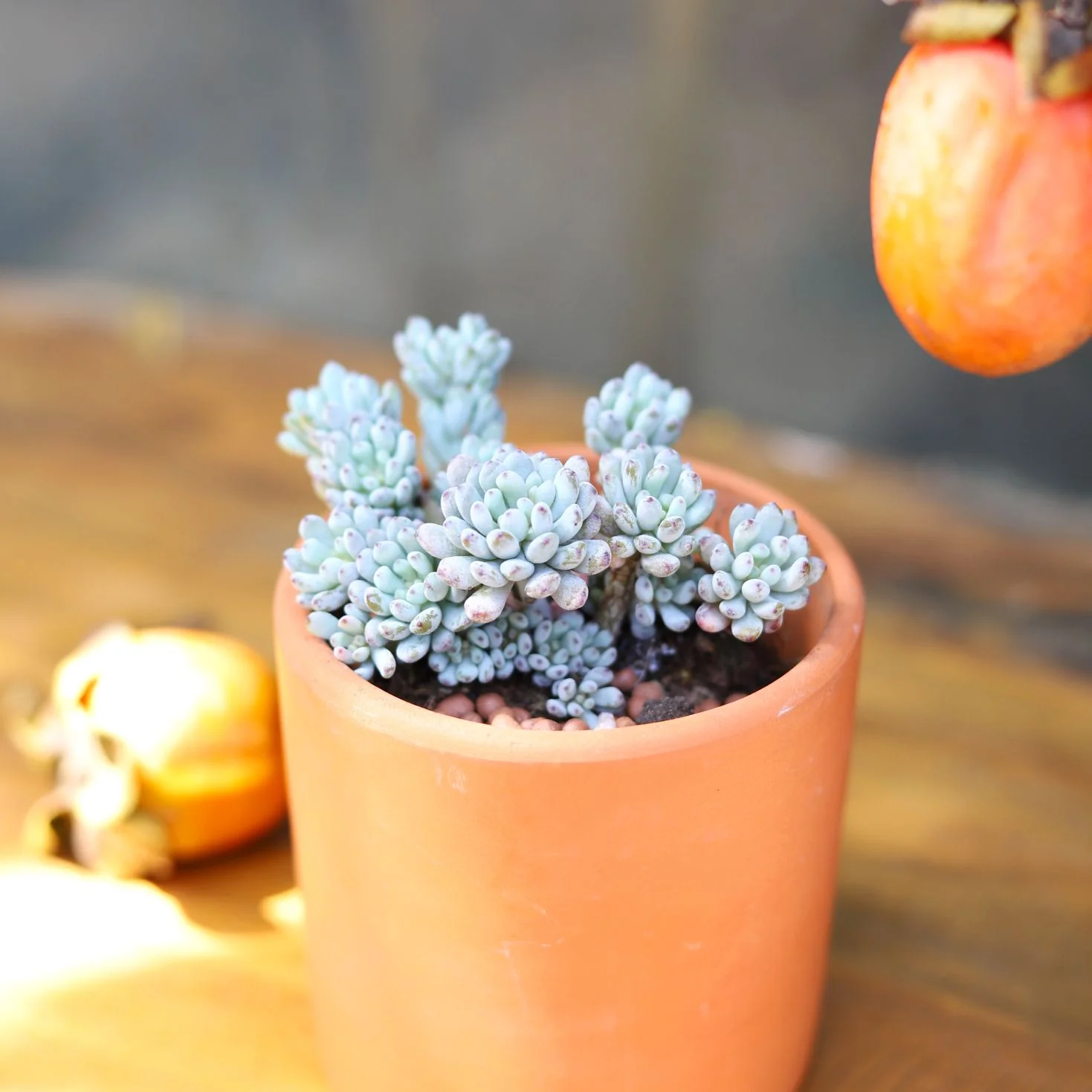
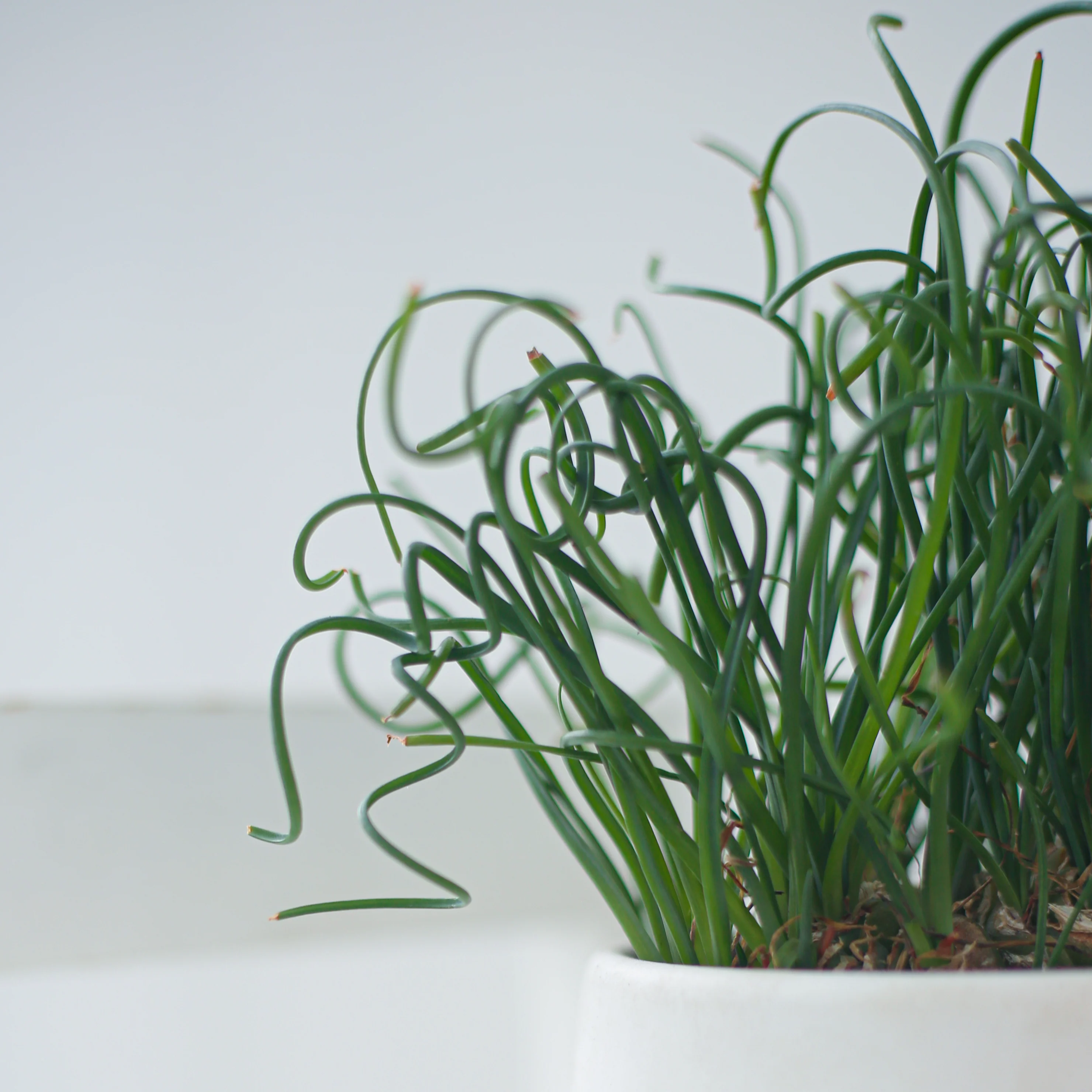
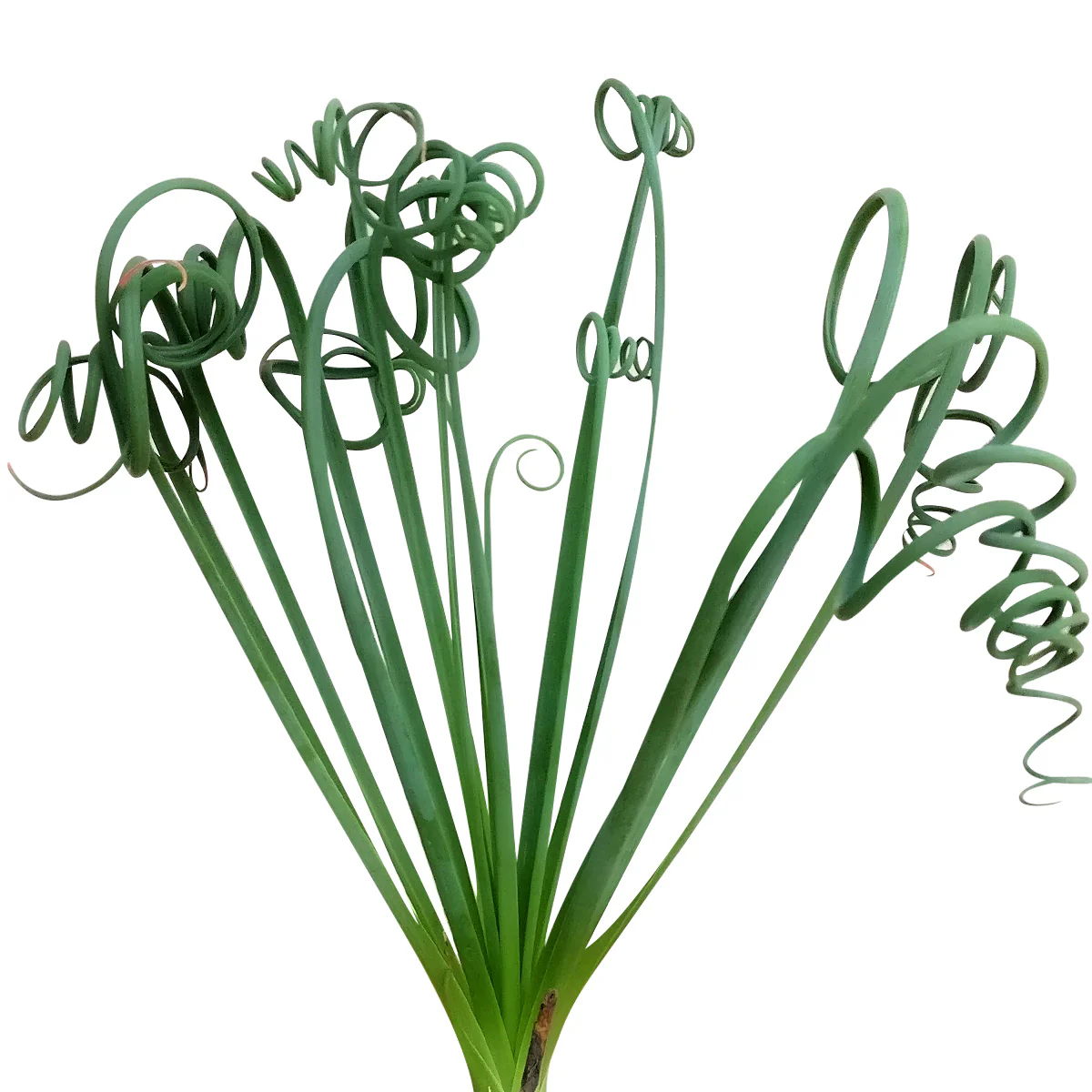
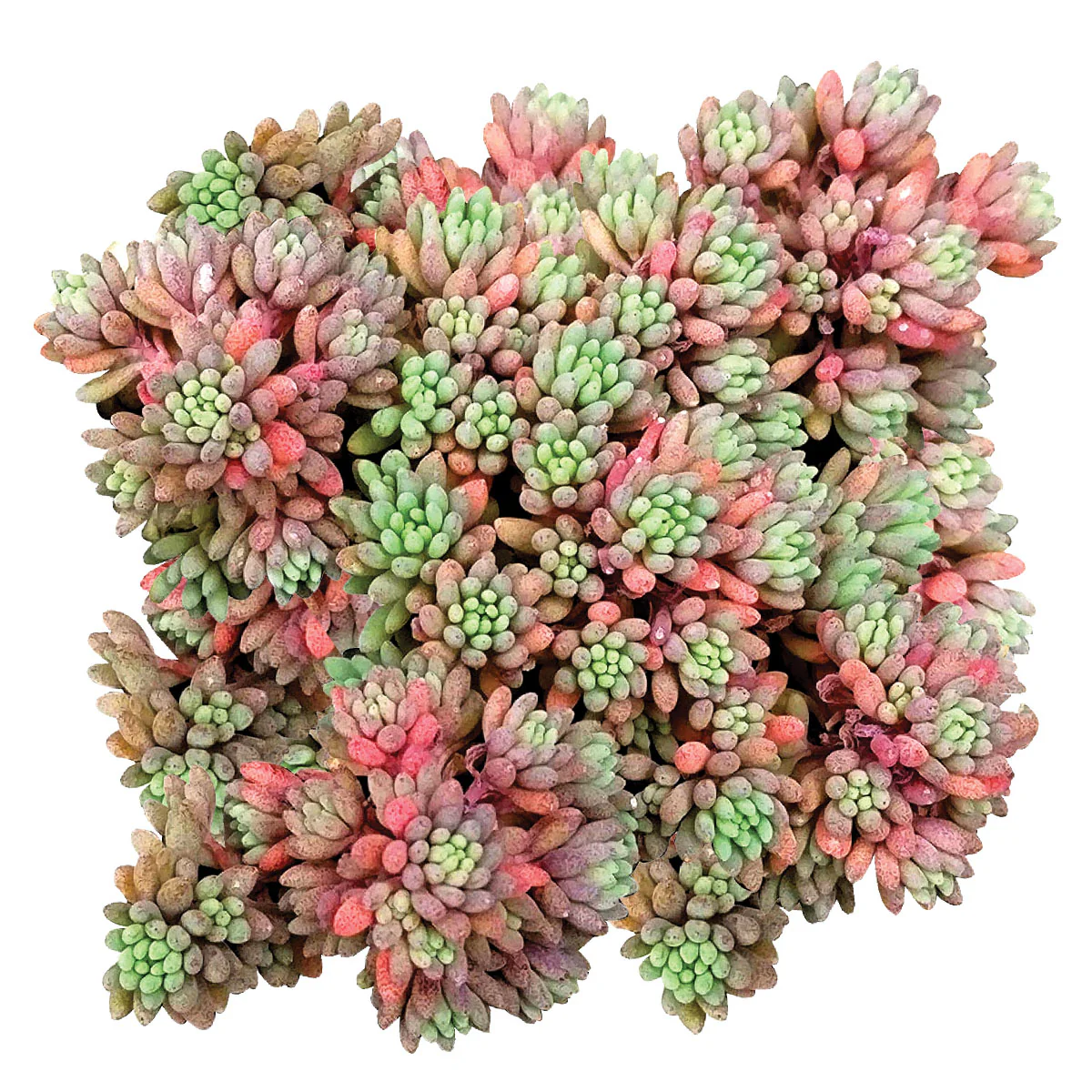
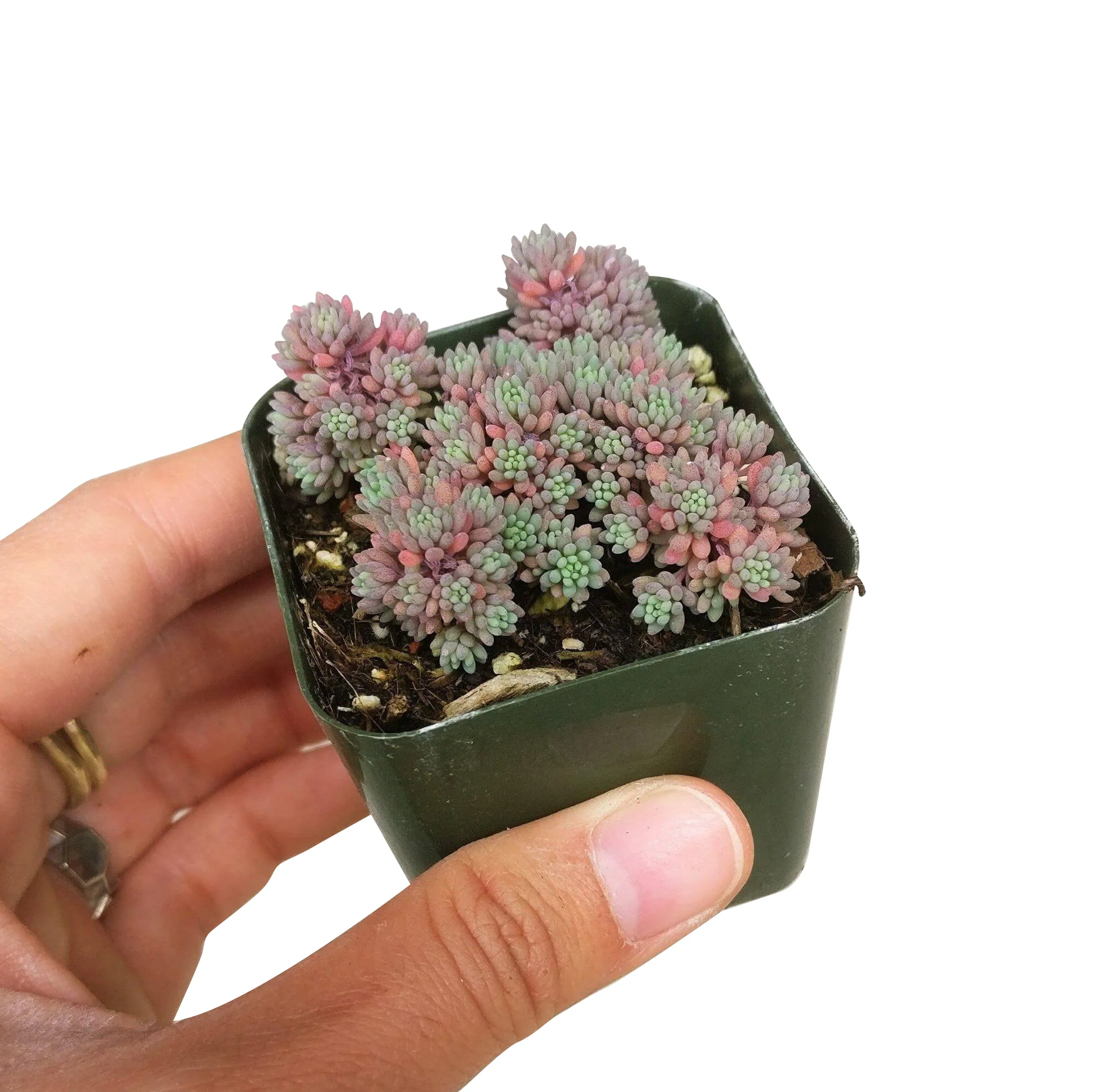
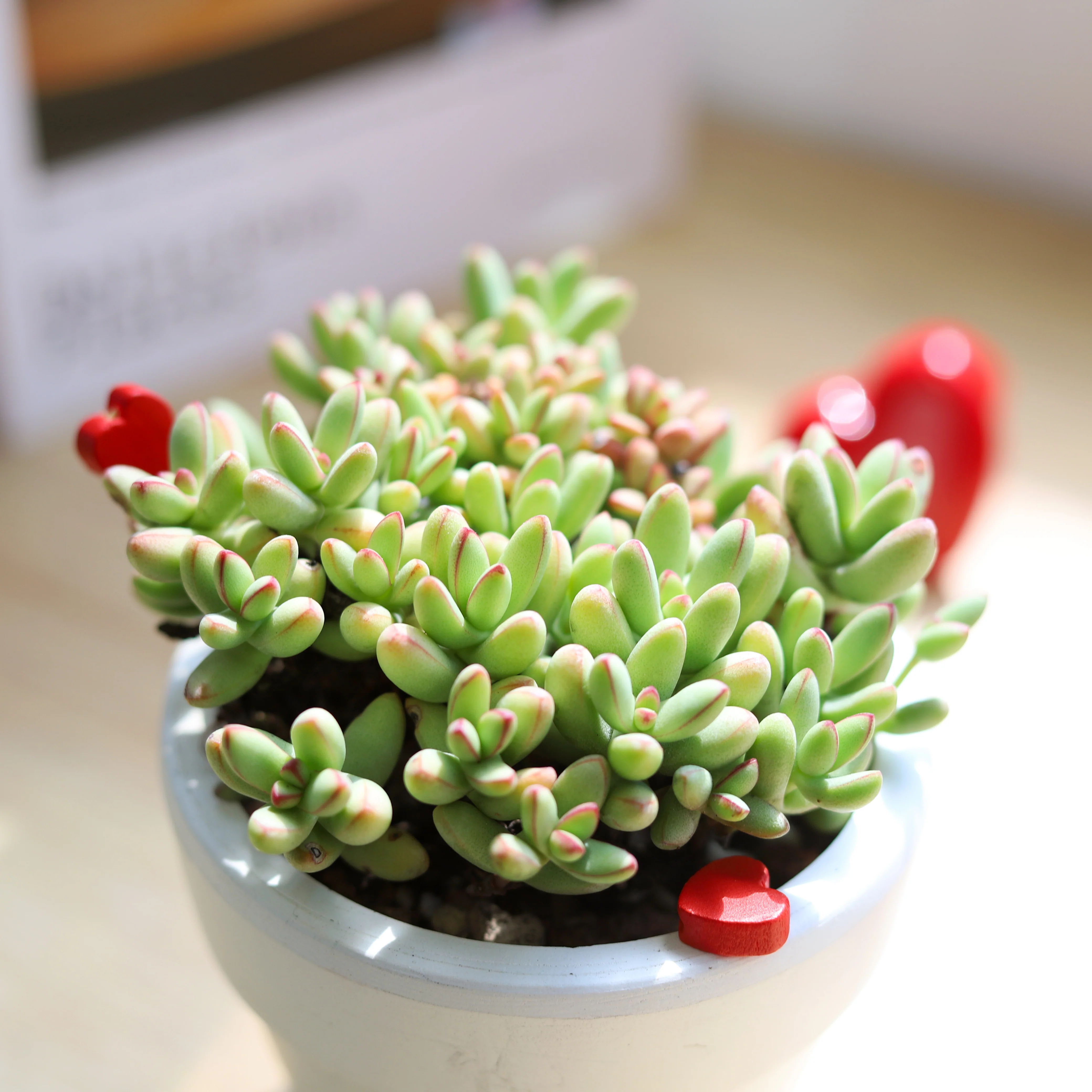
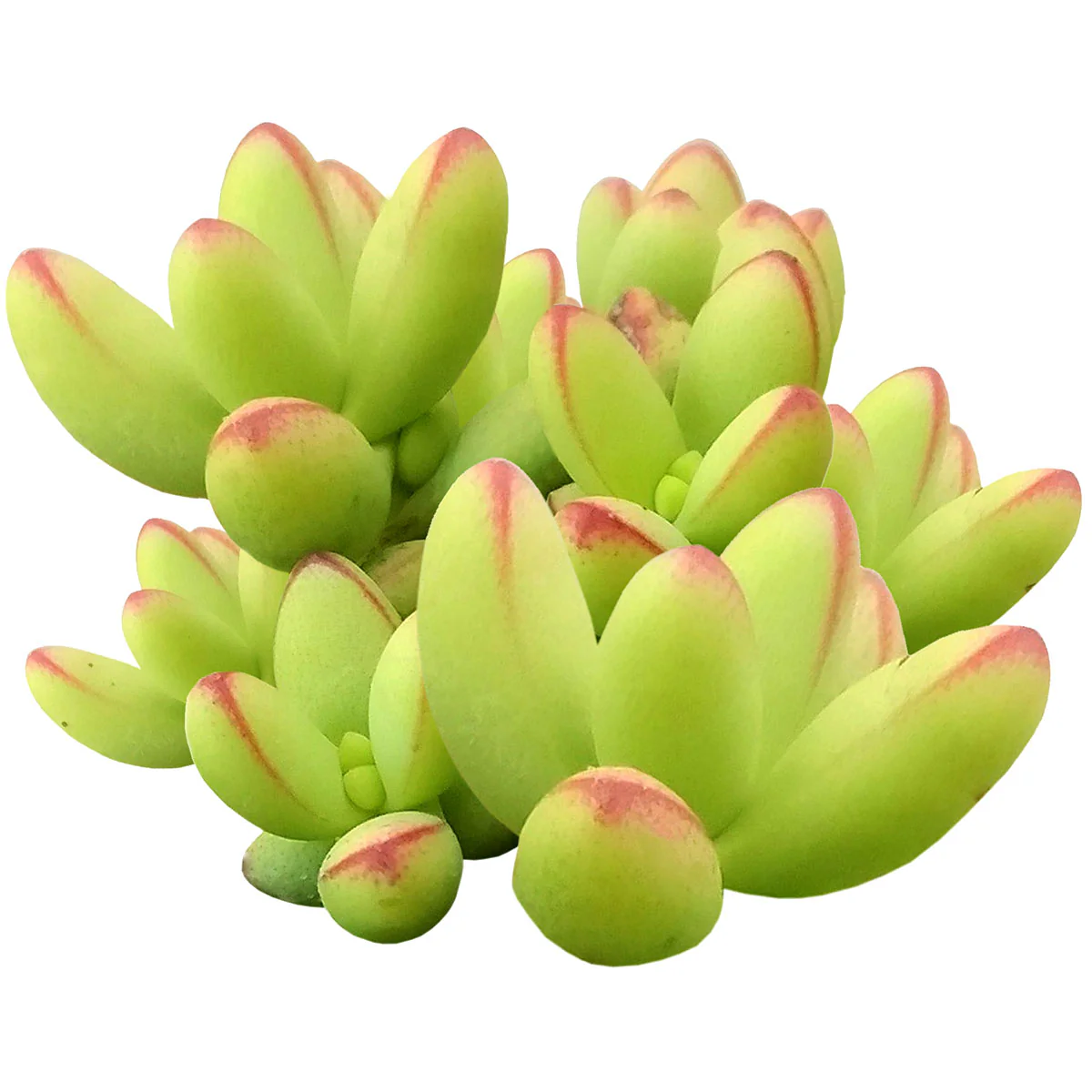
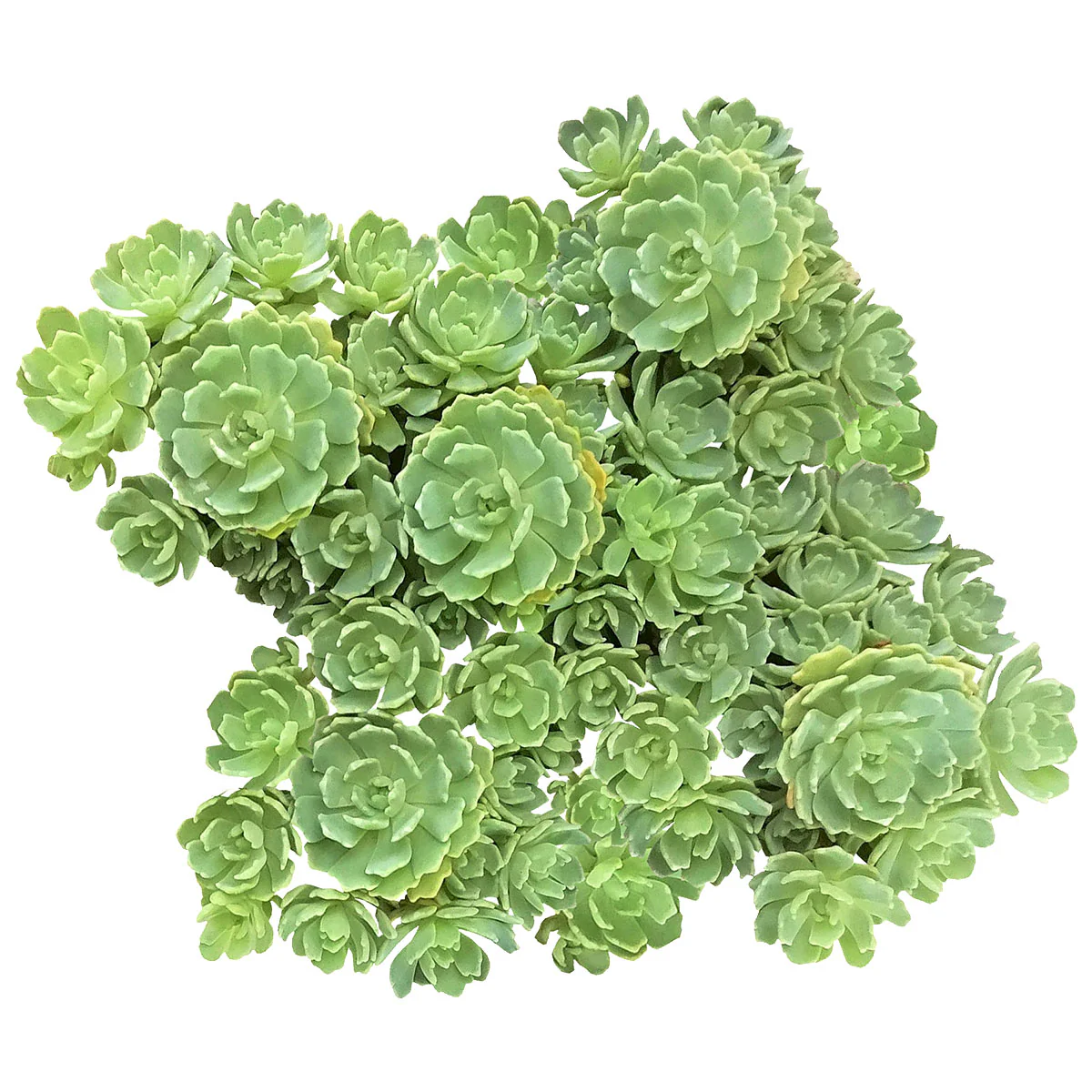
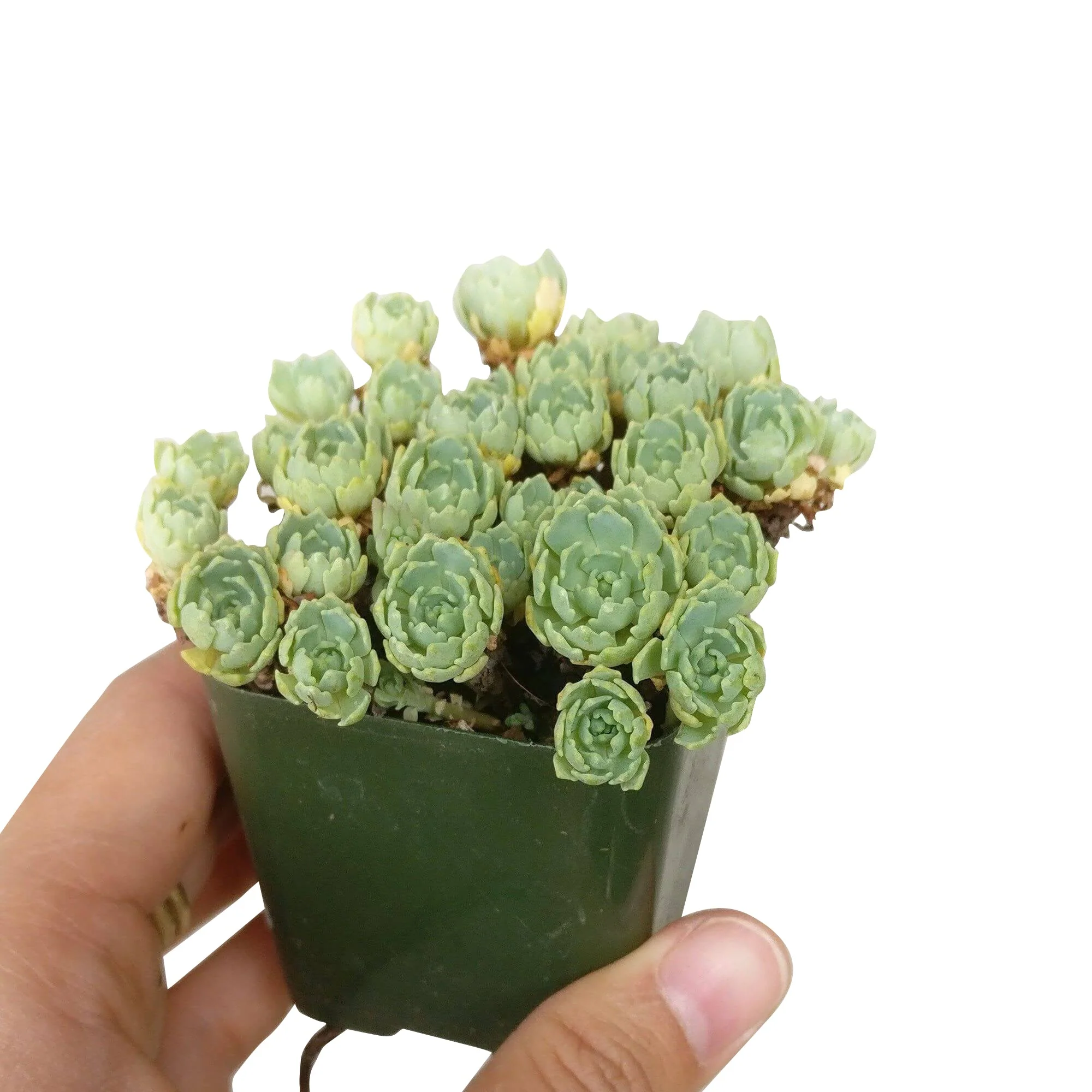
 Mother of Millions Kalanchoe delagoensis grows upright and clusters over time, producing tall, slender stems lined with narrow, tubular gray-green leaves marked with distinctive purple-brown blotches. The leaves are smooth and waxy, and each leaf tip sprouts tiny plantlets, which is the hallmark feature that gives this chandelier plant succulent its common name. These miniature offsets drop and root readily, making every plant a living propagation machine.
 Mother of Millions Kalanchoe delagoensis produces clusters of pendulous, tubular flowers in shades of orange-red to coral, typically appearing in late winter to early spring. Blooming is triggered by cooler night temperatures, so a seasonal drop in nighttime temps is key to encouraging a good flower display. Fragrance is minimal, but the vivid hanging blooms against the spotted foliage make it a real showstopper during bloom season.
 Mother of Millions Kalanchoe delagoensis is a fast grower that benefits from regular pruning to keep its upright, clustering habit tidy and compact indoors. It releases oxygen at night, making it a smart choice for a bedroom shelf, and it survives comfortably through a 10-day trip without watering, perfect for frequent travelers. Cats and dogs shouldn't be left to nibble or eat the plant, and it is best placed away from small children on a high shelf out of reach. Move it outside for summer, but keep it covered from heavy rain, and rotate it periodically for even, balanced growth.
-
 Mother of Millions Kalanchoe delagoensis thrives in bright indirect light to full sun but scorches in intense south-facing windows during peak summer.
 Water Mother of Millions Kalanchoe delagoensis every 2-3 weeks, allowing the soil to dry out completely between waterings.
 Mother of Millions Kalanchoe delagoensis prefers a fast-draining cactus and succulent mix blended with extra perlite for optimal drainage.
 Mother of Millions Kalanchoe delagoensis prefers temperatures between 60-85°F (15-29°C) and should be brought indoors before temps drop near freezing.
![]() Mother of Millions Kalanchoe delagoensis is a fast grower that benefits from light balanced fertilizer monthly in spring and summer.
Mother of Millions Kalanchoe delagoensis is a fast grower that benefits from light balanced fertilizer monthly in spring and summer.
 Mother of Millions Kalanchoe delagoensis is hardy in USDA Zones 9-11, tolerating lows only down to around 25-30°F (-4 to -1°C) before cold damage occurs. Gardeners growing Mother of Millions Kalanchoe delagoensis outdoors year-round will find it thrives across Florida, Hawaii, southern California, Arizona, Texas, Louisiana, Mississippi, Alabama, Georgia, South Carolina, and Nevada. It also does well along the mild coastal stretches of Oregon and in select microclimates throughout Zone 9 and Zone 10 regions of these warmer states.
-
Q: How often should I water Mother of Millions Kalanchoe delagoensis?
A: Water every 2-3 weeks and let the soil dry out completely between waterings. Mother of Millions Kalanchoe delagoensis is drought tolerant and far more likely to suffer from overwatering than underwatering.
Q: Is Mother of Millions Kalanchoe delagoensis safe around pets?
A: Cats and dogs shouldn't be left to nibble or eat Mother of Millions Kalanchoe delagoensis, so keep it on a high shelf well out of their reach. It is also best placed away from small children.
Q: How much light does Mother of Millions Kalanchoe delagoensis need?
A: Mother of Millions Kalanchoe delagoensis grows well in bright indirect light, partial sun, or full sun. It can even grow under office LEDs, though bright natural light produces the best growth and bloom.
Q: How fast does Mother of Millions Kalanchoe delagoensis grow?
A: Mother of Millions Kalanchoe delagoensis is a fast grower and may need occasional pruning to stay tidy. The tiny plantlets along leaf tips also root quickly, making propagation effortless.
Q: How do I get Mother of Millions Kalanchoe delagoensis to bloom?
A: Mother of Millions Kalanchoe delagoensis needs a drop in nighttime temperatures to trigger blooming, typically in late winter to early spring. Moving it to a cooler spot in autumn evenings helps initiate the bloom cycle.
Q: Can I move Mother of Millions Kalanchoe delagoensis outside for summer?
A: Yes, Mother of Millions Kalanchoe delagoensis loves spending summer outdoors in a bright, sheltered spot. Just cover it from heavy rain and bring it back inside before nighttime temps approach freezing.


Original: $8.00
-70%$8.00
$2.40Product Information
Product Information
Shipping & Returns
Shipping & Returns
Description
- Description
- Mother of Millions Kalanchoe delagoensis Care Guide
- FAQ/Common Issues
-
![]() Mother of Millions Kalanchoe delagoensis is a striking succulent in the Kalanchoe genus, native to the arid regions of Madagascar. It has naturalized across tropical and subtropical zones worldwide, thriving in rocky, well-drained soils with minimal rainfall. Easy care and drought tolerant by nature, this kalanchoe delagoensis succulent is a favorite for collectors and beginners alike.
Mother of Millions Kalanchoe delagoensis is a striking succulent in the Kalanchoe genus, native to the arid regions of Madagascar. It has naturalized across tropical and subtropical zones worldwide, thriving in rocky, well-drained soils with minimal rainfall. Easy care and drought tolerant by nature, this kalanchoe delagoensis succulent is a favorite for collectors and beginners alike.
Mother of Millions Kalanchoe delagoensis grows upright and clusters over time, producing tall, slender stems lined with narrow, tubular gray-green leaves marked with distinctive purple-brown blotches. The leaves are smooth and waxy, and each leaf tip sprouts tiny plantlets, which is the hallmark feature that gives this chandelier plant succulent its common name. These miniature offsets drop and root readily, making every plant a living propagation machine.
Mother of Millions Kalanchoe delagoensis produces clusters of pendulous, tubular flowers in shades of orange-red to coral, typically appearing in late winter to early spring. Blooming is triggered by cooler night temperatures, so a seasonal drop in nighttime temps is key to encouraging a good flower display. Fragrance is minimal, but the vivid hanging blooms against the spotted foliage make it a real showstopper during bloom season.
Mother of Millions Kalanchoe delagoensis is a fast grower that benefits from regular pruning to keep its upright, clustering habit tidy and compact indoors. It releases oxygen at night, making it a smart choice for a bedroom shelf, and it survives comfortably through a 10-day trip without watering, perfect for frequent travelers. Cats and dogs shouldn't be left to nibble or eat the plant, and it is best placed away from small children on a high shelf out of reach. Move it outside for summer, but keep it covered from heavy rain, and rotate it periodically for even, balanced growth.
-
Mother of Millions Kalanchoe delagoensis thrives in bright indirect light to full sun but scorches in intense south-facing windows during peak summer.
Water Mother of Millions Kalanchoe delagoensis every 2-3 weeks, allowing the soil to dry out completely between waterings.
Mother of Millions Kalanchoe delagoensis prefers a fast-draining cactus and succulent mix blended with extra perlite for optimal drainage.
Mother of Millions Kalanchoe delagoensis prefers temperatures between 60-85°F (15-29°C) and should be brought indoors before temps drop near freezing.
![]() Mother of Millions Kalanchoe delagoensis is a fast grower that benefits from light balanced fertilizer monthly in spring and summer.
Mother of Millions Kalanchoe delagoensis is a fast grower that benefits from light balanced fertilizer monthly in spring and summer.
Mother of Millions Kalanchoe delagoensis is hardy in USDA Zones 9-11, tolerating lows only down to around 25-30°F (-4 to -1°C) before cold damage occurs. Gardeners growing Mother of Millions Kalanchoe delagoensis outdoors year-round will find it thrives across Florida, Hawaii, southern California, Arizona, Texas, Louisiana, Mississippi, Alabama, Georgia, South Carolina, and Nevada. It also does well along the mild coastal stretches of Oregon and in select microclimates throughout Zone 9 and Zone 10 regions of these warmer states.
-
Q: How often should I water Mother of Millions Kalanchoe delagoensis?
A: Water every 2-3 weeks and let the soil dry out completely between waterings. Mother of Millions Kalanchoe delagoensis is drought tolerant and far more likely to suffer from overwatering than underwatering.
Q: Is Mother of Millions Kalanchoe delagoensis safe around pets?
A: Cats and dogs shouldn't be left to nibble or eat Mother of Millions Kalanchoe delagoensis, so keep it on a high shelf well out of their reach. It is also best placed away from small children.
Q: How much light does Mother of Millions Kalanchoe delagoensis need?
A: Mother of Millions Kalanchoe delagoensis grows well in bright indirect light, partial sun, or full sun. It can even grow under office LEDs, though bright natural light produces the best growth and bloom.
Q: How fast does Mother of Millions Kalanchoe delagoensis grow?
A: Mother of Millions Kalanchoe delagoensis is a fast grower and may need occasional pruning to stay tidy. The tiny plantlets along leaf tips also root quickly, making propagation effortless.
Q: How do I get Mother of Millions Kalanchoe delagoensis to bloom?
A: Mother of Millions Kalanchoe delagoensis needs a drop in nighttime temperatures to trigger blooming, typically in late winter to early spring. Moving it to a cooler spot in autumn evenings helps initiate the bloom cycle.
Q: Can I move Mother of Millions Kalanchoe delagoensis outside for summer?
A: Yes, Mother of Millions Kalanchoe delagoensis loves spending summer outdoors in a bright, sheltered spot. Just cover it from heavy rain and bring it back inside before nighttime temps approach freezing.