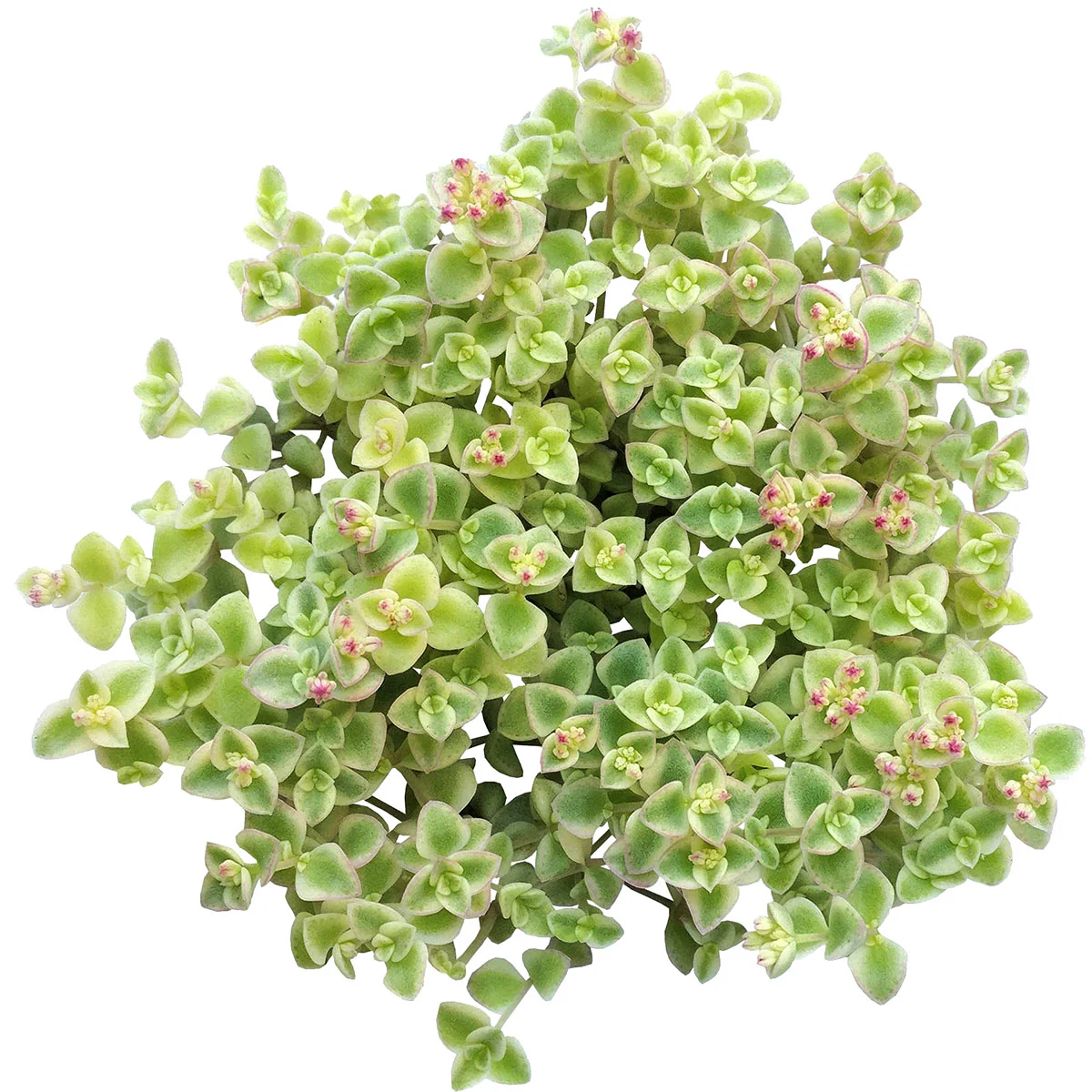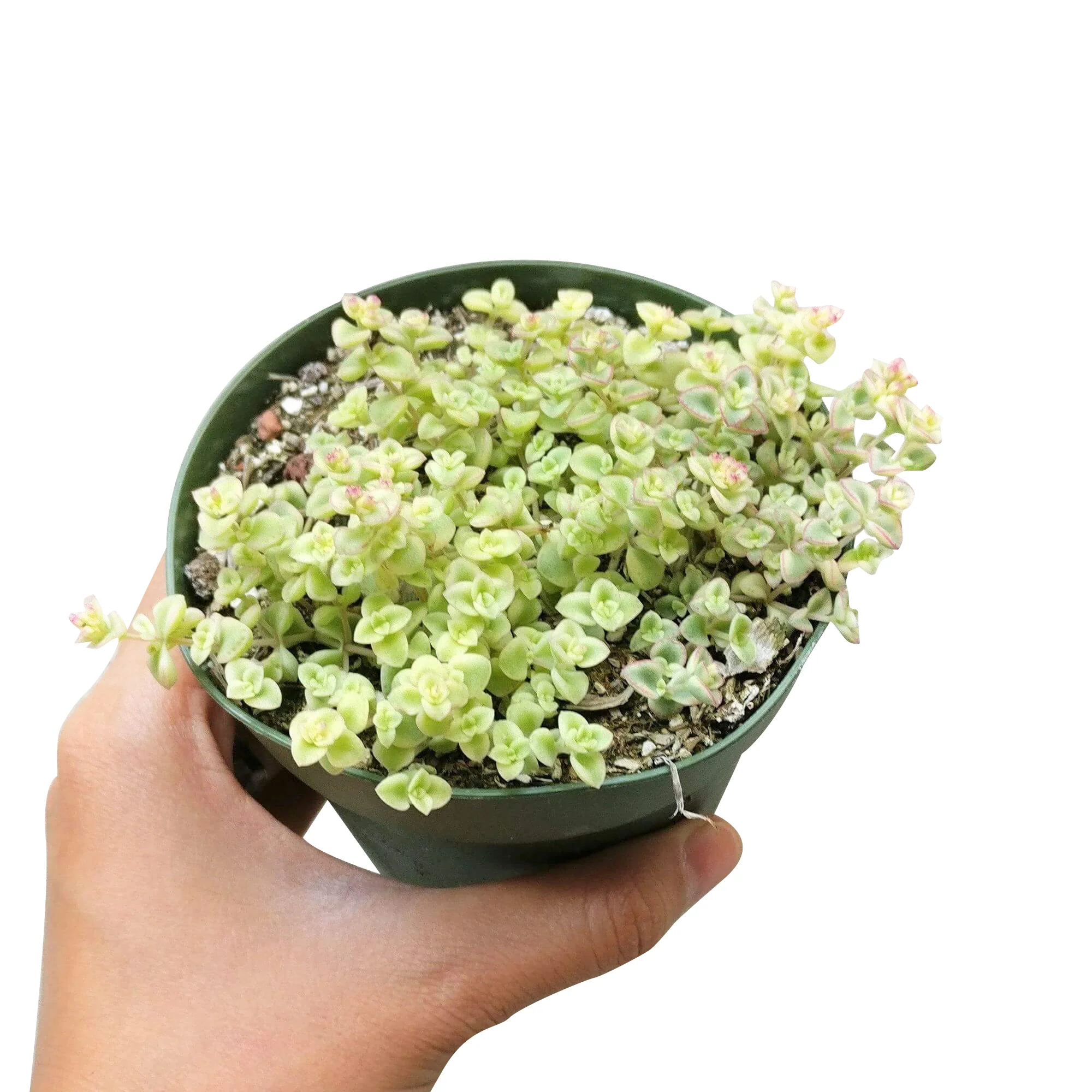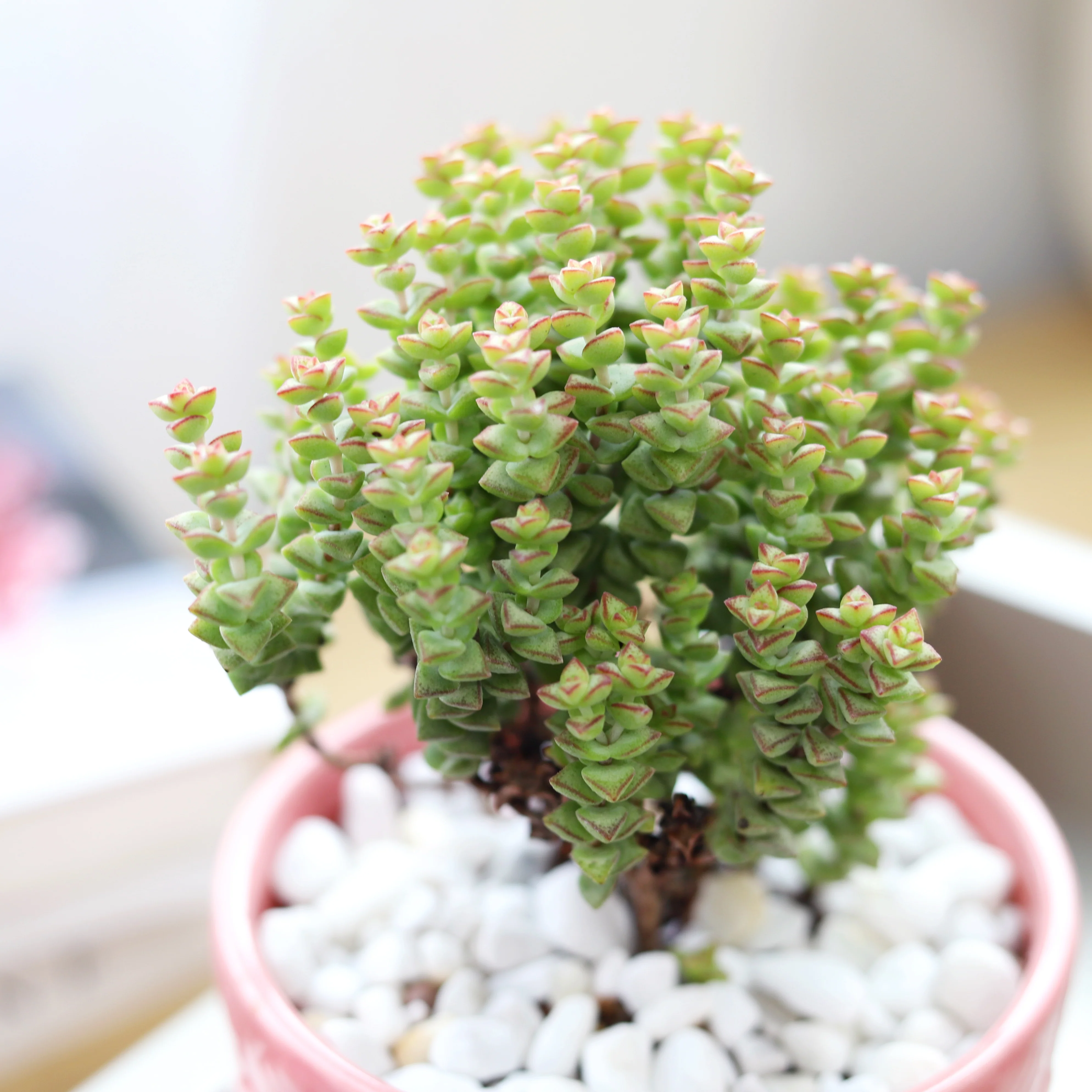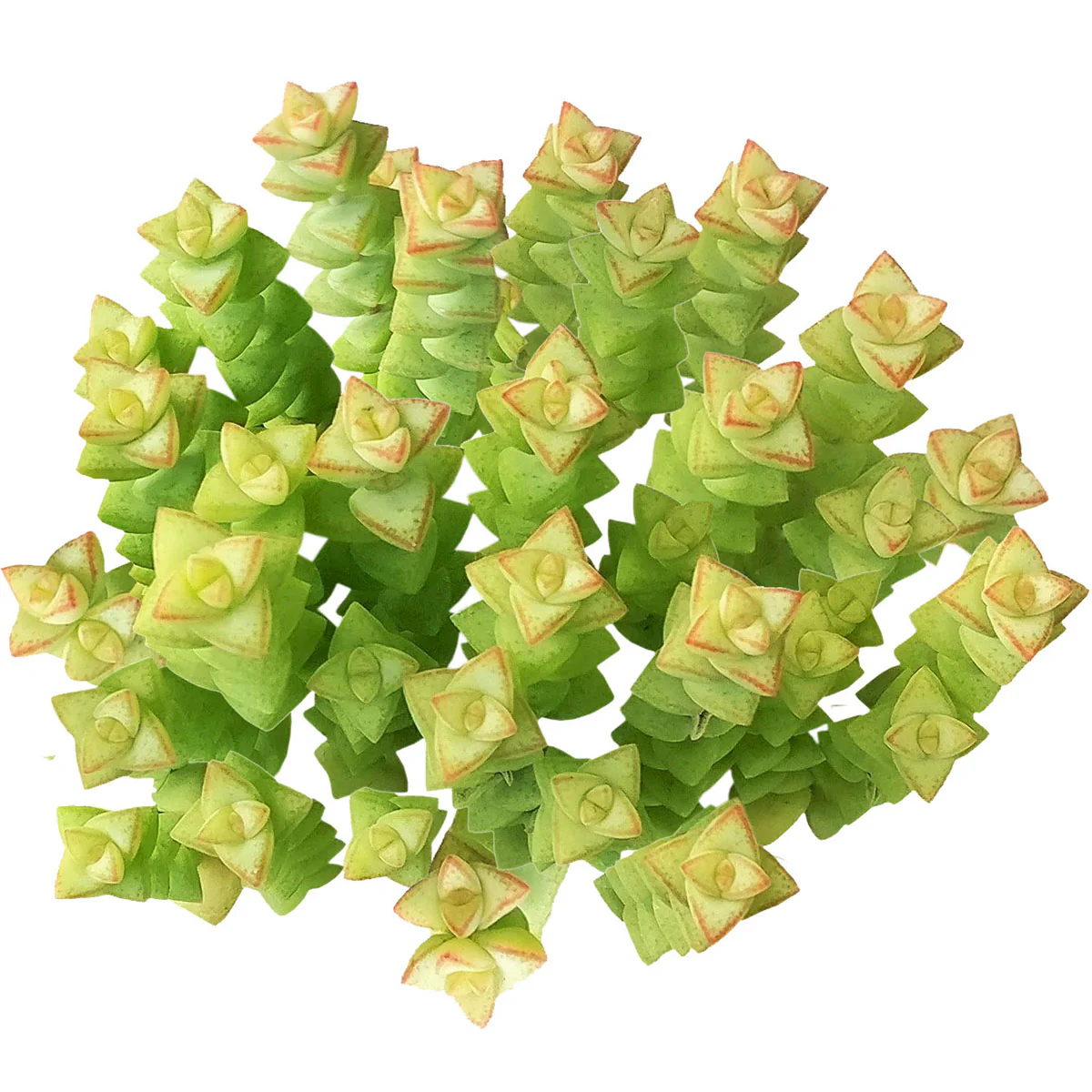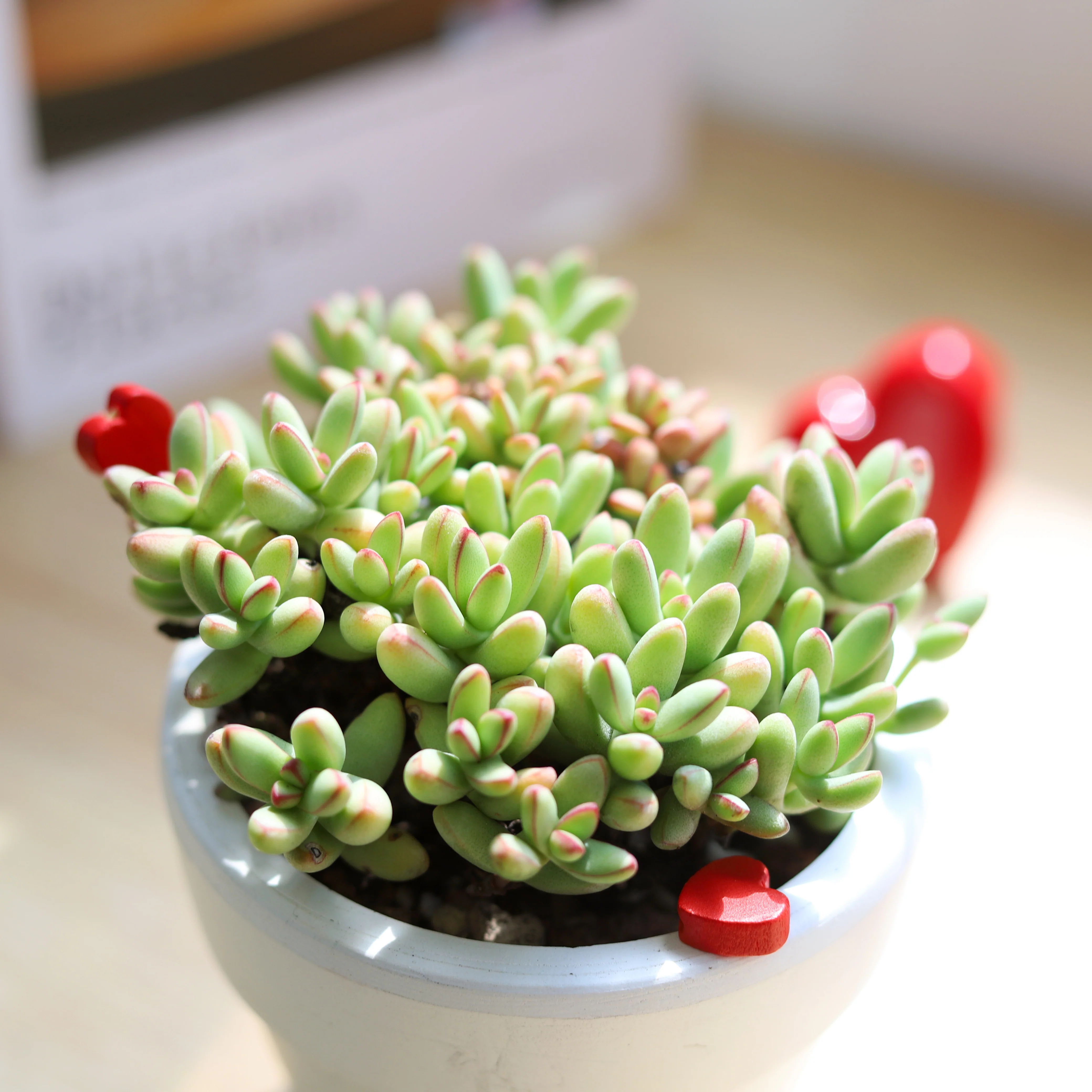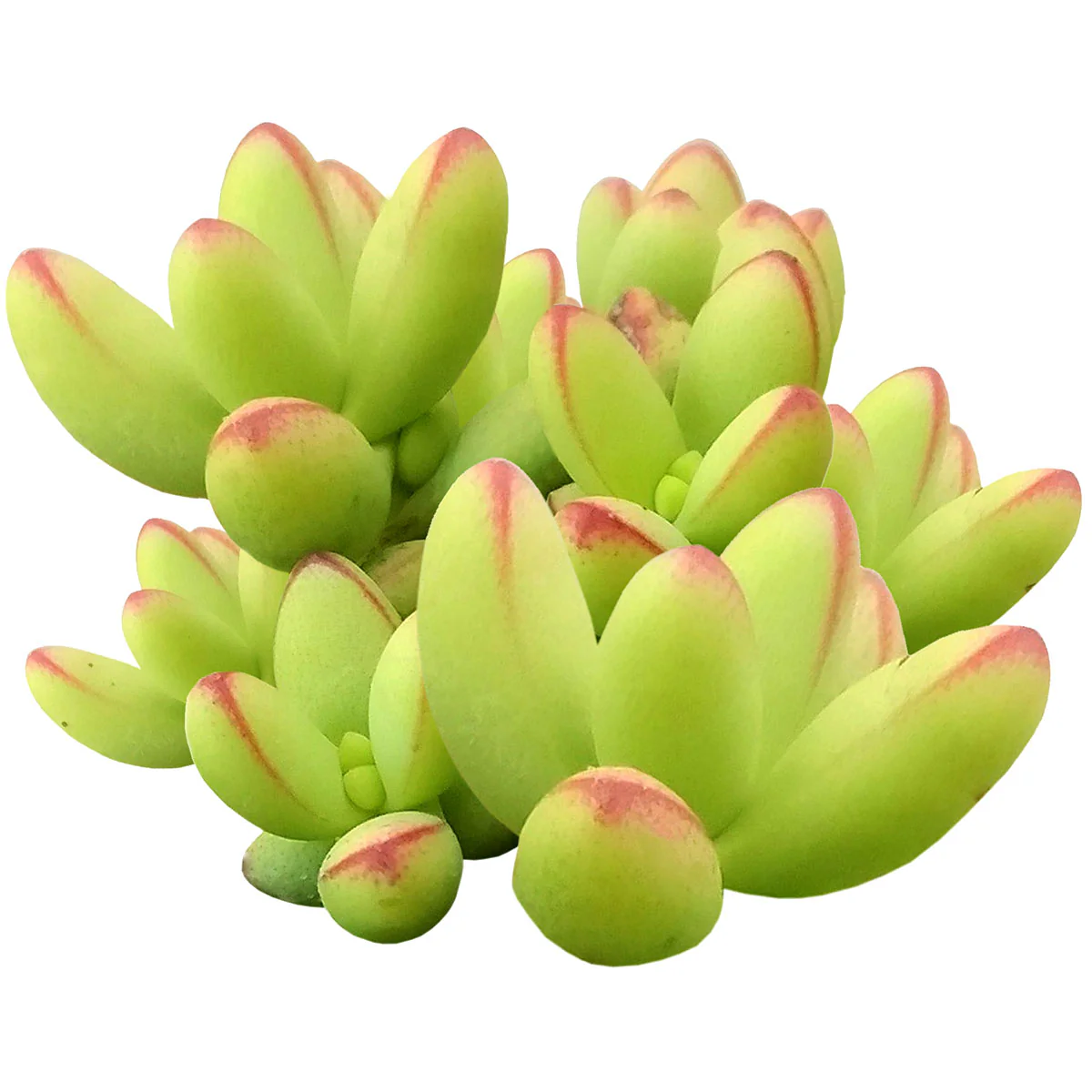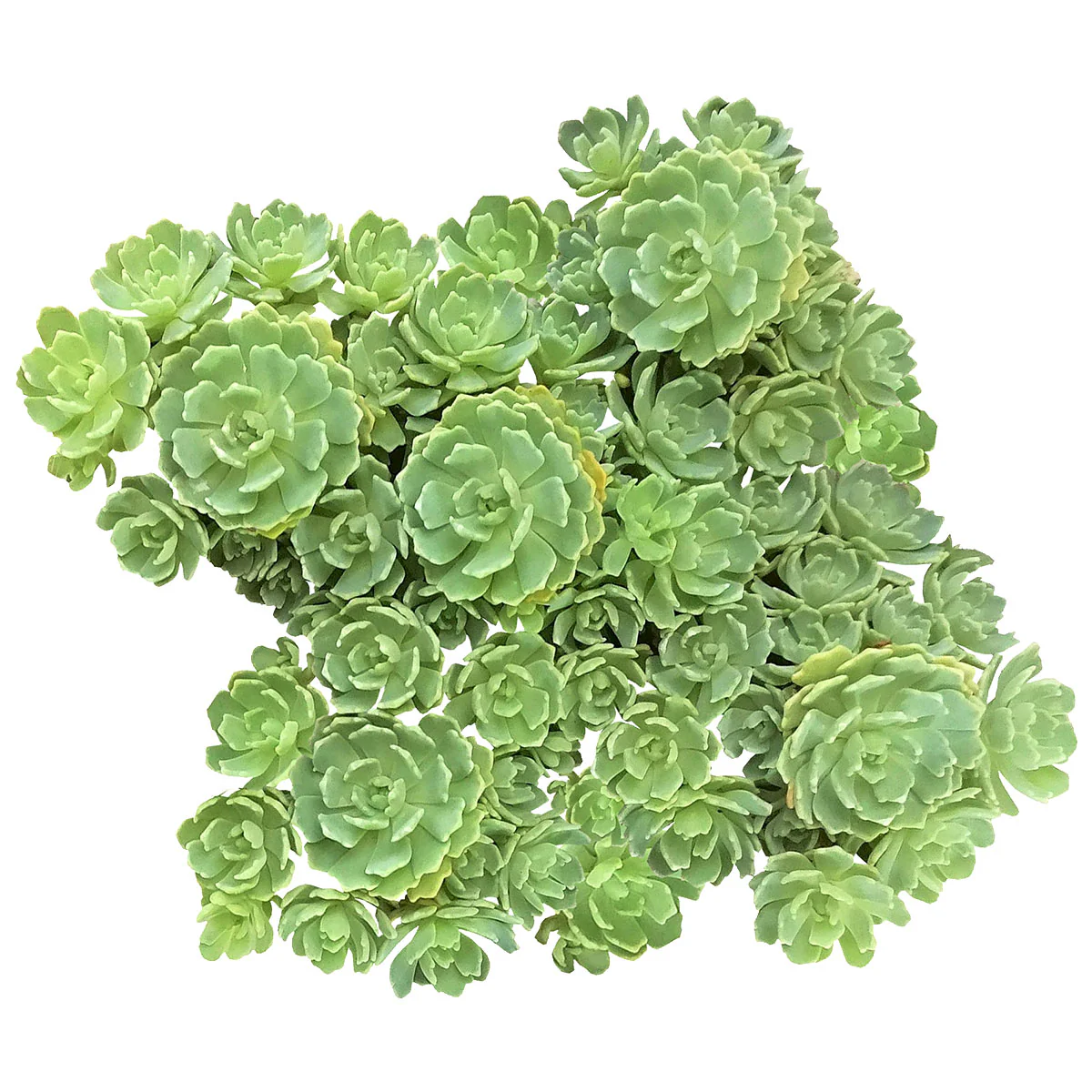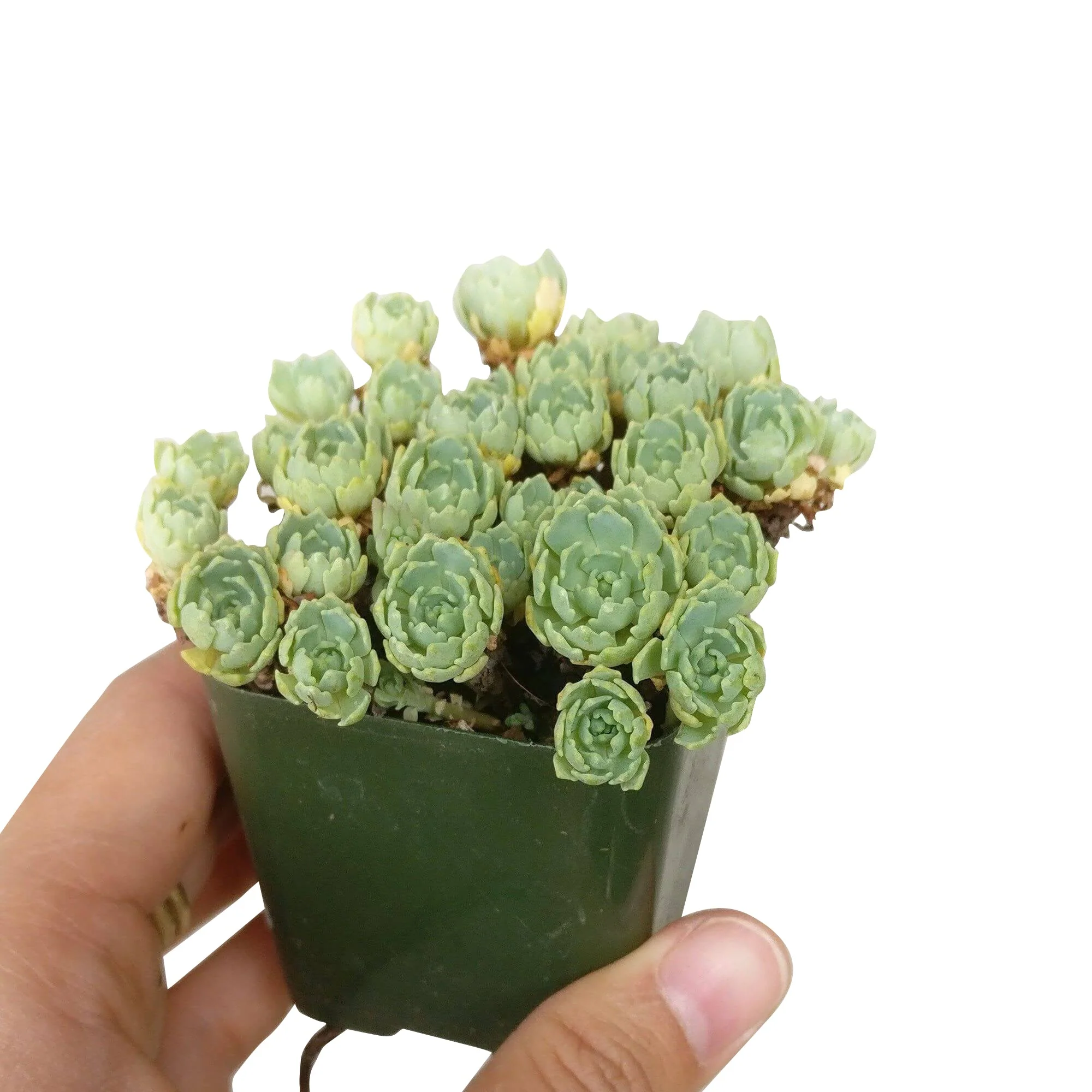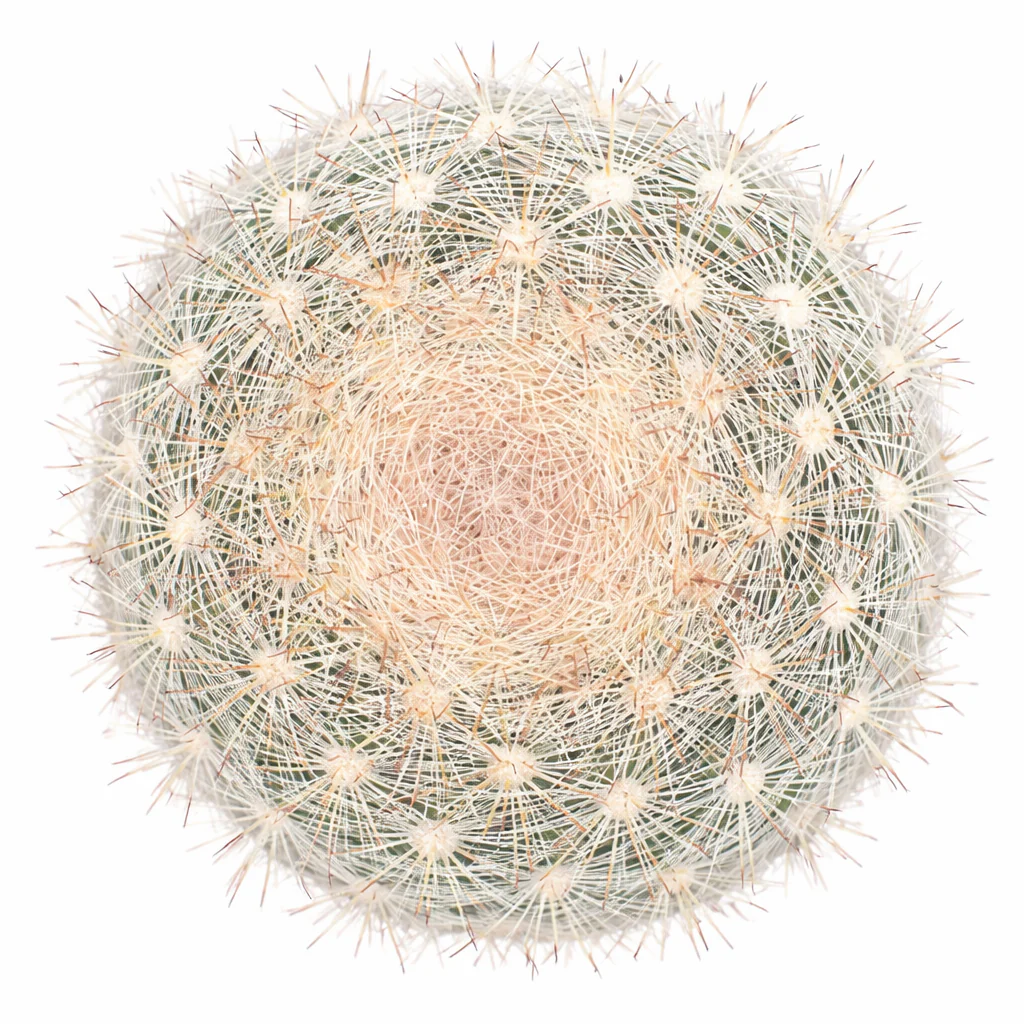
Mammilloydia candida Snowball Cactus
- Description
- Mammilloydia candida Snowball Cactus Care Guide
- FAQ/Common Issues
-
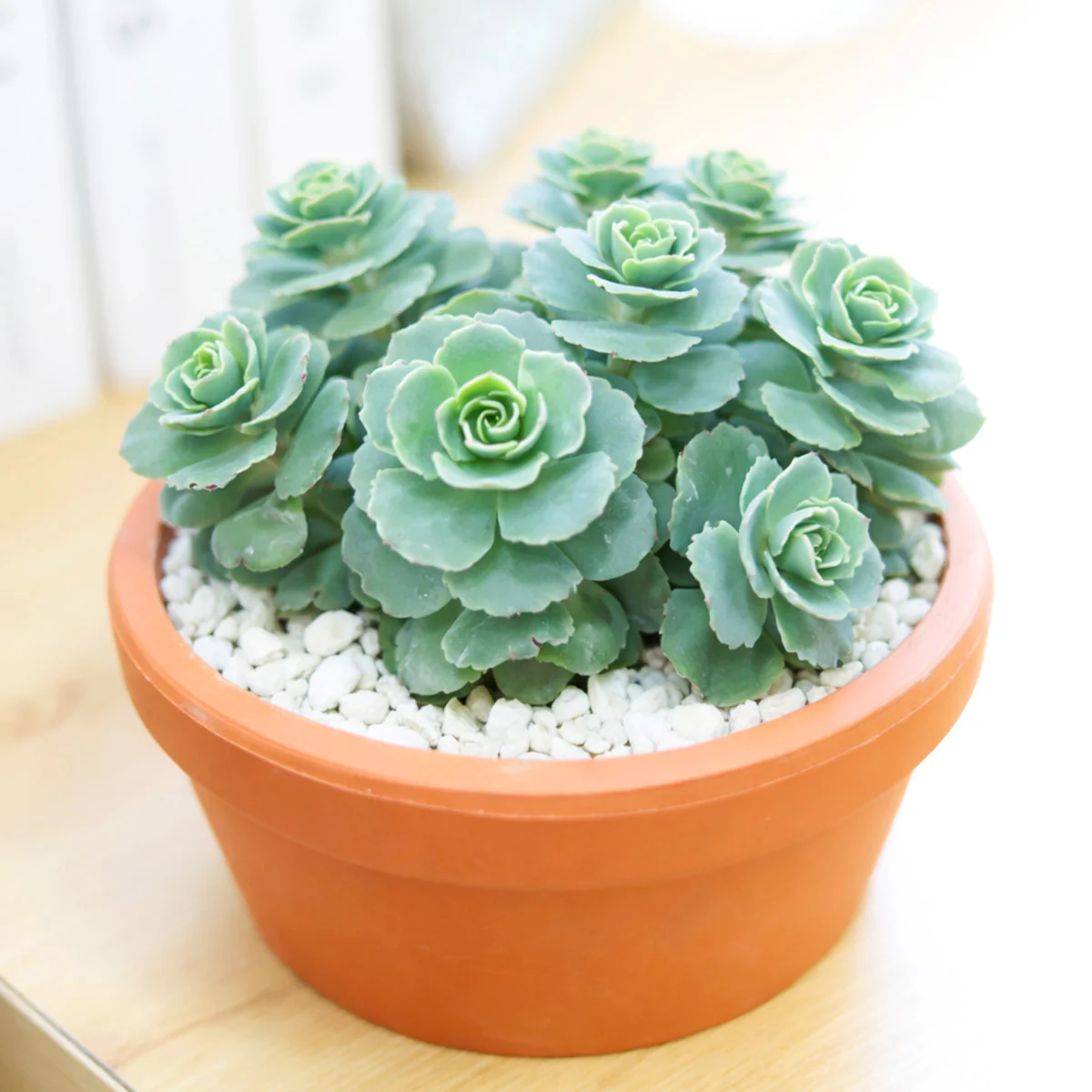
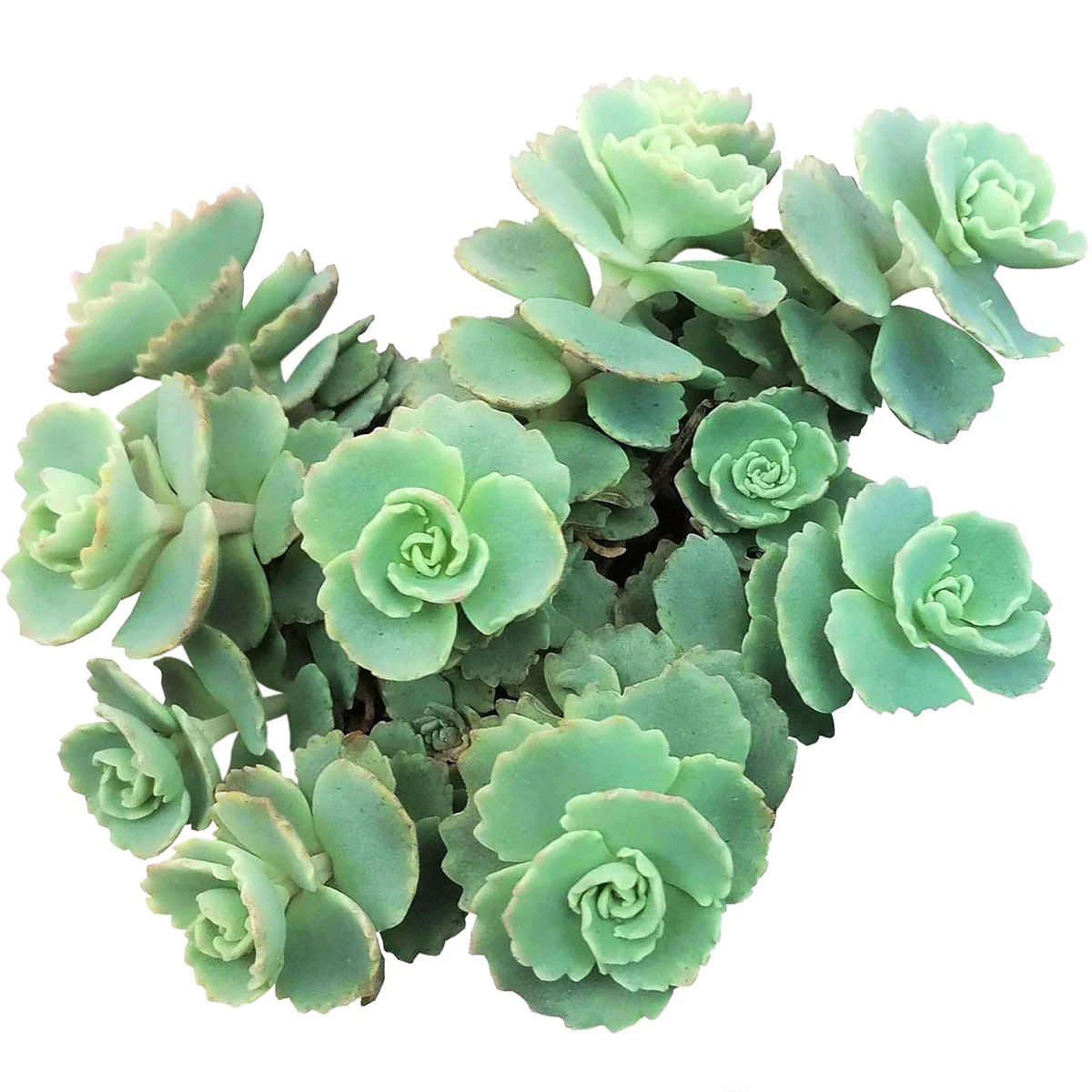
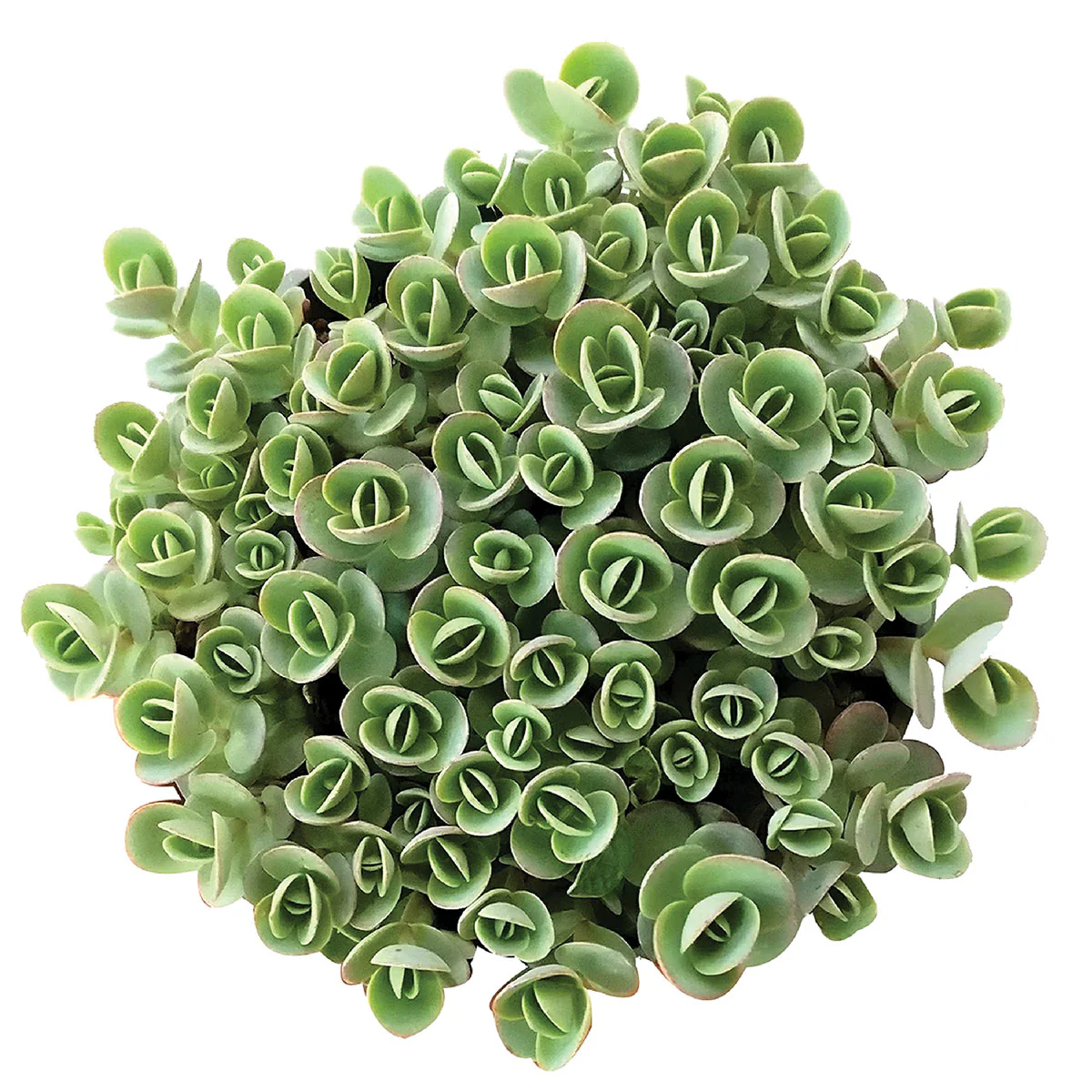
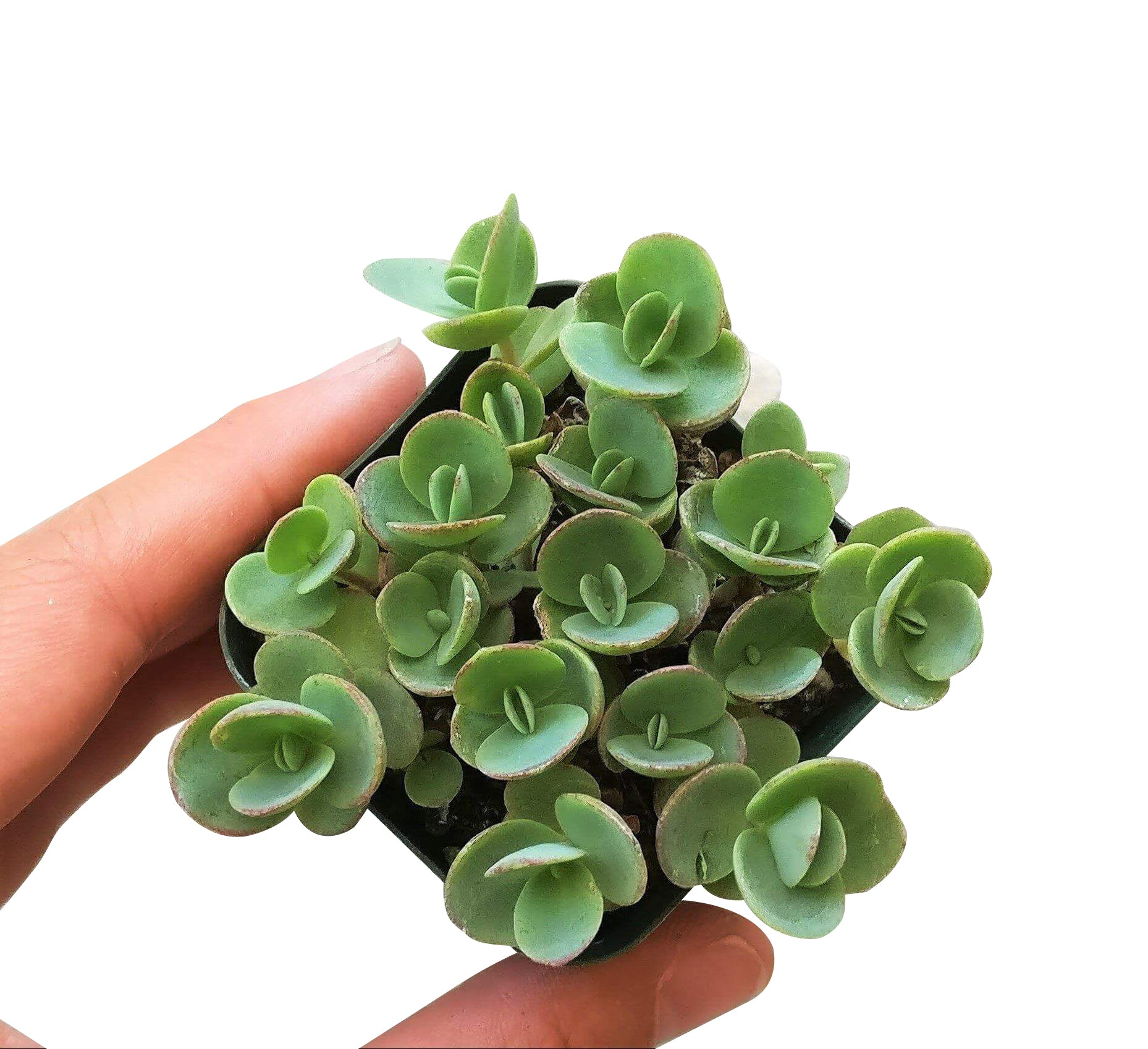
![]() Mammilloydia candida Snowball Cactus is a charming, easy care cactus belonging to the family Cactaceae, native to the rocky, arid highlands of northeastern Mexico. It thrives naturally in well-drained soils under intense sun, which makes it one of the most drought tolerant cacti you can grow at home. Whether you're picking up a 2" starter or a mature 4" specimen, this white spine cactus rewards even beginner gardeners with minimal fuss and maximum personality.
Mammilloydia candida Snowball Cactus is a charming, easy care cactus belonging to the family Cactaceae, native to the rocky, arid highlands of northeastern Mexico. It thrives naturally in well-drained soils under intense sun, which makes it one of the most drought tolerant cacti you can grow at home. Whether you're picking up a 2" starter or a mature 4" specimen, this white spine cactus rewards even beginner gardeners with minimal fuss and maximum personality.
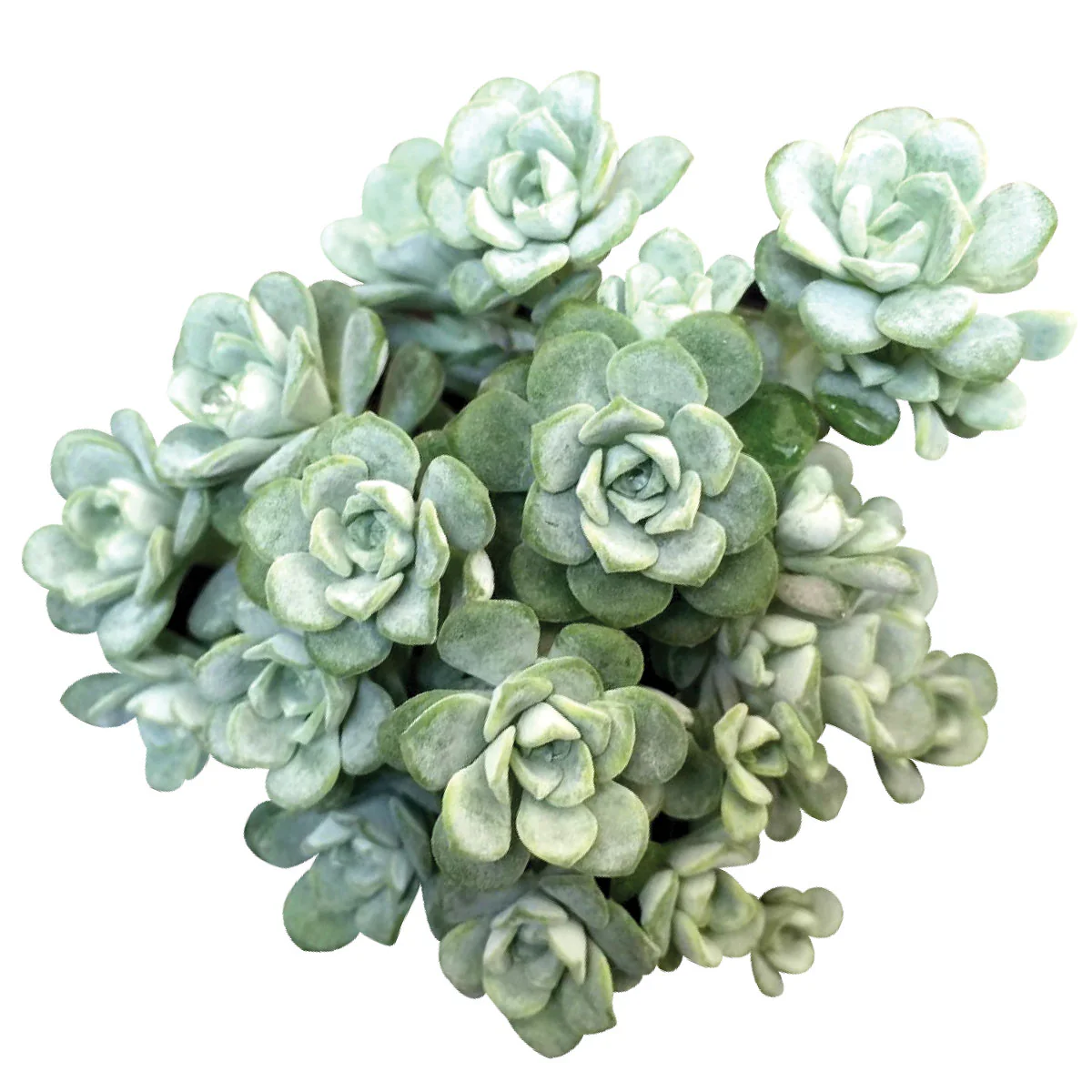
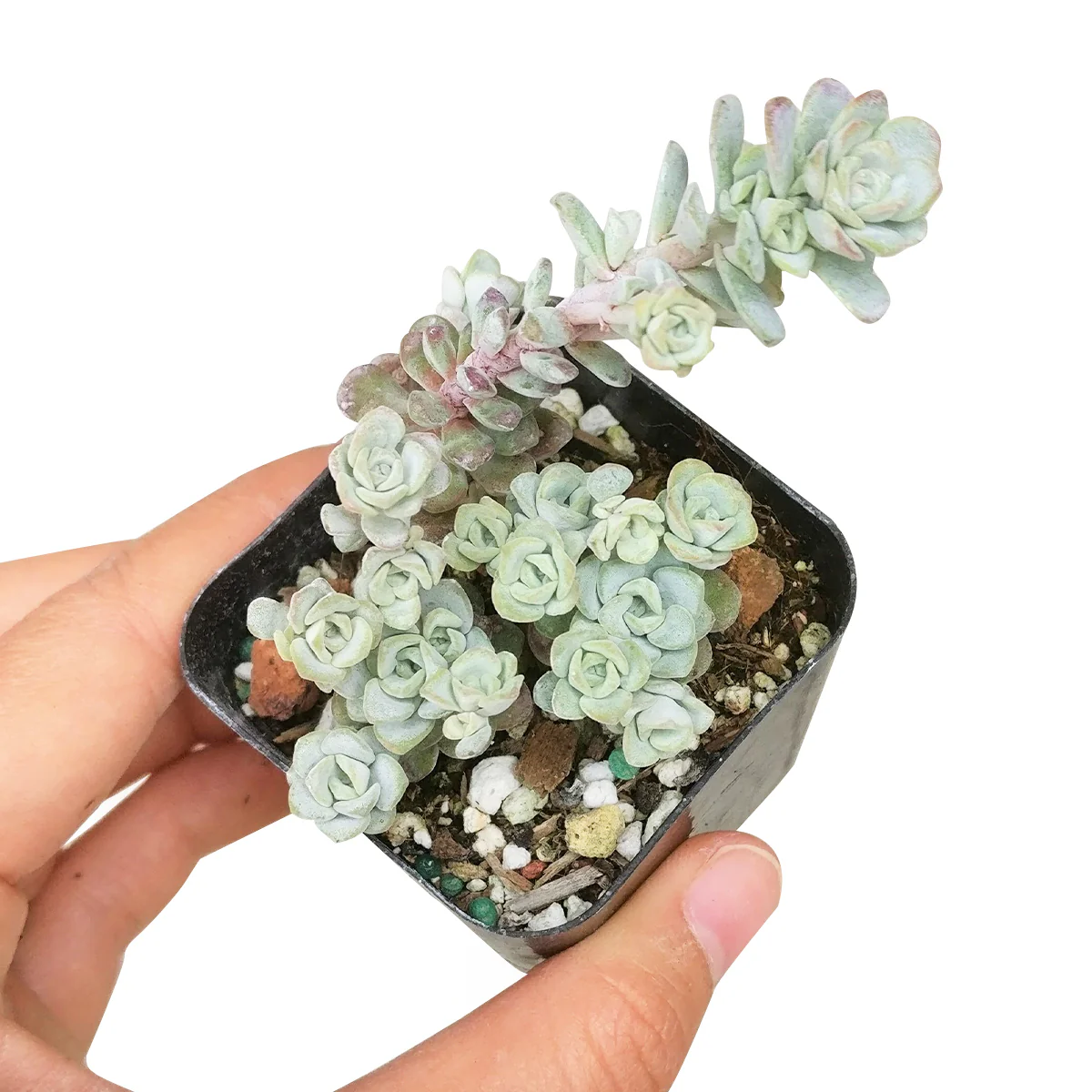
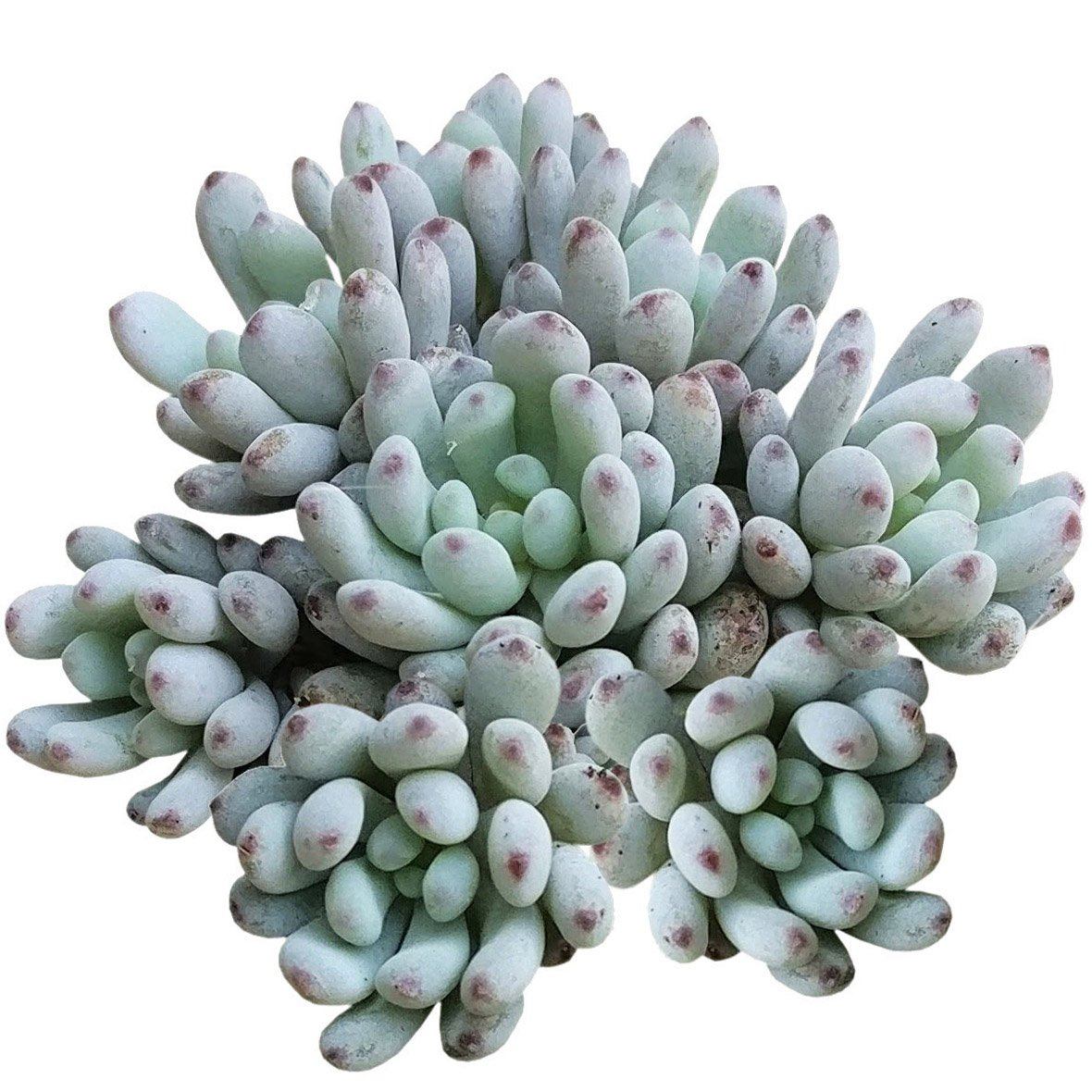
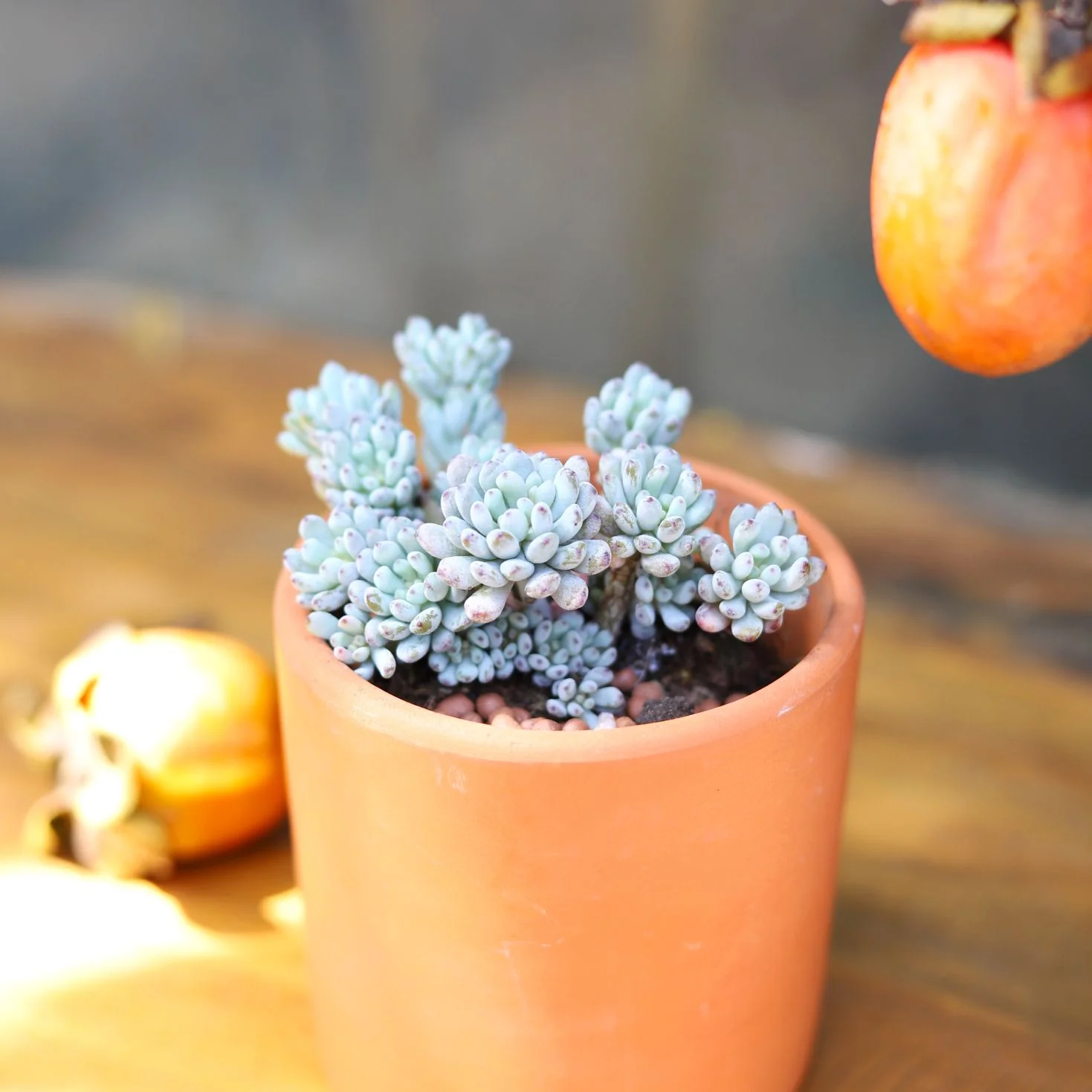
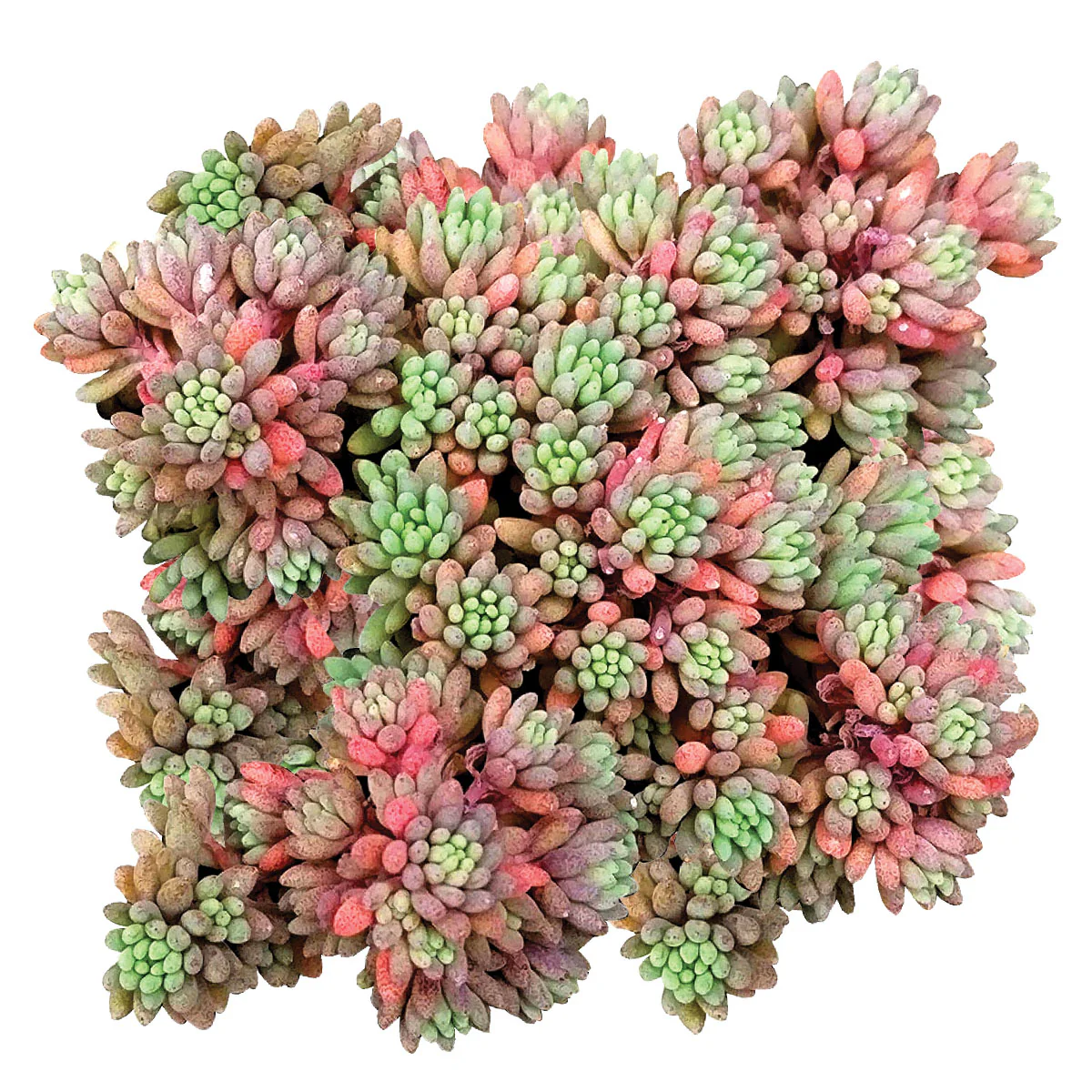
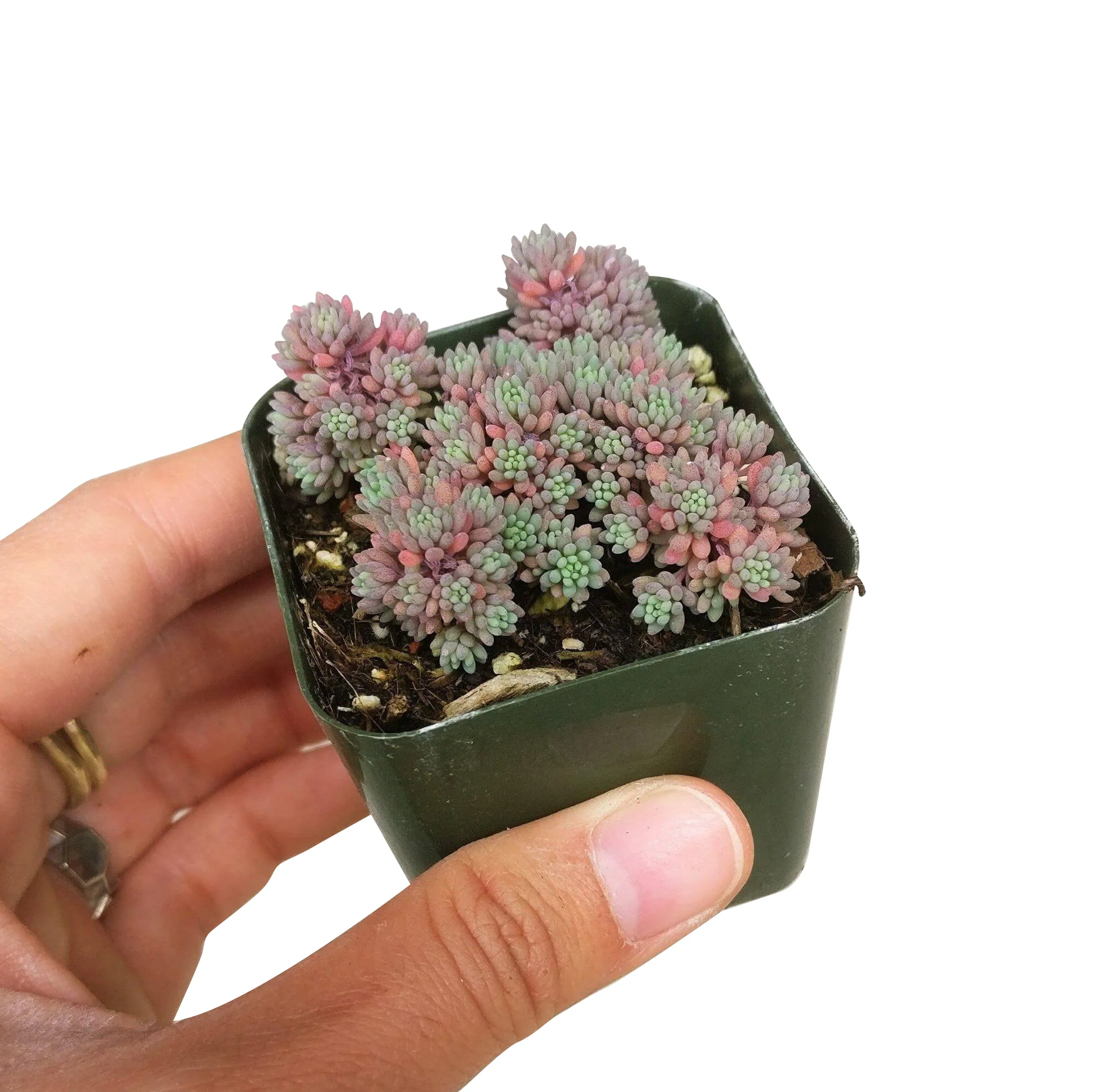
 The Mammilloydia candida Snowball Cactus earns its name from its densely packed white spines that completely swathe the green body in a soft, snowy coat. It grows in an upright, clustering habit, producing offsets over time to form a tight, textural mound that looks stunning on a windowsill or shelf. Those brilliant white spines against the green stem give it the striking architectural look collectors and bohemian-style decorators both adore.
 Mammilloydia candida Snowball Cactus produces small, delicate pink to pale lavender flowers that emerge in a ring near the crown, typically in spring. Blooms appear reliably when the plant experiences a nighttime temperature drop during the cooler months, so a seasonal chill is your best blooming trigger. The flowers are a sweet surprise crowning all that frosty white spine coverage.
 Mammilloydia candida Snowball Cactus is a go-to choice for collectors hunting a rare collector find that doubles as everyday décor, fitting naturally into both minimalist and bohemian interiors. It survives a 10-day trip alone without water, making it ideal for frequent travelers. Because its sap can cause skin and paw irritation, keep Mammilloydia candida Snowball Cactus on a high shelf out of reach, and keep it best placed away from small children. Come summer, move it outdoors for a growth boost, but be sure to cover it from rain to prevent rot.
-
 Mammilloydia candida Snowball Cactus thrives in bright indirect light, partial sun, or full direct sun for at least four to six hours daily.
 Water Mammilloydia candida Snowball Cactus deeply every two to three weeks in summer, reducing to once a month or less in winter.
 Mammilloydia candida Snowball Cactus performs best in a gritty cactus mix combined with extra perlite or coarse sand for fast drainage.
 Mammilloydia candida Snowball Cactus prefers temperatures between 50-90°F (10-32°C) and is not frost hardy below about 25°F (-4°C).
![]() Mammilloydia candida Snowball Cactus is a slow to moderate grower; a light balanced cactus fertilizer once in spring and once in summer is plenty.
Mammilloydia candida Snowball Cactus is a slow to moderate grower; a light balanced cactus fertilizer once in spring and once in summer is plenty.
 Mammilloydia candida Snowball Cactus is rated for USDA Hardiness Zones 9-11, tolerating brief dips to around 25°F (-4°C) but preferring frost-free conditions. Gardeners growing Mammilloydia candida Snowball Cactus outdoors year-round will find it right at home across Florida, Hawaii, Southern California, coastal and central California, Texas, Arizona, New Mexico, Nevada, Louisiana, Georgia, Alabama, Mississippi, and South Carolina. Parts of Oregon's coast, Arkansas, and Tennessee at warmer elevations also fall within the zone range, giving a wide swath of the southern and western United States the ideal climate to enjoy this plant outside all year.
-
Q: How often should I water Mammilloydia candida Snowball Cactus?
A: Water every two to three weeks during the growing season and scale back to once a month or less in winter. Always let the soil dry out completely between waterings to prevent root rot.
Q: How much light does Mammilloydia candida Snowball Cactus need?
A: Mammilloydia candida Snowball Cactus loves bright light and can handle full direct sun, making a south- or east-facing window ideal. Rotate the pot periodically so all sides receive even light exposure.
Q: Is Mammilloydia candida Snowball Cactus safe around pets and children?
A: The sap of Mammilloydia candida Snowball Cactus can cause skin and paw irritation, so display it on a high shelf out of reach of pets and keep it best placed away from small children.
Q: How do I propagate Mammilloydia candida Snowball Cactus?
A: Mammilloydia candida Snowball Cactus naturally produces offsets, or pups, that can be gently separated and allowed to callous for a day or two before planting in fresh cactus mix. This is the easiest and most reliable propagation method for this clustering species.
Q: Can I put Mammilloydia candida Snowball Cactus outside for the summer?
A: Yes, Mammilloydia candida Snowball Cactus loves spending summer outdoors in a bright sunny spot. Just be sure to shelter it from heavy rain and bring it back inside before nighttime temperatures drop near freezing.
Q: Why are the stems on my Mammilloydia candida Snowball Cactus turning yellow?
A: Yellowing on Mammilloydia candida Snowball Cactus is most often caused by overwatering or poor drainage, which leads to root stress. Check that your soil drains quickly and that you are allowing it to dry fully between waterings.


Original: $13.50
-70%$13.50
$4.05Product Information
Product Information
Shipping & Returns
Shipping & Returns
Description
- Description
- Mammilloydia candida Snowball Cactus Care Guide
- FAQ/Common Issues
-
![]() Mammilloydia candida Snowball Cactus is a charming, easy care cactus belonging to the family Cactaceae, native to the rocky, arid highlands of northeastern Mexico. It thrives naturally in well-drained soils under intense sun, which makes it one of the most drought tolerant cacti you can grow at home. Whether you're picking up a 2" starter or a mature 4" specimen, this white spine cactus rewards even beginner gardeners with minimal fuss and maximum personality.
Mammilloydia candida Snowball Cactus is a charming, easy care cactus belonging to the family Cactaceae, native to the rocky, arid highlands of northeastern Mexico. It thrives naturally in well-drained soils under intense sun, which makes it one of the most drought tolerant cacti you can grow at home. Whether you're picking up a 2" starter or a mature 4" specimen, this white spine cactus rewards even beginner gardeners with minimal fuss and maximum personality.
The Mammilloydia candida Snowball Cactus earns its name from its densely packed white spines that completely swathe the green body in a soft, snowy coat. It grows in an upright, clustering habit, producing offsets over time to form a tight, textural mound that looks stunning on a windowsill or shelf. Those brilliant white spines against the green stem give it the striking architectural look collectors and bohemian-style decorators both adore.
Mammilloydia candida Snowball Cactus produces small, delicate pink to pale lavender flowers that emerge in a ring near the crown, typically in spring. Blooms appear reliably when the plant experiences a nighttime temperature drop during the cooler months, so a seasonal chill is your best blooming trigger. The flowers are a sweet surprise crowning all that frosty white spine coverage.
Mammilloydia candida Snowball Cactus is a go-to choice for collectors hunting a rare collector find that doubles as everyday décor, fitting naturally into both minimalist and bohemian interiors. It survives a 10-day trip alone without water, making it ideal for frequent travelers. Because its sap can cause skin and paw irritation, keep Mammilloydia candida Snowball Cactus on a high shelf out of reach, and keep it best placed away from small children. Come summer, move it outdoors for a growth boost, but be sure to cover it from rain to prevent rot.
-
Mammilloydia candida Snowball Cactus thrives in bright indirect light, partial sun, or full direct sun for at least four to six hours daily.
Water Mammilloydia candida Snowball Cactus deeply every two to three weeks in summer, reducing to once a month or less in winter.
Mammilloydia candida Snowball Cactus performs best in a gritty cactus mix combined with extra perlite or coarse sand for fast drainage.
Mammilloydia candida Snowball Cactus prefers temperatures between 50-90°F (10-32°C) and is not frost hardy below about 25°F (-4°C).
![]() Mammilloydia candida Snowball Cactus is a slow to moderate grower; a light balanced cactus fertilizer once in spring and once in summer is plenty.
Mammilloydia candida Snowball Cactus is a slow to moderate grower; a light balanced cactus fertilizer once in spring and once in summer is plenty.
Mammilloydia candida Snowball Cactus is rated for USDA Hardiness Zones 9-11, tolerating brief dips to around 25°F (-4°C) but preferring frost-free conditions. Gardeners growing Mammilloydia candida Snowball Cactus outdoors year-round will find it right at home across Florida, Hawaii, Southern California, coastal and central California, Texas, Arizona, New Mexico, Nevada, Louisiana, Georgia, Alabama, Mississippi, and South Carolina. Parts of Oregon's coast, Arkansas, and Tennessee at warmer elevations also fall within the zone range, giving a wide swath of the southern and western United States the ideal climate to enjoy this plant outside all year.
-
Q: How often should I water Mammilloydia candida Snowball Cactus?
A: Water every two to three weeks during the growing season and scale back to once a month or less in winter. Always let the soil dry out completely between waterings to prevent root rot.
Q: How much light does Mammilloydia candida Snowball Cactus need?
A: Mammilloydia candida Snowball Cactus loves bright light and can handle full direct sun, making a south- or east-facing window ideal. Rotate the pot periodically so all sides receive even light exposure.
Q: Is Mammilloydia candida Snowball Cactus safe around pets and children?
A: The sap of Mammilloydia candida Snowball Cactus can cause skin and paw irritation, so display it on a high shelf out of reach of pets and keep it best placed away from small children.
Q: How do I propagate Mammilloydia candida Snowball Cactus?
A: Mammilloydia candida Snowball Cactus naturally produces offsets, or pups, that can be gently separated and allowed to callous for a day or two before planting in fresh cactus mix. This is the easiest and most reliable propagation method for this clustering species.
Q: Can I put Mammilloydia candida Snowball Cactus outside for the summer?
A: Yes, Mammilloydia candida Snowball Cactus loves spending summer outdoors in a bright sunny spot. Just be sure to shelter it from heavy rain and bring it back inside before nighttime temperatures drop near freezing.
Q: Why are the stems on my Mammilloydia candida Snowball Cactus turning yellow?
A: Yellowing on Mammilloydia candida Snowball Cactus is most often caused by overwatering or poor drainage, which leads to root stress. Check that your soil drains quickly and that you are allowing it to dry fully between waterings.