Mammillaria Polythele (Martius) Cactus
- Description
- Mammillaria Polythele (Martius) Cactus Care Guide
- FAQ/Common Issues
-
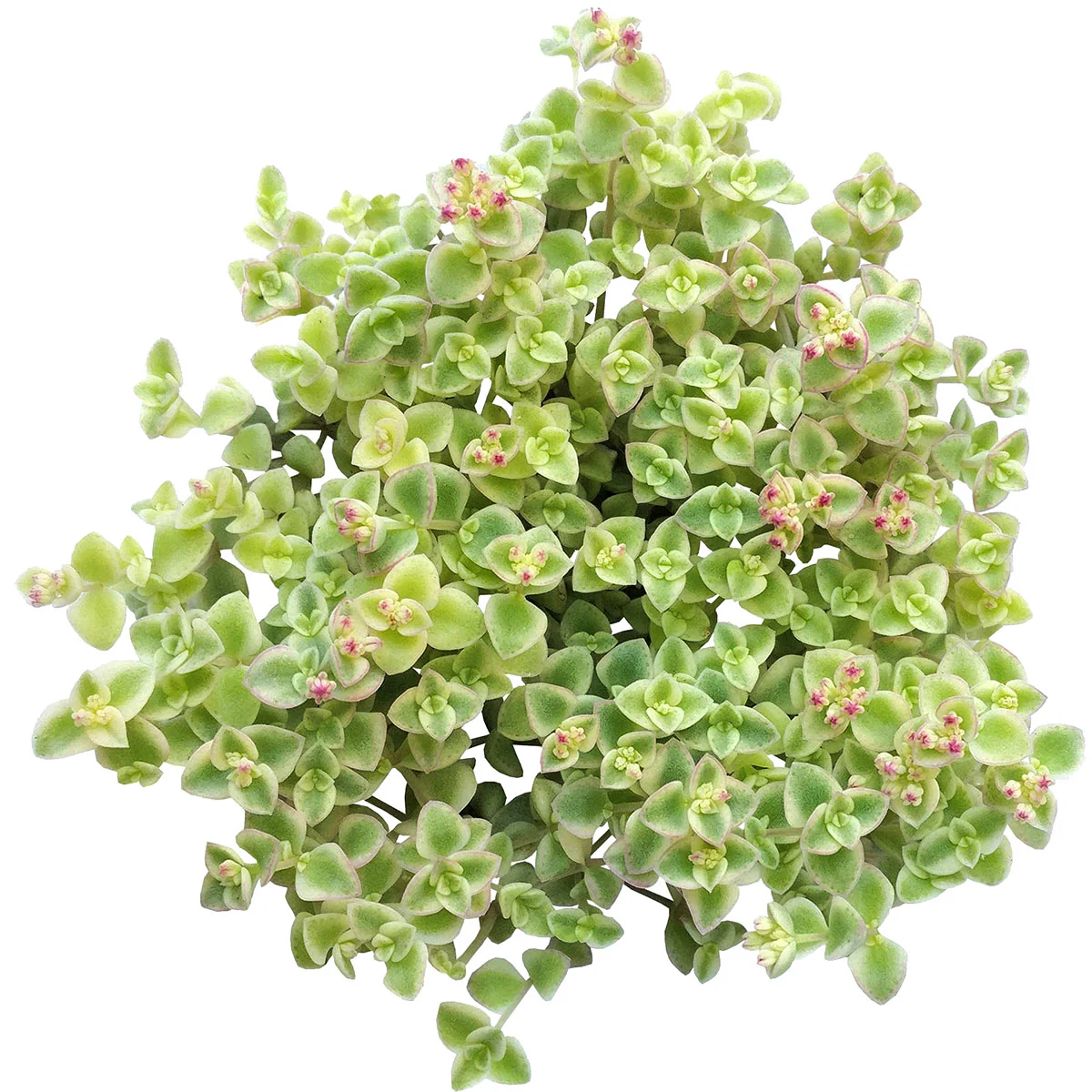
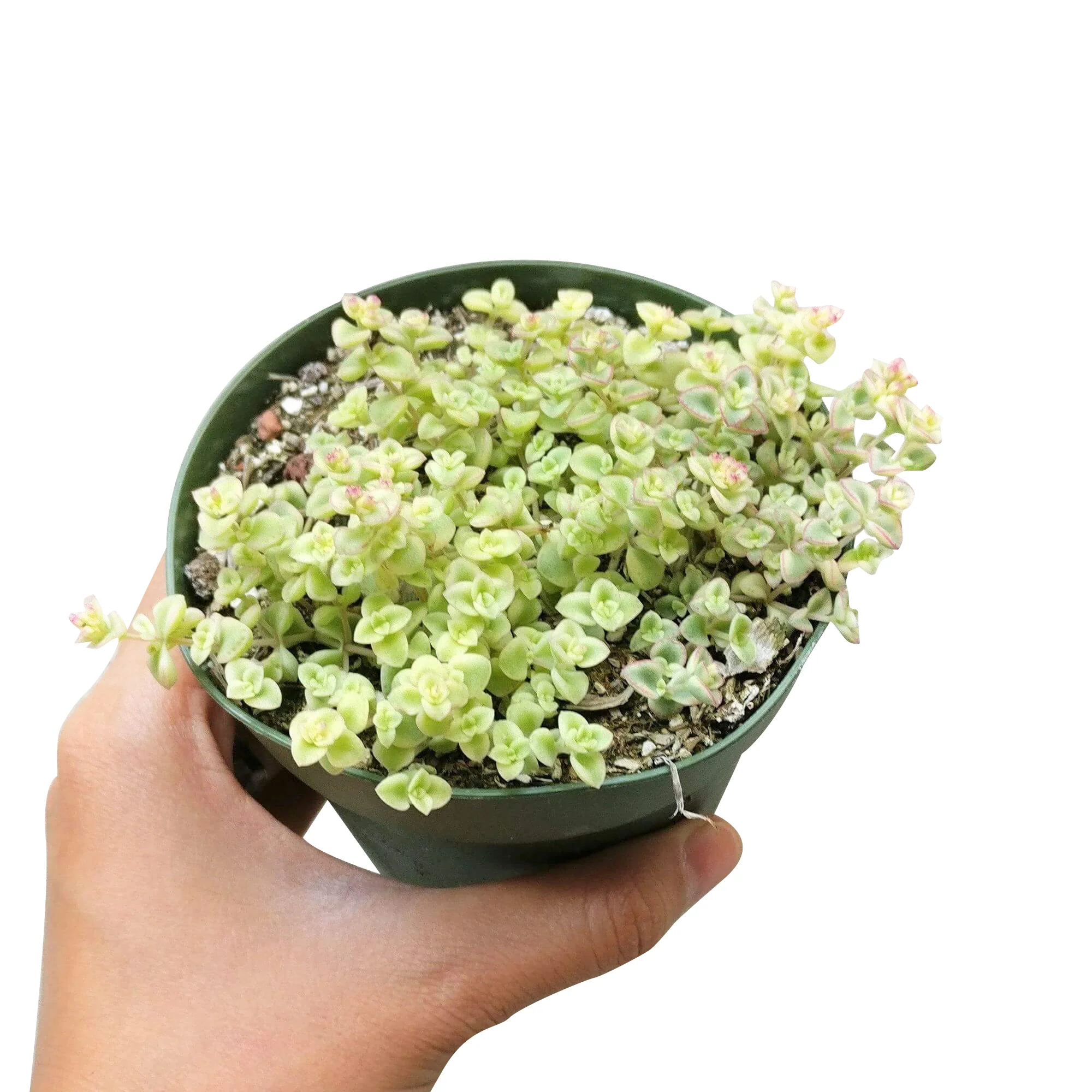
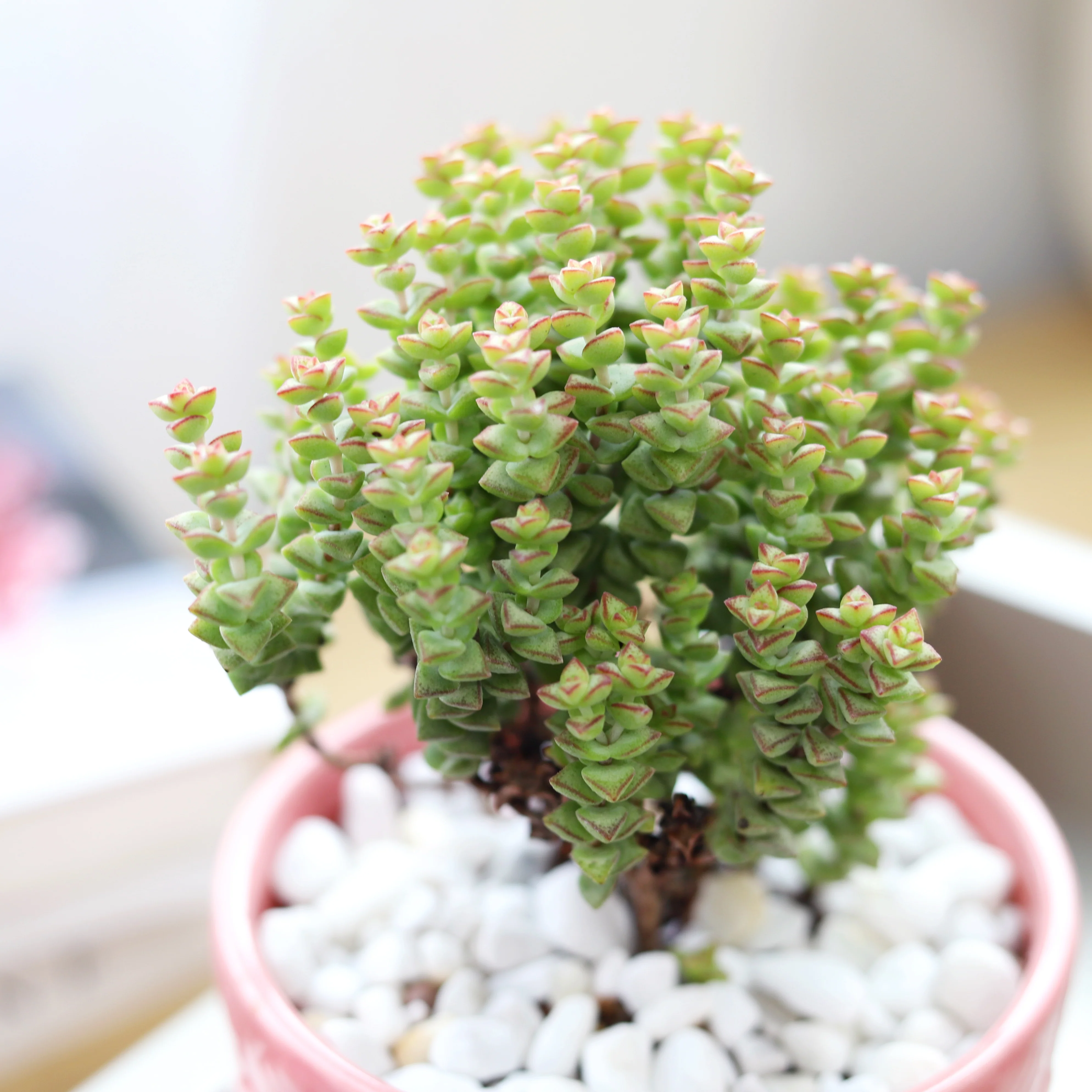
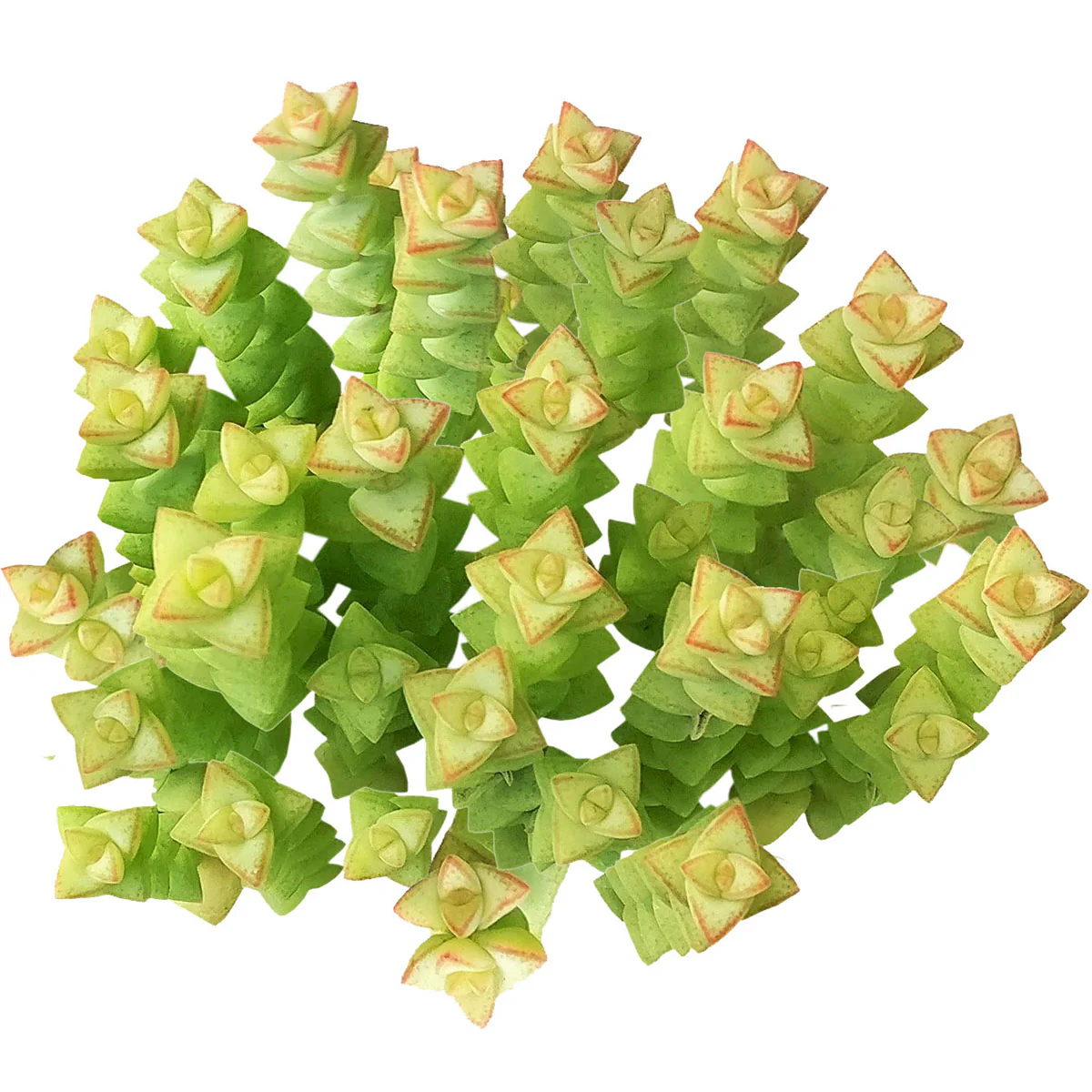
![]() Mammillaria Polythele (Martius) Cactus is a striking rare Mexican cactus belonging to the Mammillaria genus within the Cactaceae family. Native to the highlands of central Mexico, it grows naturally in rocky, well-drained terrain under bright, intense sunlight. This rare collector find has earned devoted fans worldwide for its architectural presence and easygoing drought tolerant nature.
Mammillaria Polythele (Martius) Cactus is a striking rare Mexican cactus belonging to the Mammillaria genus within the Cactaceae family. Native to the highlands of central Mexico, it grows naturally in rocky, well-drained terrain under bright, intense sunlight. This rare collector find has earned devoted fans worldwide for its architectural presence and easygoing drought tolerant nature.
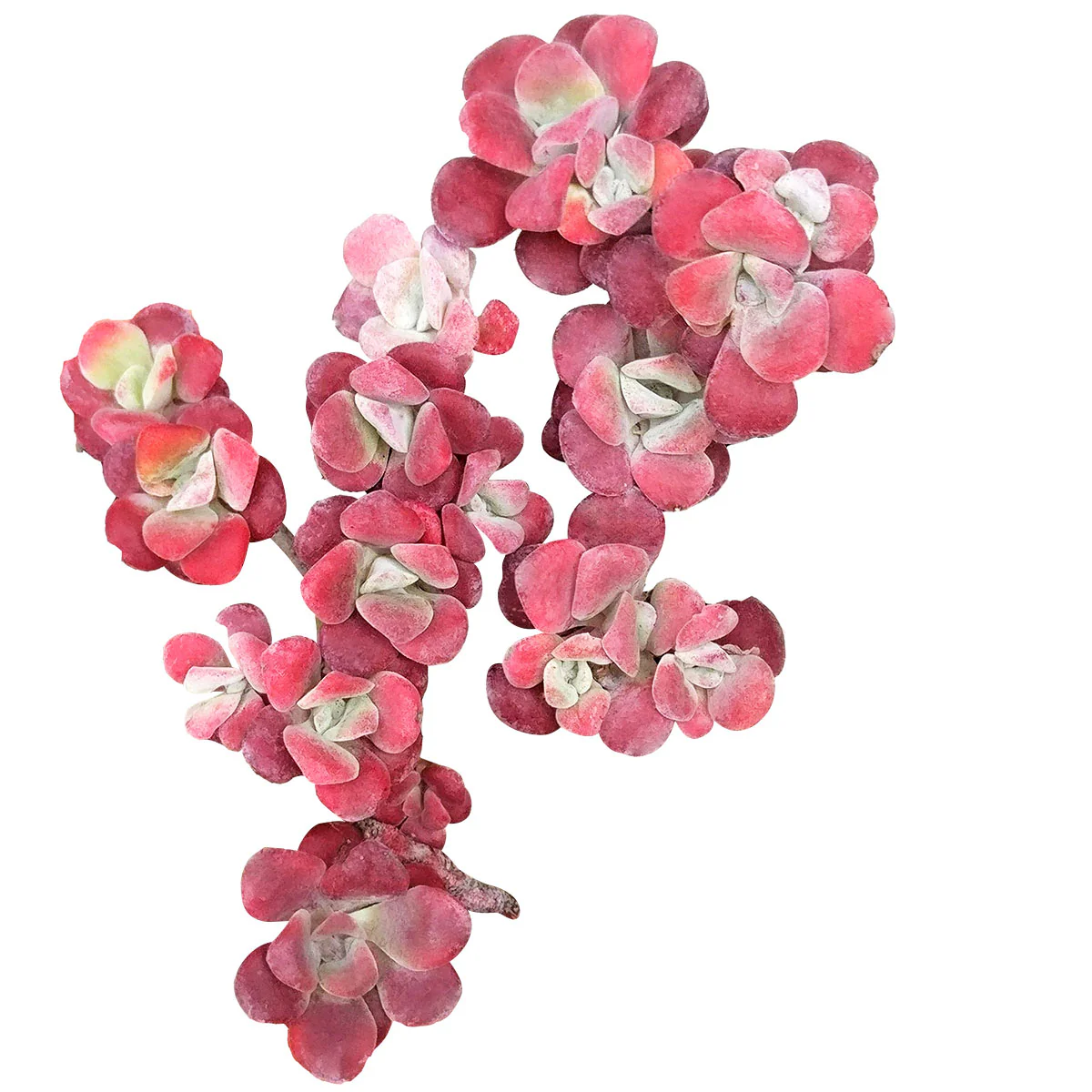
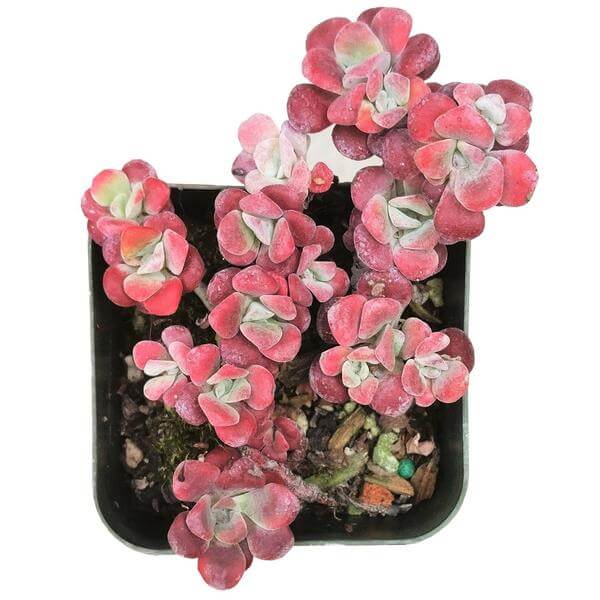
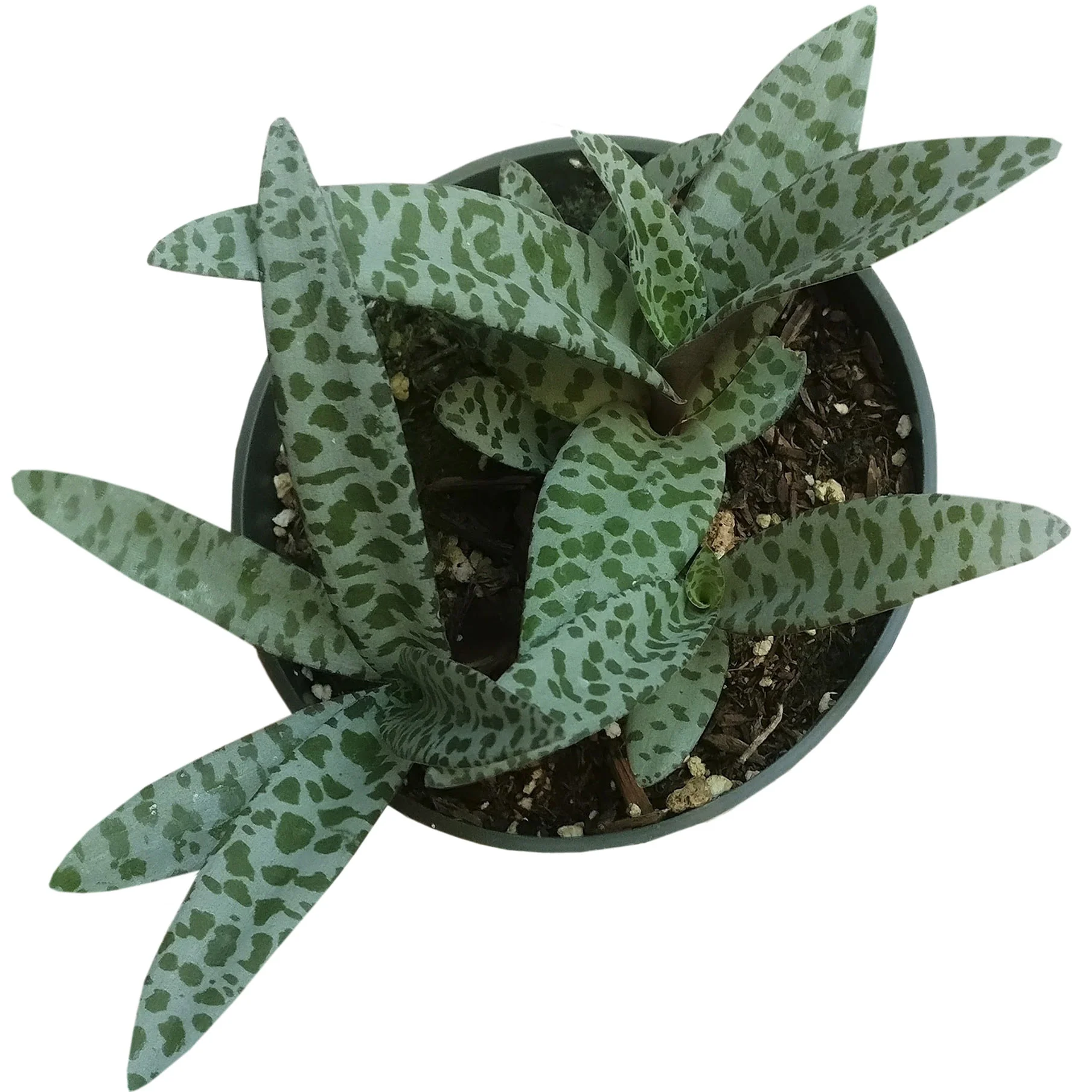
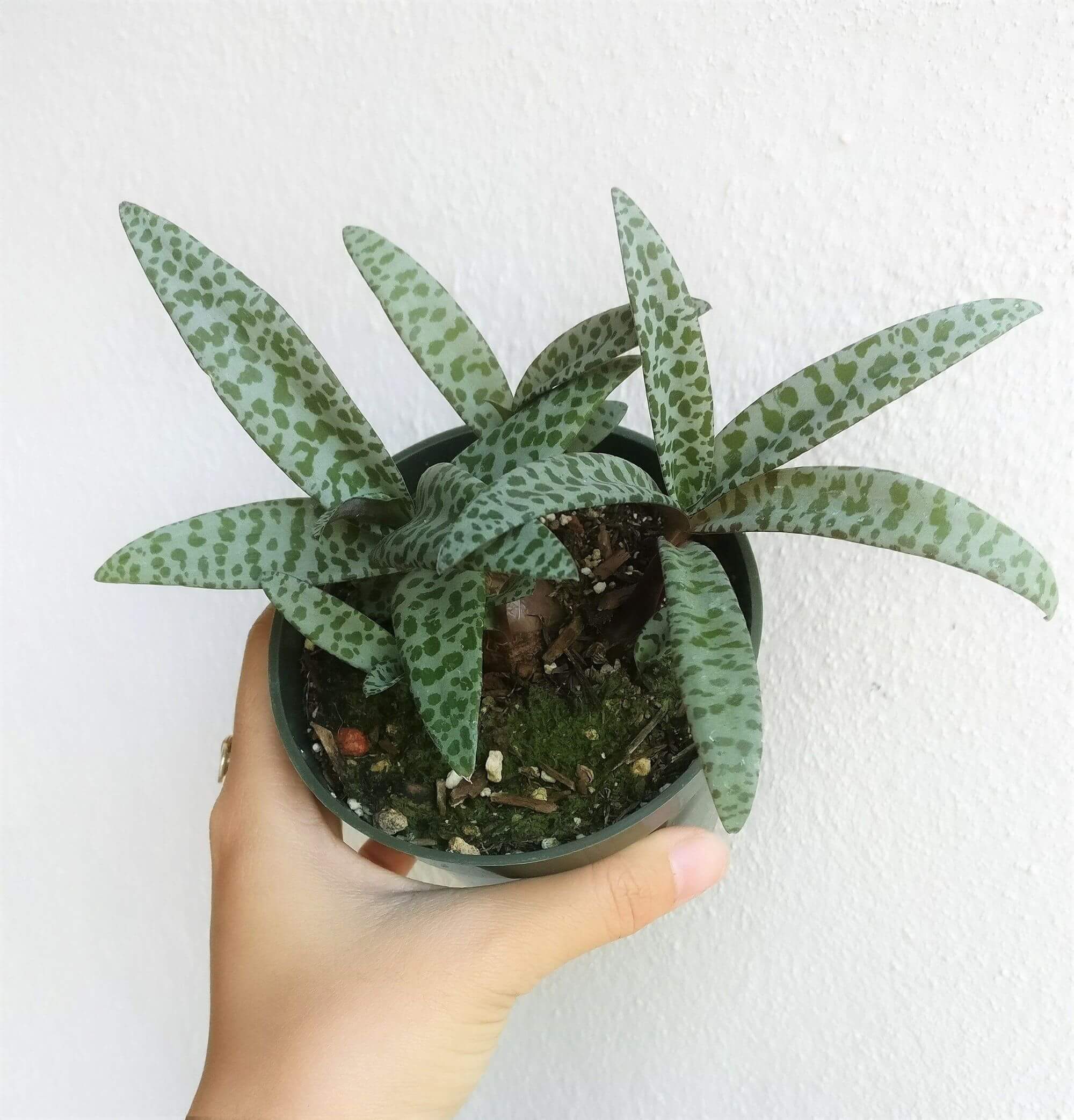
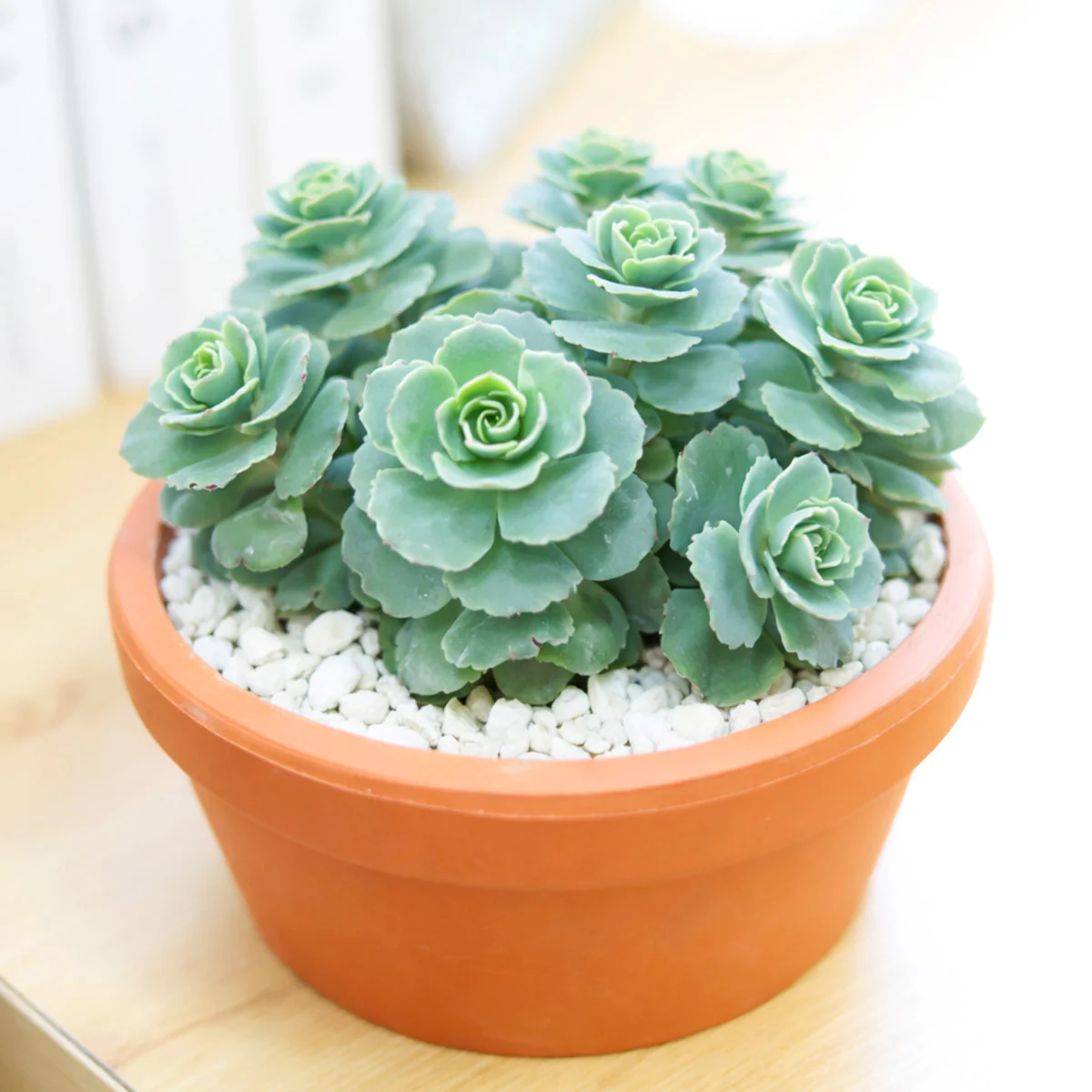
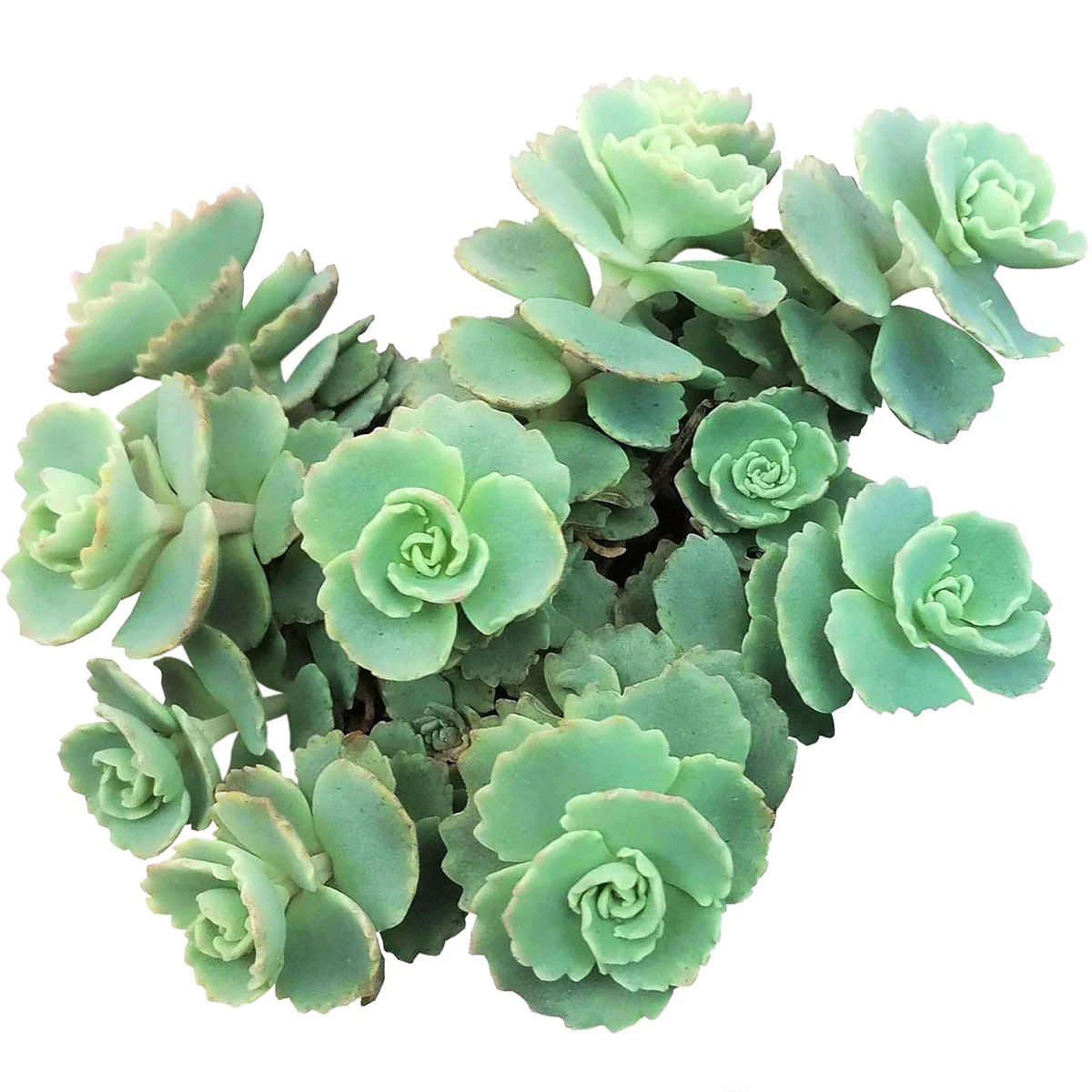
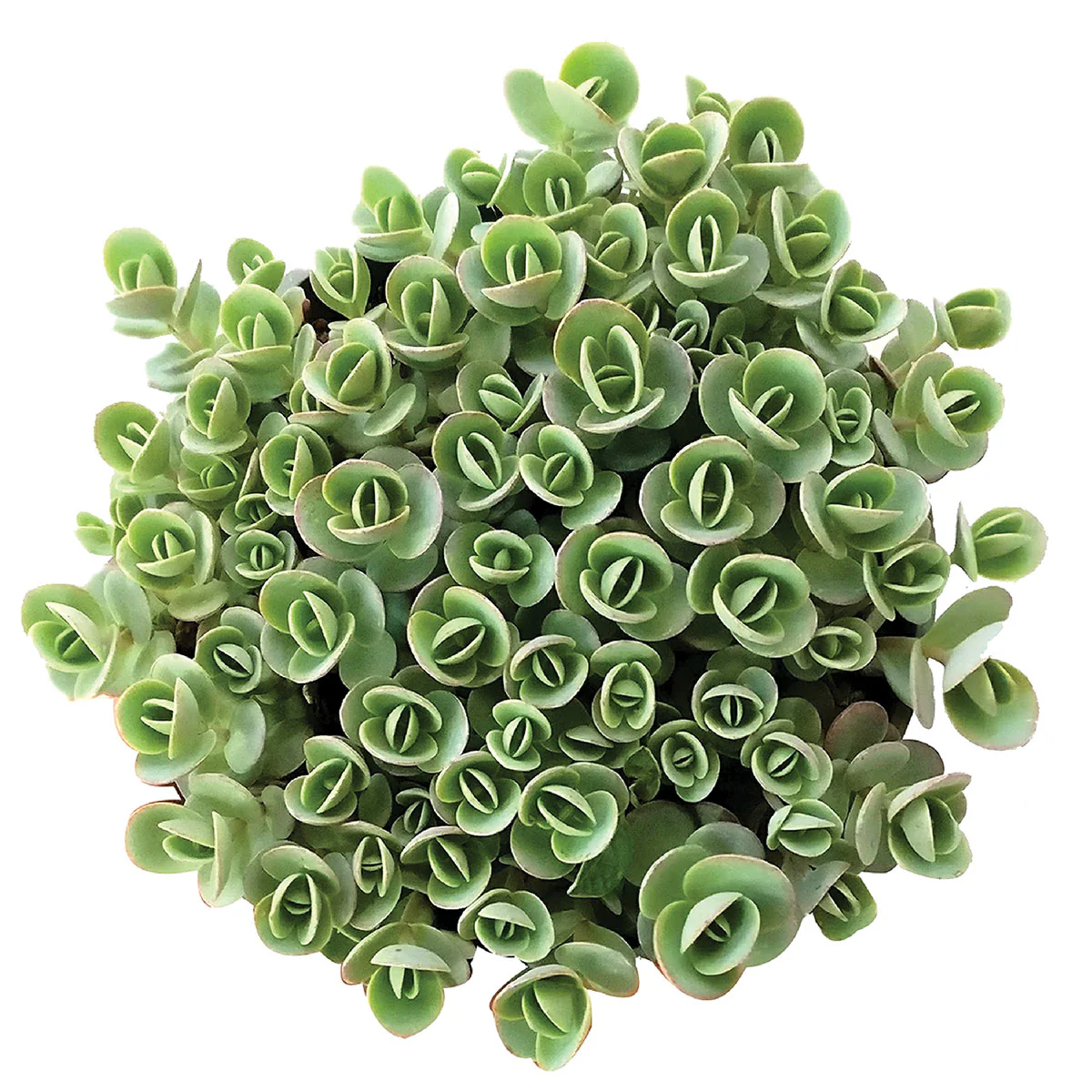
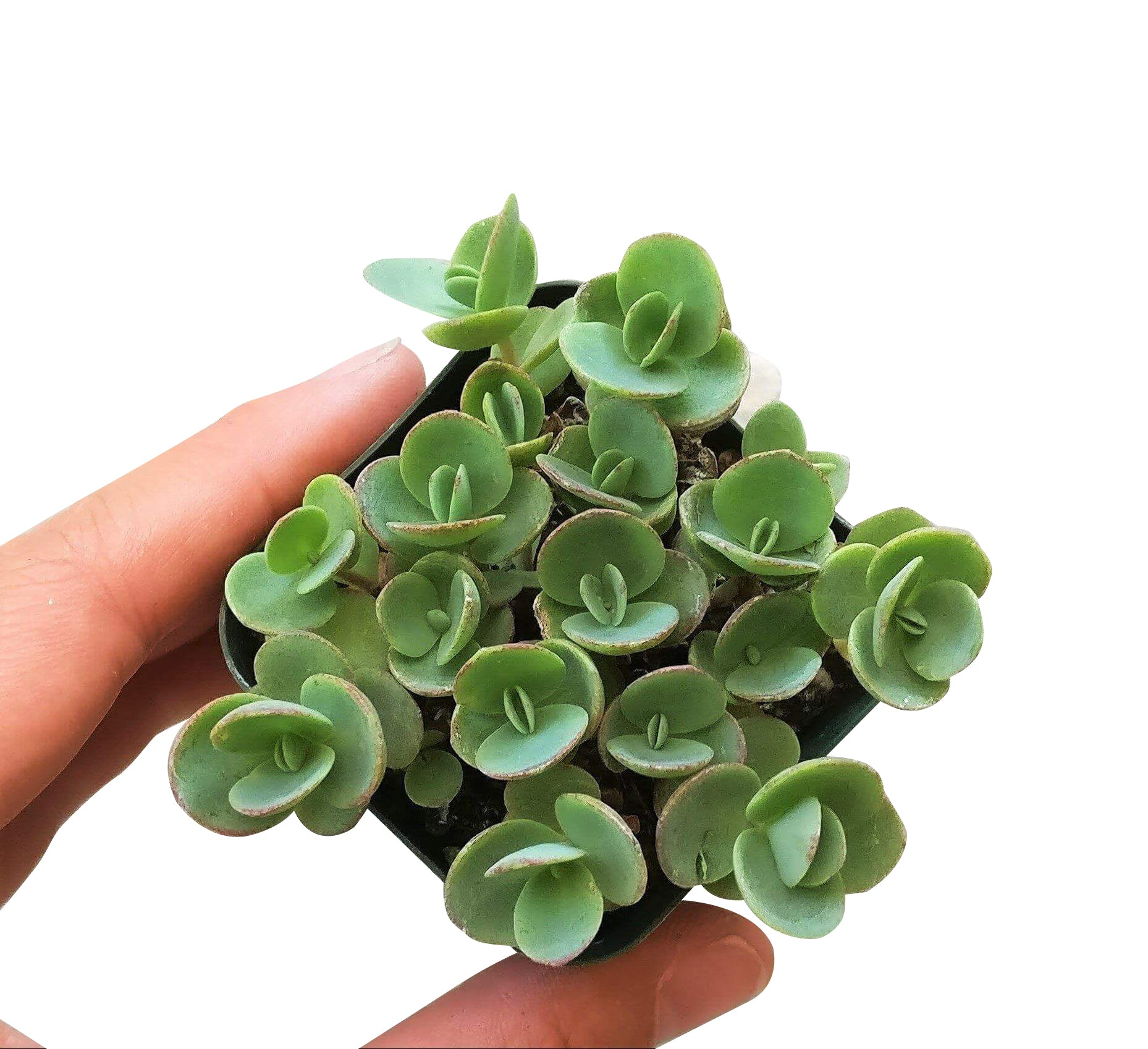
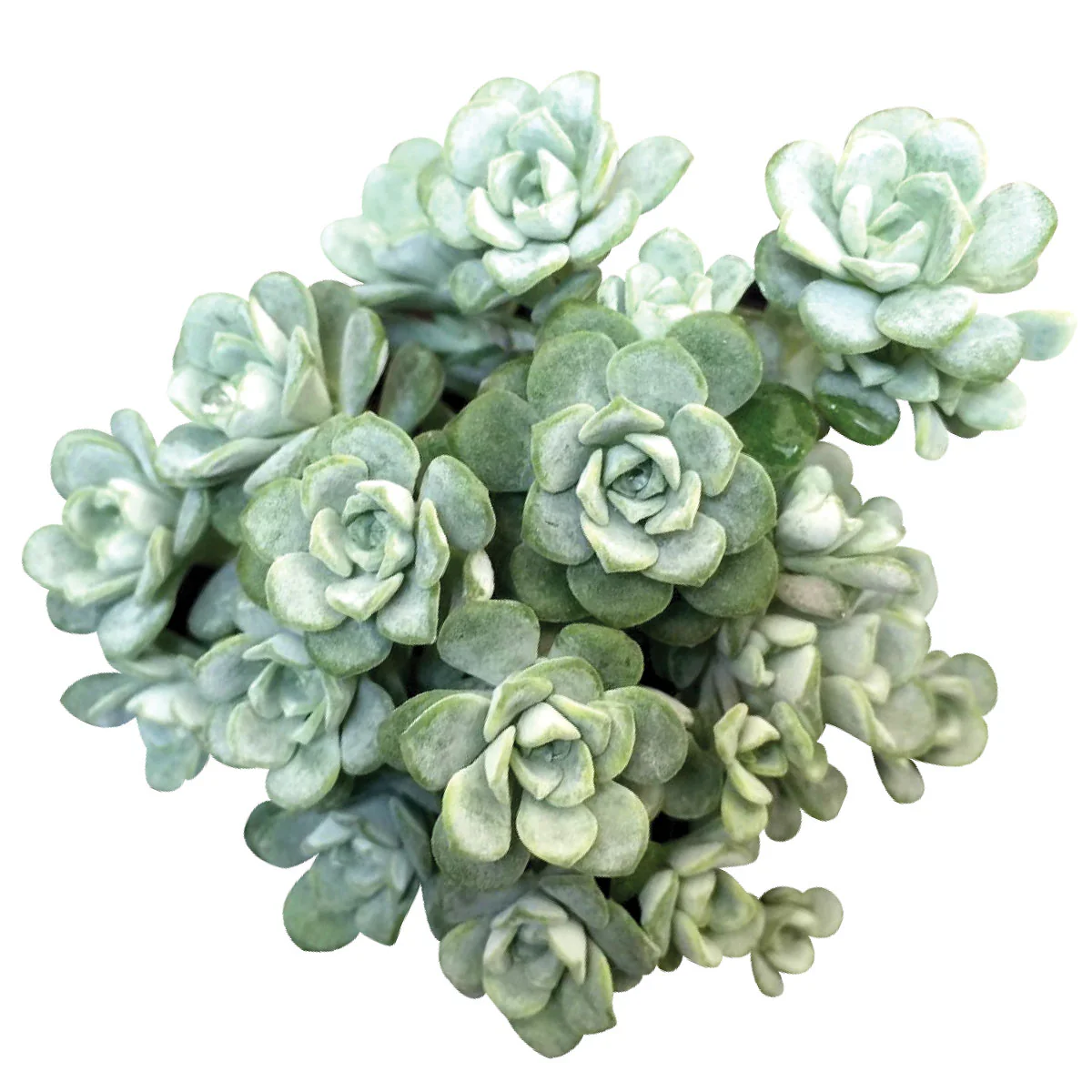
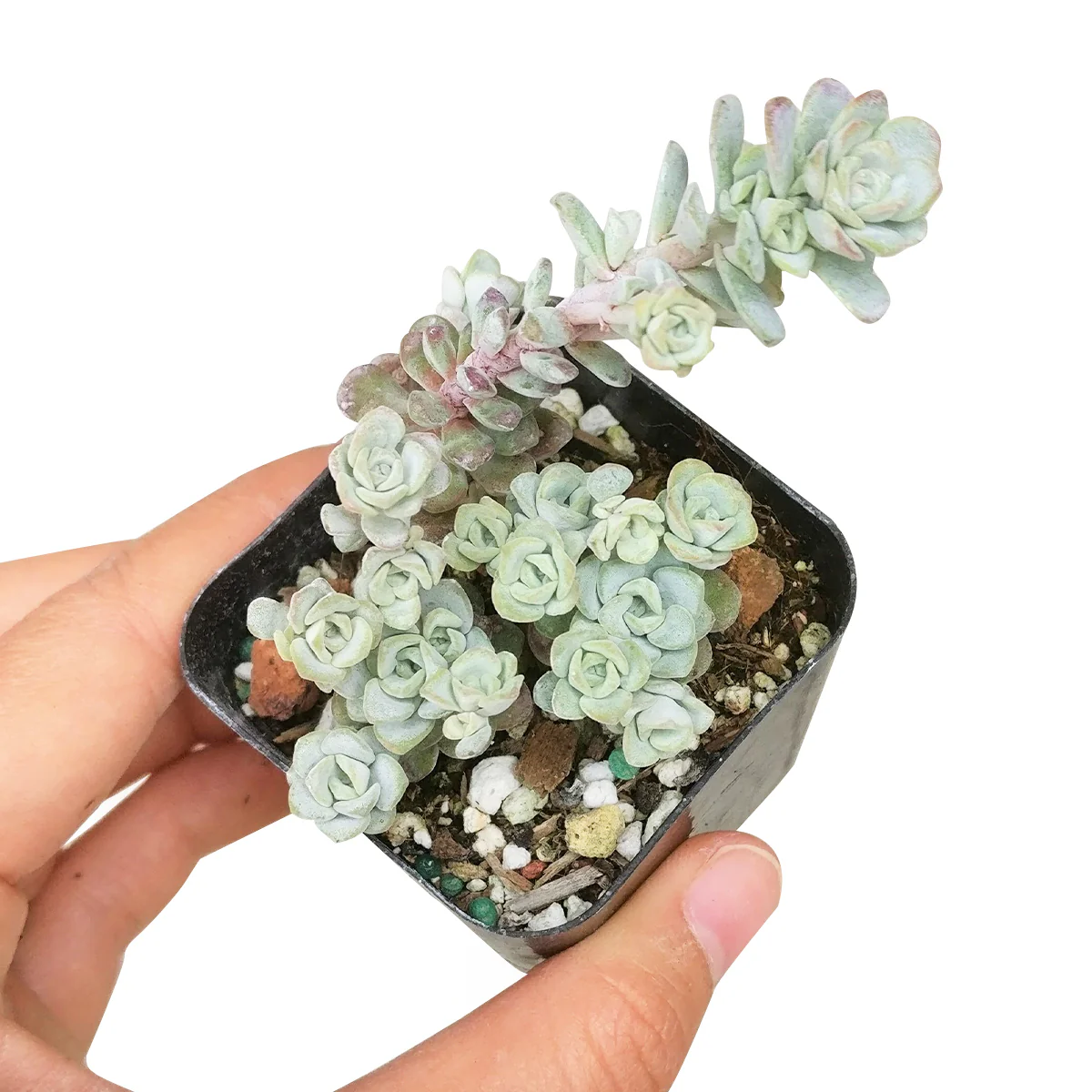
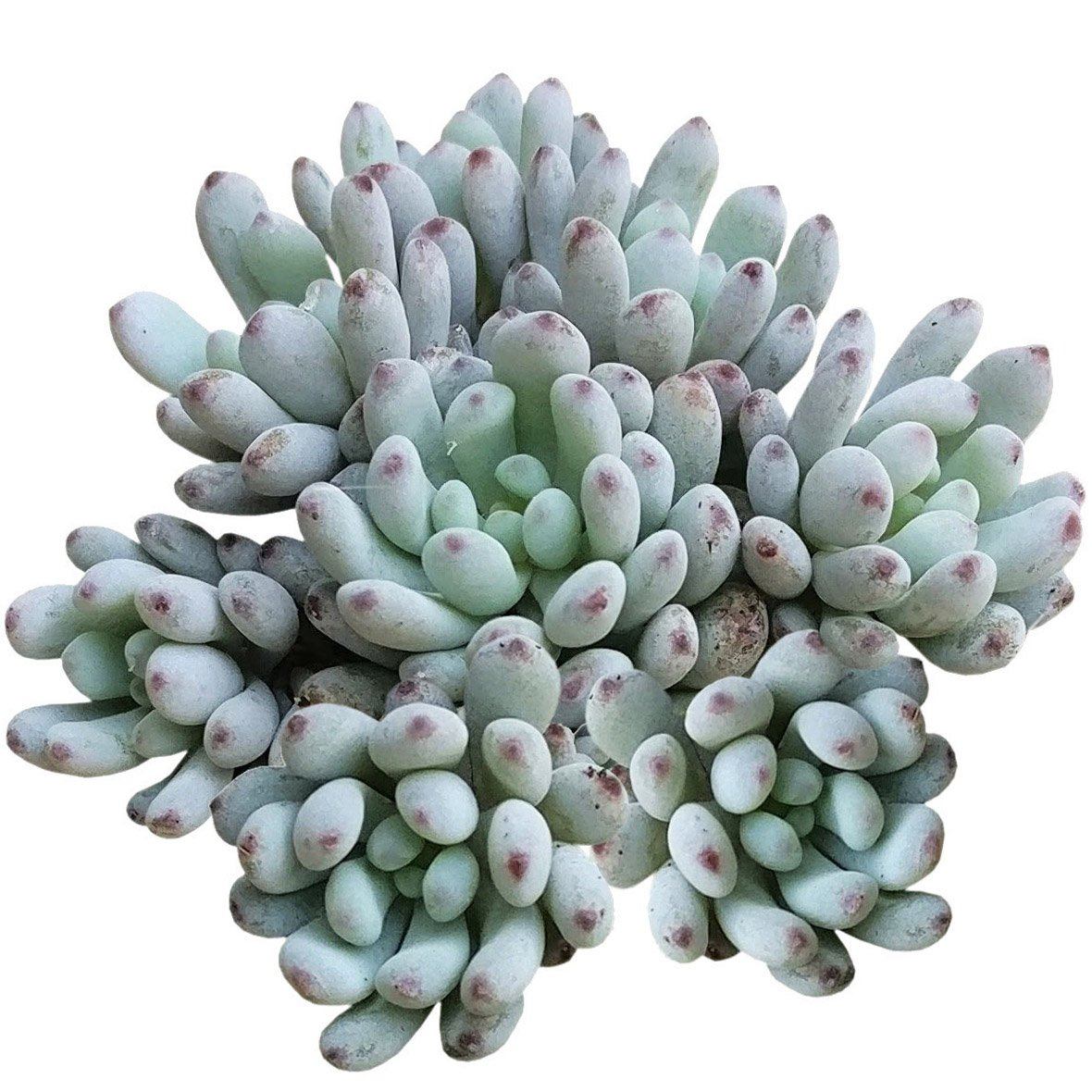
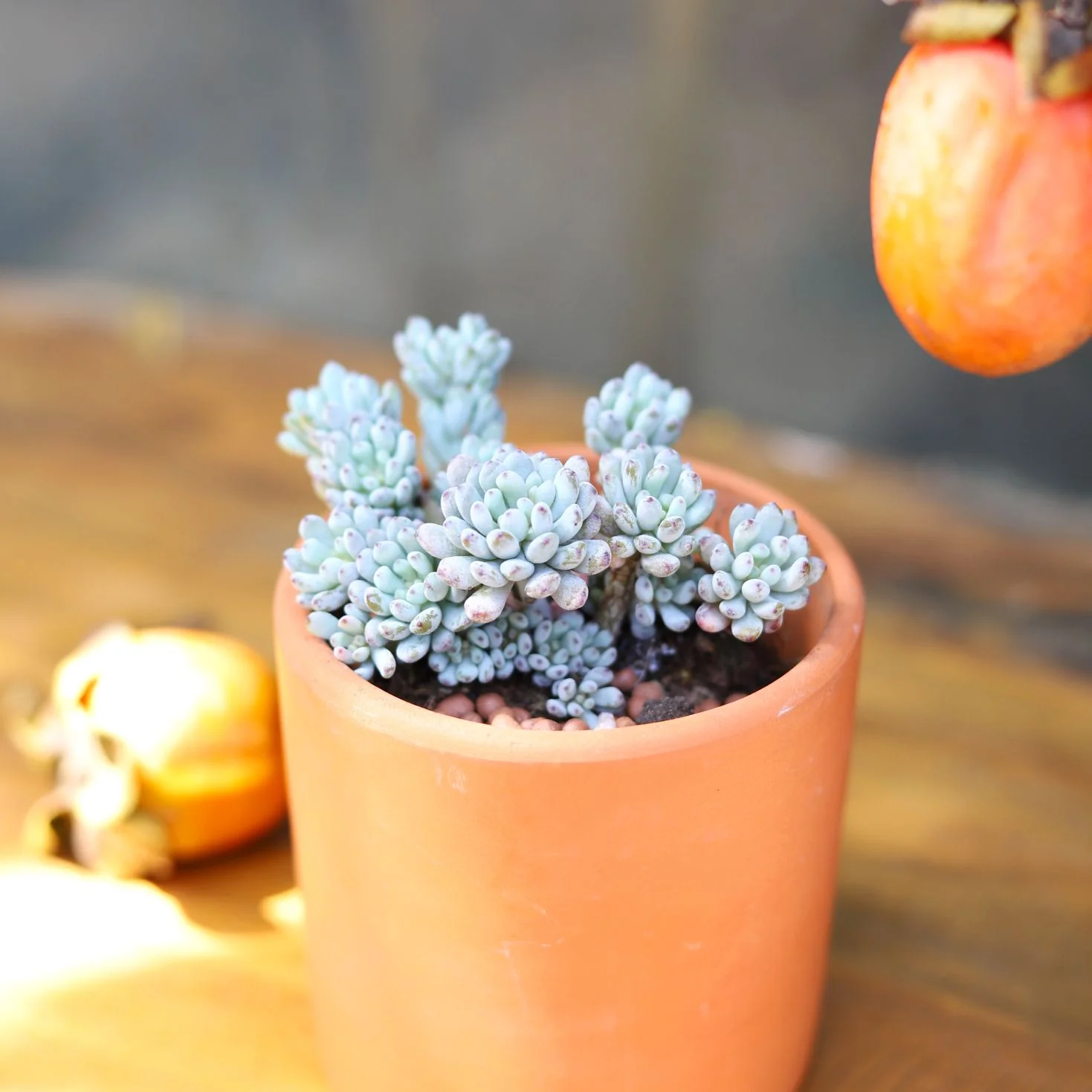
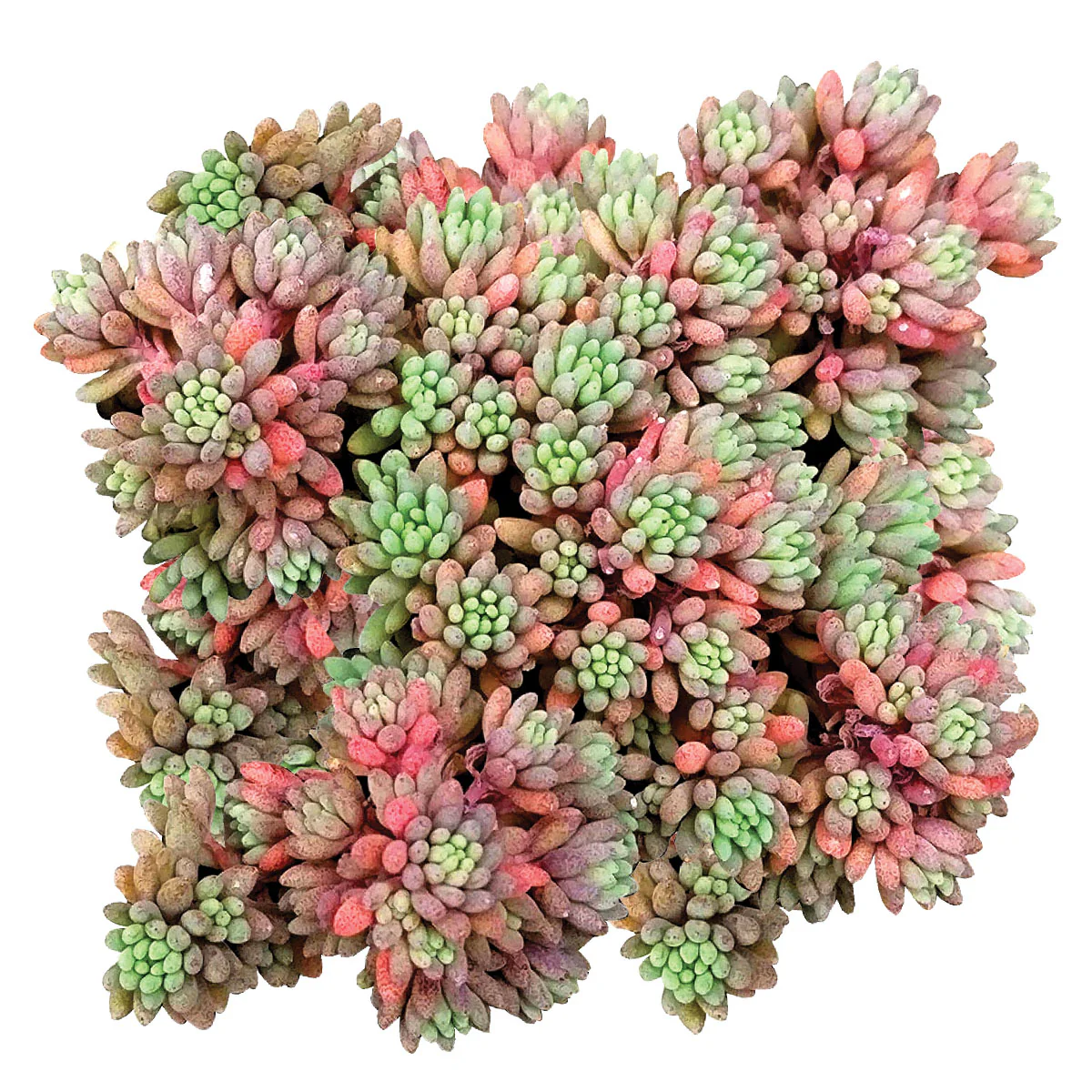
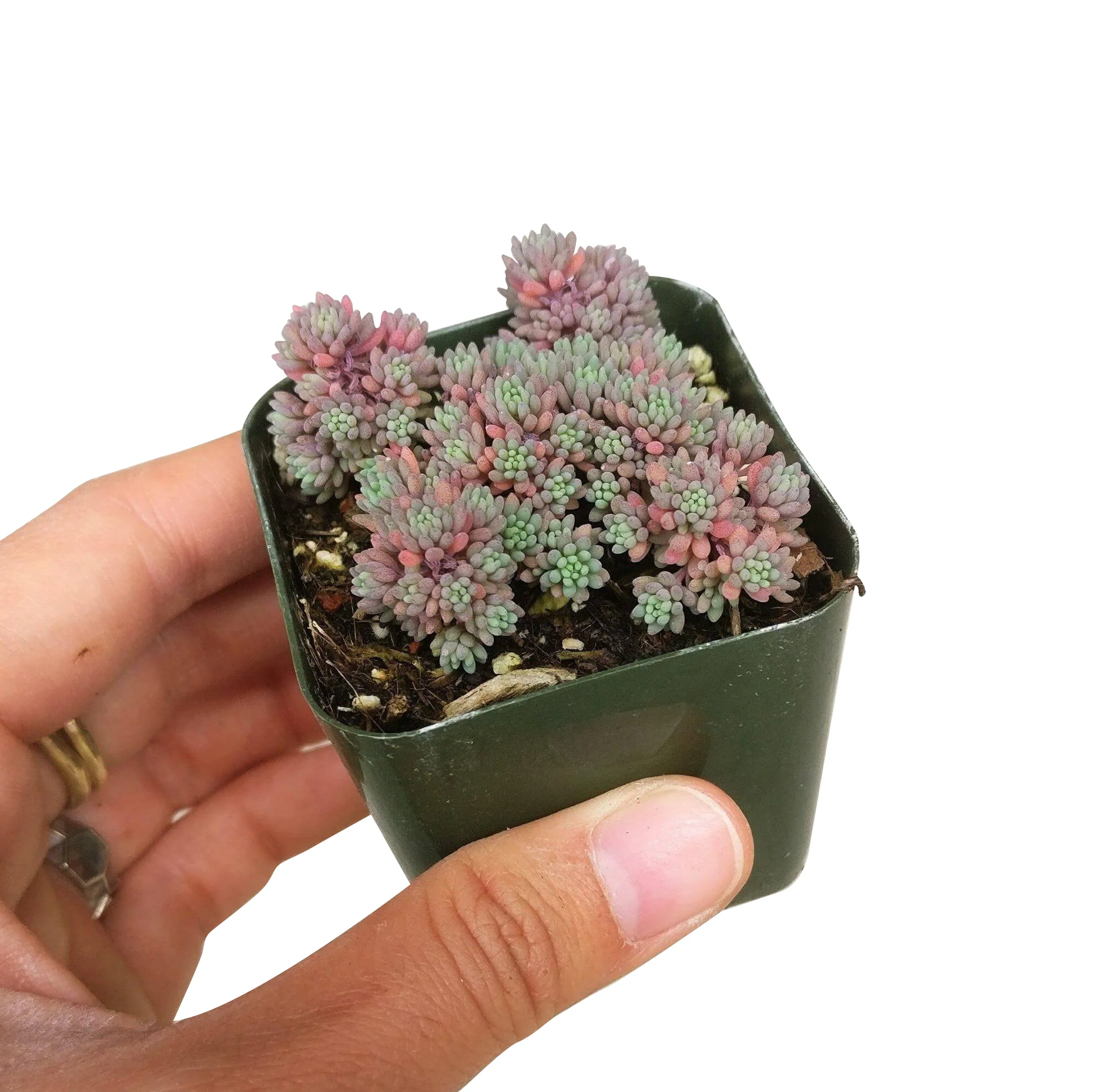
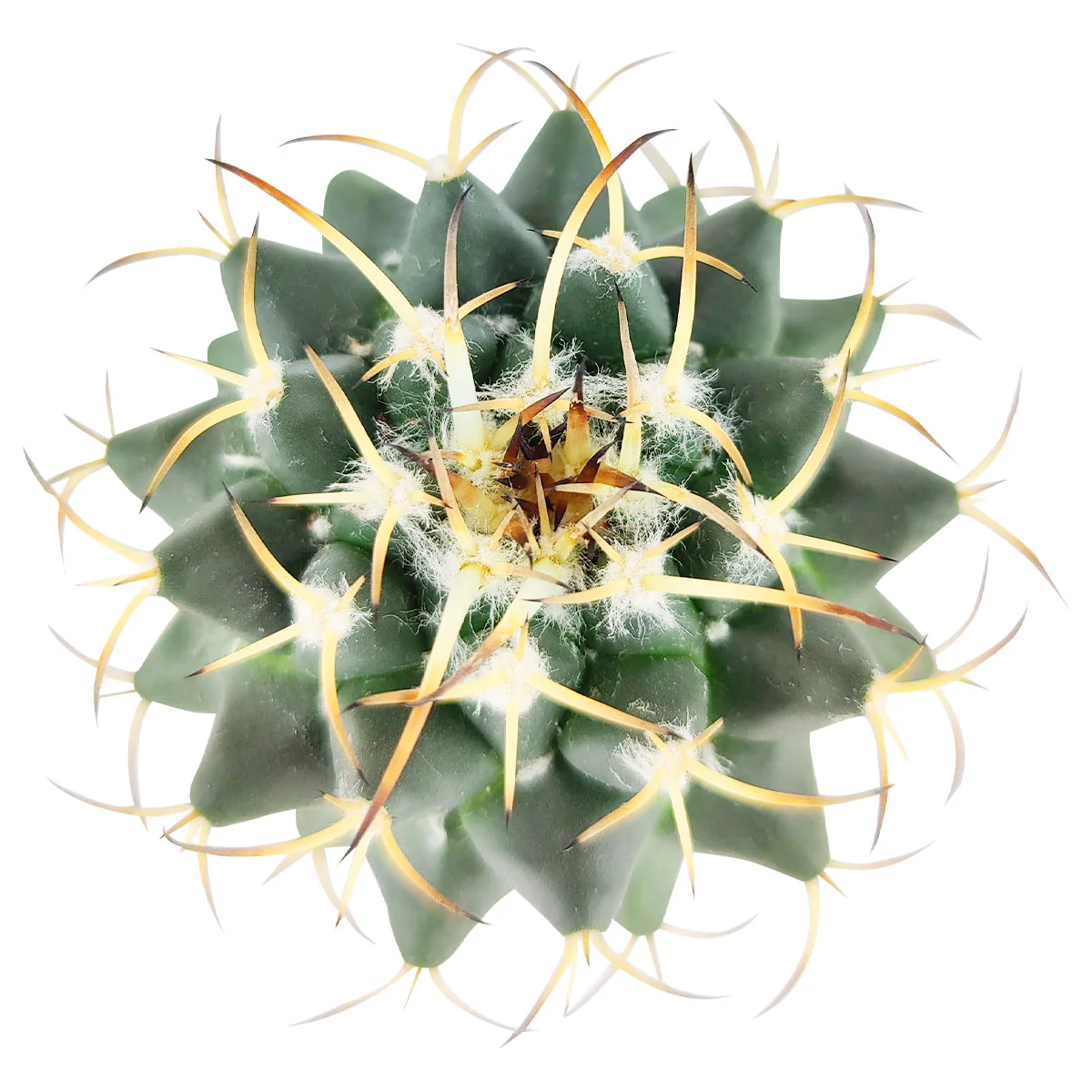
 Mammillaria Polythele (Martius) Cactus grows in a bold upright column of dense, forest green body studded with prominent tubercles, giving rise to its common names nipple cactus and many nippled cactus. Each areole is tipped with neat clusters of spines that catch the light beautifully, creating vivid texture across its surface. The overall silhouette is clean, architectural, and undeniably eye-catching whether displayed solo or grouped with other specimens.
 Mammillaria Polythele (Martius) Cactus produces small blooms that emerge in a ring around the crown, a classic pincushion cactus trait that delights collectors every season. To encourage flowering, this plant genuinely benefits from a night temperature drop, so moving it to a cooler spot in the evening during spring can make all the difference. It tolerates dry heated indoor air well but rewards growers who mimic its natural seasonal temperature swings.
 Mammillaria Polythele (Martius) Cactus is a fantastic choice for anyone drawn to a bohemian or architectural aesthetic, fitting naturally on bright windowsills, sunny patios, or summer outdoor displays. It can move outside for summer but needs cover from rain to protect its roots from excess moisture. As a rare collector find with decades of heirloom appeal, it is equally rewarding for beginners and seasoned enthusiasts, and it can even survive a 10-day trip alone without water, making it one of the most easygoing rare cacti you can own.
-
 Mammillaria Polythele (Martius) Cactus thrives in partial sun, full sun, and direct sun, though it can scorch in intense south-facing windows during peak summer heat.
 Water Mammillaria Polythele (Martius) Cactus deeply every 2-3 weeks in summer, reducing to once a month or less in winter.
 Mammillaria Polythele (Martius) Cactus performs best in a fast-draining cactus and perlite mix that never holds moisture around the roots.
 Mammillaria Polythele (Martius) Cactus prefers temperatures between 50-95°F (10-35°C) and should be brought indoors before temperatures approach freezing.
![]() Mammillaria Polythele (Martius) Cactus is an easy-care, upright grower that benefits from a balanced cactus fertilizer applied once monthly during the active growing season.
Mammillaria Polythele (Martius) Cactus is an easy-care, upright grower that benefits from a balanced cactus fertilizer applied once monthly during the active growing season.
 Mammillaria Polythele (Martius) Cactus is hardy in USDA Zones 9-11, tolerating brief dips down to around 25-28°F (-3 to -2°C) but performing best where winters stay mild. Gardeners growing Mammillaria Polythele (Martius) Cactus outdoors year-round will find it well suited to California, Arizona, Texas, Florida, Hawaii, Nevada, Louisiana, Georgia, South Carolina, Alabama, Mississippi, and coastal Oregon. Parts of New Mexico, Arkansas, and the warmest pockets of North Carolina also fall within these zones, giving growers across the Sun Belt a genuine opportunity to enjoy this rare pincushion cactus in the garden.
-
Q: Is Mammillaria Polythele (Martius) Cactus pet friendly?
A: Yes, Mammillaria Polythele (Martius) Cactus is pet friendly, though the spines themselves are physically sharp, so keeping it on a high shelf away from curious pets and small children is always a smart idea.
Q: How often should I water Mammillaria Polythele (Martius) Cactus?
A: Water Mammillaria Polythele (Martius) Cactus every 2-3 weeks in warm months and scale back to once a month or less in winter. It is highly drought tolerant and far prefers underwatering to overwatering.
Q: Why are the tips or body of my Mammillaria Polythele (Martius) Cactus turning yellow?
A: Yellowing on Mammillaria Polythele (Martius) Cactus is most often caused by overwatering or soil that stays wet too long. Switch to a grittier mix, reduce watering frequency, and ensure the pot drains freely.
Q: How do I propagate Mammillaria Polythele (Martius) Cactus?
A: Mammillaria Polythele (Martius) Cactus can be propagated from offsets when the parent plant produces them. Simply remove an offset, let the cut end callous for a few days, then pot it in dry cactus mix.
Q: Is Mammillaria Polythele (Martius) Cactus a good beginner plant?
A: Absolutely, Mammillaria Polythele (Martius) Cactus is beginner friendly thanks to its easy-care, drought tolerant nature and forgiving watering schedule. It even survives being left alone for up to 10 days, making it perfect for travelers.
Q: Can I move my Mammillaria Polythele (Martius) Cactus outside in summer?
A: Yes, Mammillaria Polythele (Martius) Cactus loves spending summer outdoors in a bright sunny spot. Just make sure to cover it or move it to shelter during rain to prevent root rot from excess moisture.


Original: $8.30
-70%$8.30
$2.49Product Information
Product Information
Shipping & Returns
Shipping & Returns
Description
- Description
- Mammillaria Polythele (Martius) Cactus Care Guide
- FAQ/Common Issues
-
![]() Mammillaria Polythele (Martius) Cactus is a striking rare Mexican cactus belonging to the Mammillaria genus within the Cactaceae family. Native to the highlands of central Mexico, it grows naturally in rocky, well-drained terrain under bright, intense sunlight. This rare collector find has earned devoted fans worldwide for its architectural presence and easygoing drought tolerant nature.
Mammillaria Polythele (Martius) Cactus is a striking rare Mexican cactus belonging to the Mammillaria genus within the Cactaceae family. Native to the highlands of central Mexico, it grows naturally in rocky, well-drained terrain under bright, intense sunlight. This rare collector find has earned devoted fans worldwide for its architectural presence and easygoing drought tolerant nature.
Mammillaria Polythele (Martius) Cactus grows in a bold upright column of dense, forest green body studded with prominent tubercles, giving rise to its common names nipple cactus and many nippled cactus. Each areole is tipped with neat clusters of spines that catch the light beautifully, creating vivid texture across its surface. The overall silhouette is clean, architectural, and undeniably eye-catching whether displayed solo or grouped with other specimens.
Mammillaria Polythele (Martius) Cactus produces small blooms that emerge in a ring around the crown, a classic pincushion cactus trait that delights collectors every season. To encourage flowering, this plant genuinely benefits from a night temperature drop, so moving it to a cooler spot in the evening during spring can make all the difference. It tolerates dry heated indoor air well but rewards growers who mimic its natural seasonal temperature swings.
Mammillaria Polythele (Martius) Cactus is a fantastic choice for anyone drawn to a bohemian or architectural aesthetic, fitting naturally on bright windowsills, sunny patios, or summer outdoor displays. It can move outside for summer but needs cover from rain to protect its roots from excess moisture. As a rare collector find with decades of heirloom appeal, it is equally rewarding for beginners and seasoned enthusiasts, and it can even survive a 10-day trip alone without water, making it one of the most easygoing rare cacti you can own.
-
Mammillaria Polythele (Martius) Cactus thrives in partial sun, full sun, and direct sun, though it can scorch in intense south-facing windows during peak summer heat.
Water Mammillaria Polythele (Martius) Cactus deeply every 2-3 weeks in summer, reducing to once a month or less in winter.
Mammillaria Polythele (Martius) Cactus performs best in a fast-draining cactus and perlite mix that never holds moisture around the roots.
Mammillaria Polythele (Martius) Cactus prefers temperatures between 50-95°F (10-35°C) and should be brought indoors before temperatures approach freezing.
![]() Mammillaria Polythele (Martius) Cactus is an easy-care, upright grower that benefits from a balanced cactus fertilizer applied once monthly during the active growing season.
Mammillaria Polythele (Martius) Cactus is an easy-care, upright grower that benefits from a balanced cactus fertilizer applied once monthly during the active growing season.
Mammillaria Polythele (Martius) Cactus is hardy in USDA Zones 9-11, tolerating brief dips down to around 25-28°F (-3 to -2°C) but performing best where winters stay mild. Gardeners growing Mammillaria Polythele (Martius) Cactus outdoors year-round will find it well suited to California, Arizona, Texas, Florida, Hawaii, Nevada, Louisiana, Georgia, South Carolina, Alabama, Mississippi, and coastal Oregon. Parts of New Mexico, Arkansas, and the warmest pockets of North Carolina also fall within these zones, giving growers across the Sun Belt a genuine opportunity to enjoy this rare pincushion cactus in the garden.
-
Q: Is Mammillaria Polythele (Martius) Cactus pet friendly?
A: Yes, Mammillaria Polythele (Martius) Cactus is pet friendly, though the spines themselves are physically sharp, so keeping it on a high shelf away from curious pets and small children is always a smart idea.
Q: How often should I water Mammillaria Polythele (Martius) Cactus?
A: Water Mammillaria Polythele (Martius) Cactus every 2-3 weeks in warm months and scale back to once a month or less in winter. It is highly drought tolerant and far prefers underwatering to overwatering.
Q: Why are the tips or body of my Mammillaria Polythele (Martius) Cactus turning yellow?
A: Yellowing on Mammillaria Polythele (Martius) Cactus is most often caused by overwatering or soil that stays wet too long. Switch to a grittier mix, reduce watering frequency, and ensure the pot drains freely.
Q: How do I propagate Mammillaria Polythele (Martius) Cactus?
A: Mammillaria Polythele (Martius) Cactus can be propagated from offsets when the parent plant produces them. Simply remove an offset, let the cut end callous for a few days, then pot it in dry cactus mix.
Q: Is Mammillaria Polythele (Martius) Cactus a good beginner plant?
A: Absolutely, Mammillaria Polythele (Martius) Cactus is beginner friendly thanks to its easy-care, drought tolerant nature and forgiving watering schedule. It even survives being left alone for up to 10 days, making it perfect for travelers.
Q: Can I move my Mammillaria Polythele (Martius) Cactus outside in summer?
A: Yes, Mammillaria Polythele (Martius) Cactus loves spending summer outdoors in a bright sunny spot. Just make sure to cover it or move it to shelter during rain to prevent root rot from excess moisture.