Mammillaria haageana ssp. Elegans Cactus
- Description
- Mammillaria haageana ssp. Elegans Cactus Care Guide
- FAQ/Common Issues
-
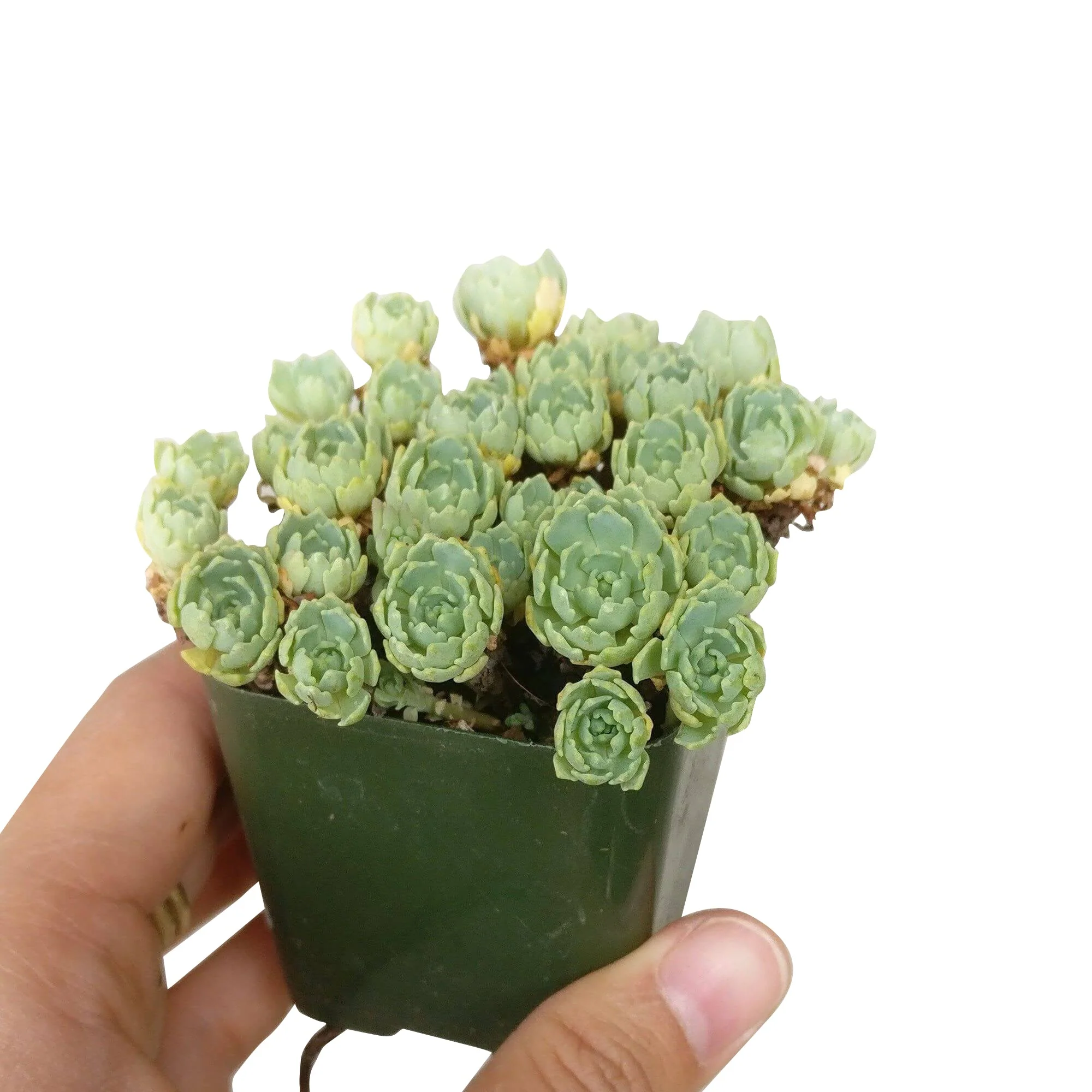
![]() Mammillaria haageana ssp. Elegans Cactus is a charming globular cactus in the Mammillaria genus, native to the highlands of central and southern Mexico where it grows in rocky, well-drained terrain. As a classic drought tolerant cactus, it thrives in conditions that would challenge most houseplants, making it a rewarding choice for collectors and beginners alike.
Mammillaria haageana ssp. Elegans Cactus is a charming globular cactus in the Mammillaria genus, native to the highlands of central and southern Mexico where it grows in rocky, well-drained terrain. As a classic drought tolerant cactus, it thrives in conditions that would challenge most houseplants, making it a rewarding choice for collectors and beginners alike.
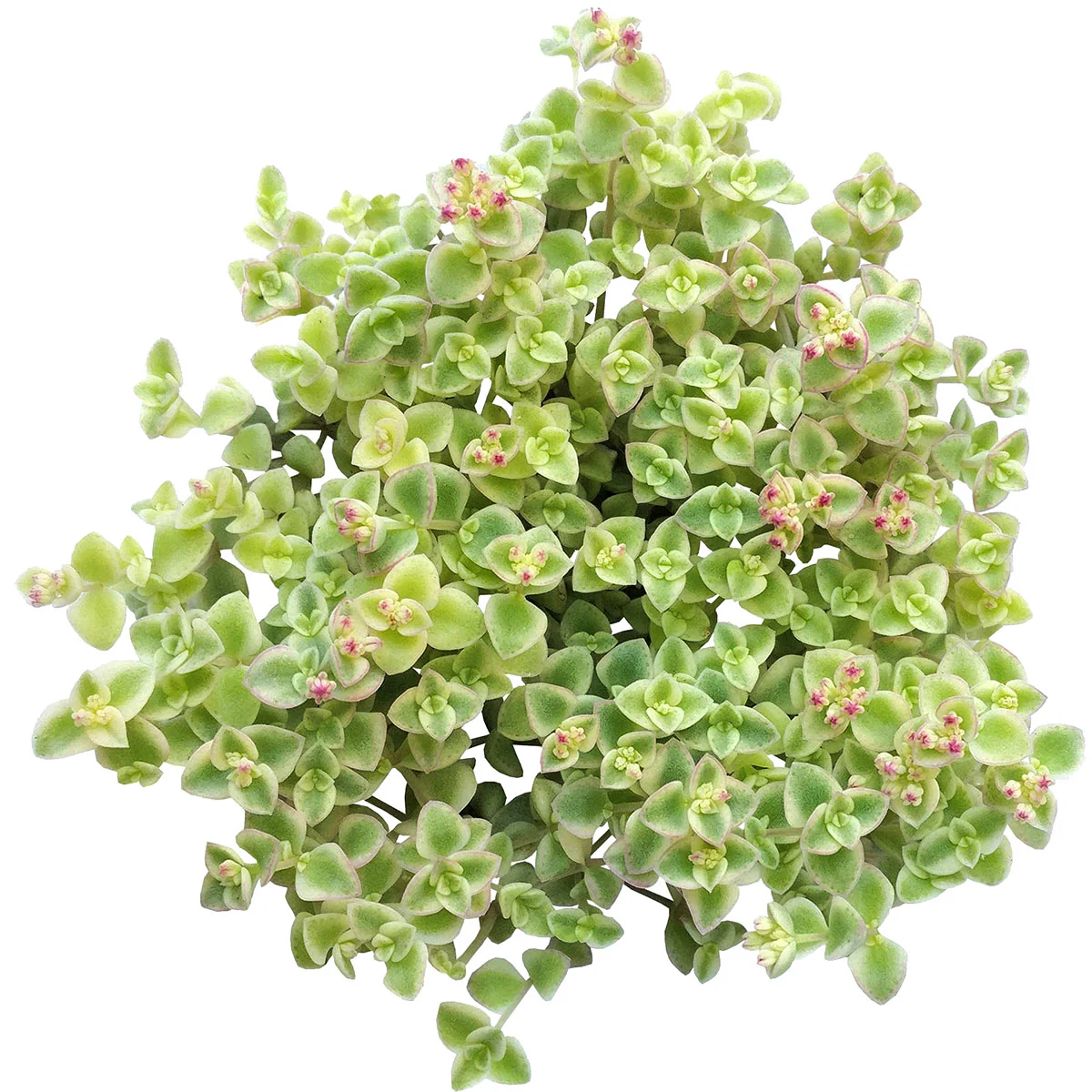
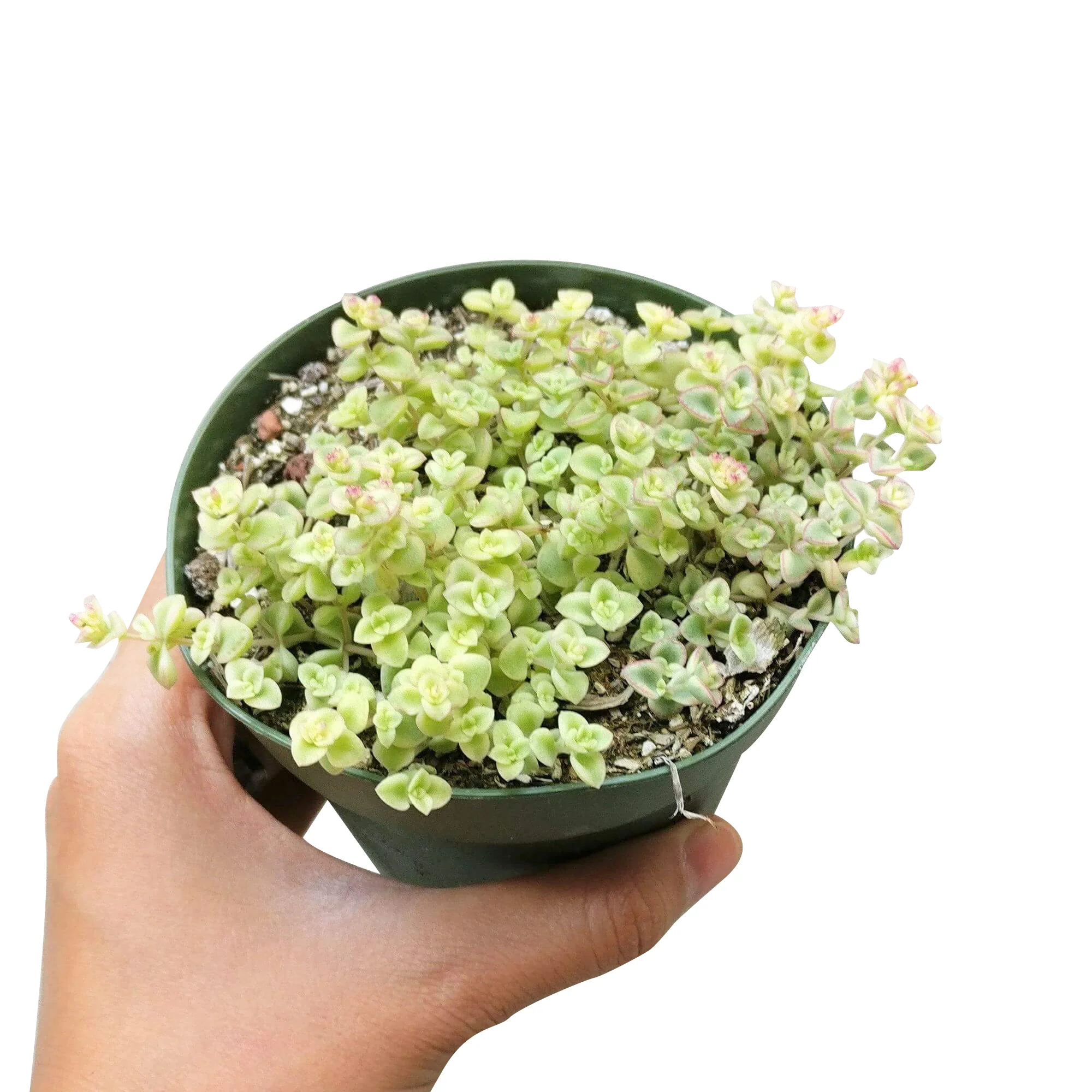
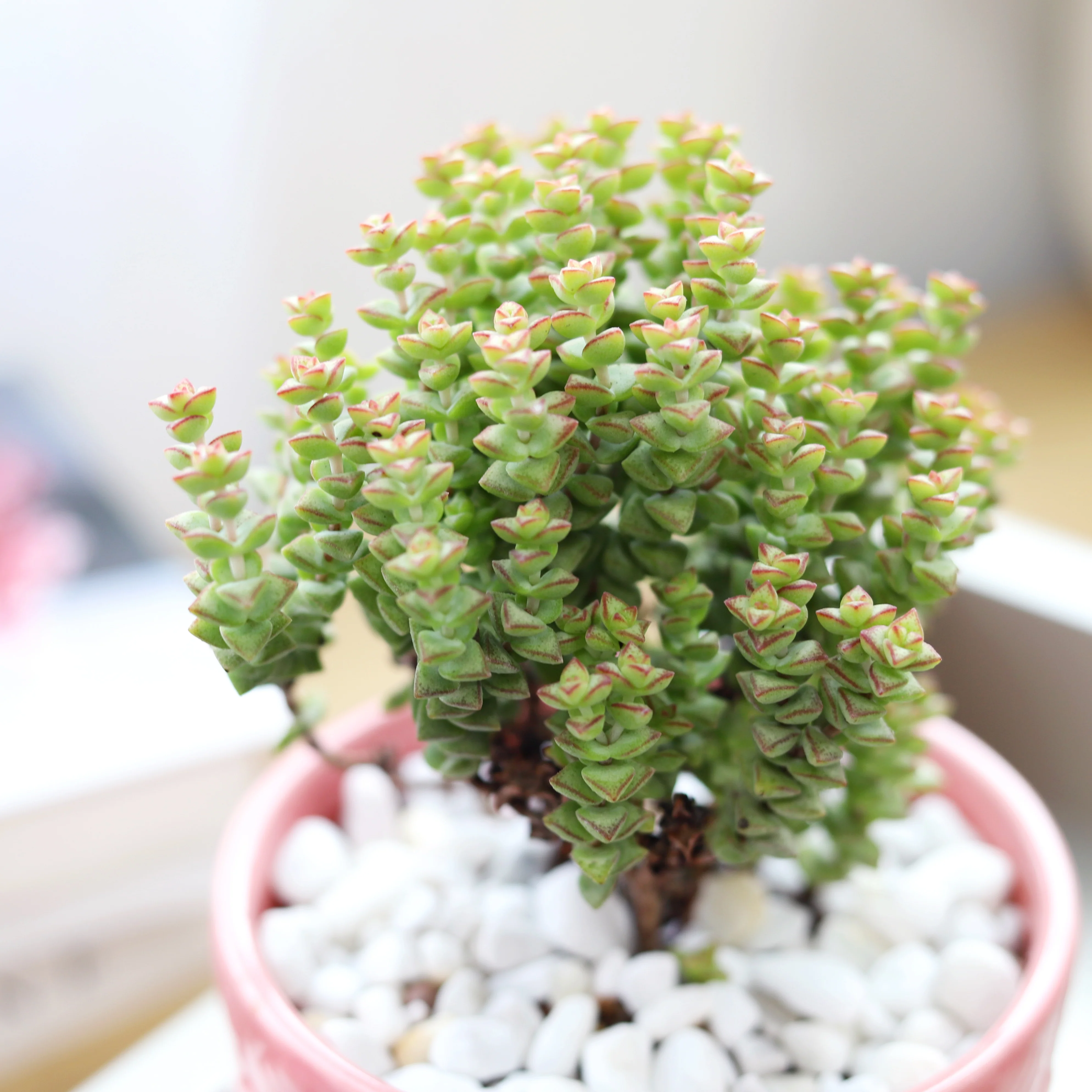
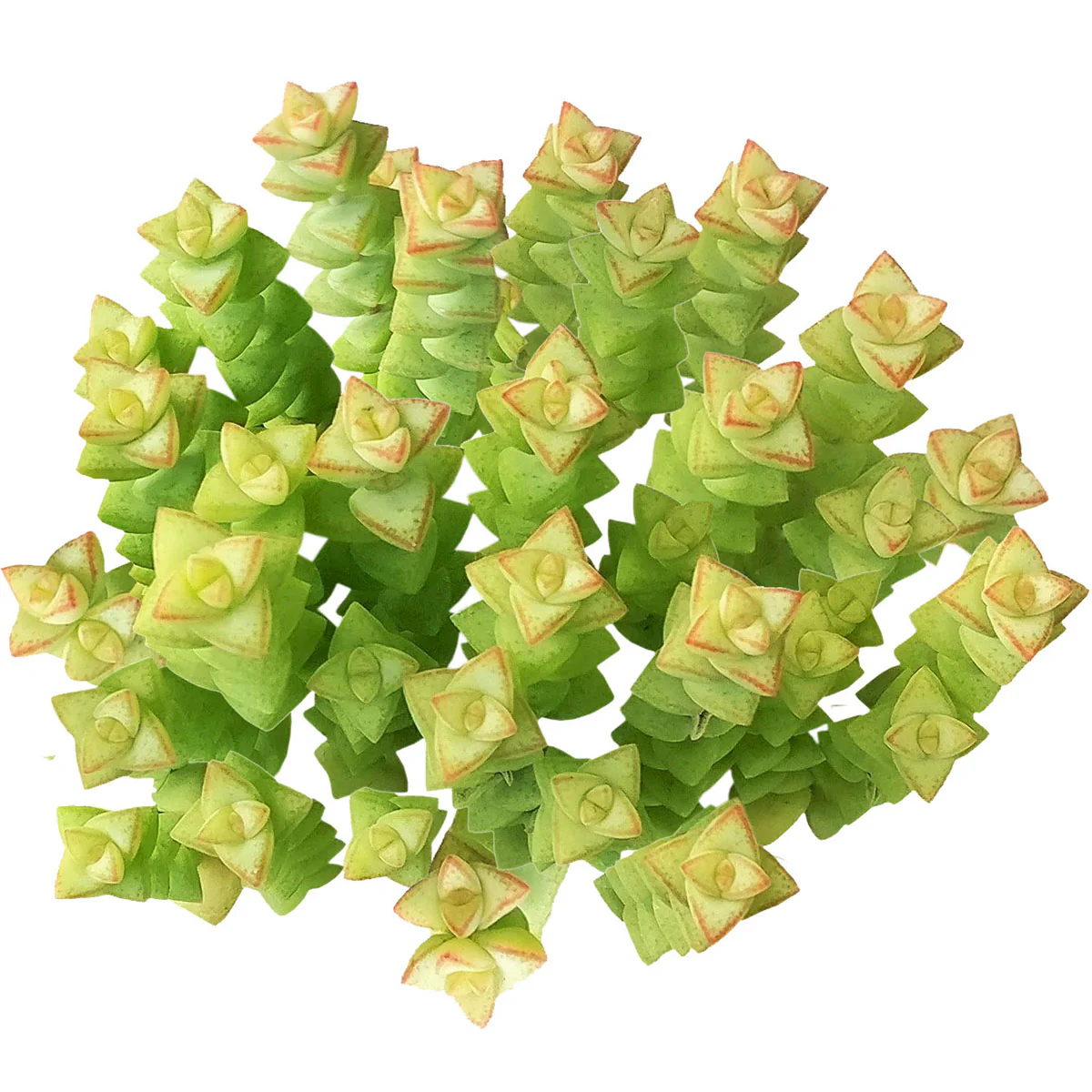
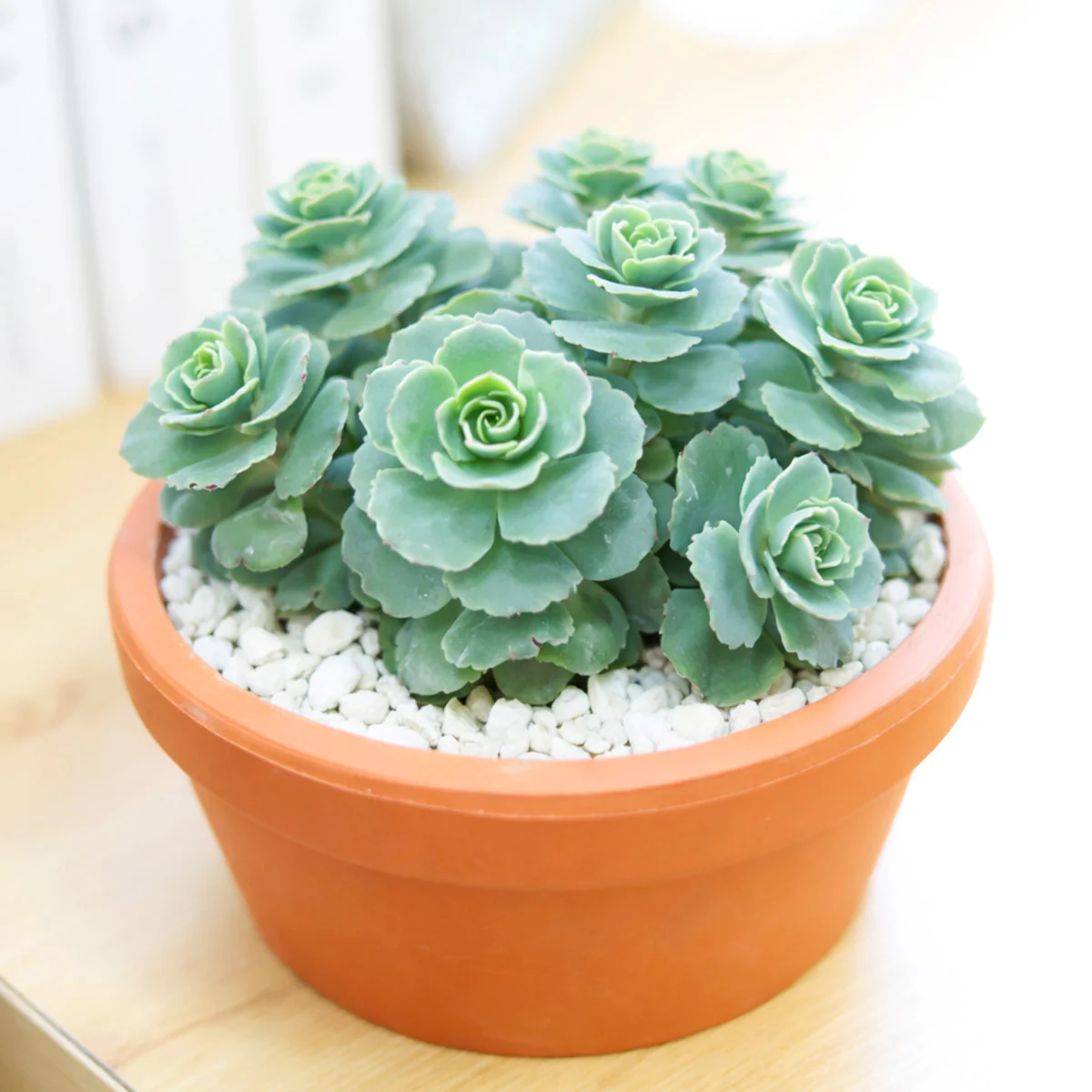
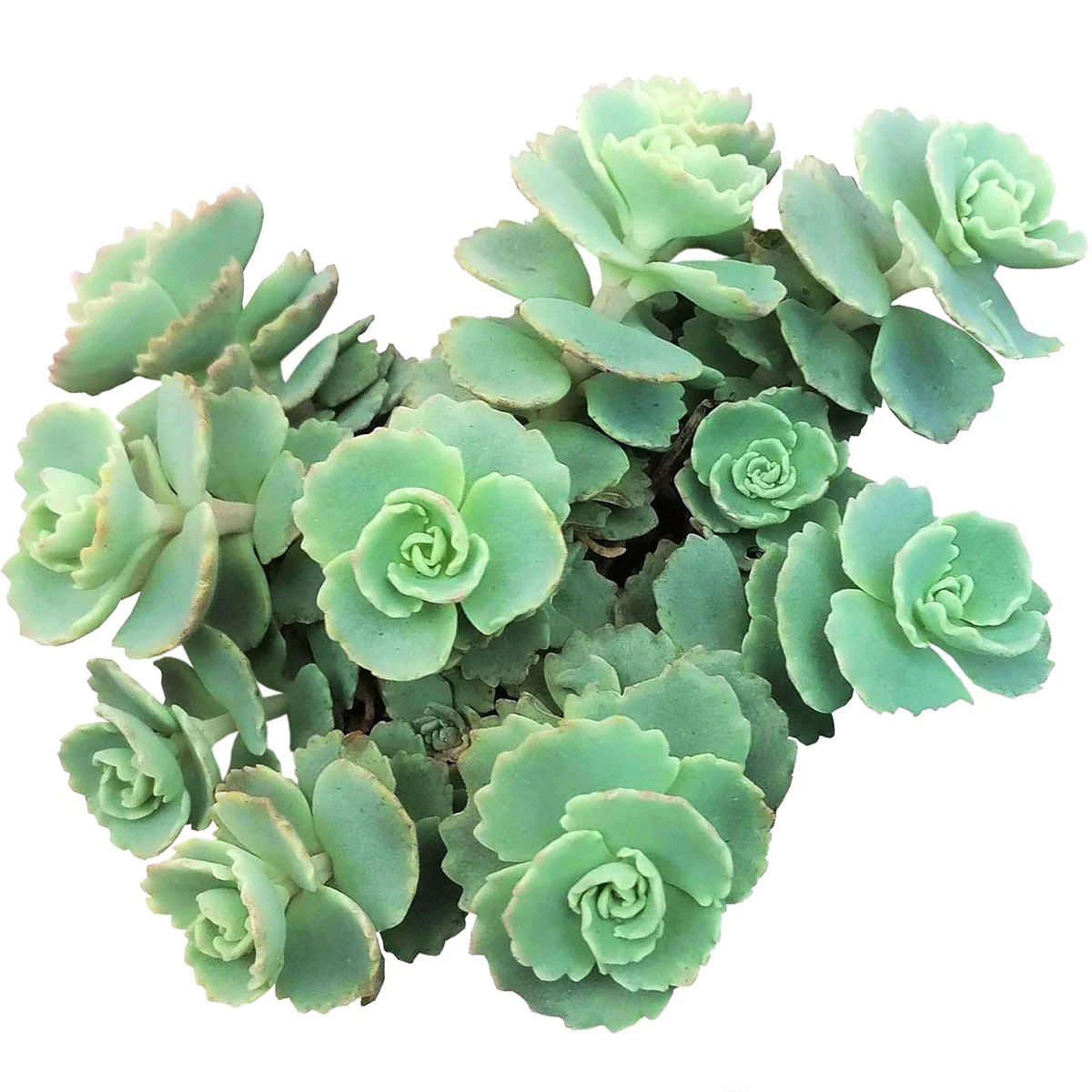
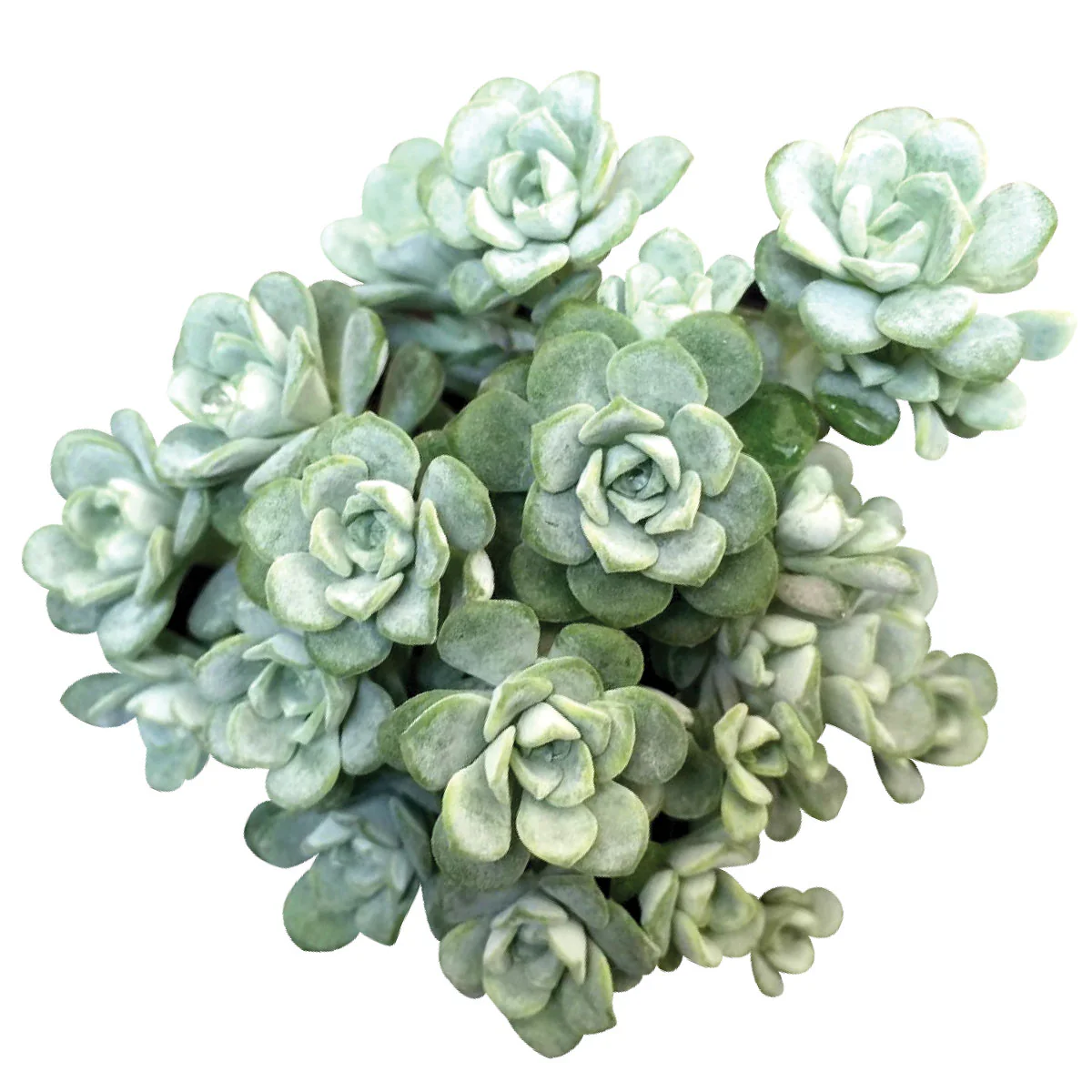
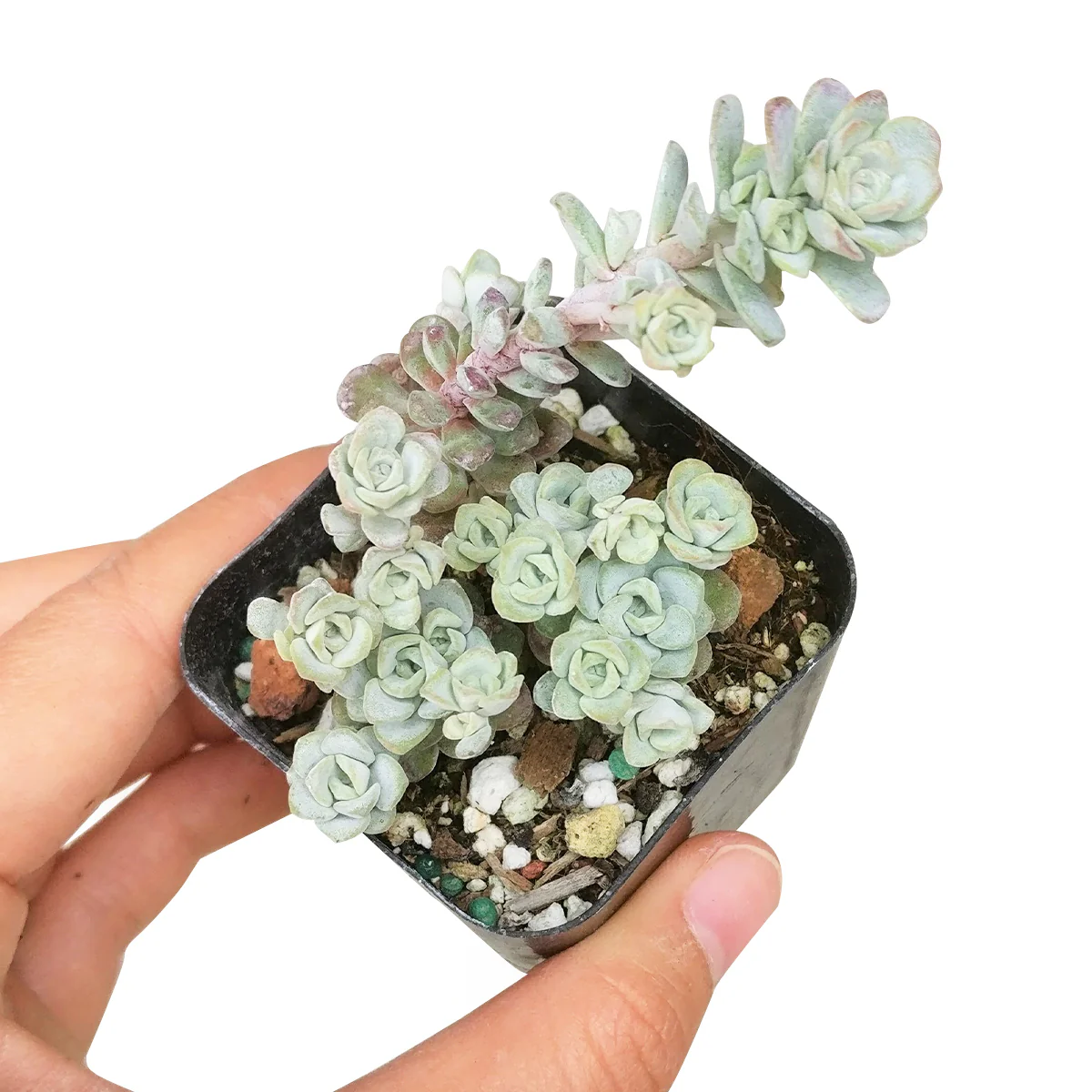
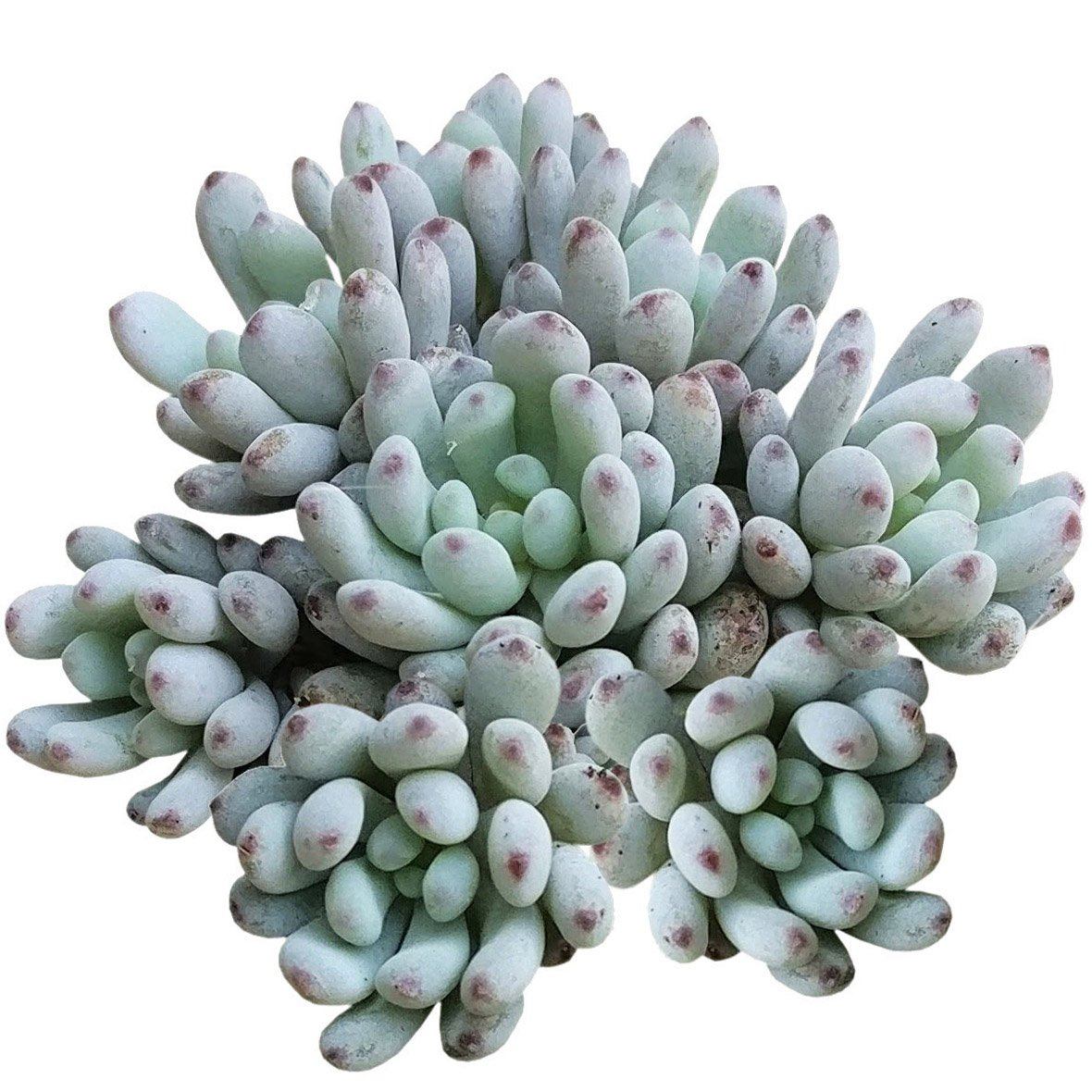
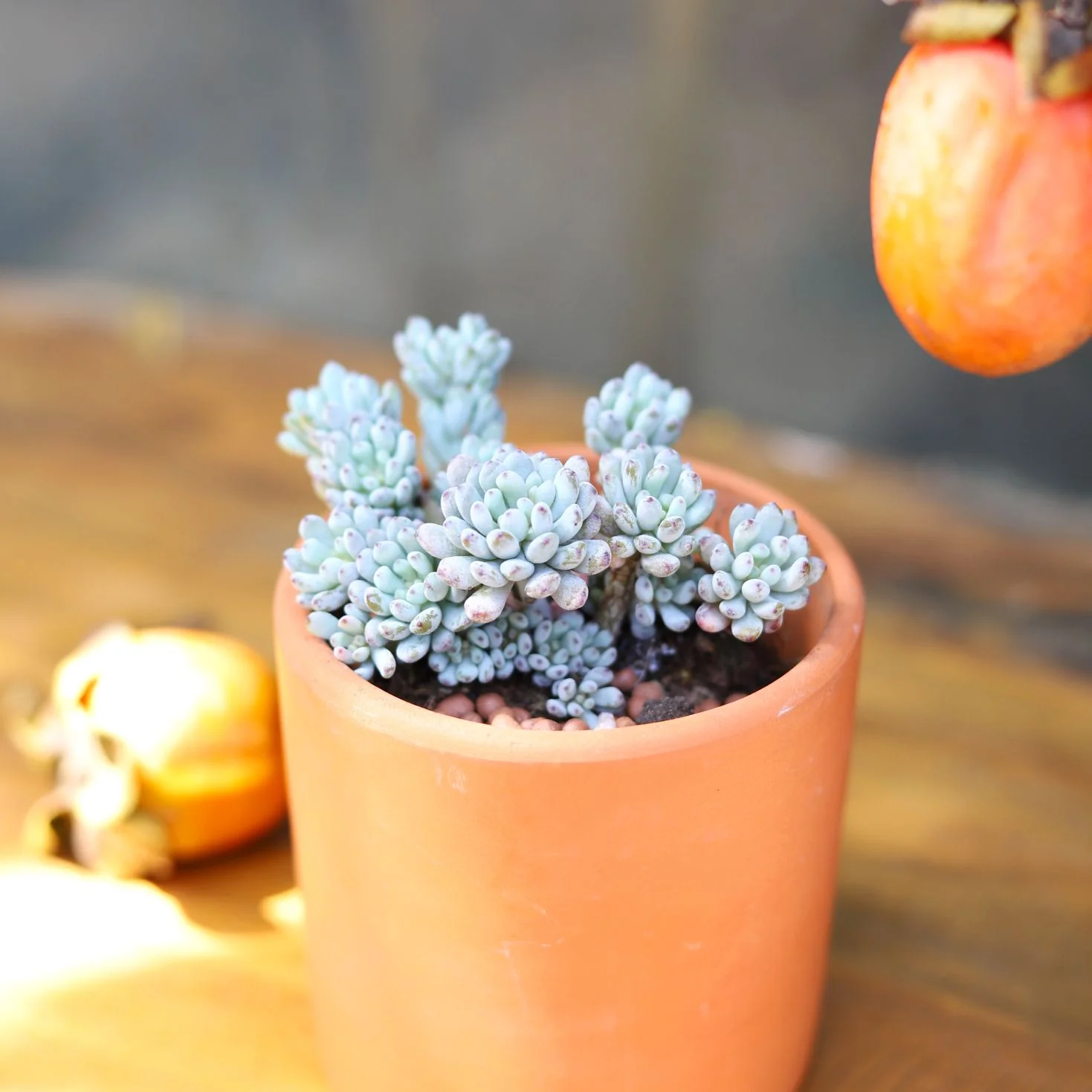
 The Mammillaria haageana ssp. Elegans Cactus forms a compact, upright globe densely covered in neat spiraling tubercles, each tipped with fine white radial spines that give the plant a soft, almost frosted appearance. The body is a rich forest green beneath that brilliant white spine coverage, creating a vivid, eye-catching texture that earns it a spot among the most visually striking mammillaria elegans cactus varieties available.
 Mammillaria haageana ssp. Elegans Cactus produces a crown of small, vivid pink-to-magenta flowers that ring the top of the plant like a floral halo, a feature so striking it has inspired the nickname birthday cake cactus among enthusiasts. Blooms typically appear in late winter to spring, and a night temperature drop is key to triggering this annual flowering display, so placing it somewhere with natural seasonal temperature variation really pays off.
 Mammillaria haageana ssp. Elegans Cactus is a slow-growing, beginner-friendly plant that earns collector appeal through its sculptural, architectural look and long-lived nature, with well-tended specimens becoming true heirloom plants over the decades. It does beautifully on a sunny shelf or windowsill indoors, and can move outside for summer as long as you cover it from heavy rain. This plant is pet friendly, though its spines make it best placed away from small children and toddlers, ideally on a high shelf. It releases oxygen at night, happily survives a 10-day trip alone with no watering, and tolerates dry heated indoor air like a champion.
-
 Mammillaria haageana ssp. Elegans Cactus thrives in bright indirect light, though it can tolerate some direct morning sun and handles lower light better than most cacti.
 Water Mammillaria haageana ssp. Elegans Cactus deeply every 2-3 weeks in spring and summer, reducing to once a month or less in fall and winter.
 Mammillaria haageana ssp. Elegans Cactus needs a fast-draining cactus and succulent mix, ideally amended with extra perlite or coarse grit for optimal drainage.
 Mammillaria haageana ssp. Elegans Cactus prefers temperatures between 50-85°F (10-29°C) and is not frost hardy, so protect it below 40°F (4°C).
![]() Mammillaria haageana ssp. Elegans Cactus is a slow grower that benefits from a balanced, low-nitrogen cactus fertilizer applied once or twice during the active growing season.
Mammillaria haageana ssp. Elegans Cactus is a slow grower that benefits from a balanced, low-nitrogen cactus fertilizer applied once or twice during the active growing season.
 Mammillaria haageana ssp. Elegans Cactus is rated for USDA Hardiness Zones 10 and 11, tolerating minimum temperatures of around 30-35°F (-1 to 2°C) with brief exposure only. Outdoors year-round growing is best suited to warm states including Florida, Hawaii, southern California, southern Texas, and southern Arizona. Gardeners in Louisiana, Georgia, South Carolina, Alabama, Mississippi, and Nevada's warmer valleys can also enjoy Mammillaria haageana ssp. Elegans Cactus outdoors much of the year, bringing it in during cold snaps.
-
Q: How often should I water Mammillaria haageana ssp. Elegans Cactus?
A: Water every 2-3 weeks during spring and summer, then cut back to once a month or less in fall and winter to mimic its natural dry season.
Q: Is Mammillaria haageana ssp. Elegans Cactus pet friendly?
A: Yes, this plant is pet friendly, though the spines can cause physical irritation, so it is best kept out of a curious pet's reach.
Q: How do I get my Mammillaria haageana ssp. Elegans Cactus to bloom?
A: A seasonal drop in nighttime temperatures during autumn and winter is the key trigger for blooming. Keep it in a cooler spot overnight and reduce watering to encourage that vivid spring flower crown.
Q: How do I propagate Mammillaria haageana ssp. Elegans Cactus?
A: Propagation is easiest from offsets, or pups, that form around the base of a mature plant. Gently separate a pup, let the cut callous for a day or two, then plant it in dry cactus mix and wait a week before watering.
Q: Why are the spines on my Mammillaria haageana ssp. Elegans Cactus turning yellow?
A: Some yellowing of older spines is a natural part of aging and nothing to worry about. If the cactus body itself turns yellow, check for overwatering or insufficient light and adjust accordingly.
Q: How big does Mammillaria haageana ssp. Elegans Cactus get?
A: As a slow-growing globular cactus, Mammillaria haageana ssp. Elegans Cactus typically reaches 4-6 inches tall and wide over many years, making it a perfect compact specimen for shelves and windowsills.


Original: $10.95
-70%$10.95
$3.28Product Information
Product Information
Shipping & Returns
Shipping & Returns
Description
- Description
- Mammillaria haageana ssp. Elegans Cactus Care Guide
- FAQ/Common Issues
-
![]() Mammillaria haageana ssp. Elegans Cactus is a charming globular cactus in the Mammillaria genus, native to the highlands of central and southern Mexico where it grows in rocky, well-drained terrain. As a classic drought tolerant cactus, it thrives in conditions that would challenge most houseplants, making it a rewarding choice for collectors and beginners alike.
Mammillaria haageana ssp. Elegans Cactus is a charming globular cactus in the Mammillaria genus, native to the highlands of central and southern Mexico where it grows in rocky, well-drained terrain. As a classic drought tolerant cactus, it thrives in conditions that would challenge most houseplants, making it a rewarding choice for collectors and beginners alike.
The Mammillaria haageana ssp. Elegans Cactus forms a compact, upright globe densely covered in neat spiraling tubercles, each tipped with fine white radial spines that give the plant a soft, almost frosted appearance. The body is a rich forest green beneath that brilliant white spine coverage, creating a vivid, eye-catching texture that earns it a spot among the most visually striking mammillaria elegans cactus varieties available.
Mammillaria haageana ssp. Elegans Cactus produces a crown of small, vivid pink-to-magenta flowers that ring the top of the plant like a floral halo, a feature so striking it has inspired the nickname birthday cake cactus among enthusiasts. Blooms typically appear in late winter to spring, and a night temperature drop is key to triggering this annual flowering display, so placing it somewhere with natural seasonal temperature variation really pays off.
Mammillaria haageana ssp. Elegans Cactus is a slow-growing, beginner-friendly plant that earns collector appeal through its sculptural, architectural look and long-lived nature, with well-tended specimens becoming true heirloom plants over the decades. It does beautifully on a sunny shelf or windowsill indoors, and can move outside for summer as long as you cover it from heavy rain. This plant is pet friendly, though its spines make it best placed away from small children and toddlers, ideally on a high shelf. It releases oxygen at night, happily survives a 10-day trip alone with no watering, and tolerates dry heated indoor air like a champion.
-
Mammillaria haageana ssp. Elegans Cactus thrives in bright indirect light, though it can tolerate some direct morning sun and handles lower light better than most cacti.
Water Mammillaria haageana ssp. Elegans Cactus deeply every 2-3 weeks in spring and summer, reducing to once a month or less in fall and winter.
Mammillaria haageana ssp. Elegans Cactus needs a fast-draining cactus and succulent mix, ideally amended with extra perlite or coarse grit for optimal drainage.
Mammillaria haageana ssp. Elegans Cactus prefers temperatures between 50-85°F (10-29°C) and is not frost hardy, so protect it below 40°F (4°C).
![]() Mammillaria haageana ssp. Elegans Cactus is a slow grower that benefits from a balanced, low-nitrogen cactus fertilizer applied once or twice during the active growing season.
Mammillaria haageana ssp. Elegans Cactus is a slow grower that benefits from a balanced, low-nitrogen cactus fertilizer applied once or twice during the active growing season.
Mammillaria haageana ssp. Elegans Cactus is rated for USDA Hardiness Zones 10 and 11, tolerating minimum temperatures of around 30-35°F (-1 to 2°C) with brief exposure only. Outdoors year-round growing is best suited to warm states including Florida, Hawaii, southern California, southern Texas, and southern Arizona. Gardeners in Louisiana, Georgia, South Carolina, Alabama, Mississippi, and Nevada's warmer valleys can also enjoy Mammillaria haageana ssp. Elegans Cactus outdoors much of the year, bringing it in during cold snaps.
-
Q: How often should I water Mammillaria haageana ssp. Elegans Cactus?
A: Water every 2-3 weeks during spring and summer, then cut back to once a month or less in fall and winter to mimic its natural dry season.
Q: Is Mammillaria haageana ssp. Elegans Cactus pet friendly?
A: Yes, this plant is pet friendly, though the spines can cause physical irritation, so it is best kept out of a curious pet's reach.
Q: How do I get my Mammillaria haageana ssp. Elegans Cactus to bloom?
A: A seasonal drop in nighttime temperatures during autumn and winter is the key trigger for blooming. Keep it in a cooler spot overnight and reduce watering to encourage that vivid spring flower crown.
Q: How do I propagate Mammillaria haageana ssp. Elegans Cactus?
A: Propagation is easiest from offsets, or pups, that form around the base of a mature plant. Gently separate a pup, let the cut callous for a day or two, then plant it in dry cactus mix and wait a week before watering.
Q: Why are the spines on my Mammillaria haageana ssp. Elegans Cactus turning yellow?
A: Some yellowing of older spines is a natural part of aging and nothing to worry about. If the cactus body itself turns yellow, check for overwatering or insufficient light and adjust accordingly.
Q: How big does Mammillaria haageana ssp. Elegans Cactus get?
A: As a slow-growing globular cactus, Mammillaria haageana ssp. Elegans Cactus typically reaches 4-6 inches tall and wide over many years, making it a perfect compact specimen for shelves and windowsills.