Kalanchoe millotii
- Description
- Kalanchoe millotii Care Guide
- FAQ/Common Issues
-
![]() Kalanchoe millotii is a charming succulent in the Crassulaceae family, native to the island of Madagascar where it grows in warm, seasonally dry habitats. This easy care plant has earned a loyal following among succulent enthusiasts for its low-maintenance nature and compact, sculptural presence indoors.
Kalanchoe millotii is a charming succulent in the Crassulaceae family, native to the island of Madagascar where it grows in warm, seasonally dry habitats. This easy care plant has earned a loyal following among succulent enthusiasts for its low-maintenance nature and compact, sculptural presence indoors.
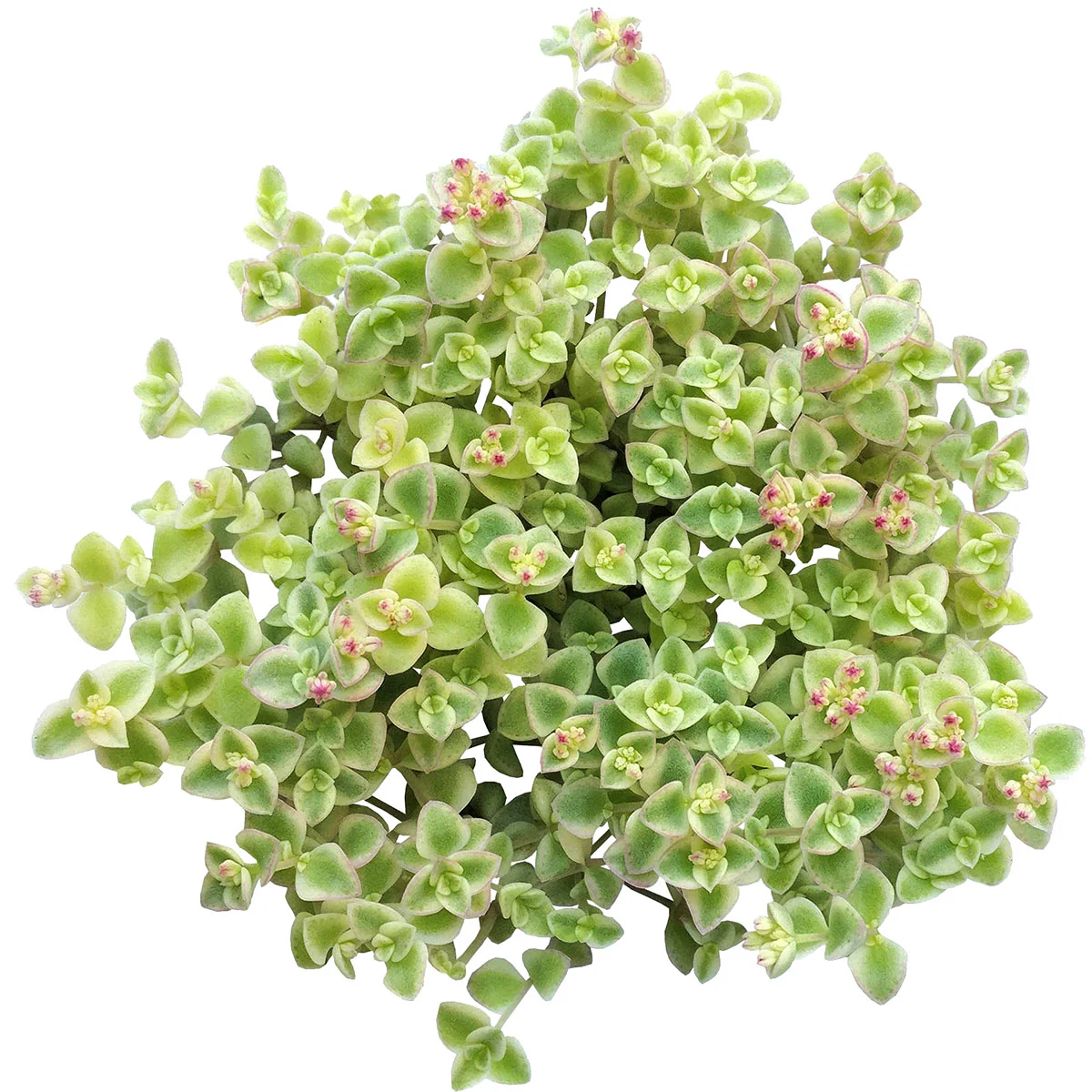
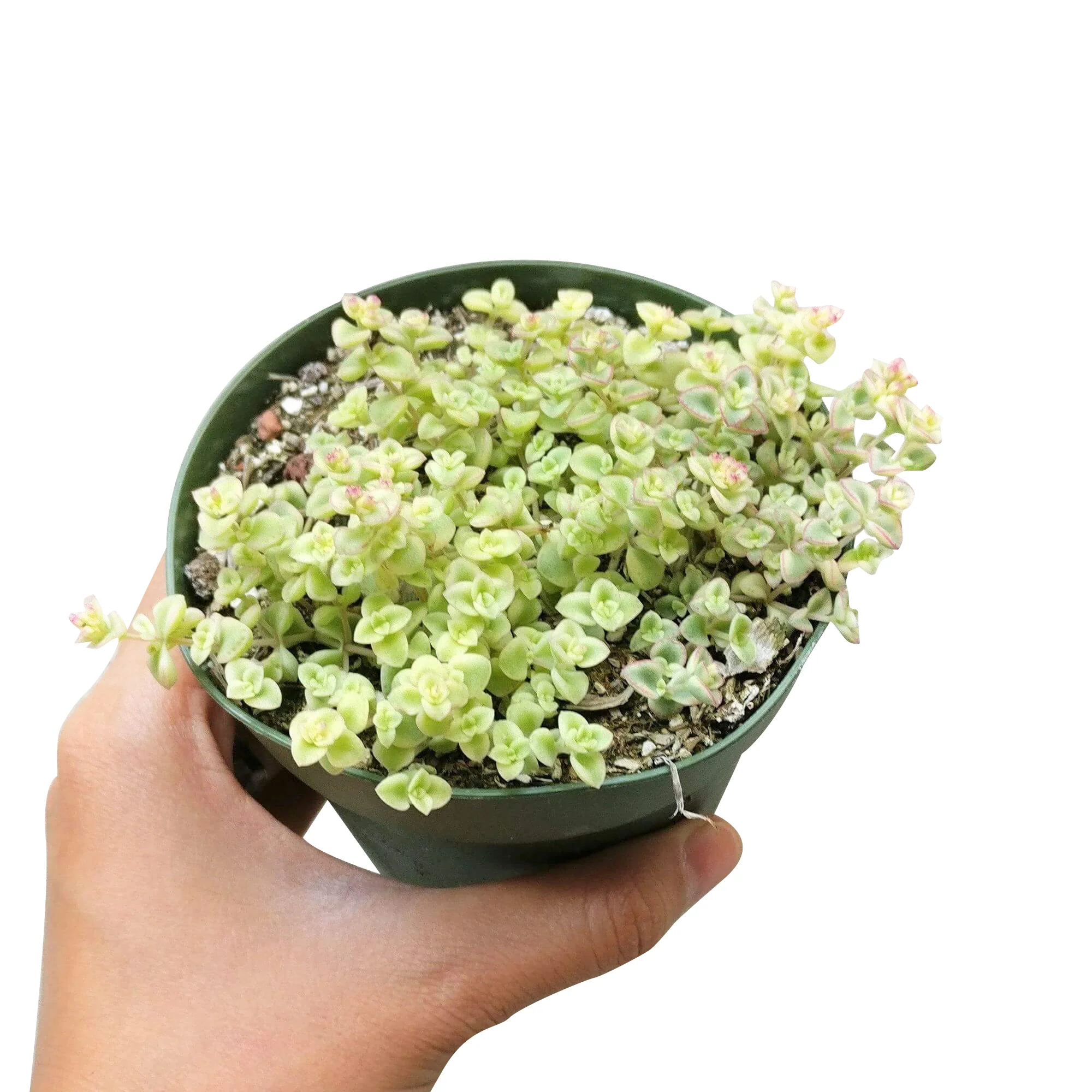
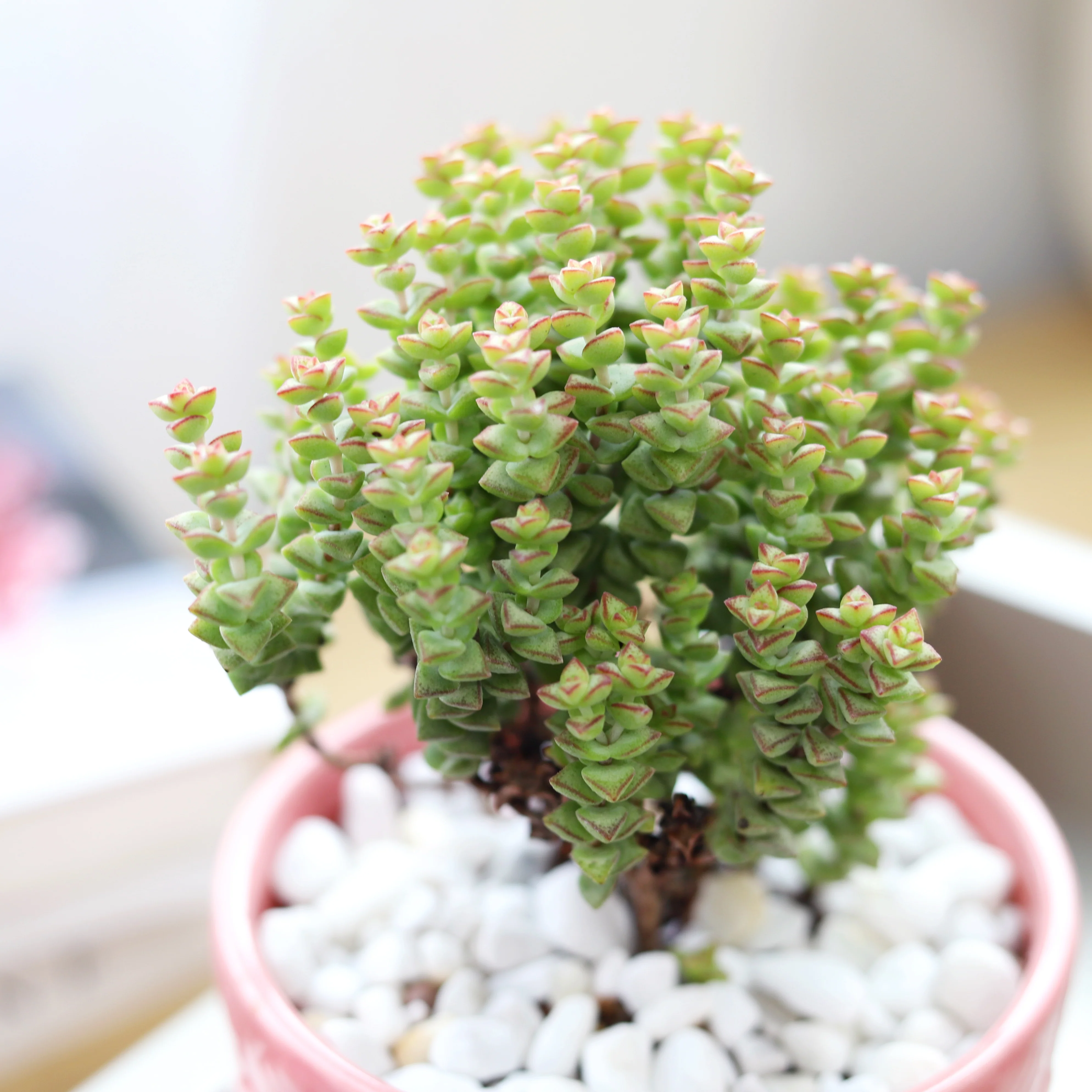
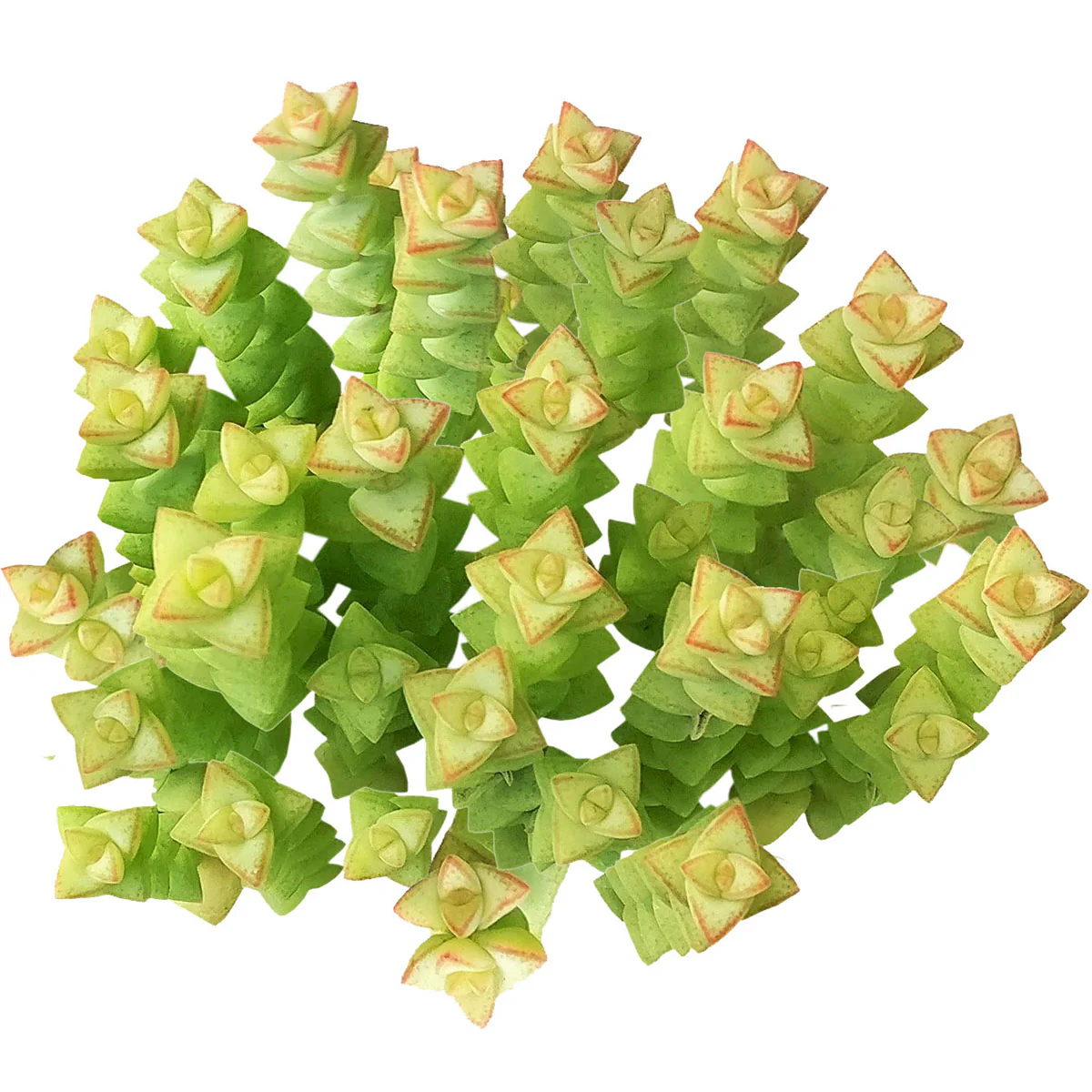
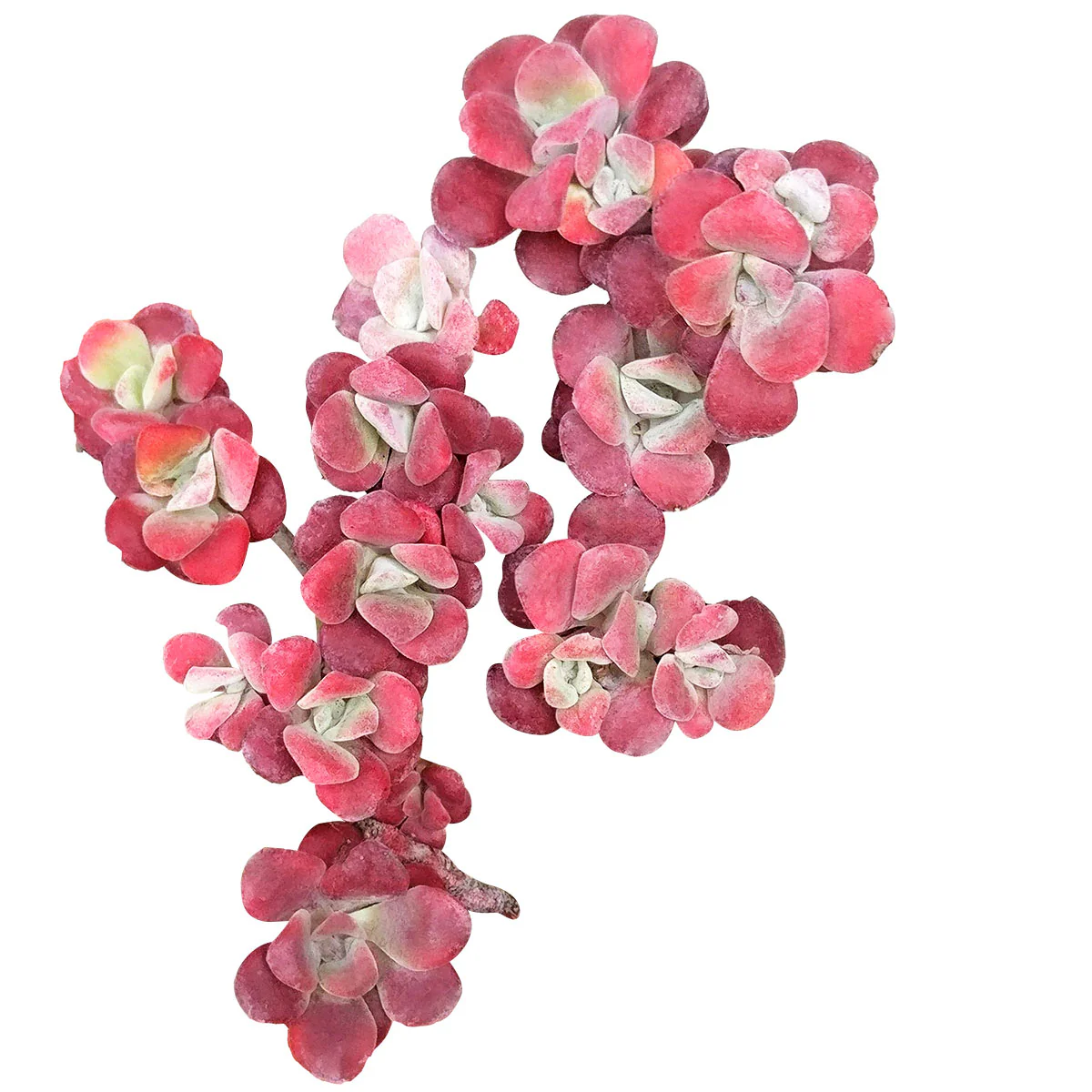
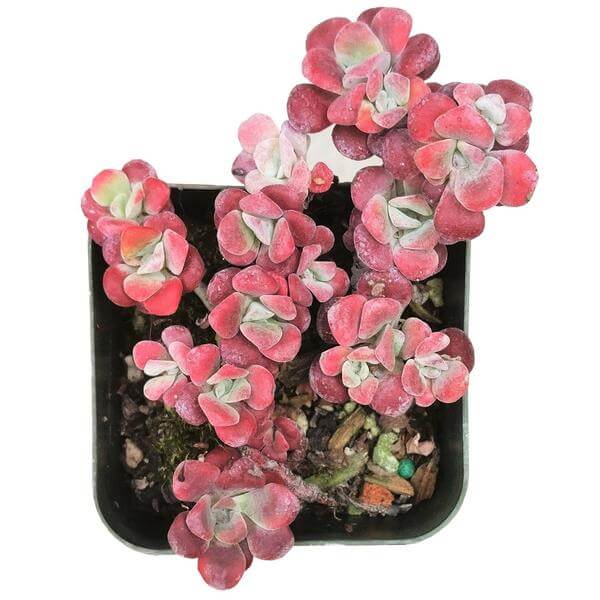
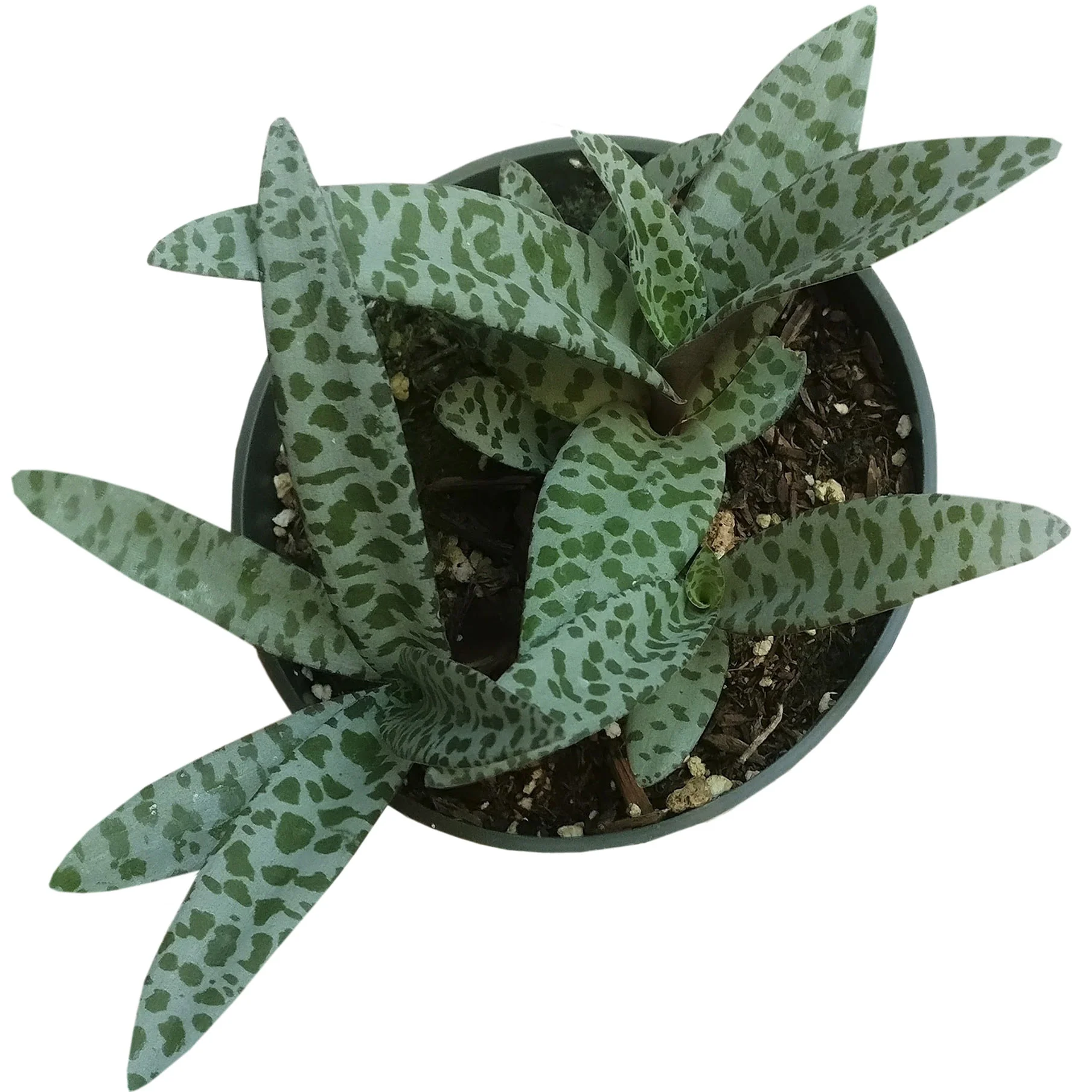
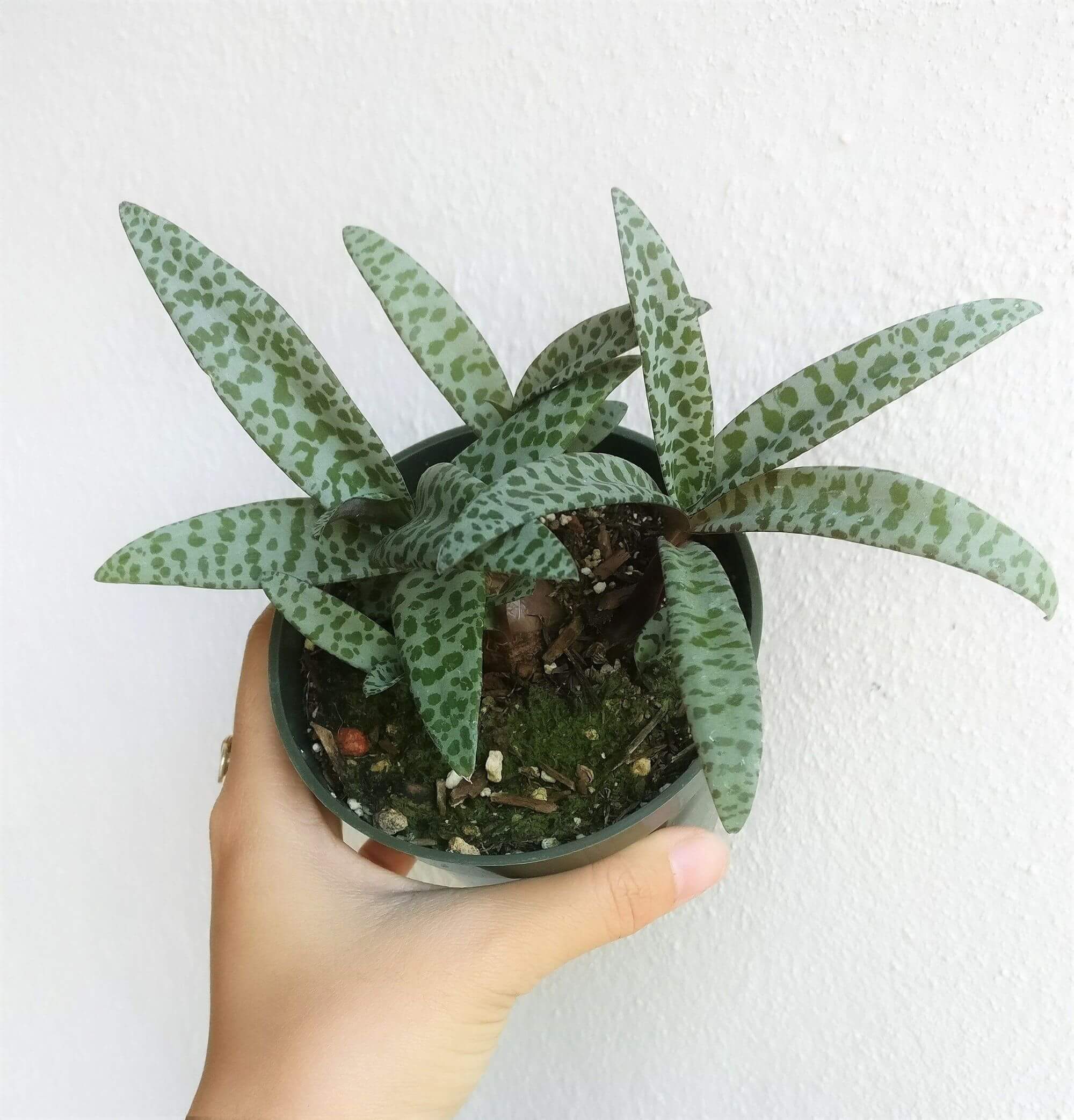
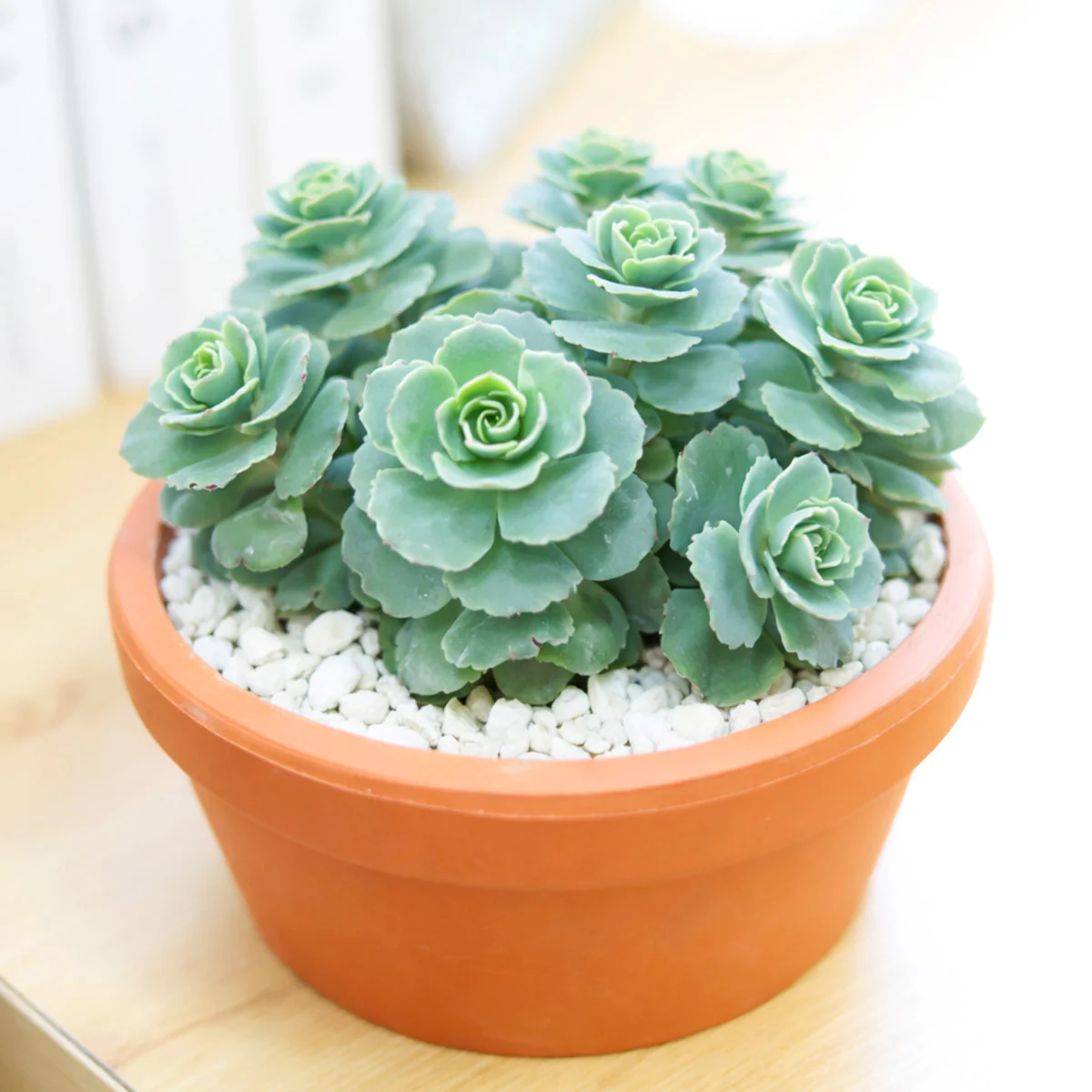
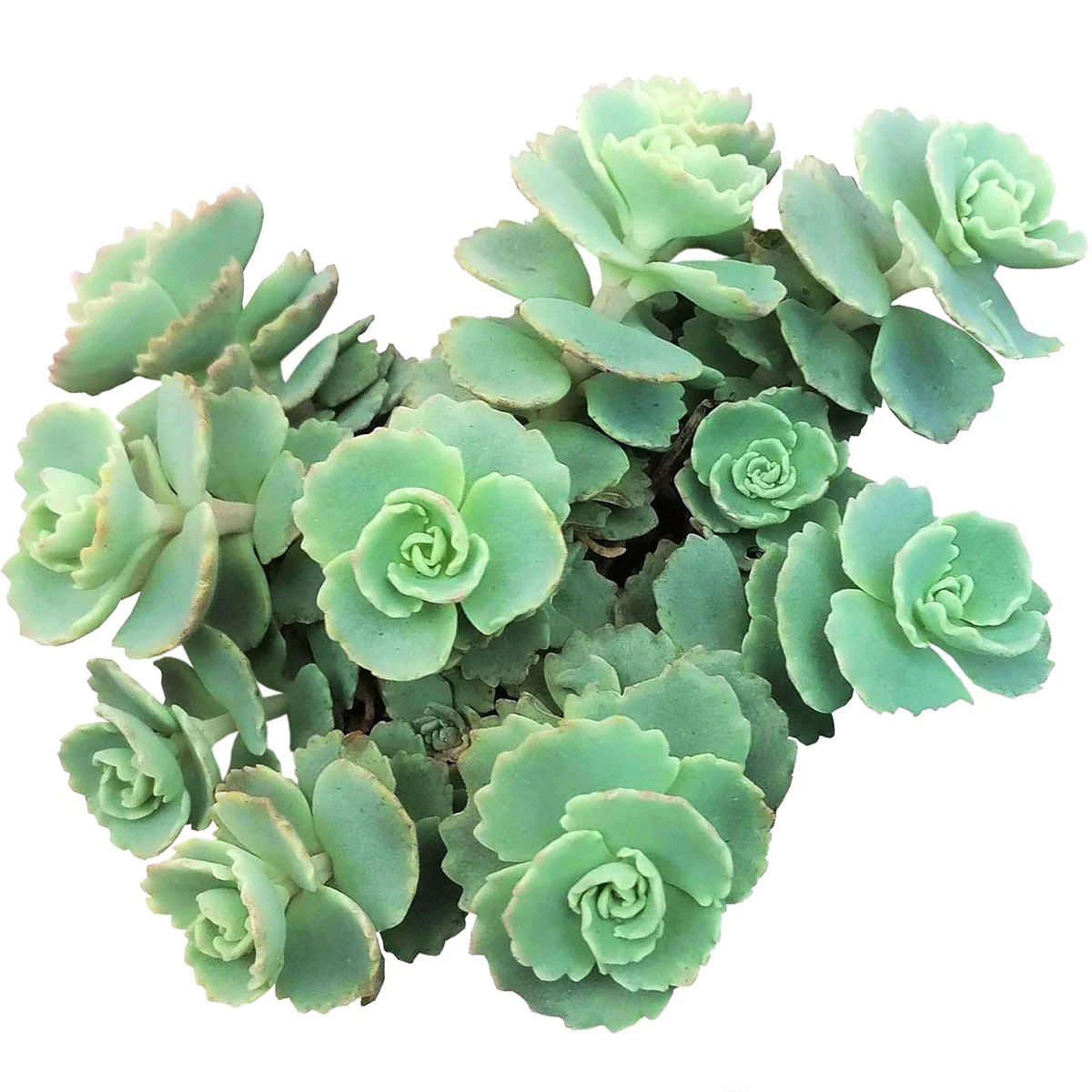
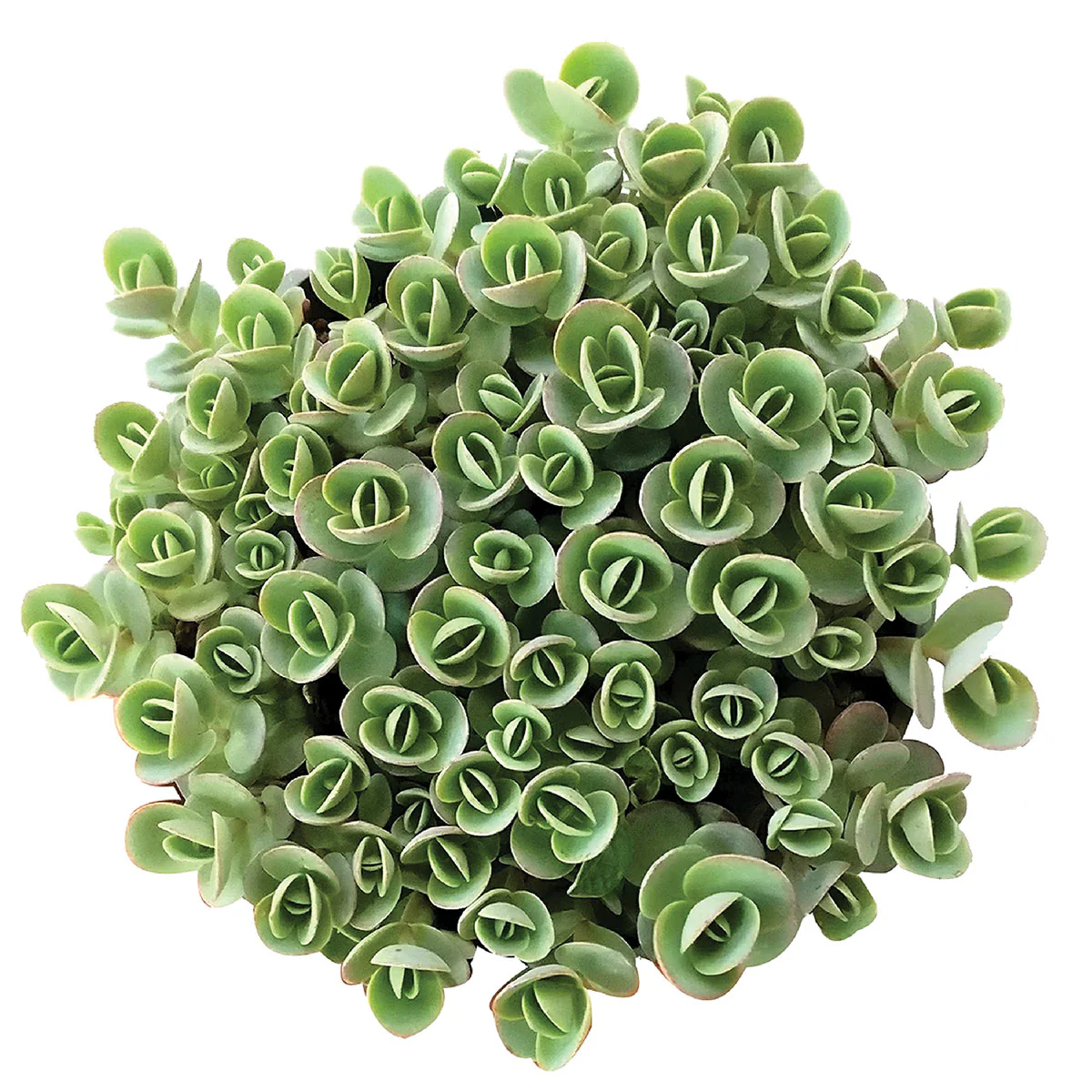
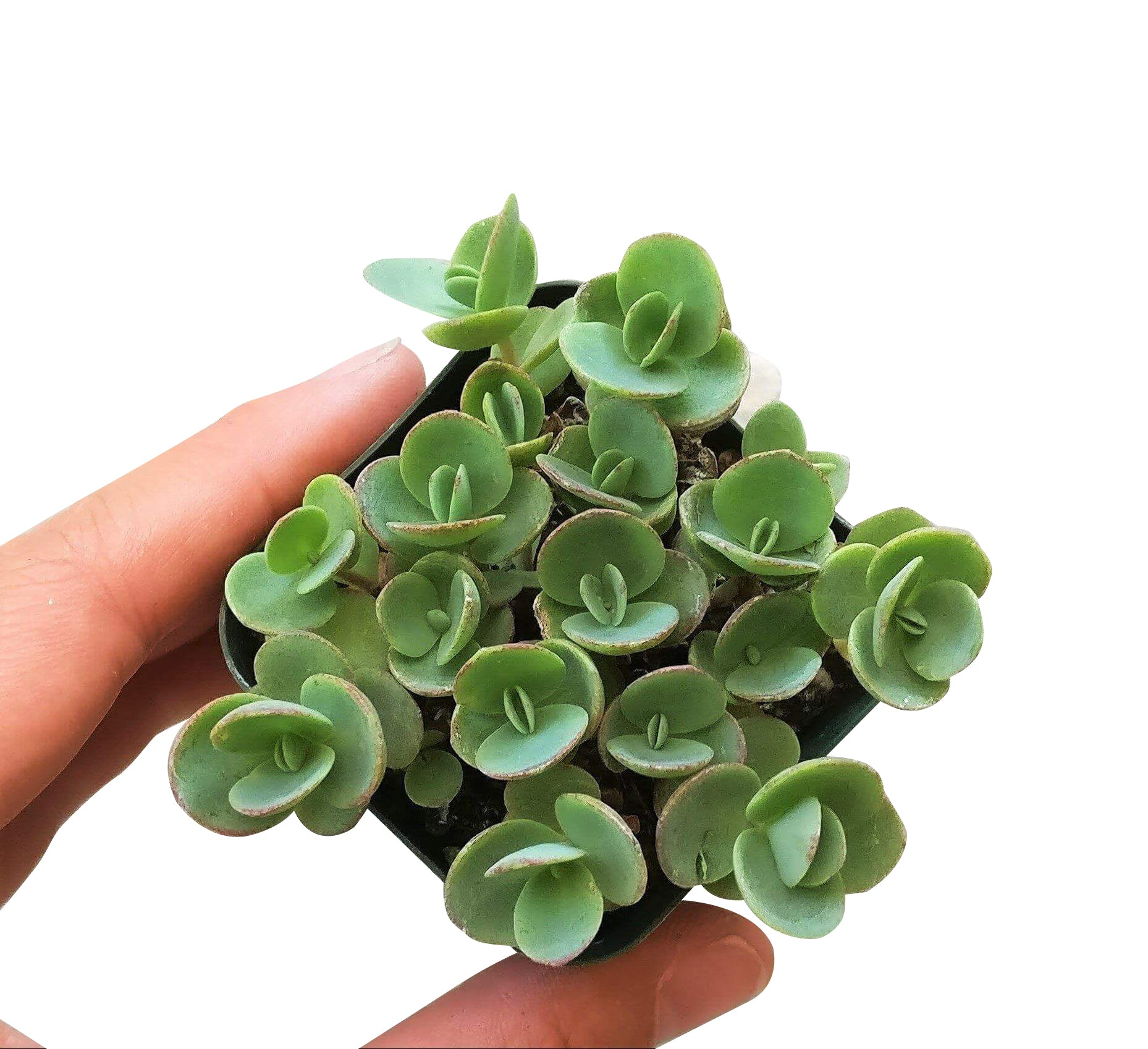
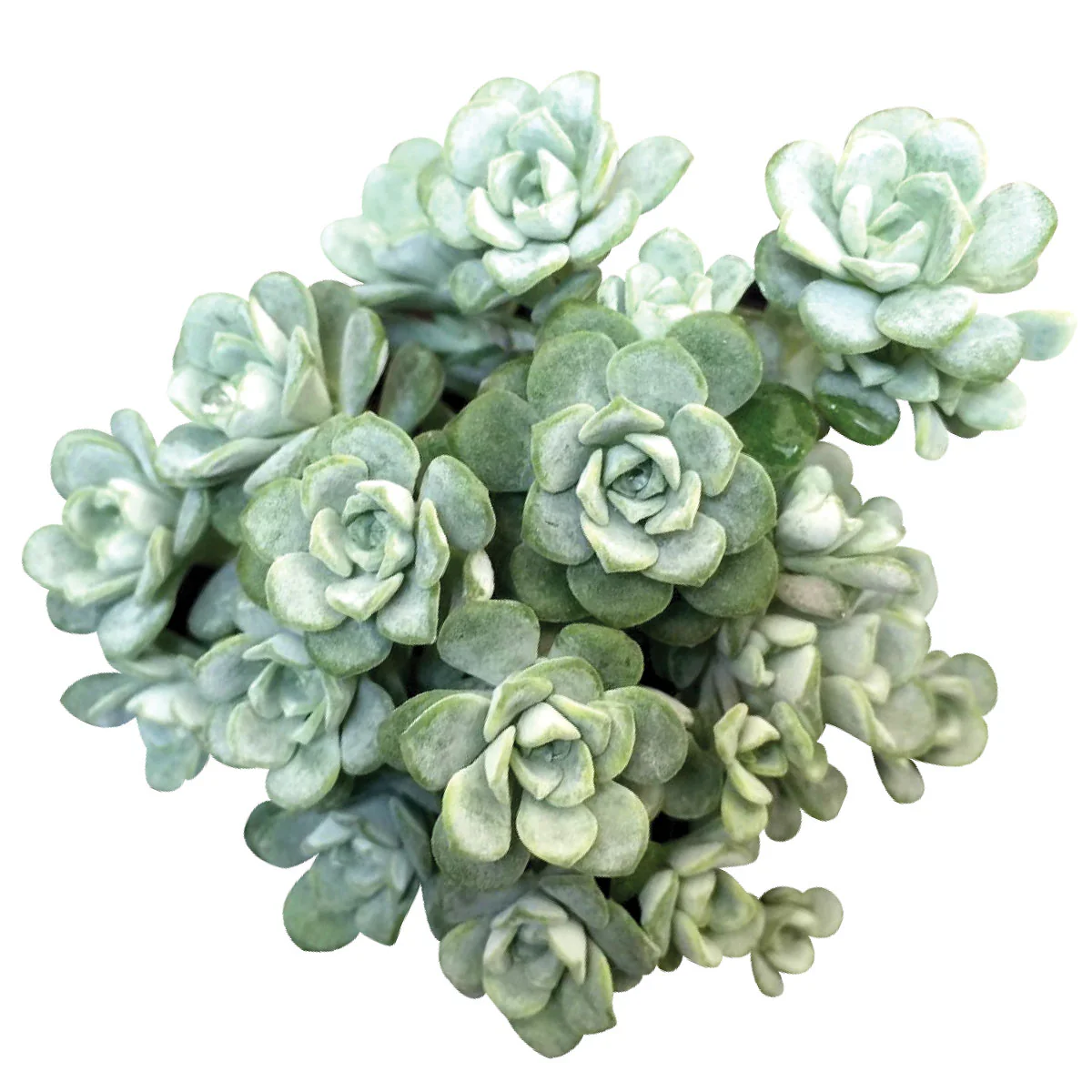
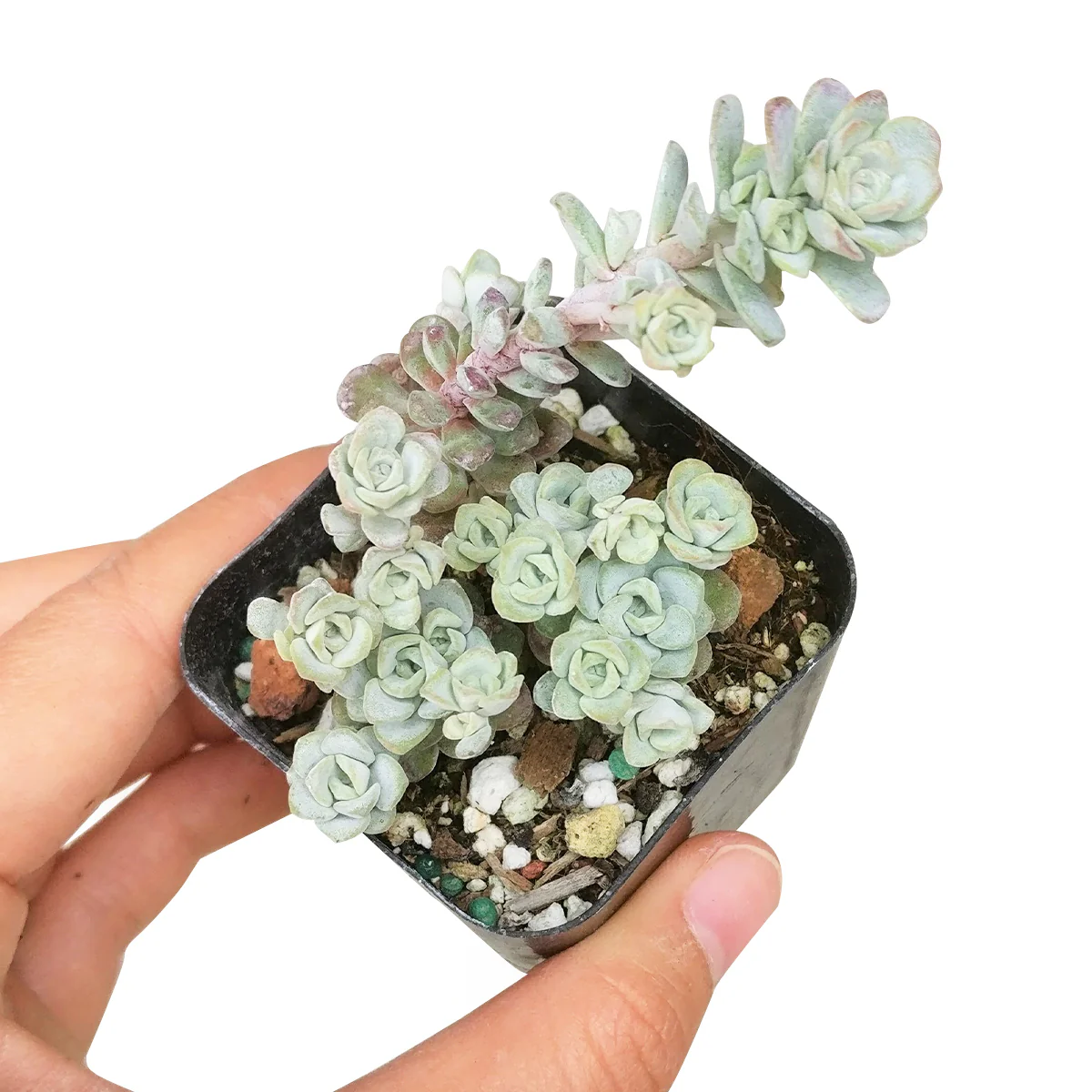
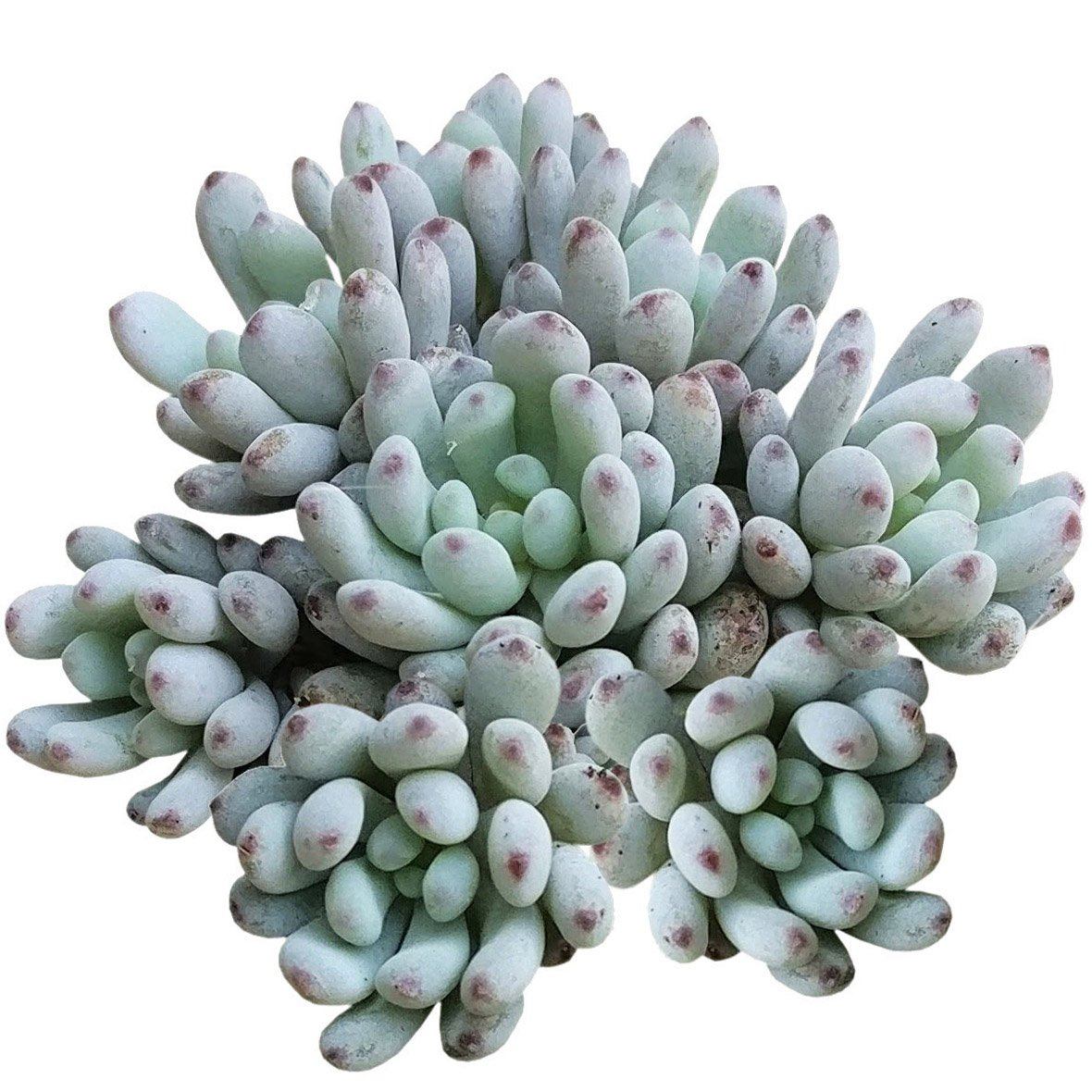
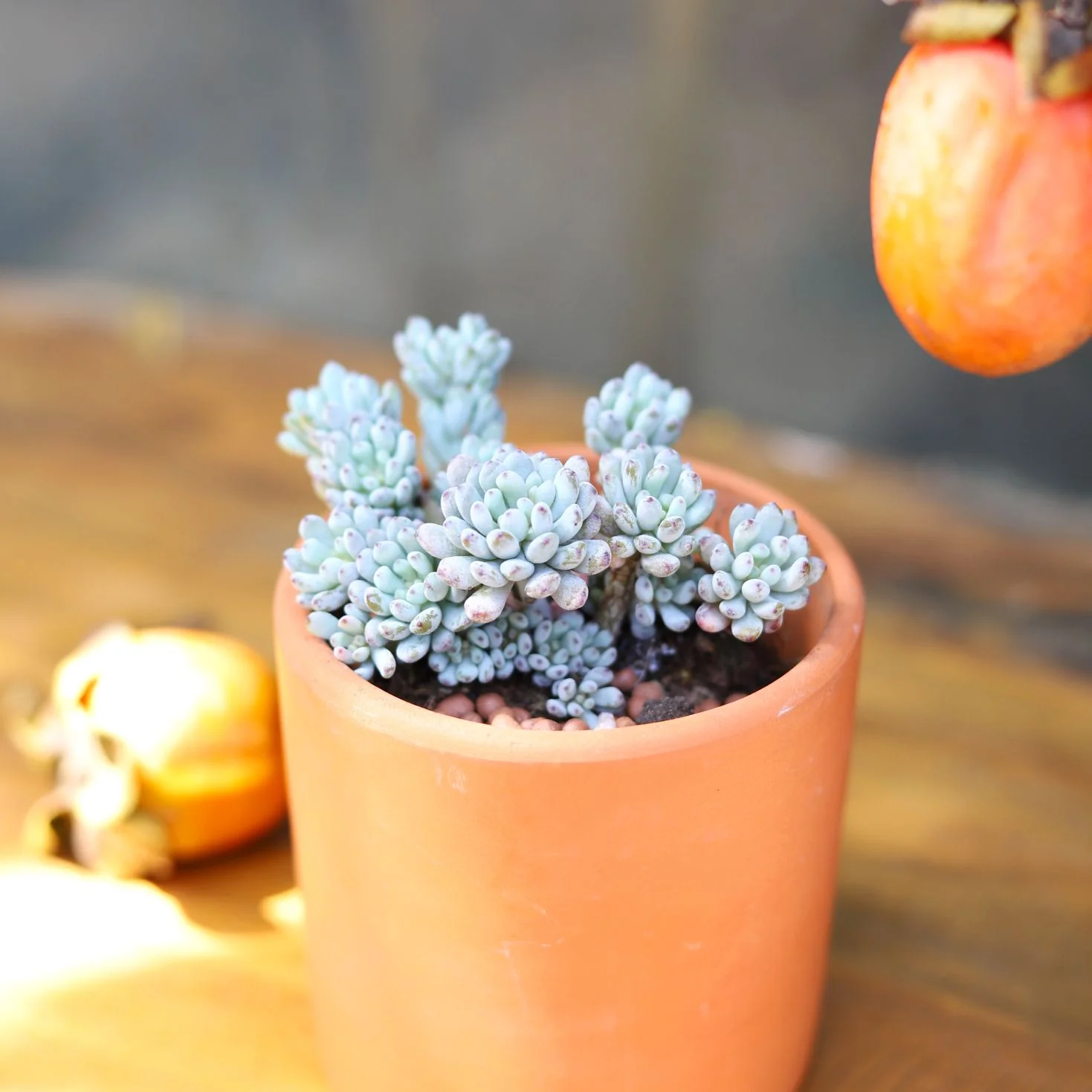
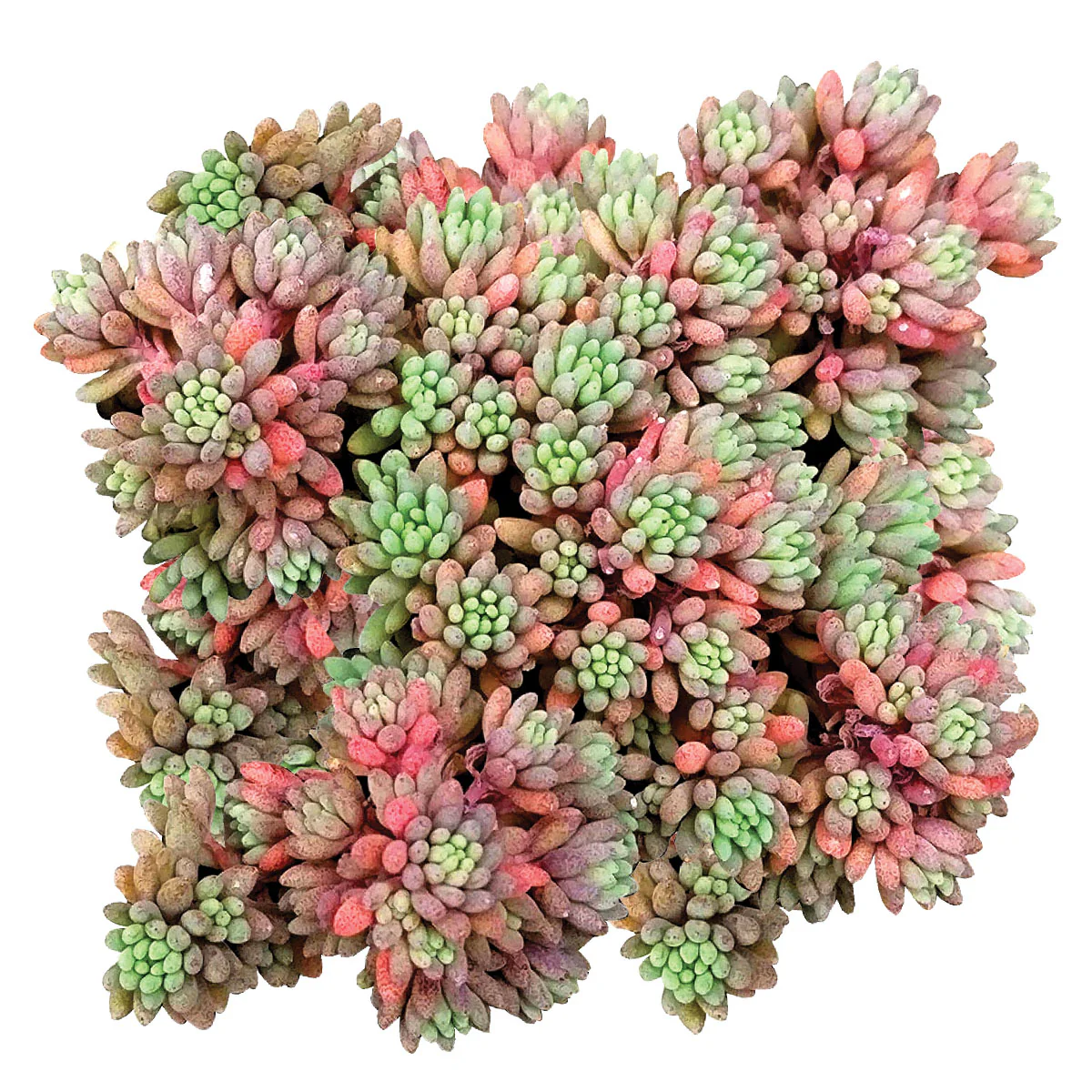
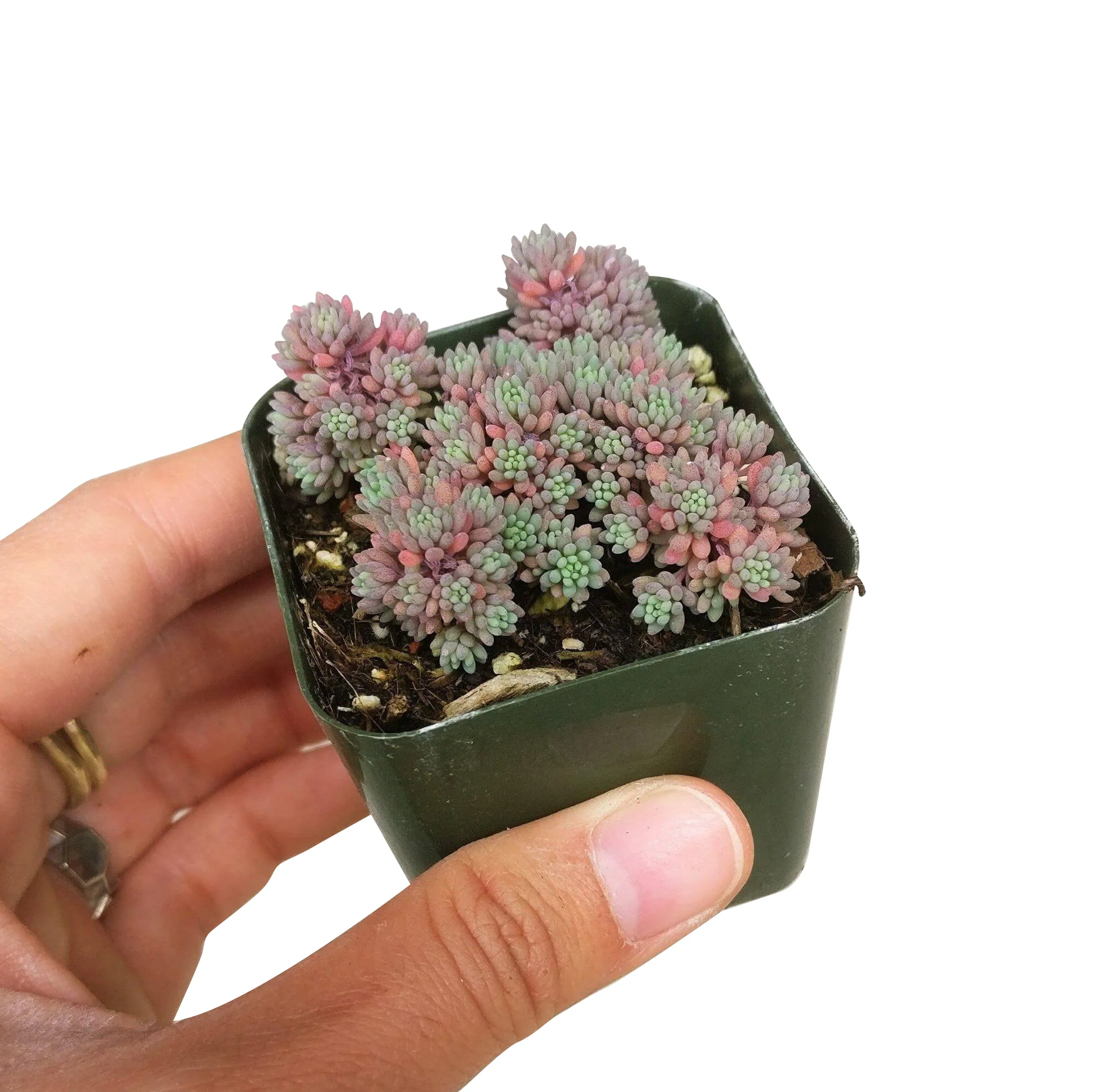
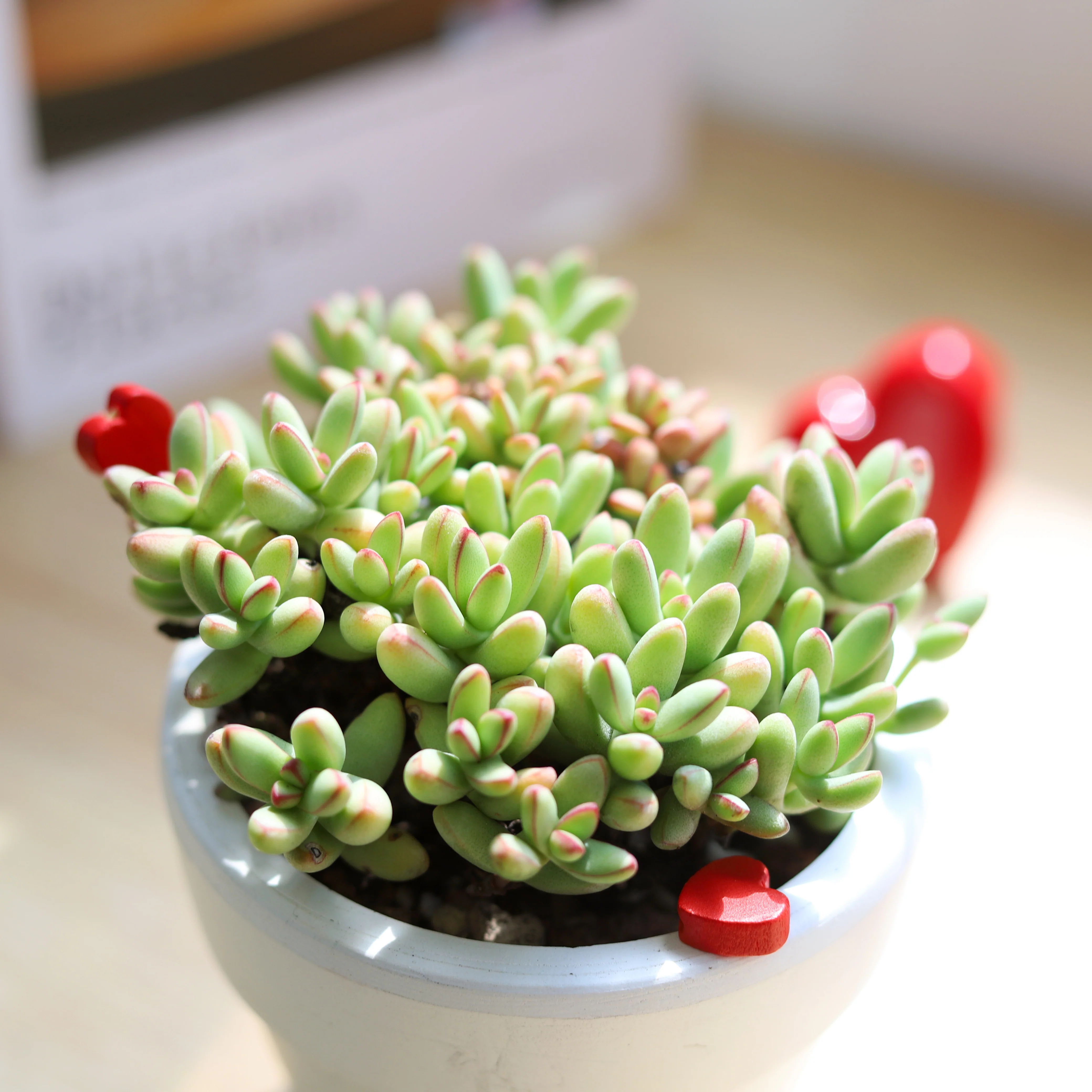
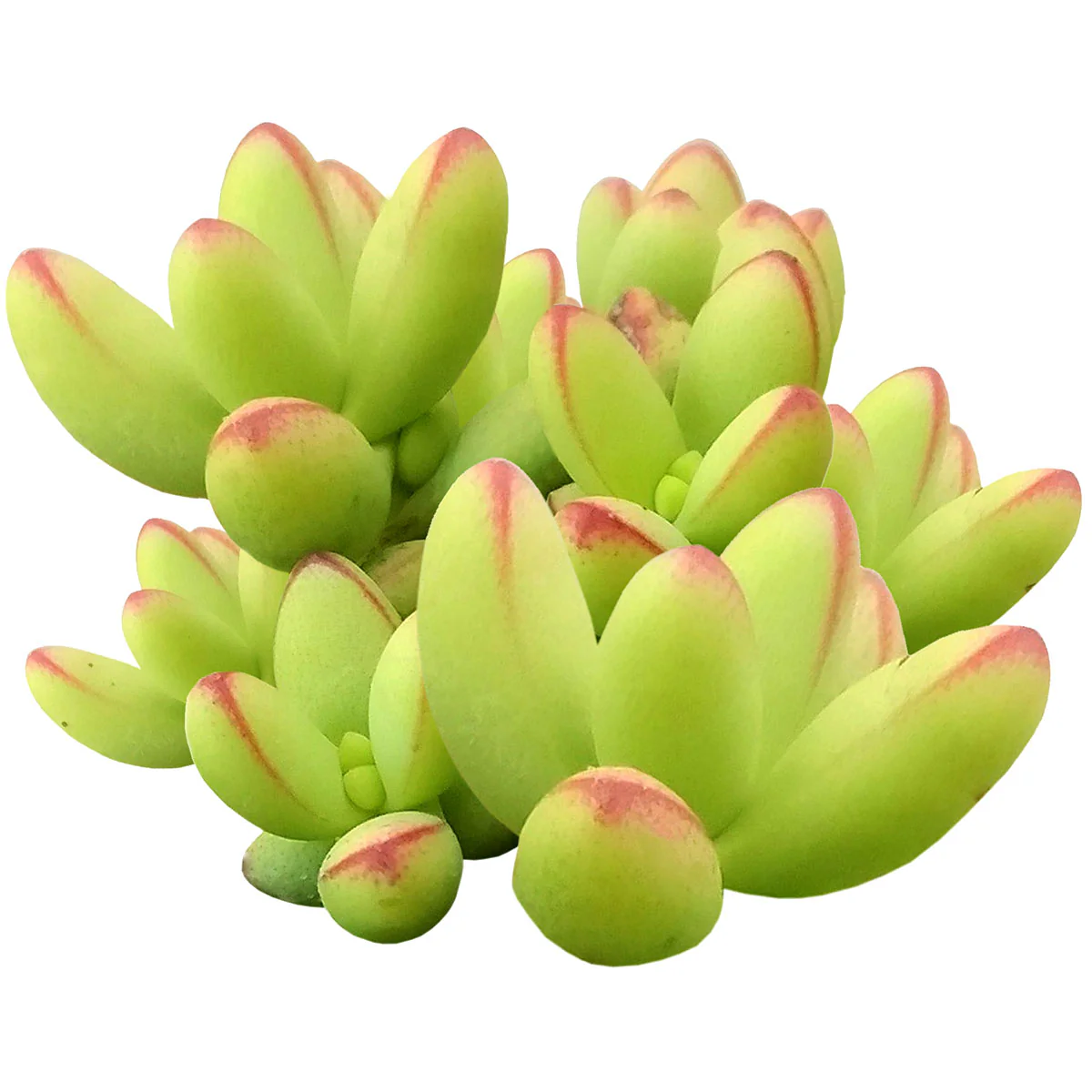
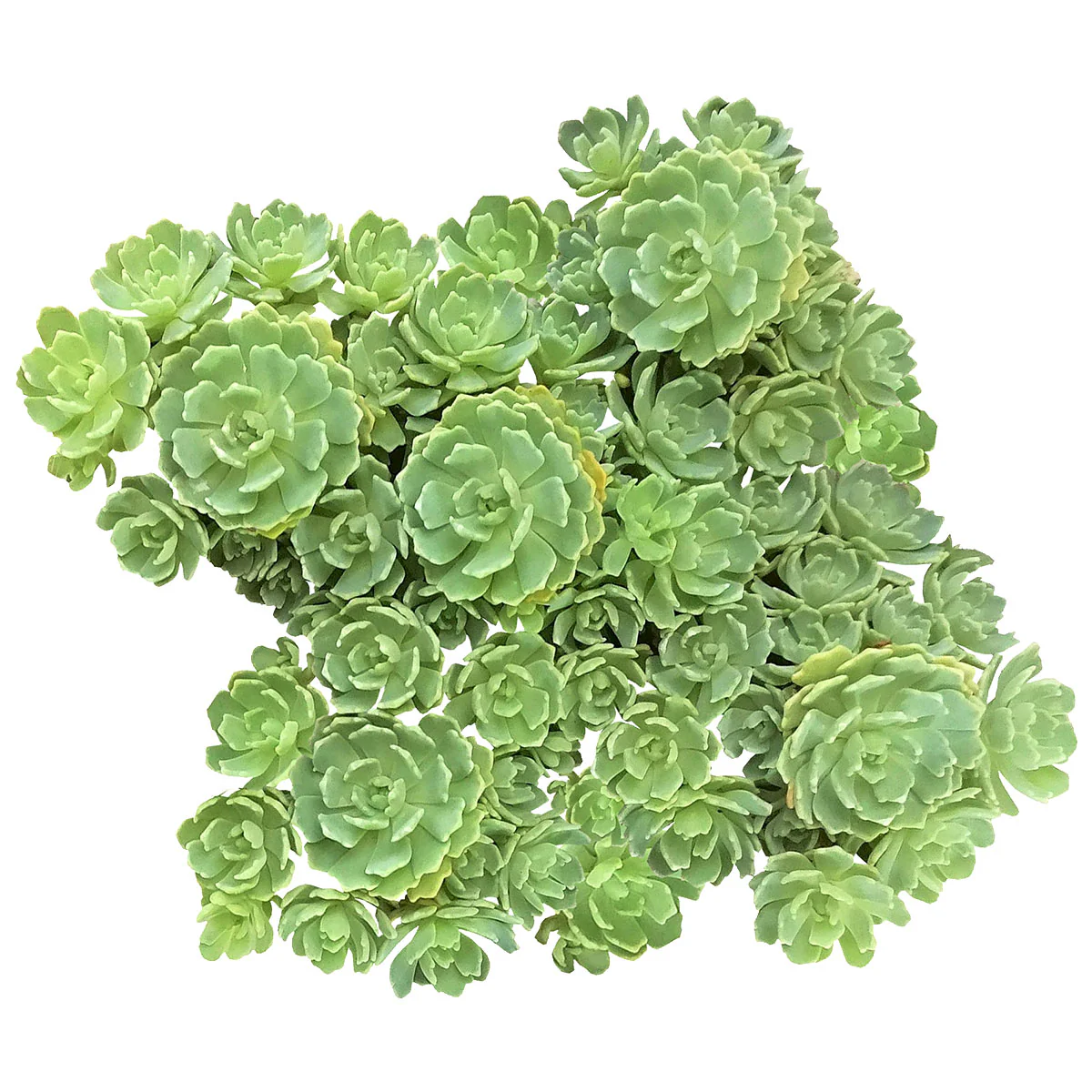
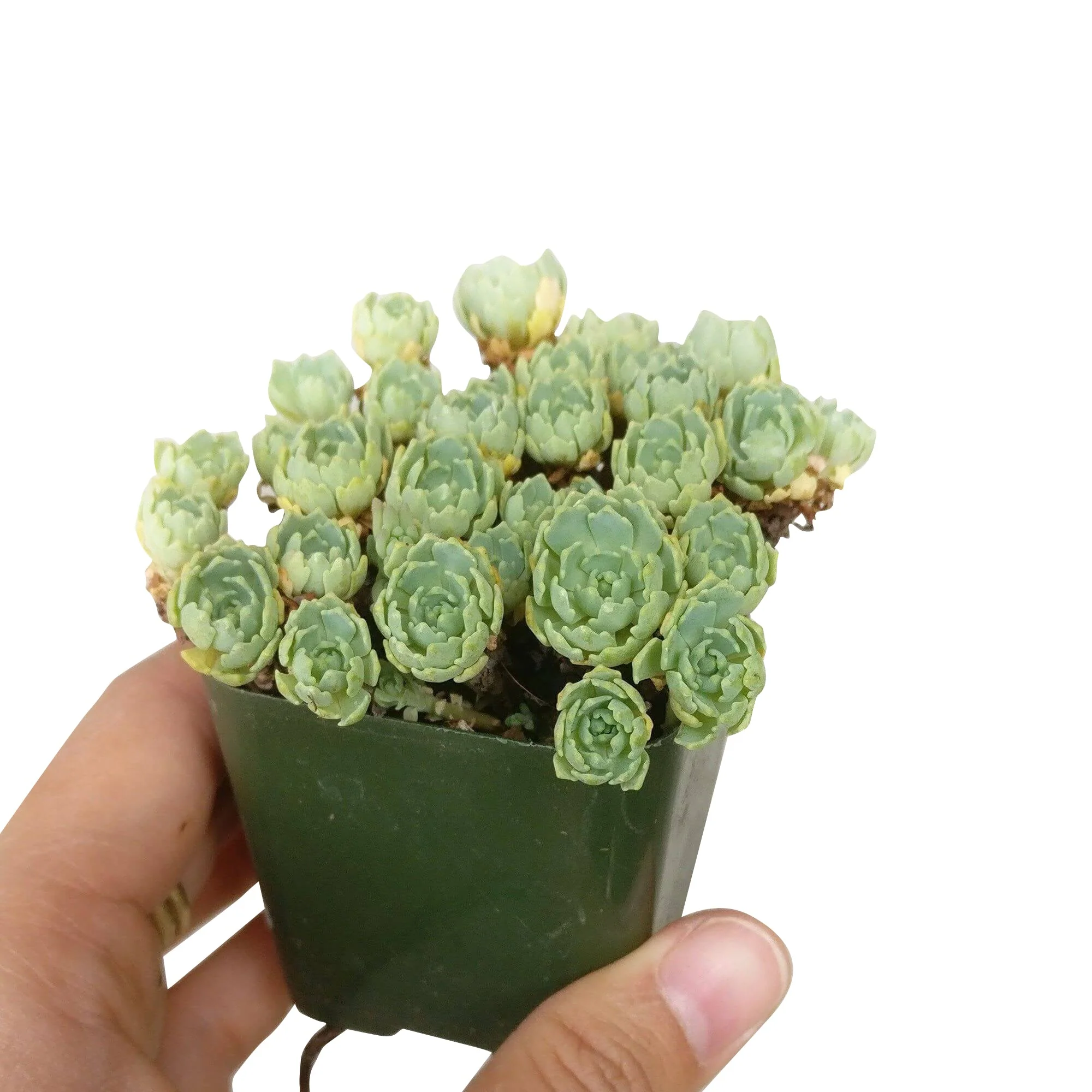
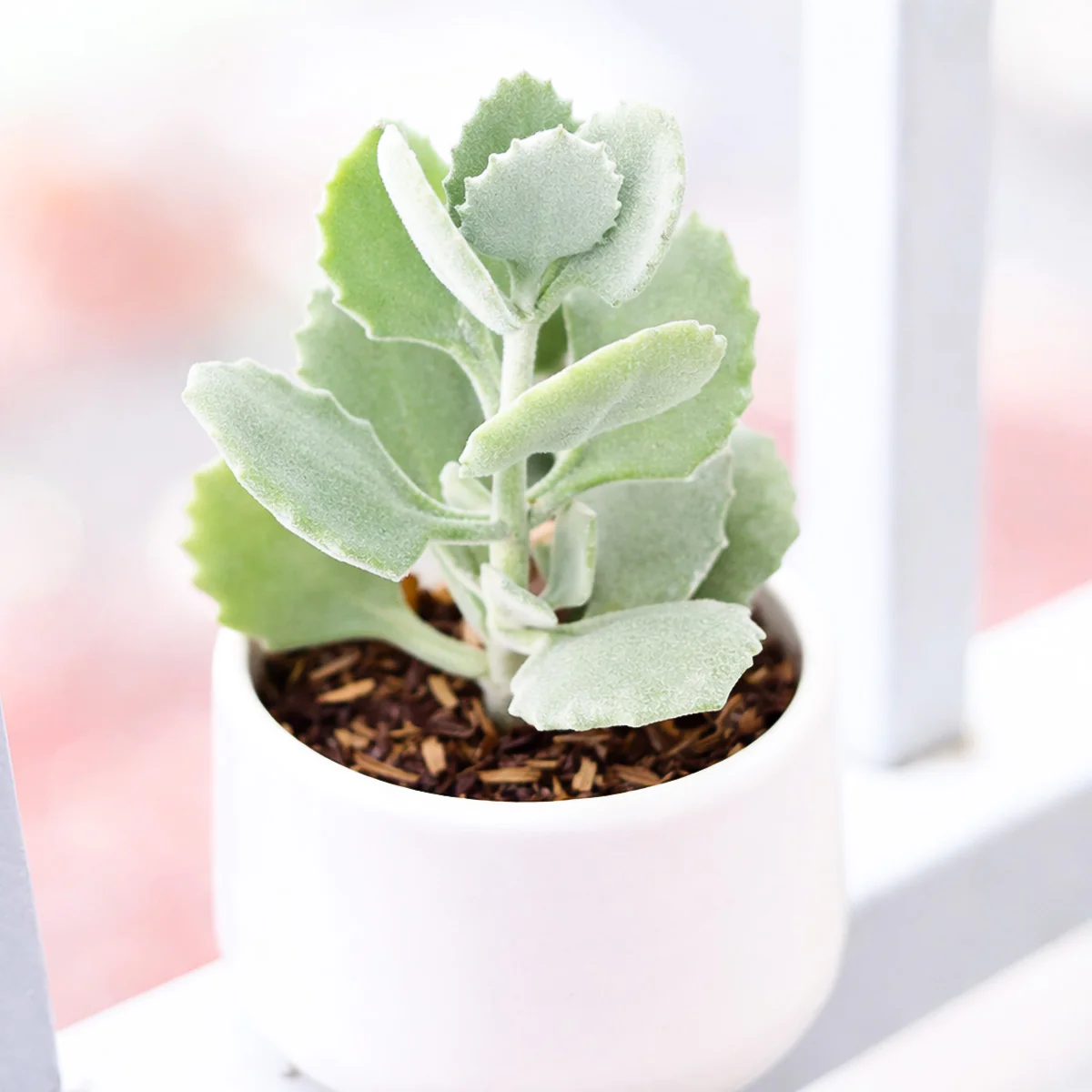
 Kalanchoe millotii forms a tidy upright, clustering habit with small, rounded leaves densely covered in fine silvery-white hairs, giving the plant a soft, fuzzy appearance that makes it instantly recognizable. The velvety texture catches light beautifully, and as new offsets cluster around the base, the plant gradually fills out into a full, lush specimen that looks great on a shelf or windowsill.
 Kalanchoe millotii produces small, delicate blooms that typically emerge in cooler months, and a nighttime temperature drop can encourage more reliable flowering. Beyond its blooms, this plant is a standout for its tactile, felted foliage that looks striking year-round and needs no flowers to turn heads.
 Kalanchoe millotii is a fantastic low humidity plant that tolerates dry heated indoor air well, making it an excellent choice for heated apartments in winter. It loves spending summer outdoors on a patio or in a sheltered garden spot, though it needs cover from heavy rain and should be brought back inside before cold nights arrive in autumn. Keep Kalanchoe millotii on a high shelf out of reach of cats, dogs, and small children, as it should not be nibbled or ingested by pets or handled carelessly by toddlers. Collectors appreciate how effortlessly it multiplies into a clustering colony over time.
-
 Kalanchoe millotii thrives in bright indirect light and scorches easily in direct south-facing windows.
 Kalanchoe millotii prefers a soak-and-dry watering method, typically every 10-14 days, allowing soil to dry fully between waterings.
 Kalanchoe millotii does best in a well-draining cactus mix blended with perlite to prevent root rot.
 Kalanchoe millotii prefers temperatures between 65-80°F (18-27°C) and should never be exposed to frost or freezing conditions.
![]() Kalanchoe millotii is a slow to moderate grower that needs only minimal fertilizer, once or twice during the active growing season.
Kalanchoe millotii is a slow to moderate grower that needs only minimal fertilizer, once or twice during the active growing season.
 Kalanchoe millotii is rated for USDA Hardiness Zones 10-12, tolerating brief dips no lower than around 30-32°F (around 0°C) before cold damage occurs. Gardeners growing Kalanchoe millotii outdoors year-round will find ideal conditions across Hawaii, South Florida, and the warmest parts of Southern California, Arizona, and Texas. Portions of Louisiana, coastal Georgia, South Carolina, Mississippi, Alabama, and Nevada's warmer valleys can also support this plant during milder years, though frost protection is always recommended in those regions.
-
Q: How often should I water Kalanchoe millotii?
A: Kalanchoe millotii prefers a soak-and-dry approach, watering roughly every 10-14 days and letting the soil dry out completely between sessions. If you notice the leaves starting to look slightly soft or wilted, that is your signal it is time for a drink.
Q: Is Kalanchoe millotii safe for pets?
A: Kalanchoe millotii should be kept out of reach of cats and dogs, as they should not be left to nibble or eat the plant. A high shelf is the simplest and most stylish solution.
Q: How much light does Kalanchoe millotii need?
A: Kalanchoe millotii does best in bright indirect light and should be rotated regularly for even, balanced growth. Avoid placing it in a south-facing window where direct sun can scorch its delicate fuzzy leaves.
Q: Can Kalanchoe millotii survive while I am on vacation?
A: Yes, Kalanchoe millotii is a drought-tolerant plant that can comfortably survive a 10-day trip without watering. Just give it a thorough soak before you leave and place it in a stable bright spot away from AC or heater vents.
Q: Can I move Kalanchoe millotii outside in summer?
A: Absolutely, Kalanchoe millotii loves spending summer outdoors in a warm, sheltered spot with bright indirect light. Bring it back inside before nighttime temperatures start to dip in autumn, and make sure it has some cover from heavy rain.
Q: How do I propagate Kalanchoe millotii?
A: Kalanchoe millotii naturally produces offsets as it clusters, which can be gently separated and potted up in a well-draining cactus mix. Leaf or stem cuttings also root readily when allowed to callous for a day or two before planting.


Original: $8.00
-70%$8.00
$2.40Product Information
Product Information
Shipping & Returns
Shipping & Returns
Description
- Description
- Kalanchoe millotii Care Guide
- FAQ/Common Issues
-
![]() Kalanchoe millotii is a charming succulent in the Crassulaceae family, native to the island of Madagascar where it grows in warm, seasonally dry habitats. This easy care plant has earned a loyal following among succulent enthusiasts for its low-maintenance nature and compact, sculptural presence indoors.
Kalanchoe millotii is a charming succulent in the Crassulaceae family, native to the island of Madagascar where it grows in warm, seasonally dry habitats. This easy care plant has earned a loyal following among succulent enthusiasts for its low-maintenance nature and compact, sculptural presence indoors.
Kalanchoe millotii forms a tidy upright, clustering habit with small, rounded leaves densely covered in fine silvery-white hairs, giving the plant a soft, fuzzy appearance that makes it instantly recognizable. The velvety texture catches light beautifully, and as new offsets cluster around the base, the plant gradually fills out into a full, lush specimen that looks great on a shelf or windowsill.
Kalanchoe millotii produces small, delicate blooms that typically emerge in cooler months, and a nighttime temperature drop can encourage more reliable flowering. Beyond its blooms, this plant is a standout for its tactile, felted foliage that looks striking year-round and needs no flowers to turn heads.
Kalanchoe millotii is a fantastic low humidity plant that tolerates dry heated indoor air well, making it an excellent choice for heated apartments in winter. It loves spending summer outdoors on a patio or in a sheltered garden spot, though it needs cover from heavy rain and should be brought back inside before cold nights arrive in autumn. Keep Kalanchoe millotii on a high shelf out of reach of cats, dogs, and small children, as it should not be nibbled or ingested by pets or handled carelessly by toddlers. Collectors appreciate how effortlessly it multiplies into a clustering colony over time.
-
Kalanchoe millotii thrives in bright indirect light and scorches easily in direct south-facing windows.
Kalanchoe millotii prefers a soak-and-dry watering method, typically every 10-14 days, allowing soil to dry fully between waterings.
Kalanchoe millotii does best in a well-draining cactus mix blended with perlite to prevent root rot.
Kalanchoe millotii prefers temperatures between 65-80°F (18-27°C) and should never be exposed to frost or freezing conditions.
![]() Kalanchoe millotii is a slow to moderate grower that needs only minimal fertilizer, once or twice during the active growing season.
Kalanchoe millotii is a slow to moderate grower that needs only minimal fertilizer, once or twice during the active growing season.
Kalanchoe millotii is rated for USDA Hardiness Zones 10-12, tolerating brief dips no lower than around 30-32°F (around 0°C) before cold damage occurs. Gardeners growing Kalanchoe millotii outdoors year-round will find ideal conditions across Hawaii, South Florida, and the warmest parts of Southern California, Arizona, and Texas. Portions of Louisiana, coastal Georgia, South Carolina, Mississippi, Alabama, and Nevada's warmer valleys can also support this plant during milder years, though frost protection is always recommended in those regions.
-
Q: How often should I water Kalanchoe millotii?
A: Kalanchoe millotii prefers a soak-and-dry approach, watering roughly every 10-14 days and letting the soil dry out completely between sessions. If you notice the leaves starting to look slightly soft or wilted, that is your signal it is time for a drink.
Q: Is Kalanchoe millotii safe for pets?
A: Kalanchoe millotii should be kept out of reach of cats and dogs, as they should not be left to nibble or eat the plant. A high shelf is the simplest and most stylish solution.
Q: How much light does Kalanchoe millotii need?
A: Kalanchoe millotii does best in bright indirect light and should be rotated regularly for even, balanced growth. Avoid placing it in a south-facing window where direct sun can scorch its delicate fuzzy leaves.
Q: Can Kalanchoe millotii survive while I am on vacation?
A: Yes, Kalanchoe millotii is a drought-tolerant plant that can comfortably survive a 10-day trip without watering. Just give it a thorough soak before you leave and place it in a stable bright spot away from AC or heater vents.
Q: Can I move Kalanchoe millotii outside in summer?
A: Absolutely, Kalanchoe millotii loves spending summer outdoors in a warm, sheltered spot with bright indirect light. Bring it back inside before nighttime temperatures start to dip in autumn, and make sure it has some cover from heavy rain.
Q: How do I propagate Kalanchoe millotii?
A: Kalanchoe millotii naturally produces offsets as it clusters, which can be gently separated and potted up in a well-draining cactus mix. Leaf or stem cuttings also root readily when allowed to callous for a day or two before planting.