Kalanchoe hildebrandtii var. glabra
- Description
- Kalanchoe hildebrandtii var. glabra Care Guide
- FAQ/Common Issues
-
![]() Kalanchoe hildebrandtii var. glabra is a rare madagascar succulent in the Crassulaceae family, prized by collectors who love silvery succulent plants with real architectural presence. Native to the arid regions of Madagascar, it has adapted to thrive in dry, bright conditions with very little fuss. If you have been searching for a rare succulent for sale that truly stands out, this is the one.
Kalanchoe hildebrandtii var. glabra is a rare madagascar succulent in the Crassulaceae family, prized by collectors who love silvery succulent plants with real architectural presence. Native to the arid regions of Madagascar, it has adapted to thrive in dry, bright conditions with very little fuss. If you have been searching for a rare succulent for sale that truly stands out, this is the one.
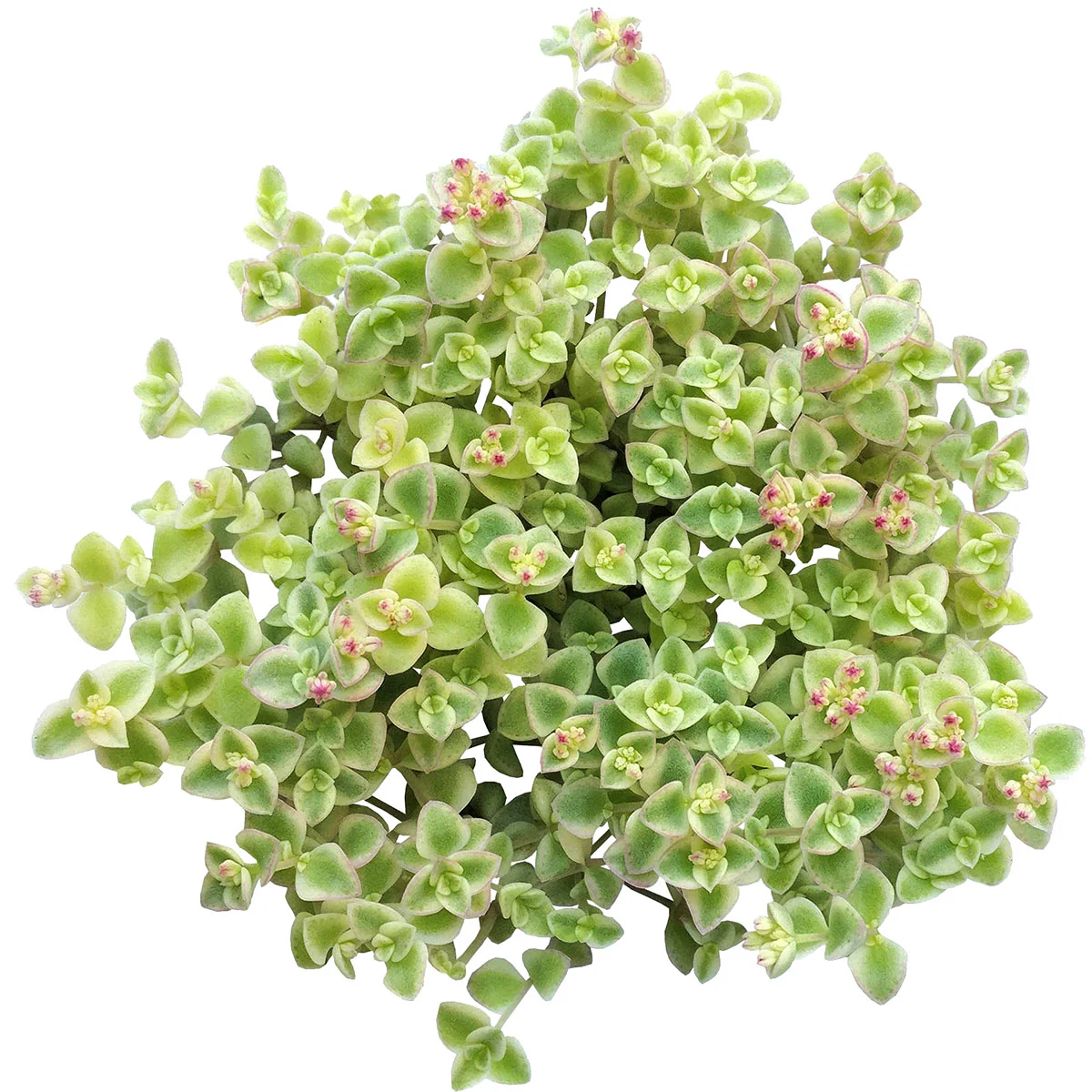
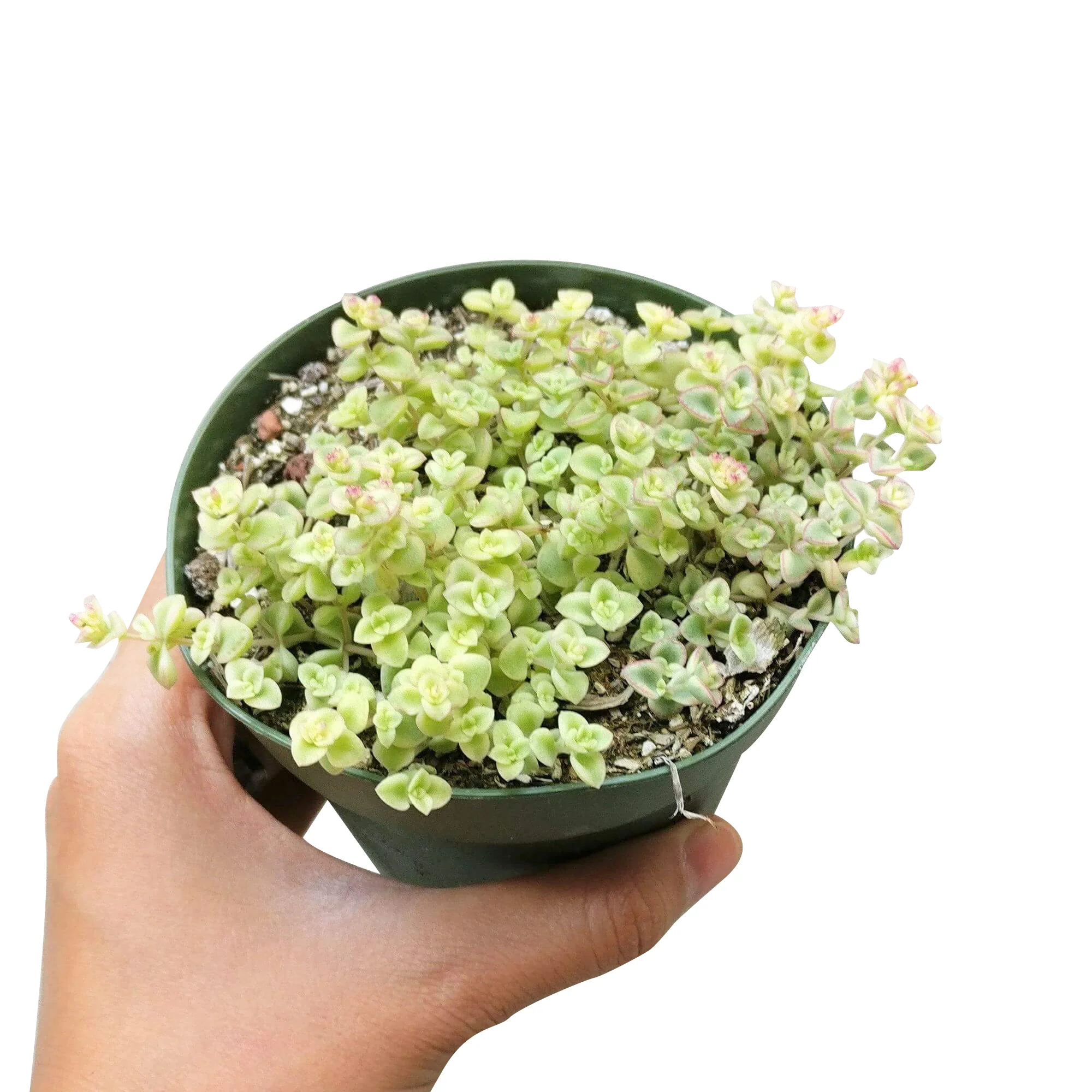
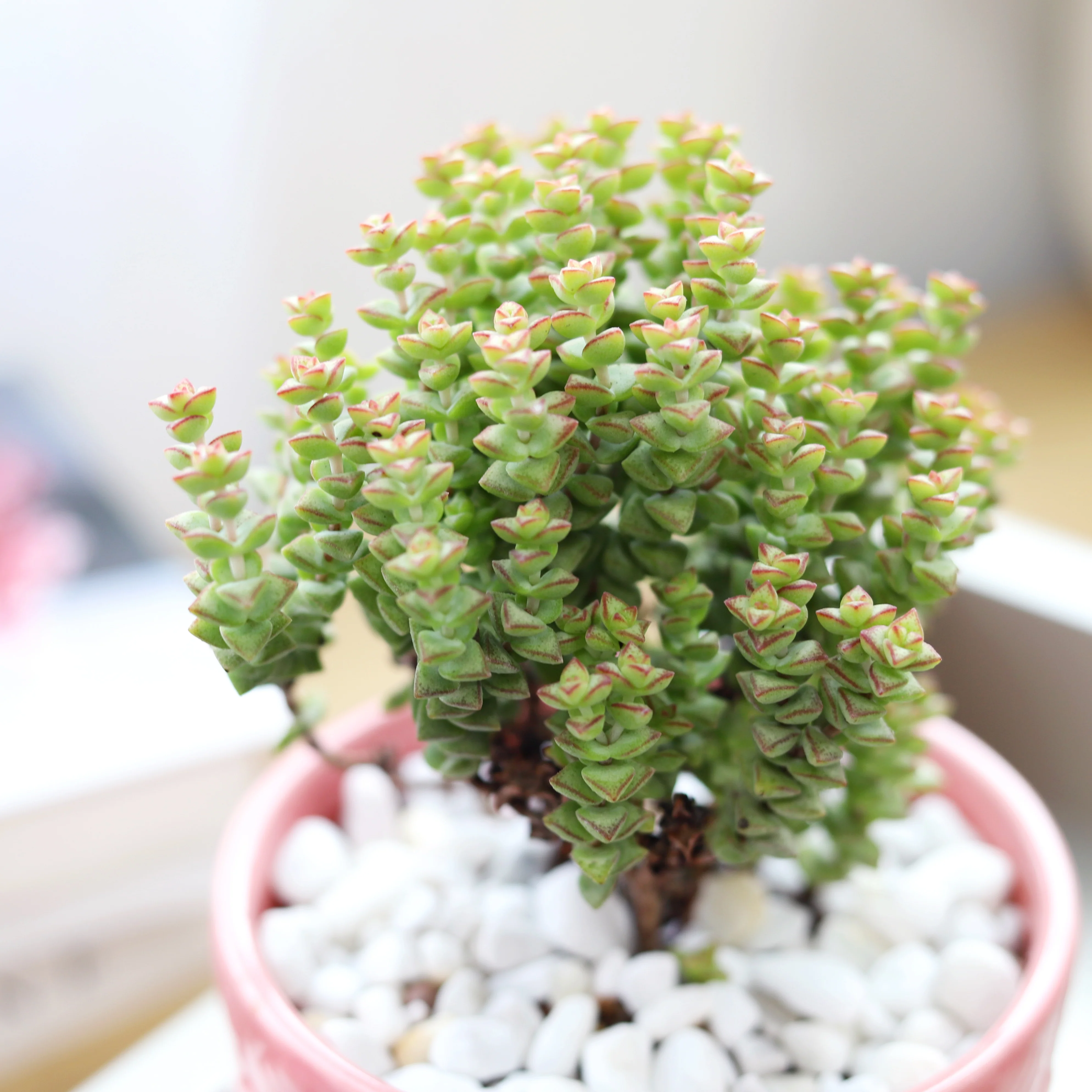
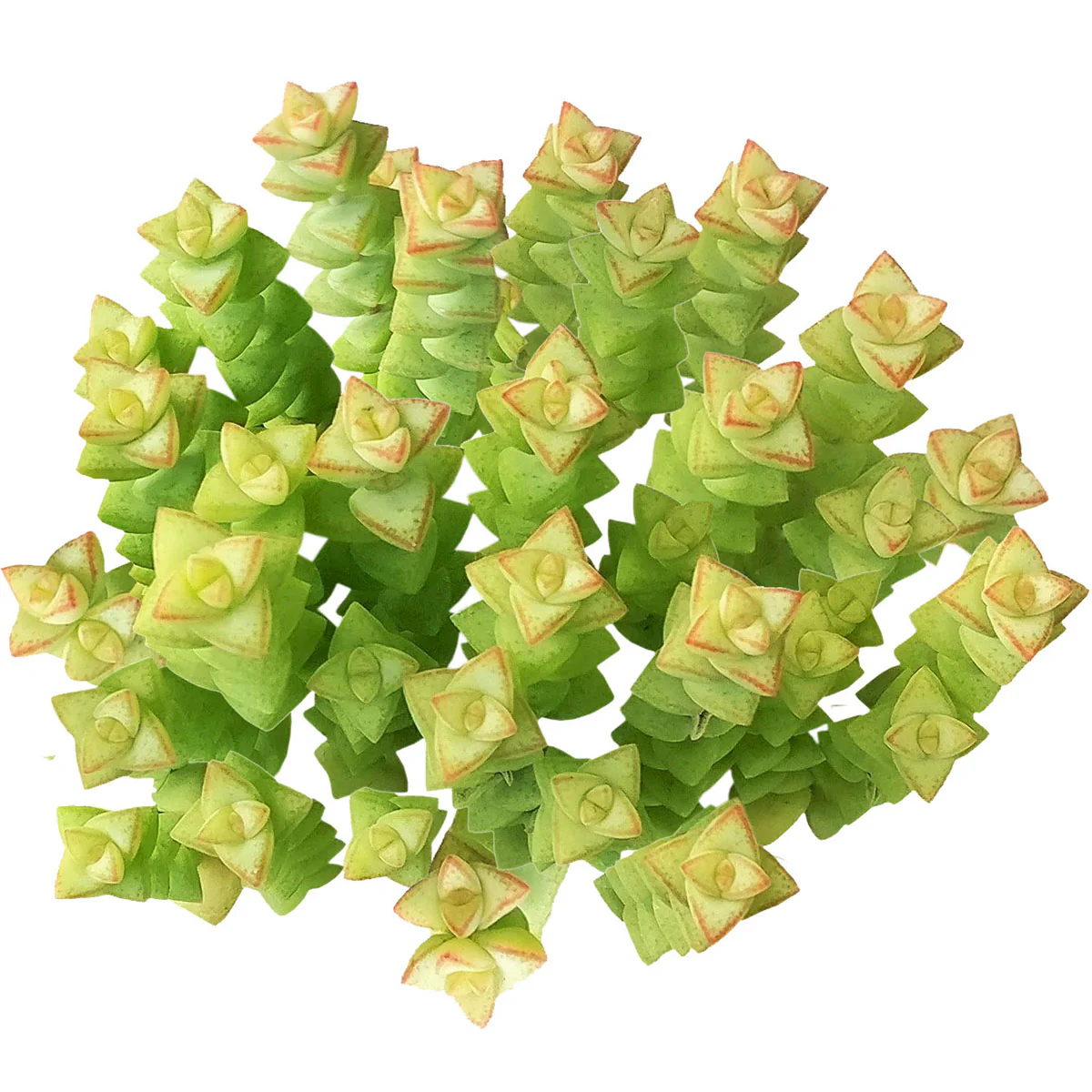
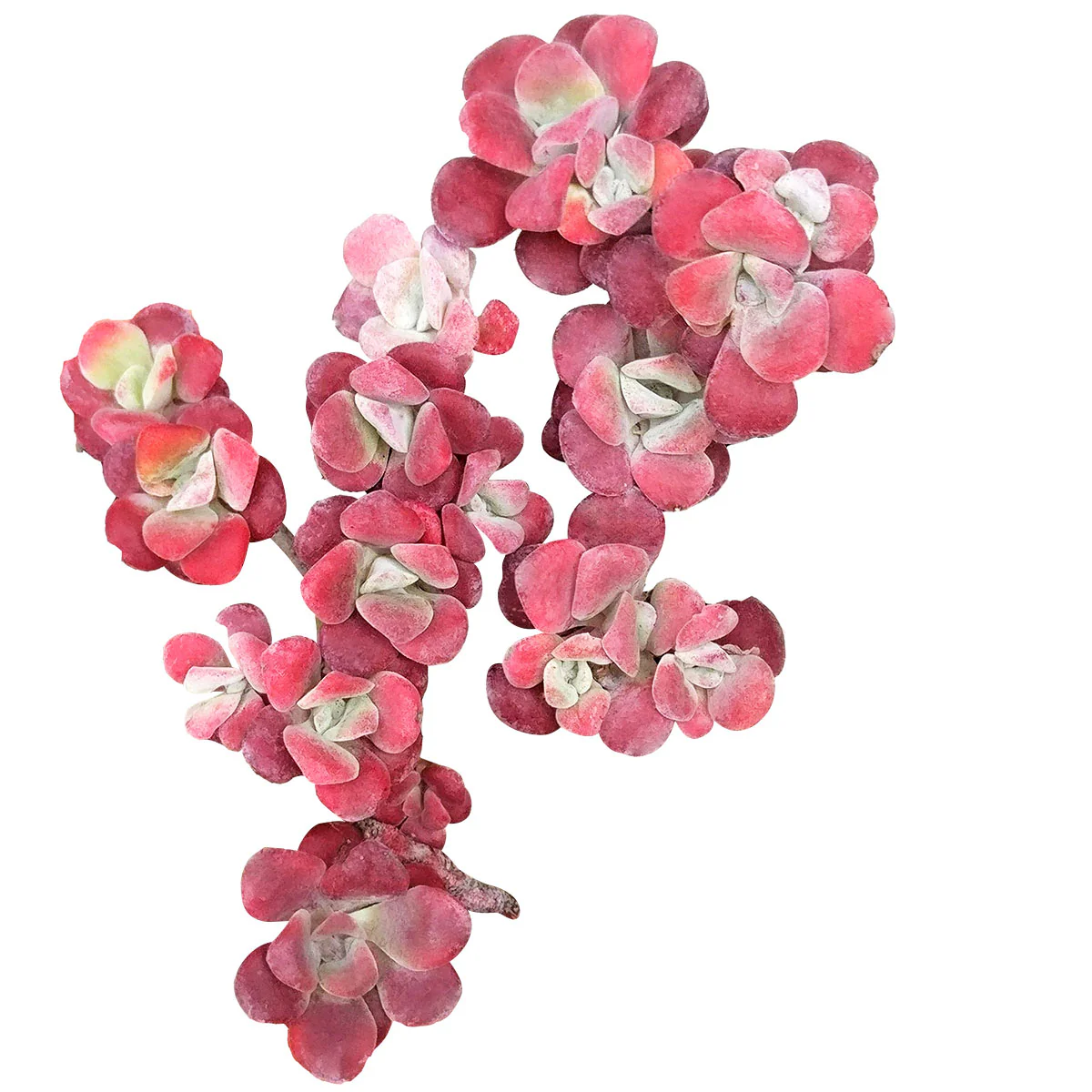
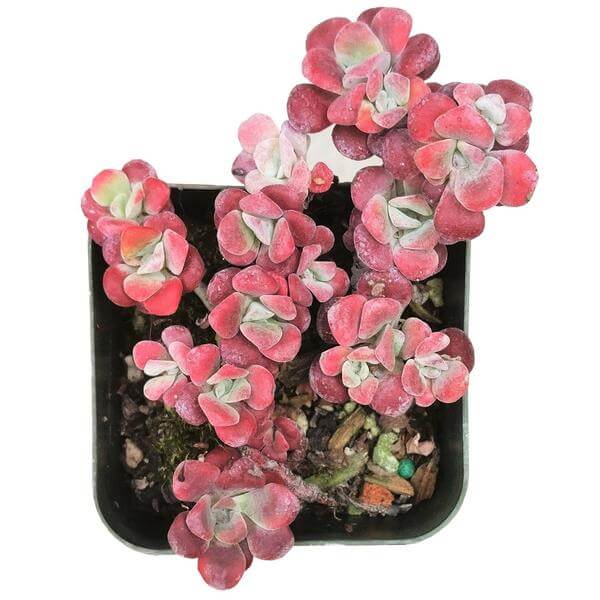
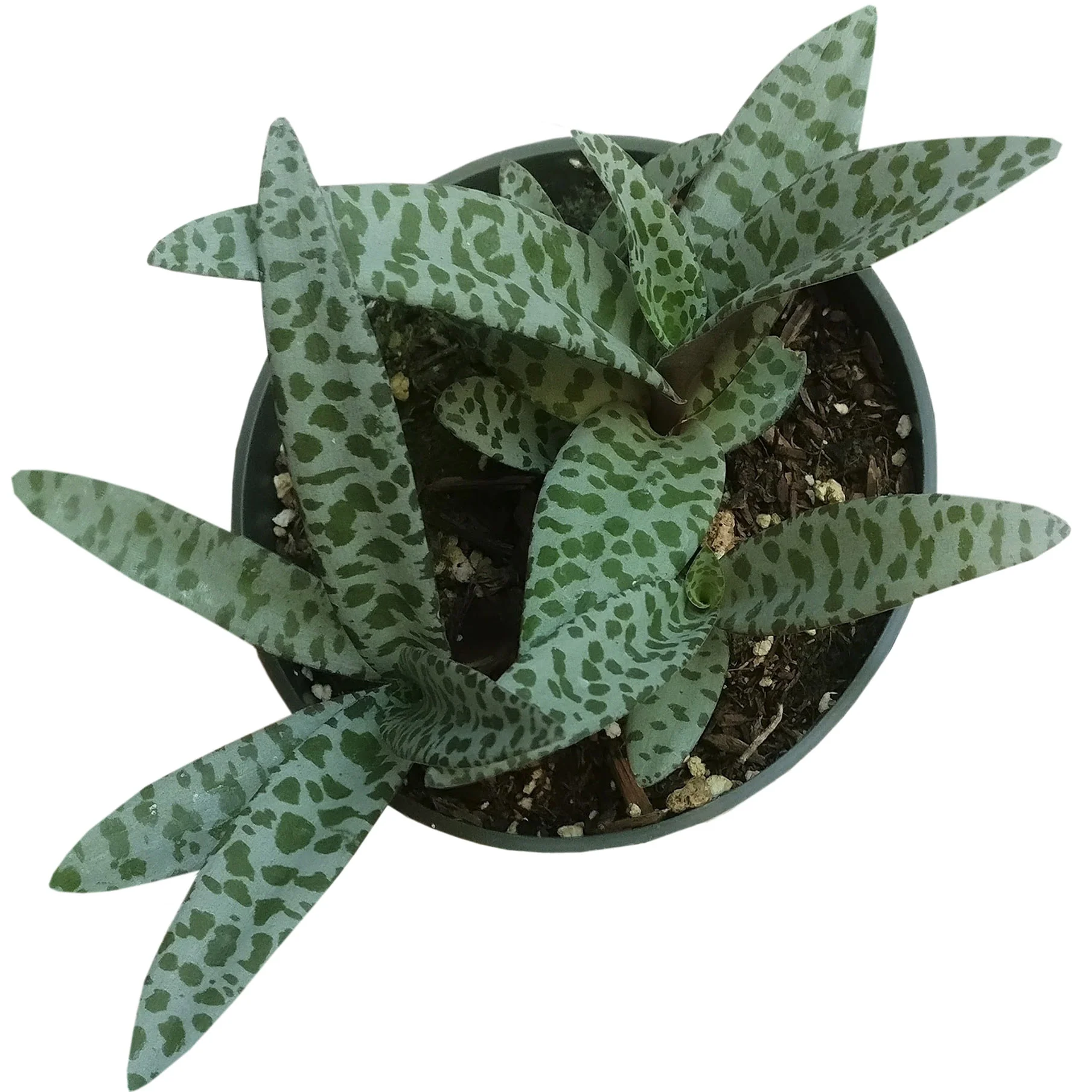
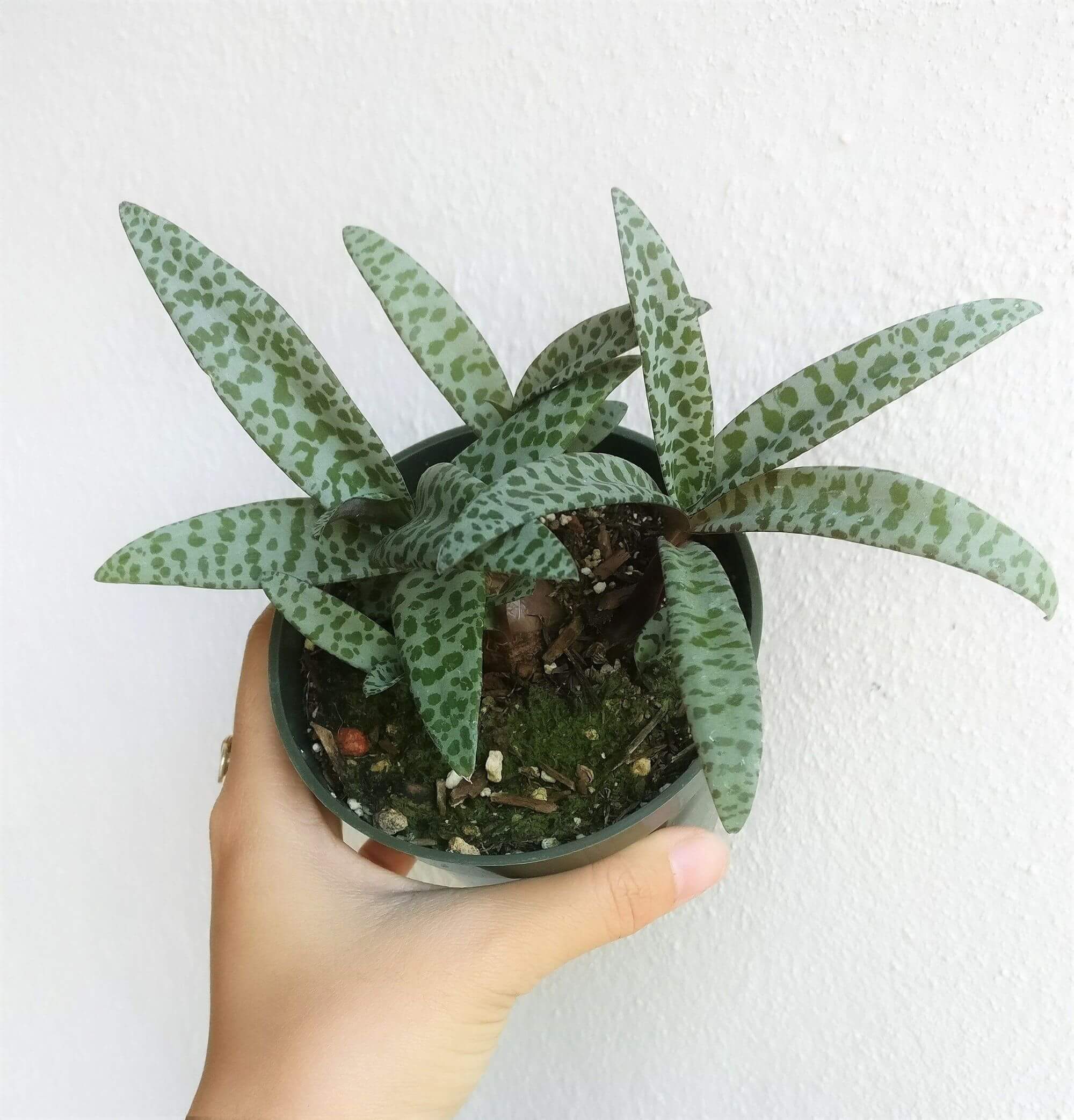
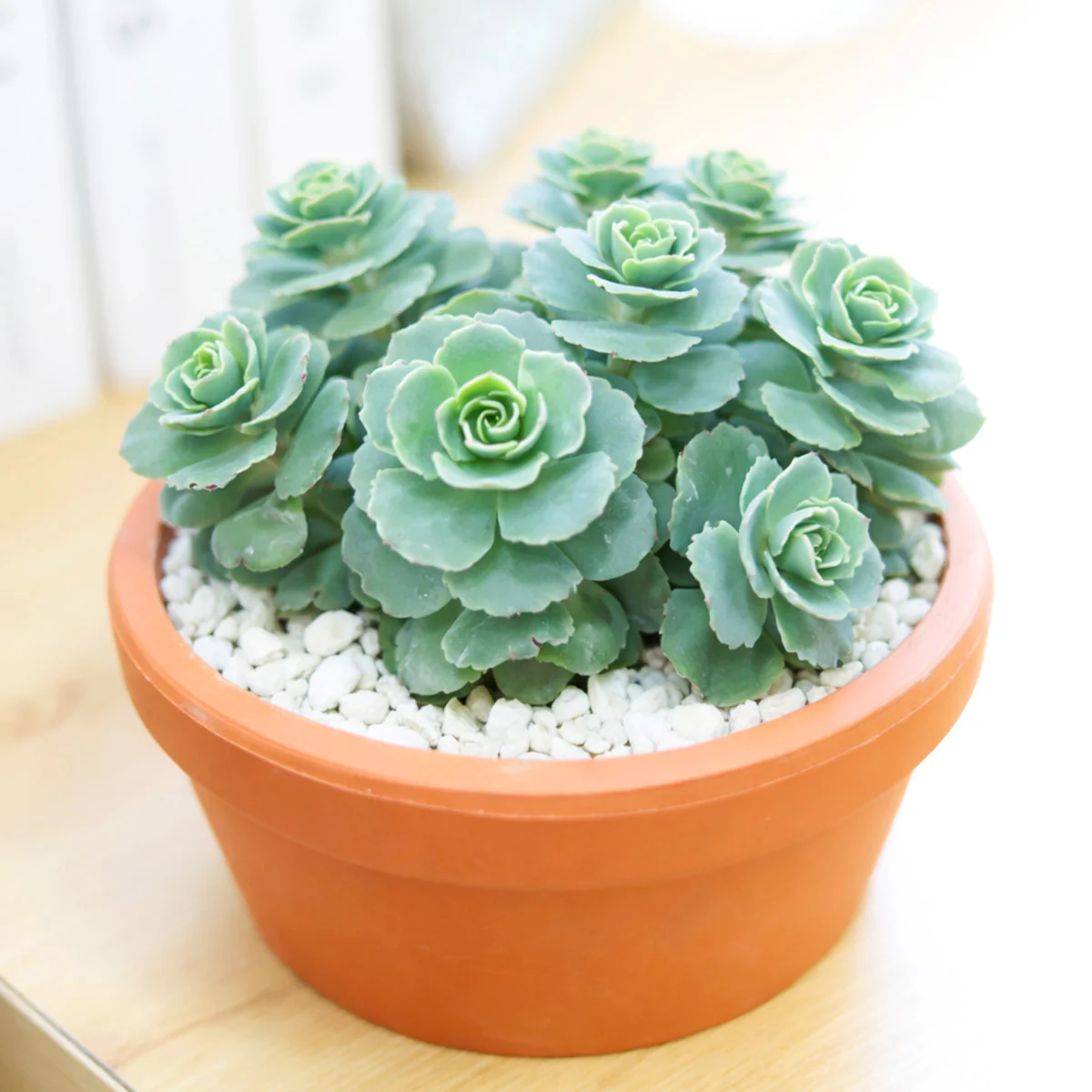
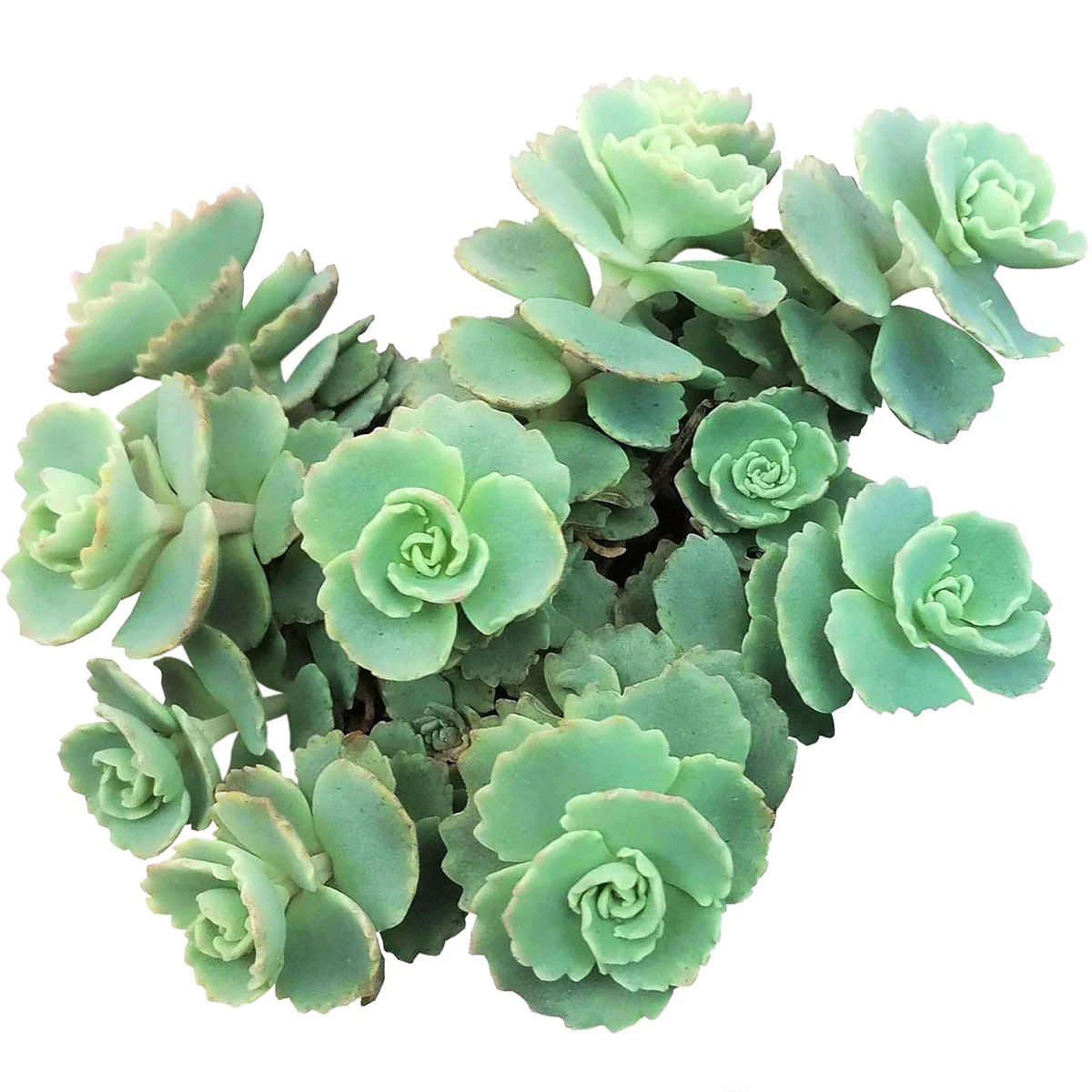
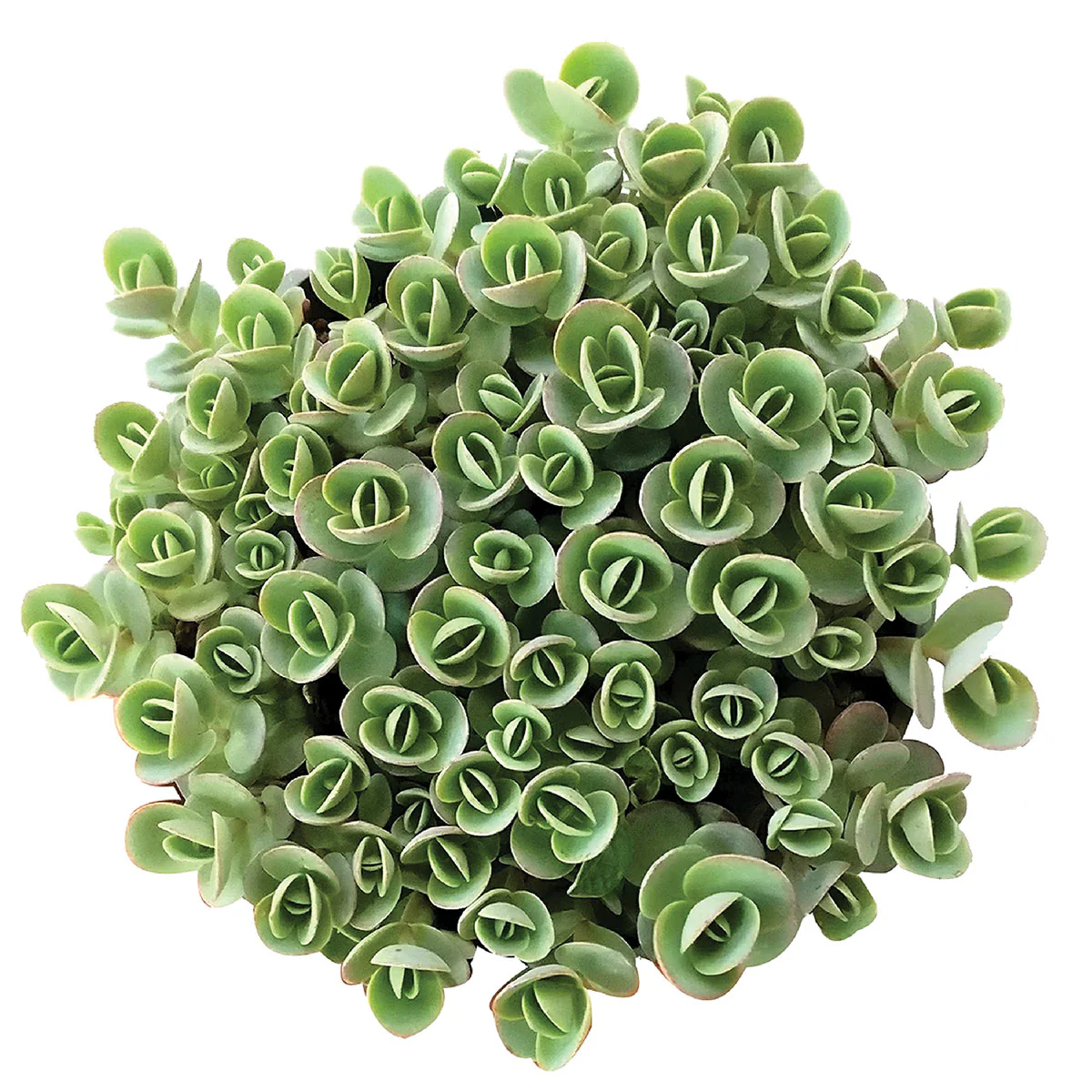
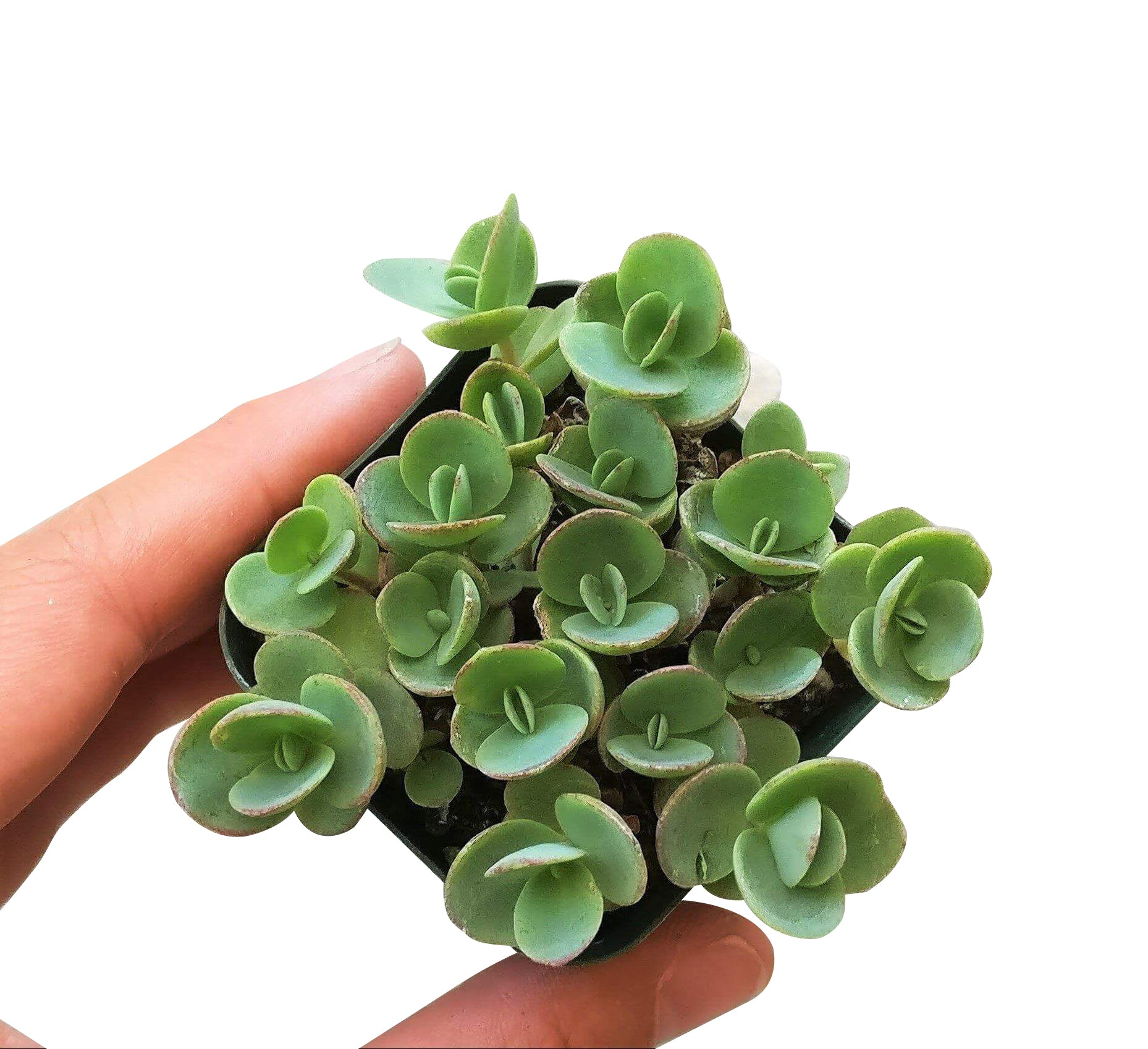
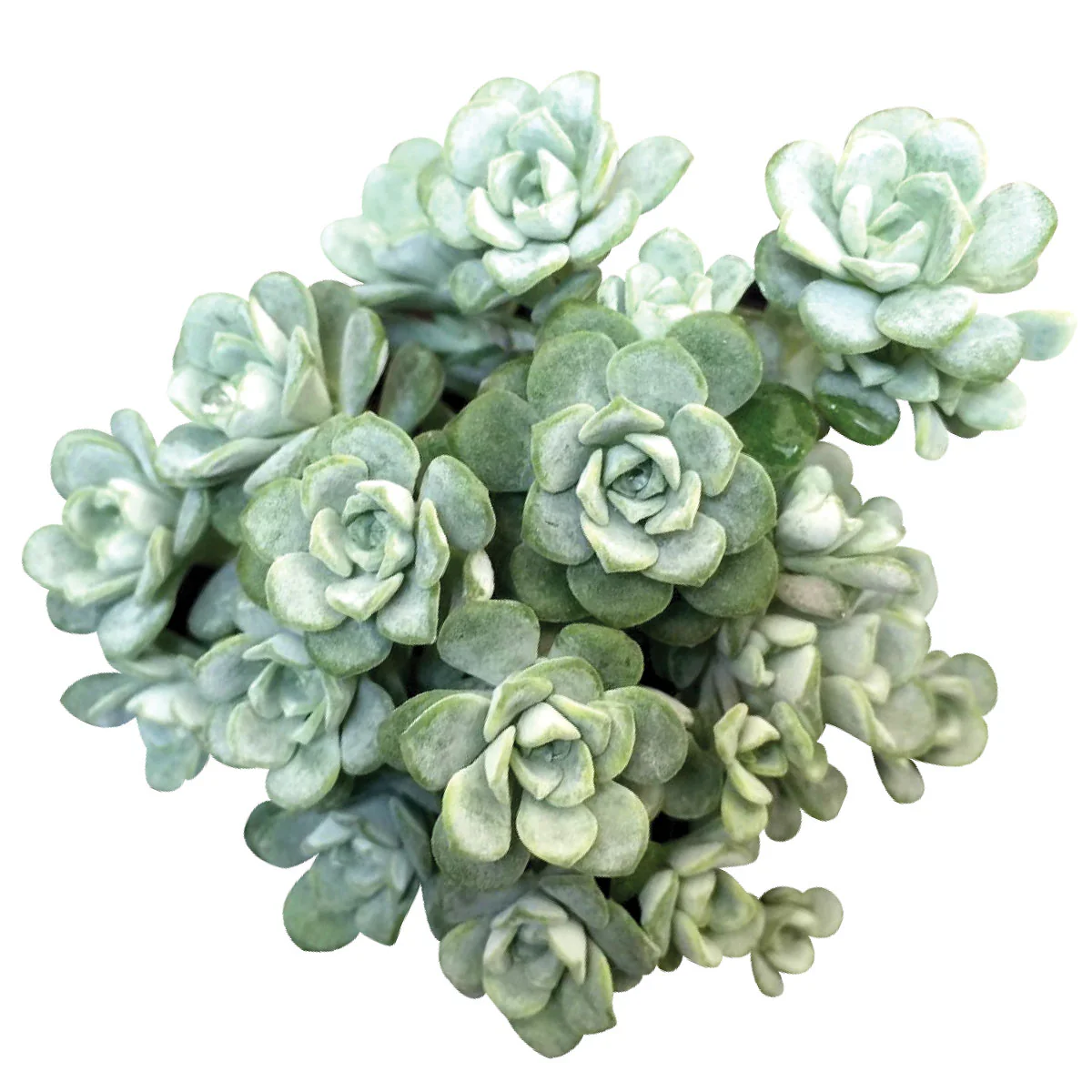
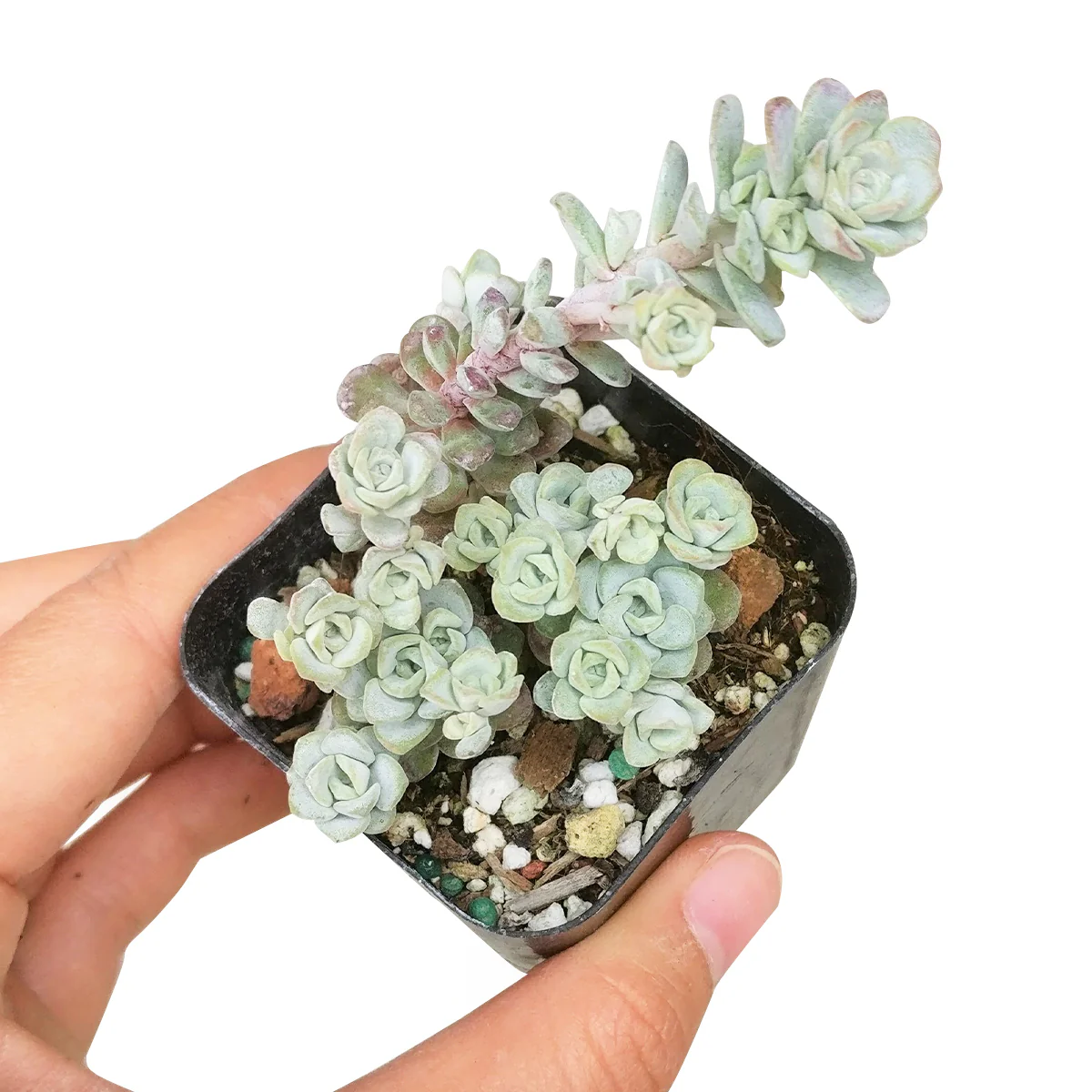
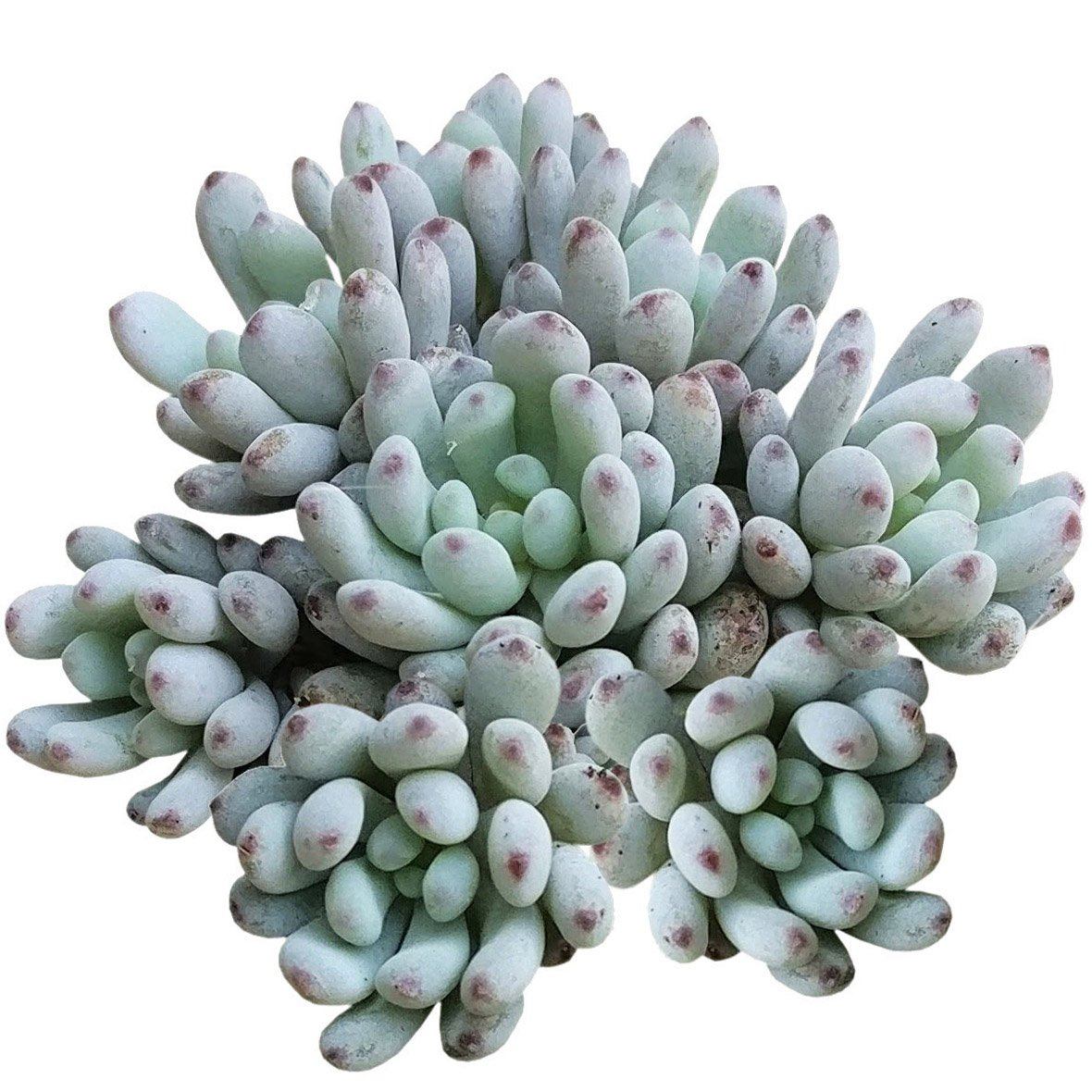
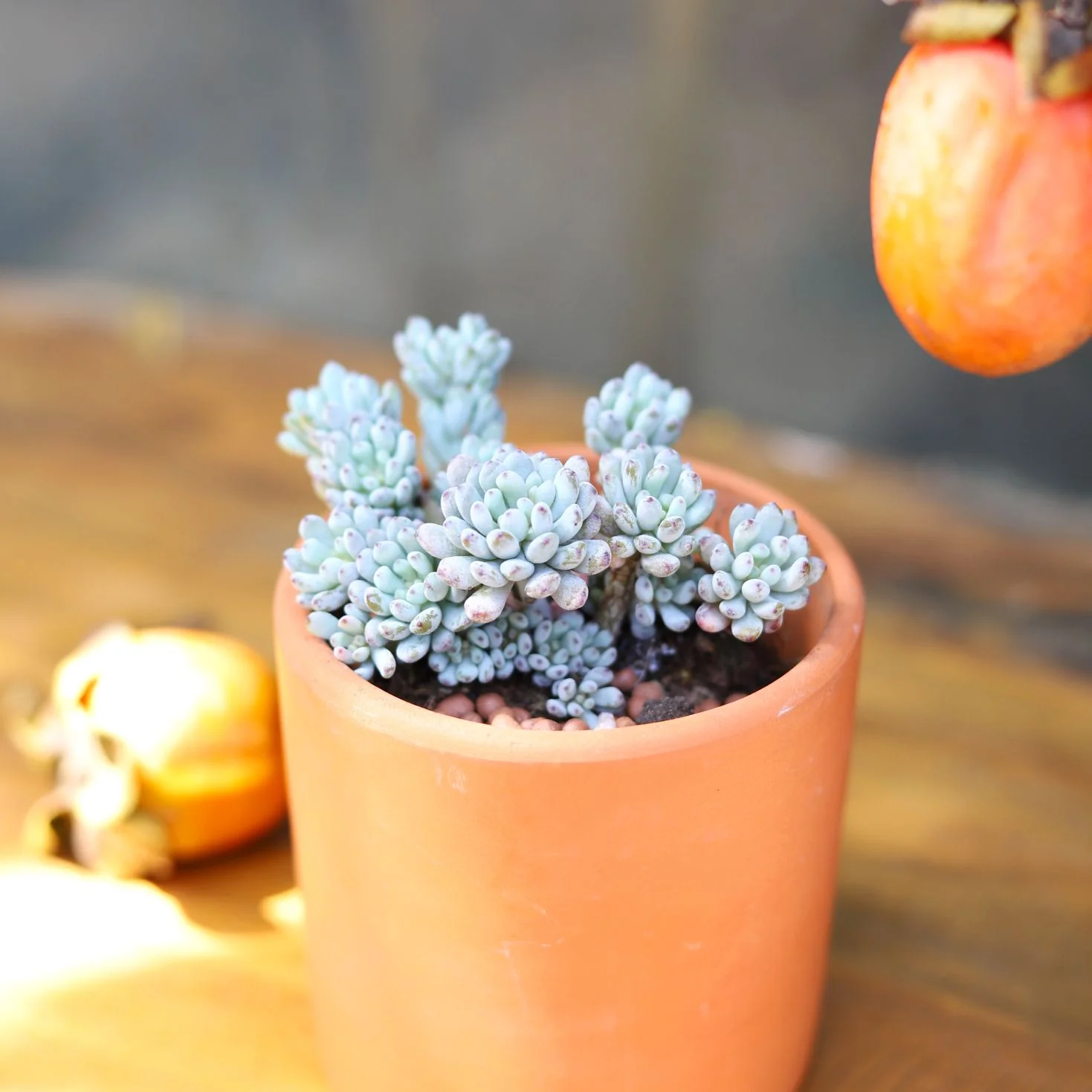
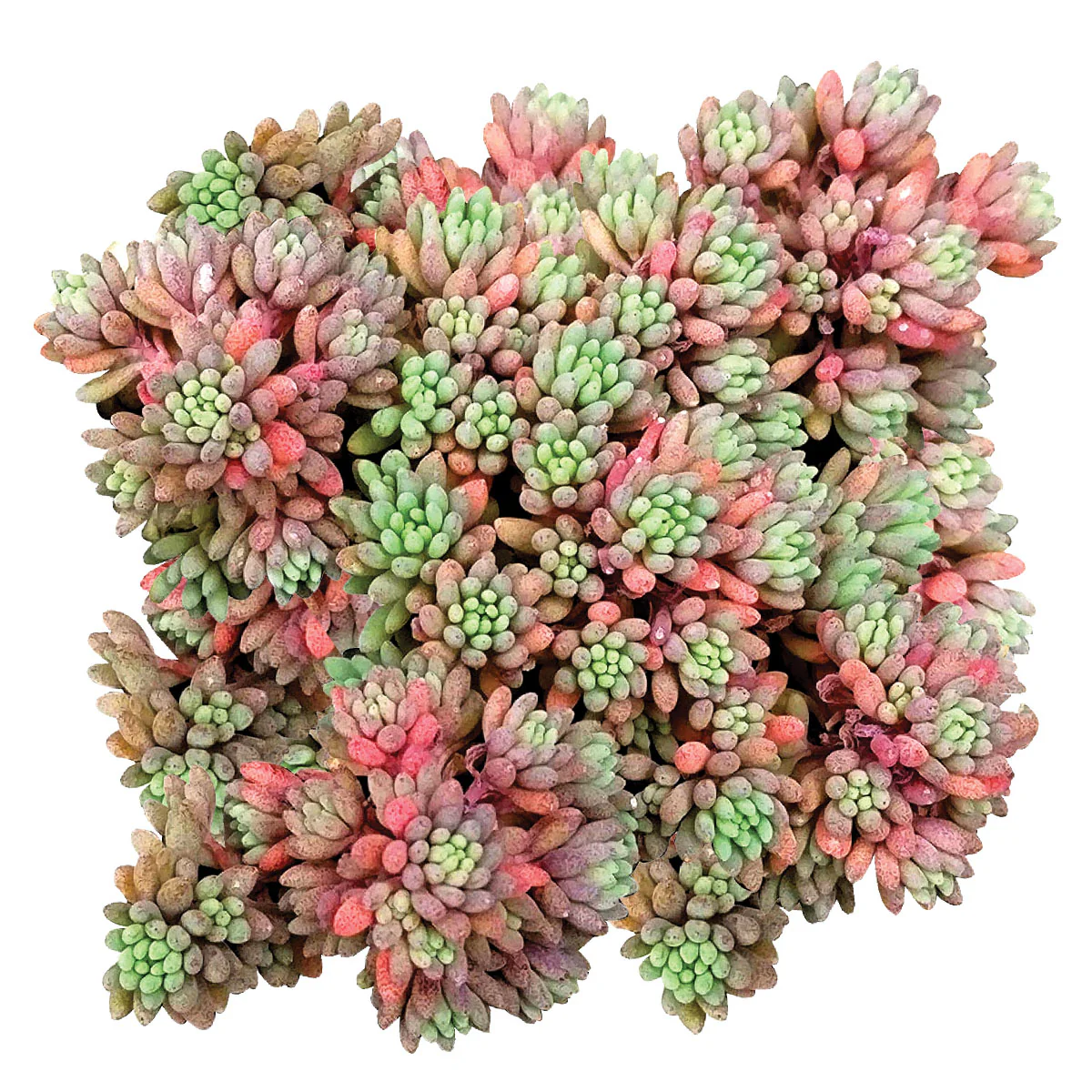
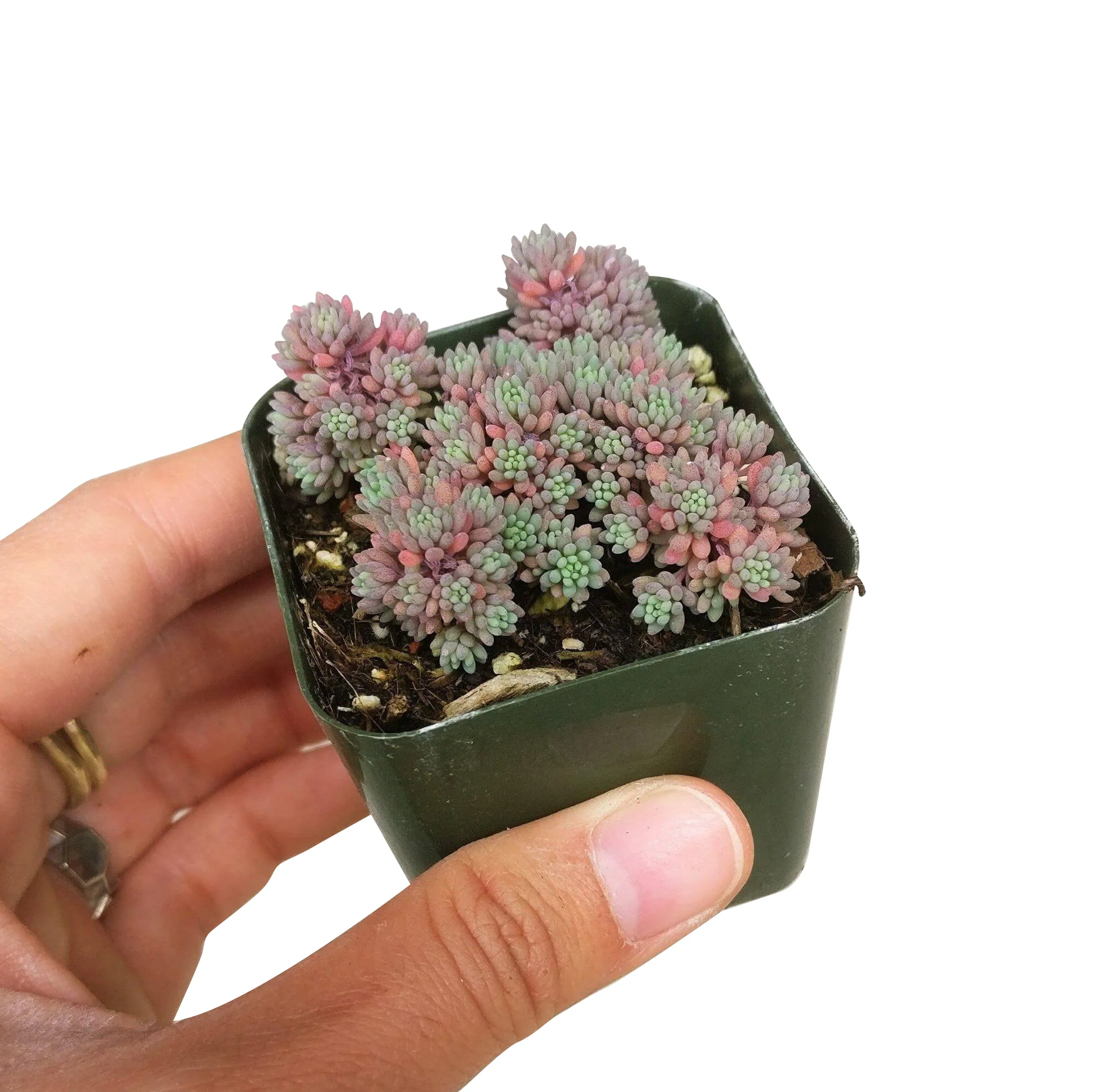
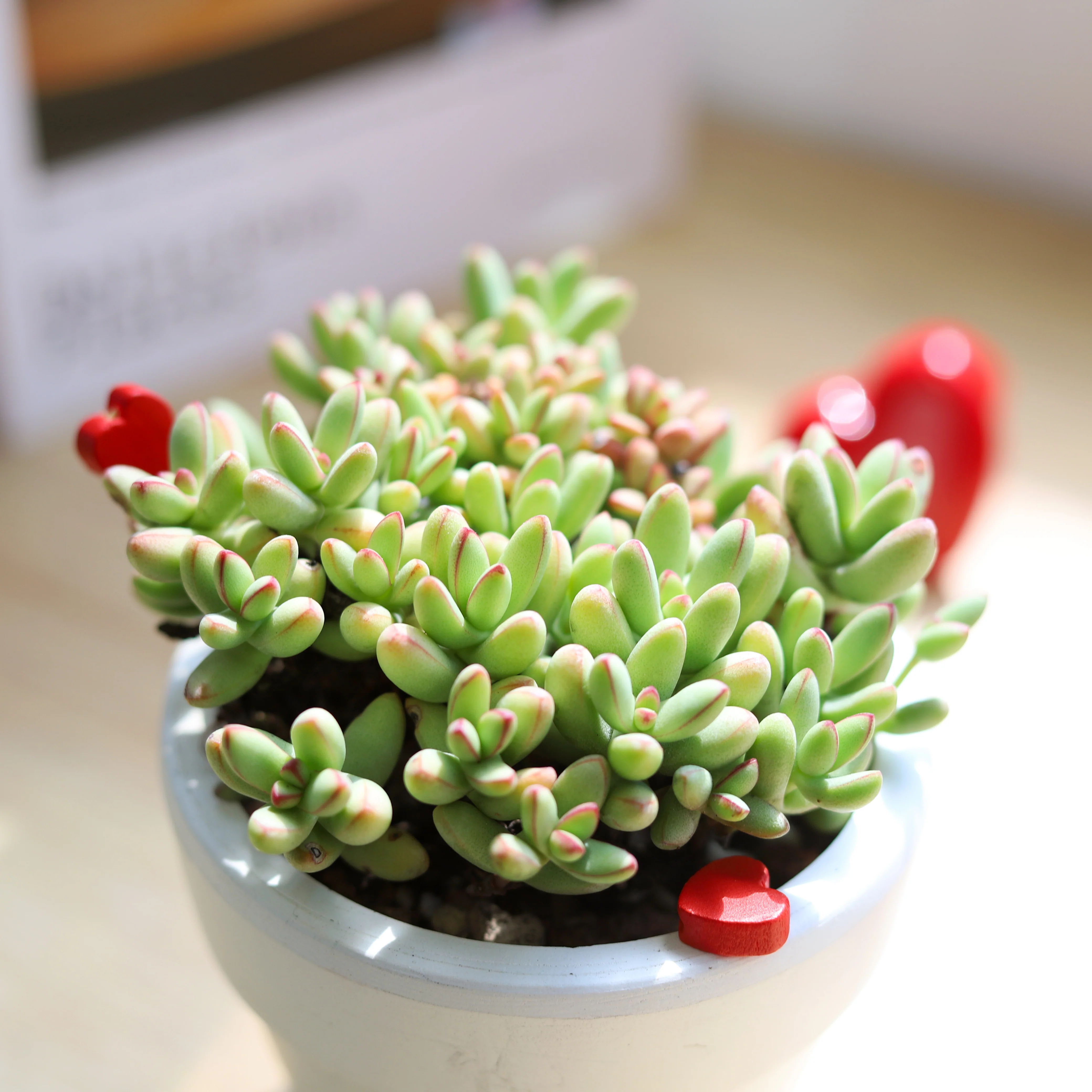
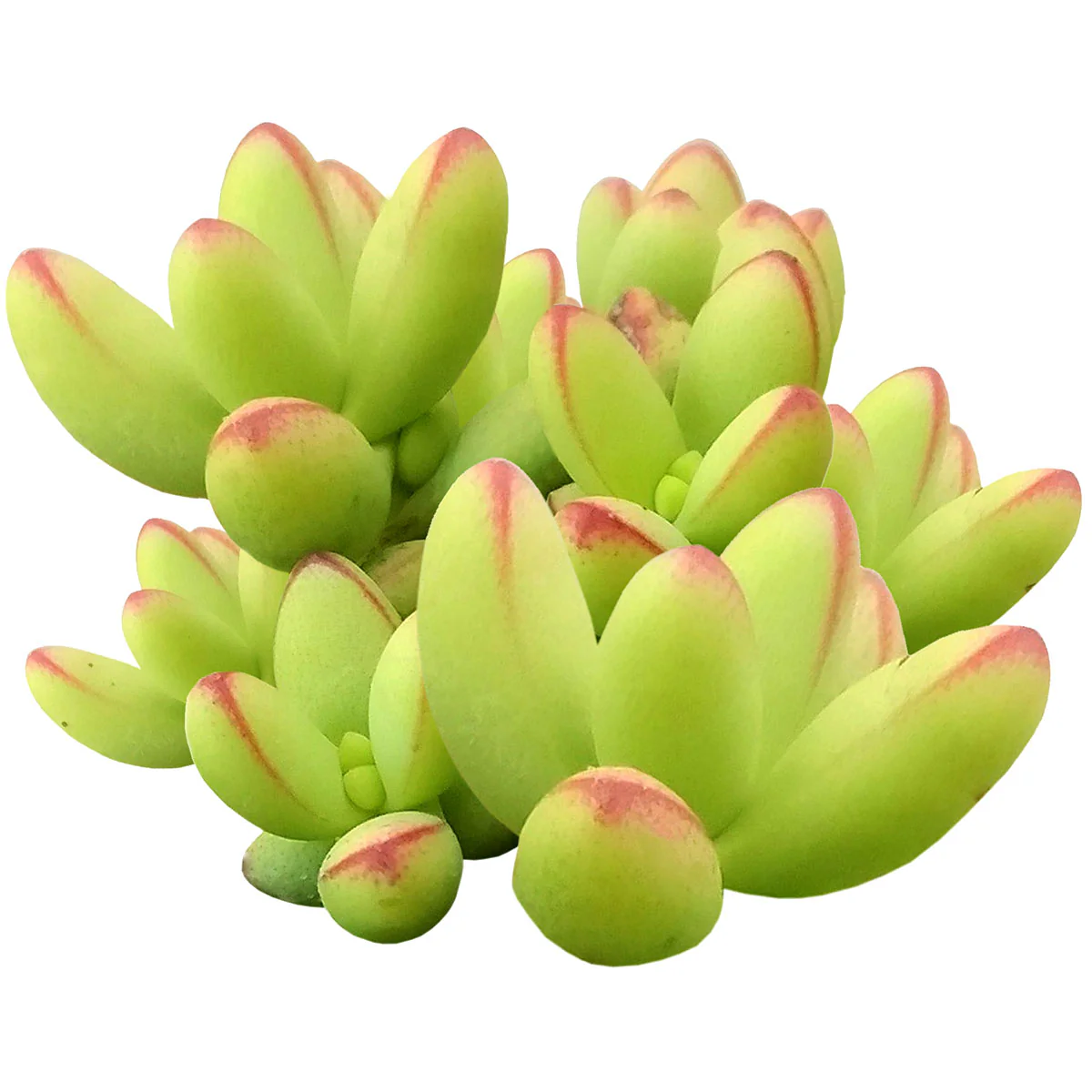
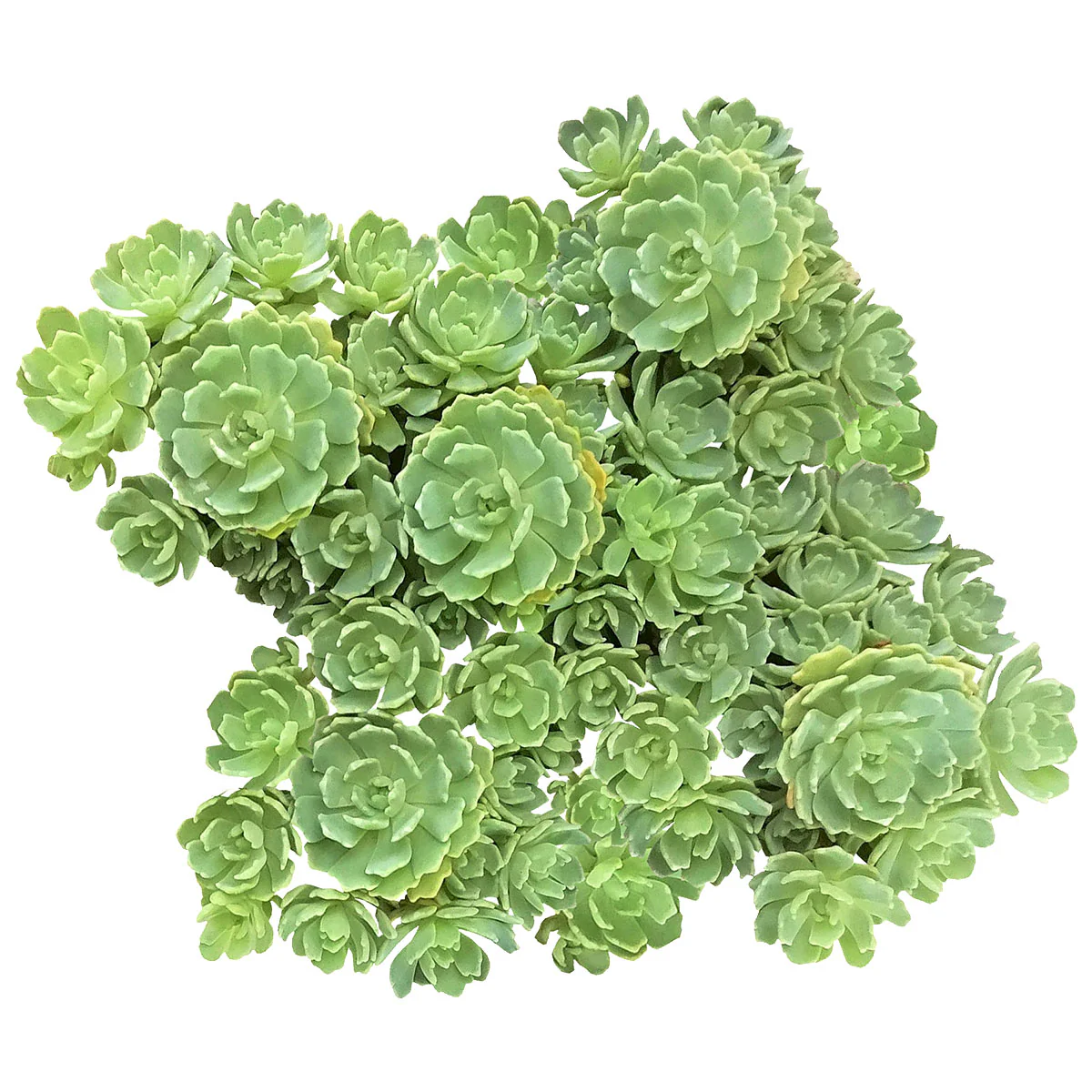
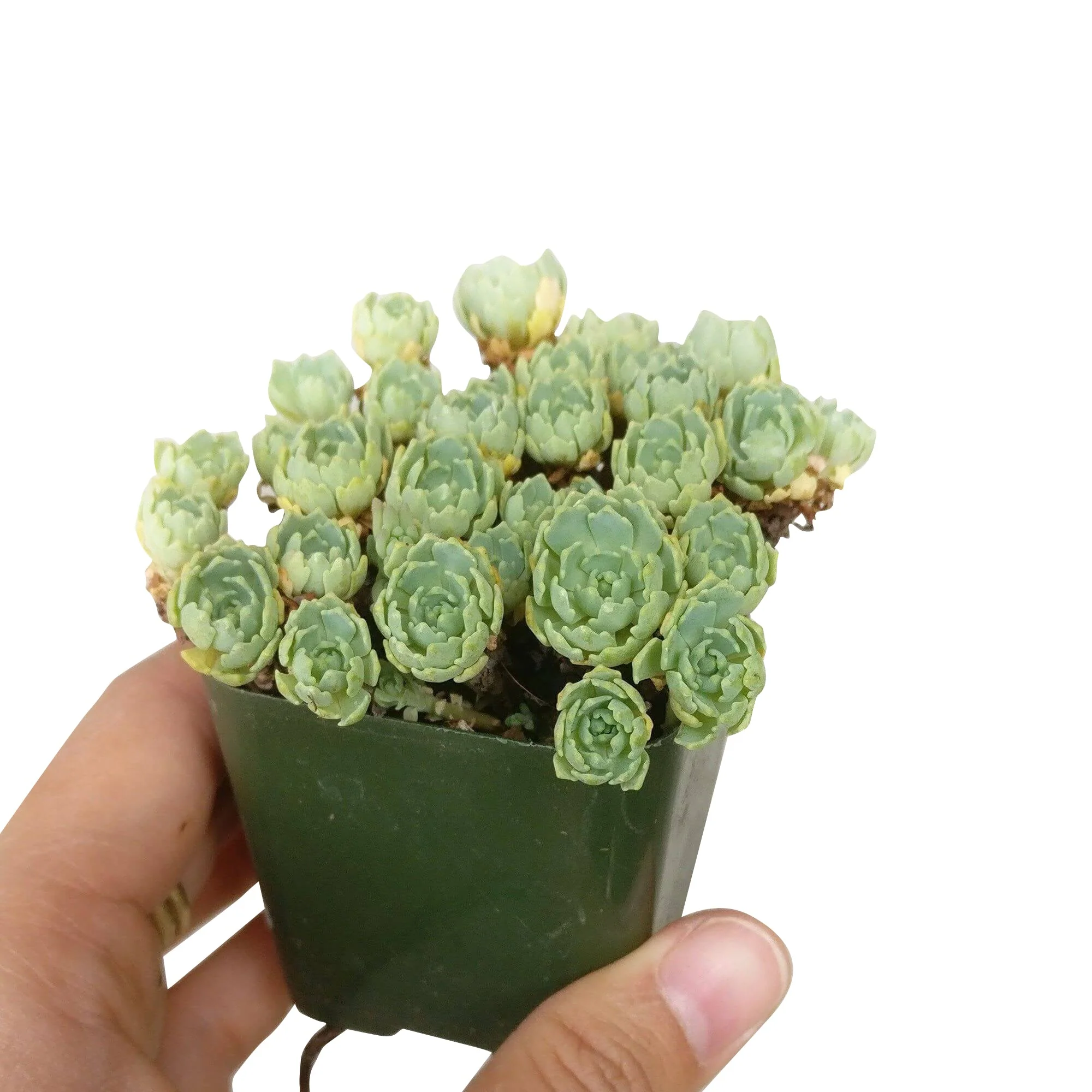
 Kalanchoe hildebrandtii var. glabra is instantly recognizable by its smooth, glabrous silver-green leaves arranged in a tidy upright, clustering habit that gives it a shrubby succulent silhouette. The leaves are spoon-shaped, fleshy, and coated in a luminous silvery bloom that catches the light beautifully, earning it the beloved nickname "silver teaspoons succulent." This architectural succulent builds a dense, sculptural mound over time, making it one of the most visually striking kalanchoe varieties available.
 Kalanchoe hildebrandtii var. glabra produces small tubular flowers, and like many kalanchoes, it needs a drop in nighttime temperatures to trigger blooming, so placing it near a cooler window in autumn can encourage a flower display. Beyond its flowers, the year-round silver foliage is the real show, keeping the plant looking polished and ornamental through every season.
 As a low maintenance succulent and drought tolerant succulent, Kalanchoe hildebrandtii var. glabra is wonderfully forgiving and can even survive a 10-day trip alone without water, making it an ideal indoor succulent gift for busy plant lovers. Move it outside for summer to boost growth, but keep it covered from rain and bring it in before frost. Because Kalanchoe hildebrandtii var. glabra is genuinely rare, it makes a prized addition to any serious succulent or kalanchoe collection. Cats, dogs, and small children should not be left to nibble or eat the plant, so keep it on a high shelf or well out of reach.
-
 Kalanchoe hildebrandtii var. glabra thrives in bright indirect light to partial or full sun, ideally near an east or west-facing window.
 Water Kalanchoe hildebrandtii var. glabra deeply every 10 to 14 days in summer, reducing to once every 3 to 4 weeks in winter.
 Kalanchoe hildebrandtii var. glabra performs best in a gritty, fast-draining cactus and succulent mix amended with extra perlite.
 Kalanchoe hildebrandtii var. glabra prefers temperatures between 60 and 85°F (15 to 29°C) and should be protected from frost below 50°F (10°C).
![]() Kalanchoe hildebrandtii var. glabra is a slow to moderate grower that benefits from a diluted balanced fertilizer applied monthly during the active growing season.
Kalanchoe hildebrandtii var. glabra is a slow to moderate grower that benefits from a diluted balanced fertilizer applied monthly during the active growing season.
 Kalanchoe hildebrandtii var. glabra is hardy in USDA Zones 10 to 12, tolerating lows no colder than around 30 to 35°F (minus 1 to 2°C) only briefly and preferring frost-free conditions year-round. Gardeners growing Kalanchoe hildebrandtii var. glabra outdoors will find it thrives in warm regions including Hawaii, southern Florida, coastal and southern California, southern Texas, southern Arizona, and parts of Nevada and New Mexico. Pockets of Louisiana, Mississippi, Alabama, Georgia, and South Carolina along the Gulf and Atlantic coasts also fall within suitable zones, making year-round outdoor cultivation possible across much of the American South and Southwest.
-
Q: How often should I water Kalanchoe hildebrandtii var. glabra?
A: Water every 10 to 14 days in the growing season and reduce to once every 3 to 4 weeks in winter. Always let the soil dry out completely between waterings.
Q: Is Kalanchoe hildebrandtii var. glabra safe around pets and children?
A: Cats and dogs should not be left to nibble or eat Kalanchoe hildebrandtii var. glabra, and it is best placed away from small children. A high shelf is the ideal spot to keep everyone safe.
Q: How much light does Kalanchoe hildebrandtii var. glabra need?
A: Kalanchoe hildebrandtii var. glabra does best in bright indirect light to partial or full sun. A south or west-facing window is ideal, though watch for leaf scorch in intense direct afternoon sun.
Q: Is Kalanchoe hildebrandtii var. glabra a rare plant?
A: Yes, Kalanchoe hildebrandtii var. glabra is considered a rare succulent, especially in its smooth-leafed glabra form. It is a genuine collector's plant that is not commonly found in mainstream nurseries.
Q: Can I grow Kalanchoe hildebrandtii var. glabra outside in summer?
A: Absolutely, Kalanchoe hildebrandtii var. glabra loves spending summer outdoors in a bright, sheltered spot. Just protect it from heavy rain and bring it back inside before nighttime temperatures drop near freezing.
Q: How do I get Kalanchoe hildebrandtii var. glabra to bloom?
A: Kalanchoe hildebrandtii var. glabra needs a drop in nighttime temperatures, typically in autumn, to trigger blooming. Moving it to a cooler but frost-free spot in the evenings for several weeks usually does the trick.


Original: $8.00
-70%$8.00
$2.40Product Information
Product Information
Shipping & Returns
Shipping & Returns
Description
- Description
- Kalanchoe hildebrandtii var. glabra Care Guide
- FAQ/Common Issues
-
![]() Kalanchoe hildebrandtii var. glabra is a rare madagascar succulent in the Crassulaceae family, prized by collectors who love silvery succulent plants with real architectural presence. Native to the arid regions of Madagascar, it has adapted to thrive in dry, bright conditions with very little fuss. If you have been searching for a rare succulent for sale that truly stands out, this is the one.
Kalanchoe hildebrandtii var. glabra is a rare madagascar succulent in the Crassulaceae family, prized by collectors who love silvery succulent plants with real architectural presence. Native to the arid regions of Madagascar, it has adapted to thrive in dry, bright conditions with very little fuss. If you have been searching for a rare succulent for sale that truly stands out, this is the one.
Kalanchoe hildebrandtii var. glabra is instantly recognizable by its smooth, glabrous silver-green leaves arranged in a tidy upright, clustering habit that gives it a shrubby succulent silhouette. The leaves are spoon-shaped, fleshy, and coated in a luminous silvery bloom that catches the light beautifully, earning it the beloved nickname "silver teaspoons succulent." This architectural succulent builds a dense, sculptural mound over time, making it one of the most visually striking kalanchoe varieties available.
Kalanchoe hildebrandtii var. glabra produces small tubular flowers, and like many kalanchoes, it needs a drop in nighttime temperatures to trigger blooming, so placing it near a cooler window in autumn can encourage a flower display. Beyond its flowers, the year-round silver foliage is the real show, keeping the plant looking polished and ornamental through every season.
As a low maintenance succulent and drought tolerant succulent, Kalanchoe hildebrandtii var. glabra is wonderfully forgiving and can even survive a 10-day trip alone without water, making it an ideal indoor succulent gift for busy plant lovers. Move it outside for summer to boost growth, but keep it covered from rain and bring it in before frost. Because Kalanchoe hildebrandtii var. glabra is genuinely rare, it makes a prized addition to any serious succulent or kalanchoe collection. Cats, dogs, and small children should not be left to nibble or eat the plant, so keep it on a high shelf or well out of reach.
-
Kalanchoe hildebrandtii var. glabra thrives in bright indirect light to partial or full sun, ideally near an east or west-facing window.
Water Kalanchoe hildebrandtii var. glabra deeply every 10 to 14 days in summer, reducing to once every 3 to 4 weeks in winter.
Kalanchoe hildebrandtii var. glabra performs best in a gritty, fast-draining cactus and succulent mix amended with extra perlite.
Kalanchoe hildebrandtii var. glabra prefers temperatures between 60 and 85°F (15 to 29°C) and should be protected from frost below 50°F (10°C).
![]() Kalanchoe hildebrandtii var. glabra is a slow to moderate grower that benefits from a diluted balanced fertilizer applied monthly during the active growing season.
Kalanchoe hildebrandtii var. glabra is a slow to moderate grower that benefits from a diluted balanced fertilizer applied monthly during the active growing season.
Kalanchoe hildebrandtii var. glabra is hardy in USDA Zones 10 to 12, tolerating lows no colder than around 30 to 35°F (minus 1 to 2°C) only briefly and preferring frost-free conditions year-round. Gardeners growing Kalanchoe hildebrandtii var. glabra outdoors will find it thrives in warm regions including Hawaii, southern Florida, coastal and southern California, southern Texas, southern Arizona, and parts of Nevada and New Mexico. Pockets of Louisiana, Mississippi, Alabama, Georgia, and South Carolina along the Gulf and Atlantic coasts also fall within suitable zones, making year-round outdoor cultivation possible across much of the American South and Southwest.
-
Q: How often should I water Kalanchoe hildebrandtii var. glabra?
A: Water every 10 to 14 days in the growing season and reduce to once every 3 to 4 weeks in winter. Always let the soil dry out completely between waterings.
Q: Is Kalanchoe hildebrandtii var. glabra safe around pets and children?
A: Cats and dogs should not be left to nibble or eat Kalanchoe hildebrandtii var. glabra, and it is best placed away from small children. A high shelf is the ideal spot to keep everyone safe.
Q: How much light does Kalanchoe hildebrandtii var. glabra need?
A: Kalanchoe hildebrandtii var. glabra does best in bright indirect light to partial or full sun. A south or west-facing window is ideal, though watch for leaf scorch in intense direct afternoon sun.
Q: Is Kalanchoe hildebrandtii var. glabra a rare plant?
A: Yes, Kalanchoe hildebrandtii var. glabra is considered a rare succulent, especially in its smooth-leafed glabra form. It is a genuine collector's plant that is not commonly found in mainstream nurseries.
Q: Can I grow Kalanchoe hildebrandtii var. glabra outside in summer?
A: Absolutely, Kalanchoe hildebrandtii var. glabra loves spending summer outdoors in a bright, sheltered spot. Just protect it from heavy rain and bring it back inside before nighttime temperatures drop near freezing.
Q: How do I get Kalanchoe hildebrandtii var. glabra to bloom?
A: Kalanchoe hildebrandtii var. glabra needs a drop in nighttime temperatures, typically in autumn, to trigger blooming. Moving it to a cooler but frost-free spot in the evenings for several weeks usually does the trick.