Kalanchoe Pumila
- Description
- Kalanchoe Pumila – Flower Dust Plant Care Guide
- FAQ/Common Issues
-
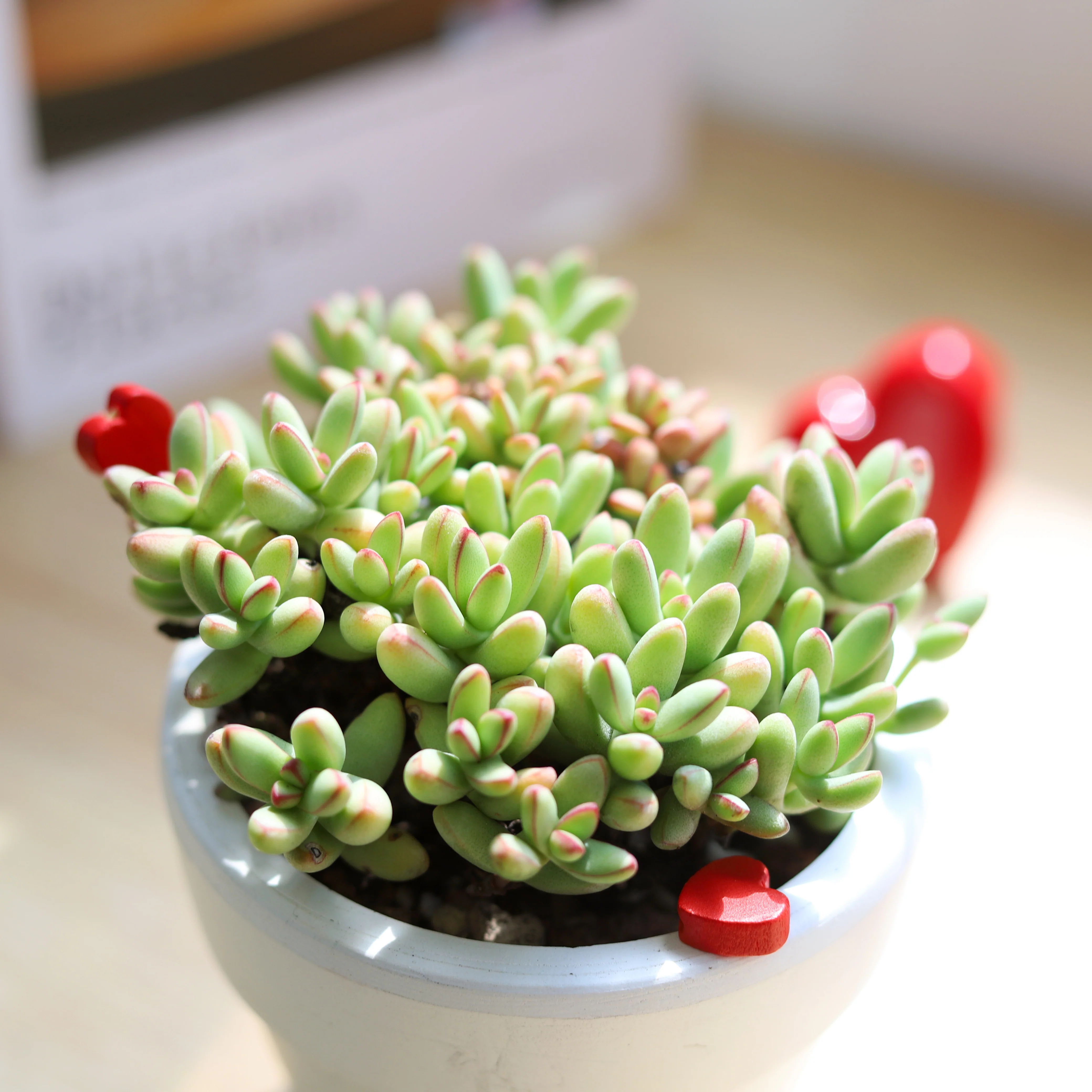
![]() Kalanchoe Pumila, affectionately known as the flower dust plant, is a charming succulent native to the highlands of Madagascar. It belongs to the Kalanchoe genus within the Crassulaceae family, where it grows naturally on rocky slopes and well-drained hillsides. This low maintenance silver succulent has earned a devoted following among indoor plant lovers worldwide.
Kalanchoe Pumila, affectionately known as the flower dust plant, is a charming succulent native to the highlands of Madagascar. It belongs to the Kalanchoe genus within the Crassulaceae family, where it grows naturally on rocky slopes and well-drained hillsides. This low maintenance silver succulent has earned a devoted following among indoor plant lovers worldwide.
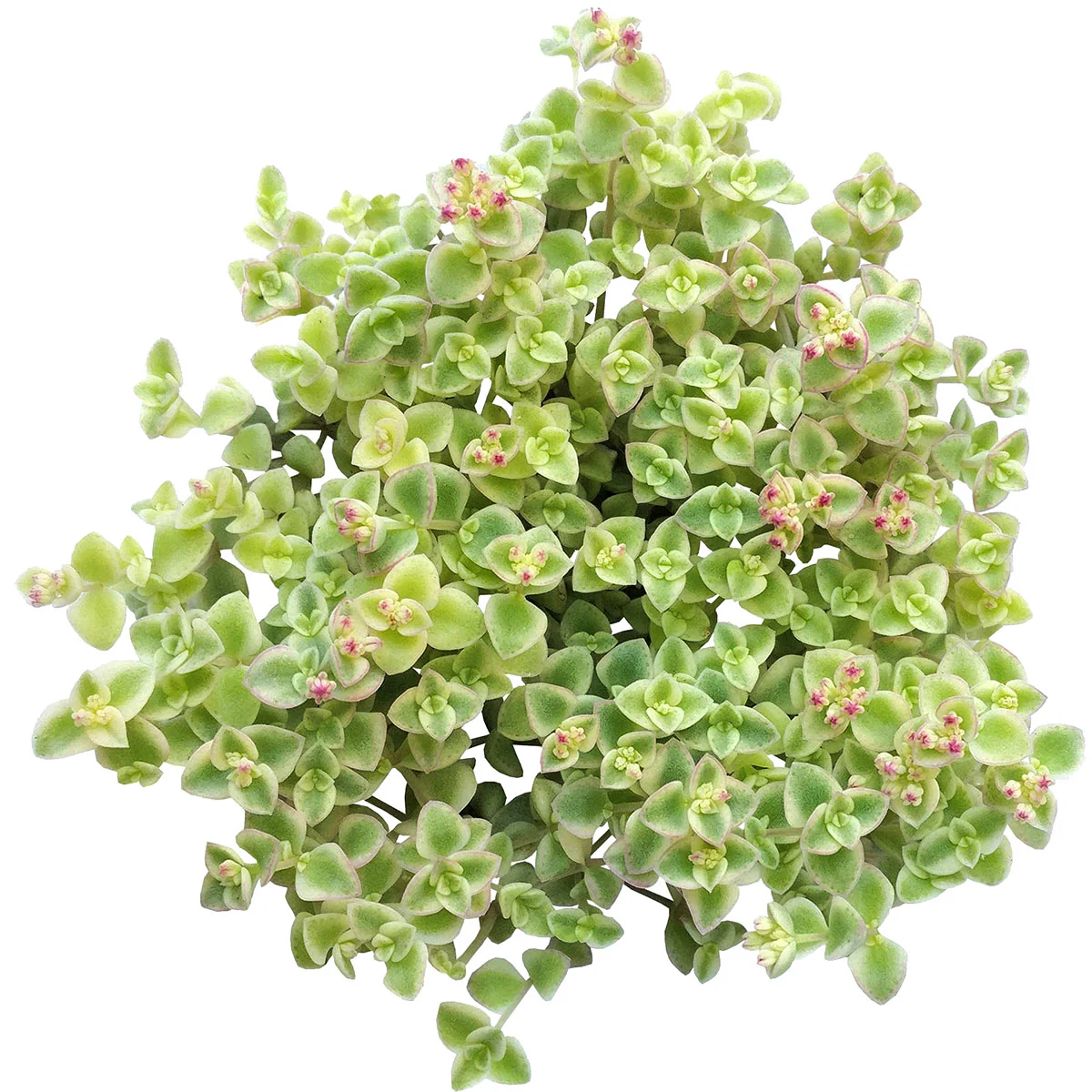
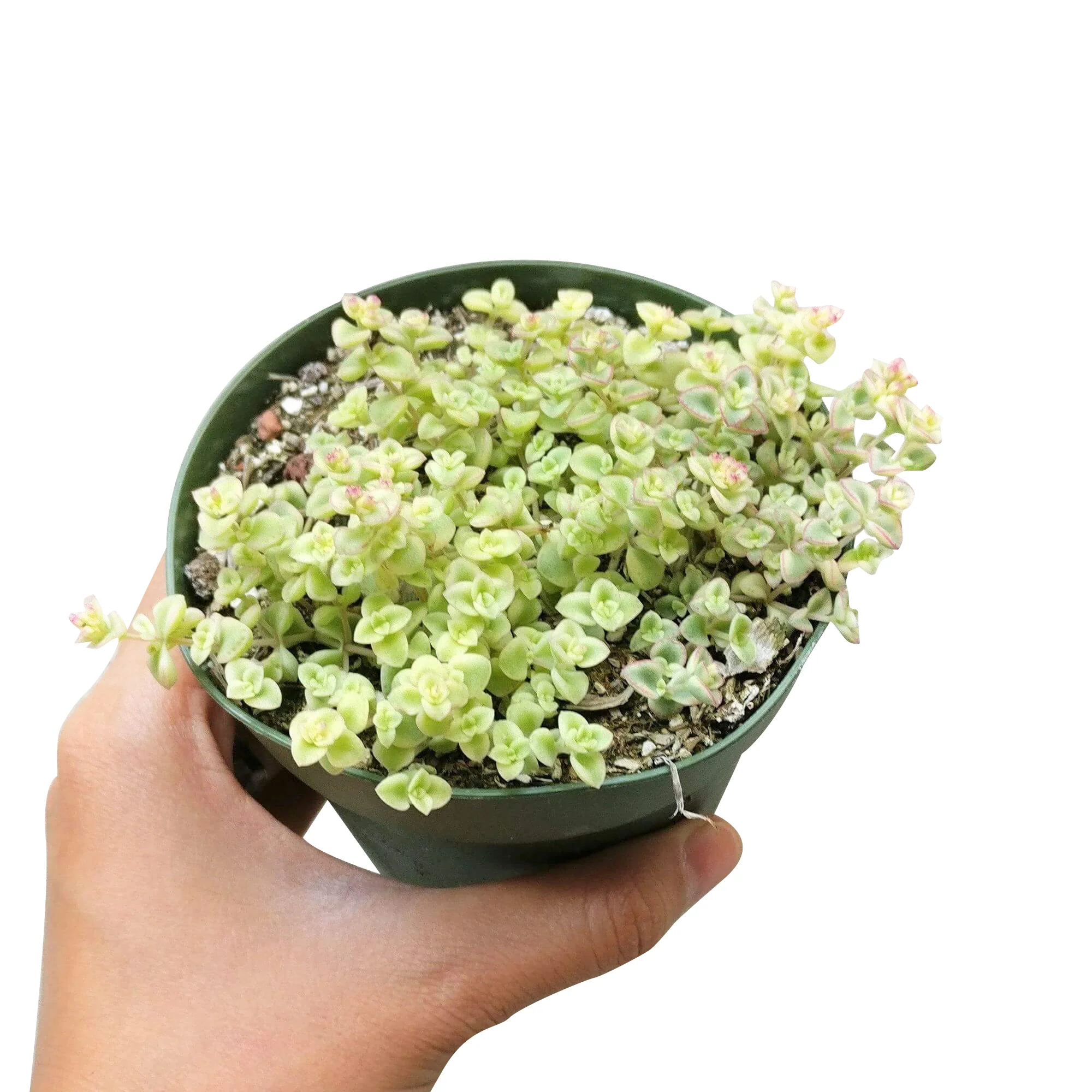
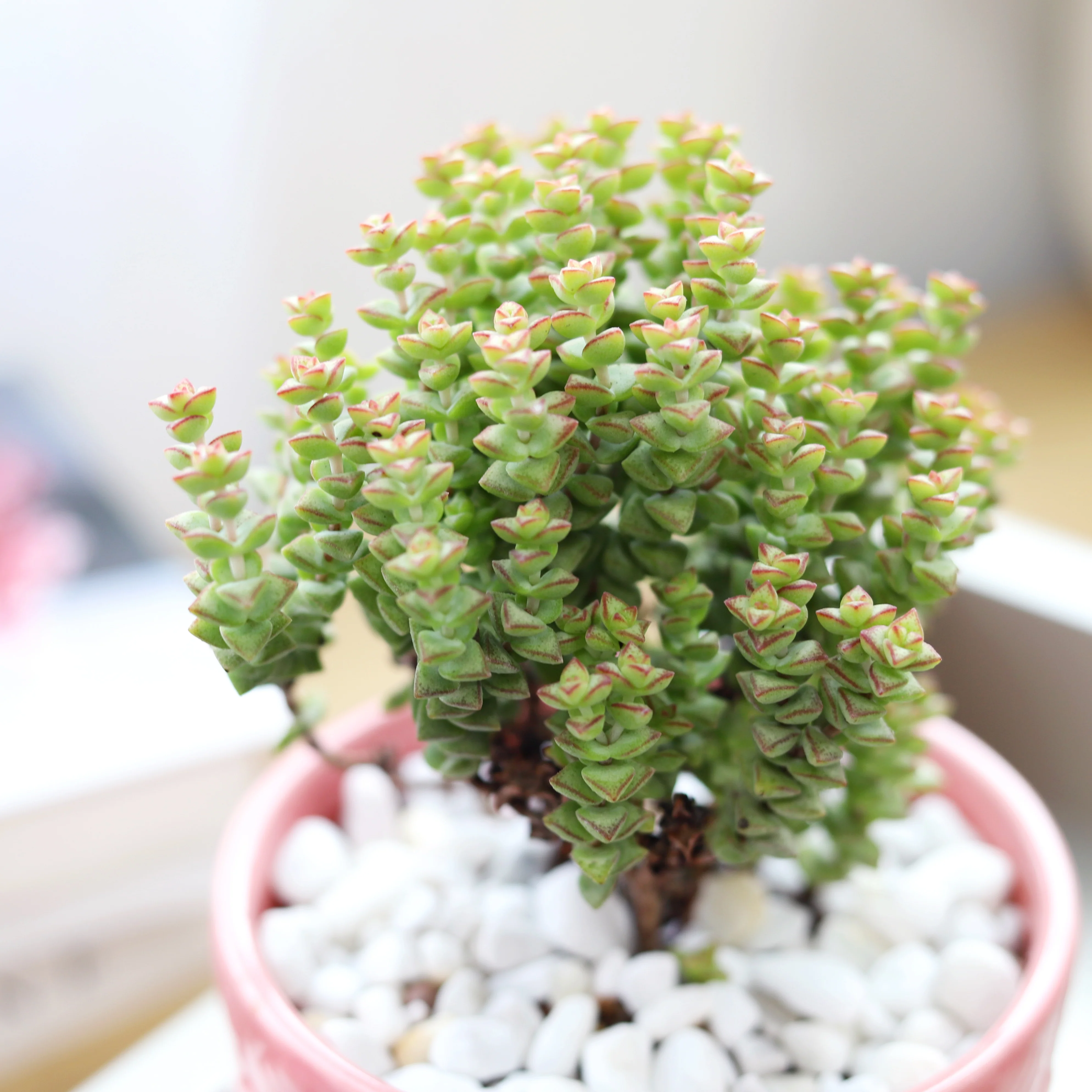
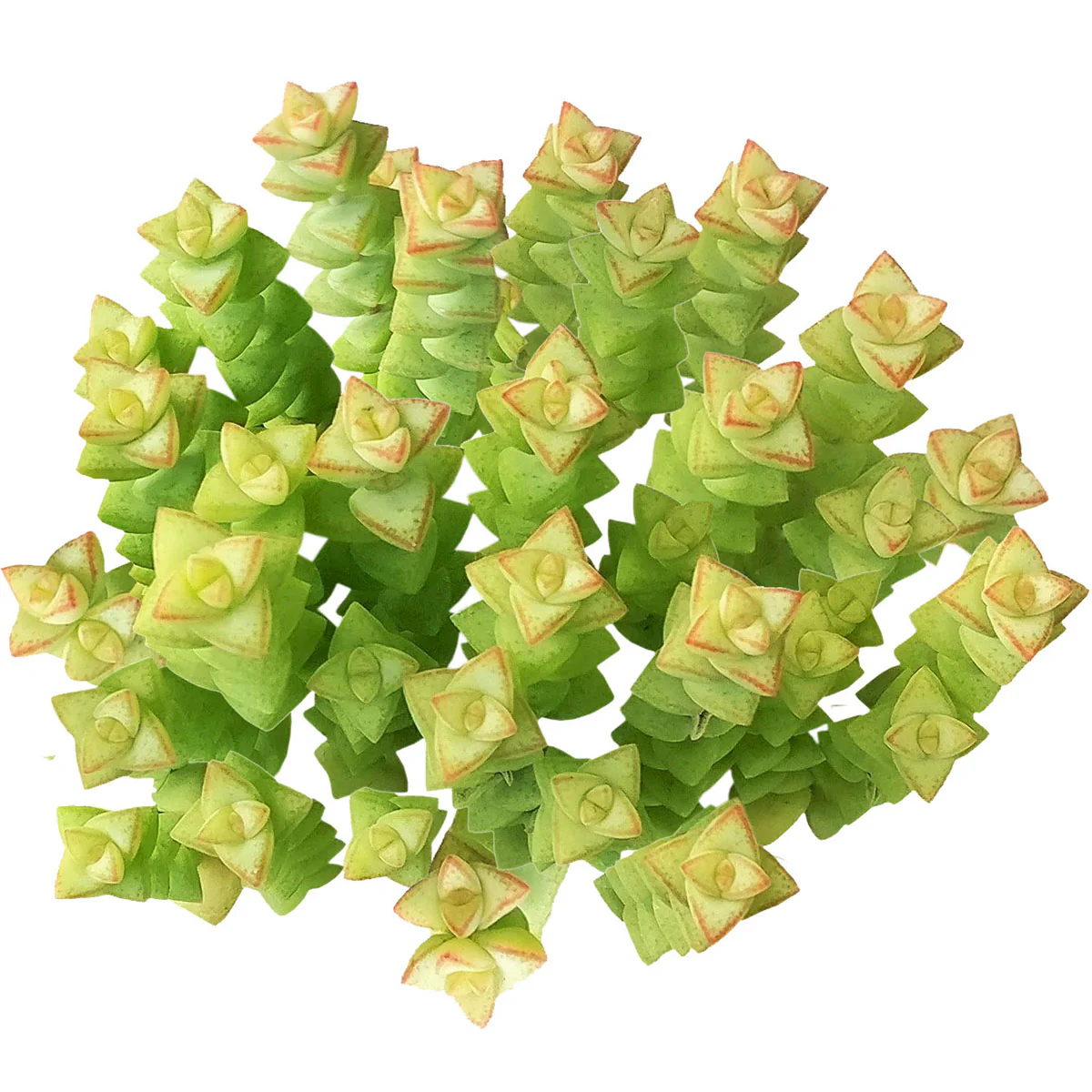
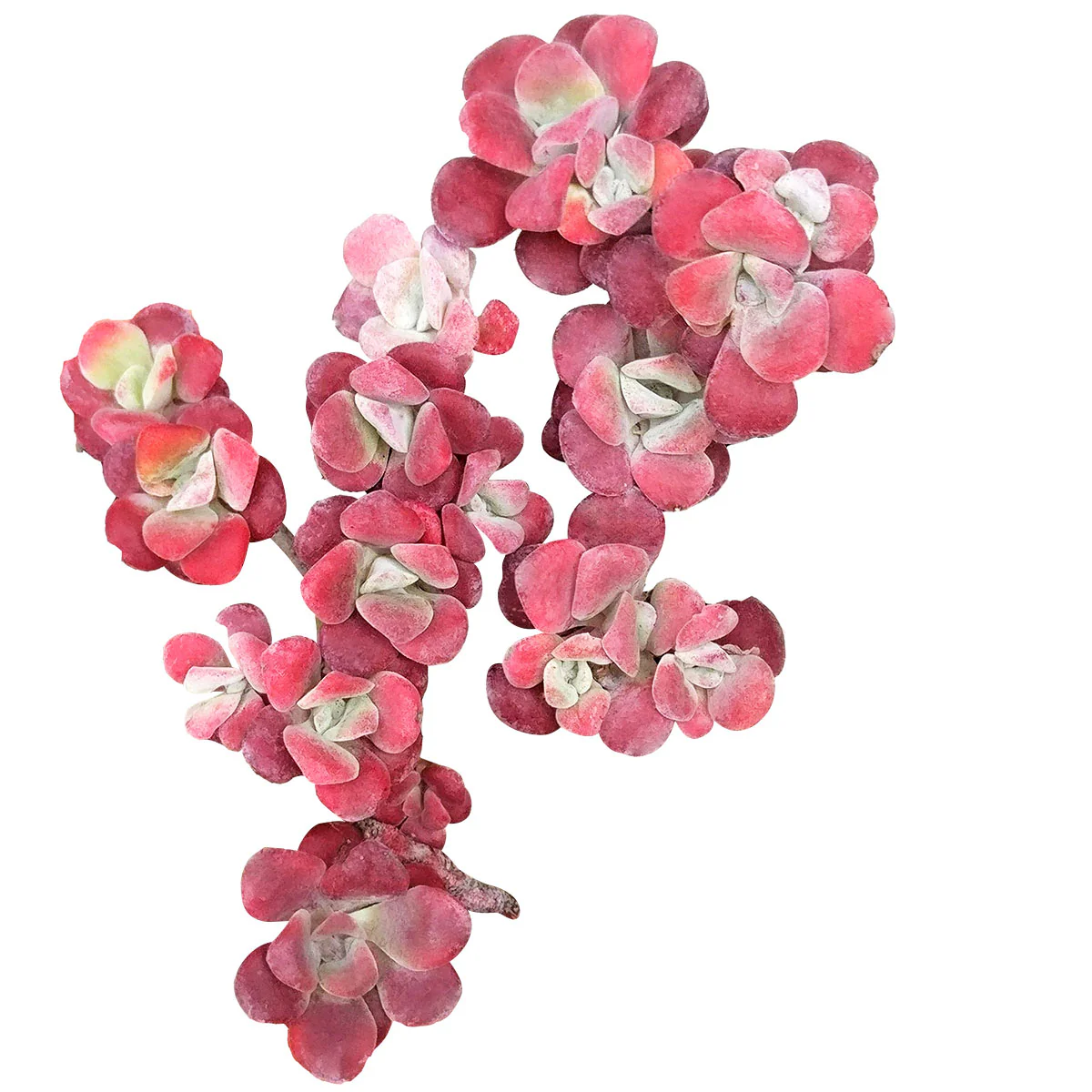
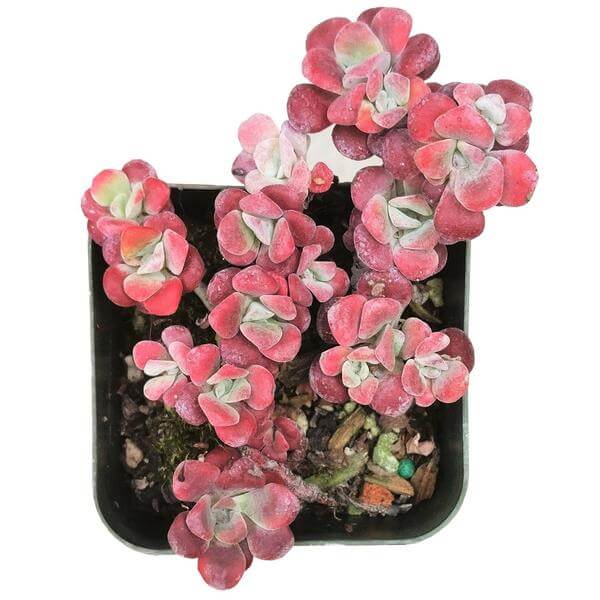
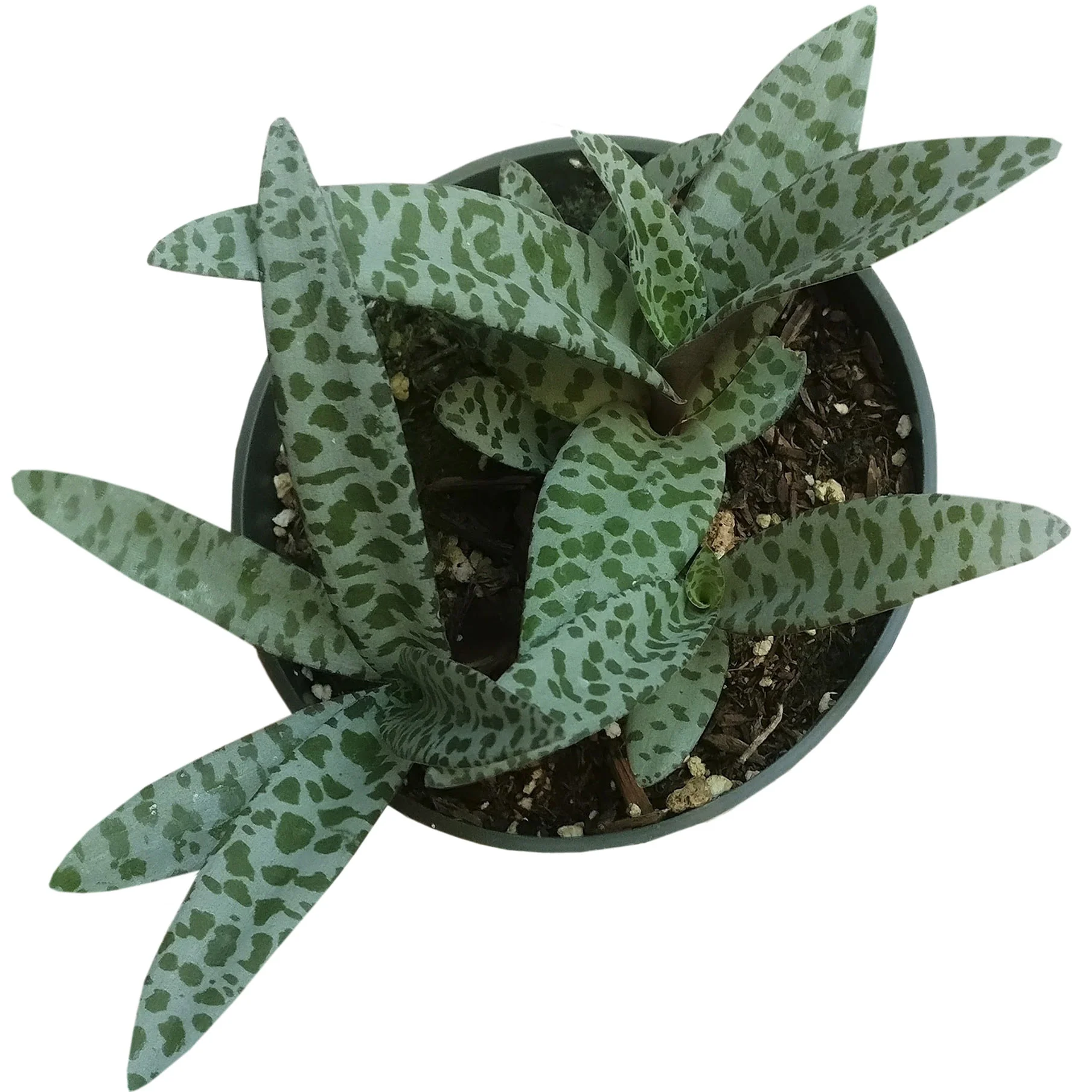
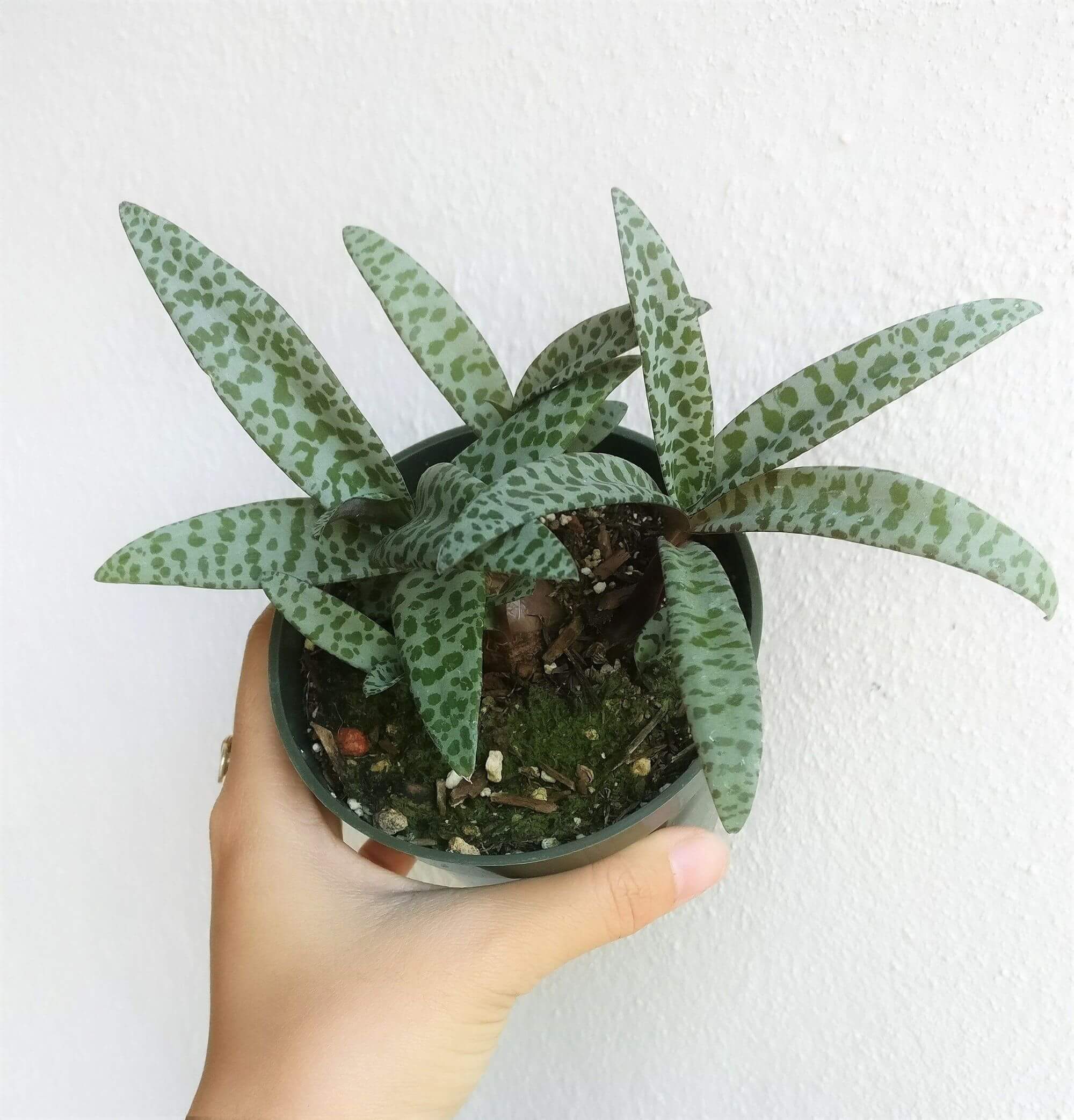
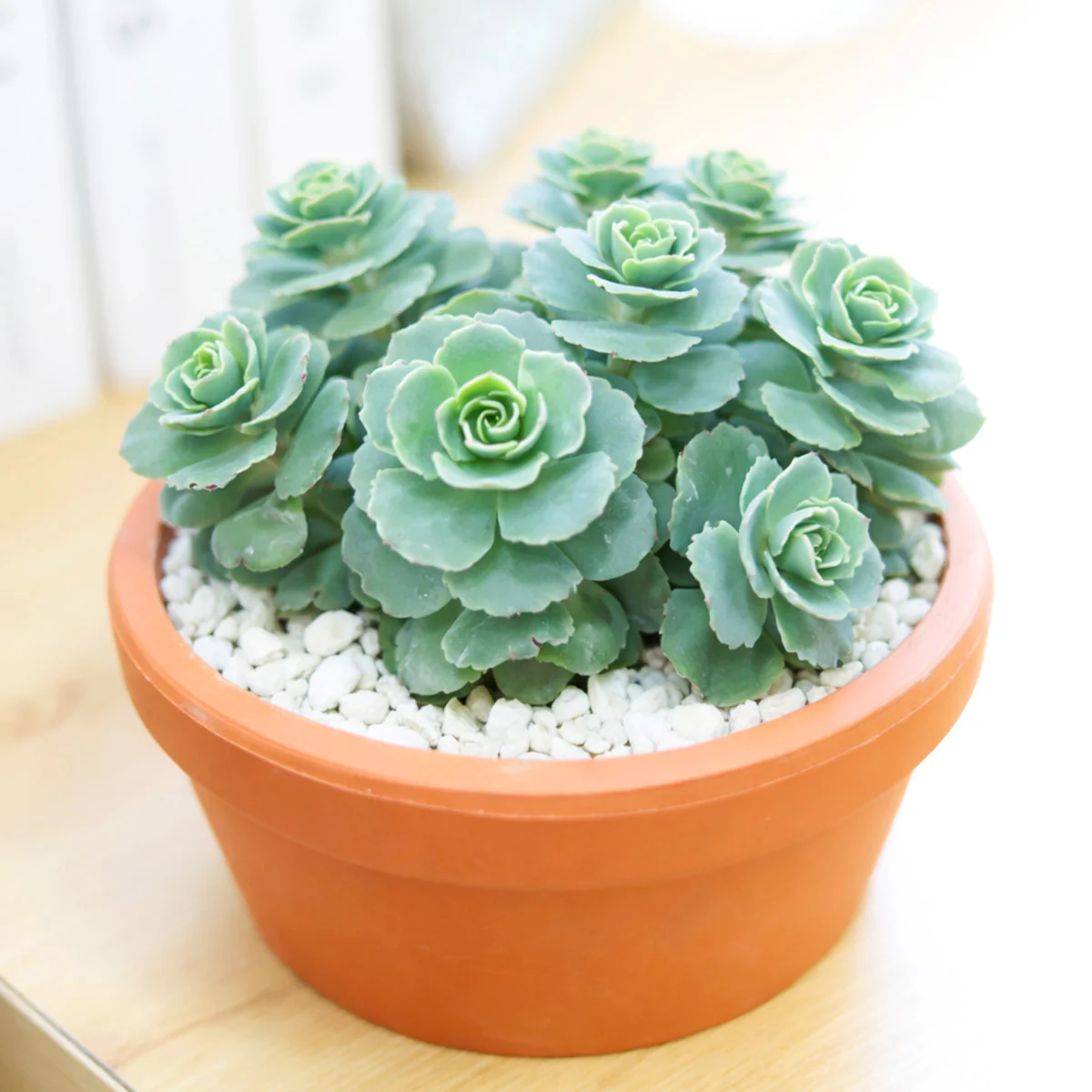
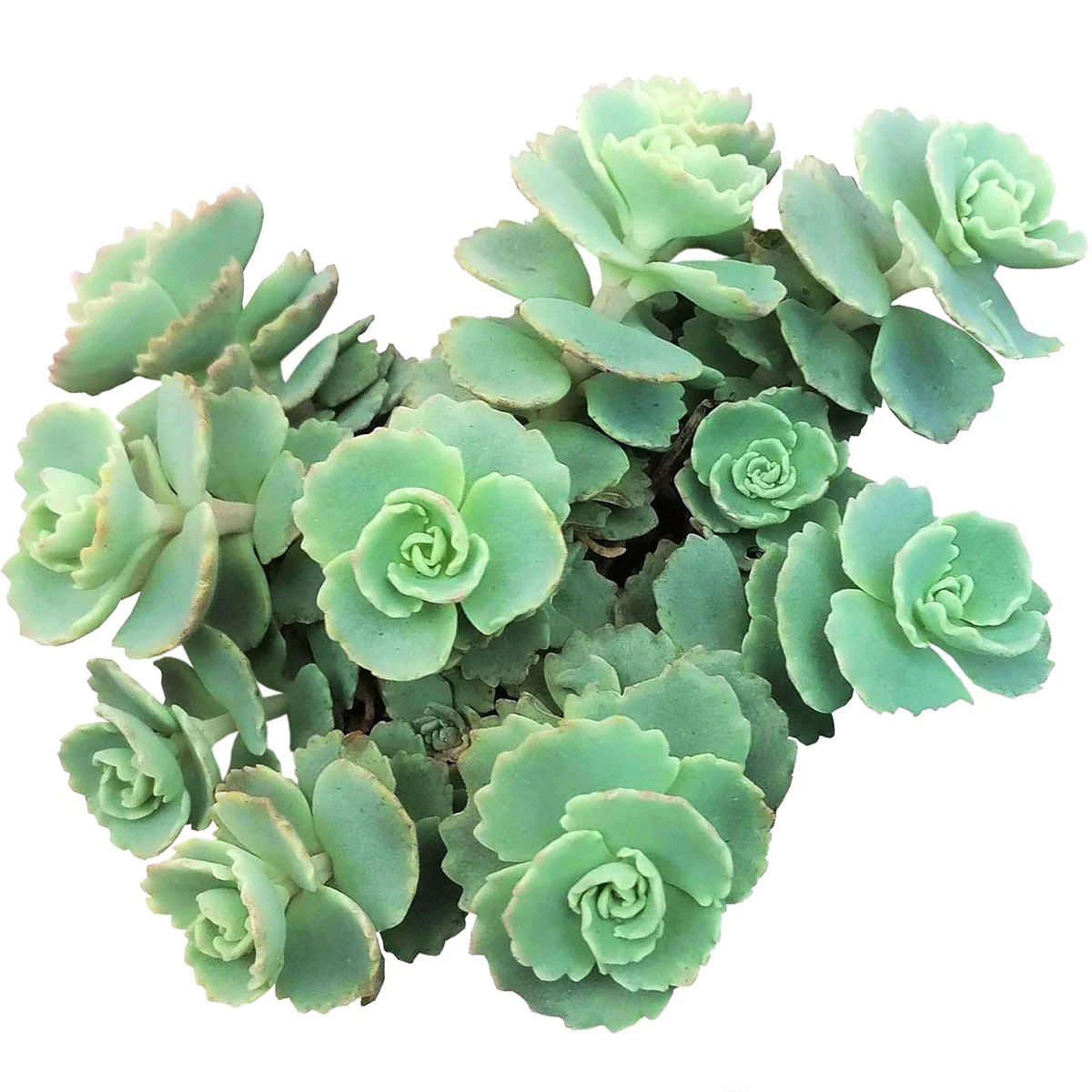
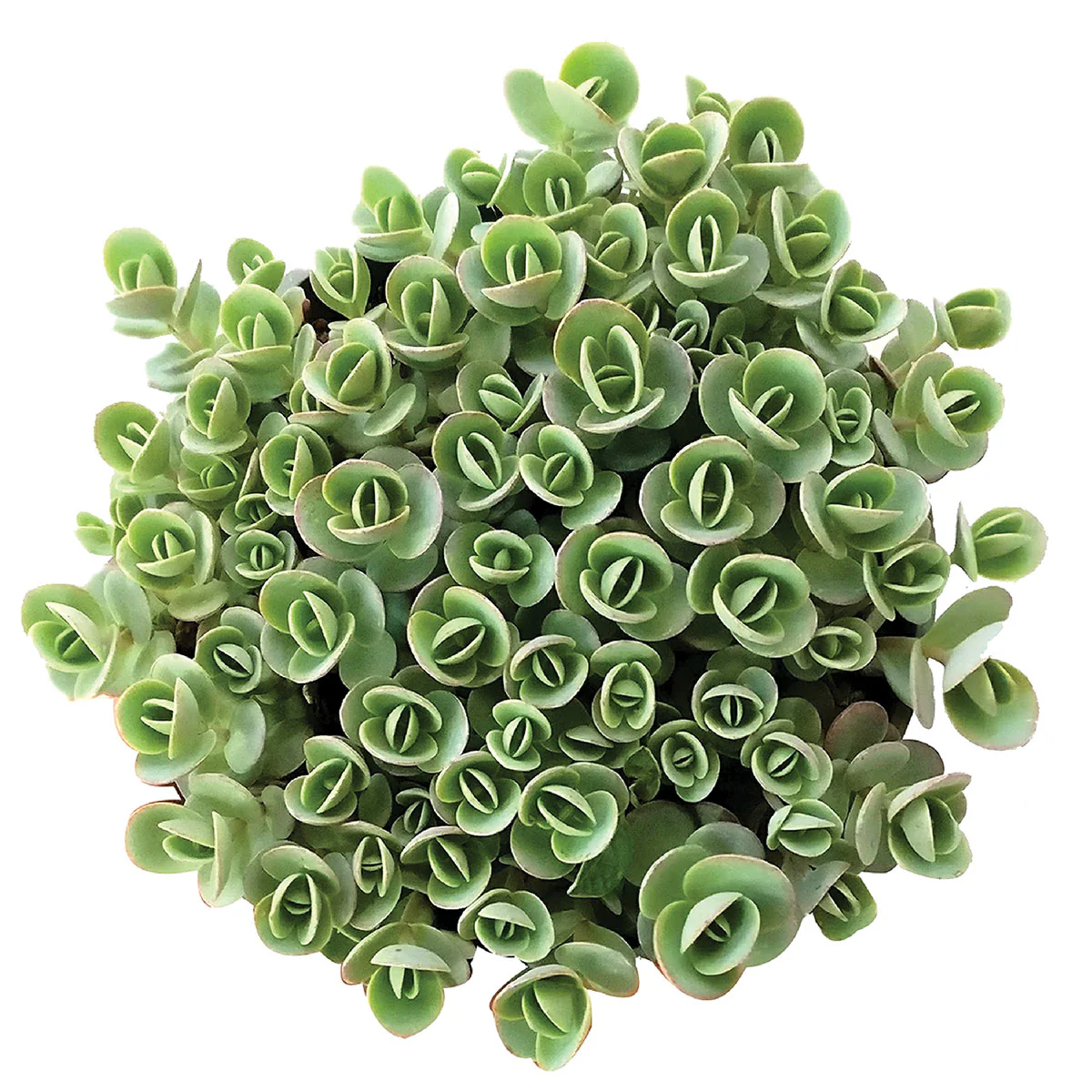
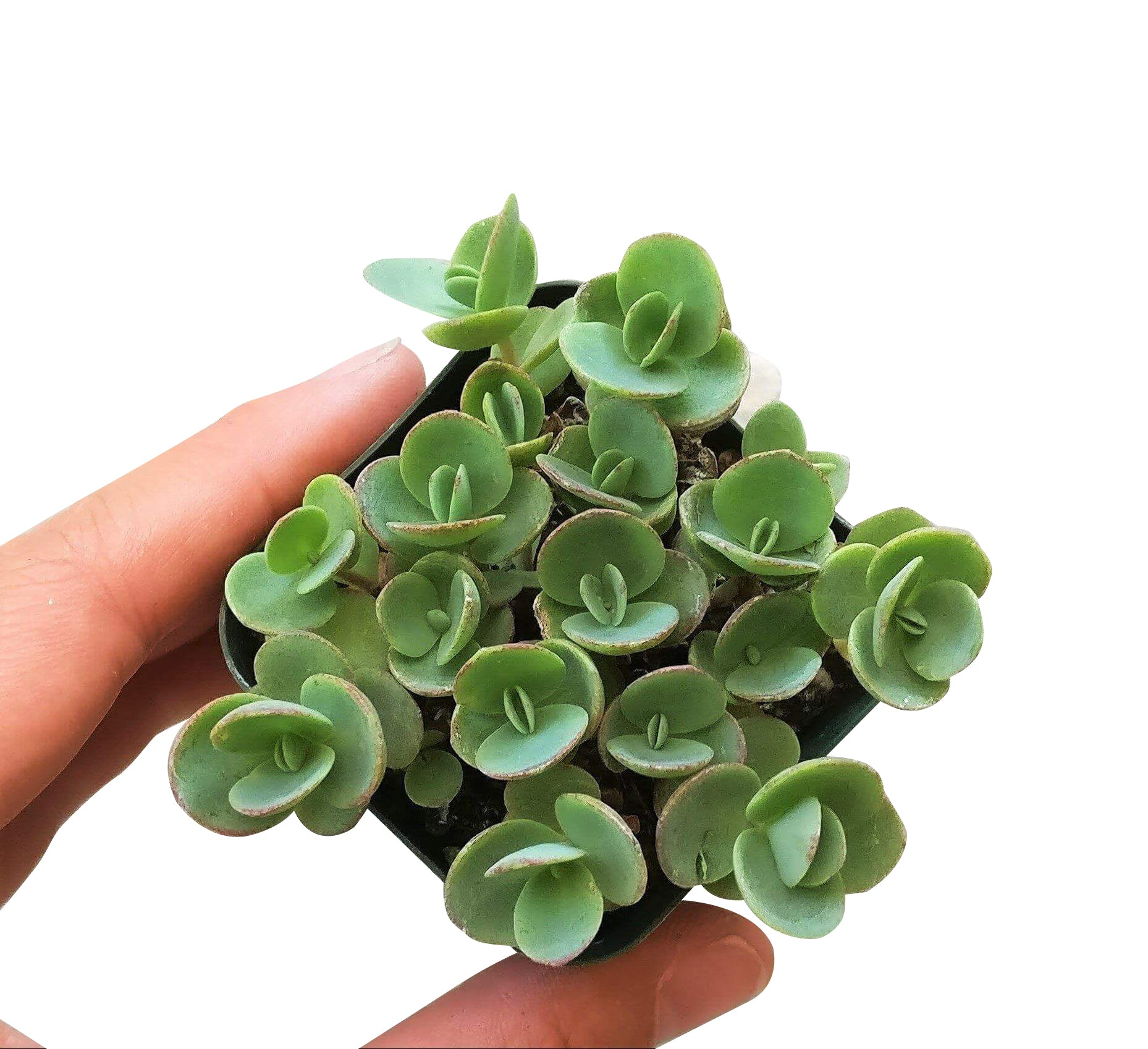
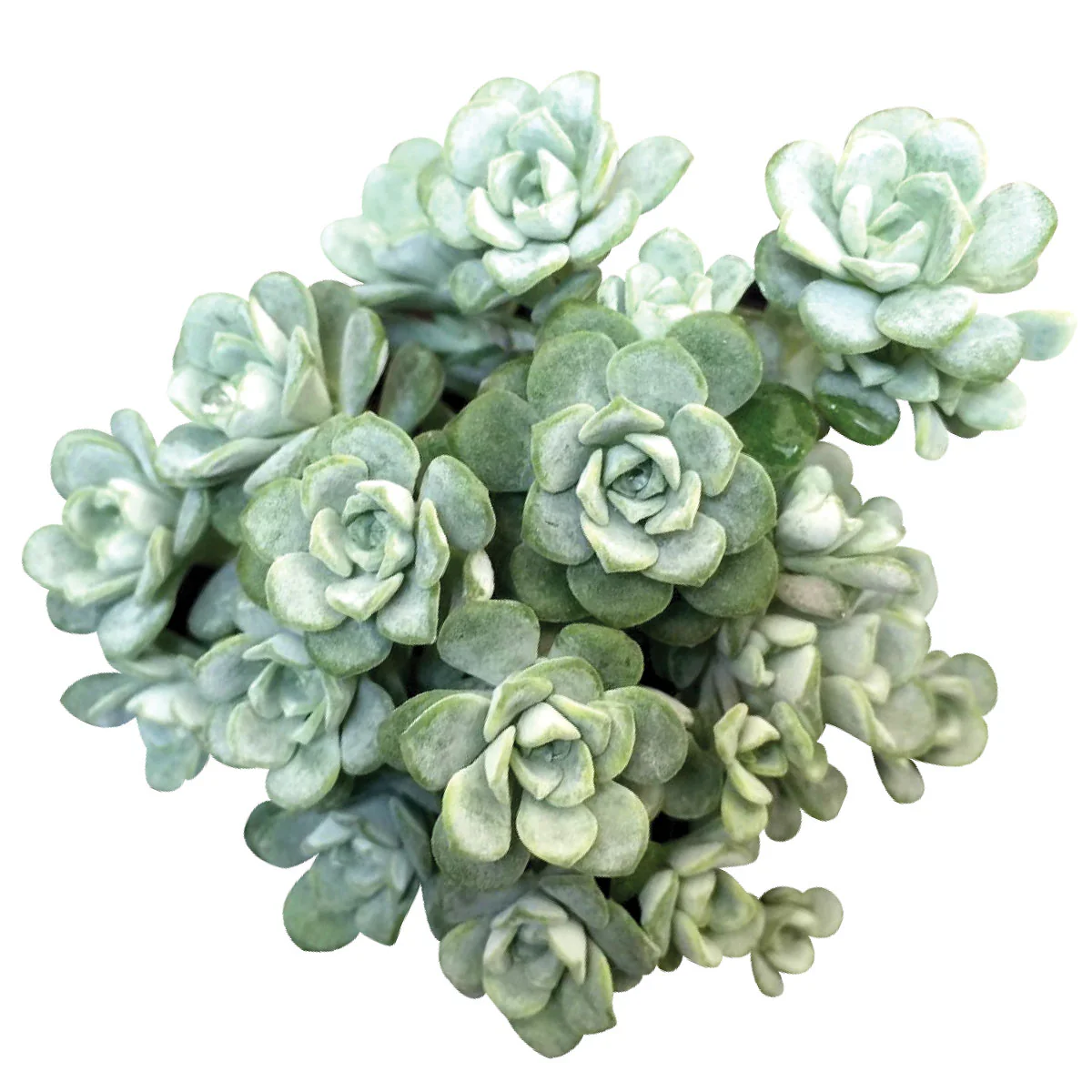
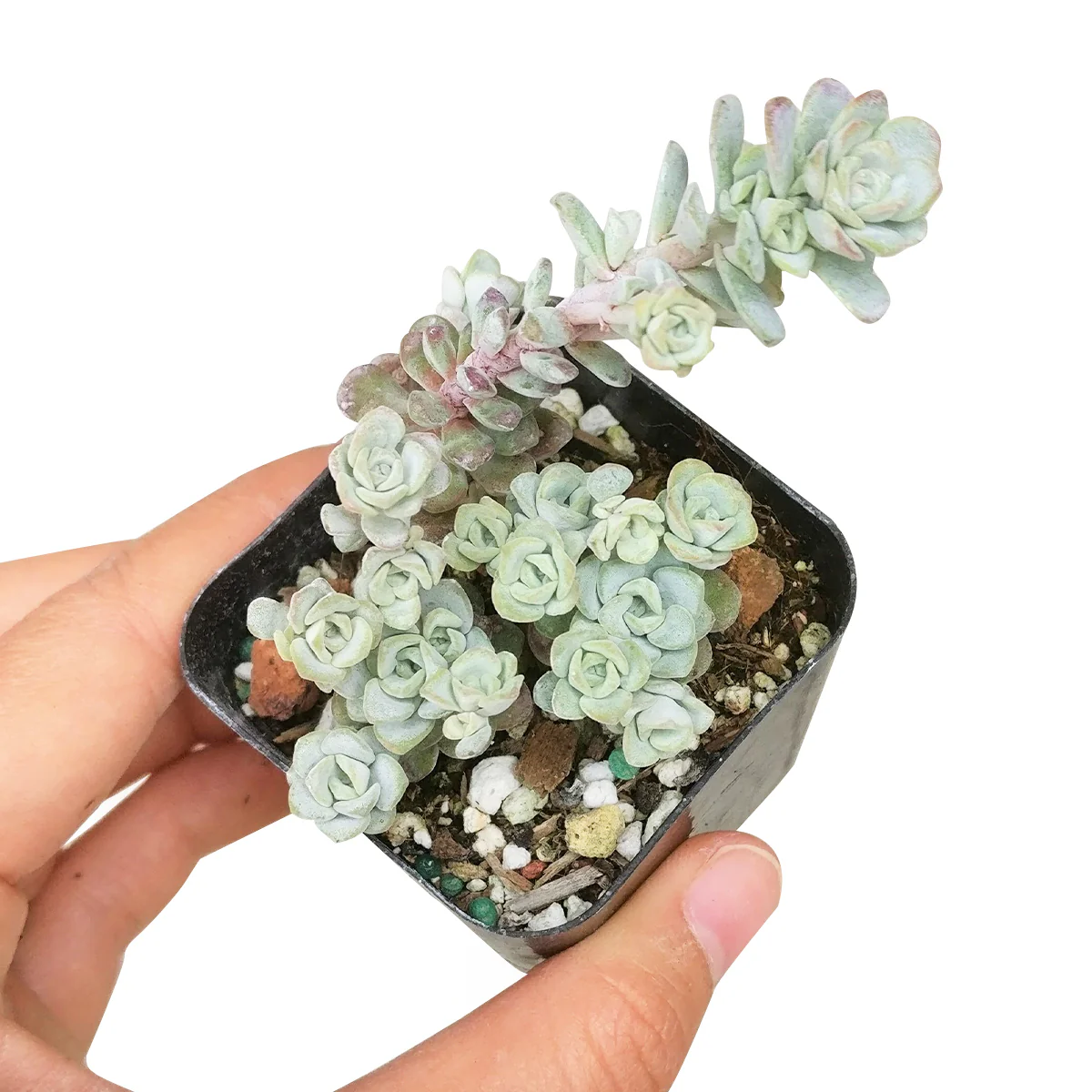
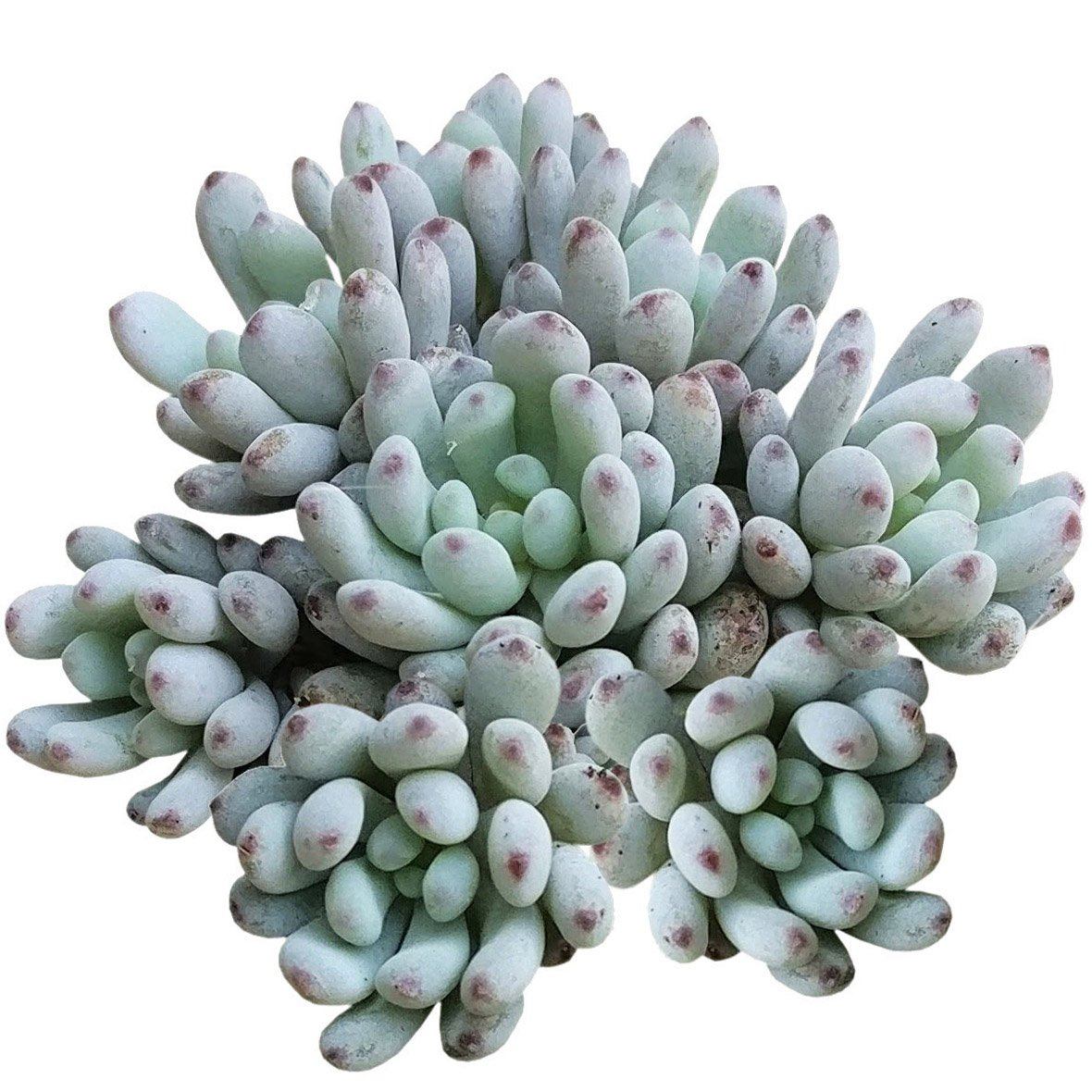
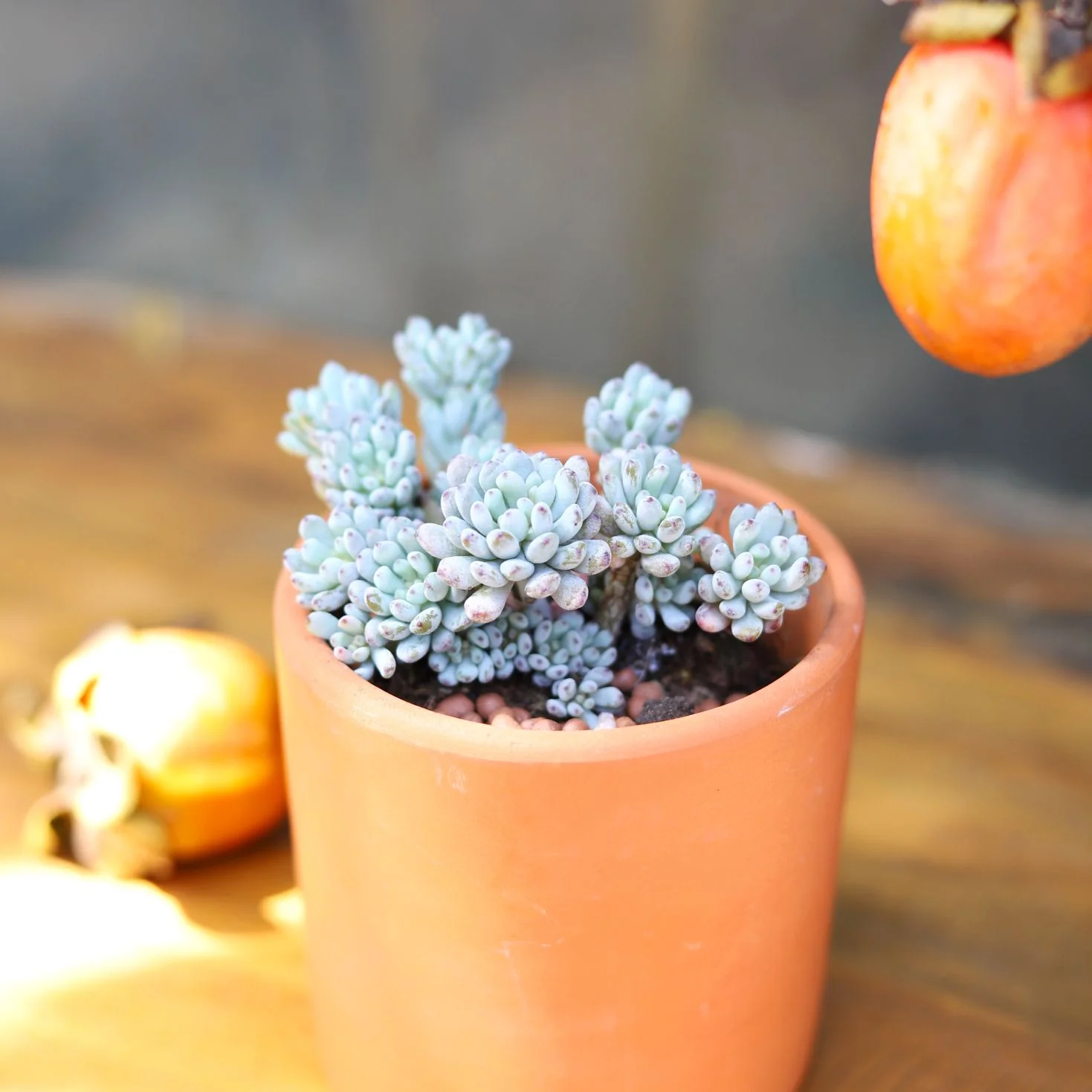
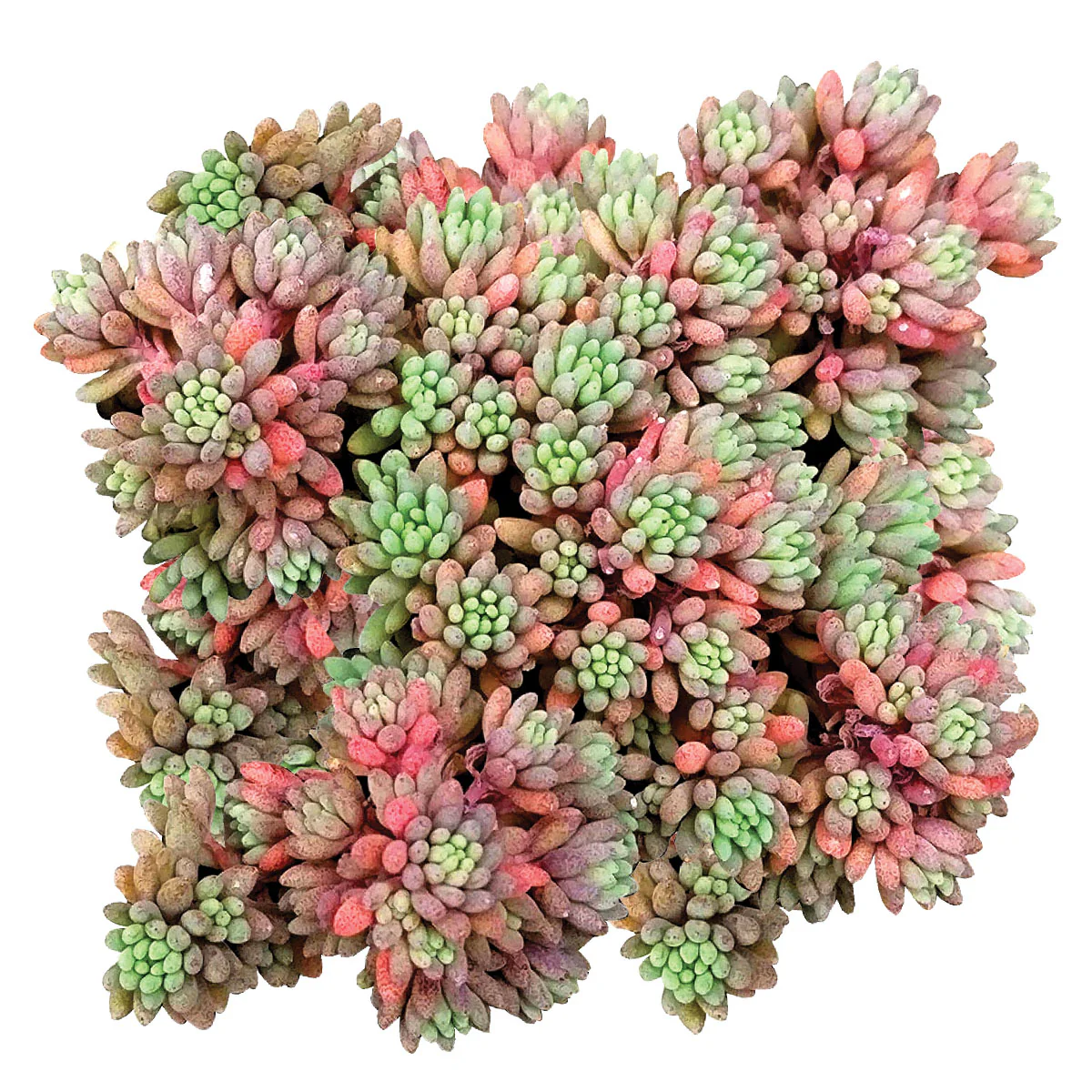
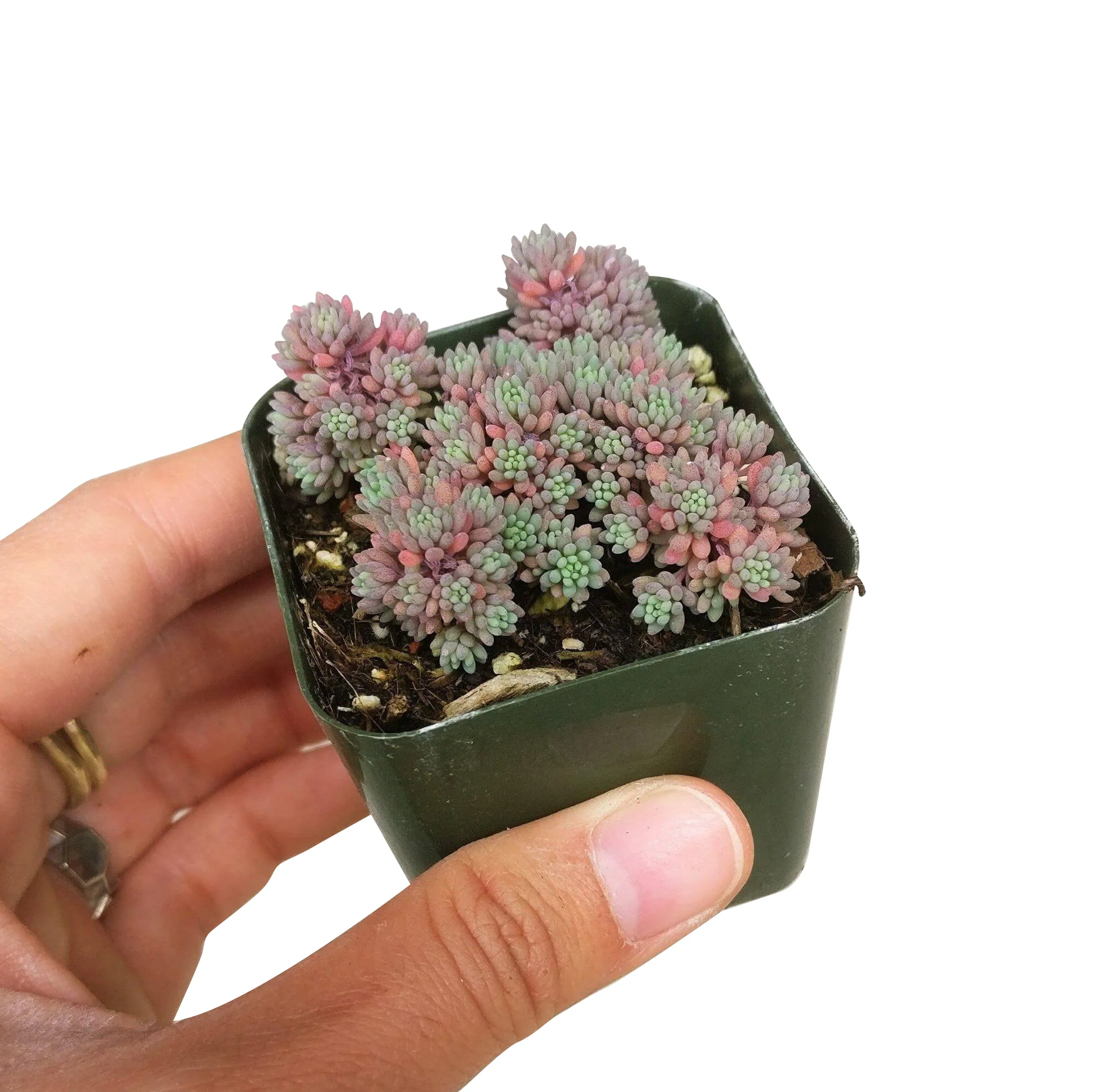
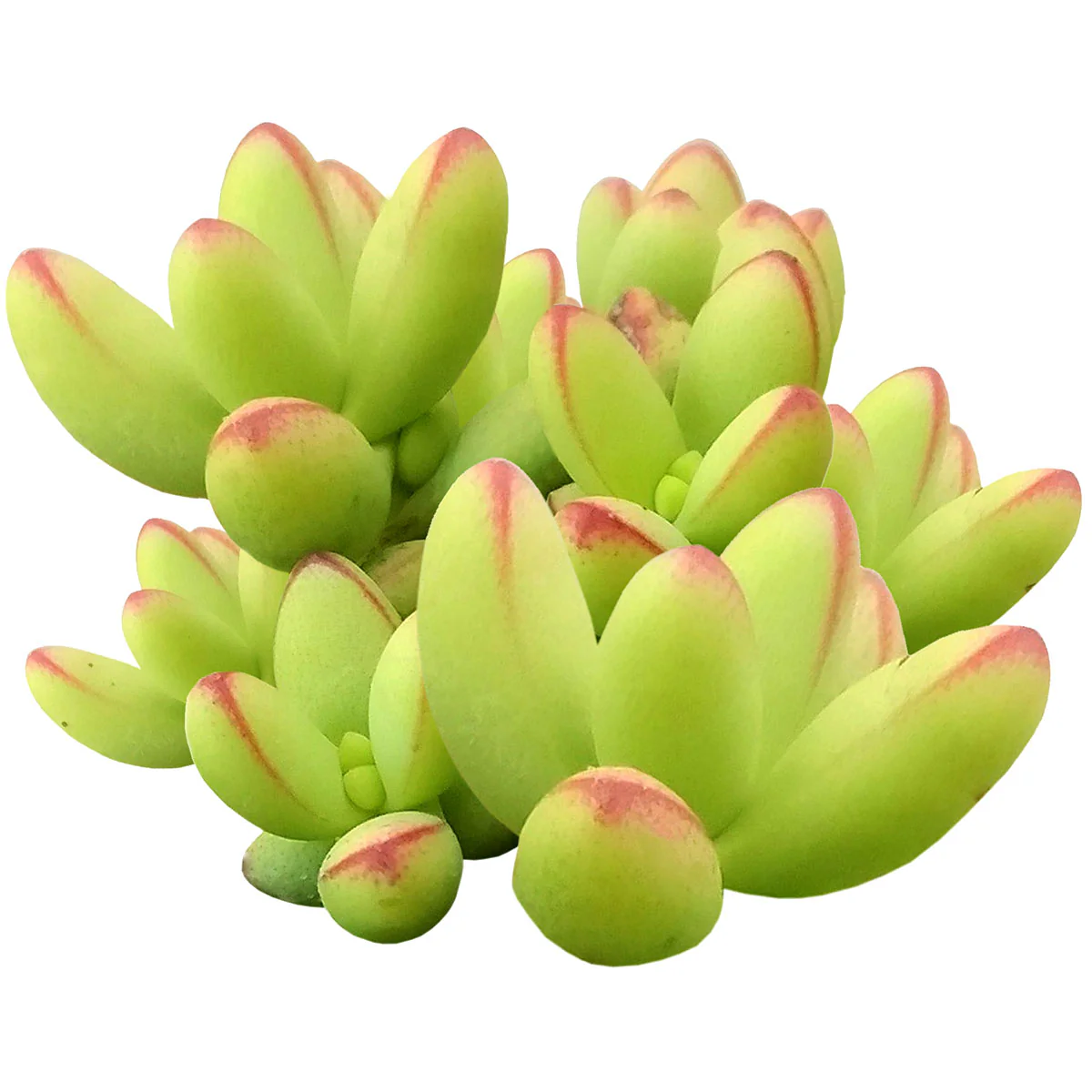
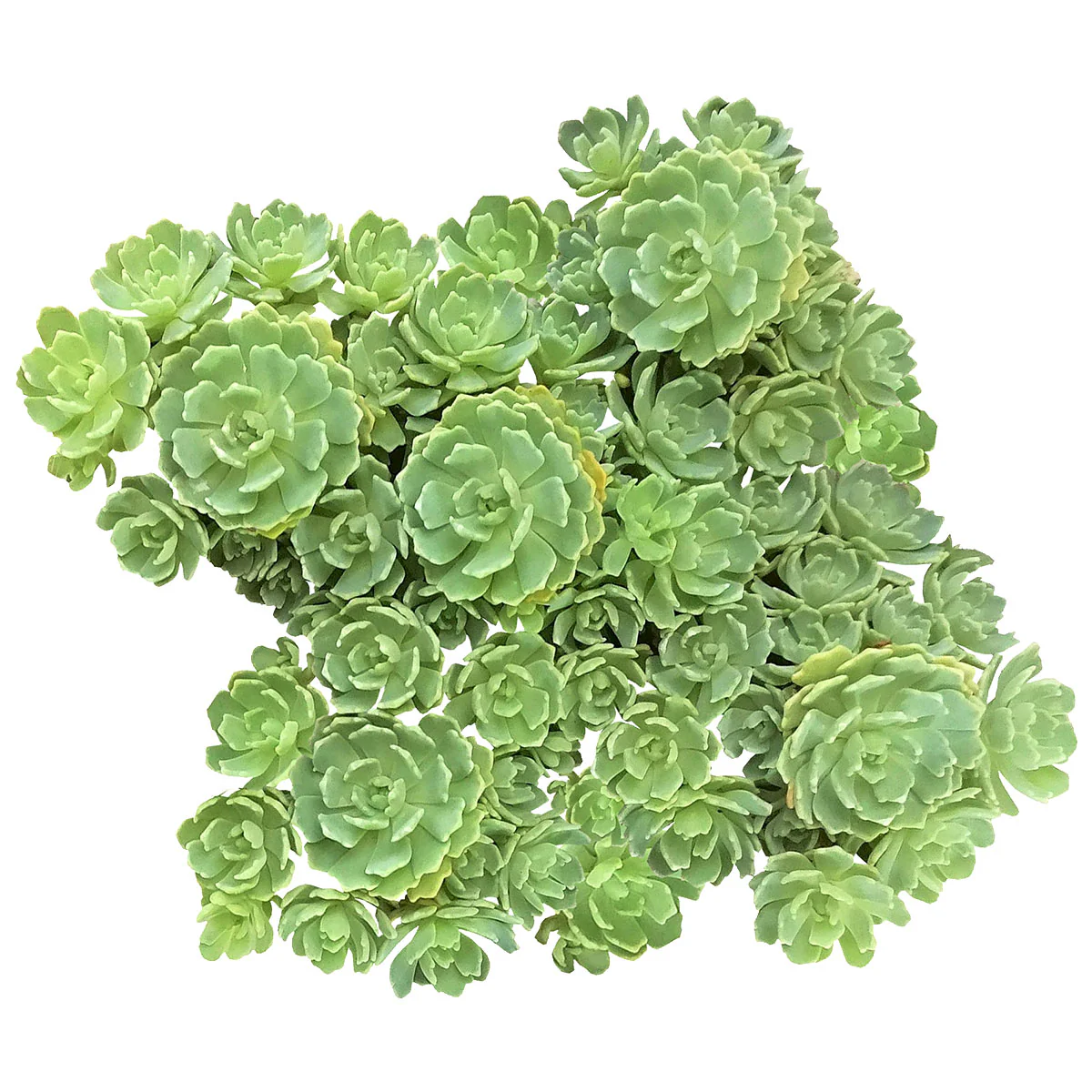
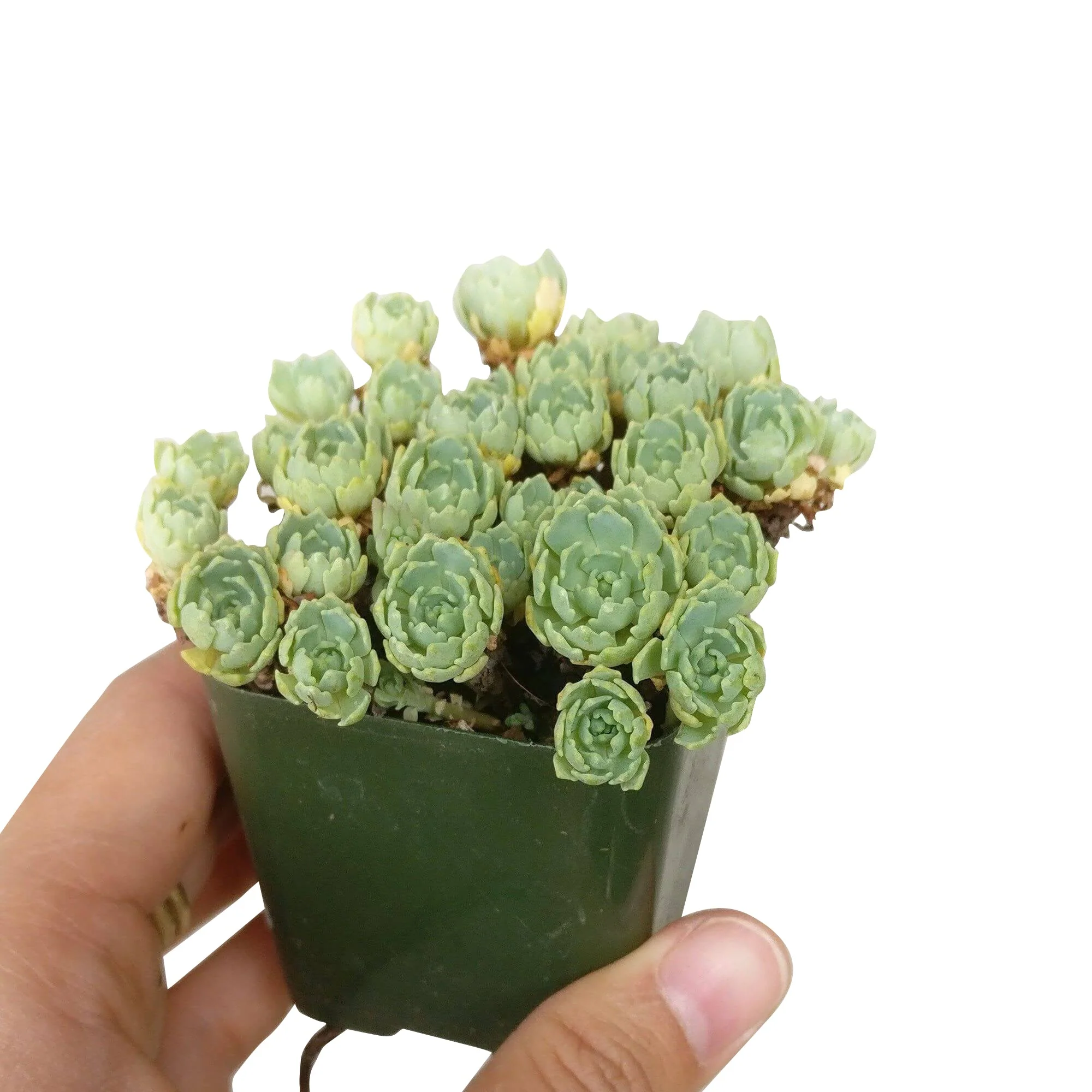
 Kalanchoe Pumila is instantly recognizable by its powdery, silver-white coating that dusts every leaf and stem, giving it that signature flower dust plant look. The small, scallop-edged leaves form compact rosettes that spread into a trailing, clumping habit perfect for hanging baskets. That frosted texture catches light beautifully and stays striking even when the plant is not in bloom.
 Kalanchoe Pumila produces clusters of delicate pink-violet flowers, typically in late winter to early spring, making it one of the most rewarding bright light succulents to grow indoors. Blooms are small but plentiful, and the contrast against the silver foliage is genuinely eye-catching. To encourage flowering, Kalanchoe Pumila needs a drop in night temperatures for several weeks, so a cool windowsill in autumn does the trick.
 As a trailing succulent, Kalanchoe Pumila is a natural fit for hanging baskets, high shelves, or cascading over the edge of a planter. It can move outside for summer and even linger outdoors into autumn in mild climates, though it needs cover from rain to prevent root problems. Cats and dogs should not be left to nibble or eat the plant, and it is best placed away from small children and out of reach of curious toddlers. Those sensitive to pollen should note that Kalanchoe Pumila does produce allergens during bloom.
-
 Kalanchoe Pumila thrives in bright indirect light to partial or full sun, ideally near a south or east-facing window.
 Water Kalanchoe Pumila every 10-14 days, allowing the soil to dry out completely between waterings.
 Kalanchoe Pumila does best in a gritty, fast-draining cactus and succulent mix blended with extra perlite.
 Kalanchoe Pumila prefers temperatures between 60-85°F (15-29°C) and should be protected from frost below 50°F (10°C).
![]() Kalanchoe Pumila is a slow to moderate grower and benefits from a balanced liquid fertilizer applied once monthly in spring and summer.
Kalanchoe Pumila is a slow to moderate grower and benefits from a balanced liquid fertilizer applied once monthly in spring and summer.
 Kalanchoe Pumila is hardy in USDA zones 9-11, tolerating brief dips but not sustained frost below around 25°F (-4°C). Outdoors year-round, it suits warm states including Florida, California, Texas, Arizona, Hawaii, Louisiana, Georgia, South Carolina, Alabama, Mississippi, and Nevada. Gardeners along the mild Oregon and Washington coasts, as well as parts of New Mexico and coastal North Carolina, may also successfully grow Kalanchoe Pumila outside with minimal protection.
-
Q: How often should I water Kalanchoe Pumila?
A: Water Kalanchoe Pumila every 10-14 days and always let the soil dry completely first. As a drought tolerant succulent, it handles underwatering far better than overwatering.
Q: Is Kalanchoe Pumila safe for pets?
A: Cats and dogs should not be left to nibble or eat Kalanchoe Pumila, so keep it on a high shelf well out of their reach. The sap can also cause skin or paw irritation with direct contact.
Q: How do I get Kalanchoe Pumila to bloom?
A: Kalanchoe Pumila needs a drop in night temperatures for several weeks to trigger flowering, so a cool spot near a window in autumn works well. Bright light and slightly reduced watering during this period also help encourage blooms.
Q: Can Kalanchoe Pumila grow in a hanging basket?
A: Absolutely. Kalanchoe Pumila's trailing, clumping growth habit makes it an ideal hanging basket succulent. Just rotate it periodically for even, balanced growth on all sides.
Q: Can I move Kalanchoe Pumila outside in summer?
A: Yes, Kalanchoe Pumila loves spending summer outdoors in a bright spot with partial sun. Make sure it has cover from rain and bring it back inside before temperatures drop in autumn.
Q: How do I propagate Kalanchoe Pumila?
A: Kalanchoe Pumila propagates easily from stem cuttings. Allow the cut end to callous for a day or two, then place it in dry succulent mix and water sparingly until roots establish.


Original: $8.00
-70%$8.00
$2.40Product Information
Product Information
Shipping & Returns
Shipping & Returns
Description
- Description
- Kalanchoe Pumila – Flower Dust Plant Care Guide
- FAQ/Common Issues
-
![]() Kalanchoe Pumila, affectionately known as the flower dust plant, is a charming succulent native to the highlands of Madagascar. It belongs to the Kalanchoe genus within the Crassulaceae family, where it grows naturally on rocky slopes and well-drained hillsides. This low maintenance silver succulent has earned a devoted following among indoor plant lovers worldwide.
Kalanchoe Pumila, affectionately known as the flower dust plant, is a charming succulent native to the highlands of Madagascar. It belongs to the Kalanchoe genus within the Crassulaceae family, where it grows naturally on rocky slopes and well-drained hillsides. This low maintenance silver succulent has earned a devoted following among indoor plant lovers worldwide.
Kalanchoe Pumila is instantly recognizable by its powdery, silver-white coating that dusts every leaf and stem, giving it that signature flower dust plant look. The small, scallop-edged leaves form compact rosettes that spread into a trailing, clumping habit perfect for hanging baskets. That frosted texture catches light beautifully and stays striking even when the plant is not in bloom.
Kalanchoe Pumila produces clusters of delicate pink-violet flowers, typically in late winter to early spring, making it one of the most rewarding bright light succulents to grow indoors. Blooms are small but plentiful, and the contrast against the silver foliage is genuinely eye-catching. To encourage flowering, Kalanchoe Pumila needs a drop in night temperatures for several weeks, so a cool windowsill in autumn does the trick.
As a trailing succulent, Kalanchoe Pumila is a natural fit for hanging baskets, high shelves, or cascading over the edge of a planter. It can move outside for summer and even linger outdoors into autumn in mild climates, though it needs cover from rain to prevent root problems. Cats and dogs should not be left to nibble or eat the plant, and it is best placed away from small children and out of reach of curious toddlers. Those sensitive to pollen should note that Kalanchoe Pumila does produce allergens during bloom.
-
Kalanchoe Pumila thrives in bright indirect light to partial or full sun, ideally near a south or east-facing window.
Water Kalanchoe Pumila every 10-14 days, allowing the soil to dry out completely between waterings.
Kalanchoe Pumila does best in a gritty, fast-draining cactus and succulent mix blended with extra perlite.
Kalanchoe Pumila prefers temperatures between 60-85°F (15-29°C) and should be protected from frost below 50°F (10°C).
![]() Kalanchoe Pumila is a slow to moderate grower and benefits from a balanced liquid fertilizer applied once monthly in spring and summer.
Kalanchoe Pumila is a slow to moderate grower and benefits from a balanced liquid fertilizer applied once monthly in spring and summer.
Kalanchoe Pumila is hardy in USDA zones 9-11, tolerating brief dips but not sustained frost below around 25°F (-4°C). Outdoors year-round, it suits warm states including Florida, California, Texas, Arizona, Hawaii, Louisiana, Georgia, South Carolina, Alabama, Mississippi, and Nevada. Gardeners along the mild Oregon and Washington coasts, as well as parts of New Mexico and coastal North Carolina, may also successfully grow Kalanchoe Pumila outside with minimal protection.
-
Q: How often should I water Kalanchoe Pumila?
A: Water Kalanchoe Pumila every 10-14 days and always let the soil dry completely first. As a drought tolerant succulent, it handles underwatering far better than overwatering.
Q: Is Kalanchoe Pumila safe for pets?
A: Cats and dogs should not be left to nibble or eat Kalanchoe Pumila, so keep it on a high shelf well out of their reach. The sap can also cause skin or paw irritation with direct contact.
Q: How do I get Kalanchoe Pumila to bloom?
A: Kalanchoe Pumila needs a drop in night temperatures for several weeks to trigger flowering, so a cool spot near a window in autumn works well. Bright light and slightly reduced watering during this period also help encourage blooms.
Q: Can Kalanchoe Pumila grow in a hanging basket?
A: Absolutely. Kalanchoe Pumila's trailing, clumping growth habit makes it an ideal hanging basket succulent. Just rotate it periodically for even, balanced growth on all sides.
Q: Can I move Kalanchoe Pumila outside in summer?
A: Yes, Kalanchoe Pumila loves spending summer outdoors in a bright spot with partial sun. Make sure it has cover from rain and bring it back inside before temperatures drop in autumn.
Q: How do I propagate Kalanchoe Pumila?
A: Kalanchoe Pumila propagates easily from stem cuttings. Allow the cut end to callous for a day or two, then place it in dry succulent mix and water sparingly until roots establish.