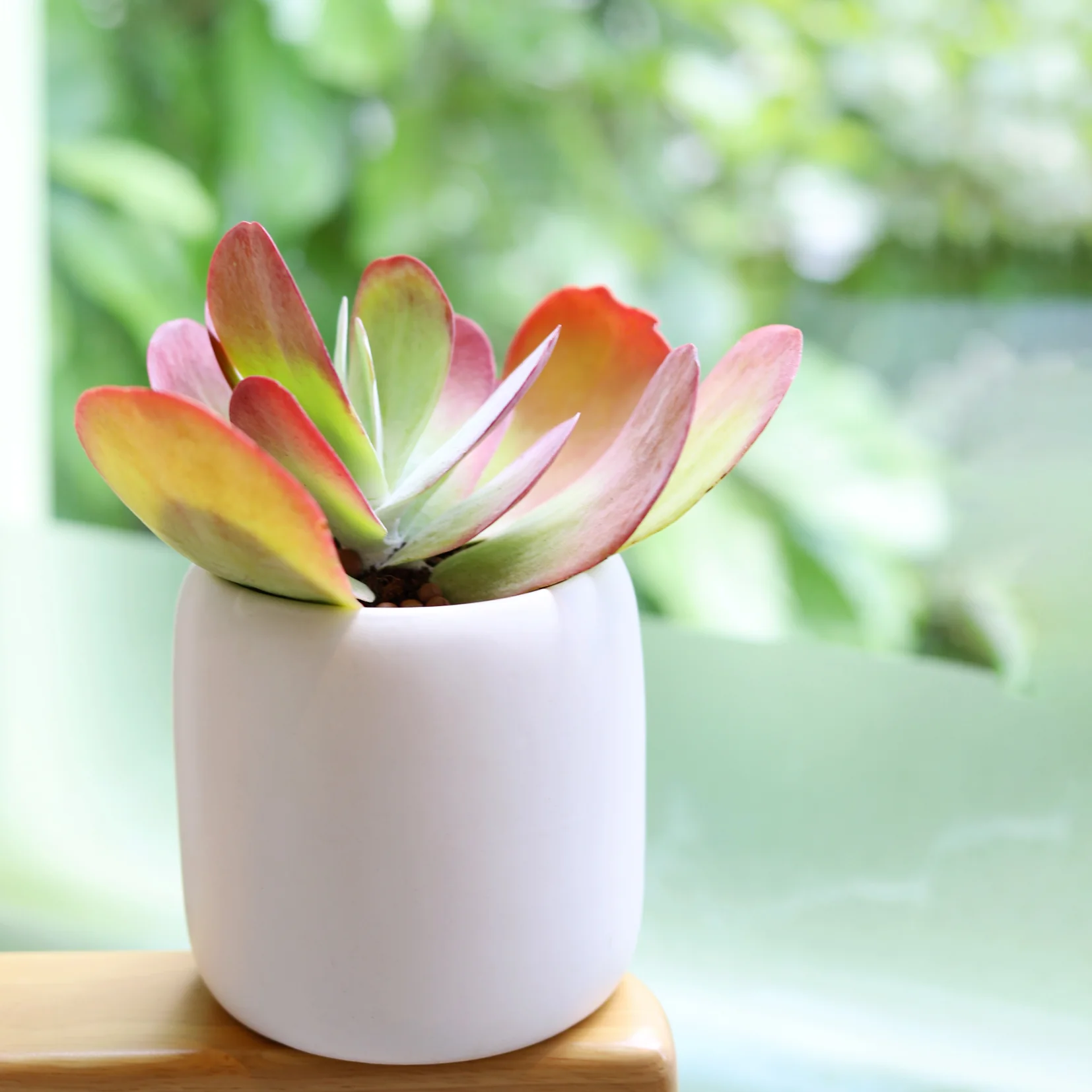
Kalanchoe Flapjacks Succulent
- Description
- Kalanchoe Flapjacks Succulent Care Guide
- FAQ/Common Issues
-
![]() The Kalanchoe Flapjacks Succulent is a striking drought tolerant easy care plant in the Crassulaceae family, native to the rocky, arid regions of South Africa. It belongs to the Kalanchoe genus and has become a beloved low maintenance succulent for both indoor and outdoor growers worldwide.
The Kalanchoe Flapjacks Succulent is a striking drought tolerant easy care plant in the Crassulaceae family, native to the rocky, arid regions of South Africa. It belongs to the Kalanchoe genus and has become a beloved low maintenance succulent for both indoor and outdoor growers worldwide.
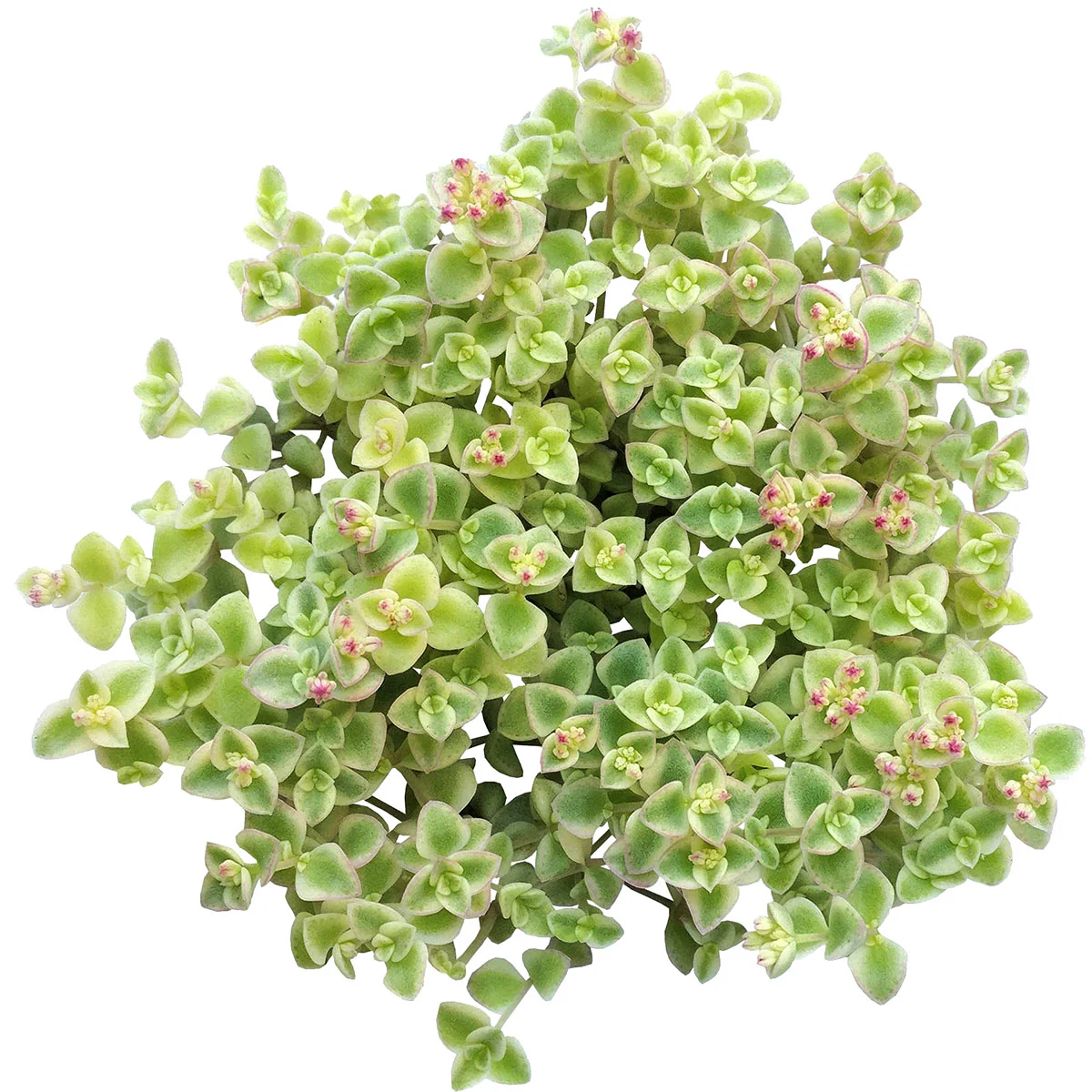
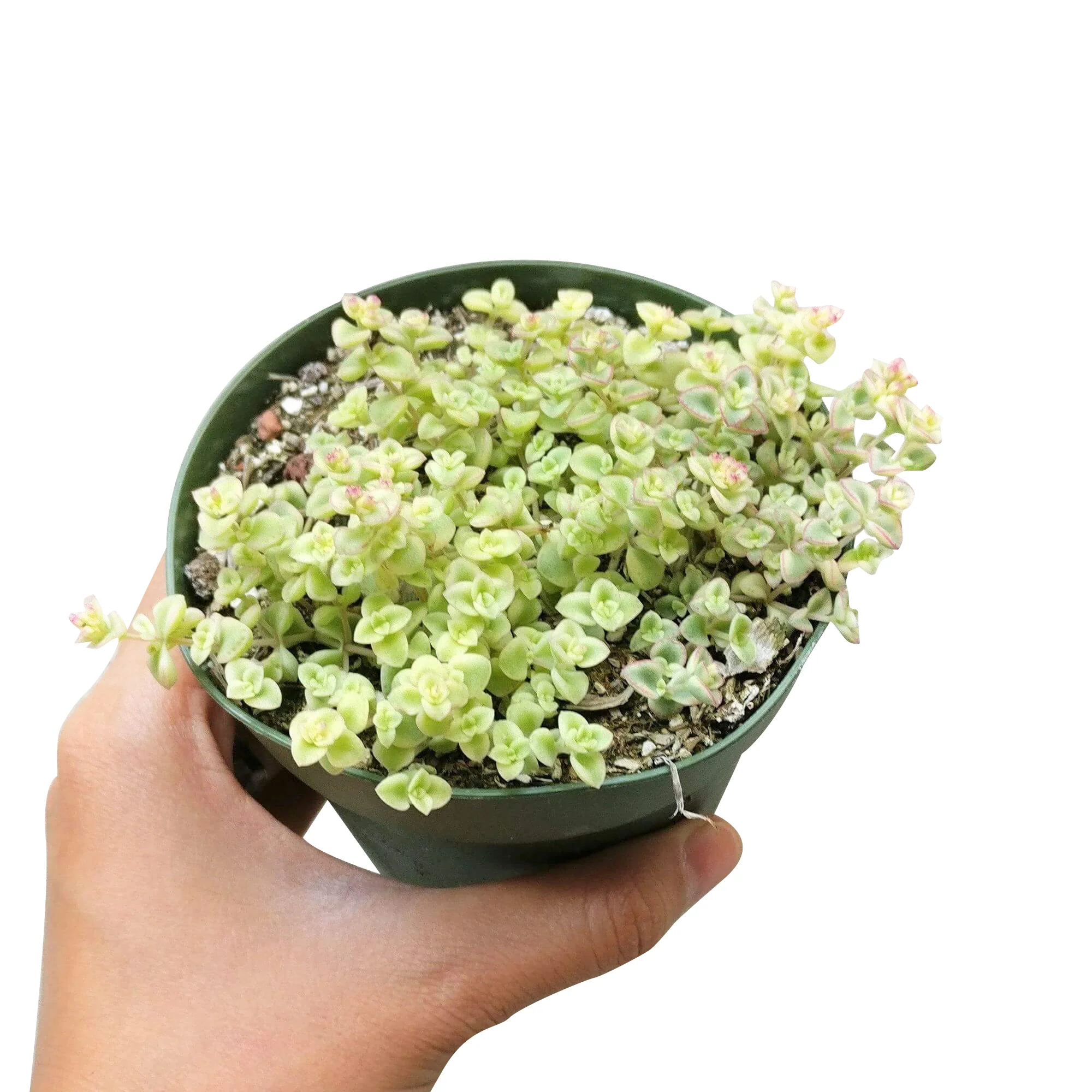
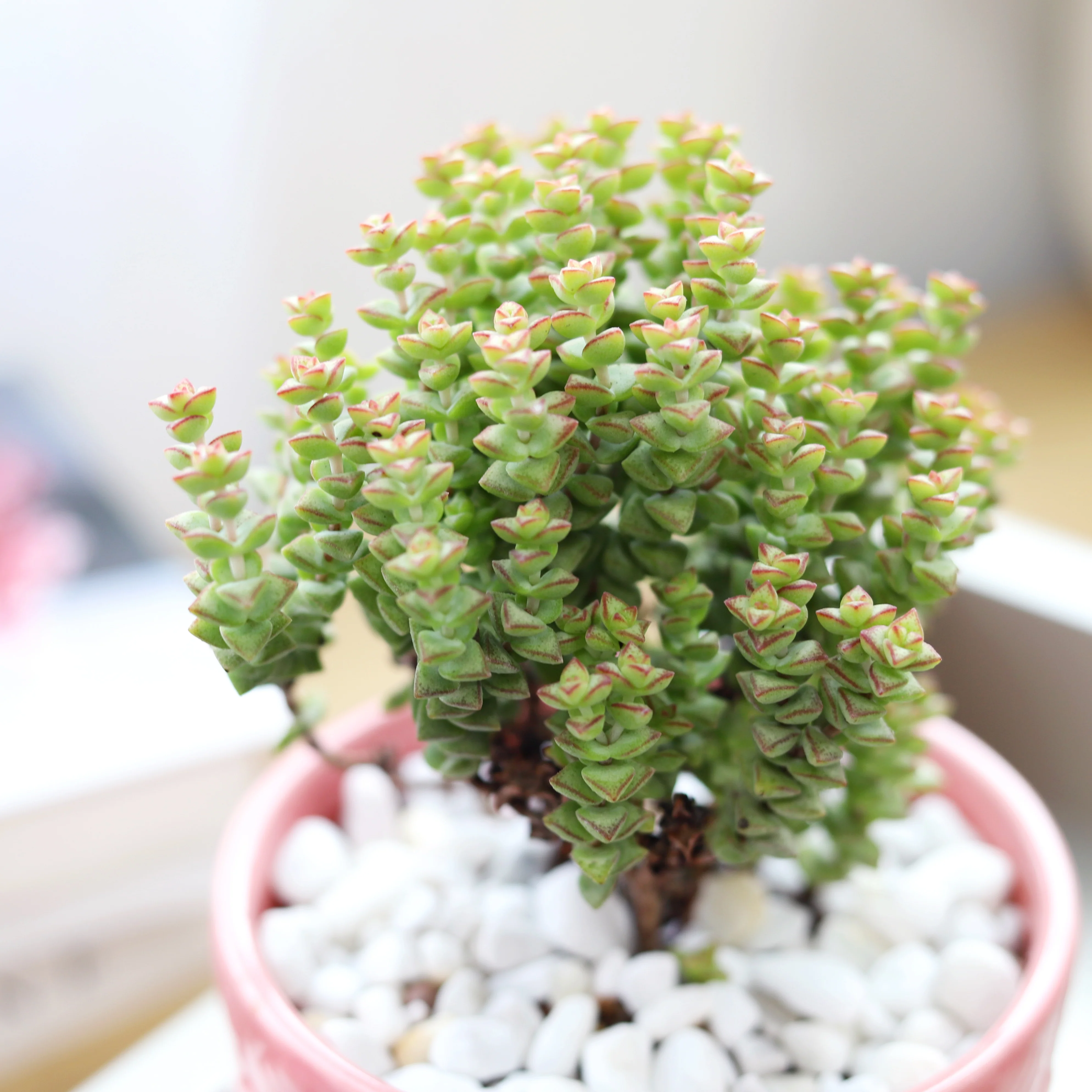
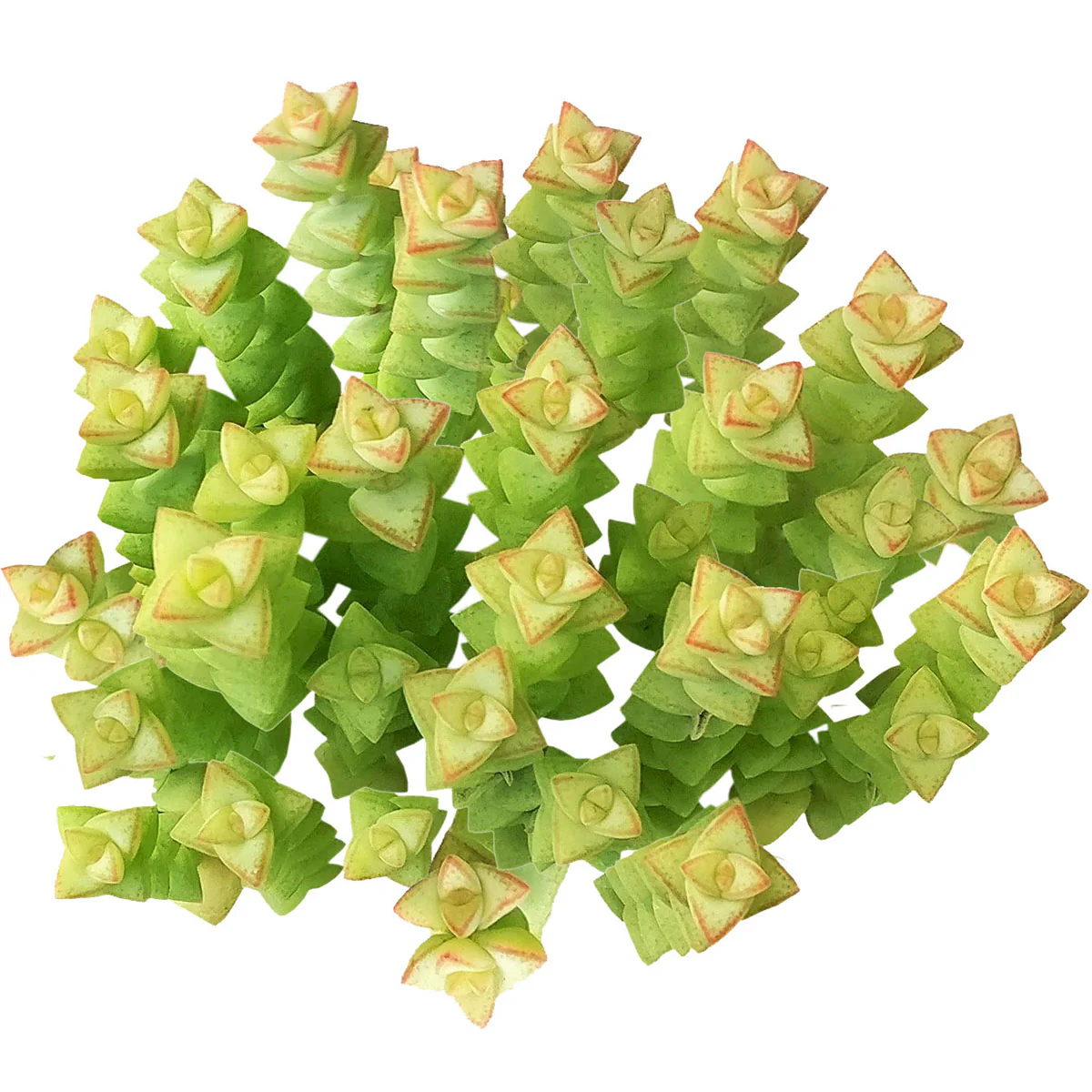
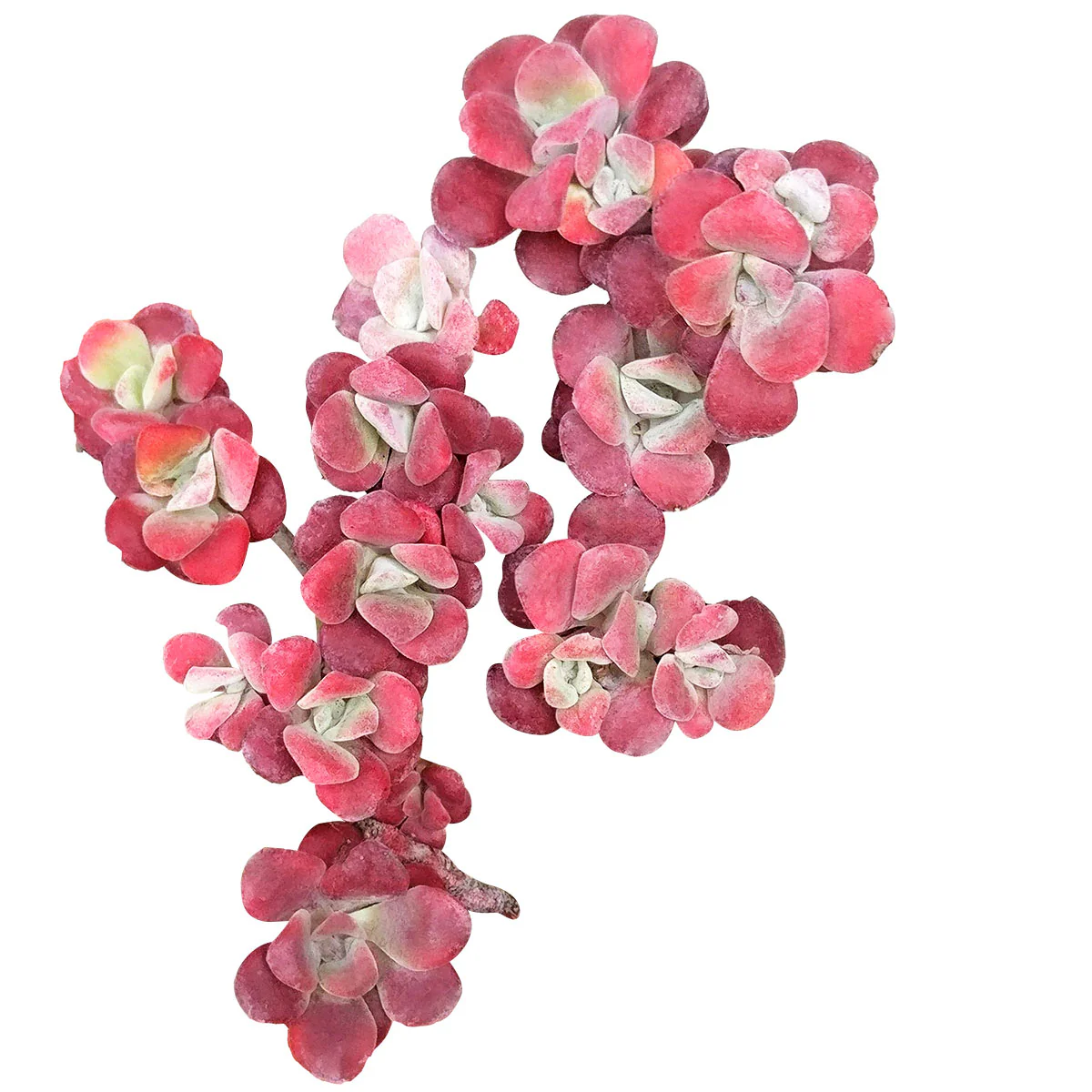
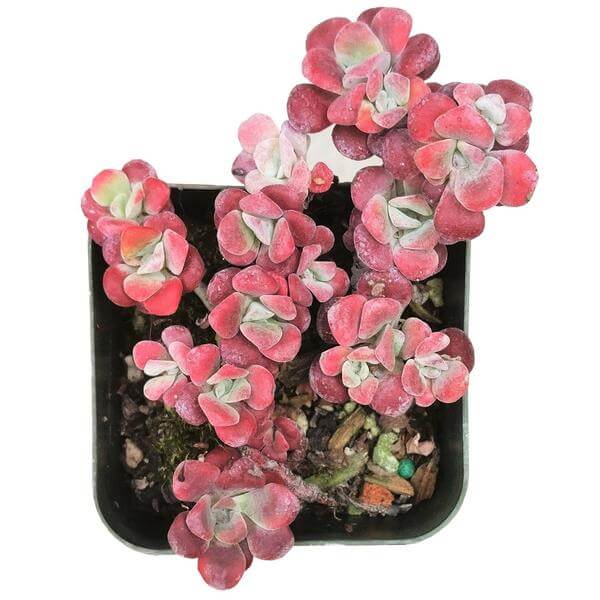
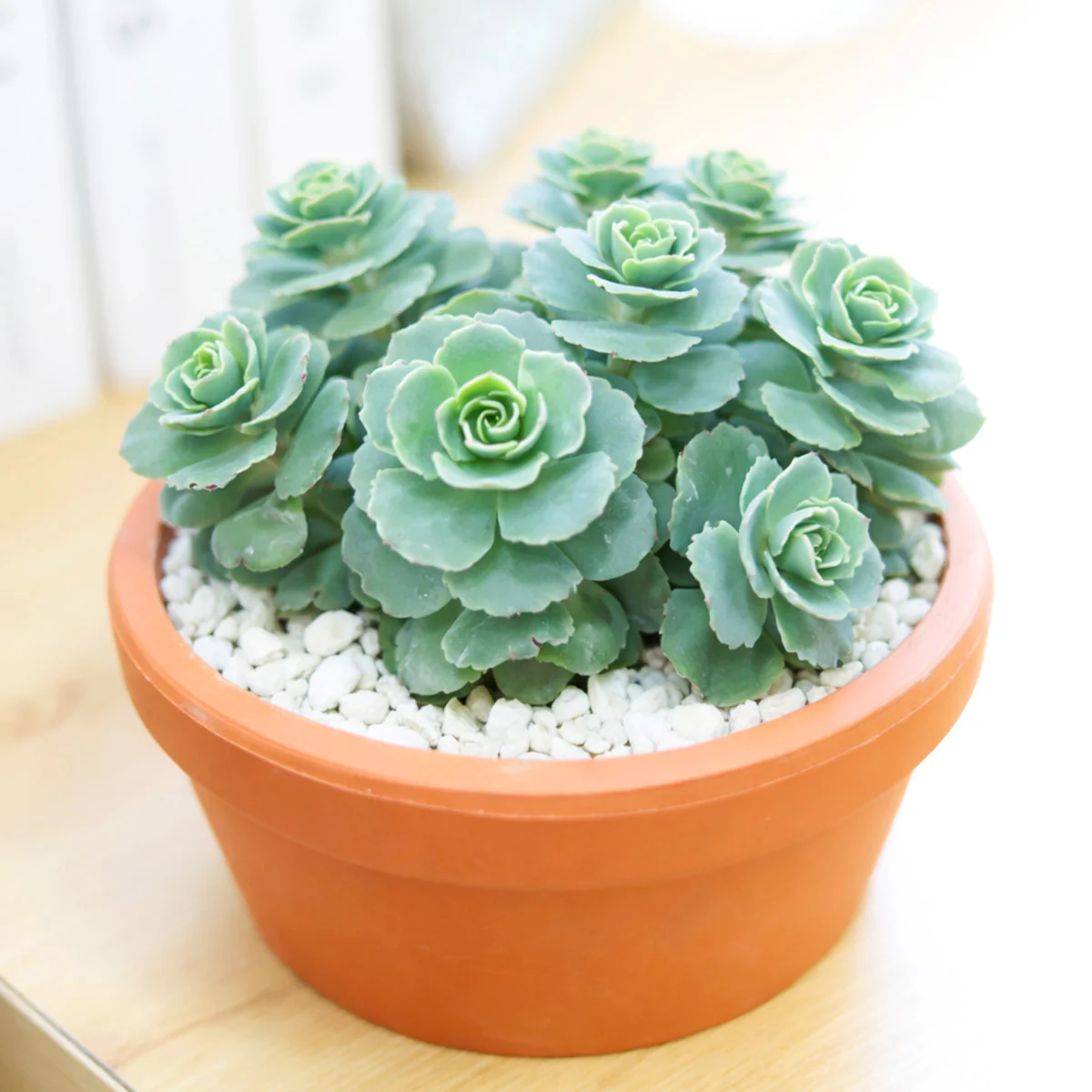
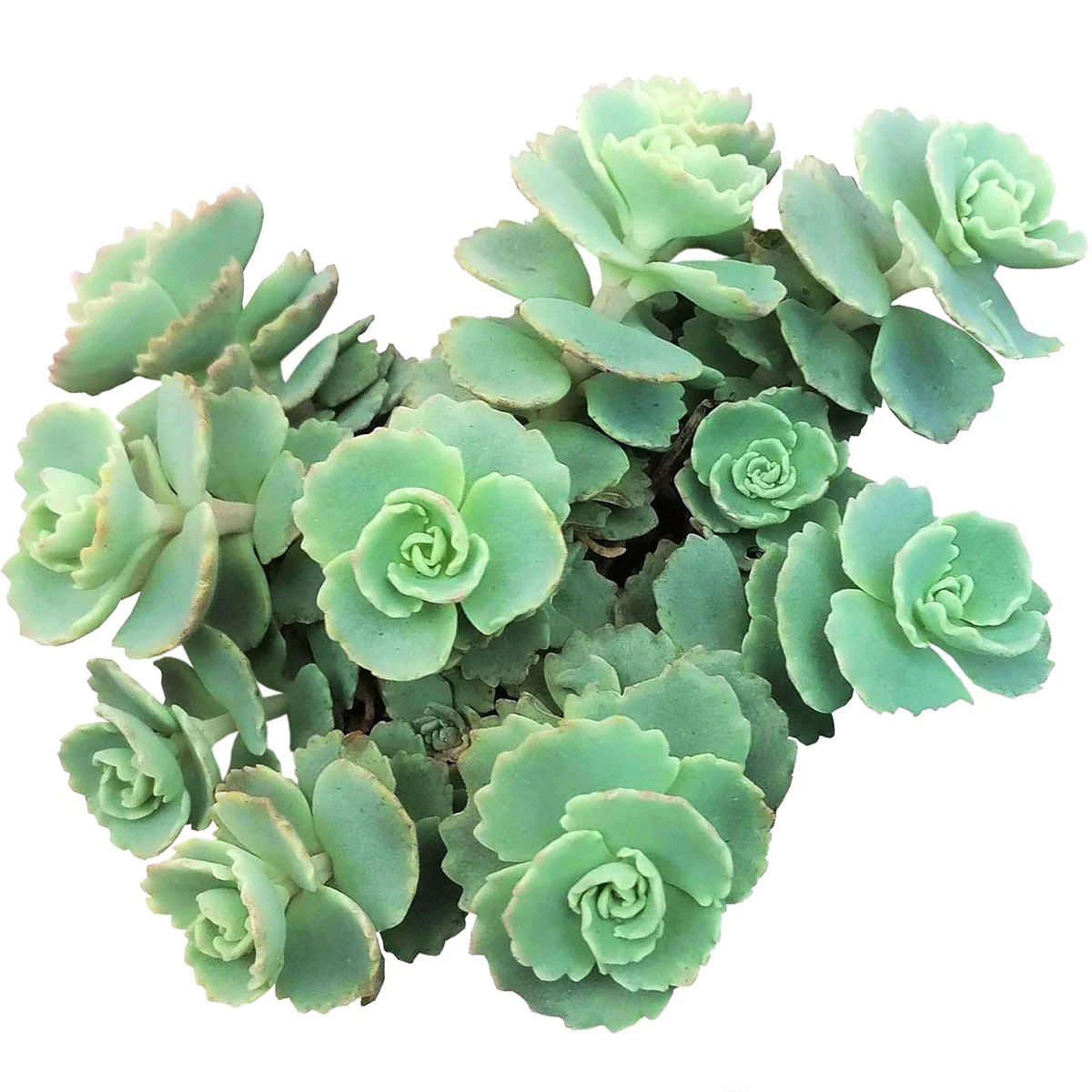
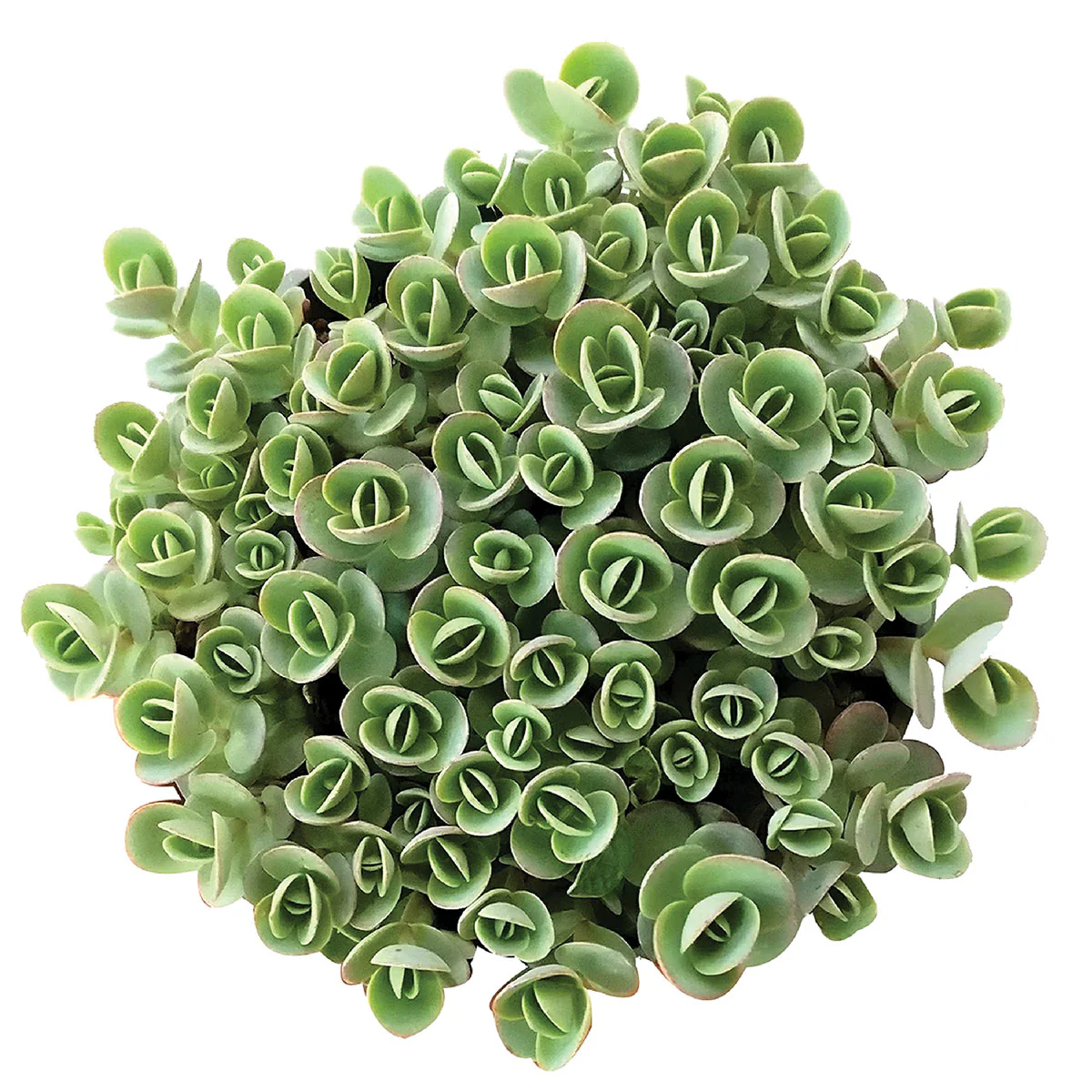
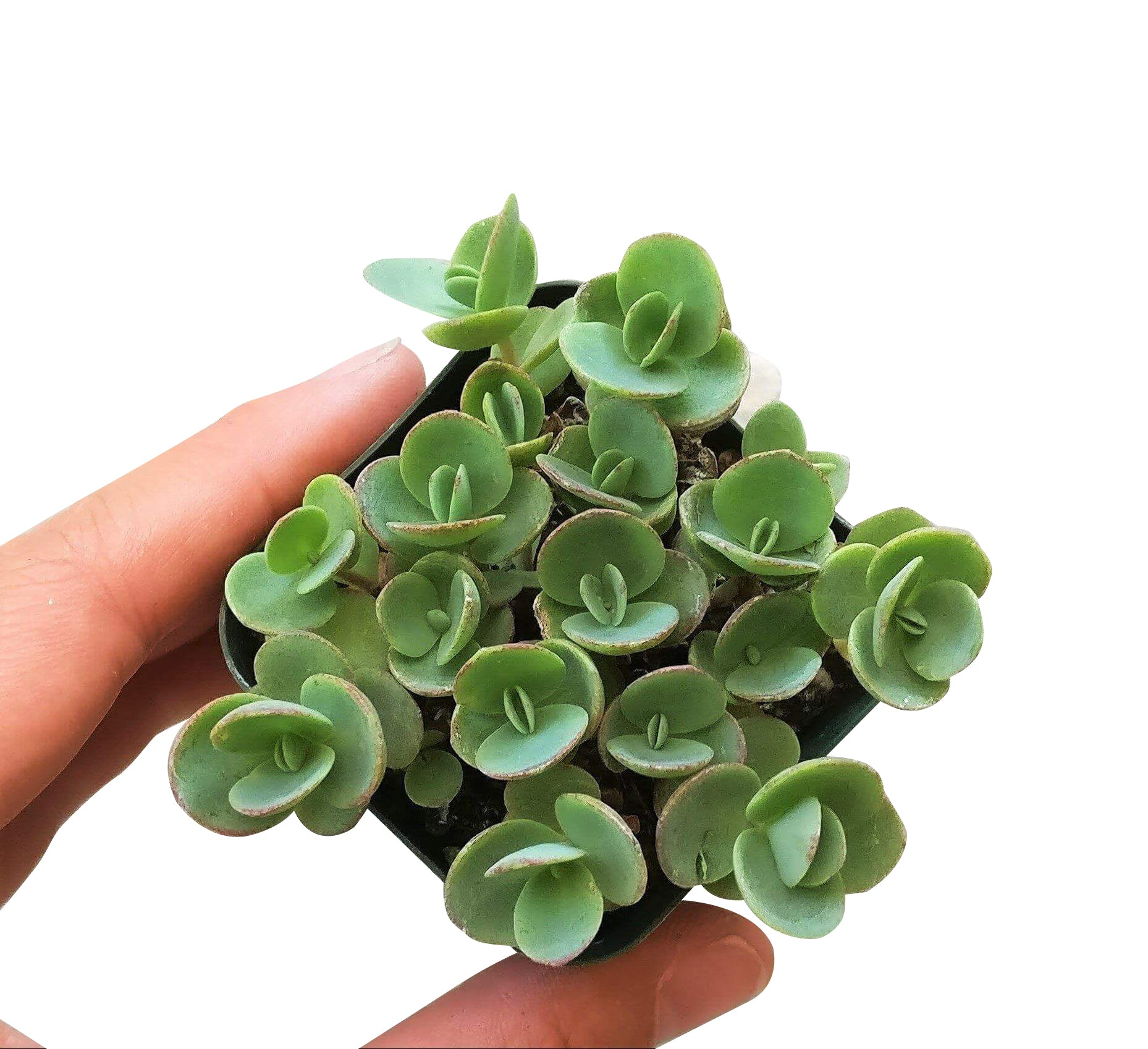
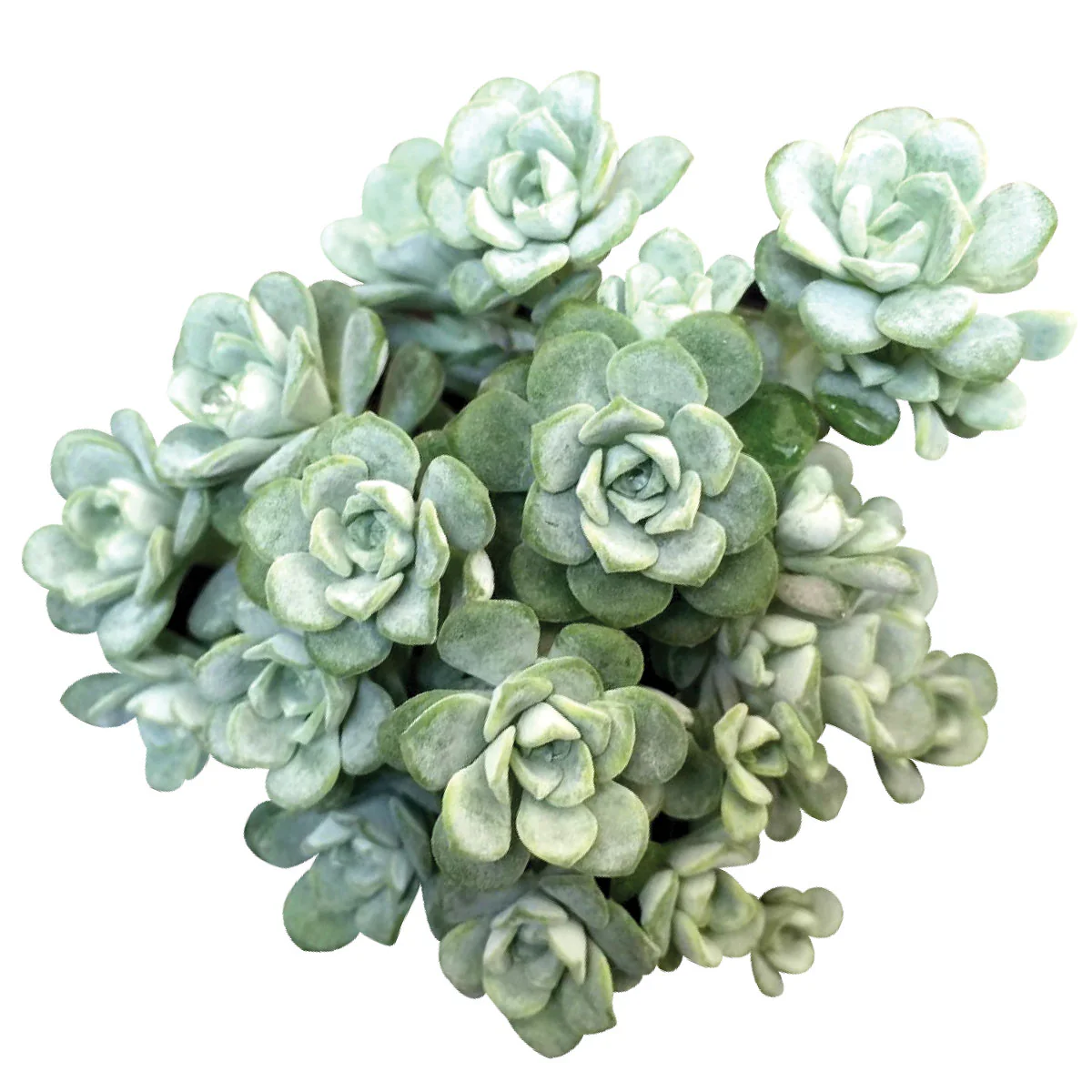
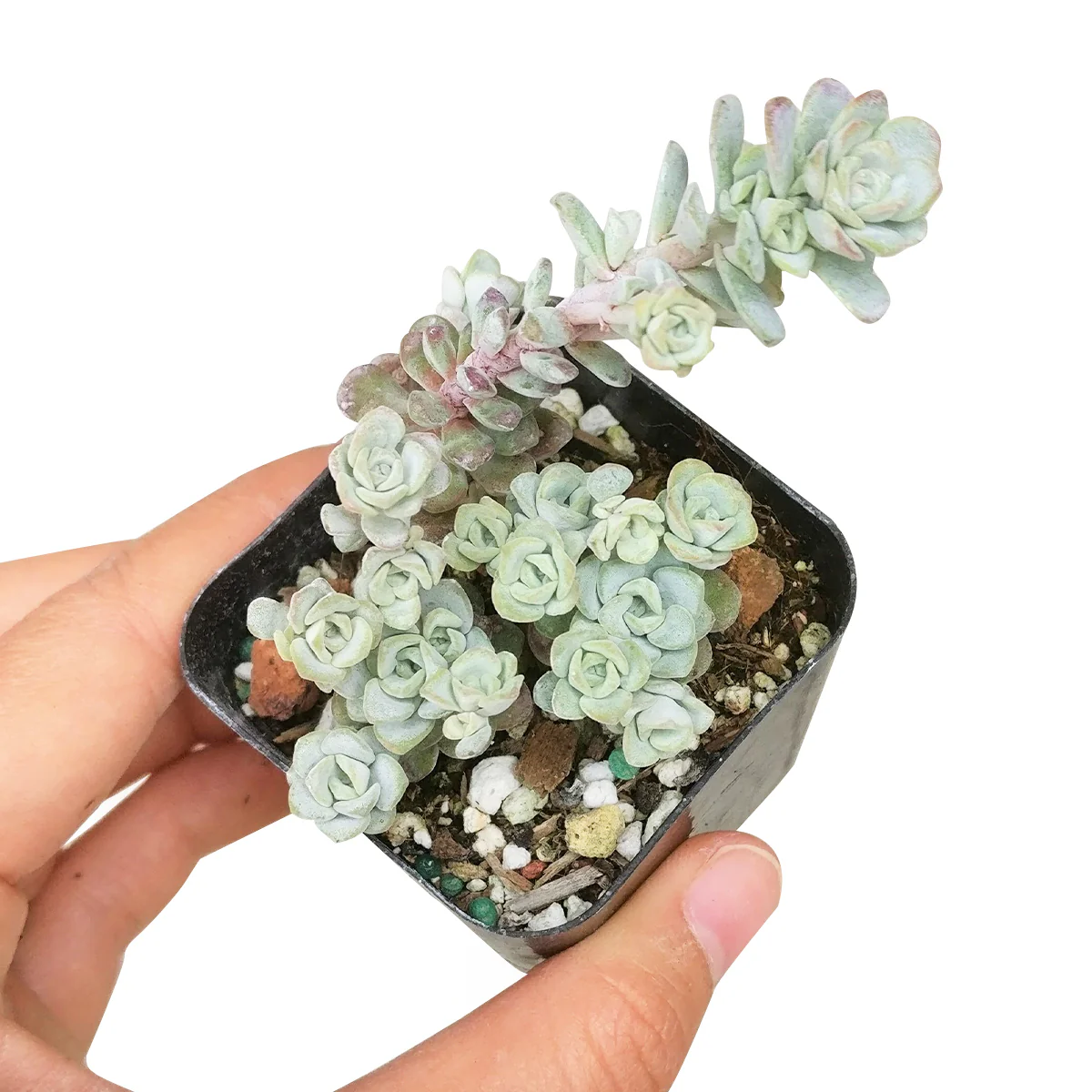
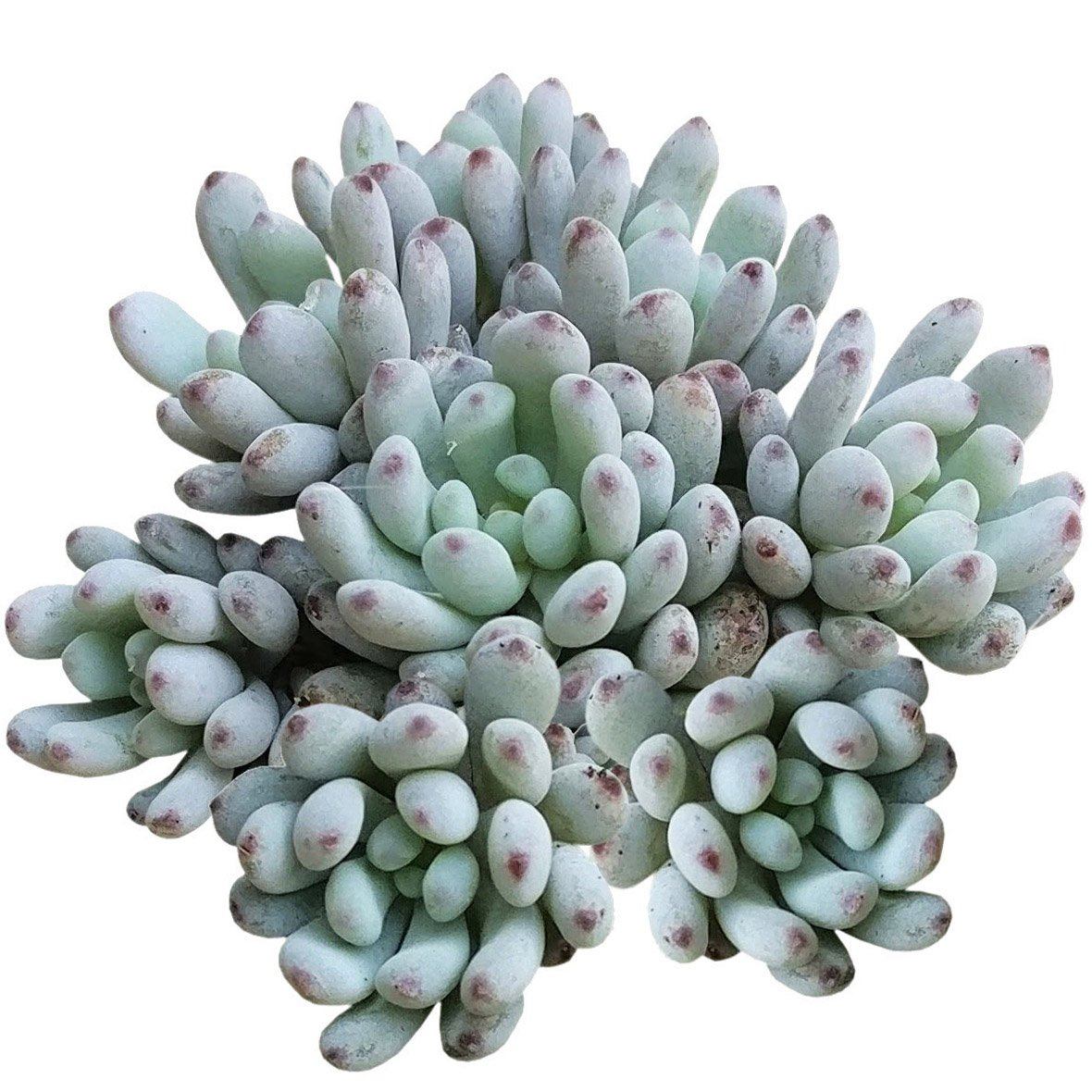
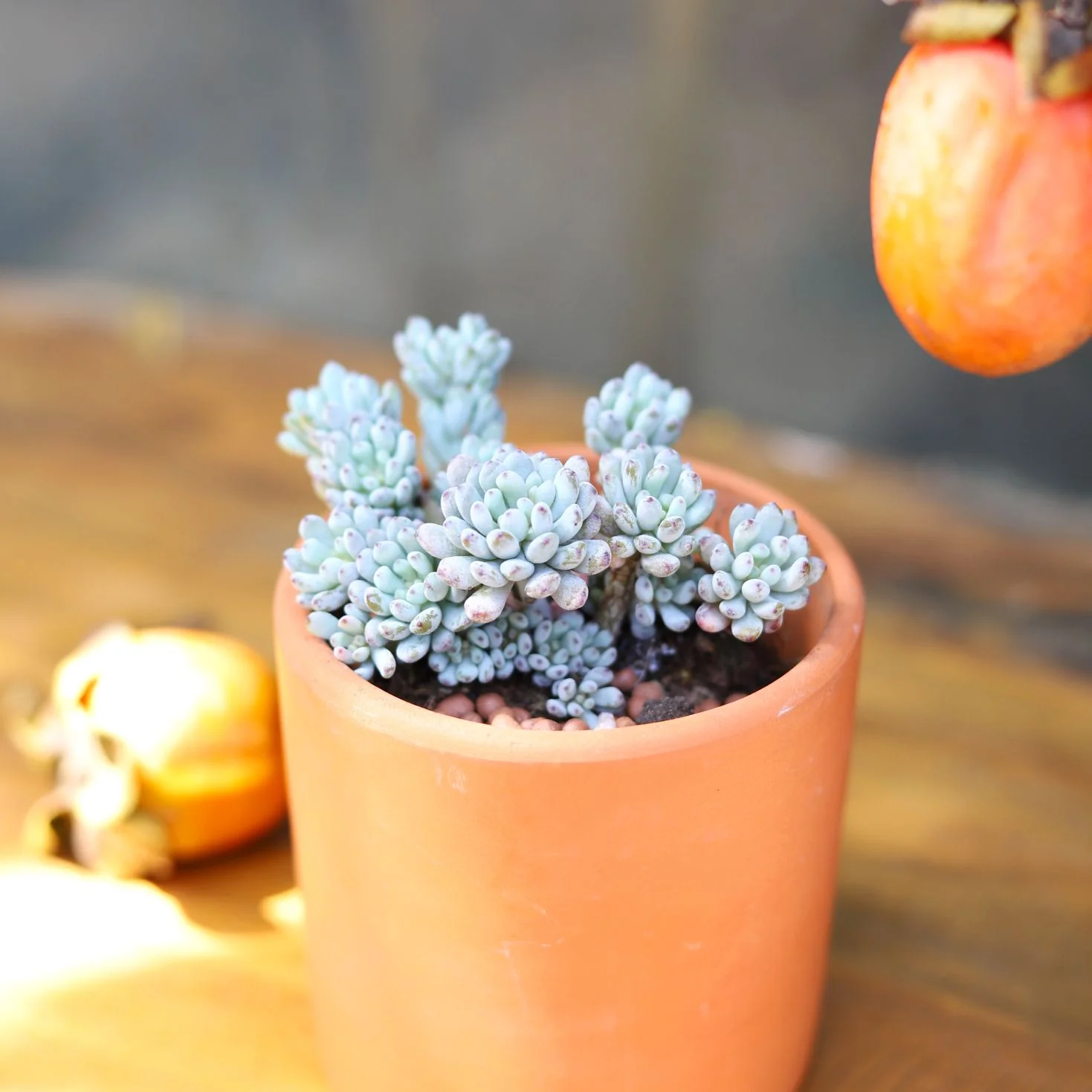
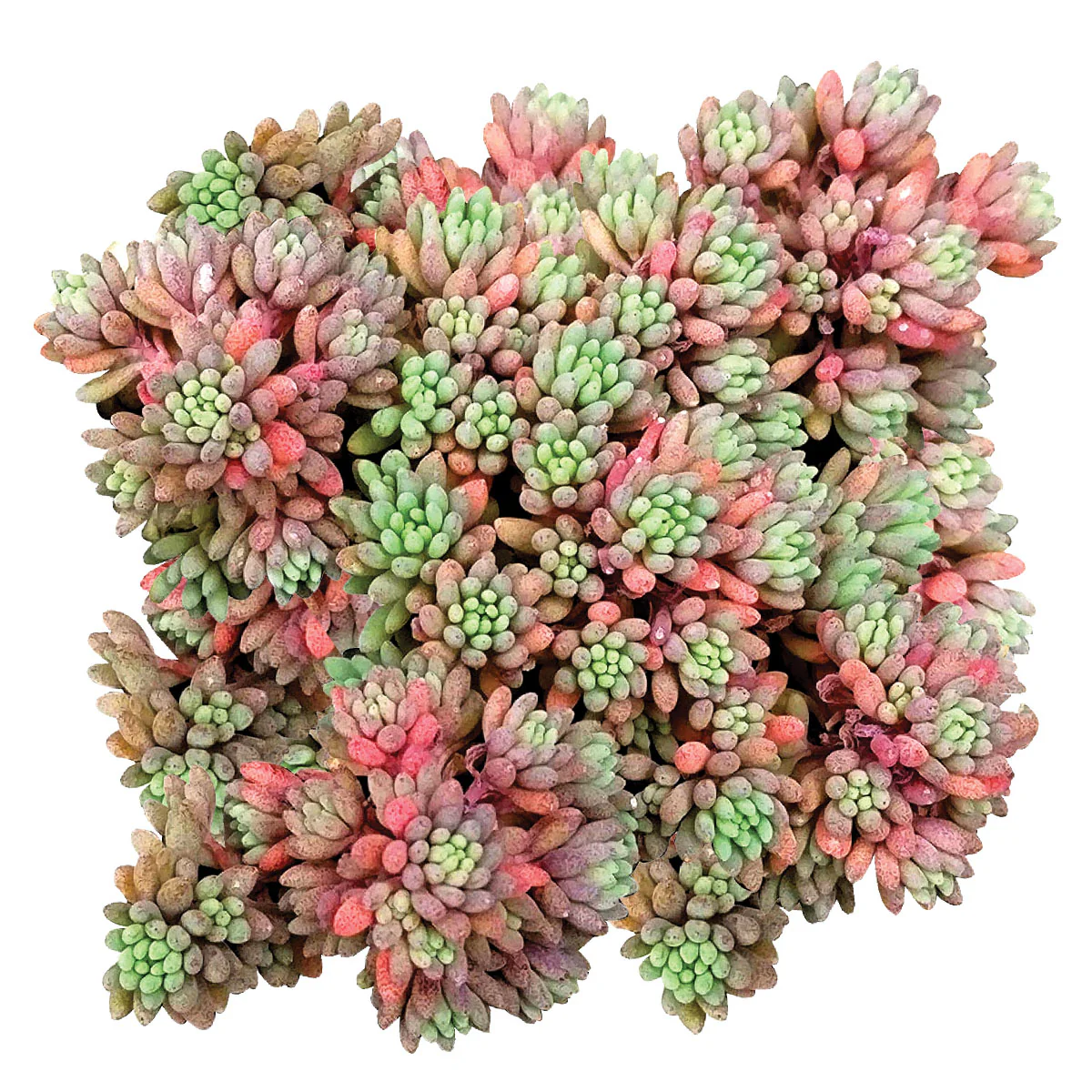
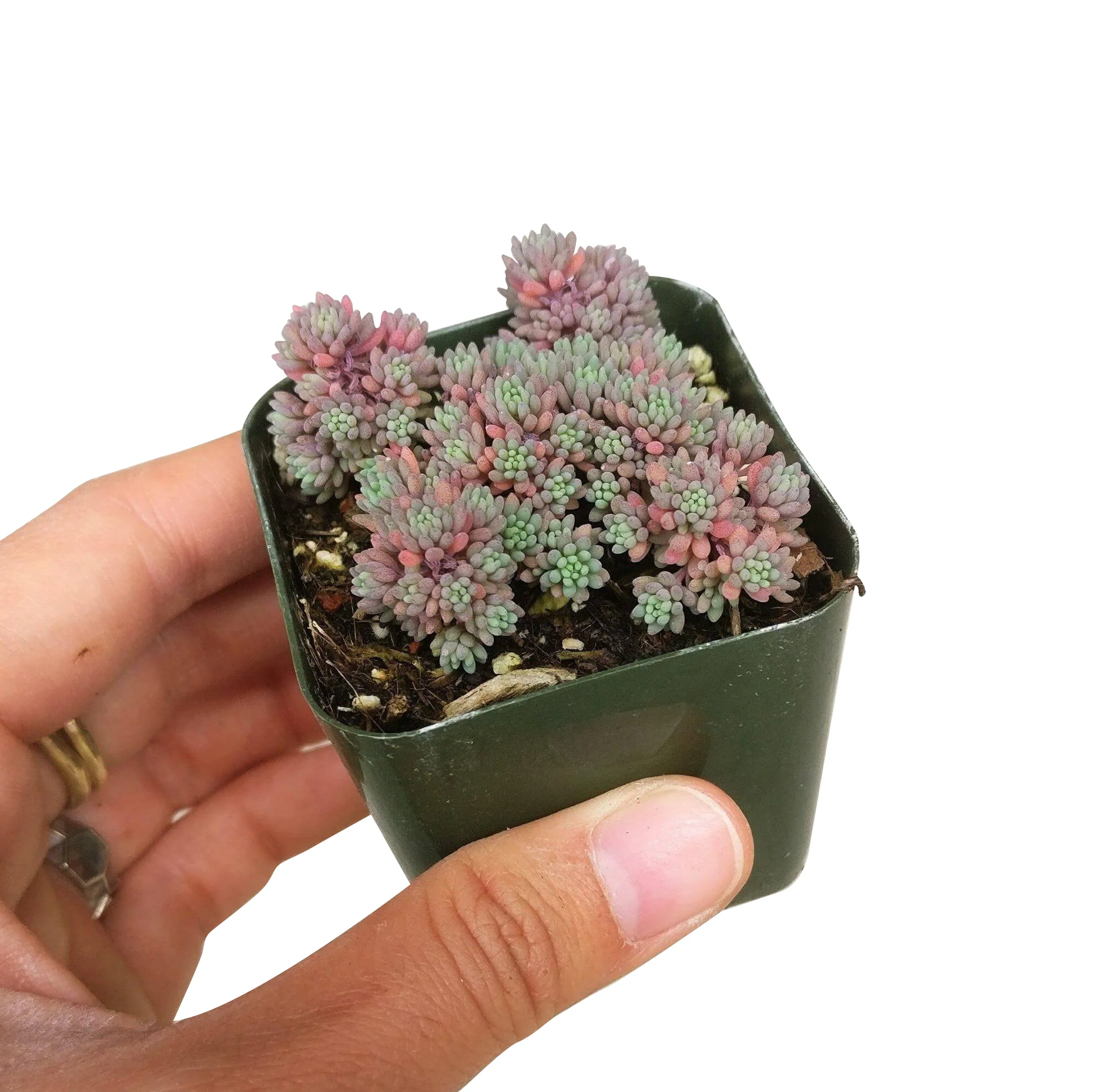
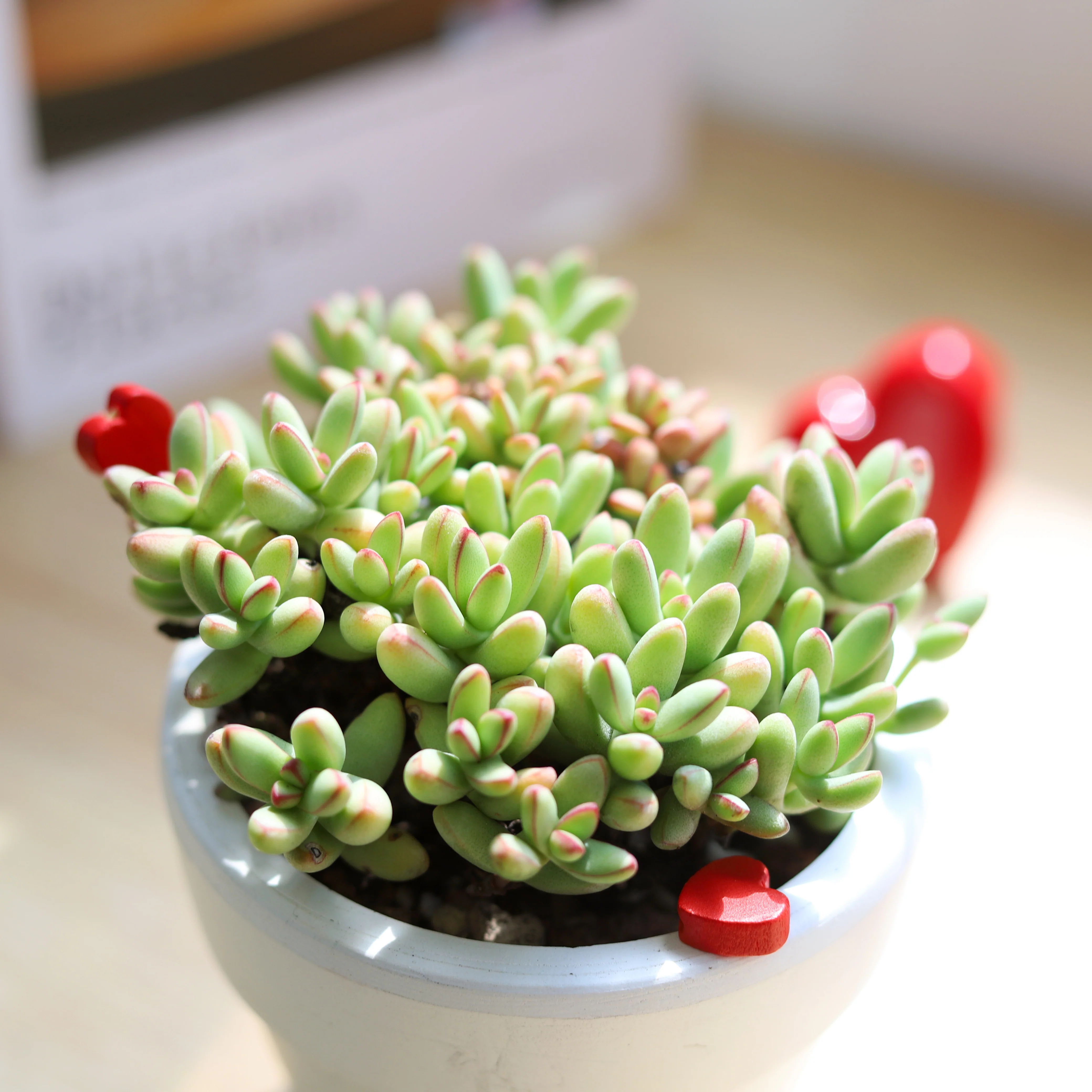
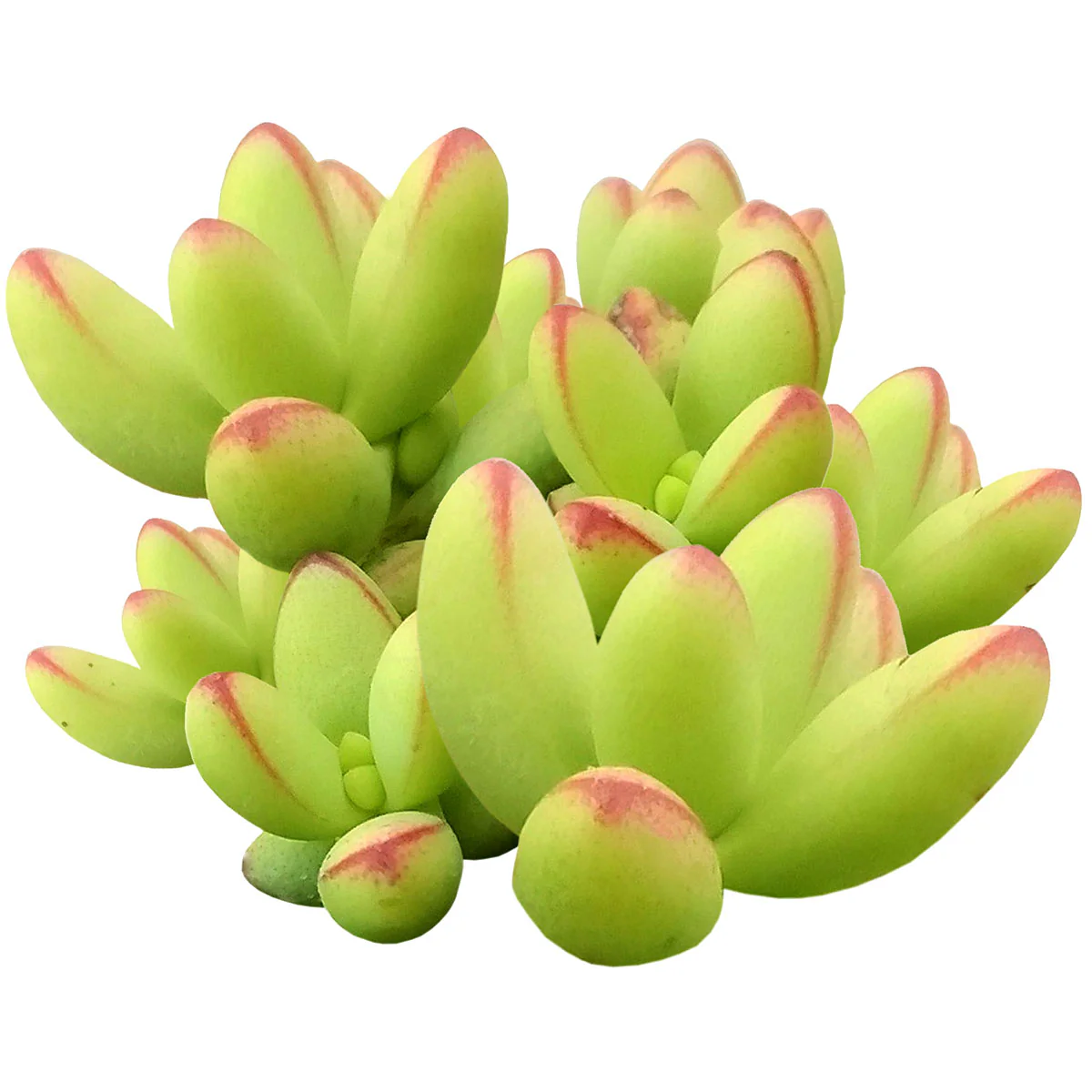
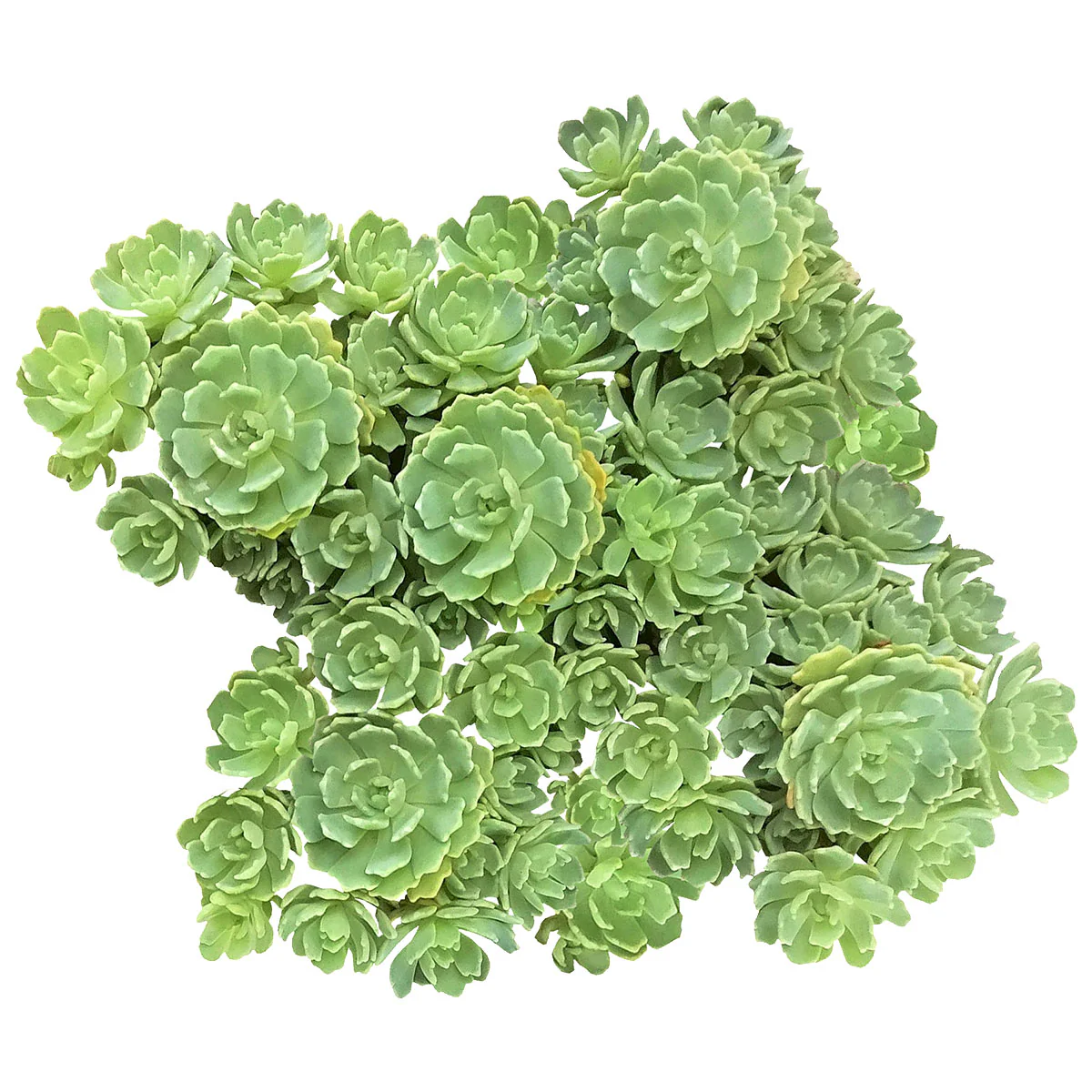
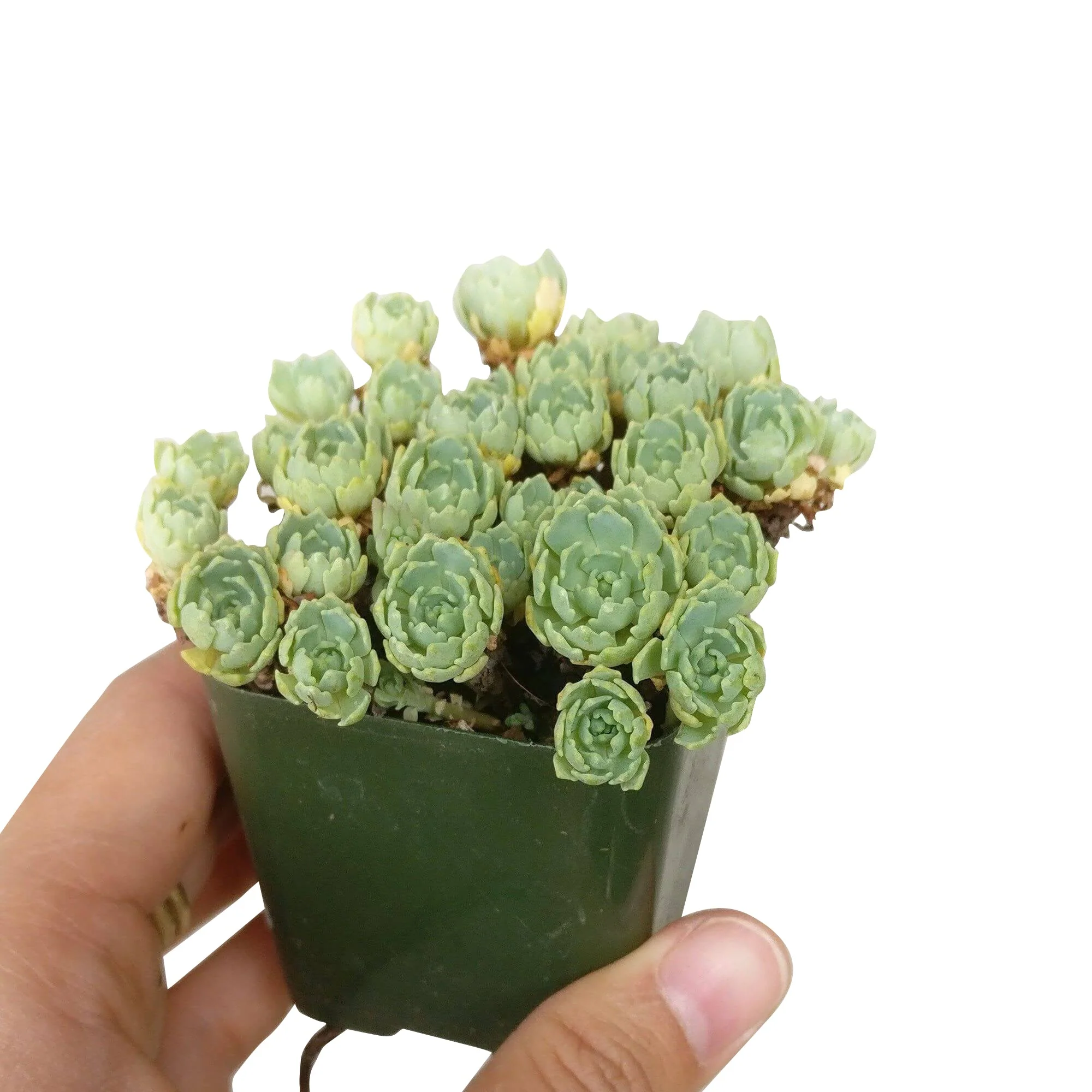
 The Kalanchoe Flapjacks Succulent is instantly recognizable by its large, paddle-shaped leaves arranged in a flat rosette, earning it nicknames like paddle plant succulent and desert cabbage plant. Leaves are silvery-green with vivid red-tipped edges that intensify with more sun exposure, giving this red tip succulent a bold, almost sculptural look. The clumping growth habit means one plant gradually fills a pot with multiple rosettes over time.
 Given the right conditions, the Kalanchoe Flapjacks Succulent produces tall flower stalks topped with clusters of small yellow-orange blooms, typically in late winter to early spring. A notable trigger for blooming is a drop in nighttime temperatures, so moving the plant to a cooler spot in autumn can encourage a beautiful flower display. The flowers also produce pollen, so keep that in mind if anyone in your home has seasonal allergies.
 The Kalanchoe Flapjacks Succulent is a fantastic choice for sunny windowsills, patio containers, and summer garden beds, thriving beautifully when moved outdoors once temperatures warm up. Because it tolerates dry heated indoor air, it handles centrally heated homes well, though it should stay away from direct AC or heating vents. Cats and dogs shouldn't be left to nibble or eat the plant, and it is best placed away from small children, so a high shelf or out-of-reach spot works perfectly. Collectors love this paddle plant succulent for its bold geometry and the satisfying ease of propagating new plants from a single leaf or offset.
-
 Kalanchoe Flapjacks Succulent thrives in bright indirect light, partial sun, or full sun, with at least a few hours of direct sun daily for best red coloring.
 Water your Kalanchoe Flapjacks Succulent deeply every 10 to 14 days in summer and cut back to once every 3 to 4 weeks in winter, always letting the soil dry out fully between waterings.
 Kalanchoe Flapjacks Succulent performs best in a well-draining cactus and succulent mix blended with extra perlite or coarse sand to prevent soggy roots.
 Kalanchoe Flapjacks Succulent prefers temperatures between 60 and 85 degrees F (15 to 29 degrees C) and should be brought indoors before temperatures drop below 40 degrees F (4 degrees C).
![]() Kalanchoe Flapjacks Succulent is a moderate grower that benefits from a diluted balanced succulent fertilizer applied once a month during the spring and summer growing season.
Kalanchoe Flapjacks Succulent is a moderate grower that benefits from a diluted balanced succulent fertilizer applied once a month during the spring and summer growing season.
 Kalanchoe Flapjacks Succulent is hardy in USDA Zones 9 through 11, tolerating brief dips no lower than around 25 to 30 degrees F (-4 to -1 degrees C) before needing frost protection. Gardeners growing Kalanchoe Flapjacks Succulent outdoors year-round will find ideal climates across Florida, California, Texas, Arizona, Hawaii, Louisiana, Georgia, South Carolina, Alabama, Mississippi, Nevada, and along the mild coastal stretches of Oregon and Washington. Parts of New Mexico, Arkansas, and the warmer pockets of North Carolina also fall within range, making this drought tolerant easy care plant a wonderful permanent outdoor specimen across much of the American South and Southwest.
-
Q: How often should I water my Kalanchoe Flapjacks Succulent?
A: Water your Kalanchoe Flapjacks Succulent every 10 to 14 days in the growing season, allowing the soil to dry out completely between waterings. In winter, reduce watering to once every three to four weeks.
Q: Is Kalanchoe Flapjacks Succulent safe for pets?
A: Cats and dogs shouldn't be left to nibble or eat the Kalanchoe Flapjacks Succulent, so keep it on a high shelf well out of their reach. The sap can also cause mild skin or paw irritation on contact.
Q: How do I get my Kalanchoe Flapjacks Succulent to bloom?
A: To encourage blooming, expose your Kalanchoe Flapjacks Succulent to cooler nighttime temperatures in autumn, ideally dropping to around 50 to 55 degrees F (10 to 13 degrees C). This temperature dip signals the plant to set flower buds for a late winter or early spring display.
Q: How do I propagate Kalanchoe Flapjacks Succulent?
A: Kalanchoe Flapjacks Succulent is easy to propagate by gently removing a healthy leaf or a natural offshoot from the base and allowing the cut end to callous over for a day or two. Then set it on top of dry succulent mix and mist lightly until roots develop.
Q: Why are the leaves on my Kalanchoe Flapjacks Succulent turning yellow?
A: Yellow leaves on a Kalanchoe Flapjacks Succulent are most often a sign of overwatering or roots sitting in soggy soil for too long. Let the soil dry out completely, check that drainage is adequate, and cut back your watering frequency.
Q: Can I move my Kalanchoe Flapjacks Succulent outside for summer?
A: Absolutely, the Kalanchoe Flapjacks Succulent loves spending summer outdoors in a bright, sheltered spot with some direct sun to deepen those gorgeous red leaf tips. Just be sure to cover it or bring it under shelter during heavy rain, as excess moisture can cause rot.


Original: $15.00
-70%$15.00
$4.50Product Information
Product Information
Shipping & Returns
Shipping & Returns
Description
- Description
- Kalanchoe Flapjacks Succulent Care Guide
- FAQ/Common Issues
-
![]() The Kalanchoe Flapjacks Succulent is a striking drought tolerant easy care plant in the Crassulaceae family, native to the rocky, arid regions of South Africa. It belongs to the Kalanchoe genus and has become a beloved low maintenance succulent for both indoor and outdoor growers worldwide.
The Kalanchoe Flapjacks Succulent is a striking drought tolerant easy care plant in the Crassulaceae family, native to the rocky, arid regions of South Africa. It belongs to the Kalanchoe genus and has become a beloved low maintenance succulent for both indoor and outdoor growers worldwide.
The Kalanchoe Flapjacks Succulent is instantly recognizable by its large, paddle-shaped leaves arranged in a flat rosette, earning it nicknames like paddle plant succulent and desert cabbage plant. Leaves are silvery-green with vivid red-tipped edges that intensify with more sun exposure, giving this red tip succulent a bold, almost sculptural look. The clumping growth habit means one plant gradually fills a pot with multiple rosettes over time.
Given the right conditions, the Kalanchoe Flapjacks Succulent produces tall flower stalks topped with clusters of small yellow-orange blooms, typically in late winter to early spring. A notable trigger for blooming is a drop in nighttime temperatures, so moving the plant to a cooler spot in autumn can encourage a beautiful flower display. The flowers also produce pollen, so keep that in mind if anyone in your home has seasonal allergies.
The Kalanchoe Flapjacks Succulent is a fantastic choice for sunny windowsills, patio containers, and summer garden beds, thriving beautifully when moved outdoors once temperatures warm up. Because it tolerates dry heated indoor air, it handles centrally heated homes well, though it should stay away from direct AC or heating vents. Cats and dogs shouldn't be left to nibble or eat the plant, and it is best placed away from small children, so a high shelf or out-of-reach spot works perfectly. Collectors love this paddle plant succulent for its bold geometry and the satisfying ease of propagating new plants from a single leaf or offset.
-
Kalanchoe Flapjacks Succulent thrives in bright indirect light, partial sun, or full sun, with at least a few hours of direct sun daily for best red coloring.
Water your Kalanchoe Flapjacks Succulent deeply every 10 to 14 days in summer and cut back to once every 3 to 4 weeks in winter, always letting the soil dry out fully between waterings.
Kalanchoe Flapjacks Succulent performs best in a well-draining cactus and succulent mix blended with extra perlite or coarse sand to prevent soggy roots.
Kalanchoe Flapjacks Succulent prefers temperatures between 60 and 85 degrees F (15 to 29 degrees C) and should be brought indoors before temperatures drop below 40 degrees F (4 degrees C).
![]() Kalanchoe Flapjacks Succulent is a moderate grower that benefits from a diluted balanced succulent fertilizer applied once a month during the spring and summer growing season.
Kalanchoe Flapjacks Succulent is a moderate grower that benefits from a diluted balanced succulent fertilizer applied once a month during the spring and summer growing season.
Kalanchoe Flapjacks Succulent is hardy in USDA Zones 9 through 11, tolerating brief dips no lower than around 25 to 30 degrees F (-4 to -1 degrees C) before needing frost protection. Gardeners growing Kalanchoe Flapjacks Succulent outdoors year-round will find ideal climates across Florida, California, Texas, Arizona, Hawaii, Louisiana, Georgia, South Carolina, Alabama, Mississippi, Nevada, and along the mild coastal stretches of Oregon and Washington. Parts of New Mexico, Arkansas, and the warmer pockets of North Carolina also fall within range, making this drought tolerant easy care plant a wonderful permanent outdoor specimen across much of the American South and Southwest.
-
Q: How often should I water my Kalanchoe Flapjacks Succulent?
A: Water your Kalanchoe Flapjacks Succulent every 10 to 14 days in the growing season, allowing the soil to dry out completely between waterings. In winter, reduce watering to once every three to four weeks.
Q: Is Kalanchoe Flapjacks Succulent safe for pets?
A: Cats and dogs shouldn't be left to nibble or eat the Kalanchoe Flapjacks Succulent, so keep it on a high shelf well out of their reach. The sap can also cause mild skin or paw irritation on contact.
Q: How do I get my Kalanchoe Flapjacks Succulent to bloom?
A: To encourage blooming, expose your Kalanchoe Flapjacks Succulent to cooler nighttime temperatures in autumn, ideally dropping to around 50 to 55 degrees F (10 to 13 degrees C). This temperature dip signals the plant to set flower buds for a late winter or early spring display.
Q: How do I propagate Kalanchoe Flapjacks Succulent?
A: Kalanchoe Flapjacks Succulent is easy to propagate by gently removing a healthy leaf or a natural offshoot from the base and allowing the cut end to callous over for a day or two. Then set it on top of dry succulent mix and mist lightly until roots develop.
Q: Why are the leaves on my Kalanchoe Flapjacks Succulent turning yellow?
A: Yellow leaves on a Kalanchoe Flapjacks Succulent are most often a sign of overwatering or roots sitting in soggy soil for too long. Let the soil dry out completely, check that drainage is adequate, and cut back your watering frequency.
Q: Can I move my Kalanchoe Flapjacks Succulent outside for summer?
A: Absolutely, the Kalanchoe Flapjacks Succulent loves spending summer outdoors in a bright, sheltered spot with some direct sun to deepen those gorgeous red leaf tips. Just be sure to cover it or bring it under shelter during heavy rain, as excess moisture can cause rot.