Gymnocalycium Horstii Ssp. Buenekeri Cactus
- Description
- Gymnocalycium Horstii Ssp. Buenekeri Care Guide
- FAQ/Common Issues
-
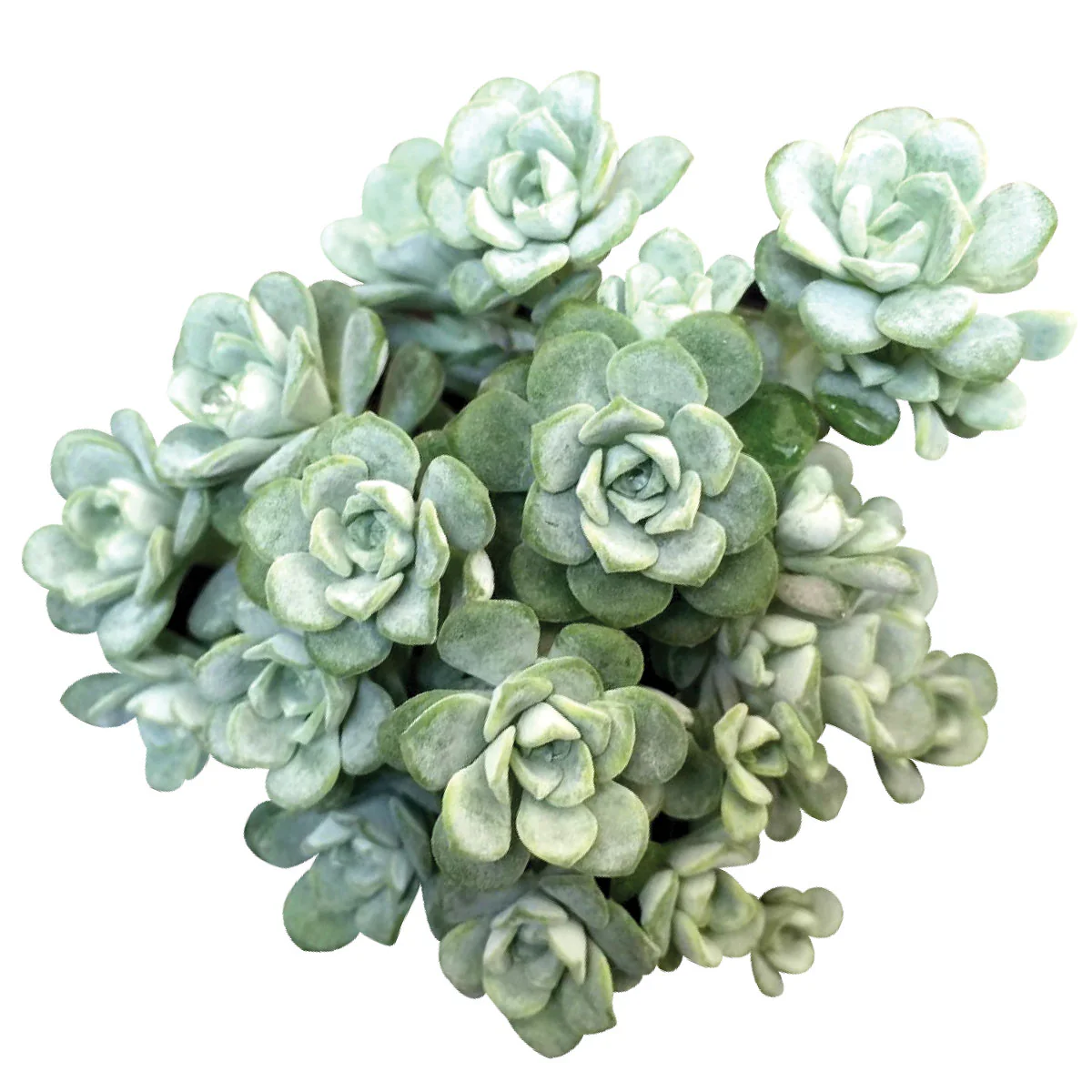
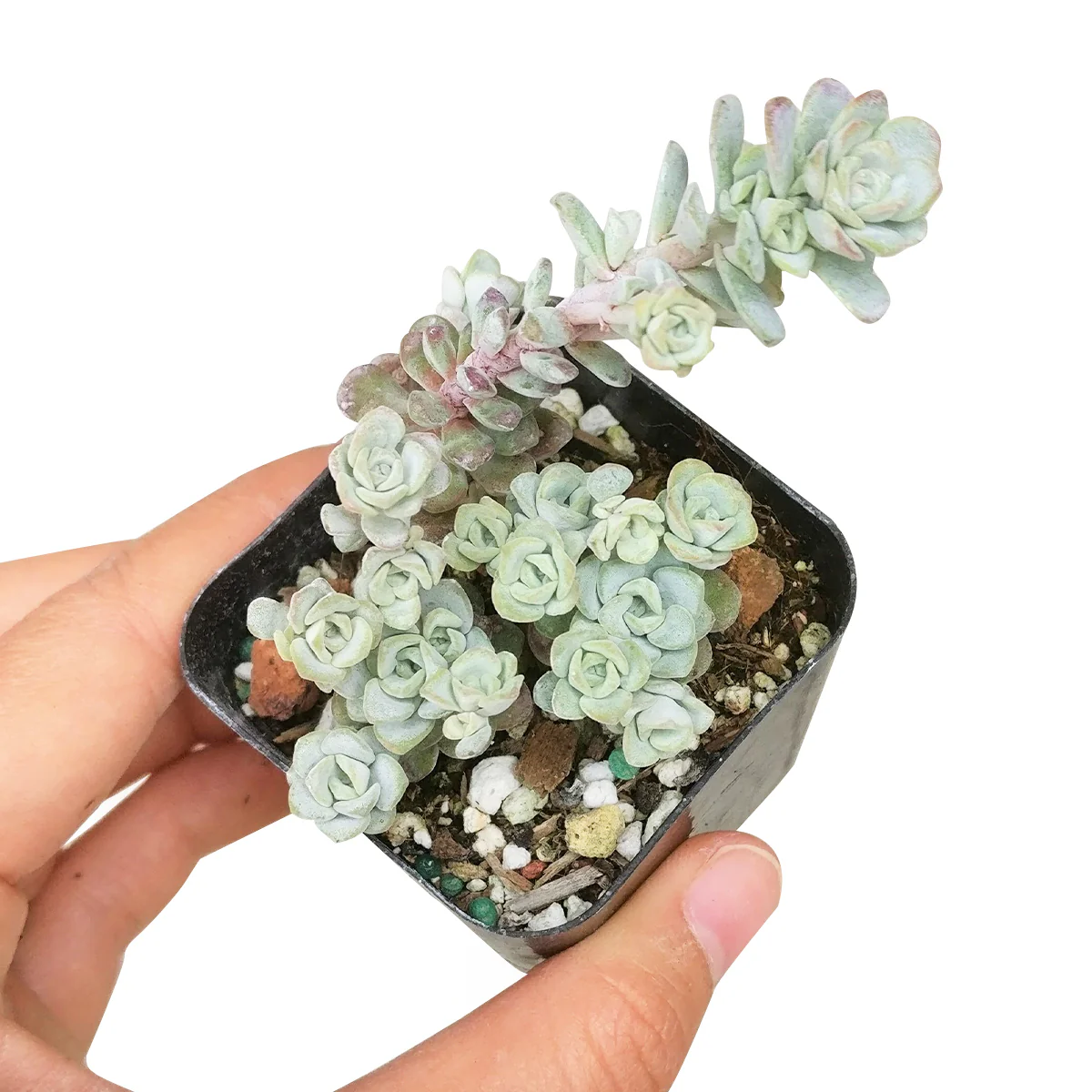
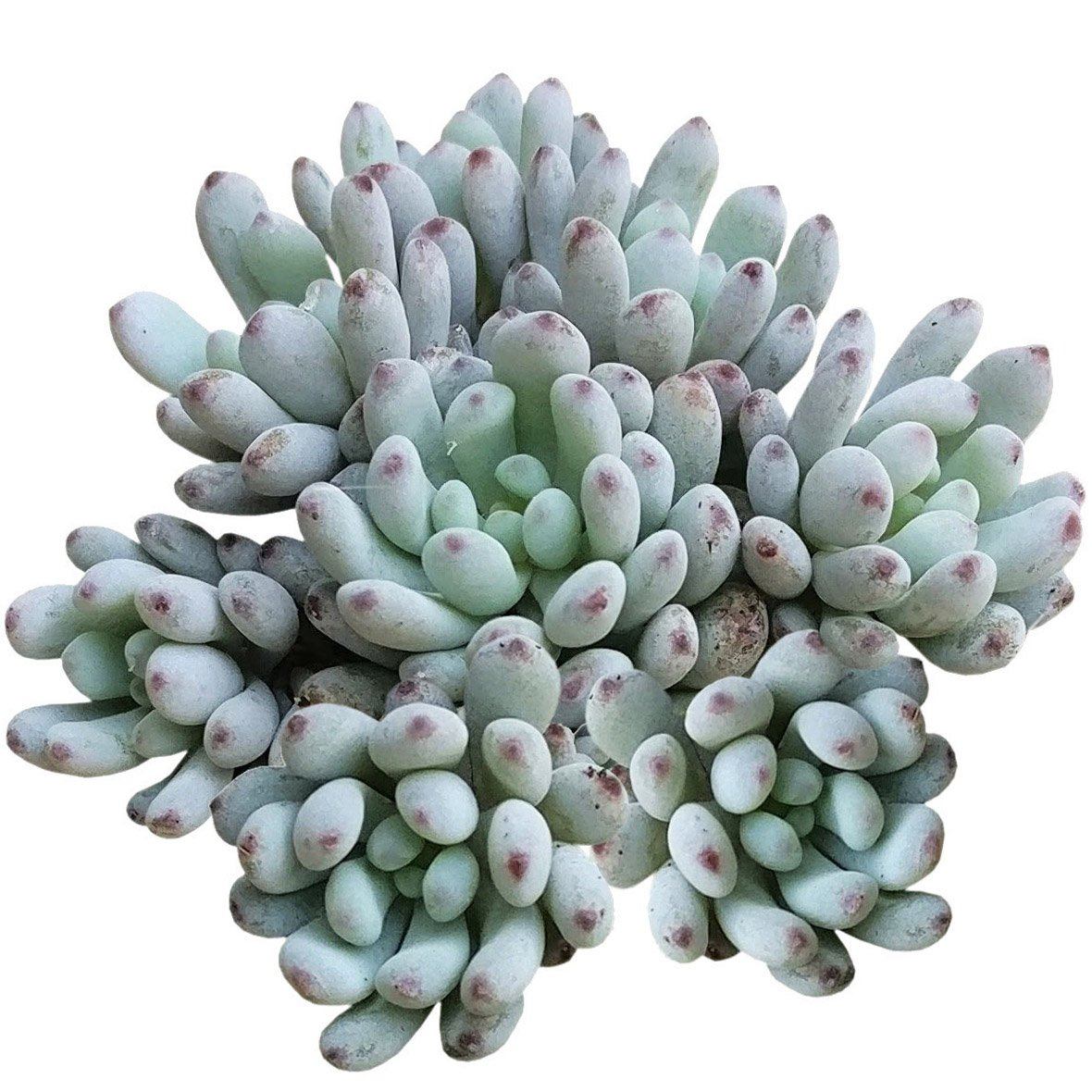
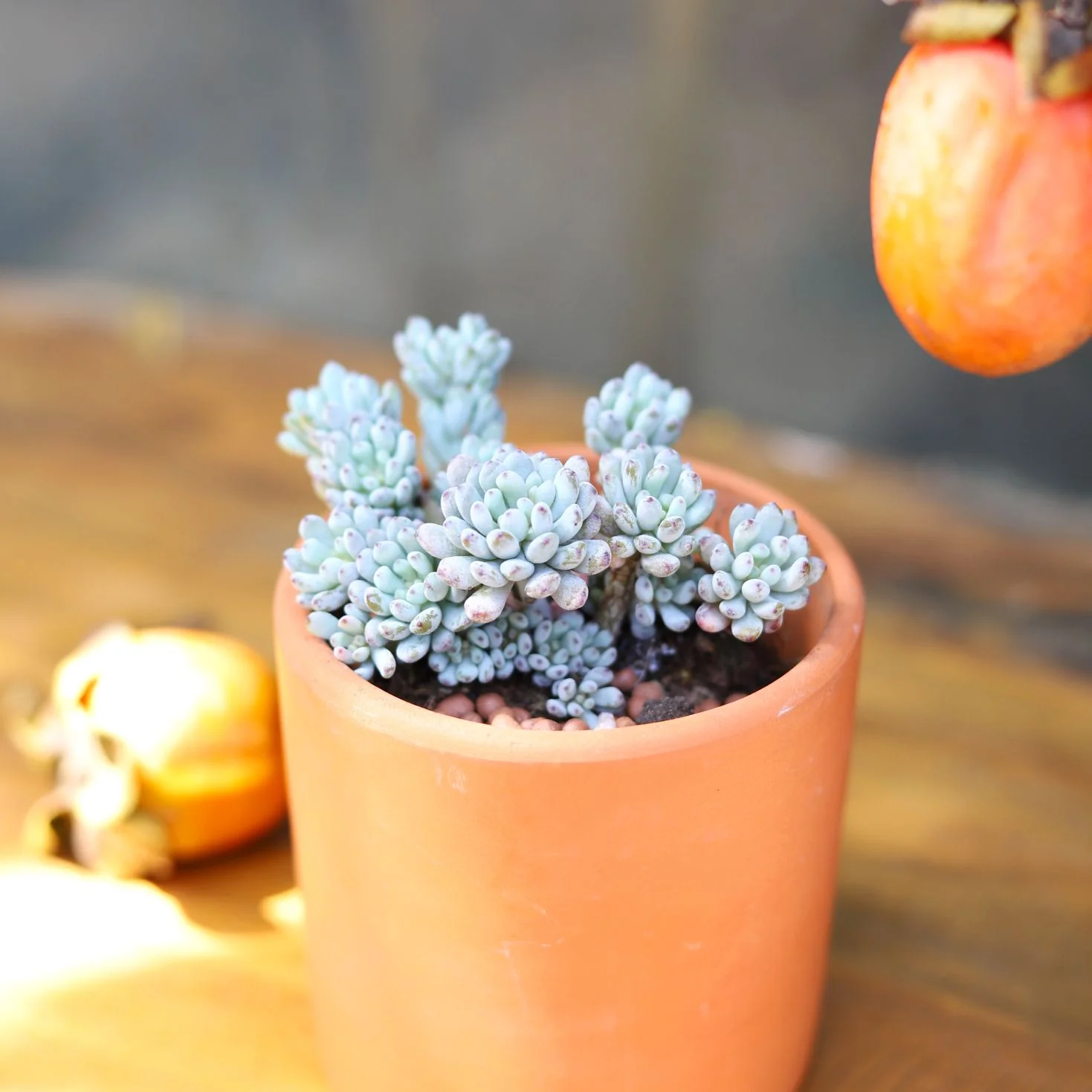
![]() Gymnocalycium Horstii Ssp. Buenekeri Cactus is a rare globose cactus belonging to the Gymnocalycium genus within the Cactaceae family. Native to southern Brazil, this spider cactus grows naturally in rocky, well-drained grasslands where it receives bright, filtered light under a warm subtropical climate. Collectors and beginners alike seek out this gymnocalycium horstii buenekeri for its uncommon availability and effortless personality.
Gymnocalycium Horstii Ssp. Buenekeri Cactus is a rare globose cactus belonging to the Gymnocalycium genus within the Cactaceae family. Native to southern Brazil, this spider cactus grows naturally in rocky, well-drained grasslands where it receives bright, filtered light under a warm subtropical climate. Collectors and beginners alike seek out this gymnocalycium horstii buenekeri for its uncommon availability and effortless personality.
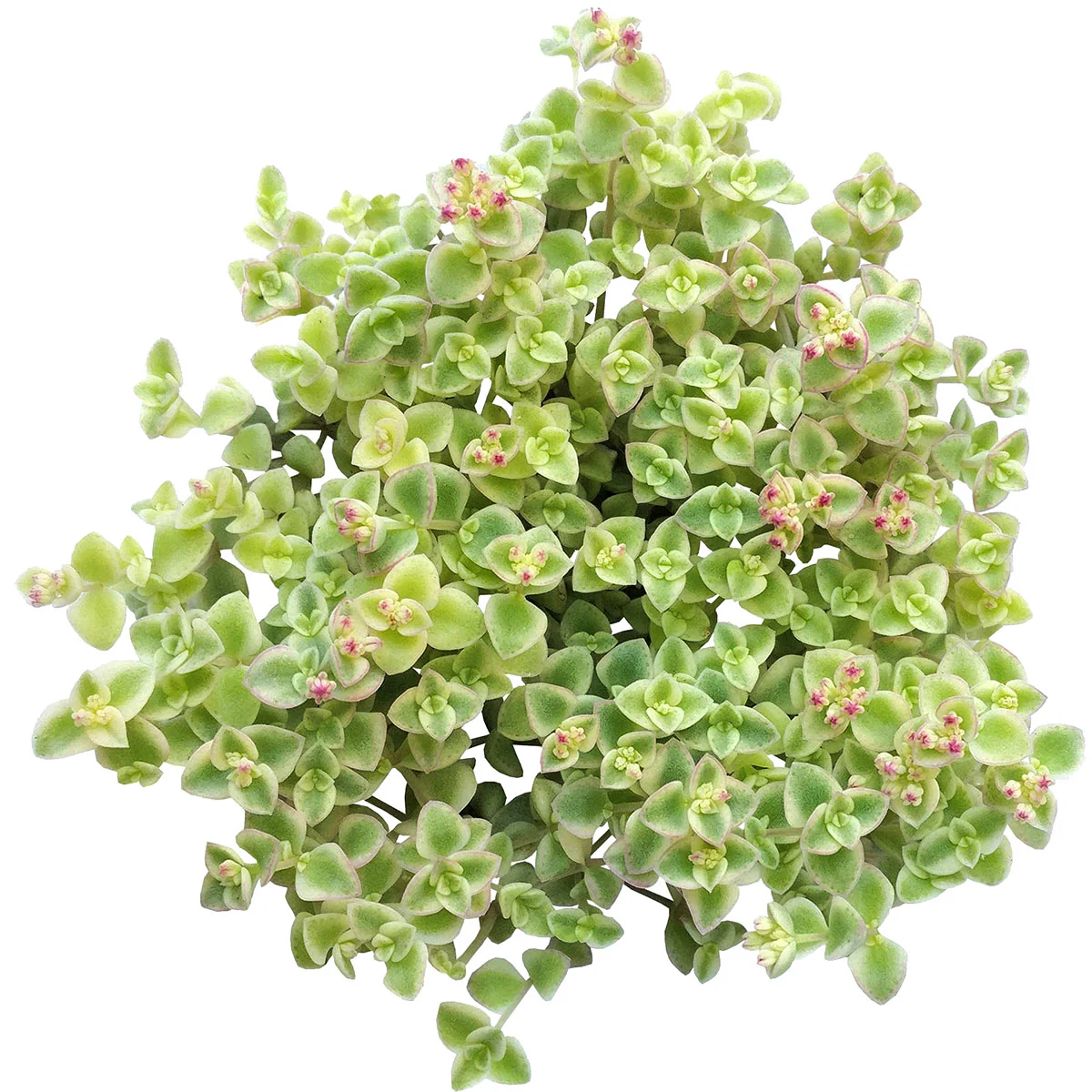
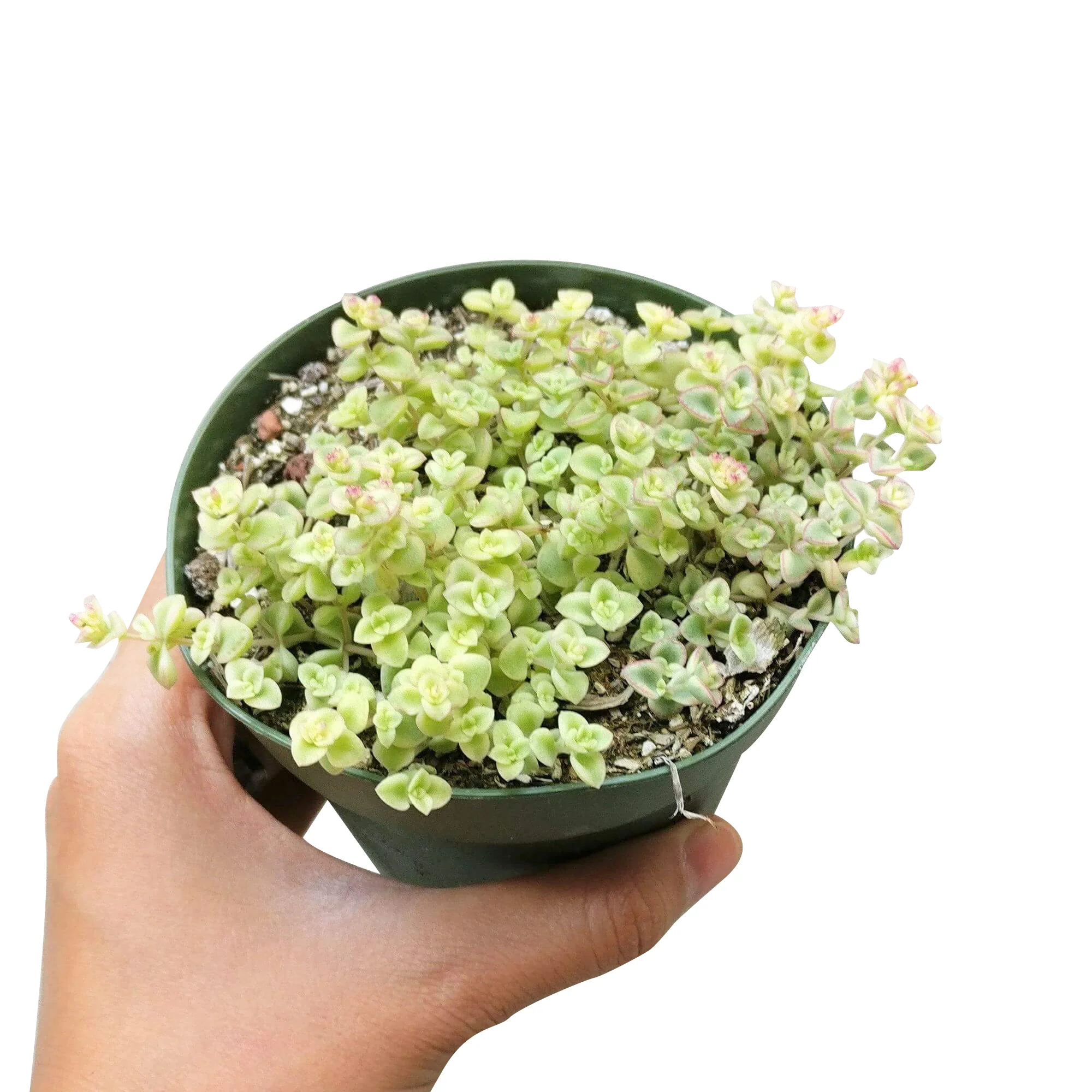
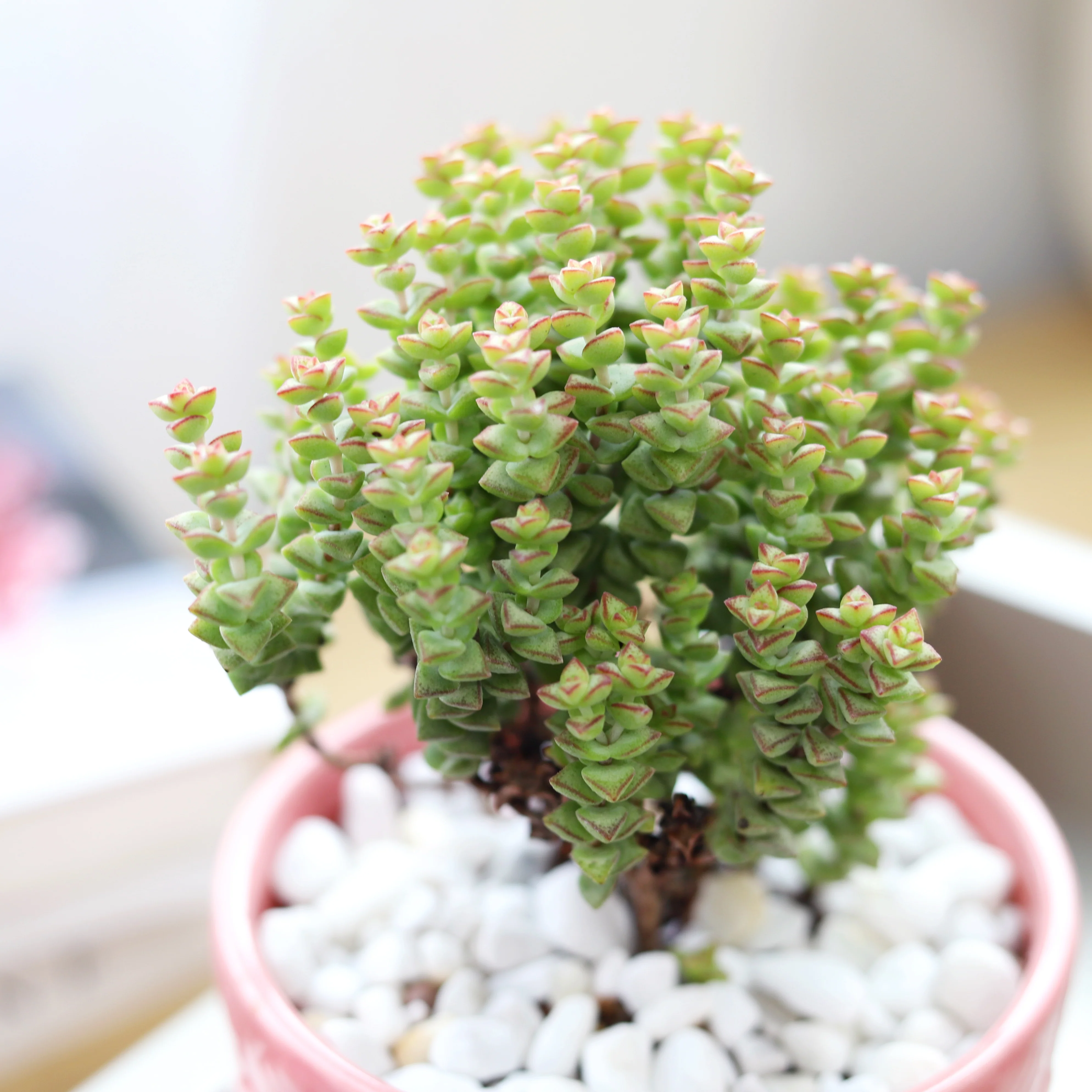
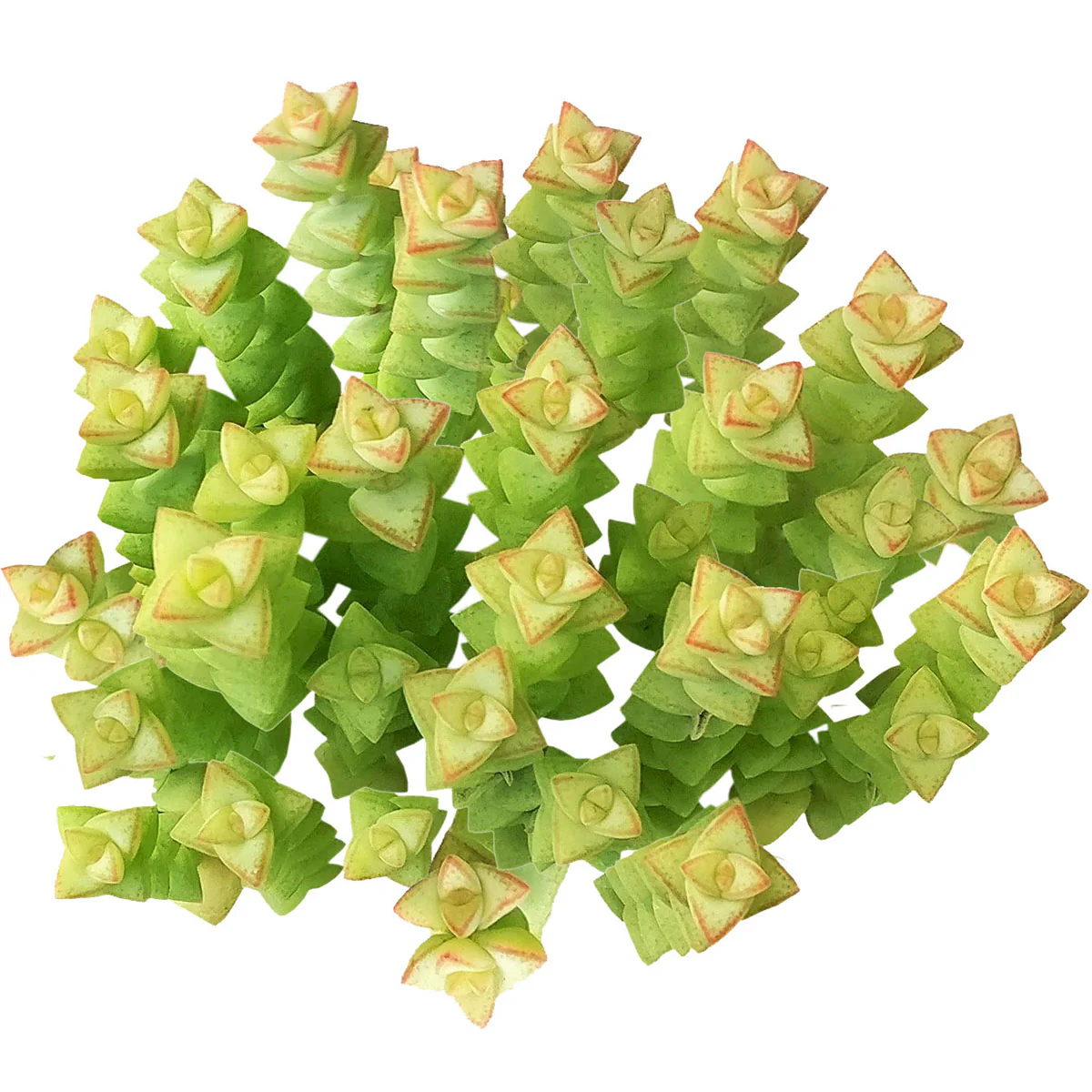
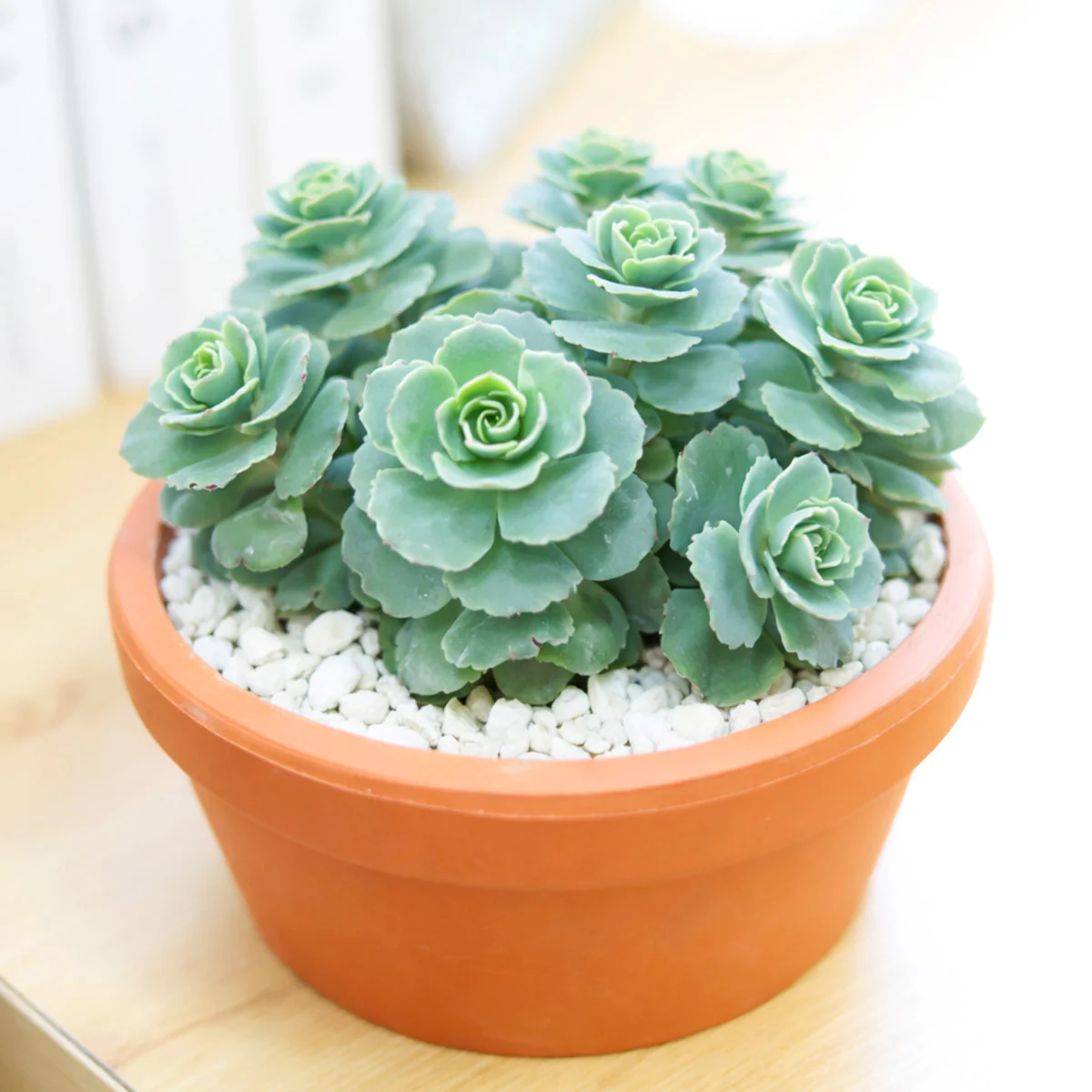
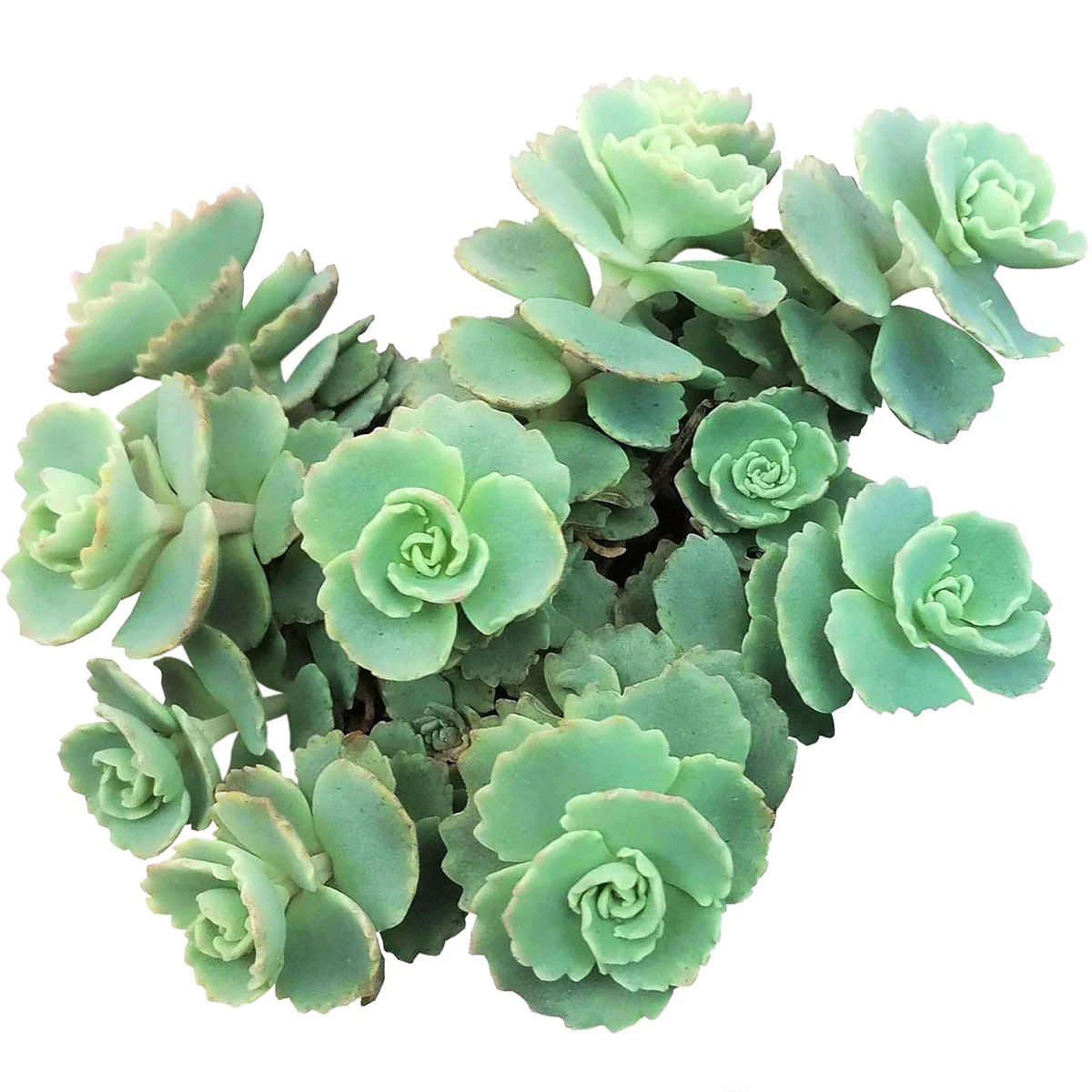
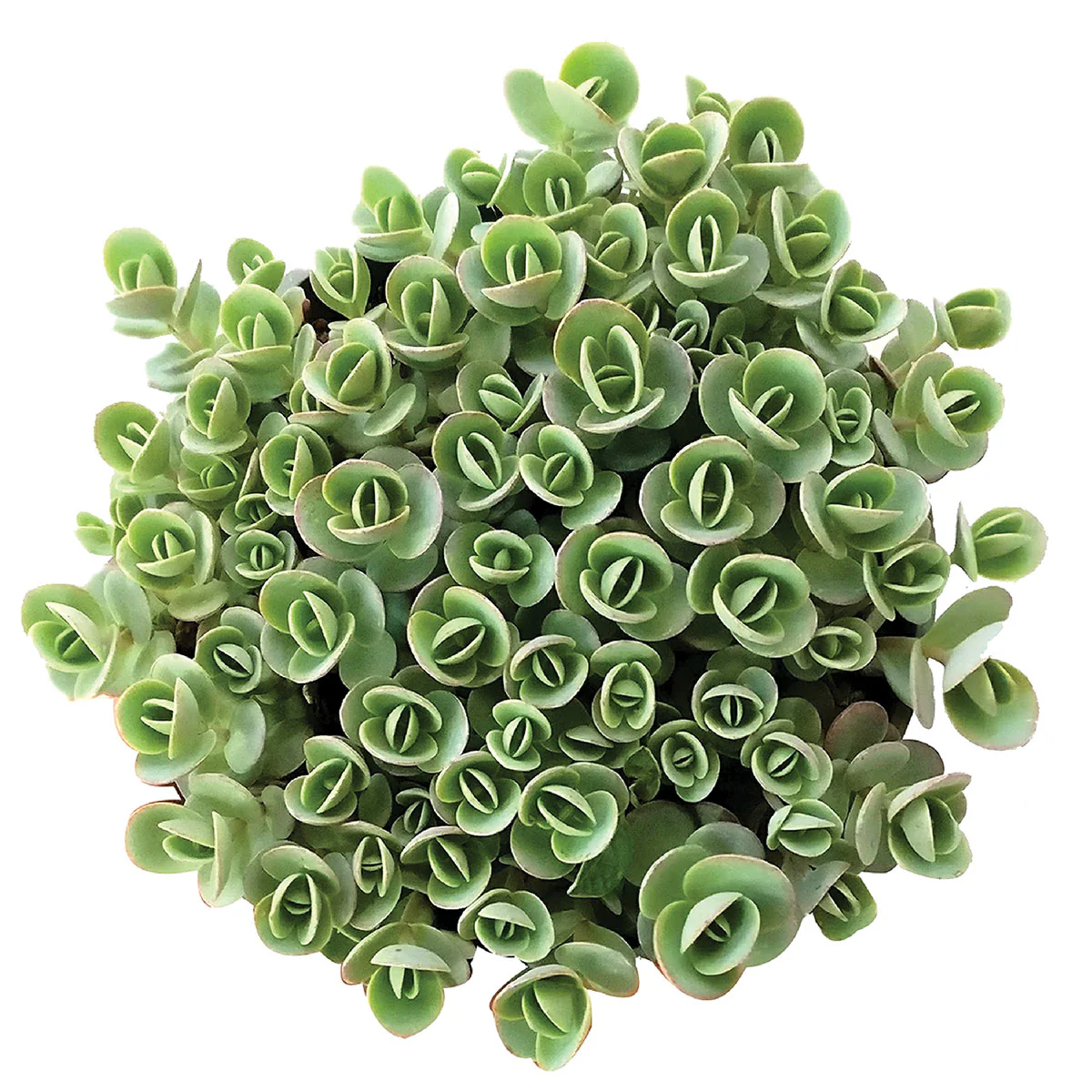
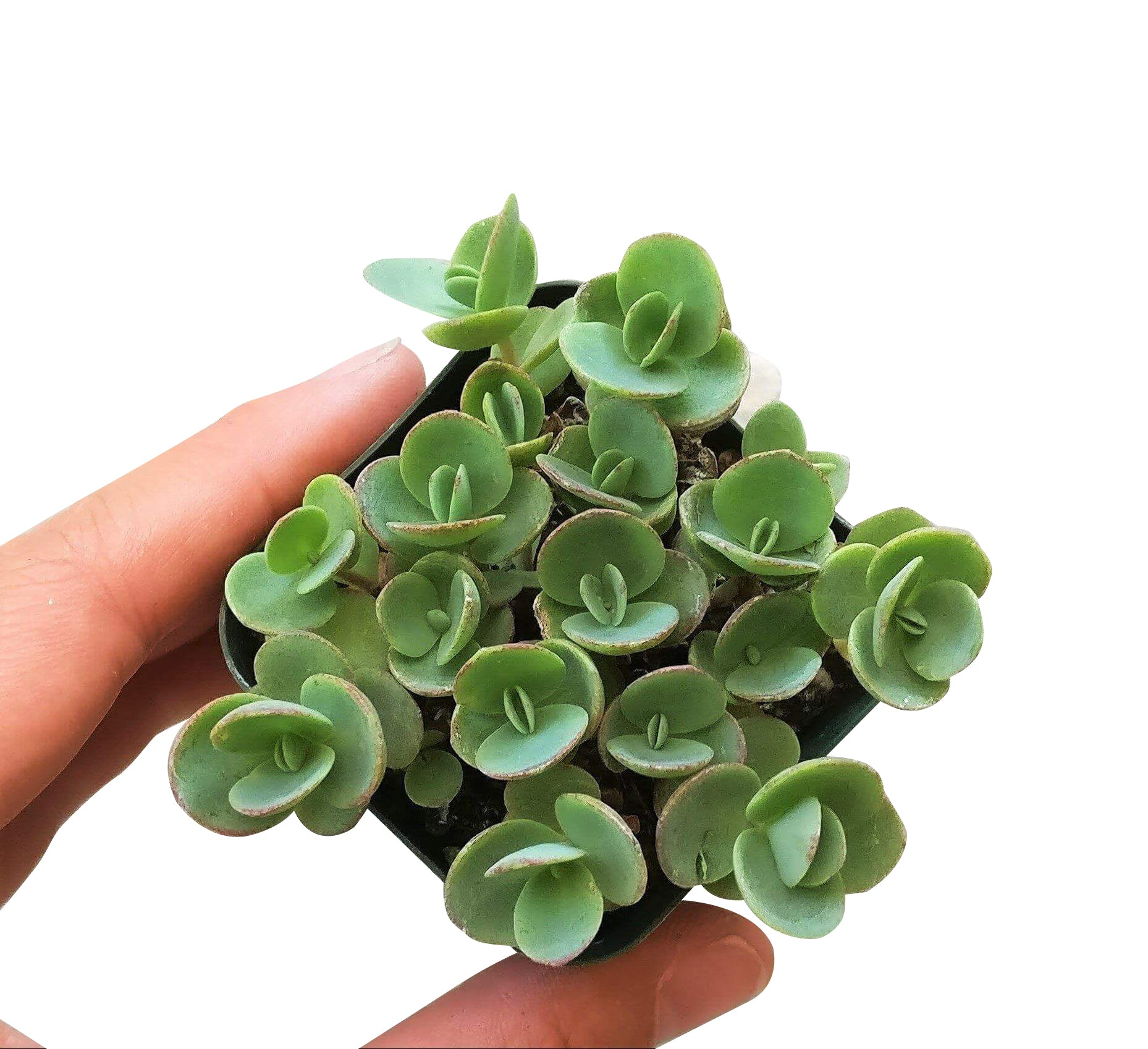
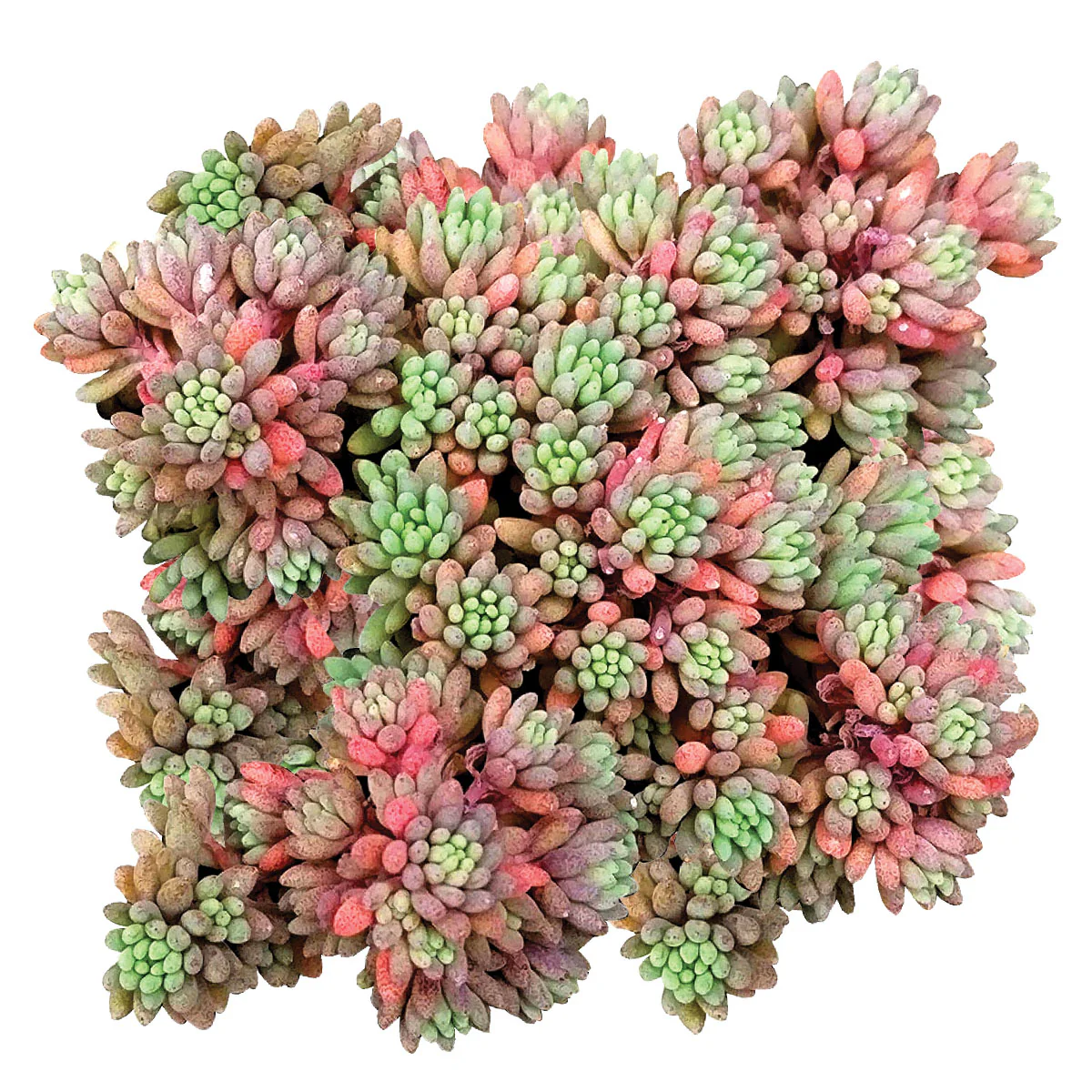
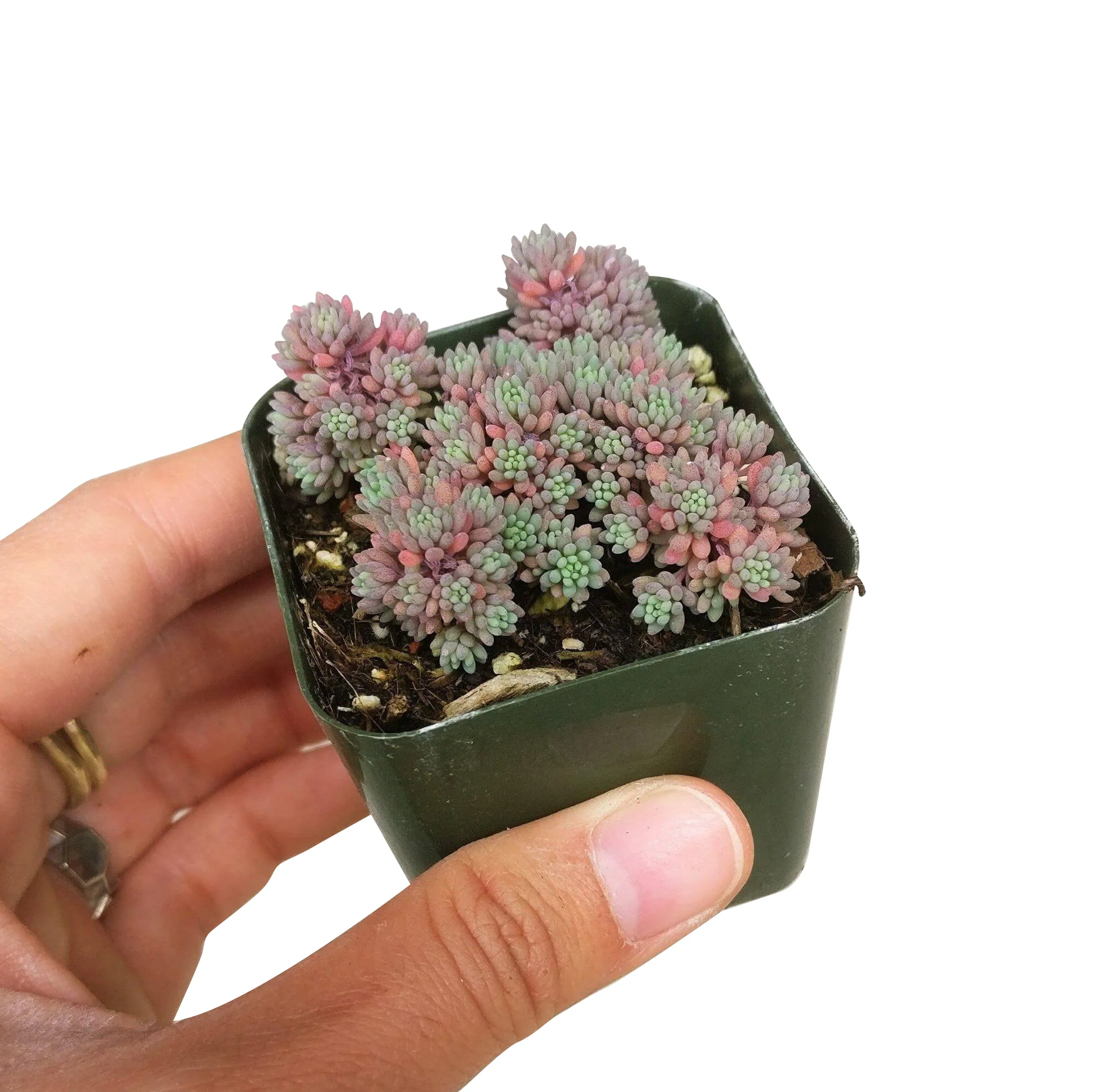
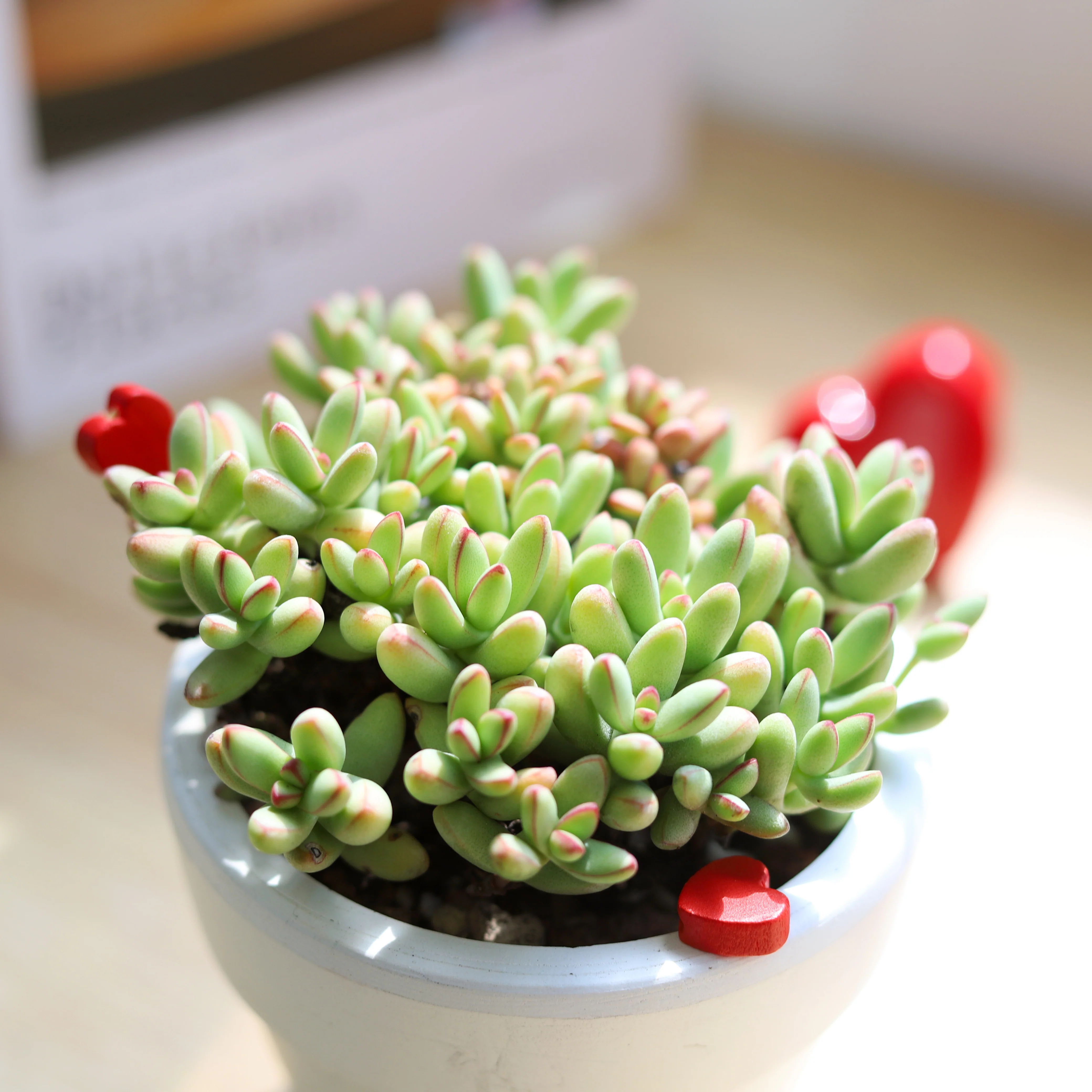
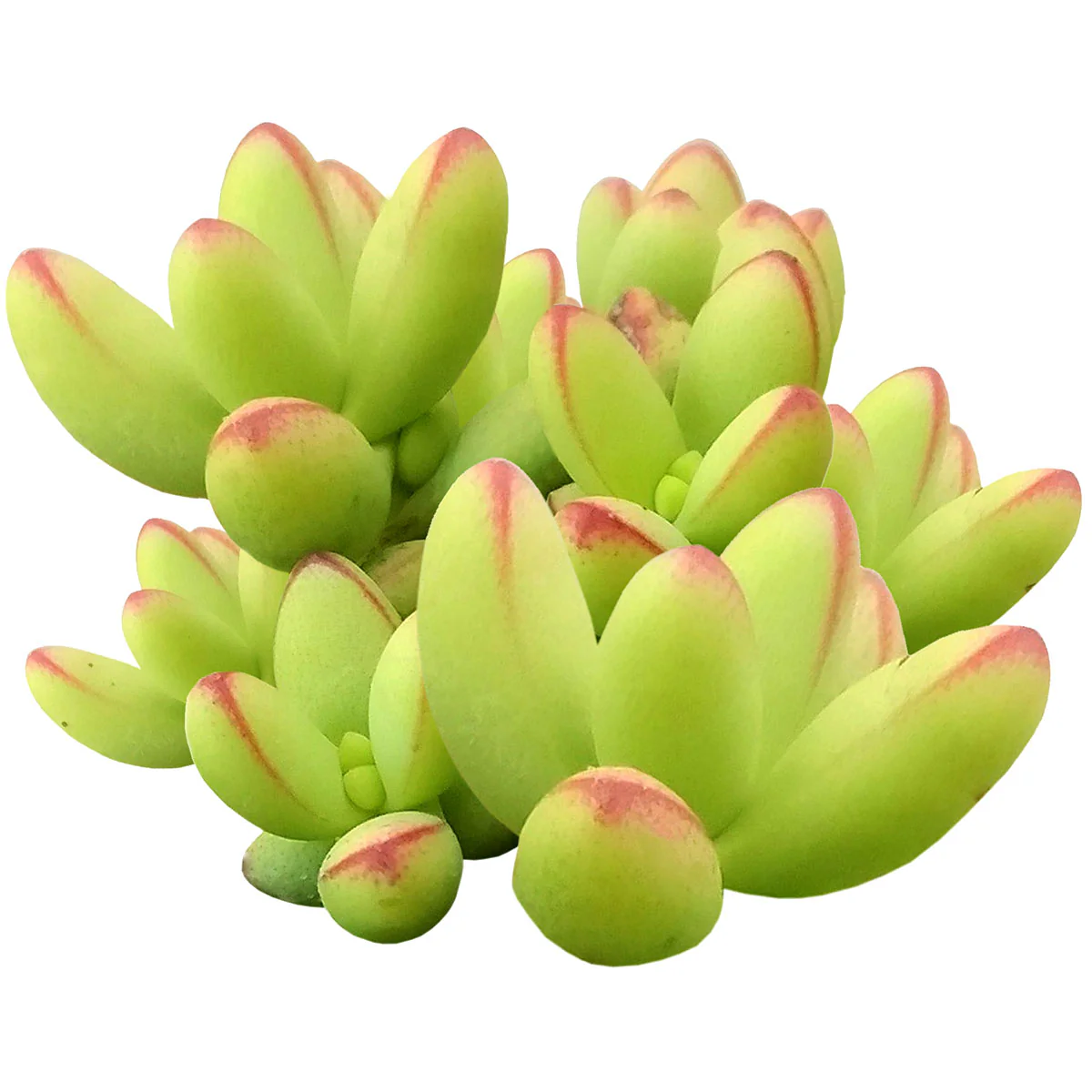
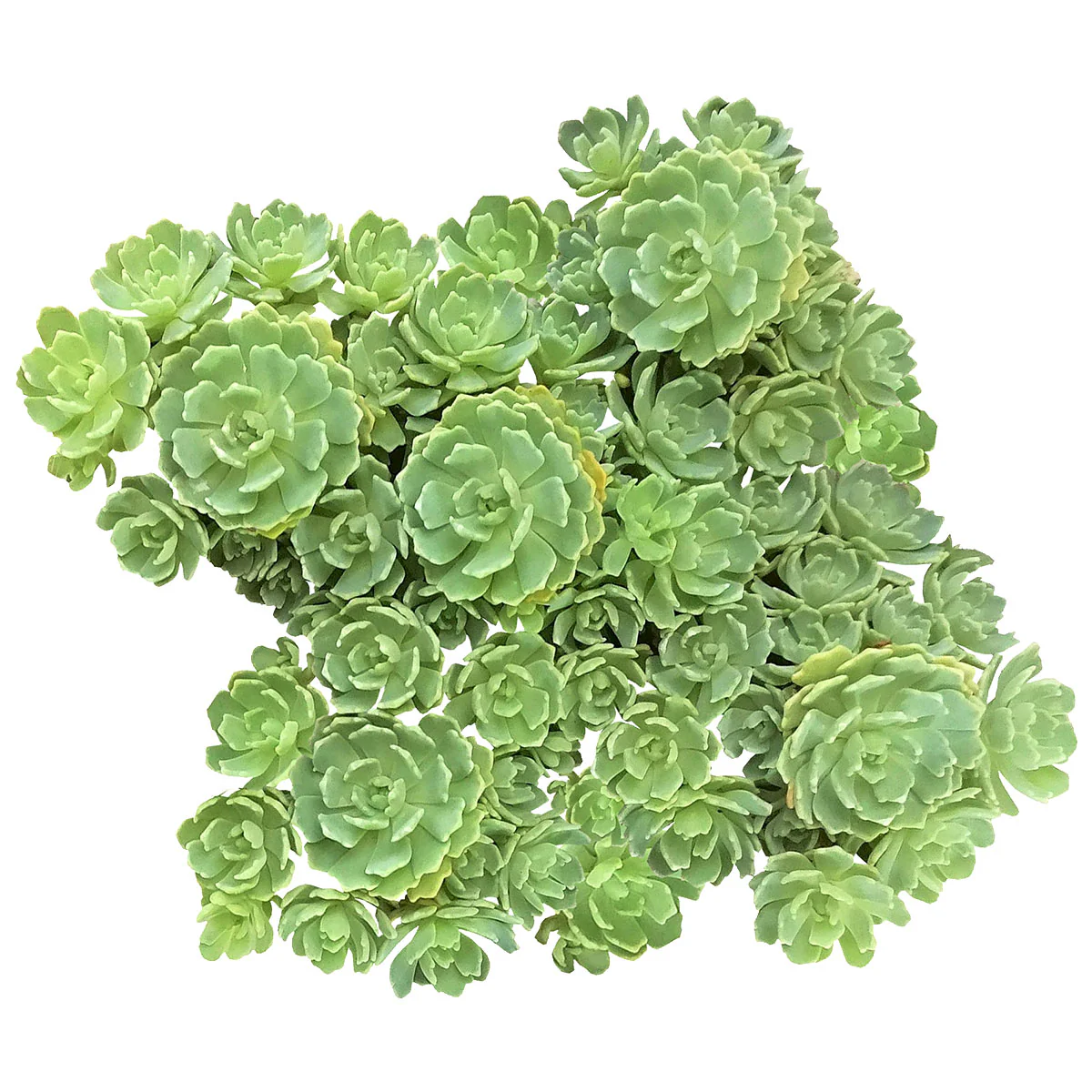
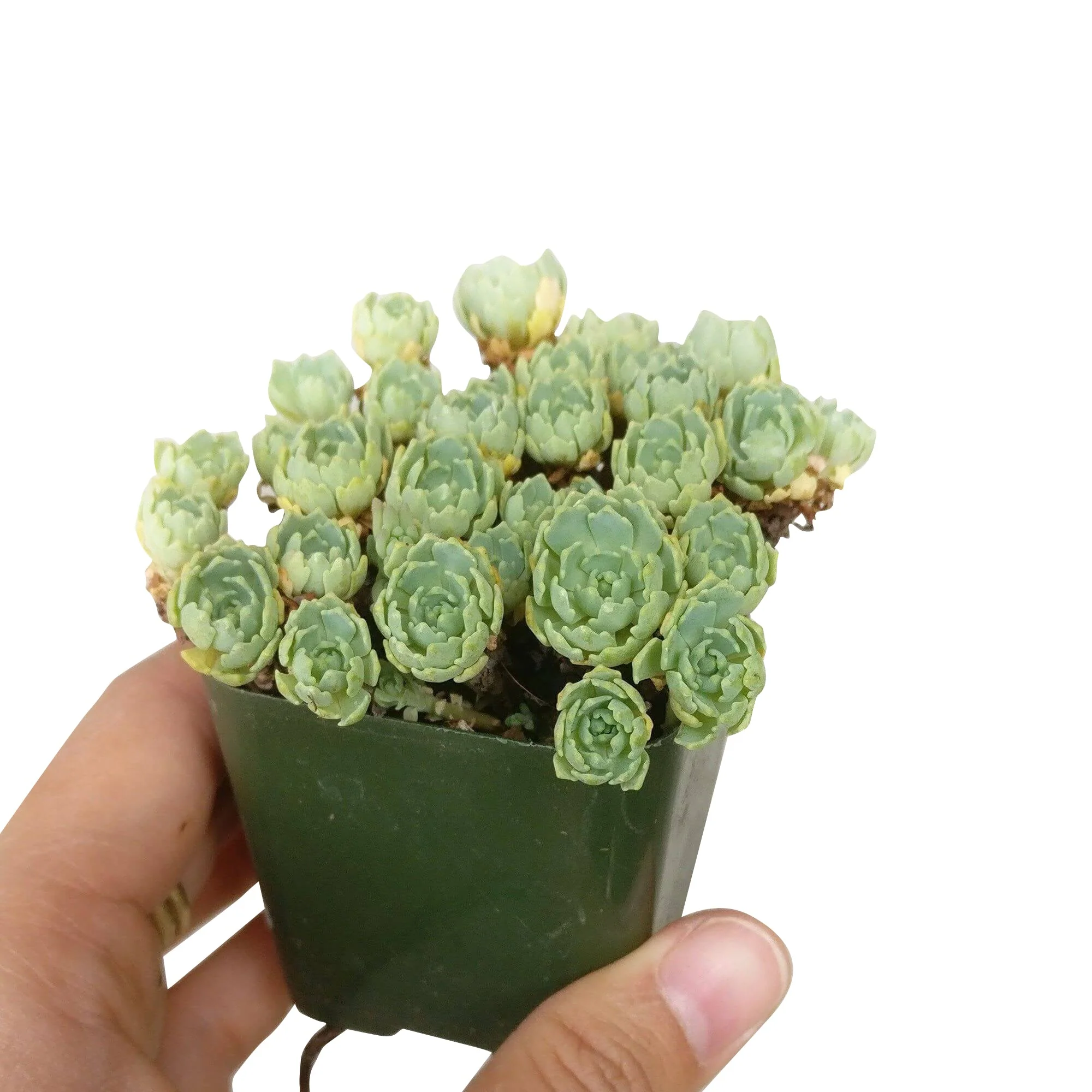
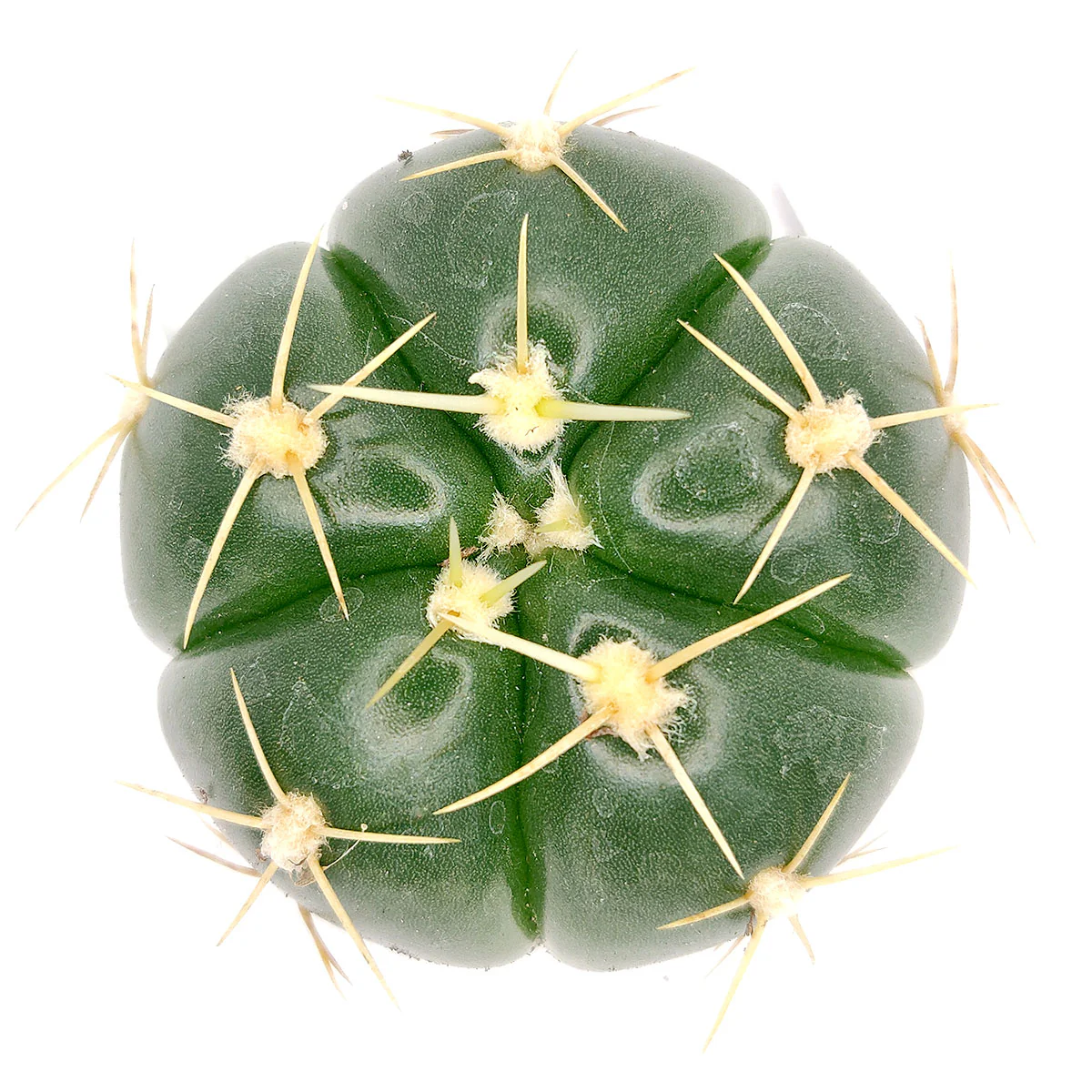
 The Gymnocalycium Horstii Ssp. Buenekeri Cactus forms a flattened, globose green body with broad, rounded ribs and large, distinctive areoles that give it that classic spider cactus silhouette. Its radial spines are pale, slightly curved, and lay close to the body, creating an elegant, almost sculptural look. As it matures, this rare cactus develops a clustering habit, producing offsets that create a charming, compact colony over time.
 Gymnocalycium Horstii Ssp. Buenekeri Cactus produces stunning funnel-shaped blooms in soft shades of white to pale pink, typically emerging from the crown in spring and summer. The flowers are large relative to the plant's body, making each bloom a genuine showstopper, and they open repeatedly throughout the warmer season. Note that this cactus needs a nighttime temperature drop to trigger blooming, so a cooler overnight environment is key to a good flower display.
 Gymnocalycium Horstii Ssp. Buenekeri Cactus is a fantastic choice for windowsill collections, patio containers, or any sunny indoor spot where a rare, conversation-starting cactus is welcome. It is genuinely beginner-friendly, surviving a 10-day trip without care, tolerating dry heated air, and asking very little in return. This plant is pet friendly, making it a worry-free addition to homes with curious cats or dogs. Whether you're an experienced collector hunting for rare finds or just starting your cactus journey, this gymnocalycium cactus for sale checks every box.
-
 Gymnocalycium Horstii Ssp. Buenekeri Cactus thrives in bright indirect light, partial sun, or full sun, but may scorch in intense south-facing windows during peak summer heat.
 Water Gymnocalycium Horstii Ssp. Buenekeri Cactus every 2-3 weeks in spring and summer, reducing to once a month or less in fall and winter.
 Gymnocalycium Horstii Ssp. Buenekeri Cactus performs best in a fast-draining cactus mix blended with 30-50% perlite or coarse grit.
 Gymnocalycium Horstii Ssp. Buenekeri Cactus prefers temperatures between 65-95°F (18-35°C) and should be protected from frost below 40°F (4°C).
![]() Gymnocalycium Horstii Ssp. Buenekeri Cactus is a slow to moderate grower; feed once in spring and once mid-summer with a diluted low-nitrogen cactus fertilizer.
Gymnocalycium Horstii Ssp. Buenekeri Cactus is a slow to moderate grower; feed once in spring and once mid-summer with a diluted low-nitrogen cactus fertilizer.
 Gymnocalycium Horstii Ssp. Buenekeri Cactus is rated for USDA Hardiness Zones 10-11, tolerating temperatures no lower than 30-35°F (-1 to 2°C) with brief cold only. Outdoor year-round growing suits warm states like Florida, Hawaii, southern California, southern Texas, and southern Arizona. Gardeners across Louisiana, southern Georgia, southern Mississippi, Alabama, and coastal South Carolina can also enjoy Gymnocalycium Horstii Ssp. Buenekeri Cactus outdoors with minimal frost protection in borderline microclimates.
-
Q: Is Gymnocalycium Horstii Ssp. Buenekeri Cactus pet friendly?
A: Yes, this plant is pet friendly and is considered non-toxic to cats and dogs, making it a safe choice for pet-owning households.
Q: How often should I water Gymnocalycium Horstii Ssp. Buenekeri Cactus?
A: Water every 2-3 weeks during the active growing season and cut back to monthly or less in winter to prevent root rot.
Q: How do I propagate Gymnocalycium Horstii Ssp. Buenekeri Cactus?
A: Propagate by gently separating the offsets that form around the base, letting them callous for a day or two, then potting them in dry cactus mix.
Q: Why are the leaves on my Gymnocalycium Horstii Ssp. Buenekeri Cactus turning yellow?
A: Yellowing is most often caused by overwatering or poor drainage; reduce watering frequency and ensure the pot has adequate drainage holes.
Q: Can Gymnocalycium Horstii Ssp. Buenekeri Cactus go outside in summer?
A: Absolutely, moving it outdoors for summer in a bright, sheltered spot gives it a real boost, just make sure to cover it from heavy rain to avoid waterlogging.
Q: How rare is Gymnocalycium Horstii Ssp. Buenekeri Cactus and is it good for beginners?
A: This is a genuinely rare cactus that is not commonly found in standard nurseries, yet its easy care requirements make it perfectly suited for beginner collectors.


Product Information
Product Information
Shipping & Returns
Shipping & Returns
Description
- Description
- Gymnocalycium Horstii Ssp. Buenekeri Care Guide
- FAQ/Common Issues
-
![]() Gymnocalycium Horstii Ssp. Buenekeri Cactus is a rare globose cactus belonging to the Gymnocalycium genus within the Cactaceae family. Native to southern Brazil, this spider cactus grows naturally in rocky, well-drained grasslands where it receives bright, filtered light under a warm subtropical climate. Collectors and beginners alike seek out this gymnocalycium horstii buenekeri for its uncommon availability and effortless personality.
Gymnocalycium Horstii Ssp. Buenekeri Cactus is a rare globose cactus belonging to the Gymnocalycium genus within the Cactaceae family. Native to southern Brazil, this spider cactus grows naturally in rocky, well-drained grasslands where it receives bright, filtered light under a warm subtropical climate. Collectors and beginners alike seek out this gymnocalycium horstii buenekeri for its uncommon availability and effortless personality.
The Gymnocalycium Horstii Ssp. Buenekeri Cactus forms a flattened, globose green body with broad, rounded ribs and large, distinctive areoles that give it that classic spider cactus silhouette. Its radial spines are pale, slightly curved, and lay close to the body, creating an elegant, almost sculptural look. As it matures, this rare cactus develops a clustering habit, producing offsets that create a charming, compact colony over time.
Gymnocalycium Horstii Ssp. Buenekeri Cactus produces stunning funnel-shaped blooms in soft shades of white to pale pink, typically emerging from the crown in spring and summer. The flowers are large relative to the plant's body, making each bloom a genuine showstopper, and they open repeatedly throughout the warmer season. Note that this cactus needs a nighttime temperature drop to trigger blooming, so a cooler overnight environment is key to a good flower display.
Gymnocalycium Horstii Ssp. Buenekeri Cactus is a fantastic choice for windowsill collections, patio containers, or any sunny indoor spot where a rare, conversation-starting cactus is welcome. It is genuinely beginner-friendly, surviving a 10-day trip without care, tolerating dry heated air, and asking very little in return. This plant is pet friendly, making it a worry-free addition to homes with curious cats or dogs. Whether you're an experienced collector hunting for rare finds or just starting your cactus journey, this gymnocalycium cactus for sale checks every box.
-
Gymnocalycium Horstii Ssp. Buenekeri Cactus thrives in bright indirect light, partial sun, or full sun, but may scorch in intense south-facing windows during peak summer heat.
Water Gymnocalycium Horstii Ssp. Buenekeri Cactus every 2-3 weeks in spring and summer, reducing to once a month or less in fall and winter.
Gymnocalycium Horstii Ssp. Buenekeri Cactus performs best in a fast-draining cactus mix blended with 30-50% perlite or coarse grit.
Gymnocalycium Horstii Ssp. Buenekeri Cactus prefers temperatures between 65-95°F (18-35°C) and should be protected from frost below 40°F (4°C).
![]() Gymnocalycium Horstii Ssp. Buenekeri Cactus is a slow to moderate grower; feed once in spring and once mid-summer with a diluted low-nitrogen cactus fertilizer.
Gymnocalycium Horstii Ssp. Buenekeri Cactus is a slow to moderate grower; feed once in spring and once mid-summer with a diluted low-nitrogen cactus fertilizer.
Gymnocalycium Horstii Ssp. Buenekeri Cactus is rated for USDA Hardiness Zones 10-11, tolerating temperatures no lower than 30-35°F (-1 to 2°C) with brief cold only. Outdoor year-round growing suits warm states like Florida, Hawaii, southern California, southern Texas, and southern Arizona. Gardeners across Louisiana, southern Georgia, southern Mississippi, Alabama, and coastal South Carolina can also enjoy Gymnocalycium Horstii Ssp. Buenekeri Cactus outdoors with minimal frost protection in borderline microclimates.
-
Q: Is Gymnocalycium Horstii Ssp. Buenekeri Cactus pet friendly?
A: Yes, this plant is pet friendly and is considered non-toxic to cats and dogs, making it a safe choice for pet-owning households.
Q: How often should I water Gymnocalycium Horstii Ssp. Buenekeri Cactus?
A: Water every 2-3 weeks during the active growing season and cut back to monthly or less in winter to prevent root rot.
Q: How do I propagate Gymnocalycium Horstii Ssp. Buenekeri Cactus?
A: Propagate by gently separating the offsets that form around the base, letting them callous for a day or two, then potting them in dry cactus mix.
Q: Why are the leaves on my Gymnocalycium Horstii Ssp. Buenekeri Cactus turning yellow?
A: Yellowing is most often caused by overwatering or poor drainage; reduce watering frequency and ensure the pot has adequate drainage holes.
Q: Can Gymnocalycium Horstii Ssp. Buenekeri Cactus go outside in summer?
A: Absolutely, moving it outdoors for summer in a bright, sheltered spot gives it a real boost, just make sure to cover it from heavy rain to avoid waterlogging.
Q: How rare is Gymnocalycium Horstii Ssp. Buenekeri Cactus and is it good for beginners?
A: This is a genuinely rare cactus that is not commonly found in standard nurseries, yet its easy care requirements make it perfectly suited for beginner collectors.