Graptoveria Opalina
- Description
- Graptoveria Opalina Care Guide
- FAQ/Common Issues
-
![]() Graptoveria Opalina is a stunning graptoveria hybrid, a cross between Graptopetalum and Echeveria, two beloved genera in the Crassulaceae family. Like most succulents in this group, it originates from the arid, rocky highlands of Mexico, where bright light and well-draining soil shape its naturally tough character.
Graptoveria Opalina is a stunning graptoveria hybrid, a cross between Graptopetalum and Echeveria, two beloved genera in the Crassulaceae family. Like most succulents in this group, it originates from the arid, rocky highlands of Mexico, where bright light and well-draining soil shape its naturally tough character.
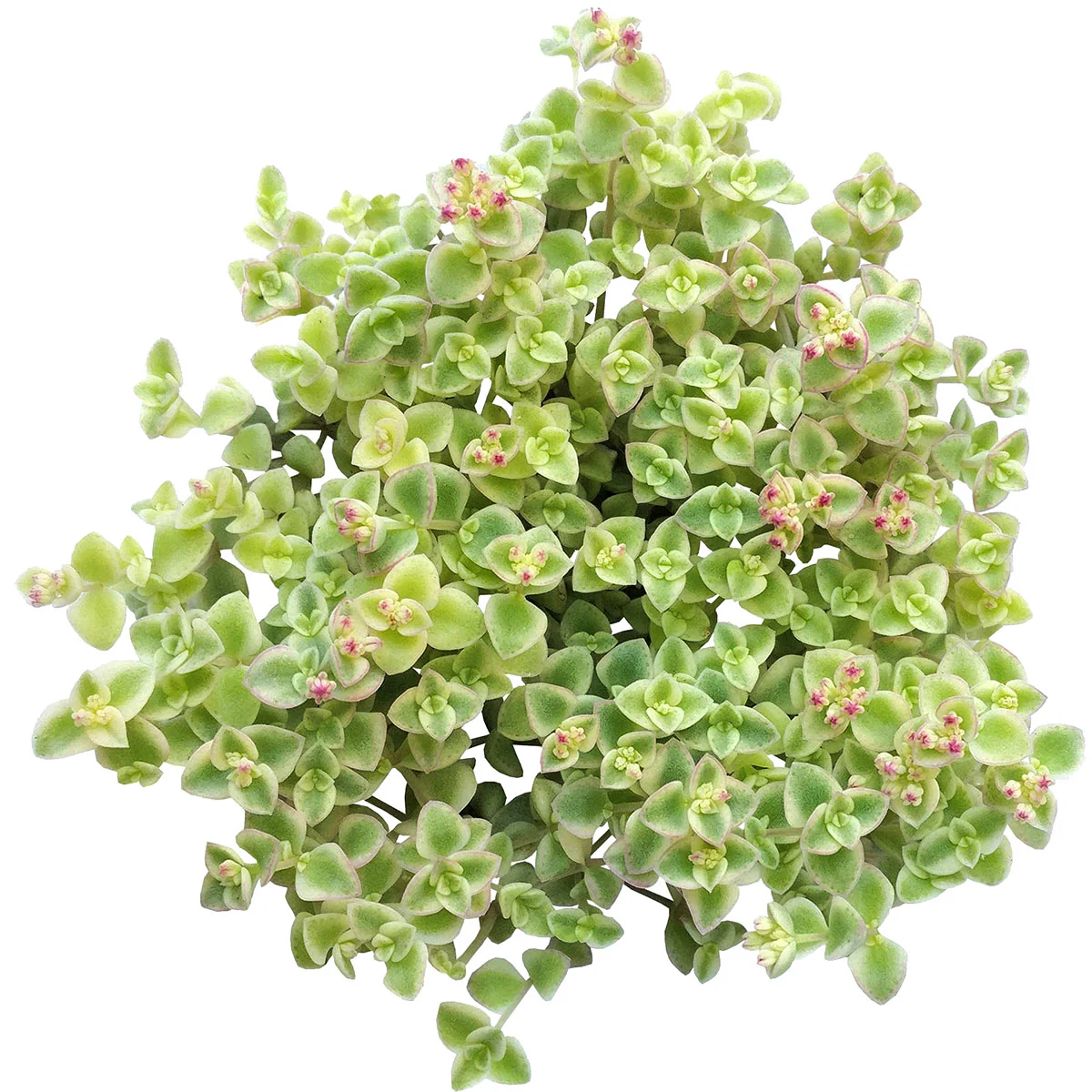
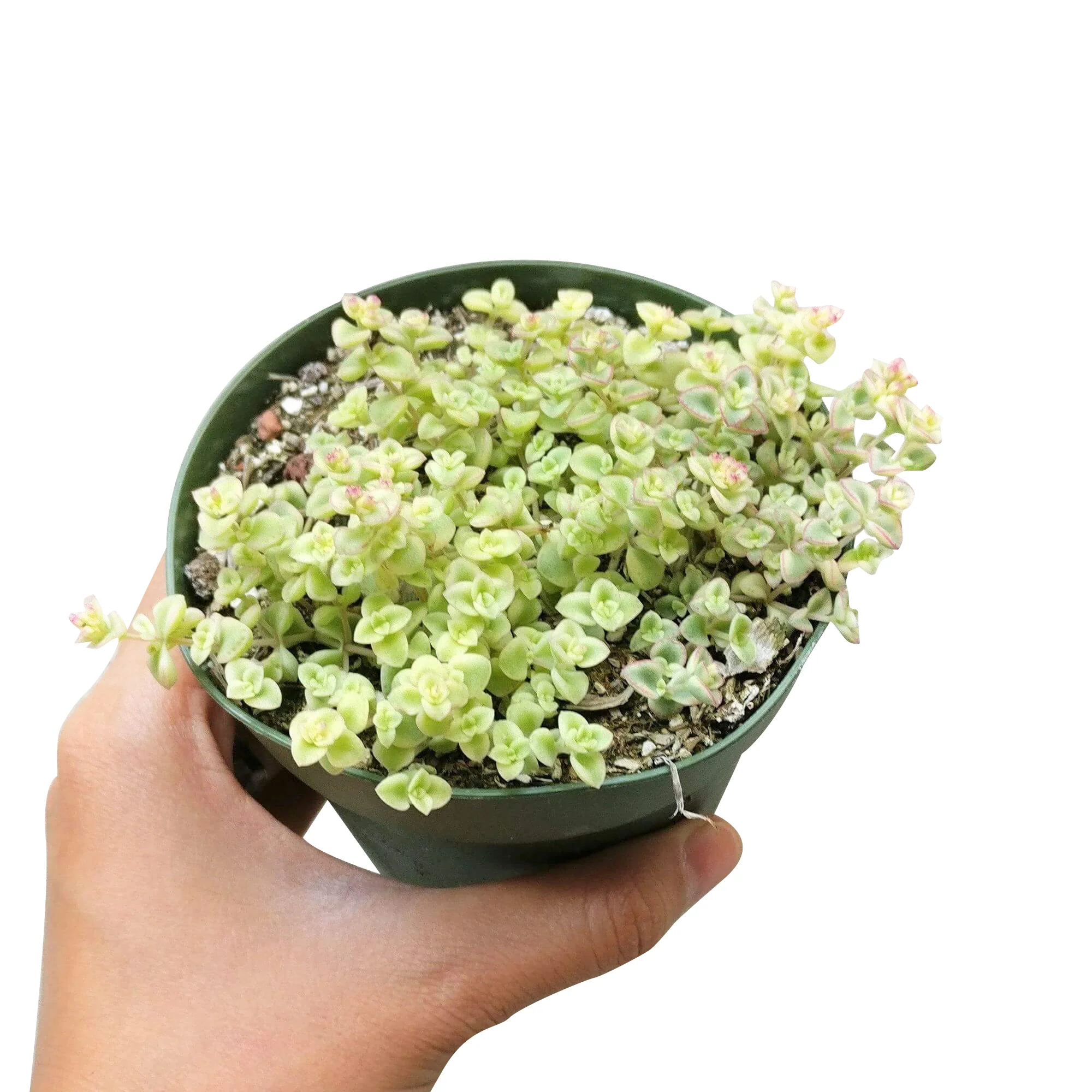
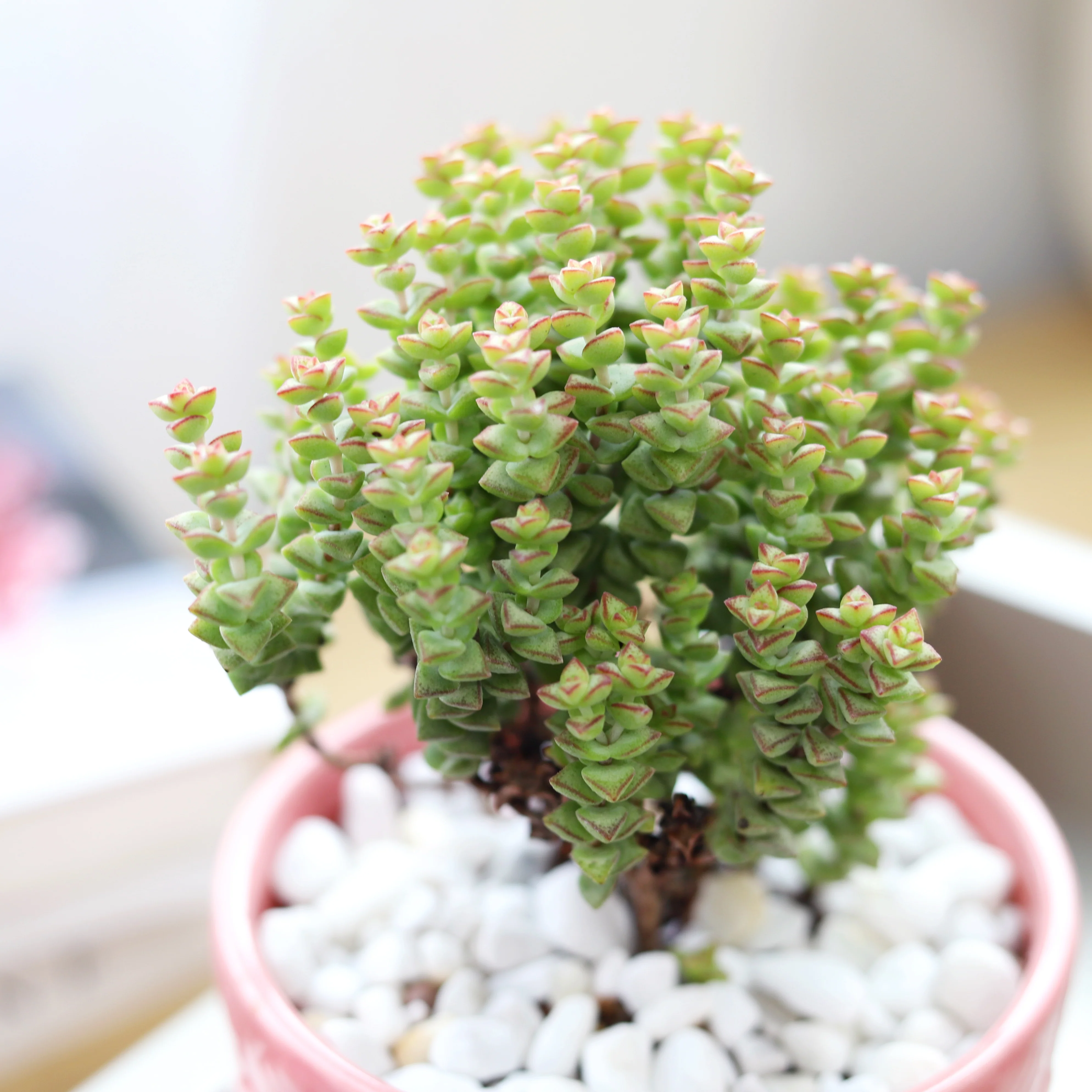
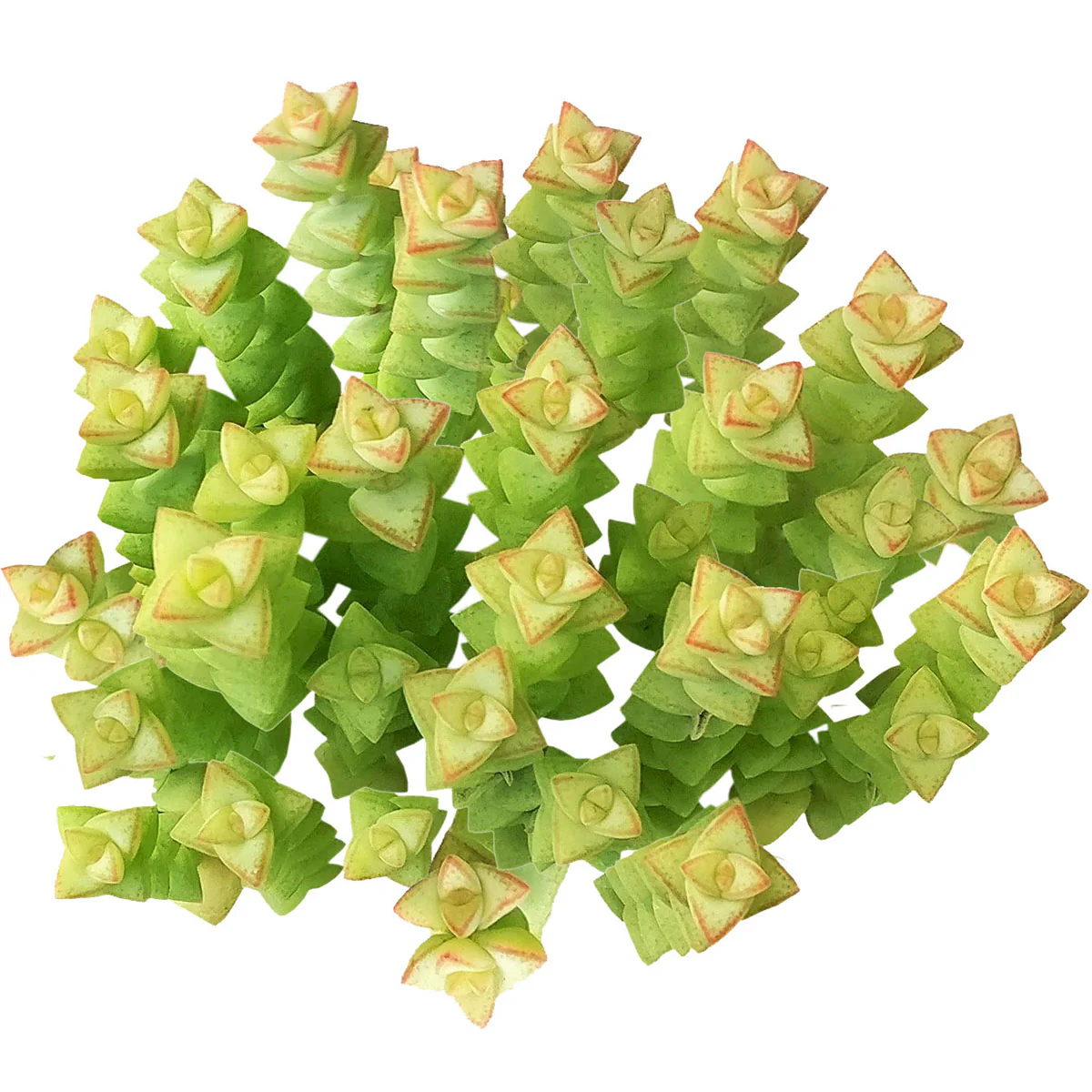
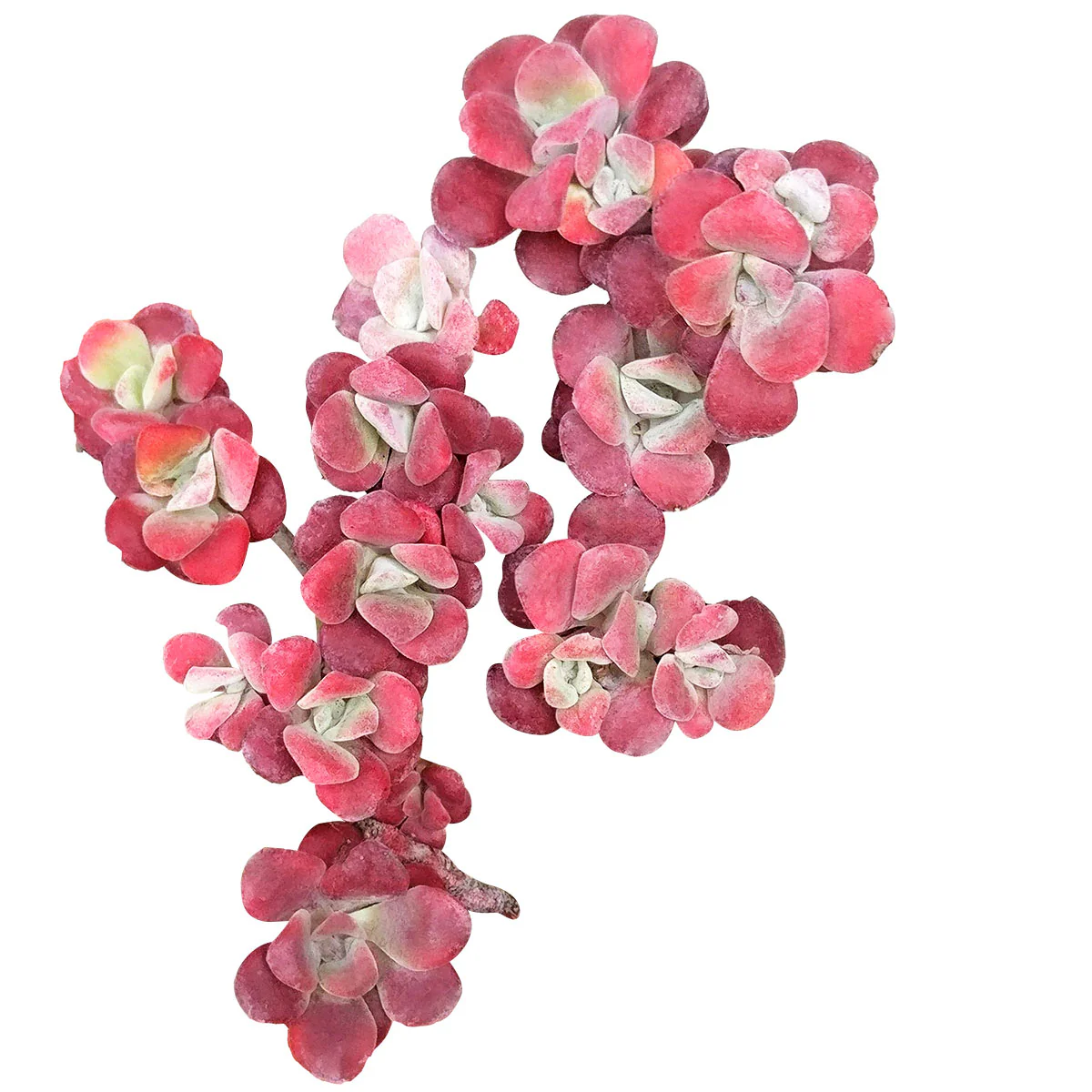
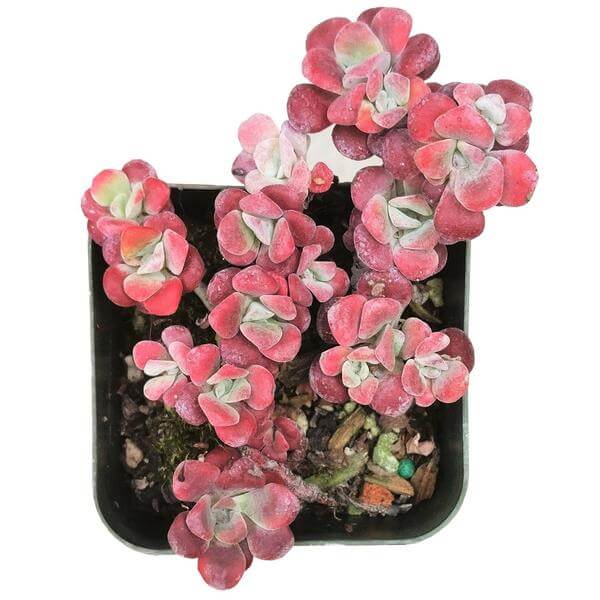
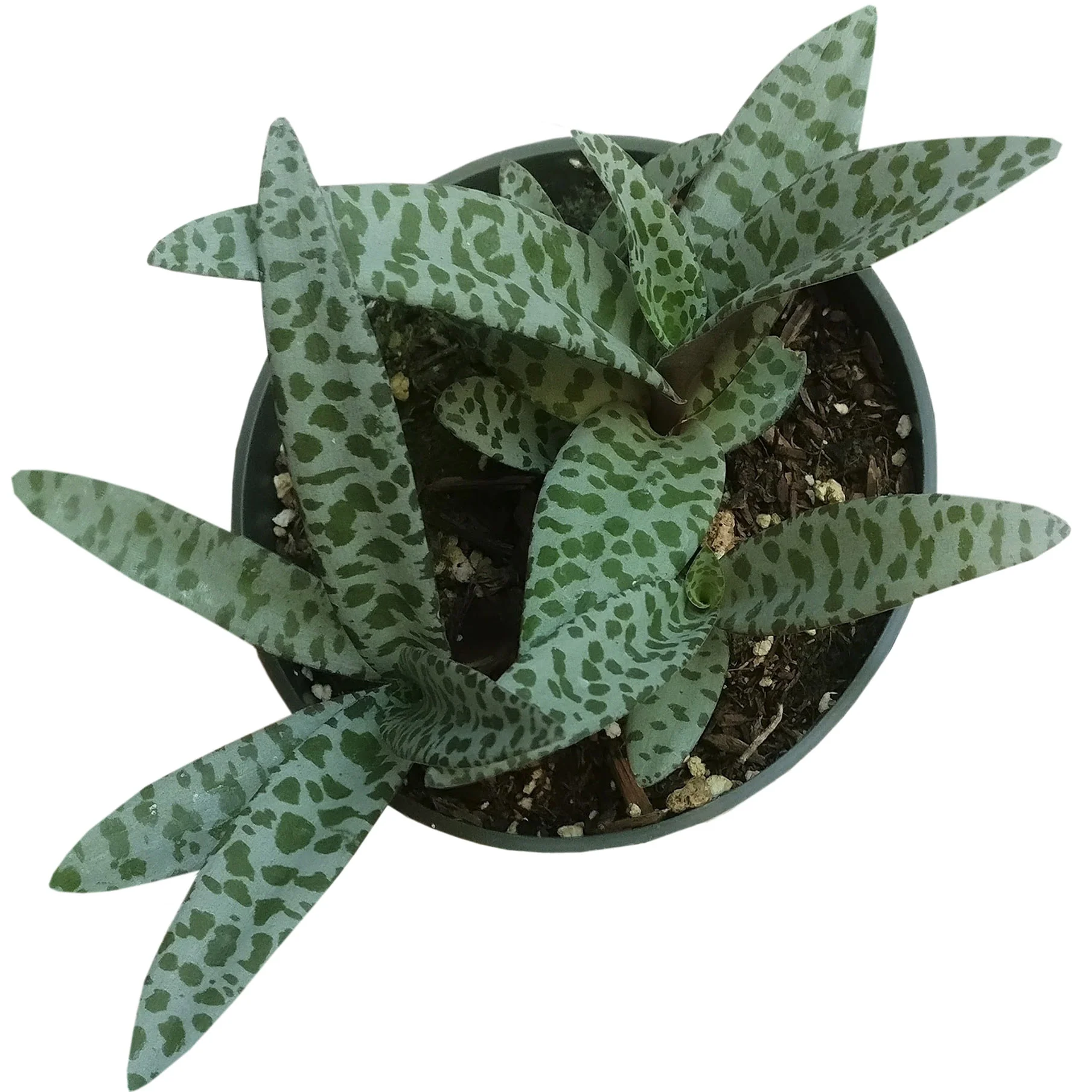
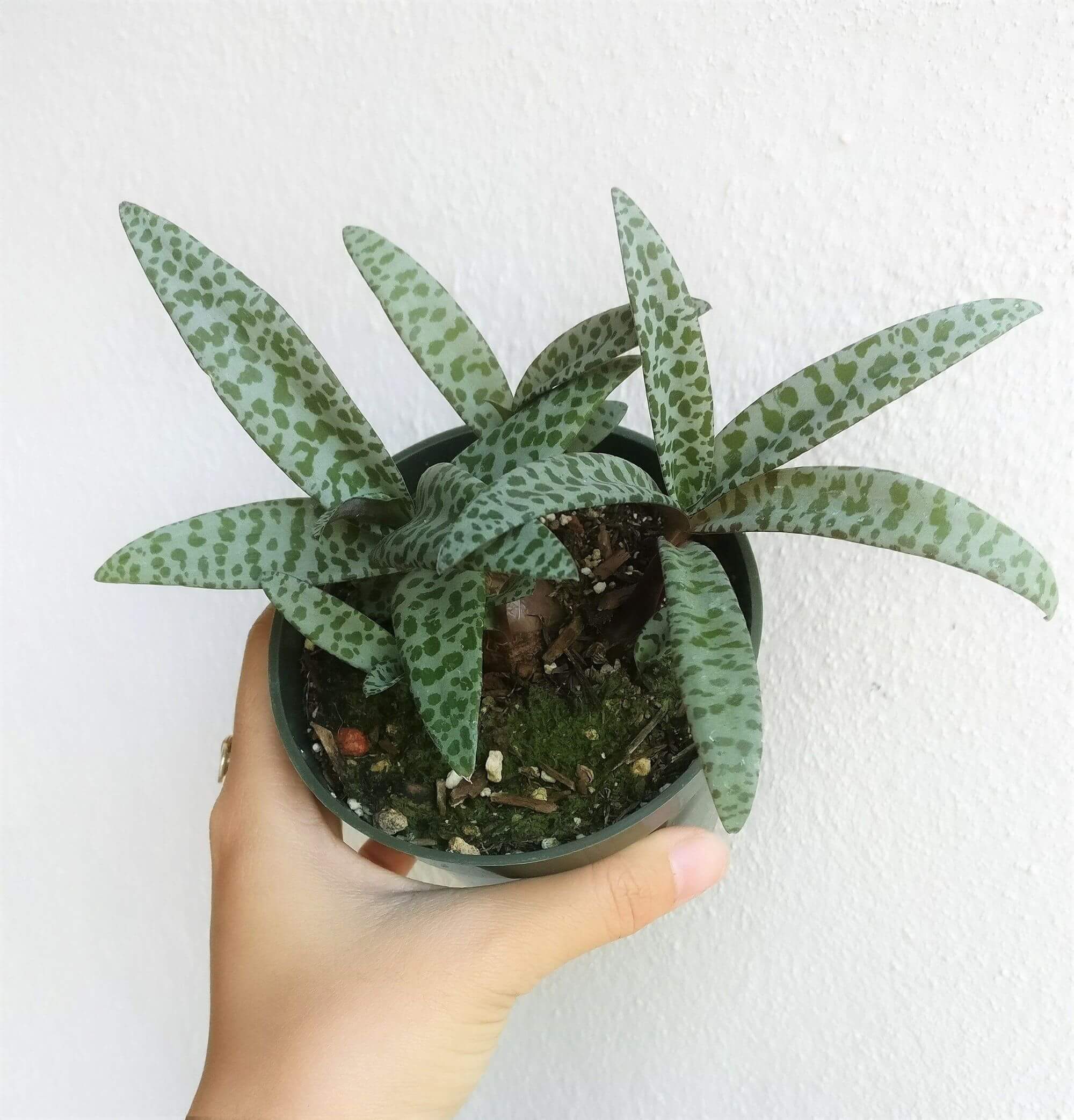
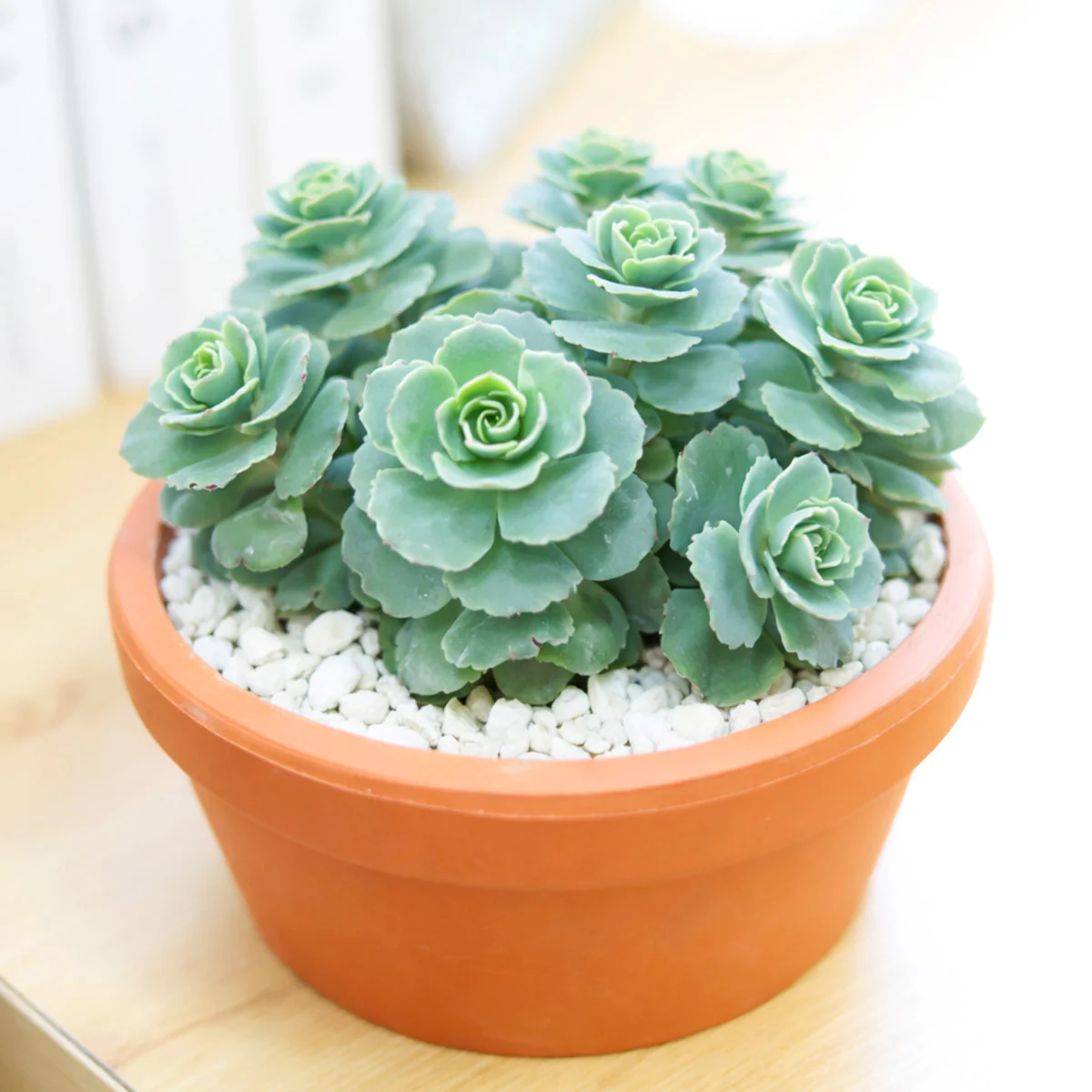
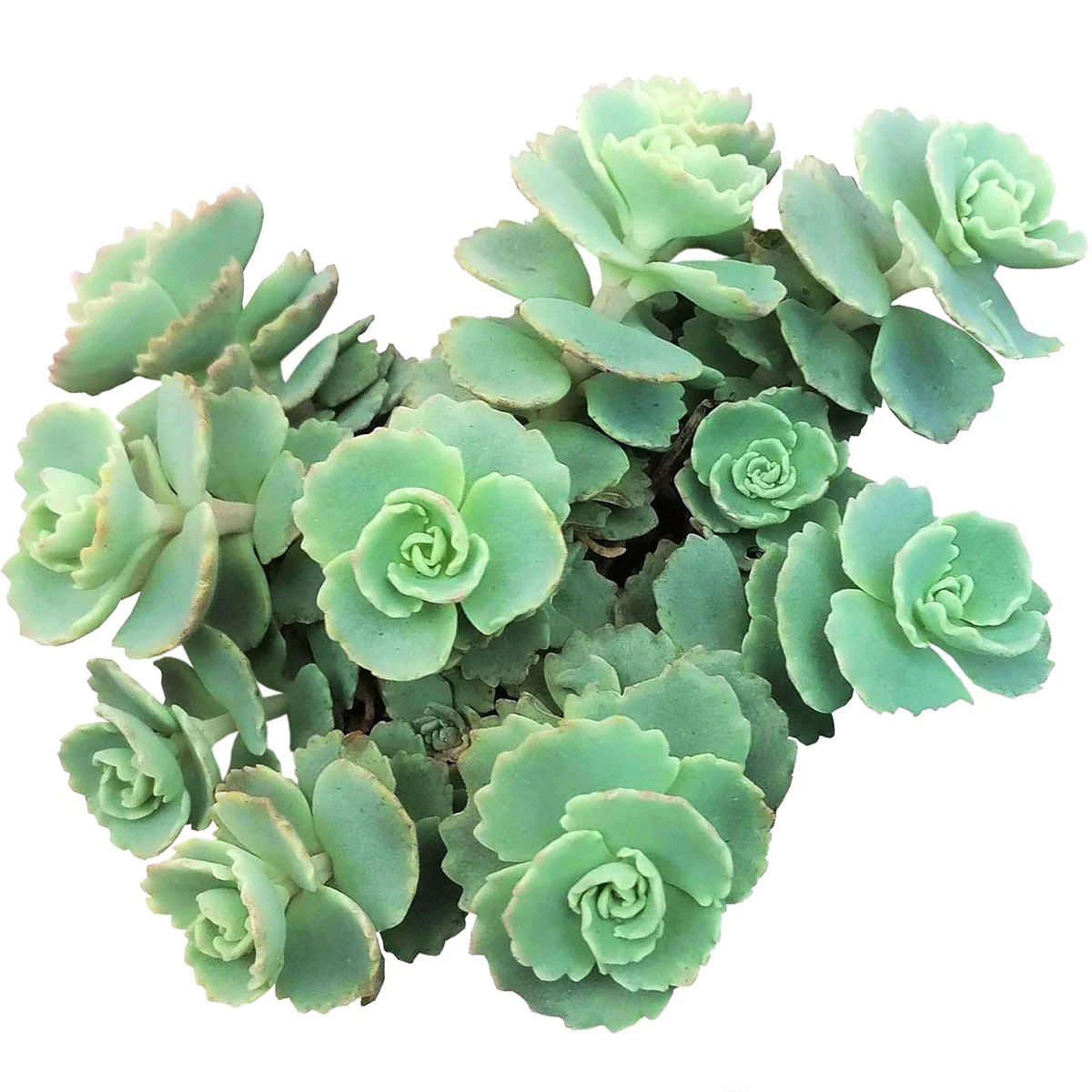
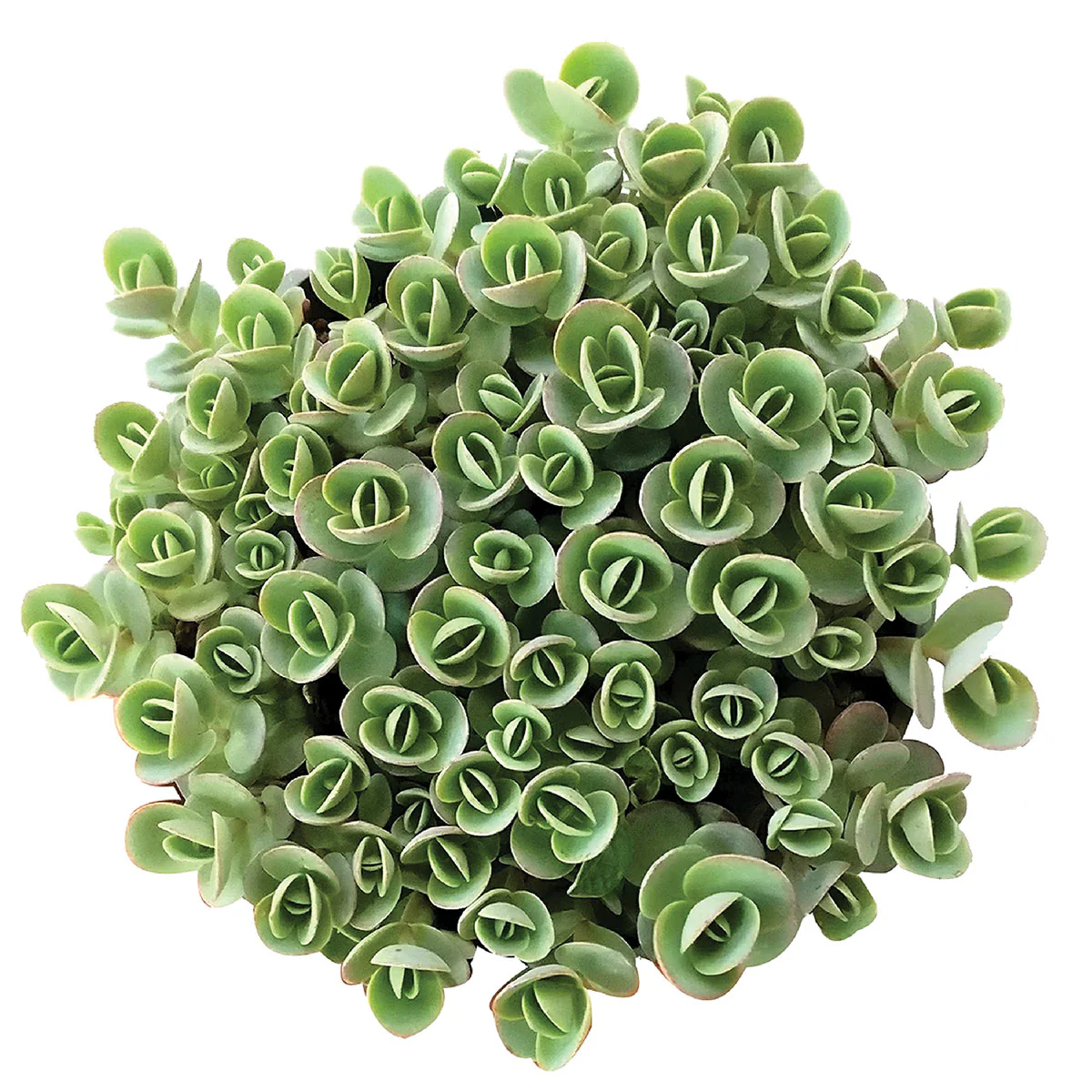
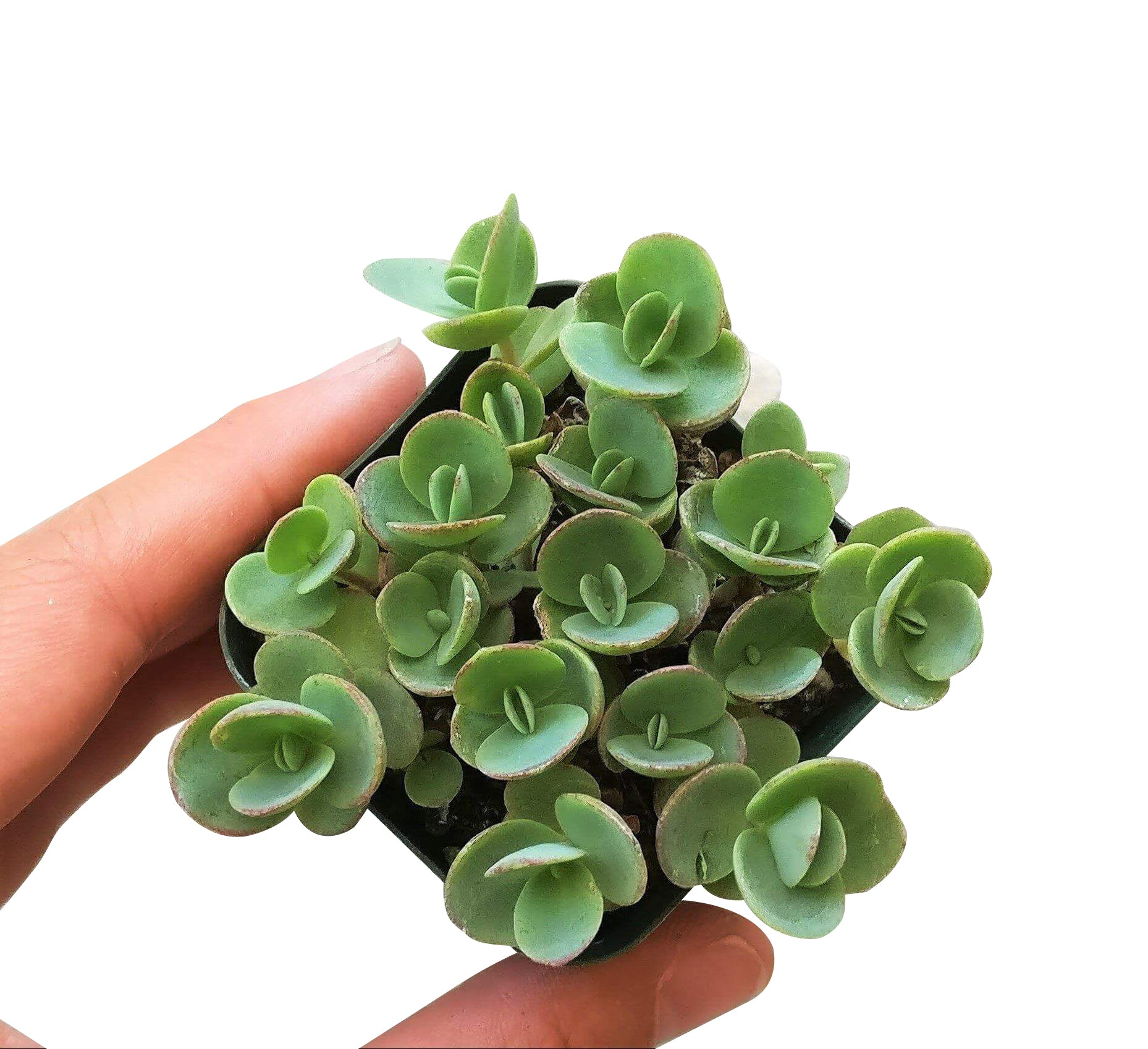
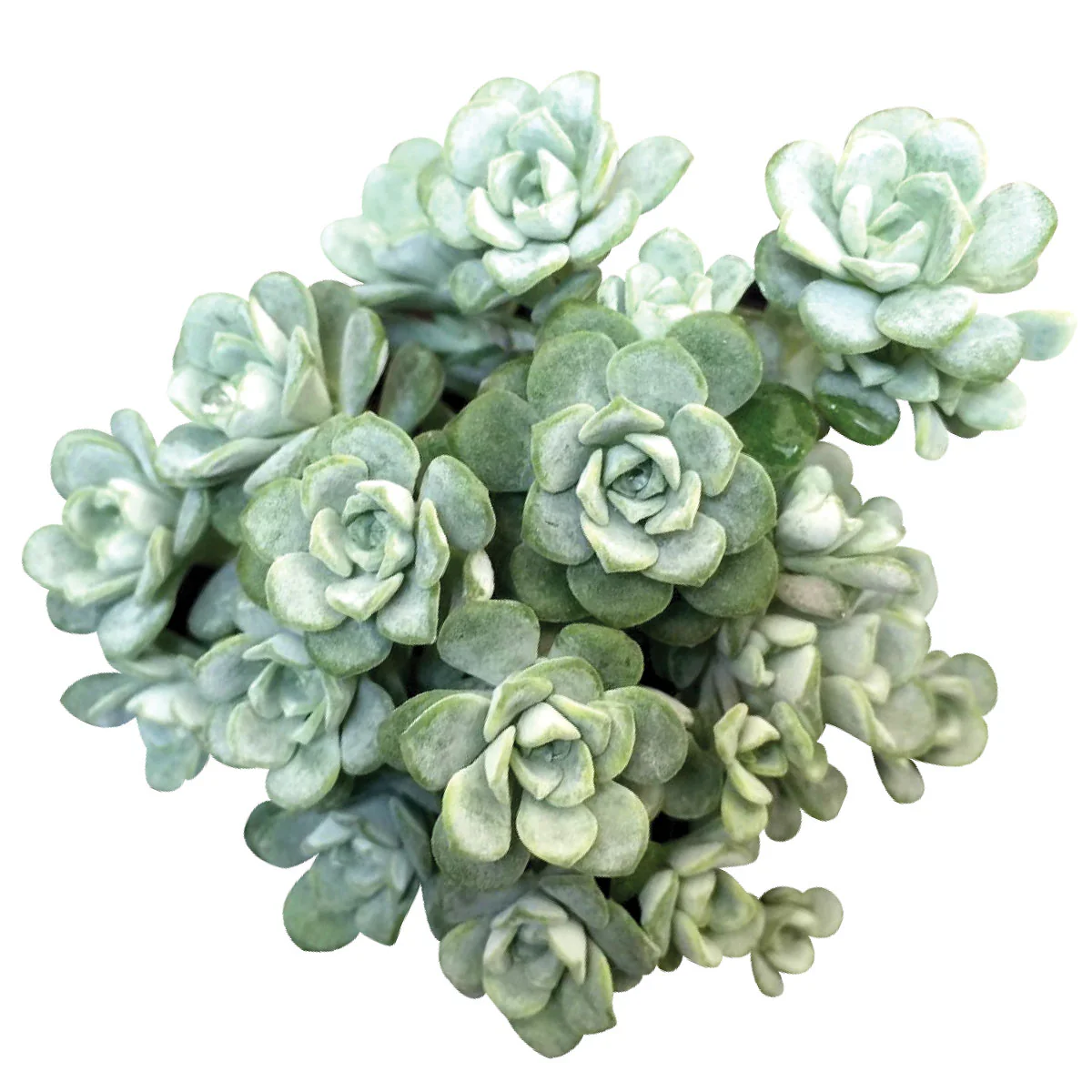
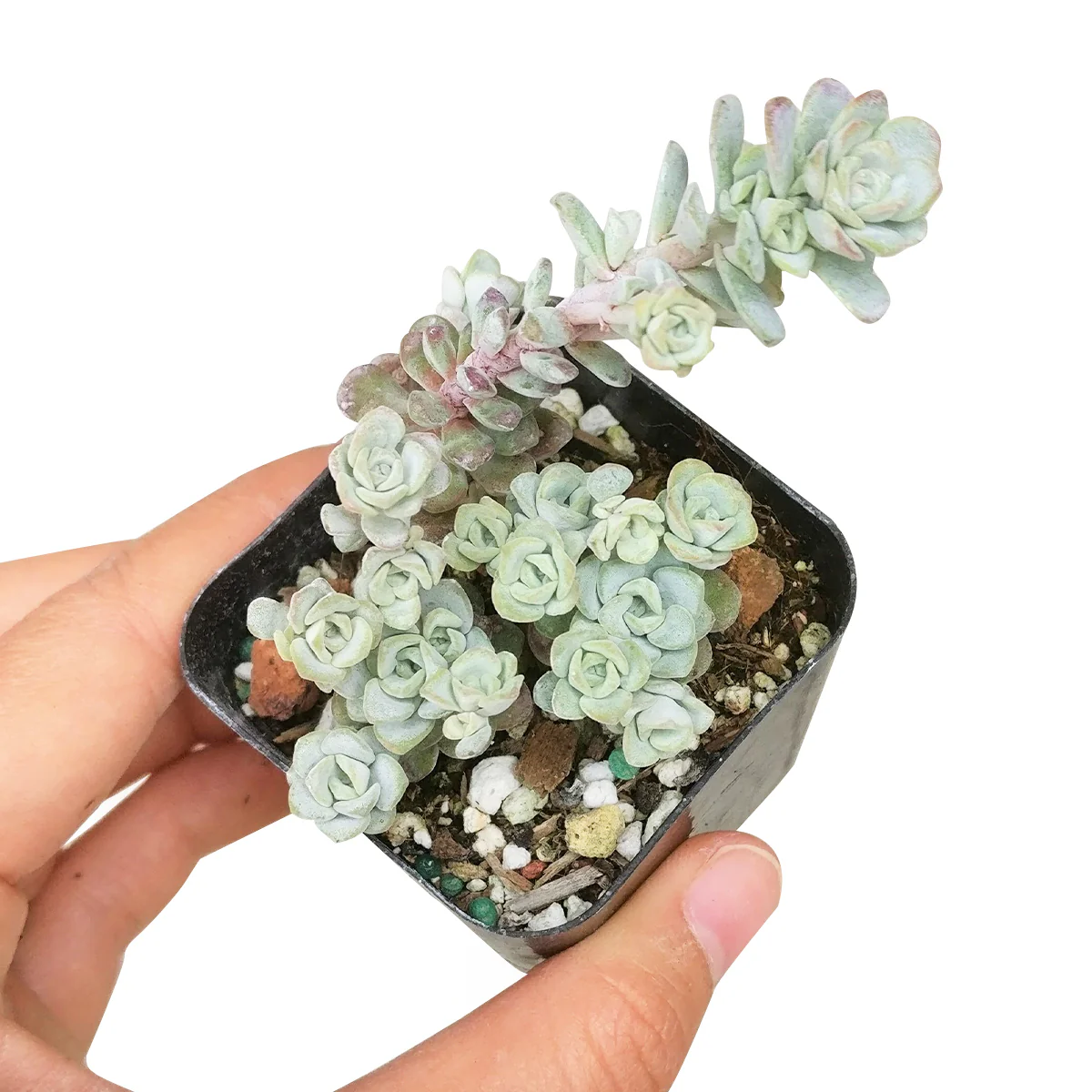
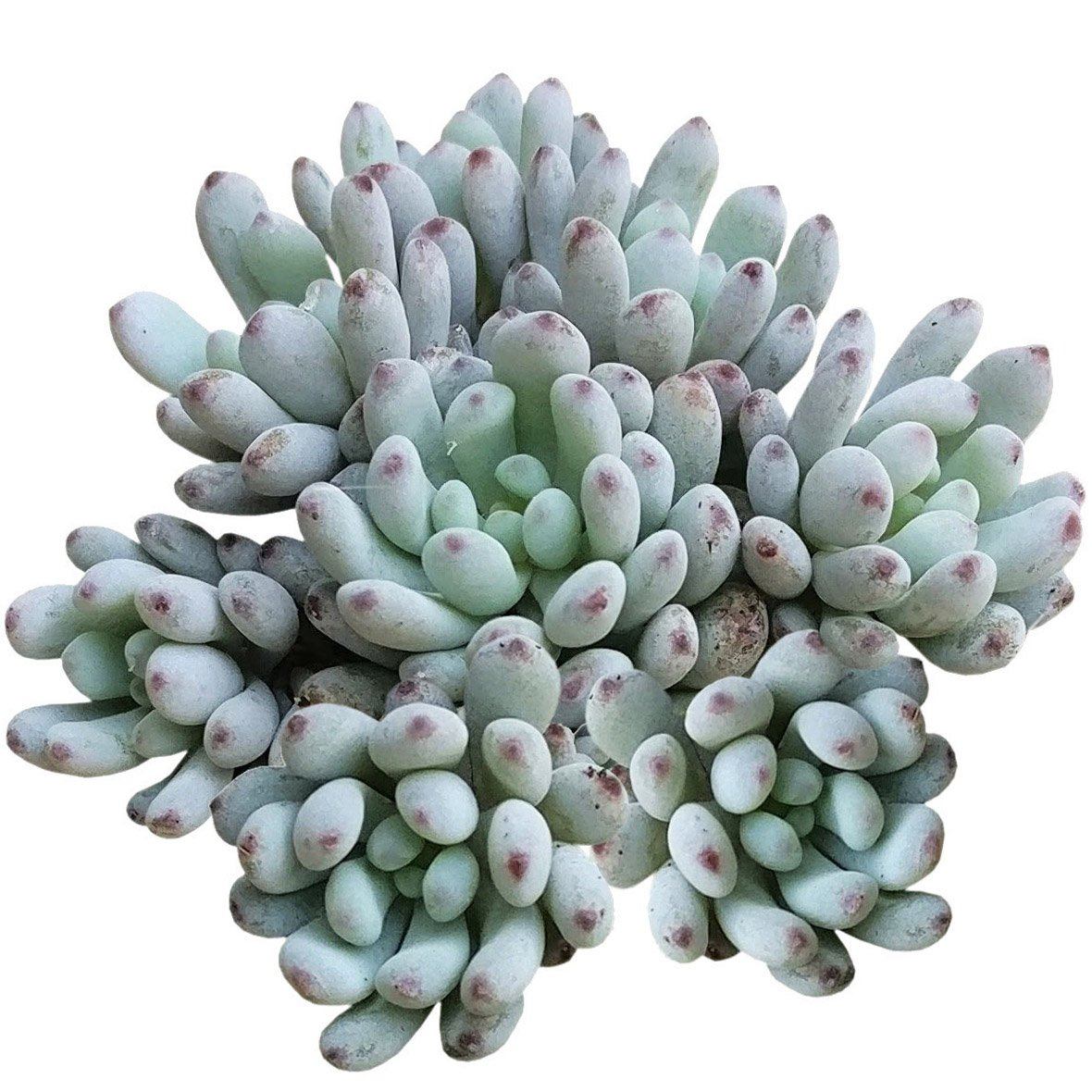
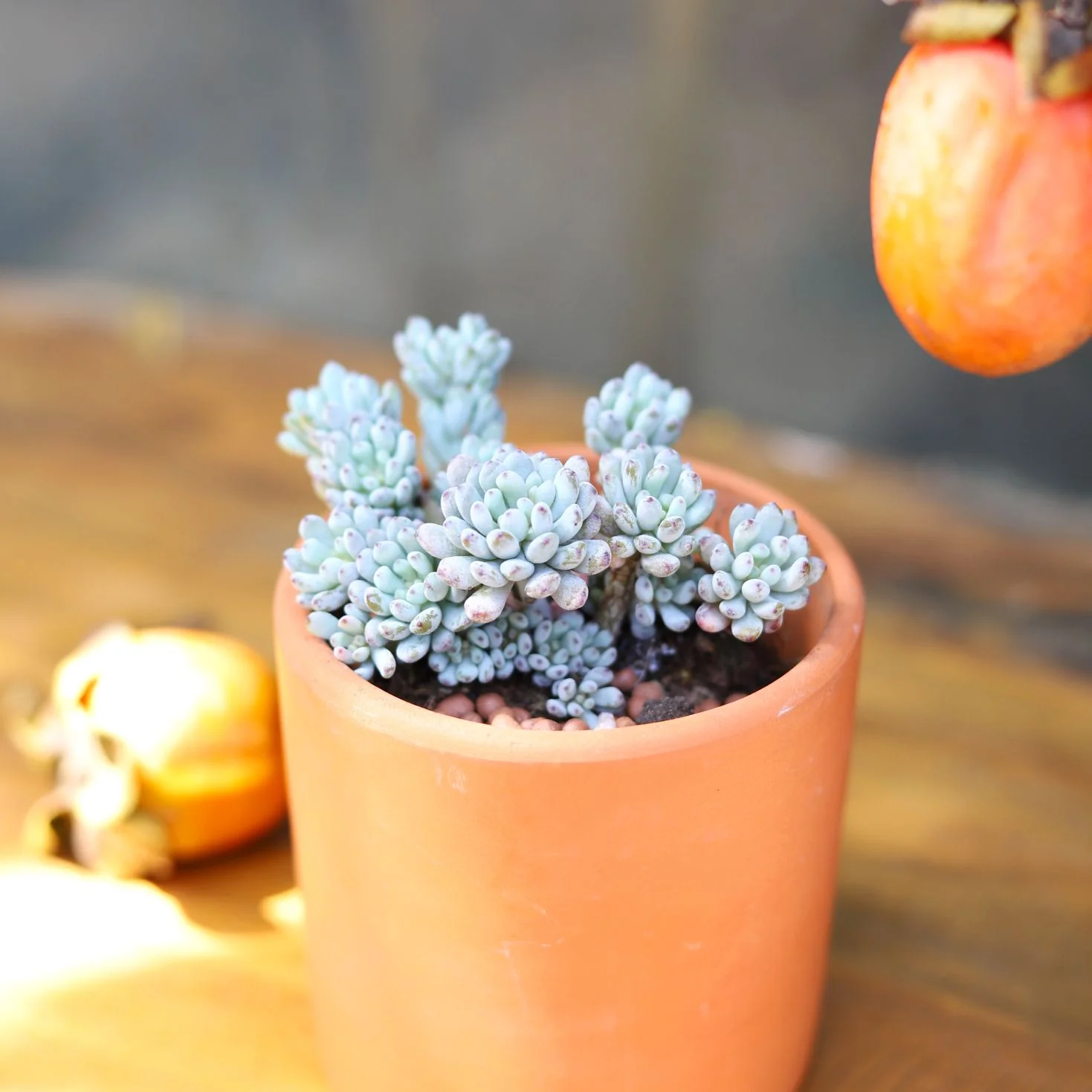
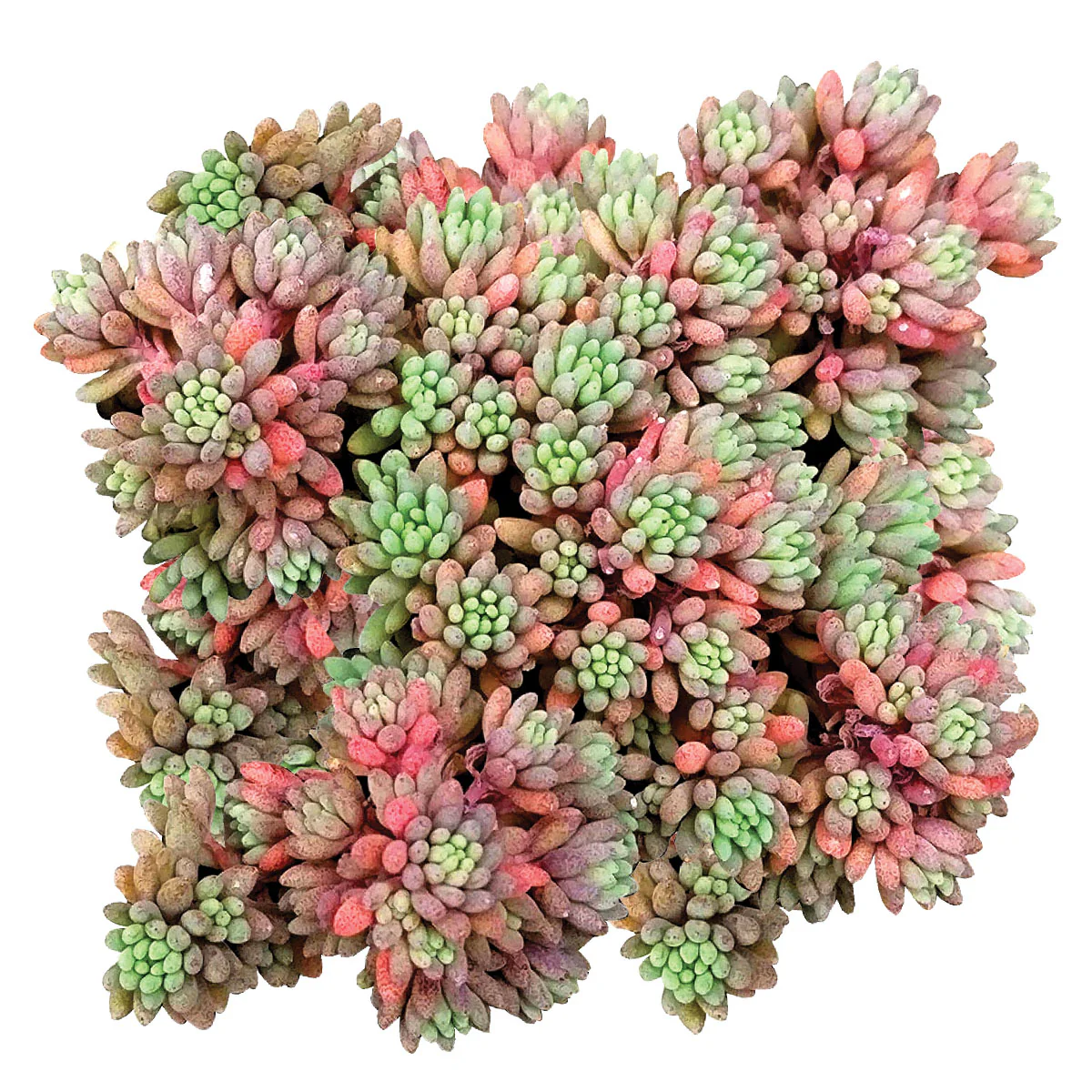
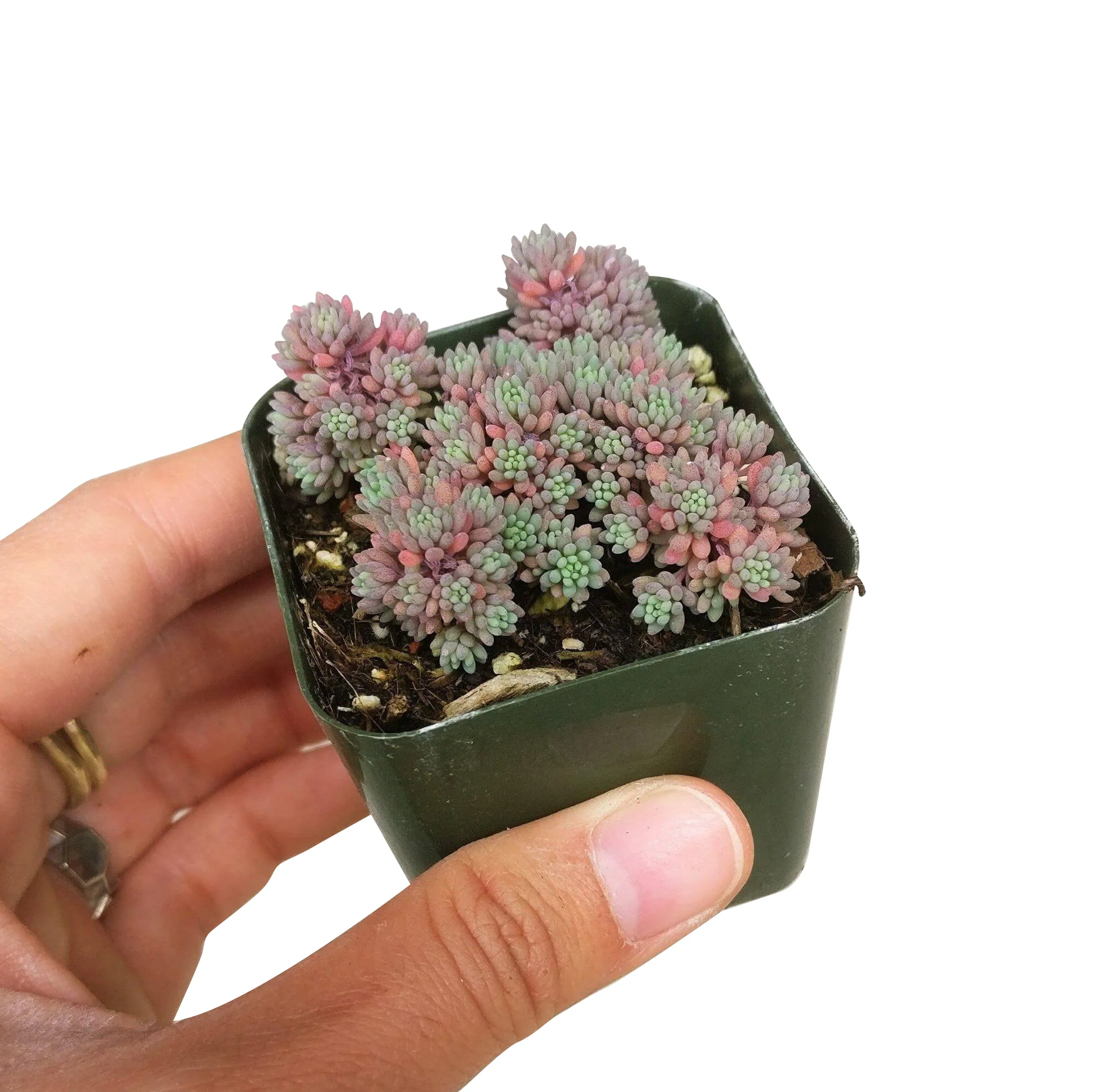
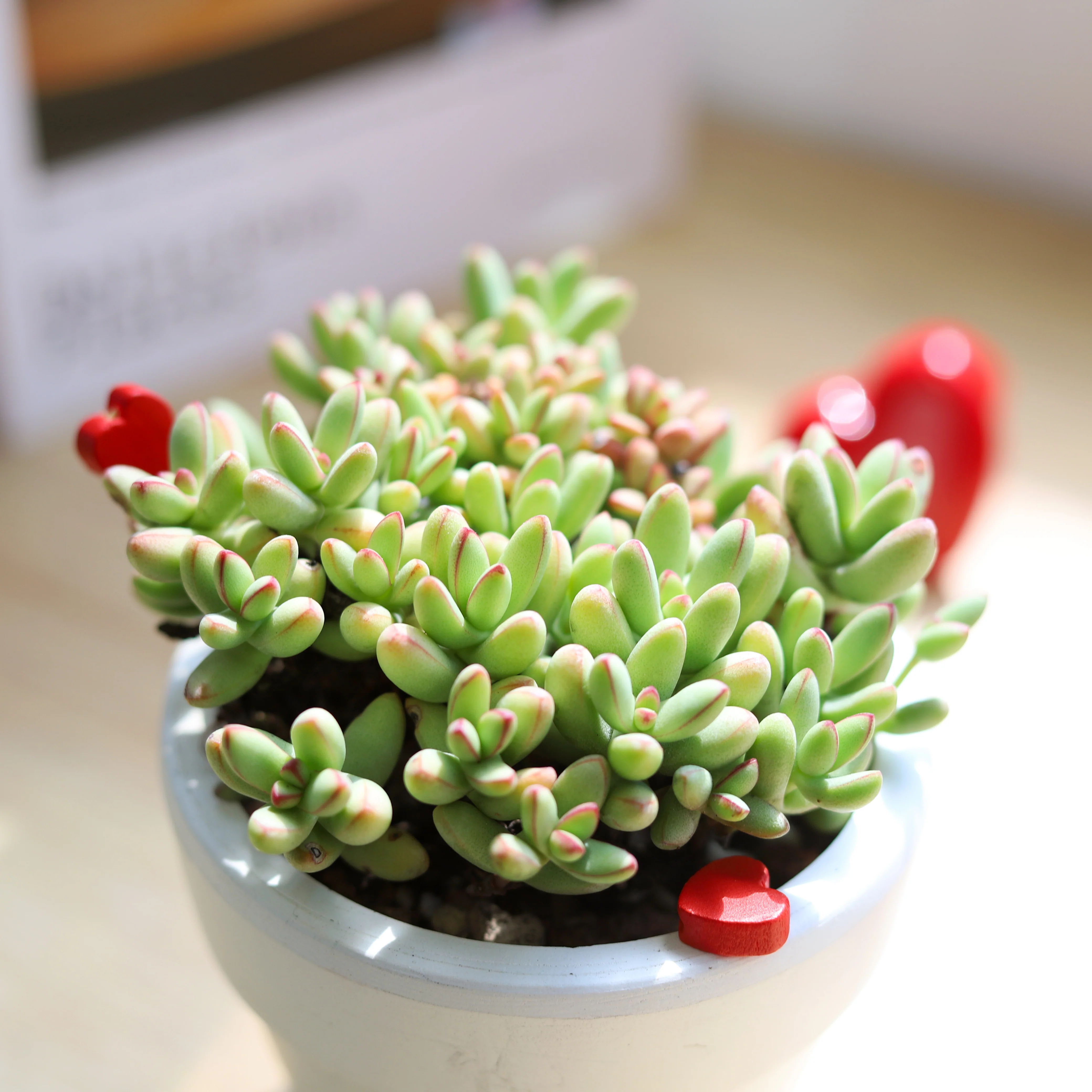
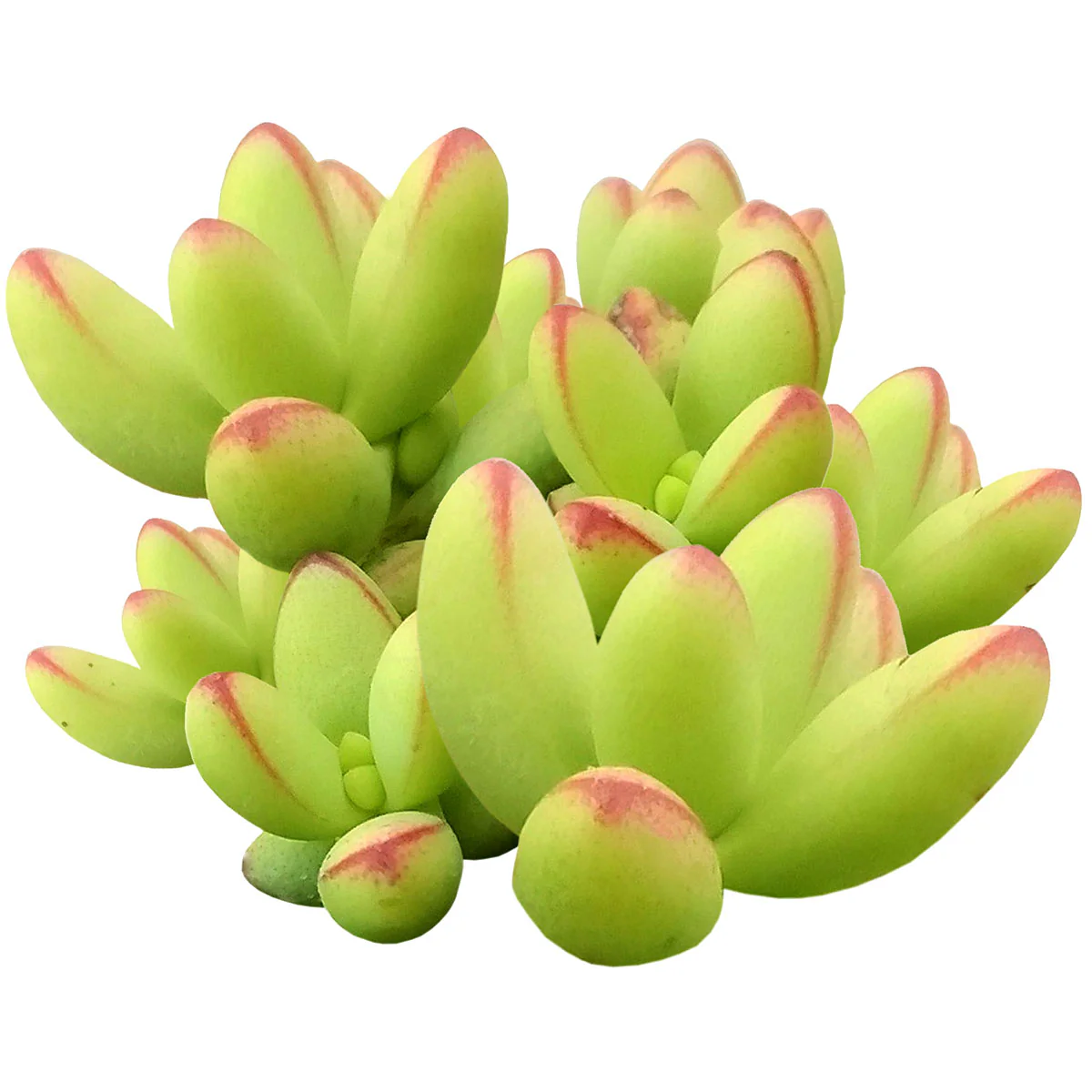
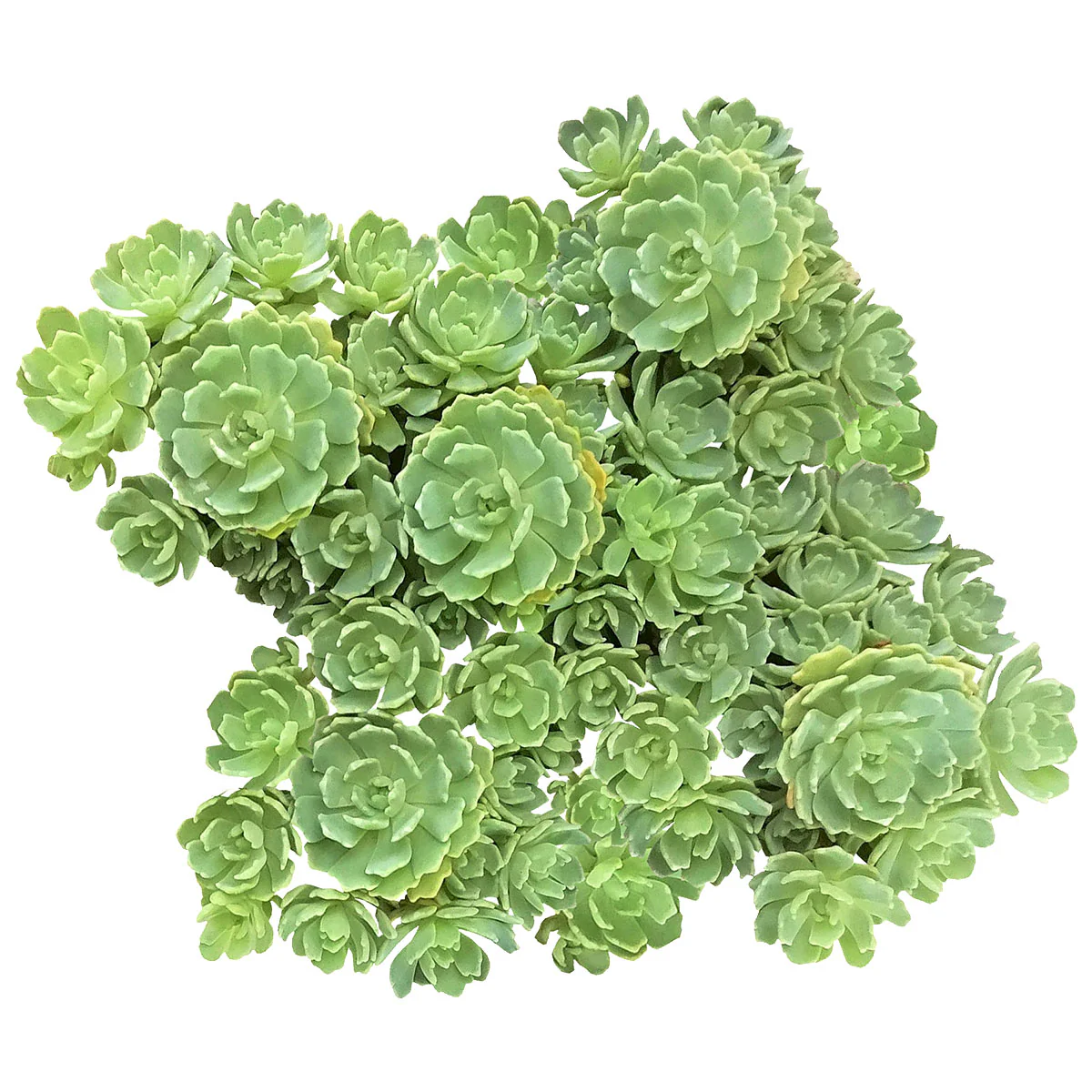
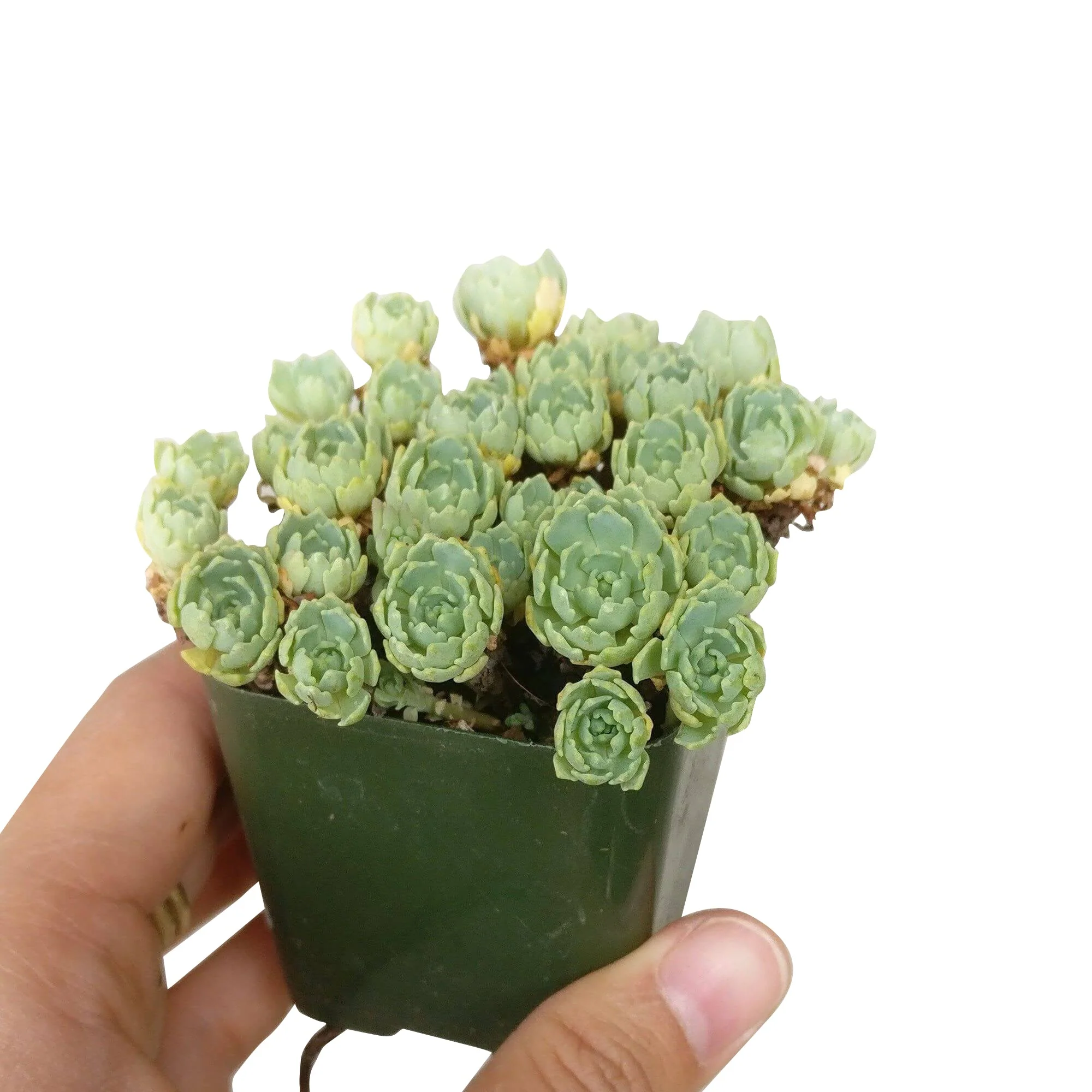
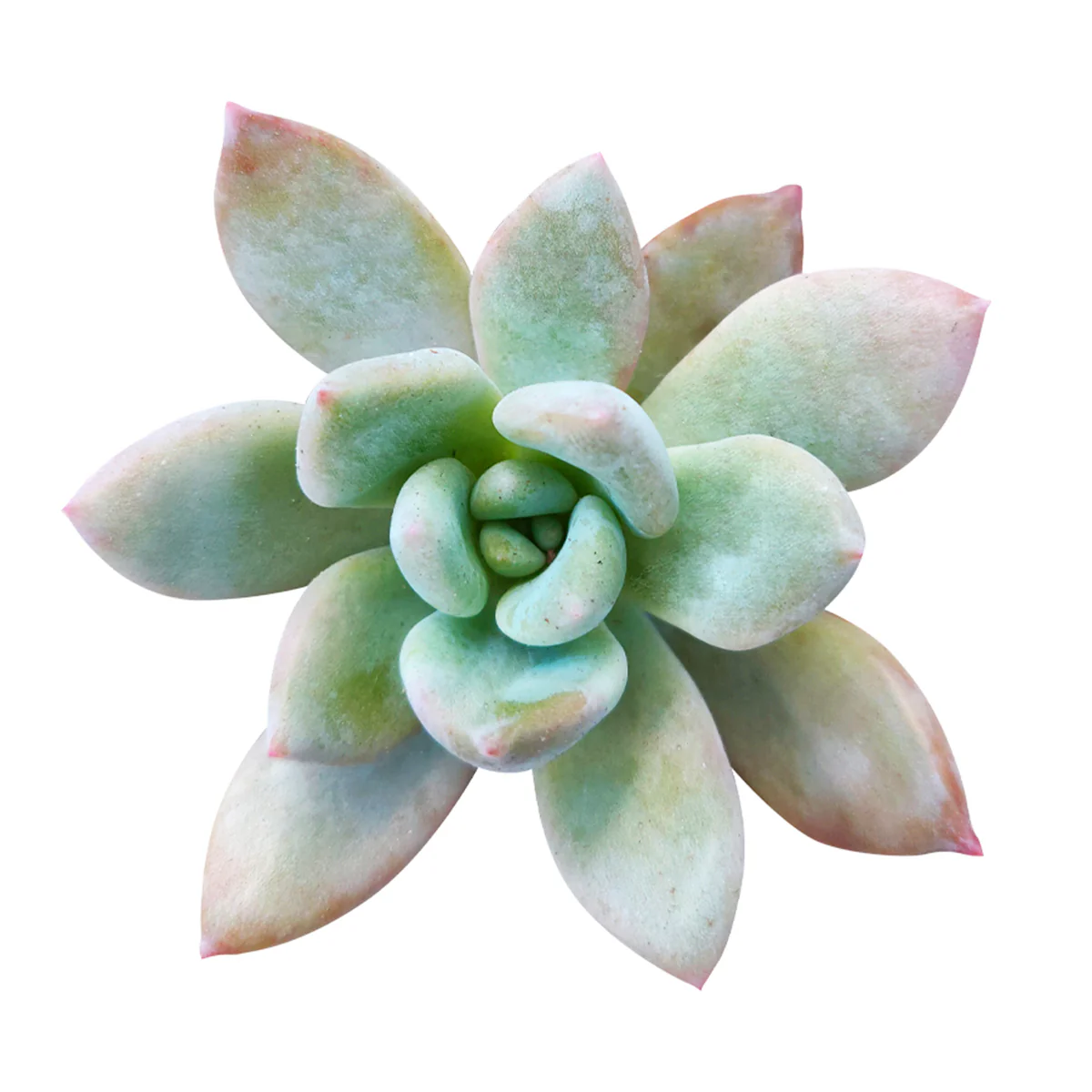
 Graptoveria Opalina forms a tidy upright rosette with thick, spoon-shaped leaves in a dreamy blue-green tone edged with soft pink tips, making it a standout among blue green succulents. The leaves have a smooth, almost pearlescent surface that catches light beautifully, and the compact rosette shape stays neat without any pruning. It is easy to see why this pink tip succulent has become a collector favorite.
 With a night temperature drop, Graptoveria Opalina can be encouraged to push out delicate star-shaped blooms on arching stems, a rewarding payoff for patient growers. Its color-shifting leaves also intensify in hue with seasonal stress, giving this opalina succulent an ever-changing, jewel-like quality throughout the year.
 Graptoveria Opalina is a genuinely beginner-friendly succulent that thrives on basic care, survives a 10-day trip alone without watering, and moves happily outdoors for summer (just cover it from heavy rain). Keep it away from AC or heater vents, rotate the pot every few weeks for even, symmetrical growth, and enjoy the fact that this plant is pet friendly, making it a safe and stylish choice for any home.
-
 Graptoveria Opalina thrives in bright indirect light and can scorch in intense south-facing windows without a sheer curtain buffer.
 Water Graptoveria Opalina deeply every 10-14 days in spring and summer, pulling back to once a month in winter.
 Graptoveria Opalina does best in a gritty, fast-draining cactus and perlite mix at roughly 50/50 ratio.
 Graptoveria Opalina prefers temperatures between 60-80°F (15-27°C) and should be brought indoors before frost threatens.
![]() Graptoveria Opalina is a moderate grower that benefits from a diluted balanced fertilizer once in spring and once in early summer.
Graptoveria Opalina is a moderate grower that benefits from a diluted balanced fertilizer once in spring and once in early summer.
 Graptoveria Opalina is rated for USDA Hardiness Zones 10-11, tolerating temperatures down to around 30-35°F (-1 to 2°C) before cold damage sets in. Gardeners growing Graptoveria Opalina outdoors year-round will find ideal conditions across Hawaii, southern Florida, coastal and southern California, and the warmest pockets of Arizona and Texas. Additional mild-winter areas including southern Nevada, Louisiana, coastal Mississippi, coastal Alabama, coastal Georgia, and the southernmost tip of South Carolina can also support Graptoveria Opalina through winter with minimal protection.
-
Q: How often should I water Graptoveria Opalina?
A: Water Graptoveria Opalina deeply every 10-14 days during the growing season, letting the soil dry out completely between waterings. In winter, reduce to once a month.
Q: Is Graptoveria Opalina pet friendly?
A: Yes, this plant is pet friendly, making Graptoveria Opalina a worry-free choice for homes with cats and dogs.
Q: What light does Graptoveria Opalina need indoors?
A: Graptoveria Opalina does best in bright indirect light, such as near an east or west-facing window. Avoid intense direct south-window sun, which can scorch its leaves.
Q: How do I propagate Graptoveria Opalina?
A: Graptoveria Opalina propagates easily from leaf cuttings or offsets. Lay a healthy leaf on dry, well-draining soil, mist lightly every few days, and small rosettes will sprout within a few weeks.
Q: Why are the leaves on my Graptoveria Opalina turning yellow?
A: Yellow leaves on Graptoveria Opalina are most often a sign of overwatering or poor drainage. Let the soil dry out fully between waterings and ensure the pot has a drainage hole.
Q: Can Graptoveria Opalina go outside in summer?
A: Absolutely, Graptoveria Opalina loves spending summer outdoors in a bright, sheltered spot. Just cover it from heavy rain and bring it back inside before temperatures drop in autumn.


Original: $8.00
-70%$8.00
$2.40Product Information
Product Information
Shipping & Returns
Shipping & Returns
Description
- Description
- Graptoveria Opalina Care Guide
- FAQ/Common Issues
-
![]() Graptoveria Opalina is a stunning graptoveria hybrid, a cross between Graptopetalum and Echeveria, two beloved genera in the Crassulaceae family. Like most succulents in this group, it originates from the arid, rocky highlands of Mexico, where bright light and well-draining soil shape its naturally tough character.
Graptoveria Opalina is a stunning graptoveria hybrid, a cross between Graptopetalum and Echeveria, two beloved genera in the Crassulaceae family. Like most succulents in this group, it originates from the arid, rocky highlands of Mexico, where bright light and well-draining soil shape its naturally tough character.
Graptoveria Opalina forms a tidy upright rosette with thick, spoon-shaped leaves in a dreamy blue-green tone edged with soft pink tips, making it a standout among blue green succulents. The leaves have a smooth, almost pearlescent surface that catches light beautifully, and the compact rosette shape stays neat without any pruning. It is easy to see why this pink tip succulent has become a collector favorite.
With a night temperature drop, Graptoveria Opalina can be encouraged to push out delicate star-shaped blooms on arching stems, a rewarding payoff for patient growers. Its color-shifting leaves also intensify in hue with seasonal stress, giving this opalina succulent an ever-changing, jewel-like quality throughout the year.
Graptoveria Opalina is a genuinely beginner-friendly succulent that thrives on basic care, survives a 10-day trip alone without watering, and moves happily outdoors for summer (just cover it from heavy rain). Keep it away from AC or heater vents, rotate the pot every few weeks for even, symmetrical growth, and enjoy the fact that this plant is pet friendly, making it a safe and stylish choice for any home.
-
Graptoveria Opalina thrives in bright indirect light and can scorch in intense south-facing windows without a sheer curtain buffer.
Water Graptoveria Opalina deeply every 10-14 days in spring and summer, pulling back to once a month in winter.
Graptoveria Opalina does best in a gritty, fast-draining cactus and perlite mix at roughly 50/50 ratio.
Graptoveria Opalina prefers temperatures between 60-80°F (15-27°C) and should be brought indoors before frost threatens.
![]() Graptoveria Opalina is a moderate grower that benefits from a diluted balanced fertilizer once in spring and once in early summer.
Graptoveria Opalina is a moderate grower that benefits from a diluted balanced fertilizer once in spring and once in early summer.
Graptoveria Opalina is rated for USDA Hardiness Zones 10-11, tolerating temperatures down to around 30-35°F (-1 to 2°C) before cold damage sets in. Gardeners growing Graptoveria Opalina outdoors year-round will find ideal conditions across Hawaii, southern Florida, coastal and southern California, and the warmest pockets of Arizona and Texas. Additional mild-winter areas including southern Nevada, Louisiana, coastal Mississippi, coastal Alabama, coastal Georgia, and the southernmost tip of South Carolina can also support Graptoveria Opalina through winter with minimal protection.
-
Q: How often should I water Graptoveria Opalina?
A: Water Graptoveria Opalina deeply every 10-14 days during the growing season, letting the soil dry out completely between waterings. In winter, reduce to once a month.
Q: Is Graptoveria Opalina pet friendly?
A: Yes, this plant is pet friendly, making Graptoveria Opalina a worry-free choice for homes with cats and dogs.
Q: What light does Graptoveria Opalina need indoors?
A: Graptoveria Opalina does best in bright indirect light, such as near an east or west-facing window. Avoid intense direct south-window sun, which can scorch its leaves.
Q: How do I propagate Graptoveria Opalina?
A: Graptoveria Opalina propagates easily from leaf cuttings or offsets. Lay a healthy leaf on dry, well-draining soil, mist lightly every few days, and small rosettes will sprout within a few weeks.
Q: Why are the leaves on my Graptoveria Opalina turning yellow?
A: Yellow leaves on Graptoveria Opalina are most often a sign of overwatering or poor drainage. Let the soil dry out fully between waterings and ensure the pot has a drainage hole.
Q: Can Graptoveria Opalina go outside in summer?
A: Absolutely, Graptoveria Opalina loves spending summer outdoors in a bright, sheltered spot. Just cover it from heavy rain and bring it back inside before temperatures drop in autumn.