Graptoveria 'Lovely Rose'
- Description
- Graptoveria 'Lovely Rose' Care Guide
- FAQ/Common Issues
-
![]() Graptoveria 'Lovely Rose' is a rare Korean succulent hybrid in the Crassulaceae family, created by crossing Graptopetalum and Echeveria. This compact rosette succulent captured collectors' hearts in Korea before making its way into the wider rare succulent market. If you've been searching for a pink succulent for sale that truly stands out, Graptoveria 'Lovely Rose' delivers.
Graptoveria 'Lovely Rose' is a rare Korean succulent hybrid in the Crassulaceae family, created by crossing Graptopetalum and Echeveria. This compact rosette succulent captured collectors' hearts in Korea before making its way into the wider rare succulent market. If you've been searching for a pink succulent for sale that truly stands out, Graptoveria 'Lovely Rose' delivers.
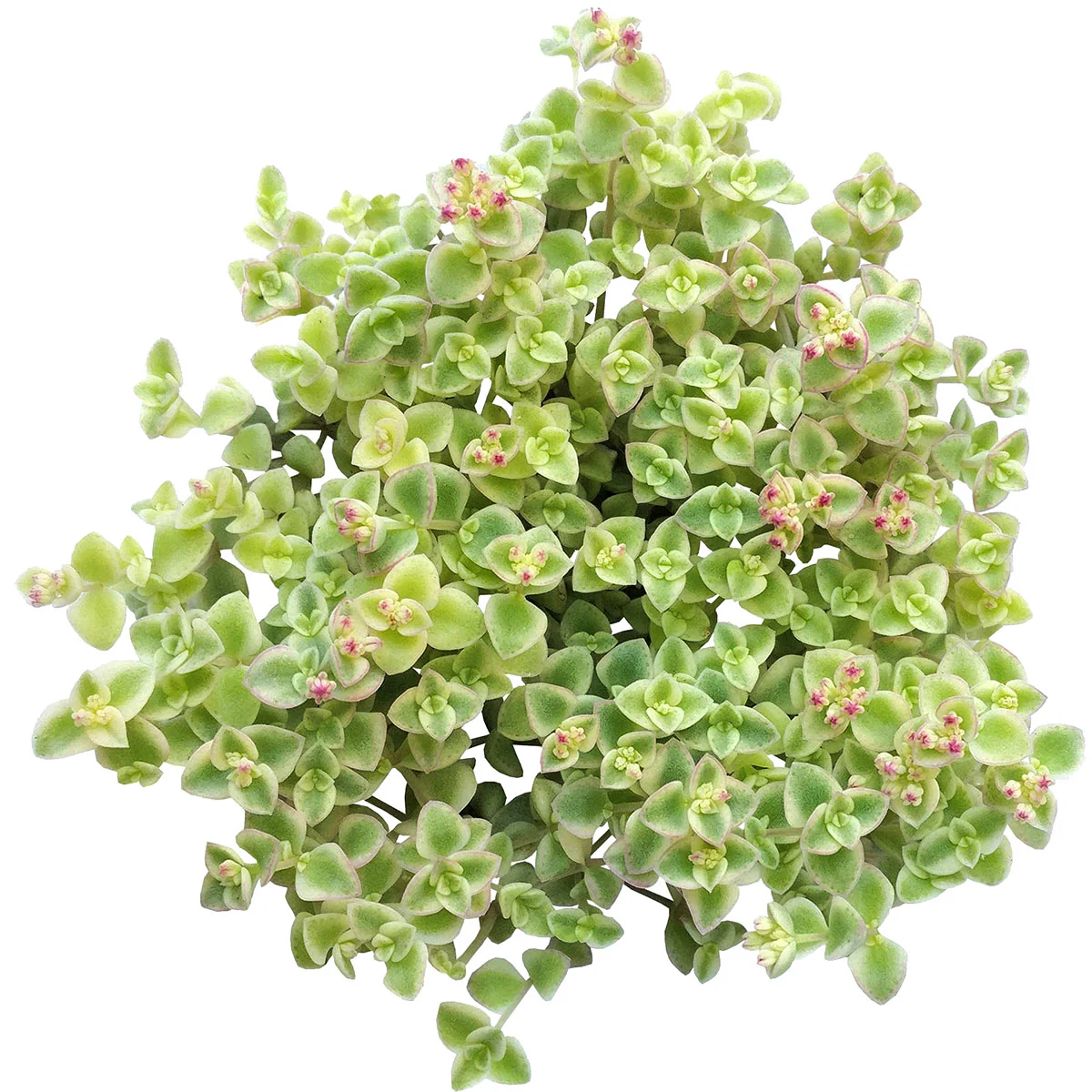
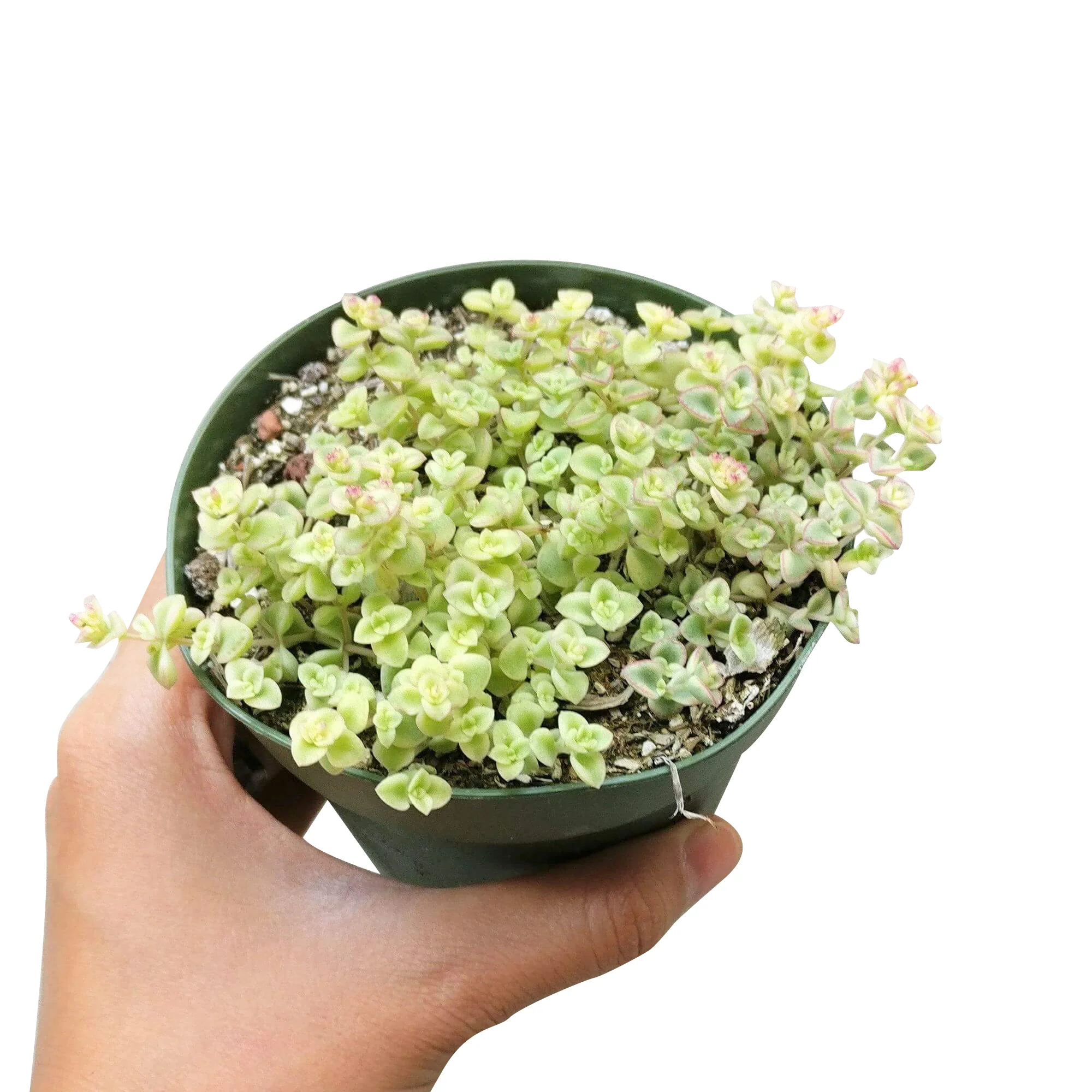
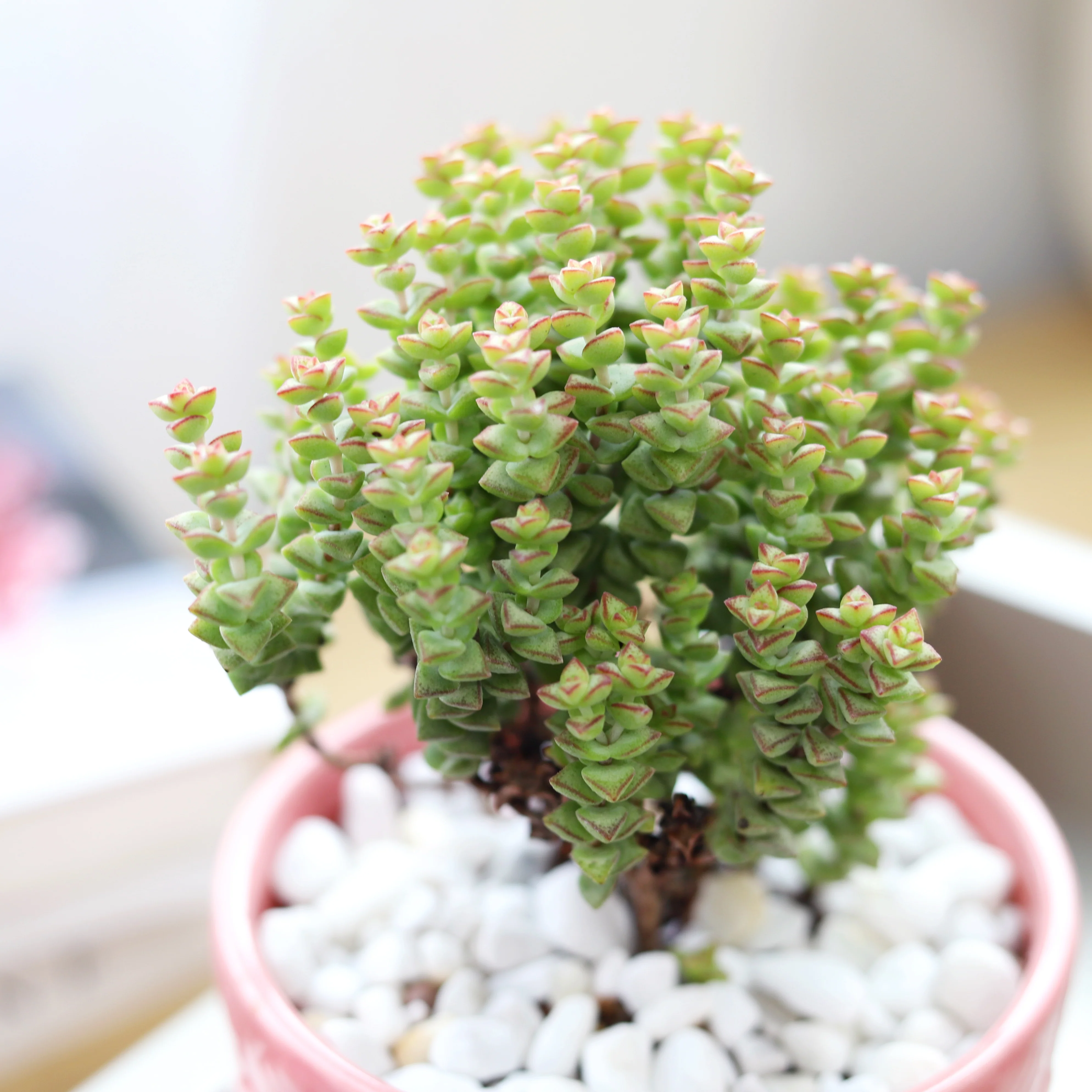
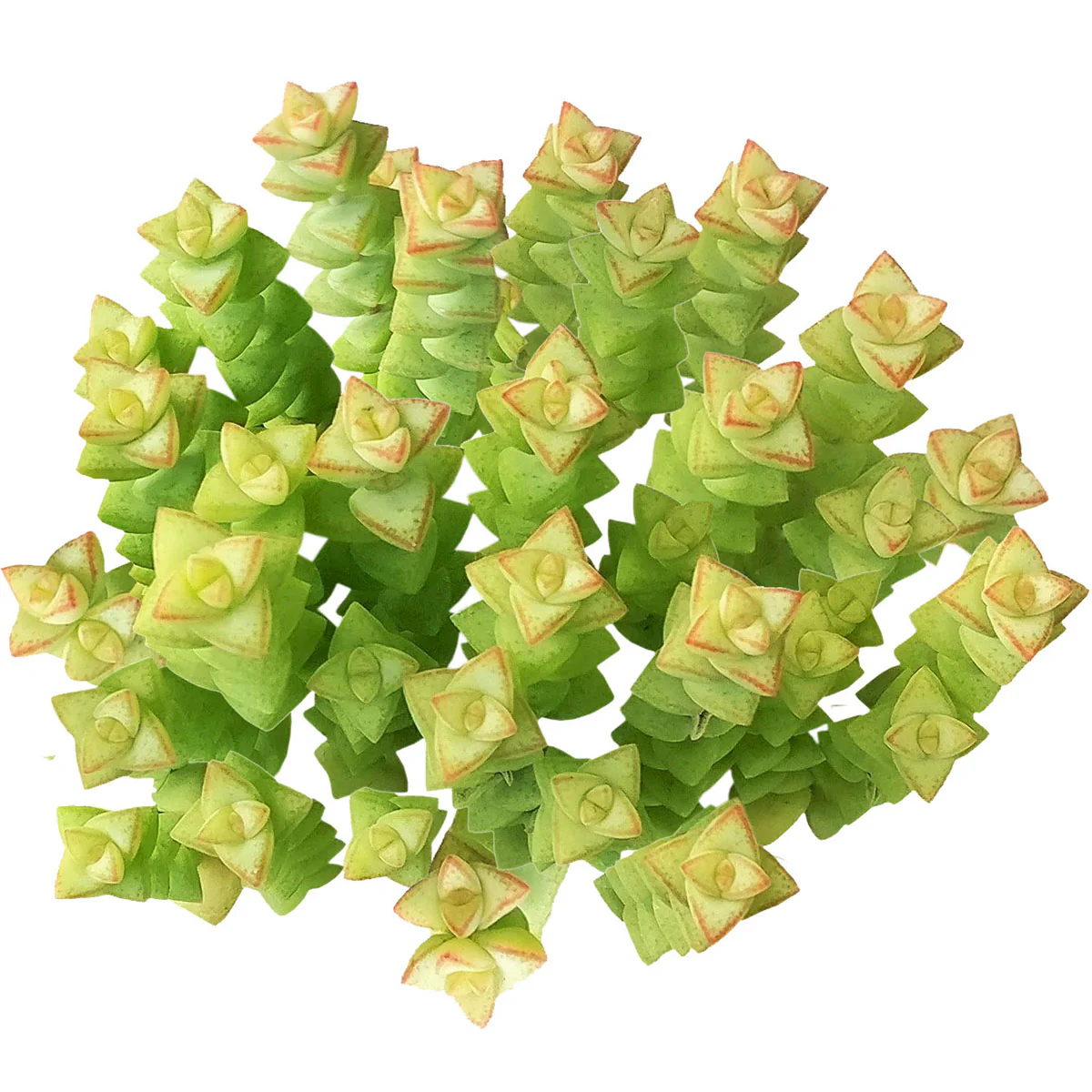
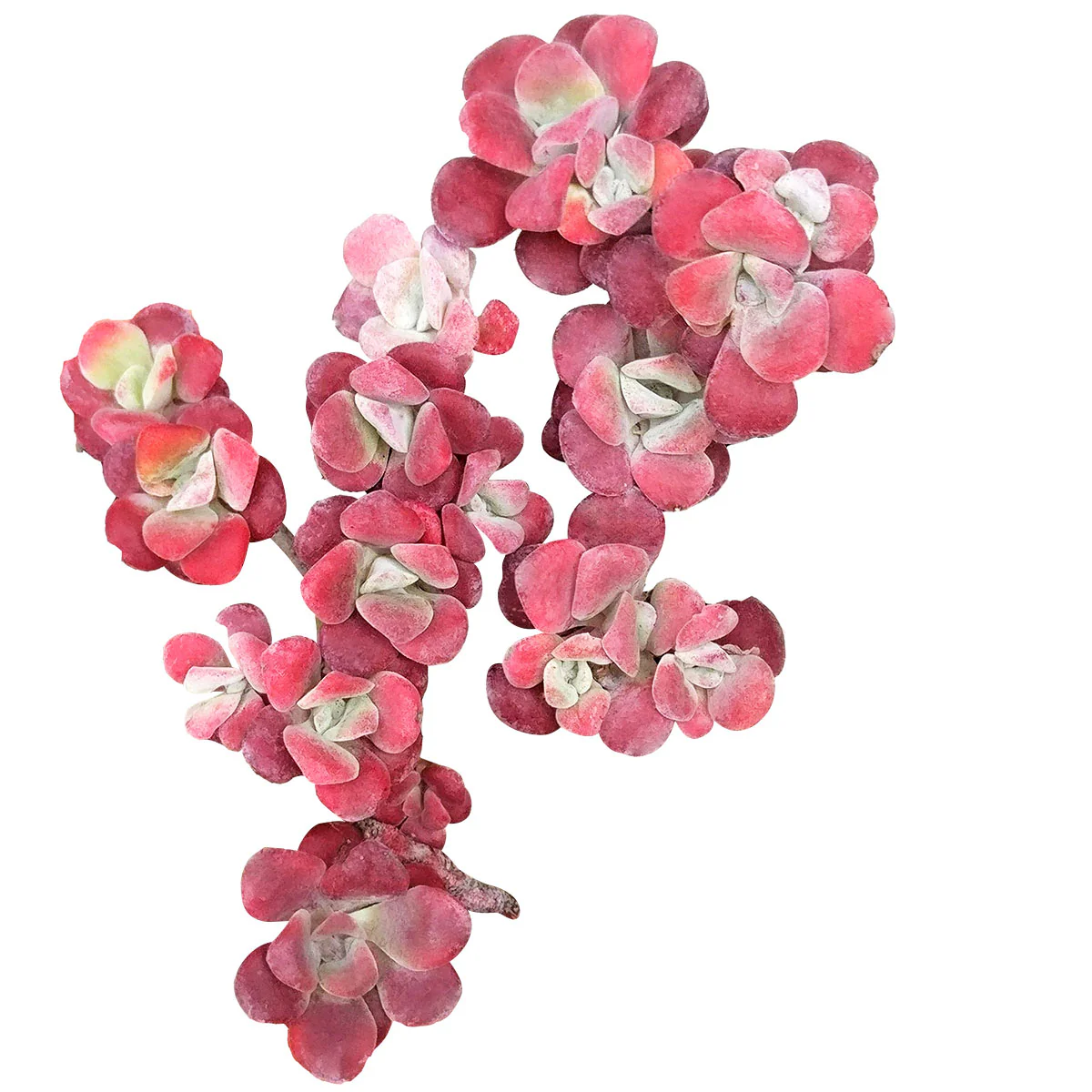
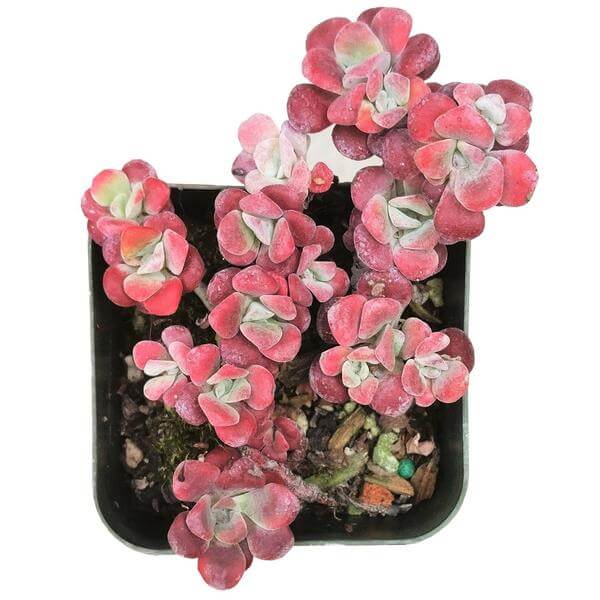
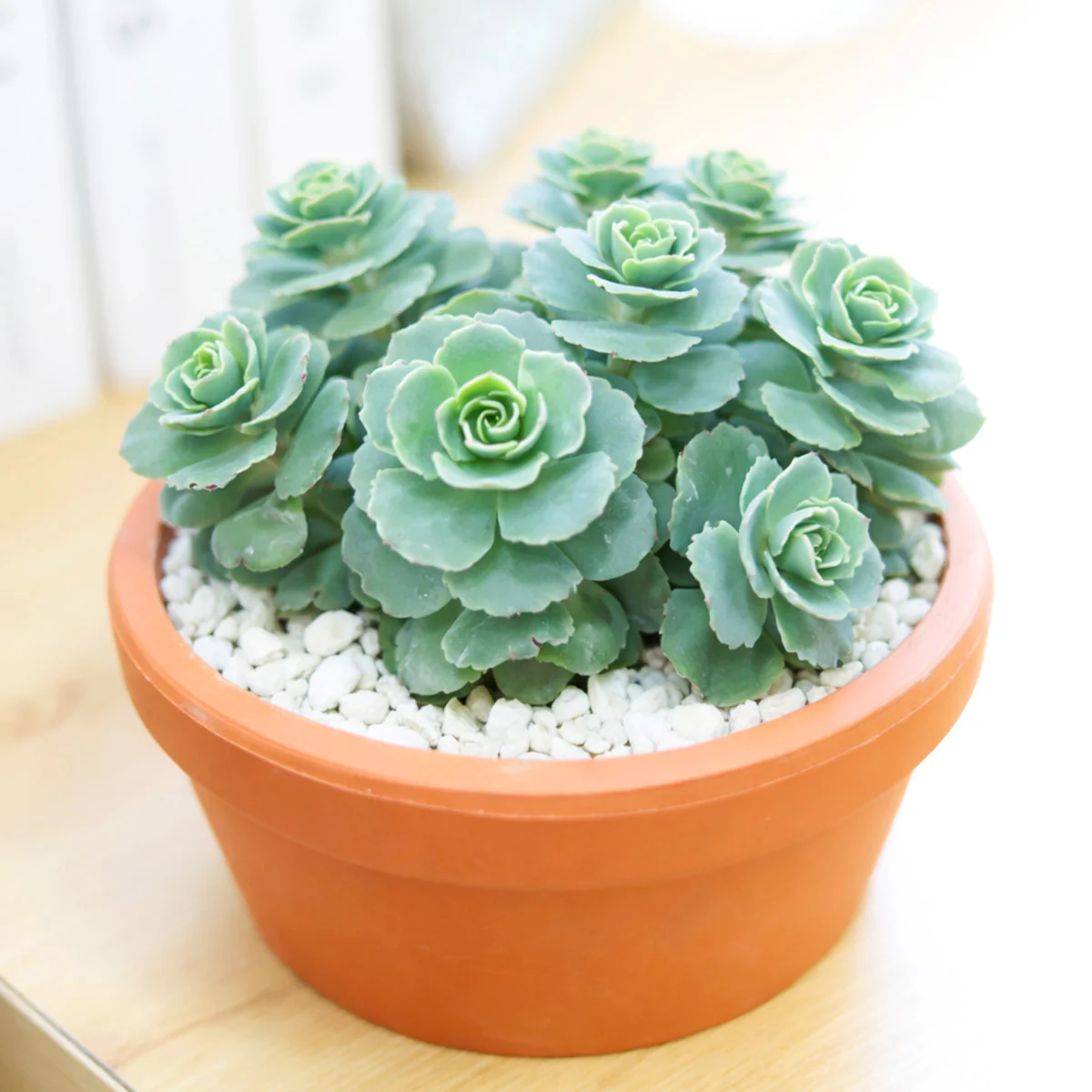
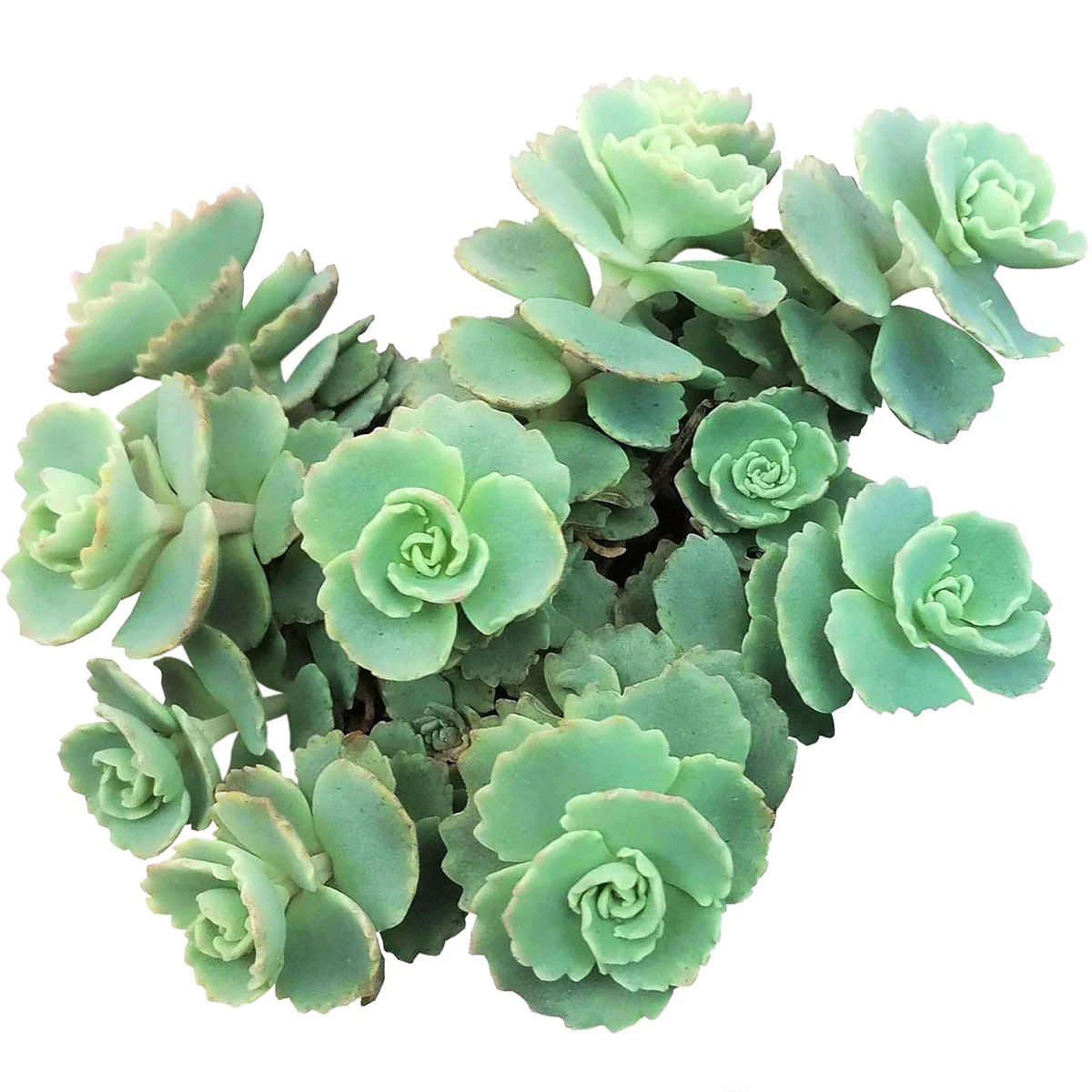
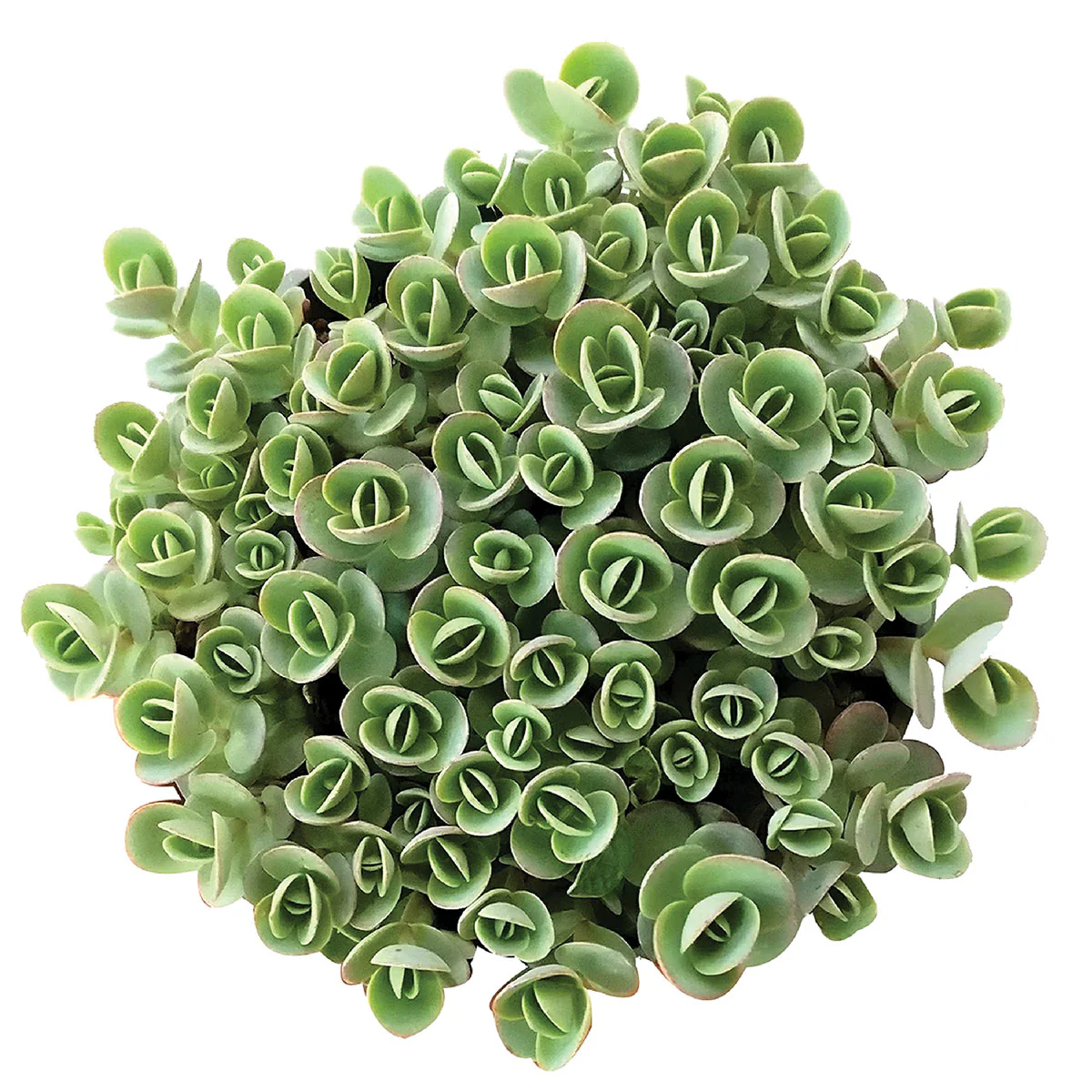
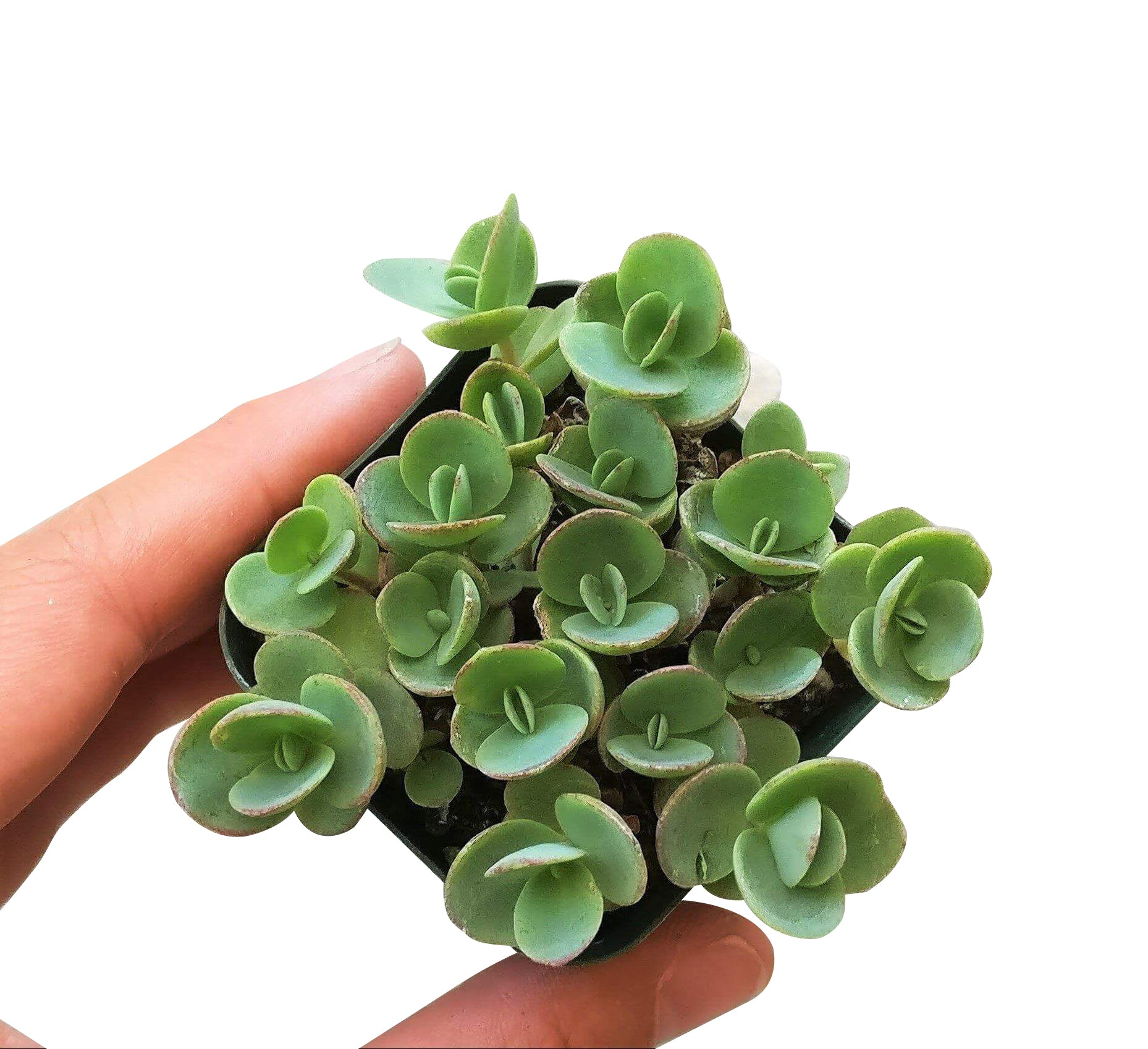
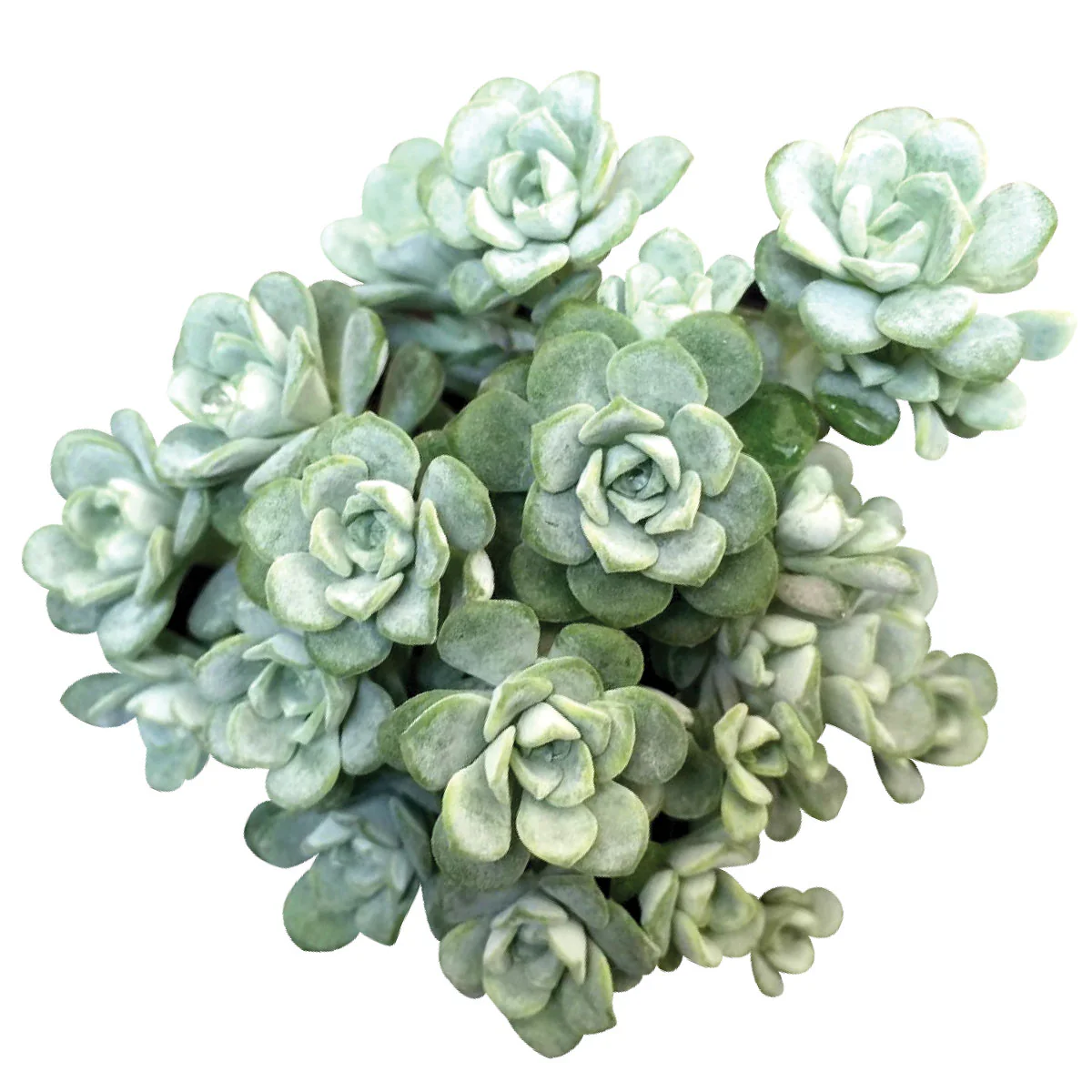
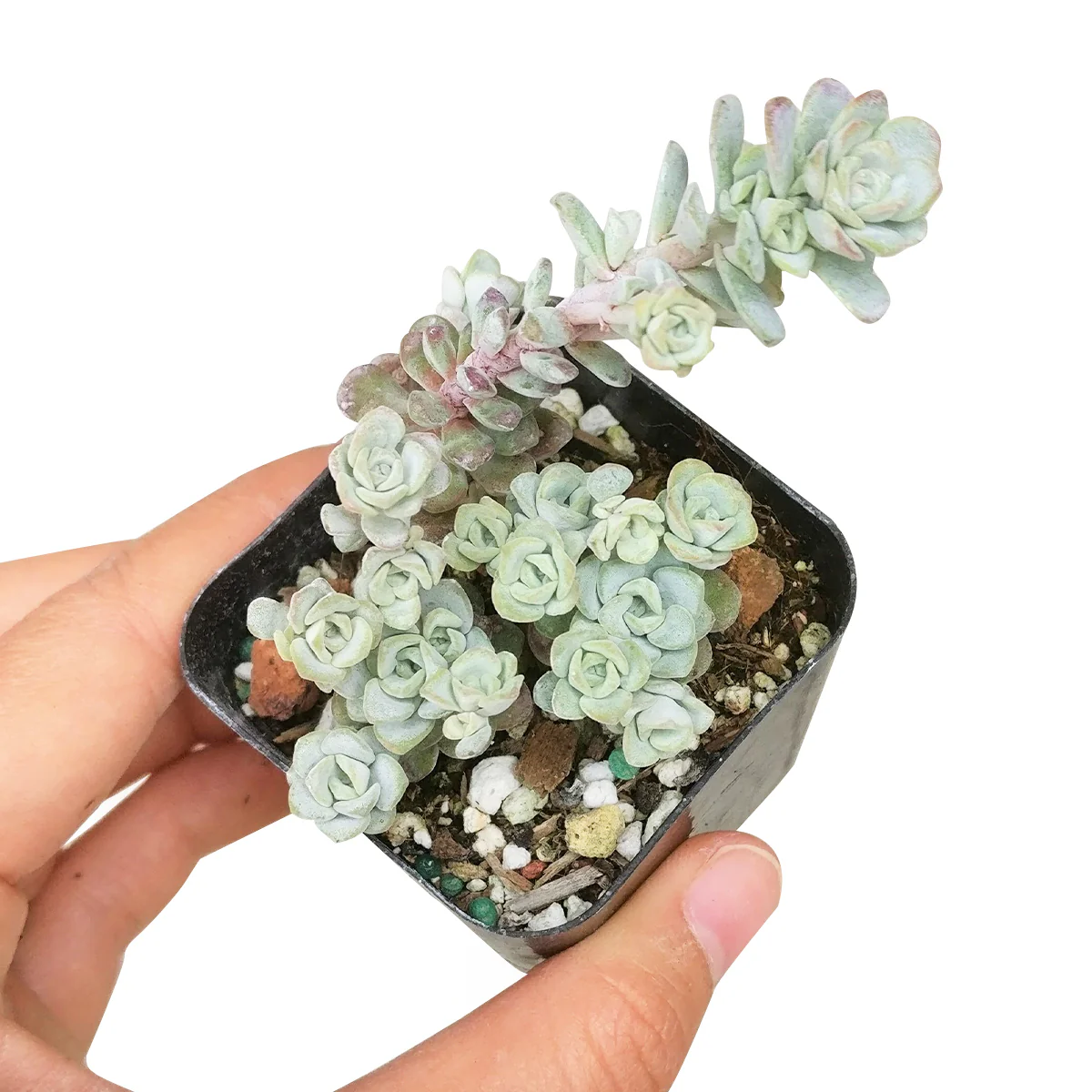
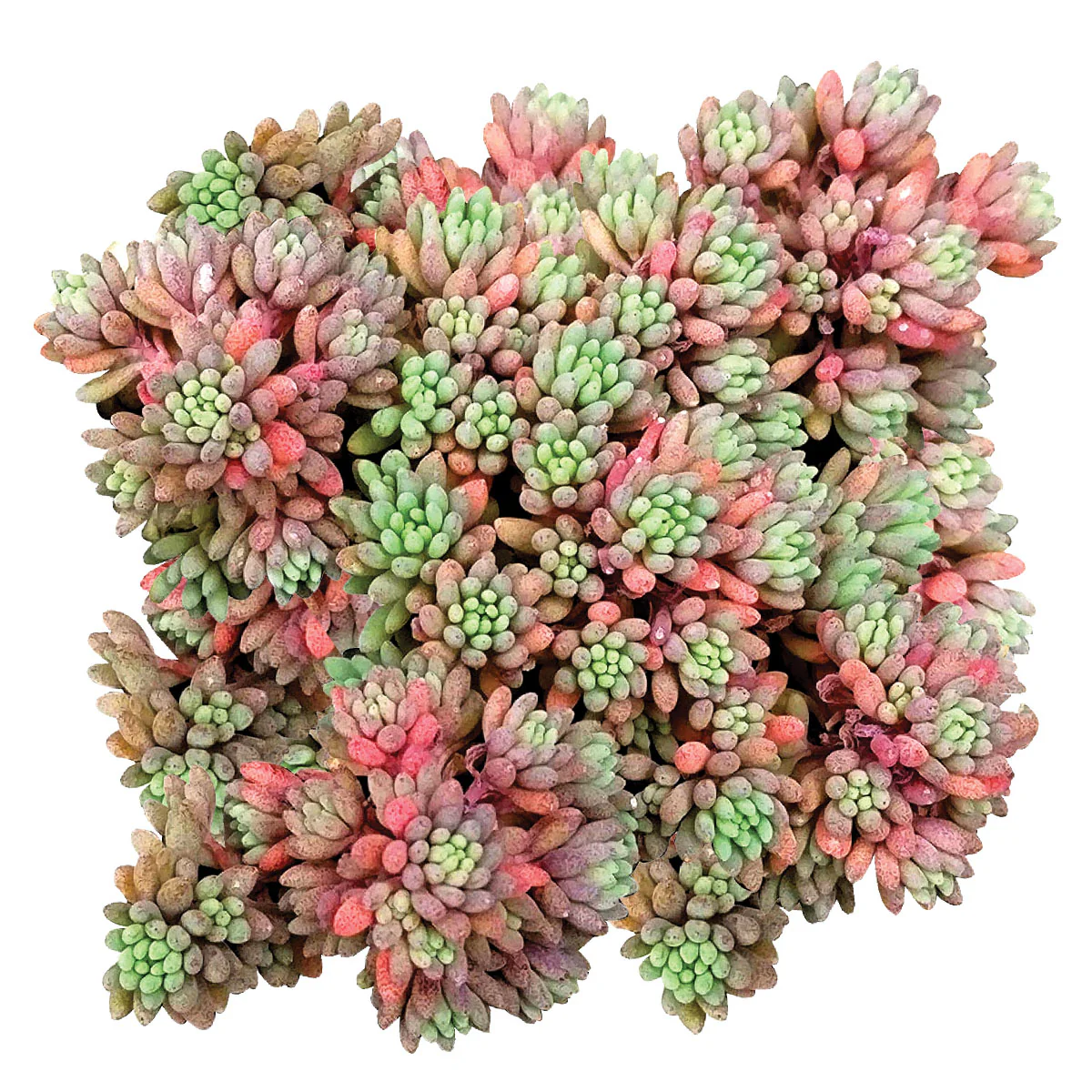
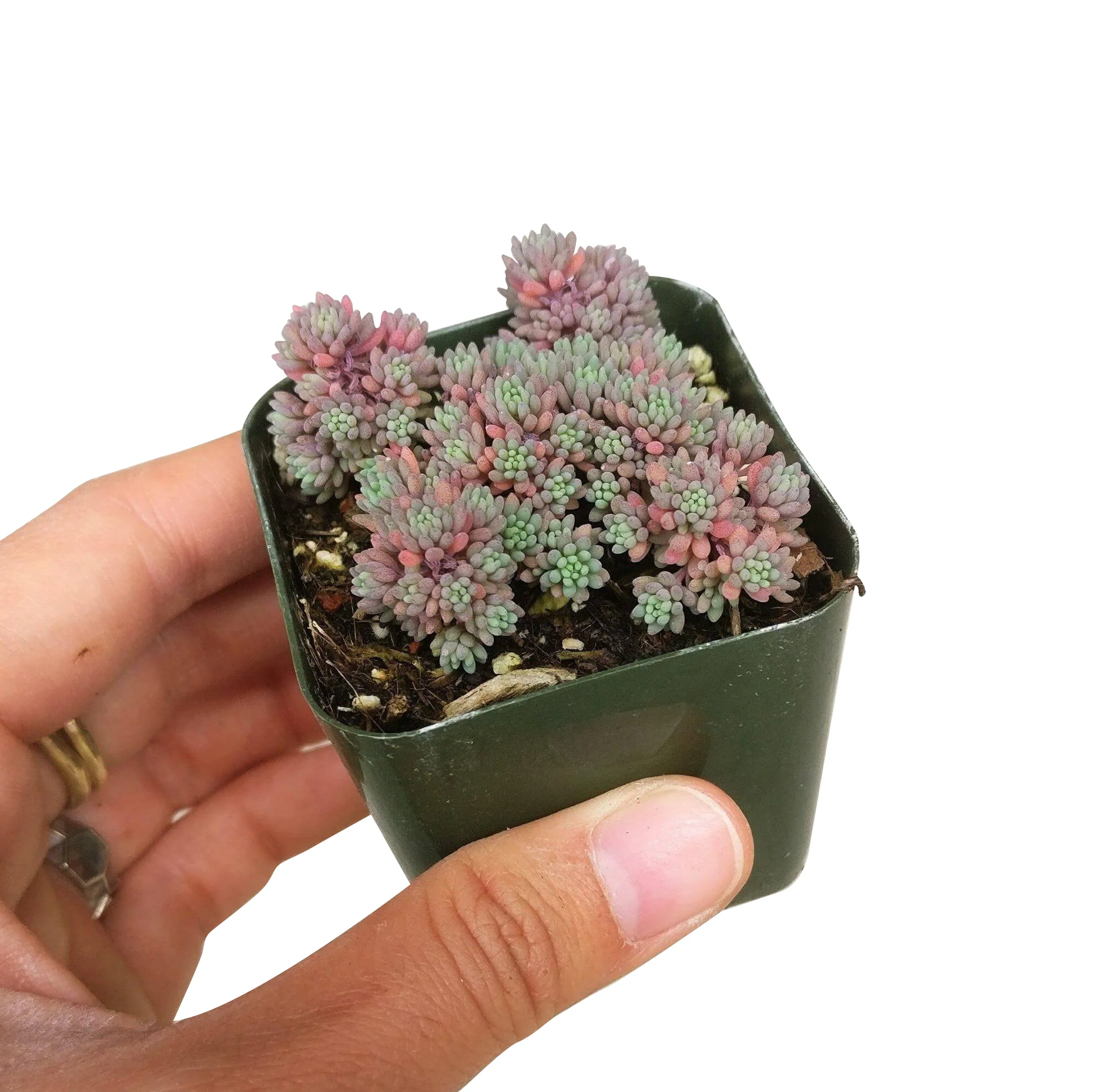
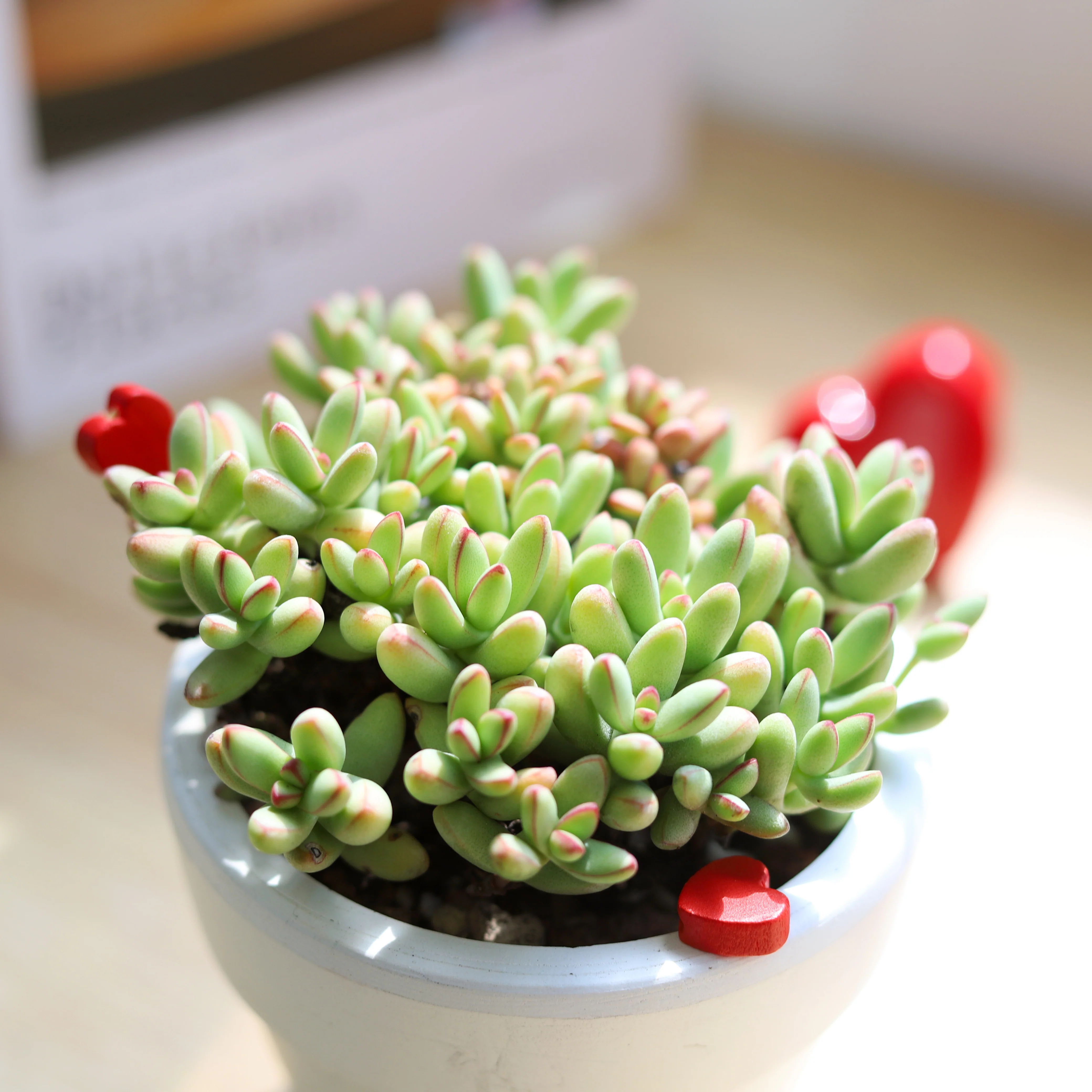
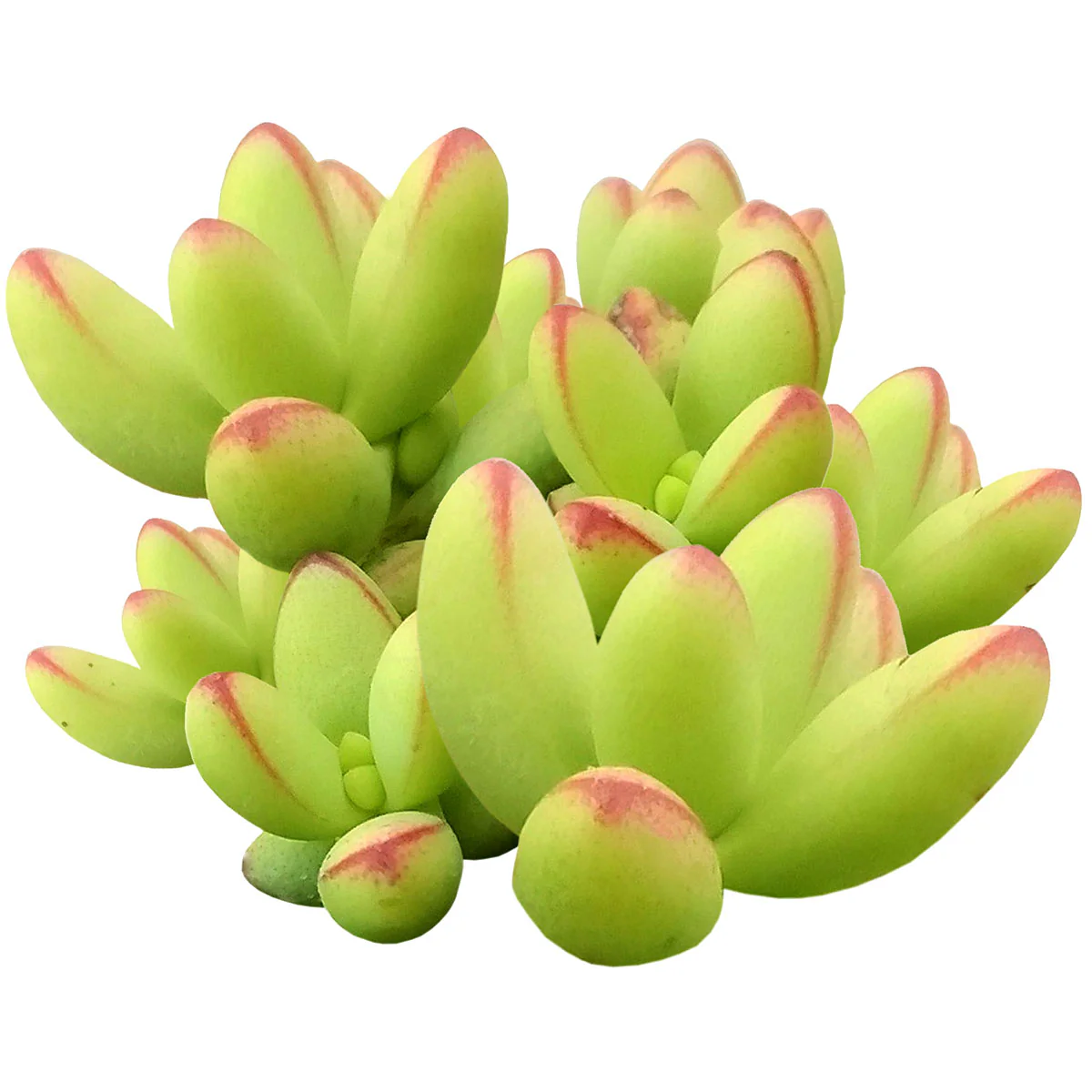
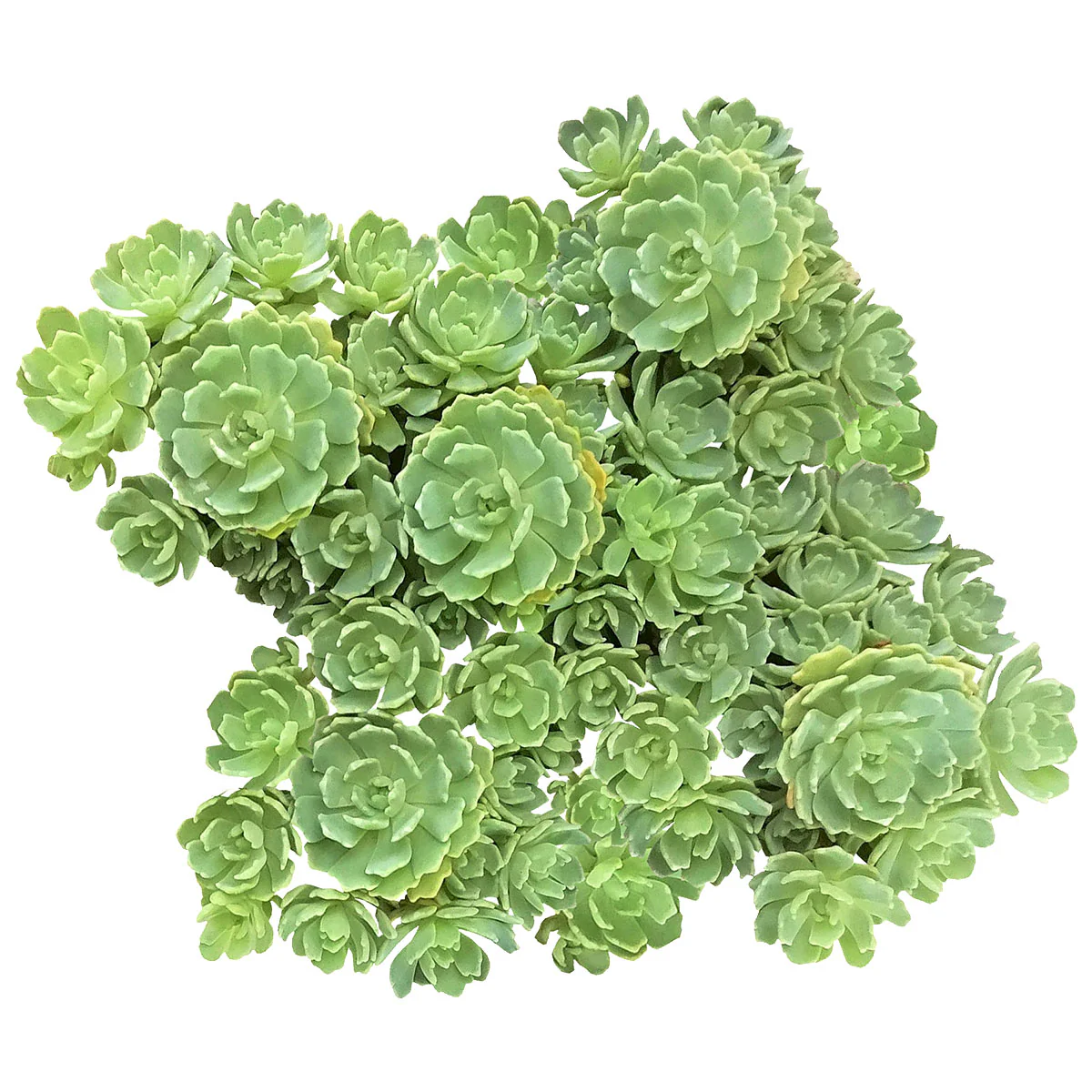
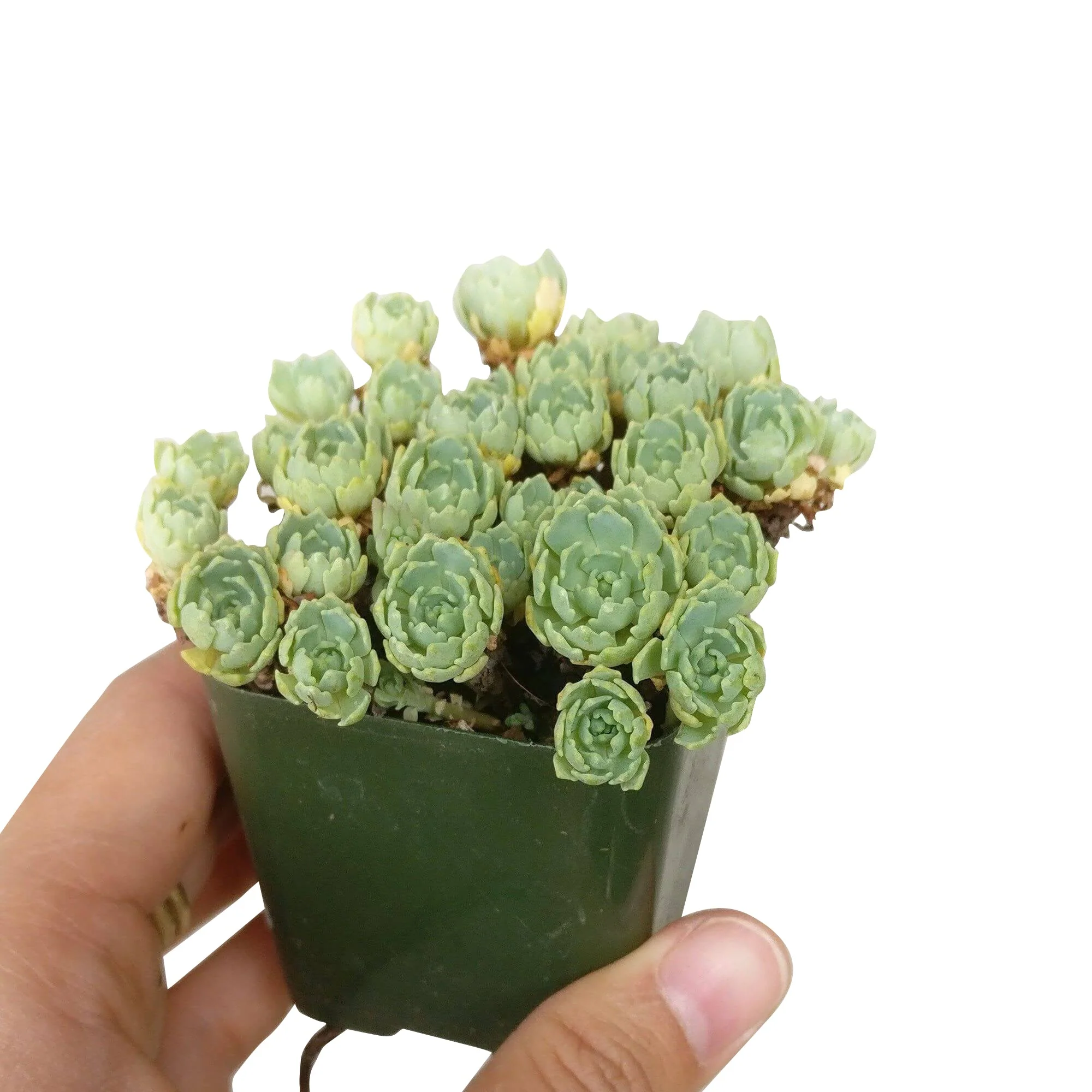
 Graptoveria 'Lovely Rose' forms a tight, symmetrical rosette of plump, spoon-shaped leaves in soft shades of blush pink, lavender, and sage green, often blushing deeper rose at the tips. The leaves carry a delicate powdery farina coating that gives the plant a dreamy, soft-focus appearance. As a clustering succulent, it slowly offsets and spreads into a charming clump, making each pot feel like a miniature bouquet.
 Graptoveria 'Lovely Rose' can produce small, star-shaped blooms on slender stems when given a cool night temperature drop in late winter or early spring, which triggers the flowering cycle. A spell outdoors in autumn with cooler nights is one of the best ways to encourage blooming in this rose succulent. Flowers aside, the ever-shifting color palette of the rosette itself is reason enough to love this plant year-round.
 Graptoveria 'Lovely Rose' is genuinely beginner-friendly, forgiving short periods of neglect and even surviving a 10-day trip without a sitter as long as it's watered beforehand. It's a wonderful candidate for a sunny windowsill, patio container, or summer garden display, though it needs cover from rain to protect its farina and avoid rot. Collectors prize Graptoveria 'Lovely Rose' for its rarity and sculptural beauty, and the good news for households with curious cats or dogs is that this plant is pet friendly.
-
 Graptoveria 'Lovely Rose' thrives in bright indirect light to partial or full sun, ideally near an east- or west-facing window.
 Water Graptoveria 'Lovely Rose' deeply every 10-14 days in summer, less in winter; it shows thirst through slight leaf wrinkling or wilting.
 Graptoveria 'Lovely Rose' performs best in a gritty, fast-draining cactus and succulent mix blended with perlite or coarse pumice.
 Graptoveria 'Lovely Rose' prefers temperatures between 60-85°F (15-29°C) and should be protected from frost and freezing conditions.
![]() Graptoveria 'Lovely Rose' is a slow to moderate grower that benefits from a diluted balanced fertilizer once in spring and once in early summer.
Graptoveria 'Lovely Rose' is a slow to moderate grower that benefits from a diluted balanced fertilizer once in spring and once in early summer.
 Graptoveria 'Lovely Rose' is rated for USDA Hardiness Zones 9-11, where winter temperatures stay above roughly 20-25°F (-6 to -4°C), making frost protection essential anywhere colder. In the United States, gardeners in California, Arizona, Nevada, Texas, Florida, Hawaii, Louisiana, Georgia, South Carolina, Alabama, Mississippi, and the Oregon and Washington coasts fall within these zones and can grow Graptoveria 'Lovely Rose' outdoors year-round with proper drainage. Gardeners across the rest of the country, from New York and Illinois to Colorado and the Pacific Northwest interior, enjoy it just as happily as an indoor or patio plant brought inside before the first frost.
-
Q: How often should I water Graptoveria 'Lovely Rose'?
A: Water Graptoveria 'Lovely Rose' every 10-14 days during the growing season, and back off to once every 3-4 weeks in winter. The leaves will wrinkle or soften slightly when it's ready for a drink.
Q: Is Graptoveria 'Lovely Rose' safe for pets?
A: Yes, this plant is pet friendly, making Graptoveria 'Lovely Rose' a great choice for homes with cats and dogs. You can display it without worry on a low shelf or coffee table.
Q: How much light does Graptoveria 'Lovely Rose' need?
A: Graptoveria 'Lovely Rose' does best with several hours of bright light daily, including partial to full sun. Rotate the pot every week or two to keep the rosette growing evenly rather than leaning toward the light source.
Q: Can I move Graptoveria 'Lovely Rose' outside in summer?
A: Absolutely, Graptoveria 'Lovely Rose' loves spending summer outdoors in a bright spot with some afternoon shade. Just move it to a sheltered area or bring it under cover when rain is expected, since excess moisture can damage the farina and cause rot.
Q: How do I propagate Graptoveria 'Lovely Rose'?
A: Graptoveria 'Lovely Rose' propagates easily from offsets that form at the base of the mother rosette or from individual leaf cuttings. Let cut surfaces callous for a day or two before placing them on dry, gritty soil, then mist lightly until roots appear.
Q: Why is Graptoveria 'Lovely Rose' considered rare?
A: Graptoveria 'Lovely Rose' originated in Korea and took time to reach wider cultivation, keeping availability limited compared to common echeveria types. Its soft pink coloring, delicate farina, and compact rosette form make it a sought-after find among rare succulent collectors.


Original: $8.00
-70%$8.00
$2.40Product Information
Product Information
Shipping & Returns
Shipping & Returns
Description
- Description
- Graptoveria 'Lovely Rose' Care Guide
- FAQ/Common Issues
-
![]() Graptoveria 'Lovely Rose' is a rare Korean succulent hybrid in the Crassulaceae family, created by crossing Graptopetalum and Echeveria. This compact rosette succulent captured collectors' hearts in Korea before making its way into the wider rare succulent market. If you've been searching for a pink succulent for sale that truly stands out, Graptoveria 'Lovely Rose' delivers.
Graptoveria 'Lovely Rose' is a rare Korean succulent hybrid in the Crassulaceae family, created by crossing Graptopetalum and Echeveria. This compact rosette succulent captured collectors' hearts in Korea before making its way into the wider rare succulent market. If you've been searching for a pink succulent for sale that truly stands out, Graptoveria 'Lovely Rose' delivers.
Graptoveria 'Lovely Rose' forms a tight, symmetrical rosette of plump, spoon-shaped leaves in soft shades of blush pink, lavender, and sage green, often blushing deeper rose at the tips. The leaves carry a delicate powdery farina coating that gives the plant a dreamy, soft-focus appearance. As a clustering succulent, it slowly offsets and spreads into a charming clump, making each pot feel like a miniature bouquet.
Graptoveria 'Lovely Rose' can produce small, star-shaped blooms on slender stems when given a cool night temperature drop in late winter or early spring, which triggers the flowering cycle. A spell outdoors in autumn with cooler nights is one of the best ways to encourage blooming in this rose succulent. Flowers aside, the ever-shifting color palette of the rosette itself is reason enough to love this plant year-round.
Graptoveria 'Lovely Rose' is genuinely beginner-friendly, forgiving short periods of neglect and even surviving a 10-day trip without a sitter as long as it's watered beforehand. It's a wonderful candidate for a sunny windowsill, patio container, or summer garden display, though it needs cover from rain to protect its farina and avoid rot. Collectors prize Graptoveria 'Lovely Rose' for its rarity and sculptural beauty, and the good news for households with curious cats or dogs is that this plant is pet friendly.
-
Graptoveria 'Lovely Rose' thrives in bright indirect light to partial or full sun, ideally near an east- or west-facing window.
Water Graptoveria 'Lovely Rose' deeply every 10-14 days in summer, less in winter; it shows thirst through slight leaf wrinkling or wilting.
Graptoveria 'Lovely Rose' performs best in a gritty, fast-draining cactus and succulent mix blended with perlite or coarse pumice.
Graptoveria 'Lovely Rose' prefers temperatures between 60-85°F (15-29°C) and should be protected from frost and freezing conditions.
![]() Graptoveria 'Lovely Rose' is a slow to moderate grower that benefits from a diluted balanced fertilizer once in spring and once in early summer.
Graptoveria 'Lovely Rose' is a slow to moderate grower that benefits from a diluted balanced fertilizer once in spring and once in early summer.
Graptoveria 'Lovely Rose' is rated for USDA Hardiness Zones 9-11, where winter temperatures stay above roughly 20-25°F (-6 to -4°C), making frost protection essential anywhere colder. In the United States, gardeners in California, Arizona, Nevada, Texas, Florida, Hawaii, Louisiana, Georgia, South Carolina, Alabama, Mississippi, and the Oregon and Washington coasts fall within these zones and can grow Graptoveria 'Lovely Rose' outdoors year-round with proper drainage. Gardeners across the rest of the country, from New York and Illinois to Colorado and the Pacific Northwest interior, enjoy it just as happily as an indoor or patio plant brought inside before the first frost.
-
Q: How often should I water Graptoveria 'Lovely Rose'?
A: Water Graptoveria 'Lovely Rose' every 10-14 days during the growing season, and back off to once every 3-4 weeks in winter. The leaves will wrinkle or soften slightly when it's ready for a drink.
Q: Is Graptoveria 'Lovely Rose' safe for pets?
A: Yes, this plant is pet friendly, making Graptoveria 'Lovely Rose' a great choice for homes with cats and dogs. You can display it without worry on a low shelf or coffee table.
Q: How much light does Graptoveria 'Lovely Rose' need?
A: Graptoveria 'Lovely Rose' does best with several hours of bright light daily, including partial to full sun. Rotate the pot every week or two to keep the rosette growing evenly rather than leaning toward the light source.
Q: Can I move Graptoveria 'Lovely Rose' outside in summer?
A: Absolutely, Graptoveria 'Lovely Rose' loves spending summer outdoors in a bright spot with some afternoon shade. Just move it to a sheltered area or bring it under cover when rain is expected, since excess moisture can damage the farina and cause rot.
Q: How do I propagate Graptoveria 'Lovely Rose'?
A: Graptoveria 'Lovely Rose' propagates easily from offsets that form at the base of the mother rosette or from individual leaf cuttings. Let cut surfaces callous for a day or two before placing them on dry, gritty soil, then mist lightly until roots appear.
Q: Why is Graptoveria 'Lovely Rose' considered rare?
A: Graptoveria 'Lovely Rose' originated in Korea and took time to reach wider cultivation, keeping availability limited compared to common echeveria types. Its soft pink coloring, delicate farina, and compact rosette form make it a sought-after find among rare succulent collectors.