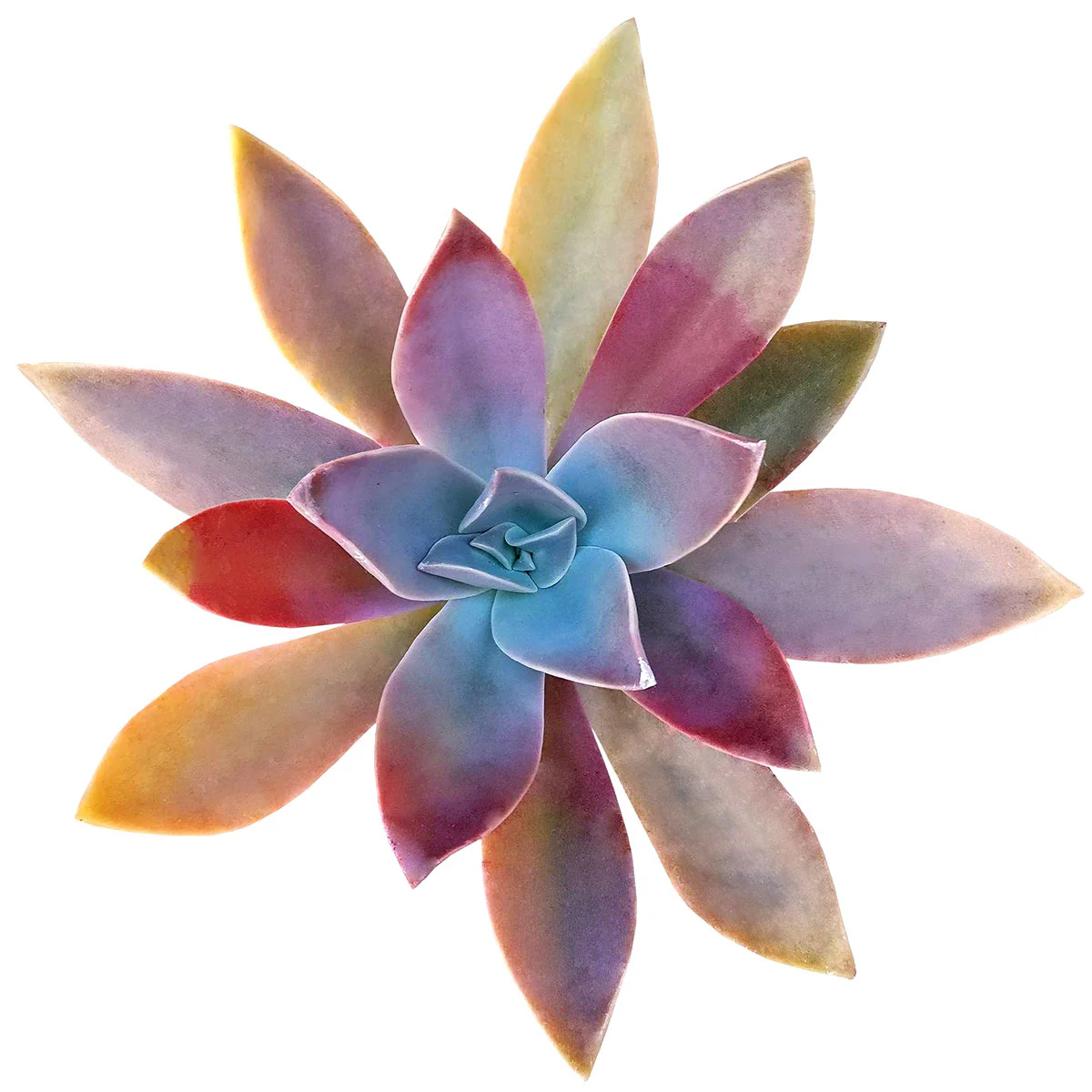
Graptoveria Fred Ives
- Description
- Graptoveria Fred Ives Care Guide
- FAQ/Common Issues
-
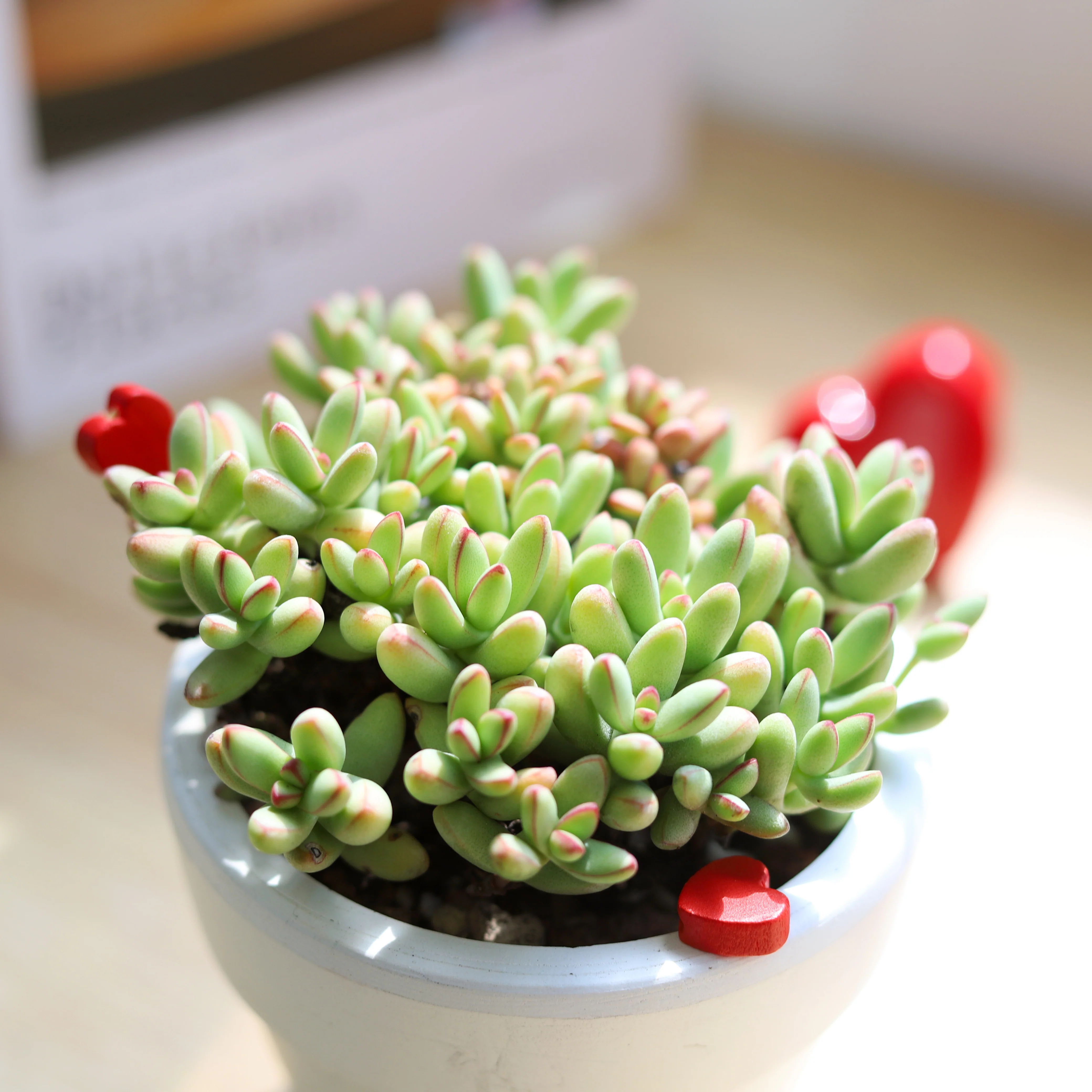
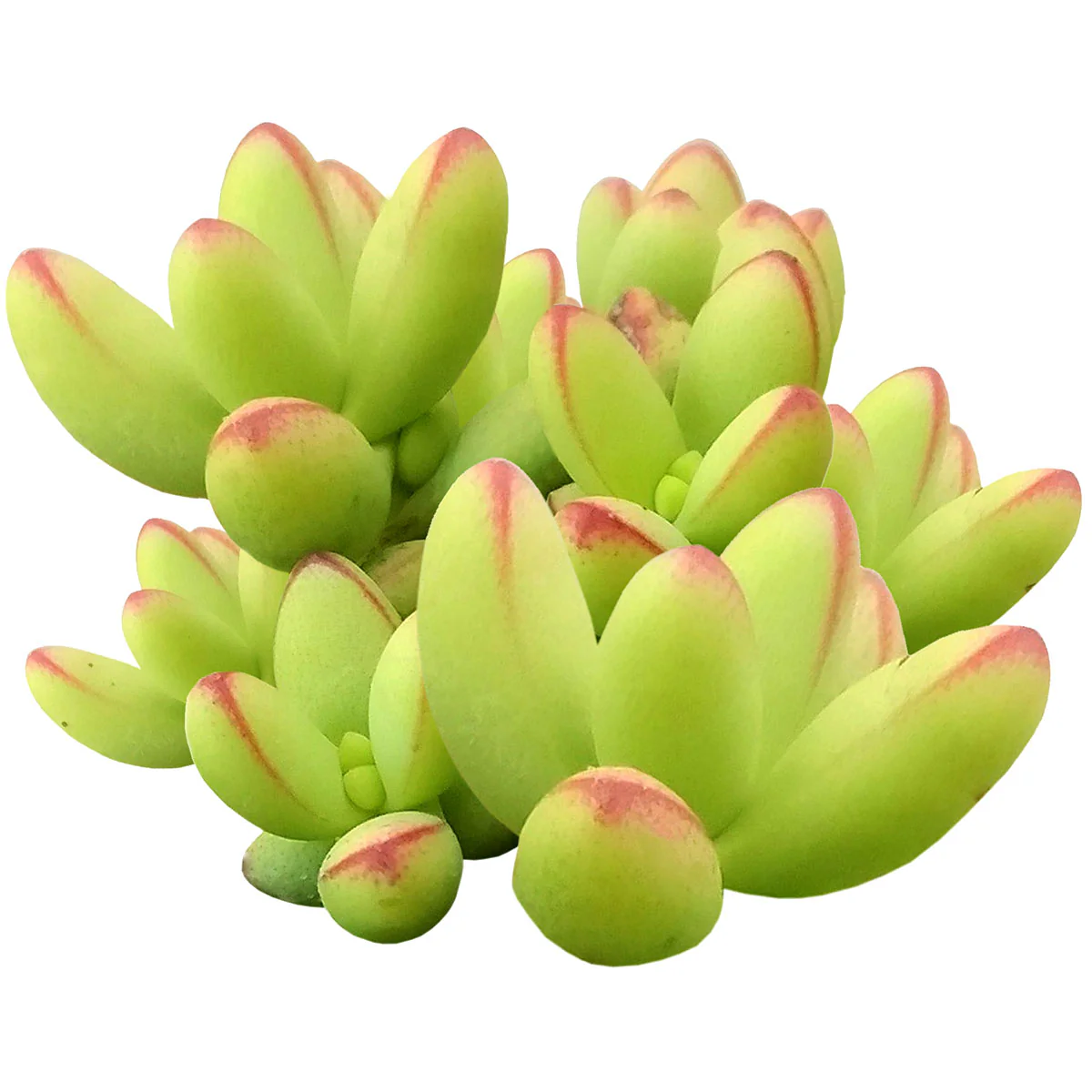
![]() Graptoveria Fred Ives is a stunning hybrid succulent that crosses the genera Graptopetalum and Echeveria, resulting in one of the most colorful and easy care rosette succulents available today. Like its parent genera, Graptoveria Fred Ives traces its roots to the rocky, arid landscapes of Mexico, where drought tolerance and bold color are built-in survival traits.
Graptoveria Fred Ives is a stunning hybrid succulent that crosses the genera Graptopetalum and Echeveria, resulting in one of the most colorful and easy care rosette succulents available today. Like its parent genera, Graptoveria Fred Ives traces its roots to the rocky, arid landscapes of Mexico, where drought tolerance and bold color are built-in survival traits.
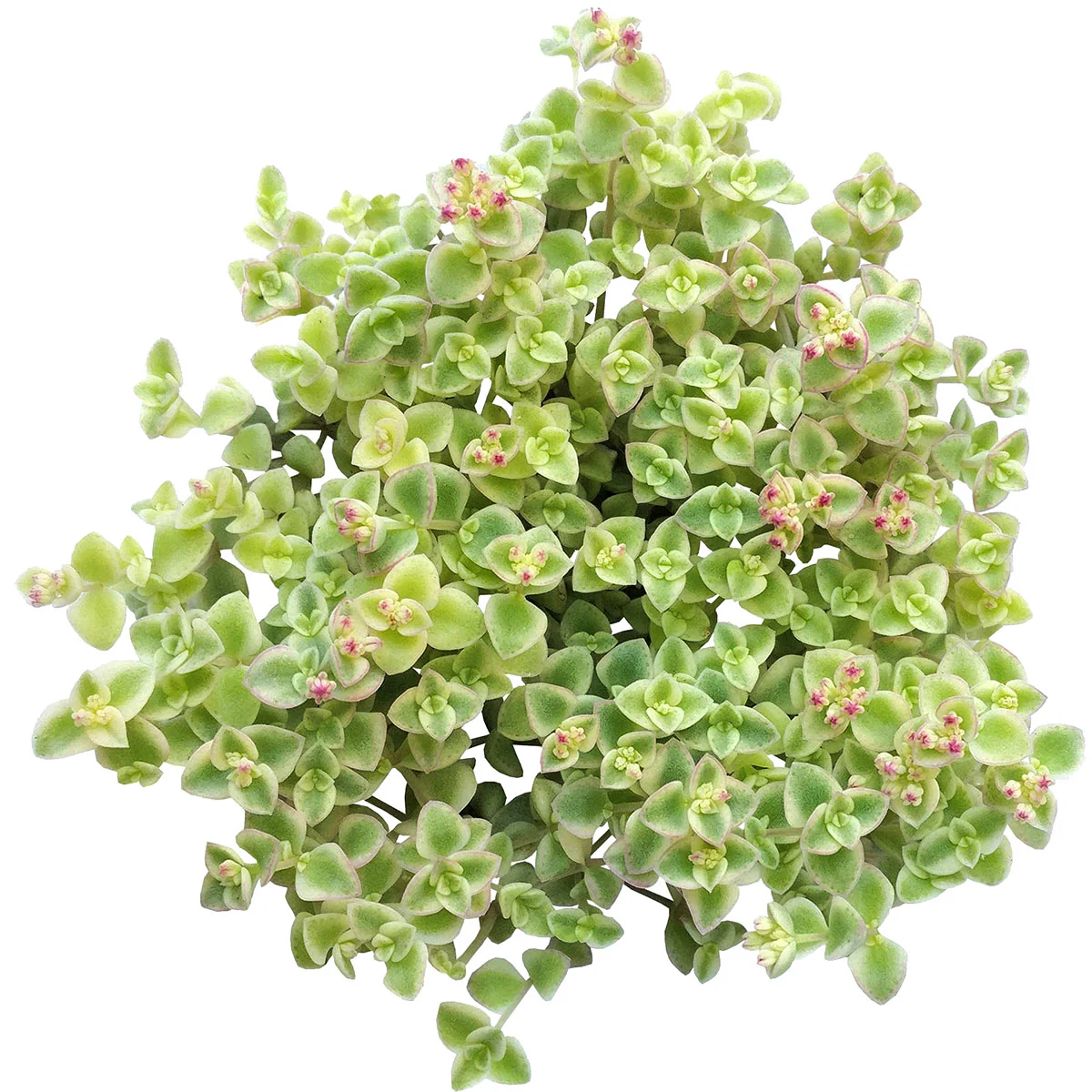
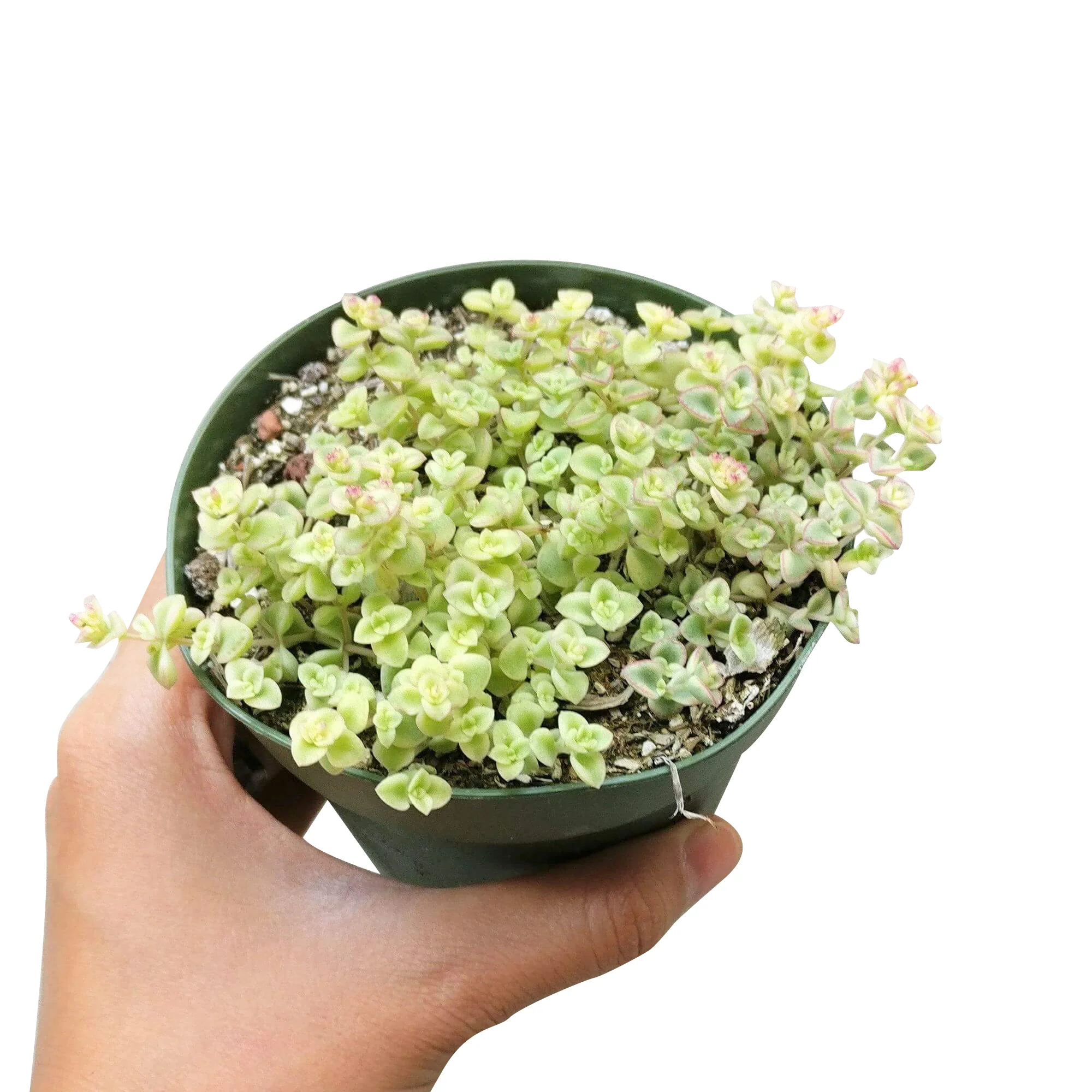
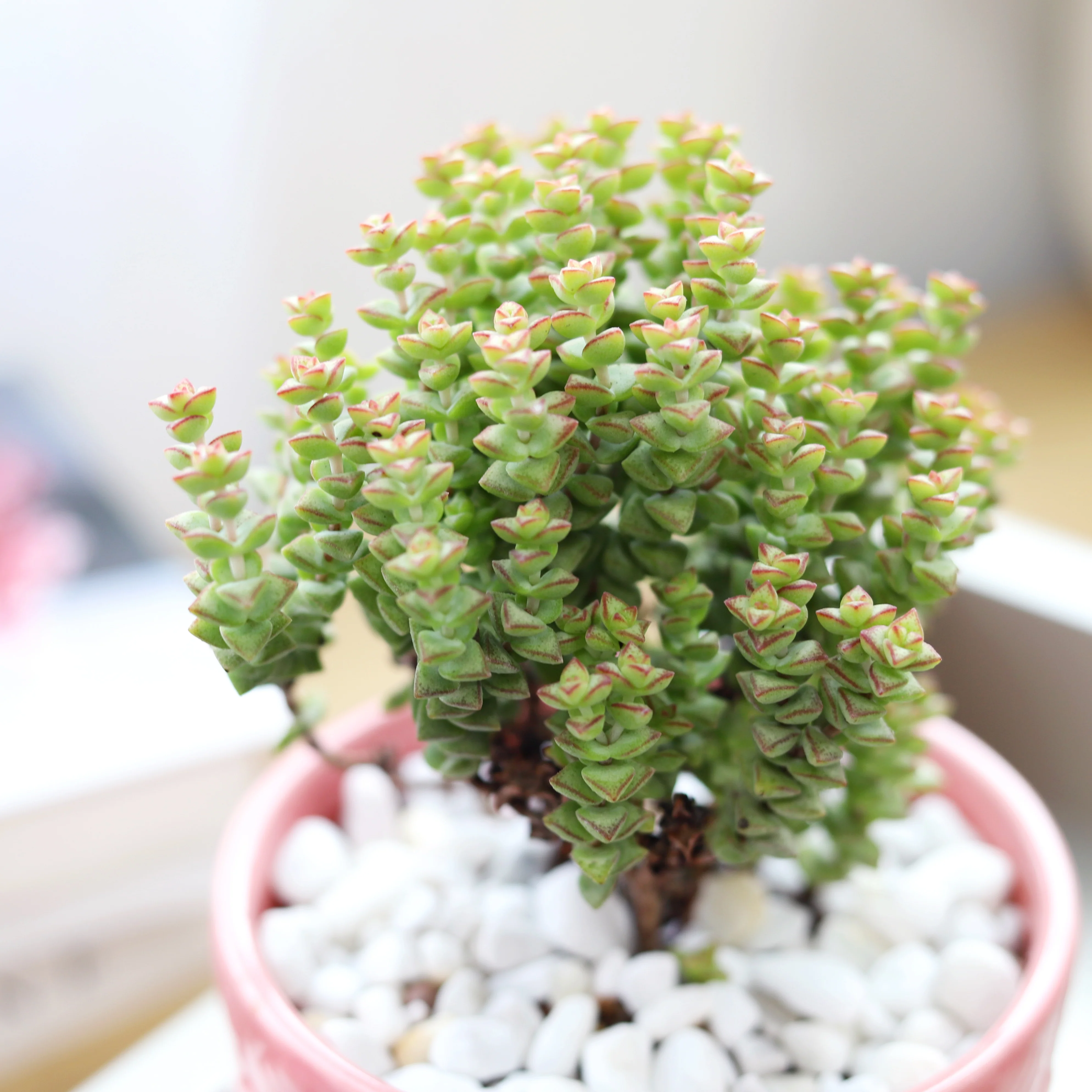
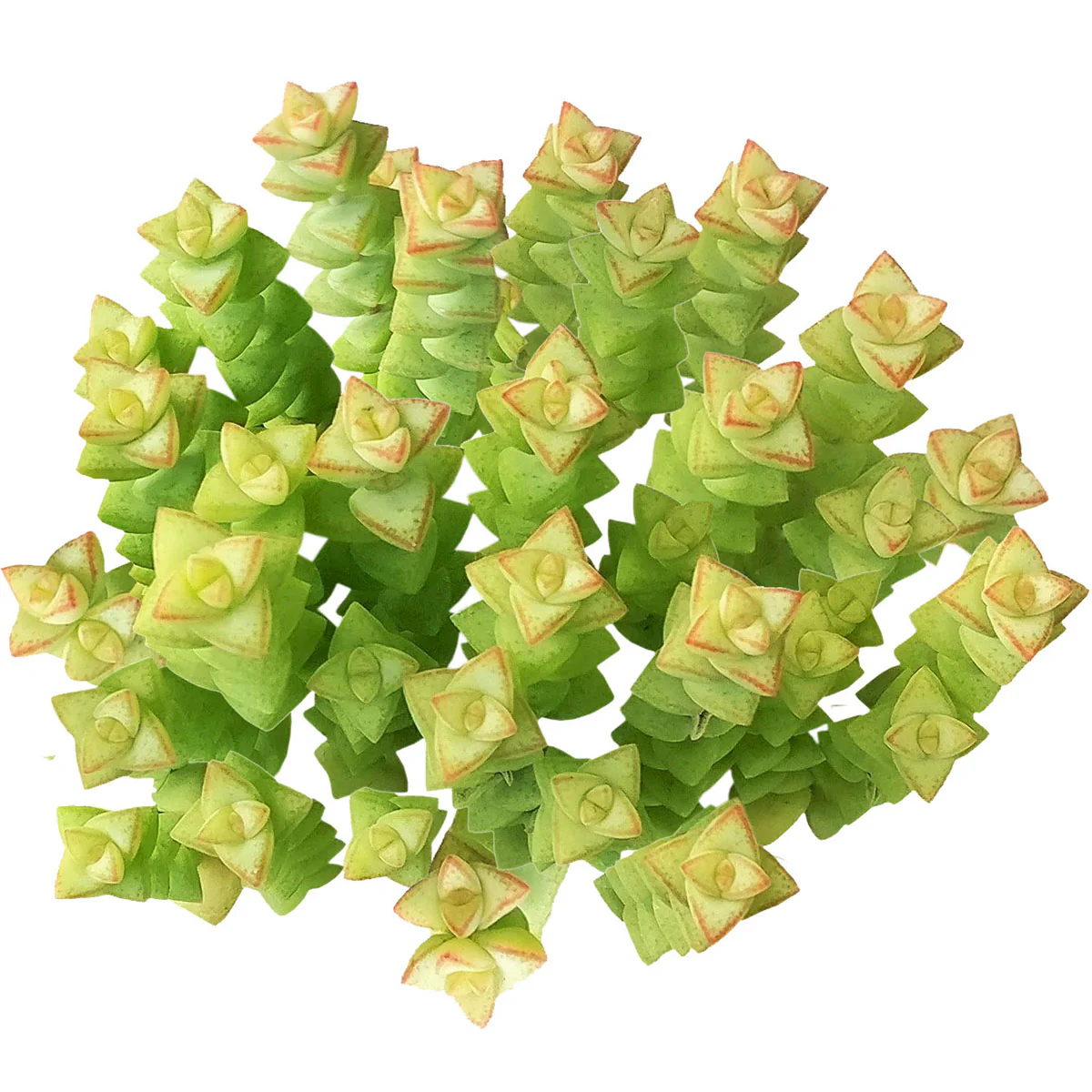
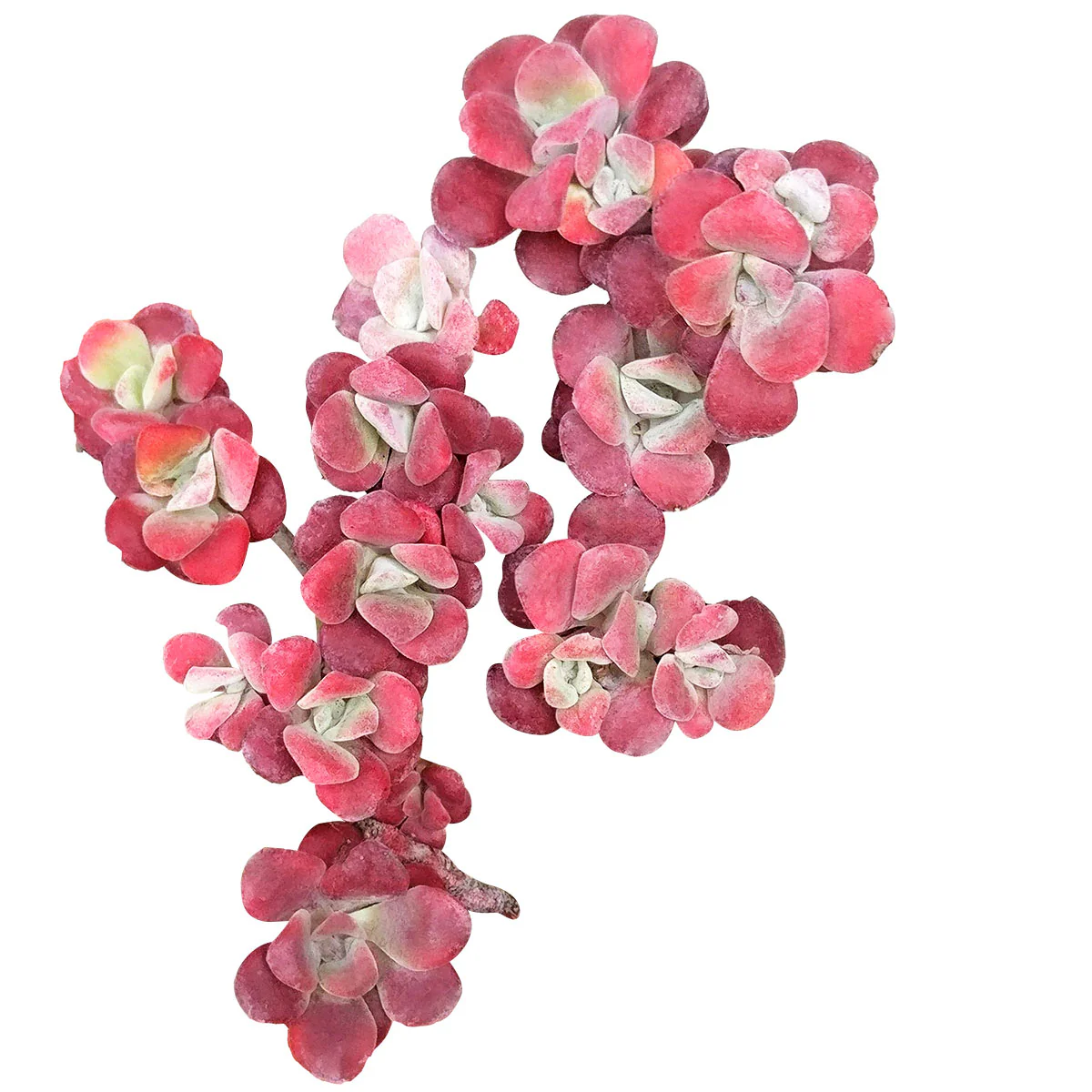
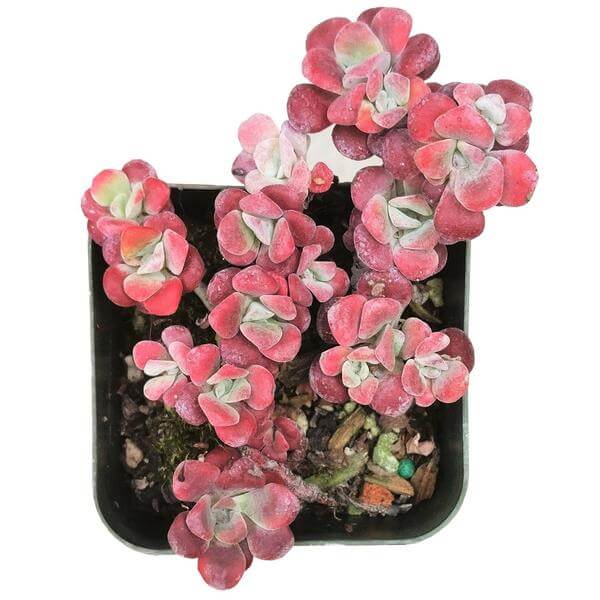
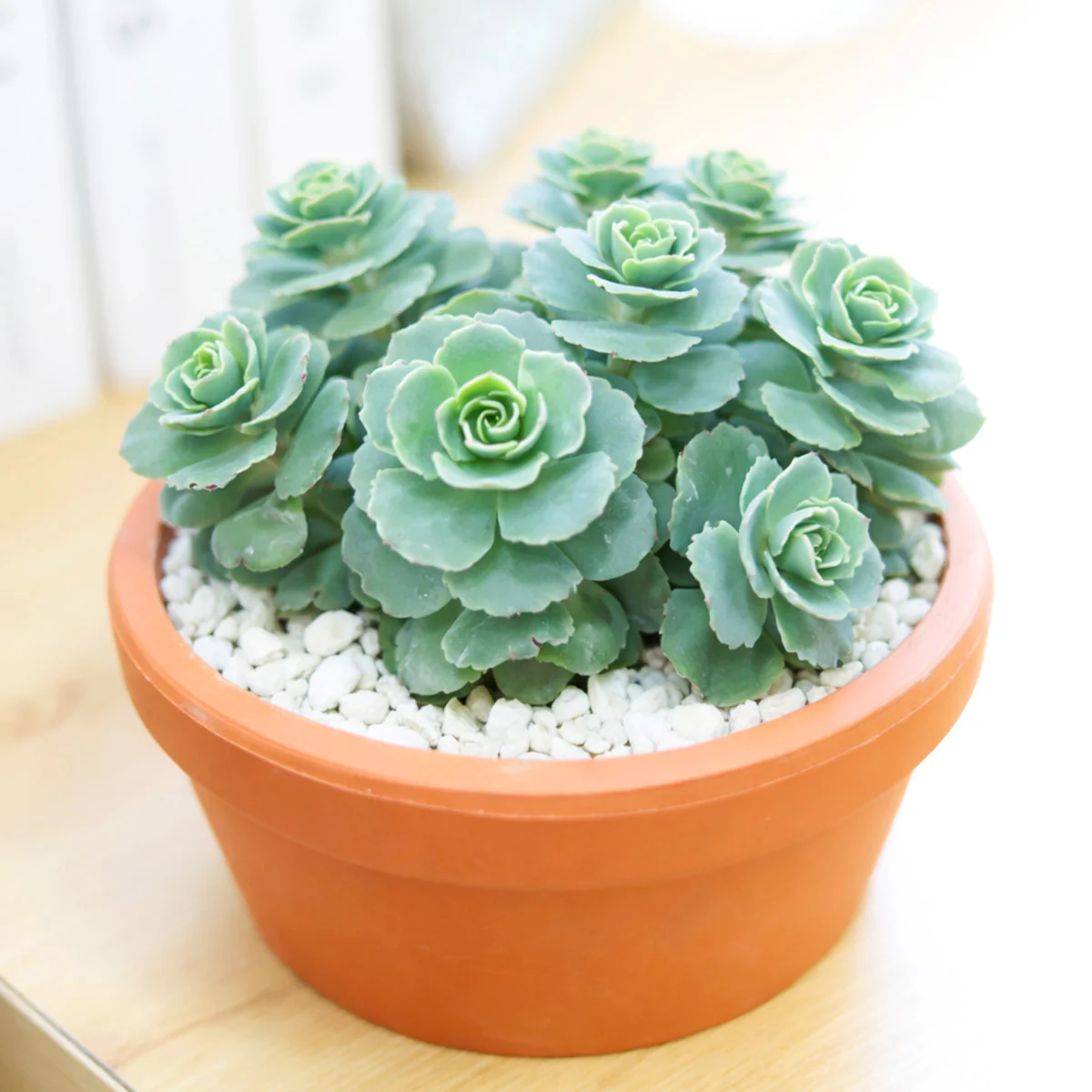
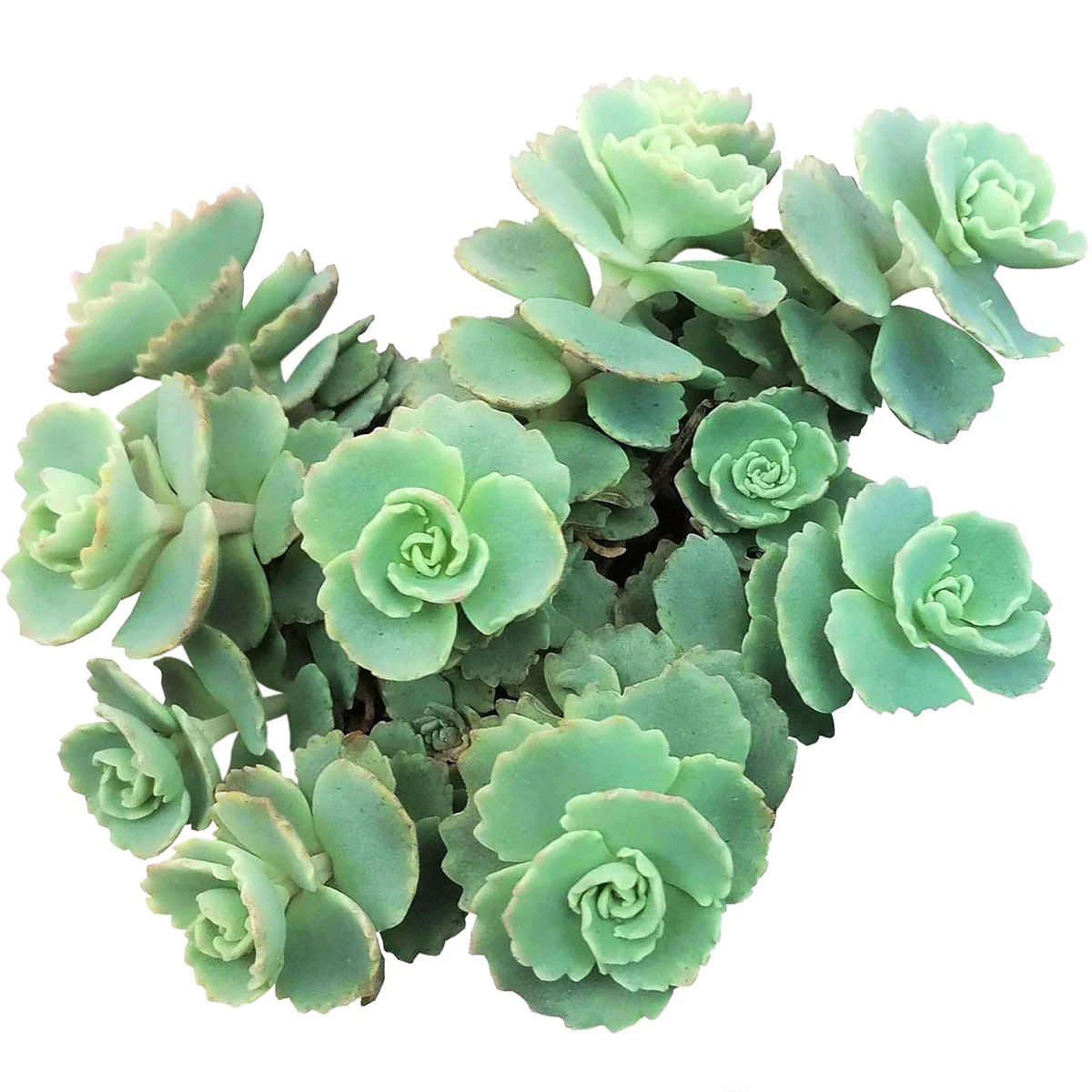
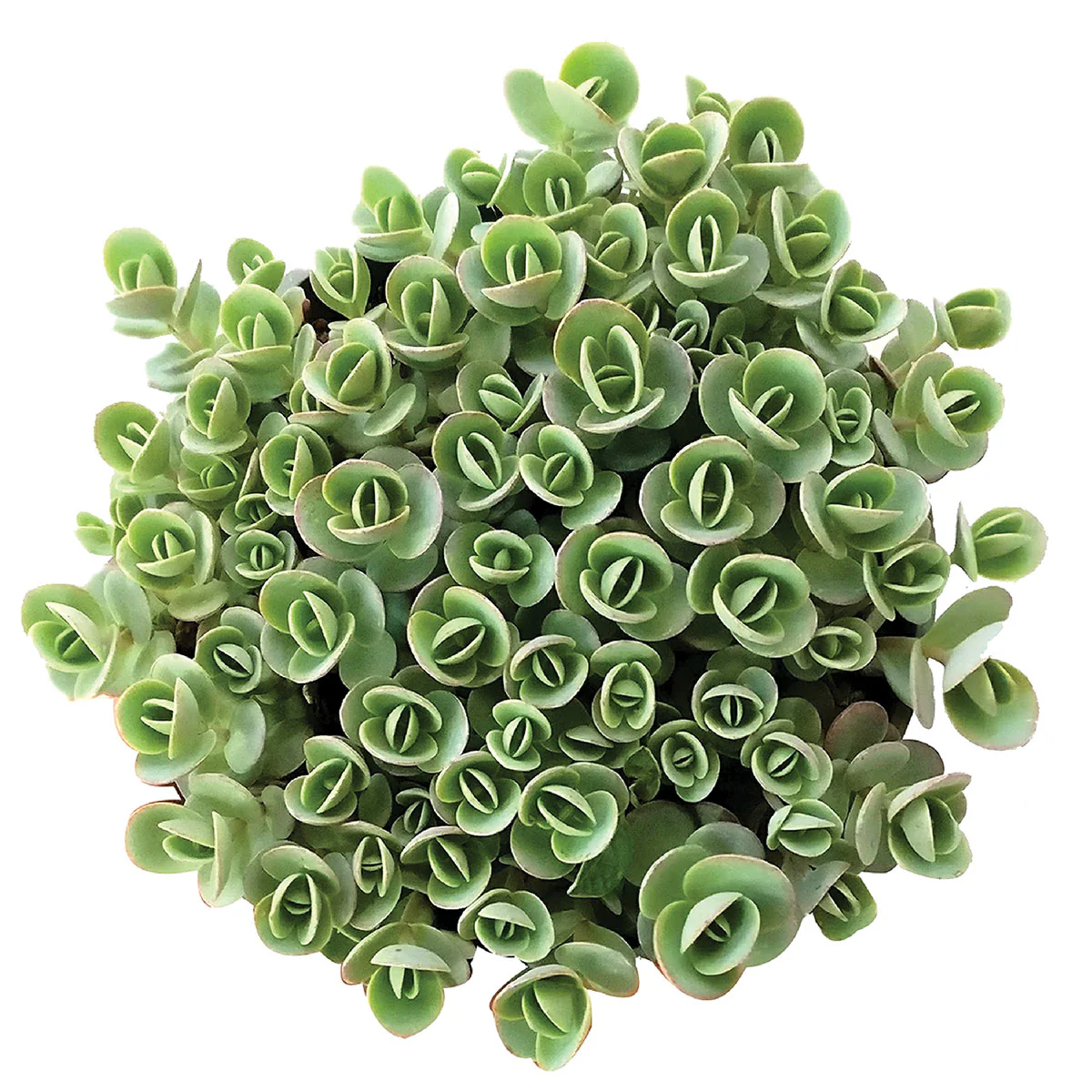
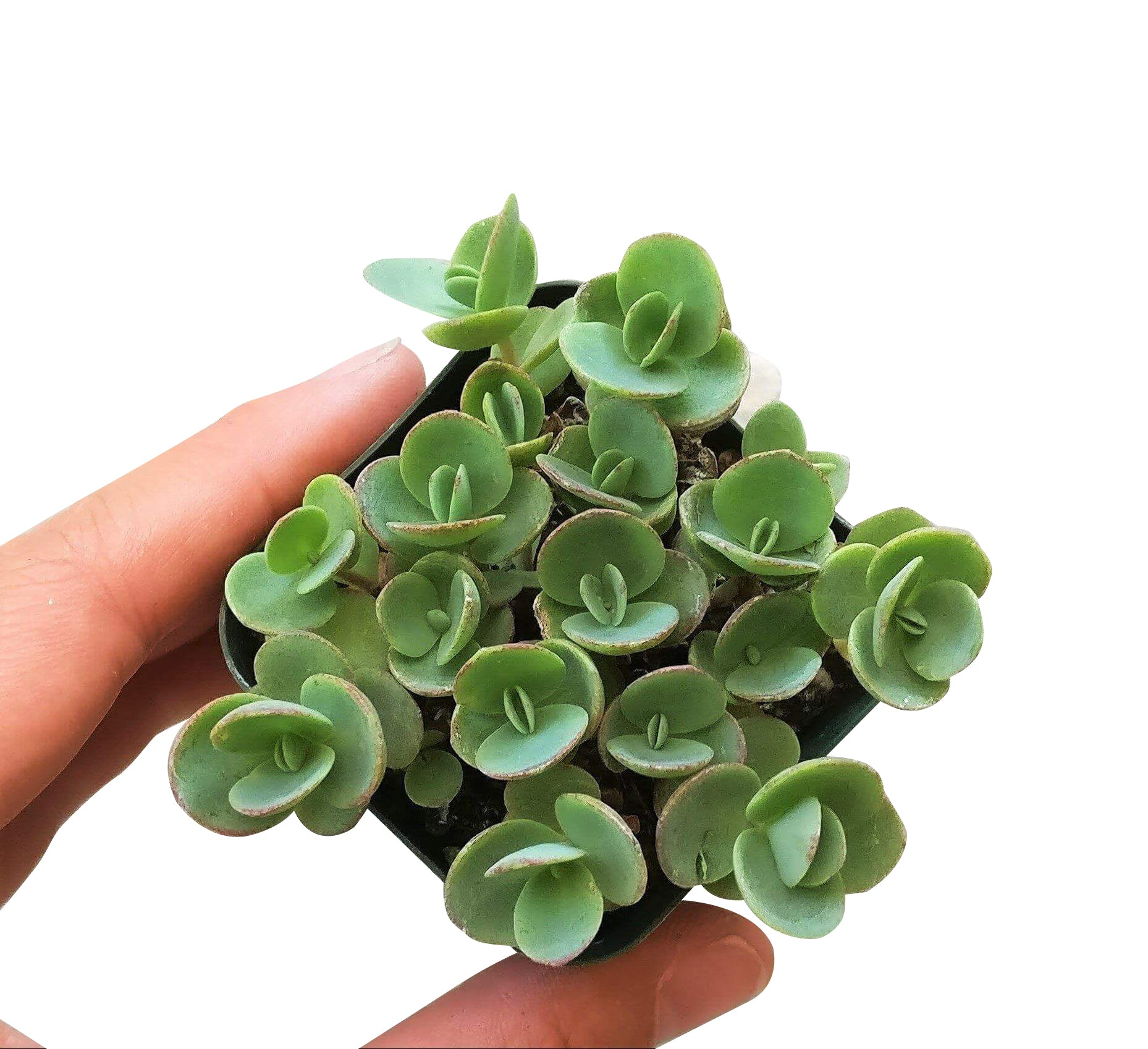
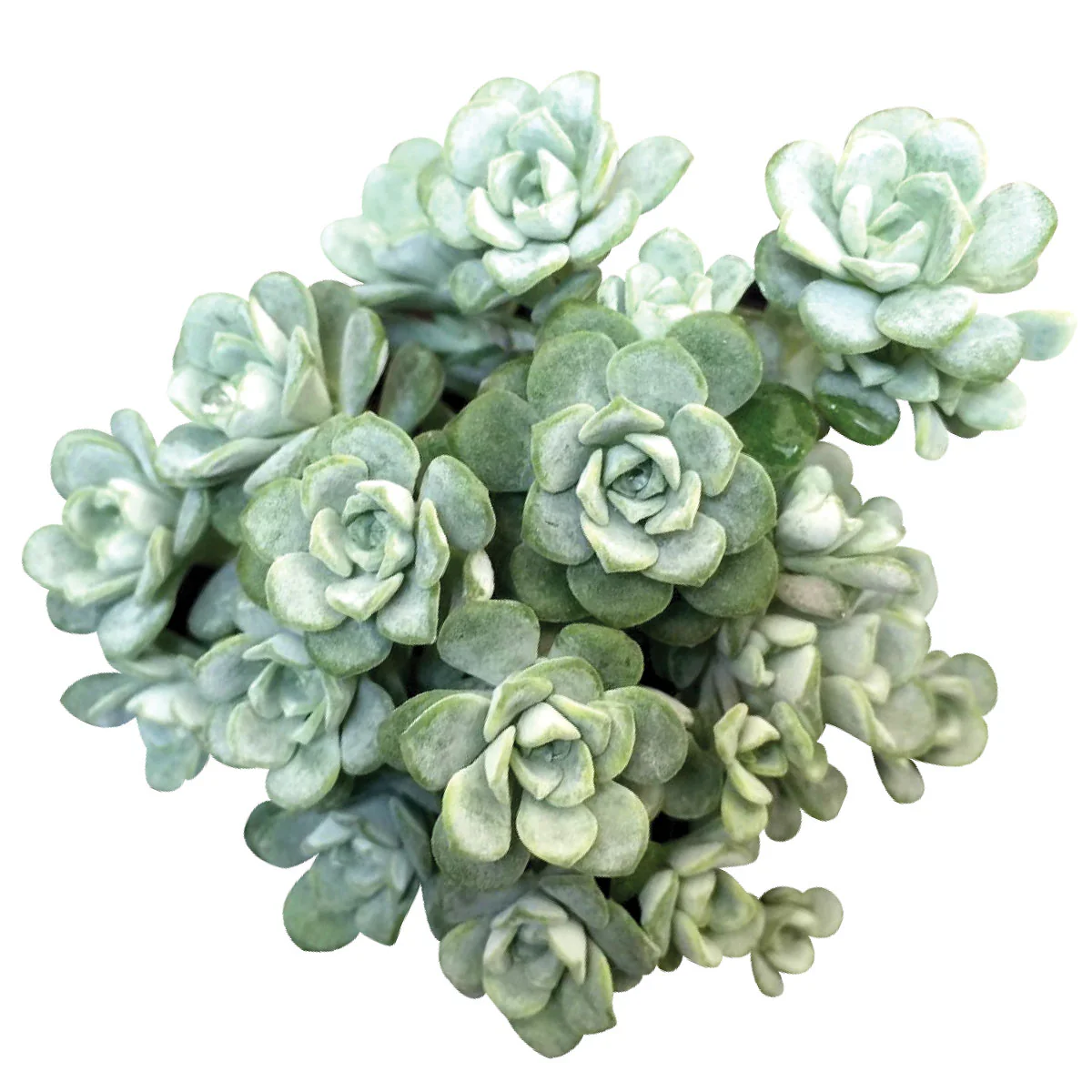
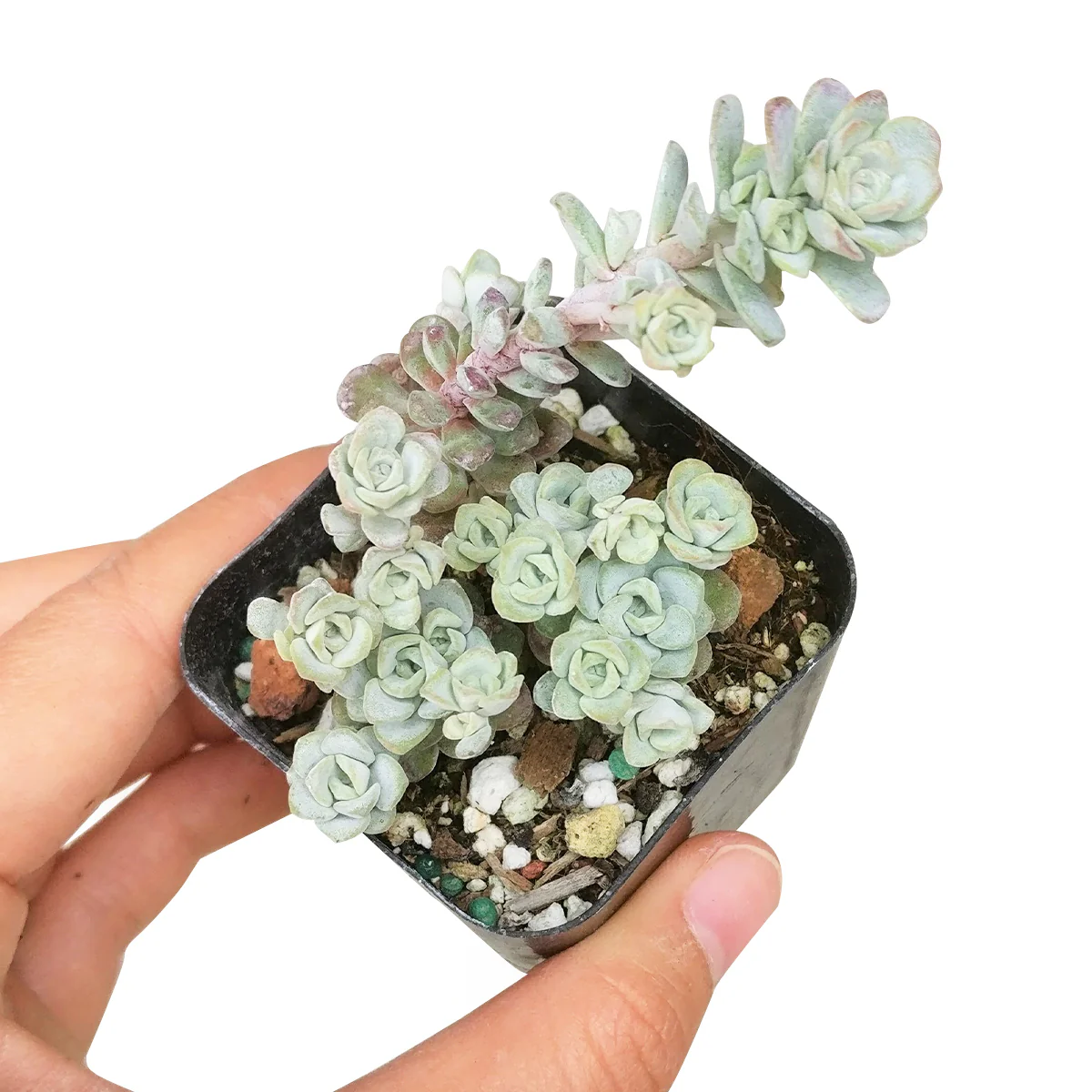
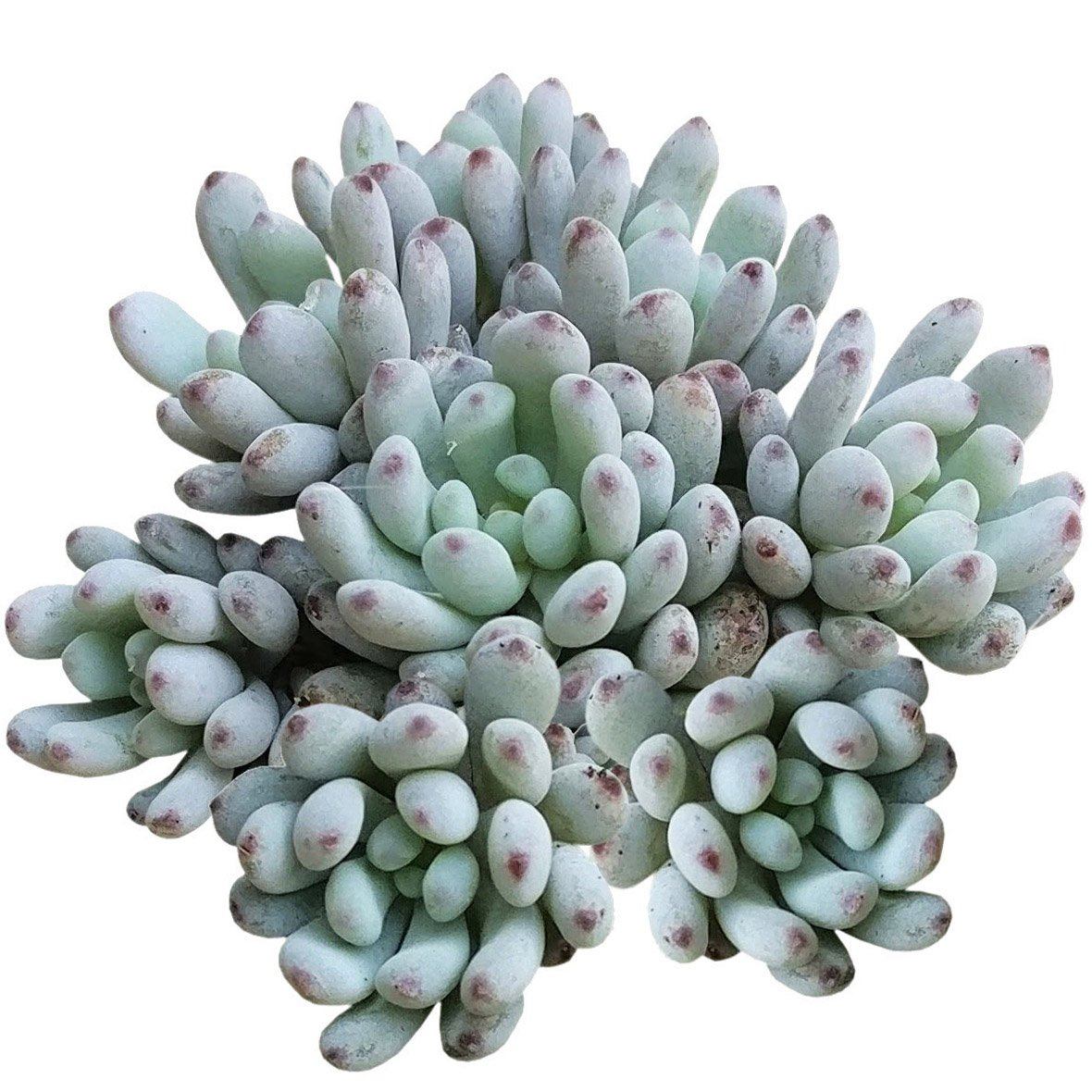
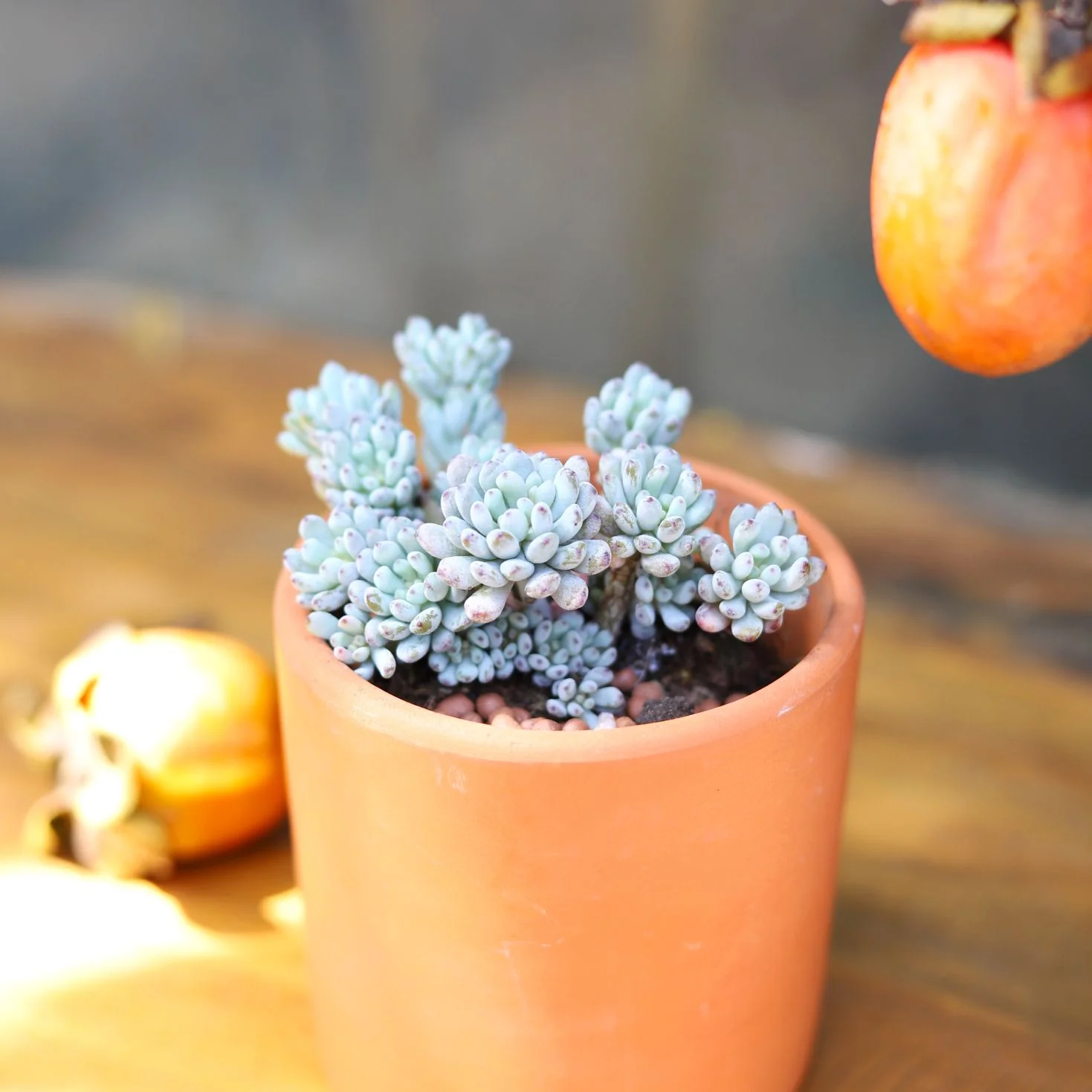
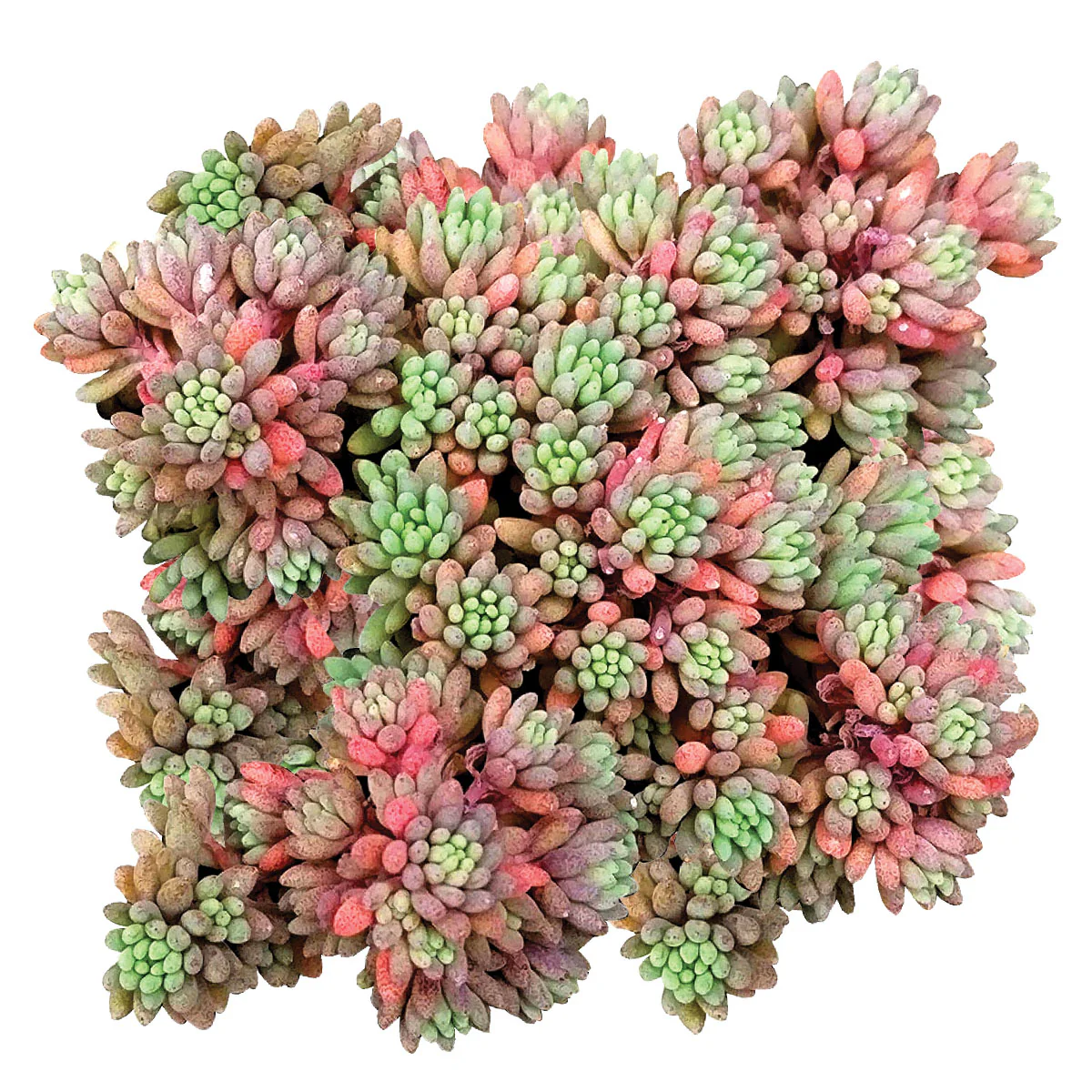
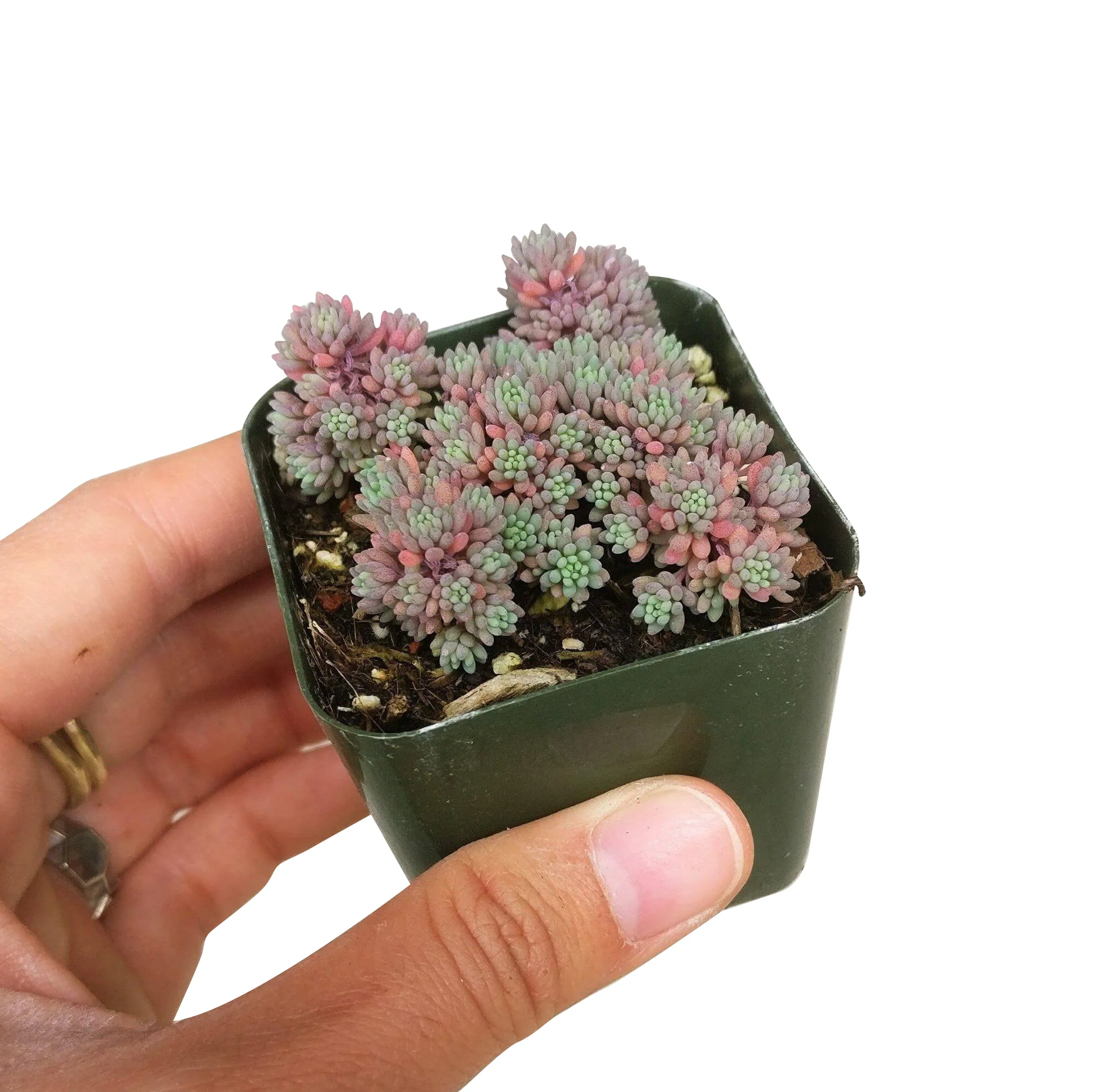
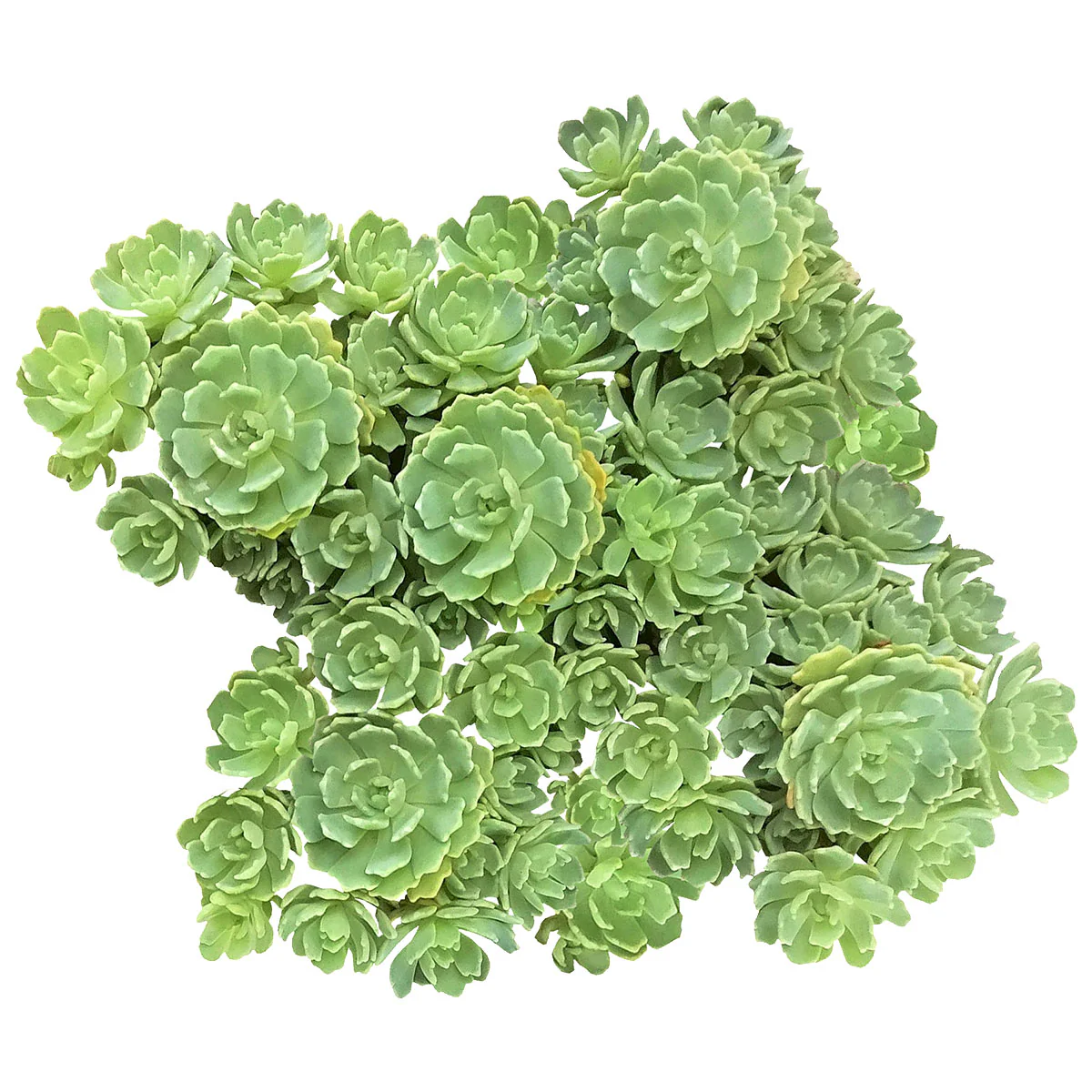
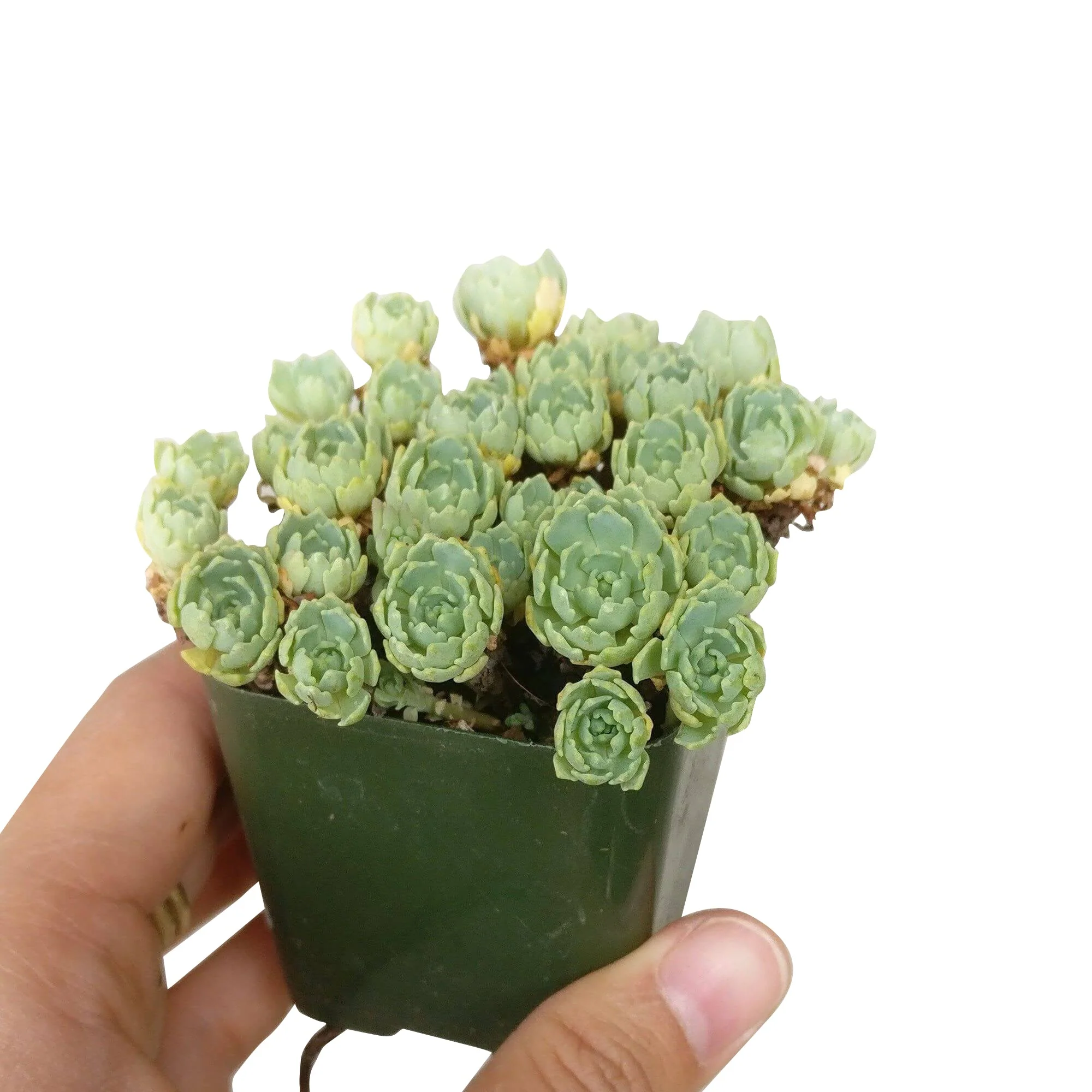
 Graptoveria Fred Ives forms large, loose rosettes with broad, pointed leaves that shift through an incredible range of pink, purple, orange, and blue-green tones depending on sun exposure and temperature. The leaves have a soft powdery coating called farina, and the rosette can spread impressively wide, making this a true statement plant. As a clustering grower, Graptoveria Fred Ives produces offshoots that gradually create a full, trailing mound of color.
 Graptoveria Fred Ives benefits from a noticeable drop in nighttime temperatures to trigger blooming, and when it does flower, it sends up arching stems with small star-shaped blooms in warm coral and yellow tones. Beyond flowering season, the dramatic color shifts across the rosette, from soft lavender to vivid orange, keep Graptoveria Fred Ives visually exciting year-round.
 Graptoveria Fred Ives is a wonderful choice for beginners and collectors alike, delivering architectural impact in containers, rock gardens, and sunny windowsills with minimal fuss. It thrives outdoors during summer, spreads wide over time into a bold display, and handles dry heated indoor air without complaint. This plant is pet friendly, making it a worry-free pick for households with curious cats or dogs. Graptoveria Fred Ives is one of those crowd-favorite succulents that earns its spot on any grower's wishlist.
-
 Graptoveria Fred Ives thrives in bright indirect light to full direct sun, with more color intensity developing under stronger light.
 Water Graptoveria Fred Ives every 10 to 14 days in summer and once every three to four weeks in winter, allowing soil to dry fully between waterings.
 Graptoveria Fred Ives performs best in a well-draining cactus and succulent mix blended with perlite for added drainage.
 Graptoveria Fred Ives prefers temperatures between 65 and 80°F (18 to 27°C) and should be protected from frost below 25°F (-4°C).
![]() Graptoveria Fred Ives is a moderately fast grower that benefits from a light balanced succulent fertilizer once monthly during the active spring and summer season.
Graptoveria Fred Ives is a moderately fast grower that benefits from a light balanced succulent fertilizer once monthly during the active spring and summer season.
 Graptoveria Fred Ives is hardy in USDA Zones 9 through 11, tolerating brief dips to around 25°F (-4°C) before frost damage becomes a concern. Gardeners growing Graptoveria Fred Ives outdoors year-round will find ideal conditions across California, Arizona, Texas, Florida, Hawaii, Nevada, Louisiana, Georgia, South Carolina, Alabama, and Mississippi. Coastal Oregon, southern Arkansas, and parts of New Mexico also fall within these zones, giving a wide range of growers the chance to enjoy this colorful succulent in outdoor beds and containers.
-
Q: How much light does Graptoveria Fred Ives need?
A: Graptoveria Fred Ives does best in bright indirect to full direct sun, and the more light it receives, the more vivid its pink, orange, and purple tones become. Rotate the pot regularly so all sides develop evenly.
Q: Is Graptoveria Fred Ives pet friendly?
A: Yes, Graptoveria Fred Ives is pet friendly and is not considered toxic to cats or dogs. It is a safe and beautiful choice for plant lovers with furry companions at home.
Q: How do I propagate Graptoveria Fred Ives?
A: Graptoveria Fred Ives propagates easily from leaf cuttings or by separating the offsets that cluster around the base of the mother rosette. Allow cut ends to callous for a day or two before placing them on dry succulent soil.
Q: Why are the leaves on my Graptoveria Fred Ives turning yellow?
A: Yellow leaves on Graptoveria Fred Ives are most often a sign of overwatering or soil that is not draining properly. Scale back watering, ensure the pot has drainage holes, and let the soil dry out completely before watering again.
Q: Can Graptoveria Fred Ives go outside in summer?
A: Absolutely, Graptoveria Fred Ives loves being moved outdoors for summer where it gets stronger light and better air circulation. Just be sure to shelter it from heavy rain, which can waterlog the soil and damage the farina coating on the leaves.
Q: How big does Graptoveria Fred Ives get?
A: Graptoveria Fred Ives is a wide spreader, with individual rosettes reaching up to 12 inches across and the clustering habit gradually expanding to fill a broad space. It stays relatively low to the ground, making it ideal for container arrangements and rock garden borders.


Original: $18.00
-70%$18.00
$5.40Product Information
Product Information
Shipping & Returns
Shipping & Returns
Description
- Description
- Graptoveria Fred Ives Care Guide
- FAQ/Common Issues
-
![]() Graptoveria Fred Ives is a stunning hybrid succulent that crosses the genera Graptopetalum and Echeveria, resulting in one of the most colorful and easy care rosette succulents available today. Like its parent genera, Graptoveria Fred Ives traces its roots to the rocky, arid landscapes of Mexico, where drought tolerance and bold color are built-in survival traits.
Graptoveria Fred Ives is a stunning hybrid succulent that crosses the genera Graptopetalum and Echeveria, resulting in one of the most colorful and easy care rosette succulents available today. Like its parent genera, Graptoveria Fred Ives traces its roots to the rocky, arid landscapes of Mexico, where drought tolerance and bold color are built-in survival traits.
Graptoveria Fred Ives forms large, loose rosettes with broad, pointed leaves that shift through an incredible range of pink, purple, orange, and blue-green tones depending on sun exposure and temperature. The leaves have a soft powdery coating called farina, and the rosette can spread impressively wide, making this a true statement plant. As a clustering grower, Graptoveria Fred Ives produces offshoots that gradually create a full, trailing mound of color.
Graptoveria Fred Ives benefits from a noticeable drop in nighttime temperatures to trigger blooming, and when it does flower, it sends up arching stems with small star-shaped blooms in warm coral and yellow tones. Beyond flowering season, the dramatic color shifts across the rosette, from soft lavender to vivid orange, keep Graptoveria Fred Ives visually exciting year-round.
Graptoveria Fred Ives is a wonderful choice for beginners and collectors alike, delivering architectural impact in containers, rock gardens, and sunny windowsills with minimal fuss. It thrives outdoors during summer, spreads wide over time into a bold display, and handles dry heated indoor air without complaint. This plant is pet friendly, making it a worry-free pick for households with curious cats or dogs. Graptoveria Fred Ives is one of those crowd-favorite succulents that earns its spot on any grower's wishlist.
-
Graptoveria Fred Ives thrives in bright indirect light to full direct sun, with more color intensity developing under stronger light.
Water Graptoveria Fred Ives every 10 to 14 days in summer and once every three to four weeks in winter, allowing soil to dry fully between waterings.
Graptoveria Fred Ives performs best in a well-draining cactus and succulent mix blended with perlite for added drainage.
Graptoveria Fred Ives prefers temperatures between 65 and 80°F (18 to 27°C) and should be protected from frost below 25°F (-4°C).
![]() Graptoveria Fred Ives is a moderately fast grower that benefits from a light balanced succulent fertilizer once monthly during the active spring and summer season.
Graptoveria Fred Ives is a moderately fast grower that benefits from a light balanced succulent fertilizer once monthly during the active spring and summer season.
Graptoveria Fred Ives is hardy in USDA Zones 9 through 11, tolerating brief dips to around 25°F (-4°C) before frost damage becomes a concern. Gardeners growing Graptoveria Fred Ives outdoors year-round will find ideal conditions across California, Arizona, Texas, Florida, Hawaii, Nevada, Louisiana, Georgia, South Carolina, Alabama, and Mississippi. Coastal Oregon, southern Arkansas, and parts of New Mexico also fall within these zones, giving a wide range of growers the chance to enjoy this colorful succulent in outdoor beds and containers.
-
Q: How much light does Graptoveria Fred Ives need?
A: Graptoveria Fred Ives does best in bright indirect to full direct sun, and the more light it receives, the more vivid its pink, orange, and purple tones become. Rotate the pot regularly so all sides develop evenly.
Q: Is Graptoveria Fred Ives pet friendly?
A: Yes, Graptoveria Fred Ives is pet friendly and is not considered toxic to cats or dogs. It is a safe and beautiful choice for plant lovers with furry companions at home.
Q: How do I propagate Graptoveria Fred Ives?
A: Graptoveria Fred Ives propagates easily from leaf cuttings or by separating the offsets that cluster around the base of the mother rosette. Allow cut ends to callous for a day or two before placing them on dry succulent soil.
Q: Why are the leaves on my Graptoveria Fred Ives turning yellow?
A: Yellow leaves on Graptoveria Fred Ives are most often a sign of overwatering or soil that is not draining properly. Scale back watering, ensure the pot has drainage holes, and let the soil dry out completely before watering again.
Q: Can Graptoveria Fred Ives go outside in summer?
A: Absolutely, Graptoveria Fred Ives loves being moved outdoors for summer where it gets stronger light and better air circulation. Just be sure to shelter it from heavy rain, which can waterlog the soil and damage the farina coating on the leaves.
Q: How big does Graptoveria Fred Ives get?
A: Graptoveria Fred Ives is a wide spreader, with individual rosettes reaching up to 12 inches across and the clustering habit gradually expanding to fill a broad space. It stays relatively low to the ground, making it ideal for container arrangements and rock garden borders.