Graptoveria Cupid
- Description
- Graptoveria Cupid Care Guide
- FAQ/Common Issues
-
![]() Graptoveria Cupid is a hybrid succulent created by crossing plants from the Graptopetalum and Echeveria genera, both native to rocky, arid regions of Mexico and Central America. Like other graptoveria hybrids, it inherited the best traits from both parents, making it an easy care succulent that adapts beautifully to indoor and outdoor growing.
Graptoveria Cupid is a hybrid succulent created by crossing plants from the Graptopetalum and Echeveria genera, both native to rocky, arid regions of Mexico and Central America. Like other graptoveria hybrids, it inherited the best traits from both parents, making it an easy care succulent that adapts beautifully to indoor and outdoor growing.
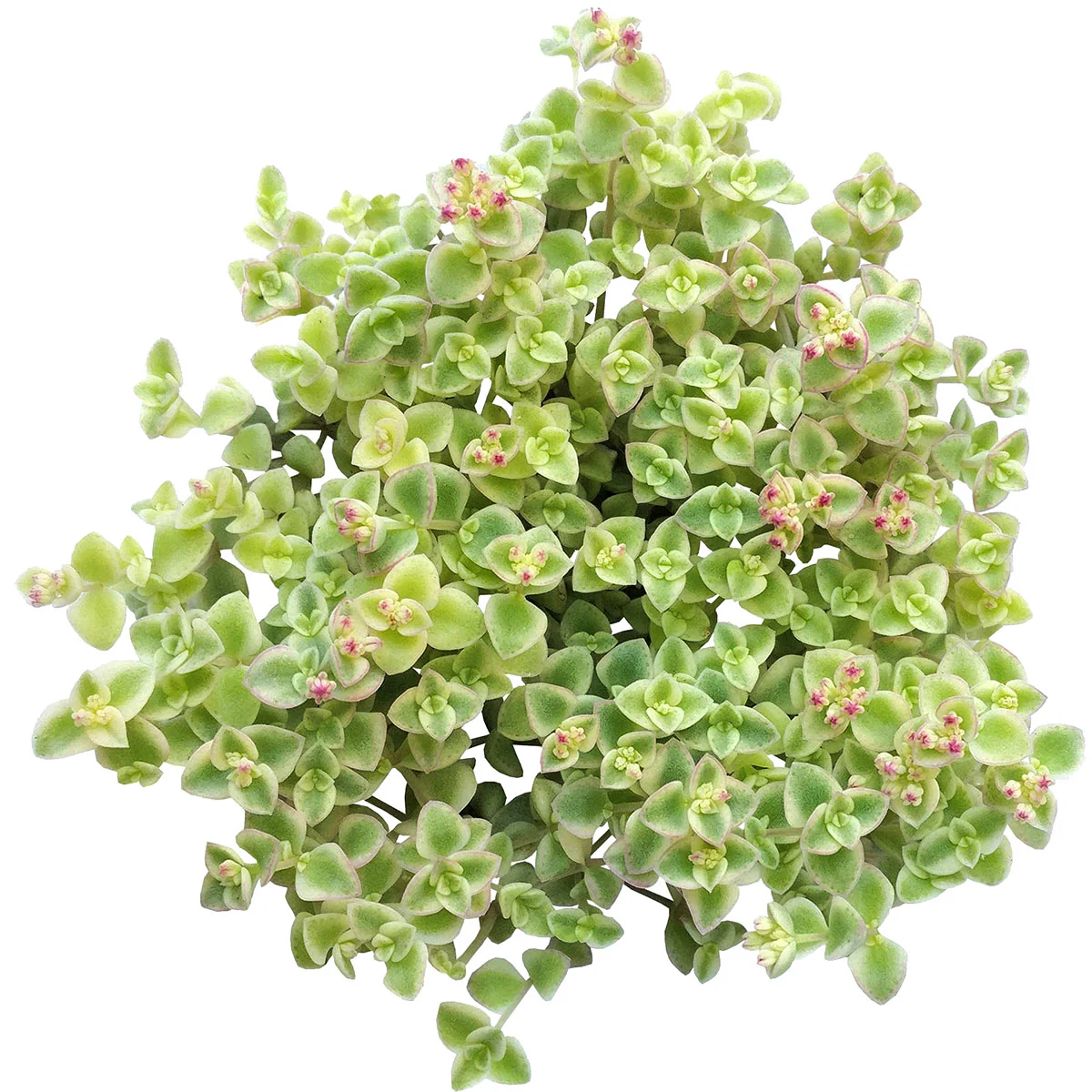
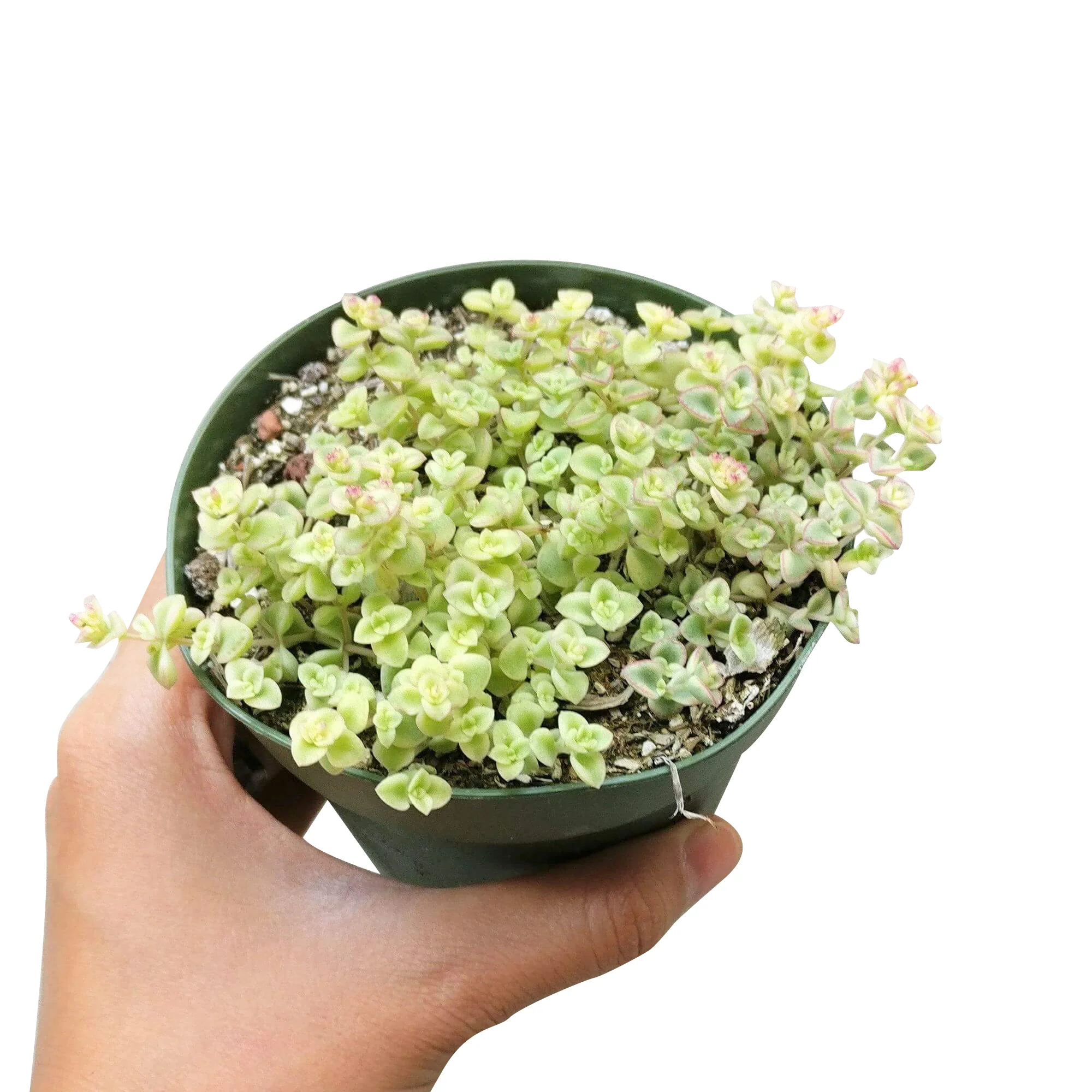
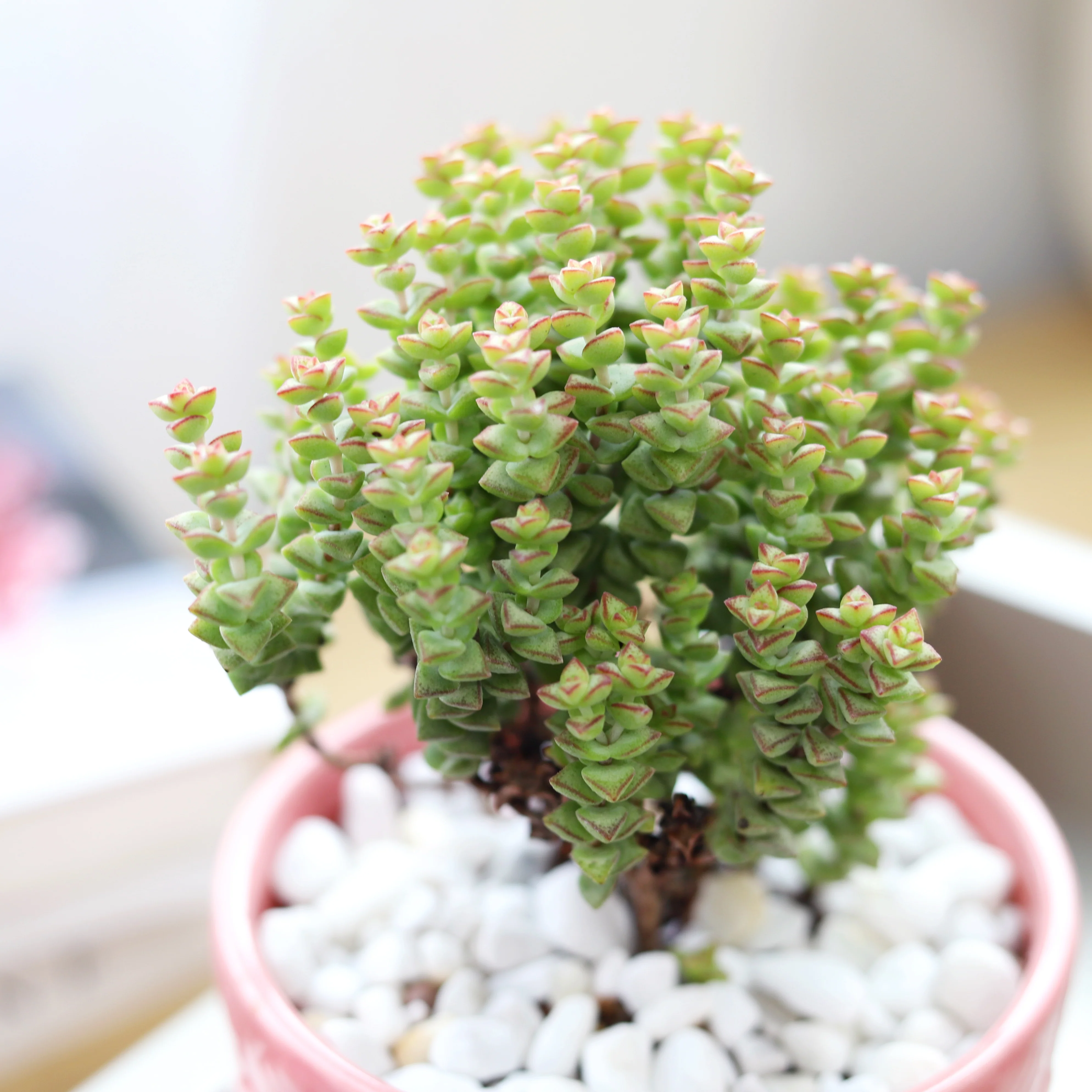
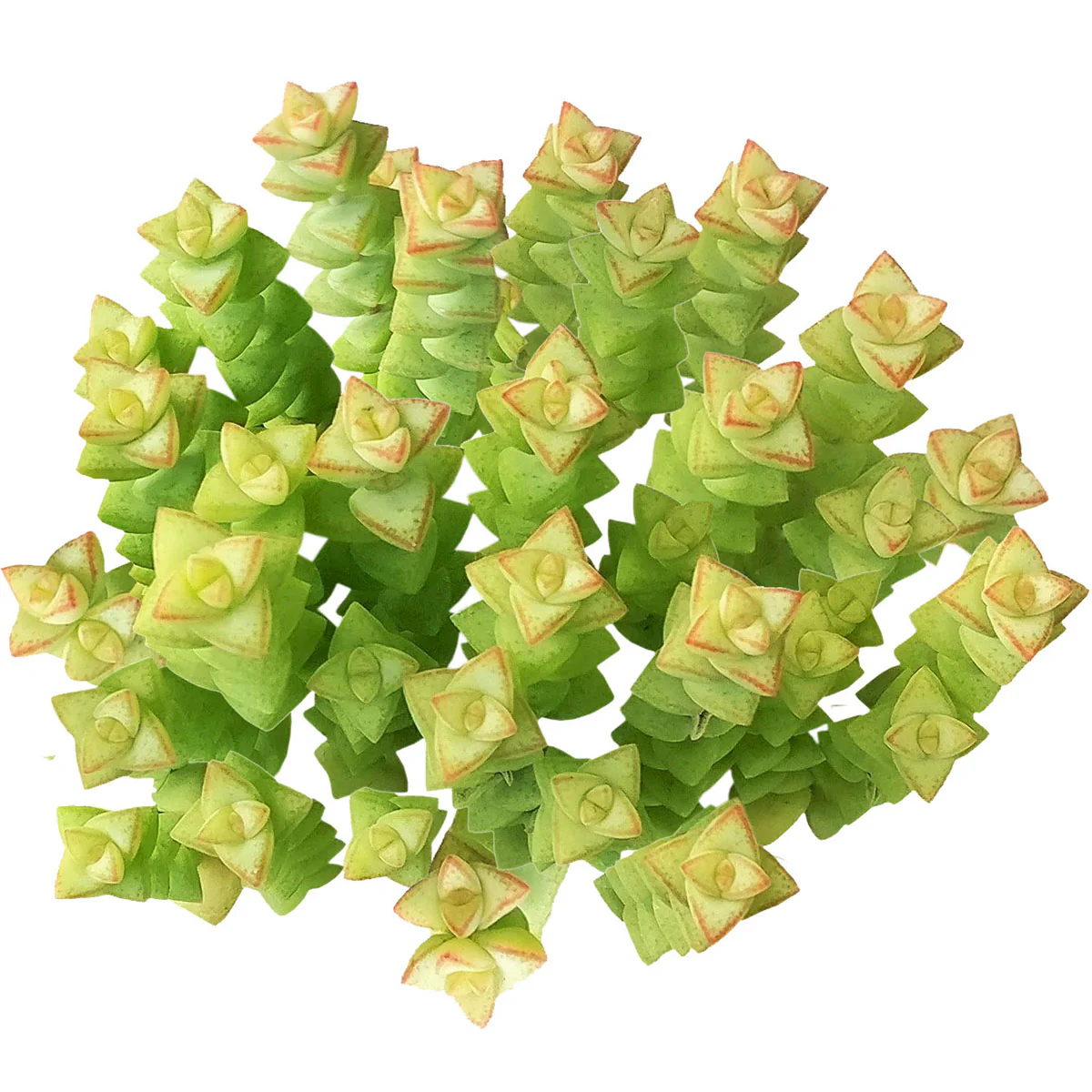
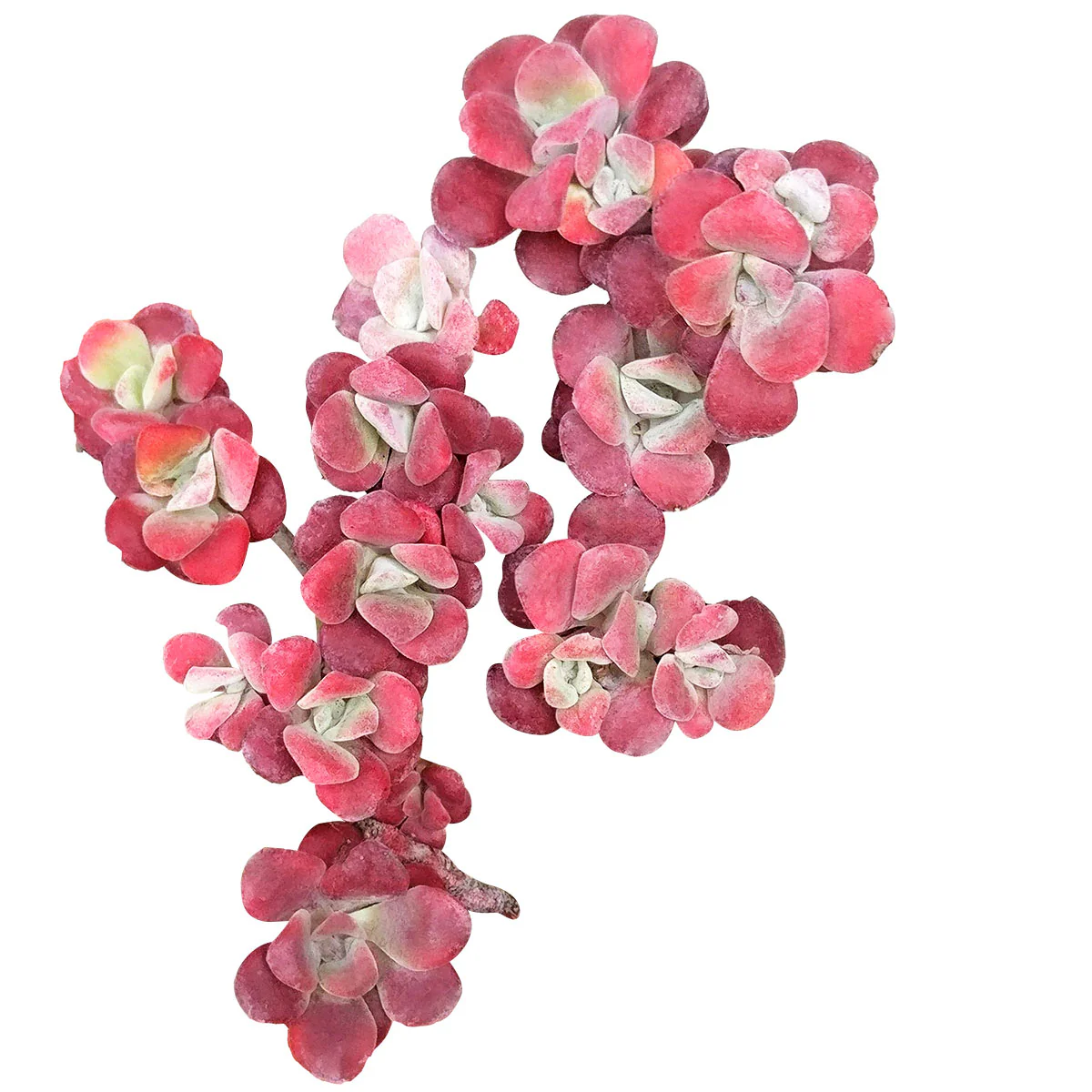
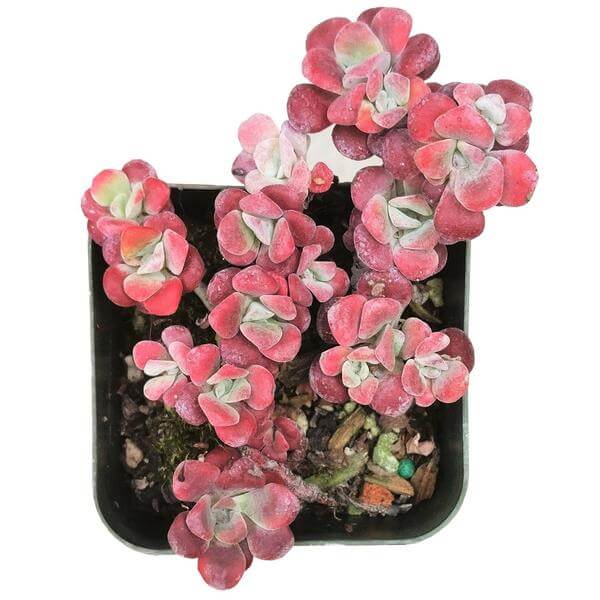
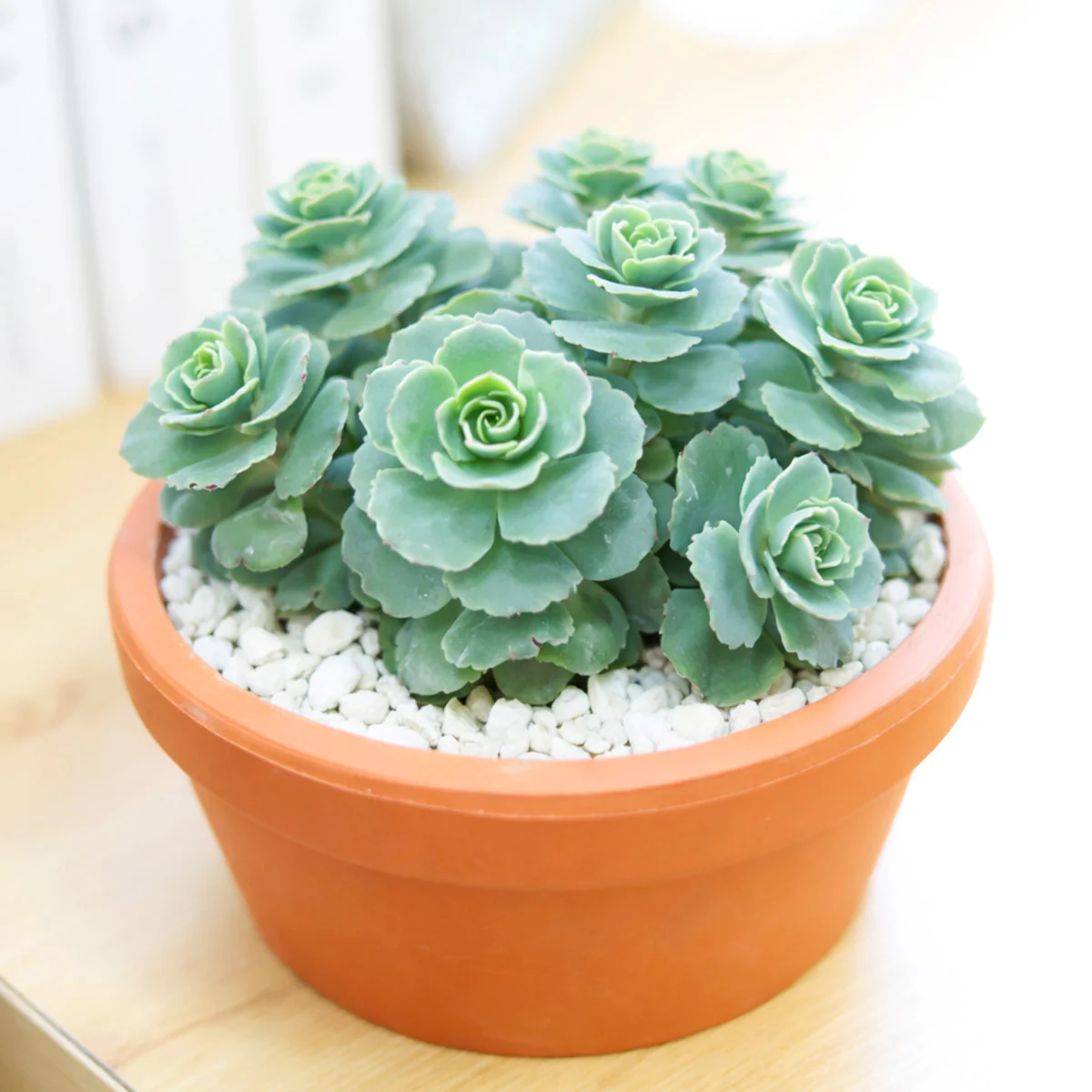
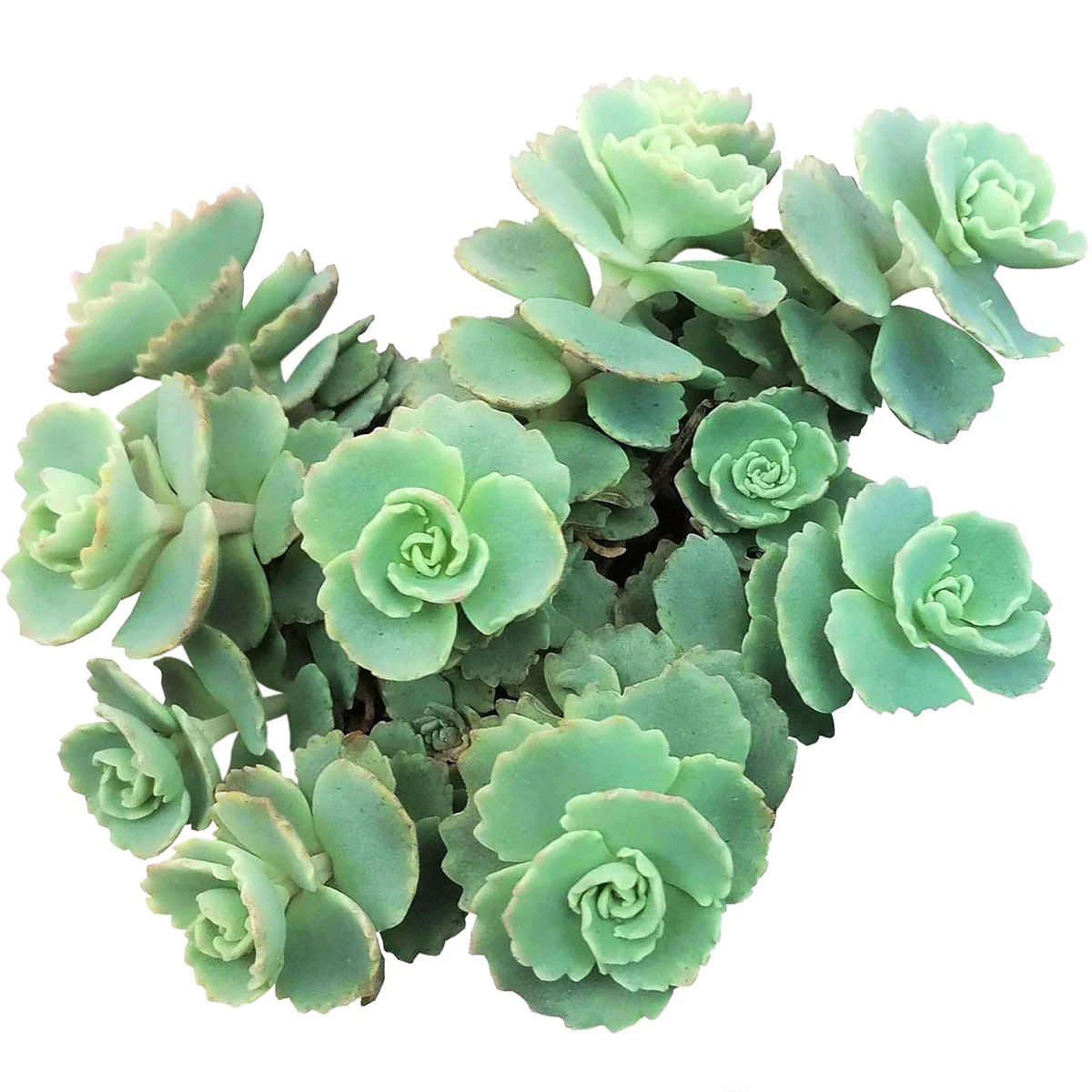
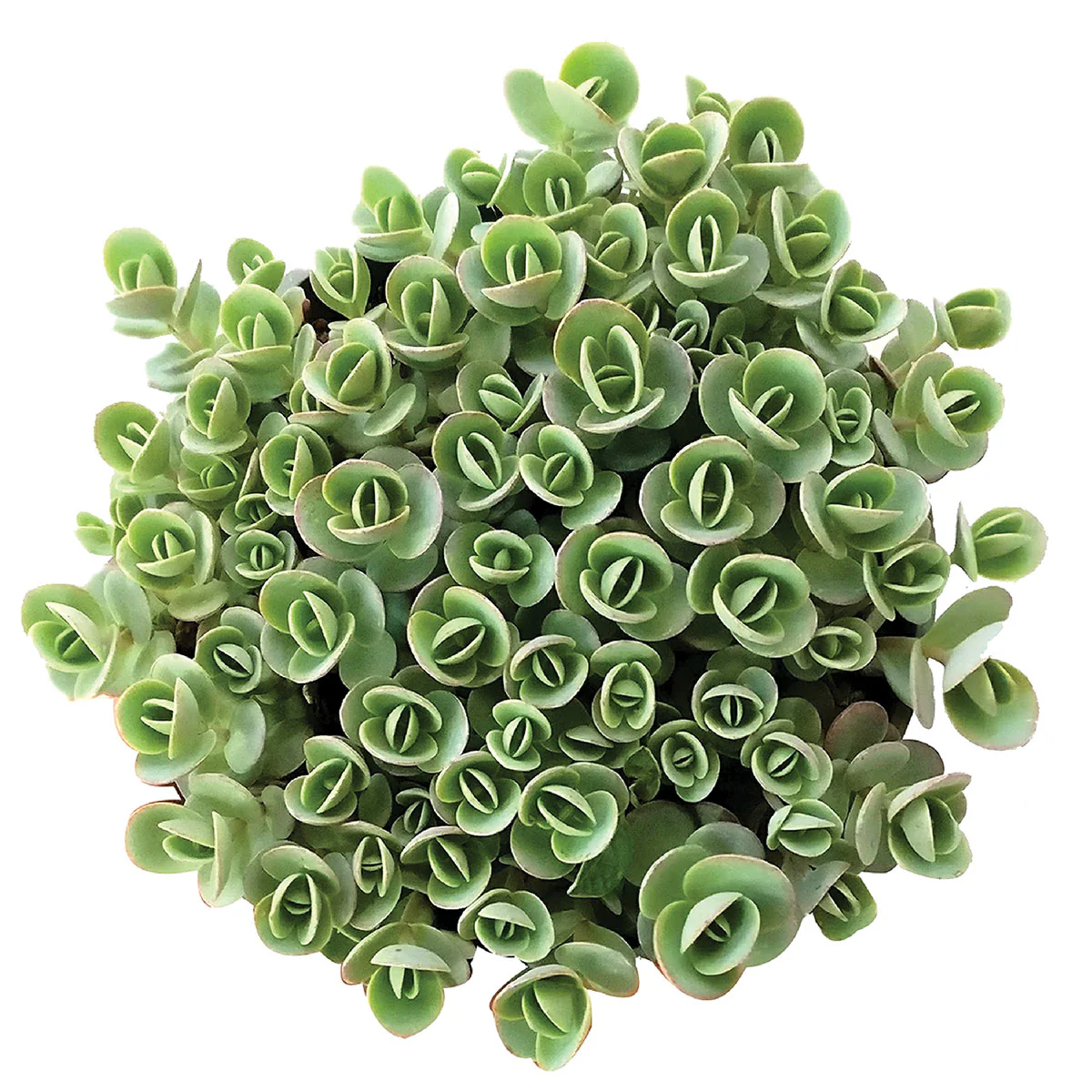
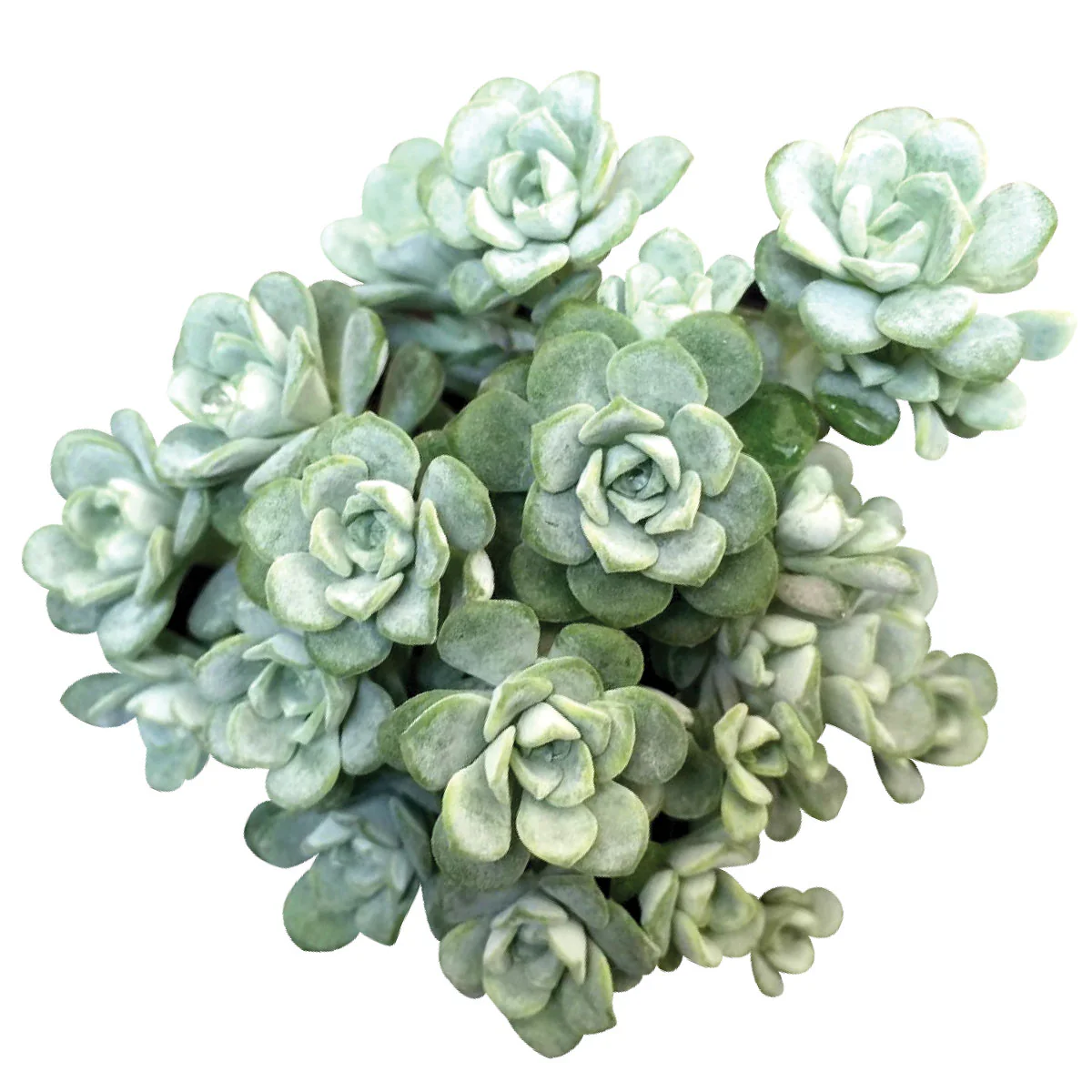
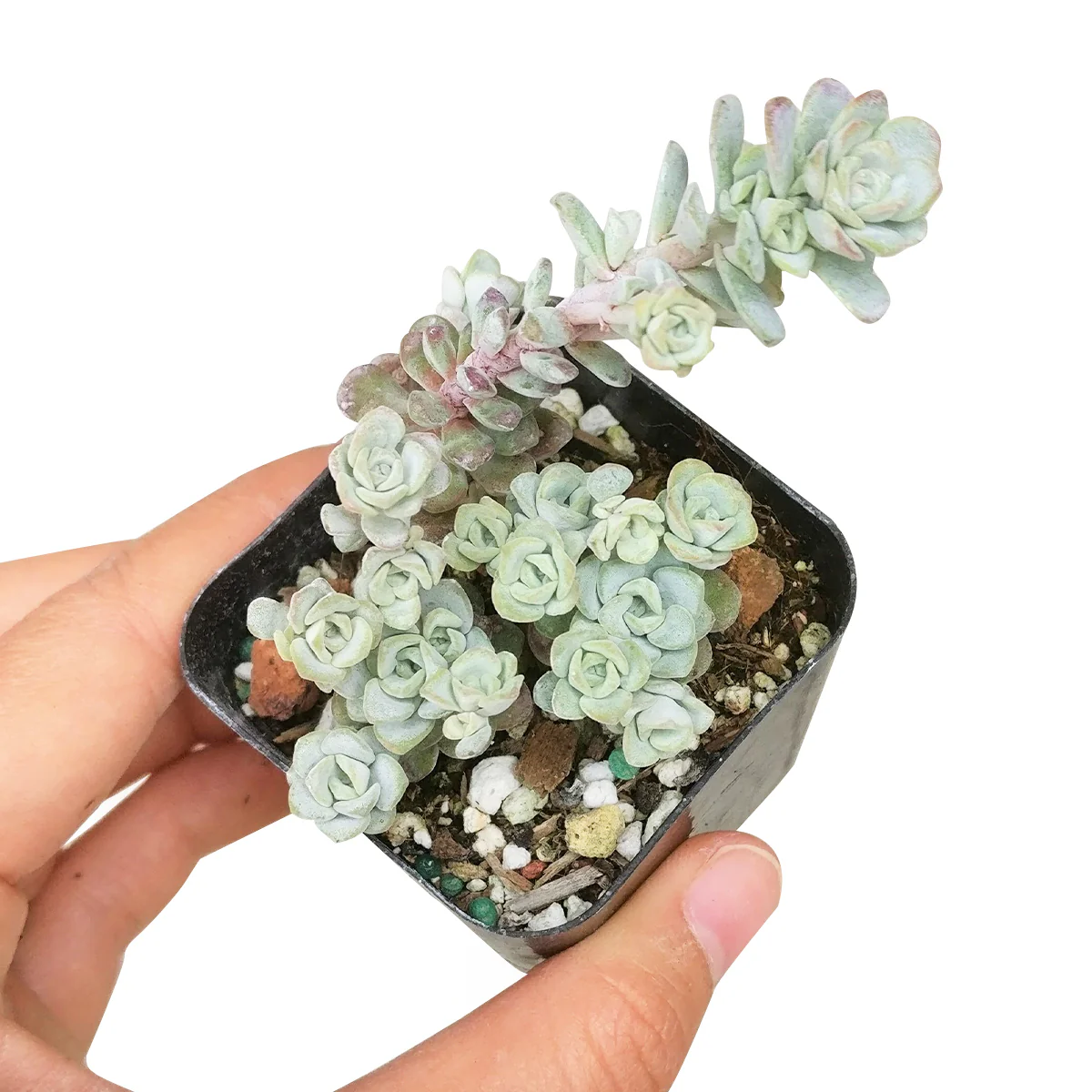
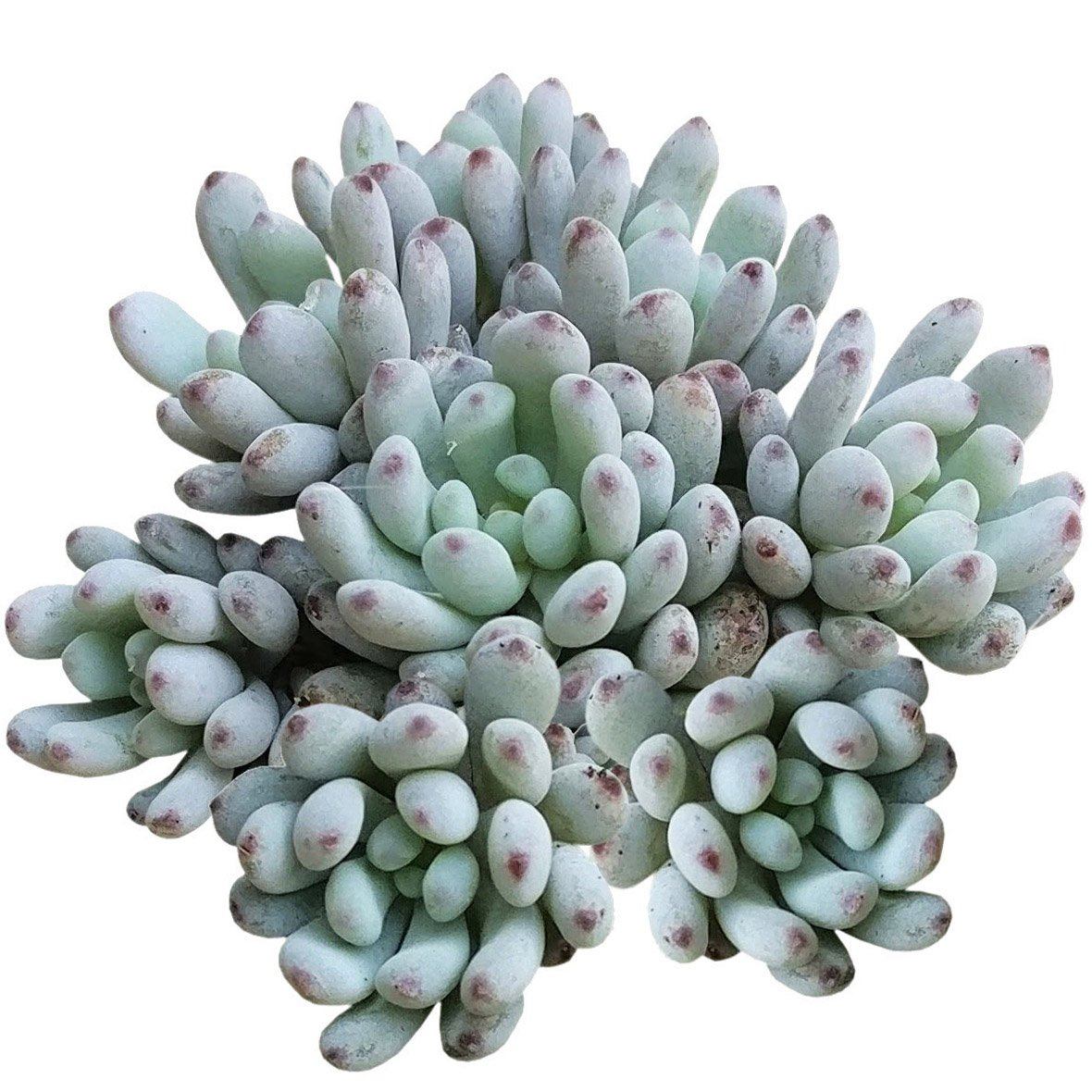
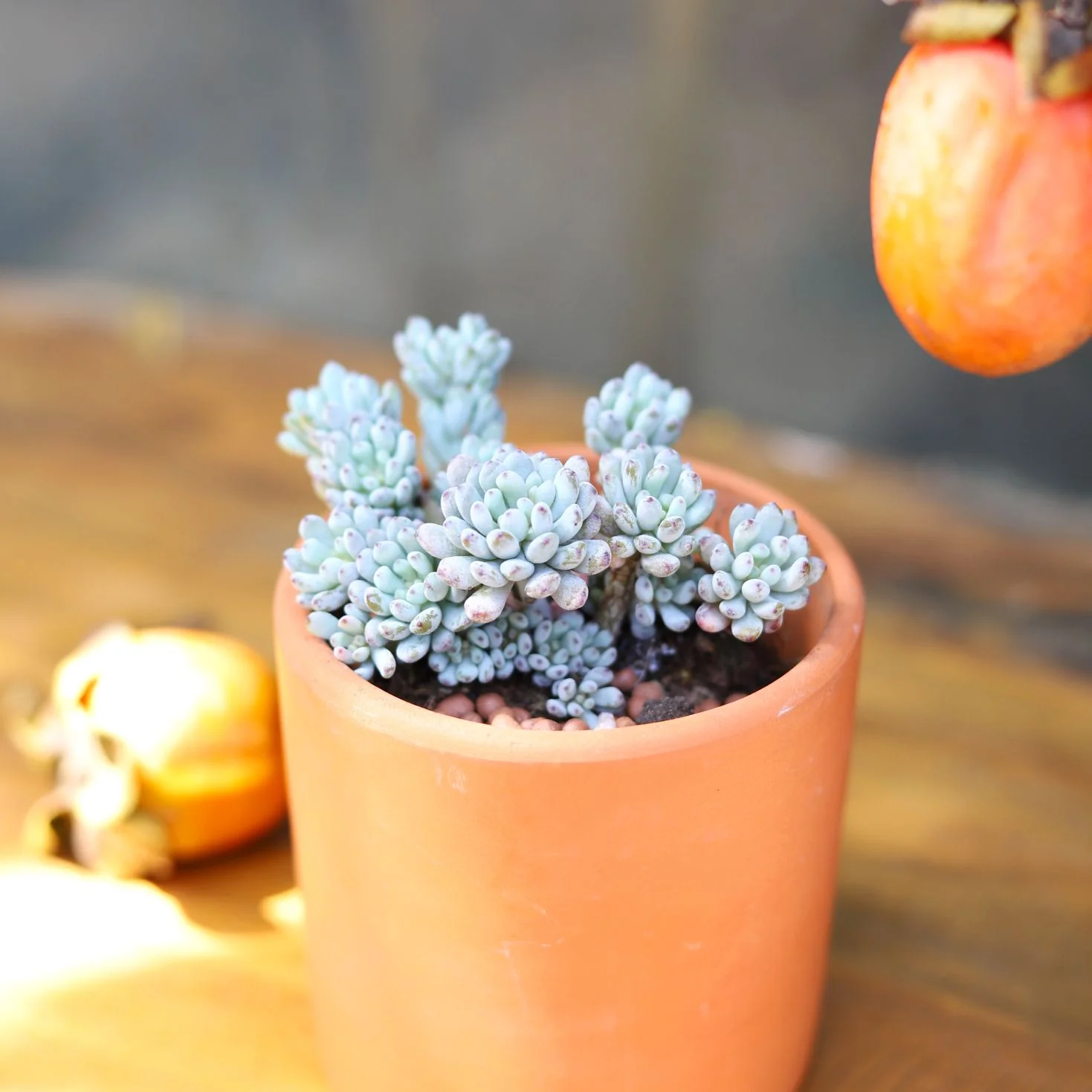
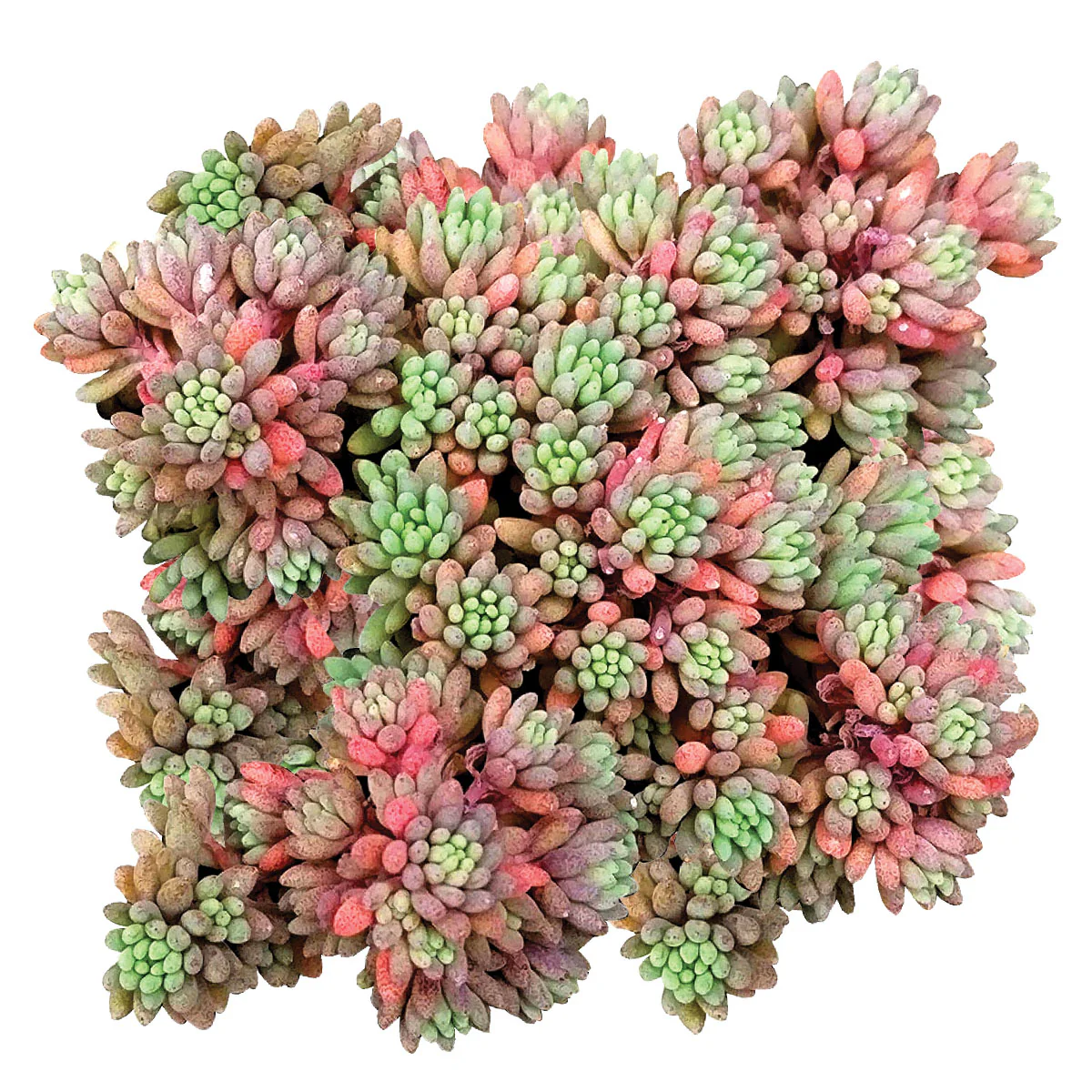
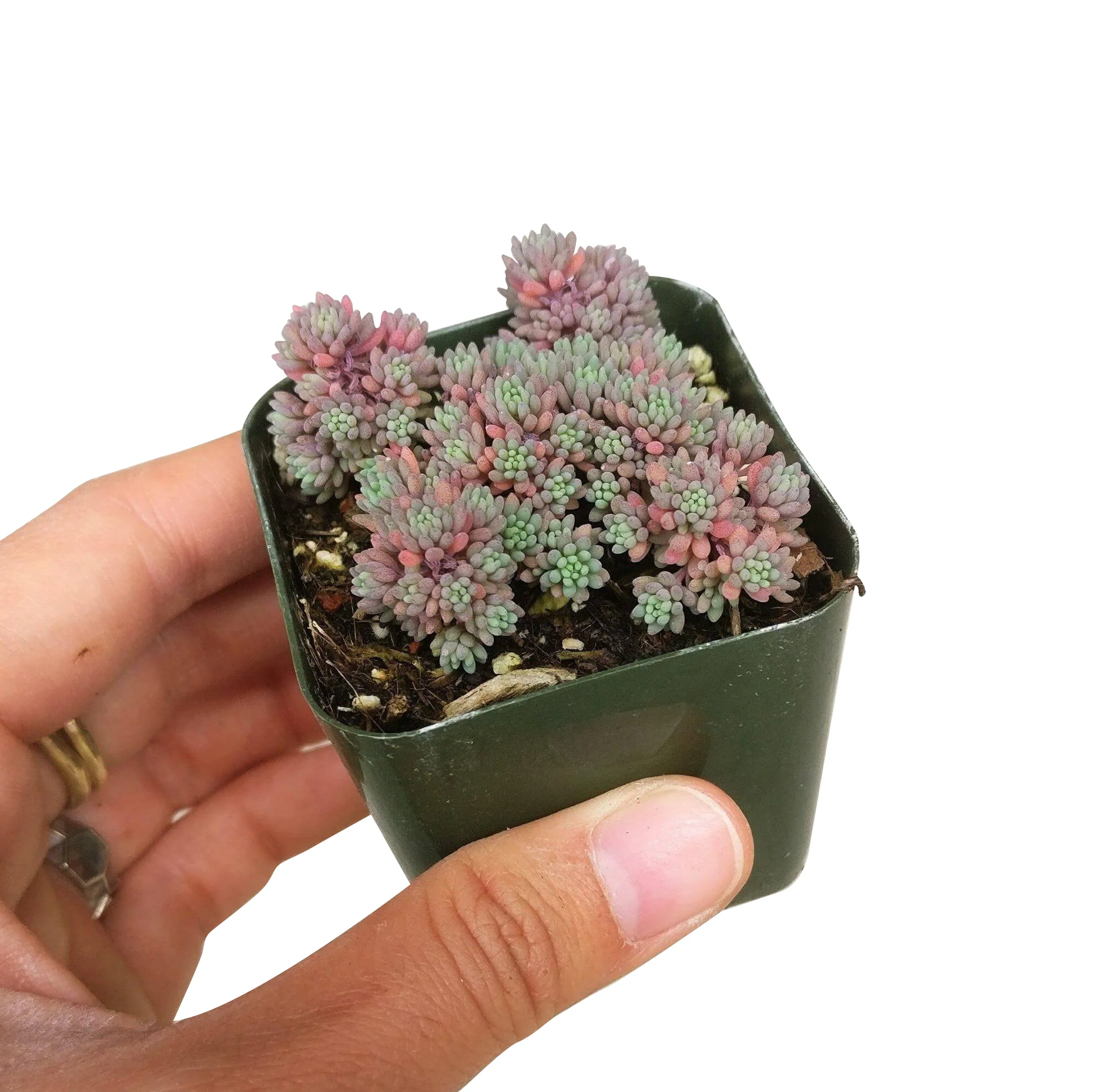
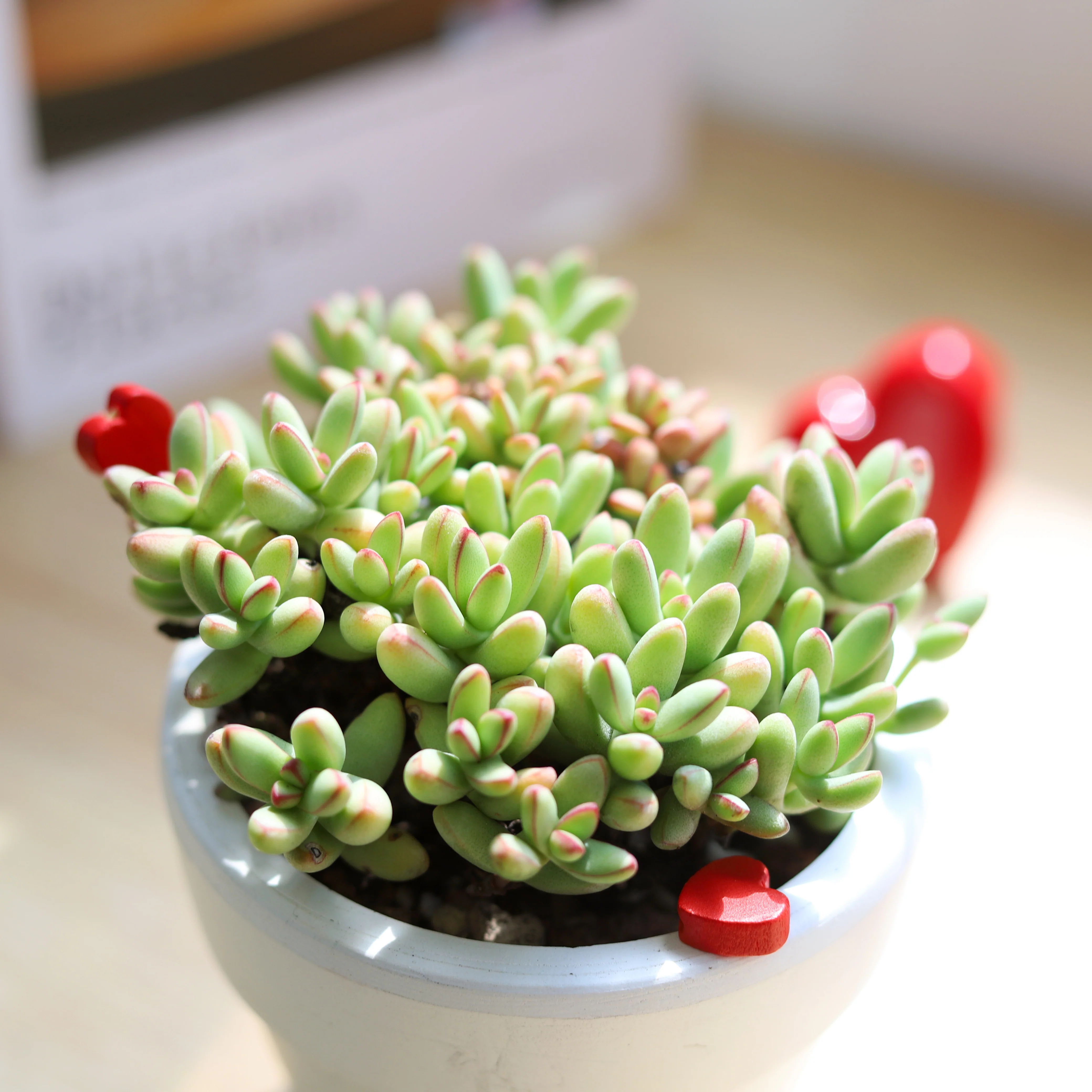
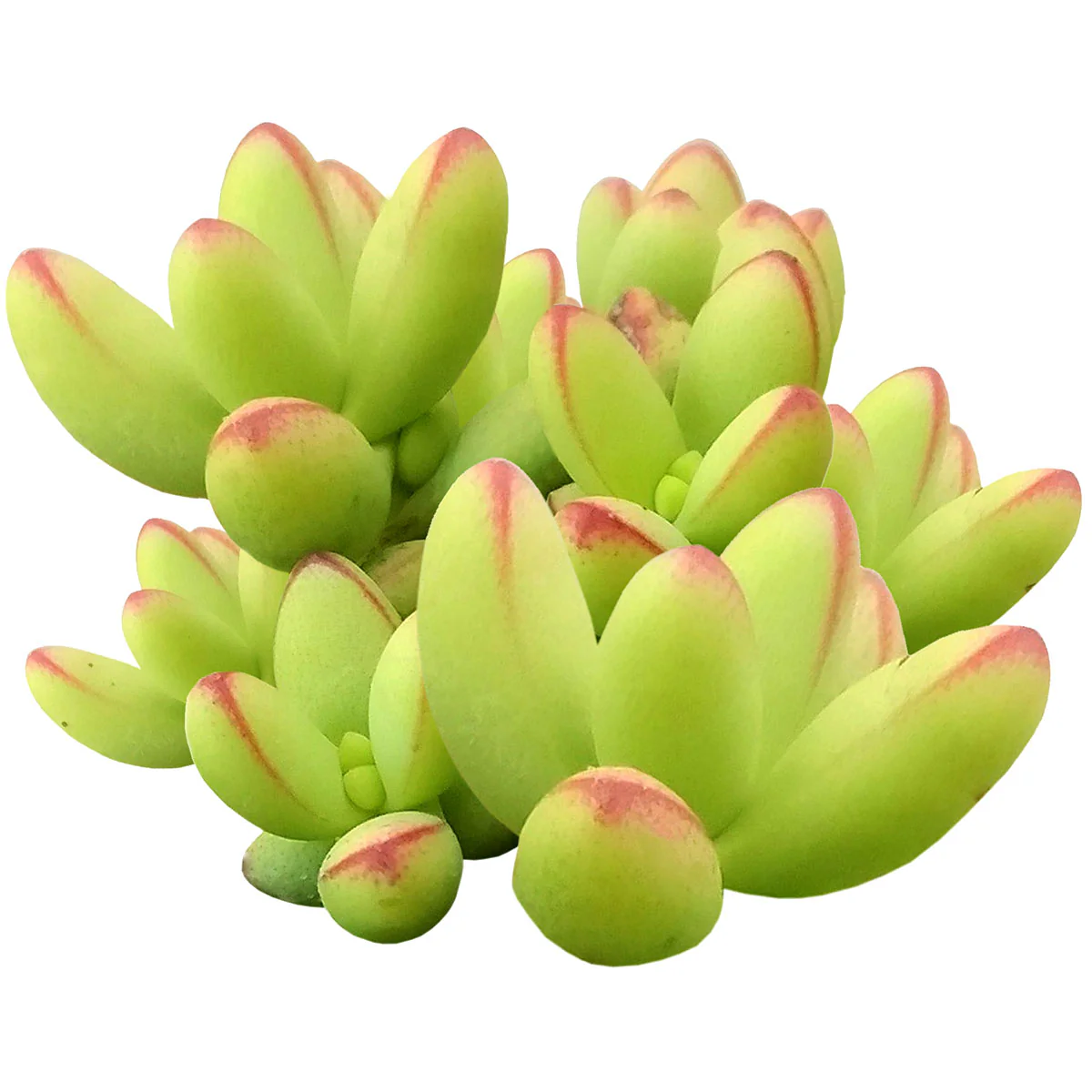
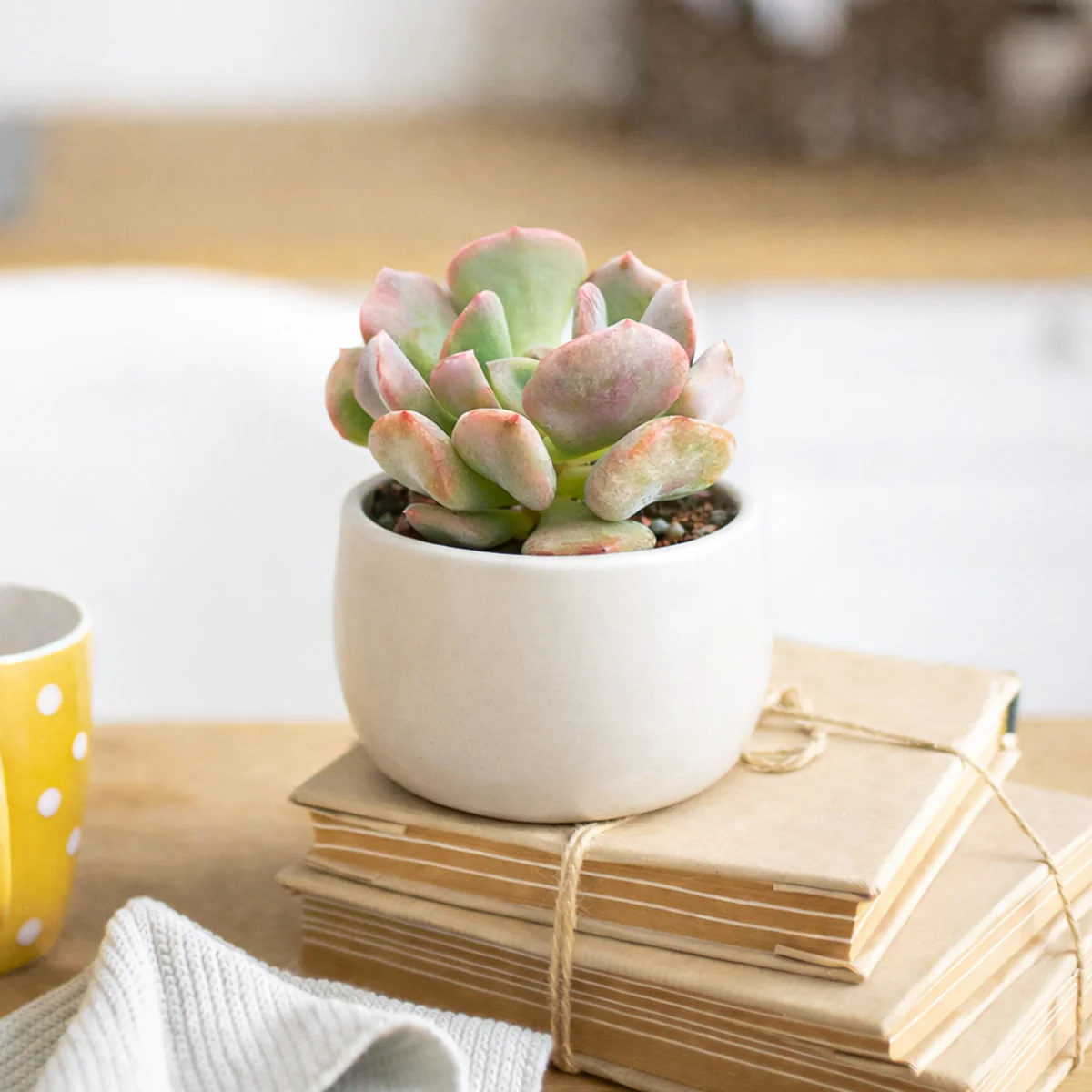
 Graptoveria Cupid forms tight, symmetrical rosettes with plump, spoon-shaped leaves that flush in shades of soft pink, lilac, and bubblegum pink depending on light levels. The leaves have a powdery farina coating and gently pointed tips, giving the rosette a polished, jewel-like look. Over time, Graptoveria Cupid clusters and offsets freely, creating a full, eye-catching display that makes it one of the more striking rare succulents available.
 Graptoveria Cupid needs a cool night temperature drop in winter to trigger blooming, a natural signal that mimics its native habitat. When bloom conditions are met, it rewards you with delicate star-shaped flowers on slender stems rising from the rosette center. Between bloom cycles, the intensely pink rosette coloring remains the real showstopper all year long.
 Graptoveria Cupid is a low maintenance succulent that works beautifully on a sunny windowsill, a patio in summer, or grouped with other rare succulents in a collector display. Move it outdoors once temperatures warm up, but keep it sheltered from heavy rain to protect the roots and farina. This plant is pet friendly, making it a worry-free choice for households with curious cats or dogs. It even survives a 10-day trip alone without watering, and it will tell you when it is thirsty by showing mild leaf wilt.
-
 Graptoveria Cupid thrives in bright indirect light, partial sun, or full sun, but may scorch in intense south-facing windows without acclimation.
 Water Graptoveria Cupid deeply every 10 to 14 days in summer, reducing to once every 3 to 4 weeks in winter.
 Graptoveria Cupid does best in a gritty, fast-draining cactus and perlite mix at roughly 50/50 to prevent root rot.
 Graptoveria Cupid prefers temperatures between 65 and 80°F (18 to 27°C) and should be brought indoors before temps drop below 40°F (4°C).
![]() Graptoveria Cupid is a slow to moderate grower that needs only a light balanced fertilizer once or twice during the active spring and summer season.
Graptoveria Cupid is a slow to moderate grower that needs only a light balanced fertilizer once or twice during the active spring and summer season.
 Graptoveria Cupid is hardy in USDA Zones 9 through 11, tolerating brief dips to around 25°F (-4°C) but performing best with frost protection. Outdoor growers in California, Texas, Arizona, Florida, Hawaii, Nevada, Louisiana, Georgia, South Carolina, Alabama, Mississippi, and along the Oregon coast will find Graptoveria Cupid thrives year-round with minimal effort. Gardeners in Zone 9 areas such as parts of New Mexico, Arkansas, and central Texas can also grow it outside with light frost cover during cold snaps.
-
Q: How often should I water Graptoveria Cupid?
A: Water Graptoveria Cupid every 10 to 14 days in warm months and cut back to every 3 to 4 weeks in winter. Always let the soil dry out completely between waterings to avoid root rot.
Q: Is Graptoveria Cupid pet friendly?
A: Yes, Graptoveria Cupid is pet friendly and considered non-toxic to cats and dogs. It is a great choice for plant lovers with curious pets at home.
Q: What light does Graptoveria Cupid need indoors?
A: Graptoveria Cupid does best in bright indirect light or a spot with a few hours of direct sun each day. Rotate the pot regularly so all sides of the rosette receive even light and stay symmetrical.
Q: How big does Graptoveria Cupid get?
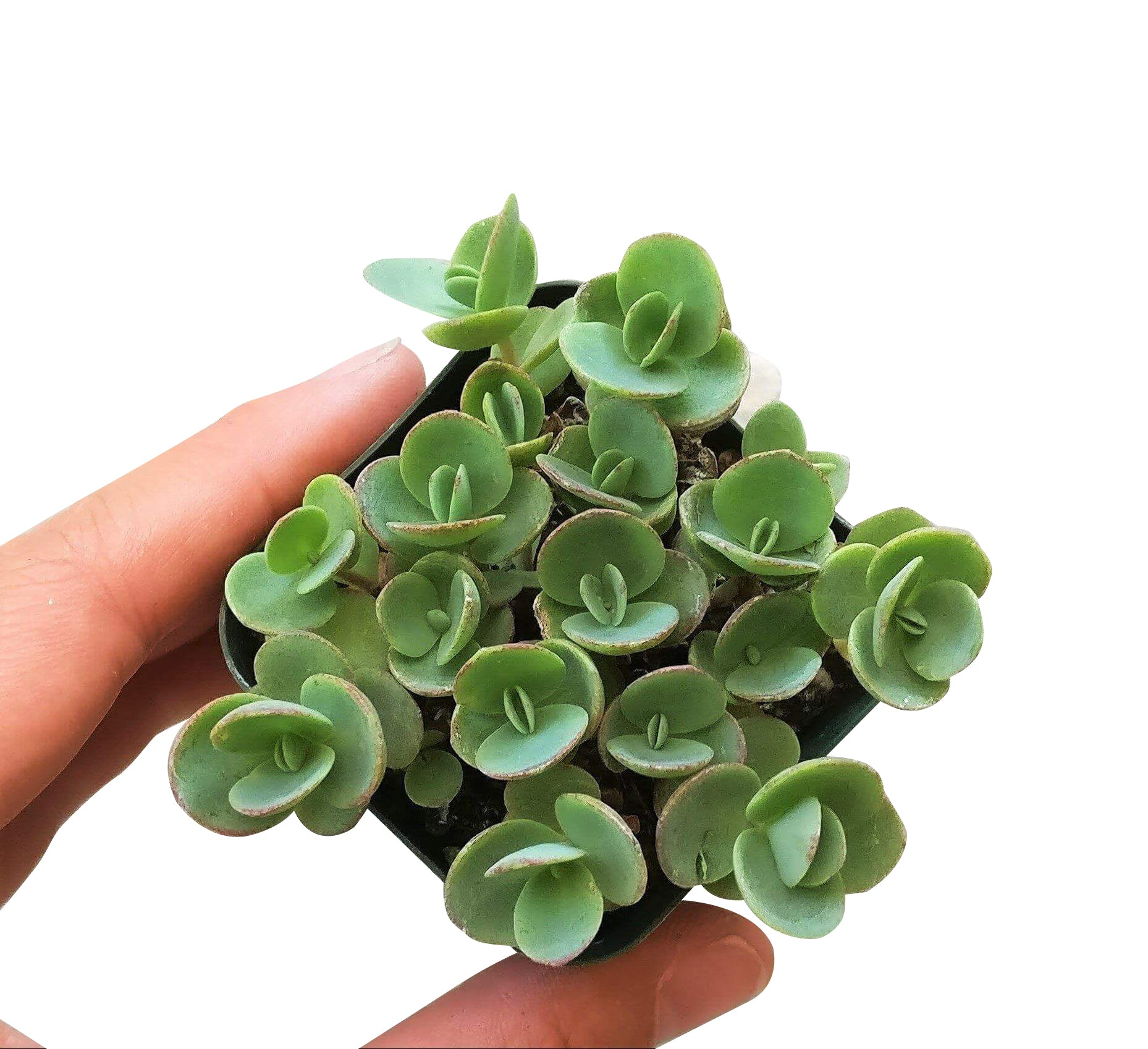
A: Graptoveria Cupid typically grows rosettes 3 to 5 inches across and clusters over time to fill a 4 to 6 inch pot. Growth is slow to moderate, so it stays compact and manageable indoors.
Q: Can I propagate Graptoveria Cupid?
A: Graptoveria Cupid is easy to propagate from offsets or leaf cuttings, making it a rewarding plant for beginners. Simply separate a healthy offset, let it callous for a day or two, then set it on fresh cactus mix.
Q: Can Graptoveria Cupid grow under office or indoor LED lights?
A: Graptoveria Cupid can grow under quality LED grow lights or bright office fluorescent lighting if natural light is limited. It may show less intense pink coloring under low light, so the brighter the setup the better.


Original: $8.00
-70%$8.00
$2.40Product Information
Product Information
Shipping & Returns
Shipping & Returns
Description
- Description
- Graptoveria Cupid Care Guide
- FAQ/Common Issues
-
![]() Graptoveria Cupid is a hybrid succulent created by crossing plants from the Graptopetalum and Echeveria genera, both native to rocky, arid regions of Mexico and Central America. Like other graptoveria hybrids, it inherited the best traits from both parents, making it an easy care succulent that adapts beautifully to indoor and outdoor growing.
Graptoveria Cupid is a hybrid succulent created by crossing plants from the Graptopetalum and Echeveria genera, both native to rocky, arid regions of Mexico and Central America. Like other graptoveria hybrids, it inherited the best traits from both parents, making it an easy care succulent that adapts beautifully to indoor and outdoor growing.
Graptoveria Cupid forms tight, symmetrical rosettes with plump, spoon-shaped leaves that flush in shades of soft pink, lilac, and bubblegum pink depending on light levels. The leaves have a powdery farina coating and gently pointed tips, giving the rosette a polished, jewel-like look. Over time, Graptoveria Cupid clusters and offsets freely, creating a full, eye-catching display that makes it one of the more striking rare succulents available.
Graptoveria Cupid needs a cool night temperature drop in winter to trigger blooming, a natural signal that mimics its native habitat. When bloom conditions are met, it rewards you with delicate star-shaped flowers on slender stems rising from the rosette center. Between bloom cycles, the intensely pink rosette coloring remains the real showstopper all year long.
Graptoveria Cupid is a low maintenance succulent that works beautifully on a sunny windowsill, a patio in summer, or grouped with other rare succulents in a collector display. Move it outdoors once temperatures warm up, but keep it sheltered from heavy rain to protect the roots and farina. This plant is pet friendly, making it a worry-free choice for households with curious cats or dogs. It even survives a 10-day trip alone without watering, and it will tell you when it is thirsty by showing mild leaf wilt.
-
Graptoveria Cupid thrives in bright indirect light, partial sun, or full sun, but may scorch in intense south-facing windows without acclimation.
Water Graptoveria Cupid deeply every 10 to 14 days in summer, reducing to once every 3 to 4 weeks in winter.
Graptoveria Cupid does best in a gritty, fast-draining cactus and perlite mix at roughly 50/50 to prevent root rot.
Graptoveria Cupid prefers temperatures between 65 and 80°F (18 to 27°C) and should be brought indoors before temps drop below 40°F (4°C).
![]() Graptoveria Cupid is a slow to moderate grower that needs only a light balanced fertilizer once or twice during the active spring and summer season.
Graptoveria Cupid is a slow to moderate grower that needs only a light balanced fertilizer once or twice during the active spring and summer season.
Graptoveria Cupid is hardy in USDA Zones 9 through 11, tolerating brief dips to around 25°F (-4°C) but performing best with frost protection. Outdoor growers in California, Texas, Arizona, Florida, Hawaii, Nevada, Louisiana, Georgia, South Carolina, Alabama, Mississippi, and along the Oregon coast will find Graptoveria Cupid thrives year-round with minimal effort. Gardeners in Zone 9 areas such as parts of New Mexico, Arkansas, and central Texas can also grow it outside with light frost cover during cold snaps.
-
Q: How often should I water Graptoveria Cupid?
A: Water Graptoveria Cupid every 10 to 14 days in warm months and cut back to every 3 to 4 weeks in winter. Always let the soil dry out completely between waterings to avoid root rot.
Q: Is Graptoveria Cupid pet friendly?
A: Yes, Graptoveria Cupid is pet friendly and considered non-toxic to cats and dogs. It is a great choice for plant lovers with curious pets at home.
Q: What light does Graptoveria Cupid need indoors?
A: Graptoveria Cupid does best in bright indirect light or a spot with a few hours of direct sun each day. Rotate the pot regularly so all sides of the rosette receive even light and stay symmetrical.
Q: How big does Graptoveria Cupid get?
A: Graptoveria Cupid typically grows rosettes 3 to 5 inches across and clusters over time to fill a 4 to 6 inch pot. Growth is slow to moderate, so it stays compact and manageable indoors.
Q: Can I propagate Graptoveria Cupid?
A: Graptoveria Cupid is easy to propagate from offsets or leaf cuttings, making it a rewarding plant for beginners. Simply separate a healthy offset, let it callous for a day or two, then set it on fresh cactus mix.
Q: Can Graptoveria Cupid grow under office or indoor LED lights?
A: Graptoveria Cupid can grow under quality LED grow lights or bright office fluorescent lighting if natural light is limited. It may show less intense pink coloring under low light, so the brighter the setup the better.