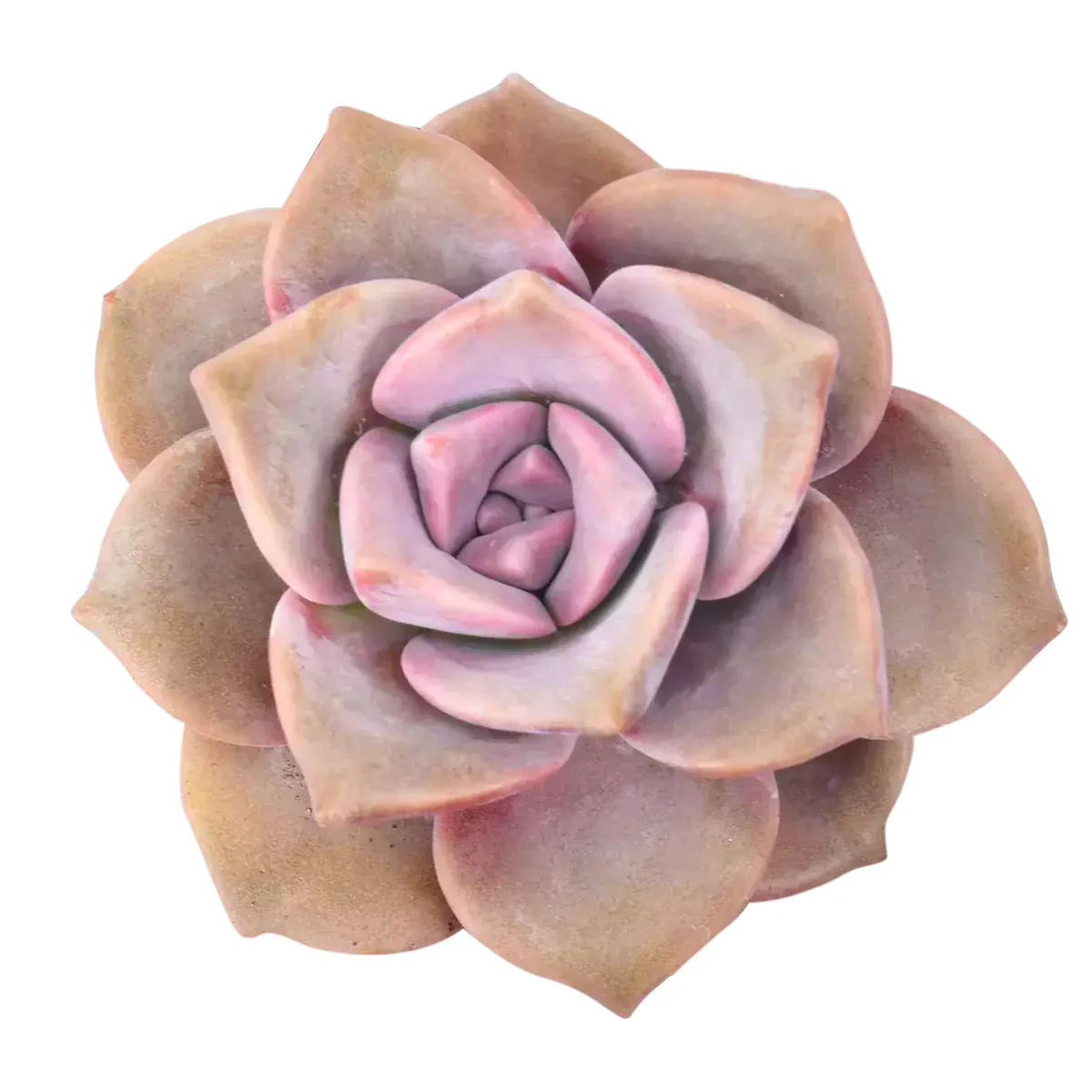
Graptopetalum Purple Delight
- Description
- Graptopetalum Purple Delight Care Guide
- FAQ/Common Issues
-
![]() Graptopetalum Purple Delight is a charming succulent in the Crassulaceae family, native to the rocky, arid regions of Mexico where dry conditions shaped its drought tolerant, water-storing leaves. Like many Graptopetalum species, it thrives in bright, well-drained environments and has traveled from its rugged natural habitat into the hearts of succulent collectors worldwide. This easy care succulent is a fantastic choice for beginners and seasoned growers alike.
Graptopetalum Purple Delight is a charming succulent in the Crassulaceae family, native to the rocky, arid regions of Mexico where dry conditions shaped its drought tolerant, water-storing leaves. Like many Graptopetalum species, it thrives in bright, well-drained environments and has traveled from its rugged natural habitat into the hearts of succulent collectors worldwide. This easy care succulent is a fantastic choice for beginners and seasoned growers alike.
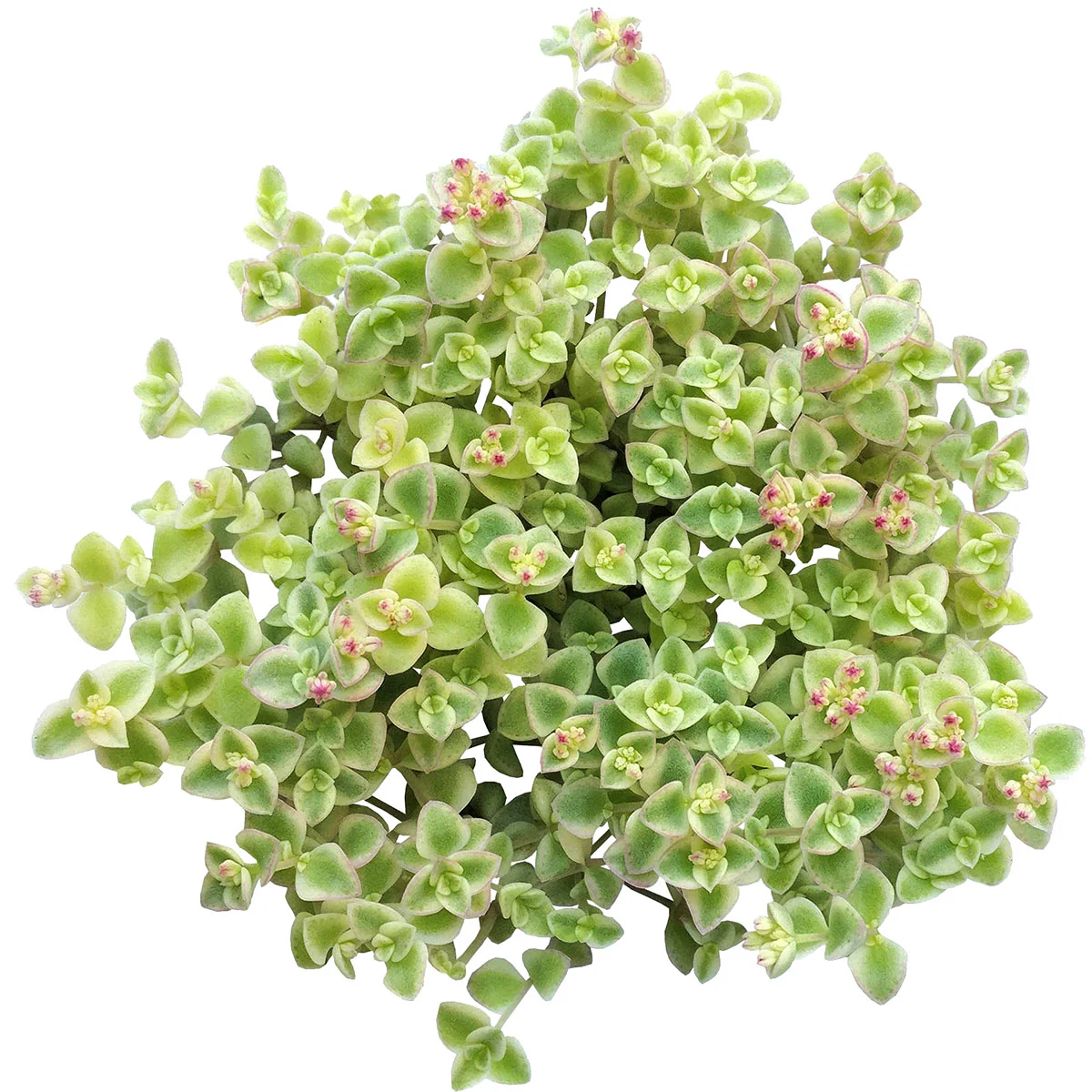
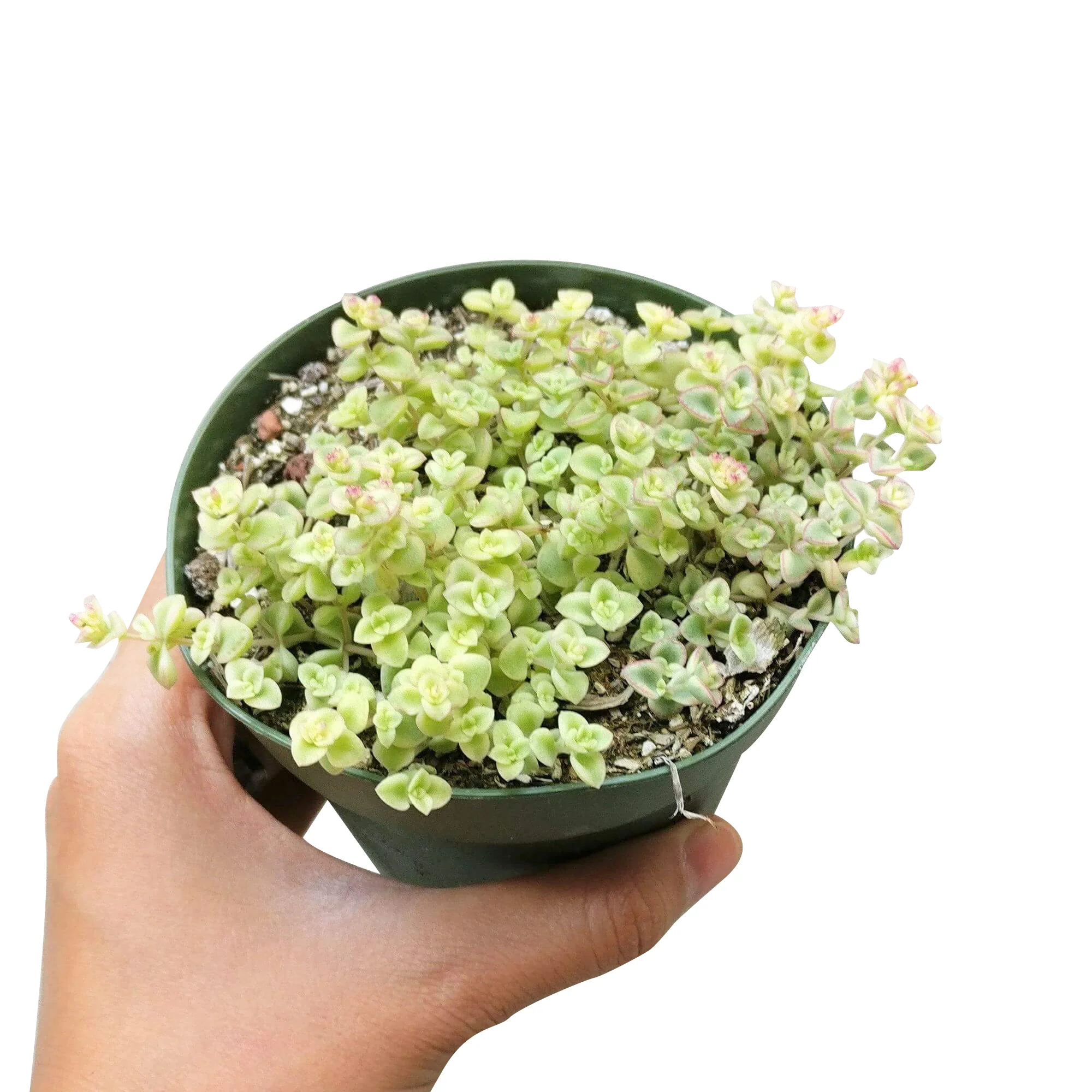
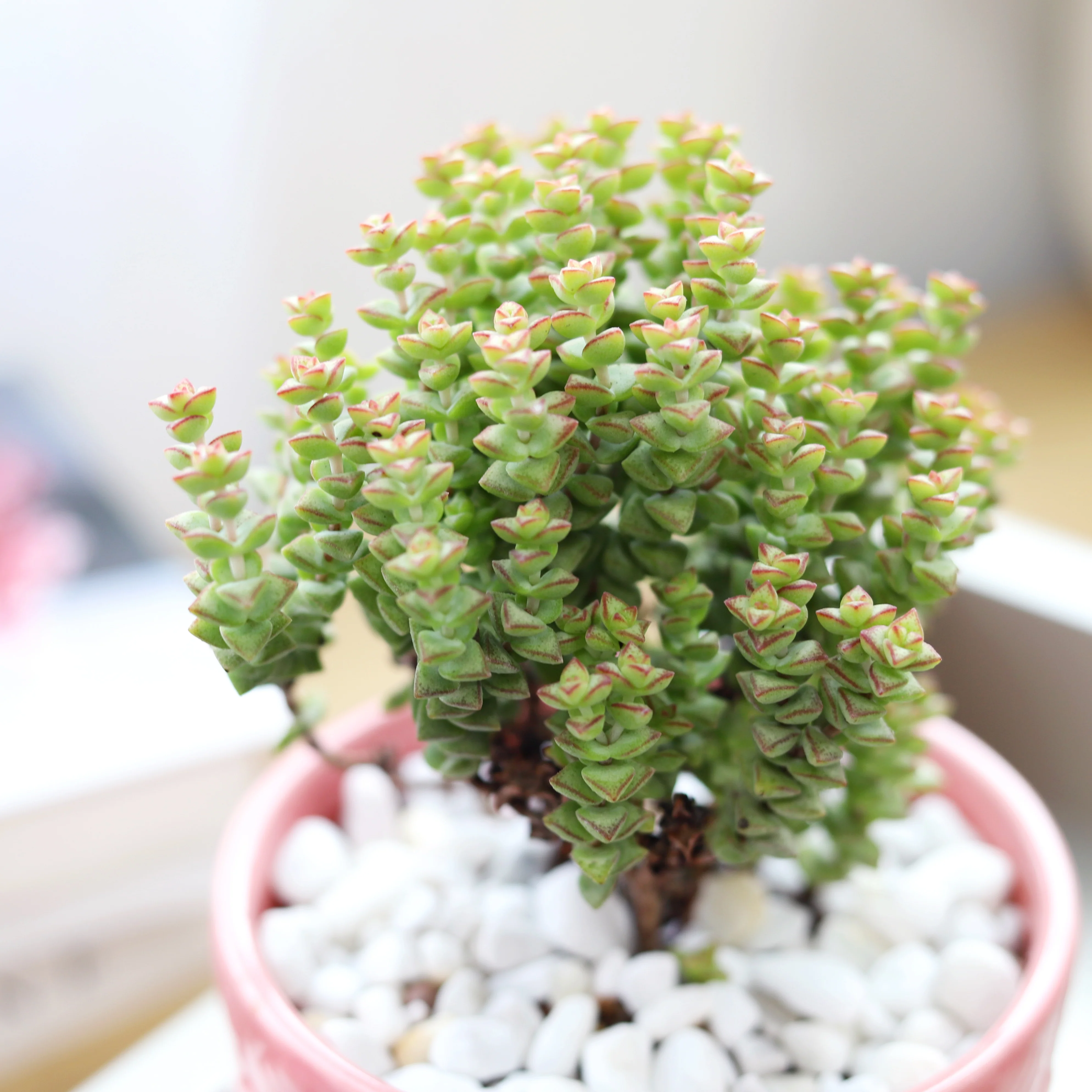
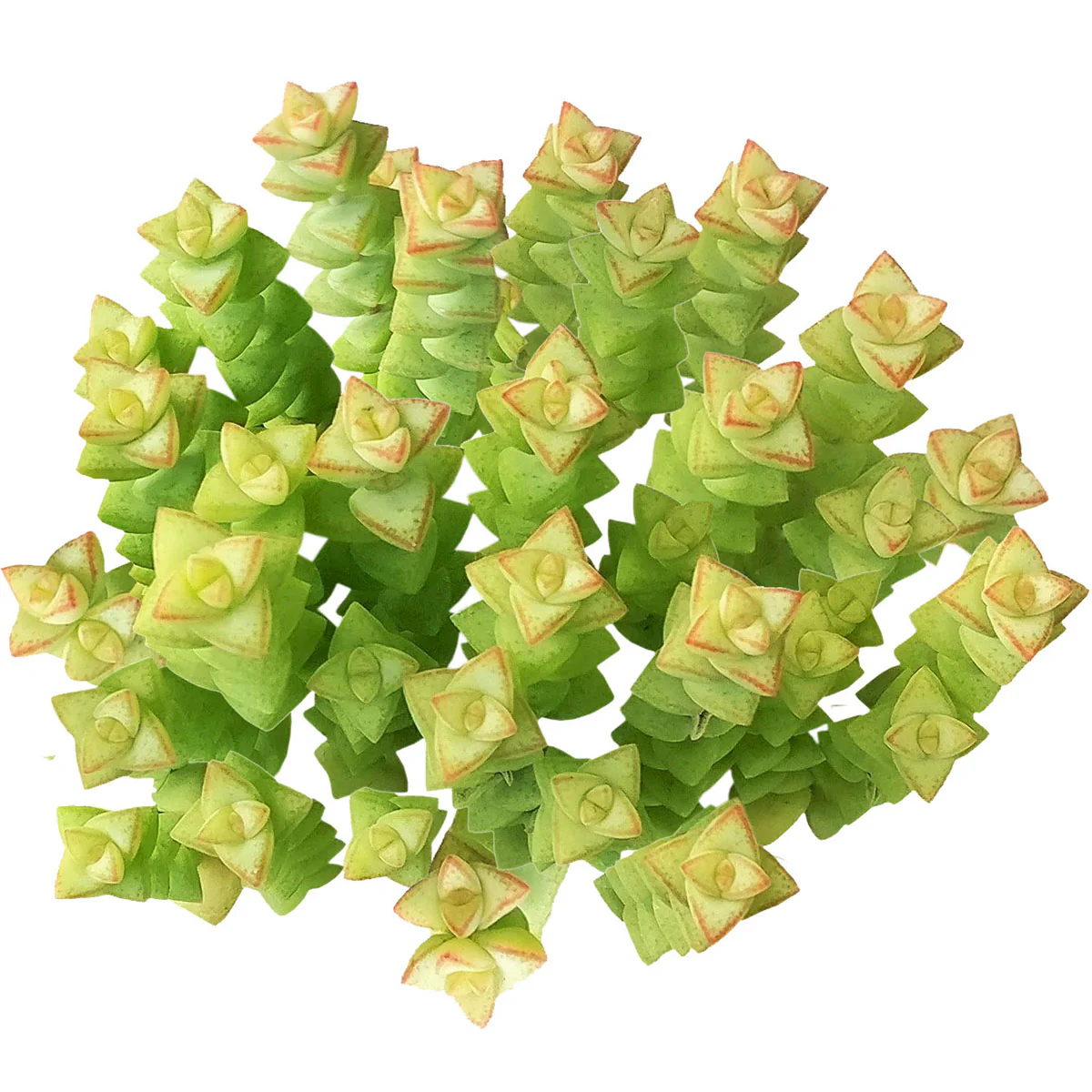
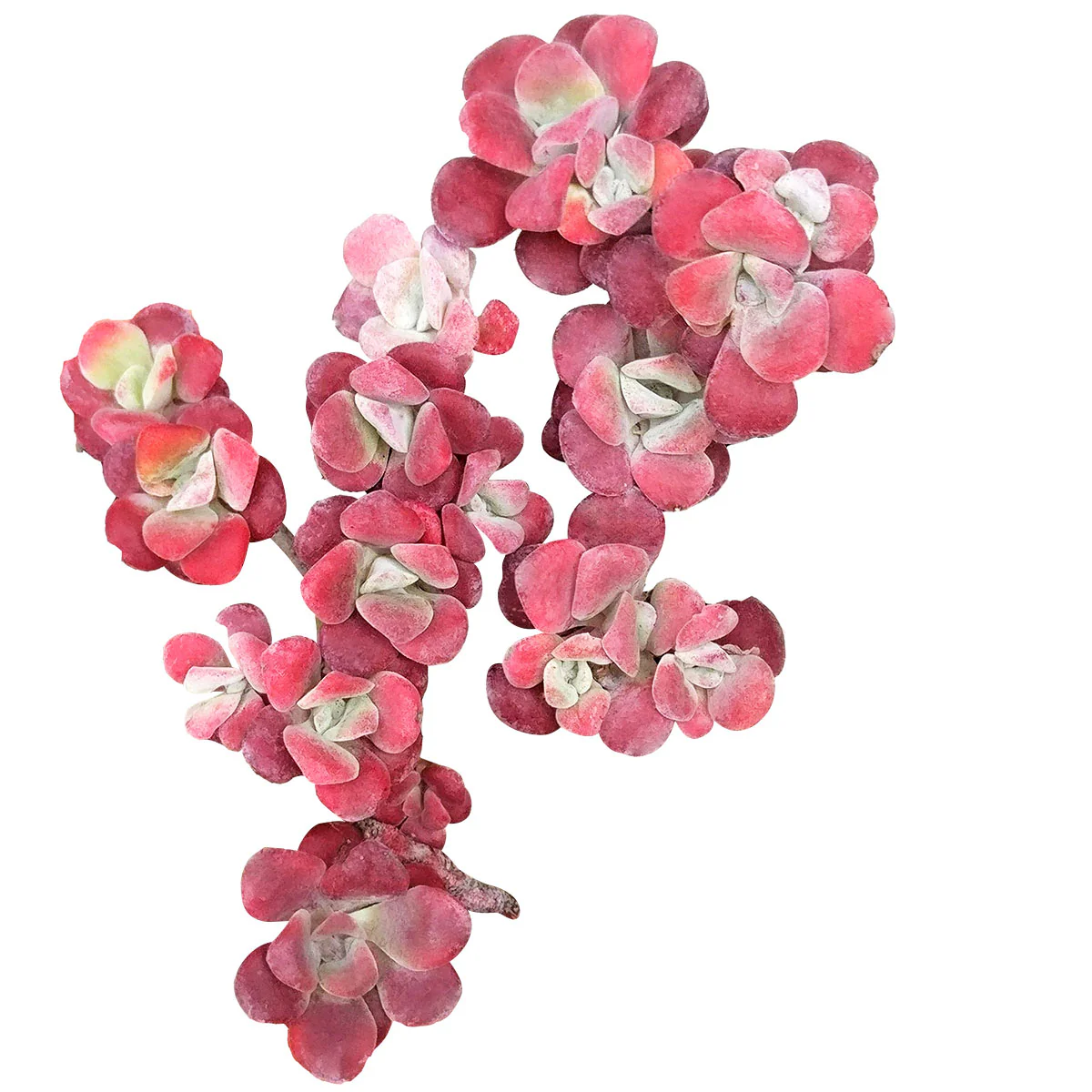
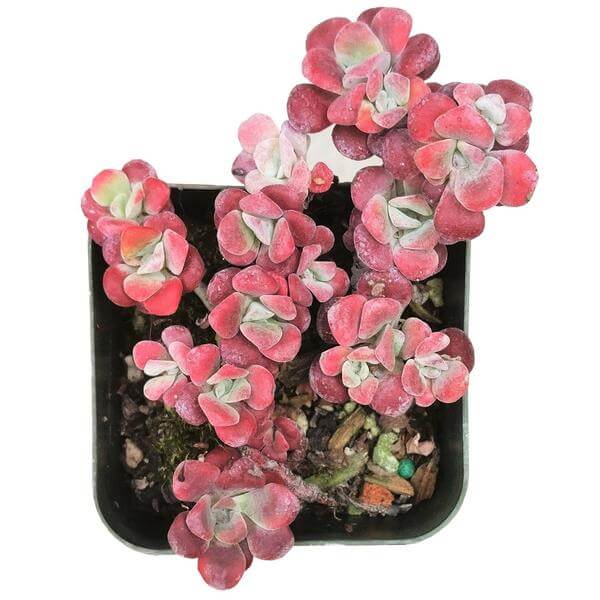
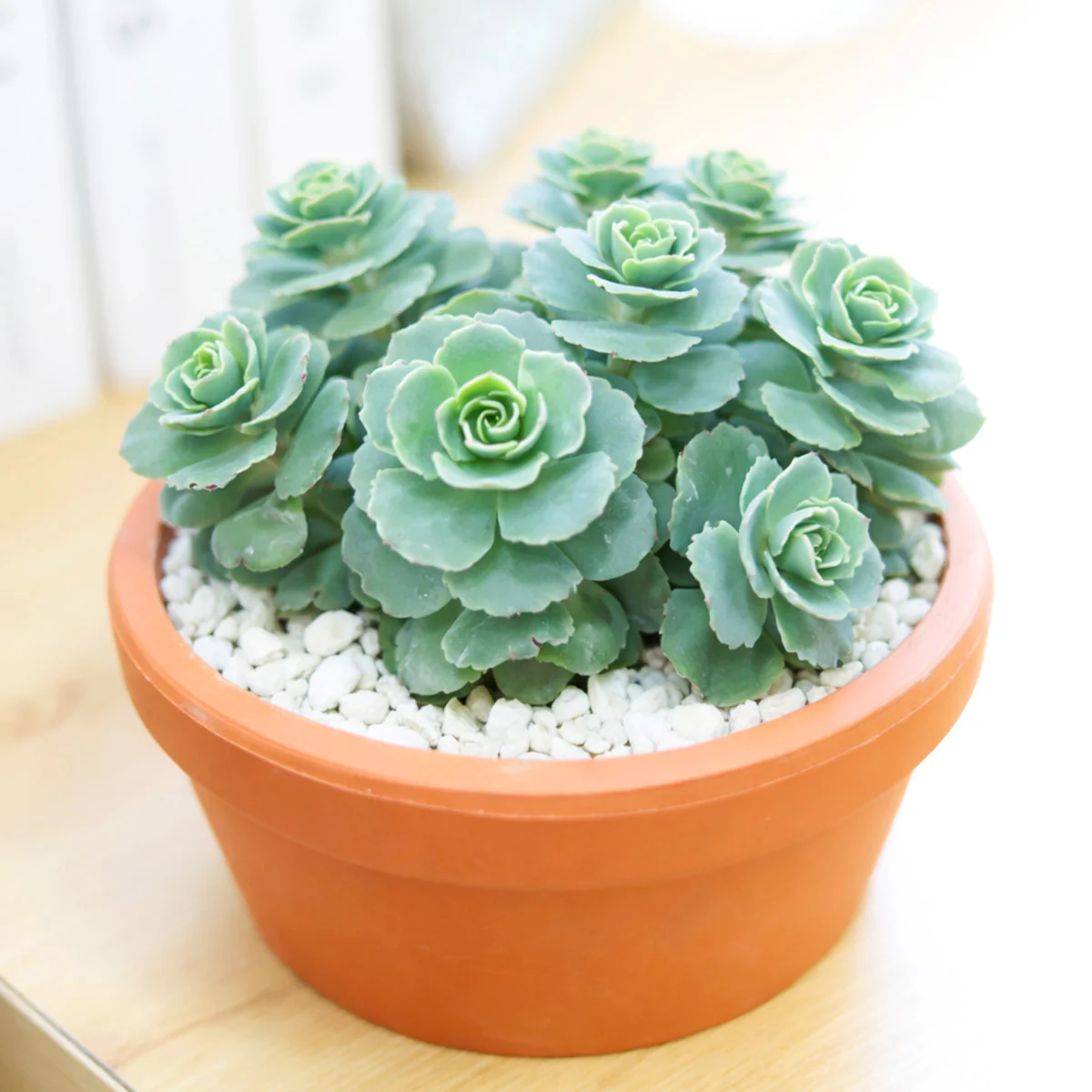
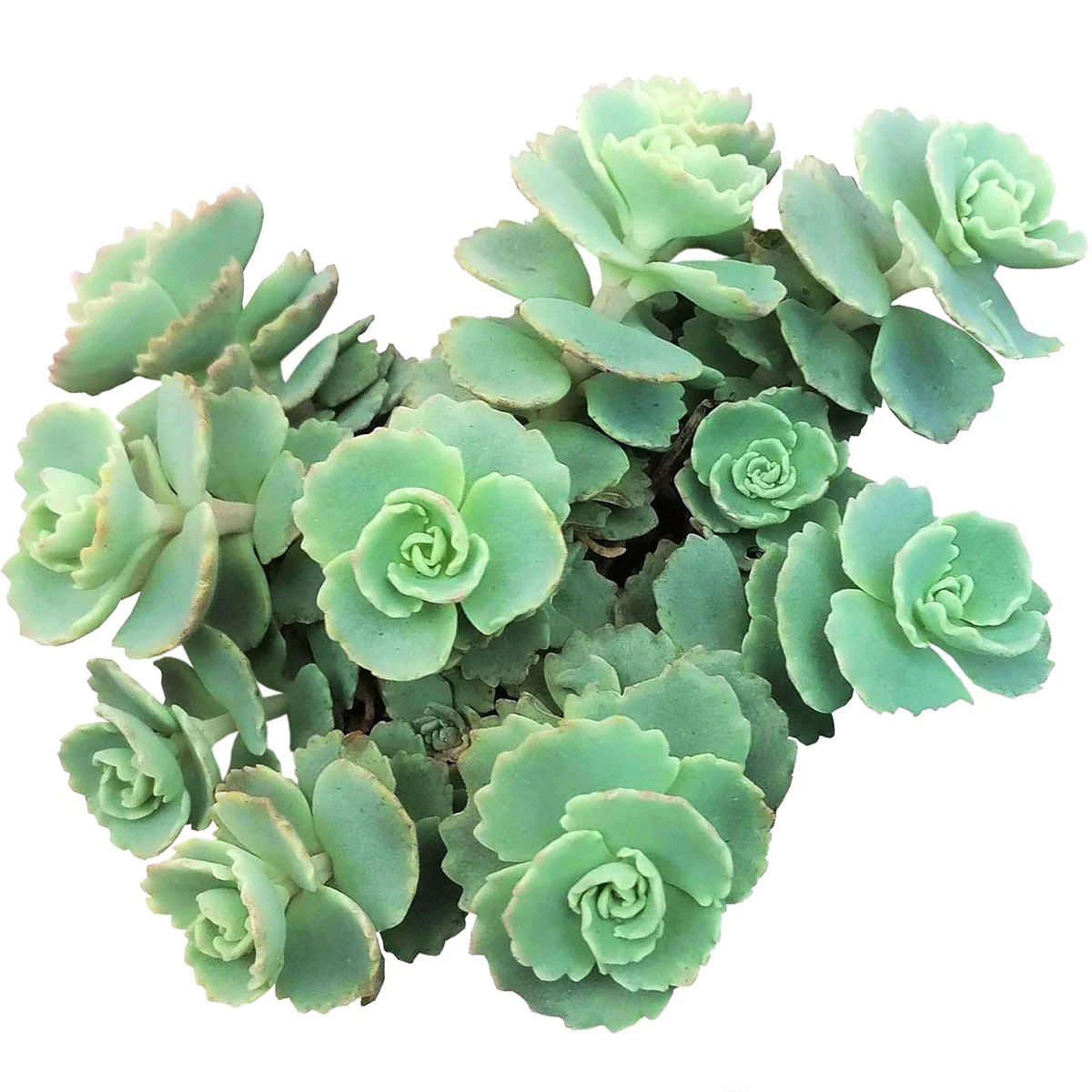
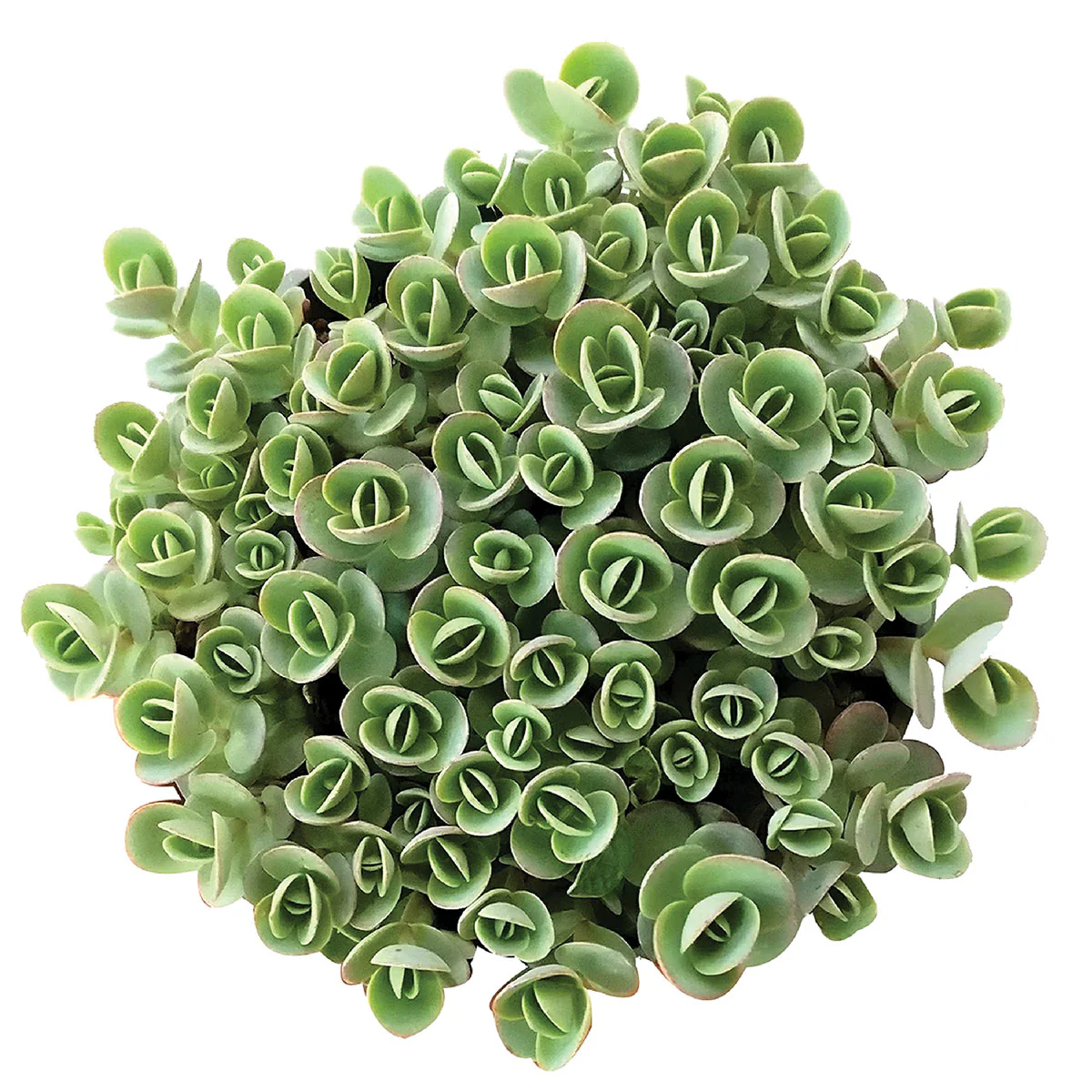
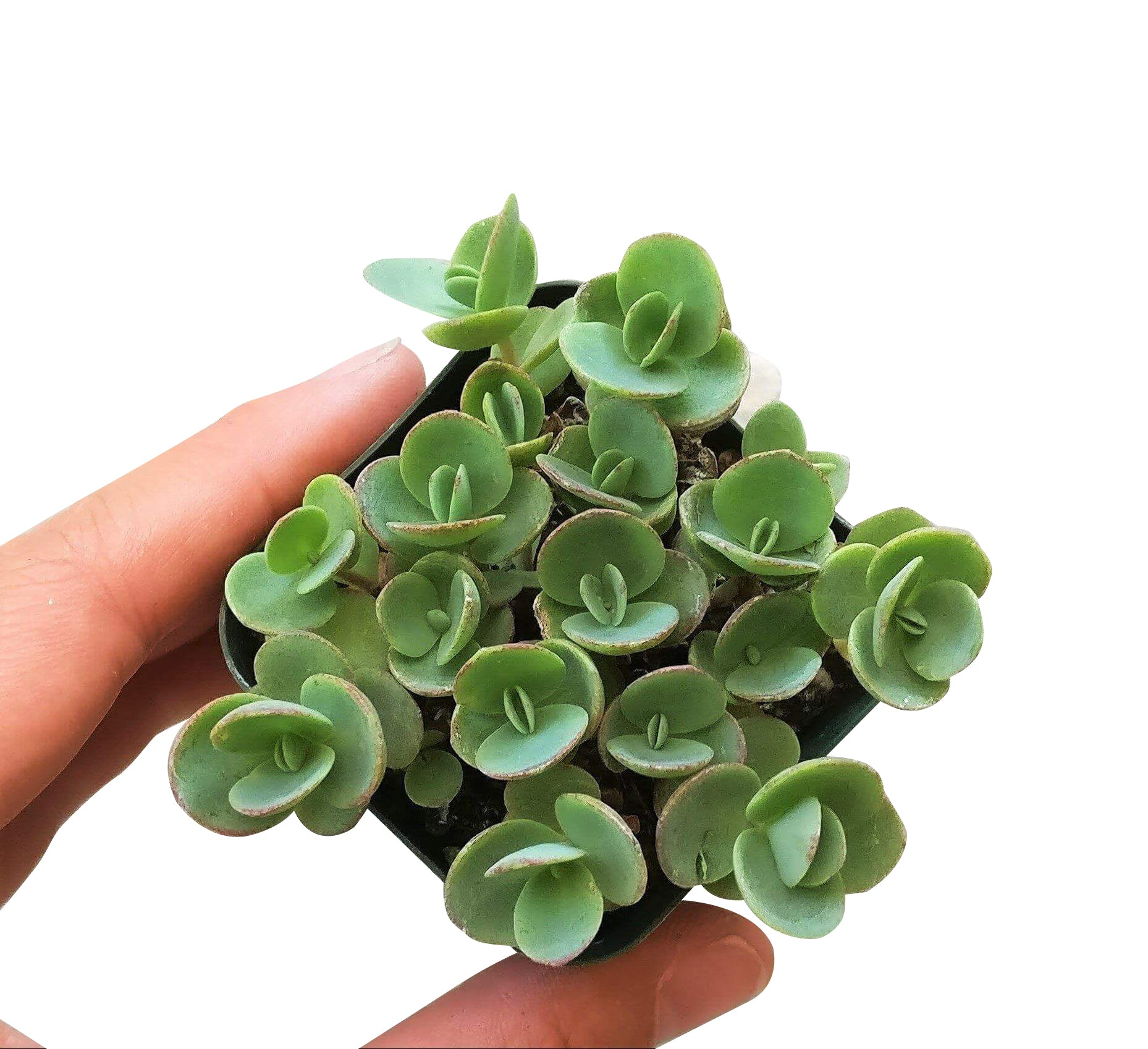
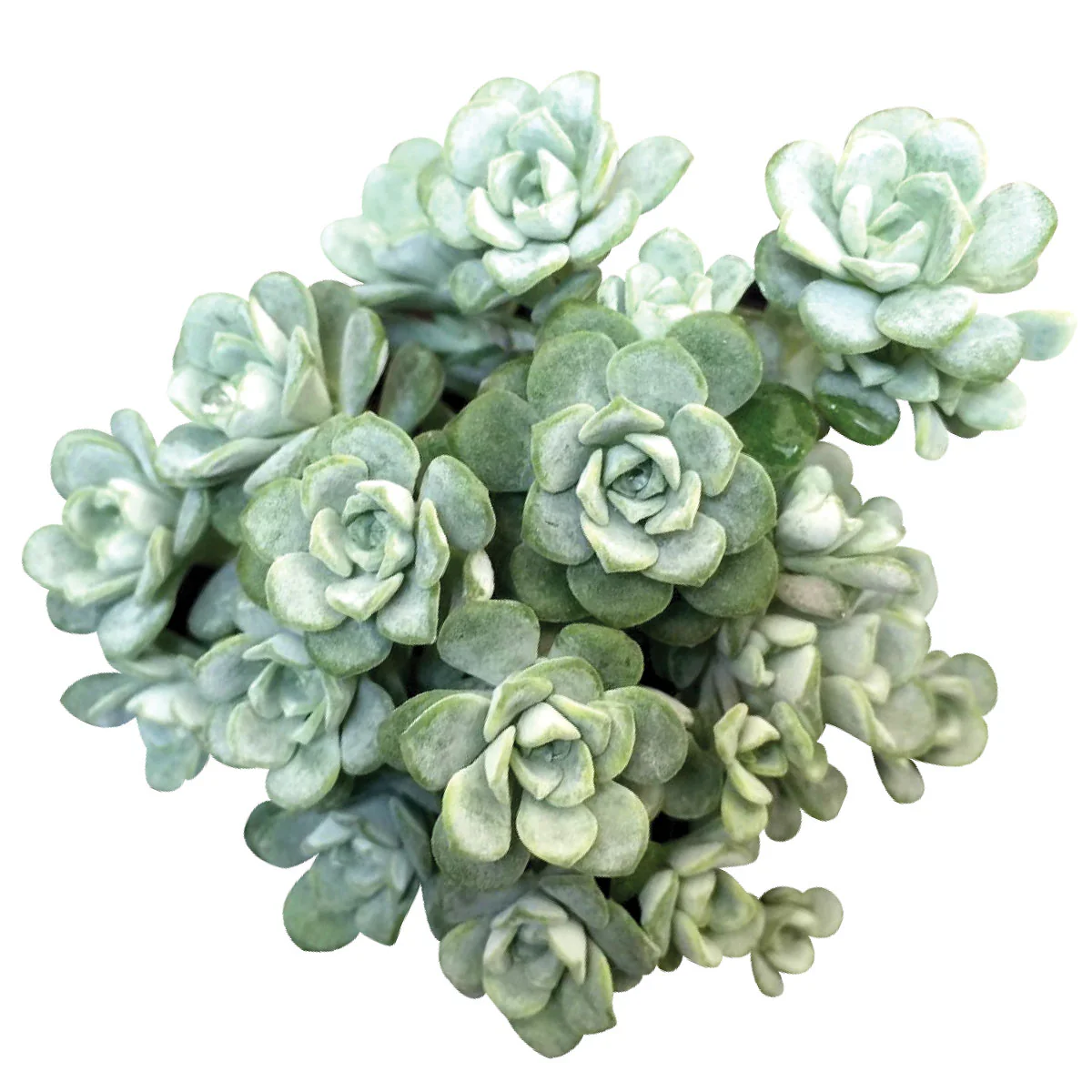
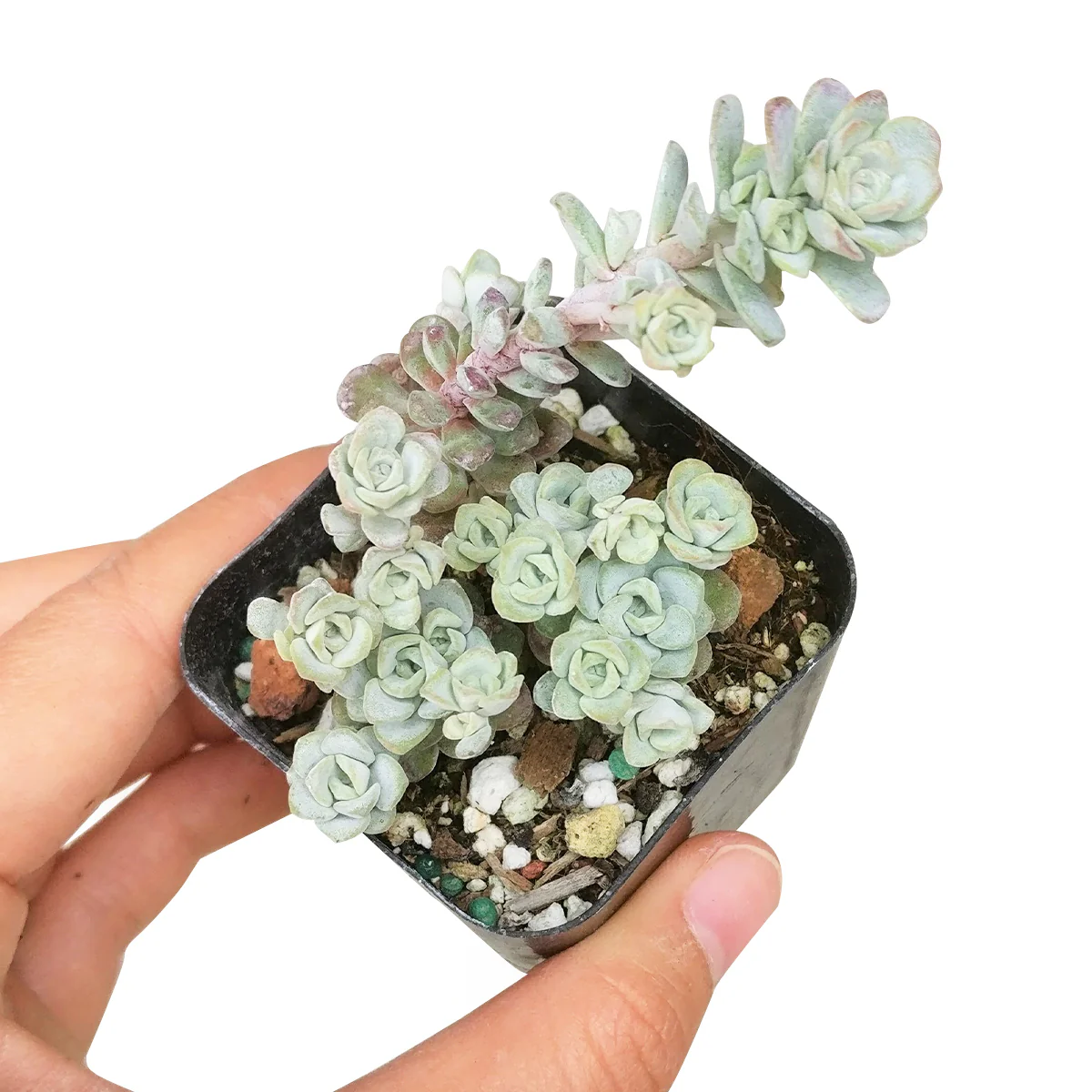
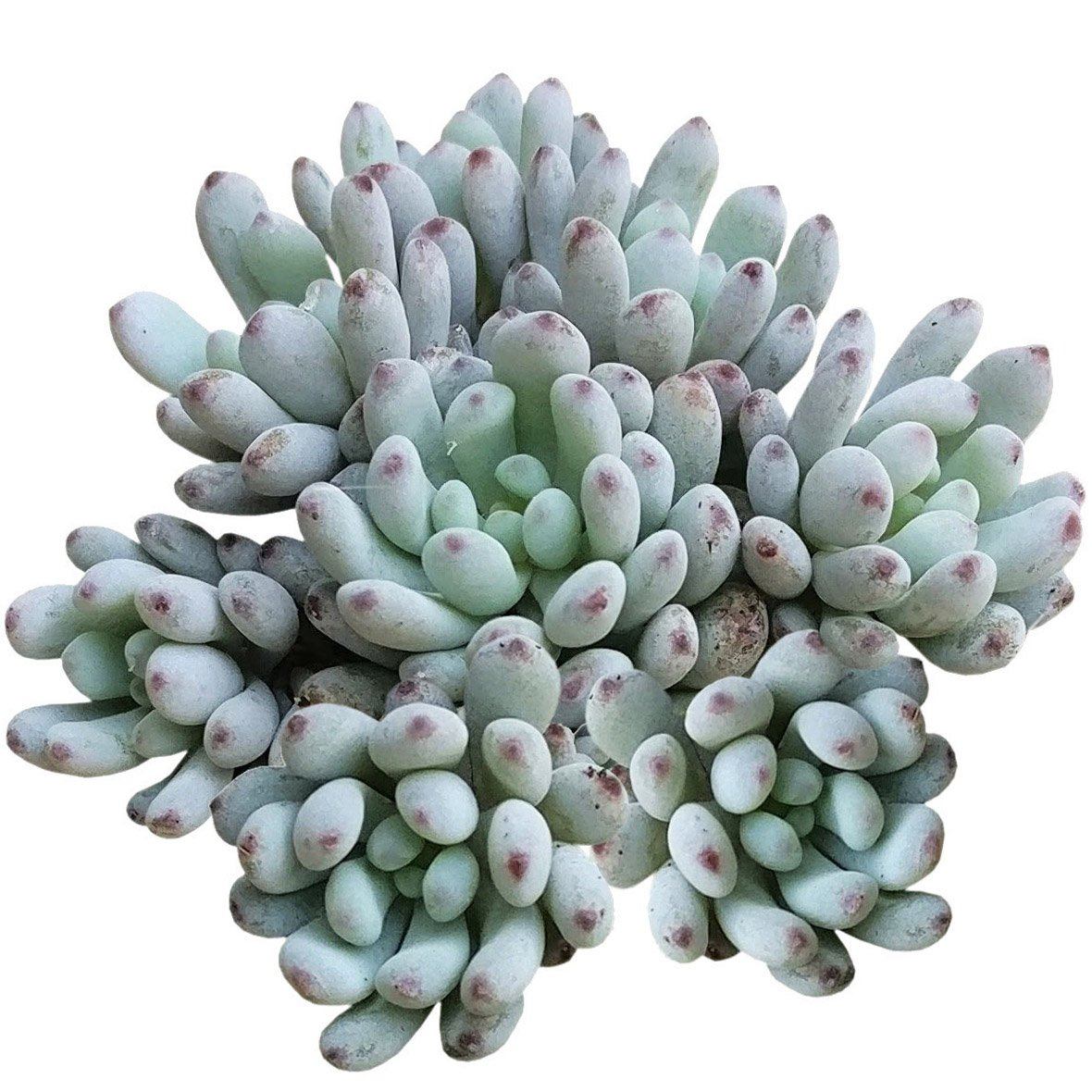
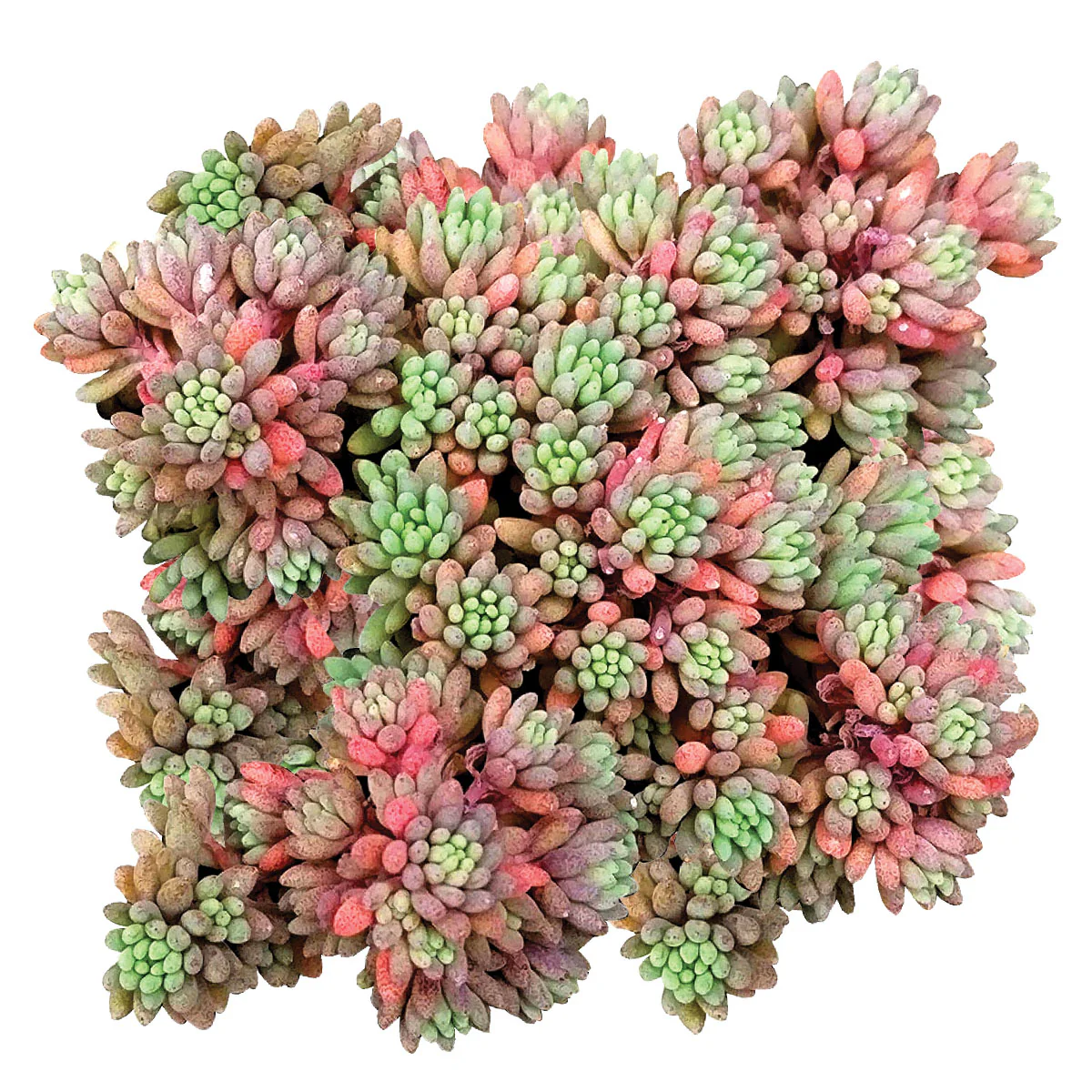
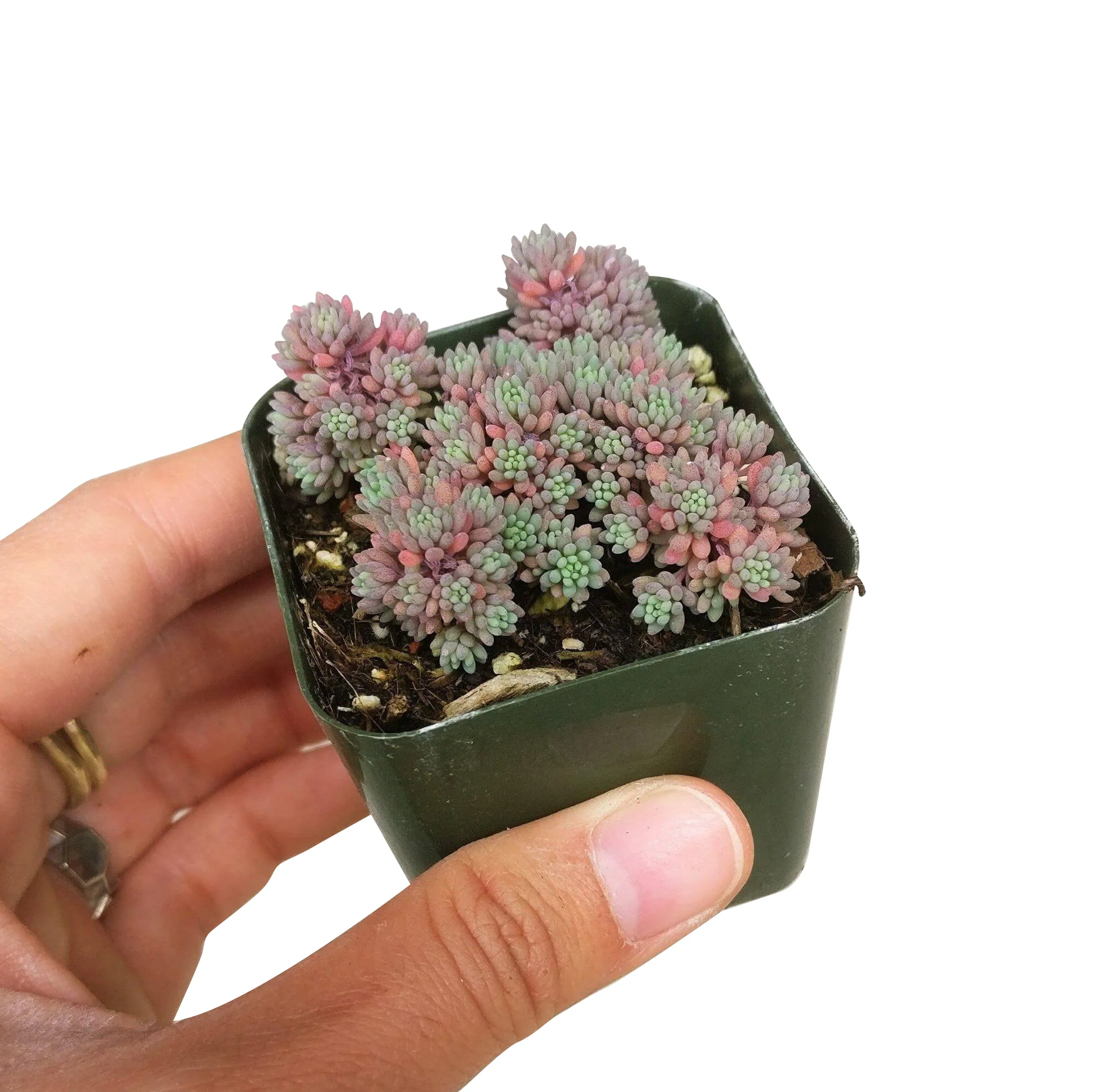
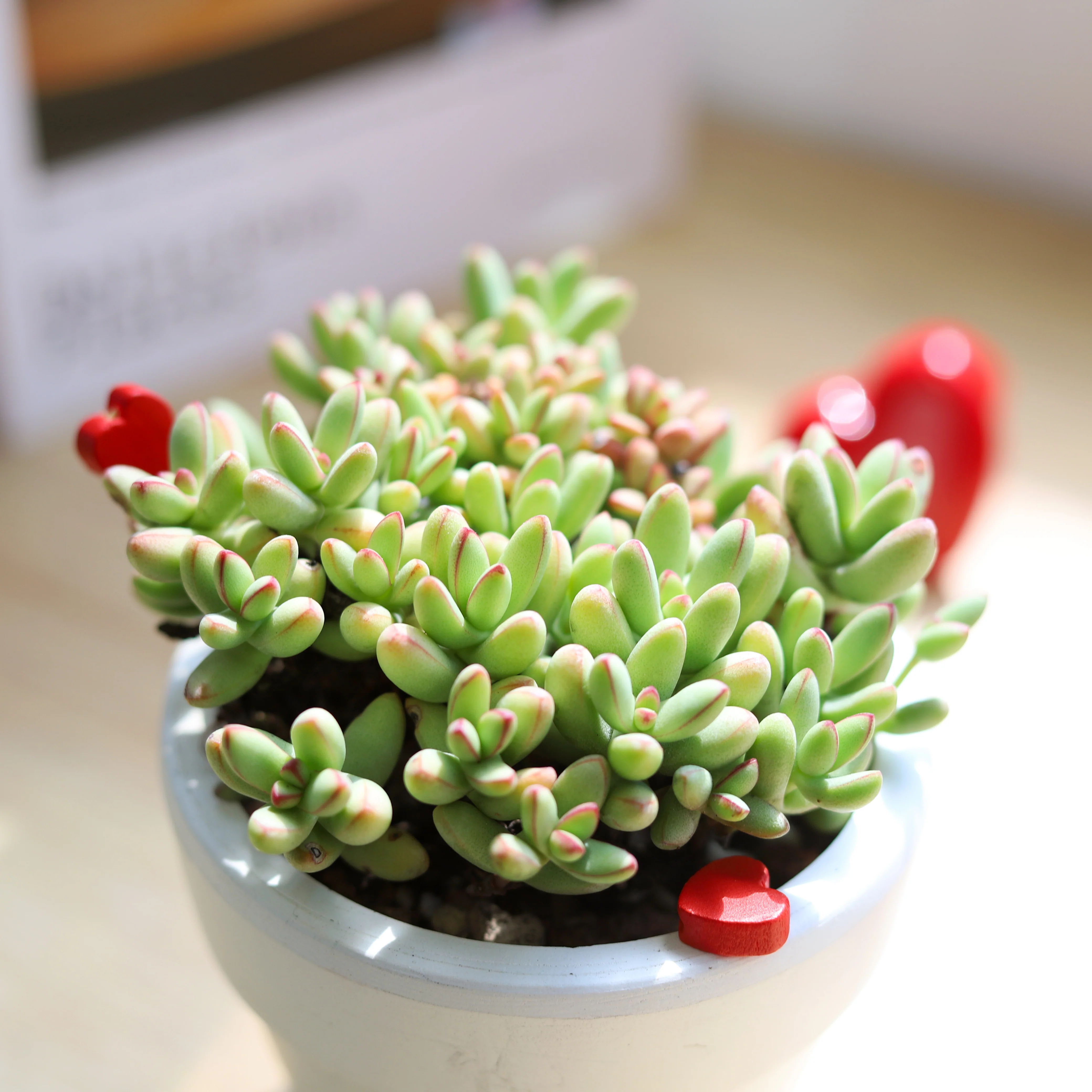
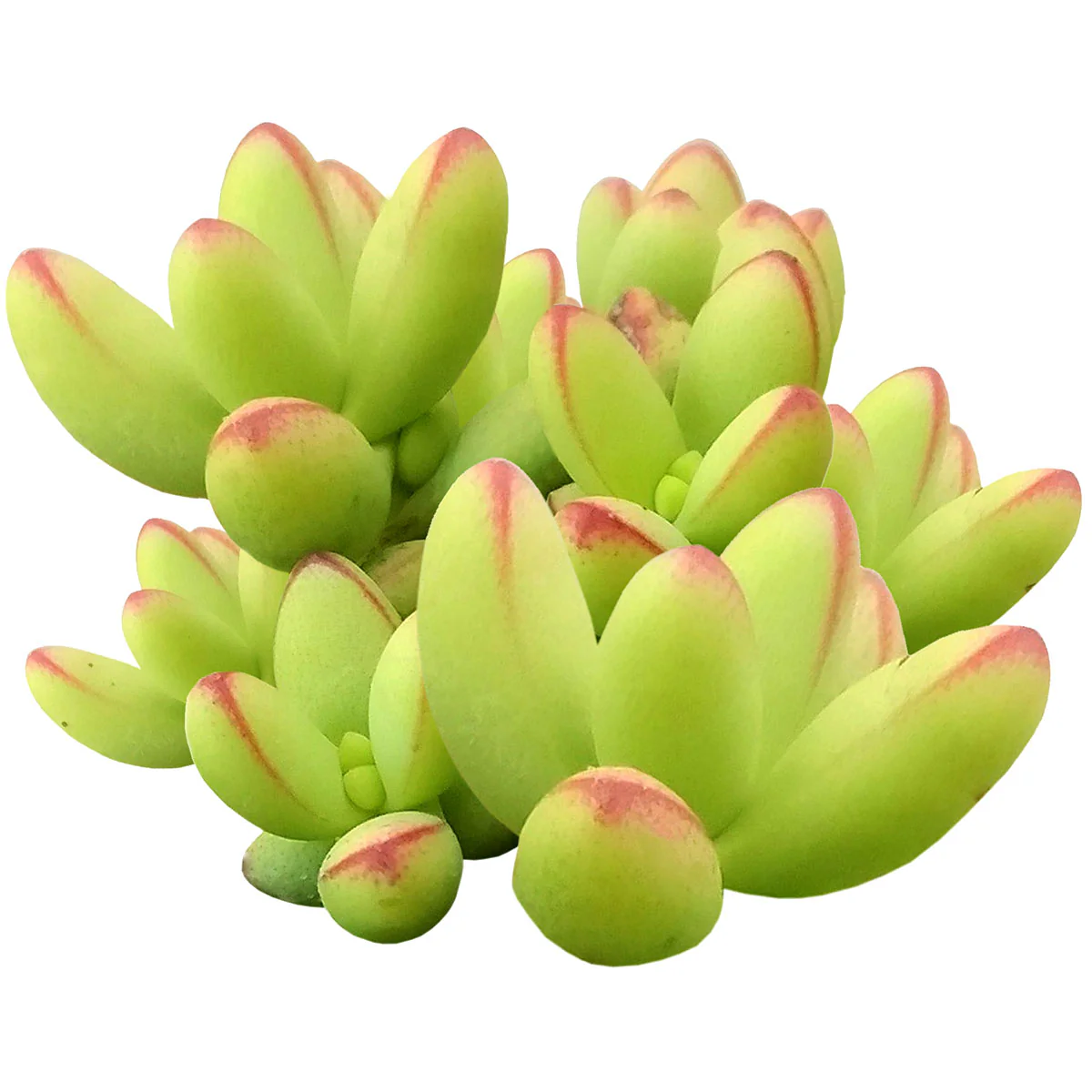
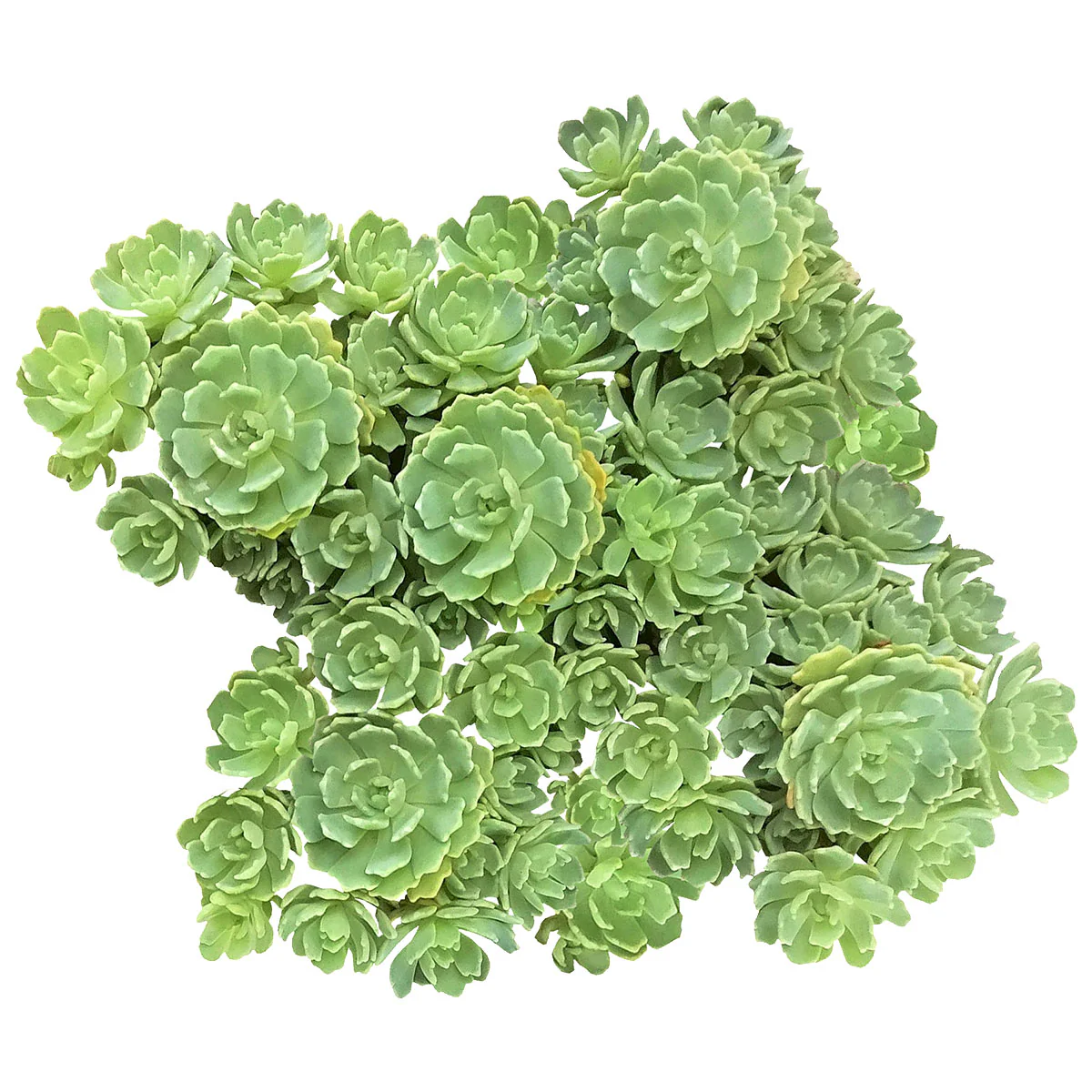
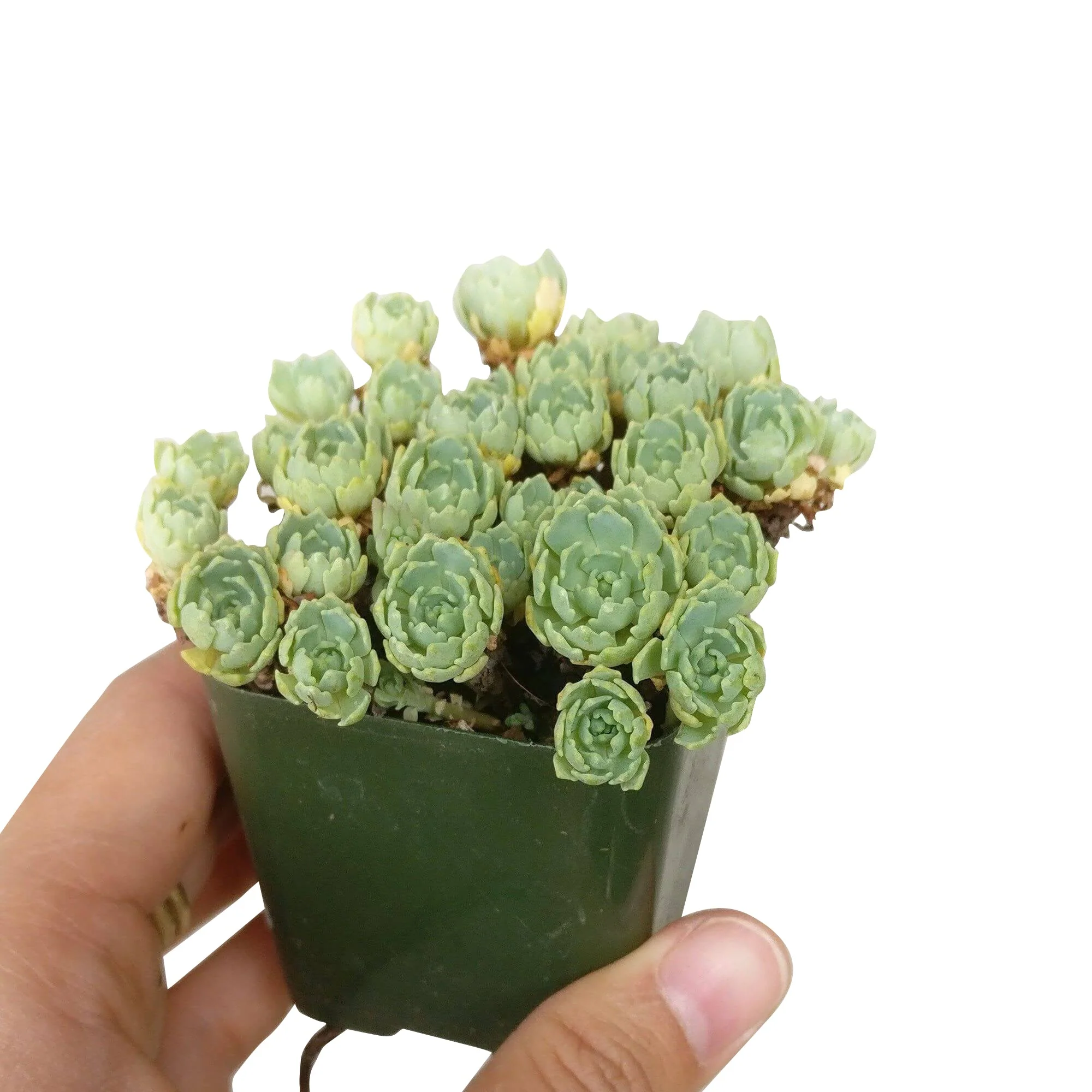
 Graptopetalum Purple Delight forms gorgeous rosettes packed with thick, fleshy leaves in soft lavender, dusty purple, and silvery-pink tones that deepen beautifully with more sun exposure. The leaves have a powdery, chalky coating called farina that gives the plant its signature frosted look and adds real visual texture. As a trailing succulent, Graptopetalum Purple Delight naturally cascades and clusters over time, making it one of the most eye-catching rosette succulents you can grow.
 Graptopetalum Purple Delight needs a nighttime temperature drop to trigger blooming, so if you give it that seasonal chill, you may be rewarded with small star-shaped flowers on slender stems. Keep in mind that this plant does produce pollen and allergens, so it is worth noting for anyone with sensitivities. The blooming season adds another layer of appeal to an already stunning plant.
 Graptopetalum Purple Delight is wonderfully beginner-friendly and tough enough to survive a 10-day trip alone without watering, making it ideal for busy plant parents or frequent travelers. It loves spending summer outdoors in a bright spot, though it needs cover from rain to prevent root rot and waterlogged soil. Plant it in a hanging basket to show off its trailing habit, just make sure to add a hanging hook and rotate it regularly for even, symmetrical growth. This plant is pet friendly, so you can display it anywhere in your home without worry.
-
 Graptopetalum Purple Delight thrives in bright indirect light, partial sun, or full sun, ideally near an east or west-facing window.
 Water Graptopetalum Purple Delight every 10 to 14 days in summer and once every 3 to 4 weeks in winter, always letting soil dry fully between waterings.
 Graptopetalum Purple Delight performs best in a fast-draining cactus and succulent mix combined with coarse perlite or pumice for added drainage.
 Graptopetalum Purple Delight prefers temperatures between 65 and 85 degrees F (18 to 29 degrees C) and should be brought indoors before temps drop below 25 to 30 degrees F (-4 to -1 degrees C).
![]() Graptopetalum Purple Delight is a slow to moderate grower that benefits from a light, balanced succulent fertilizer once a month during the spring and summer growing season.
Graptopetalum Purple Delight is a slow to moderate grower that benefits from a light, balanced succulent fertilizer once a month during the spring and summer growing season.
 Graptopetalum Purple Delight is hardy in USDA Zones 9 through 11, tolerating brief dips to around 25 to 30 degrees F (-4 to -1 degrees C) before needing frost protection. In the United States, these zones cover California, Arizona, Texas, Florida, Hawaii, Louisiana, Georgia, South Carolina, Alabama, Mississippi, and Nevada, as well as portions of Oregon and Washington along the milder Pacific coast. Gardeners in these states can grow Graptopetalum Purple Delight outdoors year-round with proper drainage and some seasonal shelter.
-
Q: How often should I water Graptopetalum Purple Delight?
A: Water Graptopetalum Purple Delight every 10 to 14 days in warm months and cut back to once every 3 to 4 weeks in winter. Always let the soil dry out completely between waterings to prevent root rot.
Q: Is Graptopetalum Purple Delight pet friendly?
A: Yes, Graptopetalum Purple Delight is pet friendly and considered non-toxic to cats and dogs. You can safely display it anywhere in your home.
Q: How much light does Graptopetalum Purple Delight need?
A: Graptopetalum Purple Delight loves bright indirect light to full sun and does best near an east or west-facing window. Note that intense south-facing windows can scorch the leaves, so monitor for sun stress and adjust placement if needed.
Q: How do I propagate Graptopetalum Purple Delight?
A: Graptopetalum Purple Delight propagates easily from leaf cuttings or offsets pulled from the base of the mother plant. Let cuttings callous for a day or two before placing them on dry succulent mix, then mist lightly until roots form.
Q: How big does Graptopetalum Purple Delight get?
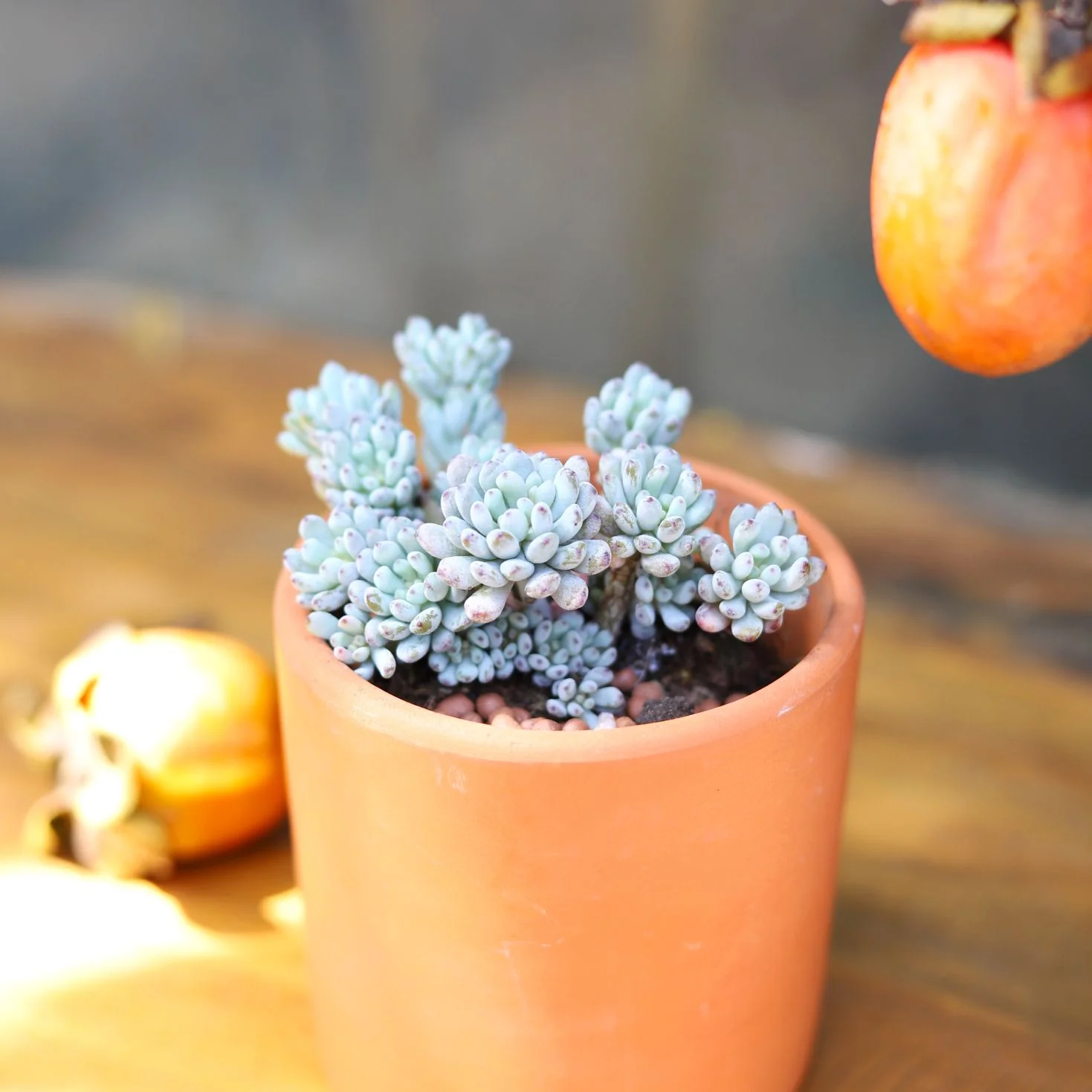
A: Graptopetalum Purple Delight typically grows to about 4 to 6 inches tall per rosette and spreads and trails as it clusters over time. It stays compact enough for pots, hanging baskets, and small spaces.
Q: Can I move Graptopetalum Purple Delight outside in summer?
A: Absolutely, Graptopetalum Purple Delight loves spending summer outdoors in a bright, sheltered spot. Just make sure it has cover from rain and bring it back inside before temperatures drop in autumn.


Product Information
Product Information
Shipping & Returns
Shipping & Returns
Description
- Description
- Graptopetalum Purple Delight Care Guide
- FAQ/Common Issues
-
![]() Graptopetalum Purple Delight is a charming succulent in the Crassulaceae family, native to the rocky, arid regions of Mexico where dry conditions shaped its drought tolerant, water-storing leaves. Like many Graptopetalum species, it thrives in bright, well-drained environments and has traveled from its rugged natural habitat into the hearts of succulent collectors worldwide. This easy care succulent is a fantastic choice for beginners and seasoned growers alike.
Graptopetalum Purple Delight is a charming succulent in the Crassulaceae family, native to the rocky, arid regions of Mexico where dry conditions shaped its drought tolerant, water-storing leaves. Like many Graptopetalum species, it thrives in bright, well-drained environments and has traveled from its rugged natural habitat into the hearts of succulent collectors worldwide. This easy care succulent is a fantastic choice for beginners and seasoned growers alike.
Graptopetalum Purple Delight forms gorgeous rosettes packed with thick, fleshy leaves in soft lavender, dusty purple, and silvery-pink tones that deepen beautifully with more sun exposure. The leaves have a powdery, chalky coating called farina that gives the plant its signature frosted look and adds real visual texture. As a trailing succulent, Graptopetalum Purple Delight naturally cascades and clusters over time, making it one of the most eye-catching rosette succulents you can grow.
Graptopetalum Purple Delight needs a nighttime temperature drop to trigger blooming, so if you give it that seasonal chill, you may be rewarded with small star-shaped flowers on slender stems. Keep in mind that this plant does produce pollen and allergens, so it is worth noting for anyone with sensitivities. The blooming season adds another layer of appeal to an already stunning plant.
Graptopetalum Purple Delight is wonderfully beginner-friendly and tough enough to survive a 10-day trip alone without watering, making it ideal for busy plant parents or frequent travelers. It loves spending summer outdoors in a bright spot, though it needs cover from rain to prevent root rot and waterlogged soil. Plant it in a hanging basket to show off its trailing habit, just make sure to add a hanging hook and rotate it regularly for even, symmetrical growth. This plant is pet friendly, so you can display it anywhere in your home without worry.
-
Graptopetalum Purple Delight thrives in bright indirect light, partial sun, or full sun, ideally near an east or west-facing window.
Water Graptopetalum Purple Delight every 10 to 14 days in summer and once every 3 to 4 weeks in winter, always letting soil dry fully between waterings.
Graptopetalum Purple Delight performs best in a fast-draining cactus and succulent mix combined with coarse perlite or pumice for added drainage.
Graptopetalum Purple Delight prefers temperatures between 65 and 85 degrees F (18 to 29 degrees C) and should be brought indoors before temps drop below 25 to 30 degrees F (-4 to -1 degrees C).
![]() Graptopetalum Purple Delight is a slow to moderate grower that benefits from a light, balanced succulent fertilizer once a month during the spring and summer growing season.
Graptopetalum Purple Delight is a slow to moderate grower that benefits from a light, balanced succulent fertilizer once a month during the spring and summer growing season.
Graptopetalum Purple Delight is hardy in USDA Zones 9 through 11, tolerating brief dips to around 25 to 30 degrees F (-4 to -1 degrees C) before needing frost protection. In the United States, these zones cover California, Arizona, Texas, Florida, Hawaii, Louisiana, Georgia, South Carolina, Alabama, Mississippi, and Nevada, as well as portions of Oregon and Washington along the milder Pacific coast. Gardeners in these states can grow Graptopetalum Purple Delight outdoors year-round with proper drainage and some seasonal shelter.
-
Q: How often should I water Graptopetalum Purple Delight?
A: Water Graptopetalum Purple Delight every 10 to 14 days in warm months and cut back to once every 3 to 4 weeks in winter. Always let the soil dry out completely between waterings to prevent root rot.
Q: Is Graptopetalum Purple Delight pet friendly?
A: Yes, Graptopetalum Purple Delight is pet friendly and considered non-toxic to cats and dogs. You can safely display it anywhere in your home.
Q: How much light does Graptopetalum Purple Delight need?
A: Graptopetalum Purple Delight loves bright indirect light to full sun and does best near an east or west-facing window. Note that intense south-facing windows can scorch the leaves, so monitor for sun stress and adjust placement if needed.
Q: How do I propagate Graptopetalum Purple Delight?
A: Graptopetalum Purple Delight propagates easily from leaf cuttings or offsets pulled from the base of the mother plant. Let cuttings callous for a day or two before placing them on dry succulent mix, then mist lightly until roots form.
Q: How big does Graptopetalum Purple Delight get?
A: Graptopetalum Purple Delight typically grows to about 4 to 6 inches tall per rosette and spreads and trails as it clusters over time. It stays compact enough for pots, hanging baskets, and small spaces.
Q: Can I move Graptopetalum Purple Delight outside in summer?
A: Absolutely, Graptopetalum Purple Delight loves spending summer outdoors in a bright, sheltered spot. Just make sure it has cover from rain and bring it back inside before temperatures drop in autumn.