Fairy Tongue Crassula
- Description
- Fairy Tongue Crassula Care Guide
- FAQ/Common Issues
-
![]() Fairy Tongue Crassula is a charming drought tolerant succulent from the Crassulaceae family, native to the rocky, arid regions of southern Africa. It thrives naturally in well-drained soils with plenty of sun and dry seasons, making it a wonderfully adaptable easy care succulent for home growers everywhere.
Fairy Tongue Crassula is a charming drought tolerant succulent from the Crassulaceae family, native to the rocky, arid regions of southern Africa. It thrives naturally in well-drained soils with plenty of sun and dry seasons, making it a wonderfully adaptable easy care succulent for home growers everywhere.
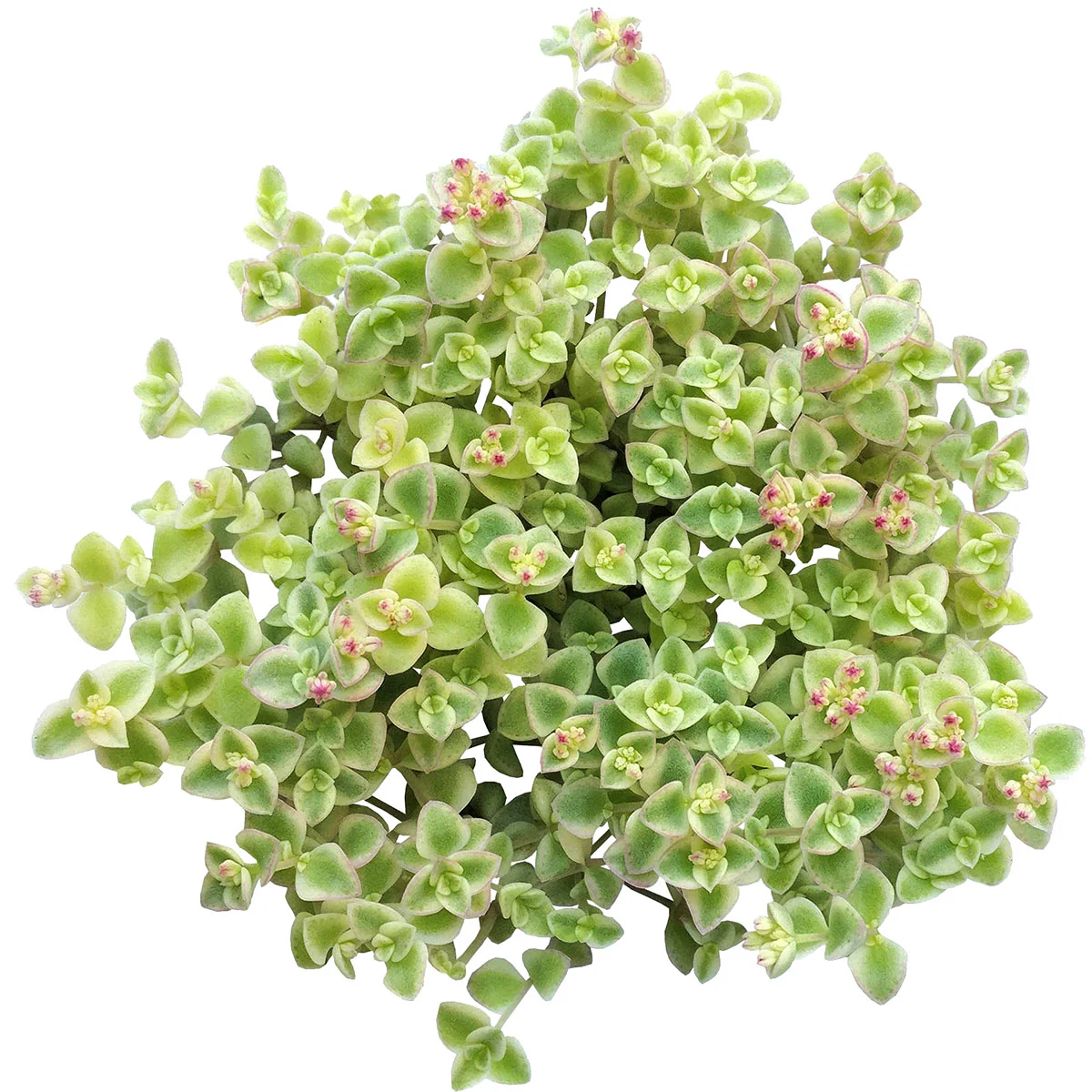
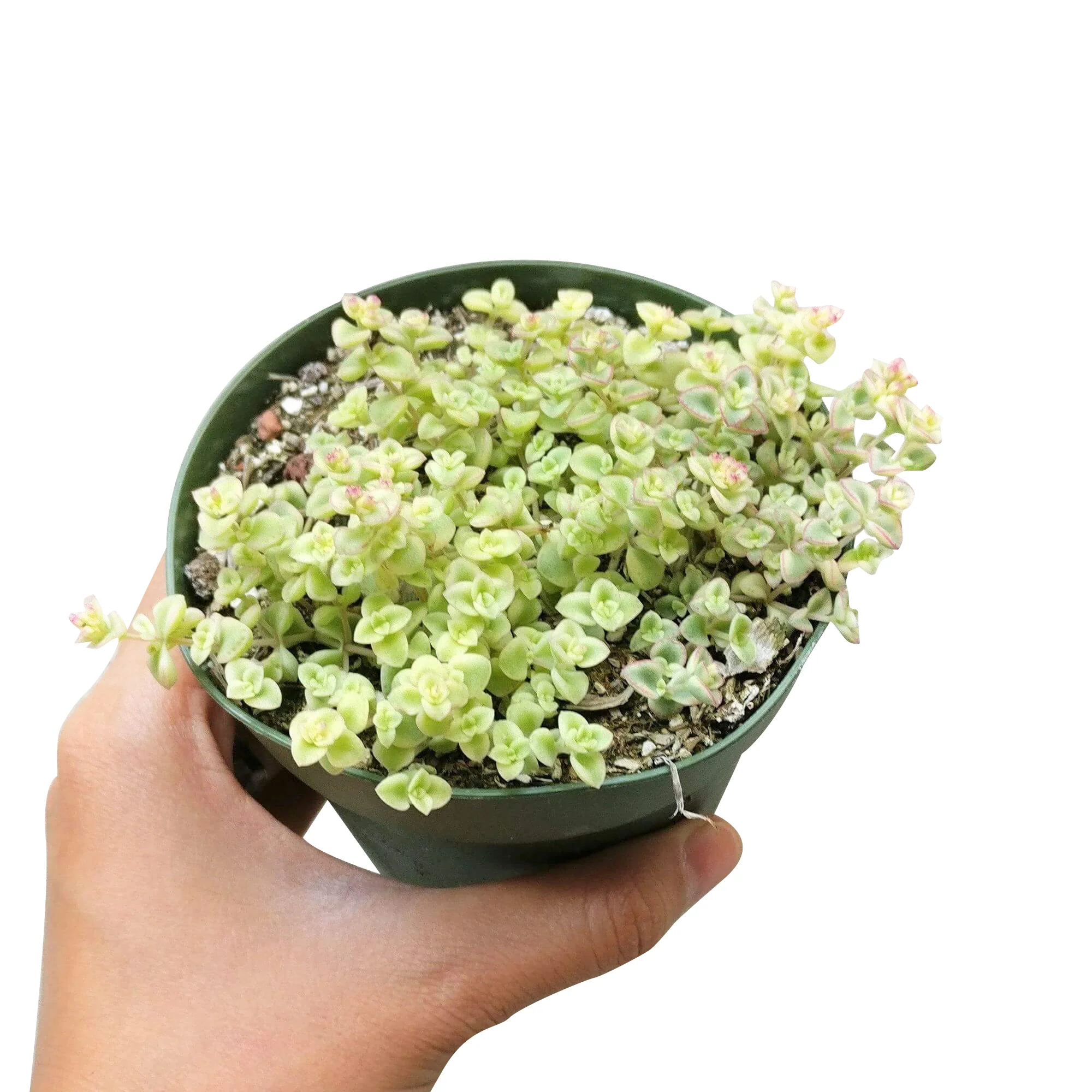
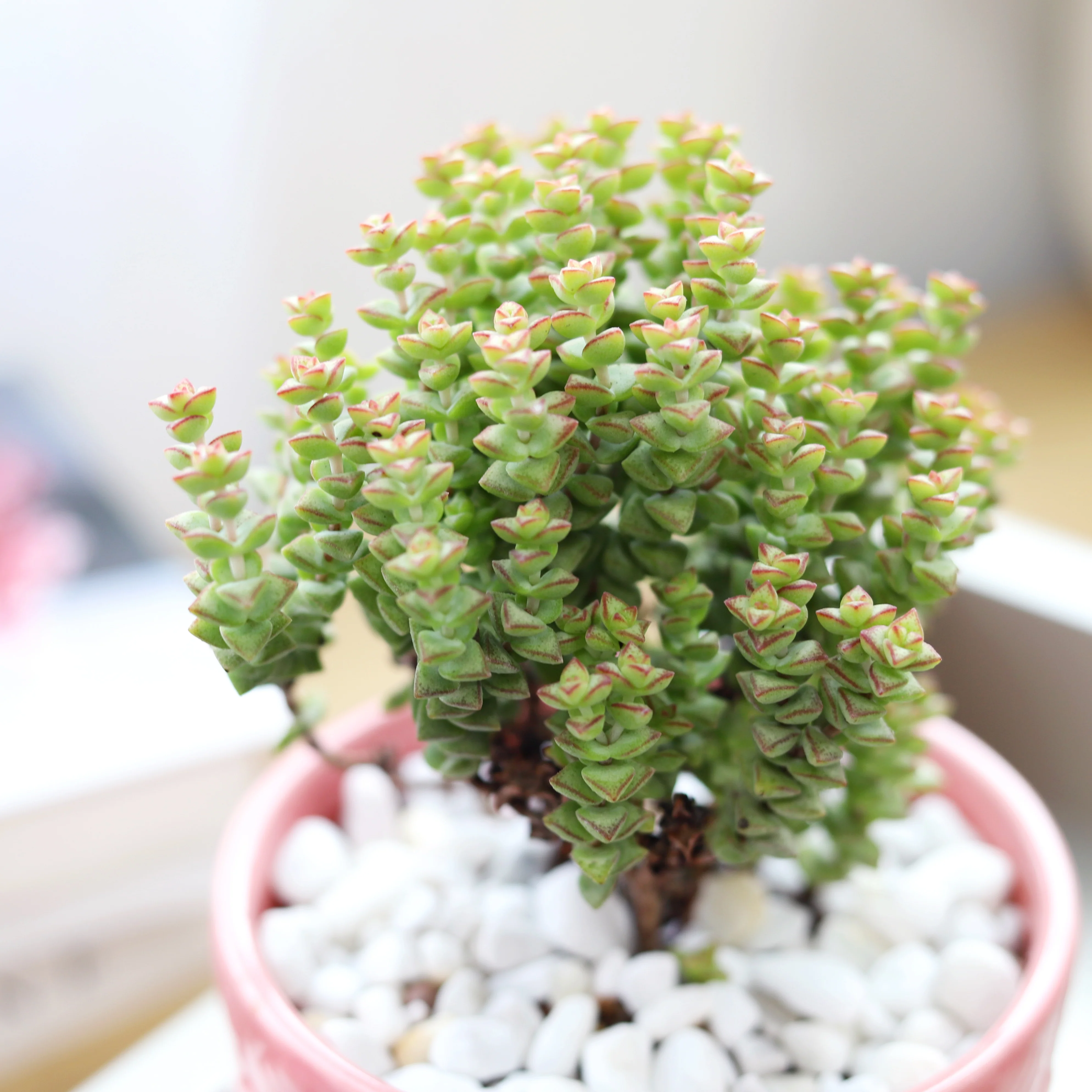
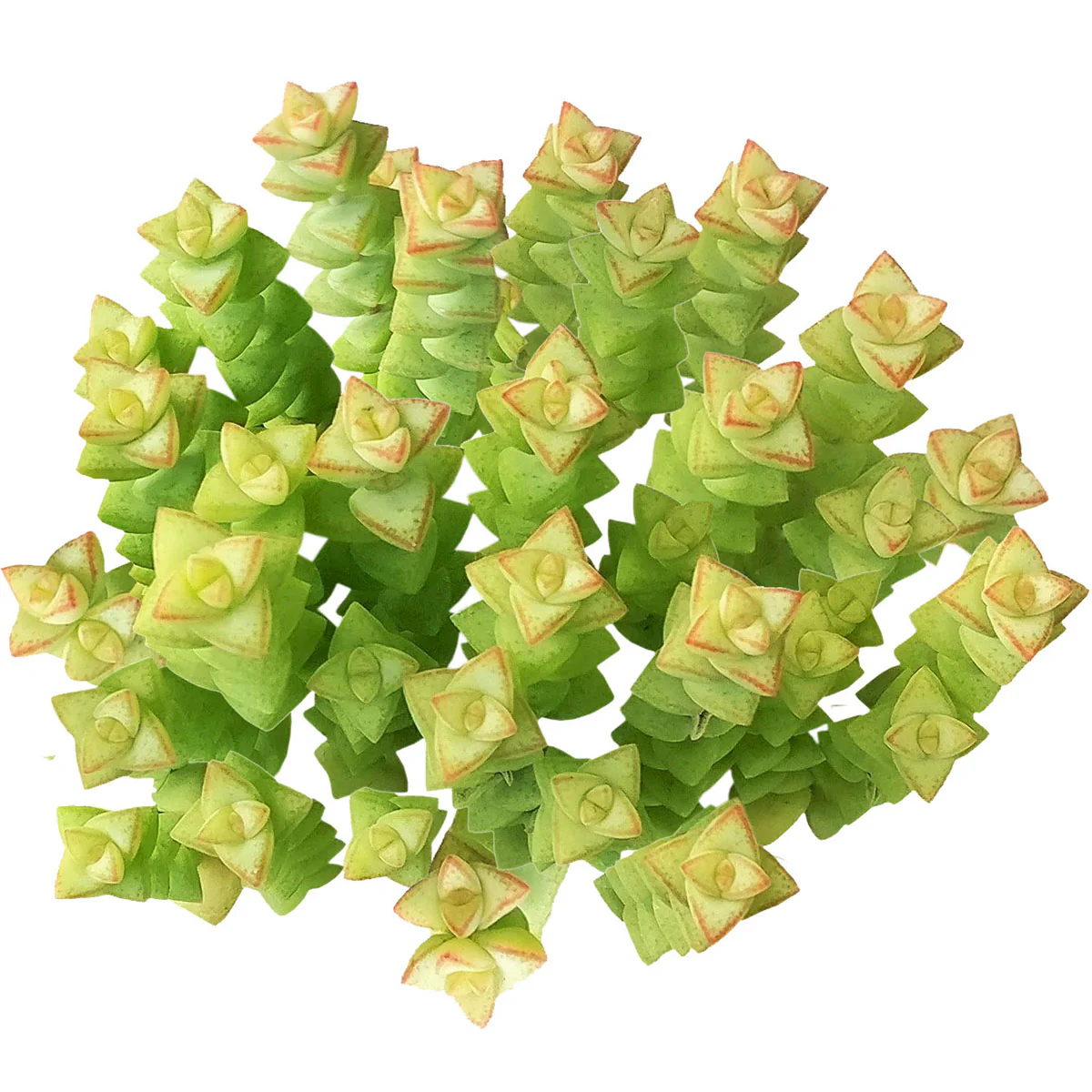
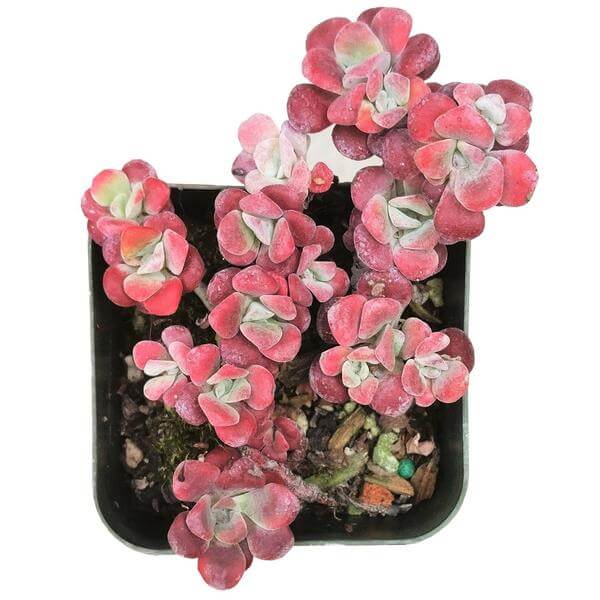
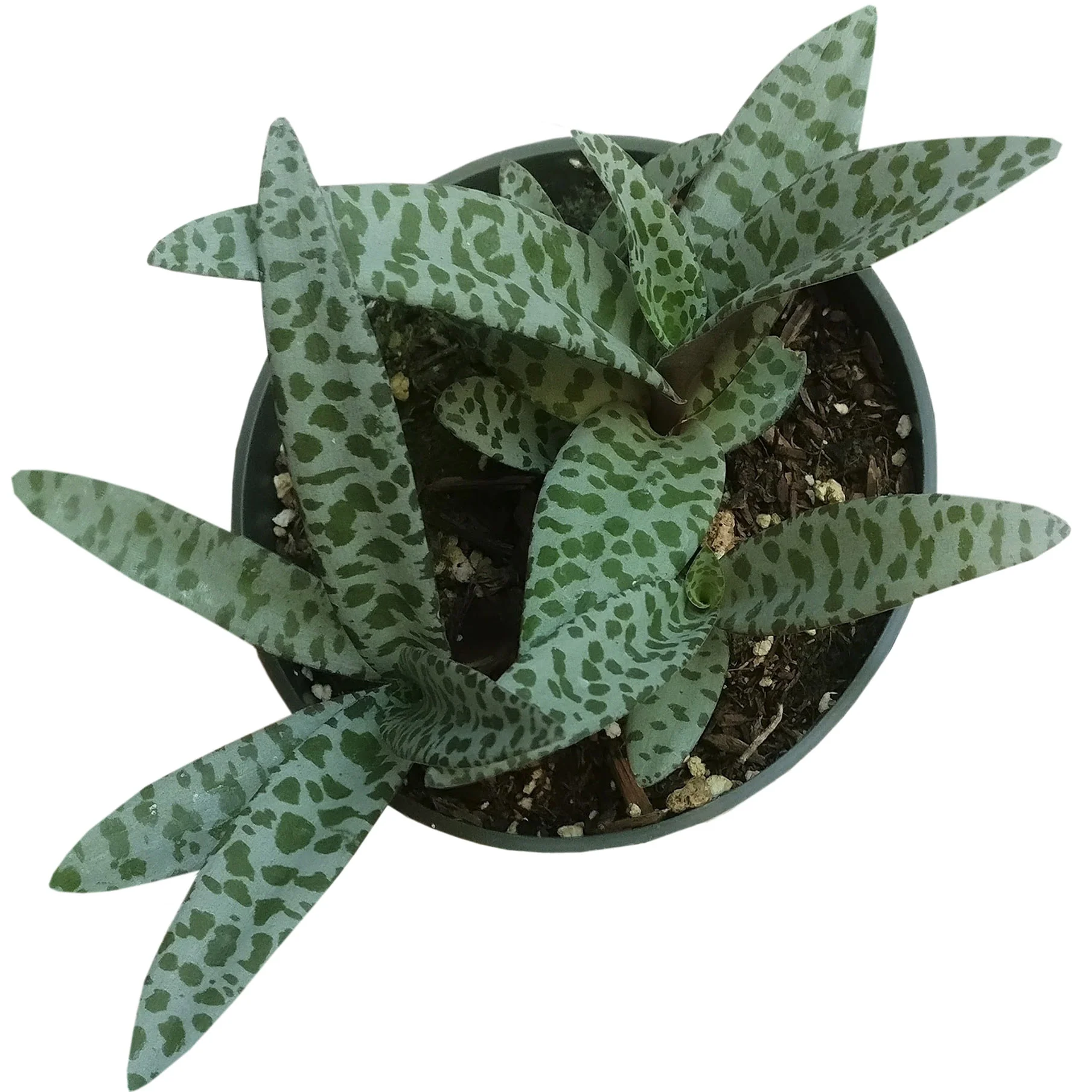
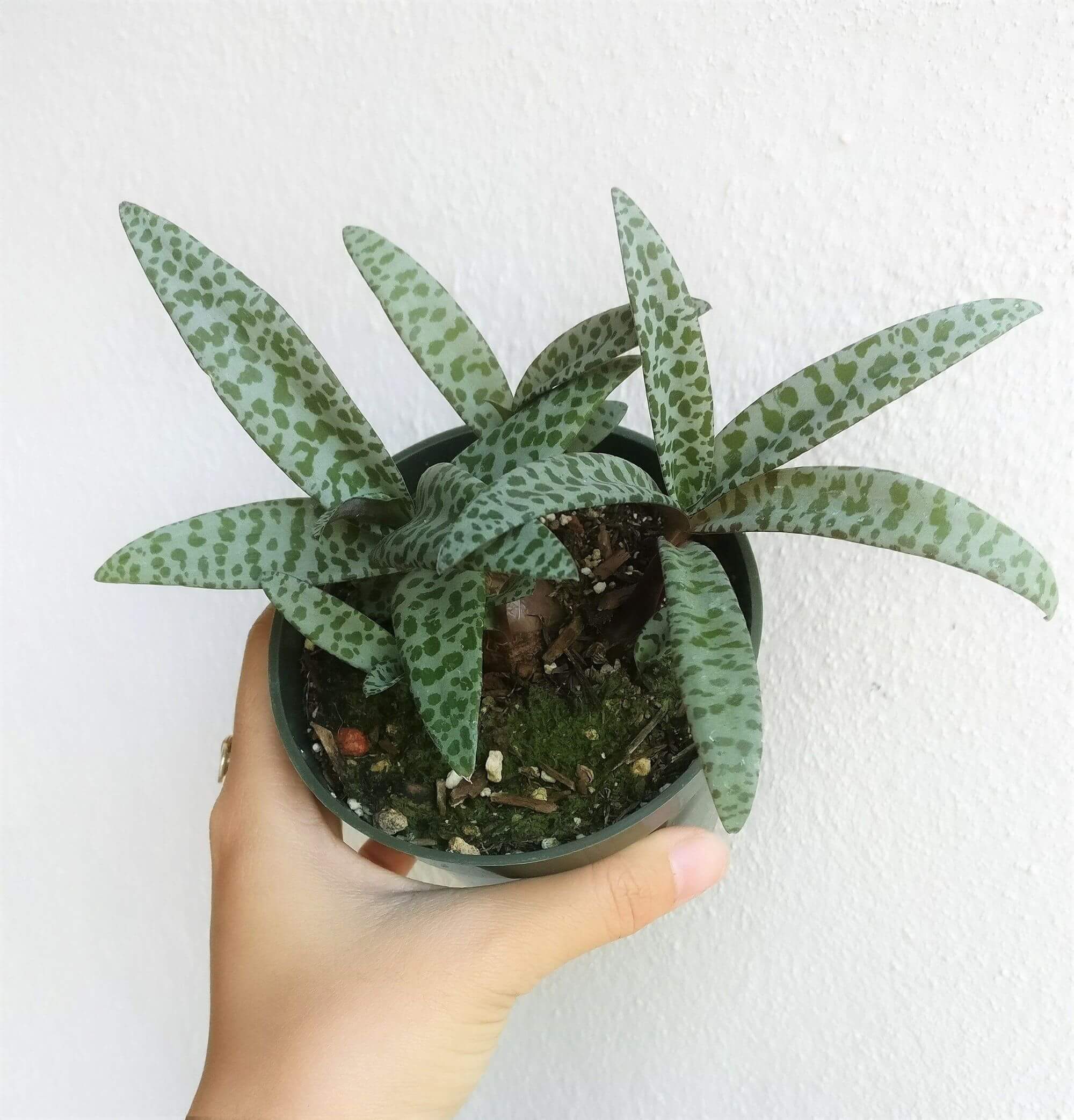
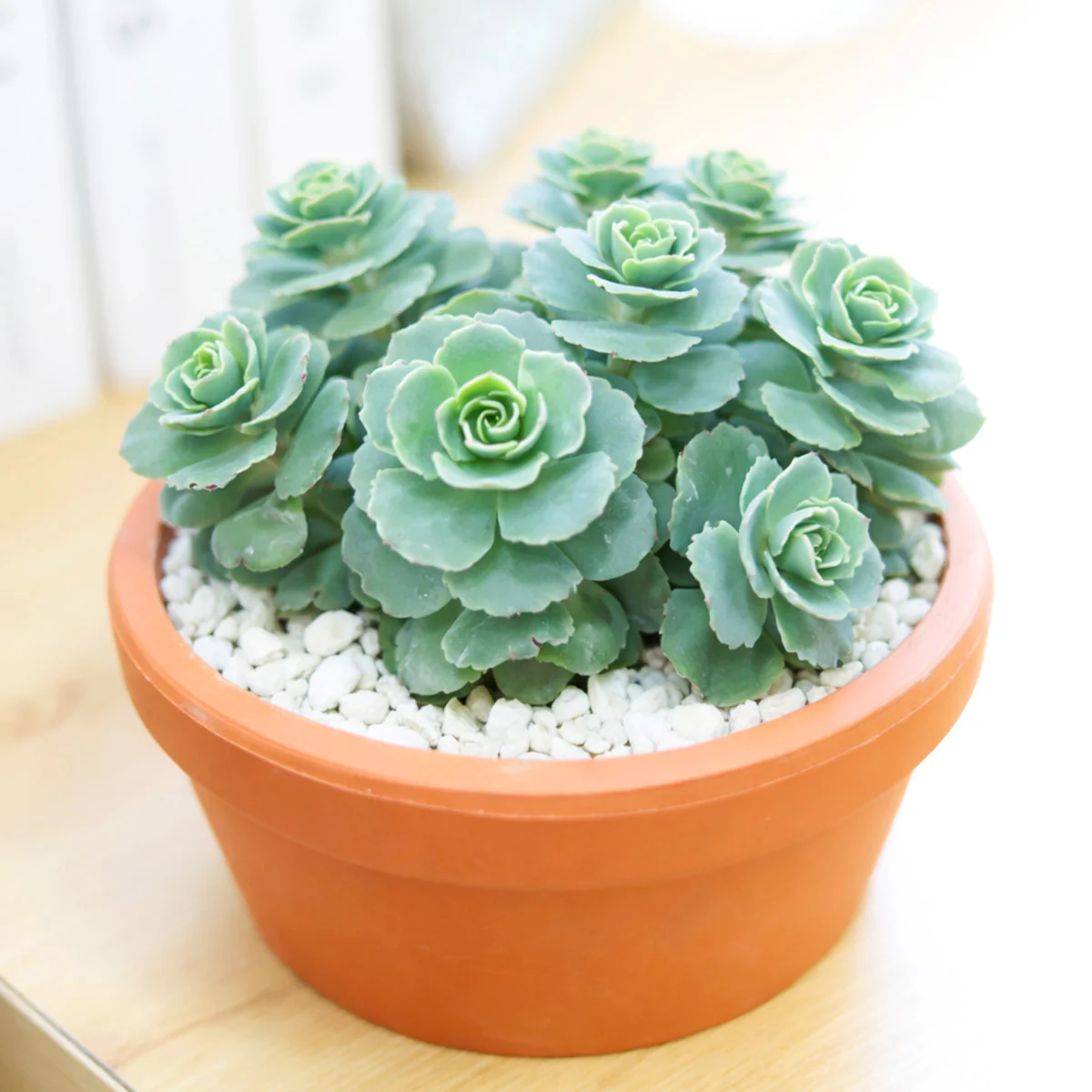
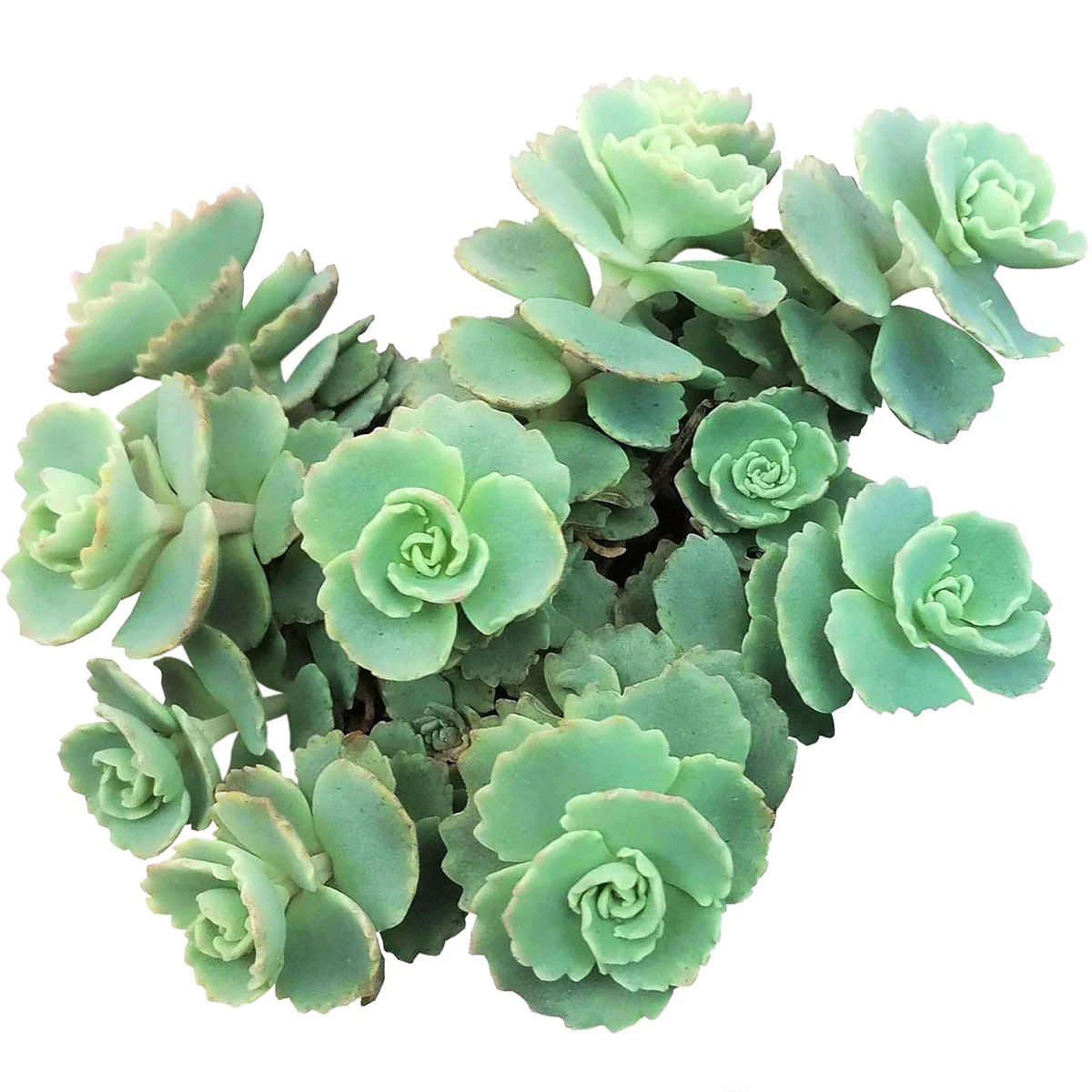
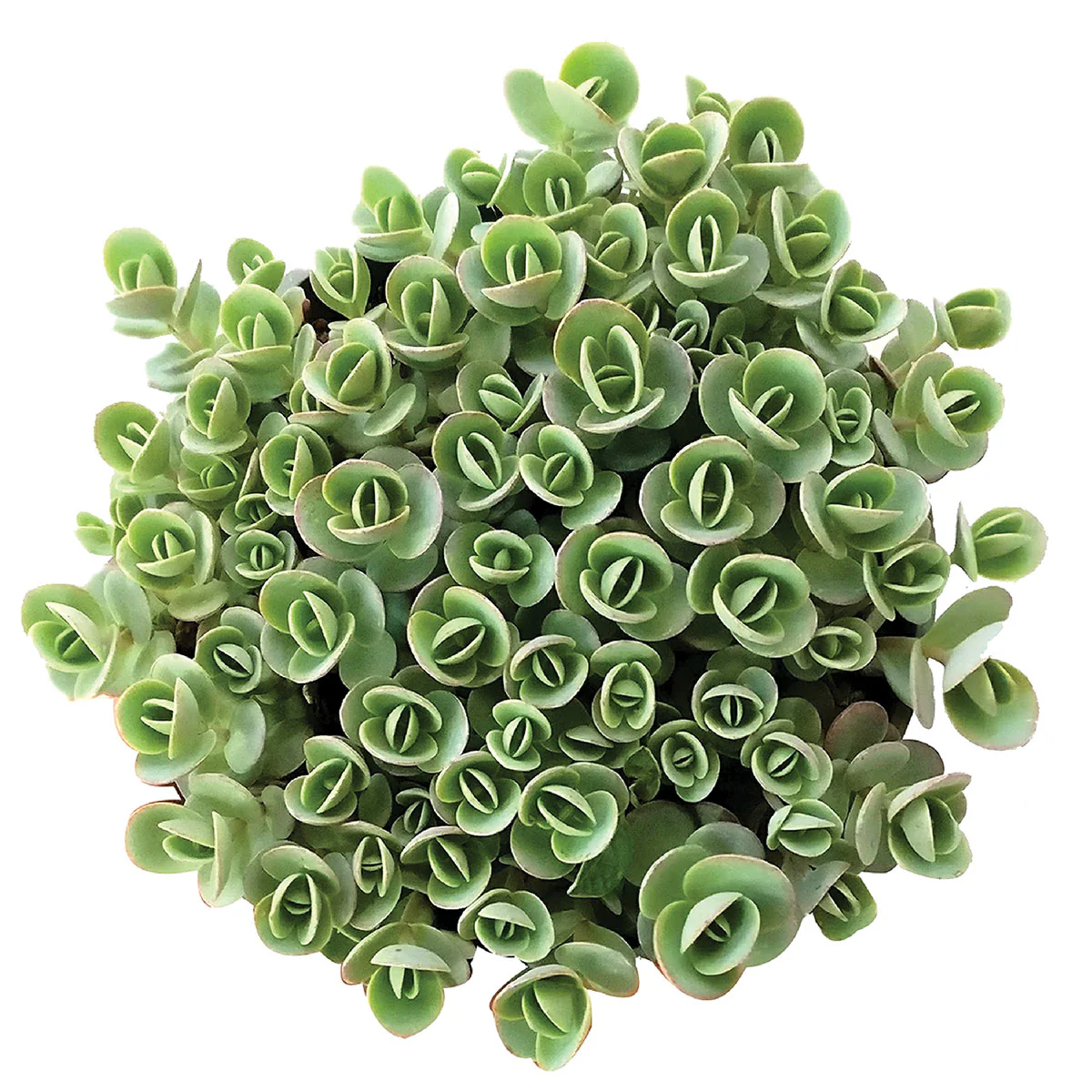
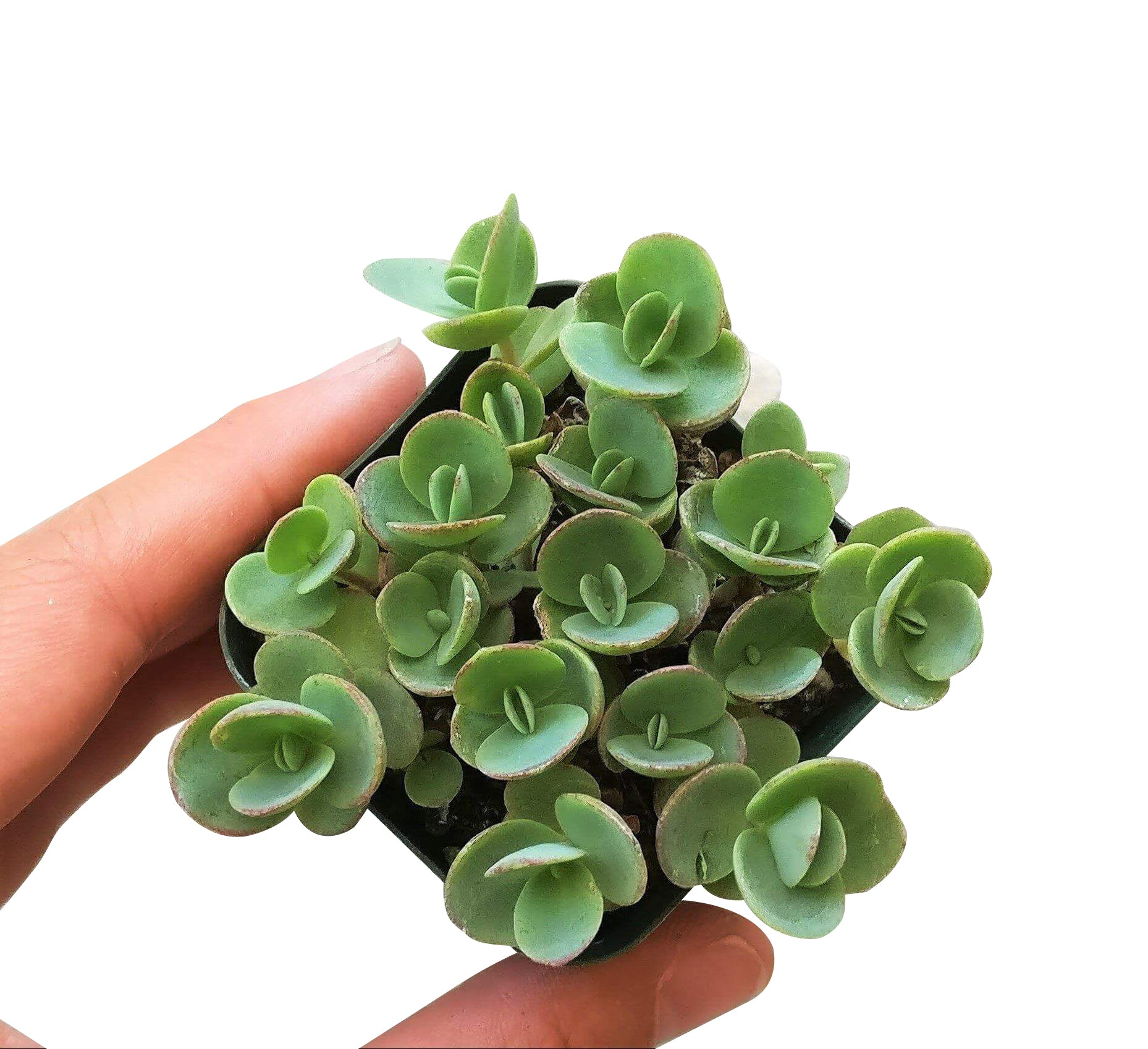
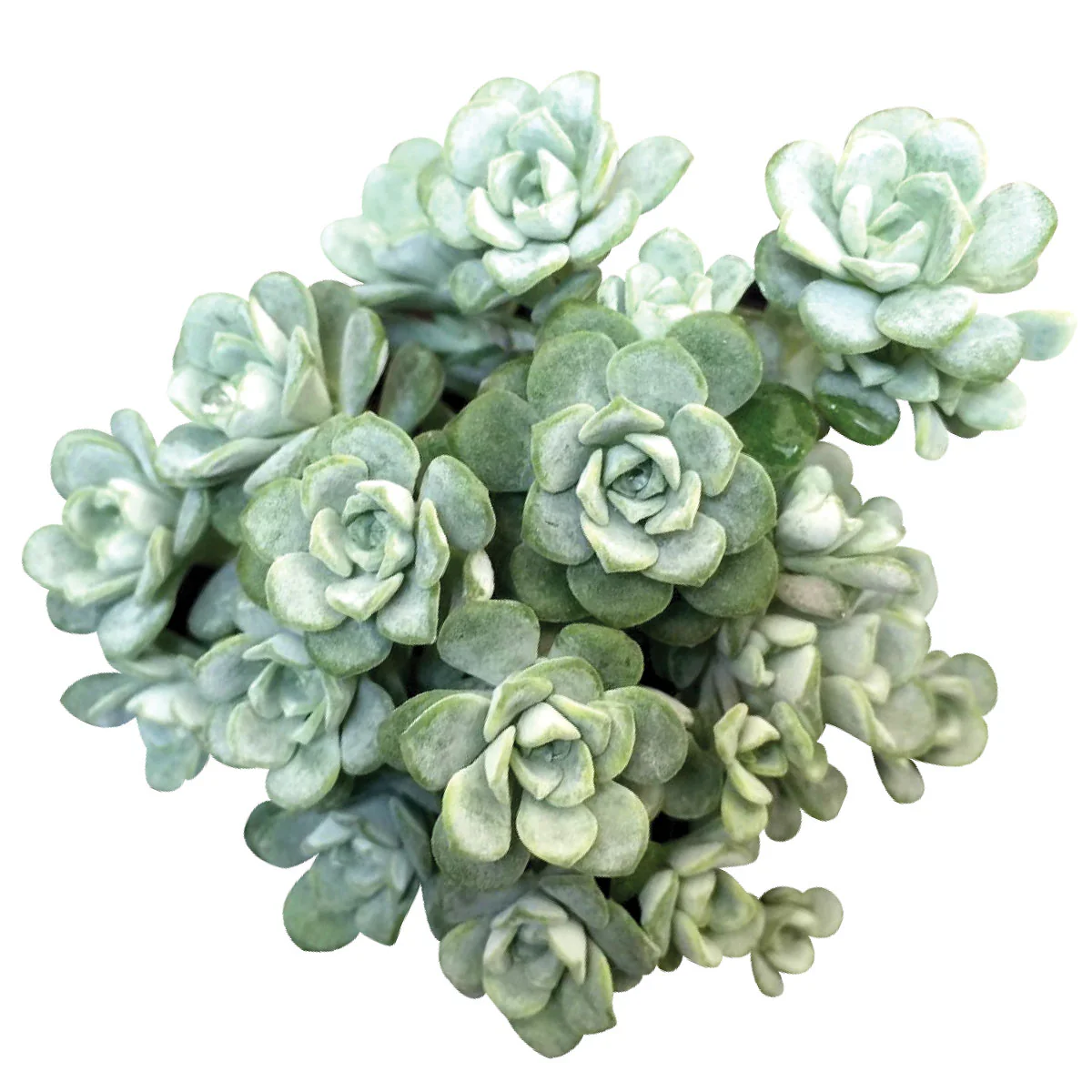
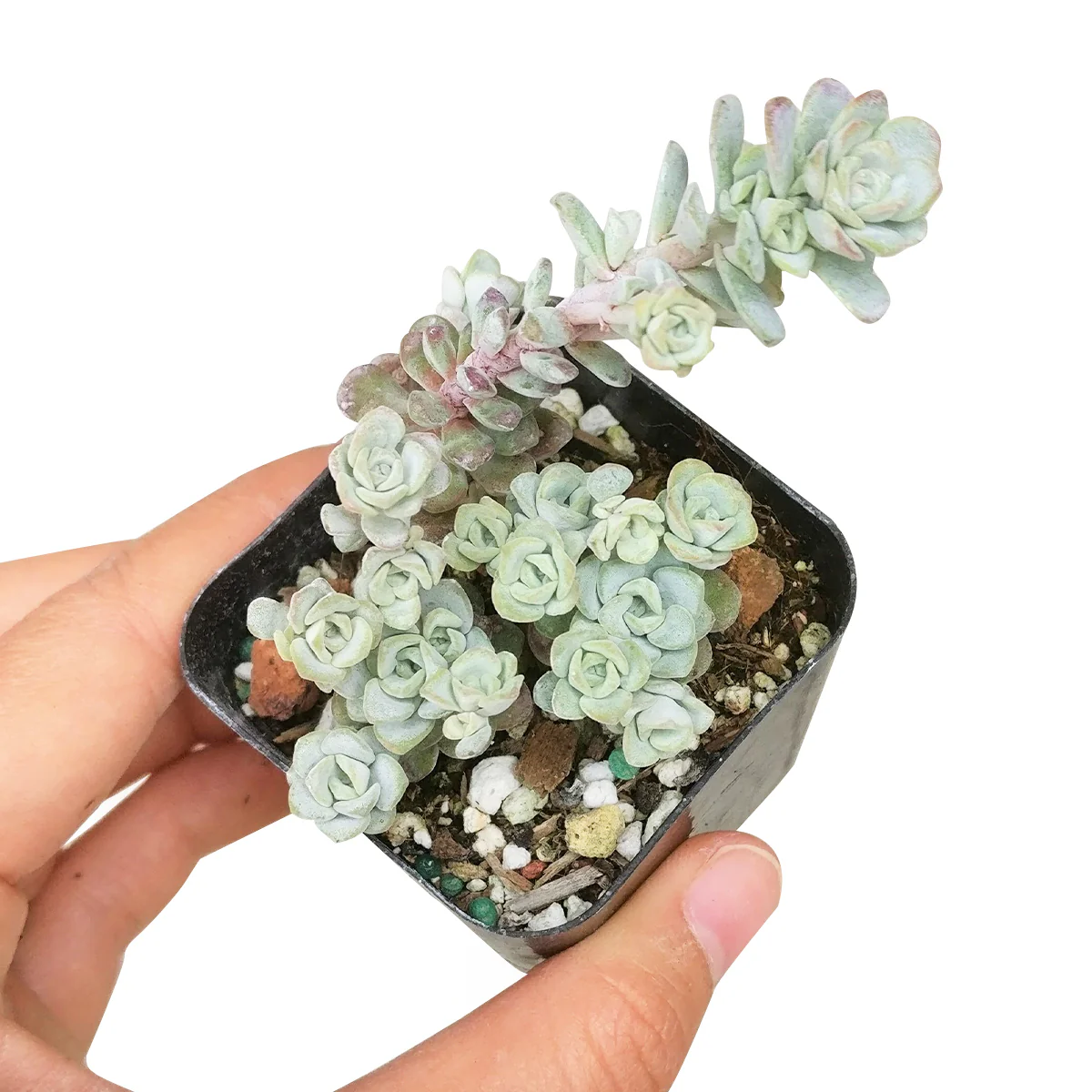
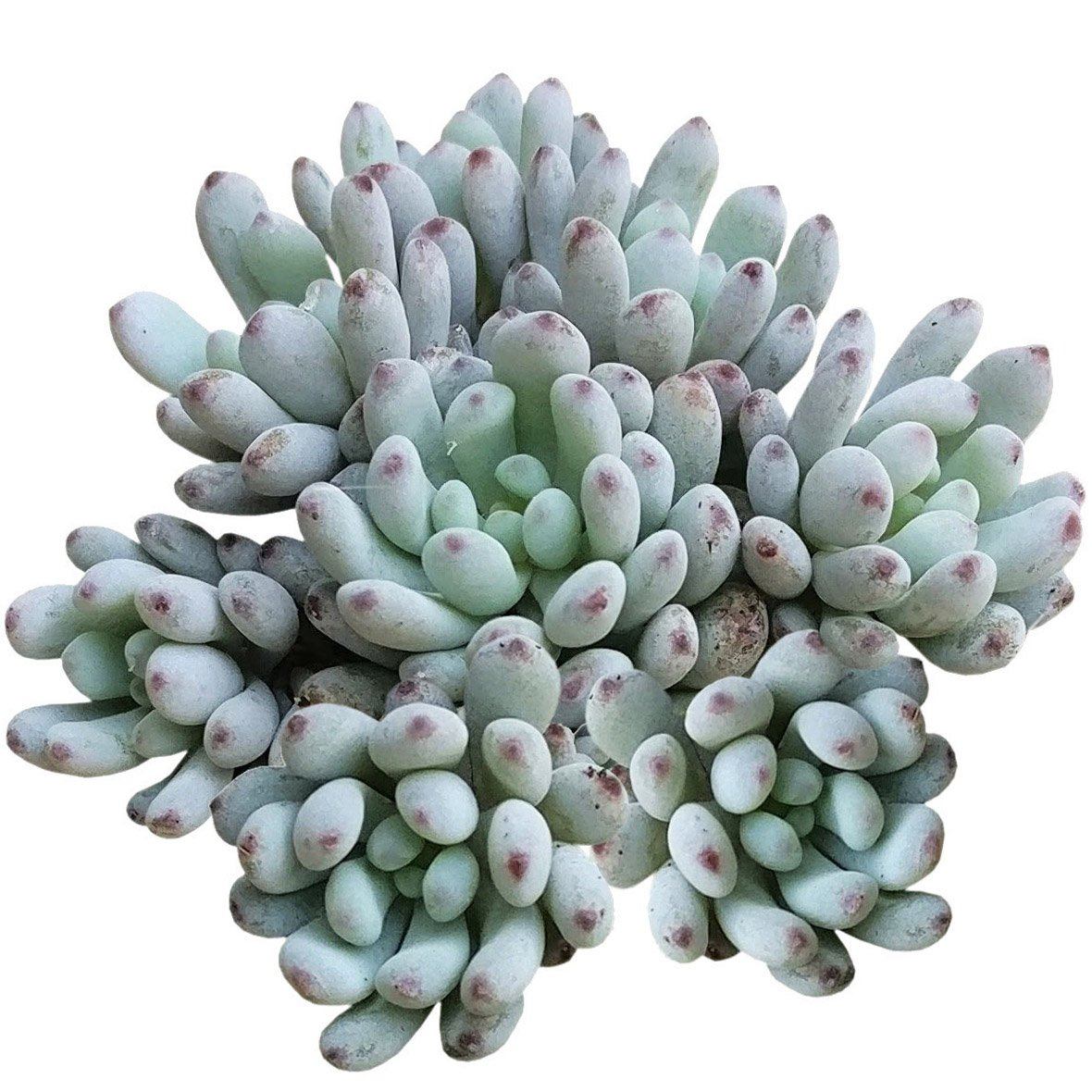
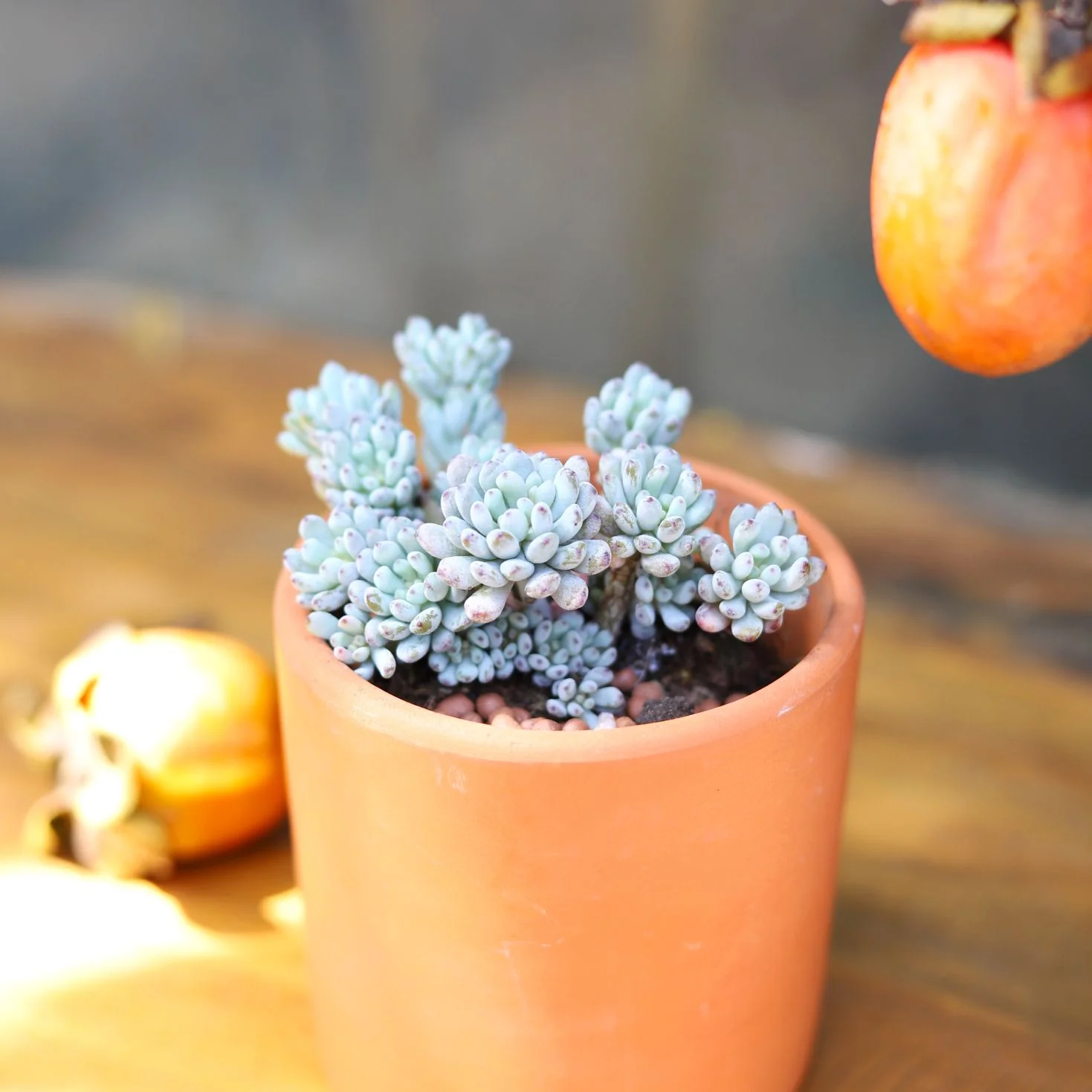
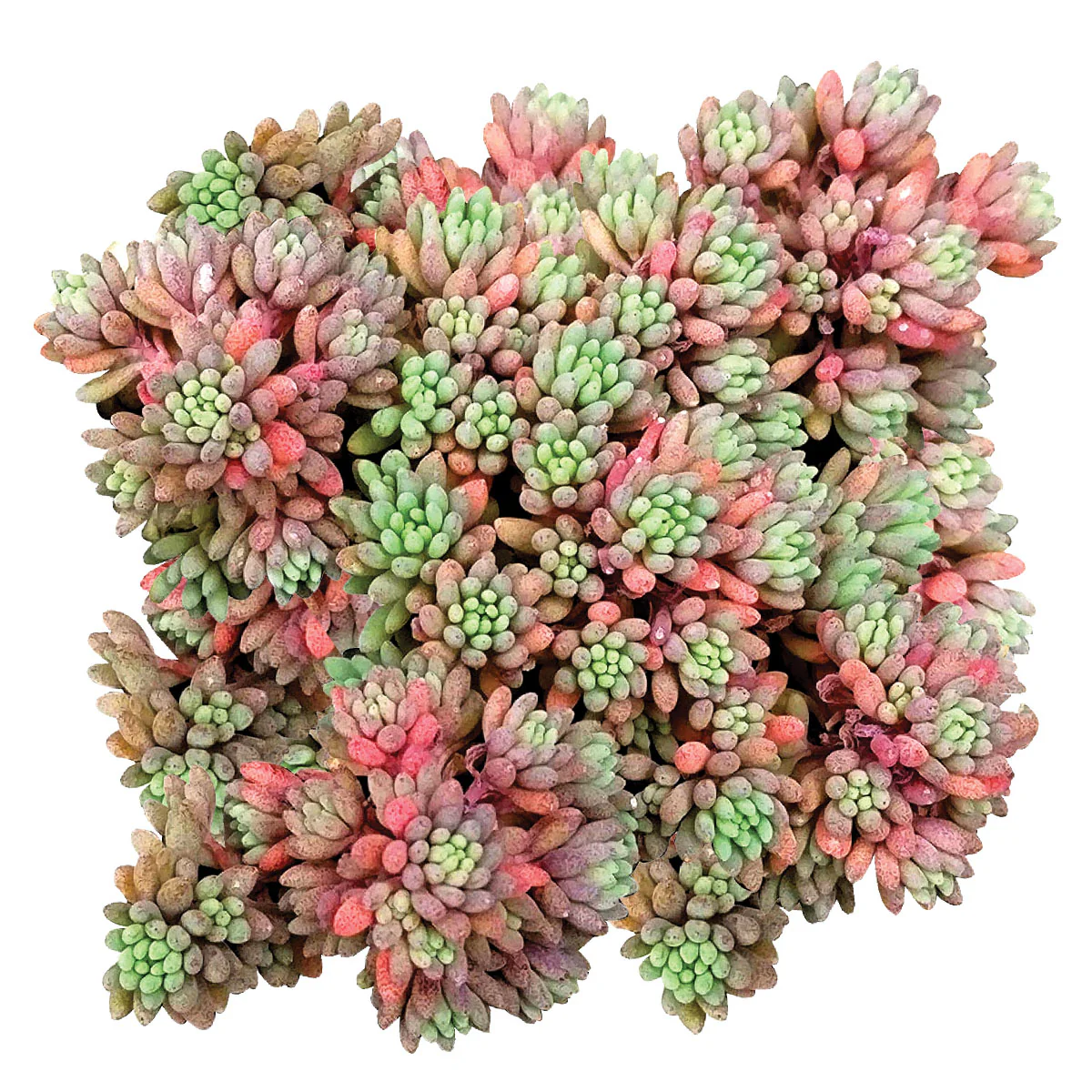
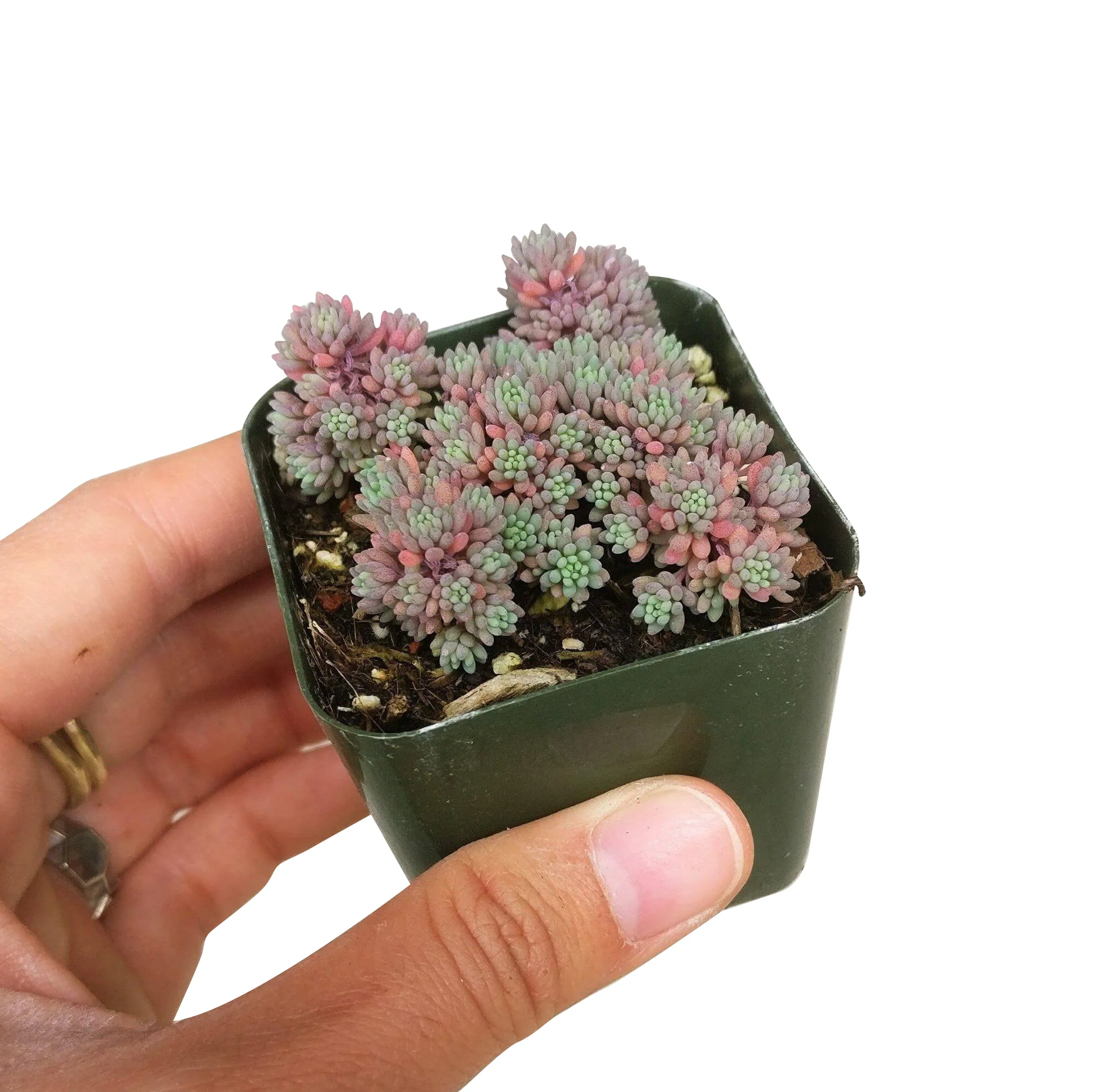
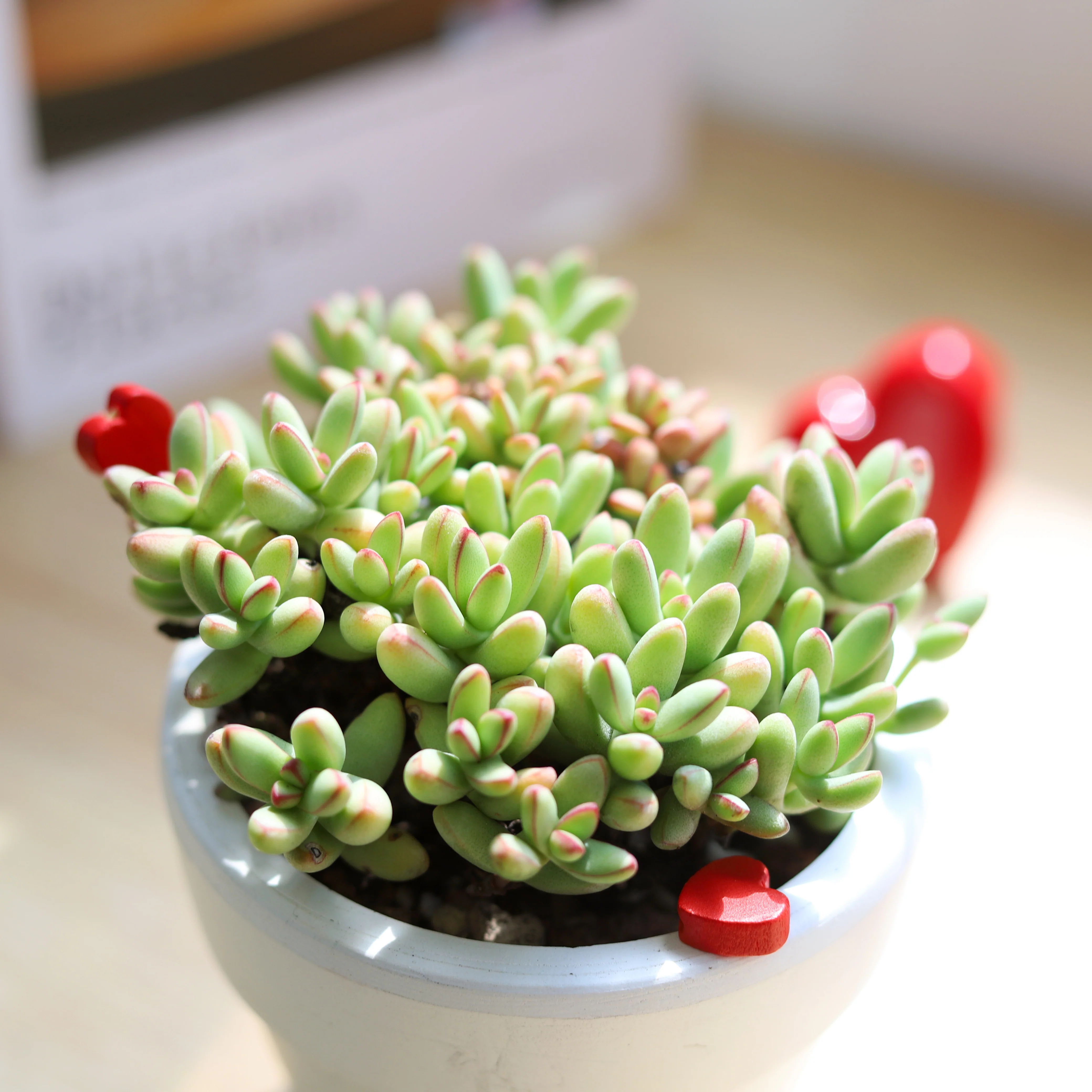
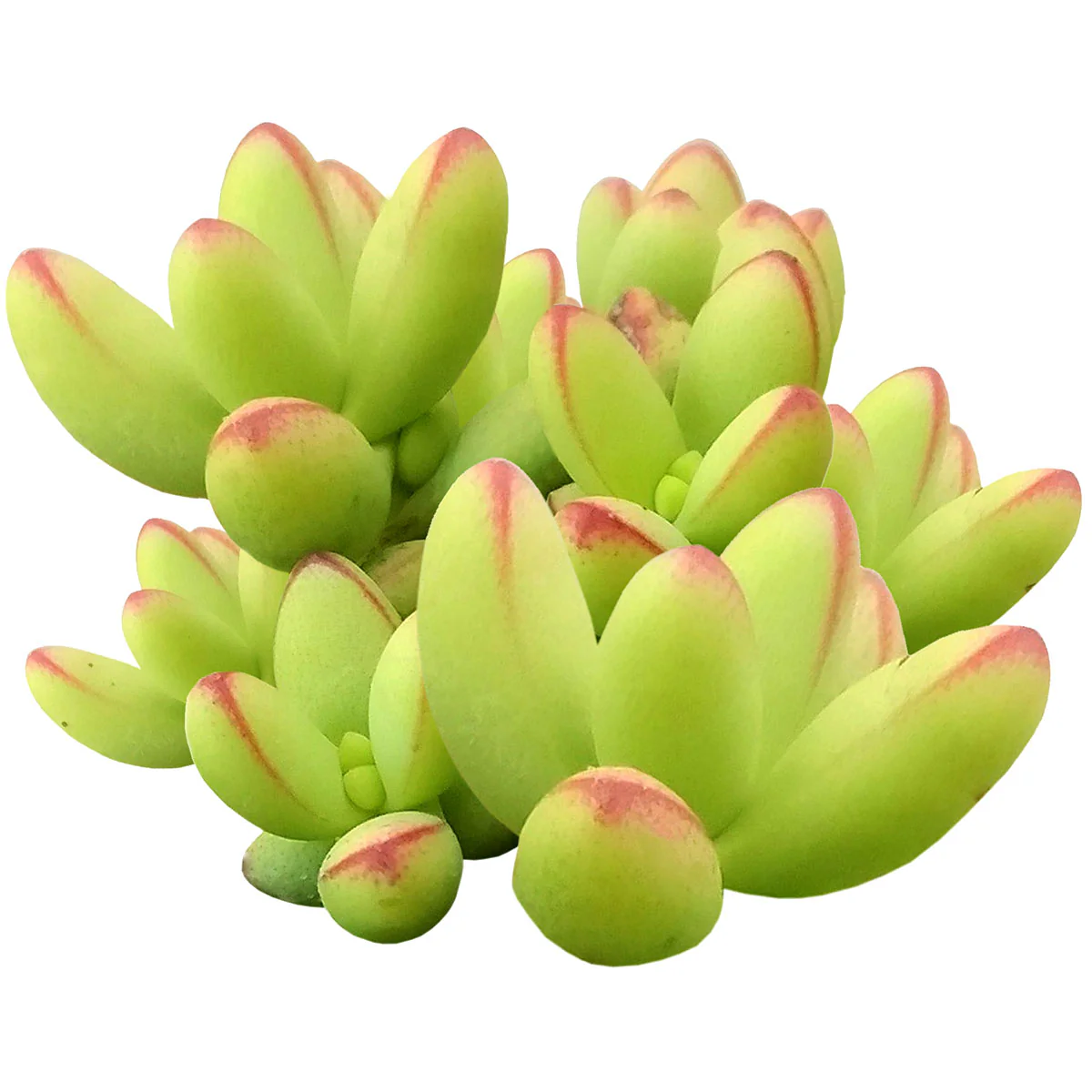
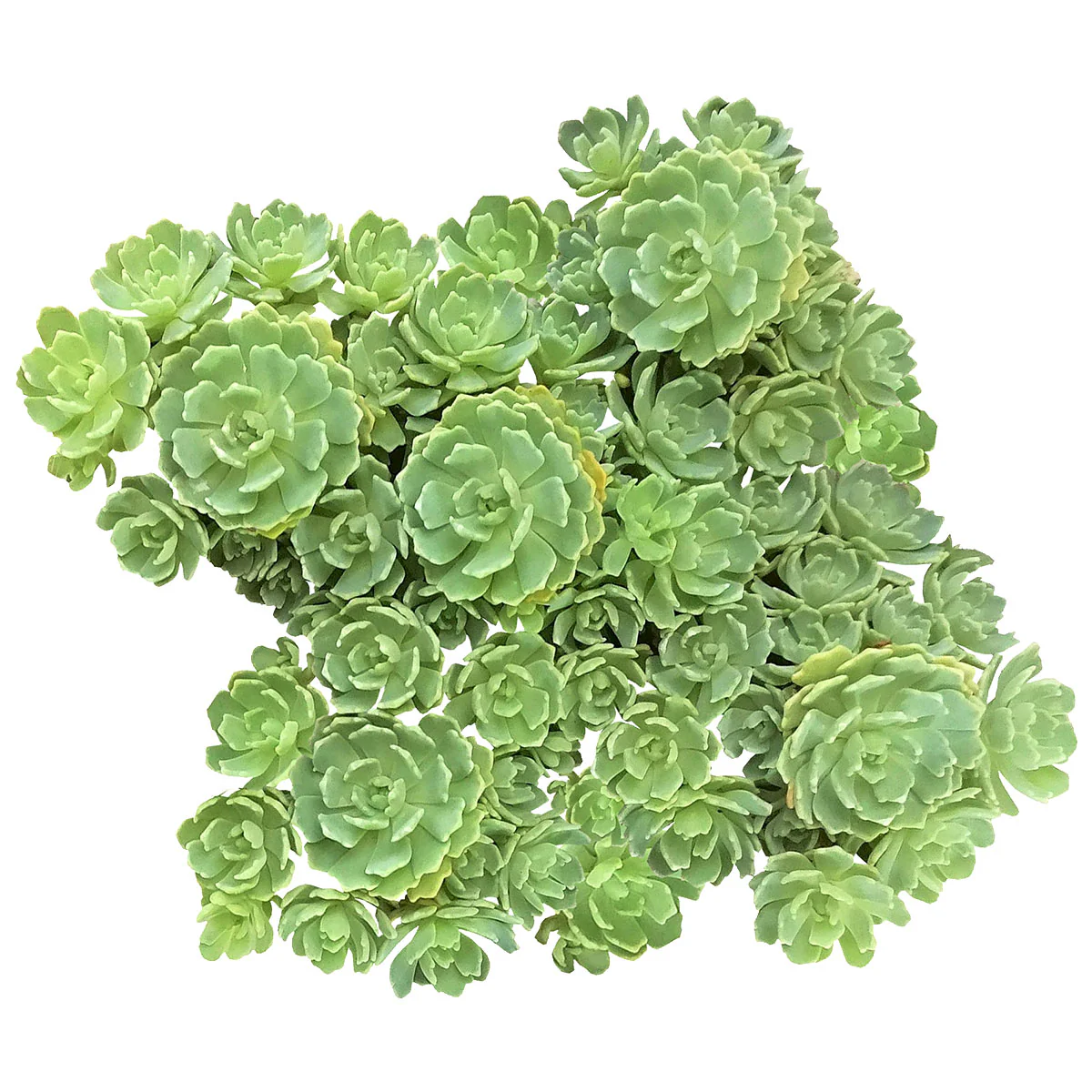
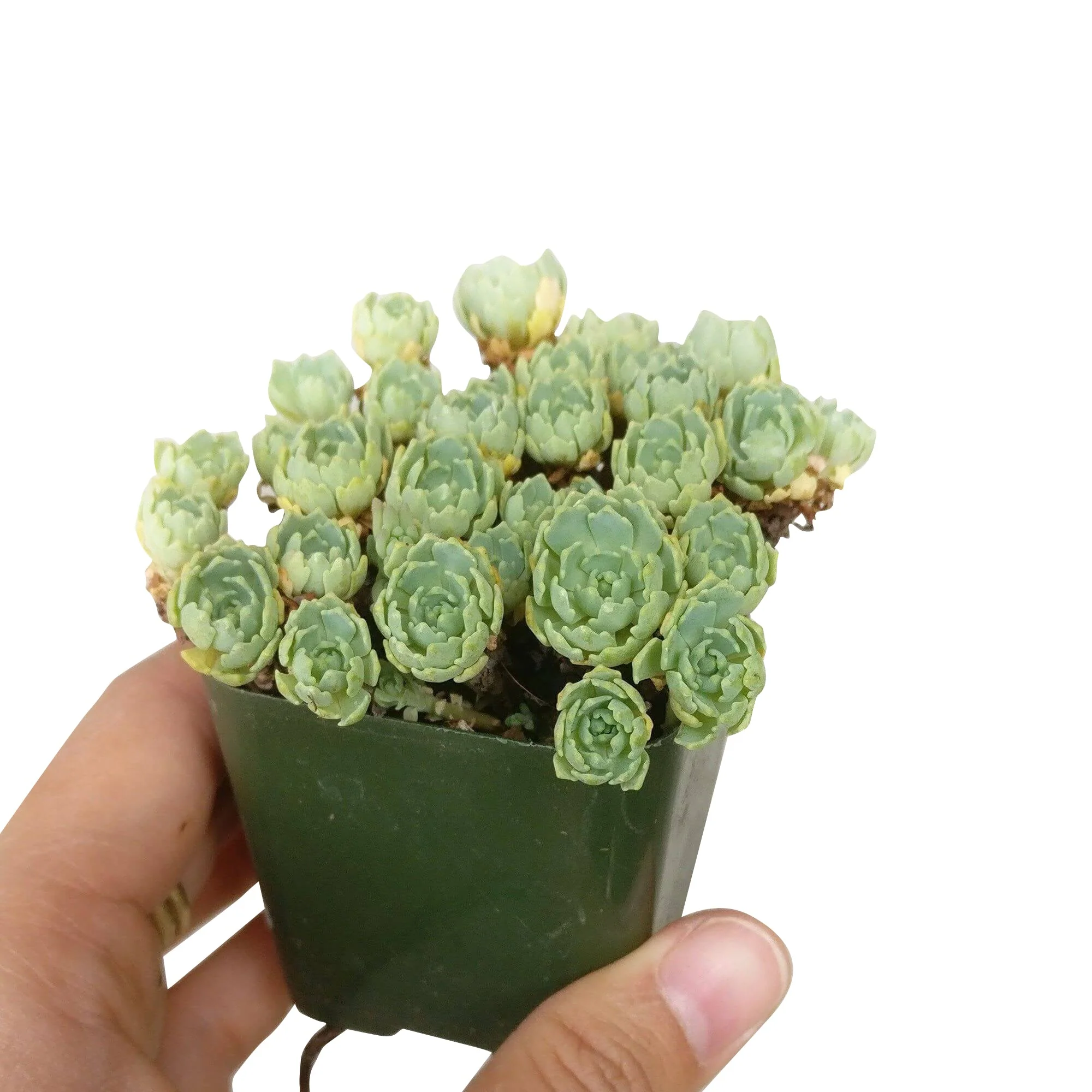
 Fairy Tongue Crassula forms a compact, upright clustering habit with small, tongue-shaped leaves that grow in neat rosette-like arrangements along each stem. The leaves are typically deep green with a slightly textured surface, and as the plant clusters and spreads, it builds into a beautifully dense, architectural display that catches the eye from any angle.
 Fairy Tongue Crassula produces delicate small flowers in pink to red tones, typically appearing in cooler months when nighttime temperatures drop, which naturally triggers blooming. Rotating the plant periodically encourages even, balanced growth across the whole cluster, keeping that tidy, symmetrical look looking its absolute best.
 This pet friendly succulent is a fantastic choice for living rooms, bedrooms, or any bright indoor space where its upright clustering form adds structure without fuss. Fairy Tongue Crassula grows beautifully in a floor pot or basket display, and it genuinely loves spending summer outdoors, just be sure to cover it from rain to protect those rosettes. It survives happily alone for up to ten days without watering, making it perfect for frequent travelers, and its low maintenance succulent nature means even beginner succulent growers will feel like total pros.
-
 Fairy Tongue Crassula thrives in bright indirect light and should be kept away from prolonged direct midday sun or dim low-light corners.
 Water Fairy Tongue Crassula deeply every 10 to 14 days in summer, scaling back to once every three to four weeks in winter.
 Fairy Tongue Crassula does best in a gritty, fast-draining cactus and succulent mix blended with perlite for extra drainage.
 Fairy Tongue Crassula prefers temperatures between 60 and 80°F (15 to 27°C) and is not frost tolerant, so bring it indoors before temperatures drop below 40°F (4°C).
![]() Fairy Tongue Crassula grows at a moderate pace and benefits from a balanced diluted succulent fertilizer applied once a month during the active spring and summer growing season.
Fairy Tongue Crassula grows at a moderate pace and benefits from a balanced diluted succulent fertilizer applied once a month during the active spring and summer growing season.
 Fairy Tongue Crassula is best suited to USDA hardiness zones 9 through 11, where winter temperatures rarely drop below 20 to 25°F (-6 to -4°C), though it performs most reliably above 40°F (4°C). Outdoor growers in California, Arizona, Texas, Florida, Hawaii, Nevada, Louisiana, Georgia, South Carolina, Alabama, and Mississippi will find Fairy Tongue Crassula a wonderfully easy year-round garden or patio succulent. Parts of coastal Oregon, New Mexico, and select regions of Arkansas and North Carolina that sit within these warmer zones can also enjoy growing Fairy Tongue Crassula outdoors through much of the year.
-
Q: Is Fairy Tongue Crassula pet friendly?
A: Yes, Fairy Tongue Crassula is pet friendly and considered non-toxic to cats and dogs, so you can display it anywhere in your home with total peace of mind.
Q: How often should I water Fairy Tongue Crassula?
A: Water Fairy Tongue Crassula every 10 to 14 days in the growing season and reduce to once every three to four weeks in winter. Always let the soil dry out completely between waterings to prevent root rot.
Q: How do I propagate Fairy Tongue Crassula?
A: Fairy Tongue Crassula propagates easily from stem cuttings or by gently separating offsets from the base of the cluster. Allow cuttings to callous for a day or two before planting them in dry succulent mix, then water lightly after a week.
Q: Can Fairy Tongue Crassula go outside in summer?
A: Absolutely, Fairy Tongue Crassula loves spending summer outdoors in a bright, sheltered spot. Just make sure to cover or move it out of heavy rain to keep the rosettes healthy and rot-free.
Q: Why are the leaves on my Fairy Tongue Crassula turning yellow?
A: Yellow leaves on Fairy Tongue Crassula are most commonly caused by overwatering or soil that holds too much moisture. Check that your pot drains well and allow the soil to fully dry between waterings.
Q: What pot size and type works best for Fairy Tongue Crassula?
A: Fairy Tongue Crassula develops deep roots, so choose a heavy, sturdy pot with a drainage hole to keep it stable and prevent tipping as the cluster grows. A terracotta or ceramic floor pot works beautifully and complements its upright architectural shape.


Product Information
Product Information
Shipping & Returns
Shipping & Returns
Description
- Description
- Fairy Tongue Crassula Care Guide
- FAQ/Common Issues
-
![]() Fairy Tongue Crassula is a charming drought tolerant succulent from the Crassulaceae family, native to the rocky, arid regions of southern Africa. It thrives naturally in well-drained soils with plenty of sun and dry seasons, making it a wonderfully adaptable easy care succulent for home growers everywhere.
Fairy Tongue Crassula is a charming drought tolerant succulent from the Crassulaceae family, native to the rocky, arid regions of southern Africa. It thrives naturally in well-drained soils with plenty of sun and dry seasons, making it a wonderfully adaptable easy care succulent for home growers everywhere.
Fairy Tongue Crassula forms a compact, upright clustering habit with small, tongue-shaped leaves that grow in neat rosette-like arrangements along each stem. The leaves are typically deep green with a slightly textured surface, and as the plant clusters and spreads, it builds into a beautifully dense, architectural display that catches the eye from any angle.
Fairy Tongue Crassula produces delicate small flowers in pink to red tones, typically appearing in cooler months when nighttime temperatures drop, which naturally triggers blooming. Rotating the plant periodically encourages even, balanced growth across the whole cluster, keeping that tidy, symmetrical look looking its absolute best.
This pet friendly succulent is a fantastic choice for living rooms, bedrooms, or any bright indoor space where its upright clustering form adds structure without fuss. Fairy Tongue Crassula grows beautifully in a floor pot or basket display, and it genuinely loves spending summer outdoors, just be sure to cover it from rain to protect those rosettes. It survives happily alone for up to ten days without watering, making it perfect for frequent travelers, and its low maintenance succulent nature means even beginner succulent growers will feel like total pros.
-
Fairy Tongue Crassula thrives in bright indirect light and should be kept away from prolonged direct midday sun or dim low-light corners.
Water Fairy Tongue Crassula deeply every 10 to 14 days in summer, scaling back to once every three to four weeks in winter.
Fairy Tongue Crassula does best in a gritty, fast-draining cactus and succulent mix blended with perlite for extra drainage.
Fairy Tongue Crassula prefers temperatures between 60 and 80°F (15 to 27°C) and is not frost tolerant, so bring it indoors before temperatures drop below 40°F (4°C).
![]() Fairy Tongue Crassula grows at a moderate pace and benefits from a balanced diluted succulent fertilizer applied once a month during the active spring and summer growing season.
Fairy Tongue Crassula grows at a moderate pace and benefits from a balanced diluted succulent fertilizer applied once a month during the active spring and summer growing season.
Fairy Tongue Crassula is best suited to USDA hardiness zones 9 through 11, where winter temperatures rarely drop below 20 to 25°F (-6 to -4°C), though it performs most reliably above 40°F (4°C). Outdoor growers in California, Arizona, Texas, Florida, Hawaii, Nevada, Louisiana, Georgia, South Carolina, Alabama, and Mississippi will find Fairy Tongue Crassula a wonderfully easy year-round garden or patio succulent. Parts of coastal Oregon, New Mexico, and select regions of Arkansas and North Carolina that sit within these warmer zones can also enjoy growing Fairy Tongue Crassula outdoors through much of the year.
-
Q: Is Fairy Tongue Crassula pet friendly?
A: Yes, Fairy Tongue Crassula is pet friendly and considered non-toxic to cats and dogs, so you can display it anywhere in your home with total peace of mind.
Q: How often should I water Fairy Tongue Crassula?
A: Water Fairy Tongue Crassula every 10 to 14 days in the growing season and reduce to once every three to four weeks in winter. Always let the soil dry out completely between waterings to prevent root rot.
Q: How do I propagate Fairy Tongue Crassula?
A: Fairy Tongue Crassula propagates easily from stem cuttings or by gently separating offsets from the base of the cluster. Allow cuttings to callous for a day or two before planting them in dry succulent mix, then water lightly after a week.
Q: Can Fairy Tongue Crassula go outside in summer?
A: Absolutely, Fairy Tongue Crassula loves spending summer outdoors in a bright, sheltered spot. Just make sure to cover or move it out of heavy rain to keep the rosettes healthy and rot-free.
Q: Why are the leaves on my Fairy Tongue Crassula turning yellow?
A: Yellow leaves on Fairy Tongue Crassula are most commonly caused by overwatering or soil that holds too much moisture. Check that your pot drains well and allow the soil to fully dry between waterings.
Q: What pot size and type works best for Fairy Tongue Crassula?
A: Fairy Tongue Crassula develops deep roots, so choose a heavy, sturdy pot with a drainage hole to keep it stable and prevent tipping as the cluster grows. A terracotta or ceramic floor pot works beautifully and complements its upright architectural shape.