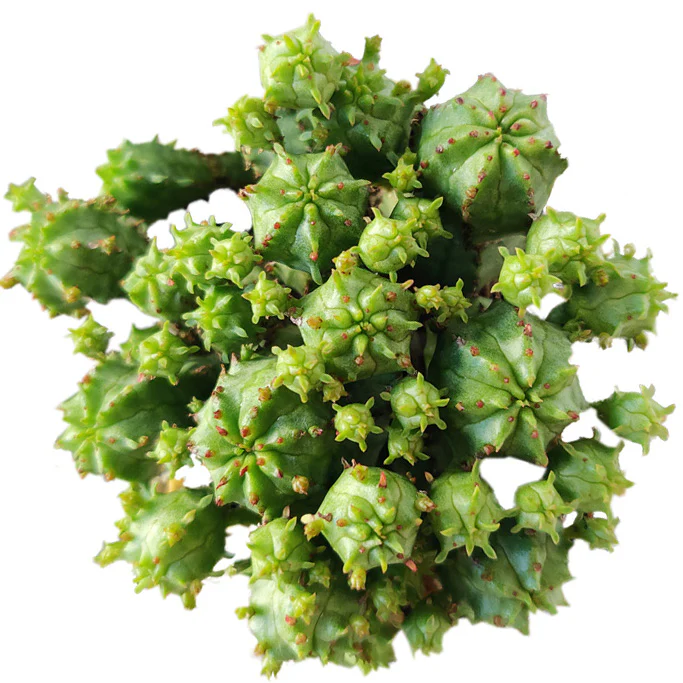
Euphorbia Monstrose Cactus - Euphorbia submammillaris
- Description
- Euphorbia Monstrose Cactus - Euphorbia submammillaris Care Guide
- FAQ/Common Issues
-
![]() Euphorbia Monstrose Cactus - Euphorbia submammillaris is a rare clumping succulent belonging to the Euphorbia genus, native to the arid regions of South Africa. It thrives naturally in rocky, well-drained terrain with intense sun and minimal rainfall, making it a true drought survivor built for bold collectors.
Euphorbia Monstrose Cactus - Euphorbia submammillaris is a rare clumping succulent belonging to the Euphorbia genus, native to the arid regions of South Africa. It thrives naturally in rocky, well-drained terrain with intense sun and minimal rainfall, making it a true drought survivor built for bold collectors.
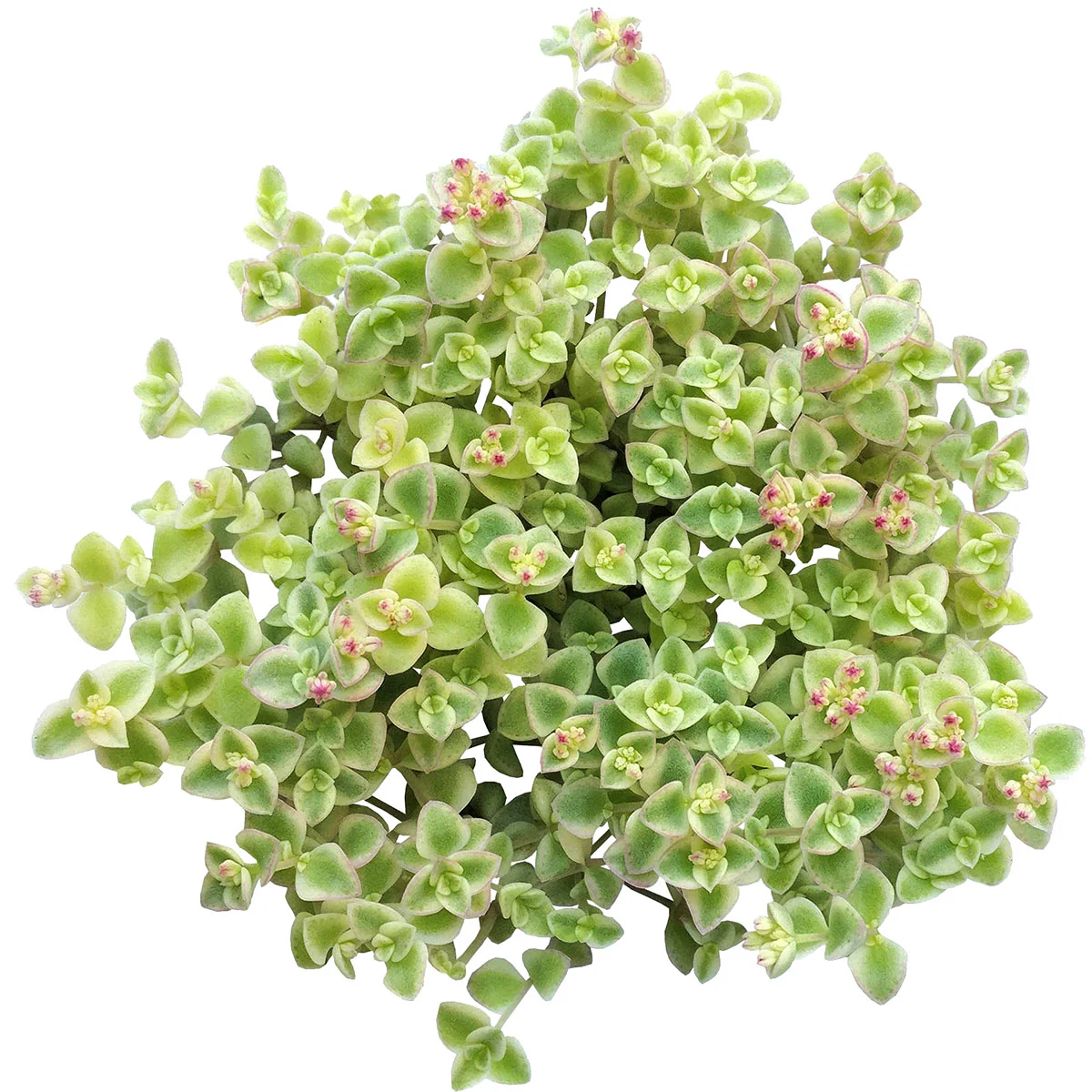
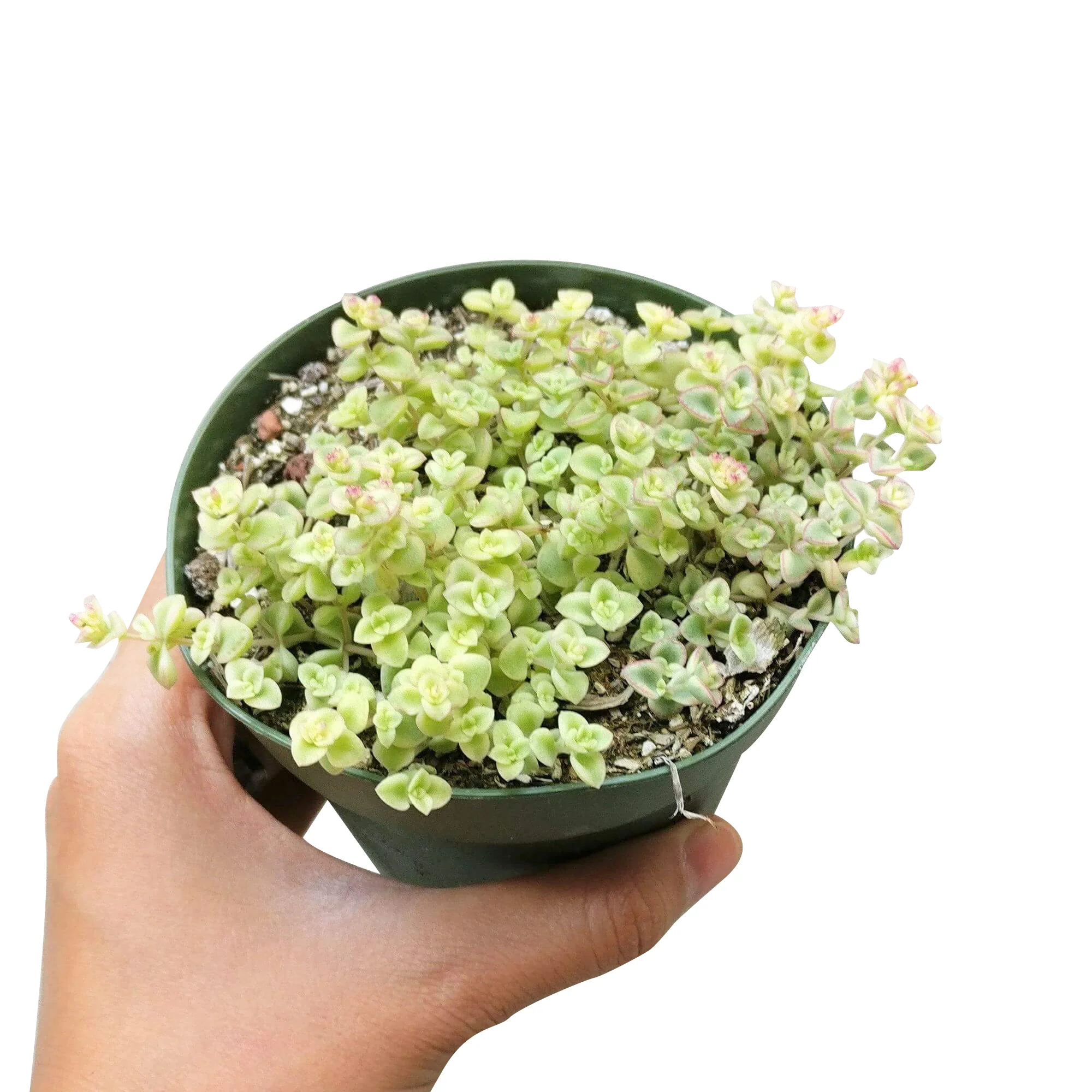
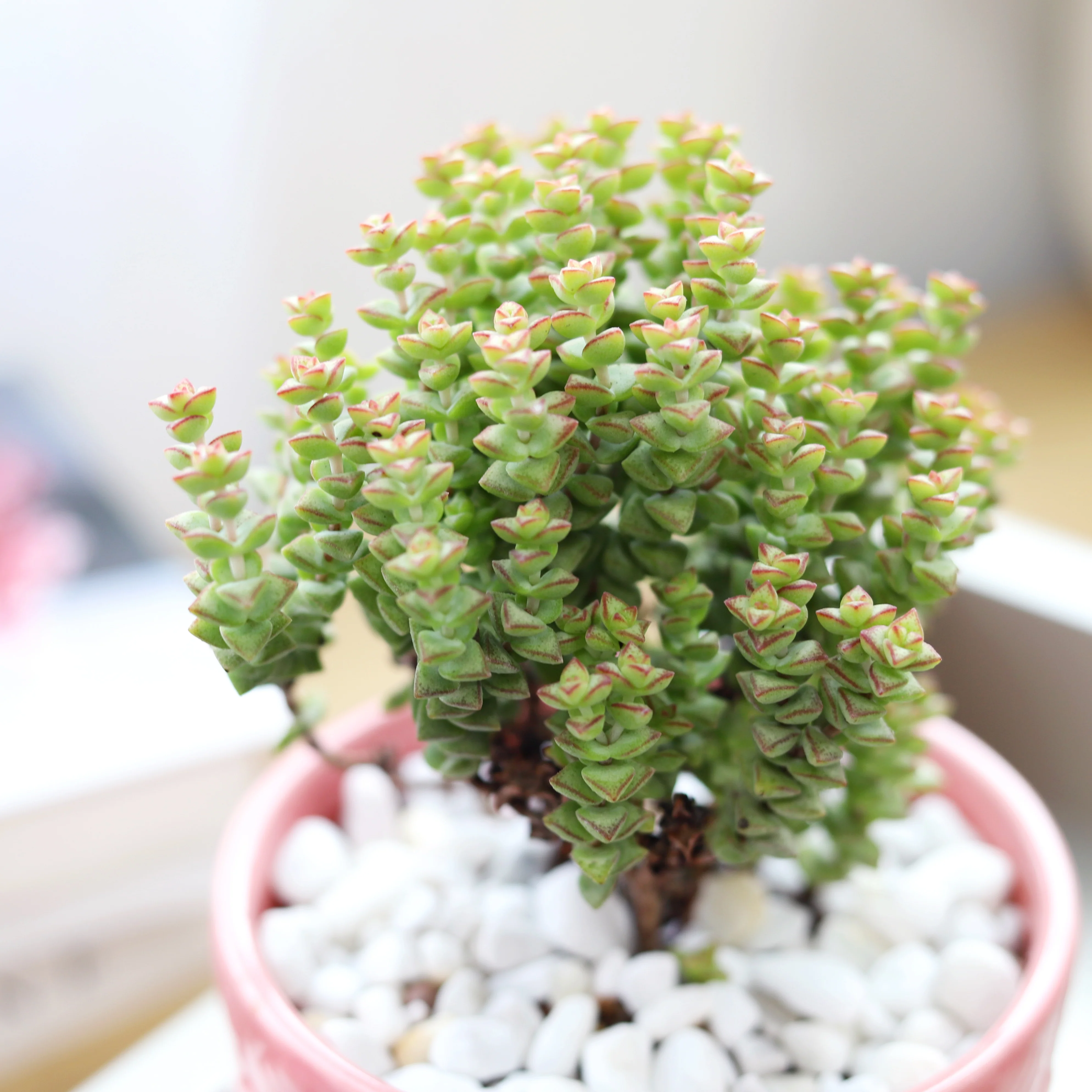
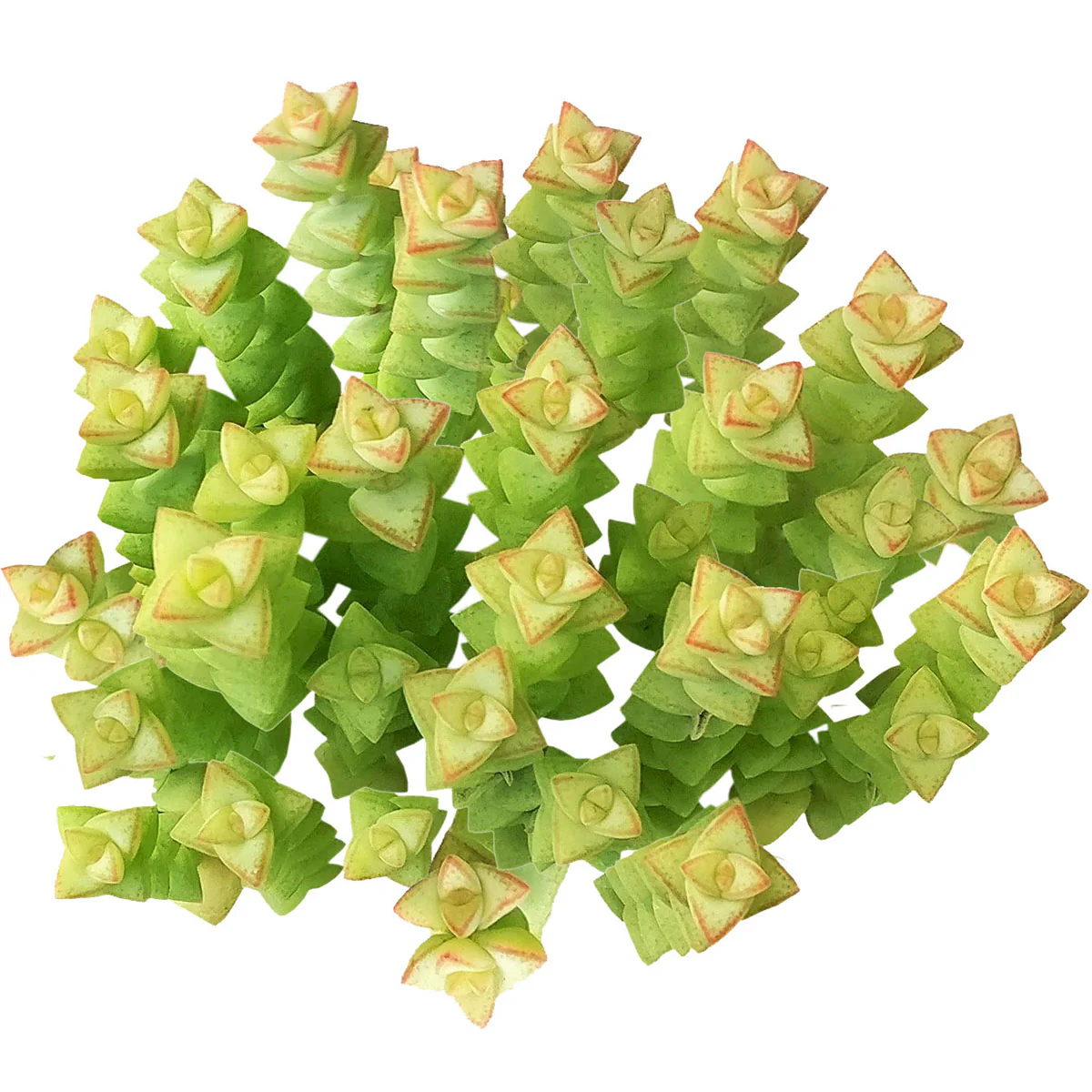
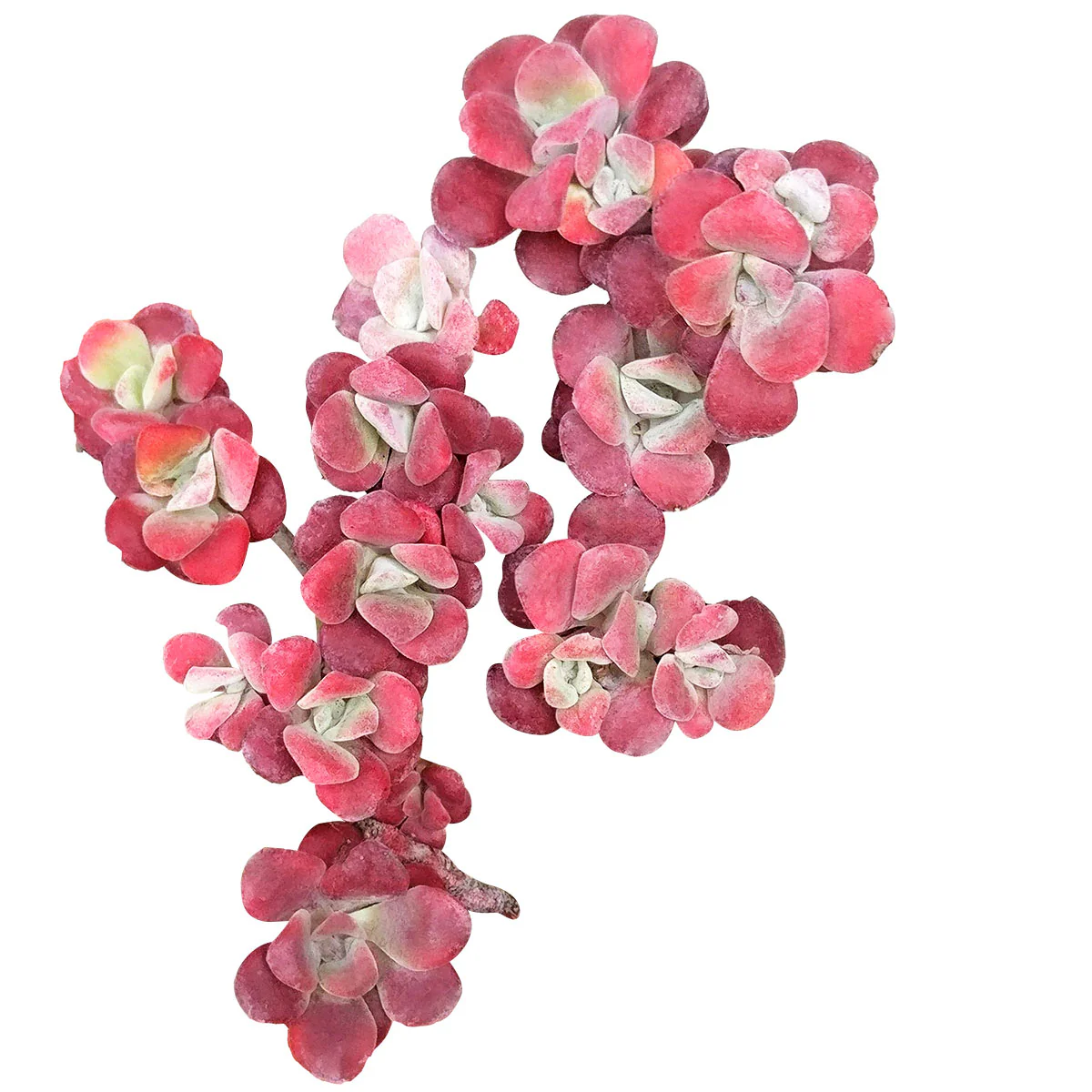
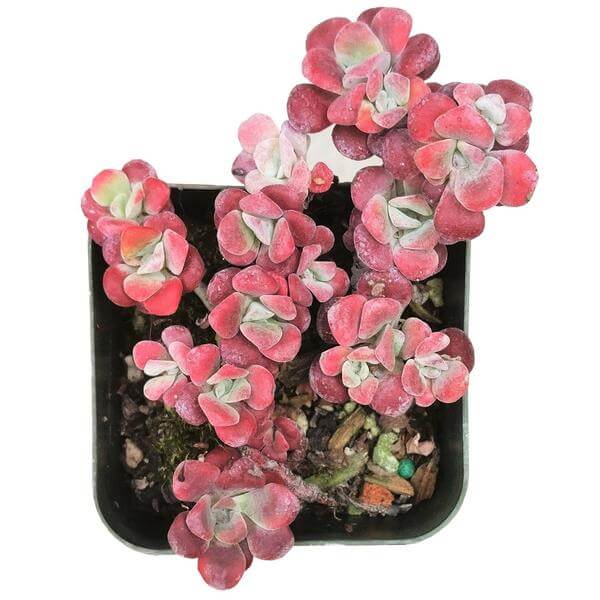
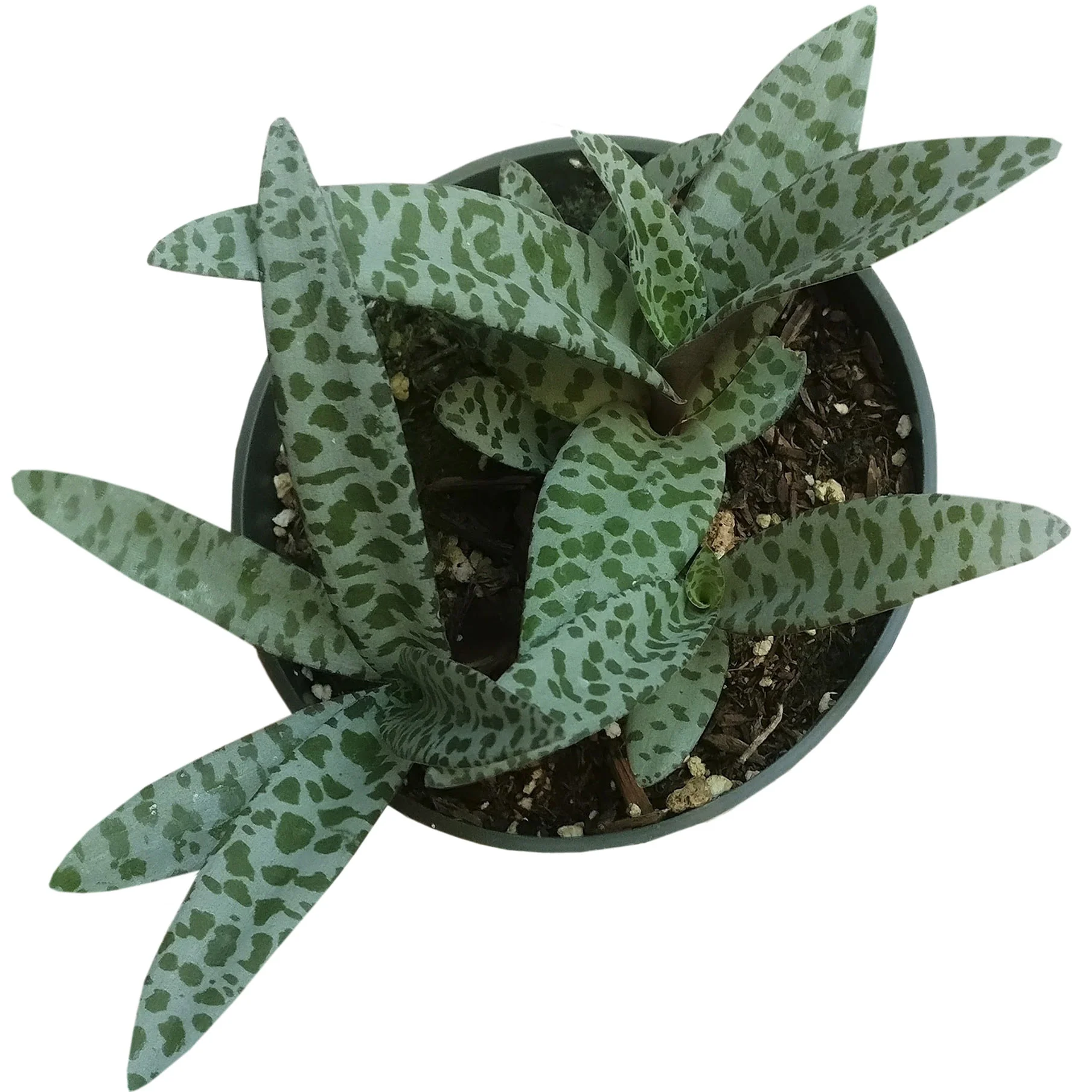
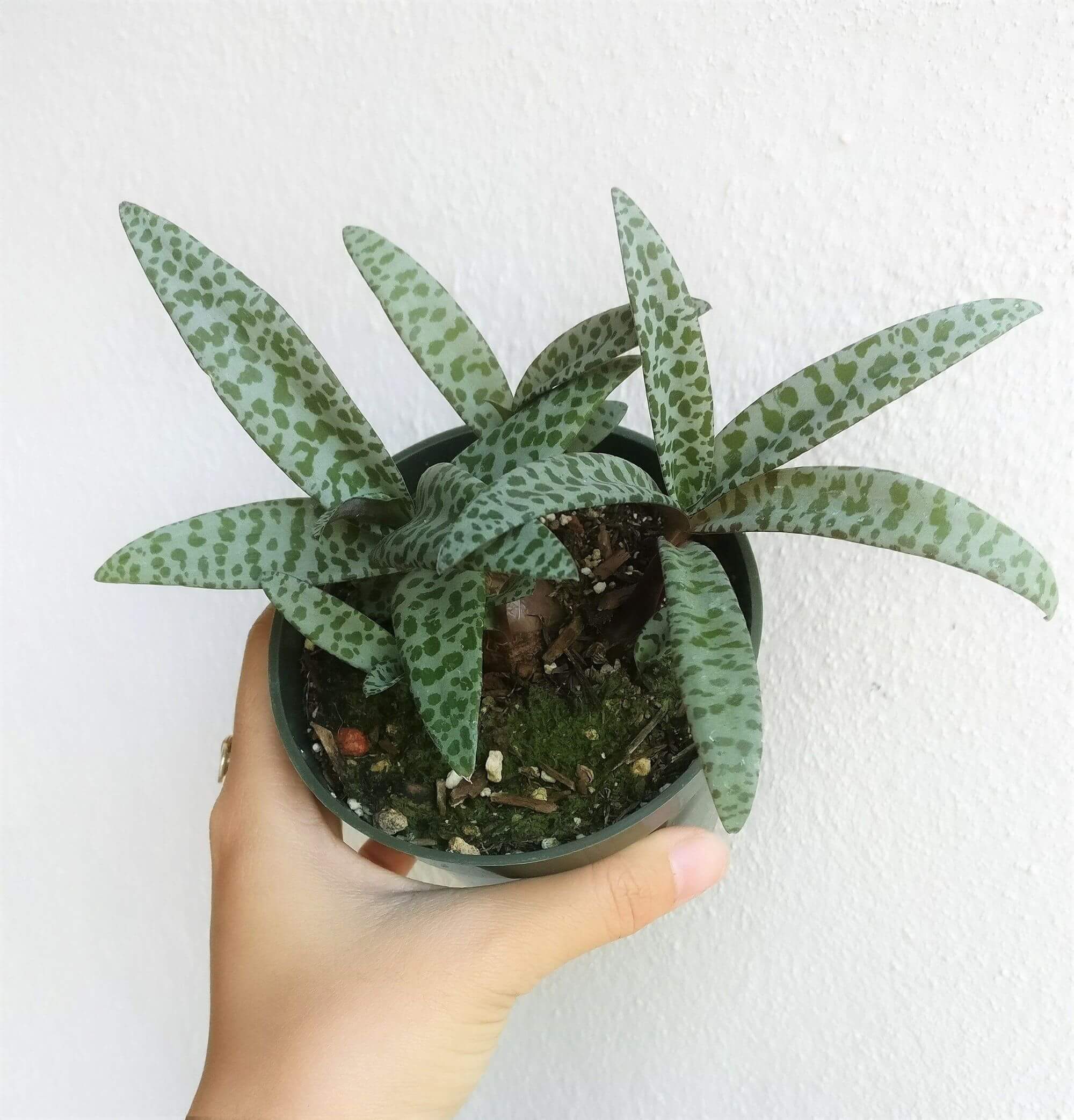
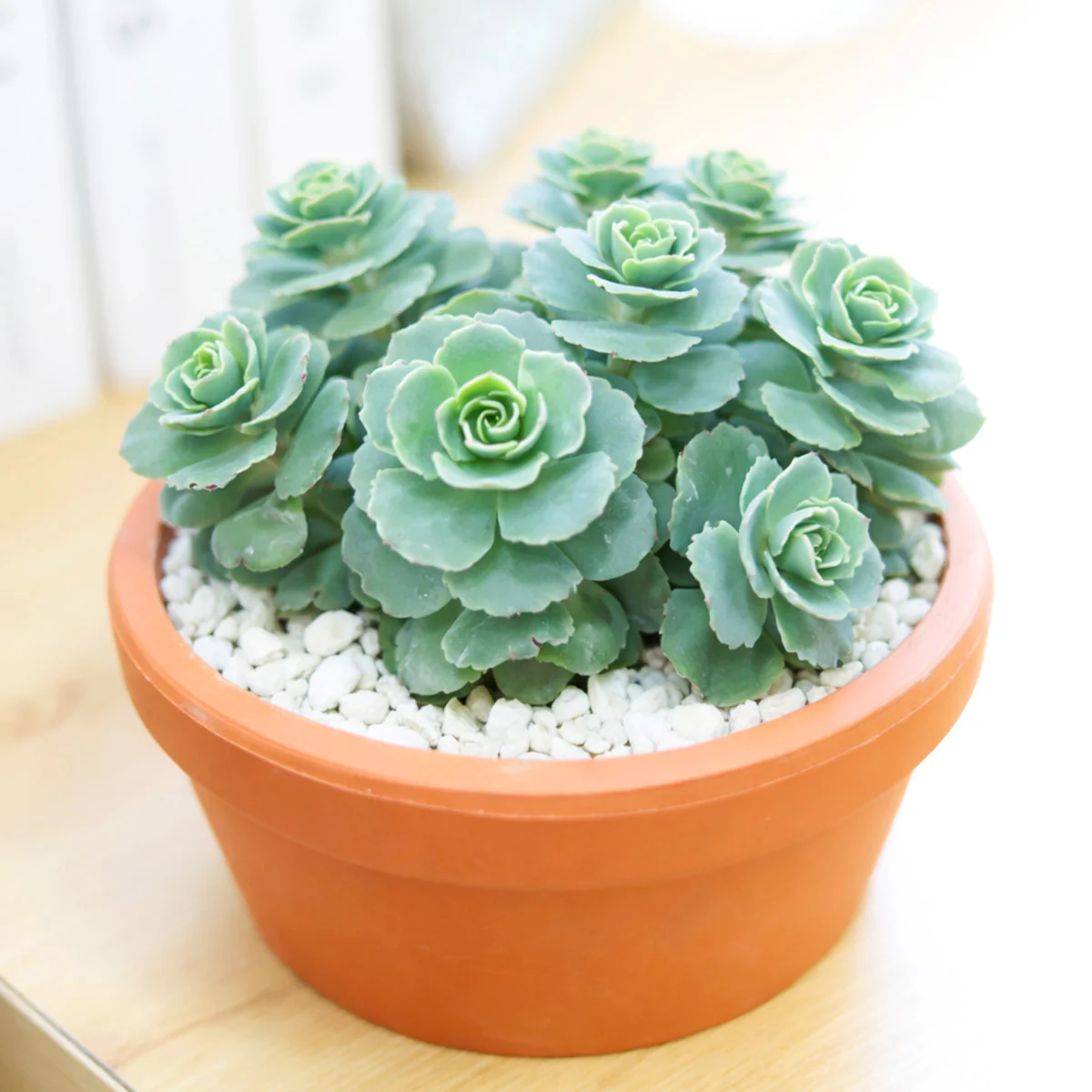
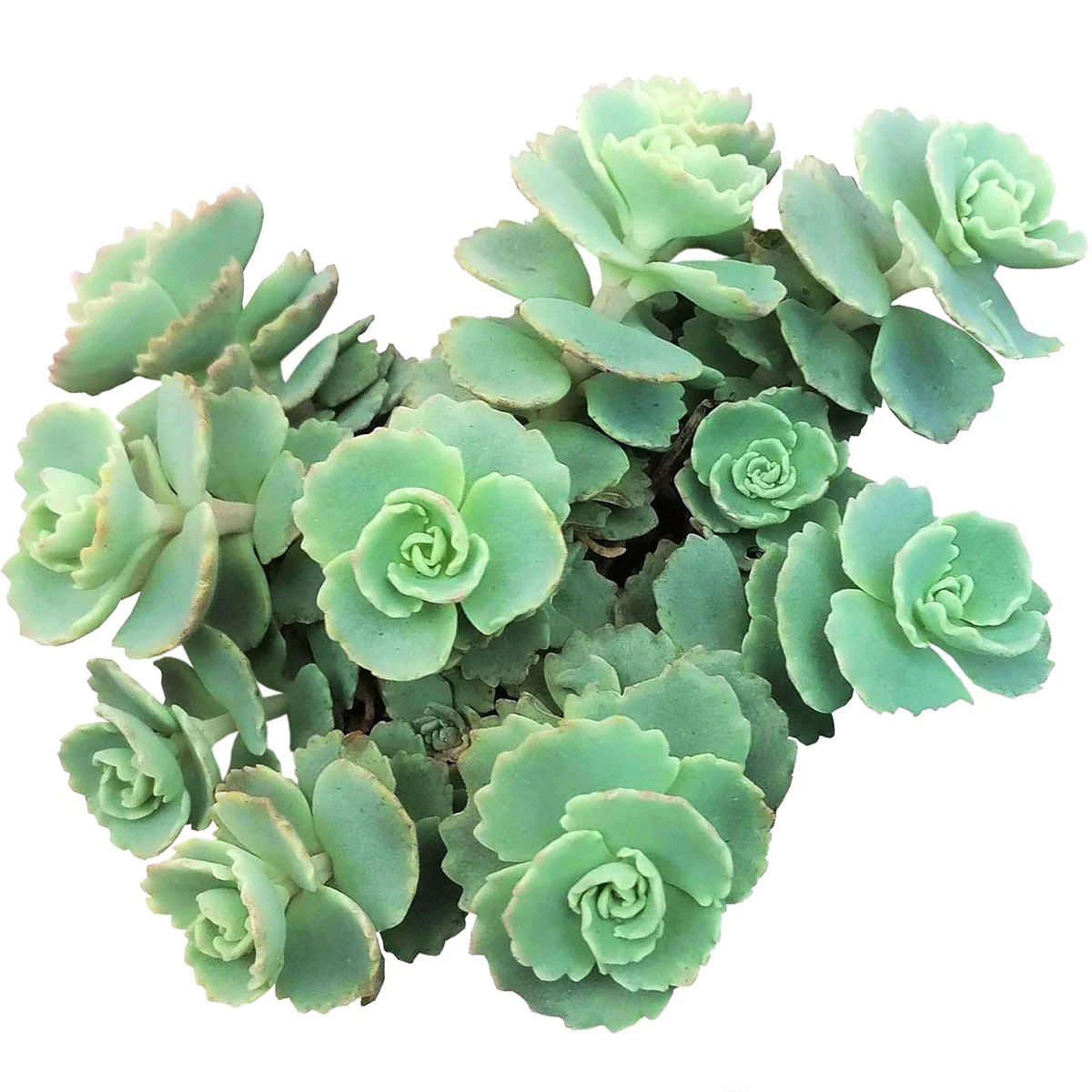
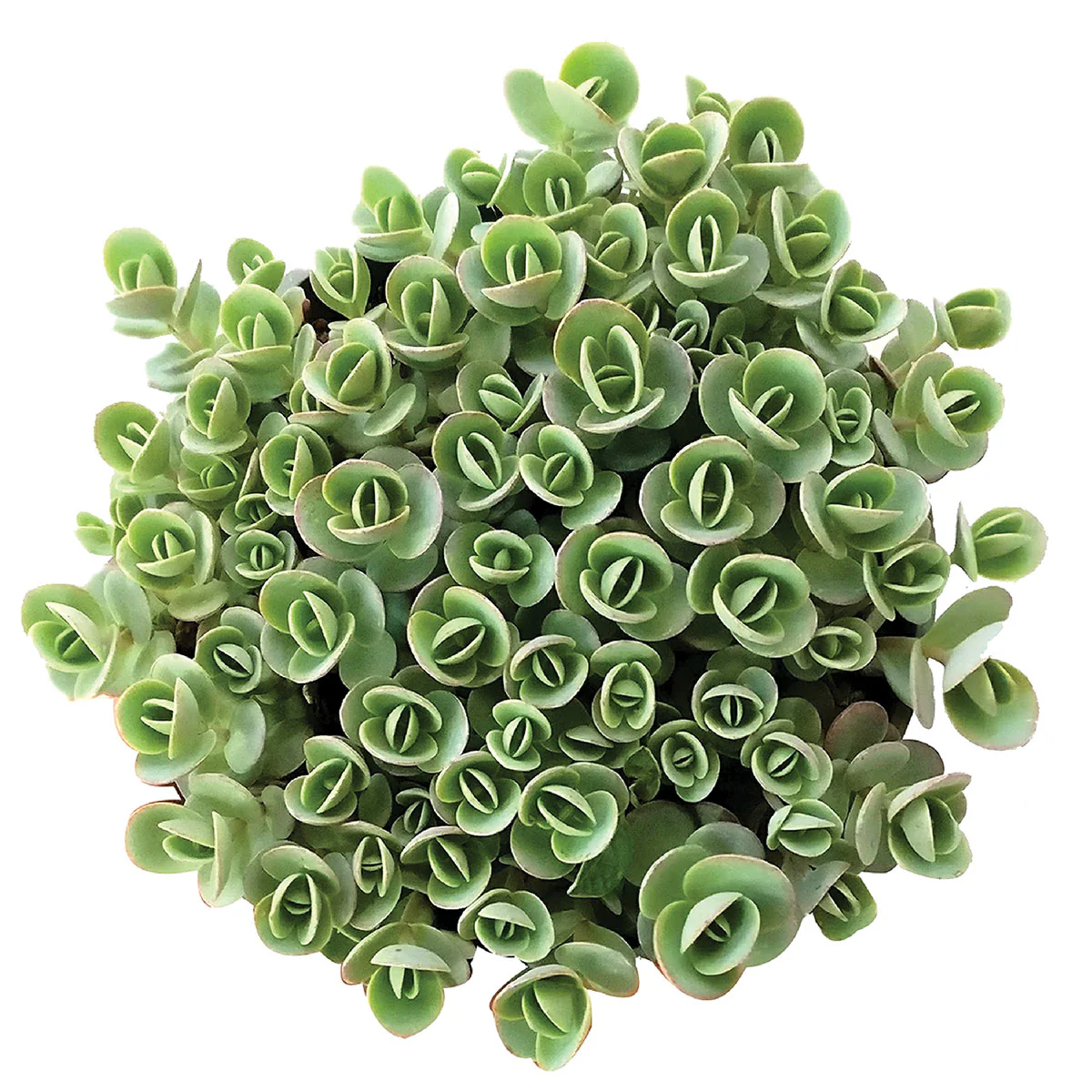
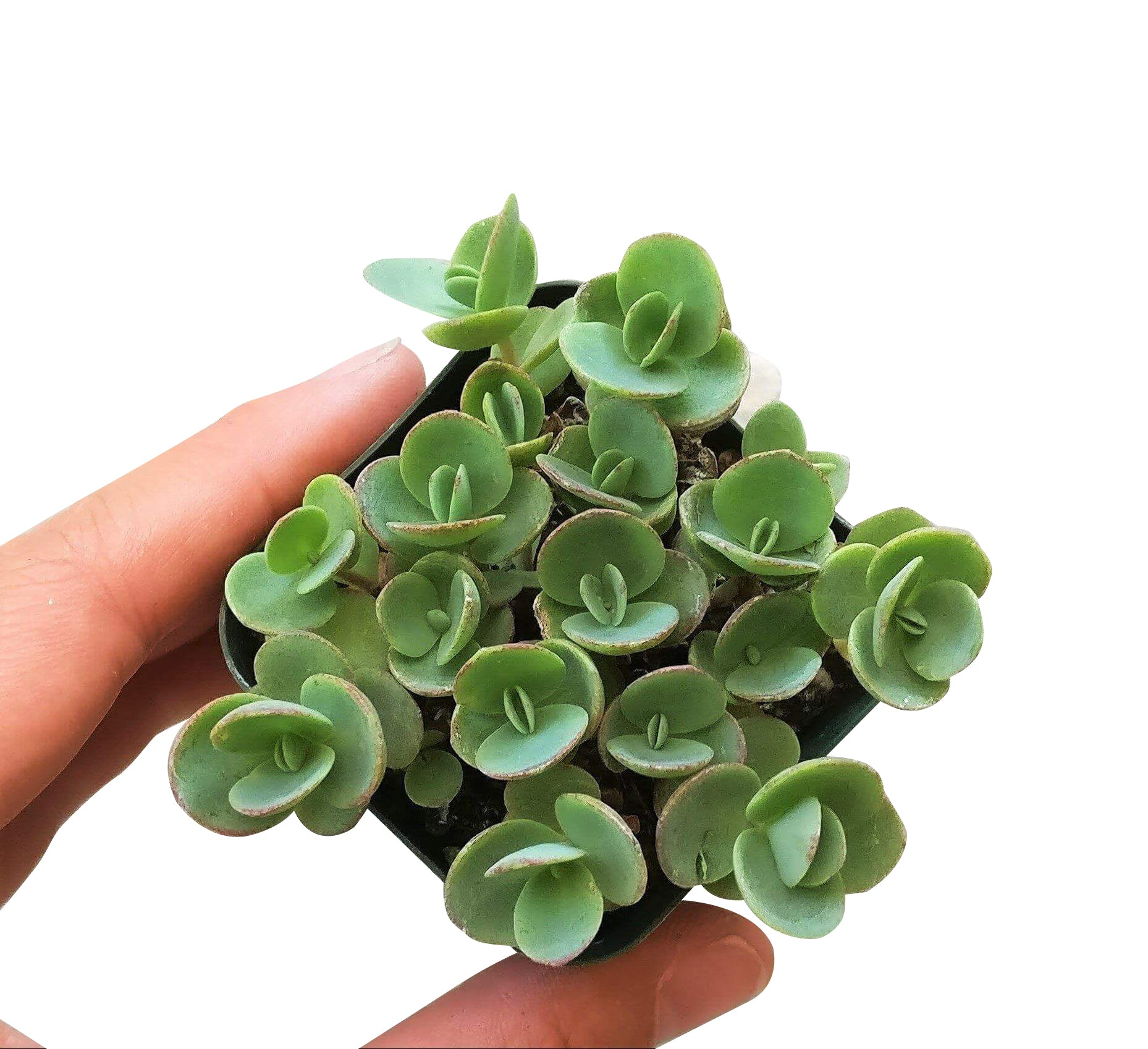
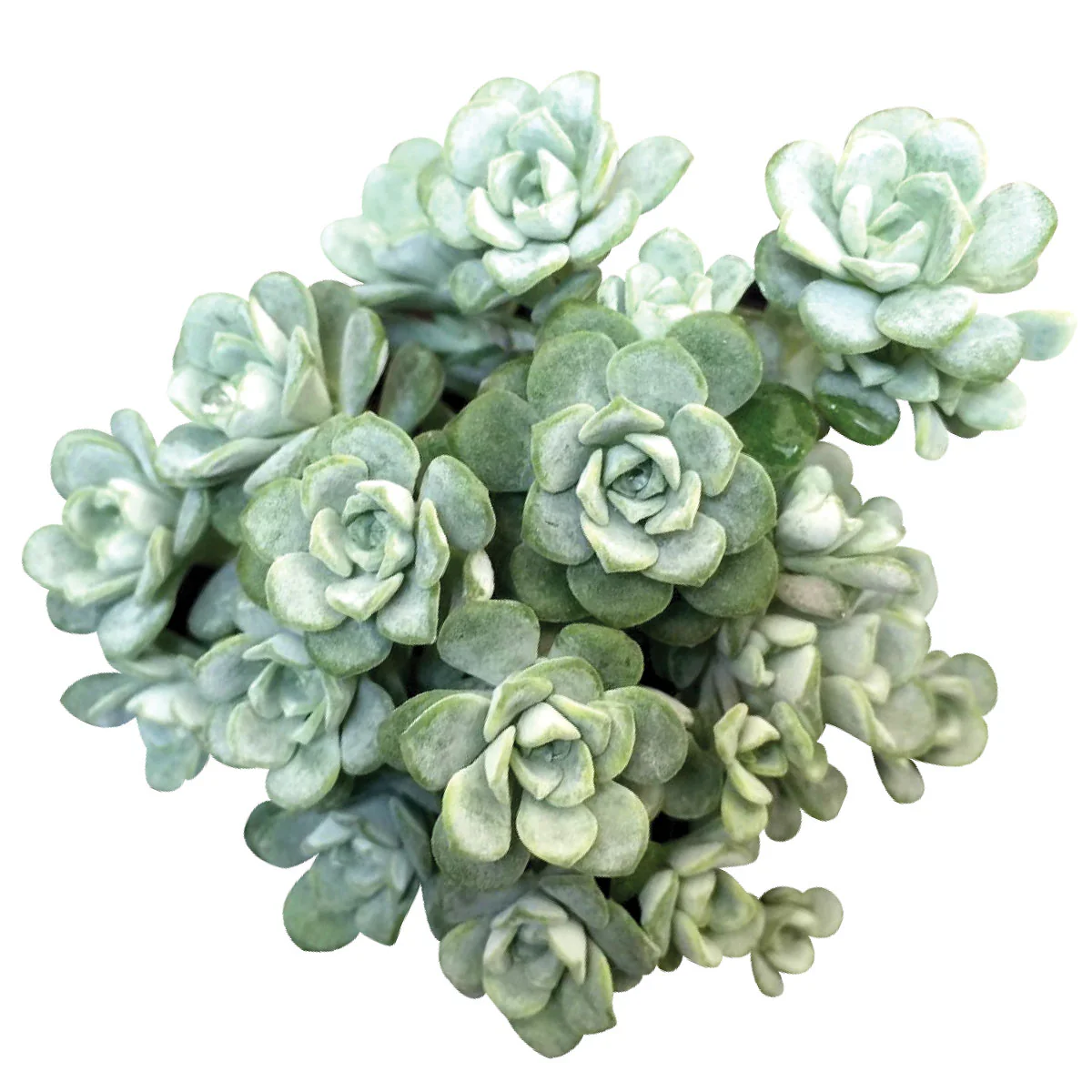
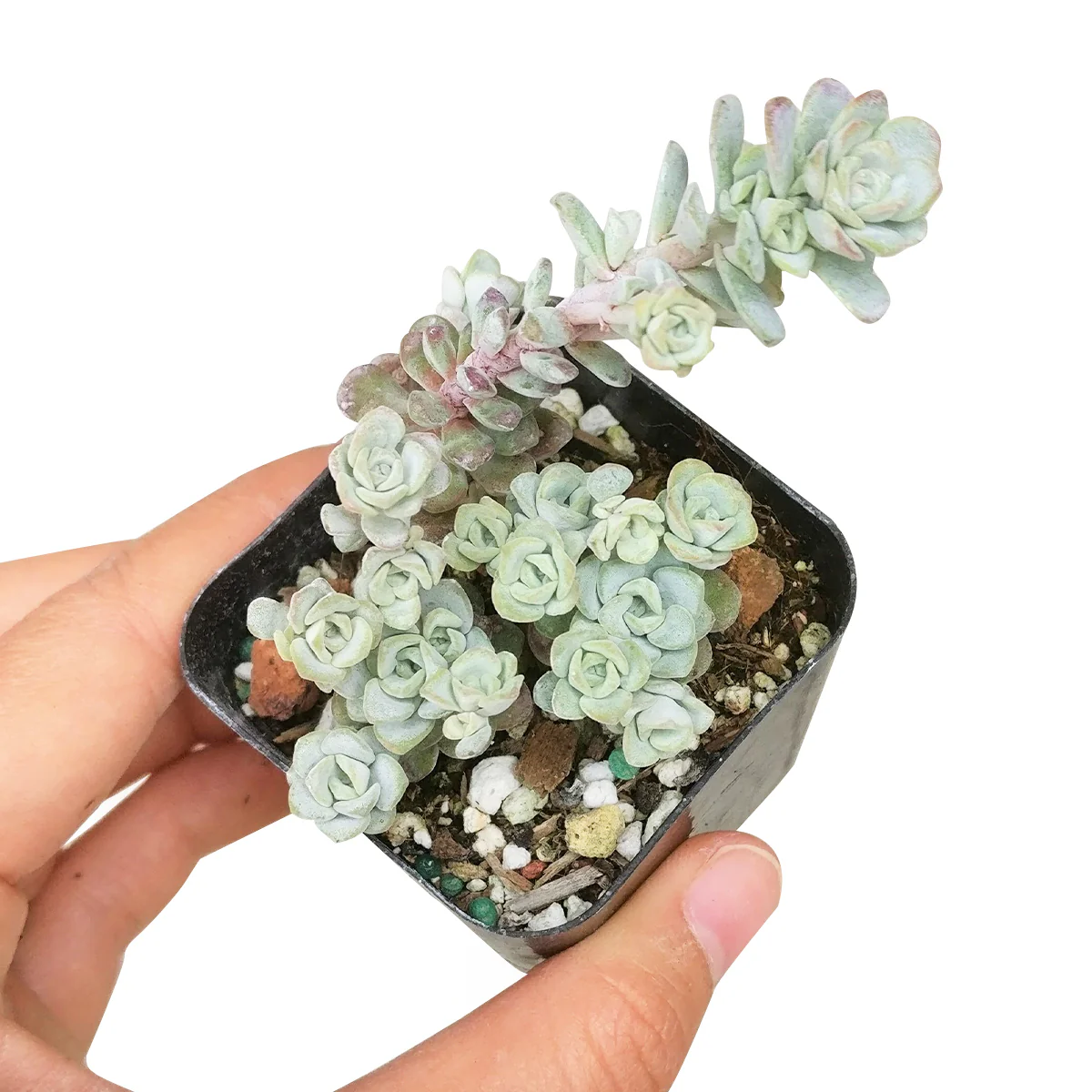
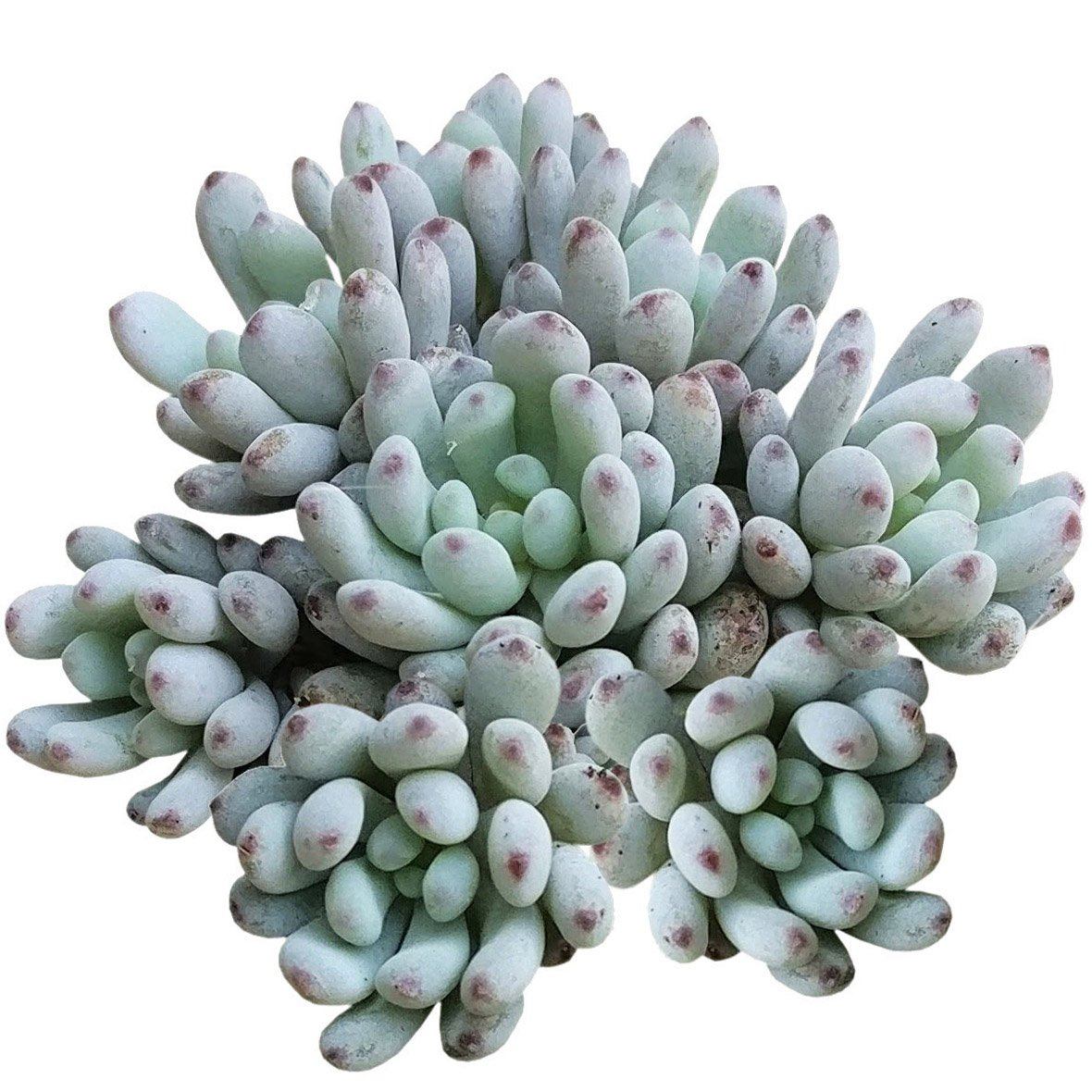
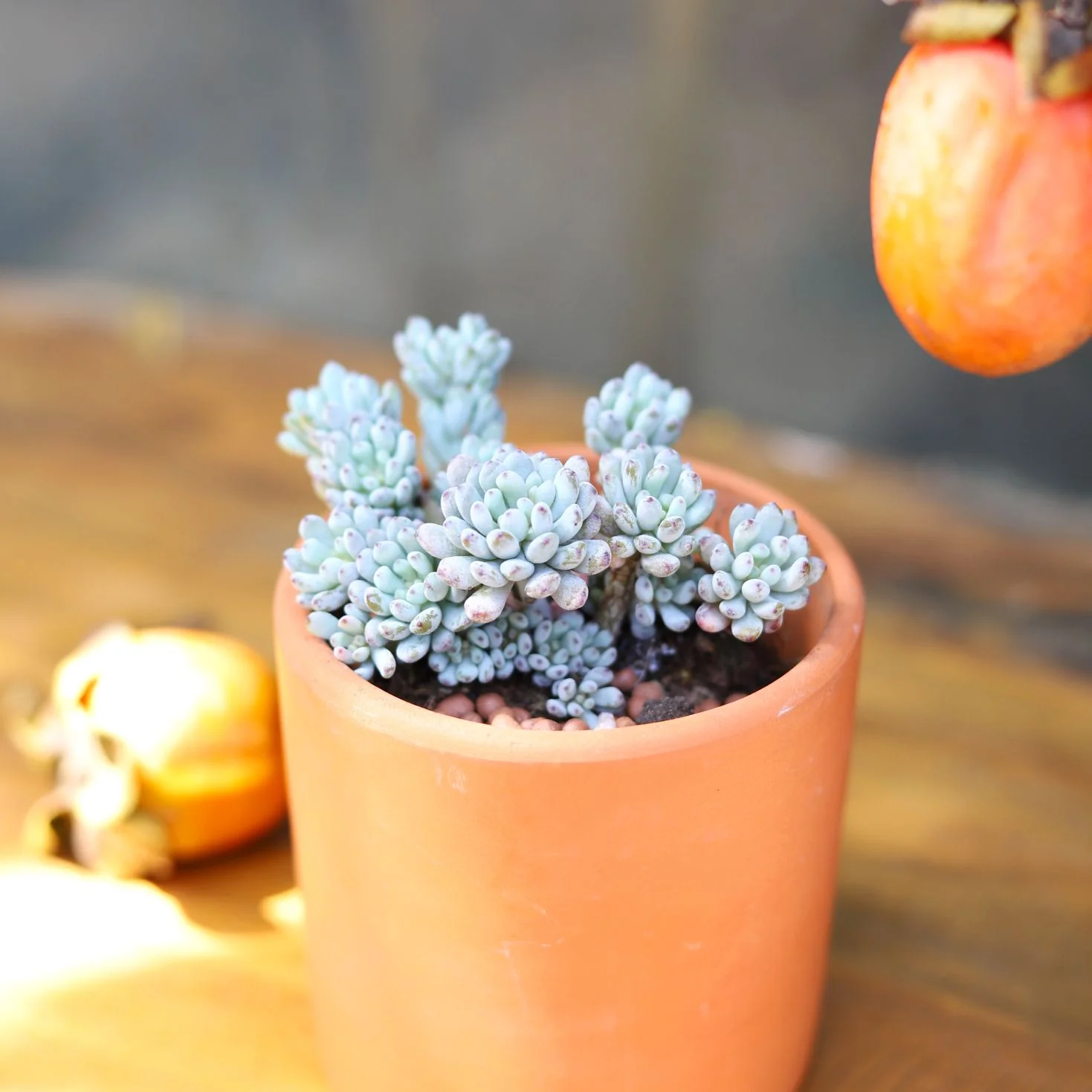
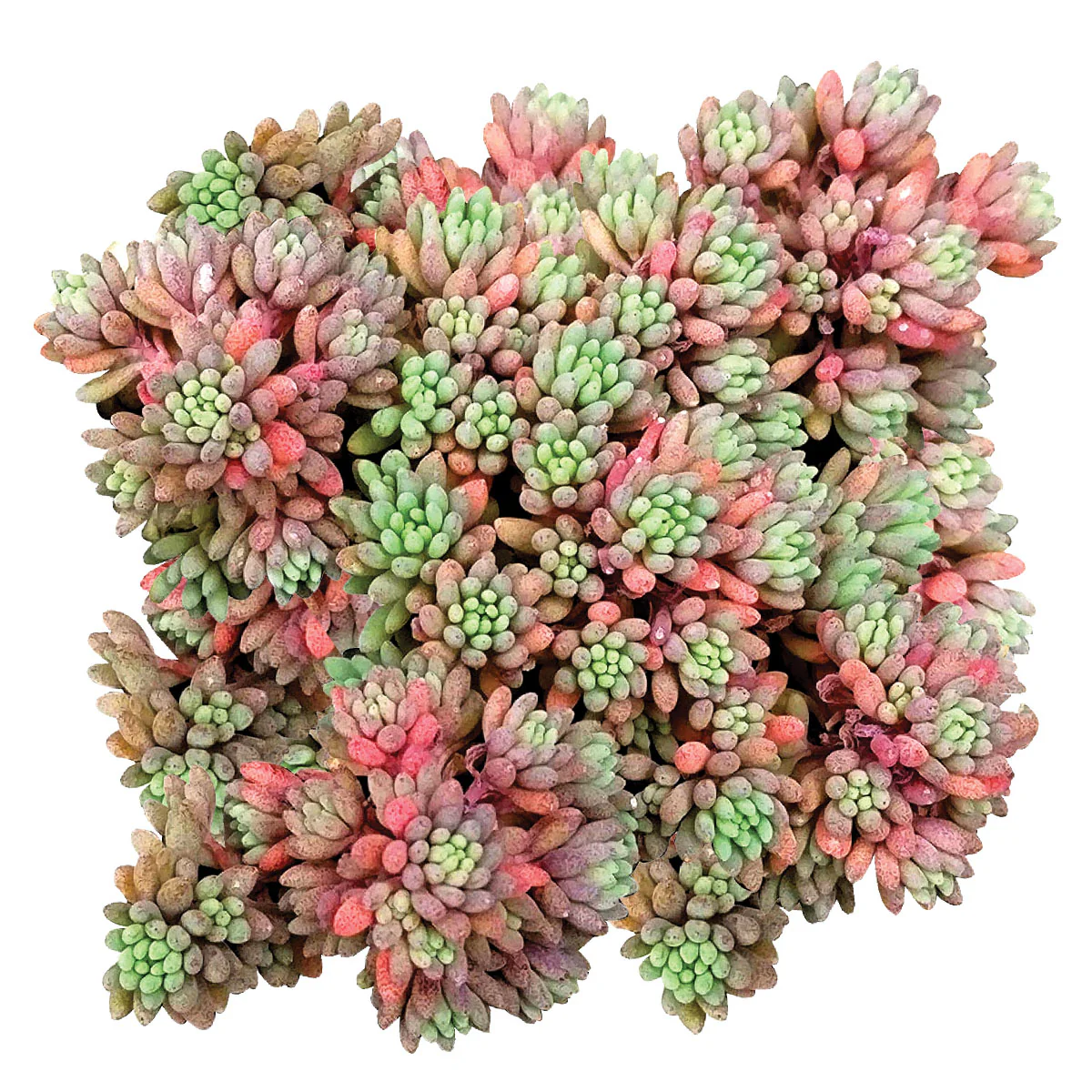
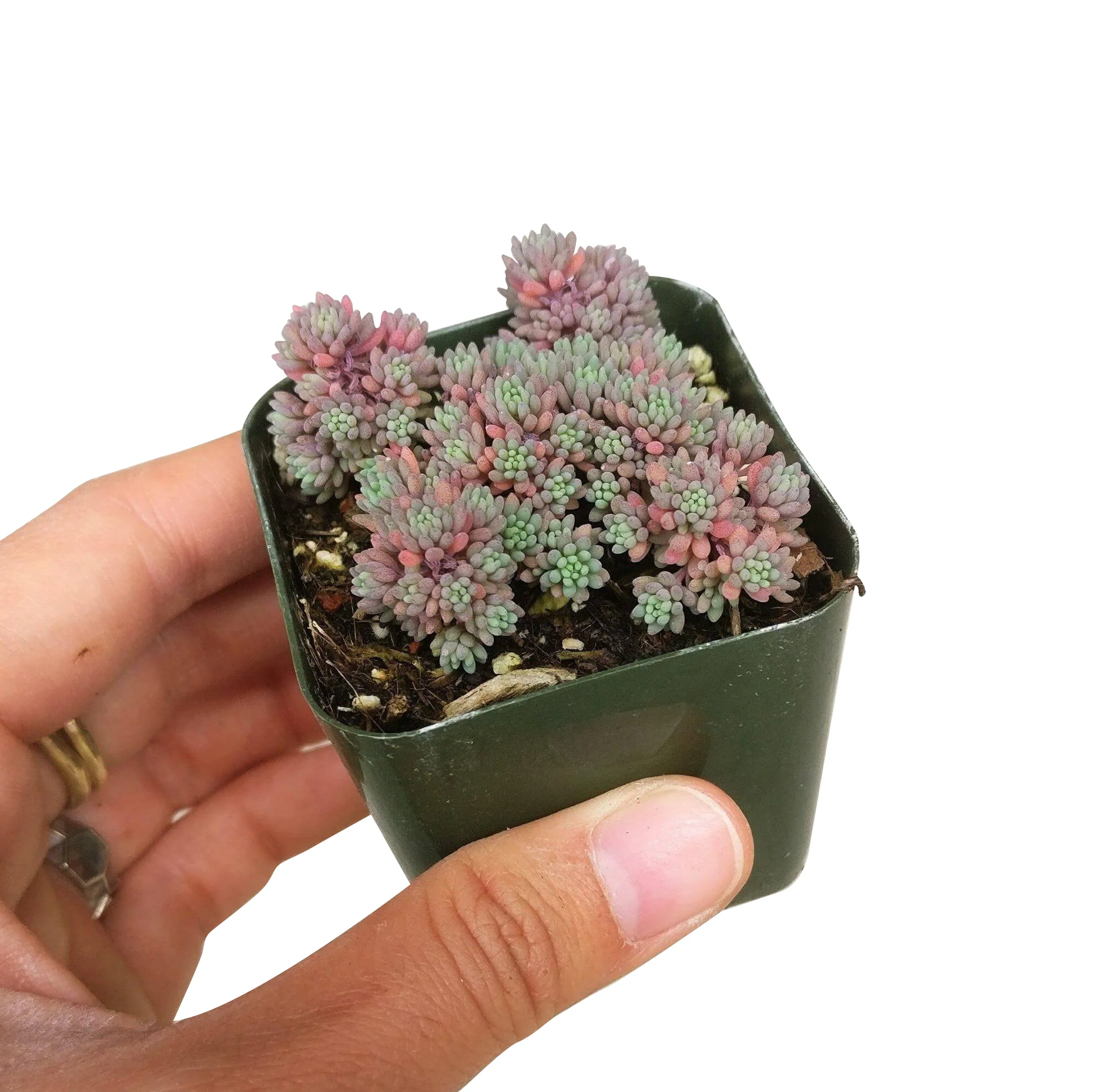
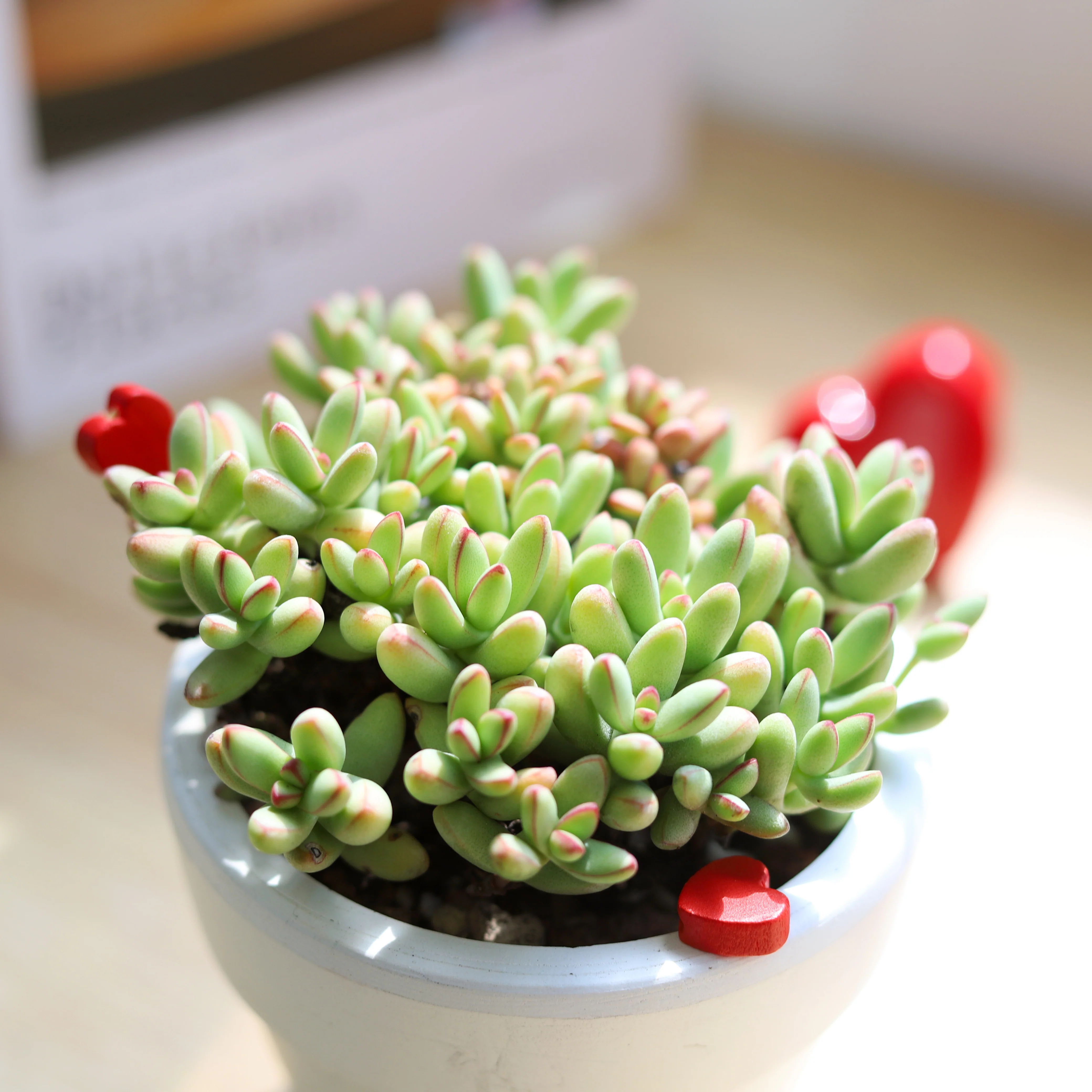
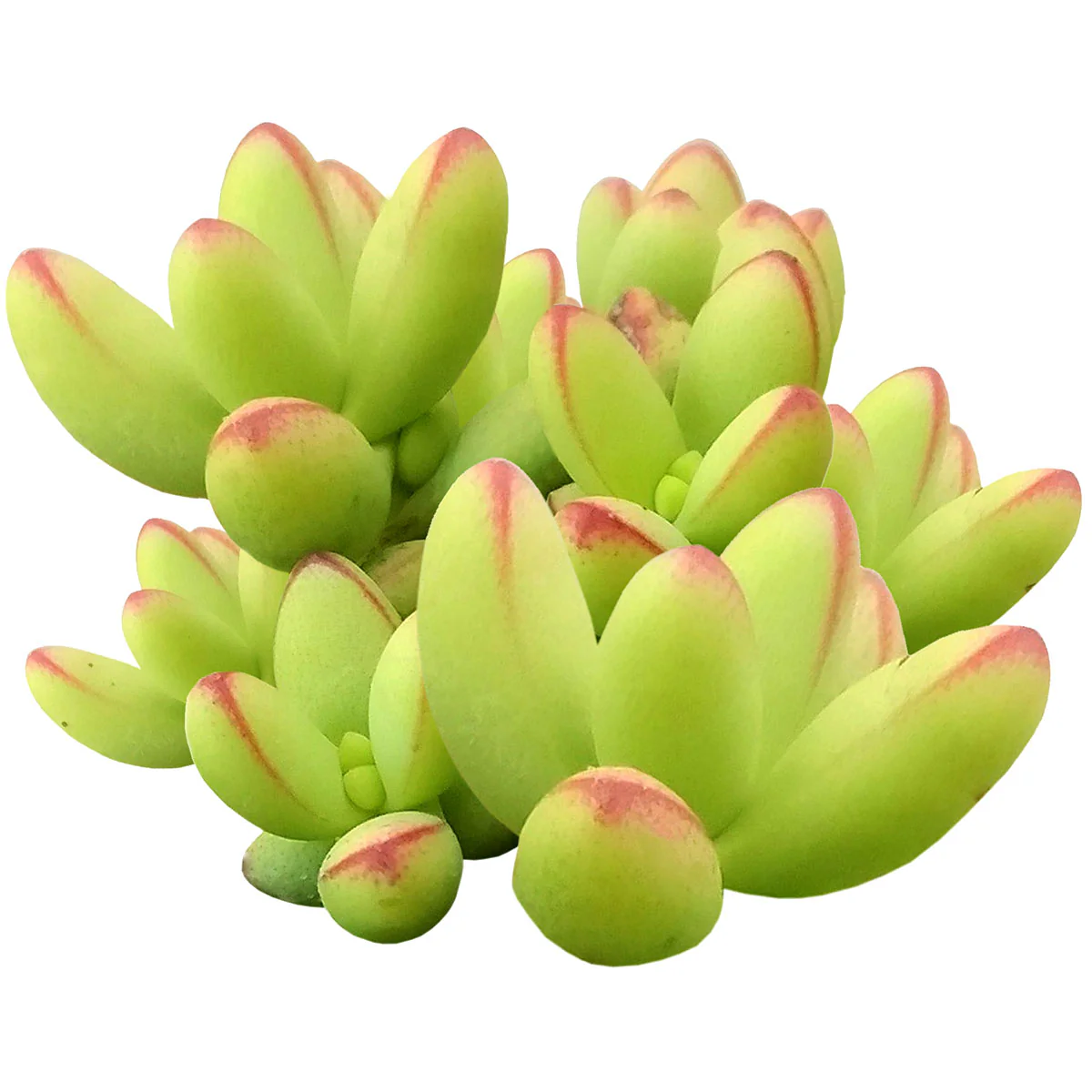
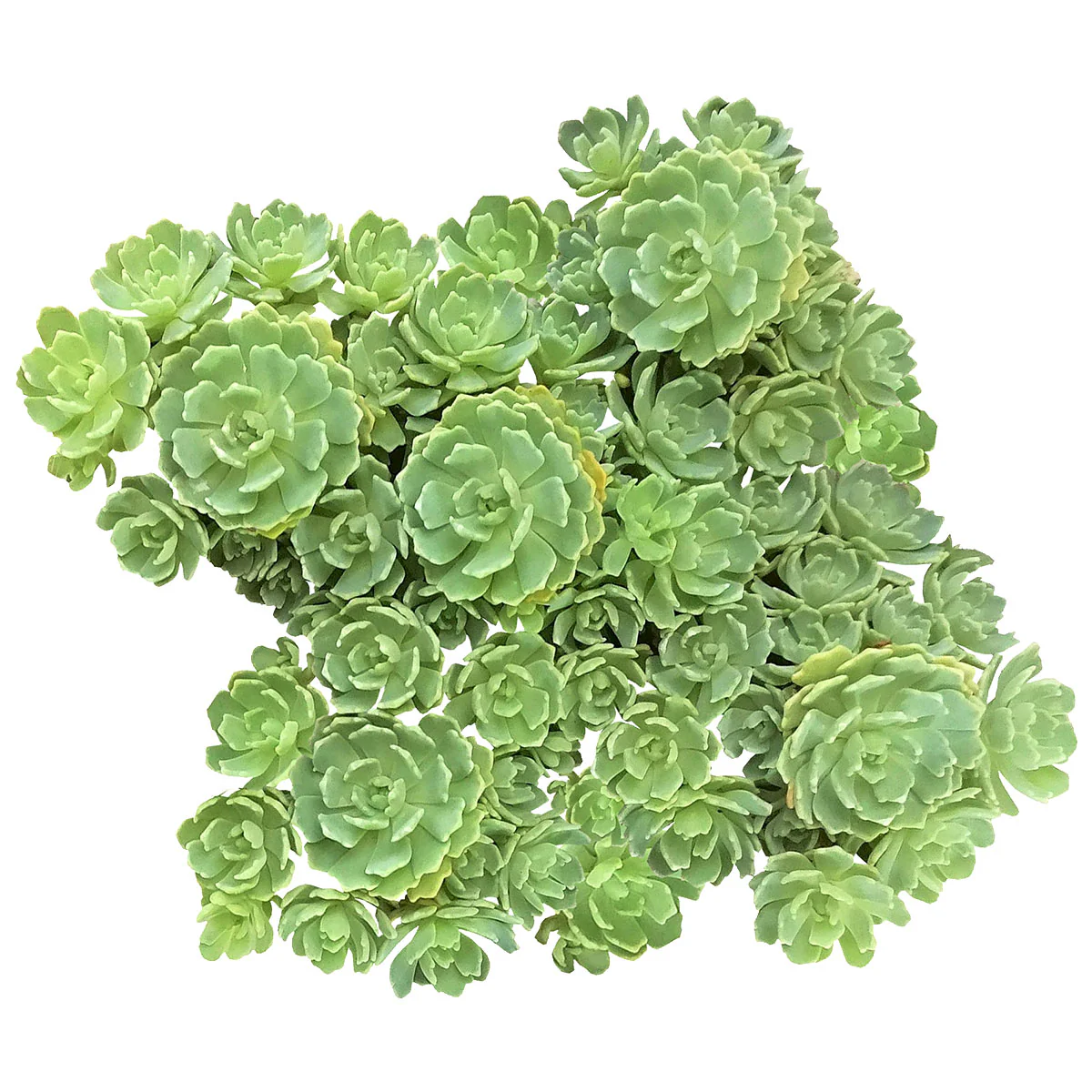
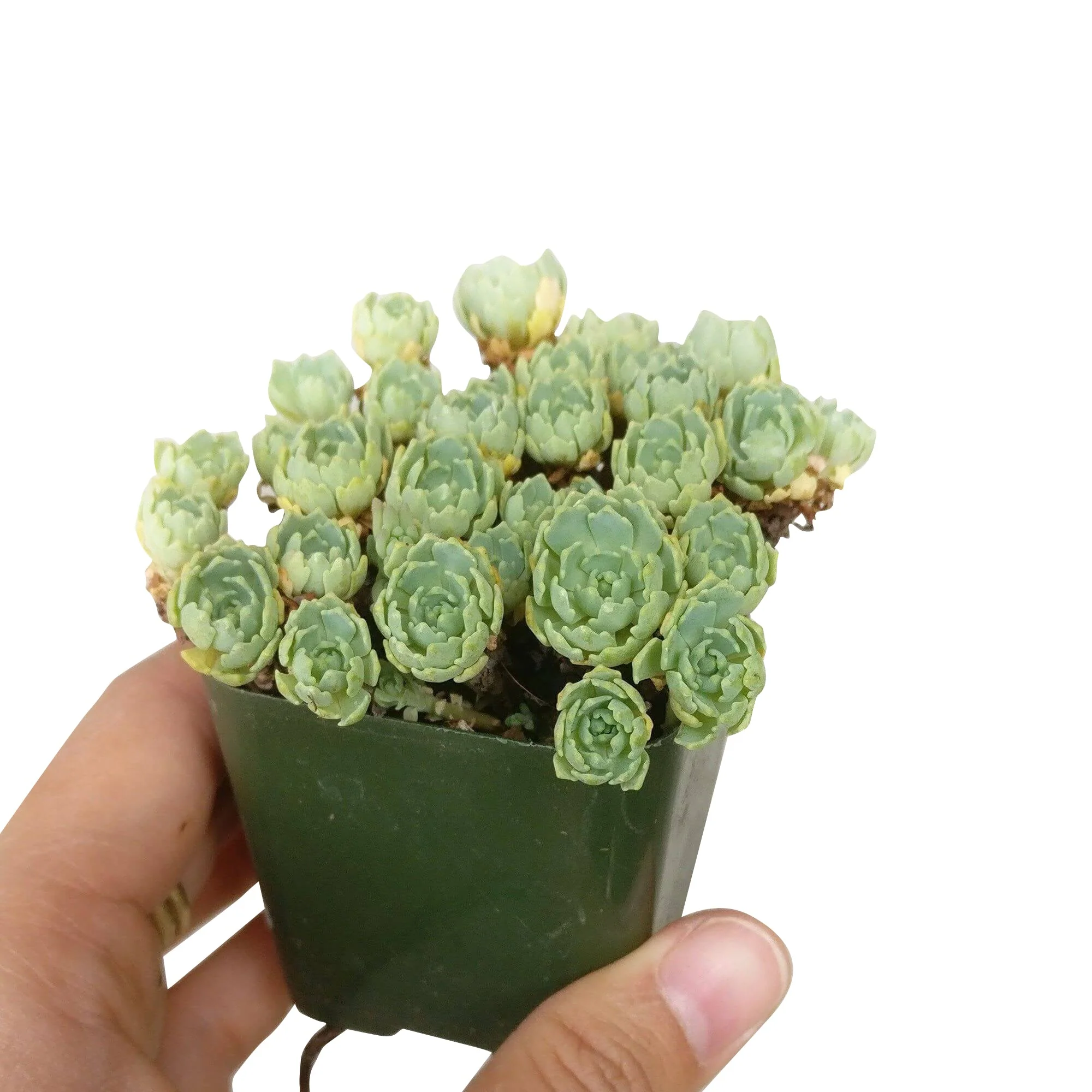
 Euphorbia Monstrose Cactus - Euphorbia submammillaris forms dense, upright clusters of small, ribbed, grey-green stems covered in spiraling tubercles and short spines, giving it a wonderfully sculpted, otherworldly texture. Its monstrose growth pattern means each cluster develops with satisfying irregularity, making every plant uniquely shaped and visually striking on any shelf or windowsill.
 While Euphorbia Monstrose Cactus - Euphorbia submammillaris is grown primarily for its remarkable architectural form rather than its blooms, it does occasionally produce small, understated flowers typical of the Euphorbia genus. The real showstopper is its year-round structural beauty, which only deepens as the clumping clusters grow denser and more defined over time.
 Euphorbia Monstrose Cactus - Euphorbia submammillaris is beginner-friendly despite its rare status, rewarding low-maintenance growers with steady, characterful growth. It loves a sunny spot indoors and can move outside for summer, though it needs cover from rain and protection in cooler months. Keep it on a high shelf out of reach, as the sap can cause skin and paw irritation, and cats and dogs should not be left to nibble or eat the plant. Its rarity and sculptural clumping habit make it a standout piece in any serious succulent or rare euphorbia collection.
-
 Euphorbia Monstrose Cactus - Euphorbia submammillaris thrives in bright indirect light to full direct sun, though intense south-facing window exposure can scorch stems in summer.
 Water Euphorbia Monstrose Cactus - Euphorbia submammillaris deeply every 2-3 weeks in summer, cutting back to once a month or less in winter.
 Euphorbia Monstrose Cactus - Euphorbia submammillaris needs a fast-draining cactus and succulent mix amended with extra perlite or coarse grit for best results.
 Euphorbia Monstrose Cactus - Euphorbia submammillaris prefers temperatures between 60-95°F (15-35°C) and should be brought indoors before temps drop near freezing.
![]() Euphorbia Monstrose Cactus - Euphorbia submammillaris is a slow to moderate grower that benefits from a balanced, diluted succulent fertilizer once monthly during spring and summer.
Euphorbia Monstrose Cactus - Euphorbia submammillaris is a slow to moderate grower that benefits from a balanced, diluted succulent fertilizer once monthly during spring and summer.
 Euphorbia Monstrose Cactus - Euphorbia submammillaris is hardy in USDA Zones 9-11, tolerating minimum temperatures down to around 25-28°F (-3 to -2°C) with brief exposure only. Gardeners in California, Texas, Arizona, Florida, Hawaii, Nevada, Louisiana, Georgia, South Carolina, Alabama, and Mississippi will find this rare clumping succulent suitable for outdoor growing year-round. Along the Oregon coast and in parts of New Mexico and coastal North Carolina, Euphorbia Monstrose Cactus - Euphorbia submammillaris can thrive outdoors with some seasonal protection during colder snaps.
-
Q: How often should I water Euphorbia Monstrose Cactus - Euphorbia submammillaris?
A: Water every 2-3 weeks during spring and summer, and reduce to once a month or less in winter when the plant is resting. Always let the soil dry out completely between waterings to prevent root rot.
Q: Is Euphorbia Monstrose Cactus - Euphorbia submammillaris safe around pets?
A: Cats and dogs should not be left to nibble or eat Euphorbia Monstrose Cactus - Euphorbia submammillaris, and the sap can cause skin and paw irritation on contact. Keeping it on a high shelf out of reach is strongly recommended.
Q: How much light does Euphorbia Monstrose Cactus - Euphorbia submammillaris need?
A: Euphorbia Monstrose Cactus - Euphorbia submammillaris does best in bright indirect light to full direct sun, ideally near a sunny east or west-facing window. Avoid prolonged intense south window exposure in peak summer, which can scorch the stems.
Q: How fast does Euphorbia Monstrose Cactus - Euphorbia submammillaris grow?
A: Euphorbia Monstrose Cactus - Euphorbia submammillaris is a slow to moderate grower, gradually developing its signature dense, clumping clusters over several years. This slow growth is part of what makes it such a coveted rare find.
Q: Can Euphorbia Monstrose Cactus - Euphorbia submammillaris go outside in summer?
A: Yes, Euphorbia Monstrose Cactus - Euphorbia submammillaris loves spending summer outdoors in a warm, sunny spot and can even stay outside into autumn in mild climates. Just be sure to provide cover from rain and bring it back indoors before temperatures drop significantly.
Q: Is Euphorbia Monstrose Cactus - Euphorbia submammillaris a good plant for beginners?
A: Absolutely, Euphorbia Monstrose Cactus - Euphorbia submammillaris is easy care and remarkably drought-tolerant, even surviving a 10-day trip without watering. Its low-maintenance needs and striking appearance make it an ideal first rare euphorbia for new collectors.


Original: $8.00
-70%$8.00
$2.40Product Information
Product Information
Shipping & Returns
Shipping & Returns
Description
- Description
- Euphorbia Monstrose Cactus - Euphorbia submammillaris Care Guide
- FAQ/Common Issues
-
![]() Euphorbia Monstrose Cactus - Euphorbia submammillaris is a rare clumping succulent belonging to the Euphorbia genus, native to the arid regions of South Africa. It thrives naturally in rocky, well-drained terrain with intense sun and minimal rainfall, making it a true drought survivor built for bold collectors.
Euphorbia Monstrose Cactus - Euphorbia submammillaris is a rare clumping succulent belonging to the Euphorbia genus, native to the arid regions of South Africa. It thrives naturally in rocky, well-drained terrain with intense sun and minimal rainfall, making it a true drought survivor built for bold collectors.
Euphorbia Monstrose Cactus - Euphorbia submammillaris forms dense, upright clusters of small, ribbed, grey-green stems covered in spiraling tubercles and short spines, giving it a wonderfully sculpted, otherworldly texture. Its monstrose growth pattern means each cluster develops with satisfying irregularity, making every plant uniquely shaped and visually striking on any shelf or windowsill.
While Euphorbia Monstrose Cactus - Euphorbia submammillaris is grown primarily for its remarkable architectural form rather than its blooms, it does occasionally produce small, understated flowers typical of the Euphorbia genus. The real showstopper is its year-round structural beauty, which only deepens as the clumping clusters grow denser and more defined over time.
Euphorbia Monstrose Cactus - Euphorbia submammillaris is beginner-friendly despite its rare status, rewarding low-maintenance growers with steady, characterful growth. It loves a sunny spot indoors and can move outside for summer, though it needs cover from rain and protection in cooler months. Keep it on a high shelf out of reach, as the sap can cause skin and paw irritation, and cats and dogs should not be left to nibble or eat the plant. Its rarity and sculptural clumping habit make it a standout piece in any serious succulent or rare euphorbia collection.
-
Euphorbia Monstrose Cactus - Euphorbia submammillaris thrives in bright indirect light to full direct sun, though intense south-facing window exposure can scorch stems in summer.
Water Euphorbia Monstrose Cactus - Euphorbia submammillaris deeply every 2-3 weeks in summer, cutting back to once a month or less in winter.
Euphorbia Monstrose Cactus - Euphorbia submammillaris needs a fast-draining cactus and succulent mix amended with extra perlite or coarse grit for best results.
Euphorbia Monstrose Cactus - Euphorbia submammillaris prefers temperatures between 60-95°F (15-35°C) and should be brought indoors before temps drop near freezing.
![]() Euphorbia Monstrose Cactus - Euphorbia submammillaris is a slow to moderate grower that benefits from a balanced, diluted succulent fertilizer once monthly during spring and summer.
Euphorbia Monstrose Cactus - Euphorbia submammillaris is a slow to moderate grower that benefits from a balanced, diluted succulent fertilizer once monthly during spring and summer.
Euphorbia Monstrose Cactus - Euphorbia submammillaris is hardy in USDA Zones 9-11, tolerating minimum temperatures down to around 25-28°F (-3 to -2°C) with brief exposure only. Gardeners in California, Texas, Arizona, Florida, Hawaii, Nevada, Louisiana, Georgia, South Carolina, Alabama, and Mississippi will find this rare clumping succulent suitable for outdoor growing year-round. Along the Oregon coast and in parts of New Mexico and coastal North Carolina, Euphorbia Monstrose Cactus - Euphorbia submammillaris can thrive outdoors with some seasonal protection during colder snaps.
-
Q: How often should I water Euphorbia Monstrose Cactus - Euphorbia submammillaris?
A: Water every 2-3 weeks during spring and summer, and reduce to once a month or less in winter when the plant is resting. Always let the soil dry out completely between waterings to prevent root rot.
Q: Is Euphorbia Monstrose Cactus - Euphorbia submammillaris safe around pets?
A: Cats and dogs should not be left to nibble or eat Euphorbia Monstrose Cactus - Euphorbia submammillaris, and the sap can cause skin and paw irritation on contact. Keeping it on a high shelf out of reach is strongly recommended.
Q: How much light does Euphorbia Monstrose Cactus - Euphorbia submammillaris need?
A: Euphorbia Monstrose Cactus - Euphorbia submammillaris does best in bright indirect light to full direct sun, ideally near a sunny east or west-facing window. Avoid prolonged intense south window exposure in peak summer, which can scorch the stems.
Q: How fast does Euphorbia Monstrose Cactus - Euphorbia submammillaris grow?
A: Euphorbia Monstrose Cactus - Euphorbia submammillaris is a slow to moderate grower, gradually developing its signature dense, clumping clusters over several years. This slow growth is part of what makes it such a coveted rare find.
Q: Can Euphorbia Monstrose Cactus - Euphorbia submammillaris go outside in summer?
A: Yes, Euphorbia Monstrose Cactus - Euphorbia submammillaris loves spending summer outdoors in a warm, sunny spot and can even stay outside into autumn in mild climates. Just be sure to provide cover from rain and bring it back indoors before temperatures drop significantly.
Q: Is Euphorbia Monstrose Cactus - Euphorbia submammillaris a good plant for beginners?
A: Absolutely, Euphorbia Monstrose Cactus - Euphorbia submammillaris is easy care and remarkably drought-tolerant, even surviving a 10-day trip without watering. Its low-maintenance needs and striking appearance make it an ideal first rare euphorbia for new collectors.