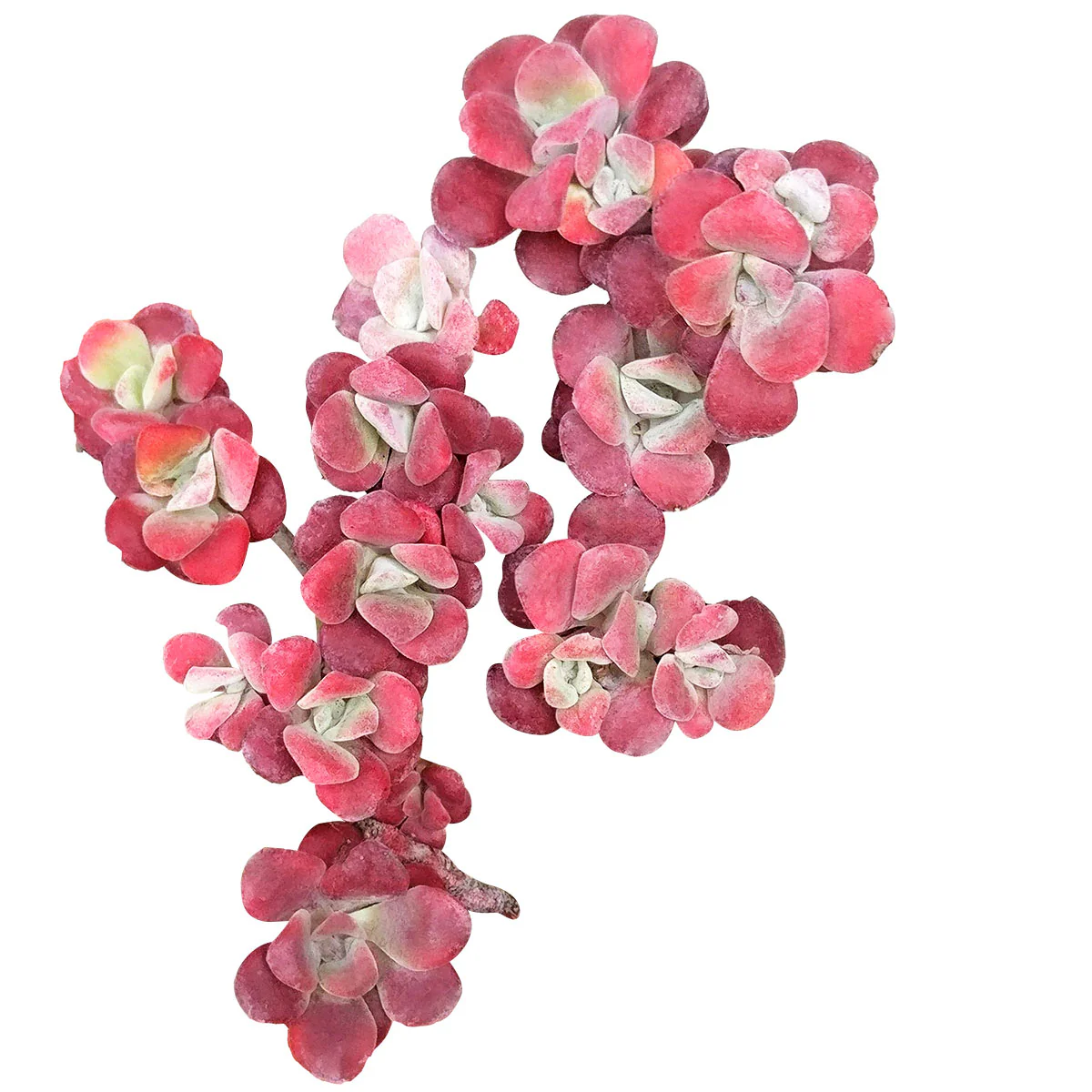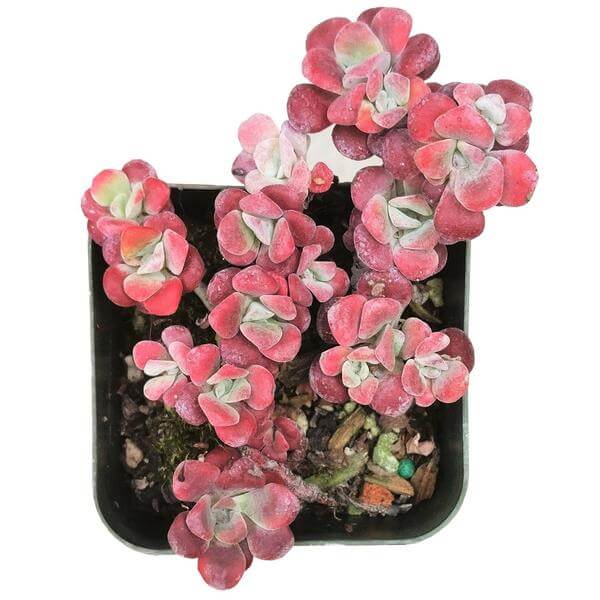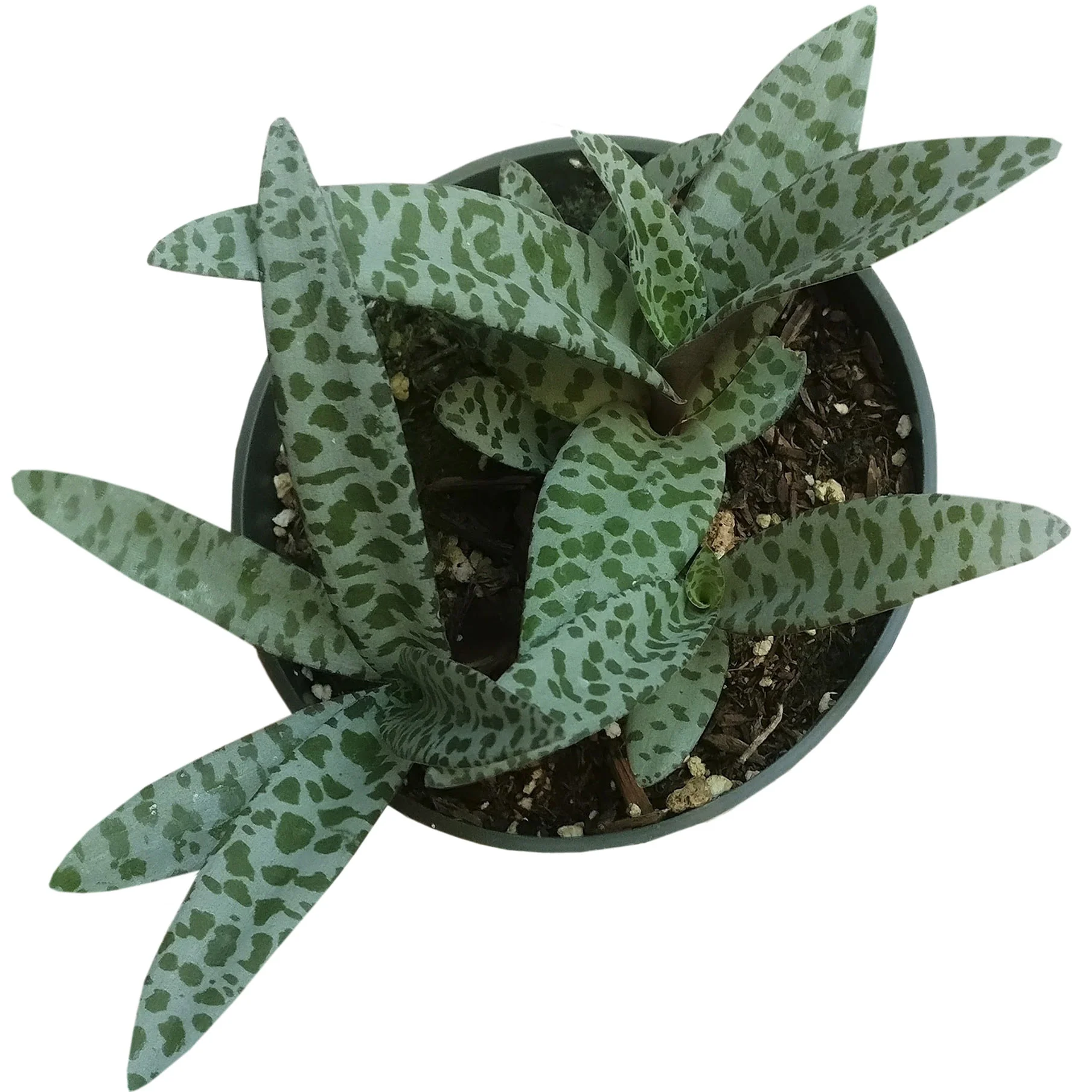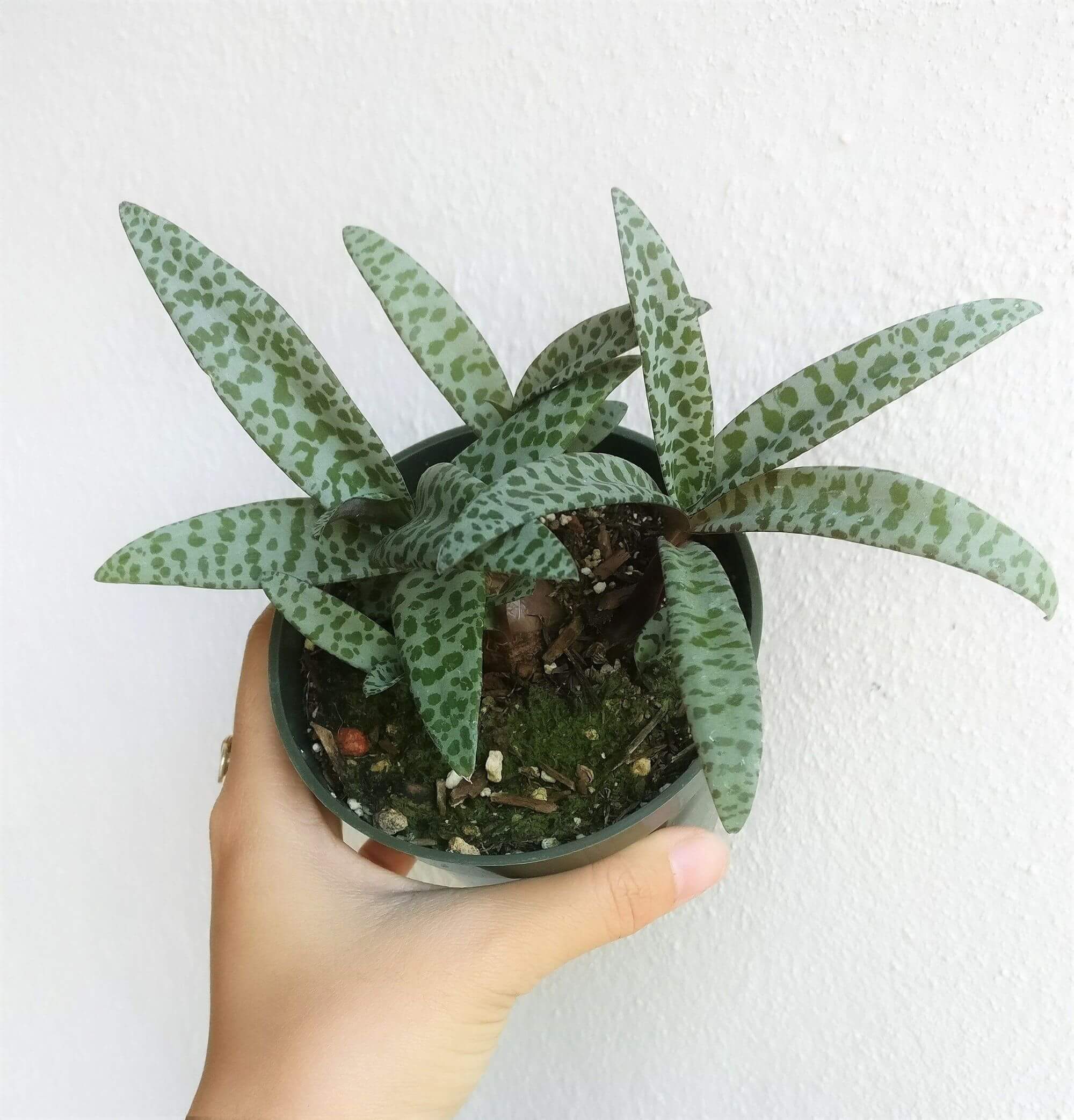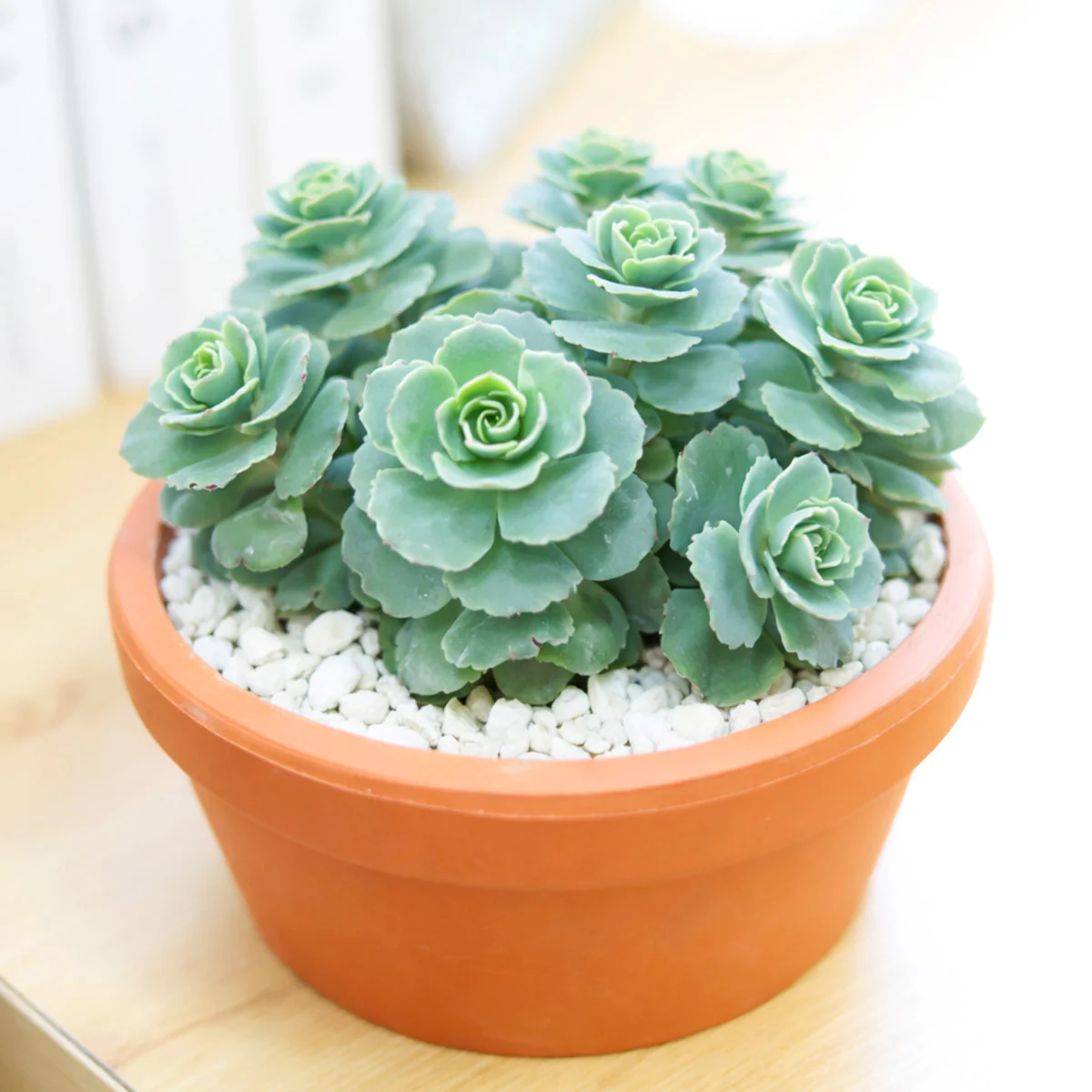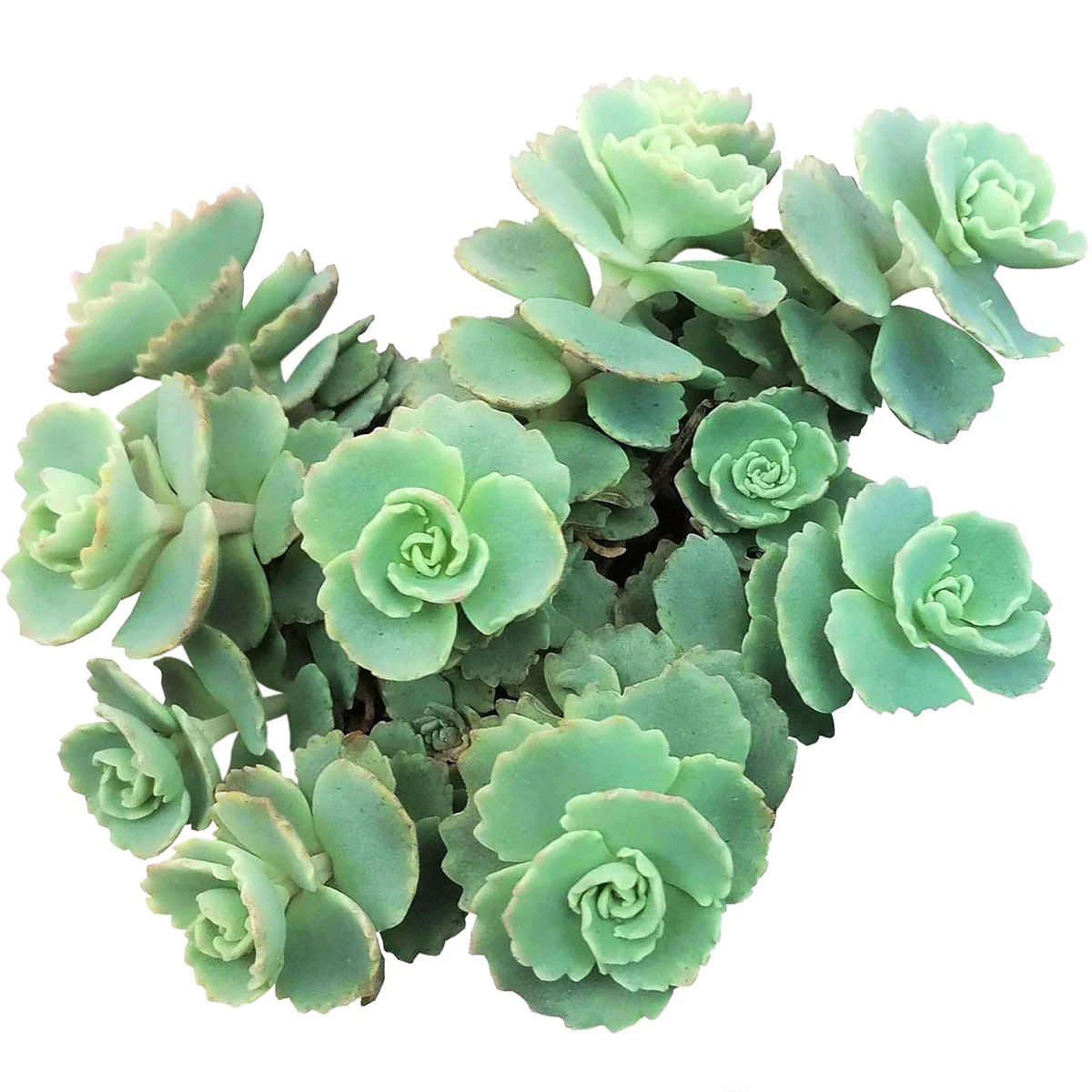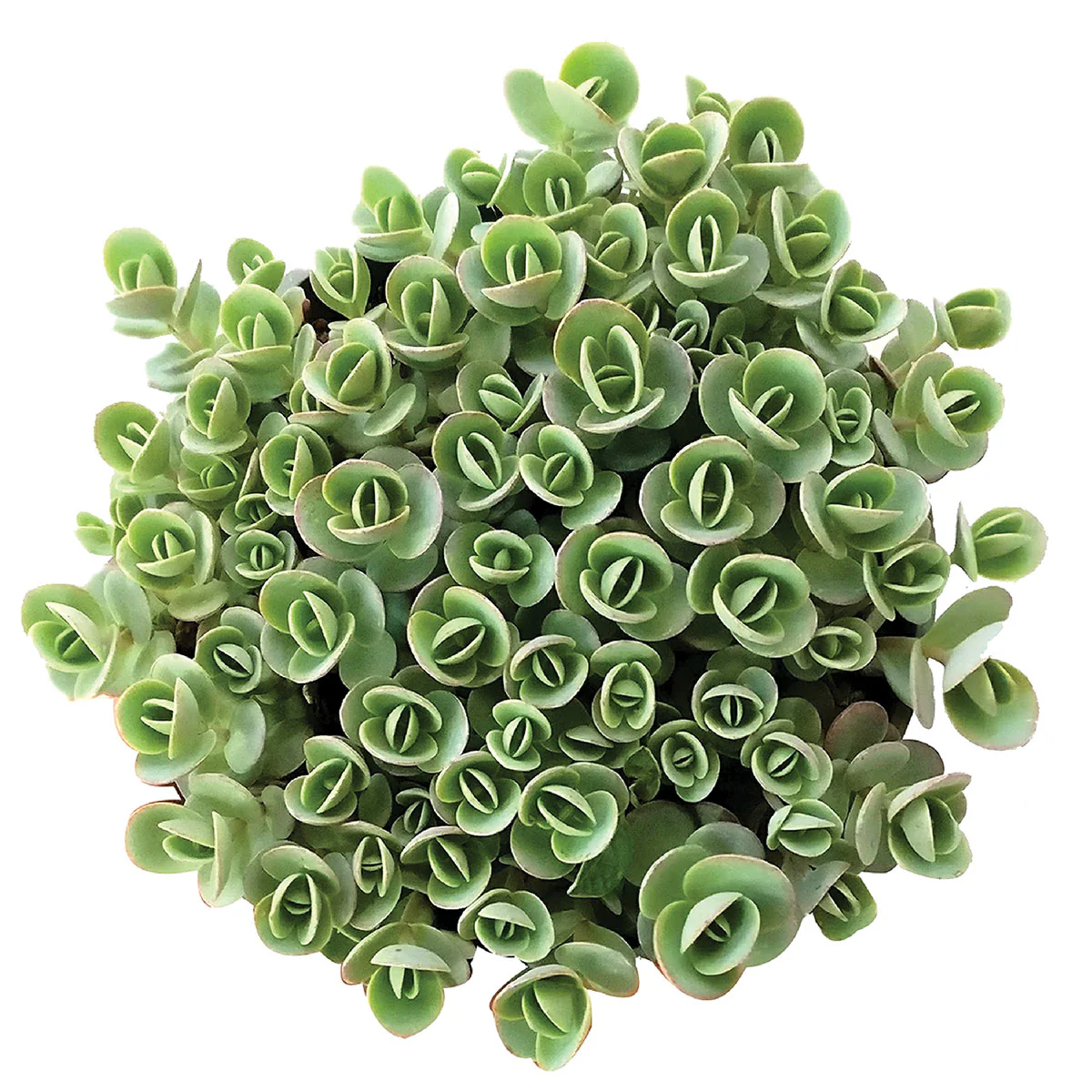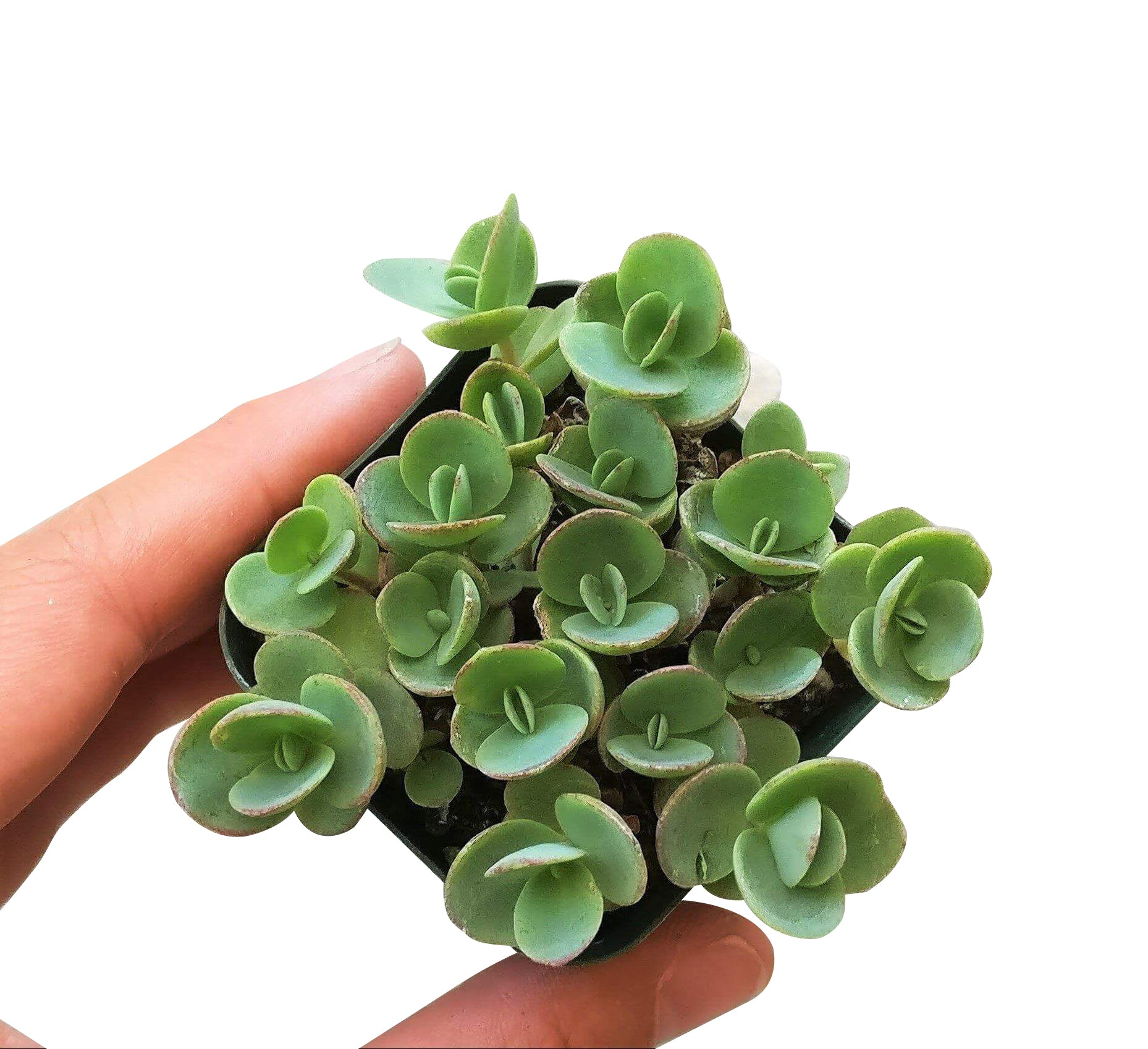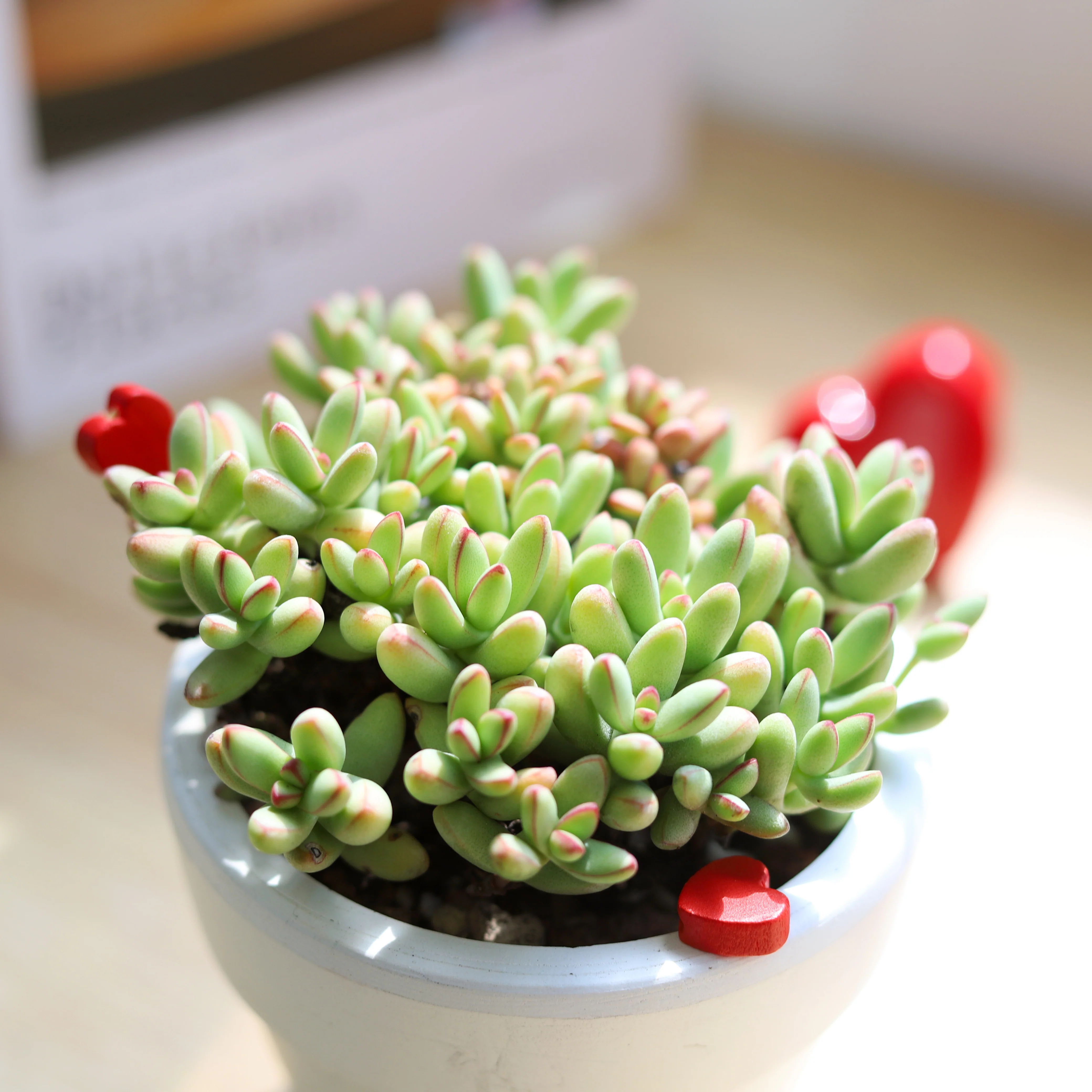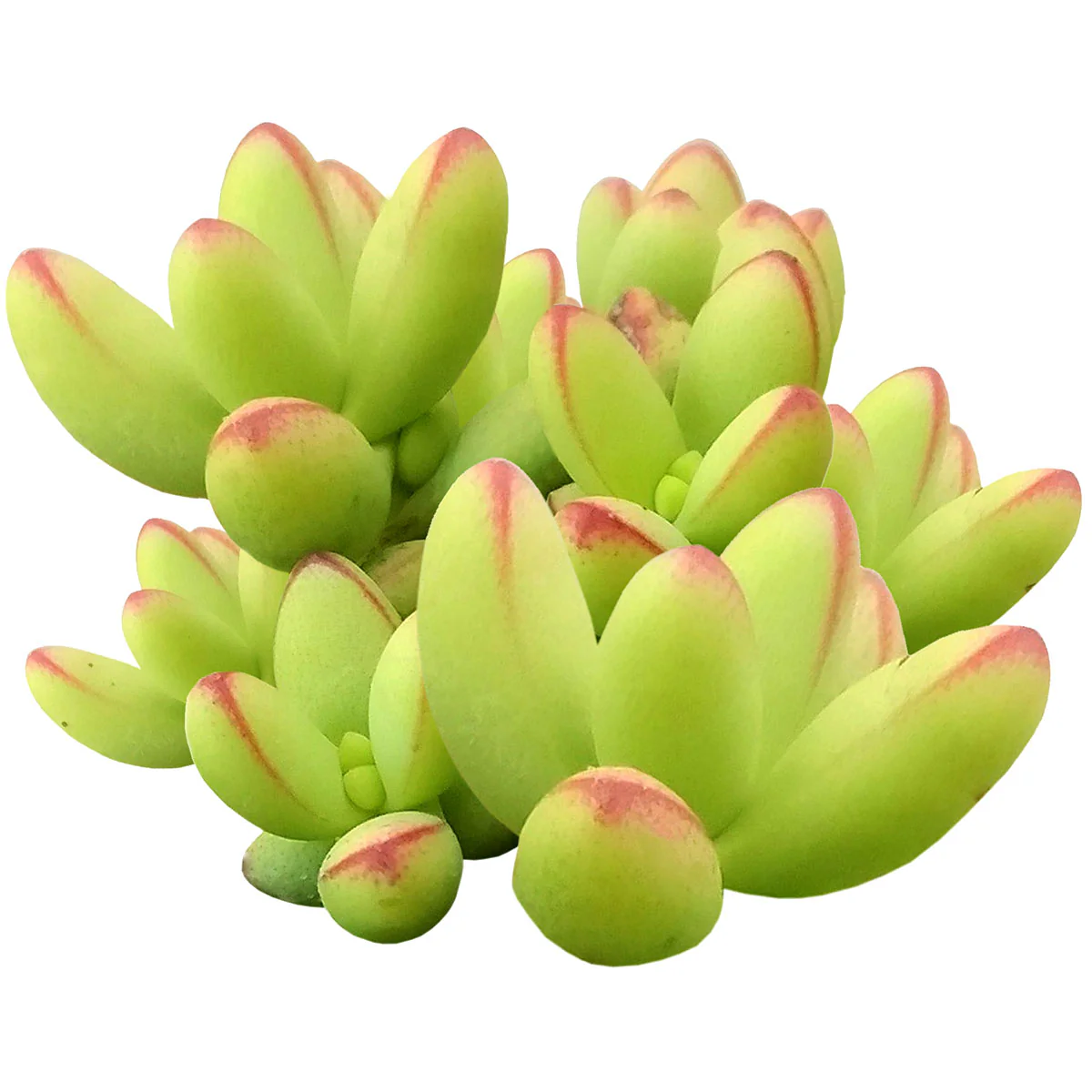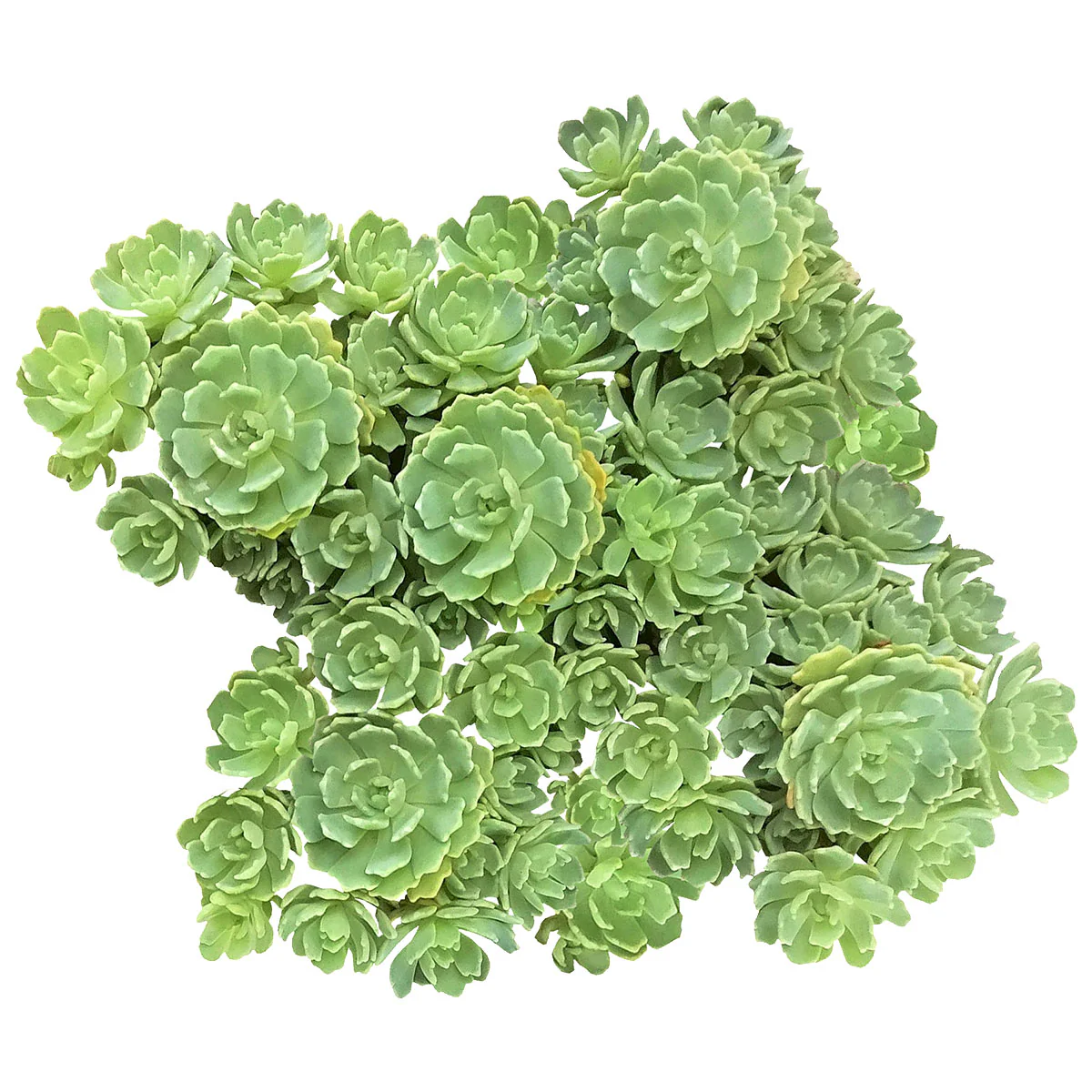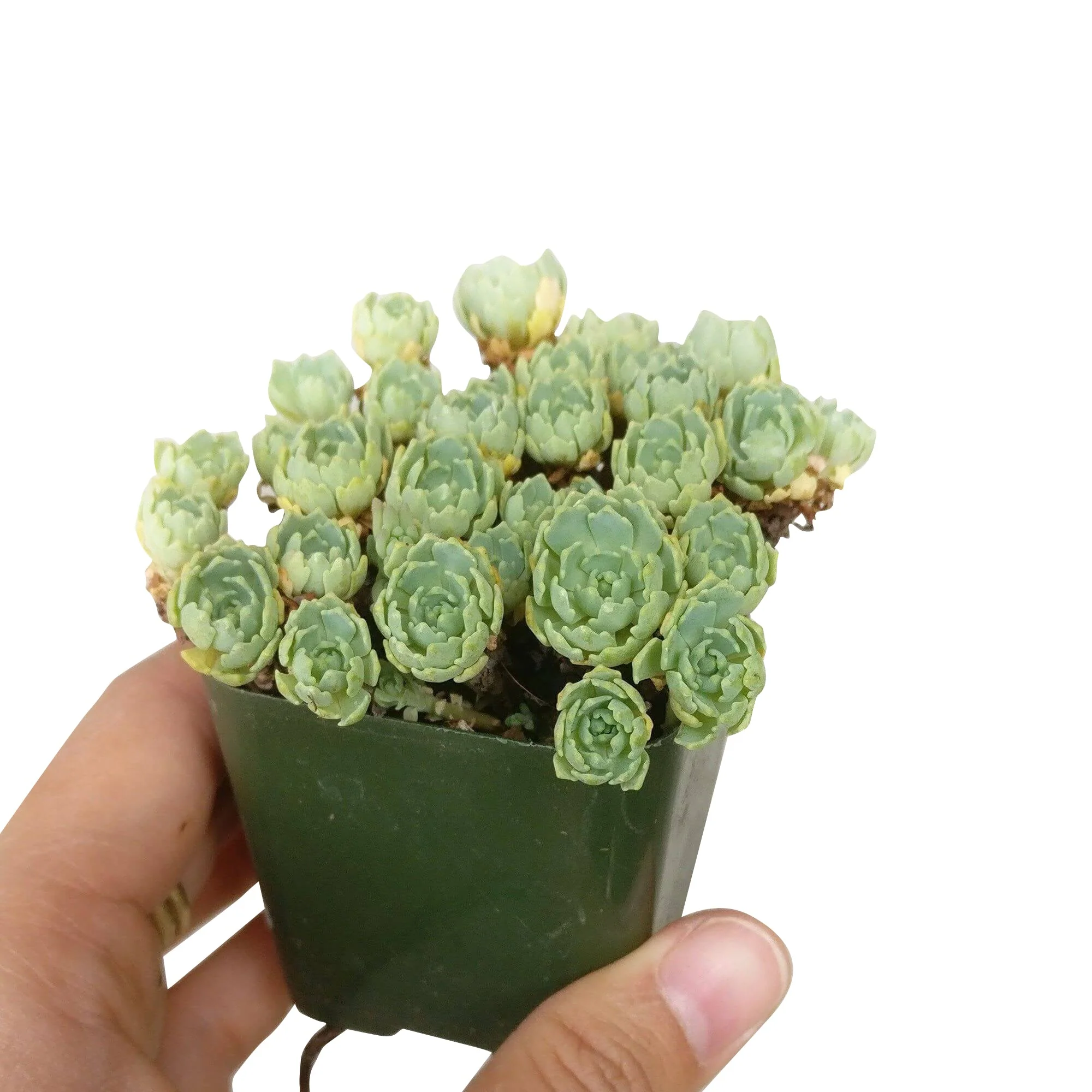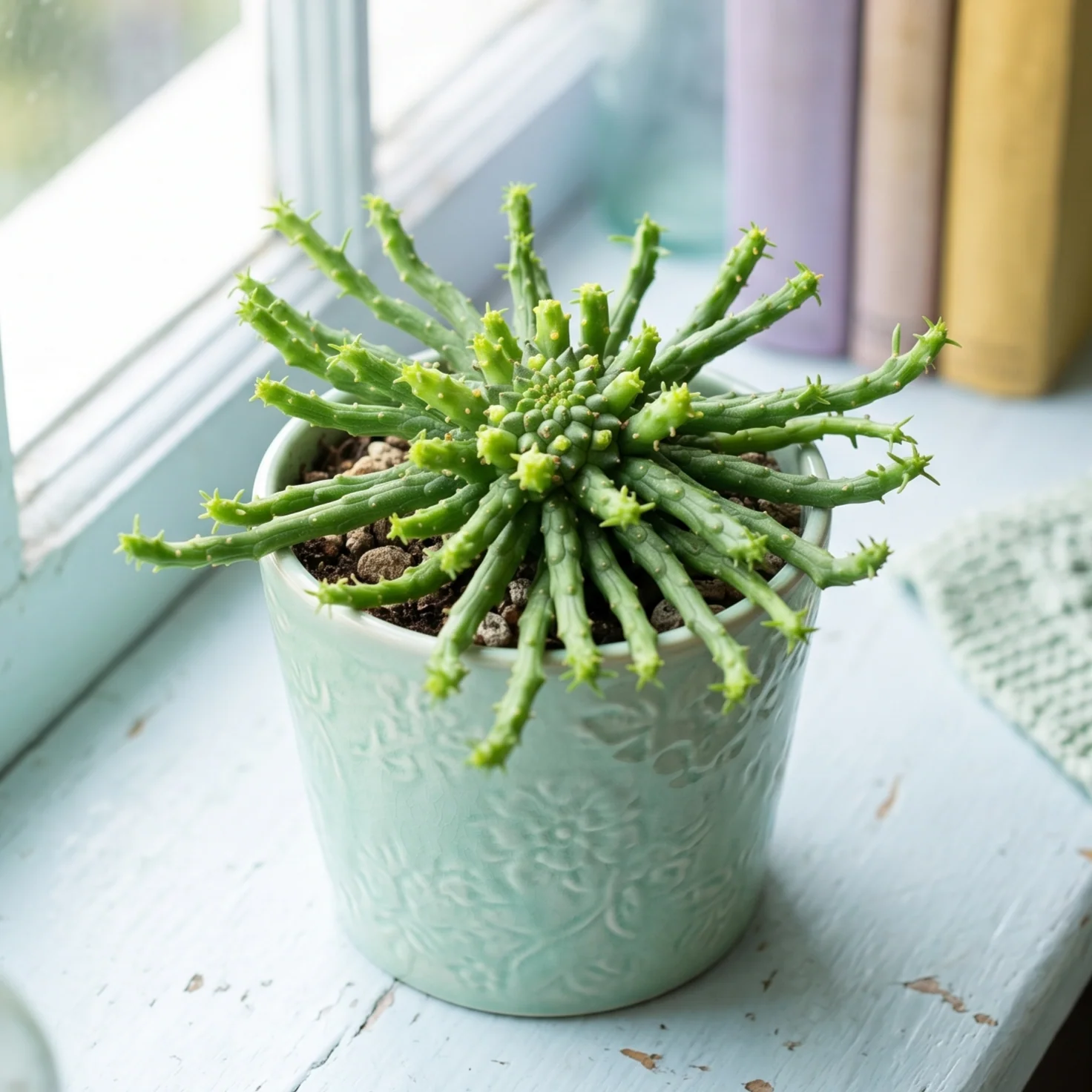
Euphorbia flanaganii - Medusa Head
- Description
- Euphorbia flanaganii - Medusa Head Care Guide
- FAQ/Common Issues
-
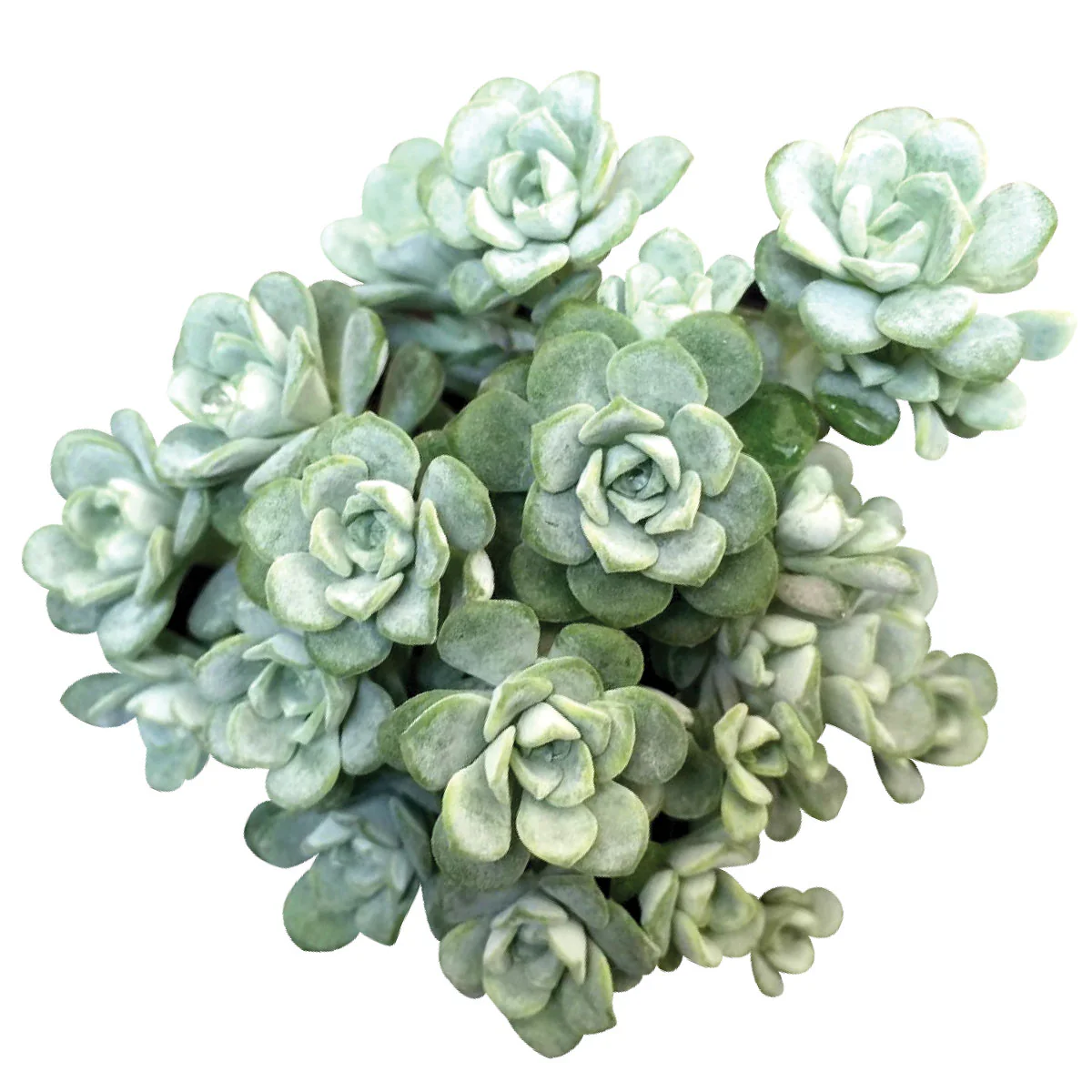
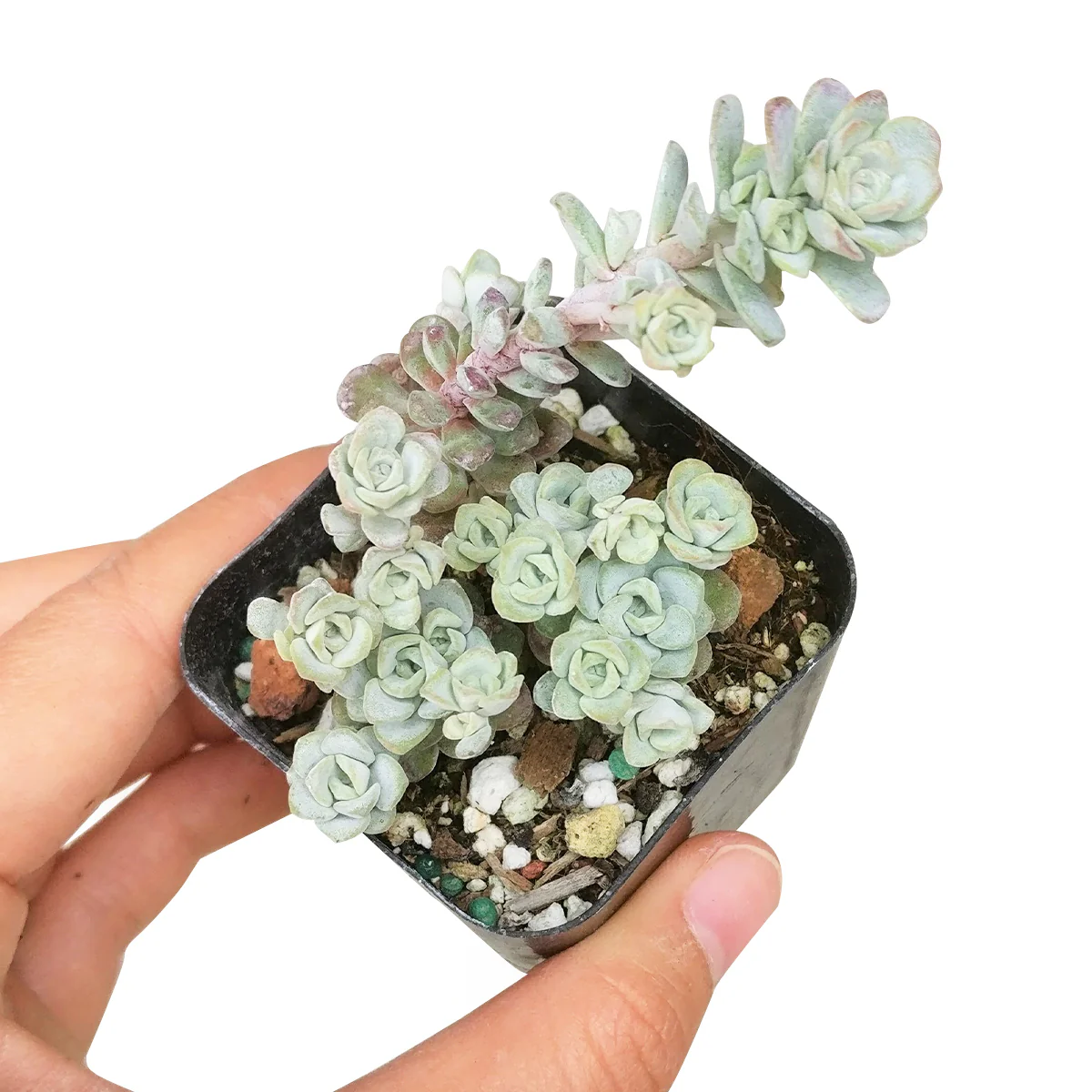
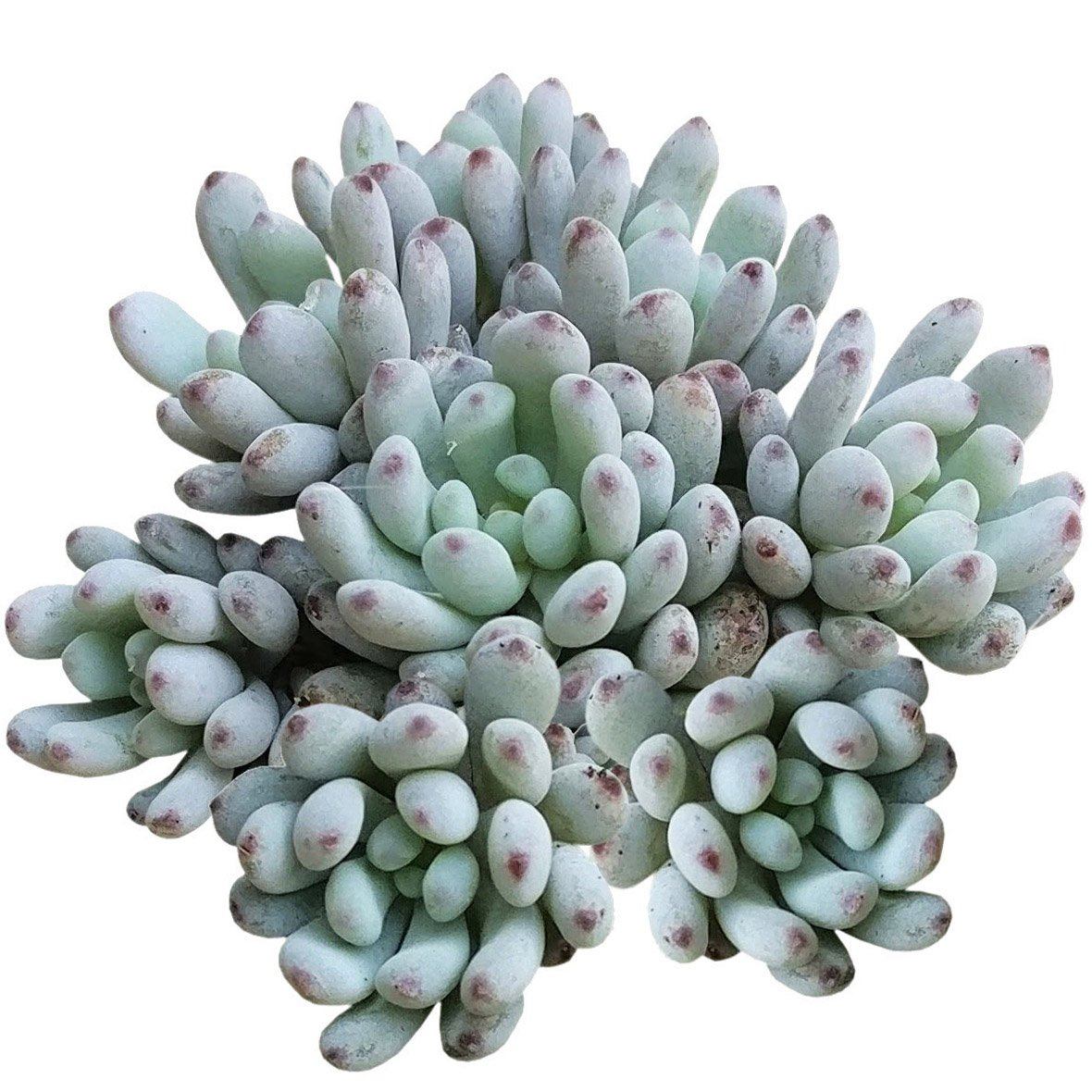
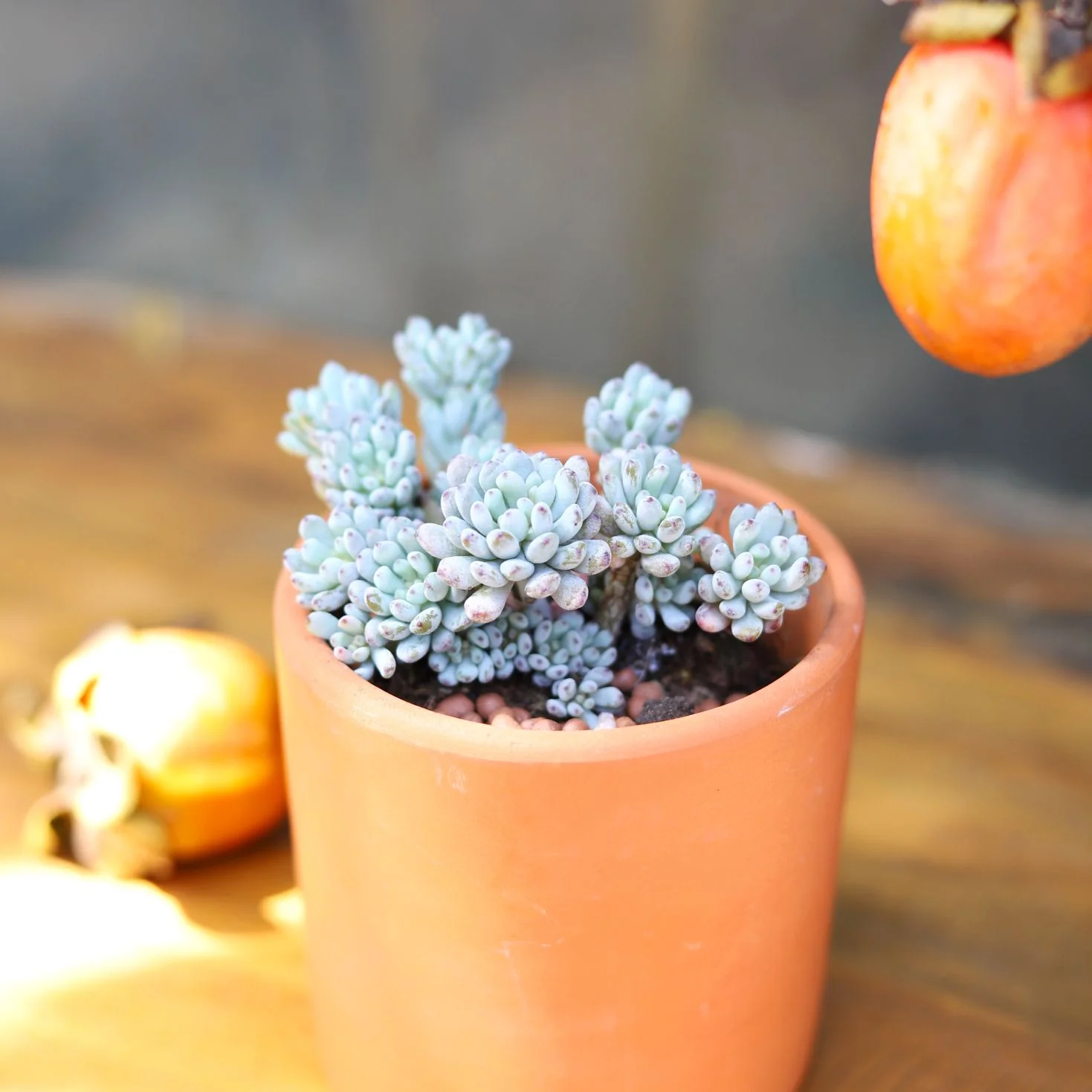
![]() Euphorbia flanaganii - Medusa Head is a rare architectural succulent belonging to the diverse Euphorbia genus, known for its distinctive snake-like growth pattern. This drought tolerant plant originates from South Africa, where it thrives in rocky, arid landscapes.
Euphorbia flanaganii - Medusa Head is a rare architectural succulent belonging to the diverse Euphorbia genus, known for its distinctive snake-like growth pattern. This drought tolerant plant originates from South Africa, where it thrives in rocky, arid landscapes.
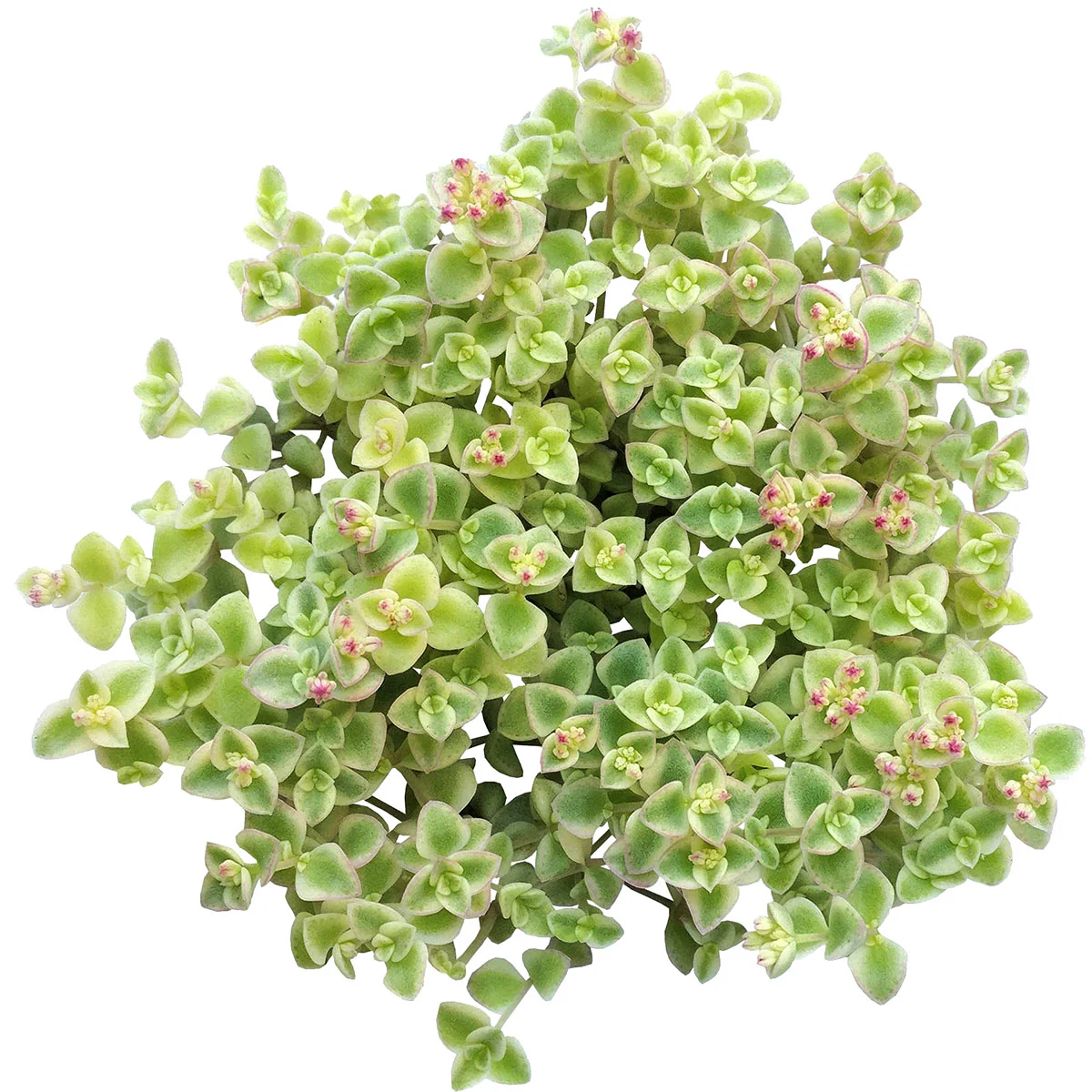
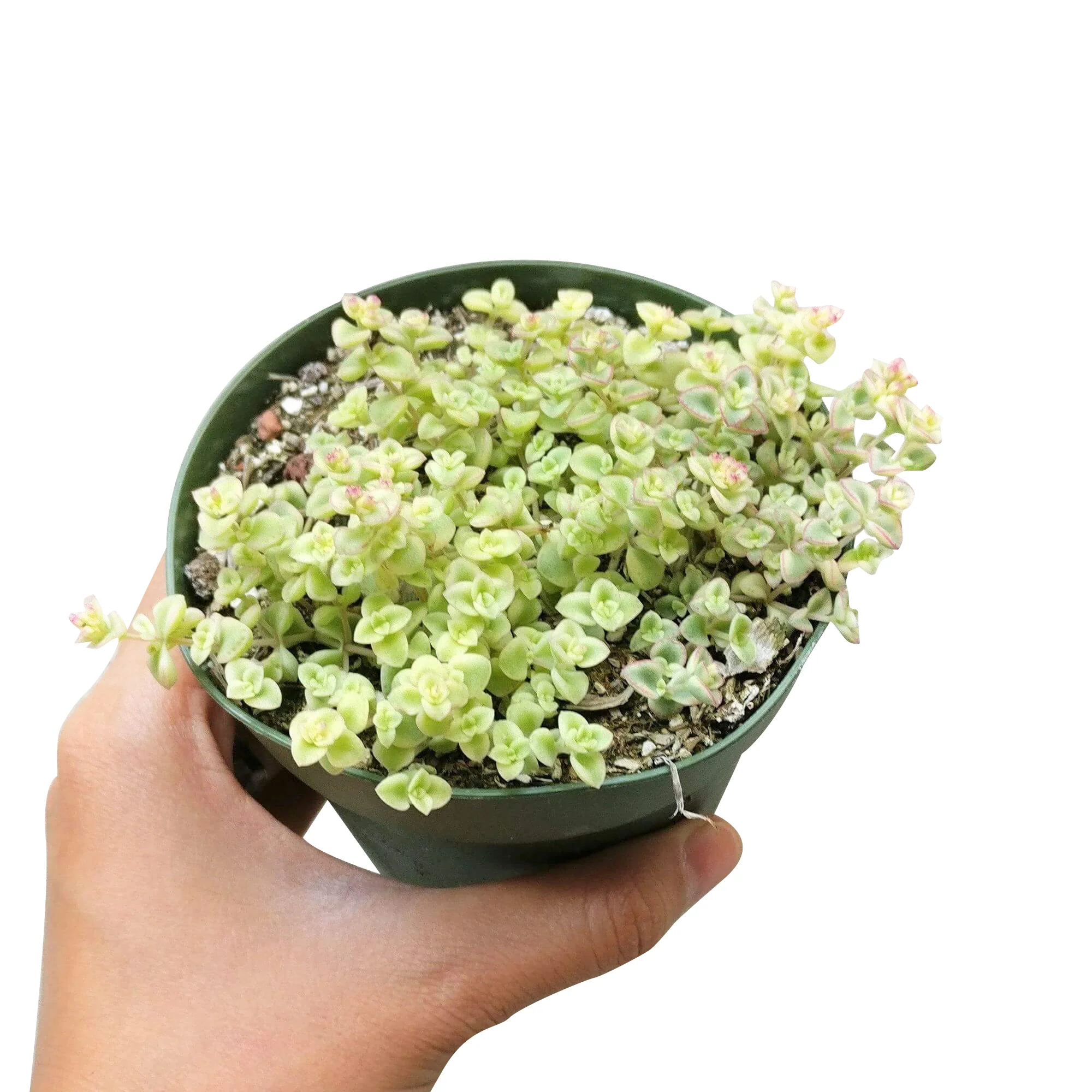
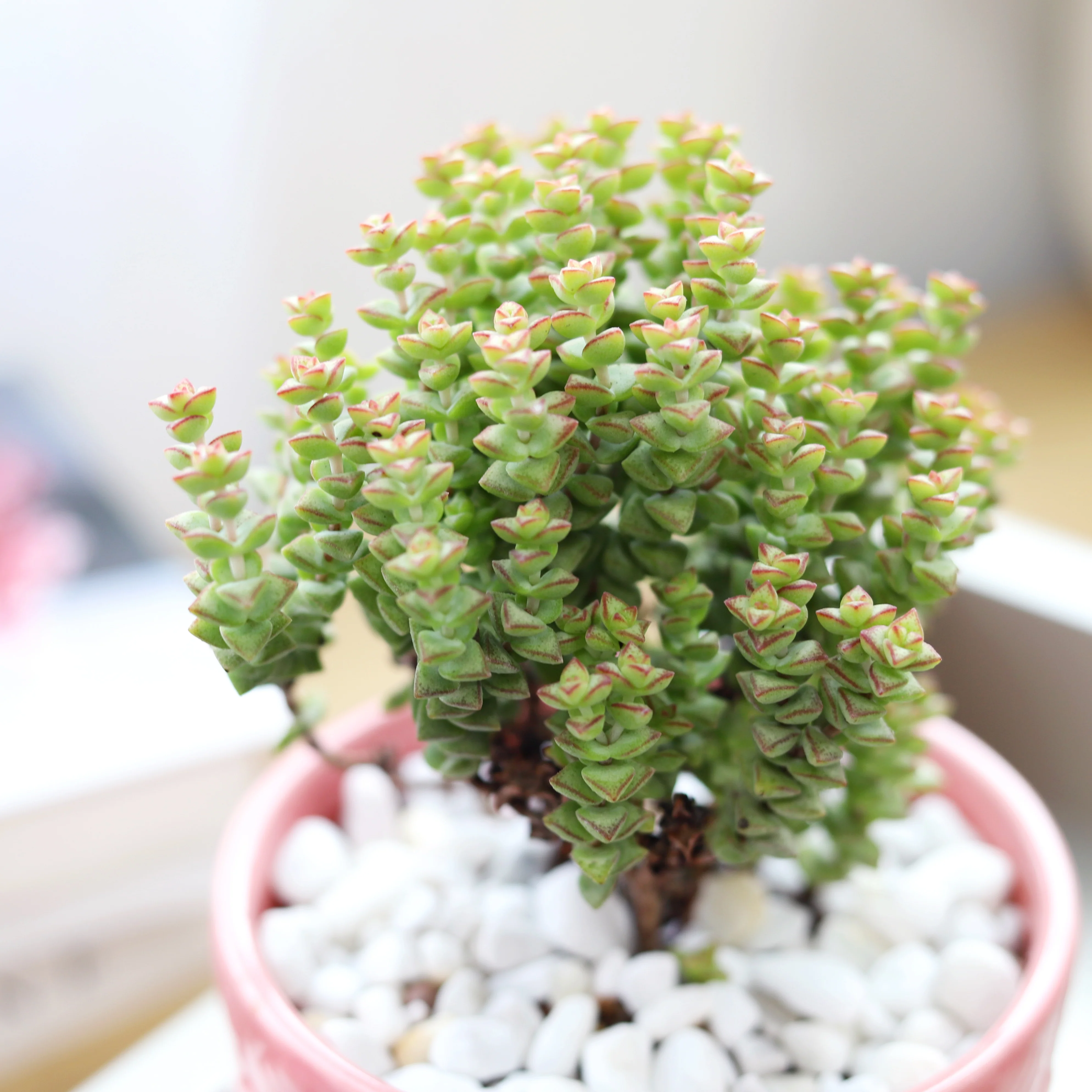
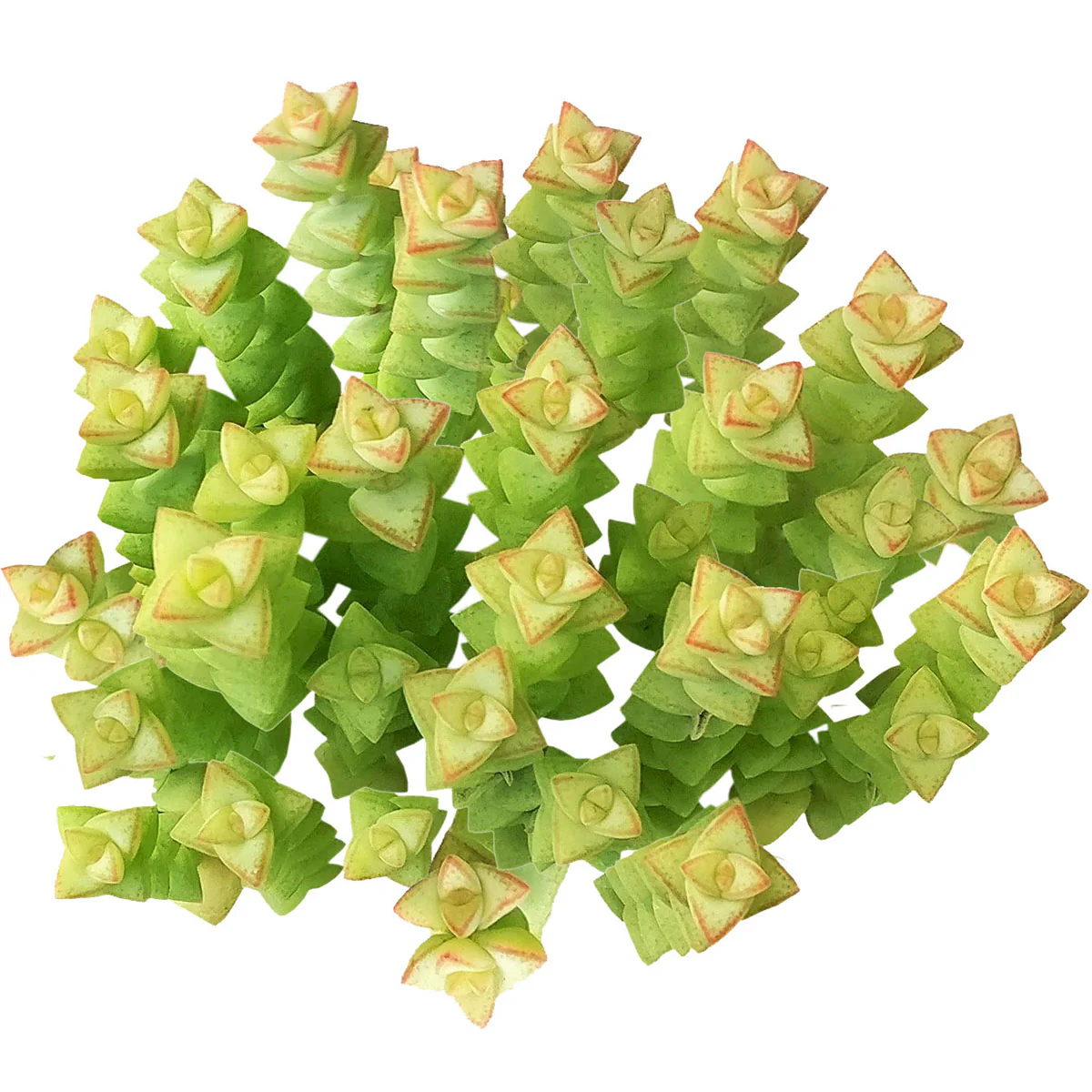
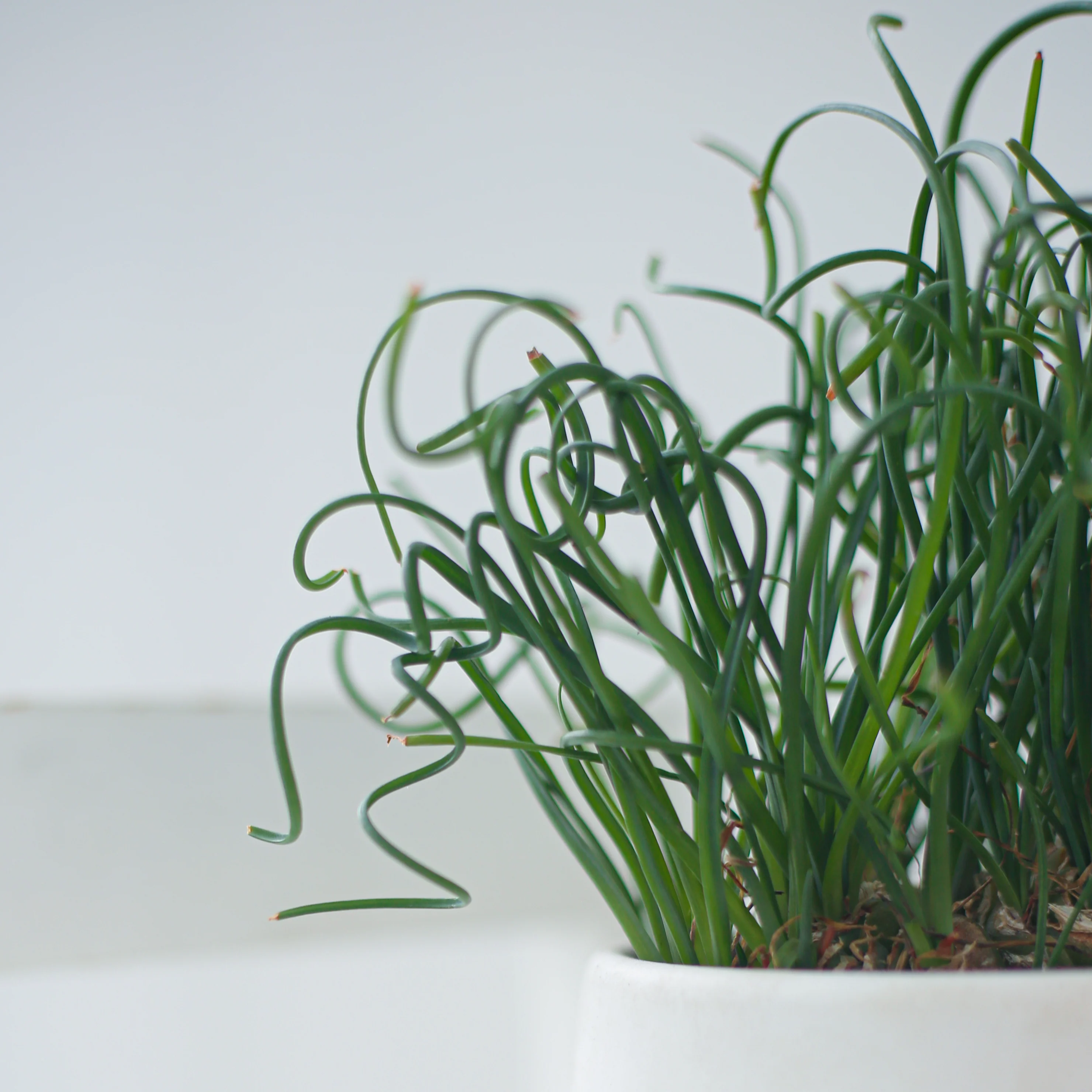
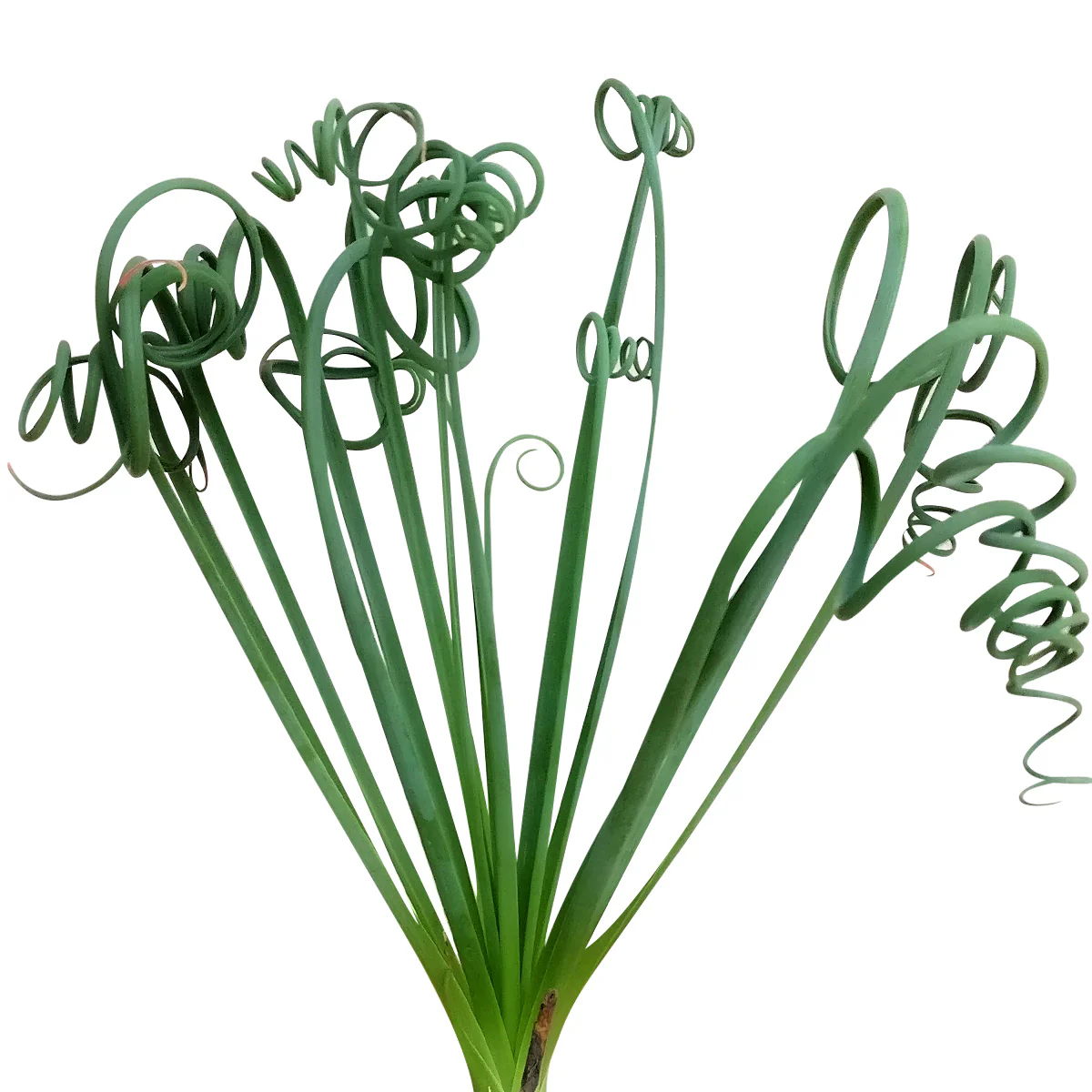
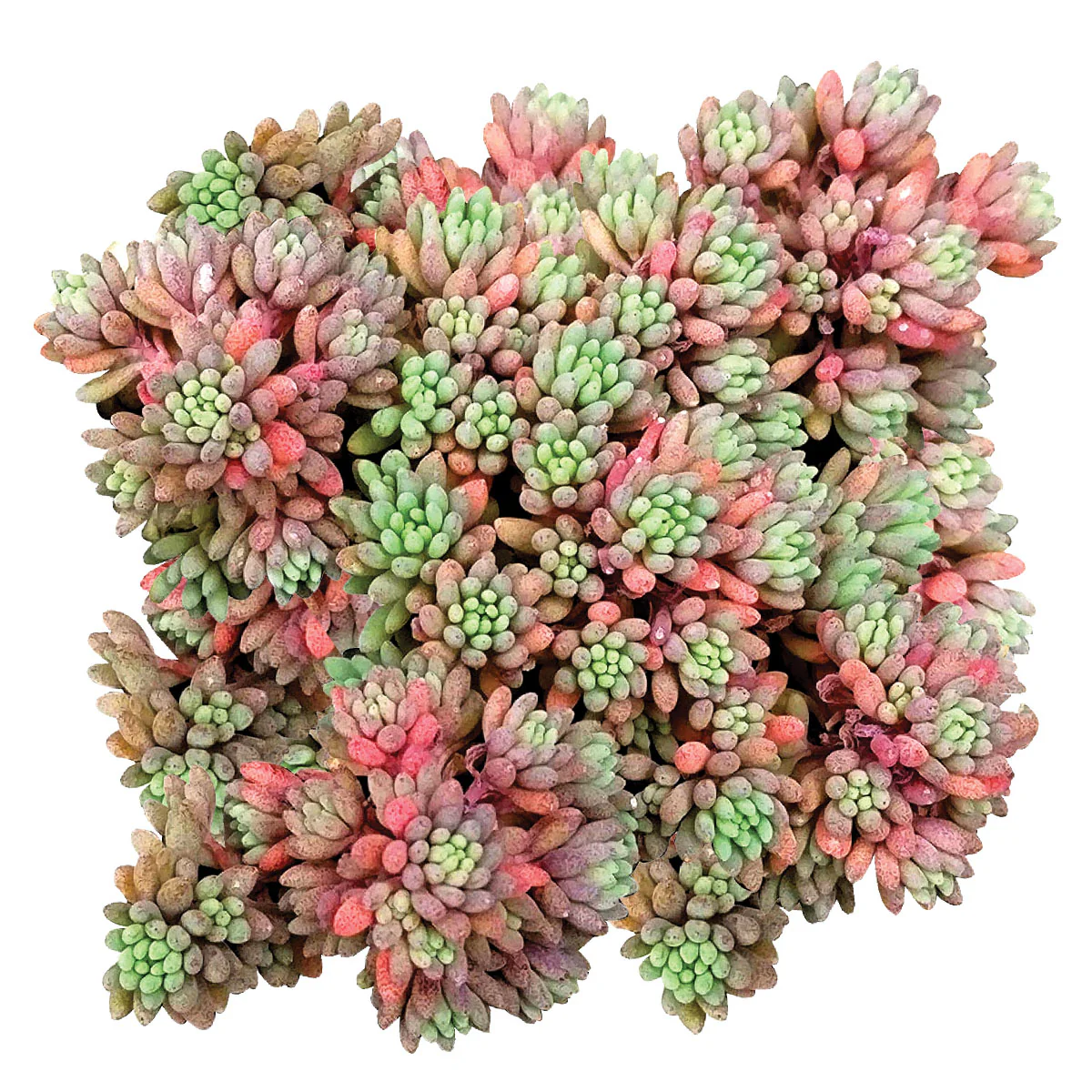
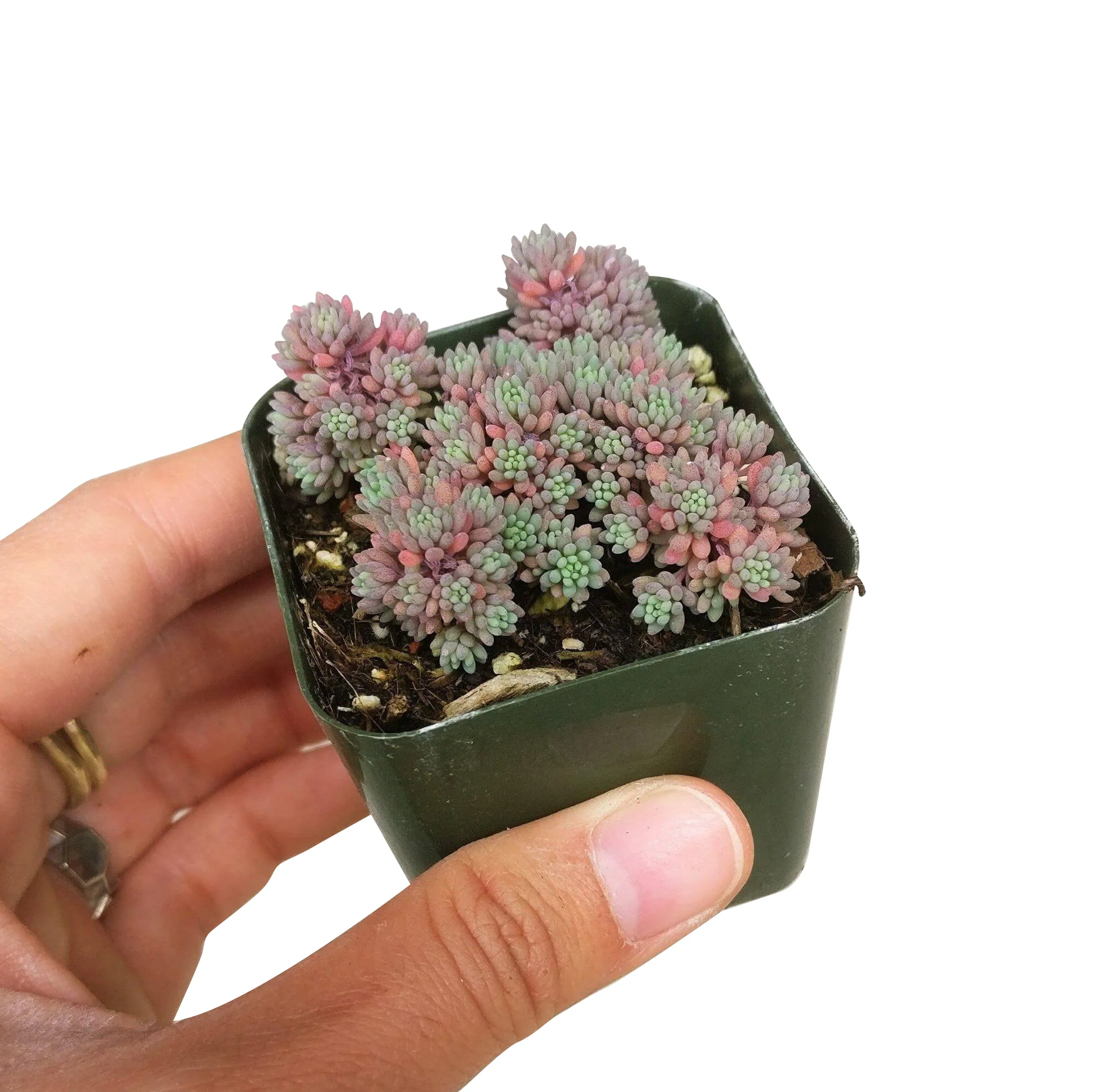
 The Euphorbia flanaganii - Medusa Head creates a mesmerizing rosette of thick, cylindrical stems that radiate outward like serpents, earning its mythical common name. Each fleshy, green stem can reach 6-12 inches long and features subtle ridged textures with small spine-like projections. As this spreading succulent matures, it forms dramatic clusters that cascade beautifully from containers, creating an architectural focal point that's instantly recognizable.
 The Euphorbia flanaganii - Medusa Head produces small, inconspicuous yellow-green flowers at stem tips during warmer months, though the plant's sculptural form remains its primary attraction. This low maintenance succulent shows clear signs when thirsty through slight wilting, making care straightforward even for busy plant parents.
 Perfect for bright windowsills or covered patios, the Euphorbia flanaganii - Medusa Head can move outside for summer enjoyment but needs protection from rain and frost. This indoor succulent appeals to collectors seeking unusual specimens and survives extended periods without attention, including 10-day trips. Keep this medusa succulent on high shelves away from pets and small children, as the milky sap can cause skin irritation and the plant shouldn't be nibbled by cats or dogs.
-
 Euphorbia flanaganii - Medusa Head thrives in bright indirect light to direct sun exposure.
 Water Euphorbia flanaganii - Medusa Head deeply but infrequently, allowing soil to dry completely between waterings every 2-3 weeks.
 Euphorbia flanaganii - Medusa Head requires well-draining cactus and succulent potting mix with added perlite.
 Euphorbia flanaganii - Medusa Head prefers temperatures between 65-85°F (18-29°C) and cannot tolerate frost.
![]() Euphorbia flanaganii - Medusa Head grows slowly and requires minimal fertilizer during spring and summer months.
Euphorbia flanaganii - Medusa Head grows slowly and requires minimal fertilizer during spring and summer months.
 Euphorbia flanaganii - Medusa Head grows outdoors year-round in USDA hardiness zones 9-11, tolerating temperatures no lower than 32°F (0°C). These zones encompass Florida, Hawaii, southern California, southern Texas, southern Arizona, southern Louisiana, coastal South Carolina, coastal Georgia, southern Nevada, and coastal areas of Oregon and Washington. The medusa head plant thrives as a landscape specimen in these warmer regions, particularly in rock gardens and xeriscaping designs throughout these southern and coastal states.
-
Q: How often should I water my Euphorbia flanaganii - Medusa Head?
A: Water every 2-3 weeks during growing season, allowing soil to completely dry between waterings. Reduce watering frequency in winter months.
Q: Is Euphorbia flanaganii - Medusa Head safe for pets?
A: This plant should be kept away from cats and dogs as they shouldn't nibble or eat it. The milky sap can also cause skin and paw irritation.
Q: What light conditions does Euphorbia flanaganii - Medusa Head prefer?
A: This succulent thrives in bright indirect light to direct sunlight. Avoid intense south-facing windows that may scorch the stems.
Q: How fast does Euphorbia flanaganii - Medusa Head grow?
A: This is a slow-growing succulent that gradually develops its distinctive clustering, snake-like form over several years. Mature plants can spread 12-18 inches wide.
Q: Can I propagate Euphorbia flanaganii - Medusa Head?
A: Yes, carefully remove offset stems and allow cut ends to callus for several days before planting. Always wear gloves when handling due to irritating sap.
Q: How large does Euphorbia flanaganii - Medusa Head get?
A: Individual stems reach 6-12 inches long while the entire plant can spread 12-18 inches wide. The clustering growth creates an impressive architectural display over time.


Original: $15.00
-70%$15.00
$4.50Product Information
Product Information
Shipping & Returns
Shipping & Returns
Description
- Description
- Euphorbia flanaganii - Medusa Head Care Guide
- FAQ/Common Issues
-
![]() Euphorbia flanaganii - Medusa Head is a rare architectural succulent belonging to the diverse Euphorbia genus, known for its distinctive snake-like growth pattern. This drought tolerant plant originates from South Africa, where it thrives in rocky, arid landscapes.
Euphorbia flanaganii - Medusa Head is a rare architectural succulent belonging to the diverse Euphorbia genus, known for its distinctive snake-like growth pattern. This drought tolerant plant originates from South Africa, where it thrives in rocky, arid landscapes.
The Euphorbia flanaganii - Medusa Head creates a mesmerizing rosette of thick, cylindrical stems that radiate outward like serpents, earning its mythical common name. Each fleshy, green stem can reach 6-12 inches long and features subtle ridged textures with small spine-like projections. As this spreading succulent matures, it forms dramatic clusters that cascade beautifully from containers, creating an architectural focal point that's instantly recognizable.
The Euphorbia flanaganii - Medusa Head produces small, inconspicuous yellow-green flowers at stem tips during warmer months, though the plant's sculptural form remains its primary attraction. This low maintenance succulent shows clear signs when thirsty through slight wilting, making care straightforward even for busy plant parents.
Perfect for bright windowsills or covered patios, the Euphorbia flanaganii - Medusa Head can move outside for summer enjoyment but needs protection from rain and frost. This indoor succulent appeals to collectors seeking unusual specimens and survives extended periods without attention, including 10-day trips. Keep this medusa succulent on high shelves away from pets and small children, as the milky sap can cause skin irritation and the plant shouldn't be nibbled by cats or dogs.
-
Euphorbia flanaganii - Medusa Head thrives in bright indirect light to direct sun exposure.
Water Euphorbia flanaganii - Medusa Head deeply but infrequently, allowing soil to dry completely between waterings every 2-3 weeks.
Euphorbia flanaganii - Medusa Head requires well-draining cactus and succulent potting mix with added perlite.
Euphorbia flanaganii - Medusa Head prefers temperatures between 65-85°F (18-29°C) and cannot tolerate frost.
![]() Euphorbia flanaganii - Medusa Head grows slowly and requires minimal fertilizer during spring and summer months.
Euphorbia flanaganii - Medusa Head grows slowly and requires minimal fertilizer during spring and summer months.
Euphorbia flanaganii - Medusa Head grows outdoors year-round in USDA hardiness zones 9-11, tolerating temperatures no lower than 32°F (0°C). These zones encompass Florida, Hawaii, southern California, southern Texas, southern Arizona, southern Louisiana, coastal South Carolina, coastal Georgia, southern Nevada, and coastal areas of Oregon and Washington. The medusa head plant thrives as a landscape specimen in these warmer regions, particularly in rock gardens and xeriscaping designs throughout these southern and coastal states.
-
Q: How often should I water my Euphorbia flanaganii - Medusa Head?
A: Water every 2-3 weeks during growing season, allowing soil to completely dry between waterings. Reduce watering frequency in winter months.
Q: Is Euphorbia flanaganii - Medusa Head safe for pets?
A: This plant should be kept away from cats and dogs as they shouldn't nibble or eat it. The milky sap can also cause skin and paw irritation.
Q: What light conditions does Euphorbia flanaganii - Medusa Head prefer?
A: This succulent thrives in bright indirect light to direct sunlight. Avoid intense south-facing windows that may scorch the stems.
Q: How fast does Euphorbia flanaganii - Medusa Head grow?
A: This is a slow-growing succulent that gradually develops its distinctive clustering, snake-like form over several years. Mature plants can spread 12-18 inches wide.
Q: Can I propagate Euphorbia flanaganii - Medusa Head?
A: Yes, carefully remove offset stems and allow cut ends to callus for several days before planting. Always wear gloves when handling due to irritating sap.
Q: How large does Euphorbia flanaganii - Medusa Head get?
A: Individual stems reach 6-12 inches long while the entire plant can spread 12-18 inches wide. The clustering growth creates an impressive architectural display over time.