Euphorbia Enopla Cactus
- Description
- Euphorbia Enopla Cactus Care Guide
- FAQ/Common Issues
-
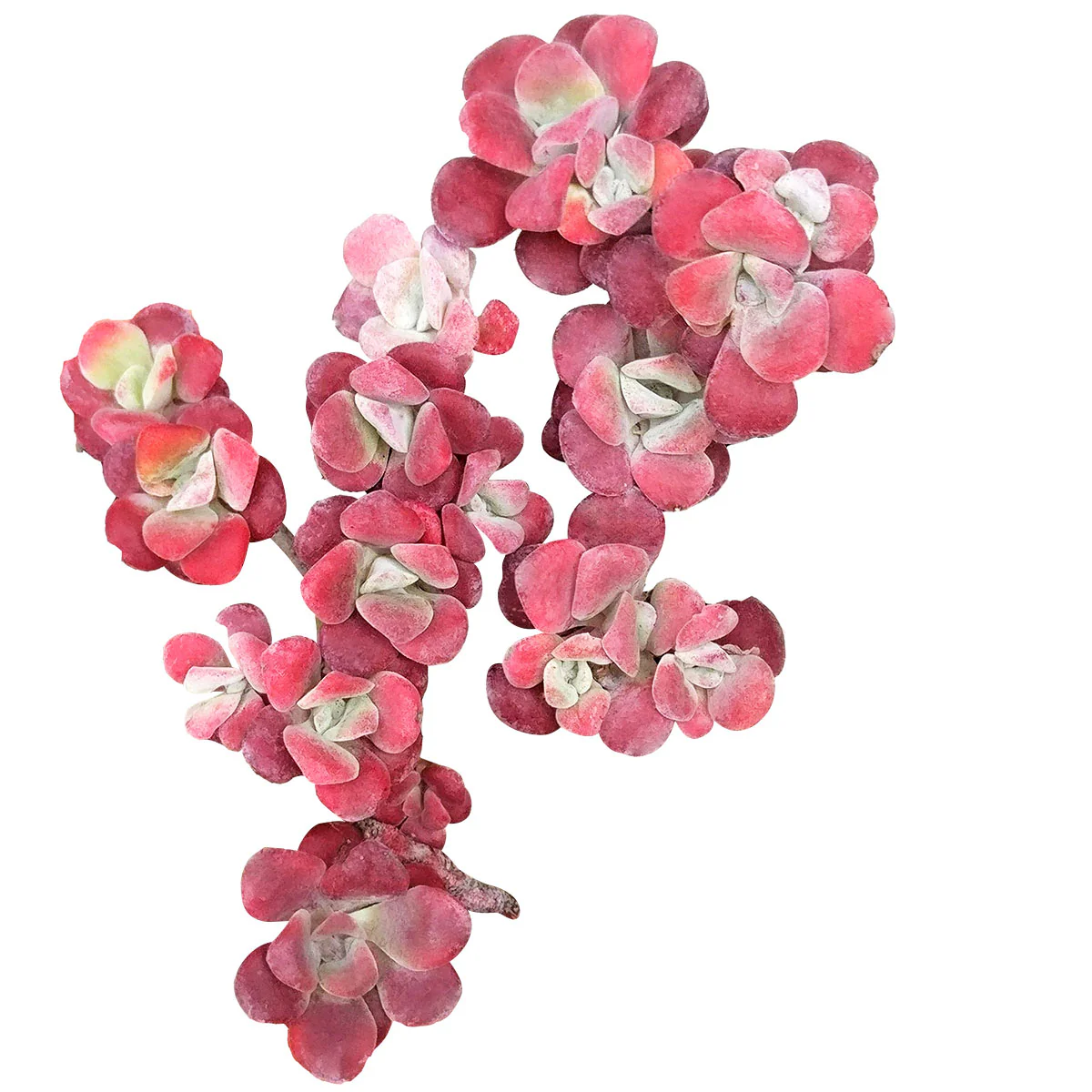
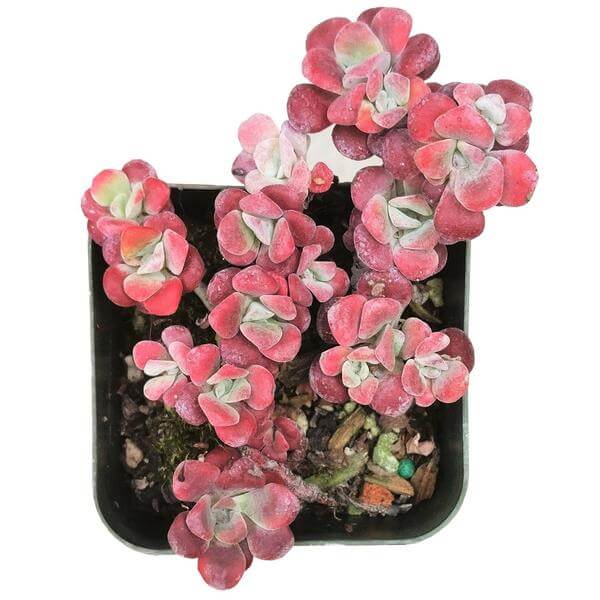
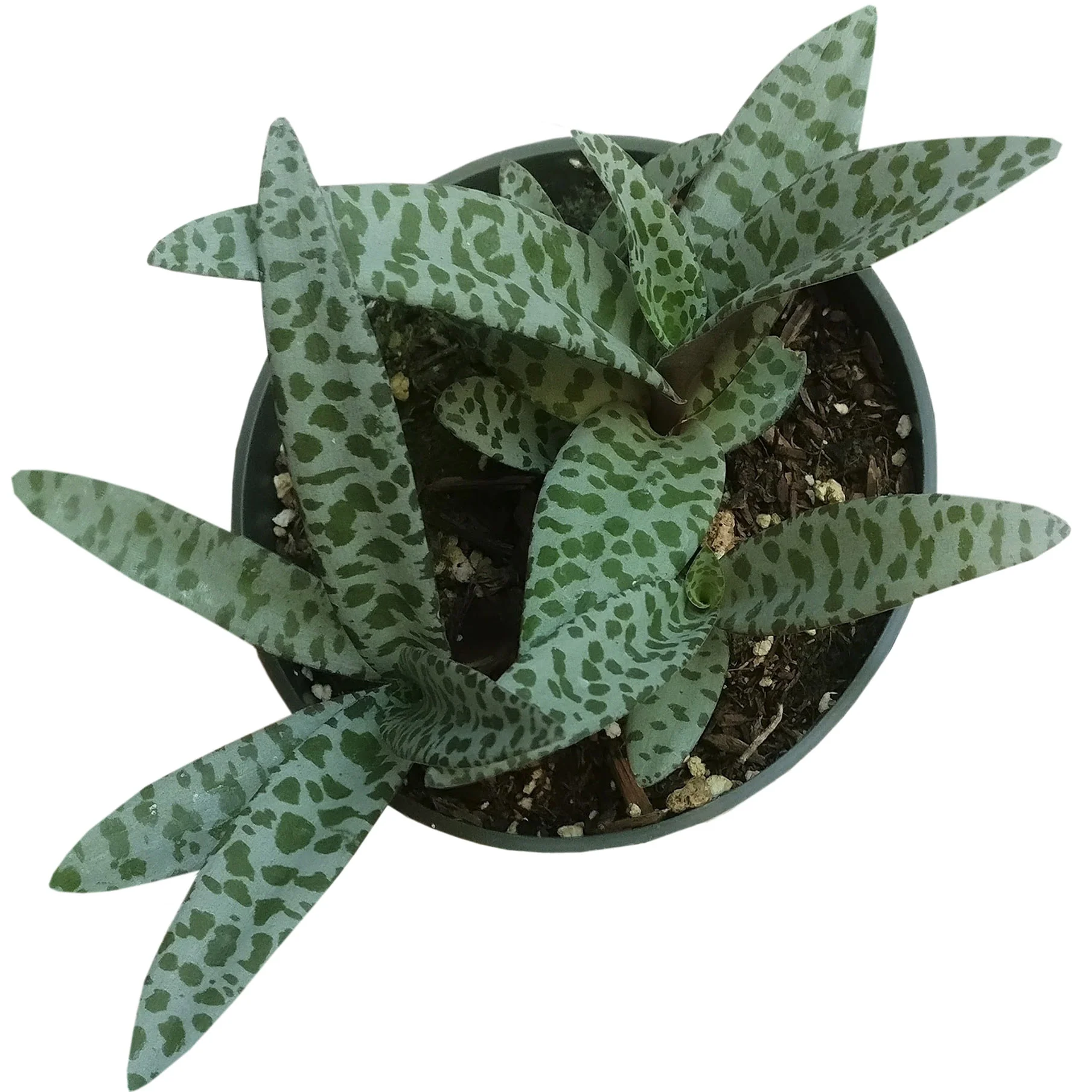
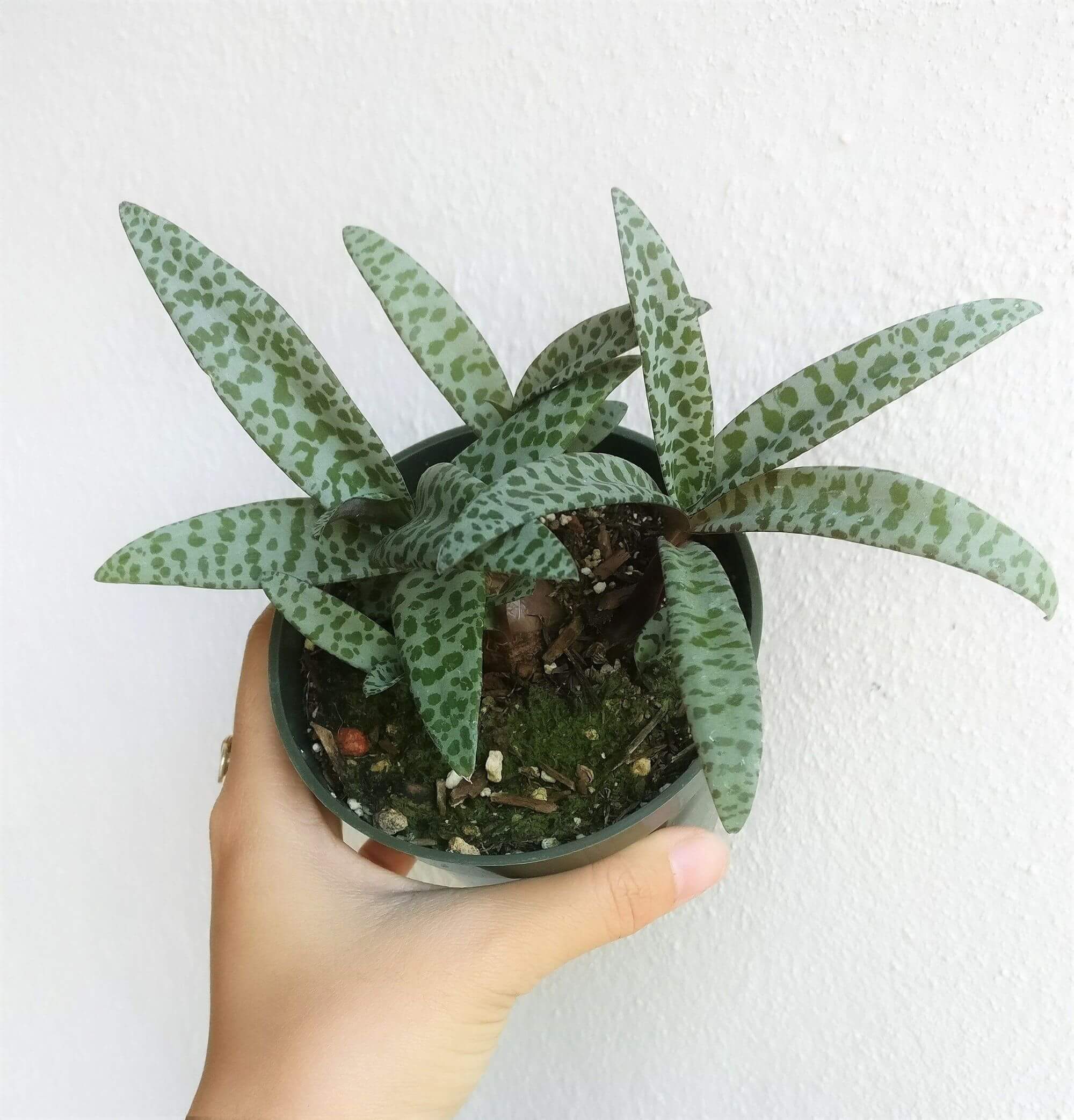
![]() Euphorbia Enopla Cactus is a rare succulent native to the Eastern Cape of South Africa, where it thrives in rocky, arid landscapes with intense sun and minimal rainfall. It belongs to the large and diverse Euphorbia genus, making it a true collector find for anyone hunting a rare succulent for sale that delivers bold character with easy care.
Euphorbia Enopla Cactus is a rare succulent native to the Eastern Cape of South Africa, where it thrives in rocky, arid landscapes with intense sun and minimal rainfall. It belongs to the large and diverse Euphorbia genus, making it a true collector find for anyone hunting a rare succulent for sale that delivers bold character with easy care.
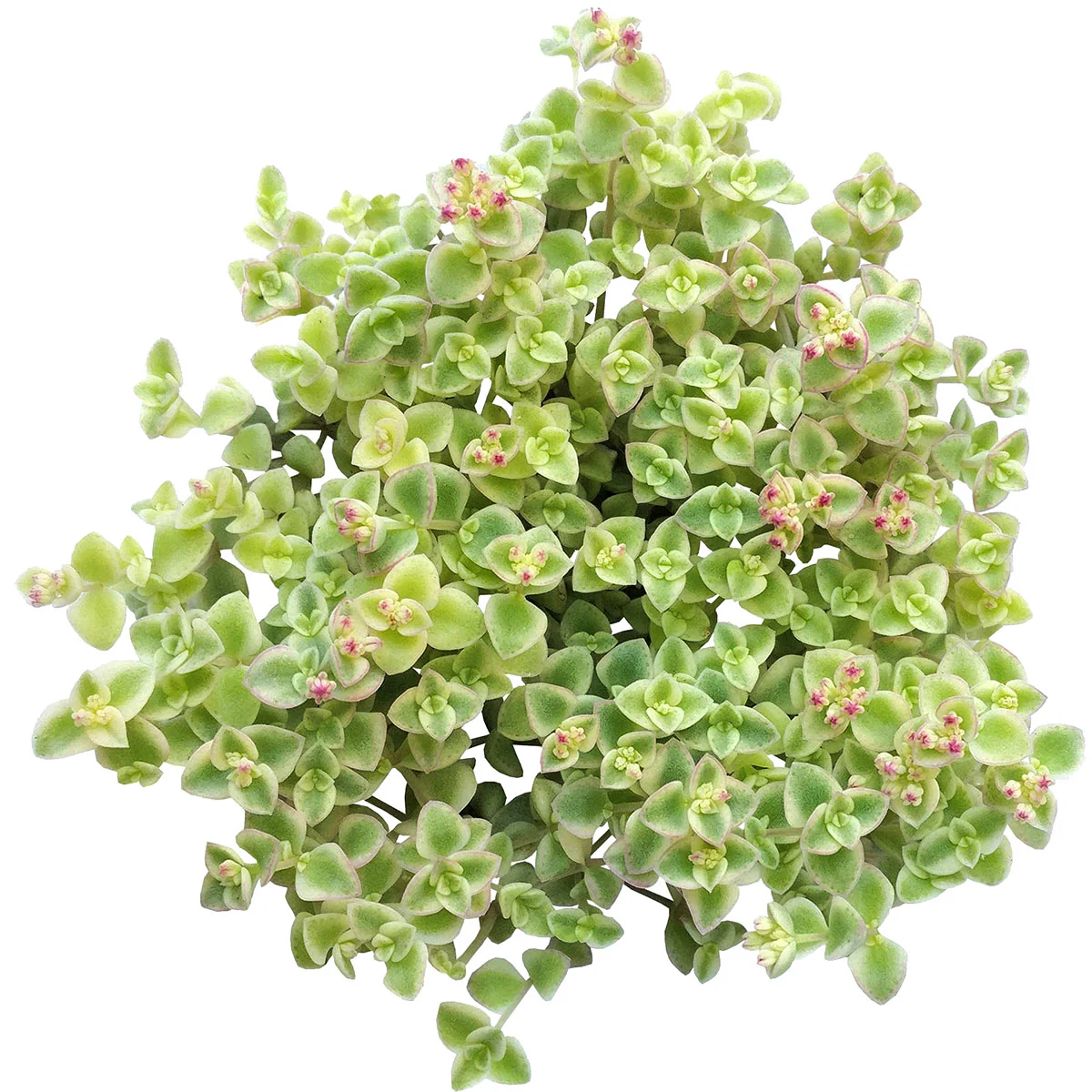
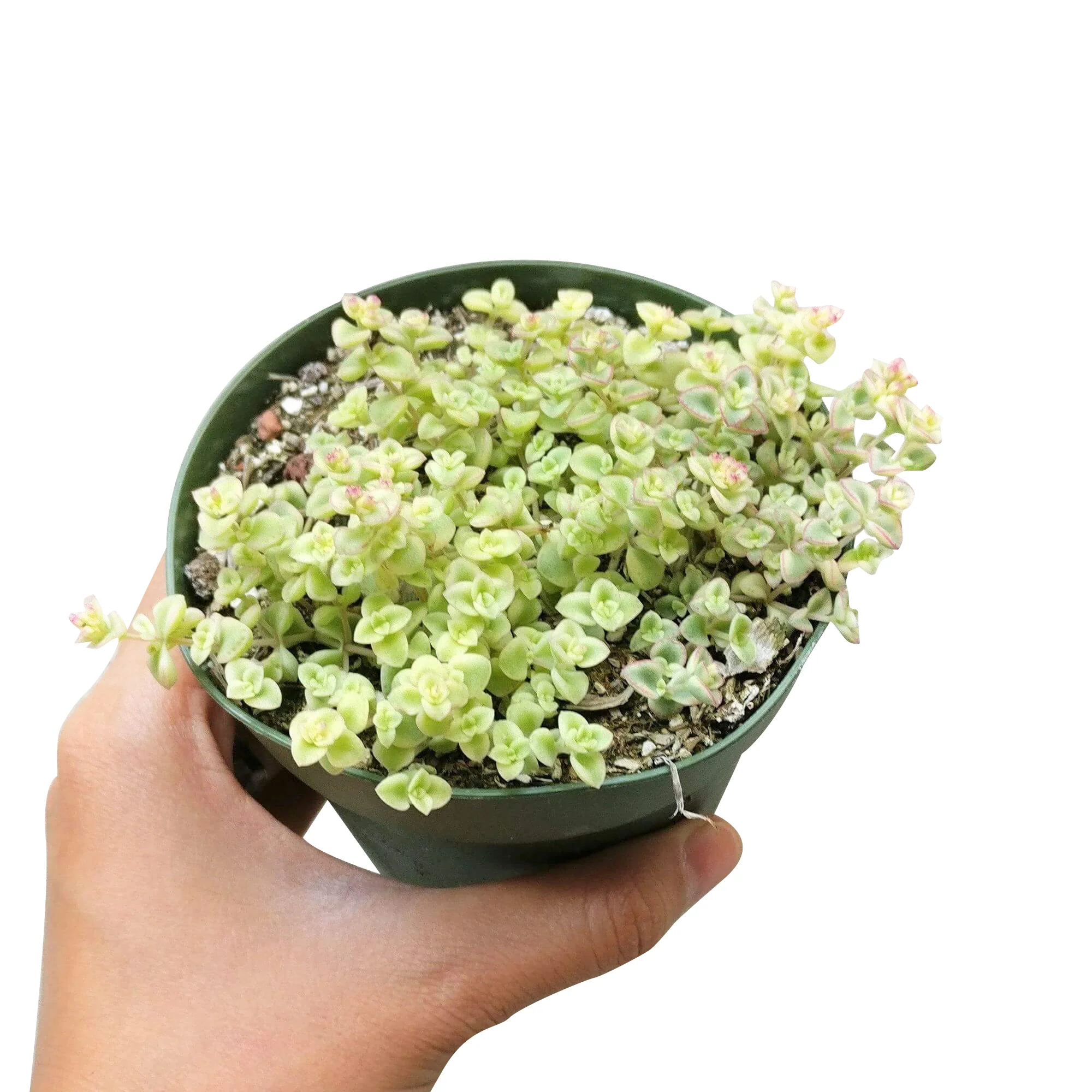
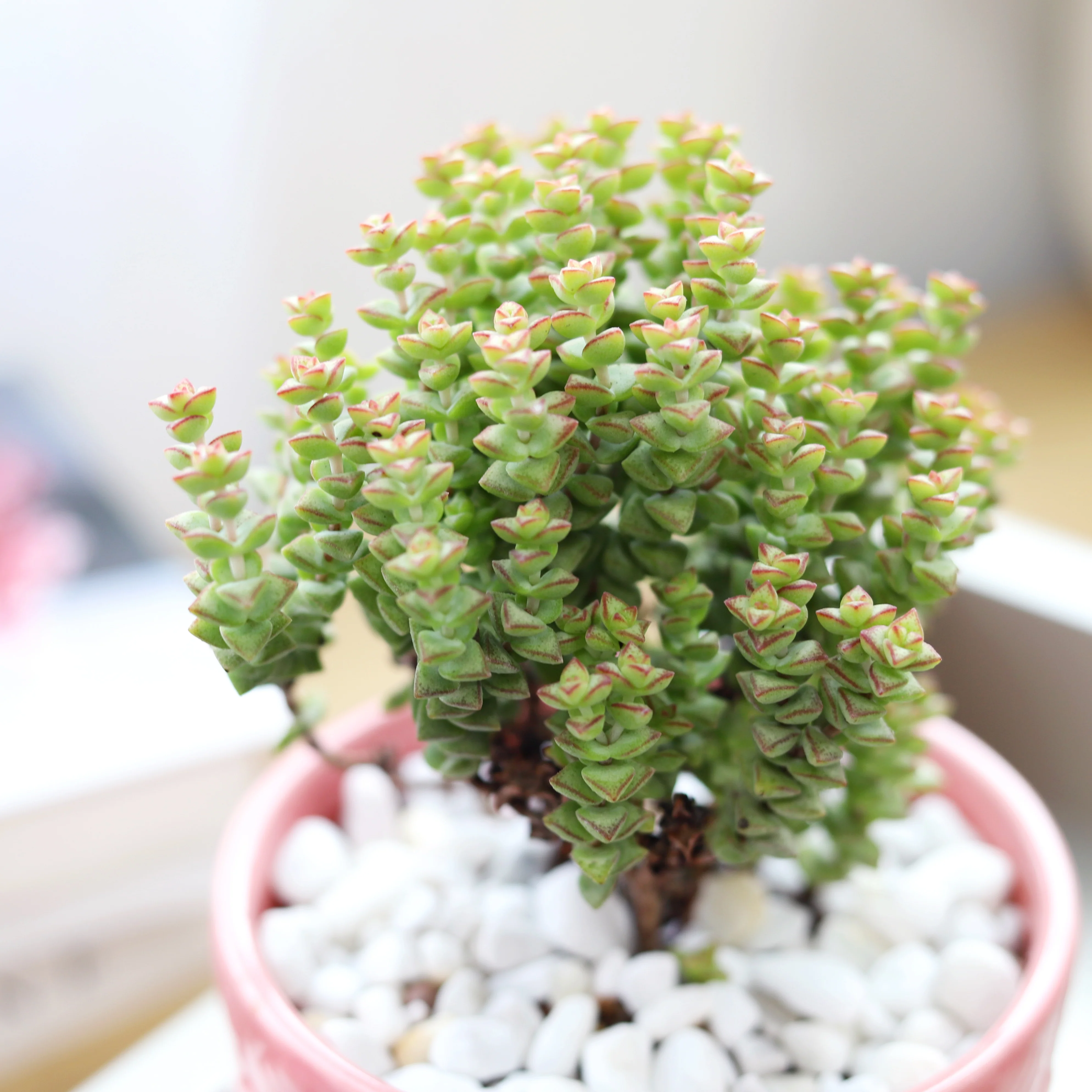
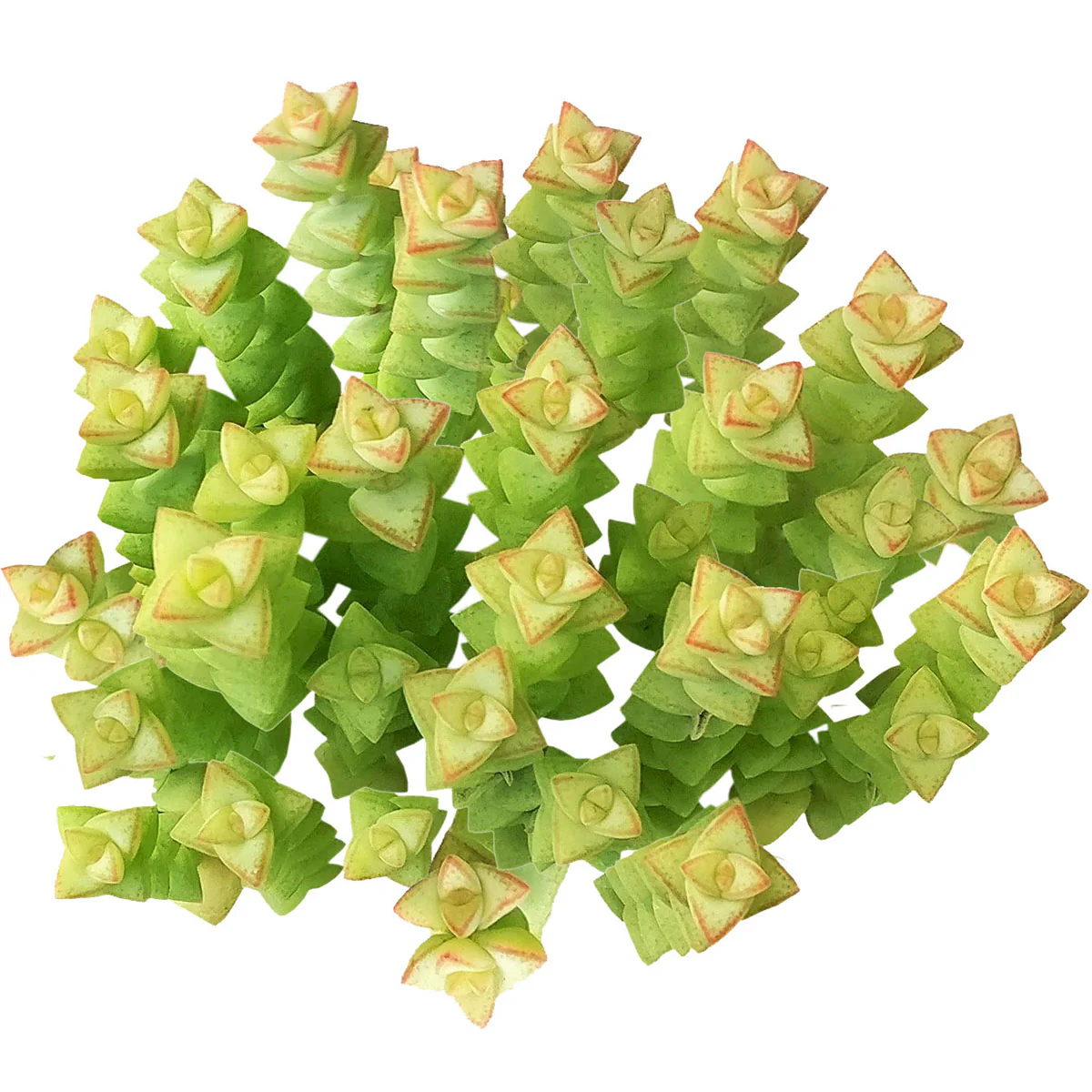
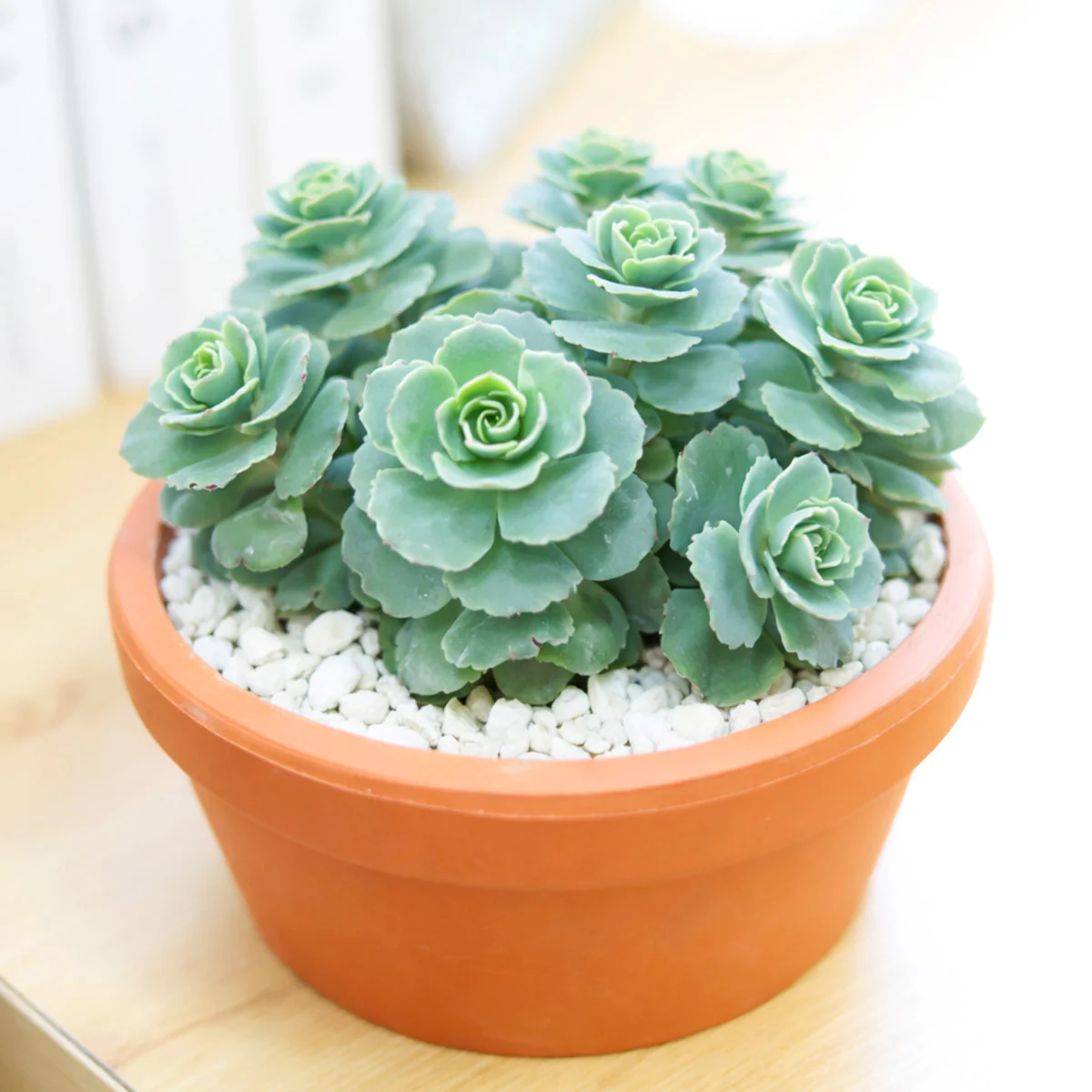
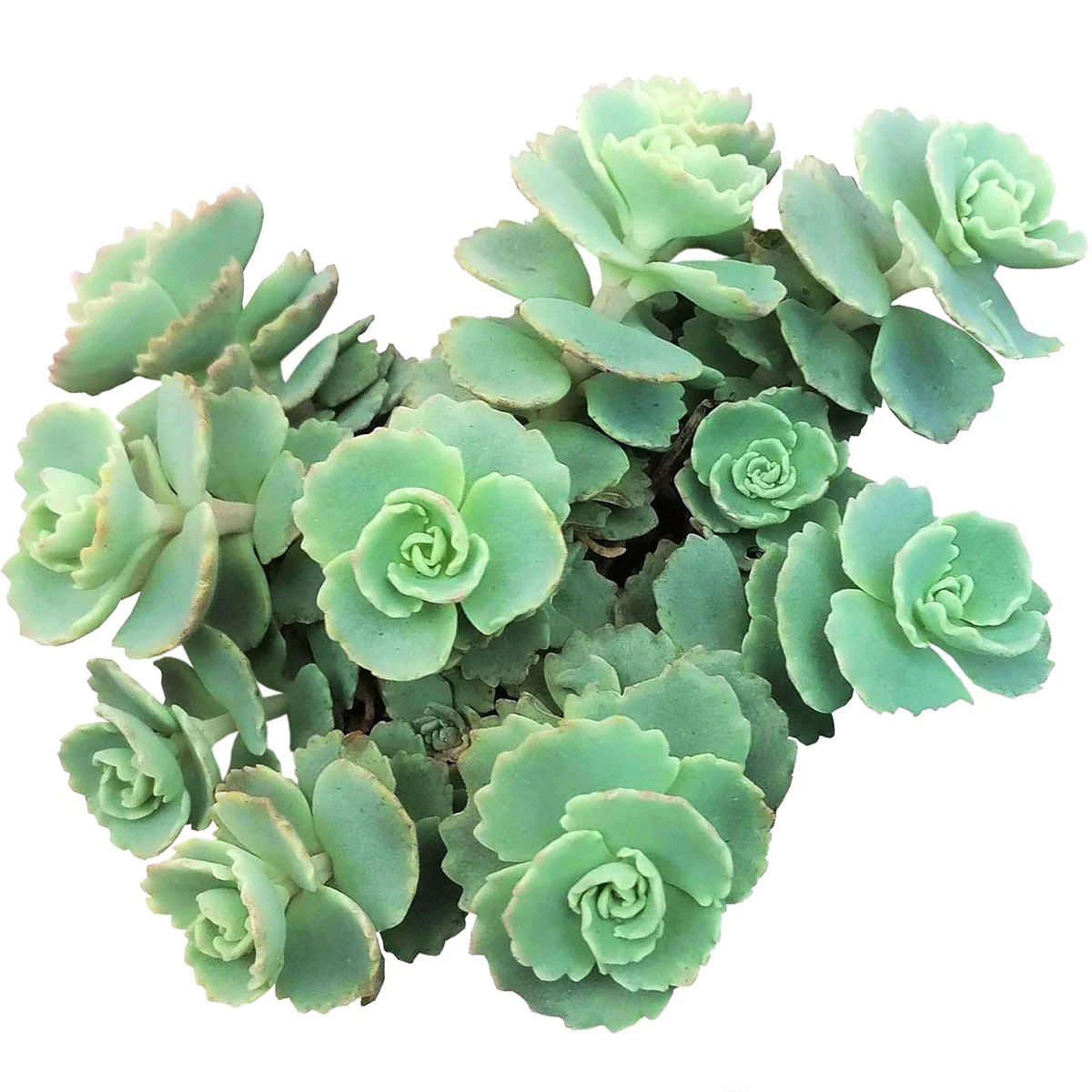
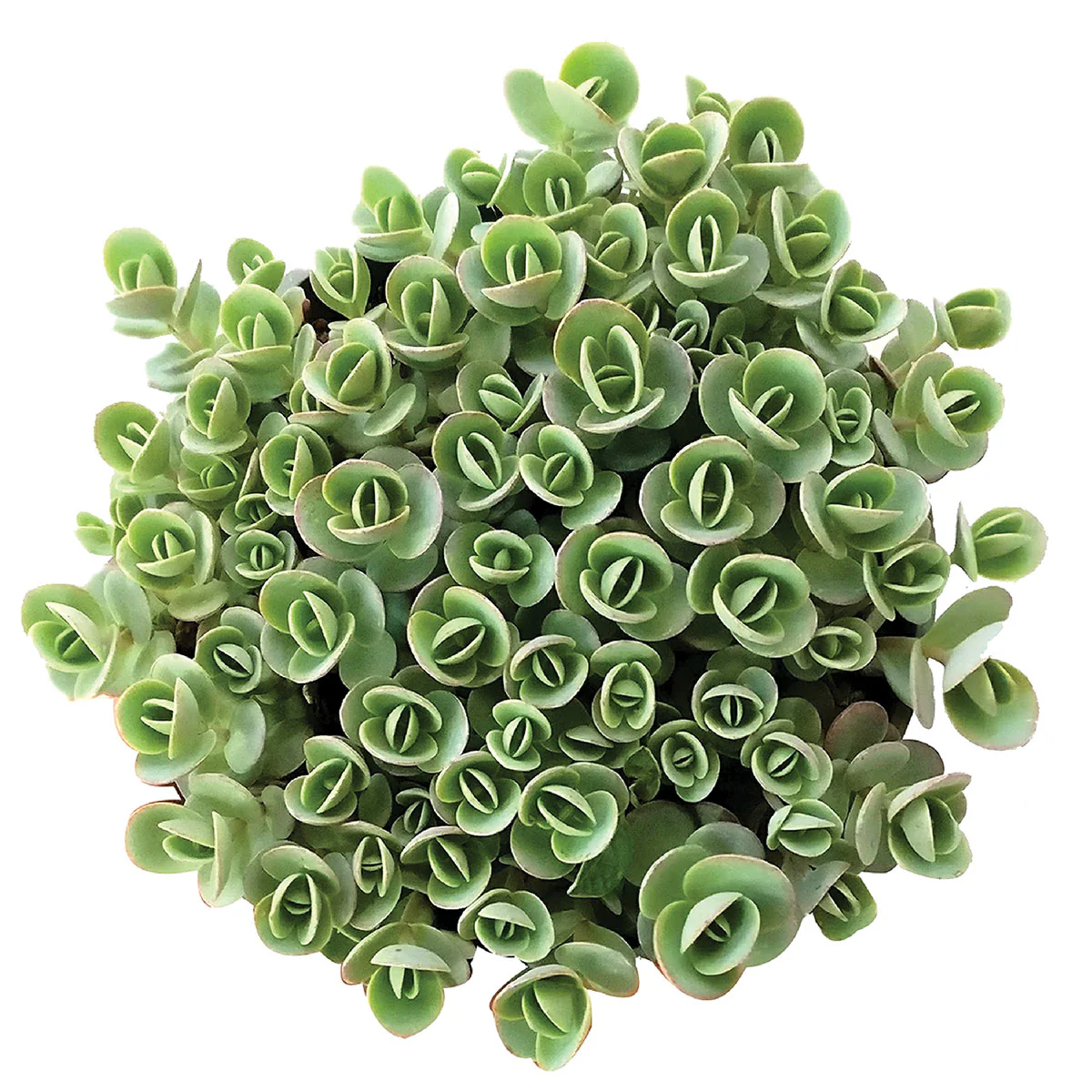
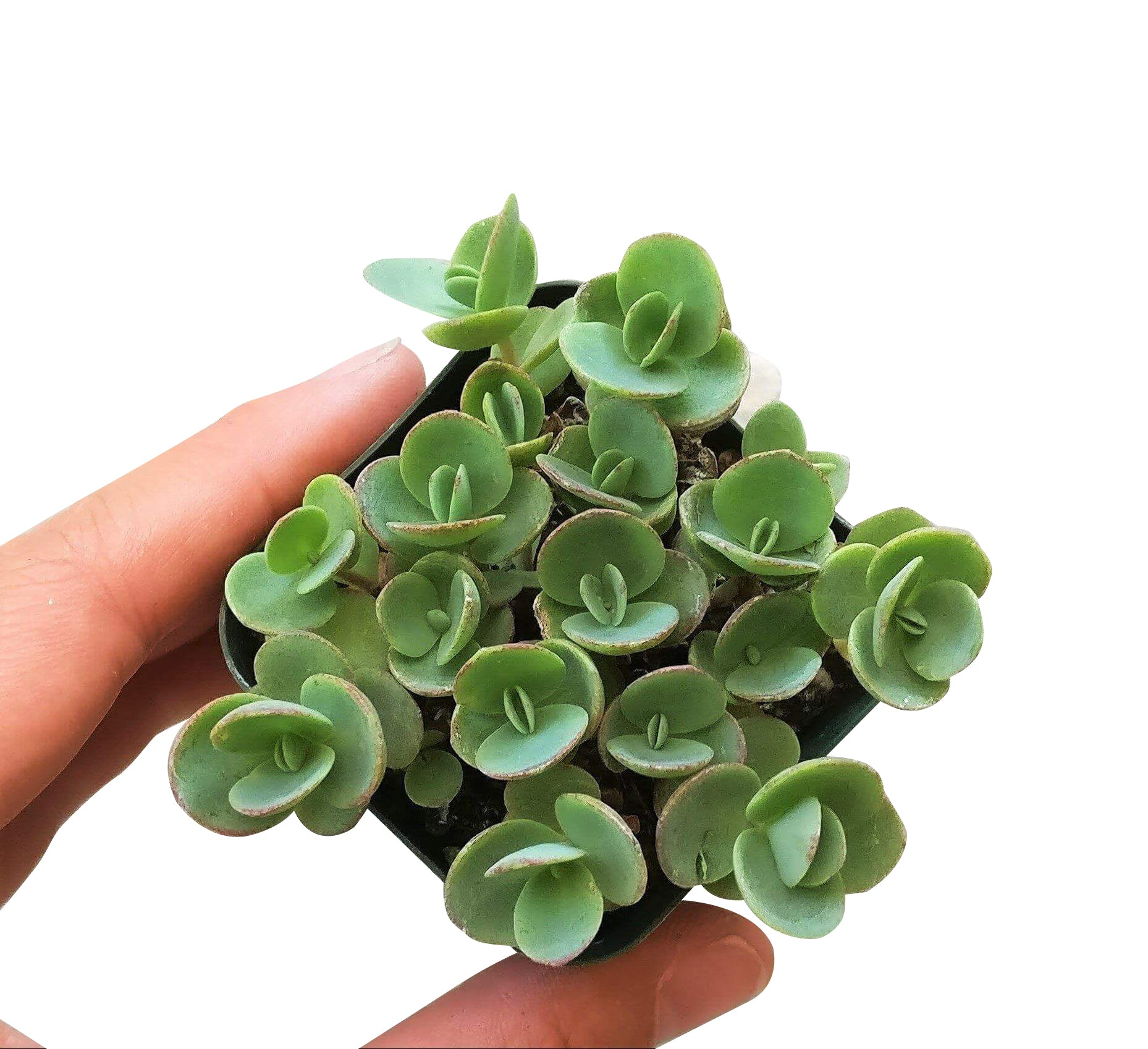
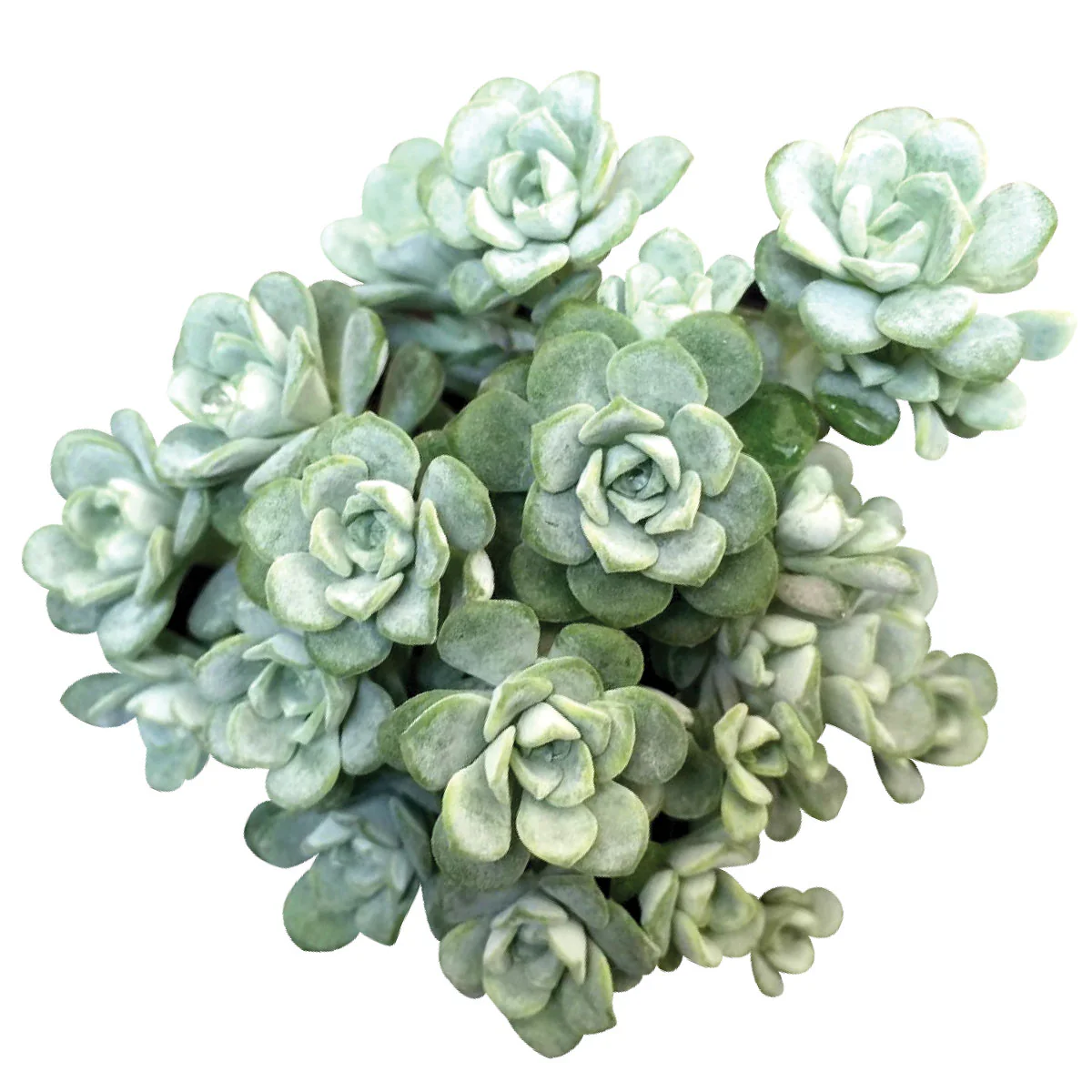
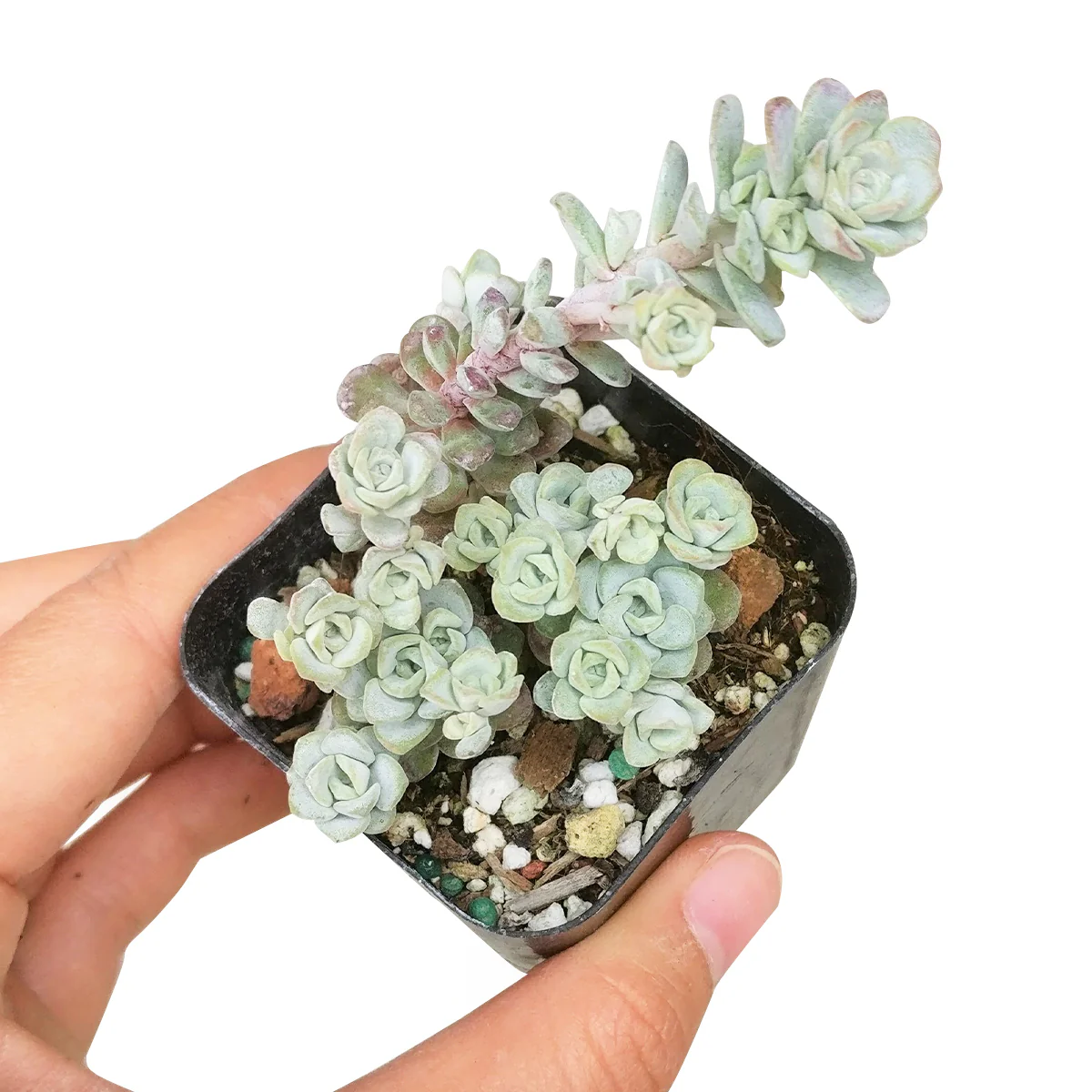
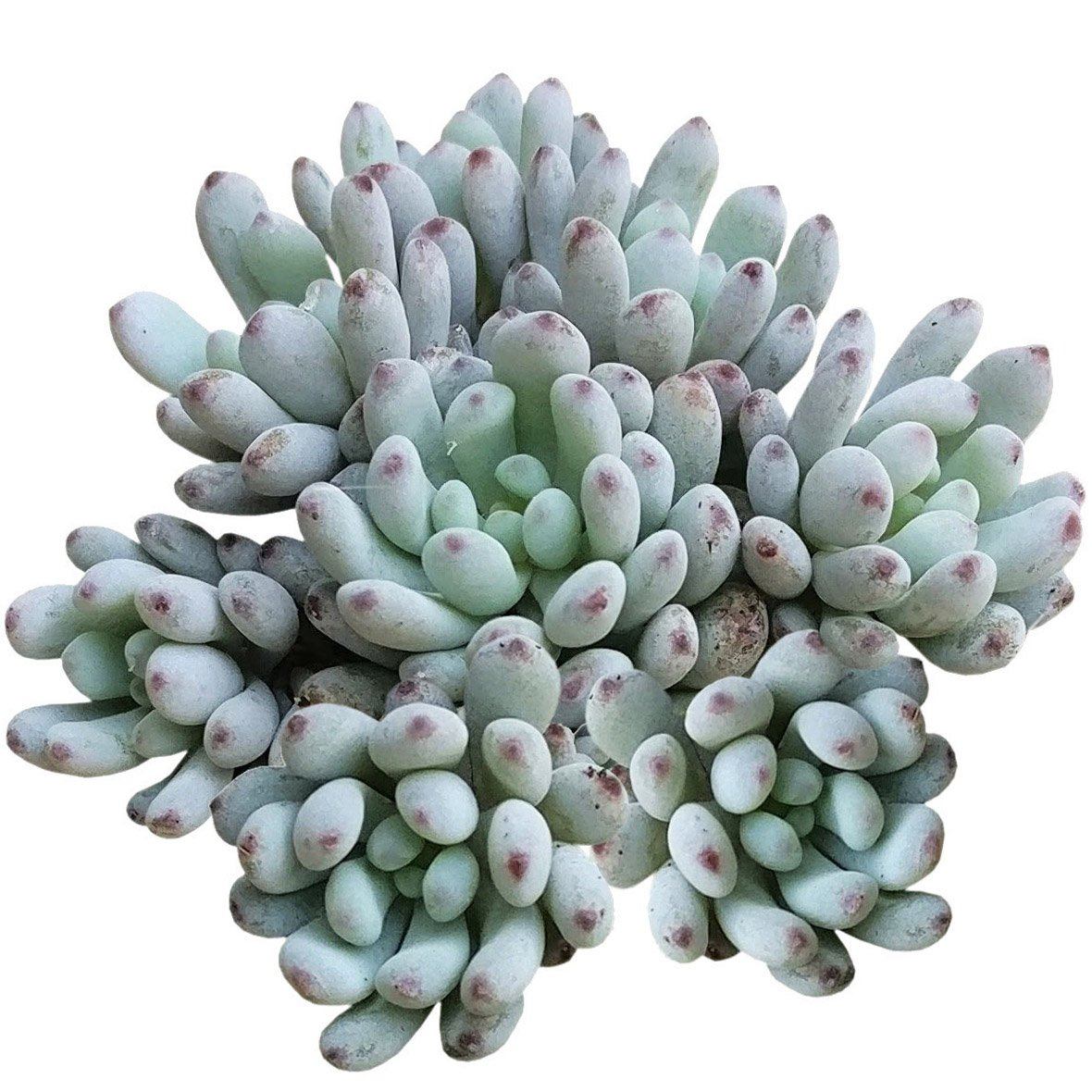
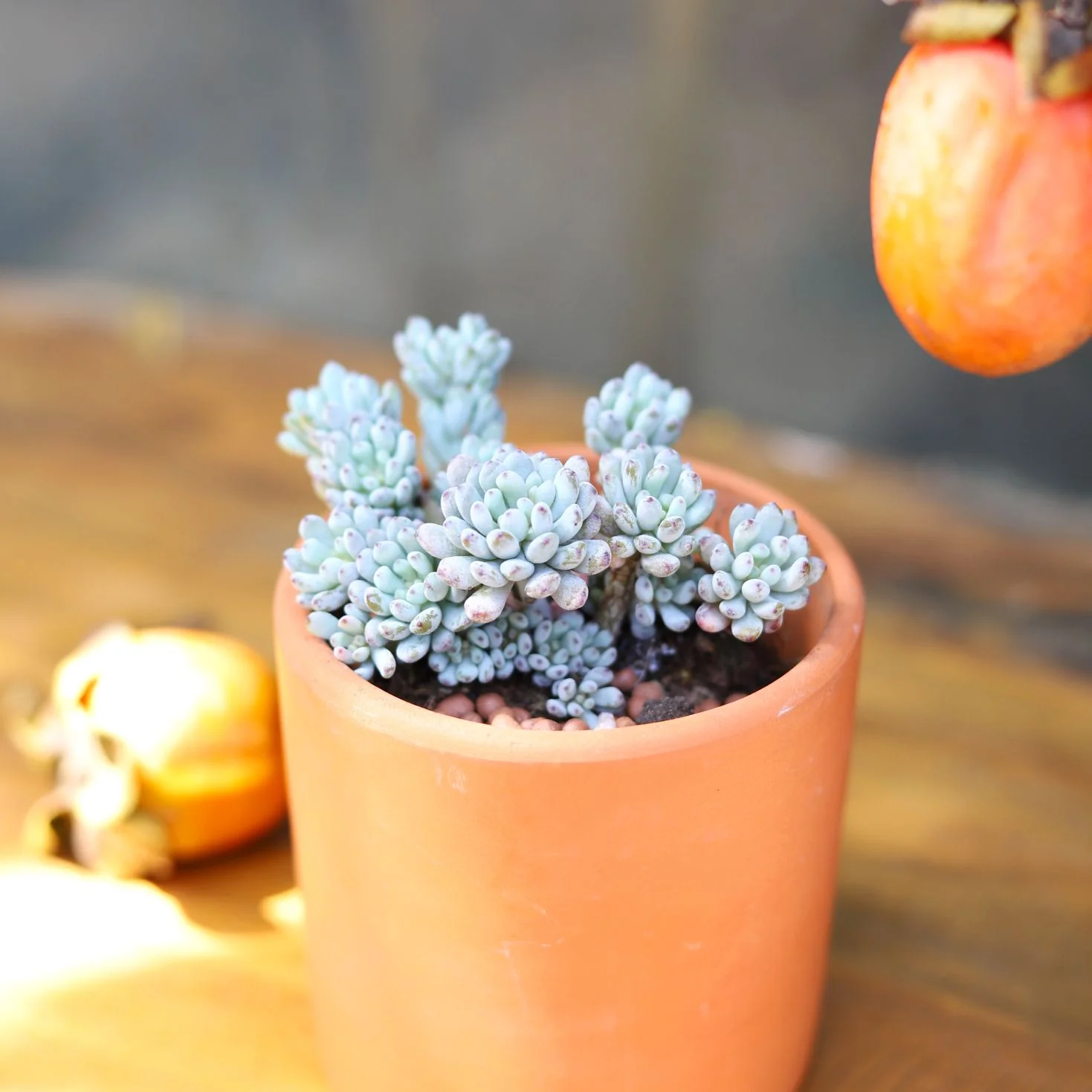
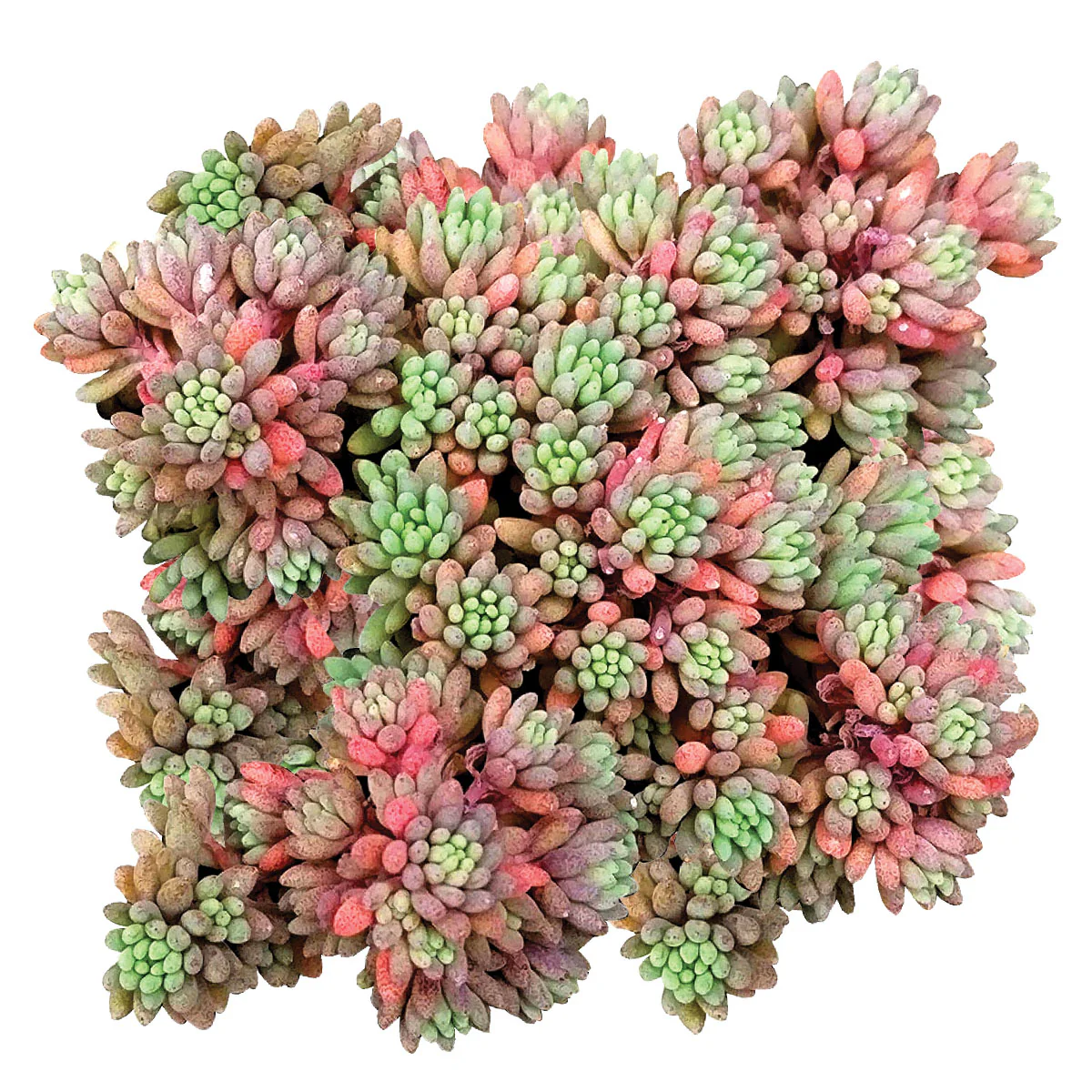
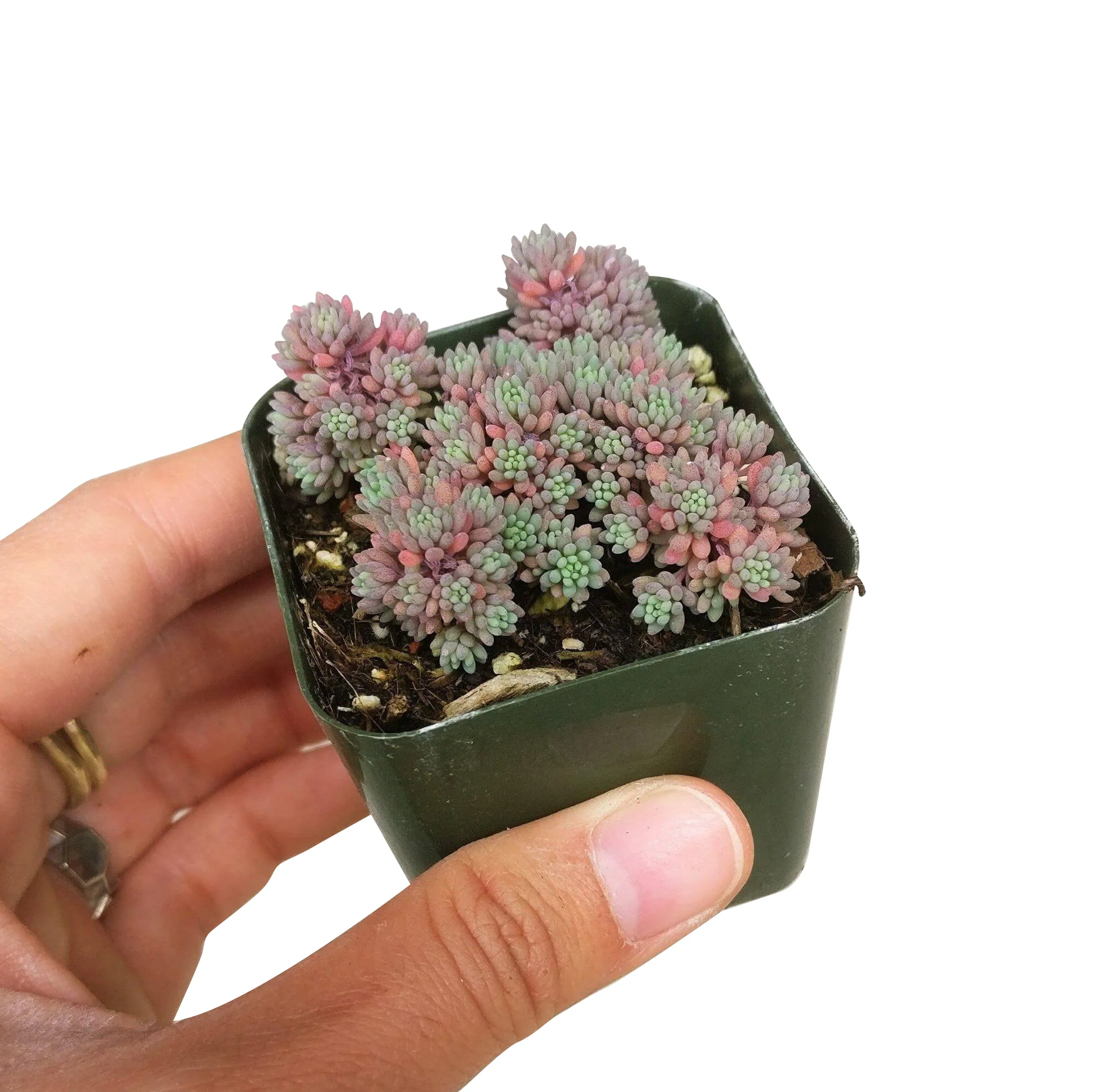
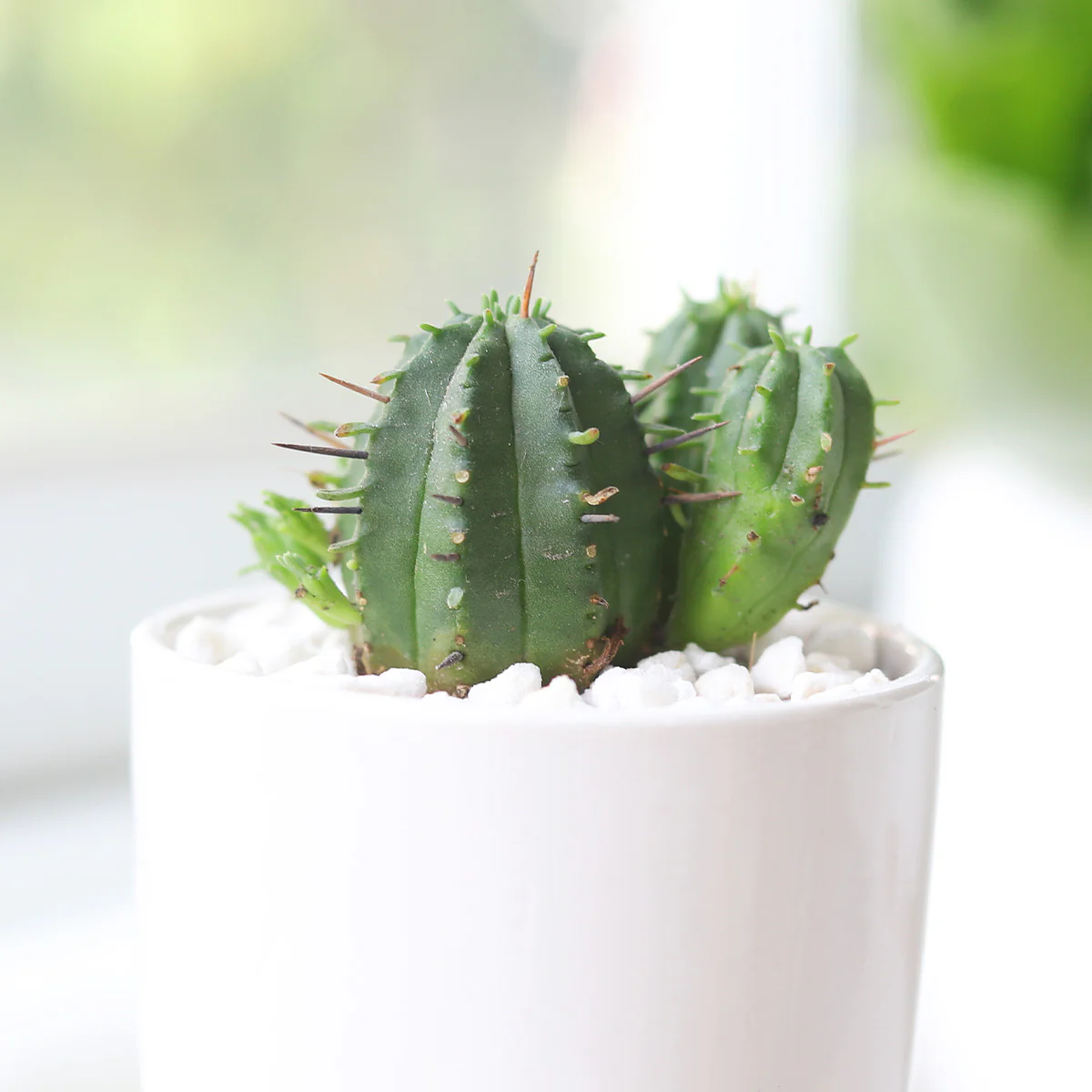
 Euphorbia Enopla Cactus grows in an upright, clustering habit, producing ribbed, cylindrical stems lined with striking reddish-purple spines that deepen in color under bright light. The green to purple-tinged stems cluster outward over time, creating a dramatic, architectural silhouette that works equally well in a bohemian shelf arrangement or a minimalist modern space.
 Euphorbia Enopla Cactus is known for producing small, bright yellow cyathia blooms that appear near the stem tips, typically in spring and summer. These cheerful yellow flowers are a lovely seasonal bonus on a plant already earning its place through sheer visual structure and spine drama.
 Euphorbia Enopla Cactus is genuinely beginner-friendly, surviving a 10-day trip without a caretaker and tolerating dry heated indoor air without complaint. Move it outdoors for summer to encourage robust clustering growth, but keep it covered from rain to prevent root rot. Place it on a high shelf to keep it out of reach, as the milky sap can cause skin and paw irritation, and cats and dogs shouldn't be left to nibble or eat the plant. This is a rare collector find that brings architectural drama to any indoor space.
-
 Euphorbia Enopla Cactus thrives in bright indirect light to full direct sun, though south-facing windows may scorch stems in peak summer heat.
 Water Euphorbia Enopla Cactus deeply every 2-3 weeks in summer, reducing to once a month or less in winter when growth slows.
 Euphorbia Enopla Cactus prefers a fast-draining cactus and succulent mix blended with extra perlite or coarse grit to prevent moisture retention.
 Euphorbia Enopla Cactus prefers temperatures between 50-95°F (10-35°C) and should be brought indoors before temperatures drop near freezing.
![]() Euphorbia Enopla Cactus is a moderate grower that benefits from a diluted cactus fertilizer applied once a month during the active growing season.
Euphorbia Enopla Cactus is a moderate grower that benefits from a diluted cactus fertilizer applied once a month during the active growing season.
 Euphorbia Enopla Cactus is hardy in USDA Zones 9-11, tolerating brief dips to around 25-28°F (-3 to -2°C) but performing best where winters stay mild. Gardeners growing Euphorbia Enopla Cactus outdoors year-round will find ideal conditions across Florida, California, Texas, Arizona, Hawaii, Louisiana, Georgia, South Carolina, Alabama, Mississippi, and Nevada. Parts of coastal Oregon, New Mexico, and select microclimates in Arkansas and North Carolina also fall within these zones, giving a broad stretch of the southern and western United States the climate this plant loves.
-
Q: How often should I water Euphorbia Enopla Cactus?
A: Water every 2-3 weeks in spring and summer, then cut back to once a month or less in fall and winter. Always let the soil dry out completely between waterings to avoid root rot.
Q: Is Euphorbia Enopla Cactus safe for pets?
A: Euphorbia Enopla Cactus should be kept out of reach of pets, as the sap can cause skin and paw irritation. Cats and dogs shouldn't be left to nibble or eat the plant, so a high shelf is the safest spot.
Q: What light does Euphorbia Enopla Cactus need indoors?
A: Euphorbia Enopla Cactus does best in bright indirect light to full sun near a sunny window. Rotate it regularly for even growth and watch for scorching if it sits directly in a hot south window during summer.
Q: How do I propagate Euphorbia Enopla Cactus?
A: Euphorbia Enopla Cactus can be propagated by carefully removing an offset or stem cutting and letting it callous for several days before planting in dry, well-draining cactus mix. Always wear gloves when handling cuttings, as the milky sap irritates skin.
Q: Is Euphorbia Enopla Cactus rare?
A: Yes, Euphorbia Enopla Cactus is considered a rare collector find compared to common nursery succulents, making it a sought-after choice for plant enthusiasts. Its combination of reddish-purple spines, clustering habit, and easy care makes it especially desirable.
Q: Why are the stems on my Euphorbia Enopla Cactus turning yellow?
A: Yellowing on Euphorbia Enopla Cactus is most often caused by overwatering or poor drainage trapping moisture around the roots. Check that your soil dries out fully between waterings and that your pot has adequate drainage holes.


Product Information
Product Information
Shipping & Returns
Shipping & Returns
Description
- Description
- Euphorbia Enopla Cactus Care Guide
- FAQ/Common Issues
-
![]() Euphorbia Enopla Cactus is a rare succulent native to the Eastern Cape of South Africa, where it thrives in rocky, arid landscapes with intense sun and minimal rainfall. It belongs to the large and diverse Euphorbia genus, making it a true collector find for anyone hunting a rare succulent for sale that delivers bold character with easy care.
Euphorbia Enopla Cactus is a rare succulent native to the Eastern Cape of South Africa, where it thrives in rocky, arid landscapes with intense sun and minimal rainfall. It belongs to the large and diverse Euphorbia genus, making it a true collector find for anyone hunting a rare succulent for sale that delivers bold character with easy care.
Euphorbia Enopla Cactus grows in an upright, clustering habit, producing ribbed, cylindrical stems lined with striking reddish-purple spines that deepen in color under bright light. The green to purple-tinged stems cluster outward over time, creating a dramatic, architectural silhouette that works equally well in a bohemian shelf arrangement or a minimalist modern space.
Euphorbia Enopla Cactus is known for producing small, bright yellow cyathia blooms that appear near the stem tips, typically in spring and summer. These cheerful yellow flowers are a lovely seasonal bonus on a plant already earning its place through sheer visual structure and spine drama.
Euphorbia Enopla Cactus is genuinely beginner-friendly, surviving a 10-day trip without a caretaker and tolerating dry heated indoor air without complaint. Move it outdoors for summer to encourage robust clustering growth, but keep it covered from rain to prevent root rot. Place it on a high shelf to keep it out of reach, as the milky sap can cause skin and paw irritation, and cats and dogs shouldn't be left to nibble or eat the plant. This is a rare collector find that brings architectural drama to any indoor space.
-
Euphorbia Enopla Cactus thrives in bright indirect light to full direct sun, though south-facing windows may scorch stems in peak summer heat.
Water Euphorbia Enopla Cactus deeply every 2-3 weeks in summer, reducing to once a month or less in winter when growth slows.
Euphorbia Enopla Cactus prefers a fast-draining cactus and succulent mix blended with extra perlite or coarse grit to prevent moisture retention.
Euphorbia Enopla Cactus prefers temperatures between 50-95°F (10-35°C) and should be brought indoors before temperatures drop near freezing.
![]() Euphorbia Enopla Cactus is a moderate grower that benefits from a diluted cactus fertilizer applied once a month during the active growing season.
Euphorbia Enopla Cactus is a moderate grower that benefits from a diluted cactus fertilizer applied once a month during the active growing season.
Euphorbia Enopla Cactus is hardy in USDA Zones 9-11, tolerating brief dips to around 25-28°F (-3 to -2°C) but performing best where winters stay mild. Gardeners growing Euphorbia Enopla Cactus outdoors year-round will find ideal conditions across Florida, California, Texas, Arizona, Hawaii, Louisiana, Georgia, South Carolina, Alabama, Mississippi, and Nevada. Parts of coastal Oregon, New Mexico, and select microclimates in Arkansas and North Carolina also fall within these zones, giving a broad stretch of the southern and western United States the climate this plant loves.
-
Q: How often should I water Euphorbia Enopla Cactus?
A: Water every 2-3 weeks in spring and summer, then cut back to once a month or less in fall and winter. Always let the soil dry out completely between waterings to avoid root rot.
Q: Is Euphorbia Enopla Cactus safe for pets?
A: Euphorbia Enopla Cactus should be kept out of reach of pets, as the sap can cause skin and paw irritation. Cats and dogs shouldn't be left to nibble or eat the plant, so a high shelf is the safest spot.
Q: What light does Euphorbia Enopla Cactus need indoors?
A: Euphorbia Enopla Cactus does best in bright indirect light to full sun near a sunny window. Rotate it regularly for even growth and watch for scorching if it sits directly in a hot south window during summer.
Q: How do I propagate Euphorbia Enopla Cactus?
A: Euphorbia Enopla Cactus can be propagated by carefully removing an offset or stem cutting and letting it callous for several days before planting in dry, well-draining cactus mix. Always wear gloves when handling cuttings, as the milky sap irritates skin.
Q: Is Euphorbia Enopla Cactus rare?
A: Yes, Euphorbia Enopla Cactus is considered a rare collector find compared to common nursery succulents, making it a sought-after choice for plant enthusiasts. Its combination of reddish-purple spines, clustering habit, and easy care makes it especially desirable.
Q: Why are the stems on my Euphorbia Enopla Cactus turning yellow?
A: Yellowing on Euphorbia Enopla Cactus is most often caused by overwatering or poor drainage trapping moisture around the roots. Check that your soil dries out fully between waterings and that your pot has adequate drainage holes.