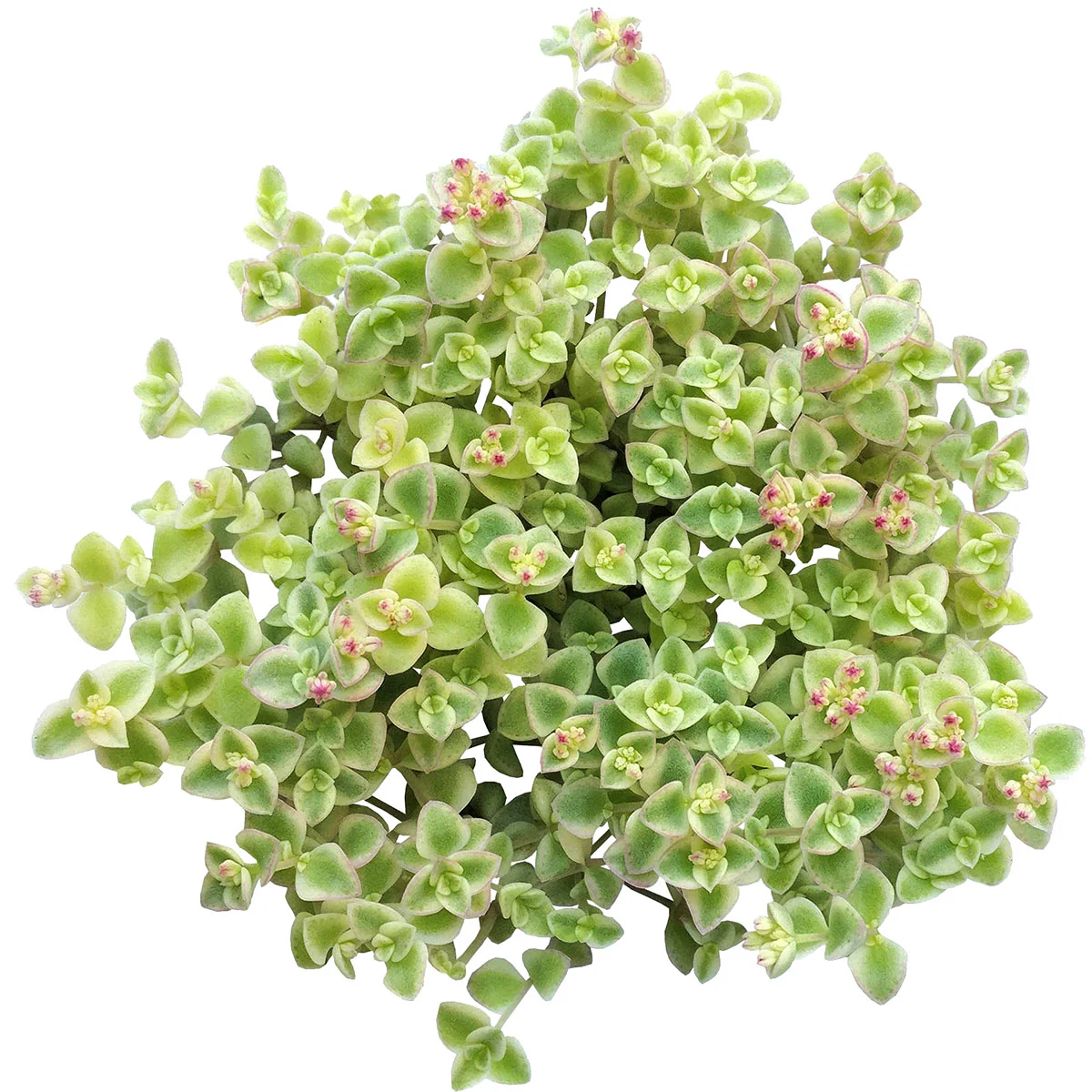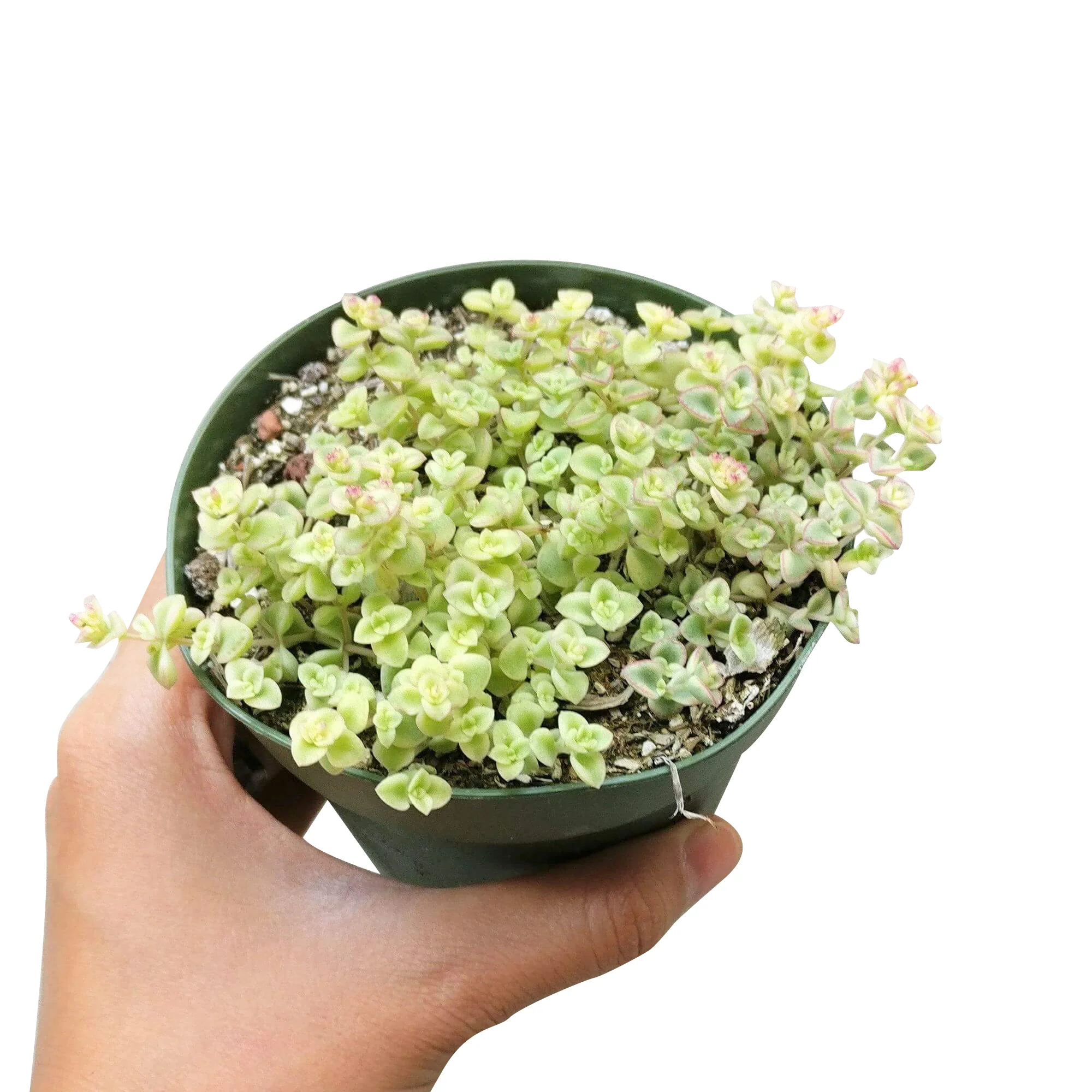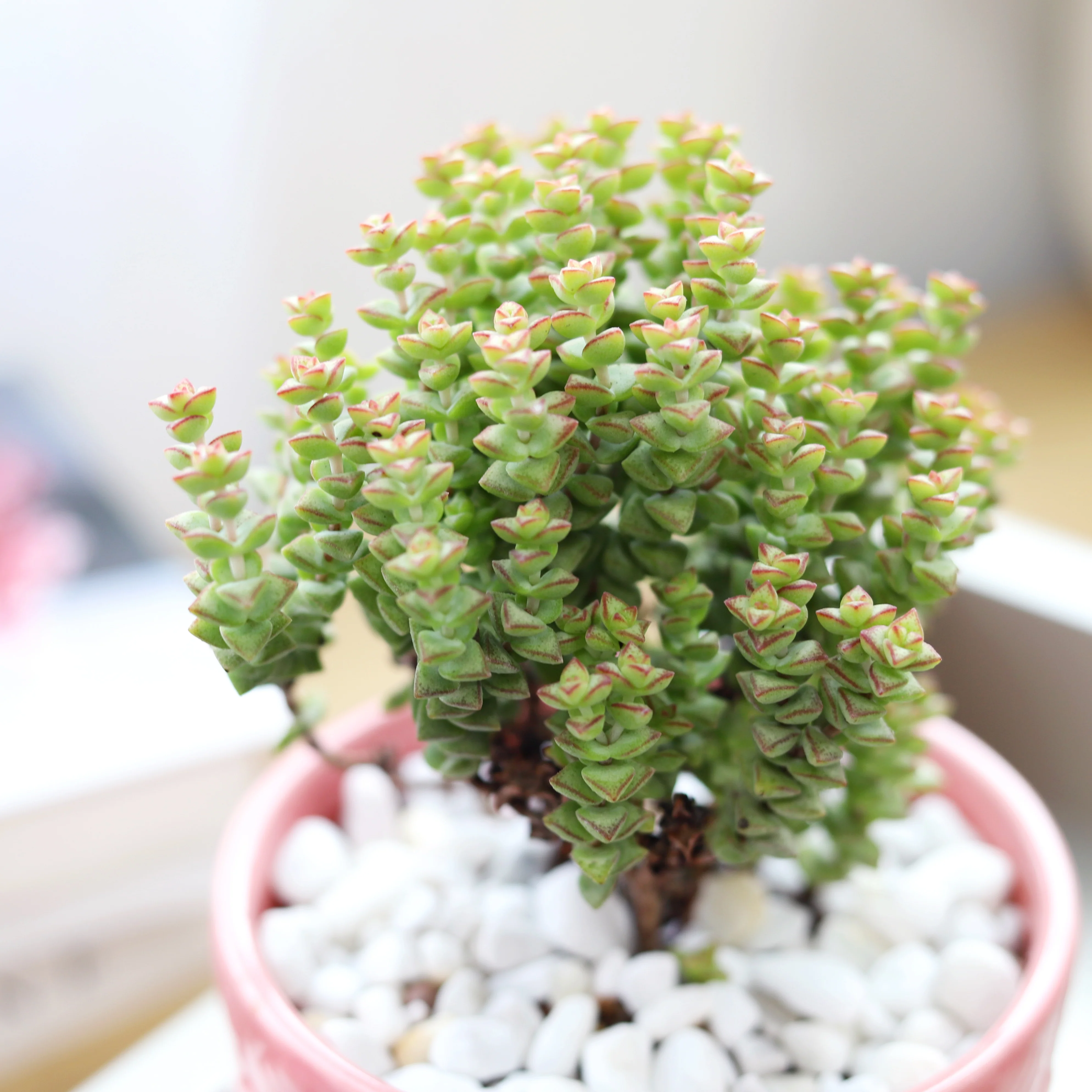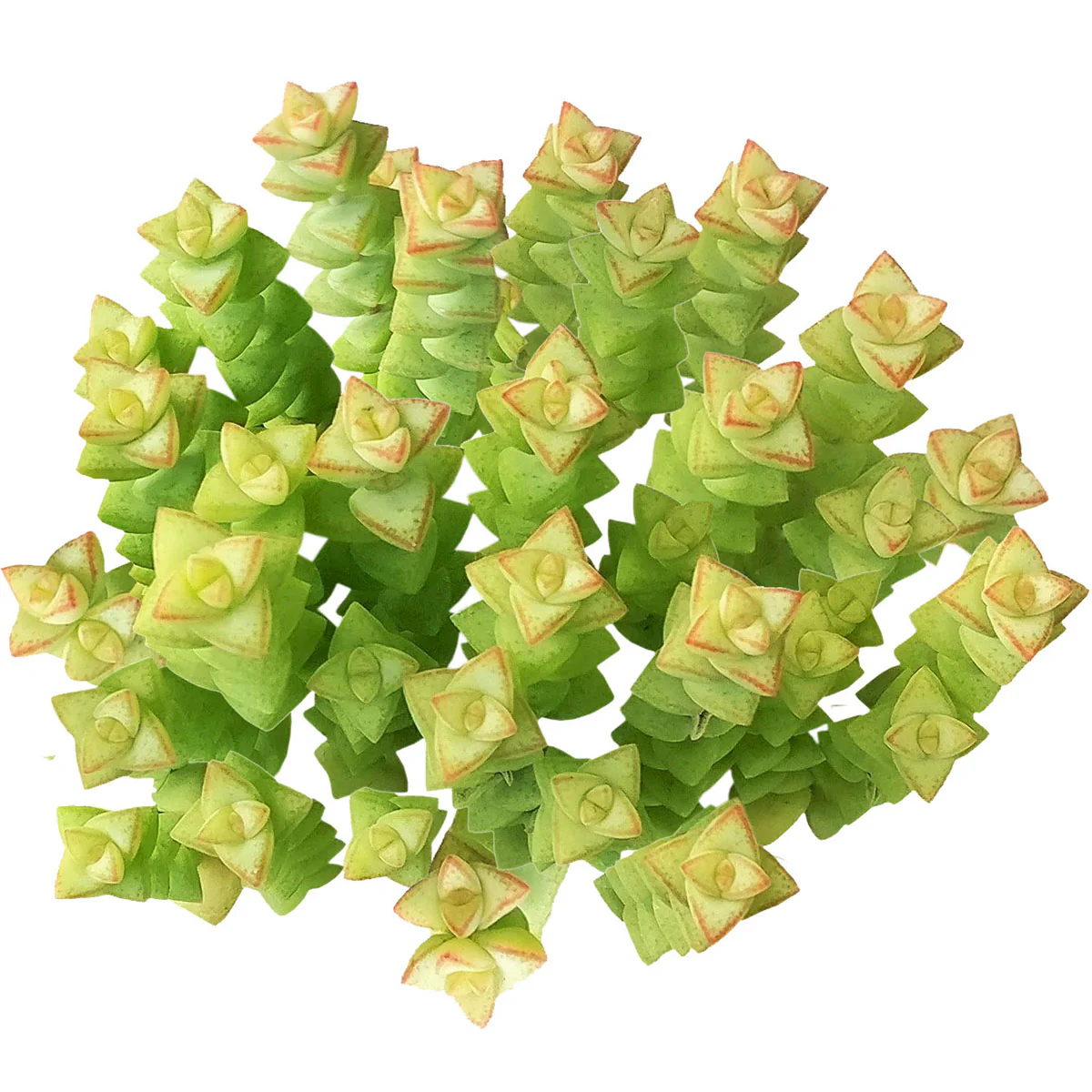
Echinopsis oxygona 'Easter Lily Cactus'
- Description
- Echinopsis oxygona 'Easter Lily Cactus' Care Guide
- FAQ/Common Issues
-
![]() Echinopsis oxygona 'Easter Lily Cactus' is a globular to columnar cactus in the Cactaceae family, native to South America, where it grows across Argentina, Uruguay, and southern Brazil. A true classic among flowering cacti, it has been a beloved houseplant and garden specimen for generations, prized for its easy-going nature and spectacular blooms.
Echinopsis oxygona 'Easter Lily Cactus' is a globular to columnar cactus in the Cactaceae family, native to South America, where it grows across Argentina, Uruguay, and southern Brazil. A true classic among flowering cacti, it has been a beloved houseplant and garden specimen for generations, prized for its easy-going nature and spectacular blooms.
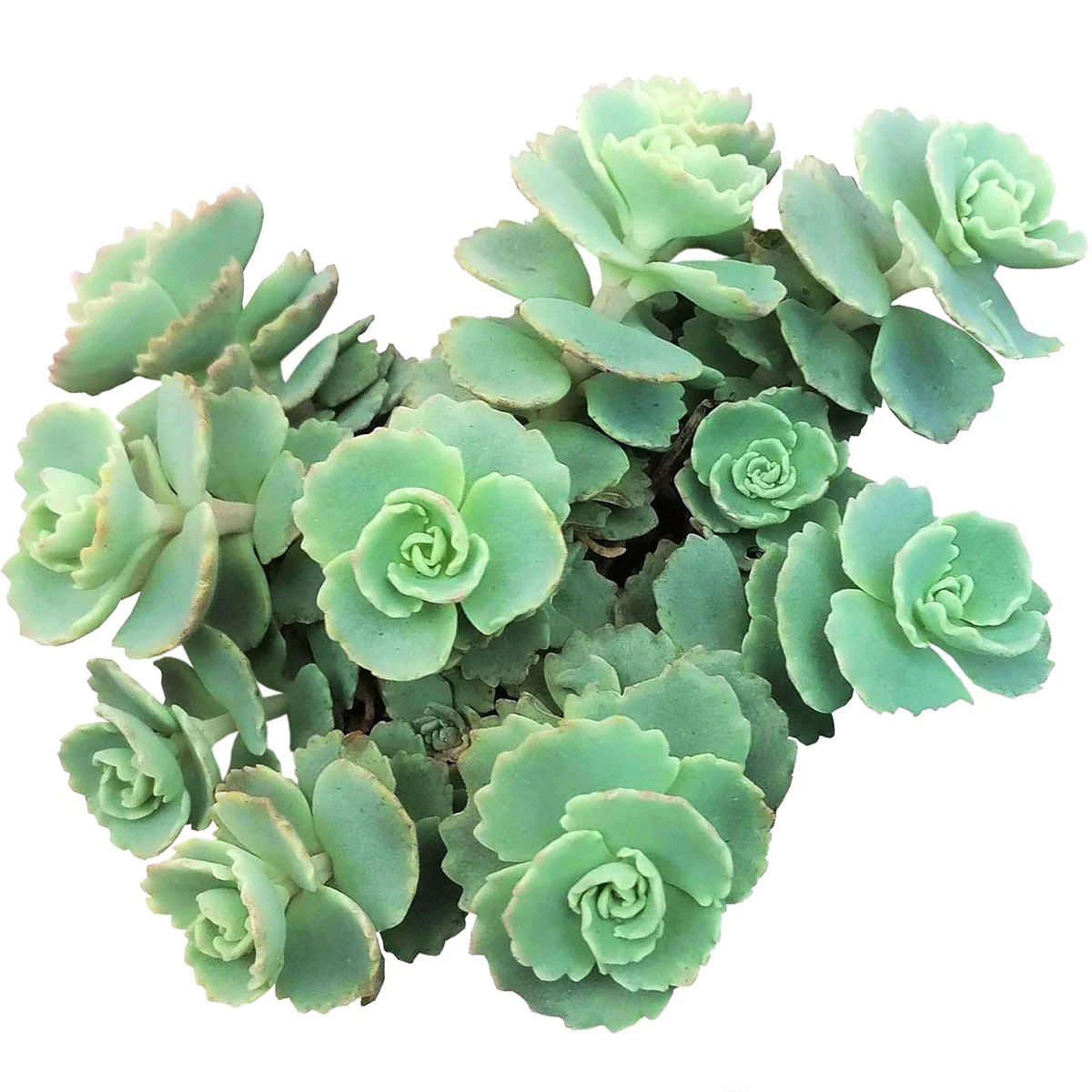
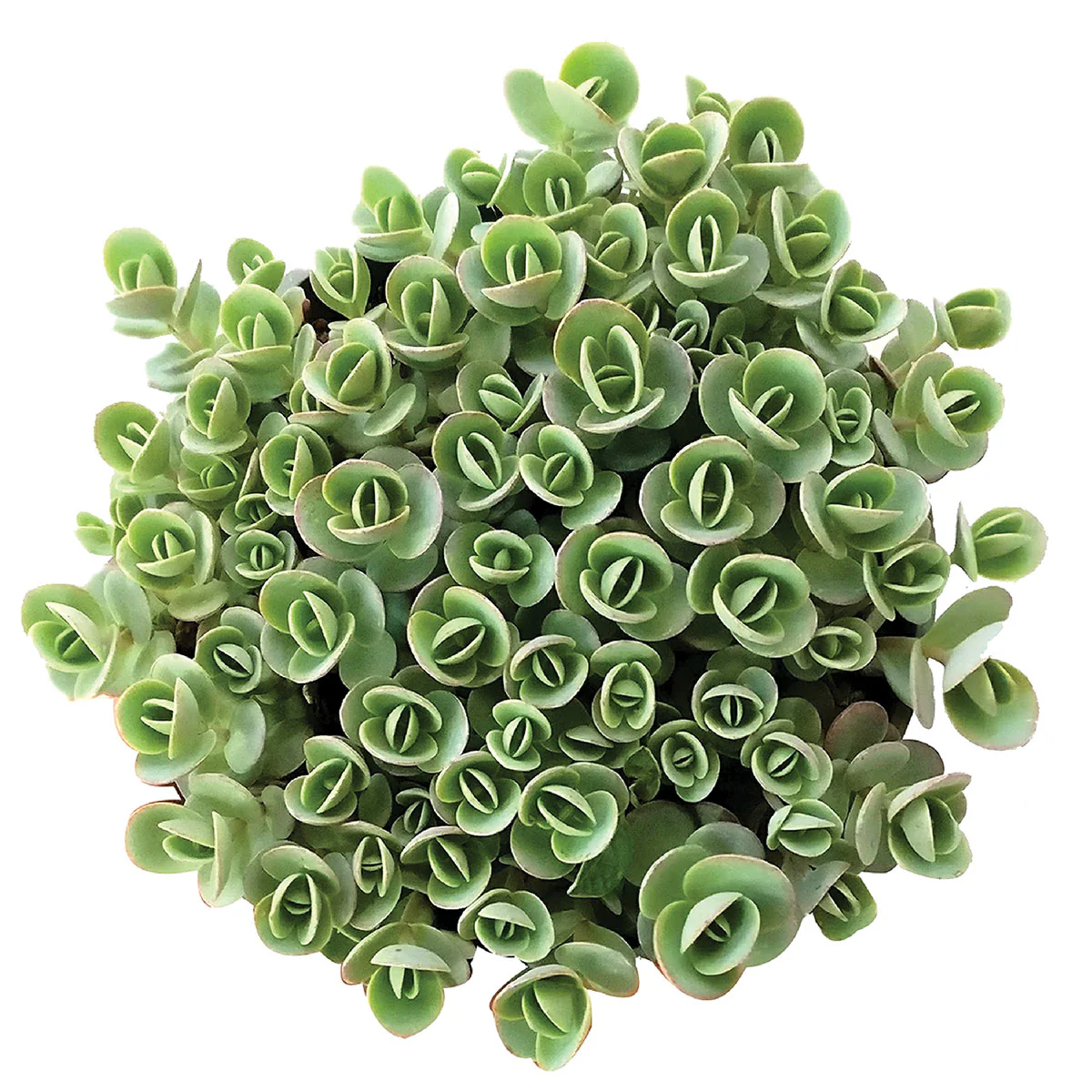
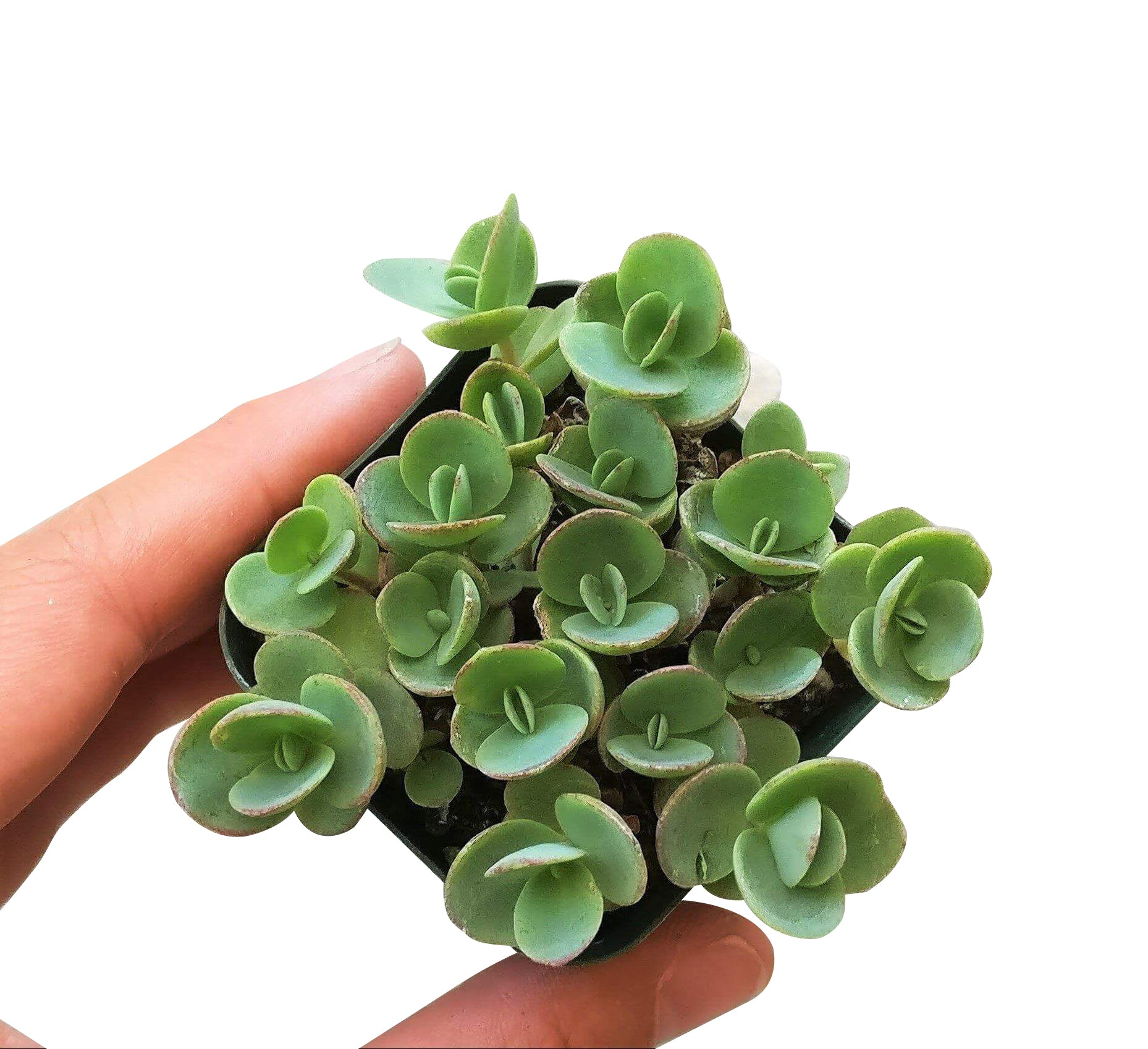
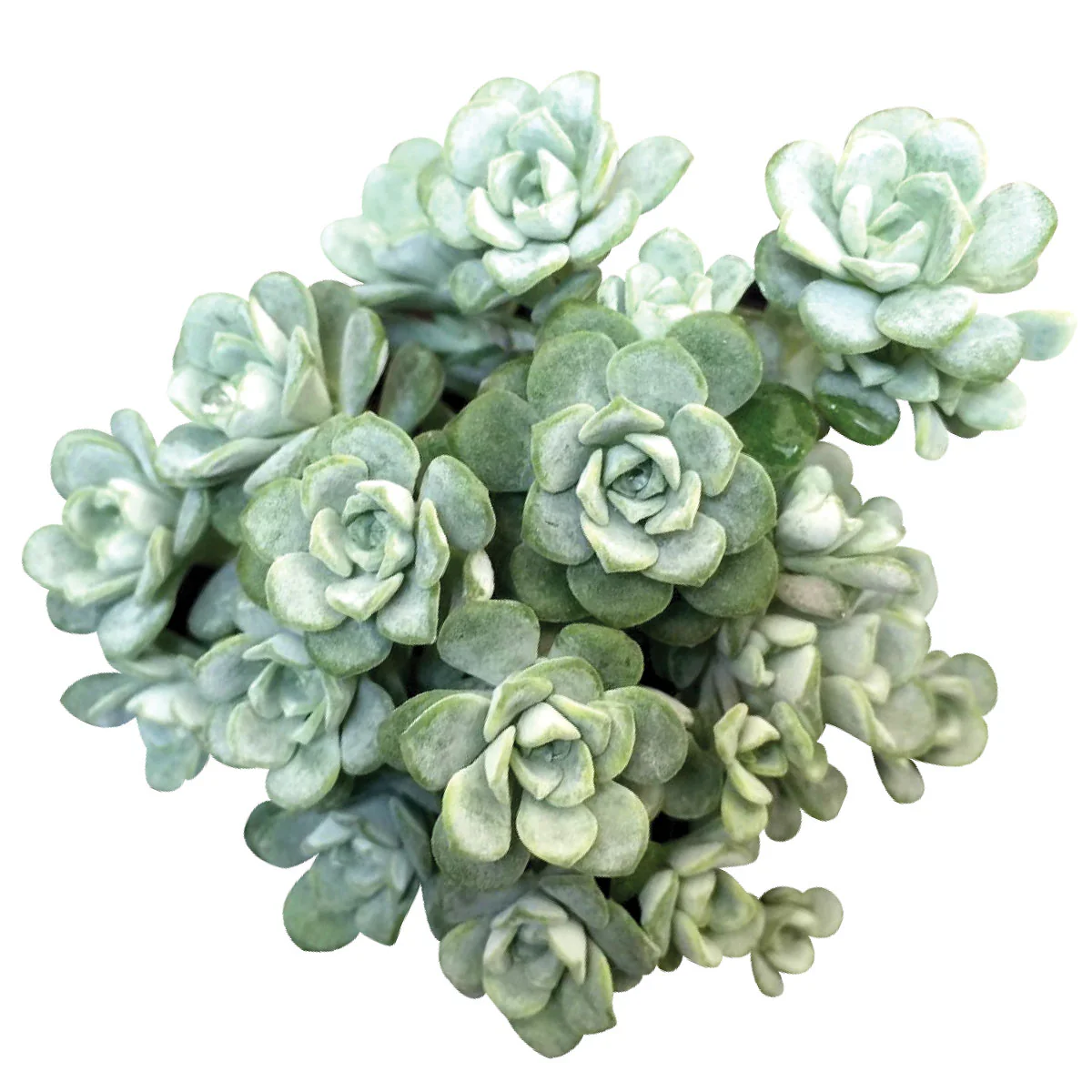
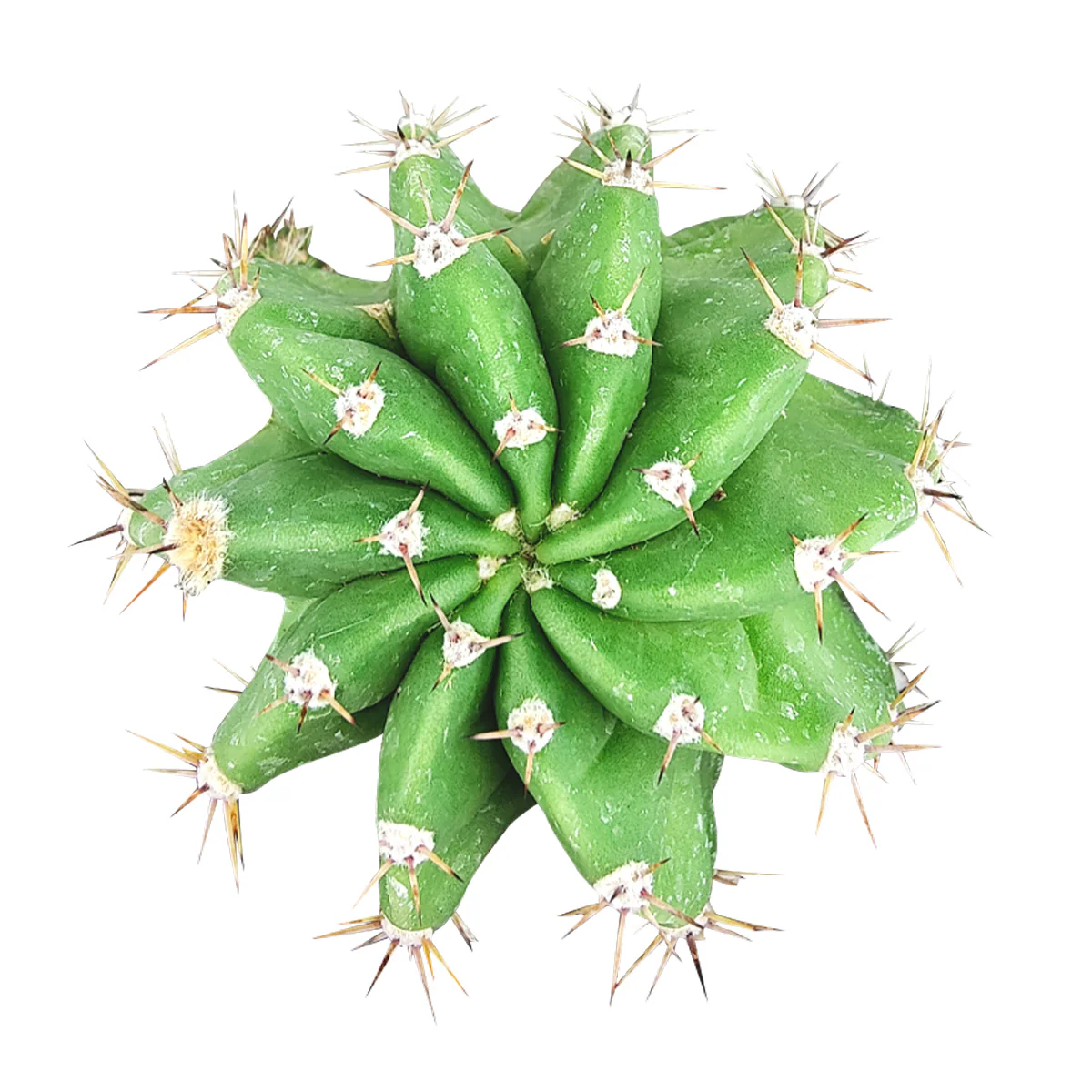
 Echinopsis oxygona 'Easter Lily Cactus' forms a rounded, ribbed body covered in symmetrical rows of spines, giving it a striking sea urchin-like silhouette. It grows in an upright, clumping habit, producing offsets freely around its base and spreading into an impressive cluster over time. The rich green skin, defined ribs, and dense spine clusters make it one of the most visually satisfying drought tolerant cacti you can grow indoors or out.
 Echinopsis oxygona 'Easter Lily Cactus' earns its name with breathtaking, trumpet-shaped blooms that typically emerge in spring and early summer, ranging from soft pink to vivid magenta with a luminous white throat. These fragrant flowers are night blooming, opening in the evening and releasing a sweet, delicate scent that fills a room. A single plant can produce multiple blooms in one season, and a well-established clump puts on a truly unforgettable floral display.
 Echinopsis oxygona 'Easter Lily Cactus' is one of the most beginner-friendly cacti available, thriving with minimal attention and rewarding even casual growers with those iconic flowers. It moves happily outdoors for summer, benefits from the natural temperature fluctuation, and actually needs a cool night temperature drop in autumn to trigger its best blooming. Keep it on a high shelf or a sunny windowsill away from small children, as the spines can be sharp. This plant is pet friendly, releases oxygen at night, and survives up to ten days without watering, making it a low maintenance cactus that suits busy households perfectly.
-
 Echinopsis oxygona 'Easter Lily Cactus' thrives in bright indirect light, partial sun, or full sun, ideally near a south or east-facing window.
 Water Echinopsis oxygona 'Easter Lily Cactus' thoroughly every 10 to 14 days in summer and reduce to once a month or less in winter.
 Echinopsis oxygona 'Easter Lily Cactus' performs best in a well-draining cactus and succulent mix, ideally blended with extra perlite or coarse sand.
 Echinopsis oxygona 'Easter Lily Cactus' prefers temperatures between 50 and 90 degrees Fahrenheit (10 to 32 degrees Celsius) and tolerates brief dips near 25°F (-4°C) when kept dry.
![]() Echinopsis oxygona 'Easter Lily Cactus' is a moderate grower that benefits from a balanced low-nitrogen cactus fertilizer applied once monthly during the active growing season.
Echinopsis oxygona 'Easter Lily Cactus' is a moderate grower that benefits from a balanced low-nitrogen cactus fertilizer applied once monthly during the active growing season.
 Echinopsis oxygona 'Easter Lily Cactus' is hardy in USDA Zones 8b through 11, tolerating short frost events down to around 25°F (-4°C) when the soil is dry. In the United States, that covers a broad sweep of warm and mild-climate states, including California, Arizona, Nevada, Texas, Florida, Hawaii, Louisiana, Mississippi, Alabama, Georgia, South Carolina, and coastal Oregon. Gardeners in parts of New Mexico, Arkansas, North Carolina, and Virginia may also successfully grow Echinopsis oxygona 'Easter Lily Cactus' outdoors with good drainage and frost protection during cold snaps.
-
Q: How often should I water Echinopsis oxygona 'Easter Lily Cactus'?
A: Water thoroughly every 10 to 14 days during spring and summer, then cut back to once a month or less in winter when the plant is resting.
Q: Is Echinopsis oxygona 'Easter Lily Cactus' safe for pets?
A: Yes, this plant is pet friendly. The spines can cause physical irritation if touched, so place it where curious pets cannot brush against it.
Q: How do I get Echinopsis oxygona 'Easter Lily Cactus' to bloom?
A: Provide a cool night temperature drop in autumn and early spring, ideally dipping to 50 to 55°F (10 to 13°C), which signals the plant to set flower buds. Moving it outdoors for summer also encourages a stronger bloom cycle.
Q: How big does Echinopsis oxygona 'Easter Lily Cactus' get?
A: The main stem typically reaches 6 to 12 inches tall and wide, but the clumping habit means a mature plant can spread considerably wider as it produces offsets over the years.
Q: Can I grow Echinopsis oxygona 'Easter Lily Cactus' outside?
A: Absolutely, it moves outdoors for summer beautifully and appreciates the fresh air and natural light. Bring it back inside before hard frost, and shelter it from prolonged heavy rain to prevent root rot.
Q: How do I propagate Echinopsis oxygona 'Easter Lily Cactus'?
A: Simply remove the offsets that cluster around the base, let the cut end callous for a day or two, then pot them up in dry cactus mix. They root quickly and are one of the easiest cacti to multiply at home.


Product Information
Product Information
Shipping & Returns
Shipping & Returns
Description
- Description
- Echinopsis oxygona 'Easter Lily Cactus' Care Guide
- FAQ/Common Issues
-
![]() Echinopsis oxygona 'Easter Lily Cactus' is a globular to columnar cactus in the Cactaceae family, native to South America, where it grows across Argentina, Uruguay, and southern Brazil. A true classic among flowering cacti, it has been a beloved houseplant and garden specimen for generations, prized for its easy-going nature and spectacular blooms.
Echinopsis oxygona 'Easter Lily Cactus' is a globular to columnar cactus in the Cactaceae family, native to South America, where it grows across Argentina, Uruguay, and southern Brazil. A true classic among flowering cacti, it has been a beloved houseplant and garden specimen for generations, prized for its easy-going nature and spectacular blooms.
Echinopsis oxygona 'Easter Lily Cactus' forms a rounded, ribbed body covered in symmetrical rows of spines, giving it a striking sea urchin-like silhouette. It grows in an upright, clumping habit, producing offsets freely around its base and spreading into an impressive cluster over time. The rich green skin, defined ribs, and dense spine clusters make it one of the most visually satisfying drought tolerant cacti you can grow indoors or out.
Echinopsis oxygona 'Easter Lily Cactus' earns its name with breathtaking, trumpet-shaped blooms that typically emerge in spring and early summer, ranging from soft pink to vivid magenta with a luminous white throat. These fragrant flowers are night blooming, opening in the evening and releasing a sweet, delicate scent that fills a room. A single plant can produce multiple blooms in one season, and a well-established clump puts on a truly unforgettable floral display.
Echinopsis oxygona 'Easter Lily Cactus' is one of the most beginner-friendly cacti available, thriving with minimal attention and rewarding even casual growers with those iconic flowers. It moves happily outdoors for summer, benefits from the natural temperature fluctuation, and actually needs a cool night temperature drop in autumn to trigger its best blooming. Keep it on a high shelf or a sunny windowsill away from small children, as the spines can be sharp. This plant is pet friendly, releases oxygen at night, and survives up to ten days without watering, making it a low maintenance cactus that suits busy households perfectly.
-
Echinopsis oxygona 'Easter Lily Cactus' thrives in bright indirect light, partial sun, or full sun, ideally near a south or east-facing window.
Water Echinopsis oxygona 'Easter Lily Cactus' thoroughly every 10 to 14 days in summer and reduce to once a month or less in winter.
Echinopsis oxygona 'Easter Lily Cactus' performs best in a well-draining cactus and succulent mix, ideally blended with extra perlite or coarse sand.
Echinopsis oxygona 'Easter Lily Cactus' prefers temperatures between 50 and 90 degrees Fahrenheit (10 to 32 degrees Celsius) and tolerates brief dips near 25°F (-4°C) when kept dry.
![]() Echinopsis oxygona 'Easter Lily Cactus' is a moderate grower that benefits from a balanced low-nitrogen cactus fertilizer applied once monthly during the active growing season.
Echinopsis oxygona 'Easter Lily Cactus' is a moderate grower that benefits from a balanced low-nitrogen cactus fertilizer applied once monthly during the active growing season.
Echinopsis oxygona 'Easter Lily Cactus' is hardy in USDA Zones 8b through 11, tolerating short frost events down to around 25°F (-4°C) when the soil is dry. In the United States, that covers a broad sweep of warm and mild-climate states, including California, Arizona, Nevada, Texas, Florida, Hawaii, Louisiana, Mississippi, Alabama, Georgia, South Carolina, and coastal Oregon. Gardeners in parts of New Mexico, Arkansas, North Carolina, and Virginia may also successfully grow Echinopsis oxygona 'Easter Lily Cactus' outdoors with good drainage and frost protection during cold snaps.
-
Q: How often should I water Echinopsis oxygona 'Easter Lily Cactus'?
A: Water thoroughly every 10 to 14 days during spring and summer, then cut back to once a month or less in winter when the plant is resting.
Q: Is Echinopsis oxygona 'Easter Lily Cactus' safe for pets?
A: Yes, this plant is pet friendly. The spines can cause physical irritation if touched, so place it where curious pets cannot brush against it.
Q: How do I get Echinopsis oxygona 'Easter Lily Cactus' to bloom?
A: Provide a cool night temperature drop in autumn and early spring, ideally dipping to 50 to 55°F (10 to 13°C), which signals the plant to set flower buds. Moving it outdoors for summer also encourages a stronger bloom cycle.
Q: How big does Echinopsis oxygona 'Easter Lily Cactus' get?
A: The main stem typically reaches 6 to 12 inches tall and wide, but the clumping habit means a mature plant can spread considerably wider as it produces offsets over the years.
Q: Can I grow Echinopsis oxygona 'Easter Lily Cactus' outside?
A: Absolutely, it moves outdoors for summer beautifully and appreciates the fresh air and natural light. Bring it back inside before hard frost, and shelter it from prolonged heavy rain to prevent root rot.
Q: How do I propagate Echinopsis oxygona 'Easter Lily Cactus'?
A: Simply remove the offsets that cluster around the base, let the cut end callous for a day or two, then pot them up in dry cactus mix. They root quickly and are one of the easiest cacti to multiply at home.